We’ve been having a ton of rain lately, which is good because Malaysia was in a drought last year but also bad because the dry season should have stated about 6 weeks ago. Meanwhile, it’s the end of March and still snowing back at home. Climate change, anyone?
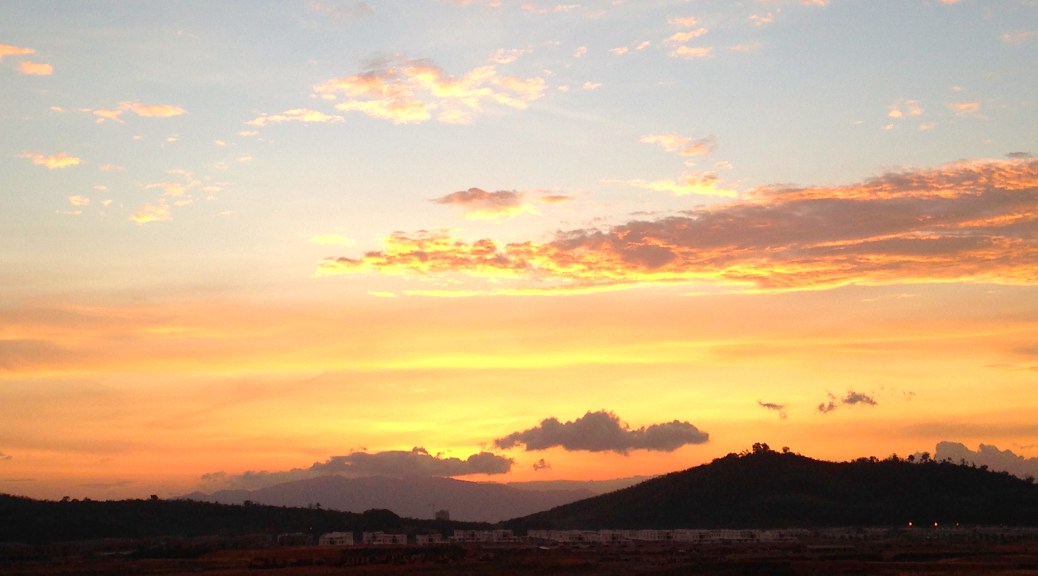
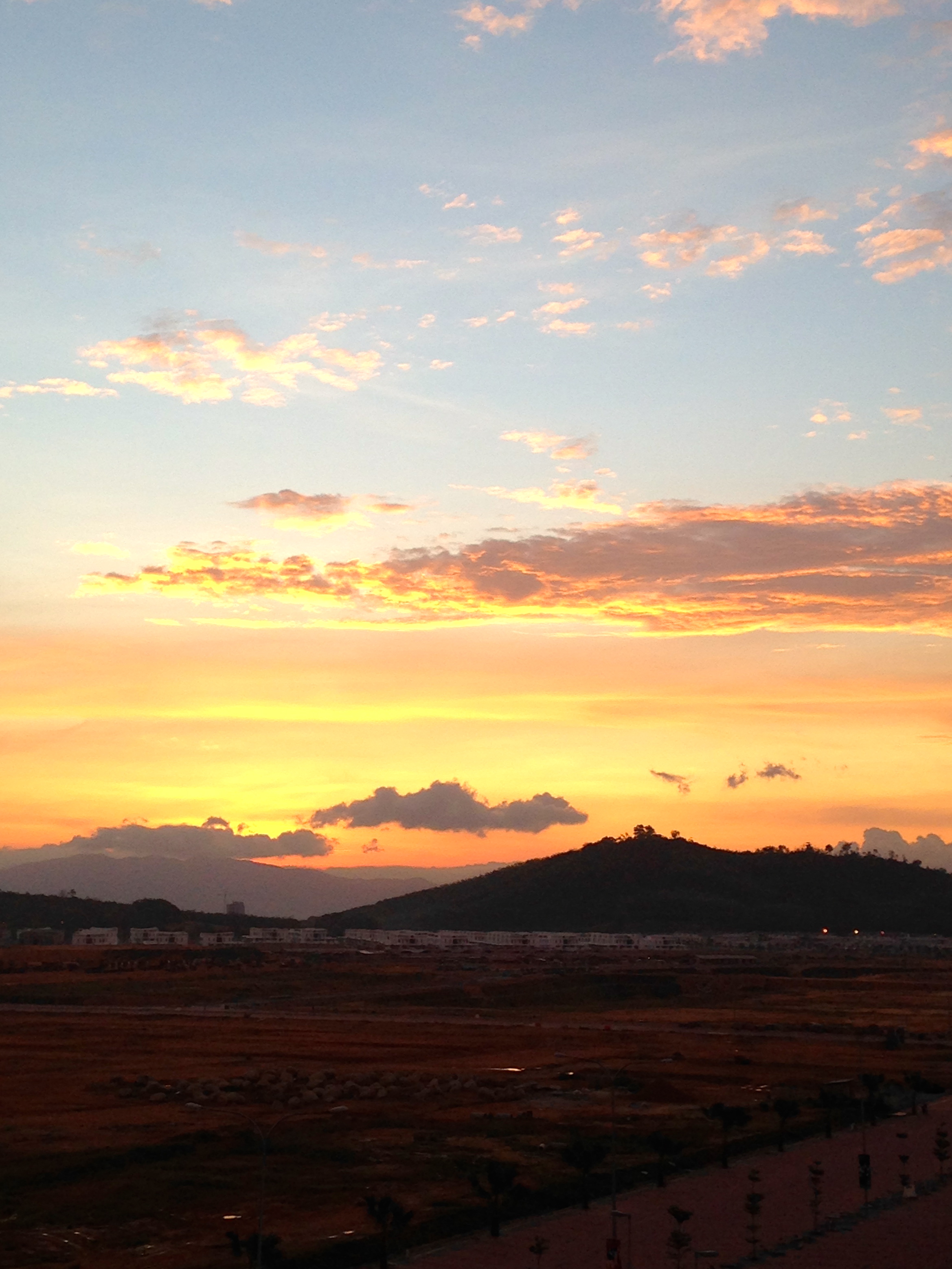
It rained on our entire drive to Melaka on Saturday, but Mitch and I were rewarded for our perseverance in my Kancil by a beautiful sunset.
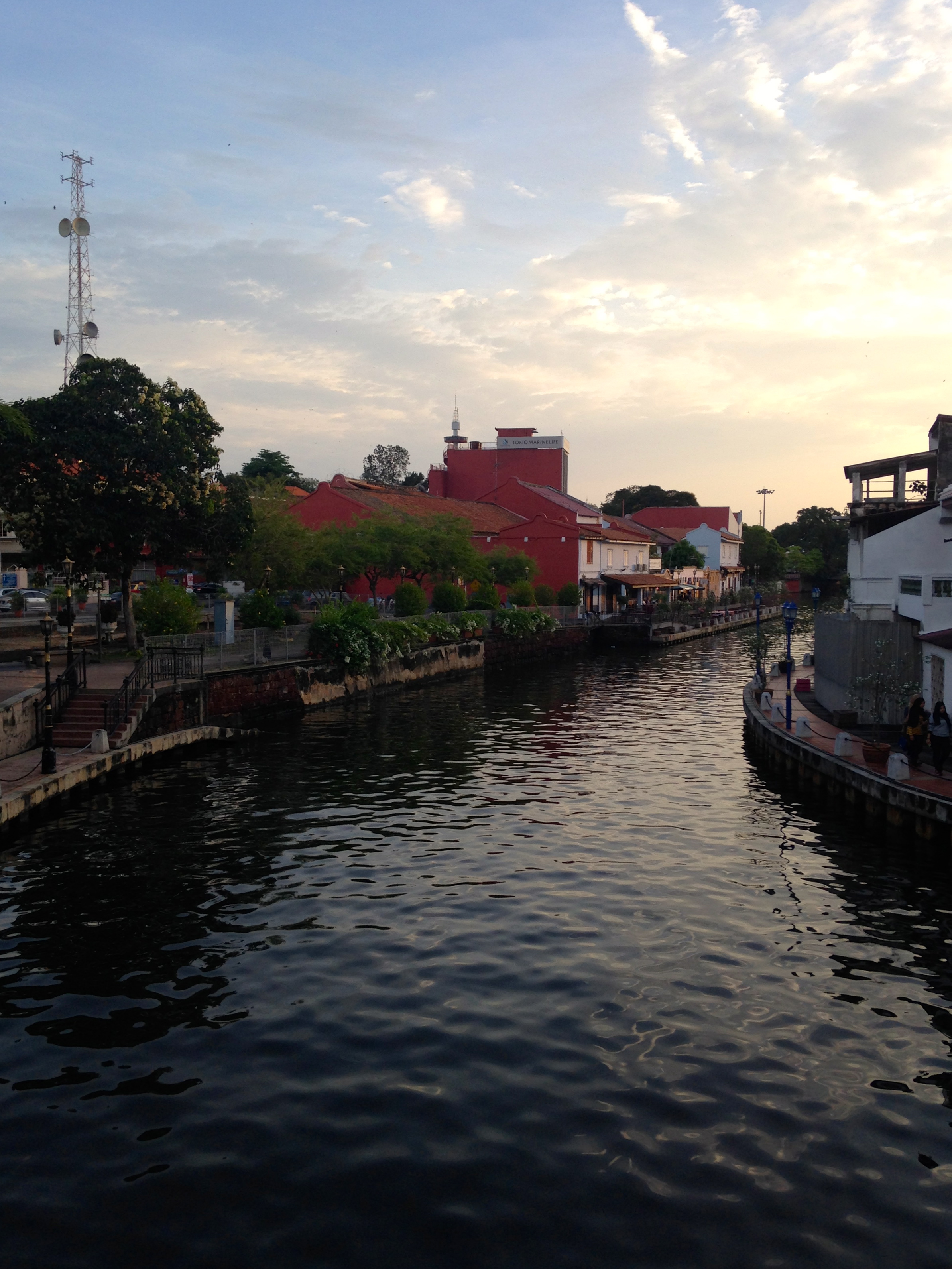
A river runs through Melaka on Saturday evening. Wherever I go, I look for water. Water makes me feel at home.
Mitch and I spent Saturday night wandering down Jonker Street and through Melaka’s night market eating satay and sweets and browsing shops and stands. We also stopped for a real meal and affordable cocktails at the delicious, vegetarian-friendly Geographér Café.
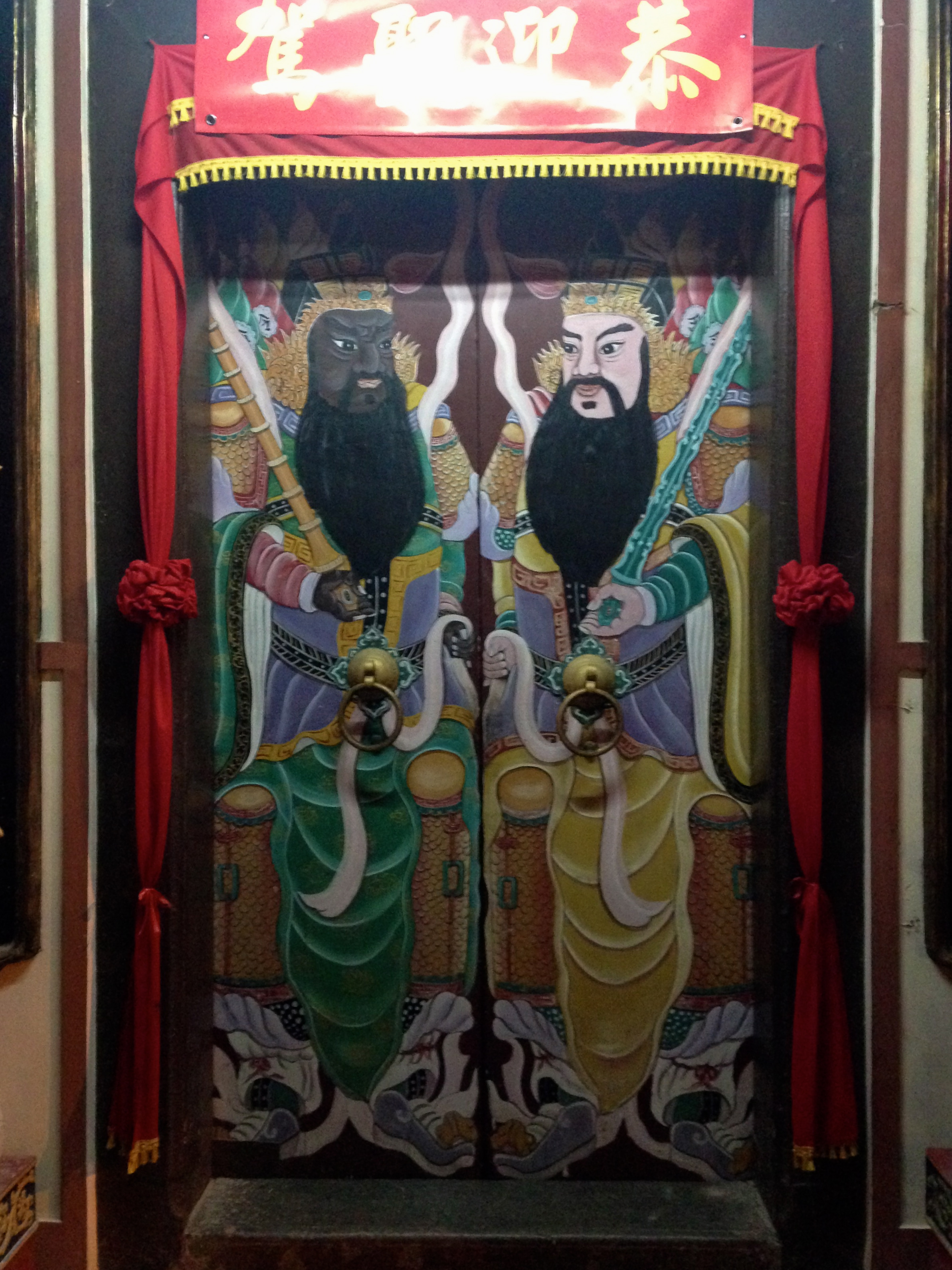
Thai tom yam coconut soup, beautifully presented in a cocount!There are many temples (and churches!) scattered through the UNESCO area of Malacca. This is one we passed on the way back to the car, which we had parked in Little India.
This recipe surprised me in the best way a recipe can – by being unexpectedly delicious. I’ve written glowingly of Yotam Ottolenghi’s food in the past and his cookbook Plenty remains one of my favorites. As Ottolenghi explains in the introduction to the book, many of the recipes come The New Vegetarian, a column he started writing for The Guardian in 2006. You can check out the original recipe here. As usual, I’ll describe the ingredients I used and the method I followed, both of which vary slightly from the recipe. One caution: Ottolenghi cooks with a lot of oil. He is, after all, a chef and makes his living preparing intensely delicious food. I try to cut down on the amount of oil he recommends, though I always end up using at least twice as much as I normally would.
You’ll need . . .
2 tbsp chile sauce
1 1/2 tbsp soy sauce
2 1/2 tbsp sesame oil
1 tsp rice vinegar
1 tbsp maple syrup
5oz firm tofu
3/4 lb Brussels sprouts
about 2/3 cup canola oil
1 cup sliced green onions
1 red chile, deseeded and finely chopped
1 1/2 cups shiitake mushrooms, quartered
1 cup cilantro leaves, chopped
1 tbsp sesame seeds
In a small bowl, whisk together chile and soy sauces, 2 tablespoons of sesame oil, vinegar, and maple syrup. Cut tofu into small-ish strips or cubes. Pour marinade over tofu in a medium bowl and set aside.
Trim bases off Brussels sprouts and cut into three slices from top to bottom. Heat 3 tablespoons of oil in a large pan. Cook half the sprouts on medium-high heat for about 2 minutes. Don’t stir much. The sprouts should almost burn in a few places and cook through, but remain crunchy. Remove sprouts to a bowl. Repeat with more oil and the remaining sprouts. Remove to a bowl.
Add 2 tablespoons of oil to the pan. Heat up and sauté green onions, chile, and mushrooms for 2 minutes. Transfer to sprouts bowl.
Leave the pan on high heat. Use tongs to lift half the tofu pieces from the marinade and gently lay them in the pan in one layer. Reduce heat to medium and cook for 2 minutes on each side. Transfer to sprouts bowl and repeat with the rest of the tofu.
Remove pan from heat and return all cooked ingredients to it. Add the remaining tofu marinade and half the cilantro leaves. Toss and allow to cool slightly in pan. Stir in remaining sesame oil.
Serve warm, but not hot, garnished with sesame seeds and remaining cilantro. Serve over hot brown rice.
Recently, Mitch and I met up with our friend Lucas in Hong Kong. Lucas has been a best friend for years; we met as freshmen in high school, went to college together, and have kept in very close touch since he moved away to California not too long before I moved to Malaysia. Lucas has a very cool job that lets him do things like travel the world. About six months ago, Lucas told us that he was going to be travelling to Hong Kong sometime in November or December. Along the way, that turned into March. The knowledge that one of my best friends was going to be a four-hour plane ride from me acted like a tonic; whenever I considered throwing in the towel and heading home after returning to Malaysia from Spain after Christmas, I remembered that Lucas was coming. And then March showed up and the three of us spent a fantastic weekend together exploring Hong Kong.
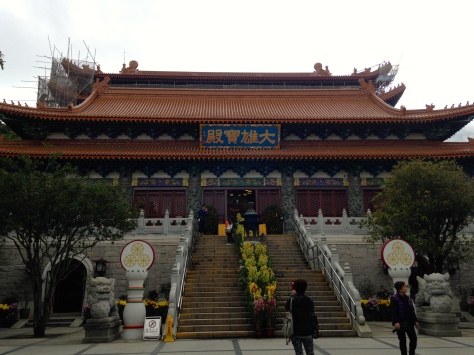
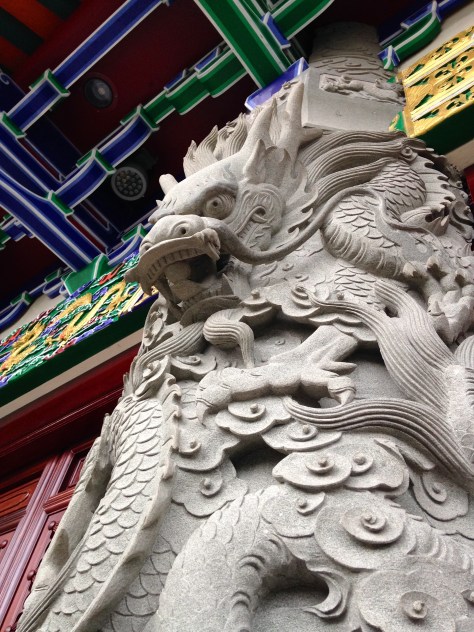
Our first destination was the Po Lin Monastery, located on the island of Lantau. It’s a bit of a trek to get there from where we were staying on Kowloon. Taking public transit took just under 2 hours. It would have been quicker had we been able to take the cable car upon arriving on the island, but it was under repair so we took a bus up windy, twisty roads. That is always a potential recipe for disaster, but we pulled through. Monasteries seem to always be built in beautiful places, and it’s no surprise why. Look around and there’s some sort of breathtaking moment or view or setting that causes one to think of higher powers that could have created such an image.
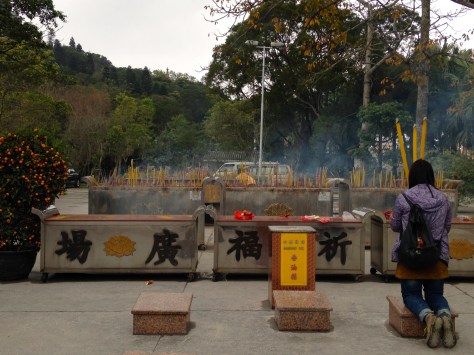
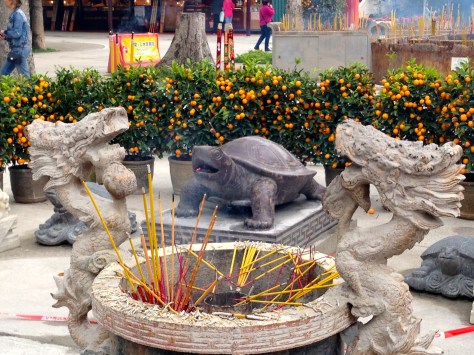
I’ve really enjoyed visiting Buddhist sites around Southeast Asia because they are so different from the types of religious sites to which I am accustomed. I particularly like seeing worshippers, also because their religious practices are unfamiliar to me. As a social studies teacher, I can list Buddhist principles and the history of Buddhism in my sleep, but seeing devotees practice is always eye-opening.
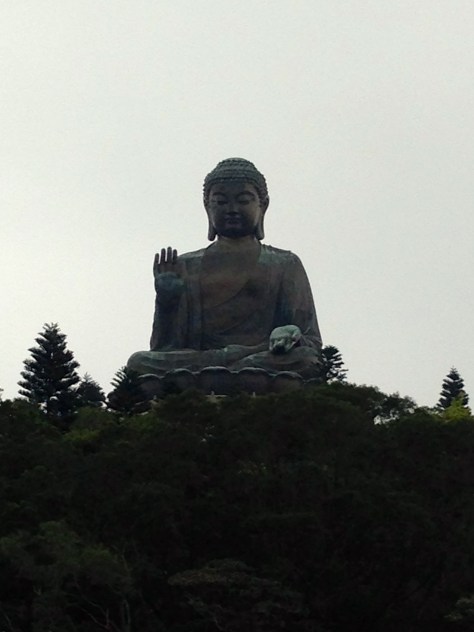
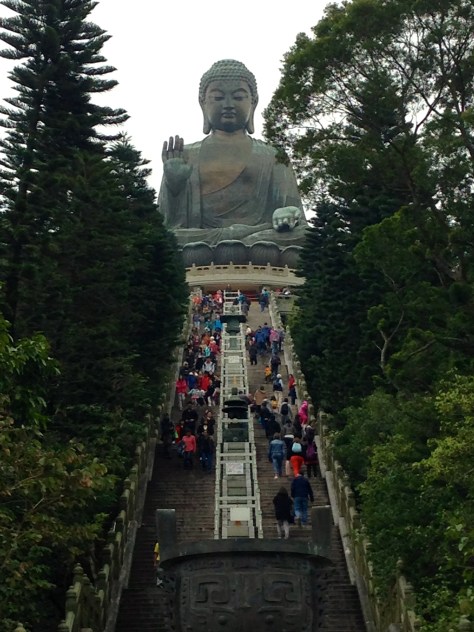
One of the main attractions at the monastery is the Tian Tan Buddha, also referred to as Big Buddha on the signs. We climbed a whole lot of steps and were enthralled with what we saw. This monastery is home to a bone relic from Siddhartha Gautama, The Buddha with a capital T. (And a capital B, I guess.) Big Buddha sits on top of the temple containing this relic. It’s so small that the only way to see it is on a video screen that has a photo of the bone under a microscope.
It was from Big Buddha that we were able to see the valley that Po Lin Monastery calls home.
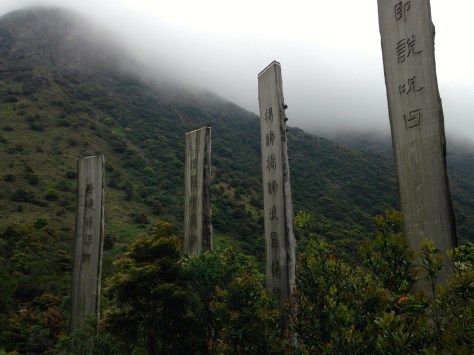
There also walking and hiking trails around the monastery, which we decided to visit. We found ourselves in clearing of unexplained trees carved with Chinese characters. Mitch said he expected druids to come out any minute, which is probably the best way to describe it.
That evening, we went to Temple Street Night Market to show Lucas what night markets are and also to eat cheap local food. In my mind, the market was notable for its vegetable satay and the prevalence of stands selling very naughty lingerie next to stands selling key chains. Something for everyone. We also ventured to the Goldfish Market the next day, which is not an experience I plan to repeat. We’d been warned and now that I’ve seen it with my own eyes, I can assure that it is no place for anyone even remotely concerned with animal welfare. The entire street was lined with pet shops and all of the animals were in tiny cages and being poked and prodded by buyers and people who simply seemed to enjoy the novelty. We looked around, walked up and down half the street, and called it quits. There are some cultural barriers that are too high to breach.
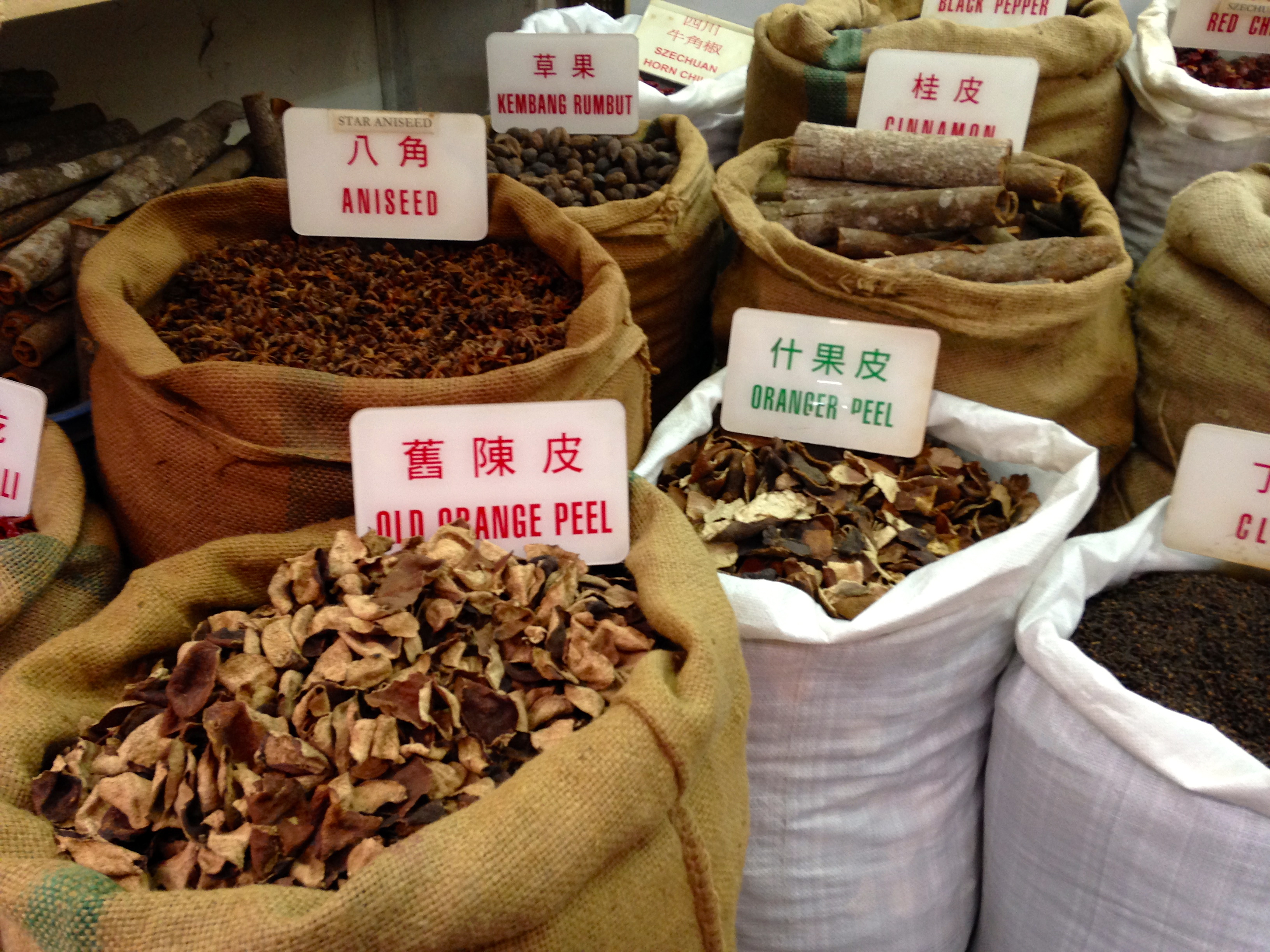
The next day, we wandered through Hong Kong Central, basically following the crowds. We made our way down windy streets where antique stores sold porn along with very old coins. (My personal favorites were the holographic cards that show a voluptuous clothed woman and a voluptuous naked woman, depending on which way they’re twisted. Fascinating stuff.) We went through streets of grocers’ markets and found multiple stands full of fish that had probably been caught that morning. Personally, I preferred the smells coming from the spice shops.
The only items in the market I could stand in front of long enough to get a pictureHow old are oranges before the peel is considered old? What color is the peel if it’s considered oranger?
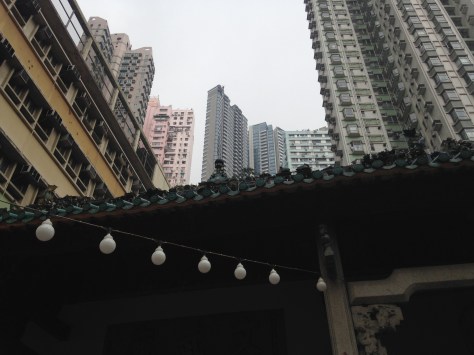
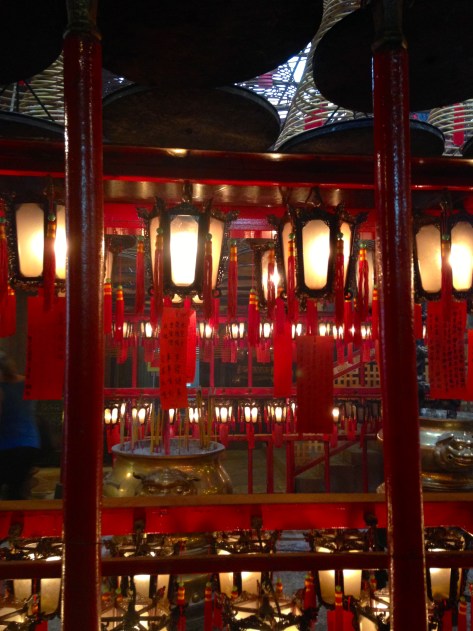
One of the things I love about Southeast Asia are temples located in the middle of big, bustling cities. Hong Kong’s oldest temple, Man Mo Temple, dates to 1847. It sits next door to massive high-rises and crowded with Buddhists lighting incense and praying. The smoke was so thick inside that it was hard to breathe, even more difficult than in the rest of Hong Kong. (The fire alarm in our hostel went off early one morning because of the smog.)
We went to A Symphony of Lights at Tsim Sha Tsui Waterfront on Kowloon, which is the island where we were staying. The symphony wasn’t much to speak of, but it was neat to see the skyline lit up. I also really loved the ferry we took from Kowloon to Central in the dark.
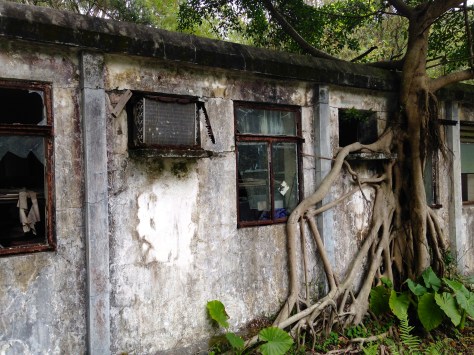
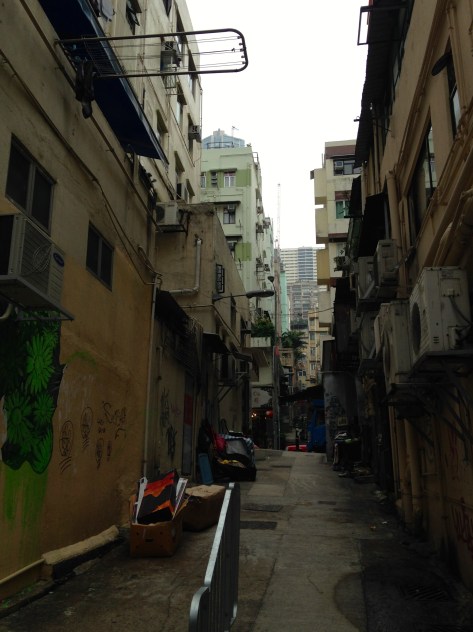
Probably my favorite aspect of travelling is experiencing life as locals do. I love unique signs and shops and neighborhoods that would never be found in guide books because of their normalcy in everyday life. From the outside looking in, however, these are what make people and places real and liveable.
Like building techniques . . .
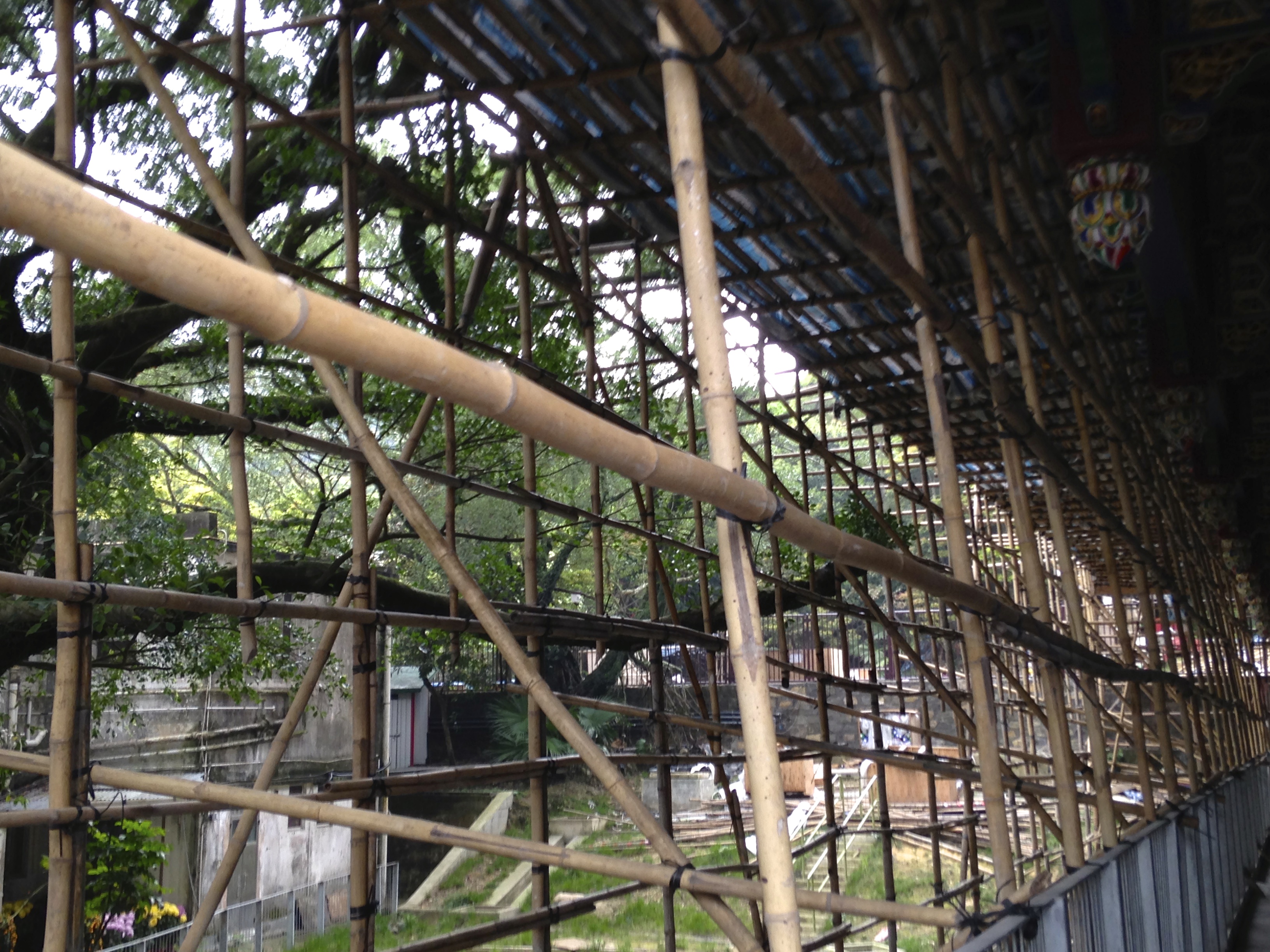
Bamboo scaffolding – They’ve probably been using it for thousands of years and see no need to stop. If it ain’t broke, don’t fix it.Yes, this was at Po Lin Monastery but we saw scaffolding like this all over Hong Kong. It made quite the contrast against concrete!
nightlife culture . . .
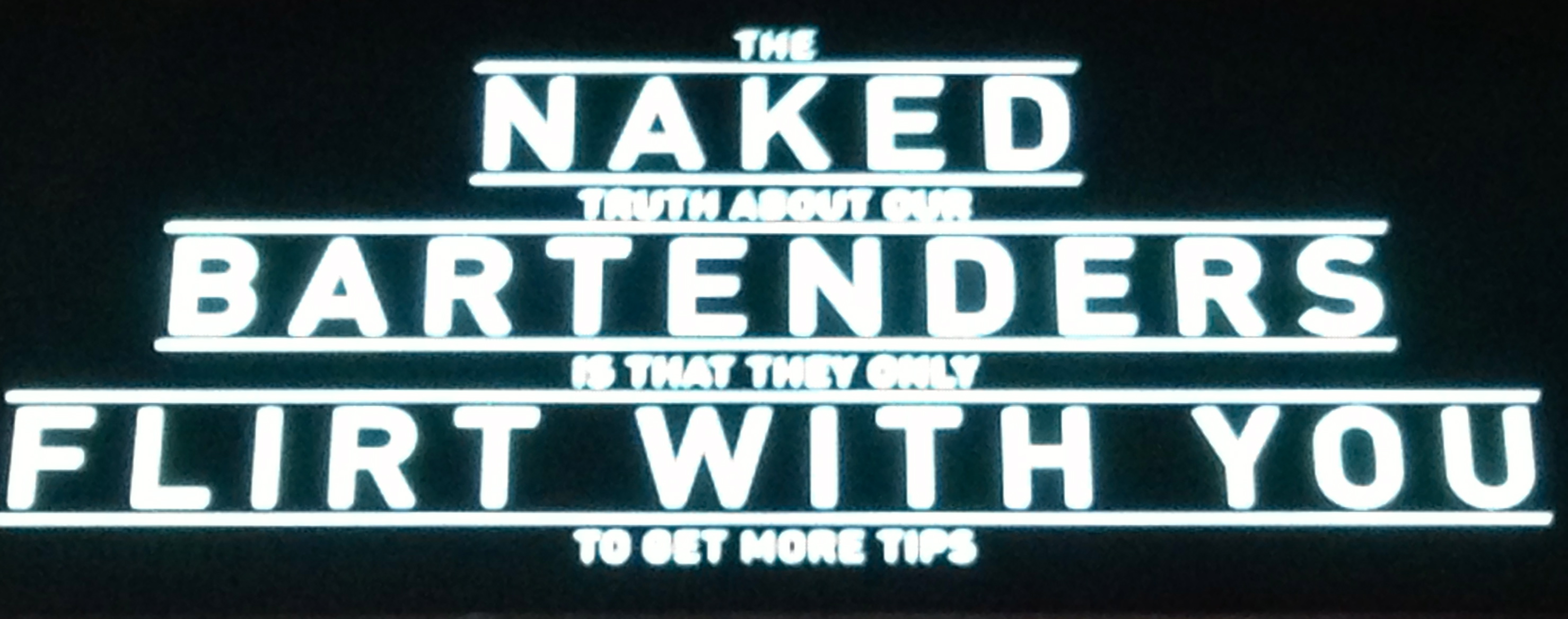
Nothing beats telling it like it is!One of the many trendy and expensive bar streets in CentralHad we known Operation Leprechaun was on, we would have come prepared
home decor . . .
We found these mugs in a store window selling Taiwanese products. The whole area was full of high-end desginerly home goods – made me want to buy lots of things when I grow up!
and a very important aspect of Hong Kong life . . . subway etiquette!
Thank you, helpful sign. The best part is that “do do do” is exactly how one would describe that specific soundI also like that these helpful signs are color-coded
Safe travels and remember to keep your ears pricked for “ding-dong!”
Photos, travels, musings, and ideas on education by someone trying to make the world a better and more peaceful place




















 By Rebecca Michelle