All posts by Rebecca Michelle

Educator, traveler, reader, blogger. Loves learning, black coffee, and friendly people.

Schatz

The first person to call me a treasure lied to me.

The second had just met me but somehow saw me.

The third loved me.


It’s a funny thing, love, and you know it,
don’t you, you know it because it makes people do
crazy things
they wouldn’t otherwise do,
or so they say.
But it’s not magic, you know, as much as we might like to
think;
it’s hormones, not magic
neurotransmitters
chemicals
and that makes it even more infuriating because you know exactly,
exactly
how it works and
why
and why it still gets to you is beyond you. But
well, it’s gotten to everyone at sometime or another.

Or not.

And it’s funny because what swells the heart now is not love,
actually,
but a dream of what could be
what isn’t
what might
what isn’t a dream but sometimes a
wish
hope
dare you think –
prayer?

Easier to skip it.
Easier to skip it and move on and
“one way ticket ’round the world”
like you said
because if you don’t want any part of it that’s
fine that’s
fine. That was clear from the start.

It’s a mantra, a meaning, a purpose
and it doesn’t even exist,
not yet, not today, not with you, but it’s a
it’s the
it’s like they asked, “what do you want most?”
and “what are you afraid of?”
and you smiled and hedged and then
answered the second question to answer the first.
They asked the questions and
you knew the answers more deeply than
you’ll ever admit
to anyone but yourself
because you’d be naked without the armour
and you’ve been there before.

A sudden wave of clarity and you’ve slept better since.

A sudden wave of clarity and it’s easier to laugh and to think,
well, at least it happened
at least there was a minute
at least you got lost for a while.

The paper is still there, after all, and it’s a shame,
really, a shame
because that could have been, well, a dream.
They (who?) say that when you know, you know,
but all I’ve ever known is that that’s what they say.
And you?
Because it’s not fair to you either, is it?

The English language really could use more variation on
“you”.

After all you’re no longer –
you’re not –
flip the pages on the calendar –
more pages than you’d thought.
I’m glad I found you.

And you?
You know the neurochemistry and you know
that look and sometimes –
but you can’t go there
won’t go there
and in the end don’t want
to go there because
if you did,
you’d be there already. That’s just
the way you are, you said,
and when you know,
you know.


Schatz is the German word for “treasure” and it’s used as a term of endearment. I like this word very much and I’ve been familiar with it for a long time, though it came as a shock when I encountered it again after many years away. There are certain things we’d simply rather not remember, associations we’d rather not have.

The English language doesn’t tend to use “treasure” in this way. In English, pirates, children, and some playful adults search for buried treasure, but it’s rarely something you’d call somebody. I certainly never have. The fact that I can count three occasions in which this word was used says something about it. Not common. Reason enough to remember.

I have a funny relationship with this word, simply because I have had three very different experiences with it. I would assume that everyone prefers some terms of endearment over others, and that we all have such words that we’d rather not use or rather not hear. Our experiences in friendships, romantic relationships, and long-term partnerships shape how we approach new people and the ways we interact with them. These experiences shape the choices and decisions we make, and what we will or will not accept in others. One thing I have learned about myself is that I know who I am and I am not looking for anyone else to affirm that. In some ways, this makes me much more vulnerable because I’ve already lost what I had to lose, so I am more open than I might otherwise be. In other ways, I can feel the walls I’ve wrapped around myself because I’d really rather not go through such loss again. There’s a constant balance in shades of gray, and if I’m honest, I’d rather not balance. The language of interaction matters, and language is not only words.

I’ve been called a treasure three times.

Perhaps I was a different person each time.

Perhaps all of those versions of myself are somehow contained in this self.

And perhaps, just perhaps, there is another word.

Weimar, Germany – February 2022

History Lessons

Last Monday I introduced our current topic, the Cold War, in my grade 11 history class. Timely.

“What do you think . . . ?”
“What if . . . ?”
“Is it possible . . . ?”

Once a week, we read the news together in my grades 8, 9, and 10 individuals and societies classes. And the we discuss why each piece of news is important.

“But why . . . ?”
“Who is . . . ?”
“What should we do?”

I don’t have answers for many of the questions my students are asking now, but I encourage the questions. I don’t always know where to direct them for more information, but I’m glad they want more information. Students have shown me social media posts that bother them and shared videos they’ve watched. They’re talking at home with their families and those conversations lead to more questions.

Most of the time, the best answer I can give also happens to be the most honest answer: “I don’t know. I never expected we’d be here and here we are. So I don’t know.”

One student nodded. “That’s exactly what my dad said.”

It’s eerie to be studying a topic that is suddenly a very different topic than it was when I first outlined this unit last spring. The world as we understood it mere weeks ago is not the same world that we are living in today. And as with every major change or transition, it never will be again.

“Do you think this will end up in history books?”

In graduate school, my classmates and I latched onto the idea of big H and little h history. Big H history is the history we learn, study, read about in books. It’s the history that moves and shapes the world, the history of leaders and power. Little h history is the history of all of us as individuals, the history of we the people that responded to the events around them. Little h history is all of us, our stories, but our names are rarely known.

Big H history is the one that repeats itself; little h history is the one that is viscerally real.

Understanding the past matters because the past created the present. Our behaviour in the present will create the future. Maybe tides are turning. And maybe the world will become a better, more peaceful place. Maybe “enough is enough” will finally be enough, and maybe open arms to these refugees will mean open arms to all refugees.

I never thought the world would get to this point. Yet here we are.

Back on Skis

I learned how to ski when I was in kindergarten and skiing remained a significant part of my winters until I moved to Malaysia. That was eight years ago.

A few months ago, a friend broached the subject of a ski trip to Austria. We looked at photos and maps and shared memories of past experiences. I started making lists of what I needed to buy (everything) and began purchasing, trying on, returning. Other friends got involved, logistics were determined, decisions made and finalized. We did squats to get stronger, planned our grocery shopping, packed the car.

“I hope I remember how to ski,” I told everyone who asked. To a person they replied, “You’ll see. It’s just like riding a bike.”

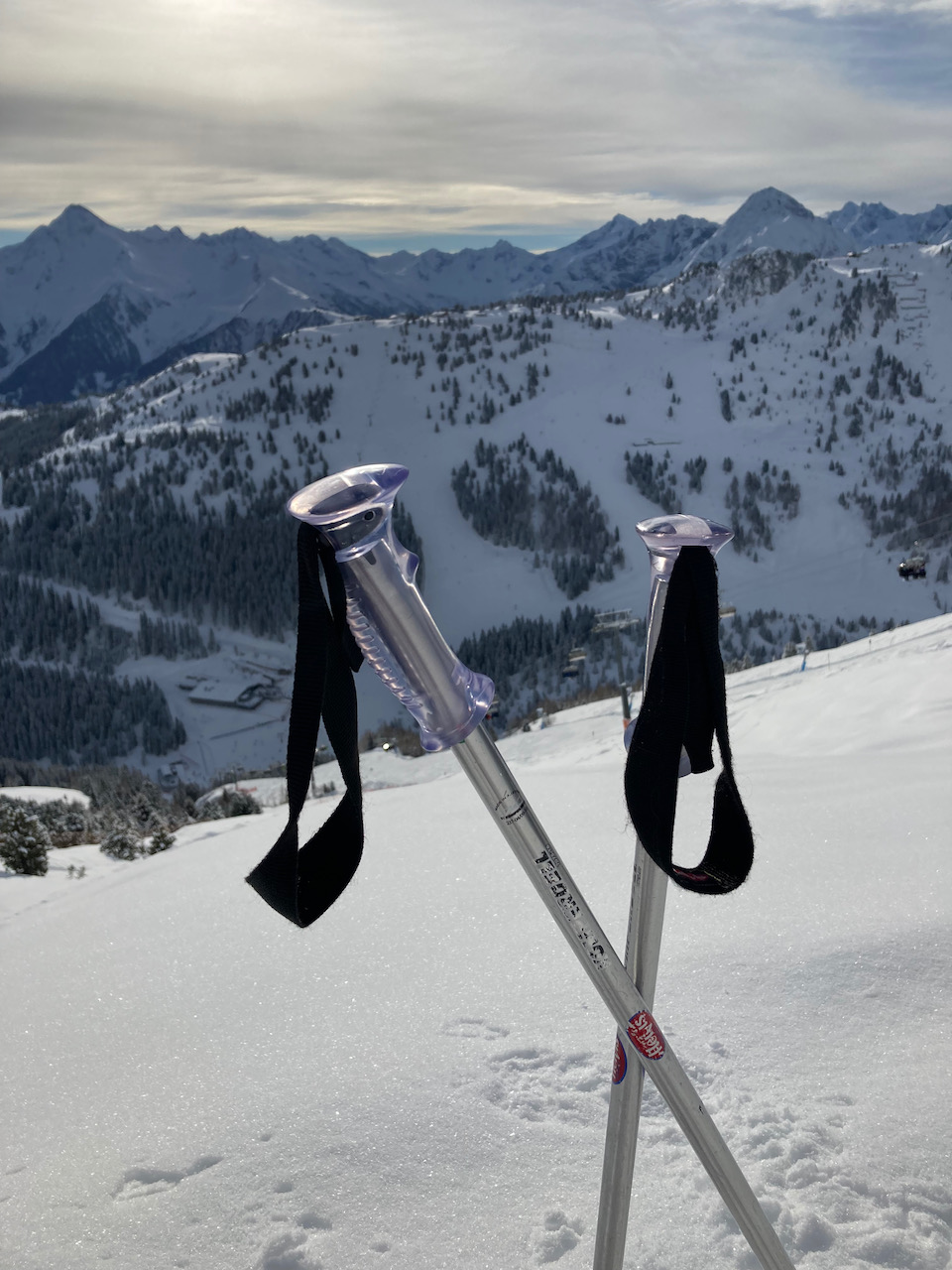
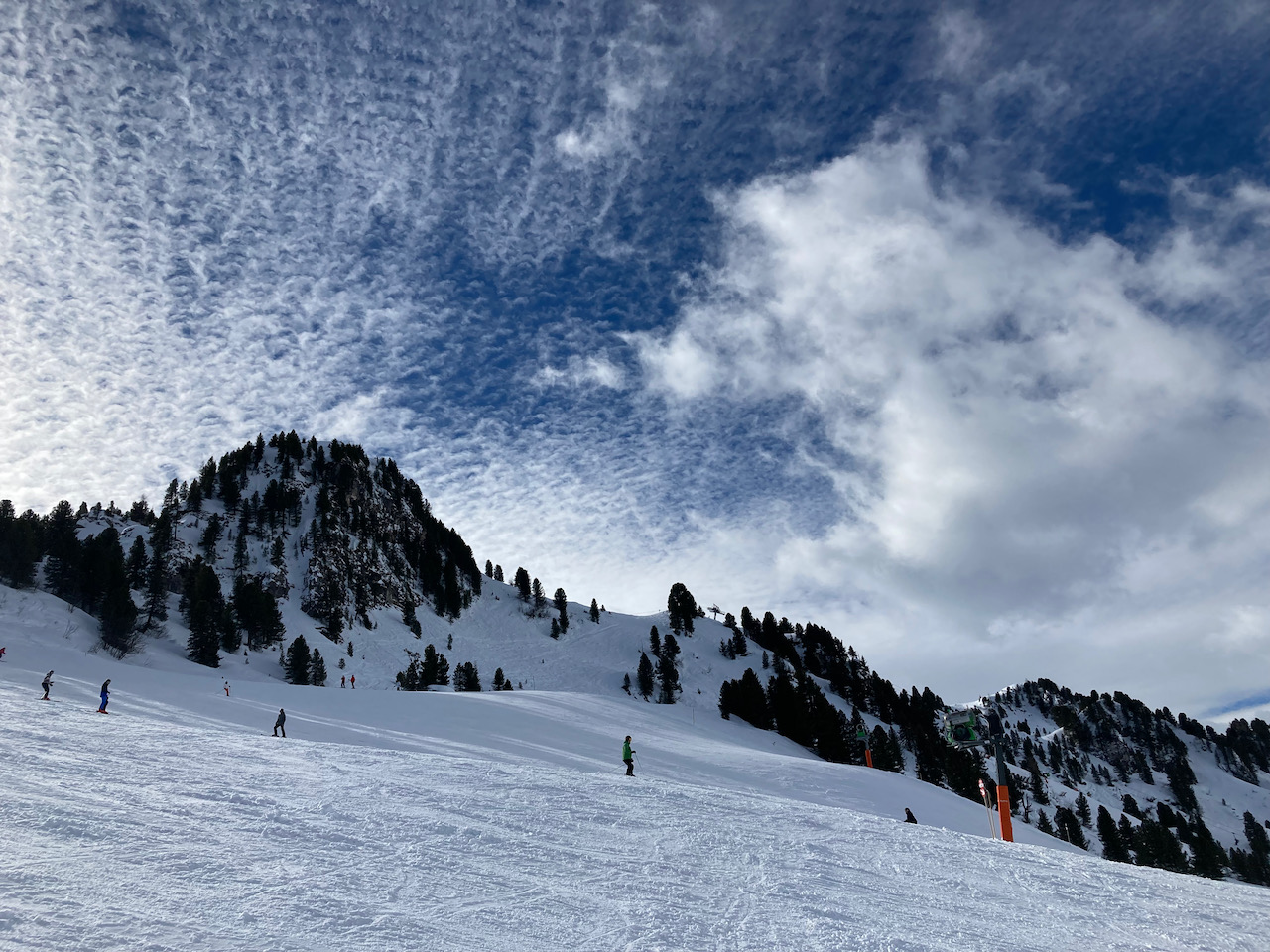
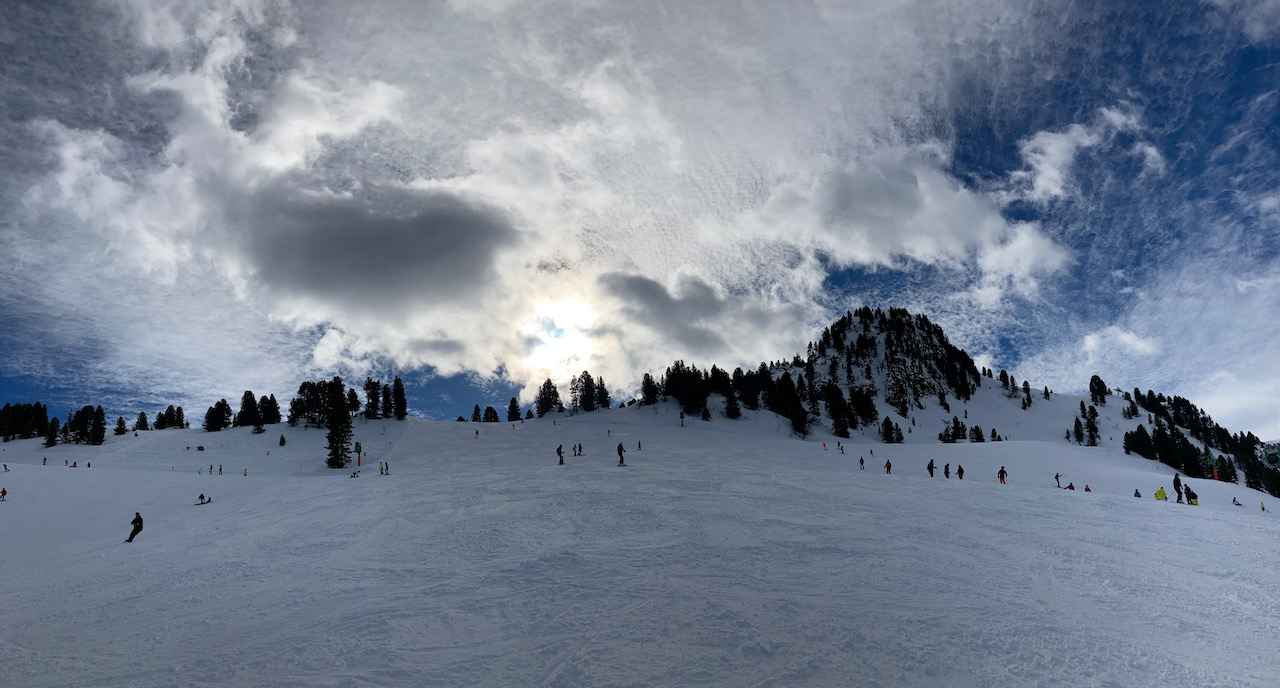
Not just like riding a bike, perhaps, but not too far off. As it turned out, I remembered how to ski. I was certainly not as strong, elegant, or fearless on skis as I once was, at least in my memory of it, but my body knew how to move and my heart knew how to laugh. That’s really all I had hoped for in the mountains.

My experiences skiing took place in equal parts in the icy North American east and in the beloved terrain of the American Rockies. I’ve skied in plenty of powder, played in glades (once with a GoPro that we made the mistake of showing to my non-skier mum), and used to plan my ski days around ungroomed blacks.

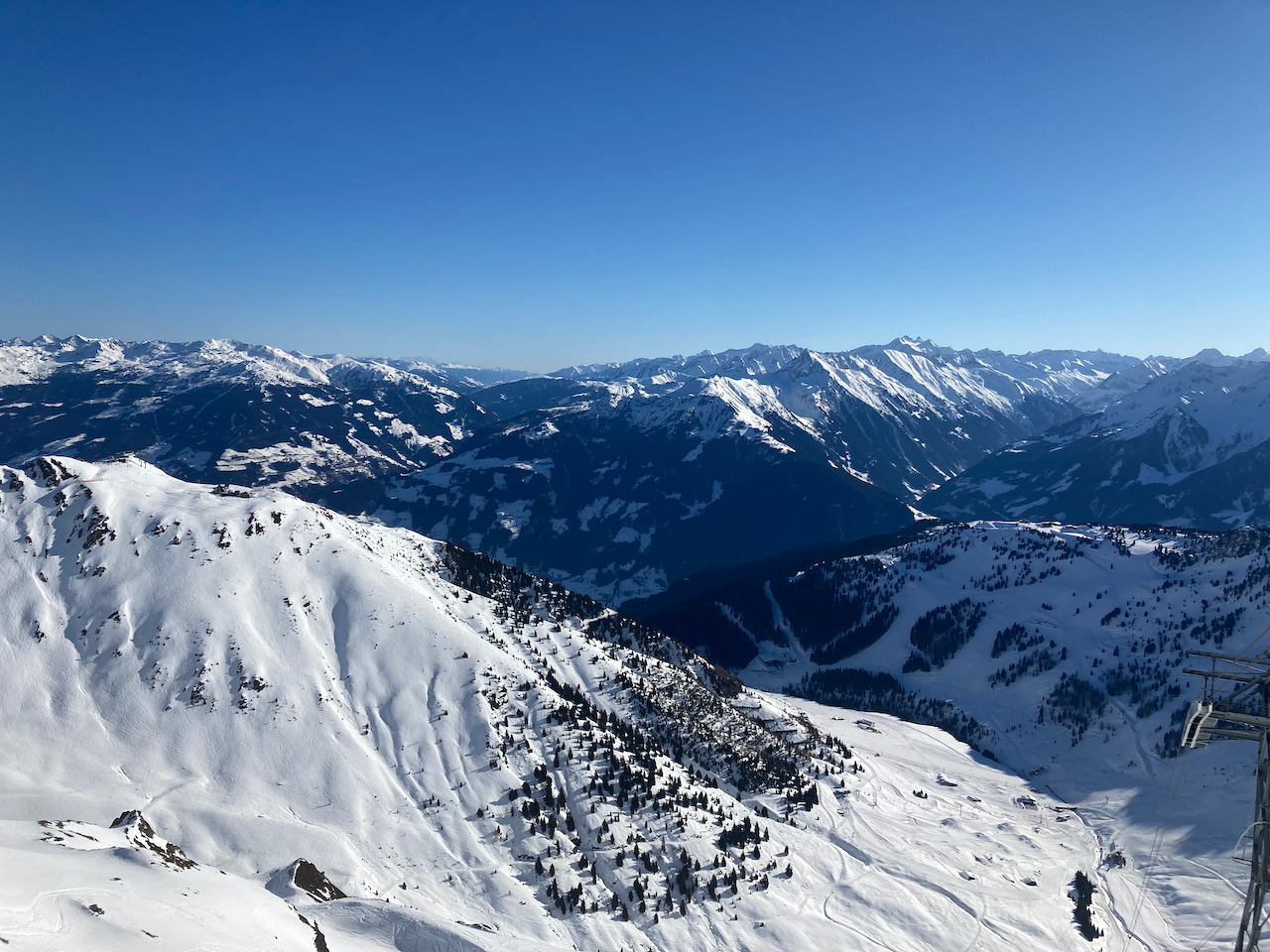
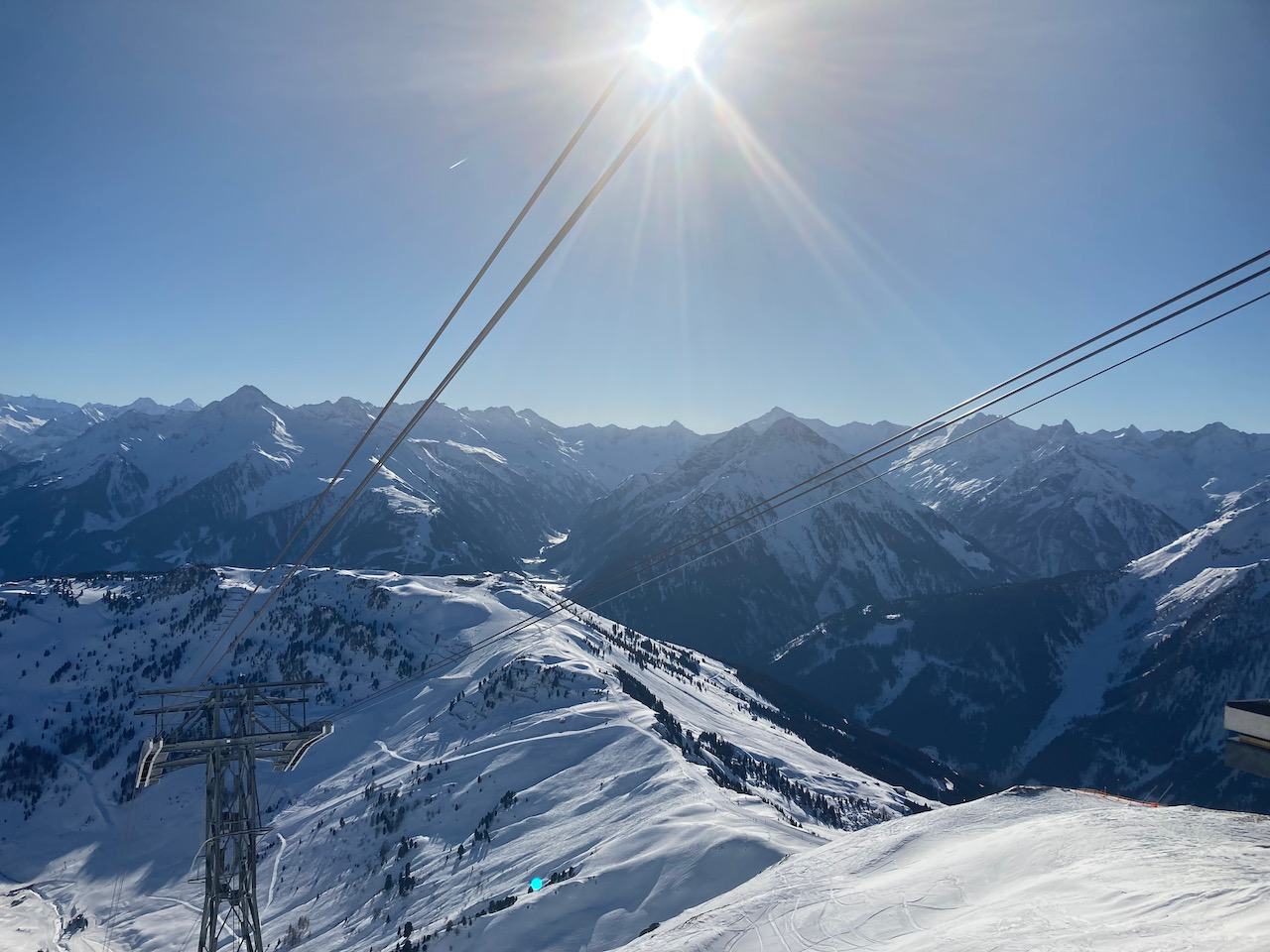
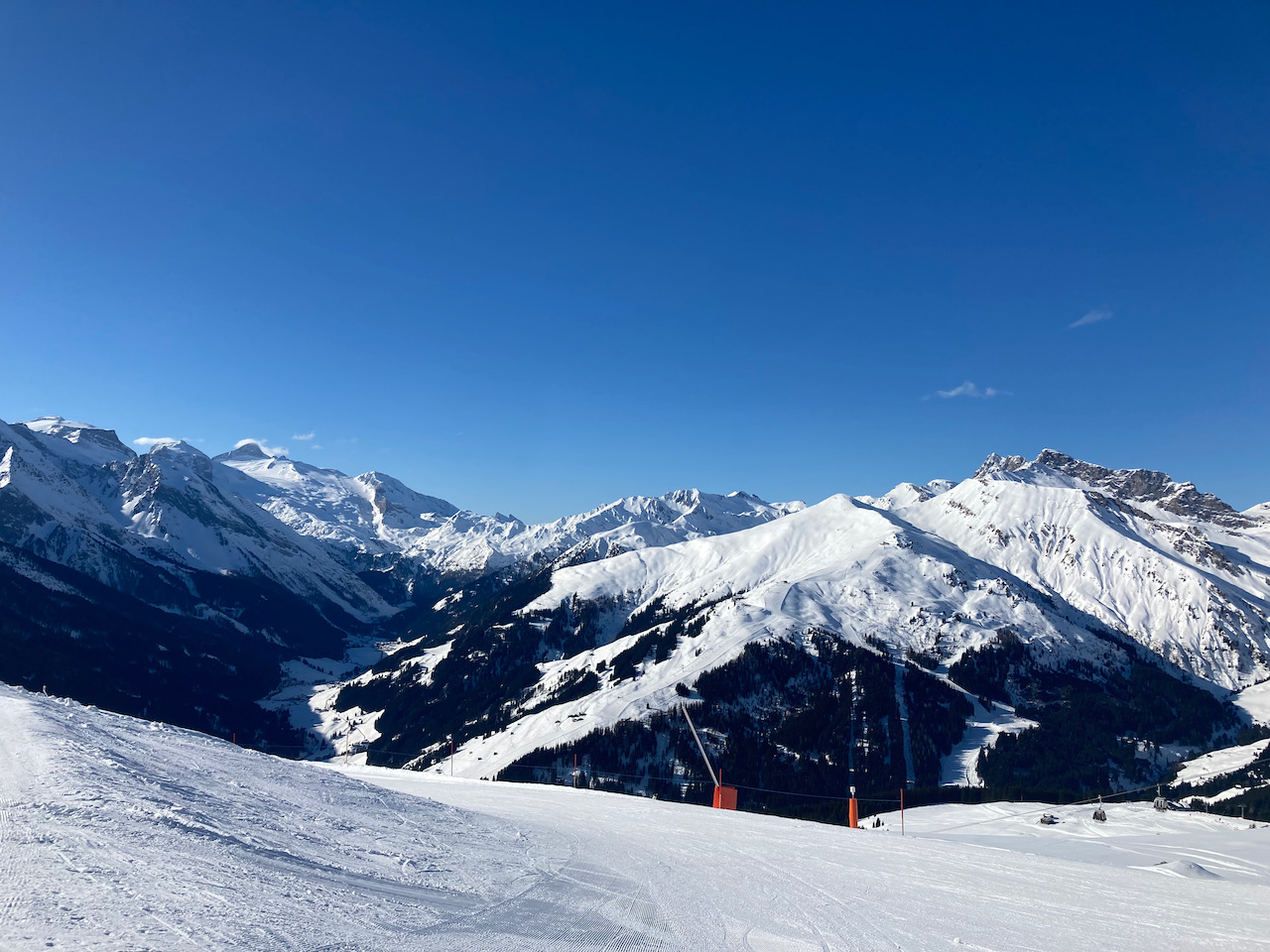
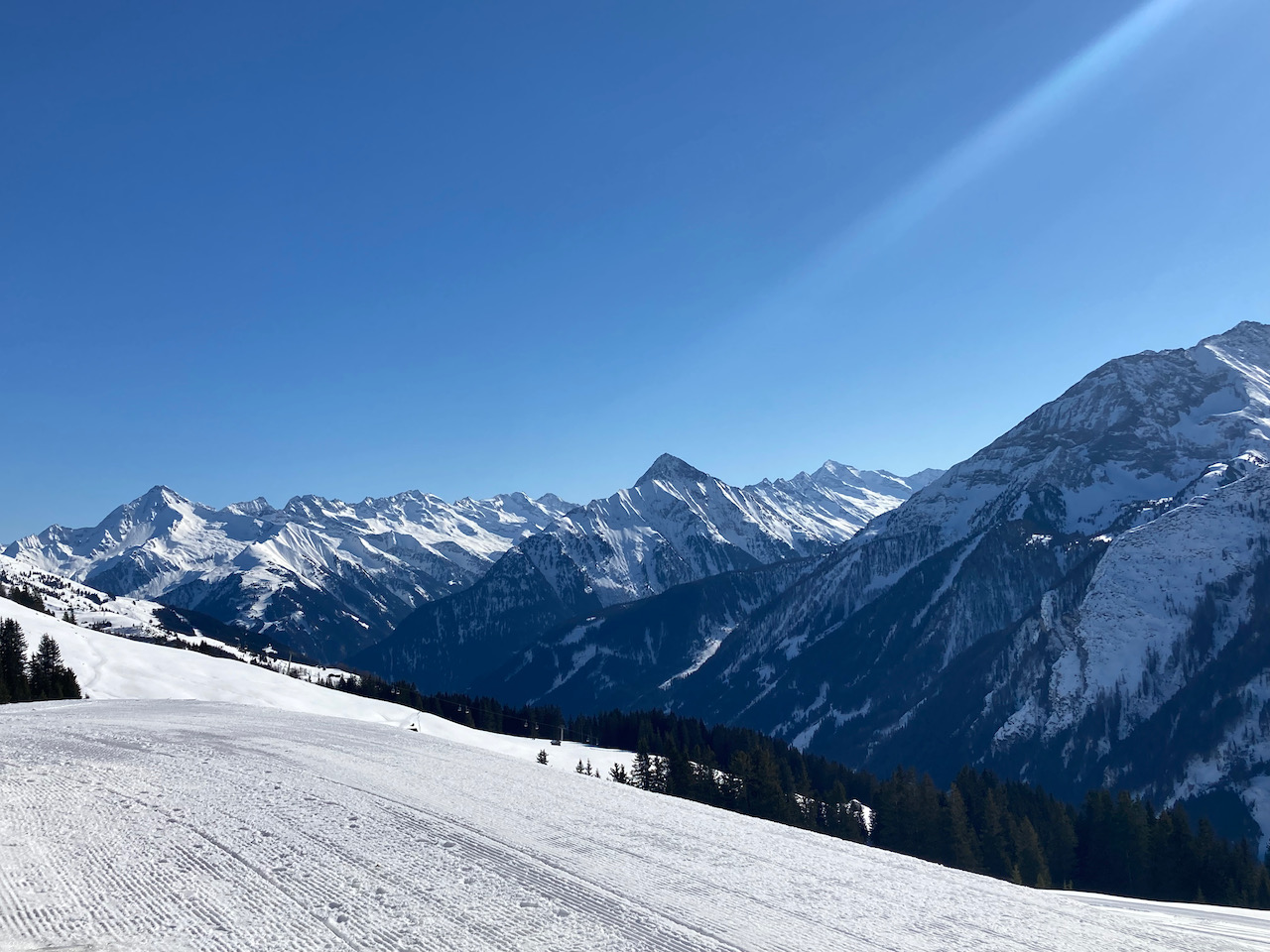
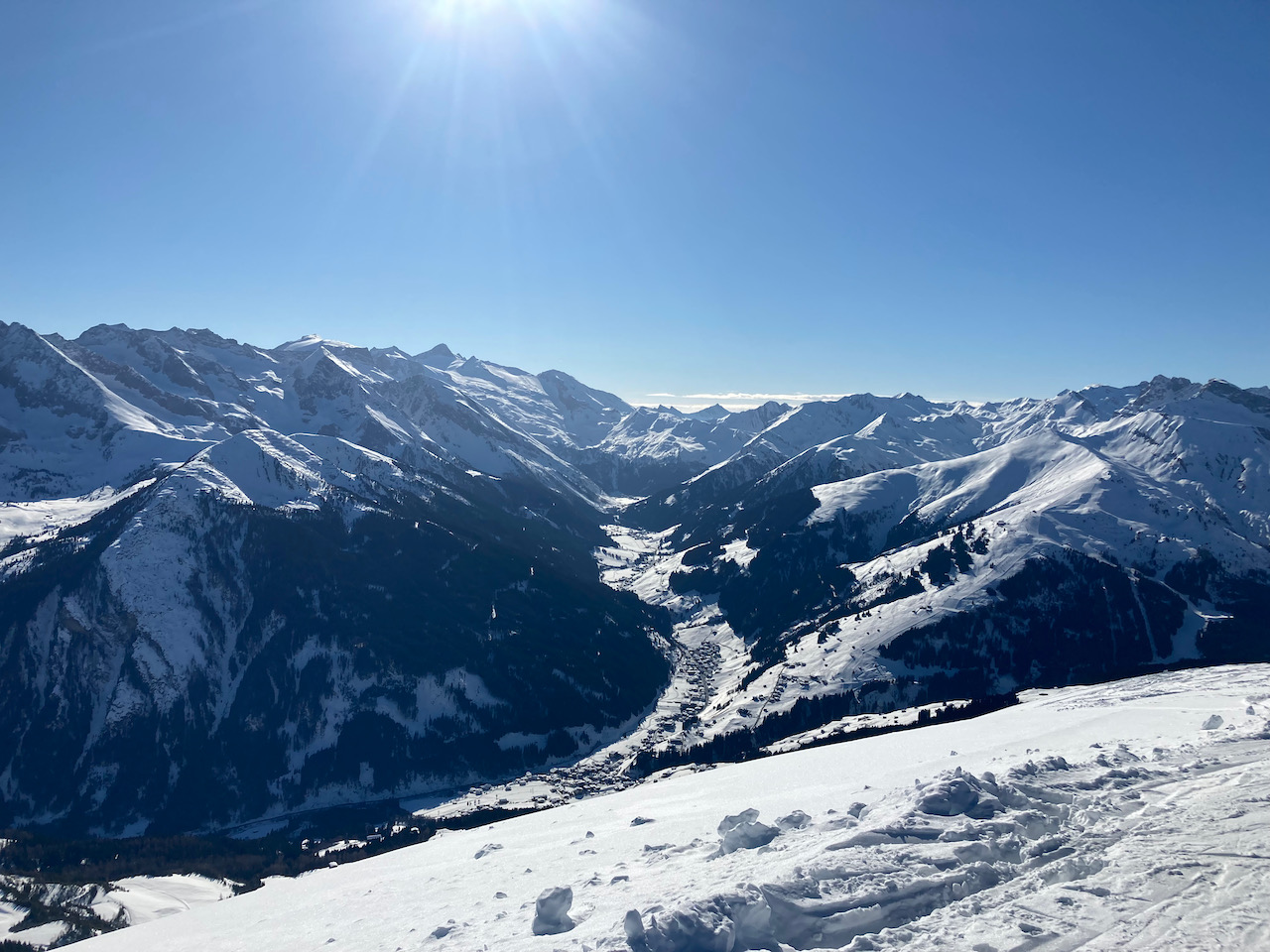
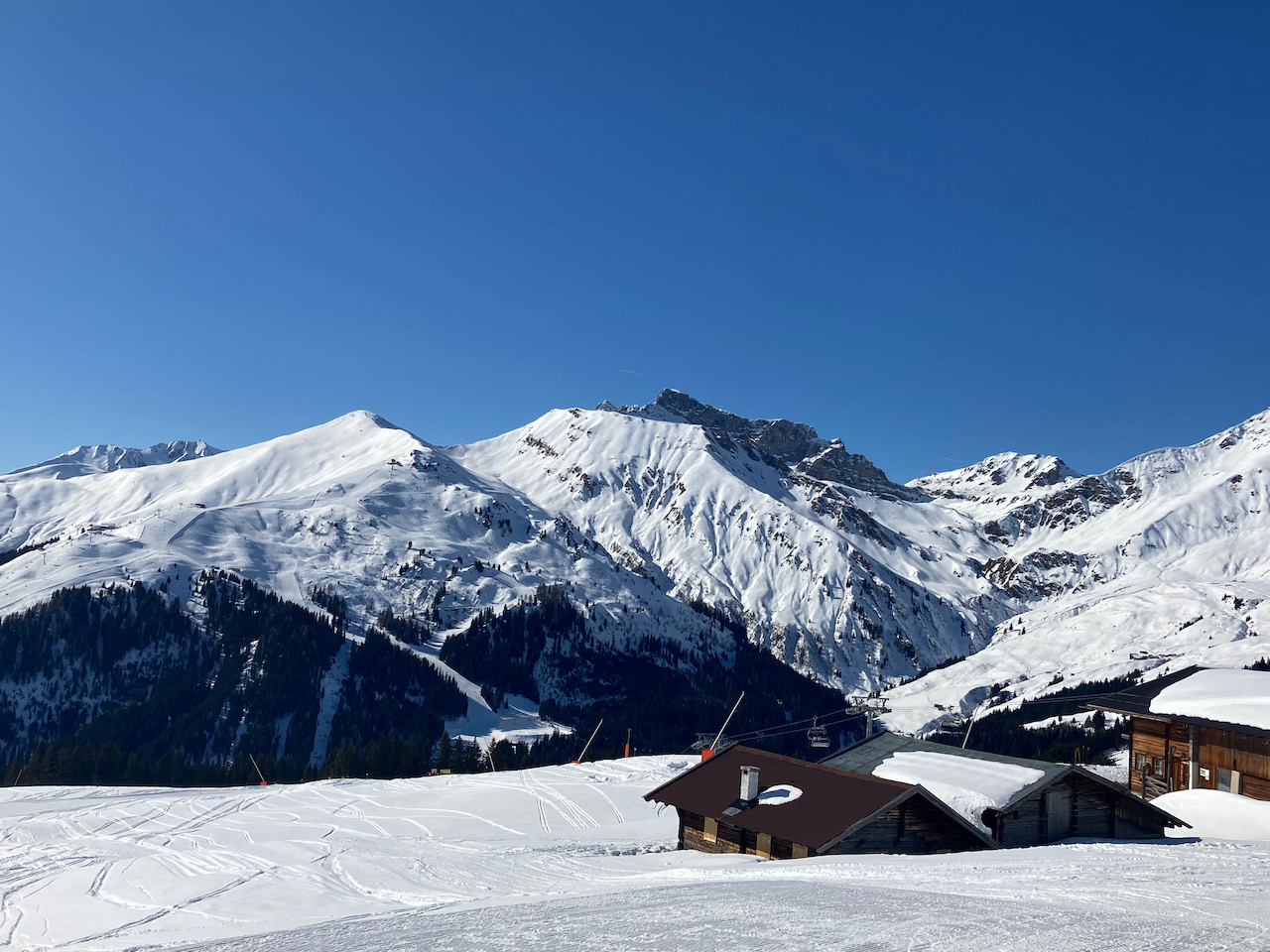
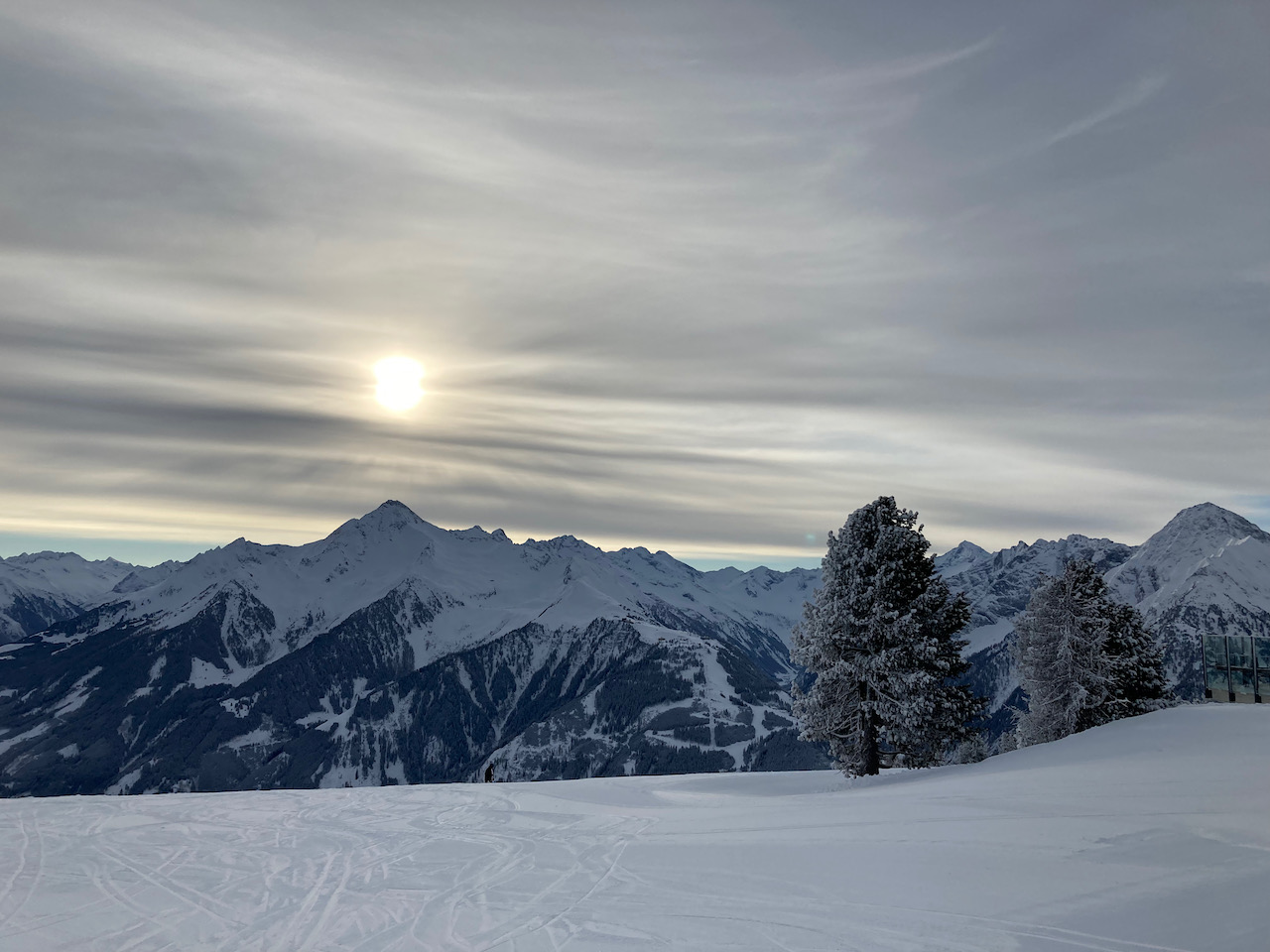
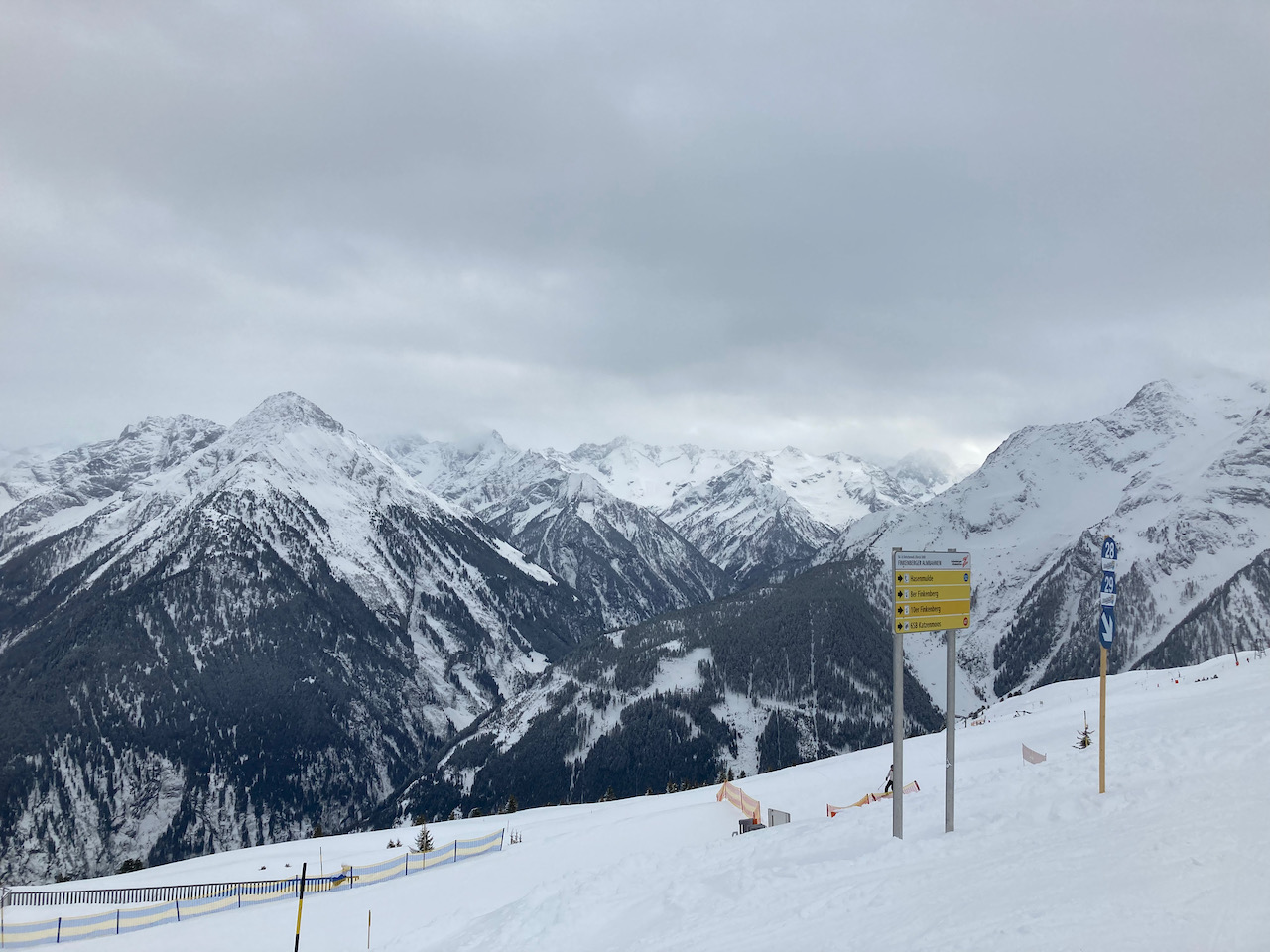
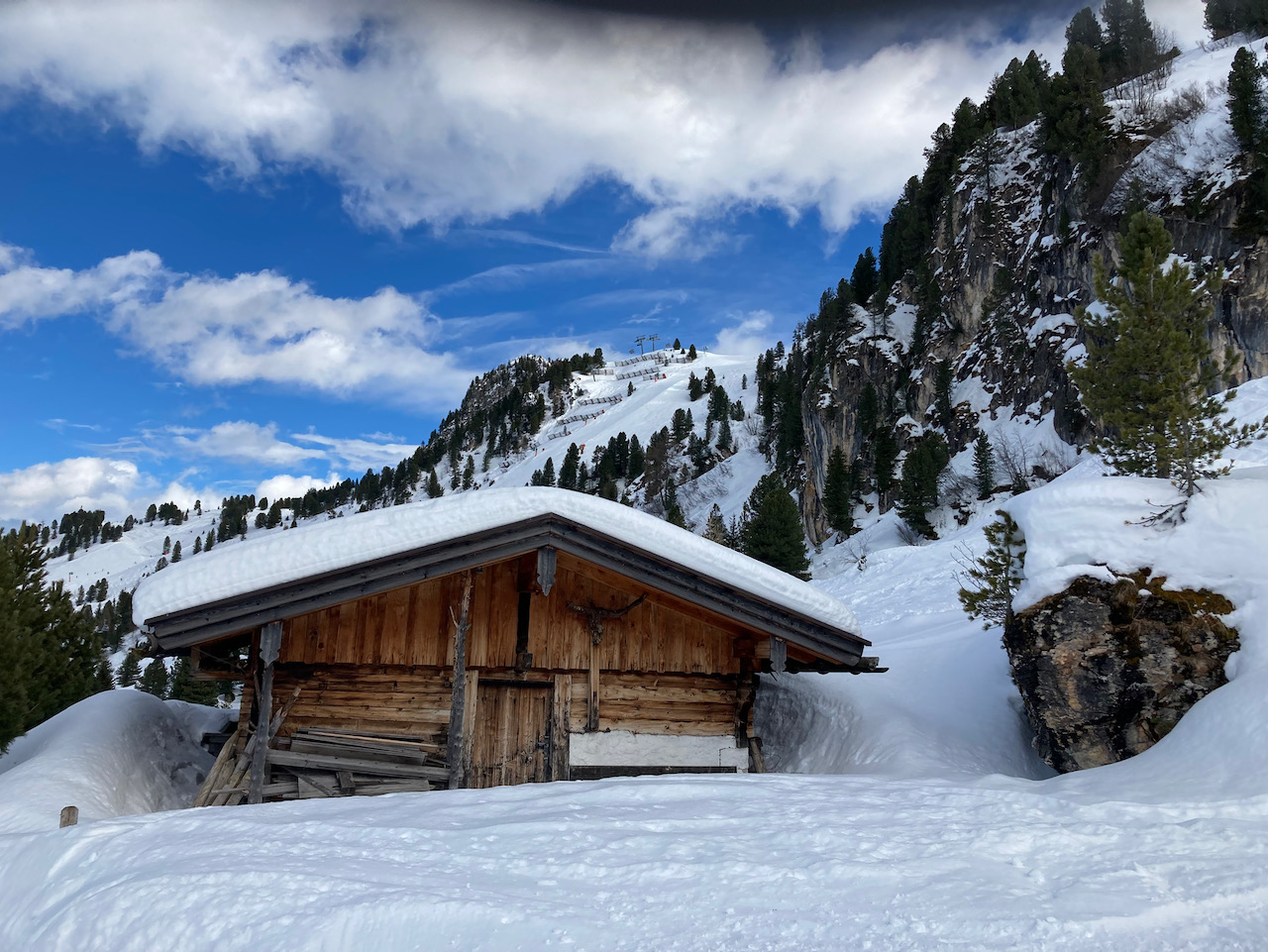
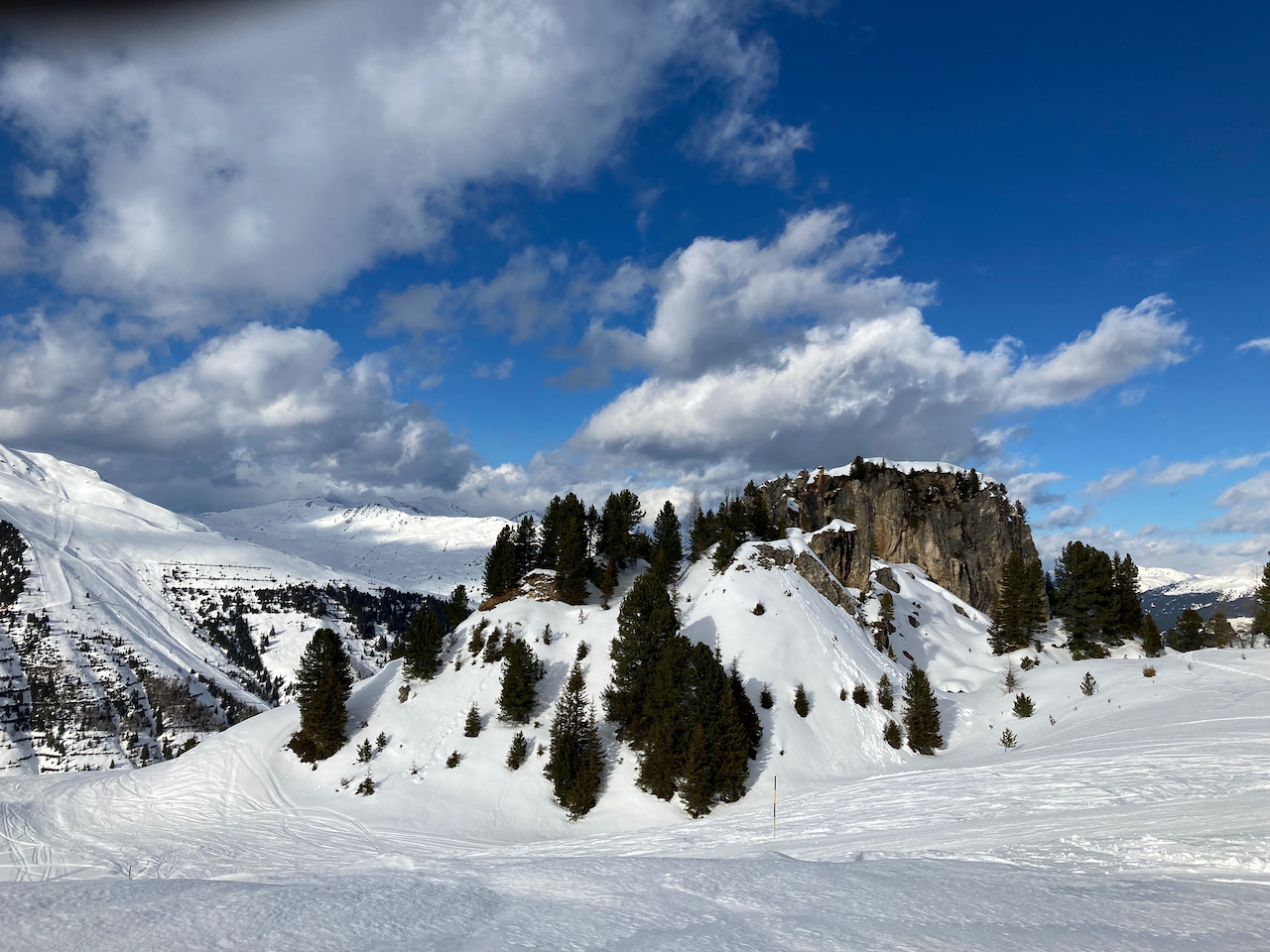
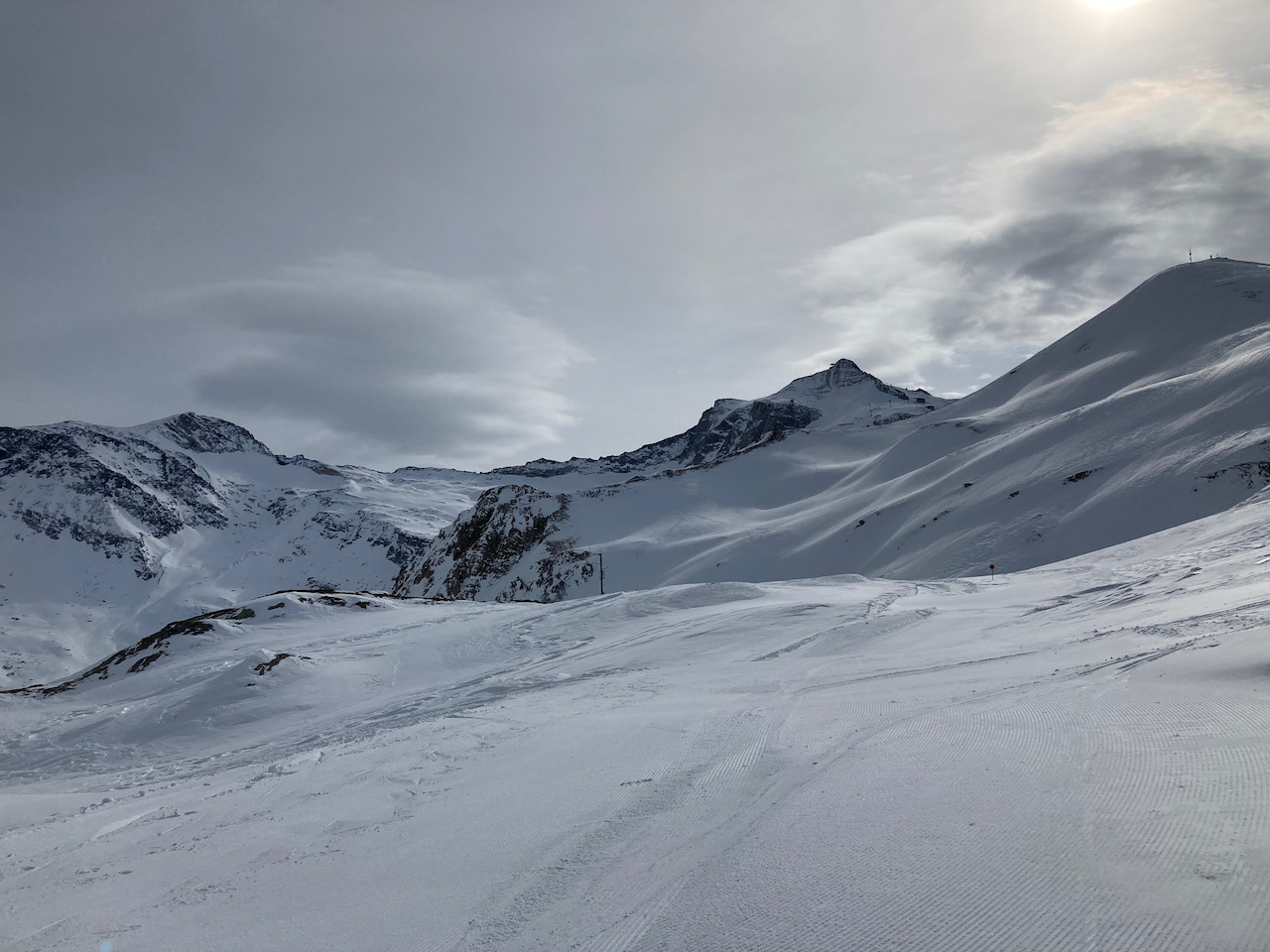
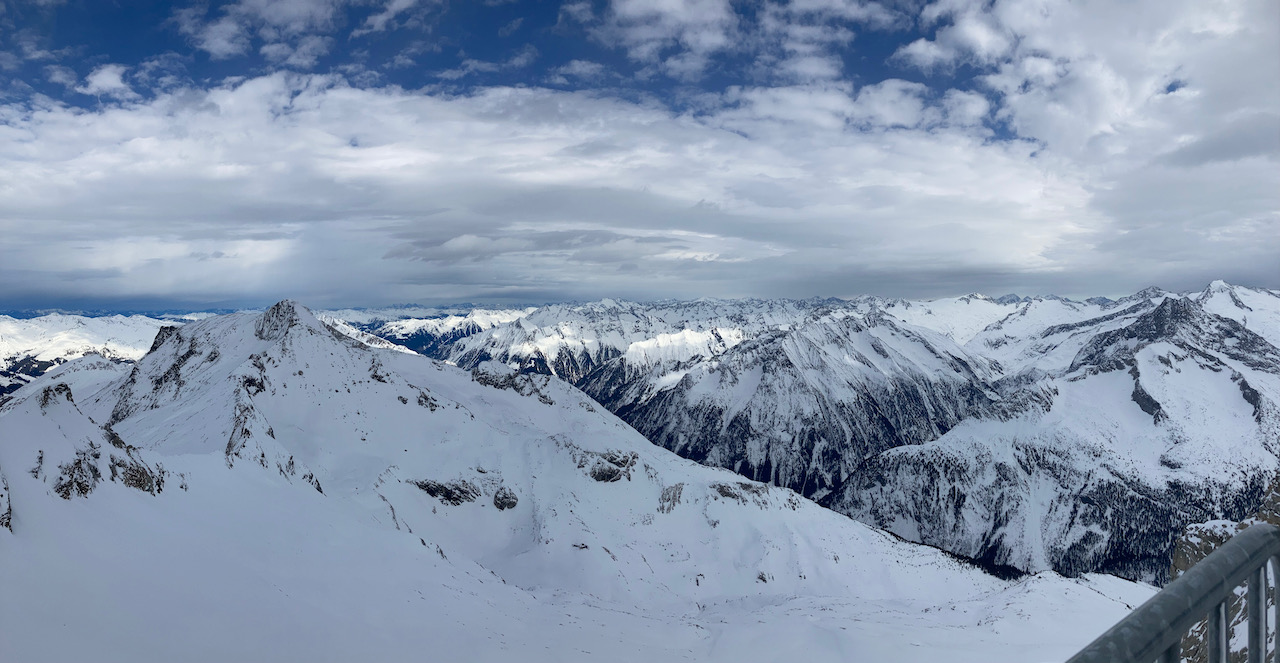
I knew that skiing in the Alps would be different, and it is no exaggeration to say that skiing in the Alps has been a lifetime dream. Perhaps it was the landscape that hit me this time, for I’ve spent a long time away from mountains now, or perhaps it was something else, but I was overcome by a feeling of awe from the moment we arrived.

After half a day, tired of repeating “wow” ad nauseam, I mentioned that I wish I knew other words. A friend supplied a string of words in German, all words I already knew, and it was these words that sang in chorus in my head throughout the week.

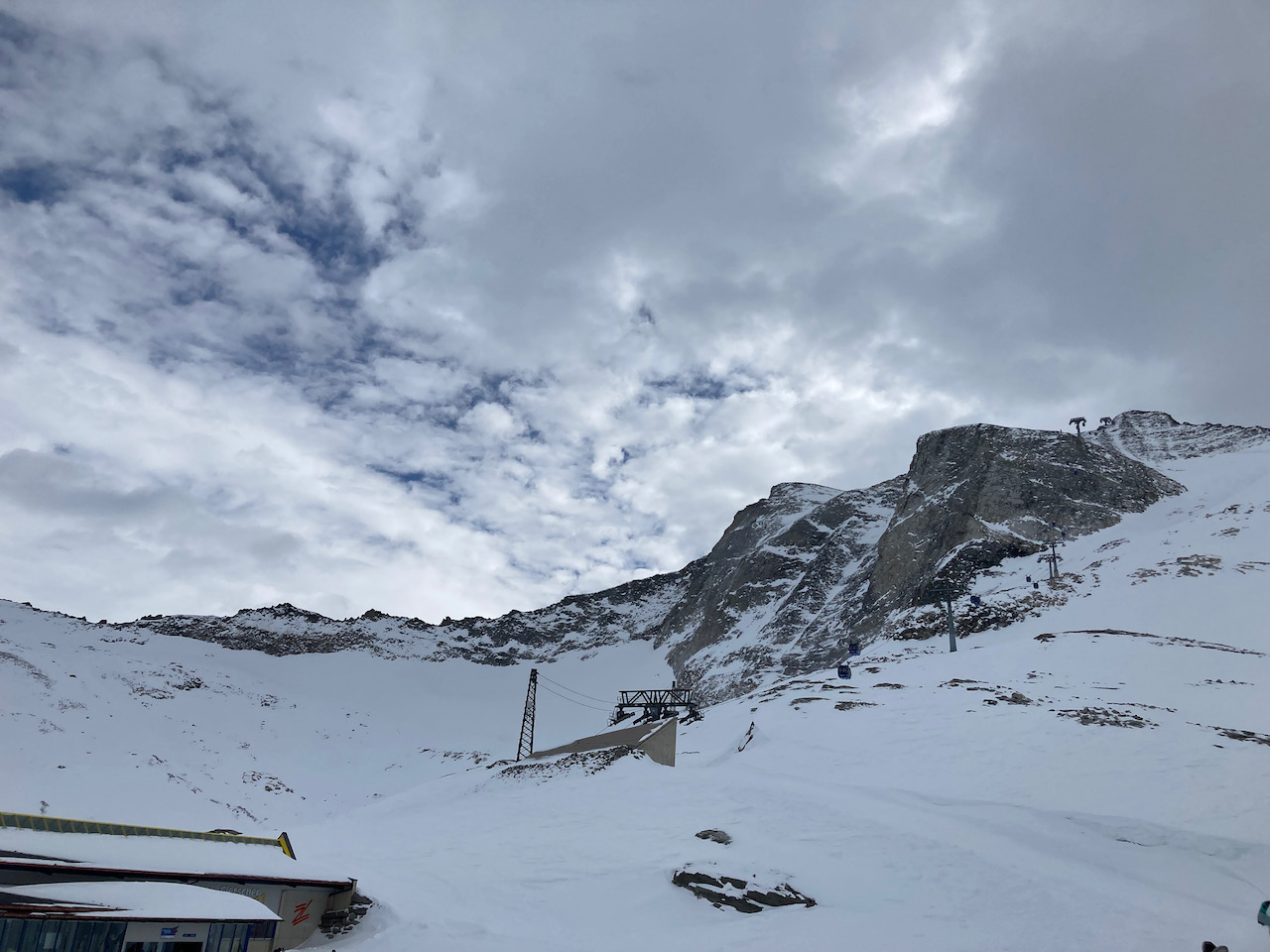
And it really was beautiful, in all kinds of weather, the entire time. We skied fast groomers in bright sunshine; found patches of powder in a snowstorm and worked our legs hard in the moguls that remained the next day; felt ourselves tiny and insignificant in the howling wind that rose through the glacier where we spent our last day. My breath caught with nowhere to go and there was nothing to do but fly, nothing to do but trust the skis in the wind even as the snow swirled up from everywhere and rendered visibility impossible. And then there was nowhere to go but back up the glacier in the hopes that our trial by wind had been recognized.

The landscape was desolate and extraordinary.

I recognize how fortunate I am to know how to ski, first of all, and to be able to take a week to do it. I recognize what it means to have learned this sport as a child and engaged with it for my whole life, less an eight-year break. There are some really interesting cultural differences that I noticed between Europe and North America in this way, accessibility and affordability being only a part of that.

If I could bring everyone this experience, I would. There is something about being out in the world, about recognizing the world rather than the self in the world, that gets me every time. The world would be a better place if we recognized that more often than we forgot it.

And as always, I thank the mountains and the sky for that lesson.