All posts by Rebecca Michelle

Educator, traveler, reader, blogger. Loves learning, black coffee, and friendly people.

On Strength

I first tried to climb the black route on lane one at the climbing gym some time ago. After weeks of alternately attempting and staring at the tricky holds in dismay, I climbed it. The next day, I tackled the purple route, the one with the big sloping handholds. I got higher than I ever have, fell, and then climbed one hold higher. While I had developed my strength since that first attempt, I have also become more deliberate and more precise. In climbing, as in much of our lives, this makes a difference.

Feeling stronger has me thinking about what strength means and where I have found it over time. As a friend once pointed out, I have written about human fragility and vulnerability but I have not focused nearly as much on strength and resilience. I think there are good reasons for this, but that was then. Now is a different time.


I would like to talk here about physical strength in the sense that it takes mental strength to grow physically stronger. I’m reading The Rock Warrior’s Way by Arno Ilgner right now and much of what I’m reading aligns beautifully with my experiences learning meditation. The mind has a remarkable influence on the body and, as Eastern philosophy suggests, there may not be any separation between the two. When I’m feeling happy and positive, the world looks prettier. So too, my body moves more easily. Conversely, when my shoulders are cramped from hunching over a desk and my mind is already in a rut because my shoulders are sore, my body responds unhappily when I ask it to move and my mind continues to complain.

But there is more to strength than the link between mind and body. There is, for example, the sensation of soaring when the two work in concert.

Strength is the feeling that whatever comes next is within my grasp. It is reachable. It is possible.

Strength is the feeling of trust in myself and courage in the face of difficult choices. Strength is the commitment to this thing right here right now rather than acquiescence, resignation, or tacit agreement.

Strength is the ability to challenge oneself and to ask, as I learned in a Coursera course during Singapore’s circuit breaker, “What would you do if you weren’t afraid?”. Listening to the answer to that question is far more frightening than asking it, but crucial to ask if we are to learn who we are and what we are capable of.


A long time ago, I knew a group of people who measured worth, achievement, and level of respect due someone based on their estimate of the person’s 5k run time. It didn’t matter if you were better than them in any other thing; you couldn’t run a 5k as well as they could. To these young men, speed was the form of strength.

I have been running for about ten years now and I, too, measured my running in terms of speed. A good day was a fast run and a bad day was characterised by a slow run, regardless of how much I might have enjoyed it. Taking time off running, whether for injury or travel or anything else, was sapping the physical strength that defined my understanding of how strong I was or could be. Slowing down, be it physically or mentally, was a sign of weakness, despite how much I might have needed it.

I am older now, older, wiser, and a bit more beaten around by the world than I was back then. I took seven weeks off of running and recently started again, very slowly. But I breathed the air, felt the heat from the sun, and experienced the expansiveness of my heart that comes from being along the water and moving my body in the company of strangers doing the same. Would I have noticed this in the way I did without the time off?

This ability to notice, and then to see, is a sign of strength. Otherwise, I am merely going through the motions without ever doing the hard work of asking why. And without noticing, I fail to take the opportunity to learn.

To be strong means to attempt, to err, and always aim to learn. We are in this life to grow and to leave the world a better place than we found it. Having the humility to recognise that others have things to teach us and that we do not know all is a form of strength.


Recent global events have tested my capacity to tolerate, to embrace, and to be flexible when confronted with things I disagree with, dislike, or wish were different. Personal experience has taught me that while it is important to know what I can and cannot tolerate, there is also a difference between cannot and will not. In many ways, this is a choice.

And I believe I am stronger for having learned that.

And I believe I am stronger for looking at those black and purple climbs and asking, “What if I?” instead of telling myself, “You can’t”.

“Life will break you. Nobody can protect you from that, and living alone won’t either, for solitude will also break you with its yearning. You have to love. You have to feel. It is the reason you are here on earth. You are here to risk your heart. You are here to be swallowed up. And when it happens that you are broken, or betrayed, or left, or hurt, or death brushes near, let yourself sit by an apple tree and listen to the apples falling all around you in heaps, wasting their sweetness. Tell yourself you tasted as many as you could.” -Louise Erdrich, The Painted Drum
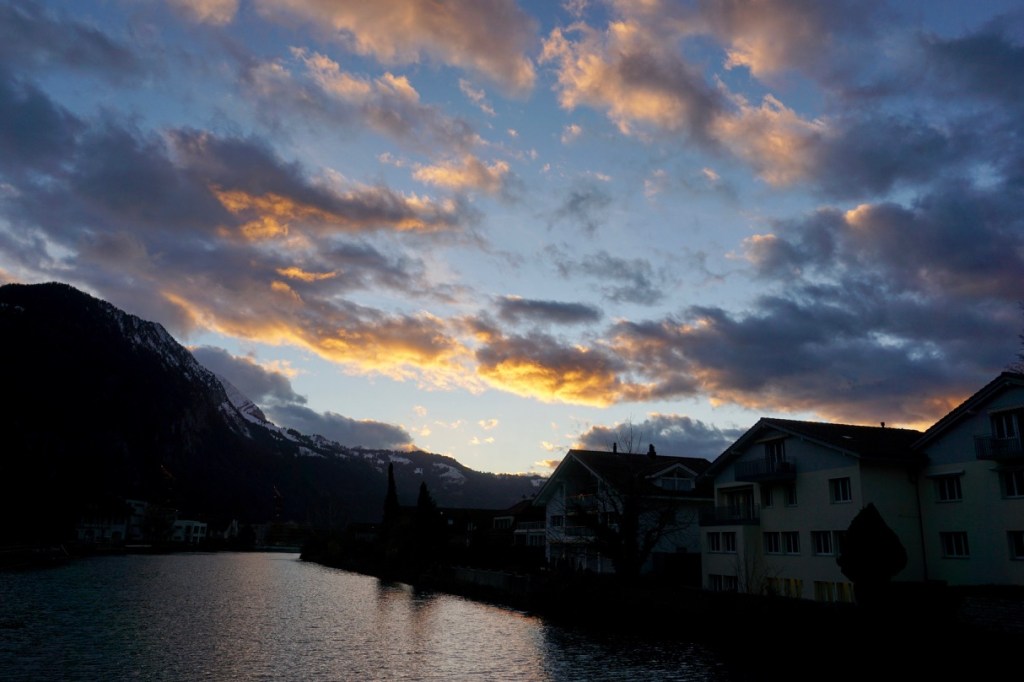
Interlaken, Switzerland – December 2019

Singapore’s Other Islands

Most people know that Singapore is an island off the southern tip of Malaysia. Fewer people know that Singapore has about 64 satellite islands and one outlying island. (In all honesty, I didn’t know those numbers until I looked it up to write this post.) One benefit to being in Singapore for the summer has been ample time to go exploring! This post is a quick overview of my recent travels to some of Singapore’s other islands.

Pulau Ubin

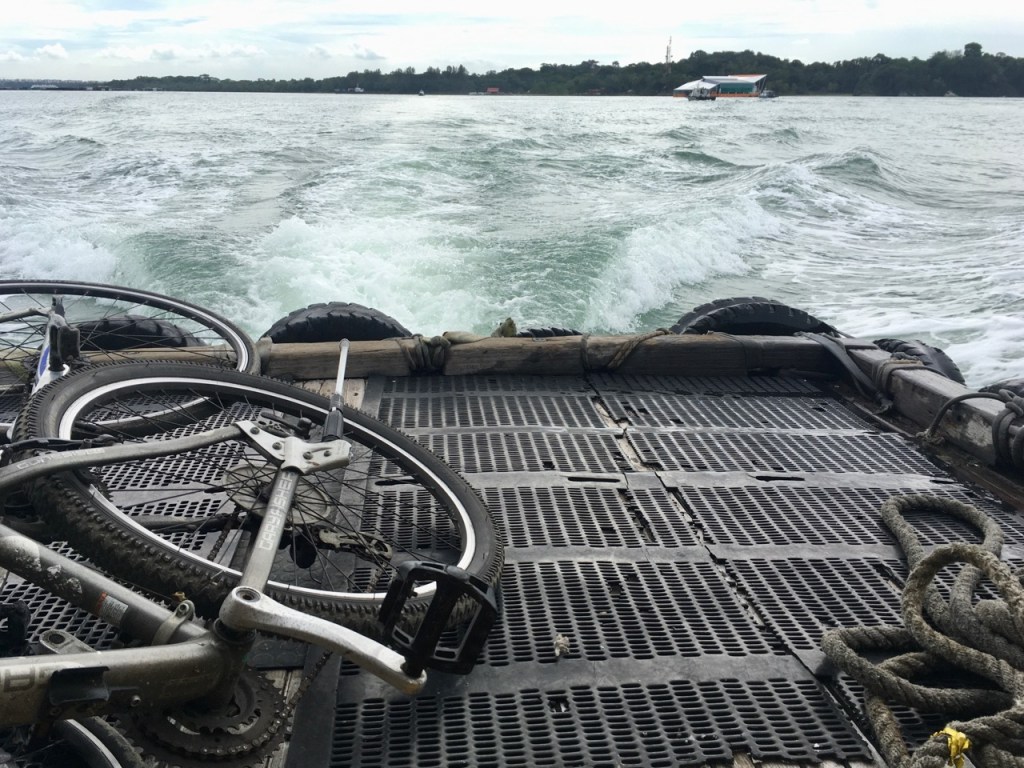
I’ve wanted to go to Pulau Ubin since I first moved to Singapore in 2015. One morning, a friend and I cycled out to the ferry terminal at Changi Point, paid $6 each for bumboat fare with the bikes, and waited mere minutes until the boat left with its maximum capacity of 12 passengers (4 of which were bikes).
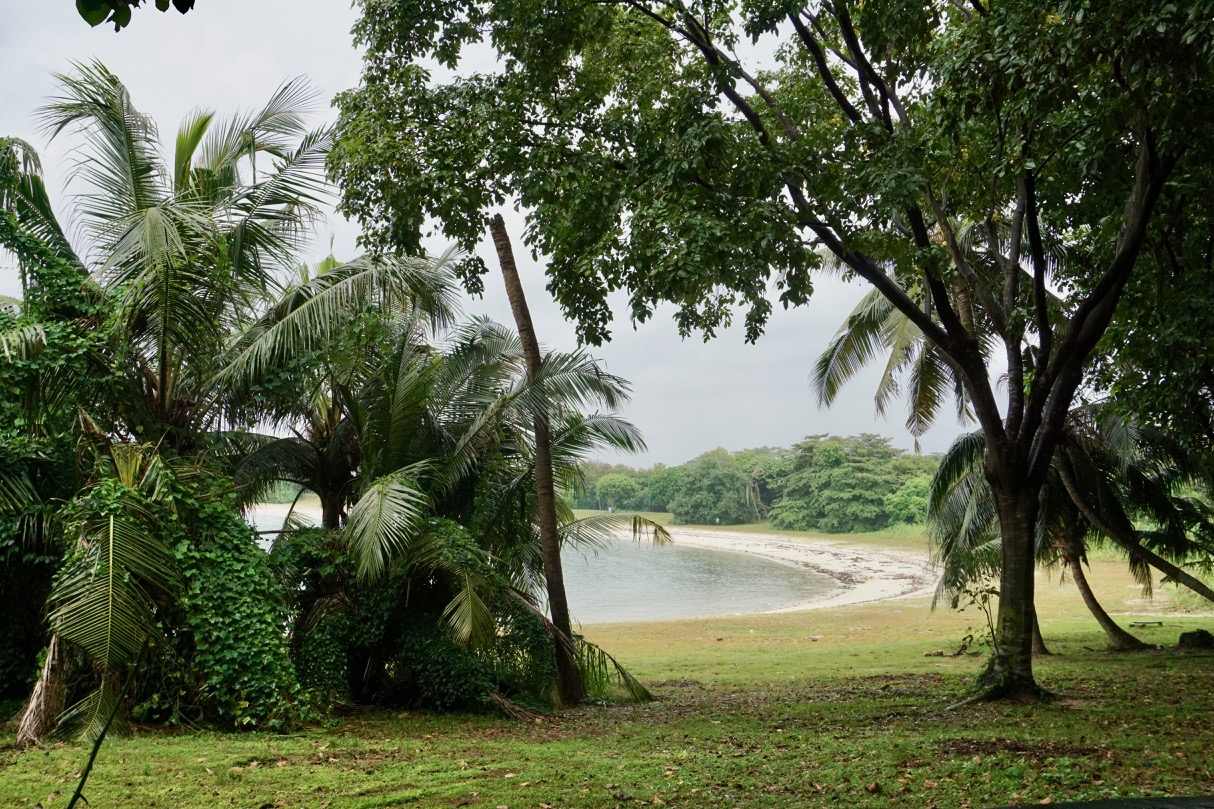
There are plenty of bike rentals on the island but easy enough to take our own. Much of Pulau Ubin is made up of mountain bike trails and the one benefit to rental bikes is that they’re already pretty beat up. We were there on a muddy day and mostly stayed away from the mountain bike trails but there was plenty of easy cycling to keep us busy.

In addition to bike trails, Pulau Ubin is known for fishing and camping and there is an option to spend the night. Unlike the islands that I’ll discuss below, some people do live on Pulau Ubin (population was under 40 when I checked) and there are a few places to eat and drink there. There are also picnic tables at clearly labeled locations on the maps conveniently found around the island. We brought snacks and that served us just fine.

(Thank you to my friend for the Pulau Ubin photos below.)

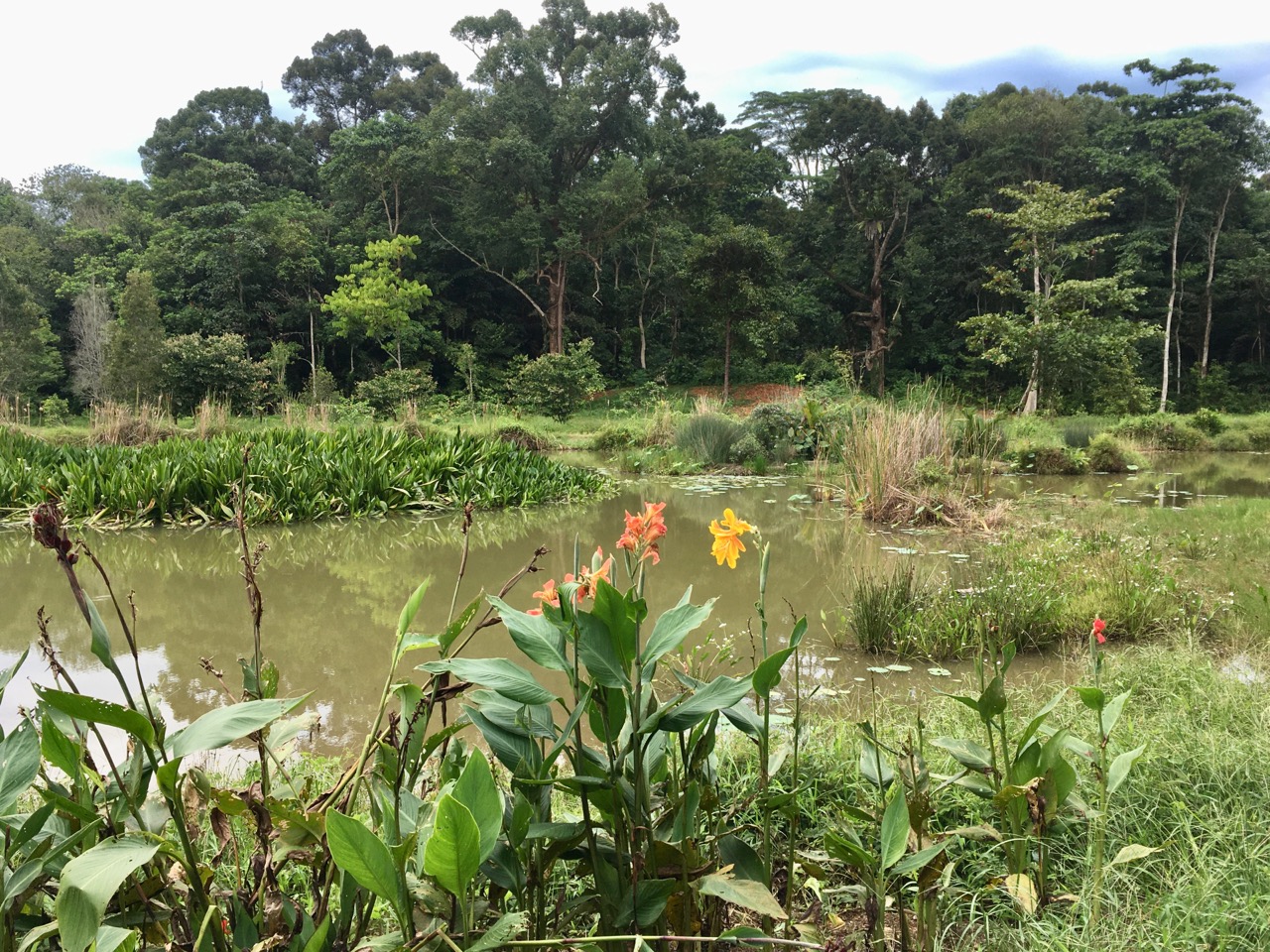
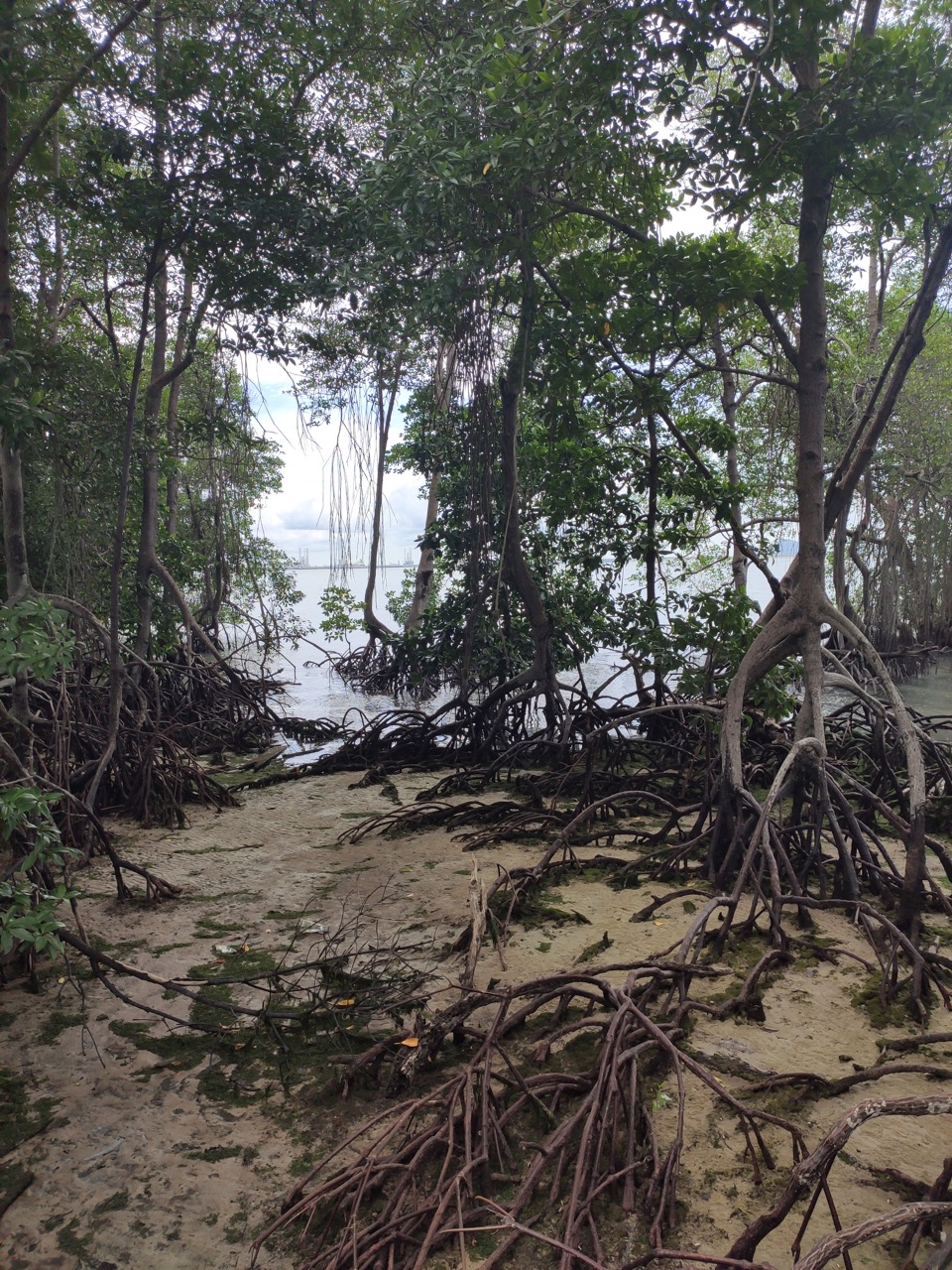
I didn’t take pictures (again, thanks to my friend!) because I travelled the island by bike but I do want to highlight the flora and fauna that we saw. In addition to very tame wild boar and far more monkeys than one normally sees, Pulau Ubin is home to birds not found elsewhere in Singapore and some really beautiful mangroves that have been painstakingly restored. It’s a very special thing to walk along the narrow boardwalk between the mangroves and the sea.

For those of us who spend most of our time in cities, Pulau Ubin is a chance to experience one of Singapore’s last kampongs and an environment that we do not find elsewhere. If I’m able to go back, I’ll definitely take photos.

St. John’s, Lazarus, and Kusu

These three islands sit partially inside Sisters’ Marine Park and are about 40 minutes away from Singapore by ferry. The ferries leave from Marina South Pier and move between islands according to a set schedule. One round trip ticket costs $15 and there was no fee for bikes. The islands are quite large if you plan to explore on foot but bikes allowed us to cover a lot more ground and spend time in places that would have been a little too far to walk. It is also important to note that are no shops or restaurants (and nowhere to refill water bottles) on the islands but plenty of food stalls at the ferry terminal.

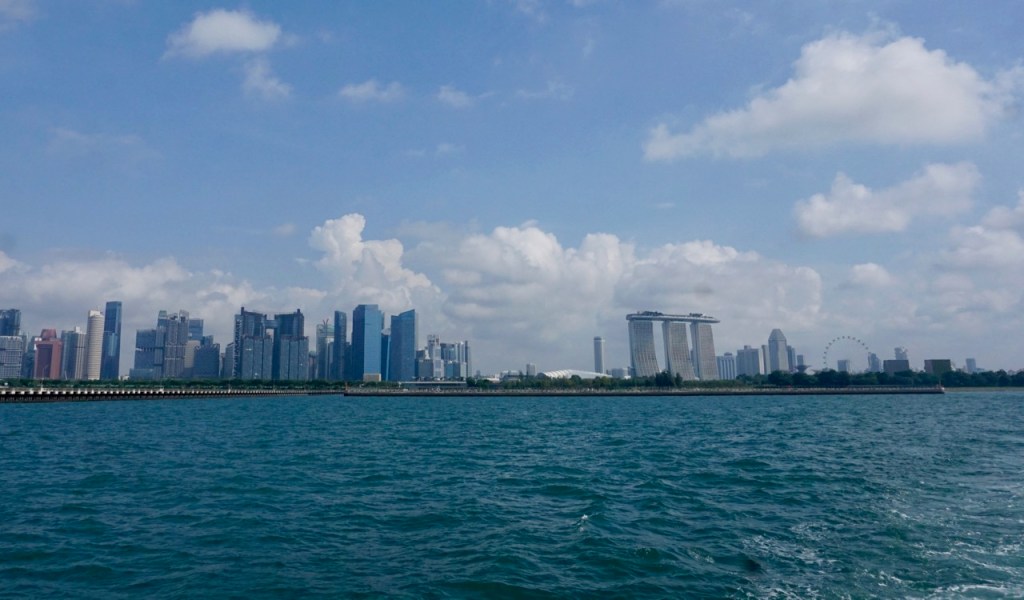
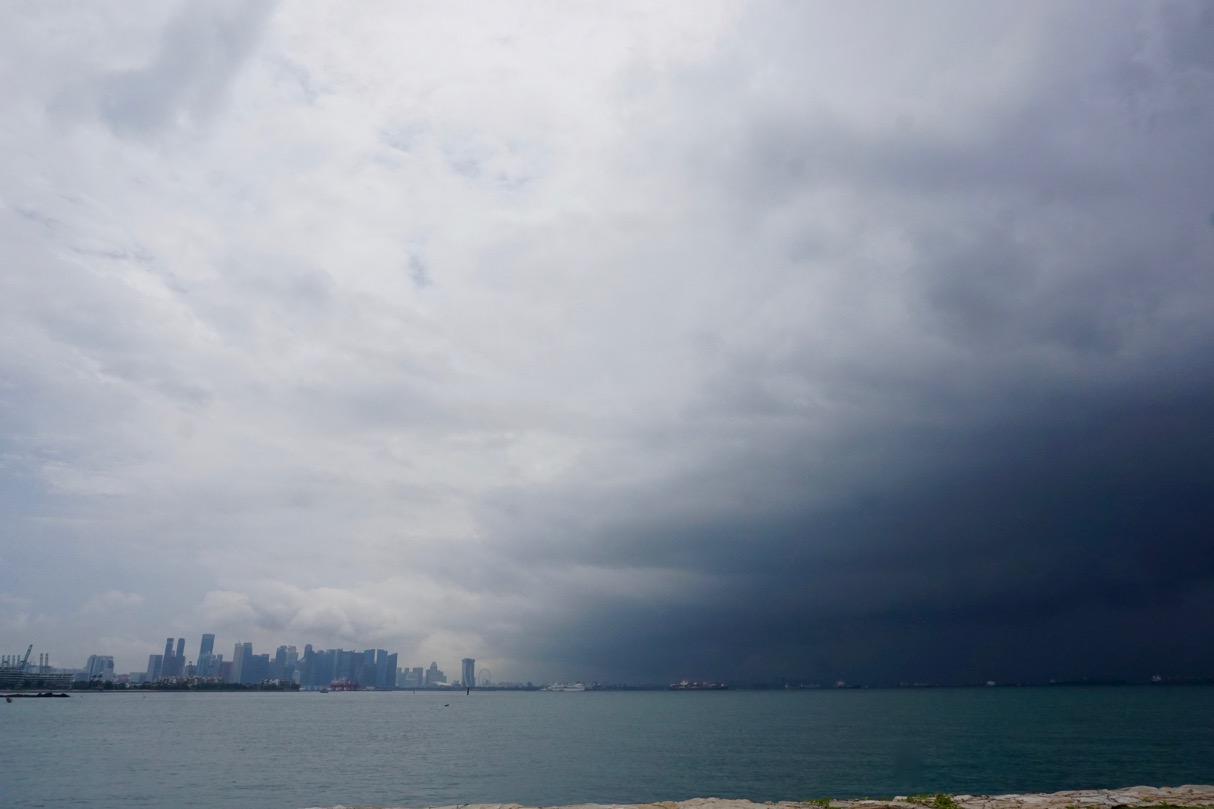
Our day started out bright and sunny and it was a lot of fun to see Singapore’s skyline from the other side.

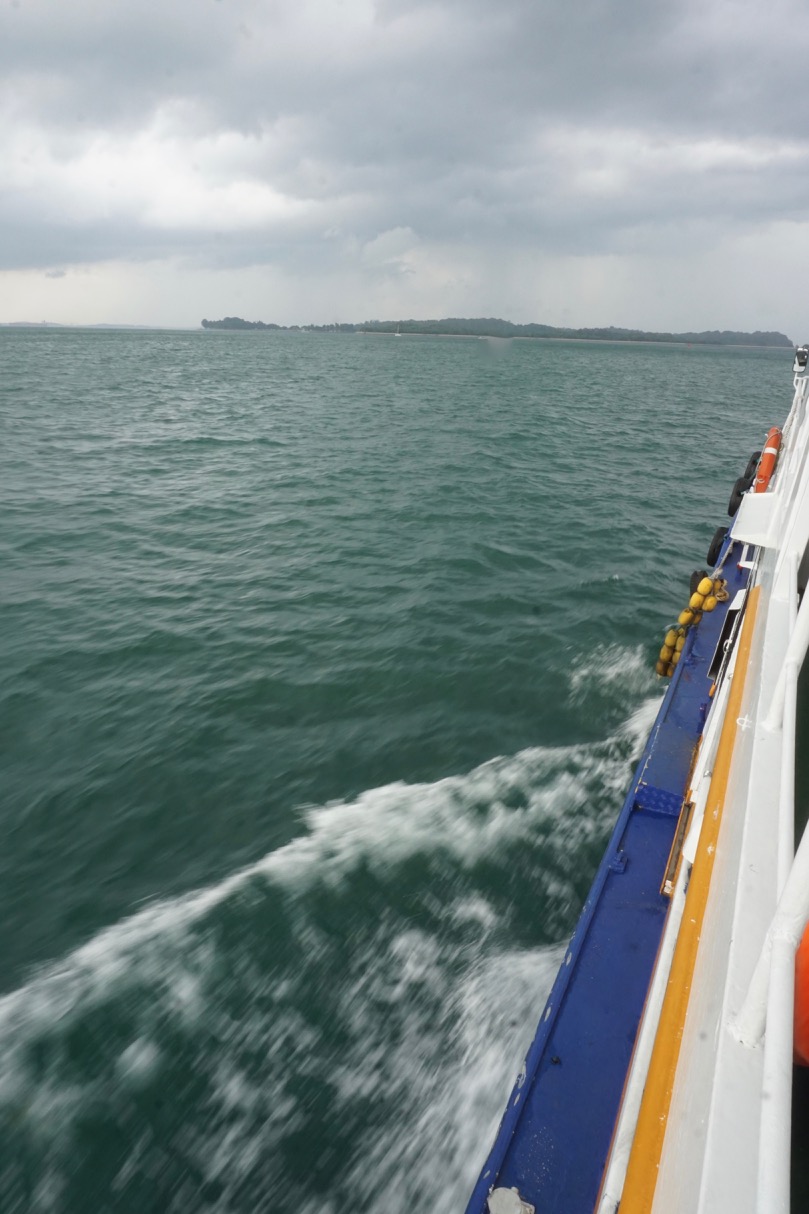
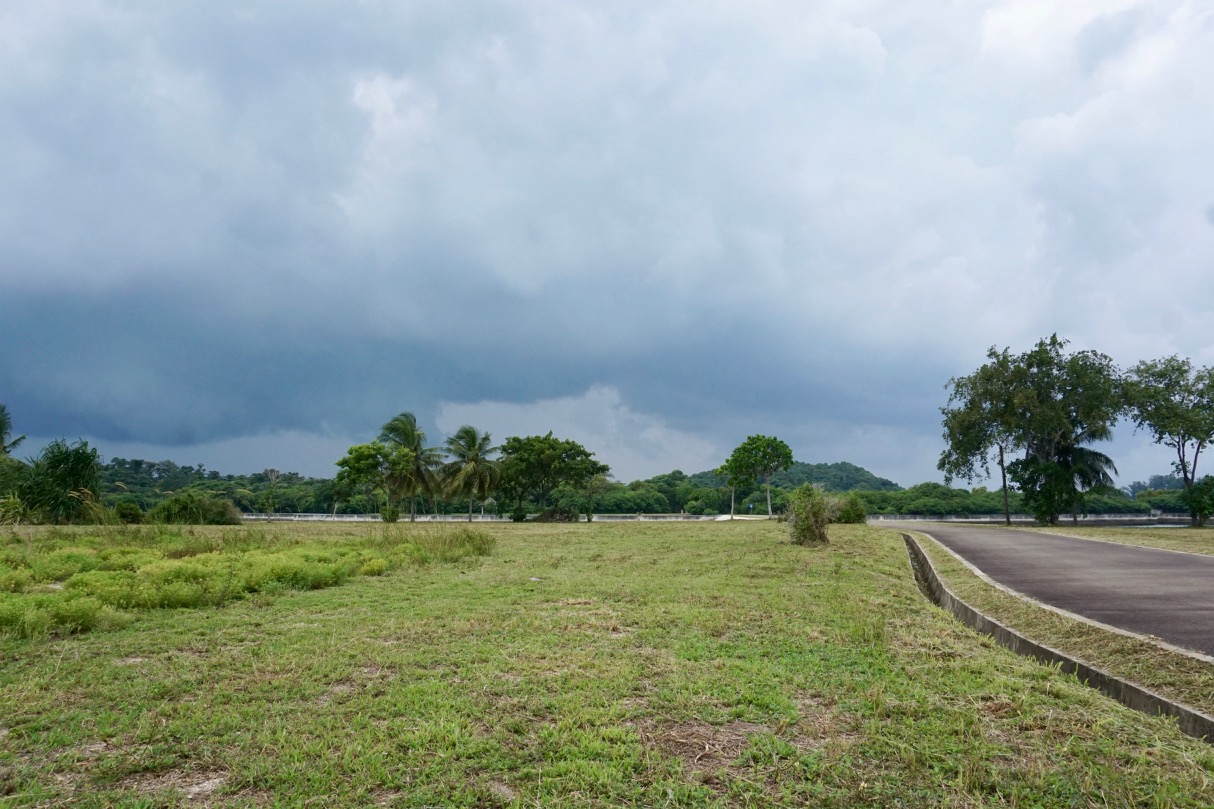
And then the wind started to pick up. The color of the water changed from blue to steel gray and clouds took over the sky. The islands we were approaching disappeared and we were suddenly very, very small.

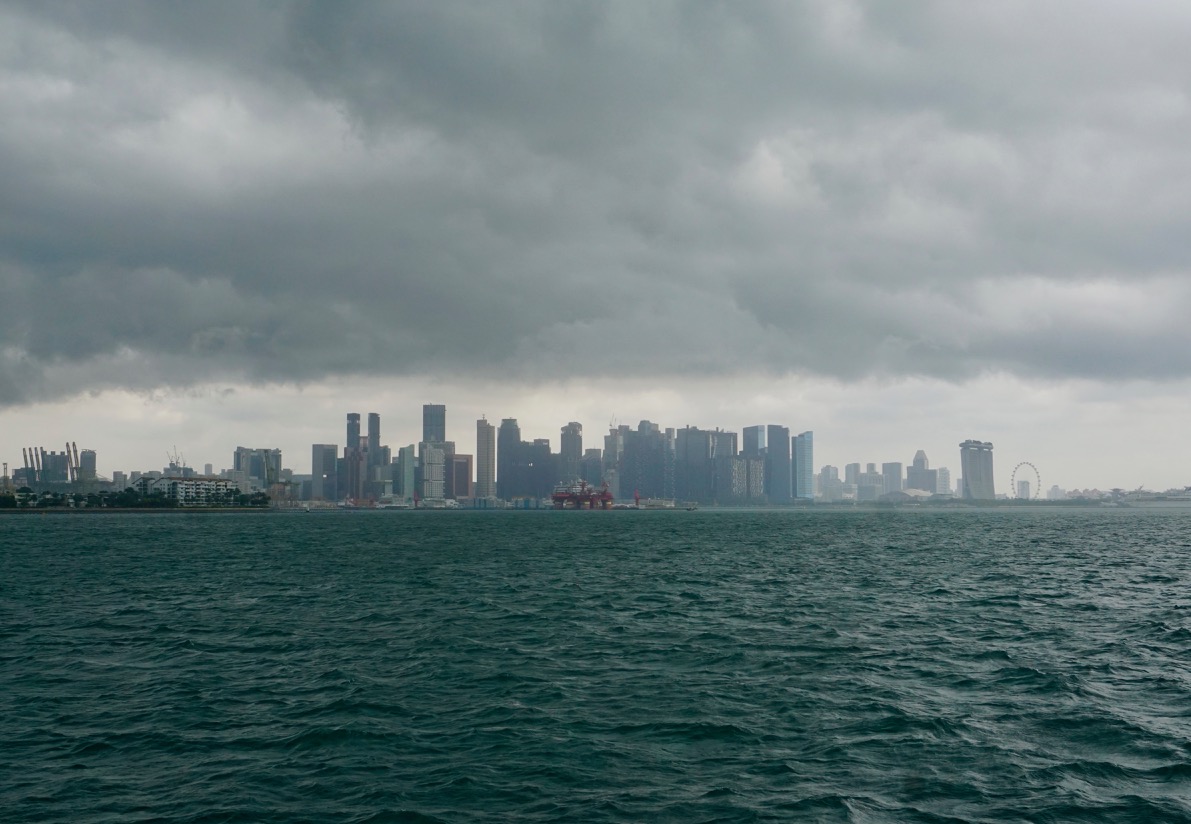
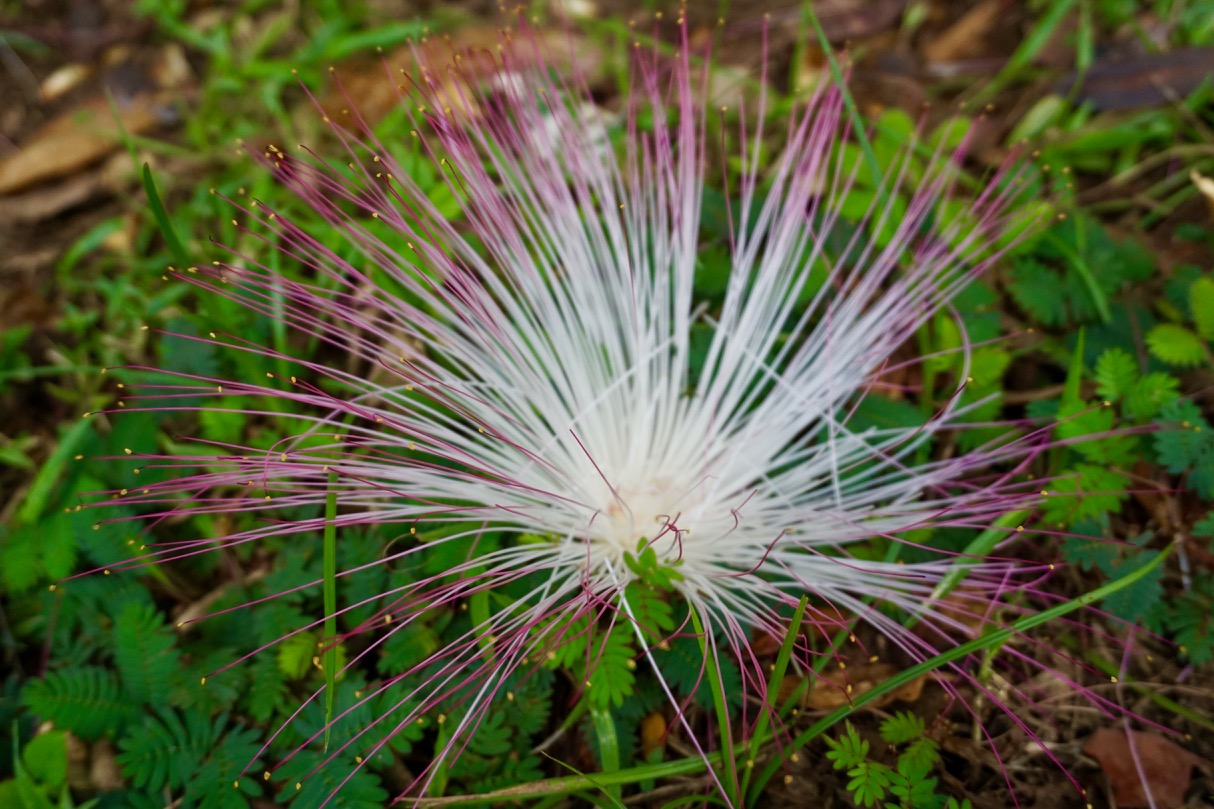
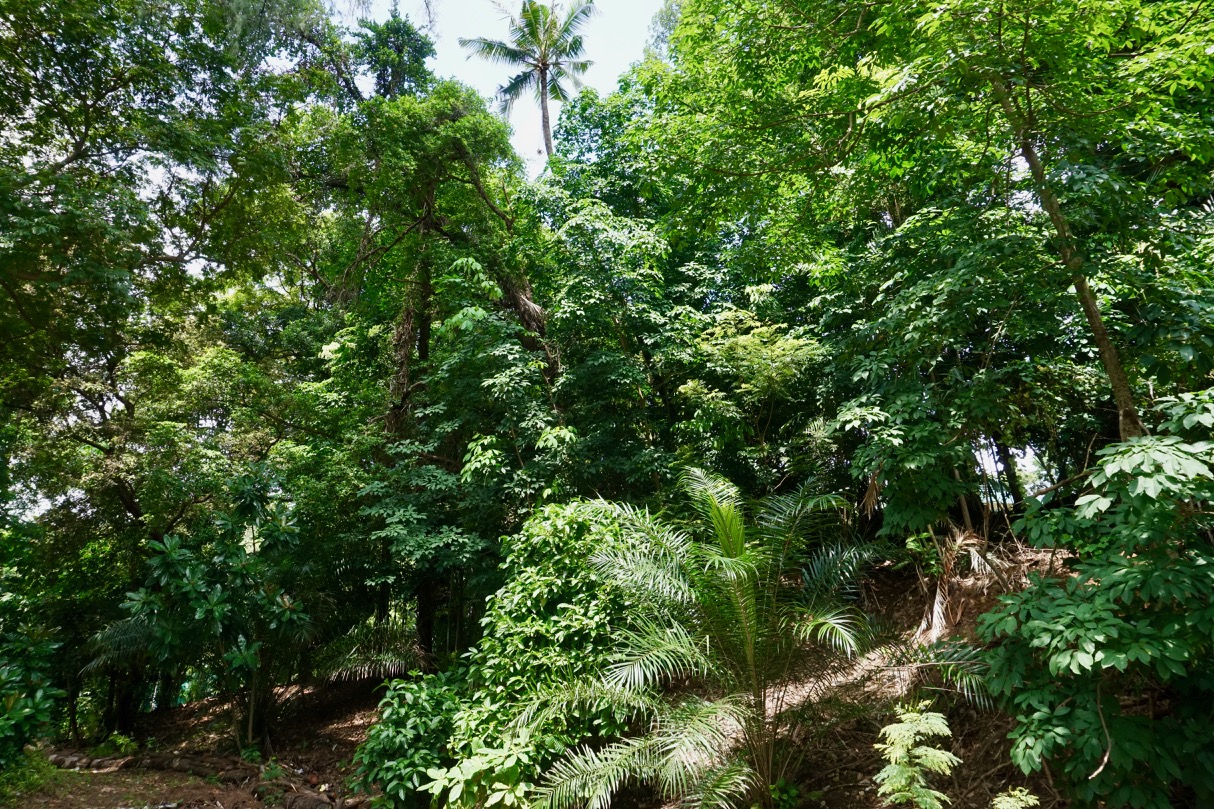
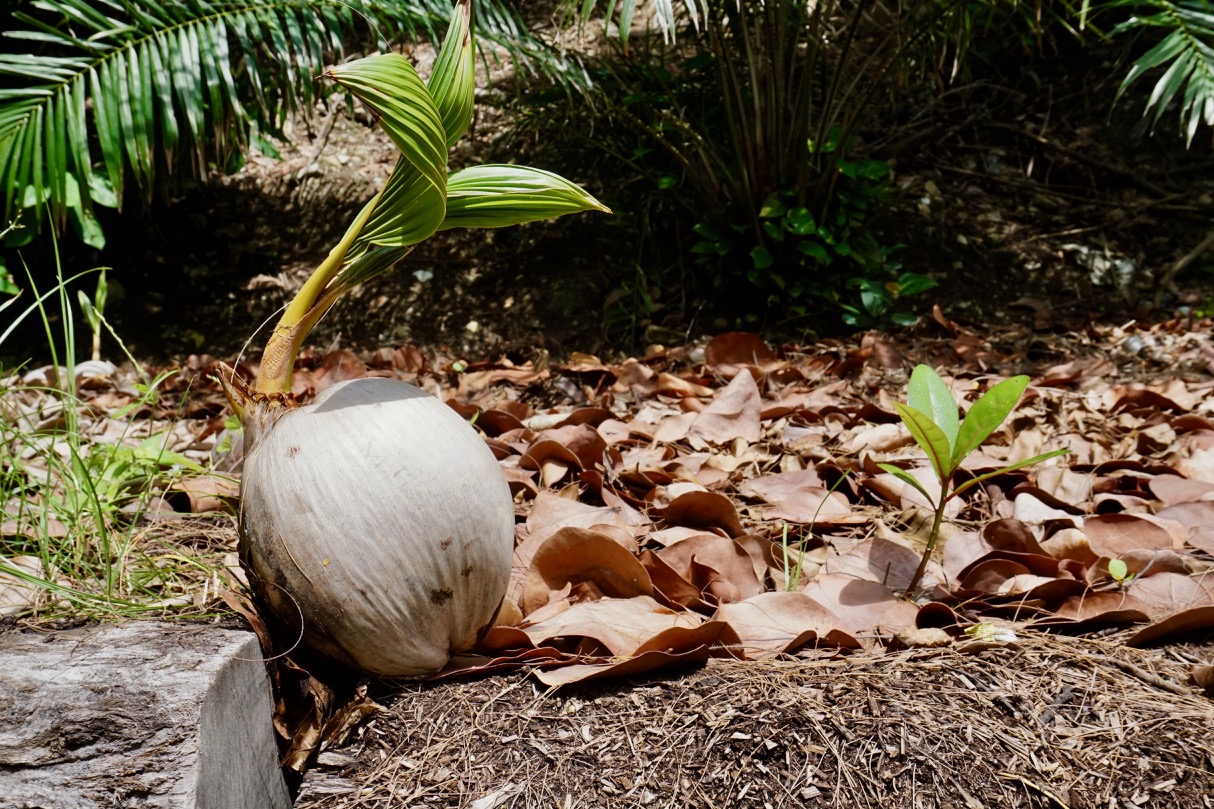
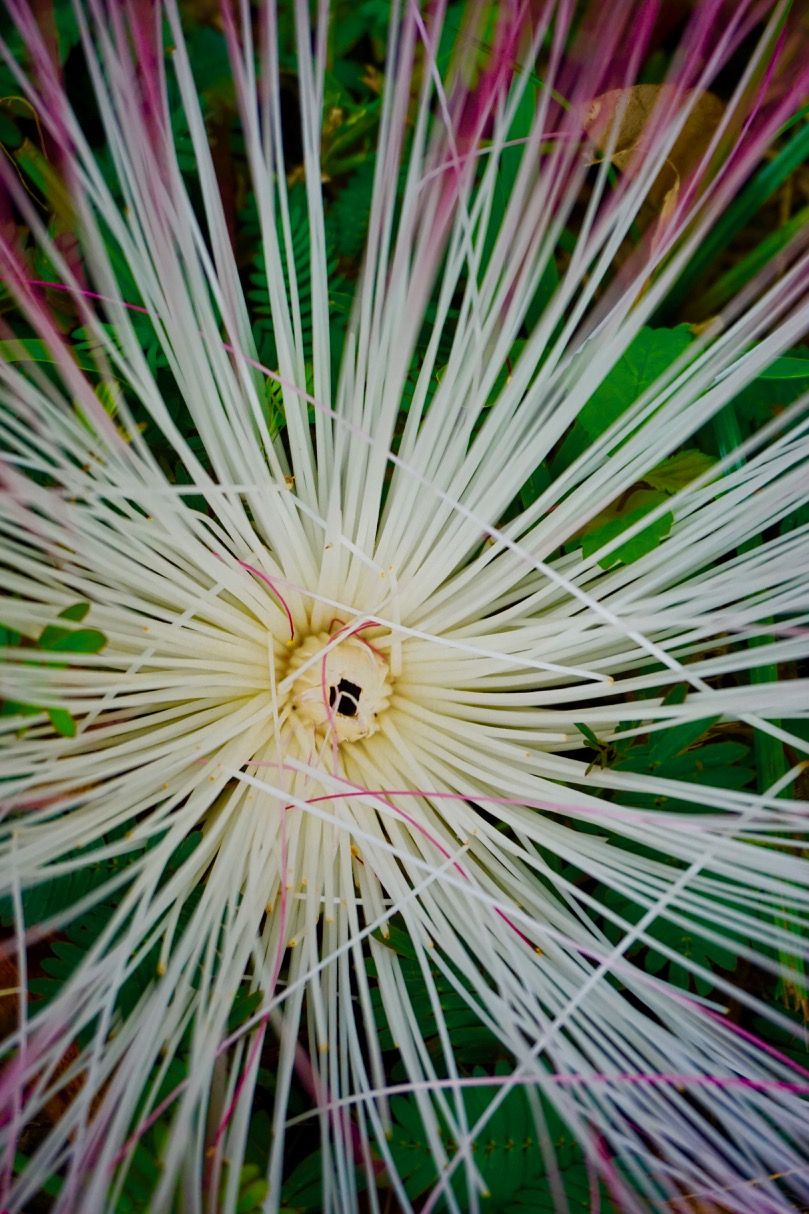
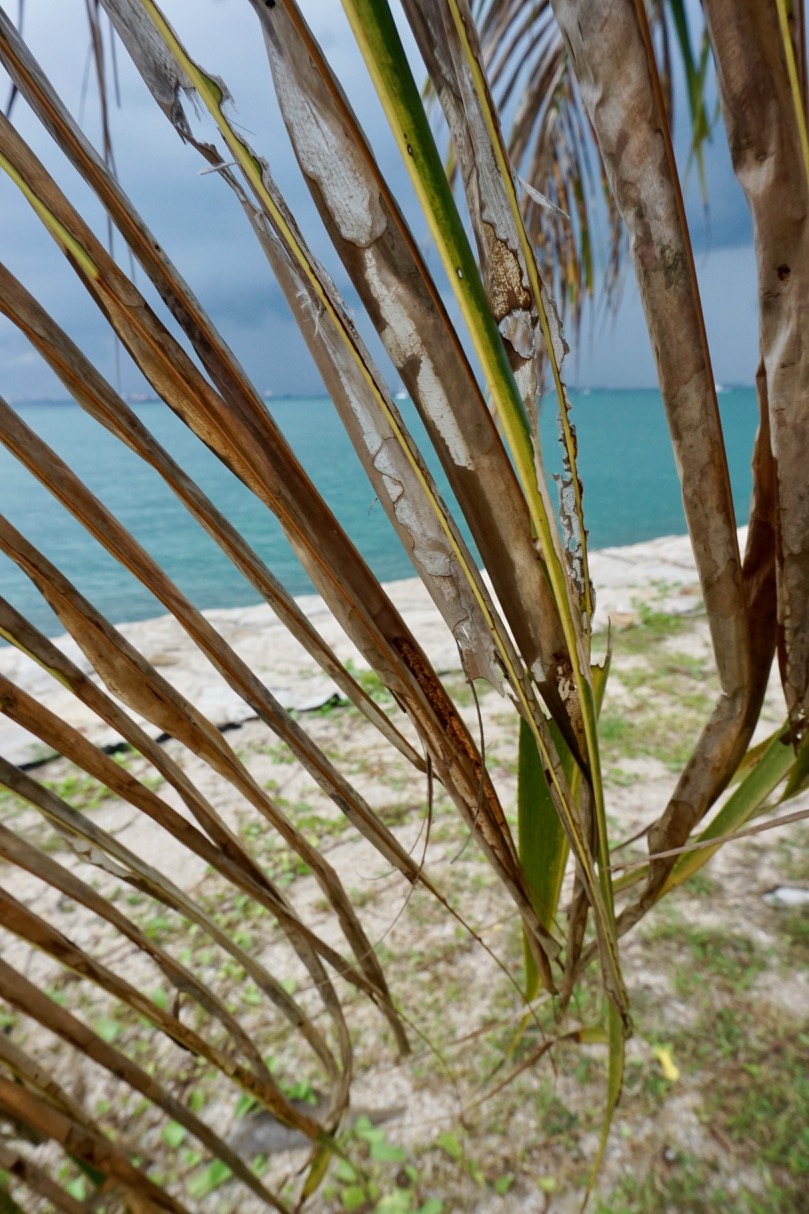
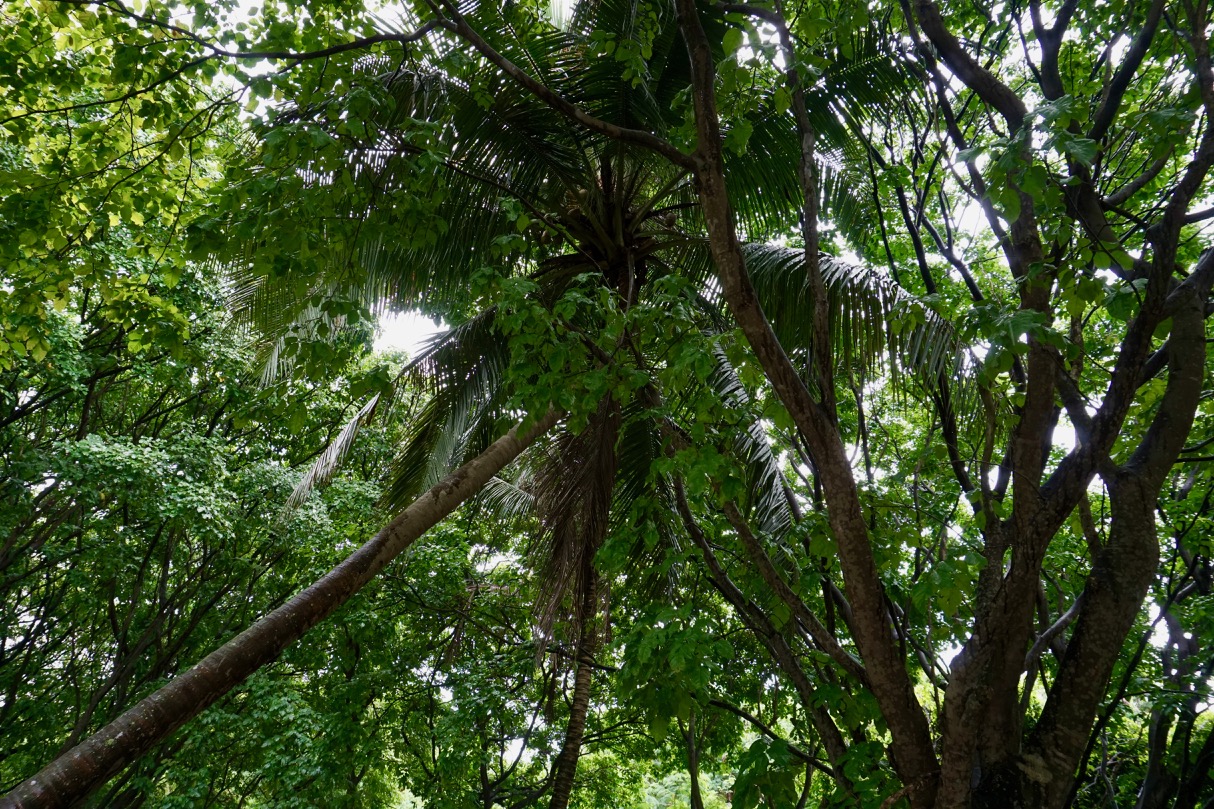
As happens in the tropics, especially during the monsoon seasons, if it looks like it’s going to rain, it does. The question of where it rains, however, is a good one. We watched rain on Singapore while the sun came out again on St. John’s. We saw plant species that I’d never seen before and so many coconuts!

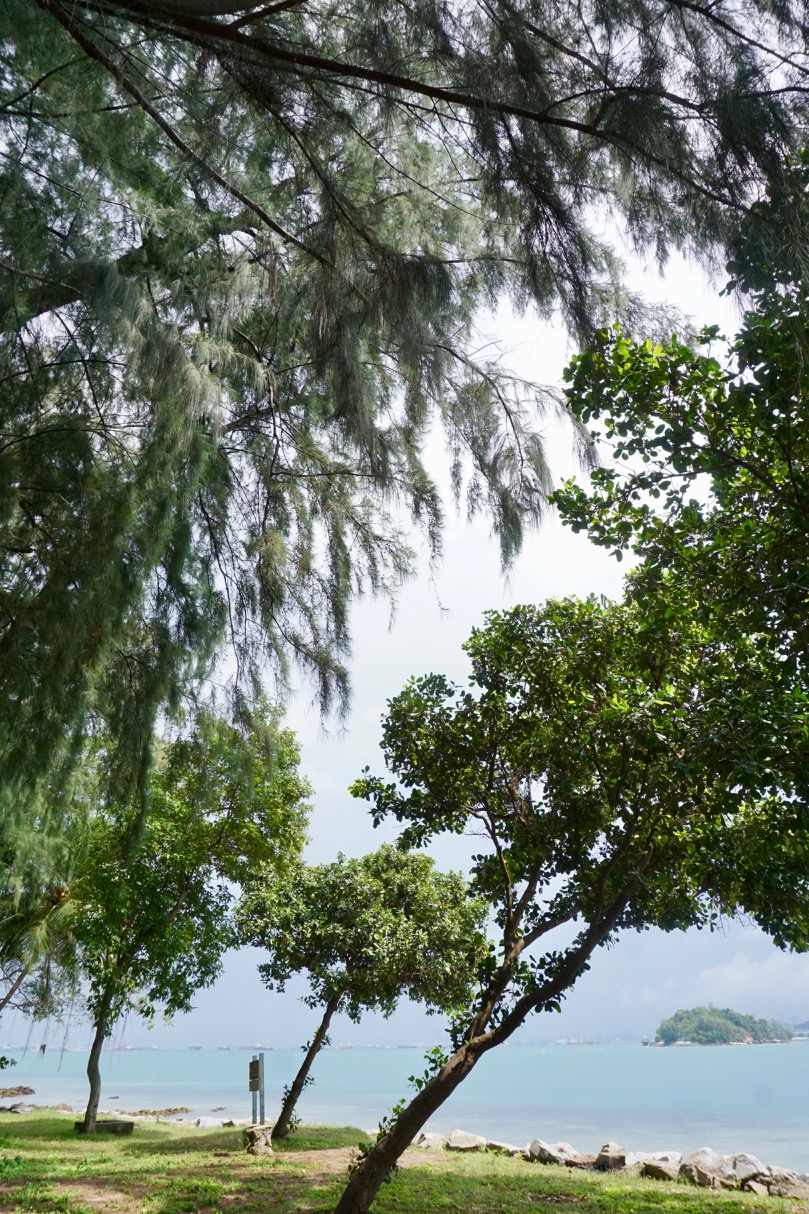
We didn’t go in the water but I did take a few minutes to make my way down the rocks as far as I could go. There are many parts of St. John’s and Lazarus that have accessible (and lovely) beaches but it’s always an experience to go look where no one is looking.

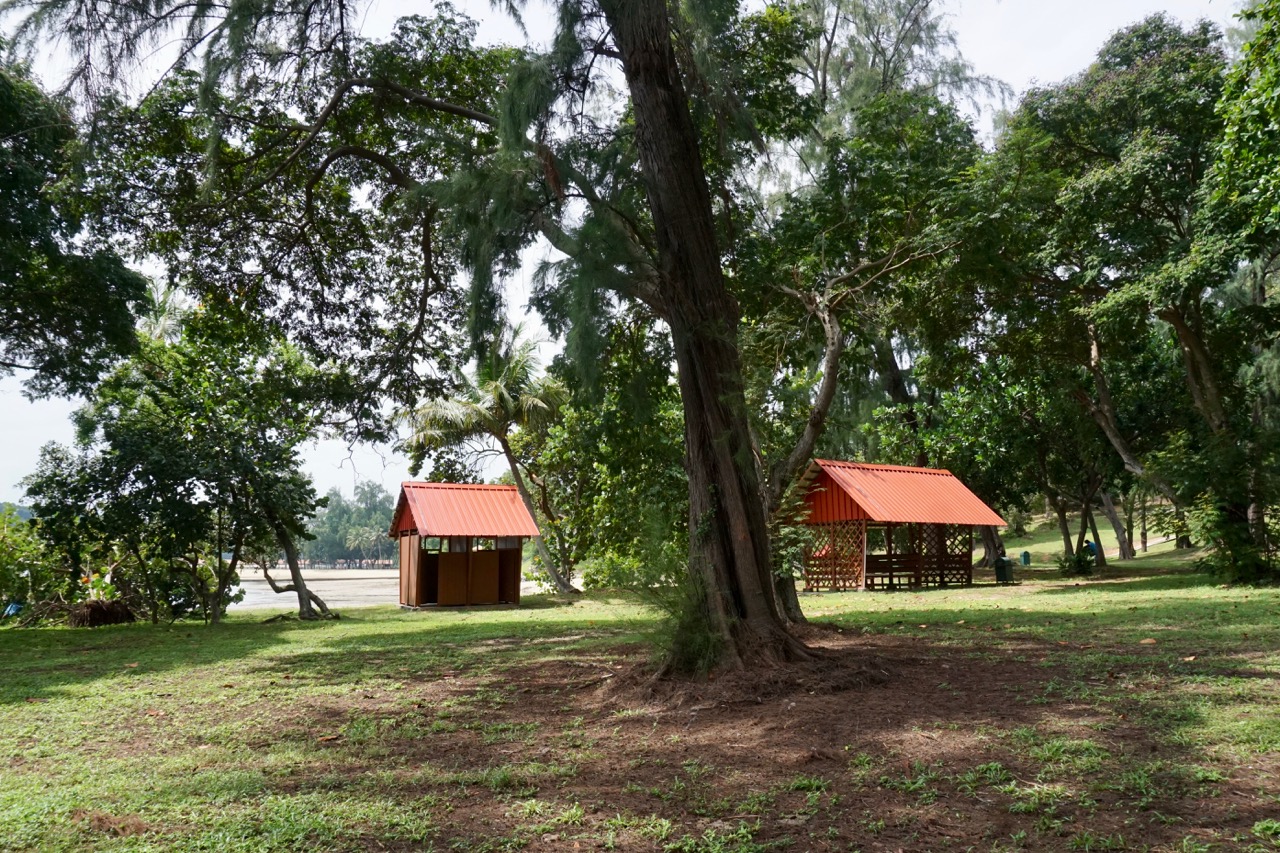
We cycled from St. John’s over to Lazarus where we found people fishing and taking advantage of largely private beach space. My favorite part was watching the sky and this is why I’m not sorry we ventured out here during the rainy season. We watched another storm roll into Singapore and then continue straight for us. The sky darkened and we chased the wind to a gazebo where we ate our picnic sitting on towels on the ground.

The rain was quick and we had time for another quick cycle. It really is wonderful to be somewhere without cars and without buildings.

The ferry brought us from Lazarus to Kusu, a tiny little island that is close enough to Lazarus to swim if you’re so inclined. It is enshrined in legend that vary in telling, but all versions contain Chinese and Malay symbolism and remain culturally significant. In the legend, a tortoise turned itself into an island to save shipwrecked sailors. In actual history, the island has had many uses over time and is mostly built on reclaimed land.

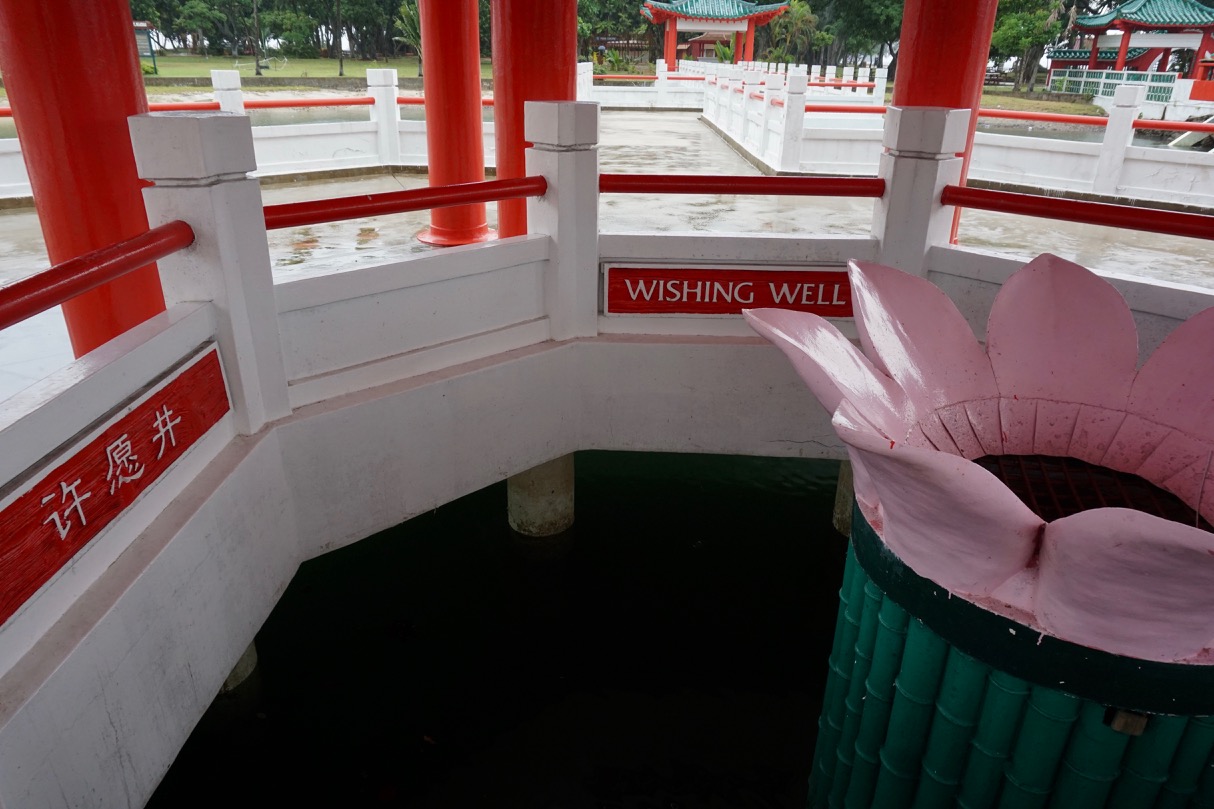
Tortoises are found all over Kusu, both real ones in a sanctuary and in the form of giant statues. Kusu is also home to a Chinese temple that is visited on pilgrimage during the ninth lunar month.

I don’t know that I’ll visit St. John’s, Lazarus, or Kusu again but I’m glad to have done so. There’s a lot more to Singapore than sparkly buildings and I’m glad to be able to share that.

Coney Island

I first visited Coney Island on foot at the end of March, which was shortly before Singapore’s circuit breaker began on April 7. Since then, I’ve returned several times by bike. It’s a quick little ride or a longer stroll but feels like a different world. Have a look at the blog post linked above for details and pictures!


If there’s a silver lining to Covid-19, it is that I have been forced to explore that place that I live. A friend once said, “Singapore is small enough that if someone ever asks, ‘Have you ever done…?’ you should be able to say yes.”

Journey on. Journey well.