All posts by Rebecca Michelle

Educator, traveler, reader, blogger. Loves learning, black coffee, and friendly people.

Learning to See

Whenever I travel, I bring a camera. Whenever I go out to do something potentially cool and photo-worthy (i.e. hiking or going for a stroll in a favorite neighborhood), I bring a camera. And whenever I bring a camera, I expect that I’ll be writing a blog post. This habit influences what I look for, which impacts what I see and subsequently write about.

And I know I’m not the only one. When I first moved to New York, I had coffee with a couple of bloggers (literally a blogging couple – what a dream!) that I met online and we talked about feeling pressure to document, write, and maintain readership. Crafting a good travel blog post, for example, involves some planning: What’s the story I want to tell? What themes do I want to capture? What feelings do I want readers to have? What do I want readers to see or experience or look forward to? As the post builds in my head, I document accordingly. At the same time, photographing and writing about my weekend wandering when I was living in New York gave me a sense of purpose when I didn’t have one.

I’ve learned some really valuable lessons throughout, like what makes a compelling photo. Seeking out those photos has encouraged me to stray from the beaten path, talk to locals, and simply to wander. But I’ve also learned that the minutiae of humanity are important to me. I spent a week in Europe in April and photographed every interesting doorframe I saw and then turned it into a framed poster when I got home. I have pictures of people’s laundry hanging up to dry from everywhere I’ve been.
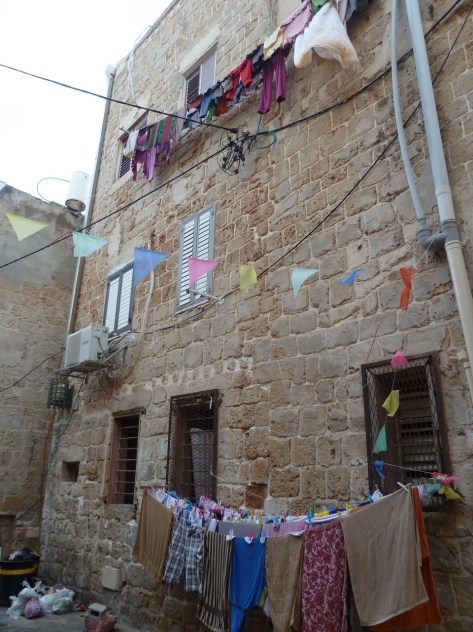
Akko
Akko, Israel – July 2013

Some of my favorite photos are looking over the rooftops from a few storeys above the ground. But when I take photos like these, I catch myself wondering whether they fit into the story I’m trying to tell.

P1030030.JPG
Nice, France – July 2008

As I look around, I’ve seen beauty everywhere – in the sky, in the water, in urban and rural settings. Sometimes, it’s enough to be overwhelmed by what is everywhere while other times, it’s the focus on one element that quickens the heart. I take photos of sweeping landscapes and historic village centers but sometimes the ones that I like best are close-up shots of individual flowers, rocks, or flagstones.

DSC01252
Batemans Bay, Australia – October 2017

Visiting family in Toronto this summer, which I’ve done dozens and dozens of times, I did not bring a camera. I knew that we’d spend time walking around downtown, which I’ve rarely done because my time in Toronto is always spent hanging out with family. But honestly, I didn’t expect to see anything worth photographing. To me, Toronto mostly means the suburbs where my grandparents and some cousins live and the downtown residential neighborhood where the rest of my cousins live. I didn’t really think there was much to see. If there were, I figured I would have seen it by now.

Turns out I was wrong.

After brunch with our relatives, my dad and I wandered through downtown. We followed a guide my sister had written specifically for this occasion; she went to university in Toronto and has recently moved back there. She sent us on a walking tour of her favorite downtown spots, landmarking what we’d see with restaurants, little shops, and parks. She included anecdotes about some of her favorite experiences and suggested places to stop for food and drinks.

Turns out, I wished I had a camera. If I’d had a camera, I told my dad, I could have documented the day and written a blog post. He reminded me that I had a phone and that my phone has a camera. Oh. Right.

But then I realized something important. I realized that, in my irritation at not having my camera, I was forgetting to look around and actually see. And in that, I wasn’t present. I wasn’t experiencing what was right in front of me. My favorite experiences of all time are seared into my memory because I was present throughout; I don’t have any hard evidence to document them, but even writing this sentence has brought a smile to my face.

Had I become so focused on looking that I’d forgotten to see?

That thought disturbed me and I made a conscious effort to shift my perspective as we continued our stroll. Instead of documenting for my blog, I walked around downtown Toronto with my dad, pointing out what I thought was cool, stopping here and there to visit a shop or taker a closer look at a mural, a poster, a unique building. It was interesting to hear what he noticed and how it differed from what I noticed and it was relaxing to just take a walk without feeling like I had to tell anyone about it.

Over the course of that afternoon, I learned something valuable. I learned that while I enjoy taking photos and writing about my experiences, I don’t have to do that all the time. Sometimes, it’s enough to just be present wherever I happen to be, with whoever I’m with. And I learned that I need to balance documenting a place for others and being present for myself.

When I recall my favorite travel experiences, there are no cameras. The travel moments that I  treasure the most – telling stories during long road trips after dark; utter chaos at dinner in the middle of a city; stopping at a farmer’s market to buy food for a picnic that we prepared in the trunk of the car; drinking jugs of sangria outside in the winter; tasting spicy cocktails in a restaurant that looked like a forest – are documented through my memory of smells, sounds, mental images, and feelings of warmth. There’s likely something scribbled in a journal, too, and I expect that my memory and the moments themselves differ.

So while I love taking photos, telling stories, and sharing them, I’ll be doing that with a different mindset. I’ll be looking, yes, but the goal will be to see.

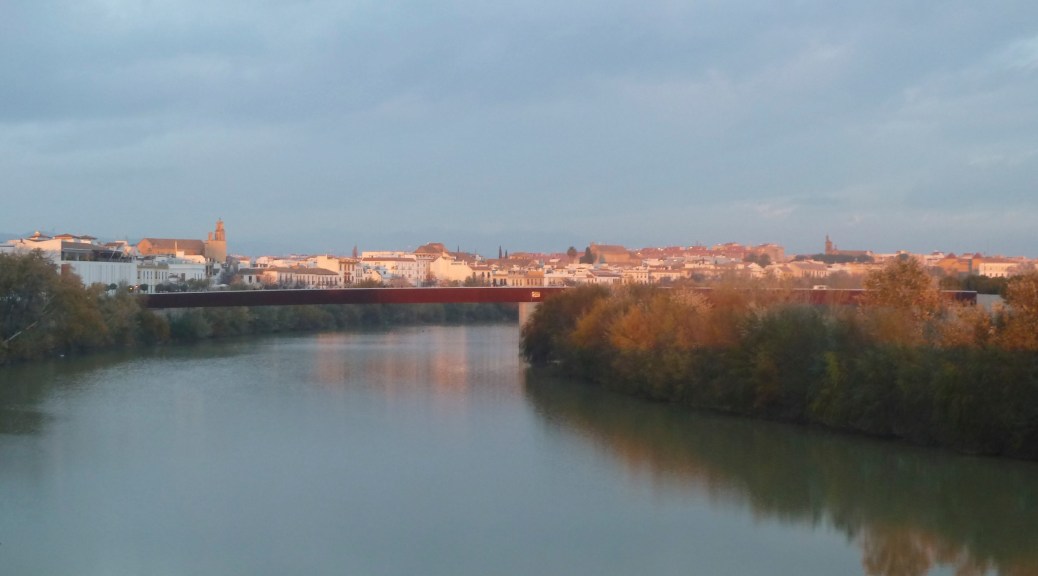
Cordoba
Cordoba, Spain – December 2014

Plastic Straws Are Not the Enemy

My school has fully jumped on board with the “no straws” campaign. It was heading in this direction last year when signs went up in the café pointing out that straws contribute to the increase of plastic in the oceans. This year, the café no longer gives out straws or lids, except upon request.

Okay. I’m all for reducing plastic. I recycle everything that can be recycled, even though I live in a country that doesn’t really recycle. I take reusable bags to the grocery store and plan out purses and backpacks based on what I think I’ll buy and the best way to carry it. I’ve stopped buying paper towels for my kitchen and have always brought real cutlery in my lunchbox. So yes, let’s reduce waste and plastic. No argument there.

But . . . plastic straws are not the problem. Plastic straws are not the enemy. Banning plastic straws will not save the oceans, despite the current popularity of the sentiment. But banning plastic straws can raise awareness about the human impact on the environment. And if we keep the focus on “awareness” instead of demonizing the straw, maybe we’ll make some progress.

Beyond Straws
Straws are ubiquitous in our world. They are everywhere. We enjoy drinking from them and have gotten used to having them. To be honest, I didn’t think twice about straws until they became Public Enemy No. 1. People expect straws with their restaurant beverages because that’s what we’re used to. That’s part of what makes eating in a restaurant different from eating at home, even if we’re just drinking the same glass of water. Banning straws helps us recognize that we don’t actually need them. Sure, they’re fun and all, but necessary? Not for most of us. (More on this below.)

Hopefully, as we get used to being asked whether we need a straw or become accustomed to being discouraged from using them, we’ll realize that there are many other products we don’t need and can live without. For example, I have friends whose only paper products are in their bathroom. They don’t have paper towels and they don’t have napkins. They have tissues for guests but carry handkerchiefs themselves. They shop at markets to avoid plastic packaging and avoid takeaway for the same reason. I thought about these friends when I initially ran out of paper towels and, because their example served as a reminder, I haven’t bought any since. Napkins will be the next thing to go.

Realizing which products are unnecessary in our lives and making changes as a result is great. Maybe banning straws will raise awareness of how we can reduce unnecessaries in other areas of our lives, but banning straws can also be detrimental in unintended ways.

Because Sometimes, Straws Are a Tool
My sister and I discuss a lot of things that we both agree we can’t talk about with most other people. This summer, one of those things was our hesitation about jumping on board with the straw ban. My sister is a vegan and I’m a vegetarian and we both go out of our way to purchase environmentally friendly products, which we’re lucky to have the financial resources to do. But we both have educational background in and work experience with people with disabilities, and that means looking at conventionally popular campaigns like the straw ban through a different lens.

My sister is a speech pathologist and as soon as she mentioned it, it became obvious. Some people require plastic bendable straws to drink. Going out and being thirsty without advance planning or simply forgetting reusable alternatives at home should not preclude people with disabilities from being out in public and purchasing a beverage. It’s not hard to imagine that this could be a problem once you begin to think about it.

Based on that alone, I’m not in favor of an outright ban on plastic straws. Provide alternatives? Yes. Ban plastic bendable straws? No. The majority of us live in a world that we have designed to our needs and preferences, but those needs and preferences should not add yet another barrier to full participation in society for people with disabilities. We can rethink this and build inclusive communities. Do you need a straw? Maybe not. But might someone else. Absolutely.

So please, before you jump on board with any campaign, have a think. You can make personal choices without imposing them on people who might not have as much flexibility as you do.

And After All, Banning Straws Isn’t Enough
Another concern I have is that making a mission out of the plastic straw ban and vilifying those who use them might become a way for people who don’t otherwise pay attention to the environment feel like they’re making a difference. If “doing your part” means not using straws, that’s step one, but there’s a long way to go. And you and I and everyone else all bear responsibility for it.

Let’s consider pollution for a moment:

Air: According to the WHO, air pollution kills upwards of 7 million people each year. And 91% of the world’s population live in places where air quality exceeds the WHO’s limits. Industrialization and urbanization, which disproportionately impact people in developing countries, are largely to blame for this. The ways around this are expensive, yes, but it is certainly possible with today’s technology to sustainably build cities. And as the world’s population moves towards cities, we need them to be sustainable if they are to be liveable at all.

Land: Land pollution refers to activities that destroy or degrade the Earth’s surface and soil. This pollution can be more difficult to see or to recognize because the mere act of living in the world requires food and housing, generates waste, and otherwise has a direct or indirect impact on the planet. But awareness about the choices we make, which policies and programs we support, and where our food comes from can go a long way here.

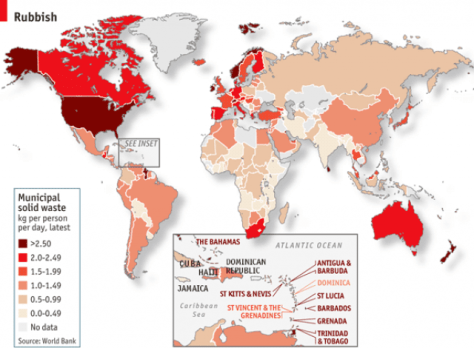
Water: It’s old news that water pollution is increasing. We’ve been bombarded with a lot of pathetic pictures of ocean creatures and plastic, which was the impetus for the straw ban. Over half a billion people rely on polluted water for survival, which many of us don’t realize until we travel to places where you can’t drink the water. As with the above examples, water pollution is avoidable with conscious effort from companies and consumers to properly dispose of waste and reduce use of substances that can run off into water.

Straws? A gateway to solving some problems but not, in and of themselves, a panacea for saving the whales or the turtles. (It’s ironic that somehow we’ve forgotten the most vulnerable people.) And all those companies, restaurants, and cafés no longer purchasing and providing straws? I’d like to know what they are doing to support sustainability projects and programs. Because it’s about more than not using something. We instead have to do something.

Conscious Consumerism
I generally have a lot of optimism about humanity, and I also have a bit of a history of being disappointed. It’s easy to blame circumstances when plans don’t work out, but there are no circumstances here; there are merely people. So if we, the people, become conscious consumers of all things, from food and products to homes, transportation, and even the organizations that govern our work and leisure, we will all be better off.

For the reasons above, I don’t support an outright ban on straws. And if you’ve read this far, I suspect you don’t, either. But if taking something you’re used to out of your life helps you begin to recognize that you can make other choices, too, then the demonization of straws will have done its job. If you can say “no” to the use of a straw, how about yet another napkin with your takeaway? How about walking down the block instead of driving your car? Opting for a hearty salad without chicken? Opening doors and windows to cool your home? Spending an extra few dollars for eco-friendly cleaning products? Donating your clothes and old kitchen supplies? Taking your electronics to a recycling center?

Being a conscious consumer means being aware of what you’re buying and therefore what you support, instead of just doing the easiest, fastest, or cheapest thing. If the old aphorisms are true, that “there’s no such thing as a free lunch” and “you get what you pay for”, it seems only logical that we must pay for a better world. Since this is the only world we have, and we’re paying much more dearly, in dollars and in lives, for a contaminated world, the solution seems obvious.

Make conscious choices. Think about what you need and what you don’t and remember that we’re all in this together. You matter in this change – you and your conscious choices.

https://www.economist.com/sites/default/files/imagecache/640-width/images/2012/06/blogs/graphic-detail/20120609_wom915.png
Daily chart, The Economist, June 7, 2012 – https://www.economist.com/graphic-detail/2012/06/07/a-rubbish-map

Recollections of a Dream Upon Waking

For the last several nights, I’ve woken in the early hours of the morning, shortly before dawn, from the same dream. I replay the details in my mind while I lie in bed, waiting for my breathing to slow down and the tightness in my chest to subside. The afterimages are vivid for a very brief time and I’m left with my hands clenched tightly and an ache in my heart, but I fall back asleep for a few fitful minutes, trying desperately to get away from that dream. And then when I wake again, I have no memory of the details.

This morning, I remember bits and pieces. I remember looking for something I just couldn’t find and I am not one to lose things. In my dream, I cry out in frustration to a friend but there’s no one there. No one and nothing. It’s gone, whatever it was. But this was the second part of the dream. This was the part that woke me in the morning after I’d woken before dawn from something I can’t remember. It left me with a sense of loneliness; loneliness and loss. Both faded when I opened my eyes and saw the room filled with daylight.

As I scribble this on a notepad that I keep in my night table drawer, the details come back slowly. There were three people in the first dream, the same three people I’ve dreamt about for several nights in a row. Loss makes more sense now. They’re there, I know they are, but they’re out of my reach. Lost. Why those three? That I don’t know. Why them, over and over?

I’d like to go back to a time when it wasn’t so common for me to feel fear subside when I open my eyes in the morning, but I don’t even know when that would have been. Two years ago? Three? Longer? I miss you, I guess, is the moral of the story. Several “I miss yous,” to be precise. You’re there, but not for me, not like you were some time ago but I don’t even know when. Things changed. I can’t quite reach you anymore. (Why those three?)

Navigating this life when I’m alone frightens me but that mostly comes up at night, in the dark, when my walls are down, distractions put away, and it’s plainly obvious that alone is exactly what I am. But I’ve had these dreams the last several nights in a row, dreams that have left me with those feelings. Maybe the alone-ness, which isn’t quite the same as being lonely, is bothering me more than I thought.

But it’s morning now and the room is bright. The stiffness in my hands, nails digging into my palms when I wake, has subsided; I can see it in my handwriting on this notepad. My breathing is calm and eyes are wide open, gazing around the room in recognition instead of squeezed shut, unwilling to admit that whatever it was is lost, hoping to sink back into the dream and find it.

Until tomorrow, then.

Maybe I’ll find it this time. Whatever I’m looking for.