I am generally not a warm person. As in, my body is usually rather chilly and I am almost always looking for extra layers. (You’d think, wrongly, that I would be better at planning accordingly.) As far as I know, genetics are to blame for the poor circulation in my hands and feet, which turn white when cold and red when hot. It looks strange and can also be quite physically uncomfortable. (I’m told there’s a name for this but I never remember what it is.) Stranger is the phenomenon by which one of my hands is a normal temperature and the other, usually the one holding the book and not tucked into the blankets, is freezing.
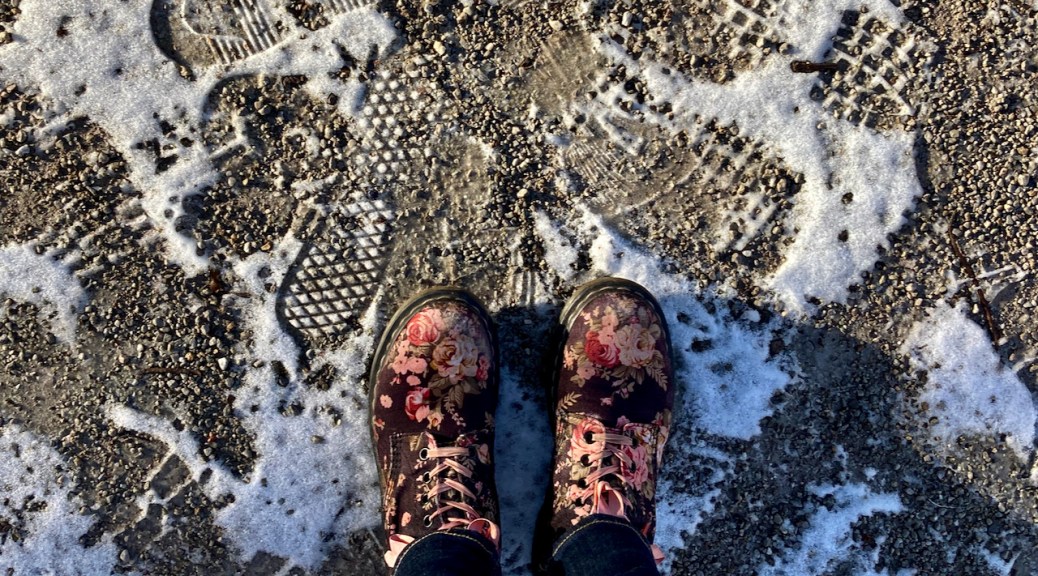
Since returning to a cold climate, I have become reacquainted with the problem of keeping my feet warm, and I’m not sure how I previously managed it. Observation suggests that most people walk around in the winter without being in pain all the time and I spent the earliest cold days hoping to learn their secret. Perhaps, I initially reasoned, I was simply not used to so much walking around in the cold. After all, this is my first winter as a European resident, relying on walking and cycling for transportation regardless of the weather. Getting into a car in North America really doesn’t require too much time outside, and certainly not on the coldest days. But then again, I lived in New York City for a winter and certainly walked there. We had snow that year, too! Or perhaps I am just not as hardy as Germans, who casually do wild things like eat ice cream outdoors in all seasons.
Given my bemusement with the whole situation, you’ll understand why I was shocked when, after I mentioned my cold feet to a few friends, one asked, “Are you wearing wool socks?”
Well no, I wasn’t. I owned one pair and as far as life had led me to believe, they were for hiking. And my ski socks (for skiing) seemed to have vanished (and have since been replaced).
“You should try it,” my friends urged. “It’ll help.”
Who would’ve thought?
Fast forward. Turns out not all socks that look like wool are made of wool and you get what you pay for. Turns out there can be different amounts of wool in wool socks, and that some contain more synthetic materials than others, which may or may not be a bad thing. Turns out thick wool socks fit differently (and not very well) into certain pairs of tight boots. Turns out wool socks keep my feet comfortable enough, though not as warm as I’d been led to believe. (I might need to conduct further trials into my choice of footwear, but maybe that is a project for next winter.)
So I am trying to adapt to winter in Germany: Dress in many layers. Wear wool socks. Always have a scarf. Earmuffs are a good replacement for a hat, but everyone else will be wearing a hat. Children and teenagers never seem cold, even when they should be. Carry a backpack. Ride your bike slowly if it might be icy. Always be prepared to sit outside. Breathe the fresh air. Drink hot tea. Look up at the stars. Enjoy the rare days with sunshine.
Get ready, people keep telling me. Winter only gets colder.
I feel a bit like a little kid; there’s a new season called fall and I’m playing in it all over again. (Some of you know this season as autumn rather than fall, and my favourite dictionary provides a lovely explanation as to why this might be.)
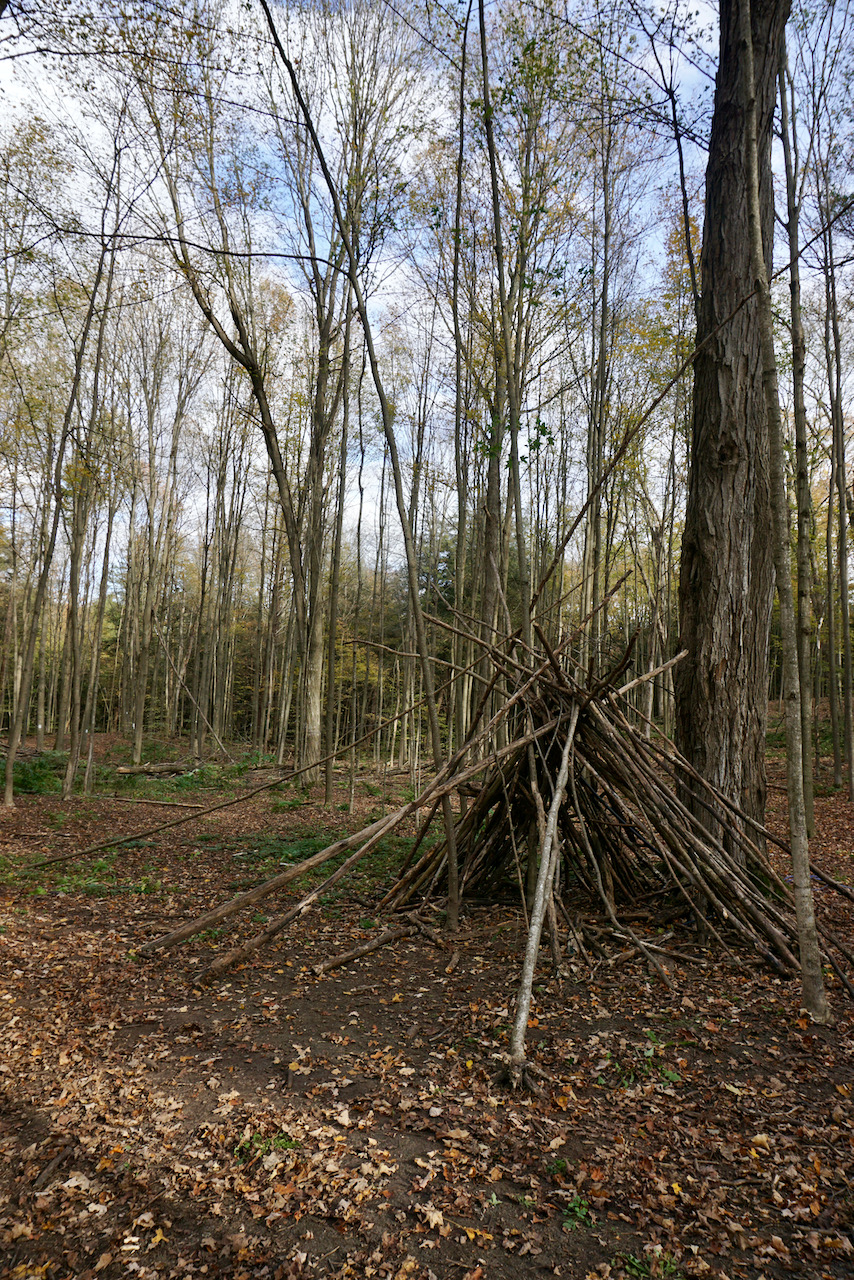
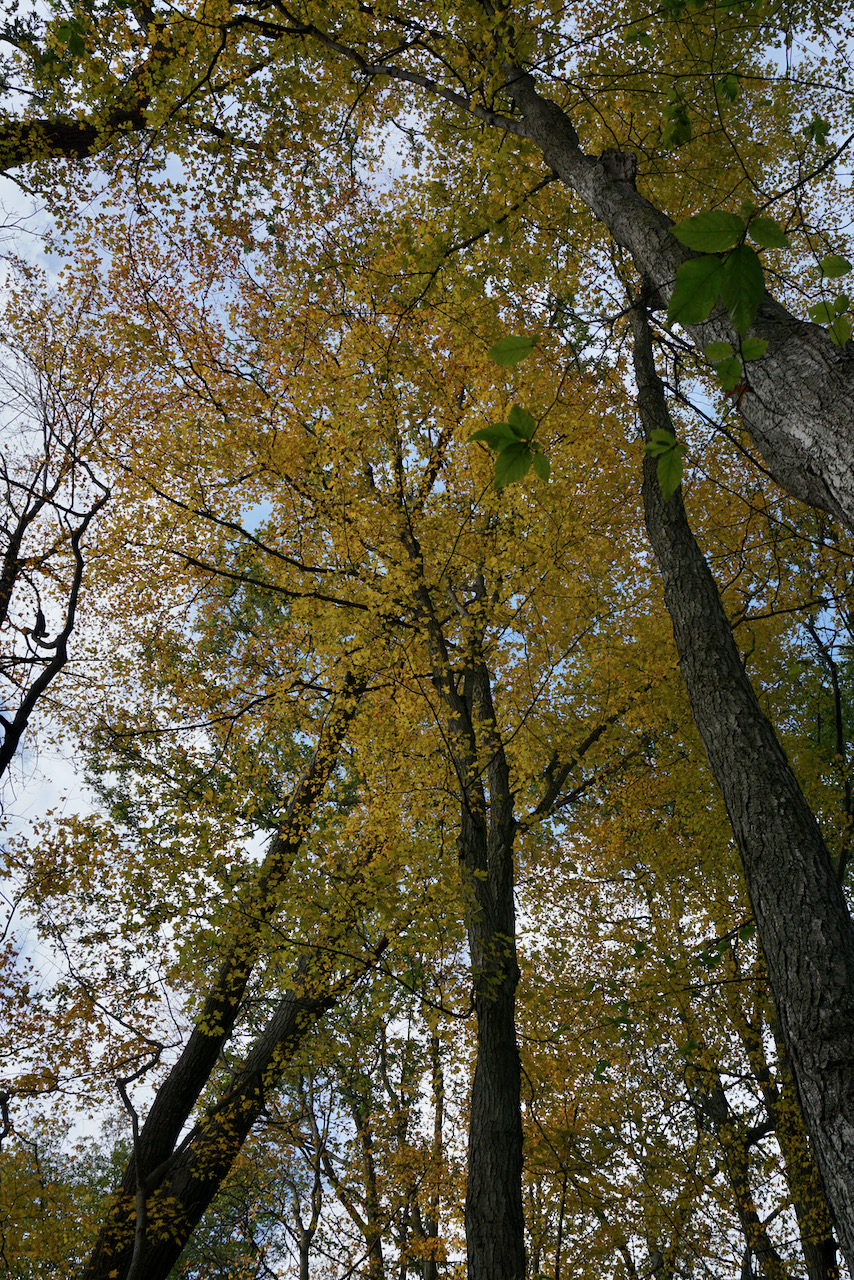
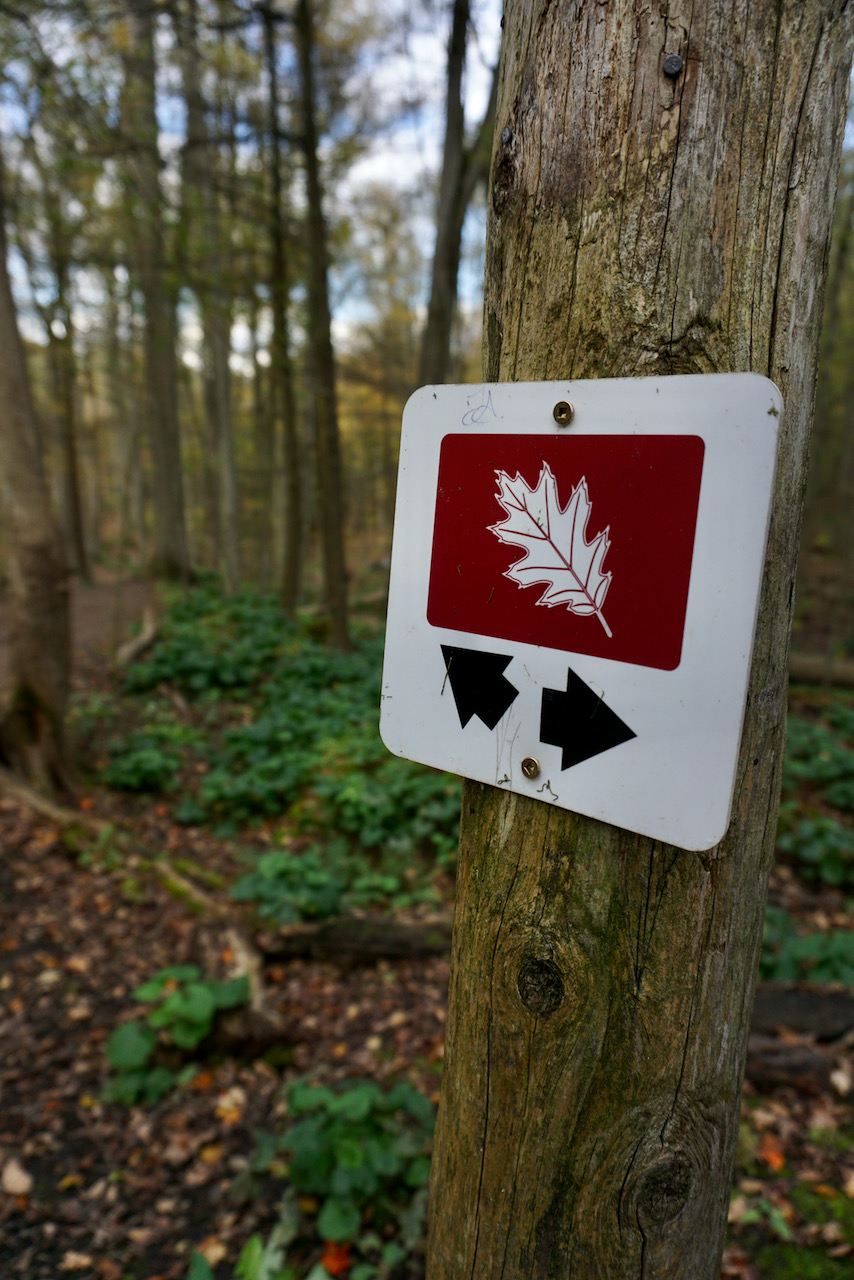
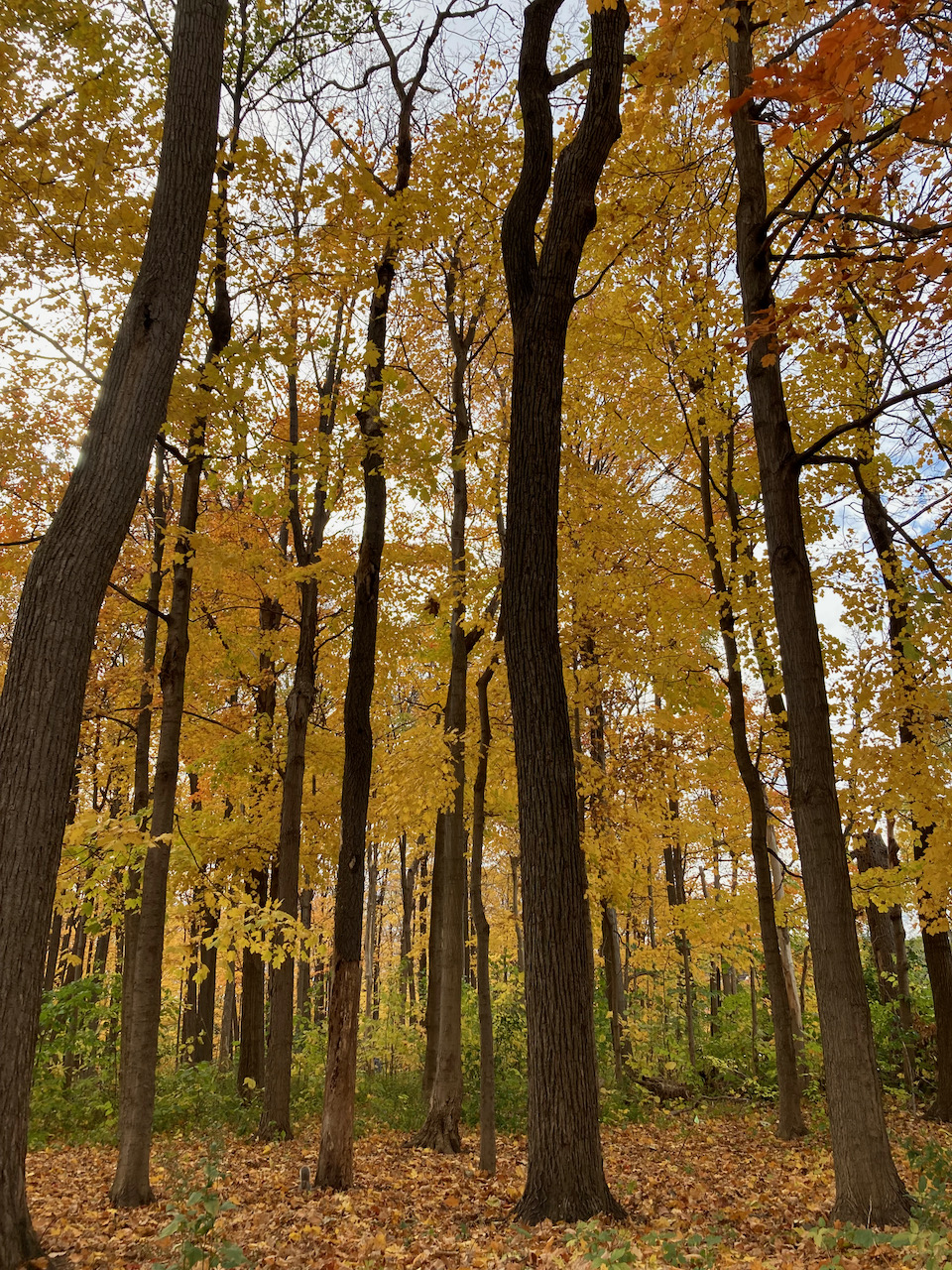
At the end of October, my Toronto family and I went for a beautiful walk an hour or so north. There was so much that reminded me of growing up and playing on the nature trails not too far from our neighbourhood. We used to climb all of the fallen logs and run through piles of leaves.
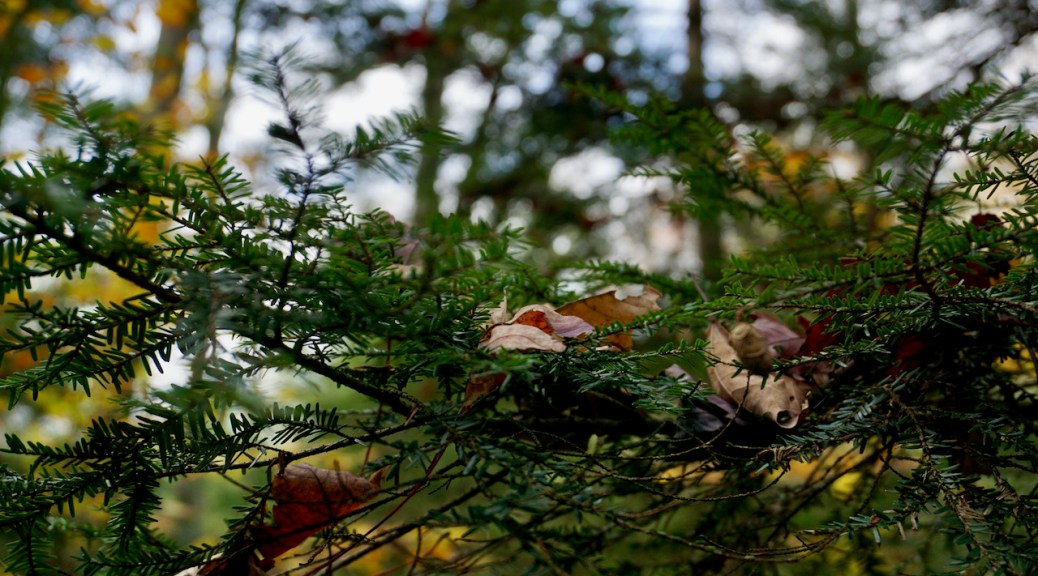
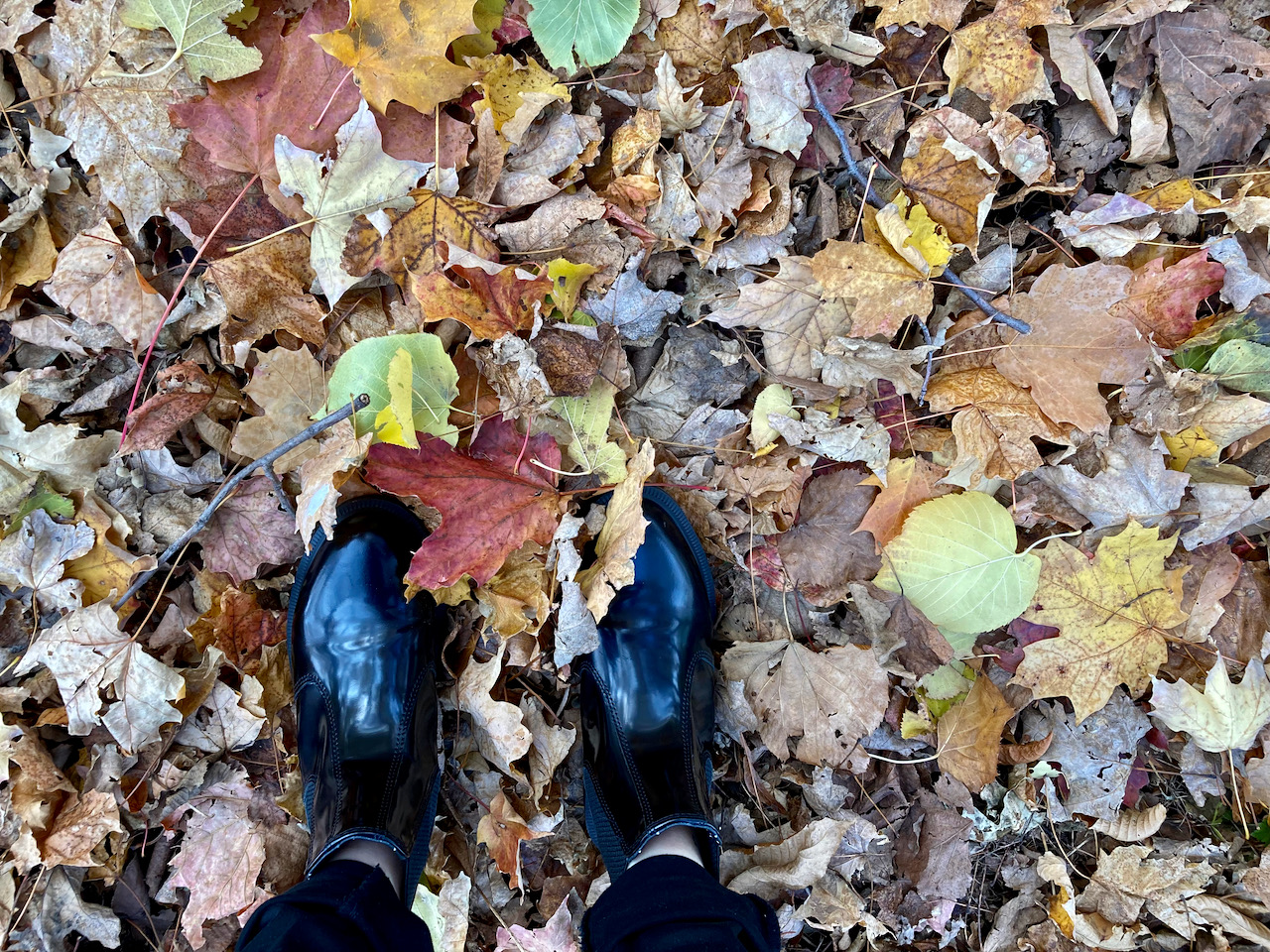
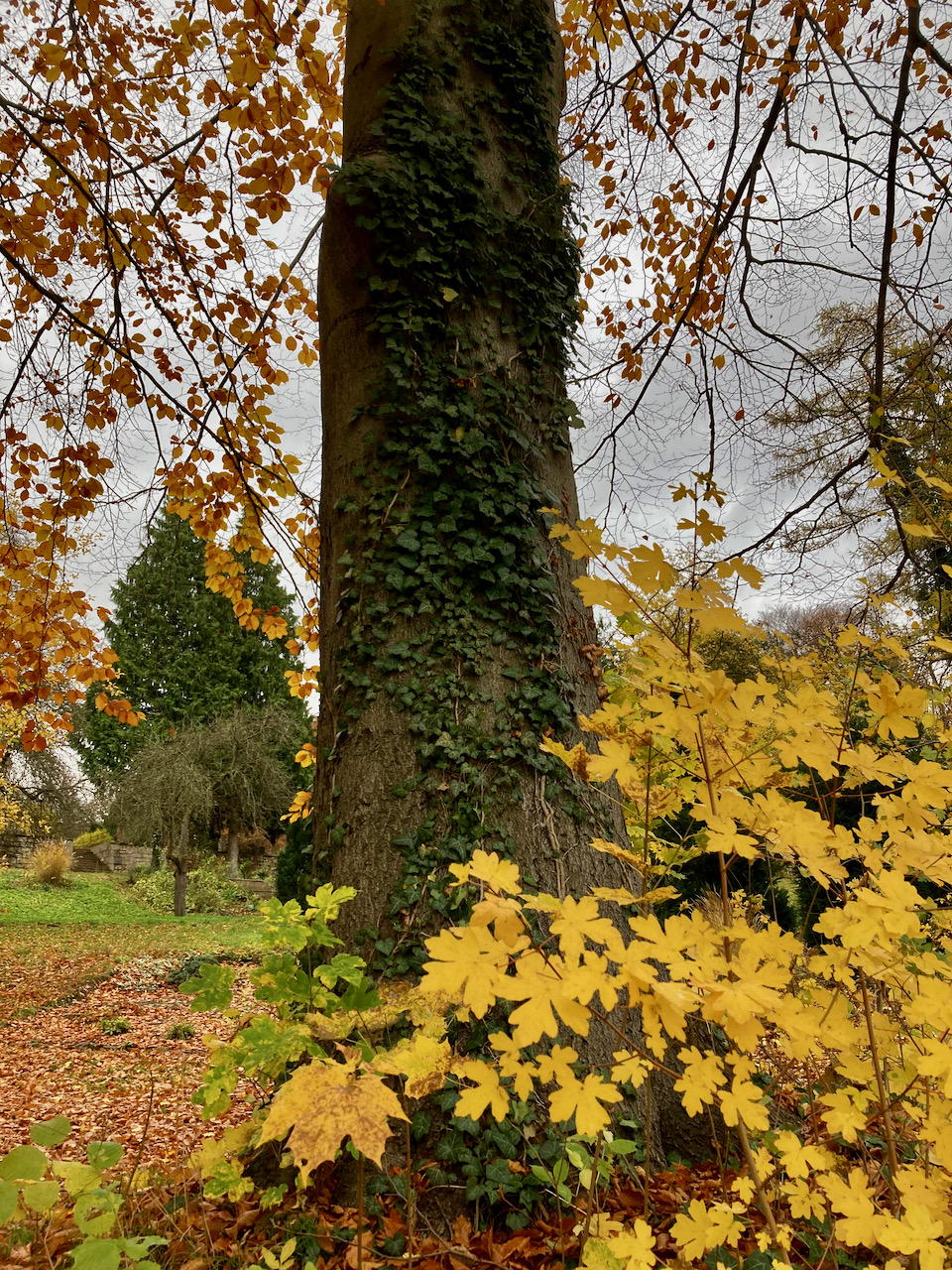
Regardless of the word you use to describe this time of year, this is the season of falling leaves and the crunch they make underfoot, of apples picked from trees and pumpkins from vines. The texture of the air changes, daylight grows shorter, shadows grow longer. Food gets warmer, coats thicker, and lush green gives way to all shades of red, orange, yellow, and finally brown before the leaves are gone entirely.
In Montreal at the beginning of November, further north and further into the season, the leaves were different yet again. Montreal is a city of bright skies and the colours made me smile at a time when smiling was difficult.
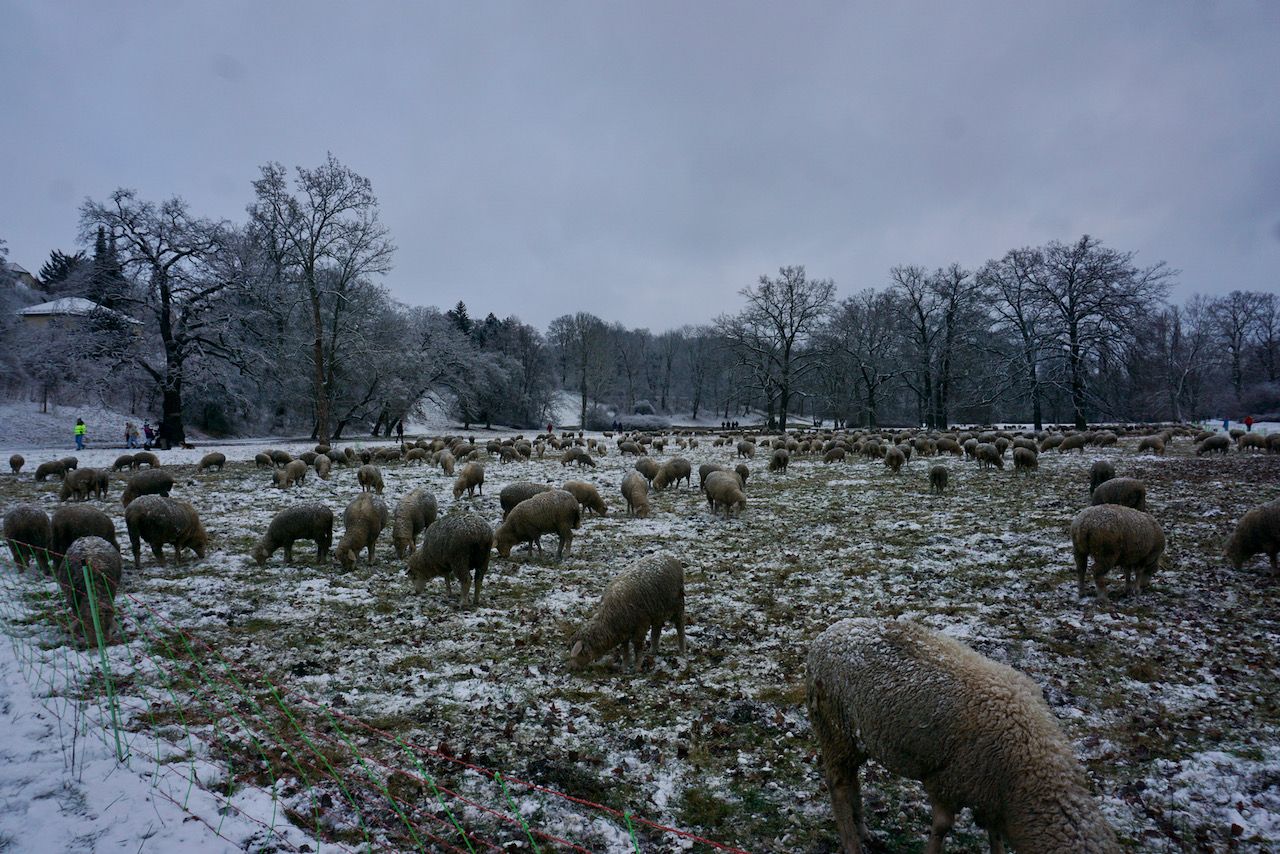
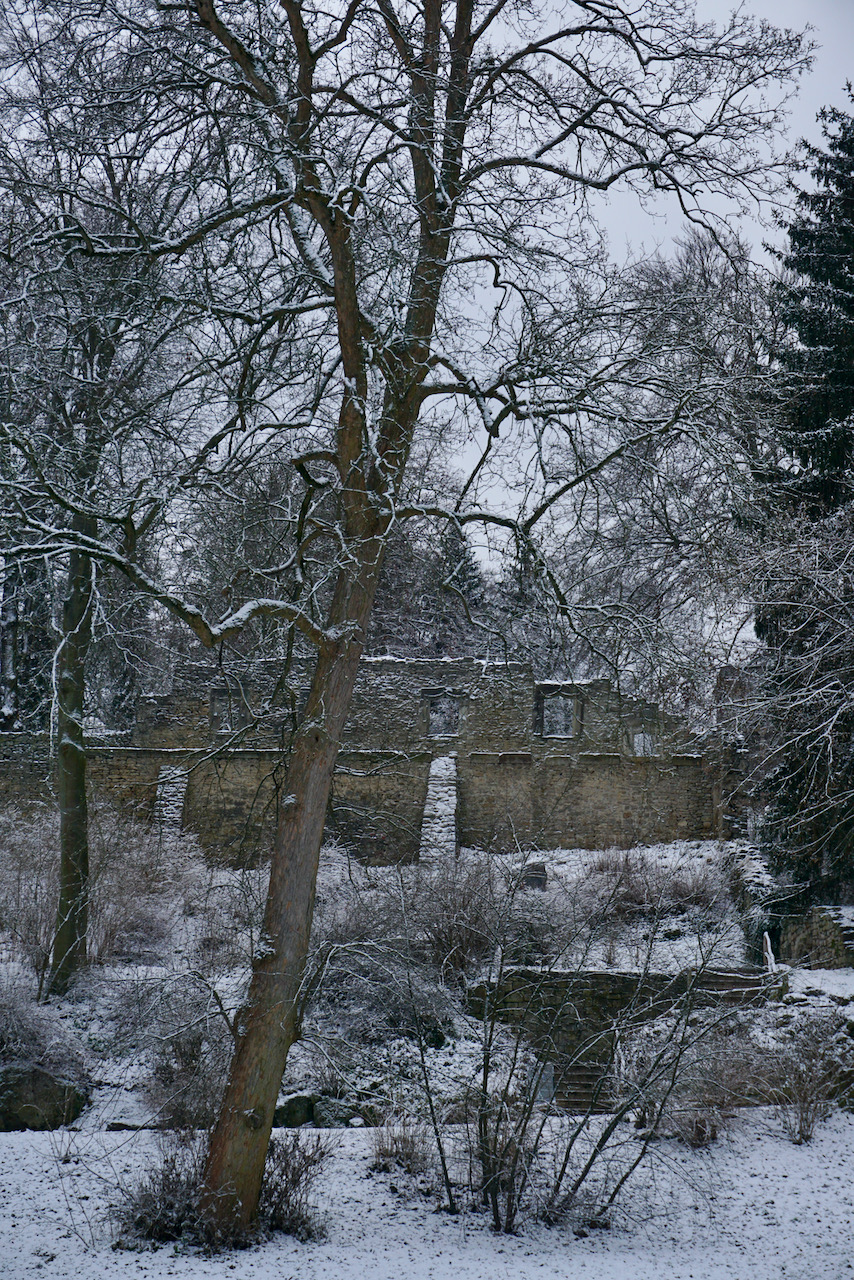
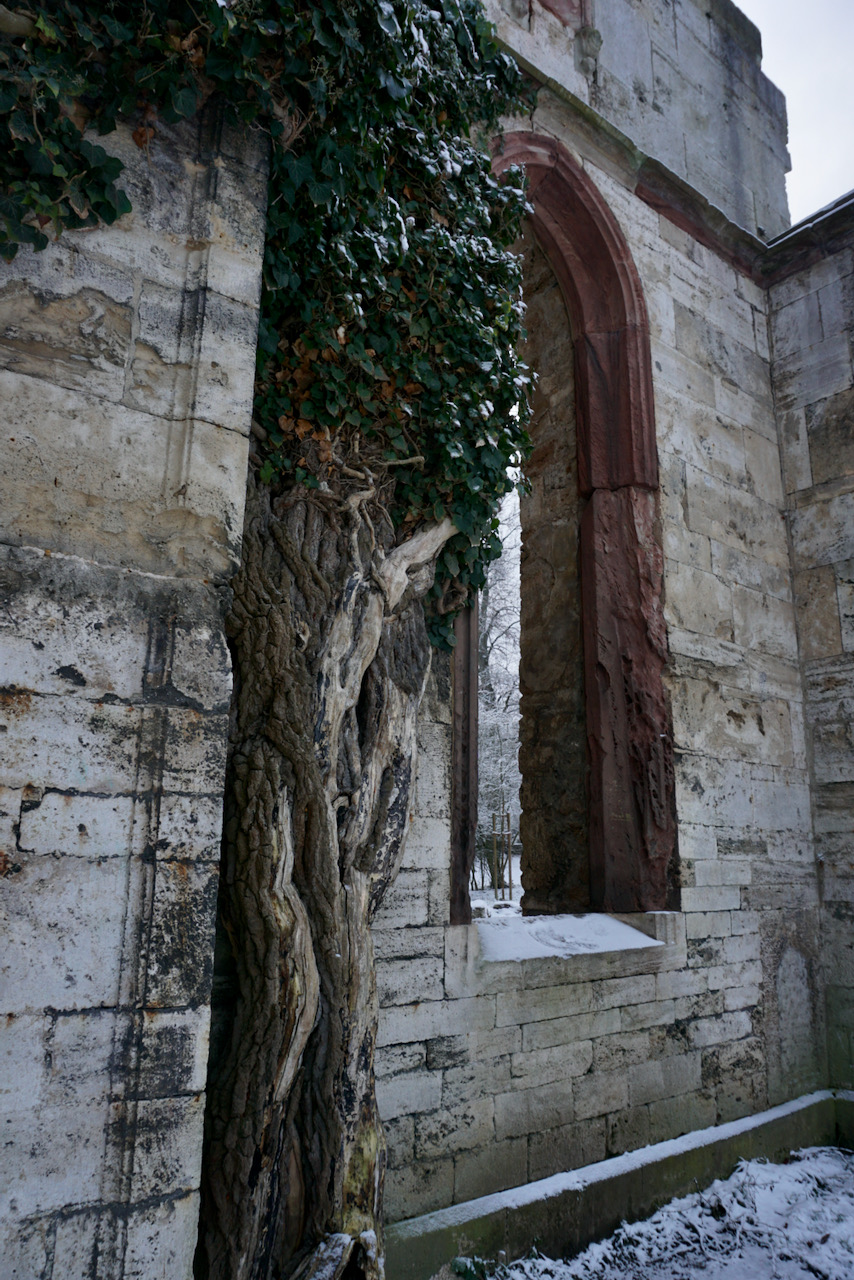
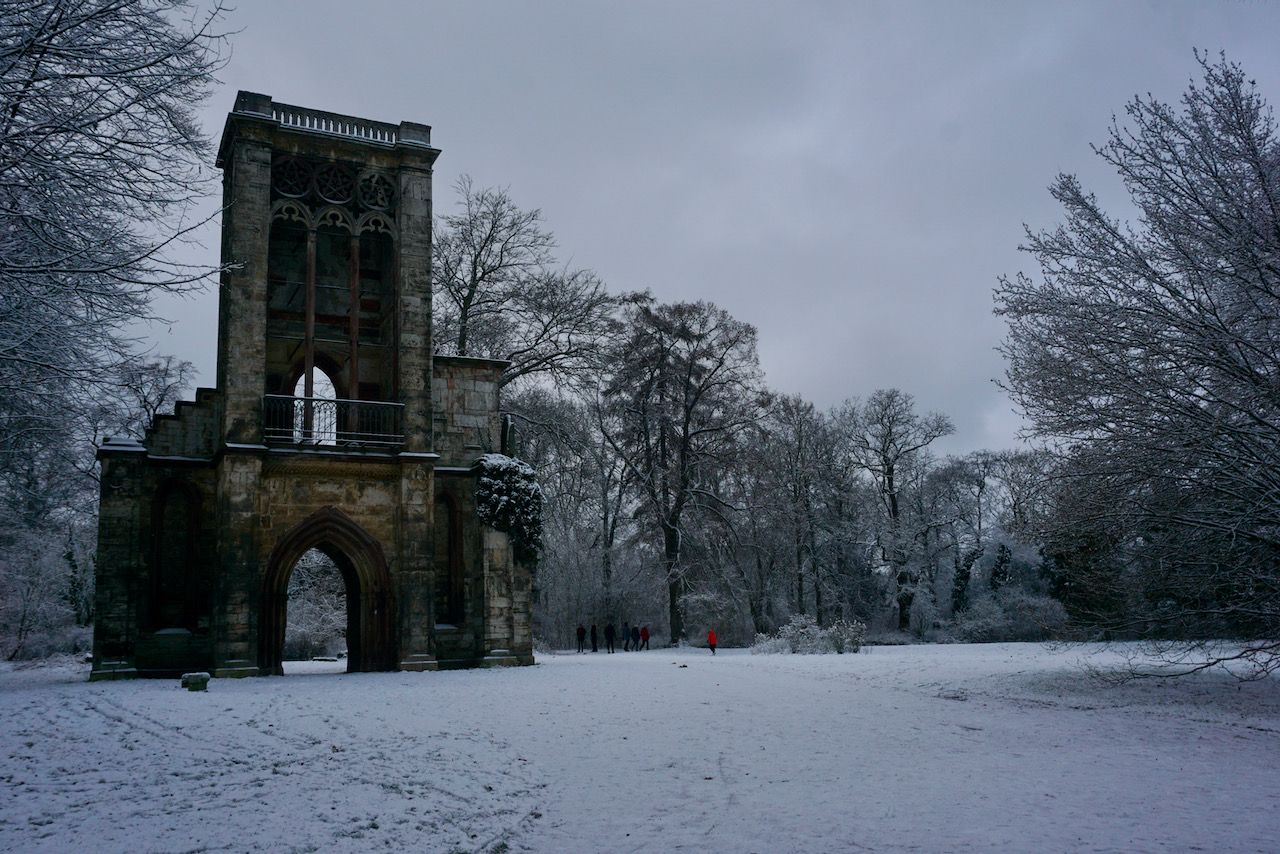
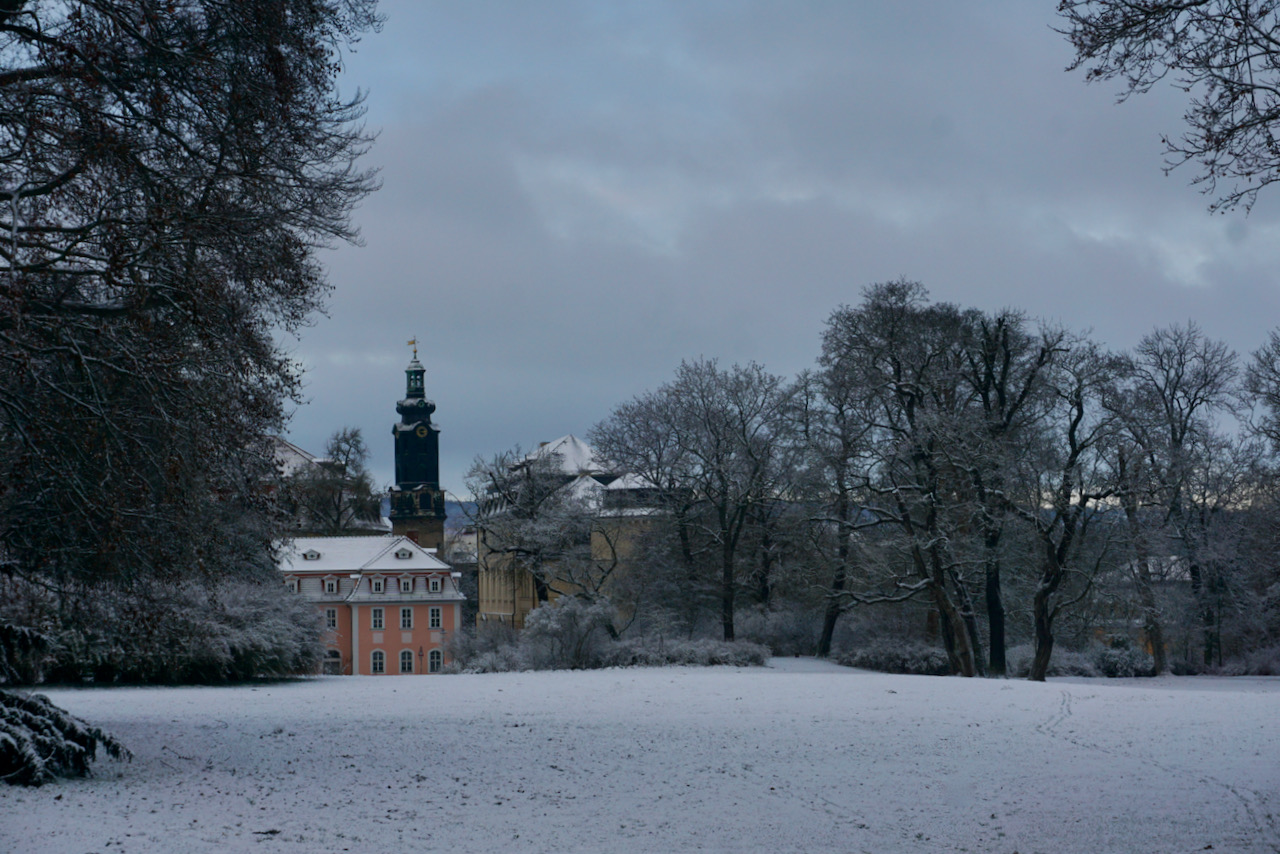
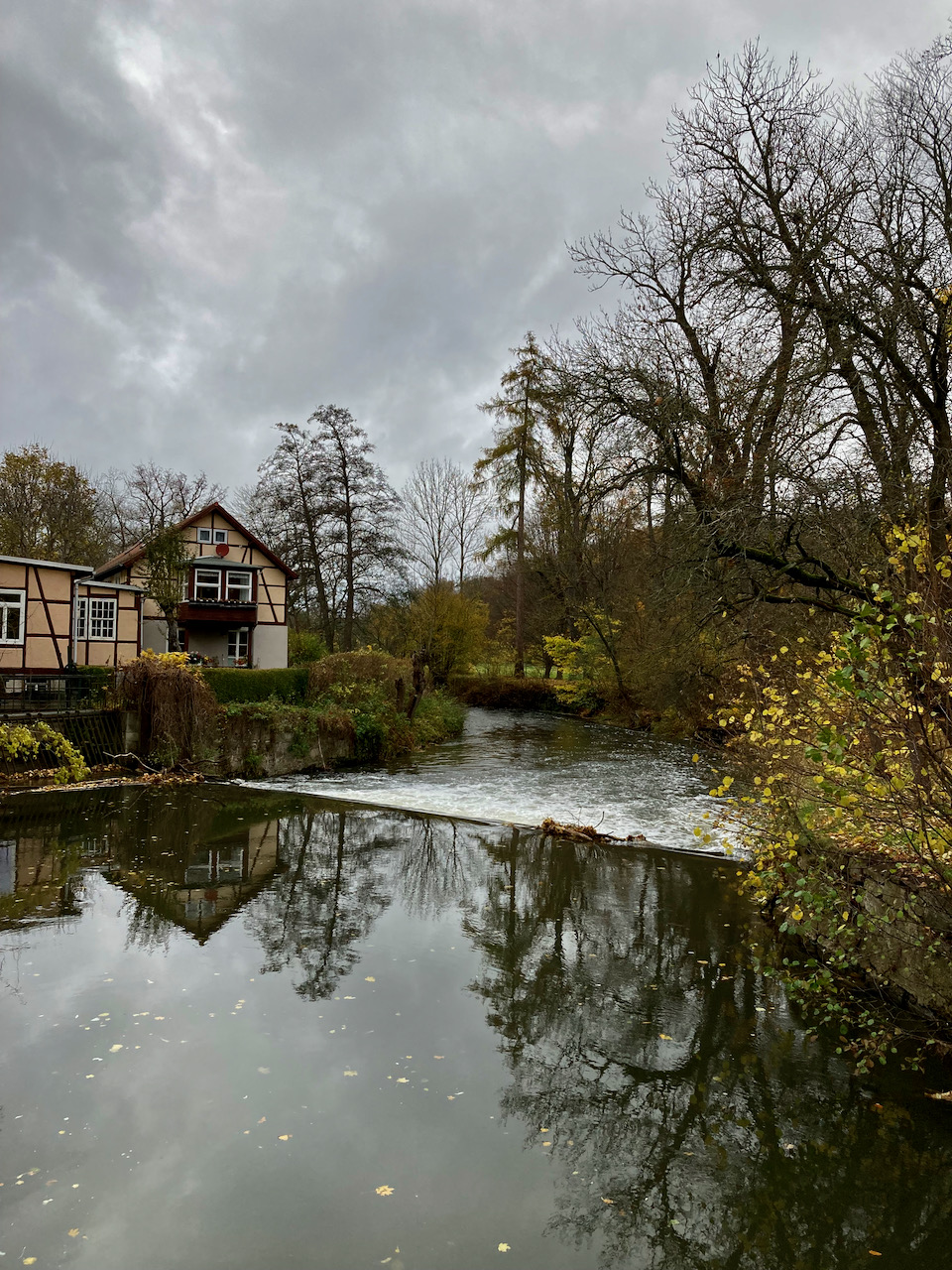
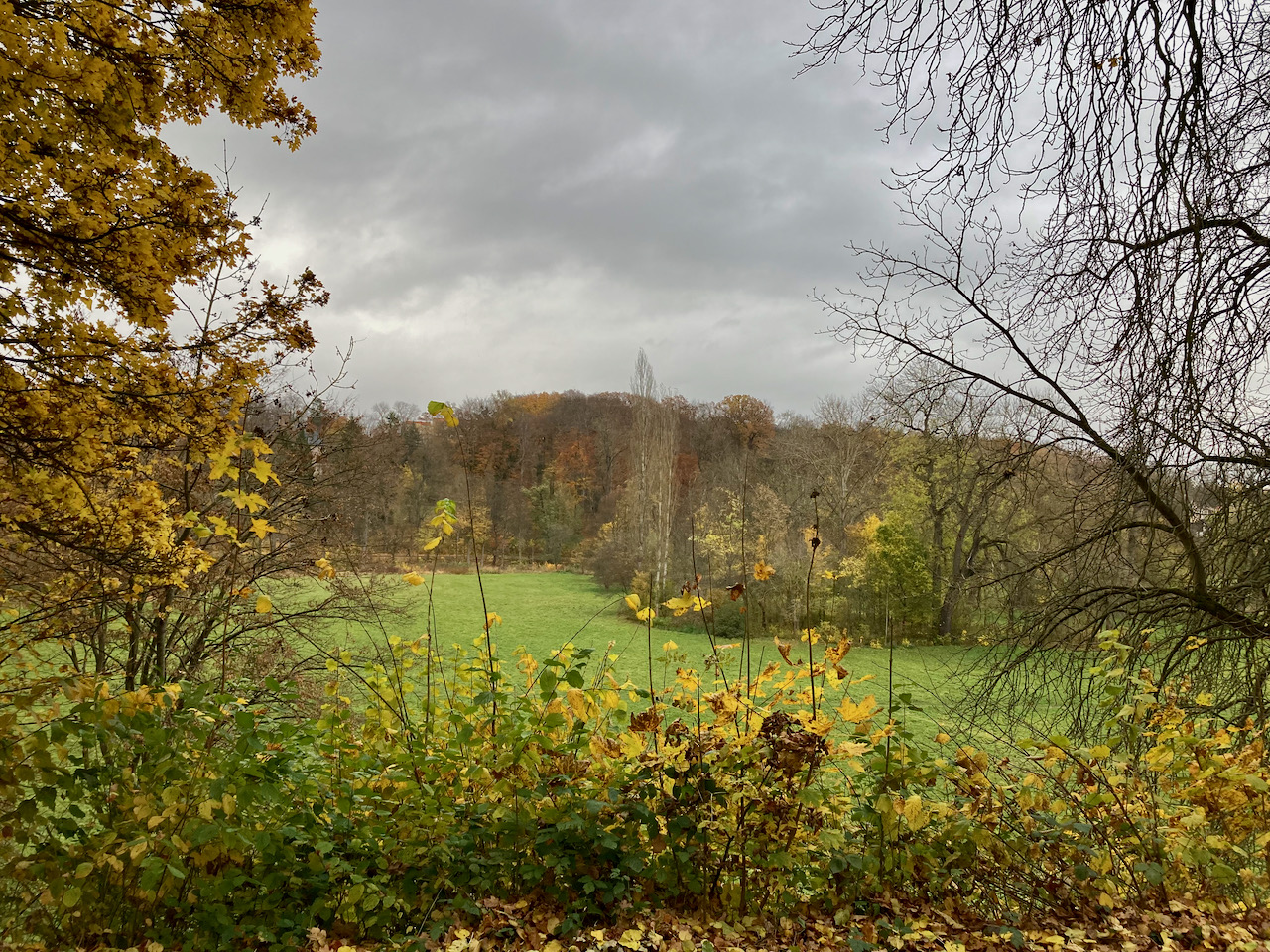
I took a walk through the park near my apartment in Weimar shortly after returning from Canada. The steel-grey sky and occasional drizzle reminded me why this time of year, just too early to start thinking about the holidays, is sometimes overlooked. But the calm and quiet of the path minimized distraction and held opportunities to experience beautiful things.
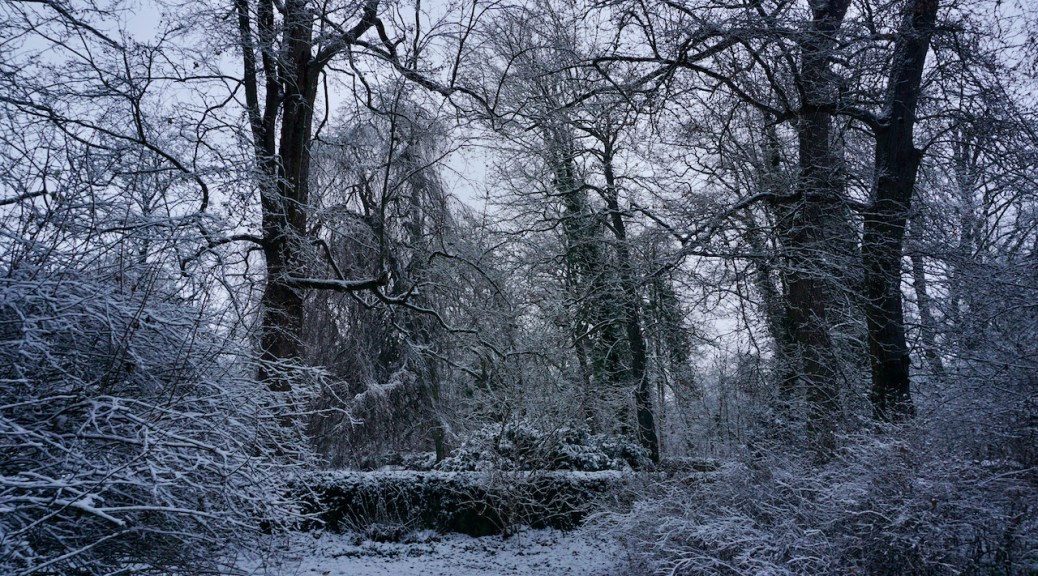
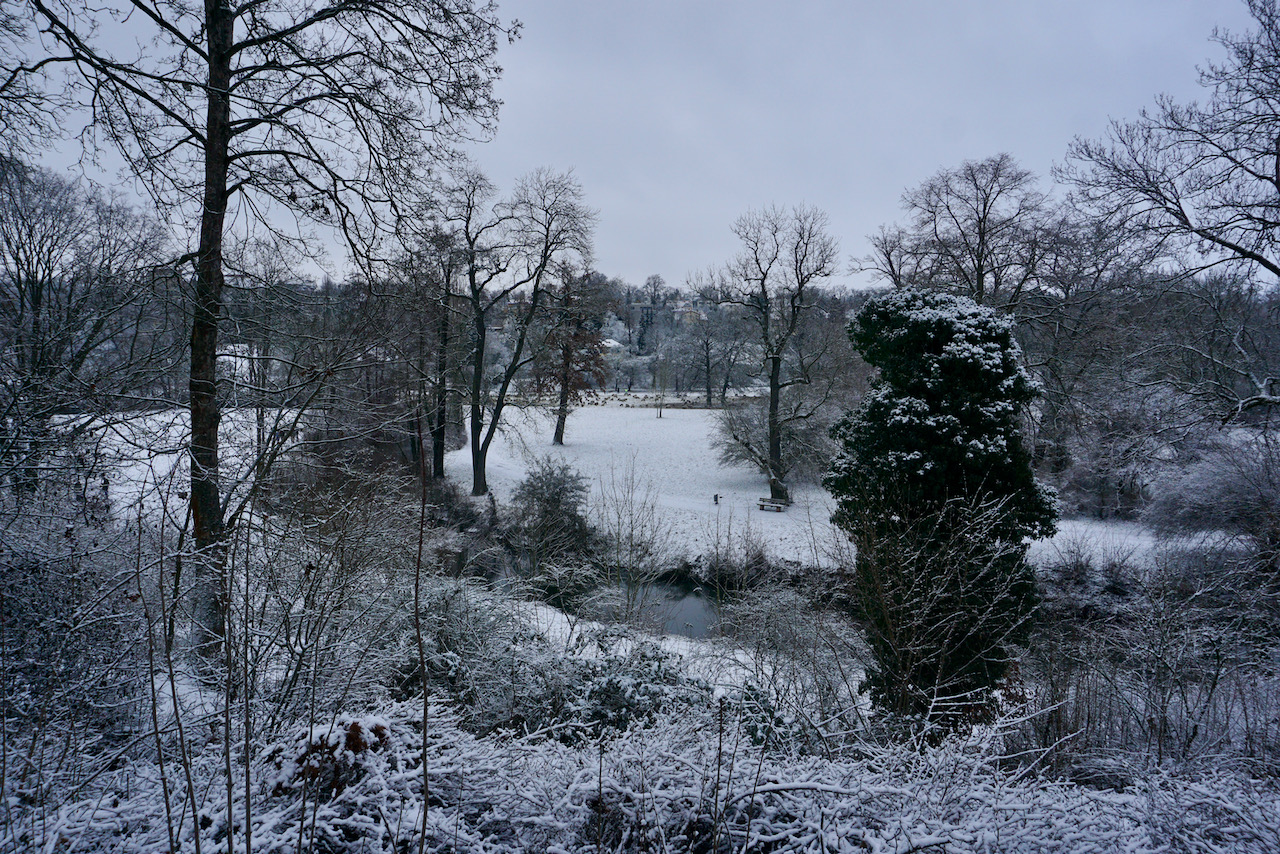
Here in Weimar, now definitively in the middle of November, we have had some very cold nights. And days, for that matter, but it’s dark at night here, very dark, and I’ve been spending time outside remembering what cold feels like. Damp cold that gets into the bones, crisp cold that leaves fingers, toes, and noses tingling, and then a brief respite from temperatures just above freezing that seem balmy by comparison. There is majesty in clear skies and sharp, brisk nights and seeing so many stars.
It’ll get colder, everyone says. Get ready.
I’m not.
But in the dark and the cold, surrounded by naturechanges and beneath stars, my body, mind, and heart are very much awake.
“Lift your gaze and linger.” Weimar, Germany – November 2021
Photos, travels, musings, and ideas on education by someone trying to make the world a better and more peaceful place





















 By Rebecca Michelle