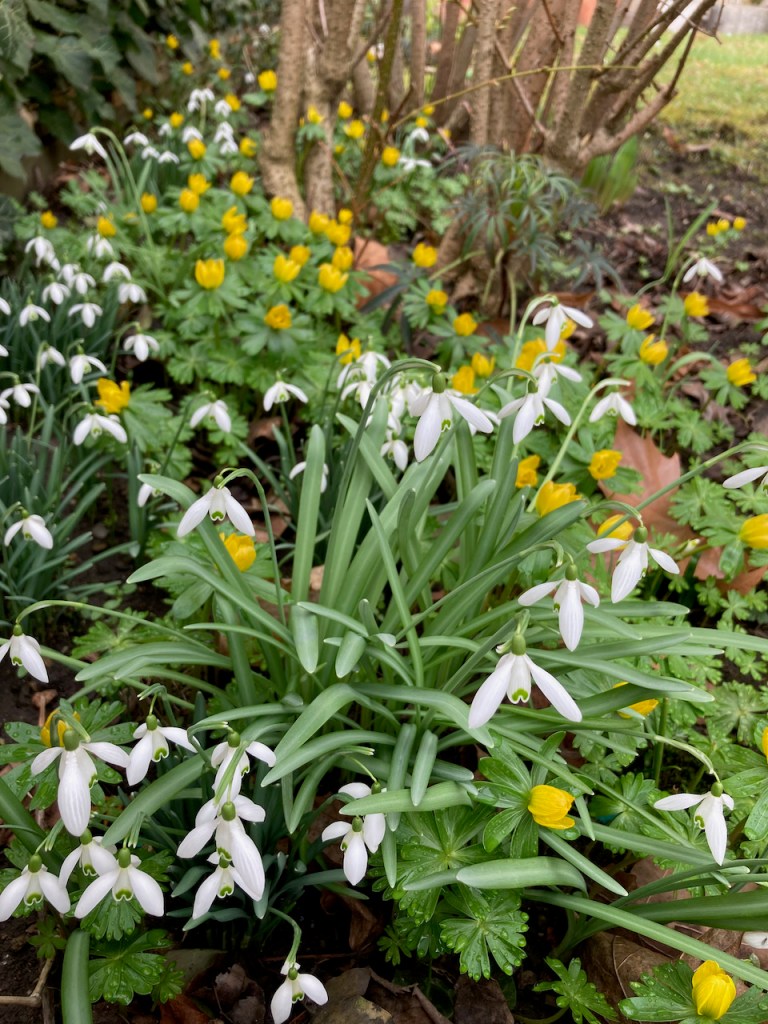
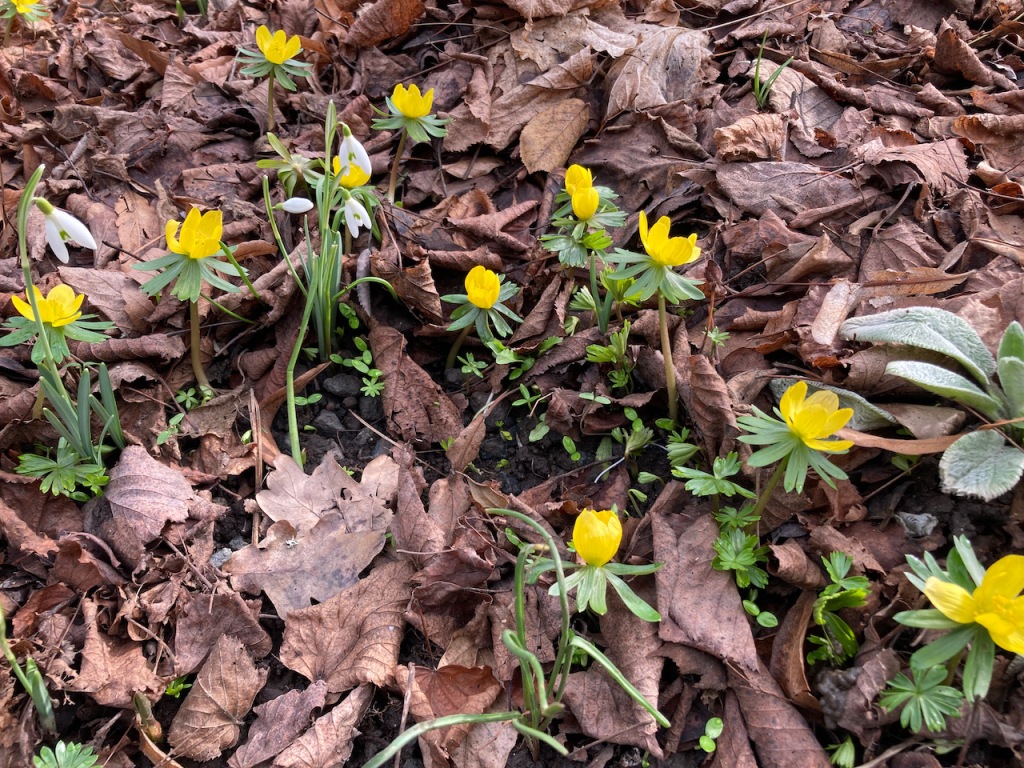
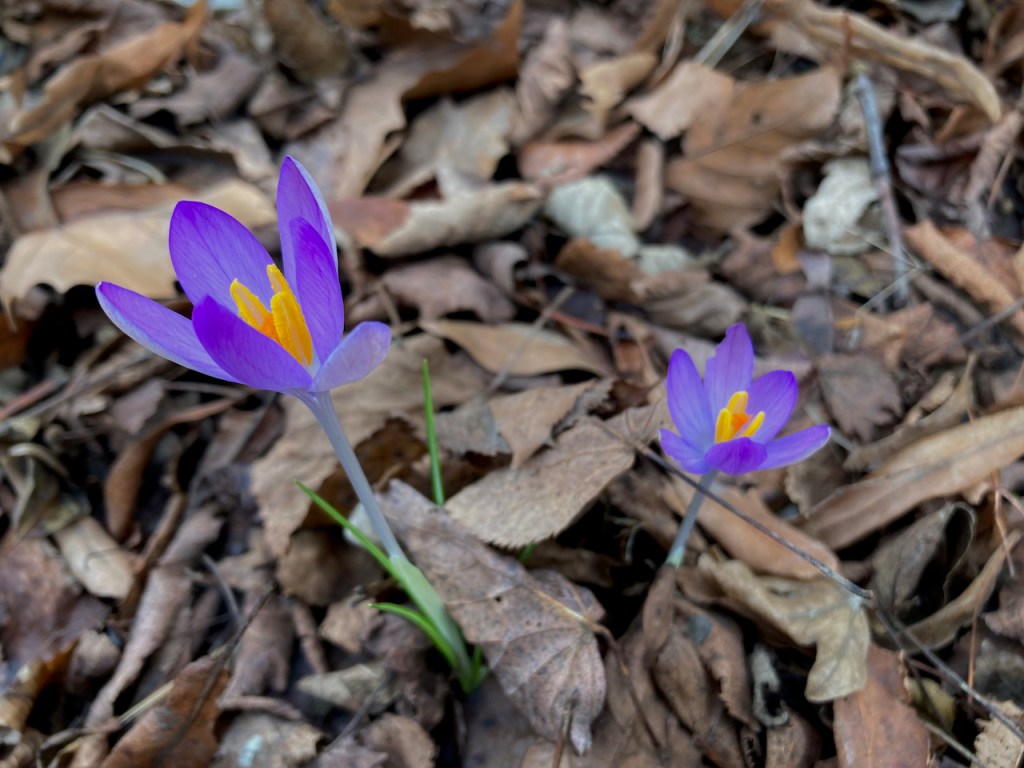
I took the scenic route on my way home from the bank yesterday, meaning that I strolled through town, turning a quick errand into almost an hour. As I walked, I took pictures of the blossoms I saw along the way, signs of spring here far too early.
This is in sharp contrast to the bitterly cold weather we had intermittently in December and January, and the two large snowfalls that had me going to work by bus rather than bike for days at a time.
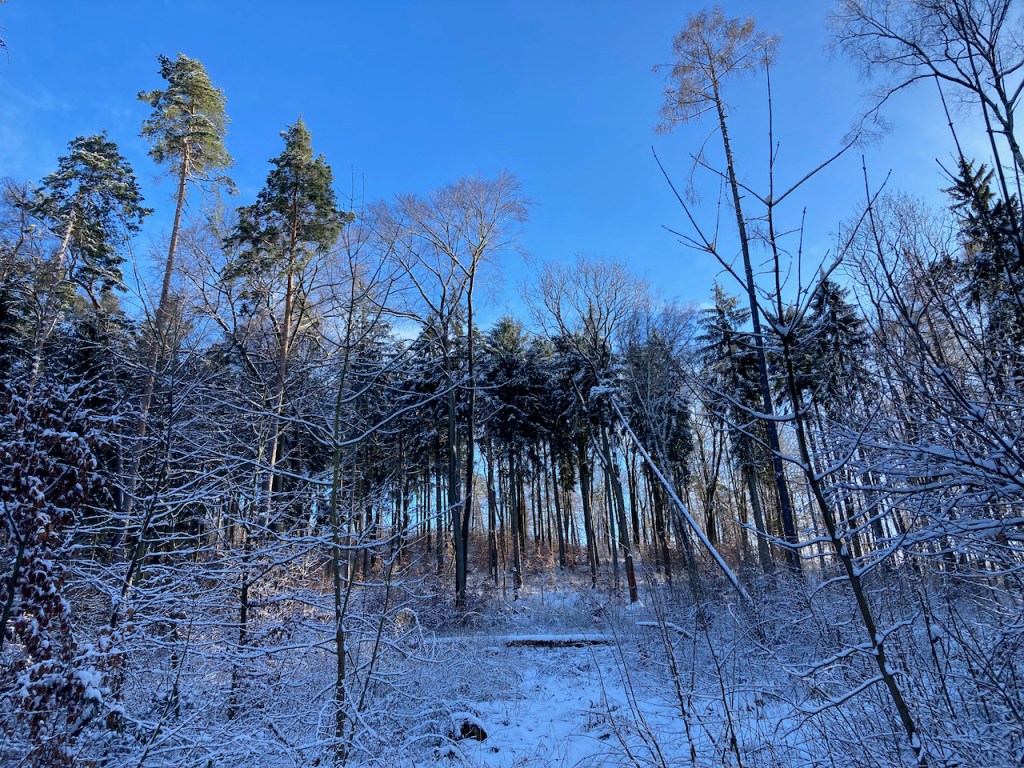
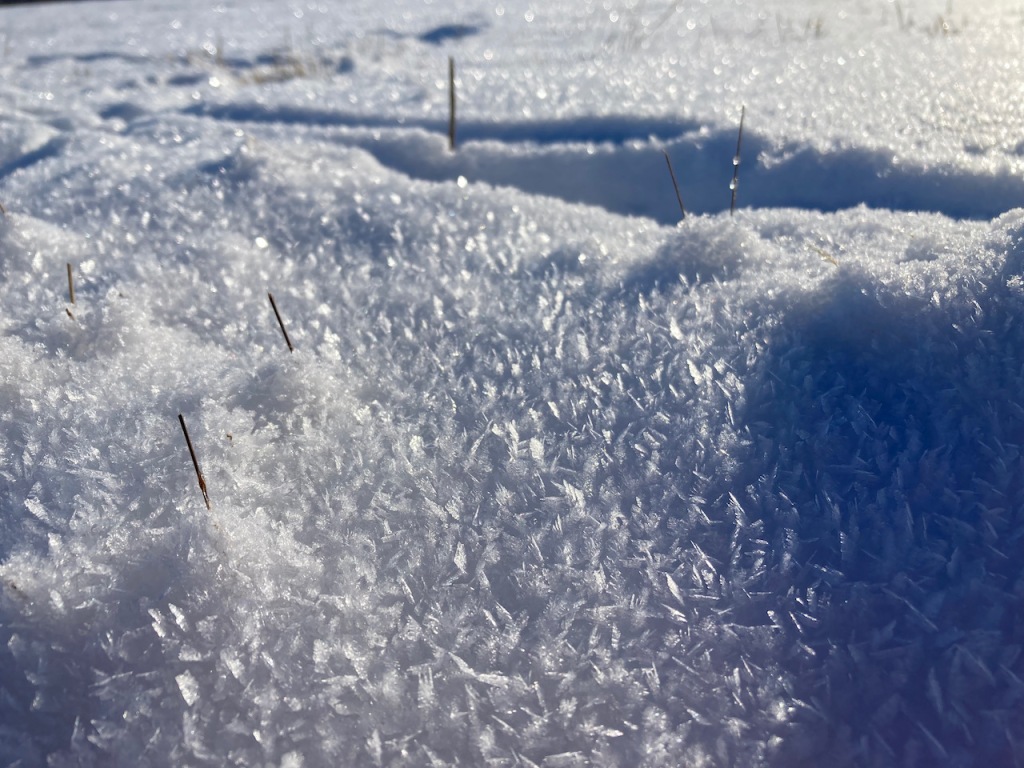
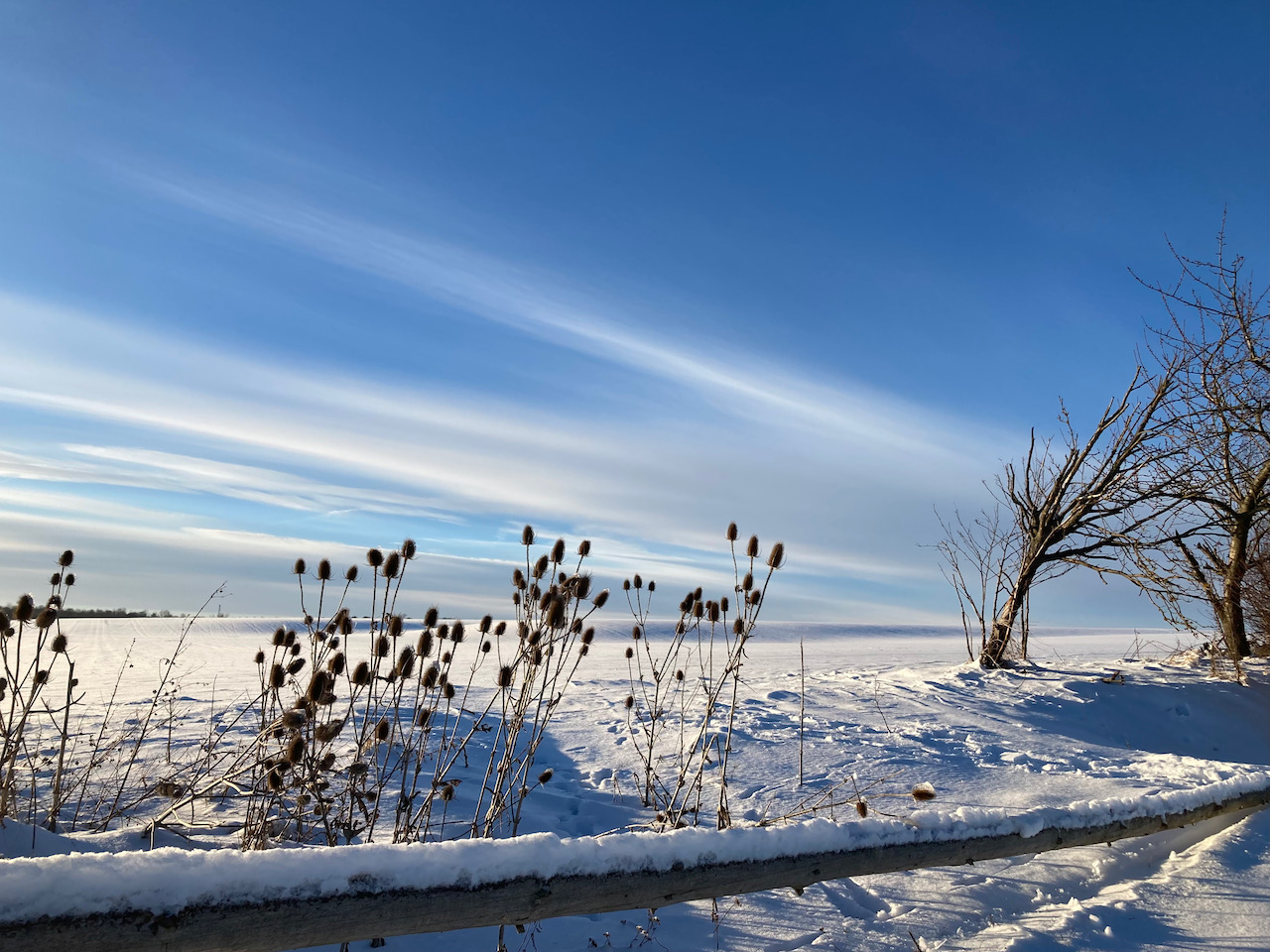
I’m glad we took the opportunity to go winter hiking when there was snow on the ground and frost in the air.
I hope the little blossoms know more than I do, and I hope there are strong memories in their roots and soil, in their home. Will they be okay if winter comes again? As I breathed in deeply, a woman passing by assured me that the tree has always been a winter bloomer.
The weather was temperate when we went skiing last week, and then too warm, and now it’s cold again there. The seasons are certainly no longer as predictable as they were, but they were never all that predictable, at least where I grew up.
Yet, it’s different now. The air feels different. And we are far beyond the point of pretending not to notice.
In some ways, it was the easiest move I’ve ever done.
Clothes packed into duffel bags and suitcases, books and crockery into boxes, decorative items gently wrapped before being placed into other boxes, frames taken off walls and stacked. Furniture loaded into the car or the van, padded with pillow and blankets. Three or four trips, one to a village a short ways away, and we were done.
And with every trip, things everywhere.
Furniture carefully moved into pre-measured locations, no space to spare. Empty a bag, fill a set of drawers, unzip the next bag, reorganize the drawers.
We spent hours combining two kitchens into one and formed piles: Things we use and love, thing to store for later use, things to donate, things that simply needed to go. Glad we had built a new set of shelves.
Mere days later, the bed stood slightly higher and more items found their place. Shortly thereafter, a new cabinet in the bathroom took care of a general sense of organized chaos.
A beloved photo printed on canvas. More pictures arranged and hung. Every spare surface filled with plants.
Forms filled out, phone calls made, appointments set, items slowly crossed off the bureaucratic to-do list. Agreements set with the landlord, a day spent painting the old apartment, items gradually sold to colleagues, to strangers, other items donated. I’ve always found it pretty easy to part with things.
A new, longer route to work. Depending on the weather, through the city or through the park. Based on the snow conditions, by bike or by bus. Alarm reset to save time for last-minute adjustments.
And then finding rhythm. Alarms ringing at different times, shower occupied morning and evening, discussion of which temperature to wash clothes. Who starts coffee and who makes the bed and are you coming straight home after work?
This move reminded me of my first move: Excitement, joy, family around to help, pizza when everything was done. I have a lot of experience with moves and it makes a difference, having people there to direct, to carry, to organize. It makes a difference, not doing it alone. But this move was yet different in its celebration, in the name labels that went up on the doorbell and mailbox.
This move was not just a change of location, be it part of town or city or country, but a change of circumstance, a change that I’d tried once before in a very different place and very different time. Aware of this, I had a moment shortly before where the world swayed under my feet and I needed time for it to steady itself; I needed time to steady myself.
In many ways, this was the easiest move I’d ever done. In another sense, the ease belies the work it took to get here.
And that’s how it is with transitions, I think. You don’t realize you’re there until you are. And then you step over the threshold.
There’s something really magical about the first real snowfall, despite the slow drivers on roads, icy bike paths, and bus delays. When it started to snow a couple days ago, my grade 11 class stood up as one unit and clustered around the windows, pressing their noses to the glass, taking photos. When my grade 7 class came in a few minutes later, they dropped their bags at their chairs and ran to the windows as well. To say the least, it was heartwarming to see the whole class, comprised of individuals who normally erupt into chaos upon being so physically close to one another, crowded in one line against the windows, looking out at the trees and rooftops.
The first snow is one of those moments where children see the environment in a totally new way, even though it happens every year, and where adults remember what it feels like to be children. Walking home from the climbing hall last night, a route I decided not to take with my bike due to my earlier encounter with unpleasant riding conditions, we sang quietly, “It’s snowing, it’s snowing, it’s snowing.” Our wonderland air was crisp and cold, fresh, winter.
On the way to school, again choosing to leave the bike at home, I walked under the sort of trees that inspire illustrations in children’s books and watched the red glow beginning on the horizon. As my first students came in for the day, we observed the parting of the clouds, the first rays of gold greeting red rooftops and the tallest tree branches. We don’t always see the sun in wintertime here.
Winter is the Earth’s opportunity to sleep, to rest and restore before coming alive again in spring. Rest and restoration is something we all need, and perhaps the short, dark days can be seen as a way of making the time and space for that. This is also a time to huddle close to family and friends, to warm the hearts, souls, and cold feet. We have visitors coming soon, the Christmas Market has opened, and fresh snow keeps us moving slowly, changing the way we structure our days.
It’s a beautiful time, winter, and I’m glad it’s here.
Photos, travels, musings, and ideas on education by someone trying to make the world a better and more peaceful place









 By Rebecca Michelle