Category Archives: Germany

The Beach

I’m not sure how my parents chose the beach that ultimately became the beach we visited every summer, and then every other summer, and then one last time. I think it was advertised in a catalogue or maybe as part of a vacation package at a wholesale store. Whatever it was, we loved our family beach holidays, which started as soon as we got into the car and began the sixteen-hour or so adventure of reading, license plate spotting, occasional bickering, and listening to Garrison Keillor’s A Prairie Home Companion after dark. Throughout my childhood, the ocean was my happy place.

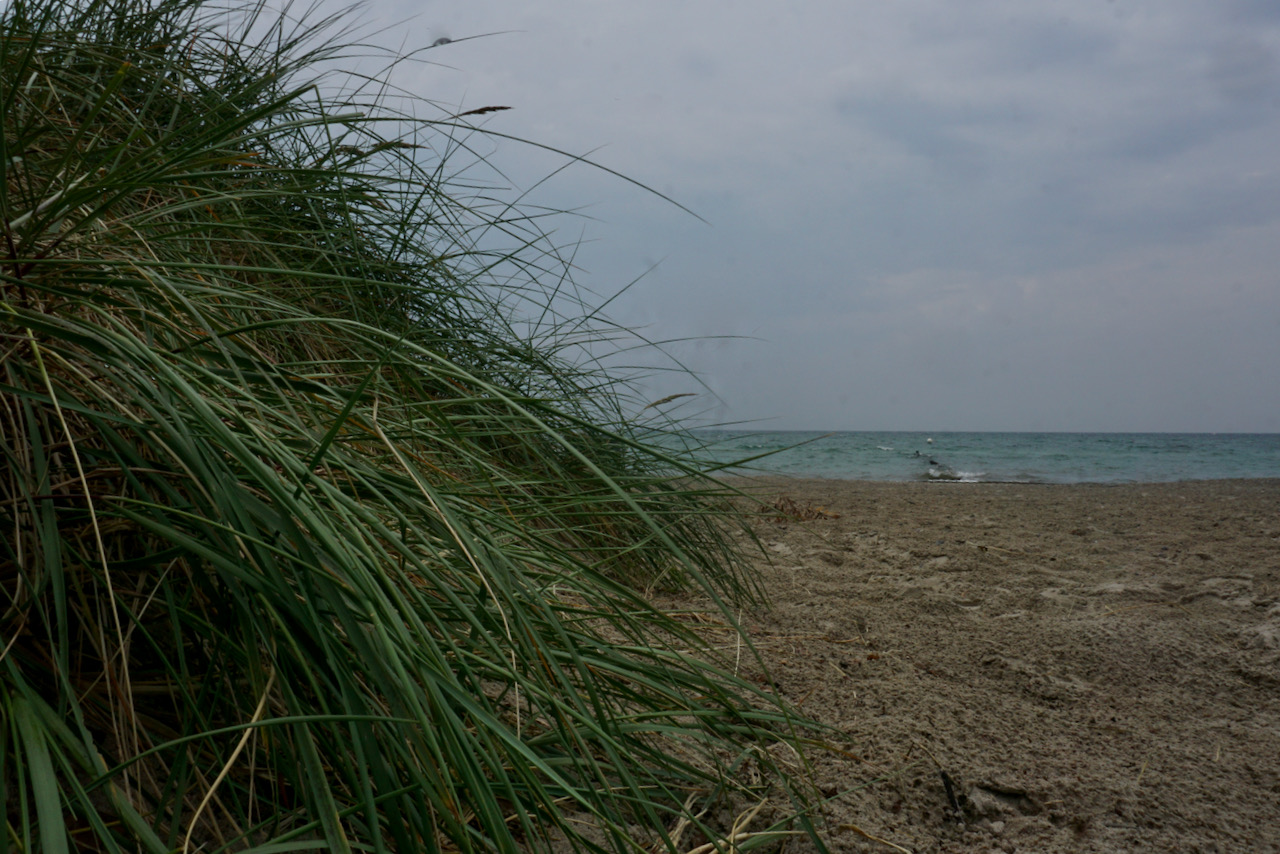
Until last week, it had been a while since I’d spent a holiday at the ocean, several years since the order of events upon arrival followed a familiar pattern: Unload the car, have something to eat, buy groceries, walk on the beach. It was my first trip to Warnemünde on the Ostsee, or Baltic Sea, where I was thrilled to have been invited, and my heart felt almost like I’d been there before.

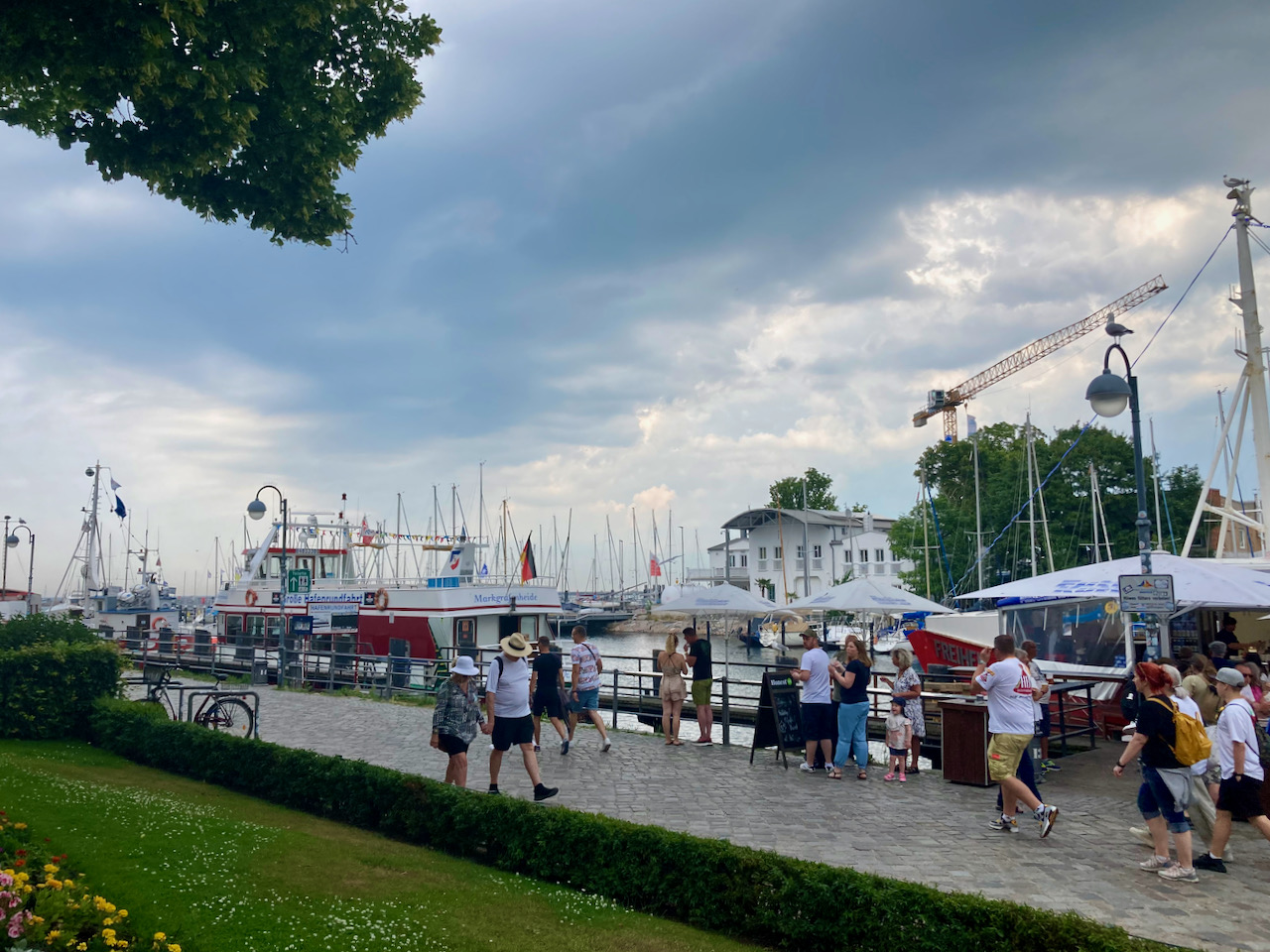
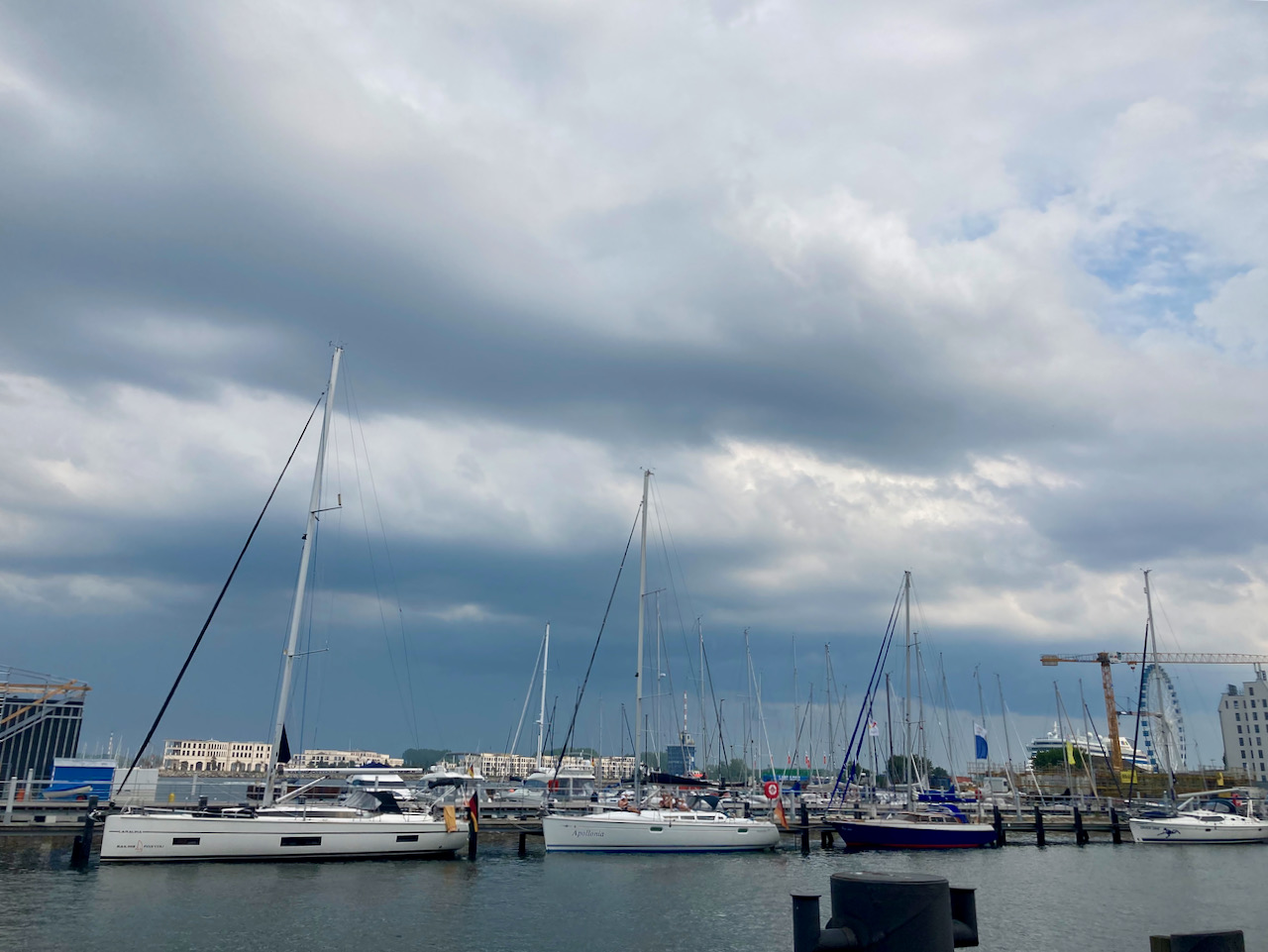
Warnemünde is a fishing town with an active port and a popular destination for tourists and cruise ships. A port means boats and lighthouses, both of which remind me warmly of my years working on boats and never fail to capture my attention.

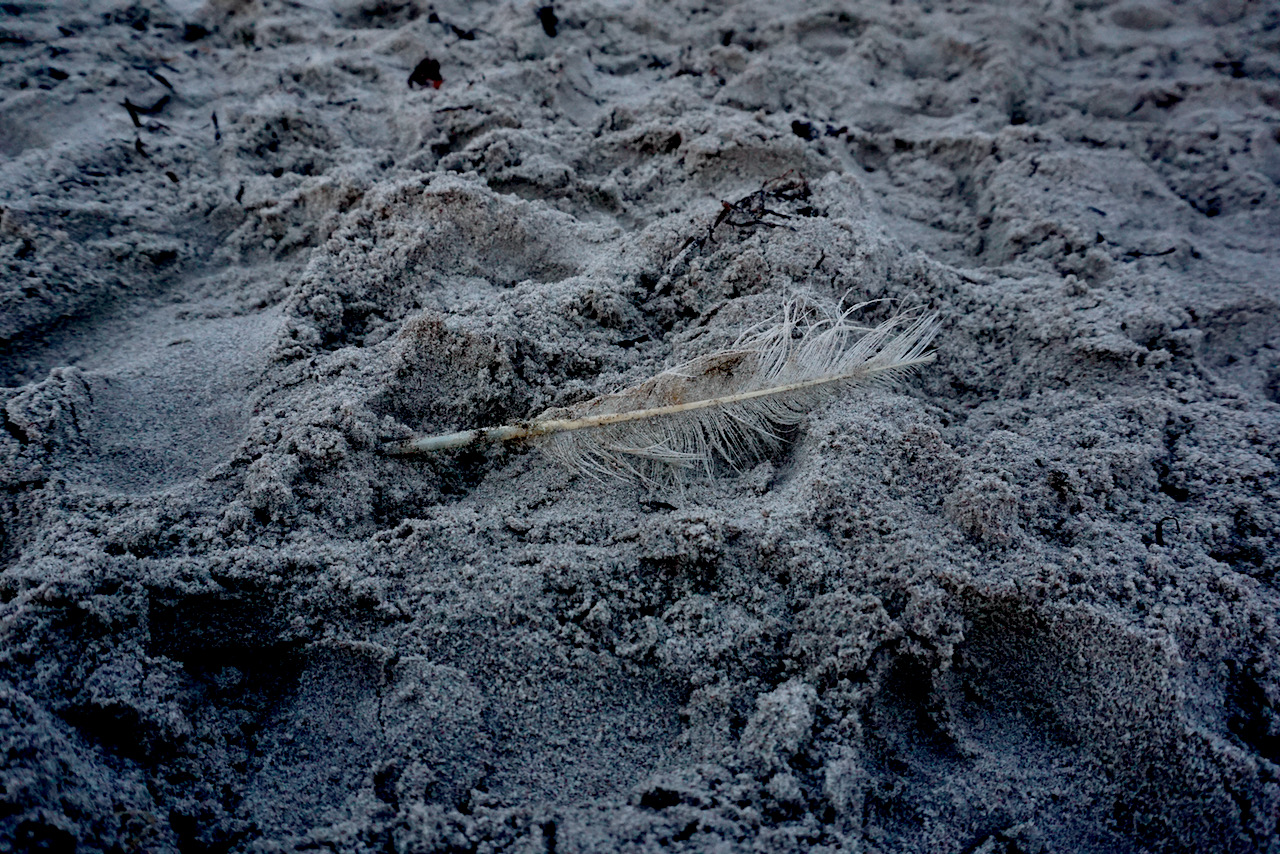
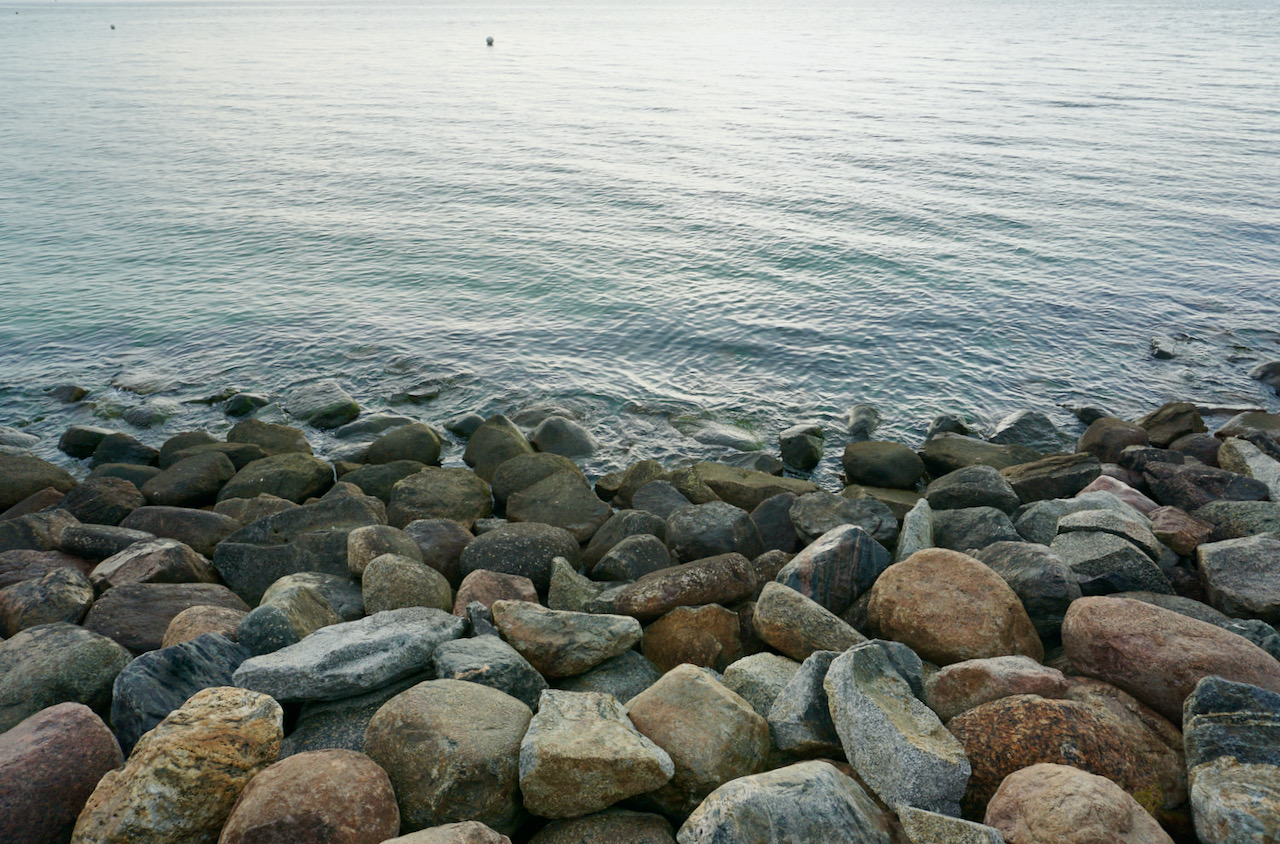
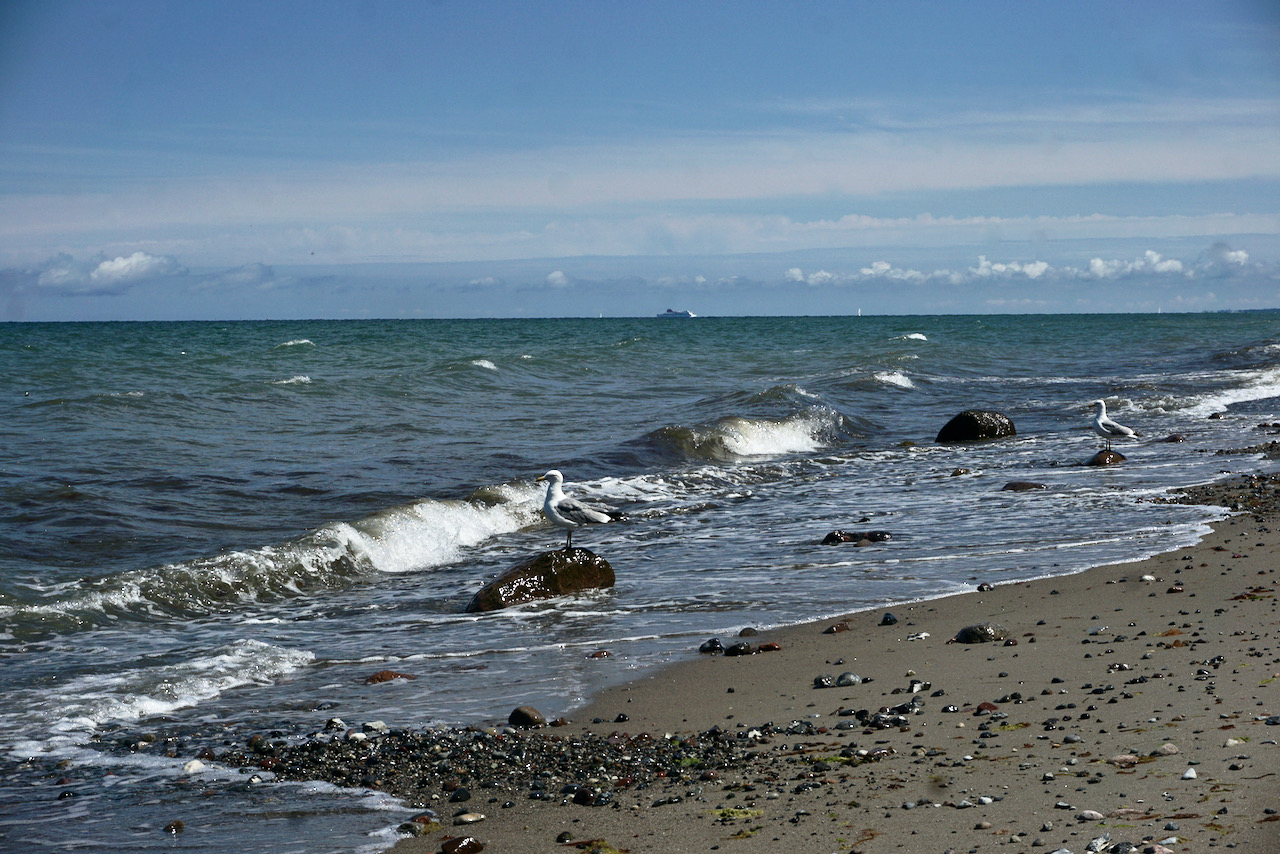
The water was warmer than I’d expected though still a shock each time we waded carefully in, laughing, slipping on rocks, getting tangled in seaweed, playing. The ocean was surprisingly flat even on windy days, and the beach rockier than usual, I was told. We tasted salt on our lips, dried off under the sun and wind, watched the seagulls marching along the sand. And when the sun went down, we walked quietly and in awe.

On the Ostsee, I learned, much of the beach emerges from the forest and this was completely new to me. We found a cozy spot, watched the approaching rainclouds, and walked calmly back in the storm that followed.

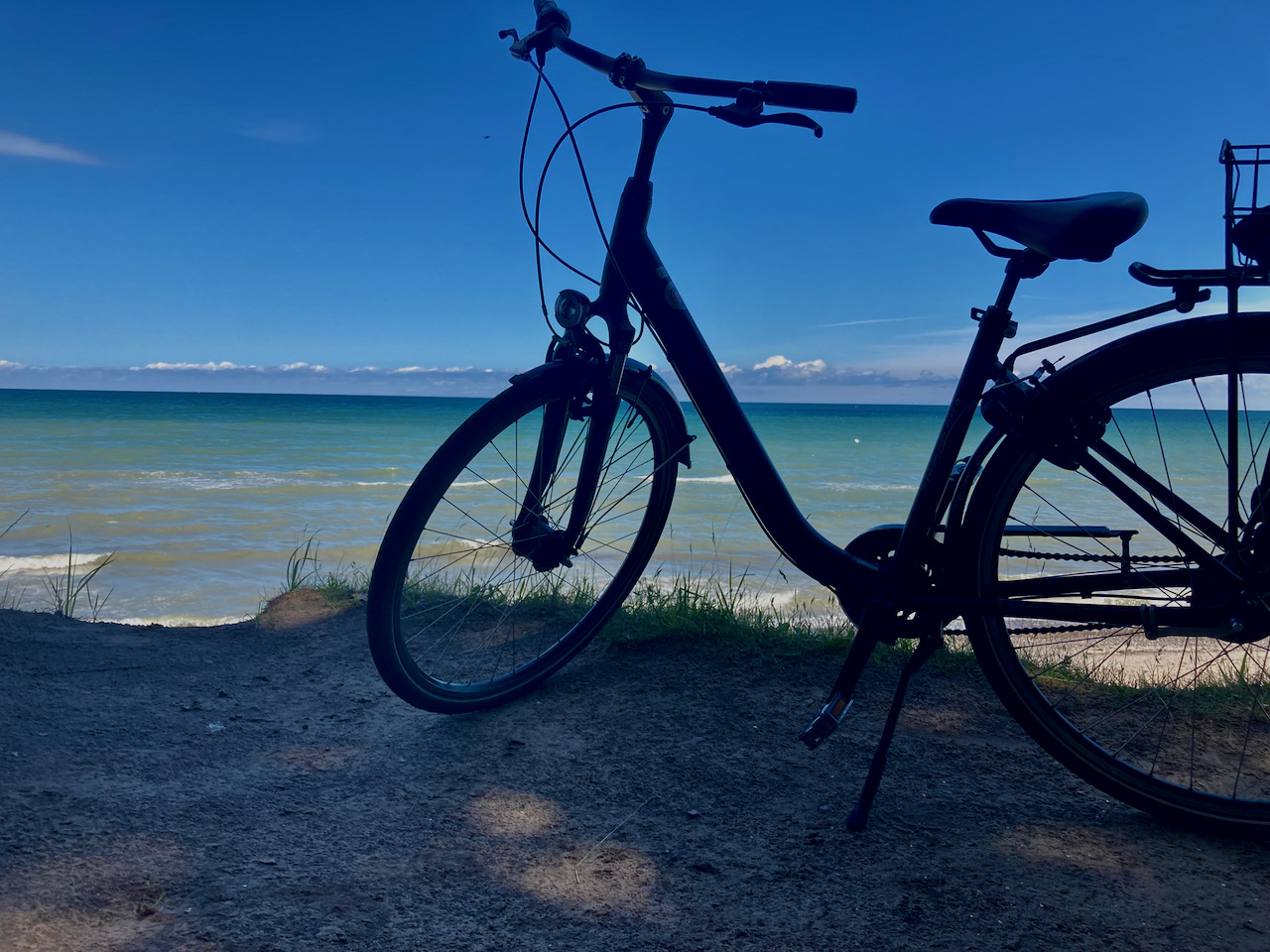
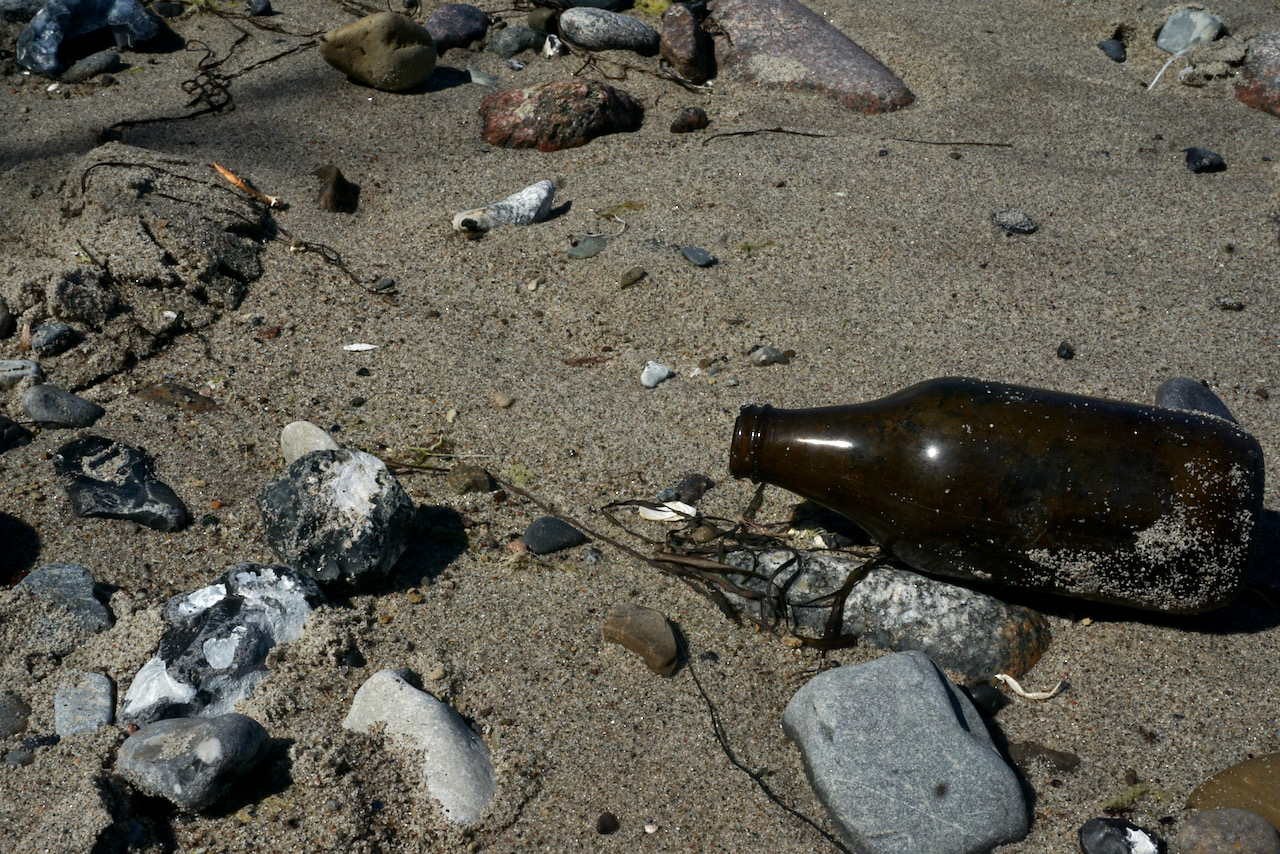
In the bright sunshine of my last day, we rented bikes and followed a path through the forest and along the coastline. We passed farms and little towns, stopped to eat and drink overlooking the ocean, and went swimming in the warmest water yet. We searched unsuccessfully for Hühnergotter, stones with a small hole through them that are supposed to bring good luck. The sound of the ocean was soothing and I nearly fell asleep on the sand.

The world is a beautiful place and I was lucky to be somewhere new to me, lucky to share it with people who have such fond memories of being there. The world is a beautiful place and to be part of it is a gift. I am glad to know this – every day.

The Forest

Can you smell the forest?

The question came after hours of walking, after hours of talking, laughing, catching up with some friends and getting to know others.

It came after the marvels and exclamations over rocks we don’t see closer to home, after jokes about how we could (or could not) climb these rocks.
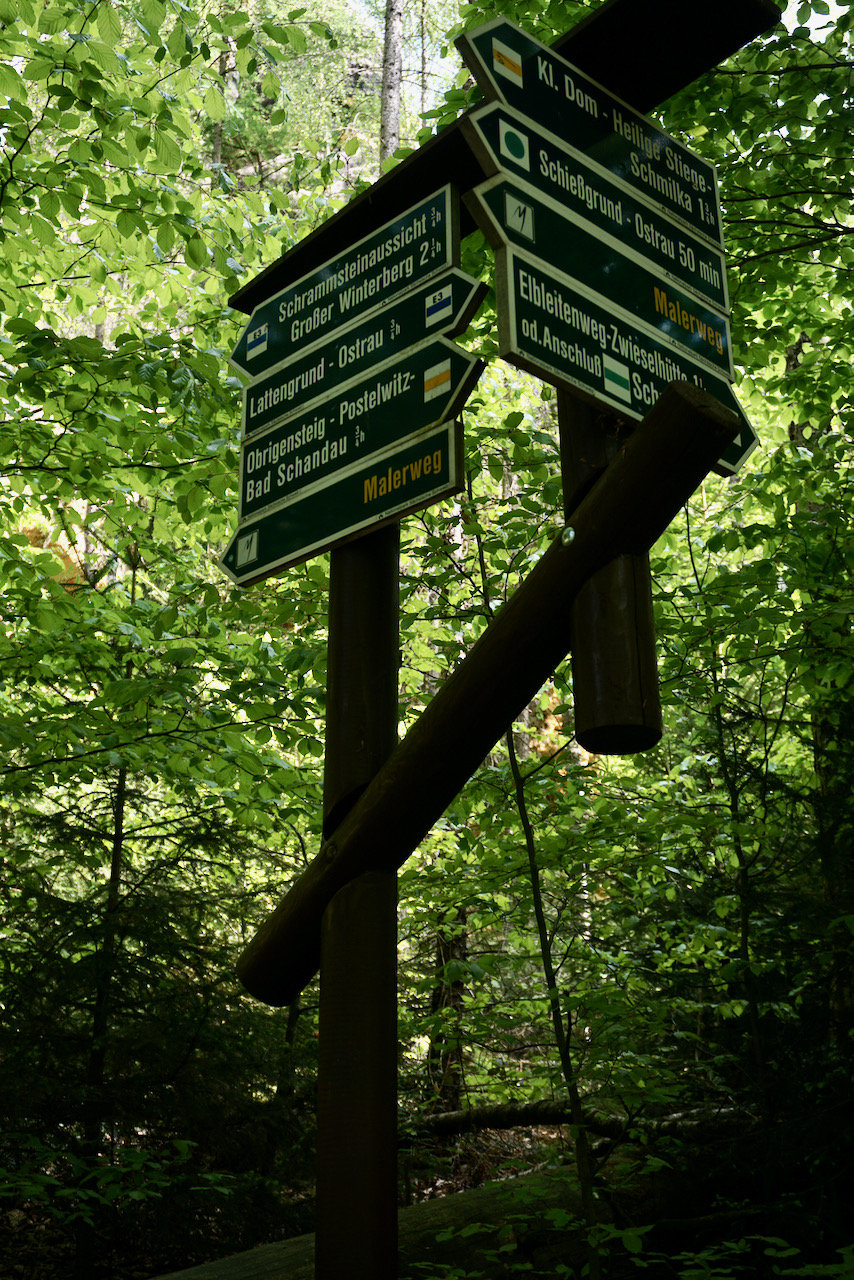
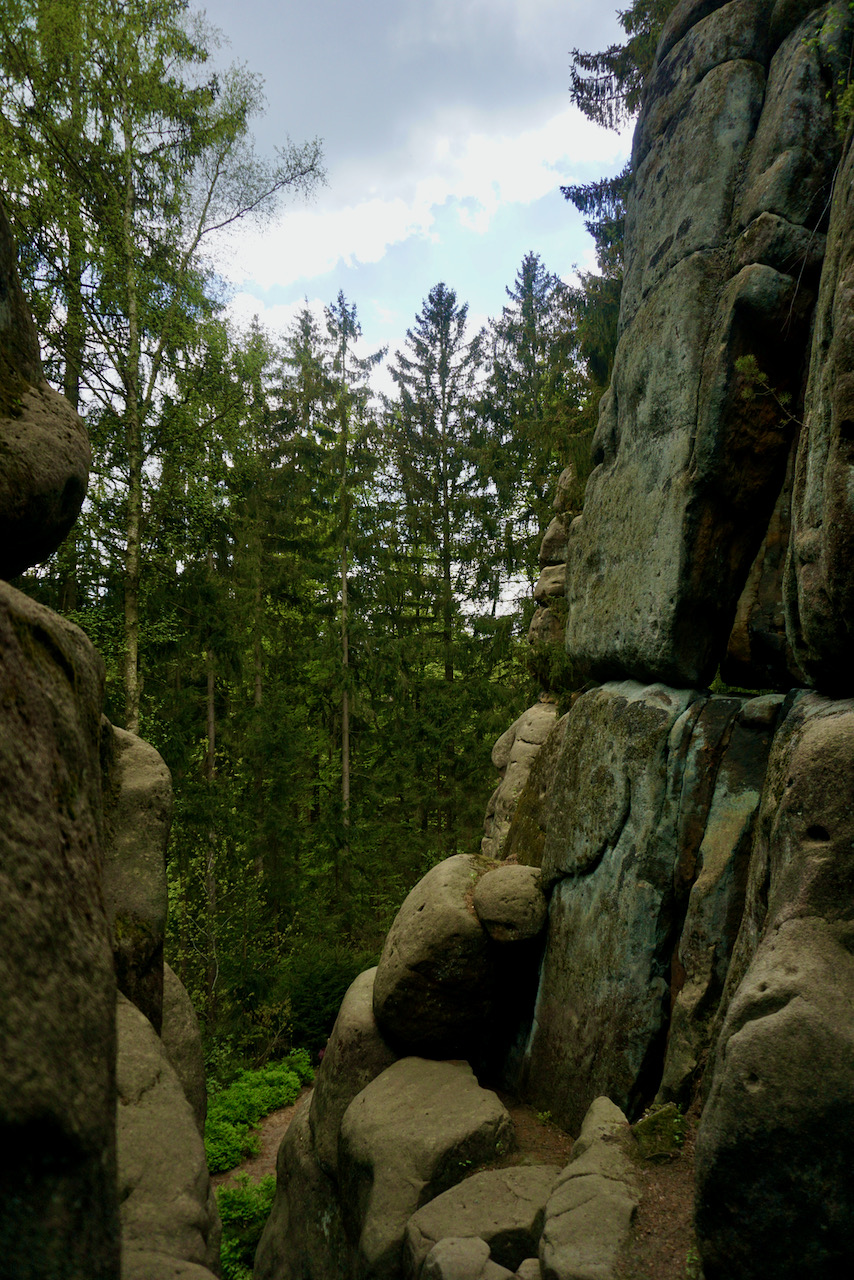
We walked through sunshine, through narrow fissures between massive rock formations, up wire ladders.

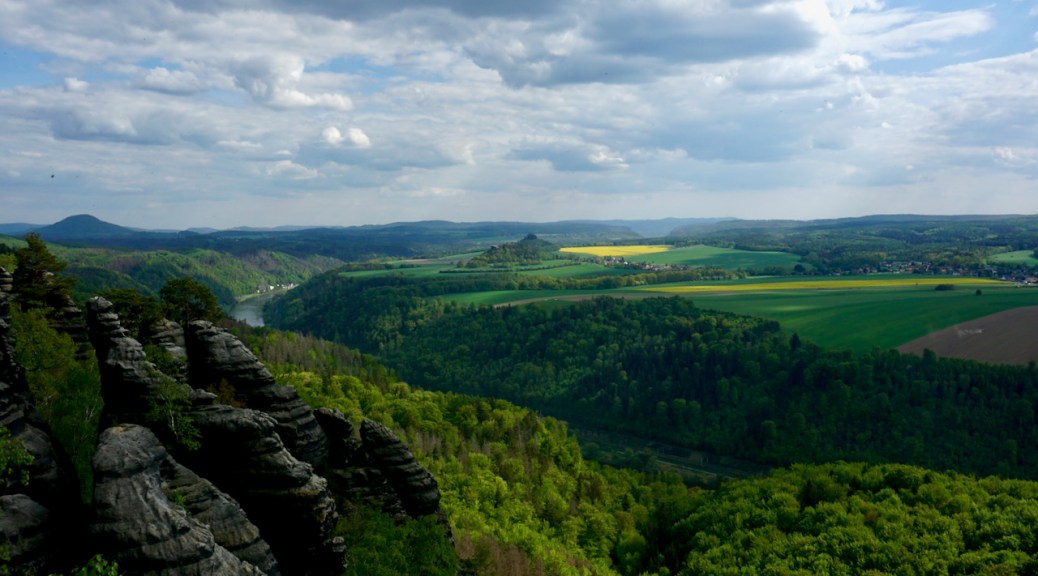
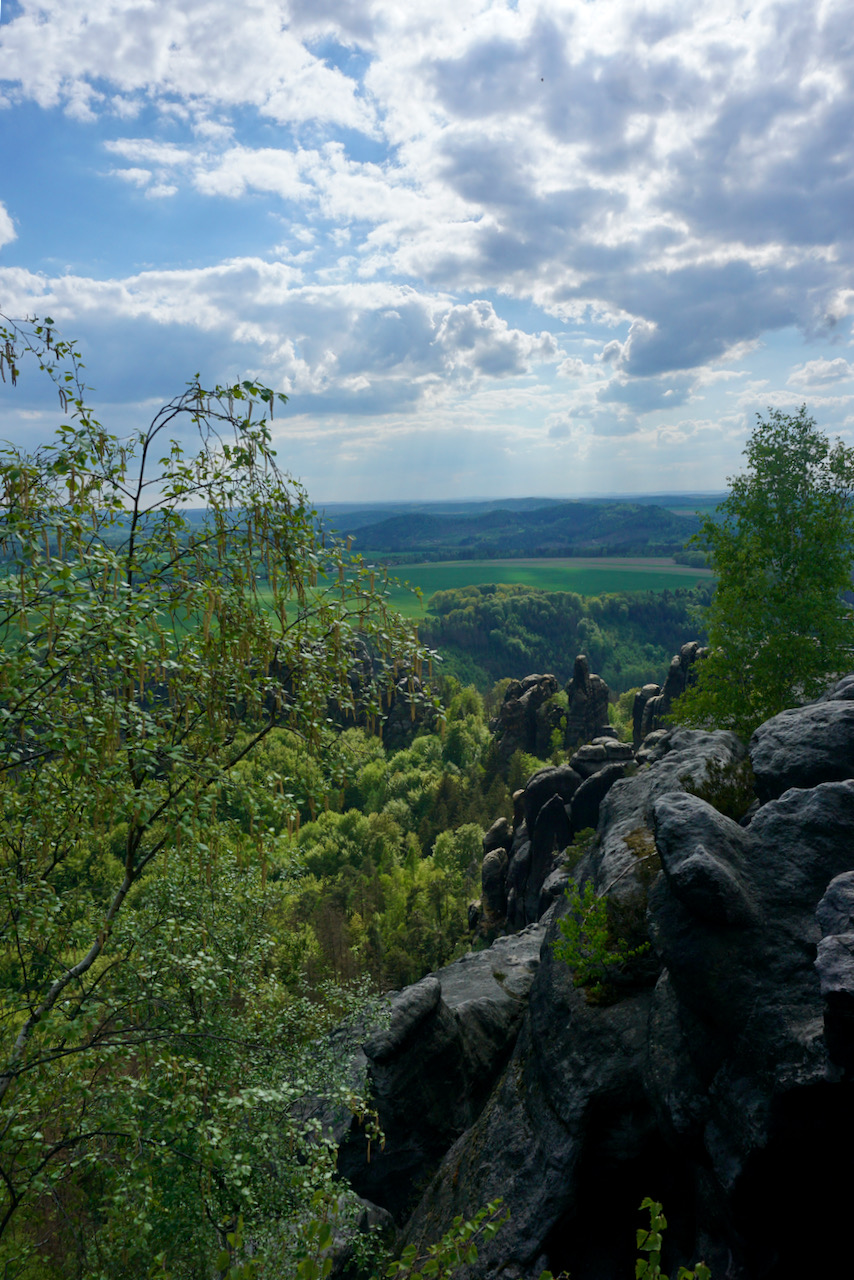
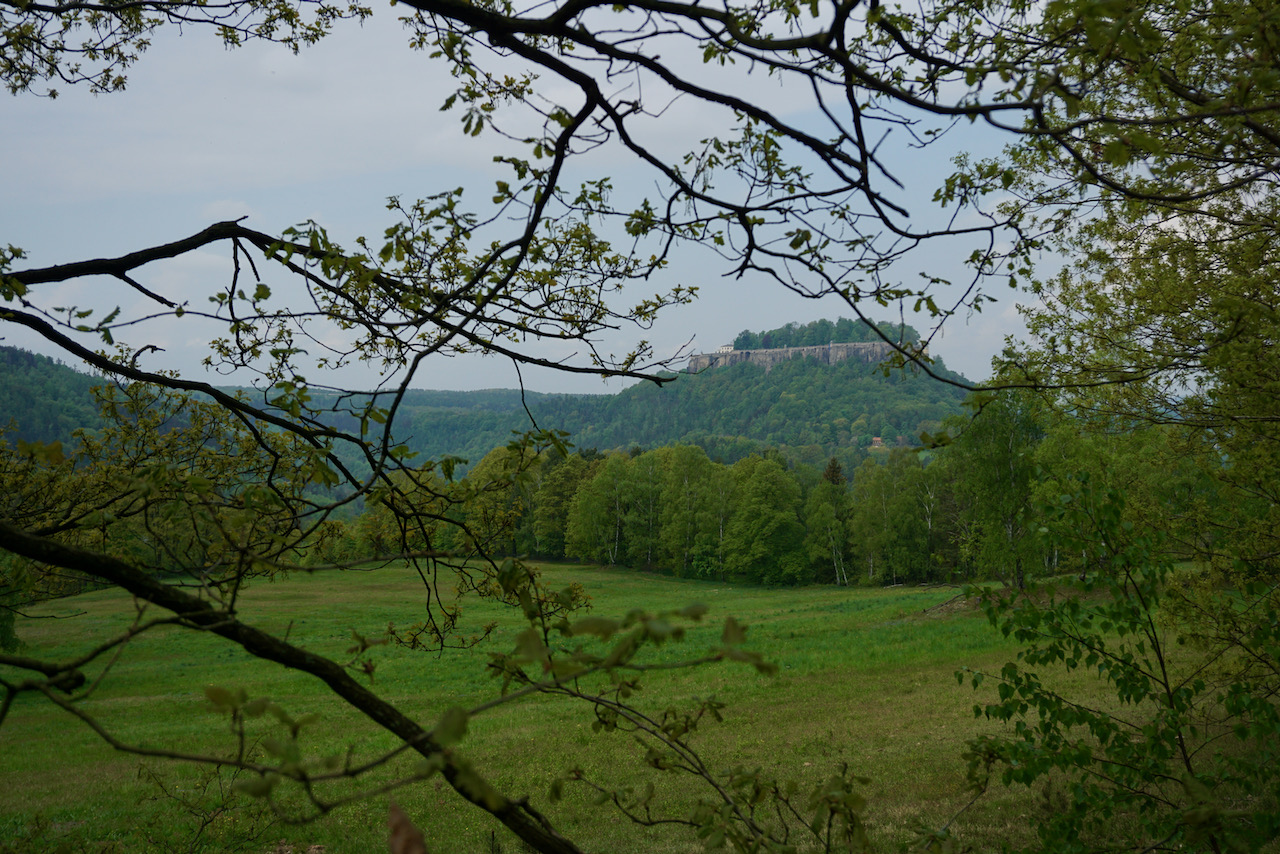
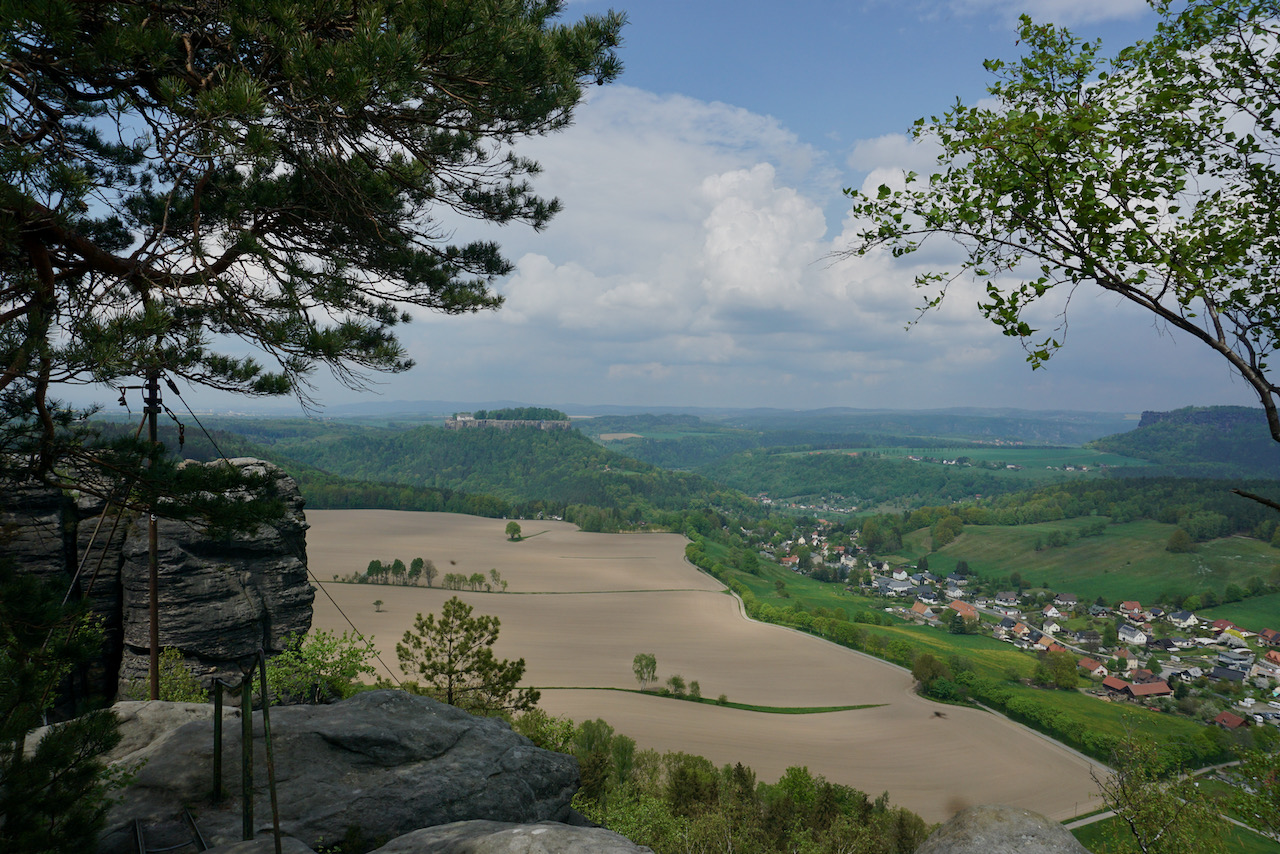
We found ourselves up high, able to look down and out and far beyond.

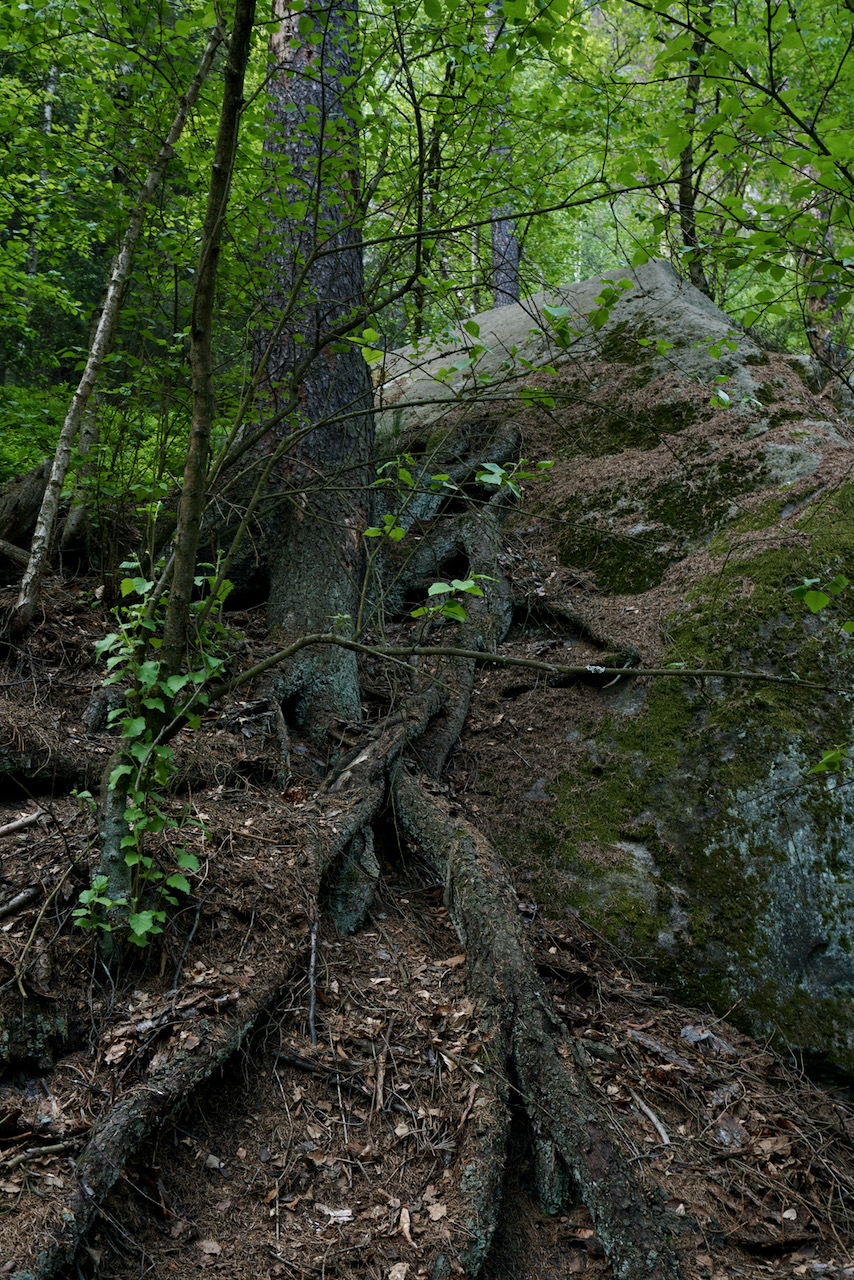
We spent the weekend in Sächsische Schweiz, a national park jointly maintained by the German and Czech governments due to its location along country borders. It’s known for hiking and cycling, as well as for climbing on the beautiful, imposing sandstone that is so different from any rock I have climbed.

Sandstone is so special that different rules apply while climbing it and we spent a few moments watching skilled climbers, suitably impressed. For us, it was enough to play amongst the massive boulders.

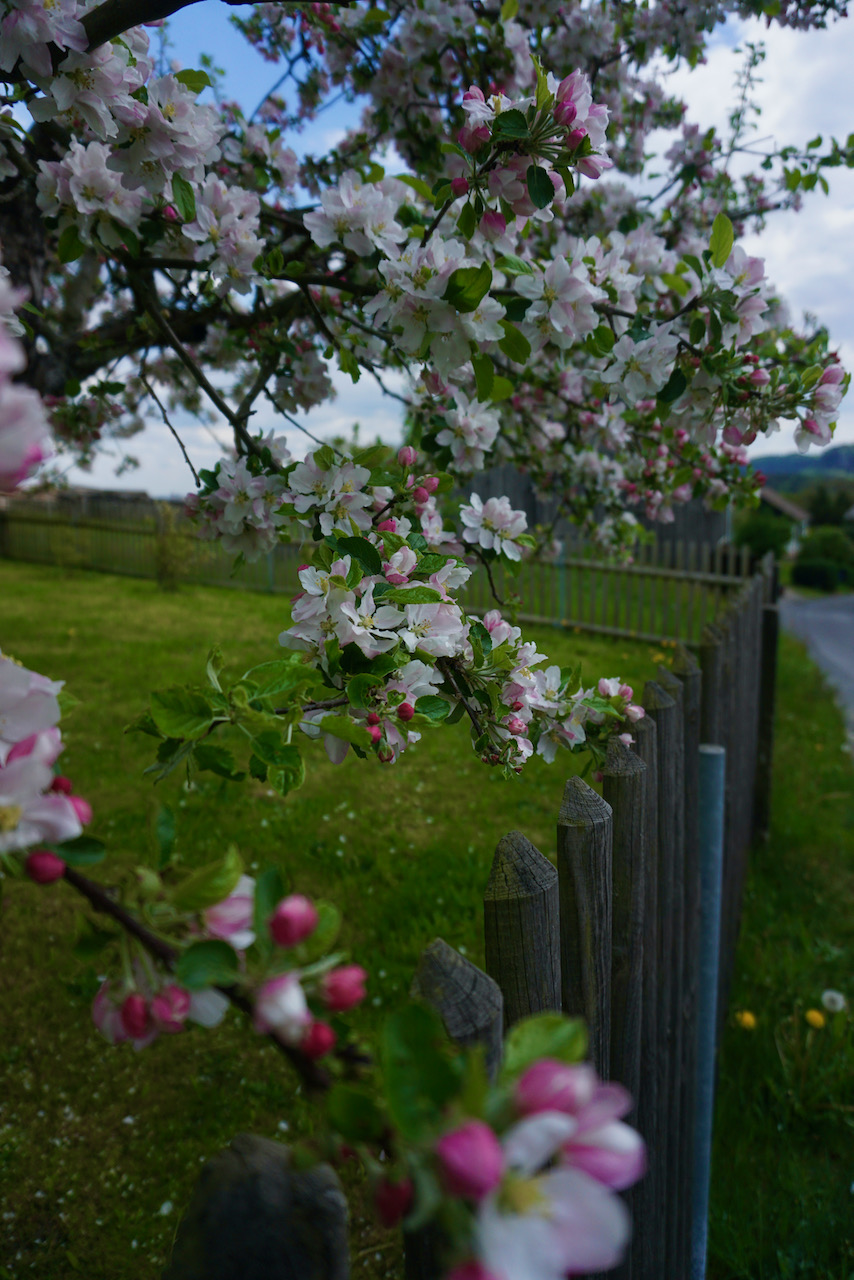
As we walked, sand and pollen clung to our clothes. They’re further along in spring than we are.

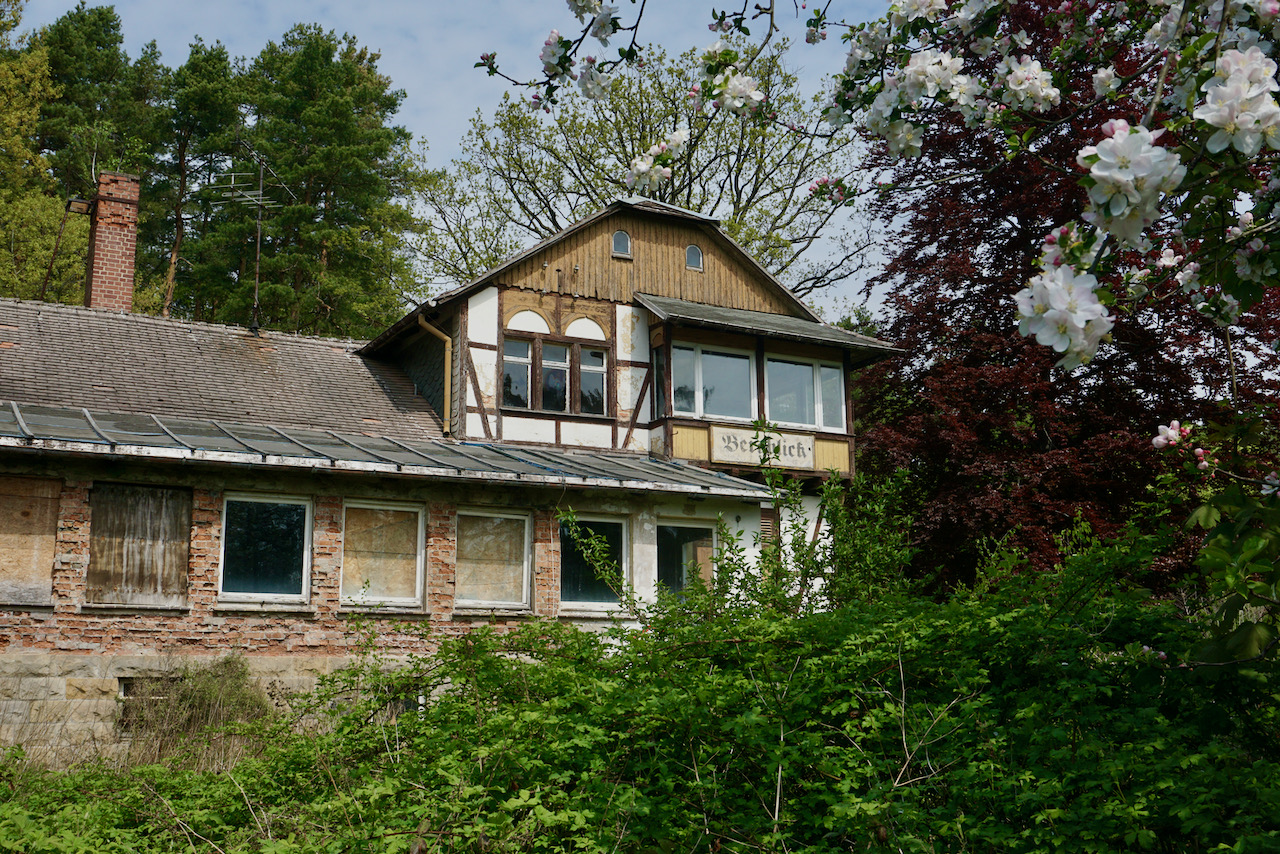
We camped in an abandoned greenhouse, overgrown with trees and flowers, glass panels lost to time and, perhaps, visitors. We cooked with bottled water and gas that we brought with us, emptied the basin that served as a sink into the bushes, and discussed the merits of the extremely clean compost toilet.

The birds woke us before dawn after a late evening watching the fire turn to embers and then finally to ash, and the sun was slowly drying the dew off our tents when we convened for coffee much later on.

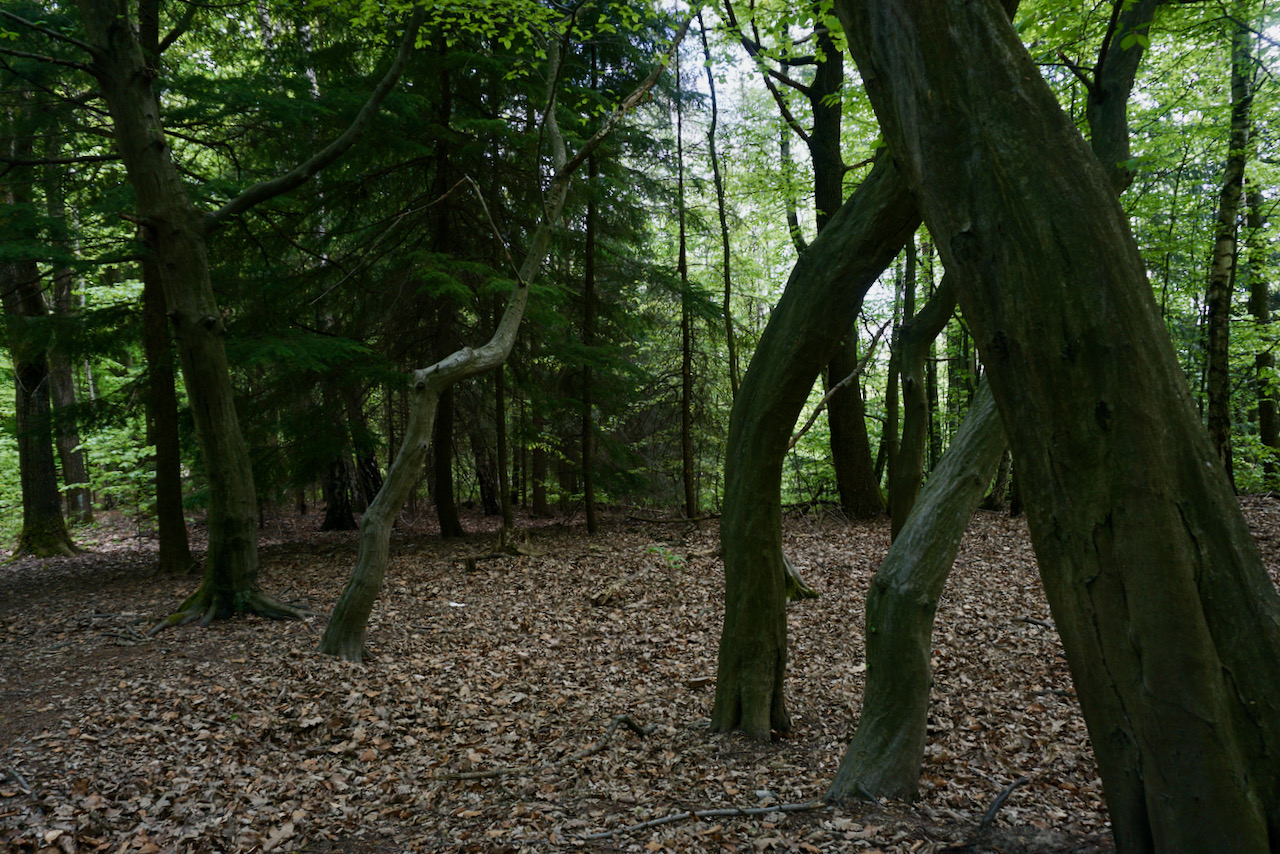
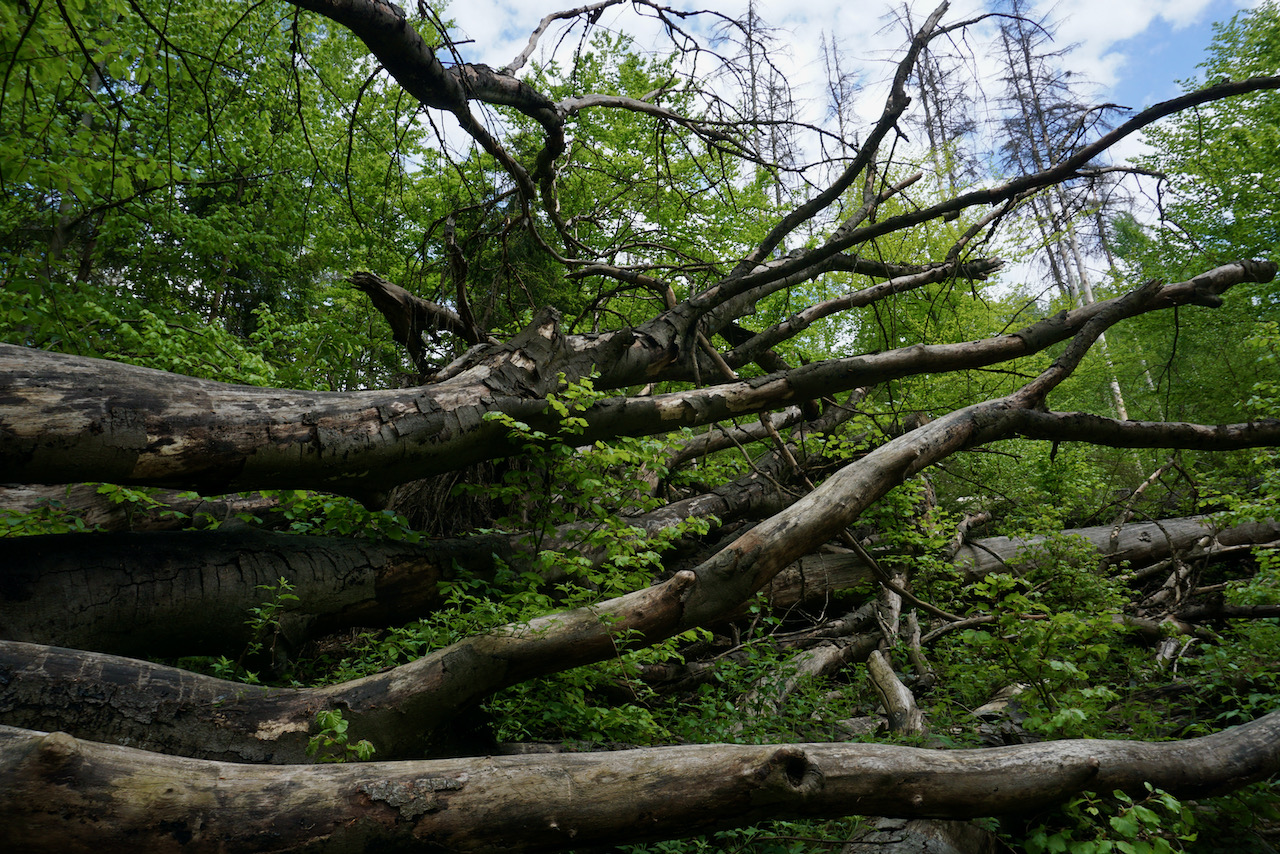
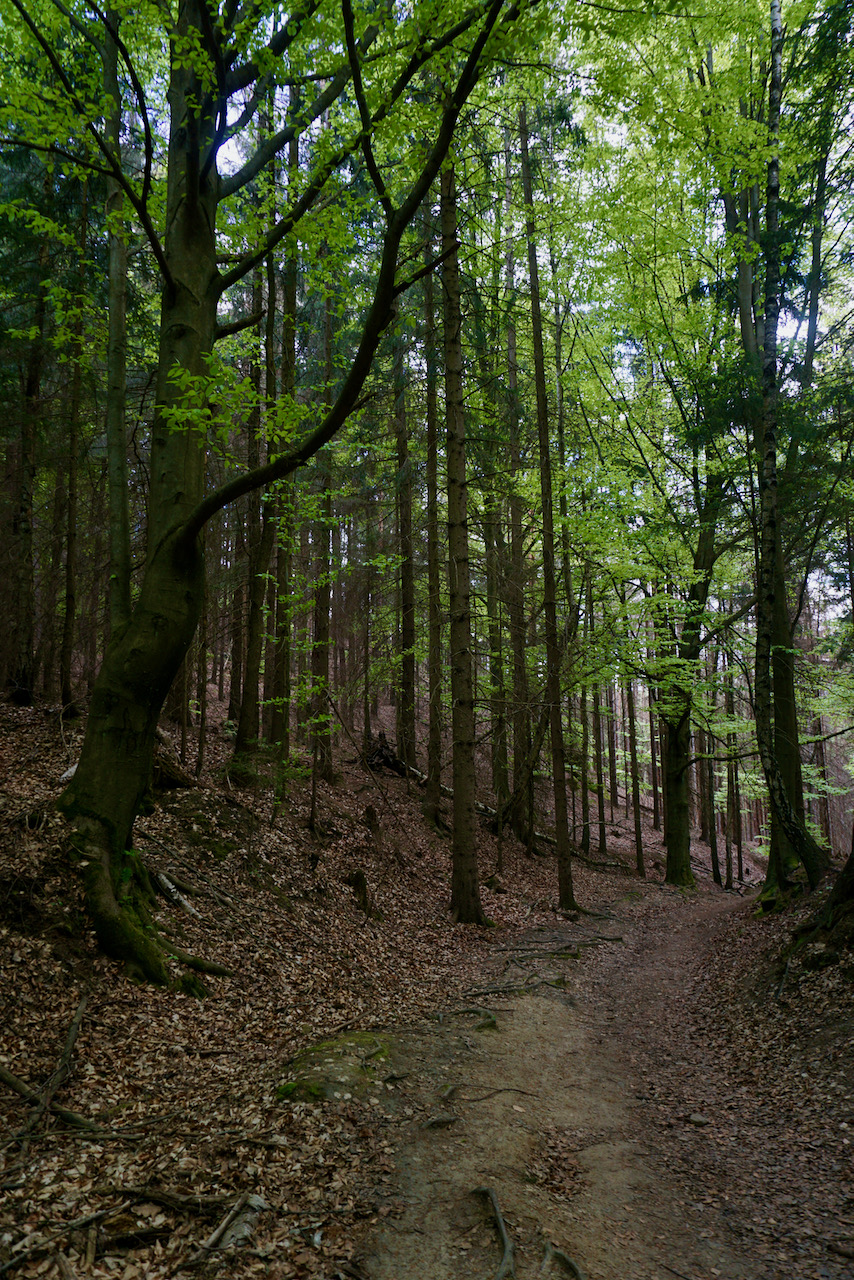
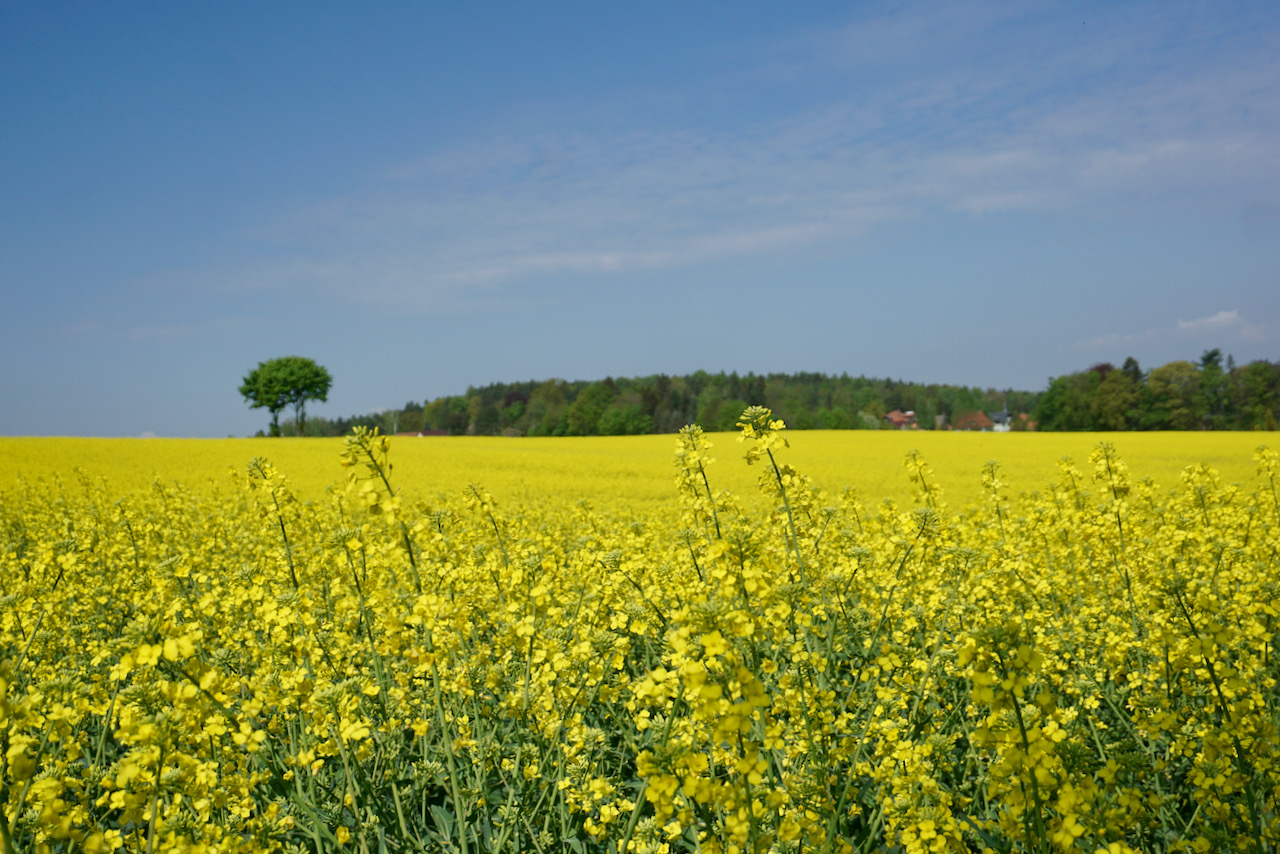
Watching the sky, we headed out again, first to the rapeseed fields that were everywhere and then back into the forest, learning the names of different trees along the way.

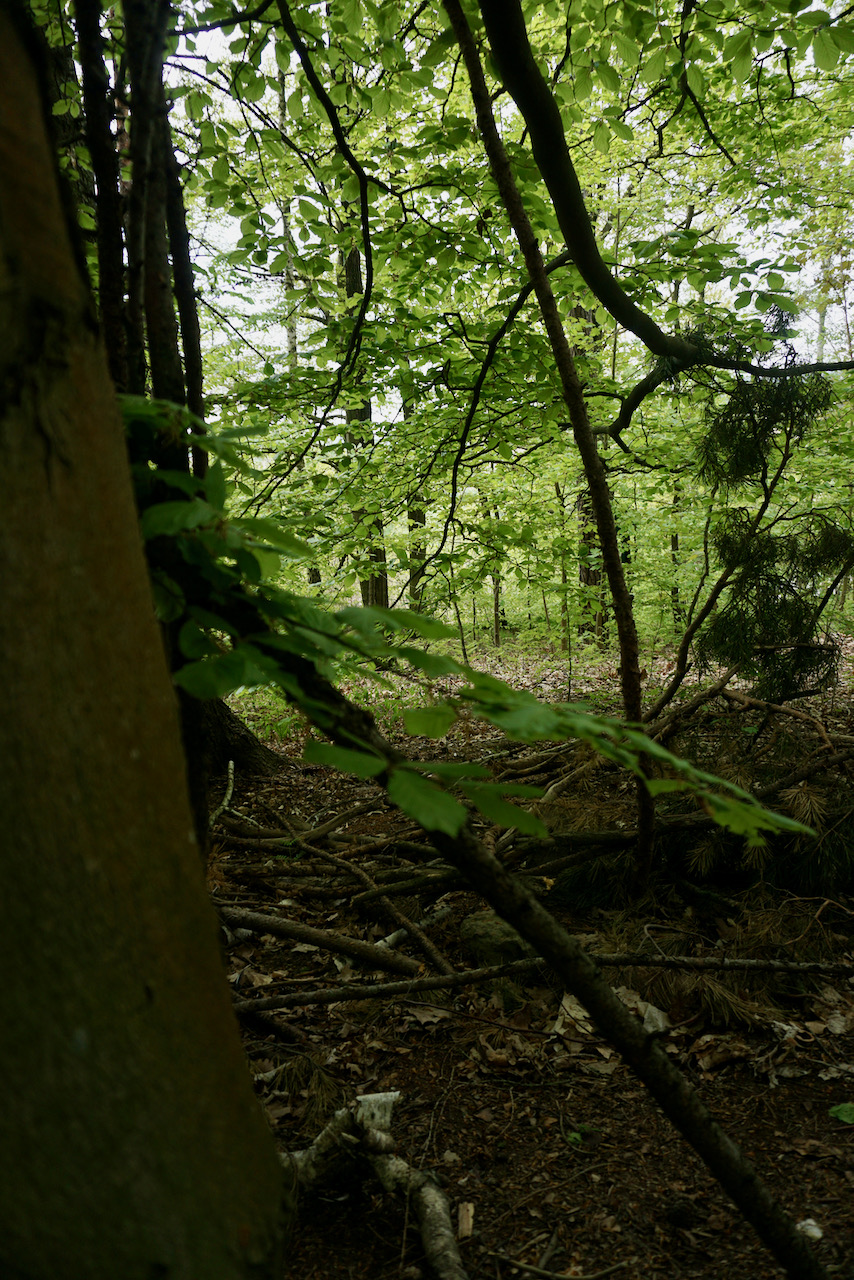
I’d never been in a forest with trees like this.

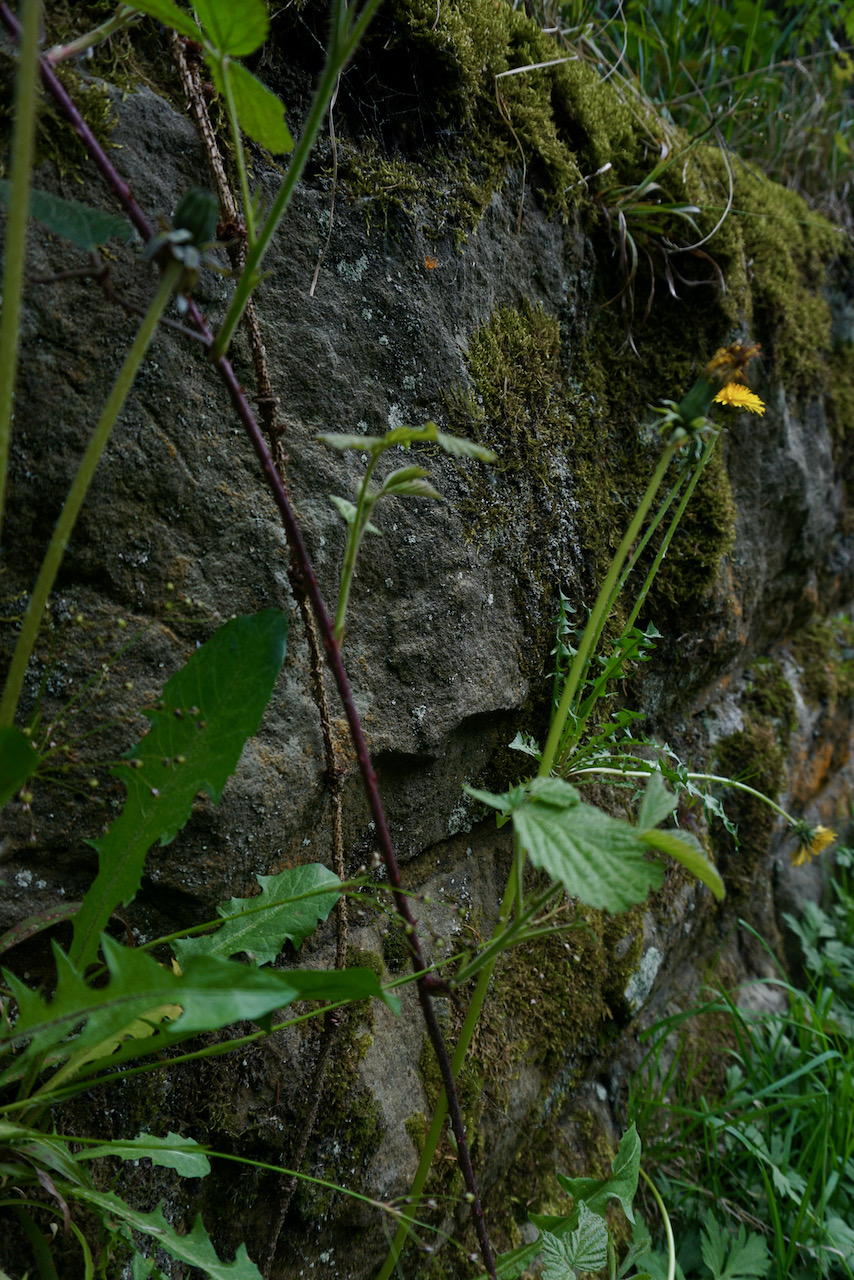
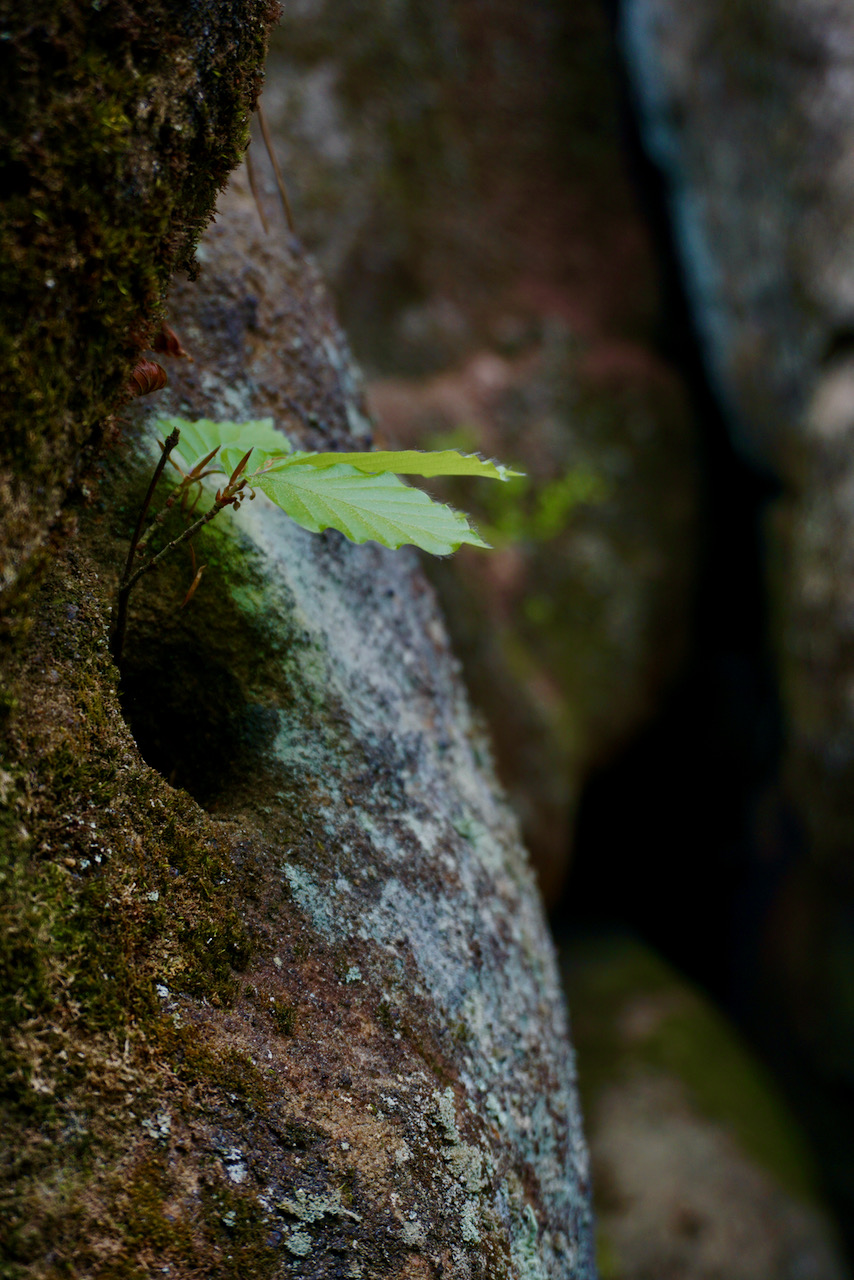
I’d never been in a forest with rock formations like this.

We shared snacks, experiences, stories, and felt the wind change. We found a cave where it was cold inside, and we would have lingered but the sky had changed, too, along with the scent, texture, and weight of the air.

Later that afternoon, the rain came fast. Nature speaks to those who listen.

Can you smell the forest?

“Feeling with” and “Sharing joy”

One of the syllabus subtopics in grade 12 psychology is social responsibility, which includes a study of prosocial behaviour: Why, how, and in what circumstances do people do good things for others? As part of this topic, we look at theories of altruism and empathy. My students are very often familiar with the words themselves, but the definitions can be tricky, especially because the colloquial use of these words does not always match their actual meaning, or the way that they are defined for purposes of psychology research. When defining altruism and empathy in class, we also consider the word compassion. According to Merriam-Webster, these three words can be defined as follows:

altruism – unselfish regard for or devotion to the welfare of others

empathy – the action of understanding, being aware of, being sensitive to, and vicariously experiencing the feelings, thoughts, and experience of another of either the past or present without having the feelings, thoughts, and experience fully communicated in an objectively explicit manner

compassion – sympathetic consciousness of others’ distress together with a desire to alleviate it

It follows from here that empathy is feeling for and with others without the reliance on personal experience, compassion is awareness of others’ negative feelings and the desire to lessen pain, and altruism is doing something good for others without the hope for personal gain.

This is one of the circumstances in which I wish English had better words, and in which I am inclined to lean on other languages for their definitions. Learning other languages allows us to learn a great deal about how we see the world due to the language that we use, and I am indebted to my own studies of different languages, as well as exposure to several languages from childhood, in forming this critical understanding.

More recently, I learned the German word Mitgefühl from one of those pithy sayings that sometimes accompanies teabags. I looked up the word and thought, “Aha.” Literally translated, this means “feeling with” and is the German word for compassion. To have compassion is to feel with someone, which therefore clearly implies wanting to lessen the pain of negative emotions. It’s normal, totally okay, and even healthy to sit with negative emotions. We cannot, and should not, be happy and positive all the time, because being so would mean blocking out much of the real world. But it is not enough to wish away the bad; to be compassionate requires doing something to get rid of the bad. I can feel with you and hold your hand, and perhaps this is the action. Perhaps this is the tiny step from just feeling. After all, can I claim to feel with if you don’t know I’m there?

Mitgefühl explains what is required by compassion in a way that the English word does not. When I expressed my delight with this finding to a German friend, he taught me another word that doesn’t exist in English, though the idea certainly does. Mitfreude is not classified as a word in the first German-English dictionary that I checked, but it appears on discussion forums, blogs, and also in other dictionaries. Mit means with and Freude is joy, so Mitfreude can be defined as shared joy. I like that this is a word in German because it sets a tone for the way people relate to one another. Once upon a time, as I was slowly and poetically picking up the pieces of my broken heart, I kept a note on my phone that said, “When those we love are happy, be happy for them.” Mitfreude describes what I felt amidst all the other turmoil, and I remember feeling lighter as I wrote myself that note. Maybe having a word would have given me a place to situate myself without needing to come up with my own inspirational saying.

One thing I am learning about Germany, and this is demonstrated by words like the two described here, is that there is an emphasis on the collective. There is a focus on others, on being part of a group, and on togetherness. This is reinforced by the German school system, reflected to some degree also at my school, in which classes move as a group for the entirety of their time together, making them a bit like a family in which they are attuned to one another and responsible for each other. Upon learning the word Mitgefühl from a tea bag, I had a better appreciation of why this is the way that it is.

Language and culture are inextricably linked and it is through learning one that we can access the other. It is then through learning that we come to better understand ourselves, where we come from, and how we fit into the different worlds in which we wander.

“Learning another language is like becoming another person.” – Haruki Murakami