Category Archives: Travel Guide

Travel Guide: Nuremberg

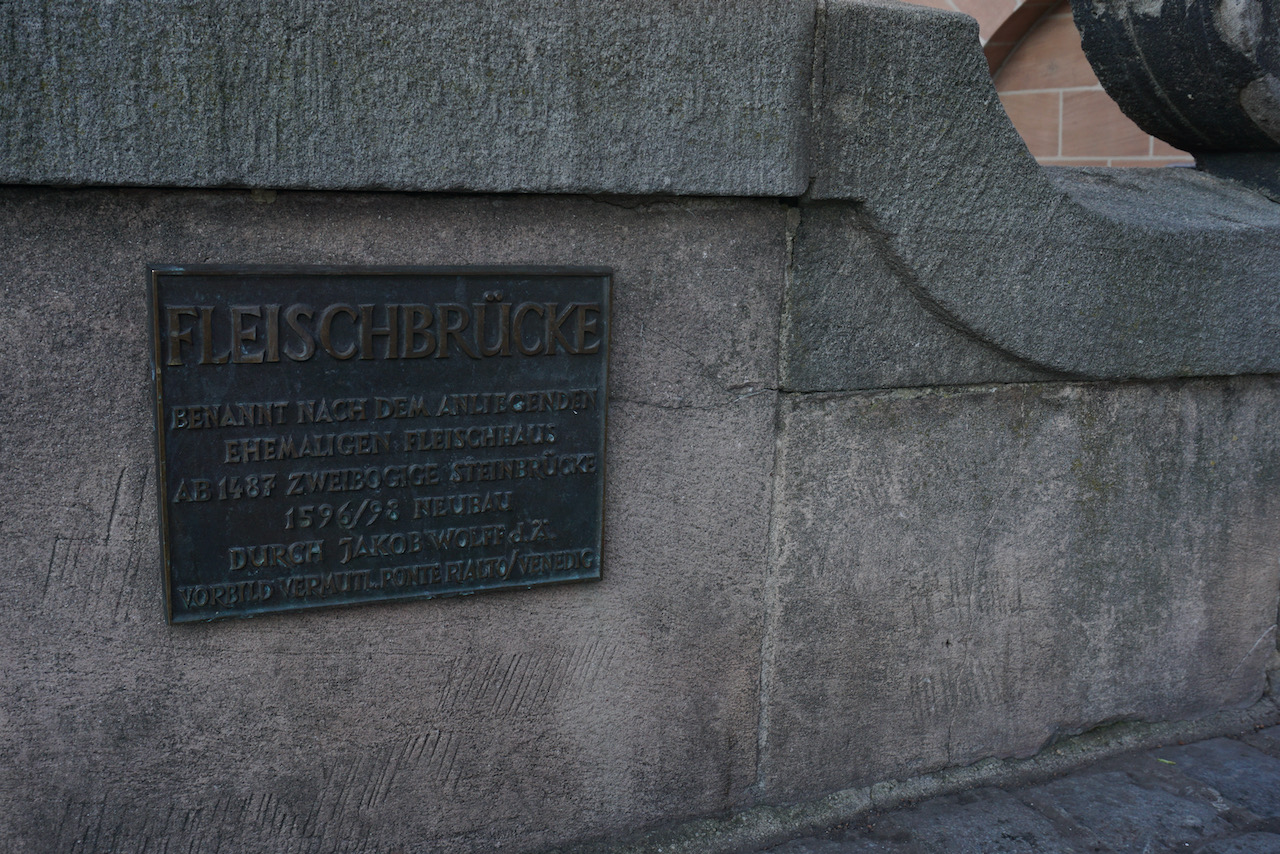
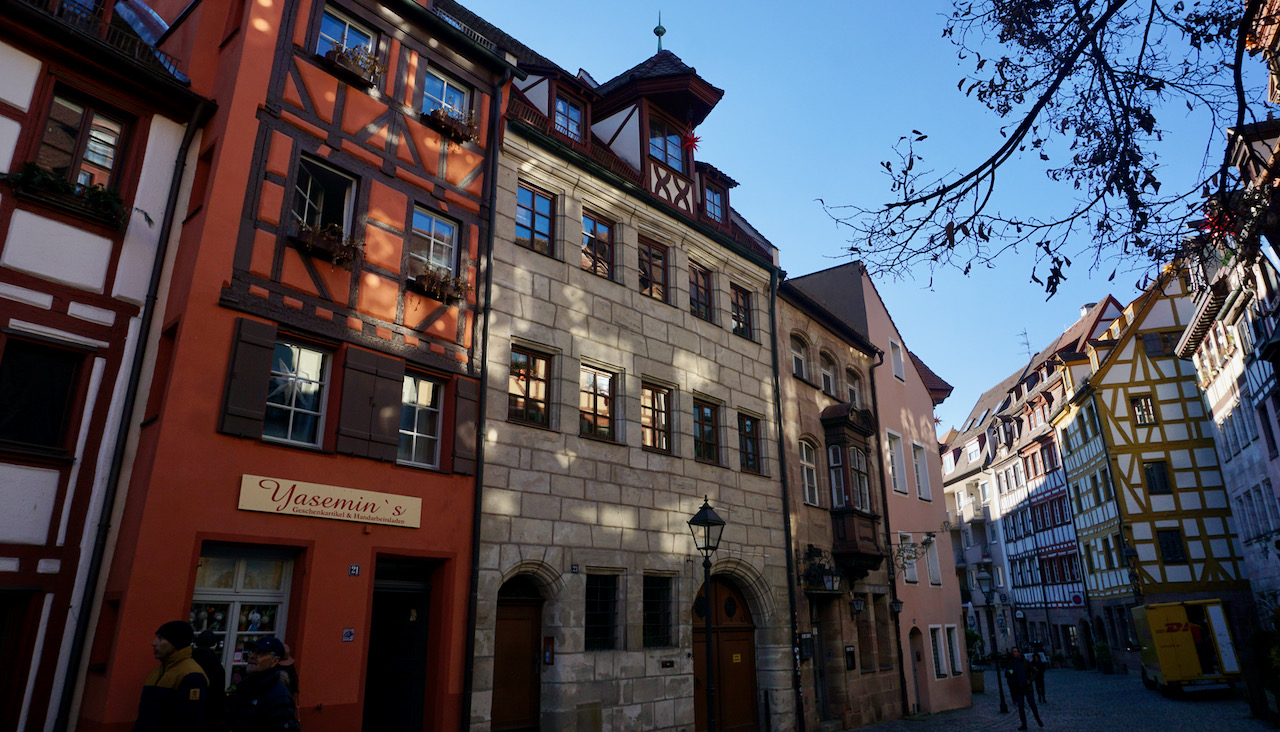
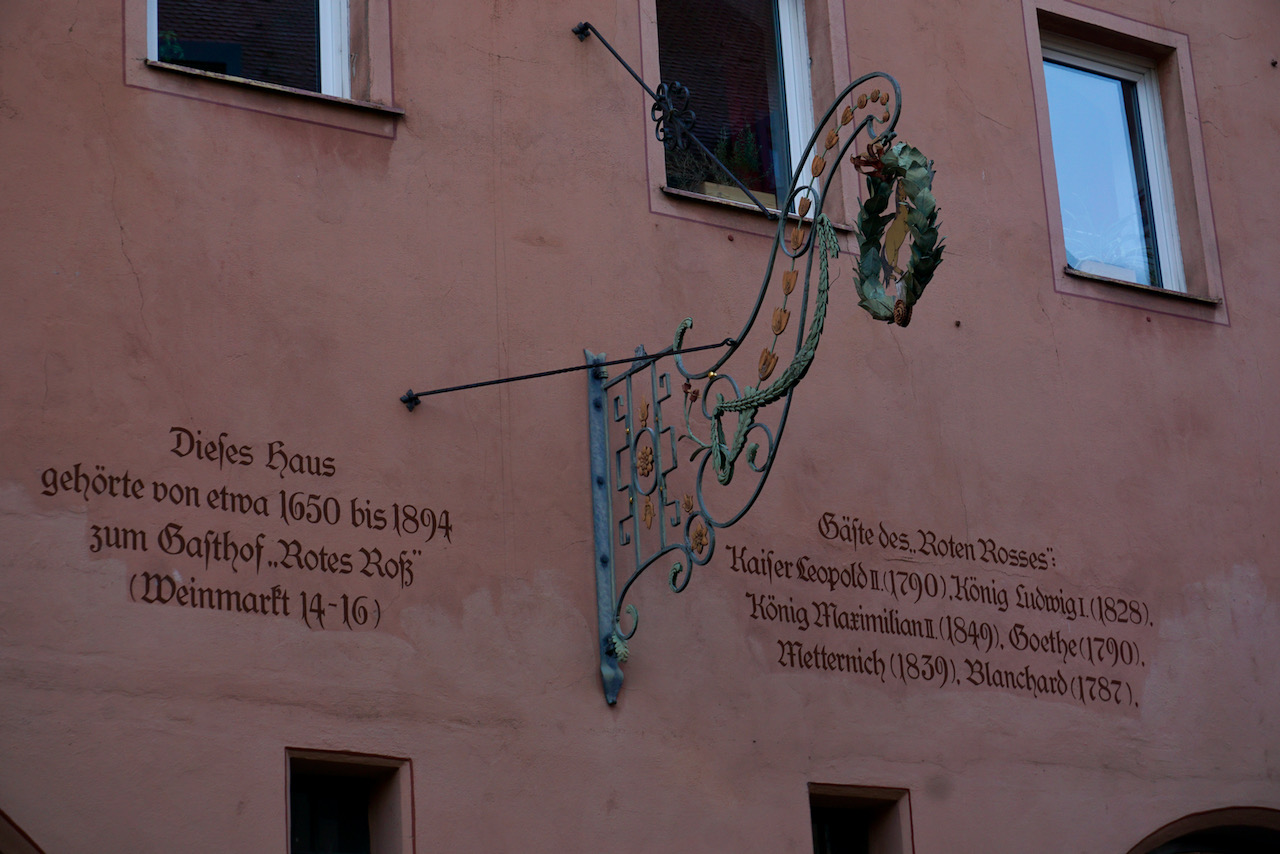
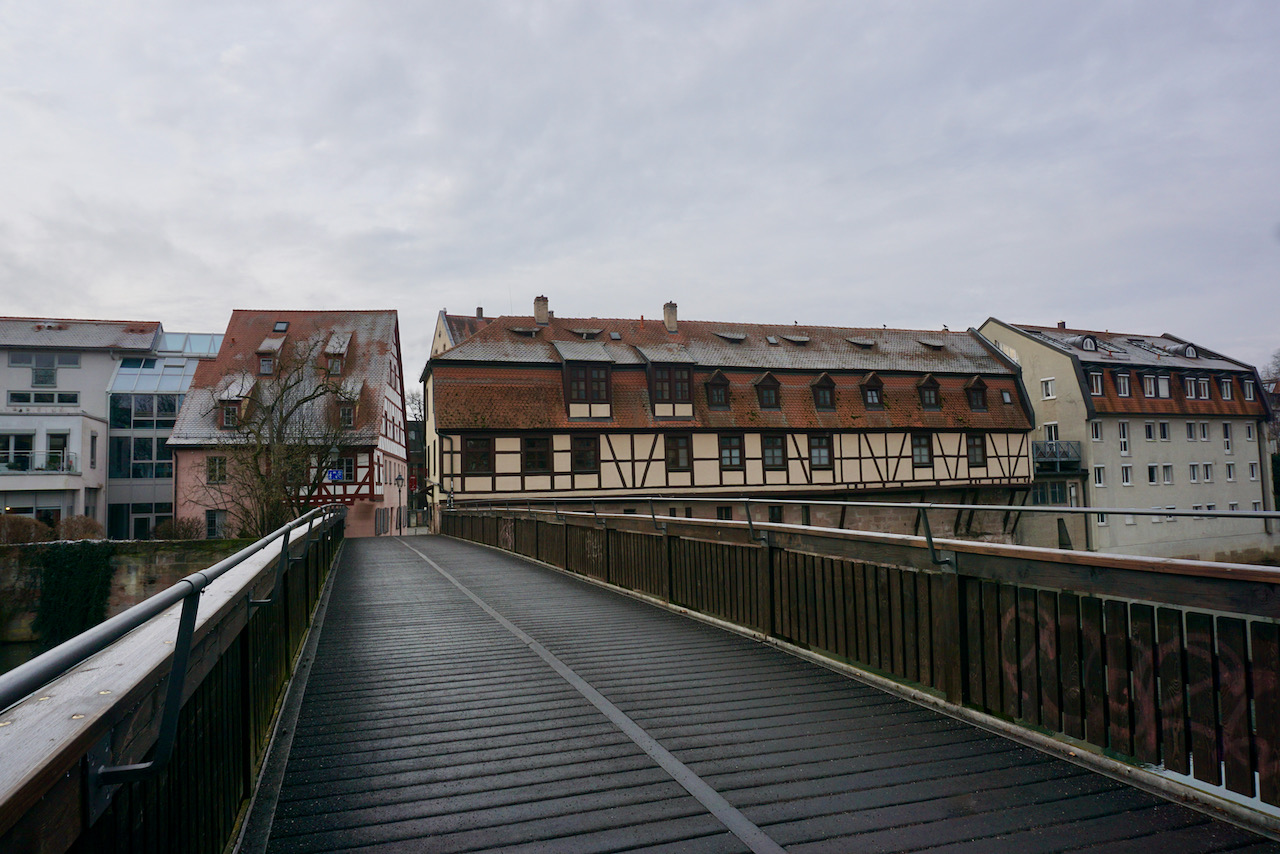
Prior to visiting, most of what I knew of Nuremberg (Nürnberg in German) was that Nazi war criminals had been tried there and justice had been served. However, there is a great deal more to this medieval town and I was glad to spend a few days there.

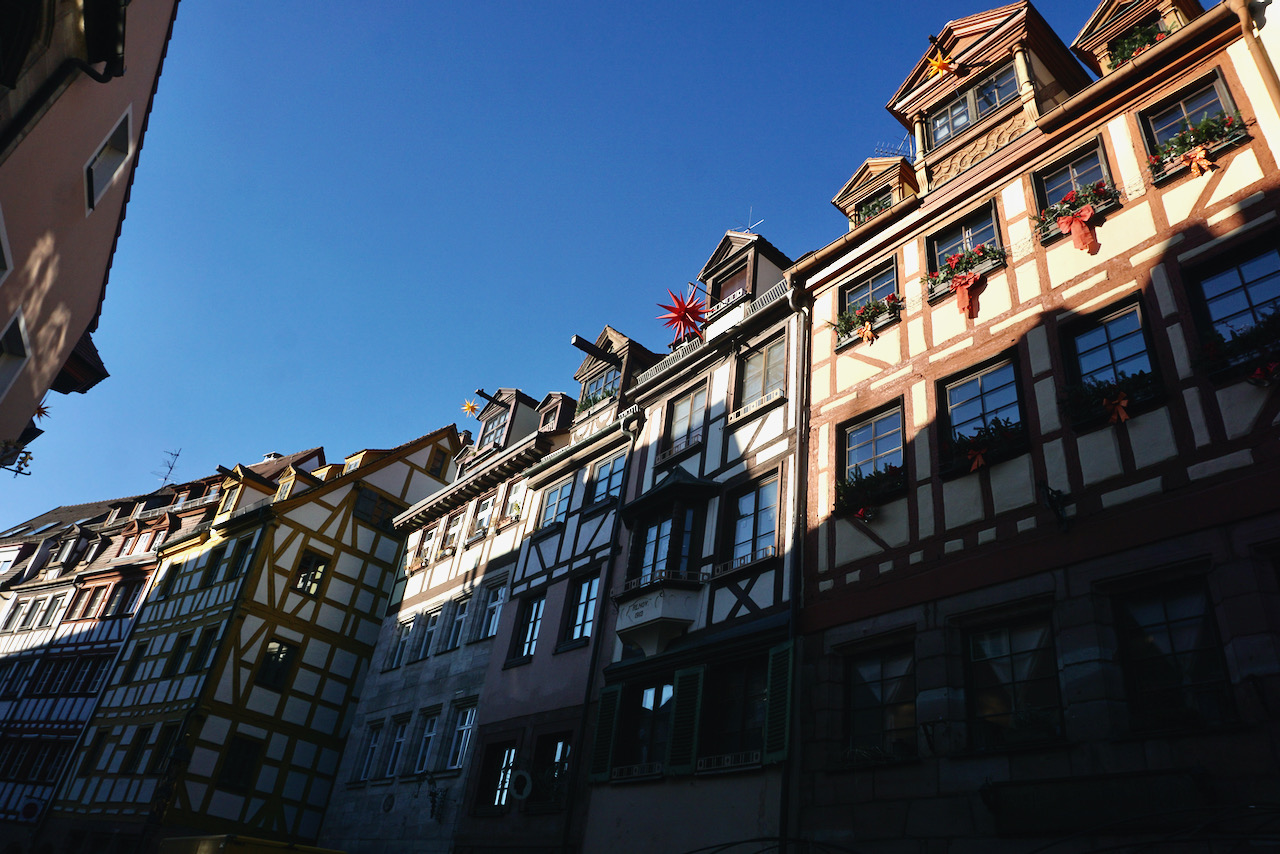
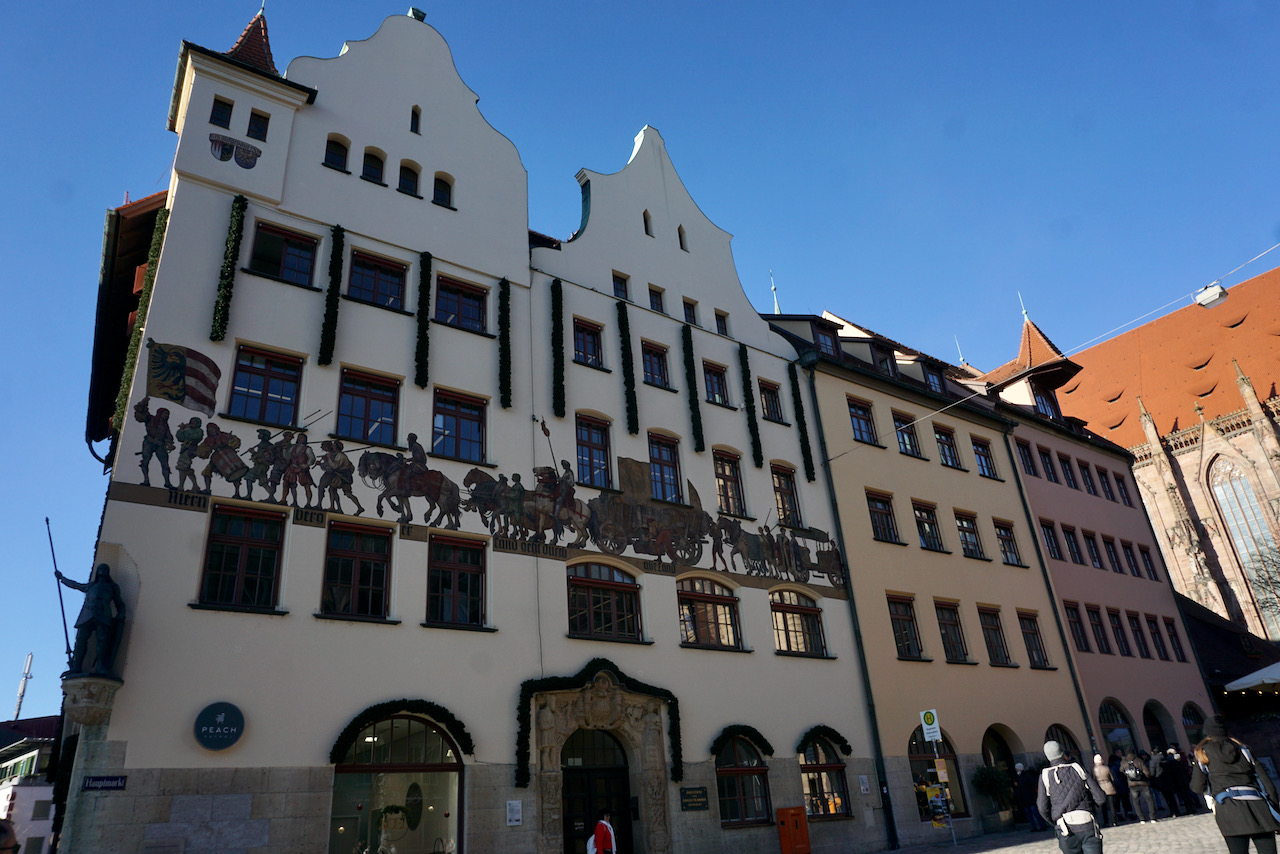
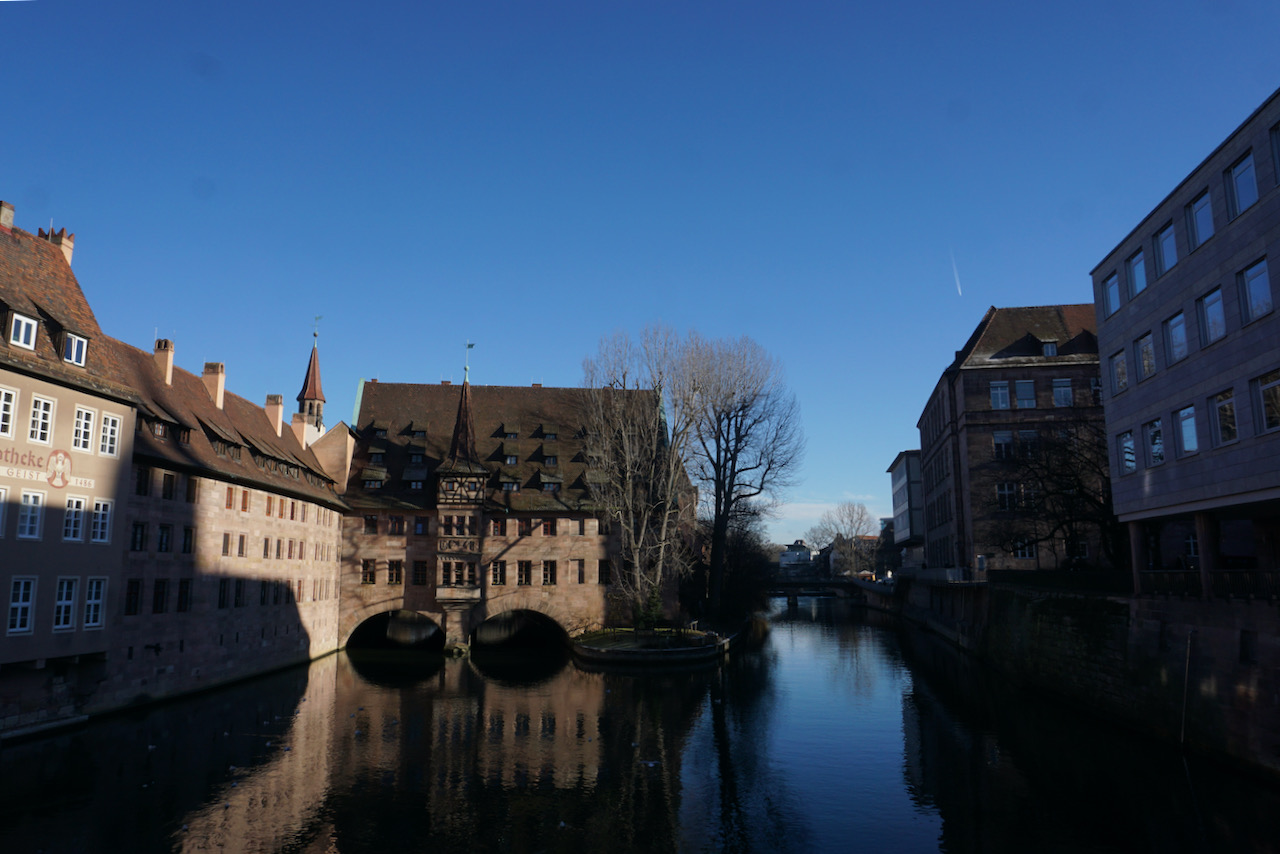
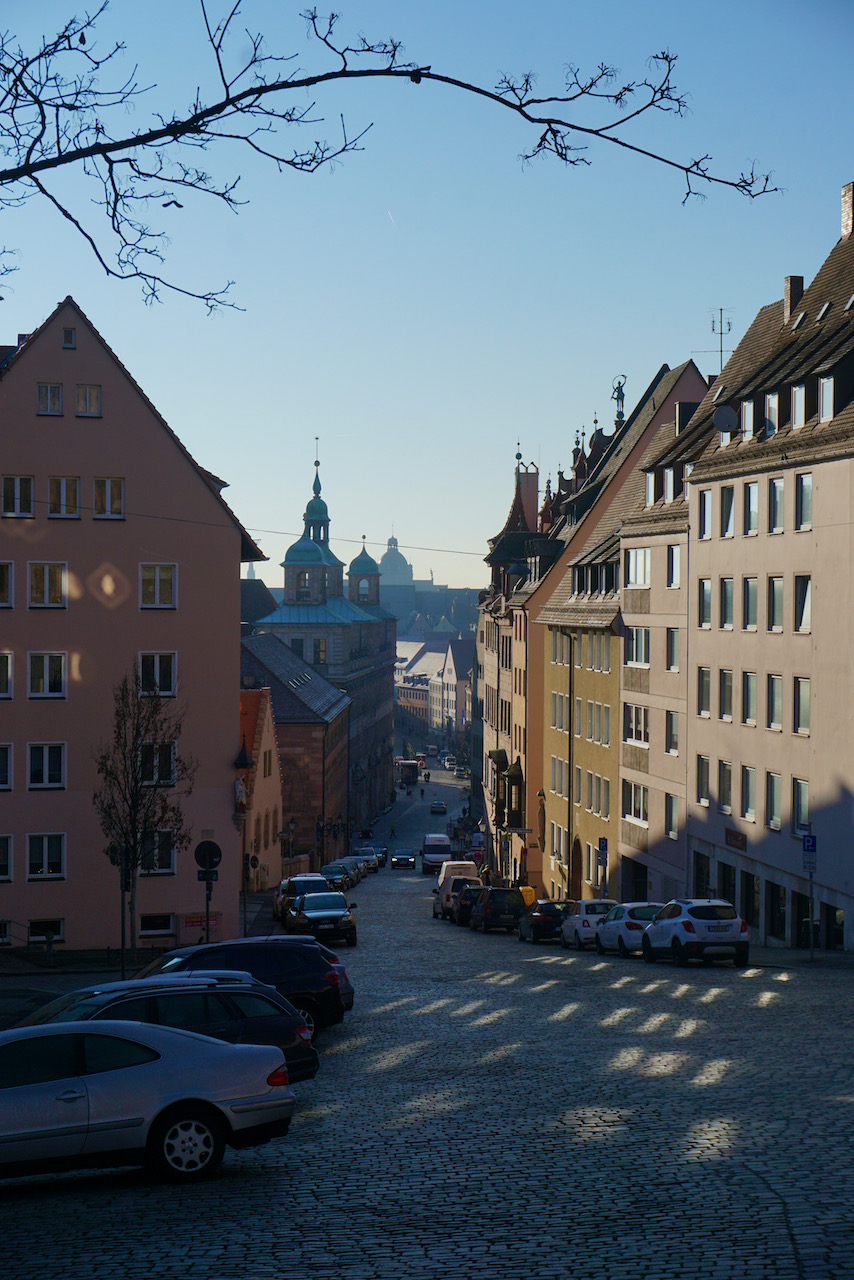
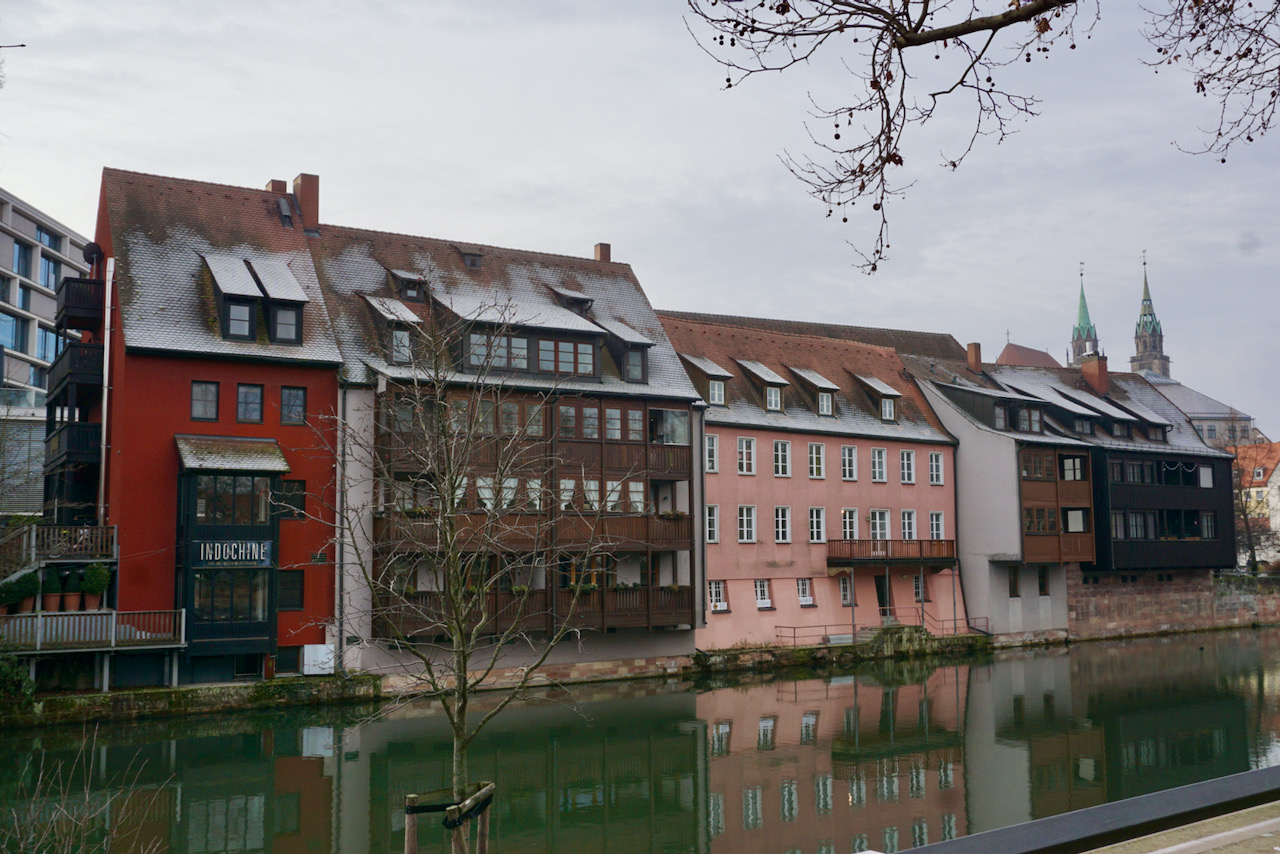
My favourite part of European cities, and the thing that painted my fantasies of the Europe I first read about in historical fiction novels, is the old town. And now that I live somewhere with an old town, I can attest that it remains as charming as on the first visit.

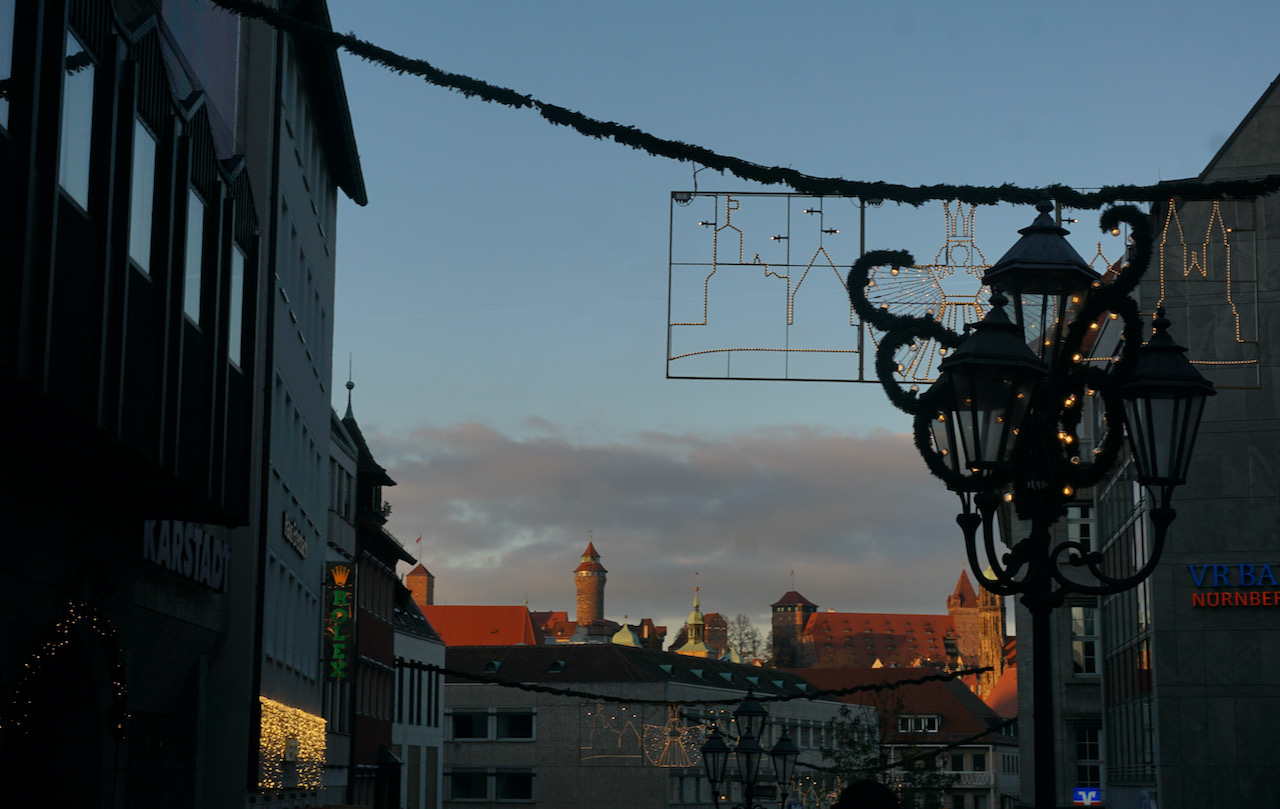
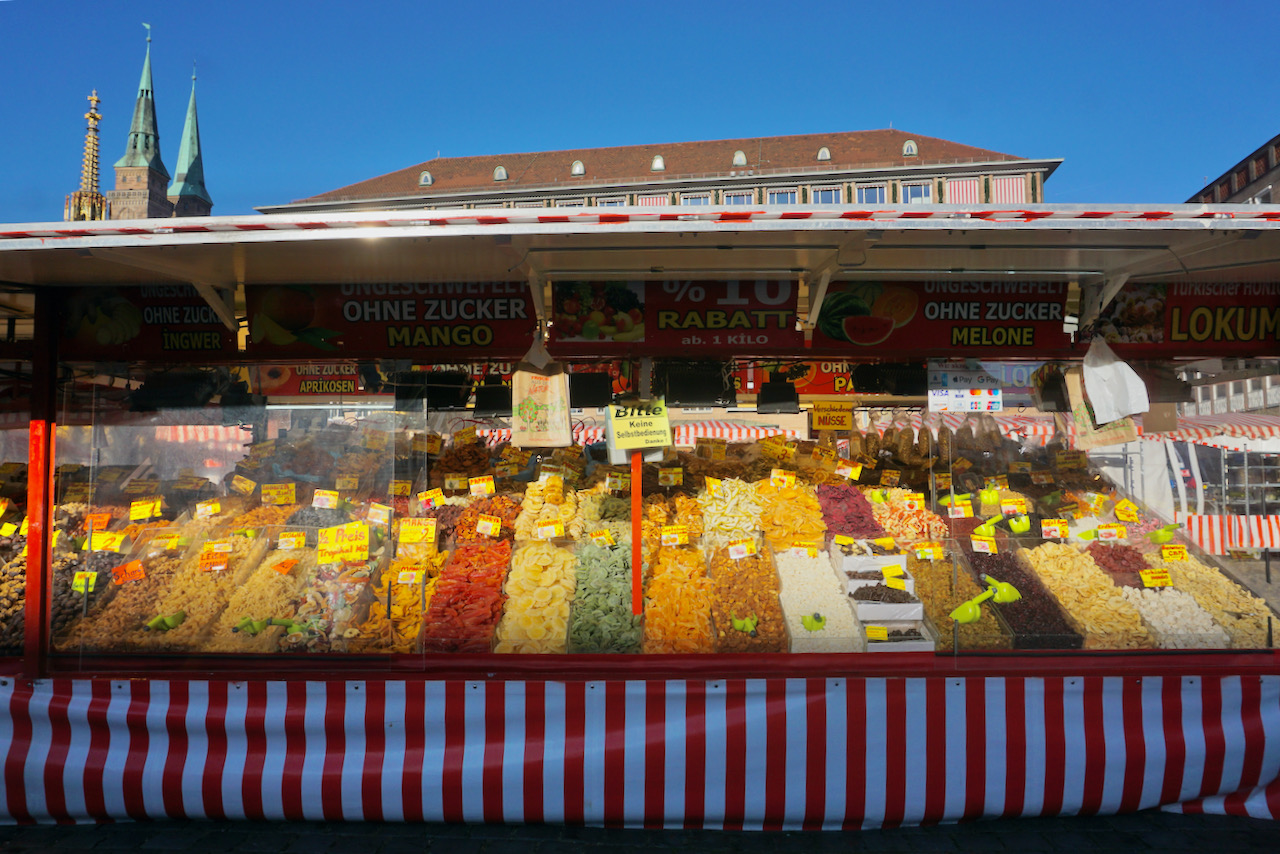
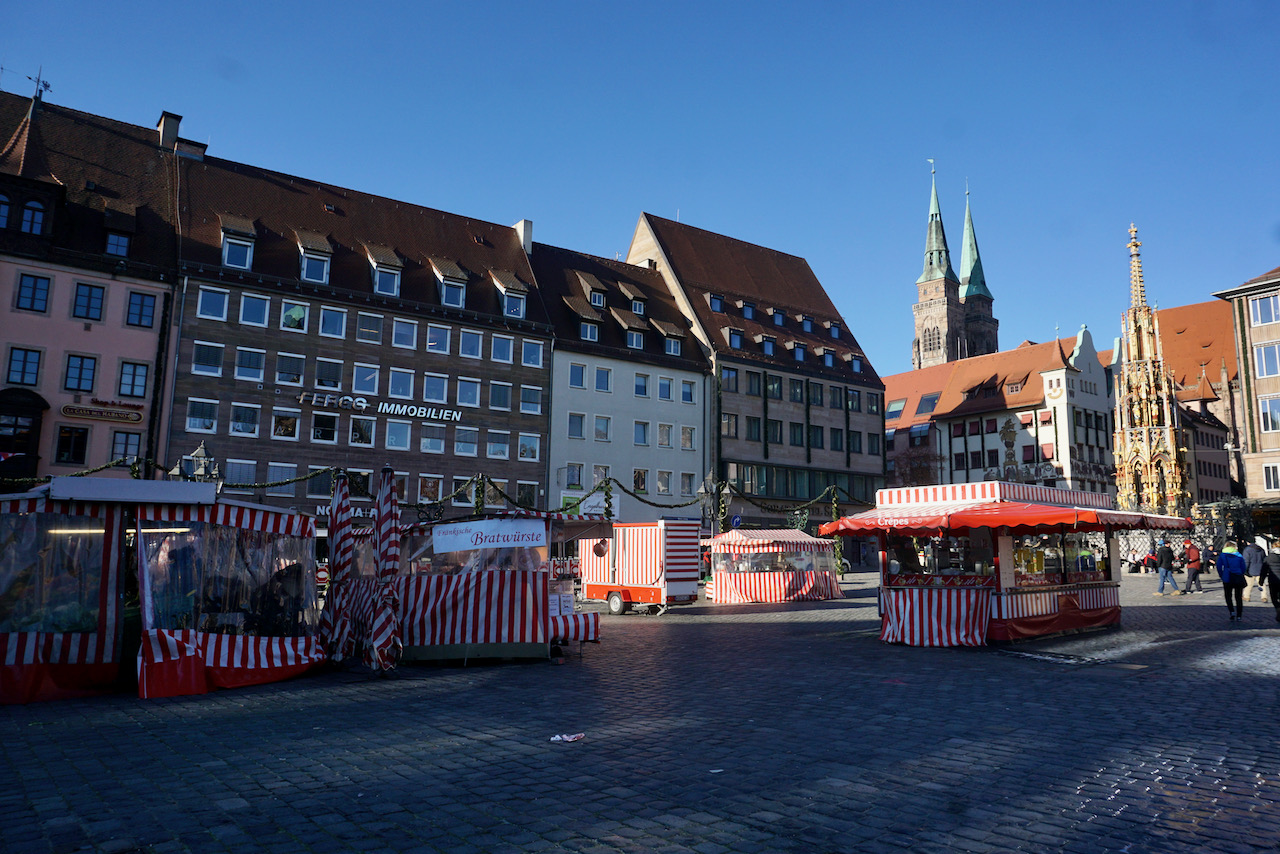
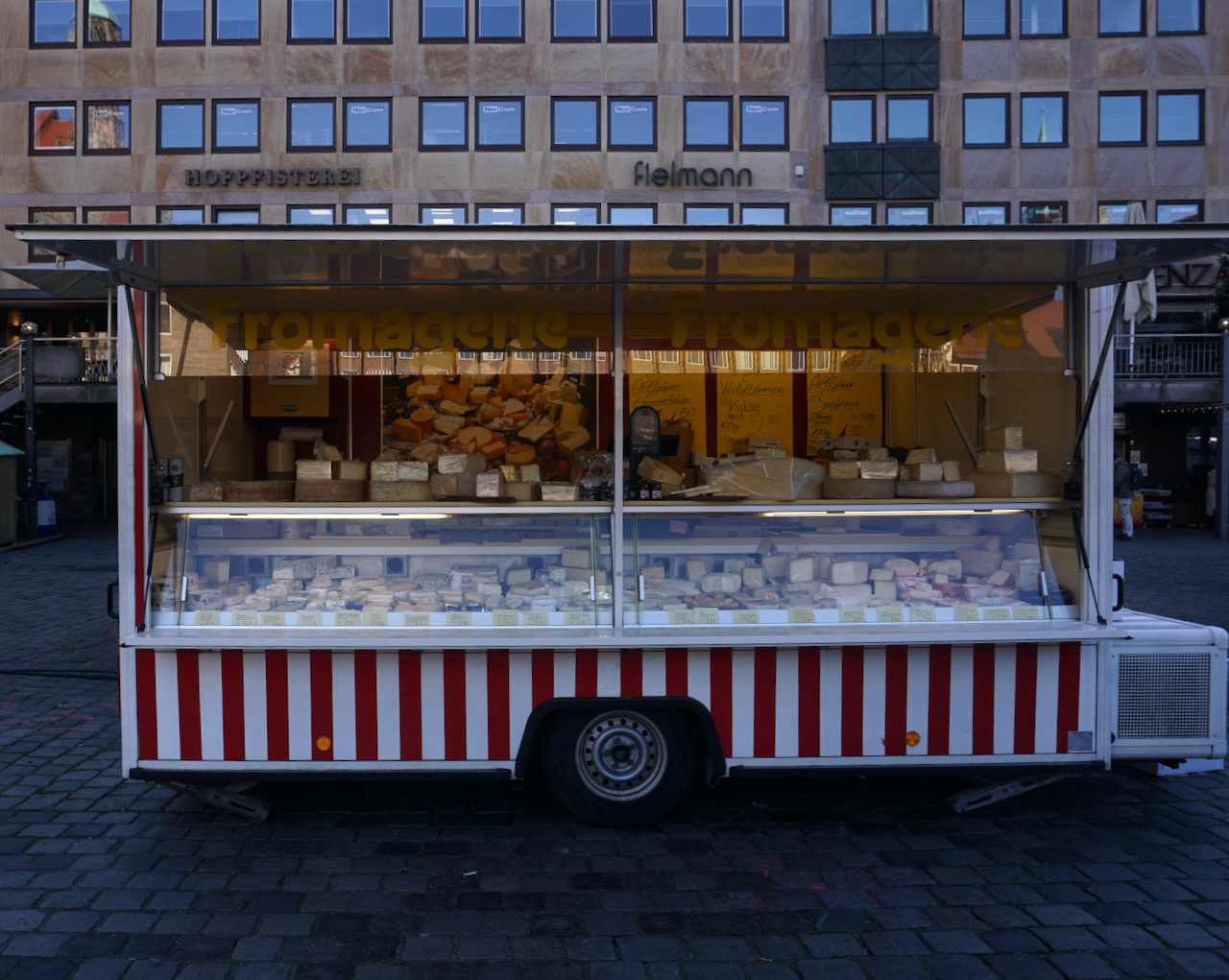
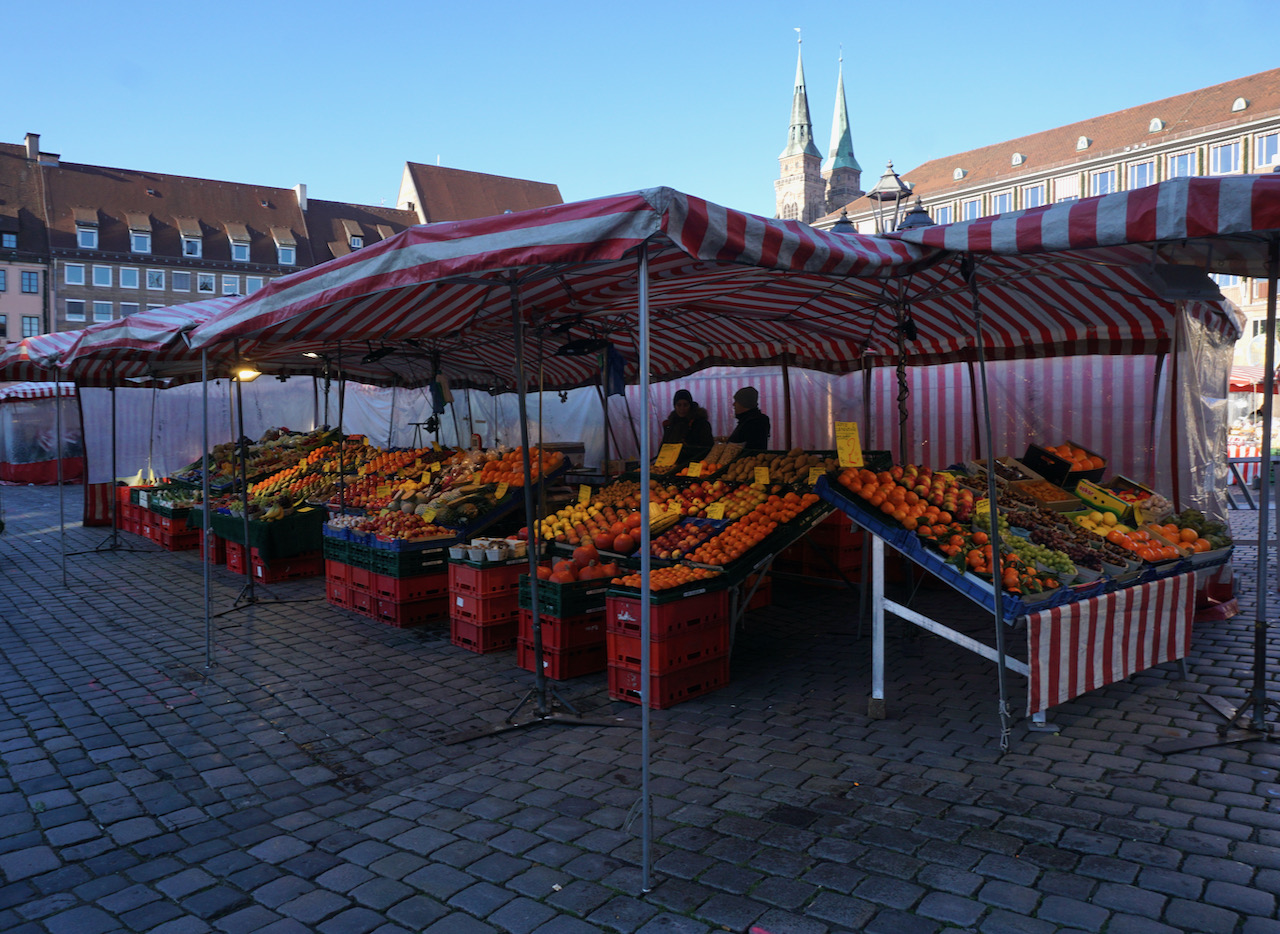
Although Nuremberg’s famed Christmas market was closed due to Covid regulations, the main market remained open and I was pleasantly surprised by its variety. Nuremberg is a city of just over 800,000 people, several universities, and what seemed to be a large immigrant community. I heard more languages than I have heard in a while, which was fun, and there was a greater variety of vegan food here than I had expected, as well as cuisine that I cannot get in my small town.

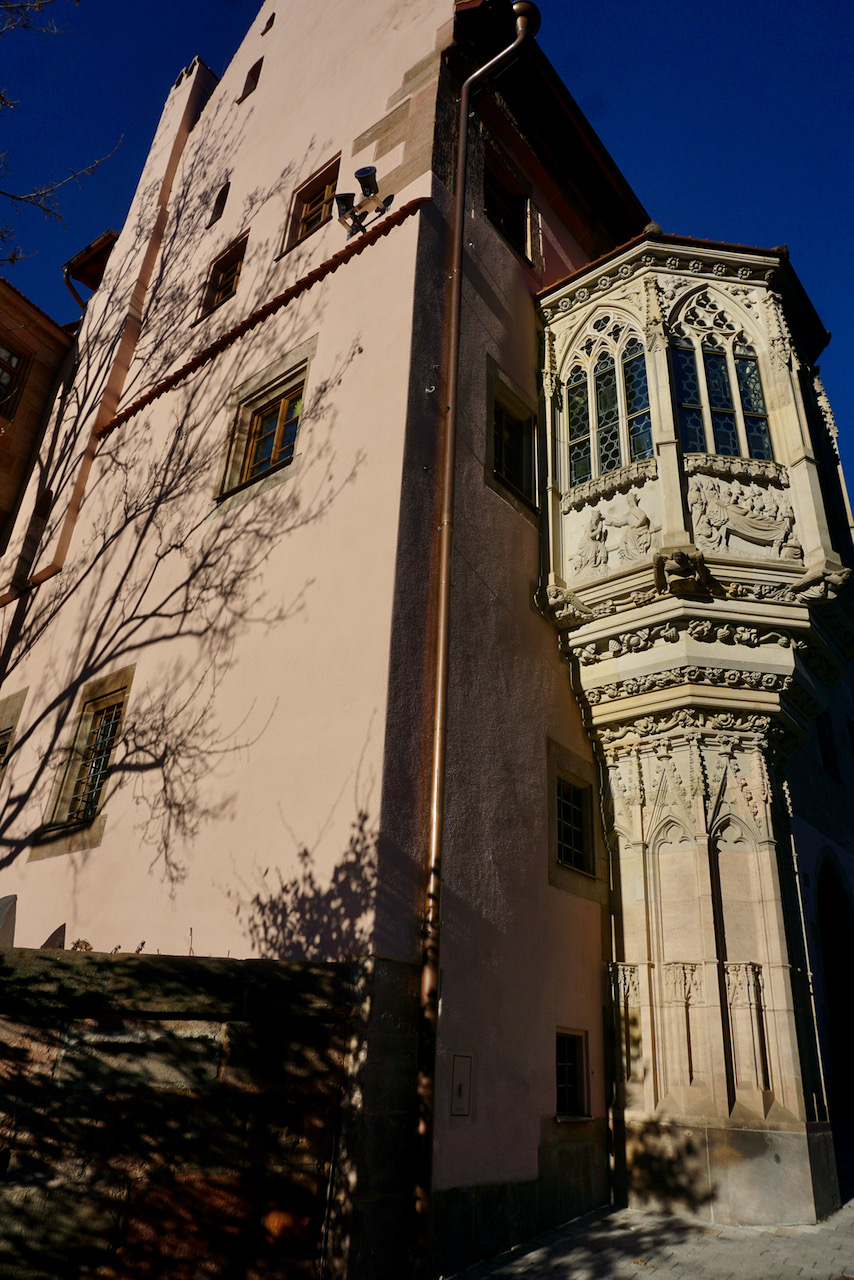
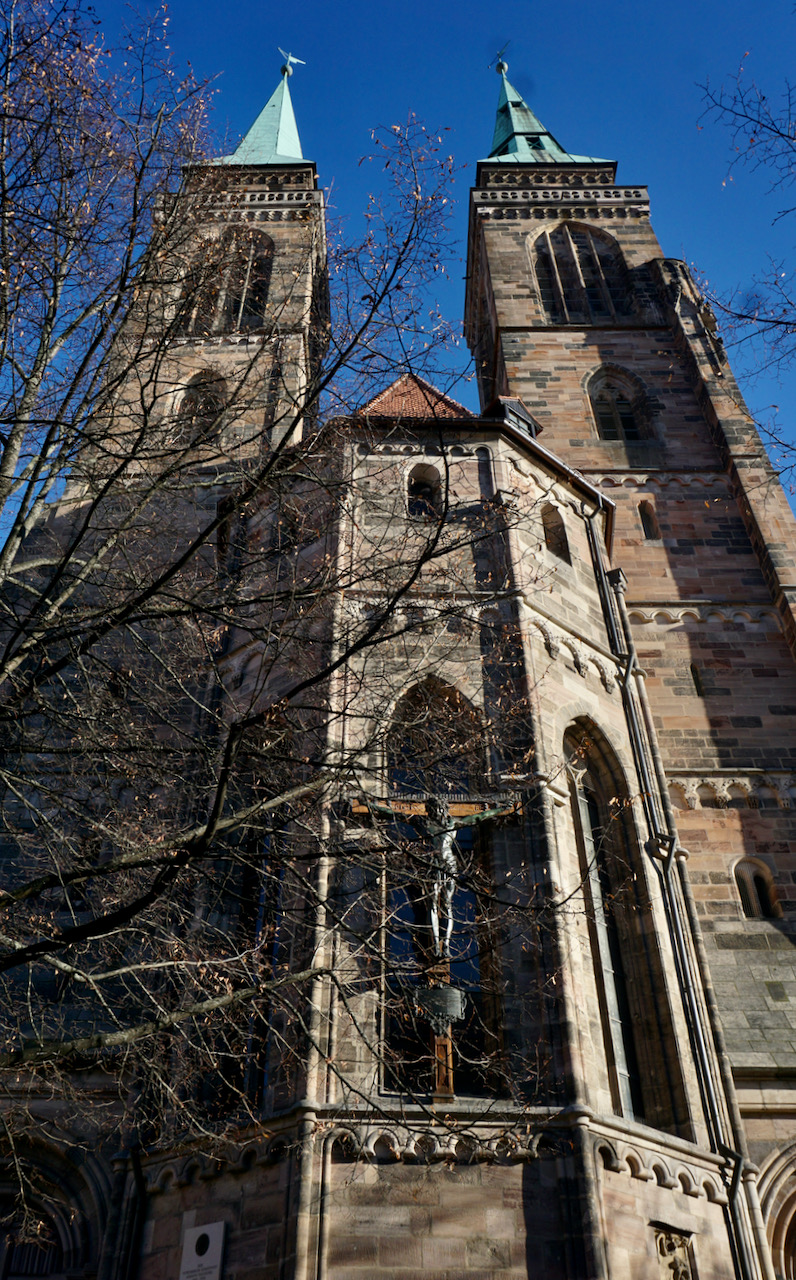
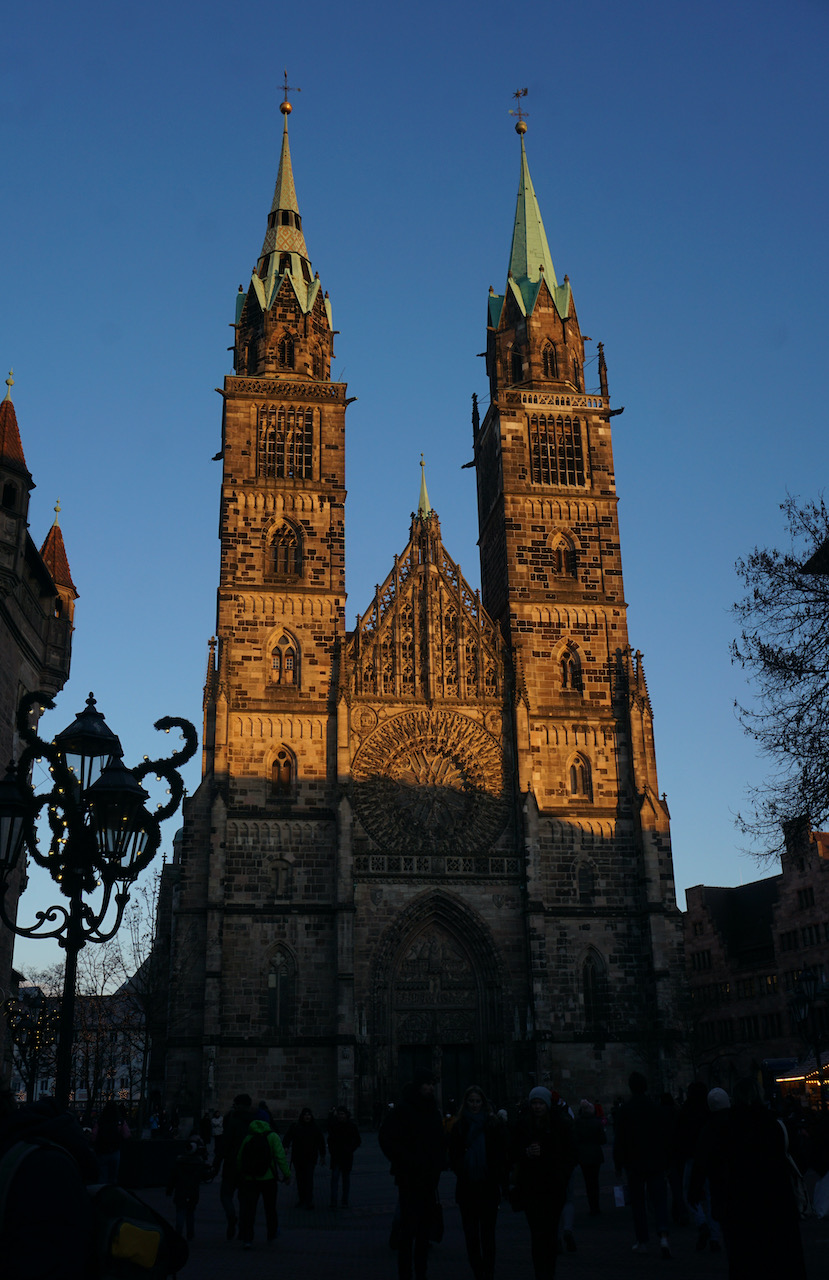
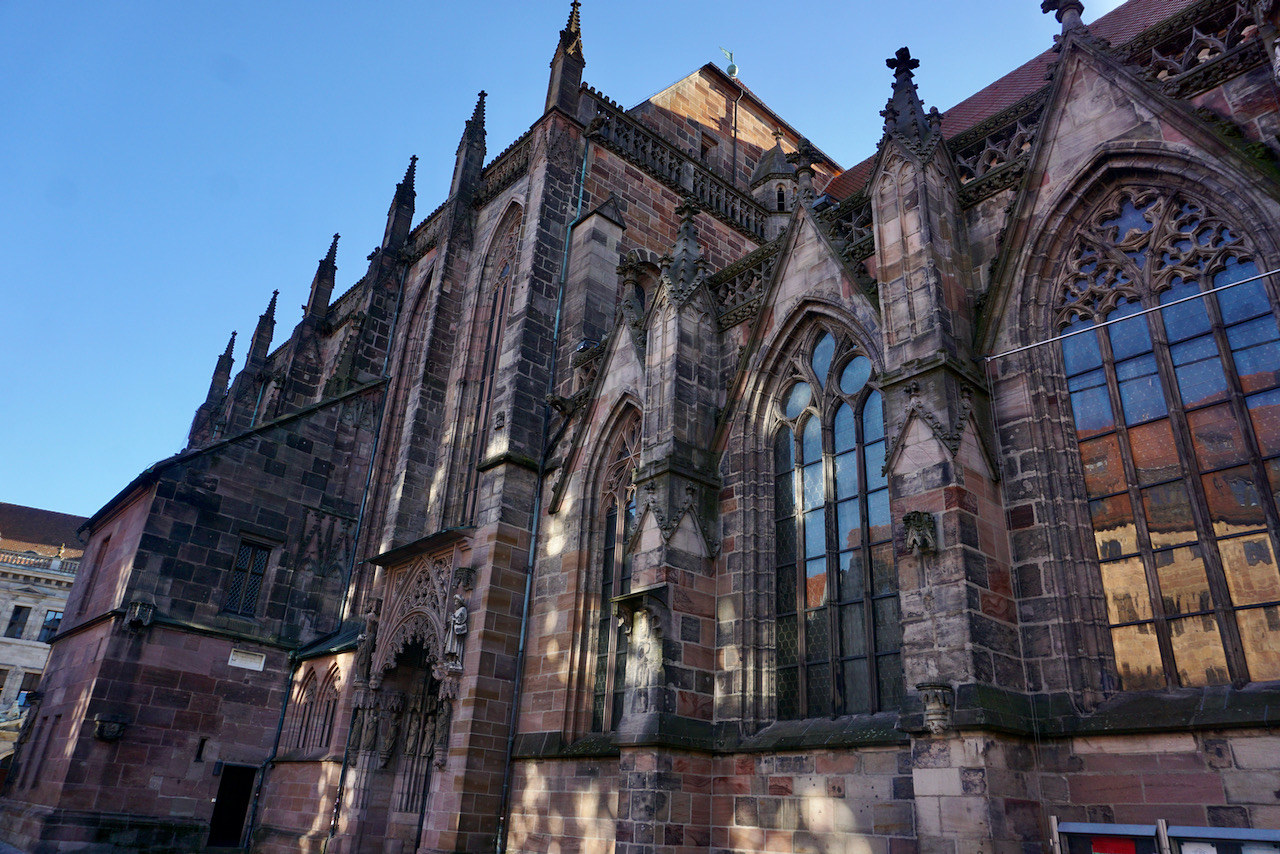
I had been told that Nuremberg has beautiful churches, and this was certainly true. Ken Follett’s Pillars of the Earth came to mind; I know the building of churches and cathedrals was anything but romantic but they certainly provide an atmosphere to a place.
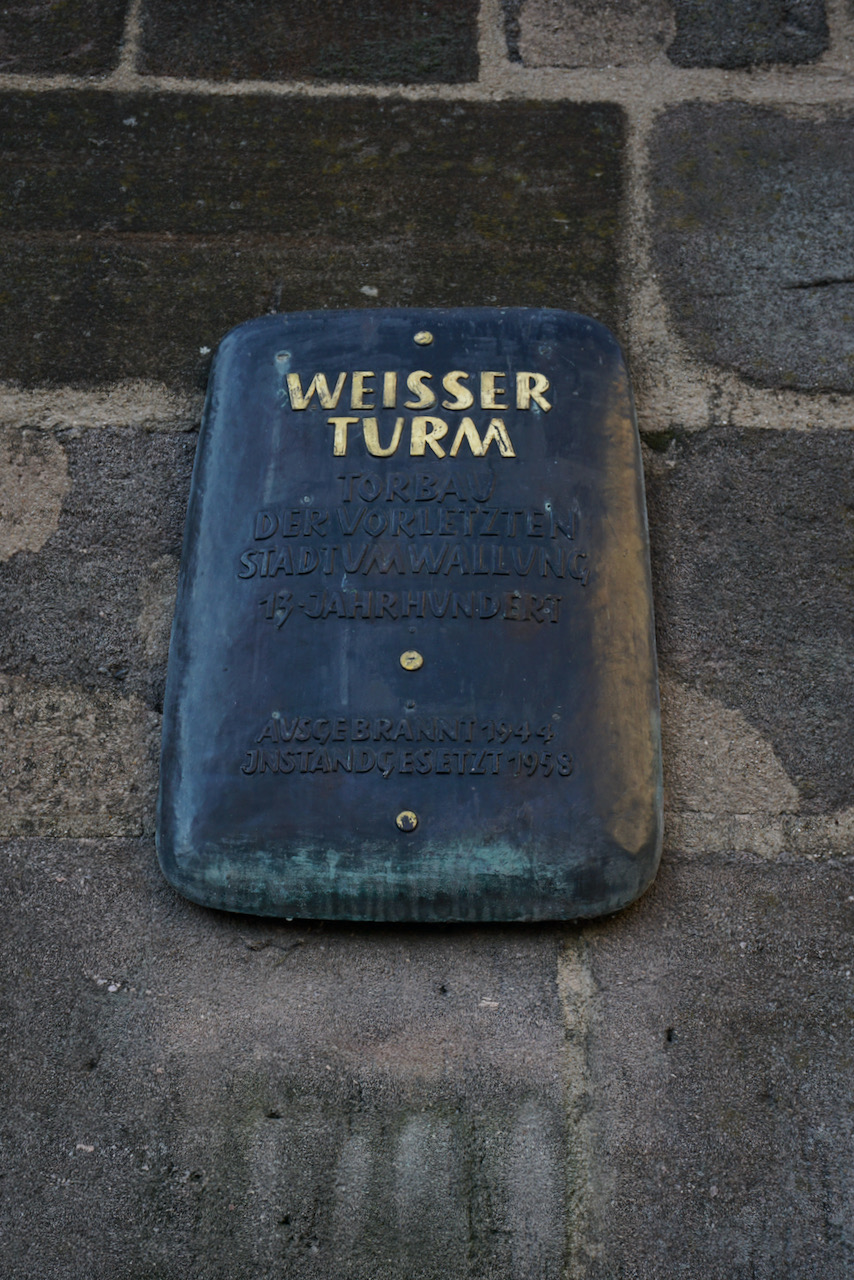
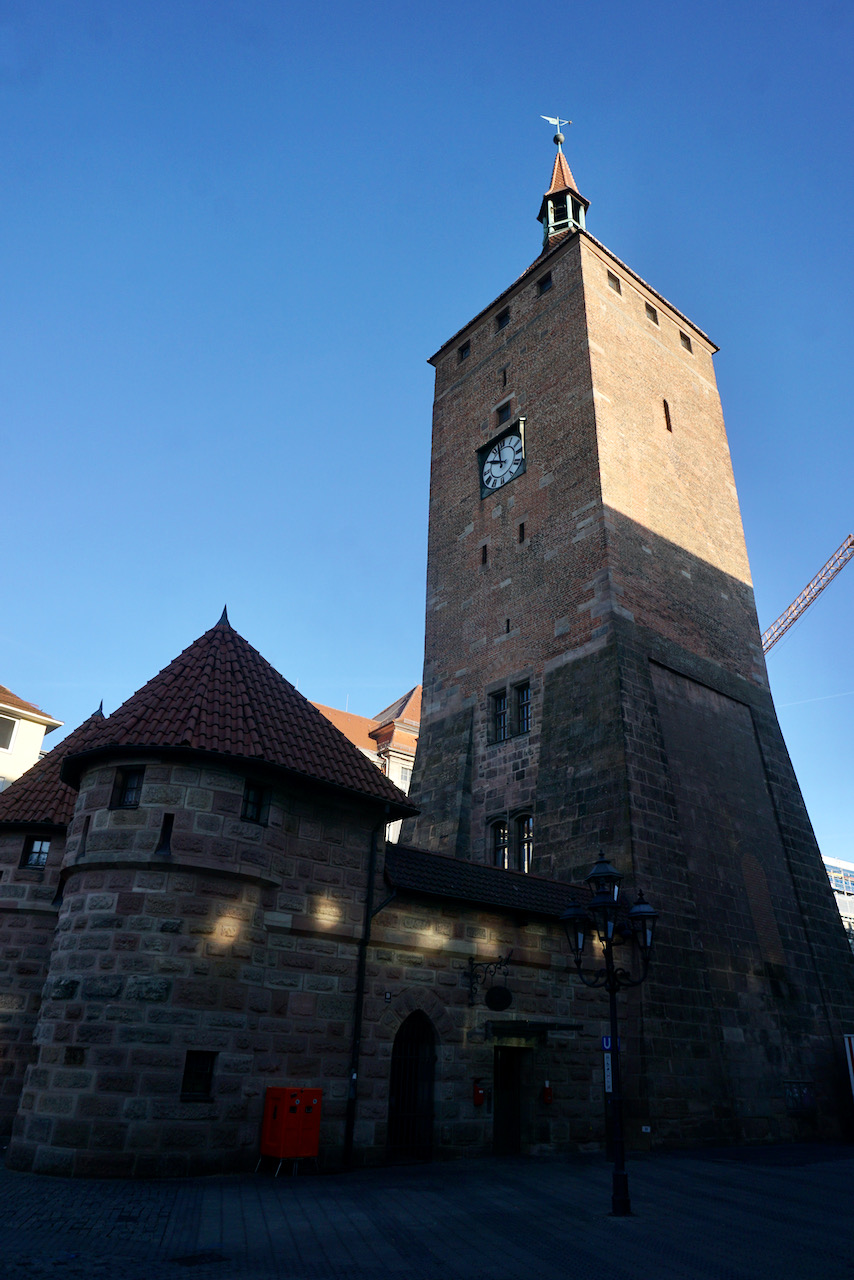
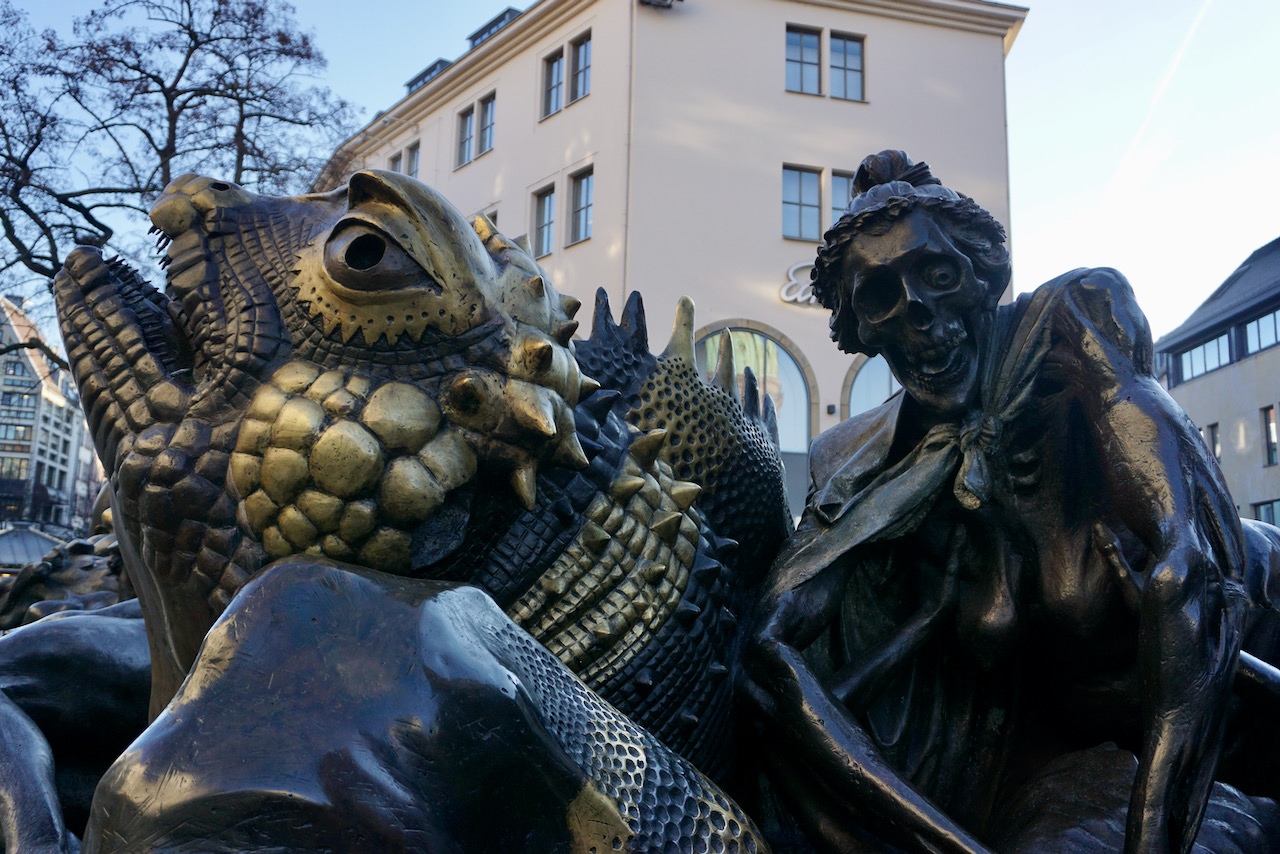
I had also been told to visit the landmarks of the Weisser Turm and Ehekarussell, the latter of which is a rather whimsical look at a marital relationship.
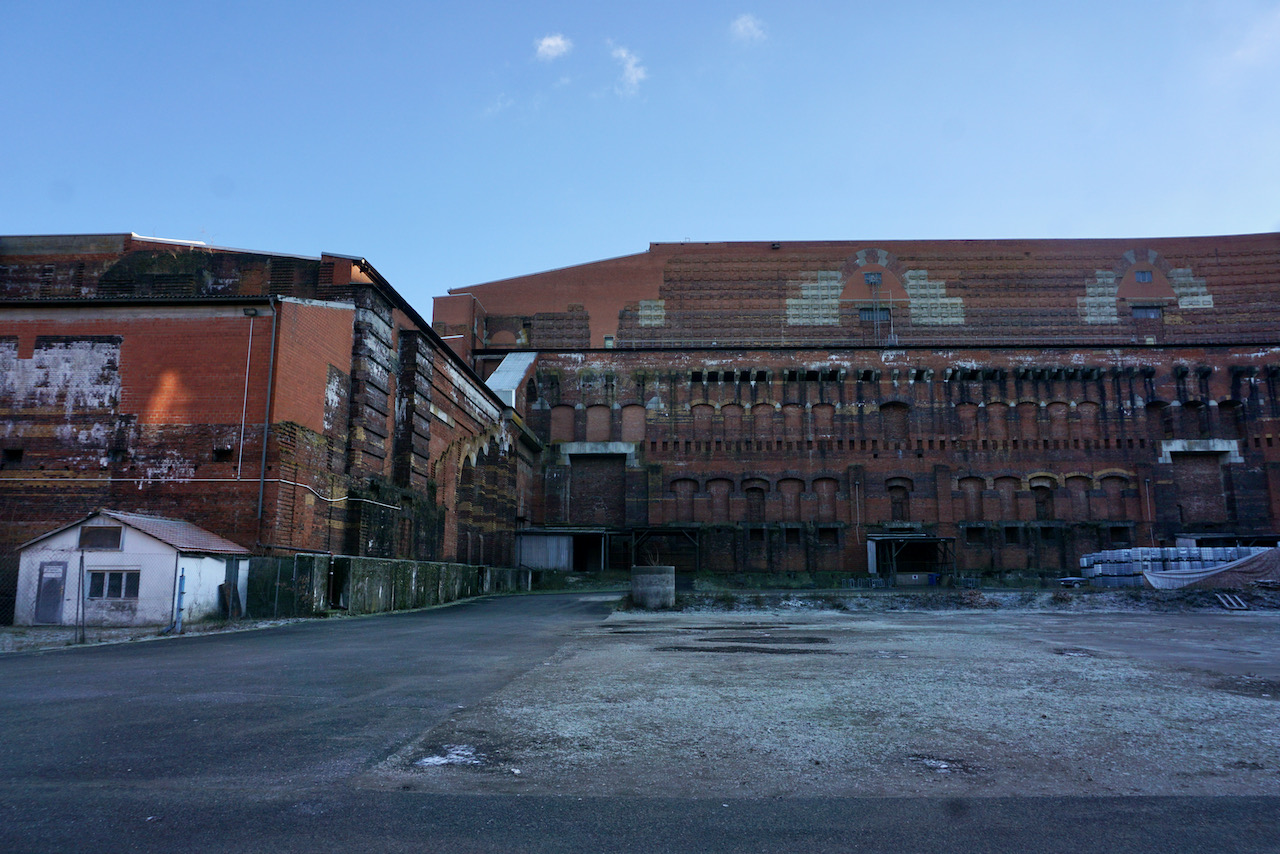
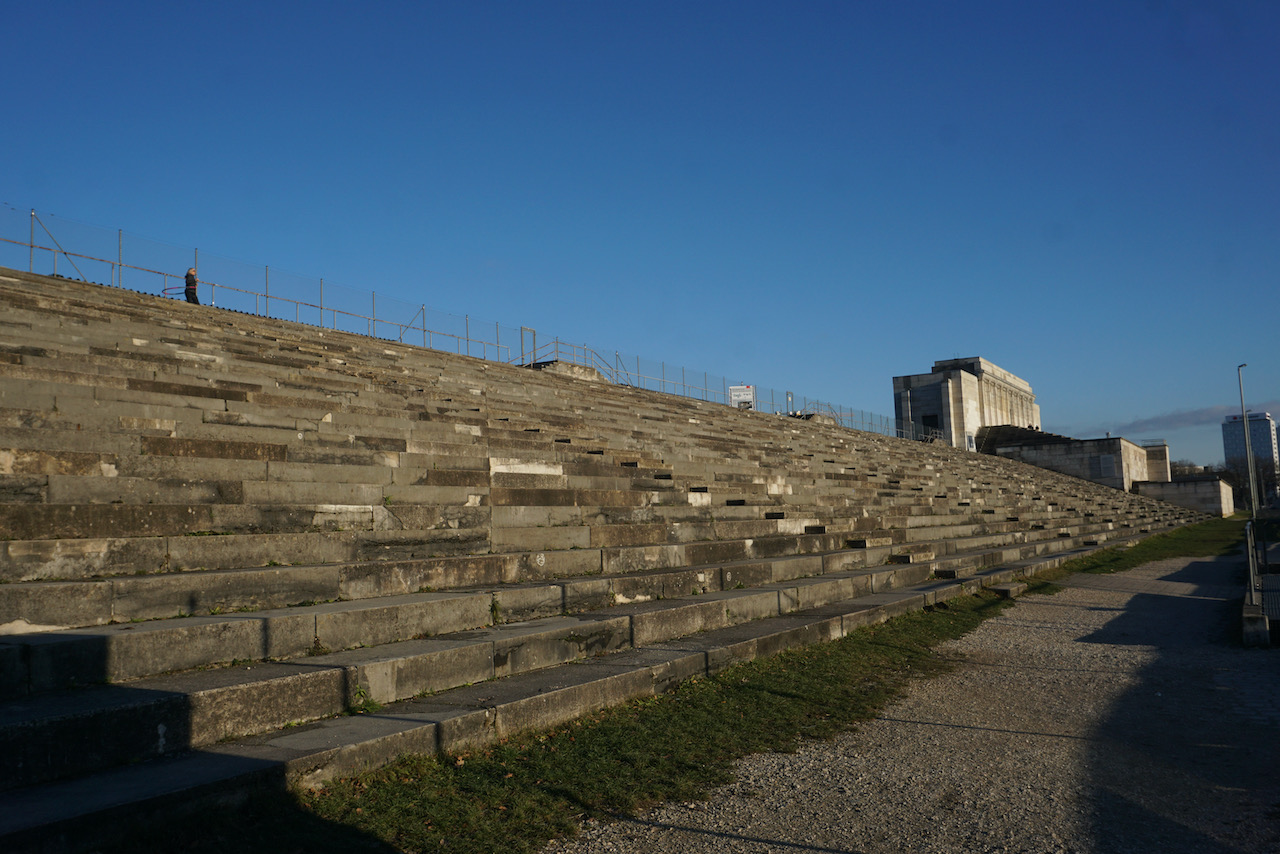
But no city is charming alone. No city is without a history, and sometimes that history is dark. I had two destinations in mind to pay homage to Nurember’s more recent history, which is why I caught a tram to the Documentation Center Nazi Party Rally Grounds on the first afternoon. The air field and still unfinished stadium complete with grandstand was the site of the Nuremberg rallies from 1933 to 1938. It was a cold afternoon with bright sunshine and shocking blue skies, and it was beautiful around the water. I am familiar with the history, but I never think about it with blue sky. Maybe that’s what made it difficult to be there.

And maybe that’s why it was important to be there. The woman with the hula hoop illustrated the juxtaposition of the atmosphere and I paused for a moment for think.
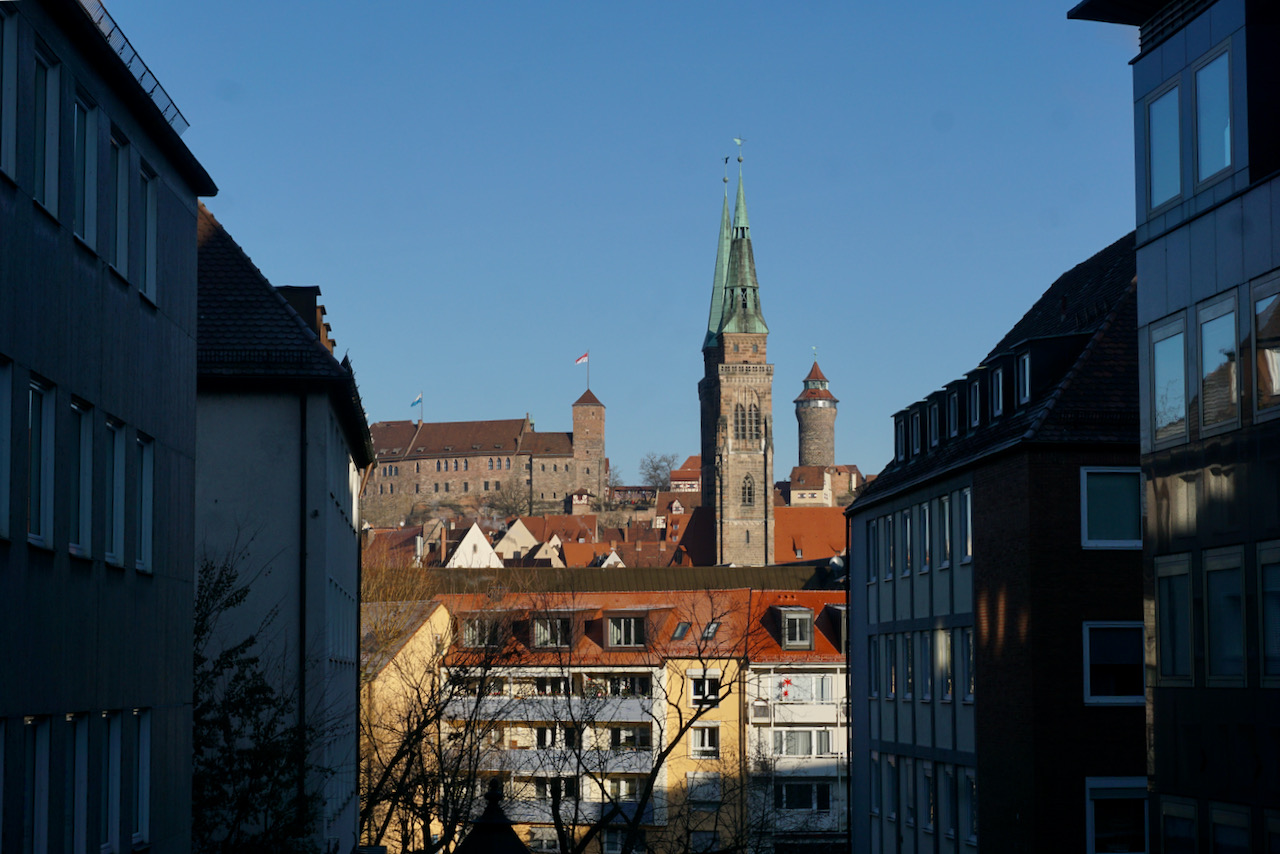
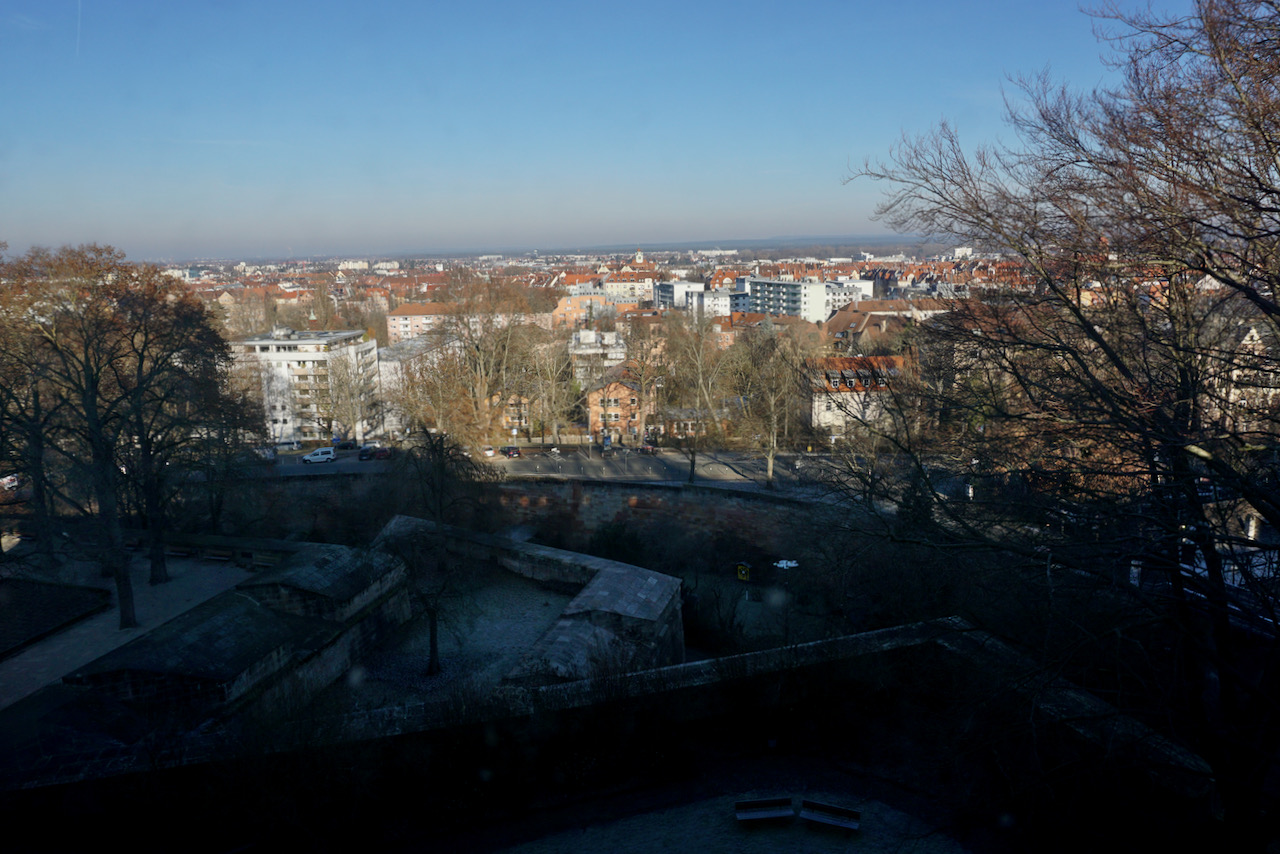
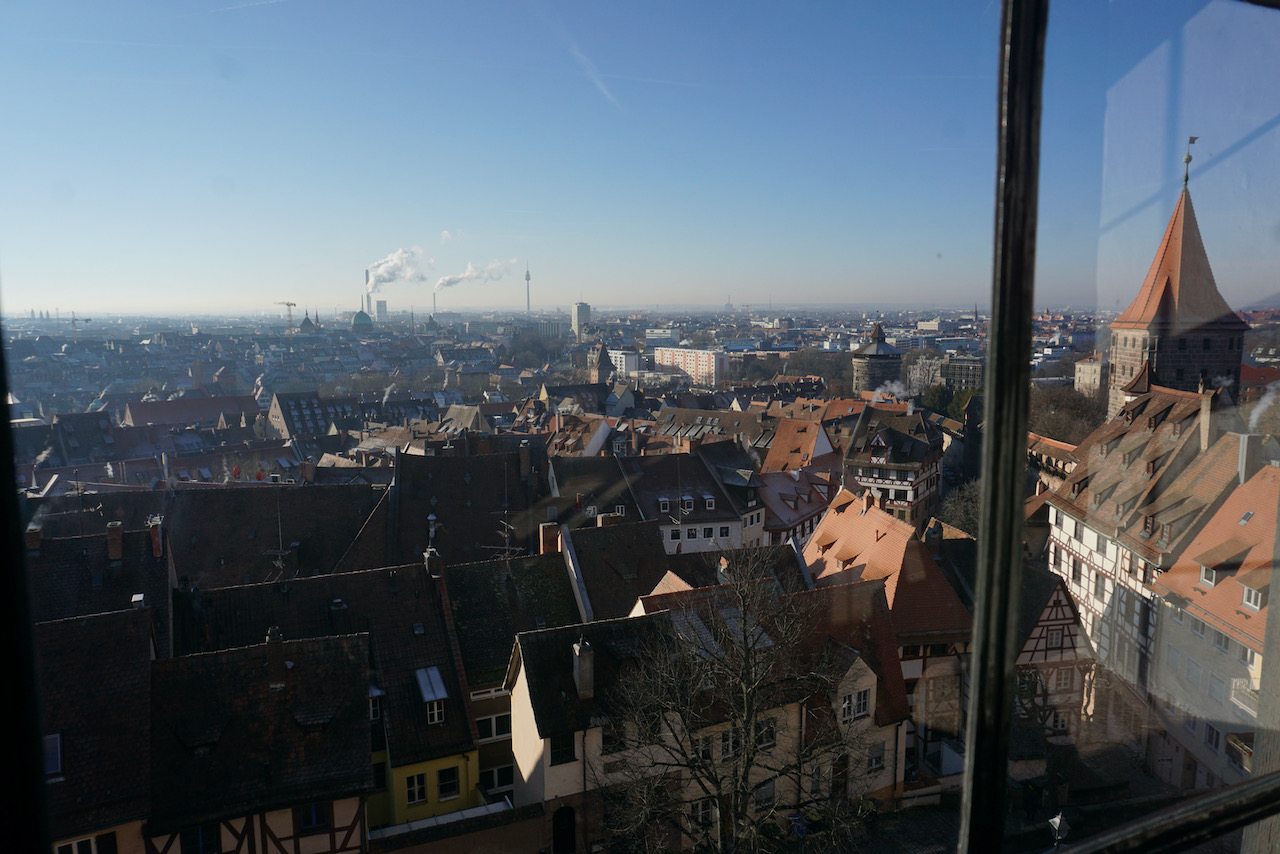
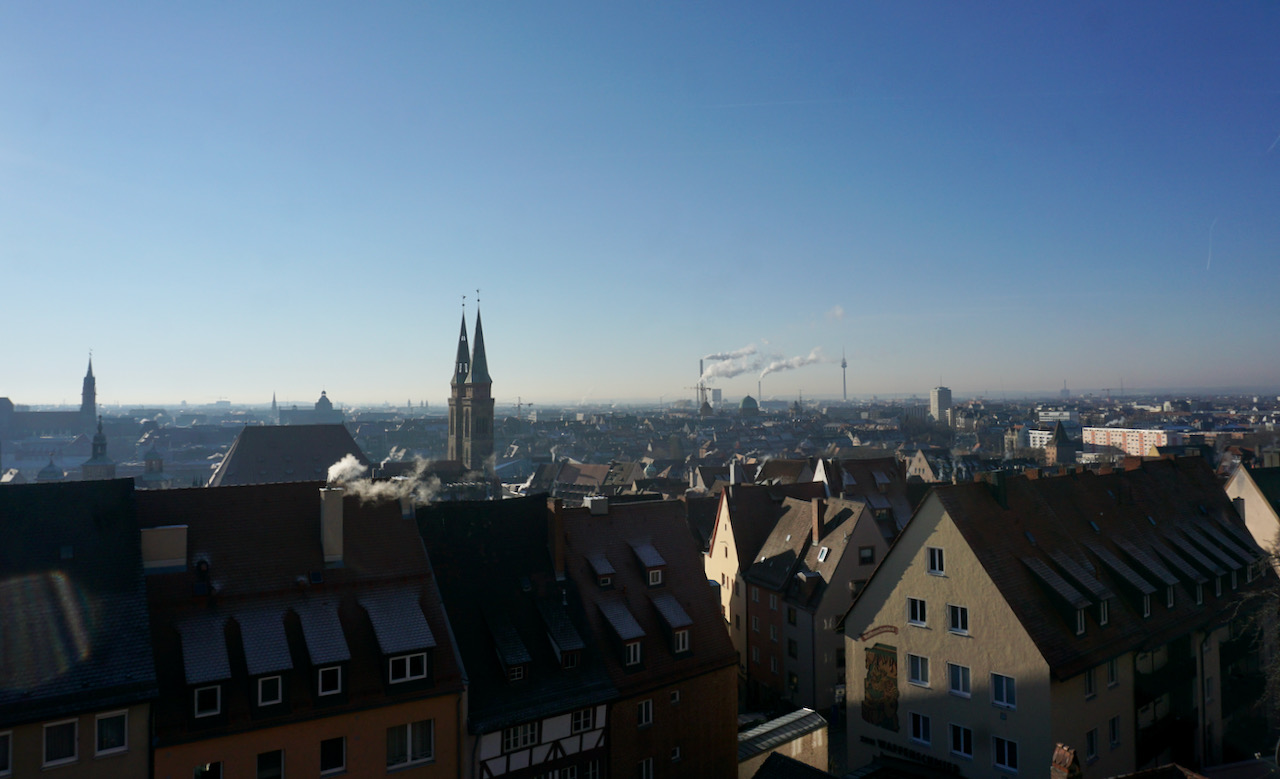
The following very cold morning, I returned to medieval history to visit the Kaiserburg, Nuremberg’s castle dating back to the Holy Roman Empire. It provided wonderful views of the city and the museum, which I visited as a respite from the cold, provided a nice overview of the previous nearly 1,000 years.

As someone who grew up in North America, I am still tickled by the thought of structures that have been, in some form, in the same location for such a long time. And I am saddened by the fact that North America, though it is not often considered in this capacity, has an equally old history, so much of which was destroyed by people who found no value in knowledge of the land and its environs.

As a contrast, though times are changing, I had earlier passed a memorial for LGBT victims of the Holocaust. This was a reminder of how we move beyond atrocity.

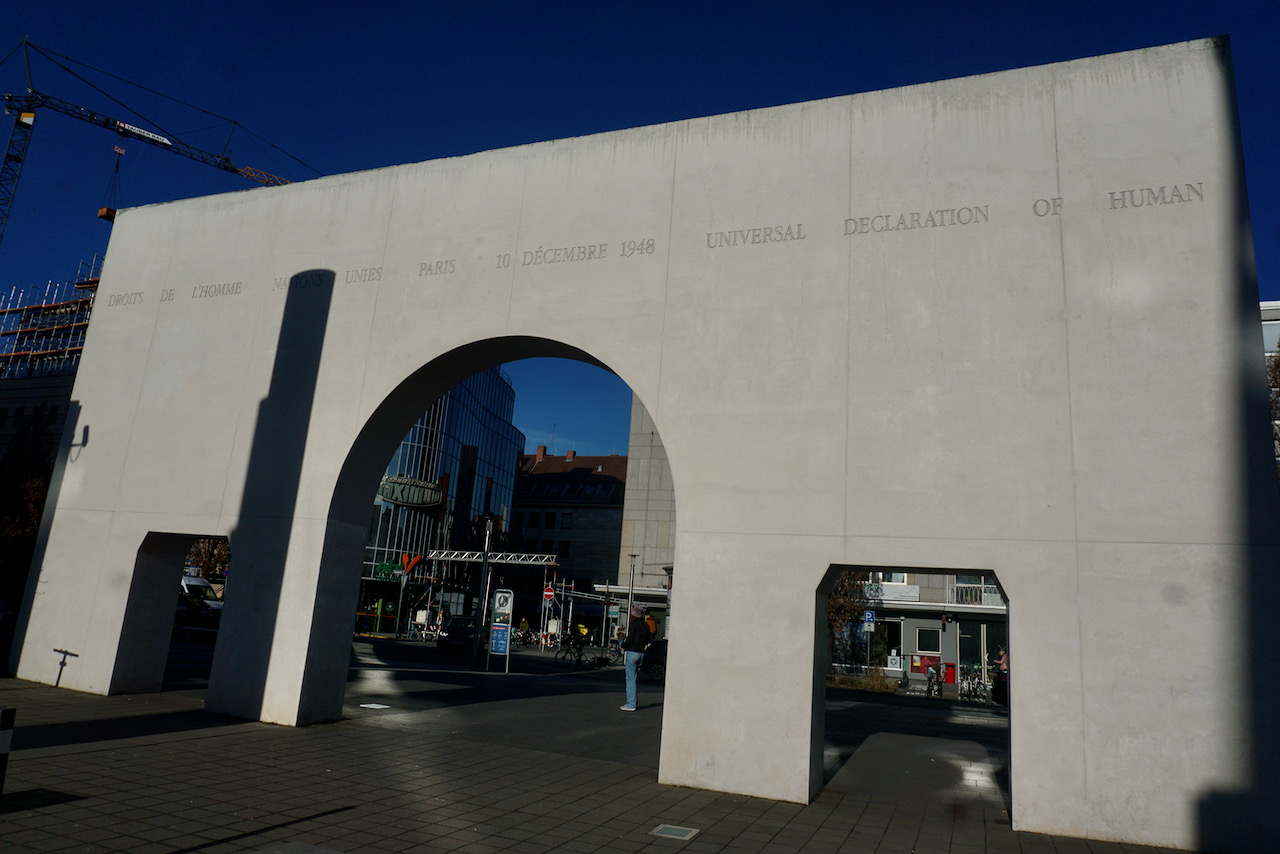
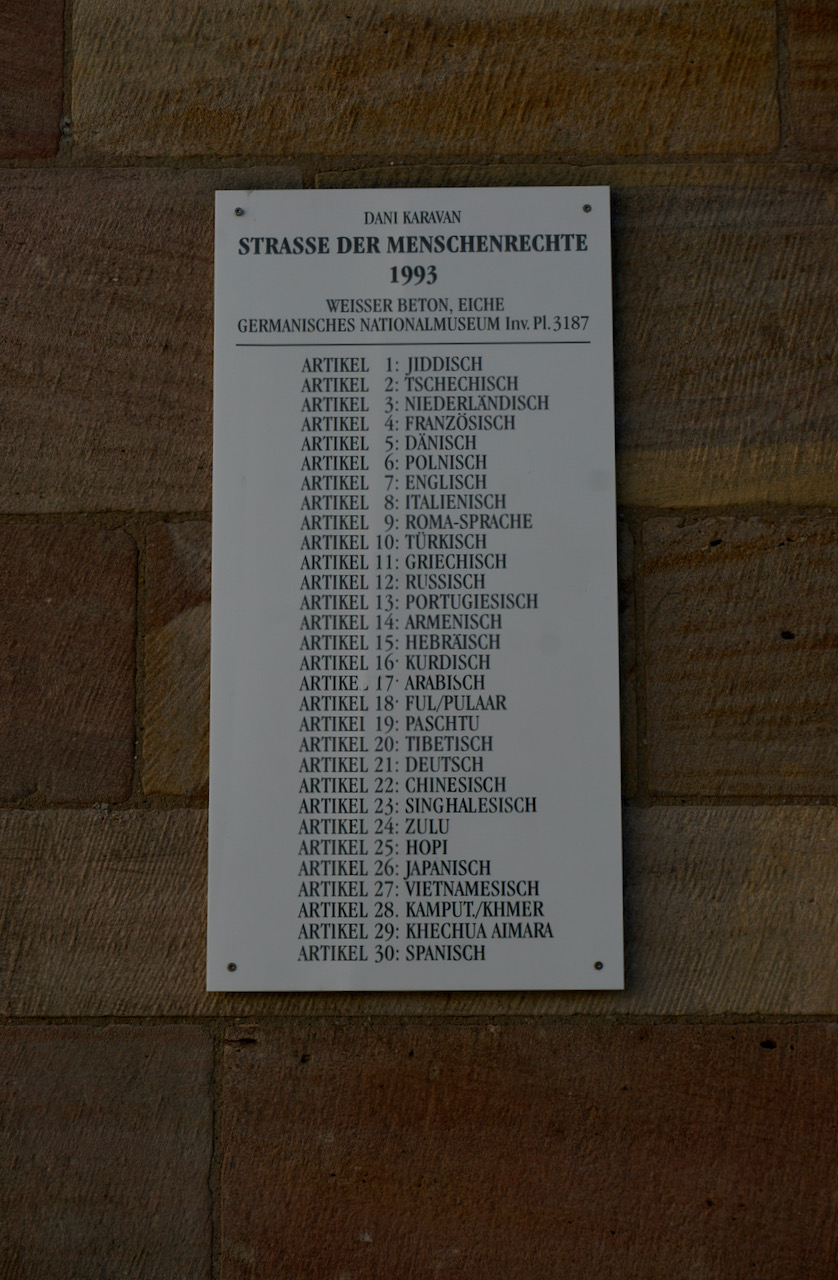
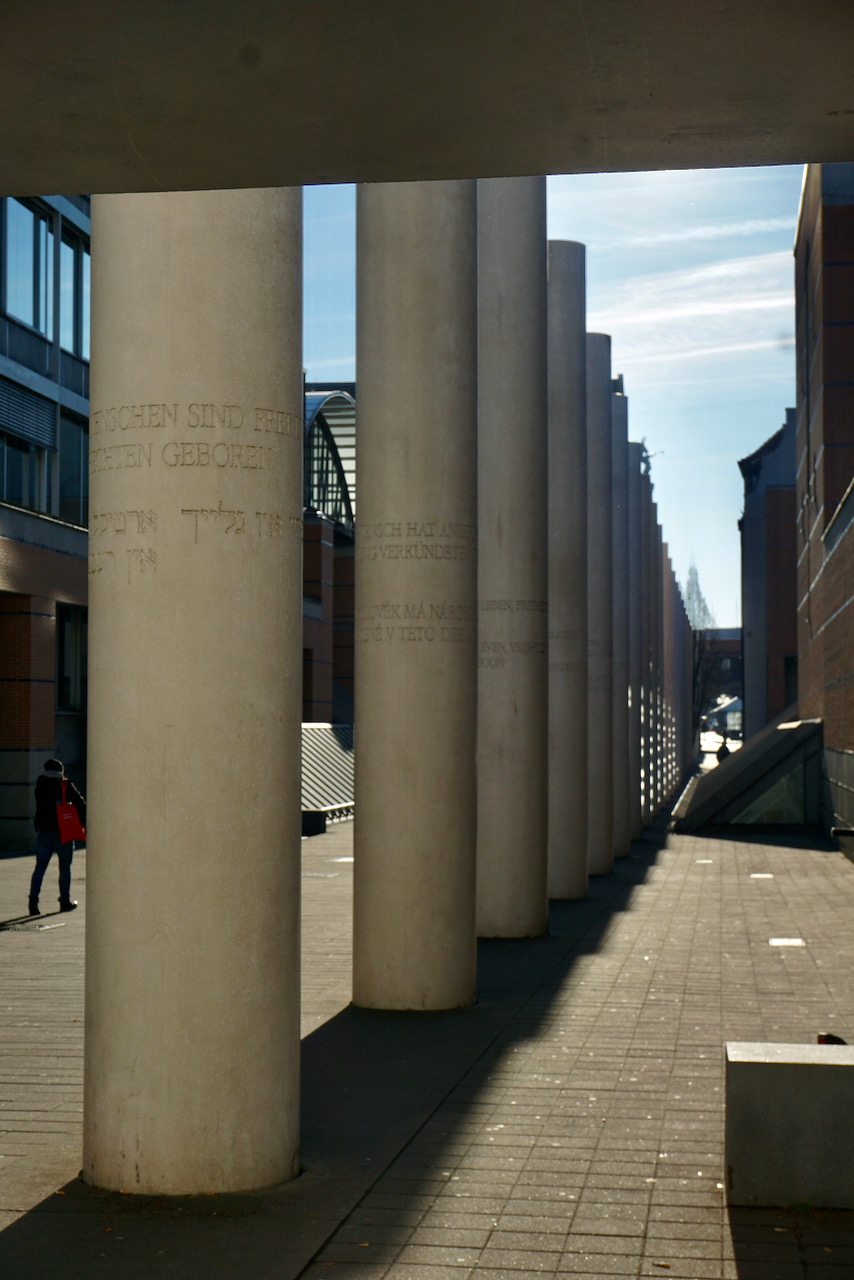
There is a history of hurt the world over and it is only through active awareness of it that we can live up to “Never again”. This attitude is also what made my later destination, the Way of Human Rights so poignant. And perhaps I am looking for signs (I don’t believe in signs but I also don’t not believe in signs) but the sunlight did take on significance that was likely undeserved.
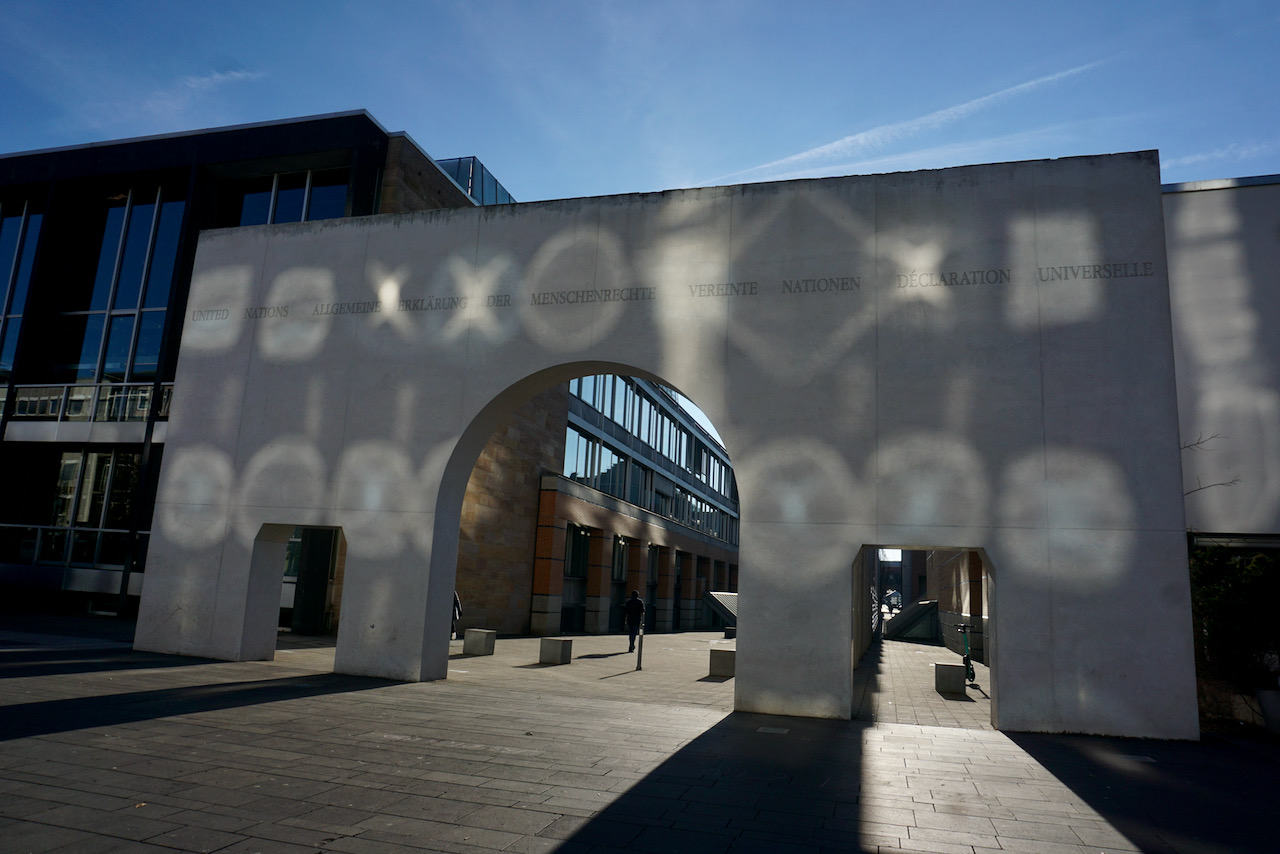
I intentionally stopped at the Way of Human Rights on the way to the Memorium Nuremberg Trials and Courtroom 600, the room where the trials took place. It is still in use today and the audioguide provided a clear description of what the room would have looked like at that time.
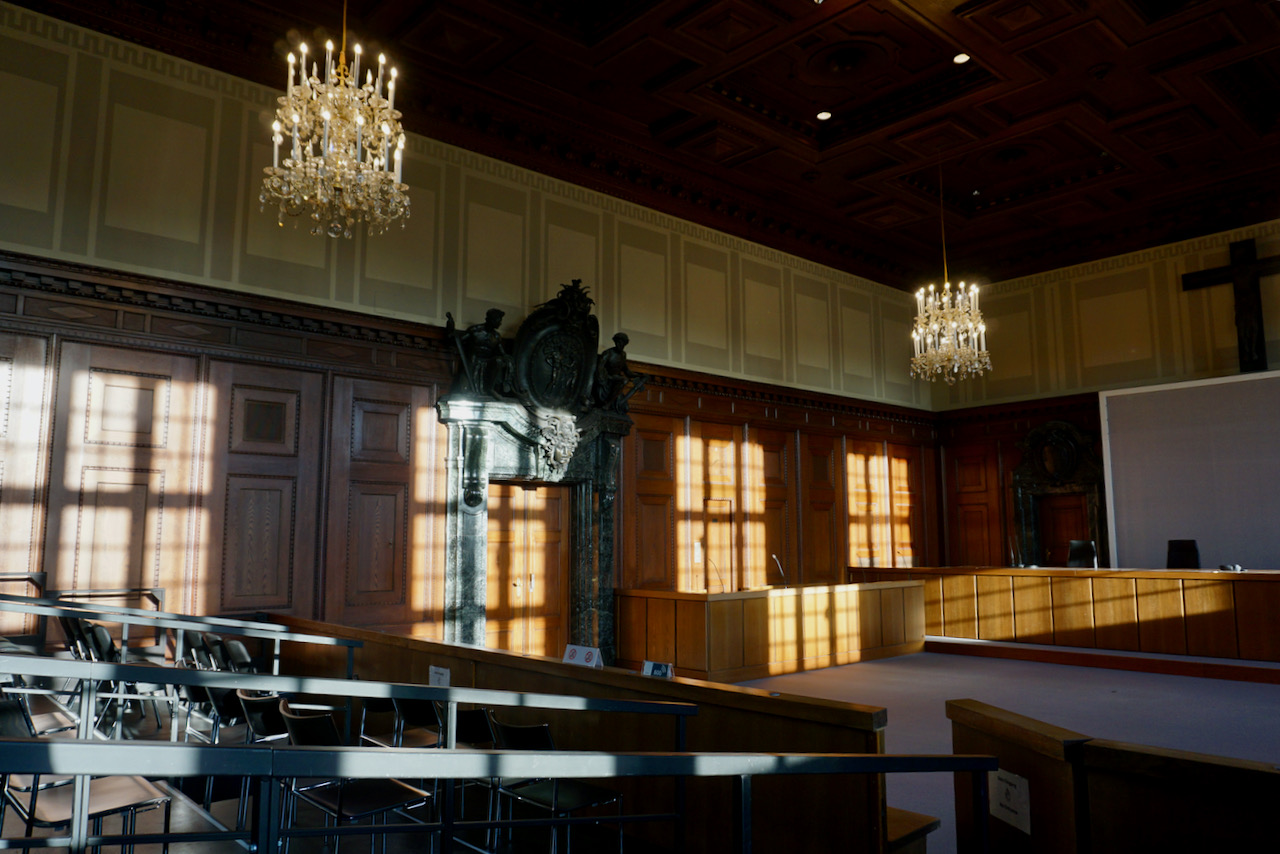
It was eerie to be there, strange to see bright sunshine on the walls and to sit quietly and listen to a historical overview that I had often brushed off. I now remember why, after writing my undergraduate thesis on the Hitler Youth movement, I took a long break from Holocaust reading and research. The sense of obligation that I felt to read every single word has not gone away and each word takes a toll.

I was surprised, though, to find myself angry, and it was over Glühwein and my journal later that evening that I was able to place it. I was not angry at the perpetrators or at the bystanders. I was not angry at the deniers or those who continue spreading hate in countless communities. Rather, I was angry because the Nuremberg Trials meted out justice in a way that was reasonable, fair, and largely undisputed. These were actual trials with evidence and sentencing. Individuals were convicted as far as the evidence could provide and sentencing was carried out swiftly and with due process. These trials paved a way forward for how to deal with crimes against peace, crimes against humanity, crimes of war.

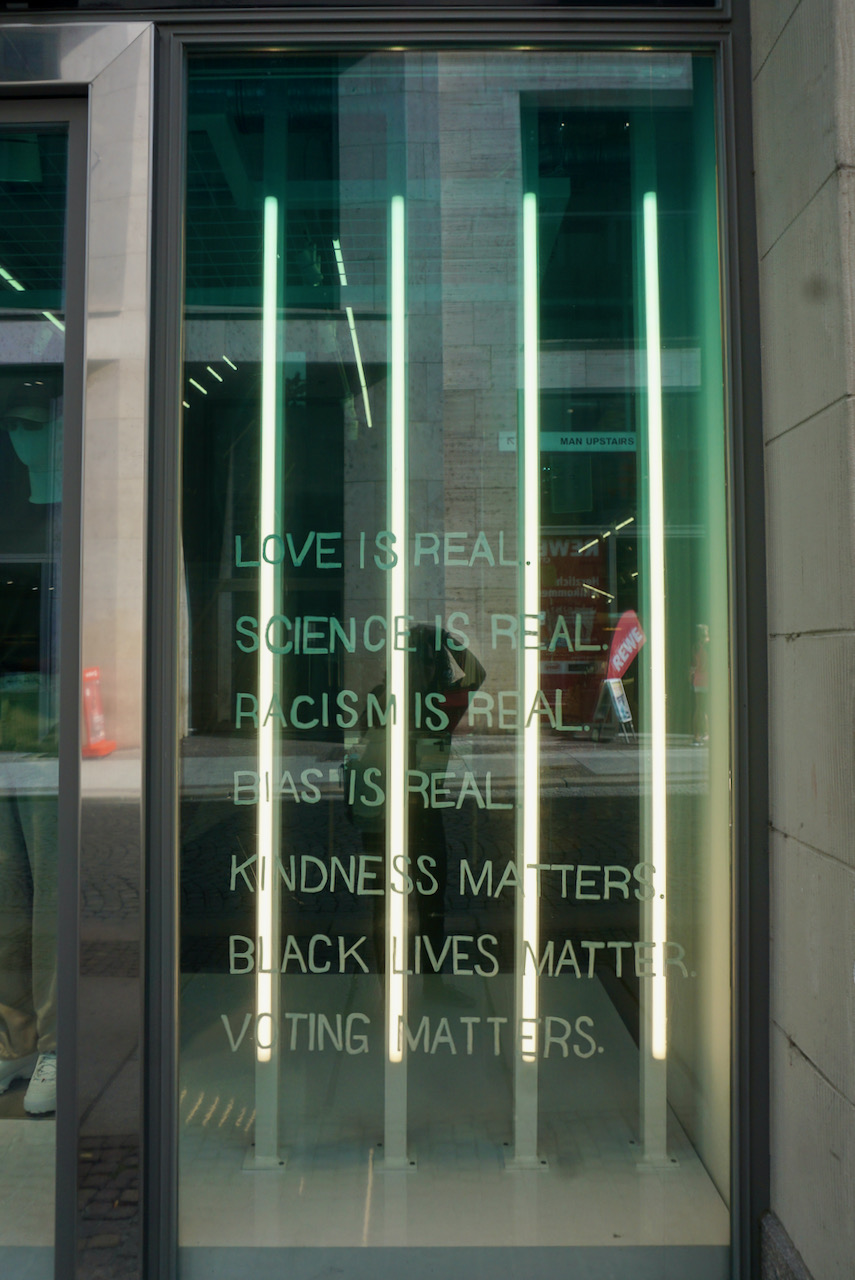
And yet, there is so much bias in legal systems today. Trials have outcomes before they happen. Consequences are seemingly inconsequential. I thought about this, I thought about recent global political news, and I was angry. The Nuremberg Trials provided a framework and an opportunity and I wondered at where this legacy has gone.

I learned a few things at the Memorium, too, like the fact that simultaneous translation was used for the first time here and that the translation staff numbered 350. The proceedings followed Anglo-American legal traditions, which differ from continental European legal traditions, and this created some controversy. There were follow-up trials in later years, including of Japanese crimes in the Pacific war, but the later trials in Europe never generated the press or popular support of the first trials.

It was dark by the time I set my journal and book aside and left the café where I had taken refuge hours earlier. Sometimes it’s just good to be around people.

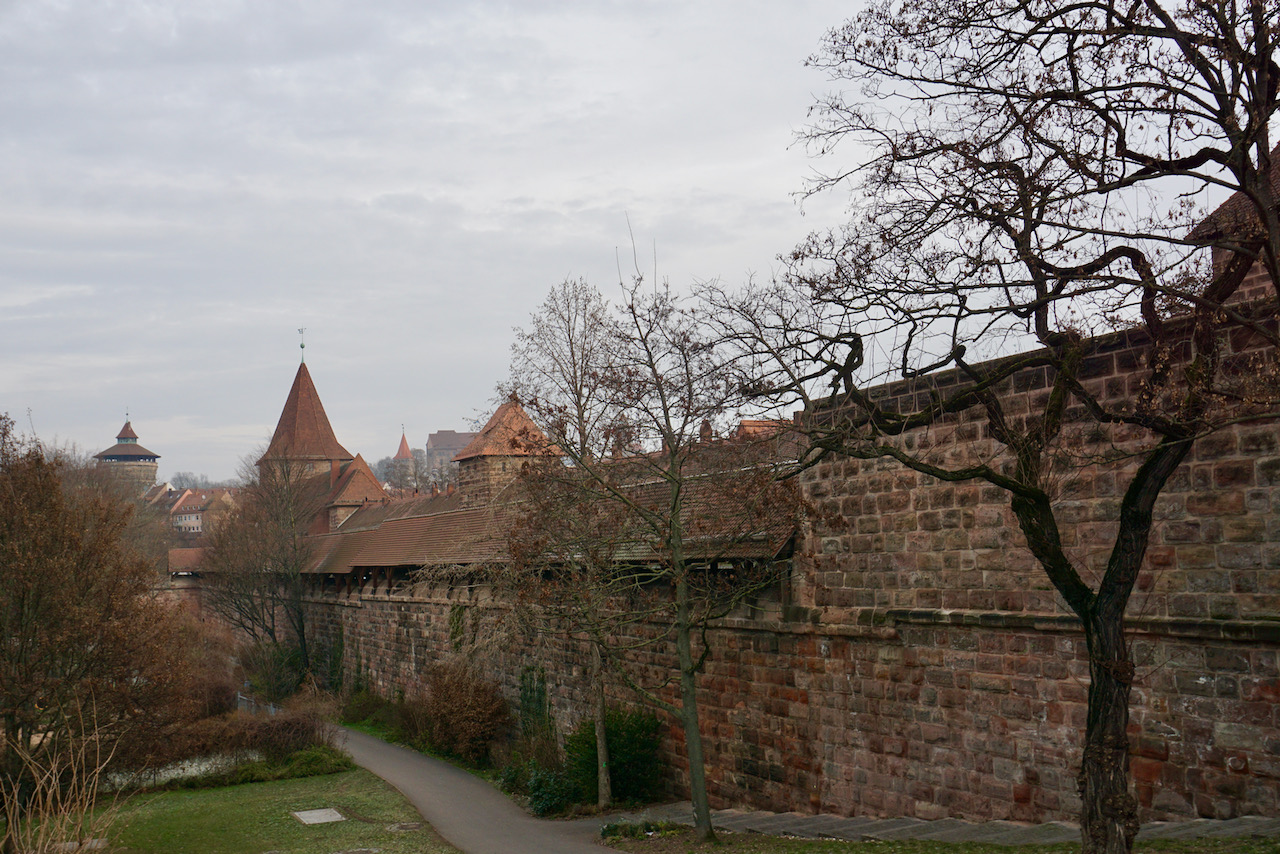
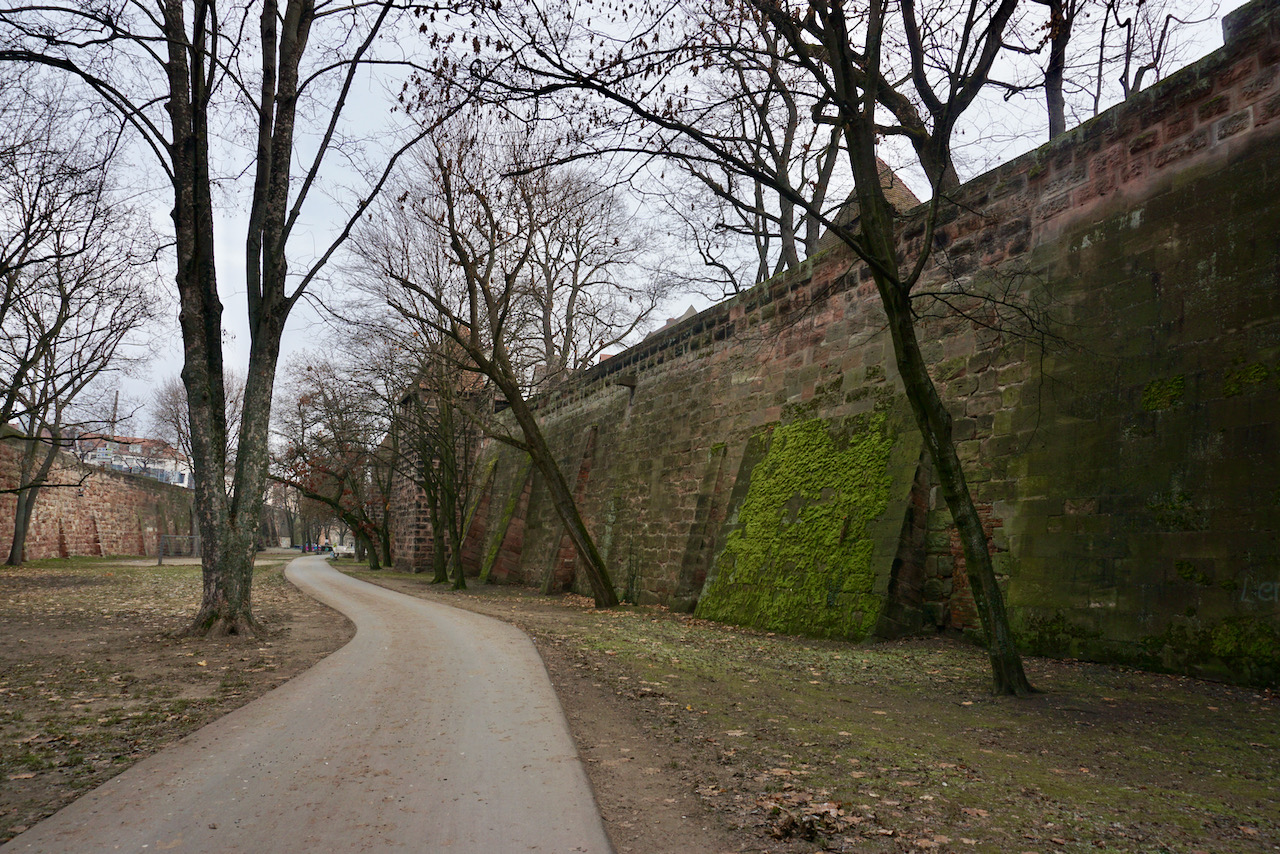
As a medieval city, Nuremberg’s old town is still surrounded by walls and I found myself quite taken by them.
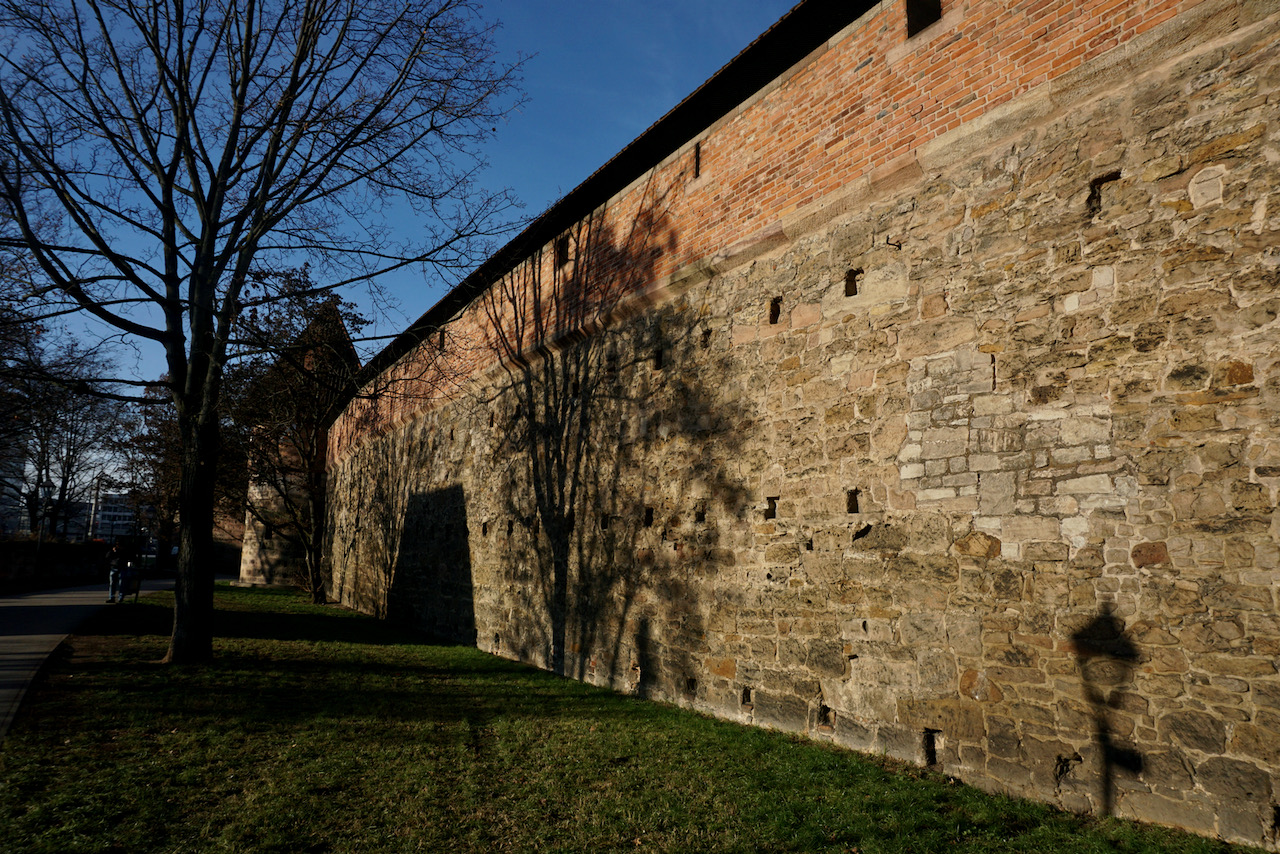
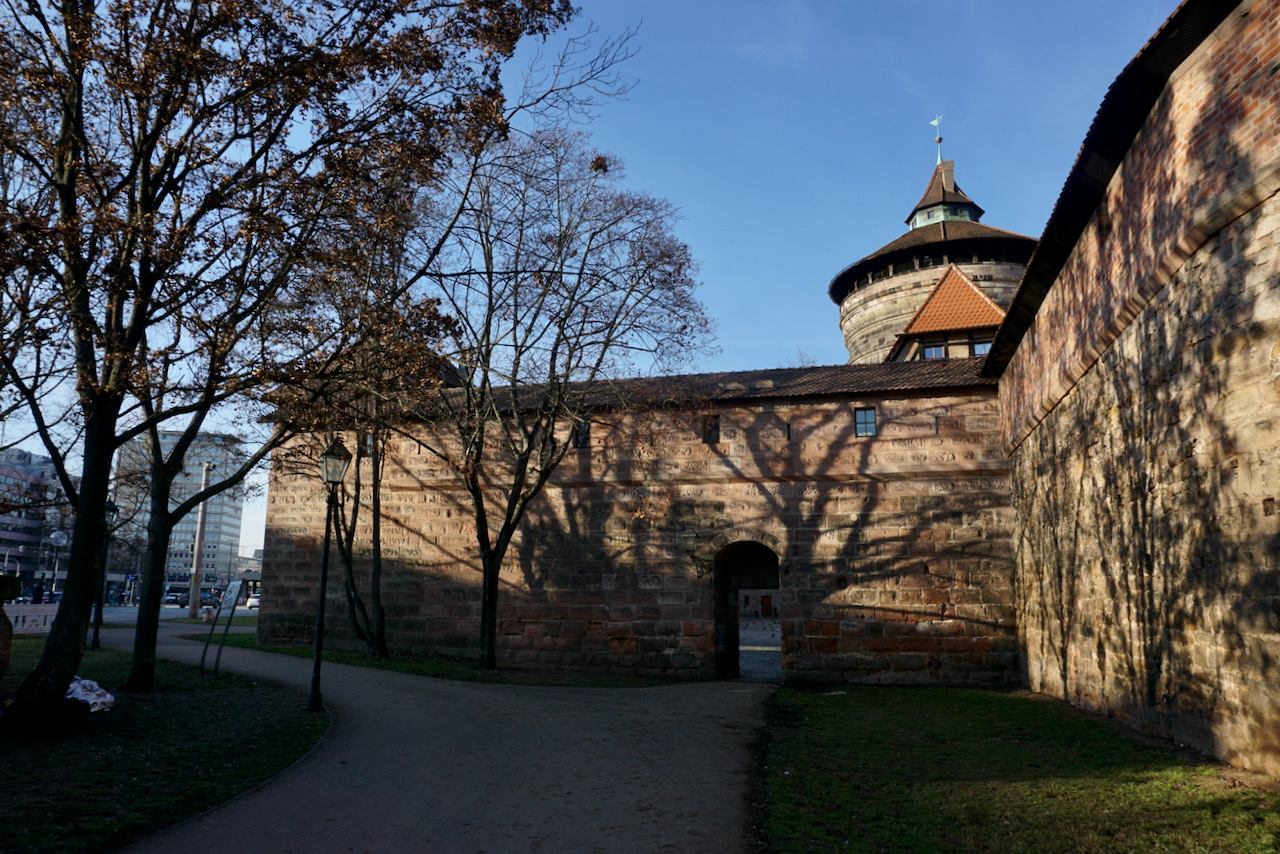
This fascination remained even without sunlight. The morning of my last full day was warmer than the previous days, and I was glad of this. My plan was to walk the 5k trail that is maintained around the walls. The walls are imposing and I can imagine how impenetrable they were when first built; they seem that way now, even with playgrounds for children, a skatepark, and courts for basketball and racquet sports.
Finally, I visited the Germanisches Nationalmuseum, which has an impressive and overwhelming collection of artifacts dating throughout human history. There were also installations from the Global Art Festival scattered throughout the exhibits and I enjoyed those very much. If you’re happy to spend a few hours wandering through a museum that makes its home in a former monastery, I’d recommend a visit.

The city of Nuremberg today prides itself on being a city for human rights, which is a tall order. Perhaps this is why I saw greater diversity there than I had expected, or why different languages were so prevalent. Or perhaps this commitment itself created the environment of the place. I was glad for the opportunity to be there and look forward to a return, perhaps when there are Christmas markets again.
Travel Guide: Munich

Being in Munich for Oktoberfest was a bit like being in New Orleans for Mardi Gras: It was an accident and I didn’t realize that’s what I was doing until someone else told me.

In all fairness, I hadn’t intended to be in Munich for Oktoberfest. Rather, I had tickets to an Elton John concert that was cancelled (and rescheduled for two years from now!) because of Germany’s Covid regulations. Any reason to travel is a good one, and so, concert or not, I decided to head to Munich.

I arrived after dark on Friday night but I could already tell that being in a city felt rather different to my small town. There was something about the amount of light, the sheer number of buildings (though they were a far cry from what my Singapore and New York lives would consider tall), and the ambient noise that showed me how accustomed I’ve grown to my current environs. Despite this reaction , it was precisely my years of city living that immediately had me feeling comfortable navigating Munich’s excellent public transportation system.

The weather throughout the weekend was gorgeous, 20° and bright blue Bavarian skies. This meant that I was outside the whole time and have saved the indoor recommendations (all suggestions thanks to a friend who had lived in Munich for a time) for a future visit.

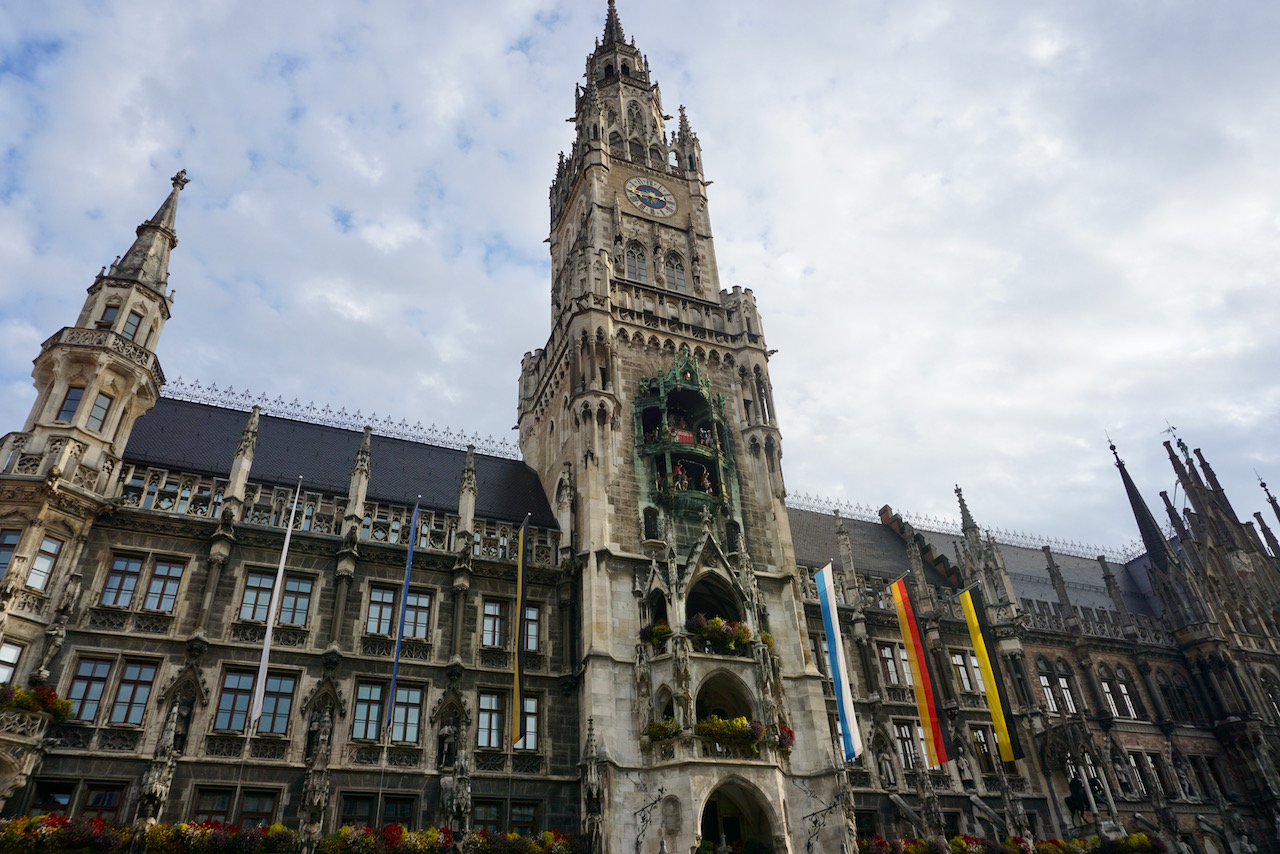
On Saturday morning I got a coffee and sandwich and sat in Marienplatz to watch the world go by. As I am directionally challenged, this became the centre of Munich in my head and I returned to this spot multiple times to reorient myself. The famed Glockenspiel at the Rathaus, or New City Hall, puts on two performances at 11am and 12pm to bring some of Munich’s history to life. It was charming and I had to smile at the excitement that must have caused in the early twentieth century.

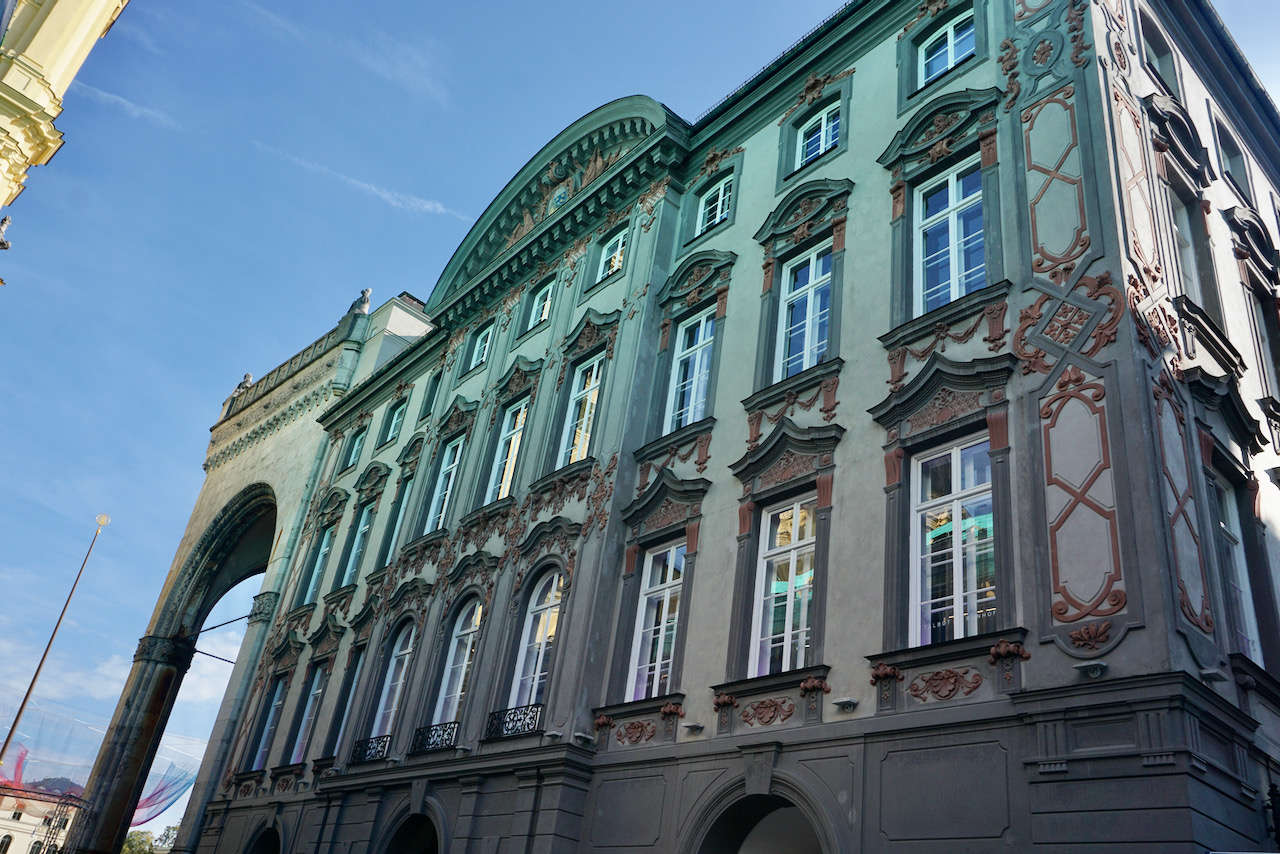
The day began in earnest with a walking tour in which we learned about the history of Munich and Bavaria and talked about beer culture. The tour guide, Jax, explained that the façades of Munich’s buildings were redone after the war, often in very clever ways. The buildings themselves are therefore not old, considering about 50% of the city was damaged during the war, but their careful consideration of the past has lent the old town an old feel.

Our tour also touched on Munich’s role in Hitler’s rise to power. I didn’t realize that the failed 1923 Beer Hall Putsch that landed Hitler in jail, where he subsequently wrote Mein Kampf, had taken place here. It was an interesting juxtaposition to talk about this just before heading into the beautiful Englischer Garten, originally the royal private garden that, once opened to the delighted public in the late 1700s, became the home of Oktoberfest.

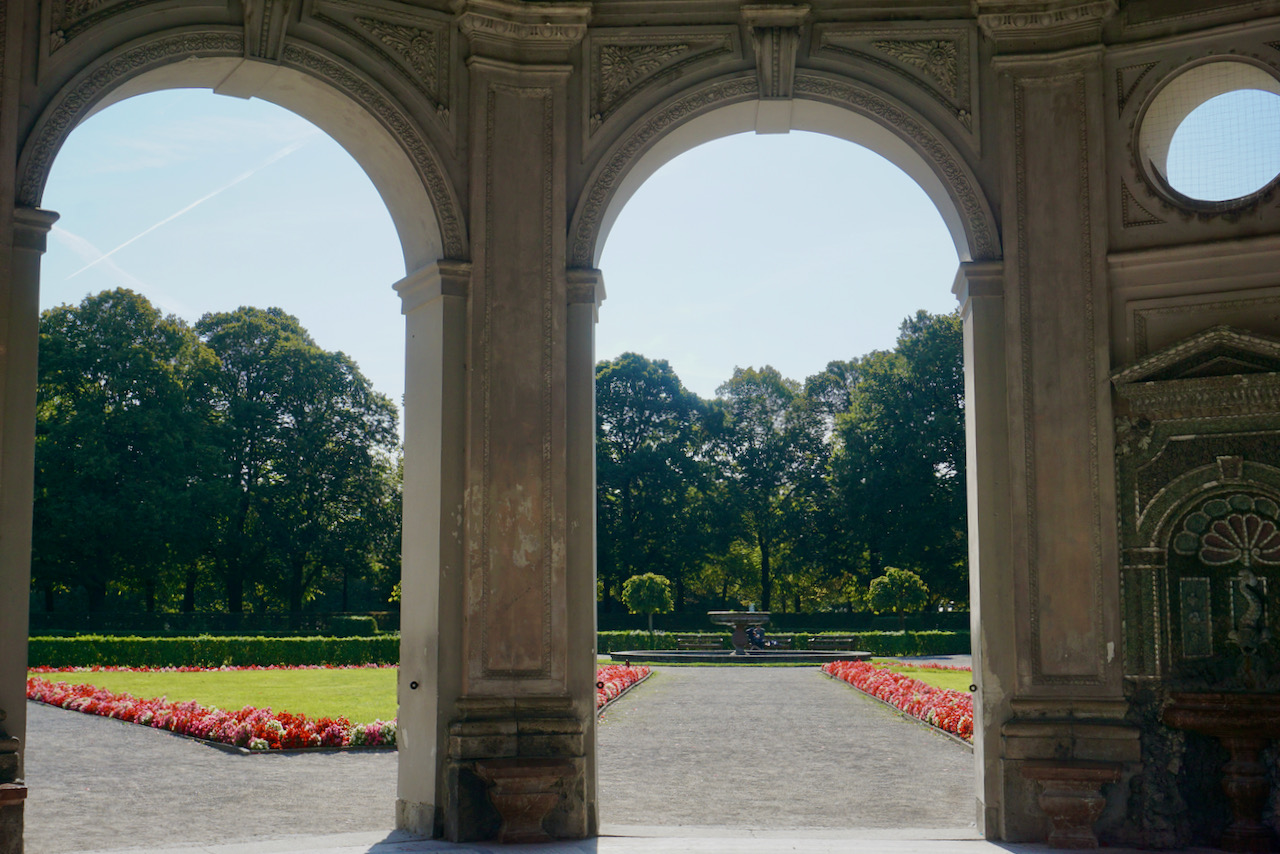
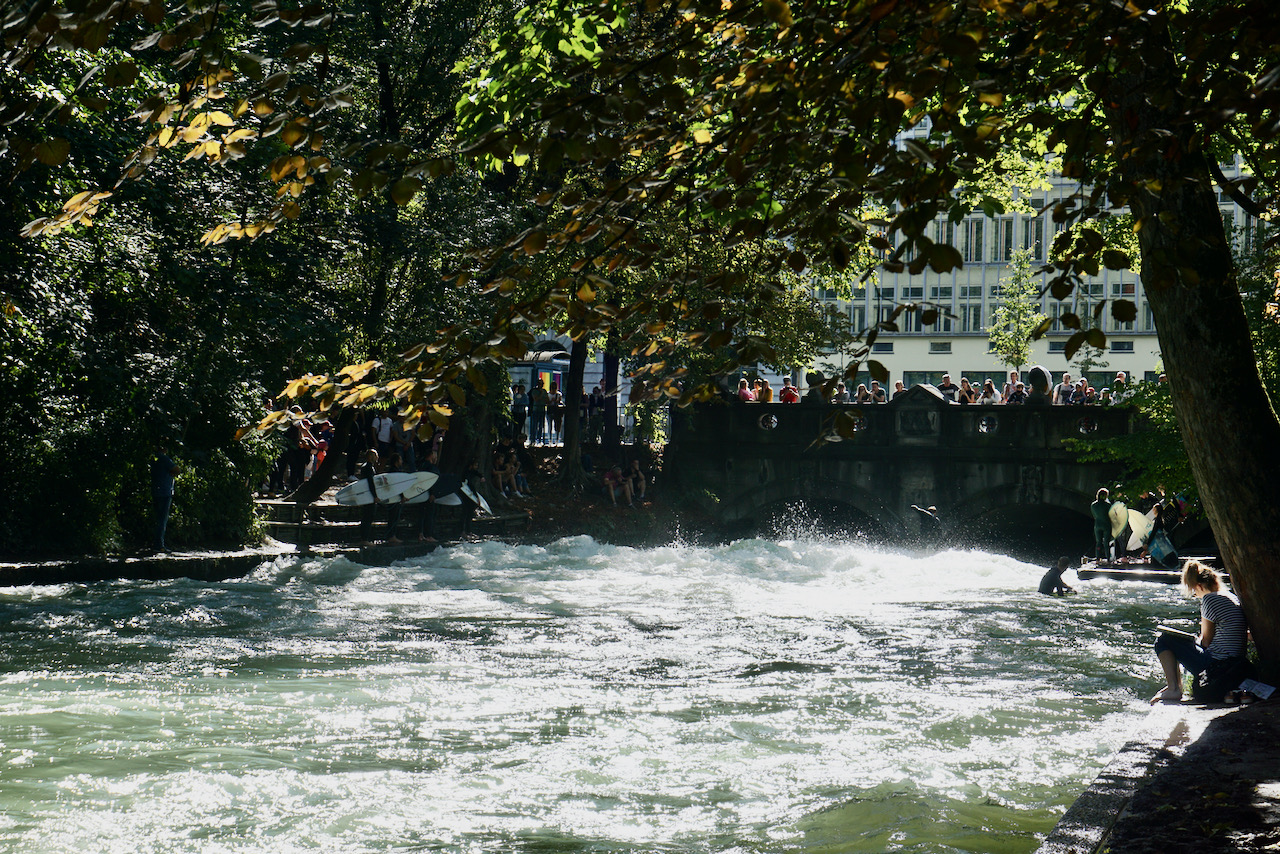
The Englischer Garten is Munich’s largest park and these photos do not do it justice. In addition to being historically interesting, it also held a first for me: Watching people surf in a public park.

But I’m getting ahead of myself. That was the last photo I took on Sunday. Back to the tour on Saturday, which concluded with my favourite part: Viktualienmarkt!

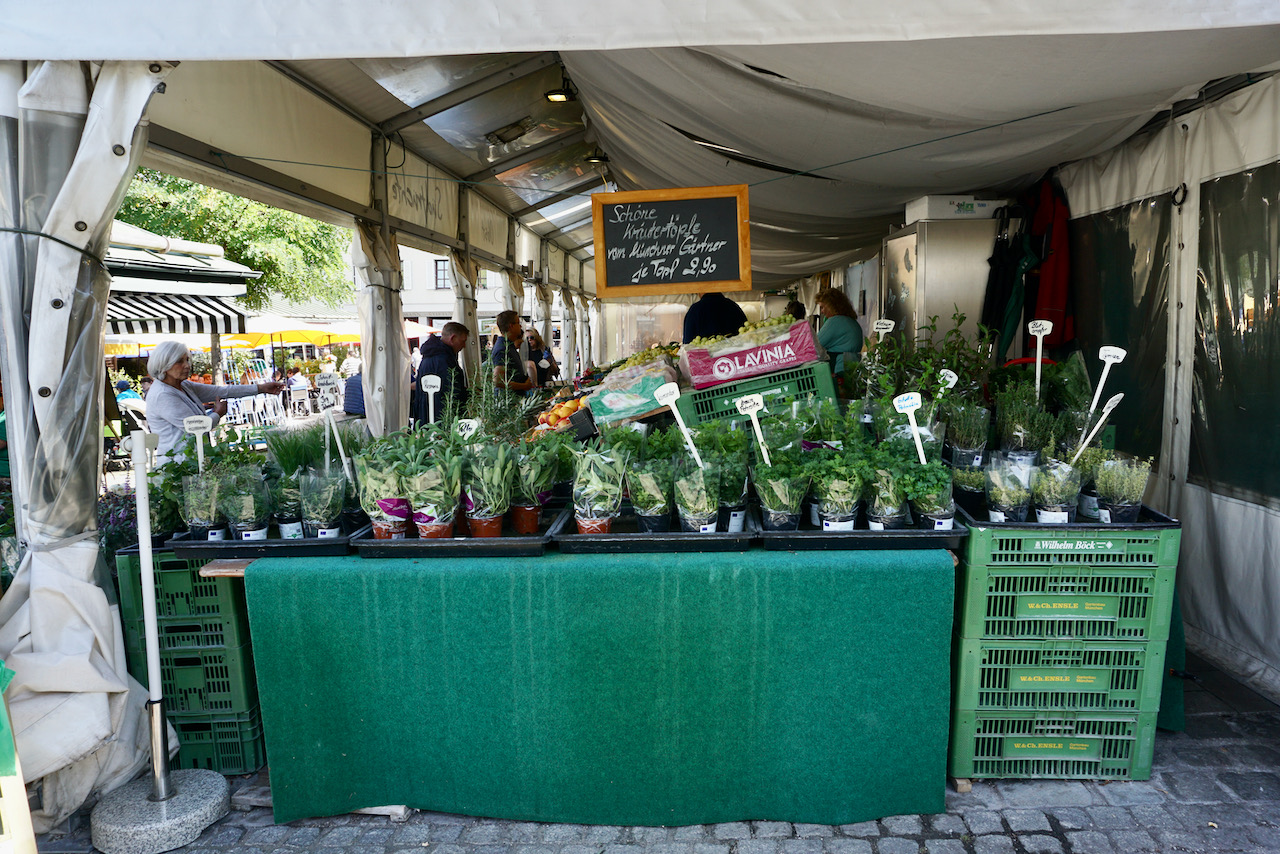
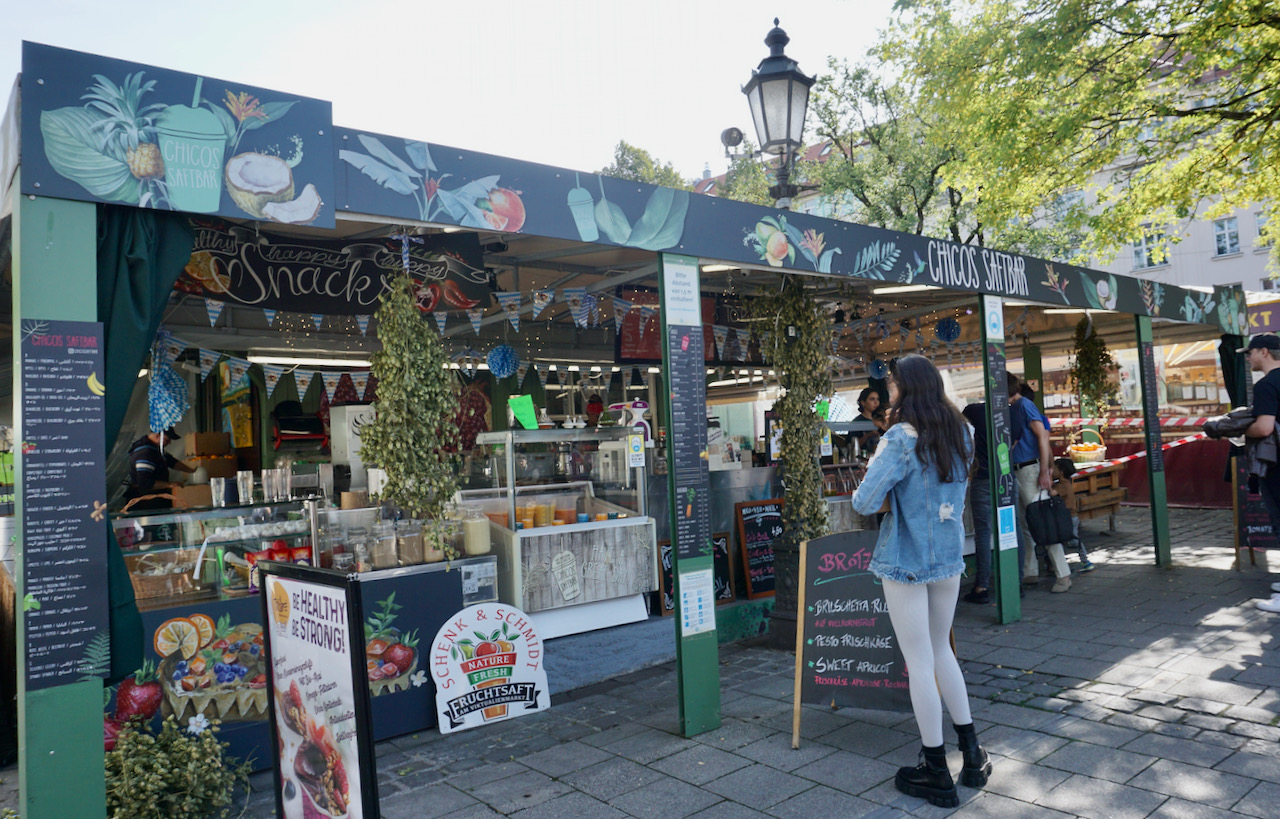
If you’ve followed this blog for any of my travels, you already know how much I enjoy markets. Please feel free to skip to the photos. If you’re new here, welcome! To sum it up, I really enjoy markets. I love the people, the energy, the community built around food. I love the smells and tastes and the fact that everything you purchase comes from a real person who is standing right there in front of you, and who could probably tell some sort of story about what you’re buying. I love the interaction and the camaraderie that comes from watching others and being caught in the act of watching. All kinds of people shop at markets, and markets cater to so many traditions and flavours. One must only glance at the colours, the careful presentation of goods, and the handwritten signs to witness the collective humanity that has created this place. Walking through a market tells us something about the culture of a place and the people who make their home and livelihood there. There is so much to see and so many opportunities to experience something new.

After the tour concluded, I returned to Viktualienmarkt, had something to eat, took some photos, and watched people. Even though the tourist events and big Oktoberfest celebrations were cancelled, it was a treat to watch people going about their business in Drindl and Lederhosen, and then joining their fellow Bavarians at the many beer gardens and beer halls. I did my part by sampling kaiserschmarrn and pretzels with obatzda in my breaks from wandering around.

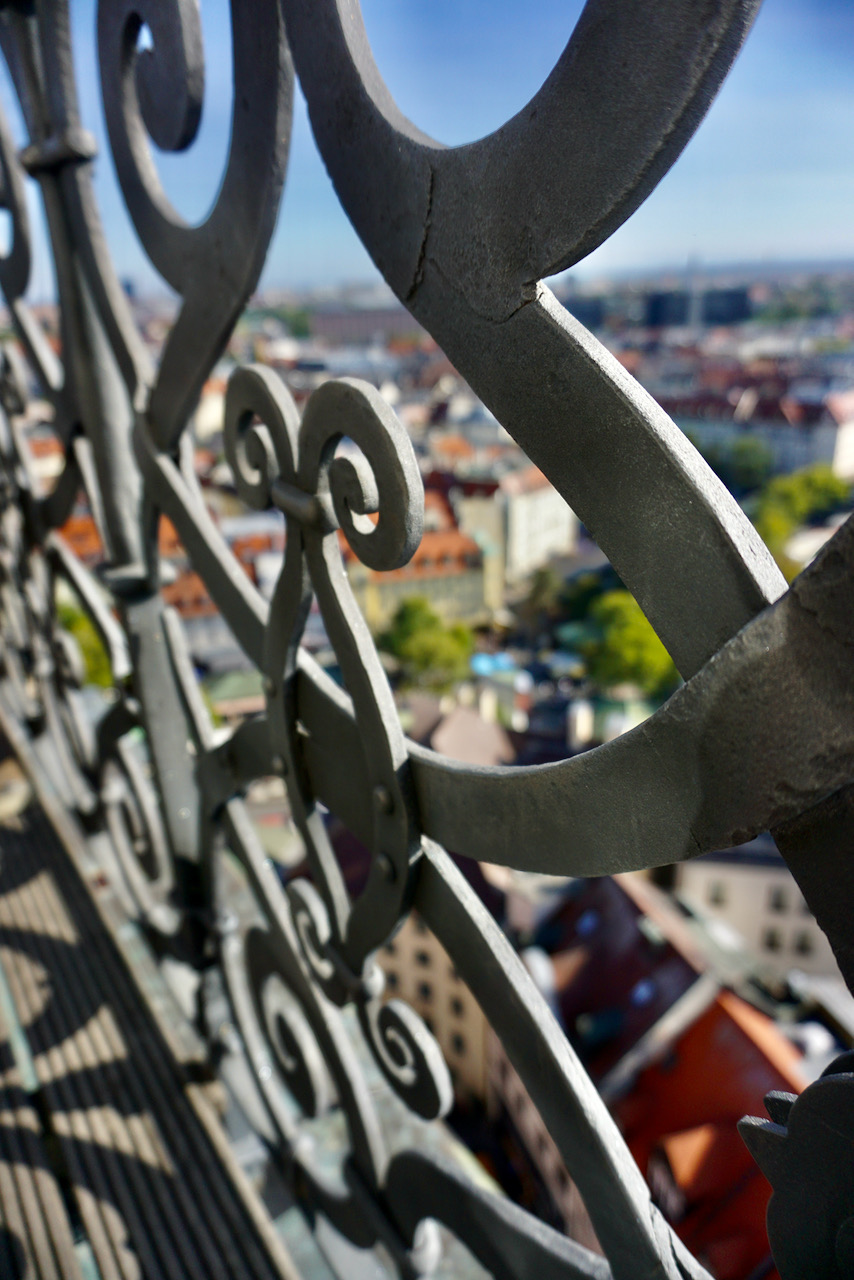
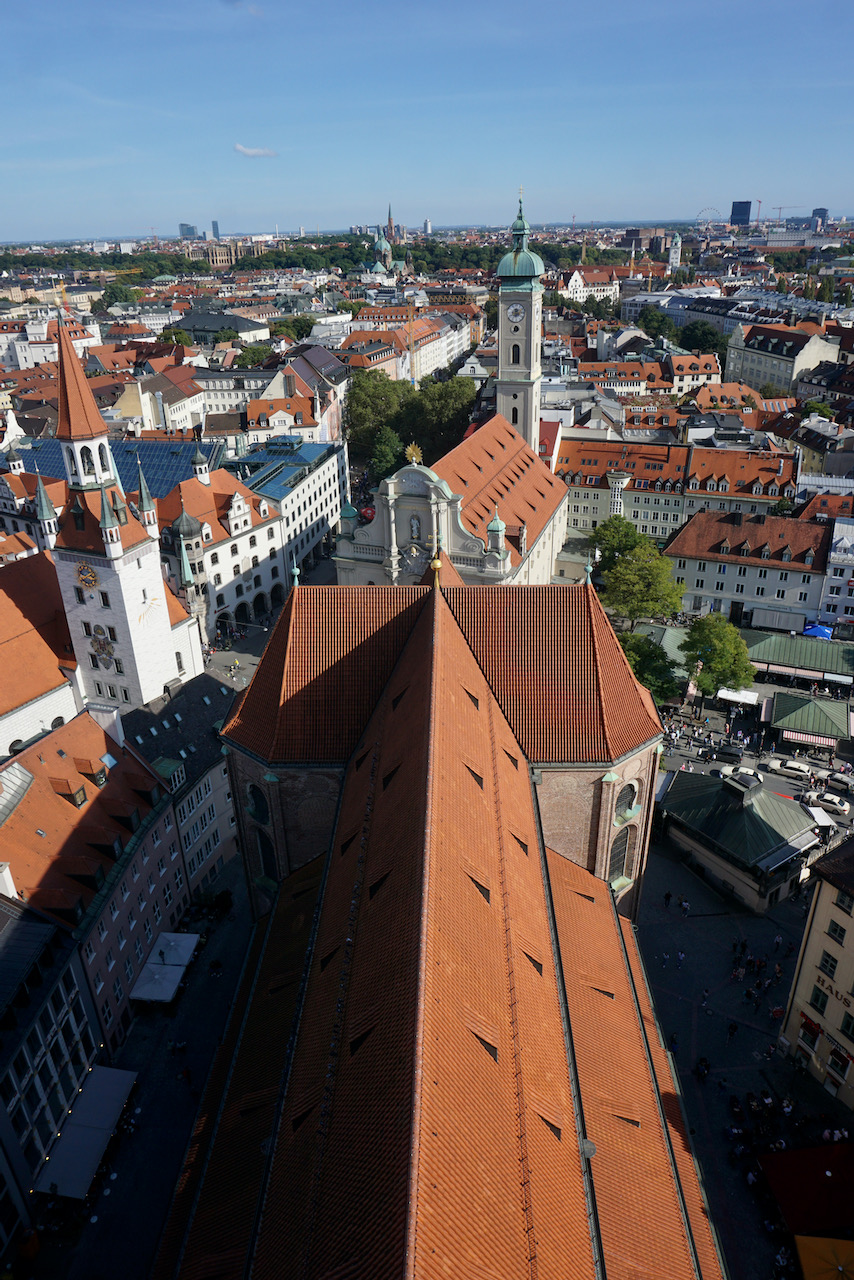
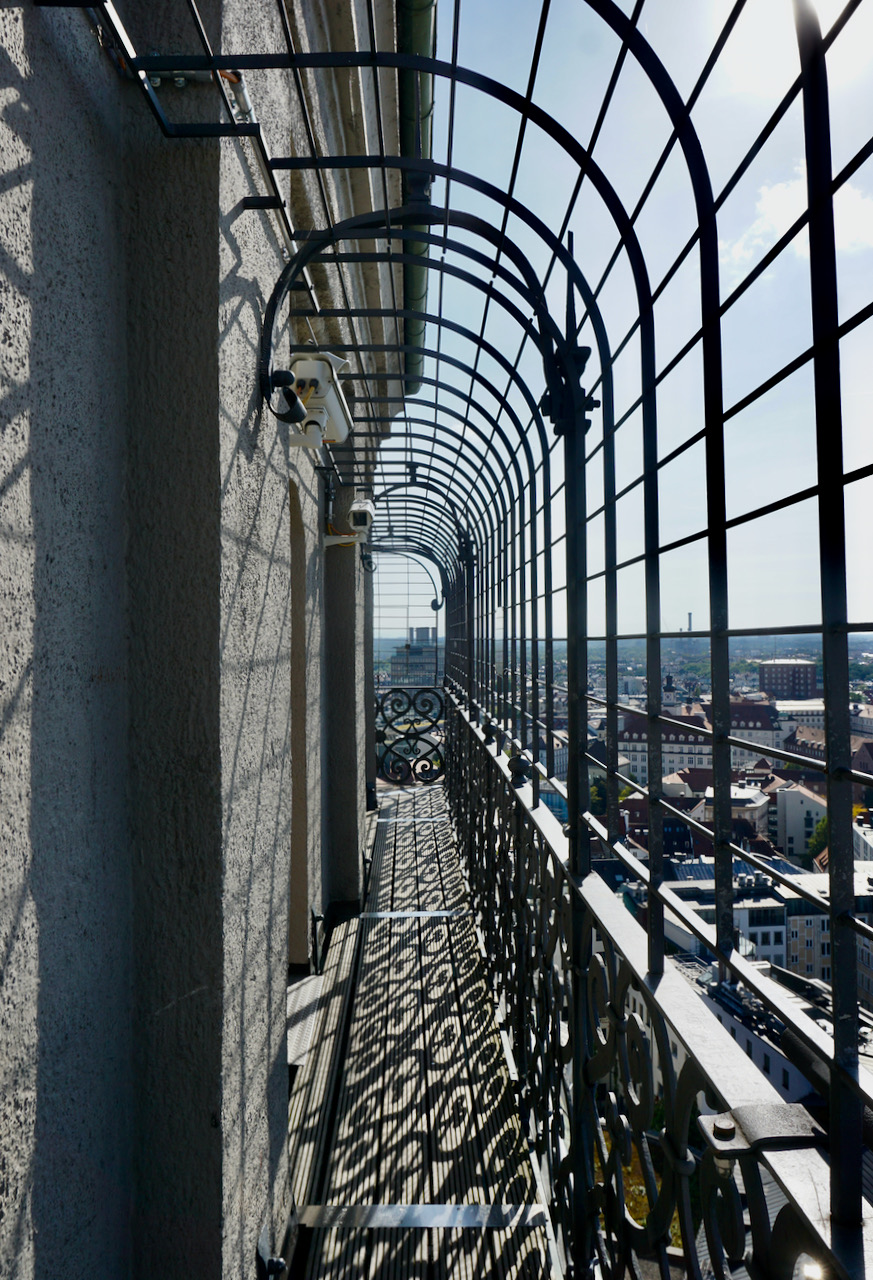
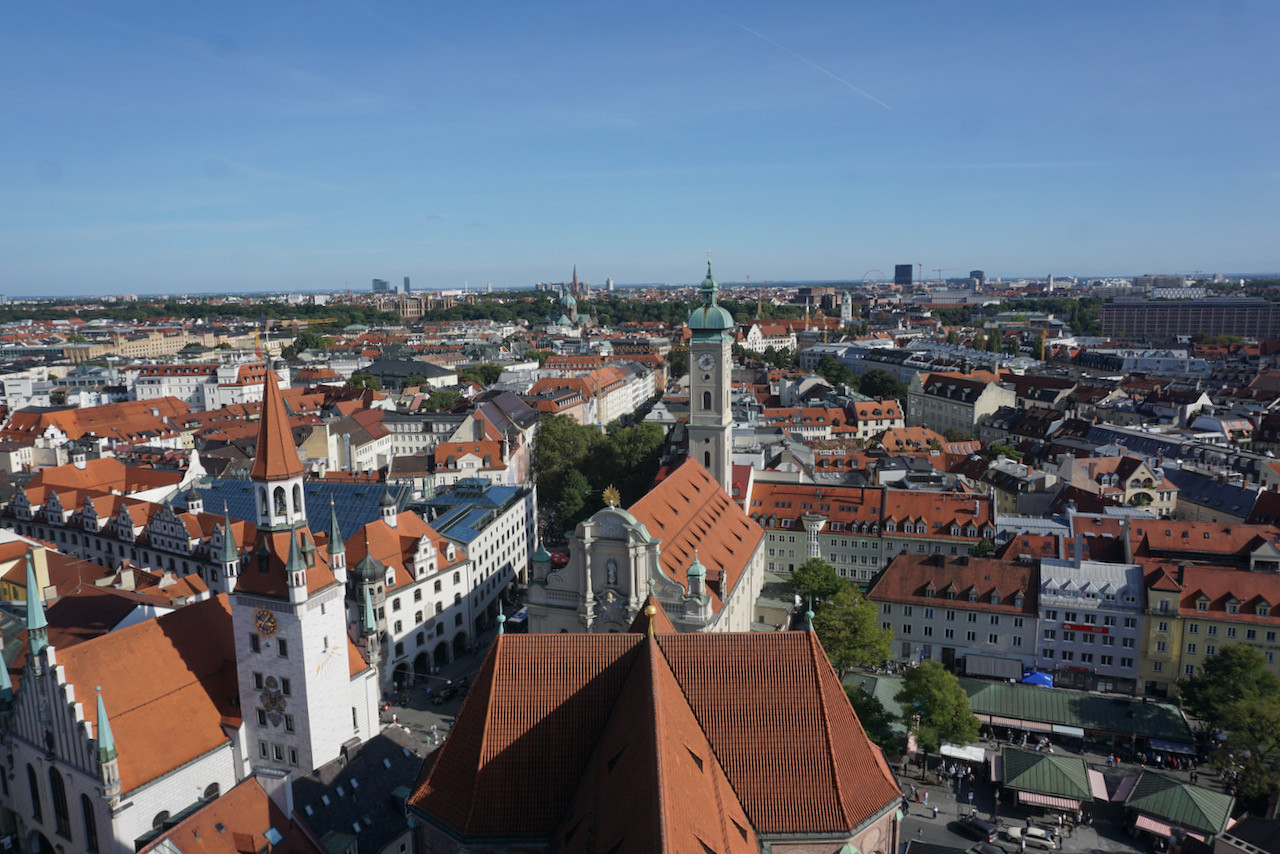
My Oktoberfest experience came later, however. Due to the beautiful weather, I was determined to remain outside as long as I could. This first meant standing in line to climb the tower at Saint Peter’s Church. I do enjoy a good church tower for a view and the passing people, many in traditional clothing and having a good time, provided plenty of diversions. Half an hour in line and about 300 steps later brought a wonderful view. People had said you can see all the way to the Alps and they were absolutely right.

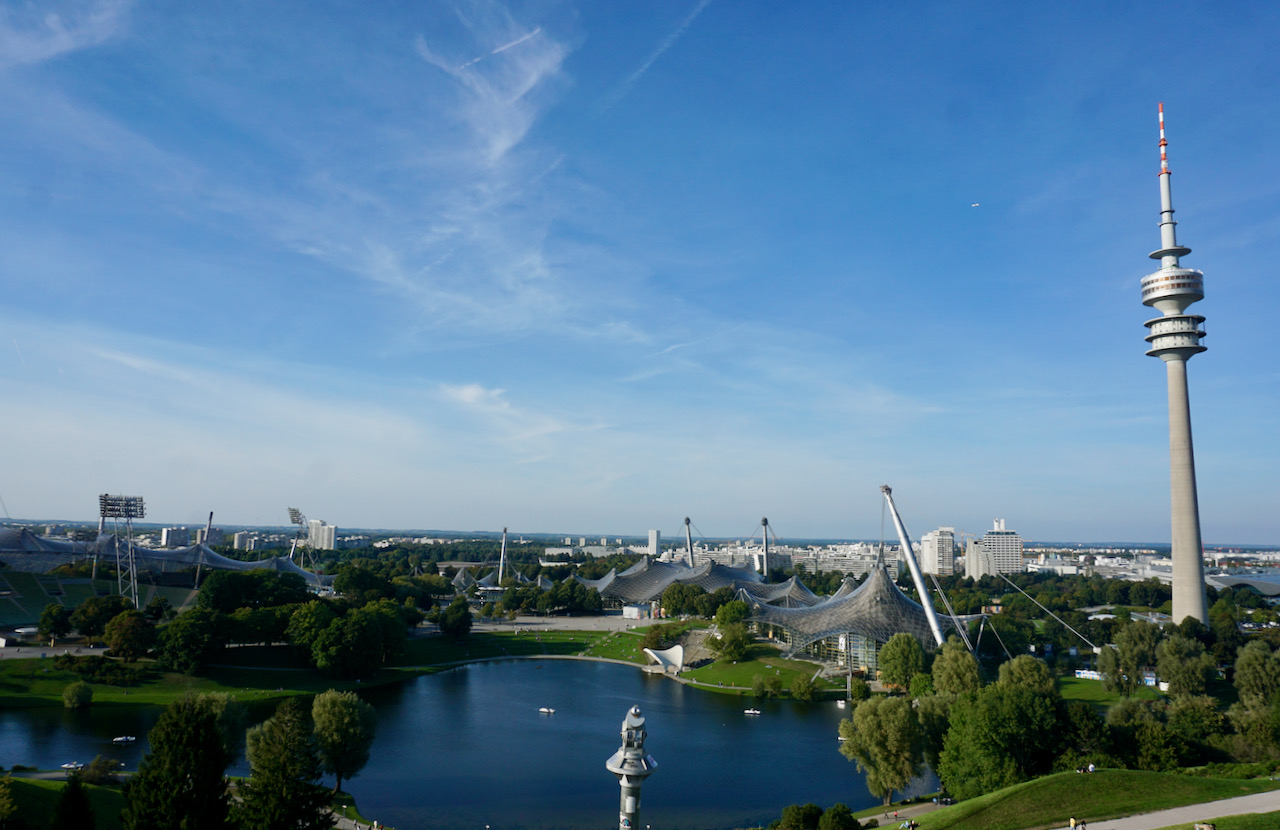
Later that afternoon I went out to Olympiapark, both for the walk and the view. Munich is a city full of parks and I was so glad to see people enjoying the weather and one another. I was also glad for so much greenery in a city! That being said, Munich is far from crowded and congested. With a population of about 1.5 million people, it is affectionately referred to as a “large village”. I cannot imagine this place with the 6-7 million visitors that come for Oktoberfest during a normal year, and I’m honestly not sorry I missed it.

Which brings me to . . . Oktoberfest!

The friend who offered suggestions also provided a list of her favourite beer gardens and I tried, I really did. I’m not one to shy away from being alone in public places, but the essence of beer gardens and beer halls is that you sit down at a communal table, introduce yourself, and enjoy your time there. This was an uncomfortable thing to try alone, even though I found plenty of single seats when I looked around. Since beer in Bavaria brings people together, I was not inclined to take the communal out of it. And I had no intention of attempting small talk in German while everyone else was at a party.

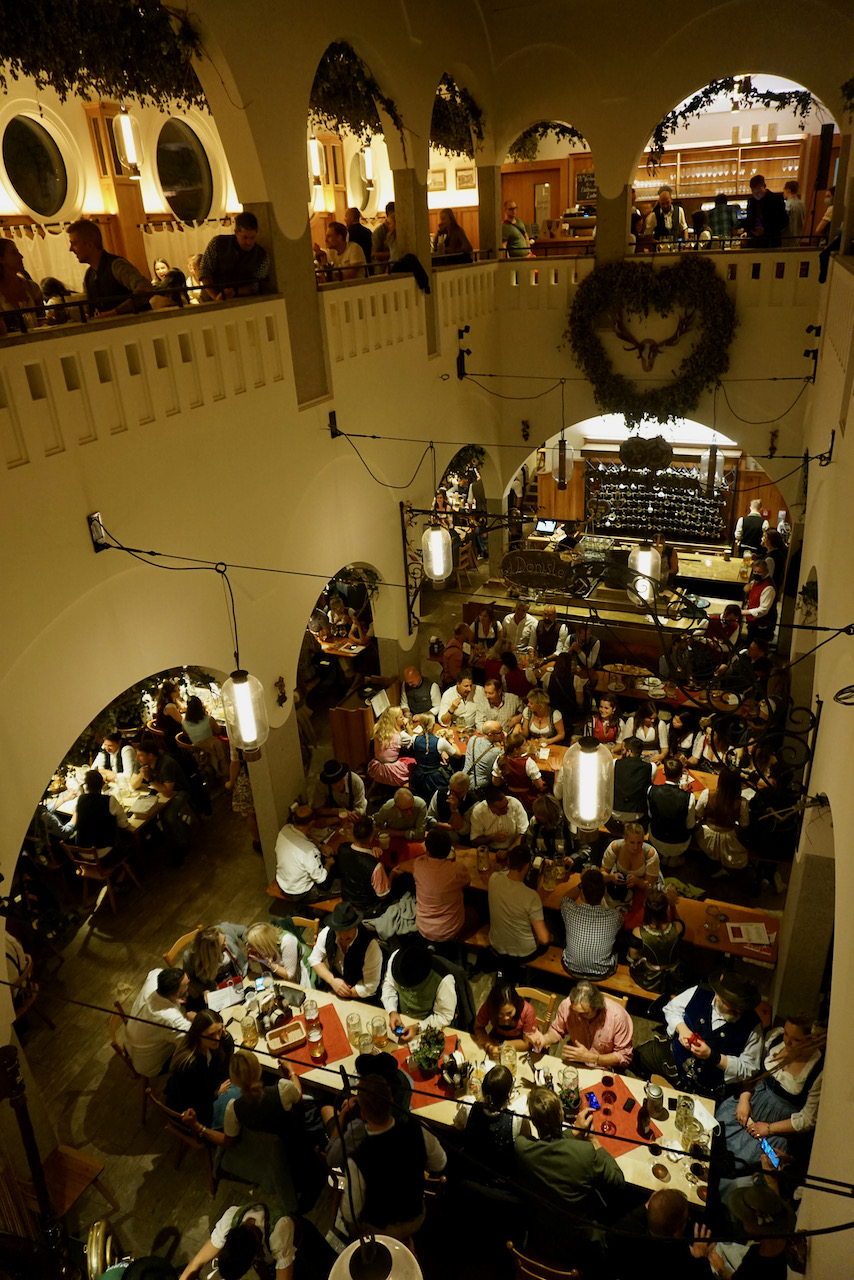
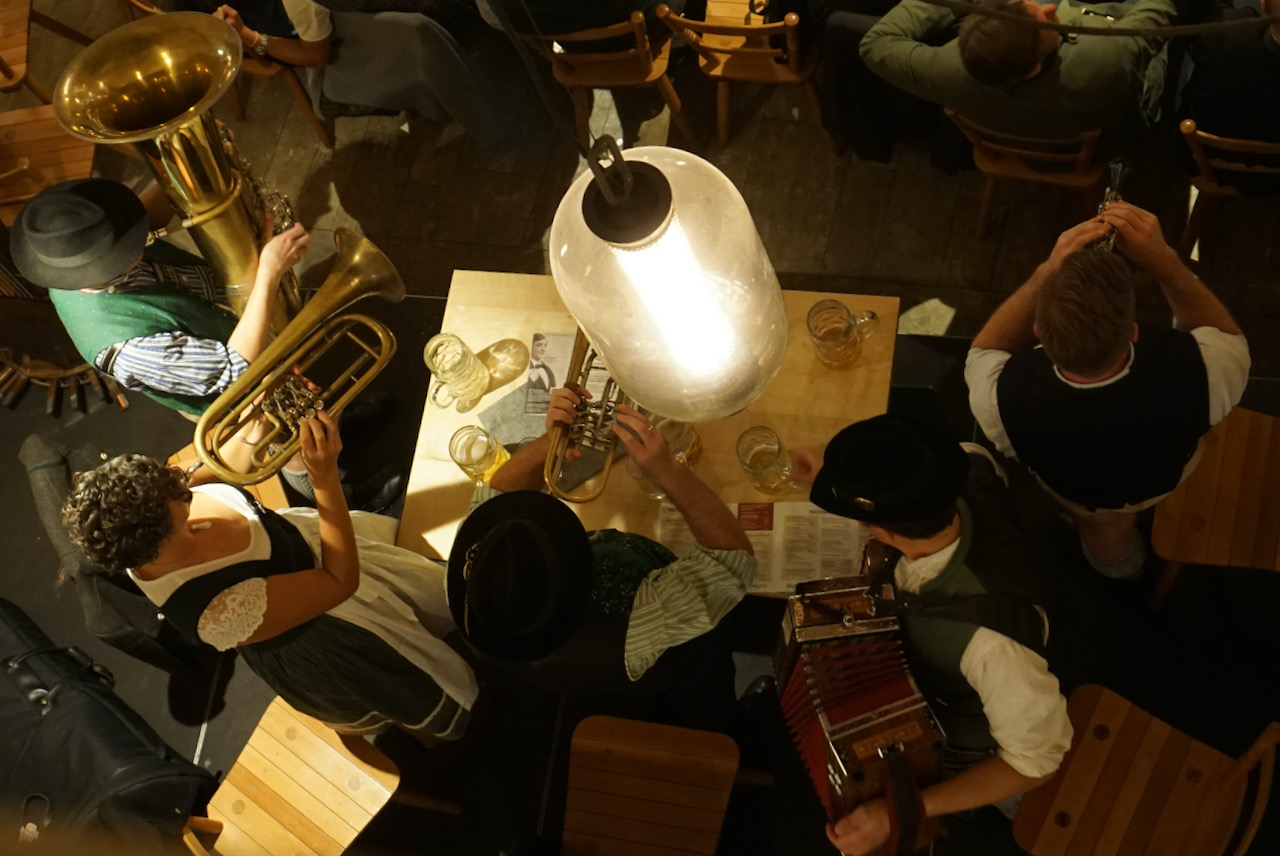
And then I got lucky. I had given up on a beer garden and decided I’d have a drink outside and watch the world go by. But then I heard music and the man at the door directed me up the stairs to the drinks-only open-air balcony above a beer hall. I found a spot by the railing and laughed out loud. The music, costumes, food, huge beer steins, the noise, laughter, drinking songs: It was just like the movies.

I was in Munich for a real Oktoberfest because a concert and the tourist parties were cancelled. The world works in strange ways, and this one treated me very well indeed.

The next morning, I headed to a vegan café for brunch and then continued wandering in the sunshine, visiting some of the same spots I had been to the day before. I redid some photos and wandered through more of the Englischer Garten than I had first seen, and then it was time to go. I still have a list of places to go and foods to try, and it’s only three hours away; I suspect I’ll be back.

Travel Guide: Leipzig

Many years ago, so many that I don’t remember quite when it started, I fantasized about moving to Europe and travelling around by train. Each time I have had the opportunity to sit on a train with a book in my hands and watch the world go by, I have smiled at the hopes and dreams we have when we are young. And then, this time, it happened: I have moved to Europe and I was travelling by train.
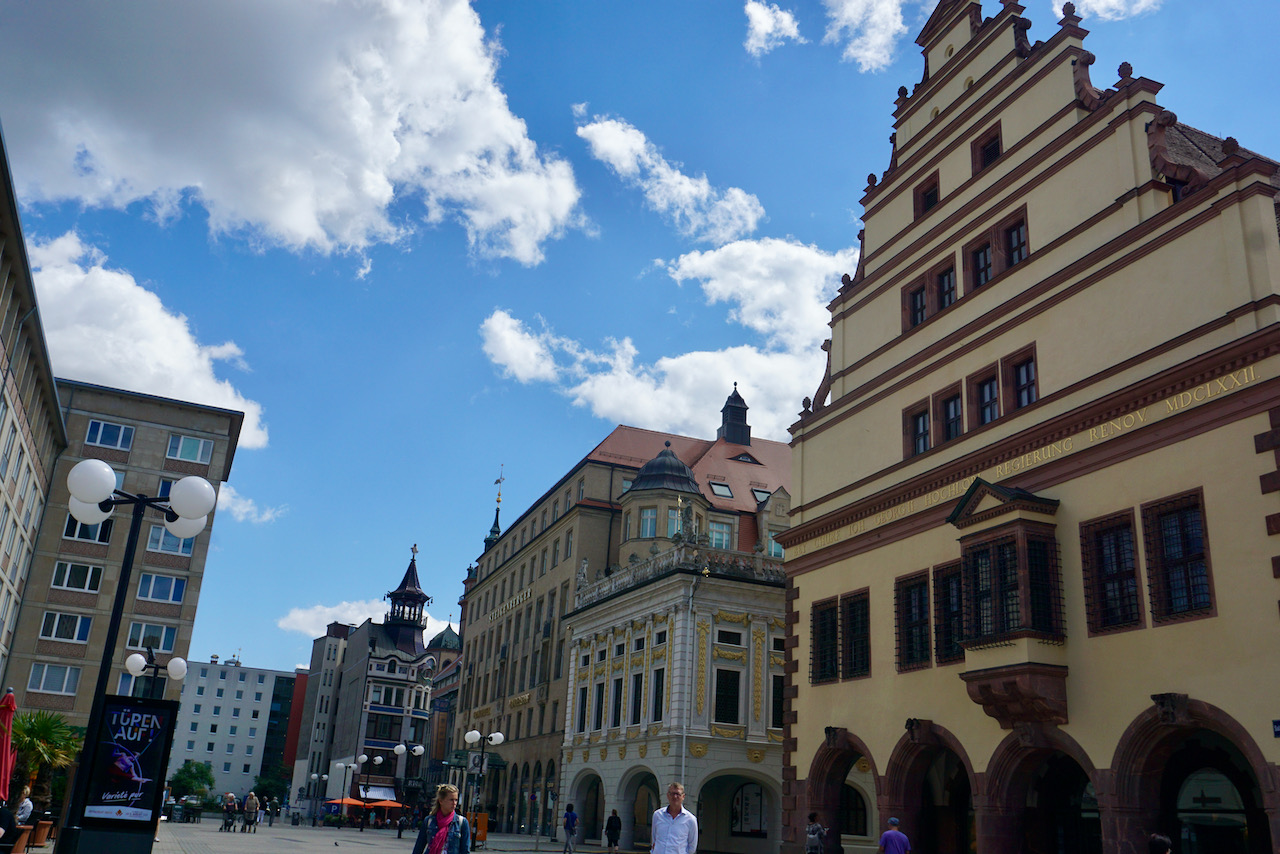
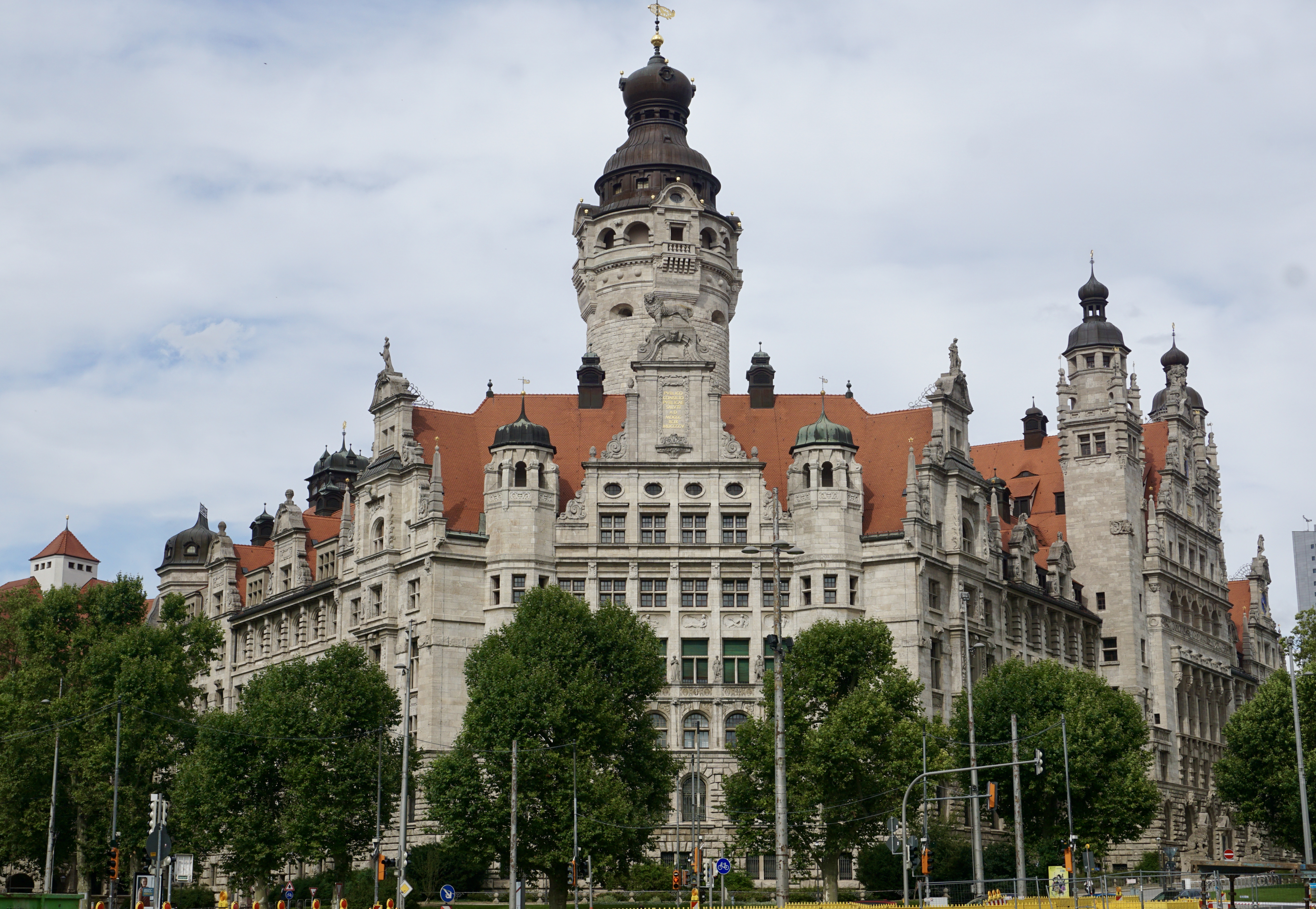
Located in the state of Saxony, Leipzig was first known as a merchant town in the Middle Ages. It later became the centre of East German life after the Second World War, and is now a home for history and culture, telling a story a thousand years old. It’s an hour and twenty minutes from Weimar on the regional train (no changes) and slightly faster with the ICE train (but there’s a change in Erfurt). A city of 600,000 people, Leipzig made for a nice change of pace and far broader food choices.

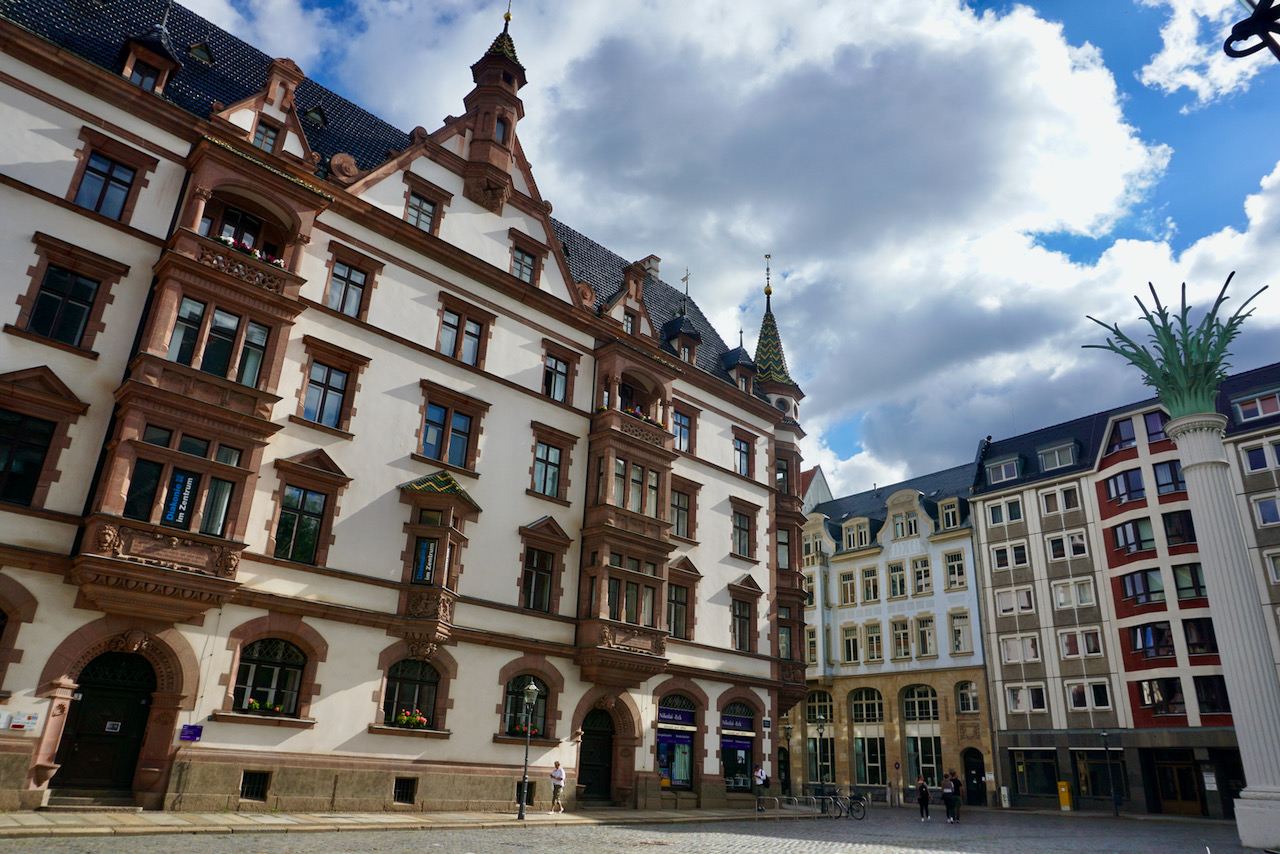
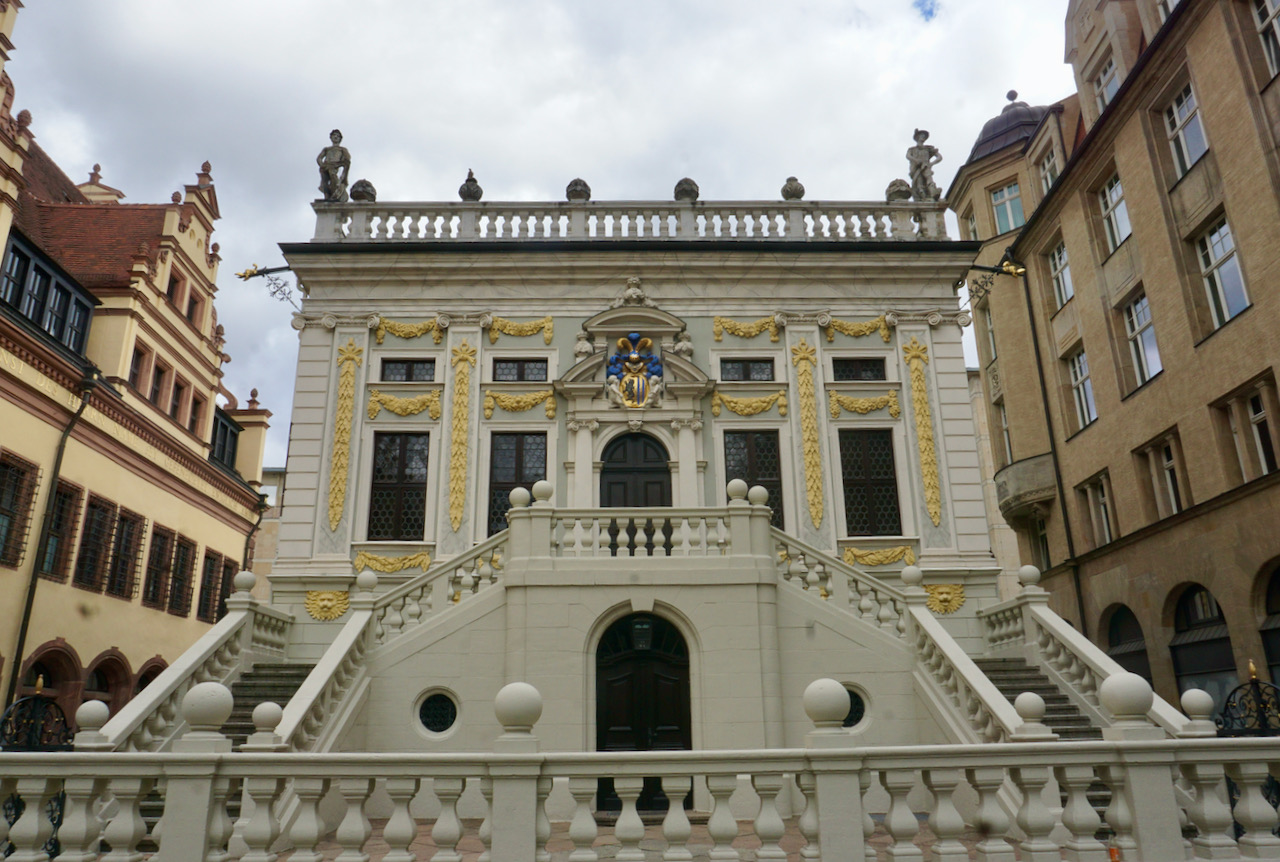
I left early and arrived just after 9am, which gave me time to get a coffee and something to eat before joining the free walking tour (I have so many good things to say about this in so many cities). It’s always a pleasure to wander, but wandering becomes something different when you know what you’re seeing. I will not relay the history of Leipzig here, but I will say that much of the old town has been reconstructed because two-thirds of it was destroyed during the war.

Leipzig University is a good example of the story architecture can tell. There was once a church here, the Paulinerkirche, which was destroyed in 1968. The reconstruction pays homage to what was while honouring the different values university communities often hold today.

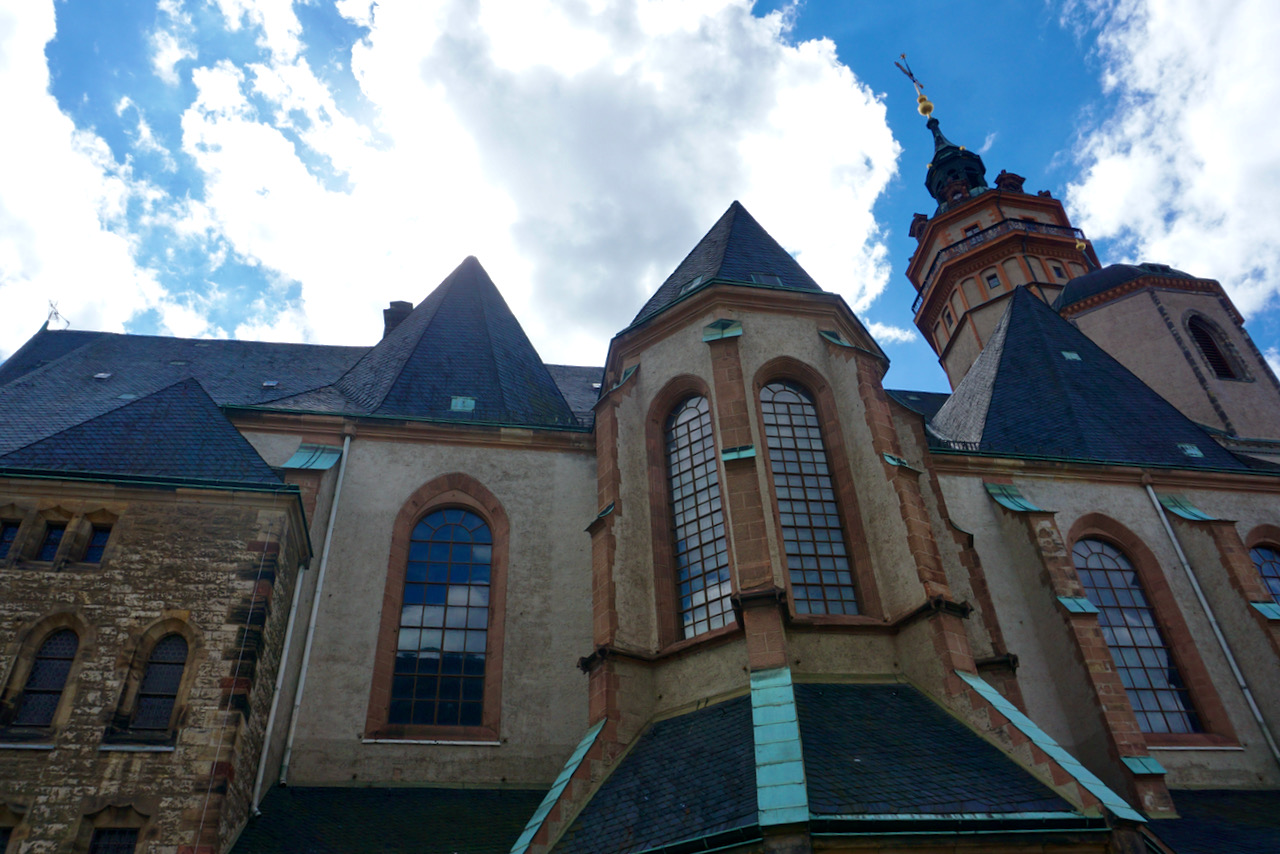
Another prominent church is Nikolaikirche, which I came across on my own before our tour guide explained Leipzig’s experience as part of the German Democratic Republic (former East Germany). It made my heart soar when I first saw it, and even more so when I learned that this church was the site of the peace marches that signaled the end of communism and the beginning of a new era of life and politics. I have a great appreciation for any religious community that stands for what it preaches – justice, peace, and a better world for us all.

This mural tells the story better than I can:

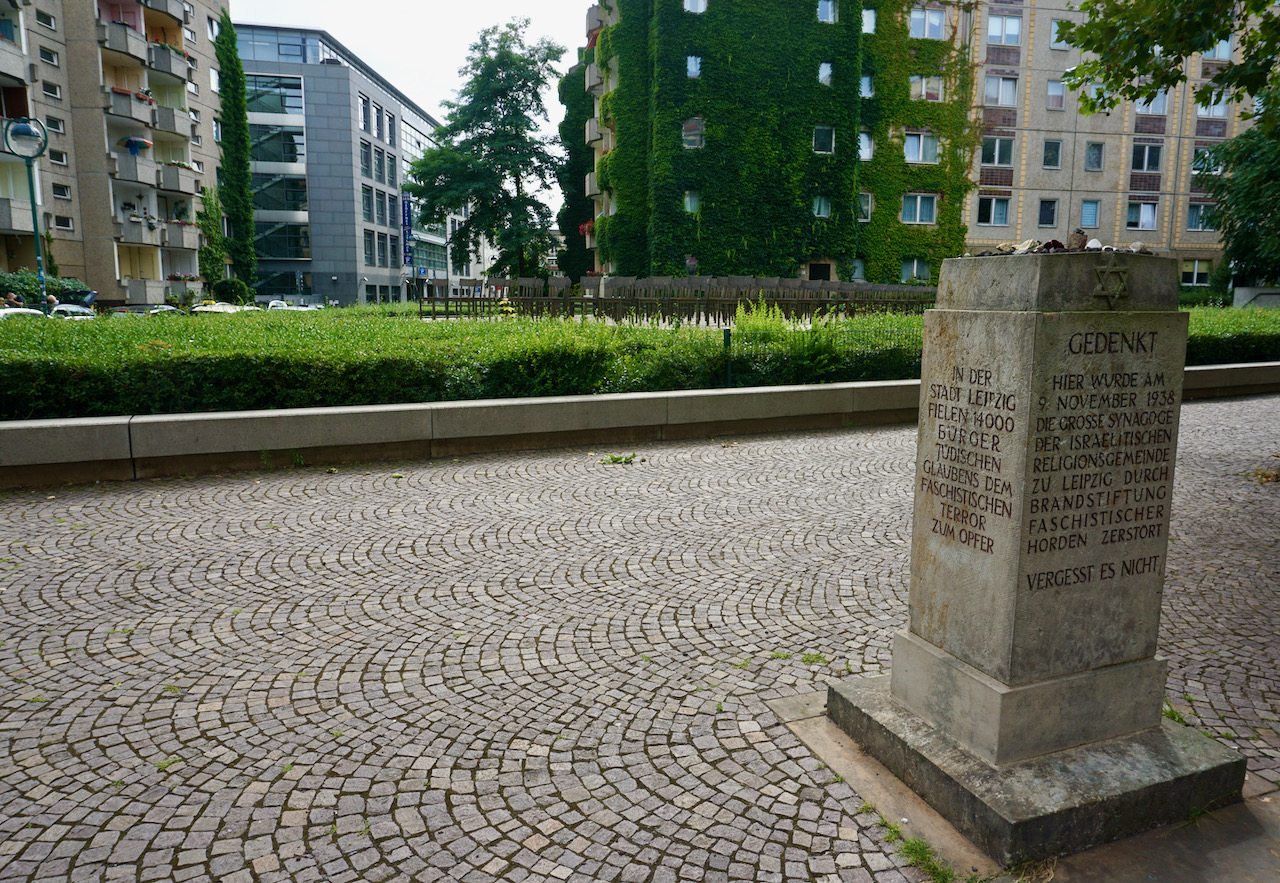
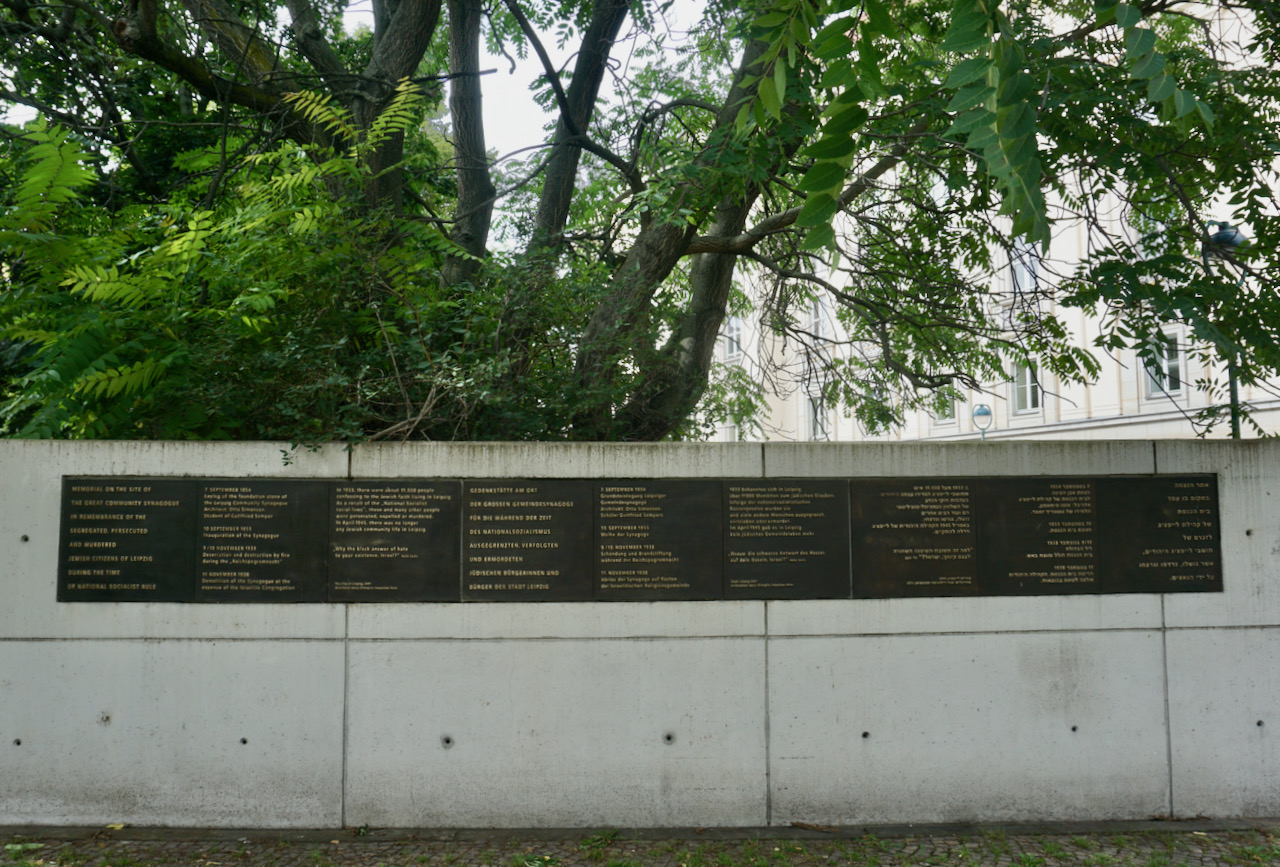
Through a discussion with the tour guide, I learned that Leipzig has the largest Jewish community in central Germany and that there is also a tour of Leipzig’s Jewish history. I will have to return for this because it’s only offered once a month, so in the meantime I walked over to the Holocaust memorial. Situated on the site of the old synagogue, this memorial brought to mind not masses, but individuals. The modern restaurants and apartment buildings surrounding it demonstrate what I continue to find the most fascinating aspect of humanity – the world turns and life goes on.
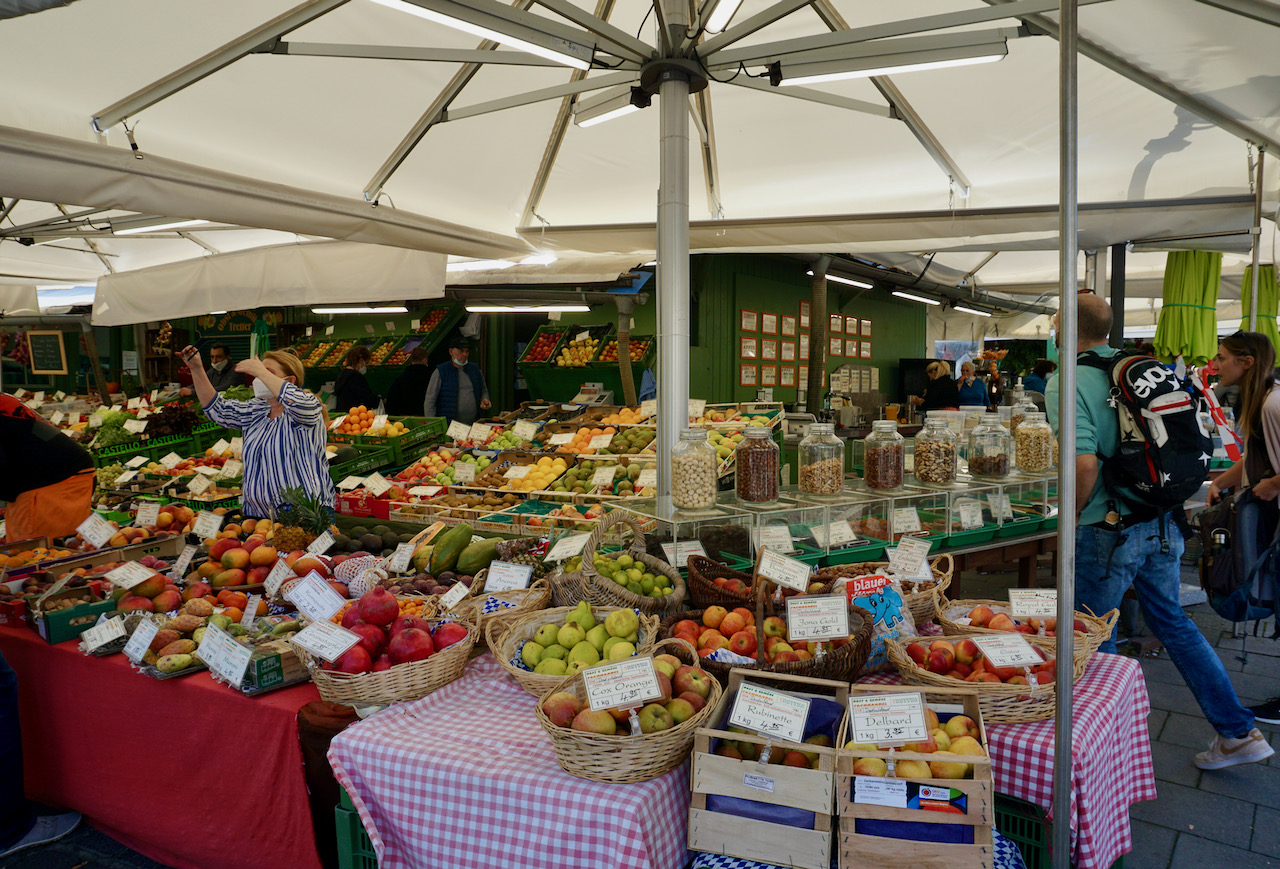
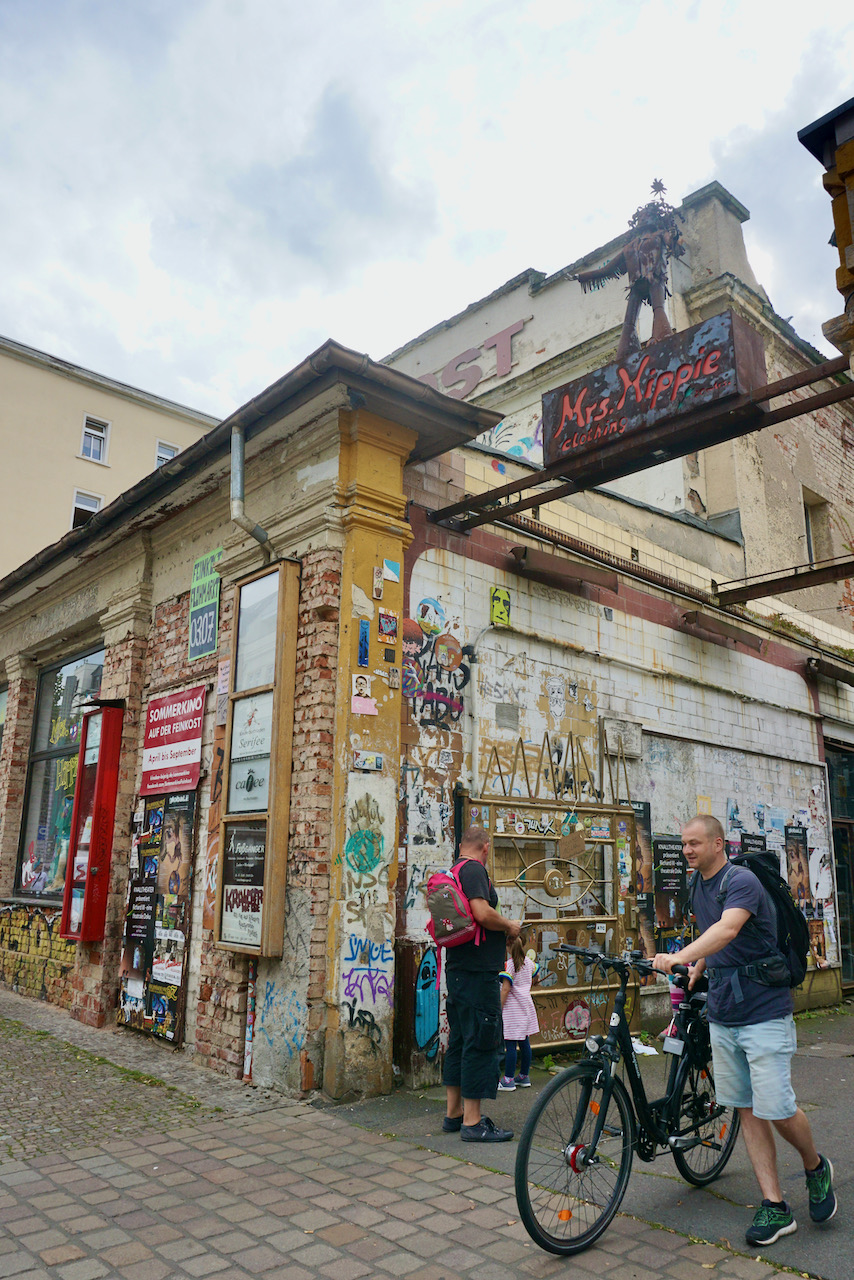
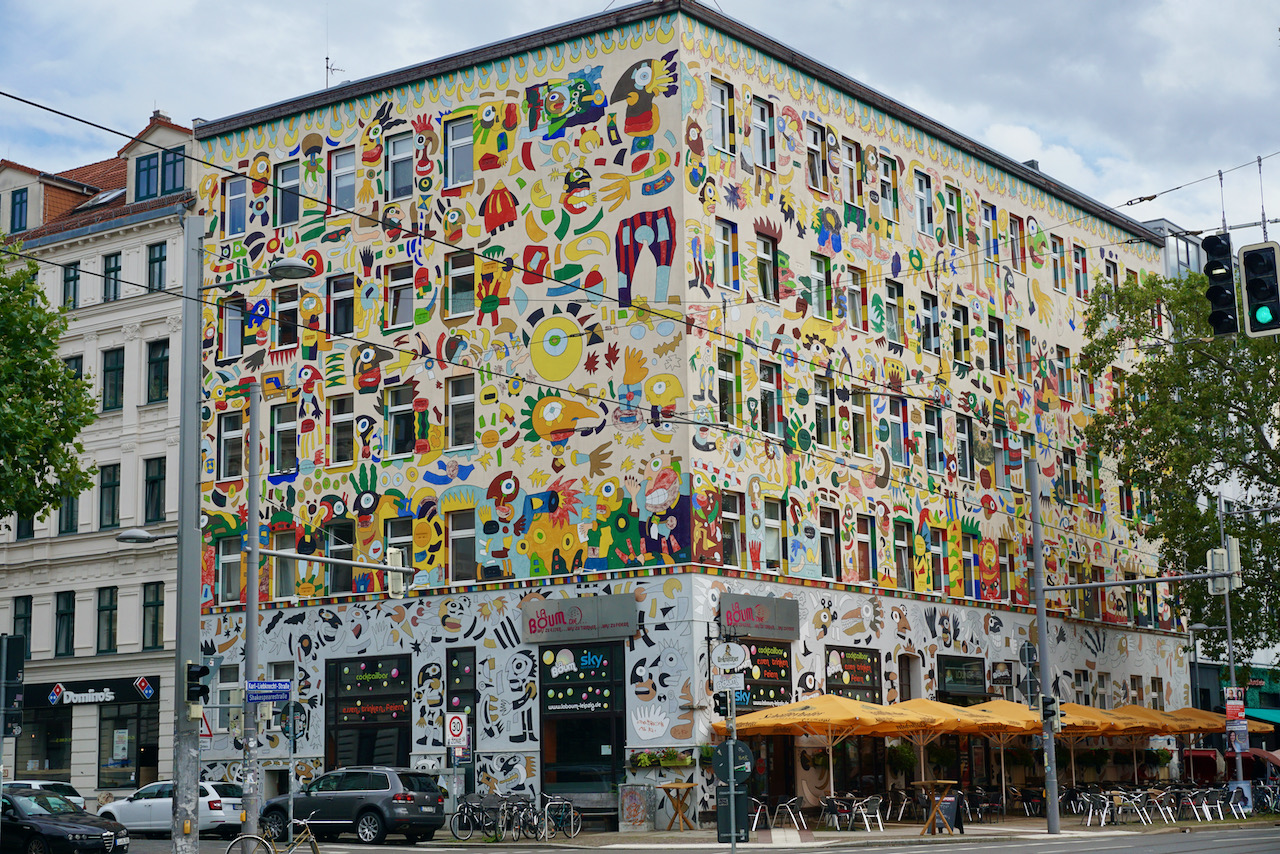
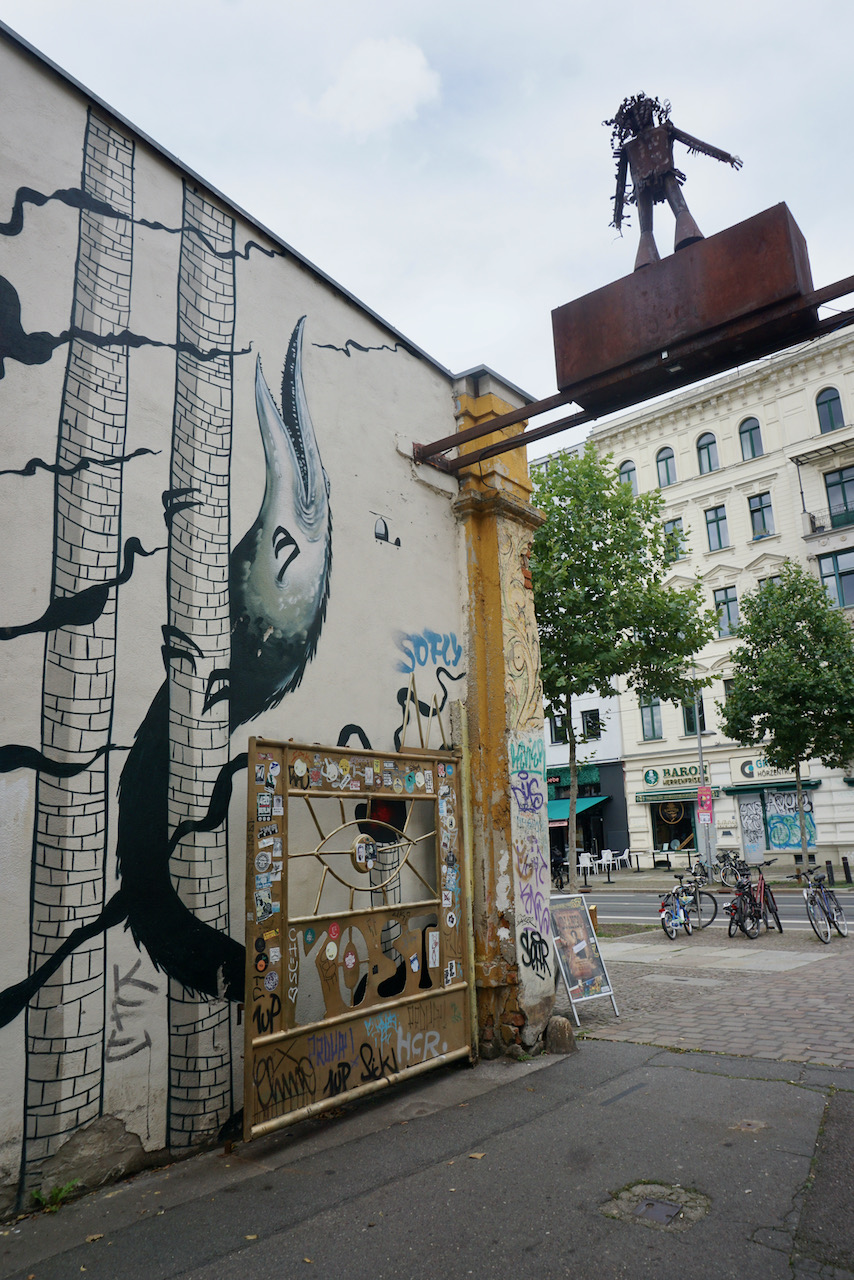
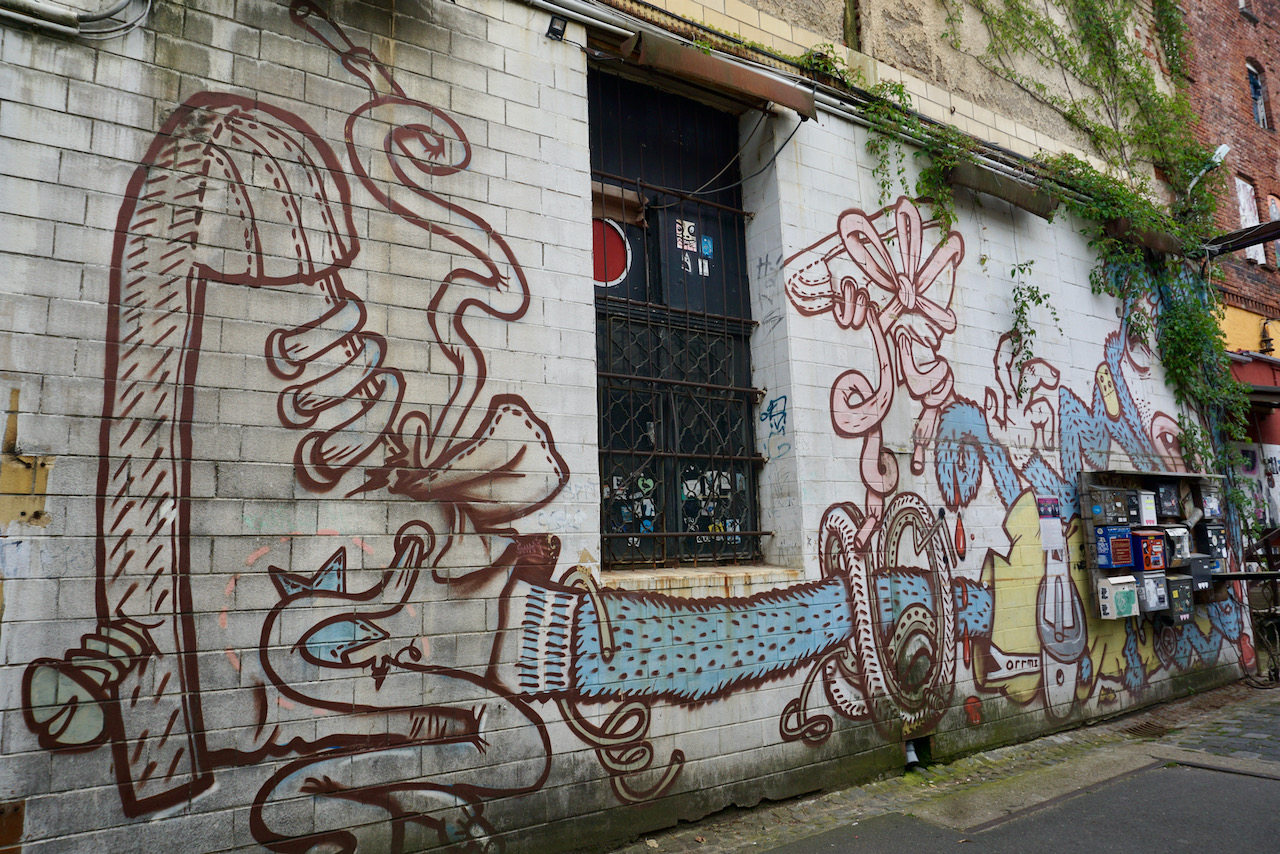
Later in the afternoon, I walked south into a neighbourhood called KarLi, nicknamed for its main street. It did not surprise me that this is where many students live. Students have a way of developing areas to suit them, or perhaps it is the neighbourhoods themselves that have called students there. I currently live in a student neighbourhood and while my annoyance at their penchant for late hours is a clear reminder that I have left that world behind, I am grateful for the positivity, energy, and spirit that comes from being young and imaginative. These are, after all, the people who make the world go round.
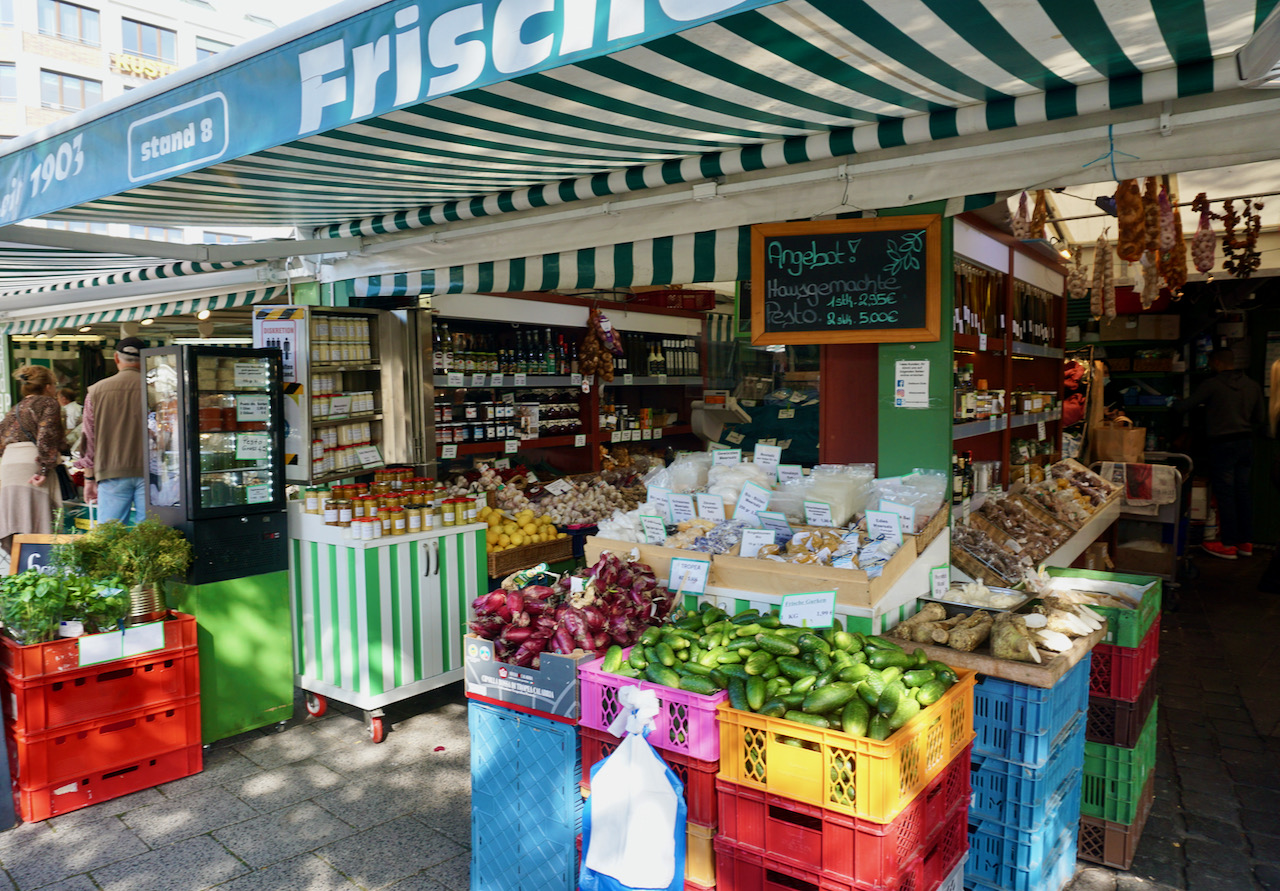
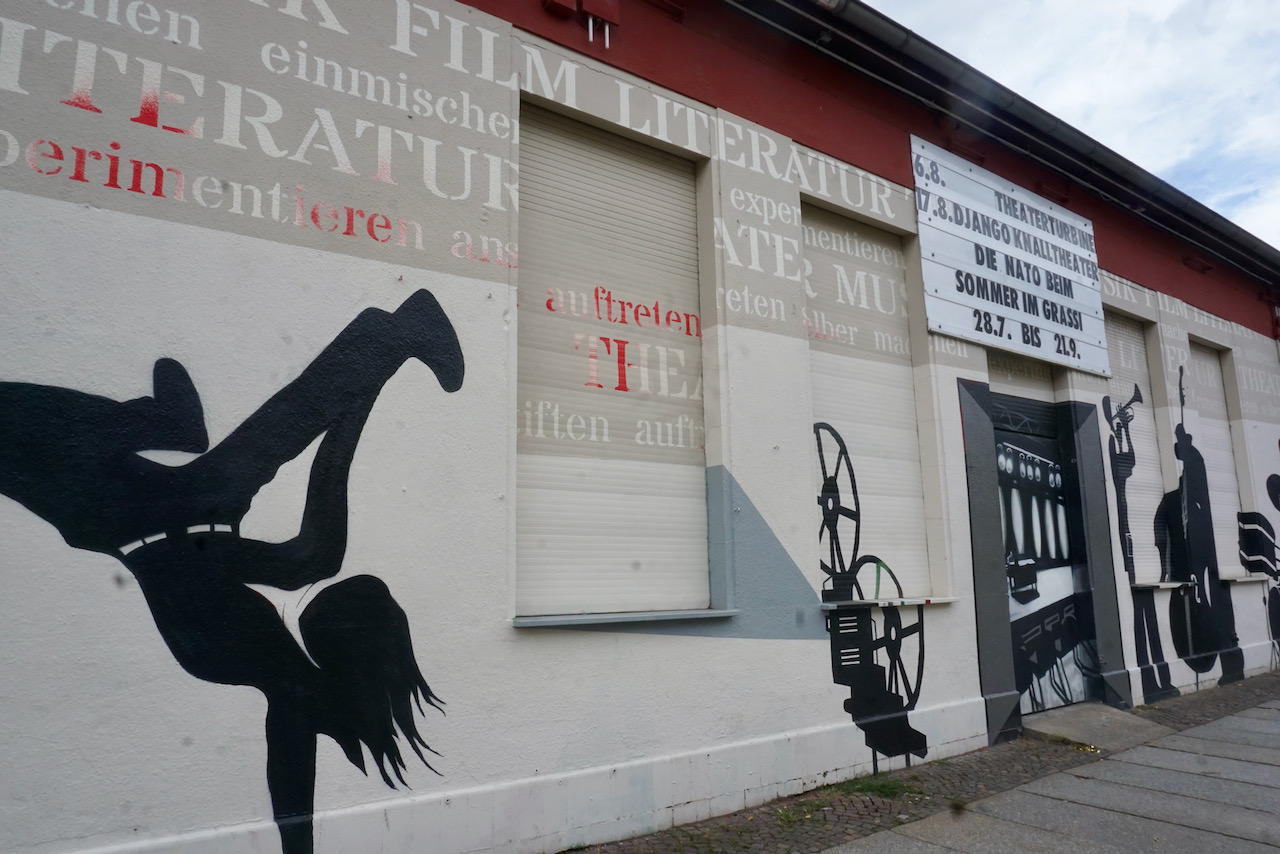
I saw many examples of activism throughout Leipzig and that was heartening. There’s a lot to be active about right now, and while I’m aware that actions speak far louder than words, most actions begin as words. Even a whisper is better than standing idly on the sidelines.

My time in Leipzig lasted just over 24 hours. I was glad to be around more people, hear more languages, and taste different food. I appreciated the time in a new place, the ease of travel, and the excitement of learning something new. Leipzig is just down the road and there’s a literary festival in March – I suspect I’ll be back.