Tag Archives: Architecture

Travel Guide: Marrakech

Both my partner and I have long dreamed of going to Marrakech, and this seemed to be a good point in our lives to make that happen. After consulting with friends who had lived in Tangier, we had a sense that this would not be our only visit to Morocco, and this feeling only intensified after our three nights in Marrakech. We’ve both had the fortune and opportunity to see a bit of the world and neither of us have ever been anywhere quite like Marrakech.

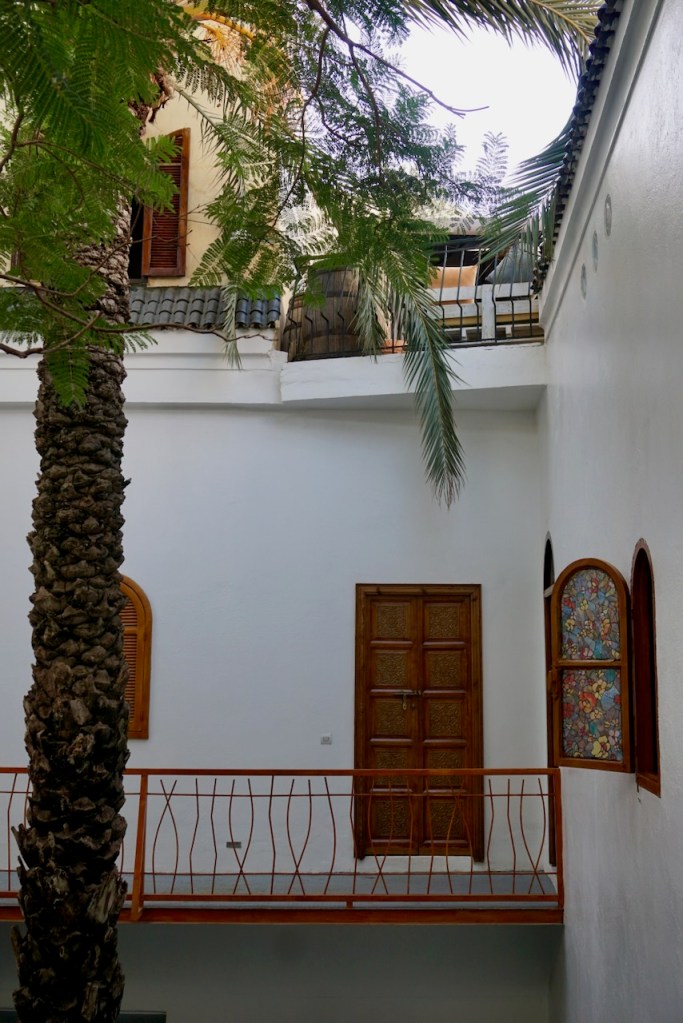
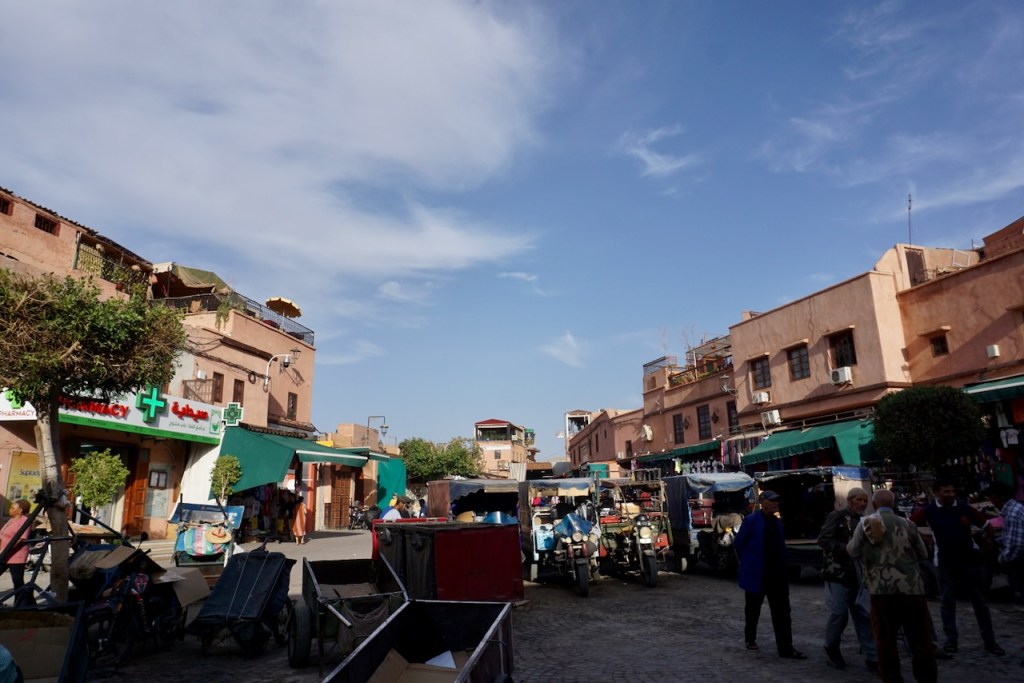
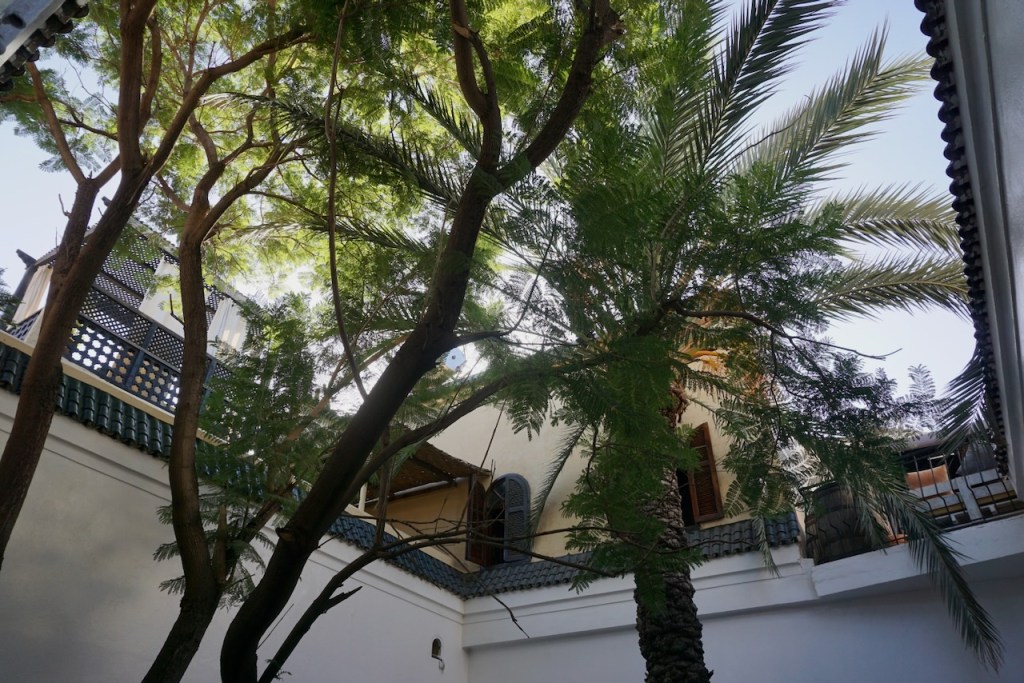
Upon landing in the late afternoon, we took a bus from the airport to Jemaa El Fna, the main marketplace in the old city, or medina, of Marrakech. From there, we navigated twists, turns, bikes, mopeds, and donkeys before arriving at the alley that we would have missed had we not been looking for it. A few twists and turns later, we entered our riad, the guesthouse build around a courtyard that would be our oasis during our visit. Riads are quiet havens that have existed for centuries as family homes; the windows face the courtyard, so there is practically no noise that comes in from outside. Ours contained, as is traditional, a fountain of running water and a good deal of flora, including a date palm that was home to a family of birds. No alarm clock needed, assuming you’ve slept through the call to prayer that comes in the middle of the night and then earlier than the birds. (Spoiler alert: You haven’t slept through anything, but it’s all rather charming.)

Breakfast was served on the rooftop terrace and the suite that we booked (yes, we went all out for this one) included a living room and a sitting area in the airy corridor. We were served sweets and mint tea on arrival, and we knew we were in a different world.
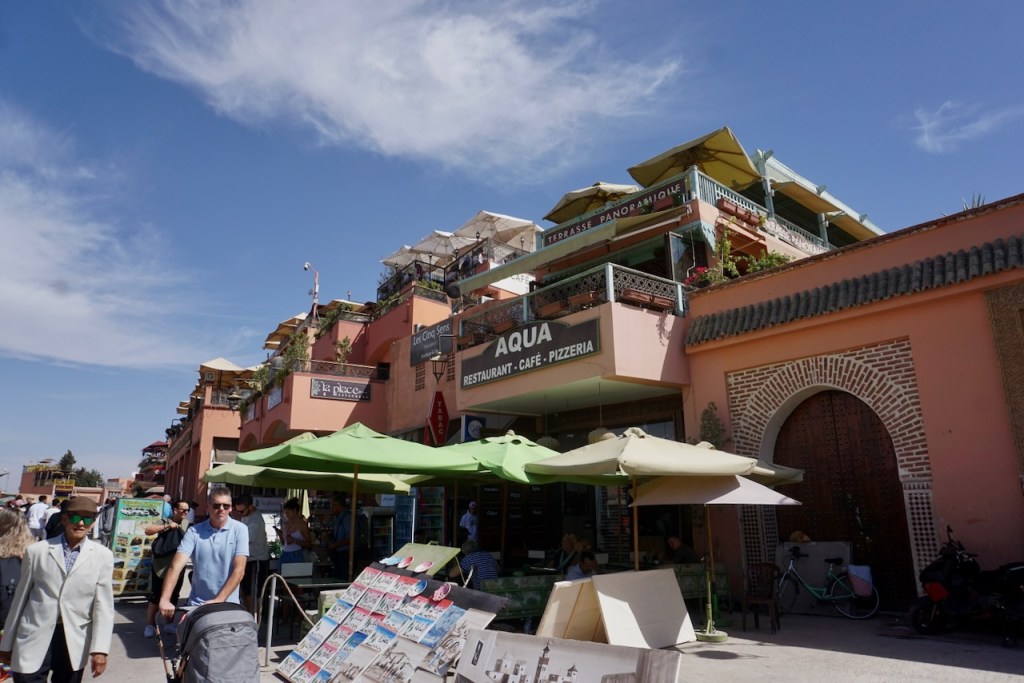
As we would learn, rooftop eateries are common and we intentionally sought them out.

We could usually see cats, a common feature of Marrakech, jumping around the rooftops, and while they are very pretty, they do come along and beg. Understandably, the restaurant cats are definitely better off than the cats eking out a living under park benches.

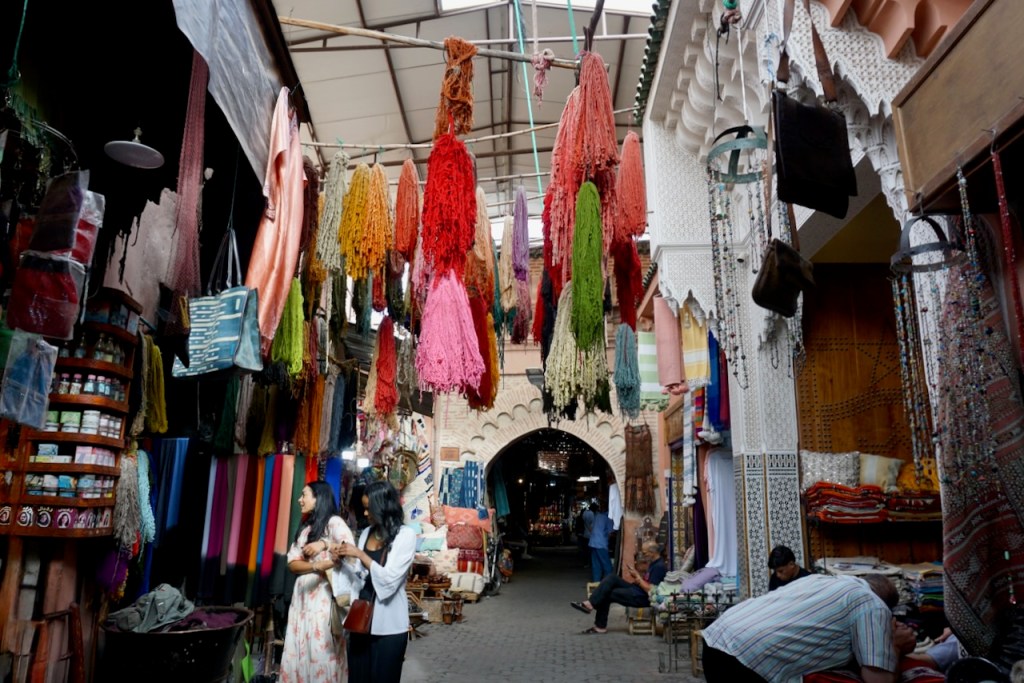
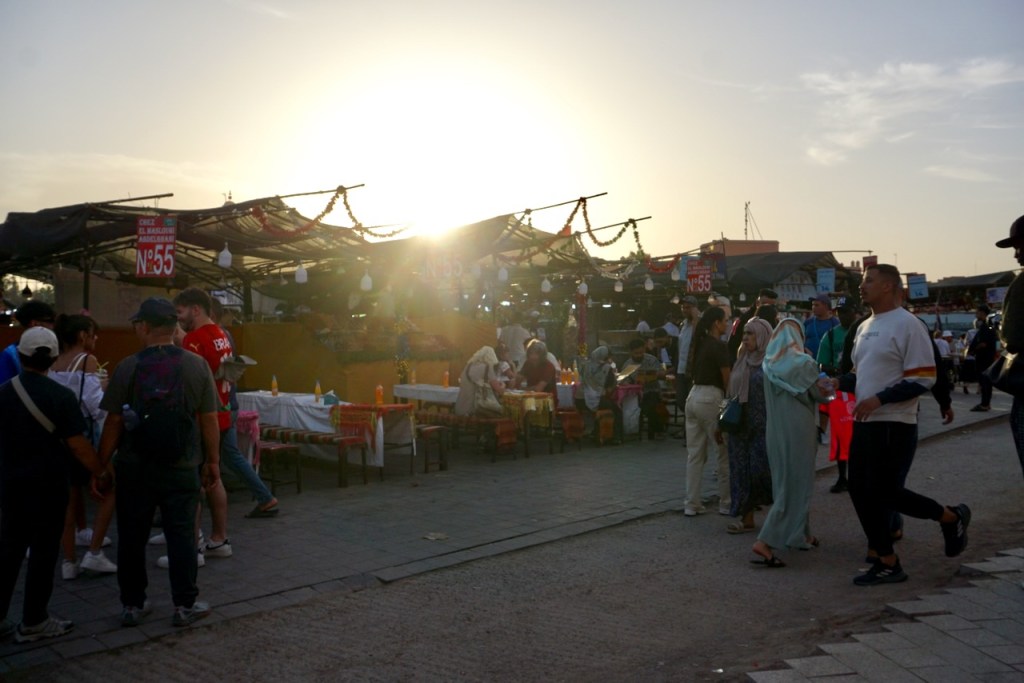
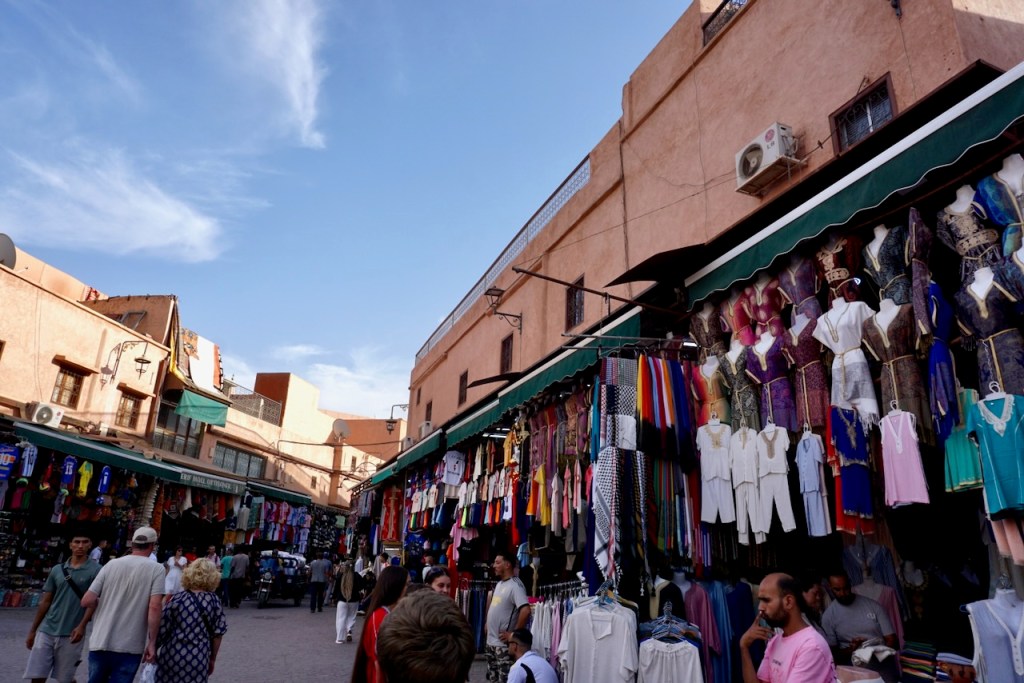
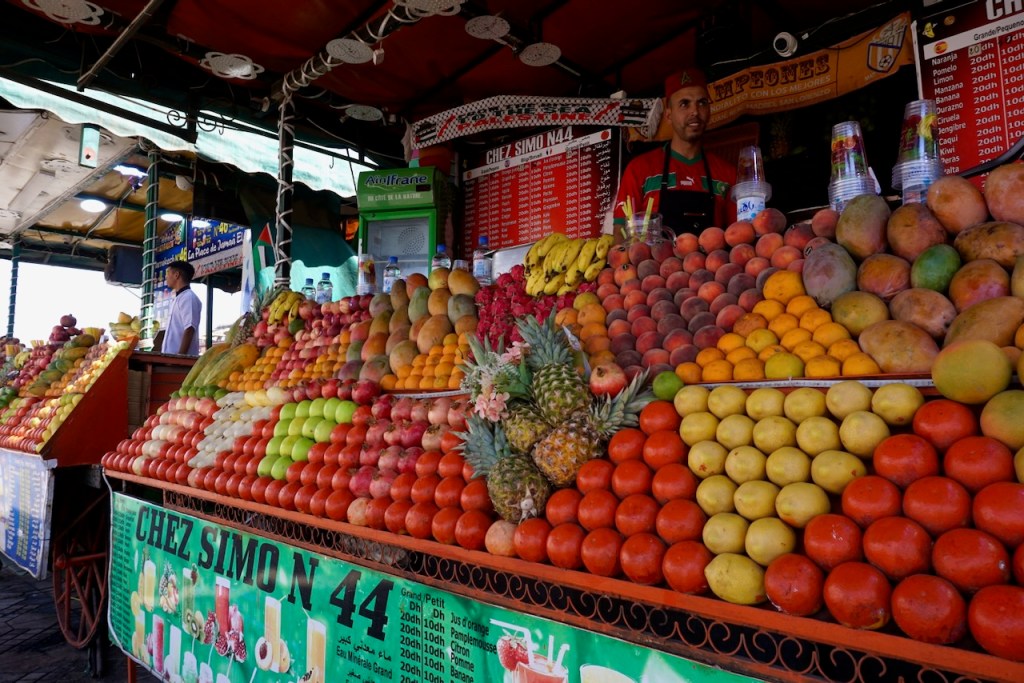
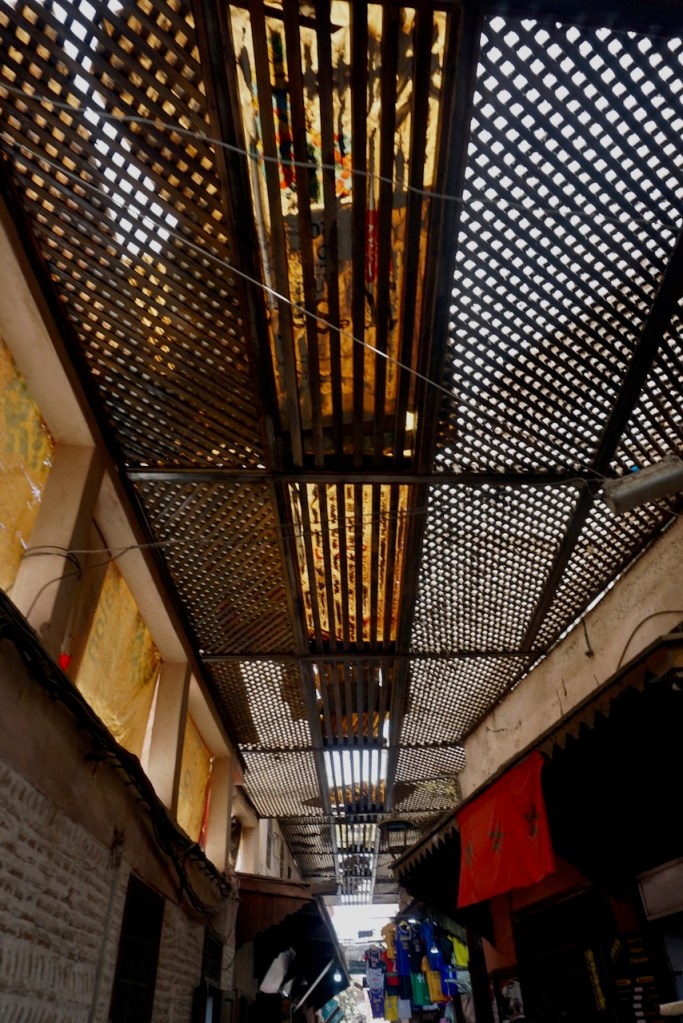
From that first walk through Jemaa El Fna, however, we were enchanted. The market, and particularly the main square, contained everything we’d always imagined about Marrakech, and we spent our time there grinning at being caught on a film set, surreal snake charmer music (and snake charmers!) included. In addition to the snake charmers, monkeys on leashes, and horse-drawn carriages, there were vendors selling all manner of items to buy, in all colours, in all scents. We never tired of looking, and the indoor market sections were surprising cool due to the slatted wooden ceilings that kept out the sun.

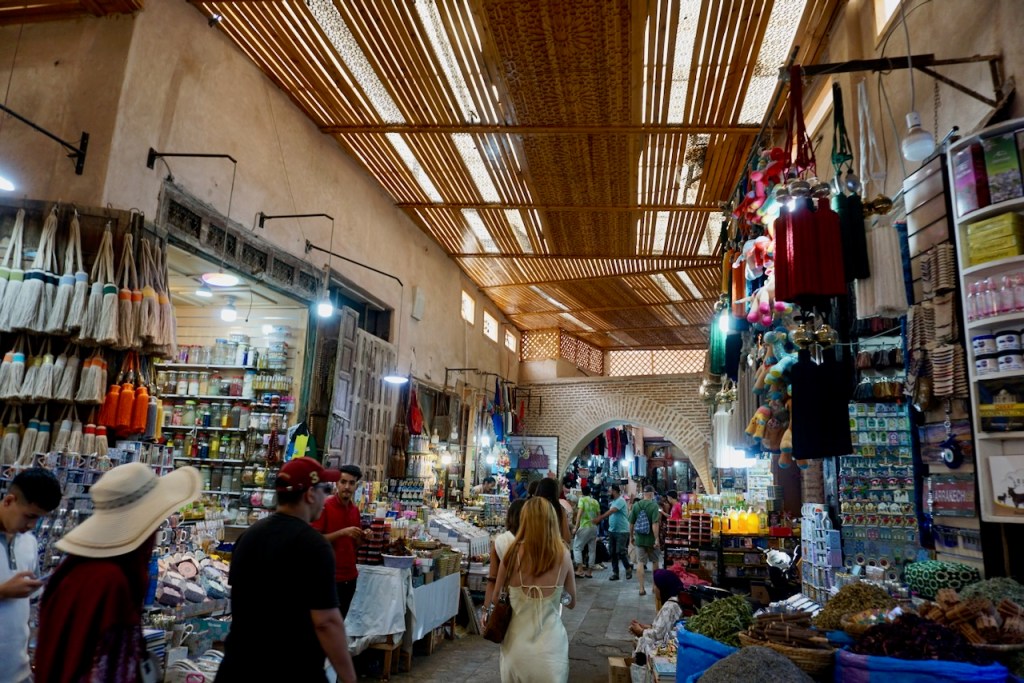
Taking the advice of our riad host, we did our best to bargain prices down at least 60% of the original asking price. We weren’t entirely successful, and we definitely bought a few things priced for tourists, regardless of haggling, but we never paid full price and we did walk away a couple of times. Overall, we found the vendors and shopkeepers respectful and less pushy than we’d been told to expect. They were also extremely flexible, switching immediately into a different language if we didn’t respond in whichever one they tried first. Just for fun, I used as much French as I could, but it’s amazing to see how little French I can still speak.

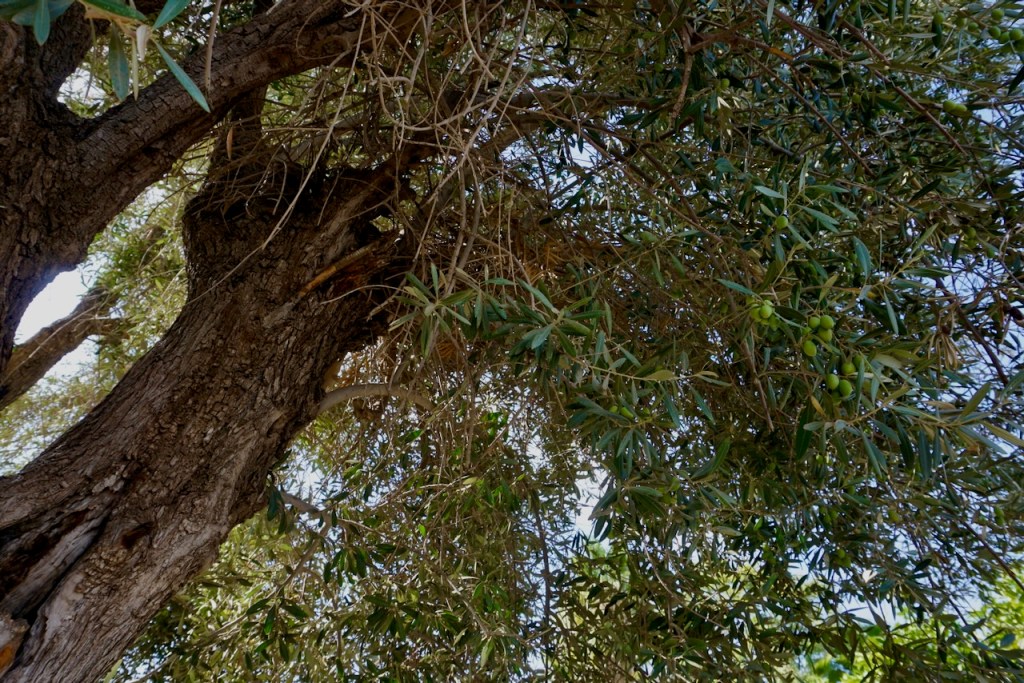
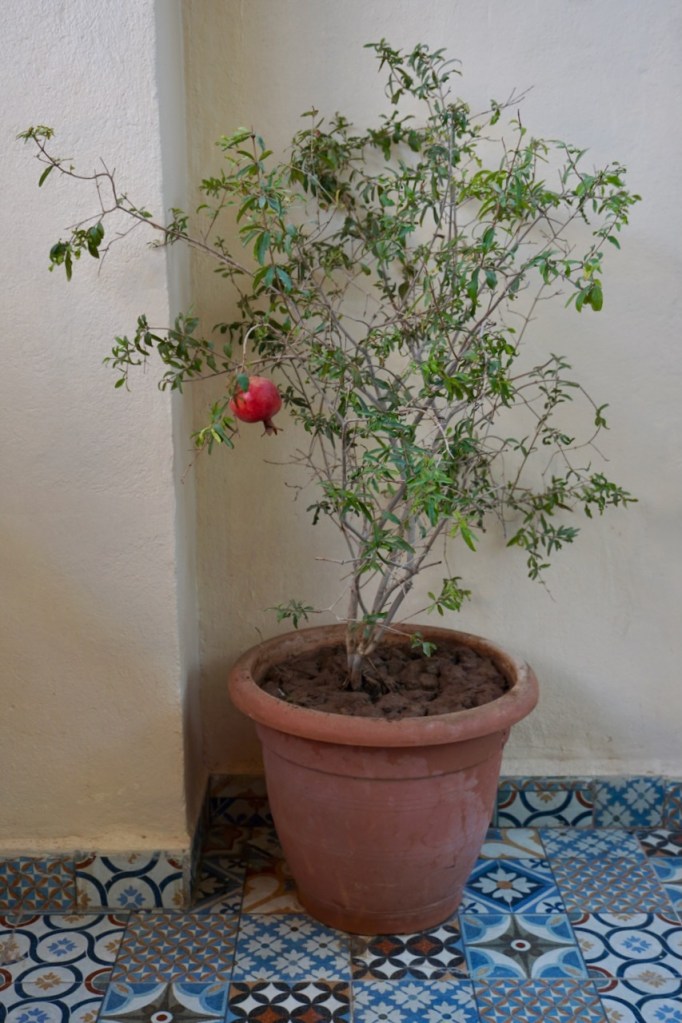
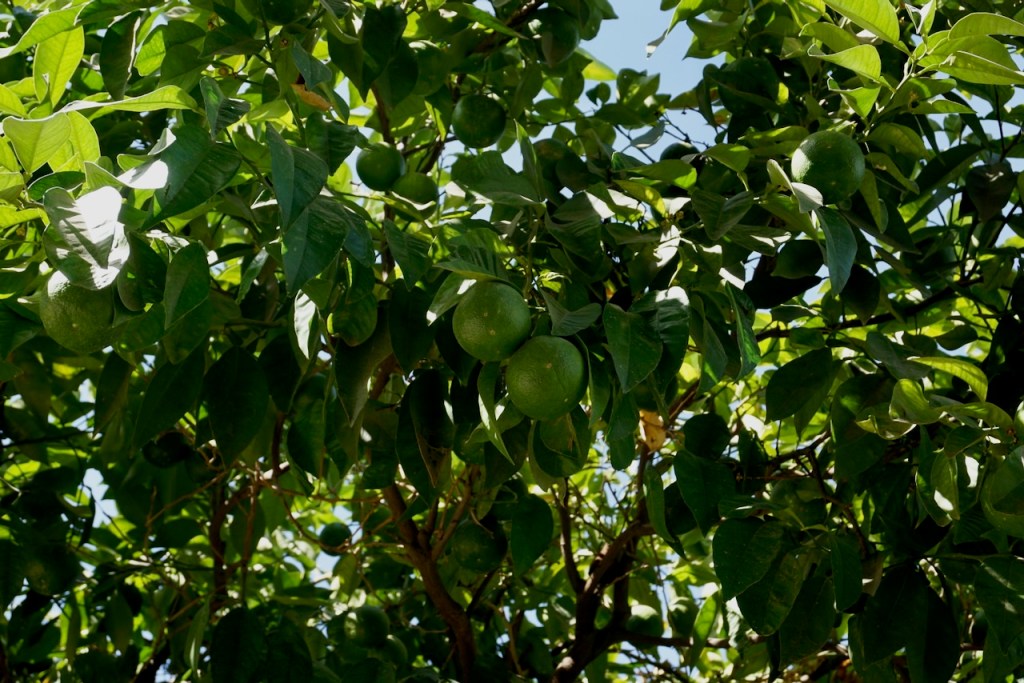
We were also pleasantly surprised by the amount of green in the desert of Marrakech. Our tour guide on our first morning told us that the water comes from the north, from the Atlas Mountains where mint grows, and that the centuries-old irrigation systems were hidden underground as protection against invasions. We saw pomegranates, olives, dates, and oranges growing from trees, and the tour guide explained that fruit from trees in the parks are free for the taking.

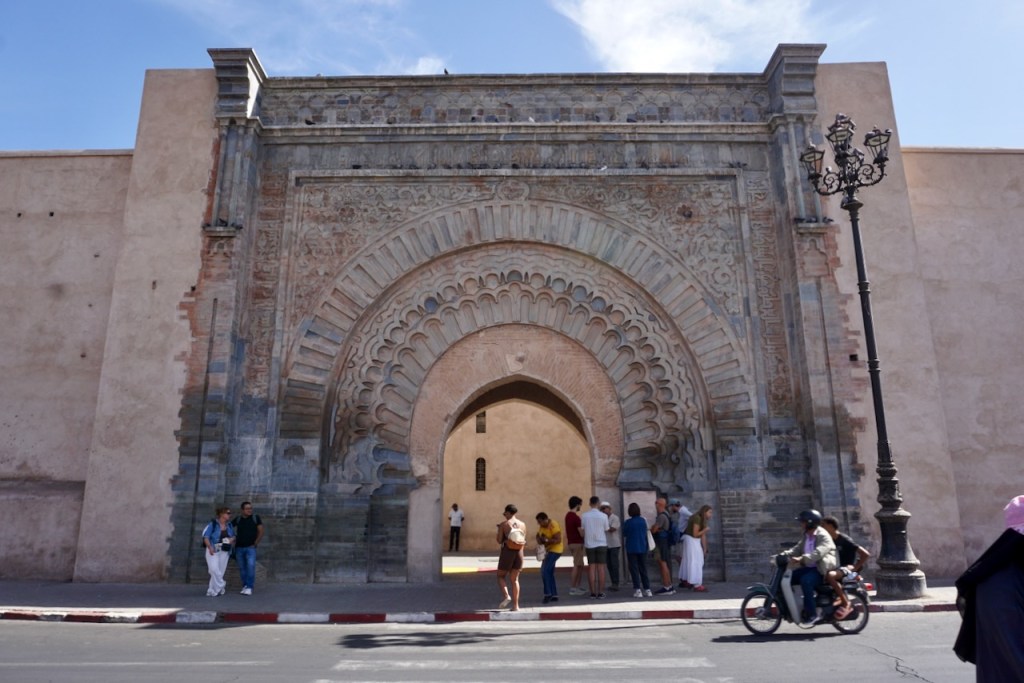
Standing in the shadow of Koutoubia Mosque, we learned about the history of Marrakech . . .

. . . and later walked through a couple of the ancient gates to the city.
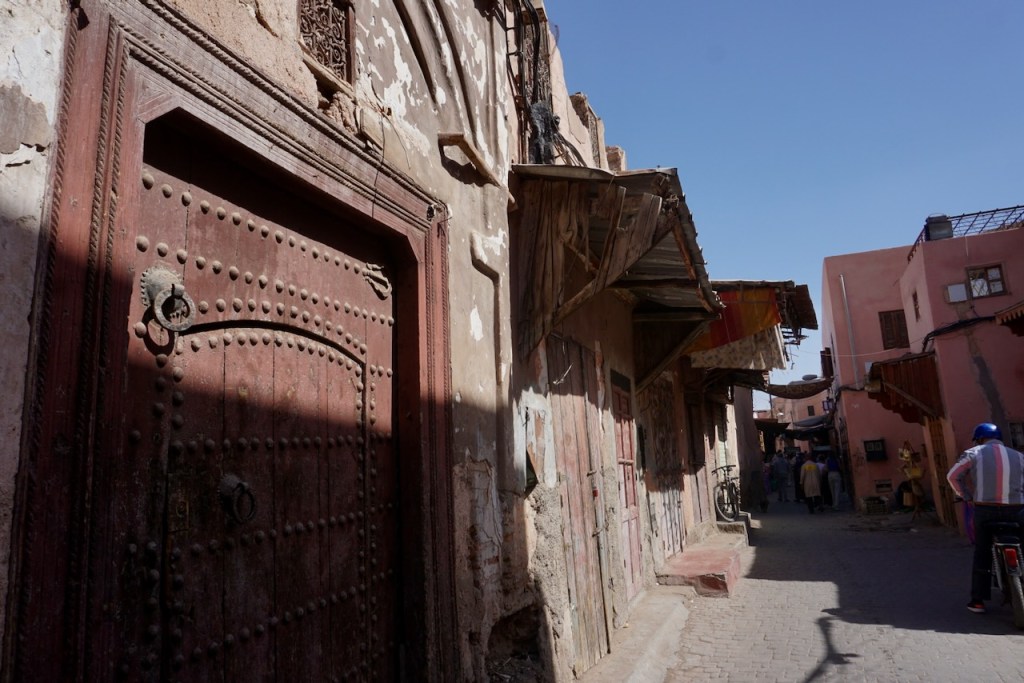
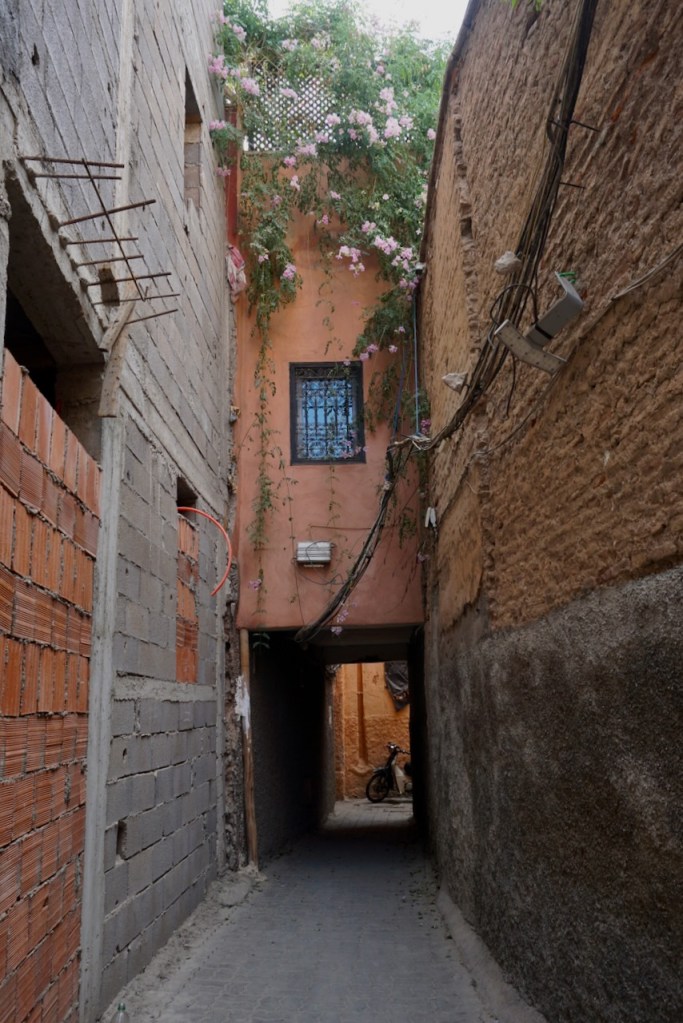
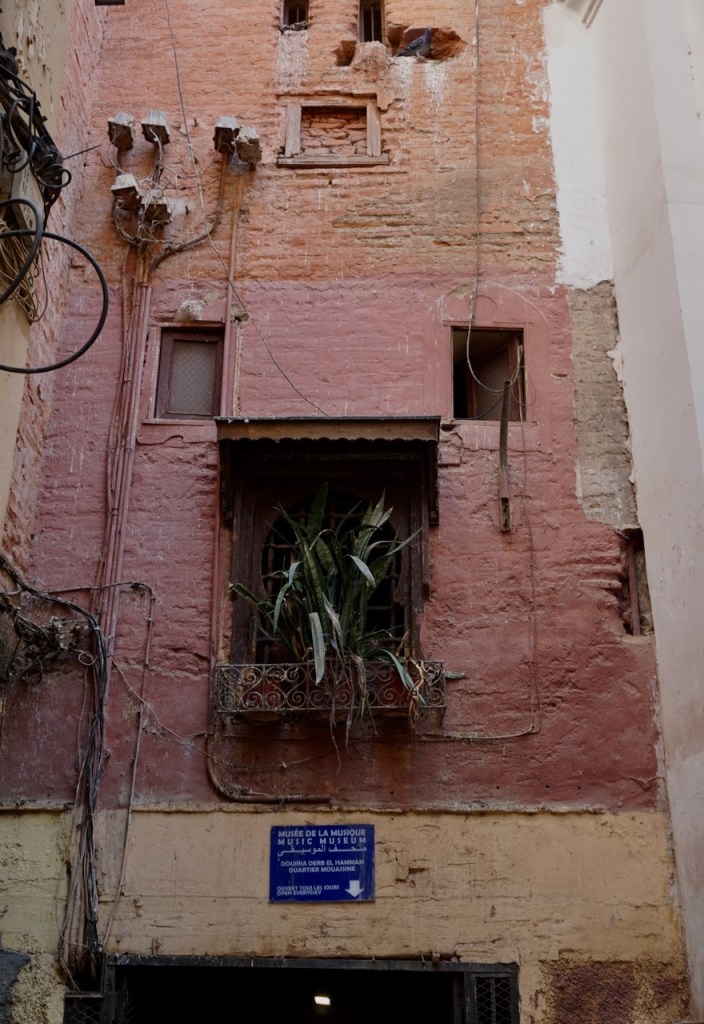
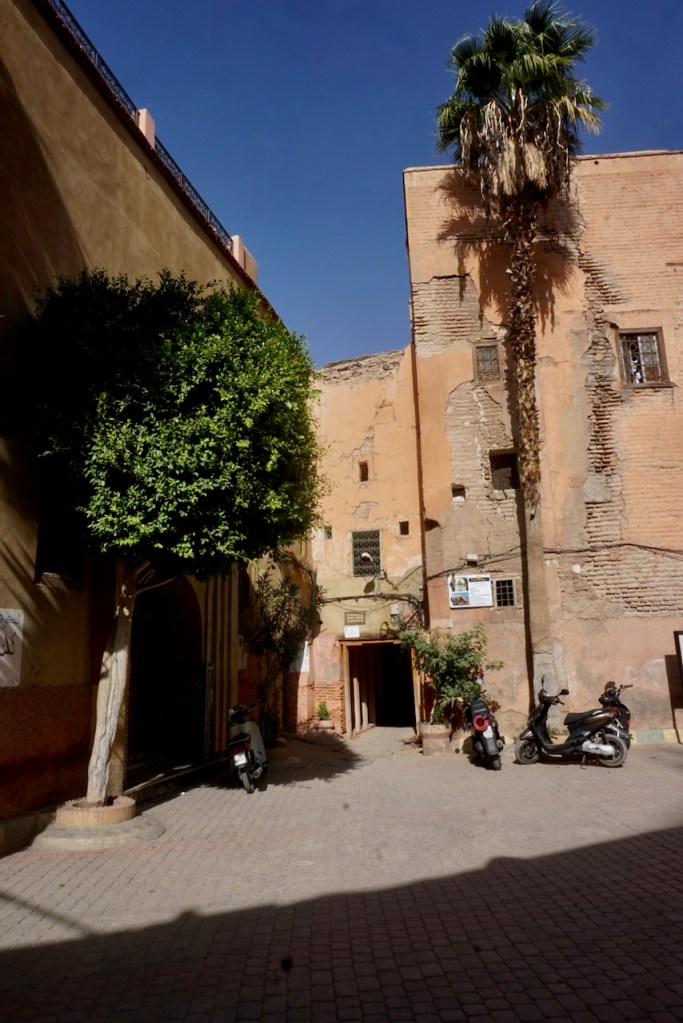
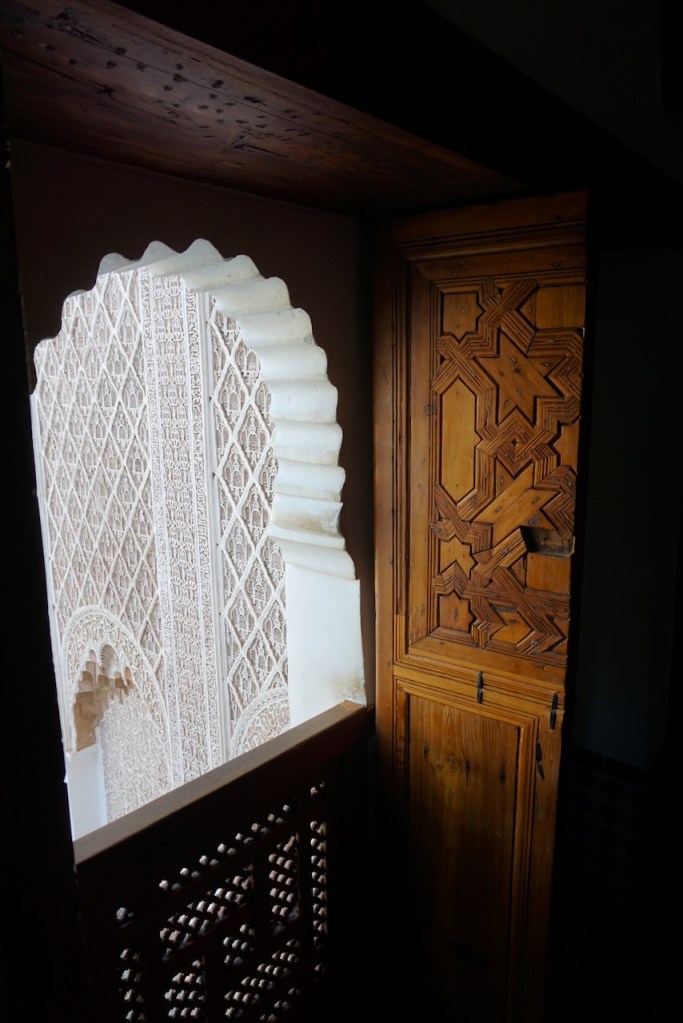
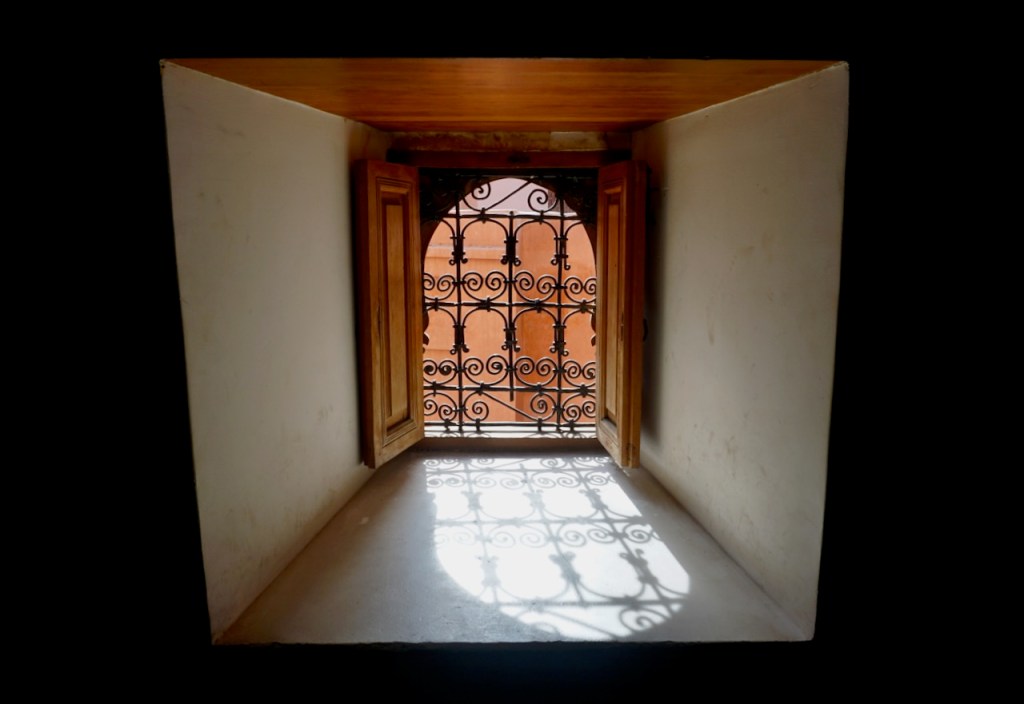
We so taken with the winding, narrow alleyways, designed for protection from invaders and sunlight. Additionally, the windows and doors were in shapes that we are not used to seeing, adding to the sense of being in a different world.

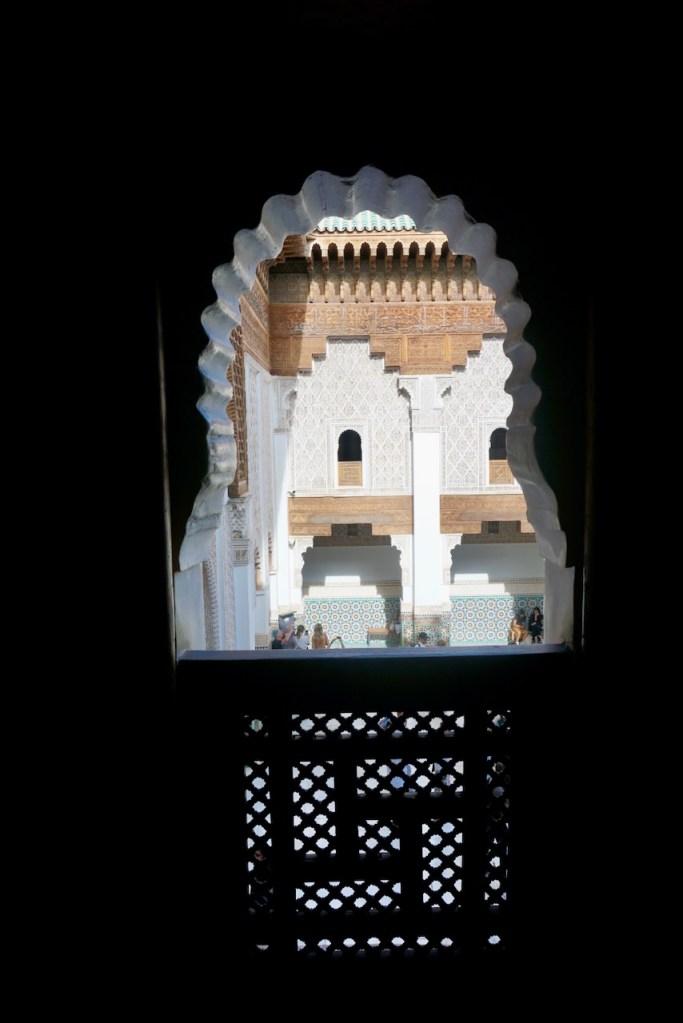
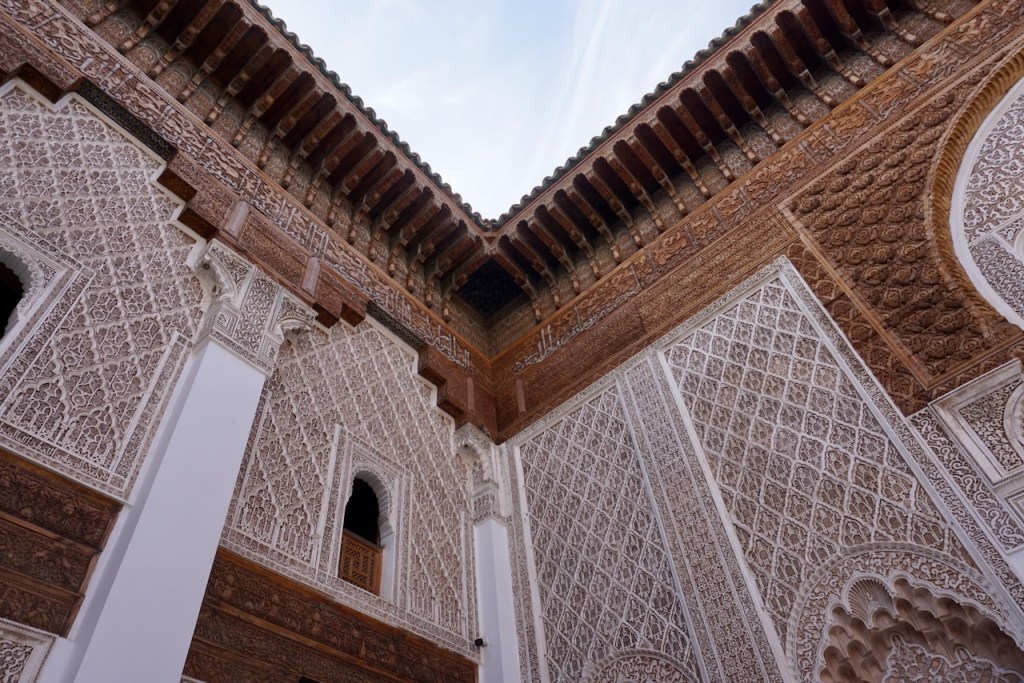
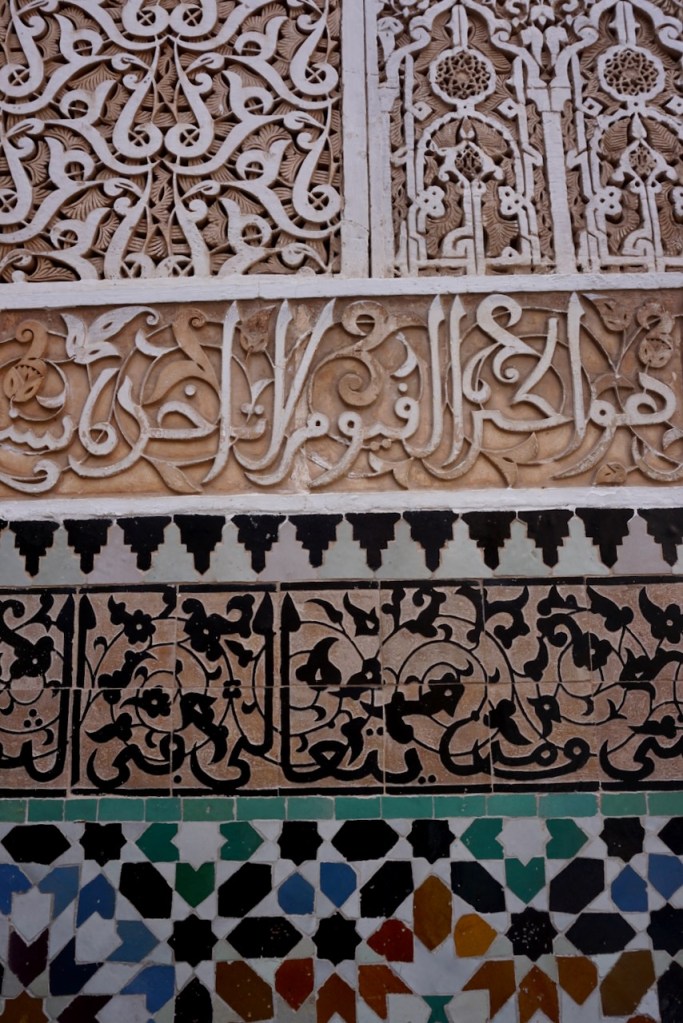
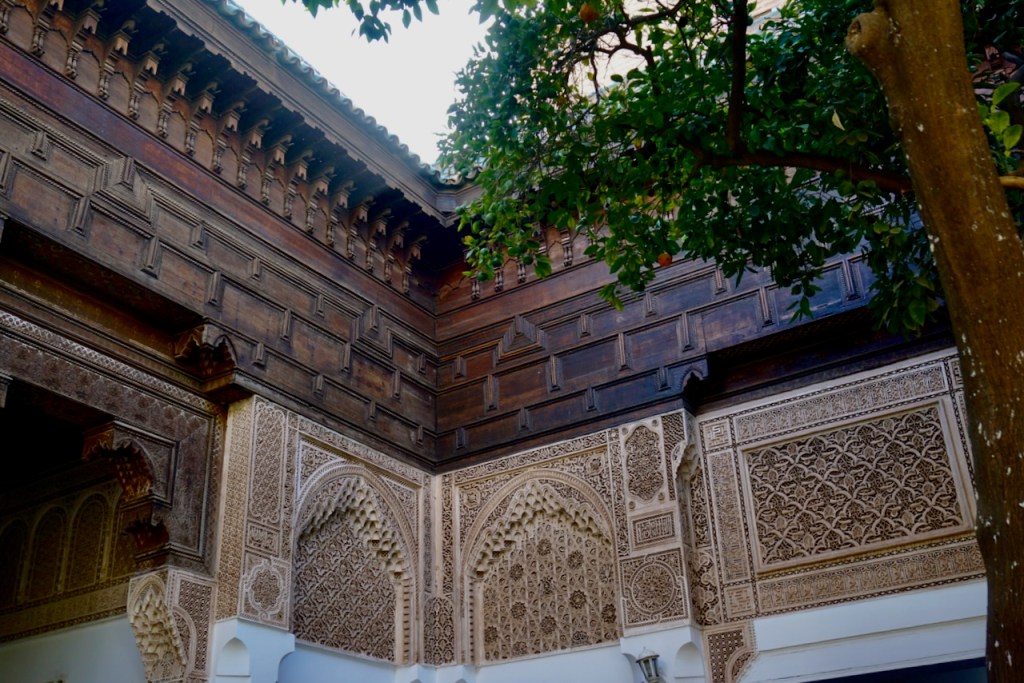
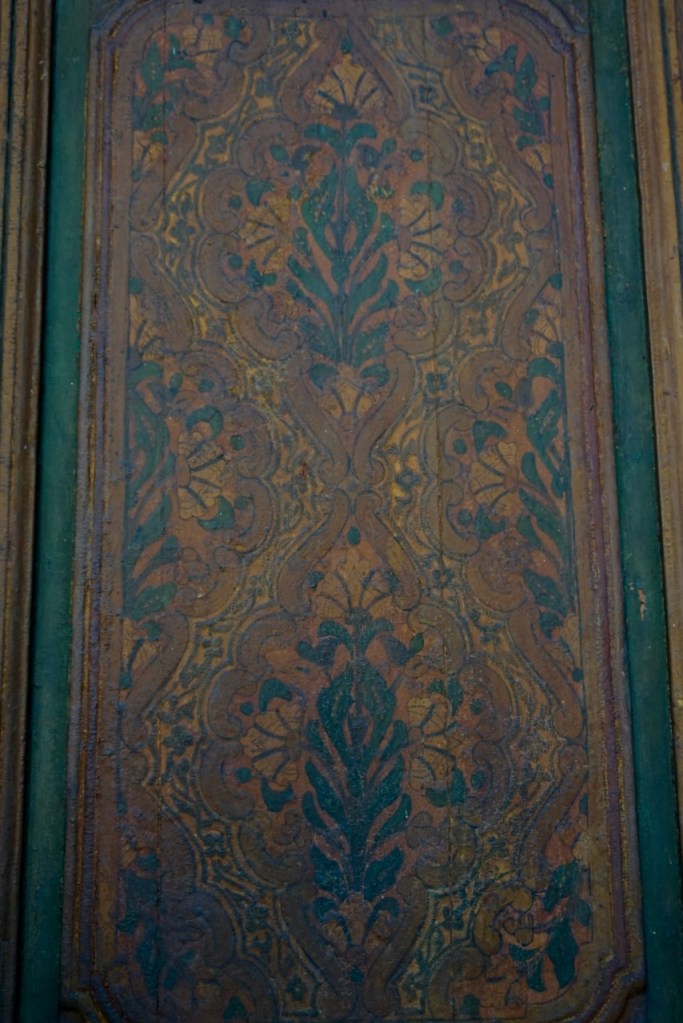
One of the best opportunities to see the architecture, tiles, carved and painted ceilings, and ornate calligraphy that characterize Marrakech is to visit the Ibn Yusuf Madrasa, which dates to the sixteenth century. This former Qur’an school has been preserved as a museum, and it is stunning.
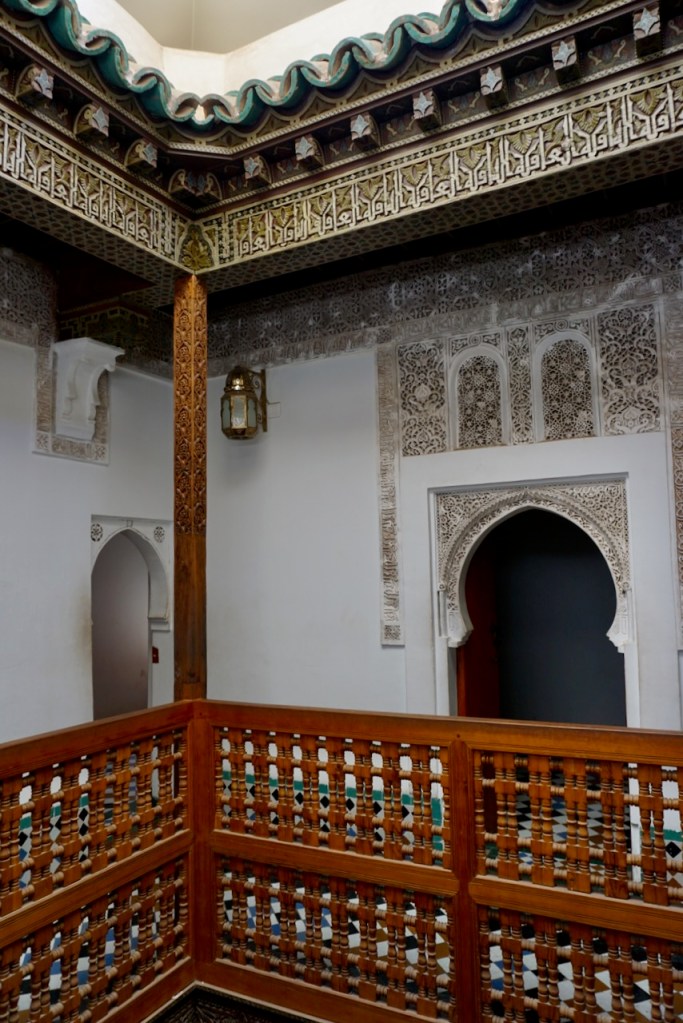
The same can be said for the Bahia Palace, built in the nineteenth century, which also contains beautiful gardens in the riad courtyards. Much of the palace, like much of the city, was undergoing renovations from the earthquake in 2023, however, so there was a lot we were unable to see.
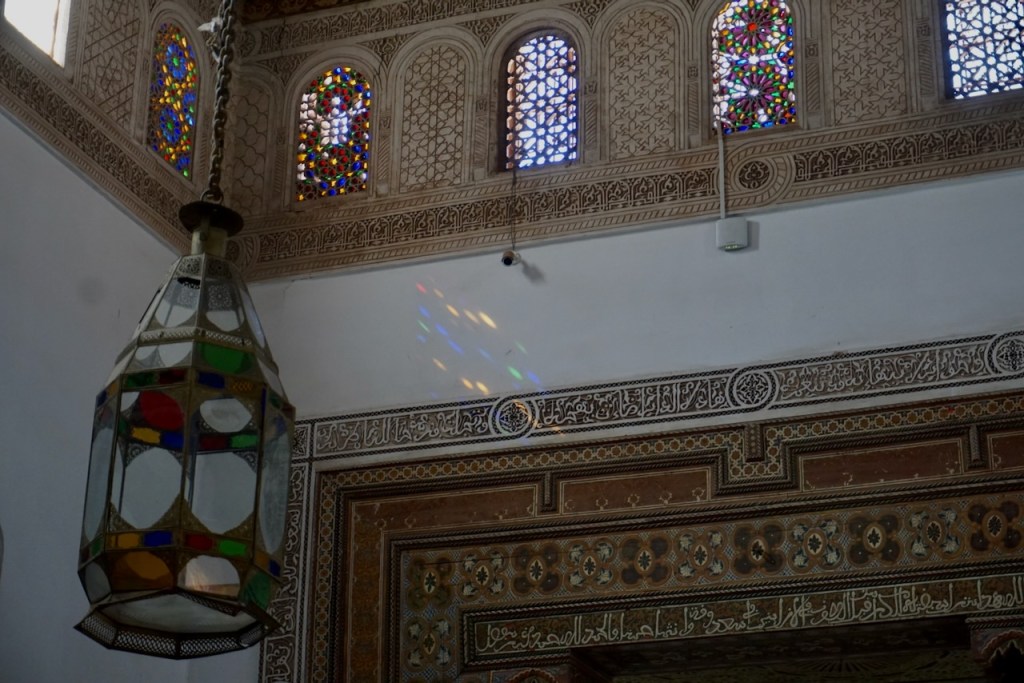
The former Jewish Quarter is located nearby, and it was heartwarming to have heard from the tour guide about the very positive and protective relationship between Muslims and Jews in Morocco. He explained that while Jews were not persecuted there, considering Judaism is an Abrahamic religion and the Abrahamic religions are traditionally recognized and protected under Islam, there were fears of invaders, and the Jewish Quarter was deliberately surrounded by other sections of the medina as a means of security.

It took us several alleyways to make our way to the Slat al-Azama (or Lazama) Synagogue, founded in 1492 following the expulsion of Jews from Spain. A small museum located on the other side of the riad courtyard contained images of Jewish communities, life, and culture across Morocco and other parts of Africa.

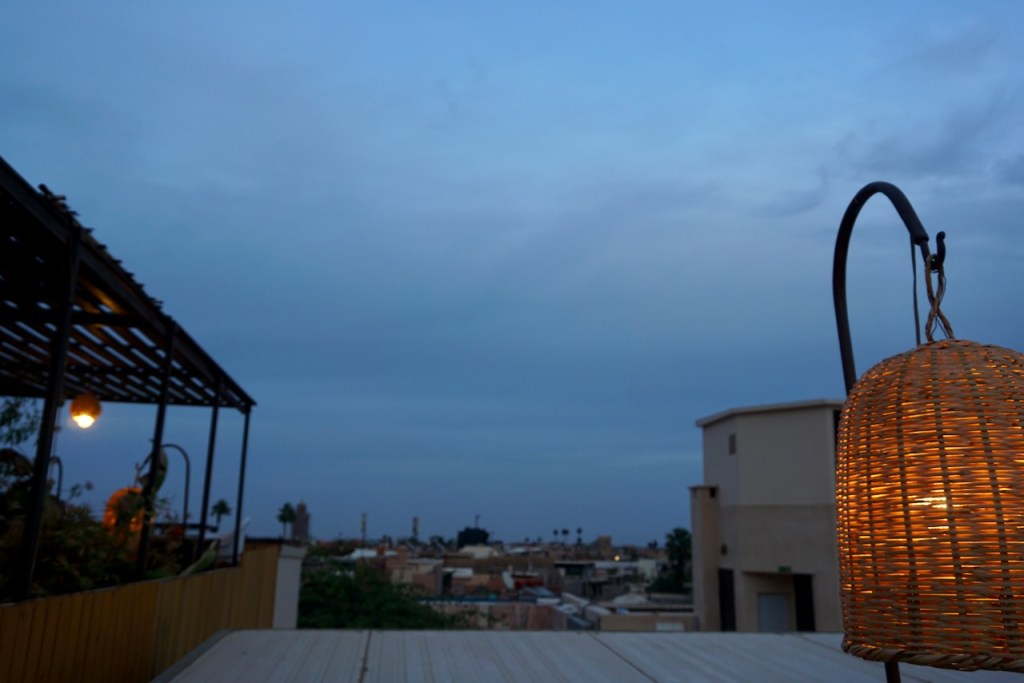
A visit to Marrakech, we were told, is not complete without a view of Jemaa El-Fna at night. We climbed the stairs to a rooftop café that exists for the purpose of said view, purchased the required beverage per person, and took in from above the hustle and bustle that we had experienced from below.
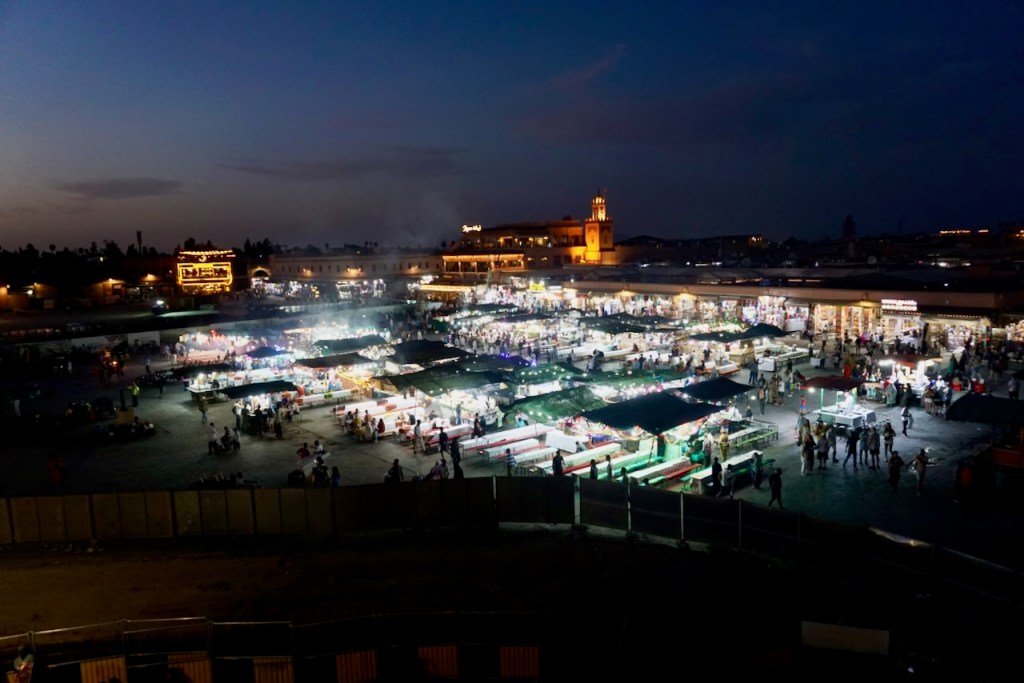
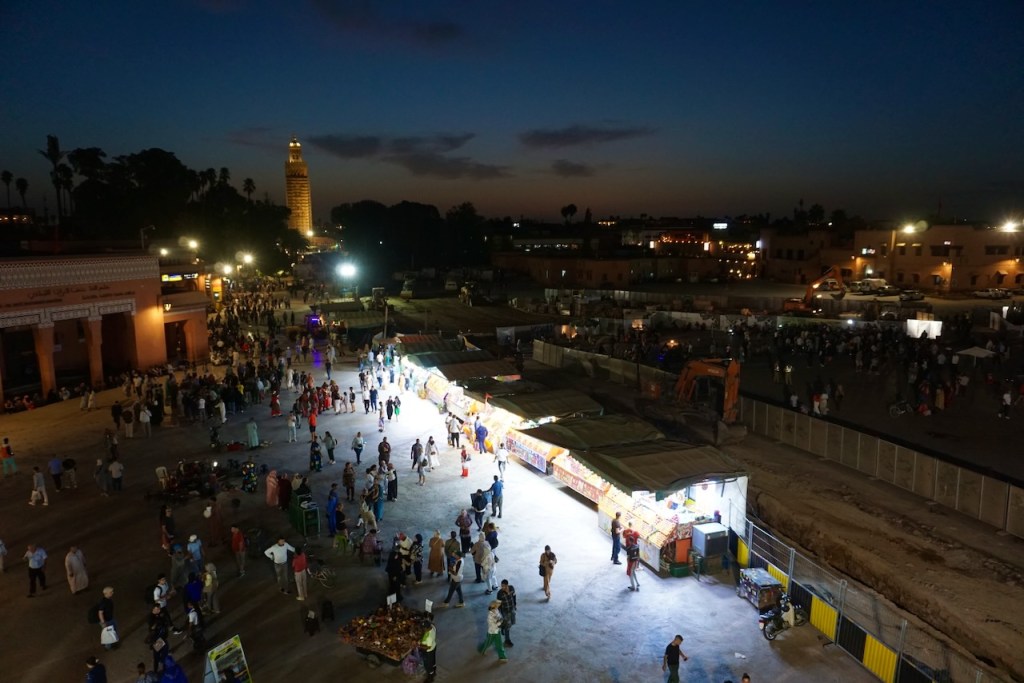
Marrakech is an overwhelming sensory experience and we retreated to the quiet of our riad each afternoon to gather and recentre ourselves. By the time our third and final morning came around, we had seen what we wanted to see and were ready for a change of pace. We basked in the calm of our riad before heading to the airport and I fell asleep immediately on the plane, exhausted from everything we’d taken in. The snake charmer music, which I was delighted to find out is real, had acted like a portal into a different world and, grateful for our time there, we could leave it behind. I never need to go back to Marrakech, but I’m so glad to have been there.
Travel Guide: Porto to Lisbon

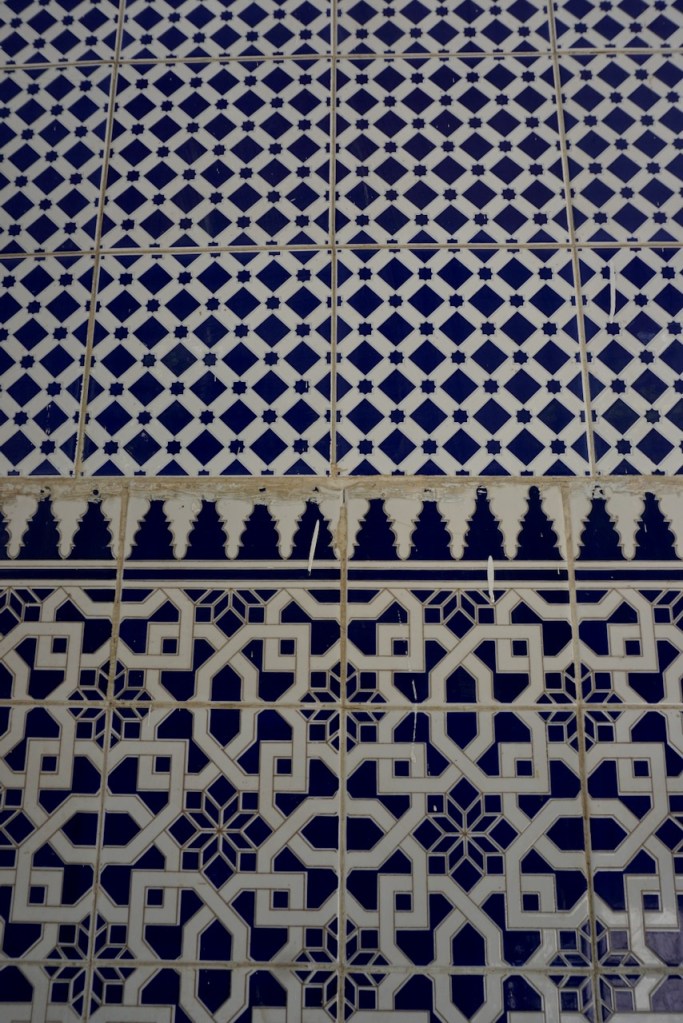
I think it was over a year ago that a girlfriend first mentioned the possibility of a trip to Portugal together. Our partners had been each other’s travel buddies before we came into the picture, and they were more than happy to let us take the lead on planning. Their plan was to see pretty sights and enjoy one another’s company. In the end, that’s what we all did. Knowing more or less where we wanted to be, the four of us spent a week strolling through narrow alleys, taking endless pictures of tiles, and eating excellently, which is saying something when one member of the group is not only a vegetarian but also gluten free.

Because of the way the week flowed, one day of wandering into the next, I’m breaking with established patterns and writing about the whole trip in one post. We rented a car for the days in the middle but were otherwise on foot, averaging 10 kilometers per day in spite of some good rain. The experience of being in Portugal was one of getting turned around in twisting streets, marvelling at the hills and stairs, and alternately admiring and lamenting the old buildings in various states of restoration. It was an experience in being rather than one of expectations, and we let ourselves be surprised.

Porto

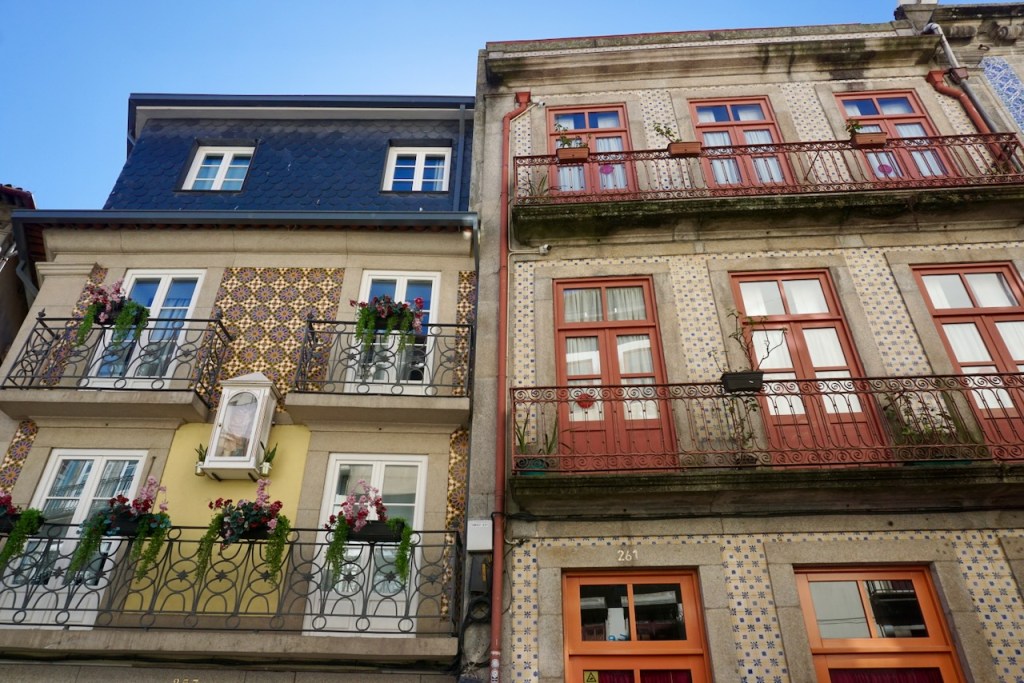
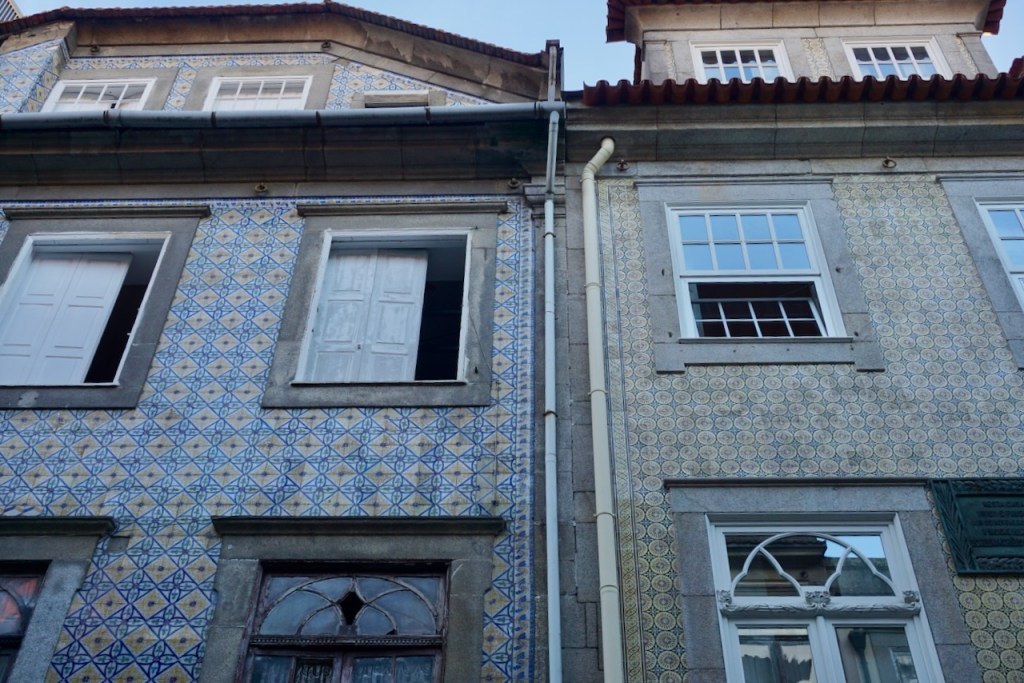
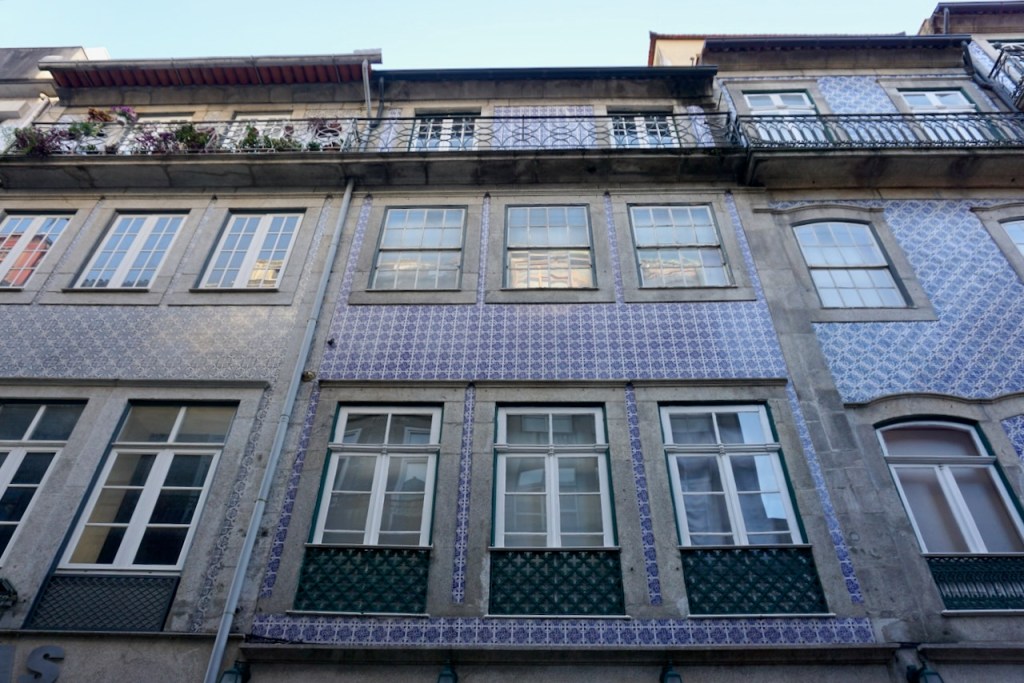
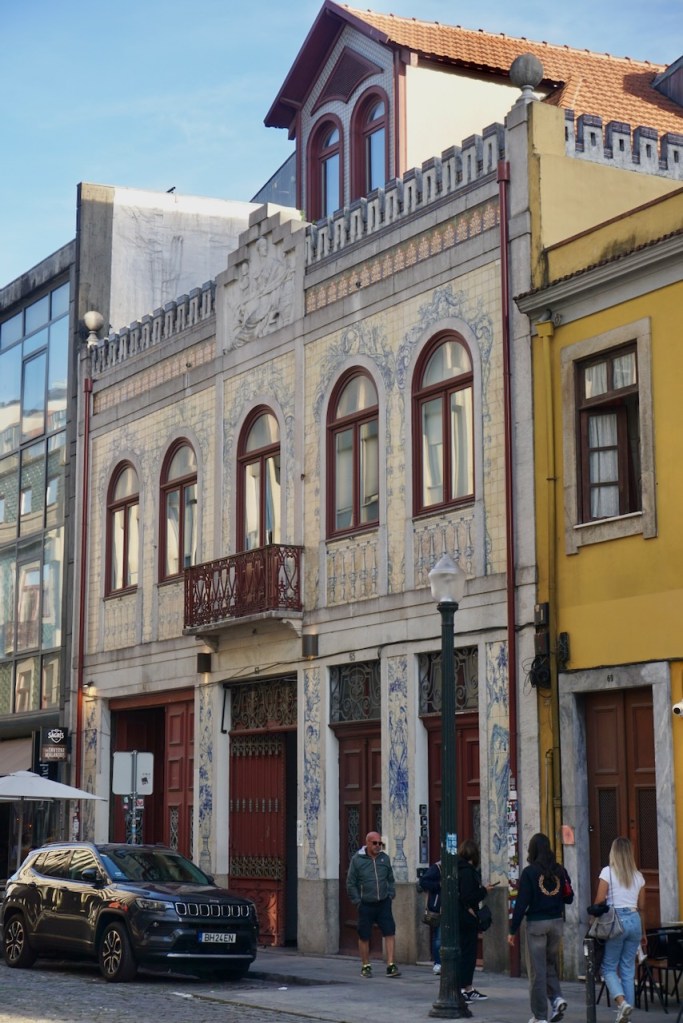
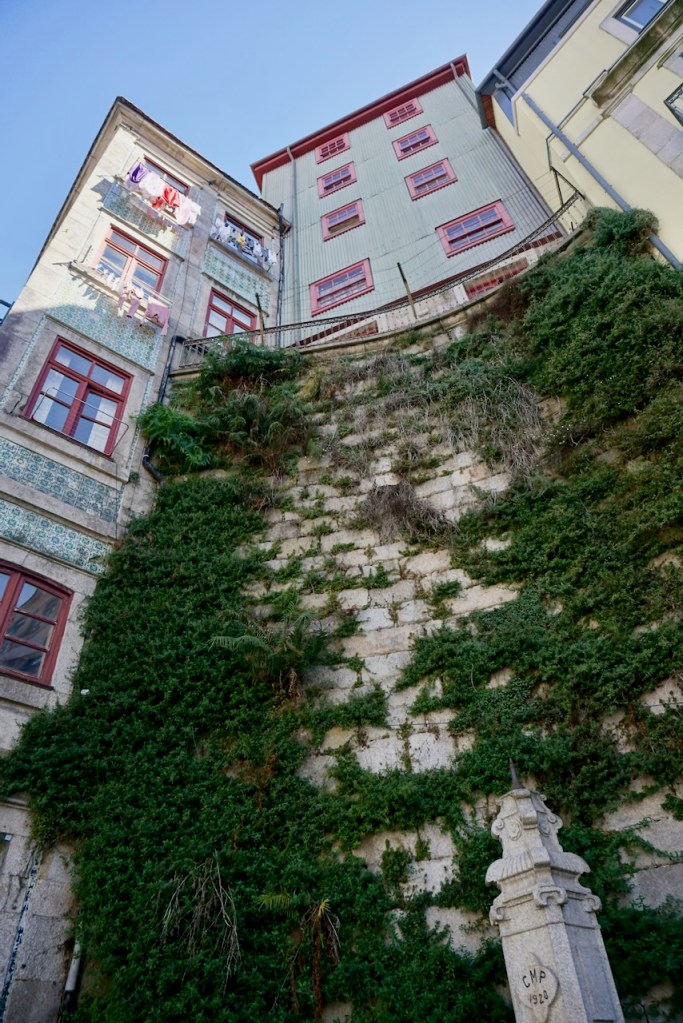
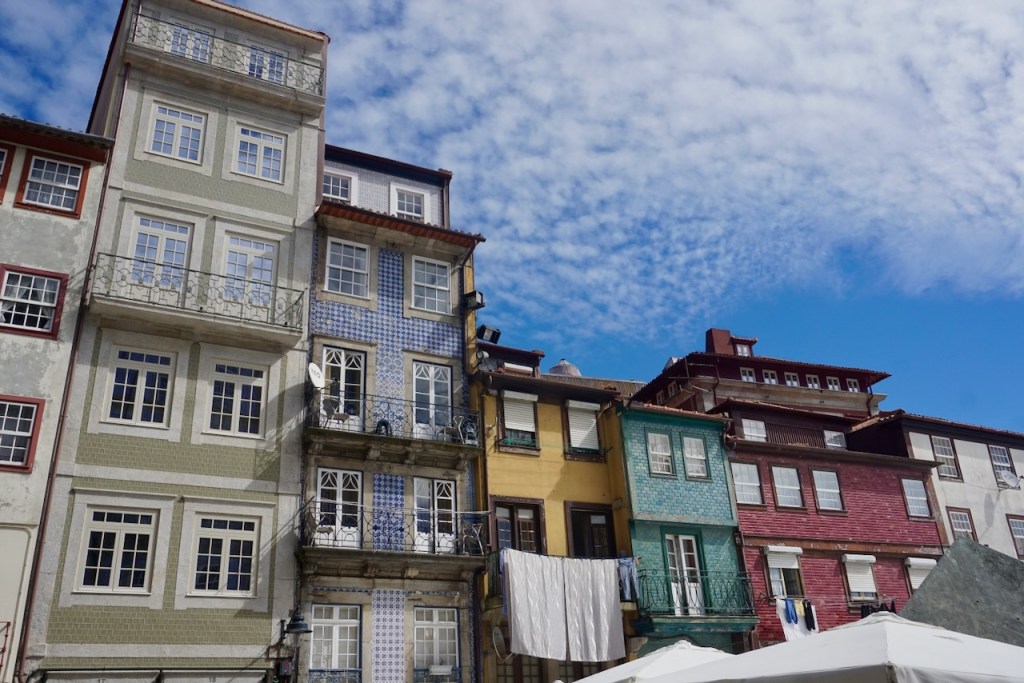
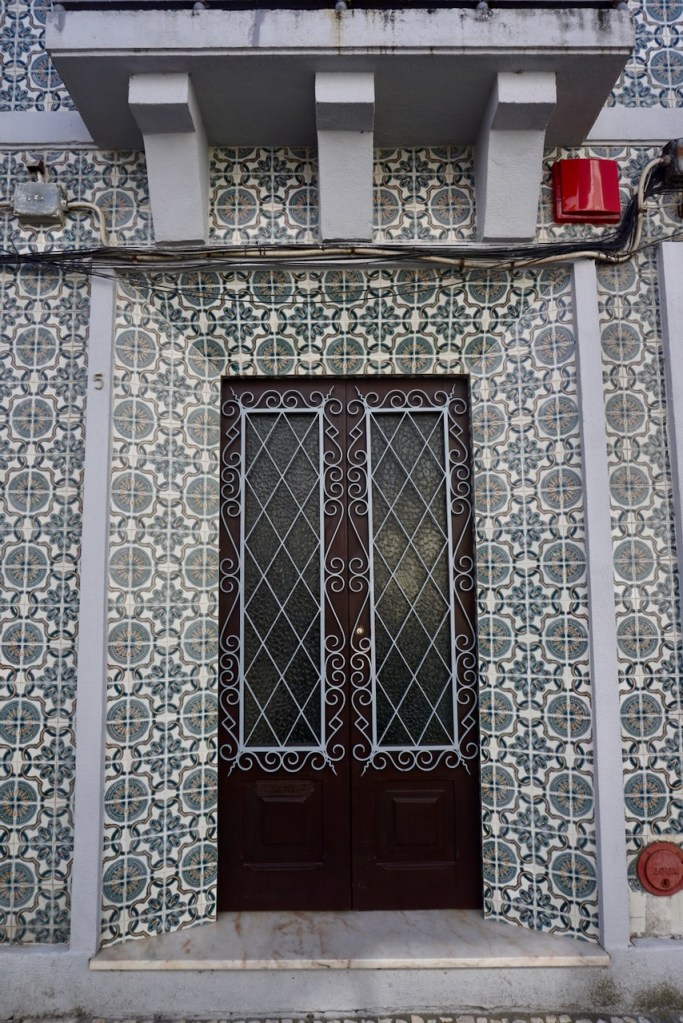
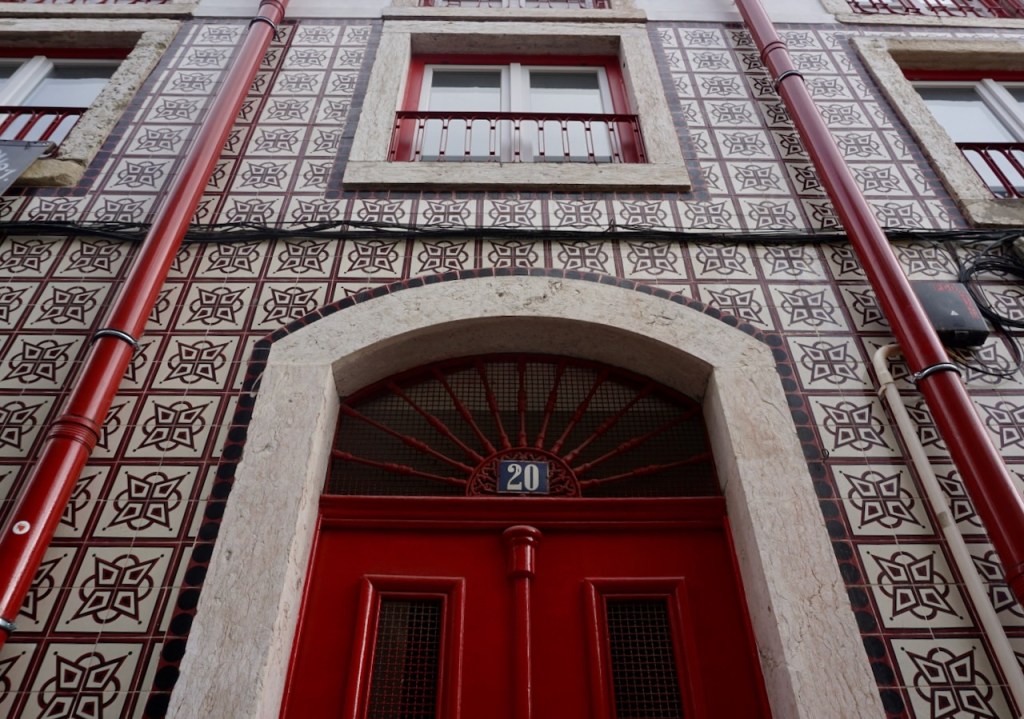
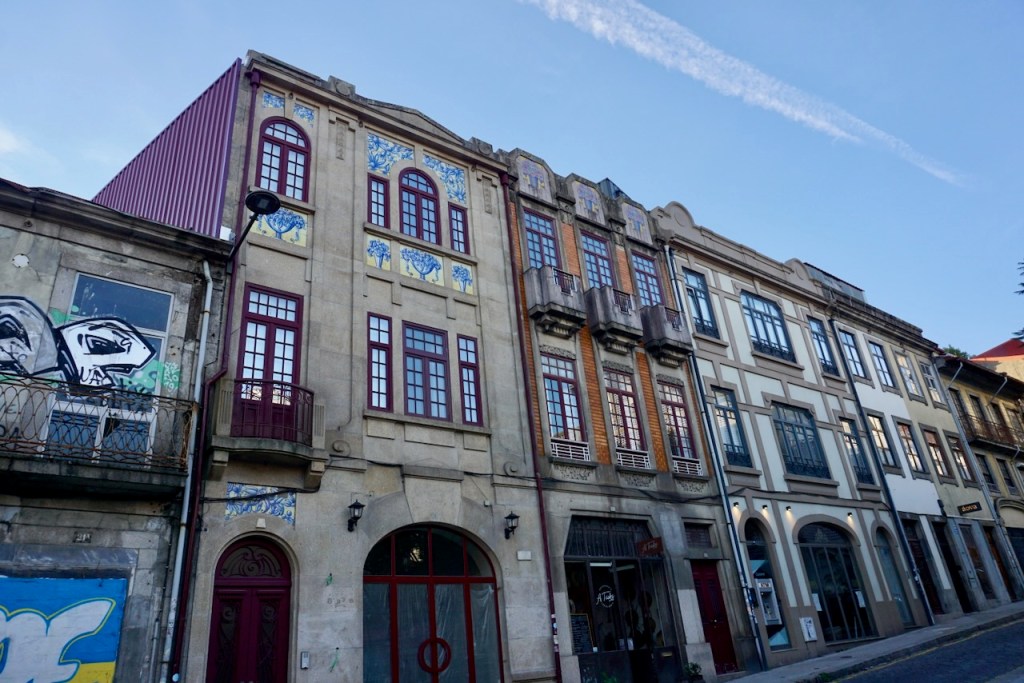
We arrived in Porto late in the afternoon and hungry, but eating needed to wait because most restaurants in Portugal, as we learned, open first at 7:00 or 7:30 for dinner. So, as would become routine, we walked. That evening and the following day we exclaimed at the tiles covering the buildings . . .

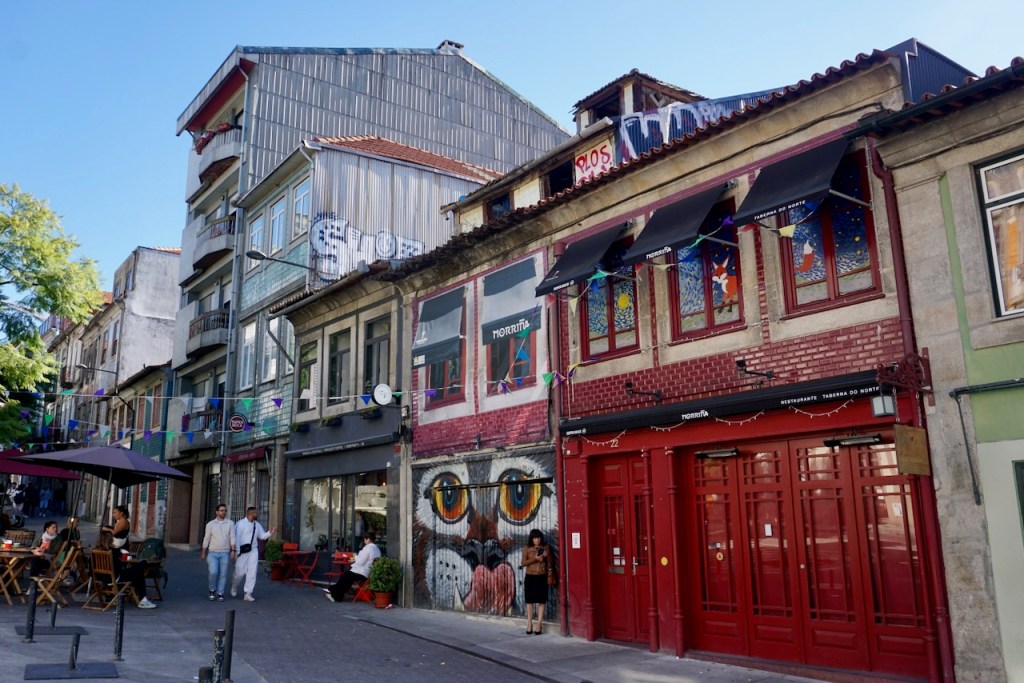
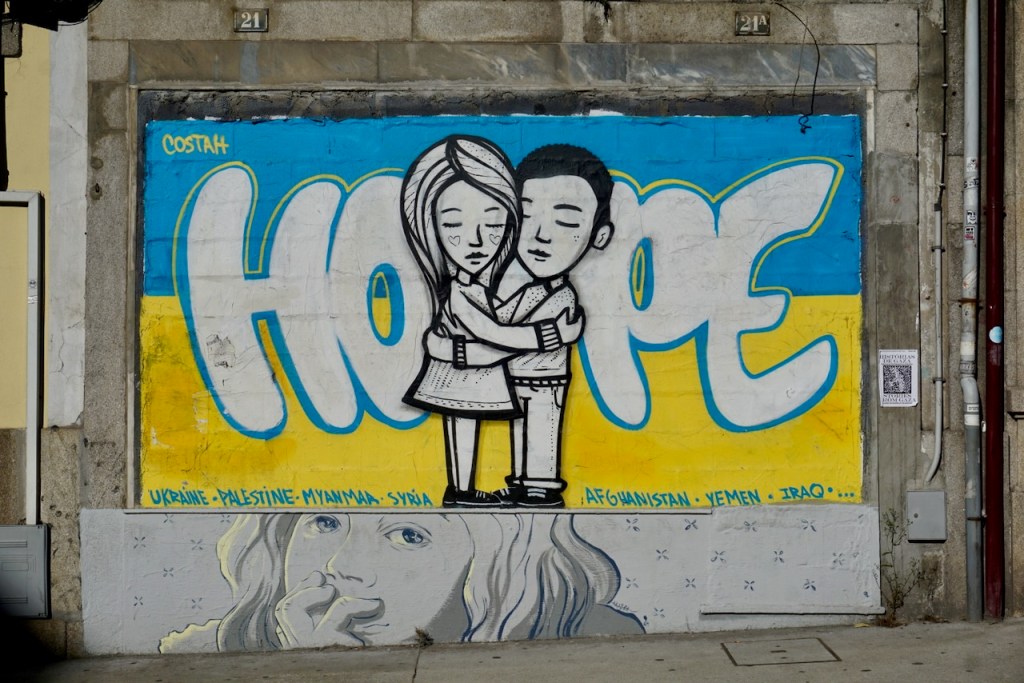
. . . the prevalence of street art in the Ribeira neighbourhood and elsewhere . . .

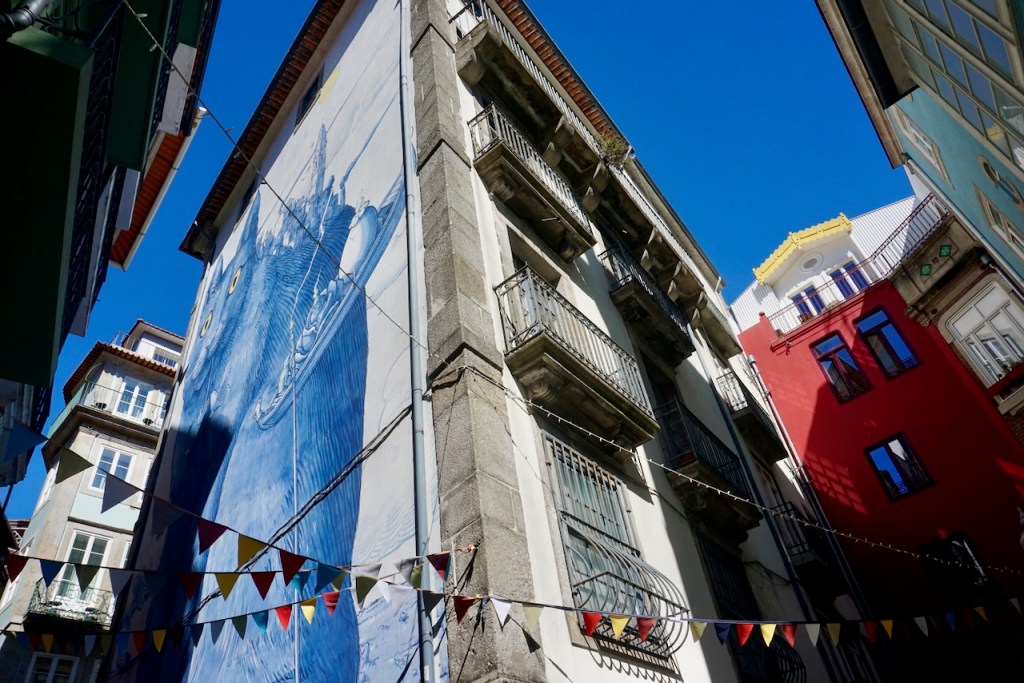
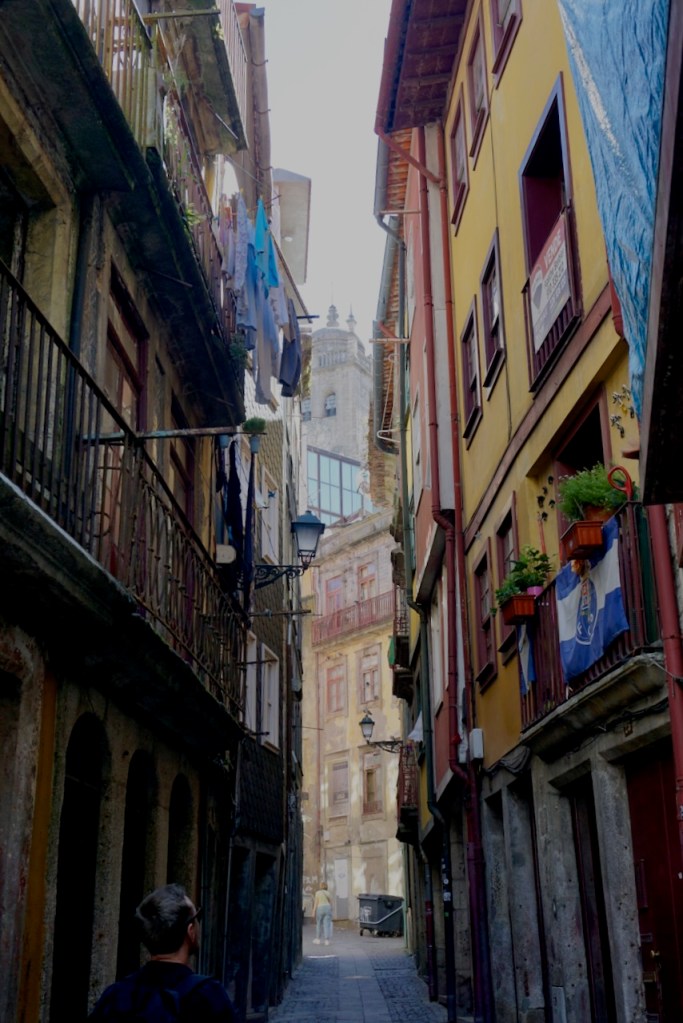
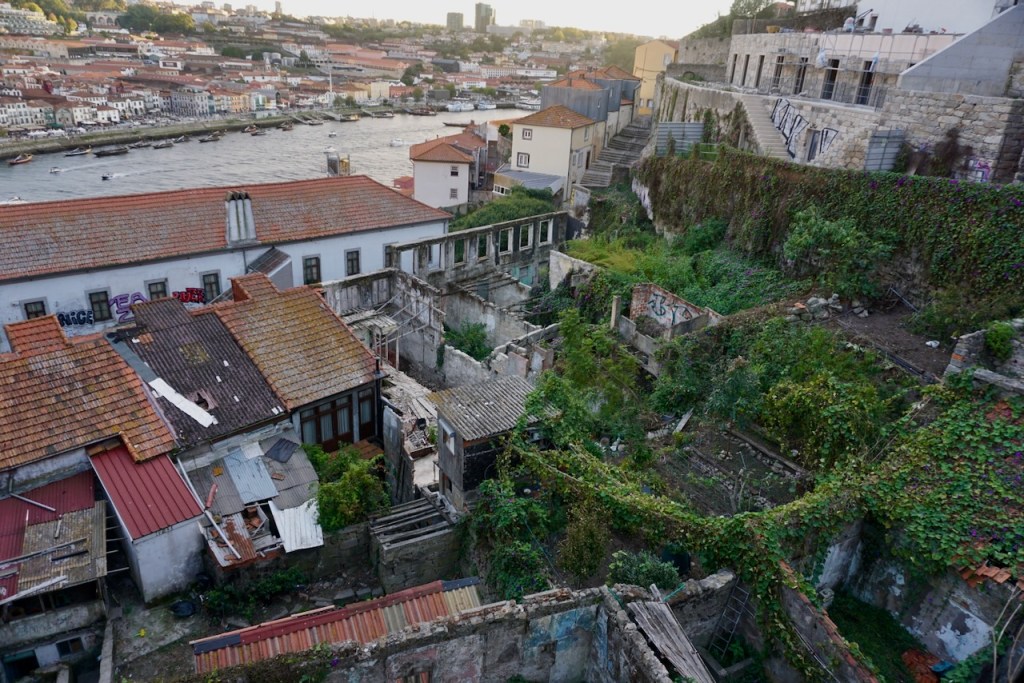
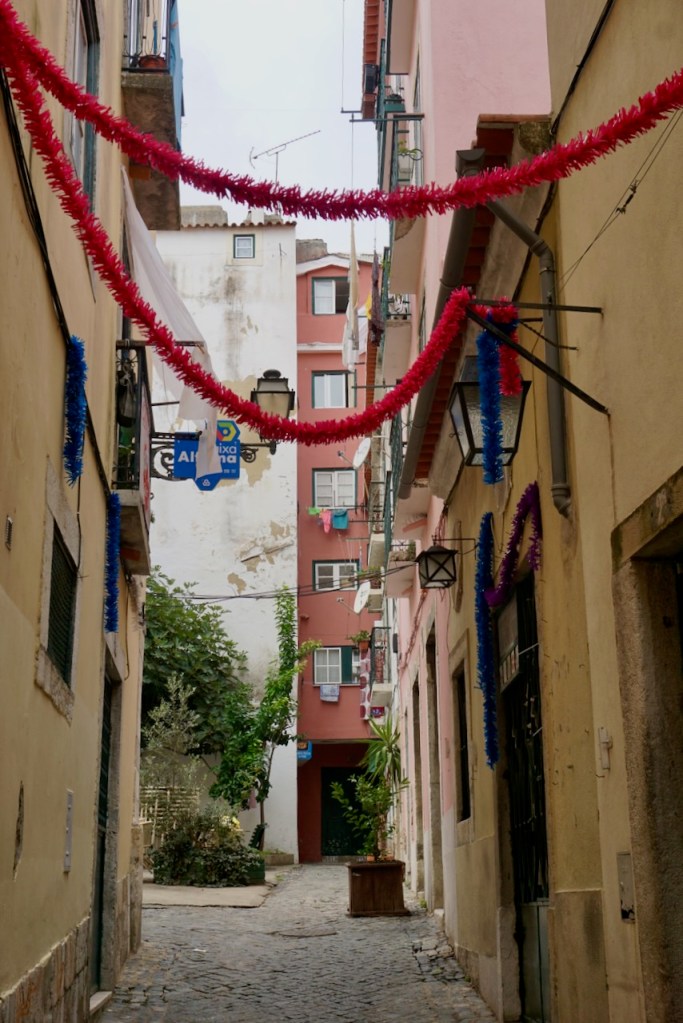
. . . and the surprises hidden in little alleys, which always seemed to be built following the curves of hillsides.

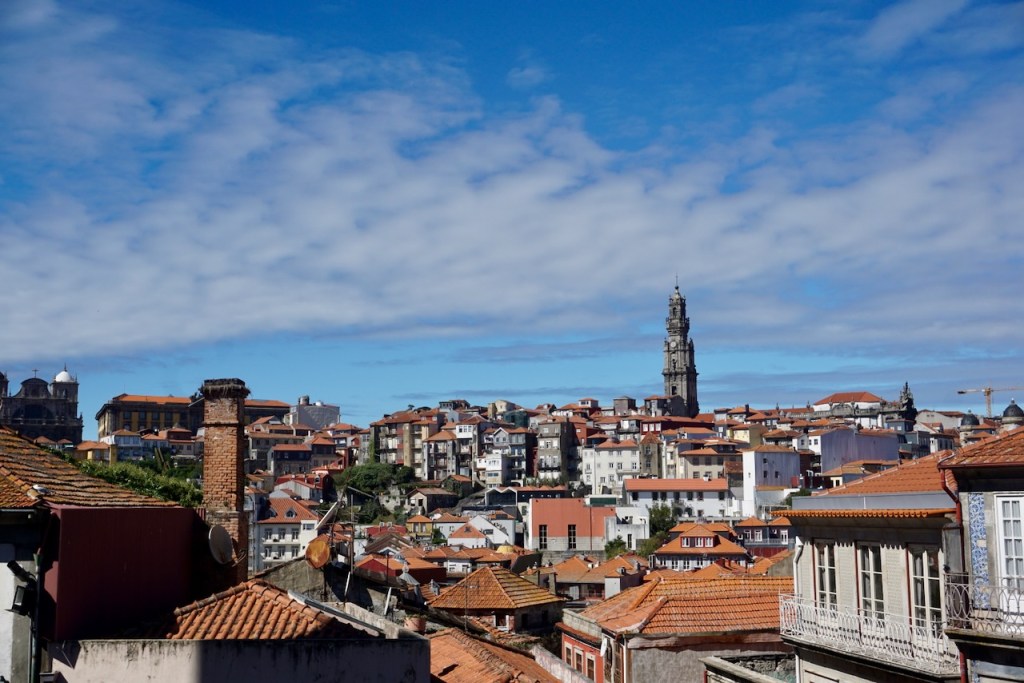
We saw some important sights, as well, such as the Torre dos Clérigos . . .

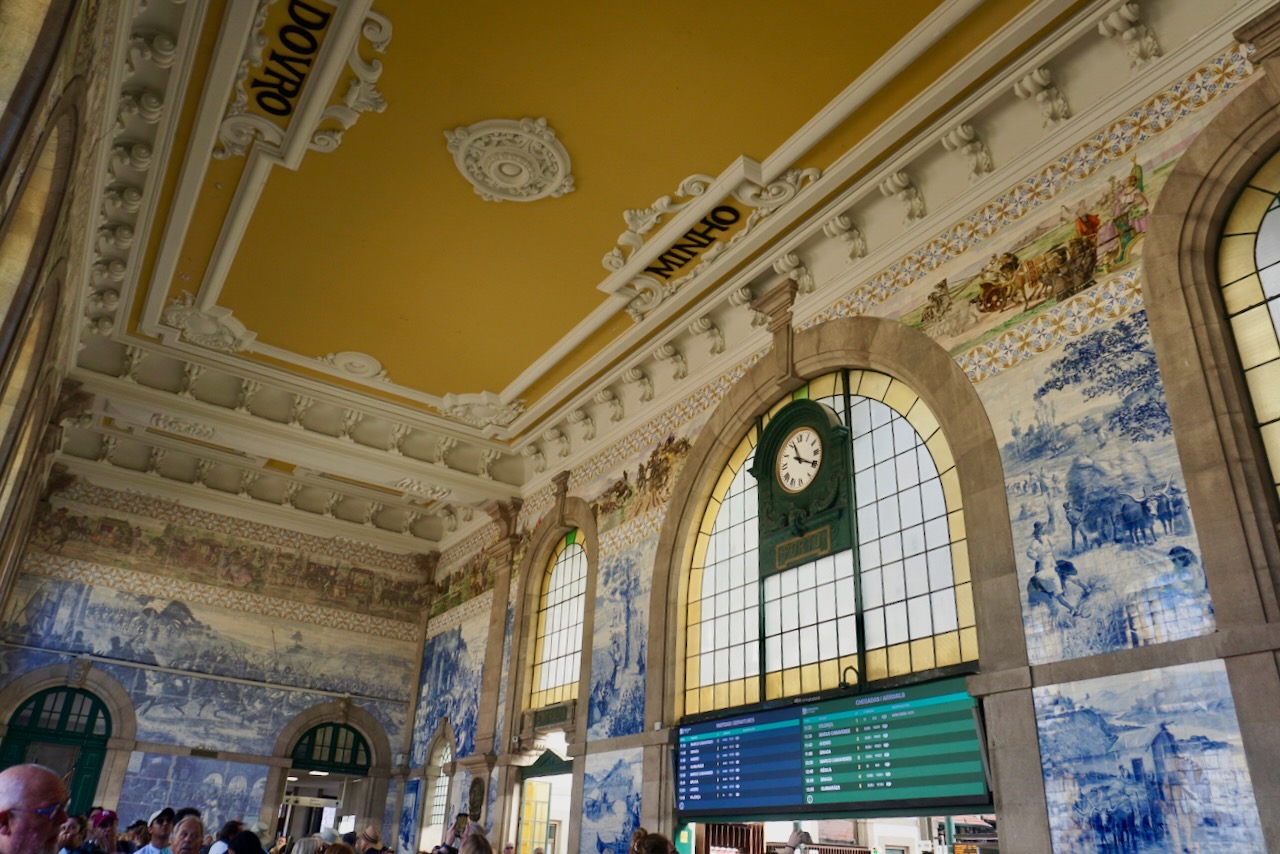
. . . the train station . . .

. . . and the Igreja do Carmo, which caught our attention because of, again, the tiles.

We paid for relatively few “attractions” on this trip, but were more than happy to buy timed tickets and wait in line for Livraria Lello, a bookstore described to me “like walking into Harry Potter“. And it was.

As we found out at the end upon paying for our books, the ticket price was discounted from our purchases, which struck me as a rather clever business model.

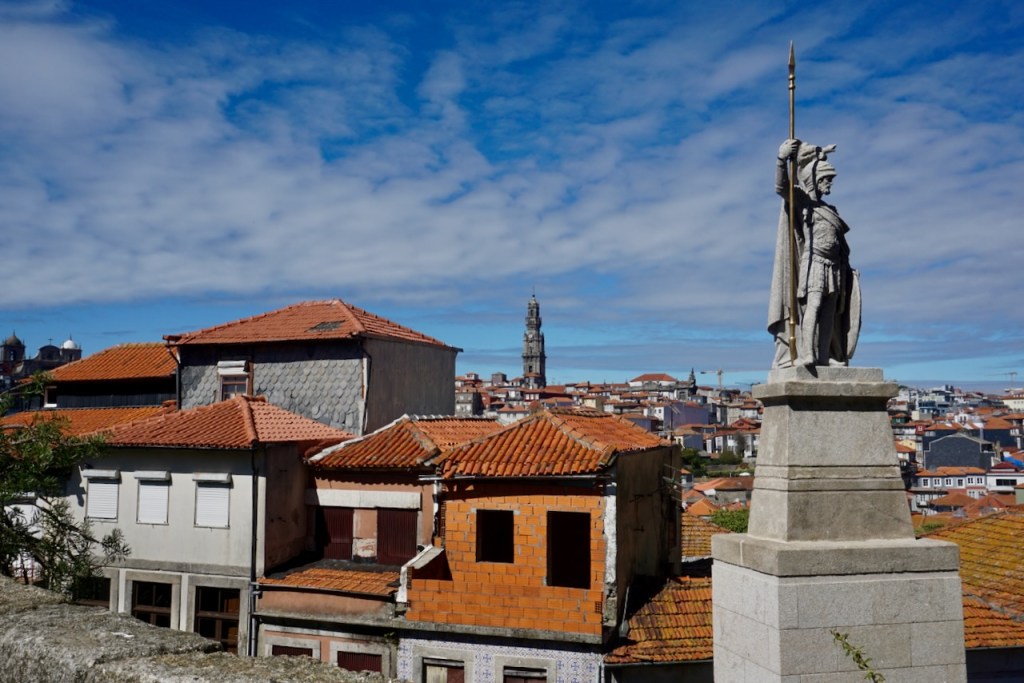
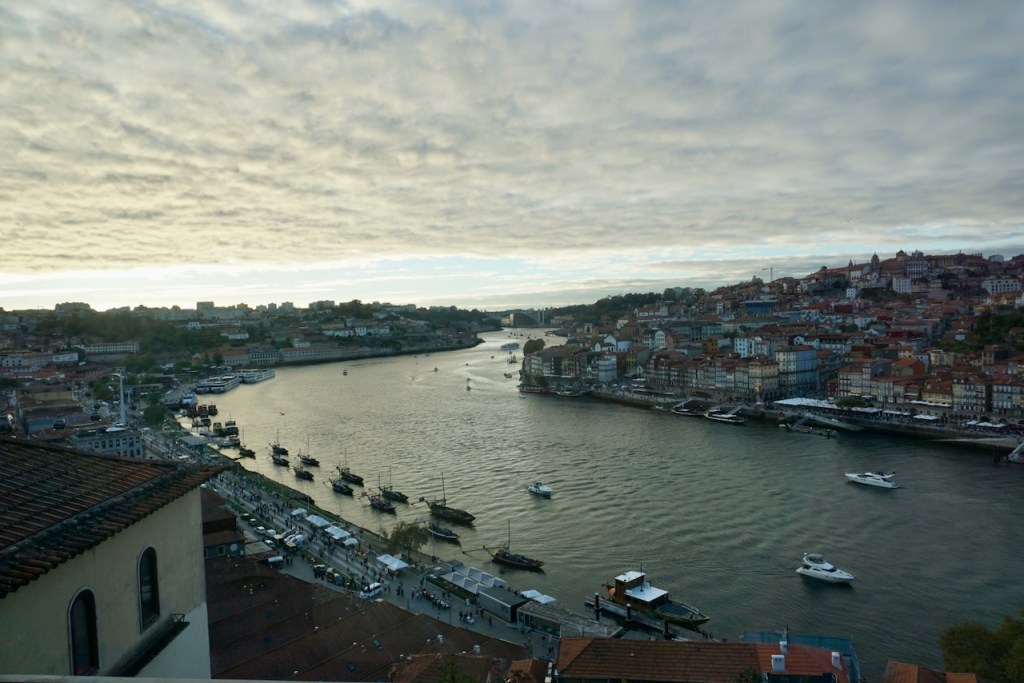
In the afternoon, we climbed all the stairs to the Sé do Porto, the cathedral, and found ourselves far more interested in the view than the building itself.

From there, we headed down to the water for a snack before crossing the river to taste some port. We’d had a glass at dinner the previous night, and that was fine, but I found three tastes to be rather a lot. Port tastes like it smells, thick and syrupy, and I think it was the amount of sugar that left me with a headache the following morning. National beverage aside, that was the end of drinking port.

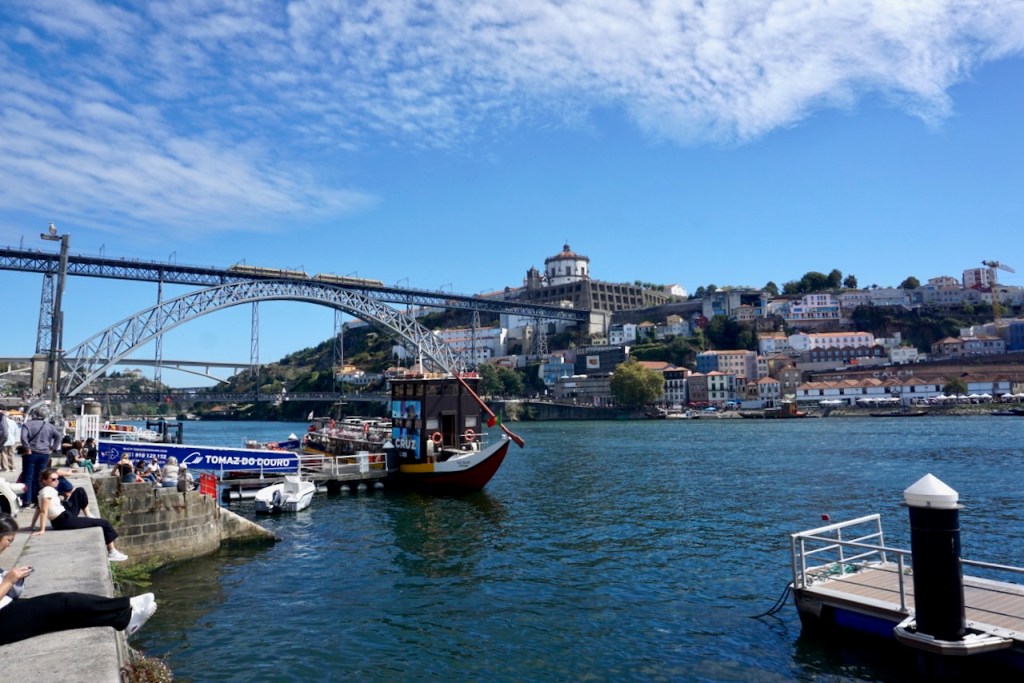
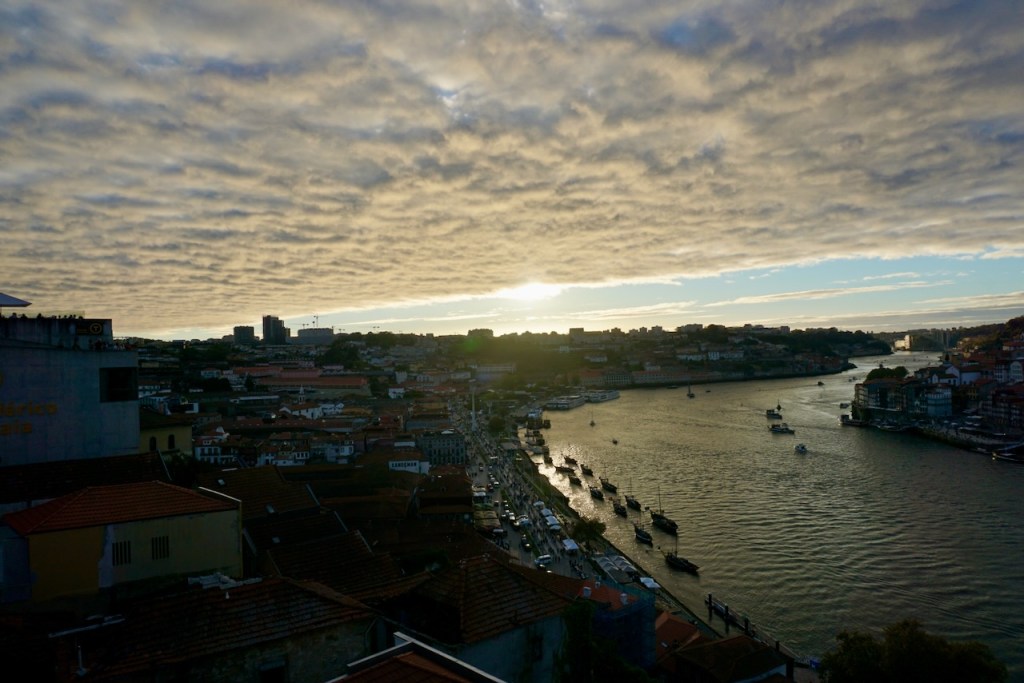
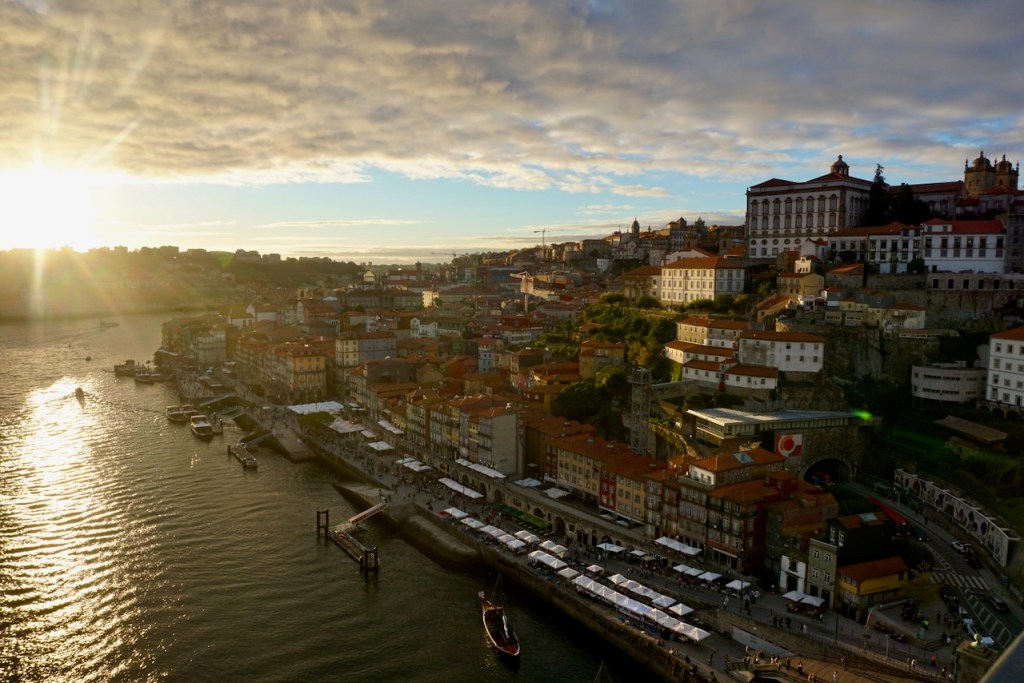
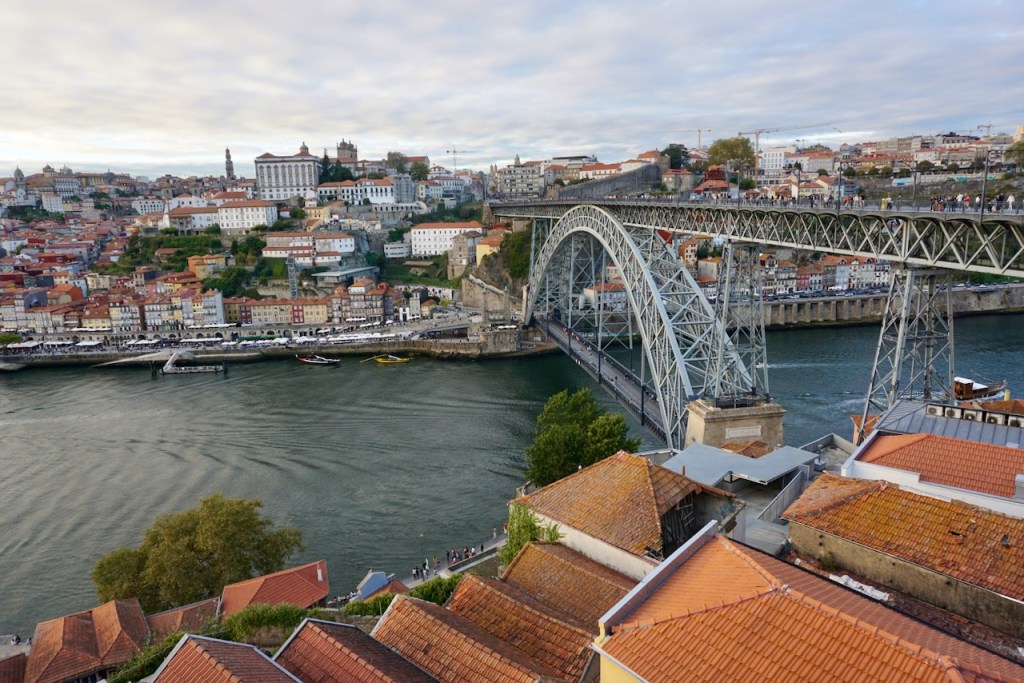
For the sake of the view, we took the Gaia cable car back to the bridge after a stroll along the Duoro River. Crowds of people had gathered to wait for sunset, which we took in while walking across the bridge in the direction of downtown.

I found this a fitting end to our time in Porto. We had the feeling that we had at once seen the whole city and nothing at all. We had wandered and tasted and gotten lost and taken detours, and we picked up our rental car the following morning thoroughly charmed by the experience. There’s not much more one can ask of a city.

Aveiro

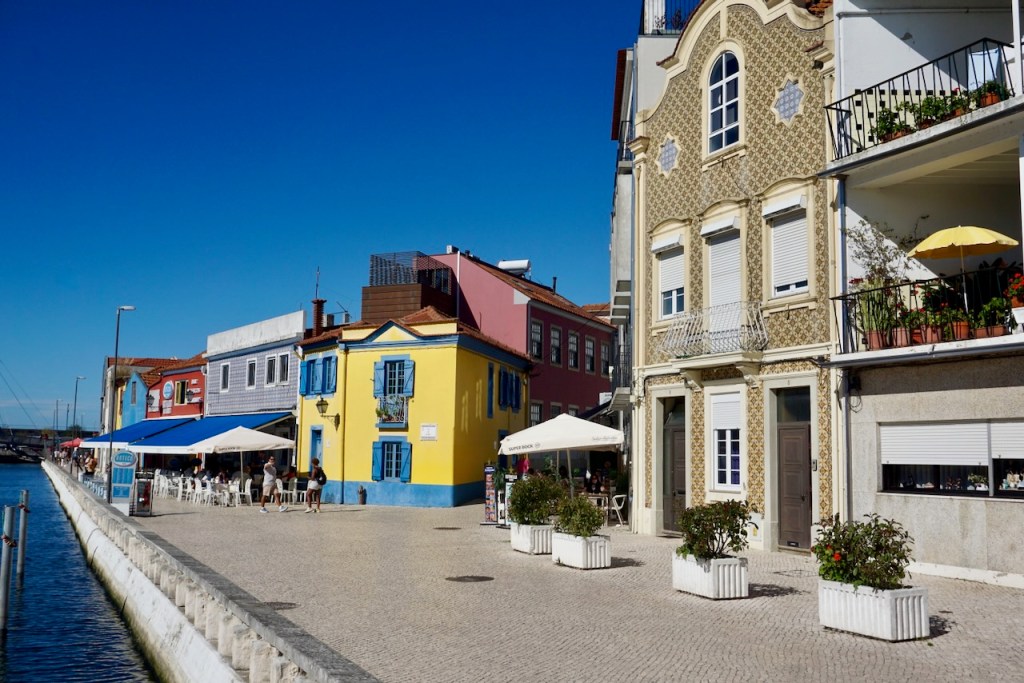
Our first stop on the road was Aveiro, a little town built along a system of canals stemming from a nearby lagoon. For reasons that we couldn’t discern, the bridges were festooned with ribbons on which messages, names, and dates were written, giving everything a rather festive atmosphere.

After getting our bearings, we headed into a plaza for ice cream and made good use of the handicrafts souvenir shop nearby. It always makes me smile to see perspectives of the world from elsewhere.

As always, we appreciated the architecture and the tiles; many of the buildings here had an Art Deco flair, lending Aveiro the feeling of walking through an old film set.

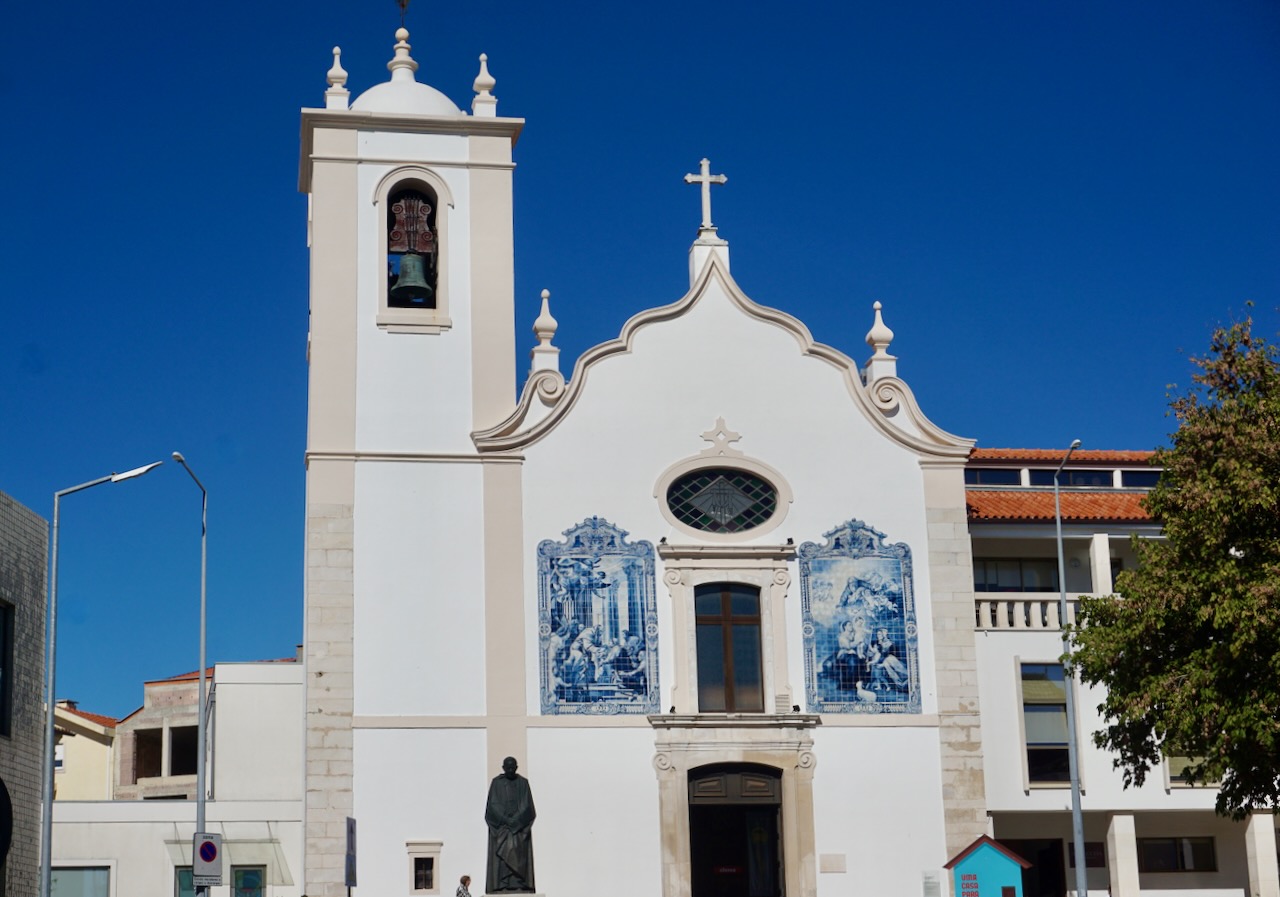
As in most towns in Europe, there was naturally a church to see . . .

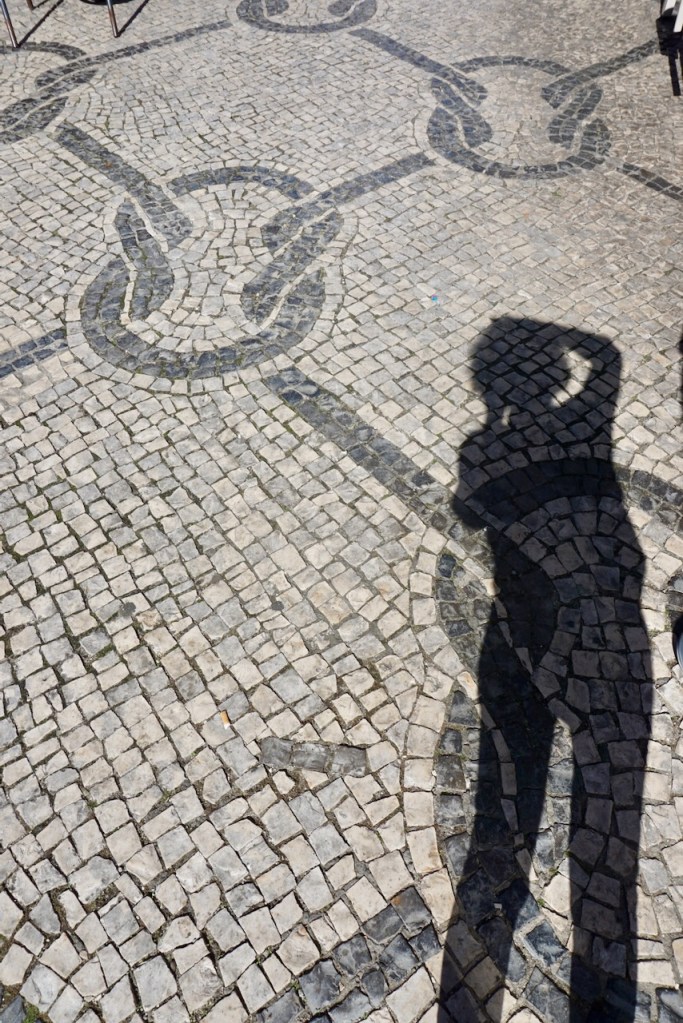
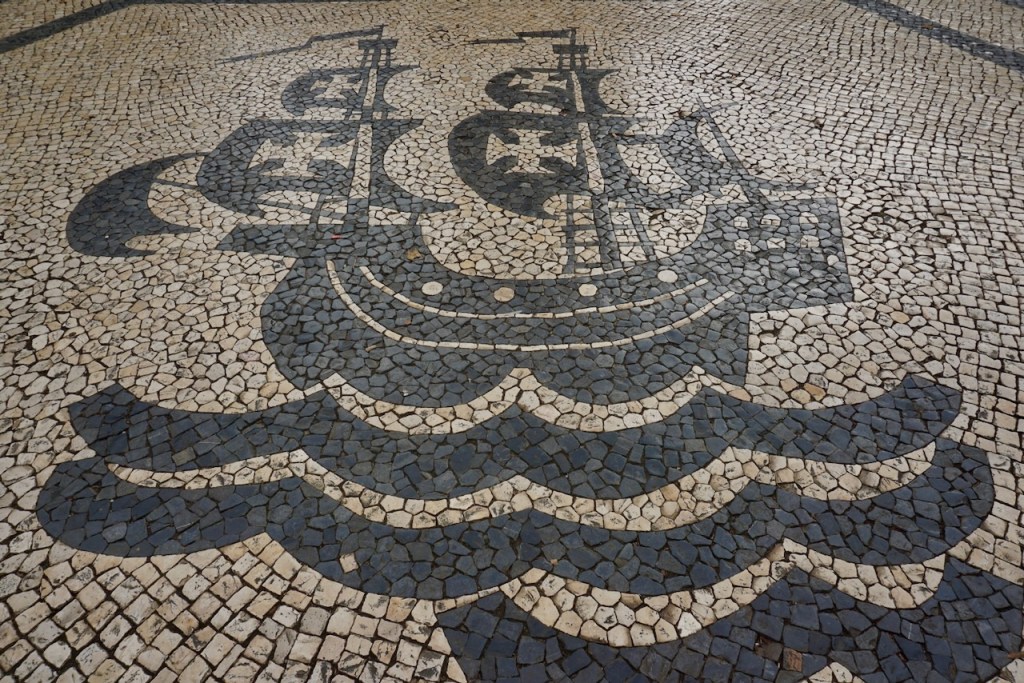
. . . and the mosaics covering the ground nodded at the importance of fishing to the area.

After a brief stroll to stretch our legs, it was back to the car to make it to our next destination before sunset.

Coimbra

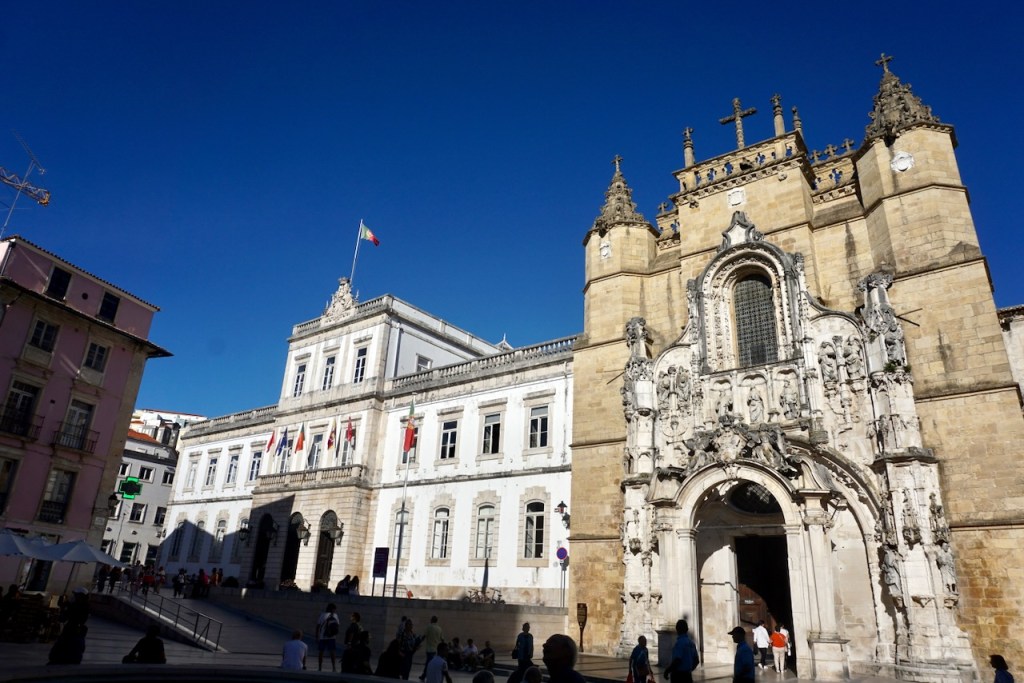
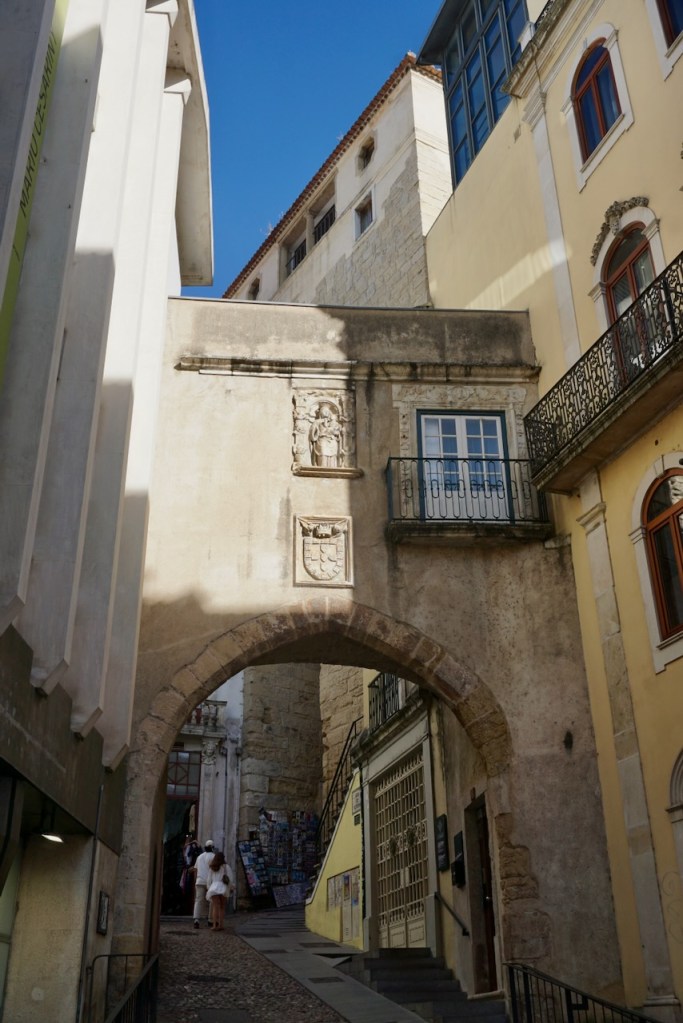
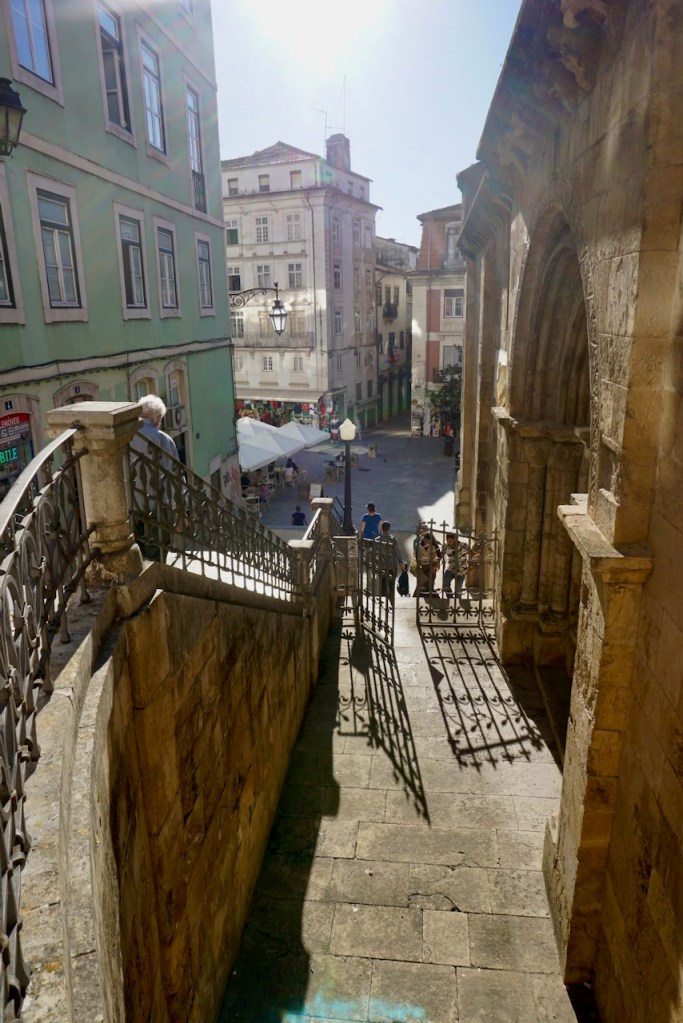
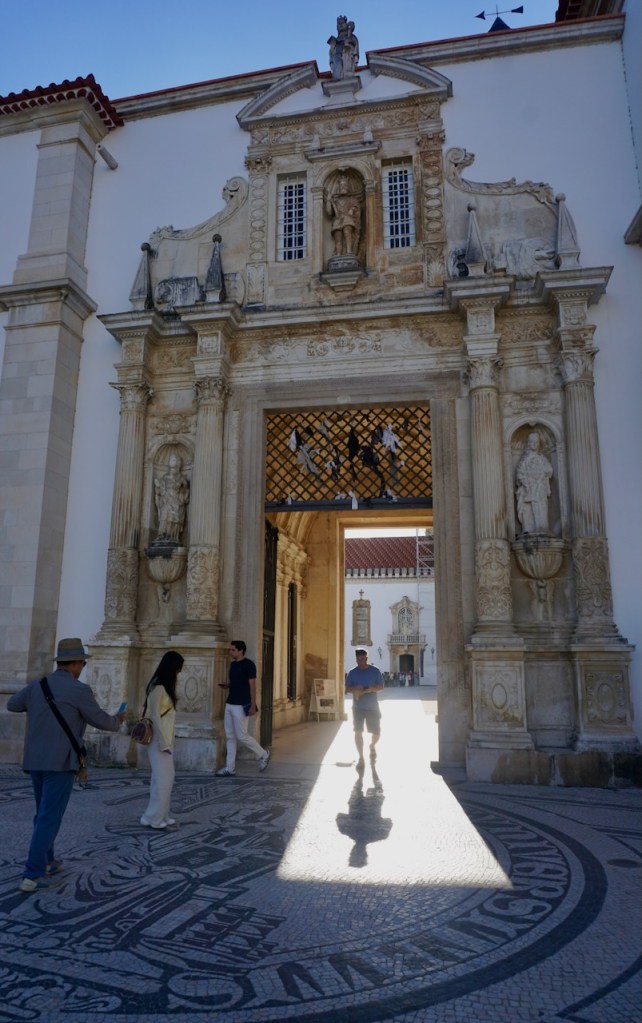
The first thing that strikes about Coimbra, as everyone had told us, is that it’s old. It has a history dating back to Roman times, many medieval buildings, and a university also from the Middle Ages. The construction and stone work differed from what we had seen before, and the layout of the town curved upwards, staircases and streets spiralling, winding, and becoming narrower the higher we went.

At the university, the most famous building is the library, which we admired but did not pay to visit.

Coimbra is a student town and the atmosphere of such a place was present in street art, installations, and many buildings.

It was dusk when we left Coimbra and dark when we arrived at the beach town where we’d spend two nights. As we found out in the morning, we were a world away from touristy hot spots.

Figueira da Foz

Due to globalization, it’s sometimes easy for the English-speaking traveller to forget that there are places in the world that still exist unto themselves. Figueira da Foz was just such a place. Located on the beach, there is some tourism when the weather is right, but not enough that people working in bakeries or grocery stores, with one single exception, spoke English. And I am again reminded what a privilege it is to be able to travel through the world speaking my own language.

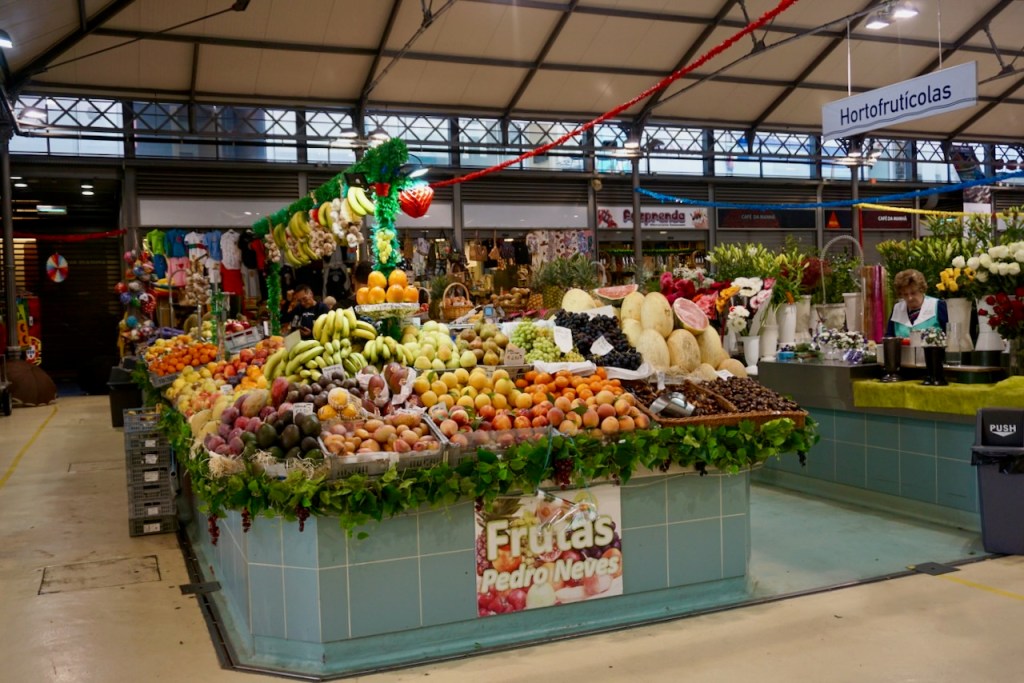
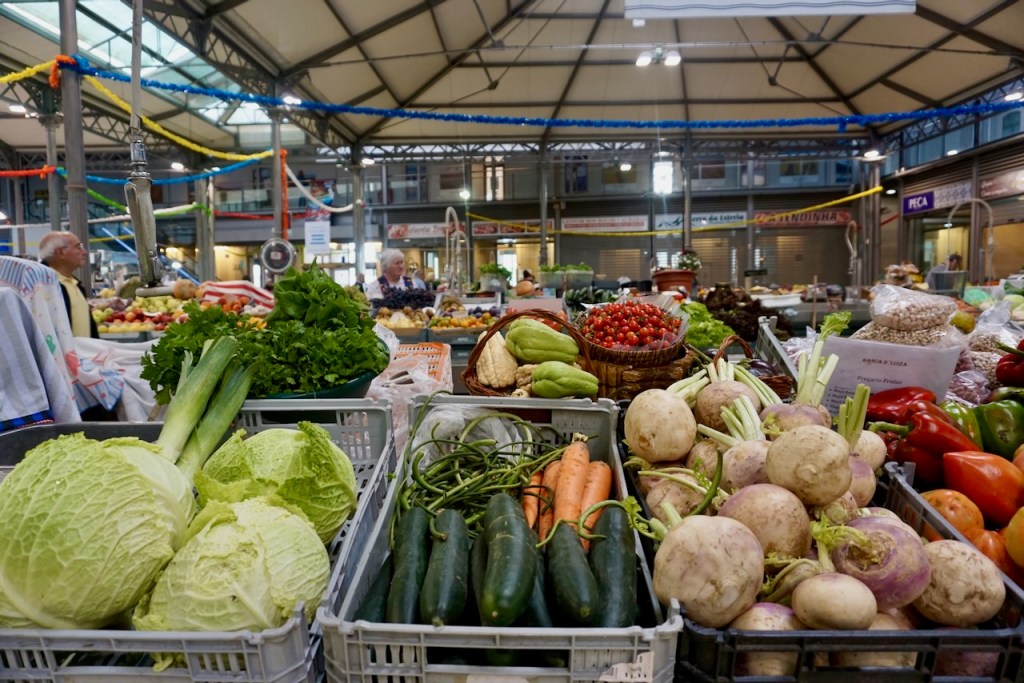
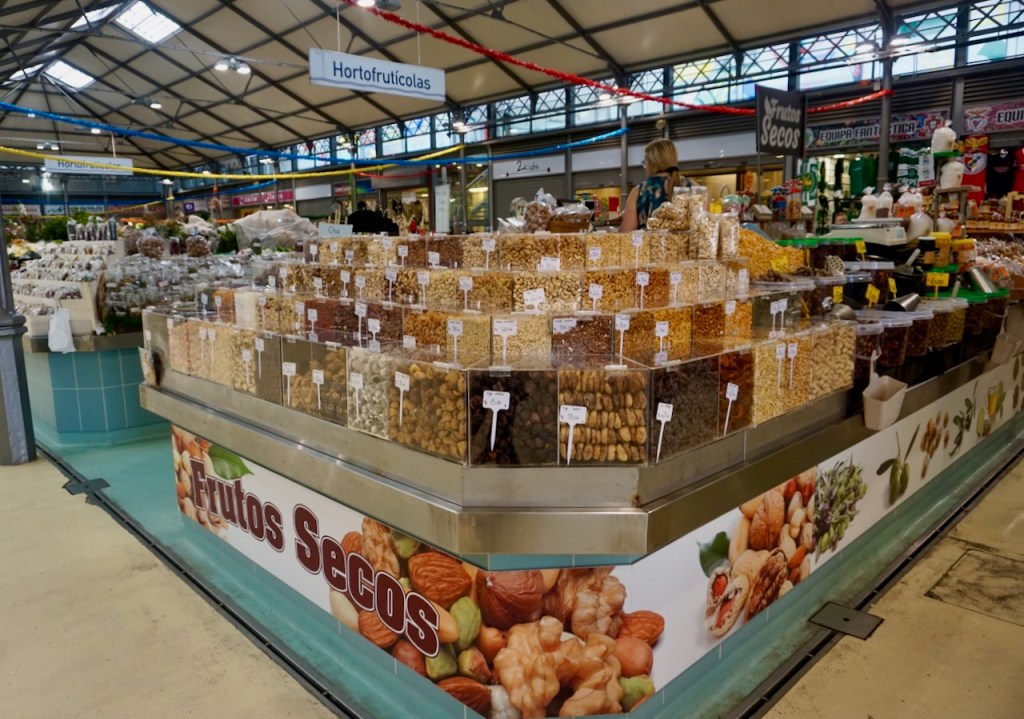
After an unsuccessful attempt in pouring rain to find gluten free breakfast, we headed to the local market. Figueira da Foz has multiple supermarkets (we visited out of curiosity to buy snacks that we don’t have in Germany) but the market was visited by elderly people doing their shopping and simply meeting one another. I would be very glad to have daily access to something similar. We bought fresh and dried fruit and loose tea, and I wished that we had proper kitchen utensils in our accommodation to make ourselves a real meal.

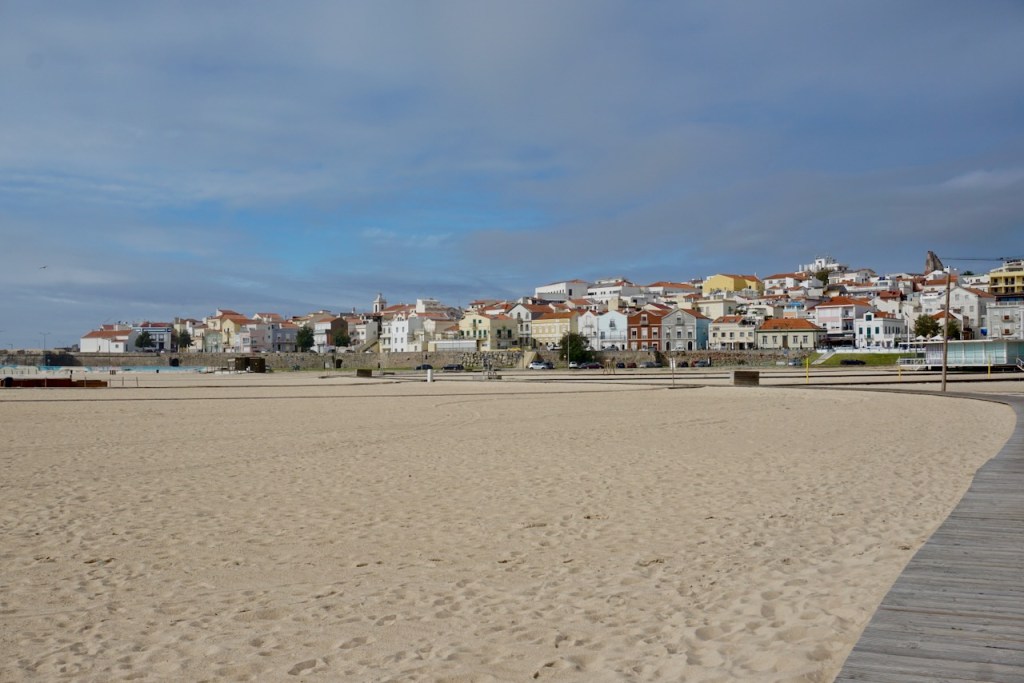
When the rain stopped in the afternoon, we walked for a long time along the beach, testing the cold Atlantic with our feet, laughing and running away from the waves that came up sharply and suddenly, far higher than we expected. This is not a surf beach; the wind and waves were far too dangerous for that.

We were pleasantly surprised by the excellent meal of traditional tapas (heavy emphasis on seafood but plenty for the vegetarians) accompanied by local red wine. And we had the distinction of being the first people in the restaurant, again driven by rain, and the last ones out. We talked and laughed and it was a pleasure to sit cozily inside, the lighting dim, enjoying the time. Considering we would be on the road again the next day, it ended up being a rather late night.

Sintra

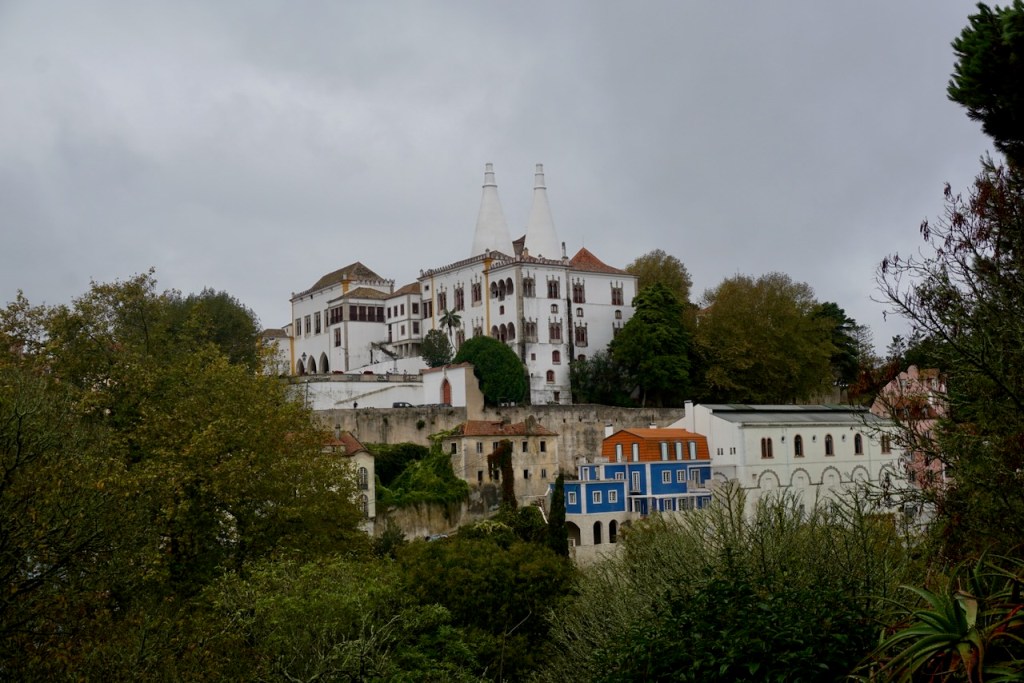
In the rain again, we stopped in Sintra, parking as required in the city before making our way on foot past the train station and into the old town where parking is prohibited. Like everything so far, we had no real plan for Sintra, other than to see castles and gardens. As we found out, however, Sintra requires tickets, some timed, for everything. The rain let up and we began to walk in the direction of the next set of hills, following signs pointing to castles built, as always, as high up as possible. Already, the town had a mysterious air to it.

It soon became clear, however, that rain was coming in again and that it was much too far to walk in our jeans and street shoes. We found a bus stop, did some quick inquiries with the aid of technology, talked to the next bus driver, and bought round-trip tickets that took us back down to where we started before heading up the impossibly narrow roads through the old town and up the hill. I quickly understood why cars weren’t allowed.

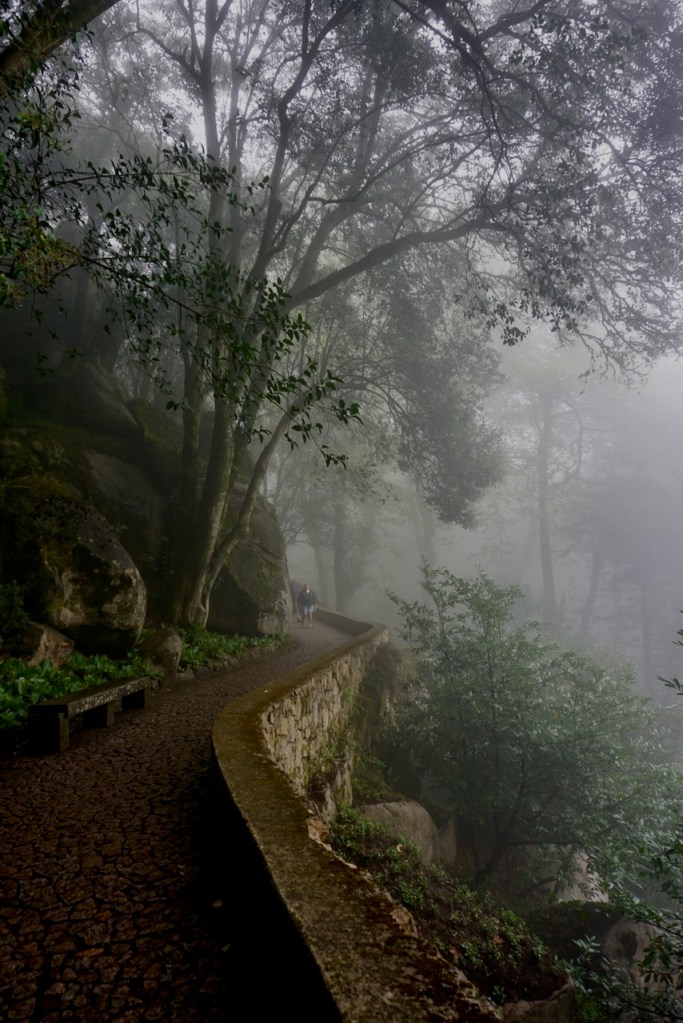
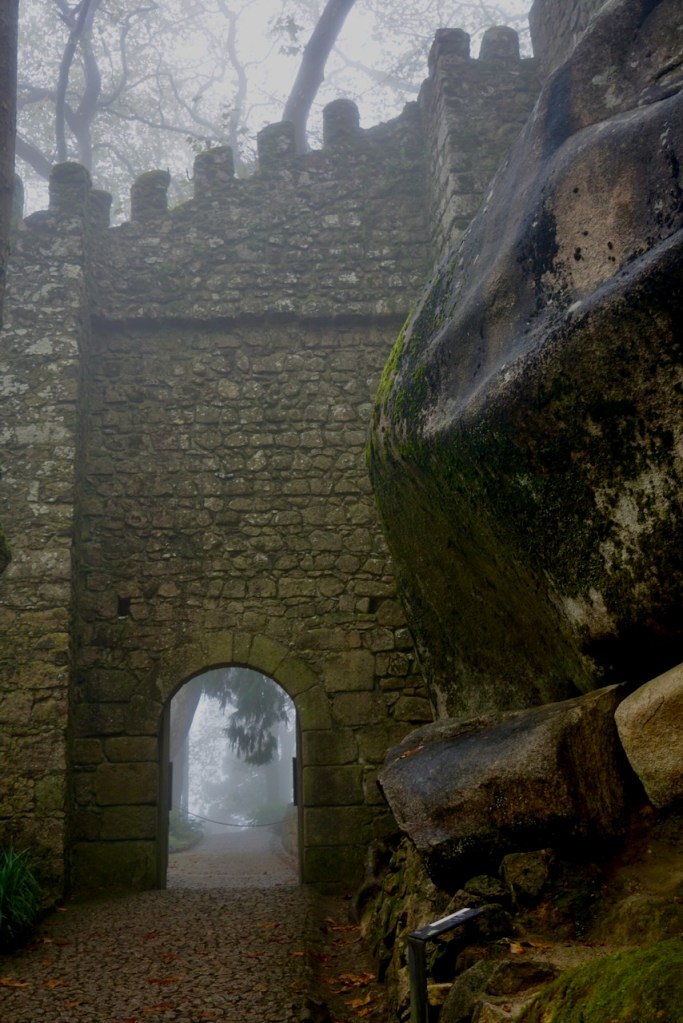
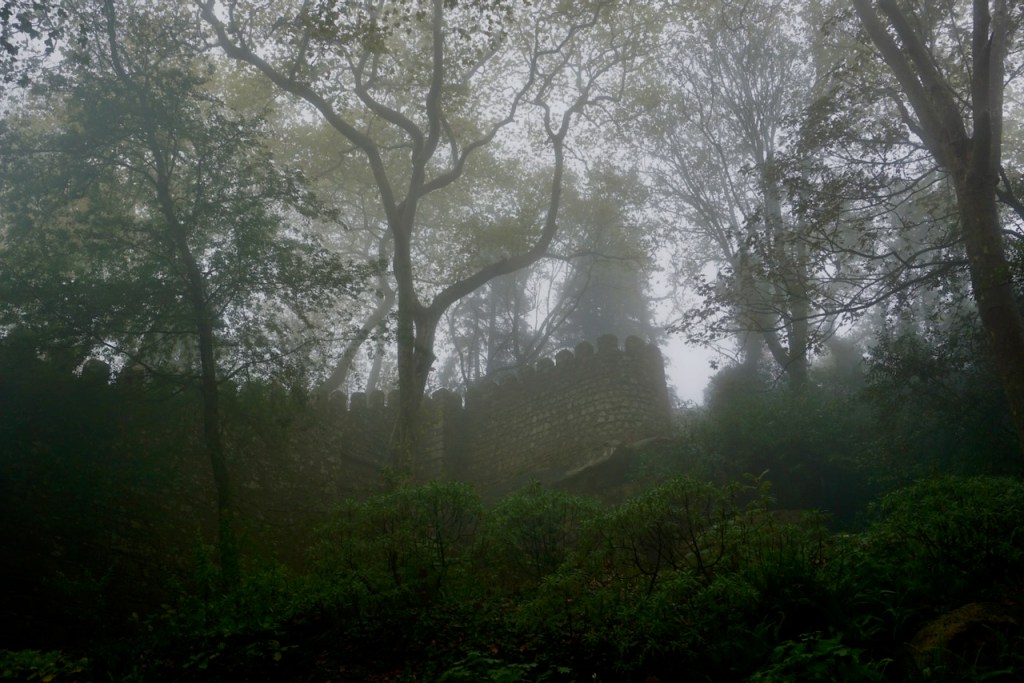
The drive up to the castles overlooking Sintra was like entering a portal to another world. It began to rain in earnest, giving what was already a unique place a mystical, ancient feeling. There were secrets here, there had been lives lived, there were stories told and to tell.

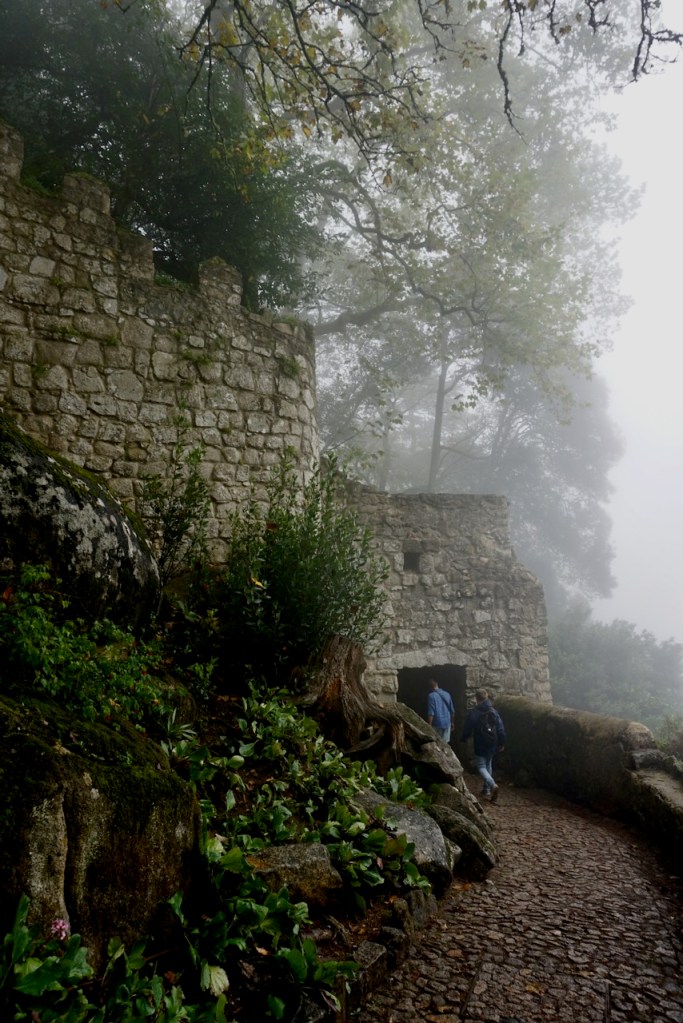
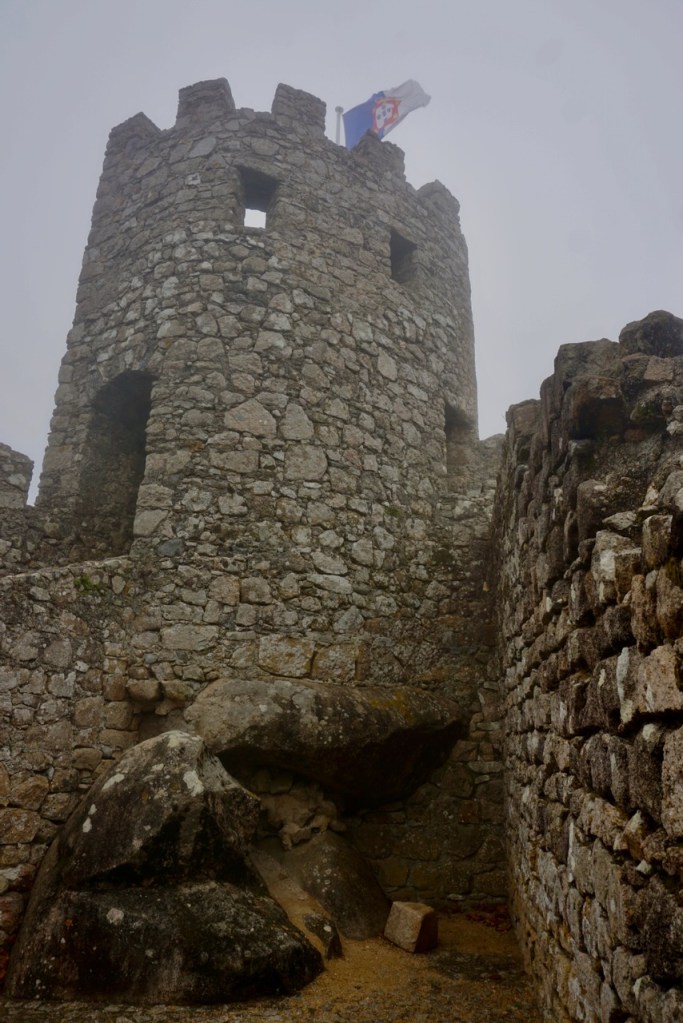
As every castle charges an entry fee, we made our choice based on where we got off the bus and bought tickets for Moorish Castle, a fortification dating back to the tenth century. We saw ancient cisterns, walked along the fortress walls, and looked at evidence of the confluence of Islamic and Christian history in the area.

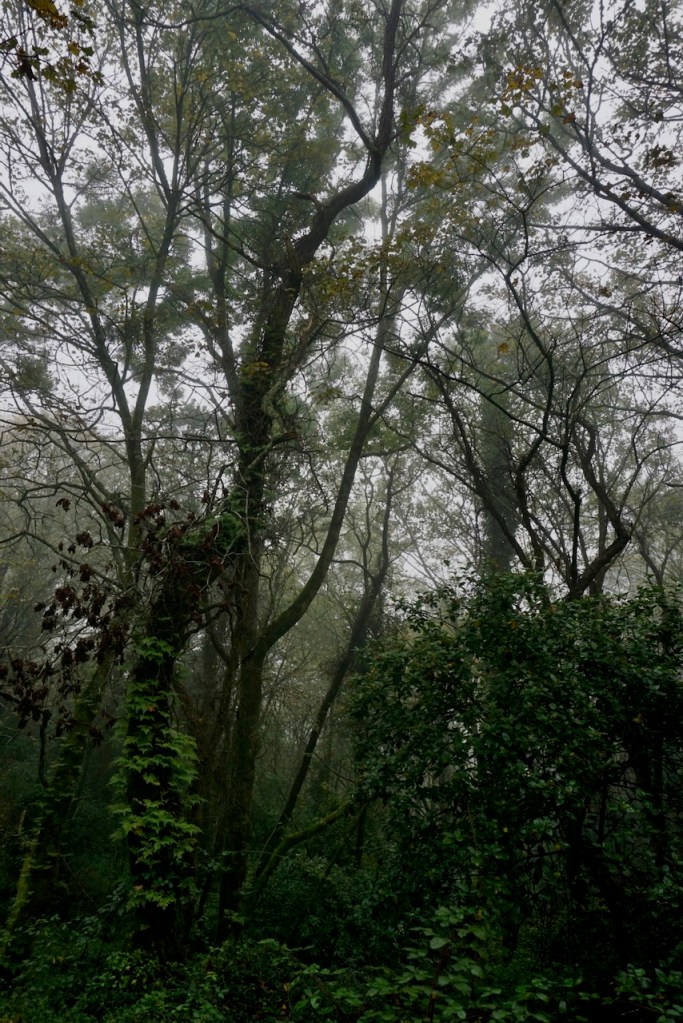
The air temperature was different up here, the greenery so lush as to create a microclimate completely juxtaposed with the palm trees below. This was a magical sort of world, a different place, an ancient time. The rain didn’t invite us to linger, but being there was a far more immersive experience due to the rain than it would have been without it.

Lisbon

A broken entry gate in the parking garage greeted us in Lisbon and we were instructed to simply drive around the block and try again at the other entrance. In other parts of the world, there might have been a sign, but I have to admit that I do like the casual, relaxed lifestyle of southern Europe.

Lisbon was instantly all-consuming in the ways that big cities often are. Loud, busy, fast, a buzzing that excites the senses. I enjoy feeling the thrum of a city and I enjoy the exploring that comes with it, but I feel myself having slowed down a lot since moving to a small town. As we had throughout Portugal, we spent our time in Lisbon just walking and looking, and therefore doing everything at our own pace.

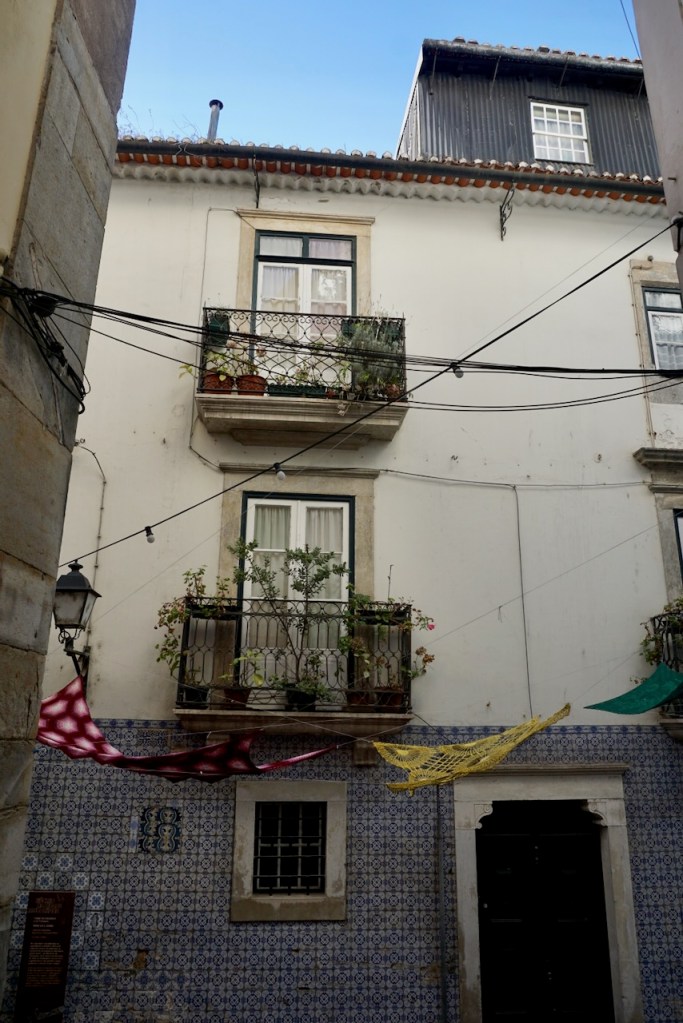
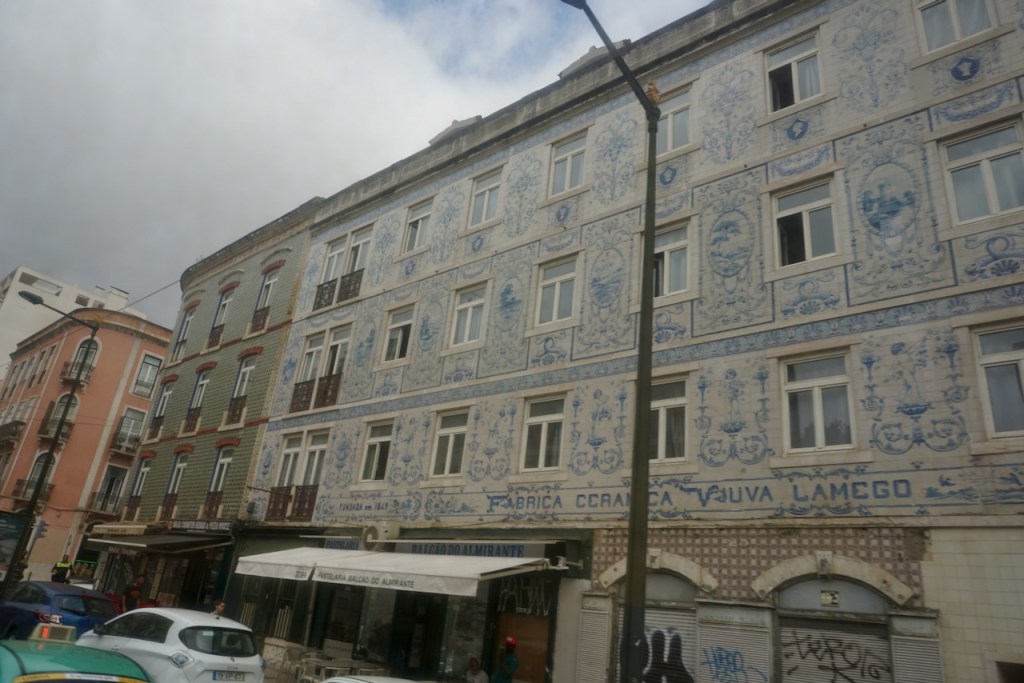
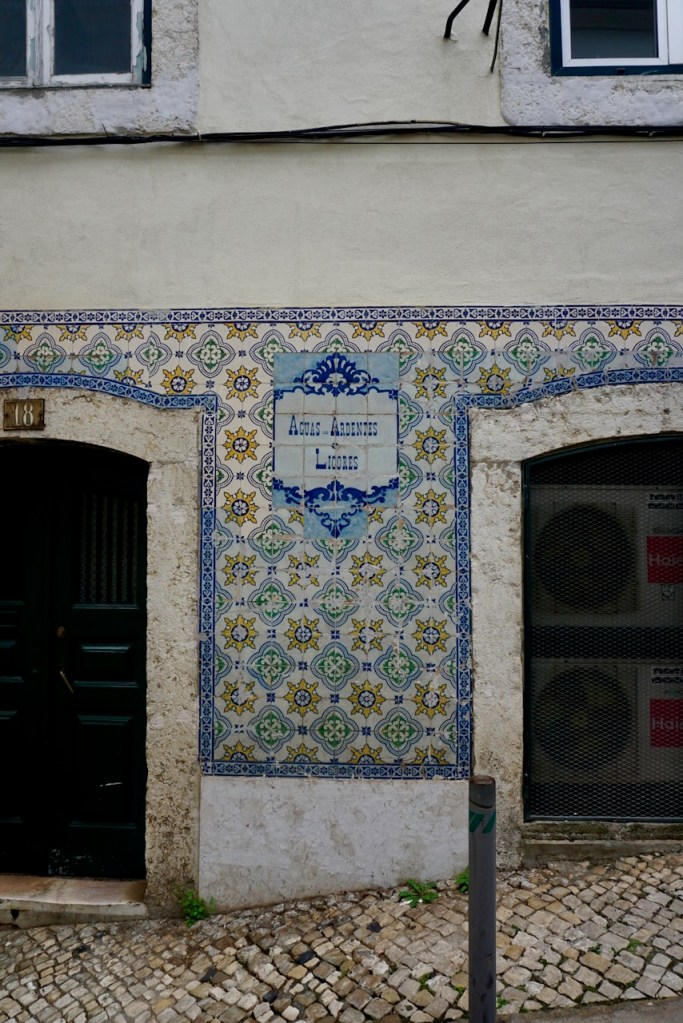
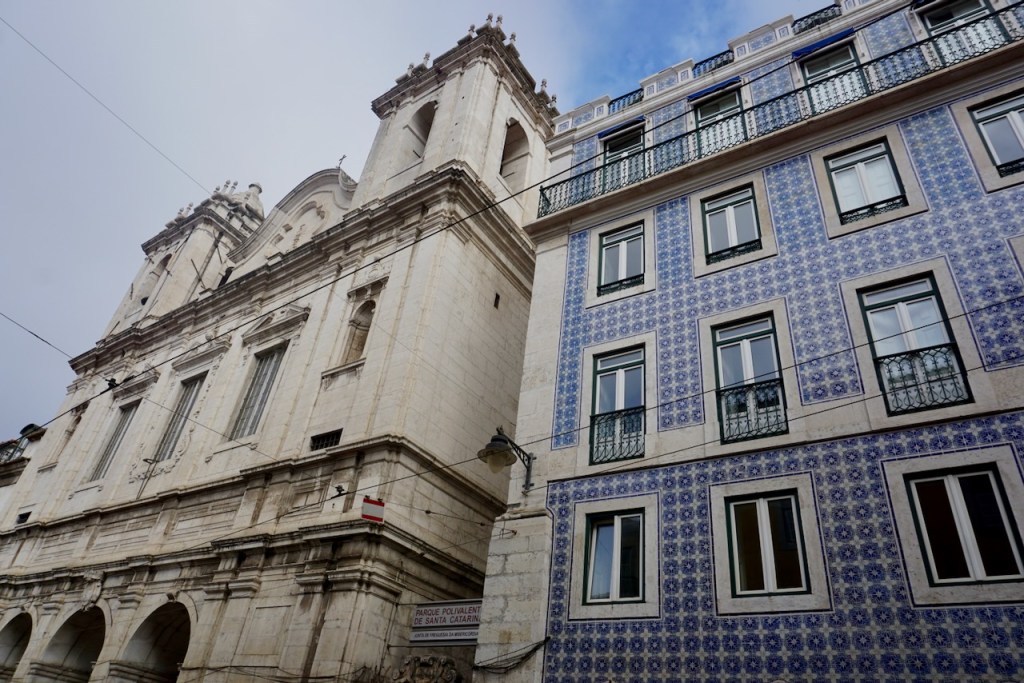
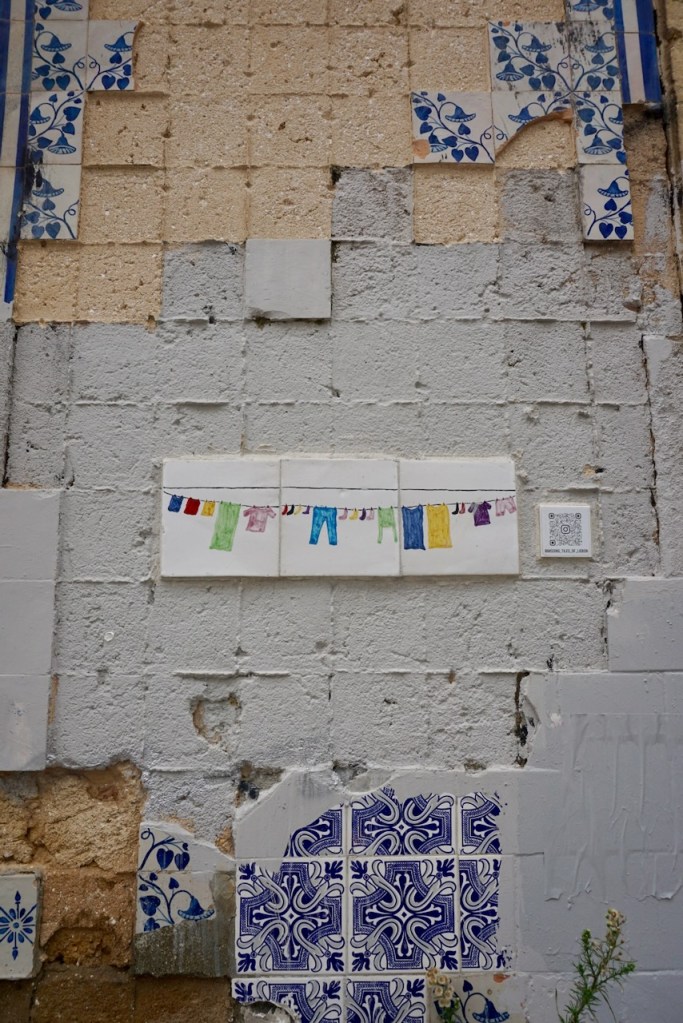
As usual, we were enamoured with tiles . . .

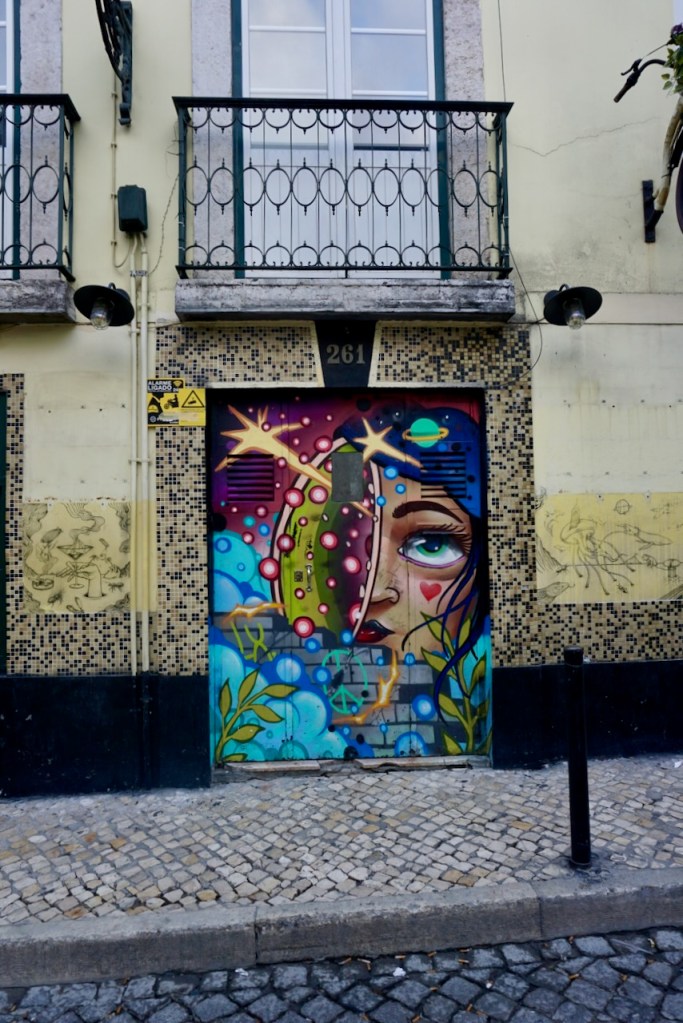
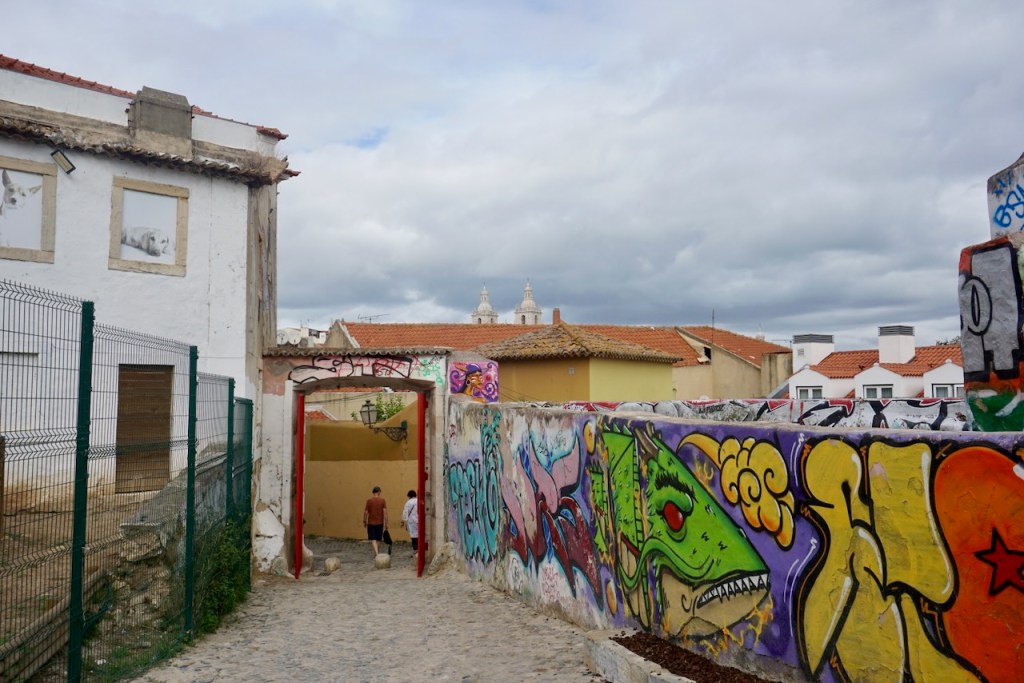
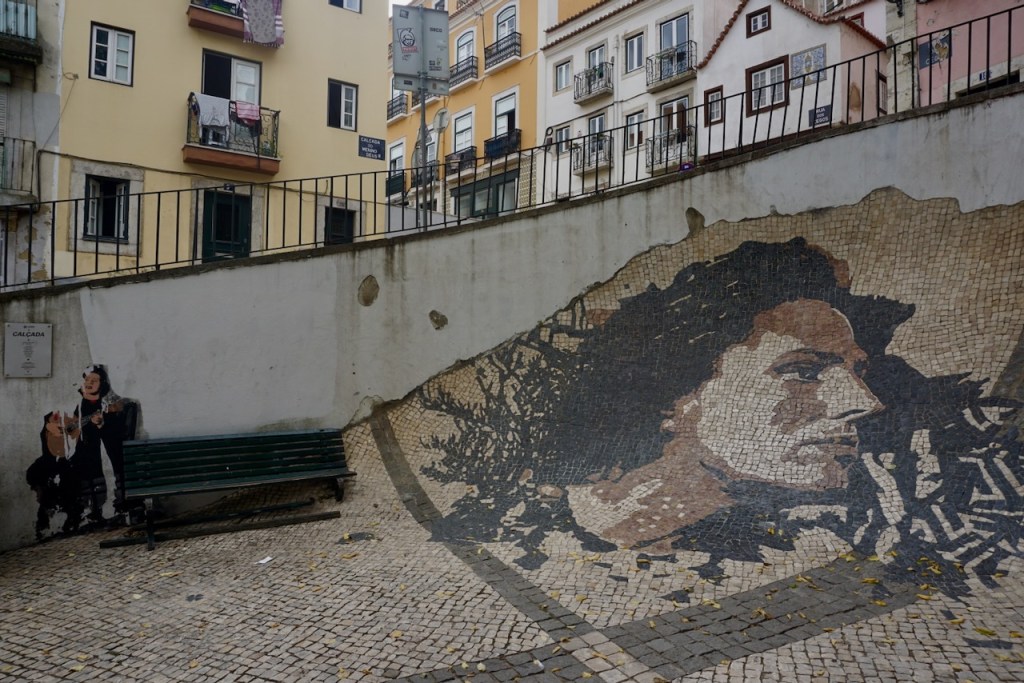
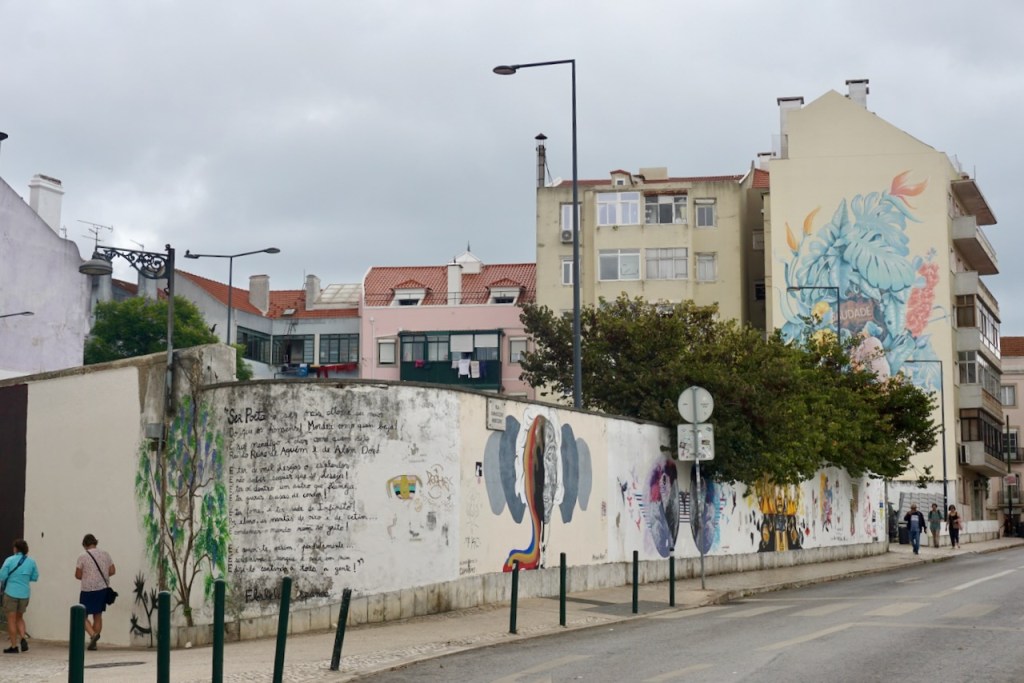
. . . the street art and symbols of human creativity . . .

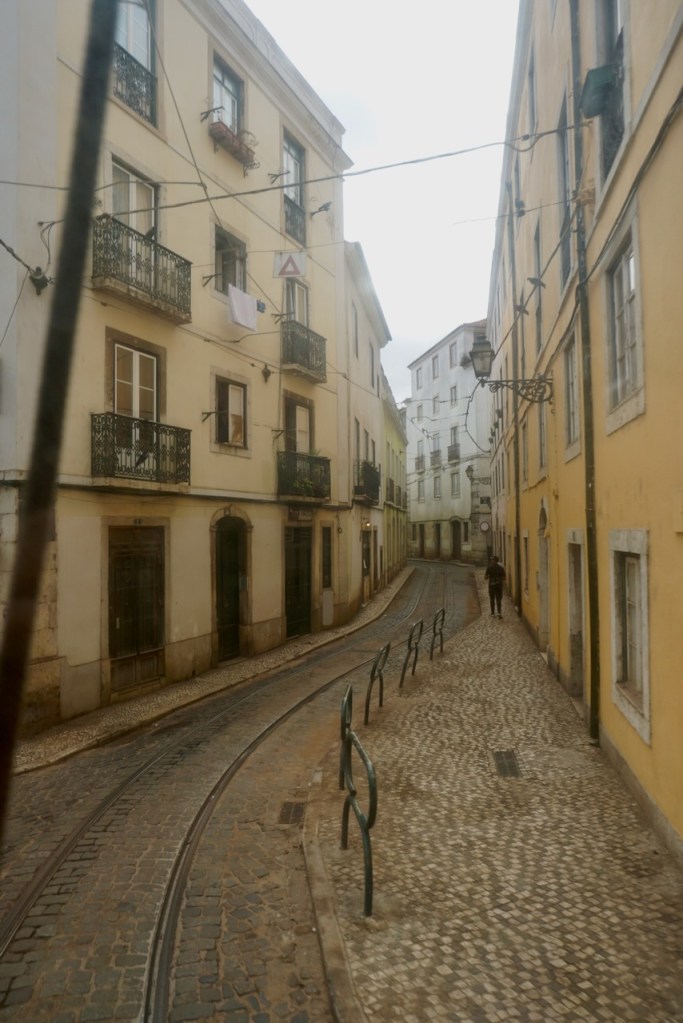
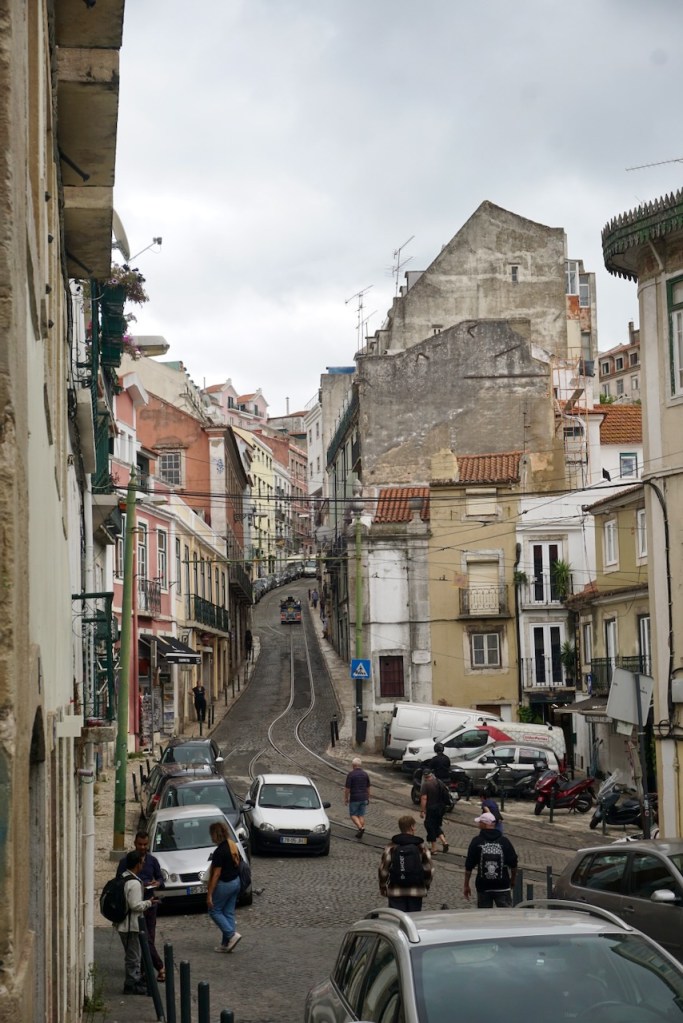
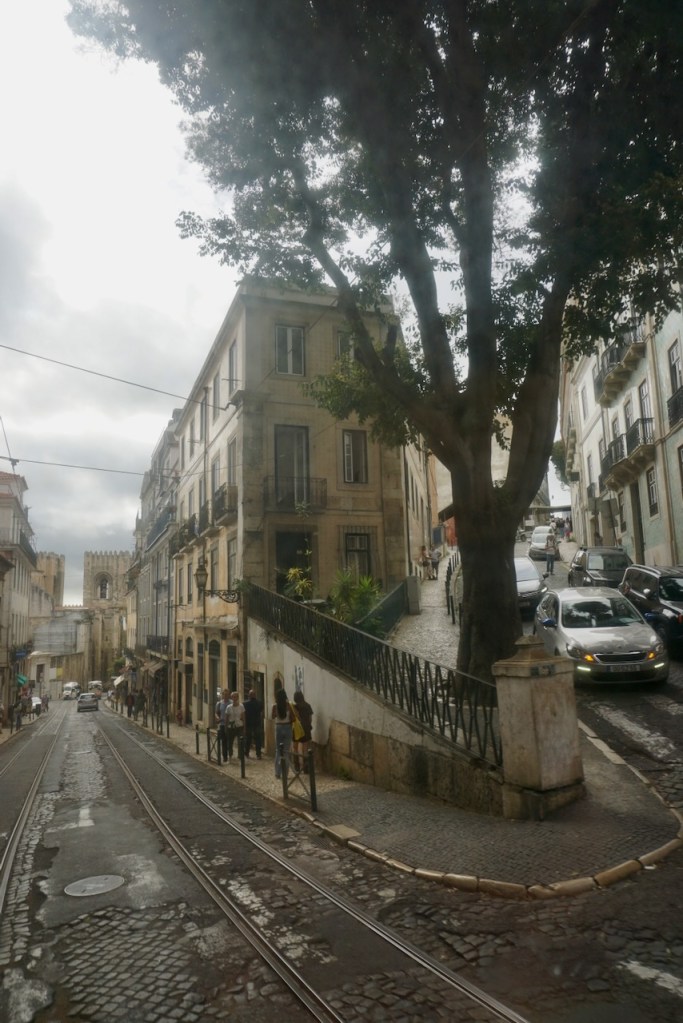
. . . and the twisting, winding streets built into the hills that make up the city and the Alfama, the old town.

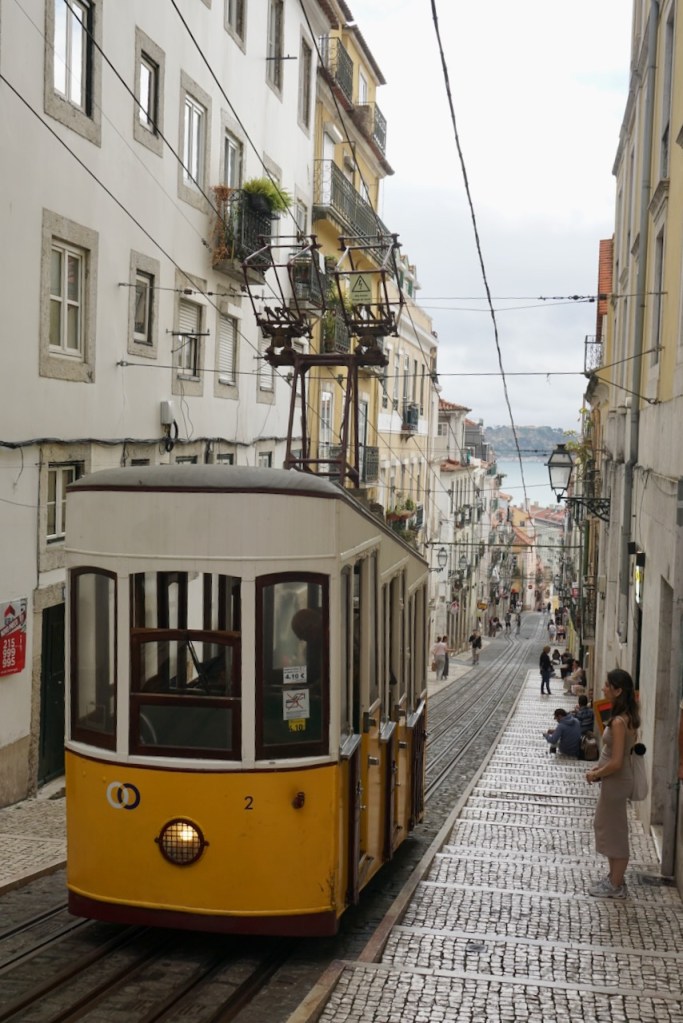
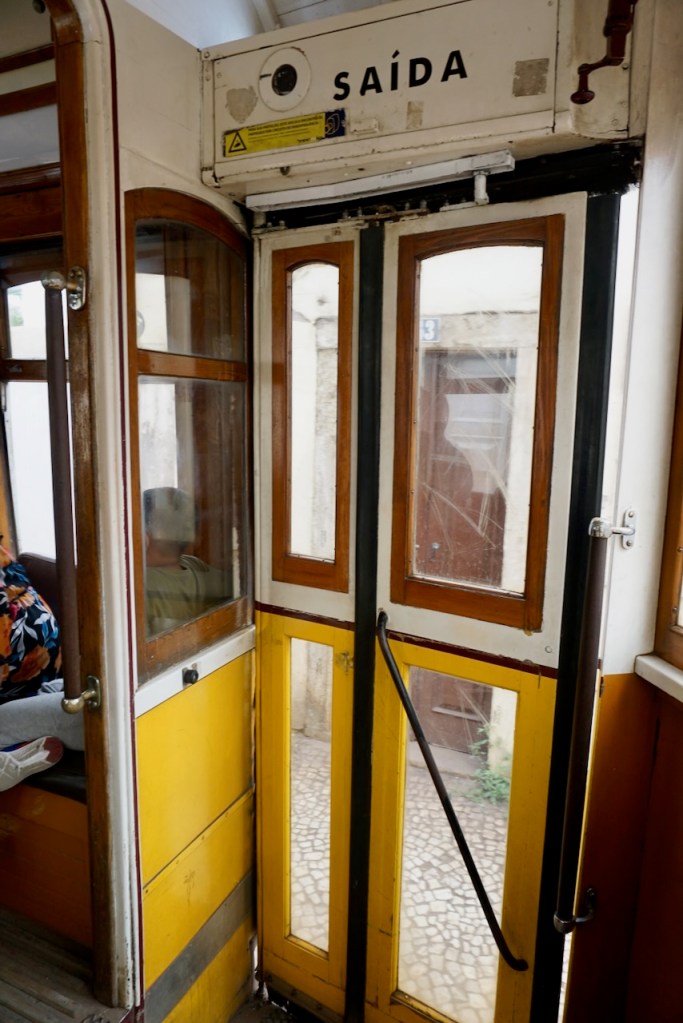
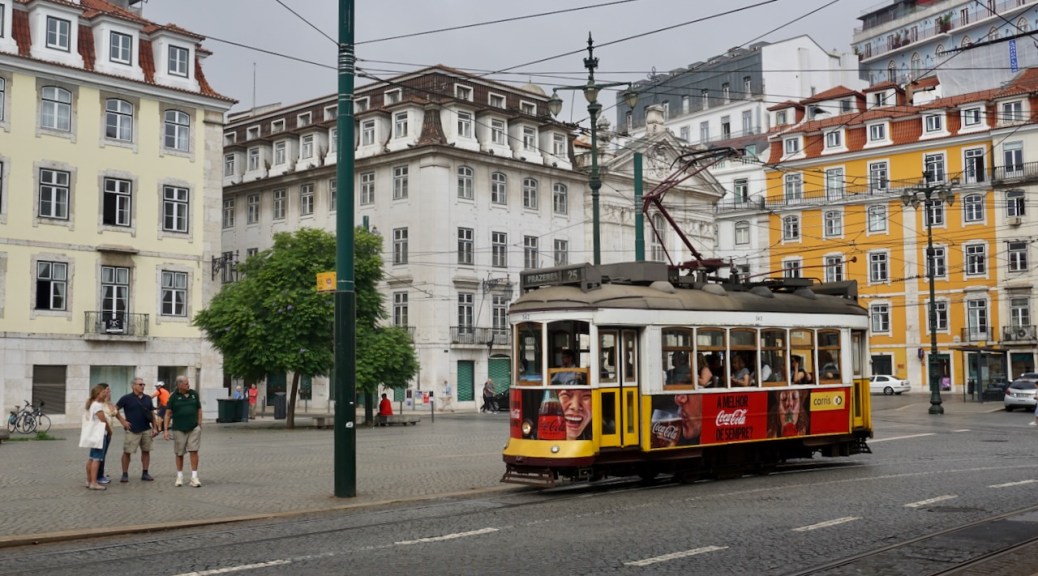
Streetcars and old trams are a particularly charming feature of Lisbon and we went for a ride on Line 28E, taking it from its starting point to its terminus. I hung on in the back, trying to take photos out the windows, and found the speed rather alarming.

We had not expected so great a presence of tuk tuks in Lisbon, but they were everywhere. A glimpse at the prices convinced us that we were better off walking, but they probably are a great option for some, particularly those who would have a harder time with the stairs and hills.

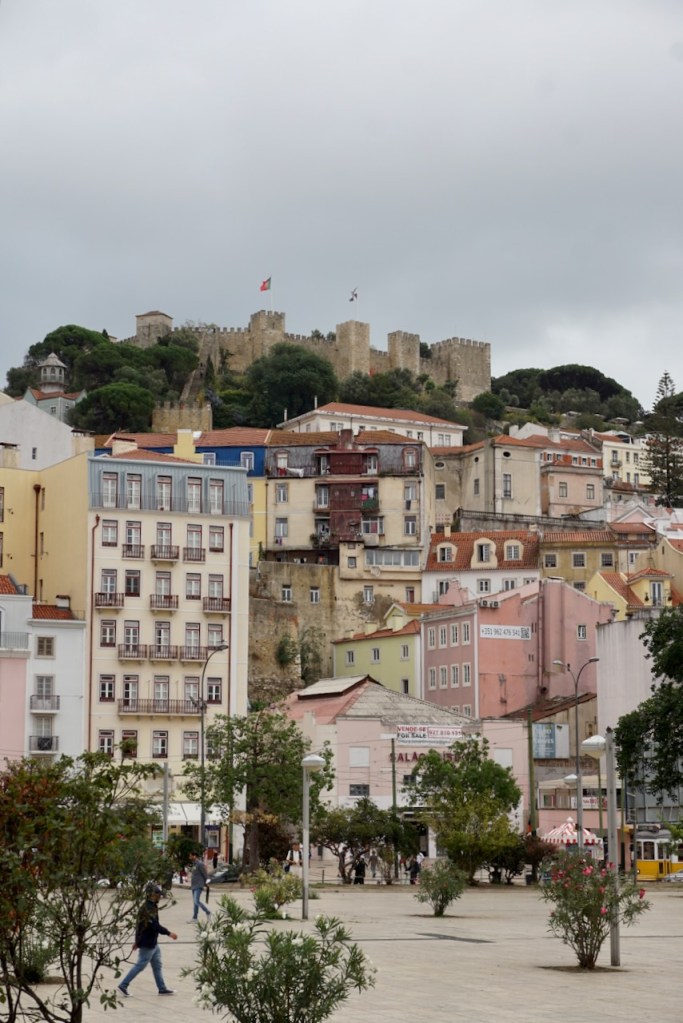
We walked up to the lookout point Miradouro da Senhora do Monte, from which we could also see São Jorge Castle, and gazed down at Lisbon, listenting intently as the tour guide next to us described the stages of building in different neighbourhoods.

While we didn’t go inside the castle, we were tickled by the peacocks that came out to say hello.

Another aspect of Lisbon that we really enjoyed was the nature that popped up everywhere, despite the tiled walkways and streets that seemed to be giving their best efforts to prevent just that.

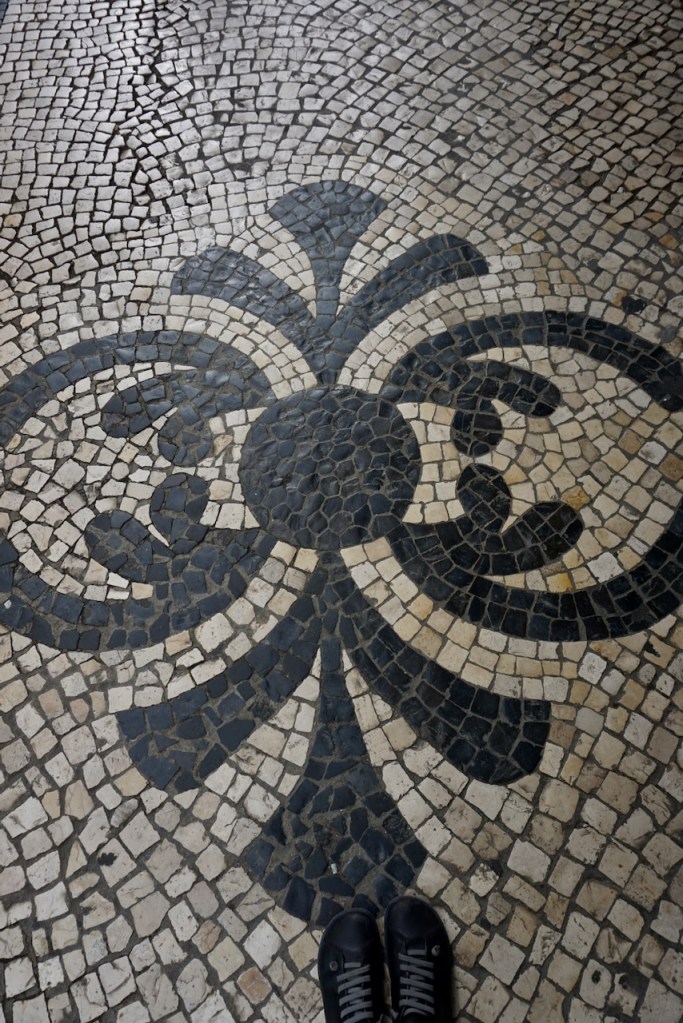
It is worth remembering that Lisbon is old, actually ancient and prehistoric, and cities that old have walls. It was really nice to see shadows of Lisbon’s history in the ground that we walked on.

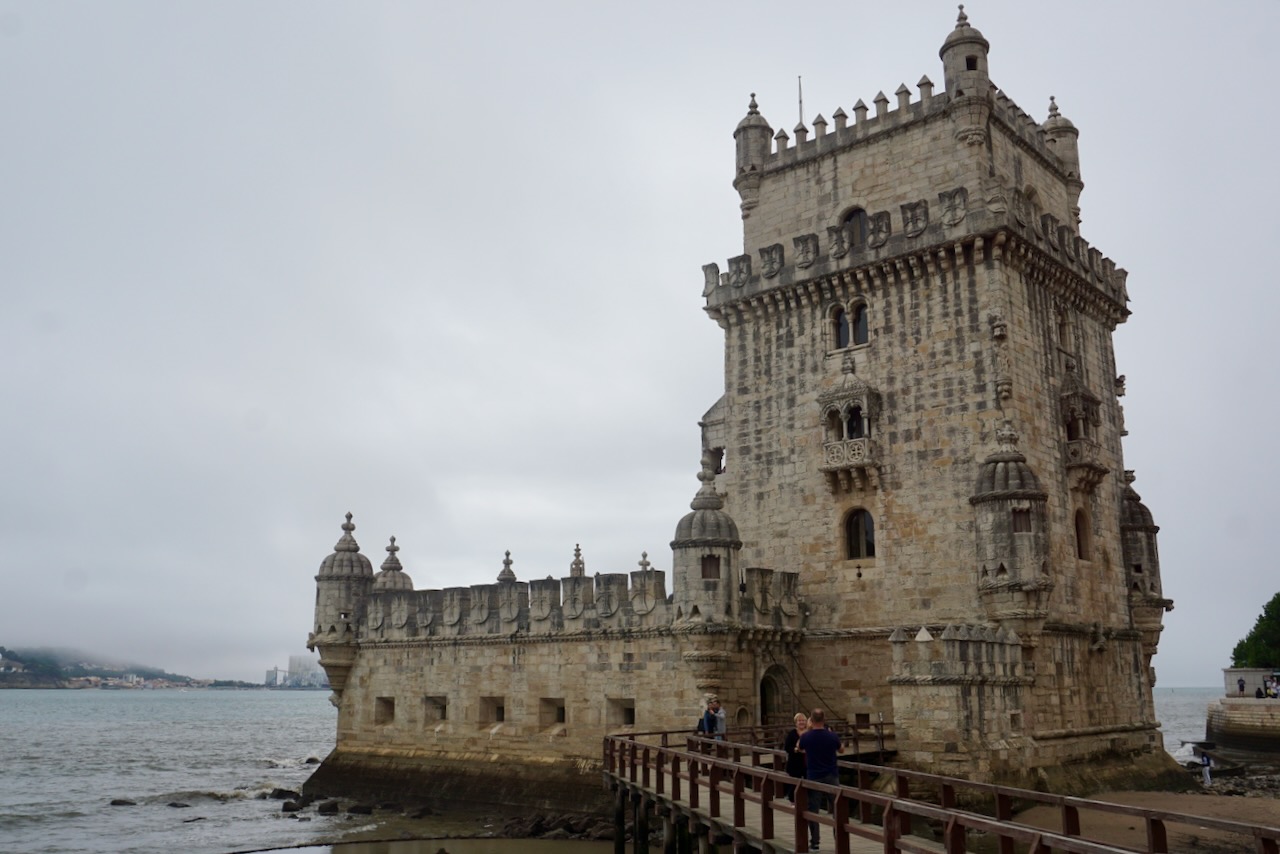
On our last full day in Lisbon, we walked to the Torre de Belém, a tower fortification built to control the shipping and commerce that made Lisbon famous and Portugal, the first of the European explorers, rich.

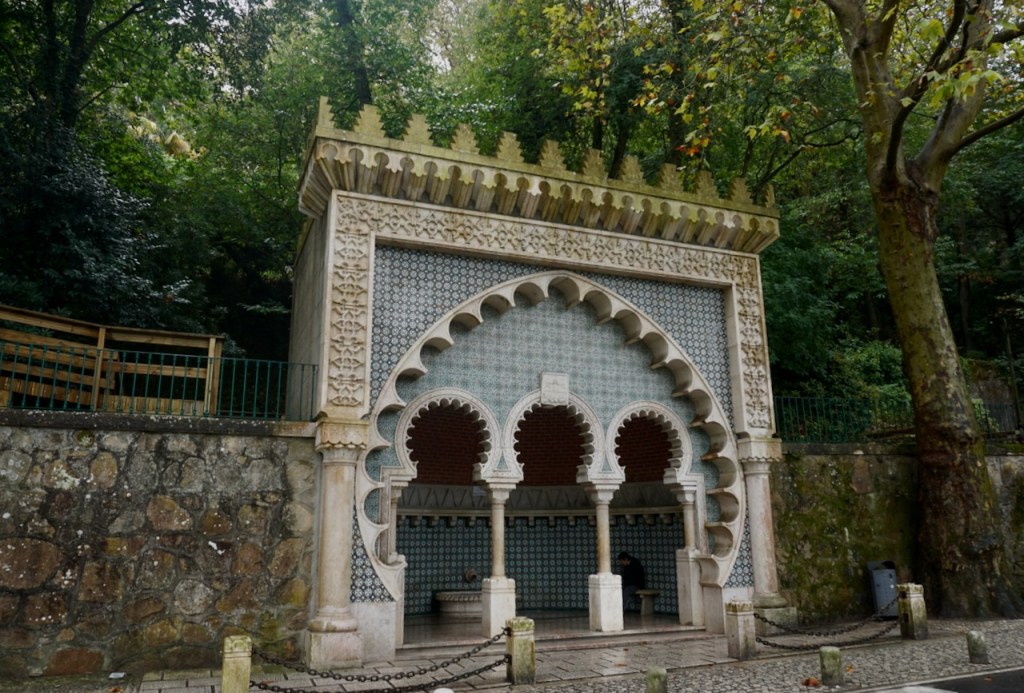
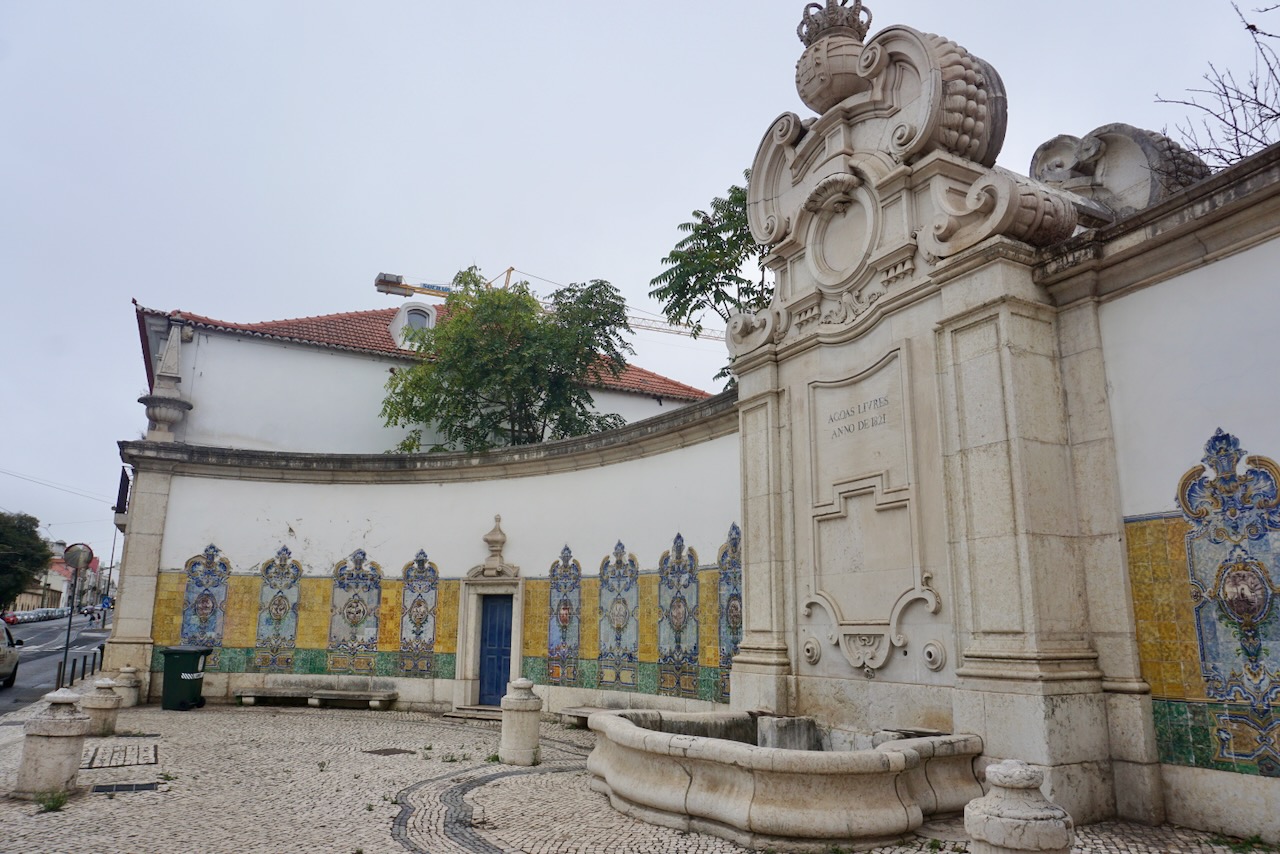
Along the way we passed a fountain that seems to commemorate the aqueducts built to provide water to the city (I could not find any data to verify this, so please jump in if you have details) . . .

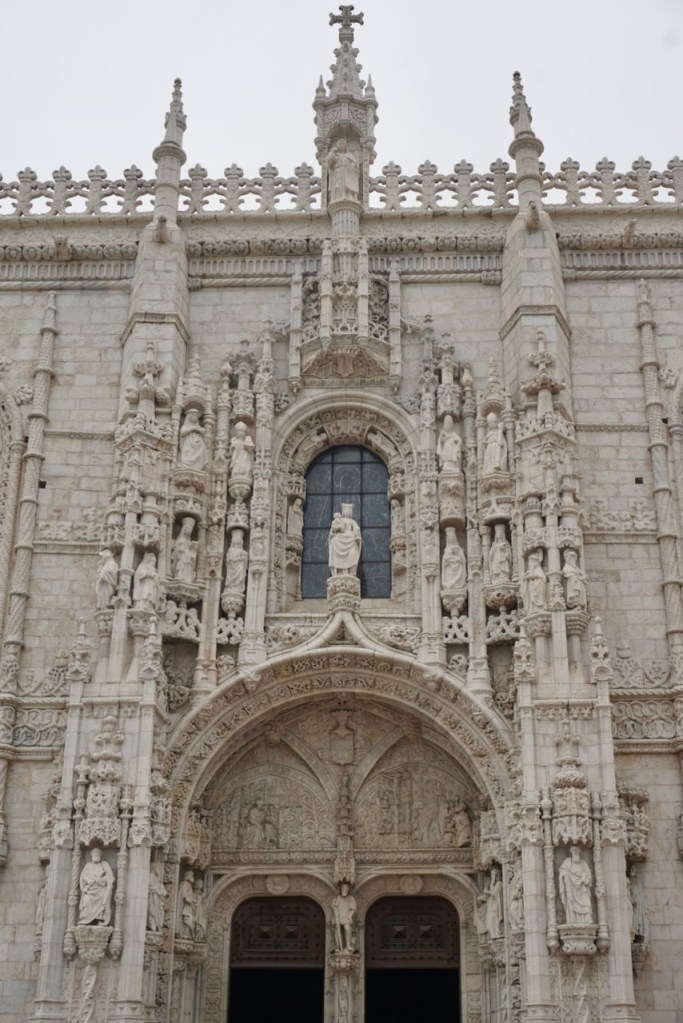
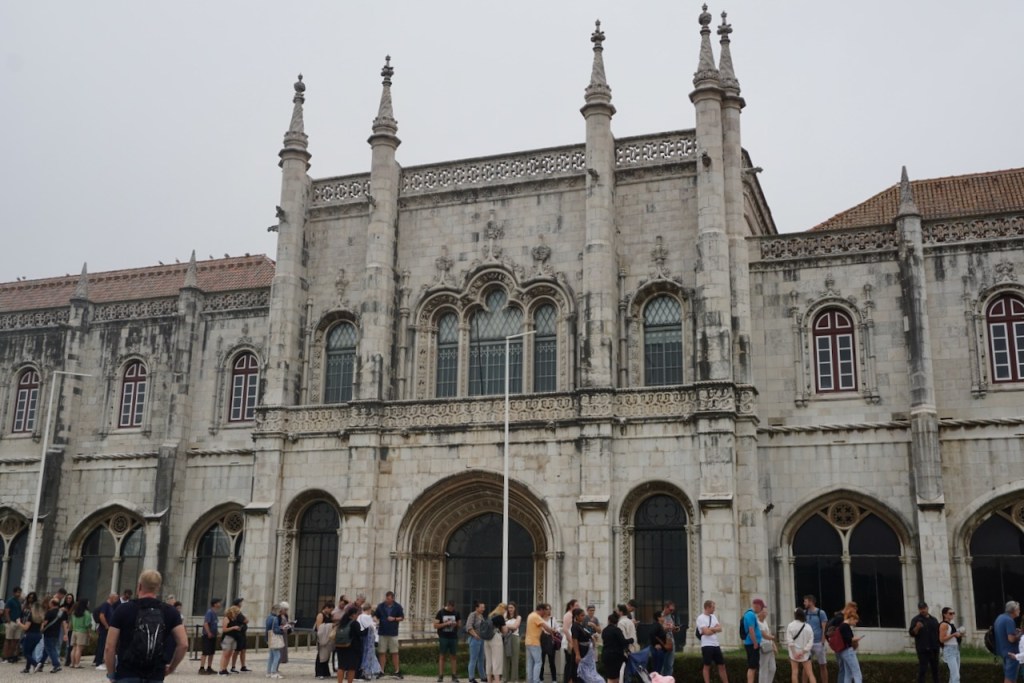
. . . and Jerónimos Monastery, which was stunning enough from the outside. Judging by the lines of people, there’s also a lot to see on the inside.

The clouds began to shift as we arrived at Belém Tower, where I once again have to give credit to indefatigable lines of people. The waiting time was listed as two hours because only 150 people are allowed in at once, and we opted not to wait.

On the walk to the bus stop (public transit in Lisbon is incredibly easy), we passed the Monument to the Discoveries, which included a tiled map on the ground of places the Portuguese had developed colonies. As I took the photo, I couldn’t help but think that the monument didn’t quite fit with a time period when so much of the world is reckoning with colonial history. The Padrão dos Descobrimentos was built in 1940 and that was a rather different time.

We ended our time in Lisbon with a cocktail in the rain at a rooftop bar, a bar fittingly located on top of the parking garage with the broken entry gate. The people of Lisbon know how to have a good time and that was also apparent in the flavour and feel of the city. I don’t know if we’ll make it back to Lisbon, but it was definitely not the last visit to Portugal. “Adeus” until next time!

Climbing the Zugspitze

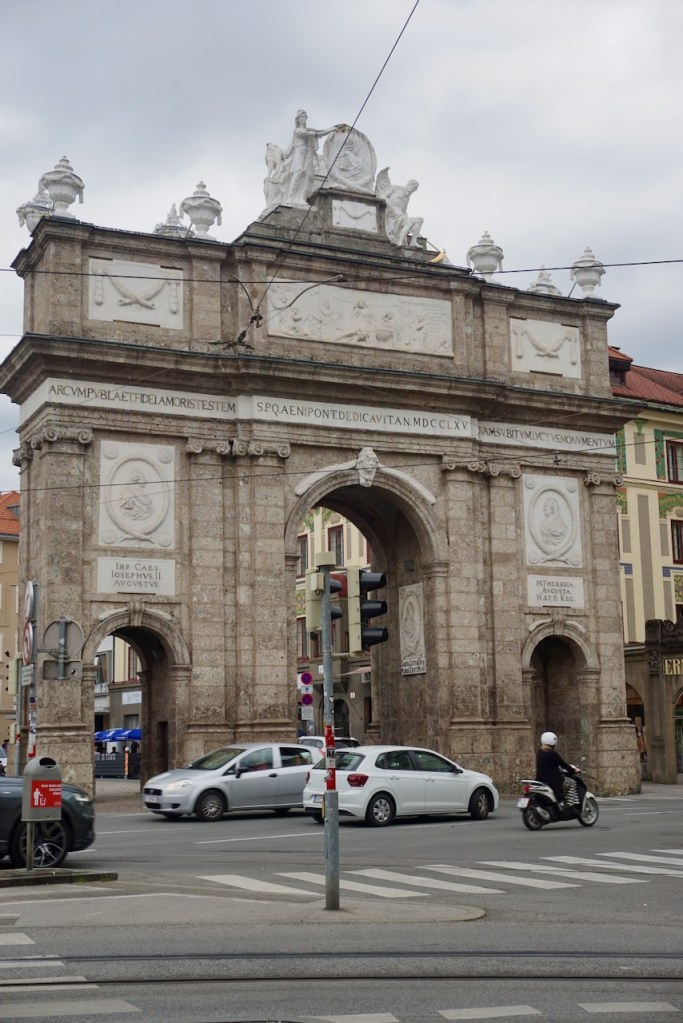
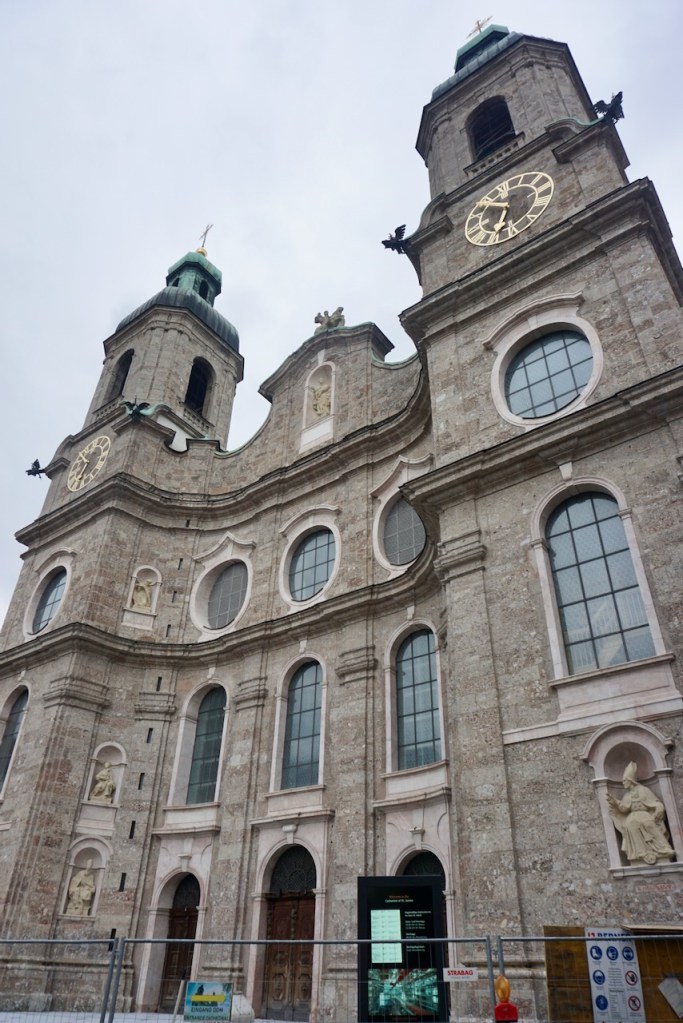
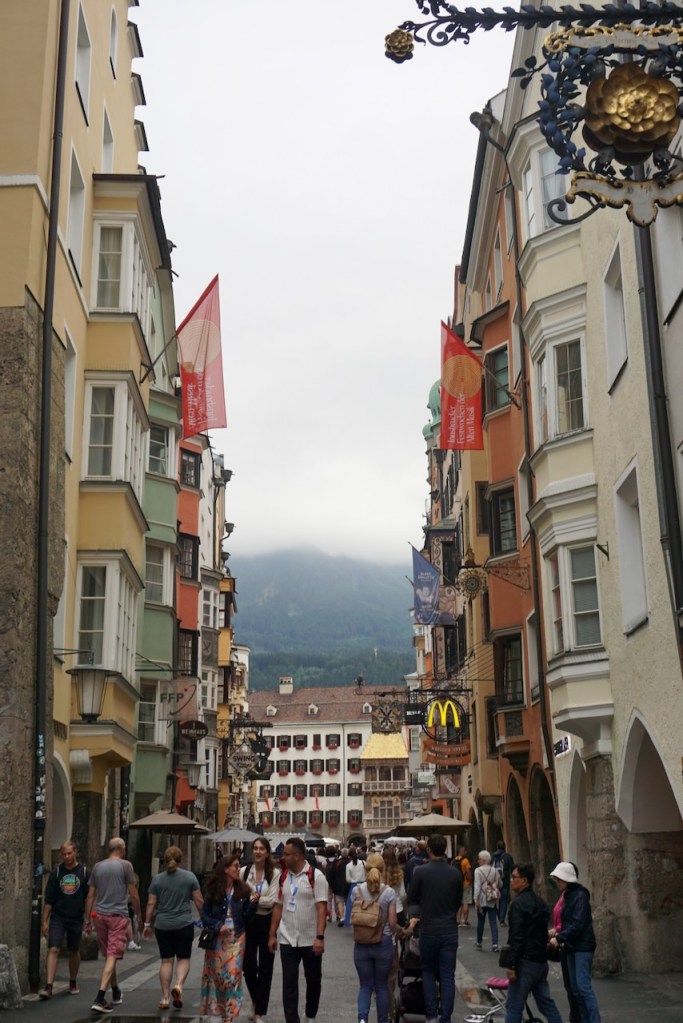
Memories of our first alpine tour still fresh in our minds, my partner and I left Slovenia just as cooler air was moving in. We arrived in Innsbruck glad that we had jeans and raincoats, and spent a couple hours browsing the plethora of sporting goods stores and walking through the beautiful old town. With mountains visible from everywhere, painted buildings, and a vibe of loving adventure, Innsbruck is the type of place I could easily imagine living . . . or at least visiting again.

We spent the night a little ways outside of town to facilitate our drive the following morning. Past Garmisch-Partenkirchen, not far from the German border, we were surprised to hear a radio show host speaking English and realized we were not far from a US military base.

We parked and looked up at our destination: Zugspitze, Germany’s tallest mountain. From where we were standing, it was only slightly visible, hidden behind mountains that seemed much more imposing, much more daunting. Knowing that they weren’t, knowing what awaited us on the route ahead, filled me with a sense of wonder. We were actually here. And we were ready. Our backpacks included easily-accessible energy bars, our essentials for a night in the hut (toiletries, sleeping bag liner, towel, change of clothes, extra layers that turned out to be unnecessary), and the necessary gear: climbing harness, carabiners, slings, helmet, via ferrata set (Klettersteig in German, details to follow), rope, ice axe, crampons, trekking poles. Showtime.

But first we had an easy day to warm up. We followed the trail markers along the river to the Höllentalklamm, the gorge that we’d pass through on our way to Höllentalangerhütte, the alpine hut where we’d spend the night.

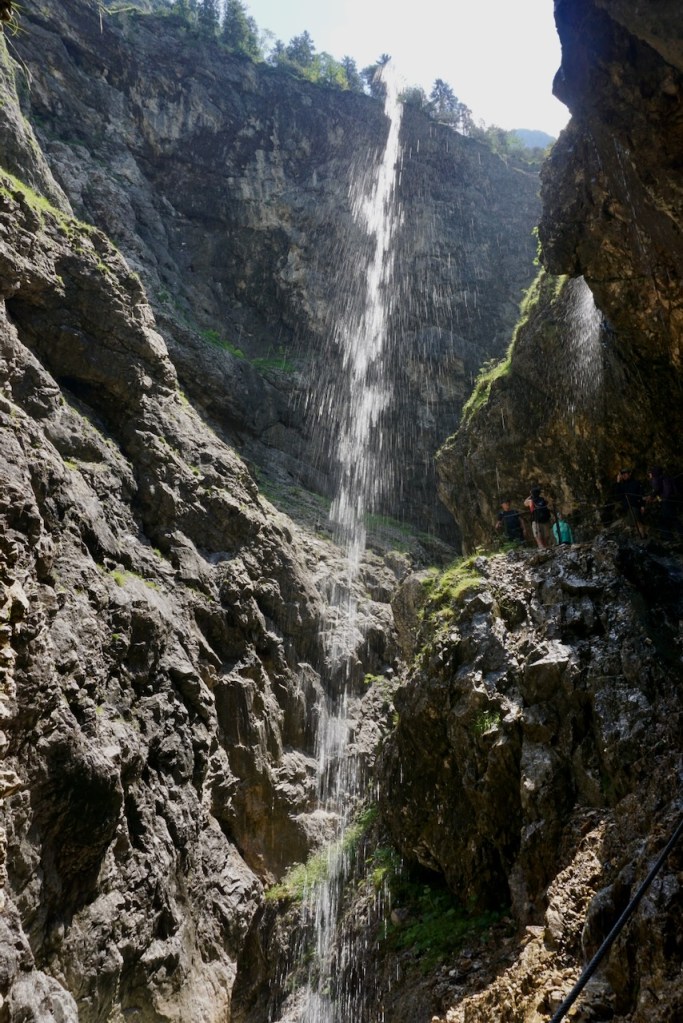
The gorge itself was dark and cool, the spraying water a much-needed relief from the heat. We walked carefully along narrow, slippery bridges and stones through the canyon, carved deep into the earth. The ancients were right to honour water as one of the four elements.

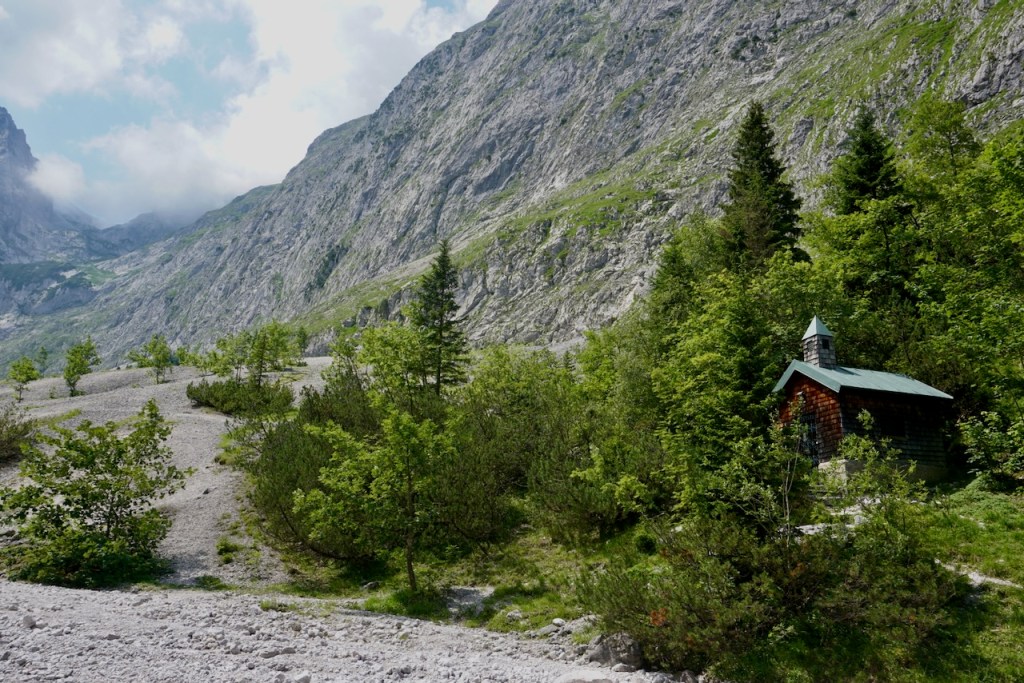
Subsequently, the path grew steeper, rockier. The mountains grew larger as we approached, and the trees began to recede. We had ascended 700 meters and could see the end of the tree line past the point where we would end our walk for the day. The air around us glimmered and my senses tingled.

We reached Höllentalangerhütte in high spirits with the sort of jitteriness that comes at the end of a long wait. It brought to mind the last day of school, or one’s birthday, or a favourite holiday. One more sleep.

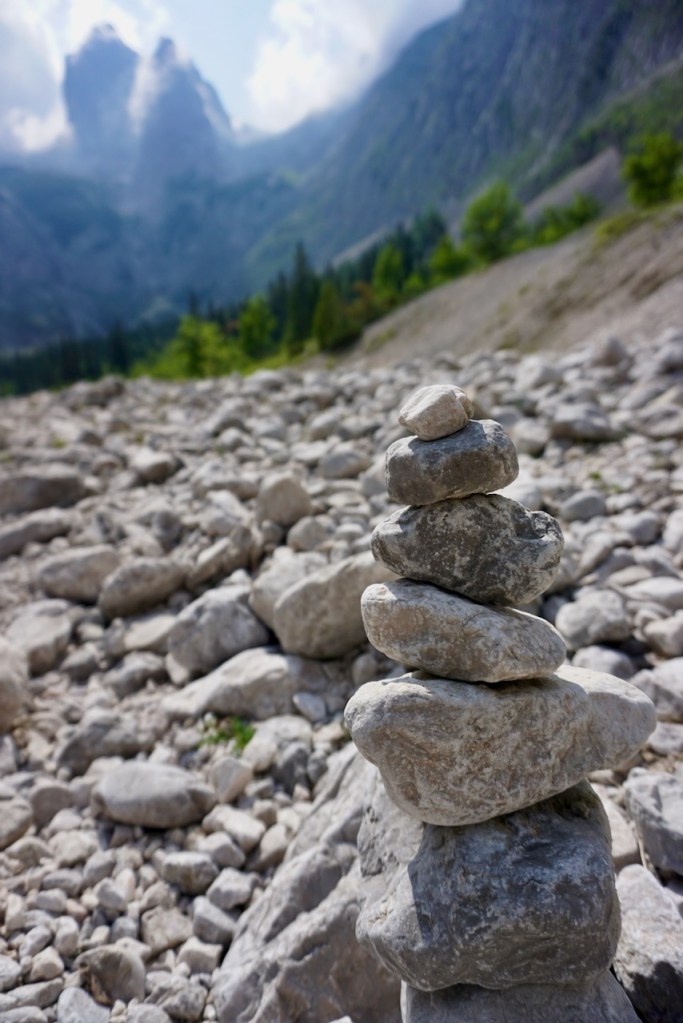
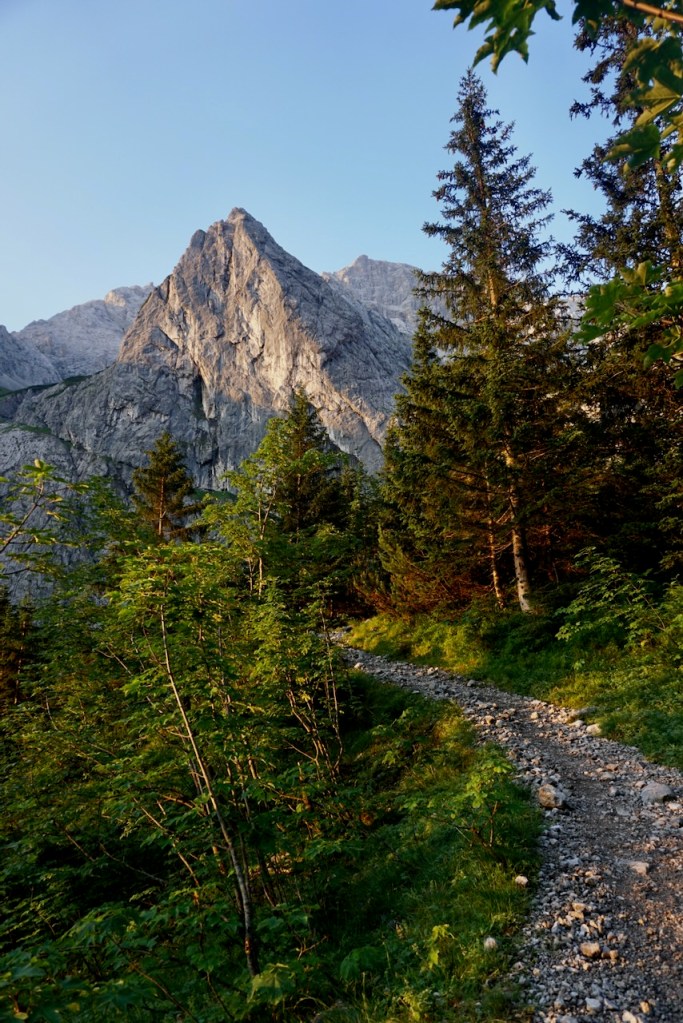
After a shower and a snack, we meandered across fields of stone away from the hut and took a good look at what we could see of our path for the next day.

The way markers designated six hours. In the end, the climb took us exactly six hours.

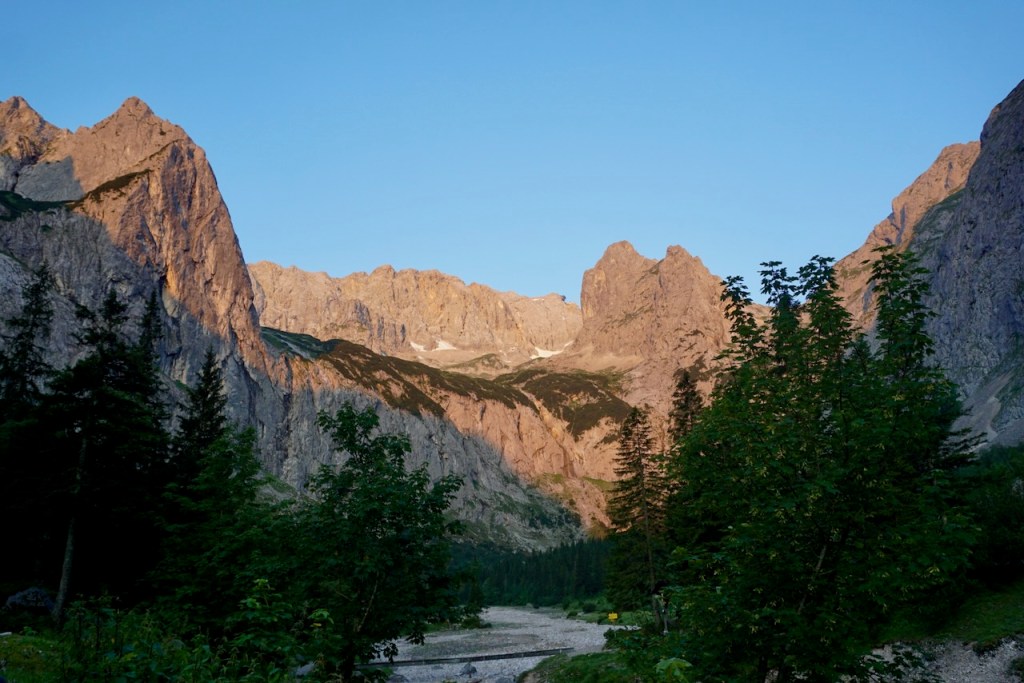
We began promptly at 6am, joining most of those who had shared our 35-bed dorm room for breakfast at 5:30. The mountains glowed that morning in welcome. To be in such a place, and to be able to take on the task we were taking on, is an incredible privilege. We couldn’t stop smiling.

The Zugspitze is steep, just over five kilometers with an elevation gain of 1,390 meters. This was easily the most demanding mental and physical experience I’ve had in the mountains. The physical challenge, the ceaseless gaining in elevation along difficult terrain, tired the body and that tired the mind. A tired mind is then an unfocused mind, and that can be dangerous. The mental challenge then, is remaining alert and aware, moving simultaneously with confidence and caution.

In addition to the steepness of the terrain, the Zugspitze is also a technical climb with multiple sections of via ferrata, or Klettersteig. This is a sort of aided climbing using fixed cables that allows access to sides of mountains that would be too risky to attempt otherwise. That being said, you don’t want to fall because a via ferrata set is basically one-time use. The set is comprised of two large carabiners attached to lanyards, which are attached to a longer lanyard snugly packed inside a little bag that will only extend if you fall (and then you can’t stuff the lanyard back into its bag in alignment with safety ratings, so that’s that). The entire set is attached to your climbing harness. A helmet is required and I find durable, fingerless gloves designed for the thick cables to be essential. We also use an additional safety sling because again, you don’t want to fall. There were two sections of Klettersteig on the Zugspitze, both relatively easy grades but hard enough once we got into altitude. The first one made for a nice warm-up for what was to come.

The sections of the route that were not part of the Klettersteig were rock scrambles, generally easy climbing that requires all four limbs. Mountaineering is serious work, but there was so much play alongside the intensity.

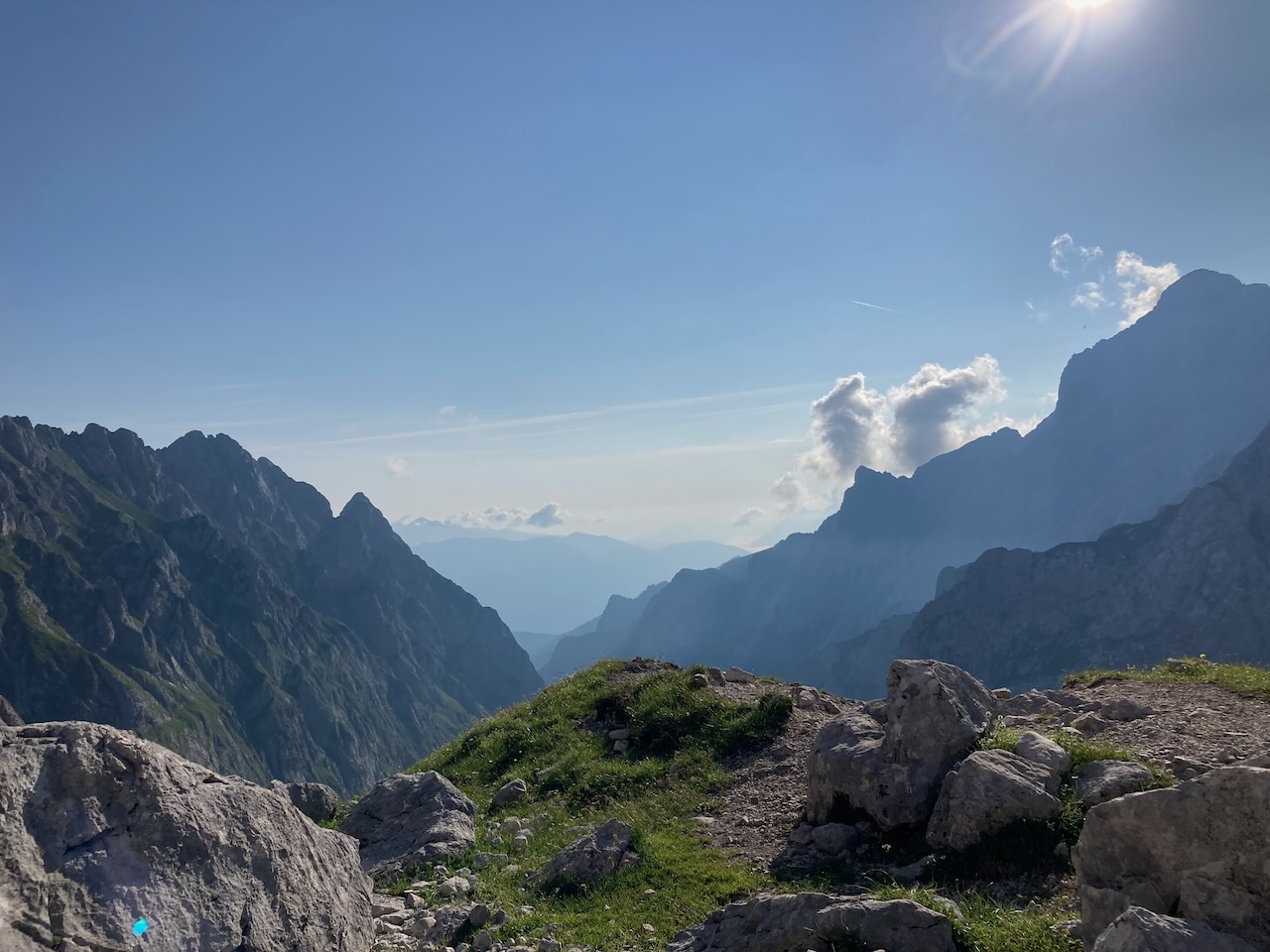
As we climbed higher however, I was breathing too quickly. My pulse was racing and head spinning from the altitude. We continued moving as my partner demonstrated breathing slowly and deeply to bring everything down. And then I carefully counted breaths, letting my body acclimate. In just a few moments, my head cleared and my pulse returned to normal. It is easier to keep going, slowly, under such circumstances than stopping for a rest; the body needs to adjust, not to stop, and the breath controls the body. To reset mentally, it was enough to look around. The strength that comes from being wrapped in nature, the edges of the mountain growing more jagged as we crossed them, left me with feet planted firmly on the ground and a strengthened resolve.

What I found unique about this climb is that it never let up and, therefore, neither did we. It was continuously hard, continuously driving me to the edge of what I thought I could do. I kept moving long after I would have liked to have stopped and long after it hurt. I knew I had blisters forming on the backs of my heels, but I also had carabiners in both hands to clip onto cables, rocks to scramble over, and a sheer drop visible to my left that kept my feet moving with precision. The nearly instantaneous benefits of energy bars have never been more apparent.

We had made very good time when we reached the glacier, a very special aspect of climbing the Zugspitze. Excited to get into snow, we unpacked our crampons and rope, which we had prepared in advance with figure-eight knots for us to clip into and butterfly knots as stopper knots for the unlikely event that one of us fell into a crevasse. As we had practiced, we wrapped the ends of the rope around our bodies, securing them with one more knot. My partner readied his ice axe and I adjusted one trekking pole. Our free hands would be used to guide the rope as we walked.

Photo by TM

Due to the potential consequences of falling, a glacier crossing should not be done alone, but rather in pairs or groups, everyone attached to a rope. It is the leader’s job to make the way, to form the tracks. It is the leader’s job, when necessary, to use the ice axe to arrest a fall. The follower’s job is to manoeuvre the rope and to keep the right amount of slack between the leader and follower. Knowing the terrain where we were, an ice axe for the follower was unnecessary, but there are bigger, more dangerous glaciers where this would not have been the case. A trekking pole with a snow plate was sufficient for stability and support. Crossing the glacier as a team with my partner, our safety quite literally tied together, sent jitters up my spine as we got ready. And then, with the first steps, the romantic moment vanished into one of sheer focus.

A combination of steepness and rope management made the glacier tiring work. We followed tracks that had been made throughout the season, lamenting that the snow was rather mushy, a sign that it was much warmer for this time of year than it should have been. As grateful as we were to have the way tamped down, the steepness remained a challenge. Our toes did most of the work, the spikes cutting sharply into the snow and holding fast.

Arriving at the end of the glacier and getting ready to clip back into the Klettersteig, we shed our jackets immediately. It is absolutely no joke that glaciers are the way to see climate change in action. We looked down at the edge of the glacier and stepped quickly and carefully, not wanting to linger. And then we looked up at the way ahead, following the cables with our eyes until we could no longer see them, the summit hidden but closer than it had been.

Photo by TM

The second Klettersteig took us the remaining two and a half hours of the climb. When we looked down, we could see the zig-zag tracks that we had followed across the glacier, essential in steep terrain. Although it hadn’t felt that way, the glacier looked vast. Focused on whatever needed my attention in any given moment, we had climbed a lot farther than I had realized.

It was easy to lose track of time not just because of how hard we were working, but also because of how much fun the climb was. And it really was, which struck me over and over. I knew that I was pushing all of my body’s limits and that I was absolutely in the range of what I could do even if I hadn’t done it before. I knew I had a range of aches and pains and bruises, but I had ceased to feel them. I knew I was tired and thirsty and hungry, that I hadn’t eaten enough at our second snack break, that everything should have been uncomfortable, but somehow it wasn’t. There was laughter ready to bubble up at any moment, a smile every time my partner and I called to each other, an electricity throughout my body that propelled me along. For six hours, there was nothing but us and the Zugspitze.

Photo by TM

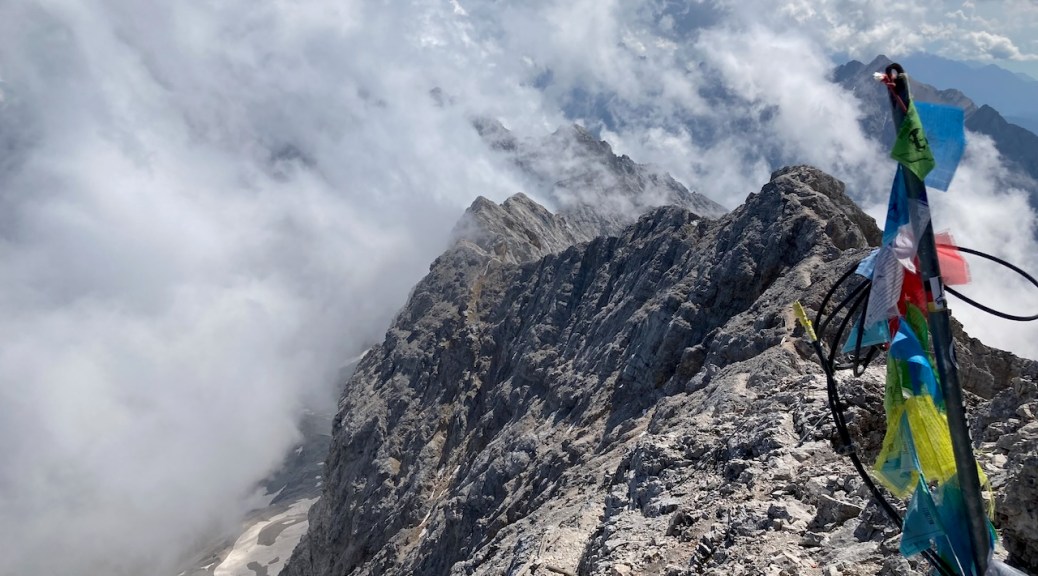
More than once, we thought we were just around the corner from the summit. More than once, we thought we were right there only to lose sight of it again. The clouds began to roll in behind us and my partner, whose photos are below, paused above me to watch. Suddenly, the world we had come from disappeared and there was only the world of the rock under our hands and the mountain who allowed us to hold on. My heart hammered in my chest in both exertion and a profound swelling of gratitude and respect for what we were doing.

About 40 minutes later, the Klettersteig cables disappeared. We climbed the last few meters unassisted, the exhaustion of the previous hours vanishing in the waves of excitement that began to build, and we were there.

At 2,962 meters, we had summited Germany’s tallest mountain in exactly six hours, mind and body fully engaged the whole time, laughing throughout in exuberance as reality hit us. The Zugspitze is not only Germany’s tallest mountain but also one of its hardest mountaineering tours, and we had done it. Together.


We ate and drank, gratefully took the train back to where we’d parked the car, ate and drank again, and then drove the five hours home, stopping for yet more food. Words failing us and hearts full of the day, we talked mostly about other things or not at all. Periodically, one of us would utter something like “Wow” prompting a response akin to “Yeah” from the other one. Slowly, we were able to talk about the experience, our different thoughts and feelings along the way, the areas where we’d each encountered challenges, or how much fun a certain section had been. Gradually, as we told others about the Hochtour and shared our photos, it became real that we’d stood at Germany’s highest point and that we’d made the way there together.

There were, however, serious conversations before planning this trip about whether we wanted to attempt it, whether my fledgling mountaineering skills were up to the task. There were moments before committing where we were uncertain about whether this was the right thing to do together. Mountaineering is a risky sport and the consequences are unthinkable, which is precisely the reason they must be thought about. And discussed. Openly and honestly, which can be stressful.

Once we decided to do it, the preparation took weeks. My partner took responsibility for learning the route and briefing me on it while I practiced different techniques of walking in new boots and read up on crossing glaciers and how to respond in a sudden thunderstorm. We watched videos and practiced knots together, made packing lists, prepared backpacks, went for a local hike completely kitted out, made adjustments. We talked about weather and feeling comfortable and knowing what it meant to decide to turn back. We did not take this climb lightly and I do not want to make light of what it took to get there.

As a result, there was no point on the Zugspitze where we were in any doubt about what we were doing, but also no point at which we took the mountain and our being there for granted. Nature allows you to be where you are, or it doesn’t. Nature welcomes your presence, or it doesn’t. Nature speaks and we have to listen, to respect. We are guests in nature.

And it was an honour to be there.