Tag Archives: Boat

Travel Guide: Madeira

Funchal

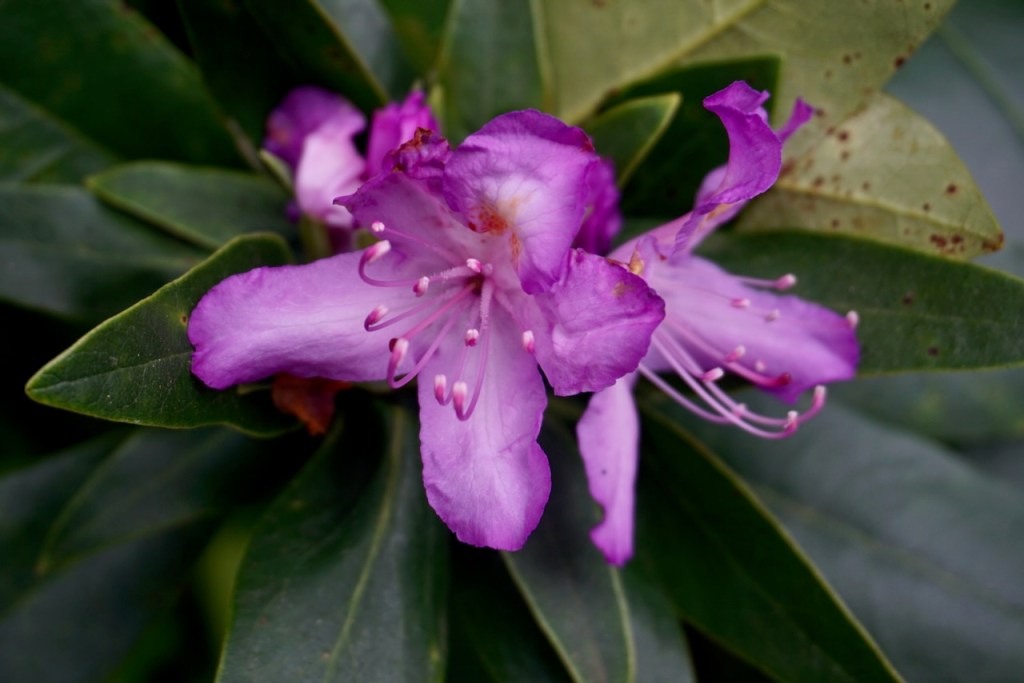
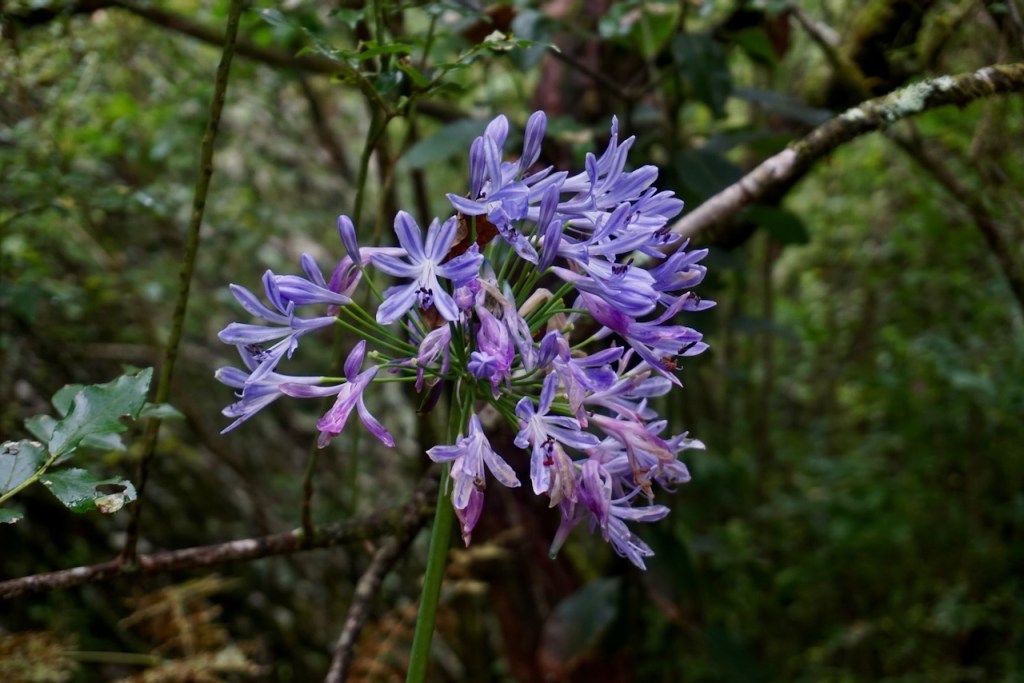
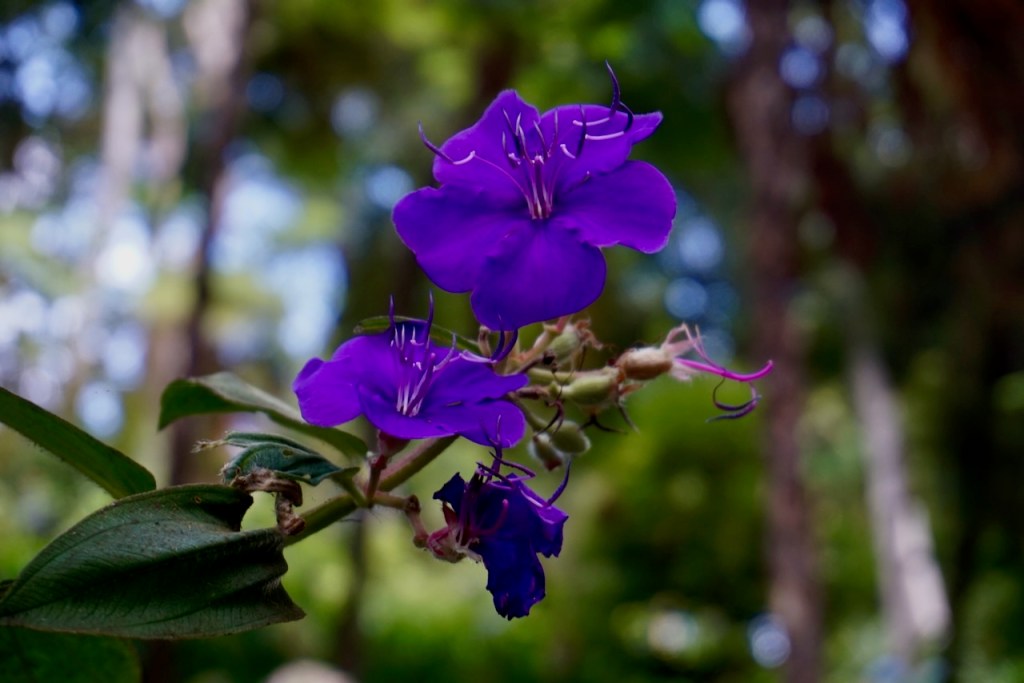
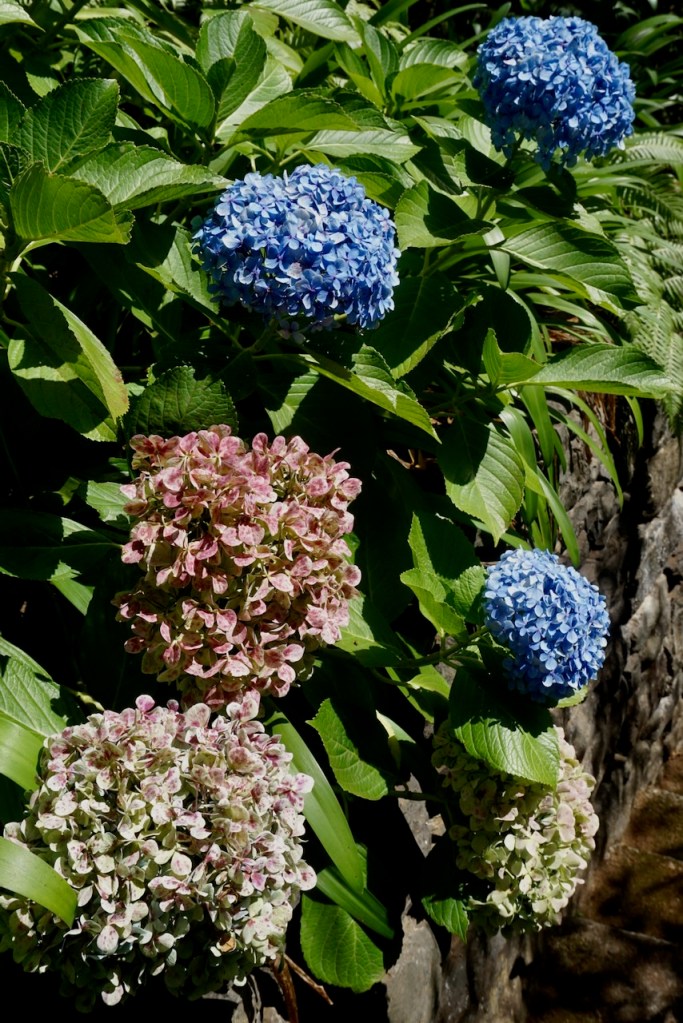
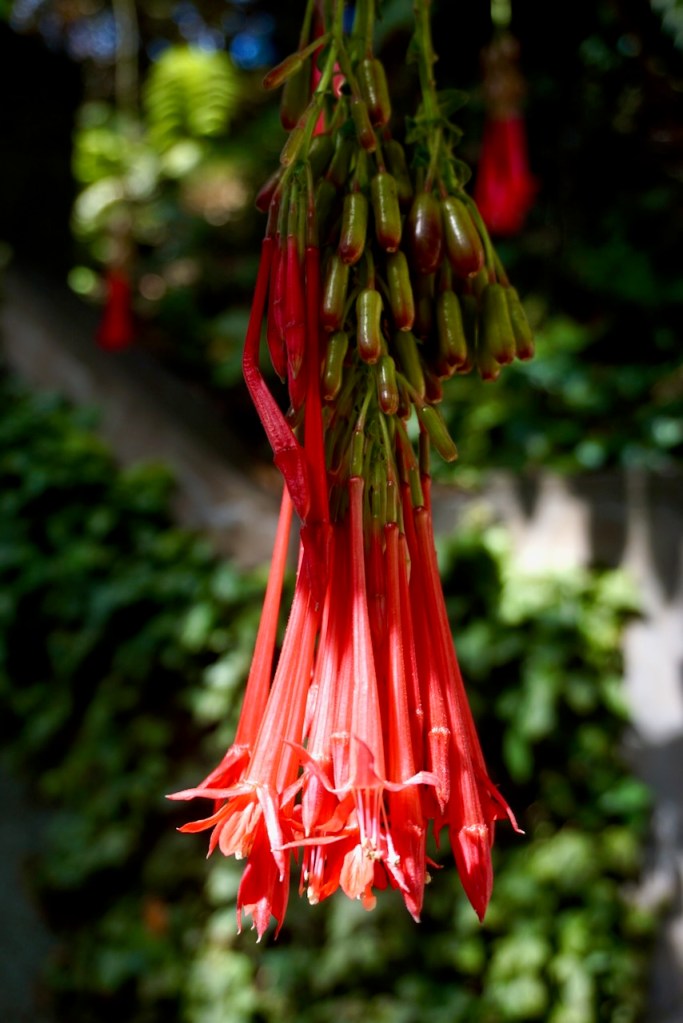
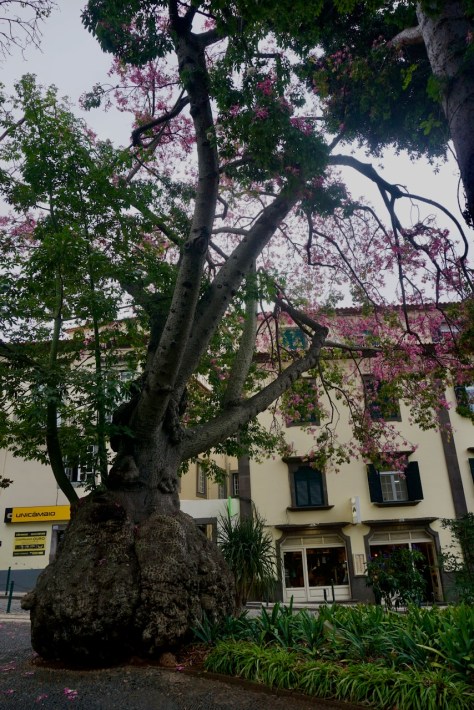
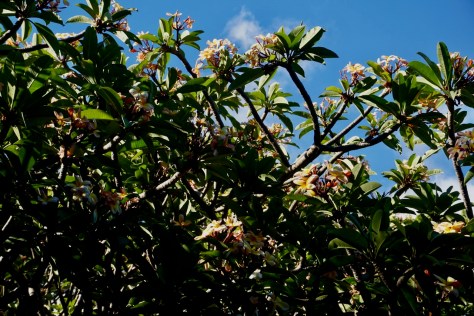
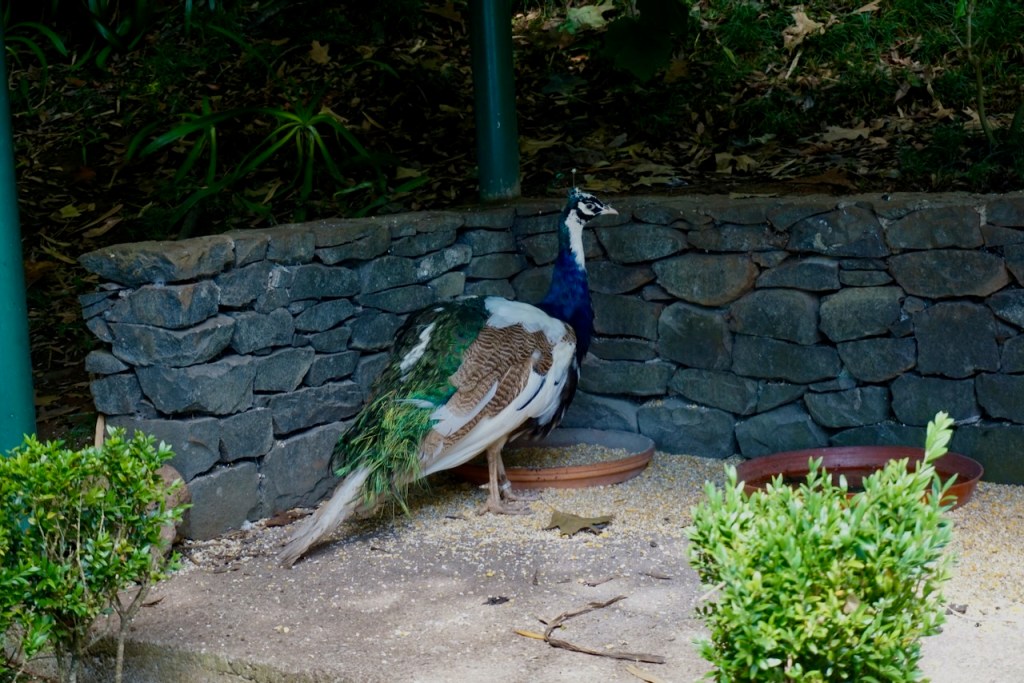
Madeira is a Portuguese island off the coast of Morocco, and I knew little else about it when my partner and I decided to spend a week there. For reasons that immediately became apparent upon our arrival in the capital, Funchal, the island is known as the “Flower Island”.

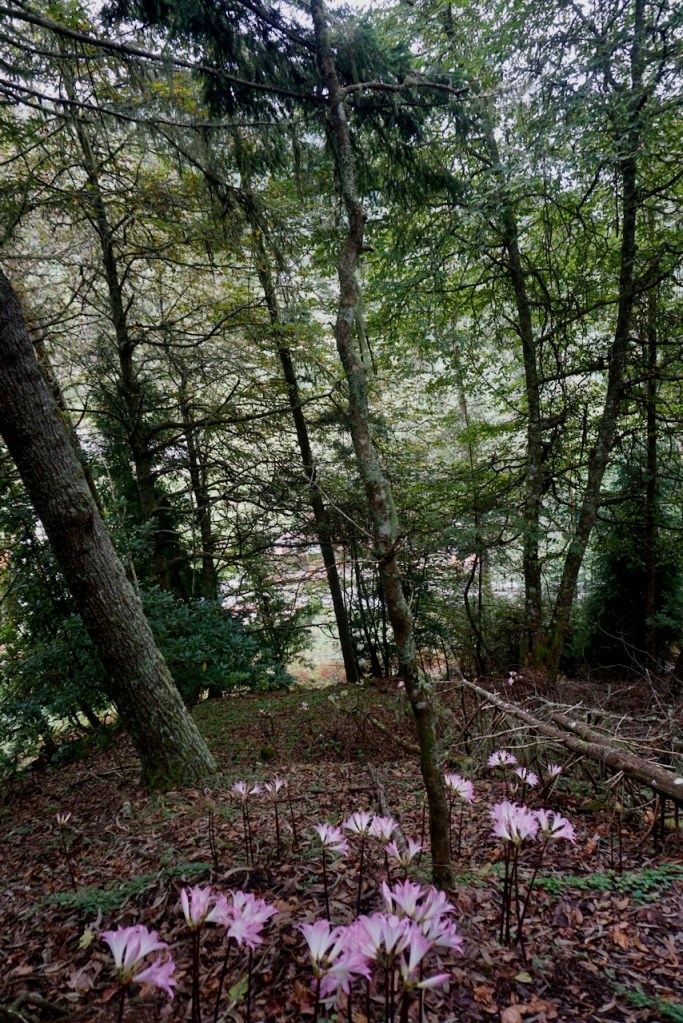
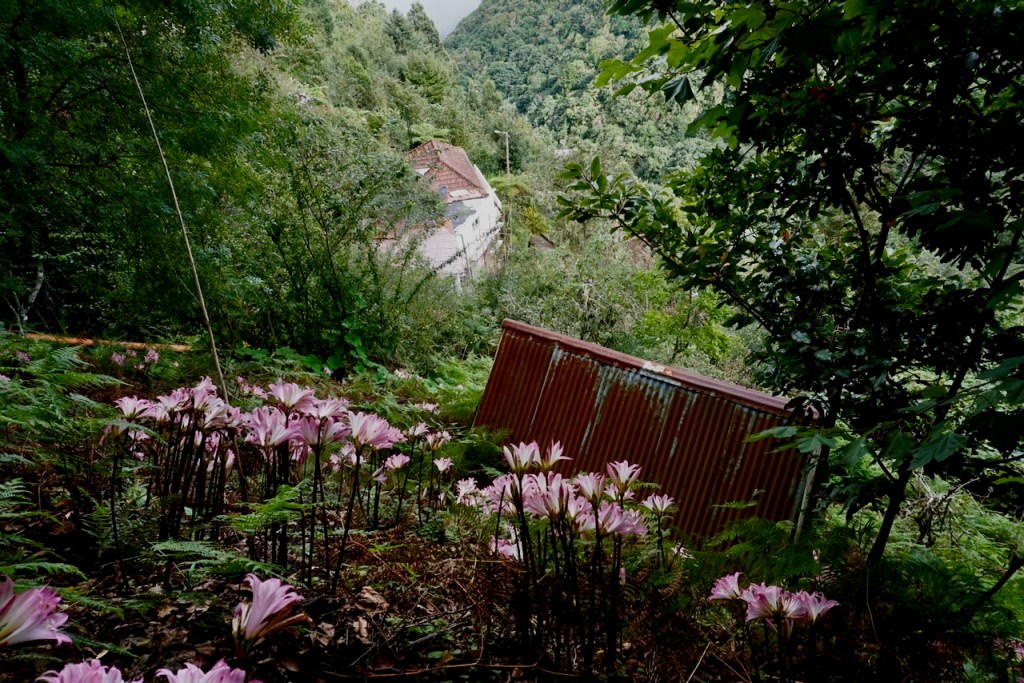
The temperature on Madeira remains constant year-round and the island is full of microclimates, which was the most amazing part of our trip. The vegetation and foliage are more diverse there than anything we’d ever seen in a similarly-sized area, and the landscape was made up of different worlds.

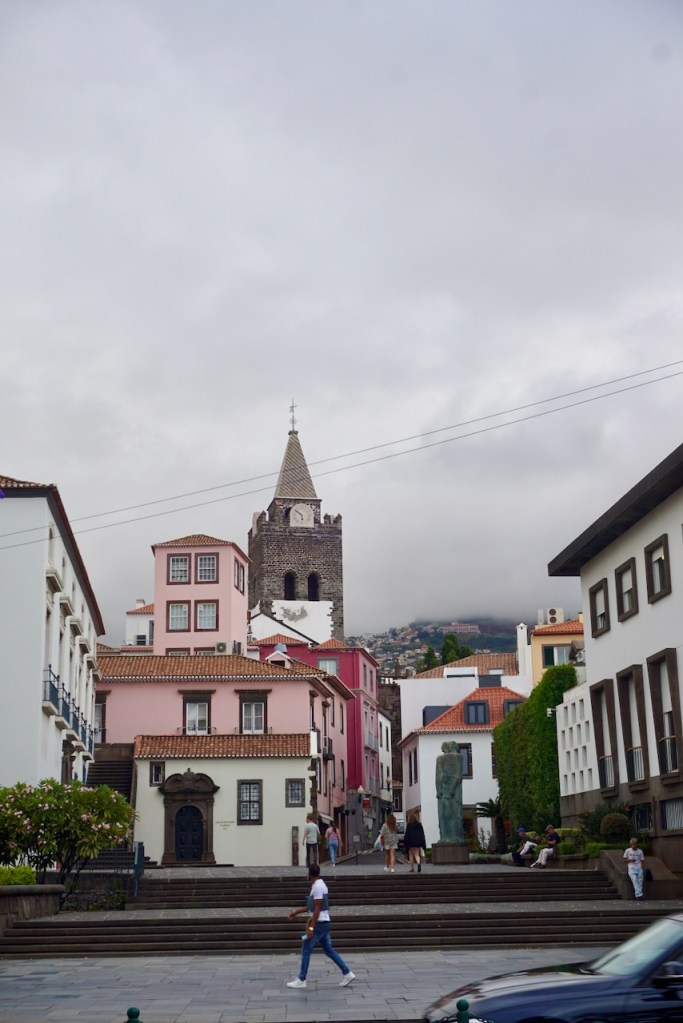
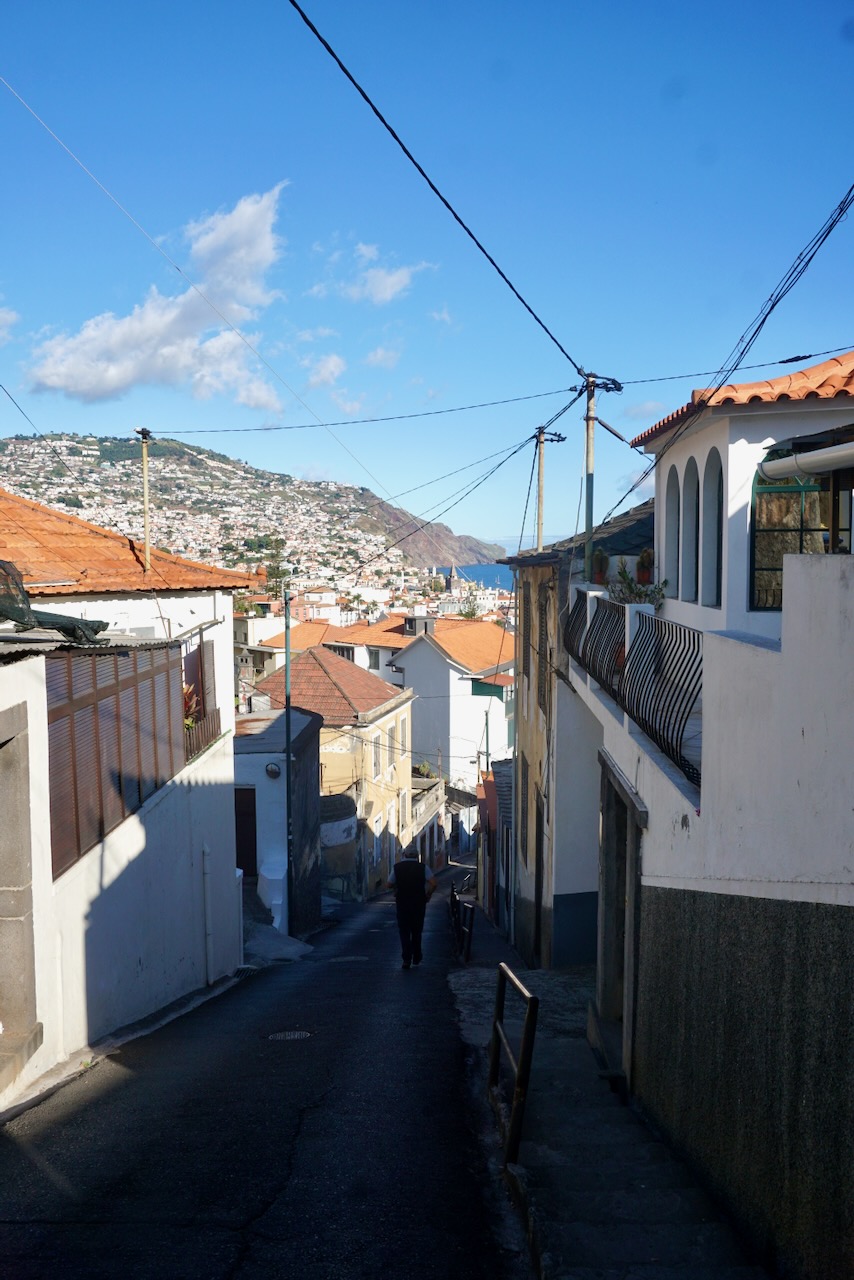
In Funchal, we delighted in old buildings lining winding streets . . .

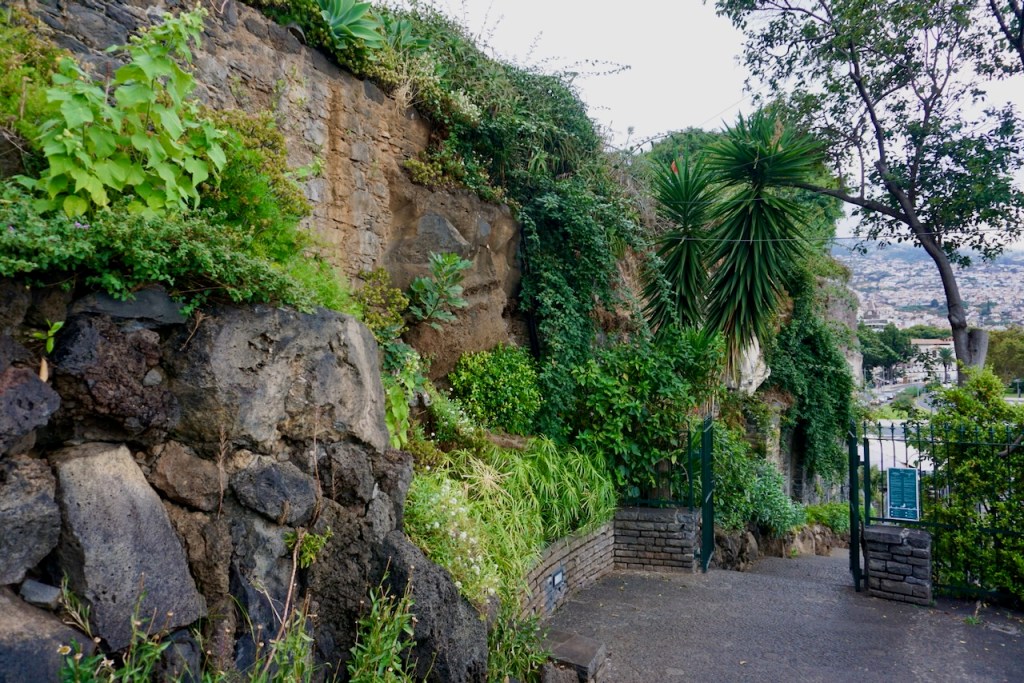
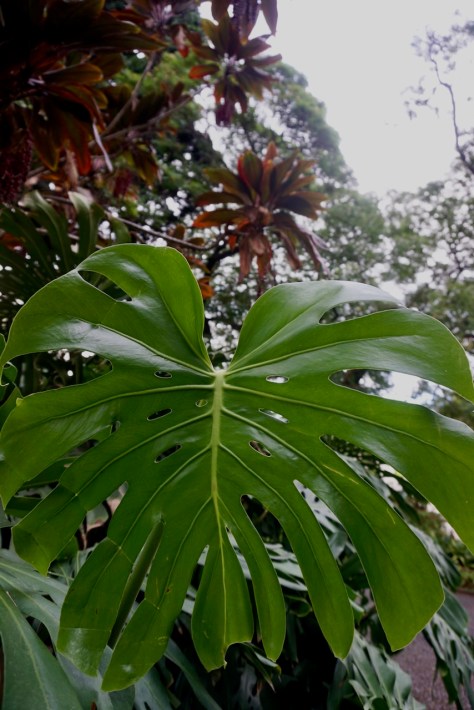
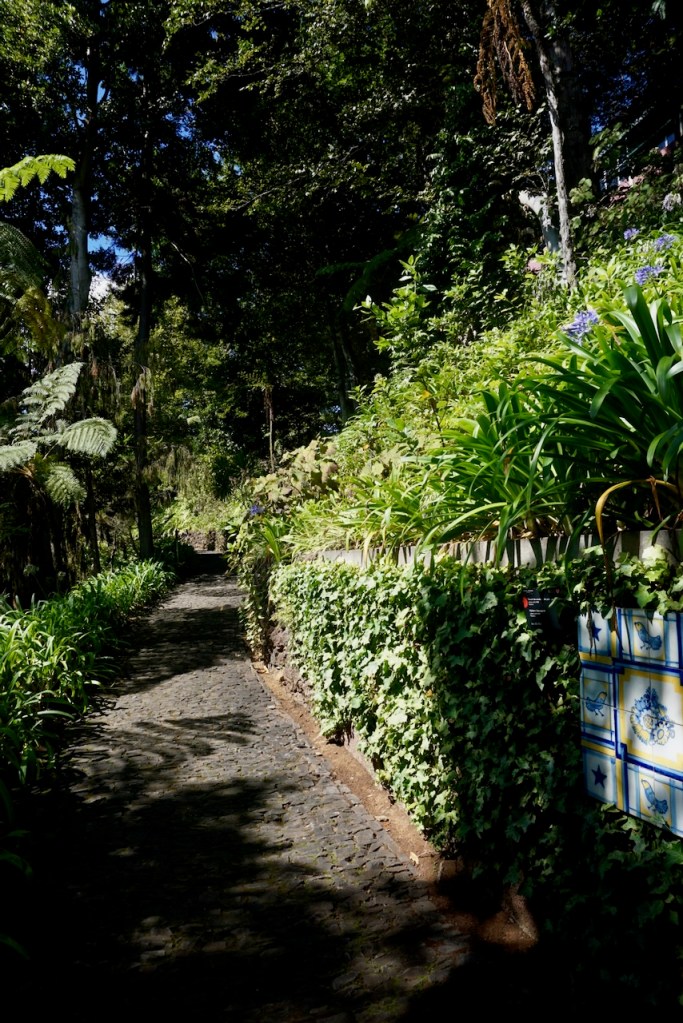
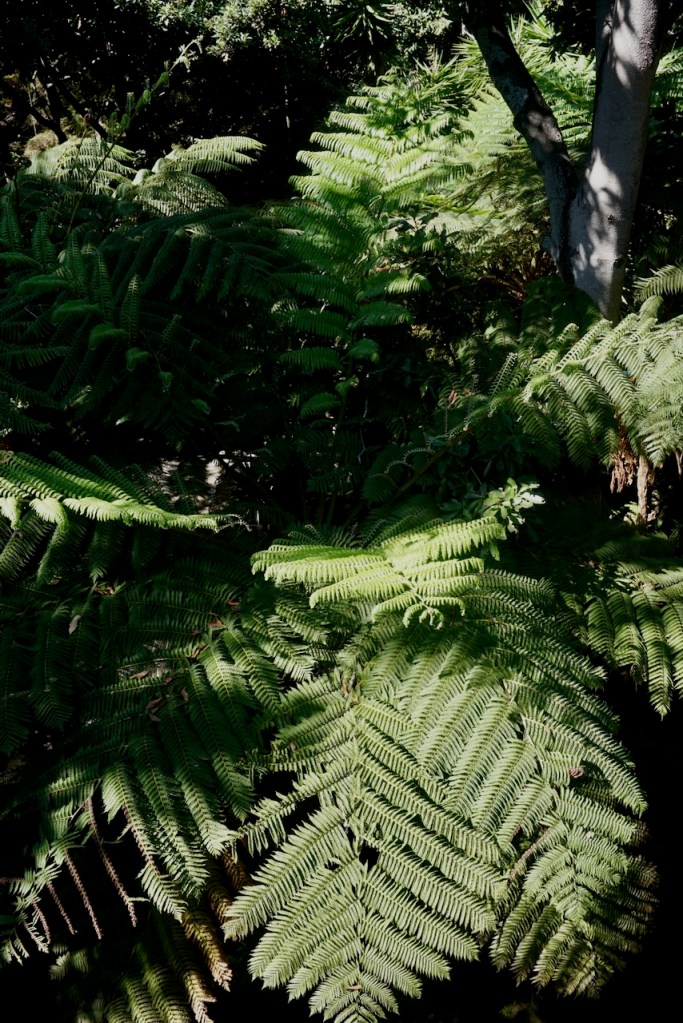
. . . the botanical gardens in the centre of town, which contained tropical species I haven’t seen since living in Singapore . . .

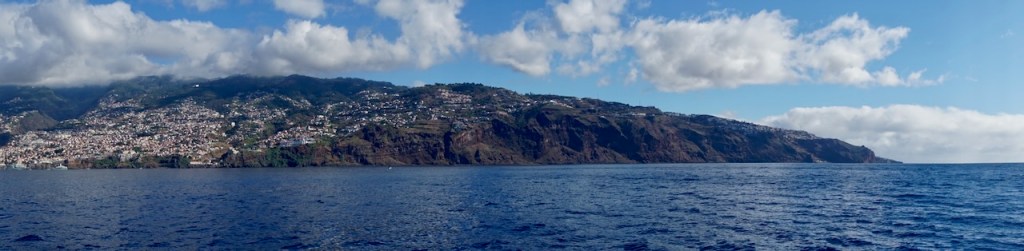
. . . and proximity to the harbour. . . .

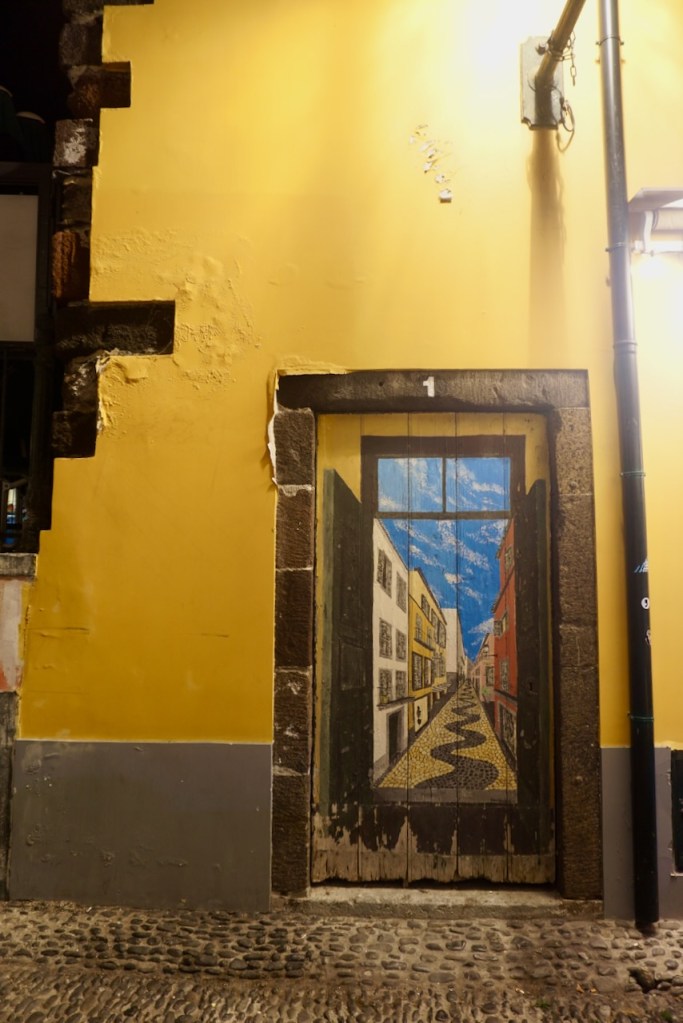
Funchal also has an excellent street art scene in the Zona Velha, the old part of town that used to be comprised of fishermen’s cottages and is now made up of buzzing restaurants and shops.

Unbeknownst to us before our arrival, dolphin and whale watching tours were on offer, and we were happy to participate. Once a pod is spotted, the boat is only allowed to spend 10 minutes there so as not to overwhelm the animals, which we appreciated. We saw several groups of pilot whales, which are common in the area.
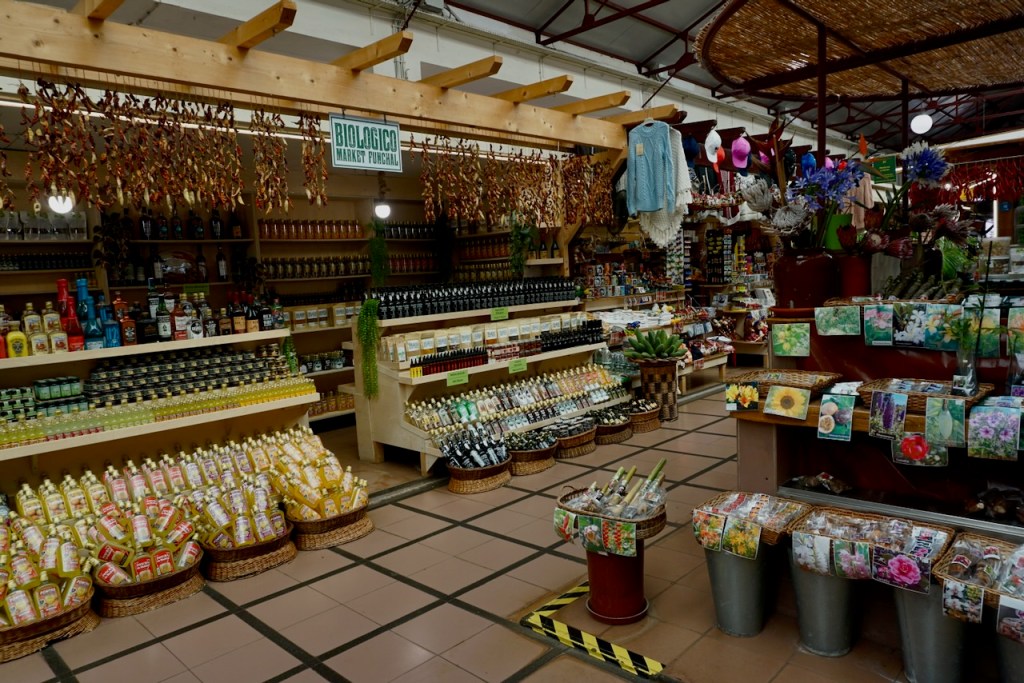
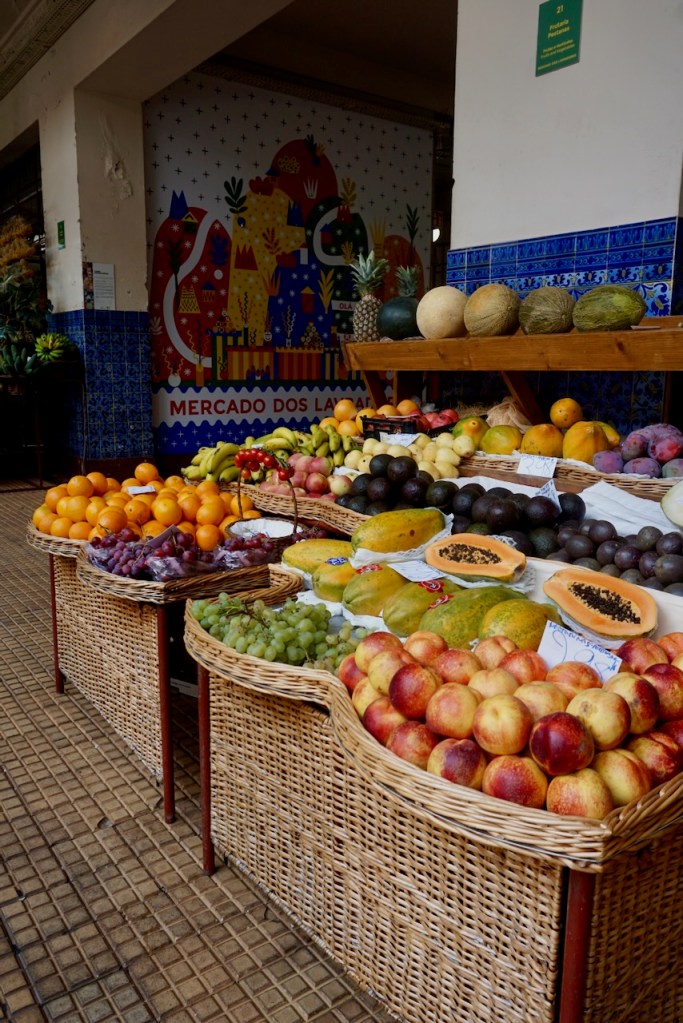
That afternoon, we visited the Mercado dos Lavradores, which seemed more touristy than we would have liked. A salesperson gave us tastes of the seven different species of passion fruits that grow on Madeira and we bought one each. A few items that we hadn’t selected ended up in our bag, as well, and we certainly paid for them. However, everything really did taste as good as it looked.

Interested in the views from lookout points, we walked through Forte de São Tiago later that day, the yellow paint striking against the blue sky.

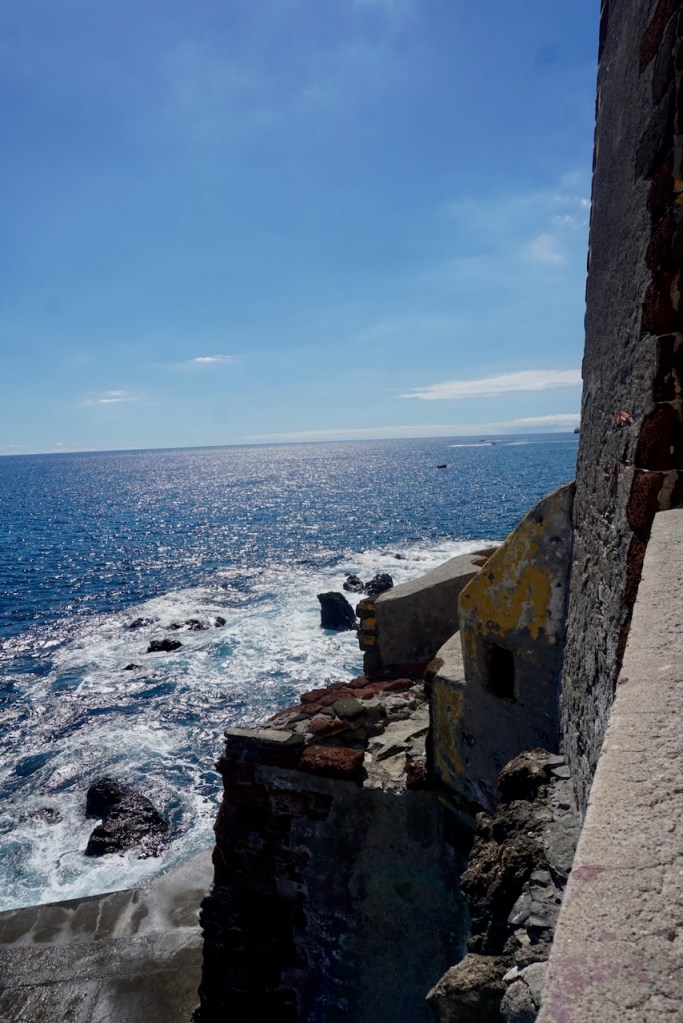
The steepness of the island is hard to understate, and this is something we didn’t fully understand or appreciate until we rented a car later on, but we were beginning to get an idea.
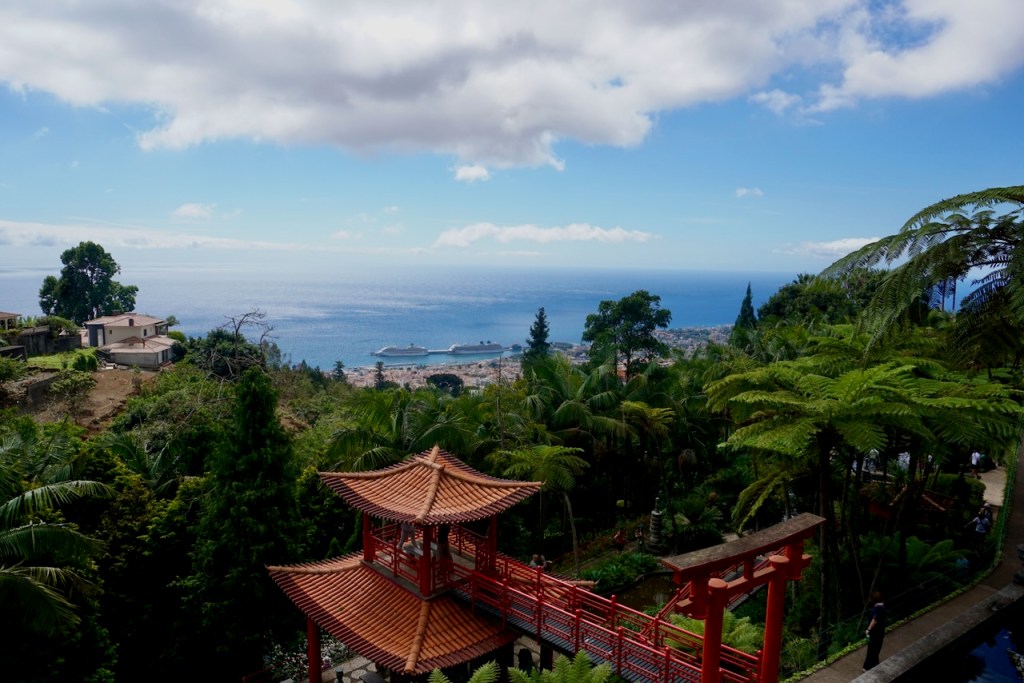
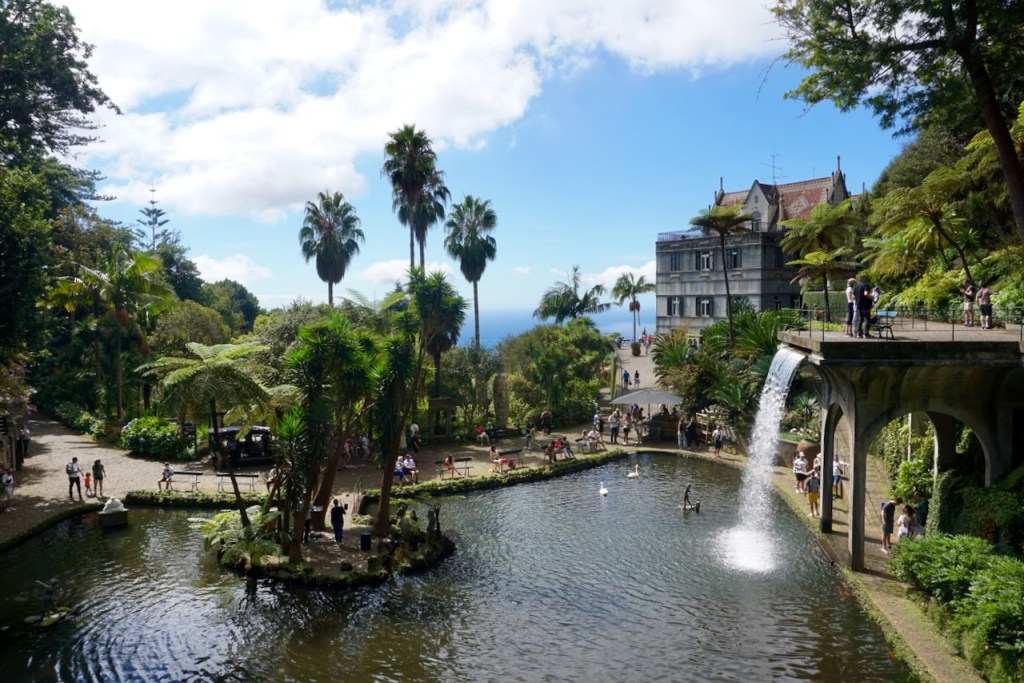
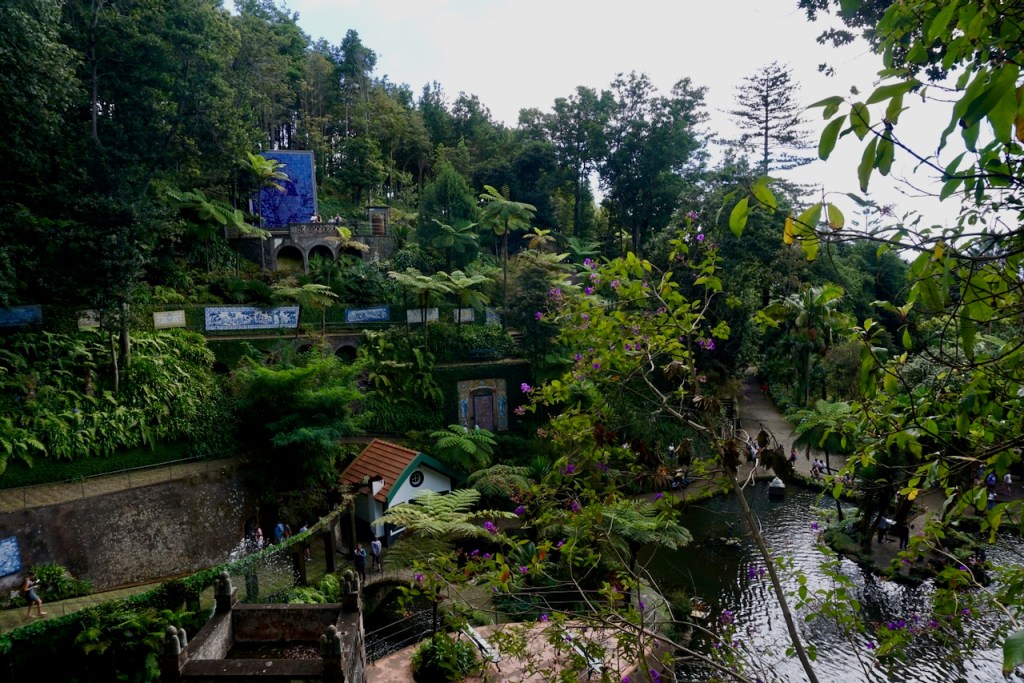
The following day, we took a cable car up to the Monte Palace Tropical Garden, giving us an excellent perspective on the elevation of Funchal. The air was noticeably cooler than at sea level, and we were fascinated by the hundreds of plants from all over the world that looked completely at home. In the centre of the gardens was a lake with a small stage and live music. It was relaxing, idyllic, and a wonderful oasis away from the bustle of city life, even on an island.
The Monte Church, located just around the corner, stands at 598 meters, and the view down to sea level was impressive.

Traditionally, one descends from the palace into the city by way of the Carreiros do Monte, essentially a wicker basket sled guided from the rear by two porters. Nowadays, the ride is only two kilometers (we walked the rest of the way) and we enjoyed every minute of it.

Machico

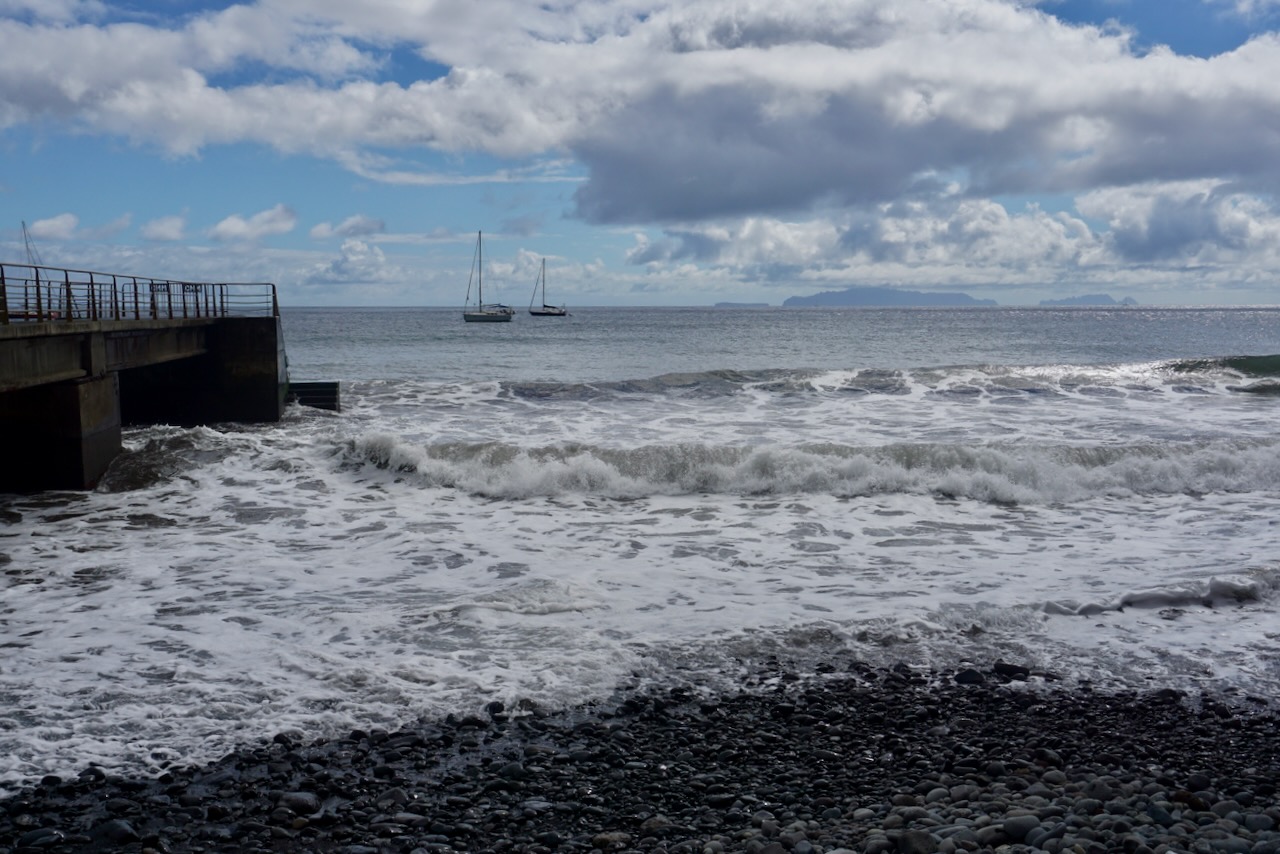
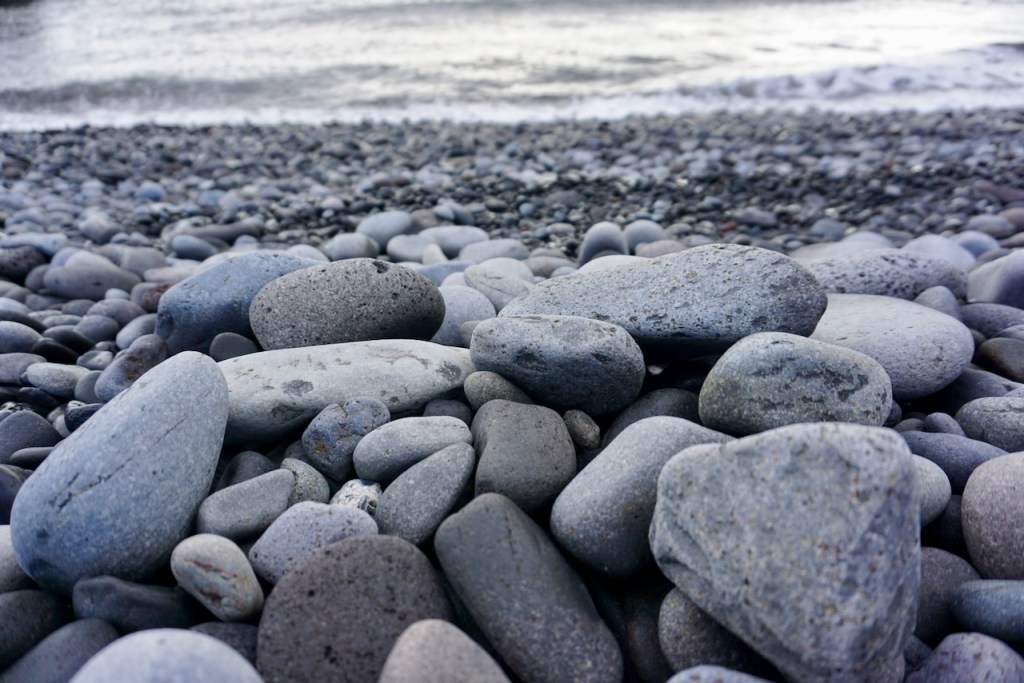
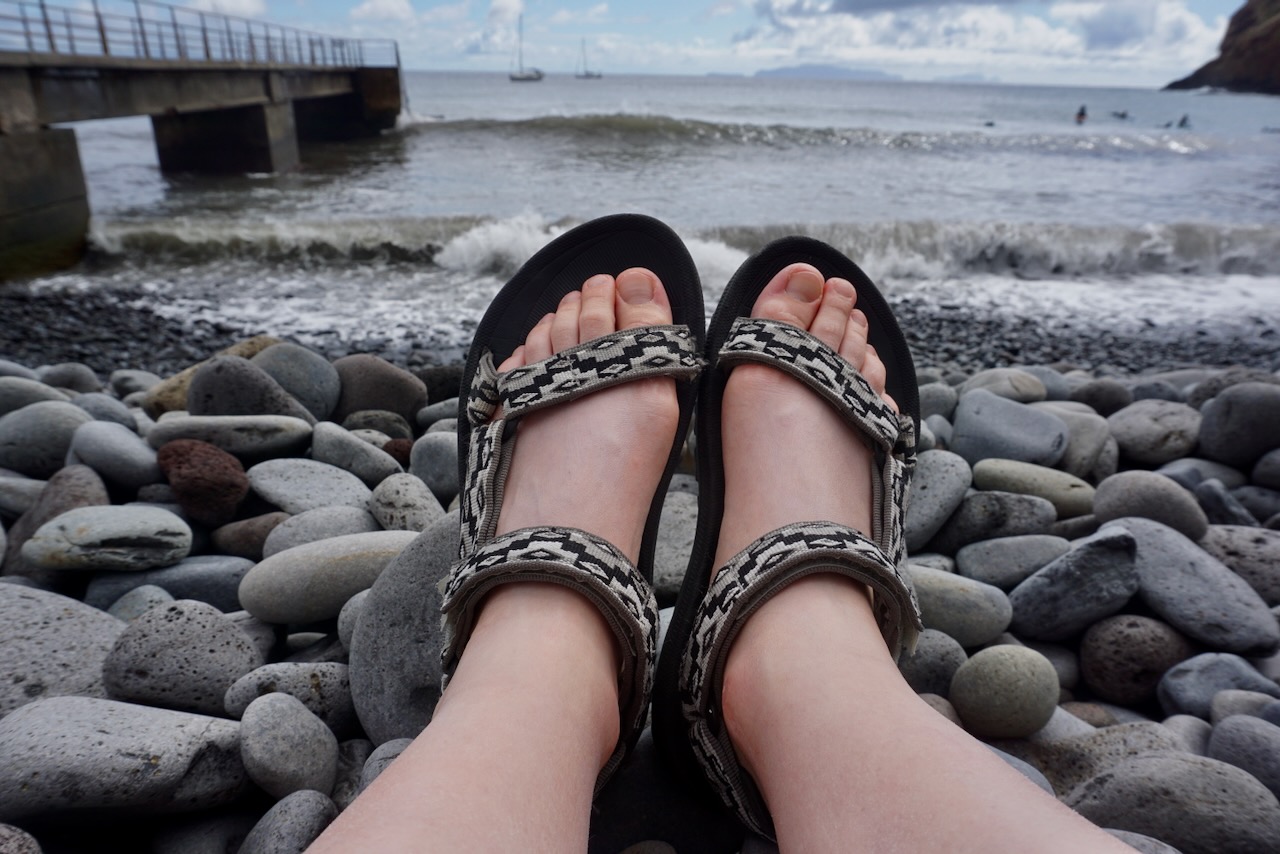
The following morning, we took the bus to the airport to pick up our rental car, and then headed down the road to the beach town of Machico, which we had chosen due to its proximity to the hiking trails for which Madeira is famous. We arrived to weather significantly cooler than what we had experienced in Funchal, though the two locations are only 25 kilometers apart along the coast. In recognition of the slower pace and change of atmosphere, we made ourselves comfortable on the rocky beach and just watched the waves.

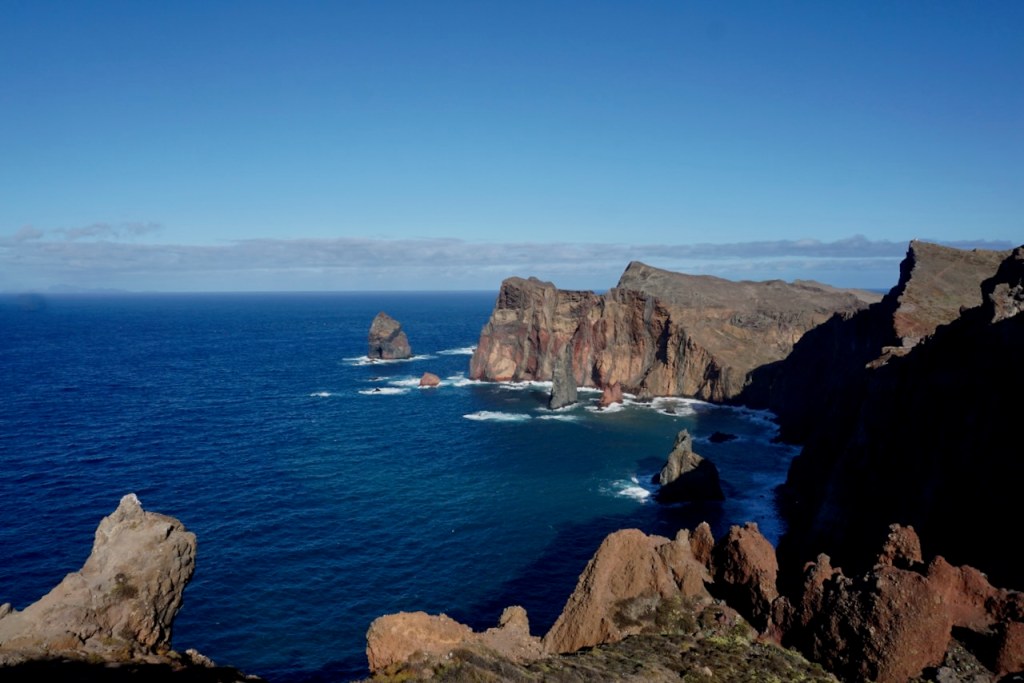
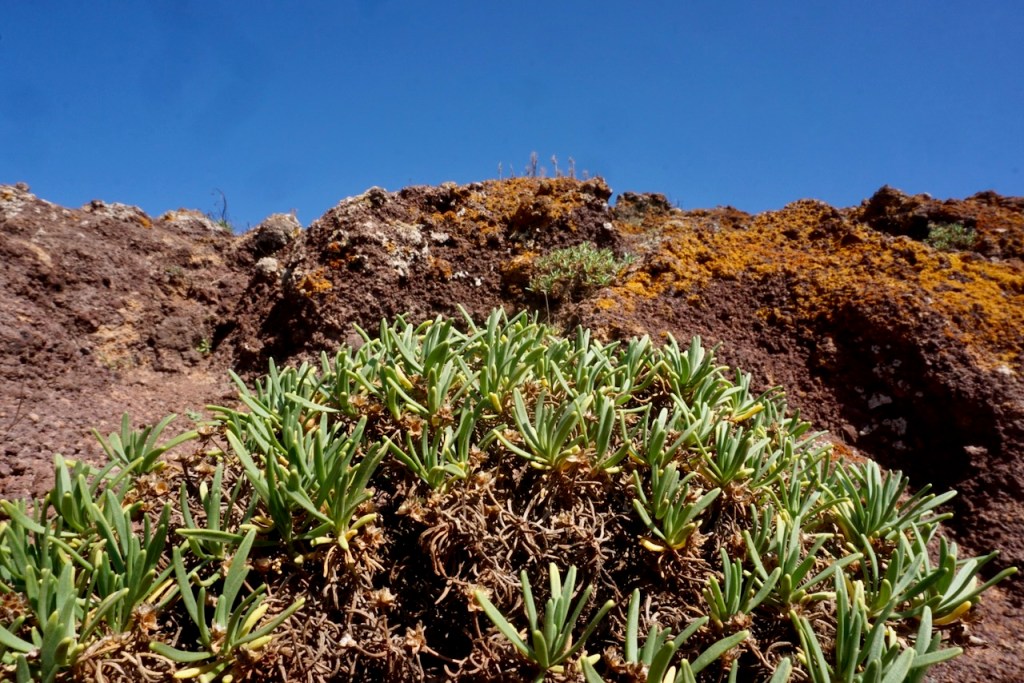
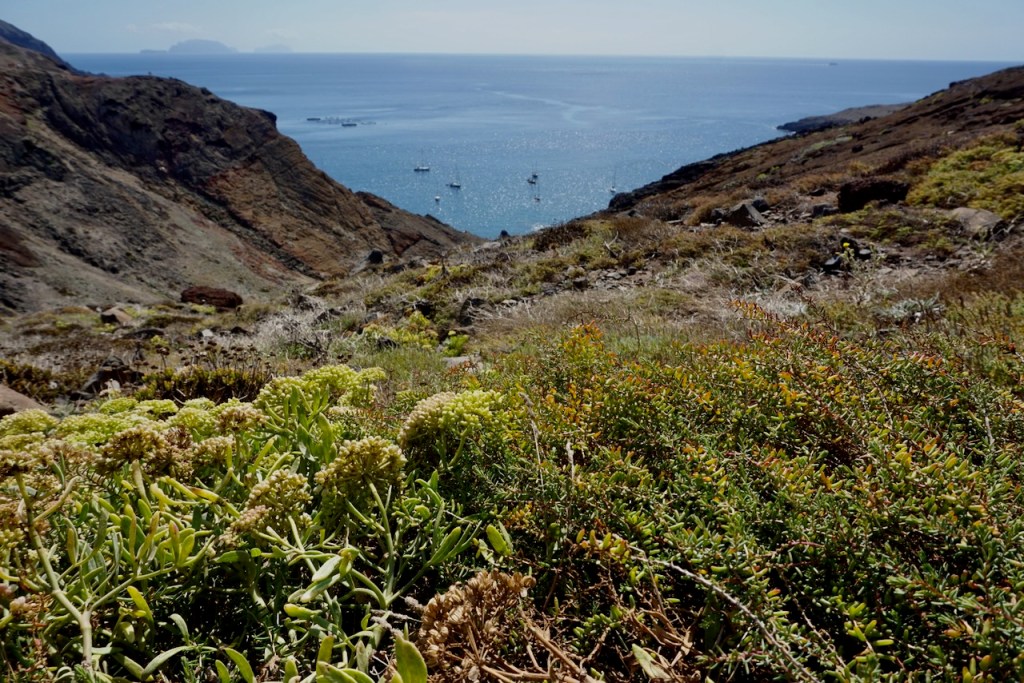
That afternoon, we drove out to a lookout point on the eastern end of the island, gradually gaining elevation on narrow, twisting roads. The landscape changed from tropical trees and flowers, to cacti and beach grasses, to red earth with scrubby brush.

We walked along the edges of cliffs looking out into the sea, clearly in the shape of the caldera left behind from the volcano that created Madeira Island.

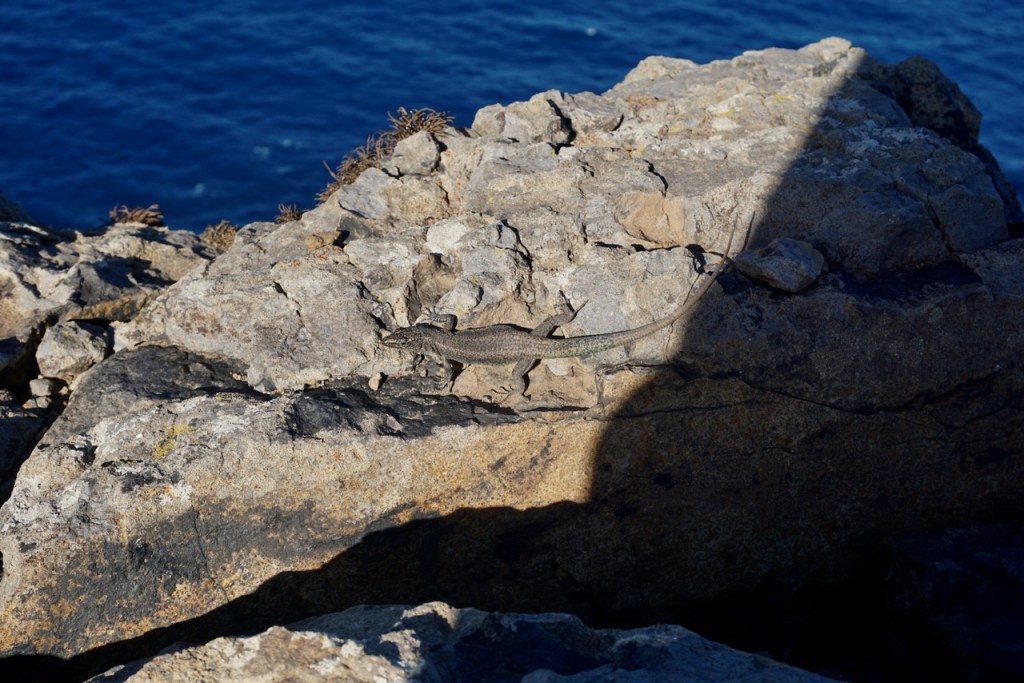
The next morning, we took what was probably the wildest drive of the trip, climbing serpentines for about 1300 meters from where we began at sea level. We wanted to hike up to Pico Ruivo, the highest point of Madeira Island at 1862 meters.

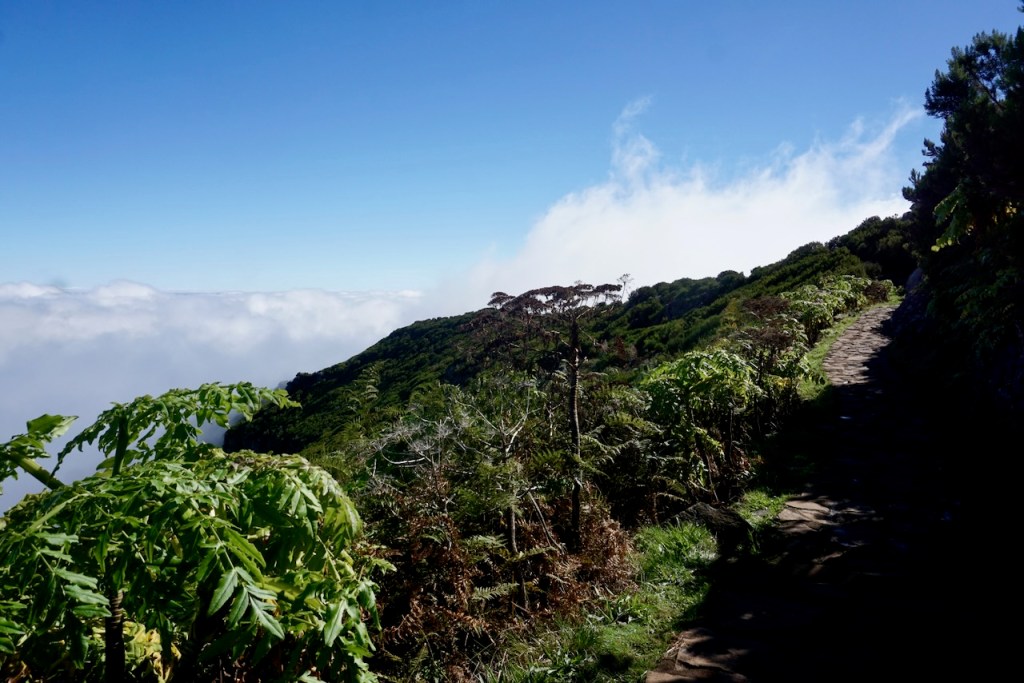
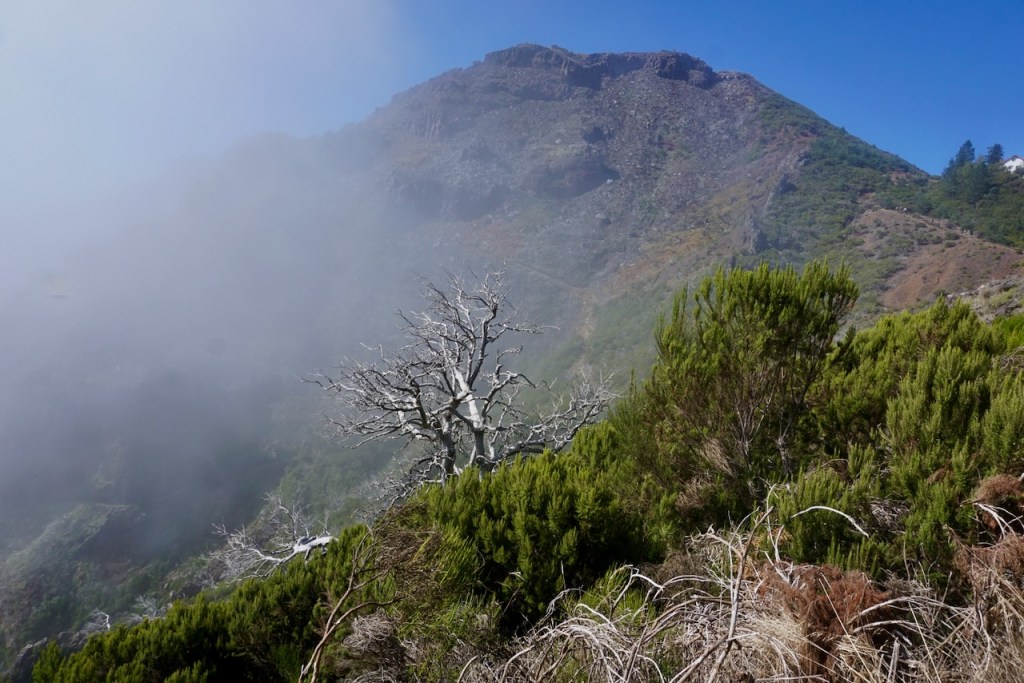
At just under three kilometers, the trail is straightforward though steep, and it winds through an incredibly diverse landscape. We started in terrain that was almost sub-alpine, mist in the cold air . . .

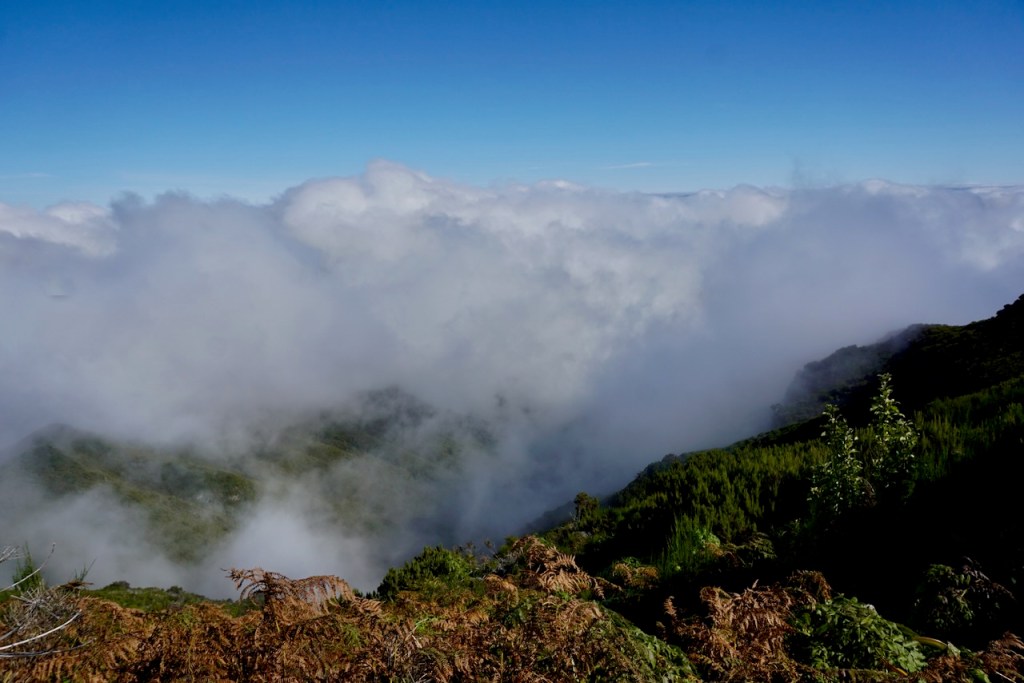
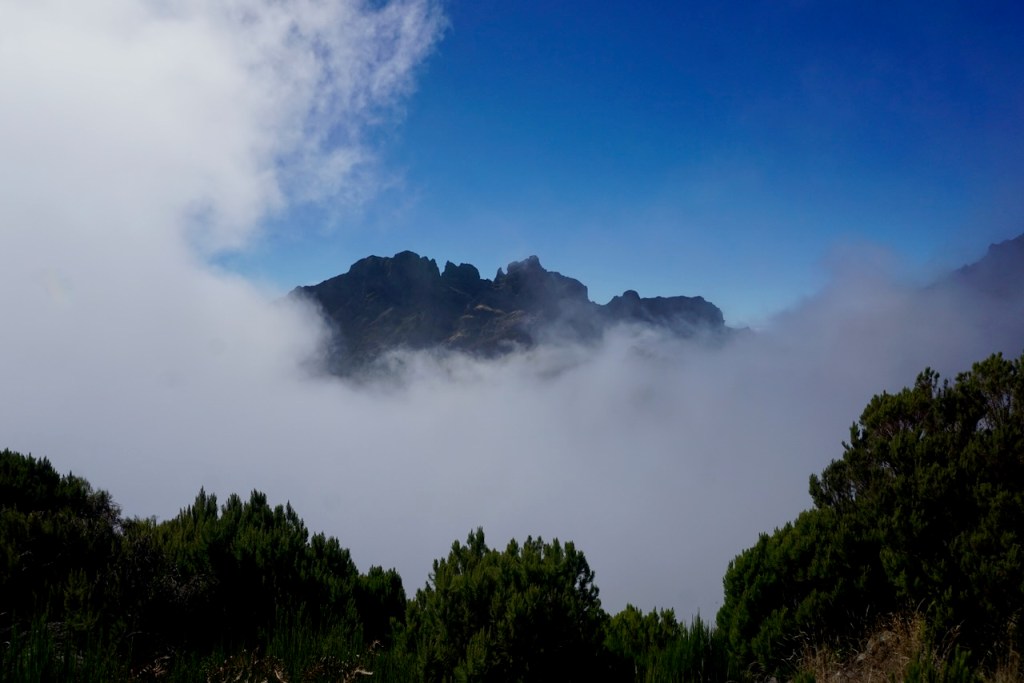
. . . climbed through and above the clouds . . .
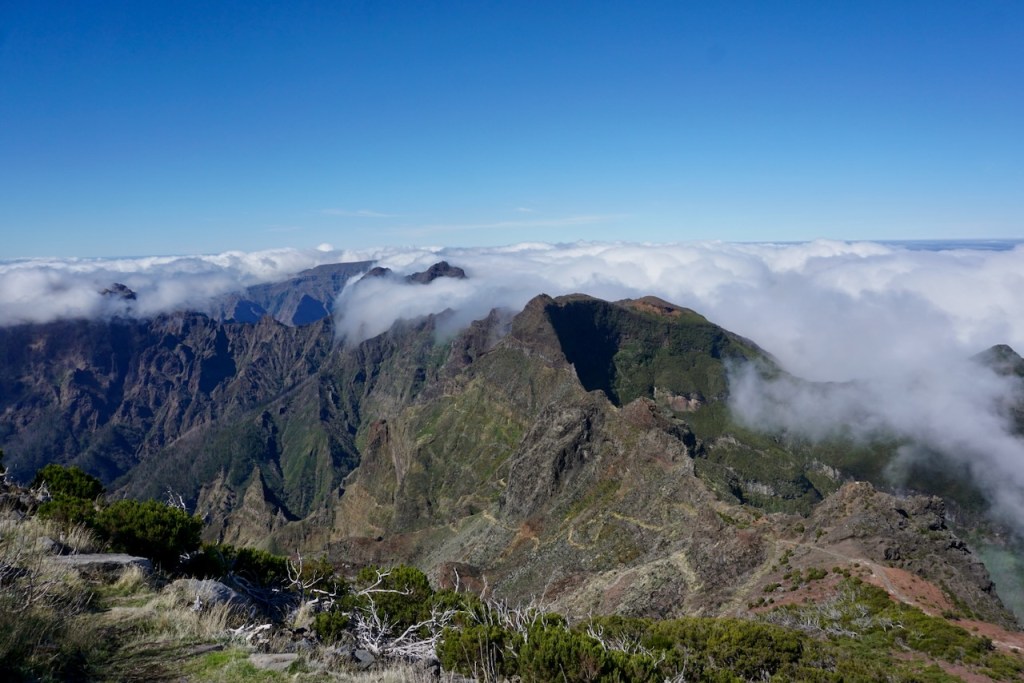
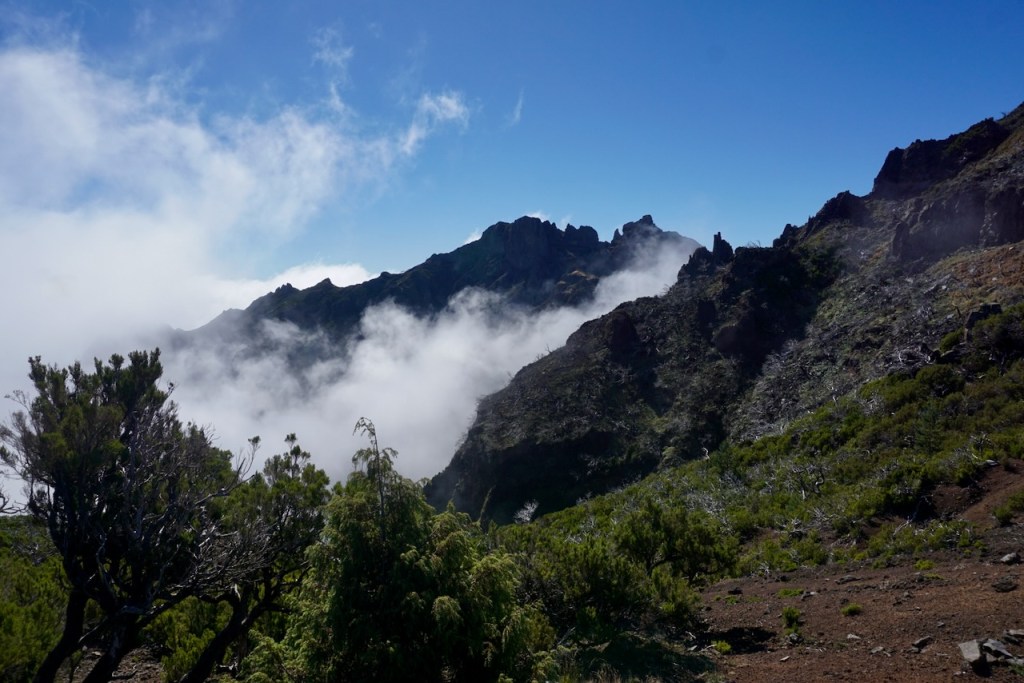
. . . and ended on the south side of the peak in a dry, scrubby landscape with signs of fire damage. . . .
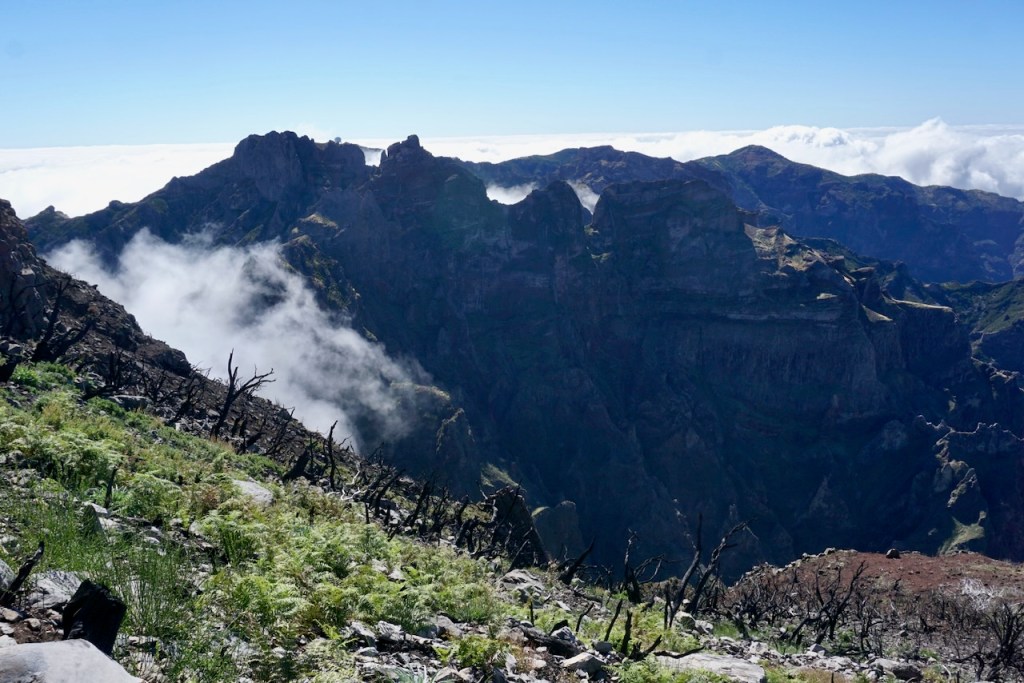
By the time we got to the summit, I was very aware of my pregnant and rapidly changing body. I had needed to go more slowly than usual to regulate my breathing, and I tried to skirt the stairs that caused my stomach muscles to engage, resulting in cramps that are best avoided. But there’s also a feeling of confidence that comes from being pregnant in such terrain (I wasn’t the only one, either!) and I enjoyed that very much.

Upon returning to the car, having thoroughly enjoyed the hike and wanting to explore more of the island, we drove about five minutes back down the road and again into the clouds. Pulling over when we could, we walked the easy, flat trail from Queimadas to Pico das Pedras. In sharp contrast to the morning, this trail took us through a rainforest. It had been cold and sunny on the summit, but we needed a jacket for the rainforest.

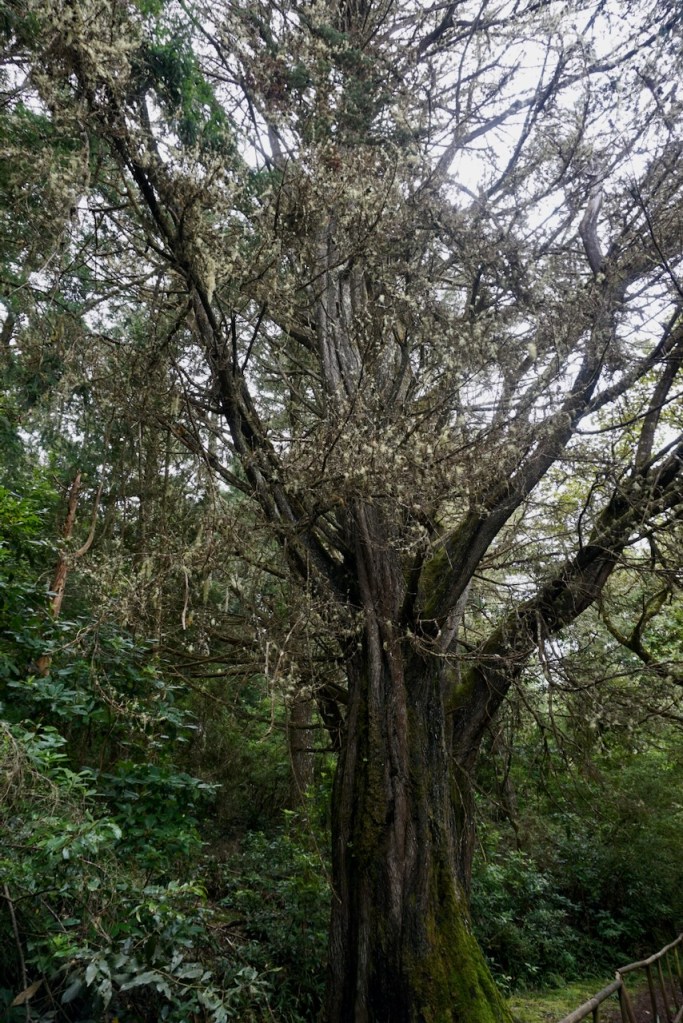
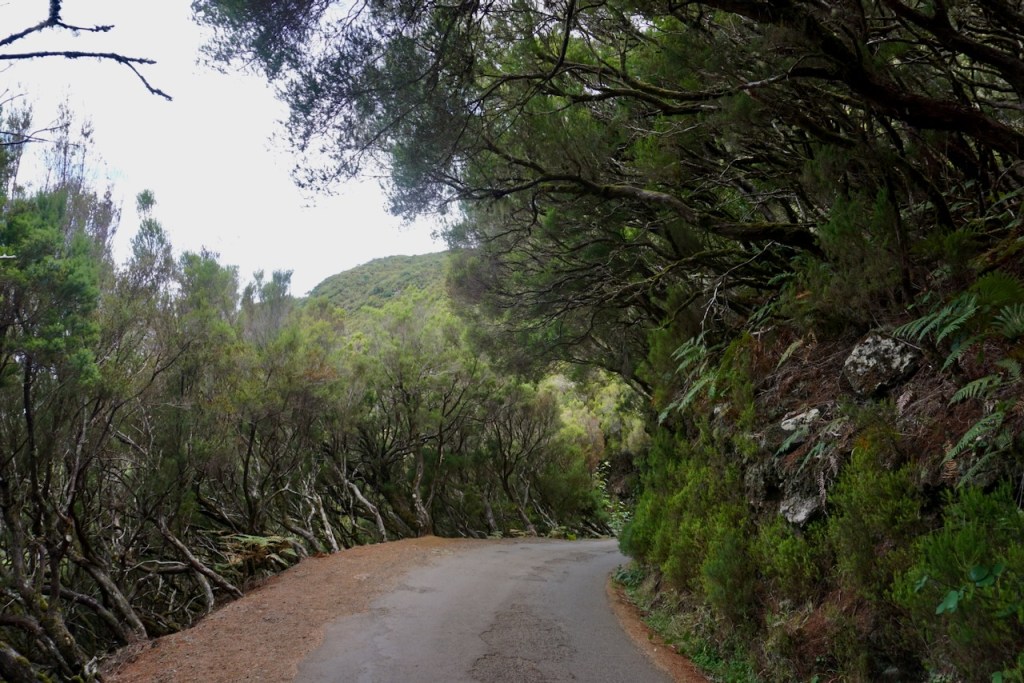
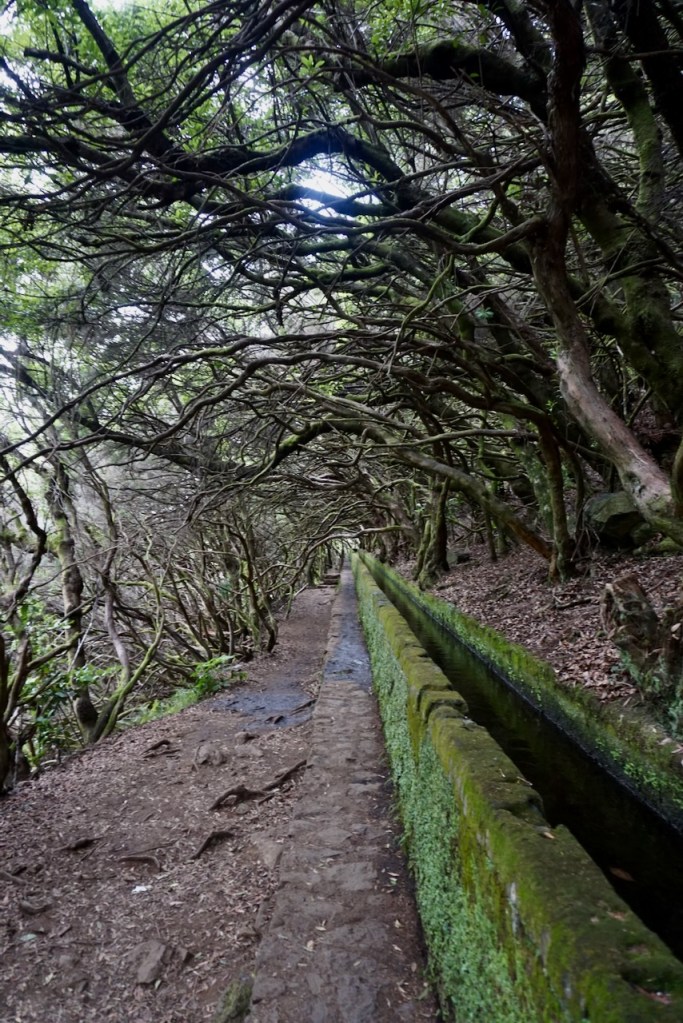
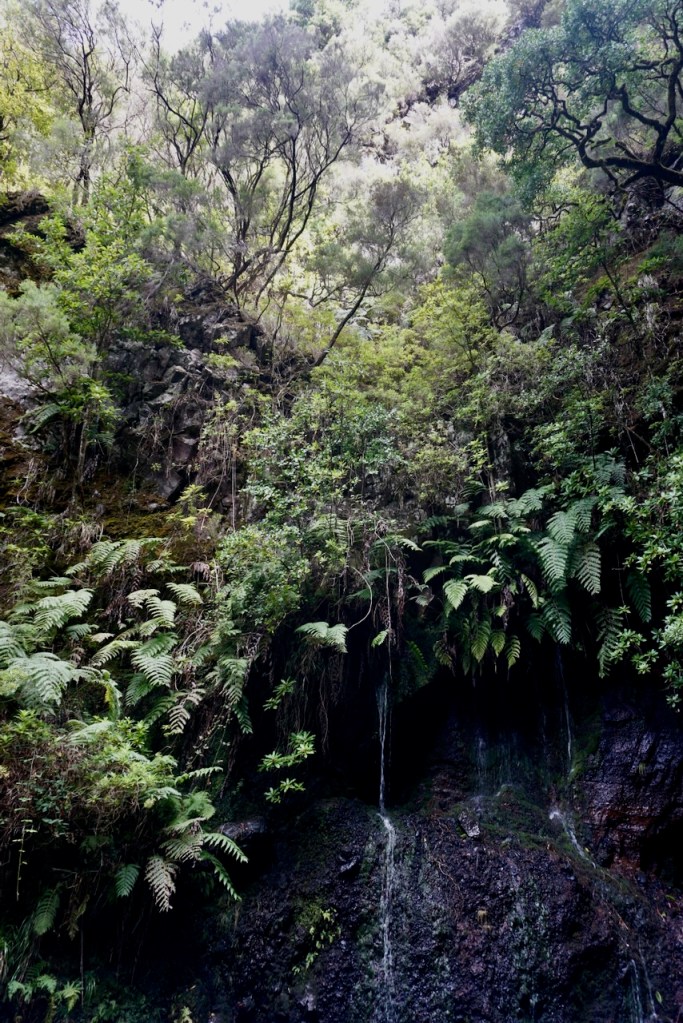
And what a forest. Moss hanging in clumps from old, gnarled trees; water running below us and along the sides of the path; ferns everywhere. We walked mostly in silence, smelling the muddy earth and the effortlessly lush vegetation, marvelling at finding ourselves in yet another climate zone.

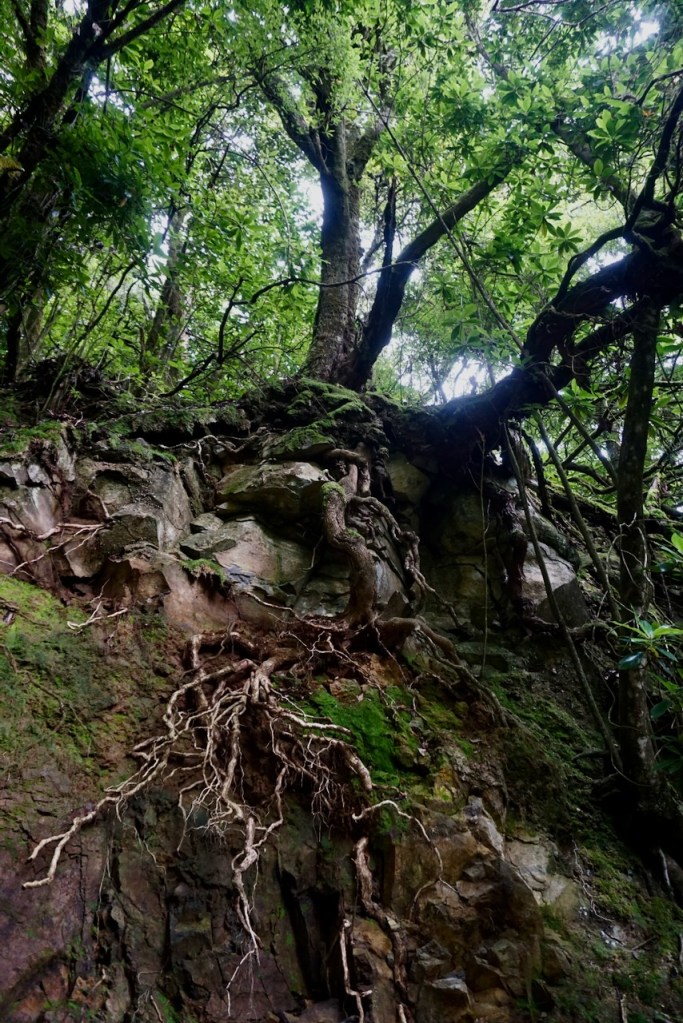
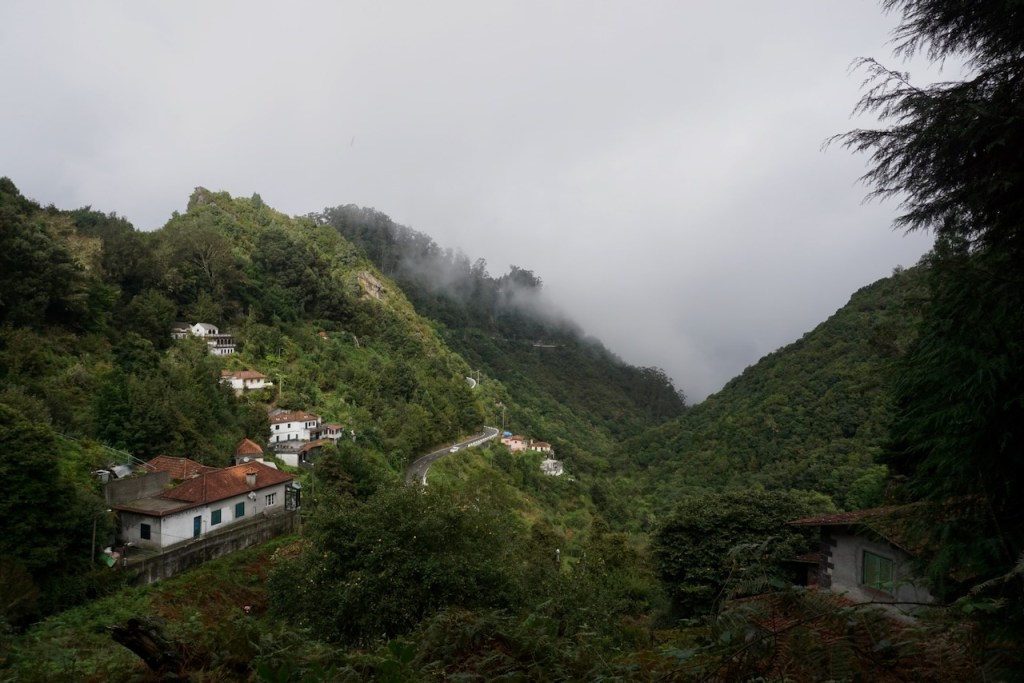
From there, another winding, twisting drive took us yet higher into the cliffs to the short walk named for its outlook point, Vereda dos Balcões. We were in a cloud forest at that point, walking along the side of a cliff that looked down into one of the many villages dotting the landscape.

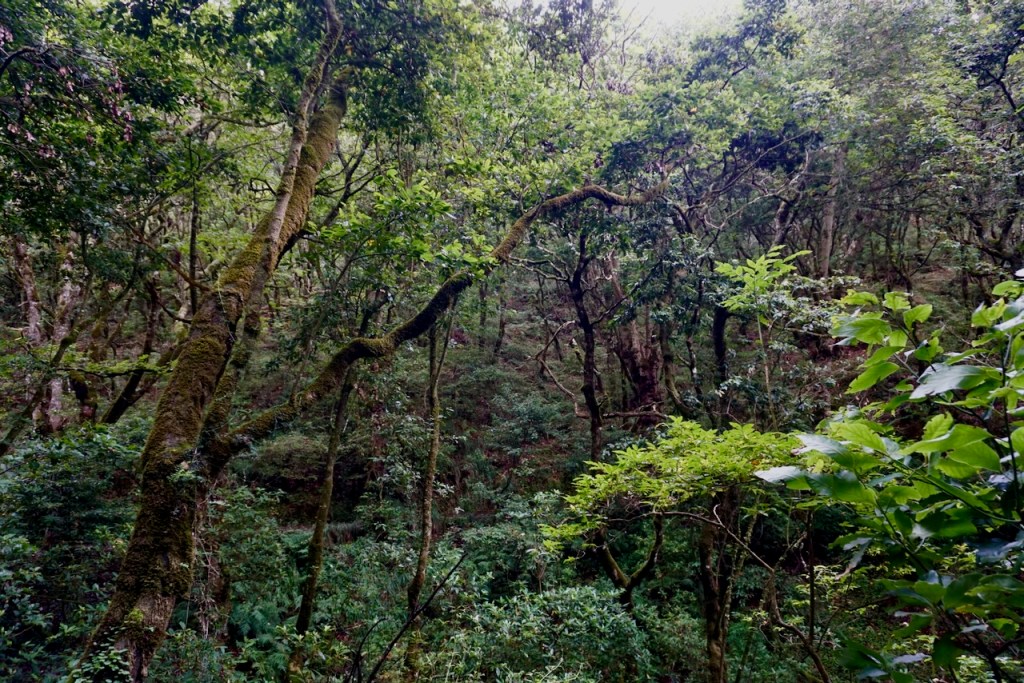
After our explorations of the east side of the island, we drove out the next day towards the centre to hike the Levada das 25 Fontes, a trail named for its 25 waterfalls. The easy walk led downhill from where we parked, and its status as one of Madeira’s most famous walks was immediately apparent from the number of people following the trail. We had to look for stillness here, which we managed to find.

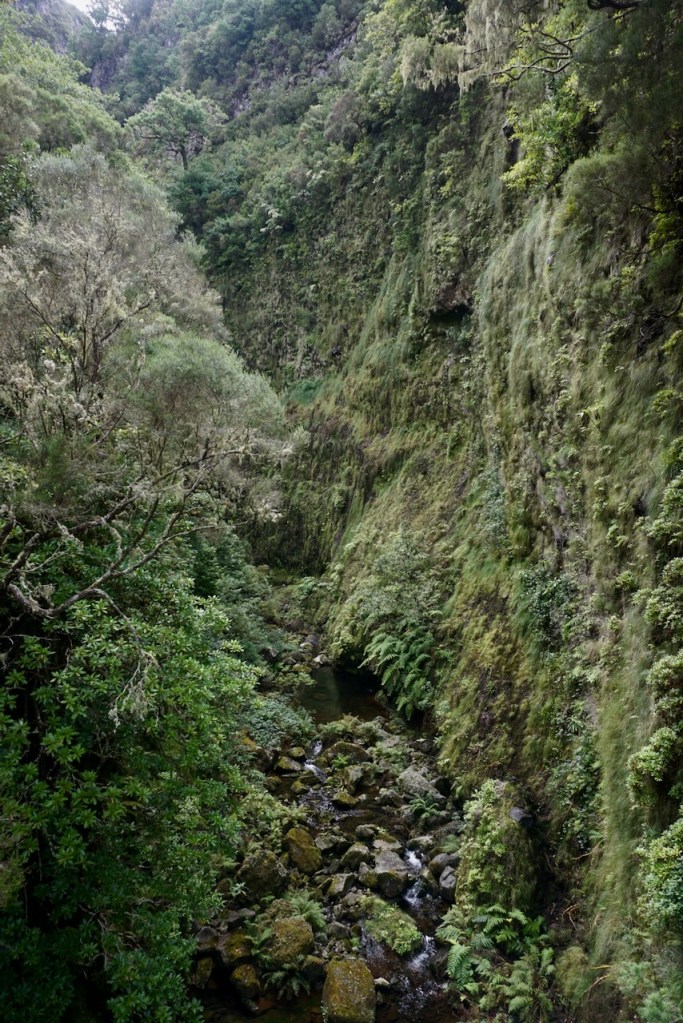
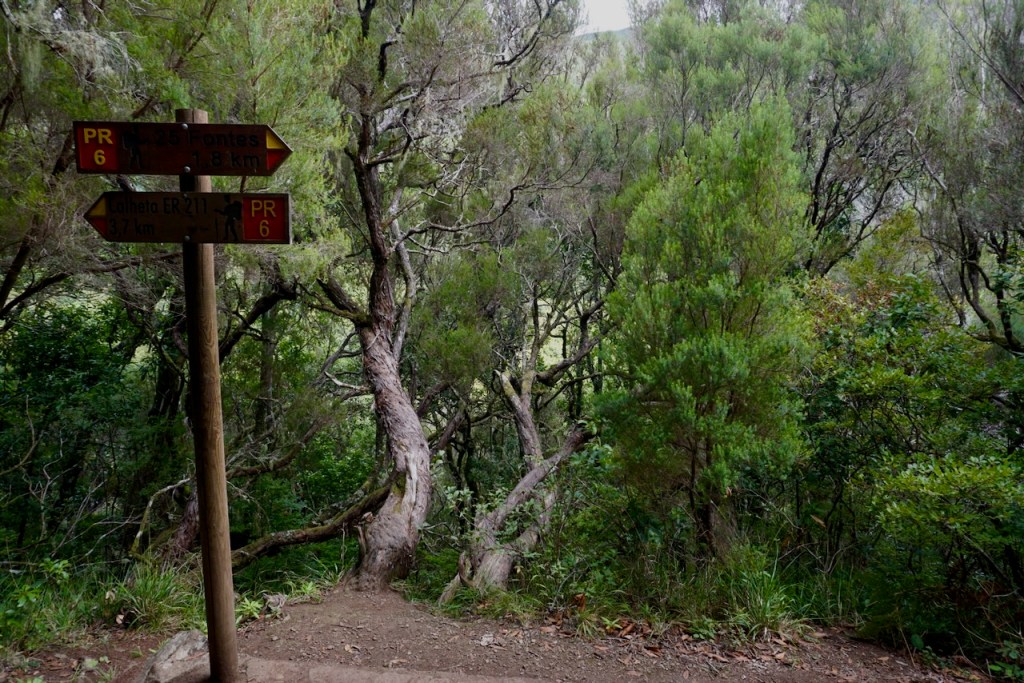
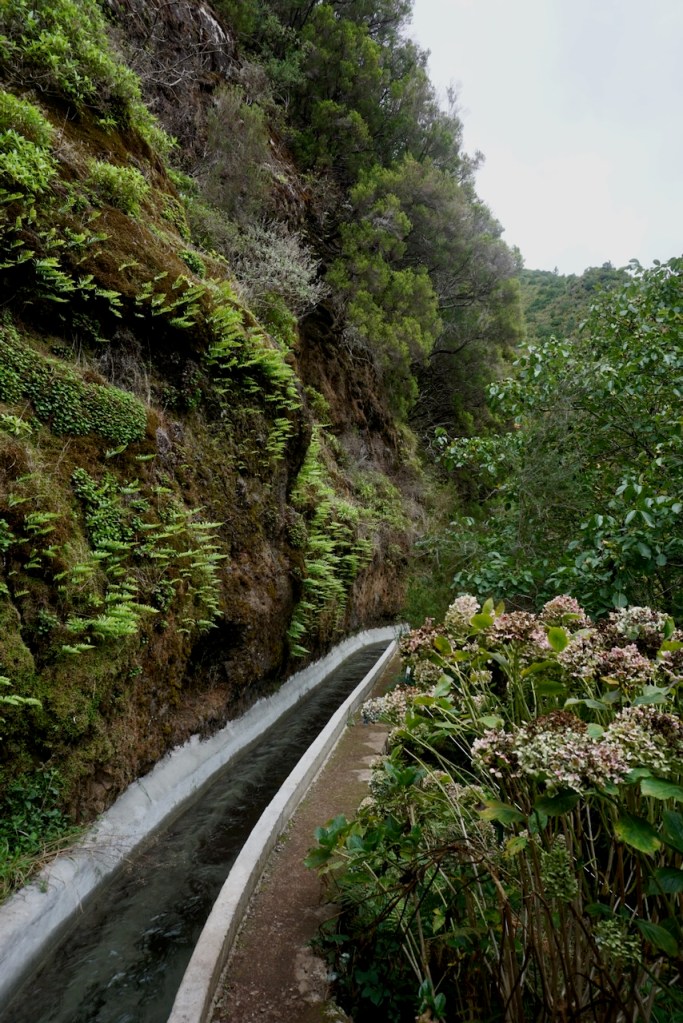
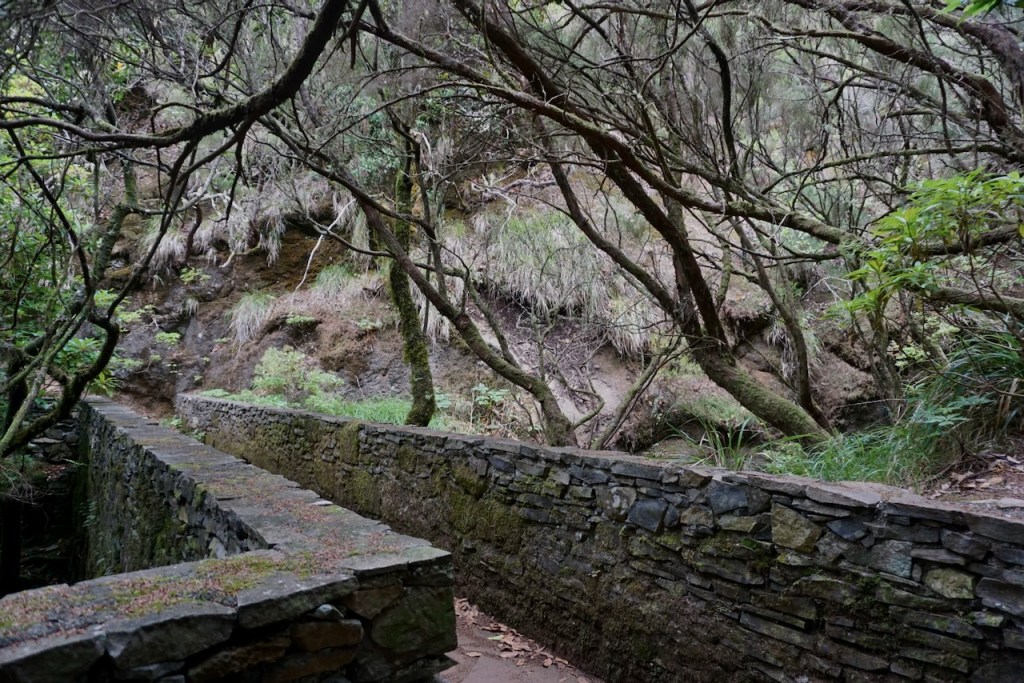
And then, ready for stillness to find us, we followed a trail turnoff that would take us back to the car in a slightly different direction than the out-and-back that we knew most people would follow. Alongside Spanish moss, trees with low-hanging branches, and irrigation canals, we found ourselves exactly where we wanted to be – entirely alone.

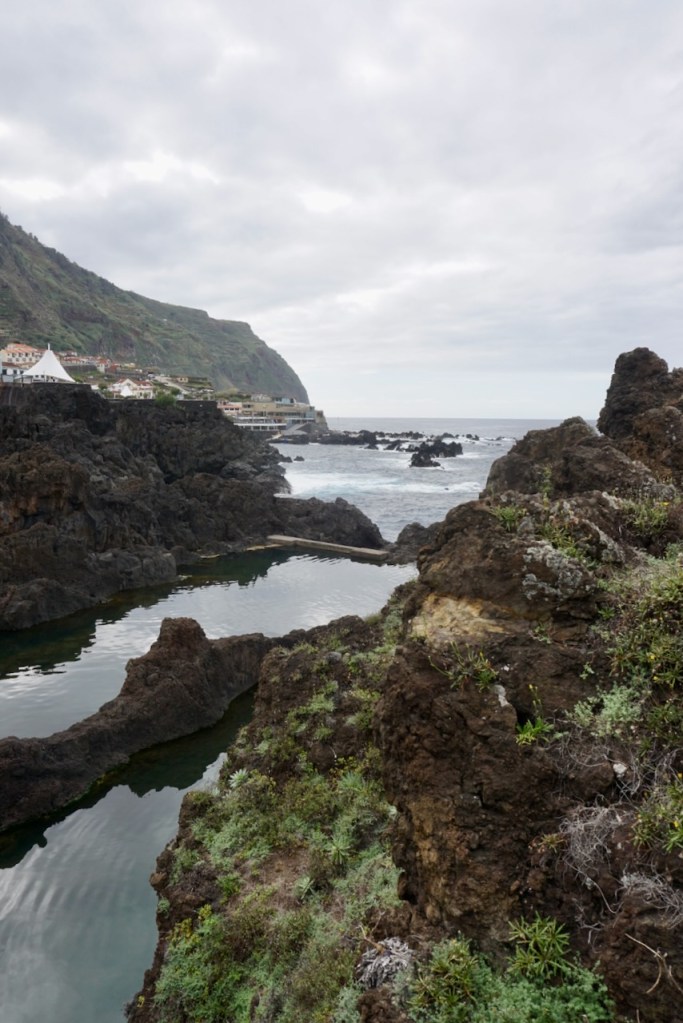
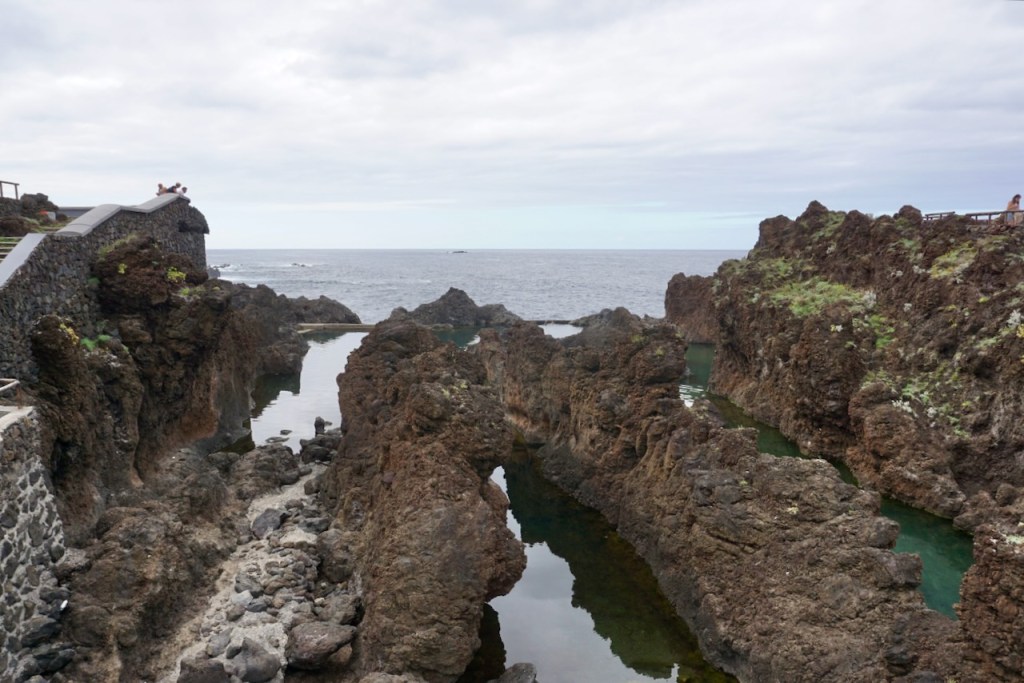
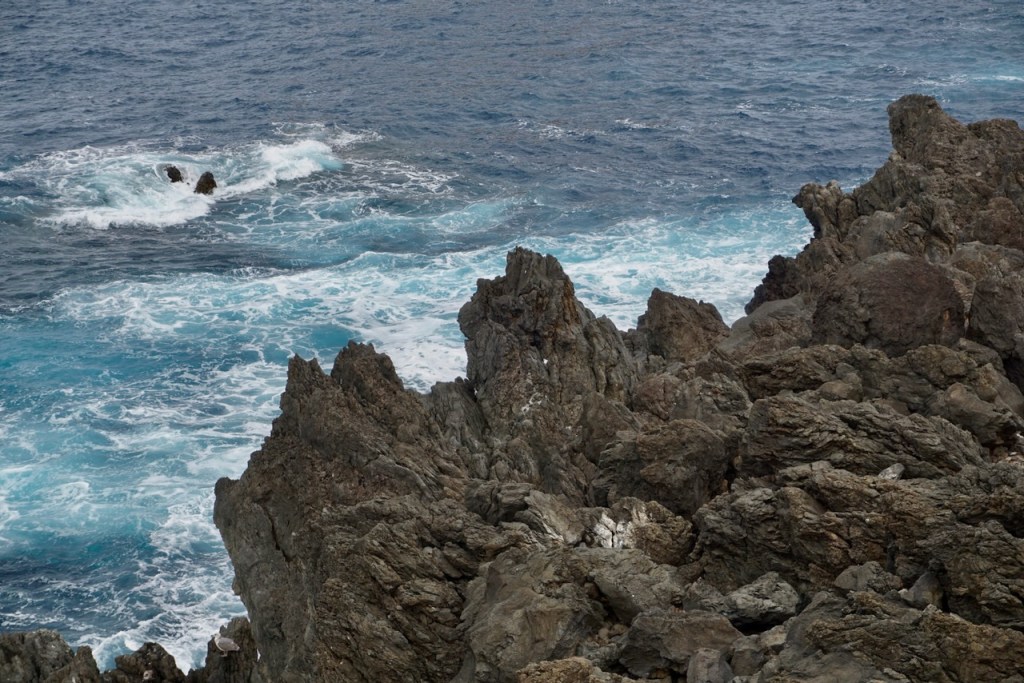
From there, we continued our drive to Porto Moniz, the northwestern most point of the island. We walked along the water and gazed down into the natural pools created by the ocean.

The drive back to Machico completed our circuit of the island, which had left us in awe of the diversity we had experienced. We have both had the fortune to see a few places in the world, and neither of us had been anywhere quite like this.

The next morning, our last full day on Madeira, I settled myself on the rocky beach while my partner took a surf lesson . . .
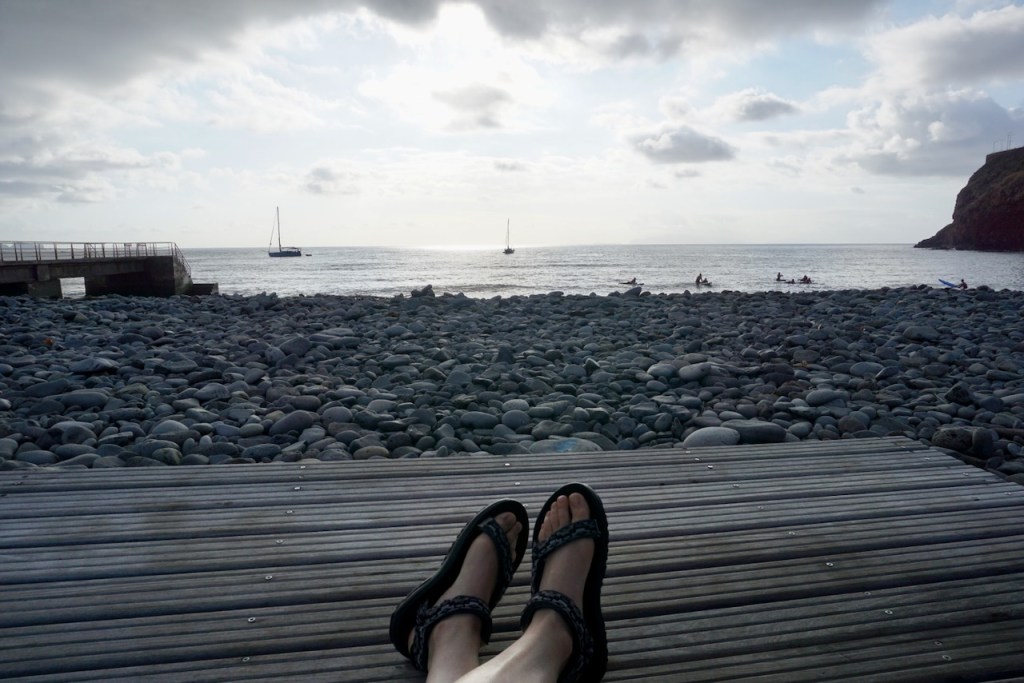
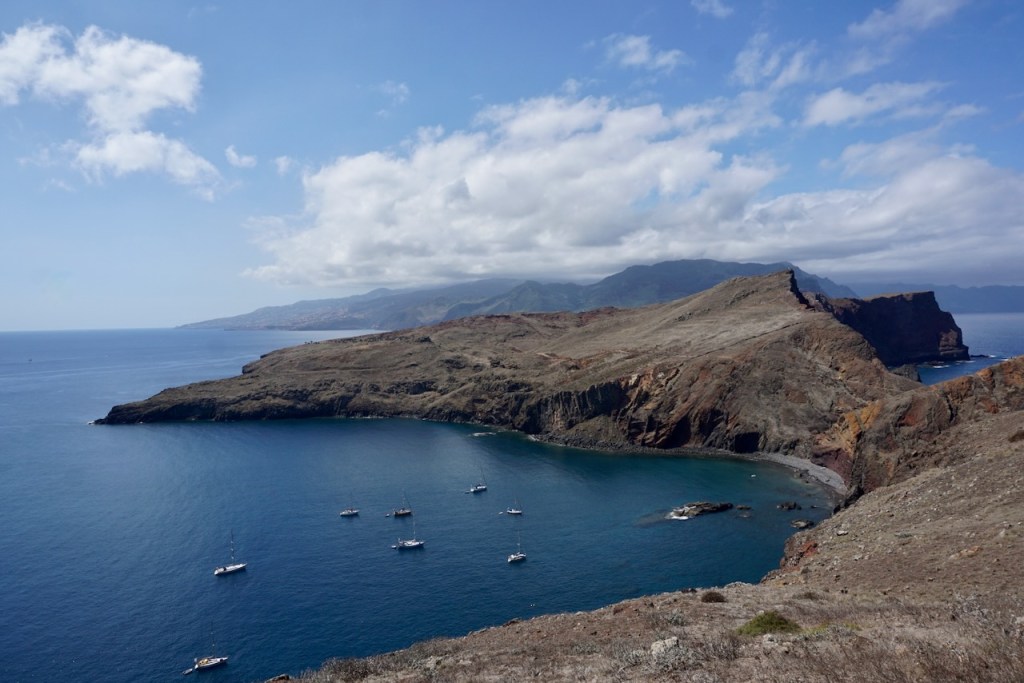
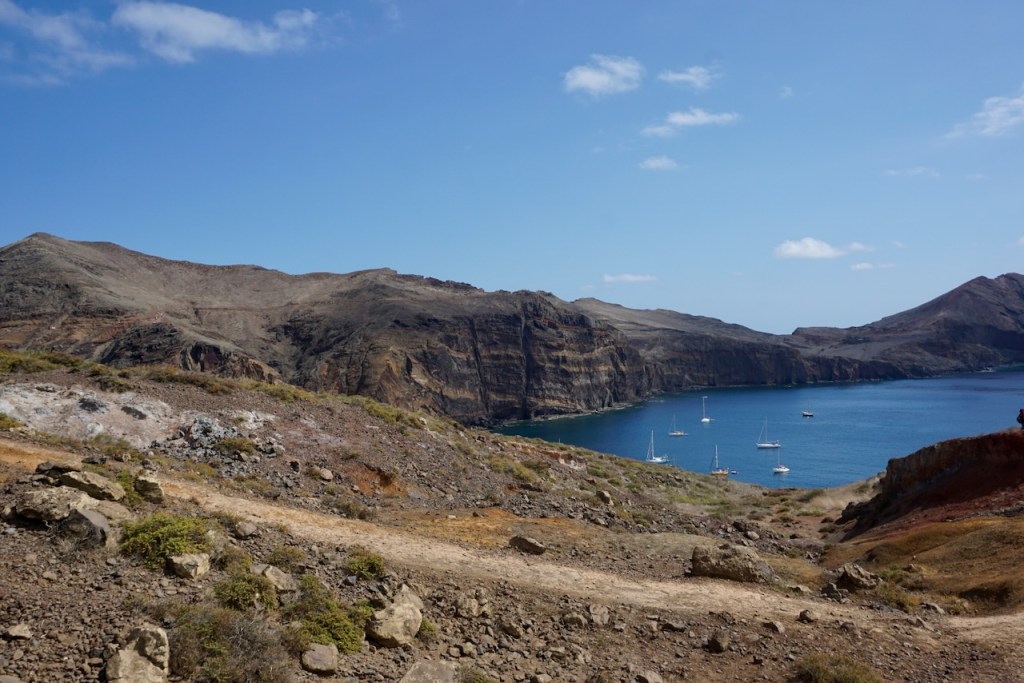
. . . and we spent the afternoon hiking the Vereda da Ponta de São Lourenço, the trail on the eastern end of the island that reaches the highest peak in that area. This time, we walked through desert and along sea cliffs, and were almost always in sight of the ocean. Every so often, a particularly spectacular rock formation came into view, and we just had to stop and take in the colours.

The sun made this walk strenuous because there was absolutely zero shade, but the rocky paths themselves were gentle enough with a relaxed variety of ascents and descents. And like we had seen literally everywhere in Madeira, there were snacks and drinks on offer (upon return, of course!) from multiple food trucks in the parking lot.

Returning to our favourite restaurant for yet another delicious meal of fish (locally caught) and vegetables (locally grown), we toasted a local beer and a local juice to the week we had experienced. We had seen plenty of families underway on Madeira and smiled at the thought of being there with our little one. It is hopefully not our last time on this beautiful island, and we departed early the next morning with beach air in our noses and the sunrise in our eyes. One cannot ask for more than that.
Travel Guide: Venice and Burano

My family travelled to Italy when I was 16, and it was there that I fully formed the fantasy that drove my search for a university, a fantasy that never quite materialized. We spent several days in Venice on that trip and, nearly twenty years later, I was excited to return with my partner for his first visit.

We were rather more strategic with our planning of Venice than with the rest of our summer travels, which was to our benefit. We made as much use of the Venezia Unica city tourist website as possible, thus saving time and money, as well as guaranteeing a parking spot in a very convenient garage. We had a few changes of clothes in backpacks and easily managed to pick up gelato for the walk from the car to our blissfully air-conditioned hotel.
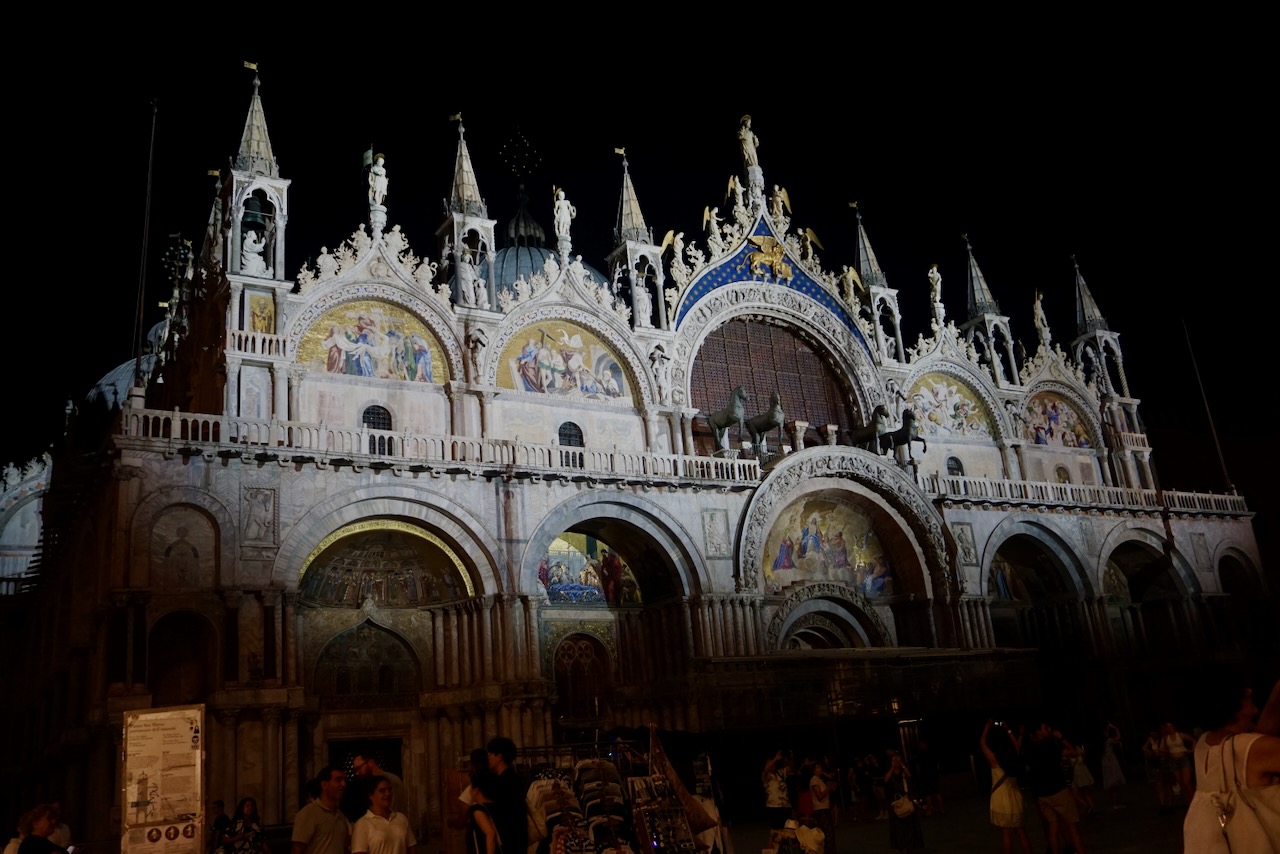
After a shower and changing into appropriate clothing, we walked the four minutes through twisting alleyways to reach Basilica San Marco, where we had timed tickets and could skip the line. I was pleased to see that everyone had followed the dress code, which isn’t always the case in places with posted dress codes. I hadn’t been inside on my first trip to Venice; according to a story my dad tells, the family voted in favour of gelato instead. I don’t remember that, but it sounds right.

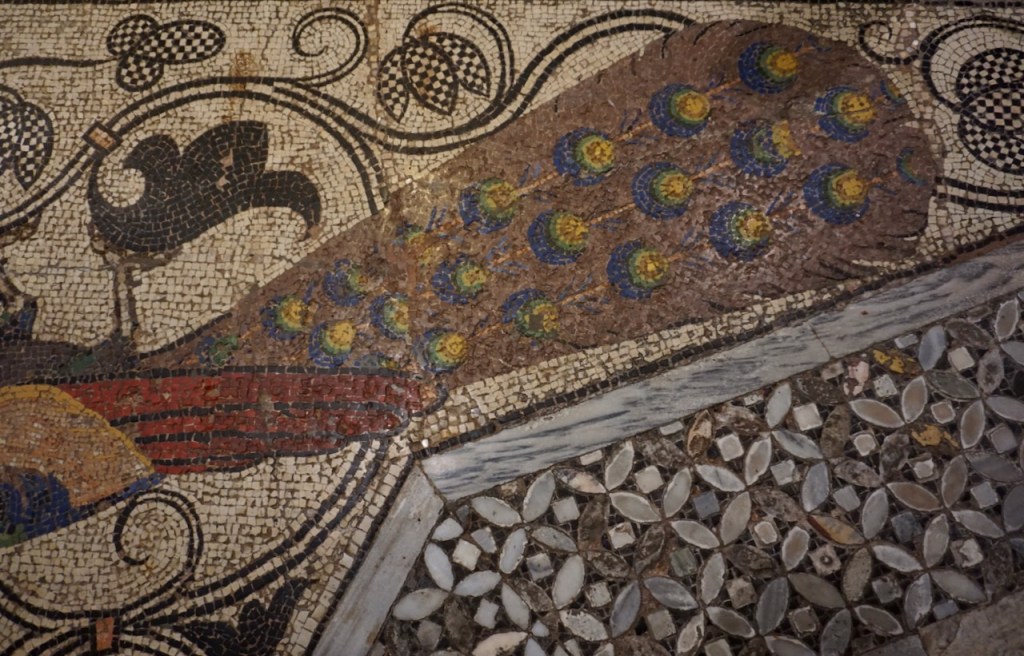
This time, my partner and I made multiple rounds of the Basilica interior, stunned by the plethora of gold, the intricate mosaic covering every surface of the floor, the saints celebrated on the walls. We tried to match the Latin names to what we knew in German and English, often coming up rather short. I have always been fascinated with the lengths to which people go to honour that which they wish to honour.

After changing clothes again (Venice, much like living in Singapore, required breaks in air conditioning and yet another shower before pursuing the next activity), we headed to the meeting point for our walking tour, always my favourite way to see a city. The tour took us through all six of Venice’s districts with a focus on the northern part where the locals live. As the tour guide explained, her job was to take us to places we wouldn’t find on our own. She told us about the history of Venice and about Venetian culture today, which we really enjoyed. I had taken a course on the history of Venice in university and I was surprised at both what I remembered and what I had forgotten.

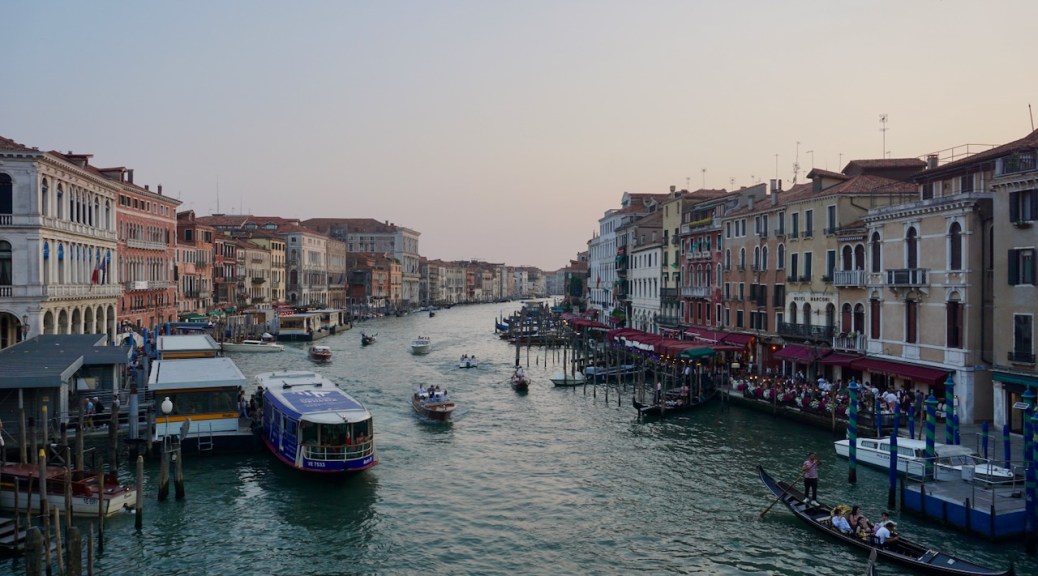
We walked over to the Rialto Bridge that evening and took in the view of the Grand Canal . . .

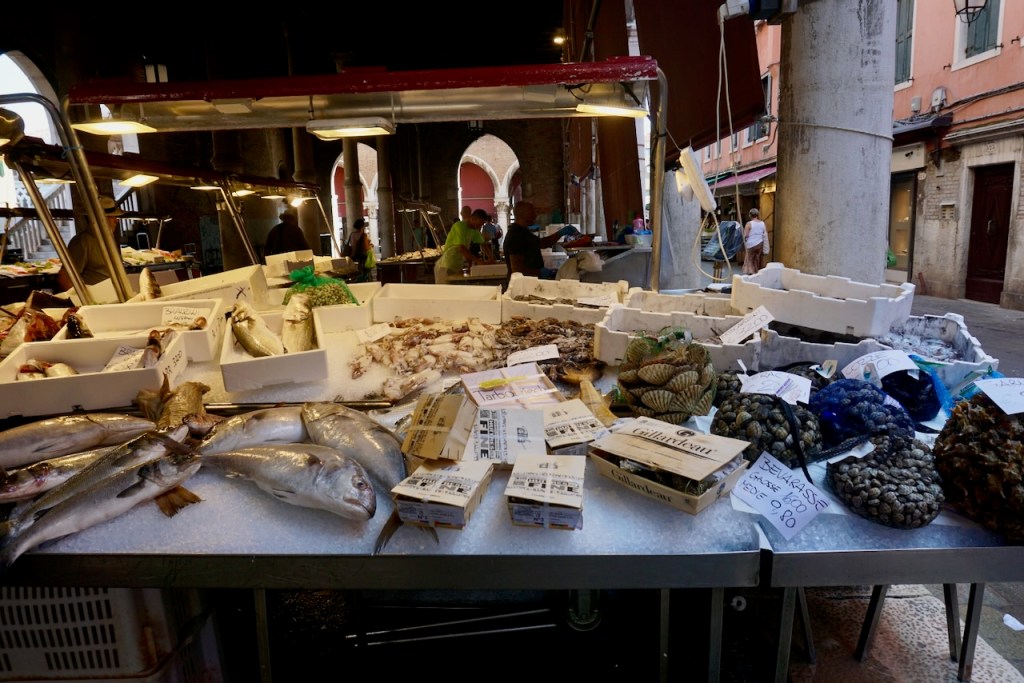
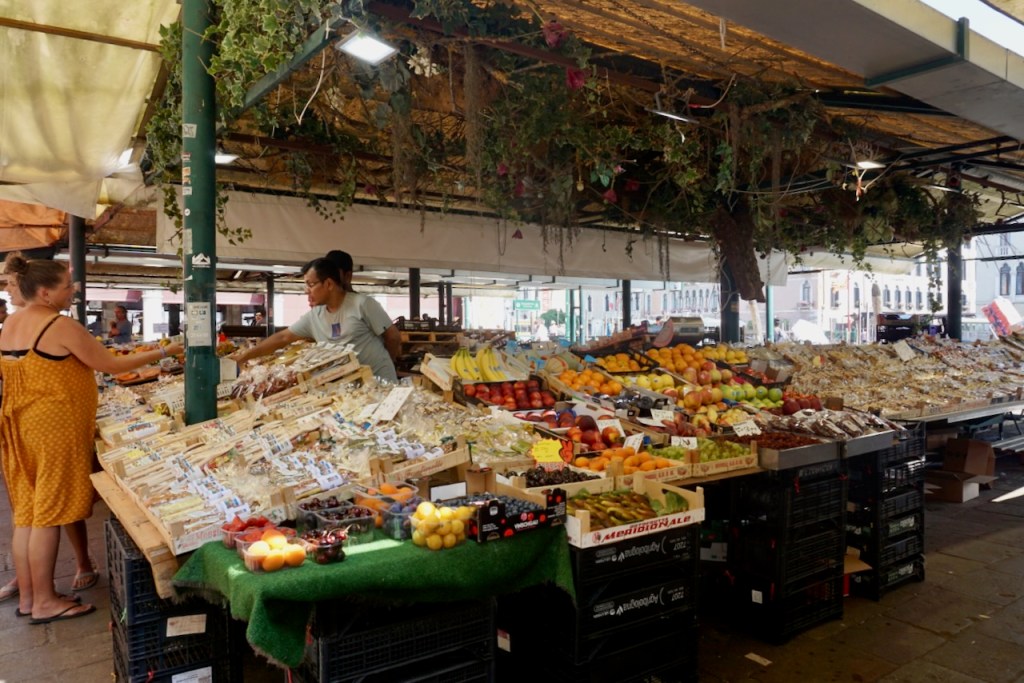
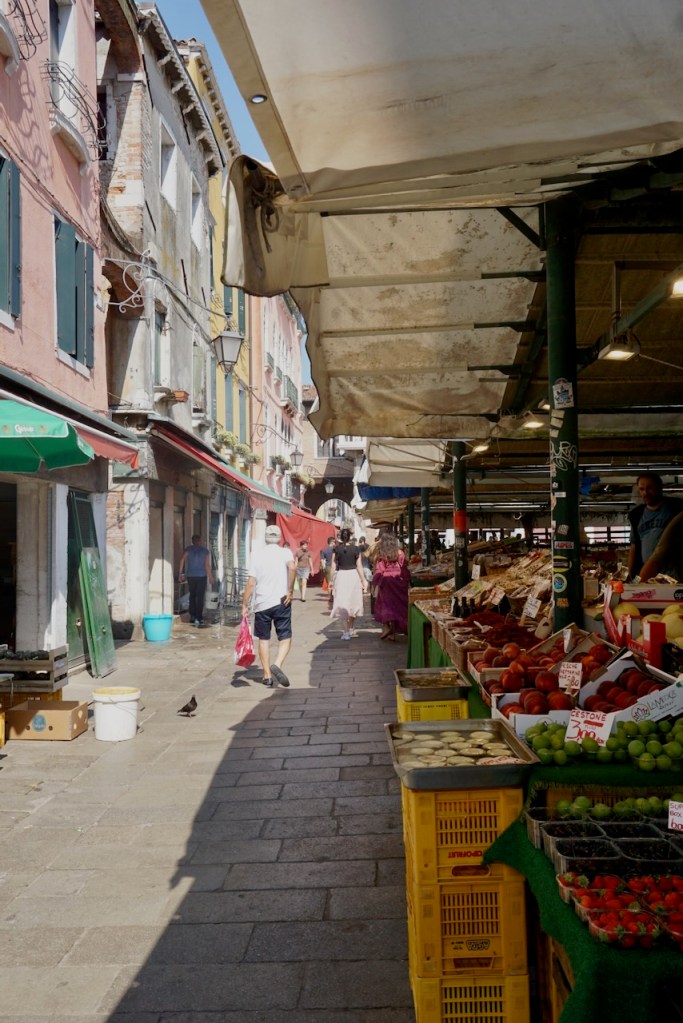
. . . and returned in the morning to visit the Rialto Market, a favourite activity whenever possible. Tourist kitsch aside, the primary ware was seafood, which should come as no surprise.

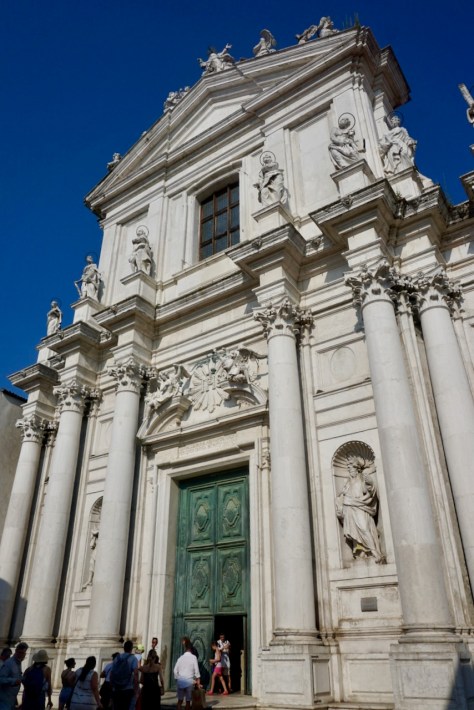
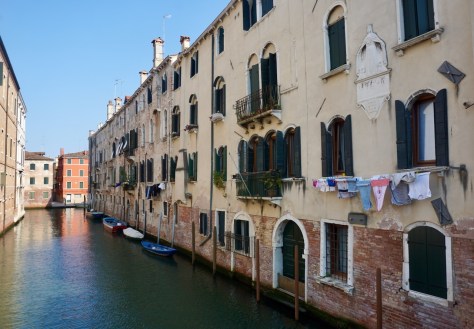
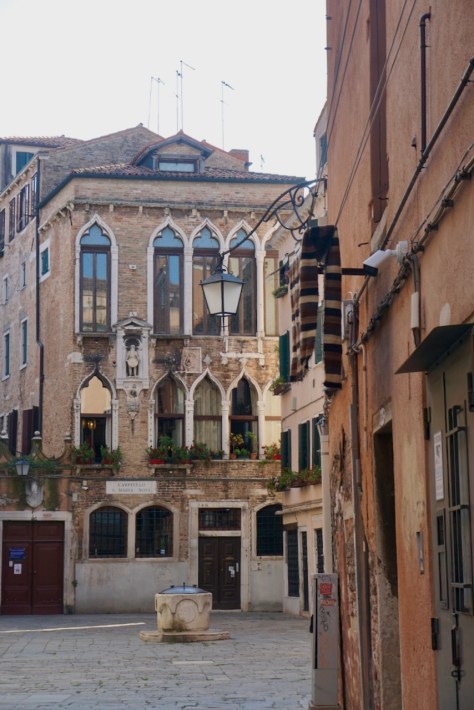
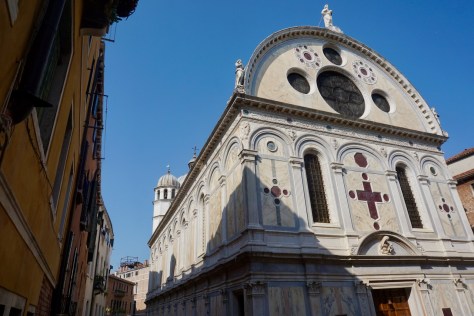
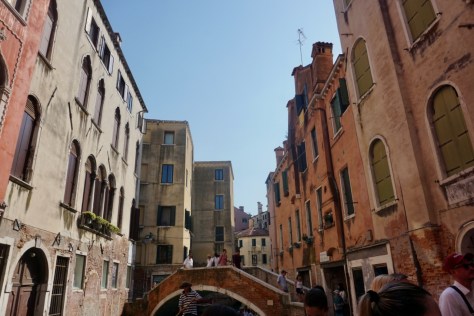
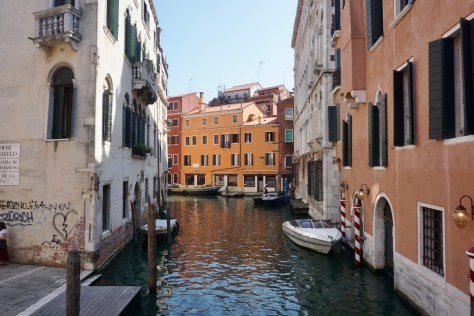
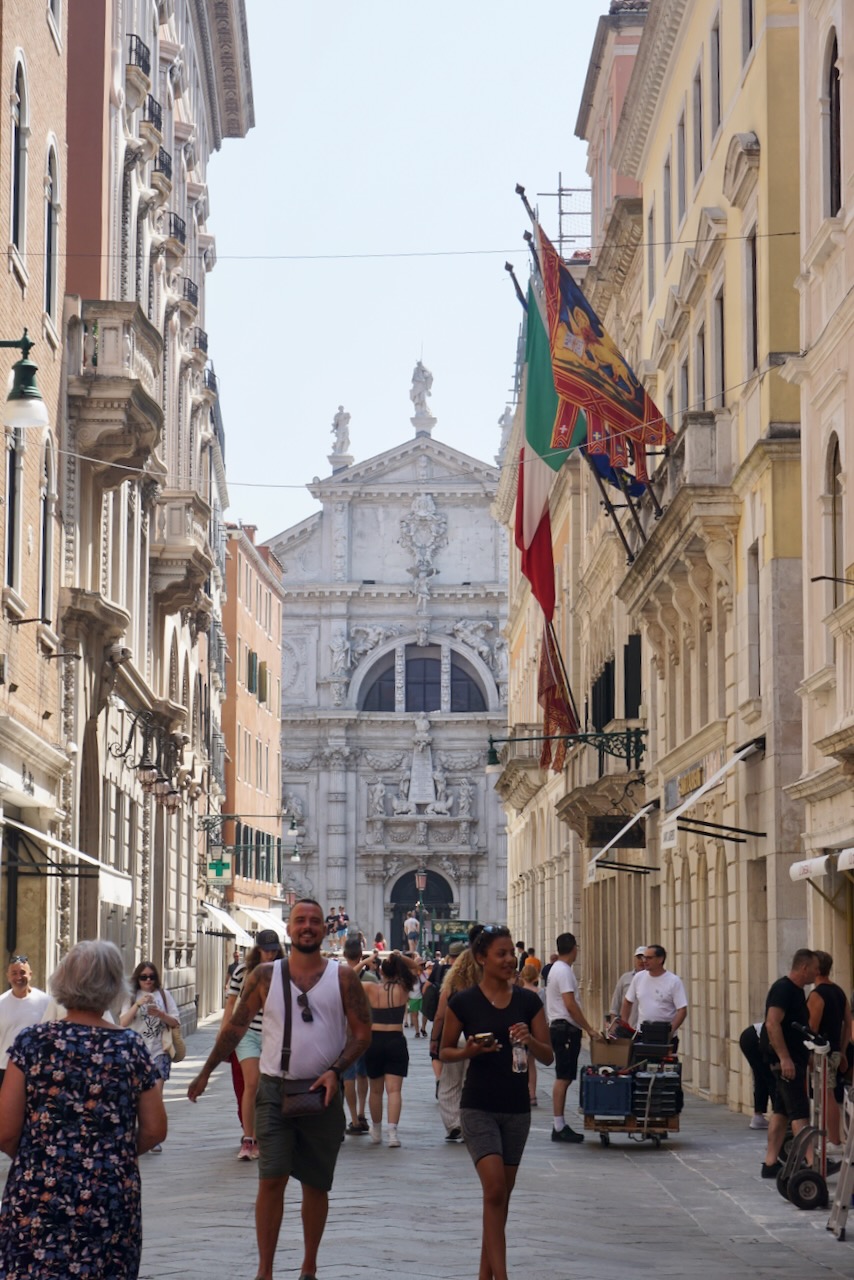
From there, we made our way leisurely through little alleys and side streets until we reached Piazza San Marco.

We walked along the water to confirm vaporetto (water bus) times for the transport passes we had purchased in advance . . .

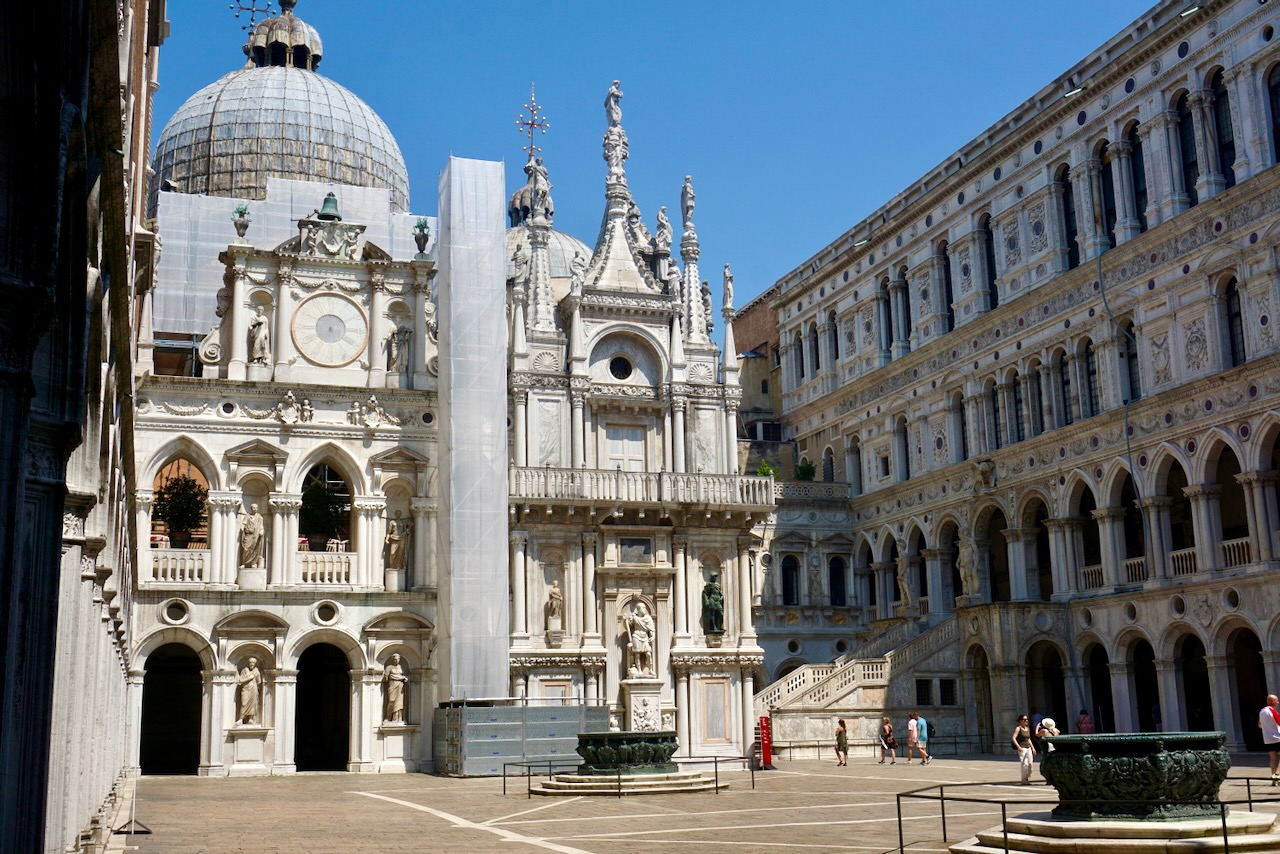
. . . before returning to Piazza San Marco for our timed entry to the Doge’s Palace, again avoiding the long line.

Much like Basilica San Marco, the Doge’s Palace is grand. The wealth that the former Republic of Venice had enjoyed, and the power that came with it, was awesome in the original sense of the word. The gold, the art, and the sheer size spoke volumes.

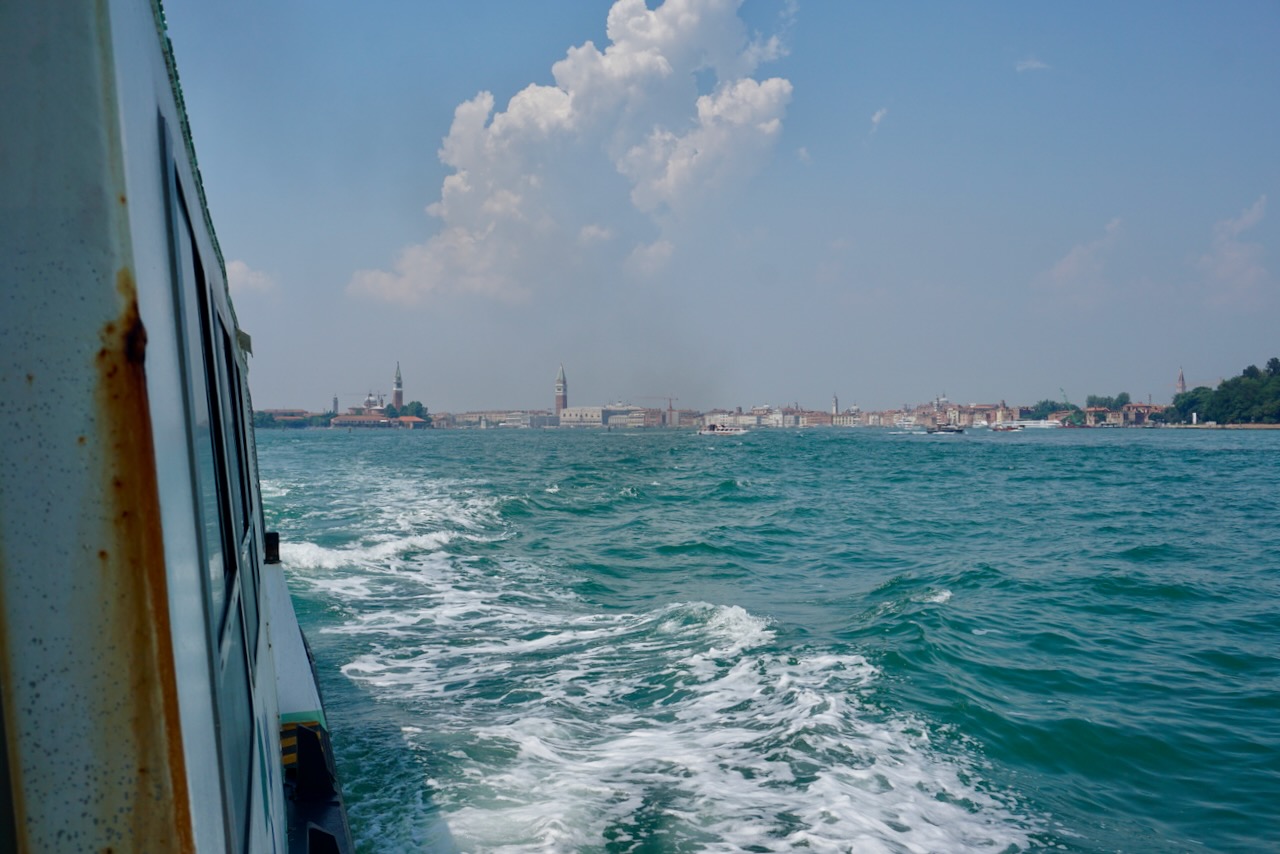
Afterwards, ready to escape the crowds for a while, we took a vaporetto for the 45-minute trip over to Burano, one of the neighbouring islands. Being on the water gave us some relief from the heat, but I would not recommend July as the time to visit Venice.

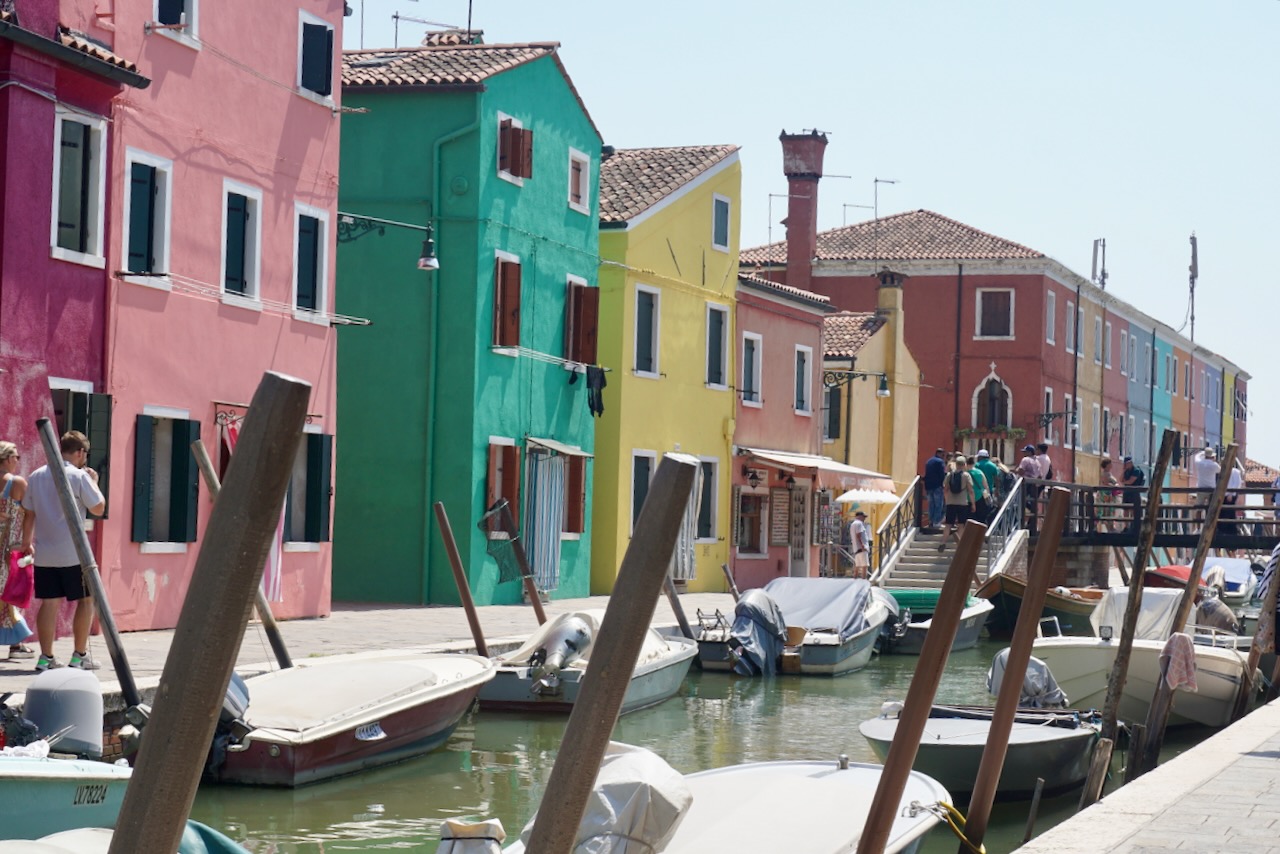
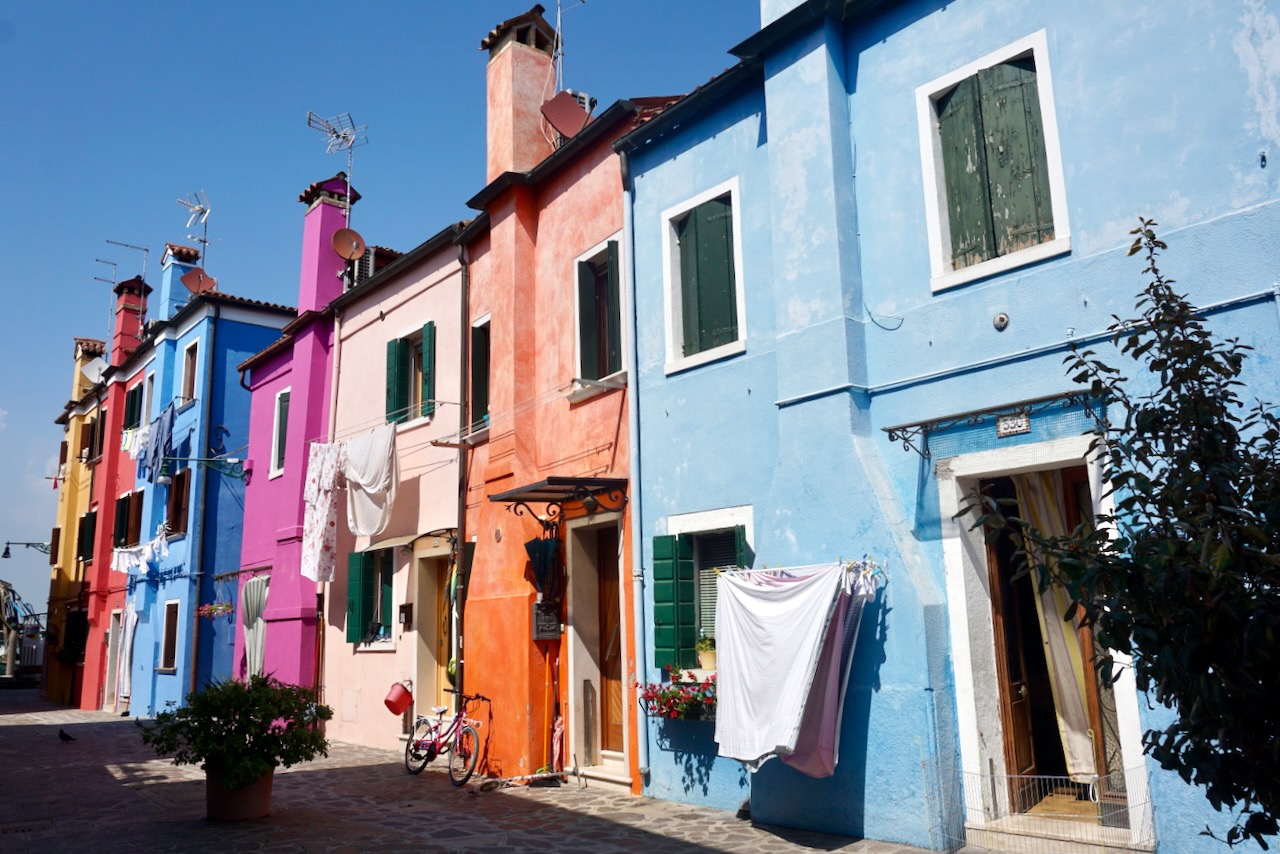
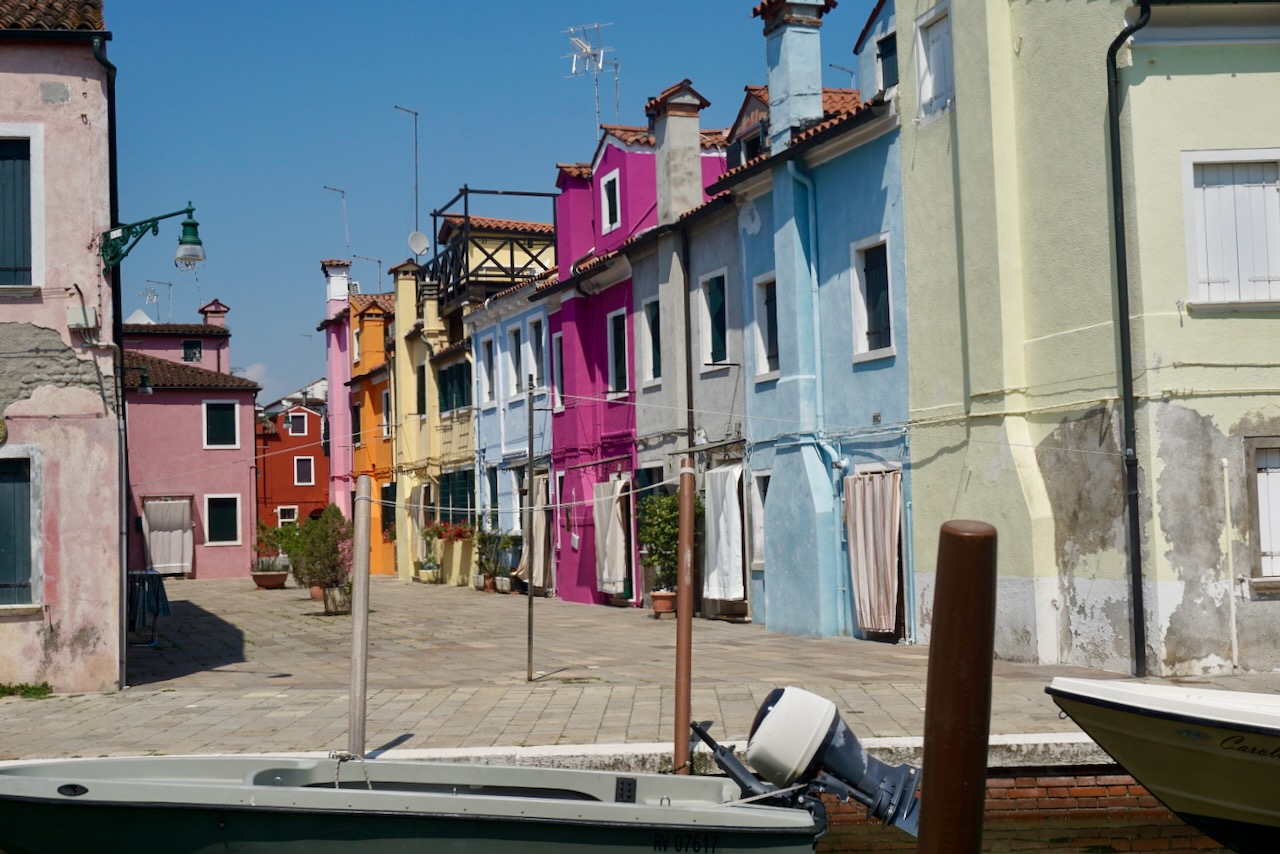
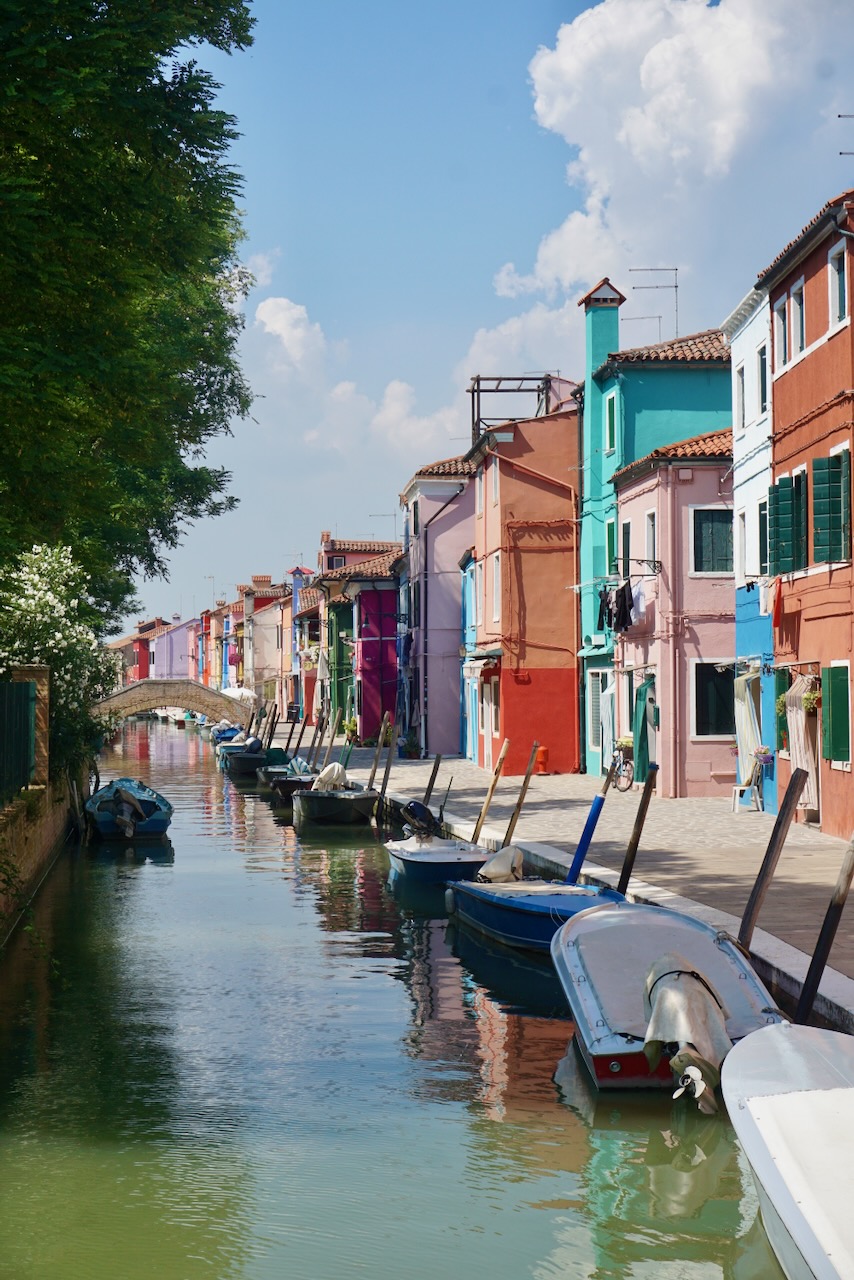
Burano is tiny, whimsical, and famous for lace-making, evidence of which could be seen in nearly all shops. What we were there to see, however, were the brightly-coloured houses that practically glowed against the blue of the sea and sky. We walked around, patronized a local café, and took photo after photo of this storybook come to life.

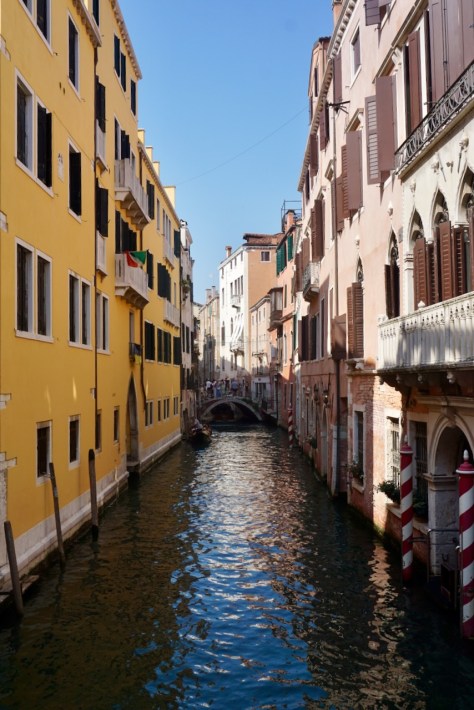
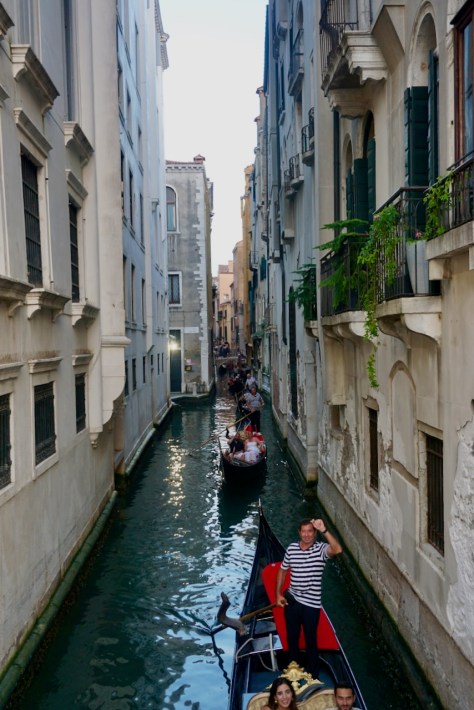
Upon returning to Venice and after some much-needed time to cool off, we braved the heat and humidity one last time to enjoy our final evening. Since Venice was designed to be seen from the water, our tour guide had said, many of the oldest building façades seen from the street side were actually the back. A gondola ride gave us a perspective of the city as it was meant to be seen. The sun was beginning to set and the city glowed.

As we rode, we asked the gondolier questions about how one gets into the business (sons are taught by fathers), how a route is chosen (the routes are what they are and do not change), and who owns the gondola (the family). The gondoliers called to each other in Venetian, the language of Venice that our Italian tour guide told us she had learned to understand since moving to Venice years ago but could not speak. Venice is Italy, but mostly, Venice is Venice.

A friend wrote to us that we were in the city of love, though we were pretty sure that designation belonged to Paris. At any rate, we held hands as we watched the sun set over the bridges.

Since we had day passes for the vaporetto, we hopped on board once again to ride nearly the whole length of the Grand Canal, a cruise for the price of a bus ride. It was dark when we disembarked this time.

There is definitely something magical about Venice, something that lends itself well to the mysteries in novels and stories I loved as a kid. The cemetery is an island of its own; the city glows when it grows dark with the lights reflecting on the water; the language is half a secret; mailing addresses function differently here in order to function at all; there are so many twists and turns that we followed a map every time we tried to get anywhere, consistently unable to orient ourselves.

The following morning, we made our way slowly back to the car, managing to cross yet another piazza where we hadn’t been before. We loved our time in Venice but were ready to get away from throngs of people and back into nature. Next stop: Slovenia.

Travel Guide: Dubrovnik

My parents and I started our trip to Croatia with two nights in Zagreb, after which came three nights in Split. Dubrovnik was our final stop and as before, we reached our destination in the dark. But the trip leading to Dubrovnik was full of colour and anticipation.

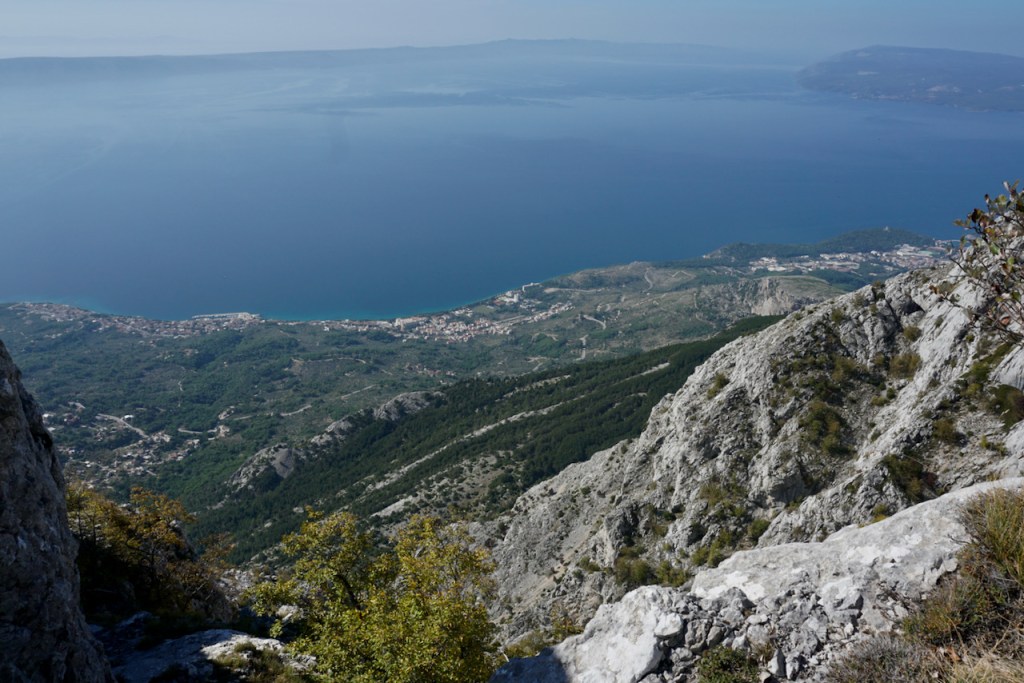
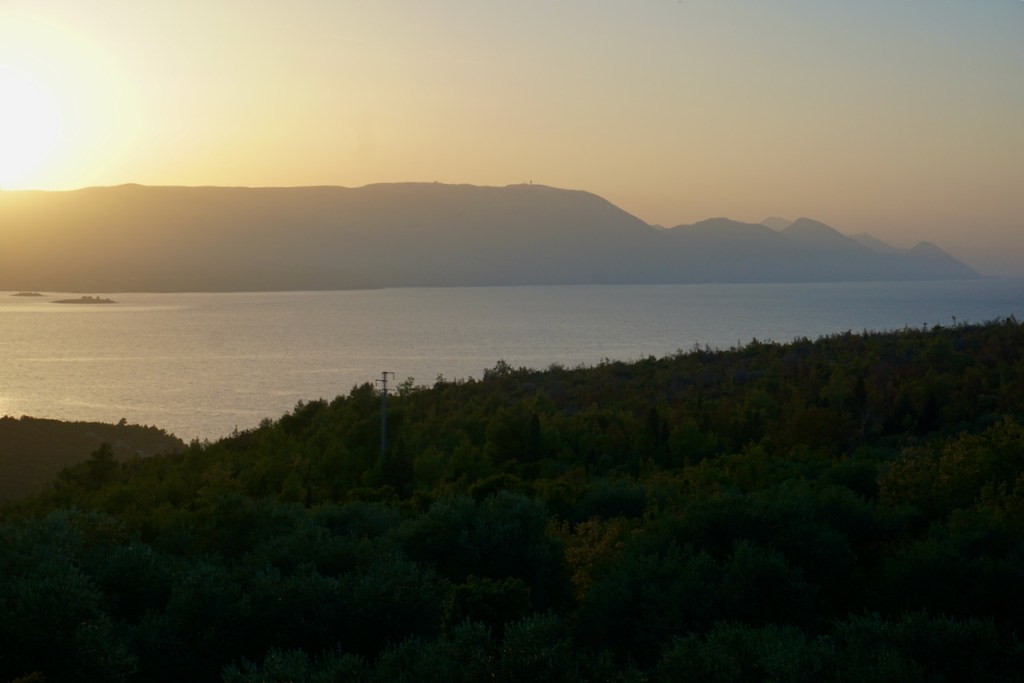
We decided to take the scenic route along the coast, which was breathtaking. I am forever lost in the majesty of cliffs that drop off into sea, the islands in the distance, the colours of the water and sky, the villages that appear and then, just as suddenly, are gone.

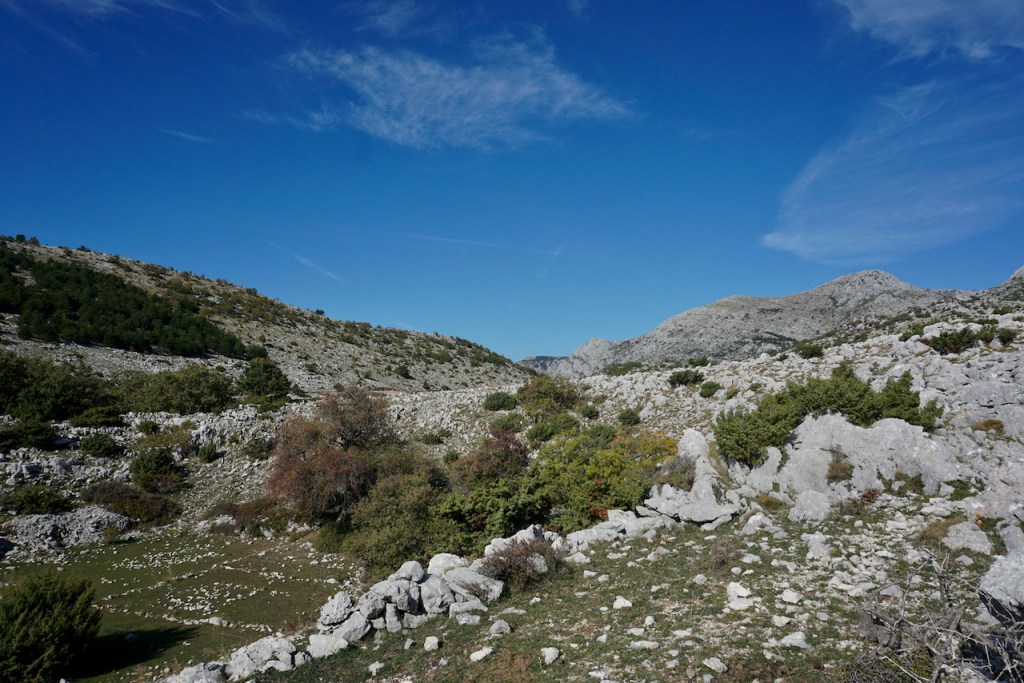
The drive was indeed stunning, but we also decided to stop and explore. Our first stop was Biokovo Nature Park, essentially a nature preserve comprising of the mountains along the coast. I’d read that the best way to see the park is to drive up the road (be ready for serpentines and some negotiation with other drivers), ride an e-bike, or take a guided walk. Now having been there, I’m not sure where a guided walk would have gone as we didn’t see any paths. Rather, we pulled off the road at a point wide enough for a couple of cars and my mum and I spent some minutes scrambling up rocks.

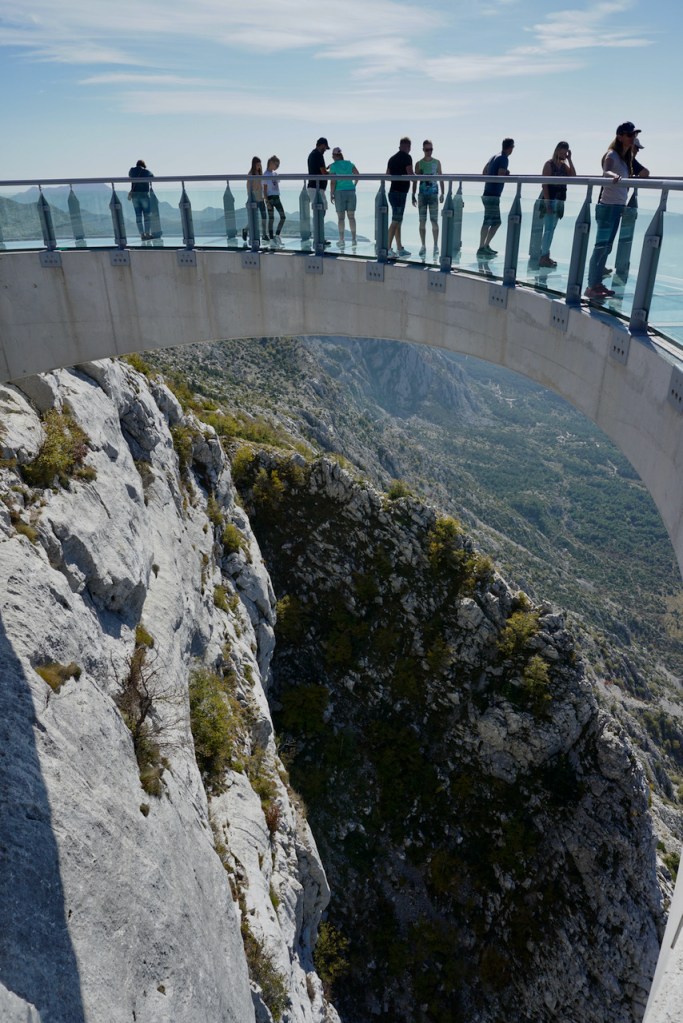
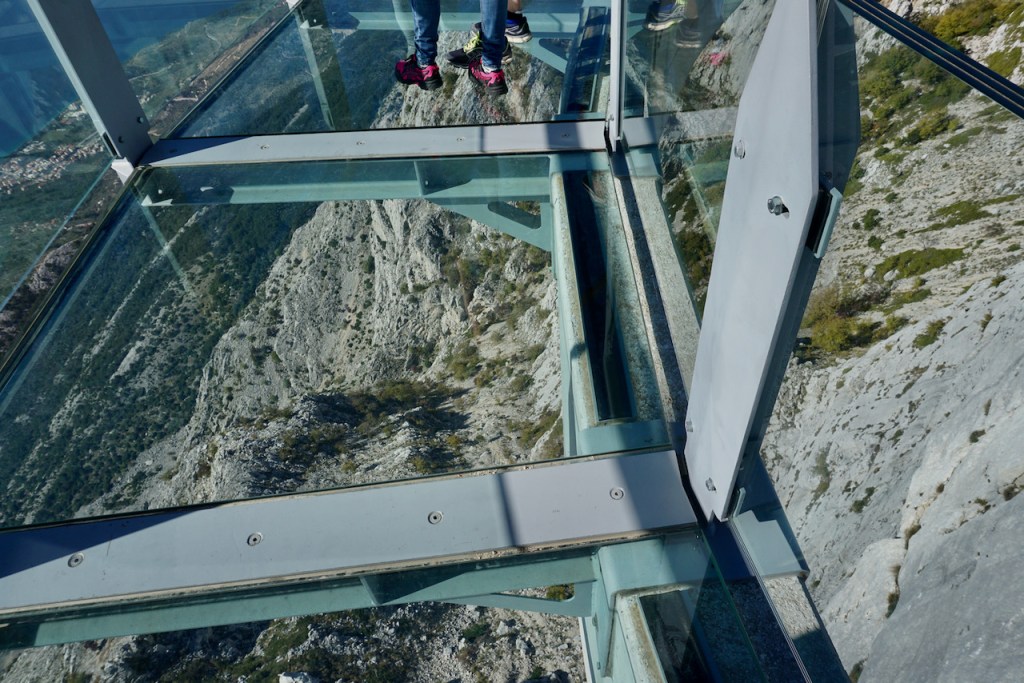
Back in the car, we followed the road to the Skywalk, which seemed to be the primary attraction. The Skywalk is exactly what it sounds like – a glass bridge where you can walk above the cliffs and stand at the edge of the world.

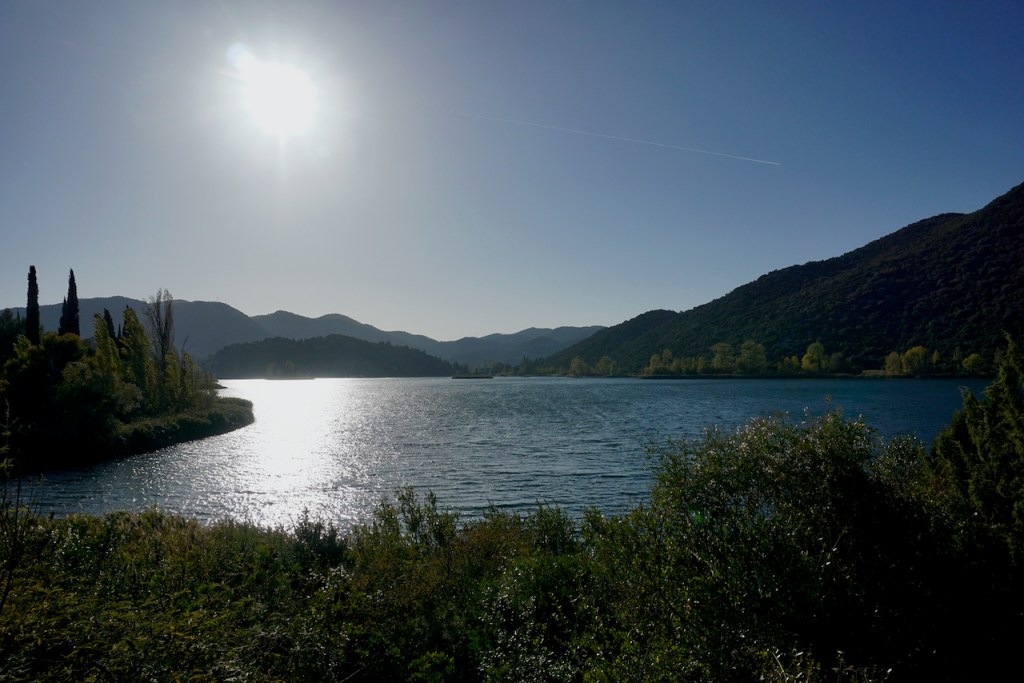
After lunch at the only restaurant, which was frequented by horses and a mule in addition to the patrons at tables outside, we drove to Baćina Lakes, which is easier said than done. It was only with the aid of several blogs, several maps, and sheer dumb luck that we found a) the lakes and b)somewhere to park. This is the type of adventure that comes from travelling outside of high season when the campgrounds and kayak rentals, from which it would be easy to get directions, are closed. I’d read about beaches and a cycling/walking trail circling the seven lakes, but as Baćina Lakes was off the coastal road, it wasn’t immediately obvious where we were or where we needed to be. In the end, after a brief attempt at visiting the tourist information centre in the nearby city of Ploče, the address of which led us to an abandoned bus depot, we put Peračko Blato Beach into the GPS because I found it listed on a blog and there we were! Another car, a camper, and a few people sunning themselves at a tiny beach heralded our arrival. More importantly, we had reached an are with very well-marked walking trails that clearly went around beautiful lakes.

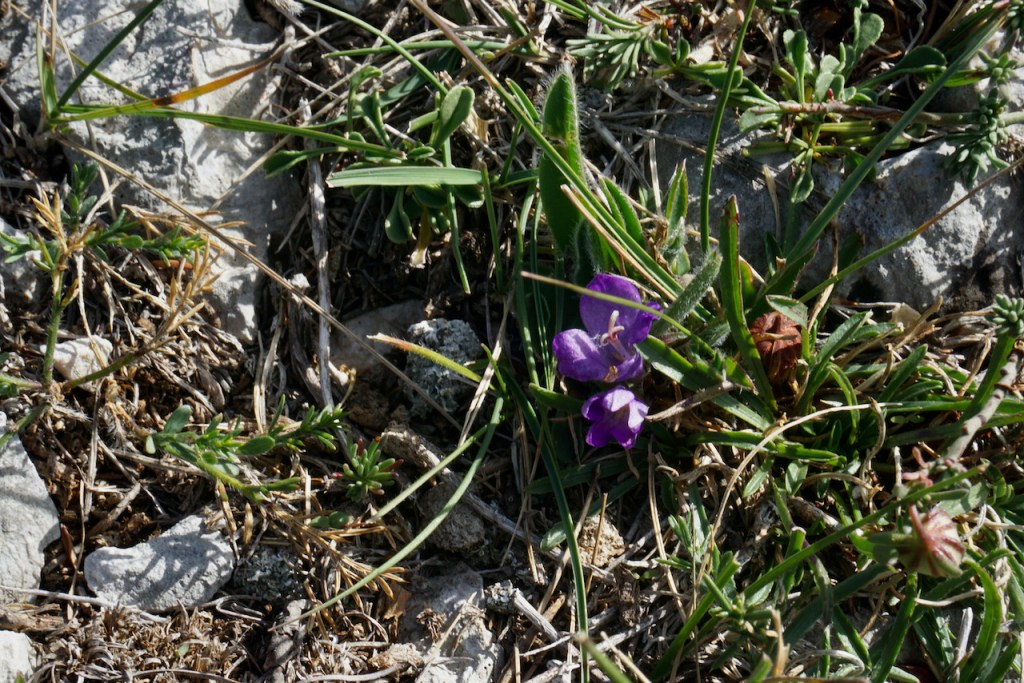
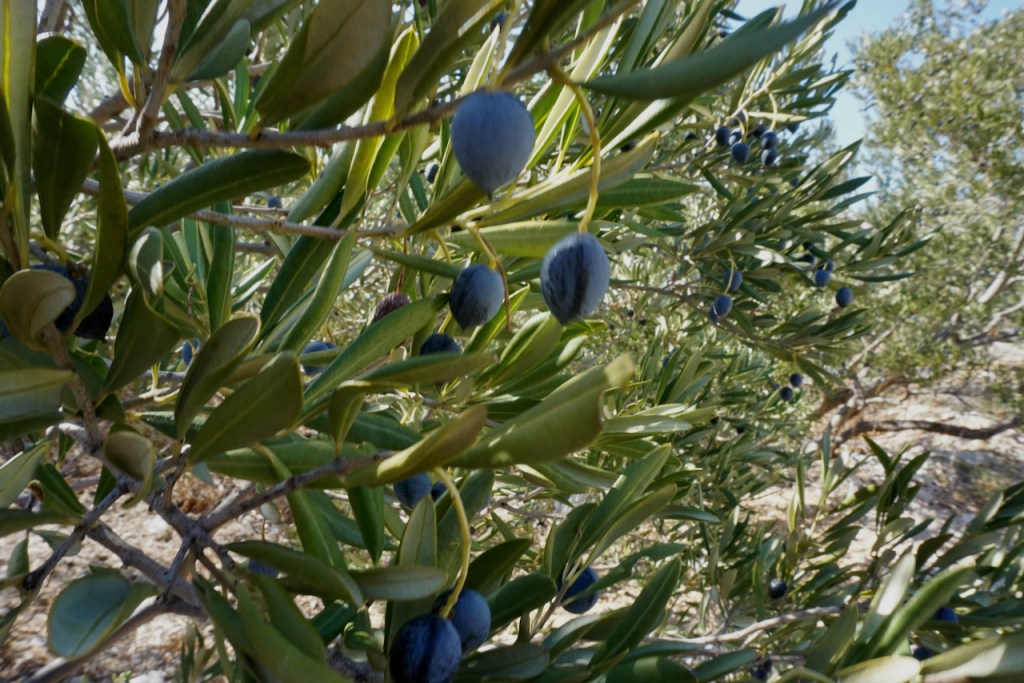
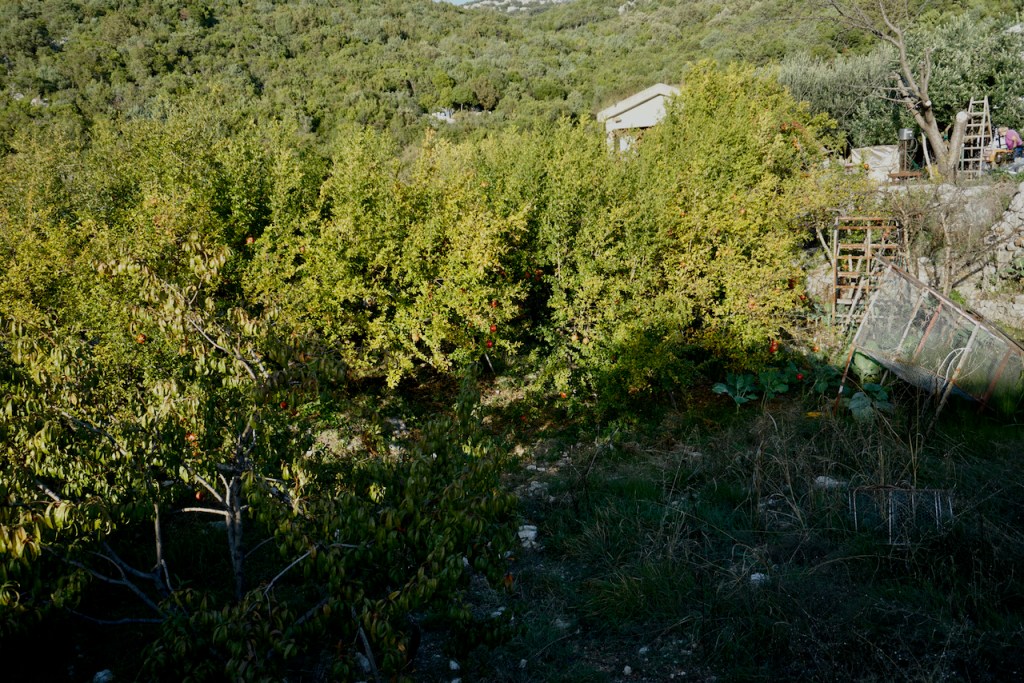
There were signs detailing information about the flora and fauna and the air smelled like spring. We saw pomegranate and olive trees and a wide variety of plants and flowers, as well as a snake and a jaw containing rather a lot of teeth. Considering we were following a black dog with a wagging tail who had come to greet us at the car and proceeded to walk in front of us for the entirety of our time at Baćina Lakes, we gave the skull a wide berth.

Throughout the day, we’d seen whole families spreading blankets underneath trees on the sides of the road and picking olives. We pulled over to do the same, which is when we learned that olives are not like apples and you cannot simply eat what you pull off a tree. After that, we left the olive trees to the locals, who clearly knew what they were doing.

Our last stop of the day was at a rest area that specialized in wine tastings. We didn’t stay for long, nor did we taste any wine, but remained for long enough to sit silently and stare out at the view.

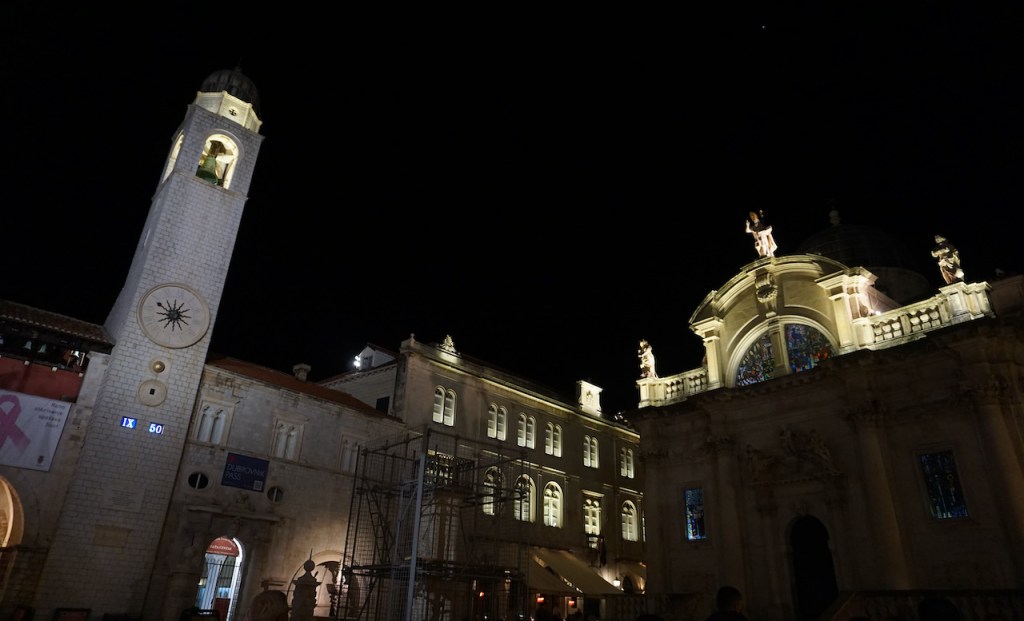
Night comes fast at this time of year and Dubrovnik was quiet when we arrived.

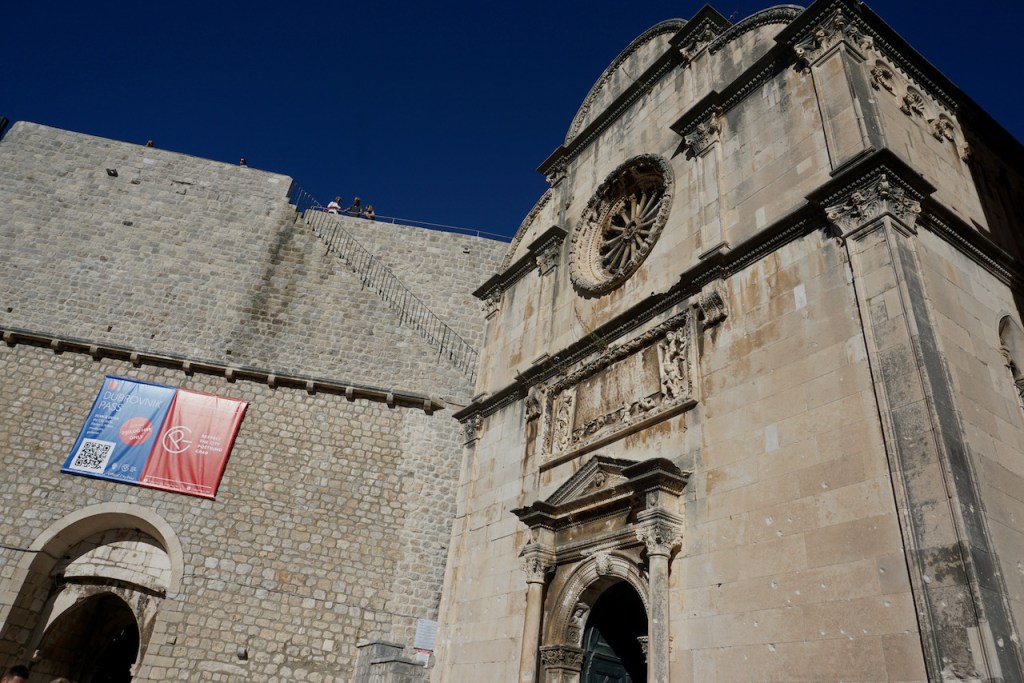
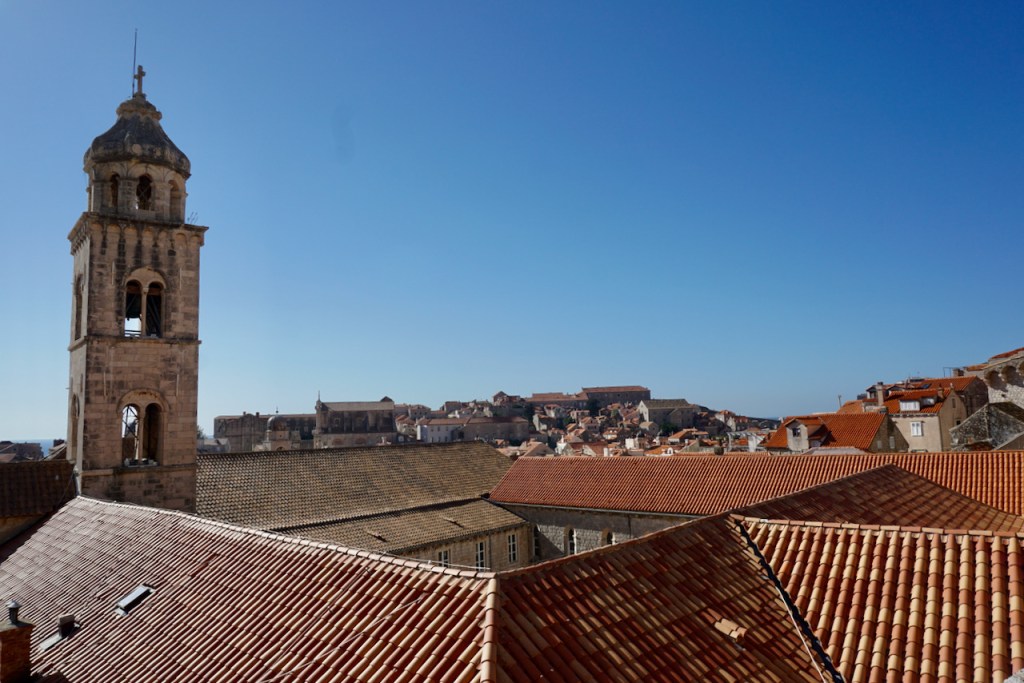
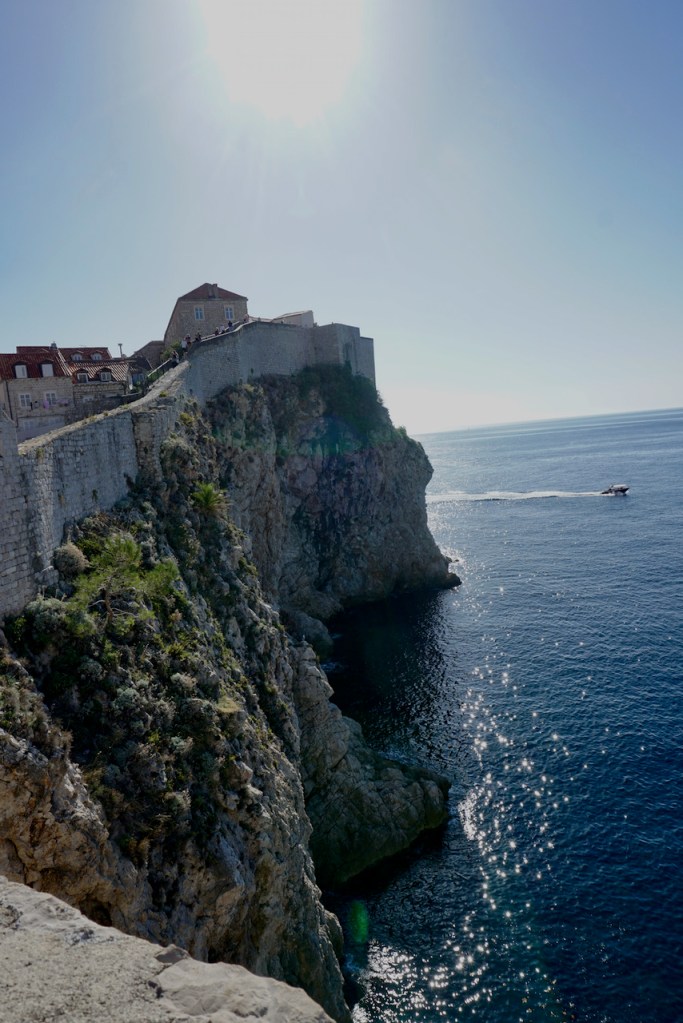
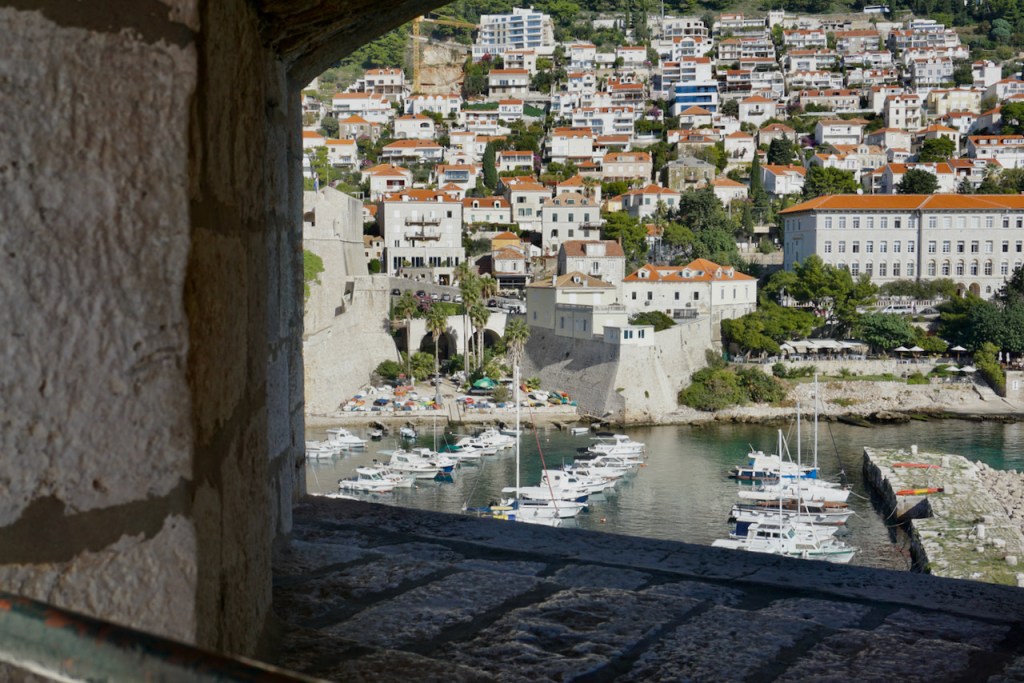
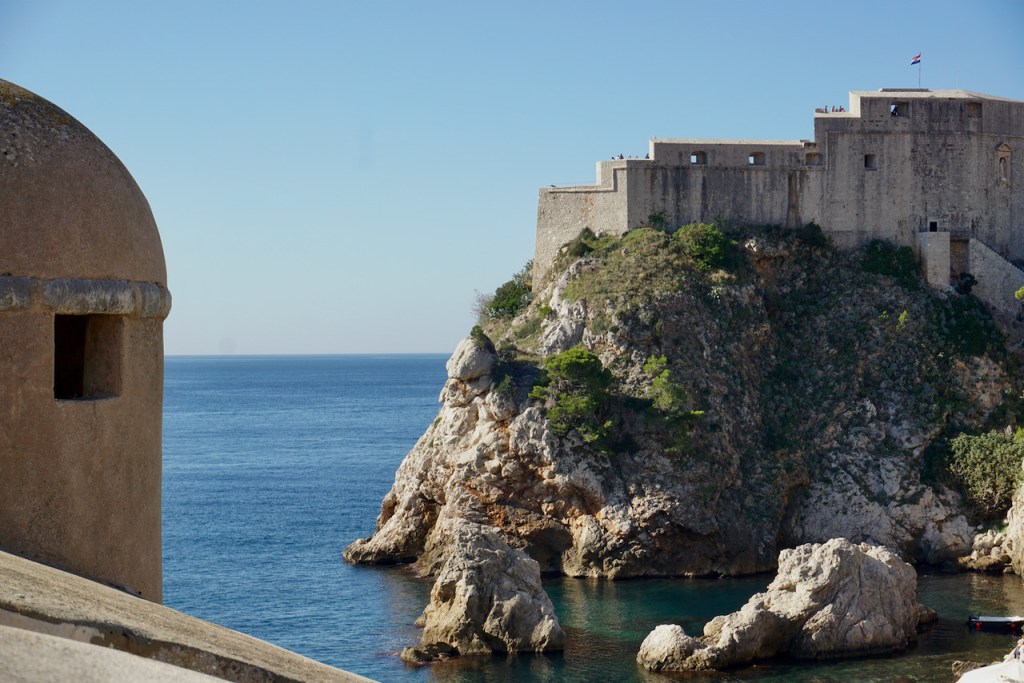
The following day was our only day to explore, and the weather was glorious. Warm bordering on hot with bright blue skies and a breeze that came out from the harbour. I had one intention for Dubrovnik and that was to walk on the city walls, which are a UNESCO World Heritage site. When I paused to think about just how old these walls were, I had to wonder about anything we build today. Will anything last like the walls have lasted? Wherever possible, I like to visit the highest point in a city and look down. It makes me feel tiny, just like standing in a forest and looking up.

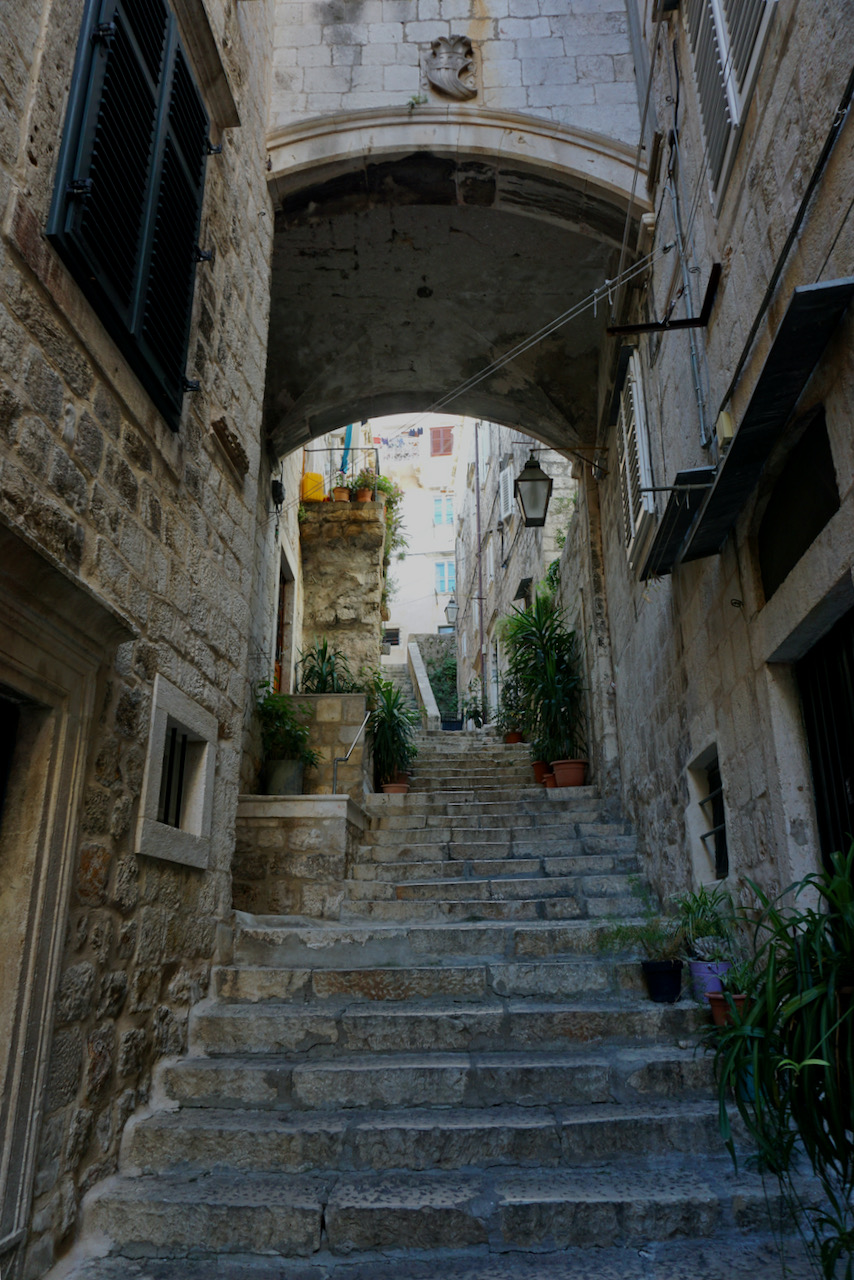
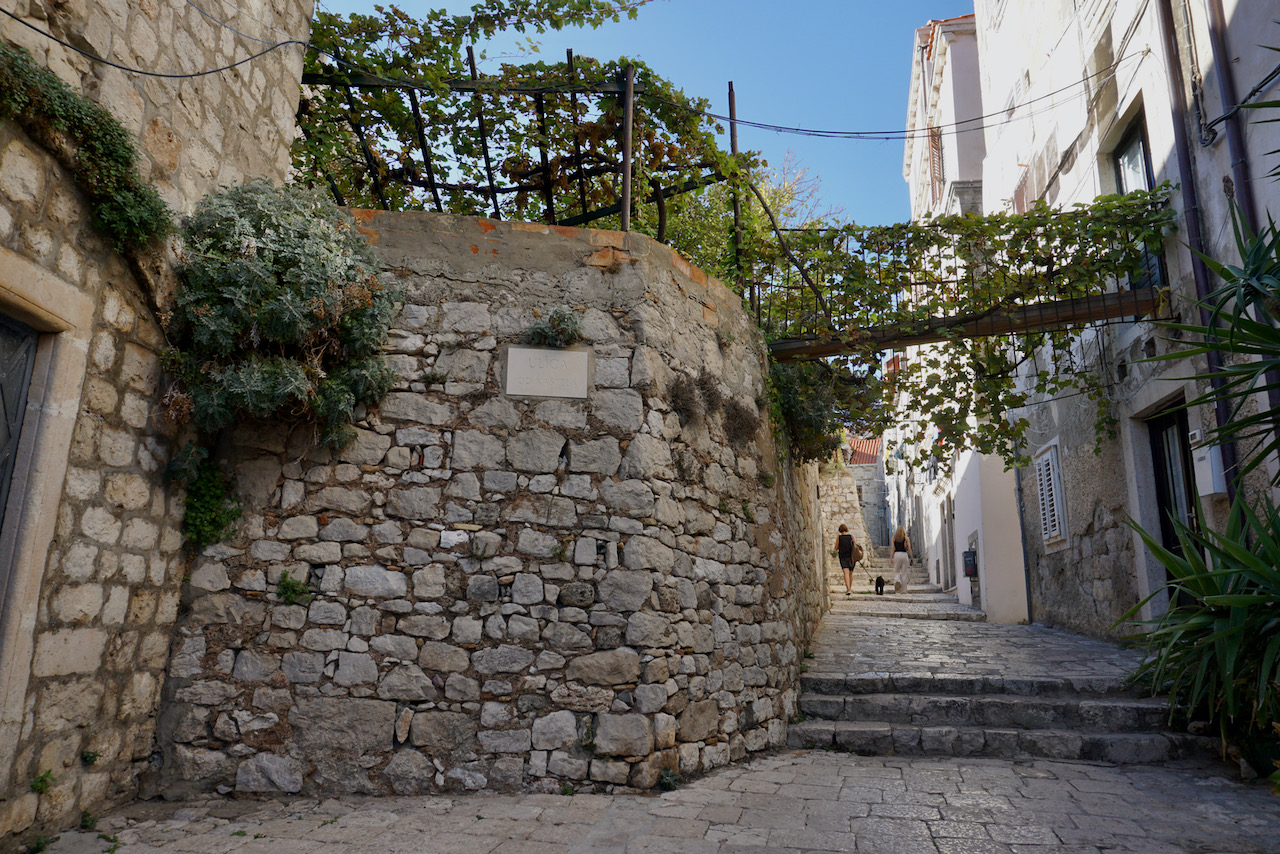
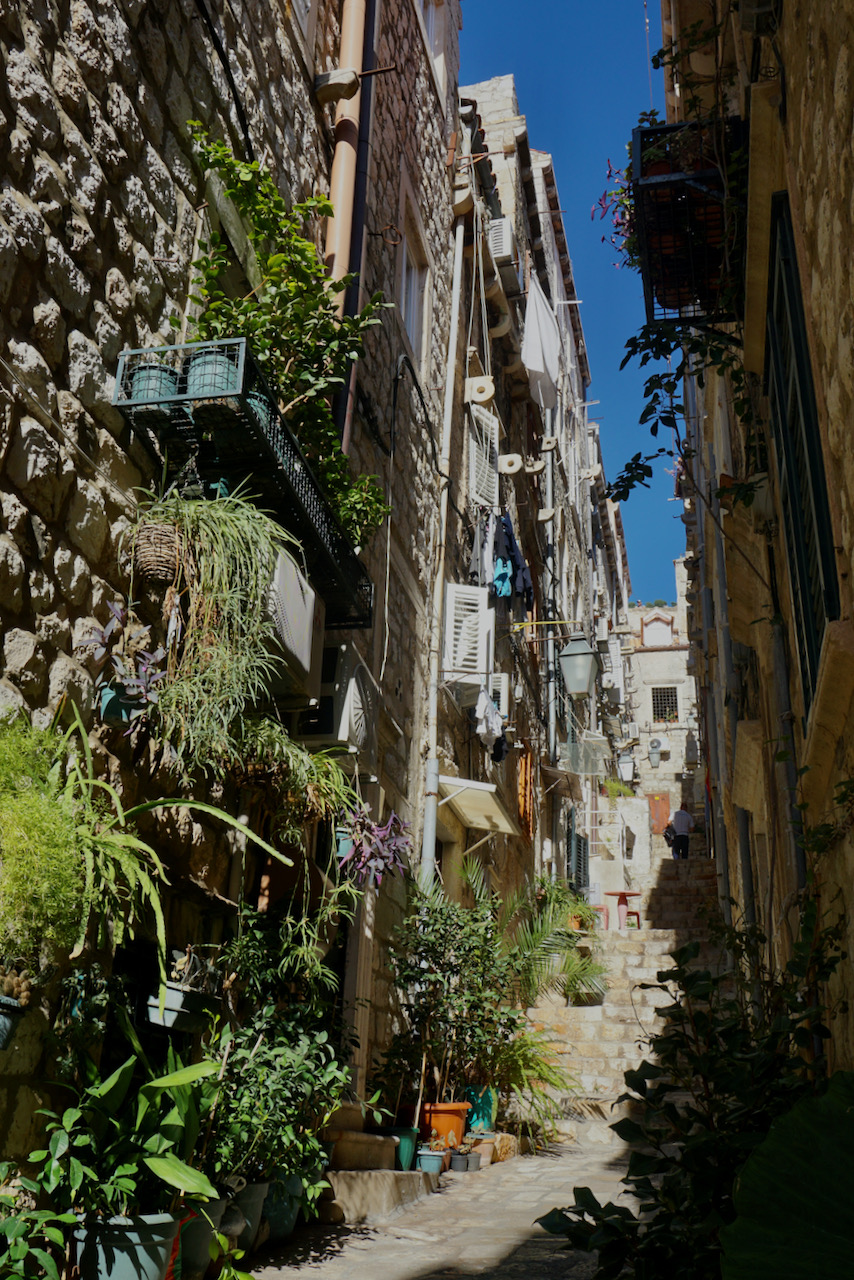
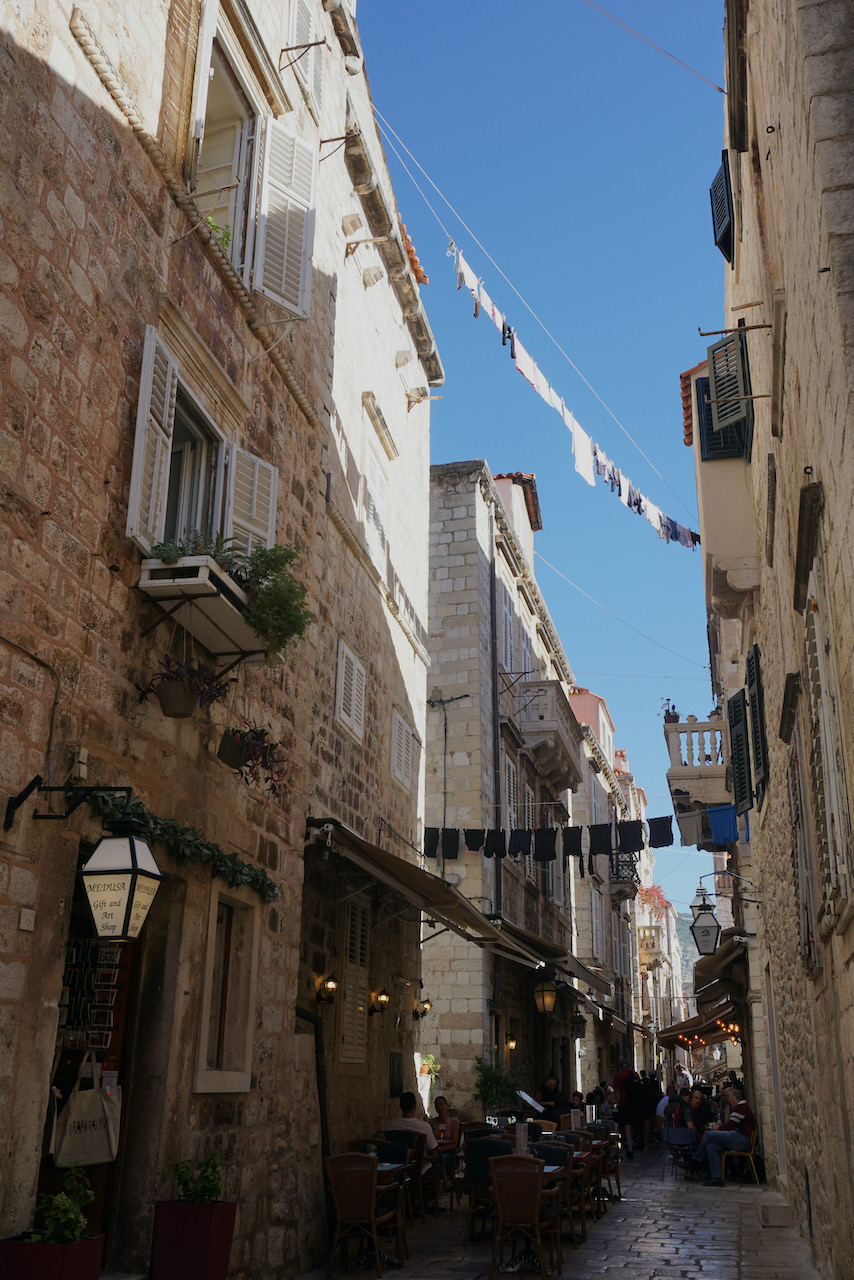
Dubrovnik is beautiful and we spent some time in the afternoon just strolling around. There are tiers of stairs all over the old town and each leads to another street or alley, stone buildings on top of stone staircases. As elsewhere in Croatia, Dubrovnik is also host to many well-behaved stray cats. We passed a small market and I bought some flavoured salt from the town of Ston, which we had passed on our drive.

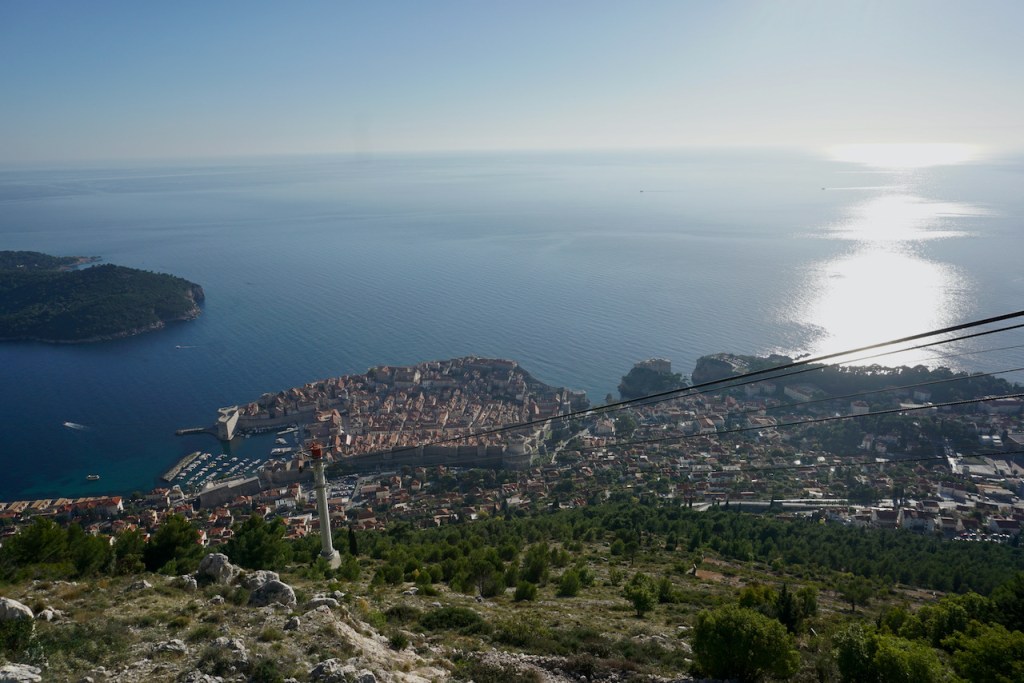
Later in the afternoon, my dad and I took the cable car to the top of Srd Hill, from which you can look out to Dubrovnik, the surrounding mountains, and neighbouring Montenegro.

We spent some time on the walking paths, as well, and were lucky enough to watch a herd of sheep as they dutifully followed their shepherd.

Early the following morning, well before sunrise, we were off to the airport. My only expectations of Croatia came from what I’d heard from my siblings and friends who had visited – that it’s beautiful, that the people are wonderful and helpful, that it’s calm and relaxing and easy to explore. All I can add, I think, is that Croatia exemplifies strength – the strength to create, to survive, and to rebuild. It was a real pleasure to be there.