Tag Archives: Boat

Travel Guide: Split and Hvar

After two nights in Zagreb and an afternoon in Plitvice Lakes National Park, my parents and I drove through beautiful mountains and the sort of scrubbed bush that seems to come right out of rock. The best word to describe the sky, I wrote in my journal later, was the German word diesig, which can mean both misty and hazy, but has none of the negative connotation of haze. The sun peeked through but to say it was sunny would be misleading. It was a beautiful drive and I was glad to be behind the wheel.

We arrived in Split in the dark and the air tasted like the sea.
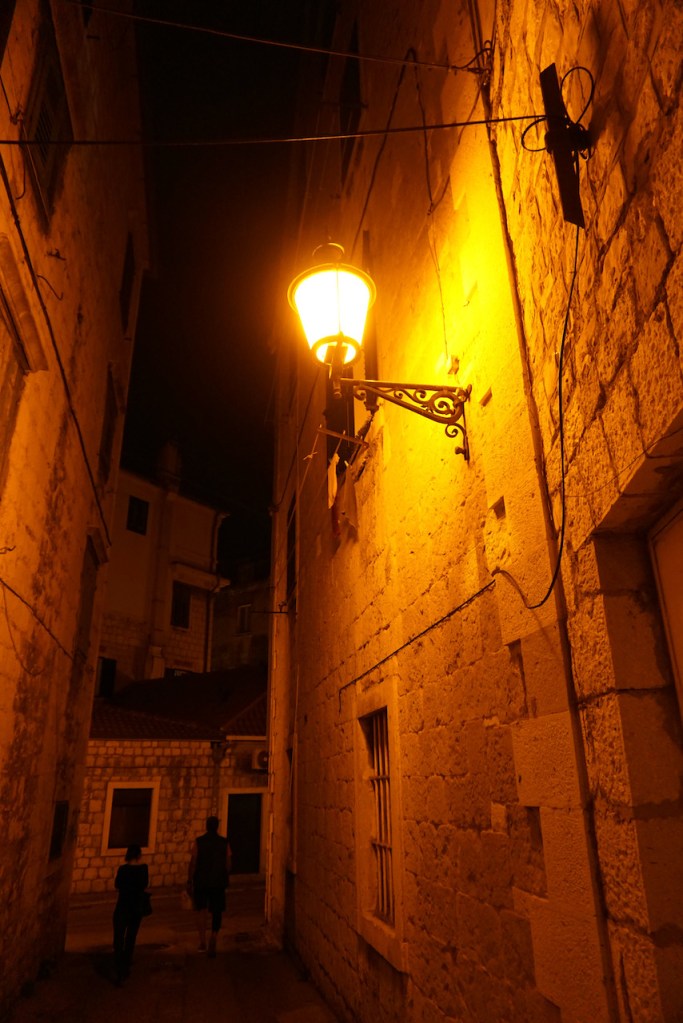
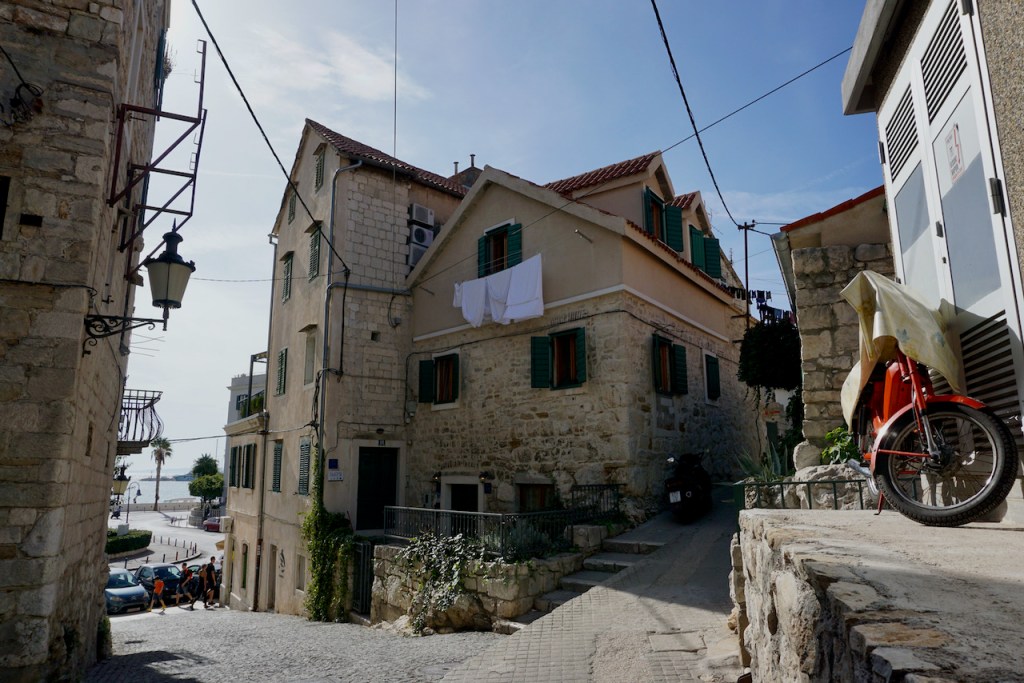
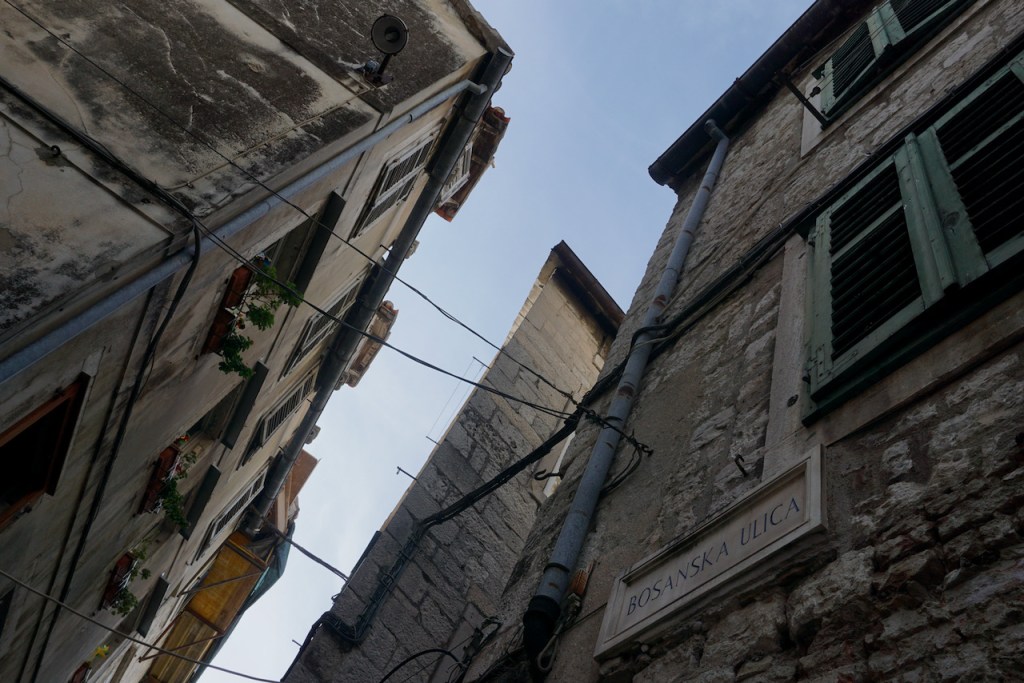
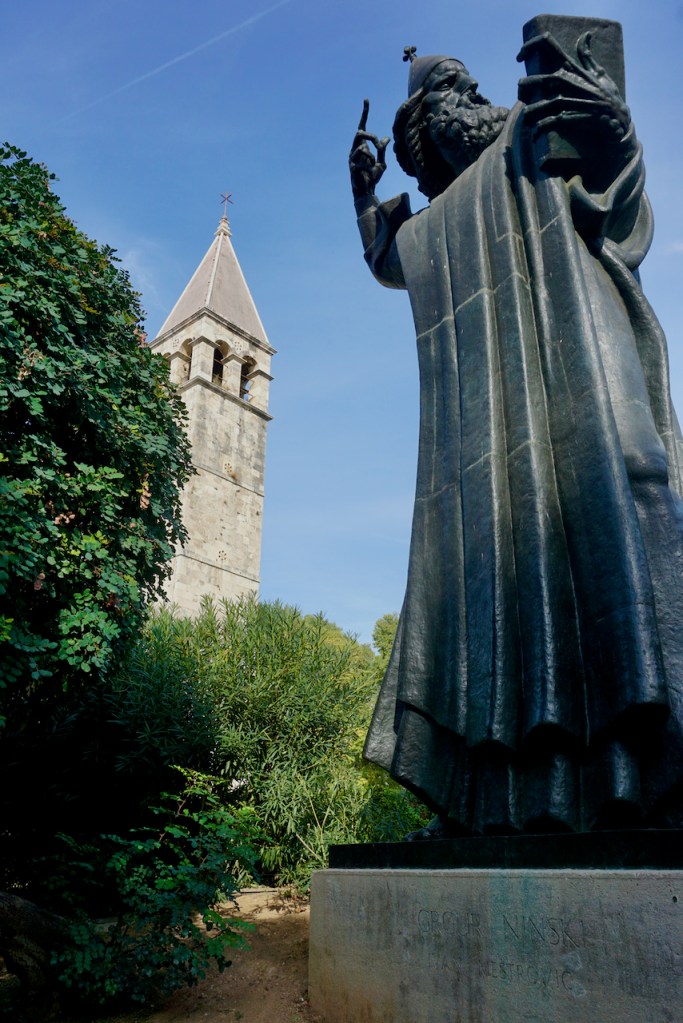
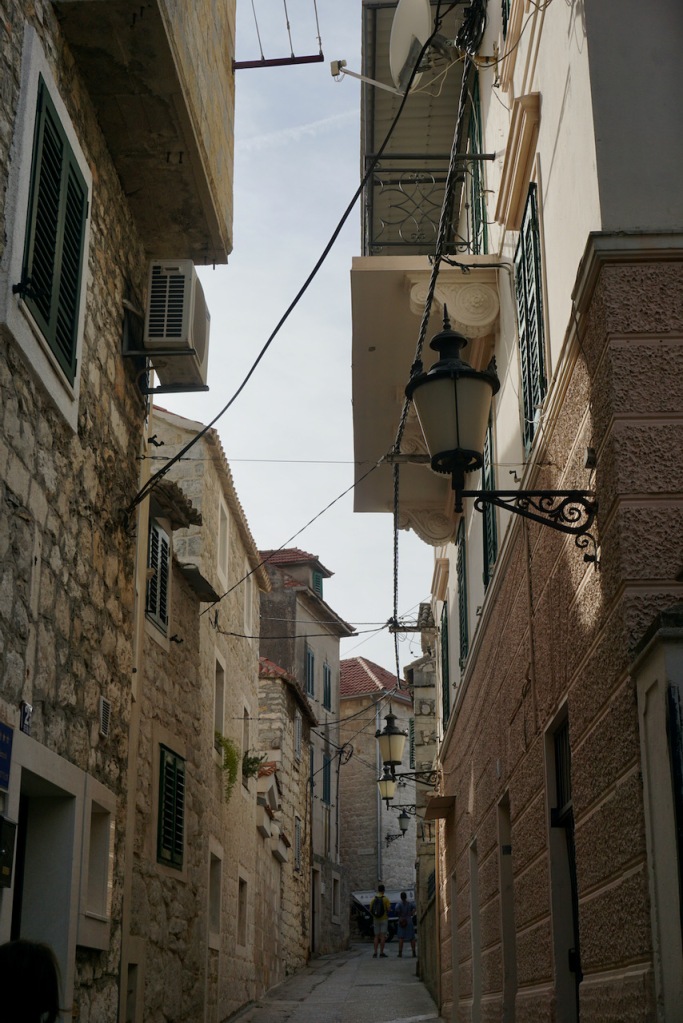
The following morning we took a walking tour that gave us a brief introduction to Split’s old town and taught us a great deal about Split’s history from the time of the Roman Empire. This is where I began to understand the role of the Balkans as a crossroads through Europe. It seemed to me that Croatia has been historically disregarded as the playground of empires, even as empires rely on its strategic location for conquest and safe passage. This was clearly seen in Split, a city that has traded hands time and again throughout the course of history.

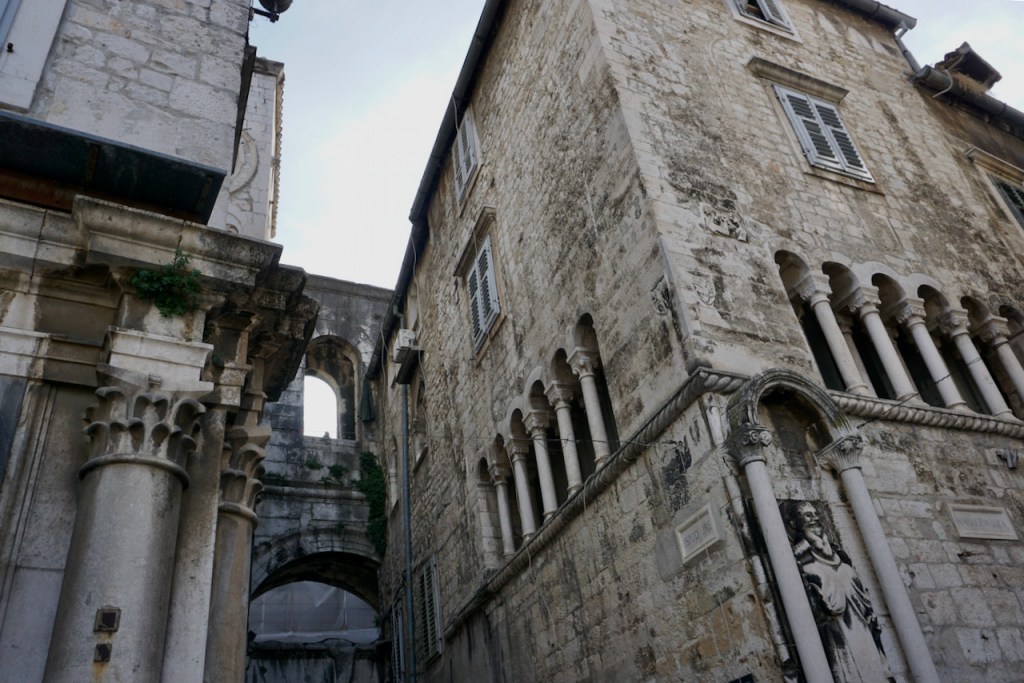
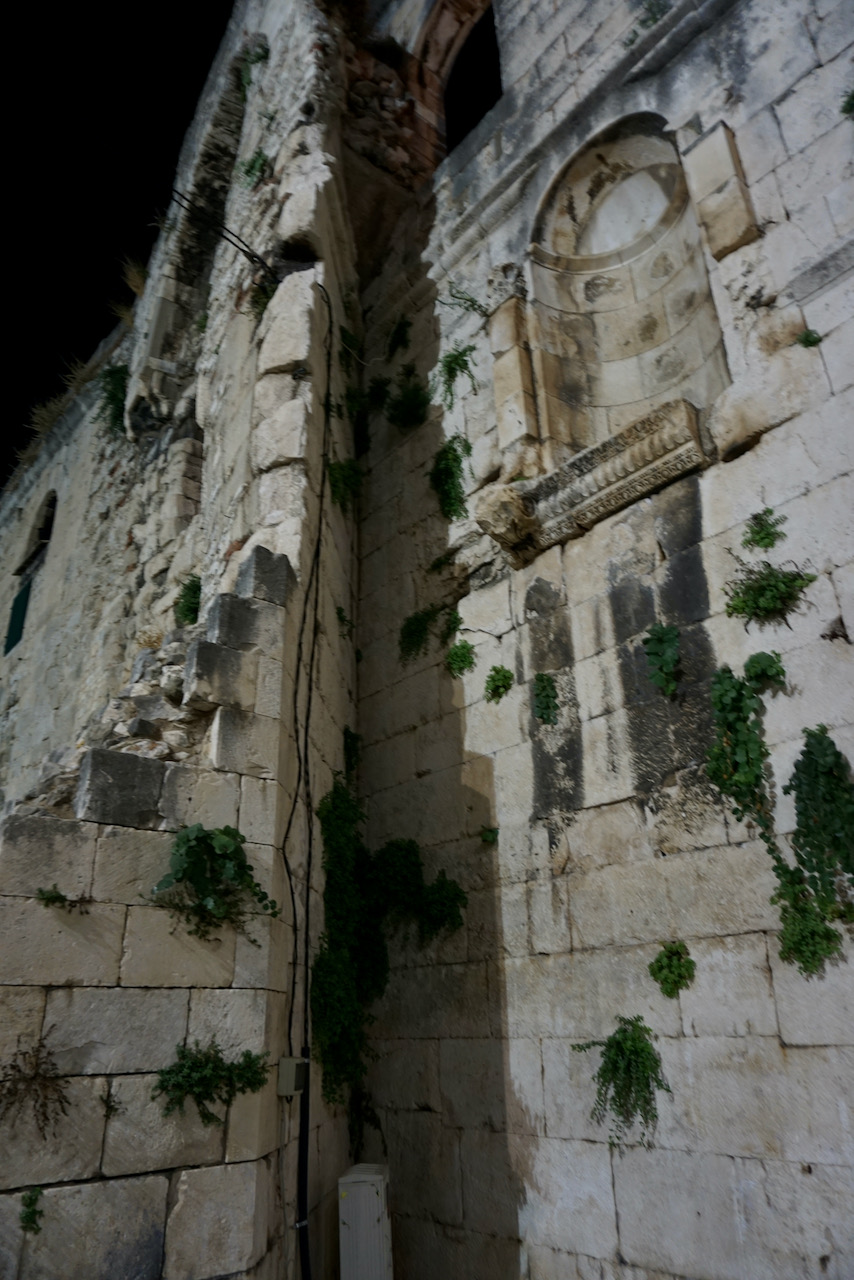
I would have thought that the enormity of Diocletian’s palace and the ancient Cardo, the trade corridor still running under Split’s streets, make this city, a UNESCO World Heritage site, one of deep interest for archaeologists and historians. However, as the guide explained, UNESCO is interested in new finds. Split and its heritage might be beautiful, but are not new finds.

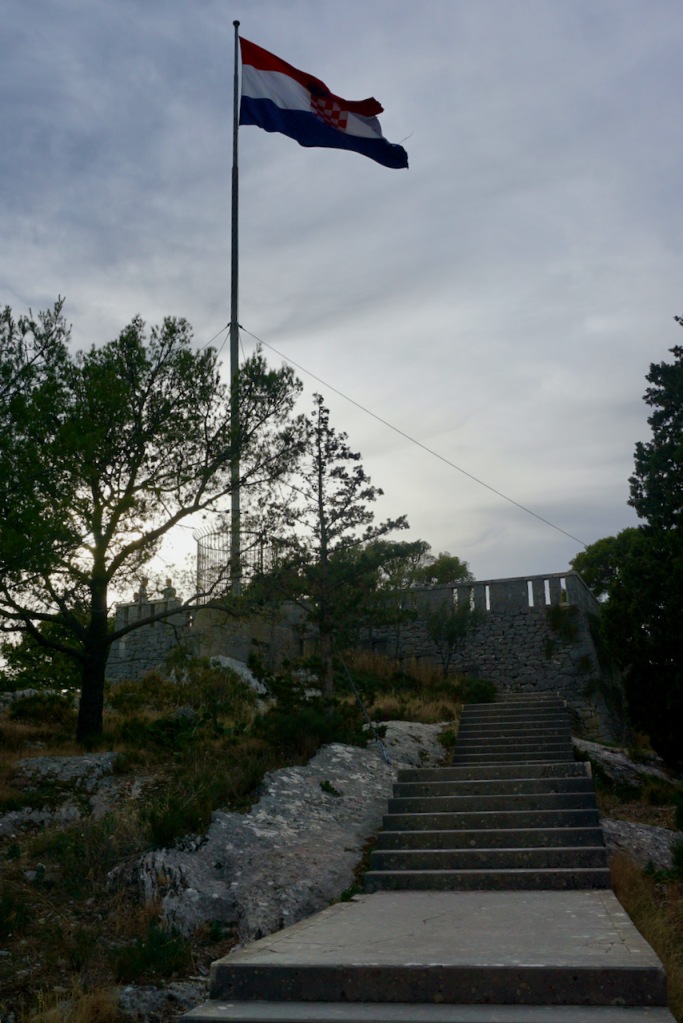
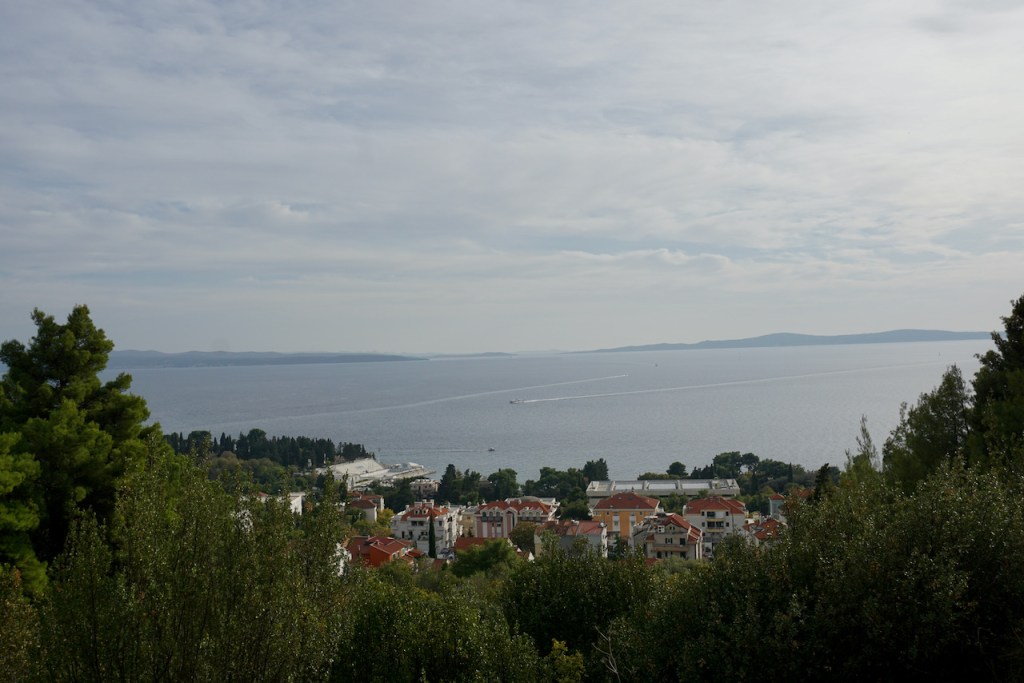
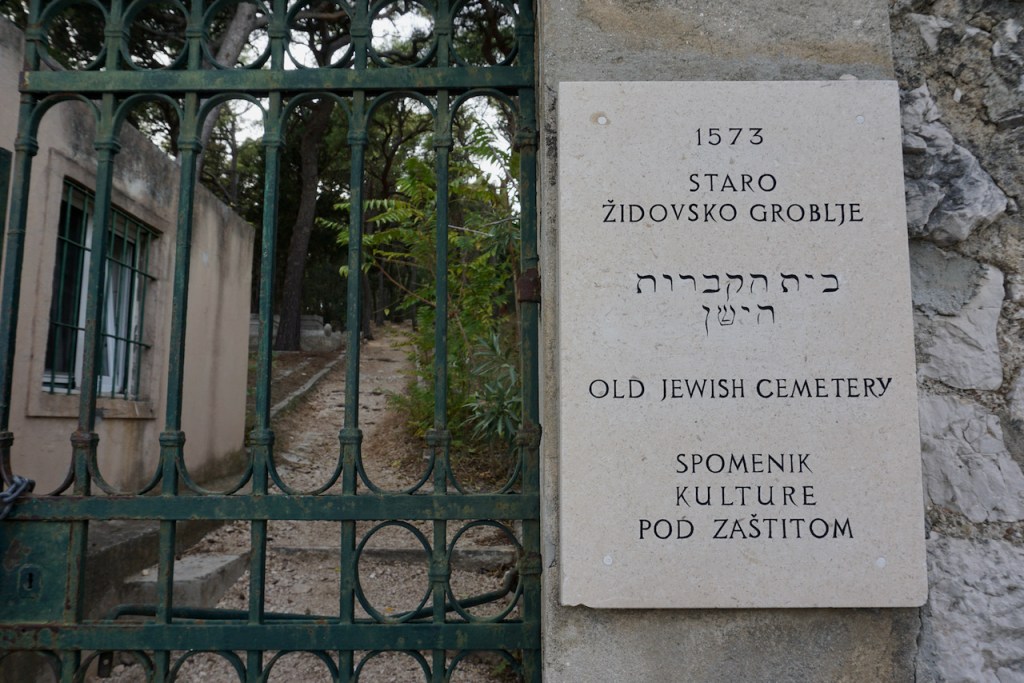
After a walk to get our bearings, we spent the afternoon following the path up Marjan Hill to reach the highest point in Split and look down on the city from below. Interestingly enough, we found an old Jewish cemetery on the way.

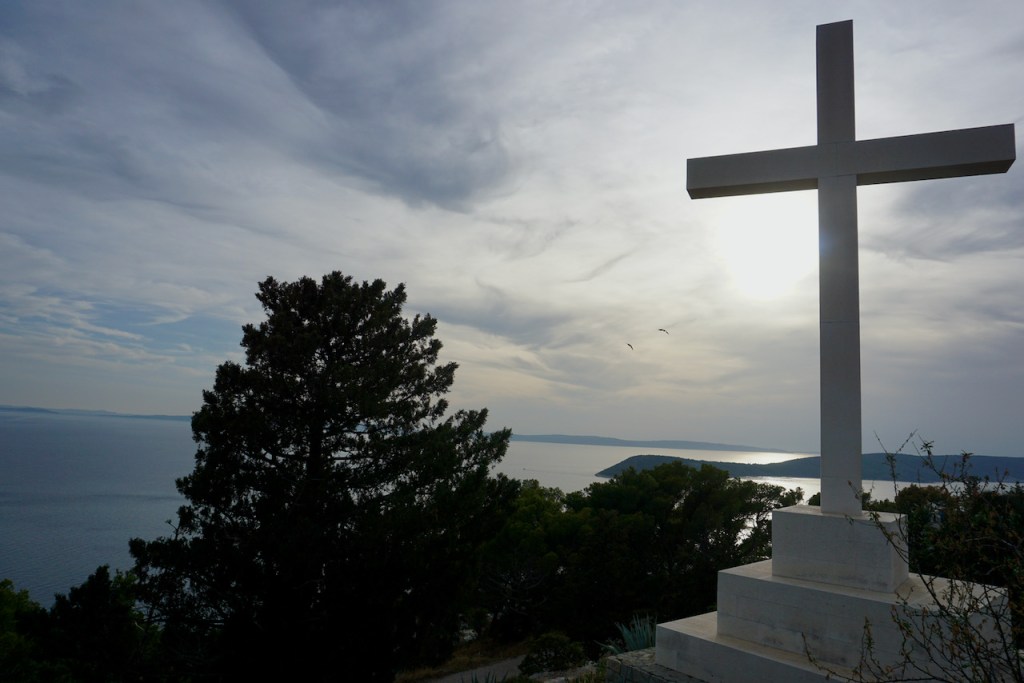
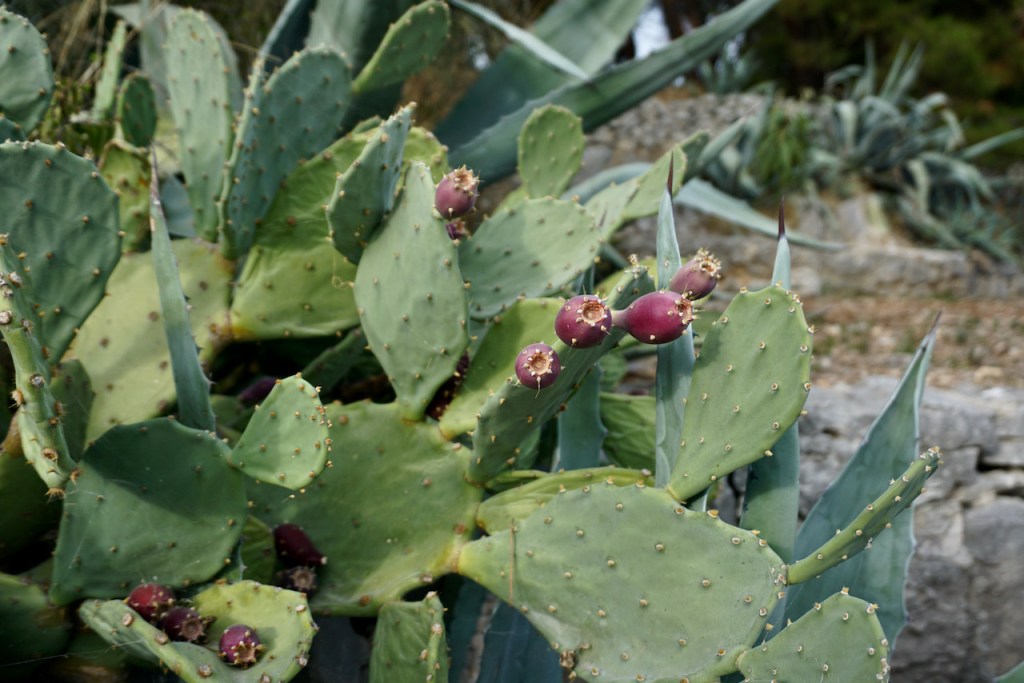
I found that I could not get enough of the landscape. The white stone gave me shivers when I touched it; there were plants, trees, and cacti that I had never seen before; water was visible from everywhere above; mountains visible from every angle. The polished stone of the streets and buildings shone in sunlight and moonlight, and caper bushes were growing on the palace walls. The stories the stone could tell.
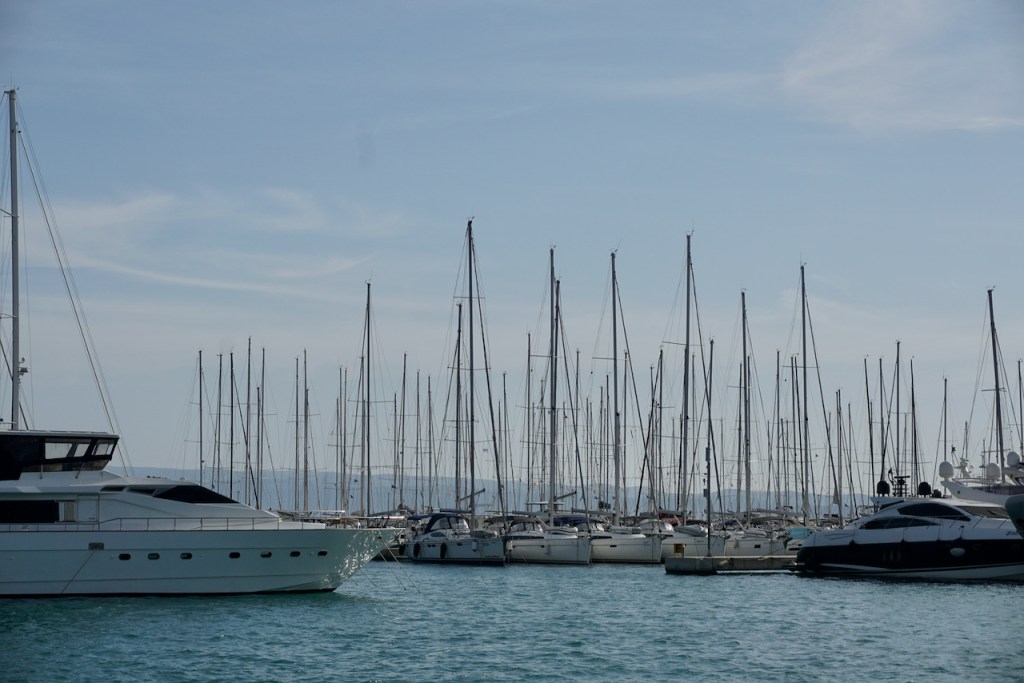
And of course, no ancient city of great trading status would be complete without a port.

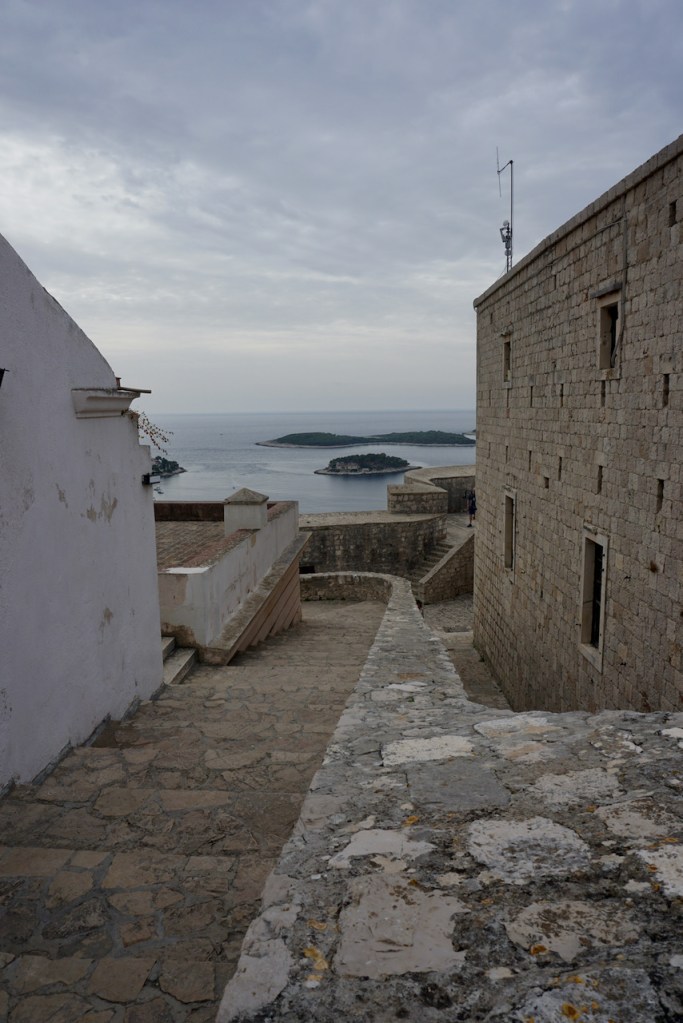
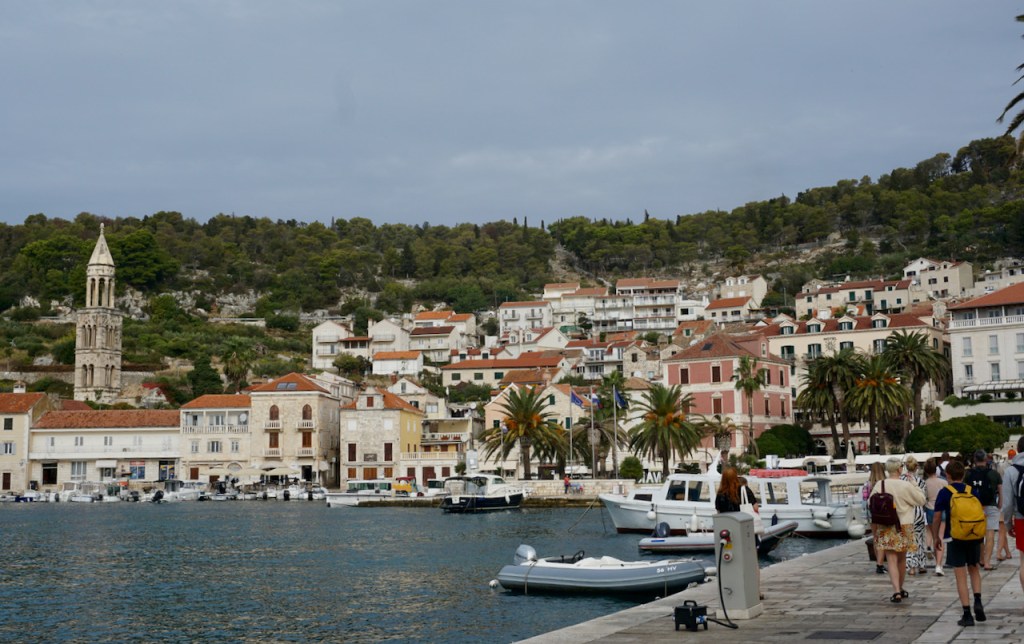
For our last day in Dalmatia, we took a ferry an hour away to the island of Hvar. We walked up to the fortress overlooking the Adriatic and the town below and then along the harbour in the opposite direction, following paths that twisted and turned around trees and white stone.

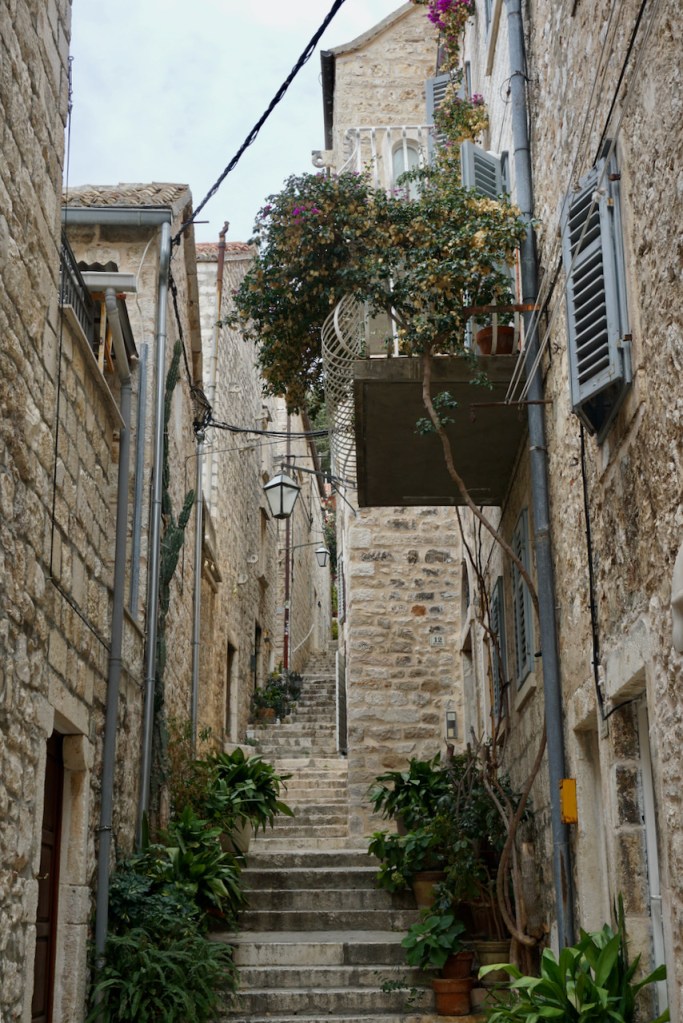
From what we saw in our short time there, we were in a very peaceful place. Pristine and windy, twisting streets leading to gardens and alleys, paths winding through parks. It was just a really lovely atmosphere, one that I imagine gets very quiet when the tourists are gone for the winter (though that’s not to say the locals mind the break).

Rather than walking back along Split’s waterfront when we returned, we walked in the opposite direction towards the beaches, and I put my feet into the Adriatic for the first time. I love new bodies of water and this one was warmer than expected. We sat and watched the sky until the sun set.

And then from there we would head further south along the coastal road to our last destination – Dubrovnik.
Travel Guide: Halifax

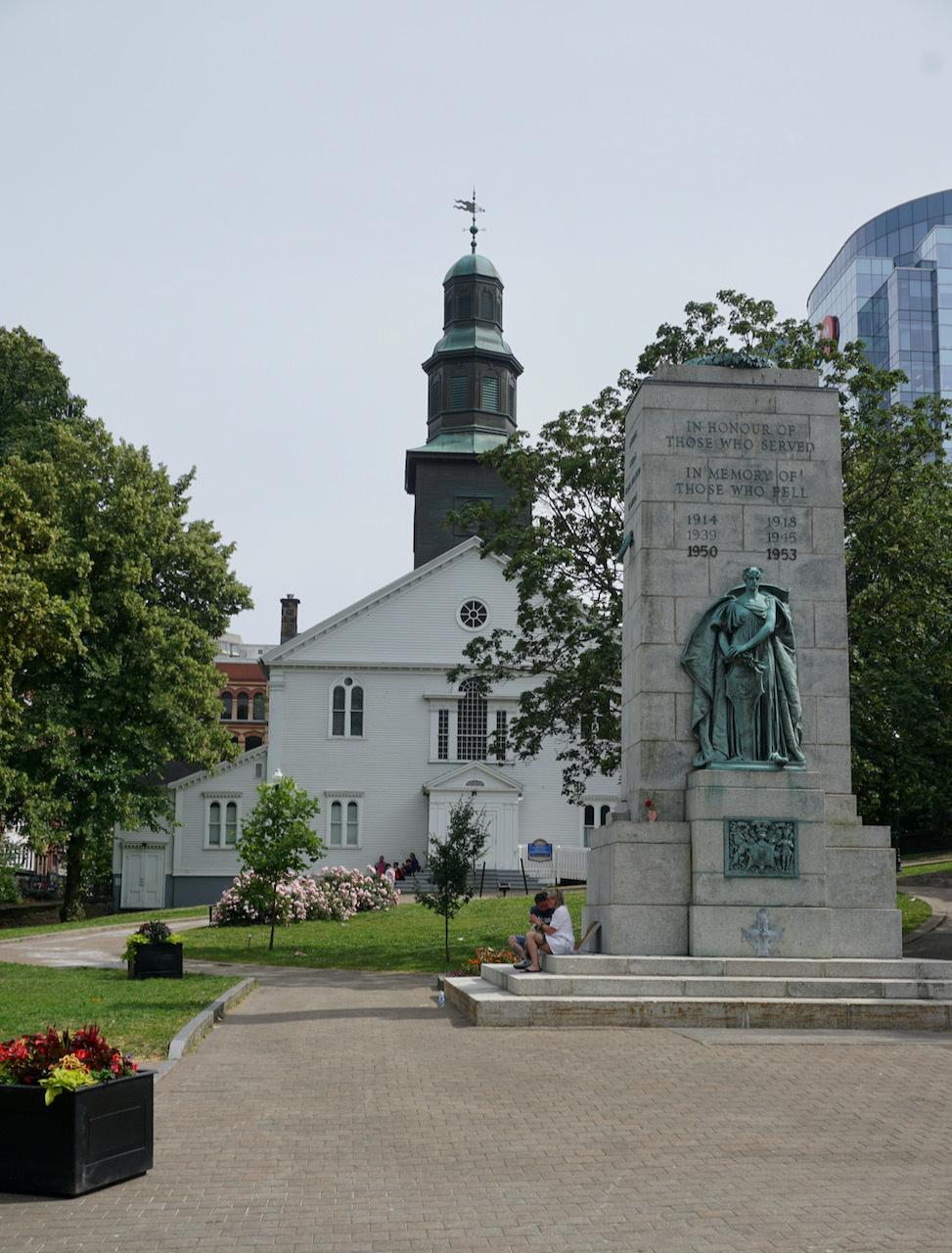
I’m a bad Canadian. I hold a Canadian passport, speak with enough of a Canadian accent that Americans have asked where I’m from, and spent many a childhood weekend in Canada visiting grandparents and other relatives. But I’m a bad Canadian. Until last week, I had only visited two provinces (visited = seeing family) and, with the exception of a ski trip as a child, had never gone to Canada on holiday. For this reason and more, it was a pleasure to finally take a trip to Halifax and neighbouring Dartmouth to visit my closest friend from Singapore, who grew up there and has since moved back.

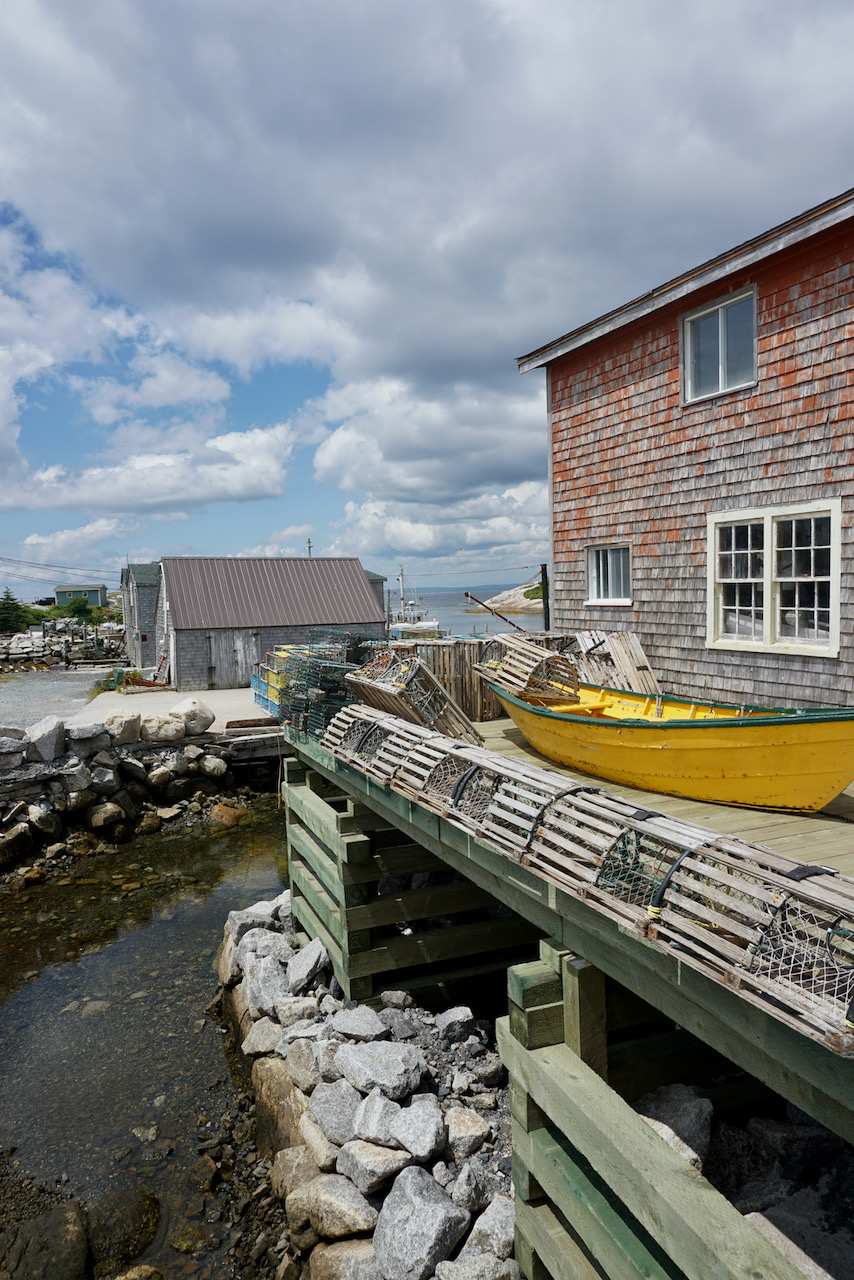
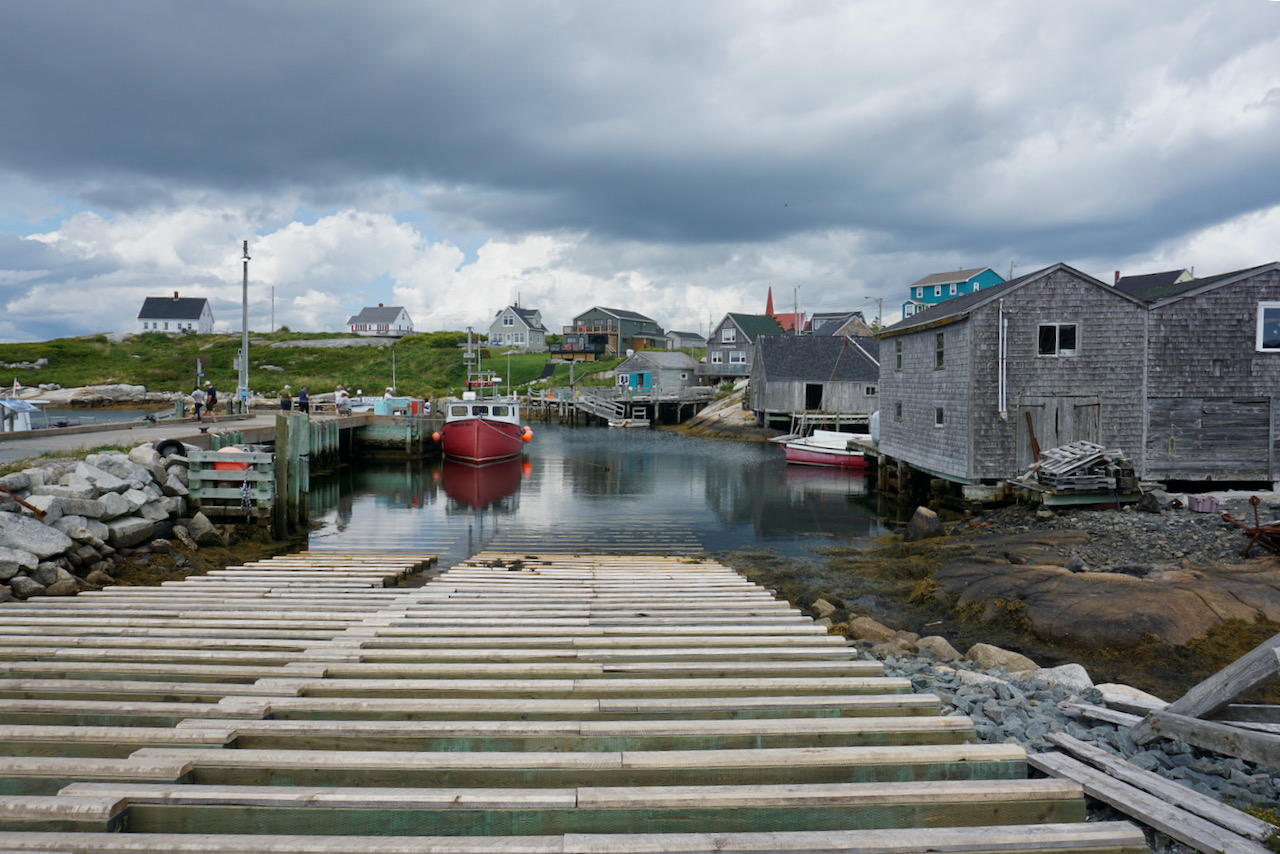
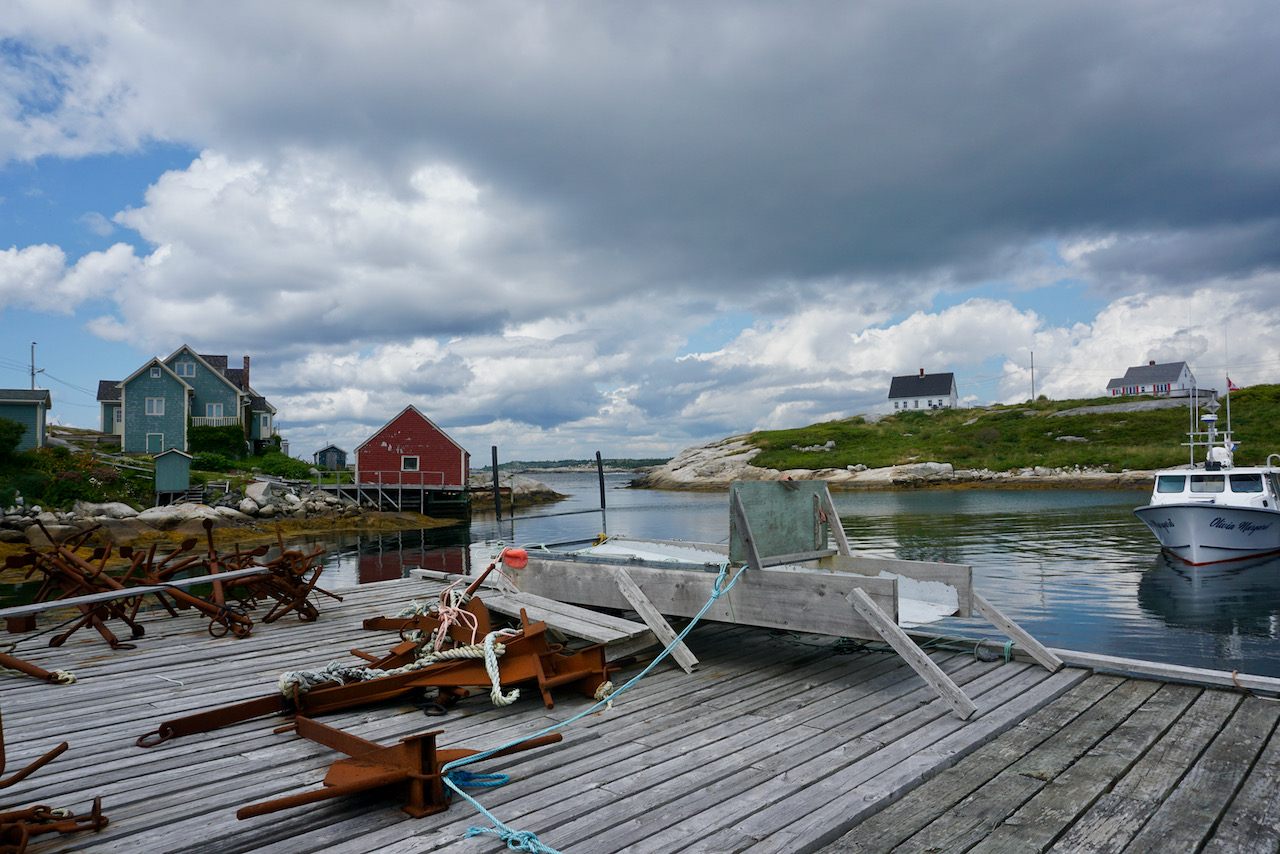
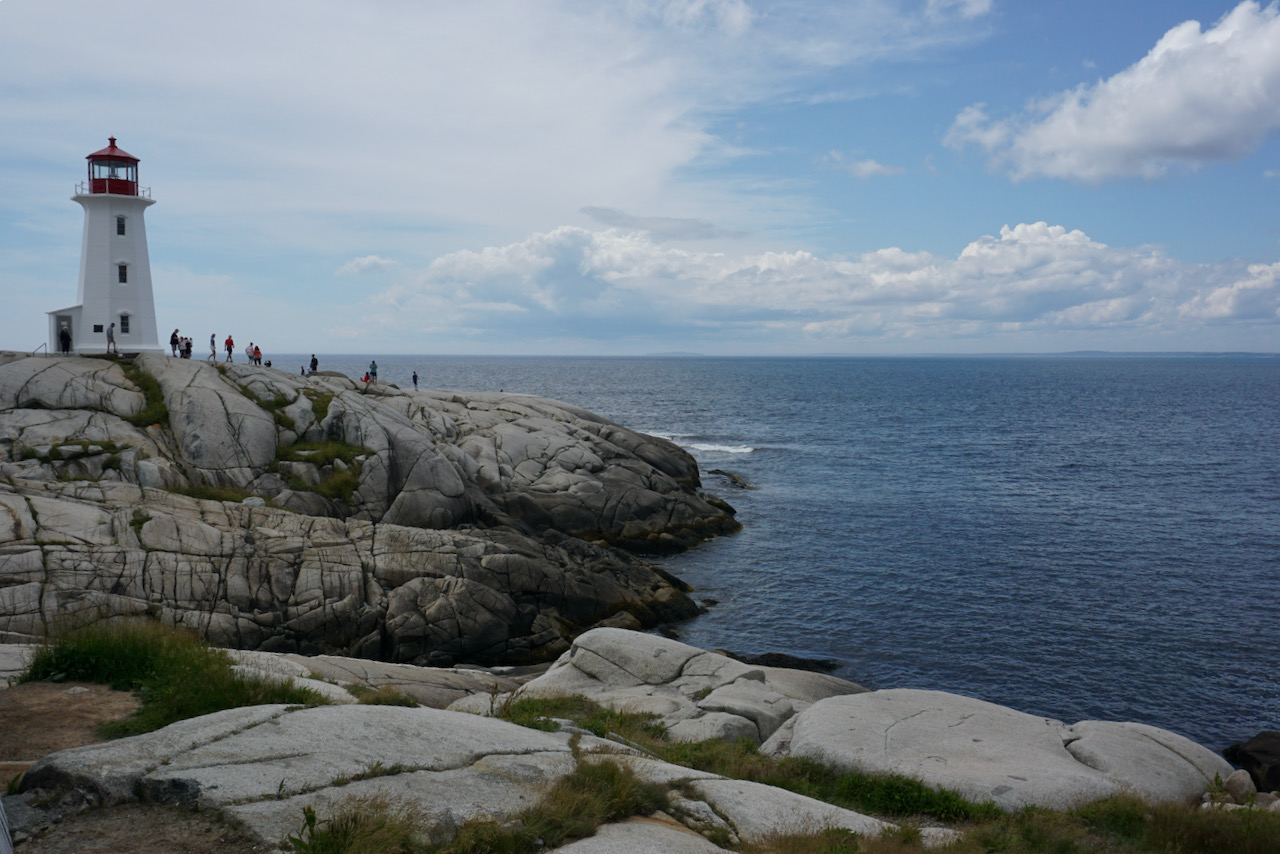
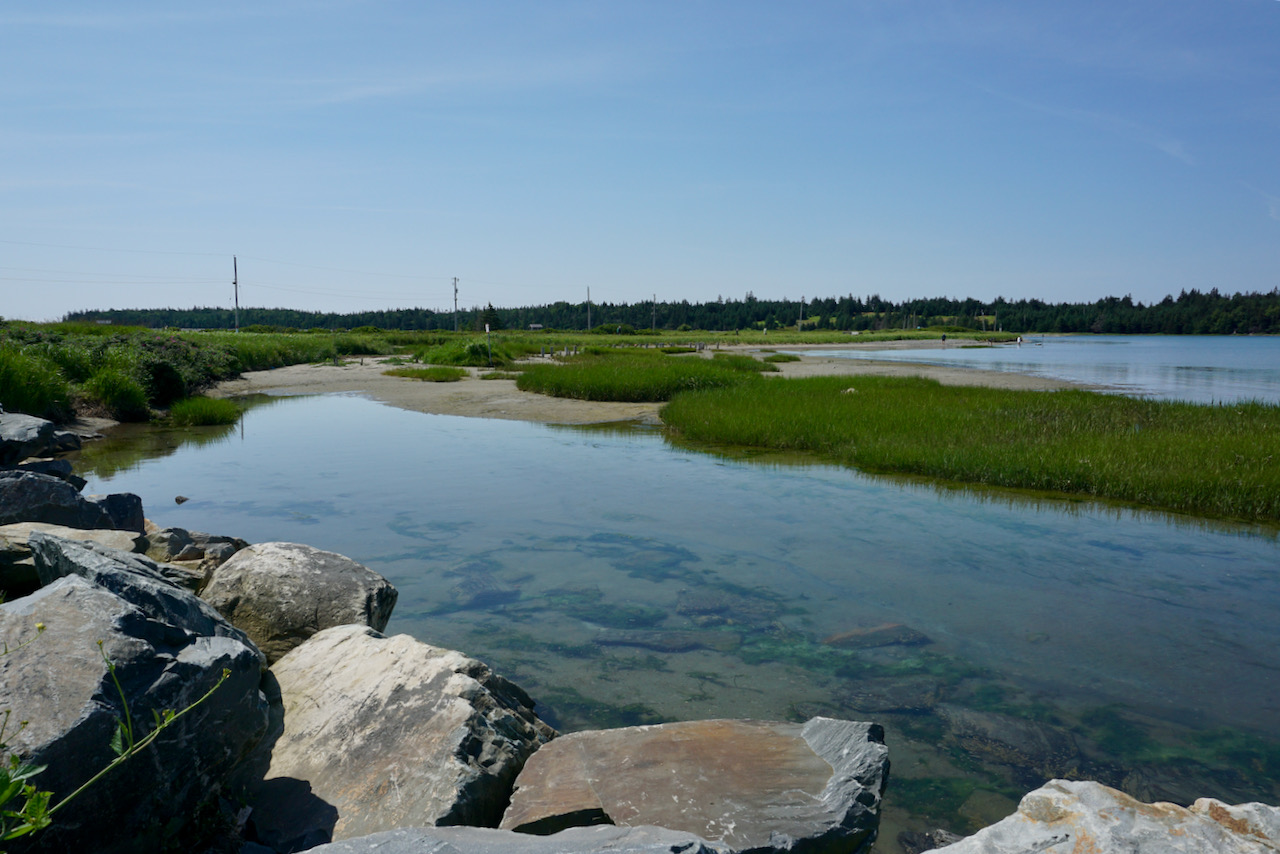
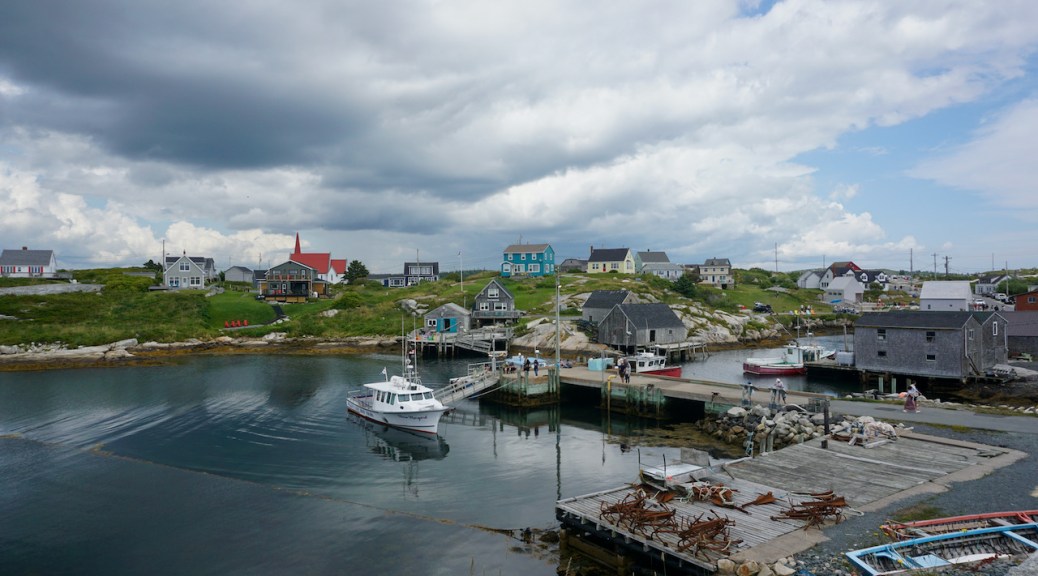
We began the tour of Halifax and its environs with a trip to Peggy’s Cove, a fishing community with a famous lighthouse. It looked like everything that comes to mind upon hearing the word “Maritimes” and, as you can imagine, smelled of the sea.
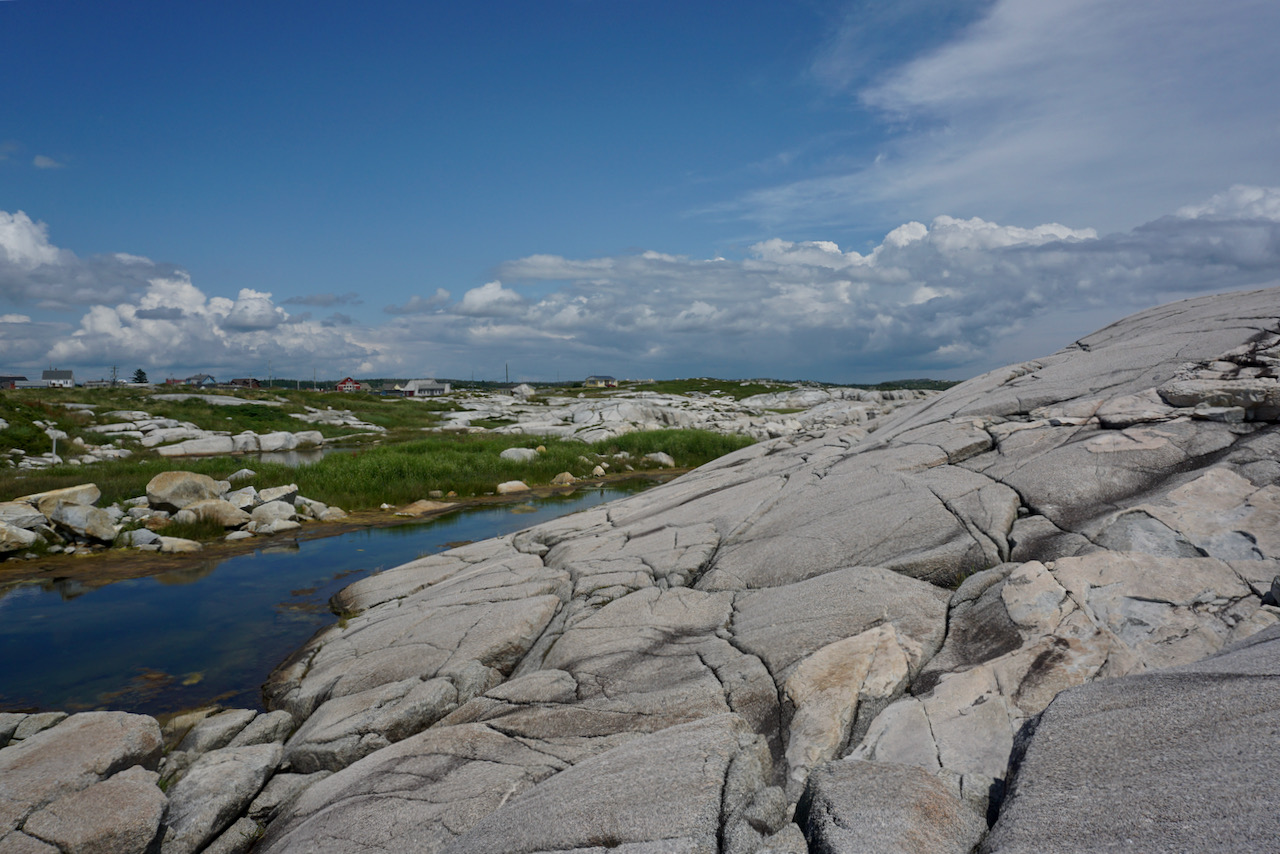
The air tasted like salt and the wind picked up as we walked further along the boulders, heeding the warnings to stay off the black rocks.

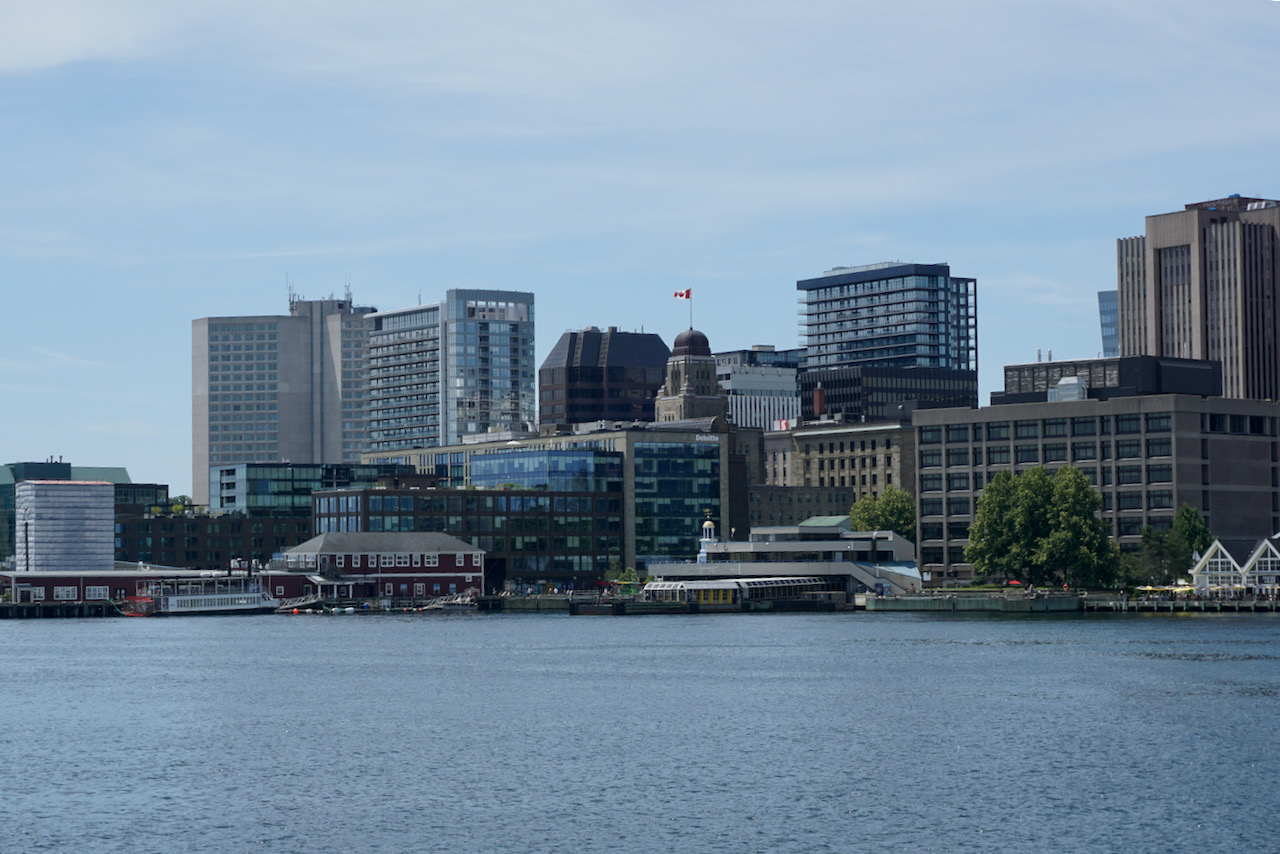
The community of Dartmouth is located across the harbour from Halifax. One can cross the bridge by car or take the ferry, which is conveniently free on the weekends (and, on the weekend of my visit, decorated for Halifax Pride). The best part of Dartmouth is the view of Halifax, I was told, though I beg to differ. Dartmouth has a vibe and charm all on its own.

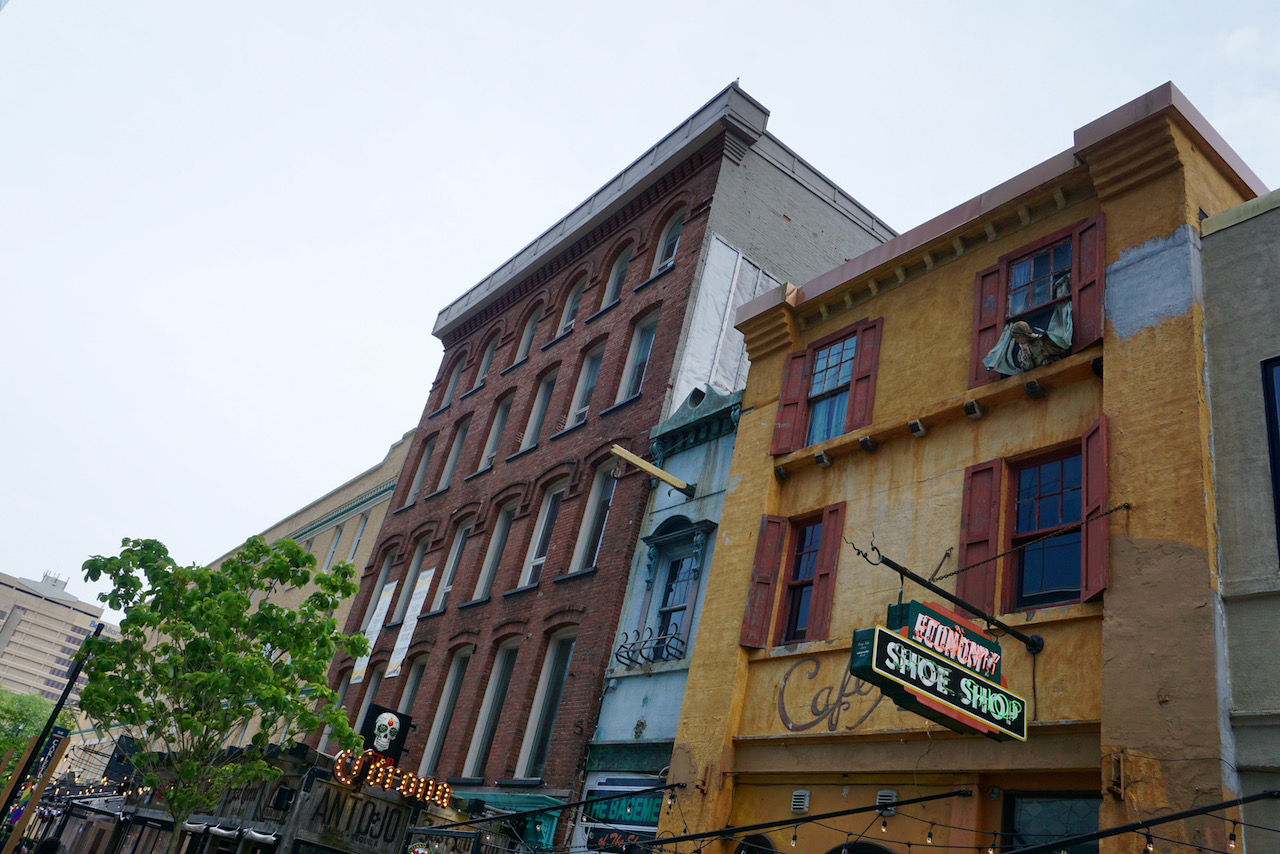
The next day we walked along the boardwalk and through downtown Halifax, admiring ships-turned-museums, murals, and funky buildings.

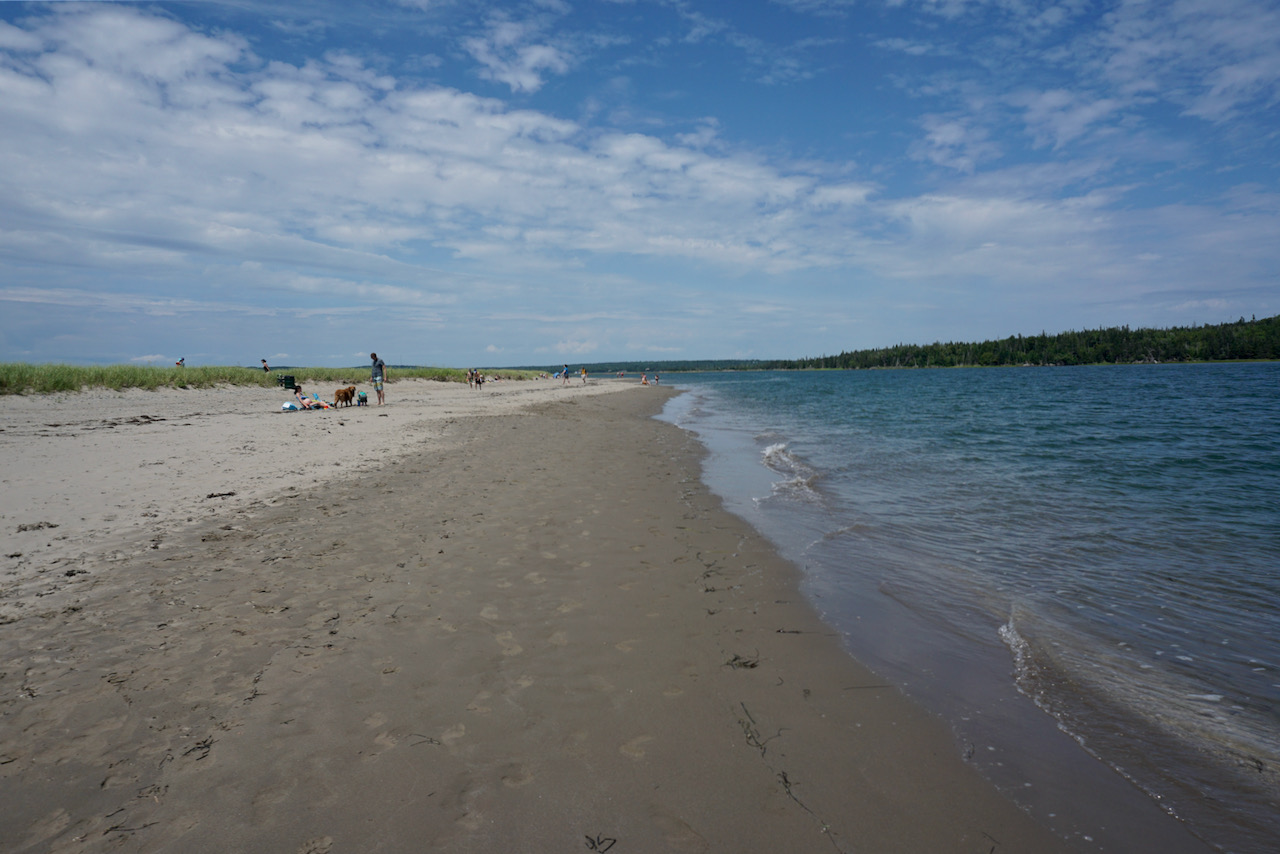
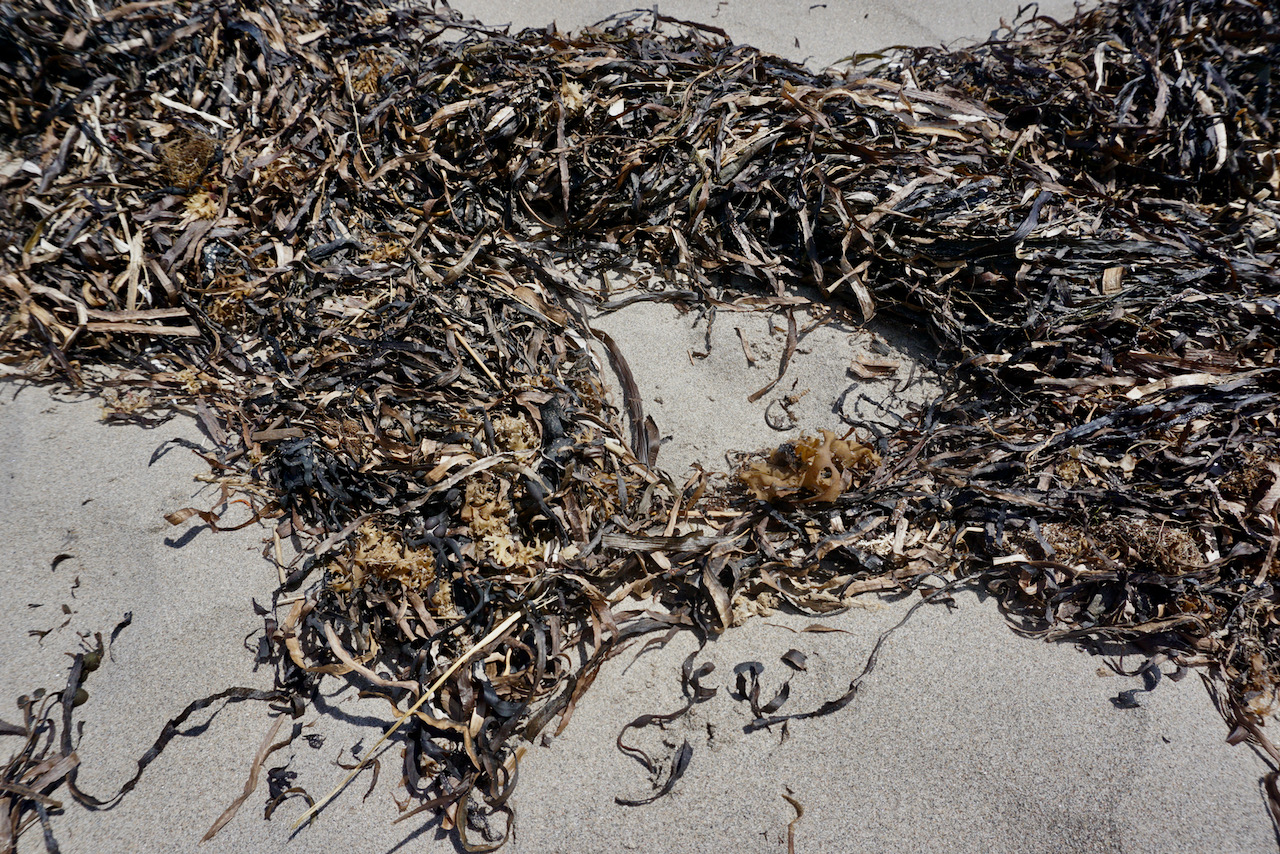
The license plate of Nova Scotia states, “Canada’s Ocean Playground,” so it was only fitting that the last full day of my visit include a tour of the nearby beaches. The water was cold and for the first time in my life, I saw people wearing sweatshirts at the beach. I dipped my toes into the North Atlantic and that was more than enough.

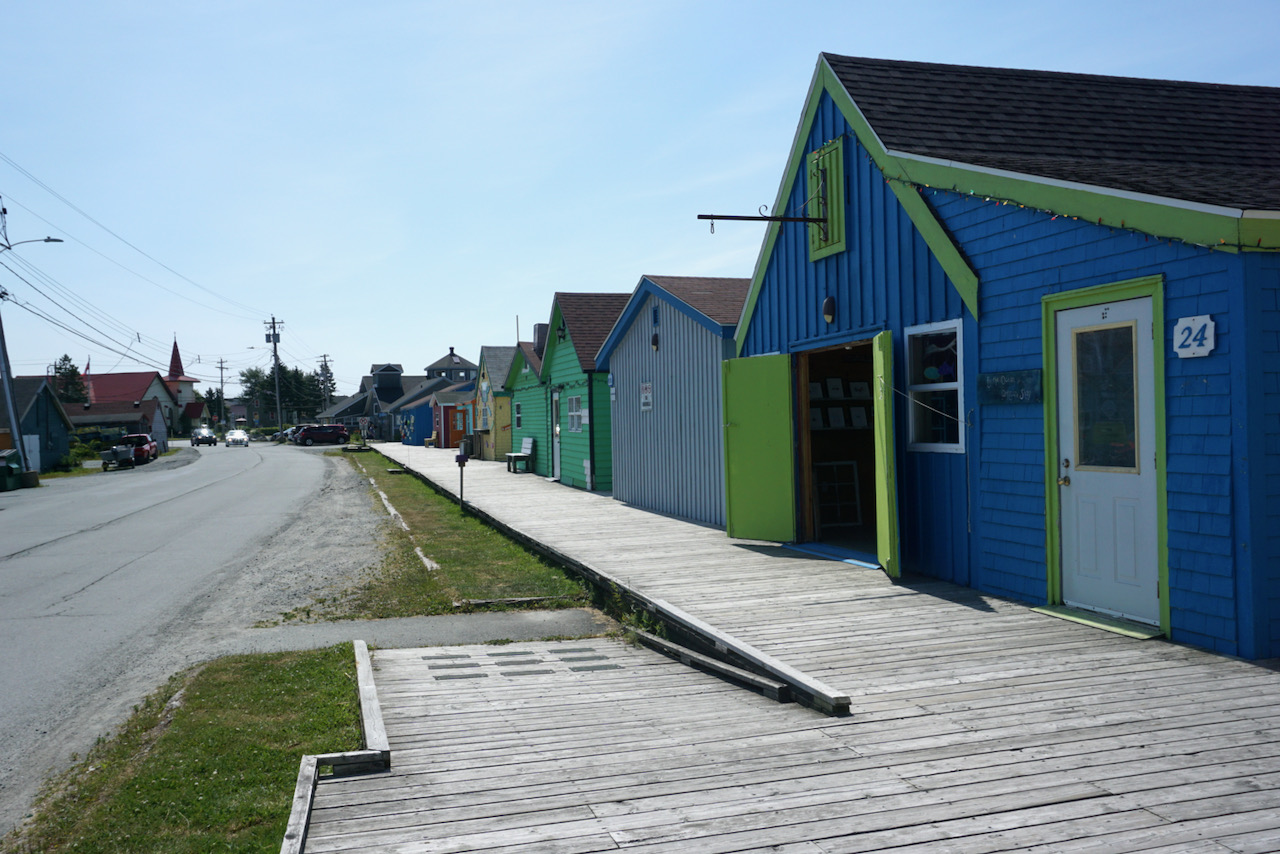
On the final morning of my visit, we went to Fisherman’s Cove to go for a walk and browse the gift shops.

Just like everywhere else we’d been, you could taste the sea on the air. My favourite part of Dartmouth/Halifax was the integration of the ocean with regular life. It was everywhere and the communities had been built in it, around it, and with due regard for how the sea behaves. There are lakes everywhere, too, and life by the water is simply a normal part of life. I felt lucky to finally be there, a visit that was in the planning stage even before the pandemic, and grateful for the locals who took me around. My visit concluded with, “And next time we’ll go to. . . .” I am already looking forward to it.

Singapore’s Other Islands

Most people know that Singapore is an island off the southern tip of Malaysia. Fewer people know that Singapore has about 64 satellite islands and one outlying island. (In all honesty, I didn’t know those numbers until I looked it up to write this post.) One benefit to being in Singapore for the summer has been ample time to go exploring! This post is a quick overview of my recent travels to some of Singapore’s other islands.

Pulau Ubin

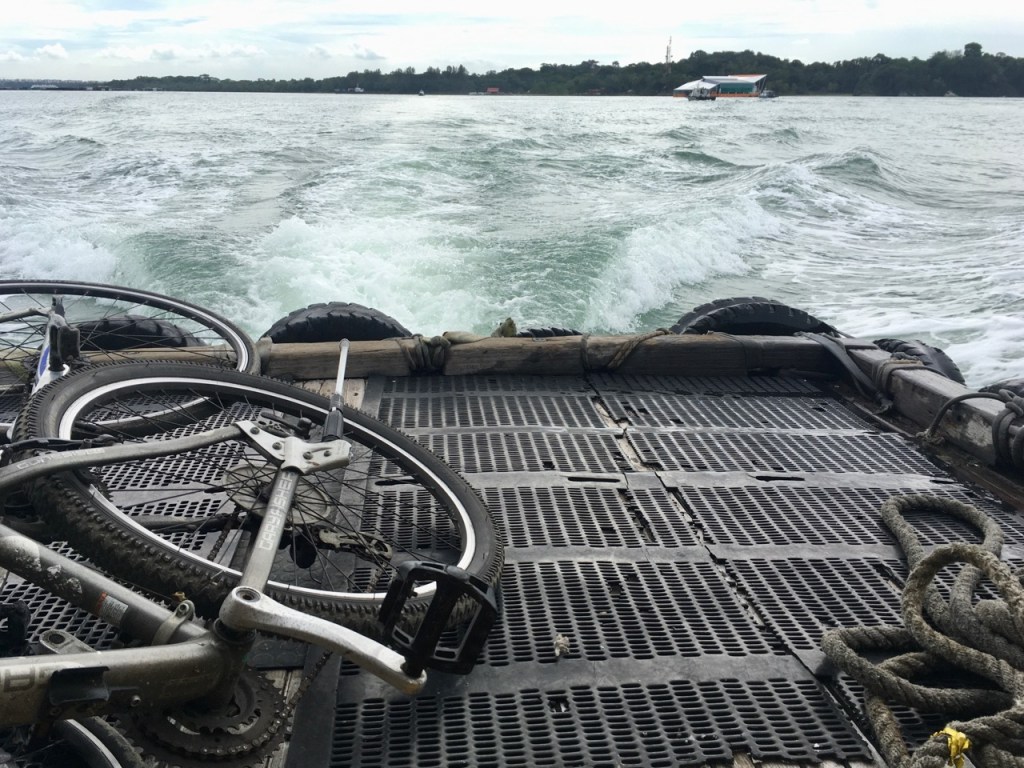
I’ve wanted to go to Pulau Ubin since I first moved to Singapore in 2015. One morning, a friend and I cycled out to the ferry terminal at Changi Point, paid $6 each for bumboat fare with the bikes, and waited mere minutes until the boat left with its maximum capacity of 12 passengers (4 of which were bikes).

There are plenty of bike rentals on the island but easy enough to take our own. Much of Pulau Ubin is made up of mountain bike trails and the one benefit to rental bikes is that they’re already pretty beat up. We were there on a muddy day and mostly stayed away from the mountain bike trails but there was plenty of easy cycling to keep us busy.

In addition to bike trails, Pulau Ubin is known for fishing and camping and there is an option to spend the night. Unlike the islands that I’ll discuss below, some people do live on Pulau Ubin (population was under 40 when I checked) and there are a few places to eat and drink there. There are also picnic tables at clearly labeled locations on the maps conveniently found around the island. We brought snacks and that served us just fine.

(Thank you to my friend for the Pulau Ubin photos below.)

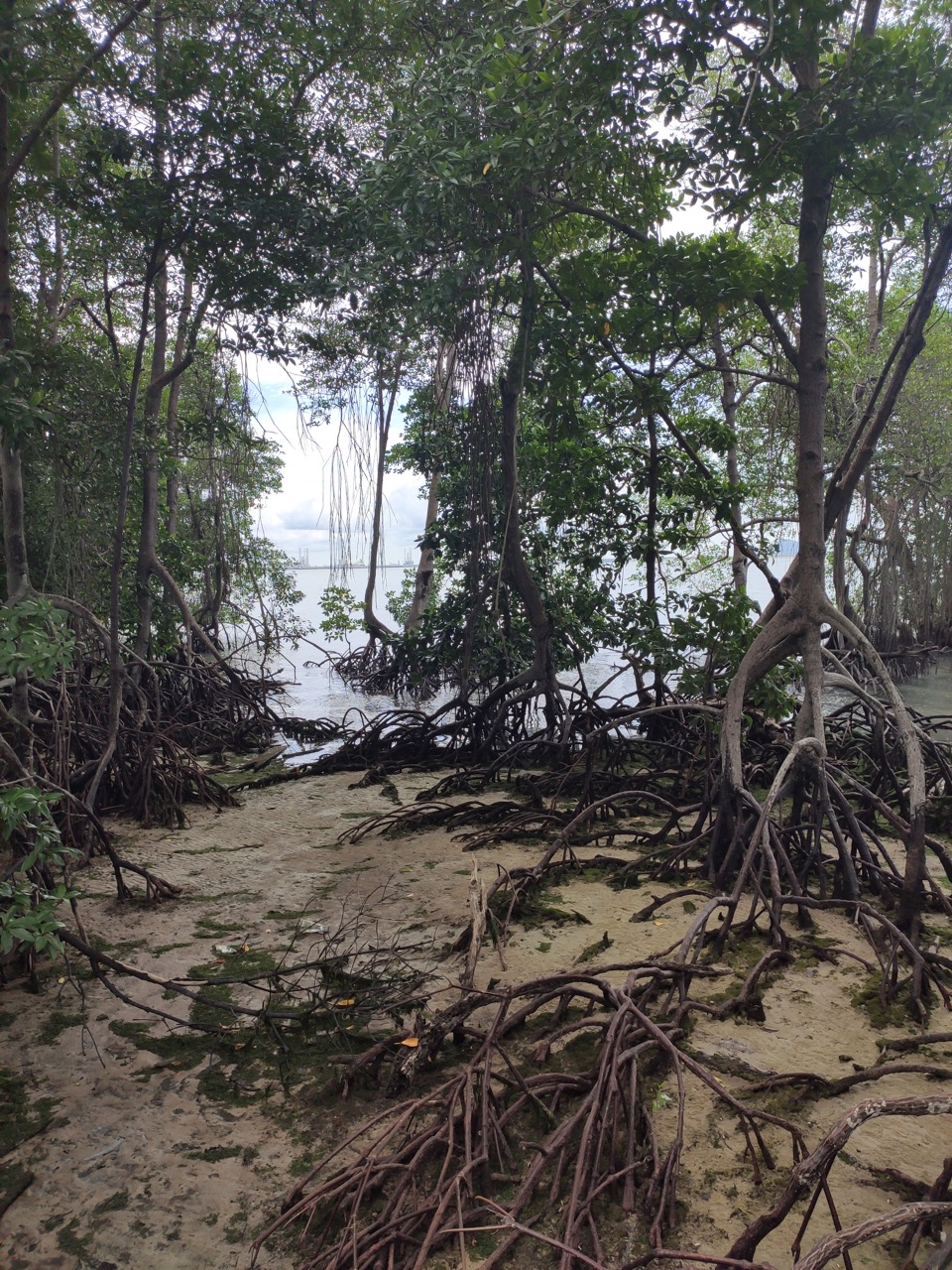
I didn’t take pictures (again, thanks to my friend!) because I travelled the island by bike but I do want to highlight the flora and fauna that we saw. In addition to very tame wild boar and far more monkeys than one normally sees, Pulau Ubin is home to birds not found elsewhere in Singapore and some really beautiful mangroves that have been painstakingly restored. It’s a very special thing to walk along the narrow boardwalk between the mangroves and the sea.

For those of us who spend most of our time in cities, Pulau Ubin is a chance to experience one of Singapore’s last kampongs and an environment that we do not find elsewhere. If I’m able to go back, I’ll definitely take photos.

St. John’s, Lazarus, and Kusu

These three islands sit partially inside Sisters’ Marine Park and are about 40 minutes away from Singapore by ferry. The ferries leave from Marina South Pier and move between islands according to a set schedule. One round trip ticket costs $15 and there was no fee for bikes. The islands are quite large if you plan to explore on foot but bikes allowed us to cover a lot more ground and spend time in places that would have been a little too far to walk. It is also important to note that are no shops or restaurants (and nowhere to refill water bottles) on the islands but plenty of food stalls at the ferry terminal.

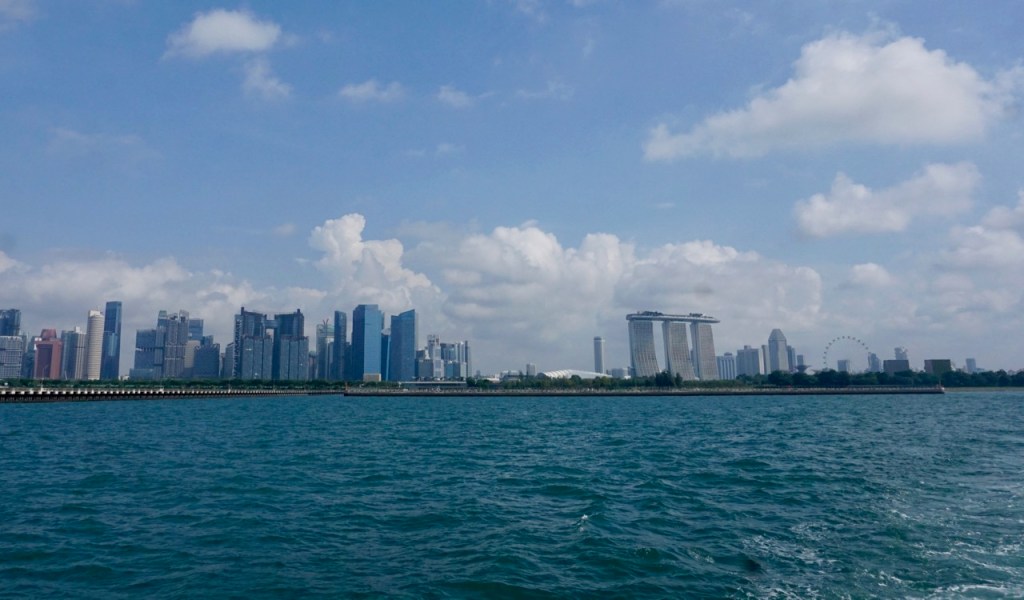
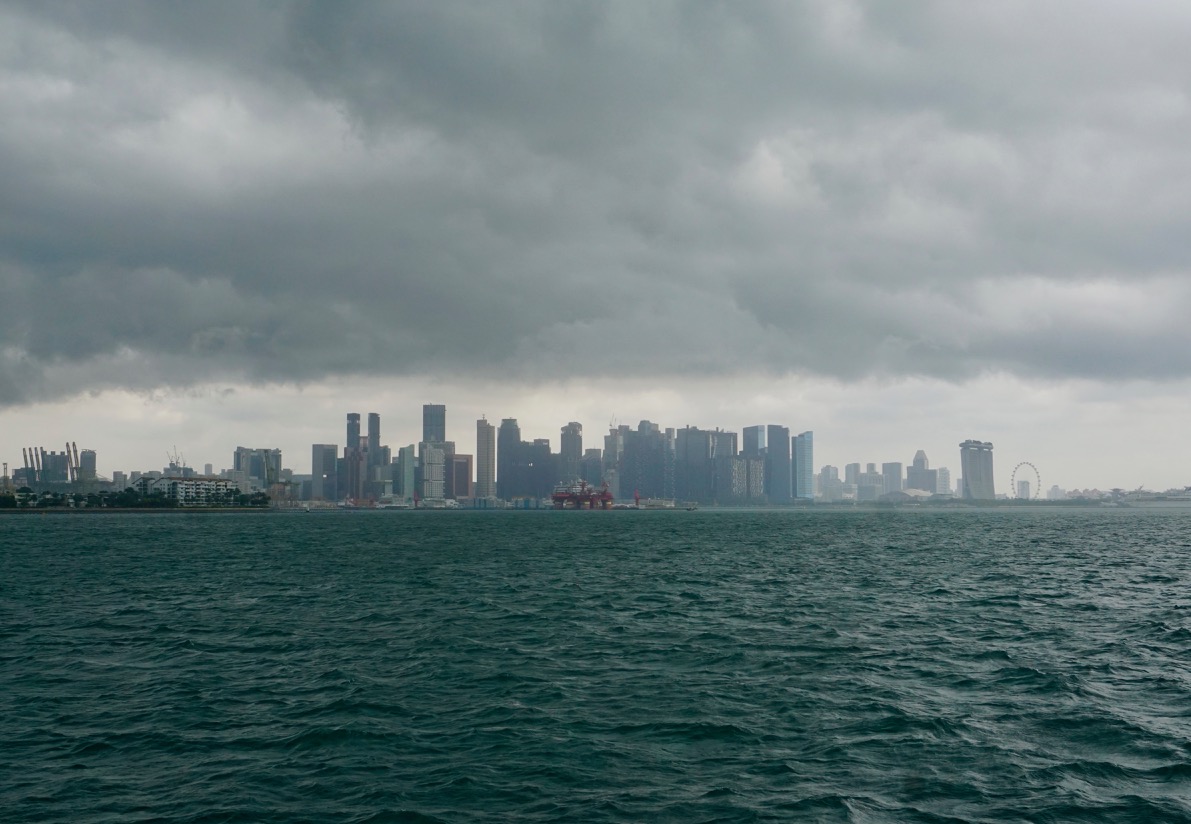
Our day started out bright and sunny and it was a lot of fun to see Singapore’s skyline from the other side.

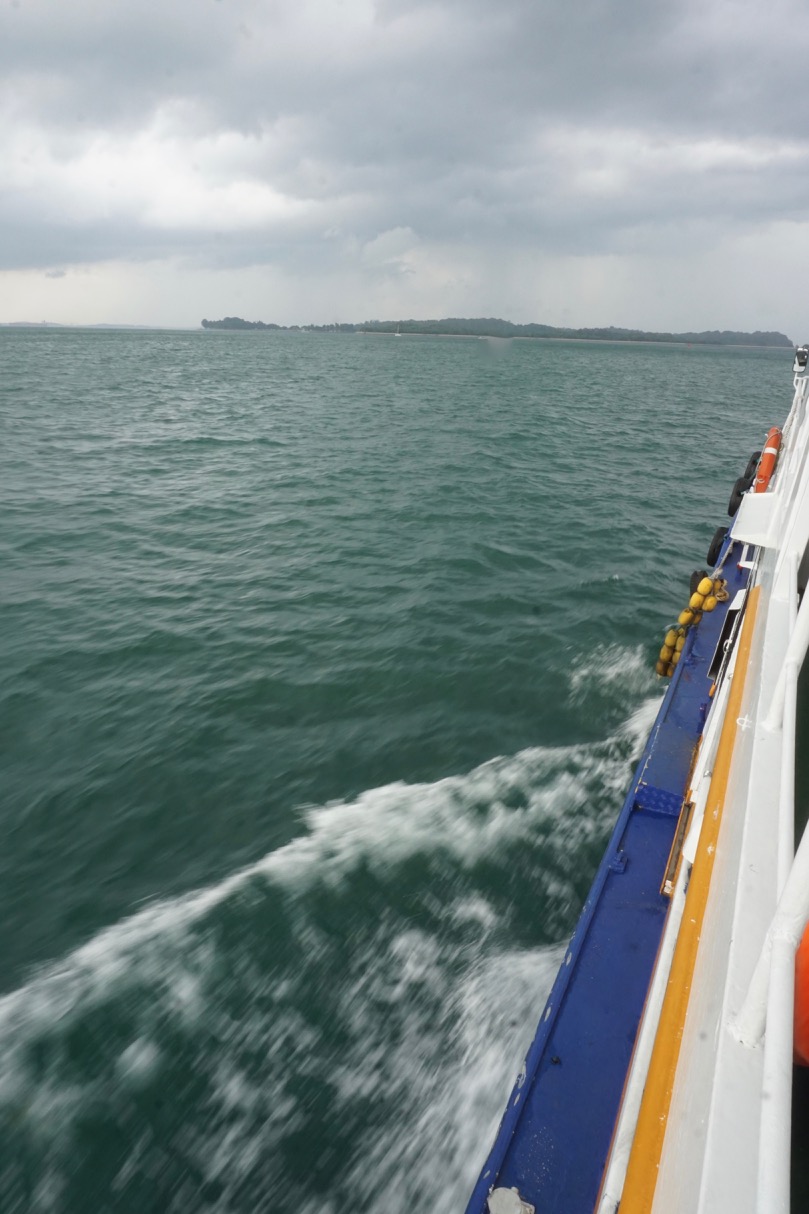
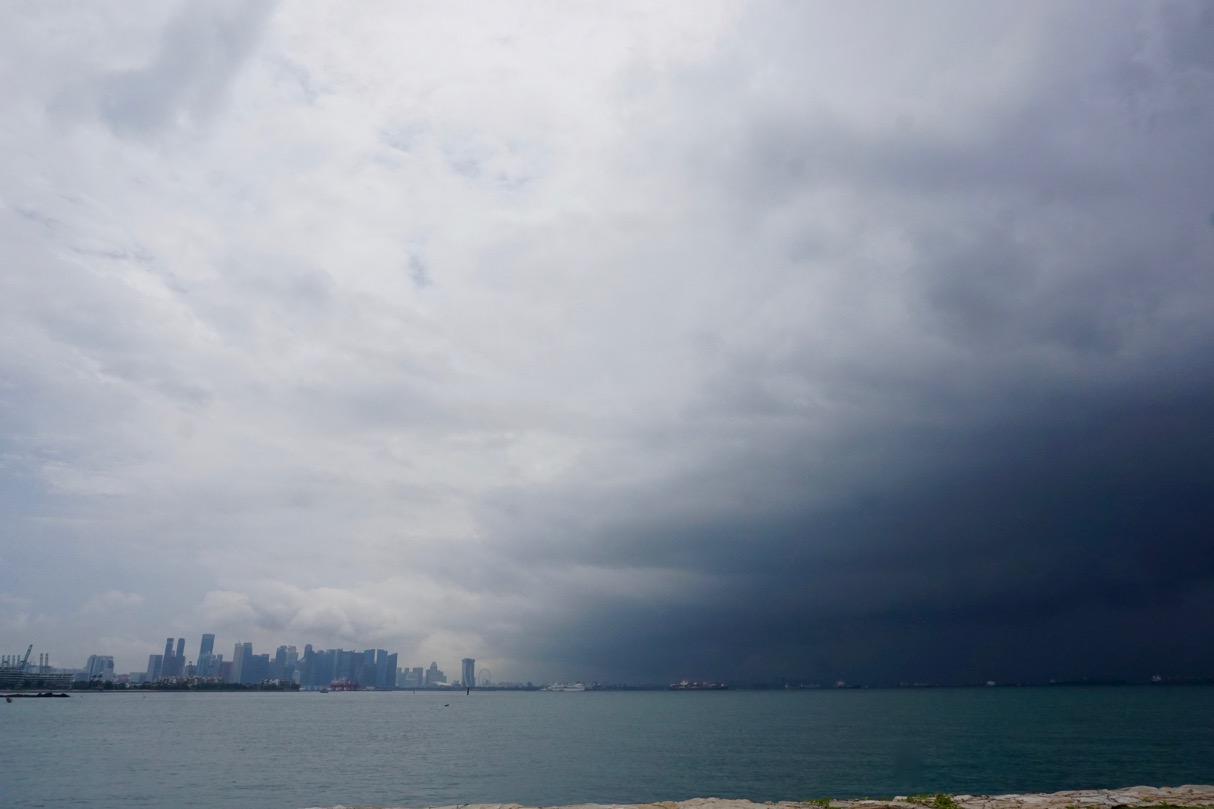
And then the wind started to pick up. The color of the water changed from blue to steel gray and clouds took over the sky. The islands we were approaching disappeared and we were suddenly very, very small.

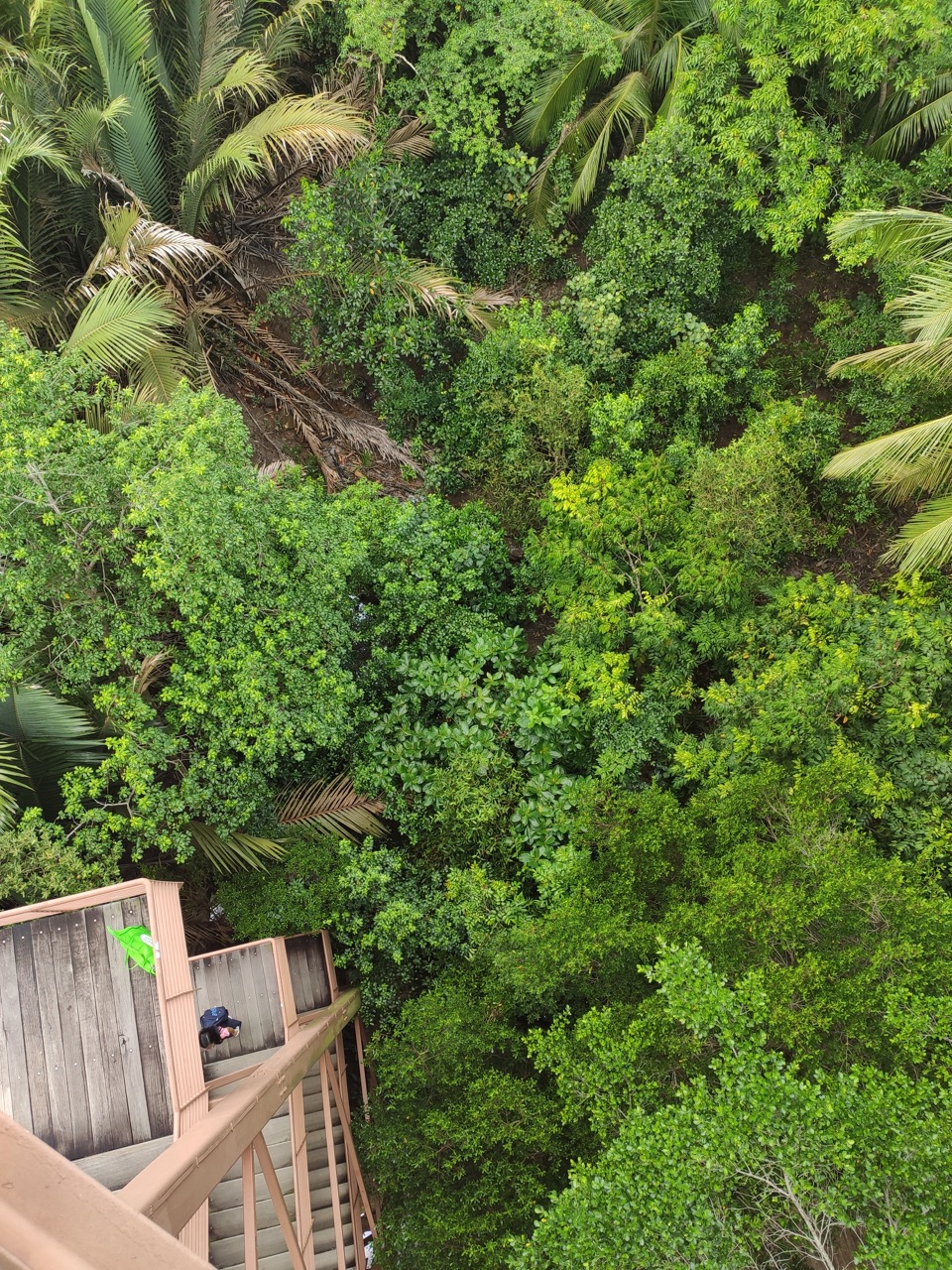
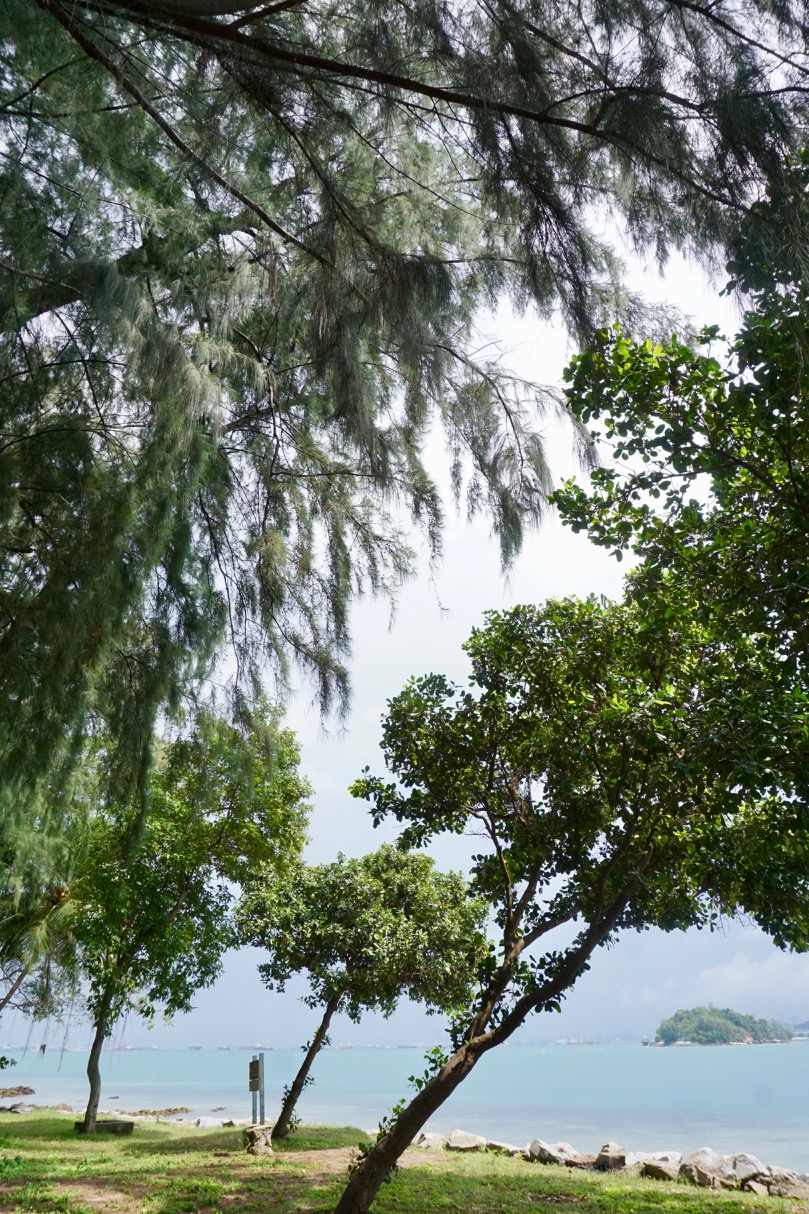
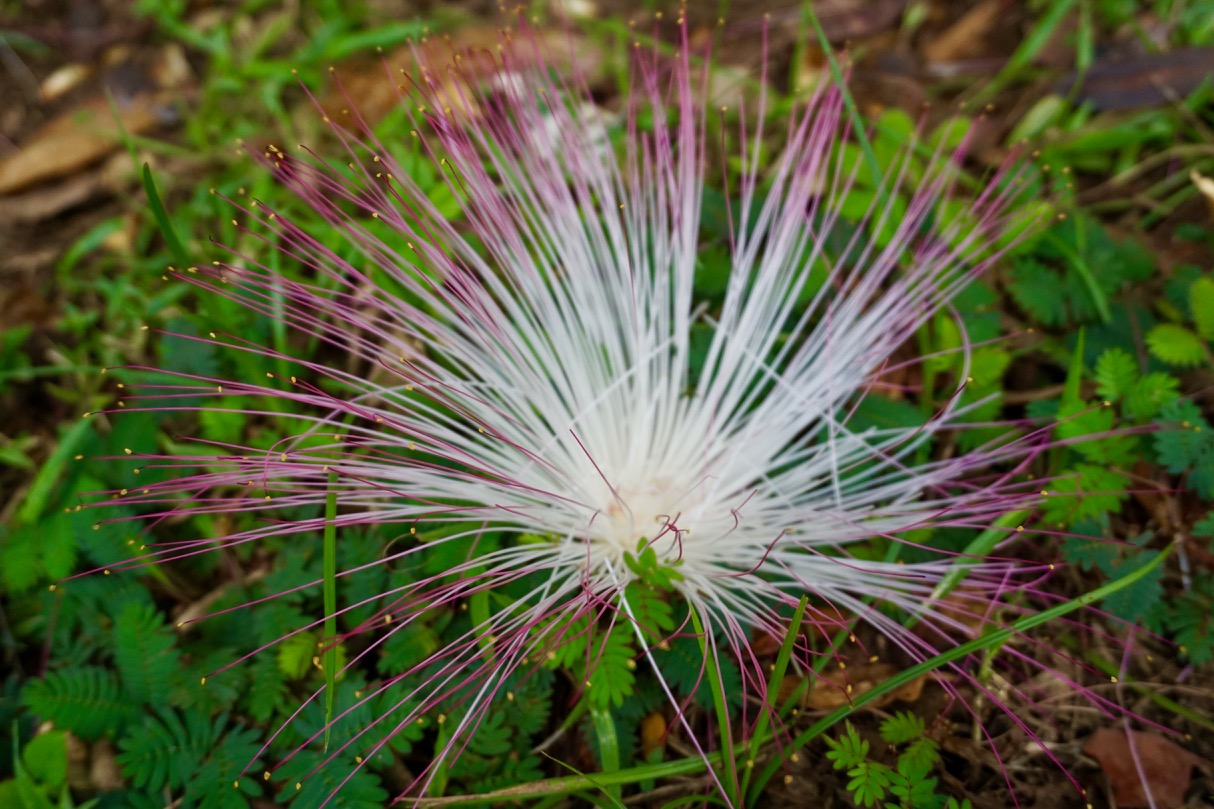
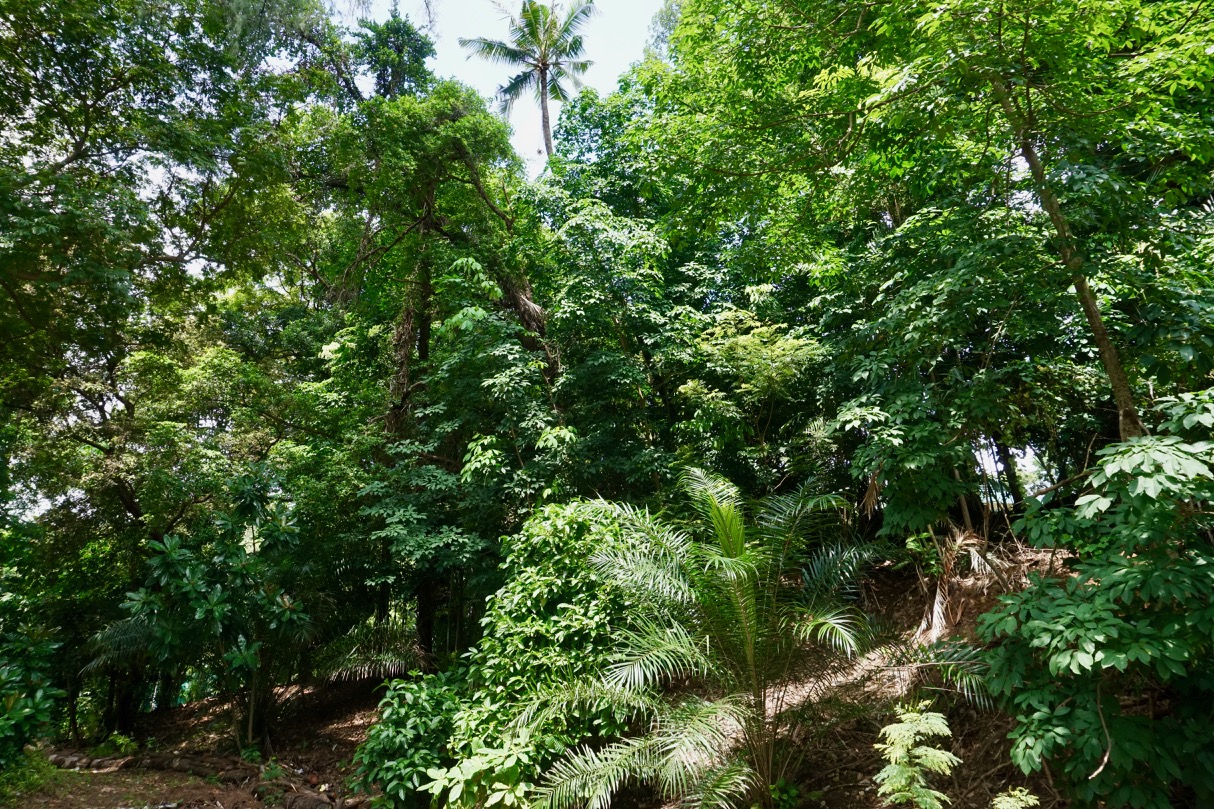
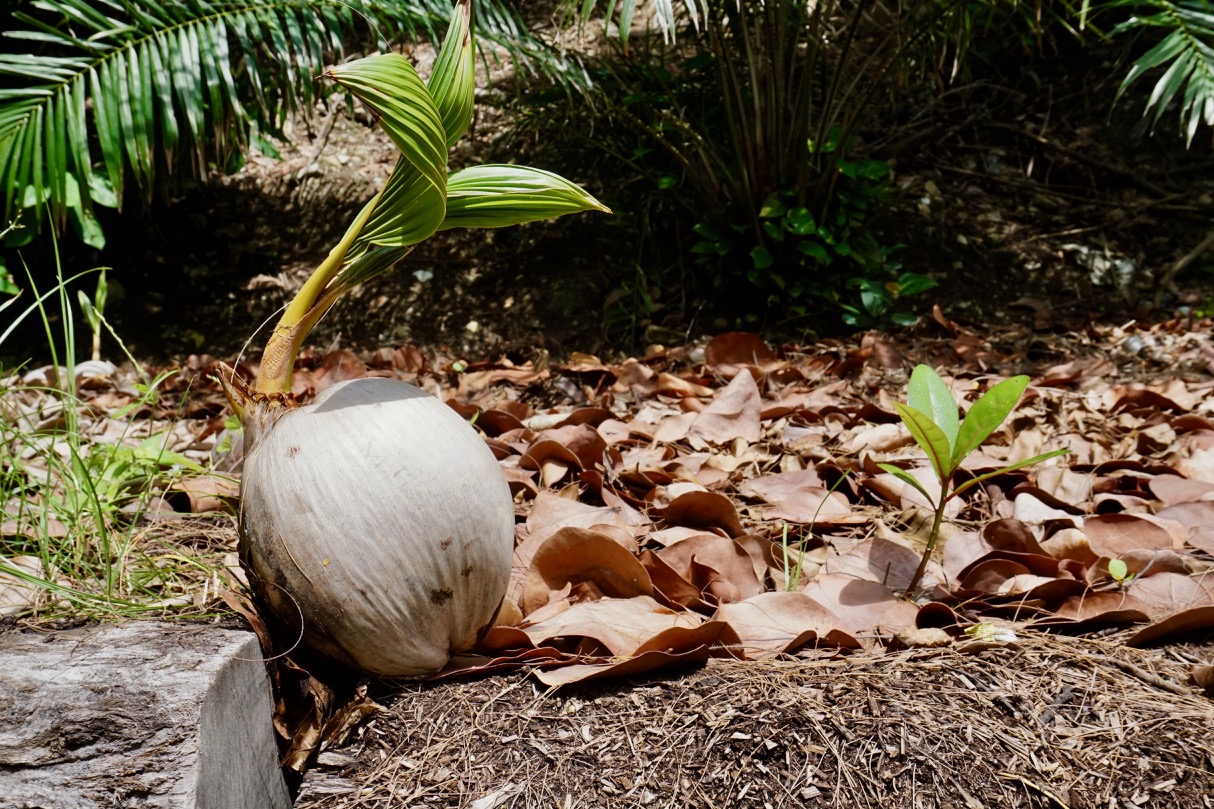
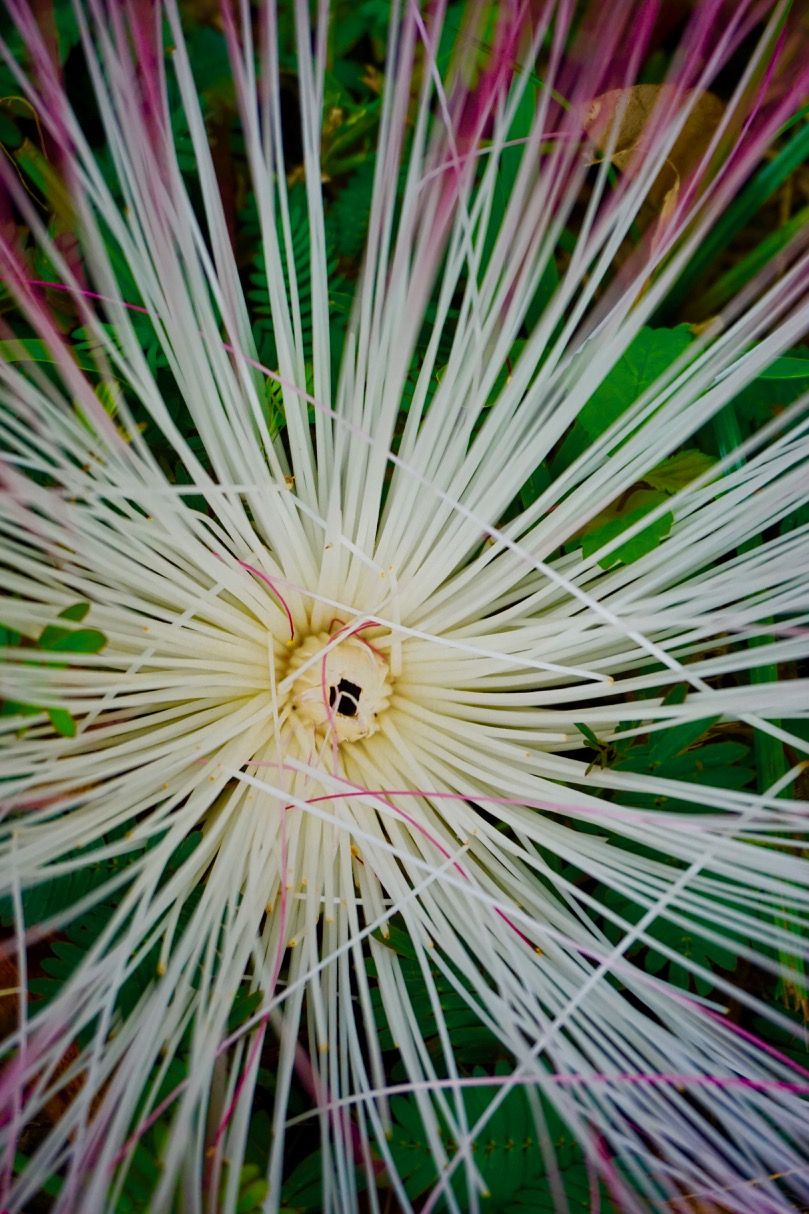
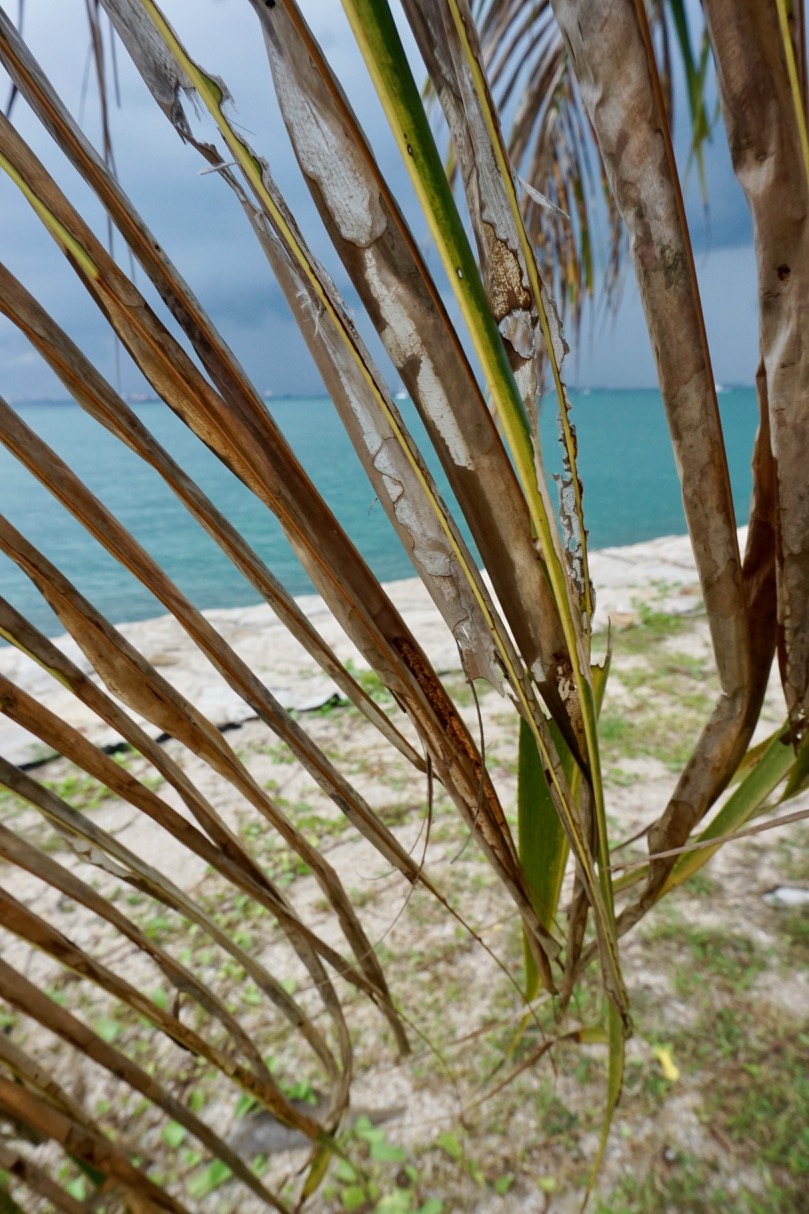
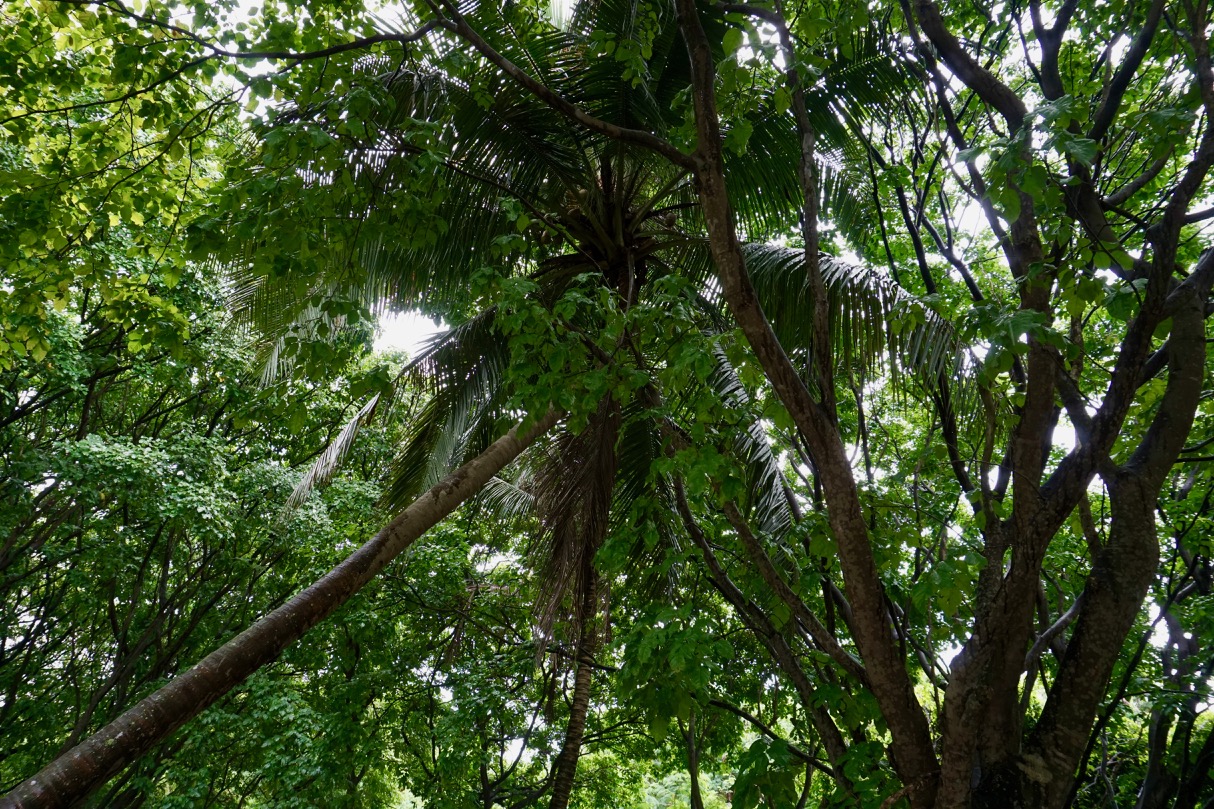
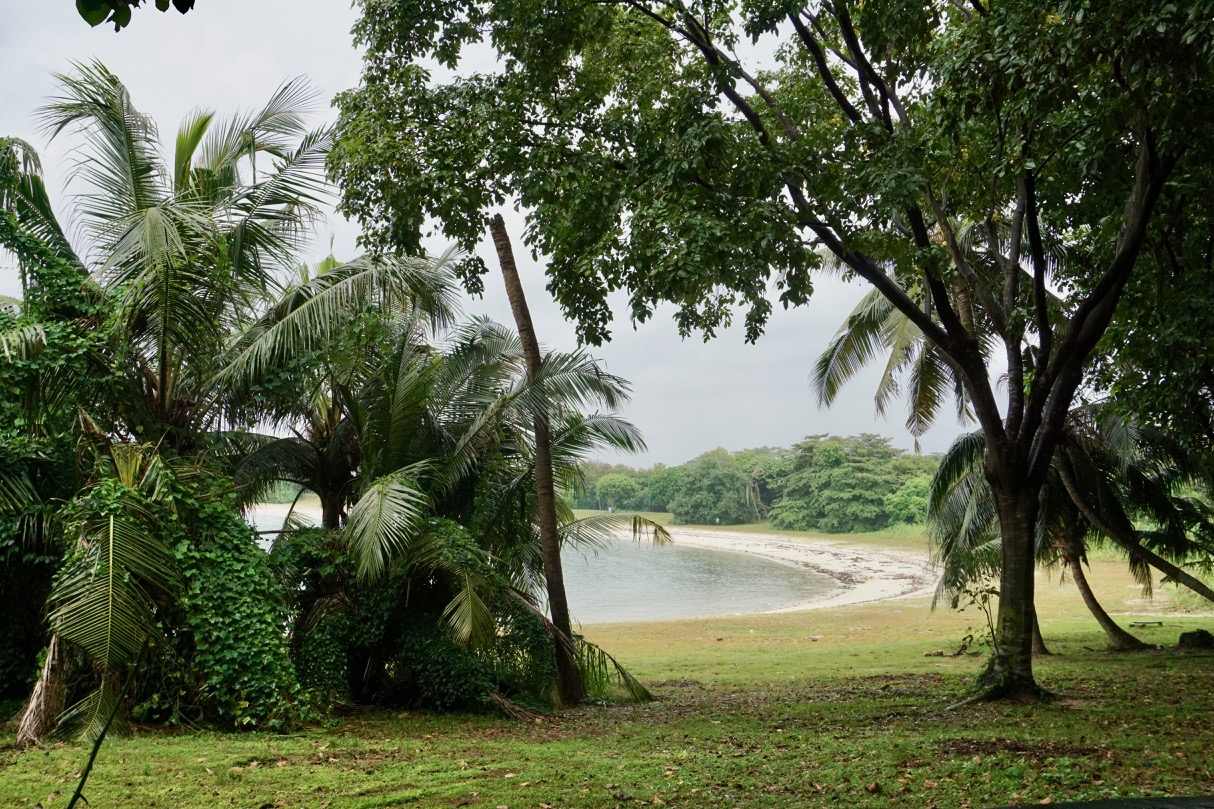
As happens in the tropics, especially during the monsoon seasons, if it looks like it’s going to rain, it does. The question of where it rains, however, is a good one. We watched rain on Singapore while the sun came out again on St. John’s. We saw plant species that I’d never seen before and so many coconuts!

We didn’t go in the water but I did take a few minutes to make my way down the rocks as far as I could go. There are many parts of St. John’s and Lazarus that have accessible (and lovely) beaches but it’s always an experience to go look where no one is looking.

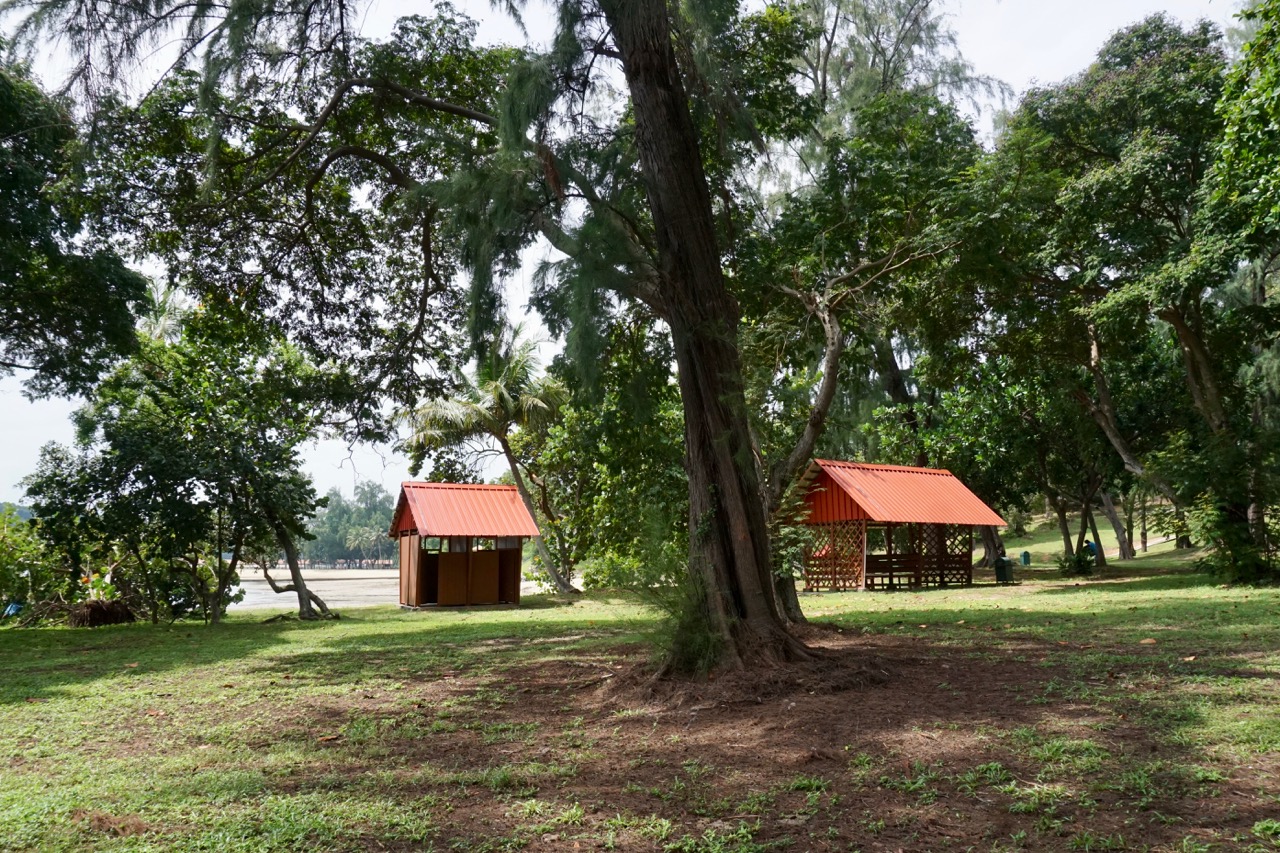
We cycled from St. John’s over to Lazarus where we found people fishing and taking advantage of largely private beach space. My favorite part was watching the sky and this is why I’m not sorry we ventured out here during the rainy season. We watched another storm roll into Singapore and then continue straight for us. The sky darkened and we chased the wind to a gazebo where we ate our picnic sitting on towels on the ground.

The rain was quick and we had time for another quick cycle. It really is wonderful to be somewhere without cars and without buildings.

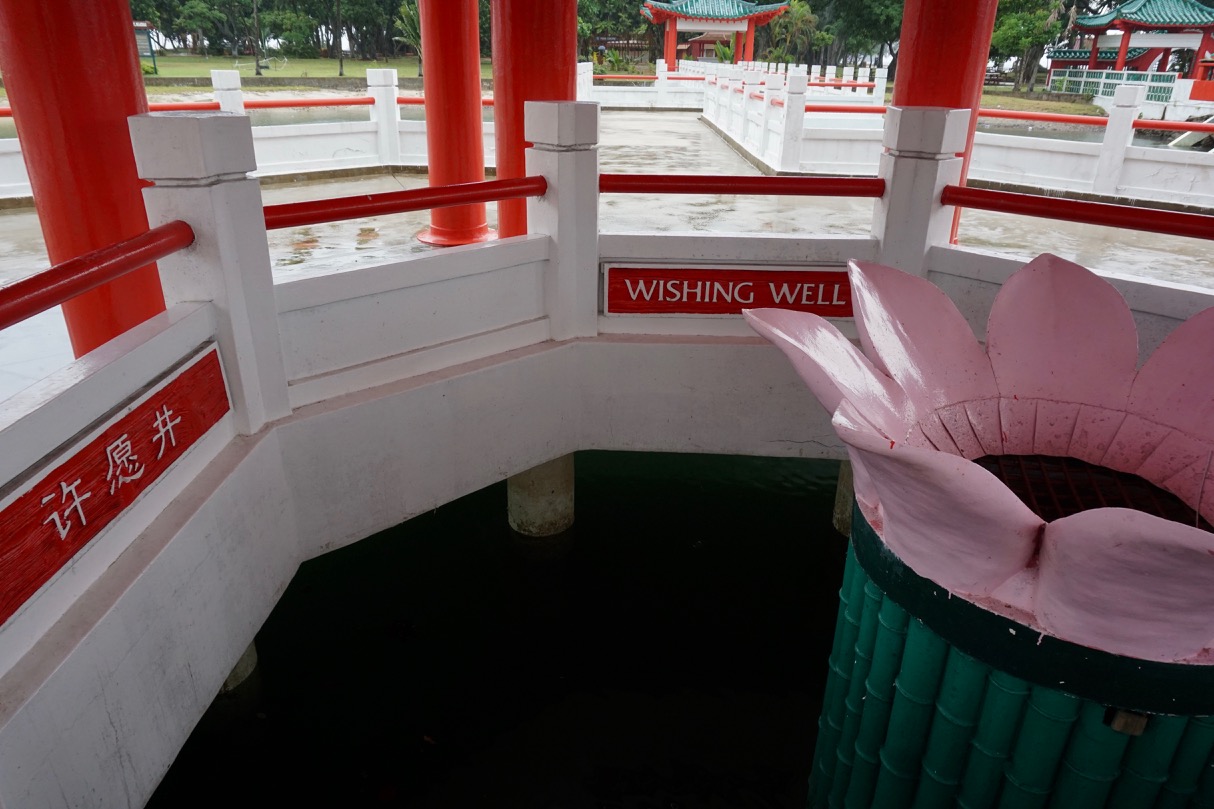
The ferry brought us from Lazarus to Kusu, a tiny little island that is close enough to Lazarus to swim if you’re so inclined. It is enshrined in legend that vary in telling, but all versions contain Chinese and Malay symbolism and remain culturally significant. In the legend, a tortoise turned itself into an island to save shipwrecked sailors. In actual history, the island has had many uses over time and is mostly built on reclaimed land.

Tortoises are found all over Kusu, both real ones in a sanctuary and in the form of giant statues. Kusu is also home to a Chinese temple that is visited on pilgrimage during the ninth lunar month.

I don’t know that I’ll visit St. John’s, Lazarus, or Kusu again but I’m glad to have done so. There’s a lot more to Singapore than sparkly buildings and I’m glad to be able to share that.

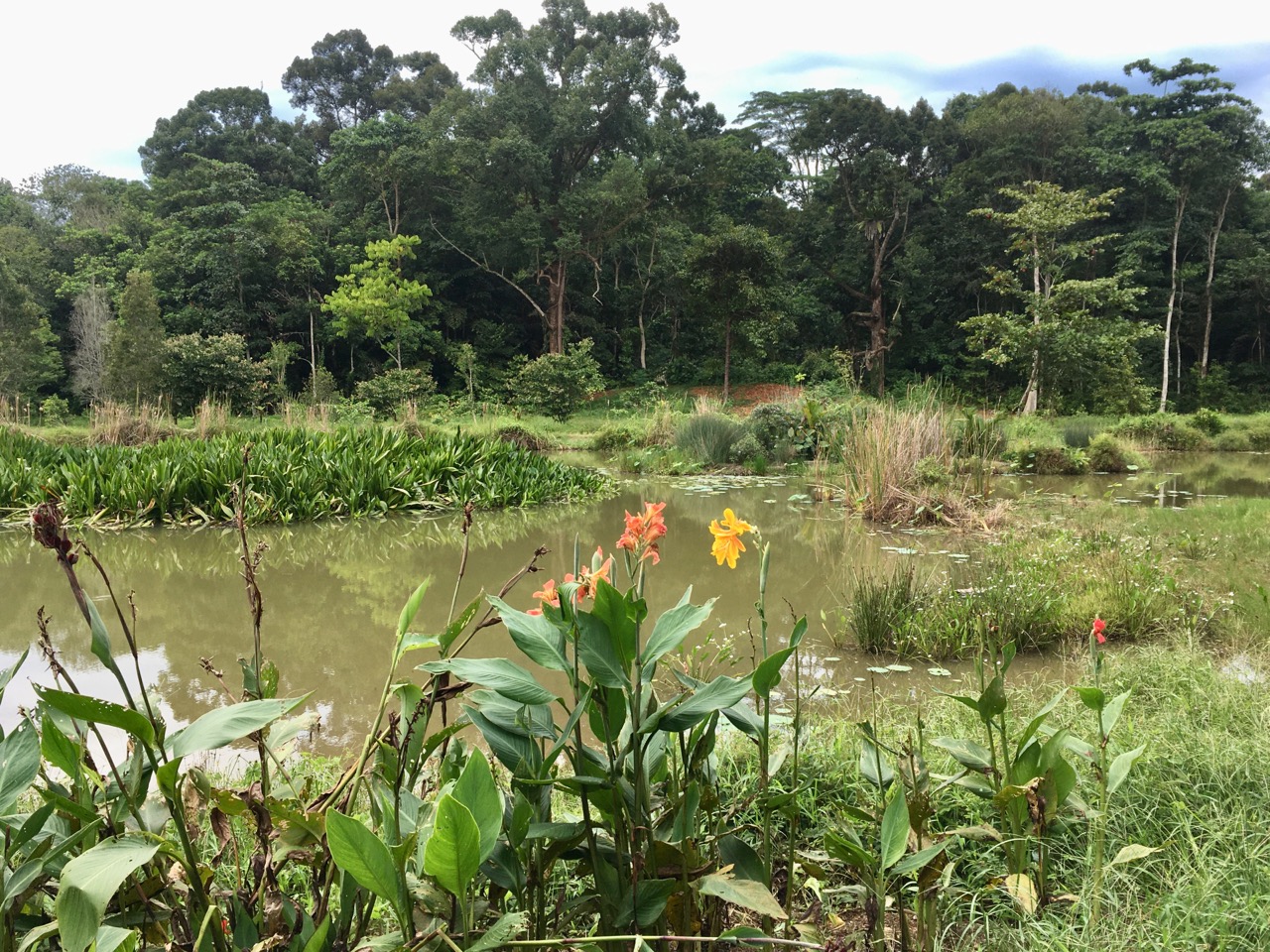
Coney Island

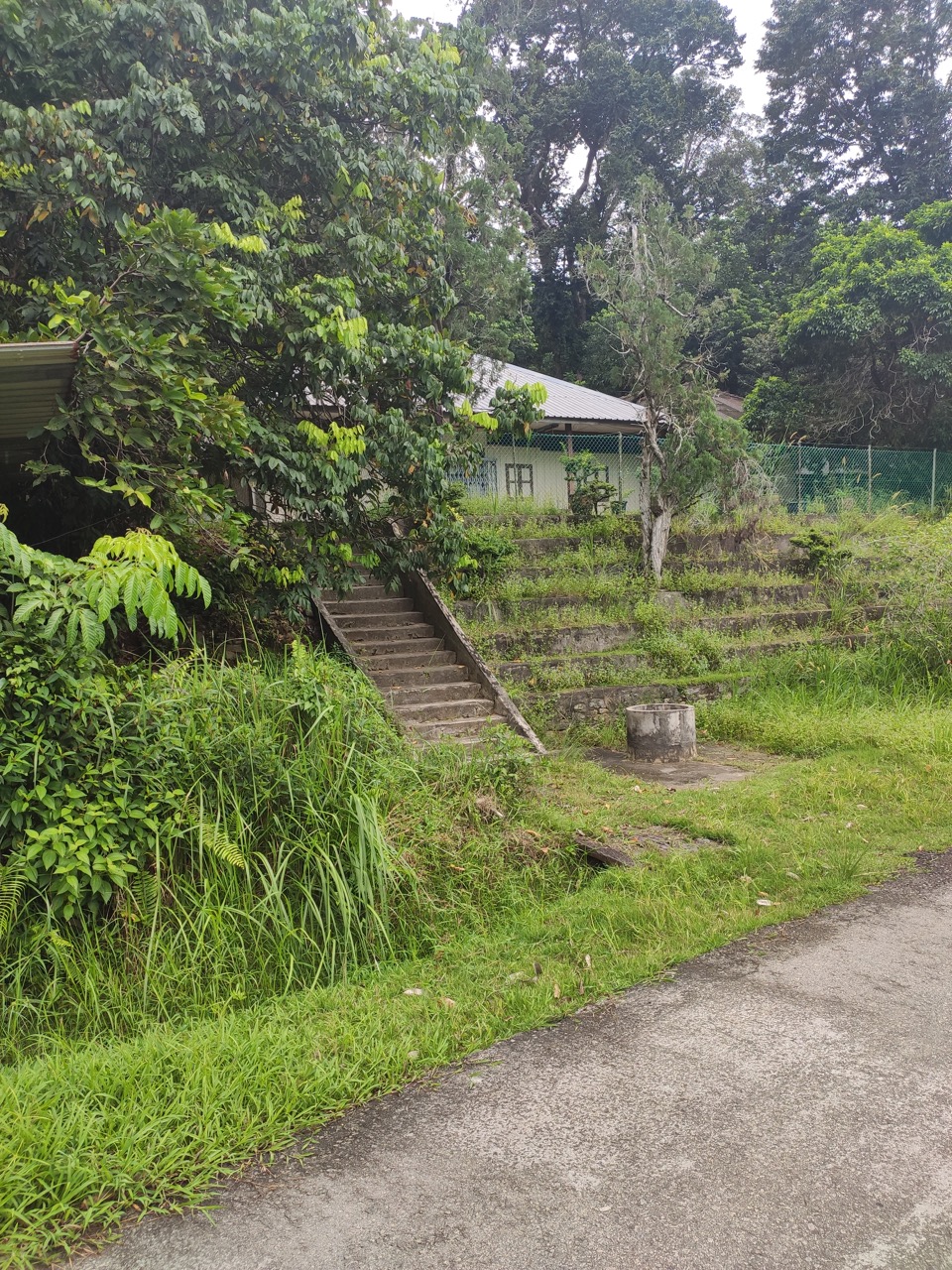
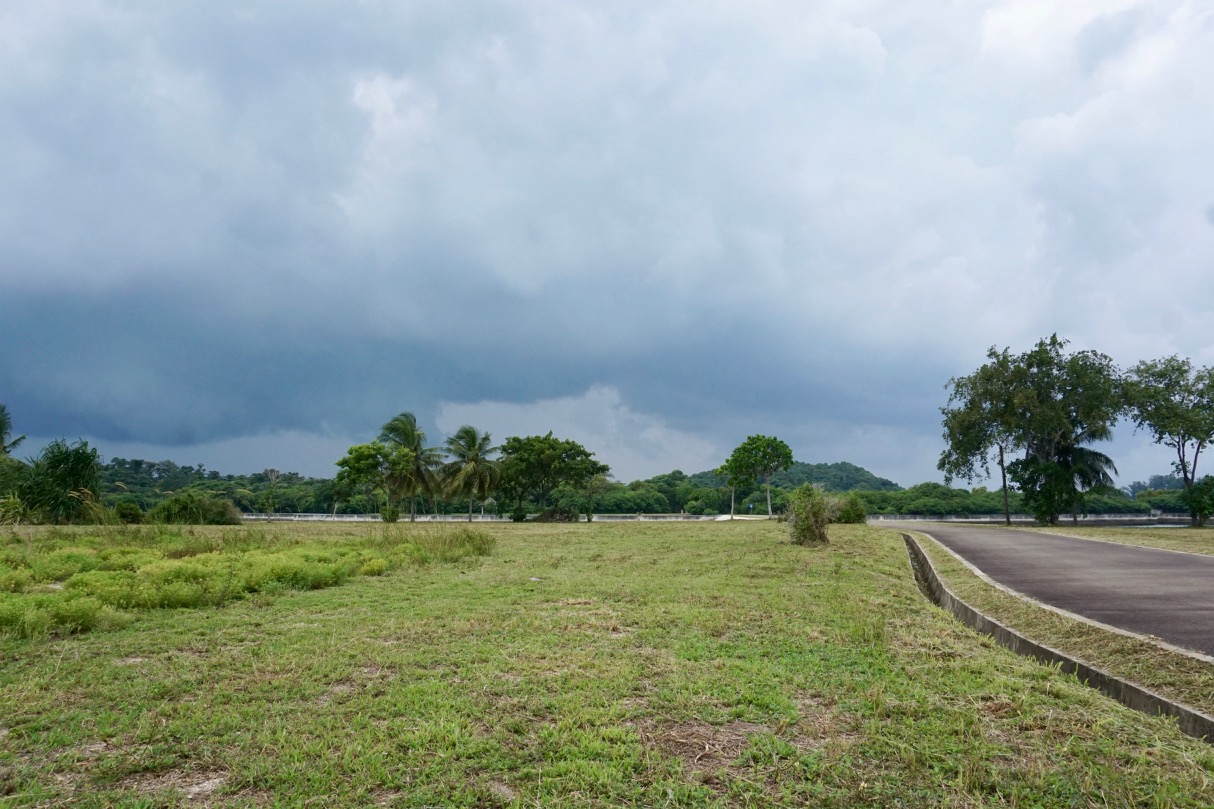
I first visited Coney Island on foot at the end of March, which was shortly before Singapore’s circuit breaker began on April 7. Since then, I’ve returned several times by bike. It’s a quick little ride or a longer stroll but feels like a different world. Have a look at the blog post linked above for details and pictures!


If there’s a silver lining to Covid-19, it is that I have been forced to explore that place that I live. A friend once said, “Singapore is small enough that if someone ever asks, ‘Have you ever done…?’ you should be able to say yes.”

Journey on. Journey well.