Tag Archives: Church

Travel Guide: Budapest

I recently had the opportunity to travel to Budapest for work, an opportunity I relished not only as a chance to learn something new, but also as a chance to spend some time in a new place. As it turned out, I learned far more than I had hoped at the training, though it got in the way of my exploring. There is a lot to see in Budapest, which is already two cities rather than one, and my glance across the surface left me with a longer list than I had when I arrived.

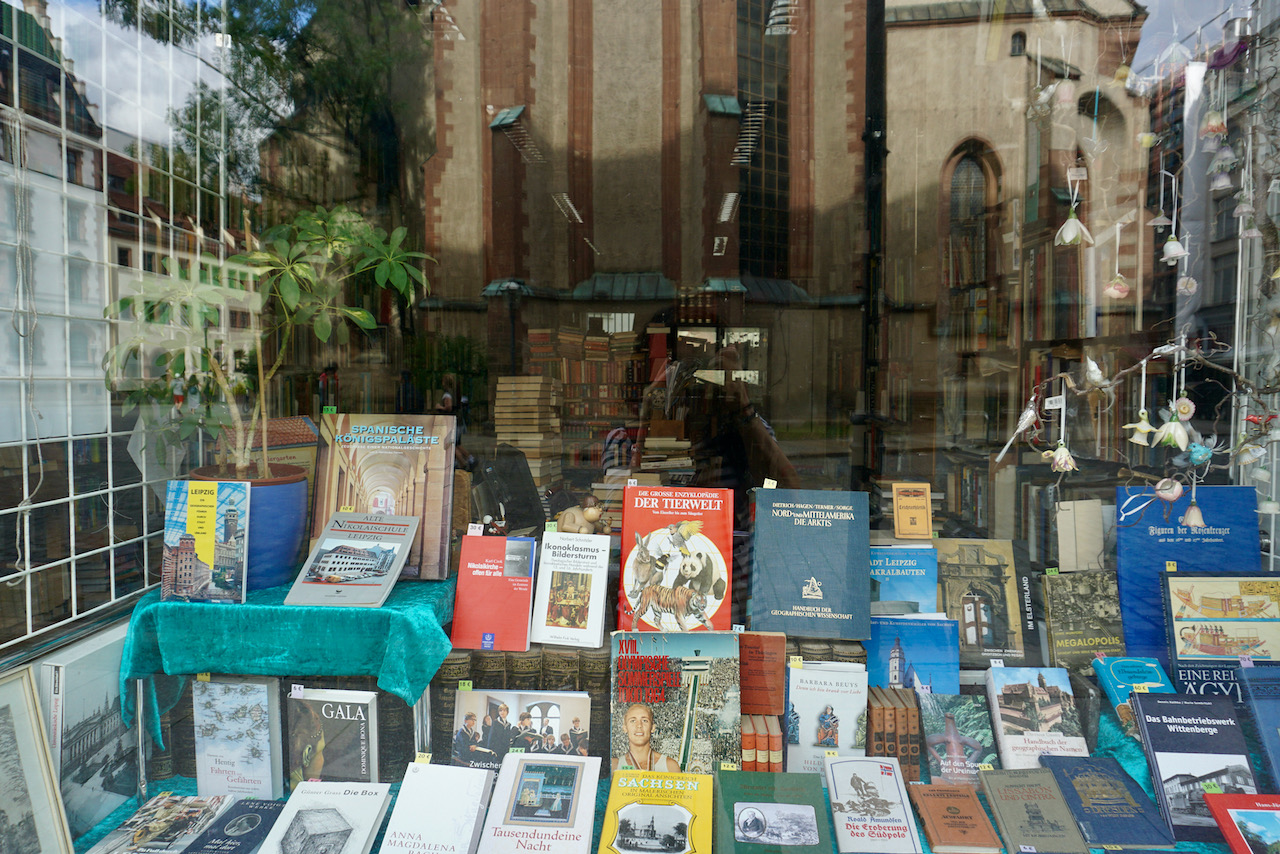
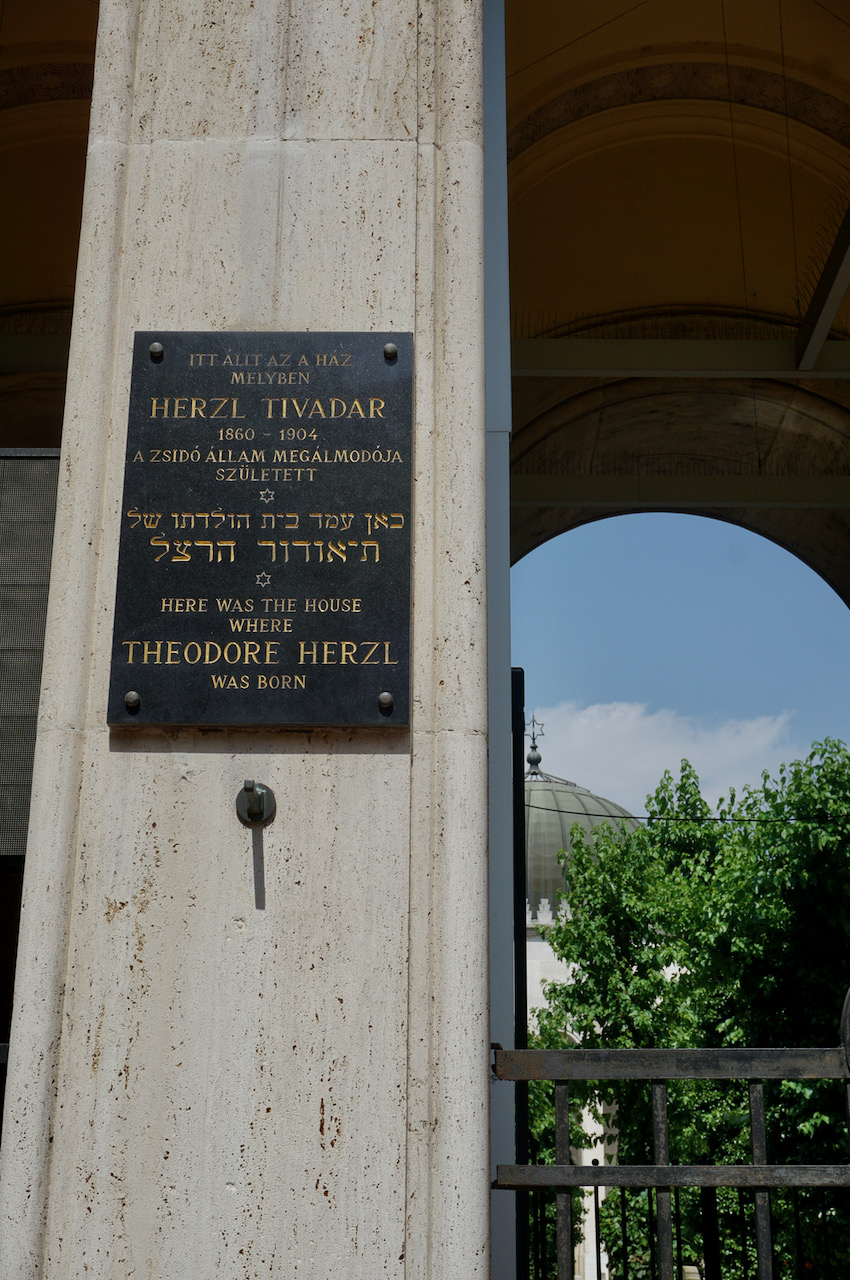
After deciding I liked Budapest upon first seeing one of its many street bookstalls, I stood in front of Europe’s largest synagogue, completed in 1859. It surprised me that Dohány Street Synagogue is located in a country that is 99% Christian, according to my tour guide, in a city with restaurants serving food from all over the world, and that’s something I love about visiting new places.
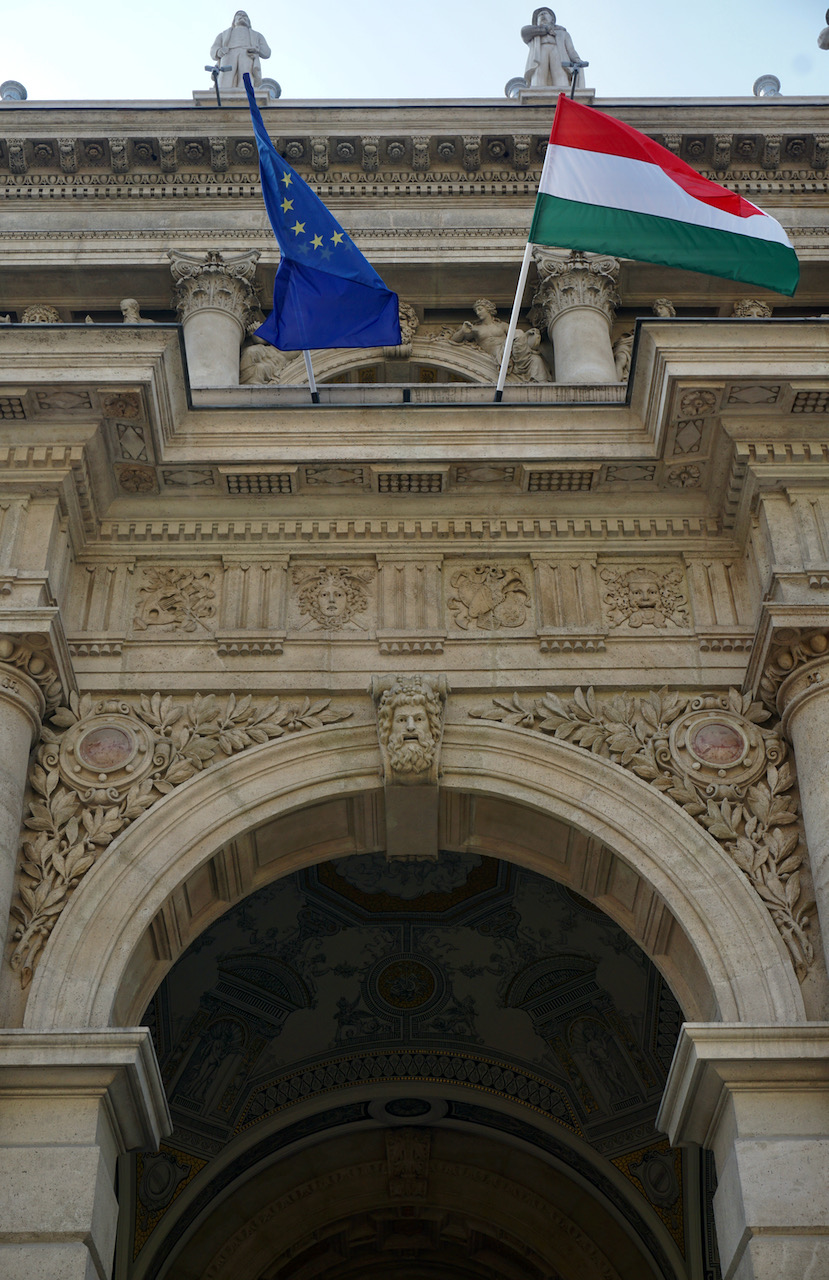
I was staying on the Pest side of the Danube and that’s where I took a walking tour the afternoon of my arrival, always my favourite way to see a city and learn its history. We saw the landmarks Budapest is known for, such as Europe’s largest Parliament . . .

. . . the Hungarian State Opera . . .
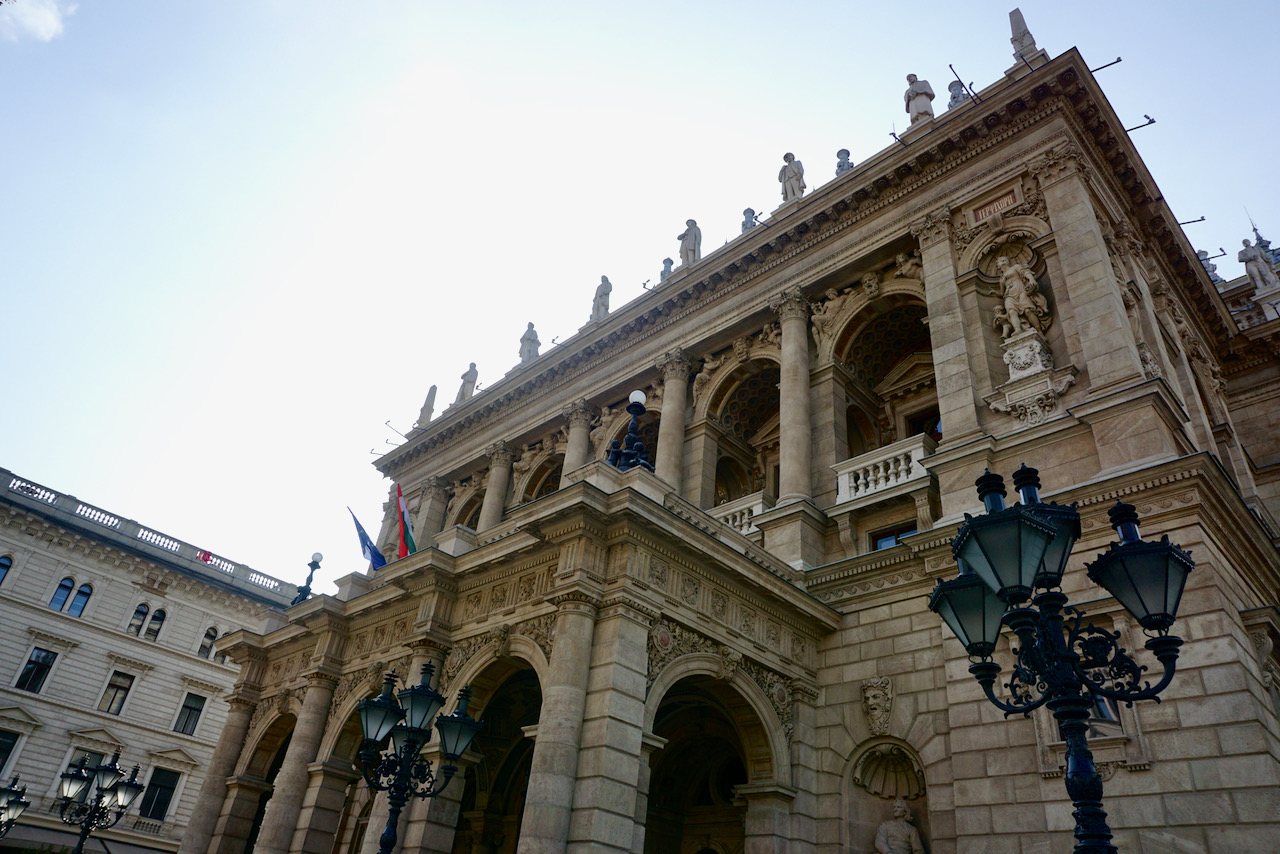
 . . . St. Stephen’s Basilica . . .

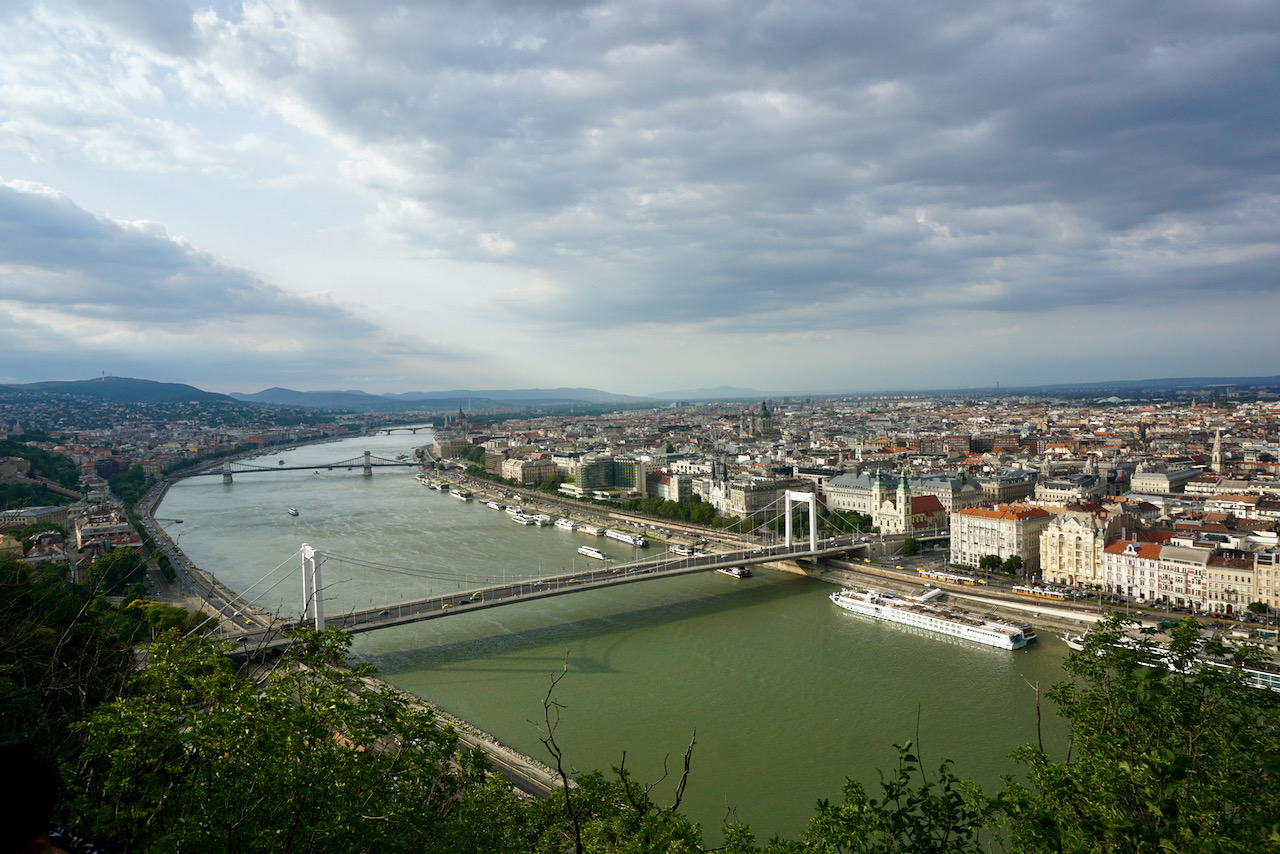
. . . the Danube River and Széchenyi Chain Bridge (unfortunately closed to pedestrians due to construction) . . .
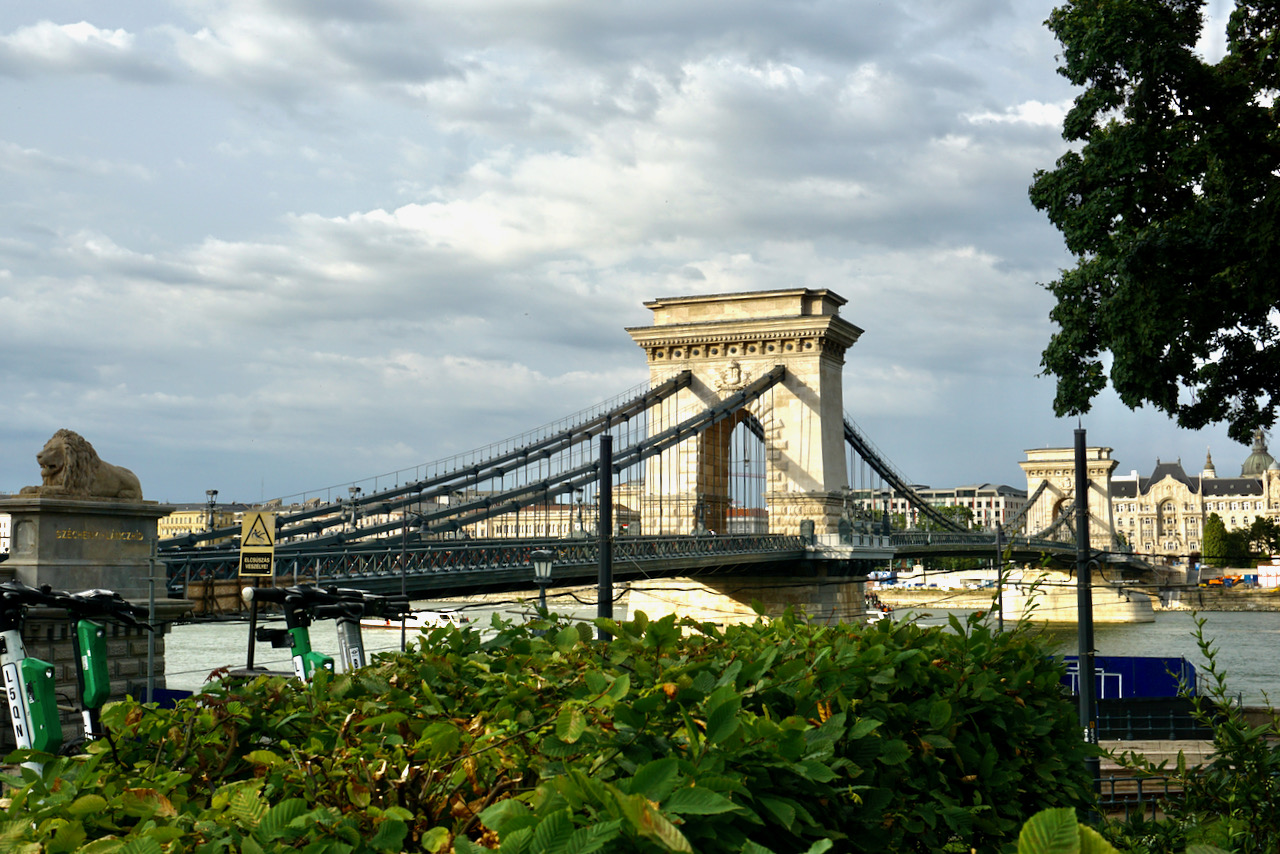
. . . and walked through a few of the parks that are an important part of local life.

It was on the walking tour that I learned about the monument that went up overnight in 2014, an attempt to change the narrative of Hungary’s role in World War II. The counter-monument placed by the people of Budapest aimed to rewrite that wrong.

It came as a surprise that history was being rewritten in a city with a memorial called Shoes on the Danube Bank, commemorating the 3,500 people told to remove their shoes before being executed and their bodies thrown into the river during the Arrow Cross terror of 1944-1945. 

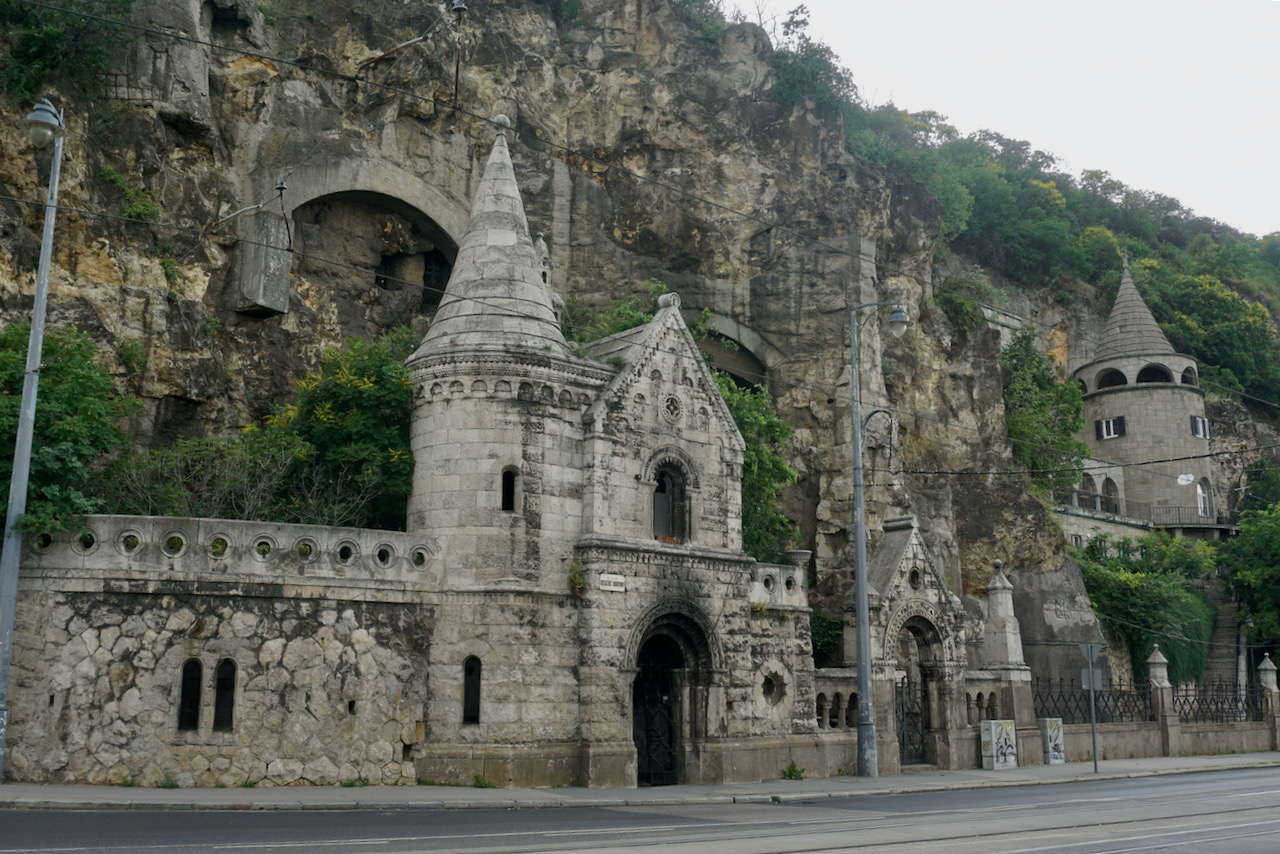
This memorial is on the Pest side of the Danube and, with eyes towards Buda on the other side, I headed over to do what I always try to do in a new place: Find the highest point and look down. In Budapest, this meant crossing the bridge to Buda and walking up to the Citadel.
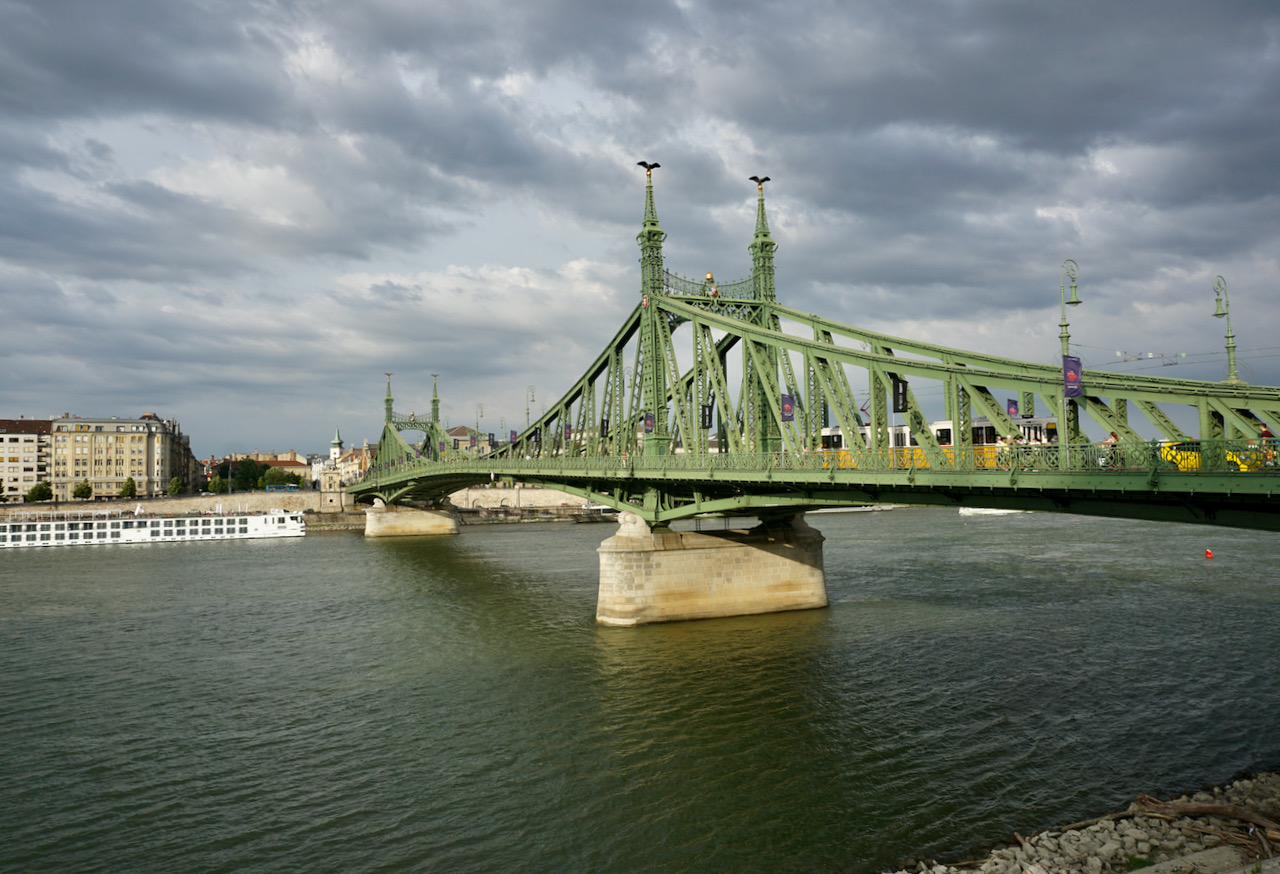
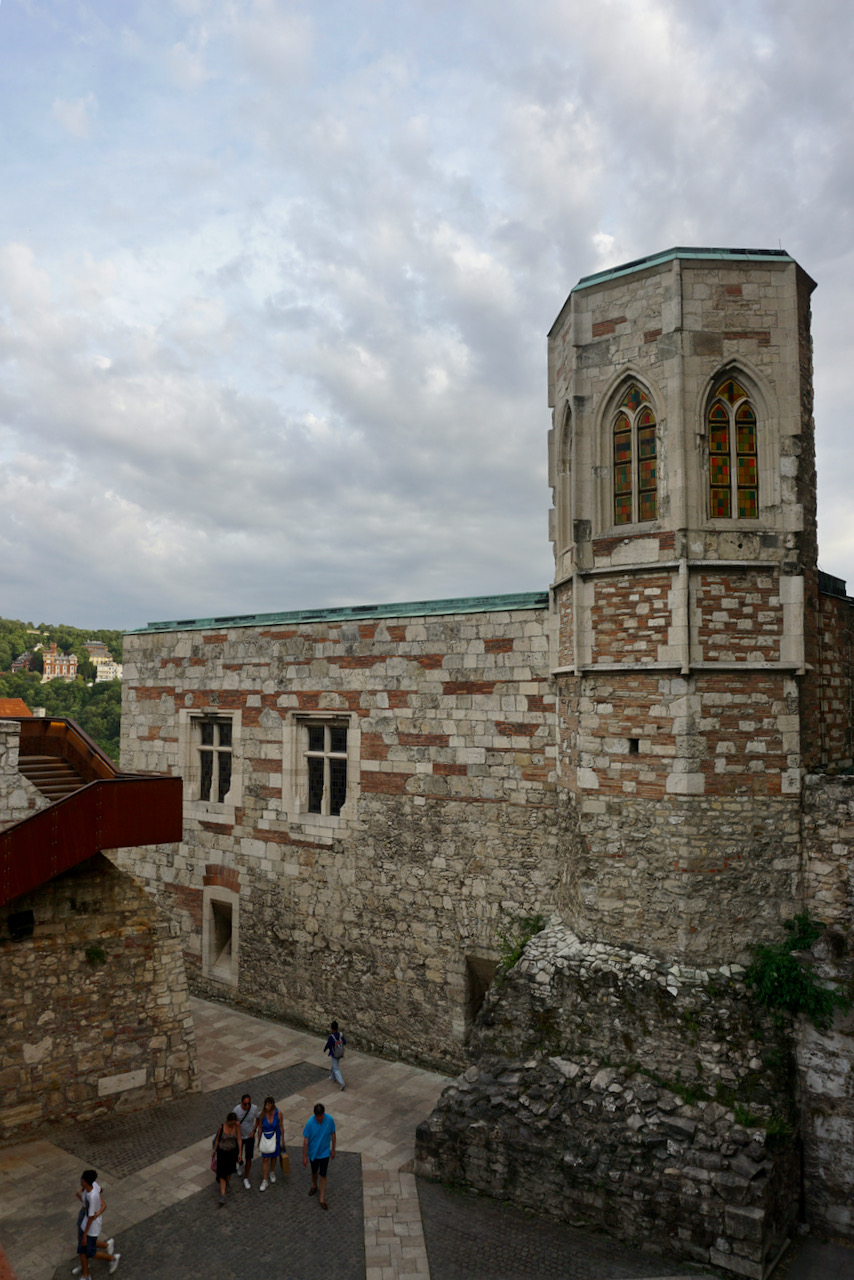
Once in Buda, I walked along the Danube, marvelling at the force of the wind that cooled the air that had been steamy and humid when I arrived the day before. I went up to Buda Castle and looked down again.

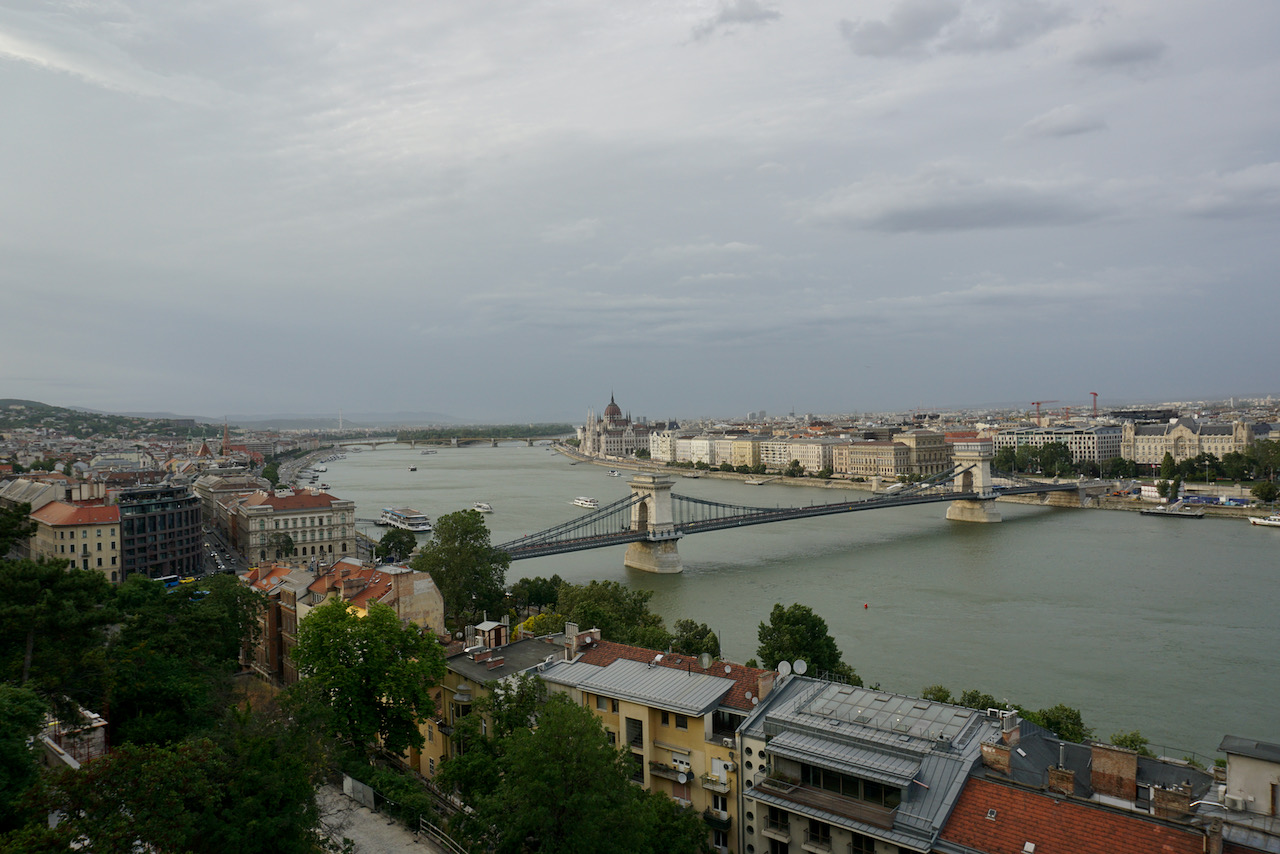
I left by bus when it began to get dark. There was so much more to see.

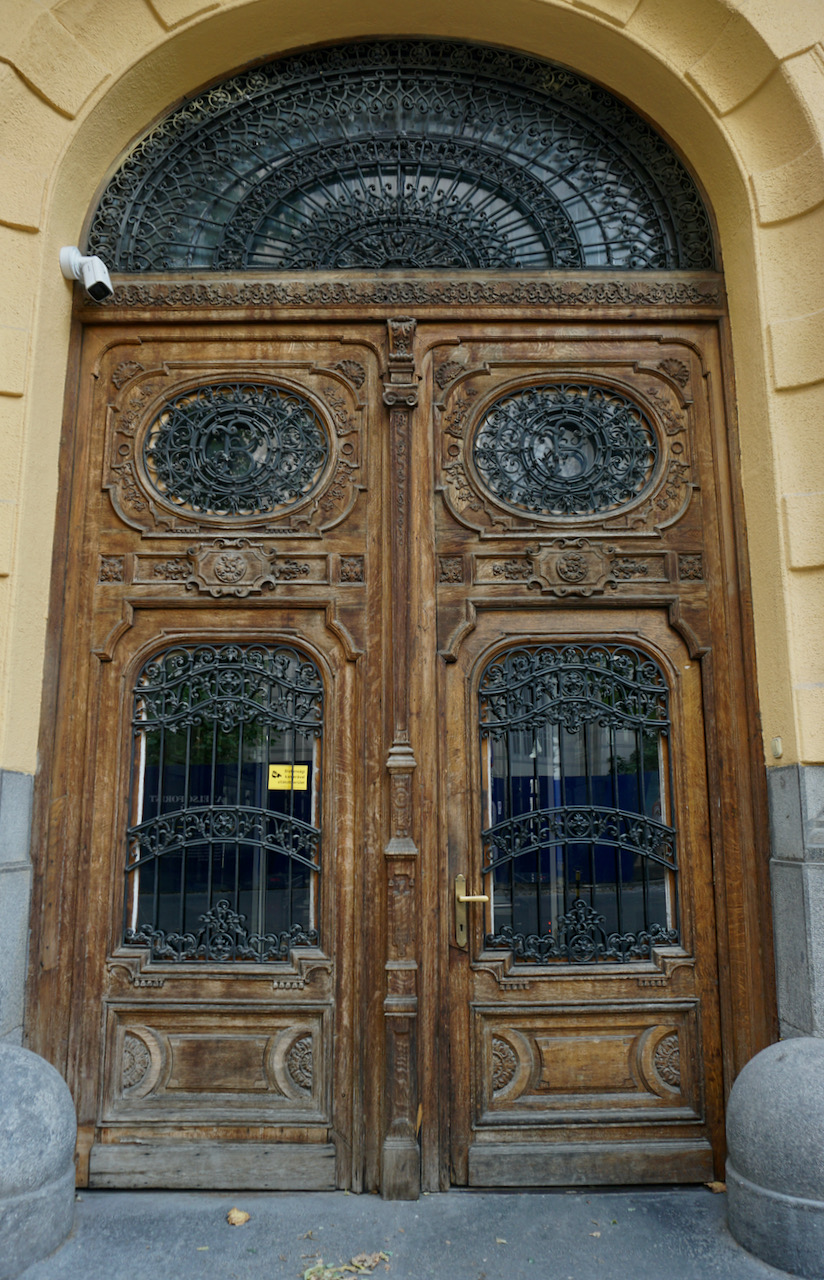
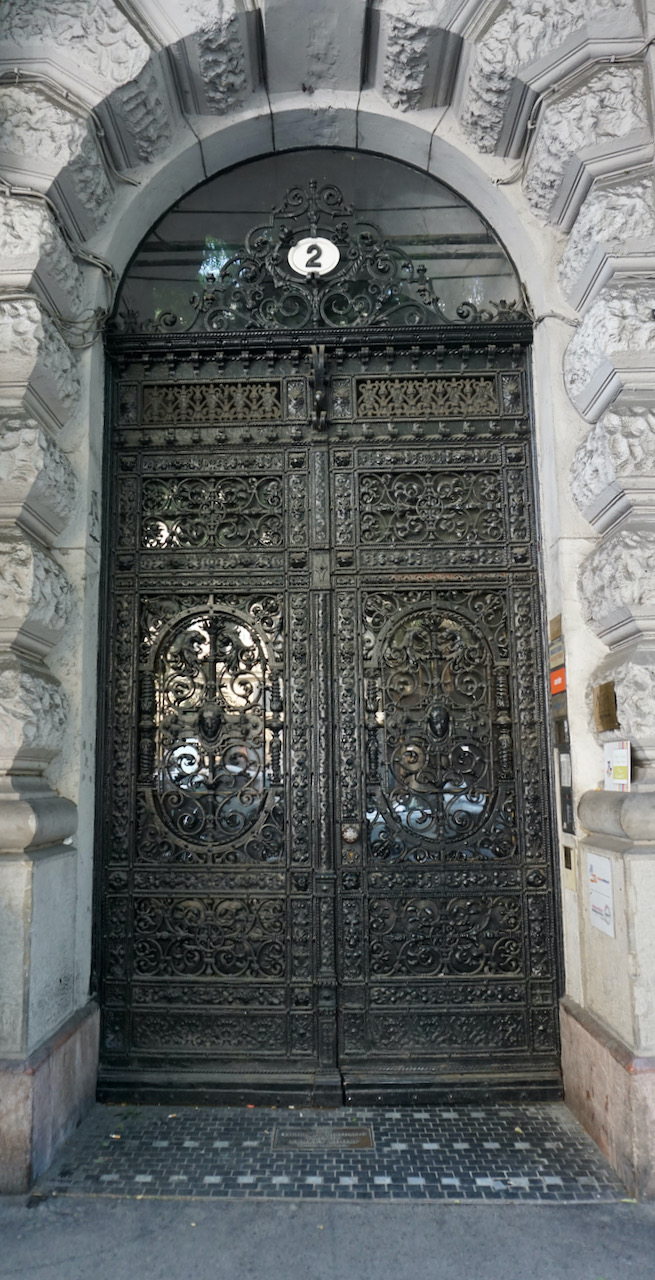
With the time I had outside of the training, other wandering was an exploration of ornate doors . . .

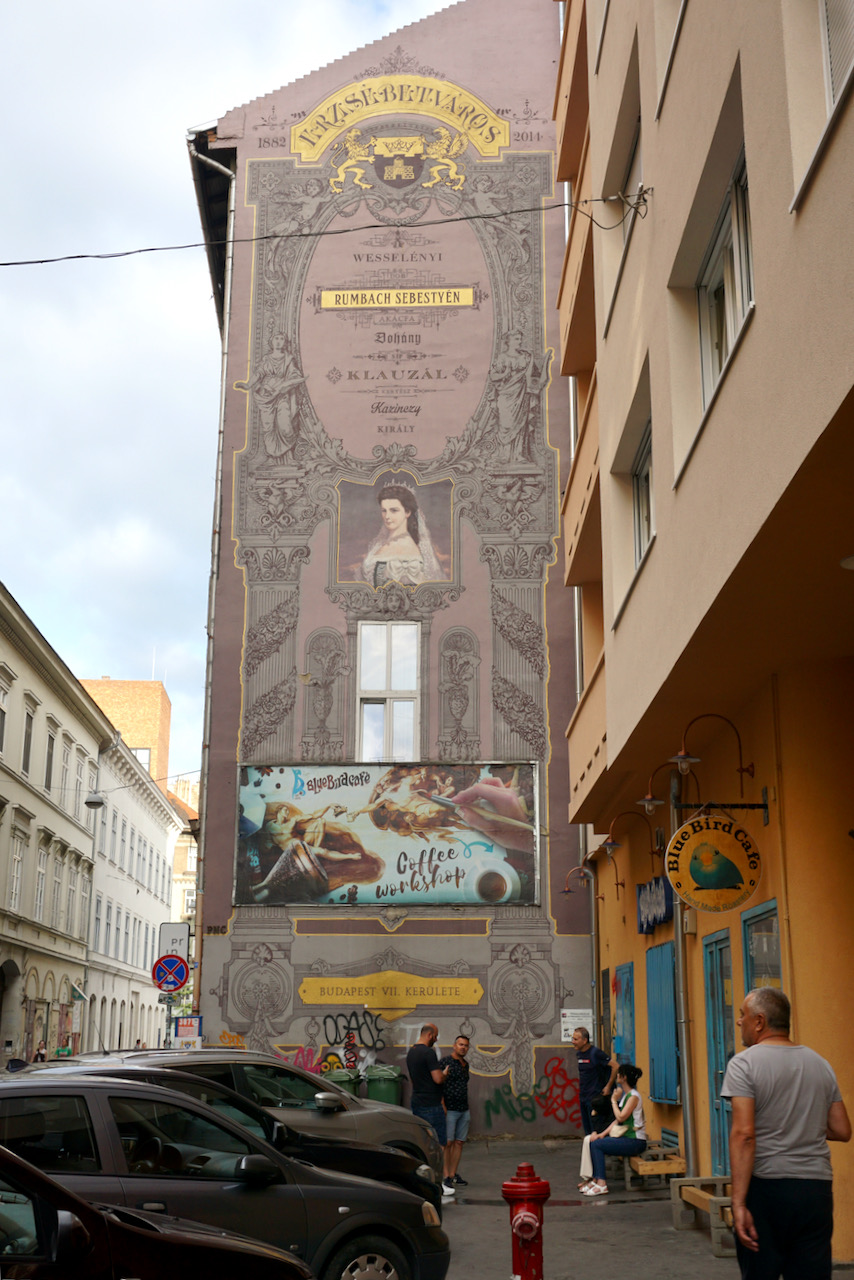
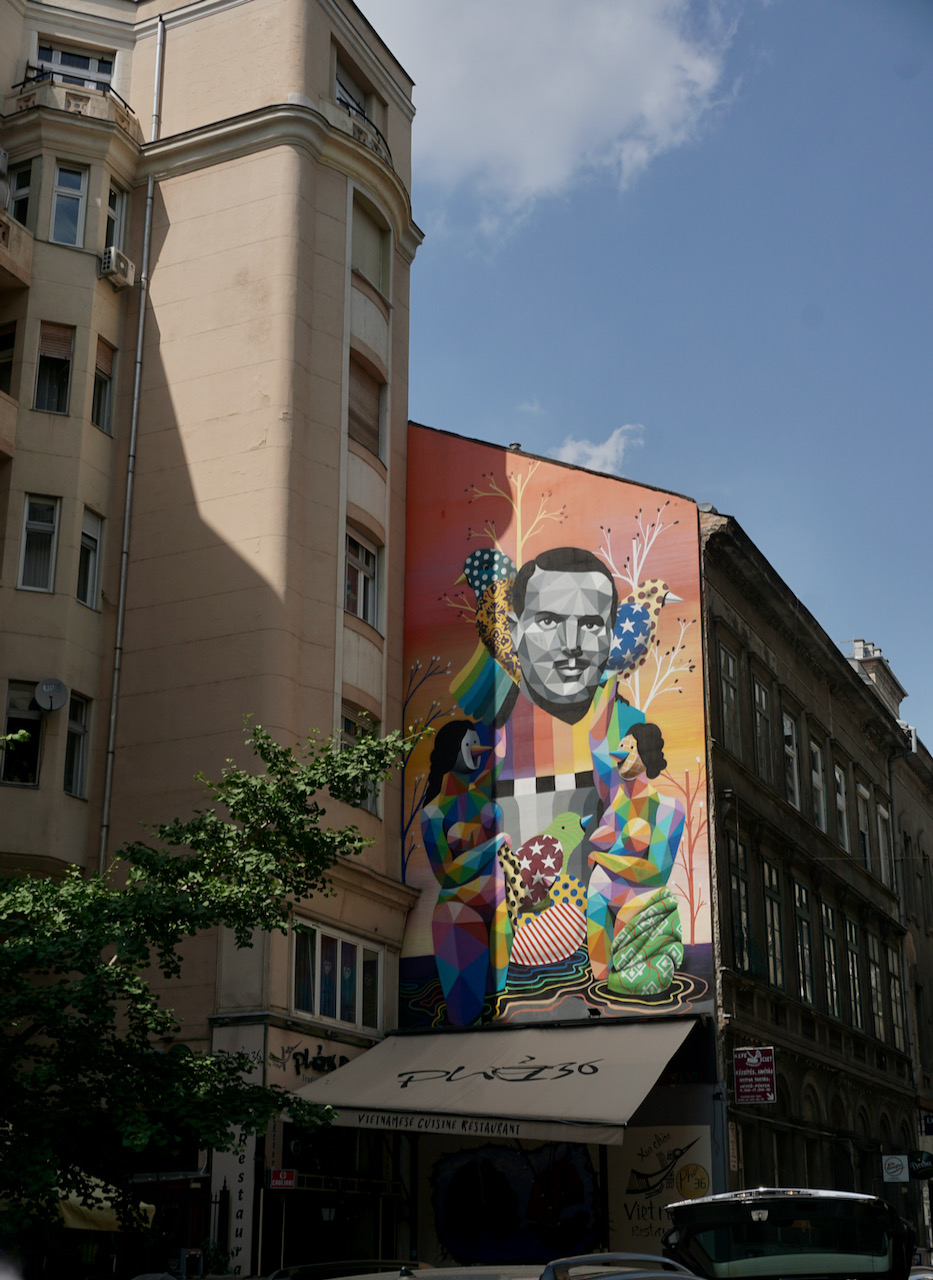
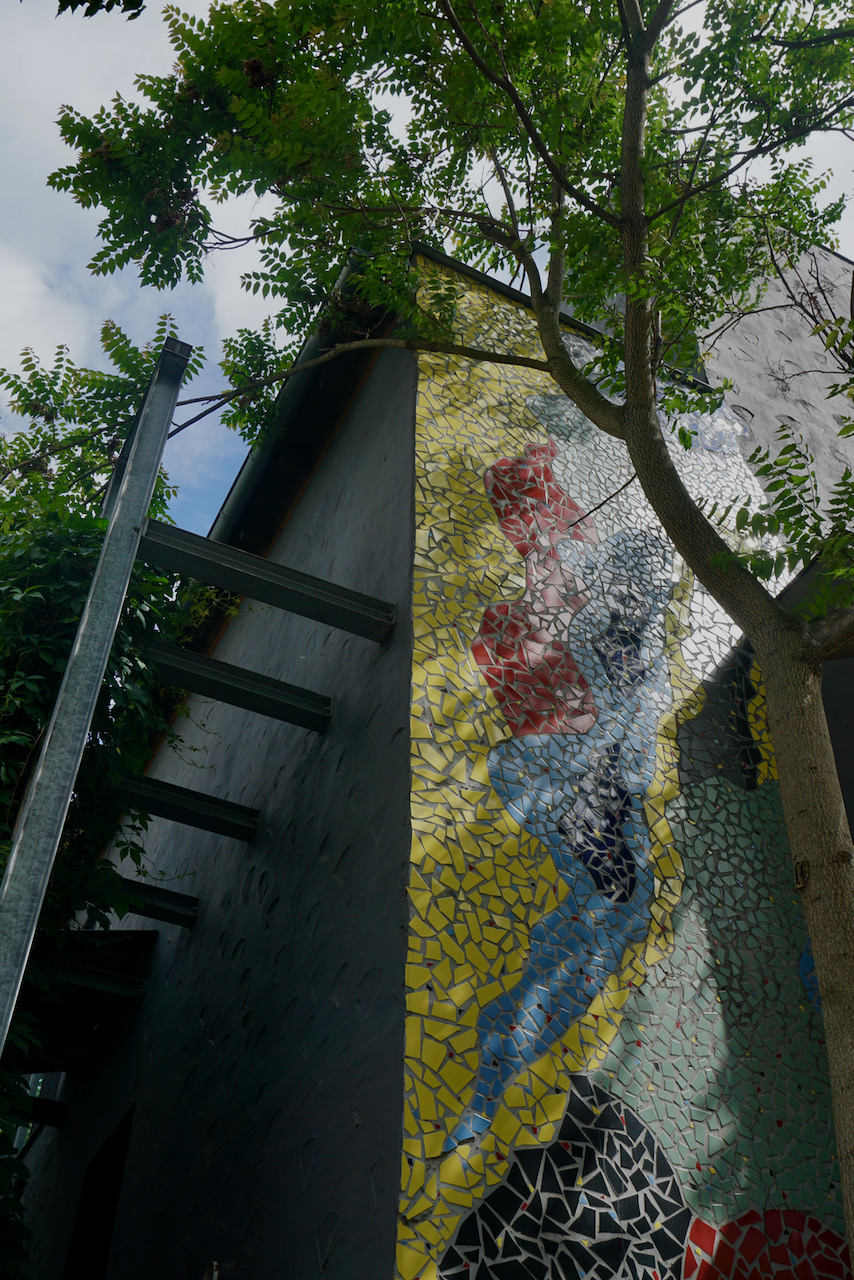
. . . murals . . .
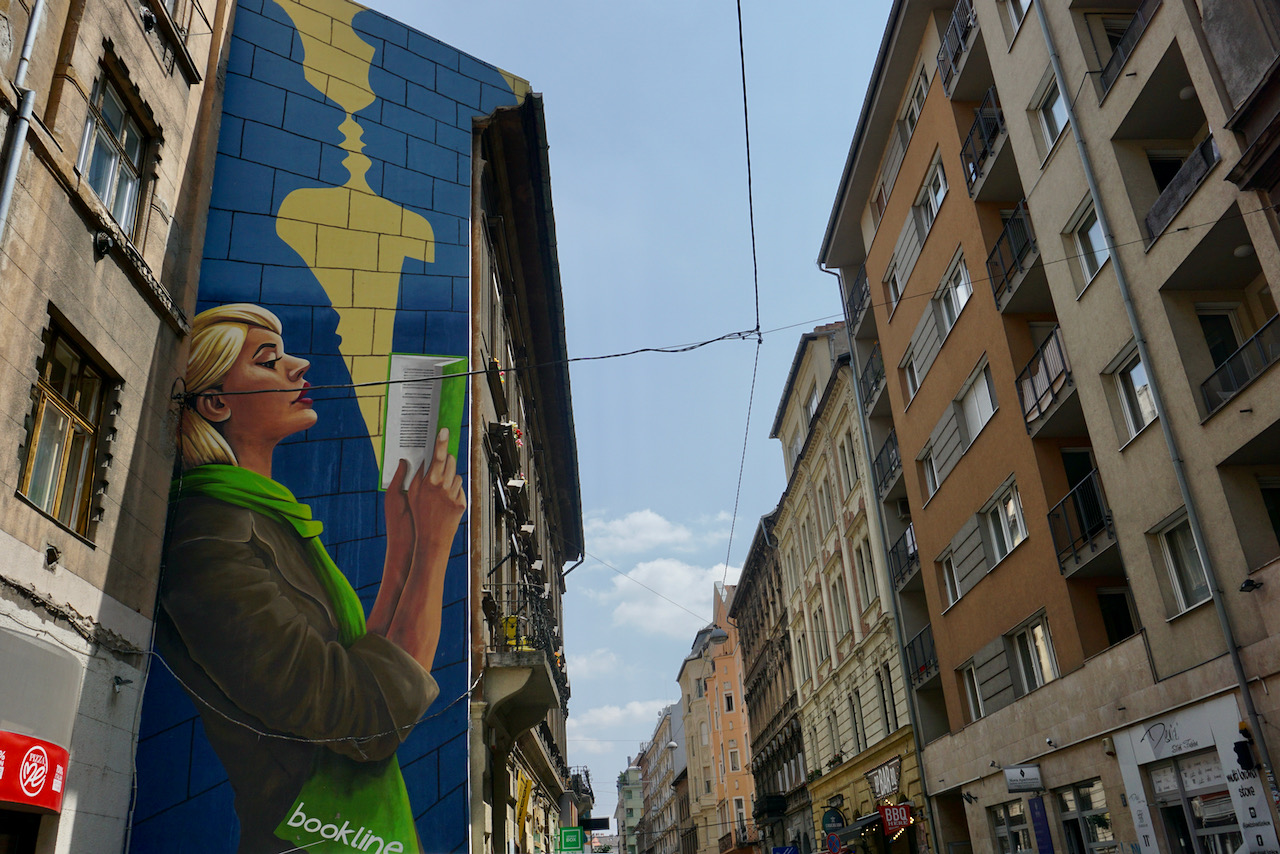
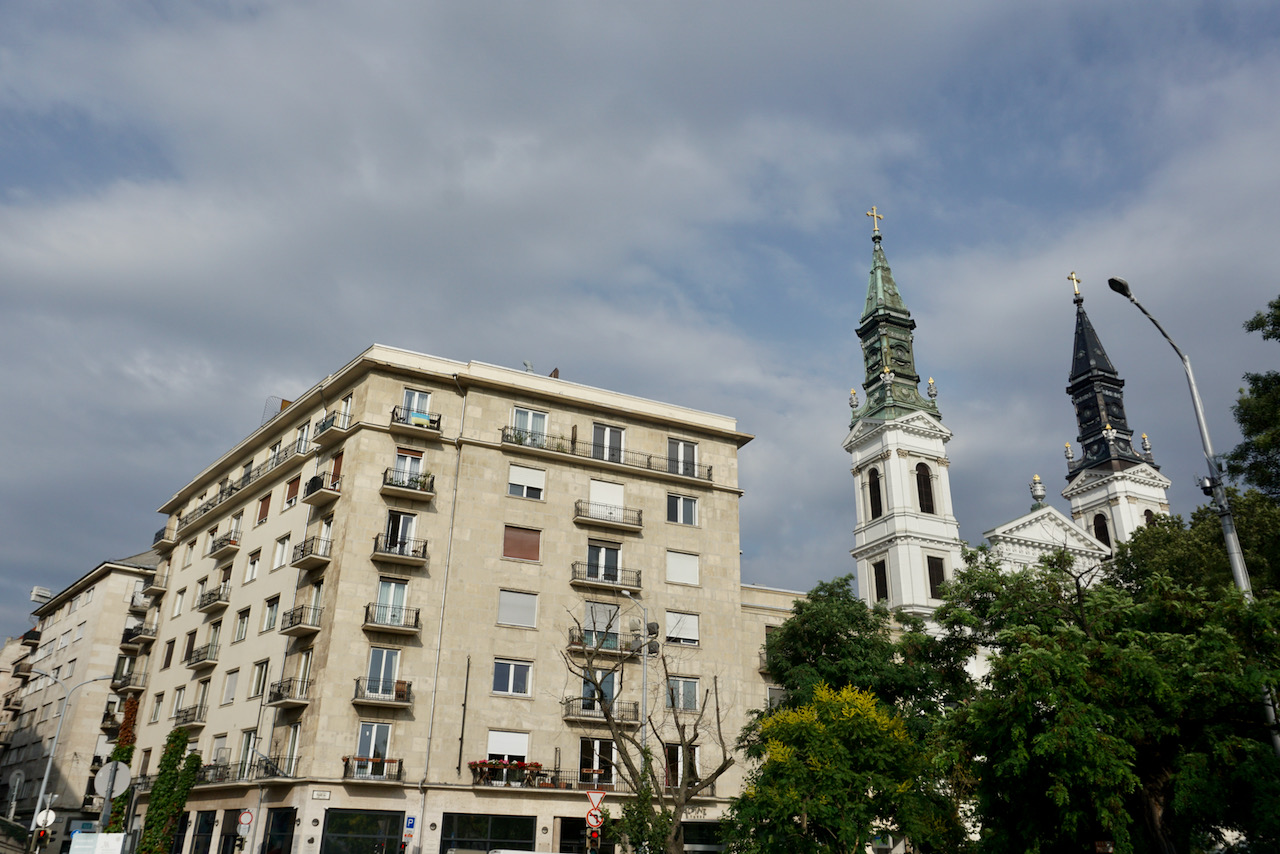
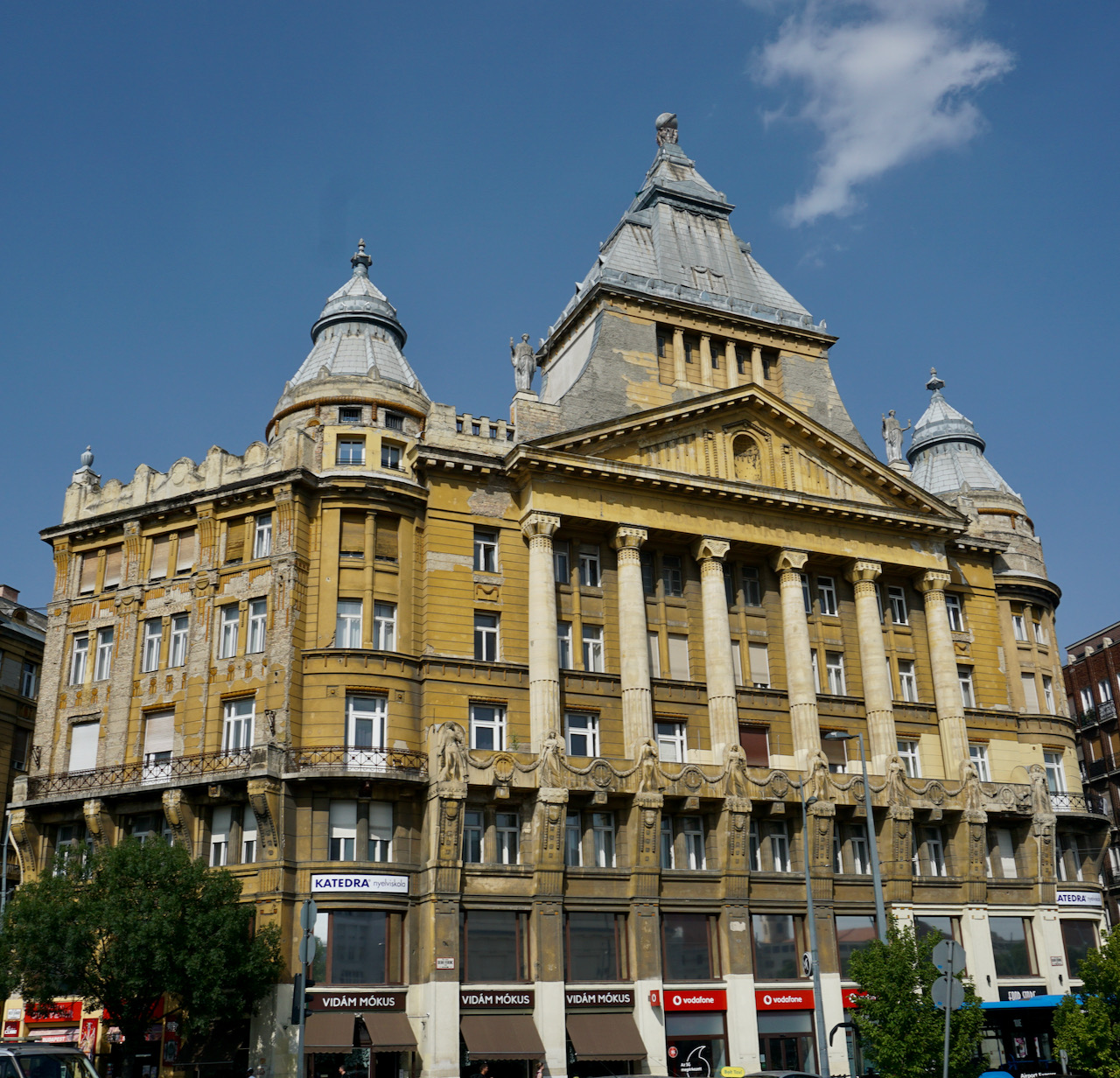
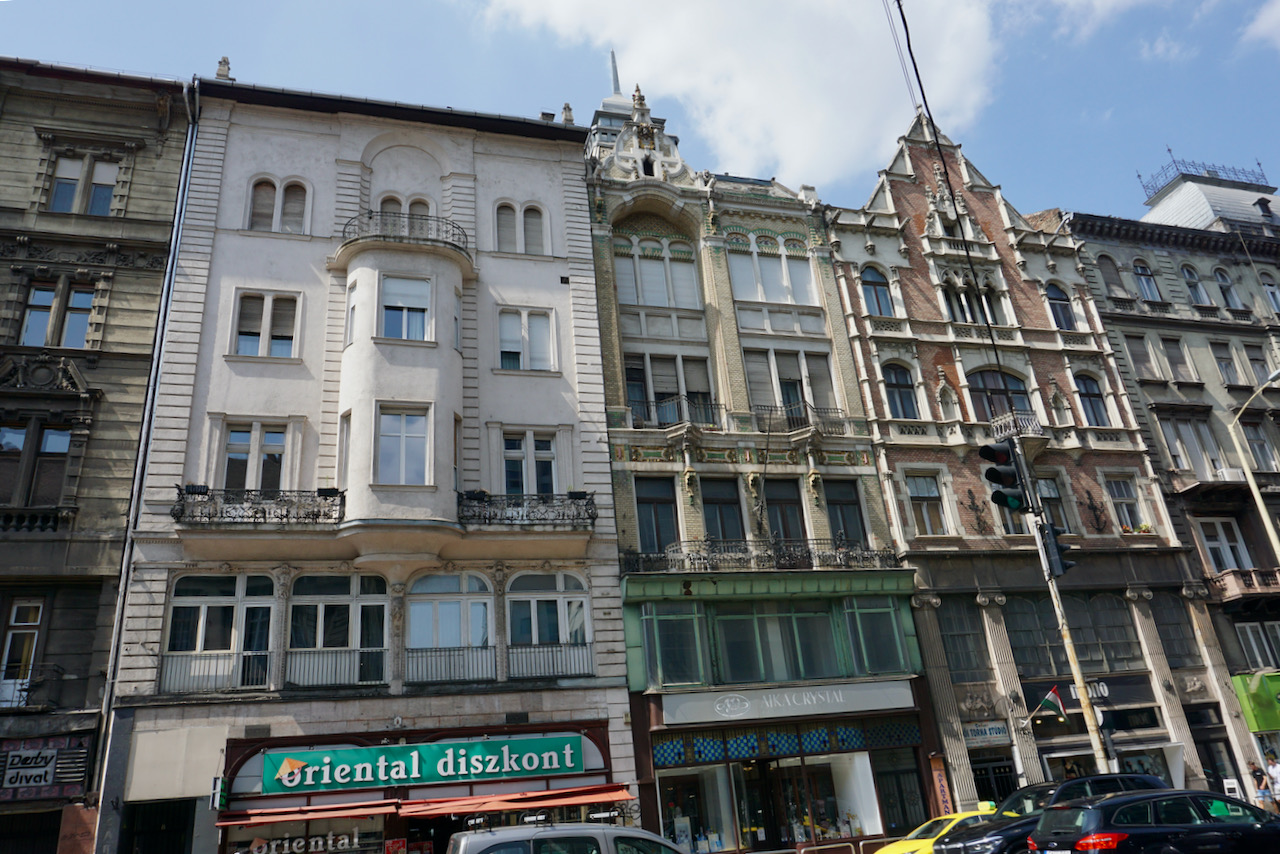
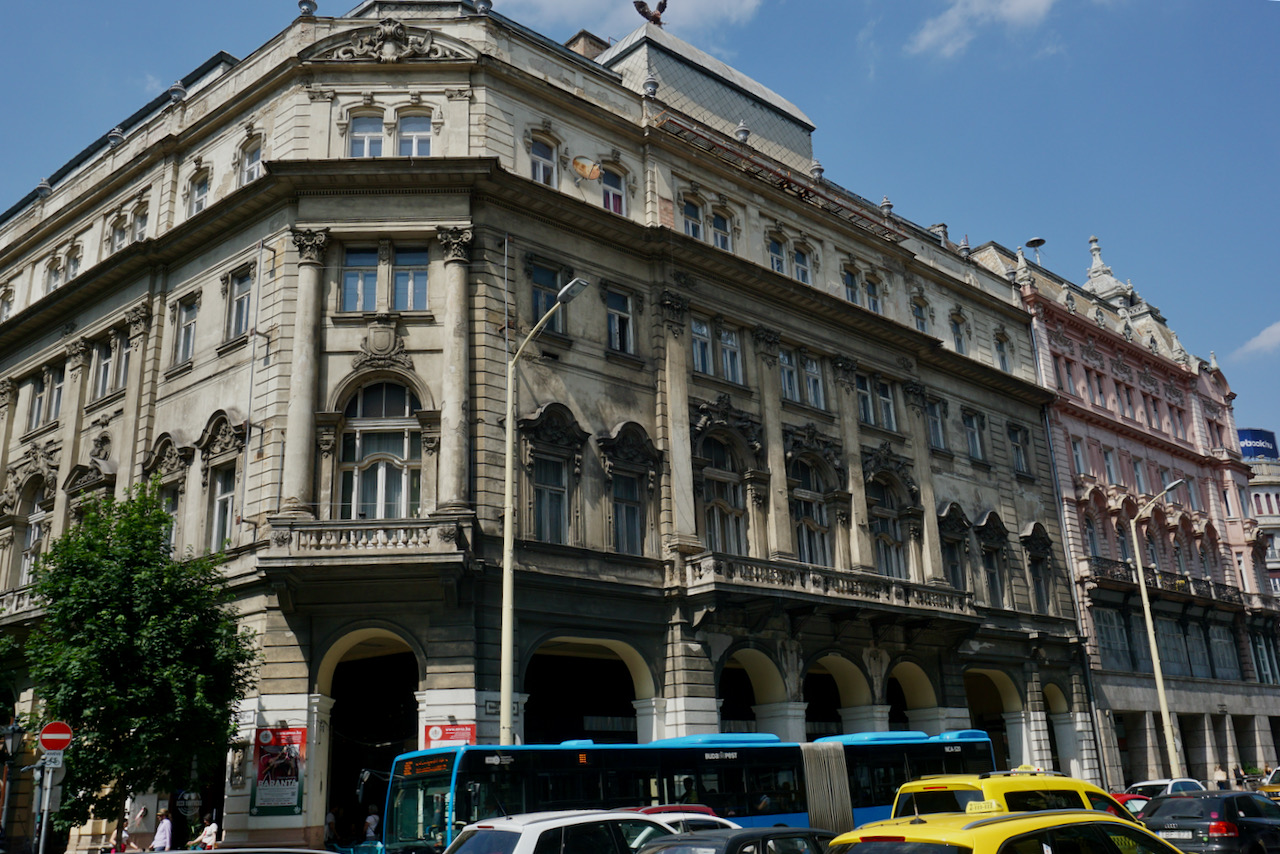
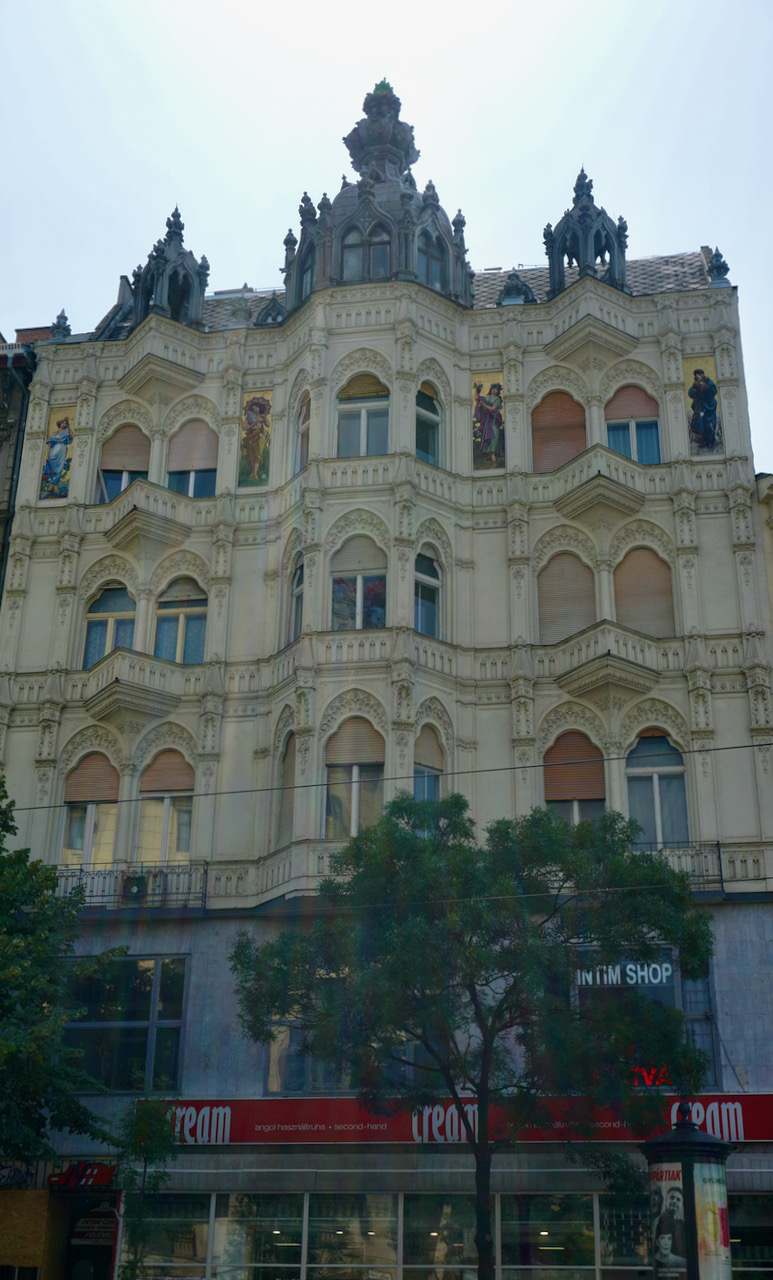
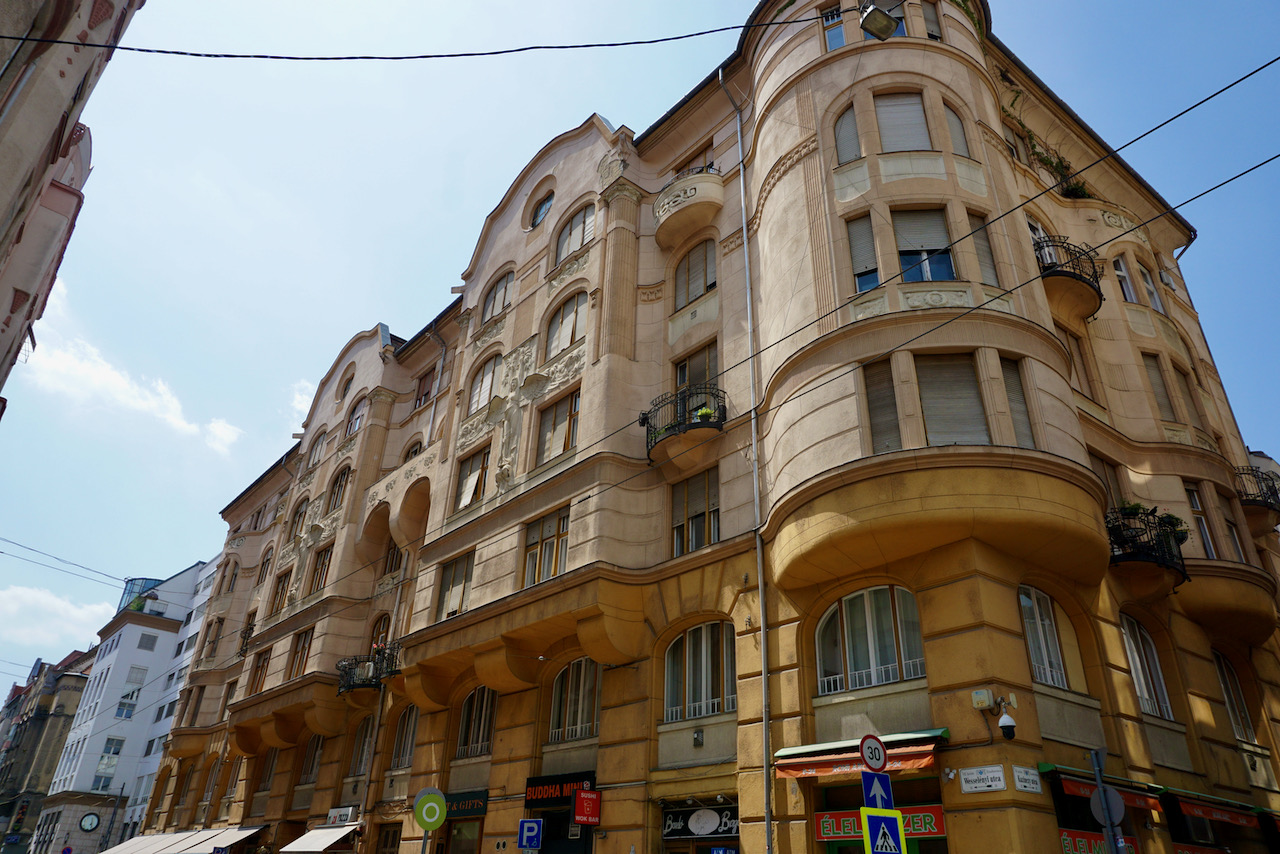
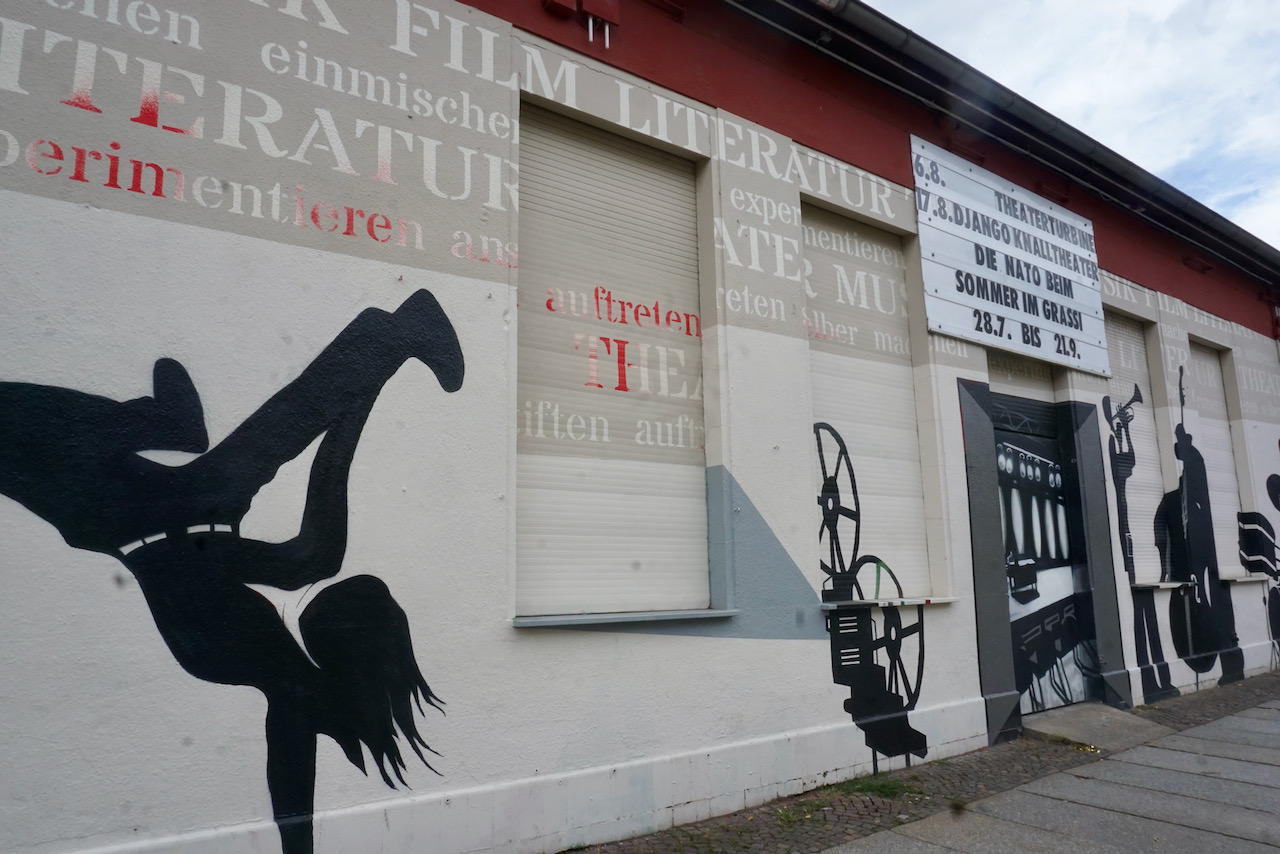
. . . and buildings that I liked for their appearance, a mix of architecture from before the wars, the Soviet period, and the time since.

I walked along Andrássy Avenue to its end at Heroes’ Square . . . 

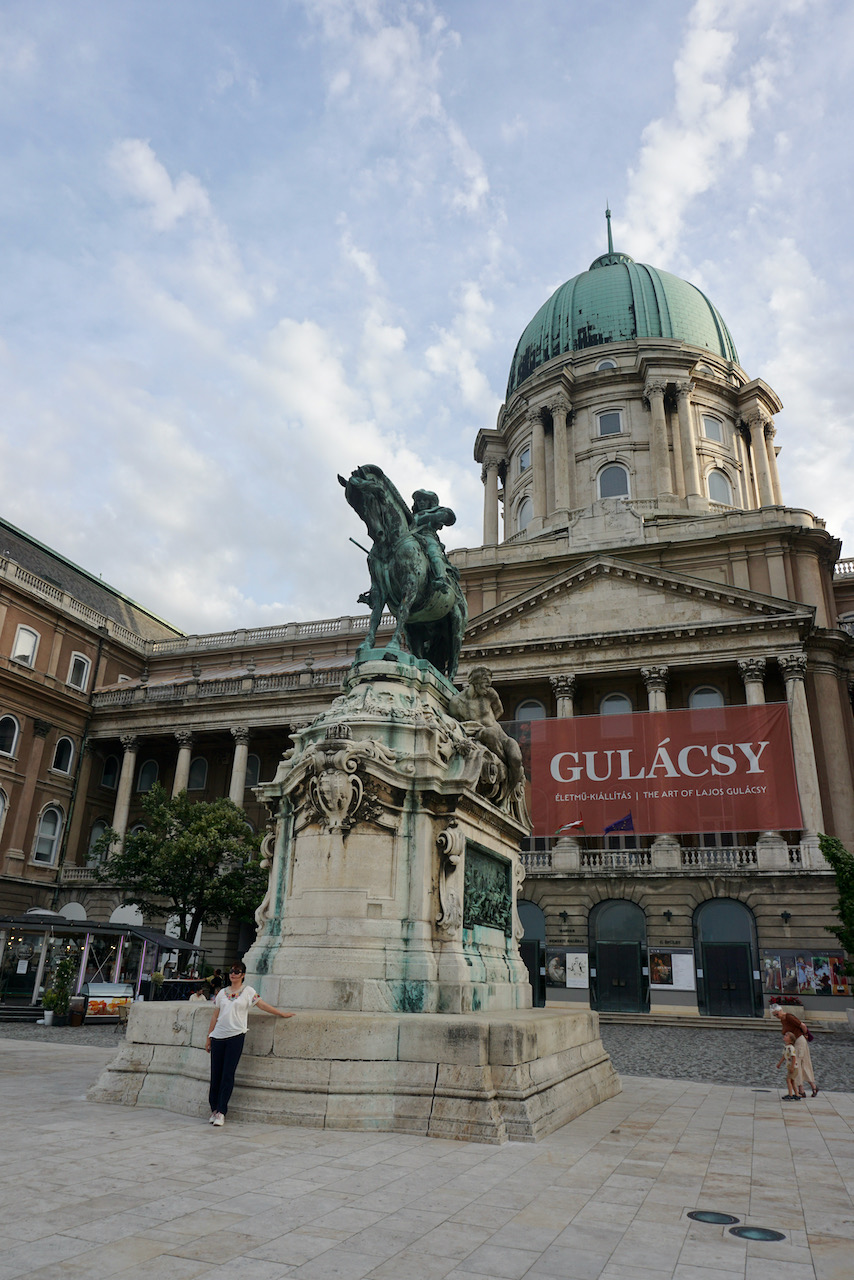
. . . and came upon Vajdahunyad Castle, build in 1896 to mark the millennium of Hungary’s beginning as a modern state; it’s an art museum today, one of many in Budapest.

Making mental lists of what I still wanted to discover, it was time to go. I left Budapest having tried new foods, made plans for a new role at school, and learned to greet, thank, and bid farewell in Hungarian. As always when travelling, I left with more than I had when I arrived, and I left grateful for the opportunity to be there.

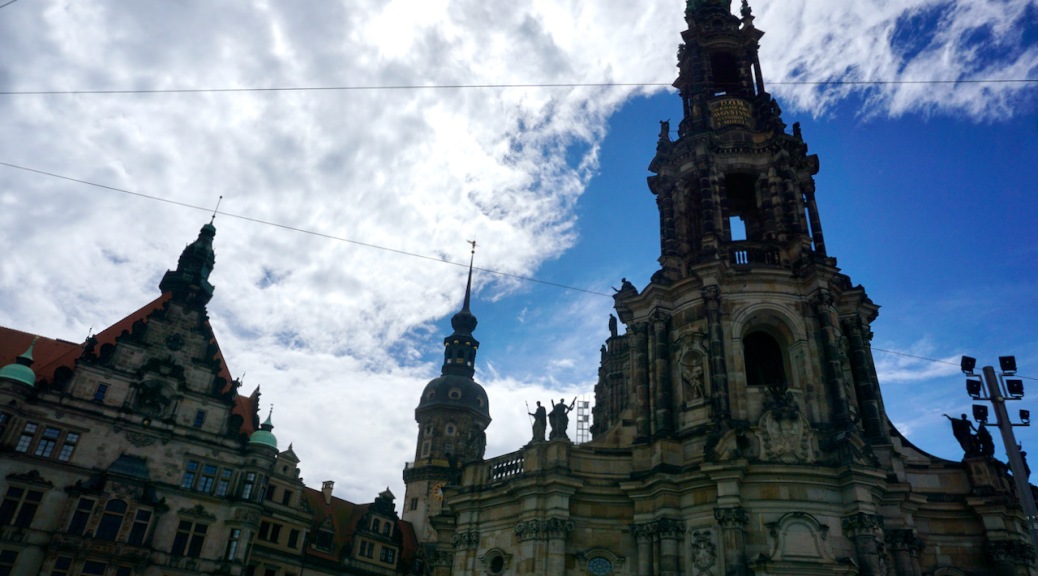
Travel Guide: Dresden

Sometimes I like to escape my usual world for a while, just to feel my feet under me again. A beautiful way to do this is out in nature, literally just outside the door, and I do this often. But sometimes I like to go exploring in a different way, the way that reaffirms my confidence in walking independently through the world. I’m not a city girl, as much as I’ve tried to be (much more of a kopi at the hawker girl, a friend aptly said), but I like spending time in cities. I like watching people, I like getting lost, and I like the anonymity that comes with crowded spaces.

And this is how I ended up in Dresden last weekend.

I arrived in the rain and was delighted when the sun came out and kept the rain at bay for the remainder of my visit. My first impressions were everything that comes out of story books. Stone buildings, castles and churches, graceful bridges.

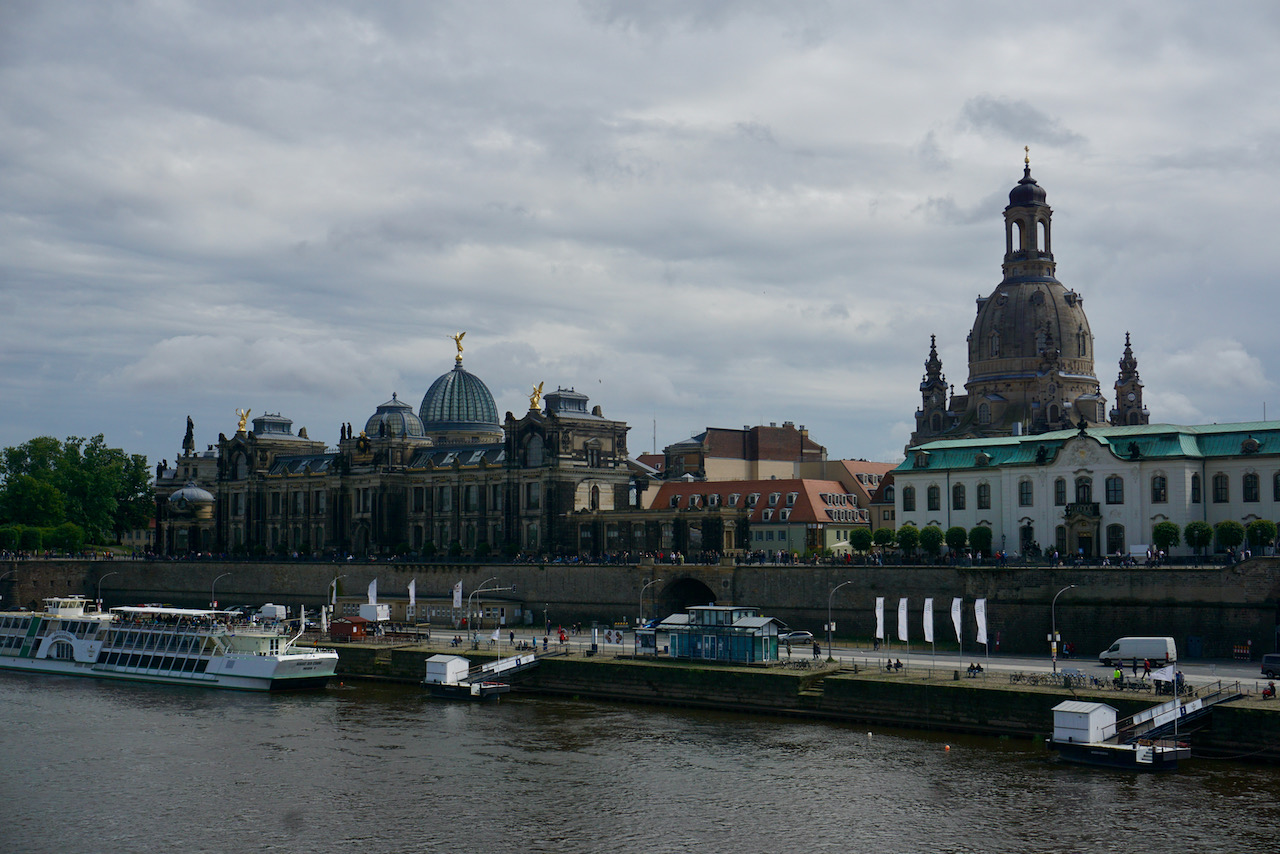
An extraordinary thing about Dresden is that everything has been rebuilt since firebombs destroyed the city in February 1945. This tells us something about what is meaningful to people and, I think, it tells us something about the power of place. These ideas stayed with me as I stopped on Brühlsche Terrasse (Brühl’s Terrace) to look back at the city.

View of Brühlsche Terrasse from across the Elbe

From there I headed for Neustadt, a neighbourhood located across the Elbe from Dresden’s Altstadt, or old town. First, I took a brief walk through Neustädter Markthalle where the vendors sell a variety of local, handmade, and interesting products. Unsurprisingly, the book exchange shelf, a mark of communities everywhere, was my favourite part.

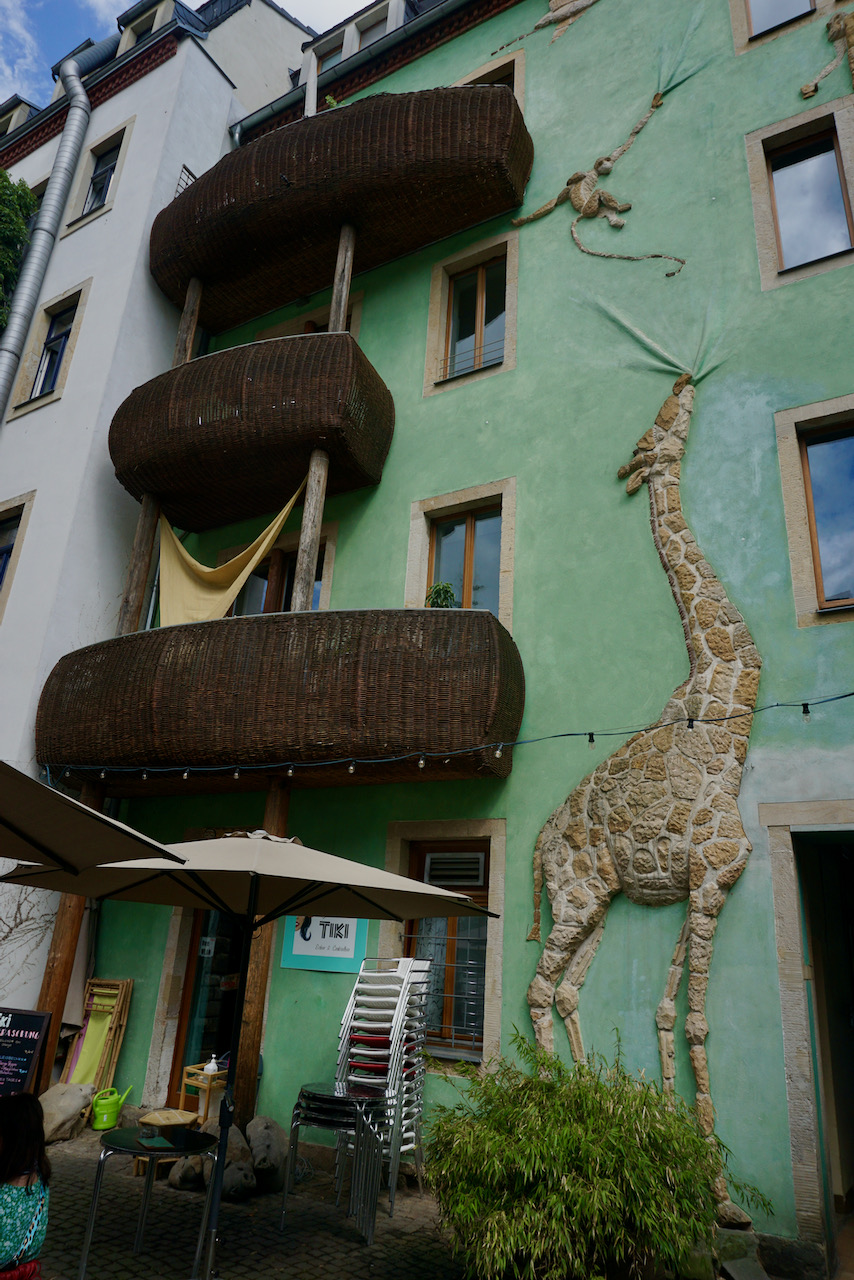
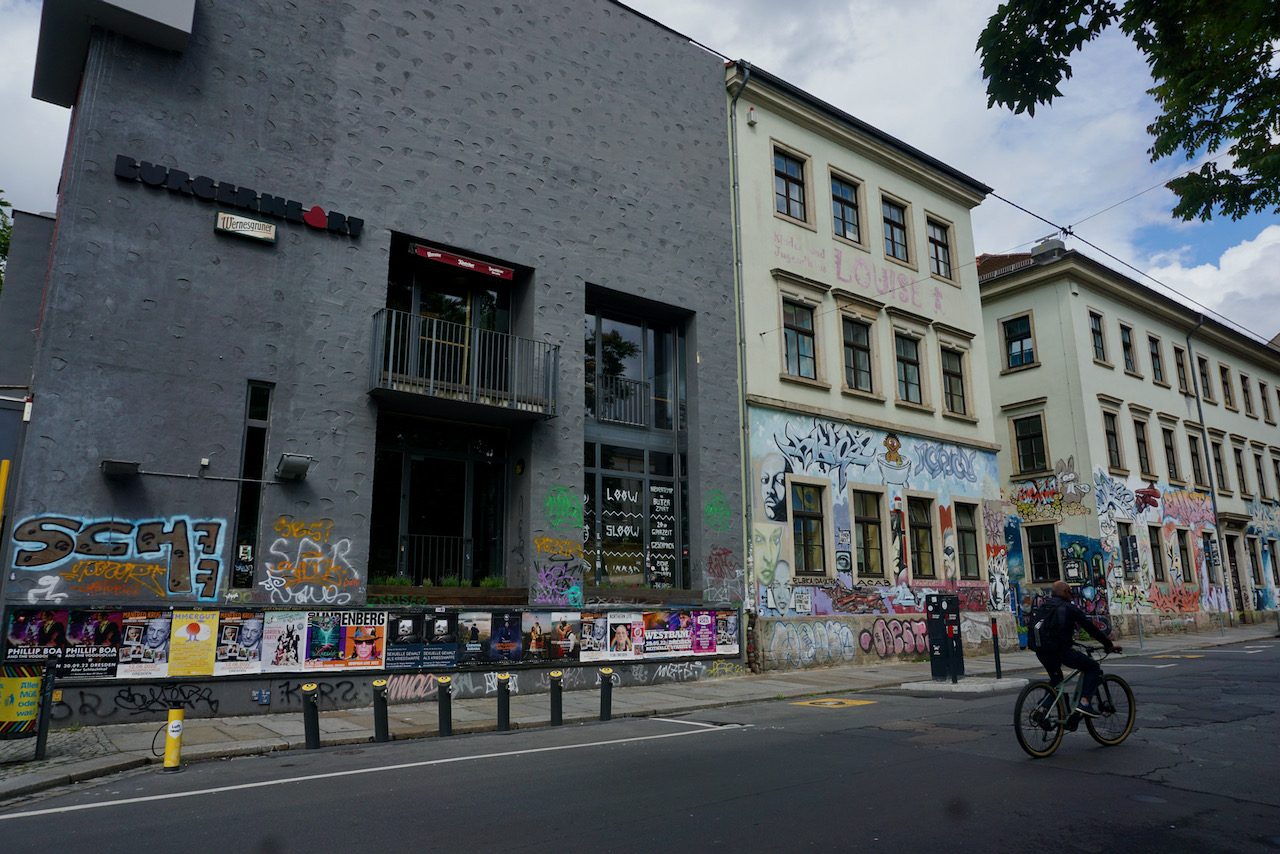
Just around the corner is the Kunsthofpassage, a series of painted courtyards and art galleries dedicated to different themes. I walked into many of the galleries just for a look around and would have loved a seat outside at one of the many cafés, but I was far from the only one with that idea.

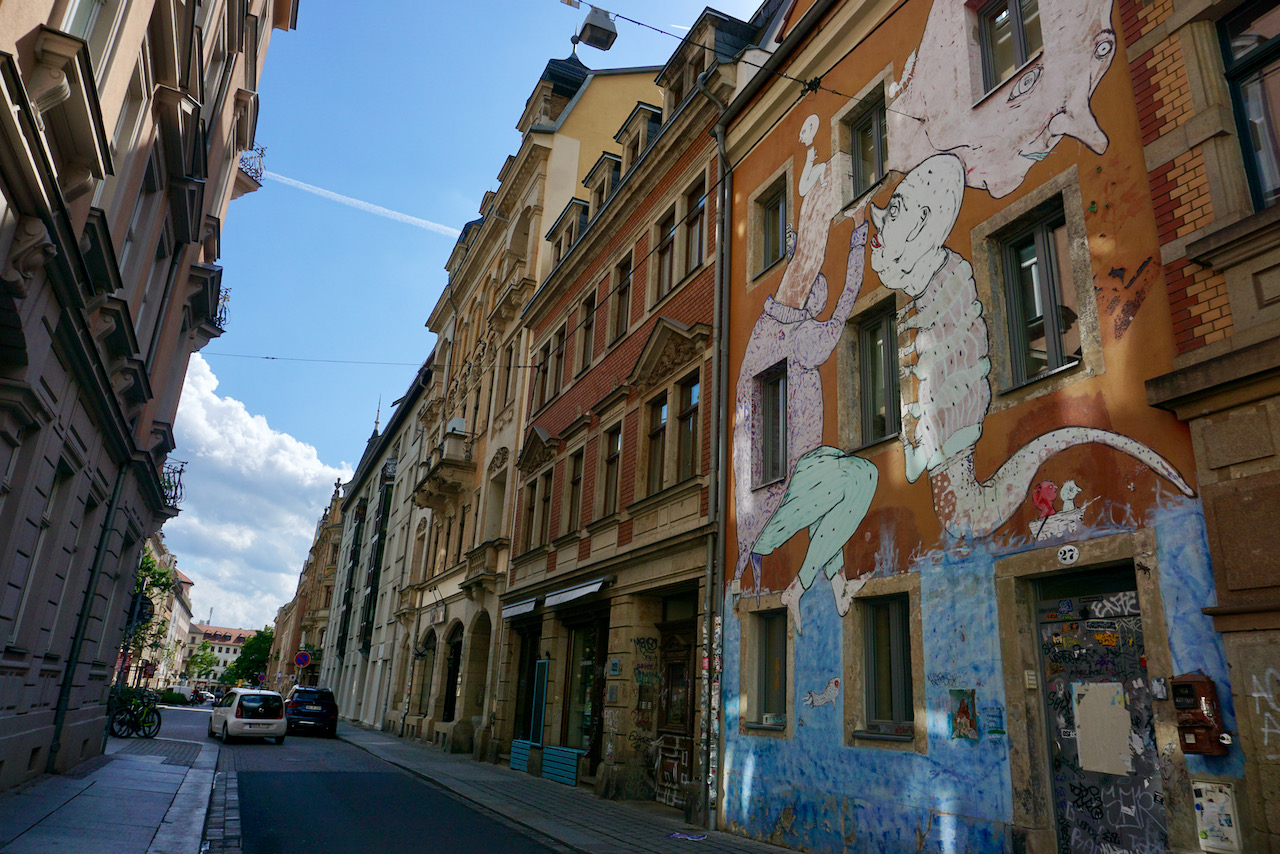
The rest of my afternoon walking through Neustadt was pleasant and the temperature slowly climbed, keeping me wandering down neighborhood streets that grew slowly more lively.

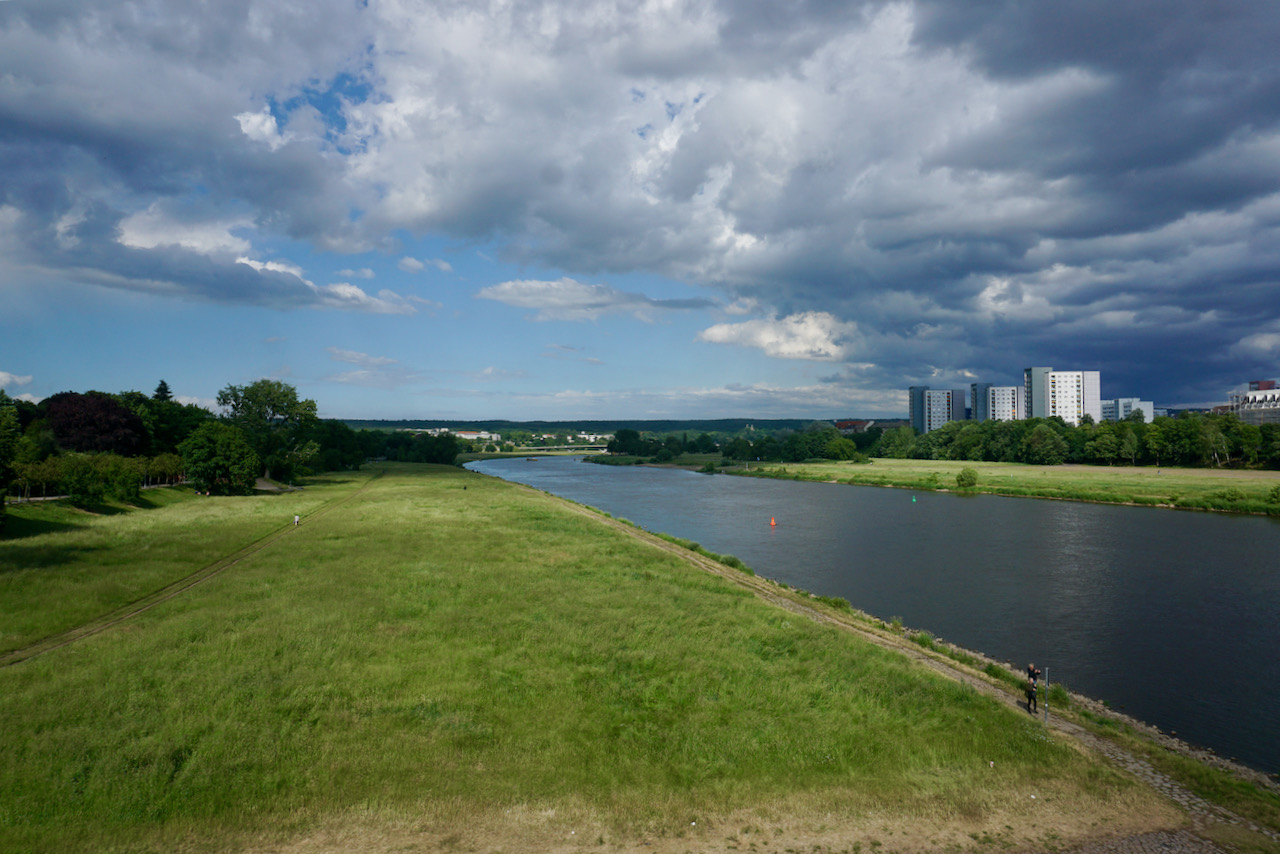
I spent the early evening sitting at a beer garden on the Elbe watching the sun, the water, and people enjoying their time outside. It seemed to me that the river is the soul of Dresden. This is where people play and gather and this, in my eyes, is what makes a place a home.

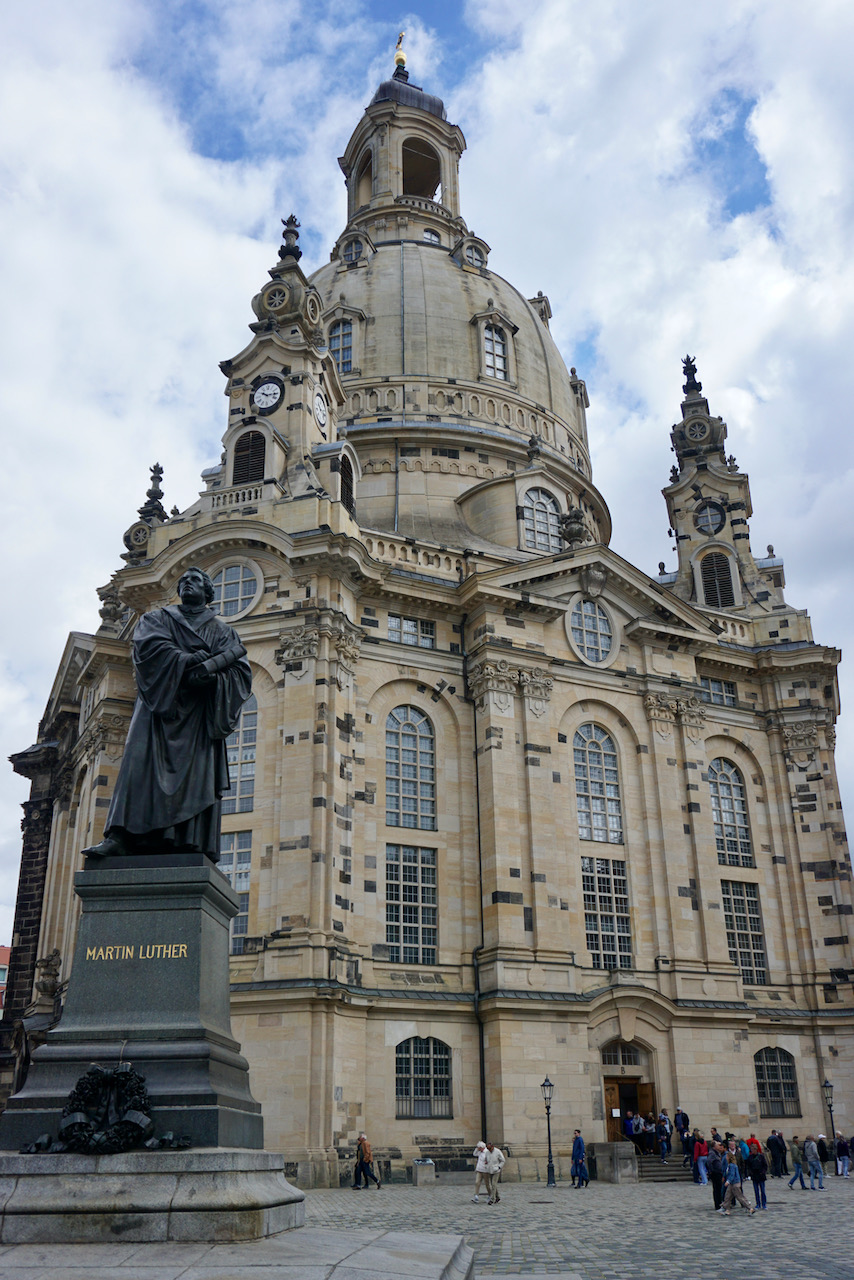
The following morning I stayed on the Altstadt side of the river and joined a walking tour to learn about the history of Dresden. We covered the time period from the Holy Roman Empire through present day, and I was again struck by how old Europe is. I am still tickled by this. Notable stops on the tour included the famous Frauenkirche, which was rebuilt using some of the recovered stone that had been part of a memorial after World War II . . .

. . . and the Fürstenzug, a porcelain tile mural first created in the 1870s that depicts the leaders of Dresden from 1127 until 1904 (the later part was an addition). Interestingly, the tour guide explained, the Fürstenzug survived the war with minimal damage because porcelain is heated to extreme temperatures during its production. As a result, the firebombing that destroyed the city did little damage here. I was intrigued to hear this, as well as to see the rather large club of bearded men (no joke) who were also there for a visit.

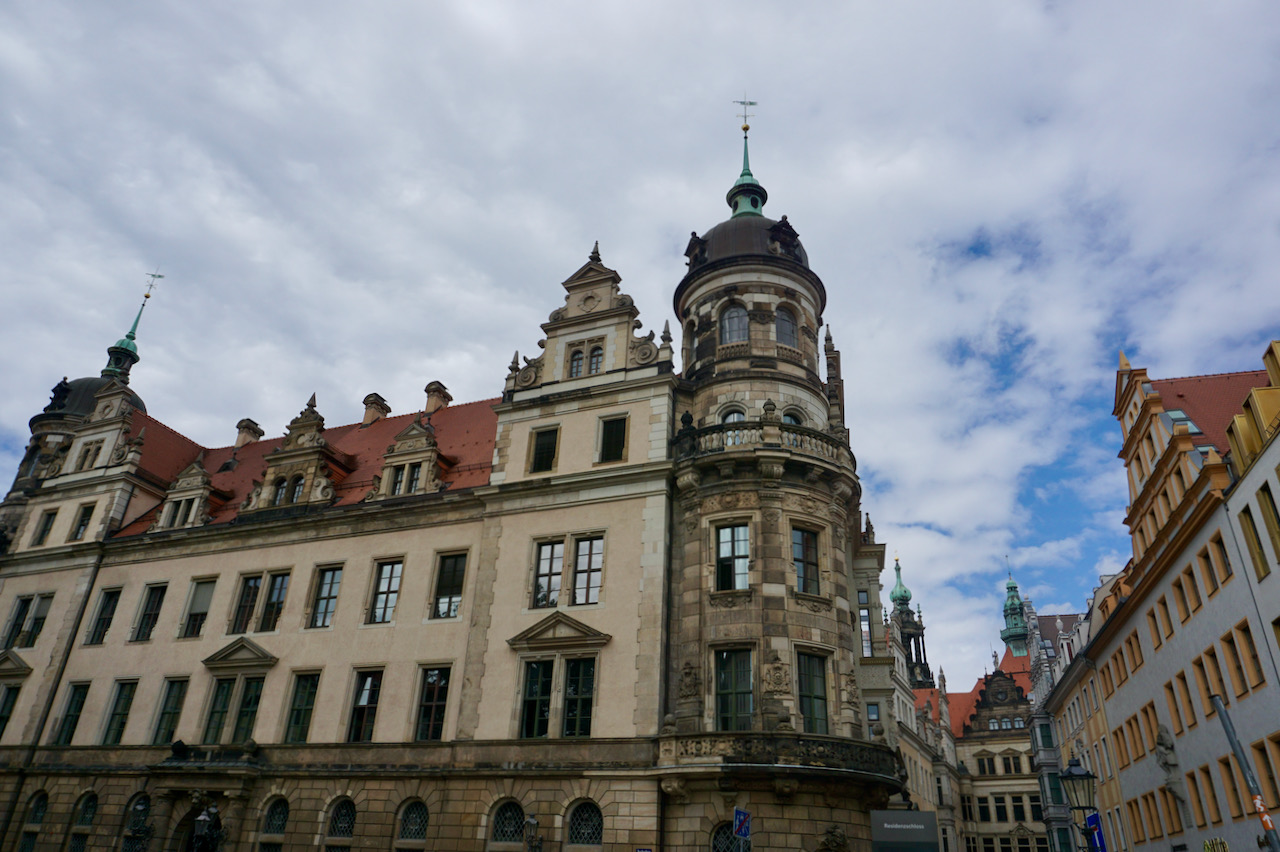
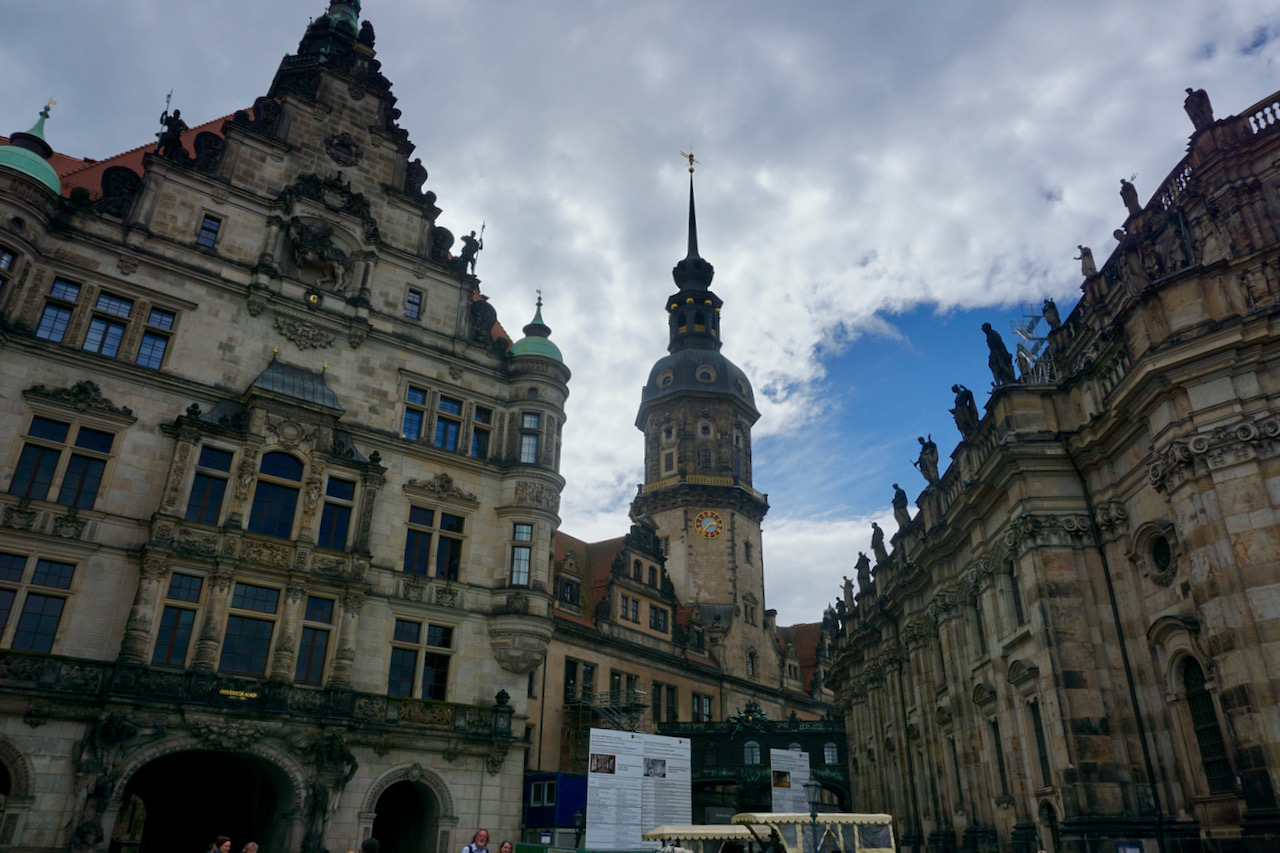
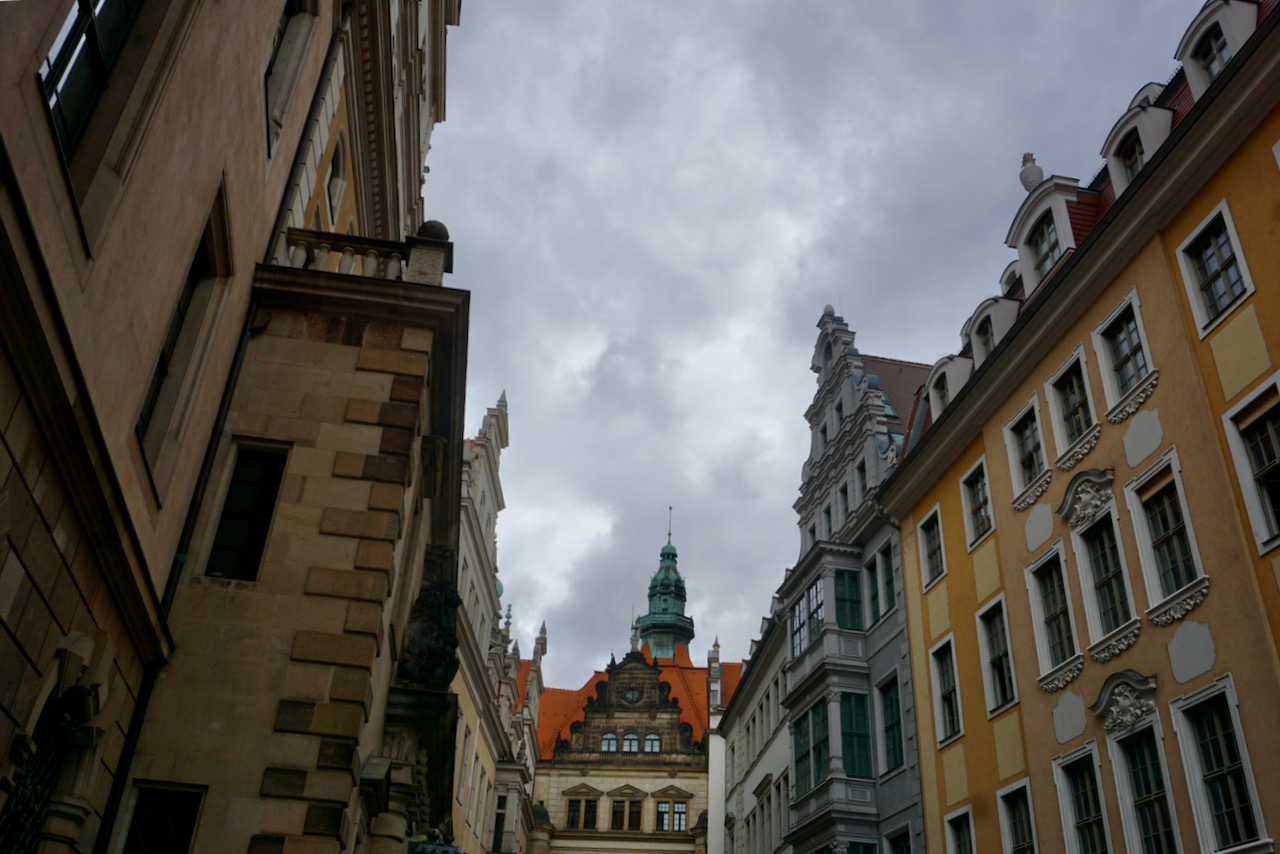
Our guide also took us through the inner courtyard of the Residenzschloss (residence castle) . . .

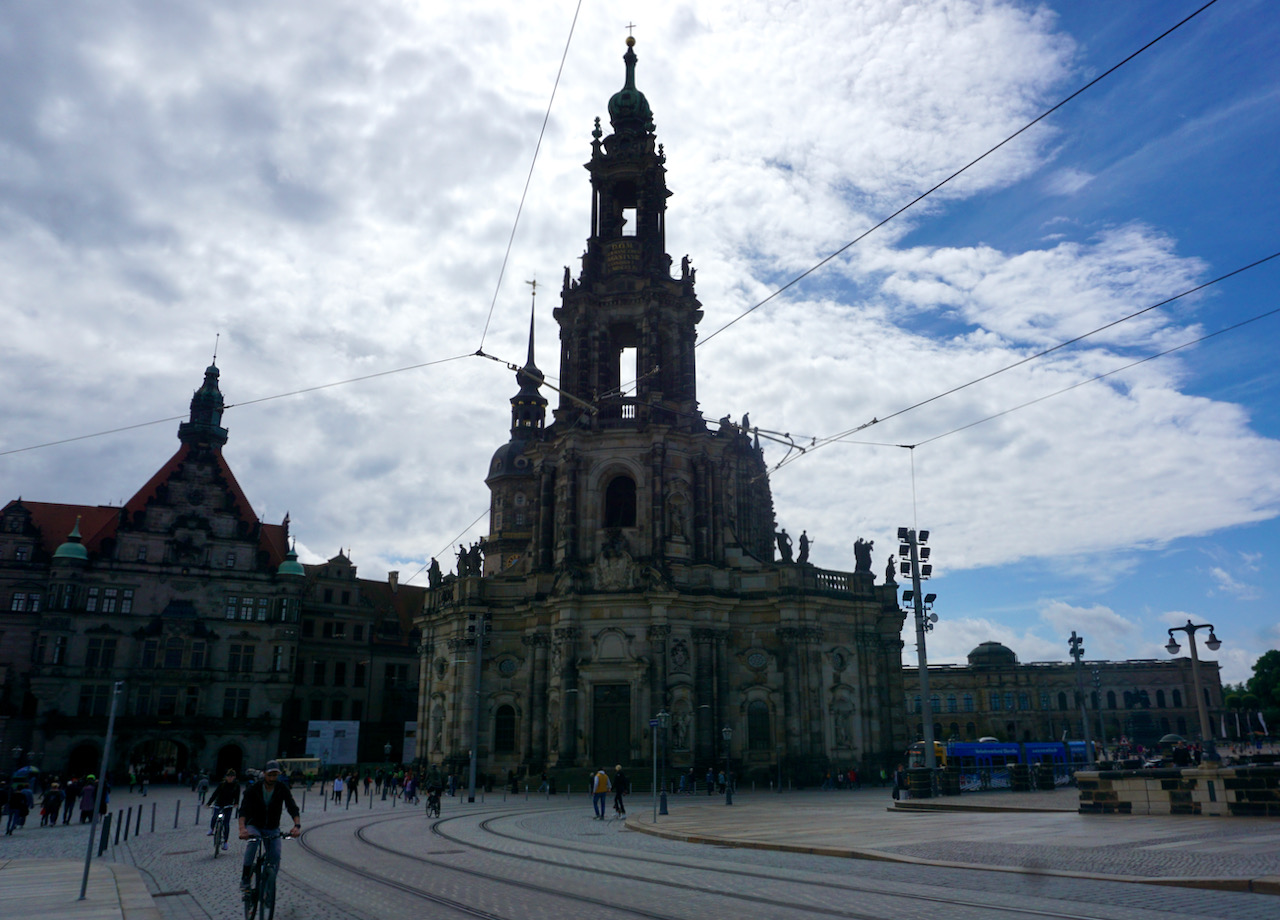
. . . past the Catholic church built by Polish king Augustus the Strong during his role as Elector of Saxony . . .

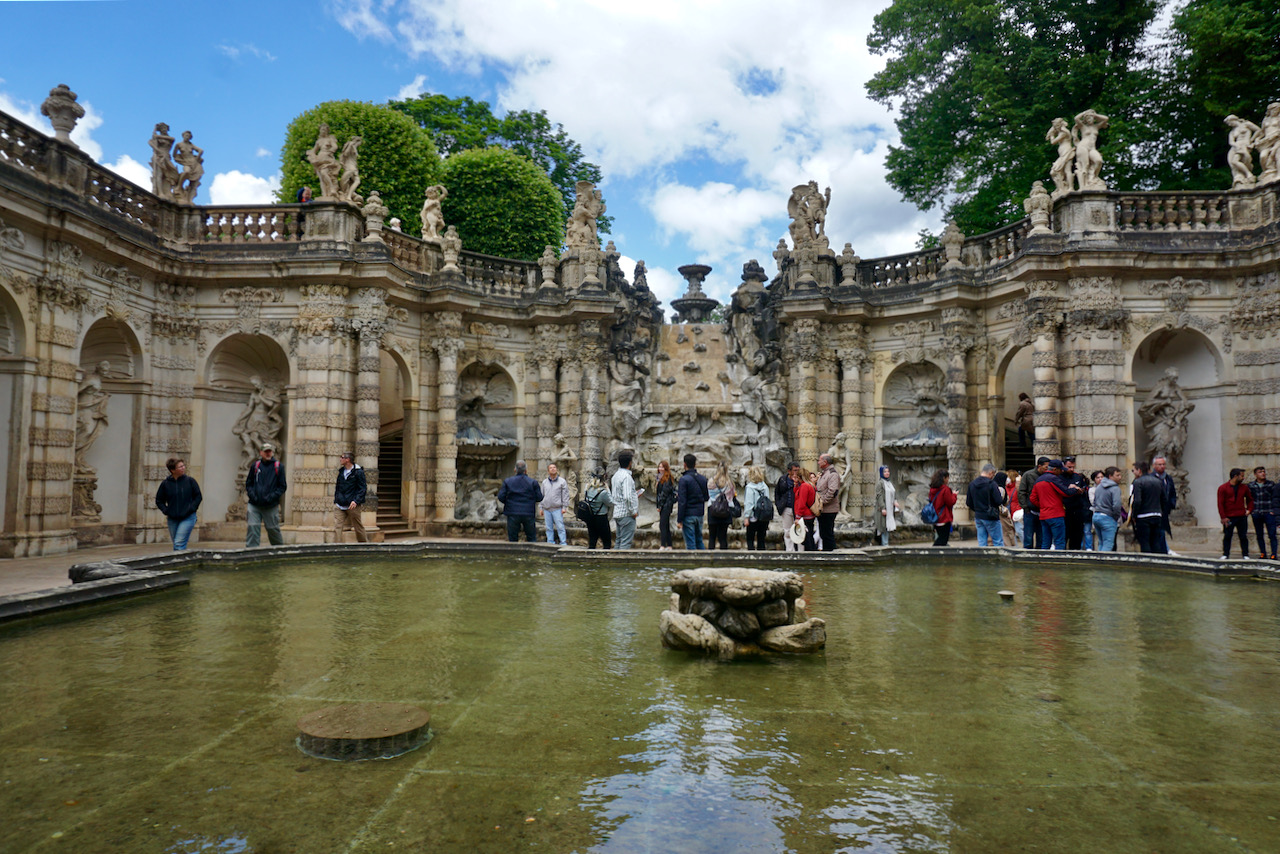
. . . the Zwinger Palace, also built by Augustus the Strong following a visit to Versailles . . .

. . . the Semperoper, Dresden’s opera house . . .

. . . and a mural celebrating life under communism that functioned as a wonderful piece of propaganda during its time.

As usual, there’s a great deal else to find in an old city with architecture that makes me wonder about the people who crafted it. These are stories I would like to hear.

To get out of the high winds that afternoon, I visited the Staatliche Kunstsammlungen Dresden (State Art Collection), which is particularly known for the Grünes Gewölbe, or Green Vault. There is a historic Green Vault and a new Green Vault, which contains stunning treasures housed in a normal museum (which happens to be the Residenzschloss) rather than in a literal historic green vault. I’ve been to many art museums, but never one with such whimsical works from centuries ago. Intricate carvings on everything ranging from a cherry seed to coconut shell, for example, as well as works of porcelain, glass, and ivory. I was also particularly interested in an exhibit on Ottoman military tents, which should give you a sense of the range of treasures this museum has to offer.

The following morning I visited the Stadtmuseum (City Museum), which utilizes a collection of artifacts to told the story of Dresden from its founding through the fall of the Berlin Wall. It was especially interesting to see repurposed military items from the Deutsche Demokratische Republik (German Democratic Republic, or East Germany), such as a bomb casing turned into a stove. The Stadtmuseum also highlighted Dresden’s Jewish history with the open question of how to reckon with history, a question that applies in so many societies in our world today.

By the time I needed to catch a train, I felt content with my solitude and comfortable enough with my surroundings to no longer feel lost. And by the time I returned, remembering my pounding heart as I arrived by train almost a year ago, I was fully glad to be back. It’s nice to go away for a while, and part of going away means coming home.

Travel Guide: Leipzig

Many years ago, so many that I don’t remember quite when it started, I fantasized about moving to Europe and travelling around by train. Each time I have had the opportunity to sit on a train with a book in my hands and watch the world go by, I have smiled at the hopes and dreams we have when we are young. And then, this time, it happened: I have moved to Europe and I was travelling by train.

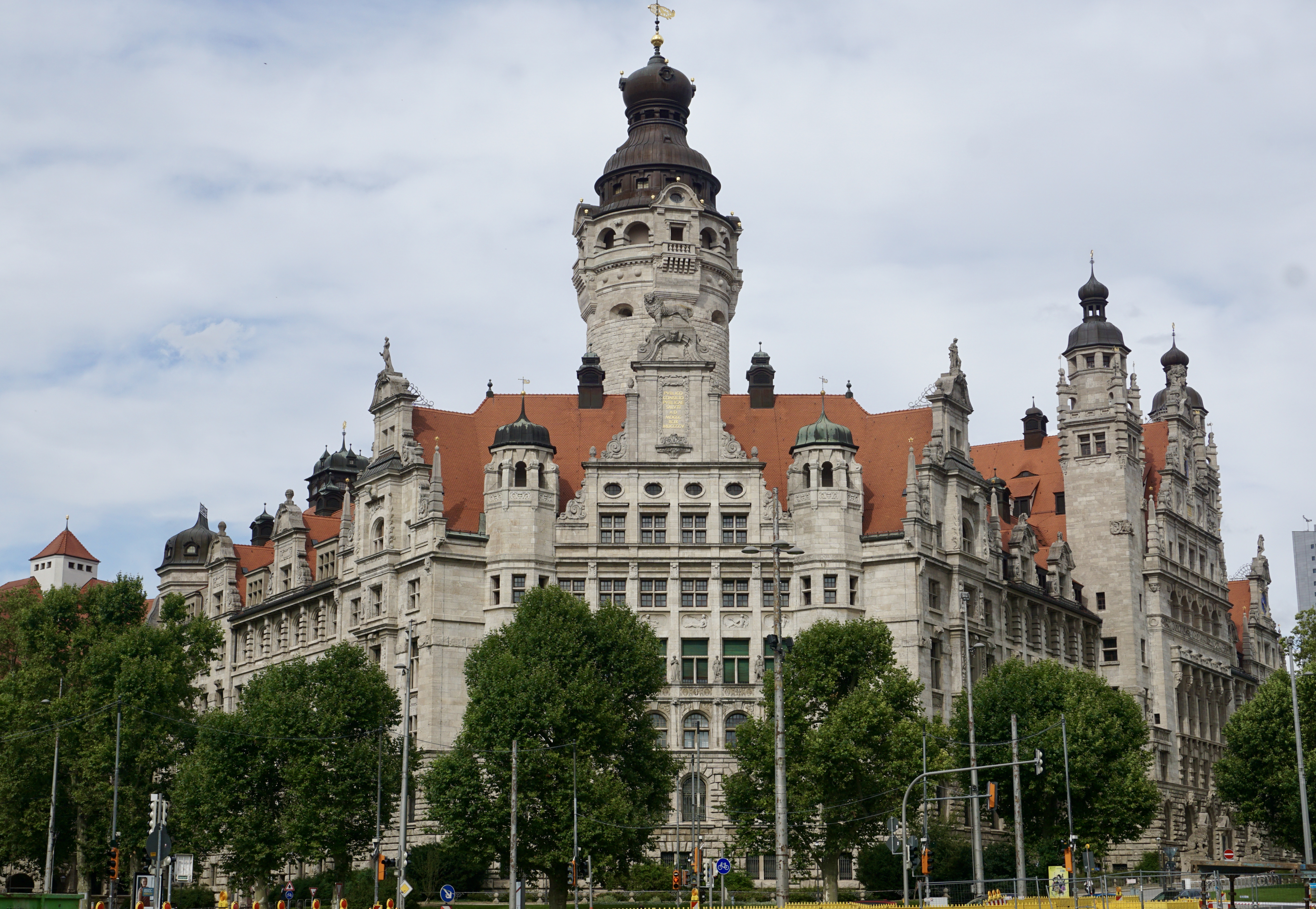
Located in the state of Saxony, Leipzig was first known as a merchant town in the Middle Ages. It later became the centre of East German life after the Second World War, and is now a home for history and culture, telling a story a thousand years old. It’s an hour and twenty minutes from Weimar on the regional train (no changes) and slightly faster with the ICE train (but there’s a change in Erfurt). A city of 600,000 people, Leipzig made for a nice change of pace and far broader food choices.

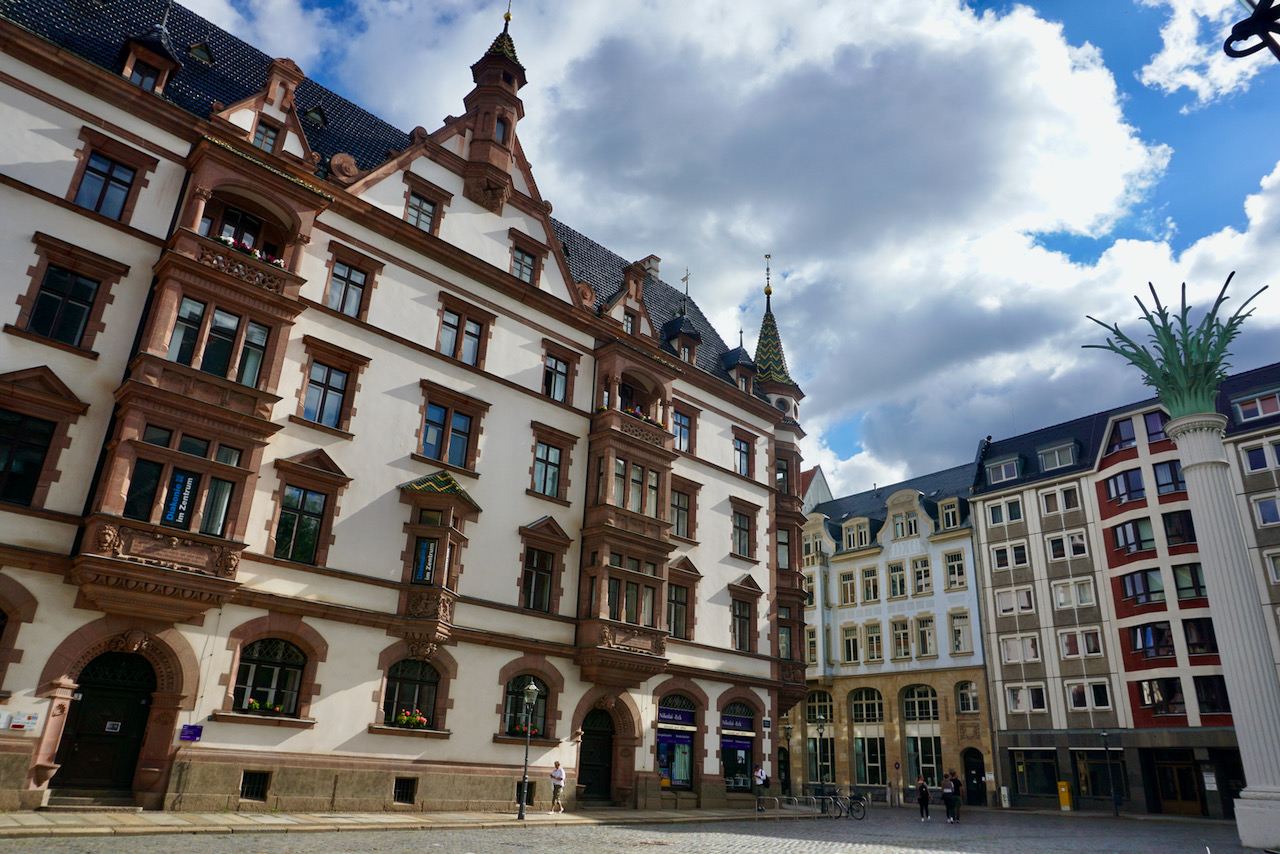
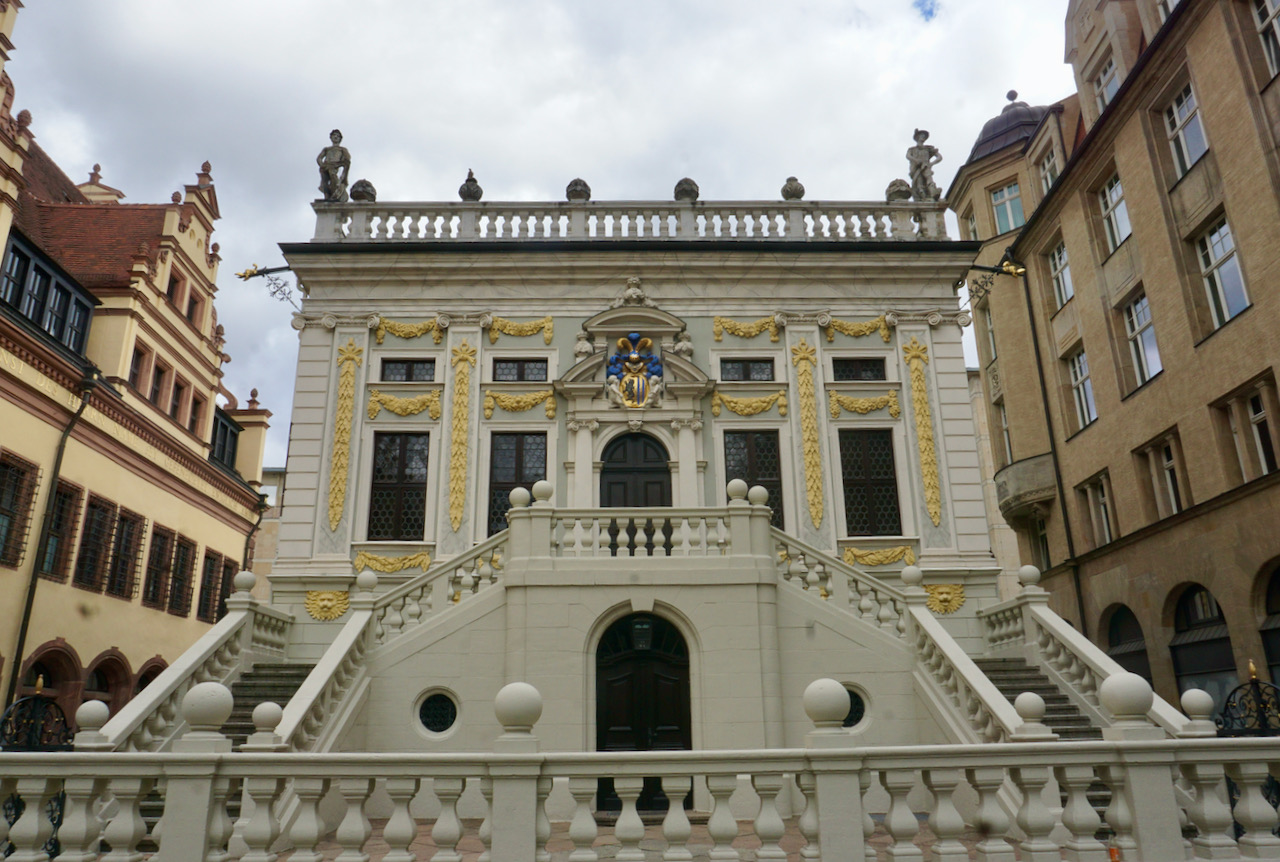
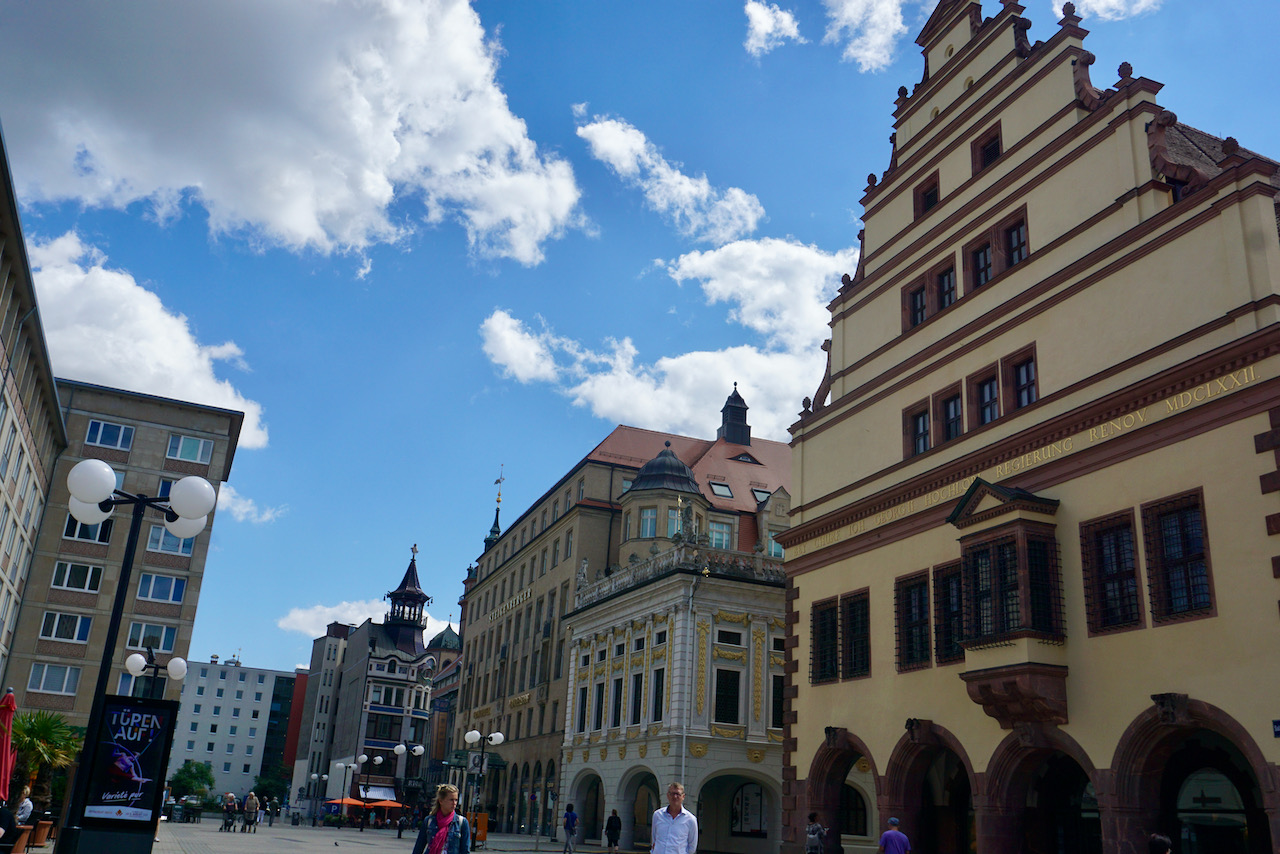
I left early and arrived just after 9am, which gave me time to get a coffee and something to eat before joining the free walking tour (I have so many good things to say about this in so many cities). It’s always a pleasure to wander, but wandering becomes something different when you know what you’re seeing. I will not relay the history of Leipzig here, but I will say that much of the old town has been reconstructed because two-thirds of it was destroyed during the war.

Leipzig University is a good example of the story architecture can tell. There was once a church here, the Paulinerkirche, which was destroyed in 1968. The reconstruction pays homage to what was while honouring the different values university communities often hold today.

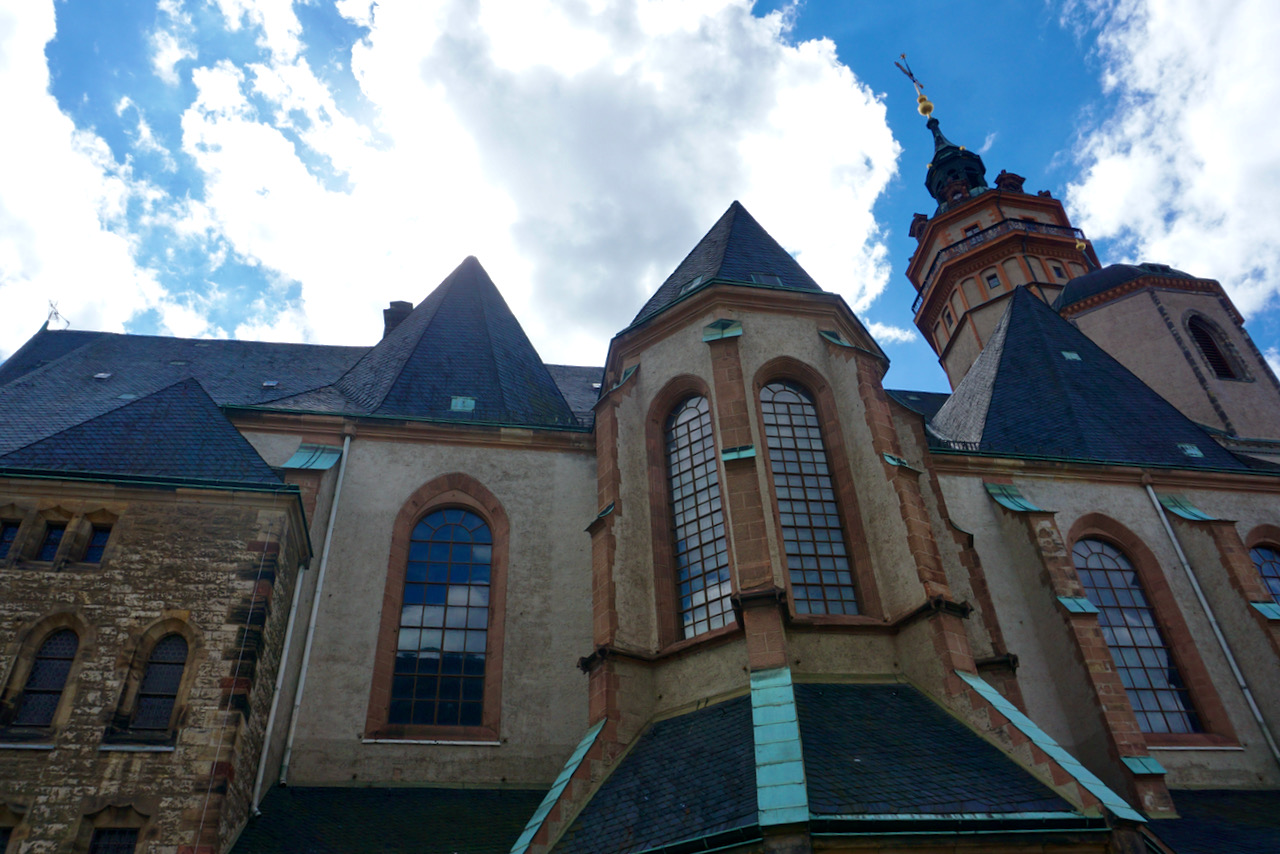
Another prominent church is Nikolaikirche, which I came across on my own before our tour guide explained Leipzig’s experience as part of the German Democratic Republic (former East Germany). It made my heart soar when I first saw it, and even more so when I learned that this church was the site of the peace marches that signaled the end of communism and the beginning of a new era of life and politics. I have a great appreciation for any religious community that stands for what it preaches – justice, peace, and a better world for us all.

This mural tells the story better than I can:

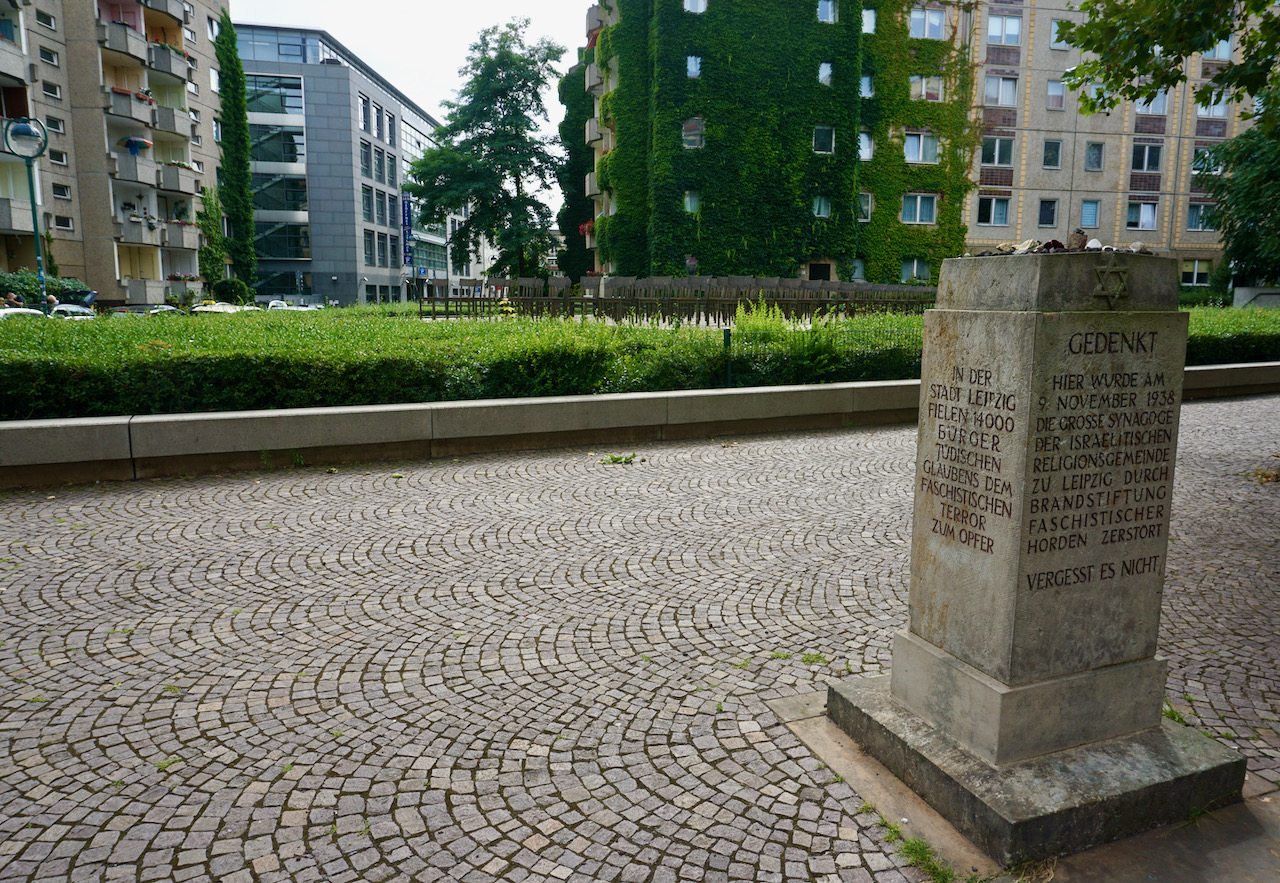
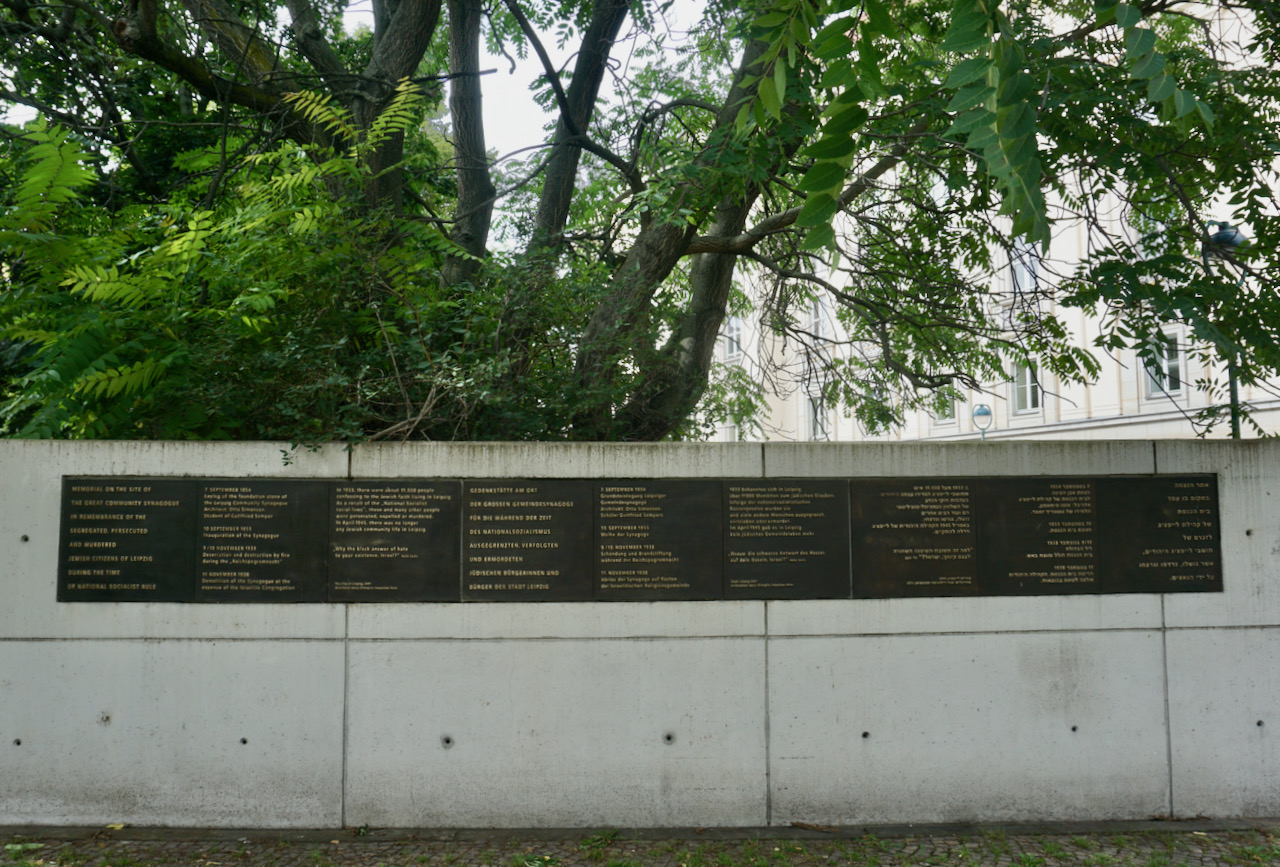
Through a discussion with the tour guide, I learned that Leipzig has the largest Jewish community in central Germany and that there is also a tour of Leipzig’s Jewish history. I will have to return for this because it’s only offered once a month, so in the meantime I walked over to the Holocaust memorial. Situated on the site of the old synagogue, this memorial brought to mind not masses, but individuals. The modern restaurants and apartment buildings surrounding it demonstrate what I continue to find the most fascinating aspect of humanity – the world turns and life goes on.

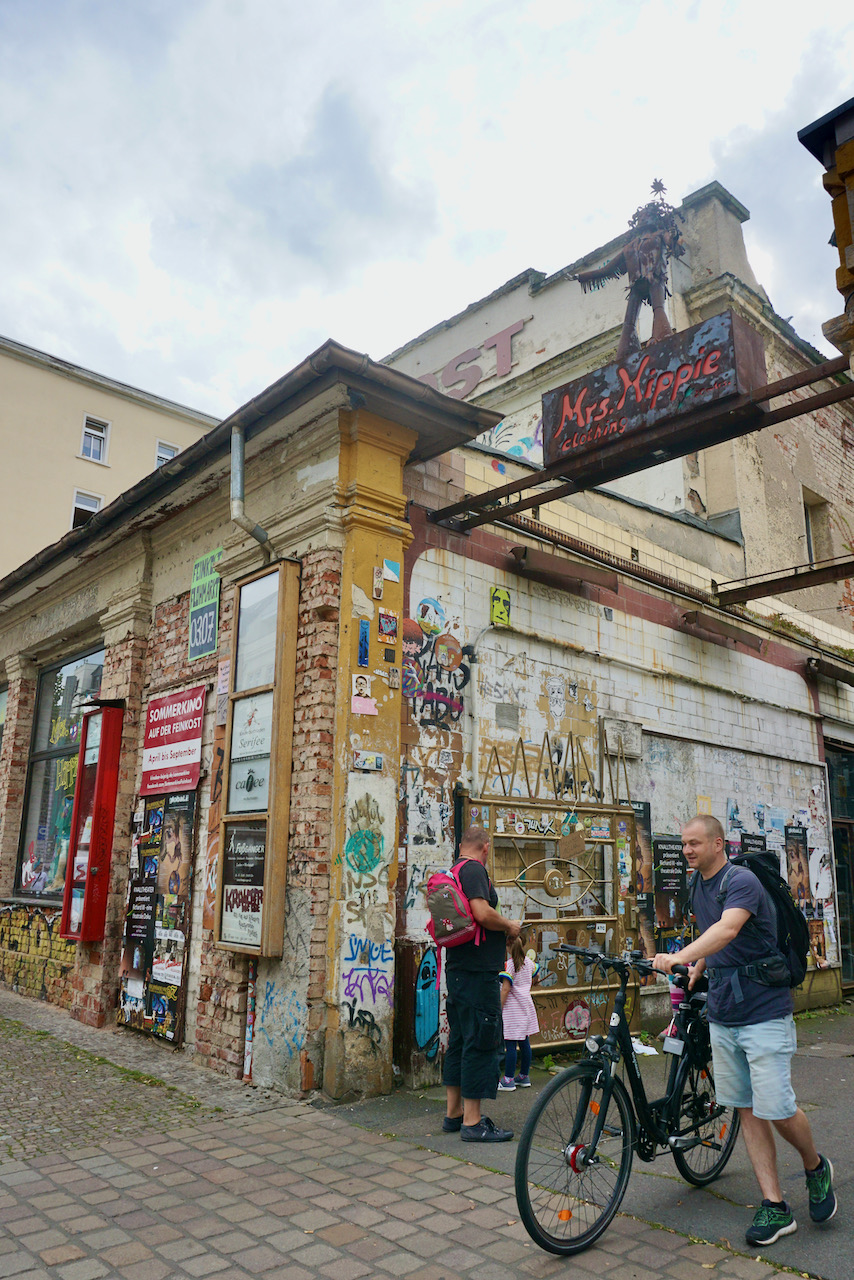
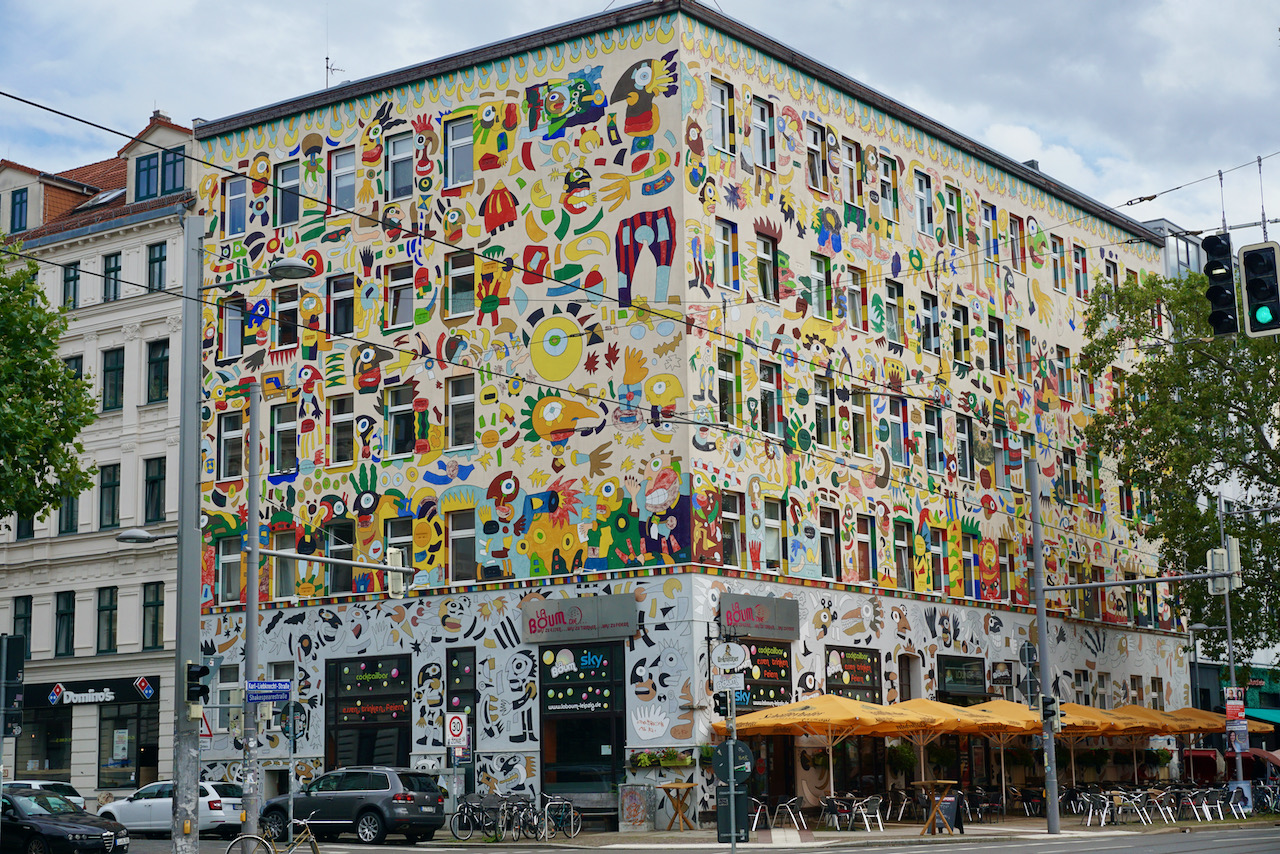
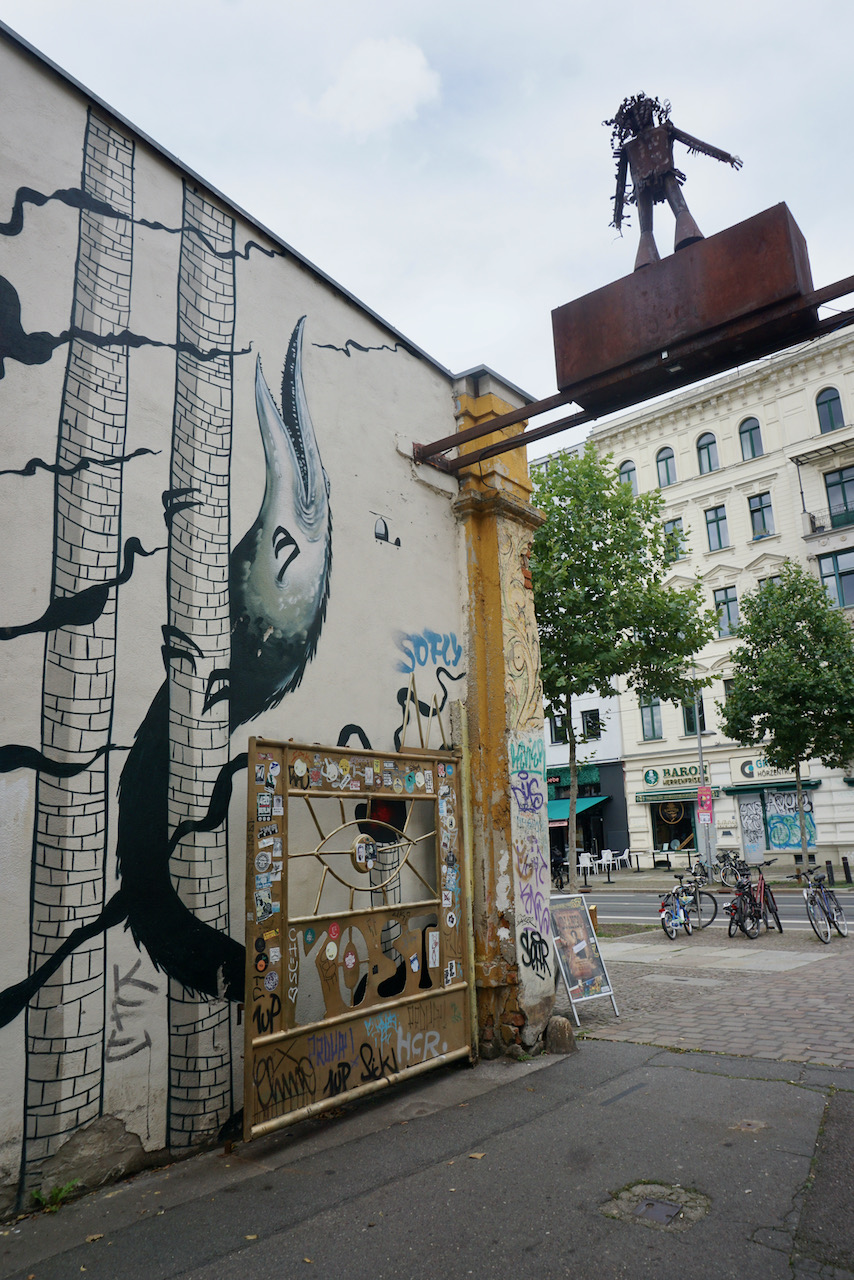
Later in the afternoon, I walked south into a neighbourhood called KarLi, nicknamed for its main street. It did not surprise me that this is where many students live. Students have a way of developing areas to suit them, or perhaps it is the neighbourhoods themselves that have called students there. I currently live in a student neighbourhood and while my annoyance at their penchant for late hours is a clear reminder that I have left that world behind, I am grateful for the positivity, energy, and spirit that comes from being young and imaginative. These are, after all, the people who make the world go round.

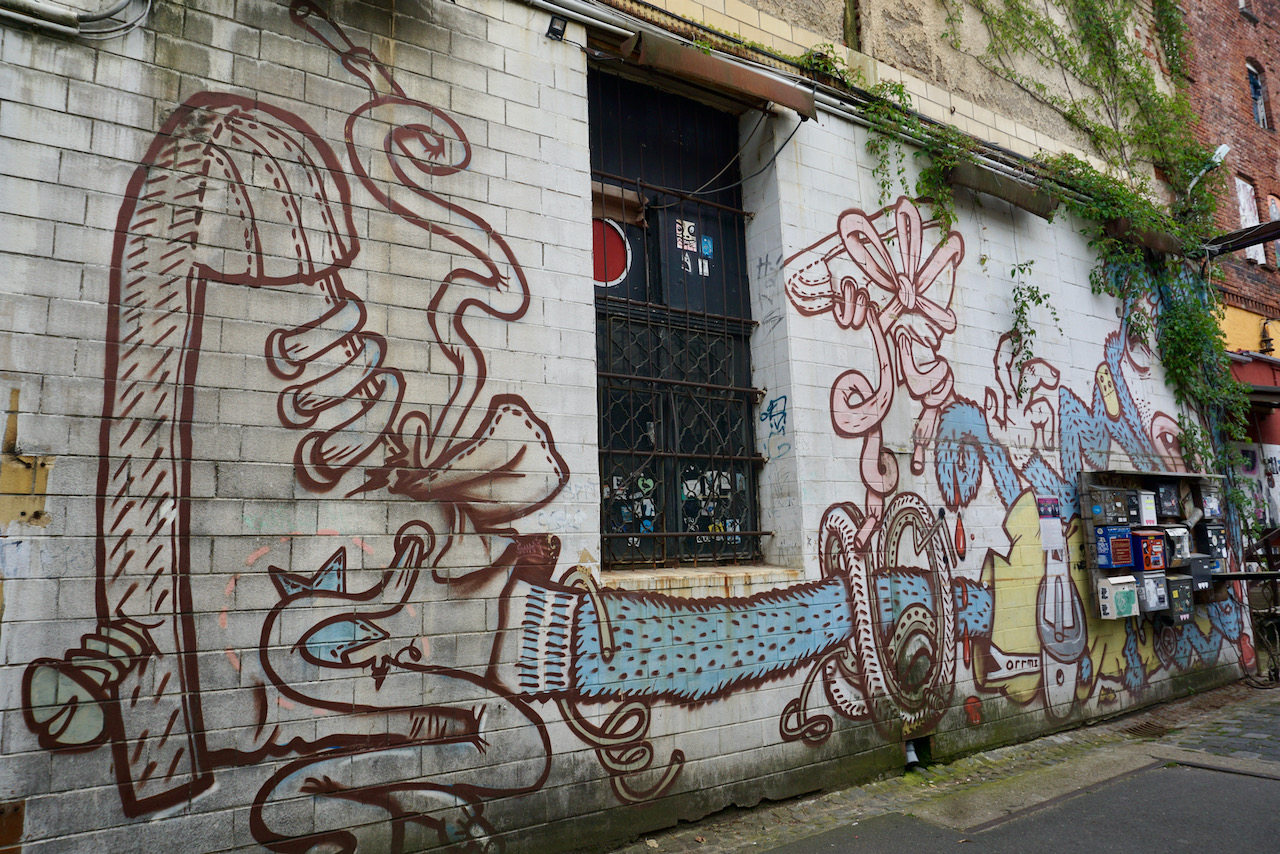
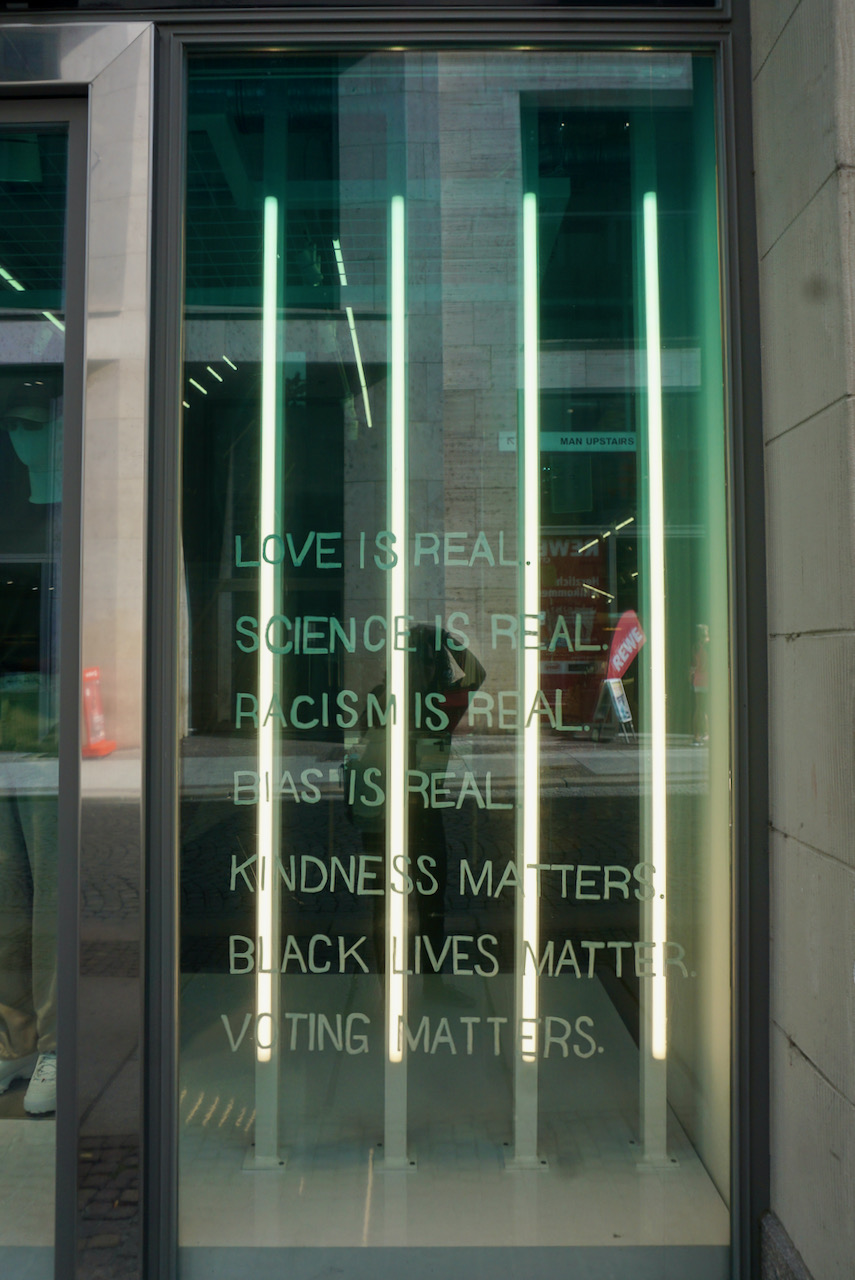
I saw many examples of activism throughout Leipzig and that was heartening. There’s a lot to be active about right now, and while I’m aware that actions speak far louder than words, most actions begin as words. Even a whisper is better than standing idly on the sidelines.

My time in Leipzig lasted just over 24 hours. I was glad to be around more people, hear more languages, and taste different food. I appreciated the time in a new place, the ease of travel, and the excitement of learning something new. Leipzig is just down the road and there’s a literary festival in March – I suspect I’ll be back.