
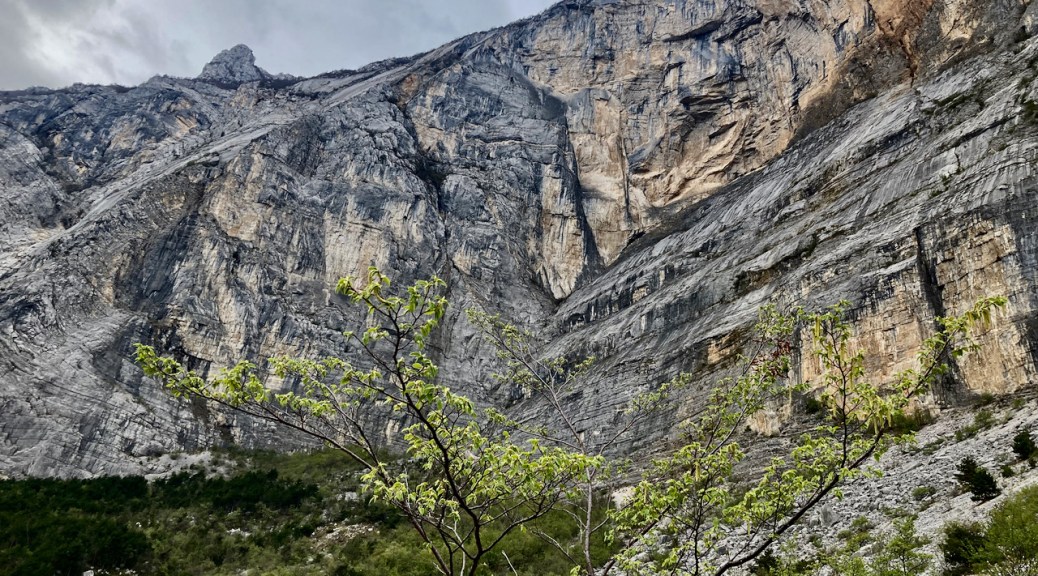
One of the reasons I moved to Germany was to play outside. I did as much of this as I could in Singapore, but the tropics don’t lend themselves to the same sorts of opportunities as this part of Europe. As it was, I scouted out the local climbing hall before moving into my apartment and purchased a bike before I had a bed. The universe smiled and I was very fortunate to meet people with whom to cycle, climb, and go skiing.
It was with these people that I visited Arco, Italy for a week of playing outside on the rocks.
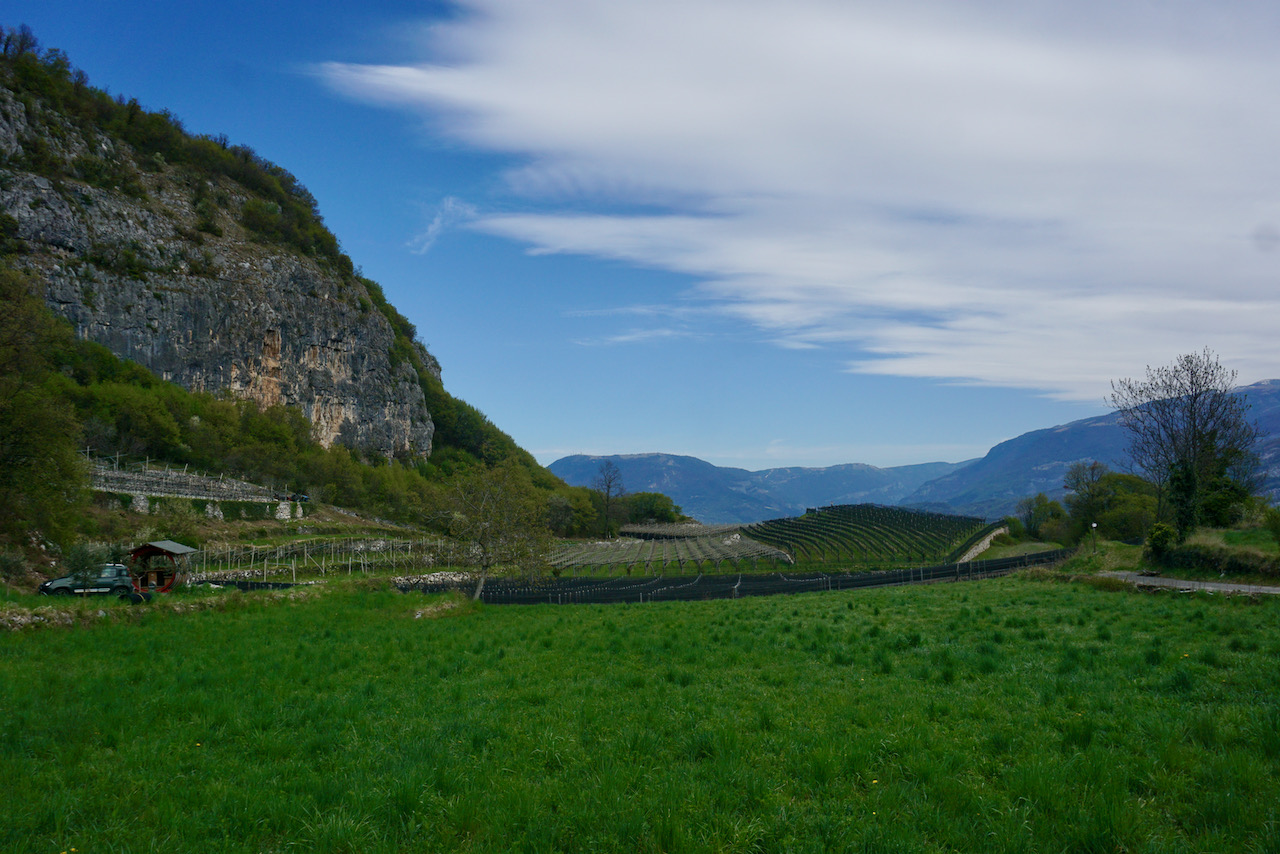
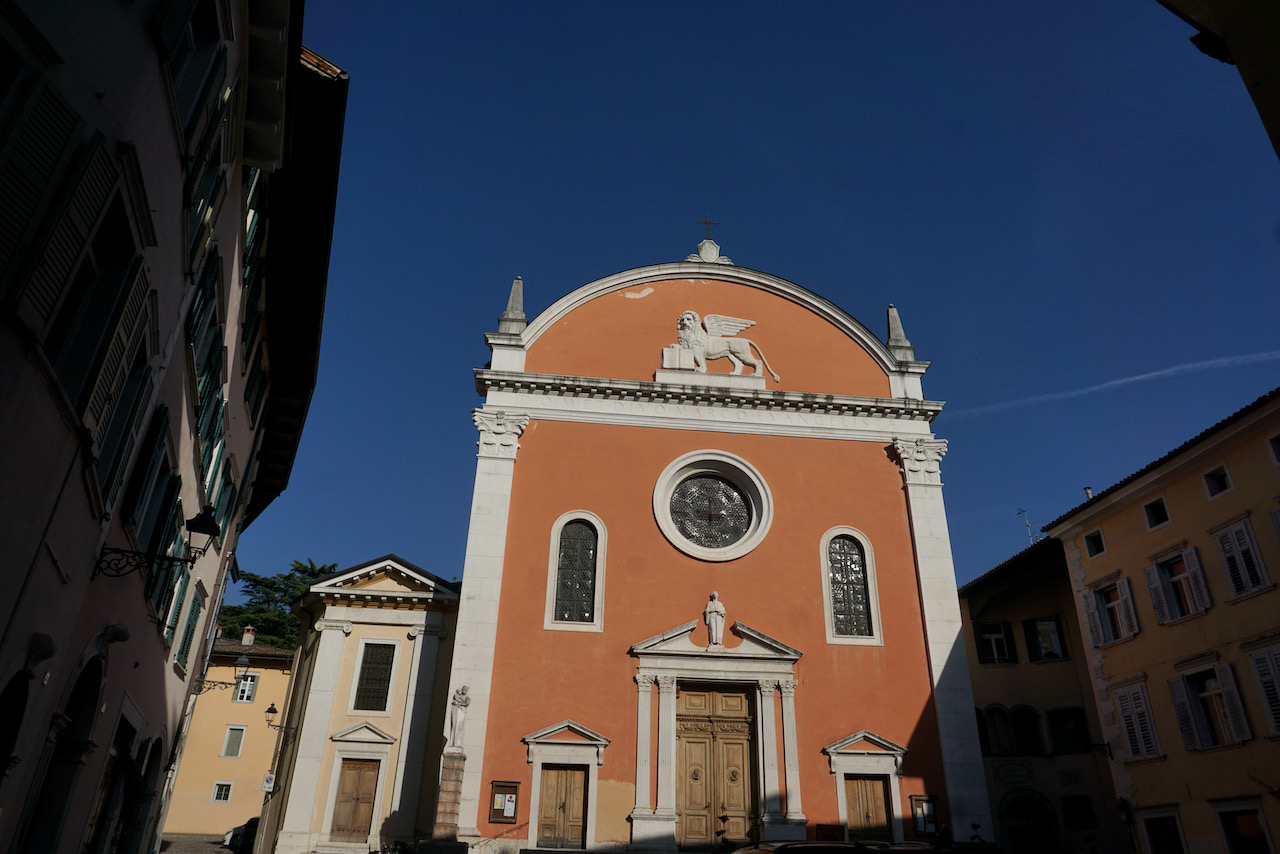
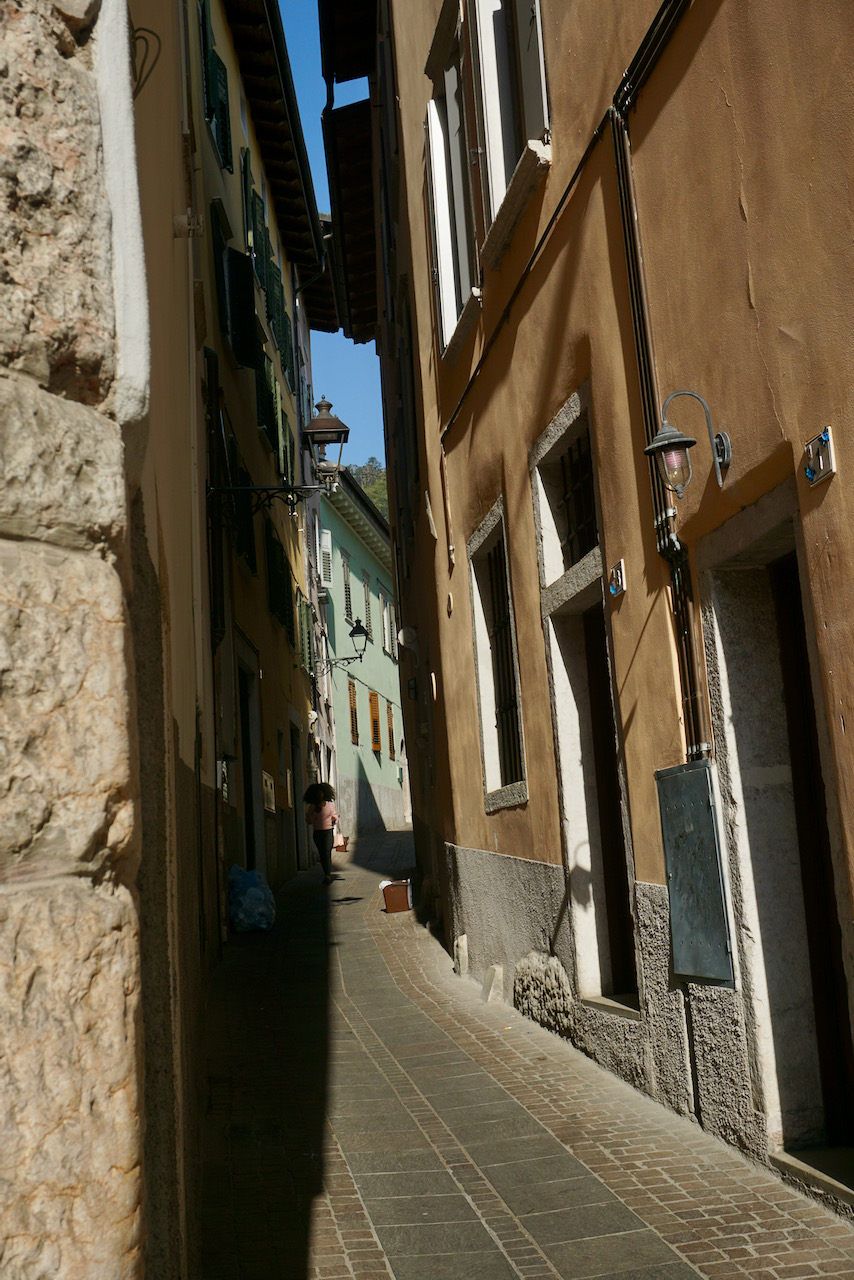
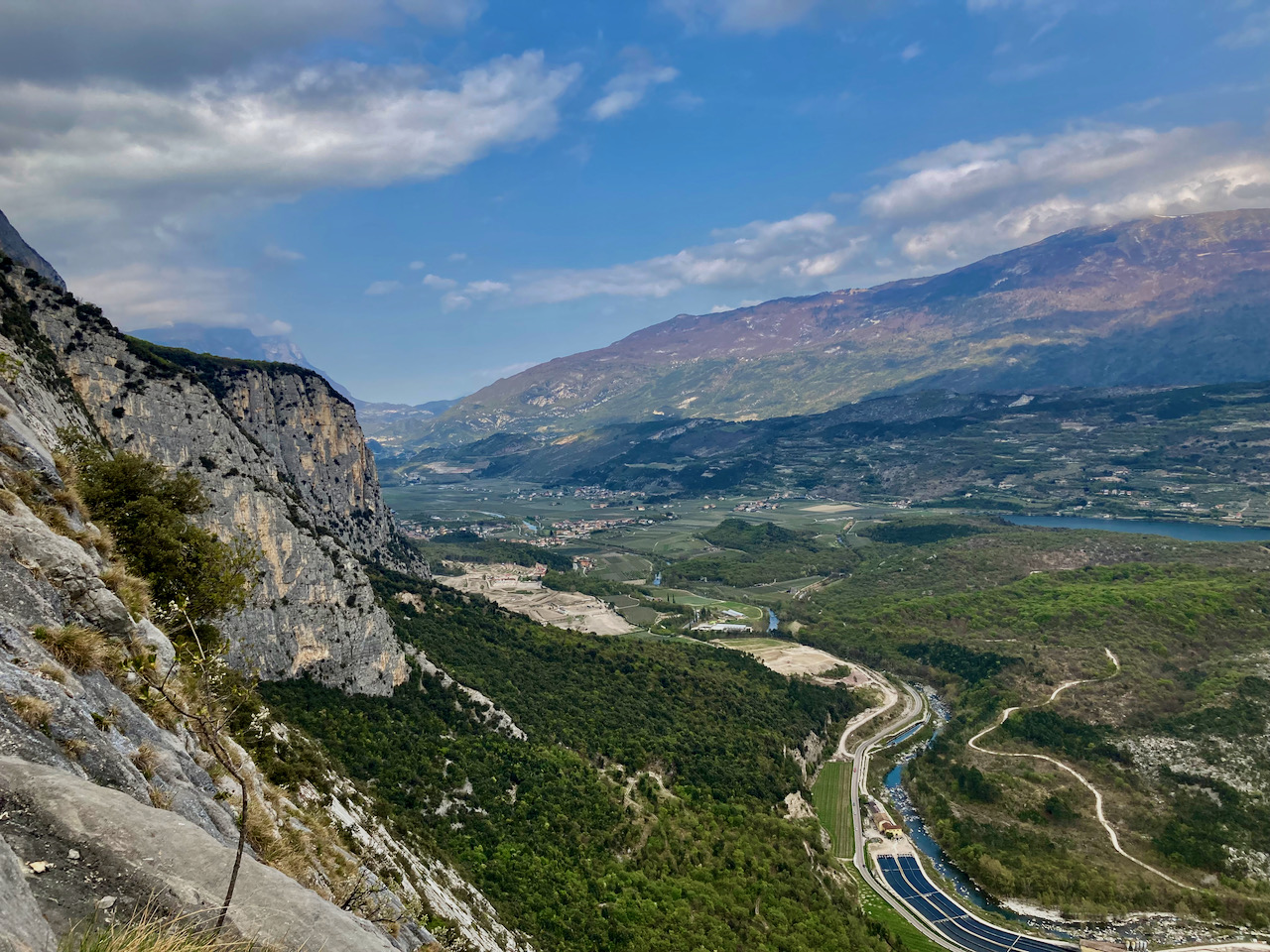
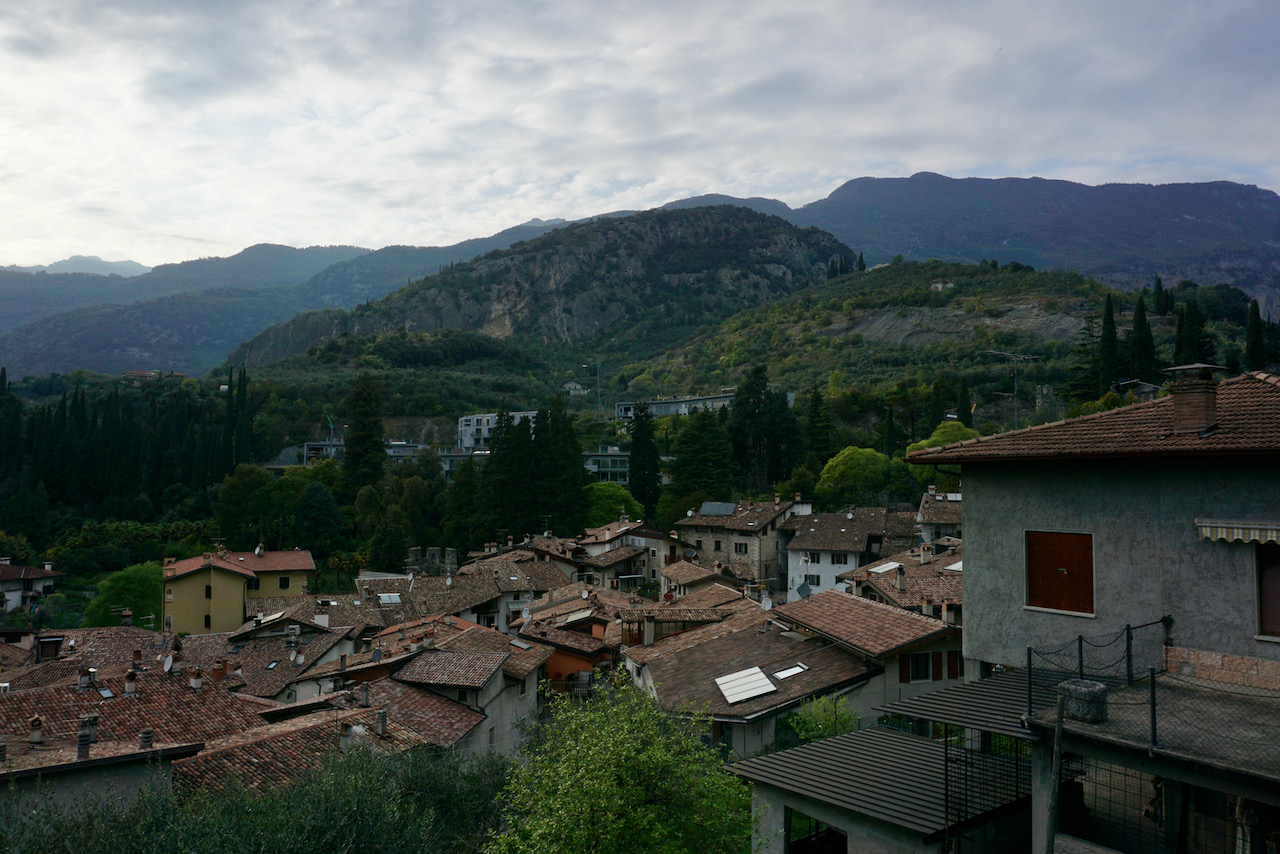
Arco is located in Trento, north of Lago di Garda (Lake Garda), and this provides a beautiful environment in which colourful buildings and a wide range of trees (including palm trees!) are situated within the mountains. We took a walk around town on our first day, both for the purpose of getting the lay of the land and for the first of many breaks for gelato.


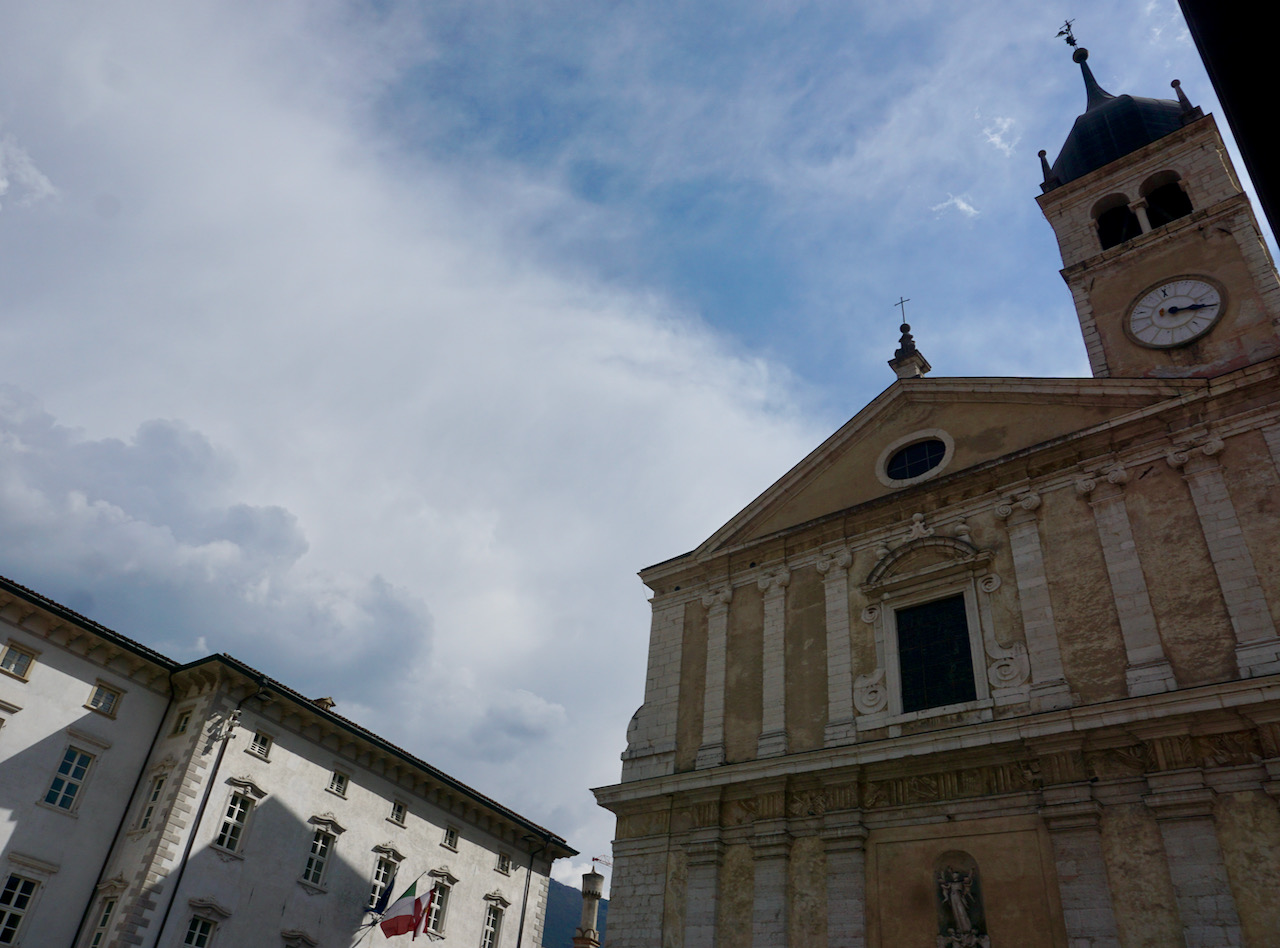

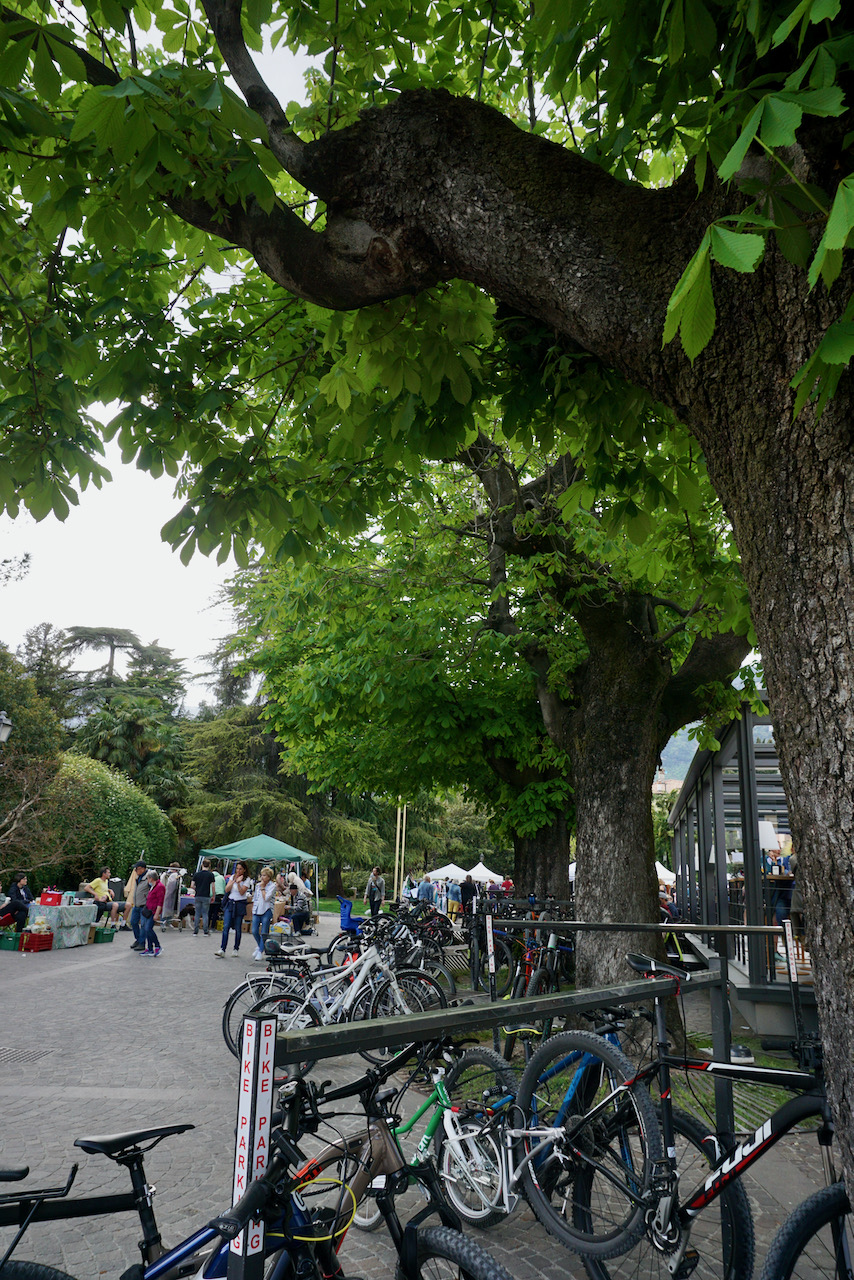


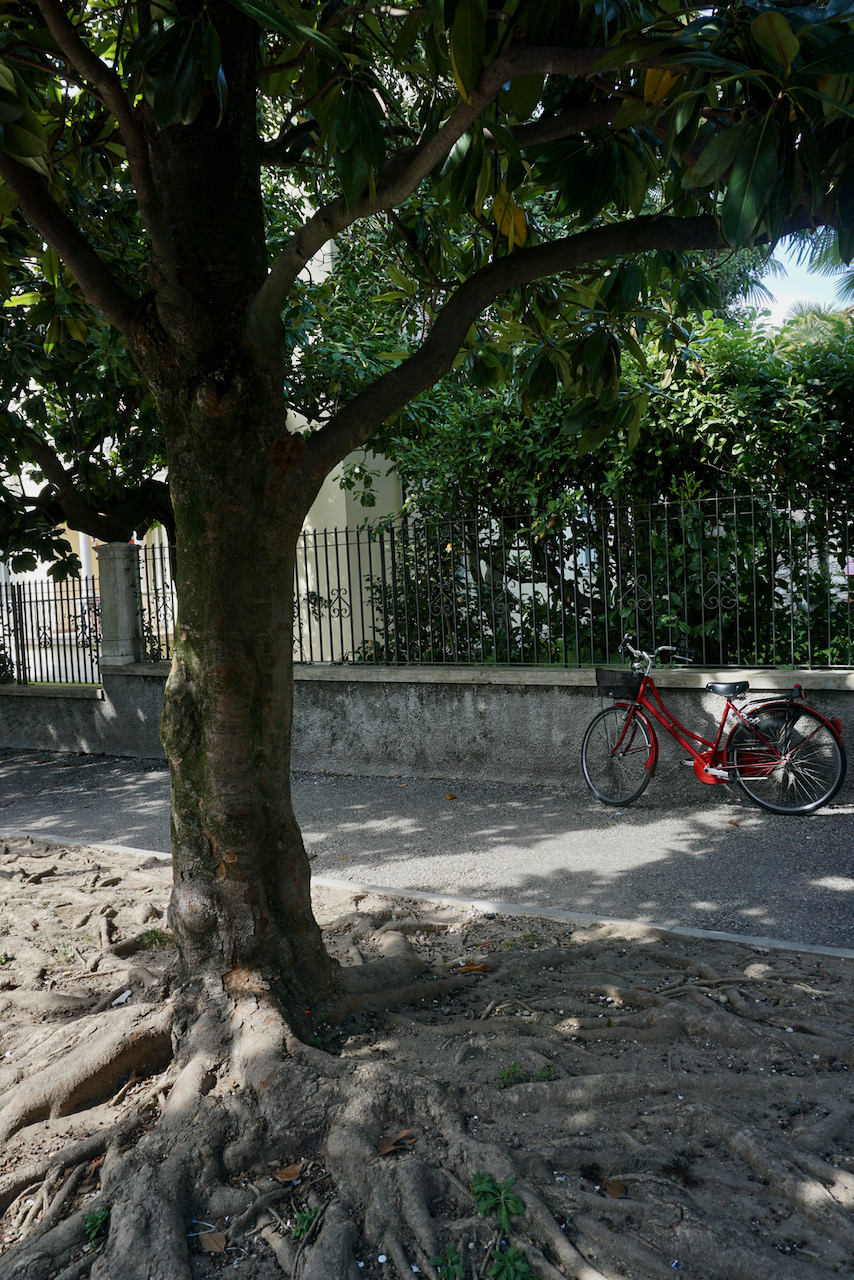
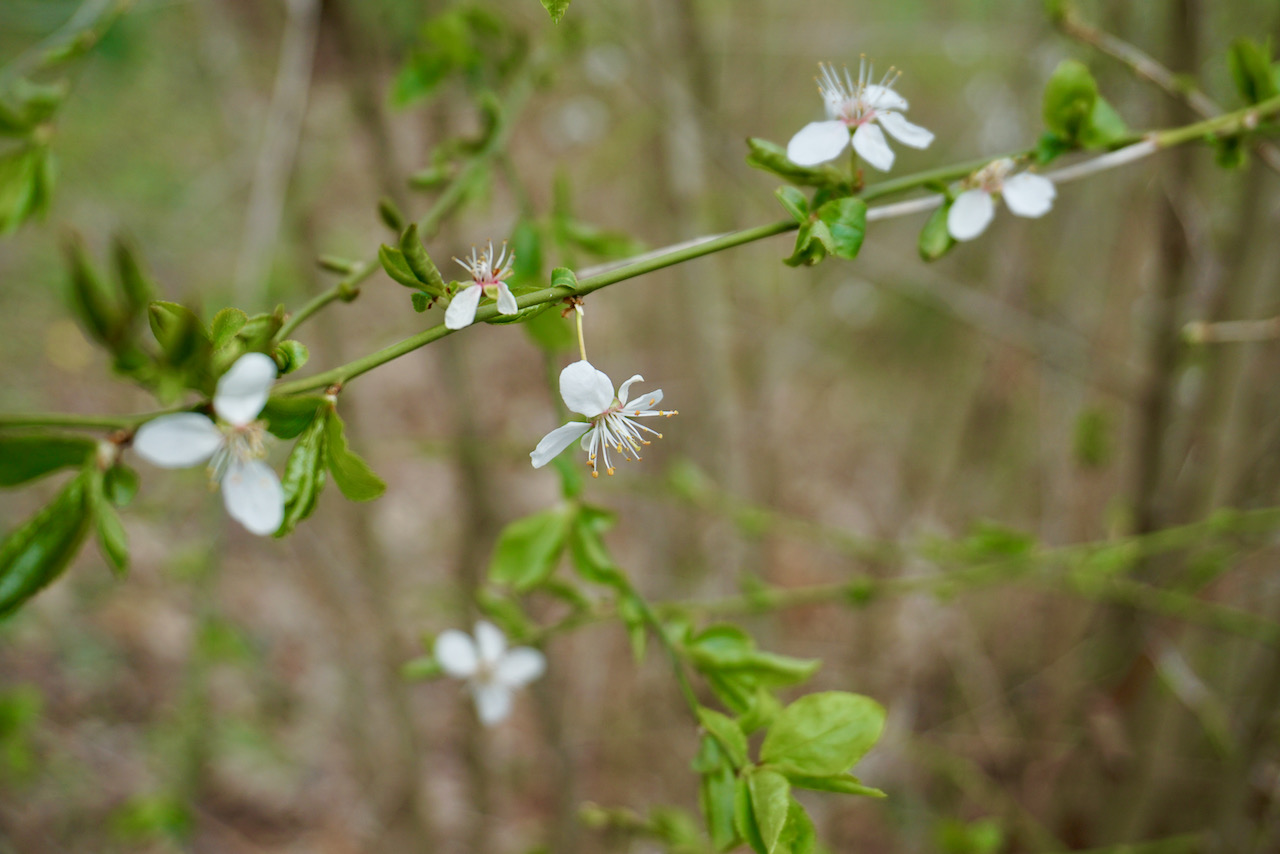
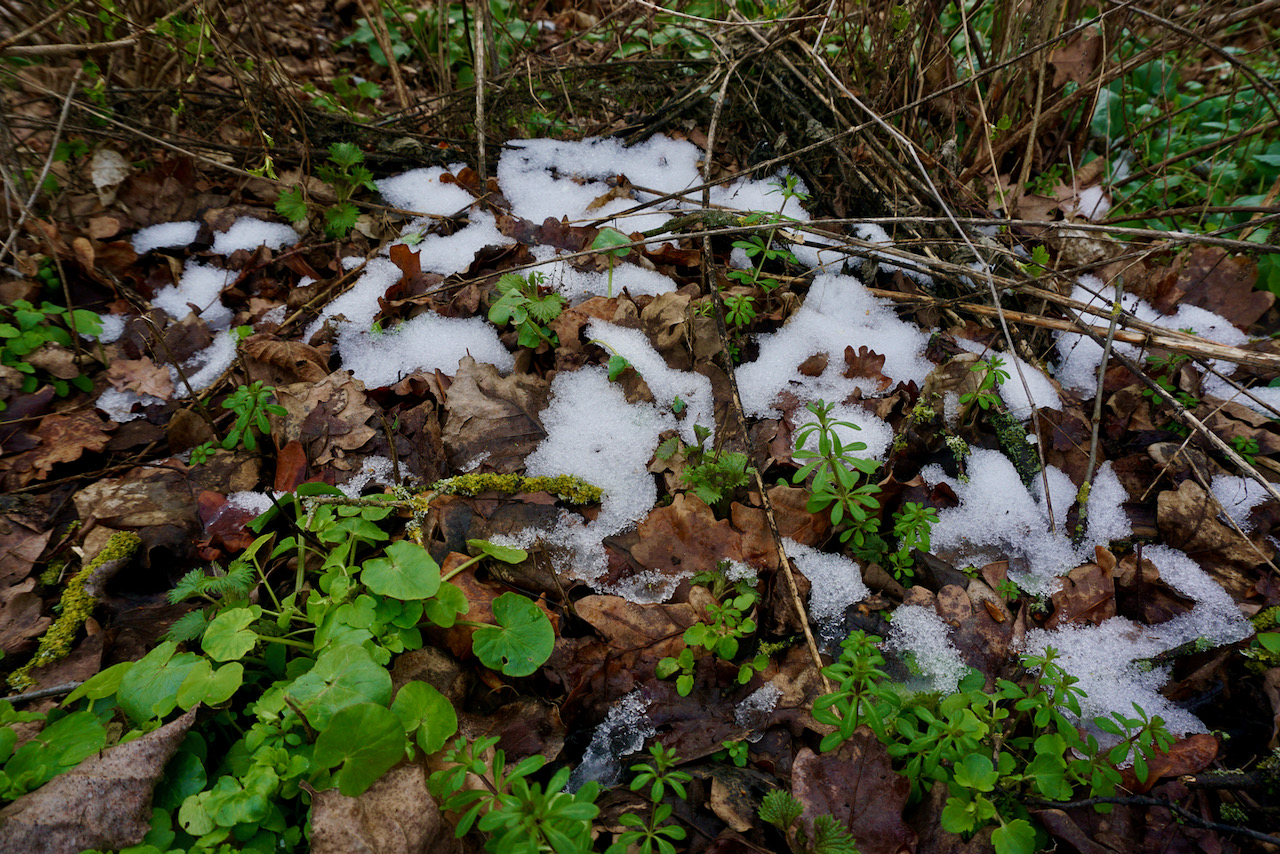
Spring was in a different place in Arco than what we had left behind in Germany, as well, and this created a general feeling of excitement among our group.




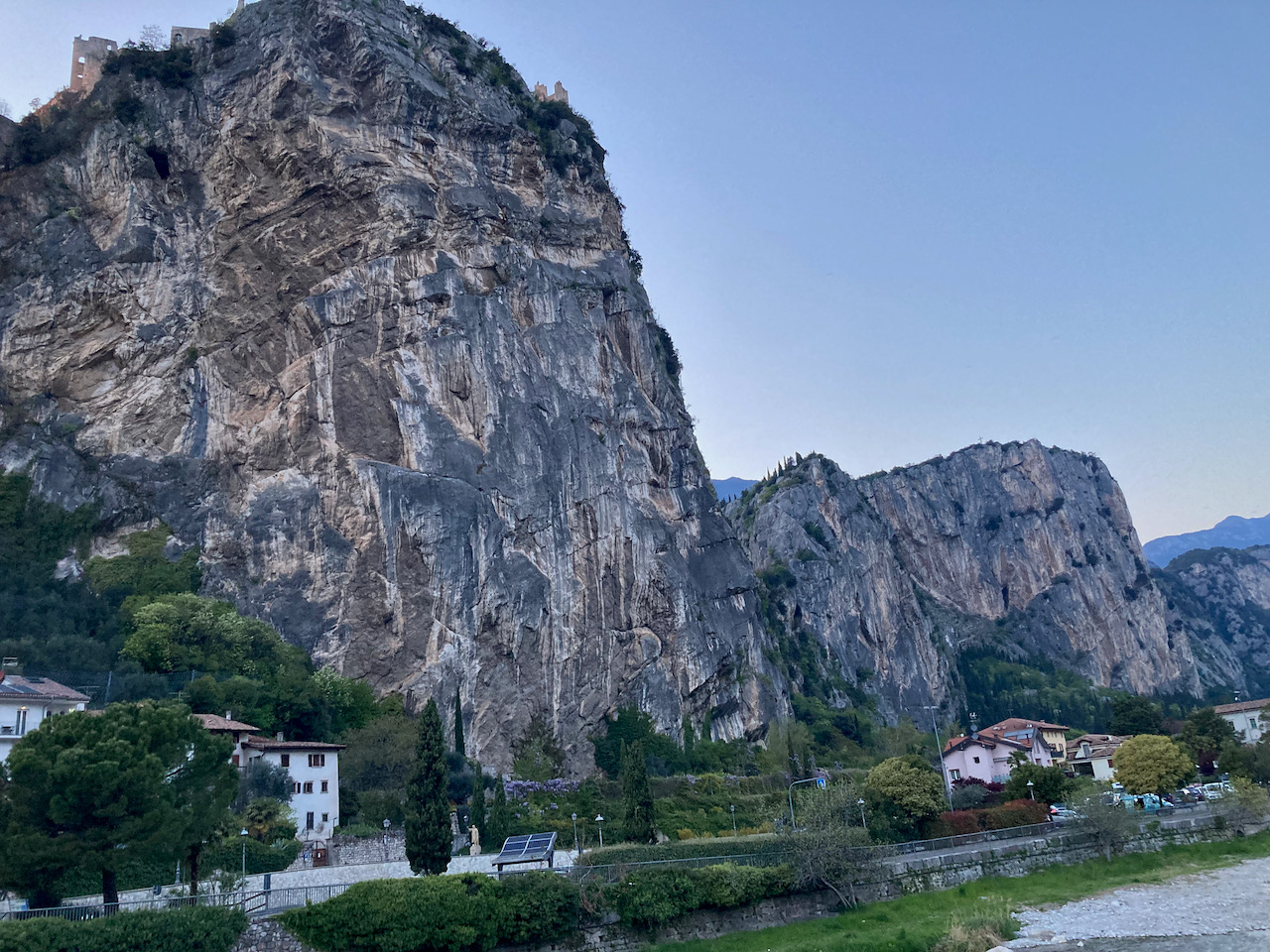
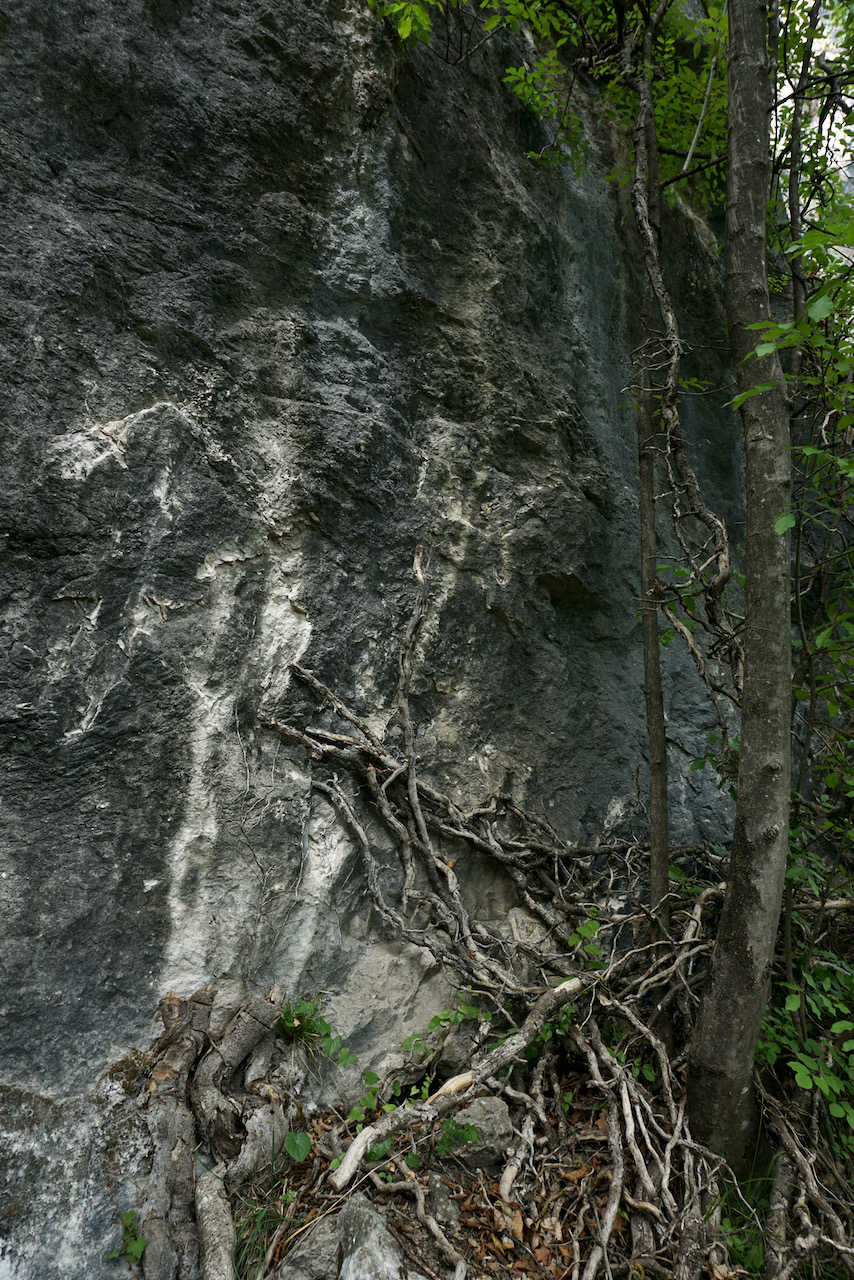
We headed out the following day for sport climbing routes at Regina del Lago. The rock was glossy limestone and very different to the porphyry I’ve previously climbed in the Thüringer Wald. The routes were fun with some challenges, I took my first outdoor lead fall, and the views were stunning. A stop at Lago di Ledro was in order later that evening, as well.
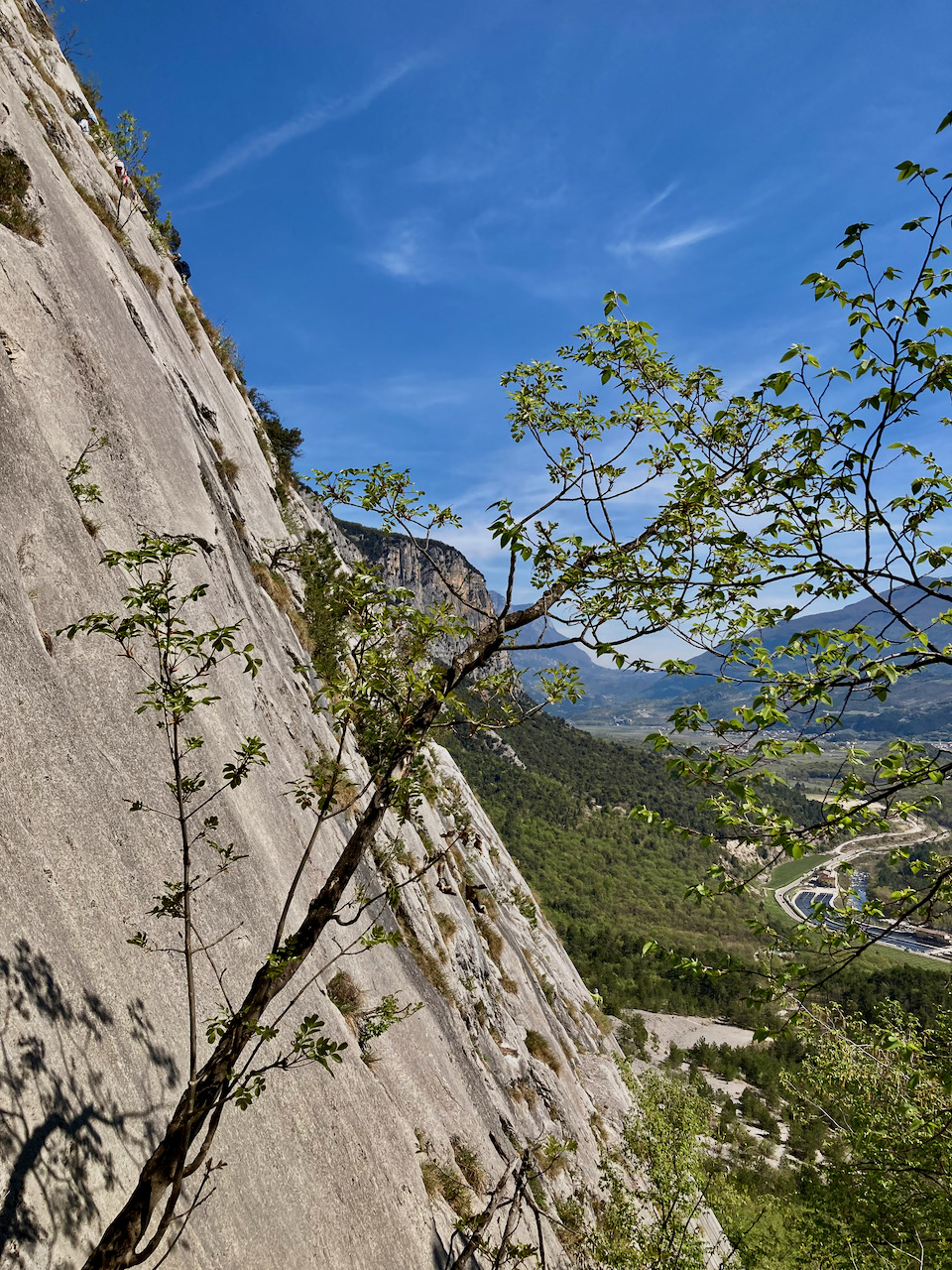


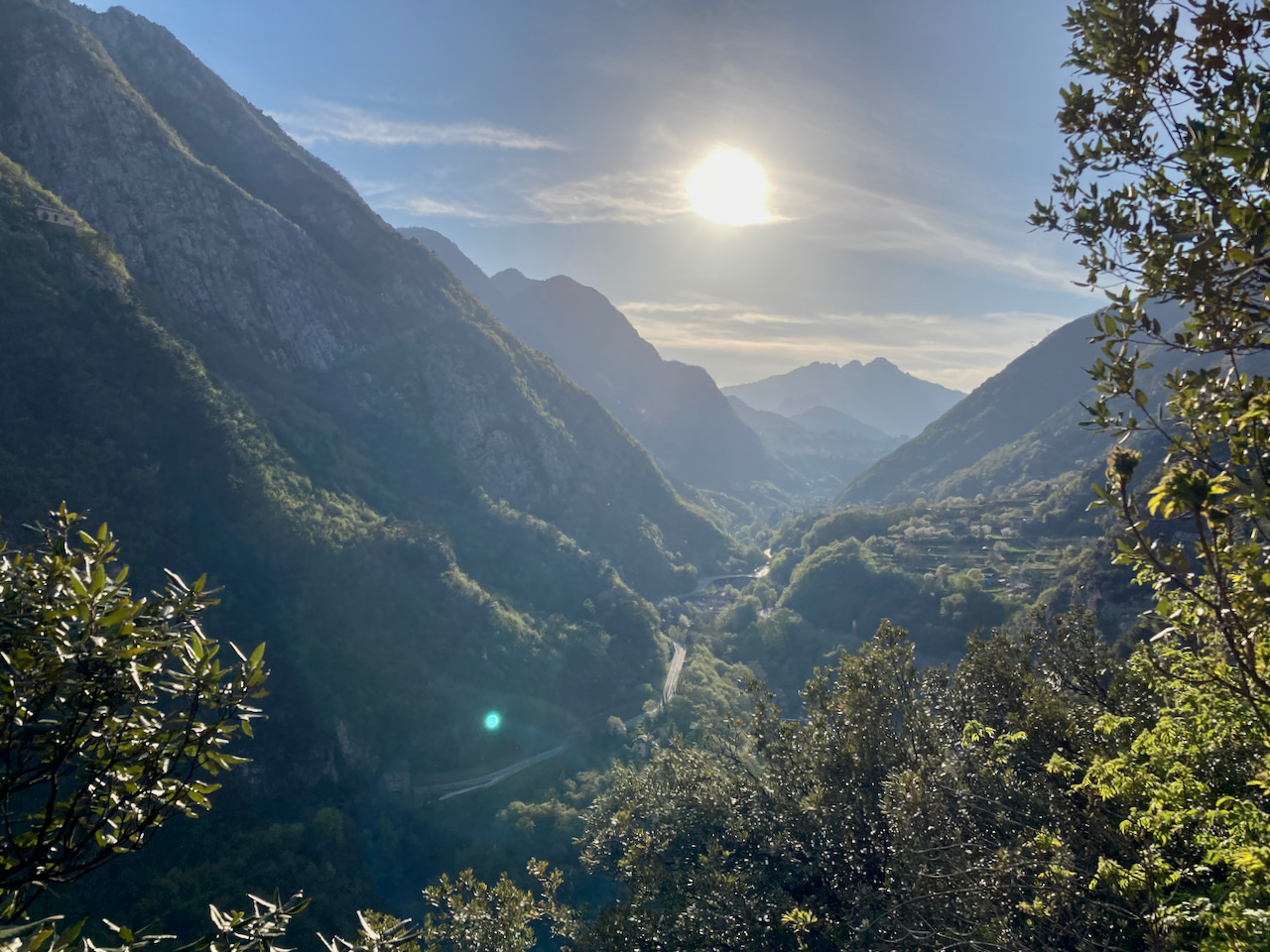
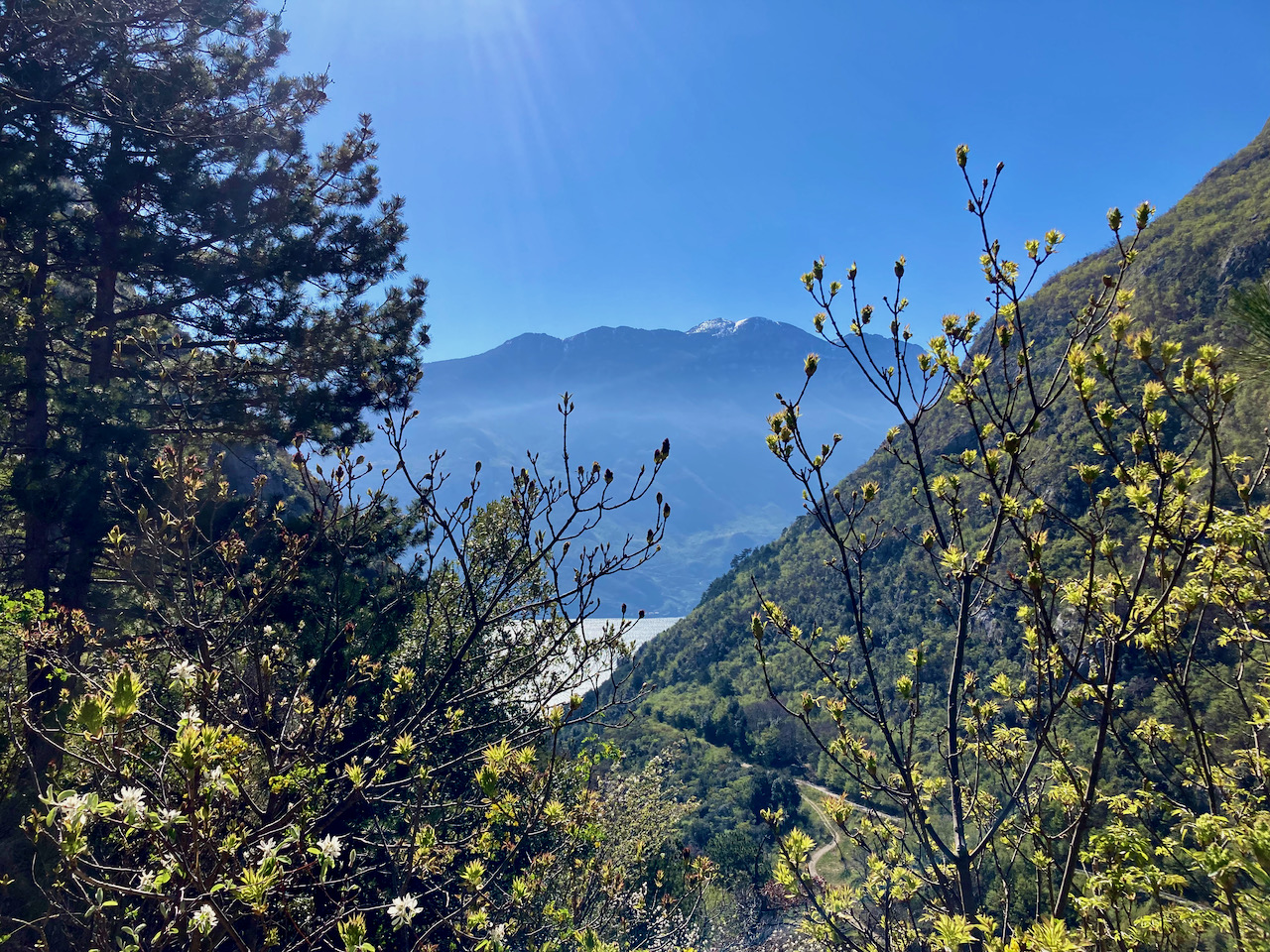
But we had not driven over 800 kilometers to Arco for sport climbing. Rather, we were looking for long multi-pitches, routes we cannot get close to home. Multi-pitch climbing was new to me when I first climbed outside in Germany. At that time, I had never seen anyone set up an anchor from the middle of a route and belay from the top, much less tried to do so myself. And months later, here we were in Arco and this is exactly what we were here to do.
My partner and I climbed our first big multi-pitch, a route called Trento, behind another pair of friends and were ecstatic when we reached the top. Two hundred meters and five pitches, by far the biggest route I’ve ever climbed. Some scary moves with big reaches, some polished rock, and phenomenal energy. It was comforting to meet our friends along the way, helpful to know we could call up to them if we got into trouble during the couple of hours the climb lasted. Safety guidance on multi-pitch climbing suggests that because the climb requires significant stamina, both physically and mentally, multi-pitch routes should be a grade below the climber’s maximum ability. This climb was well within our range but the polished rock made it harder and we were tired, in all the good ways, on the hike down.
The following day, some of us were ready for a break that turned out to be far less of a break than I’d thought. We drove to the nearby town of Mori for a via ferrata (or Klettersteig) on Monte Albano, which can best be described as a climbing route protected with cables and ladders. Rather than climbing attached to rope, you climb with carabiners leashed to your harness and clip yourself into the cables and ladders along the way.
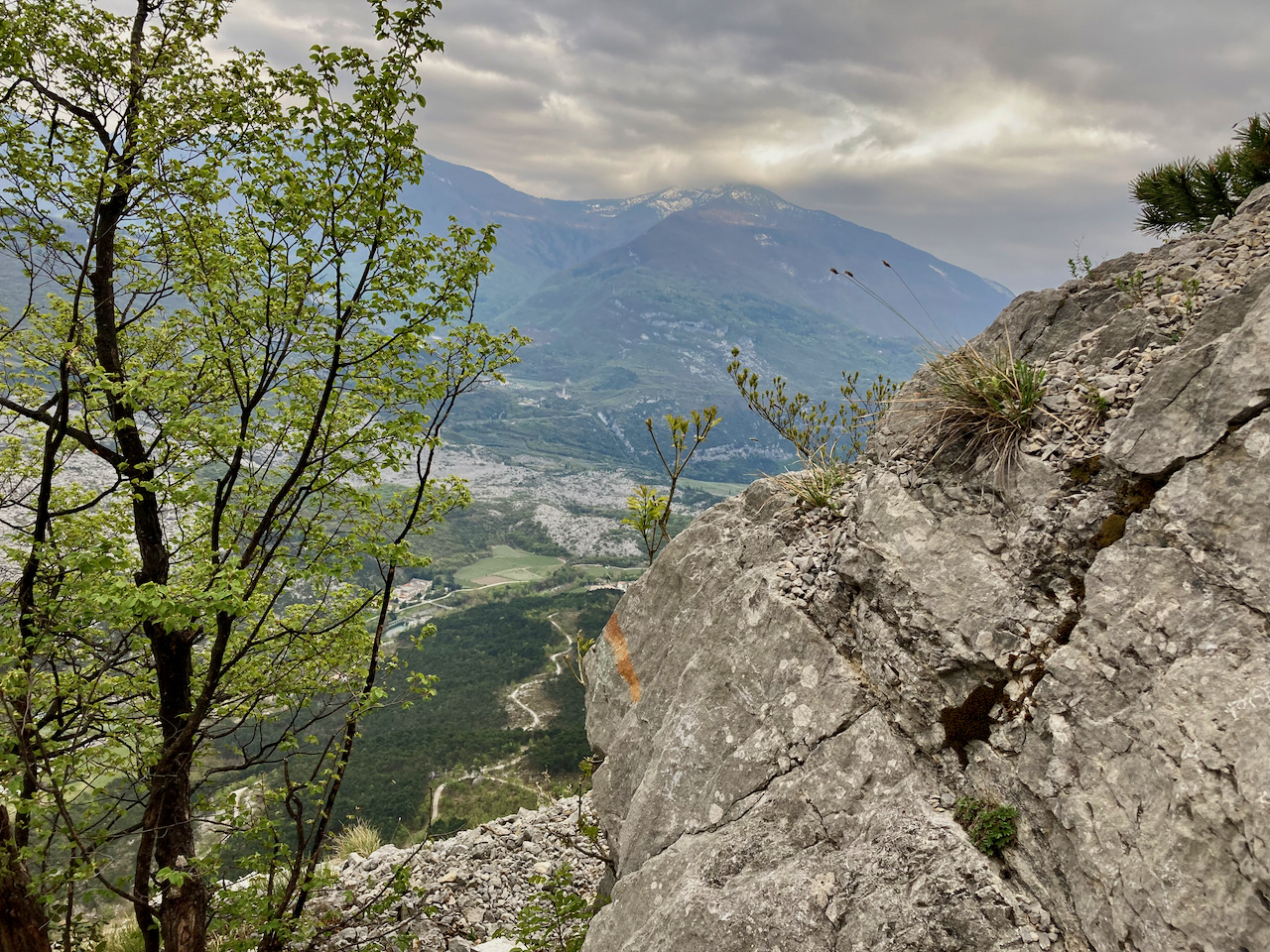
The hike to the starting point was a nice warm up and gave us a taste of the views we could expect along the way.
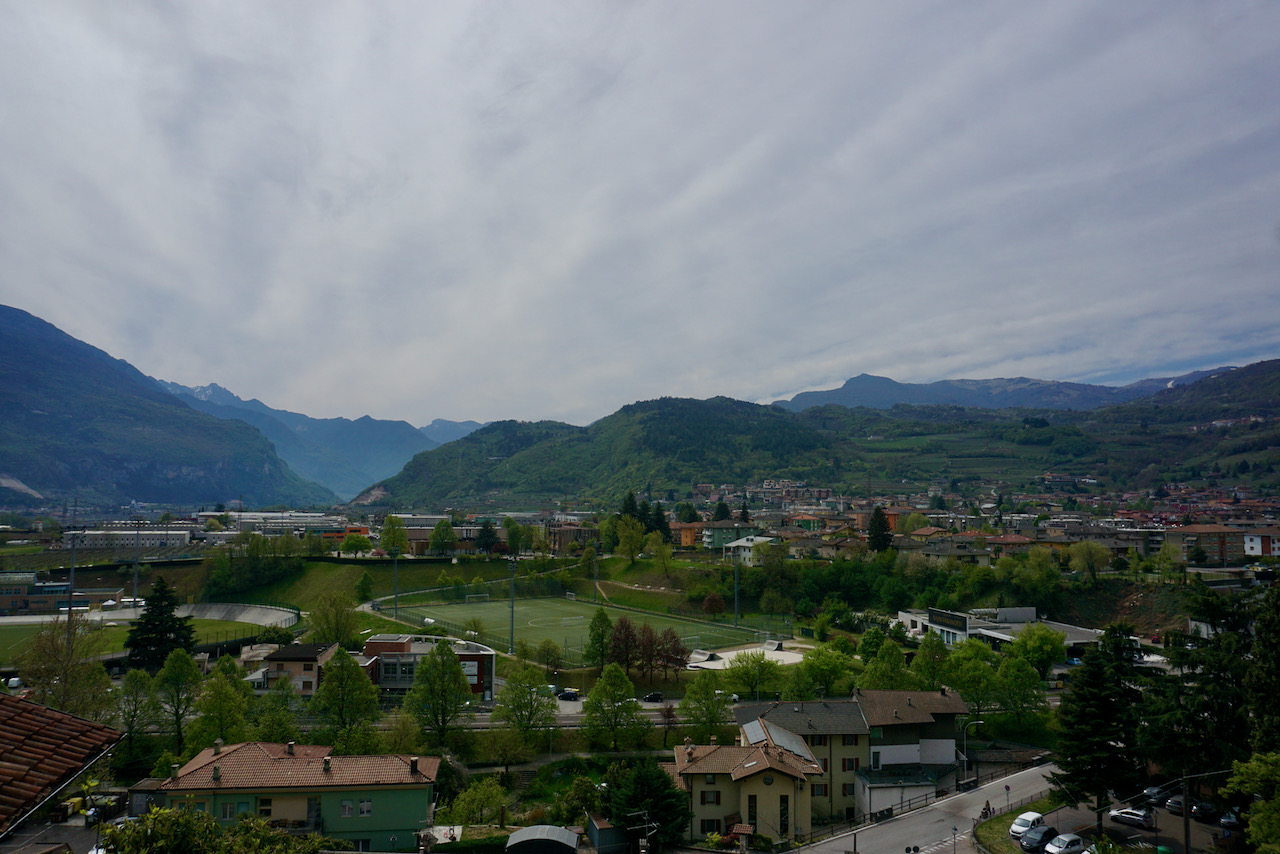
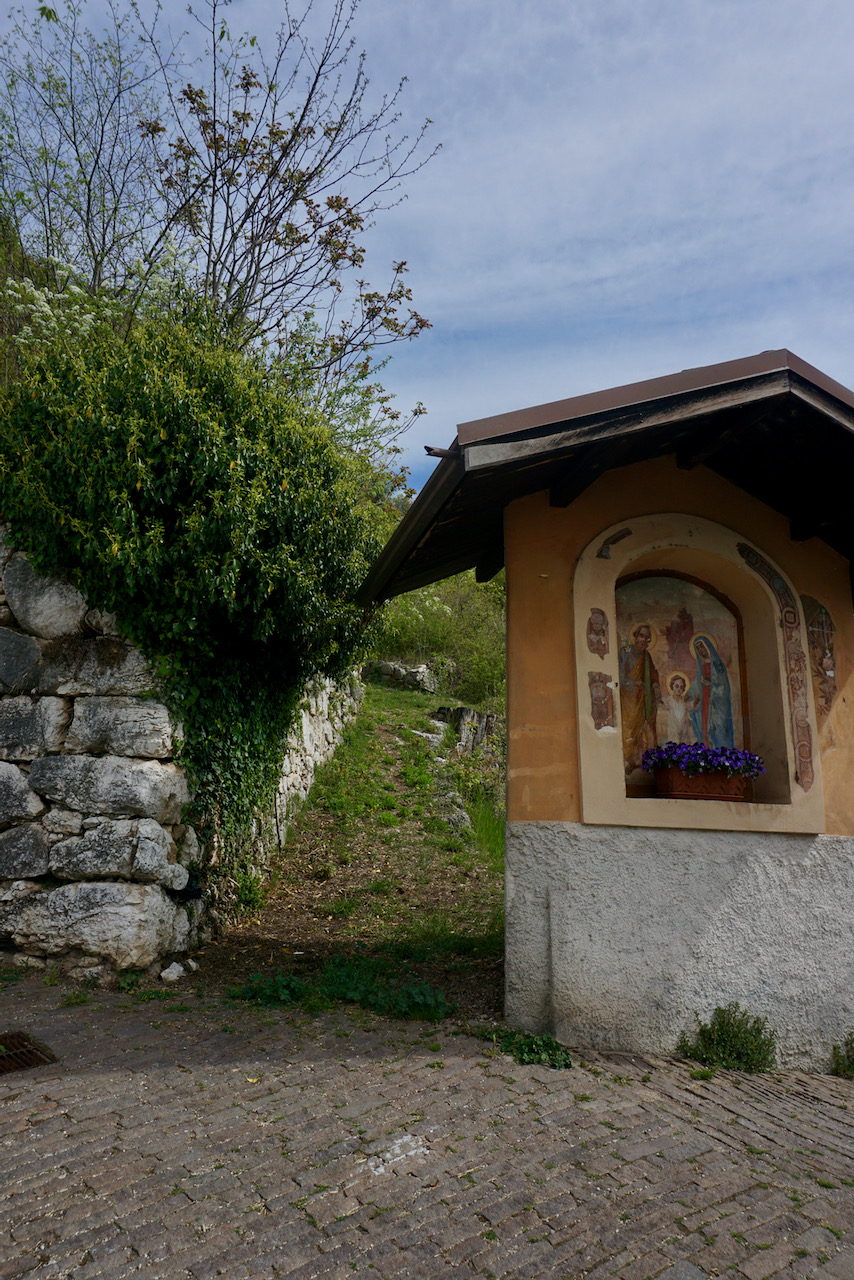


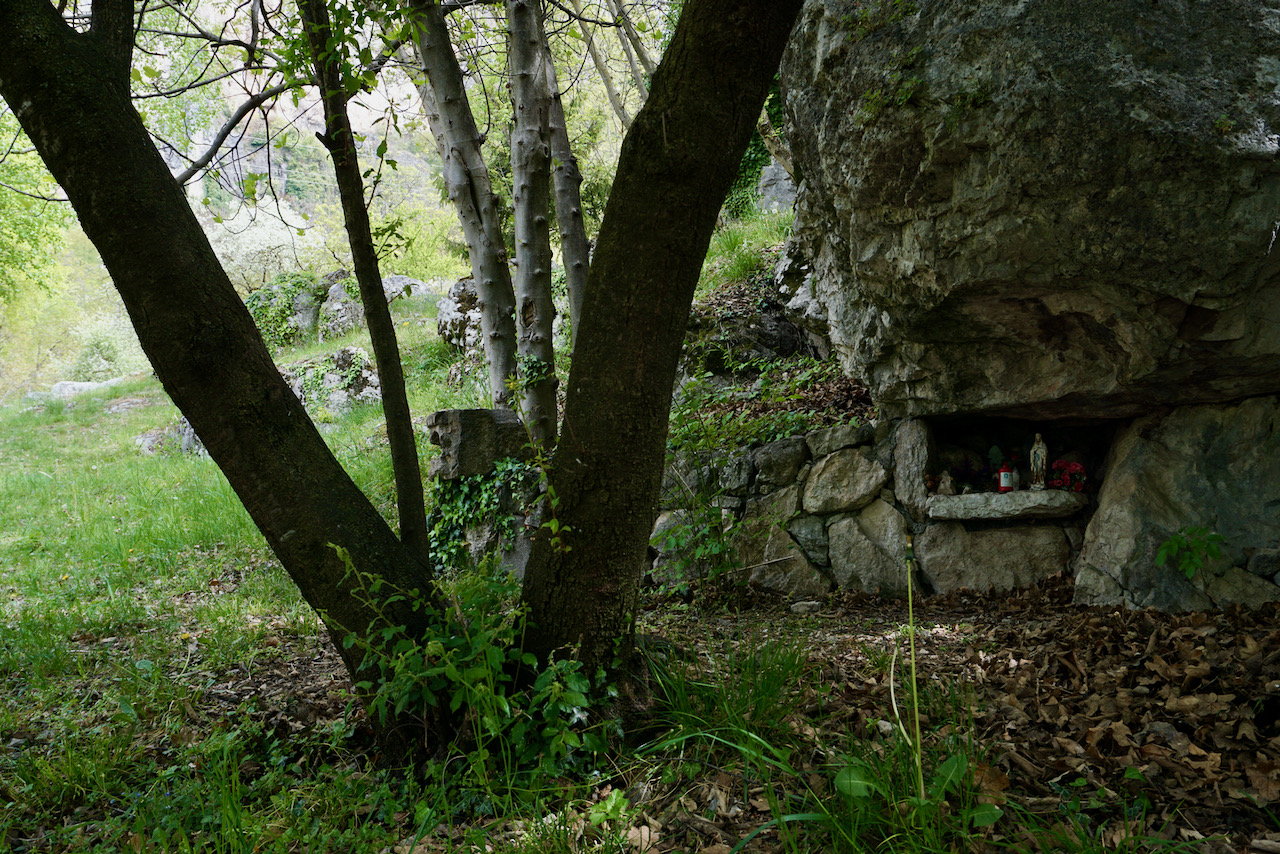
Right from the start, I was taken off guard. Throughout the route, I was surprised at how scared I was, grateful for being there, and had already decided to do it again. The biggest difference between Klettersteig and climbing, to me, is that of partnership. There’s someone on the other end of a climbing rope who cares about you, and I cannot say the same for cables attached to cliffs.

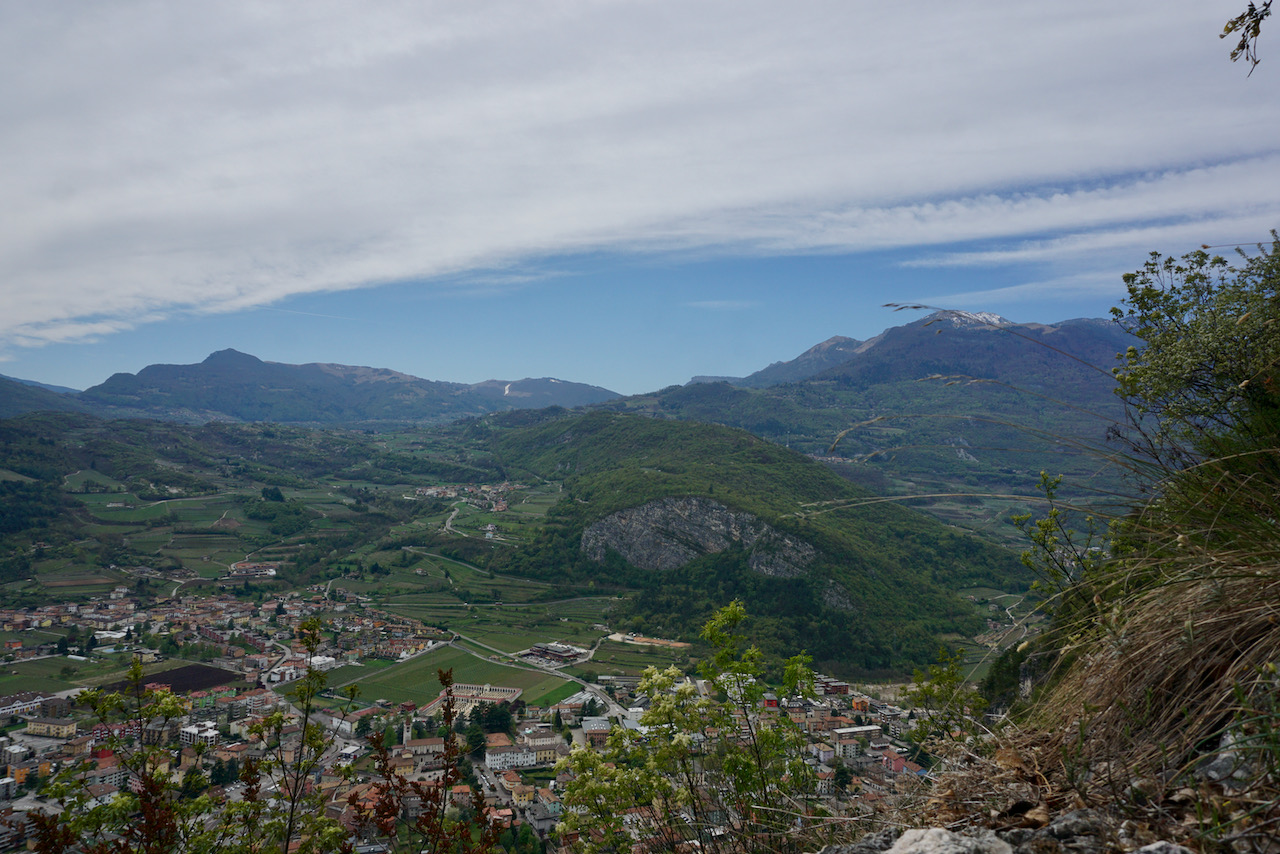


The hike down was a reward, a journey through yet a different landscape.




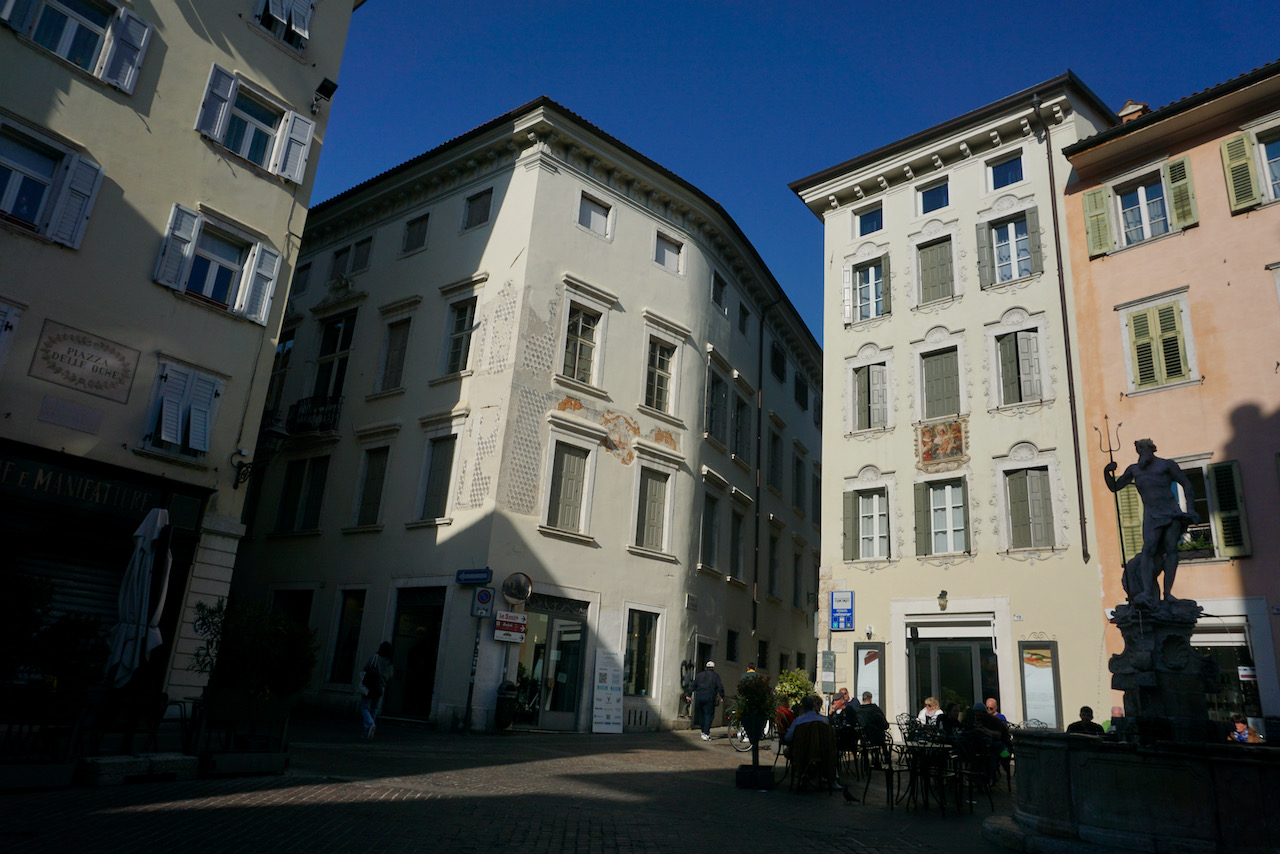
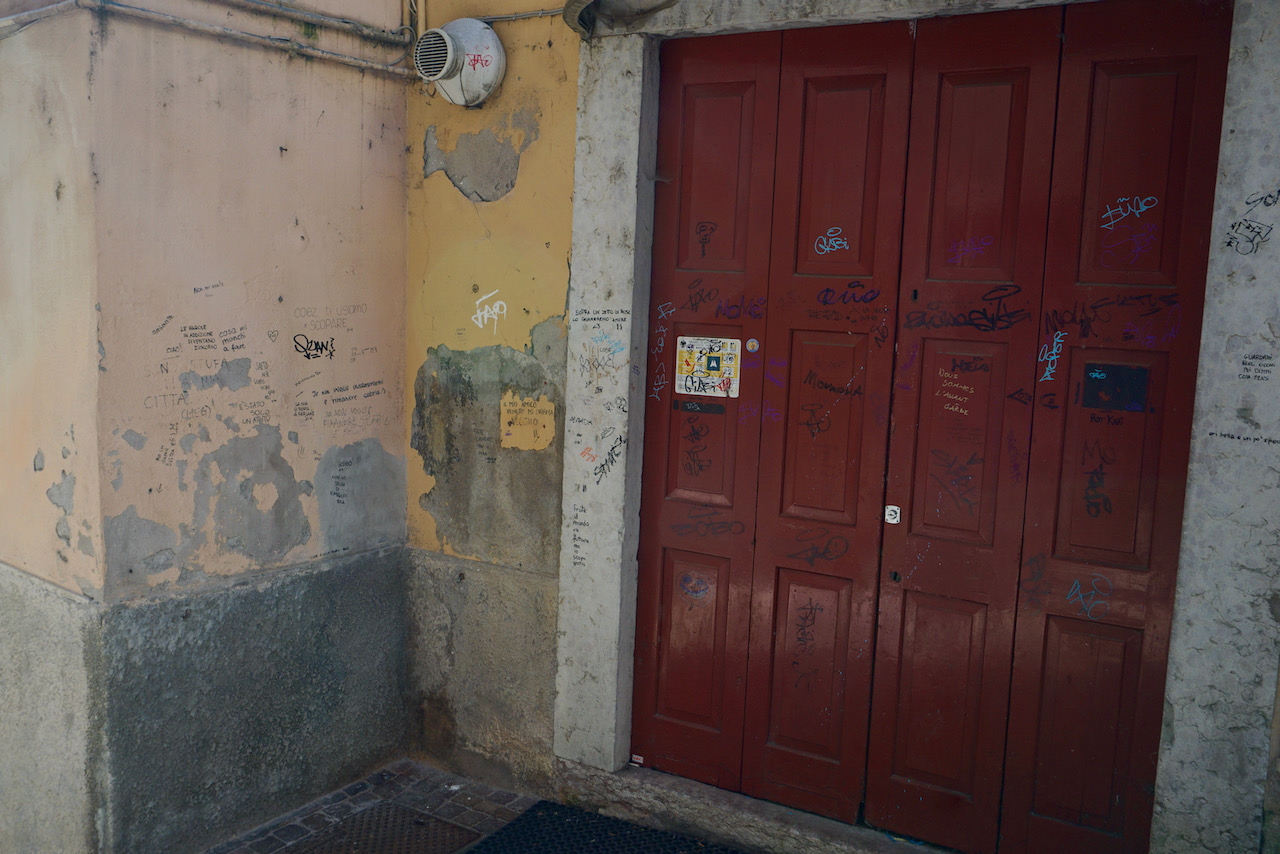
Again looking for gelato, we stopped in Rovereto as the sun began to sink lower, creating shadows that could tell stories. I’m inclined to believe in magic, so I suspect that they have.






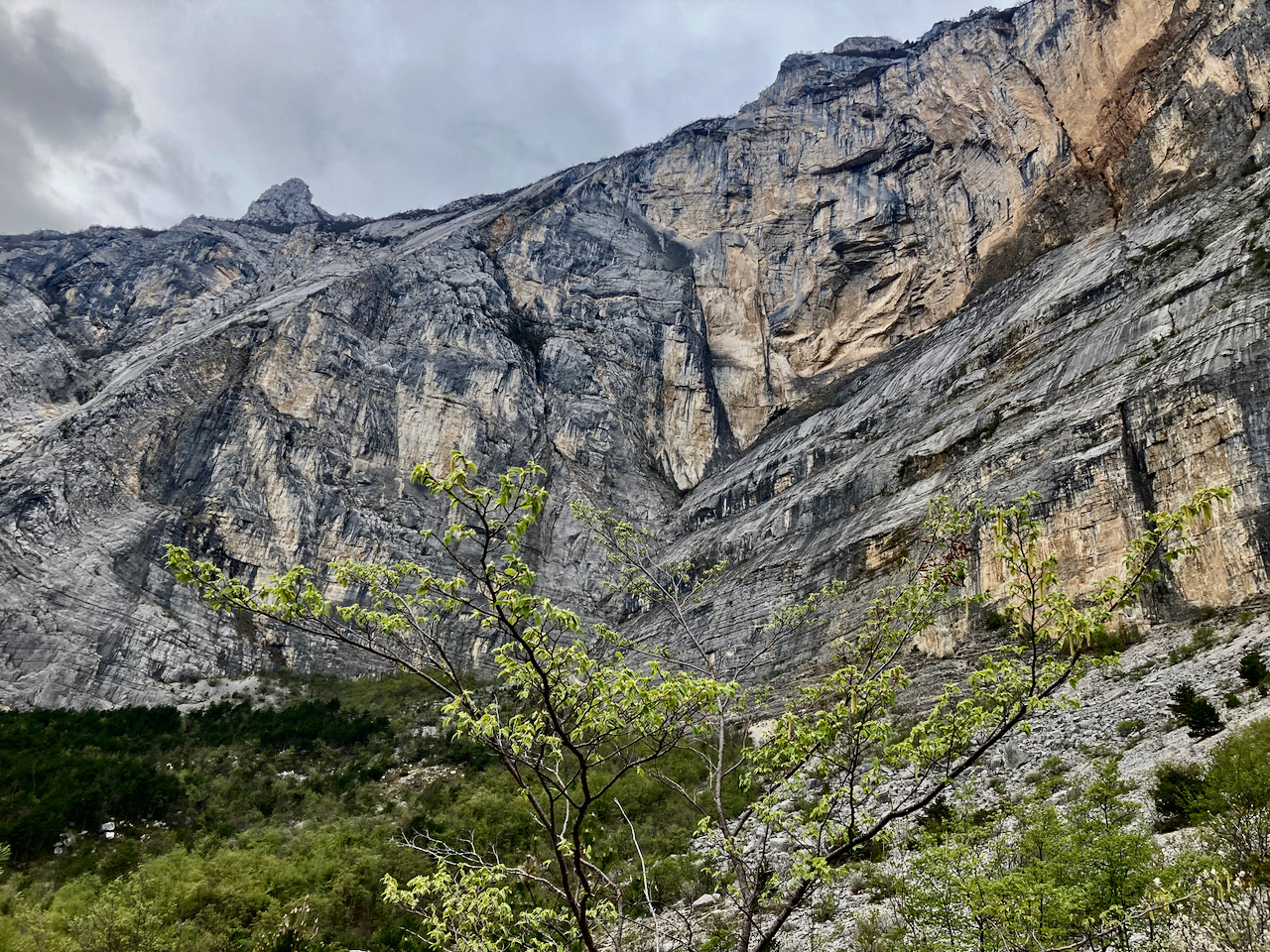
Before arriving in Arco, we had eyes on Claudia, a multi-pitch of thirteen pitches and 455 meters. Much of this route would be a slab climb, meaning a reliance on balance, friction, and making use of tiny footholds when they appeared. Without question, it would be the biggest outdoor adventure I’d ever encountered.
Climbing is about much more than physical strength. It’s about agility and dexterity, about safety, and, perhaps most importantly, about trust. We have systems, we check the systems, and we back up the systems. My life is in my partner’s hands and their life is in mine. Literally. And we know this every time. I have belay scars for a reason. One of the things that makes multi-pitch climbing so spectacular is that the experience is just you and your partner and the rock, and you are in this together for as long as it takes.
Four of us in the group were interested in Claudia and we assembled our gear and decided on pairs the night before. With such a long climb, the length a new experience for all of us, we needed an early start. As we had learned in our shorter multi-pitch routes, we needed to be familiar with the map to determine know how much gear was required at different points, as well as the line we were meant to follow to stay on the correct route. It actually is possible to make mistakes when there are routes bolted alongside each other, and getting into territory that is too difficult or doesn’t lead to an appropriate anchor can be dangerous.
We woke early, left the apartment early, and encountered no one else on our walk to the route’s starting point. We checked everything once more, gave a final round of hugs, and then we started to climb.
For something so enormous, there was remarkably little fanfare. We just did what we knew how to do and worked out the kinks along the way.
The weather remained consistent throughout the day and we were grateful for that because it meant one less thing to manage. Once all of our layers went on, they stayed on. At every snack break, we were surprised at how long we’d been climbing. We kept enough distance between our two pairs that my partner and I couldn’t see our friends below us and periodically strained to hear their commands to one another, just to make sure. We got into a rhythm of checking the map at regular intervals and our anchor setup became more efficient with each pitch. We paused occasionally for photos, celebrated milestones and scary pitches, ate snacks, laughed a lot and listened to the wind around us and the river below.
Six hours and 48 minutes after we started the adventure that was just us and the rock, it was over. We stood 455 meters, thirteen pitches, above where we began and realized how far we’d come. We watched the clouds move, the sky change, and took stock of the state of our feet and hands. The climb had been long and the fact that it was, for the most part, neither difficult nor scary was very important. Claudia required us to be tuned in the whole time, to be aware of ourselves, each other, the rock, the changing sky. We sat in silence for a while as we waited for the moment we’d see our friends, at which point adrenaline took over and carried us through the hike down.


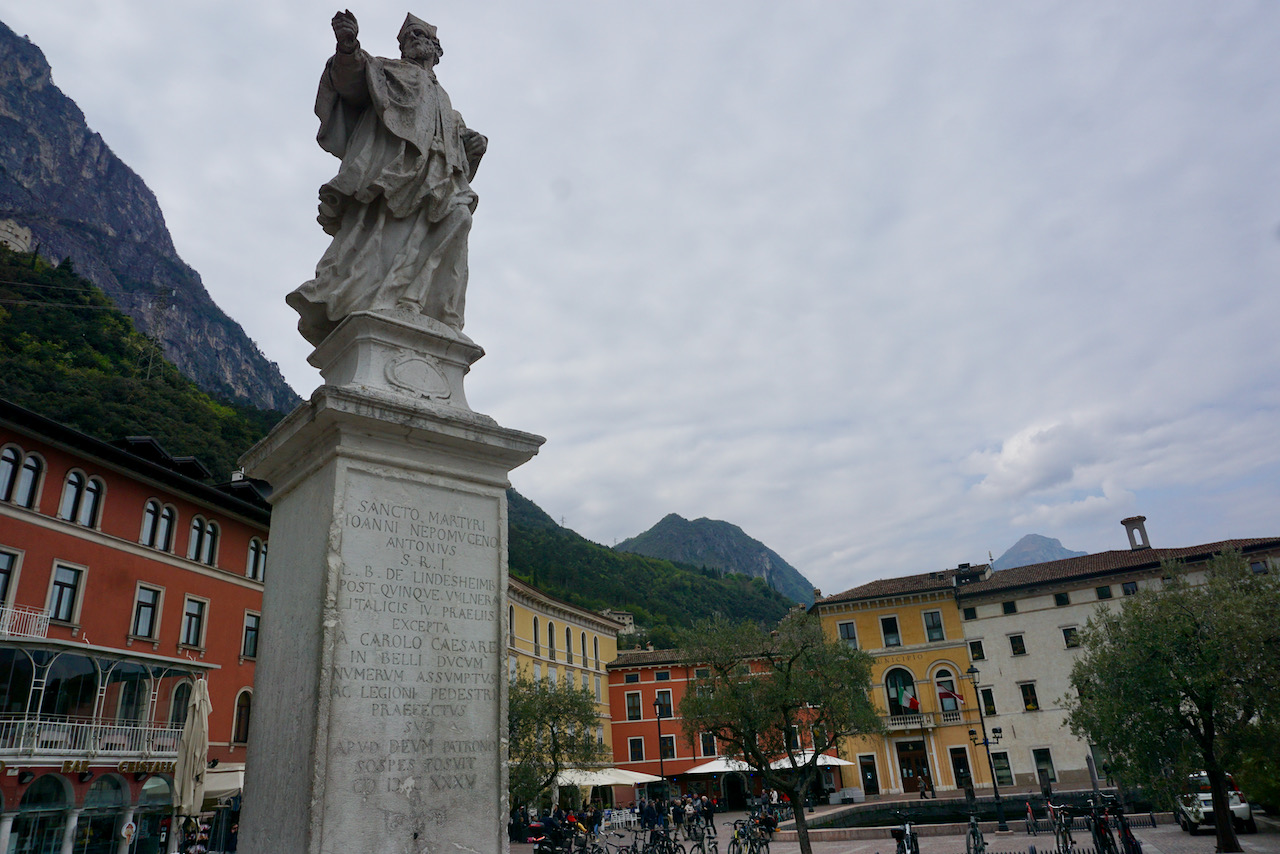
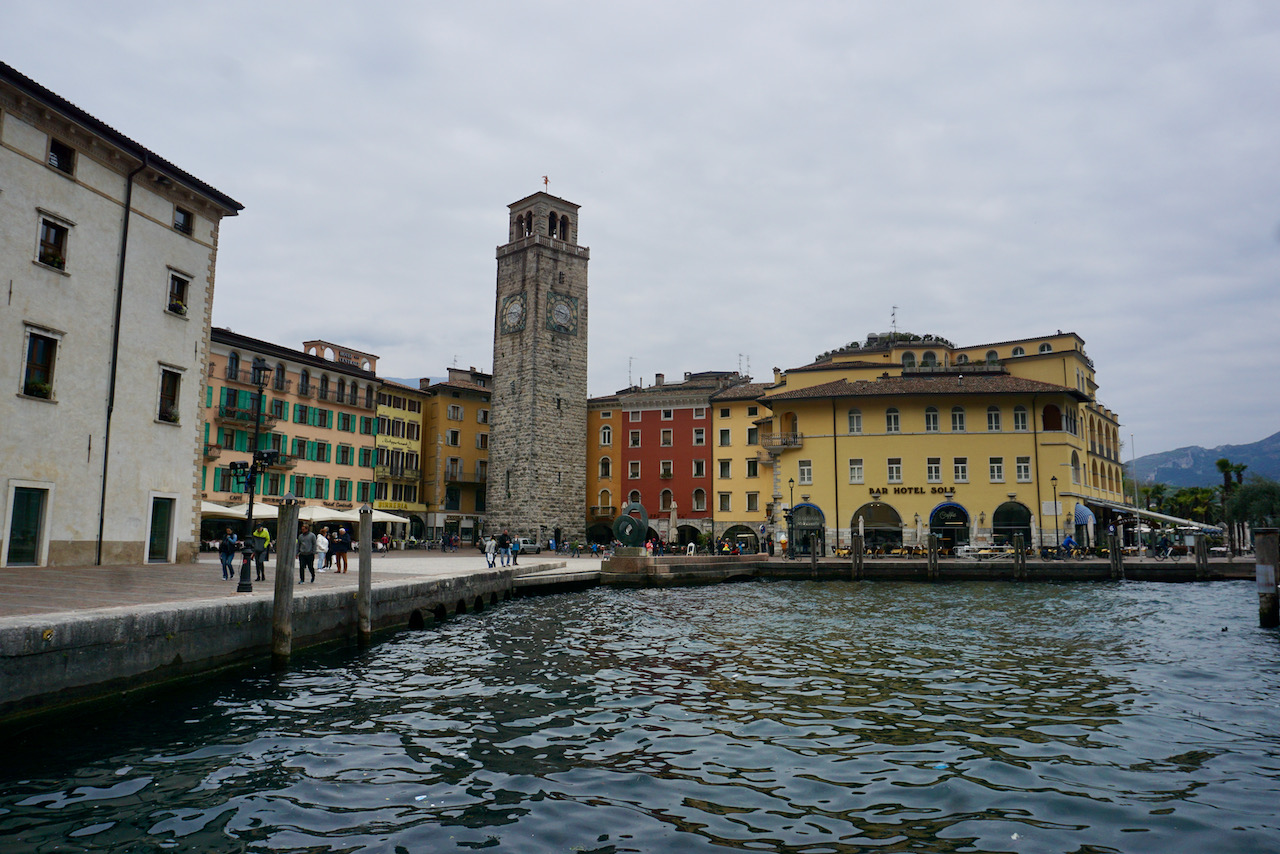
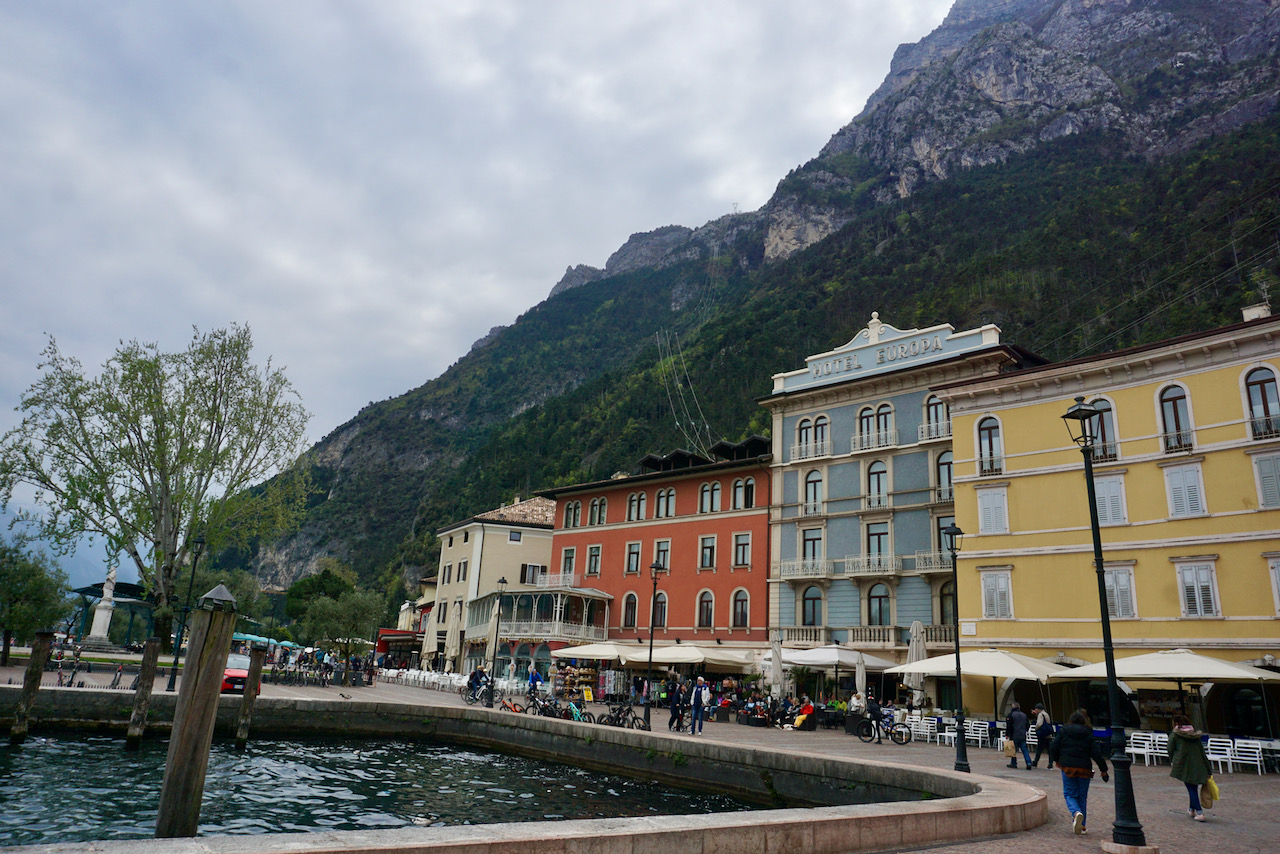
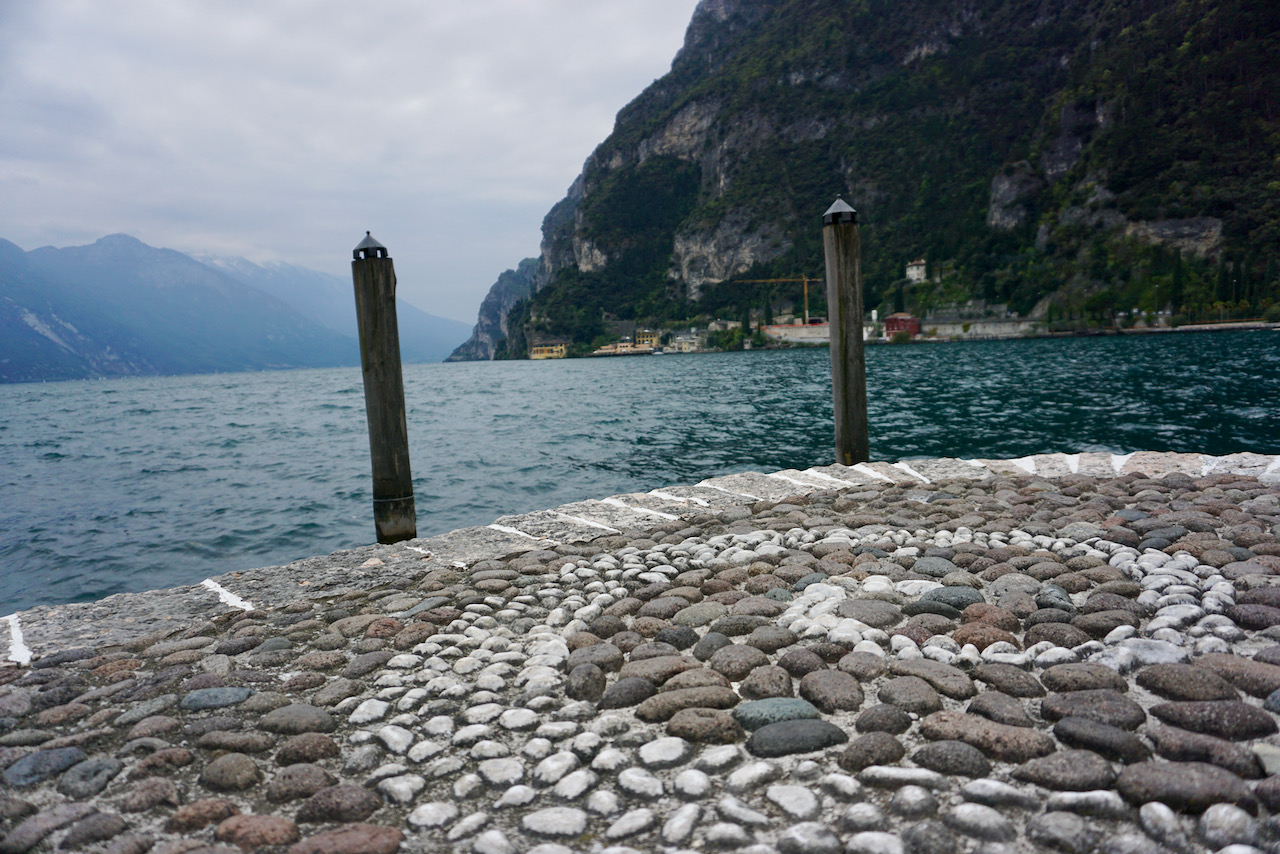
After our day on Claudia, I went to bed with some vague thoughts about climbing again the next day. My body had other ideas, however, and a few of us decided to spend an afternoon in the port town of Riva del Garda instead. The antique bookstore came as a pleasant surprise, and of course I couldn’t resist a look inside.

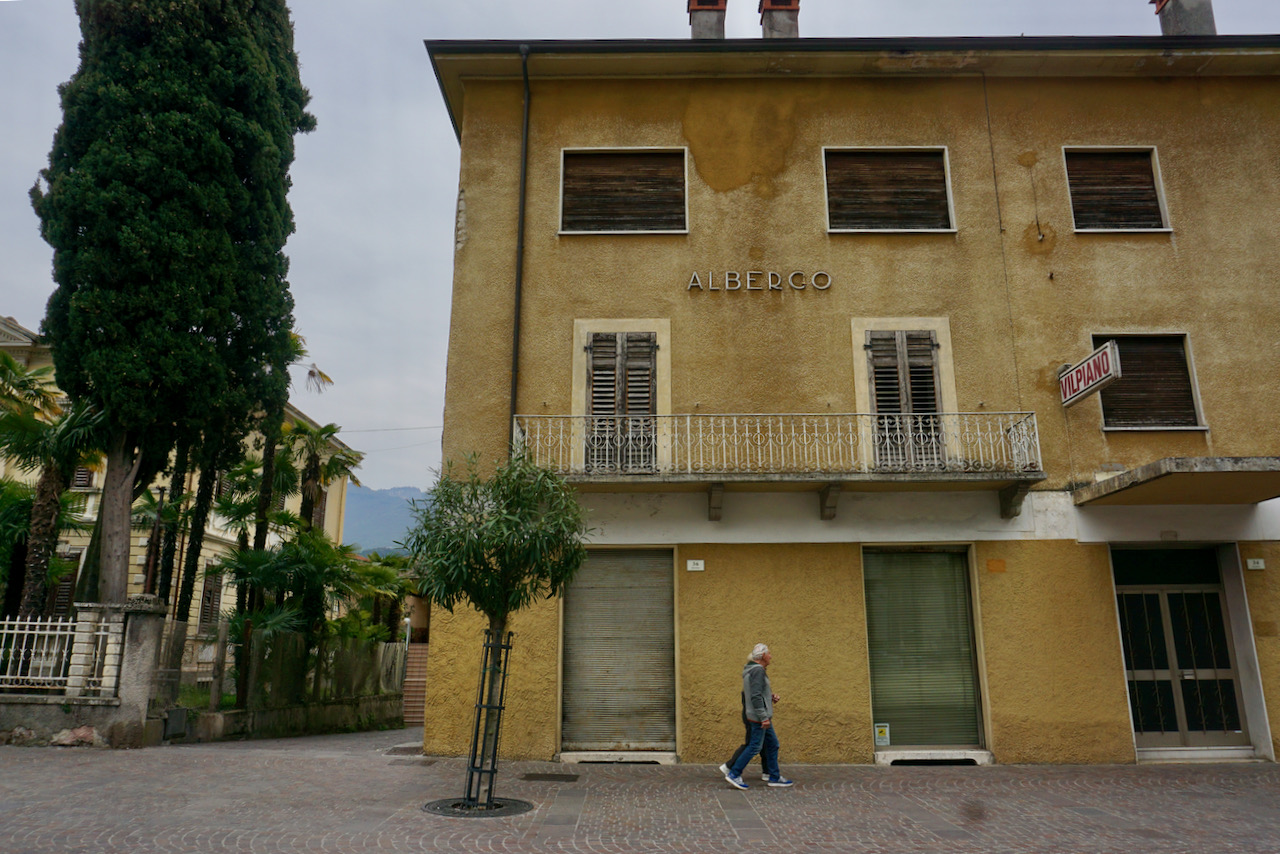

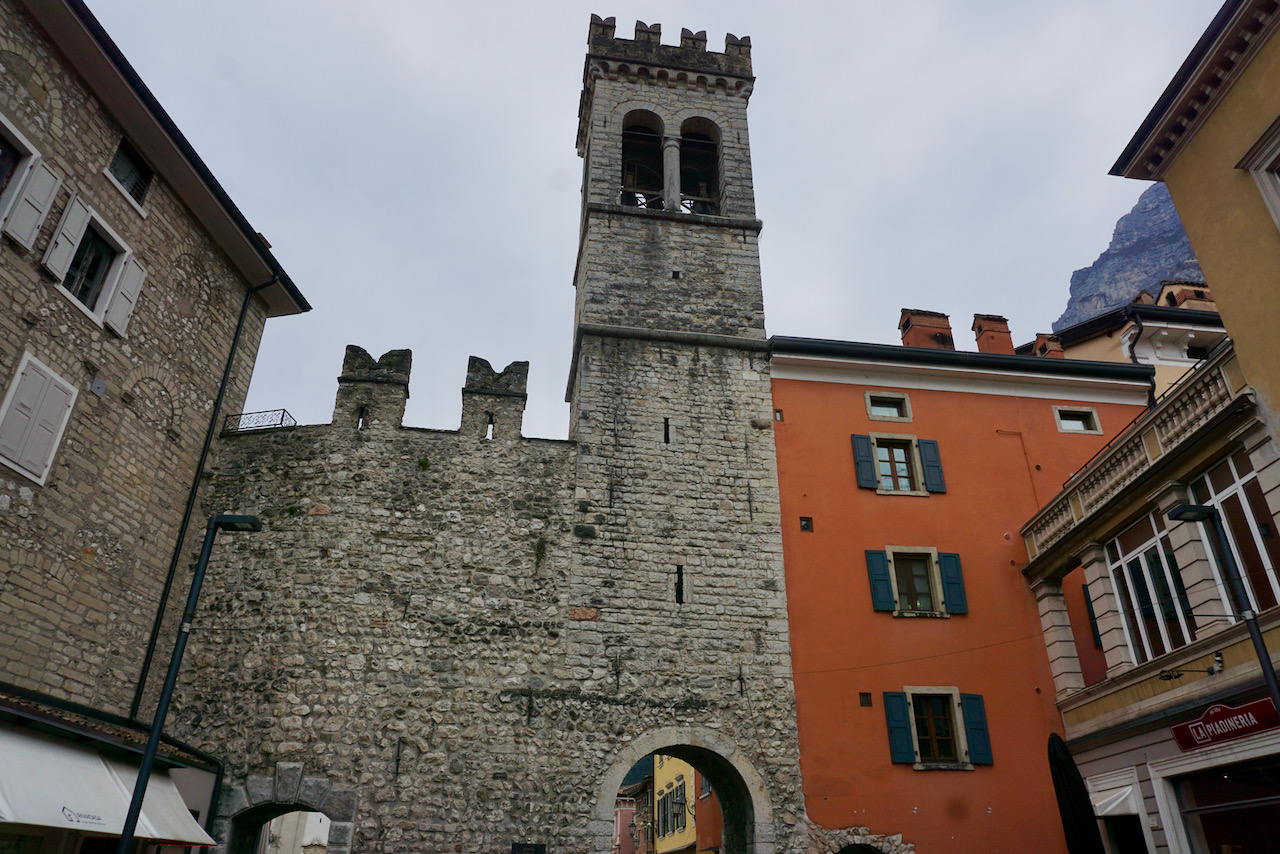


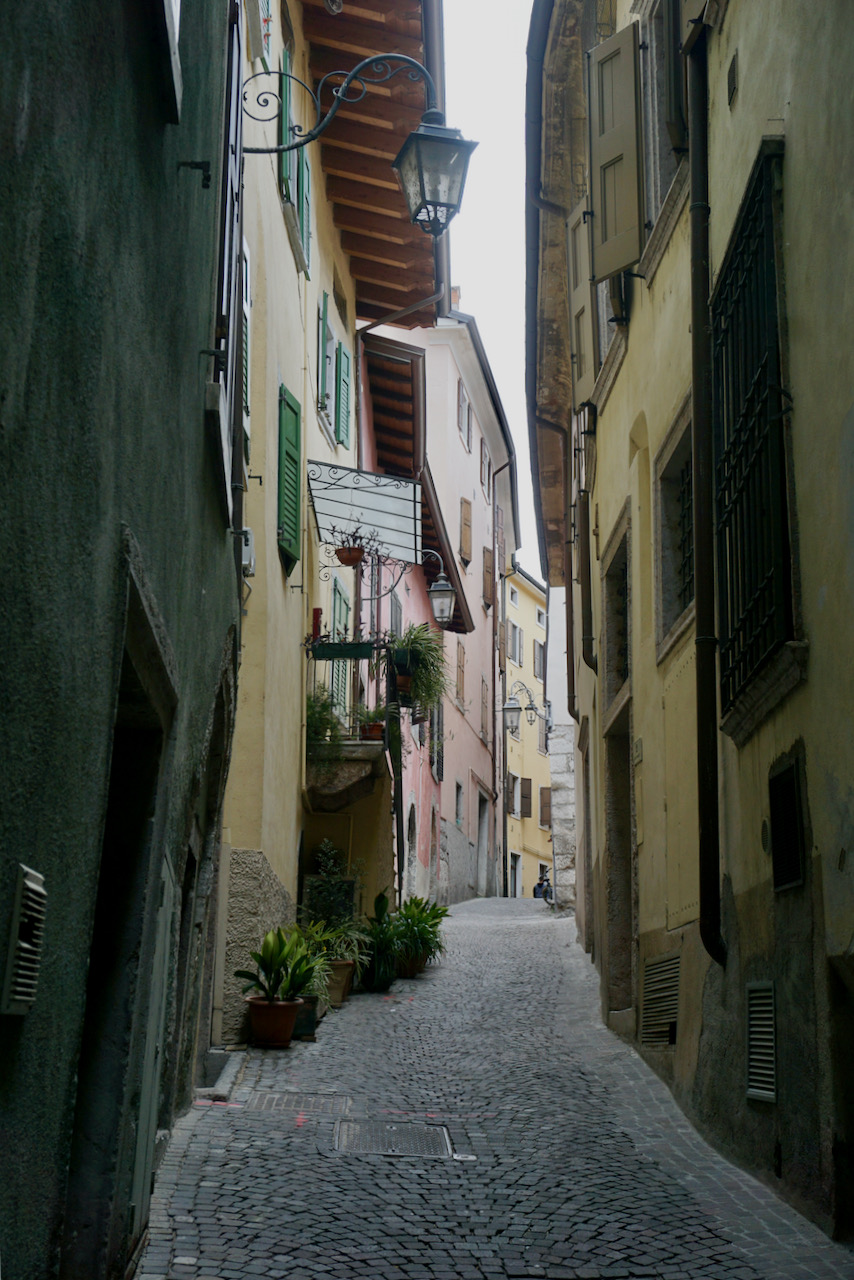



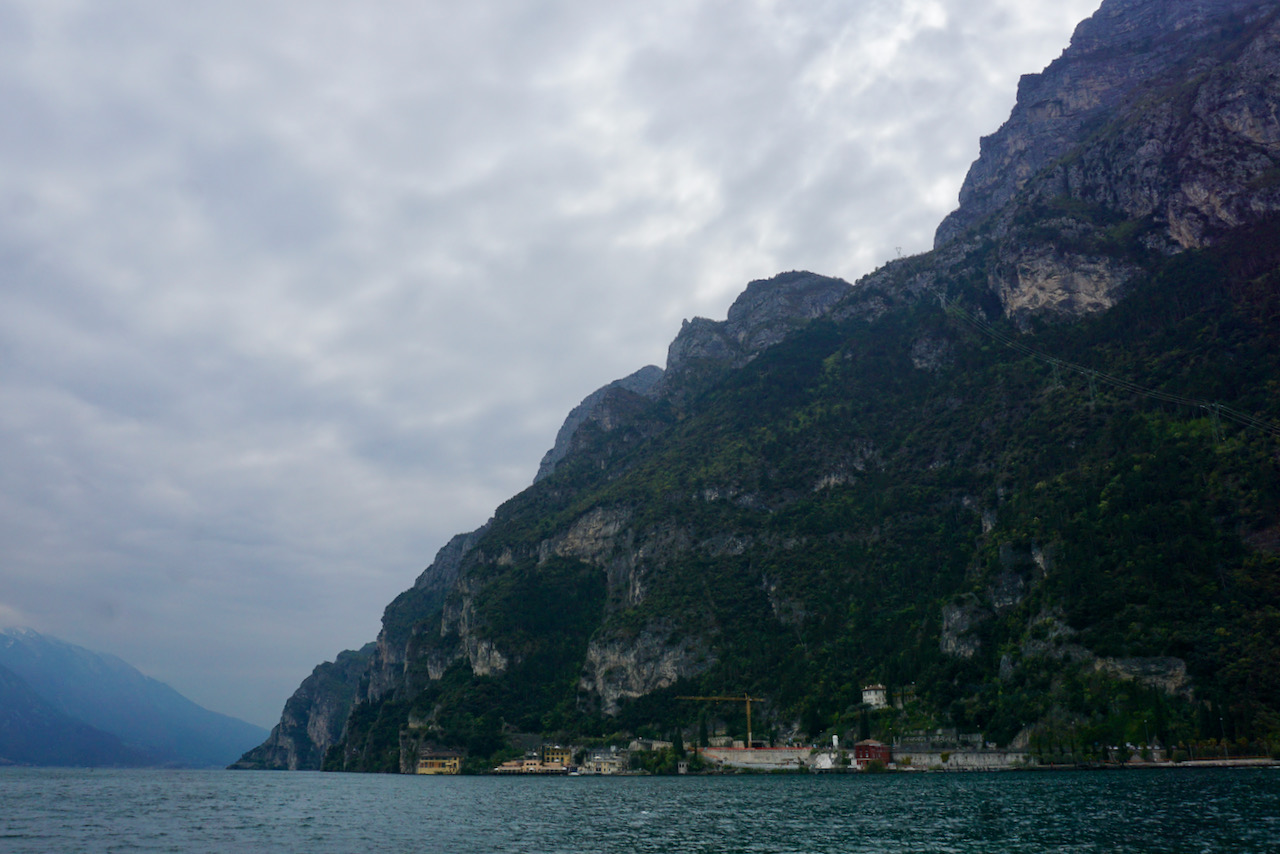
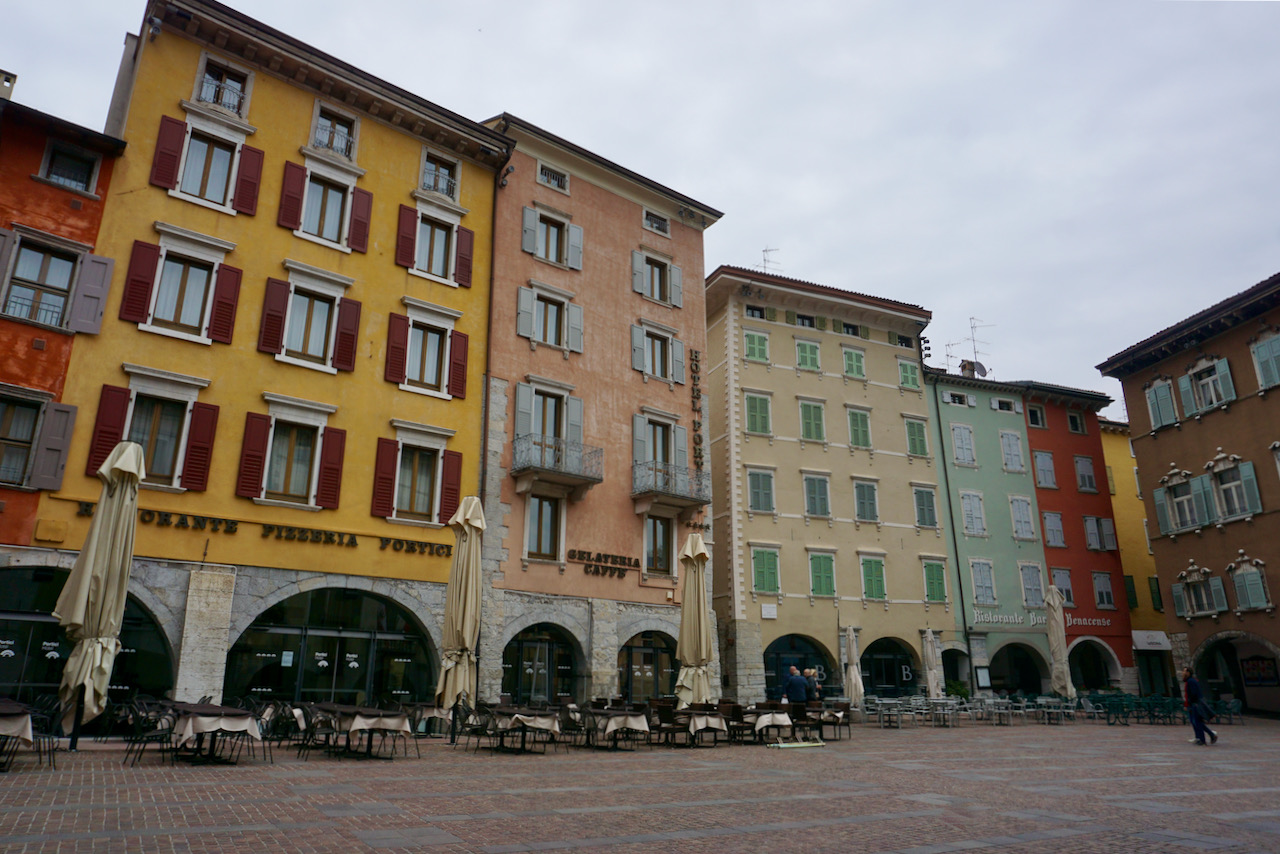
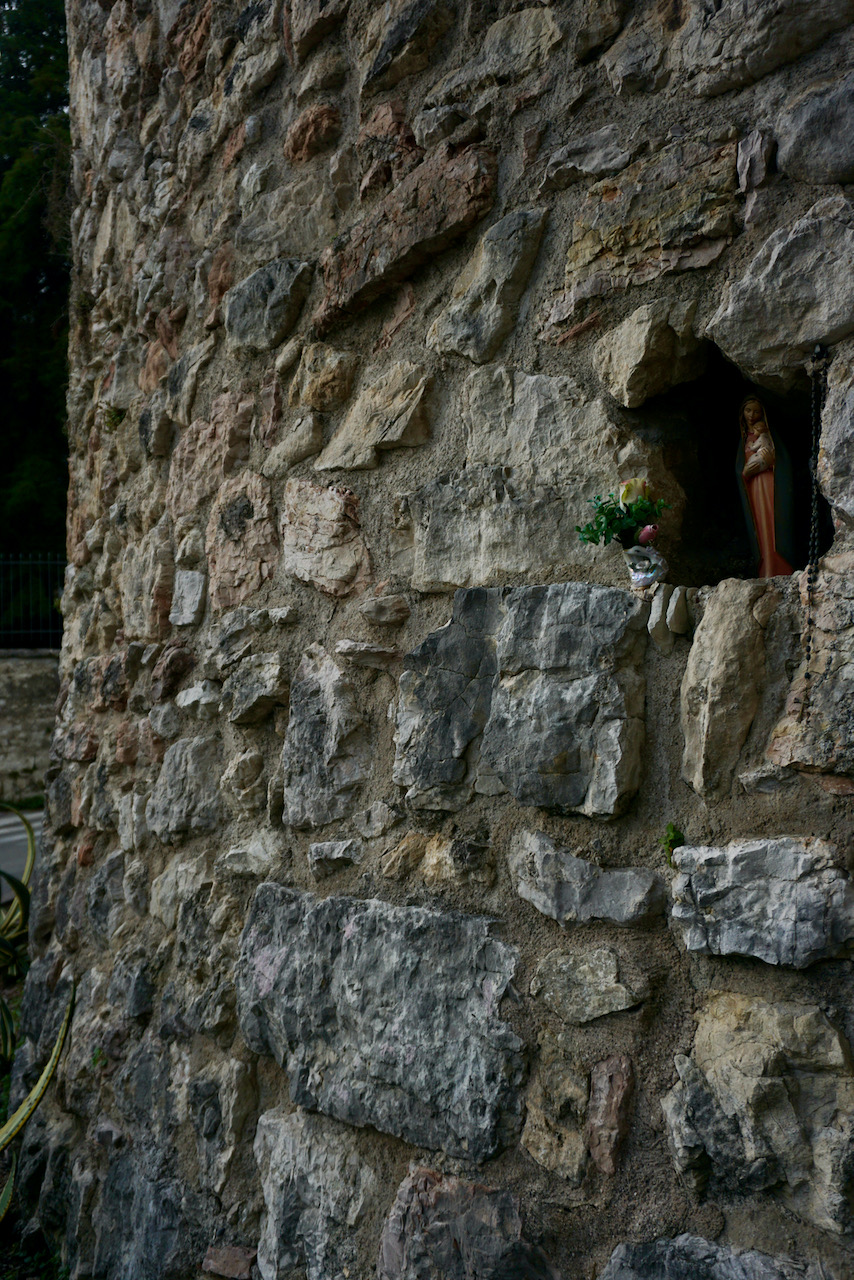
The weather forecast for the last day of our trip had not looked promising, but we were lucky enough to climb for a few hours before it started to drizzle. Upon heading back into town, we made our second visit up the hill to Castello di Arco, this time heeding the sign that very clearly stated the time of last entry. What is left of the castle sits high on a hill, providing a walk and views of the world that had welcomed us to climb.


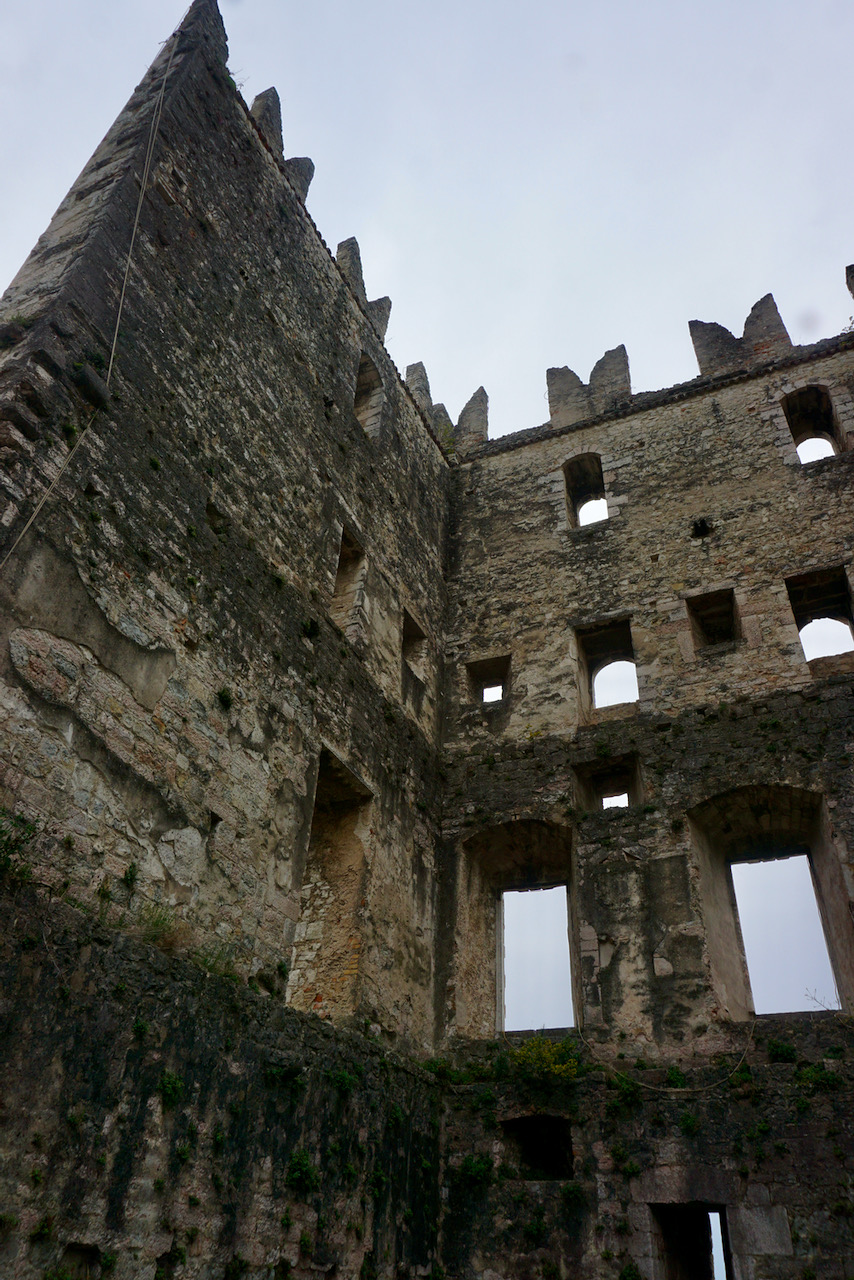
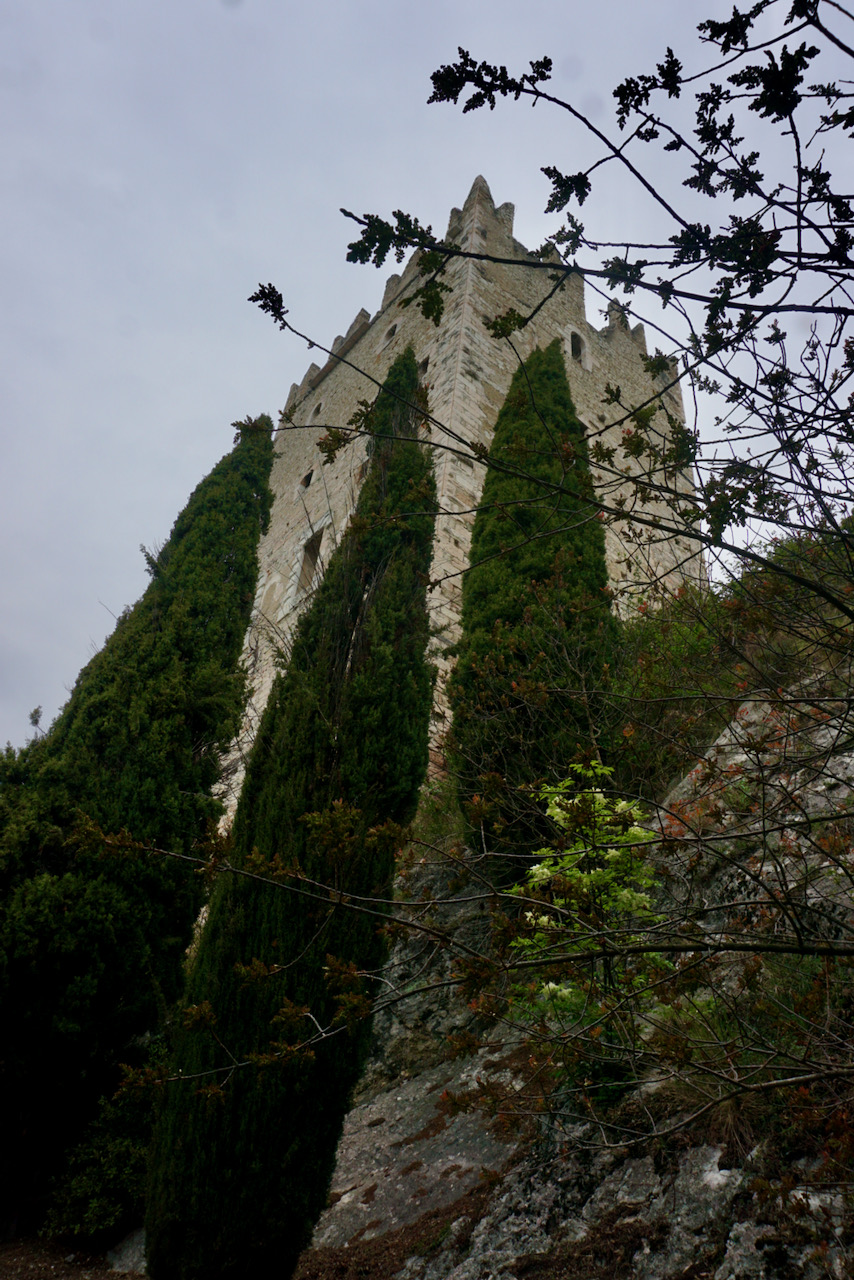




It was drizzling the next morning, which is always a sign that it’s time to go. I felt like a different person as we loaded the car and drove away, a feeling that remained with me through the next morning when I woke in my own bed. I went to Arco wanting to climb and left Arco having climbed Claudia’s thirteen pitches, after having spent a day with just my partner and the rock. I left Arco confident in my ability to climb, manage rope, set up a variety of anchors, and deal with unexpected situations. This experience made me a better climber for myself, and also for my partner, which is perhaps even more important.
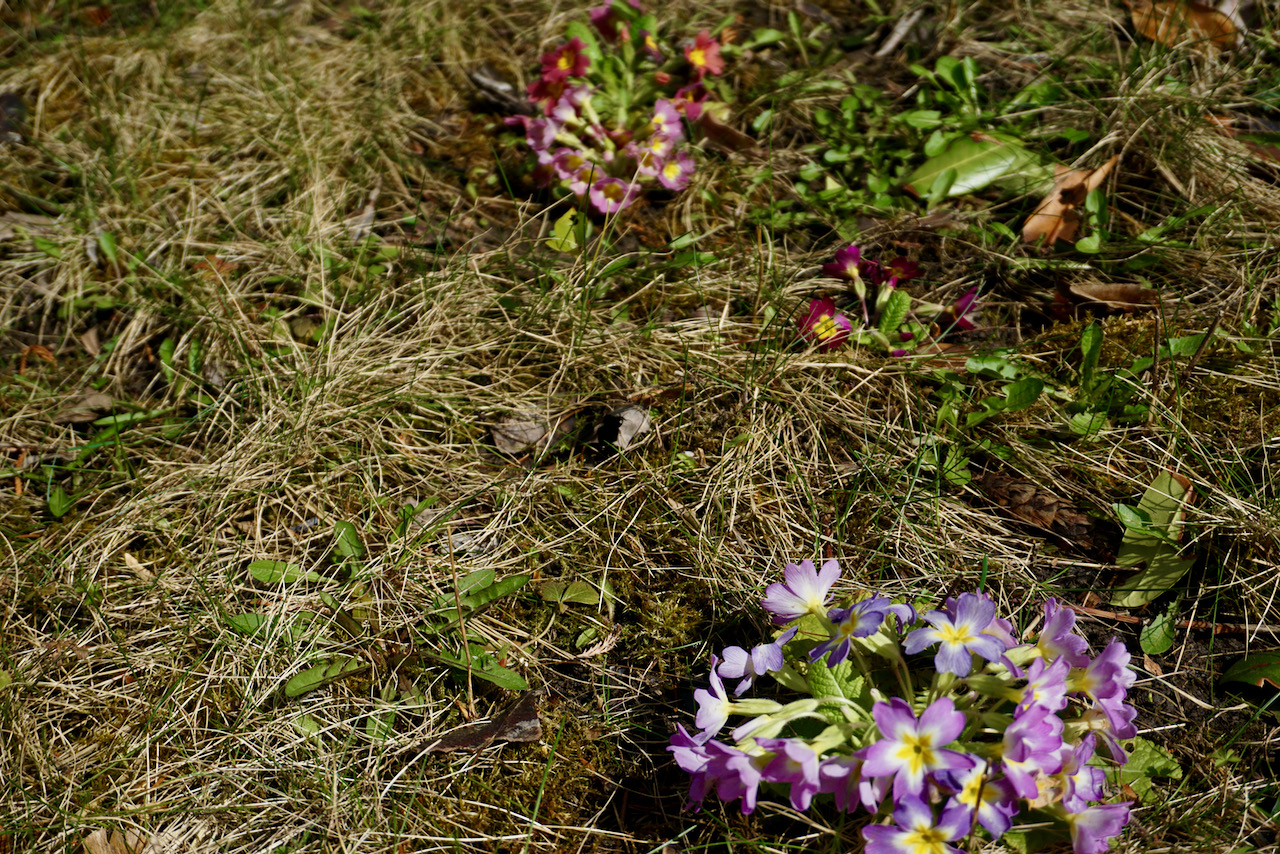
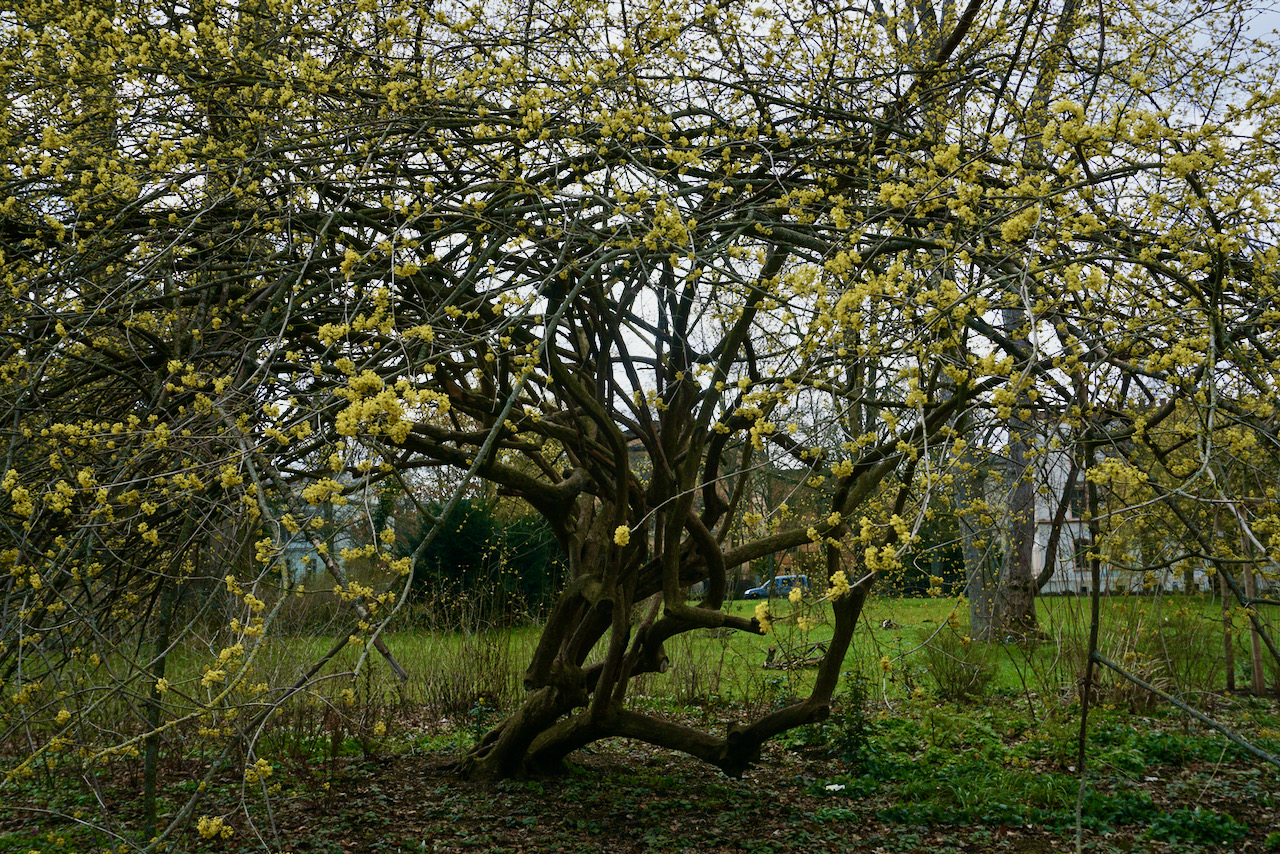
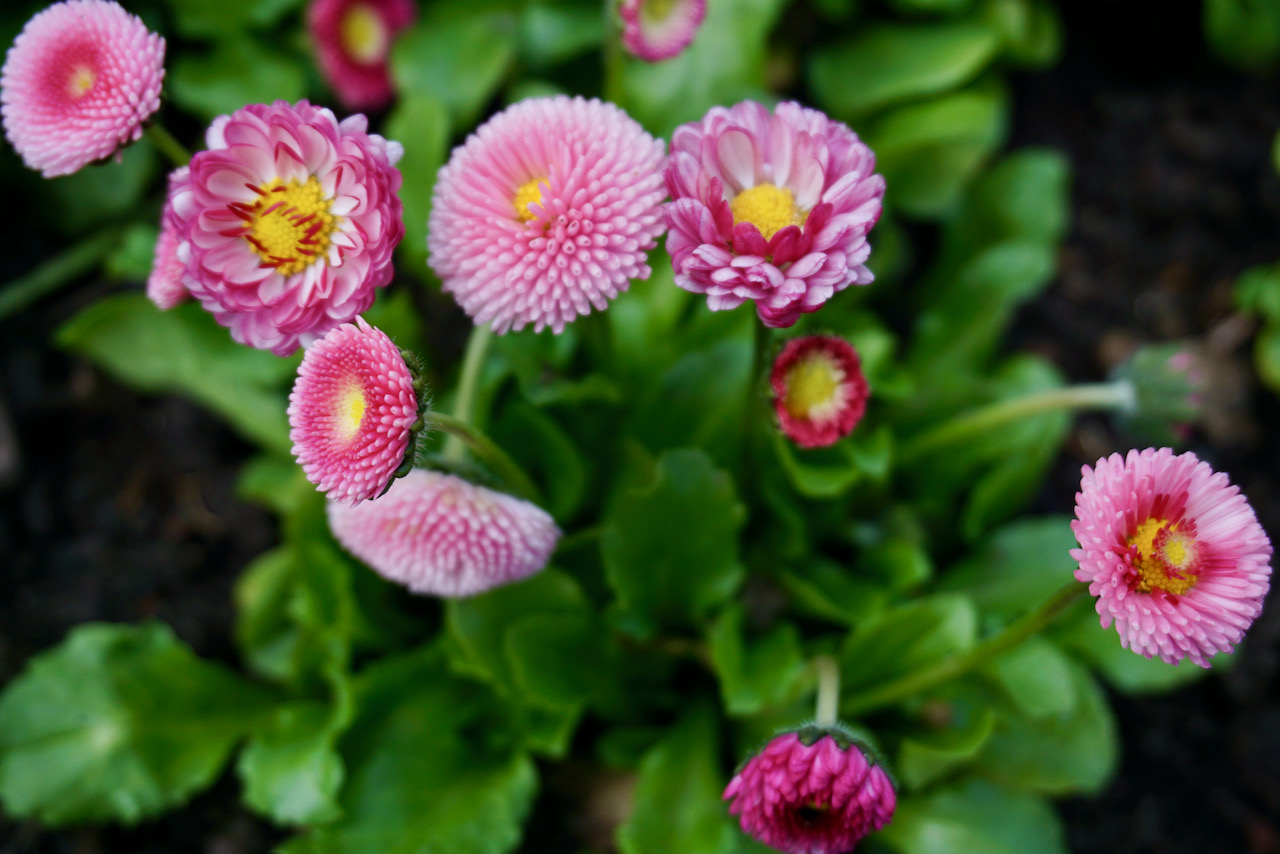
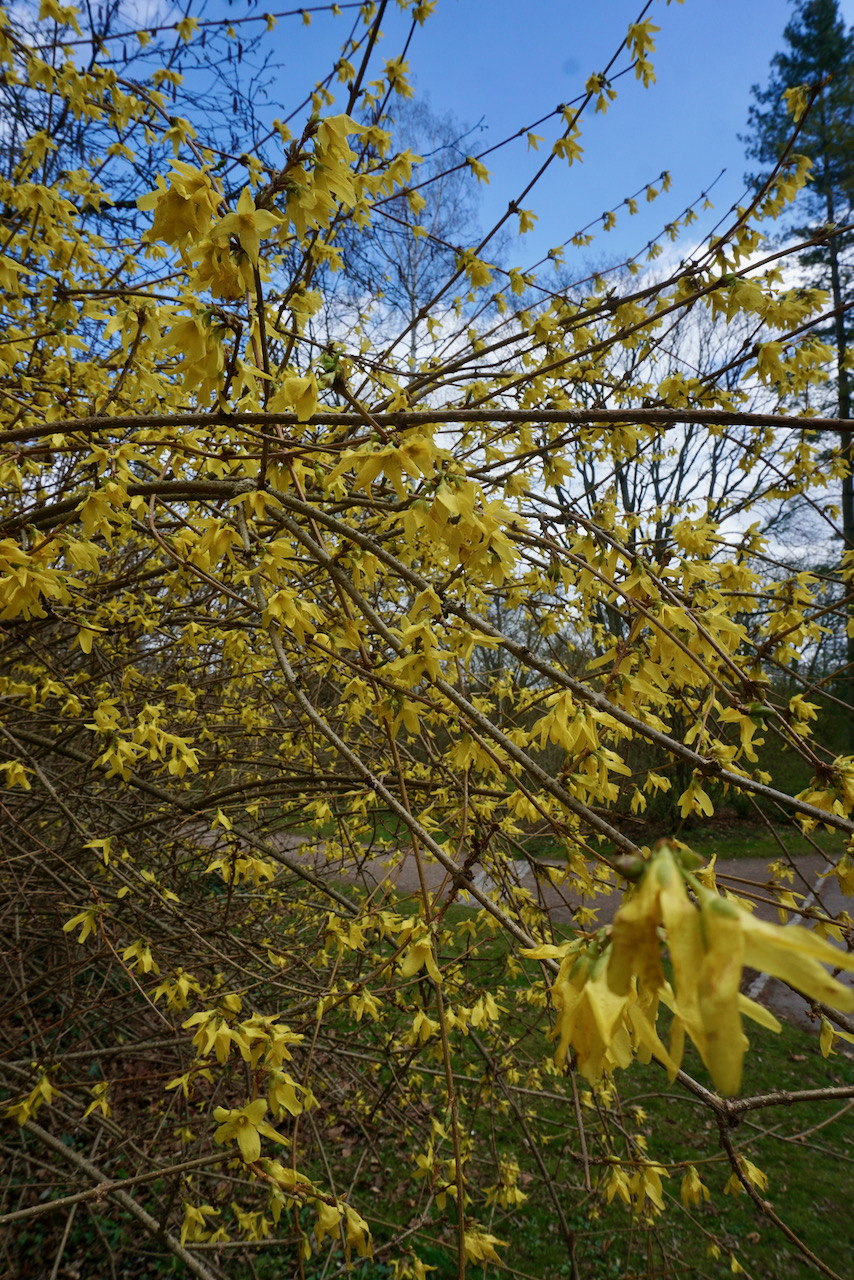
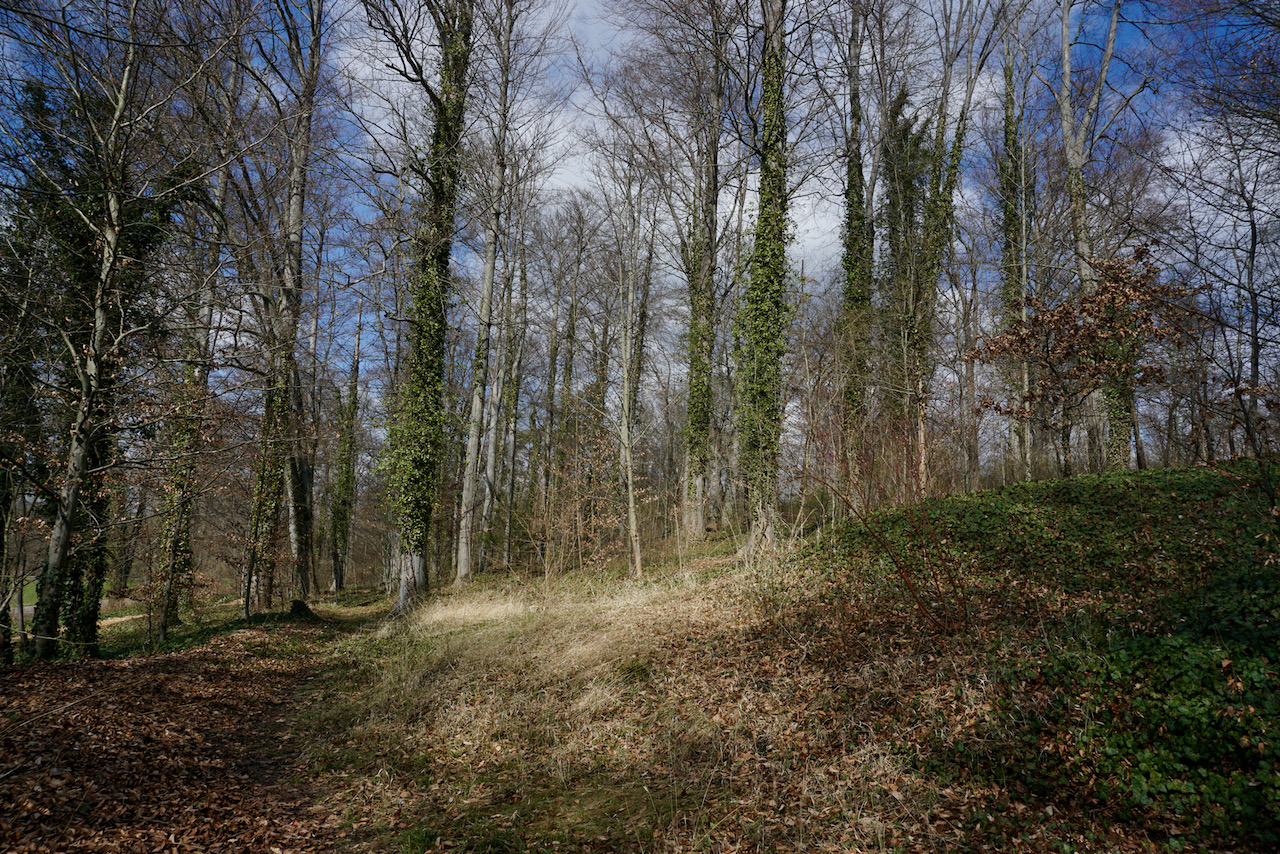
It was almost a surprise to walk around back home and realize that only a week had passed. A week on the calendar but lightyears in what I had managed, physically, mentally, emotionally. And in that week, the trees were greener, the flowers larger, and I found myself changed.










































 By Rebecca Michelle