Tag Archives: Food

Giving Thanks

Two years ago, my partner and I went to an American Thanksgiving celebration in Munich hosted by friends from Singapore. Shortly thereafter, memories of turkey with cranberry sauce and pumpkin pie still on our minds, we decided to make Thanksgiving a feature of our intercultural life together.

Without thinking much of it a year ago, I suggested to my parents that they spend the following Thanksgiving in Germany. It had been strange, they said, celebrating with their friends and their friends’ children with none of their own children around. “So come to us,” I said, and they booked flights. “We’re hosting Thanksgiving,” I told my partner after one phone conversation not too many months ago. It took us both a little by surprise.

In the train station just moments after my parents arrived on Friday night, my partner turned to me: “I hope the turkey’s not frozen.” As a group, we agreed that it wasn’t and that we’d adjust if it was. In my dreams, I was up to my eyeballs in vegetables while my partner was out trying to catch the turkey, which had inexplicably morphed from being frozen to being alive. With our oven schedule dictating our Saturday morning alarm, we woke to the first blue sky seen in a week. A good omen if there ever was one.

Although we’d one day love a Thanksgiving with thirty-odd people, this year’s gathering was small. Along with my parents who spent the day preparing with us, doing the normal daily life things that people who live far apart don’t do together, we hosted my partner’s parents and a couple of friends who knew of Thanksgiving from American television and film. It was a first Thanksgiving to host, a first Thanksgiving to attend, a first Thanksgiving celebrated in Germany. Firsts for us all.

In the living room of our one-bedroom apartment, we rearranged the furniture to seat everyone around the coffee table. In the kitchen, we laid a table of turkey and cranberry sauce (the essential ingredient of which my parents brought from the US), two kinds of gravy, mashed potatoes, roasted vegetables, lemony rice, green beans, and baguettes topped with squash and ricotta cheese. Later came pecan squares, pumpkin pie, real whipped cream, and ice cream. We served beer, wine, and Glühwein (mulled wine), and rounded out the evening with a round of our favourite schnapps.

Somewhere between turkey and dessert, my mum suggested sharing what we’re grateful for. This is something my family has always done, and I told the group about the lists we have written in the past and tucked into the purple Thanksgiving folder that comes out once a year. With some wet eyes (or water in the beard, as the German expression goes) and pauses for translation into one language or the other, we went around the table and shared a little of what was in our hearts.

By the time the kitchen was clean in the wee hours of the morning, my throat was sore from talking and my face from smiling. Had gravity not been pulling me firmly to the ground, I would have soared. To look around a room and feel so much love, to hear the same well wishes and hopes spoken in different languages, and to feel so much at home among all of it is a moment for which I am thankful.

Bad Herrenalb, Germany – February 2023

Slice of Home

Last weekend I had the pleasure of reuniting with old friends and introducing a German to the culinary joys of a typical American Thanksgiving. The top hits were, predictably, pecan pie, pumpkin pie, turkey with cranberries, and stuffing. Green beans, mashed potatoes, sweet potato pie, and bread rolls filled the rest of the table and I heard about more desserts than I was able to glimpse before they were gone. Wine, beer, and Glühwein flowed (we are in Germany, after all), and discussion of the World Cup replaced that of Bowl games. This was a context that just made sense to me and I belonged right there.

The atmosphere was warm, relaxed, and utterly welcoming, bringing the Yiddish word heimish to mind. This word comes from heim or home, and is used to describe the familiar or homey feeling of a place. Heim is also a German word and making this connection reminded me of the Dutch word gezellig, used to describe everything cozy from a physical environment to the feeling of an evening with friends or seeing each other again after a long absence. Gezellig is one of those “untranslatable” words into English and, as I understand it, has a far deeper meaning than its German cousin, gesellig, which refers to the sociability of individuals.

What I enjoyed about the evening was not only watching the reaction to the first tastes of the aforementioned traditional dishes, but also soaking in the atmosphere in which about thirty people, only some of whom knew each other, made themselves at home in a home set up exactly for that. When too many of us were crowded into the kitchen (which is not large enough to accommodate a table and chairs), people moved first to the dining room where they stood or settled into chairs pushed back against the walls, and then to the long picnic tables on the enclosed porch. Acting on a need for a drinks table, more space for desserts, or a different location for the plates required a request for help from the closest person and then the space was modified. Heimish indeed.

I spent the vast majority of my time in the kitchen, my preferred place to be in large gatherings, chatting to whomever came in to drop off an empty plate, fill a glass with Glühwein, ask for another spoon, or check the progress of the stuffed, and unhurried, turkey. The guests came from all over the world and had lived all over the world, and we cheerfully exchanged backgrounds over the common ground question: What is your connections to the hosts? I saw some people for the first time when they were gathering their coats to leave and some names stuck as quickly as others disappeared from my working memory. I didn’t always realize whose partner was whose and found myself in multiple conversations about food in Singapore.

Something that I really like about Thanksgiving is that people are always so appreciative of having somewhere to go and people to celebrate with. For those who grew up with a big American Thanksgiving, introduced to my family during our first year living in the States, this is the time of year when being together is critical. It is a holiday centred on food and harvest, a holiday where we gather to enjoy one another’s company as the days get shorter, darker, colder. Thanksgiving is a time to come together and to remember that communing around food is something that all humans have in common, that harvest and the seasons are a product of the turning of the Earth. I have found that a Thanksgiving amongst strangers does not stay one among strangers for long, and that everyone is there for the same reason: We are all just humans looking to eat, drink, and gather.
I am thankful for being part of the day and I am thankful, especially, for the lovely people who were in the kitchen with me.

Weimar, Germany – November 2022

Zwiebelmarkt

Before accepting a job in Weimar, Germany, I looked it up on Wiki Travel. (I didn’t do this until after moving to Seremban, Malaysia and, well, if the only thing Wiki Travel has to say is that your town is near the airport, I wouldn’t suggest moving there.) I knew the basics of Weimar – home to the Weimar Republic, after all – and there were a variety of other mentions that caught my eye, one of which was the Onion Market. When I arrived, locals and expats alike told me, “Let’s just hope the Onion Market is on this year.”

A few changes due to Covid notwithstanding (no Queen of the Onion Festival, no pre-dawn opening, only four stages with live music instead of ten, a manageable number of visitors rather than the 250,000 that usually flock to this town of 65,000) it was!

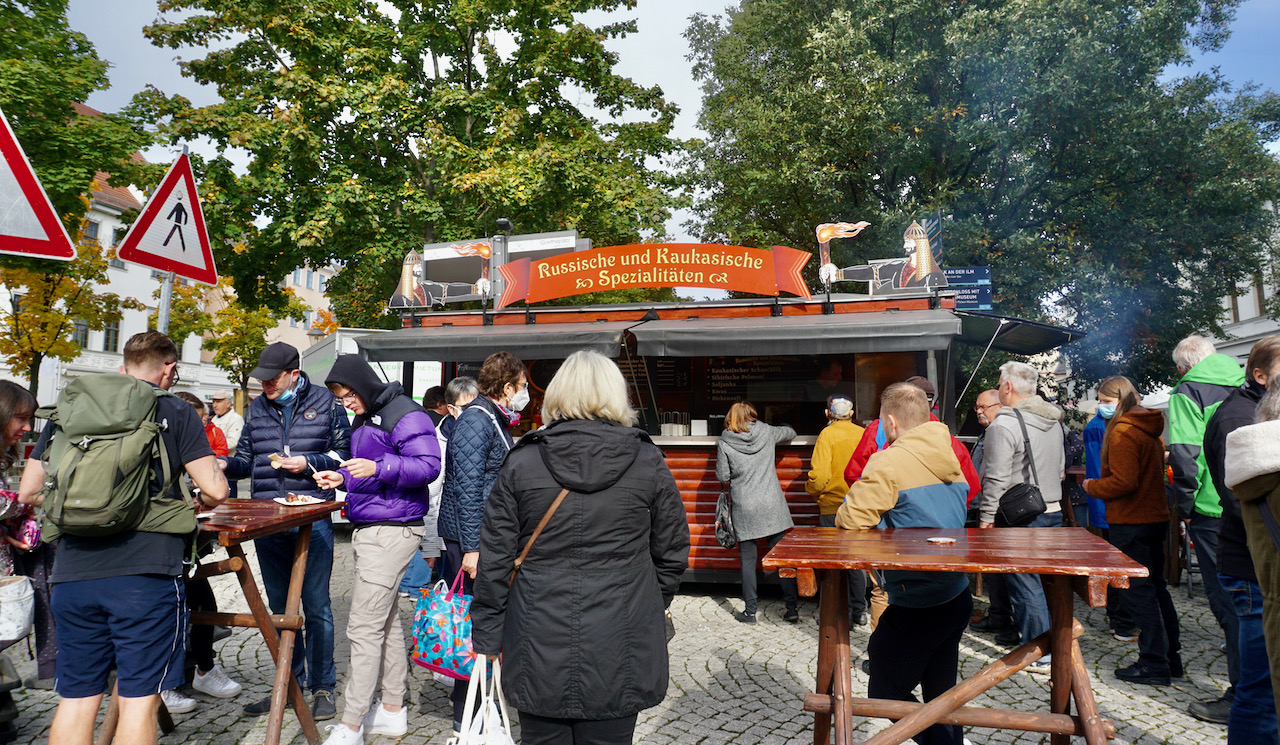
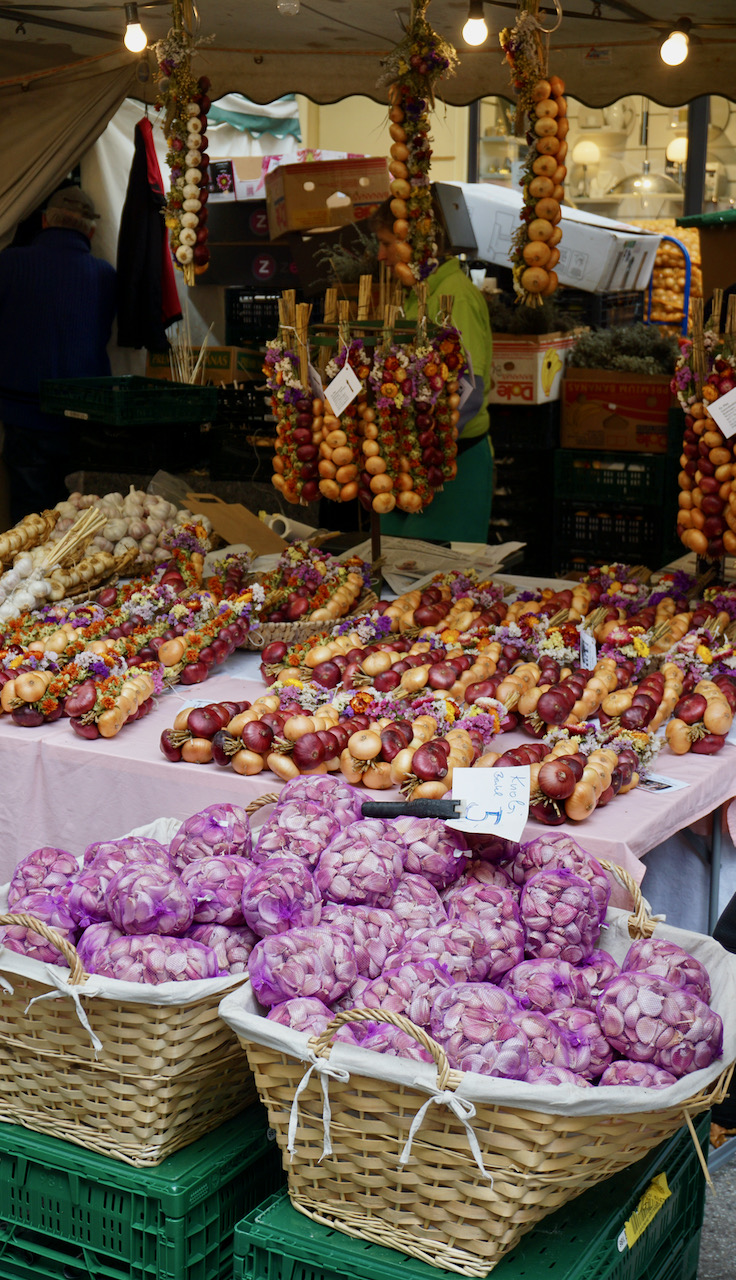
Zwiebelmarkt was part food festival . . .

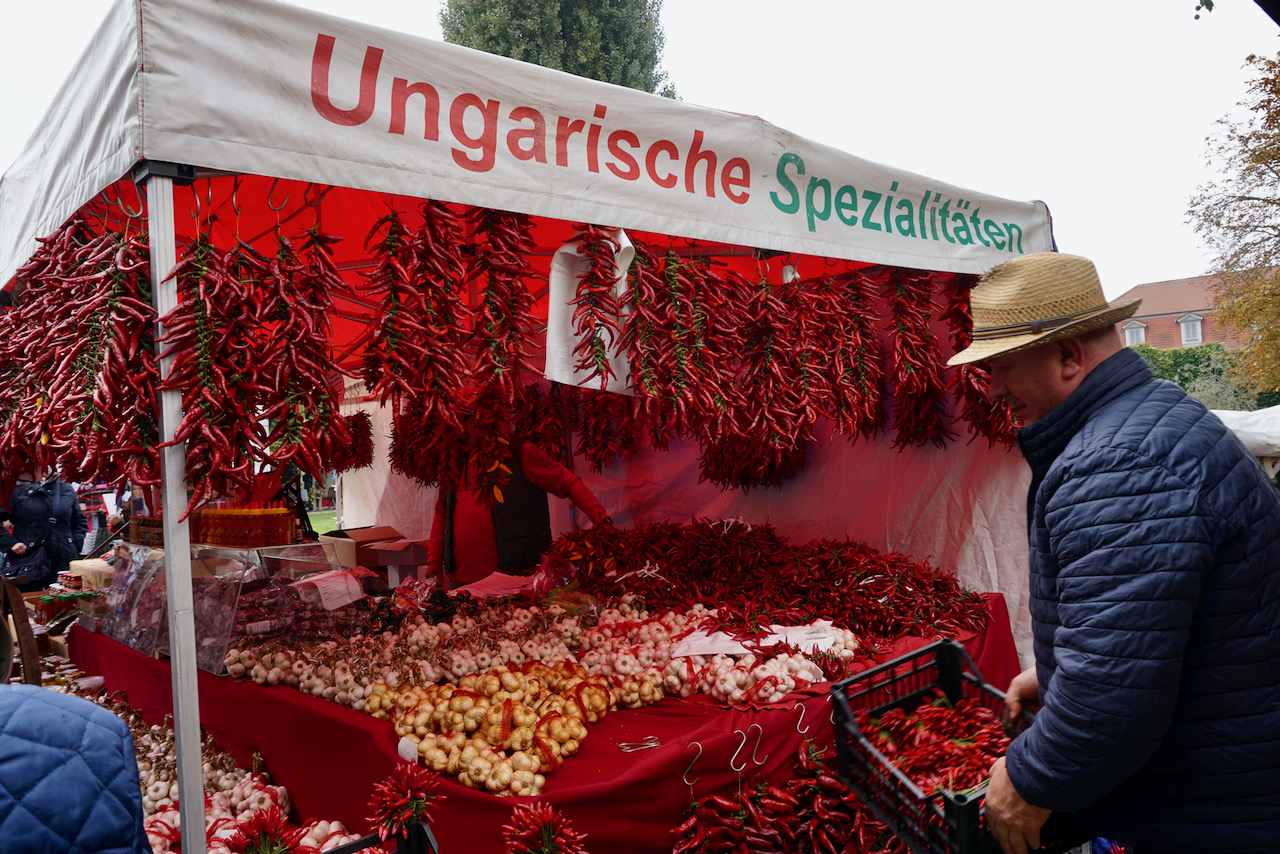
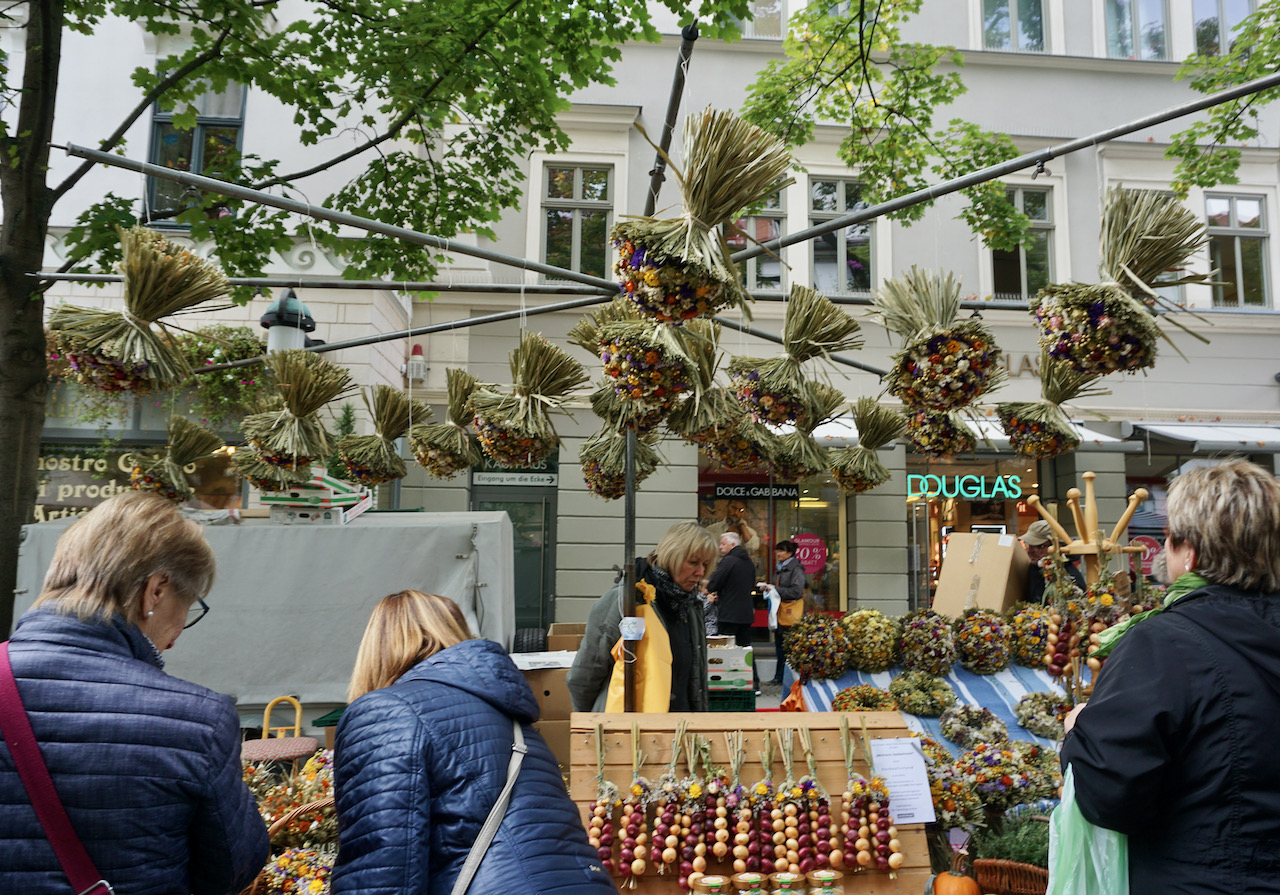
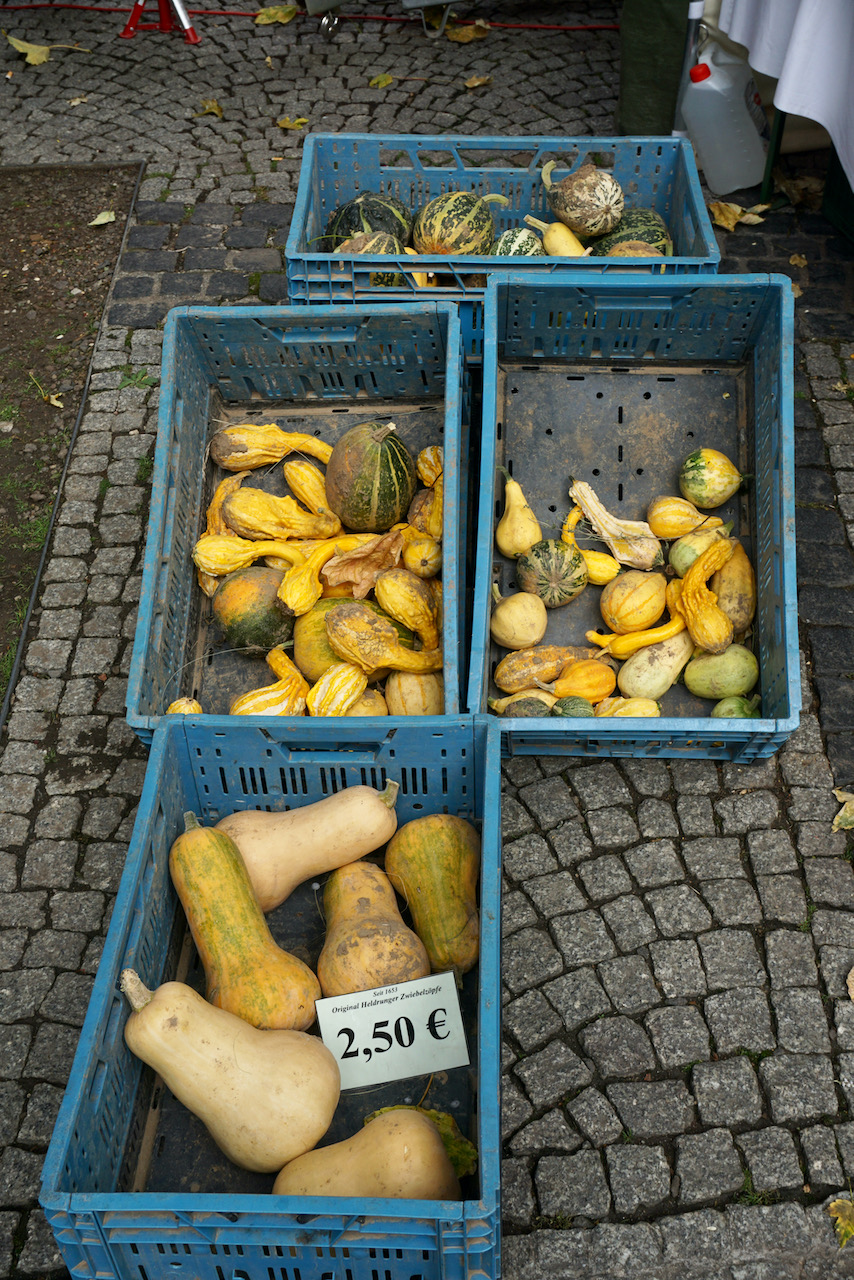
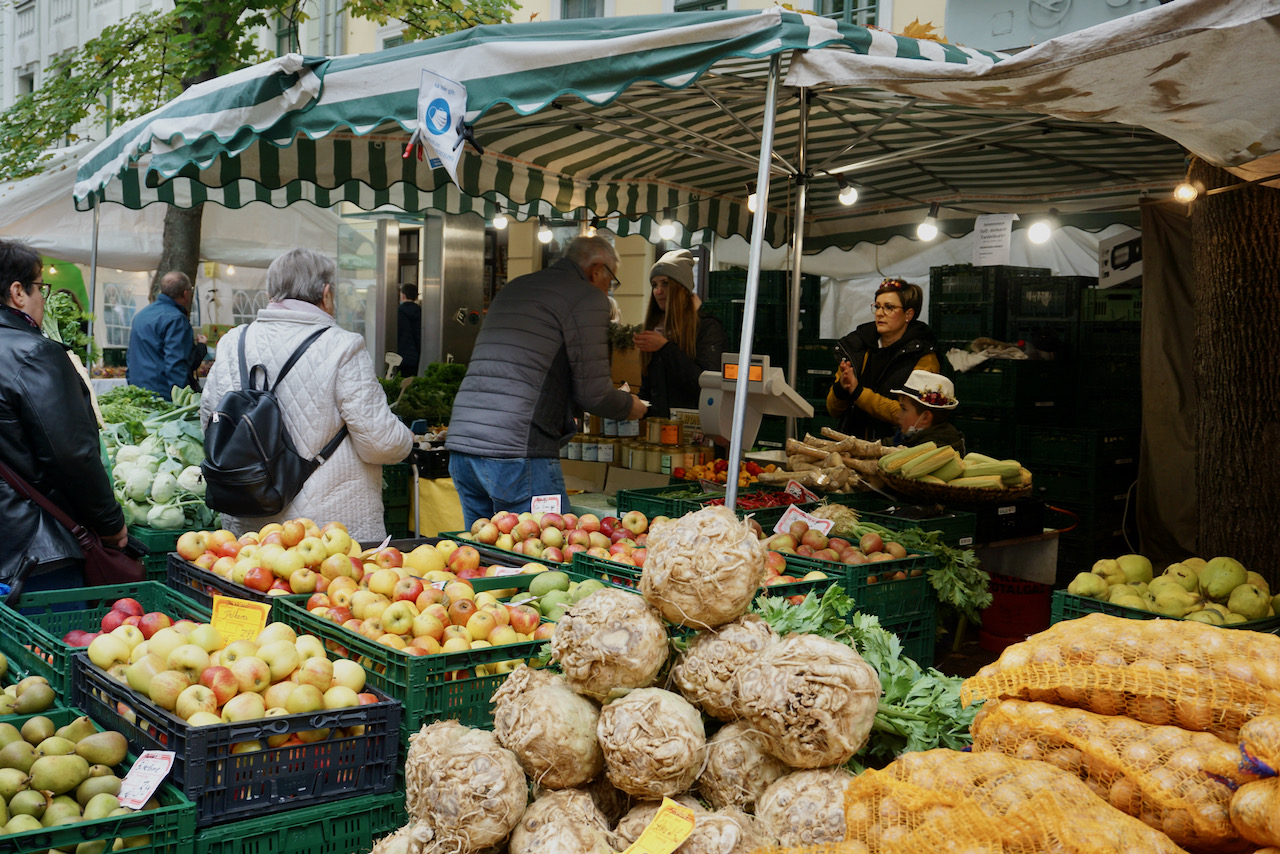
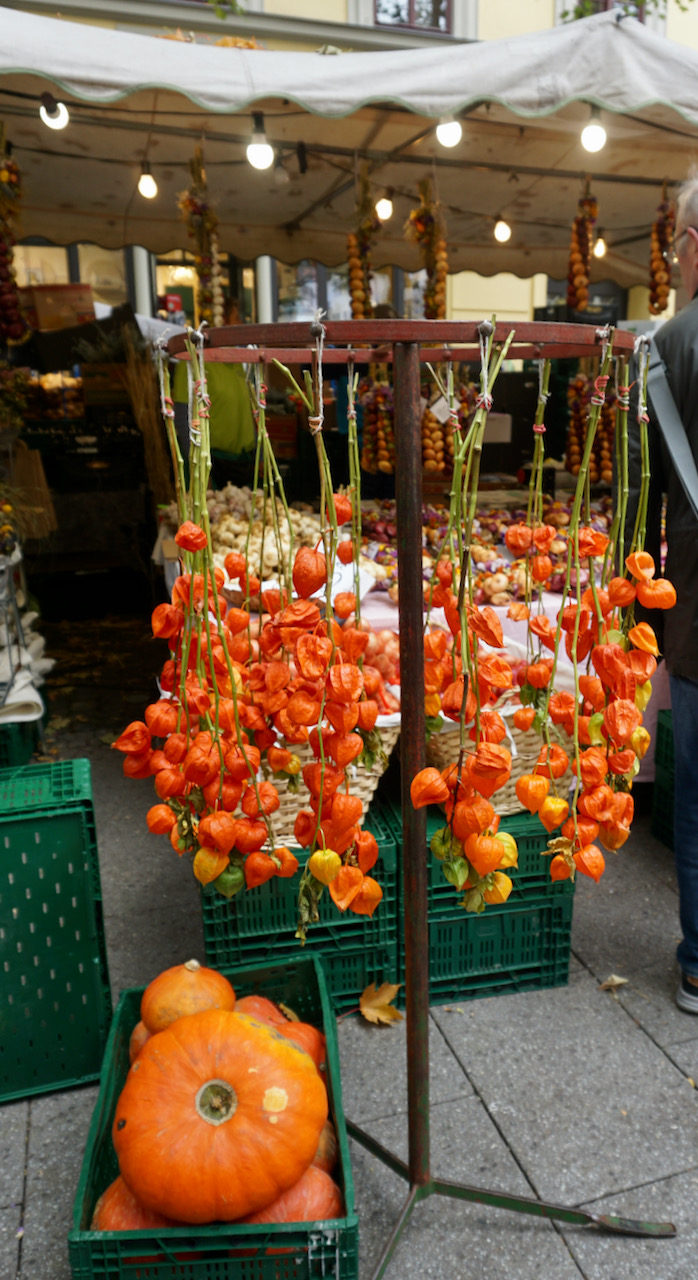
. . . and part harvest festival (I made my way to several farm stalls before it got too busy) with specific attention given to onions, which I will never see the same way again.

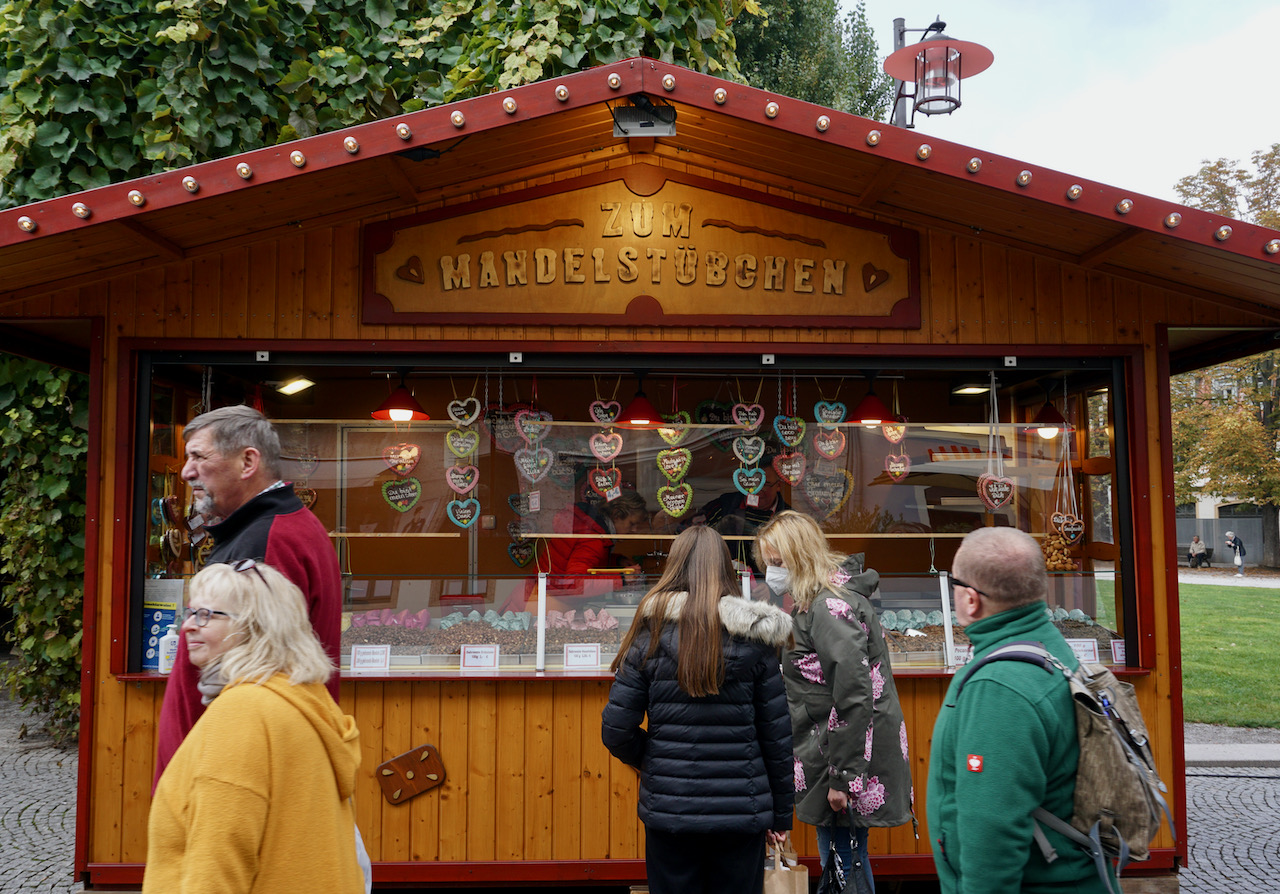
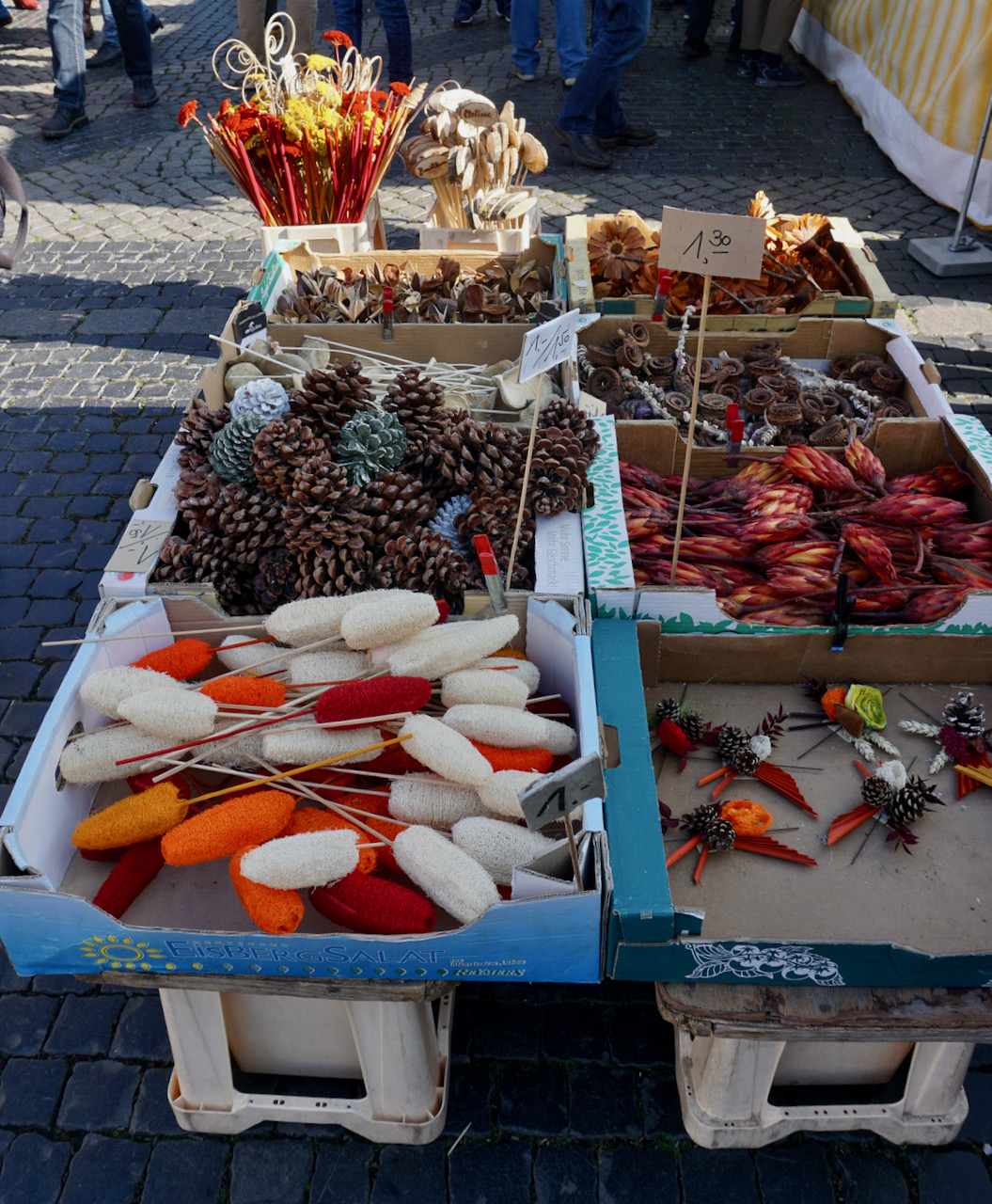
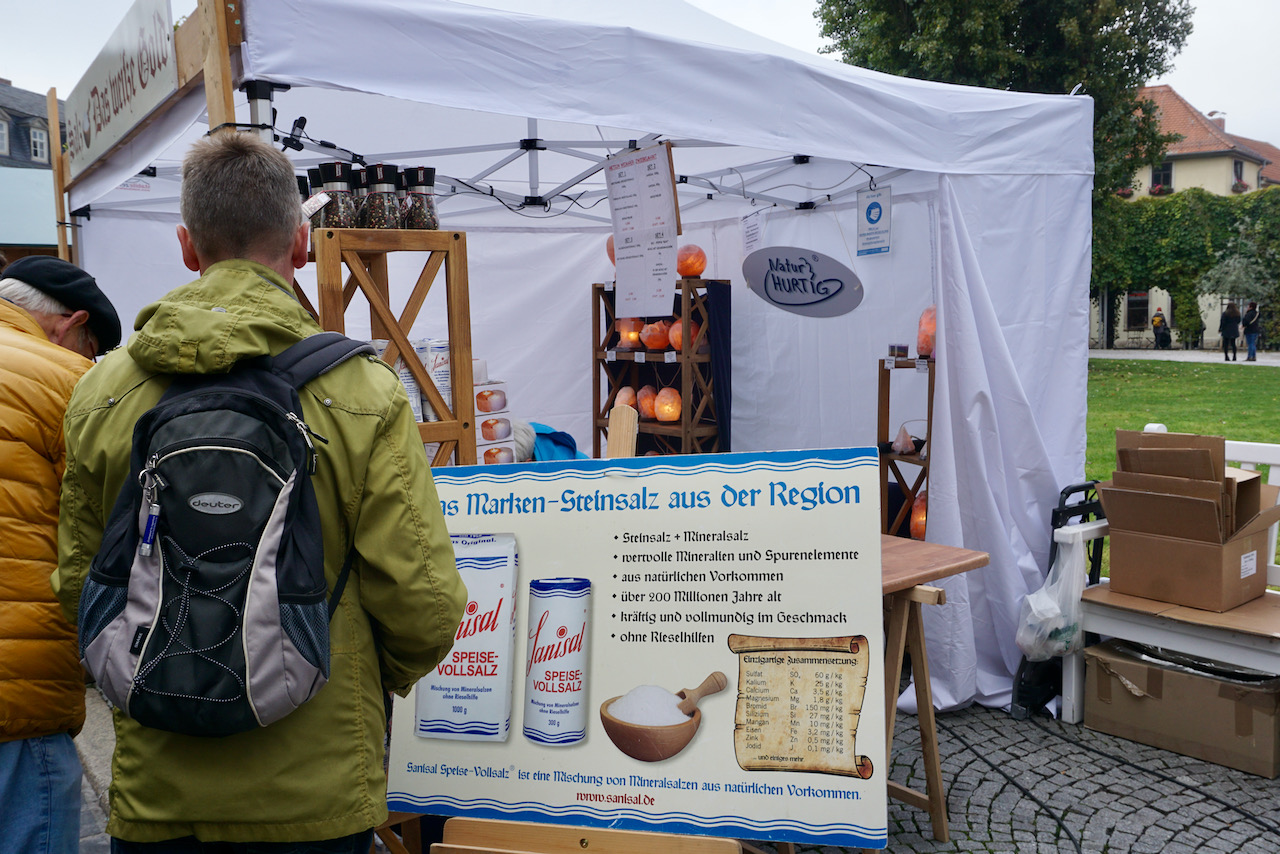
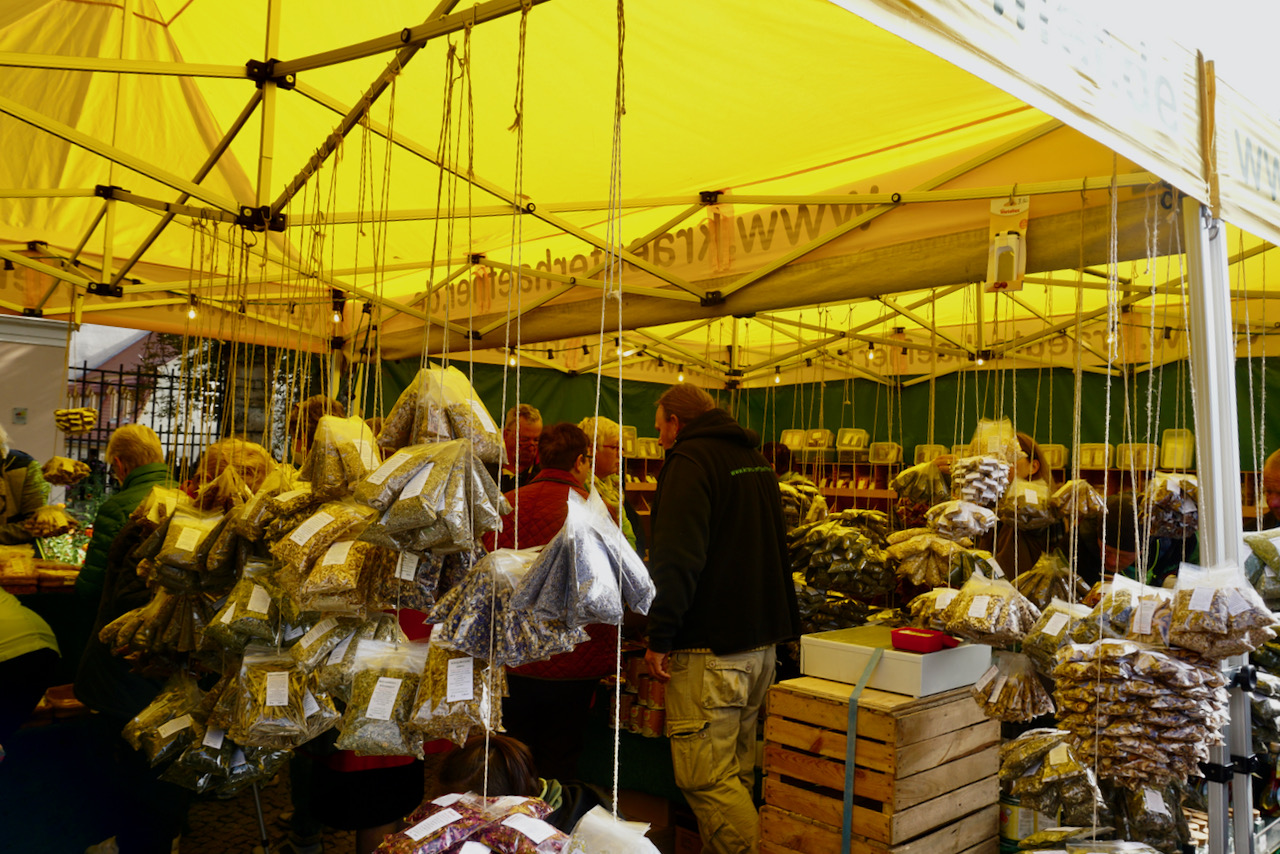
There were opportunities to buy onion-themed gifts and other household items (my contributions to the regional economy include a bouquet of dried flowers and a couple packs of spices) . . .

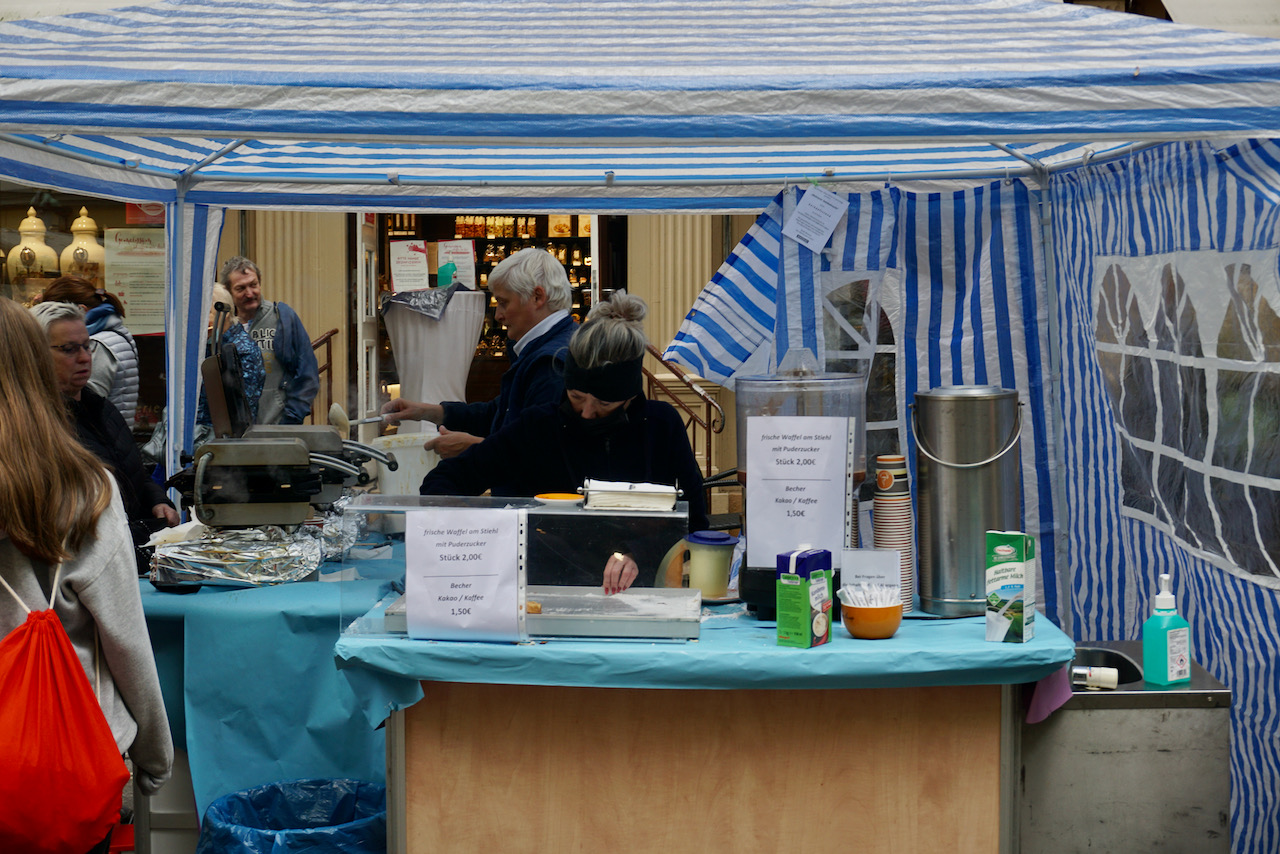
. . . and opportunities to sample onion-based foods. I can vouch for Zwiebelkuchen (onion cake) and Zwiebelsuppe (onion soup).

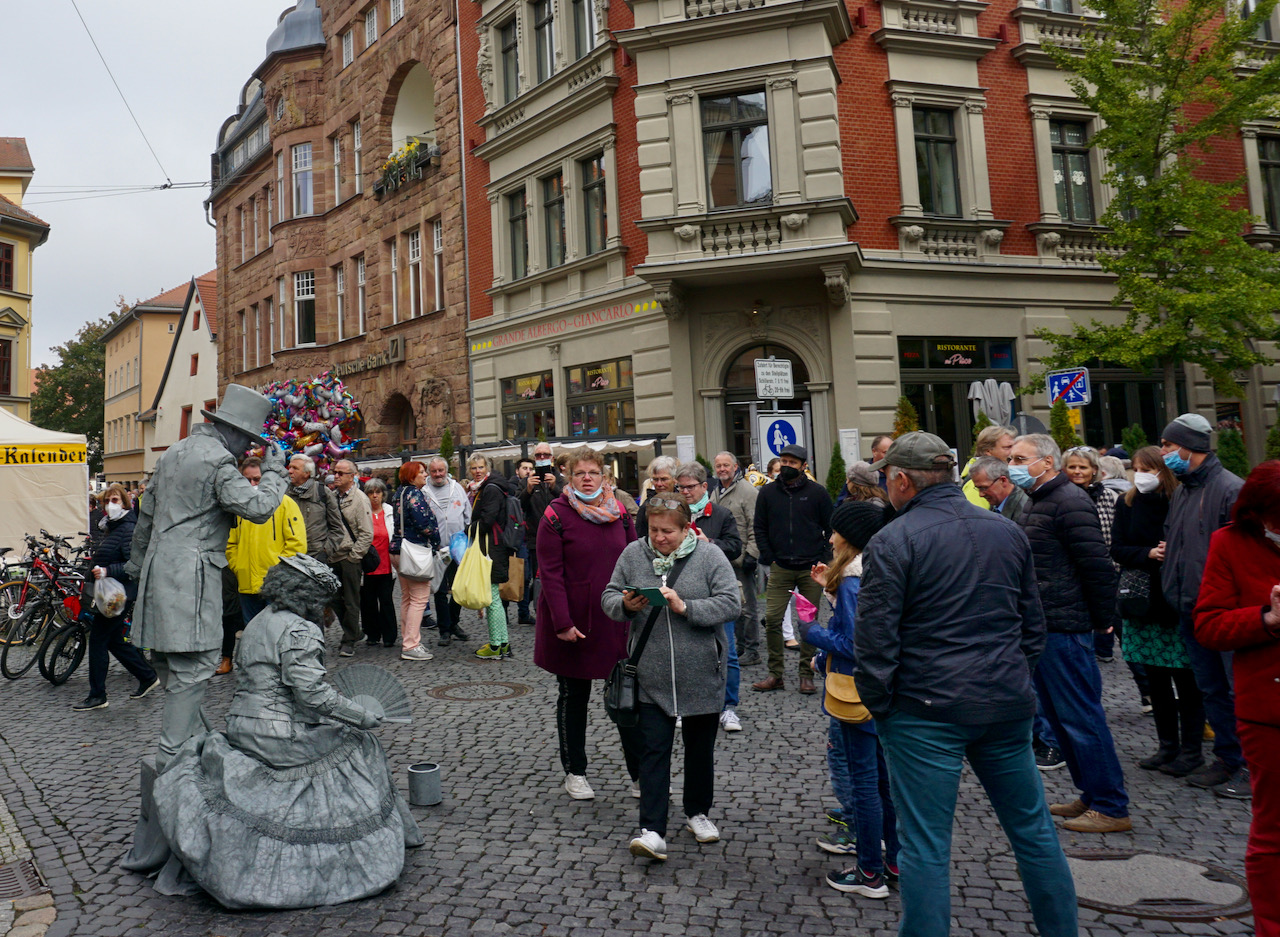
There were performances, too, of both the musical and circus variety, as well as a special carnival area for children, which was not too far from the medieval fair where some really fun bands played.

“Why did you choose Weimar?” a Weimar native asked as we drank beer and wine, sang along to Incubus and Radiohead covers, and used her sky app to find Jupiter and Saturn.

Many reasons. I can’t honestly say that onions were taken into consideration, but I’m glad they have become part of this experience.