Tag Archives: Graffiti

On Resilience

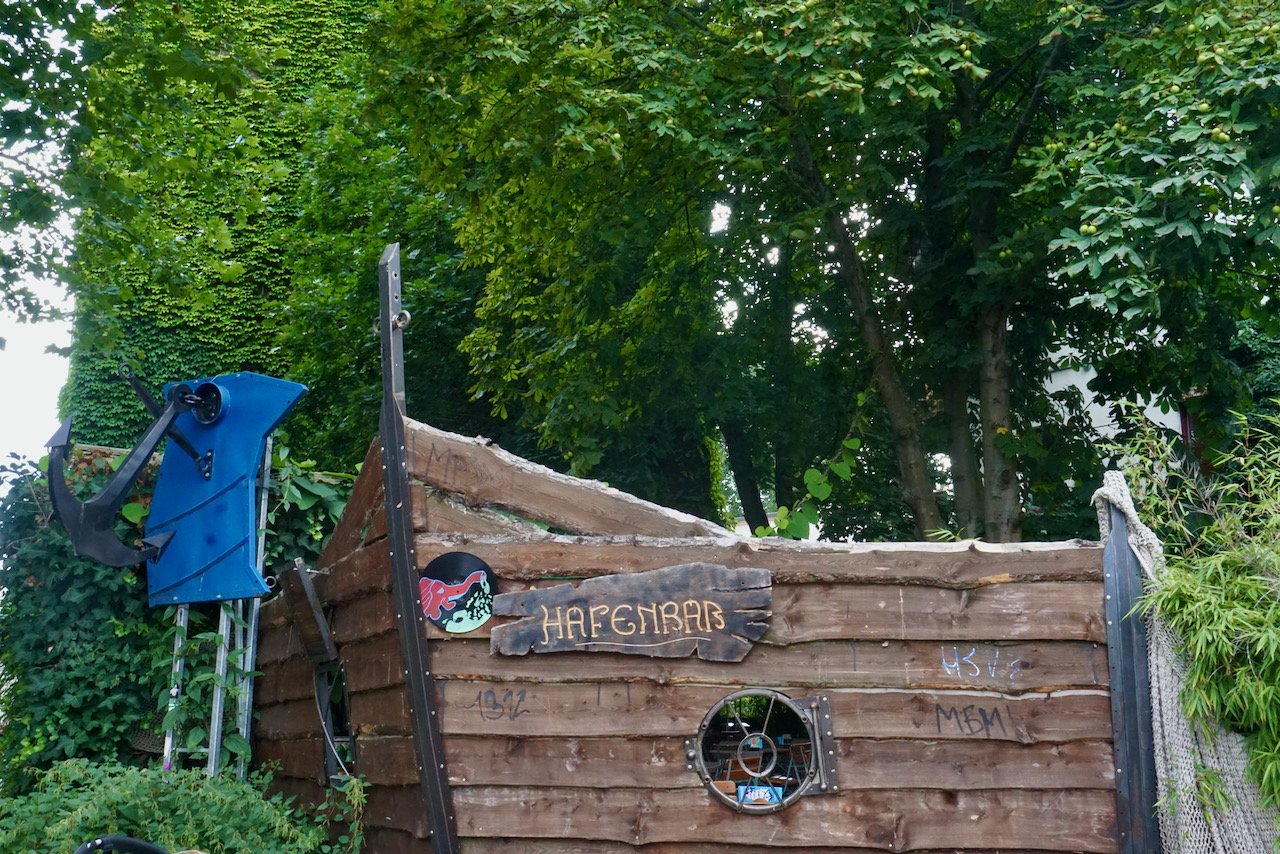
For quite some time now, I’ve been rather taken by a bit of what is either street art or graffiti that I walk by relatively often. I like it because it’s relatable and because it starts a story in the middle, which is really where most stories start.

An admission of what we want to do but can’t do is a necessary step to learning. We are often best at learning when we want to, which is unfortunately not always when we need to. “I wish I could say beautiful words” means that I want to say those words. “But I can’t” reinforces the struggle. And here comes a choice. Such a claim can either remain aspirational, or such a claim can be a call to do something differently, which is what it means to learn.

A friend of mine often says, “There are two choices: Either accept it or change it.” Sometimes acceptance is of the self and sometimes of the situation, but both are a choice. I can either wish for those words, knowing many wishes remain so, or I can recognize that right now I don’t have those words, but I can do the work of finding them.

In fairytales where wishes are expressed and granted, characters are relatively passive until someone comes along with the power to grant the wish. This is the active agent in the story. To grant a wish means to make something happen that was previously impossible. There is indeed a time and a place for this in our world, but the growth and satisfaction that come from doing something for oneself cannot be overstated. I can wish for beautiful words, I can dream about them, I can lament that I don’t have them . . . or I can work for them. And if I do so, I will likely find many other words on the way.

Of course, we do not always get what we work for. Sometimes, gracefully or not, we fail. That hard work leads only to success is a myth in the realm of fairytales and children’s stories, and there is a place for this in our world, too. But there is also the reality of failure. It is true that we can work hard, that we can accept something or change it, that we can dedicate months and years to a pursuit and still fall short. The task is then in standing up after this experience, recognizing how far we’ve come, and understanding that we worked because it mattered. We may have failed, but we tried, and that’s part of being human. To be human means that there are things that matter to us.

I remember when it was cool to behave as though you didn’t care about anything. And I remember how shallow that felt because if no one cared, what was the point of doing anything at all? The world we live in depends on people not only caring, but caring enough to act. This is how the world turns.

(The danger, however, is in what it is that we want and the work we are willing to do to get it. The satisfaction of desire can very quickly grow dark. (Or maybe I’ve been watching too many crime shows.) For now, let’s leave that out. That is a different discussion for a different day.)

Finding what we care about, working towards it, and continuing to work despite failure is resilience. Sometimes we are stuck in one stage (perhaps mourning failure) and sometimes in another (perhaps fixated on trying again and again). The point is that resilience is not an act, but rather a process. Sometimes just getting up and going to work is victory and resilience, even if it looks like failure and defeat from the outside. And it’s okay to stop. It’s okay to start over. It’s okay to decide that we just can’t be the way we want to be and so we’ll try something else instead. The process of wanting, trying, learning, and trying again remains.

“I wish I could say beautiful words but I can’t” might be an admission of defeat, but perhaps that is what is necessary to move forward. After all, we cannot continue doing exactly what we have been doing and expect different results. “I wish I could say beautiful words but I can’t” could also be a feeble attempt at an excuse – I can’t, so I will stop trying. And in this case, it could open a conversation for those brave enough to have it.

We can wear resilience like a badge, fling it as a weapon, or cloak ourselves in it as a shield. That we have cared enough to do so is what matters.

Travel Guide: Leipzig

Many years ago, so many that I don’t remember quite when it started, I fantasized about moving to Europe and travelling around by train. Each time I have had the opportunity to sit on a train with a book in my hands and watch the world go by, I have smiled at the hopes and dreams we have when we are young. And then, this time, it happened: I have moved to Europe and I was travelling by train.

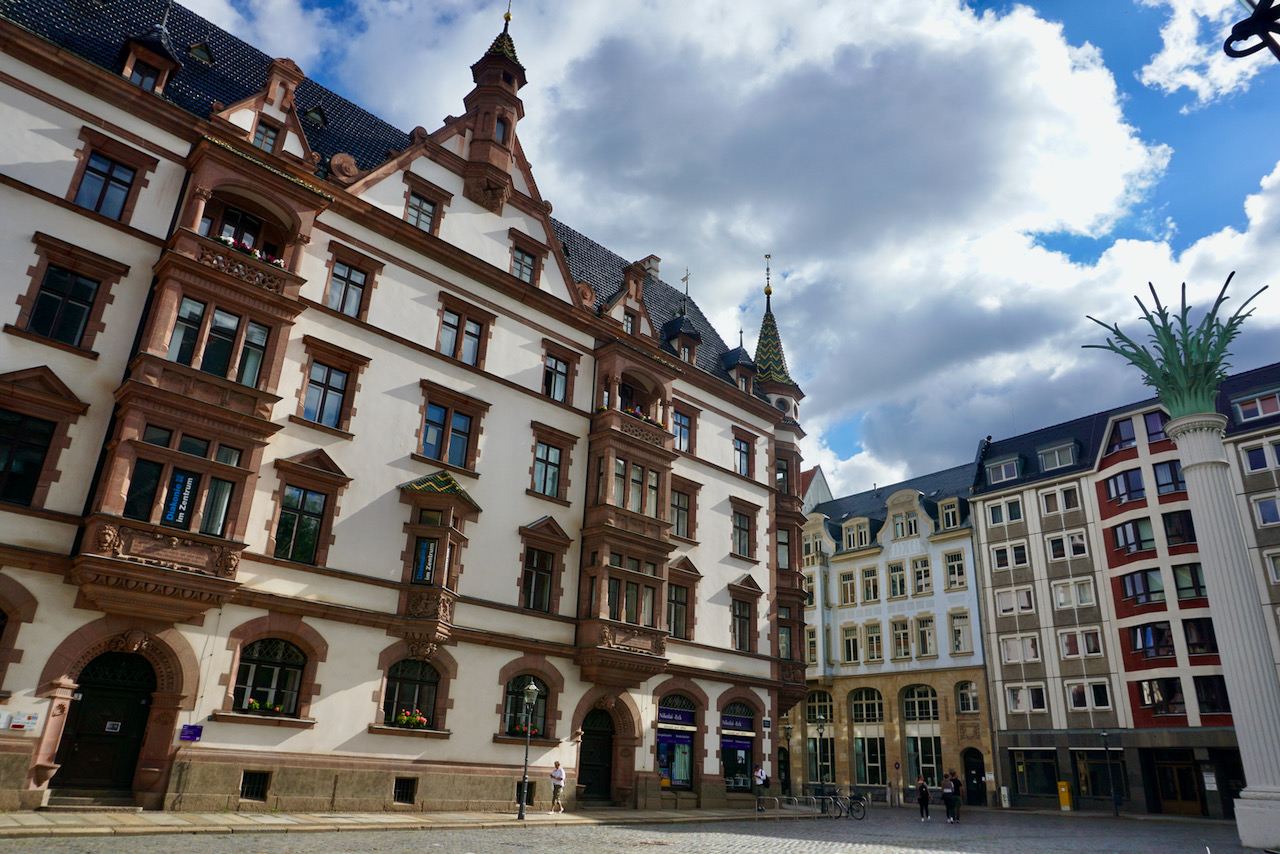
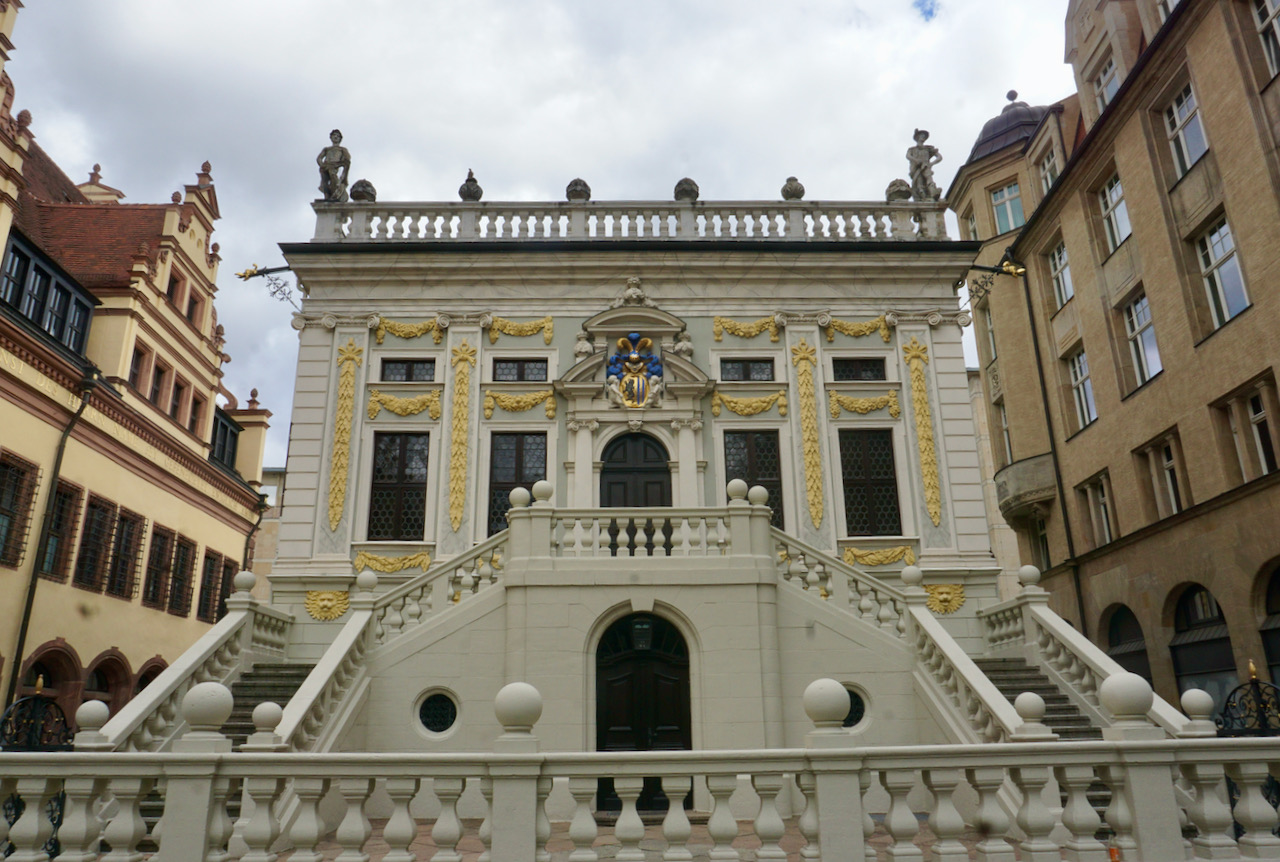
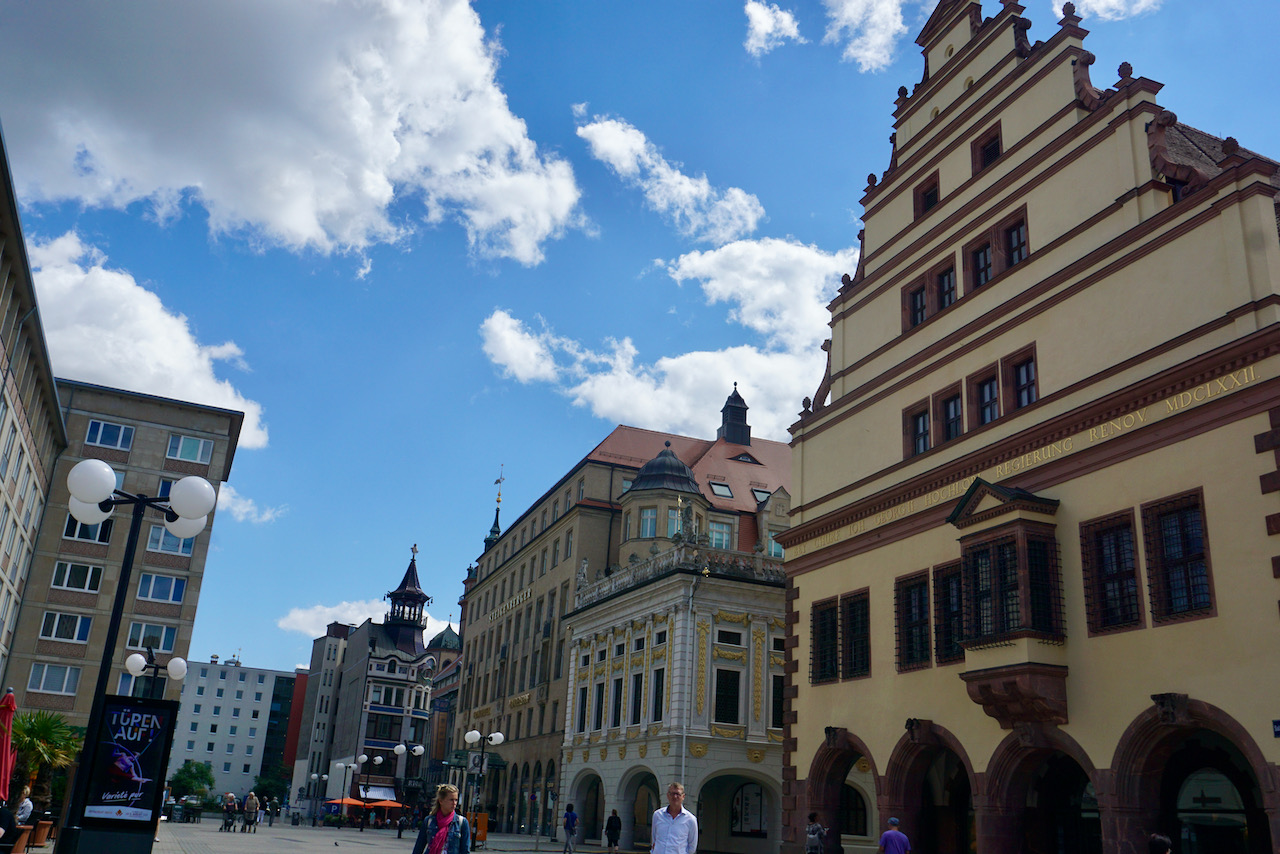
Located in the state of Saxony, Leipzig was first known as a merchant town in the Middle Ages. It later became the centre of East German life after the Second World War, and is now a home for history and culture, telling a story a thousand years old. It’s an hour and twenty minutes from Weimar on the regional train (no changes) and slightly faster with the ICE train (but there’s a change in Erfurt). A city of 600,000 people, Leipzig made for a nice change of pace and far broader food choices.

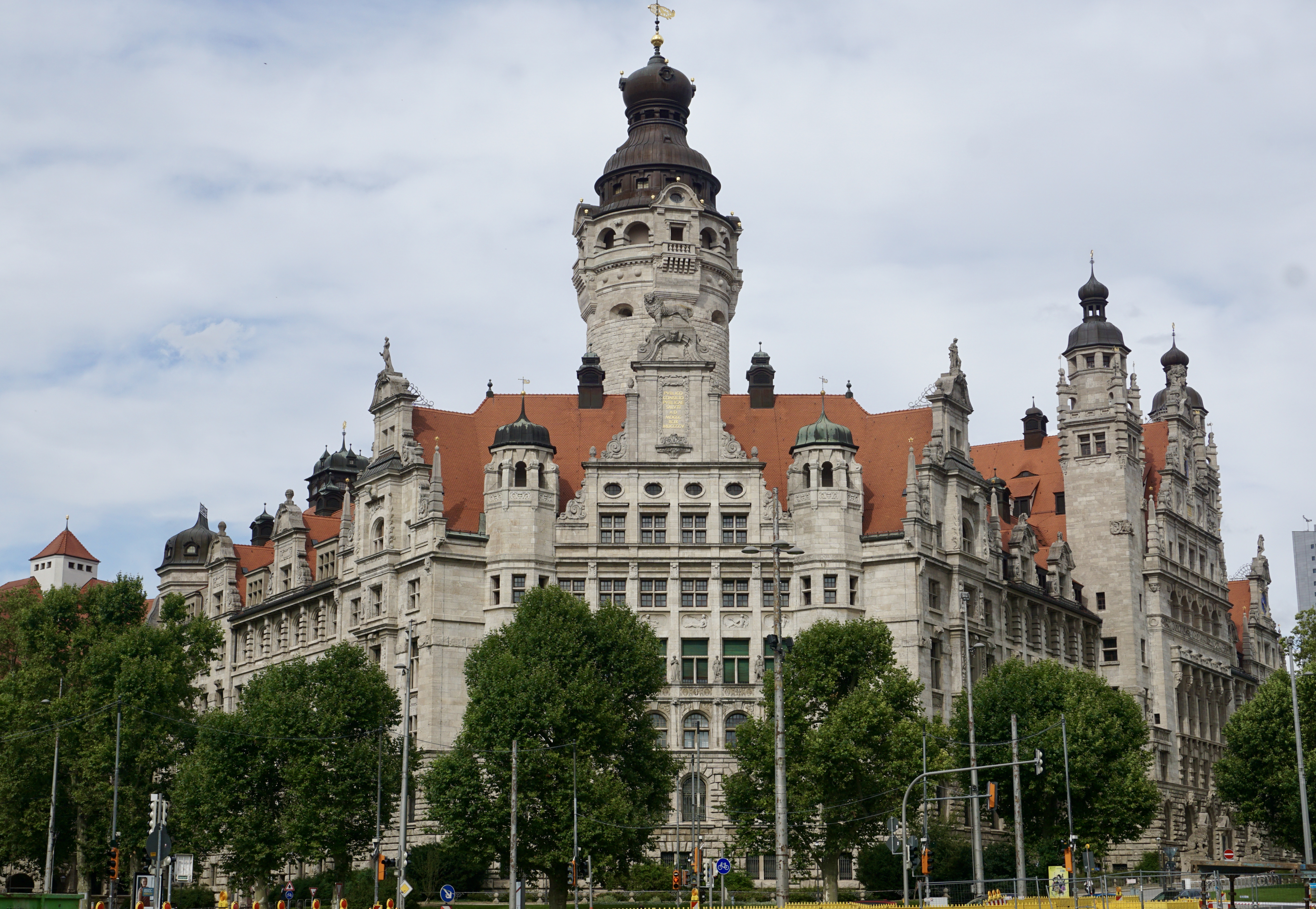
I left early and arrived just after 9am, which gave me time to get a coffee and something to eat before joining the free walking tour (I have so many good things to say about this in so many cities). It’s always a pleasure to wander, but wandering becomes something different when you know what you’re seeing. I will not relay the history of Leipzig here, but I will say that much of the old town has been reconstructed because two-thirds of it was destroyed during the war.

Leipzig University is a good example of the story architecture can tell. There was once a church here, the Paulinerkirche, which was destroyed in 1968. The reconstruction pays homage to what was while honouring the different values university communities often hold today.

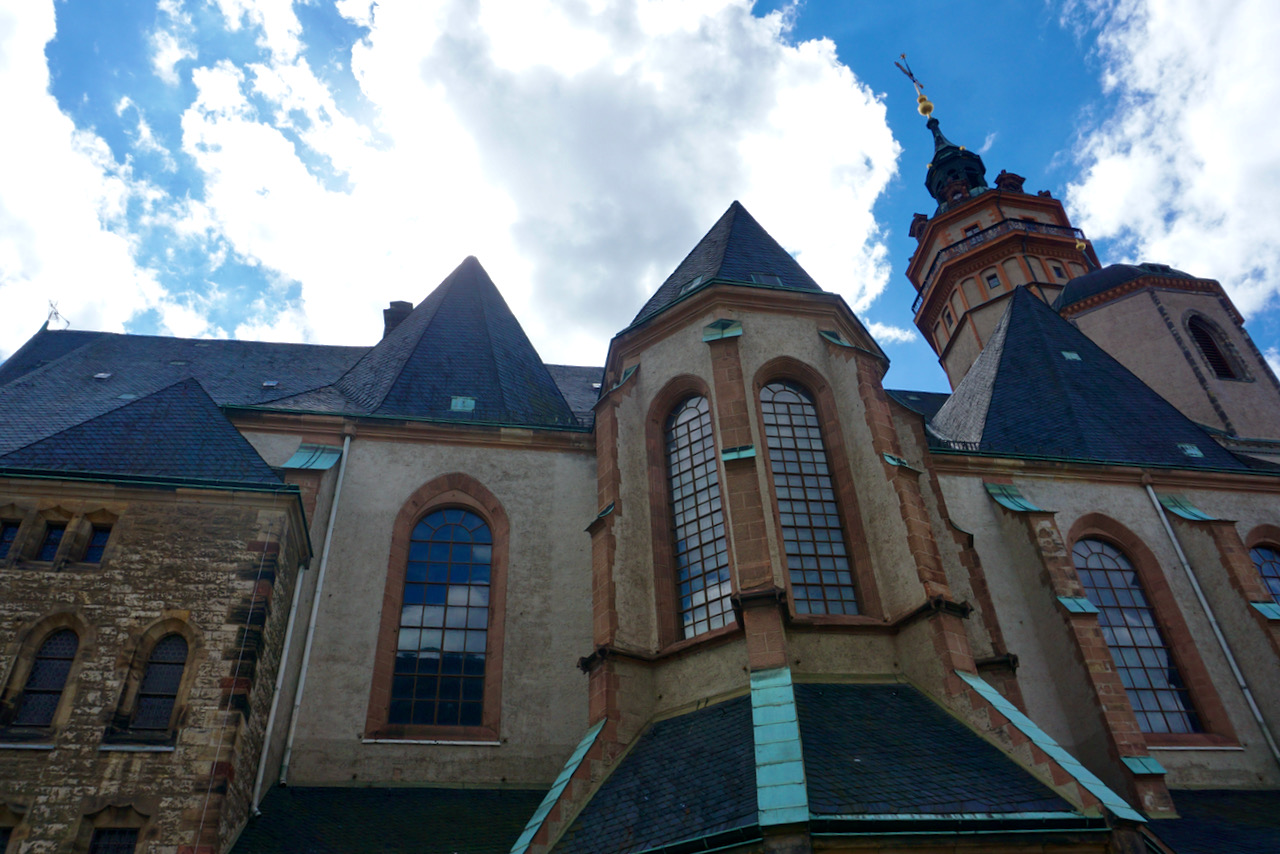
Another prominent church is Nikolaikirche, which I came across on my own before our tour guide explained Leipzig’s experience as part of the German Democratic Republic (former East Germany). It made my heart soar when I first saw it, and even more so when I learned that this church was the site of the peace marches that signaled the end of communism and the beginning of a new era of life and politics. I have a great appreciation for any religious community that stands for what it preaches – justice, peace, and a better world for us all.

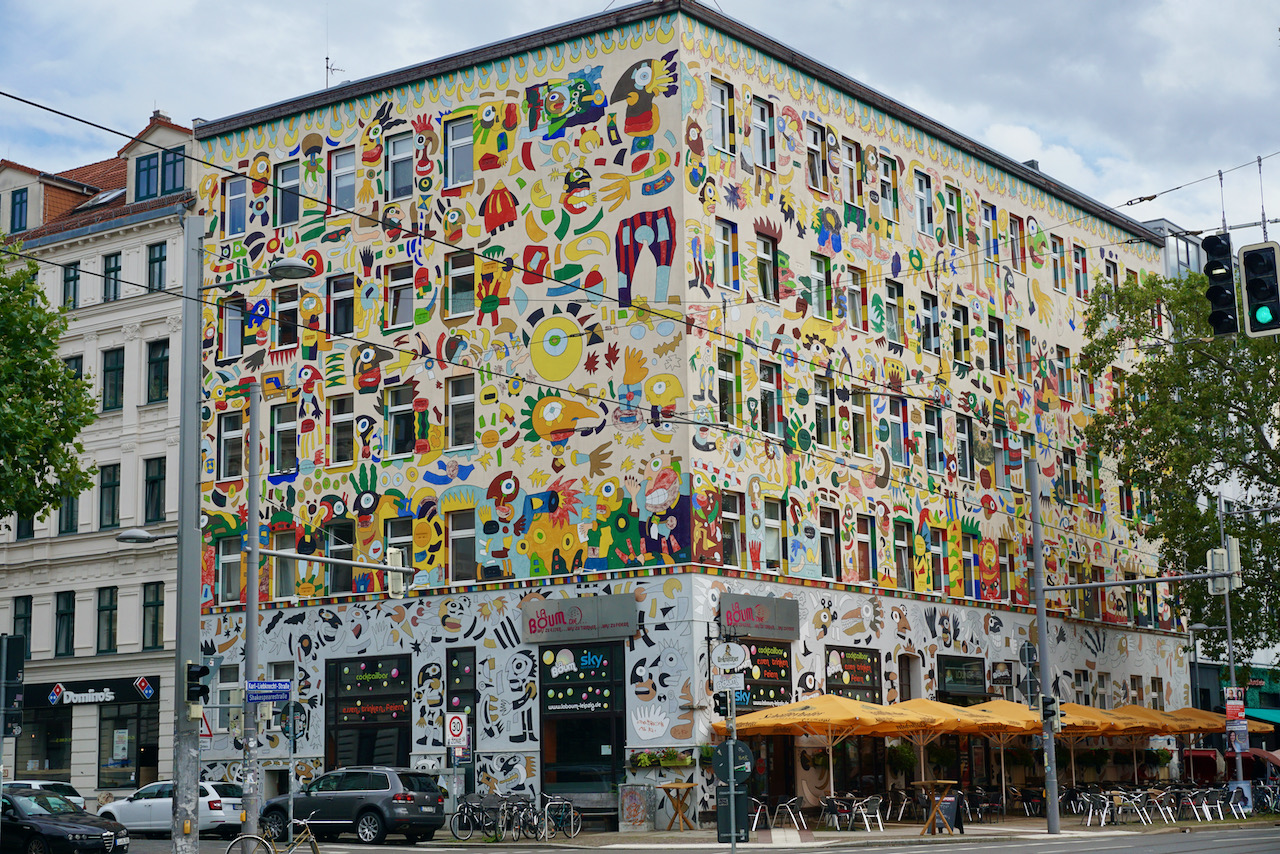
This mural tells the story better than I can:

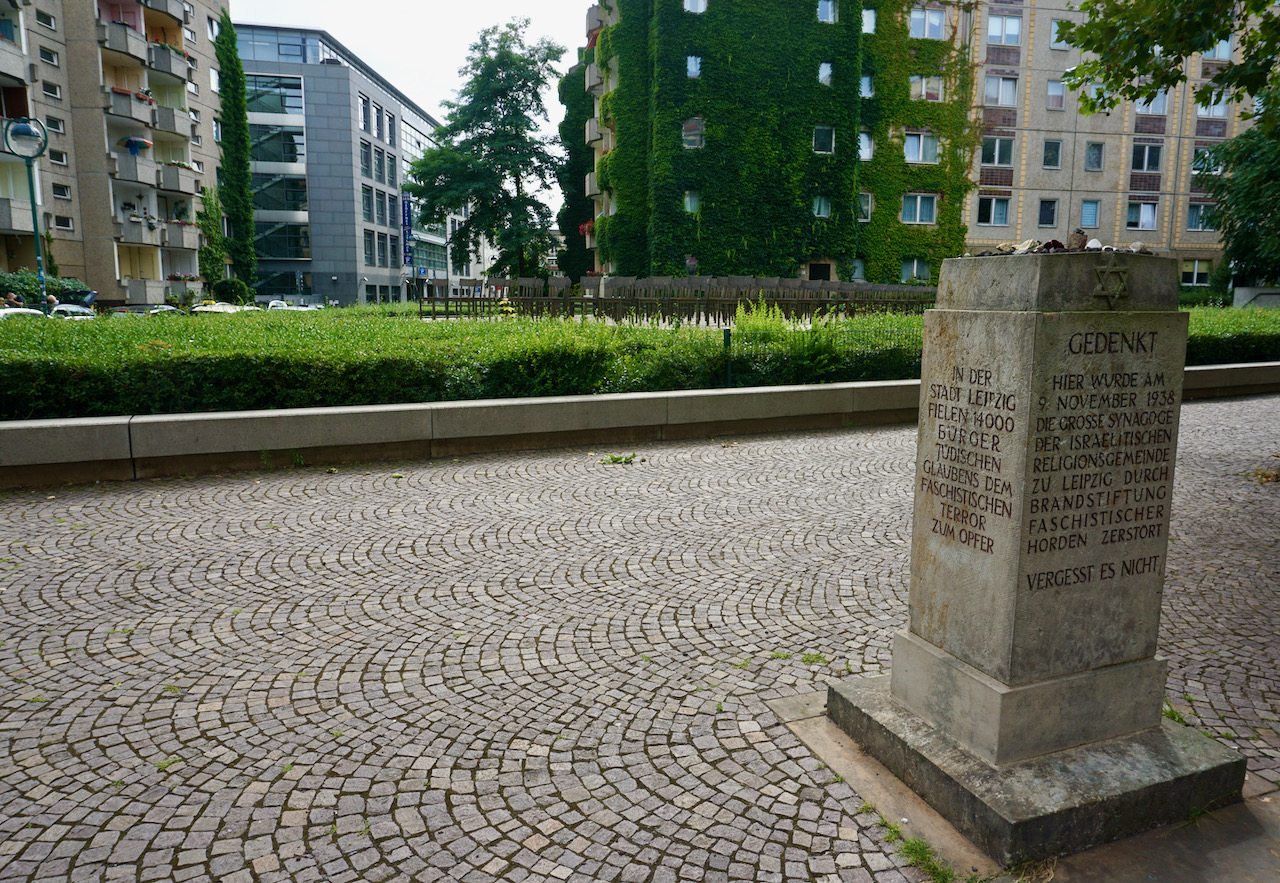
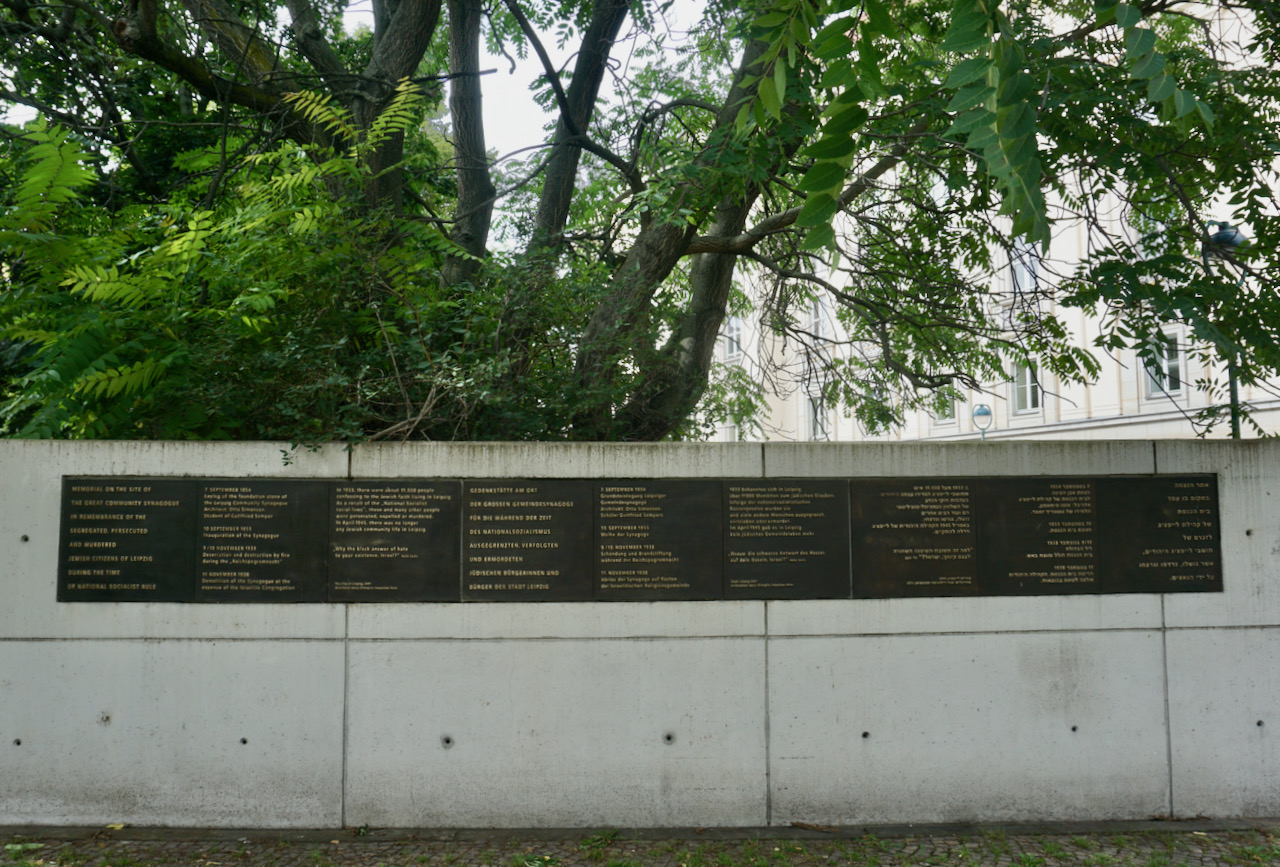
Through a discussion with the tour guide, I learned that Leipzig has the largest Jewish community in central Germany and that there is also a tour of Leipzig’s Jewish history. I will have to return for this because it’s only offered once a month, so in the meantime I walked over to the Holocaust memorial. Situated on the site of the old synagogue, this memorial brought to mind not masses, but individuals. The modern restaurants and apartment buildings surrounding it demonstrate what I continue to find the most fascinating aspect of humanity – the world turns and life goes on.

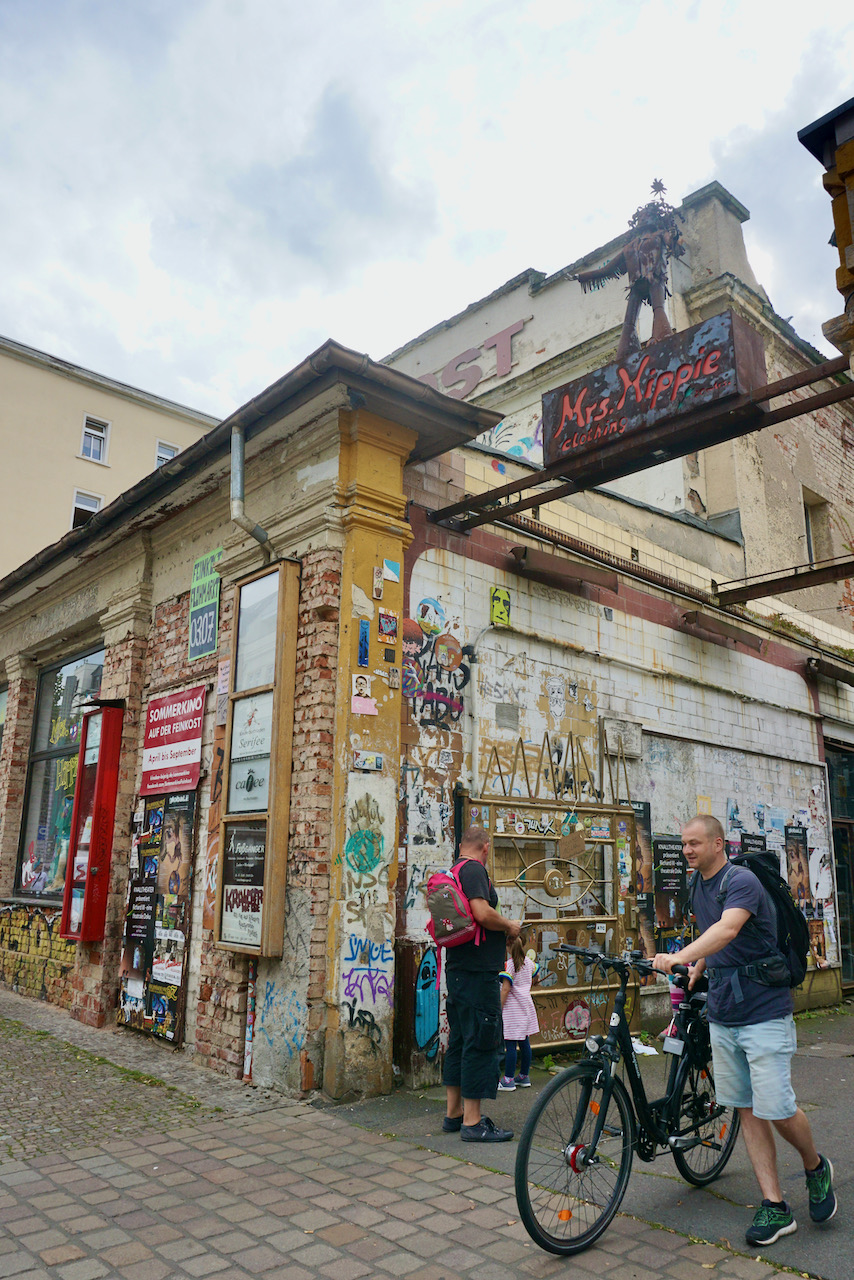
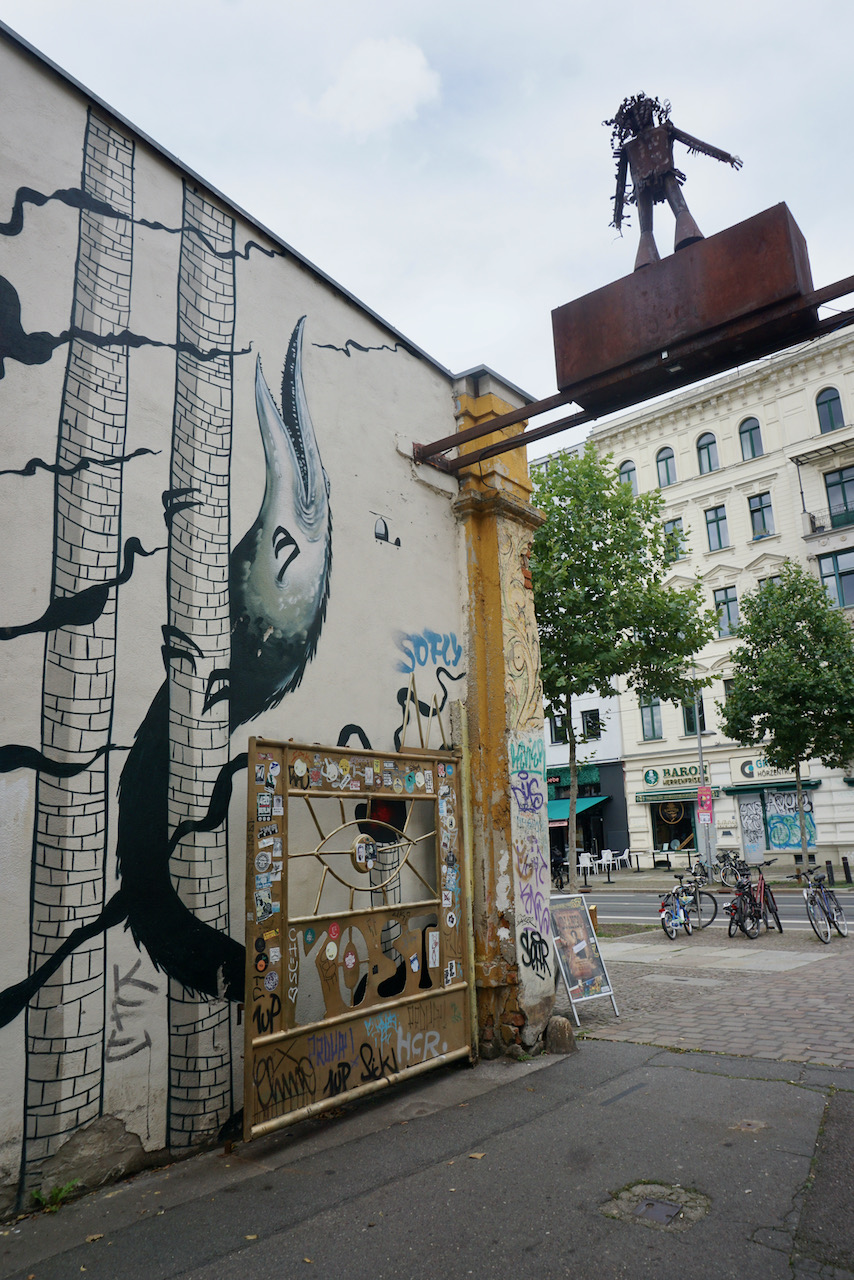
Later in the afternoon, I walked south into a neighbourhood called KarLi, nicknamed for its main street. It did not surprise me that this is where many students live. Students have a way of developing areas to suit them, or perhaps it is the neighbourhoods themselves that have called students there. I currently live in a student neighbourhood and while my annoyance at their penchant for late hours is a clear reminder that I have left that world behind, I am grateful for the positivity, energy, and spirit that comes from being young and imaginative. These are, after all, the people who make the world go round.

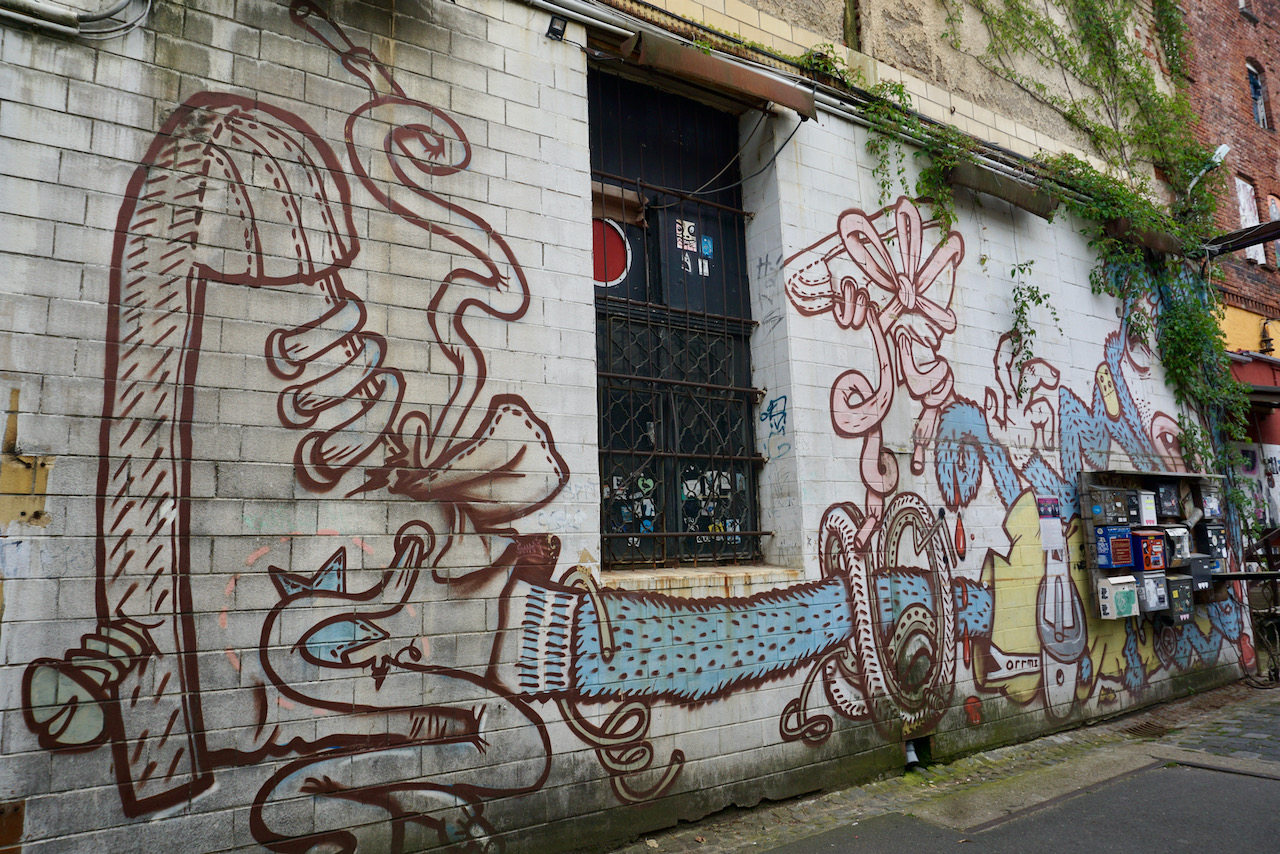
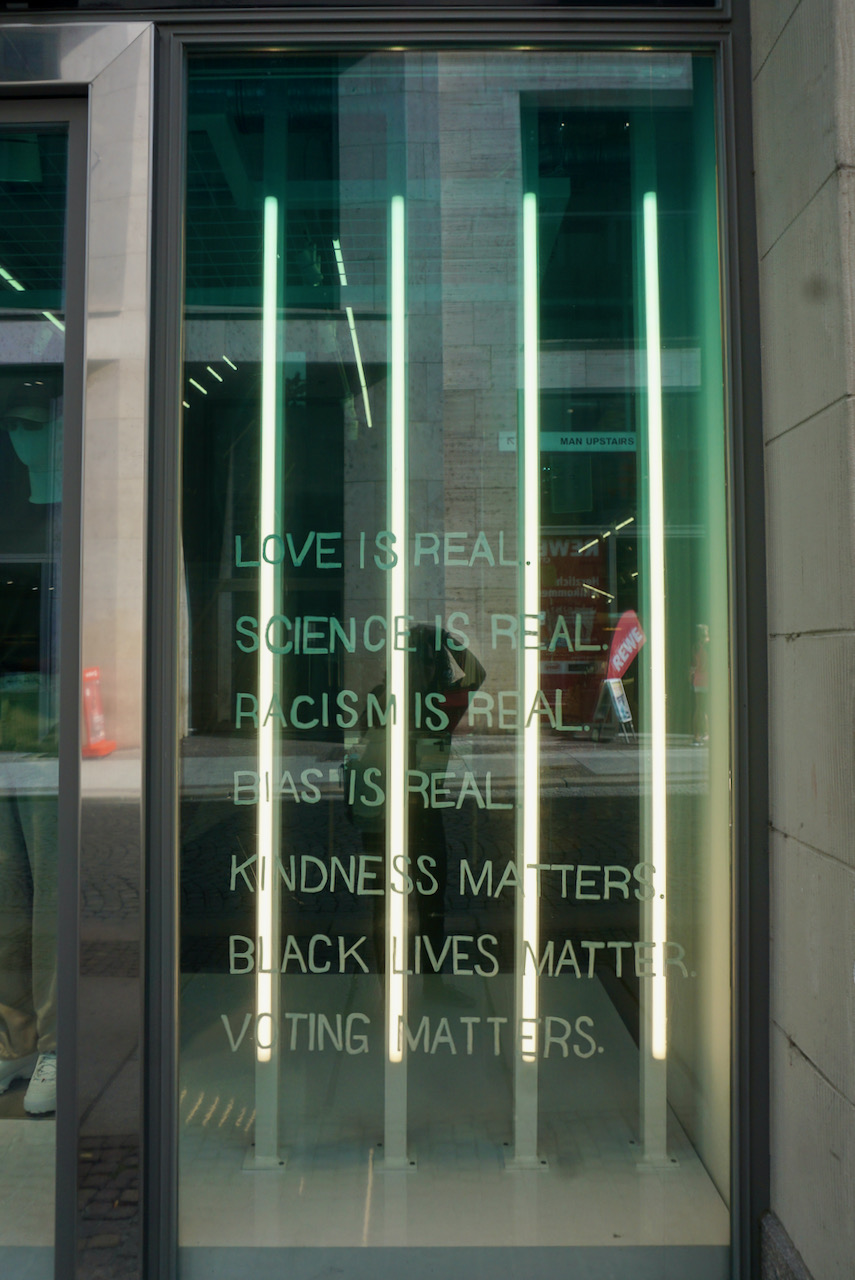
I saw many examples of activism throughout Leipzig and that was heartening. There’s a lot to be active about right now, and while I’m aware that actions speak far louder than words, most actions begin as words. Even a whisper is better than standing idly on the sidelines.

My time in Leipzig lasted just over 24 hours. I was glad to be around more people, hear more languages, and taste different food. I appreciated the time in a new place, the ease of travel, and the excitement of learning something new. Leipzig is just down the road and there’s a literary festival in March – I suspect I’ll be back.

Travel Guide: Bratislava

Bratislava marked the end of my winter adventure through Switzerland, Austria, and Slovenia (with a brief stop in Italy). By the time I got there, I was used to the cold and the short daylight hours and I was also very glad to meet up with a friend the day after I arrived.

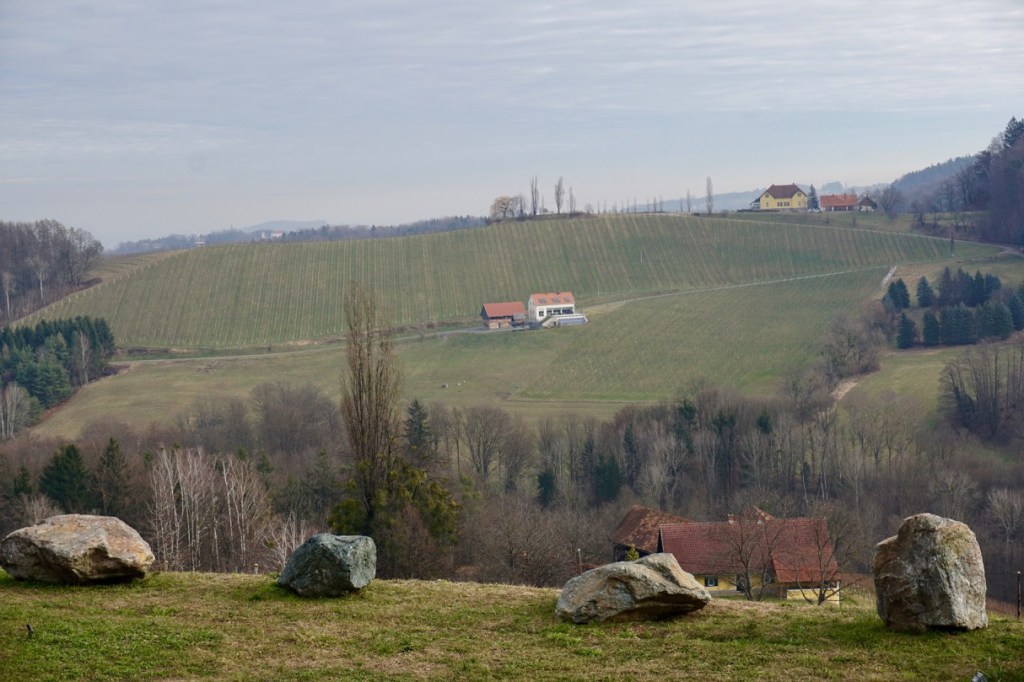
One of the important things I learned on this trip is that driving in Europe requires a vignette, basically a road pricing sticker that includes road tax and can vary based on roads driven and distance. The cost of a vignette is quite reasonable but the fine for not having one is rather steep. Turns out I’d been pretty lucky because I didn’t learn this until I’d been driving around for five days. After buying an online vignette for Slovakia, one of the few countries that allows this, I took back roads out of Maribor back into Austria. As I drove through a vineyard on a road with one and a half lanes, a border official waved and that was it. I do very much like this about Europe. Shortly afterwards, I stopped to look around.

The winding, twisting, narrow roads led into small towns with winery after winery, each clearly visible on the surrounding hills. Thinking of the lives that had been built here gave me pause.

Getting to Bratislava was simple but getting into Bratislava was a little more complicated and I marvelled at how people had navigated before technology. I was more than happy to park the car and leave it for the next two days. Getting around Bratislava on foot is very easy and there’s extensive public transportation.

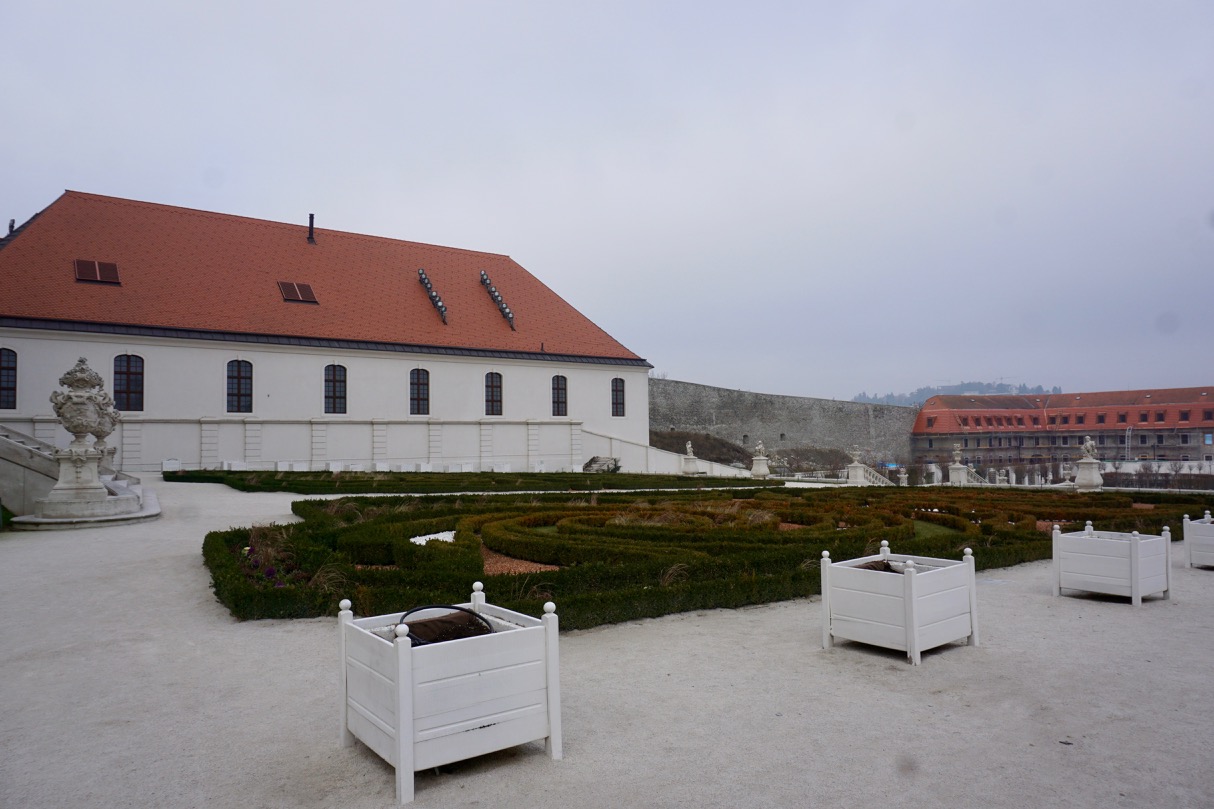
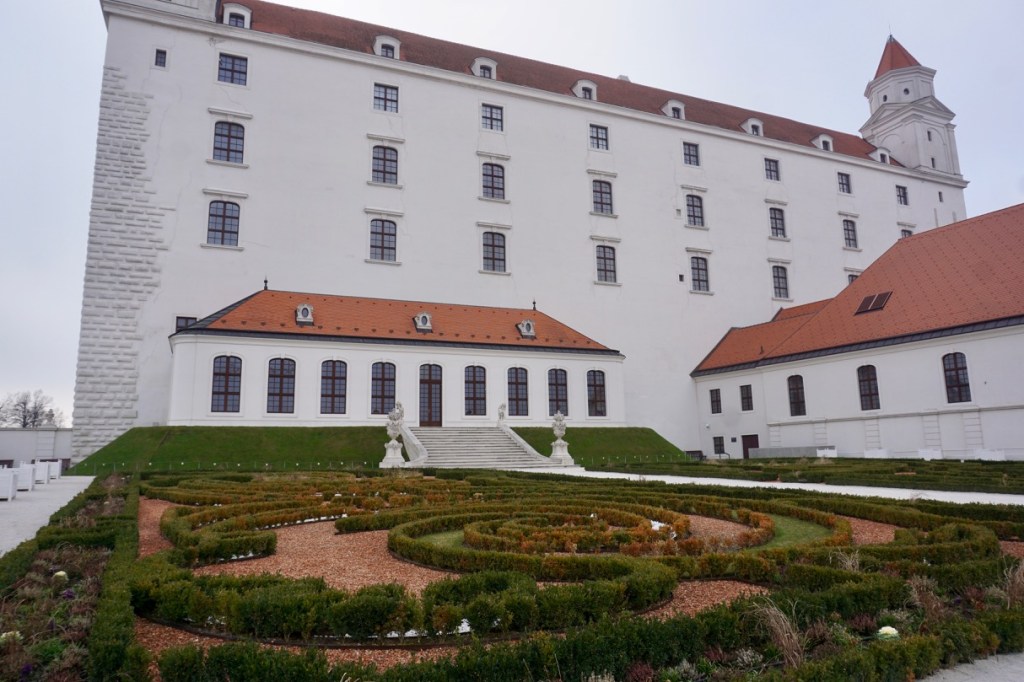
I was staying across the street from Bratislava Castle, the grounds of which are open at all times. I walked through it that afternoon and again the following morning.

Bratislava Castle was first built in the ninth century but the current version was rebuilt beginning in the 1950s. Today, there are museums that are open to the public, as well. I was more interested in the garden . . .

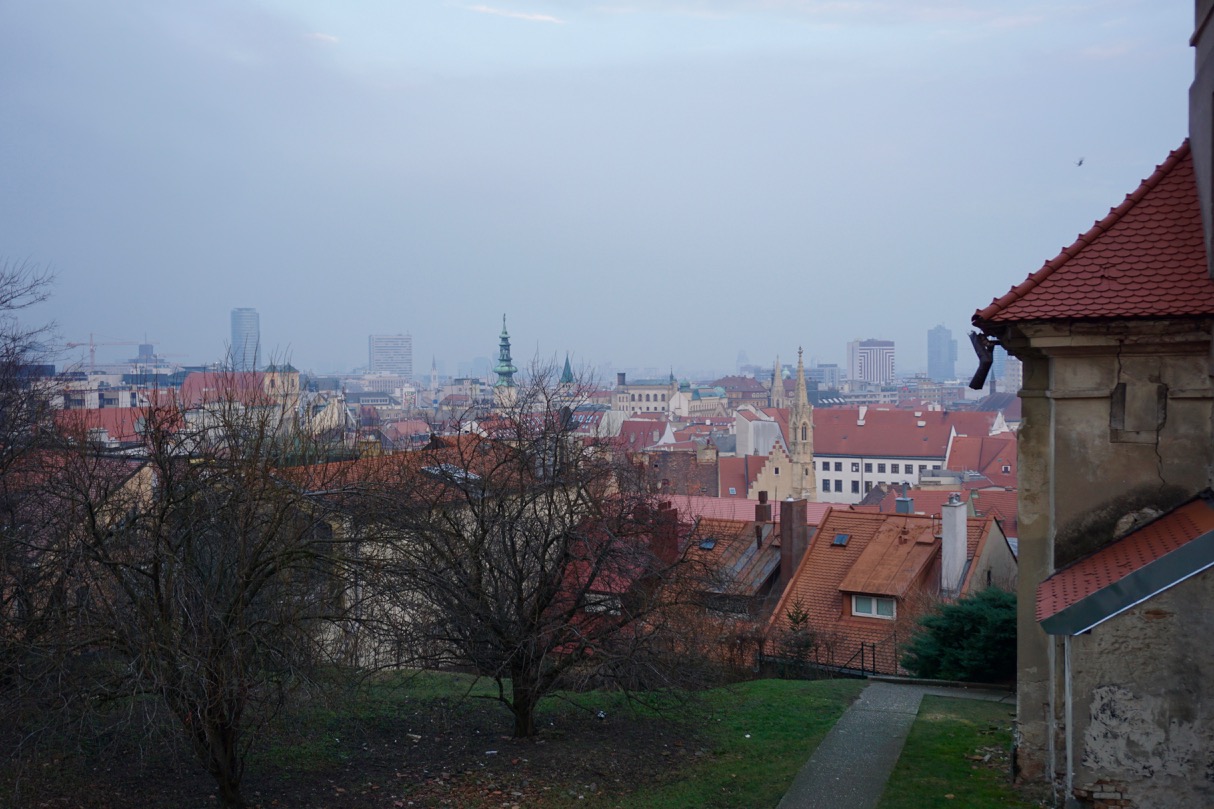
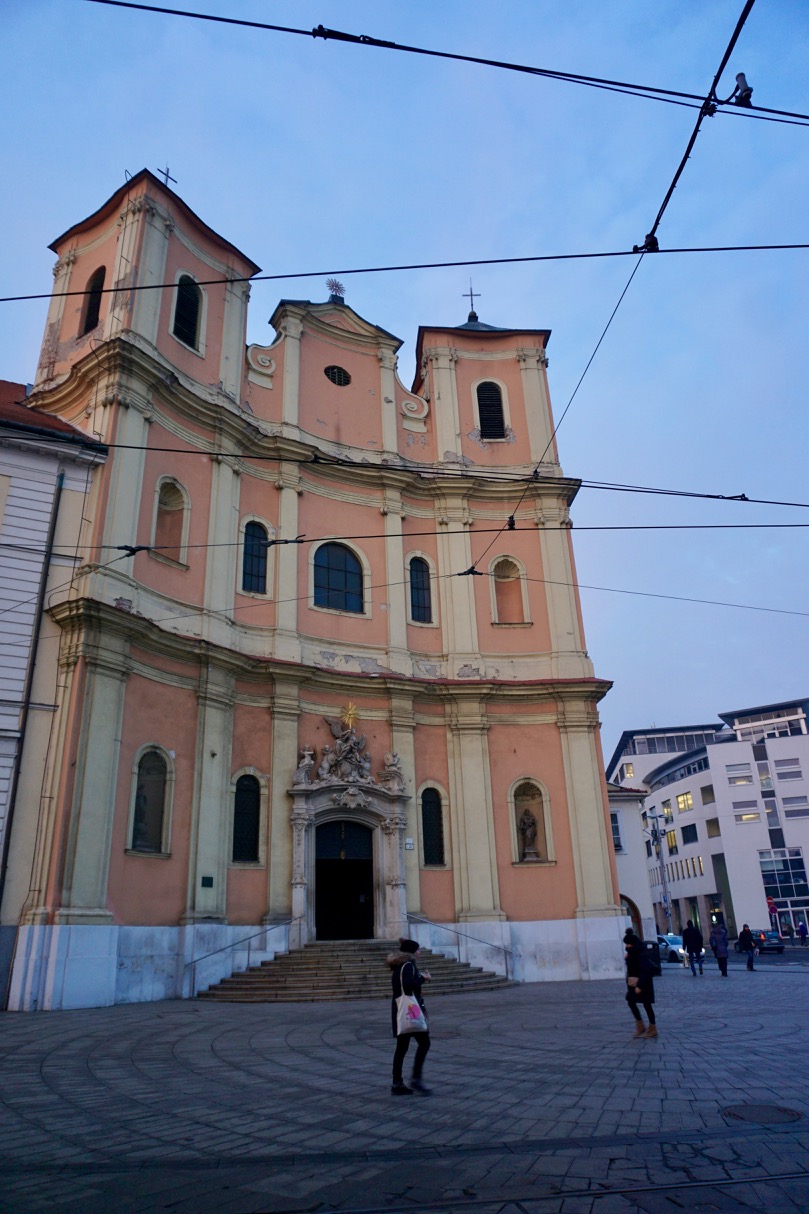
. . . and the churches and other buildings located just down the hill. There were real signs of life and ideas here, which I always enjoy seeing.

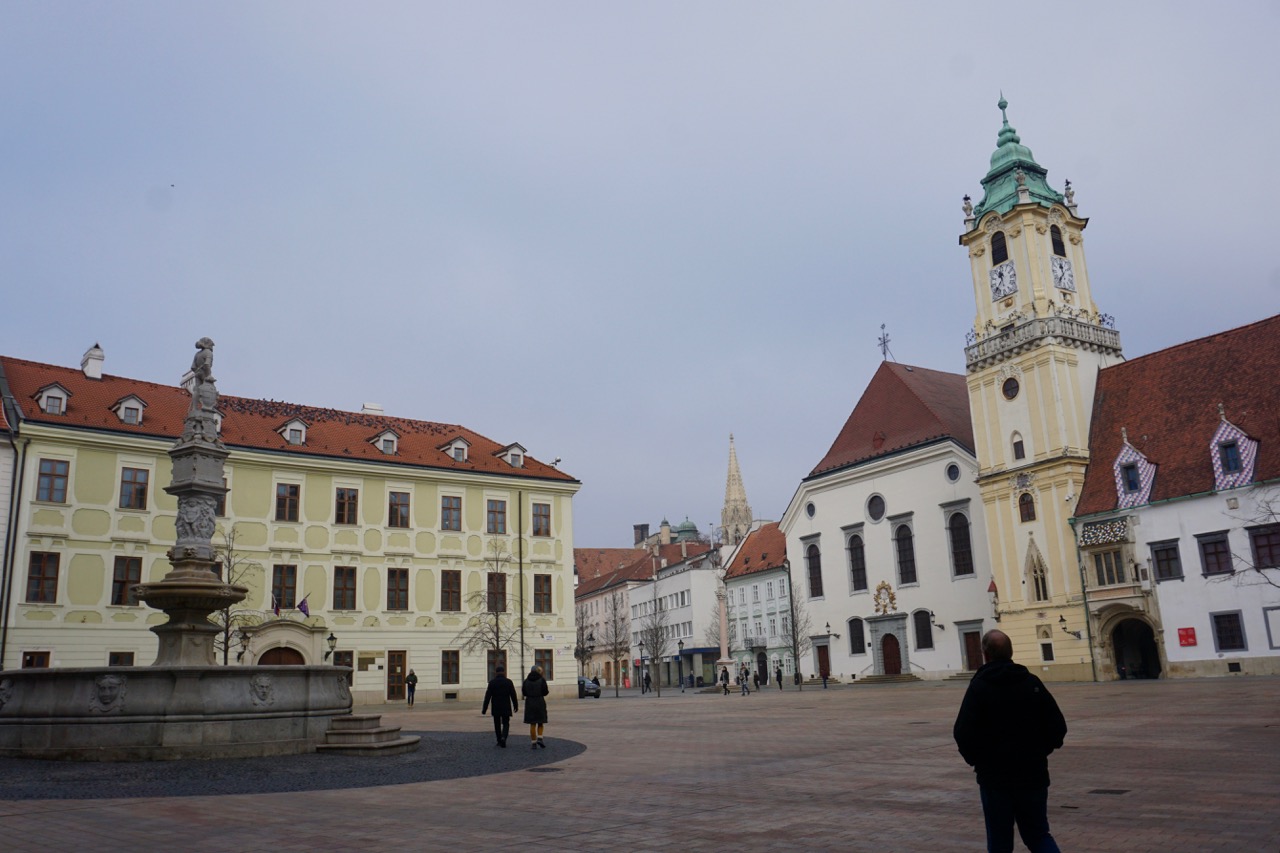
I took a quick walk through town to get my bearings, surprised at how very few people were around. I was also surprised at the number of hipster establishments that didn’t seem to match the atmosphere. The streets were really quiet and the sky, no longer the bright blue of Slovenia, gave the city a feel of being tucked into winter. Although I couldn’t tell you why, I got the impression that Bratislava could be a very stark place and it did not feel like anywhere I’d been before.

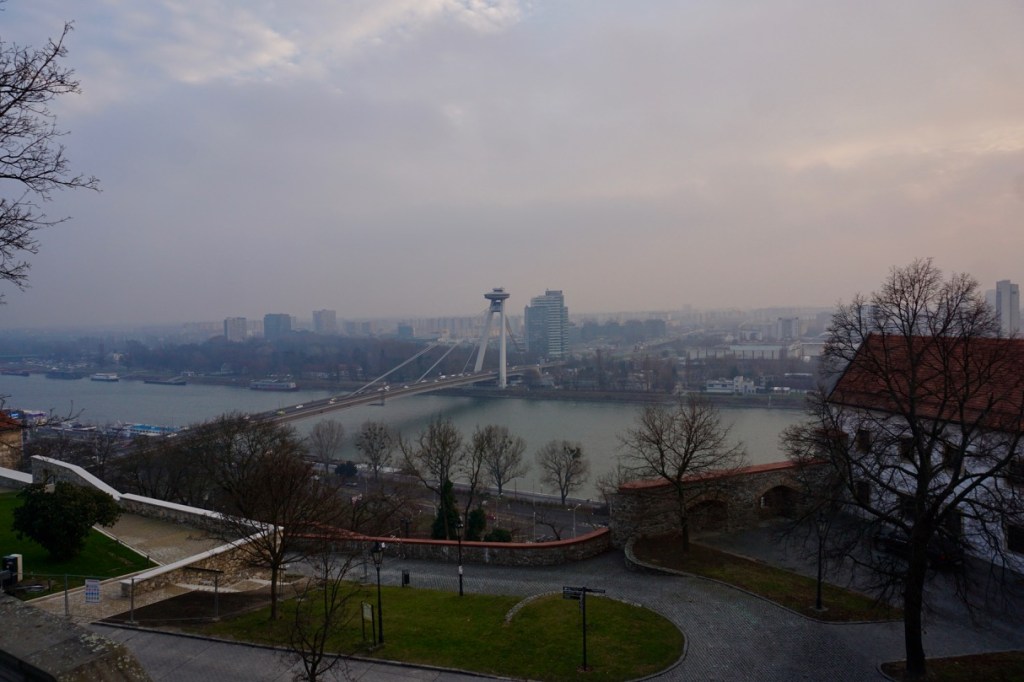
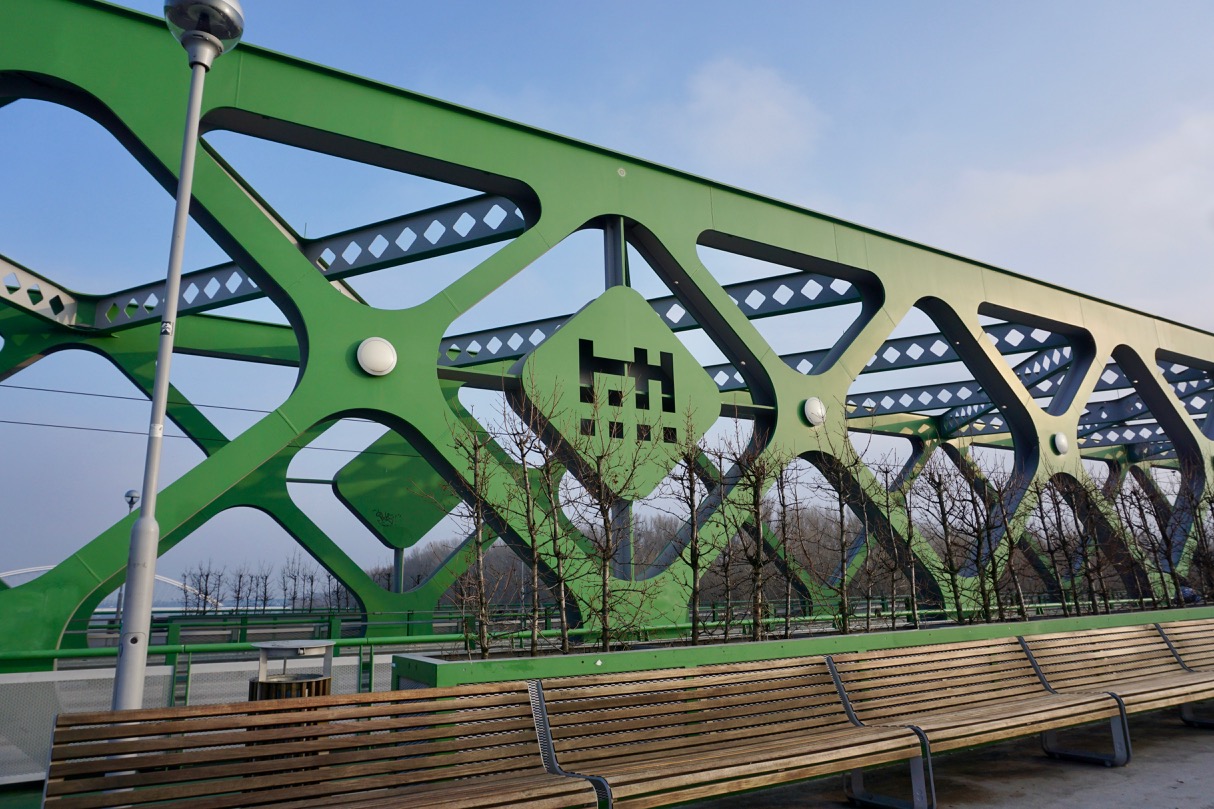
The UFO bridge certainly added to that impression.

But then I stepped inside a brewery (and then another one . . . and then another two the next day) and I found all the people. They were laughing and talking and joking and almost no one was looking at their phones. This was very, very different from what I see in Asia and I felt suddenly warmer for being around people who were interacting with each other and the space around them.

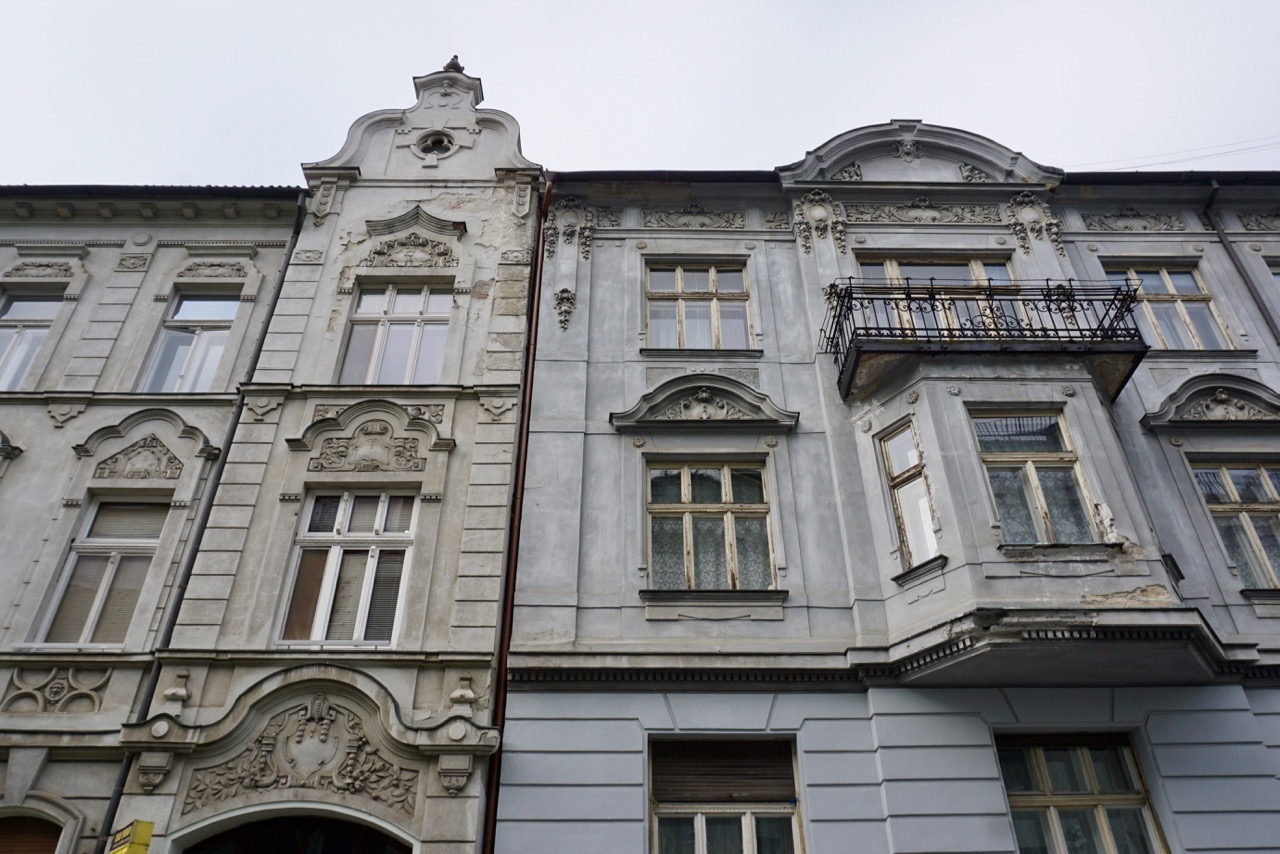
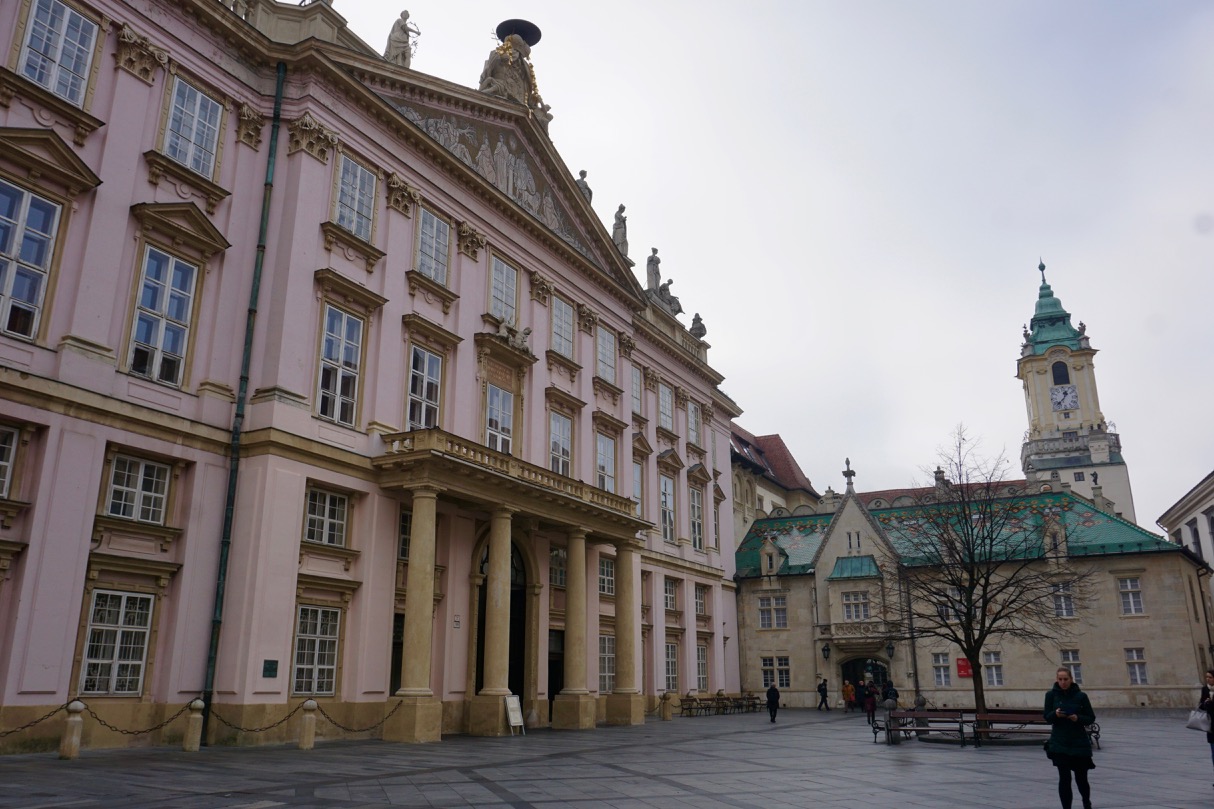
The following day was one of walking and wandering. I met up with a friend and it was great to have the company and to share this new experience. We walked through the old town and quarters of grand buildings . . .

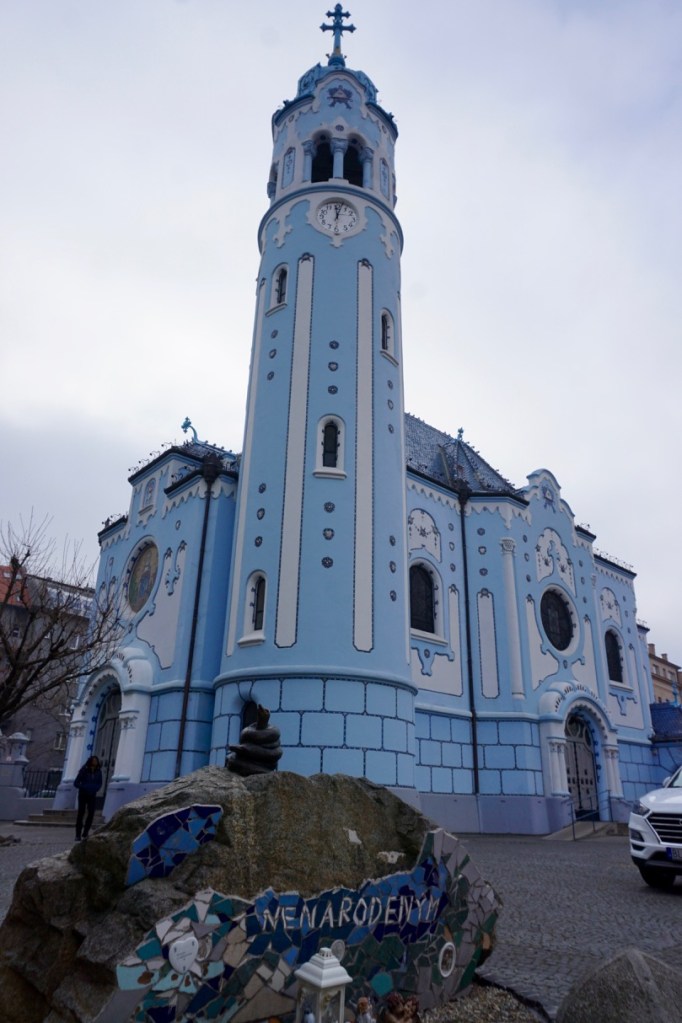
. . . through the city to visit the Blue Church . . .

. . . and took a short walk from the Blue Church to the site of Bratislava’s only remaining synagogue.

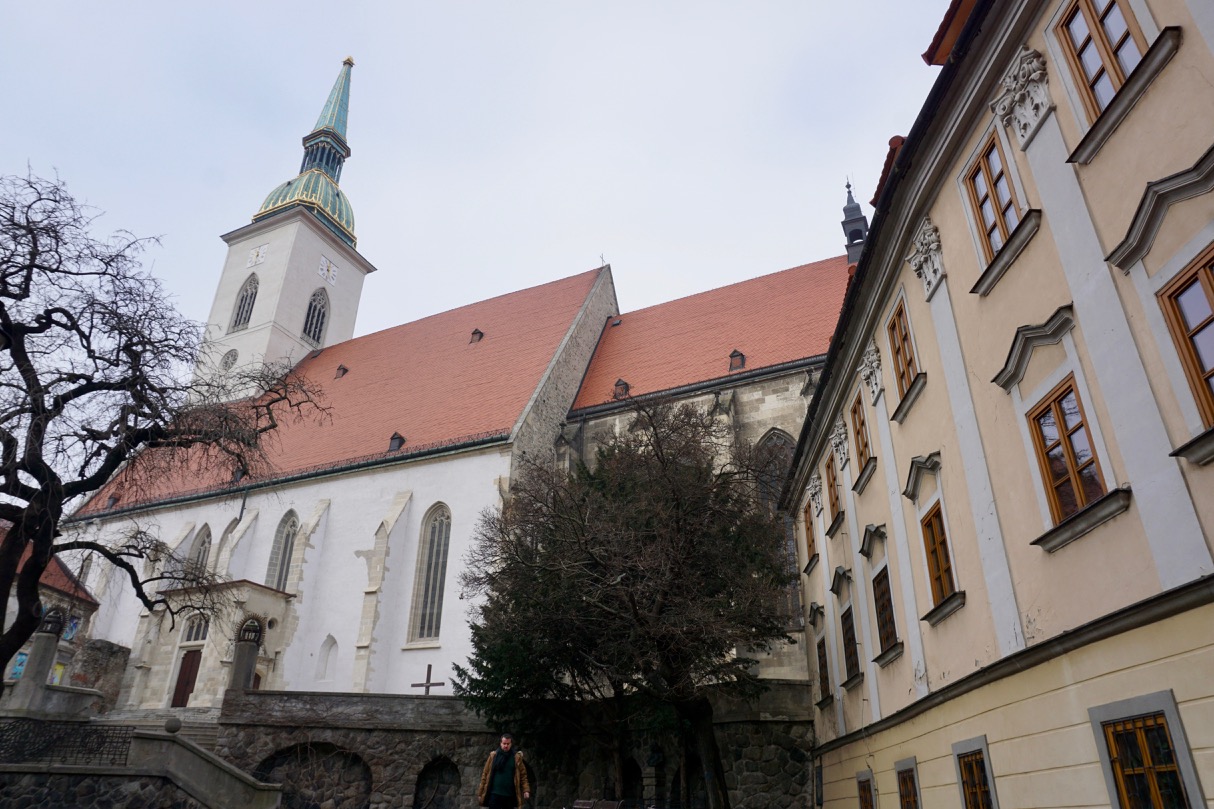
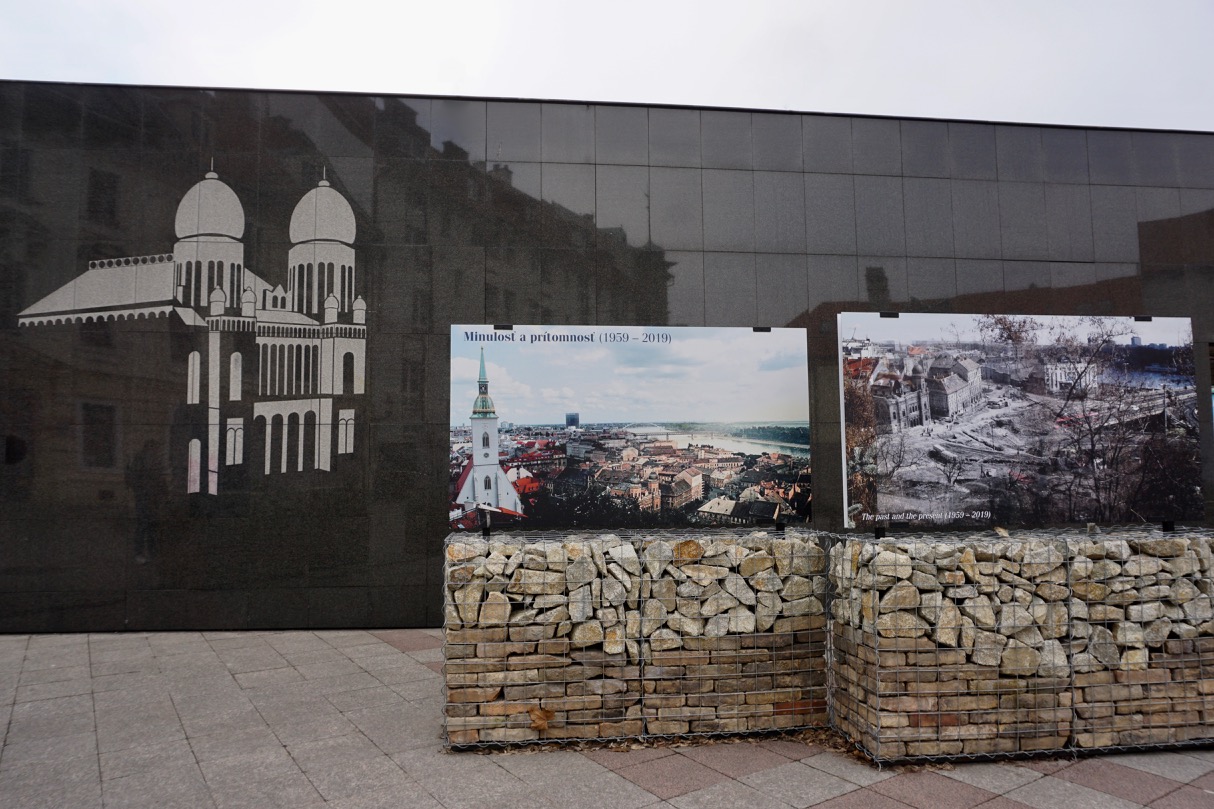
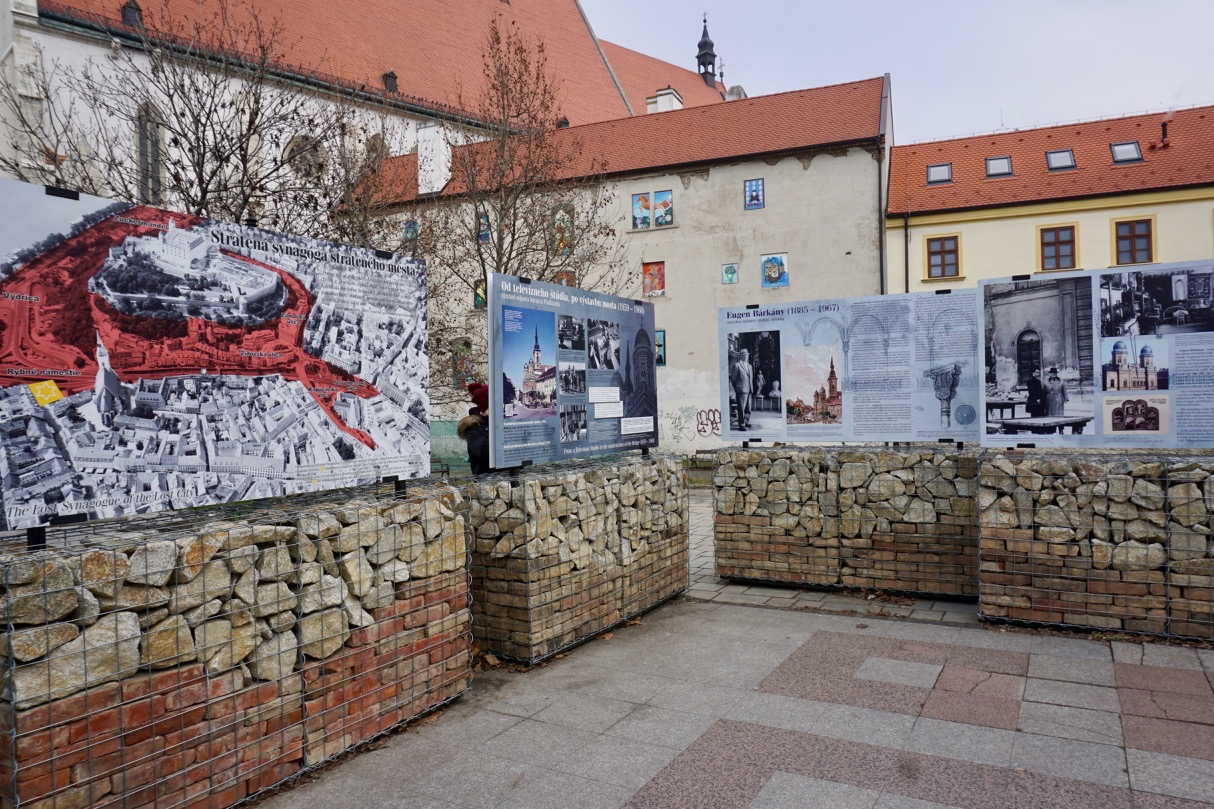
Earlier that day, right next to St. Martin’s Cathedral in the old town, we’d seen an exhibit on the street about the synagogue of Bratislava that, despite protests by the community, had been torn down in the 1960s to build the UFO bridge. Bratislava has a long and extensive Jewish history and there were historical markers about it around the city, including a museum dedicated to Jewish culture.

We also walked across the Danube River . . .

. . . and found ourselves in a park that must have been a relic of Bratislava’s communist history. Imagine the stories these benches and trees could tell! Or the last people to sit here. Who are they? Where are they?

Just across the street from the Presidential Palace, we saw another relic of communism – a fountain that had once clearly been a showpiece but was also in disrepair.

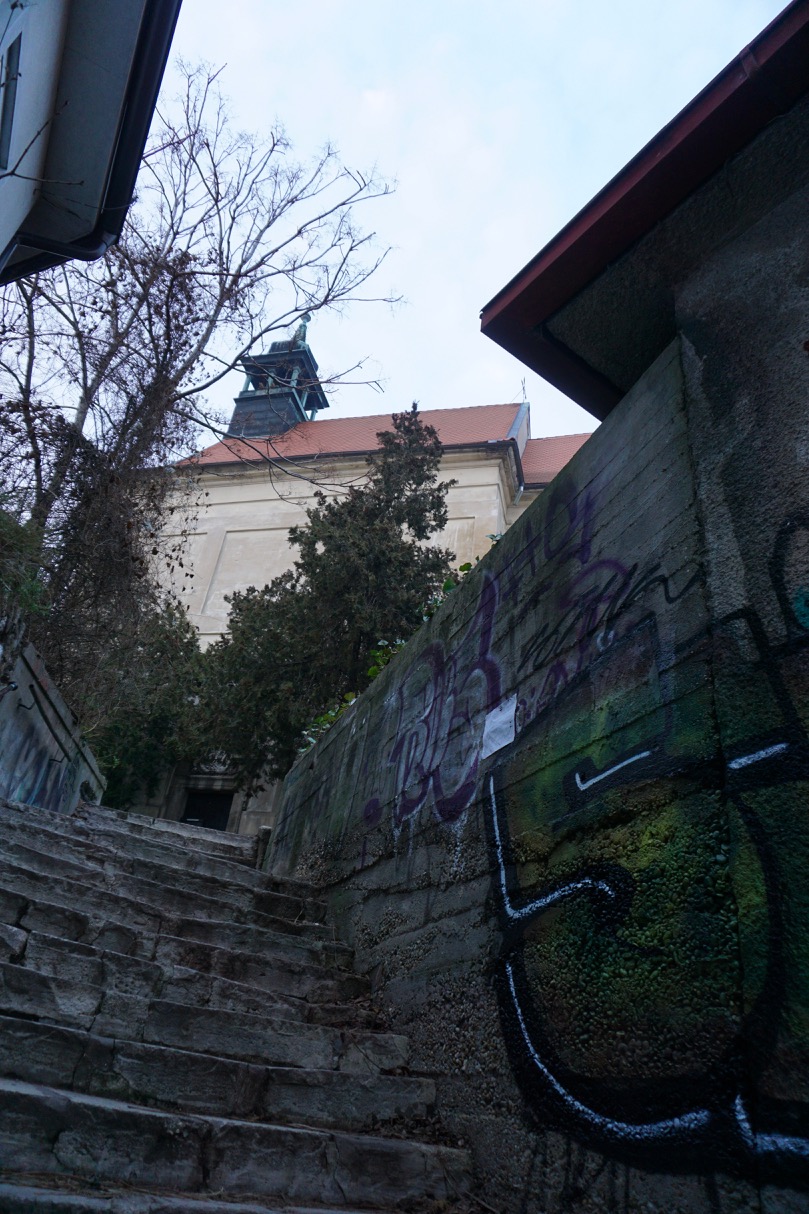
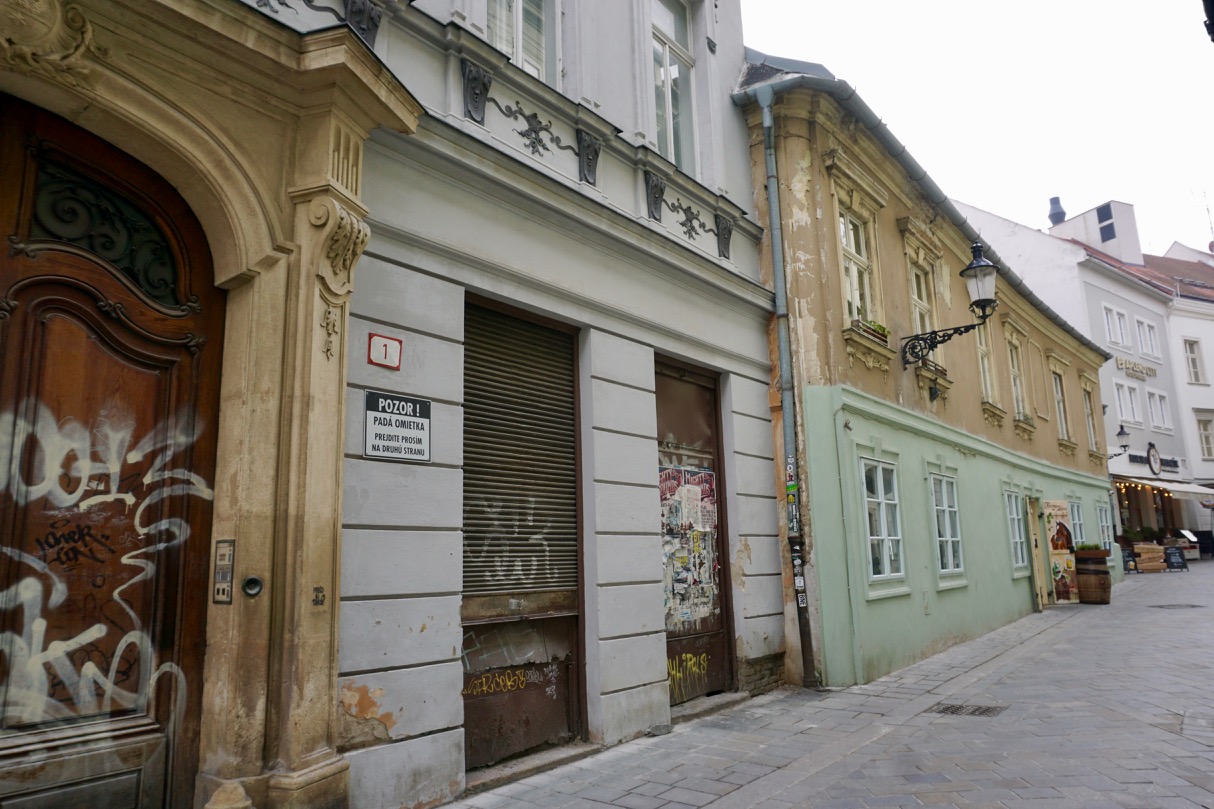
Another notable element of walking around Bratislava was the graffiti tagging everywhere. I felt a real lack of reverence and desire to be heard and I liked that attitude very much. Things that have been needn’t always be. And Bratislava was a little bit of everything.

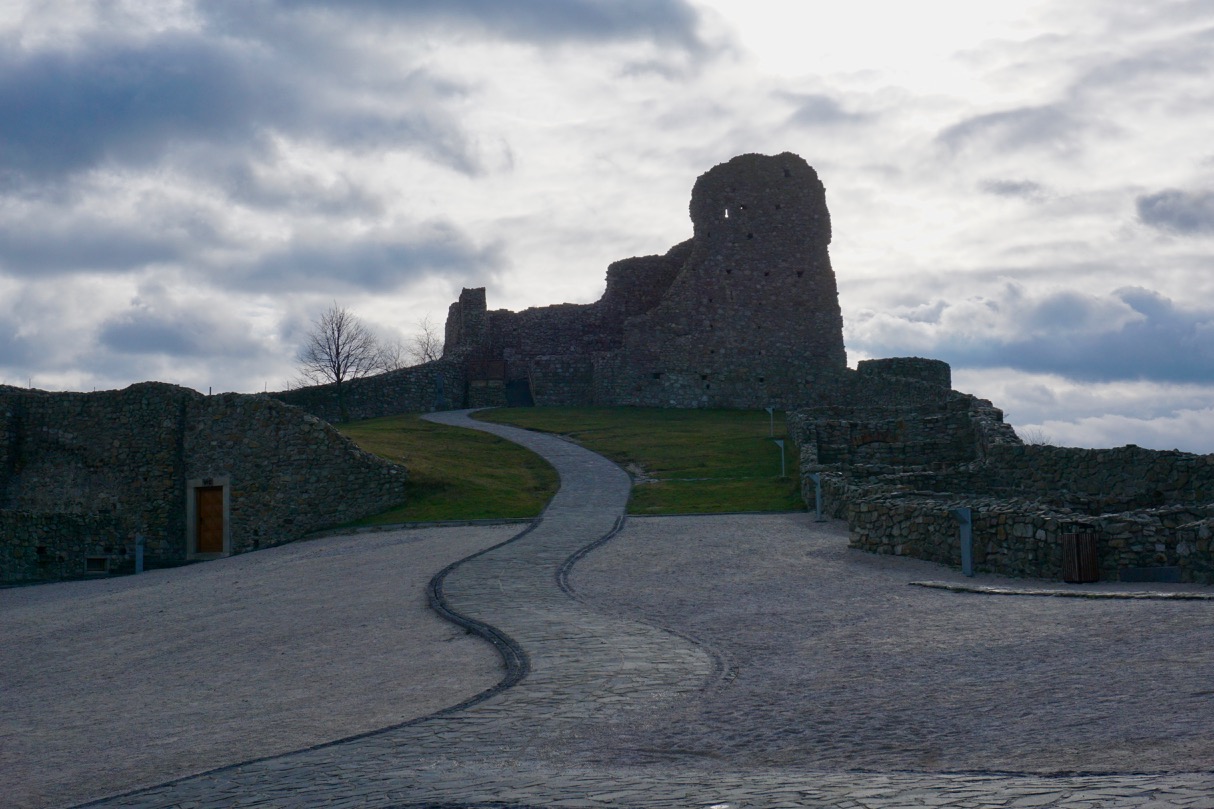
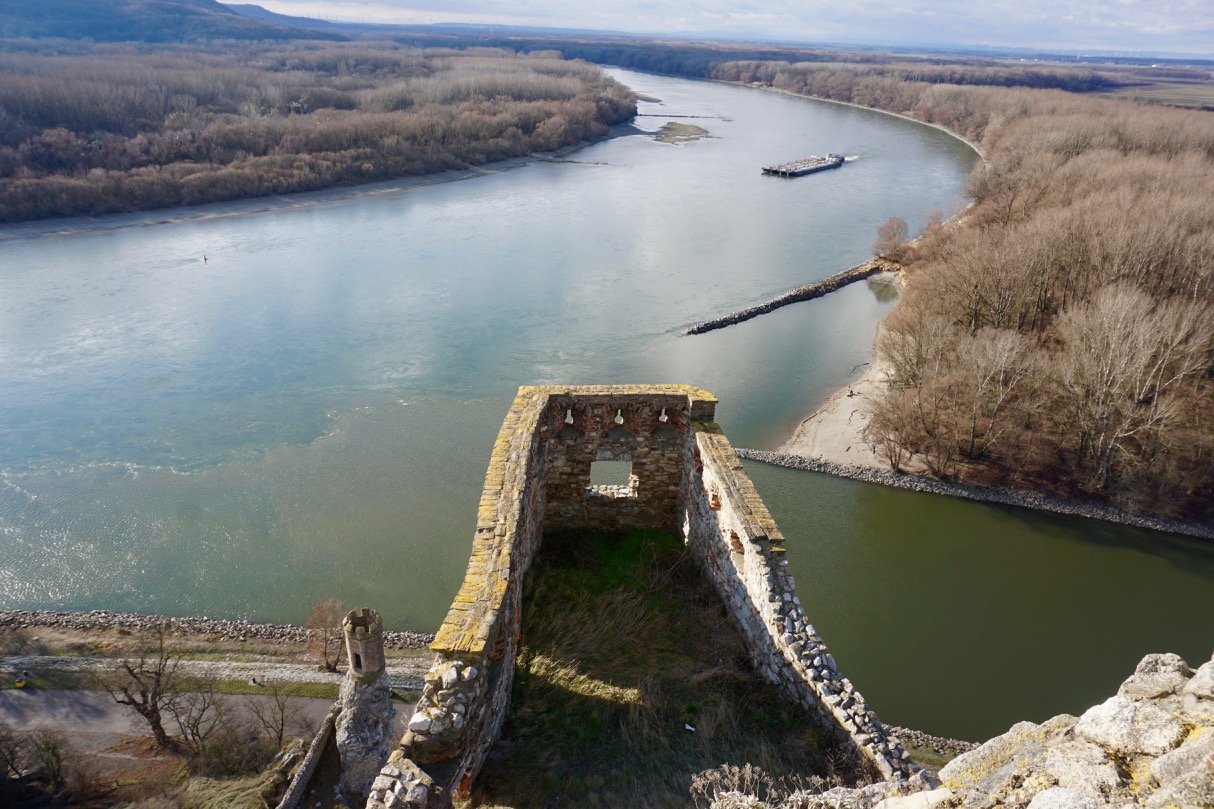
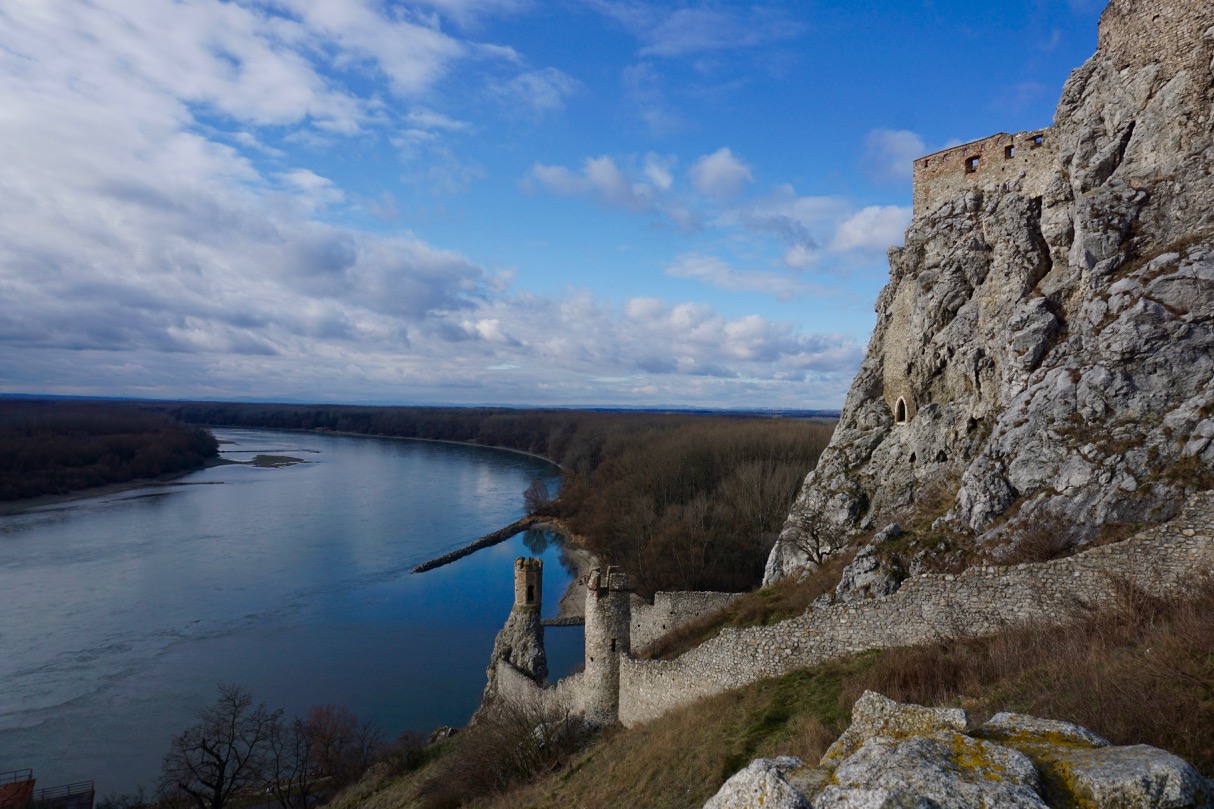
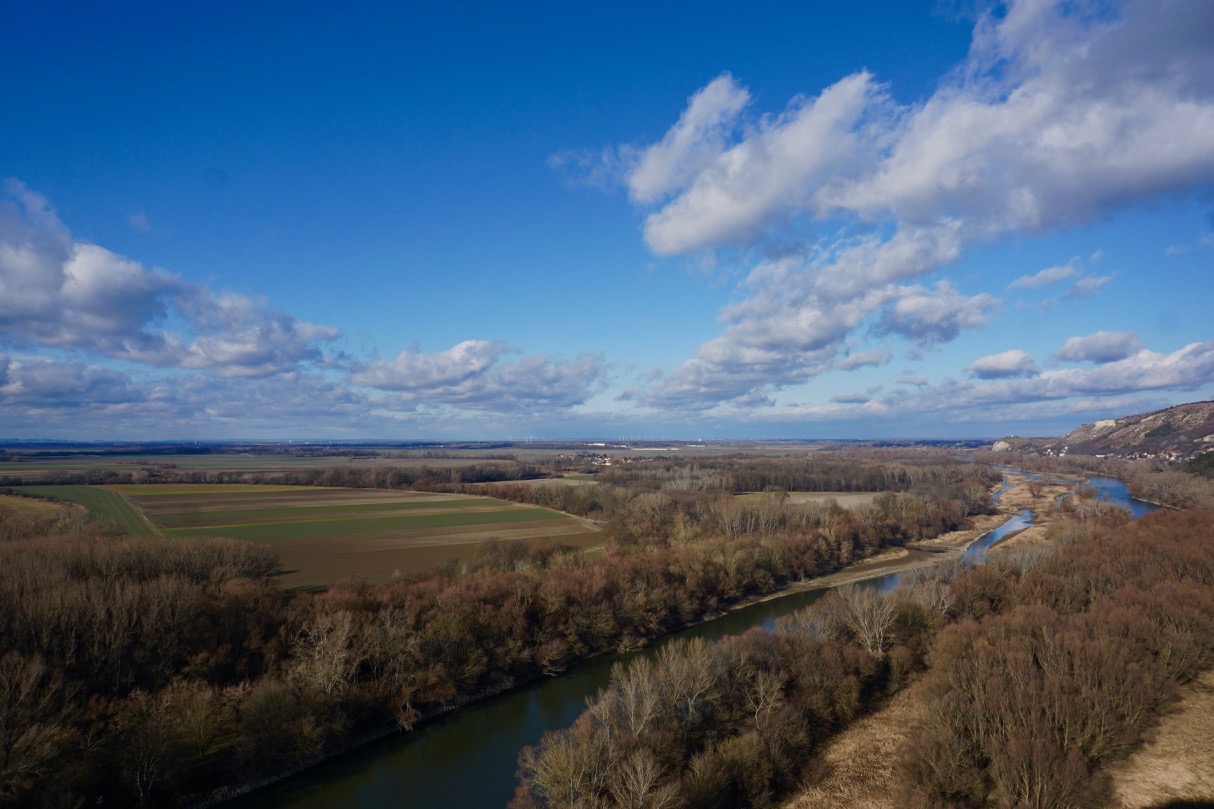
The next morning, it was time to go but I really wasn’t ready to leave just yet. Instead, the last day having a car made it possible to visit Devín Castle, a stone castle located 10km from Bratislava. It was built in the thirteenth century and was then destroyed by Napoleon’s army in the early 1800s. The sun had come out again but the wind was really strong. It was easy to see why this castle had been built up on a windy hill at the confluence of the Danube and Morava rivers.

Thanks to a photo exhibition, I learned that the Iron Curtain had run directly in front of the castle to separate Bratislava from Austria across the river. I knew that the Velvet Revolution, the history of which Bratislava is very proud, had toppled communism here but I didn’t know that the Iron Curtain was a physical structure. In school, we’d talked about it as a concept, not as something tangible. Learning about that was really powerful and reminded me again of how much I don’t know.

After the cold wind, the obvious choice was to stop for some hot wine once more before the last part of the journey, which would again follow Austrian wine roads because they’re so much prettier than the highway.

And then all too soon, the car was dropped off and I had far too much time to kill at the airport. As is my habit, I drank a hot chocolate and reflected on the roads travelled. I had seen parts of the world that I’d never really imagined seeing and I honestly felt the growth in myself as a person. When I moved to Malaysia in 2014, I never would have known how to go about a trip like this. And here I was with all clothing in my pack worn twice like it was nothing. It has been a long road to get to this point and that I cannot forget.
Sometimes the world feels right to me and over the last few weeks it had. There is solace in that feeling. There is solace in knowing there are places out there where the world feels okay. Thank you, world.