Tag Archives: Hike

Travel Guide: Lake Bohinj, Ljubljana, Lake Bled x2

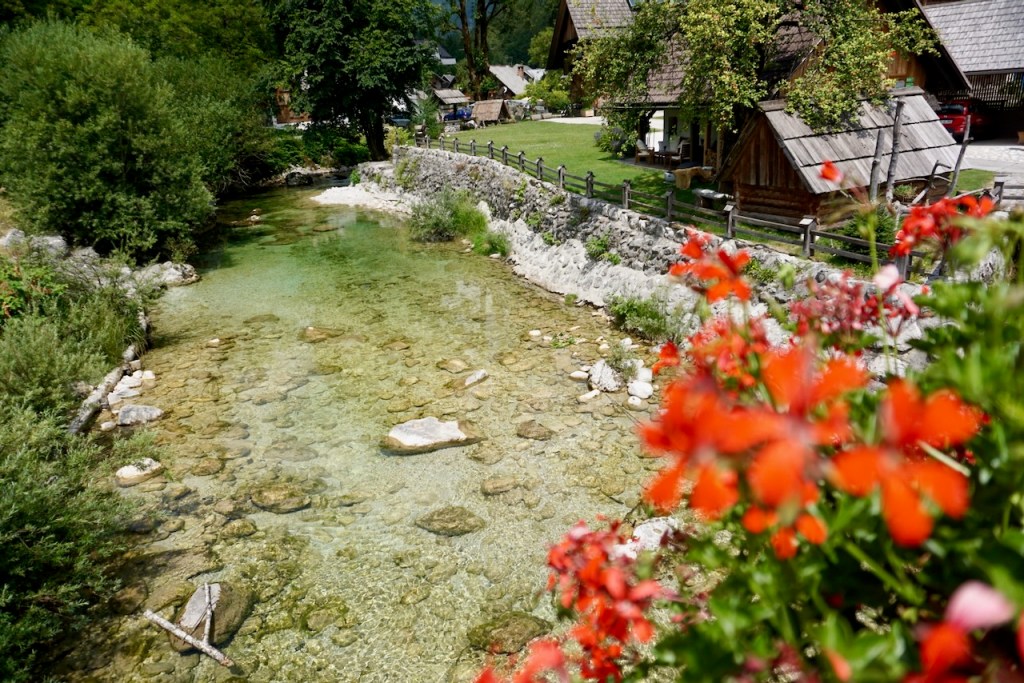
I had wanted to return to Slovenia since a trip there in the winter several years ago, and this was the perfect opportunity. We spent five nights in the village of Stara Fužina by Lake Bohinj at the foothills of Triglav National Park in the Julian Alps, which gave us ample time for some much-needed relaxation and immediate access to all the nature we had missed while in Venice. The village had two grocery stores, a snack bar, two restaurants, two churches, and a fire station. The primary business seemed to be tourism with a good amount of farming, and it seemed like everyone knew everyone else.

As we would learn, the church bells next door to our accommodation ring promptly at 9pm and 7am – and by ring, I mean clash and clang. Insistently. For several minutes. Our host told us that she likes them; being on holiday, I was rather less fond of the 7am round.

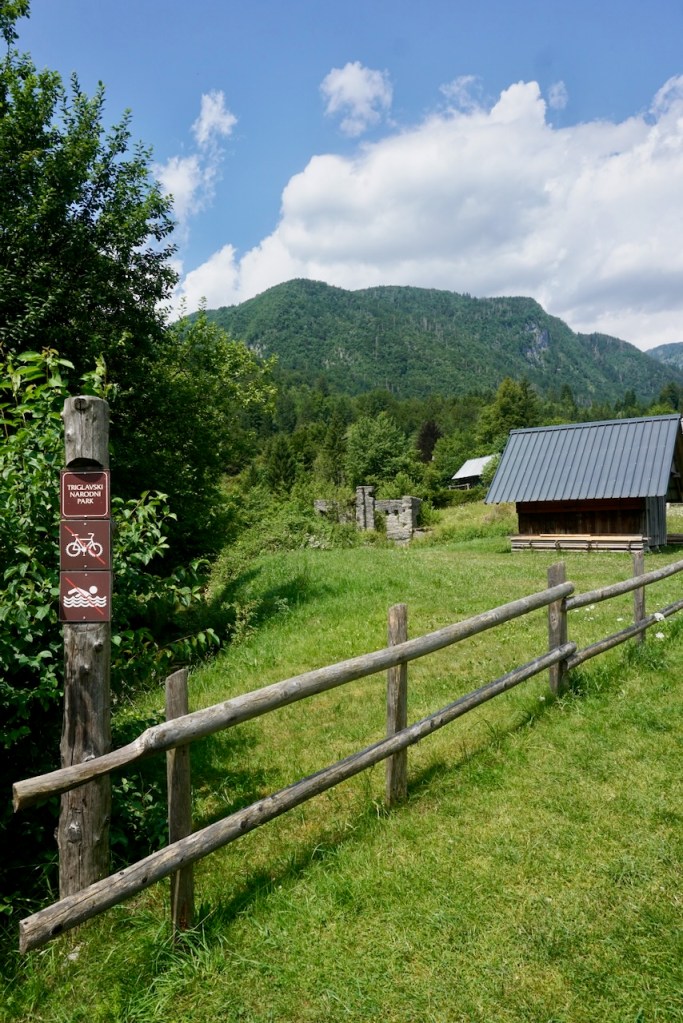
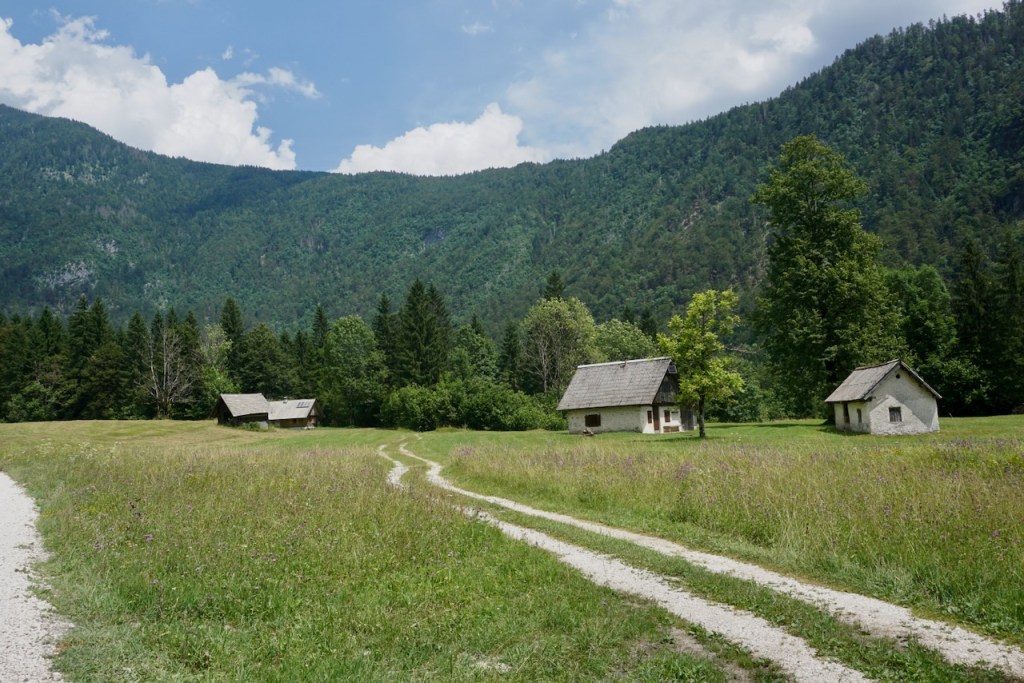
Our time in Slovenia was mostly spent enjoying Triglav National Park. On our first full day, we hiked past the fields at the edge of the village . . .

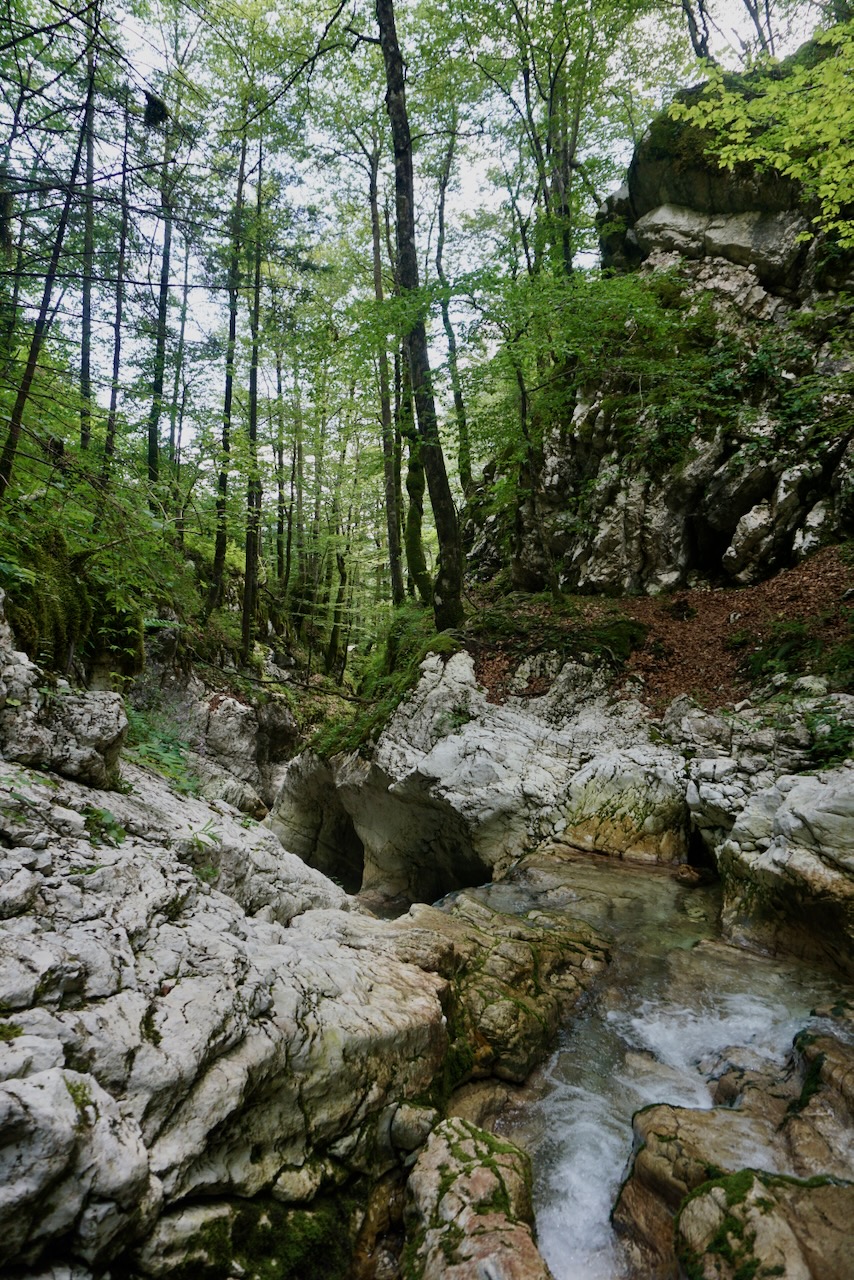
. . . through Mostnica Gorge with its deep caverns of bitingly cold water that provided relief for our feet . . .

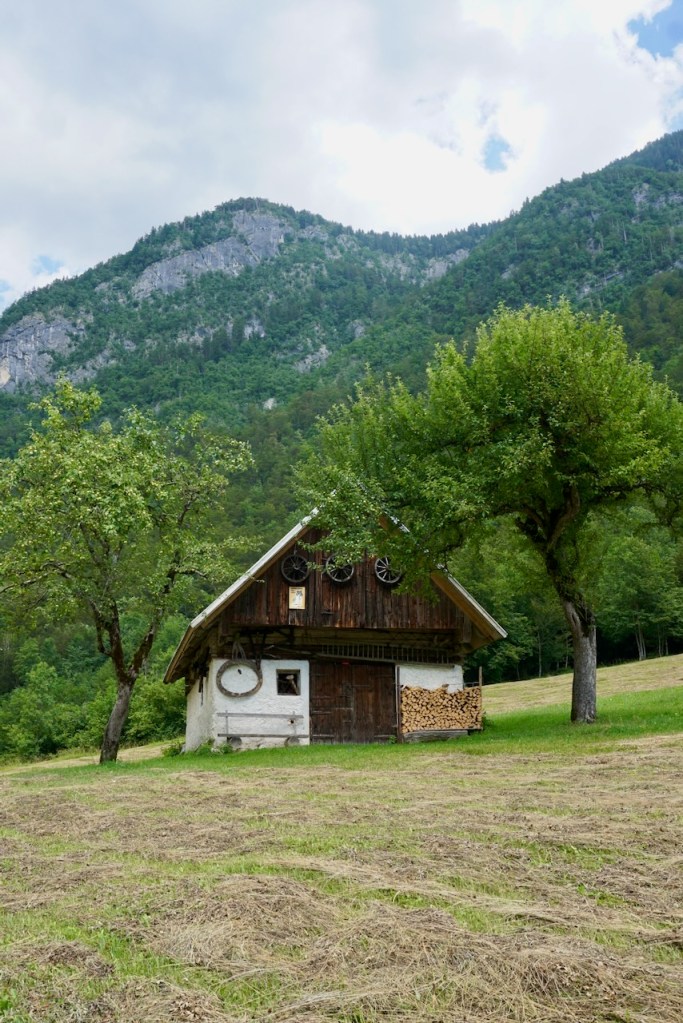
. . . and alongside fields owned and operated by farming families . . .

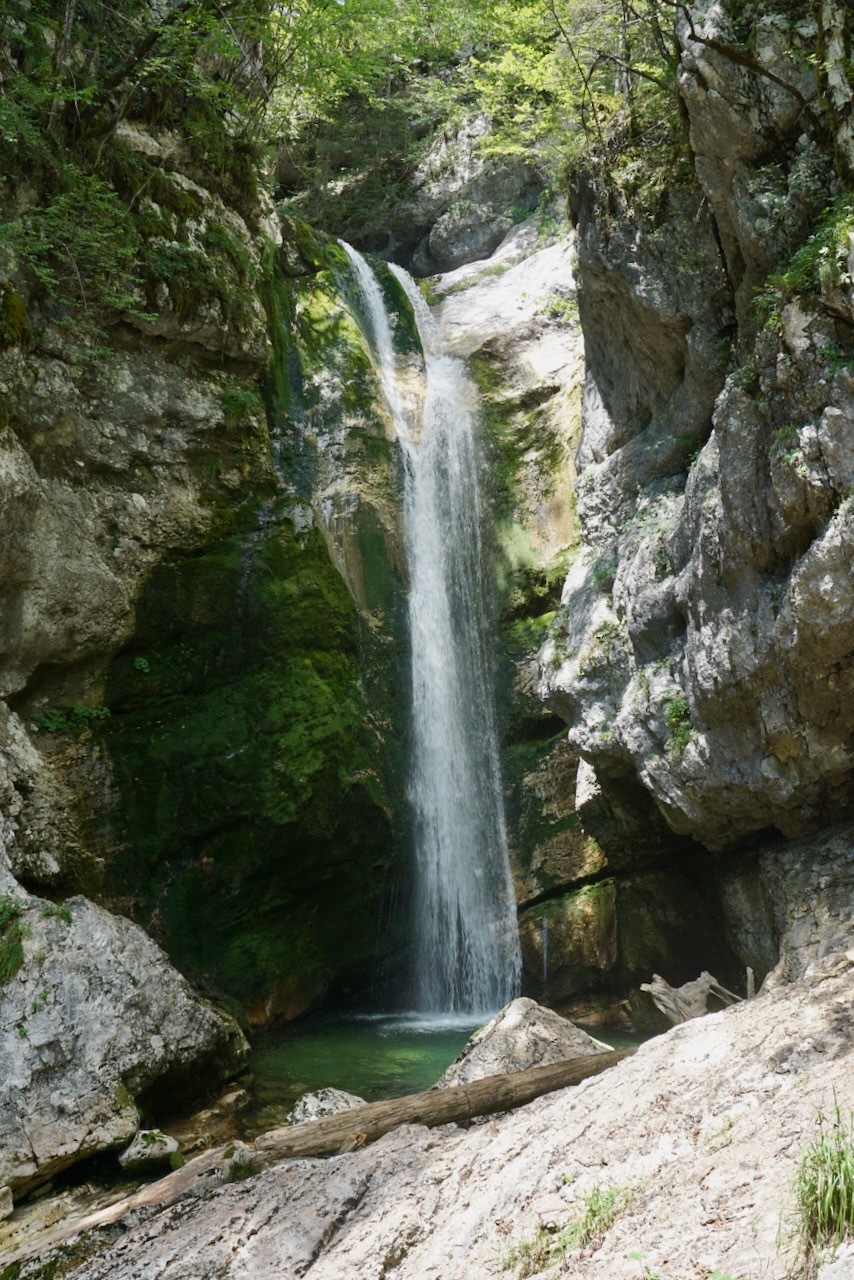
. . . before arriving at the main attraction, the Mostnica Waterfall.

It was here where we picnicked on the rocks before heading back in the direction of the guesthouse we’d passed on the way. There would be a cold drink there waiting for us.

The next day, we walked in a different direction through the village and past the fields . . .

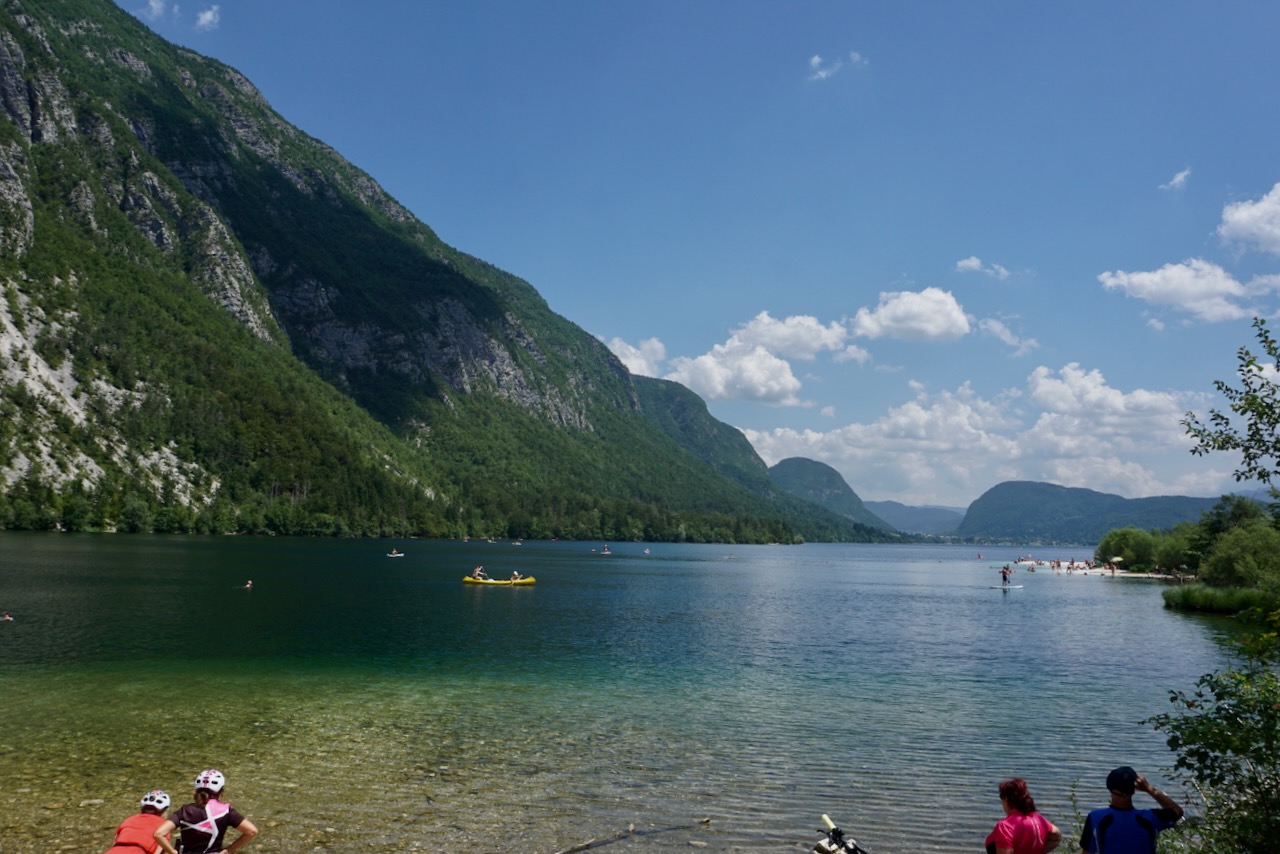
. . . to reach the path that runs the length of Lake Bohinj. We stopped for ice cream, our usual picnic, and to sit for a while by the water. Despite wearing a bathing suit, I only went in as far as possible without getting wet. I am not fond of hiking in wet clothes and we had a ways to go.

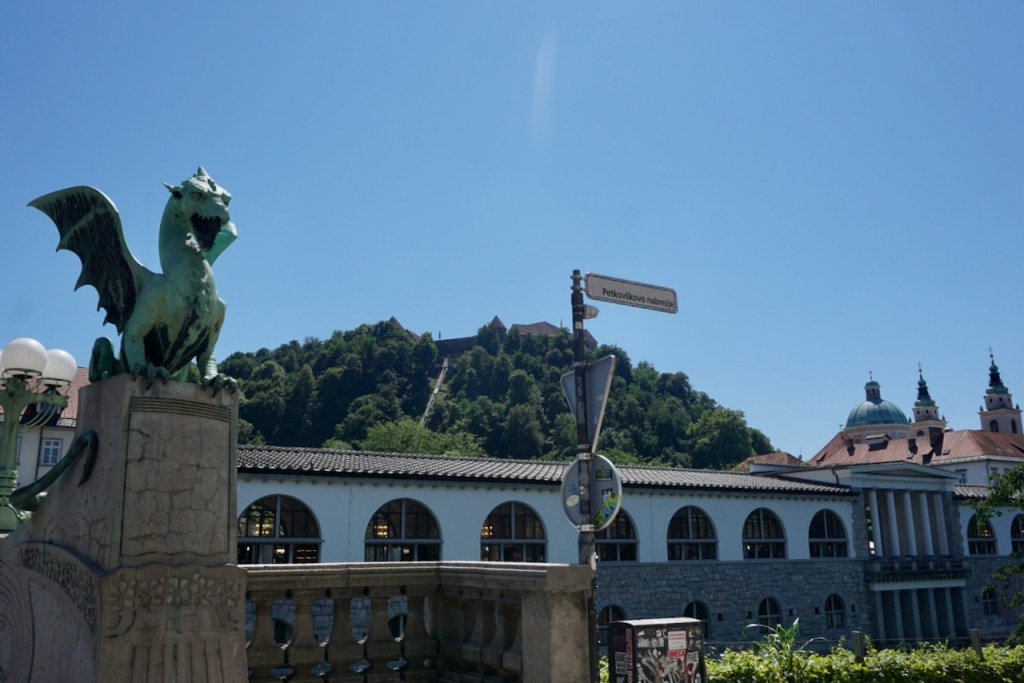
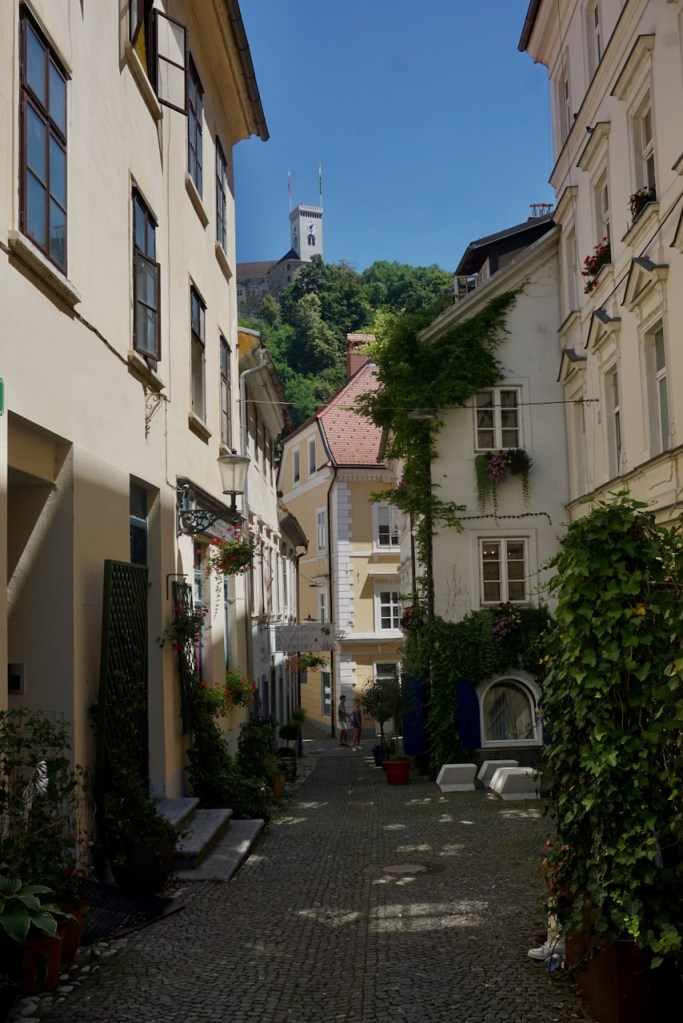
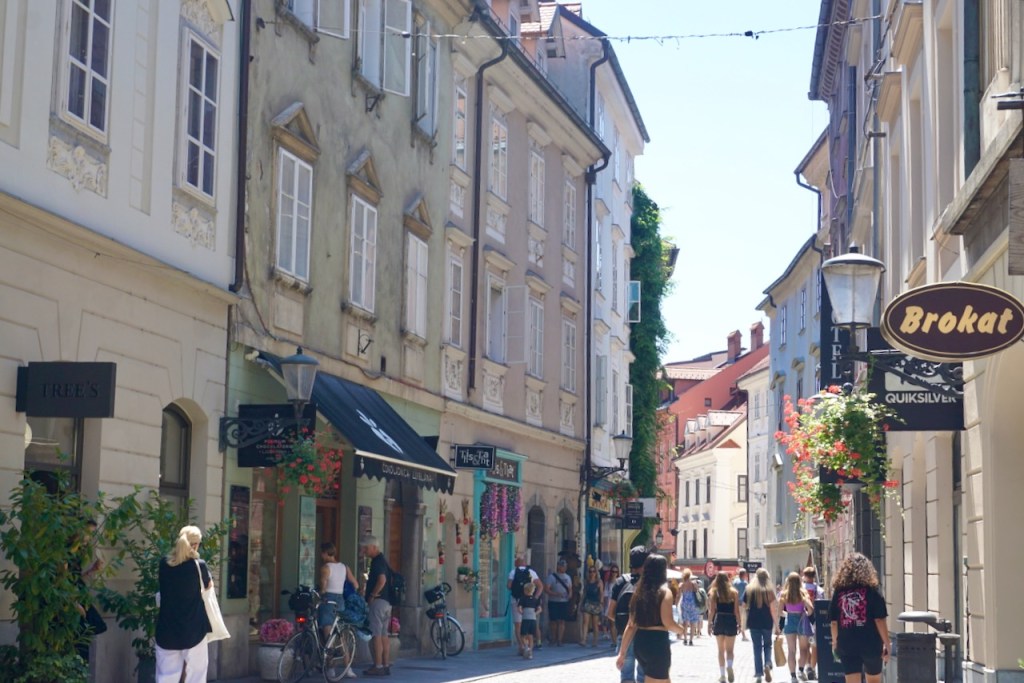
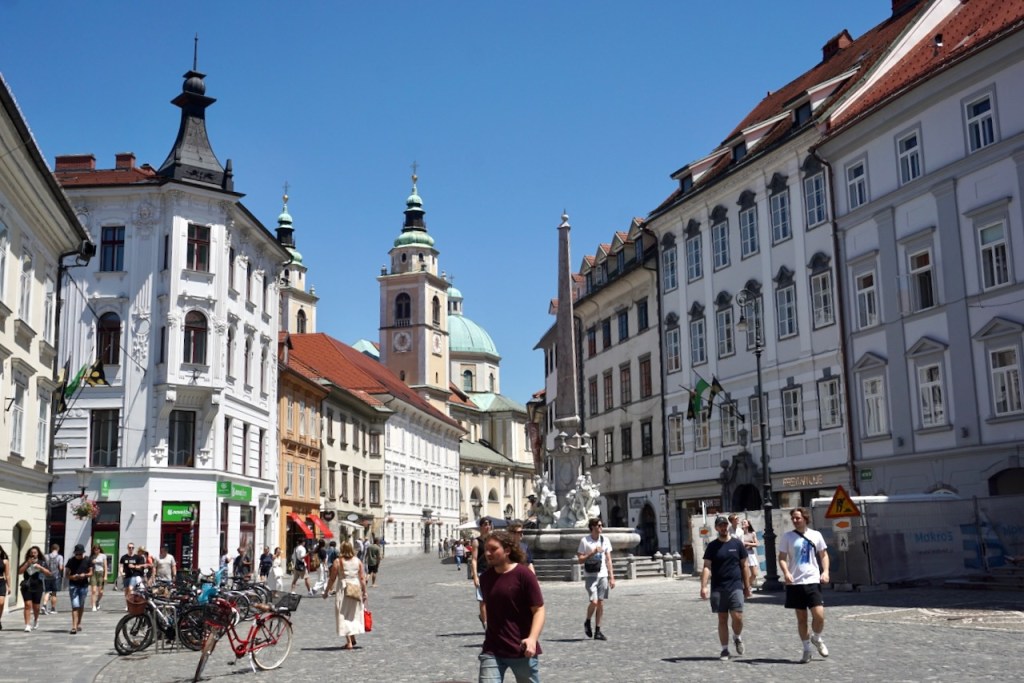
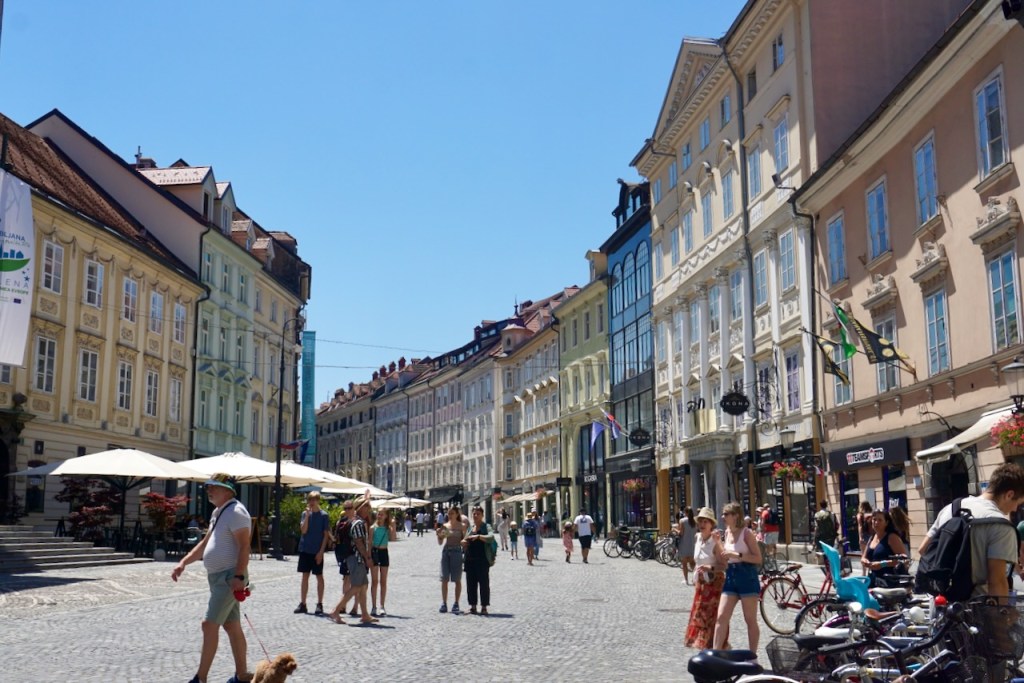
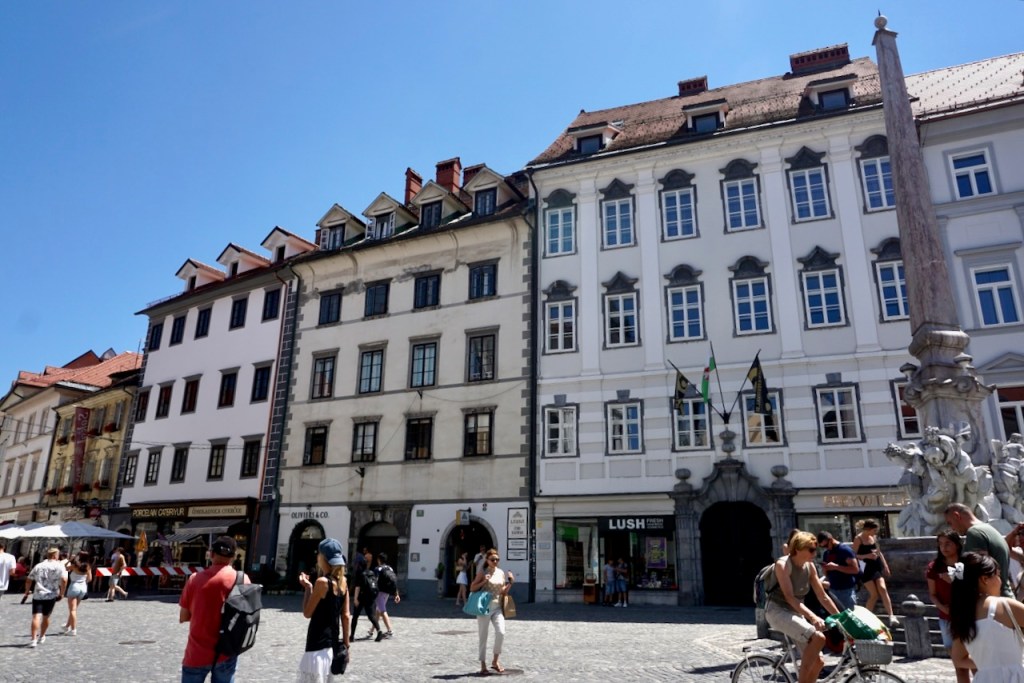
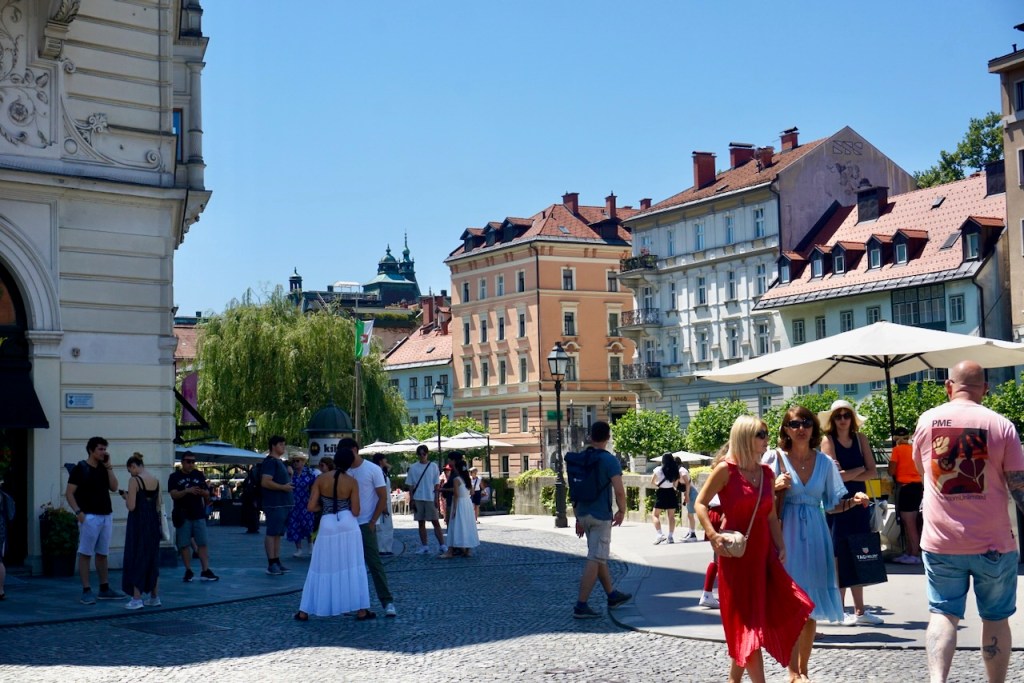
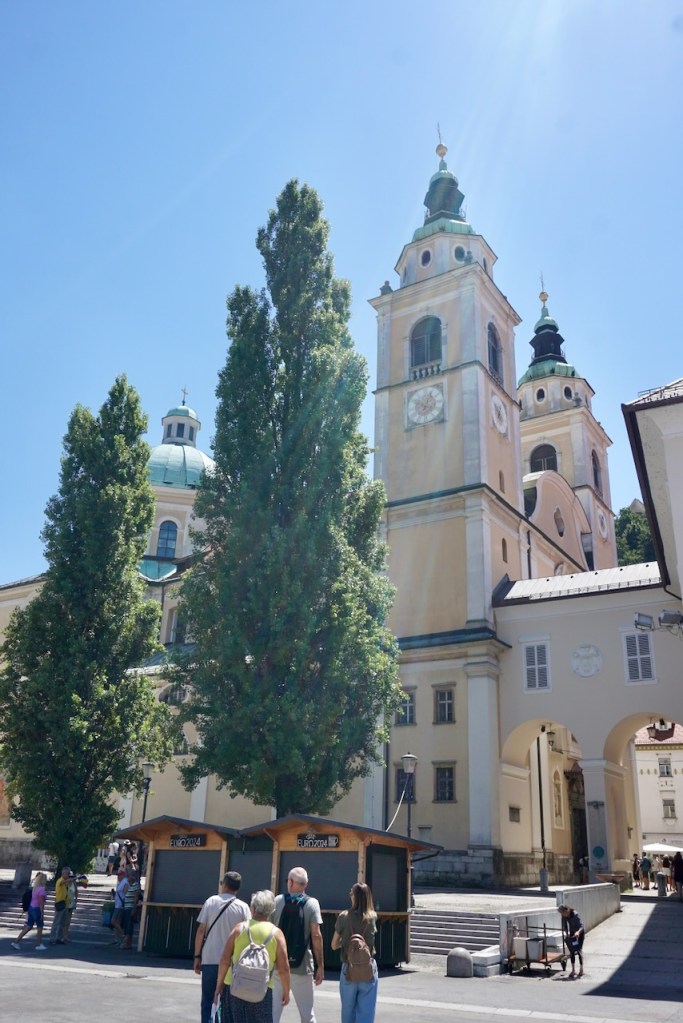
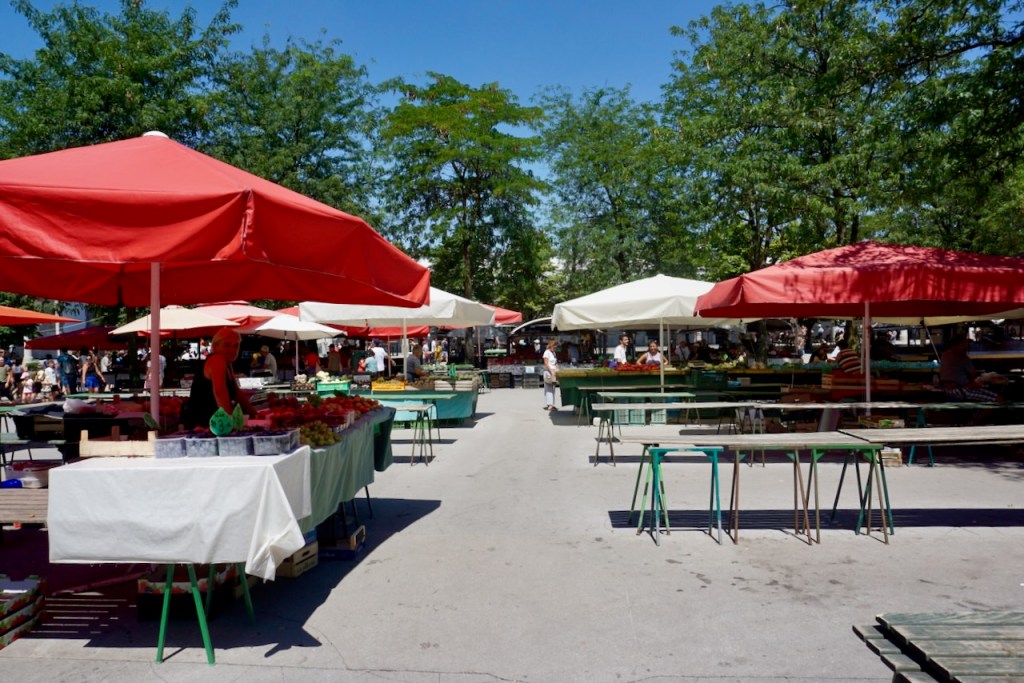
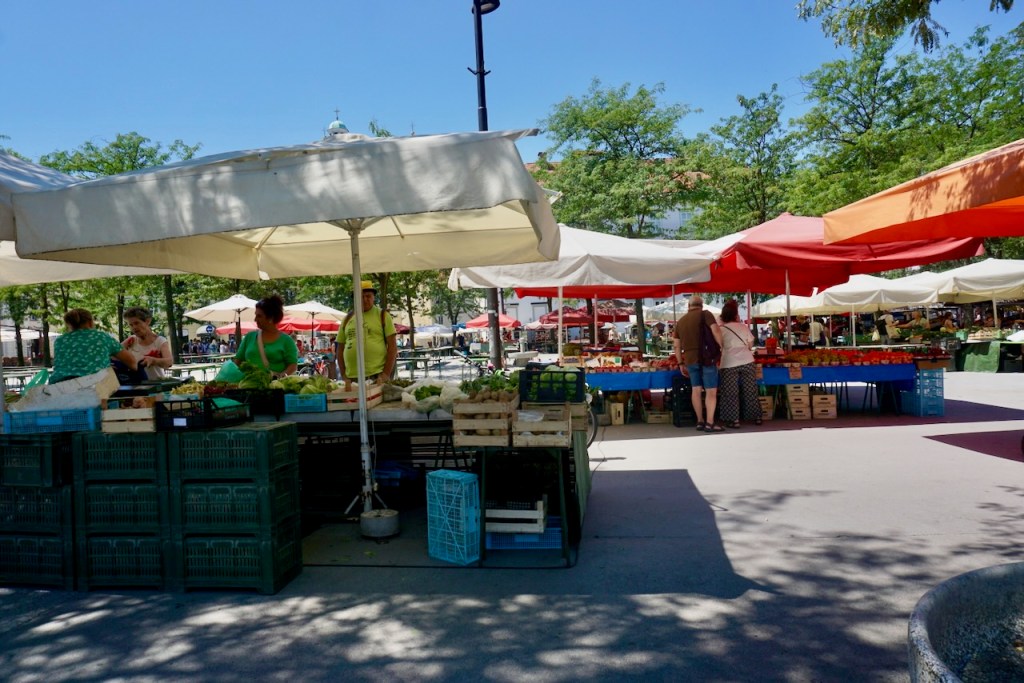
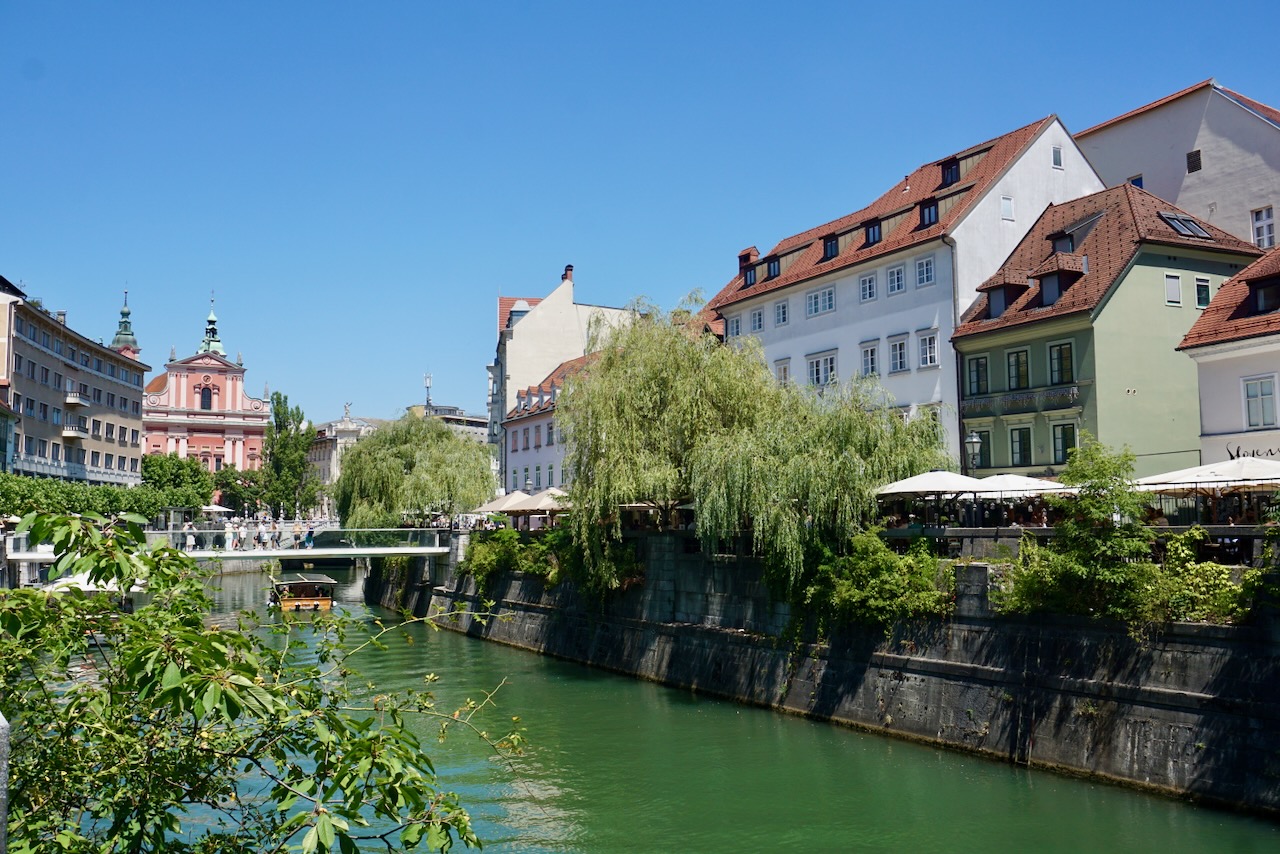
The following day, we visited Ljubljana, Slovenia’s capital, where I hadn’t been on my first trip. The city felt like many around Germany with narrow side streets, pastel buildings, and open squares. The amount of German being spoken by tourists only augmented the sense of familiarity. The castle on the hill and the city’s dragon symbol added an air of the medieval.

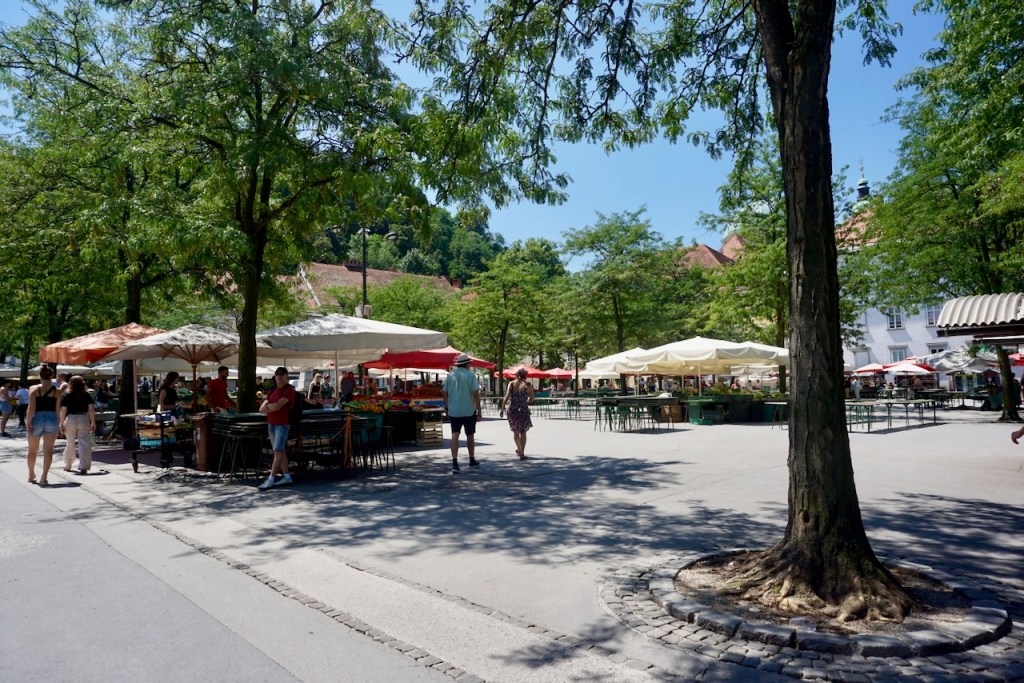
I enjoy any city with a market . . .

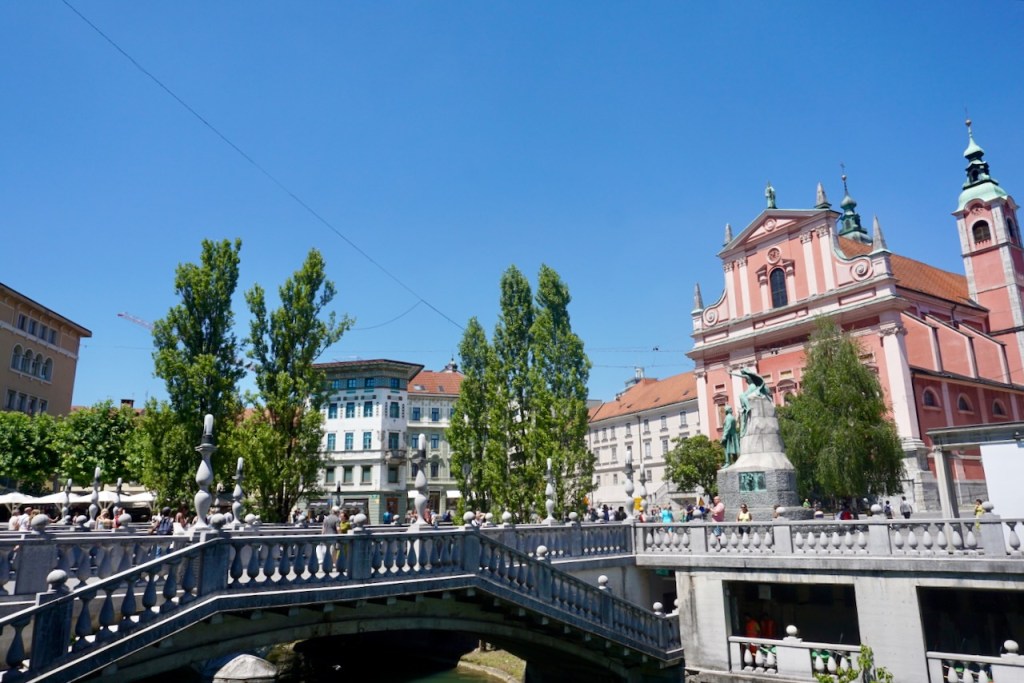
. . . or on the water . . .

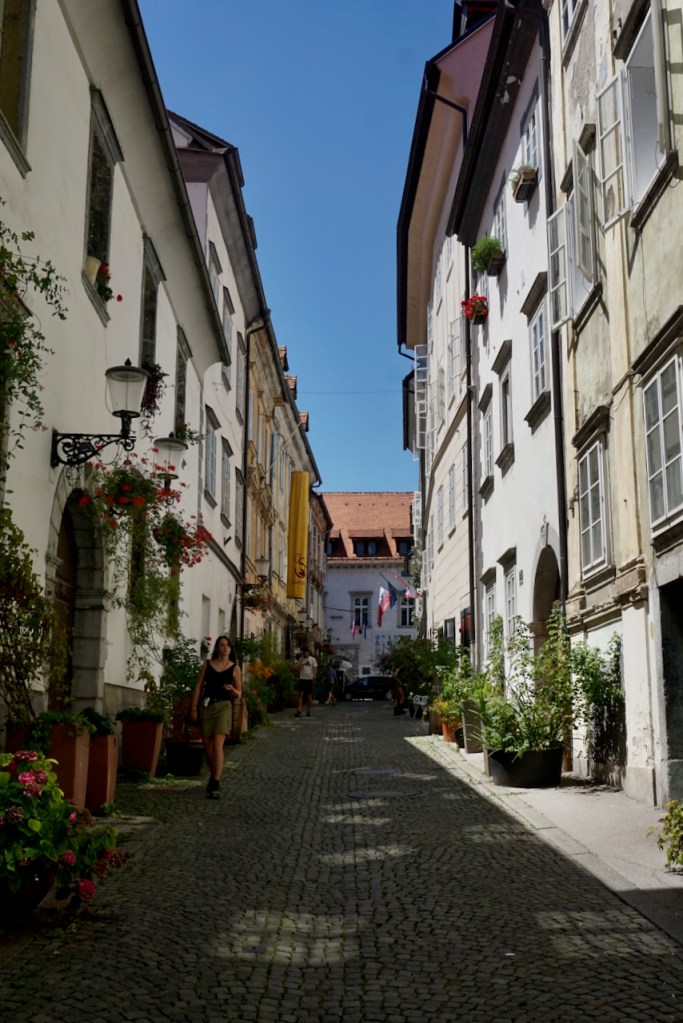
. . . and Ljubljana’s car-free old town was pleasant to walk through. It is also very small, making it easy to take everything in. I especially appreciated aspects of Ljubljana that hinted at the daily lives of the people who live there.

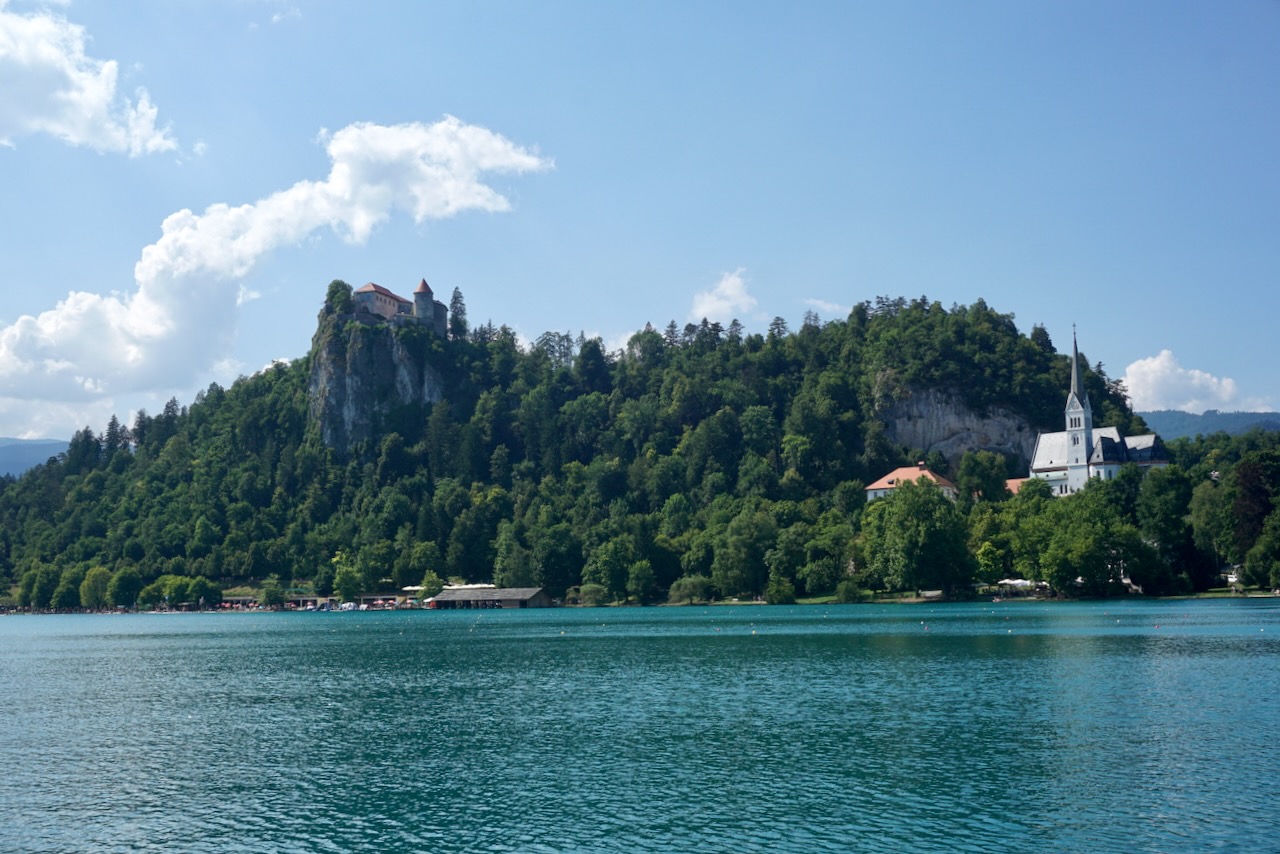
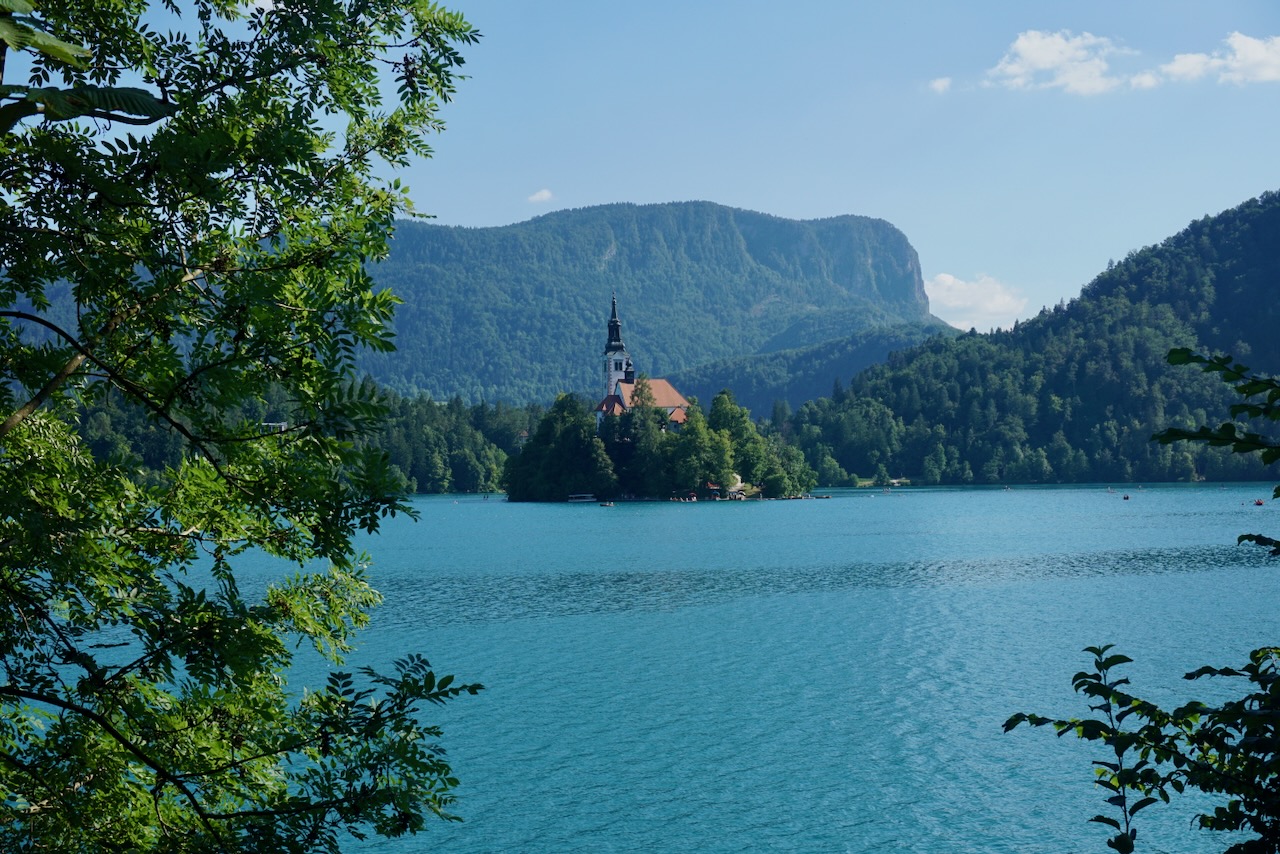
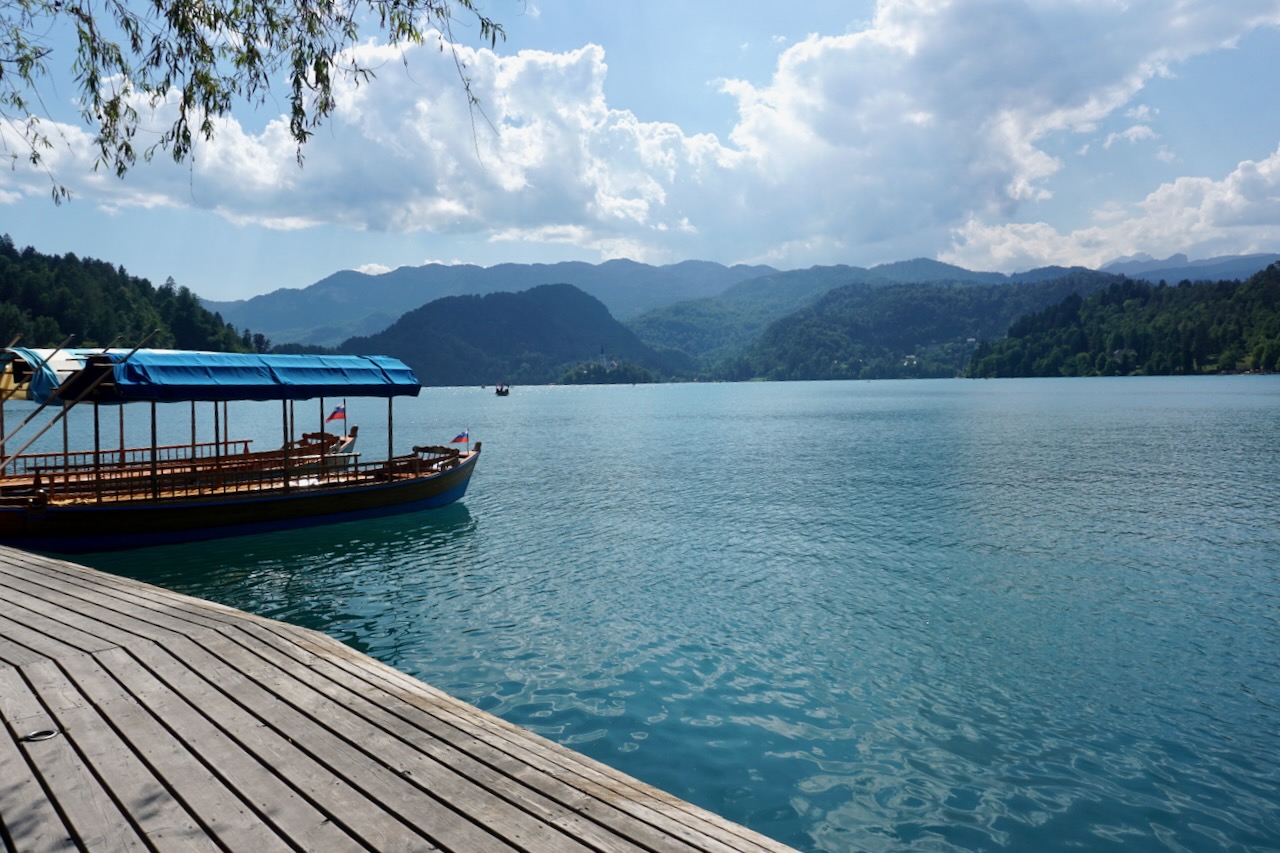
On the way back, we stopped in Lake Bled. The lake was an almost unreal blue, and we were, as always, enchanted by the mountains in the distance.

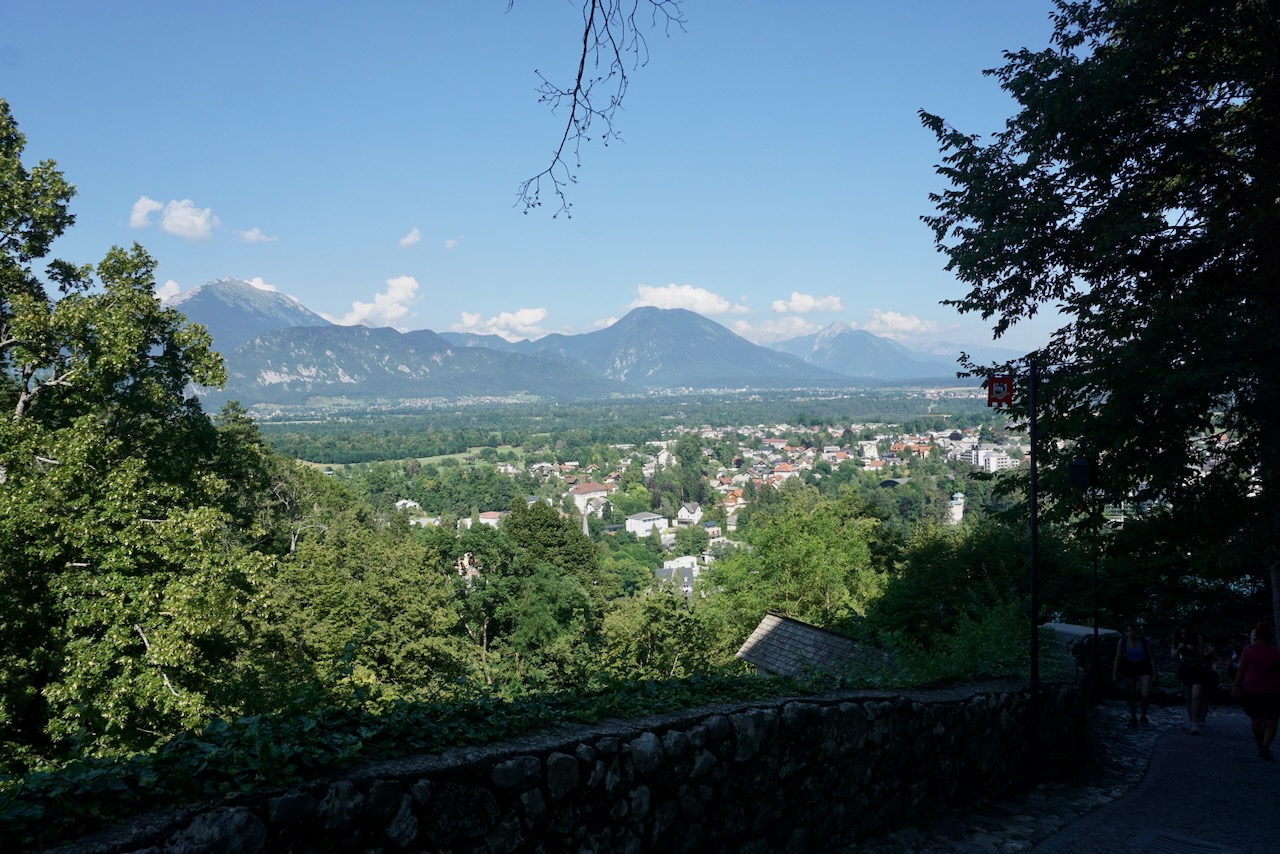
We walked up the path to Castle Bled, stopping just before we had to pay admission to look down at the valley through which we had driven on our way there.

We spent our last day in Slovenia having a beach day at Lake Bohinj. We spread our towels on the grass under a tree, bought ice cream bars from a kiosk, went swimming, and paddled our rented boards. It had been very hot the last several days and the water was delicious.

Rejuvenated from the slow pace and having spent nearly a week surrounded by the Julian Alps, we were excited to get back into the mountains for one final adventure: Germany’s Zugspitze.

Travel Guide: Santorini

One of the perks of being an international educator is the time and opportunity to travel. This October break, we scooted off to Greece! (Literally – Scoot is the name of the budget airline that provided an eleven-and-a-half-hour direct flight with food, water, blankets, or entertainment not provided but available to purchase. But it got us to and from Greece for under SGD550, so I’m not complaining.) Upon landing in Athens, my girlfriends and I switched terminals and then boarded our 45-minute flight to Santorini. (Olympic Air is a budget airline so we got those little cleansing towelettes and two snacks – Greek hospitality is just so lovely.) We were staying in Oia,  the town you probably picture of when you hear “Greece”. It is simply stunning.

Oia is pretty at night, too . . .

. . . and it has a fantastic bookstore, Atlantis Books, which we visited and purchased from twice. The exterior should give you a hint at the wonder of the interior. Books in all languages stacked floor to ceiling, hidden behind the staircase, and available to borrow and trade on the upstairs patio. Small signs and notes with suggestions from the bookstore employees. Just the best.

Watching the sunset is a popular activity in Oia, and considering how crowded the western part of town grew in October, I can’t even imagine how it would be during peak tourist season. It was cloudy every night, though only once during the day, so many of our fellow viewers were disappointed but I thought the clouds made for some really beautiful pictures. And just being there with good friends was easily the best part.

We took a few adventures from our first base in Oia. On our first full day, we spent five hours on a very fancy catamaran with a delightful crew, unlimited beverages, and delicious lunch. The weather was bright and sunny but slightly chilly so they even made us coffee!

We stopped at the hot springs, where I actually got into the very chilly water . . .

. . . the Red Beach . . .

DSC05193

. . . and the White Beach. Snorkeling was an option but it was cold! And I was perfectly happy to bask in the sunshine and chat with the crew. I miss being on boats.

The next day, we walked down the steps of Oia, from the top of the volcano to the water, to check out the seafood restaurants at Ammoudi Bay and go on our next adventure. I’m a vegetarian but one of my friends was really excited about the sun-drying octopus and booked us a seat for dinner at a restaurant that turned out to be delicious.

We waited at Ammoudi Bay for a ferry to take us across to Thirasia, another of Santorini’s islands. My brother recommended that we go and it was really cool to be able to share travel experiences and advice with him. He told us to walk up all the stairs . . .

DSC05344

. . . and eat at the restaurant at the top where an elderly man greeted us, singing and grilling fresh fish. So we did!

And then we wandered around town, which was eerily empty. It felt like a combination of an abandoned film set and a ghost town. In addition to the people running the restaurant, we saw three construction workers, one elderly woman, and another woman running the town’s only other restaurant (it was actually called Different Restaurant because it’s obviously not the one, but the different one). My pictures are a little weird and grainy, which accurately reflects the strangeness of the town but is actually because I mistakenly used the wrong setting.

The part of the town near the water was more like a boardwalk of restaurants and again, this was low tourist season. Empty.

Our last full day in Oia was probably my favorite day of the whole trip and that’s because it was the greatest adventure. It’s pretty common for travelers to hike the path between Fira, Santorini’s largest city on the eat side of the island, to Oia on the west. We’d read that the path is mostly downhill, not terribly strenuous, and difficult to lose. Great!

But not so when you go the other way! Of course, we learned this hiking the other way, from Oia to Fira, and it was challenging in parts, a little scary when we found ourselves on the side of a cliff in gusts of wind, and a little more scary when someone we couldn’t see started hunting birds. But we made it!

We left Oia at 7am, which is before the sun rises and before anything is open. It was so cool seeing the streets dark and empty, lit by streetlights.

There were some signs along the 10.5km route . . .

. . . but also a critical point that was difficult to navigate coming from Oia. Turns out we did have to go behind the desalination plant on the edge of the cliff. Found that out after realizing we were on a road curving the wrong way and had to hike up a hill behind a hotel to reorient ourselves. And then, under a menacing sky and loud gusts of wind, we traversed the beautiful, sometimes desolate wilderness that is the edge of the caldera.

No matter how tiny or empty the landscape, though, Greece has many churches . ..

. . . and their frequency increased as the hike became more urban. . . .

At times, the hike took us through resorts and villas, which was a little strange, but it was also comforting to see people. After a stop for breakfast and about four hours, we were delighted when we finally reached Fira!

Once in Fira, we found a taxi to take us a little further to Santorini Brewing Company, the only brewery in Santorini. They brew five beers and offer free tastings of three, which we enjoyed very much. And because I wanted to be able to say I’d had all of them, we bought bottles of the remaining two and sat outside the brewery (because it doesn’t have a liquor license) to drink them.

Afterwards, hungry from our hike and having made the acquaintance of the adorable kid on staff at the brewery, we asked for recommendations for lunch. He suggested Artemis Karamolegos Winery, a 5-minute walk down the road. The winery is beautiful, staff delightful, and food absolutely excellent. Best meal I’ve had in recent memory and the most full I’ve been in recent memory. And then they turned up with desserts and a digestif, which happened throughout our time in Greece. Truly an amazing country with wonderful people.

Finally, we decided it was time to return to Oia. Hiking the four hours back would have lost me two friends so we took the local bus first into Fira and then onto Oia. Forty minutes and keeping my friendships instead of four hours and losing them seemed worth it.

All in all, we loved our time in Santorini (and in Athens and Delphi). The people were wonderful, the food superb, and the wine plentiful. And it’s just gorgeous.

Travel Guide: Chiang Mai x2

After time in Hanoi and Sapa, my sister and I arrived in Chiang Mai, Thailand on New Year’s Eve. I was excited to be back as soon as we landed.

We dropped our bags and headed straight for Sunday Walking Street, one of Chiang Mai’s many night markets. It sells food, clothing, art, home decor, and just about anything else that one might need or desire. For those who love to shop, there’s a regular night market and a Saturday Walking Street, too.

It was busier than usual because of New Year’s Eve so we ducked out for dinner once the crowds became unpleasant. Once it was dark, we joined groups of locals and tourists setting off paper lanterns along the river, just inside the walls that cordon off central Chiang Mai from the rest of the city. (I’d love to go to the Lantern Festival one day.) Encouraged by a friendly Thai man, we scribbled messages on our lantern before finding someone with a candle who helped us light it. With his help, we held the lantern to the ground until he decided, seemingly arbitrarily, that it was ready to hold itself up in the sky. We let go and watched the lantern float up and over the river, following hundreds of others. Such a cool way to send off positive wishes for a new year.

A few hours later, we rang in 2018 from Zoe in Yellow, a Chiang Mai club that absorbed the parties from every bar on its street. Security and bartenders were kind enough to look the other way as all patrons wandered from bar to bar, dancing wherever the best song was playing.

IMG_0407

On New Year’s Day, we visited one of several massage centers in Chiang Mai where female ex-convicts are trained in the art of massage. Thai massage is very different from any massage that I’ve had (and I don’t always like being touched, so massages are infrequent) and I really enjoyed it. You’re fully dressed and the masseuse is right up on the bed with you, using her entire body to pull, twist, and stretch yours. She was contorted into as many positions as I was throughout the process. It was a new physical experience for me and a lovely way to spend an hour.

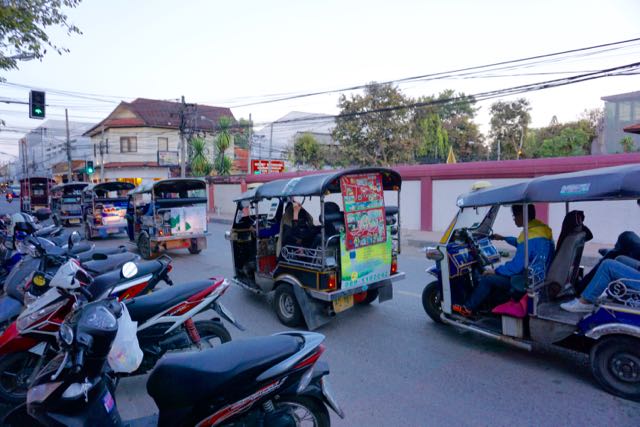
We spent the afternoon wandering around, the streets blissfully empty this time, and found some really lovely street art that basically exemplifies why I love Chiang Mai so much. It’s a small town with so much personality and so much good will. Really delicious cafés and coffee shops, too! We visited at least one every afternoon. Chiang Mai is laid-back, calm, and friendly, all of which were greatly appreciated after the hustle and bustle of Hanoi.

We also saw some of Chiang Mai’s many temples. They’re ornate, colorful, incredibly detailed, and very impressive. They can also get a little tiring and all start to look the same after a while. Since Chiang Mai has so many, though, one way of getting to know the city is by going from temple to temple and creating a mental map. That’s what I did the first time I was there and I was surprised at how much I remembered.

Visiting temples at night, however, was a new experience and a very different one. What is beautiful in the light can take on a very eerie, creepy quality in the dark. That was only enhanced by the man riding his bike in circles whispering, “Beautiful . . .” over and over.

We actually spent most of our time in Chiang Mai out of town and in the wider province. On our second full day we went on an excursion to Phuping Palace, the royal family’s holiday home, and Doi Suthep, Chiang Mai’s most famous temple. We were far more interested in the latter but I’m glad we saw the palace, too. We weren’t allowed inside but the gardens were lovely!

If you’re planning to go, one word of caution. Just like the Grand Palace in Bangkok, there’s a dress code that is more strict than the regular temple dress code. For men, it’s long pants (no shorts, even if they cover the knee) and a shirt that covers the shoulders. For women, it’s a skirt or long pants (no leggings, though fine in a temple) and a shirt that covers the shoulders (no scarves for this part, though that’s fine in a temple). Luckily, there are clothes to buy or rent if you’re in a bind.

After some time at Phuping Palace and a short drive, we reached Wat Phra That Doi Suthep and walked up 306 steps to reach it. Like every temple that we visited in and around Chiang Mai, this one was full of monks and worshippers giving offerings and saying prayers in the hope of a prosperous new year. Doi Suthep is actually the name of the mountain on which the temple is located and there were really beautiful views of the city from the summit. It was a cloudy day so I’ll keep those pictures to myself because they really don’t do it justice.

The primary reason I had wanted my sister to visit Chiang Mai was because of Elephant Nature Park. That’s what first brought me to Chiang Mai a couple years ago and I could not wait to share it with my sister. ENP is a rescue center for elephants previously in captivity from logging operations, circus performances, or as tourist attractions on city streets. ENP also has an expansive dog rescue program with its own set of volunteers. There are other animals living there, too, like cats and water buffalo. At ENP, no one rides the elephants. You feed them, learn about their individual personalities and life stories, bathe them when it’s warm enough (it is in September but some were wearing jackets in January!), and touch them if they’ll let you. It’s a beautiful place with beautiful animals and I was so glad to be back.

We spent our last day in Chiang Mai up in the mountains. We headed to Doi Inthanon National Park, which is part of the Himalayas and home to the highest mountain in Thailand that gives the park its name. The climate of Doi Inthanon is always chilly, hovering around 10ºC or 50ºF during the day, and I was glad for my jacket.

After about two hours of driving, we stopped at Wachirathan Waterfall. I grew up in upstate New York and spent summers camping in Letchworth State Park and this waterfall reminded me a little bit of home. I loved climbing down on the rocks to get as close to the spray as possible. We used to stand in the gorges trying to catch whatever fish darted around in there. We called them crayfish, but I’m not sure that’s what they were.

After some time at the waterfall, we took a quick drive to Kew Mae Pan Nature Trail, the real reason we’d come to Doi Inthanon. We hiked for two hours through the cloud forest, which was really neat because we’d visited Singapore’s Cloud Forest in Gardens by the Bay two weeks earlier and here we were in a real one! Normally, the guide told us, there’s a stunning view of the mountain range and nearby temples from the summit. The day we were there, however, was an anomaly. We could see . . . nothing.

Knowing what I was missing because of a photo from the guidebook, I was initially disappointed. And then I started paying attention to everything I could see and my emotional response, attitude, and interpretation of the experience completely changed. I started looking around and found myself feeling calm and peaceful. I felt wrapped up in mist from the clouds, hugged by everything around me. Only being able to see a few meters in any direction forced me to focus more deeply than I often do when I’m outside and there’s so much to see. With less distraction, it was easier to experience beauty and serenity in everything that there was.

While I could have happily spent many more hours hiking in the mountains, we followed the guide to the burial site of the ancient Lanna kings. As everywhere in Thailand, there were people praying and leaving offerings, which I always like to see. Religious devotion is always interesting to me because I grew up understanding it so completely. My thoughts have changed a lot since then.

Another major attraction of Doi Inthanon National Park are the pagodas dedicated to the king and queen. Normally, you can see them from the top of the mountain but we had the additional surprise of not being able to see them at all because of the fog. The guide shrugged and told us to wander around the gardens, which we did. It’s still amusing to watch monks taking selfies, especially when there’s nothing to see. As we wandered, though, the sun broke through the clouds and the fog cleared for just long enough to allow us to see what we’d come to see.

The King Pagoda was surrounded by really beautiful scenes of the life of the Buddha and was absolutely empty inside, which is unusual. I really liked the brown and gray with hints of purple, which is also unusual. Temples are so pretty when they’re simple.

The Queen Pagoda was decorated with purple mosaics. This I had never seen and this I loved. This queen loved purple, the guide told us. So do I.

After some time at the pagodas, we went to a nearby market just for a quick look. Though my sister and I told each other we weren’t hungry, we used that quick look to buy a cup of strawberries and another cup of gooseberries!

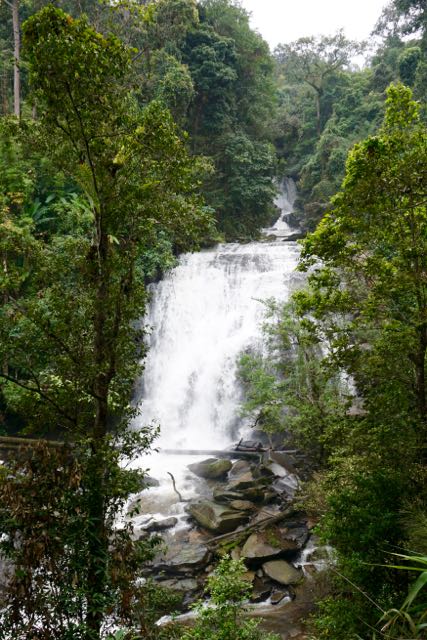
According to the guide, the last stop with this particular tour is usually the Sirithan Waterfall. Though smaller and initially less impressive than the first, I enjoyed listening to the water.
DSC03125

However, since so many people in our group had asked about local livelihoods, he took us to a village that grows rice in the summer and coffee throughout the year!

Our visit to Doi Inthanon was such a great day and it was a little difficult to know that our trip was at an end. But it was such a wonderful way to say goodbye to a place I really love. Here’s to hoping I’ll be back soon!

DSC02799