I recently heard the question, Would you like someone to sit with you, or would you like to be alone? The question was asked in the context of one person seeing another doing just that, sitting alone, in a setting where that could be perfectly appropriate or desperately lonely. It’s a question I ask my students when their table partner is absent, whether they are happy where they are, whether they would like someone to sit with them, whether they would like to move seats.
Would you like someone to sit with you, or would you like to be alone? suggests that the individual has been seen as part of something rather than a spectator, that an introduction to a group will be there when the individual is ready. It suggests that being alone is a choice rather than a condition and that being alone is not the same as being lonely. And it suggests that there are times for both aloneness and togetherness without placing a value judgement on the choice.
I found this question beautiful in its simplicity. Beautiful in its openness and honesty. Beautiful in the way that it required the individual to do nothing but answer, while the person asking the question had done so making a promise to be there when the fitting answer was given.
Such a question opens the door not only for dialogue, but also for recognition, perhaps of a kindred spirit or of a searching soul. A beautiful question is one with which we can all imagine ourselves confronted or asking, a sign of shared humanity.
I am reminded of the people I know at the climbing hall, groups forming based on casual questions about who is coming that day, who is looking for a partner, who is there for a solo training session. I have both extended and accepted the standing offer to climb with another group when no one from one’s regular group is available. I am reminded of my colleagues who are clearly searching for something, and to whom I have recently asked a form of this question.
Would you like someone to sit with you, or would you like to be alone?
It could only be a good thing, a kind thing, the right thing, to ask. To answer honestly is to trust. So are connections built, relationships formed. To ask and answer is to recognize, and with recognition comes being, in a particular time and particular place.
Would you like someone to sit with you, or would you like to be alone?
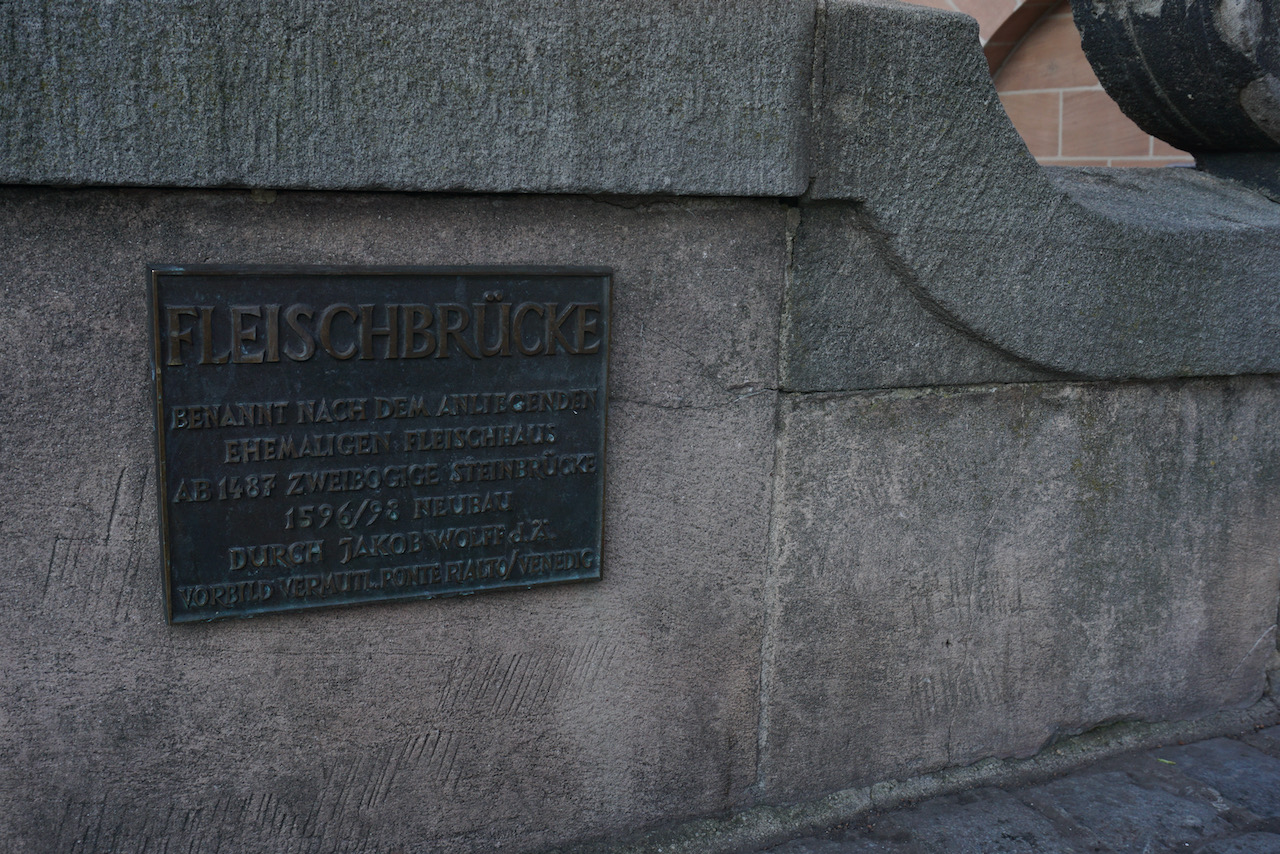
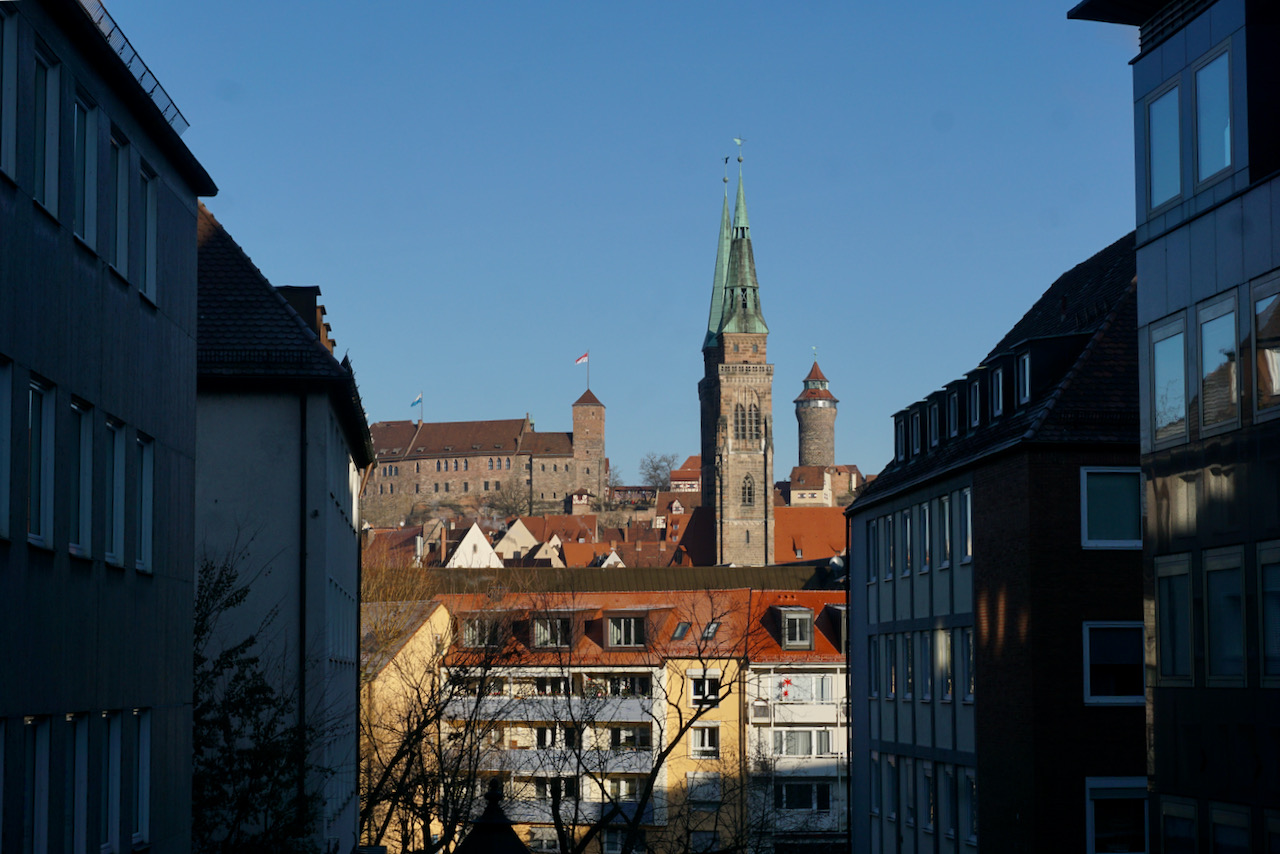
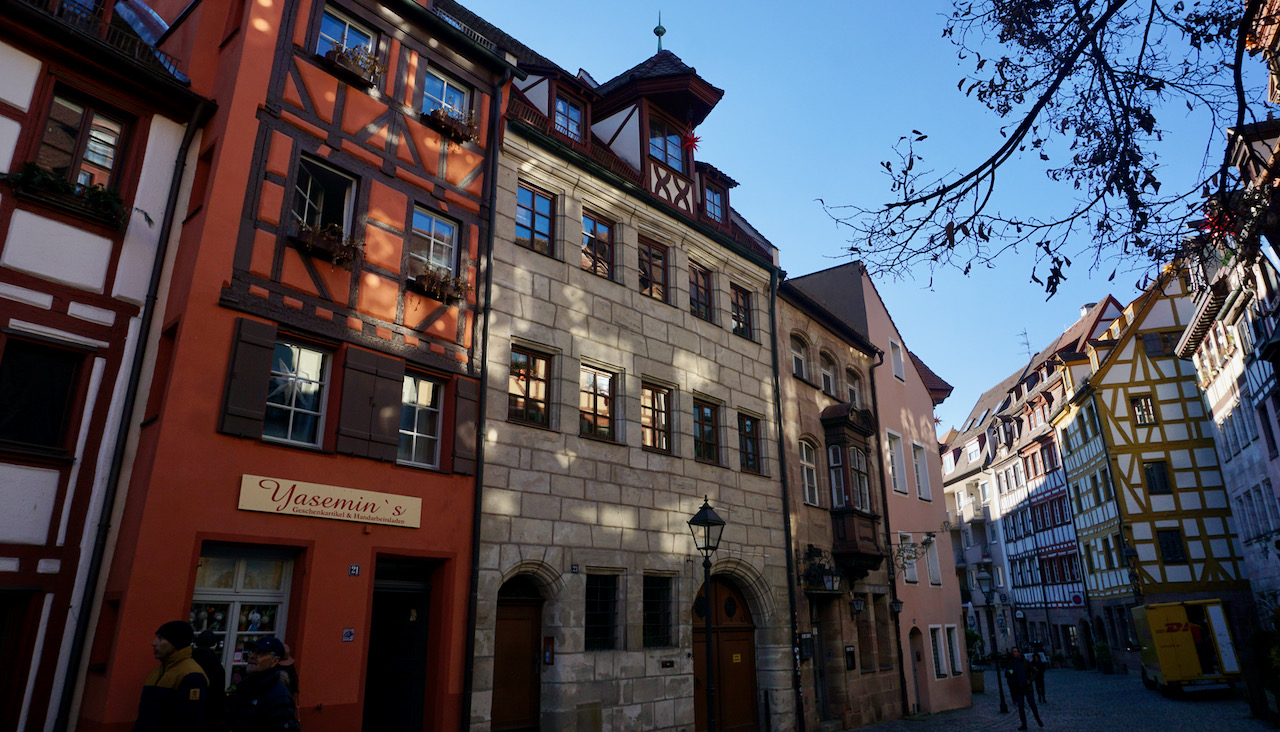
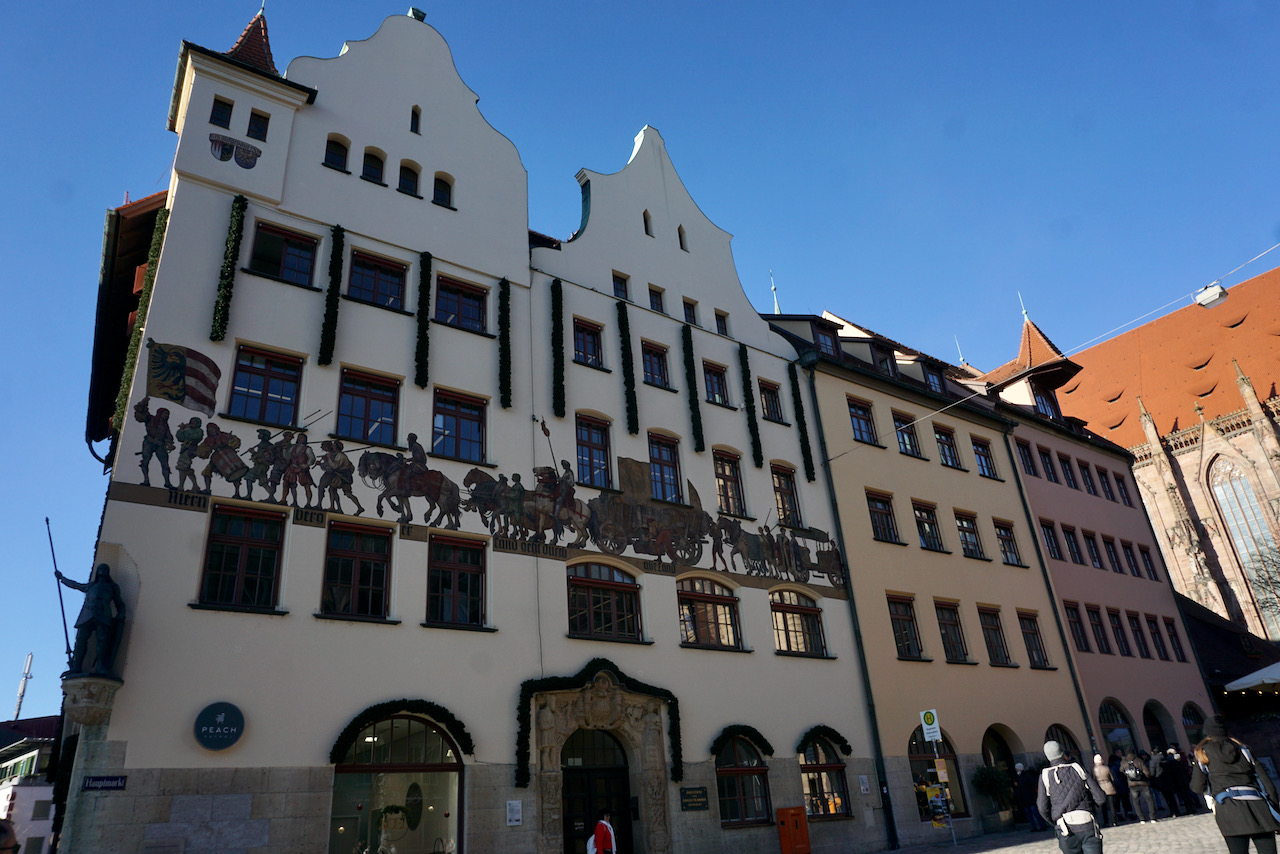
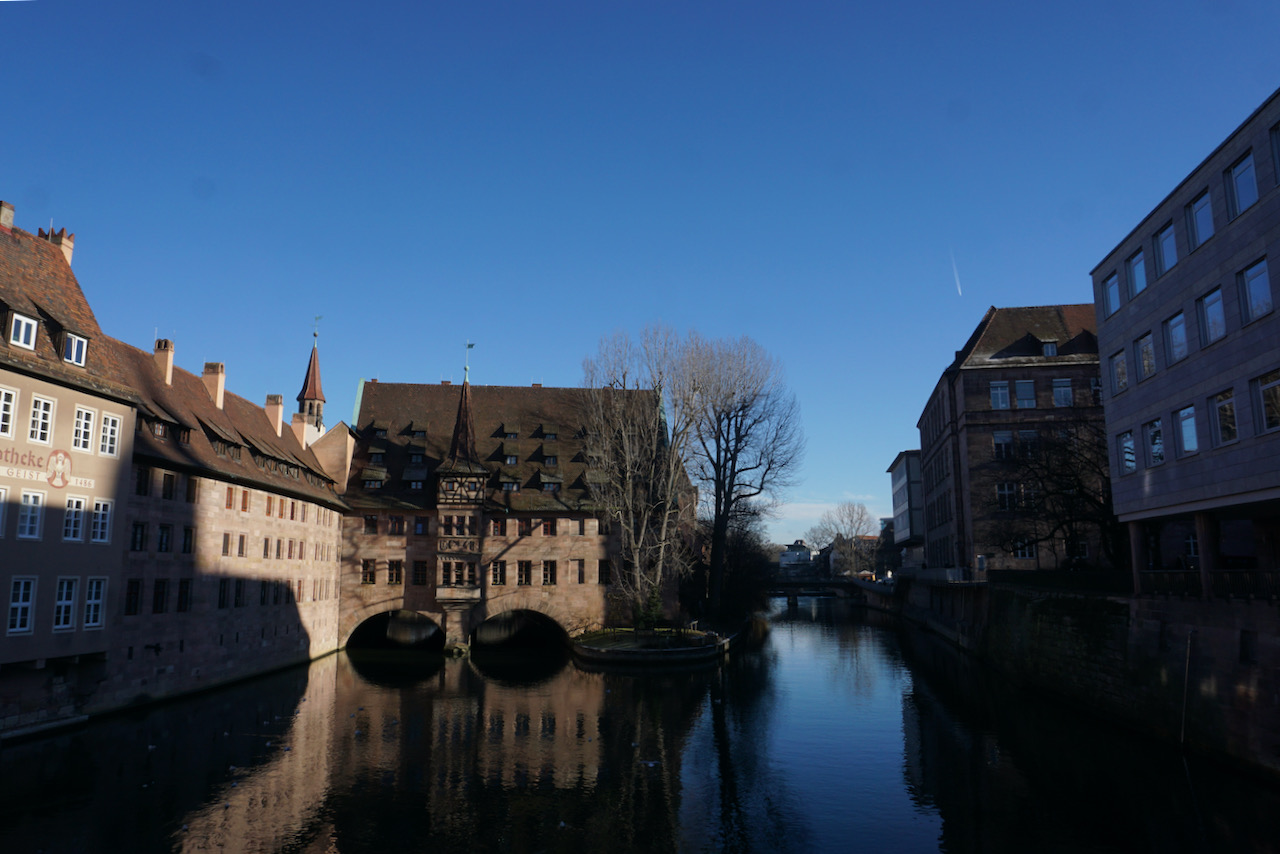
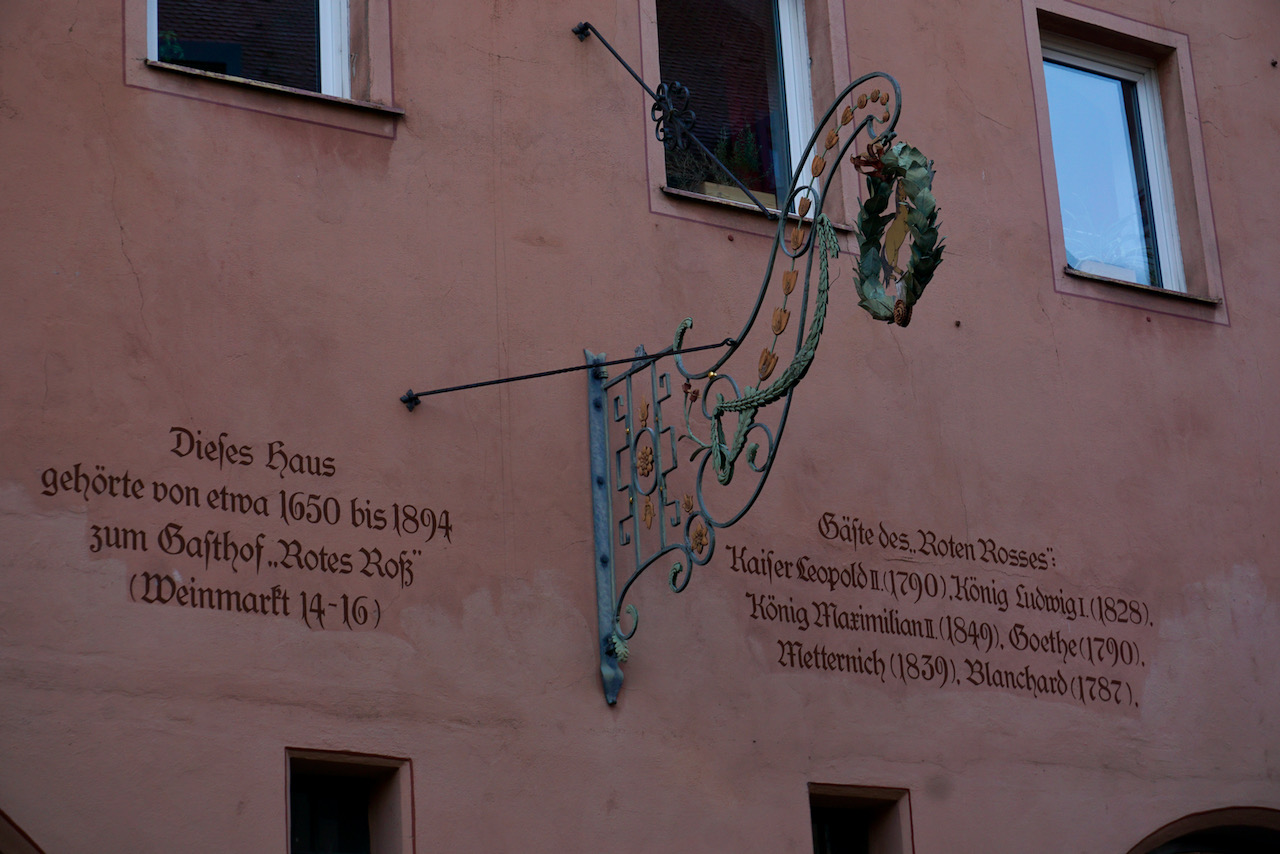
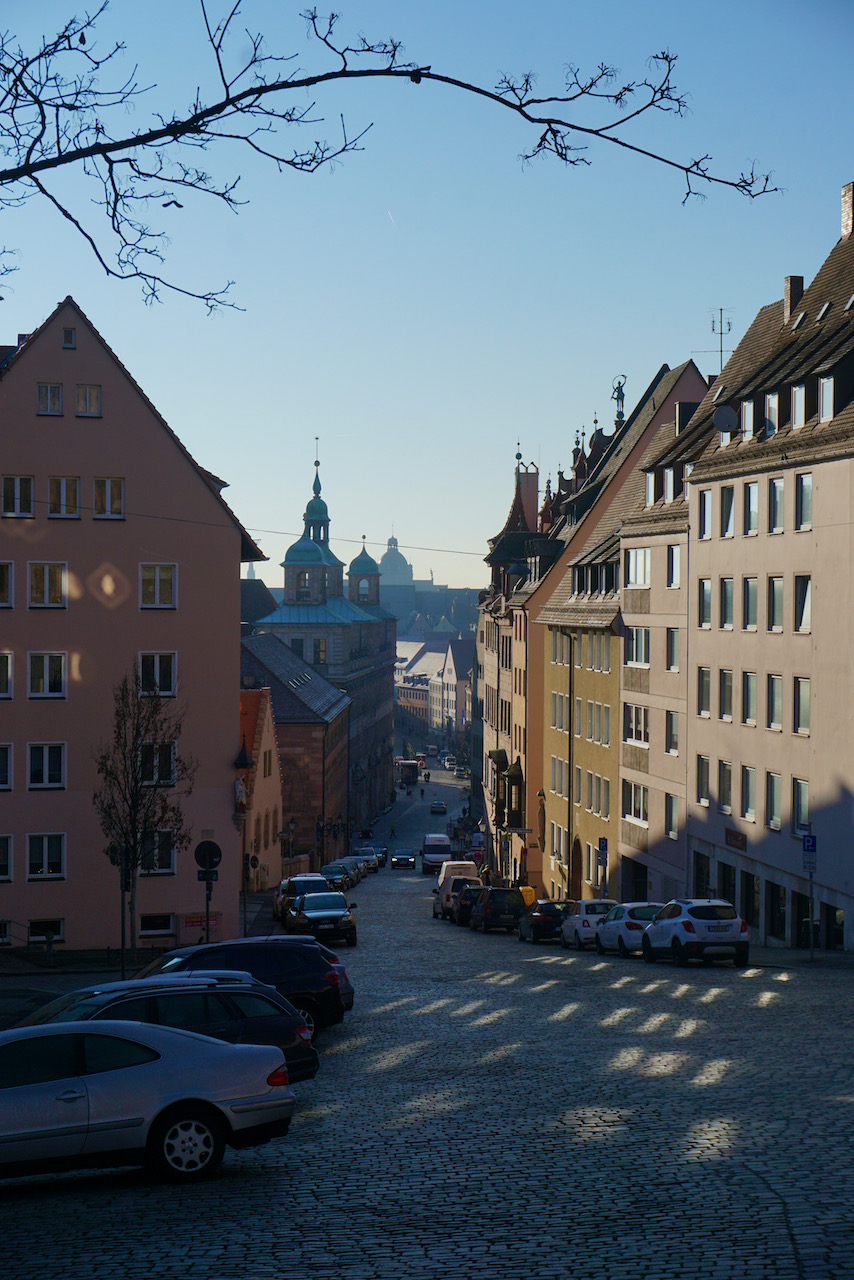
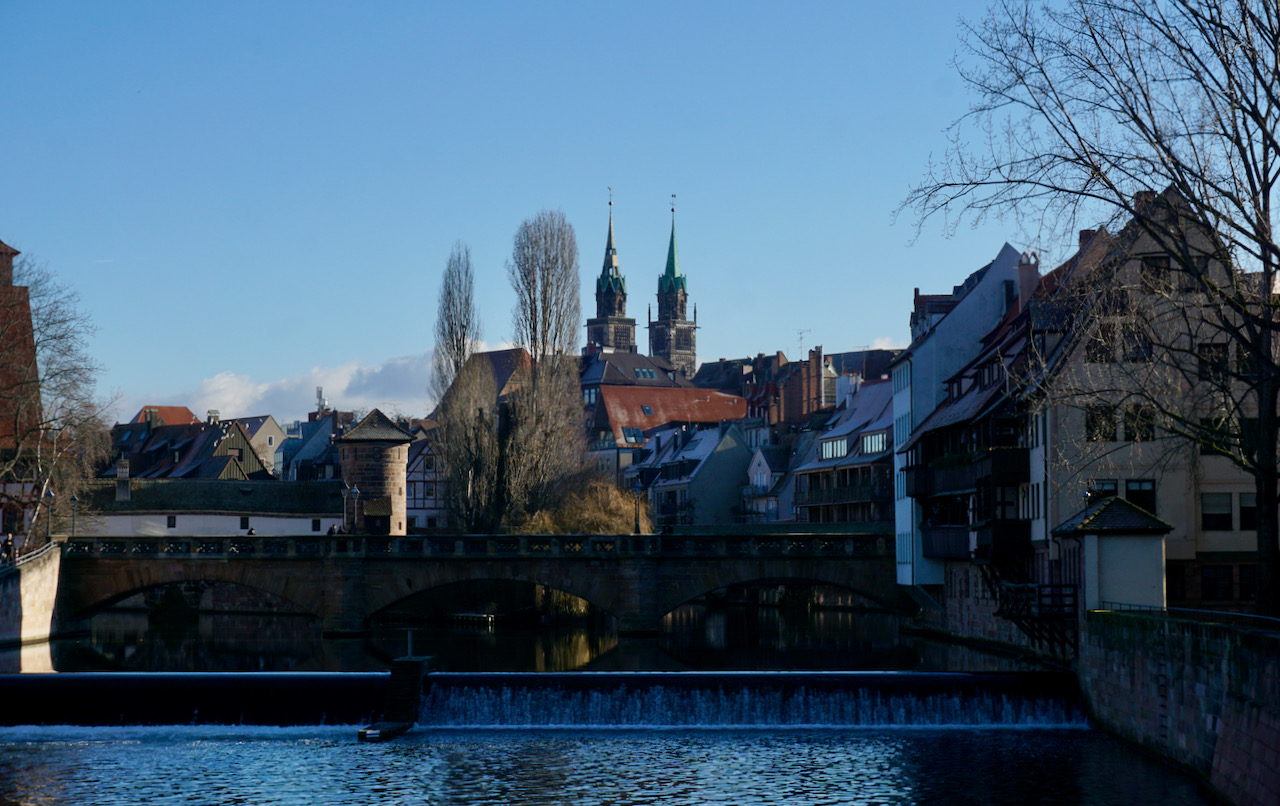
Prior to visiting, most of what I knew of Nuremberg (Nürnberg in German) was that Nazi war criminals had been tried there and justice had been served. However, there is a great deal more to this medieval town and I was glad to spend a few days there.
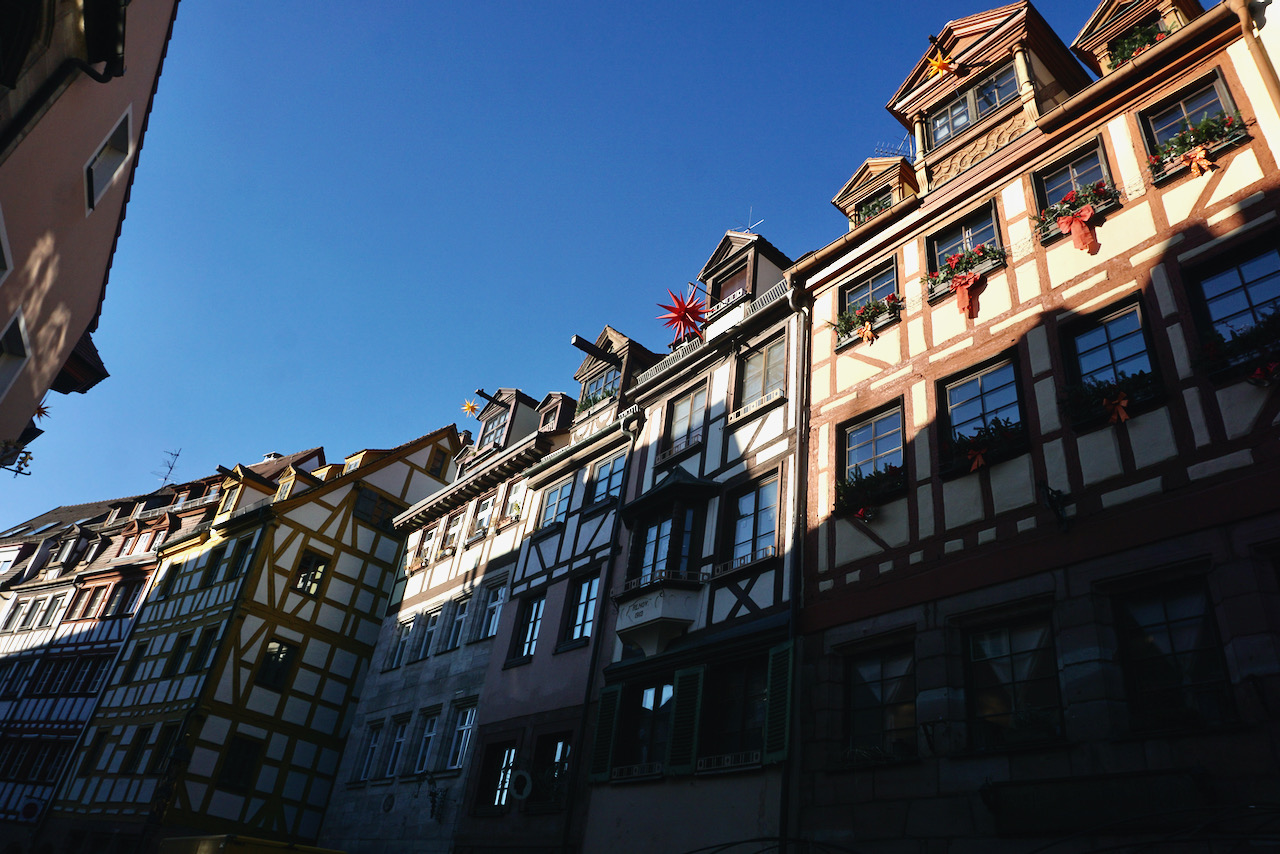
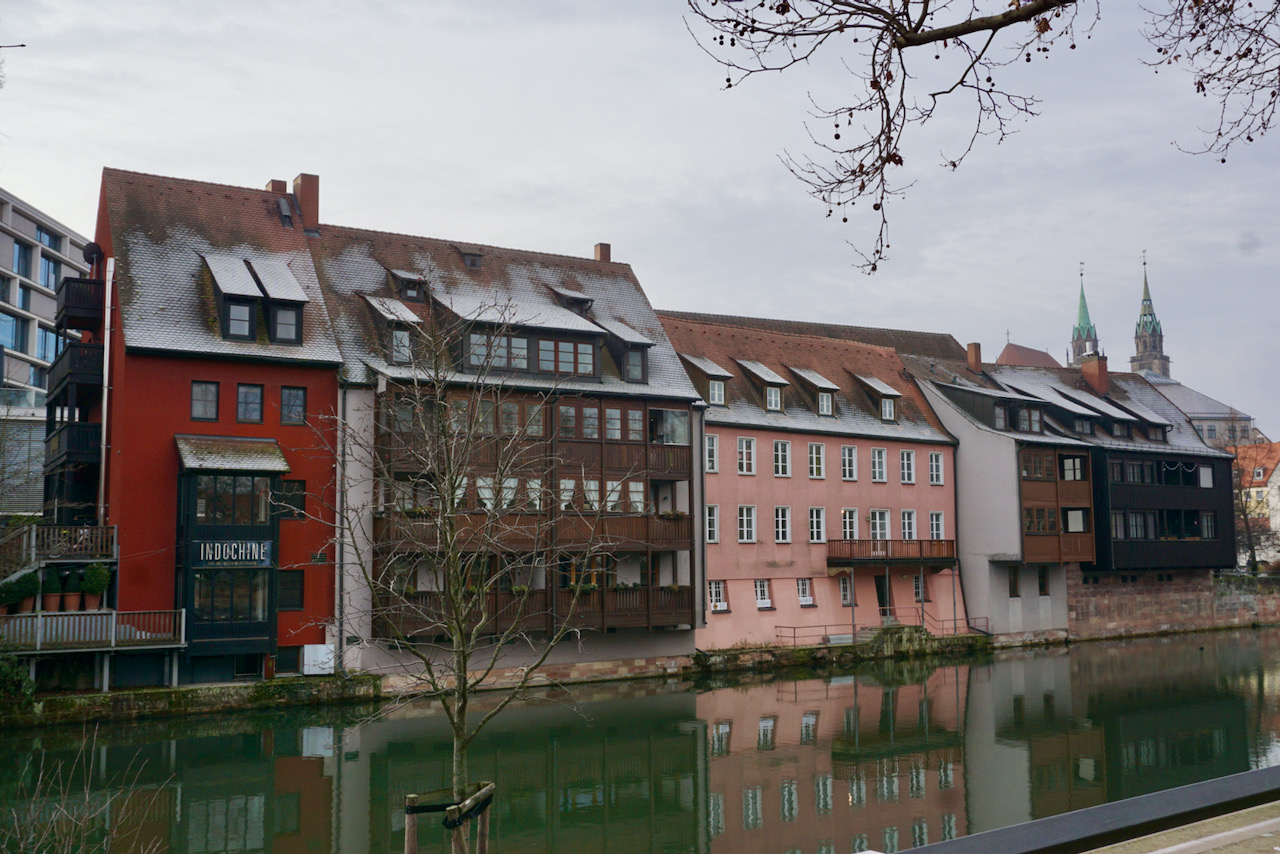
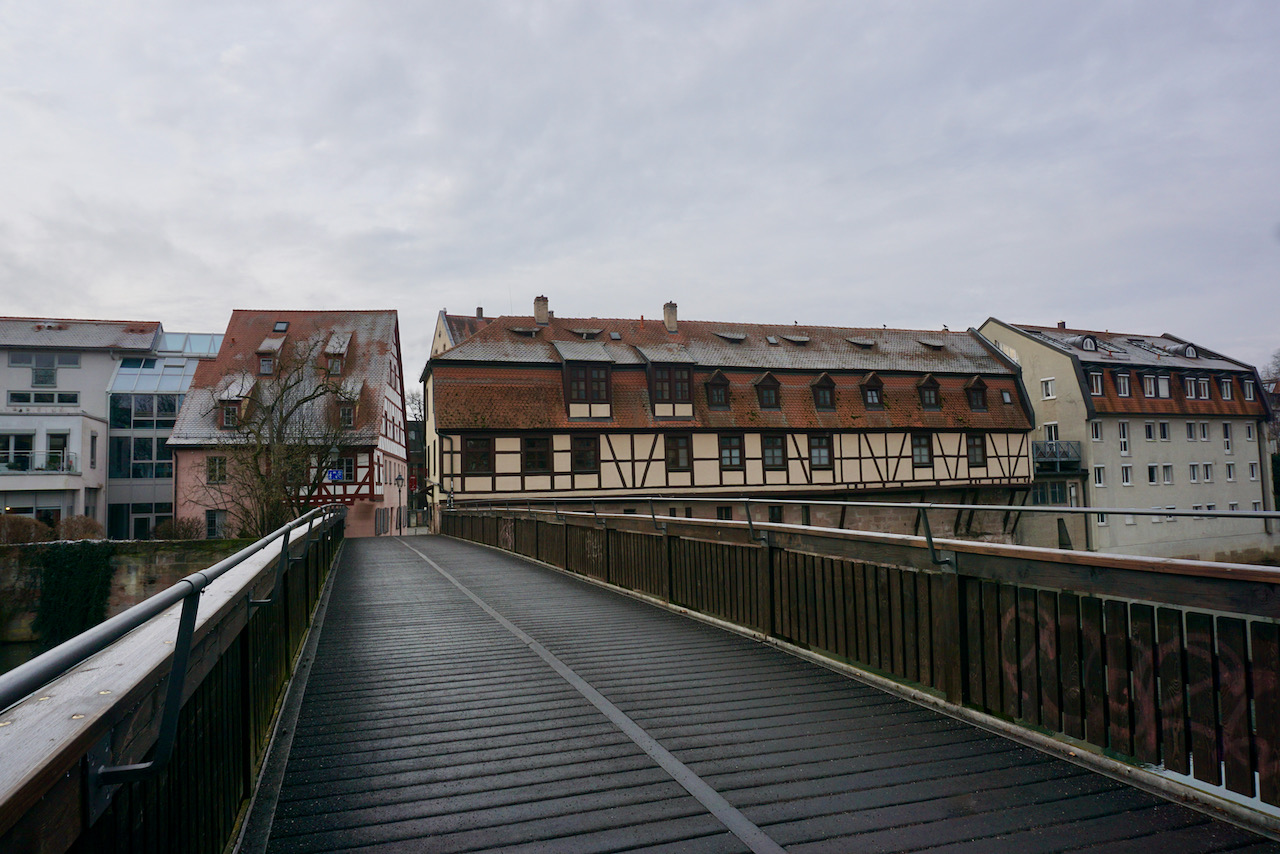
My favourite part of European cities, and the thing that painted my fantasies of the Europe I first read about in historical fiction novels, is the old town. And now that I live somewhere with an old town, I can attest that it remains as charming as on the first visit.
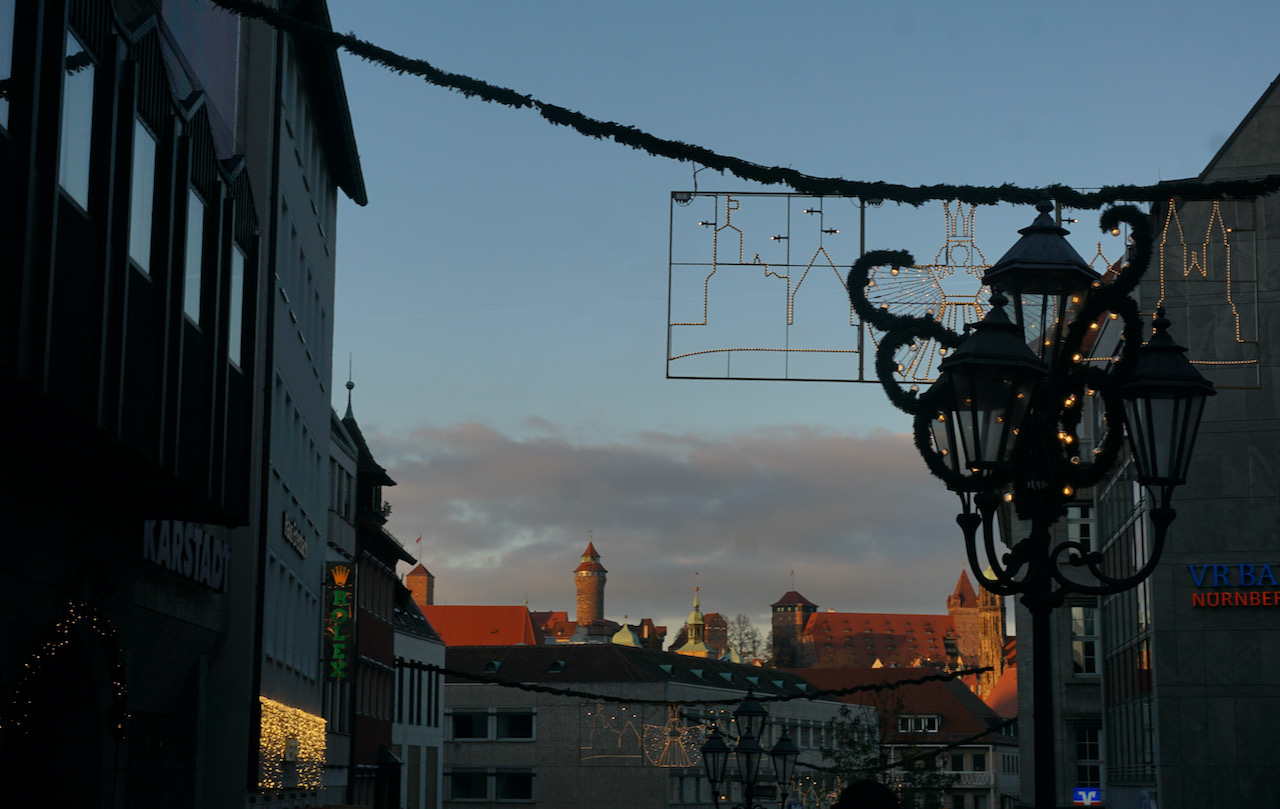
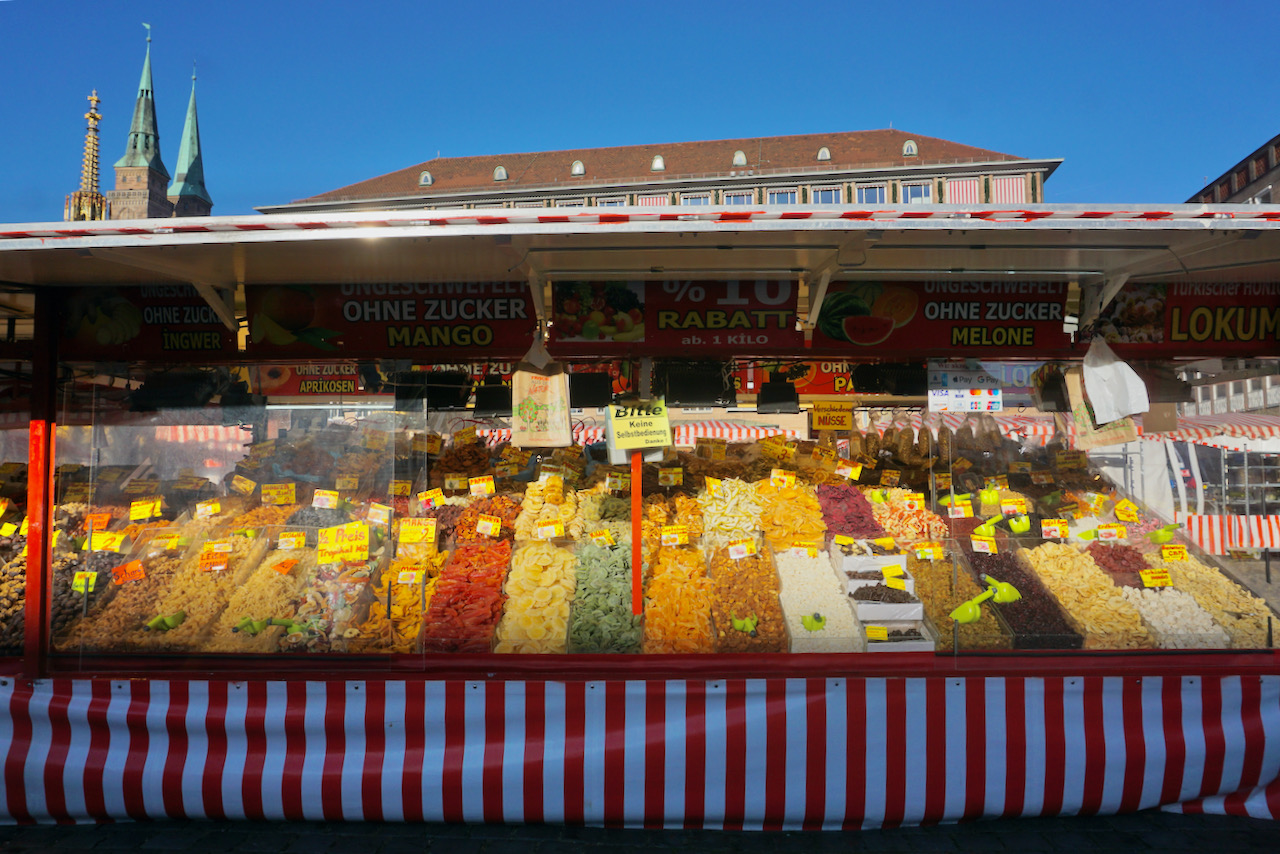
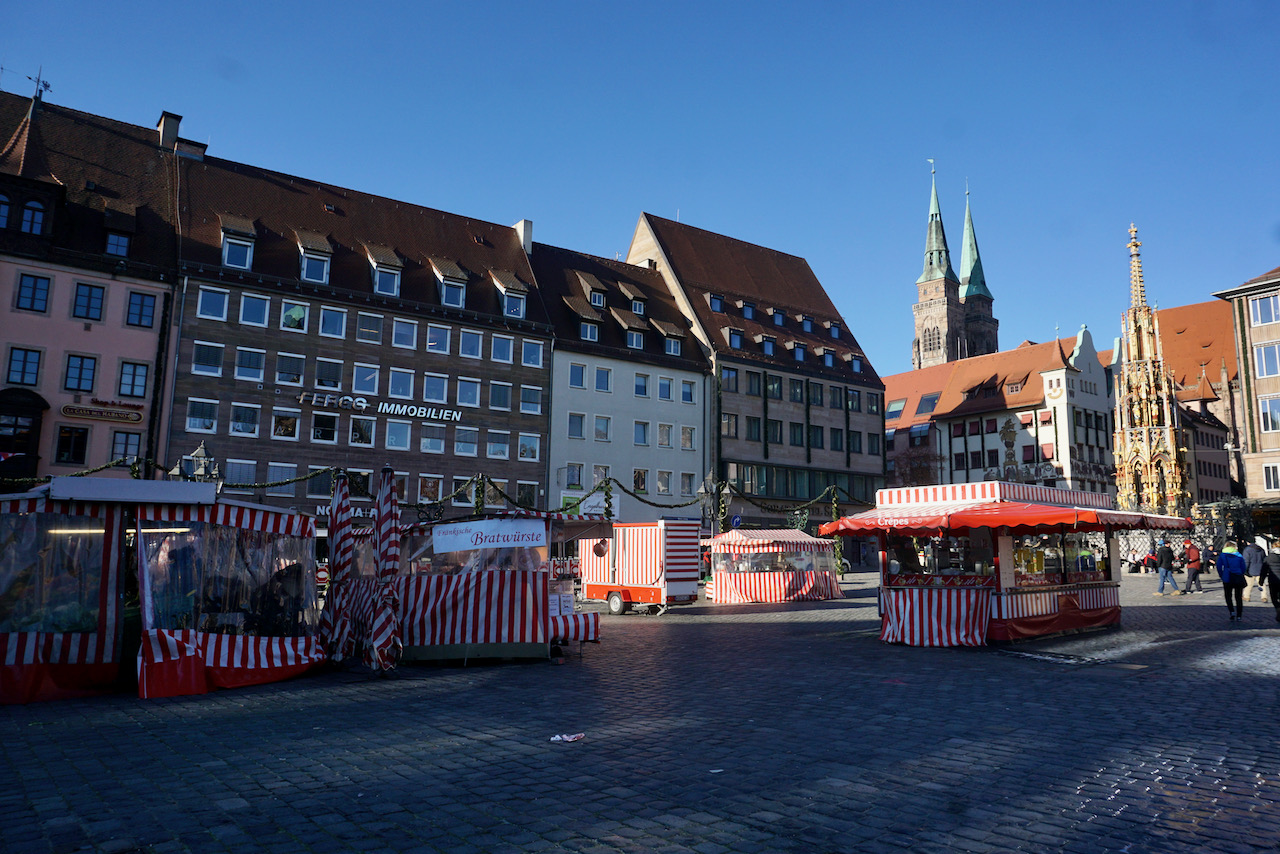
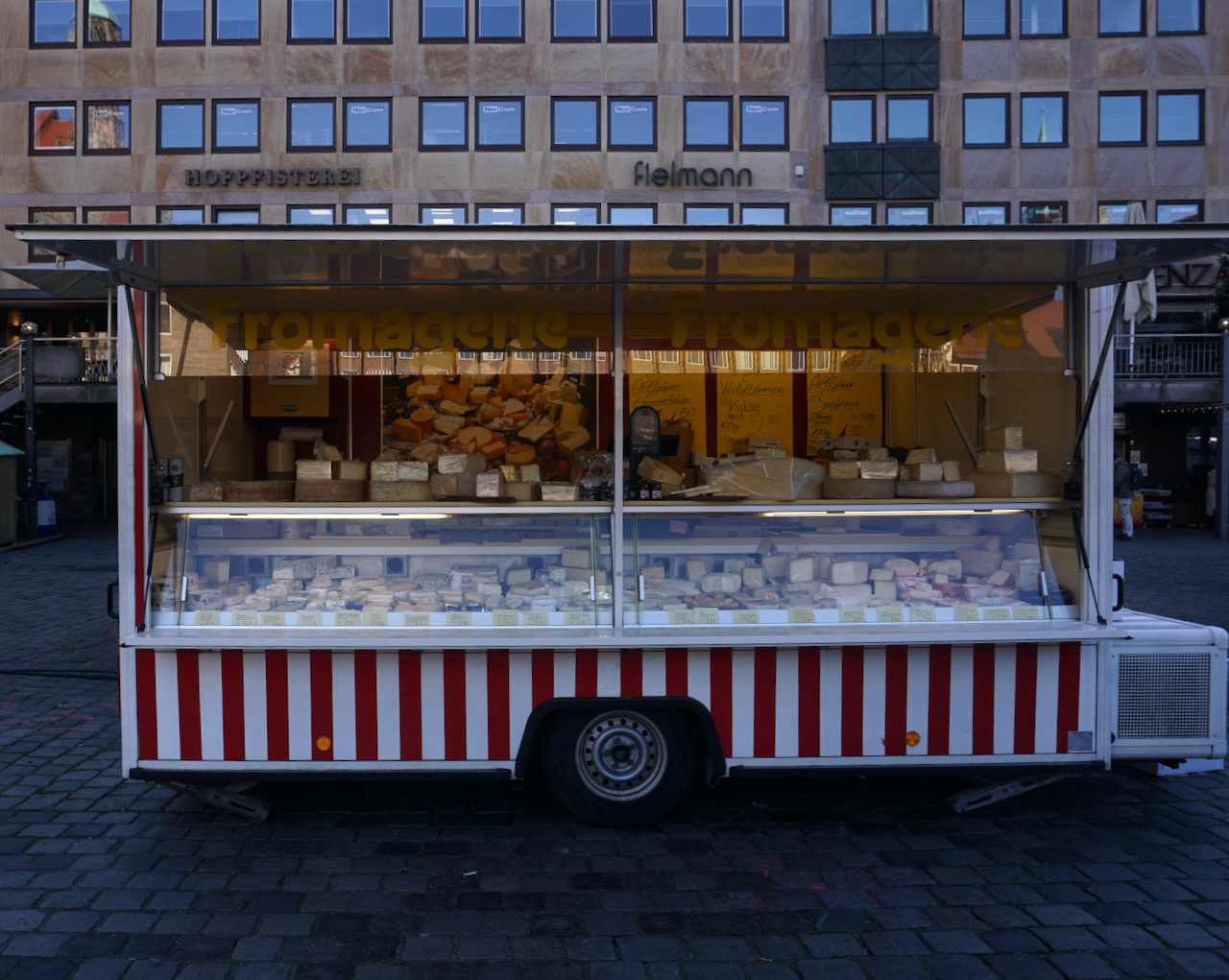
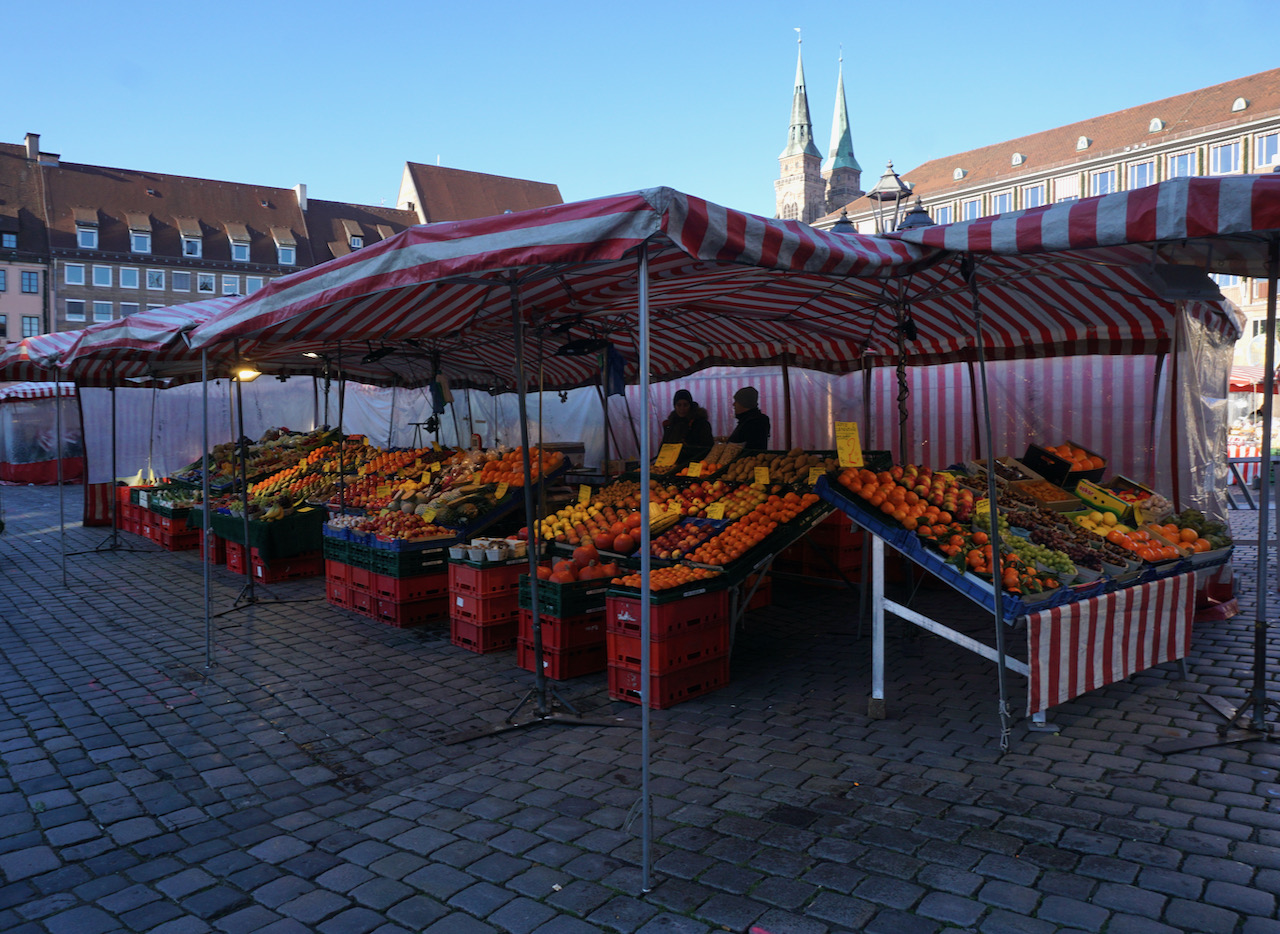
Although Nuremberg’s famed Christmas market was closed due to Covid regulations, the main market remained open and I was pleasantly surprised by its variety. Nuremberg is a city of just over 800,000 people, several universities, and what seemed to be a large immigrant community. I heard more languages than I have heard in a while, which was fun, and there was a greater variety of vegan food here than I had expected, as well as cuisine that I cannot get in my small town.
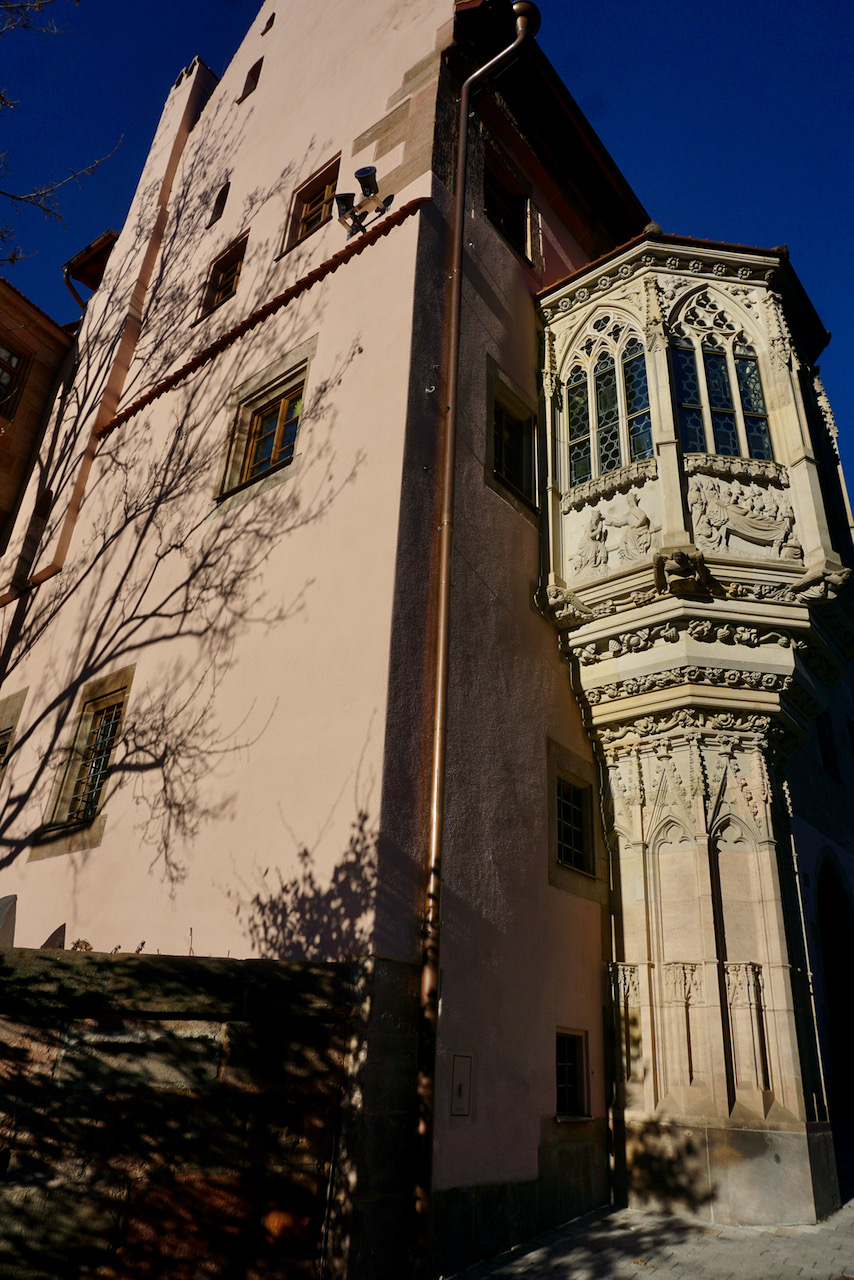
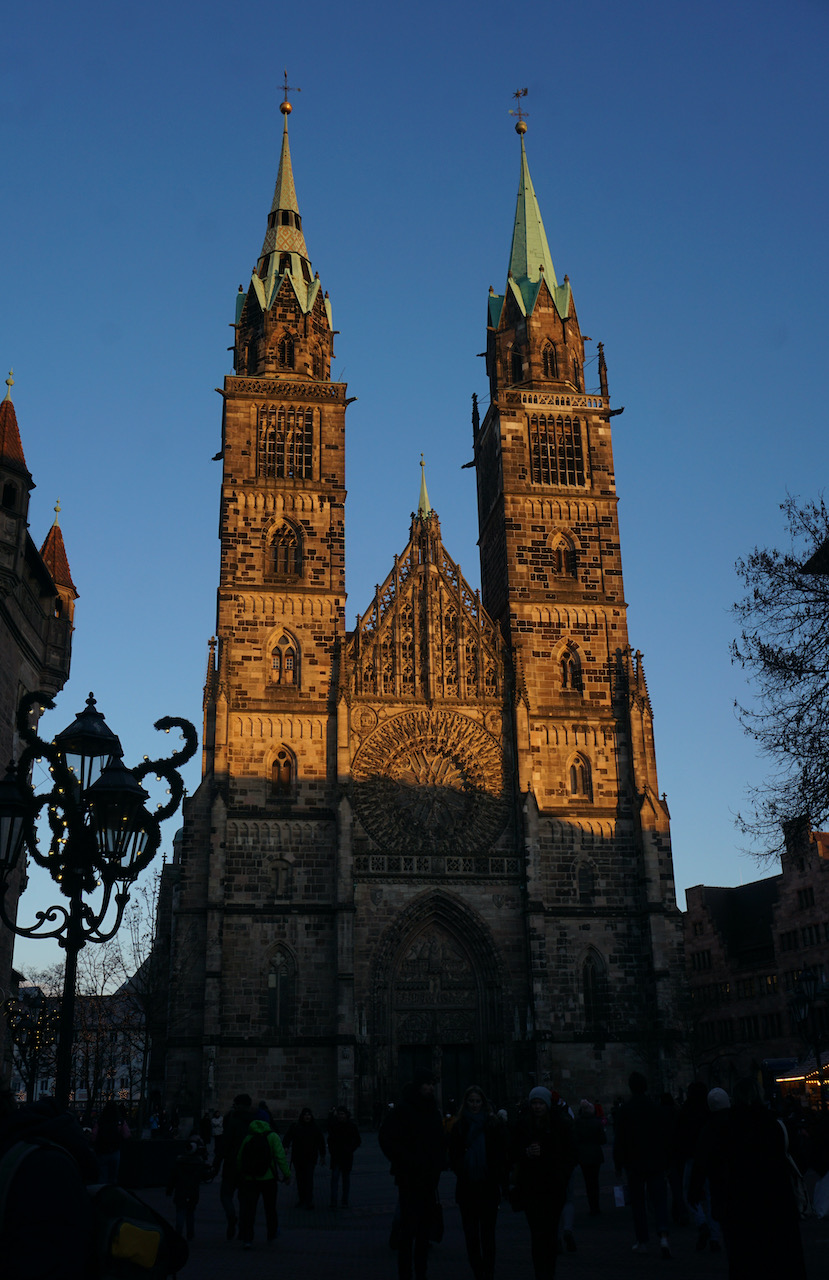
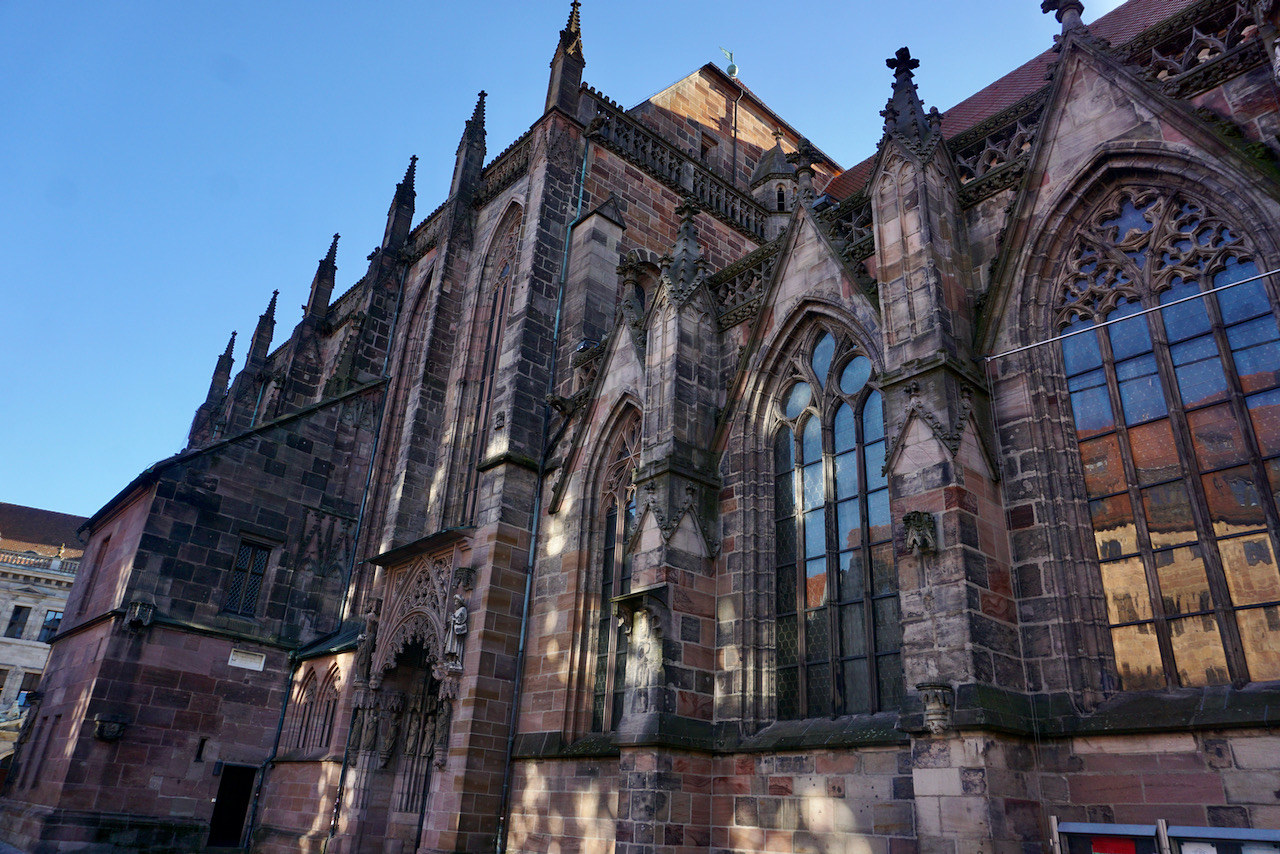
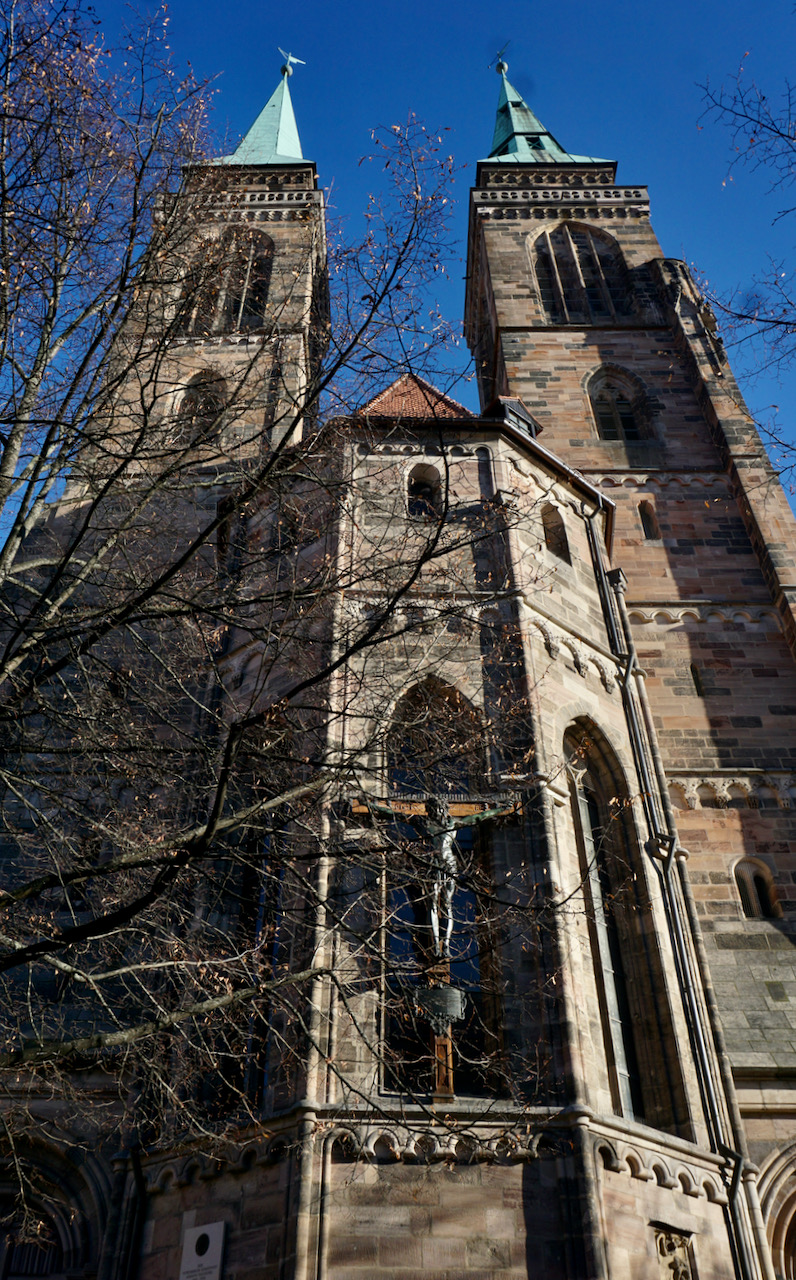
I had been told that Nuremberg has beautiful churches, and this was certainly true. Ken Follett’s Pillars of the Earth came to mind; I know the building of churches and cathedrals was anything but romantic but they certainly provide an atmosphere to a place.
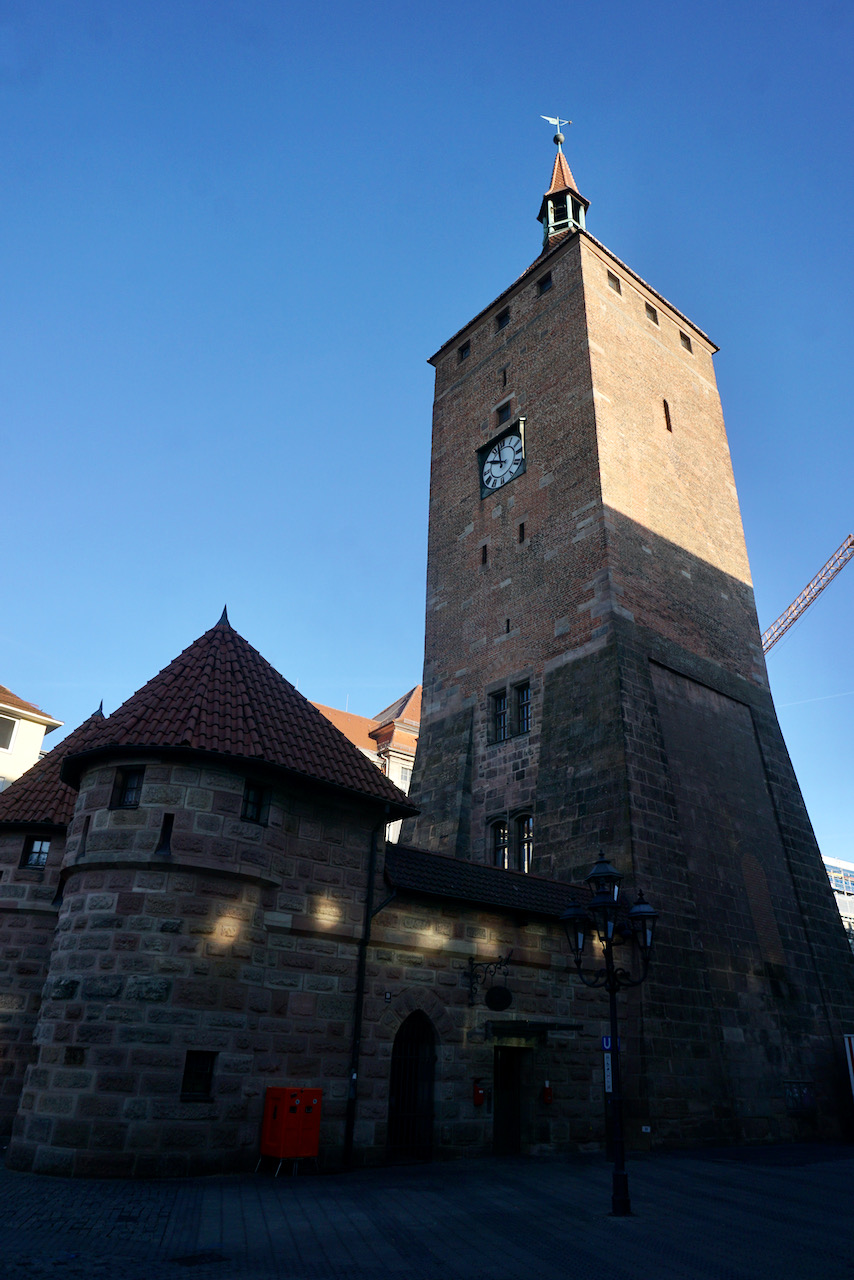
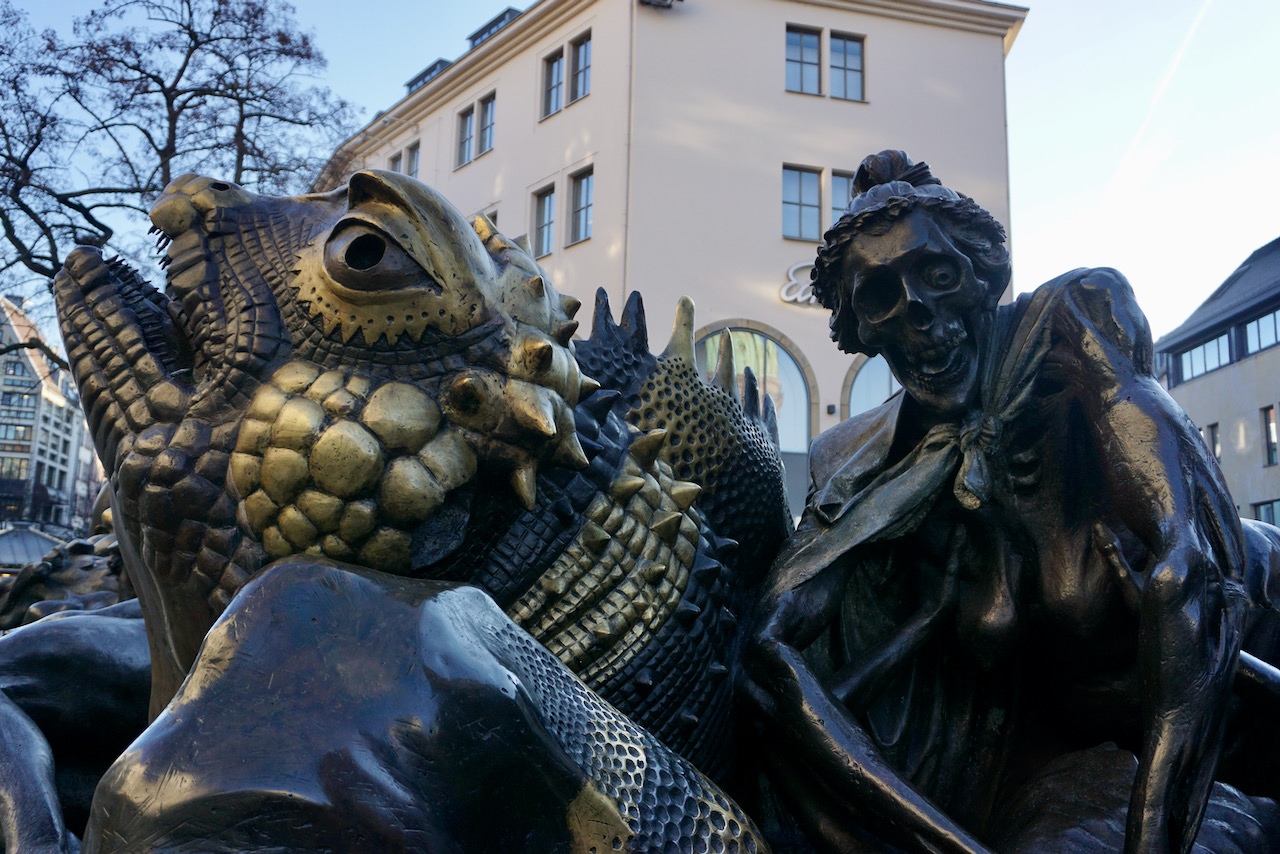
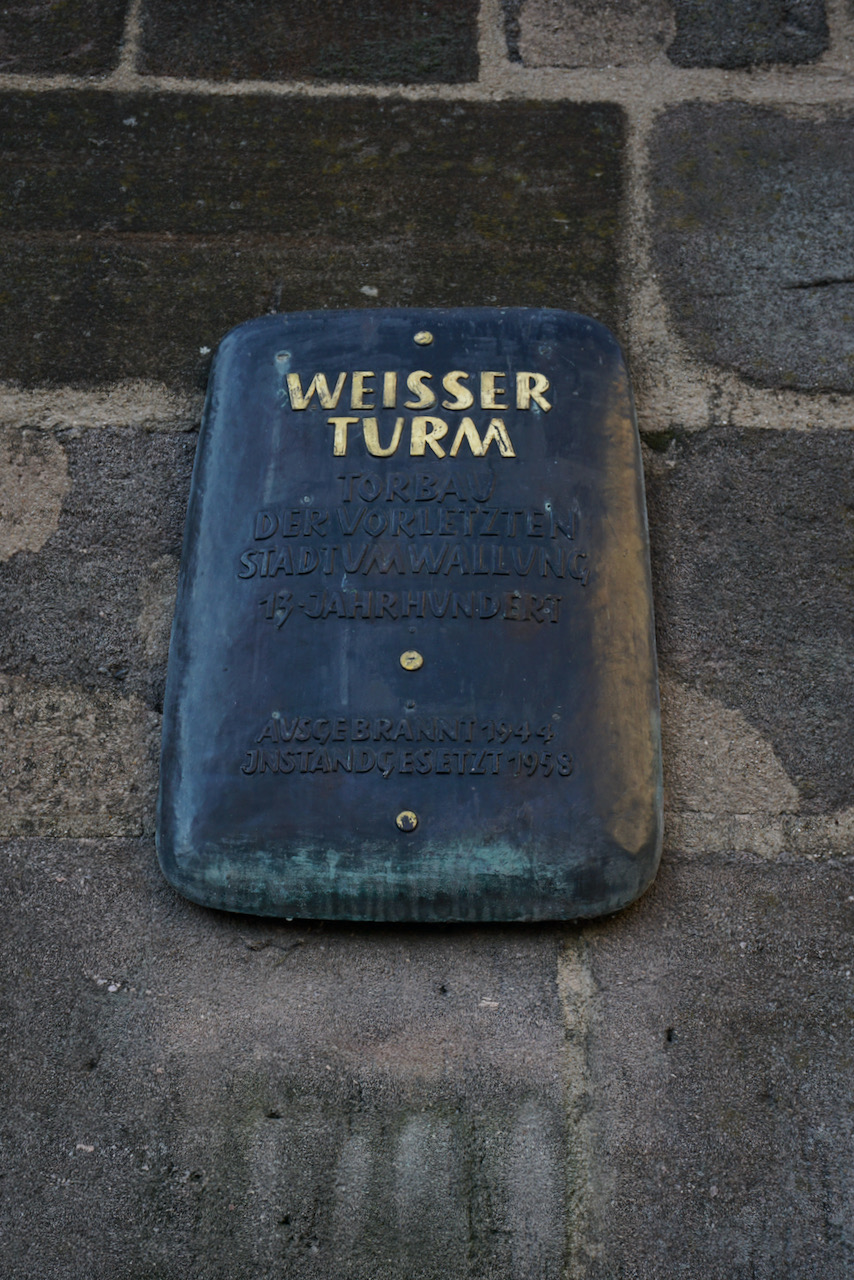
I had also been told to visit the landmarks of the Weisser Turm and Ehekarussell, the latter of which is a rather whimsical look at a marital relationship.
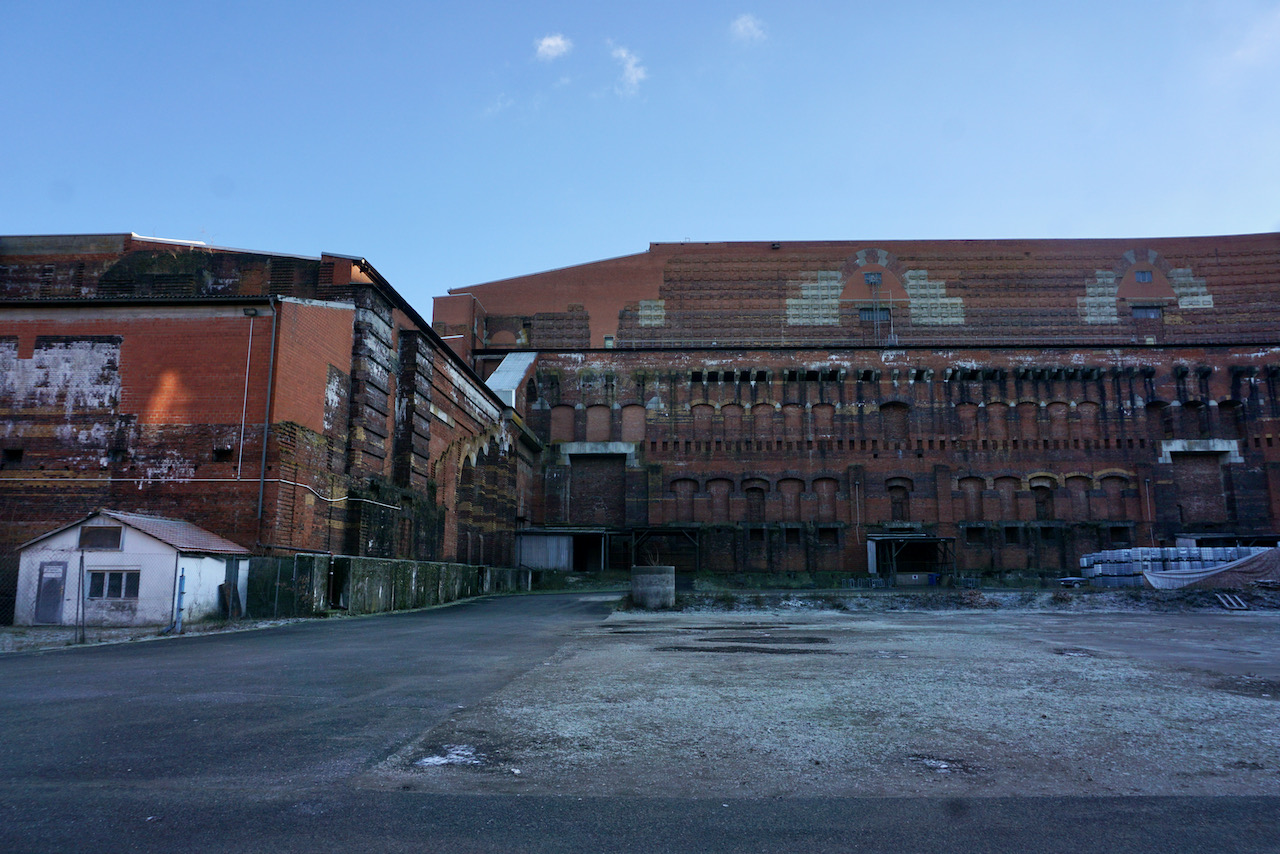
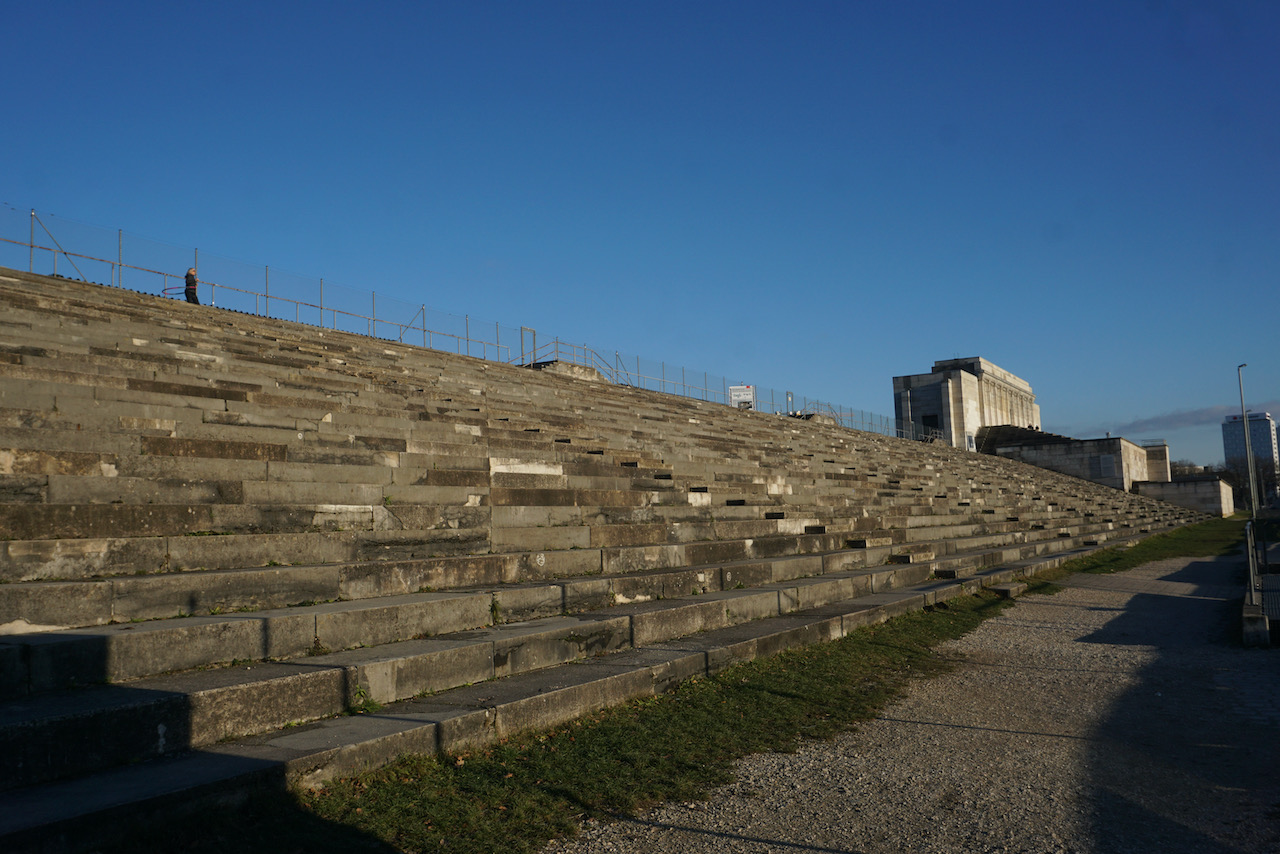
But no city is charming alone. No city is without a history, and sometimes that history is dark. I had two destinations in mind to pay homage to Nurember’s more recent history, which is why I caught a tram to the Documentation Center Nazi Party Rally Grounds on the first afternoon. The air field and still unfinished stadium complete with grandstand was the site of the Nuremberg rallies from 1933 to 1938. It was a cold afternoon with bright sunshine and shocking blue skies, and it was beautiful around the water. I am familiar with the history, but I never think about it with blue sky. Maybe that’s what made it difficult to be there.
And maybe that’s why it was important to be there. The woman with the hula hoop illustrated the juxtaposition of the atmosphere and I paused for a moment for think.
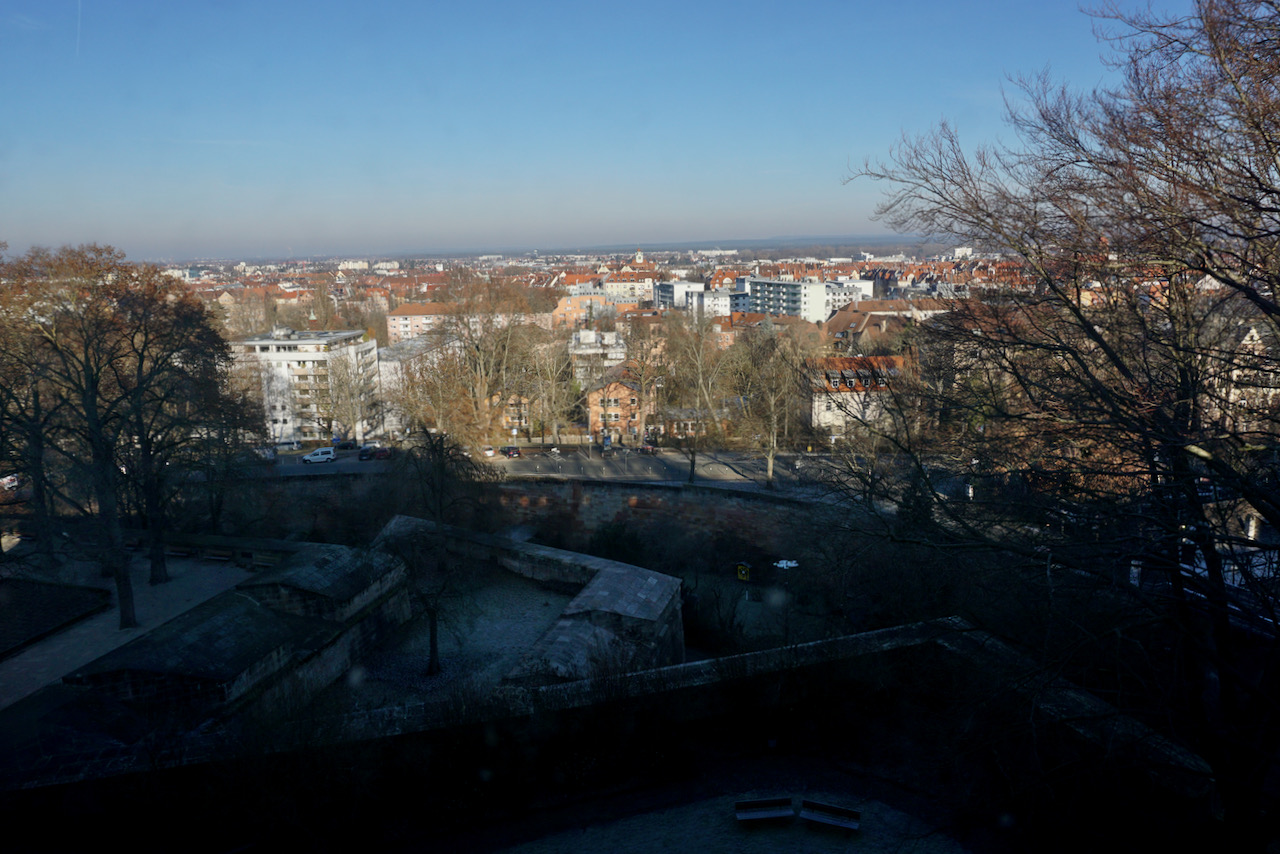
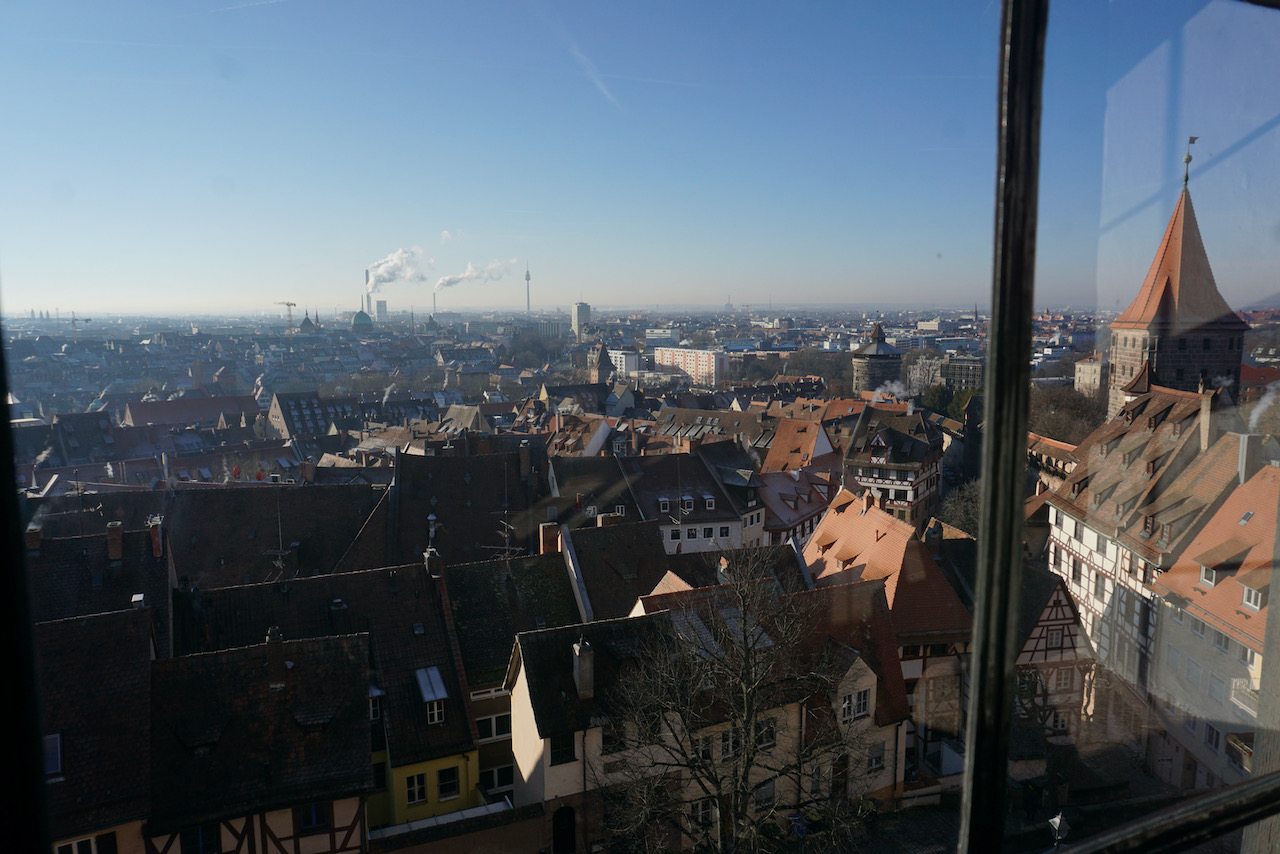
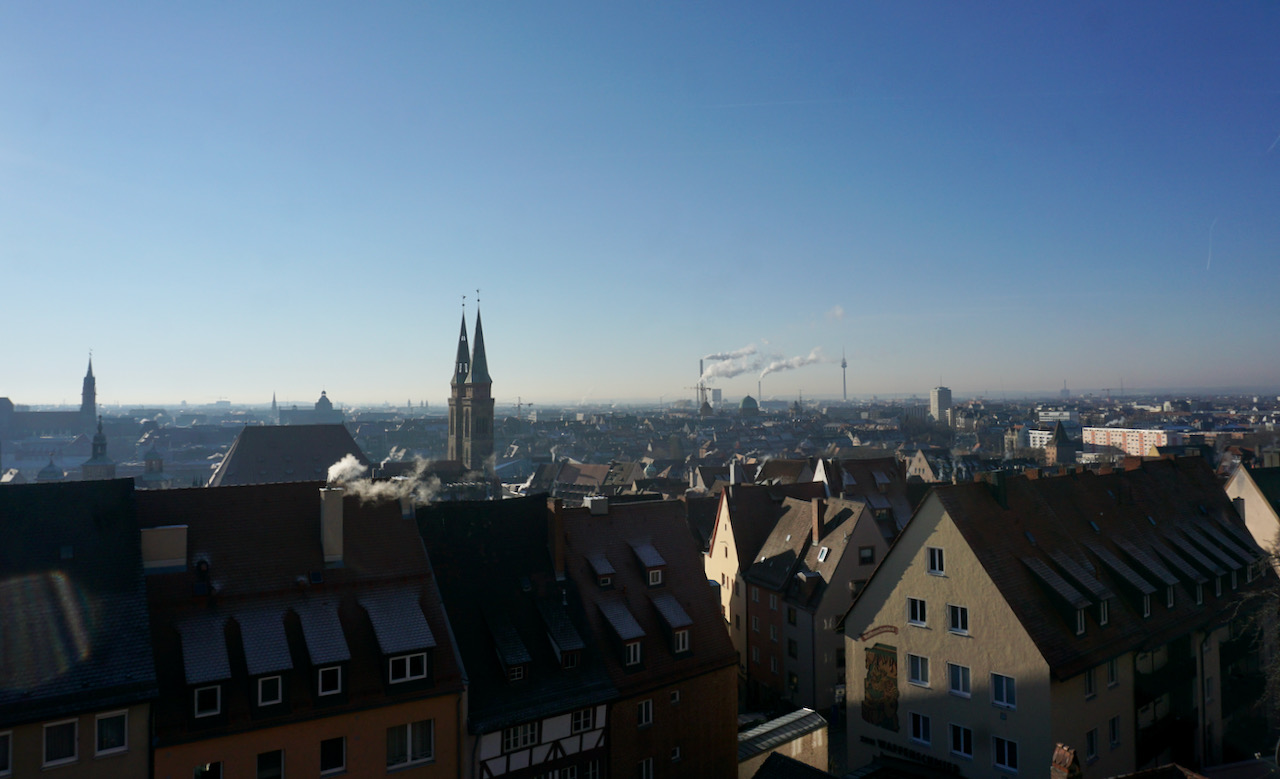
The following very cold morning, I returned to medieval history to visit the Kaiserburg, Nuremberg’s castle dating back to the Holy Roman Empire. It provided wonderful views of the city and the museum, which I visited as a respite from the cold, provided a nice overview of the previous nearly 1,000 years.
As someone who grew up in North America, I am still tickled by the thought of structures that have been, in some form, in the same location for such a long time. And I am saddened by the fact that North America, though it is not often considered in this capacity, has an equally old history, so much of which was destroyed by people who found no value in knowledge of the land and its environs.
As a contrast, though times are changing, I had earlier passed a memorial for LGBT victims of the Holocaust. This was a reminder of how we move beyond atrocity.
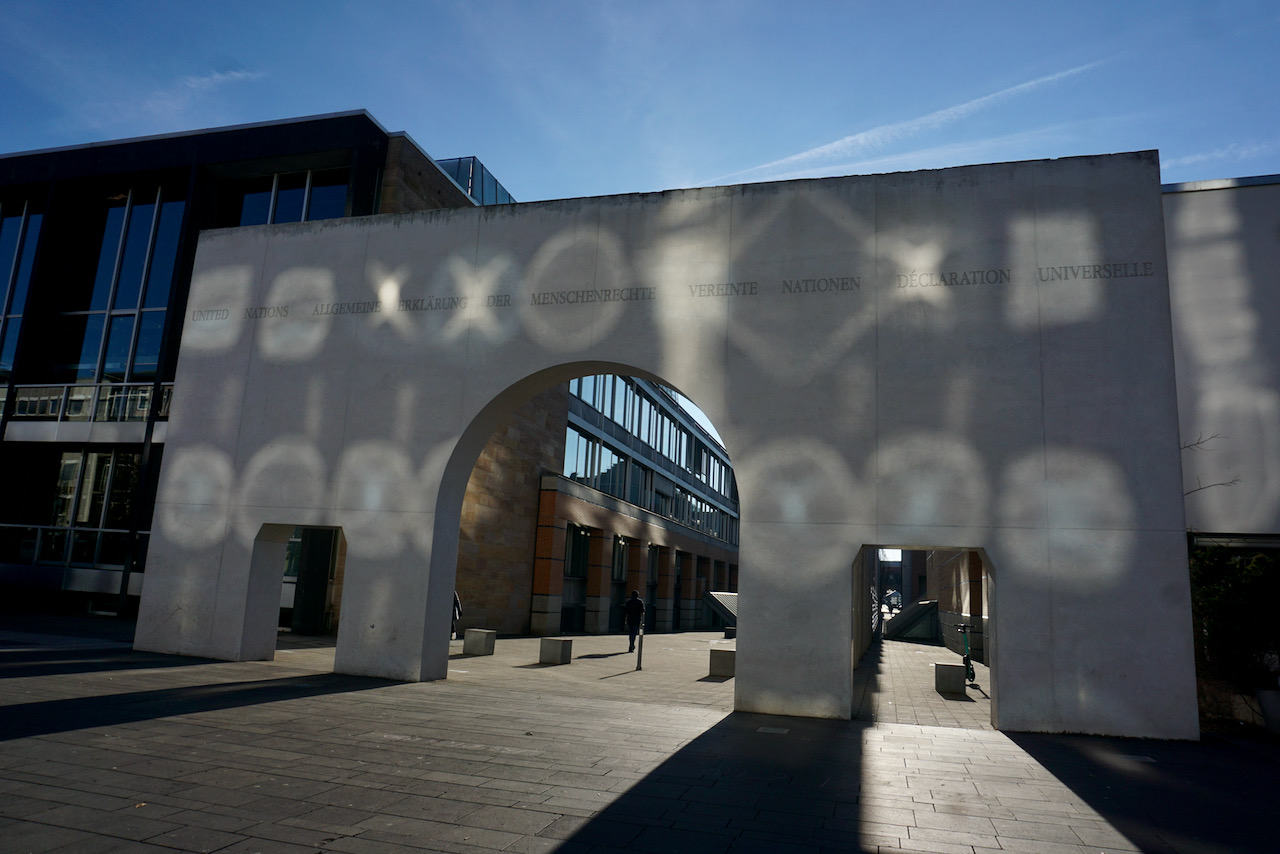
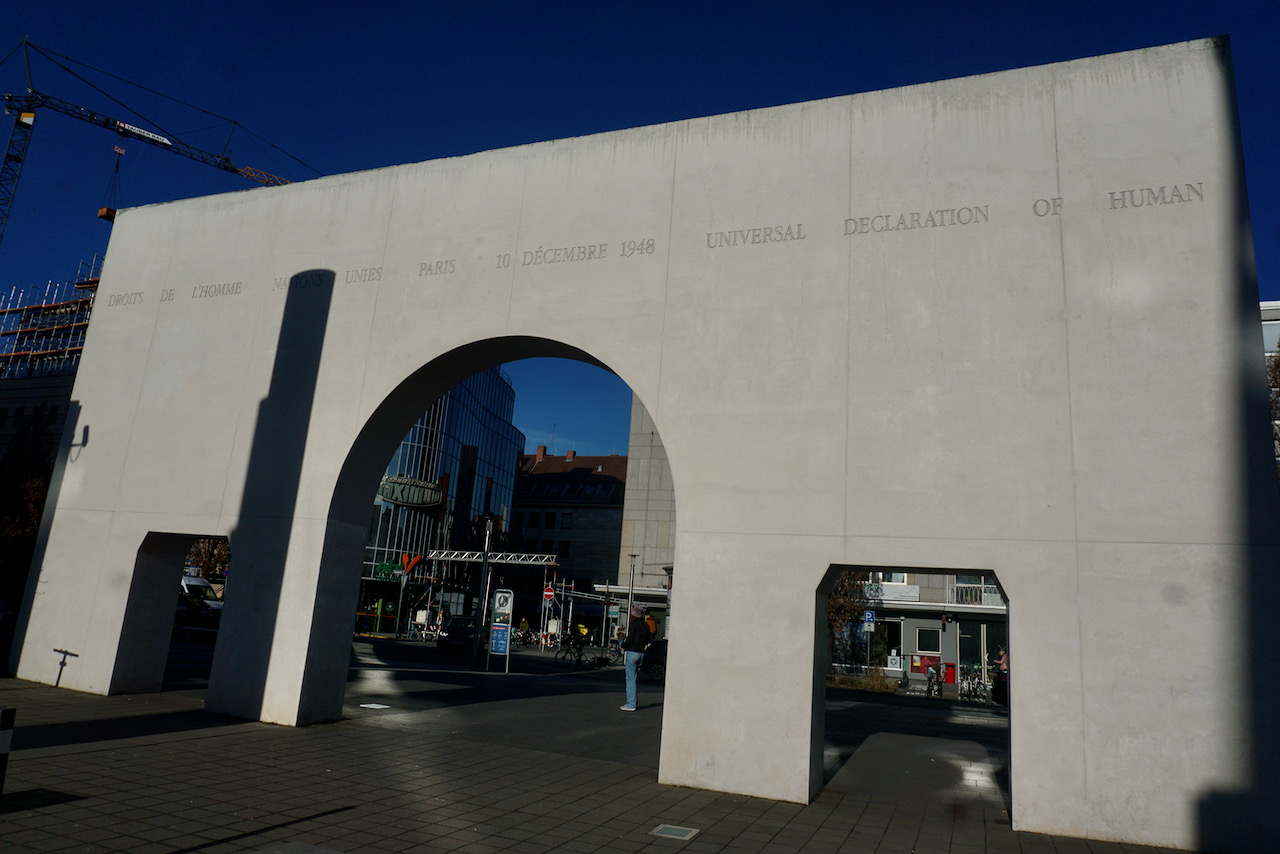
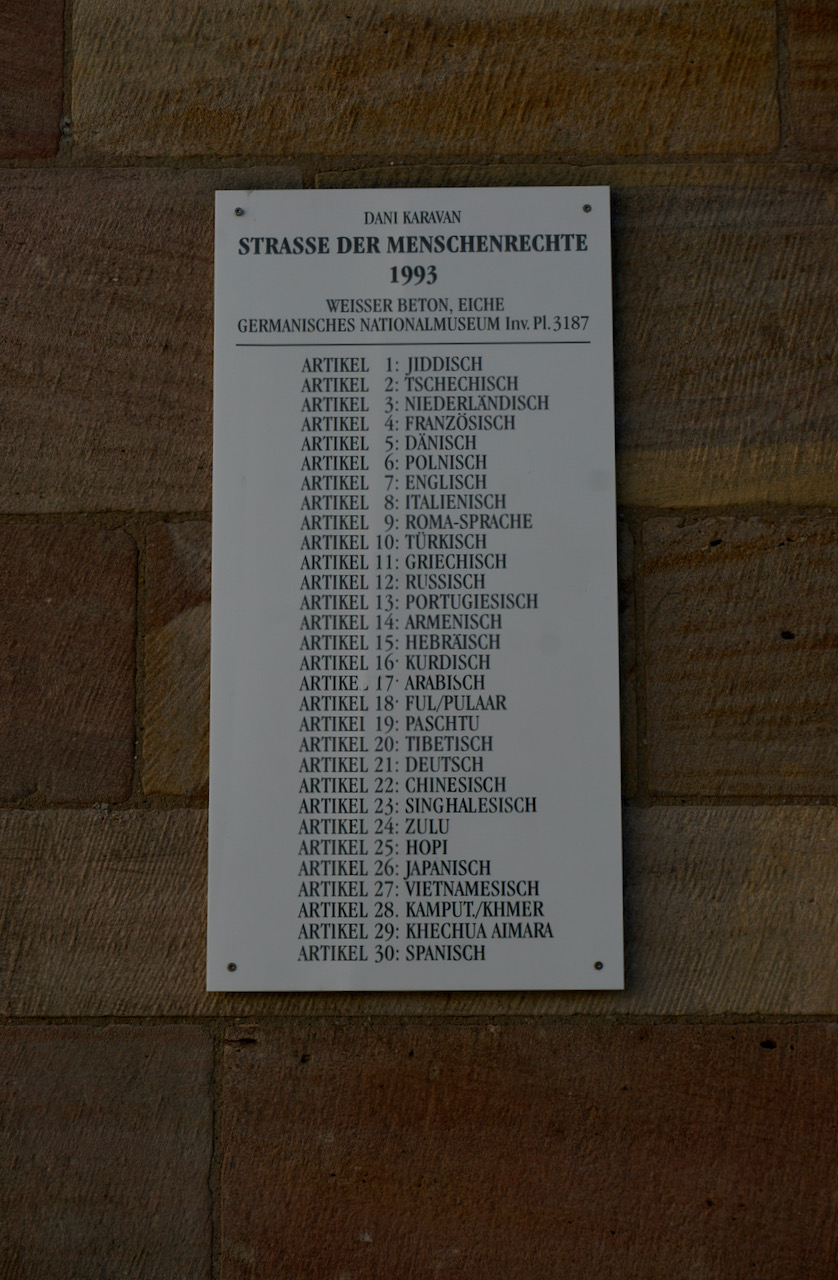
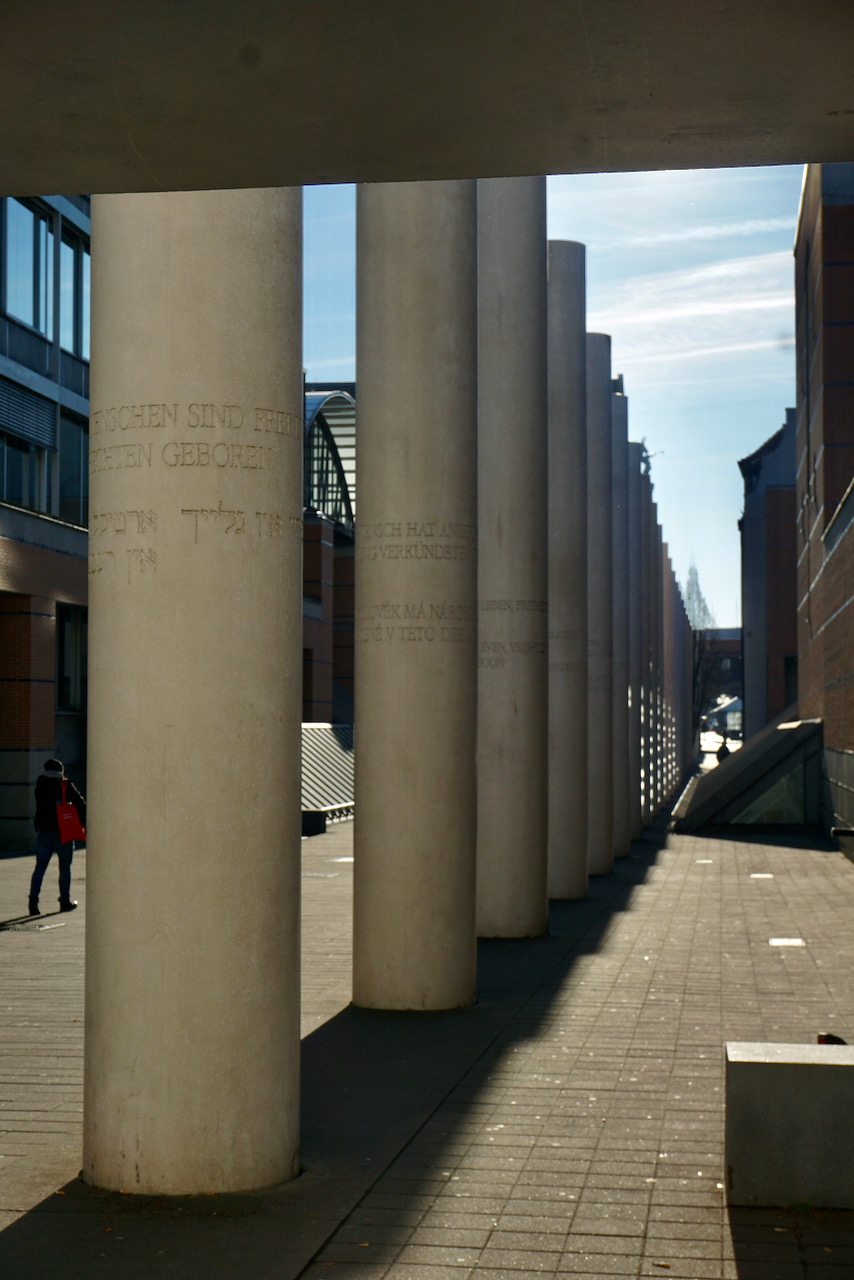
There is a history of hurt the world over and it is only through active awareness of it that we can live up to “Never again”. This attitude is also what made my later destination, the Way of Human Rights so poignant. And perhaps I am looking for signs (I don’t believe in signs but I also don’t not believe in signs) but the sunlight did take on significance that was likely undeserved.
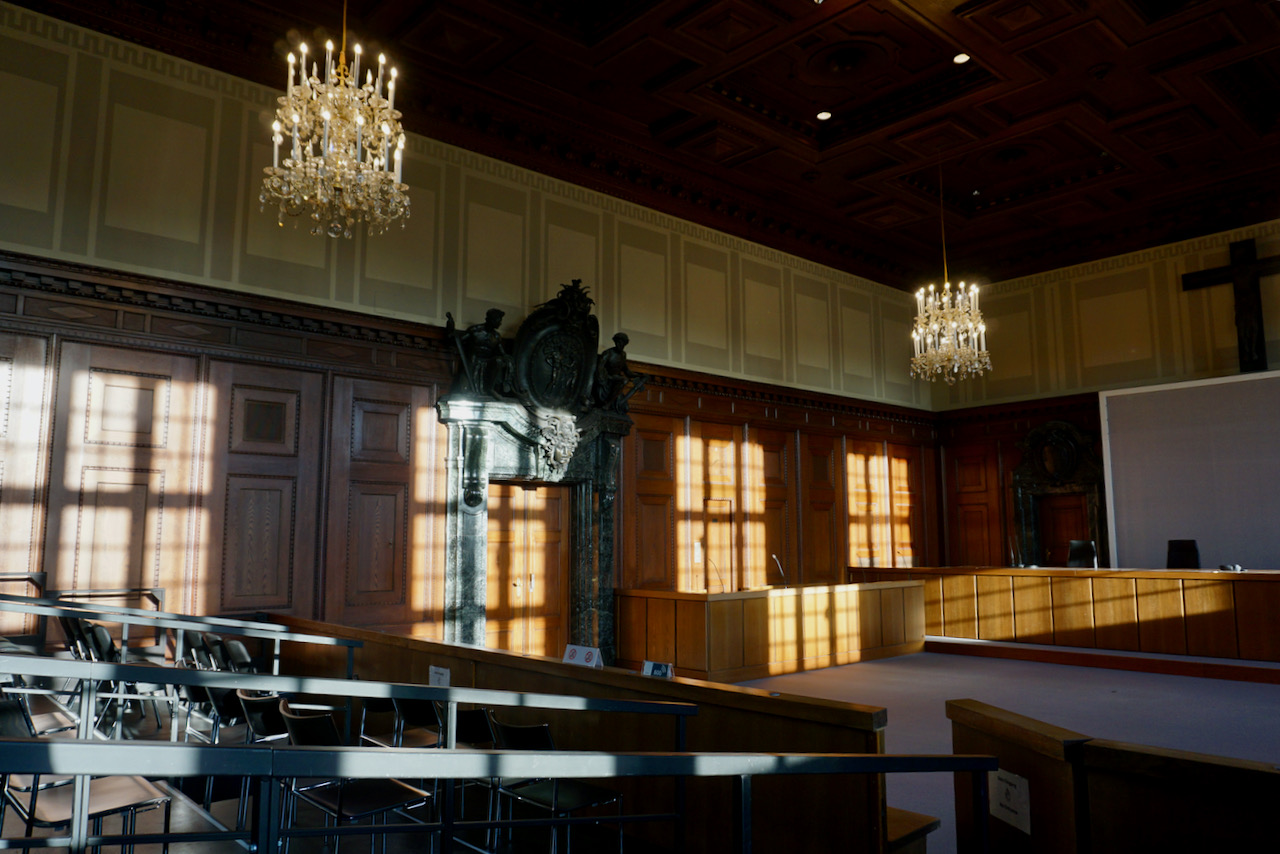
I intentionally stopped at the Way of Human Rights on the way to the Memorium Nuremberg Trials and Courtroom 600, the room where the trials took place. It is still in use today and the audioguide provided a clear description of what the room would have looked like at that time.
It was eerie to be there, strange to see bright sunshine on the walls and to sit quietly and listen to a historical overview that I had often brushed off. I now remember why, after writing my undergraduate thesis on the Hitler Youth movement, I took a long break from Holocaust reading and research. The sense of obligation that I felt to read every single word has not gone away and each word takes a toll.
I was surprised, though, to find myself angry, and it was over Glühwein and my journal later that evening that I was able to place it. I was not angry at the perpetrators or at the bystanders. I was not angry at the deniers or those who continue spreading hate in countless communities. Rather, I was angry because the Nuremberg Trials meted out justice in a way that was reasonable, fair, and largely undisputed. These were actual trials with evidence and sentencing. Individuals were convicted as far as the evidence could provide and sentencing was carried out swiftly and with due process. These trials paved a way forward for how to deal with crimes against peace, crimes against humanity, crimes of war.
And yet, there is so much bias in legal systems today. Trials have outcomes before they happen. Consequences are seemingly inconsequential. I thought about this, I thought about recent global political news, and I was angry. The Nuremberg Trials provided a framework and an opportunity and I wondered at where this legacy has gone.
I learned a few things at the Memorium, too, like the fact that simultaneous translation was used for the first time here and that the translation staff numbered 350. The proceedings followed Anglo-American legal traditions, which differ from continental European legal traditions, and this created some controversy. There were follow-up trials in later years, including of Japanese crimes in the Pacific war, but the later trials in Europe never generated the press or popular support of the first trials.
It was dark by the time I set my journal and book aside and left the café where I had taken refuge hours earlier. Sometimes it’s just good to be around people.
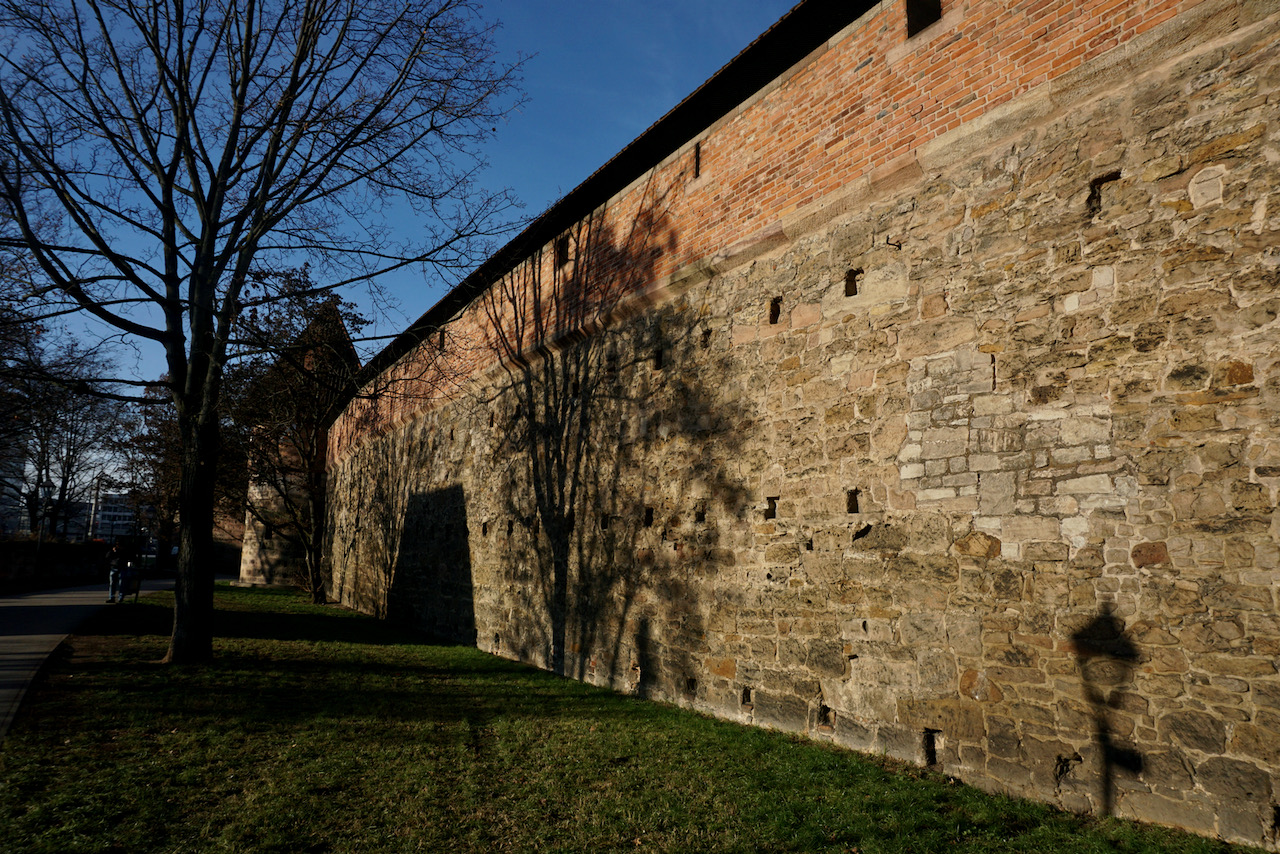
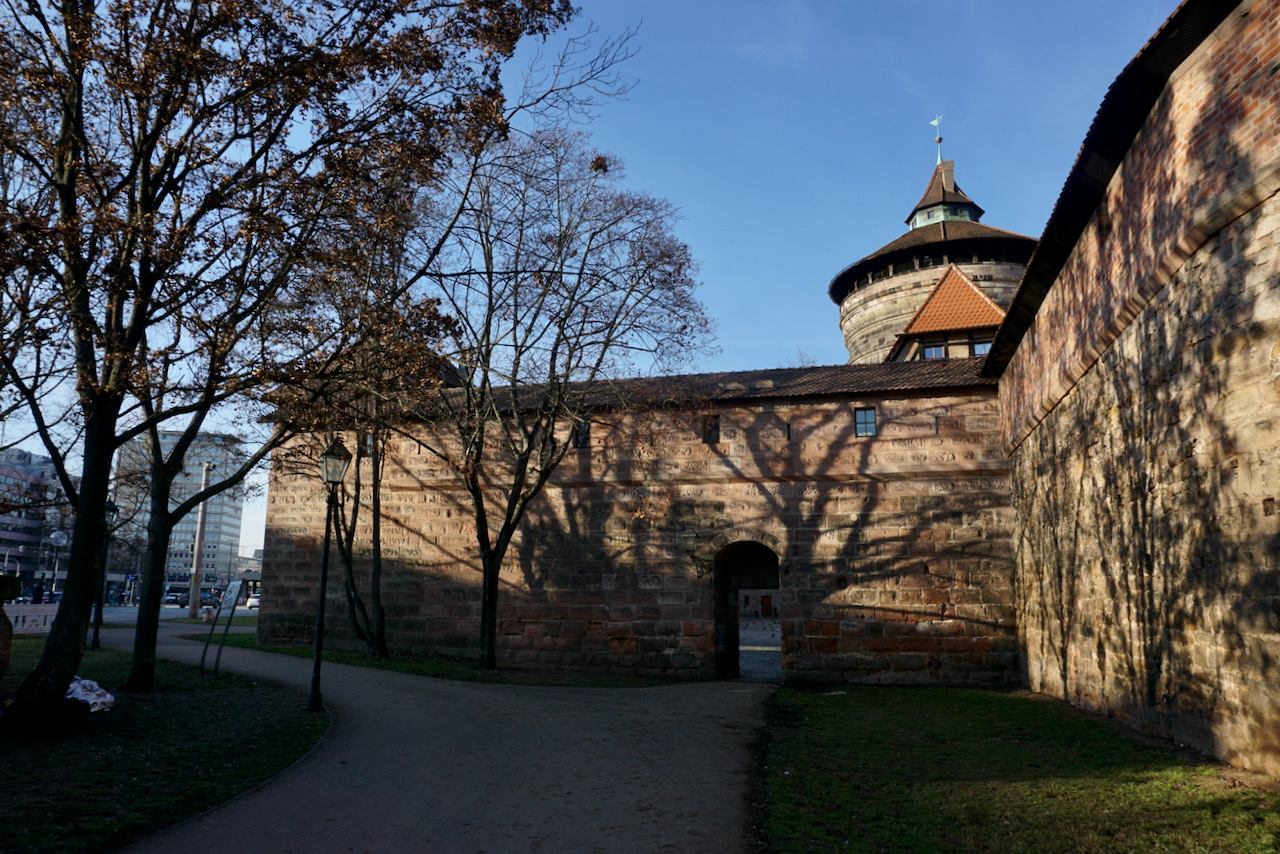
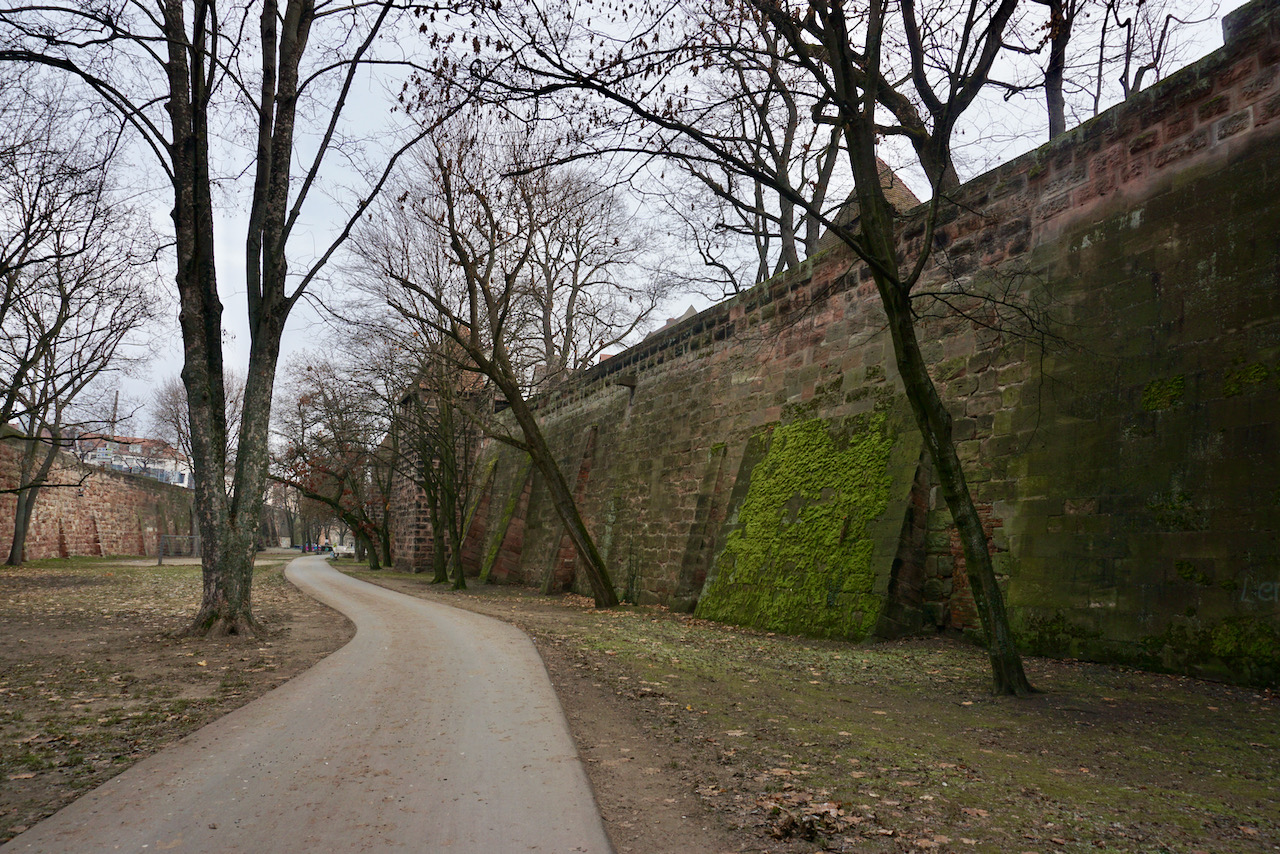
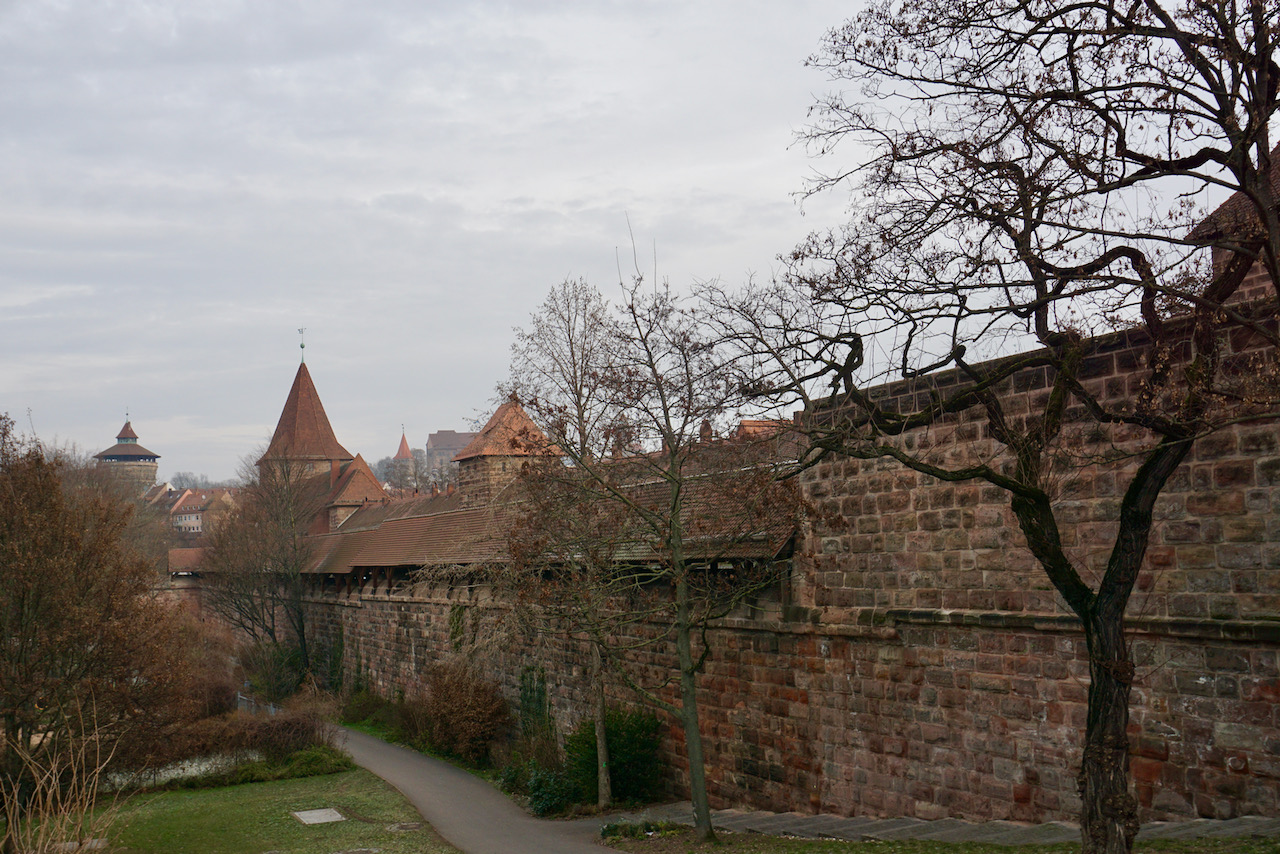
As a medieval city, Nuremberg’s old town is still surrounded by walls and I found myself quite taken by them.
This fascination remained even without sunlight. The morning of my last full day was warmer than the previous days, and I was glad of this. My plan was to walk the 5k trail that is maintained around the walls. The walls are imposing and I can imagine how impenetrable they were when first built; they seem that way now, even with playgrounds for children, a skatepark, and courts for basketball and racquet sports.
Finally, I visited the Germanisches Nationalmuseum, which has an impressive and overwhelming collection of artifacts dating throughout human history. There were also installations from the Global Art Festival scattered throughout the exhibits and I enjoyed those very much. If you’re happy to spend a few hours wandering through a museum that makes its home in a former monastery, I’d recommend a visit.
The city of Nuremberg today prides itself on being a city for human rights, which is a tall order. Perhaps this is why I saw greater diversity there than I had expected, or why different languages were so prevalent. Or perhaps this commitment itself created the environment of the place. I was glad for the opportunity to be there and look forward to a return, perhaps when there are Christmas markets again.
Title inspired by Love in the Time of Cholera, which I’m thinking about reading when I’m done with the two books I’m in the middle of right now.
Where We Are Now
We’re in a different situation in Singapore than in much of the world. People are still going to work and we have not closed school. This is a neat graphic from UNESCO showing the spread of school closures globally and the number of students in different levels who are affected. Interestingly, Singapore is not on this map and I don’t know whether that’s because we’re still in school or because they forgot about us. As informative as it is, it also serves as a reminder that even reputable sources are not flawless.
We have not closed school in Singapore because the government has been down this road before. The requirements for travel declarations and the restrictions on movement, behaviour, and gathering began much earlier here than in Europe and much, much earlier than in North America. The first email from our deputy superintendent referring to “novel coronavirus pneumonia” was sent January 23. That was when the government first required travel declaration forms from everyone involved in an educational institution. On January 28, the day we returned from the Chinese New Year holiday, schools started taking everyone’s temperature on the way into the building. This has since been implemented at the community centre that houses my climbing gym (and I’m sure this isn’t the only one) and is part of the regimen in hospitals, movie theatres, malls, and recently some restaurants. On February 11, the WHO gave coronavirus a name – COVID-19. It wasn’t until March 6 that I finally received a message from a friend in the US asking how we’re doing here in Singapore.
We’re in a bit of a different situation at the moment in that we’ve been living with this for a long time.
And that’s the point – we’ve been going about our lives and living with this thing because Singapore has a disease outbreak response system that makes sense. We’ve been at DORSCON Orange since February 7. When it came out two years ago, I read The End of Epidemics by global health security expert Dr. Jonathan Quick. He cites Singapore’s response to SARS as a shining example of disease response done well and living through another round of that, I understand why.
Considering where we are and how Singapore has responded, it came as a huge blow to our students when the IBO cancelled May examinations on Sunday night. The IB has given itself until Friday to figure out next steps. The College Board AP, which my school also offers, is running 45-minute online exams. What is important to understand here is that AP and IB exams have a different purpose and carry very different weight and meaning for students. Unless our students are going to school in the US, they are accepted into universities on the basis of earning a certain overall IB score. Now that there are no exams, how will this affect graduation and university acceptances? We don’t know the answer to these questions right now.
Conversations with Young People
Understandably, my students were full of confused emotions in class yesterday. We spent some time just talking before getting down to business and I want to summarise our conversation. Hopefully it helps some of you figure out what to say (or not say!) to the young people in your life. They need guidance right now and we are there for them, even if we don’t have answers. The threads of our conversation went like this:
This is an emotional time.
My students told me that they’re feeling confused, upset, disappointed, and relieved. One or two were glad they didn’t have to study but the majority were crushed at losing everything they look forward to at the end of high school: prom, graduation, senior trip, and proving themselves on exams. We agreed that yes, it sucks.
What’s the point now?
Final exams have been the driver for much of what we’ve done for nearly two years and students, appropriately, wanted to know what the point is now. There are no exams . . . so what? What is there? We talked about learning for the sake of learning and about how far they’d come. We talked about showing themselves that they’ve come a long way.
We also talked about going on with life as normal. There will likely be some kind of end-of-course assessment. After all, we have already submitted required coursework to the IB and they will use it for something. We might very well run an assessment here in school, too. Additionally, there will still be grades on transcripts. These grades will come from somewhere, and they will indicate what students know.
Who are we supposed to turn to?
Multiple students expressed not knowing what to do and one put it very succinctly: “We’re confused,” he said, “and the people we’re supposed to ask for help don’t know anything either.” He’s right and it was important to acknowledge that. A student asked me to give my best educated guess about what might happen next and all I could say was that my previous educated guesses had been wrong so my best educated guess was to keep my mouth shut. “But what can you tell us as a friend?” he asked.
I told my students that they couldn’t turn to me for answers because I didn’t have any, but I did know that the world had been through a lot before and would not end with them. We don’t know what is coming next but we do know that these young people will complete high school and go off into the world to do something. We don’t know the path they will take to get there and we don’t know where “there” is, but we do know that life isn’t over. Look at what’s happened in China – students are going back to school!
I’m worried about what might happen next.
I reminded my students that when this all started two months ago, we were worried about schools in Asia closing and being disadvantaged for exams since everything in Europe was fine. We could not have predicted life returning to somewhat normal in China with the rest of the world closing its borders. Likewise, we cannot predict what is ahead.
We also talked a little bit about our families. With flights cancelled and travel restrictions across borders, we are “here” and our families, for many of us living overseas, are “there”. And we cannot get to them. With legal status determined by employment passes, student passes, and dependent passes, we don’t know if or when we’re going to be asked to leave. We don’t know whether our home countries will take us or if we’ll physically be able to get there. We do know that flights aren’t free and all of us have cancelled travel plans or had plans cancelled. What happens if our legal status changes?
I didn’t have answers but we had a conversation.
I gave up a lot for this.
After class, one student stayed back to talk. He said he’d sacrificed a lot to spend two years in the IB Diploma Programme and he would have chosen differently had he known it would come down to nothing. Ah, now this is something I can speak about with some confidence. Knowing the answer, I asked this student whether, knowing the options that existed at the beginning of grade 11, he could have chosen differently. Knowing who he was, could he have done anything differently over the past two years?
No, he told me. That’s true. That’s what made the most sense at the time.
And that, I said, is a way to approach being in the world, no matter the situation.
A Focus on Learning
We had to talk before my students were ready to get down to learning. I understand Maslow’s hierarchy of needs and I know that students who are hungry need to eat before I can expect them to do anything else. This felt similarly. My students needed to be heard and they needed my honesty in order to trust that I had their best interests at heart, and then we went on with our intended tasks for the day.
If necessary, as so many are doing, I could run my classes remotely. A colleague and I have been piloting online learning tools in a shared class and we could make it work. There are a lot of resources out there and many of them are free. The best practices of online learning have been sharpened and honed through the work, effort, and time of many of my colleagues, known and unknown, and I am grateful for them.
One thing that we do know is that human connection is really, really important. Last week, we ran our parent-teacher conferences through Google Hangouts and it was a real gift to be invited into my students’ homes like that. Everyone was calmer and more relaxed than usual. What would it take to have a quick video chat with my students, or set them up with a platform that allowed them to do the same? (I’m told Zoom has “breakout rooms” and this is worth exploring.) It was really important to talk with my students yesterday about what was on their minds before we were able to do what we were meant to do.
There has been a lot of focus in education over the last several weeks about how to put teaching and learning online and I understand this focus. I agree that it is important. But it was also important to acknowledge that my students, for whom life has remained comparatively normal, have questions, too.
In this sense, we all have a wonderful opportunity to learn a little more about who we are as individuals and as a collective group of humans. I spoke with my students about recognising their own responses to stress and anxiety and how to manage unknowns. No matter what happens next, they were heading towards a huge unknown anyway because they were planning to go out in the world and start their lives. They will still do that, just not following a path that someone else had walked before them. We talked about ways to accept what we cannot change or control, and we talked about what it means to live according to who we are and what is important to us.
Additionally, we talked about the resilience of humanity. While we have individually fragile moments, humanity has also overcome great adversity. Some of my students have lived this in their own lives and some are experiencing it now for the first time. It is important for them to know that this is not the first life-altering, world-spinning-out-of-control moment that they will experience, and it is important for them to know that they will get through this one and the next one and the next one. We can make all the plans we want, but we learn a great deal about ourselves when look at how we respond when our plans go awry.
And it is important for students to know that this, too, shall pass and we will all be stronger and wiser when it does.
Conclusions
Learning through COVID-19 does not only mean learning in school. It also means learning about ourselves and about who we are. It means learning to let go and wait patiently when we would much rather be in control, and learning to pause and breathe when we’ve spent too long with our noses buried in the news.
It also means learning to recognise what we are feeling and manage it in a way that allows us to live as fully as we can. We can only live what is now and it does not help to ruminate over what might have been otherwise. Instead, as my students are learning, we live with what is and sometimes all we can do is take it one moment at a time.
Peace. It does not mean to be in a place where there is no noise, trouble or hard work. It means to be in the midst of those things and still be calm in your heart. – Anonymous
Gyeongju, South Korea – October 2019
Photos, travels, musings, and ideas on education by someone trying to make the world a better and more peaceful place
































 By Rebecca Michelle