Tag Archives: Memorial

Counting the Living

Back in 2020, I read a New York Times article about a crowdsourced, online project to digitize records with the Arolsen Archives, the keepers of the world’s largest archive on victims and survivors of National Socialism (Nazism). The goal of the #everynamecounts initiative is to create a digital memorial with records accessible to all.

With thousands of volunteers around the world, I type whatever information there is. Sometimes I’m familiar with the names because of the community I grew up in and where I live now. Sometimes I recognize locations. One project involved documenting records of prisoners held in the concentration camp Buchenwald. I live within cycling distance of Buchenwald and have been up there more than a handful of times.

I most enjoy working on records of displaced people. These are the survivors, the young children with huge names, the defiant elders, the unbreakable adults. The documents indicate where they came from, and where they were sent to, and when. People were living in DP facilities until the early 1950s. Sailed to New York. Flight to London.

I wonder about the workers who took down these records, the handwriting of people all over the world, the very human touch of both condemning and saving a life. There is handwriting that loops and weaves, handwriting that took the time, handwriting that scratched and scrawled. Name. Marital status. Birthplace. Last address. Location. There are typed records, too, an indication that all of this happened in a world different from ours, yet not so long ago.

As I record lives lost and lives saved, I think about the internationalism of these records. Europe in ruins, its condemned minorities and those unlucky enough to have a non-conformist opinion collected and shipped off. To somewhere. Europe’s ravaged population surviving wherever they ended up, many so far from home.

And the internationalism of 175,000 volunteers around the world who painstakingly transcribe documents holding the stories of 17.5 million people. To guard against mistakes, each document is read by several volunteers. Any areas that cannot be read according to the usual guidelines are then checked by a member of the Arolsen Archives team. Seventeen and a half million individuals and their stories are too precious for error.

Two weeks ago, quite by accident, we drove past the town where the International Centre on Nazi Persecution, home of the Arolsen Archives, is located. I transcribed a few more documents the next day.

Every name counts.
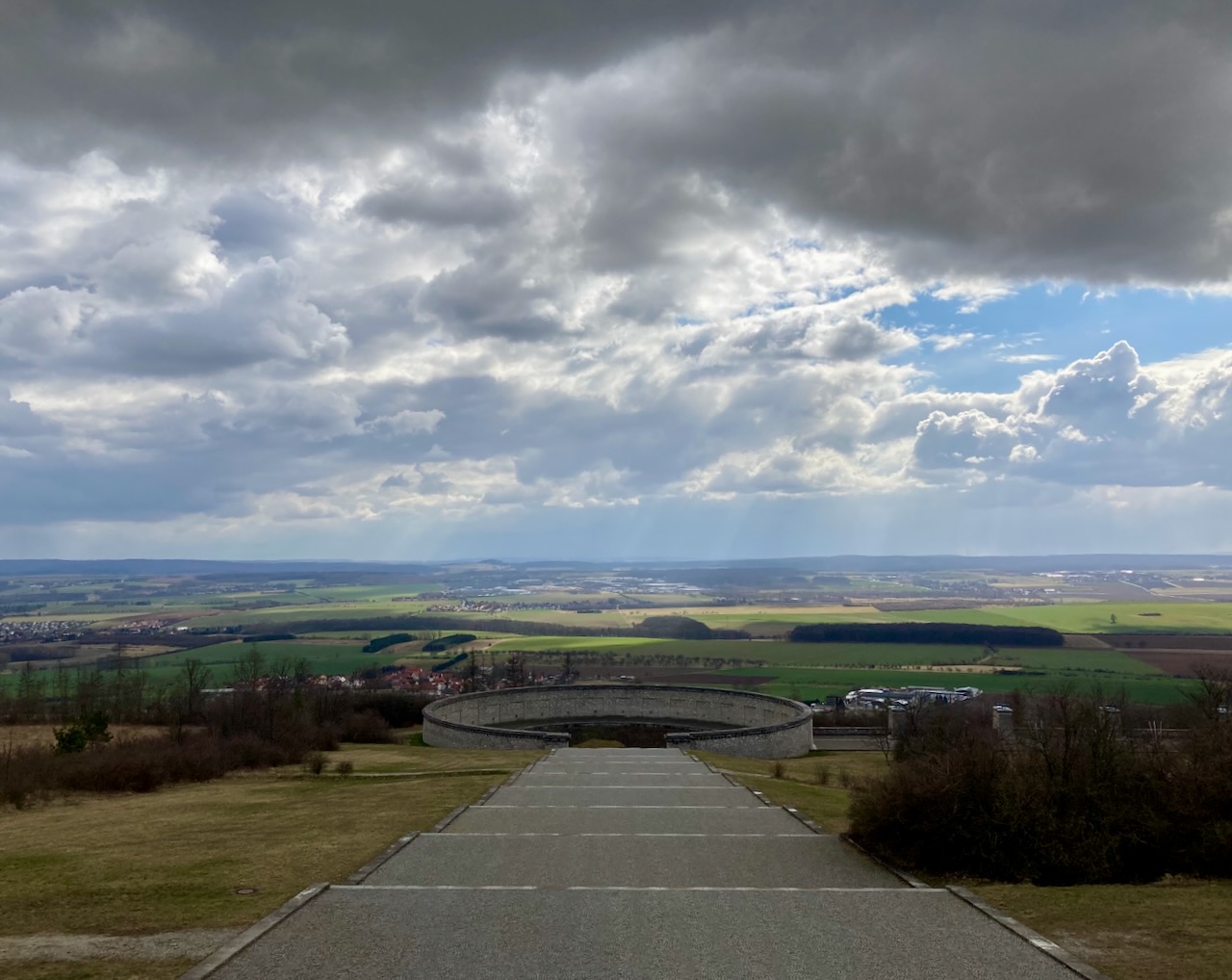
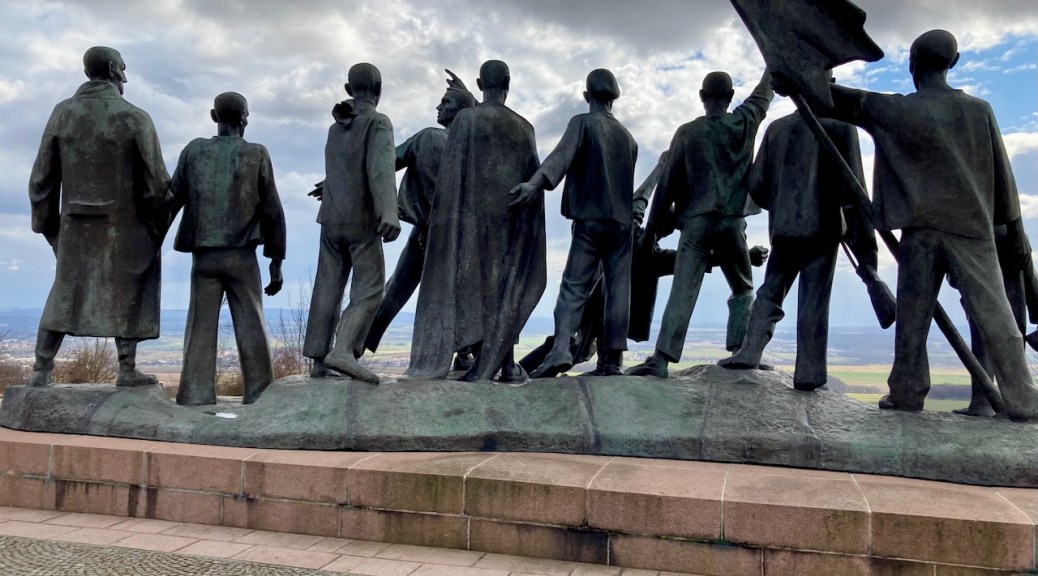
View from the Buchenwald Memorial – March 2022

Travel Guide: Budapest

I recently had the opportunity to travel to Budapest for work, an opportunity I relished not only as a chance to learn something new, but also as a chance to spend some time in a new place. As it turned out, I learned far more than I had hoped at the training, though it got in the way of my exploring. There is a lot to see in Budapest, which is already two cities rather than one, and my glance across the surface left me with a longer list than I had when I arrived.

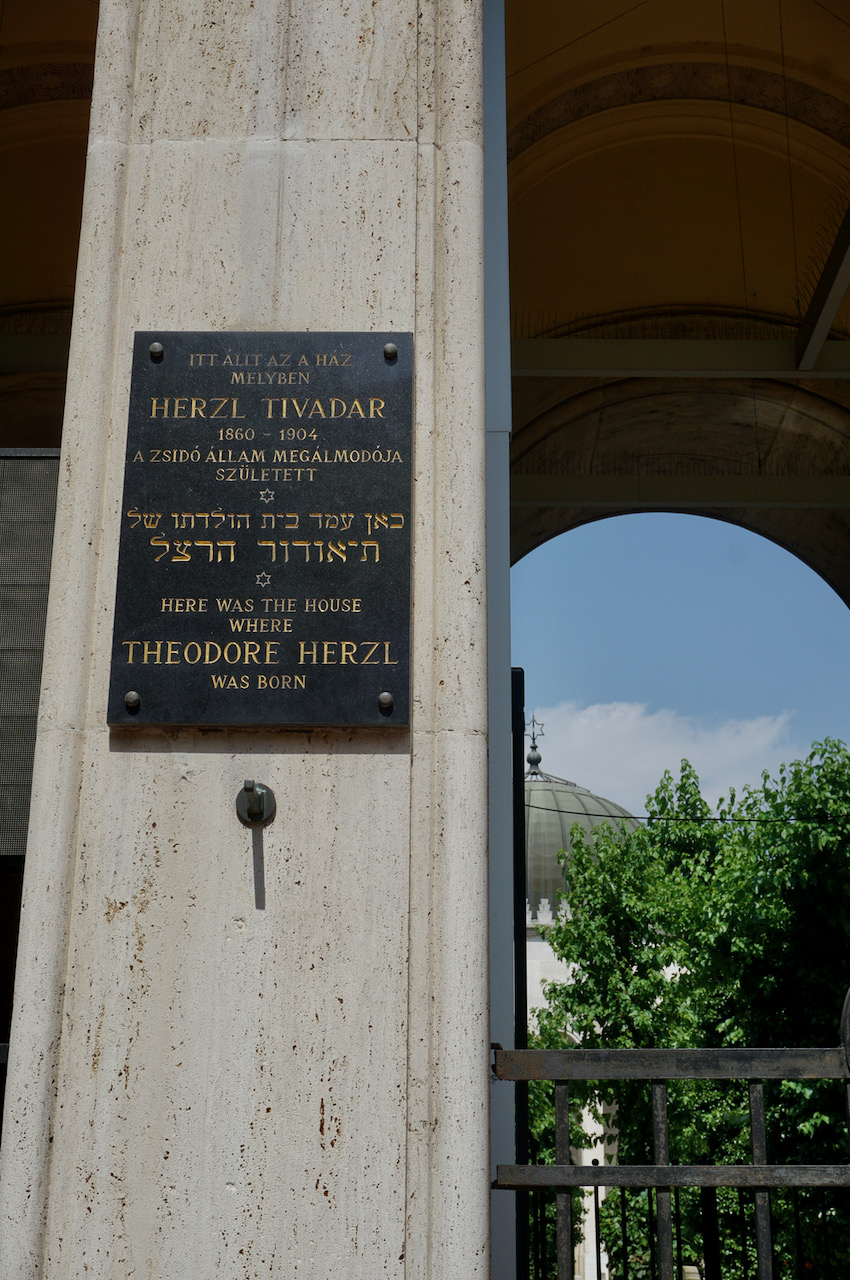
After deciding I liked Budapest upon first seeing one of its many street bookstalls, I stood in front of Europe’s largest synagogue, completed in 1859. It surprised me that Dohány Street Synagogue is located in a country that is 99% Christian, according to my tour guide, in a city with restaurants serving food from all over the world, and that’s something I love about visiting new places.

I was staying on the Pest side of the Danube and that’s where I took a walking tour the afternoon of my arrival, always my favourite way to see a city and learn its history. We saw the landmarks Budapest is known for, such as Europe’s largest Parliament . . .
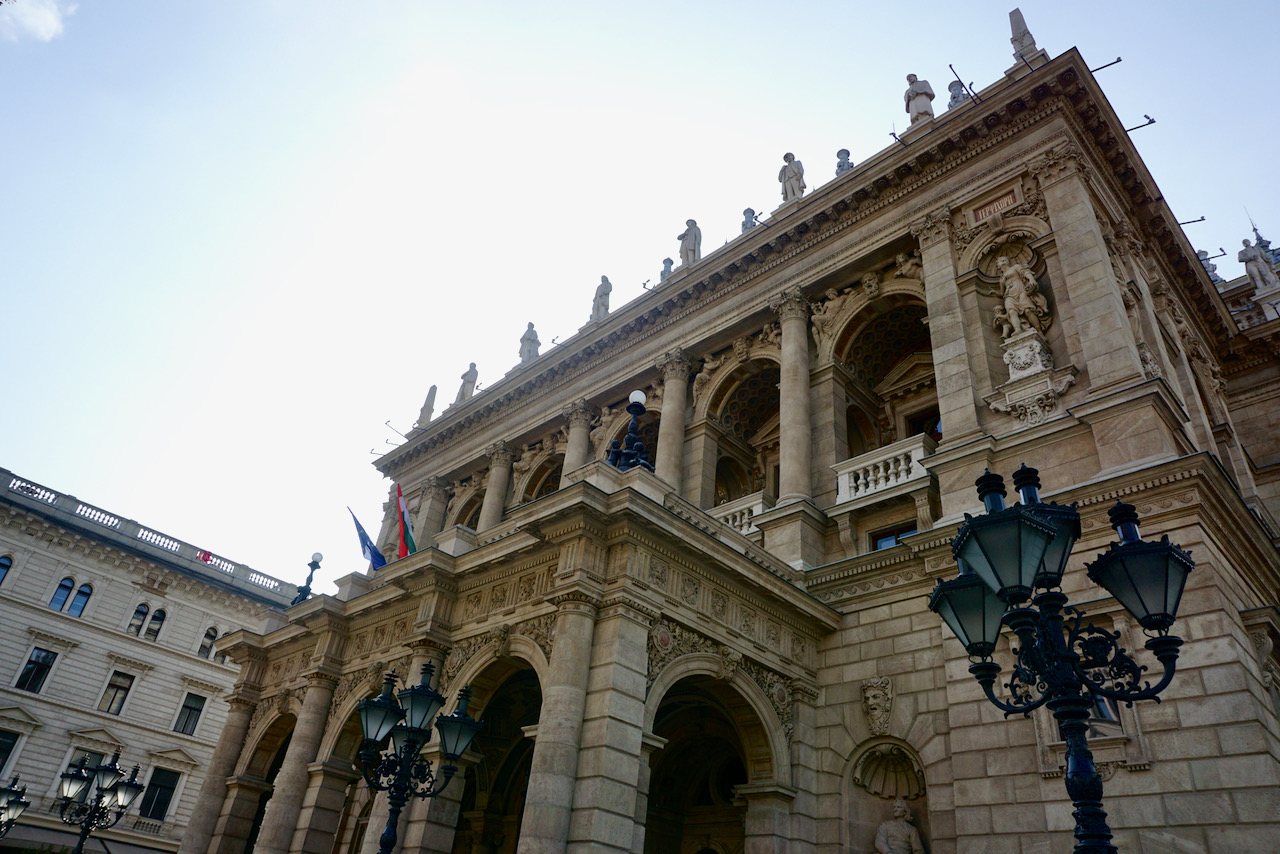
. . . the Hungarian State Opera . . .

 . . . St. Stephen’s Basilica . . .

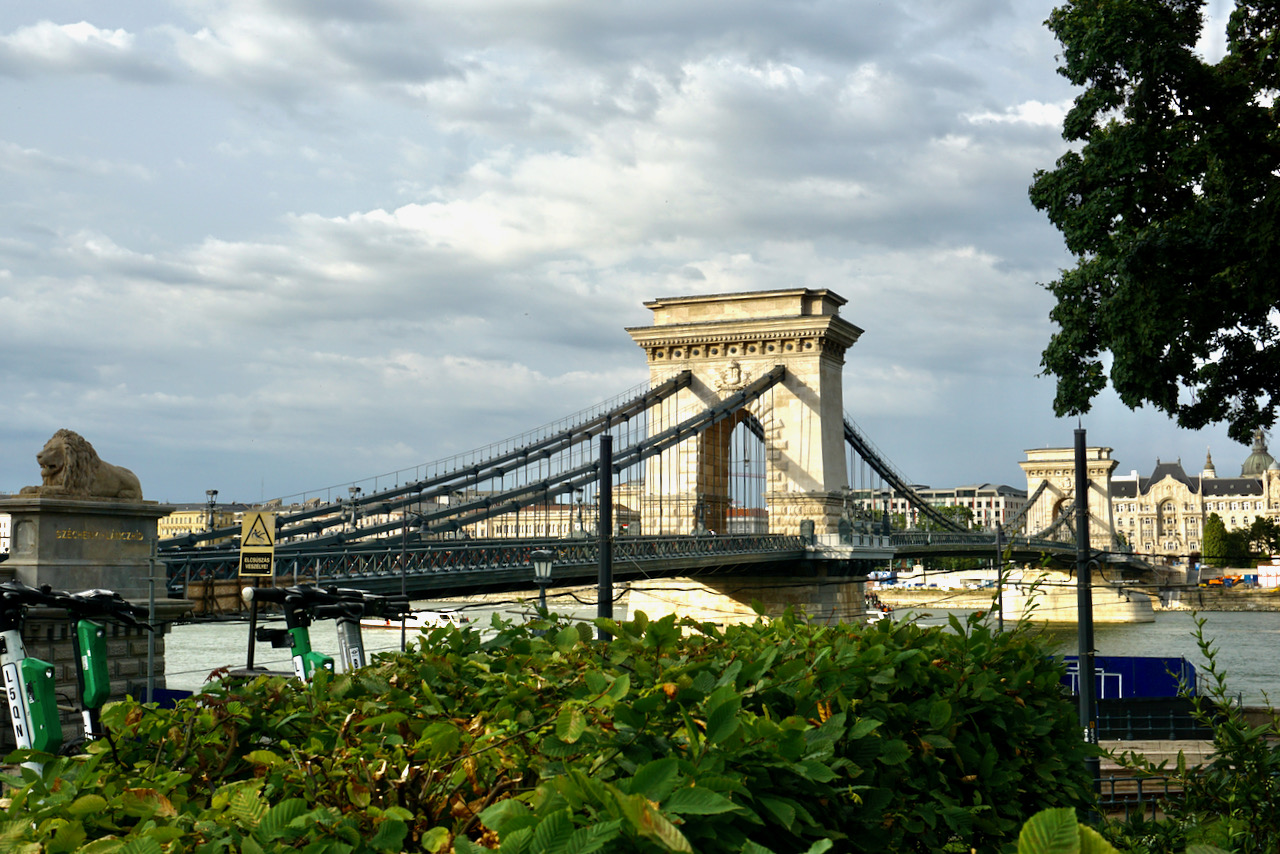
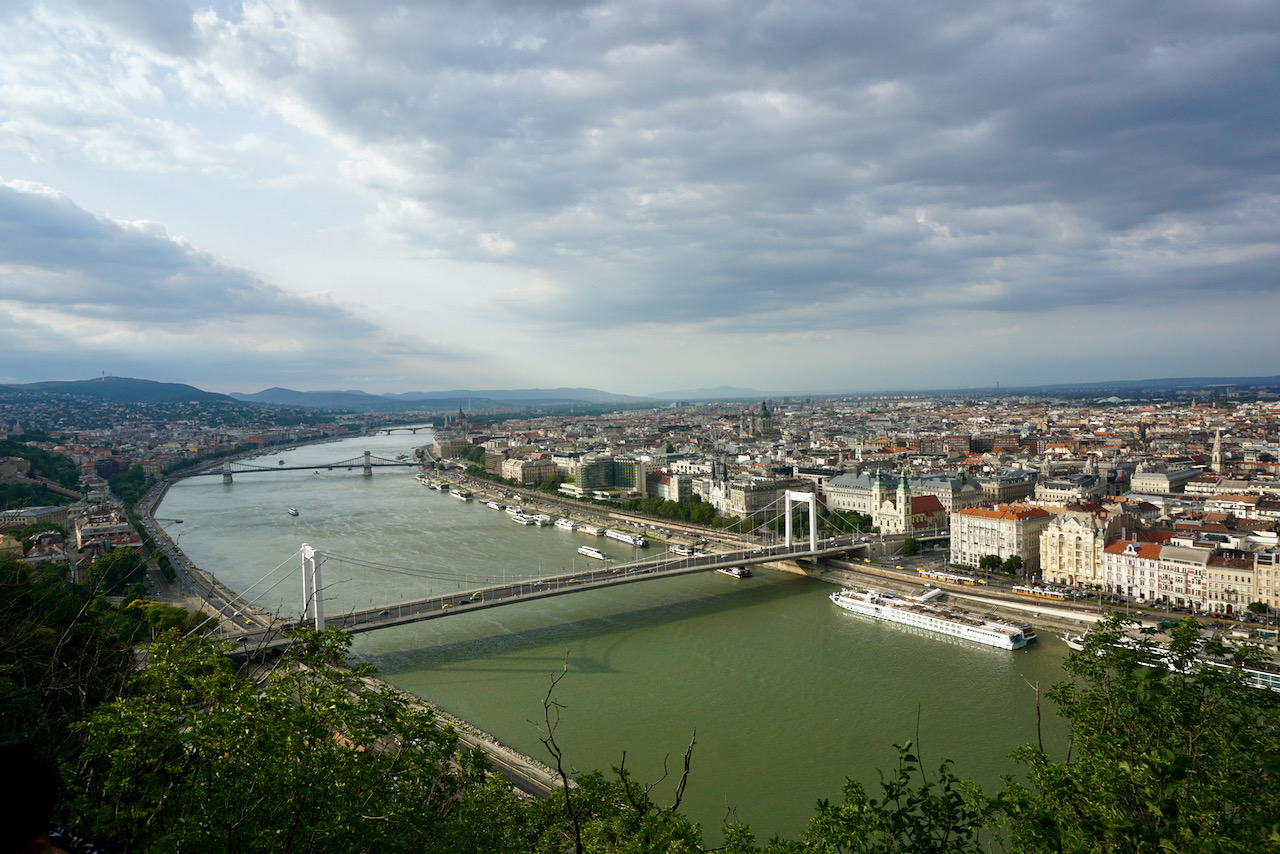
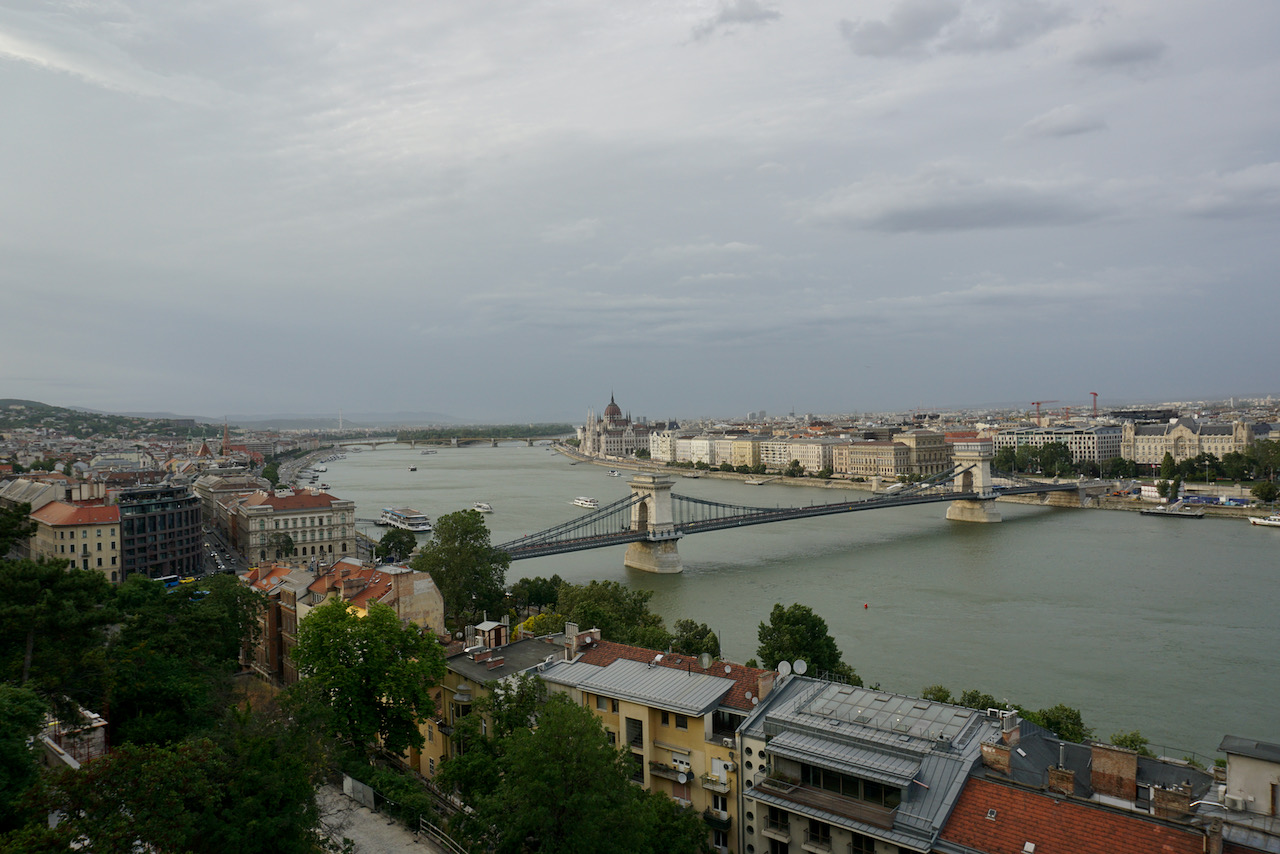
. . . the Danube River and Széchenyi Chain Bridge (unfortunately closed to pedestrians due to construction) . . .

. . . and walked through a few of the parks that are an important part of local life.

It was on the walking tour that I learned about the monument that went up overnight in 2014, an attempt to change the narrative of Hungary’s role in World War II. The counter-monument placed by the people of Budapest aimed to rewrite that wrong.

It came as a surprise that history was being rewritten in a city with a memorial called Shoes on the Danube Bank, commemorating the 3,500 people told to remove their shoes before being executed and their bodies thrown into the river during the Arrow Cross terror of 1944-1945. 

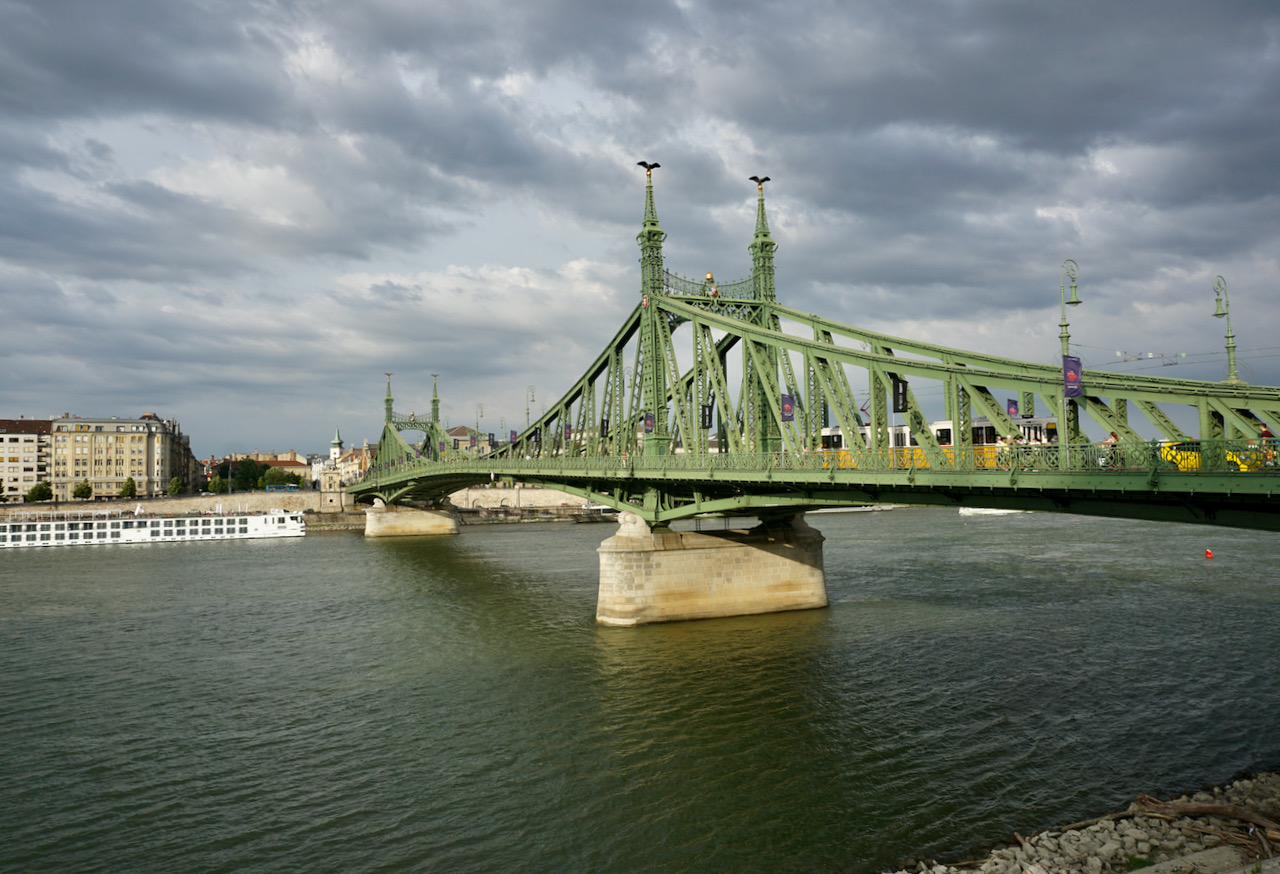
This memorial is on the Pest side of the Danube and, with eyes towards Buda on the other side, I headed over to do what I always try to do in a new place: Find the highest point and look down. In Budapest, this meant crossing the bridge to Buda and walking up to the Citadel.

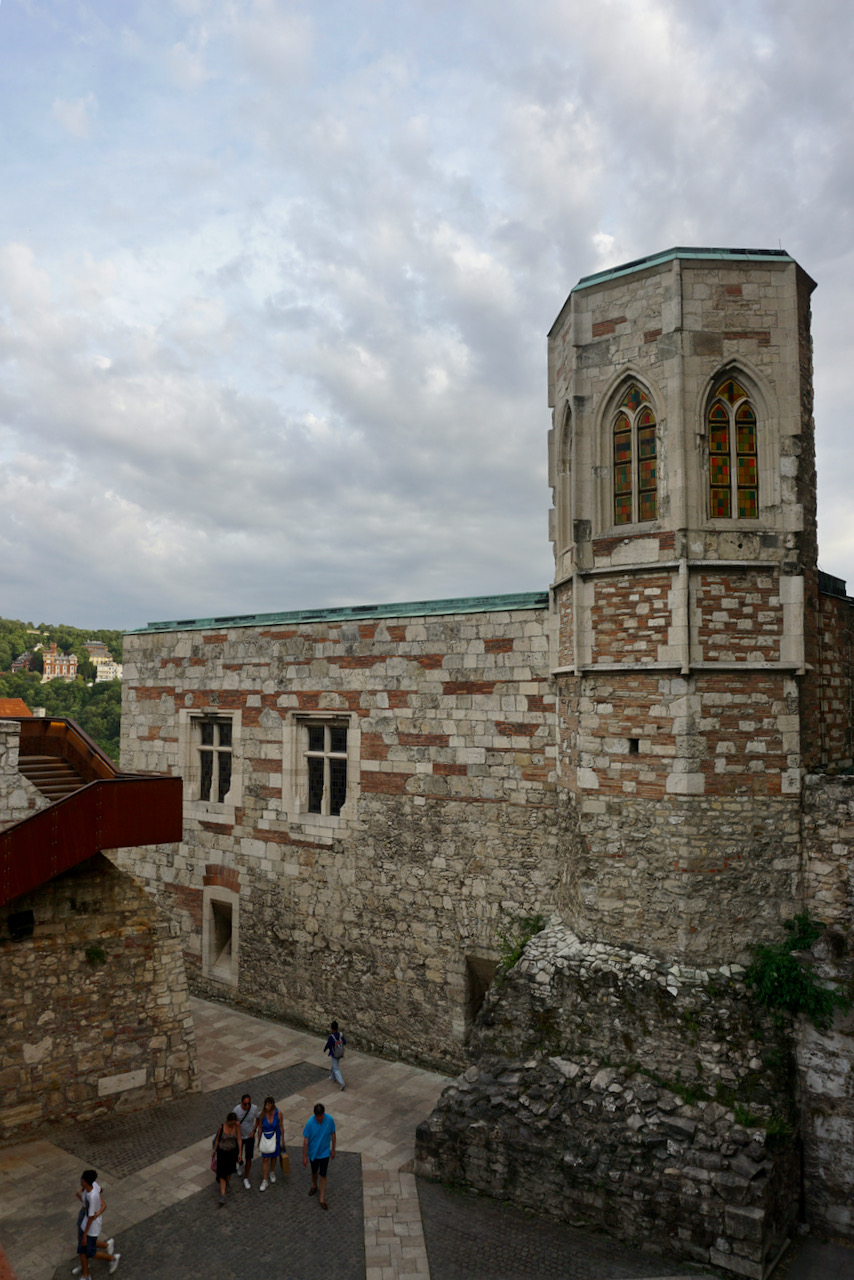
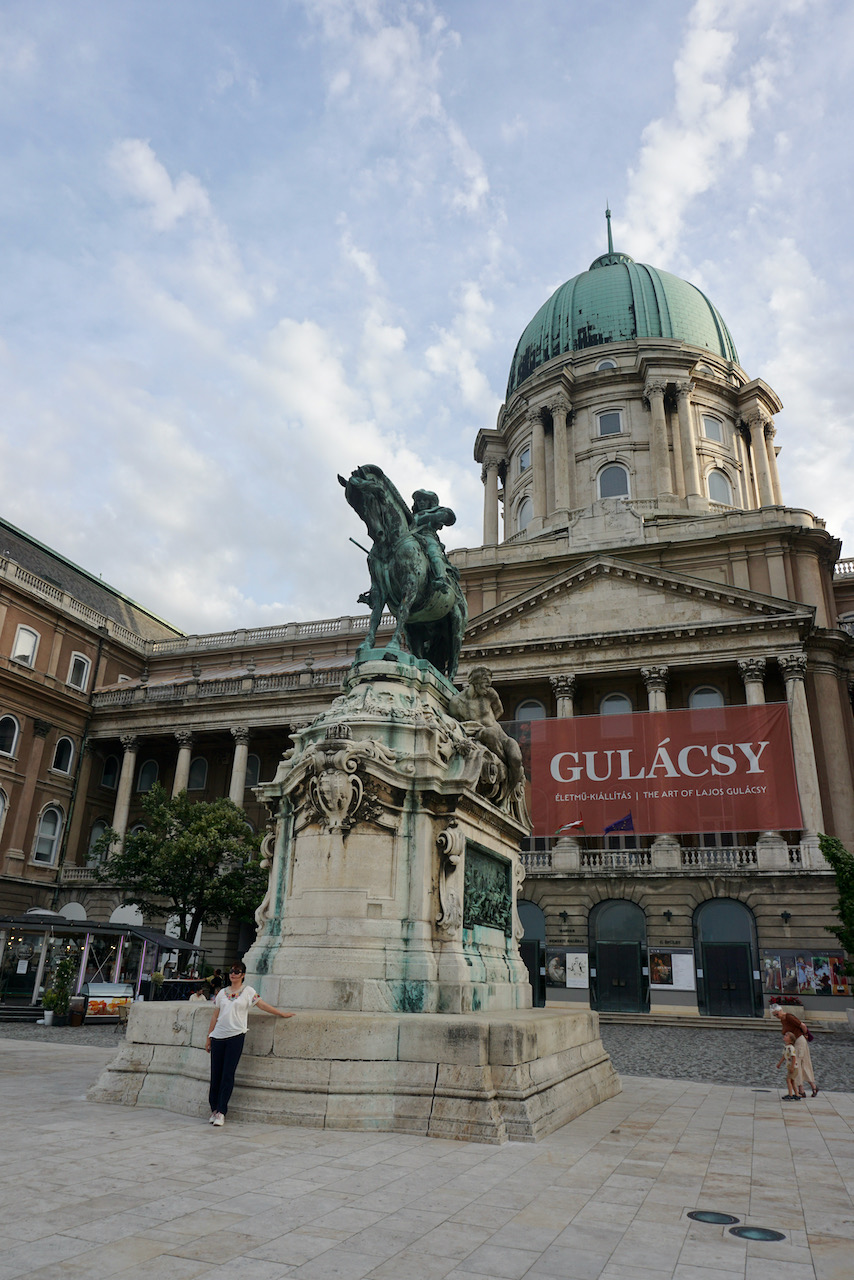
Once in Buda, I walked along the Danube, marvelling at the force of the wind that cooled the air that had been steamy and humid when I arrived the day before. I went up to Buda Castle and looked down again.

I left by bus when it began to get dark. There was so much more to see.

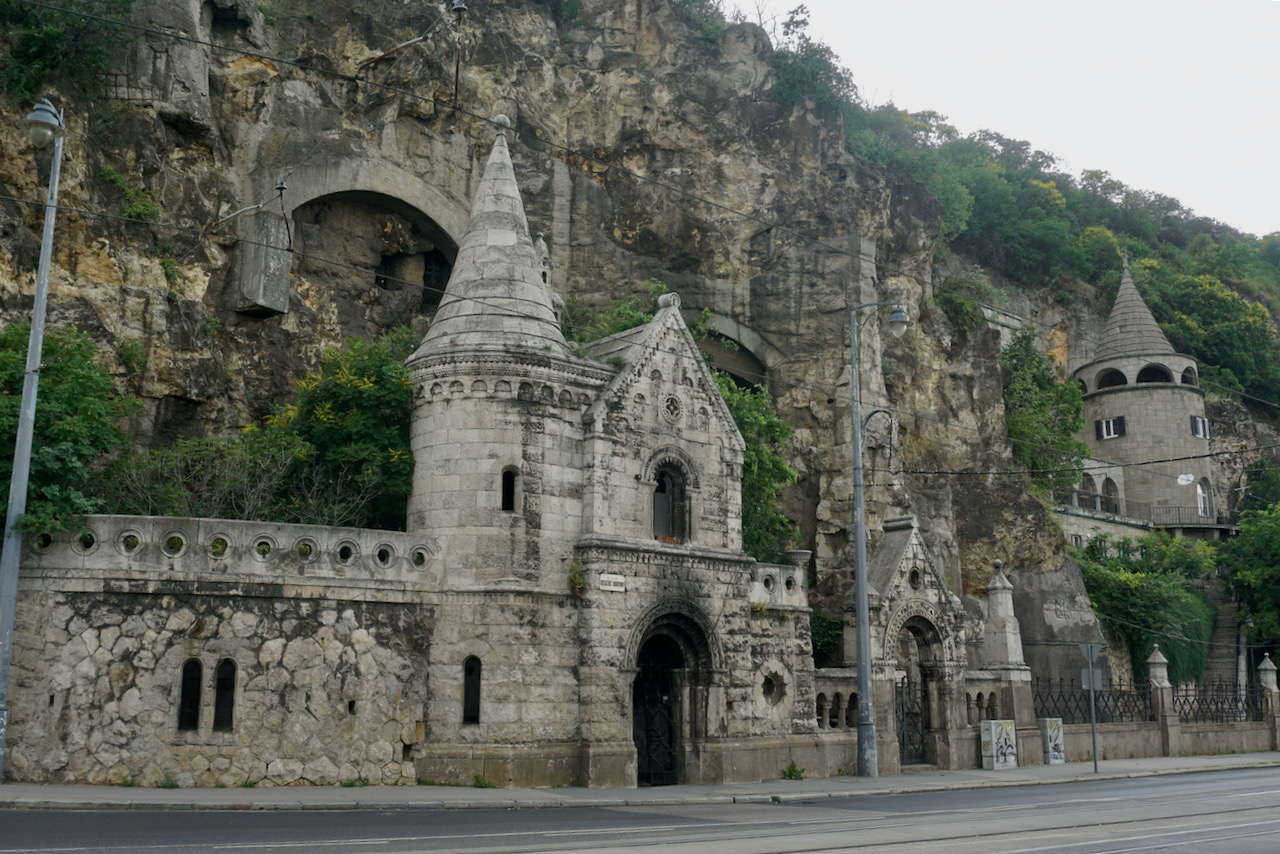
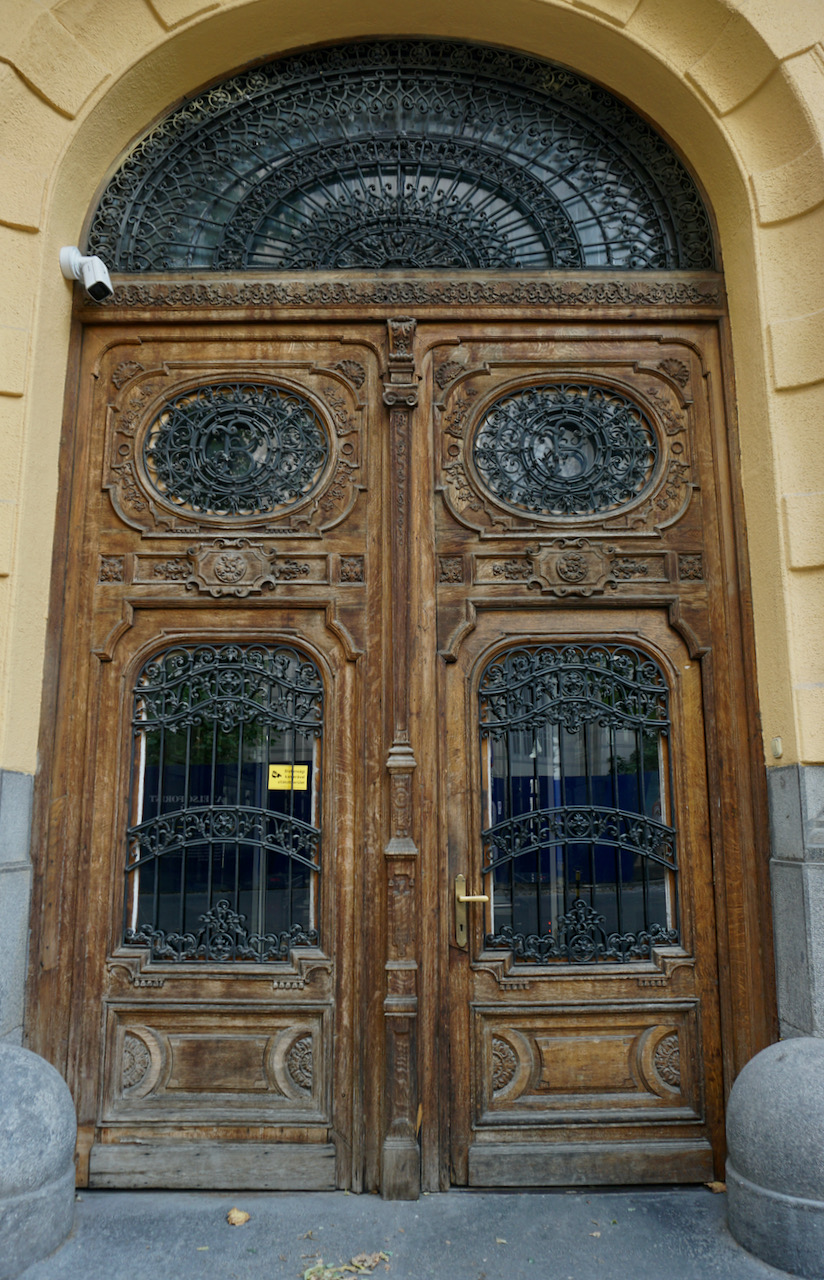
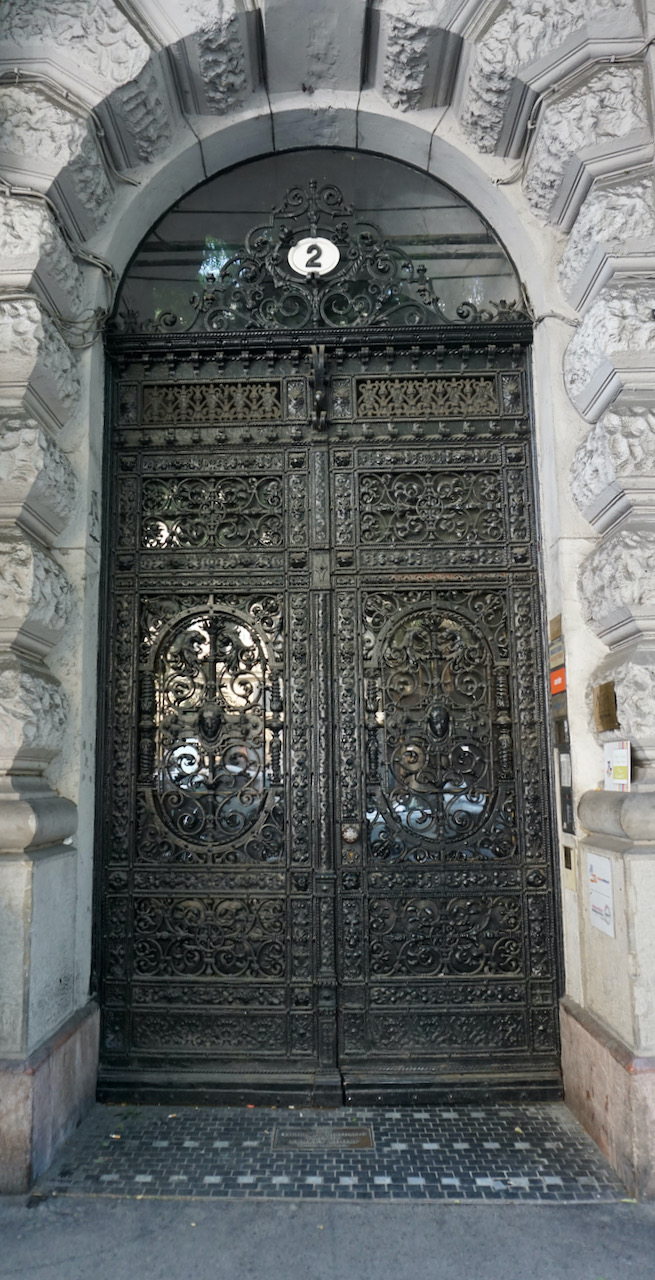
With the time I had outside of the training, other wandering was an exploration of ornate doors . . .

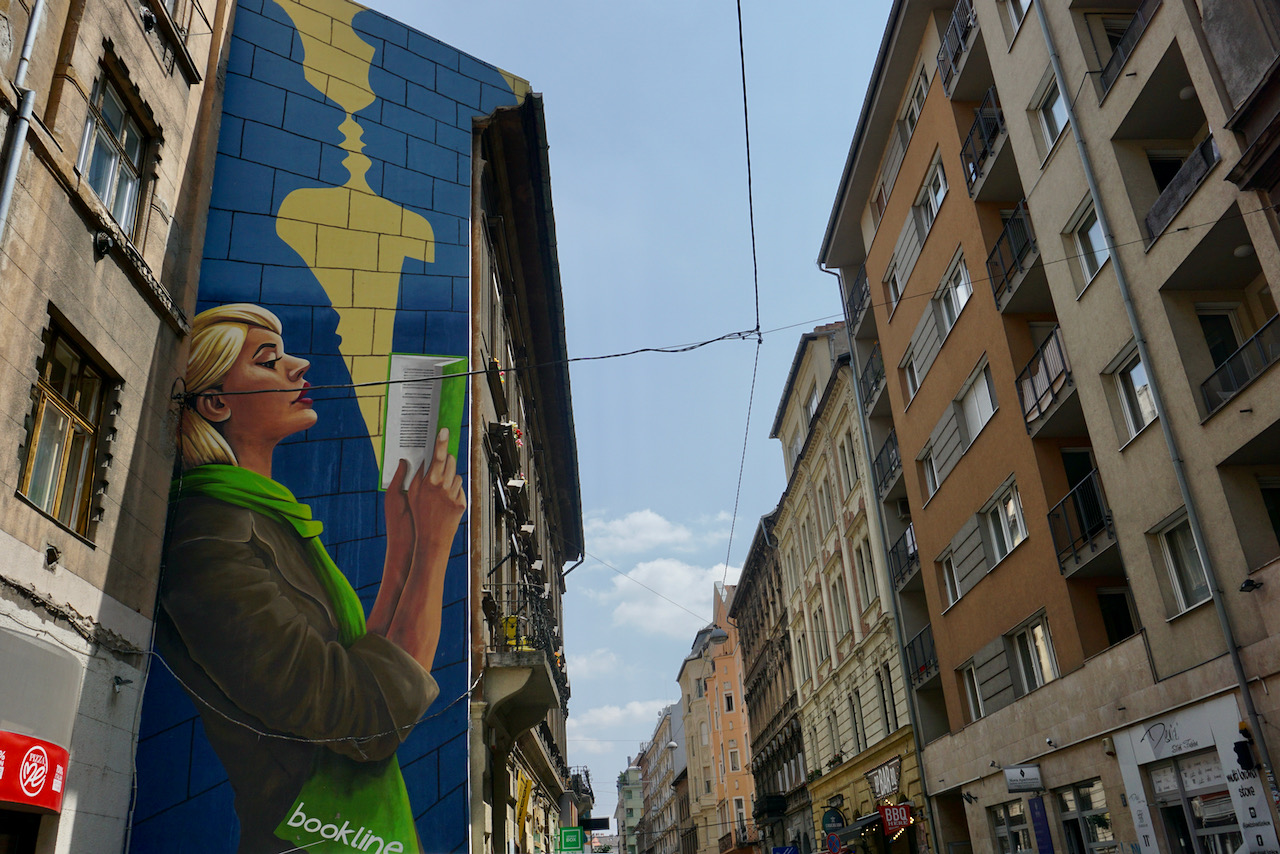
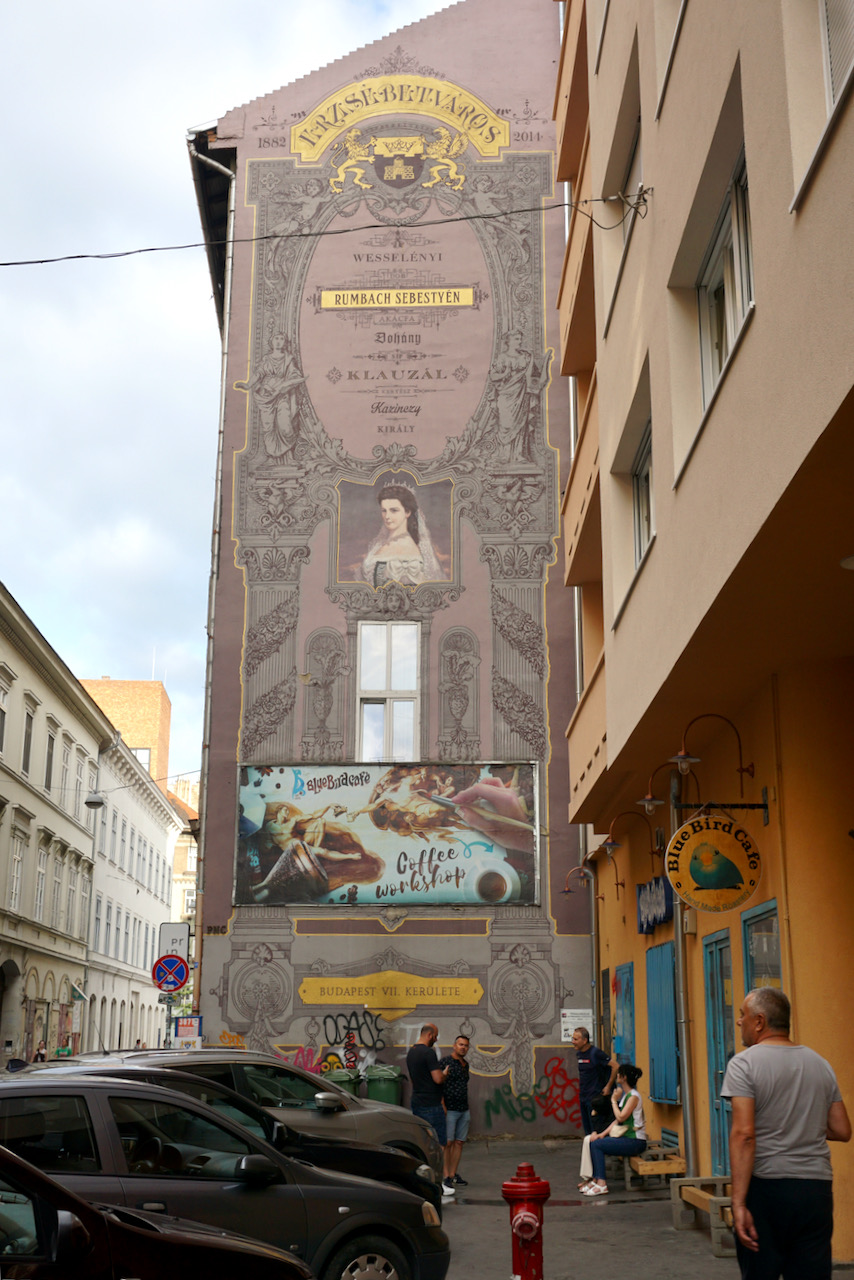
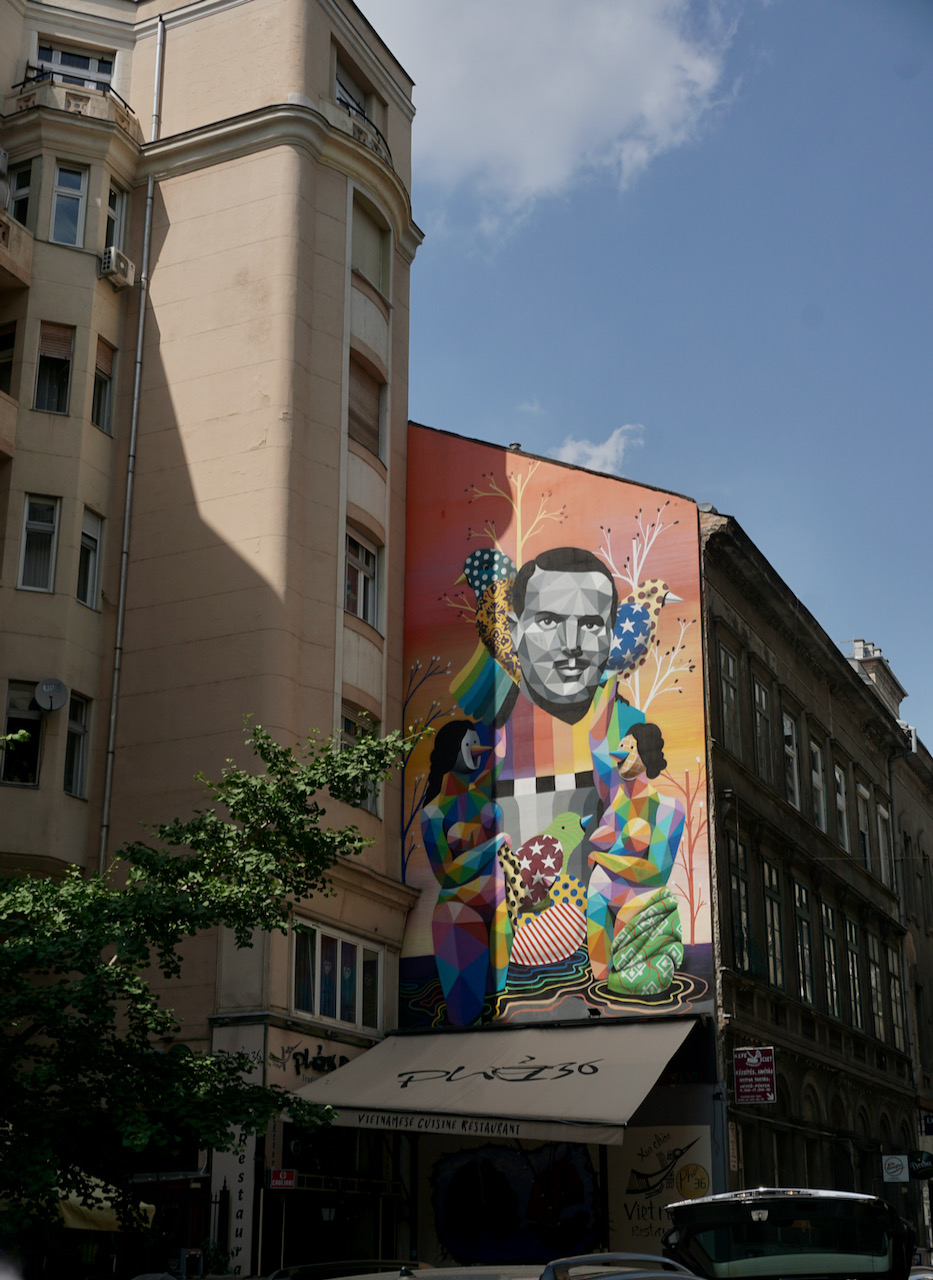
. . . murals . . .

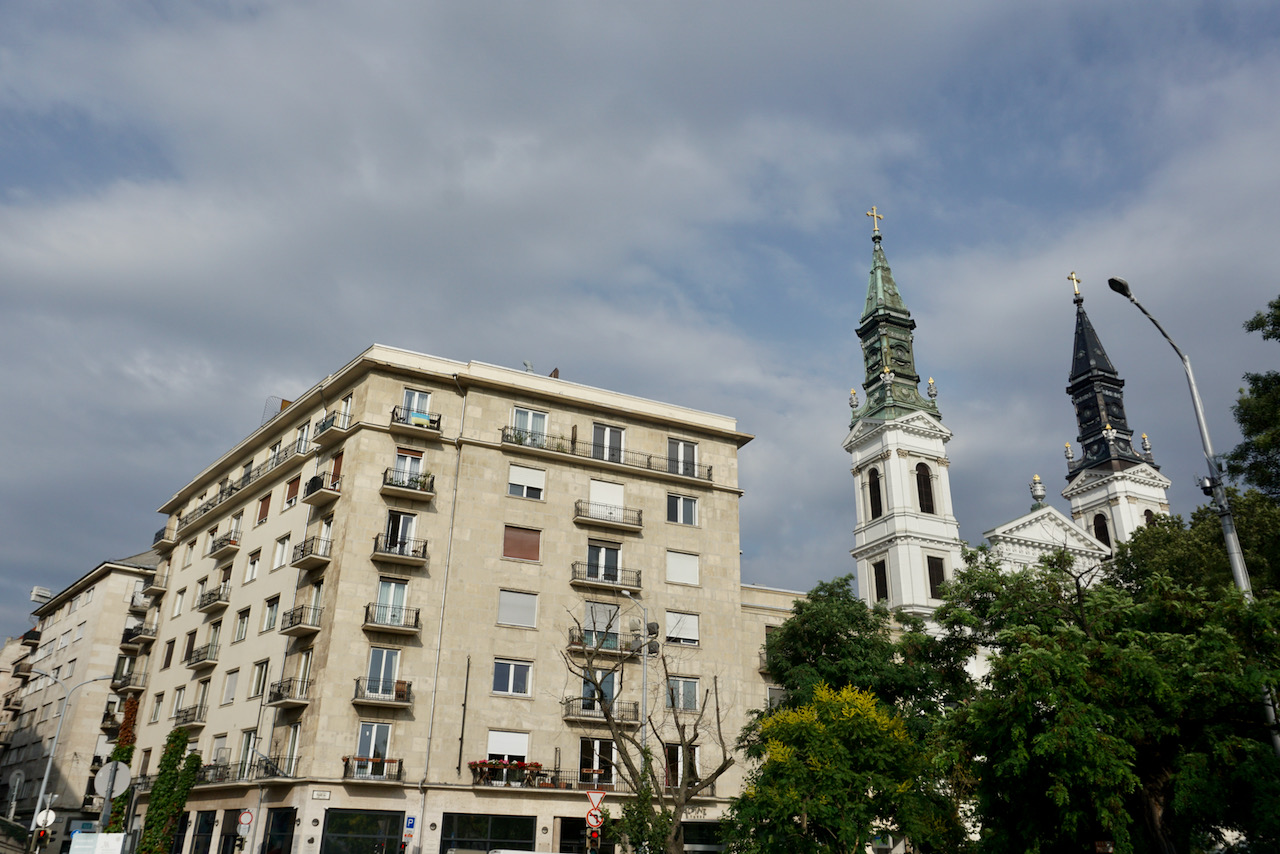
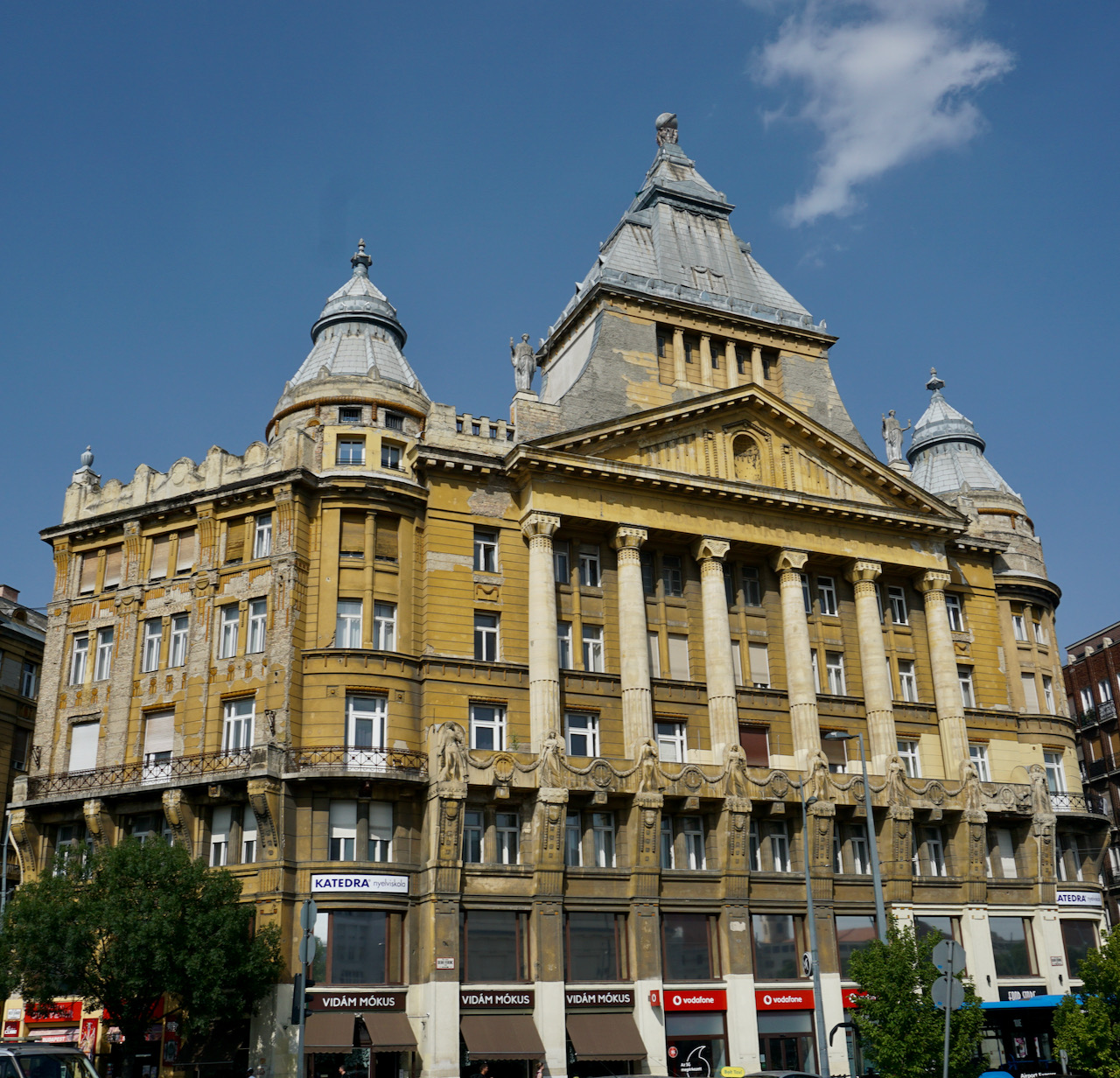
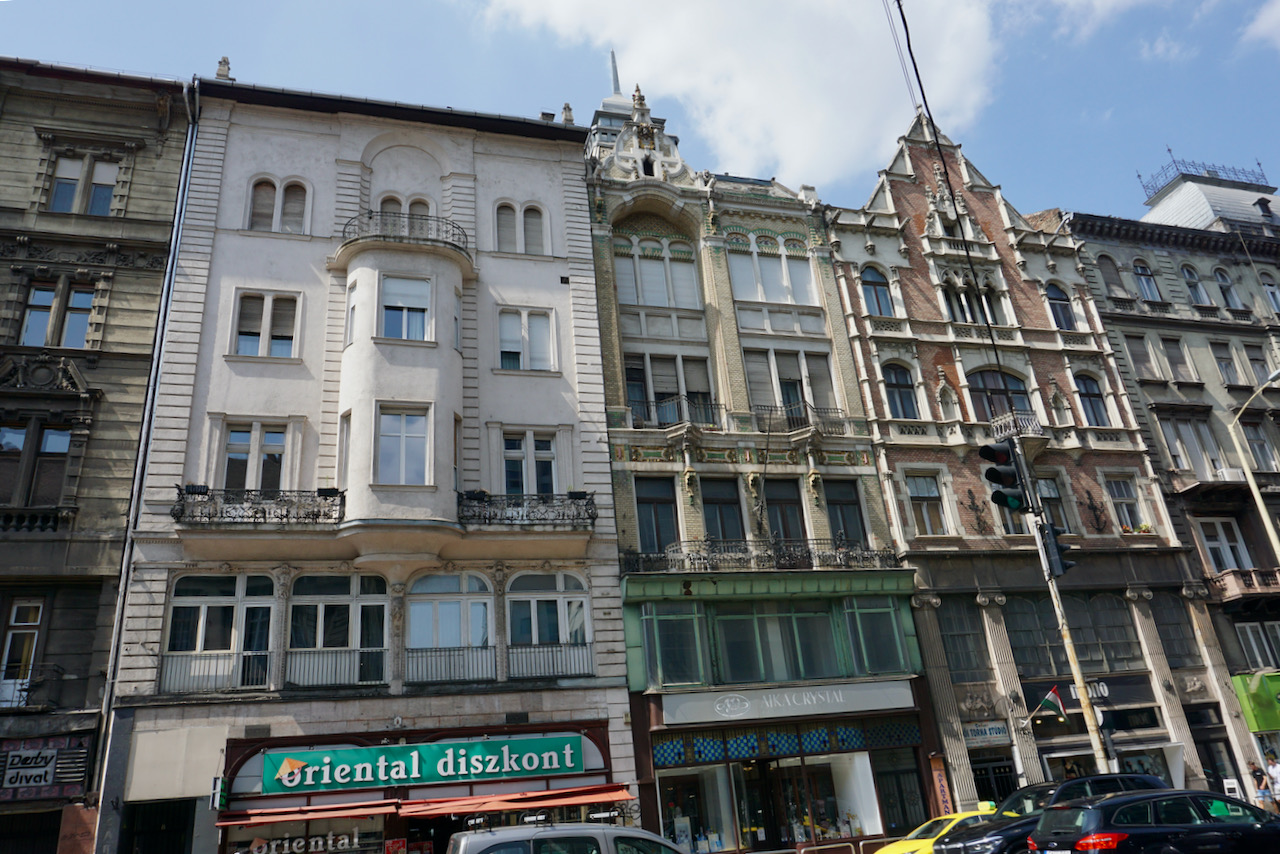
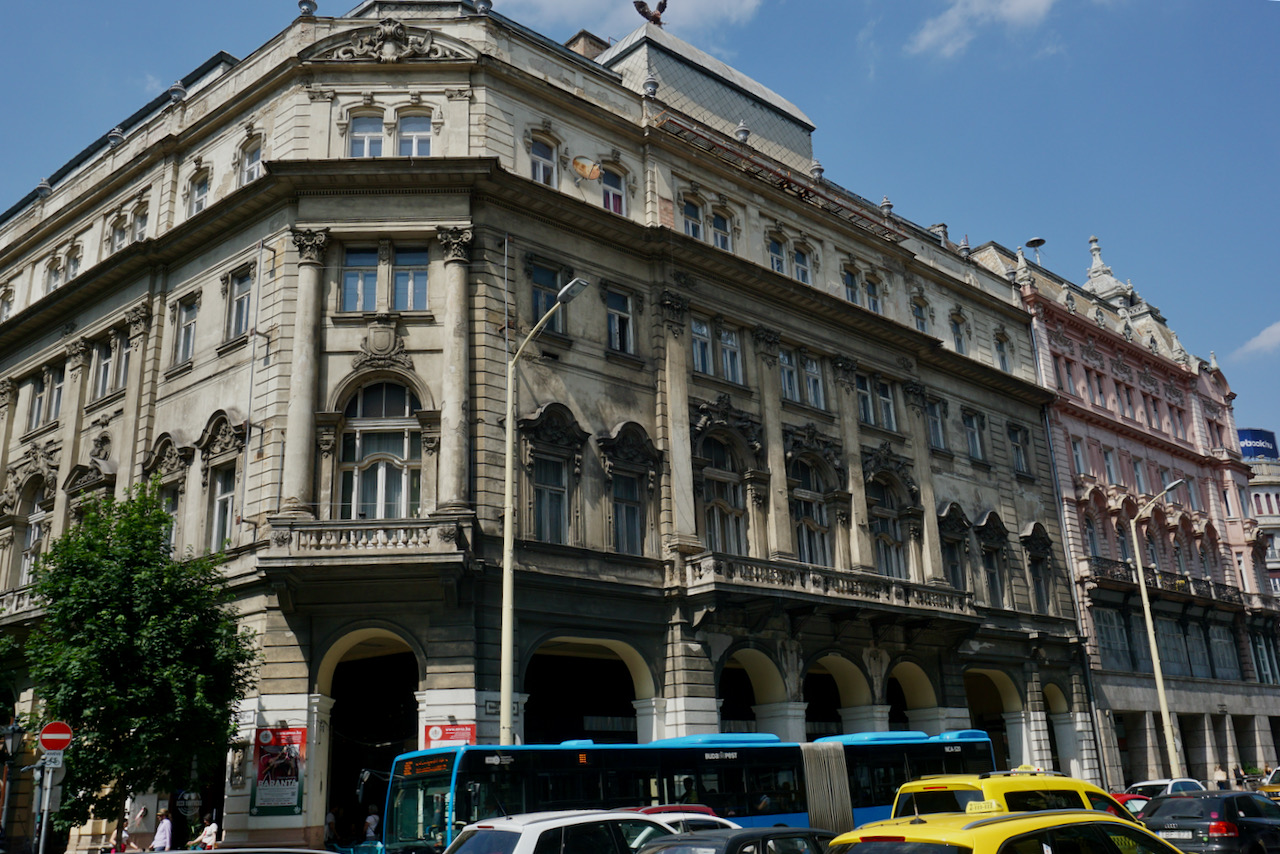
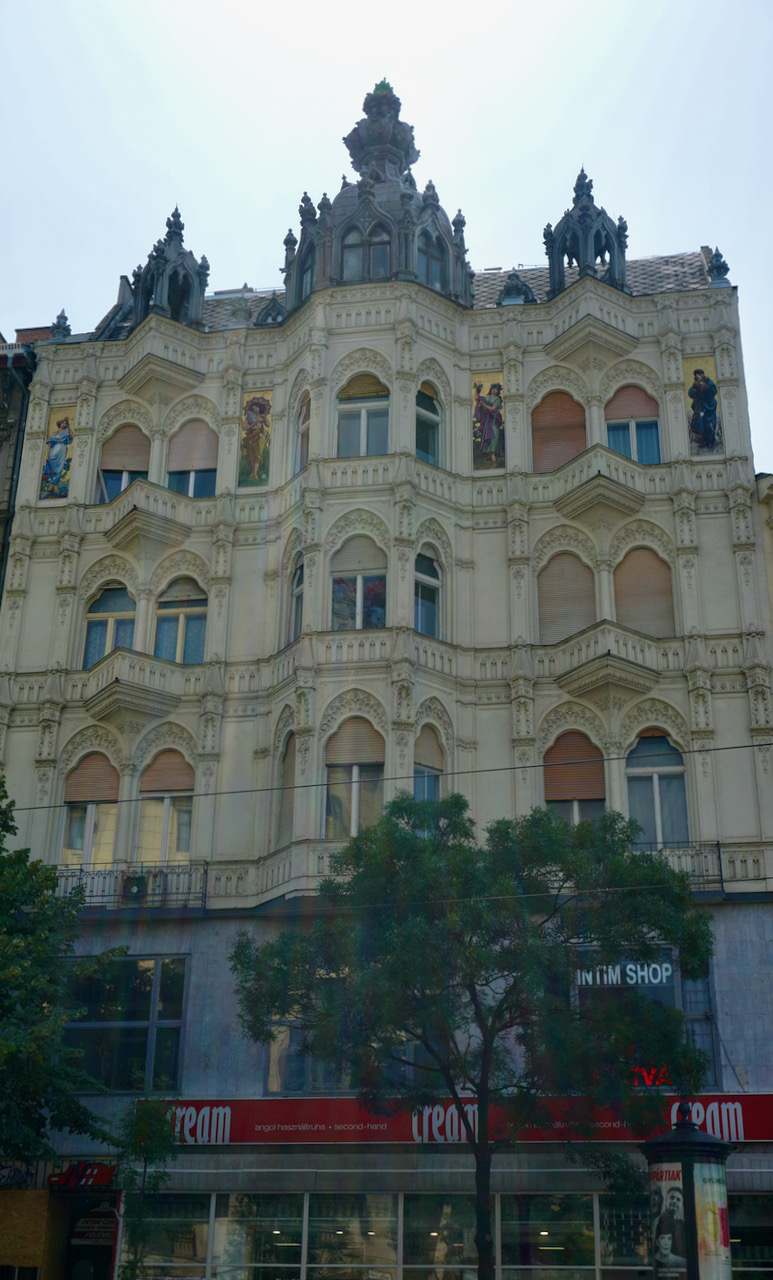
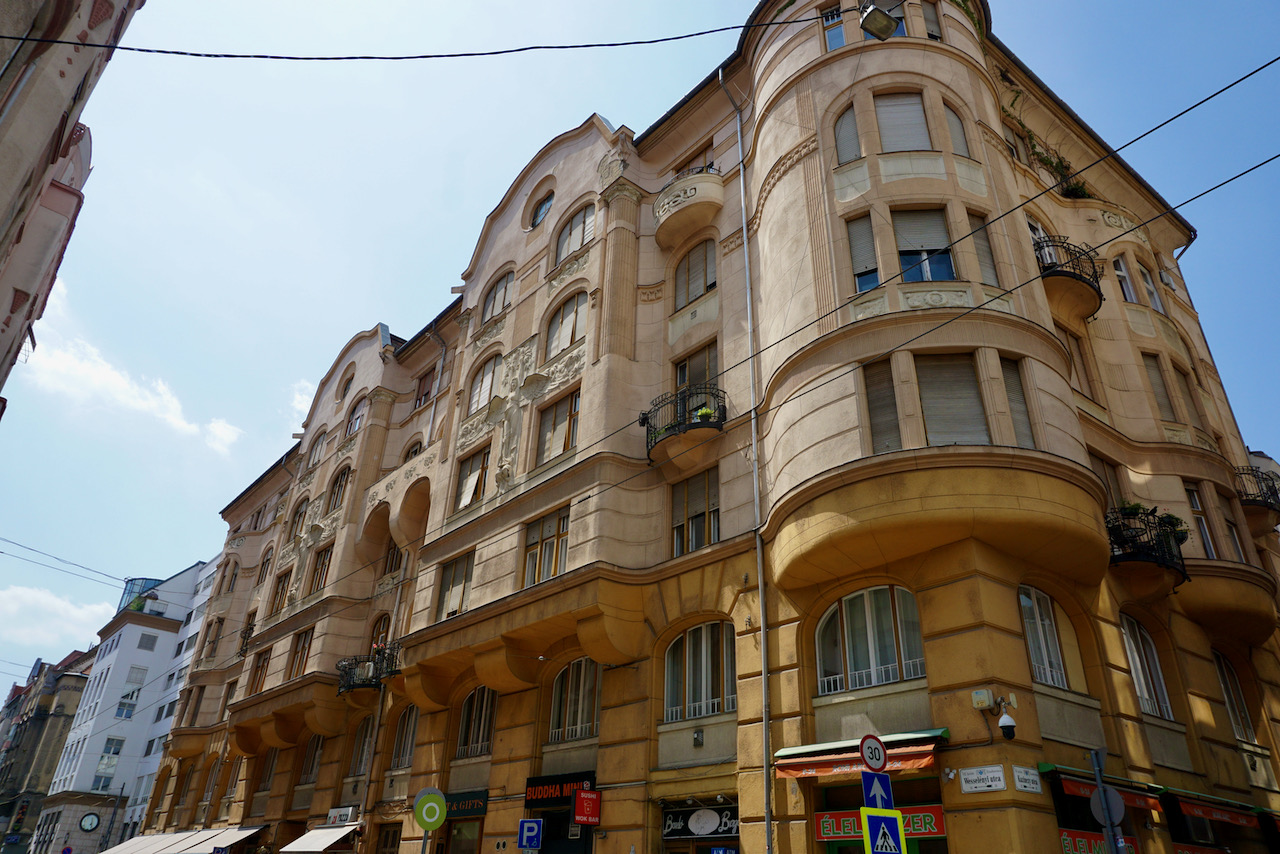
. . . and buildings that I liked for their appearance, a mix of architecture from before the wars, the Soviet period, and the time since.

I walked along Andrássy Avenue to its end at Heroes’ Square . . . 

. . . and came upon Vajdahunyad Castle, build in 1896 to mark the millennium of Hungary’s beginning as a modern state; it’s an art museum today, one of many in Budapest.

Making mental lists of what I still wanted to discover, it was time to go. I left Budapest having tried new foods, made plans for a new role at school, and learned to greet, thank, and bid farewell in Hungarian. As always when travelling, I left with more than I had when I arrived, and I left grateful for the opportunity to be there.

1945

It wasn’t the size or the scale or the beauty of the view, the changing leaves, the sun peeking out behind the grey clouds. It wasn’t the stones placed on memorials or the signs explaining what we were meant to remember. It was, rather, the order, the organization, the efficiency and thought that had gone into creating an industrial process that, as intended, exterminated thousands of souls.

Souls that were exterminated because they were no longer thought of as souls, as individuals, as humans.

In an industrial process devoid of humanity to enable the process to function.

In a place that was beautiful, with forest growing on the mountaintop, with sunlight streaming through trees, where the wind must have been extraordinary when it came.

And what got me, too, was the way that nature could entirely take over if we let it. The soil had regenerated from the burned remains of buildings overloaded beyond expectations. The trees had grown tall inside what had once been structures meant to contain, to suppress, to separate. The paths were almost overgrown, almost hard to distinguish from the leaves strewn across the ground.

It was autumn in the beech forest. Autumn in Buchenwald.

If we let it, nature could obliterate the remains of what we were there to remember. Nature thrives despite of humanity, against humanity, and here we have fought nature back to remember. Letting this place become, once more, simply a beautiful place would mean that we risk forgetting, risk allowing the lessons of the past go unlearned.

And so the paths were almost hidden. Almost, but not quite. Intentionally the paths were designed and intentionally they remained.

It is not enough to remember; rather, there is a responsibility to act. And this means putting up the markers, placing the stones, taming the trees. This means being there, being at Buchenwald, and acknowledging the lives taken and ended there. This means continuing to tell the stories, to say the names, to walk where thousands walked, and to share the experience so as to keep it as present as we can into the future.

Because it is not enough to say that we remember.

We must always take sides. Neutrality helps the oppressor, never the victim. Silence encourages the tormentor, never the tormented. – Elie Wiesel