Tag Archives: Road trip

Travel Guide: Utah National Parks (and a Moment in Colorado)

In the end, we drove 2,716 miles (approximately 4,443 kilometres) in two weeks. While our trip earned negative points in the Environmental Friendliness category, we earned positive points in Support for Local Communities, often eating in the one diner or Mexican restaurant in the only town on endlessly straight roads that knifed through the desert.

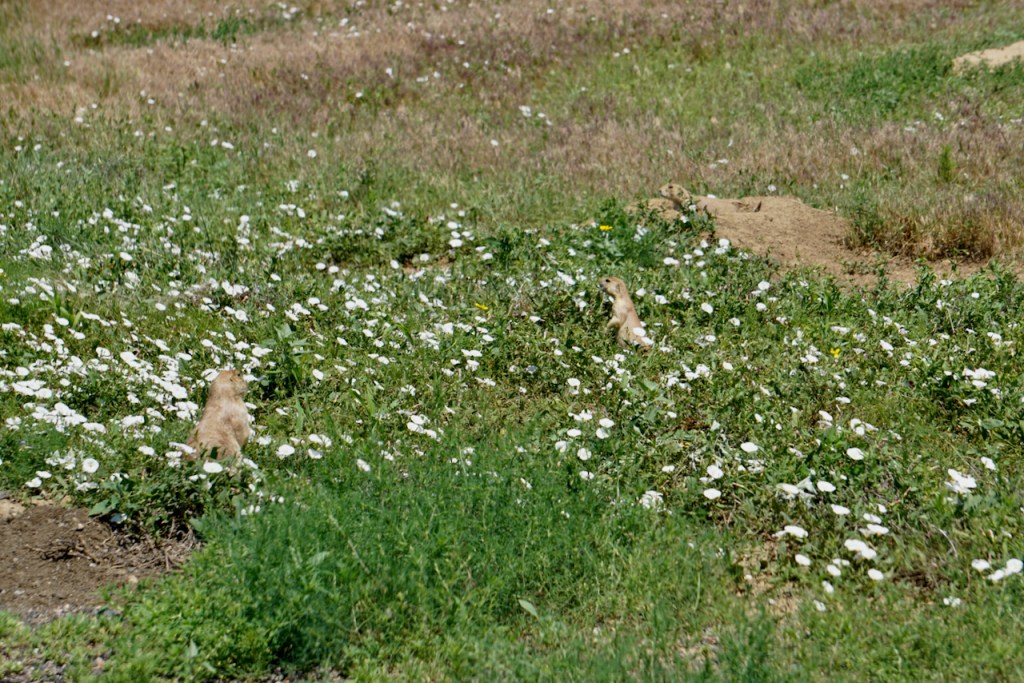
The journey started in Denver, Colorado, where we visited old friends of mine. On our way out of town, they gave us directions to Rocky Mountain Arsenal Wildlife Refuge where, from the safety of our vehicle, we saw prairie dogs . . .

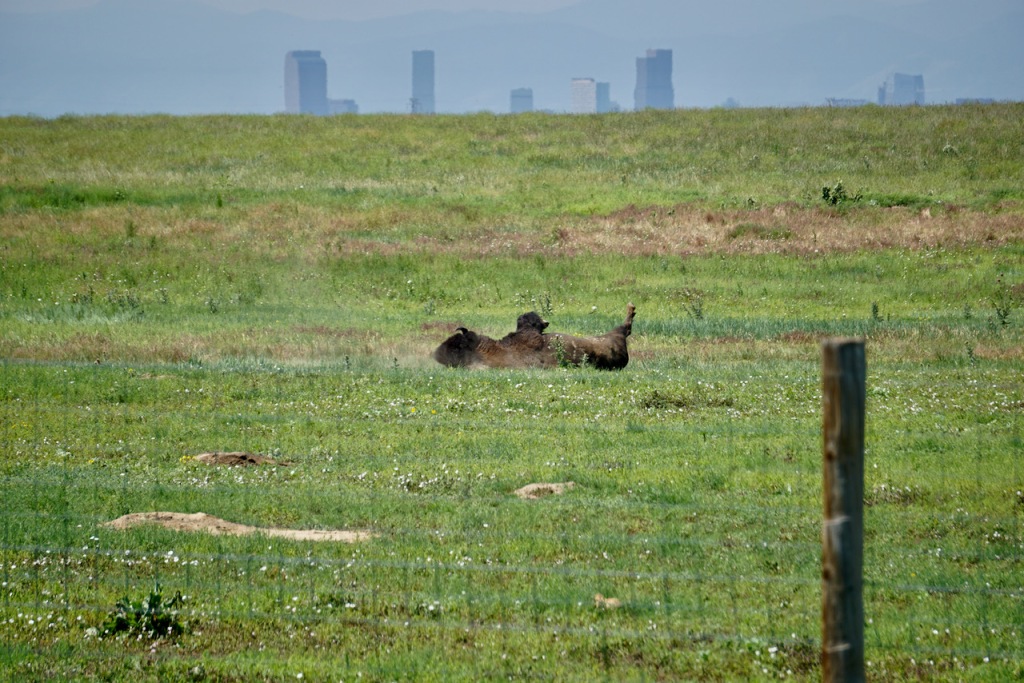
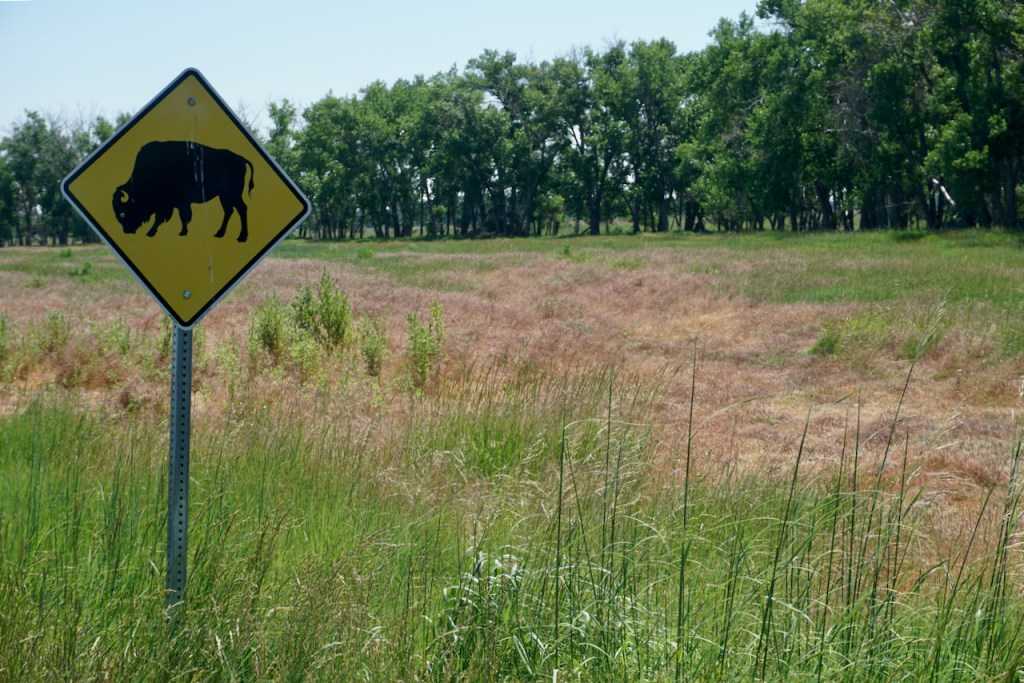
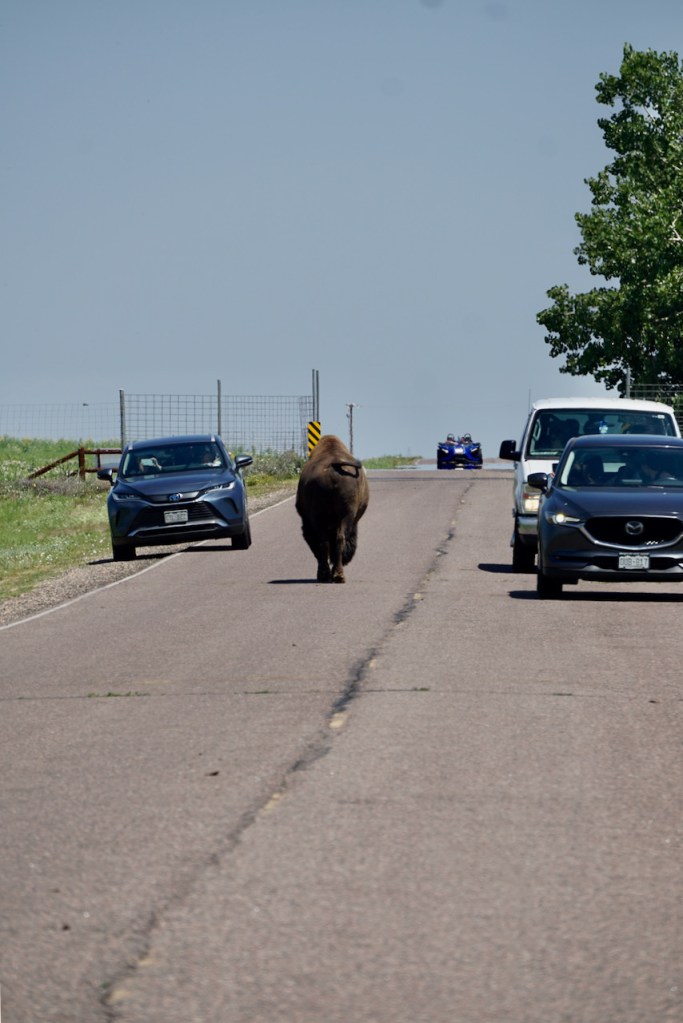
. . . and bison, first alone and then with the herd.

Knowing only of Colorado’s mountains, I was not expecting the endless prairie that was Denver, nor how big the sky felt when the land went on forever, with no groves of trees obstructing the view. The landscape changed as we drove, lush greenery and mountainous by the time we reached Vail, and then the rocks and red dirt, and tunnels that opened into canyons, that opened into more rock, until there was nothing. Just mountains and desert, which is to say everything.

We spent our first real night on the road in Silt, Colorado and then took our time getting to Moab, Utah. Our motto on the road became, “Always take the scenic route”, regardless of the amount of time added to the journey. After all, this trip was about the journey. And we were always, always glad for our choice.

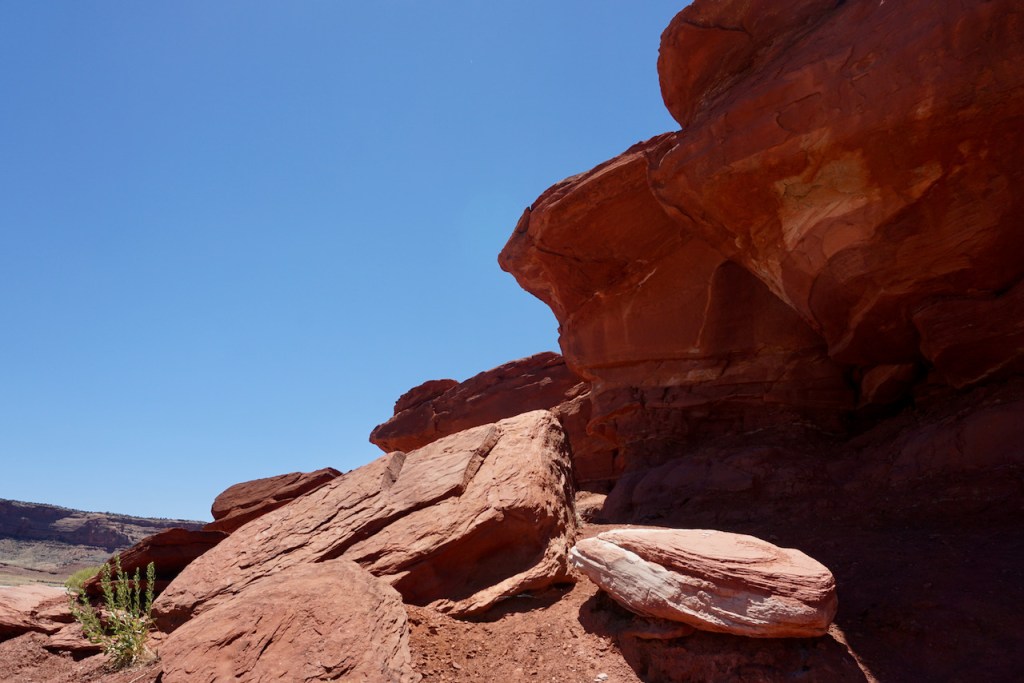
Canyonlands National Park was our first real experience in the desert and it taught us very quickly that summer desert heat is to be respected and adhered to. And we recognized that while we were prepared for the rock, we could never be prepared for how hard it would be to not touch the rock.

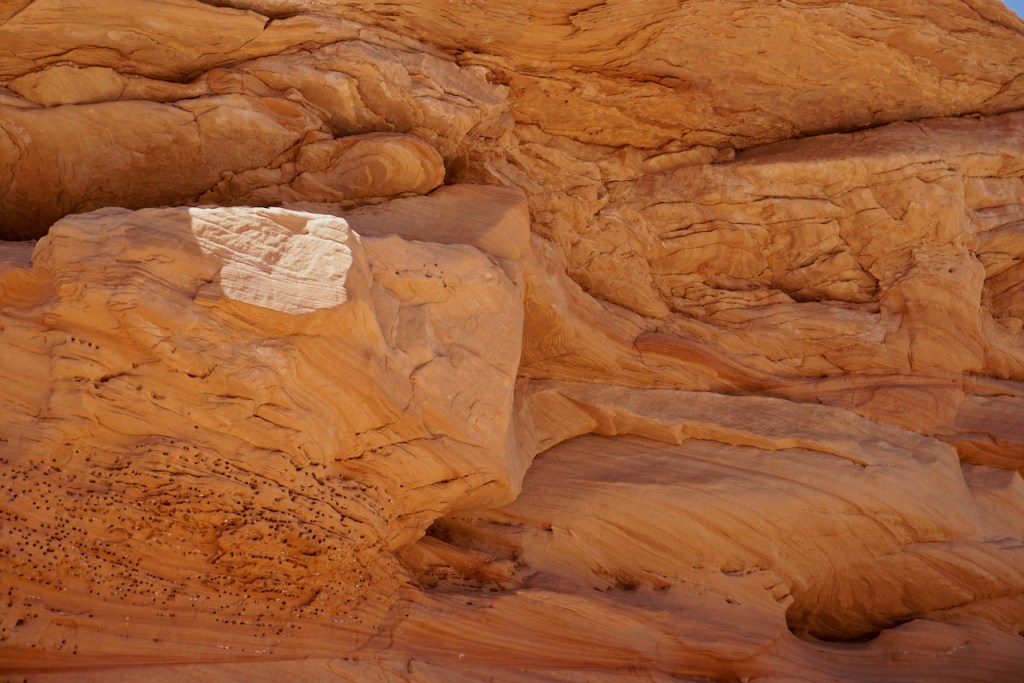
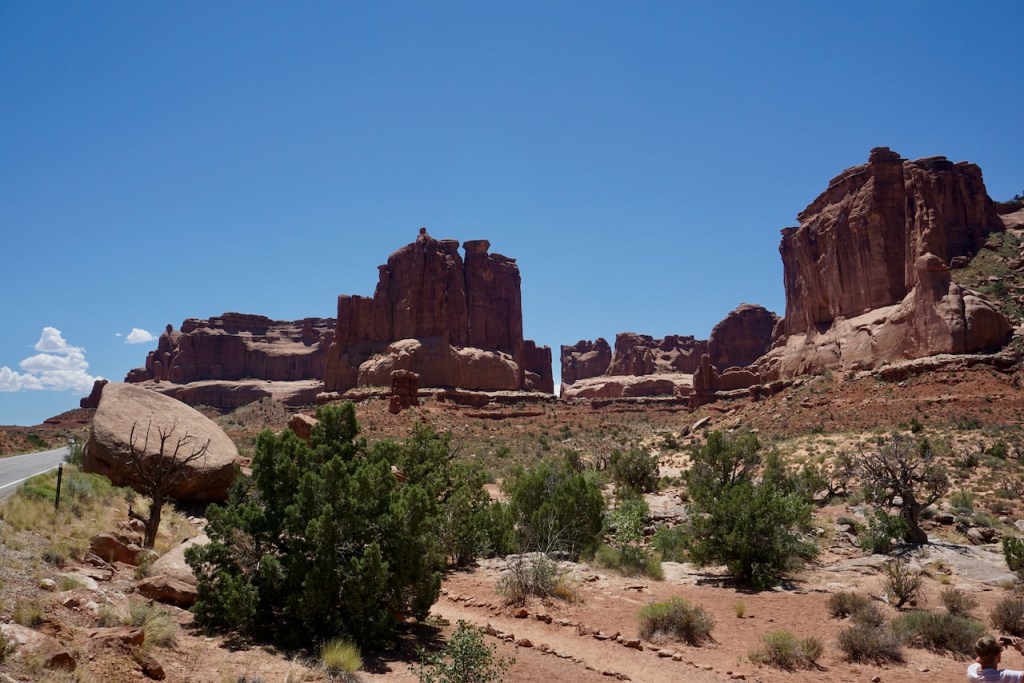
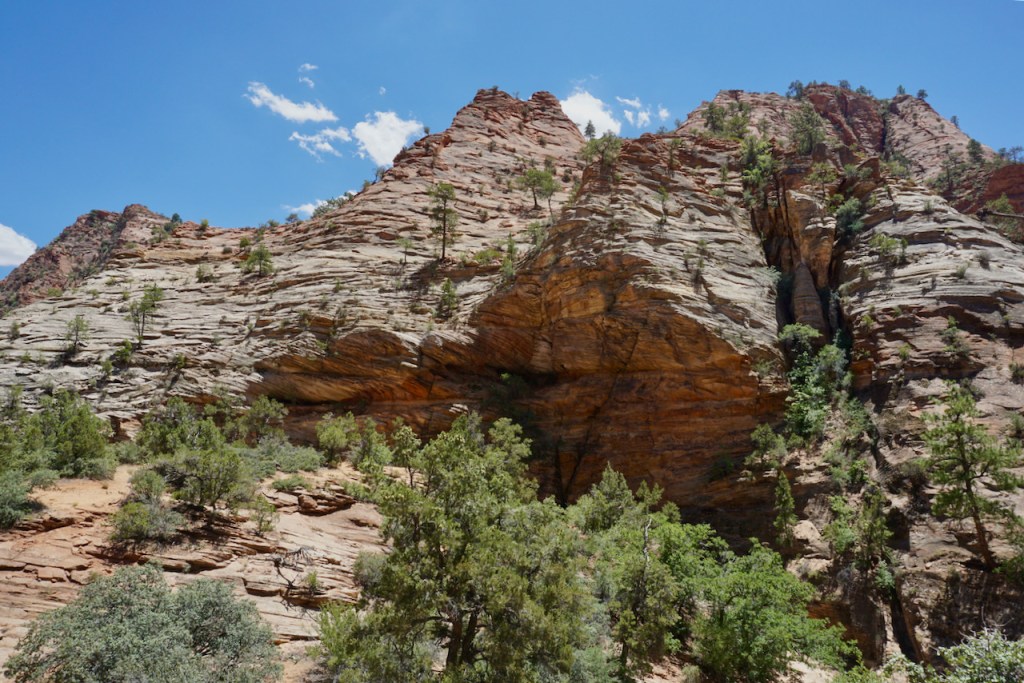
My partner and I are climbers and we marvelled at the deep red, the layers of colours, the formations created by sand and wind and endless time.

The caverns, canyons, and shapes were otherworldly, and the fact that trees and plants grew there was a testament to the incomprehensible magic of nature.

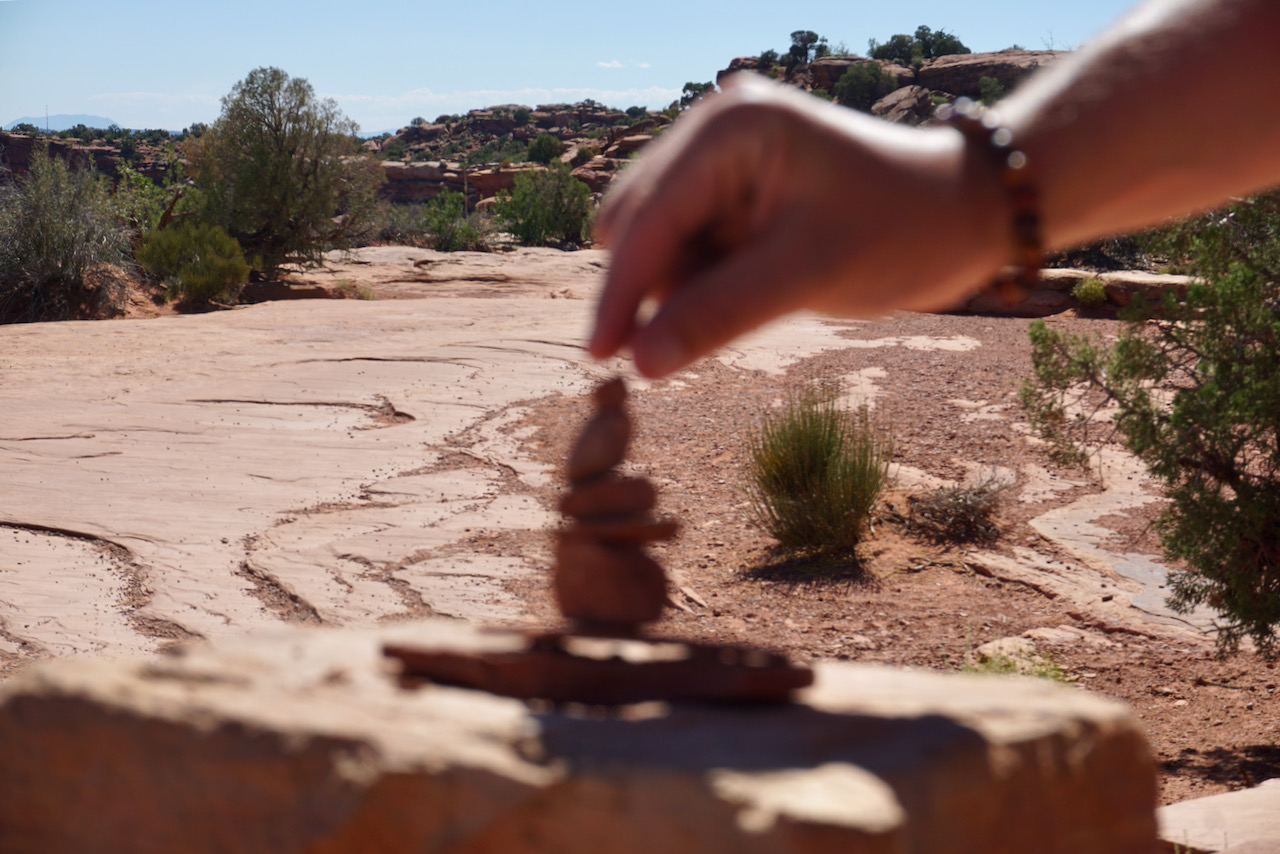
We couldn’t help it, and we wanted to be part of that rock. We didn’t build the cairn, but we appreciated whoever did.
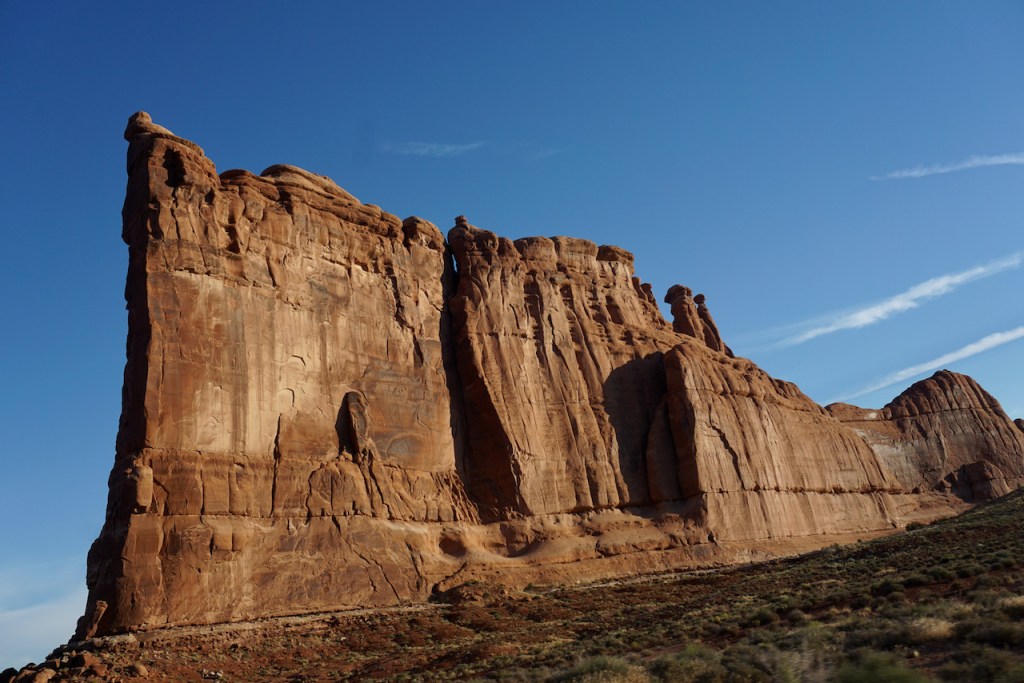
The following morning we had the earliest timed entry slot available for Arches National Park, allowing us to watch the sun move across an extraordinary landscape. My journal, sitting beside me as usual as I write this post, says, “Today is difficult to describe because it was overwhelming. Overwhelmingly beautiful, in the most diverse landscape I’ve ever seen.”

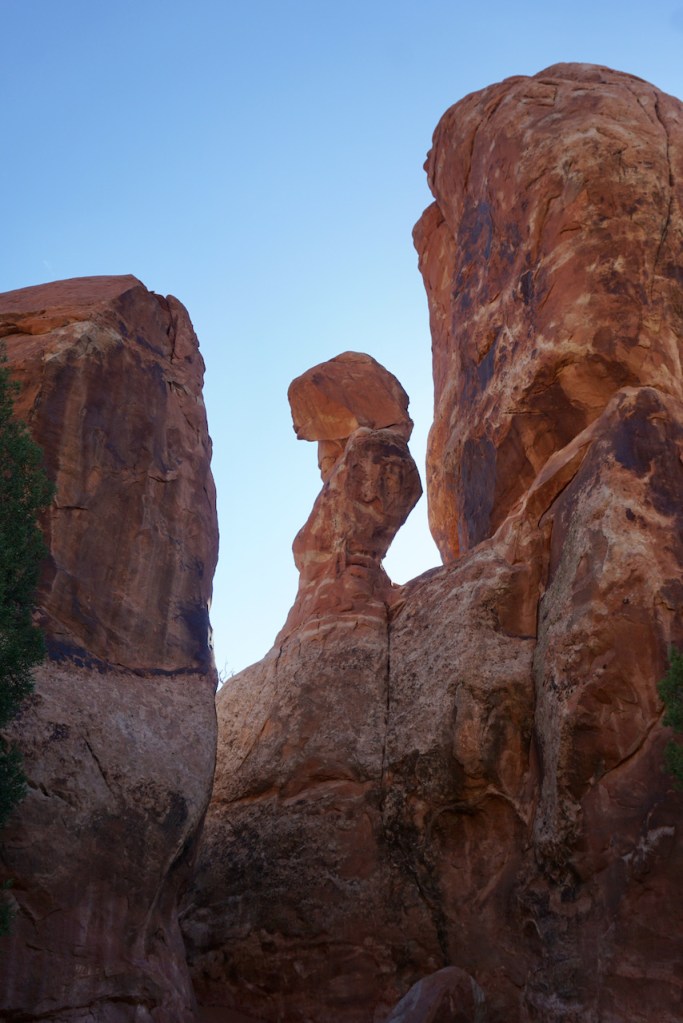
We hiked Devil’s Garden and found ourselves on what could have been another planet. We were in awe of the rock . . .

. . . of the landscape (Landscape Arch is indeed appropriately named). . .

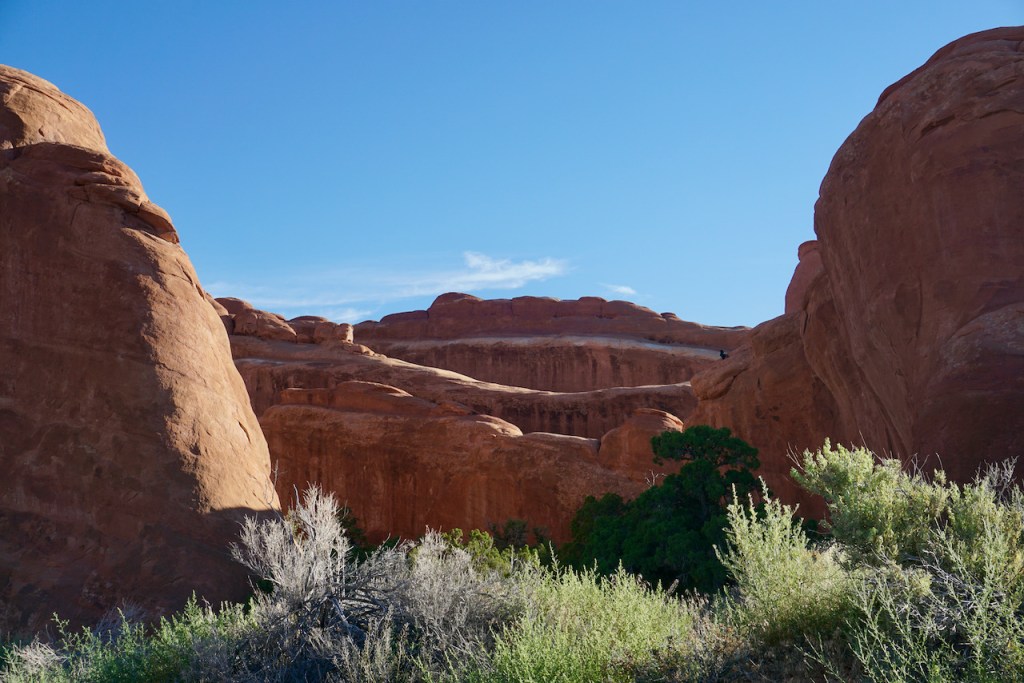
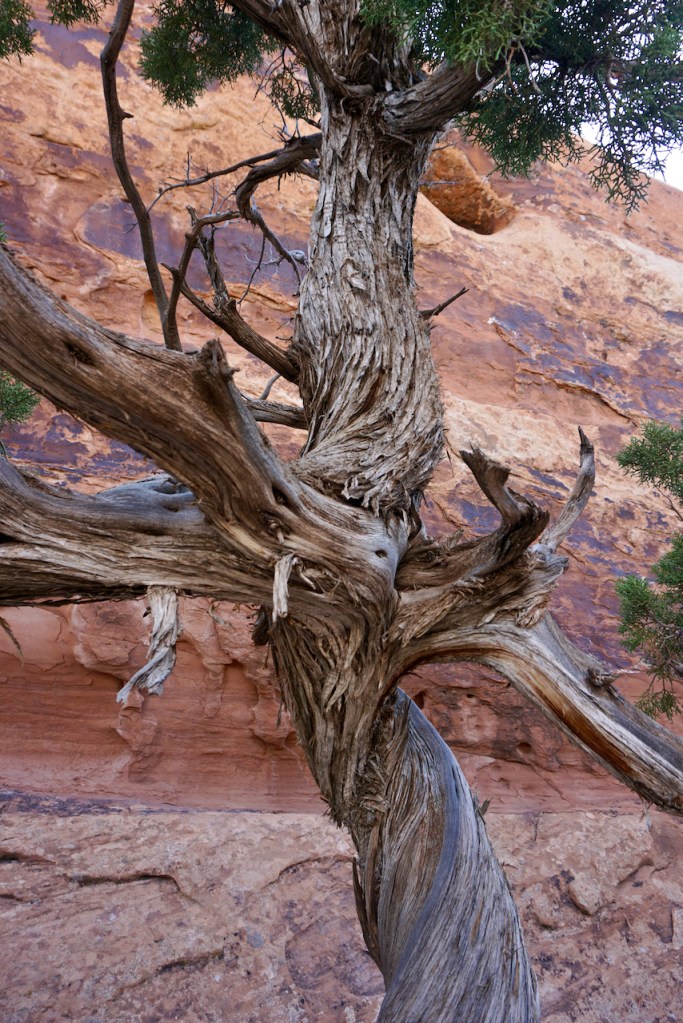
. . . and of the greenery despite the harsh desert climate.

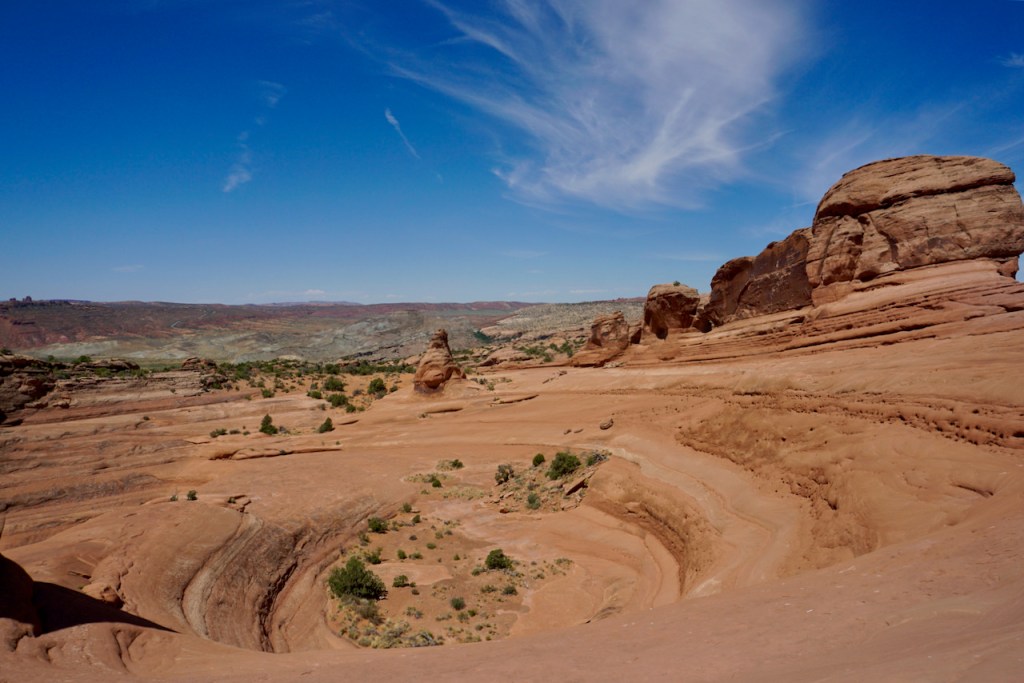
At my partner’s encouragement, we scrambled up the path under punishing sun to reach the famous Delicate Arch, which was every bit worth the discomfort.

It was on the way there that we saw our first petroglyphs, signs that real people had lived here, beginning thousands upon thousands of years ago.

Later in the day, again choosing the scenic route, we saw more of the same in Capitol Reef National Park.
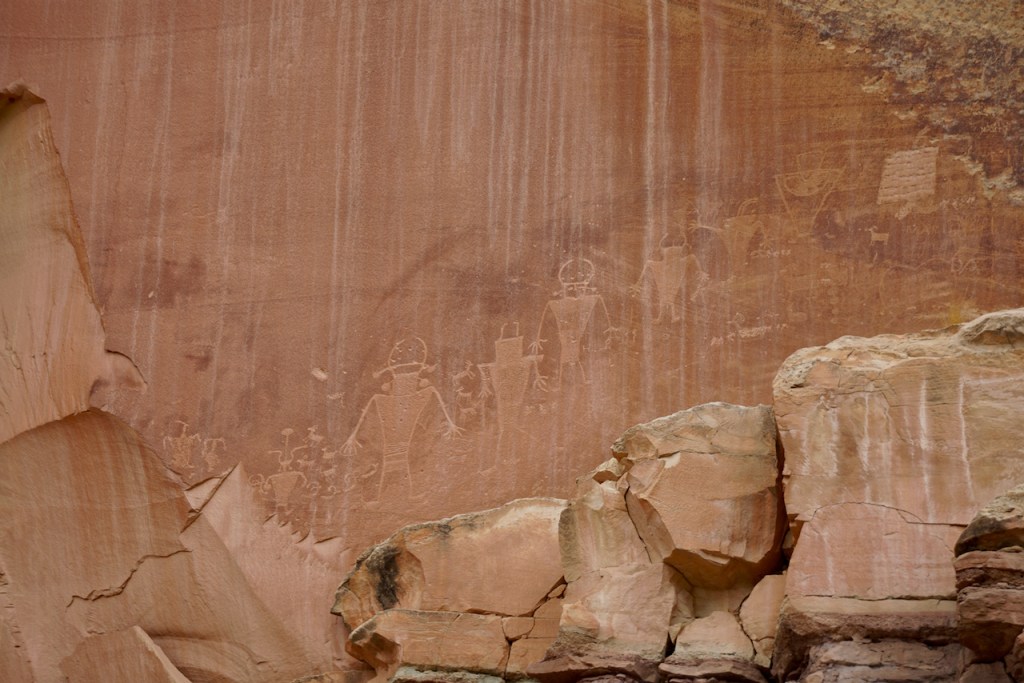
The landscape had changed along the way, with stark rock formations gradually giving way to mesas and plateaus. Unlike Arches, which was so bright and so hot it was difficult to imagine the people who had sheltered in the occasional spots of shade, Capitol Reef was an oasis with fruit orchards, a welcome breeze, and rolling hills.

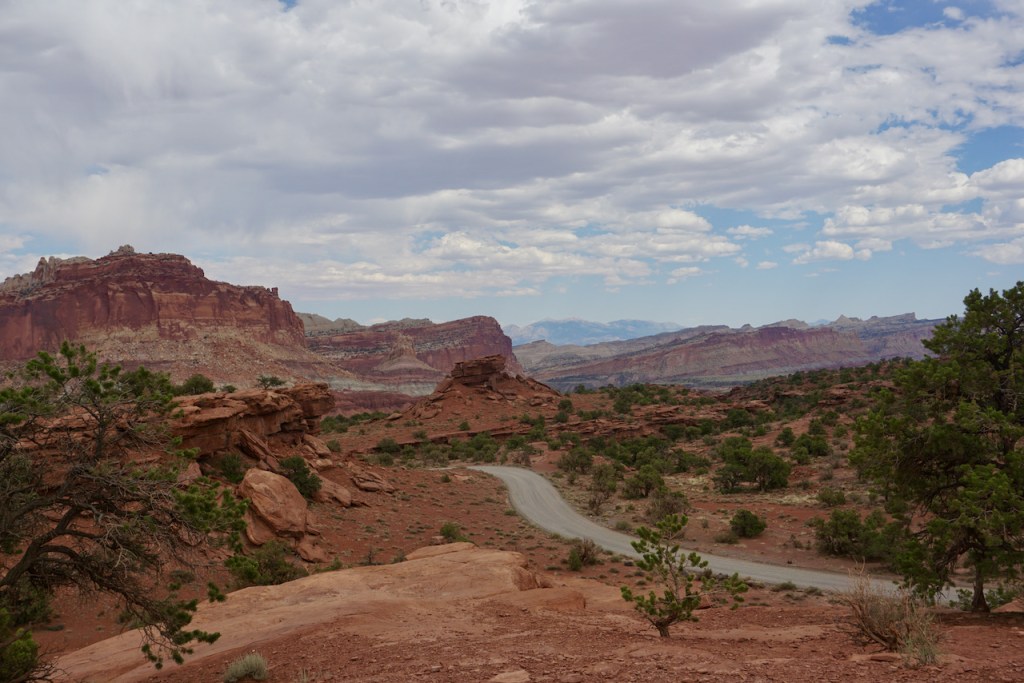
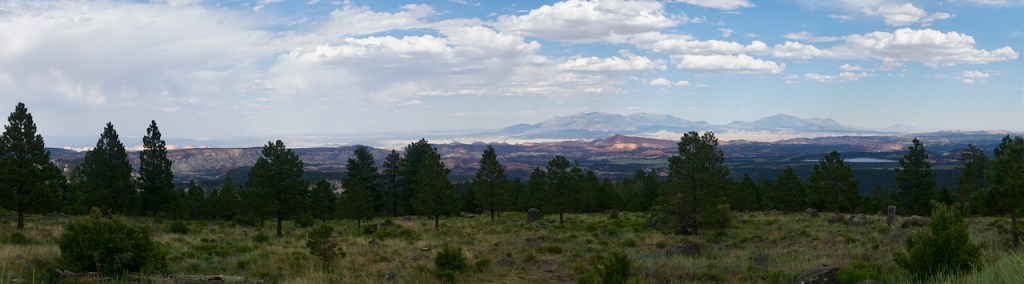
Later on, we drove through Dixie National Forest, in which we would find ourselves multiple times throughout the trip. From lookouts there, we could see Grand Staircase-Escalante National Monument, also part of our route, in the distance.
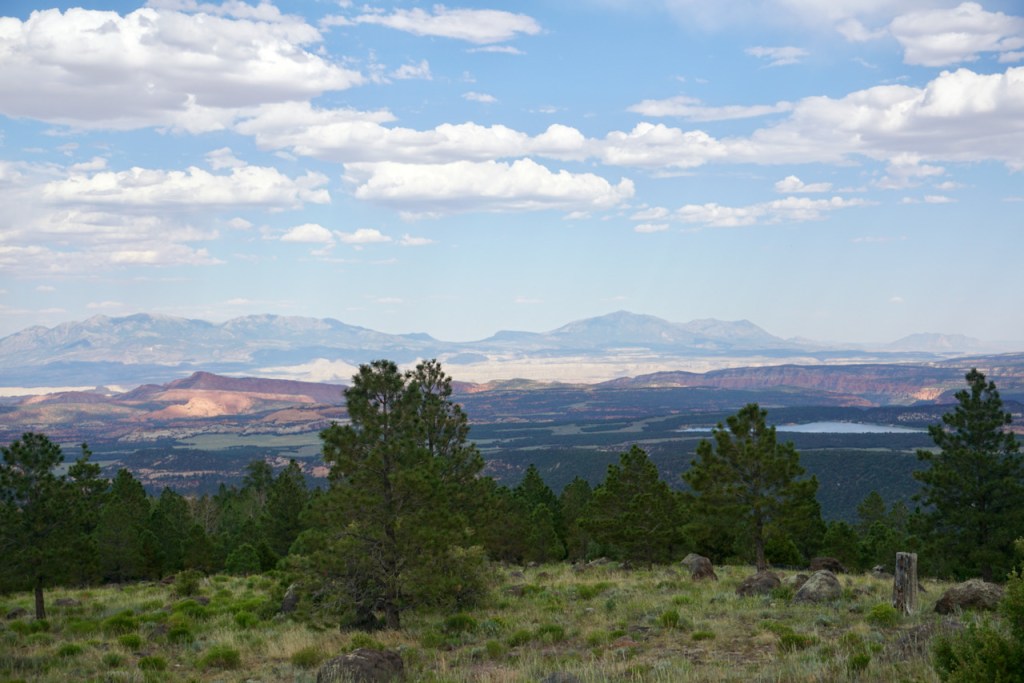
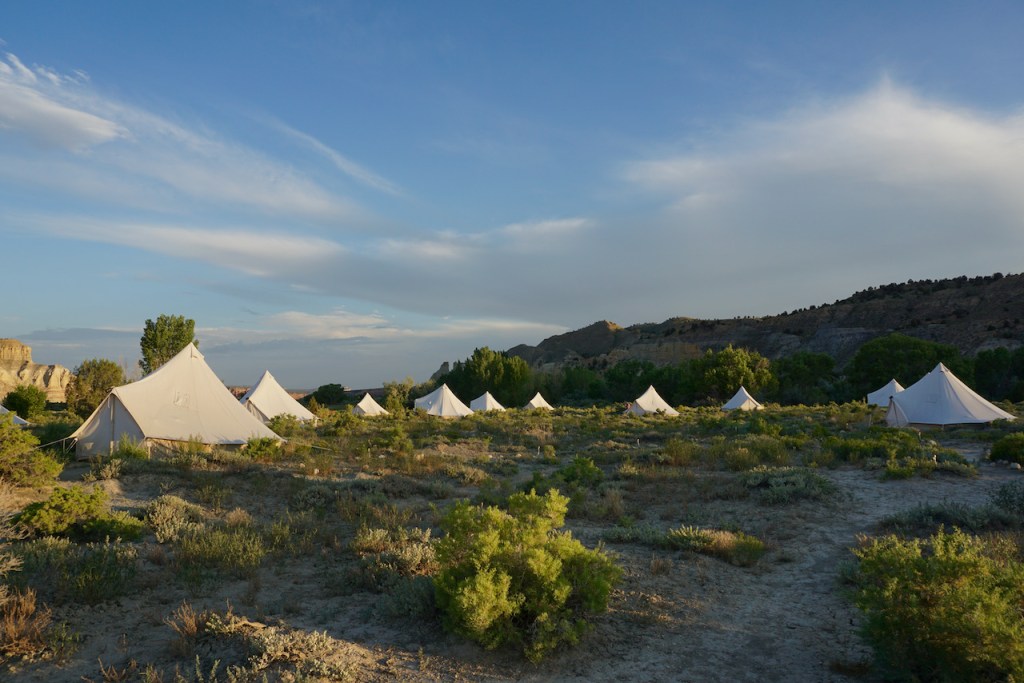
We spent the night in Cannonville, Utah, sleeping under the brightest, clearest stars that I’ve seen in North America. As is my habit, I first found the Big Dipper, and Polaris followed from there. The Milky Way winked hello and we lay on our backs pointing out constellations that we recognized and looking for others we thought we knew. It was a warm night that grew shockingly cool, and I was grateful for the heavy blanket in our cozy tent.
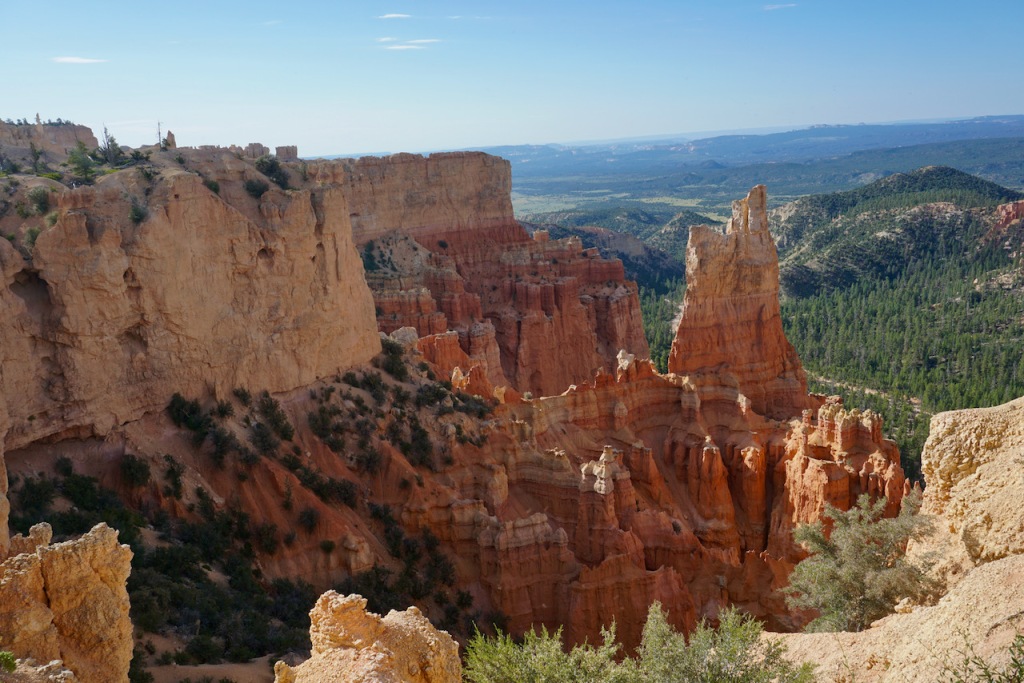
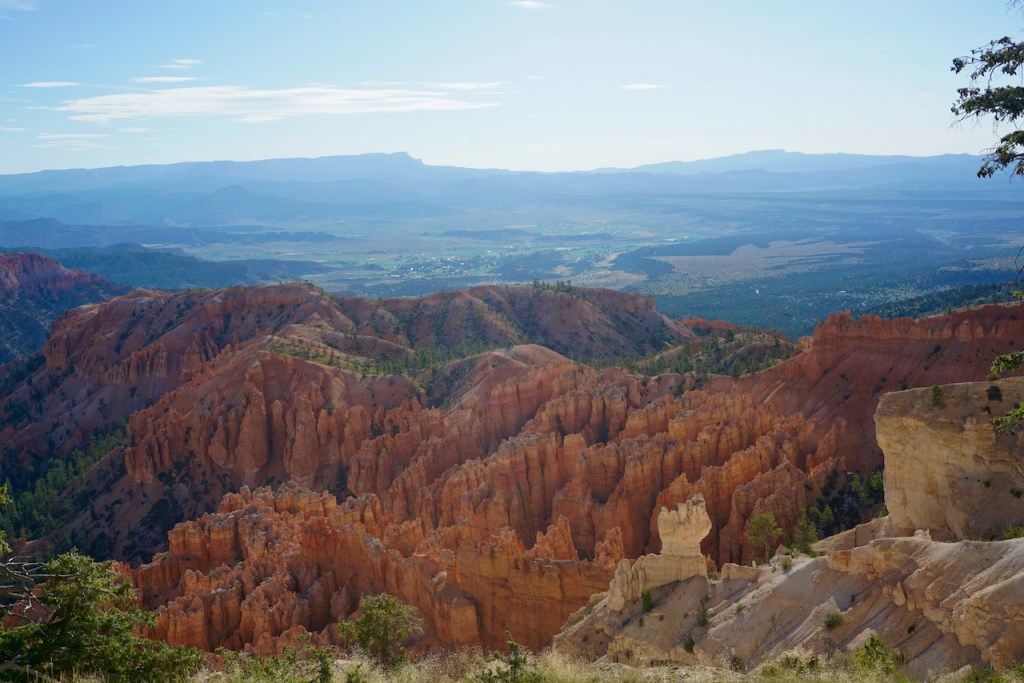
We left early the following morning to reach Bryce Canyon as the sun made its way across the rock formations that belonged, again, somewhere other than Earth.

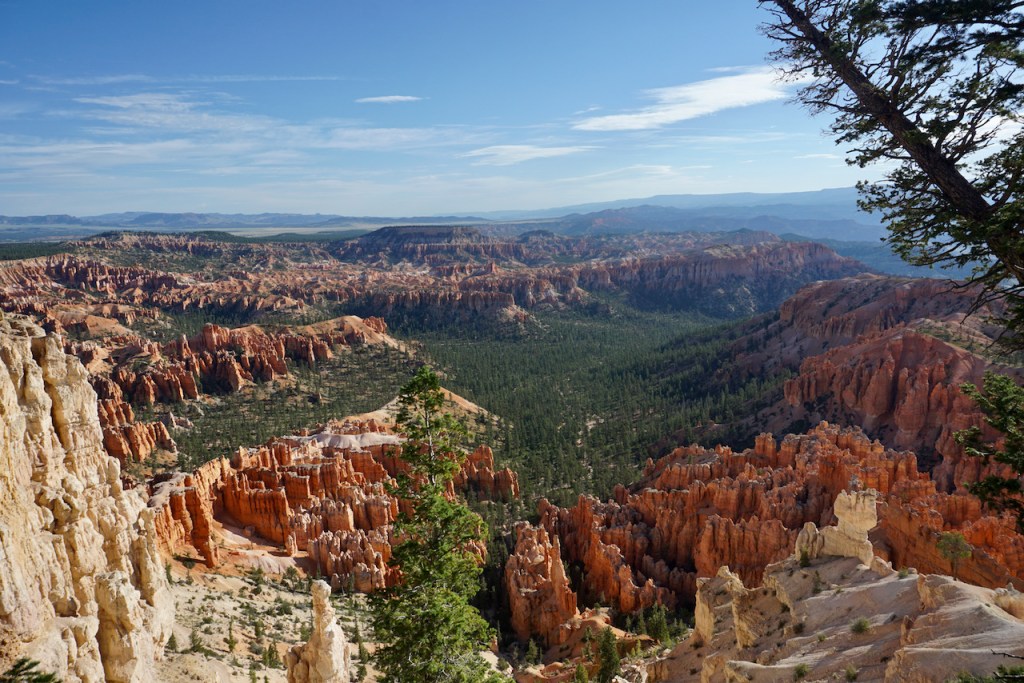
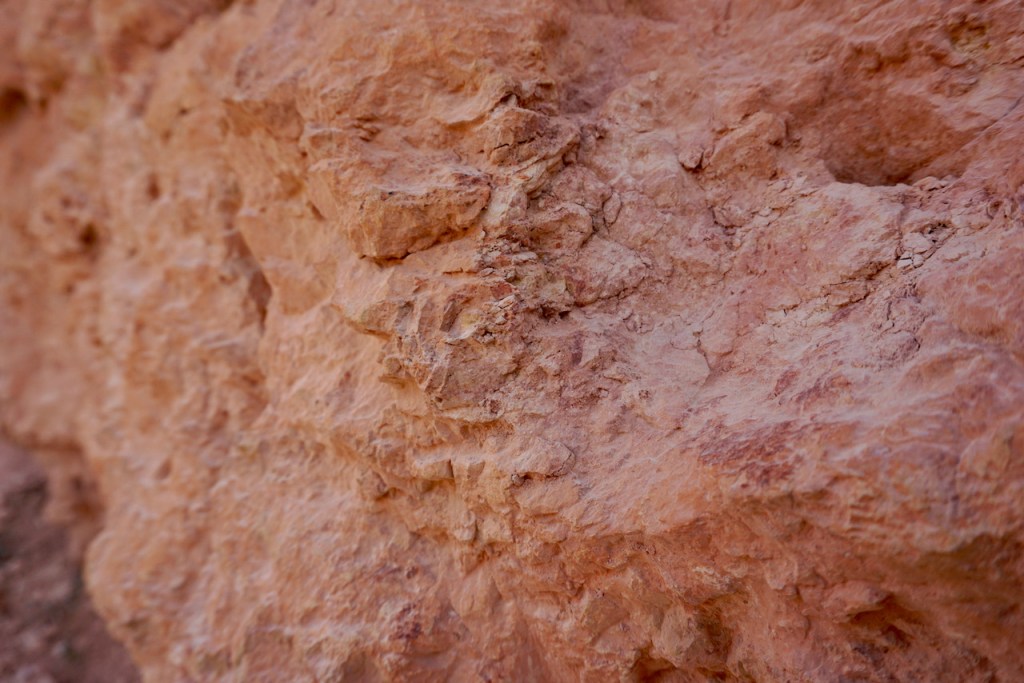
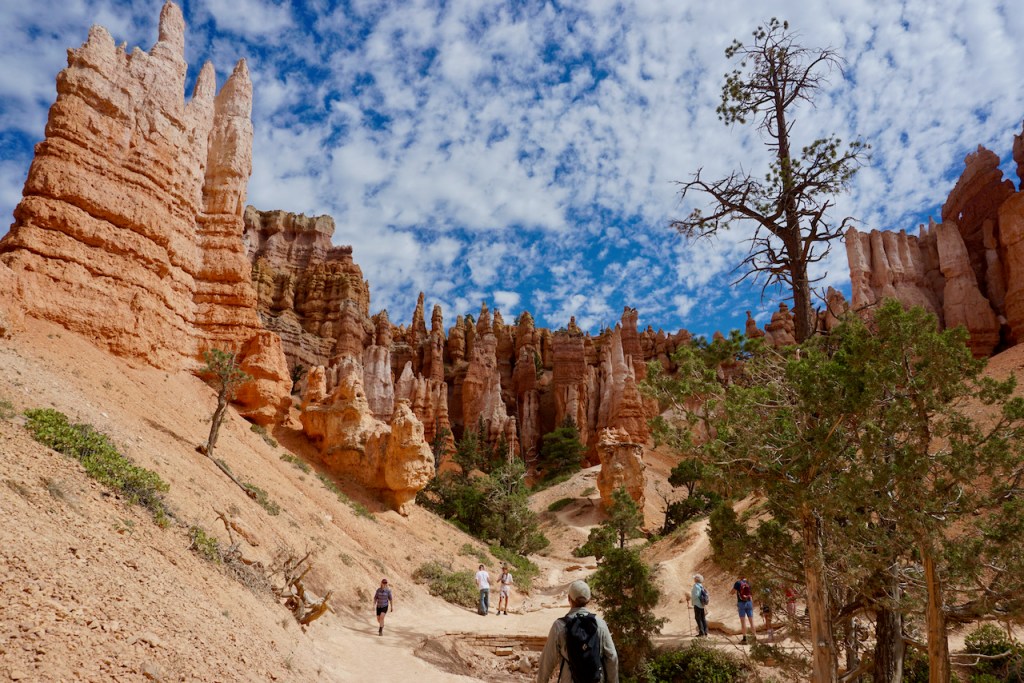
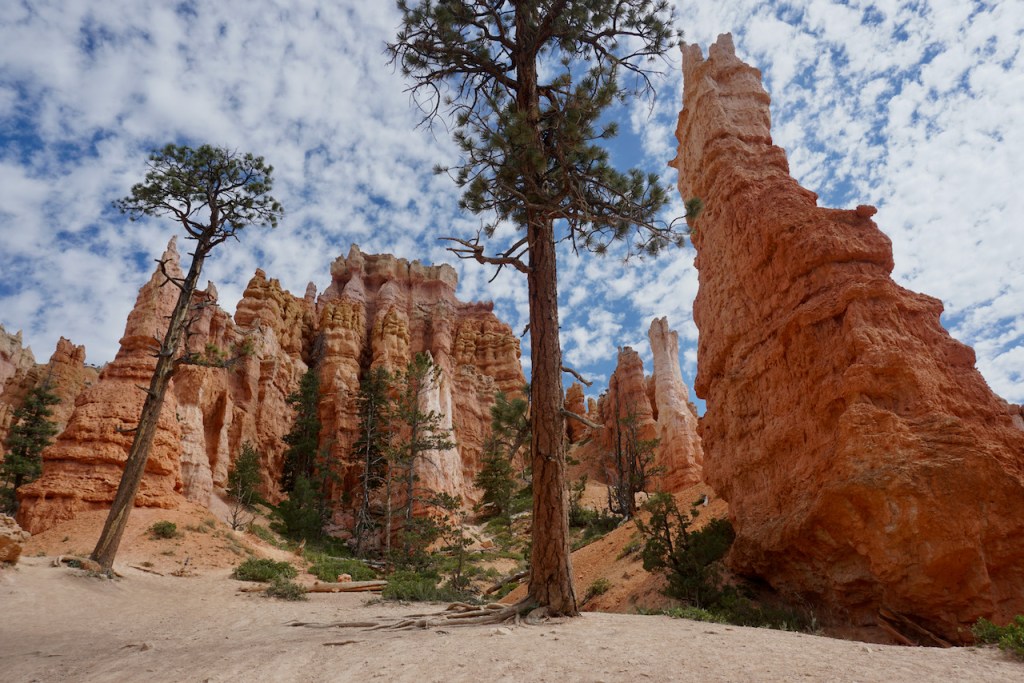
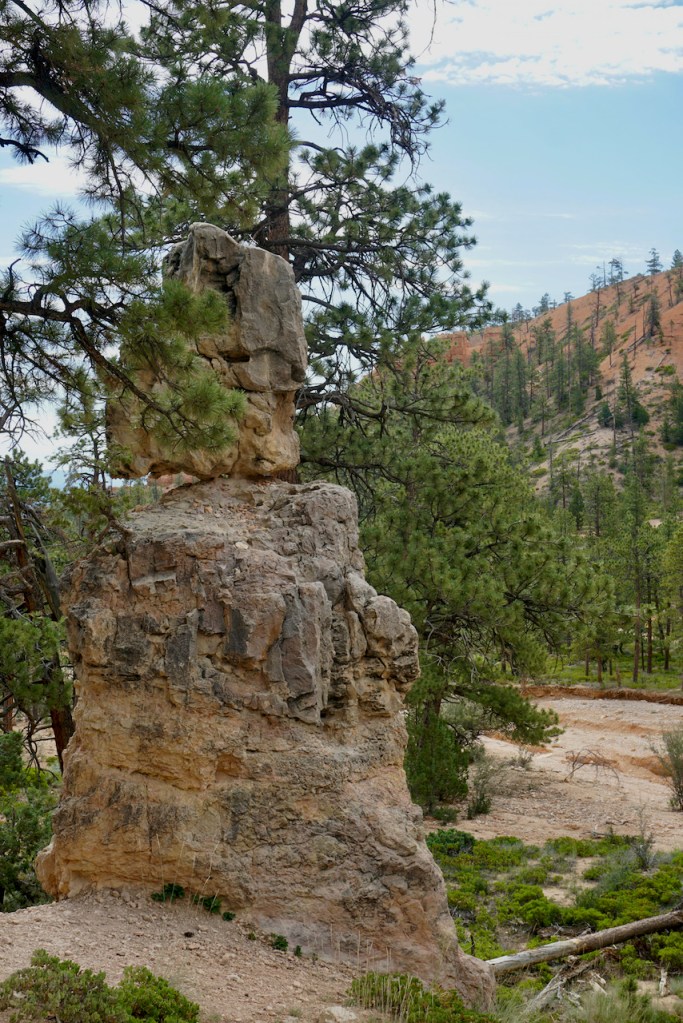
And then we made our way down into the canyon, deliciously cool, and stared up at a storybook sky as we walked along pillars of red rock and shockingly green trees. The heat got to us again, but our attention was on the rocks made of chalky sand, with formations that could have been stalagmites had they been located elsewhere. And they towered over us.
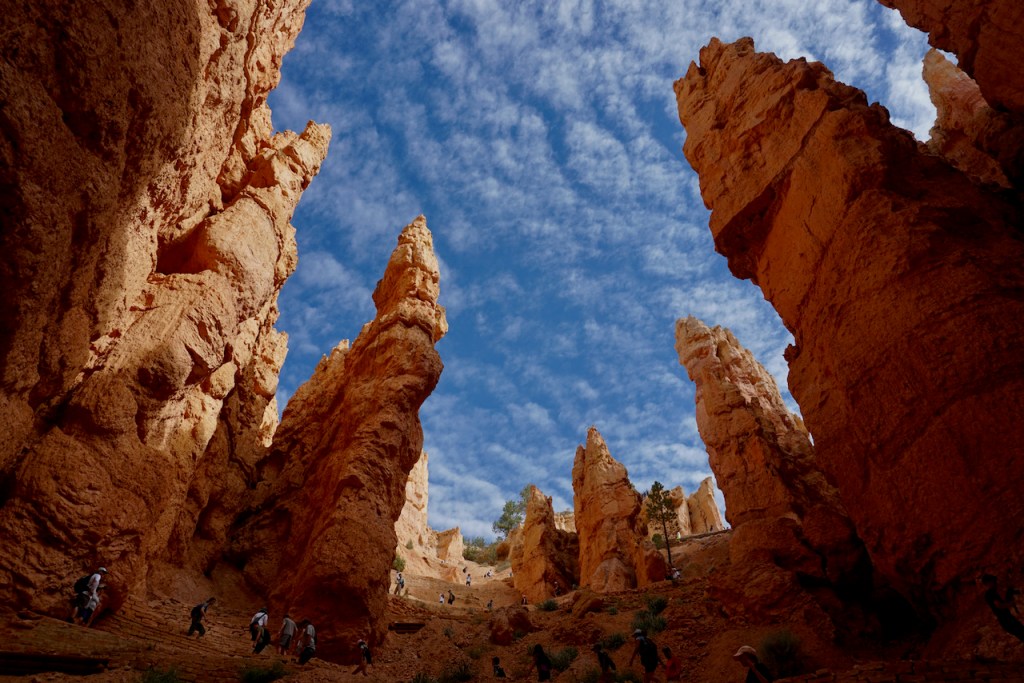
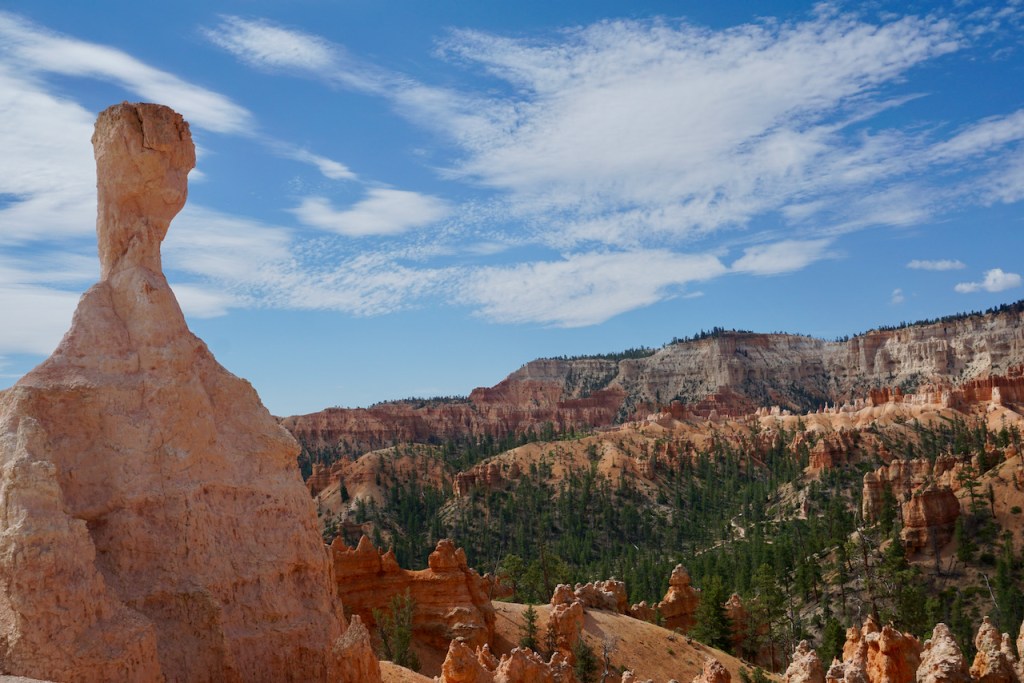
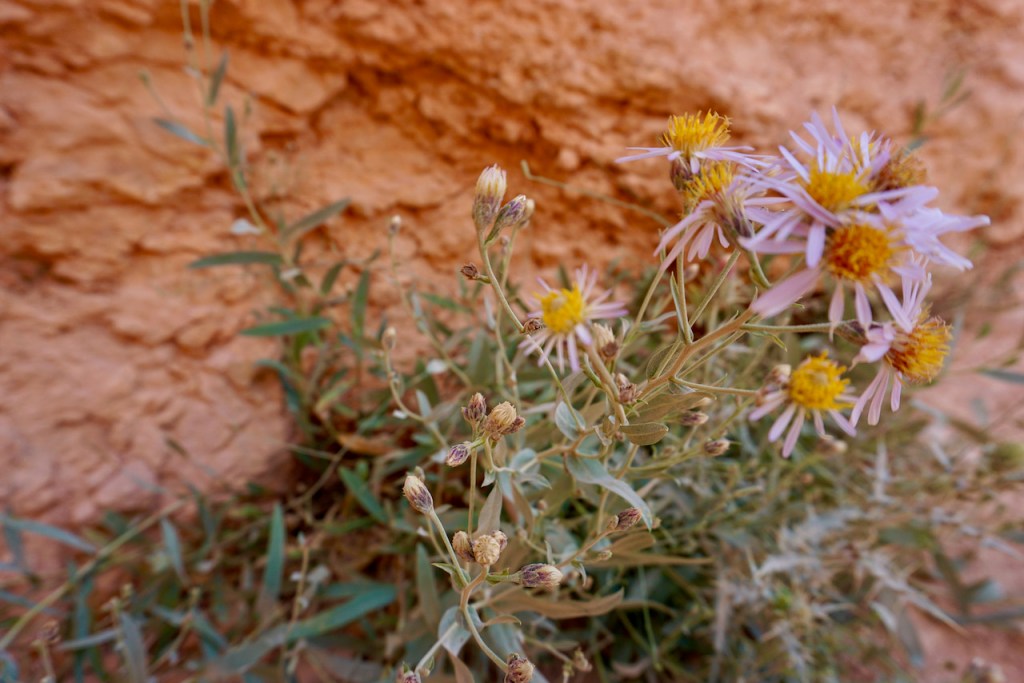
Just based on what we saw in Bryce Canyon at the height of summer, I can almost imagine what it might be like to see a desert in bloom.

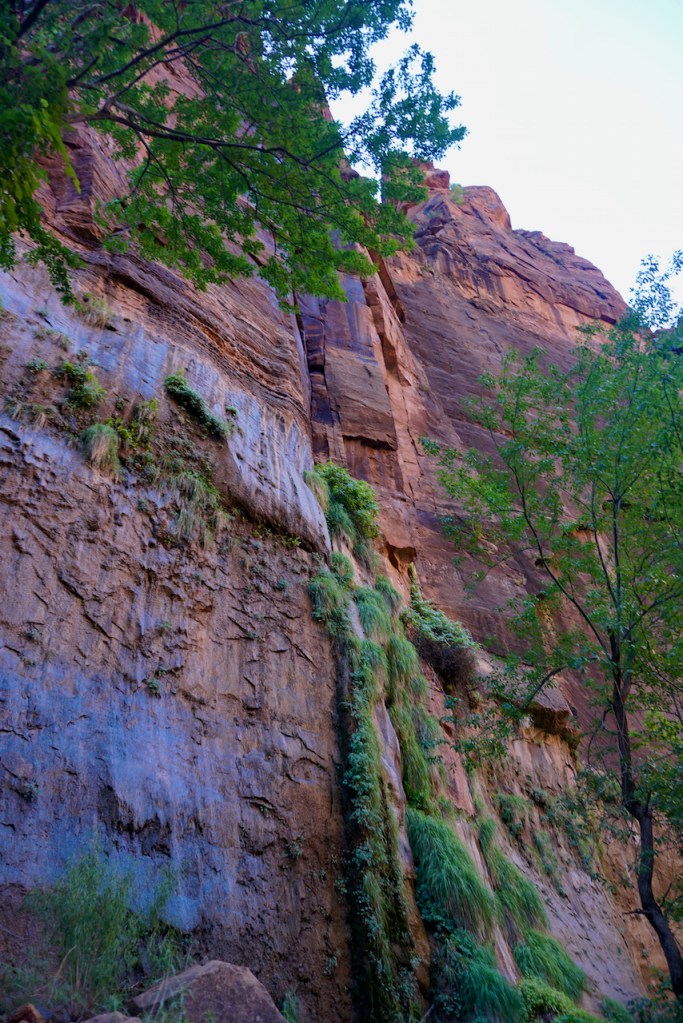
We spent the night in Springdale, Utah, at the foothills of Zion National Park. Zion is beloved among climbers, and it was no surprise as to why. This is real big wall climbing, and it is impressive in scope.
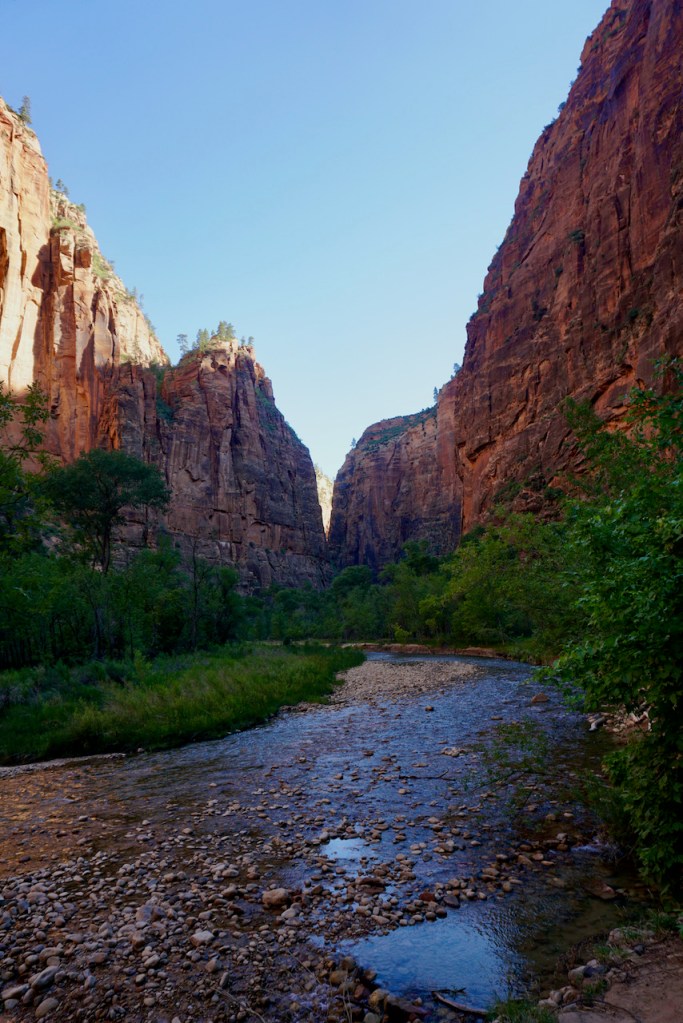
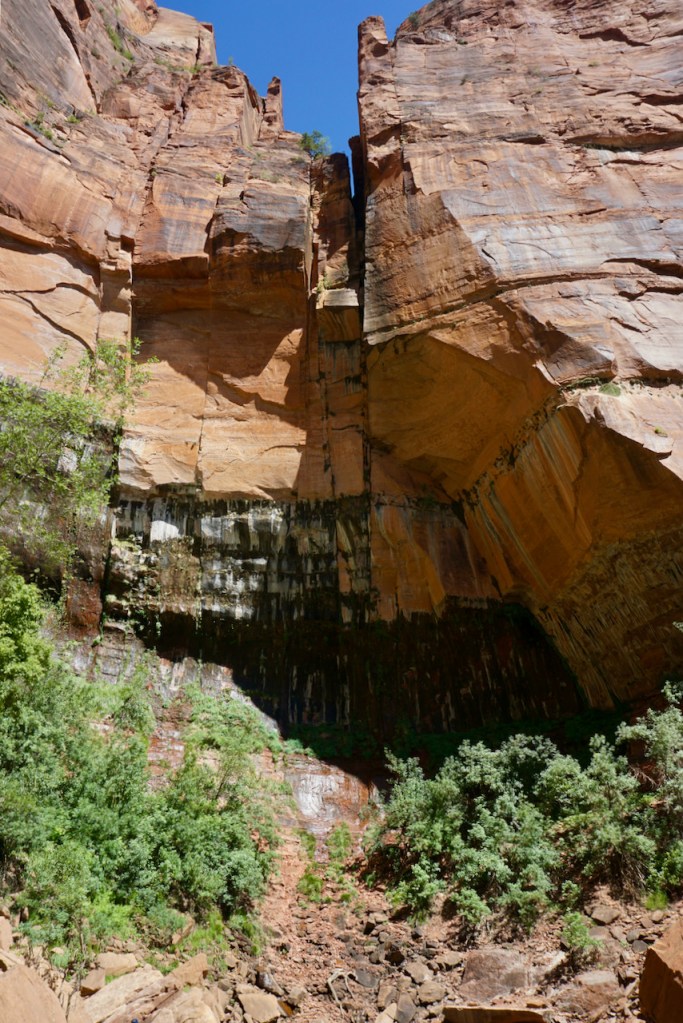
That being said, we found Zion underwhelming at first. Perhaps this is because of its similarity (cliffs and greenery) to what we’re familiar with from home, or perhaps because it came after the wonders of Canyonlands, Arches, and Bryce. We didn’t follow the crowds into the river to explore the famed Narrows, and we weren’t there at the right time of year to hike Angel’s Landing. But by choosing the scenic route on our drive out, we saw a part of Zion that raised its esteem in our eyes, and left us, as usual, glad for our choice.
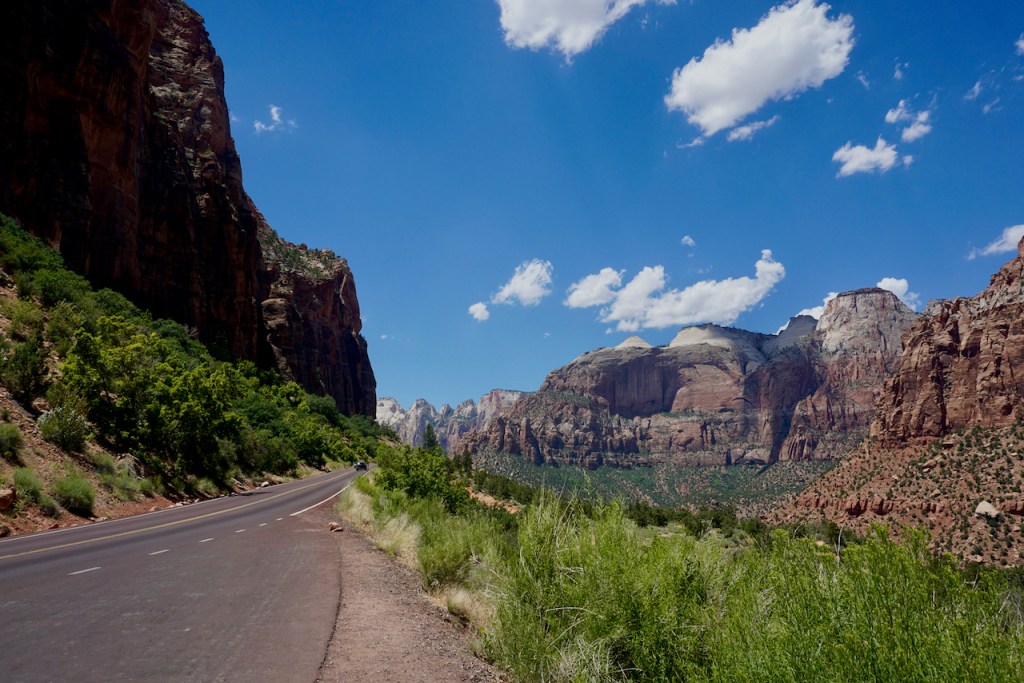
Of the five states that comprised our road trip, Utah was by far the most impressive. The landscape was diverse in a way that I’ve never seen before, and each tiny settlement or small town was set in a beauty that we were privileged to merely pass through. I’ve previously been in Utah to ski, but this was the first time I’d actually seen it, the first time I’d eaten pie with ice cream at the only diner in the only town on the only road in the middle of wherever we were. We kept early hours and correspondingly early bedtimes. We were out exploring when it was comparatively cool enough and back in the air-conditioning of our car by early afternoon. Dusk brought not a respite from the heat, but a respite from burning the backs of our legs upon getting back inside the car after stopping at yet another lookout. (The newspapers provided by many national parks were put to great use.)

After two nights in Colorado and three in Utah, we had found a rhythm on the road, one helped along by a good supply of snacks, a discerning ear for religious radio, and a classic license plate game. With camera, hat, and waterbottle within reach and sunglasses always perched on the nose, we headed towards our next state – Arizona. Stay tuned!

Travel Guide: New Zealand Road Trip – South Island

After a week on the North Island of New Zealand, which included Auckland, a few days on the road, and a final stop in Wellington, my friend Sharon and I arrived in Picton, a tiny town with a ferry terminal.

We picked up our new car, a red Toyota Corolla that I immediately named Roxanne, and then had a good meal, walked the one commercial street, and went to a phenomenal bakery for breakfast. And then off we went!

Our next stop was Nelson, which was really exciting because a friend and former colleague was living there! Along with another school family, we had plans to meet her upon arrival in Nelson, which was really nice. Nelson reminded me of a larger version of the town where I grew up. Cute streets to walk down, a pretty church, benches by the river. Nelson also had really beautiful flowers.

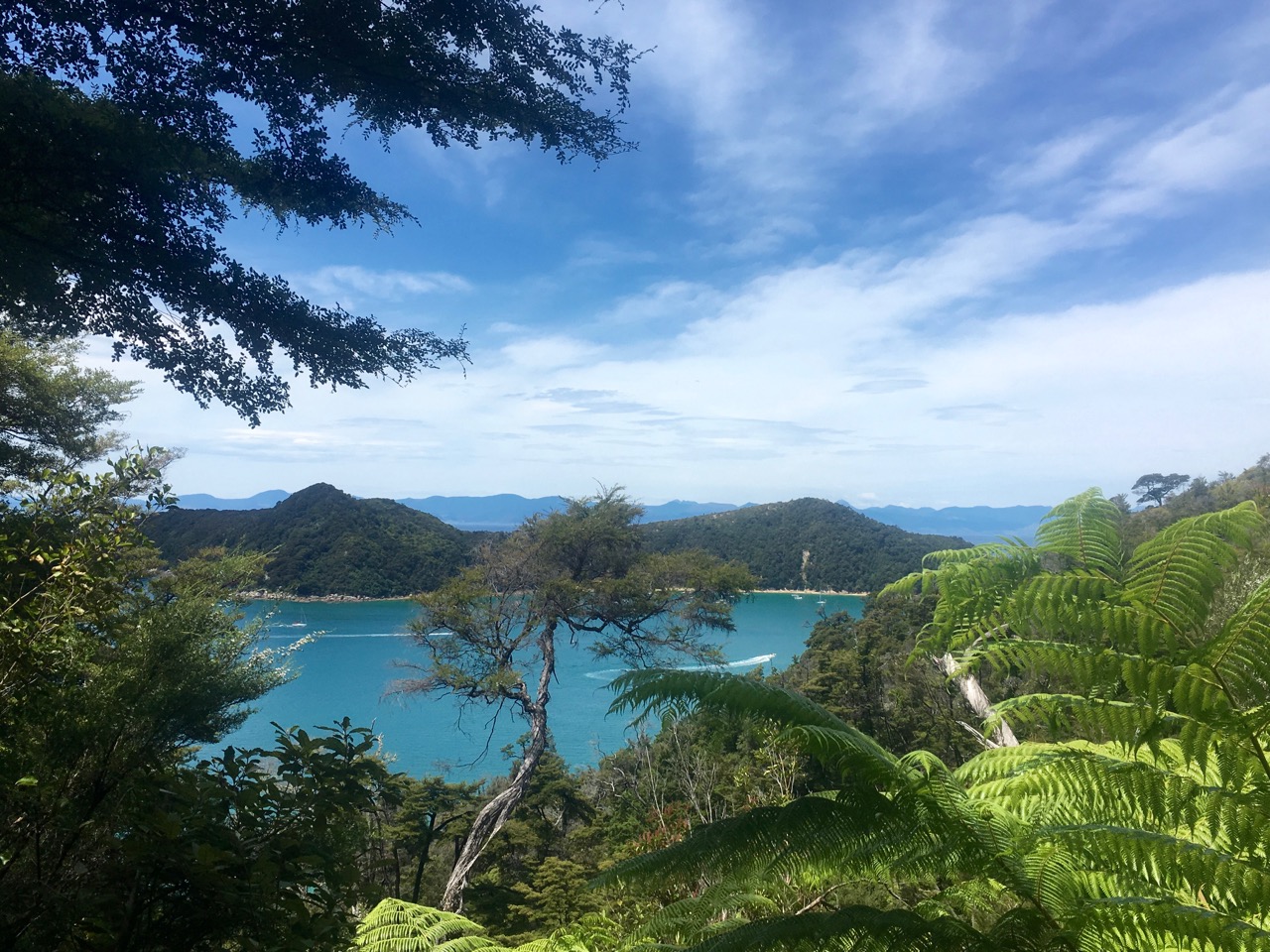
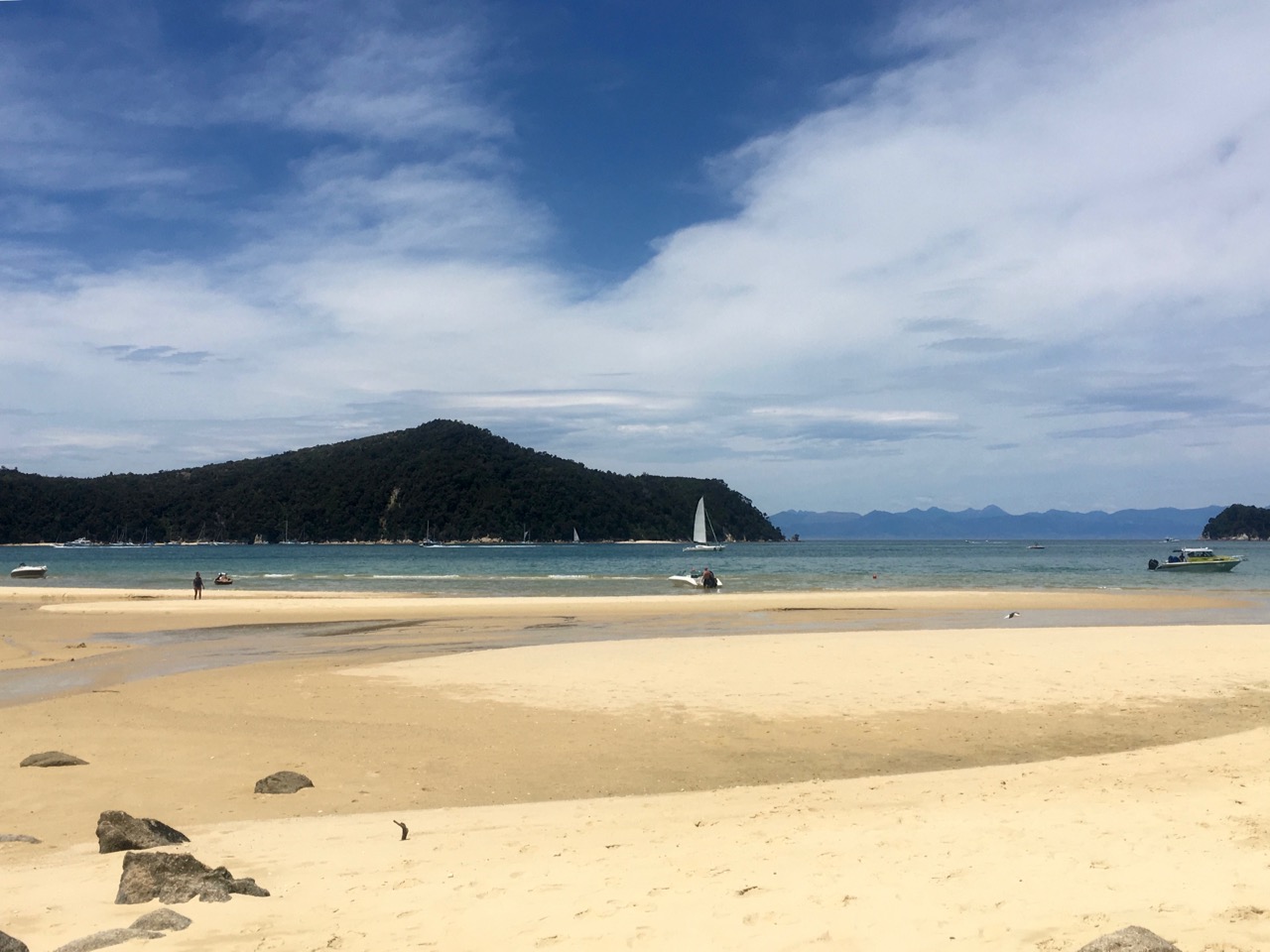
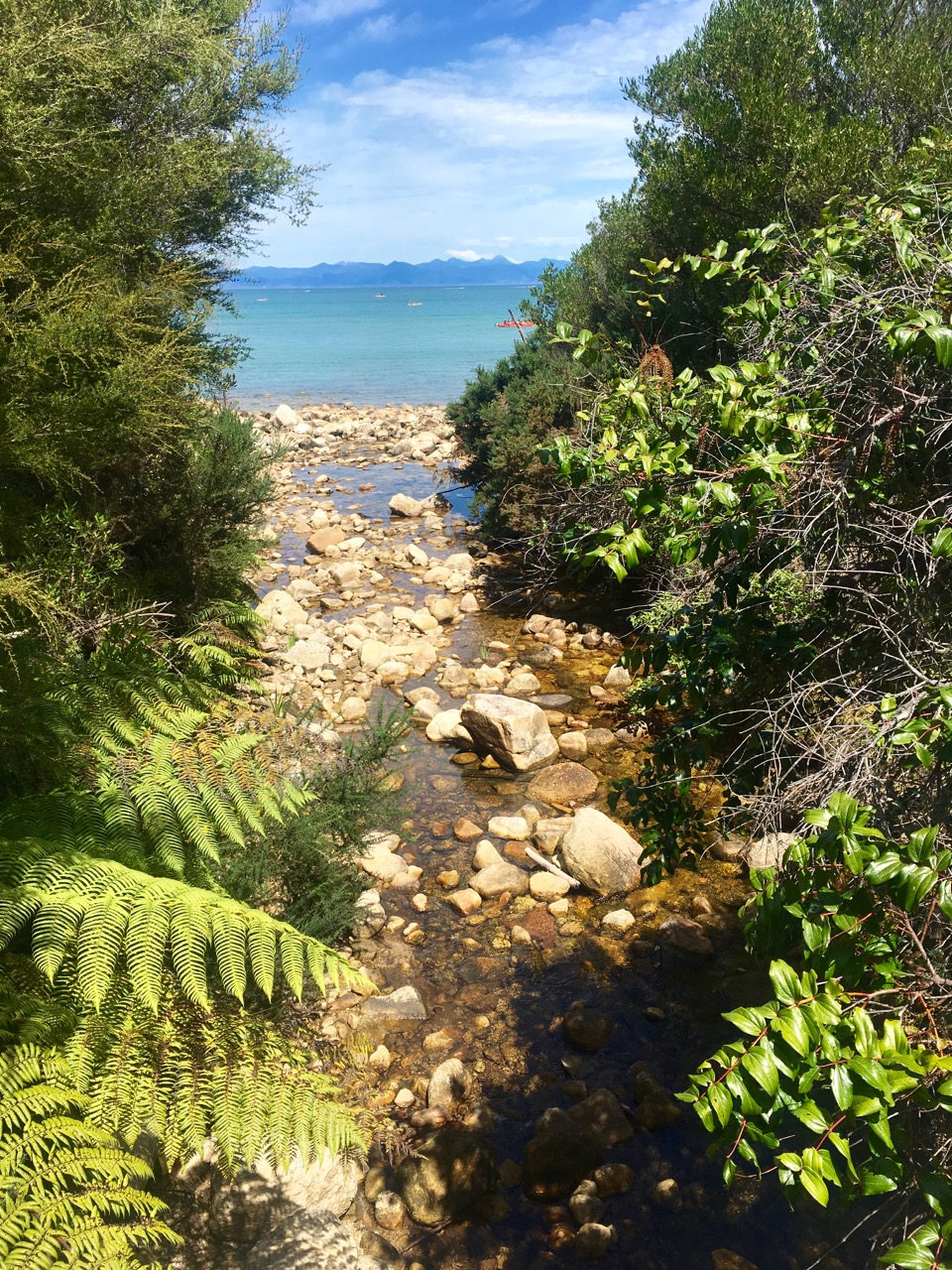
The primary reason for our stop in Nelson was to visit Abel Tasman National Park, which was an absolutely magical day. The weather was phenomenal for sea kayaking, hiking, and a dip in the sea. We even saw seals lounging on the rocks! Each lookout from the cliffs was more beautiful than the last and the views took my breath away again and again.

Abel Tasman remained a highlight of the trip for me and it also stands out as something I’d do differently next time. I’d pack differently, plan differently, and camp for a night. That would allow for a longer kayak trip as well as a longer hike. The stars throughout New Zealand were the biggest and brightest I’ve ever seen and I can only imagine what it would have felt like to see them there.

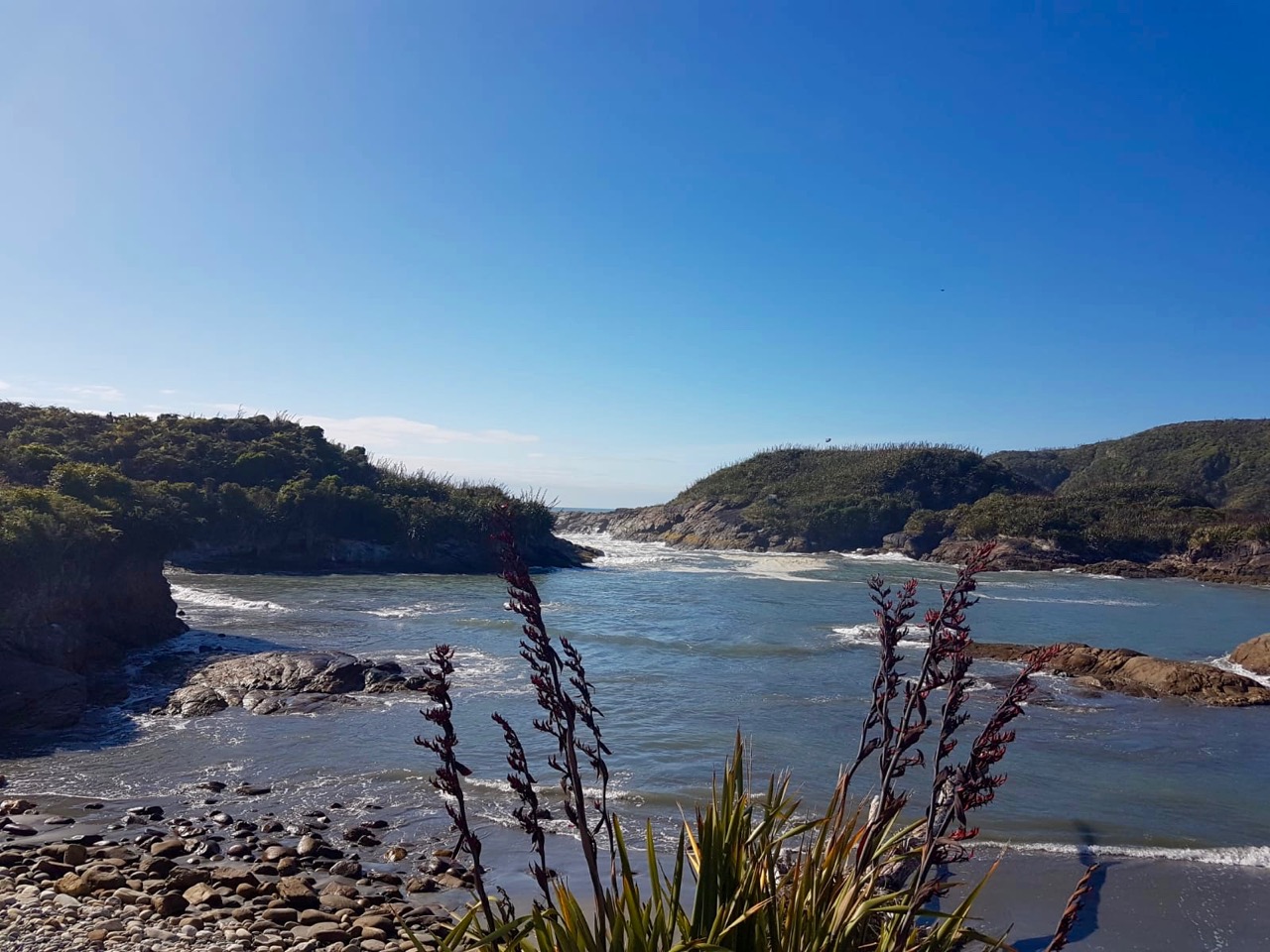
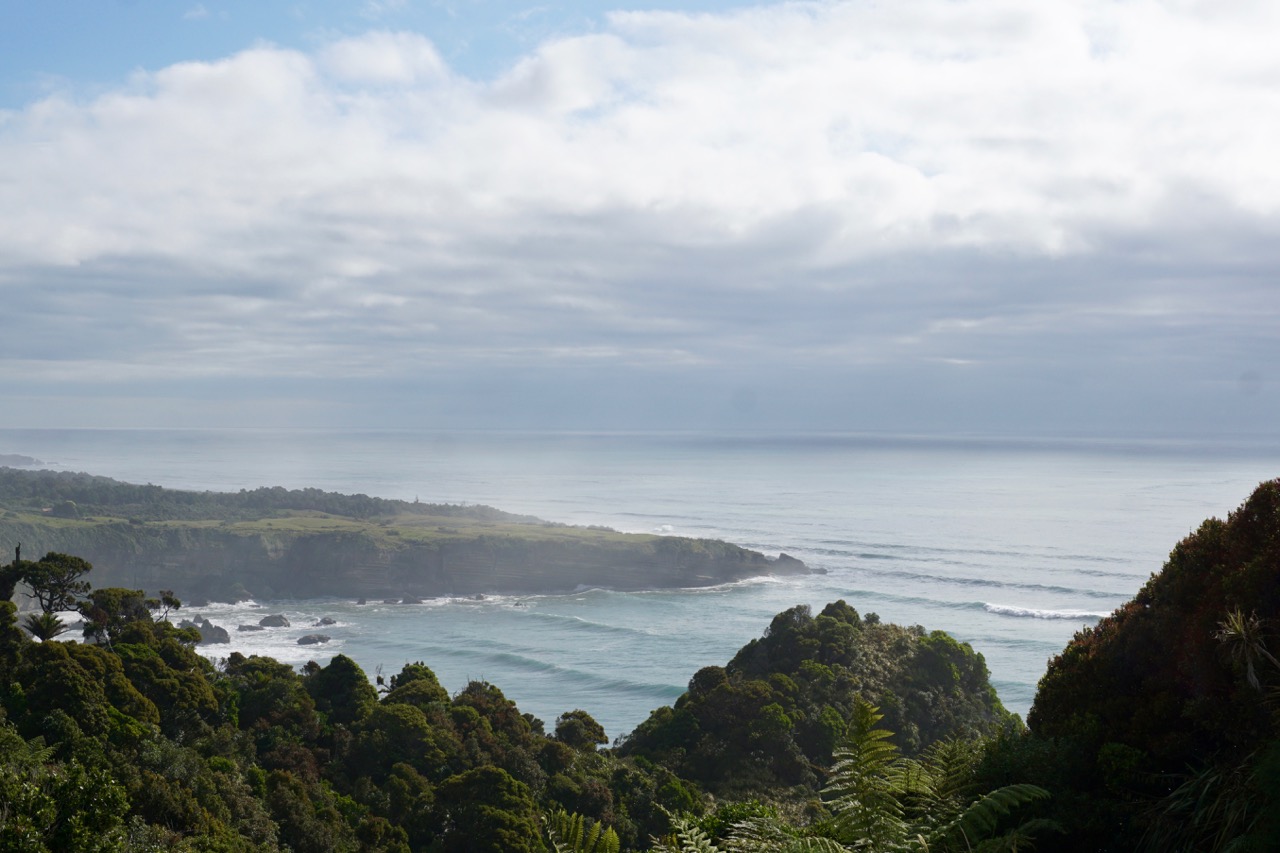
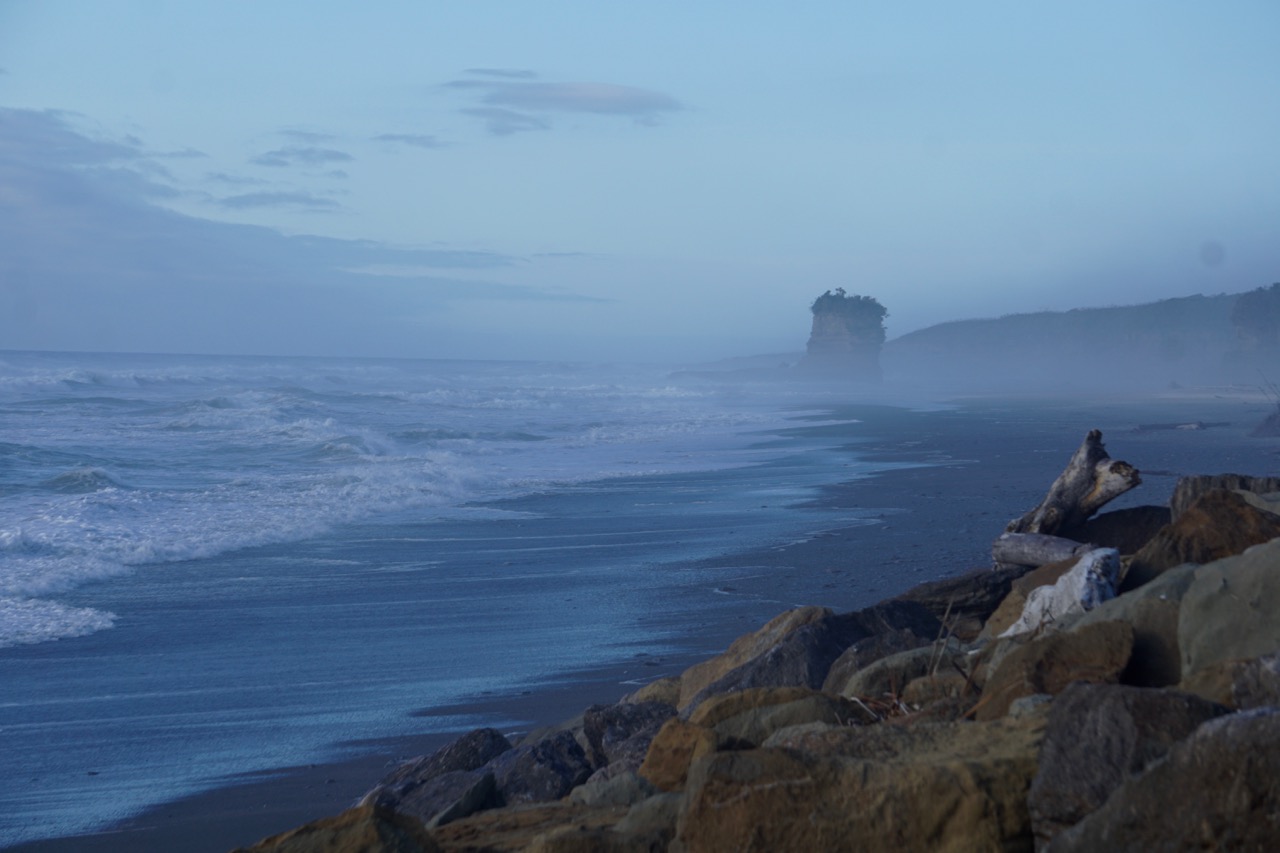
Next, we headed to Punakaiki to spend New Year’s Eve on the beach. The drive was beautiful . . .

. . . and left us very excited for our night on the beach. We ate cheese, crackers, and fruit and drank wine sitting on the rocks. It grew cold as the night deepened and we greeted 2019 under the Milky Way.

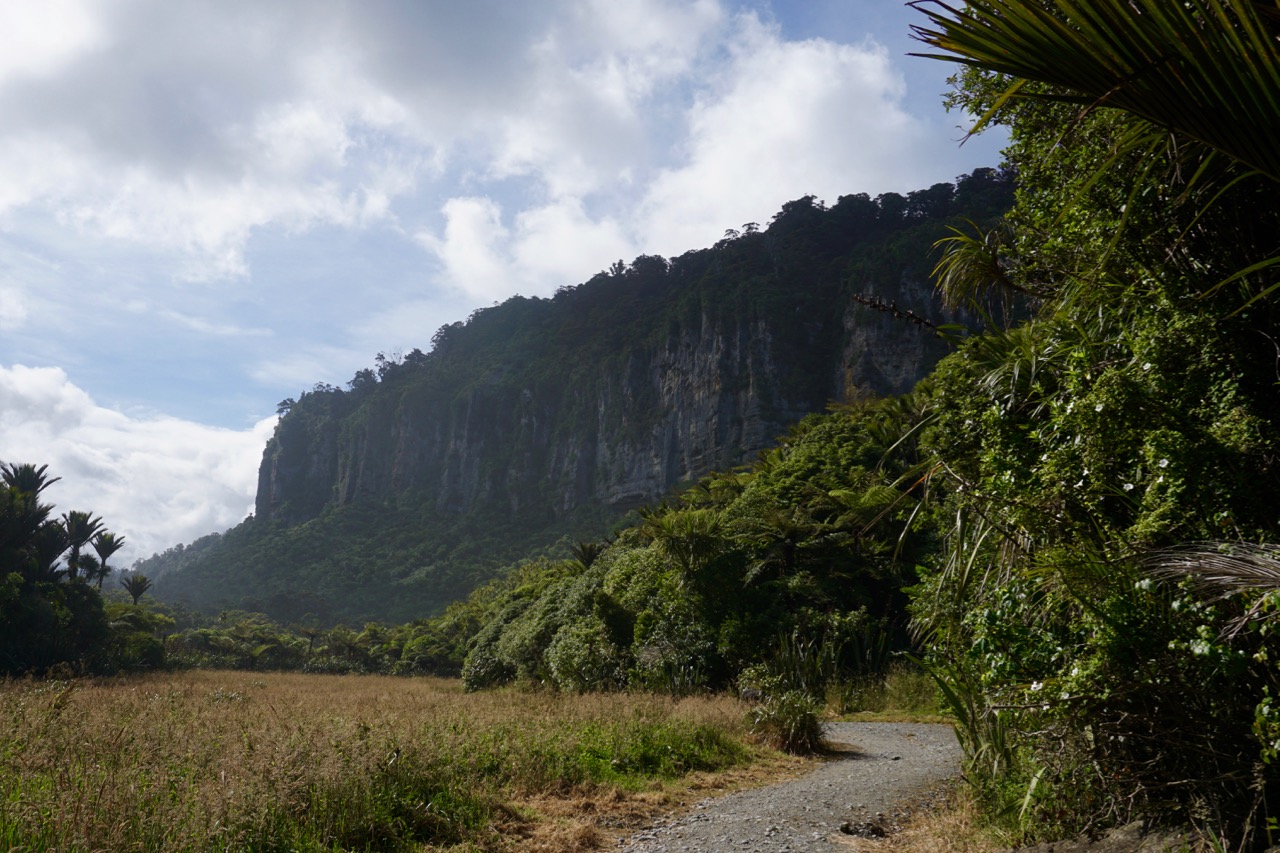
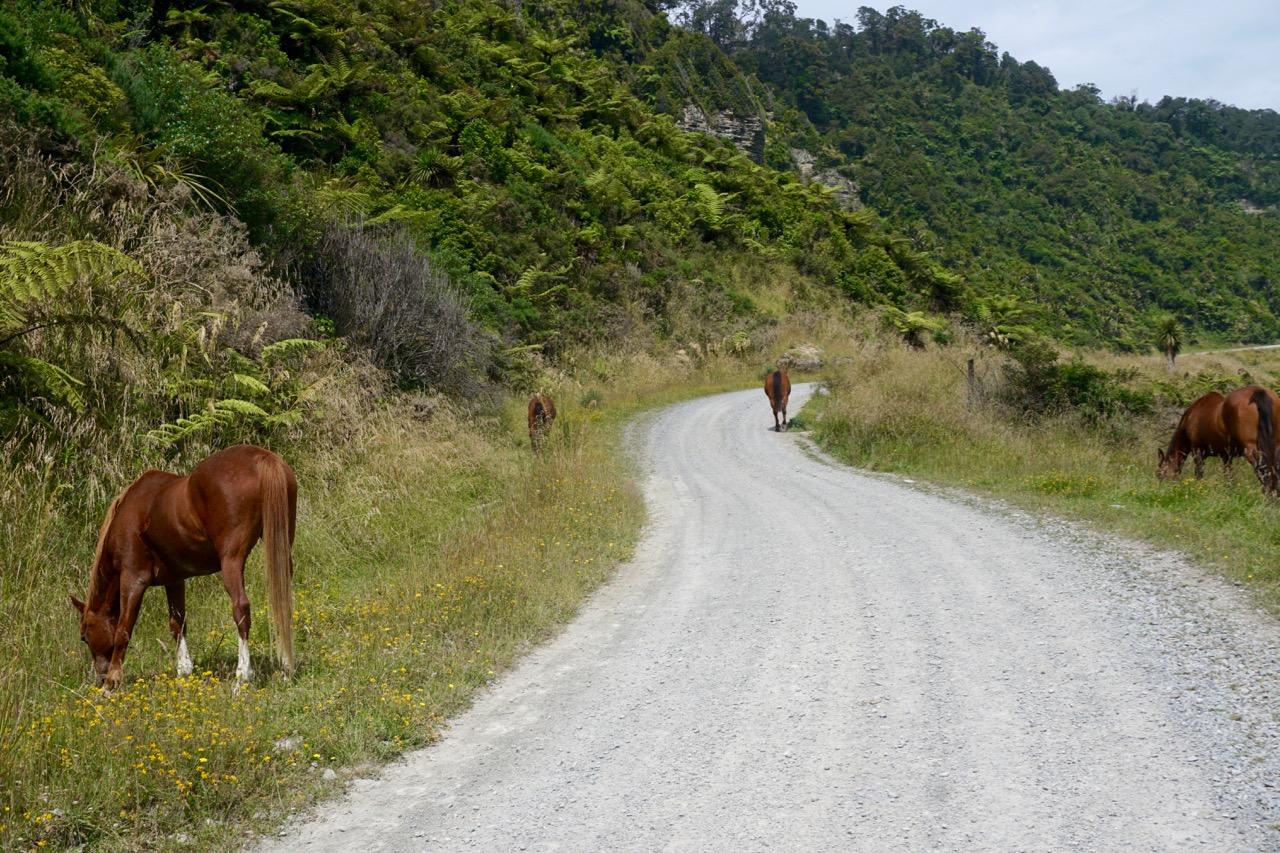
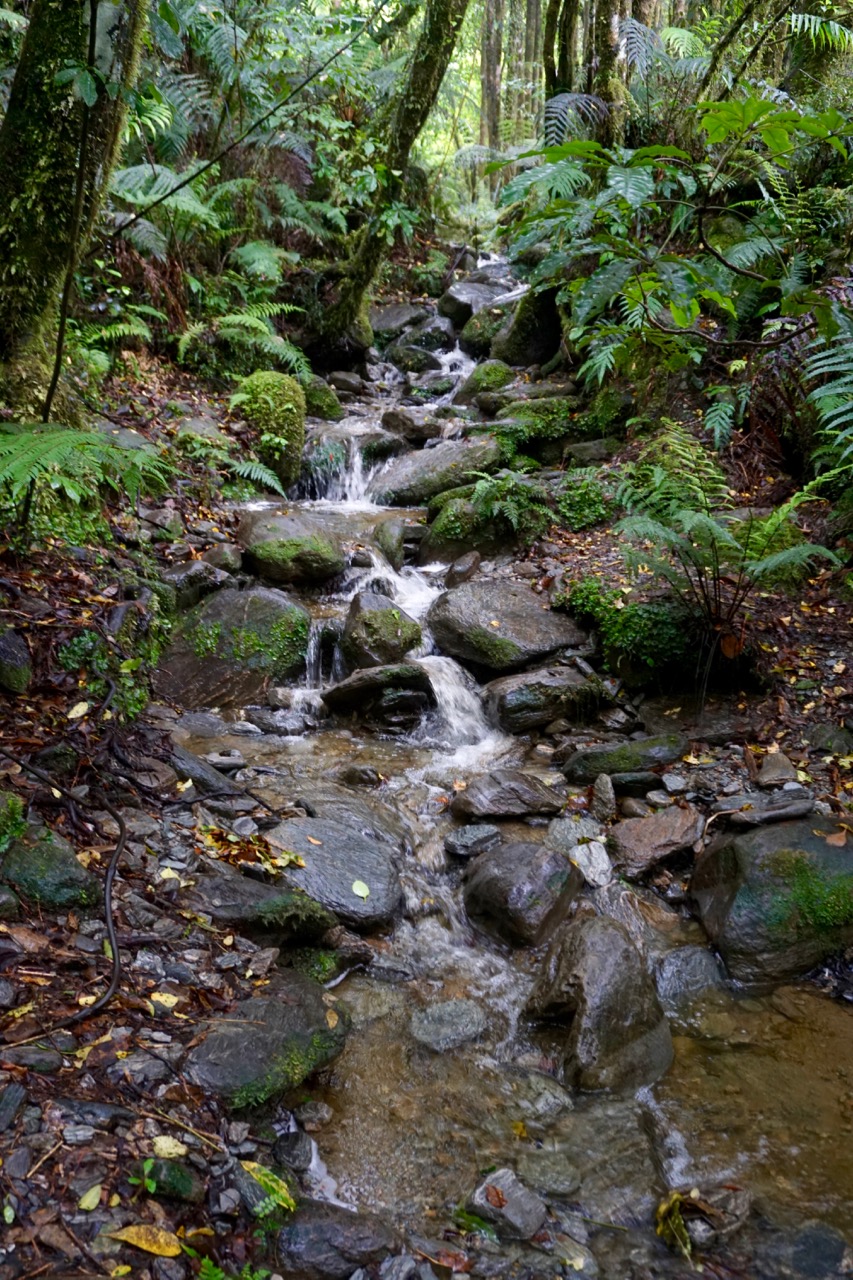
As our first activity of the new year, we decided to hike a 12km loop through a rainforest with streams, up a cliff, and onto a working farm with horses. We met very few people along the way and were glad to start the day in a beautiful place with our bodies moving.

On the way back to the car we took a quick detour to see the pancake rocks and blow holes that Punakaiki is known for.

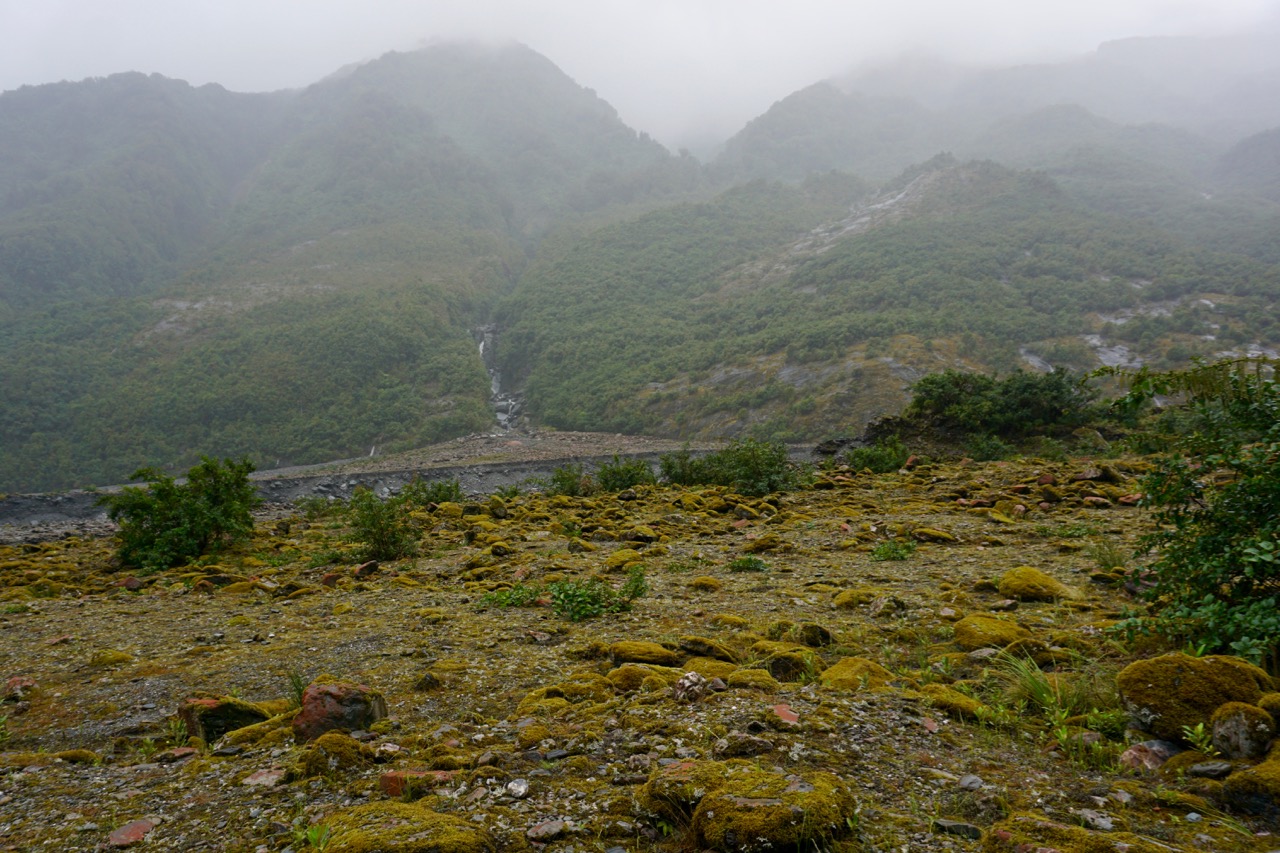
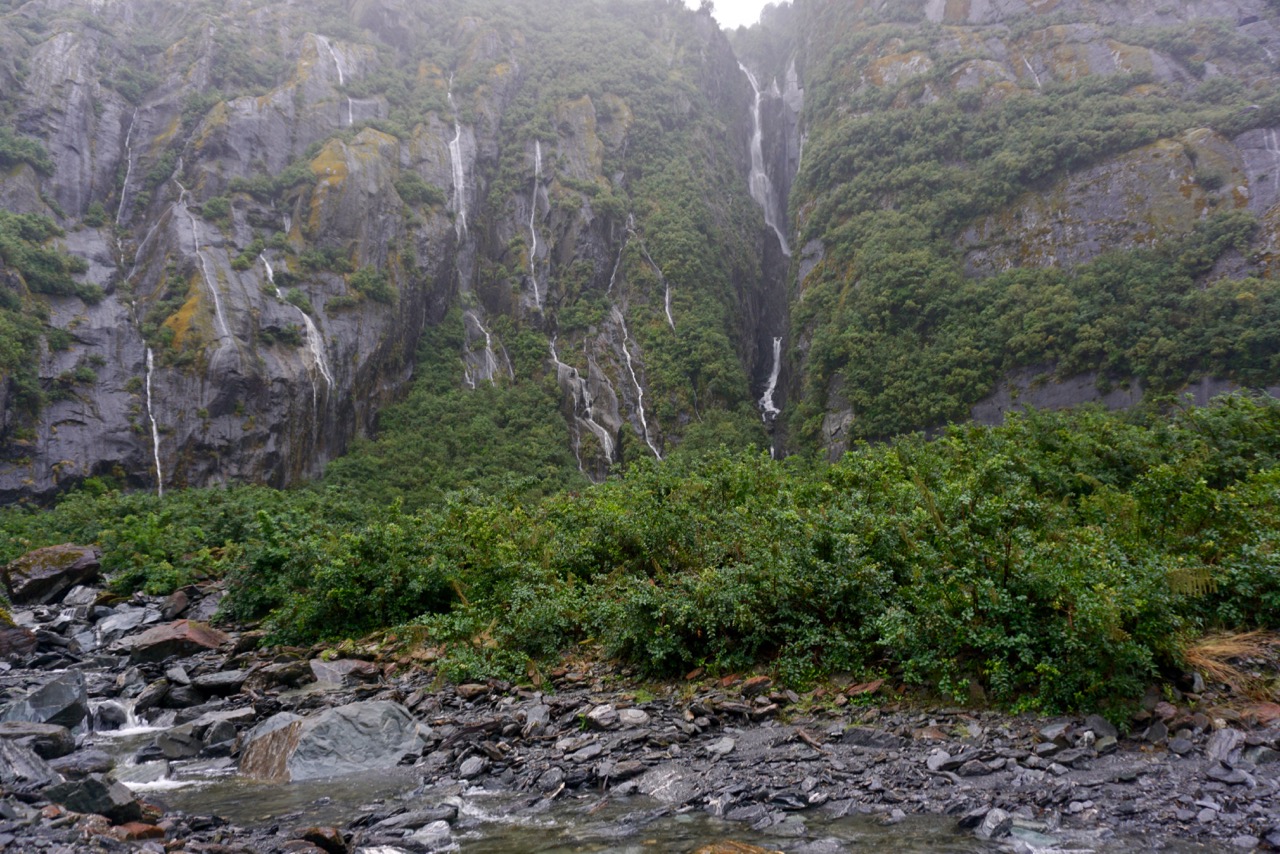
That afternoon we drove to Franz Josef Glacier, which was my bucket list item for our trip. I first learned of Franz Josef when I was living in Malaysia and planned a trip then, which I didn’t take because I couldn’t afford it. It was really special to see that dream through, but the weather did not cooperate at all. It was pouring when we hiked the glacier the next morning and our guide, Lisa of Glacier Valley Eco Tours, could not have been happier. This was a very typical West Coast day, she assured us, and we’d be able to see the waterfalls that are only visible in the rain.

As we walked, Lisa told us more about plants than I’d ever heard and it was a real joy to learn from her. Though it would have been nice to be able to see the glacier a little more clearly, I was just so happy to be there. Getting soaked to the skin was less joyful but I learned an important lesson – when a tour company asks if you’d like to rent wet gear, you say yes.

The sun came out in the afternoon and we couldn’t resist going back out for another hike. We didn’t go back to the glacier but everything looked completely different!

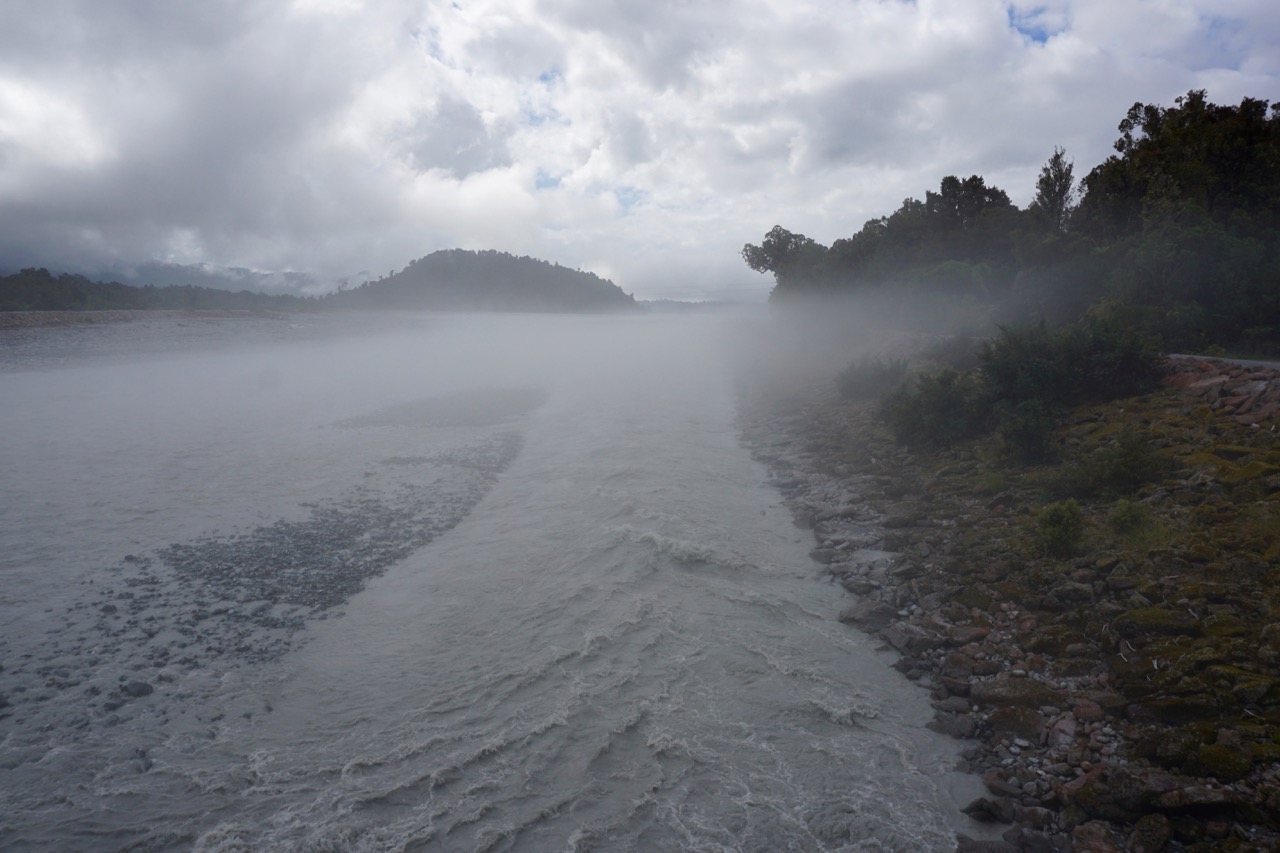
The next morning we picked up a pair of hitchhiking German siblings and brought them as far as Lake Matheson. This was the only lake that we visited that was small enough to actually walk all the way around, which we were more than happy to do.

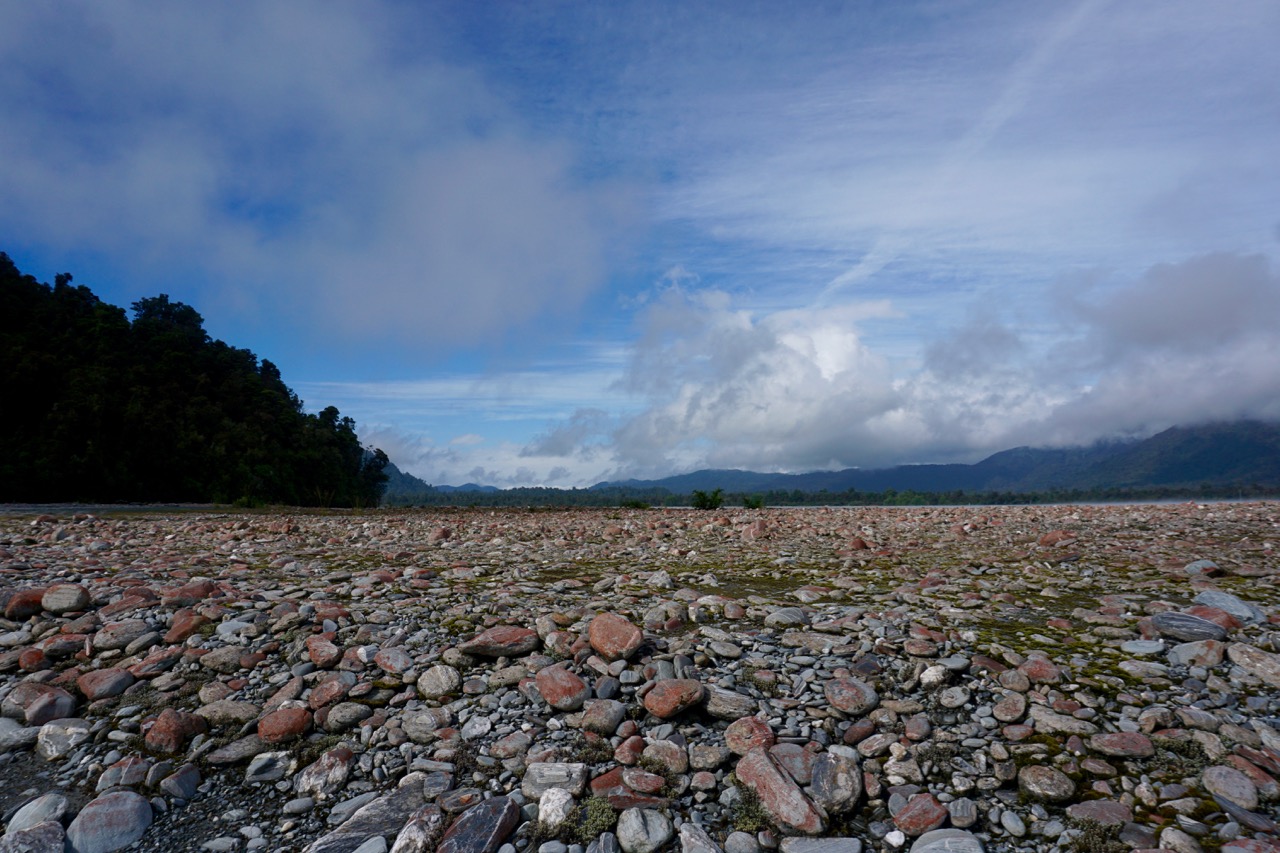
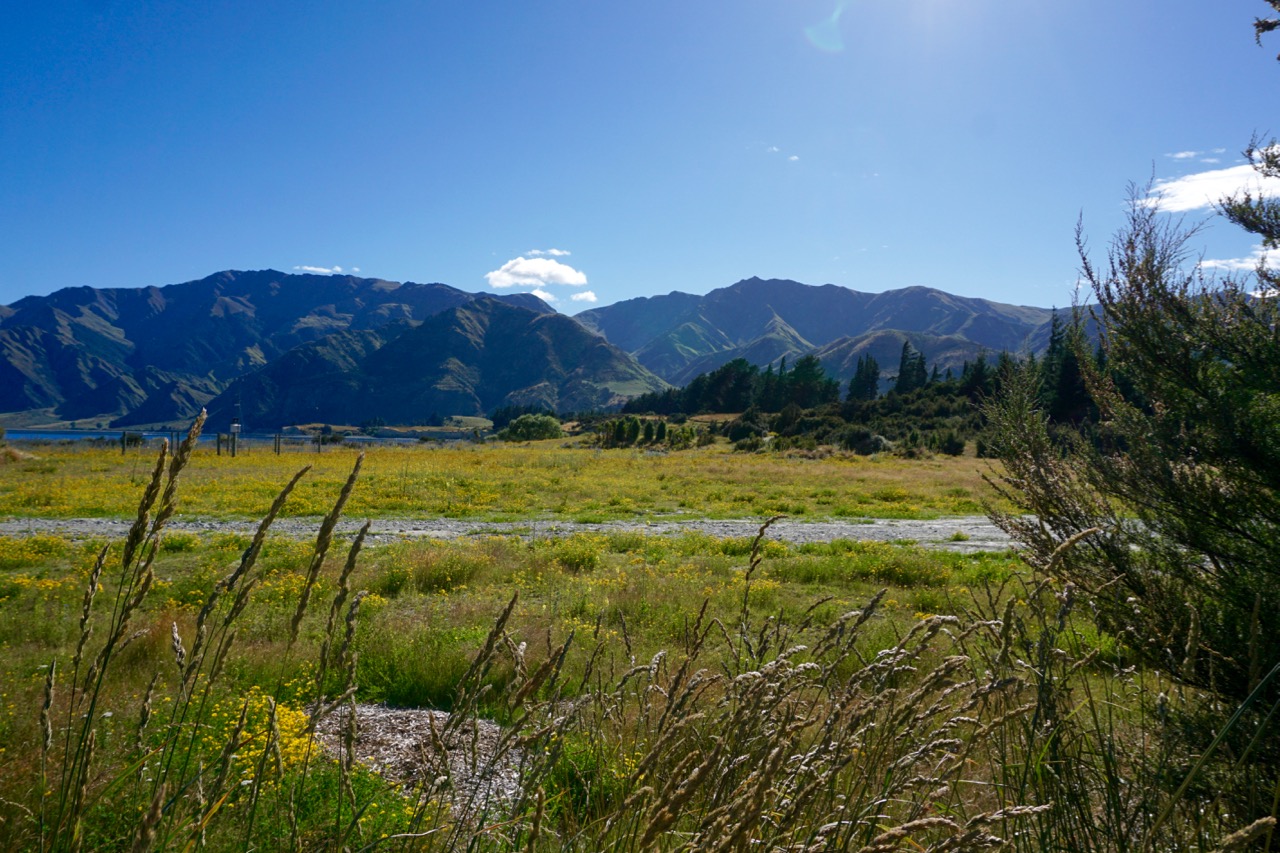
The landscape completely changed as we continued on our drive to Lake Hawea. What had been glaciers became mountains and deserts; rainforest gave way to tougher plants and grasses.

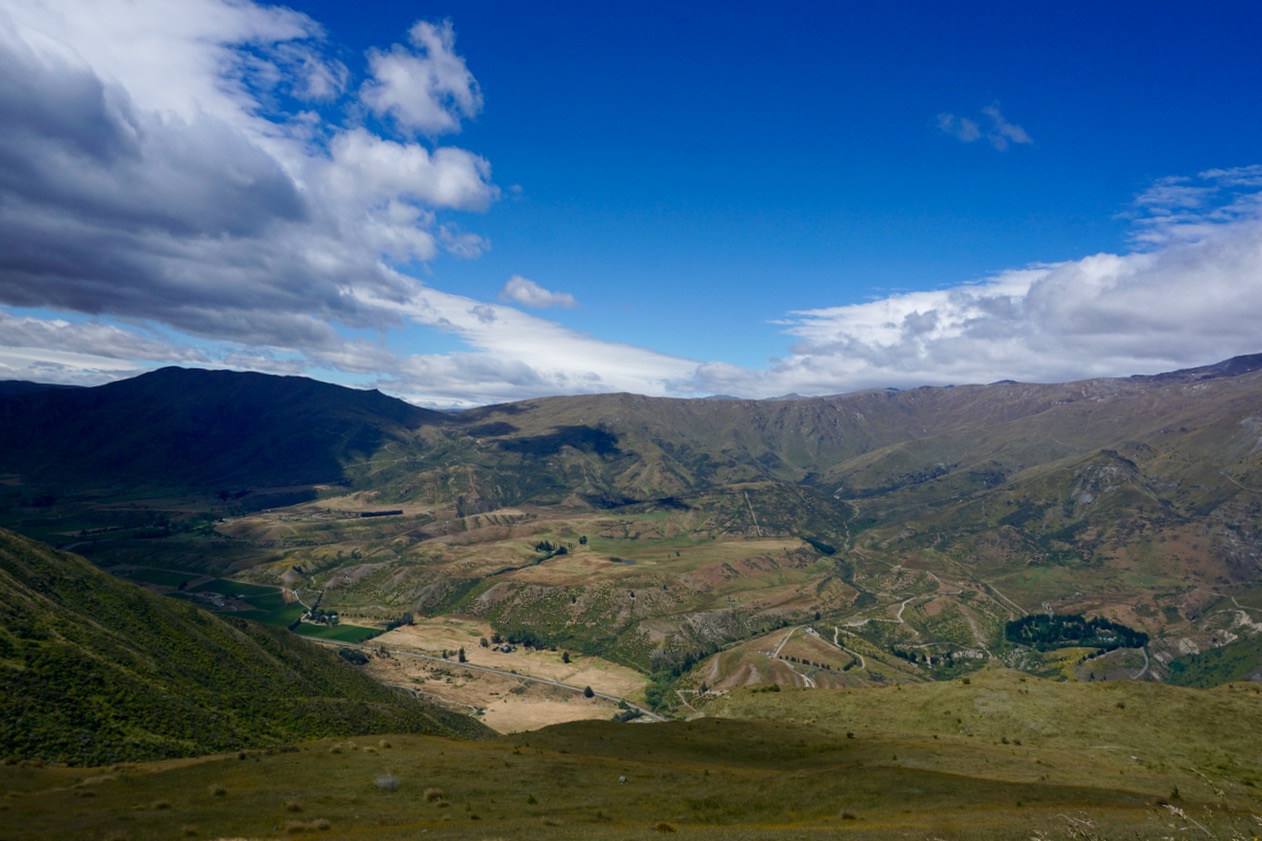
I’d read that Mount Iron in nearby Wanaka was a good place for a hike, so we drove a bit further in that direction. As promised, it afforded beautiful views of the mountains that were everywhere.

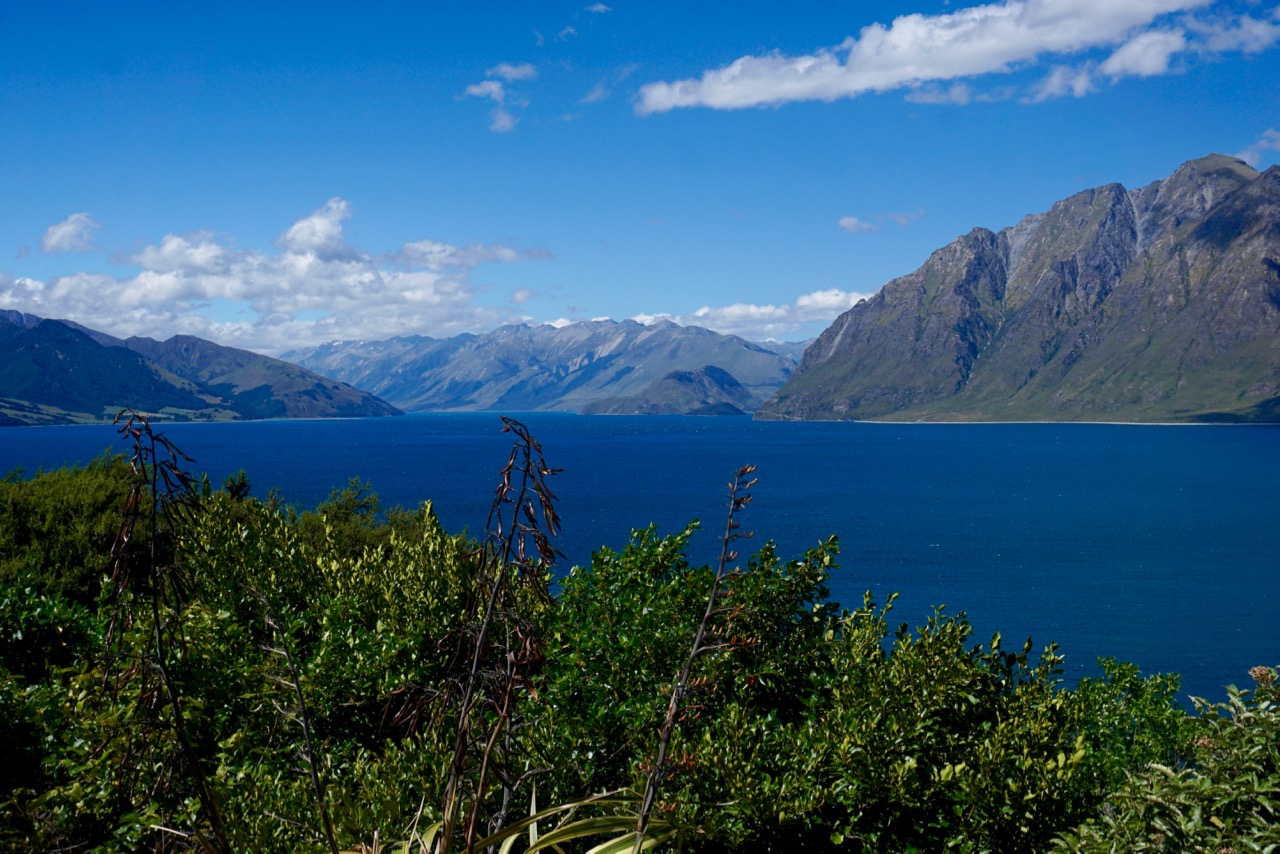
The next morning before getting back in the car we hiked along Lake Hawea itself. The day grew hot quickly and we were glad to be out and about early.

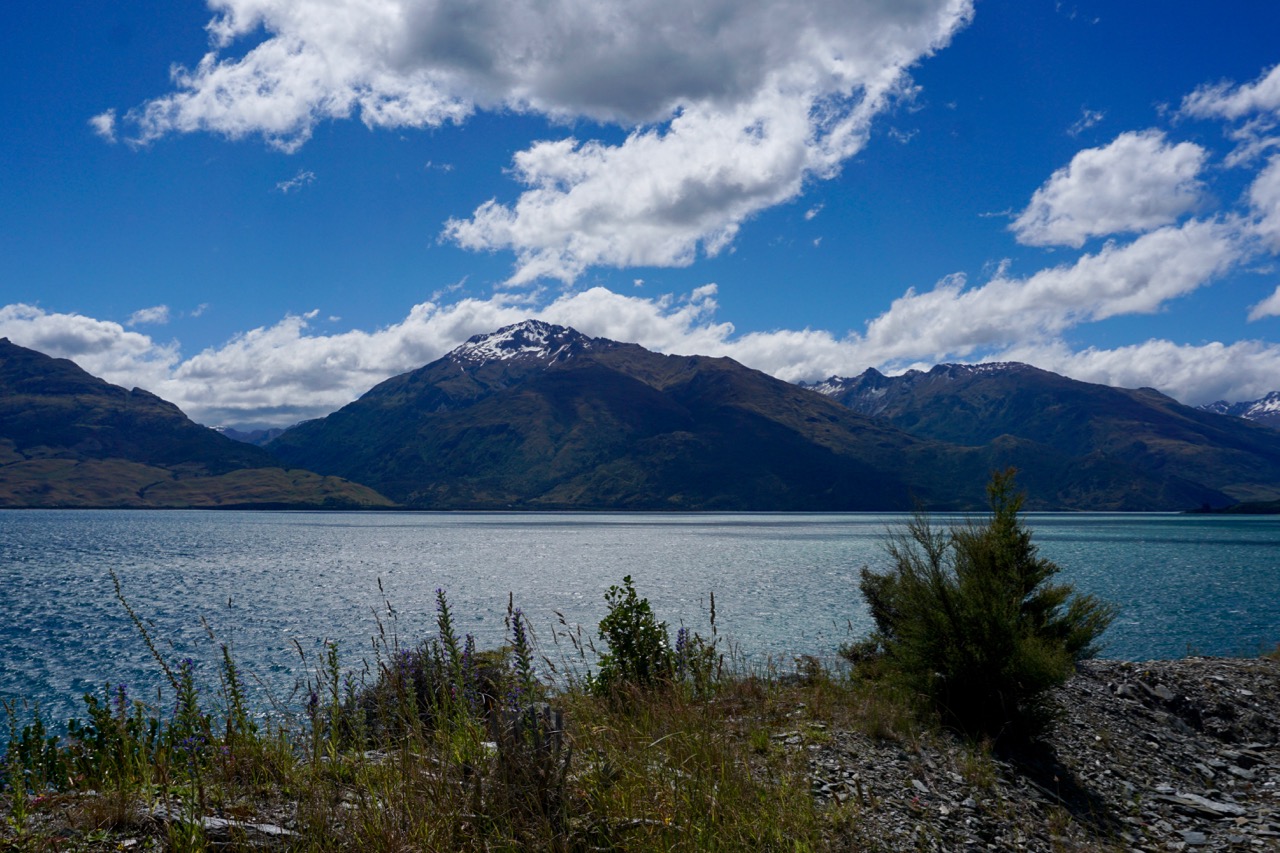
We stopped for on the road for yet another picture of mountains . . .

. . . and then in quaint Arrowtown for lunch on our way to Queenstown. I’ll take you around Queenstown and Milford Sound in a separate post so bear with me while we skip ahead three days. . . .

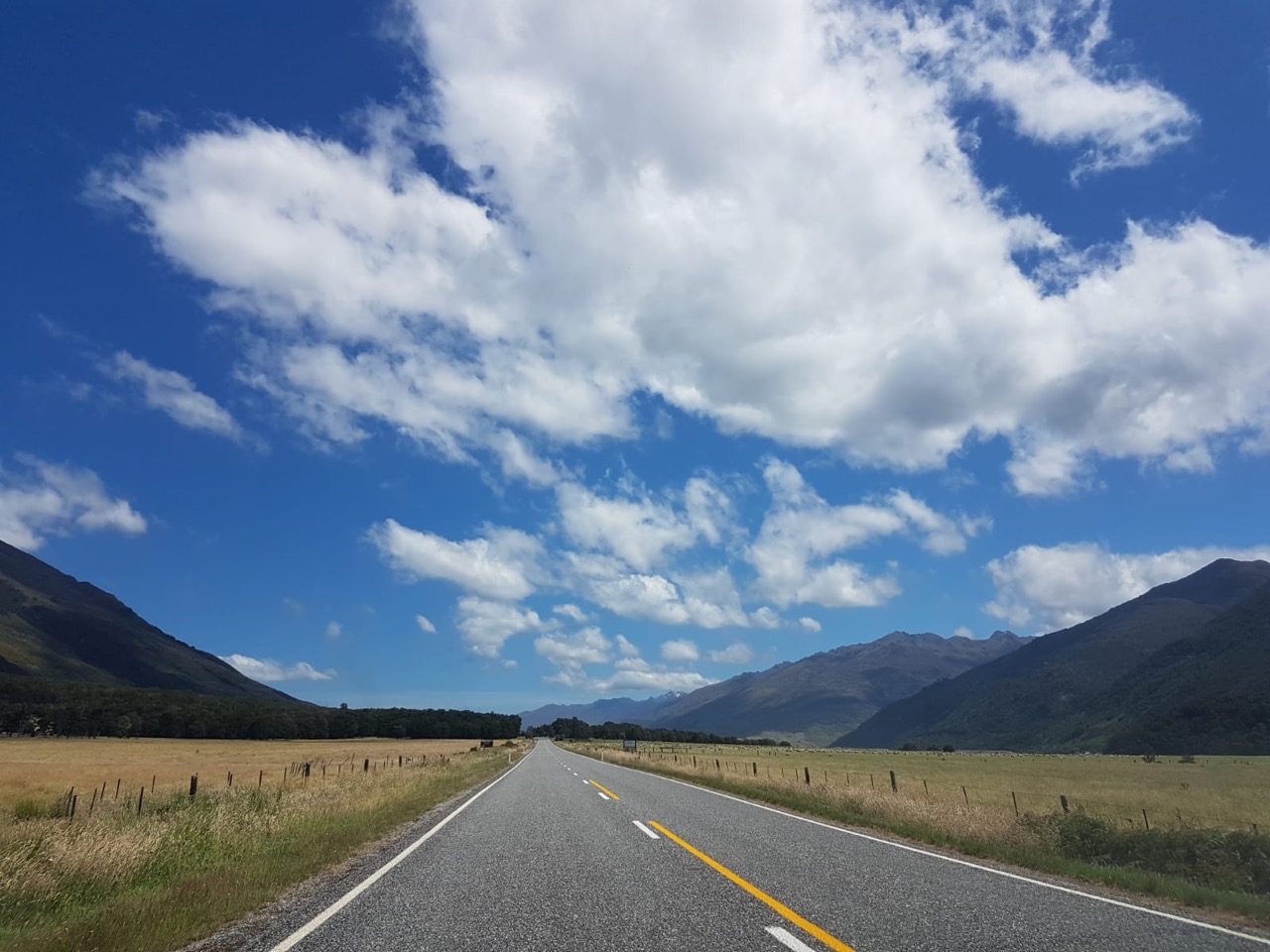
And then we arrived in Lake Tekapo! Lake Tekapo was our last short stay and our last real road trip stop. The landscape grew more desolate as we drove.

We were excited to learn that Lake Tekapo is located in an International Dark Sky Reserve. I spent some time walking on the beach when we arrived late in the afternoon.

We spent the night in a cabin on a campground and though I had to wrap myself in all of my layers and a blanket to stay outside, I was determined to see the stars come out. It was silent and dark and I greeted the Milky Way again. Such a perfect way to conclude our road trip around New Zealand’s South Island.

In our two weeks on the South Island, we spent much of our time on the road but stopped for a few days in Queenstown and Christchurch. Posts on both places are in the works. Stay tuned!

Travel Guide: NSW to Victoria Road Trip

This post details the second part of the week my girlfriends and I spent in Australia over October break. We started in Sydney and, after three nights there, were ready to exchange urban life for something a little more remote. We picked up a car and followed signs to Wollongong, which our trip planner (and also DJ!) promised would take us along the coast for small towns and pretty views. When we saw signs for the Grand Pacific Drive, we turned off the A1 to follow them and I’m so glad we did!
I was driving so I couldn’t take pictures, but I absolutely loved the winding, twisting, narrow, tree-lined roads of Royal National Park. The trees were thick and green on one side of the road and there were signs of fire on the other. There were so many different types of trees, too, many that I didn’t recognize. At times, we couldn’t see more than one twist in the road in front of us, which was challenging because bikers also enjoy the park – and with good reason. We rolled the windows down and felt the fresh air all around us, drinking in the blue skies and sunshine. I haven’t been on a road like that, one with no place to stop and only places to go, in a long time. It felt like flying.

When there was finally a place to pull over, we did. I was glad to take the time to actually look at my surroundings instead of darting glances out the passenger window with half an eye on the road.

We stopped in the town of Bulli for lunch and ate outside in the cool breeze off the ocean, which was so beautiful and relaxing. Perfect weather for a hot coffee, too! Australia has a very hip coffee culture but I have to admit, I prefer American-style filter coffee to the long black that is Australia’s next best thing. But it was fun to be on the other side of the Pacific Ocean with a coffee in hand!

IMG_0377

A short while later, we also stopped in Kiama to see Cathedral Rocks. We went around in circle in a neighborhood a few times before we realized that there’s no official “get out of the car here” spot. After agreeing on that and making sure we weren’t doing anything illegal (after all, ours wasn’t the only car), we pulled over and looked down.

DSC01126

I climbed down, too, which truly made me feel like I was in a different world. I walked along a sandy patch that is definitely under water in high tide, surrounded by cliffs and rocks that have been weathered over so many years. The sound of the ocean and smell of salt in the air completely drew me in. I could have stayed down there a long time.

The final stage of the first day of driving led us past fields, farms, and pastures with cows, horses, and rolling hills. It was beautiful and green, but a very different landscape than the forests we’d been through earlier in the day. It was sunny and warm and we rolled the windows down to feel the air. (It’s amazing how much weather impacts attitudes and enjoyment. I found myself energized and able to breathe more easily just being in air that floated rather than hanging thick and heavy as it often does on the equator.) It was such a joy to drive and just laugh, sing, and listen to Australian political news on the radio.

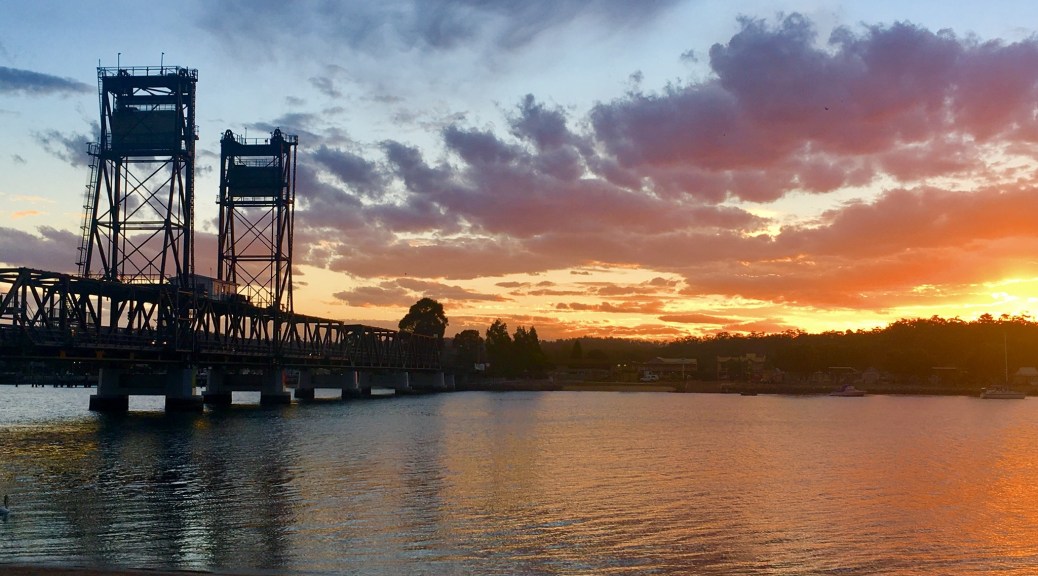
When we arrived in Batemans Bay to spend the night, the weather had cooled and the sun was in that stunning position between late afternoon and evening.

Without meaning to, we left for dinner at just the right time to capture the most beautiful evening of the whole trip. This time, we pulled over into an empty parking lot and watched a family fishing on the beach.

The following morning, we left Batemans Bay to continue our drive south through New South Wales into Victoria. Before really getting on the road, we stopped for breakfast and coffee at a café that I think I would frequent often if I were a resident of a small coastal town in southern Australia. They had a sign that largely echoed my view of the world and it made me very happy. I took the picture on my phone, so that’s what you’re seeing.

IMG_0382

Over the course of our second day in the car heading towards Lakes Entrance, we watched the landscape change from hills and mountains in the distance to expansive farms with cows, sheep, and horses. We passed dairy farms advertising their cheese and wineries advertising their wine. We also saw a fair number of signs indicating the level of fire threat for the day; all indicated that the threat was low. Every so often, the two-lane highway would slow down and we’d enter a tiny town with little more than a local school, church, and traffic circle. Several of them had used bookstores, too!

About halfway through the drive, we stopped in Eden because it’s supposed to be the place to see whales. We had no interest in taking a boat cruise so instead we stopped at the harbor just to see the boats . . .

. . . and then headed to the highest point we could find to look down at the ocean. We weren’t the only people scouting for whales from up there, either. The water was suspiciously disturbed in certain areas and while we didn’t see anything that we could identify as a whale, I’m sure they were there!

However, we did manage to see live kangaroos! We’d been passing signs telling us to be careful of kangaroos and wombats the entire time we were on road but had only seen them as roadkill until the last half hour of our drive. We saw three or four in quick succession, each standing alone at the side of the road. It was very exciting.

Our Australian colleagues had warned us that Australia is expensive and they weren’t wrong. Lakes Entrance, however, was not. We stayed a cabin I found on Airbnb, walked to the grocery store (which we also did in Sydney thanks to another Airbnb), and made ourselves dinner. And by “made”, I mean opened crackers, sliced cheese, heated up soup, broke chocolate into pieces, and uncorked two bottles of wine. It was delightful.

It was raining the next morning, which sort of added to the appeal of the cozy cabin but was also a nuisance; I forgot how tiring it can be to drive through heavy rain! But the sky ultimately cleared and the sun was out by the time we made it to our final location – Melbourne! Stay tuned!