Tag Archives: Sky

Travel Guide: Yunnan Province x2

I’ve been very privileged to be able to travel abroad to wonderful places with students. Just like last year in Yunnan and the previous year in Battambang, Cambodia, my school worked with the JUMP! Foundation who develop, design, and manage our programs. As trip lead for the past three years, I have a close relationship with JUMP! – and in all honesty, they make me question my career choices every time. It is an honour to work with them.

Yunnan is in Southwestern China. It borders Myanmar, Laos, and Vietnam.

For many students, this was their first time playing backpacker. We took an overnight train, three bus rides, and a short train throughout our trip. There’s a lot to see and do in Yunnan and we were all over the place in our six days of travel.

Our first stop was the town of Baisha. We arrived there after flying from Singapore to Kunming and taking a nine-hour night train from Kunming to Lijiang. This was my third experience on a night train and I slept surprisingly soundly. The earplugs probably helped, as perhaps did having the lower bunk. From Lijiang, Baisha is only about thirty minutes away by bus.

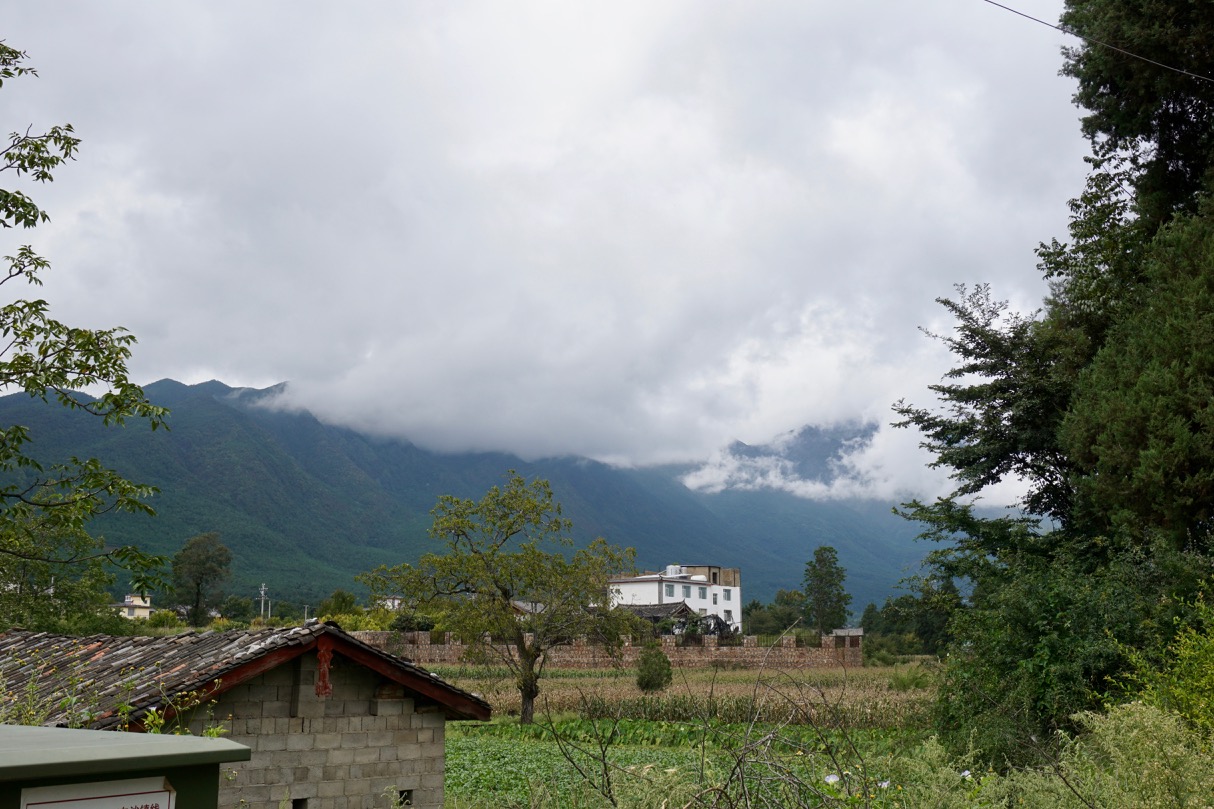
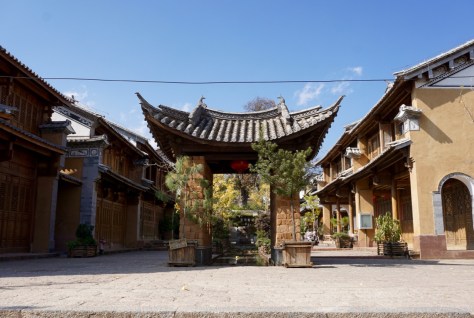
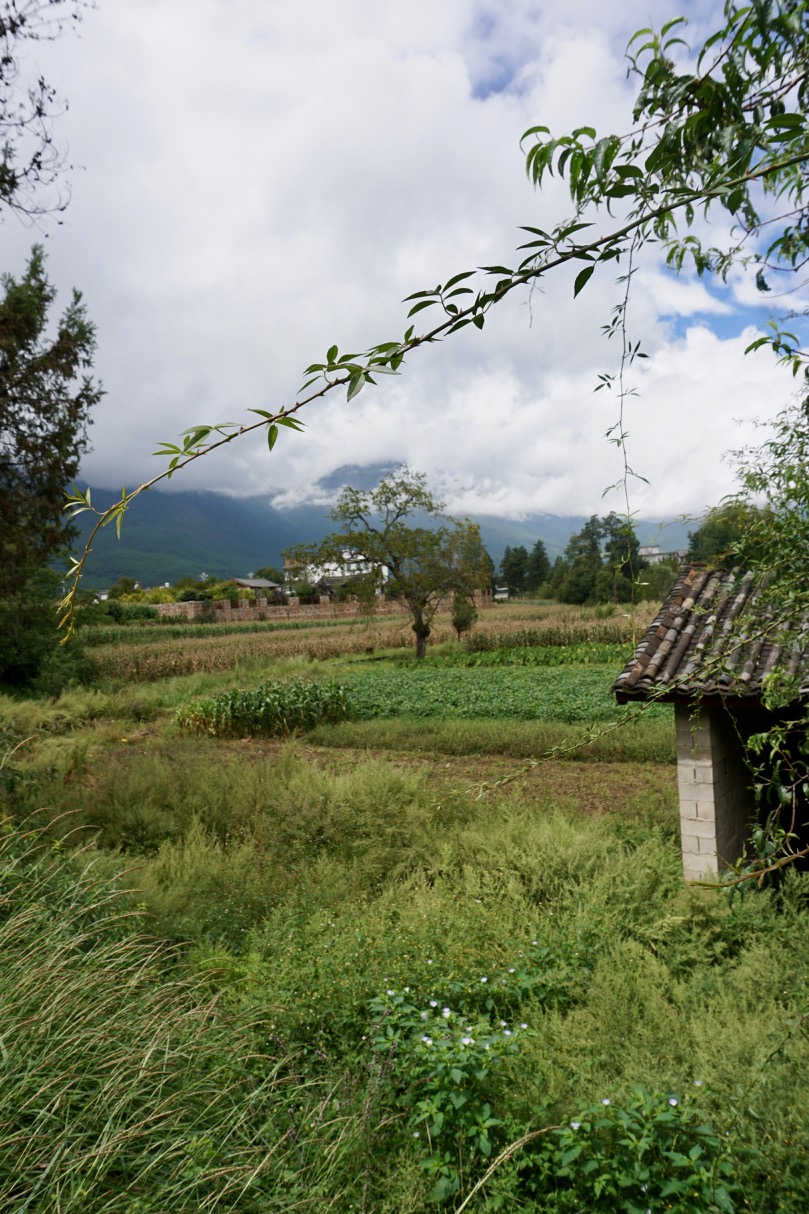
Like most of where we go on these trips, Baisha is a small rural community and it’s beautiful.
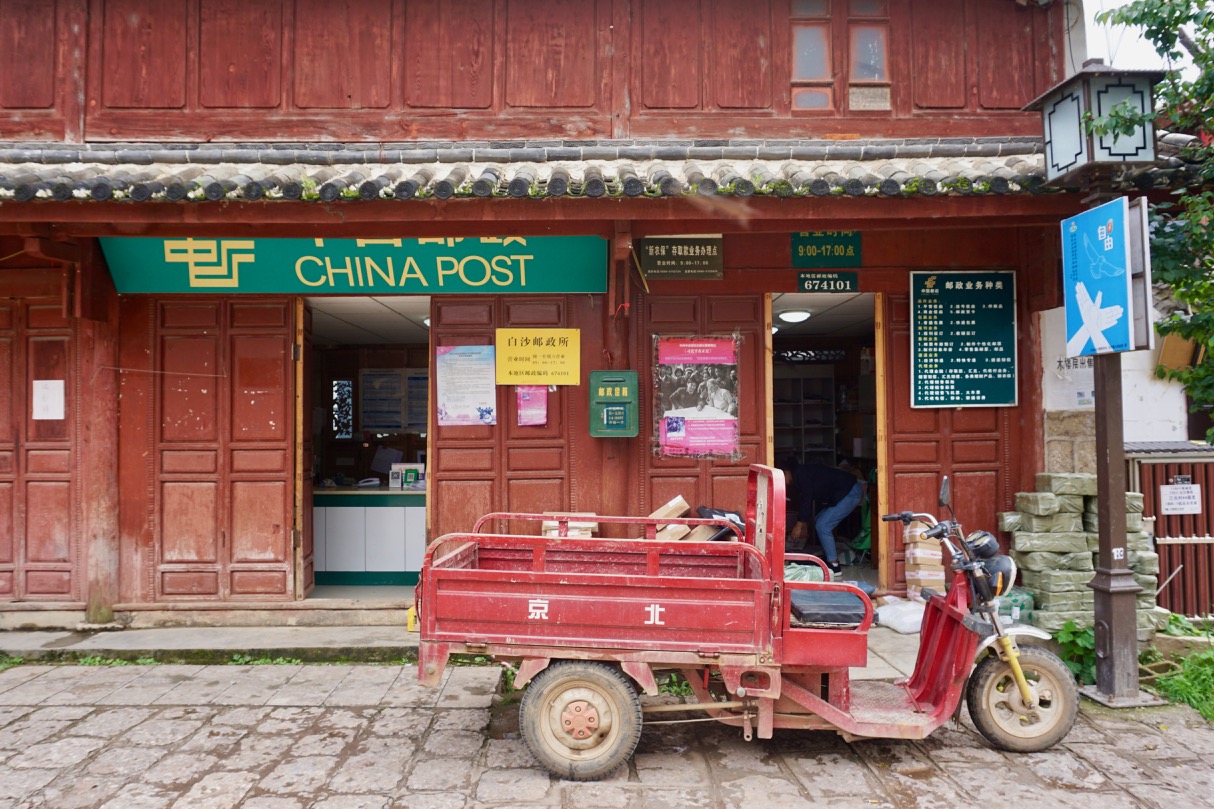
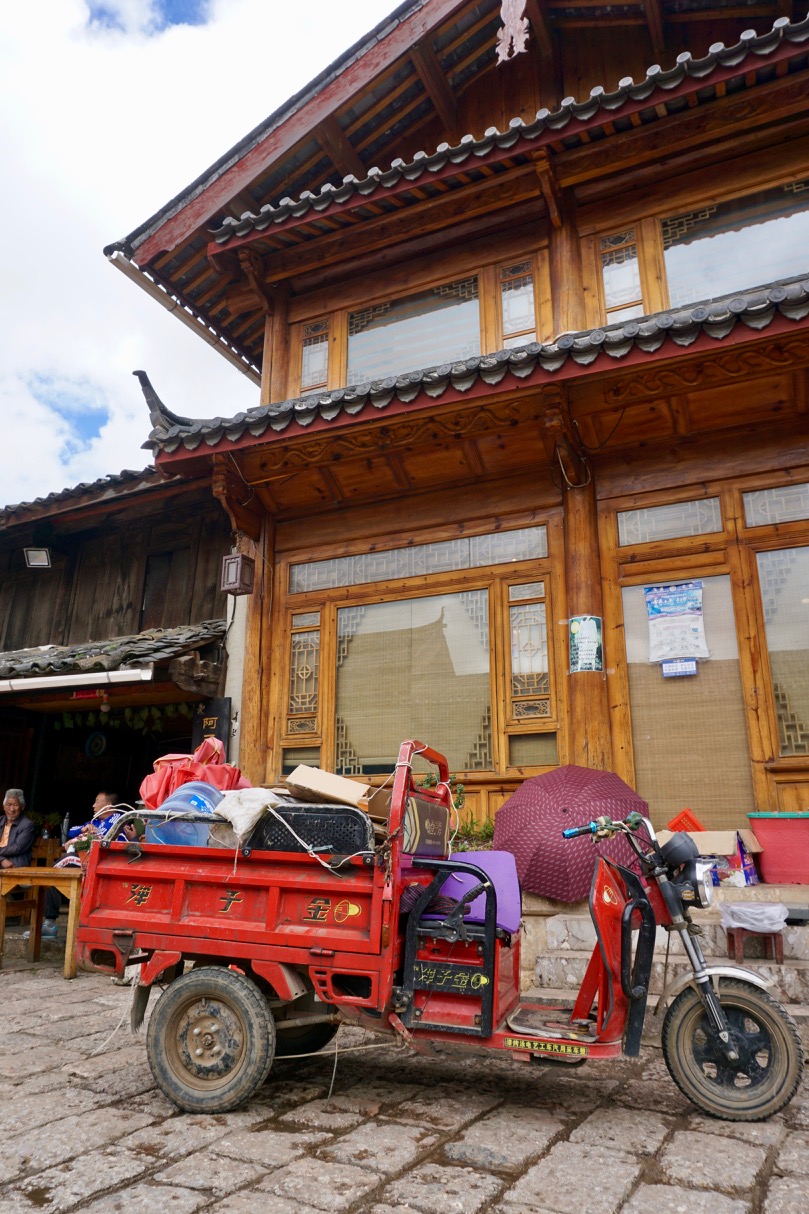
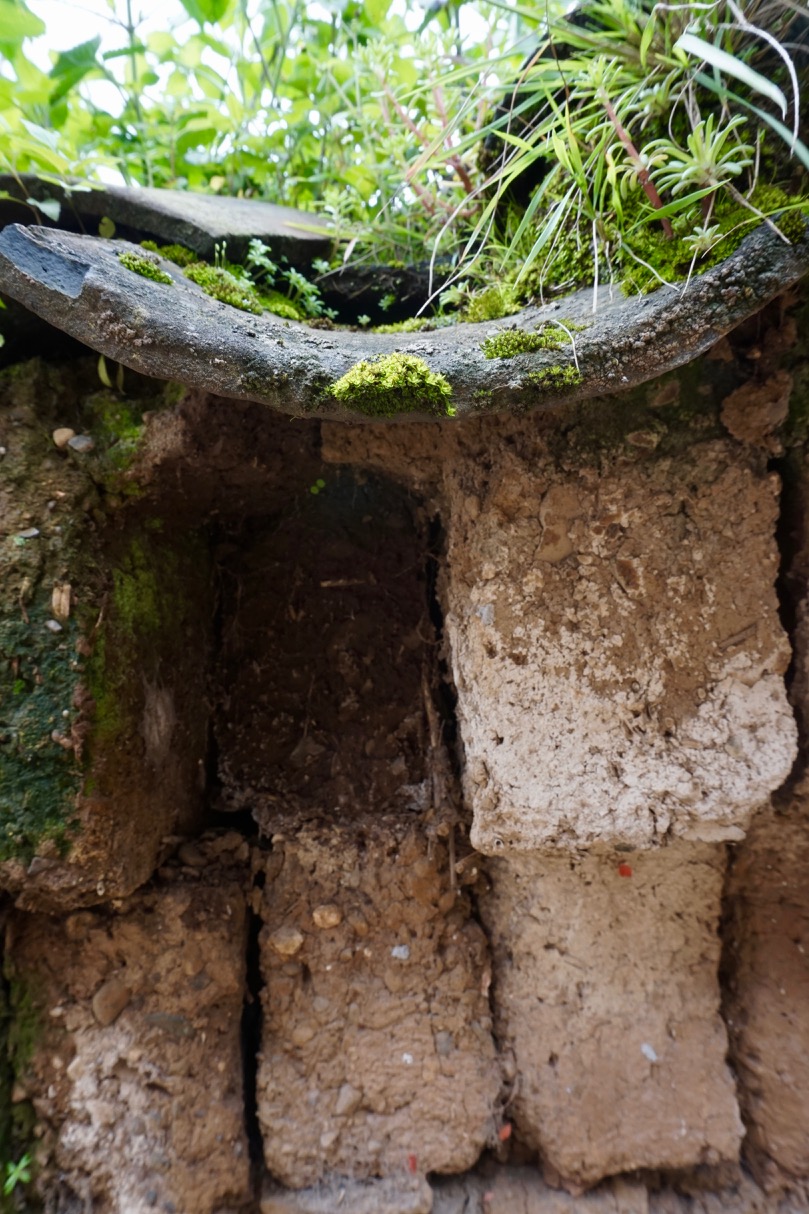
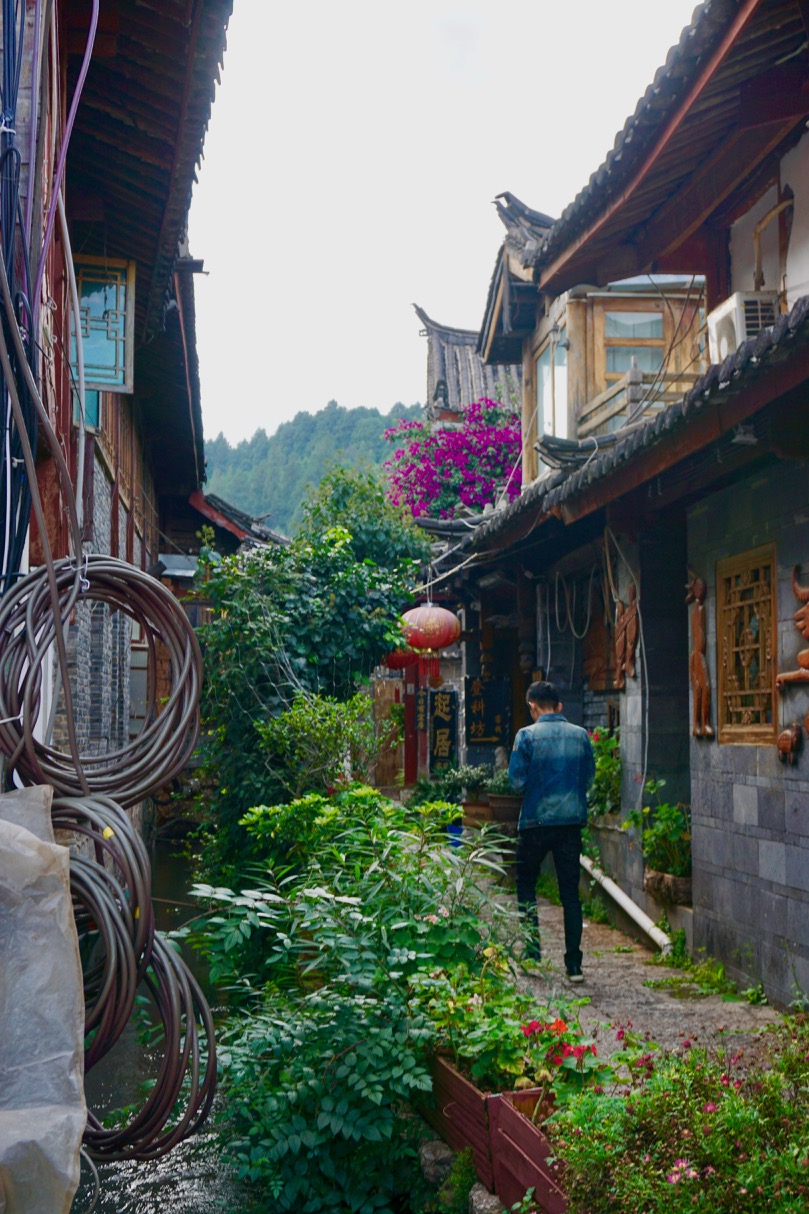
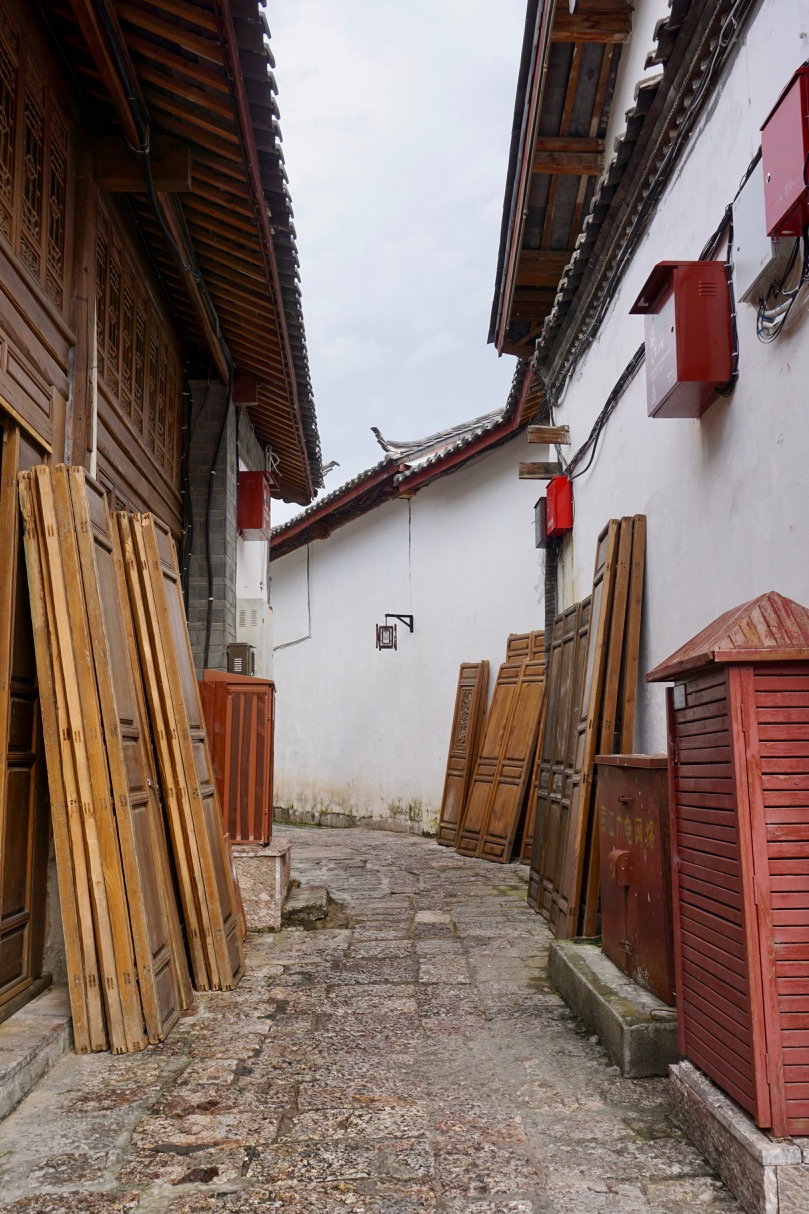
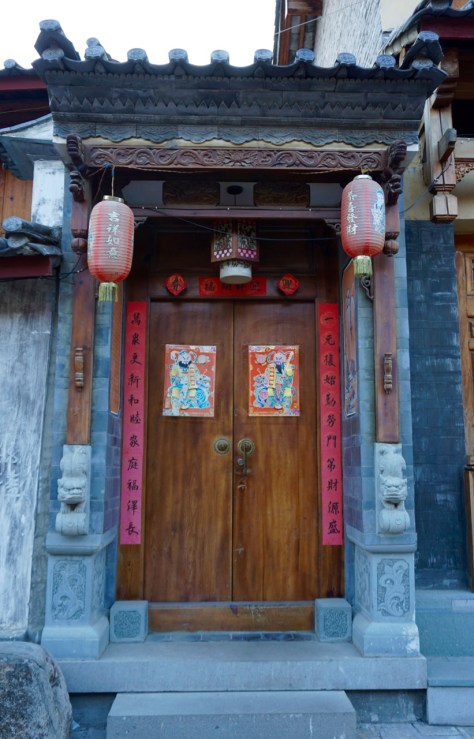
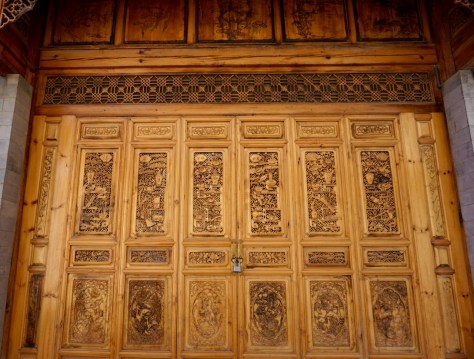
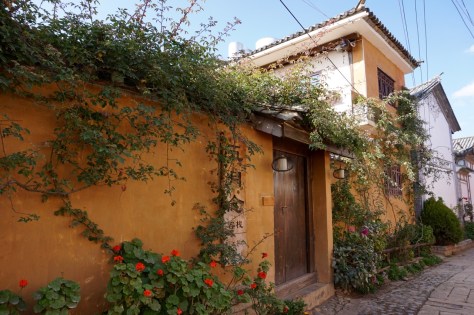
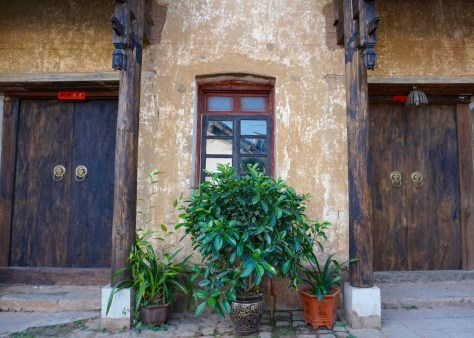
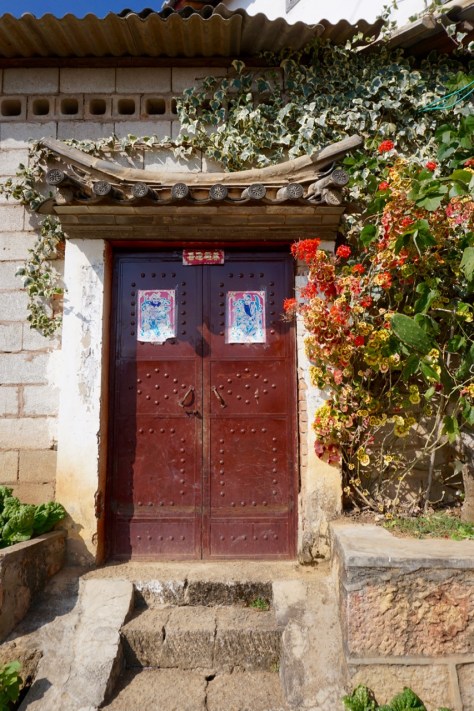
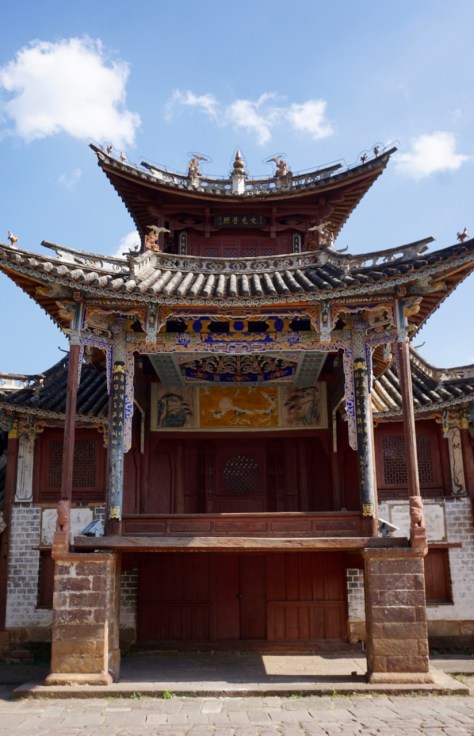
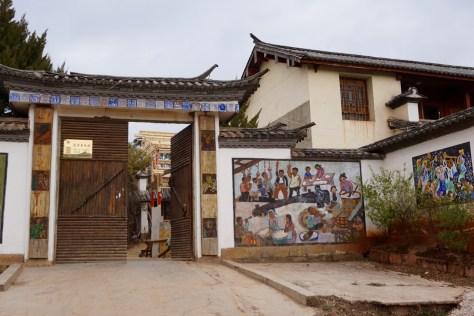
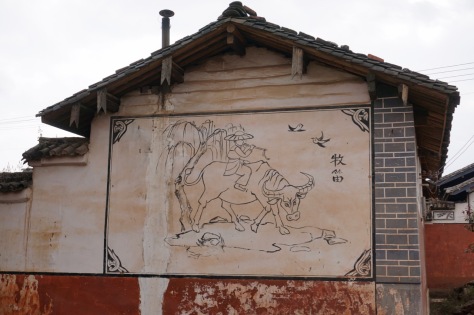
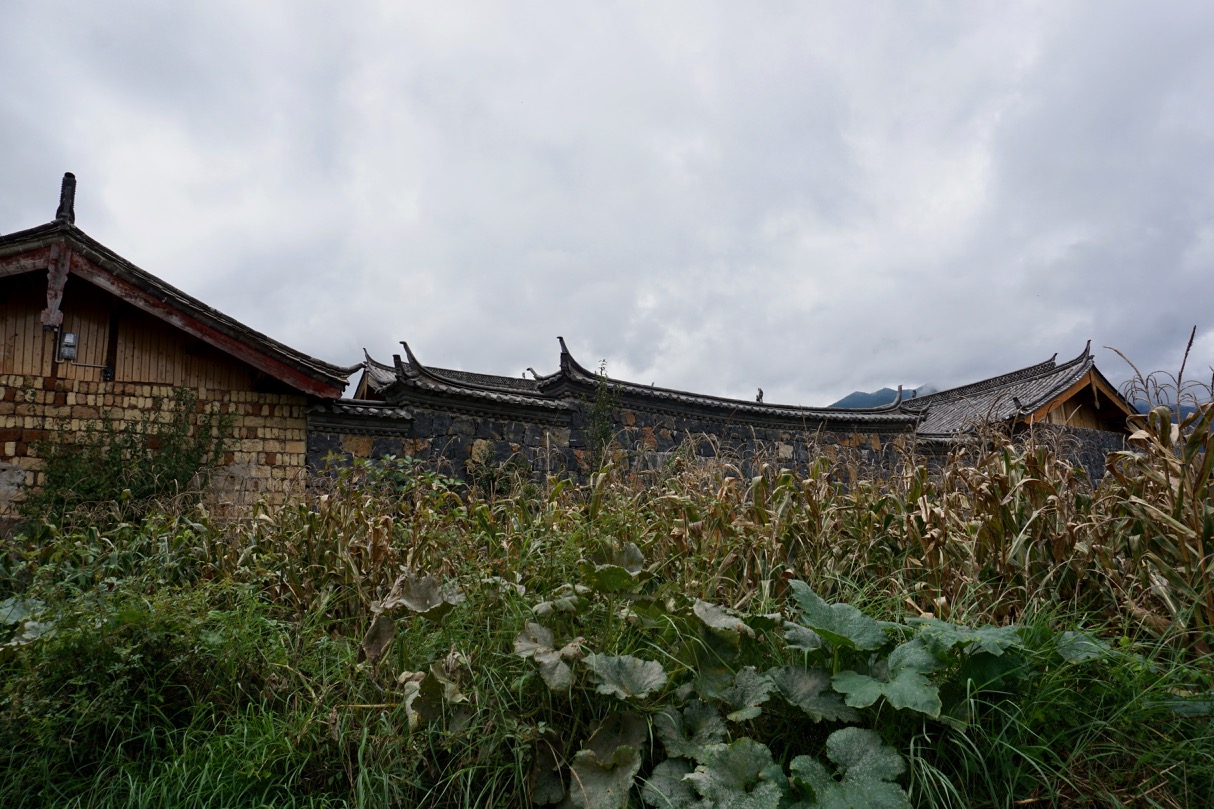
I was particularly fascinated with how buildings are constructed and how space is used.

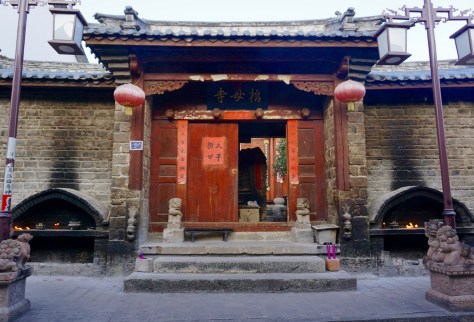
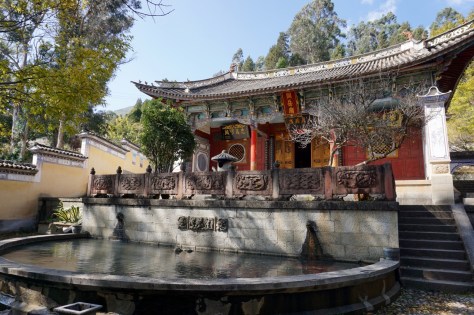
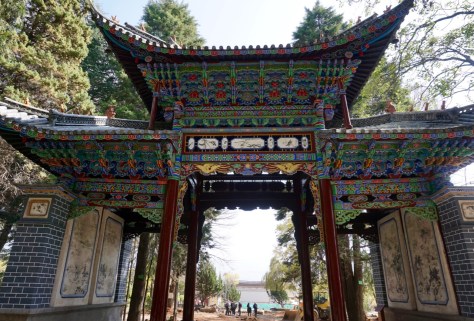
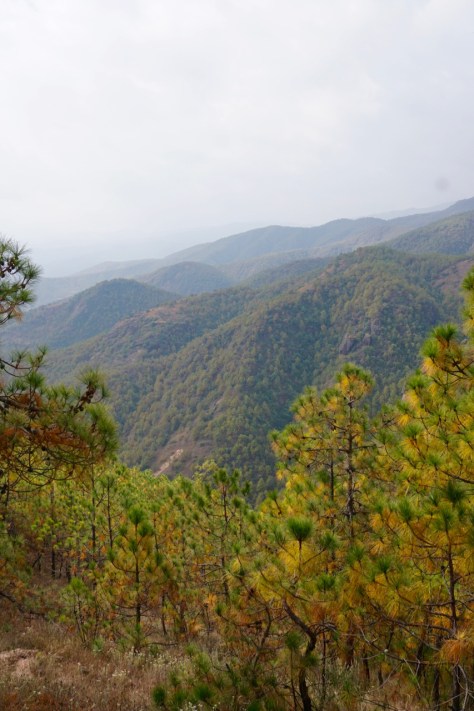
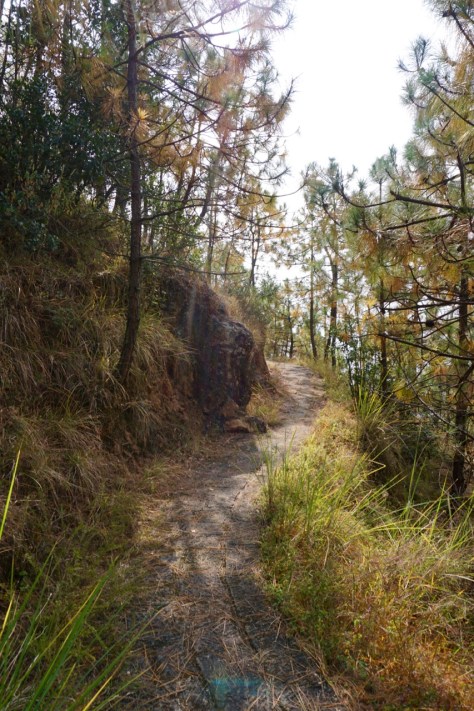
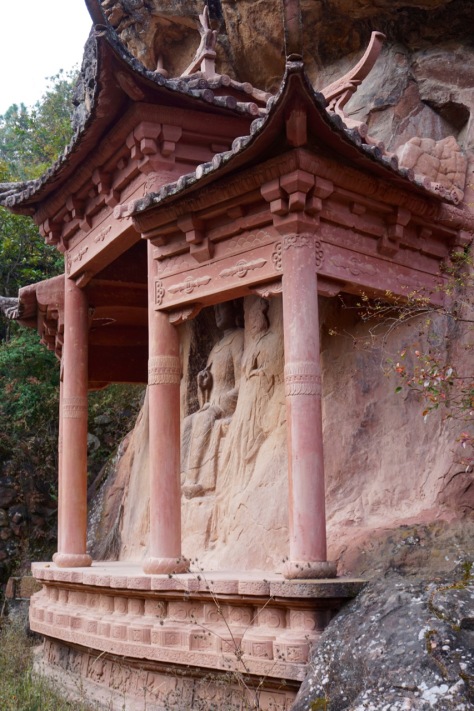
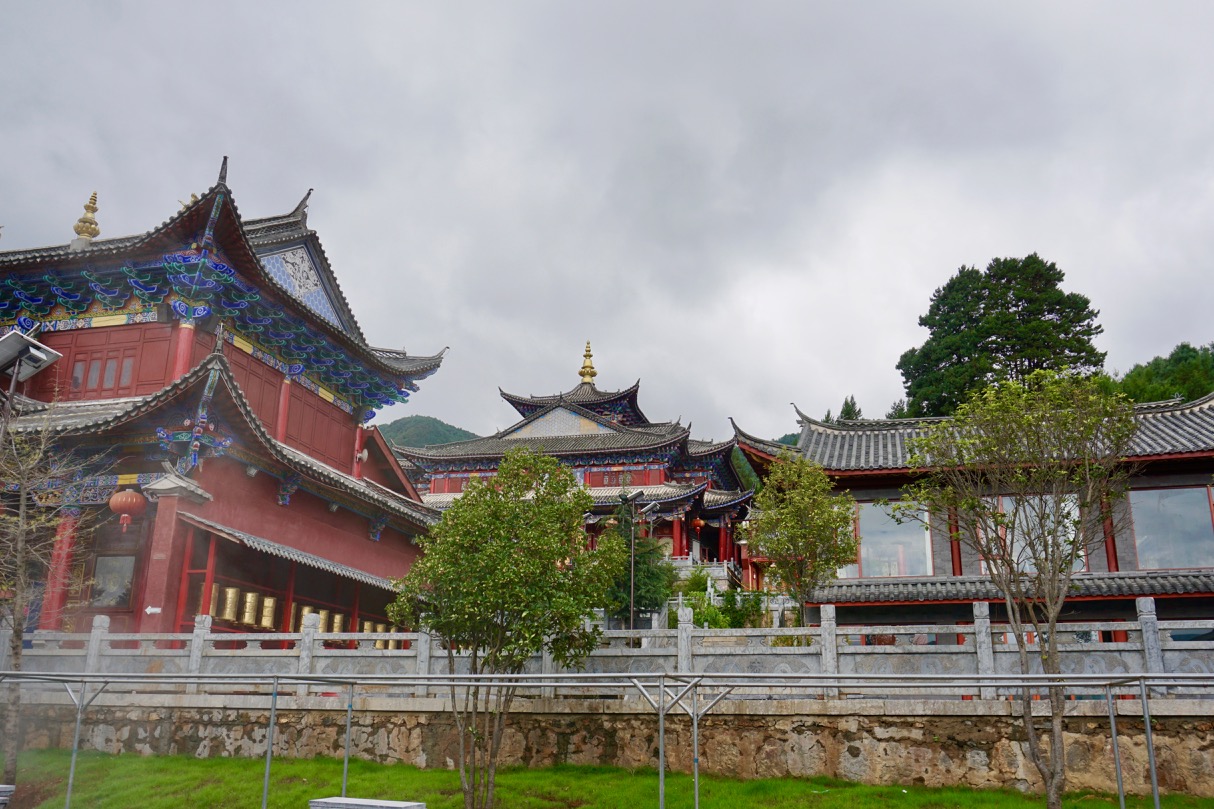
Our primary reason for being in Yunnan was to engage with the environment around us and the minority groups that live there. Our first real activity was a hike up to Fuguo Monastery, a Tibetan Buddhist monastery that has been around since 1601. The hike was beautiful and we really enjoyed the cool air. We don’t get air like that in Singapore.
I’ve been to many temples and monasteries and I really enjoy them. I enjoy their beauty, their quiet, and their overwhelming sense of peace. I do sometimes wonder if that comes from shutting out the outside world and its problems, but that did not seem to be the case here, such as when the monks utterly defeated our students in our annual basketball game.
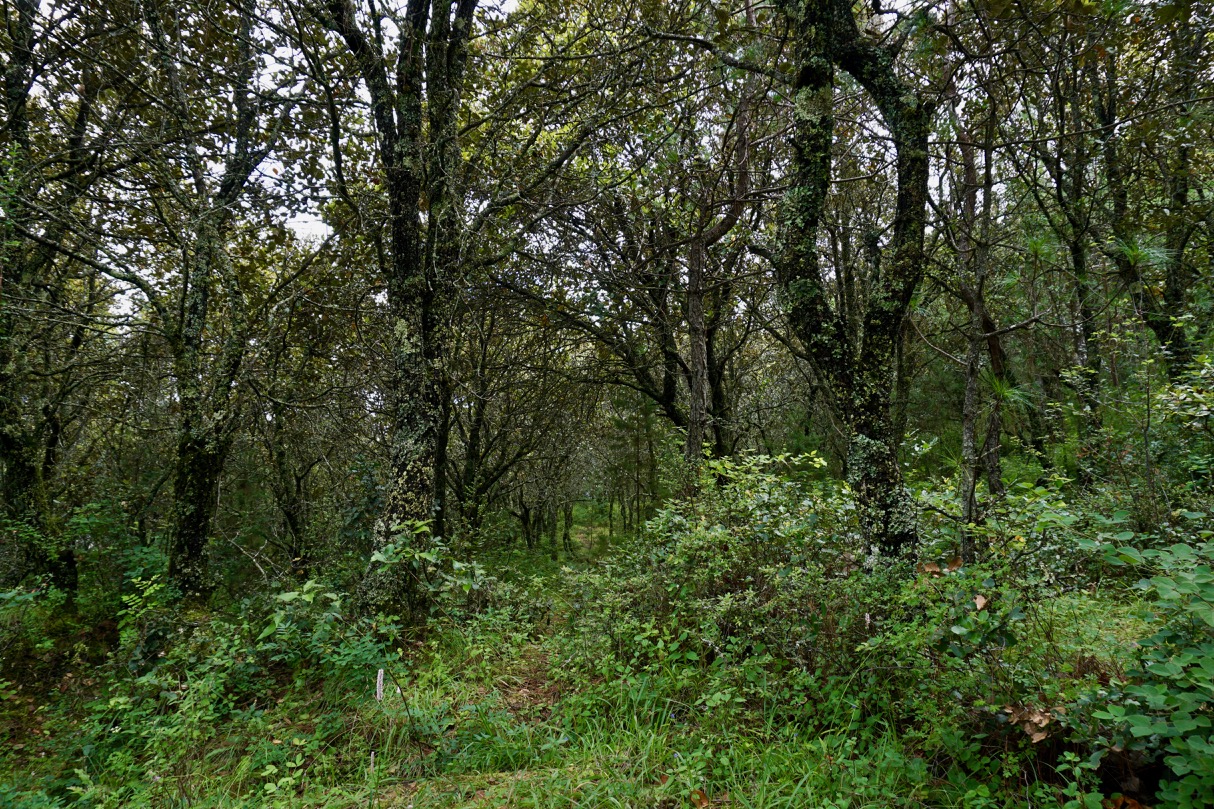
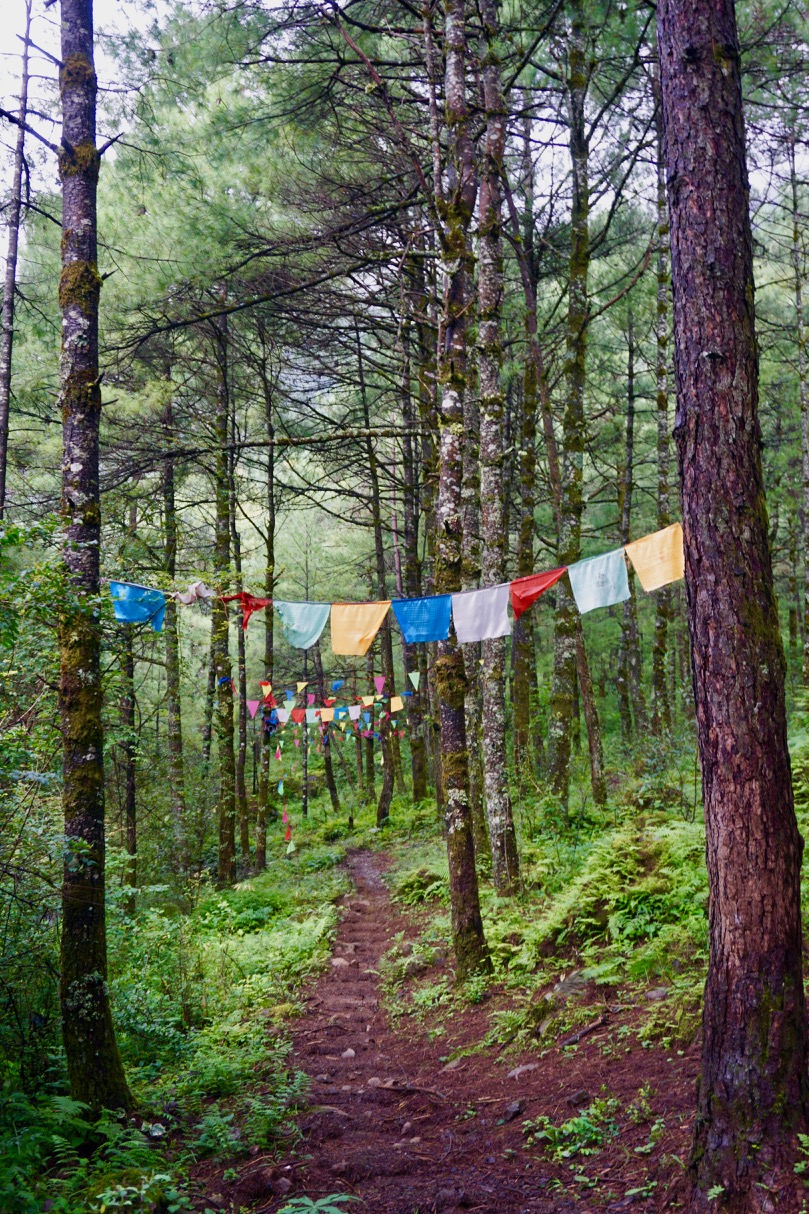
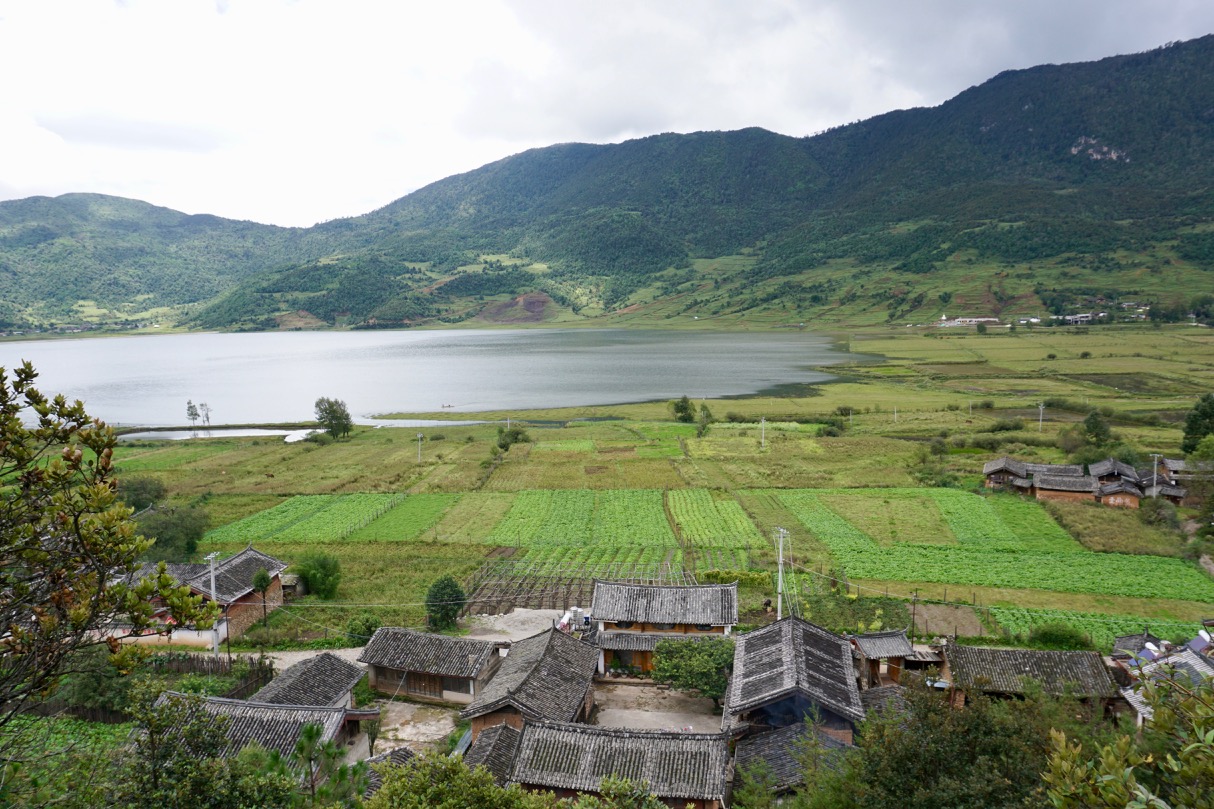
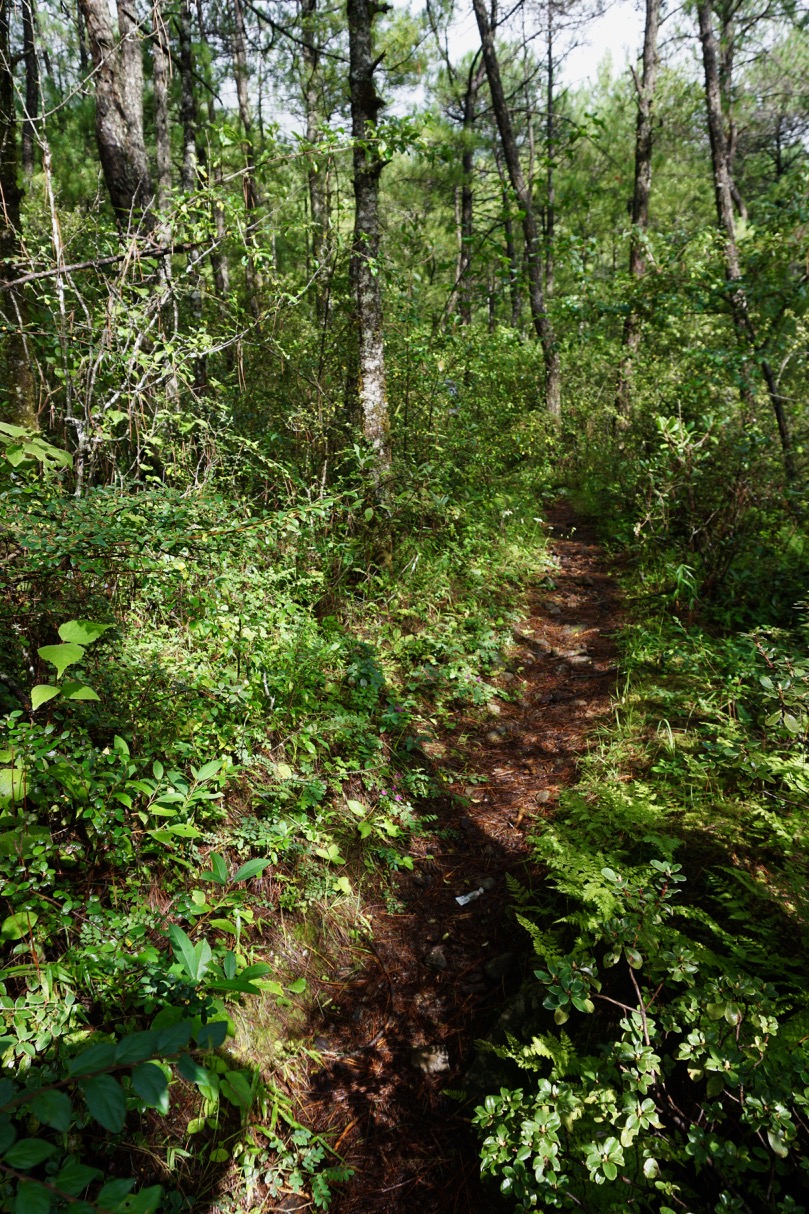
Our exploration of the landscape continued the following day. We hiked up to a reservoir located just outside of town towards the monastery and then down to a village located alongside Wenhai Lake. The terrain was steep and damp from the previous night’s rain and it changed as we walked. Once again, the air tasted different from the air that we have in Singapore and the wind came from a different direction. There were times during our walk when I lost myself in the forest and in the sensations of being somewhere foreign yet completely familiar.

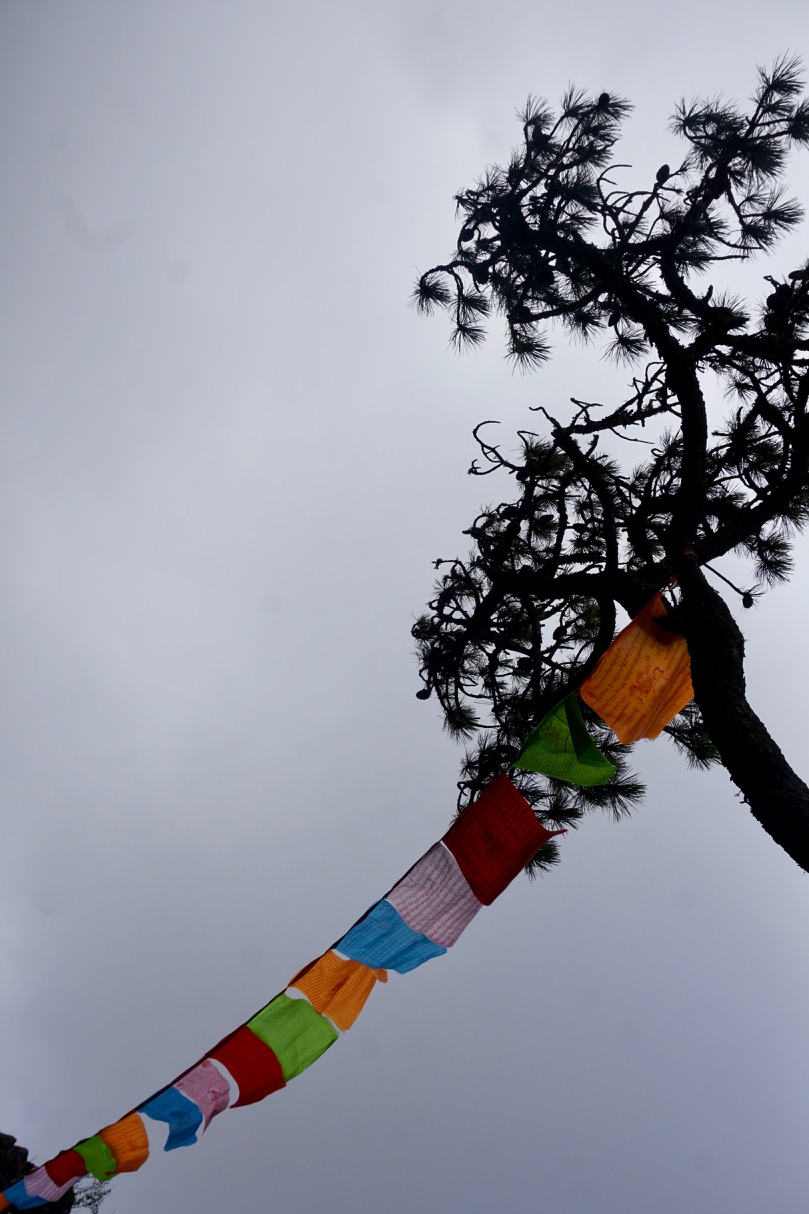
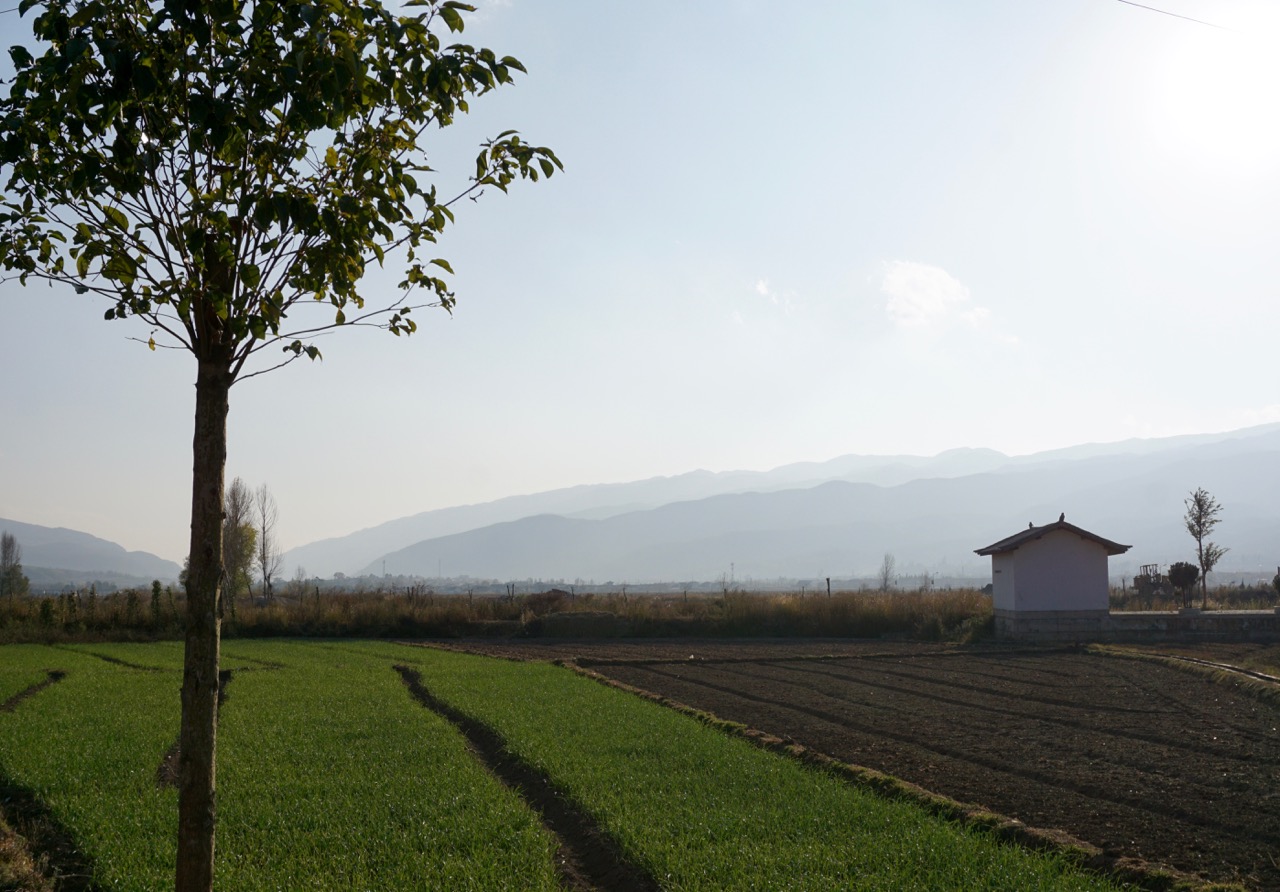
It is a true pleasure to feel like I’m somewhere new and to look around at a completely different sky. Singapore is dense and full of tall buildings; our time in Yunnan gave me some much-needed solace and an escape from a world that I often feel is moving too quickly.

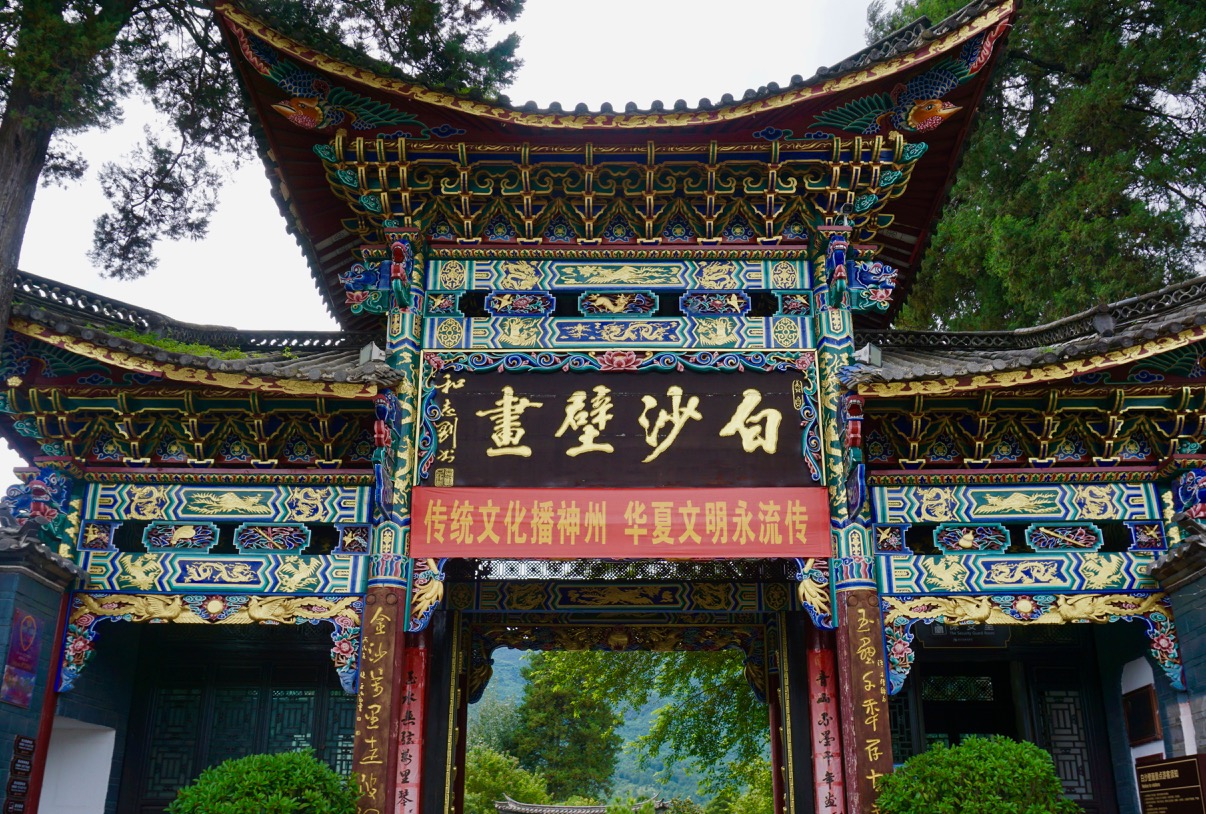
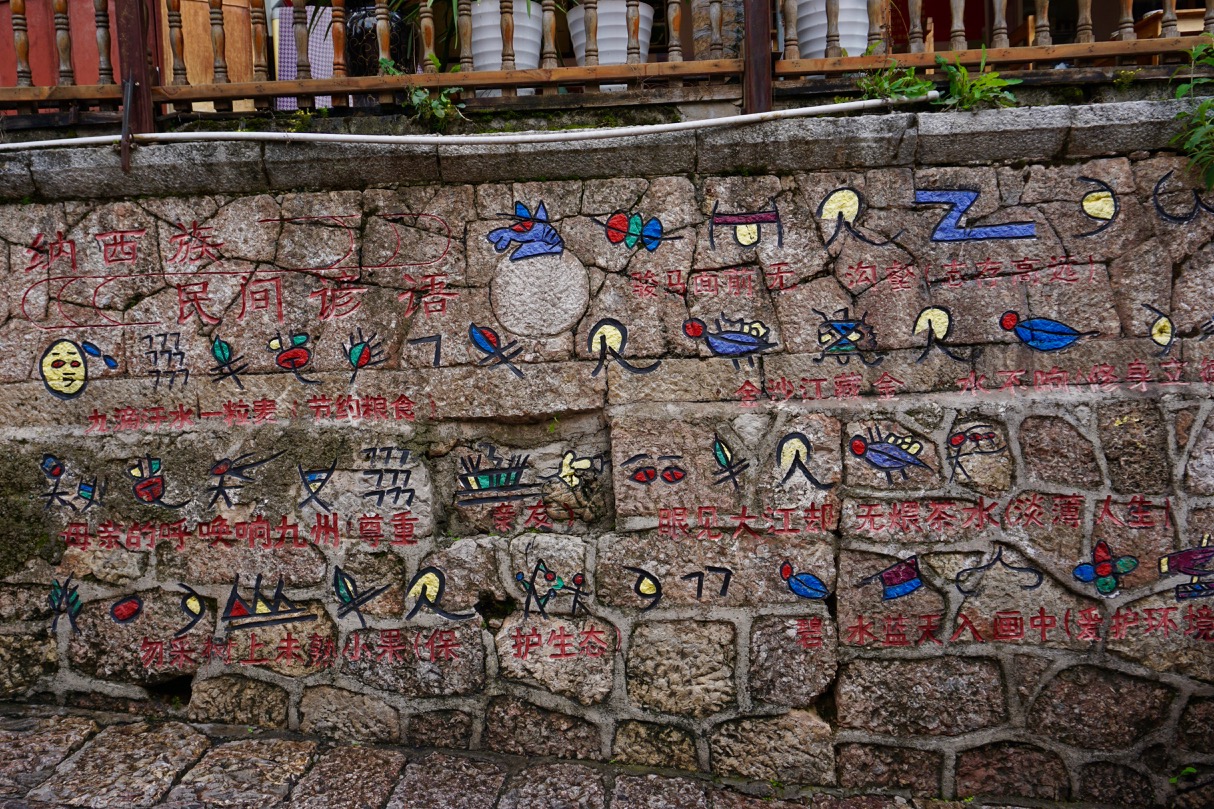
From our forest walk, we visited the Baisha Naxi Embroidery Institute where we learned traditional Naxi Dongba calligraphy. The symbols are pictographs that can be combined in a variety of ways to create many different messages. It was a lot of fun to use the calligraphy brush! We also learned traditional embroidery, which the kids really enjoyed and which reminded me of the sewing I used to do in elementary school.

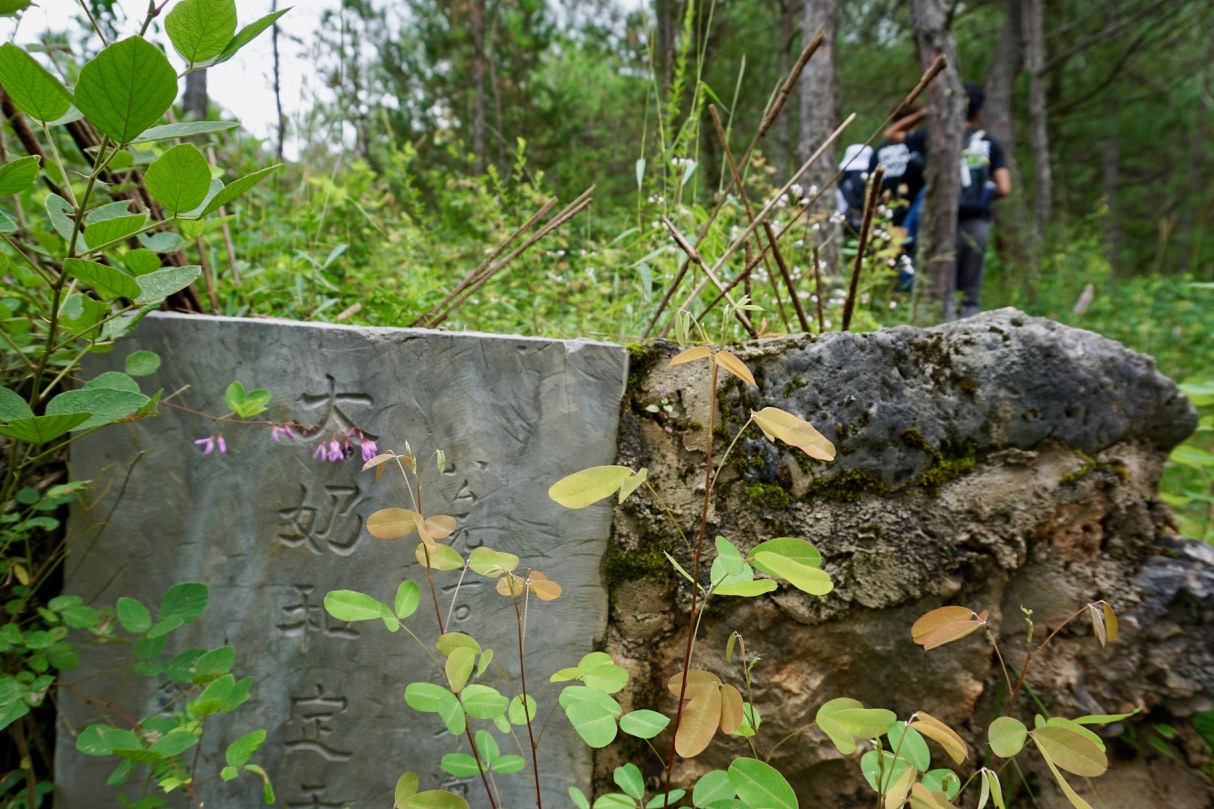
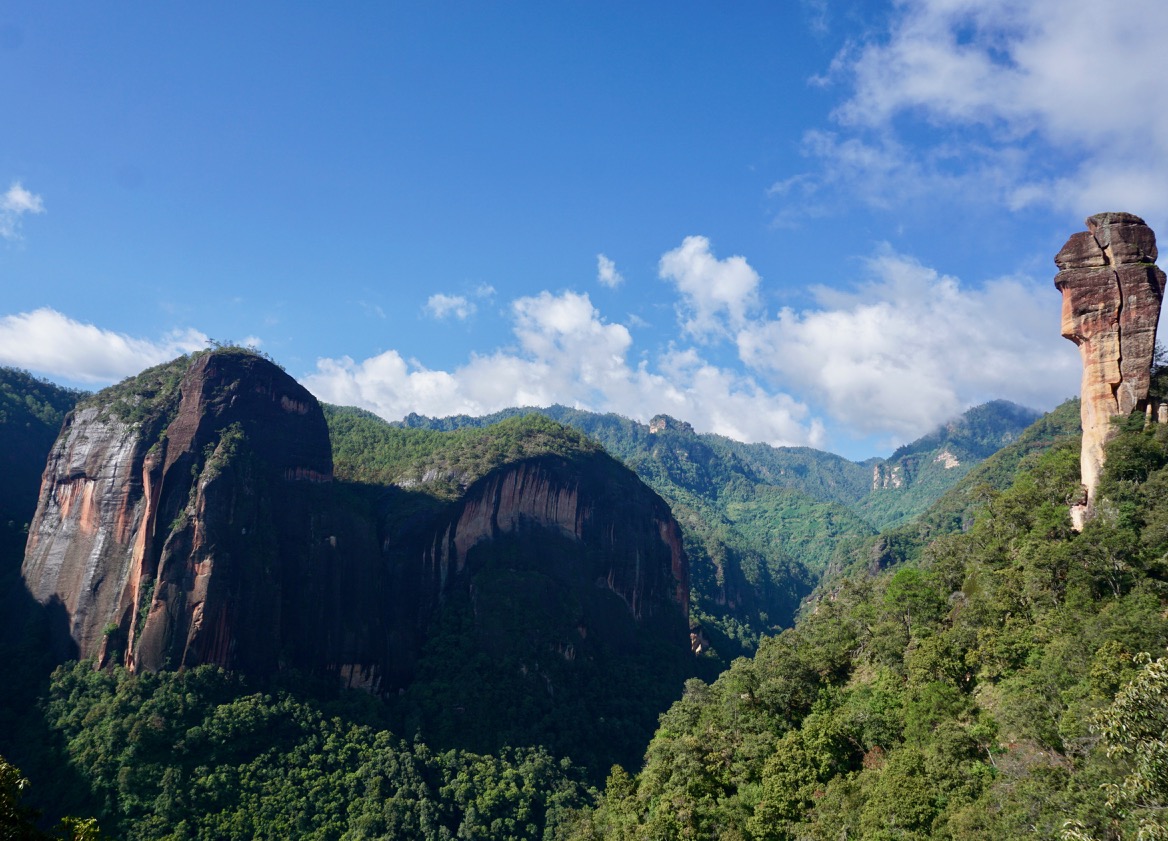
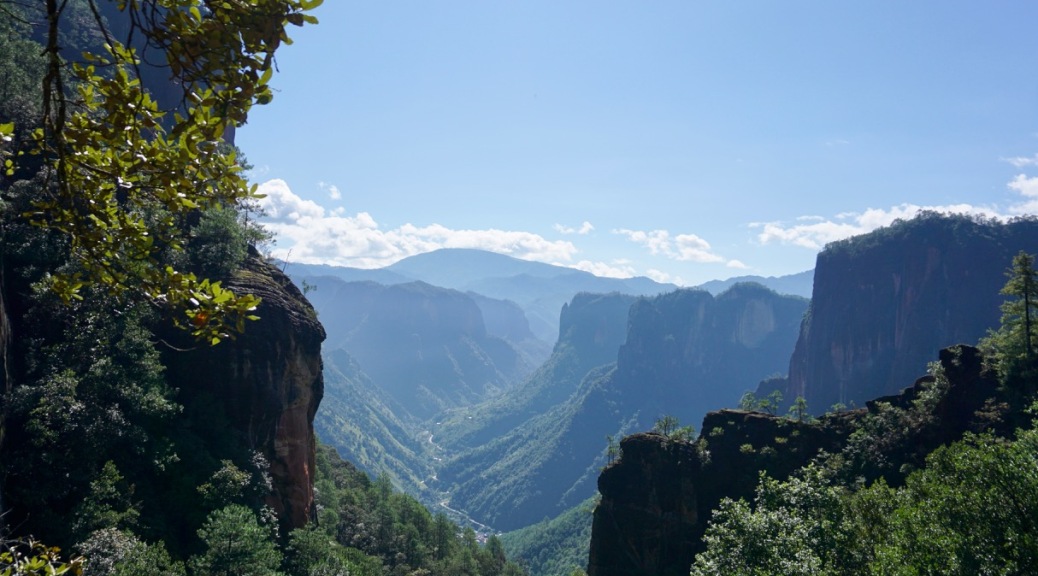
We did not stay still in Yunnan, however. After two nights in Baisha we took a three-hour bus ride to Laojunshan. If I’m going to return to any part of Yunnan on my own, Laojunshan is it. I didn’t know it before I arrived, but the area is China’s traditional climbing heaven and as soon as we got there, I understood why.
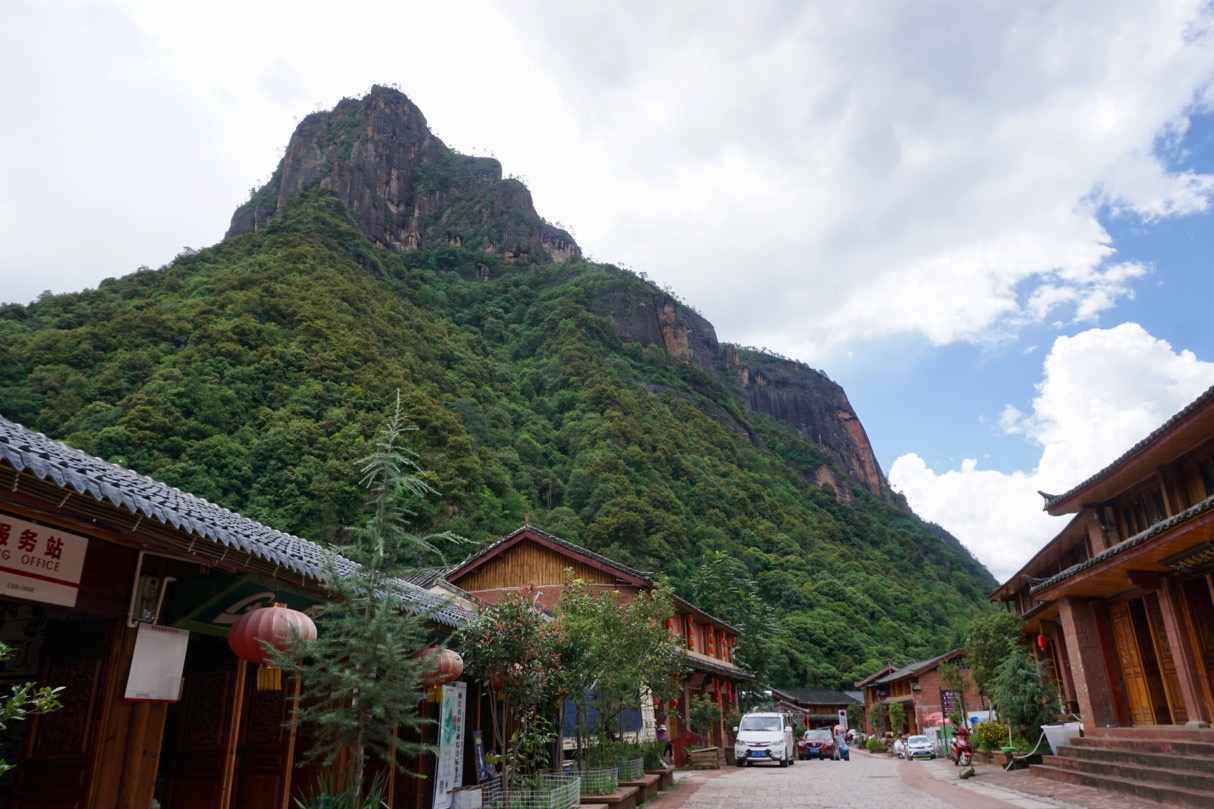
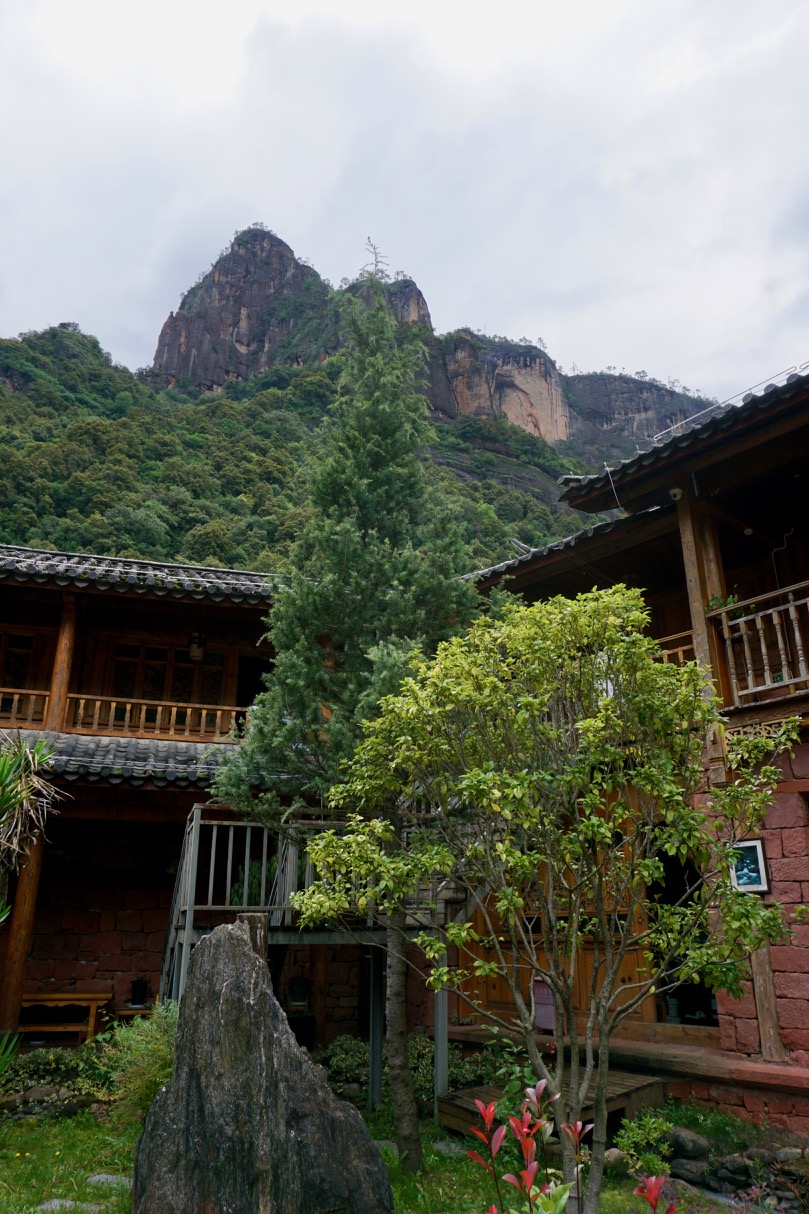
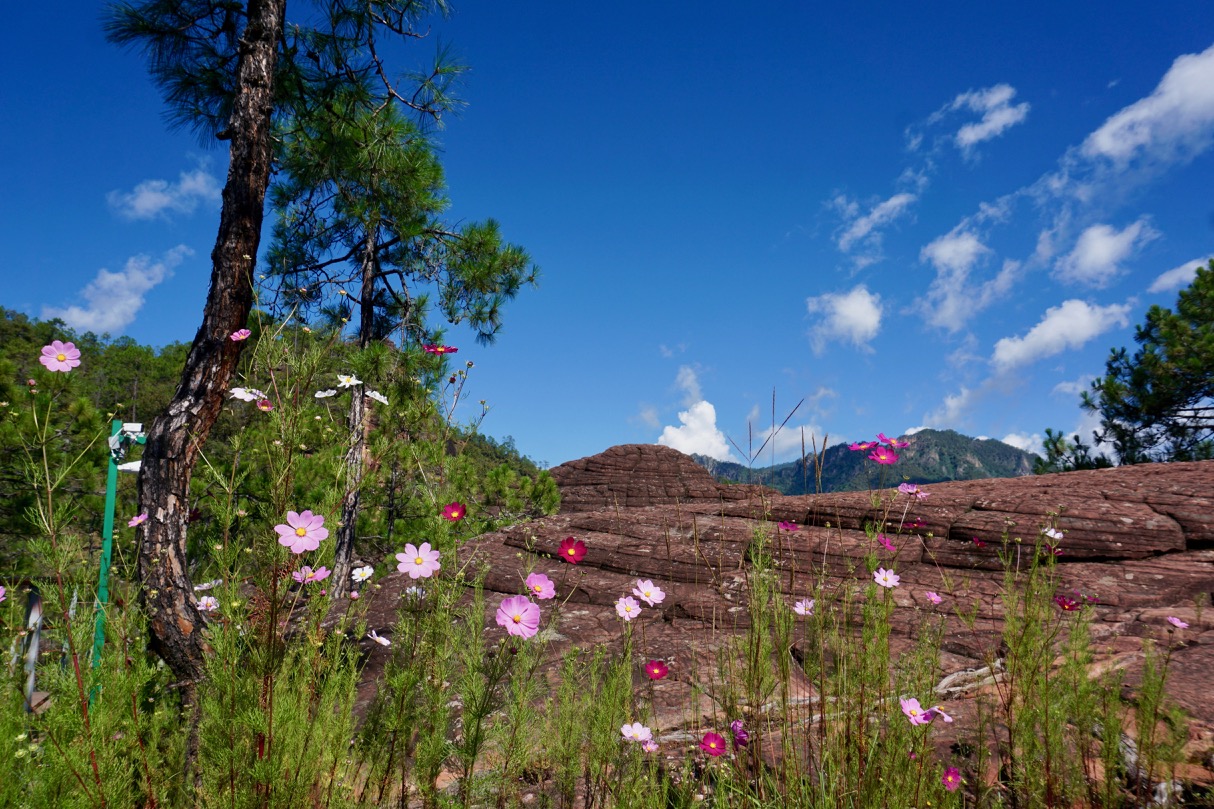
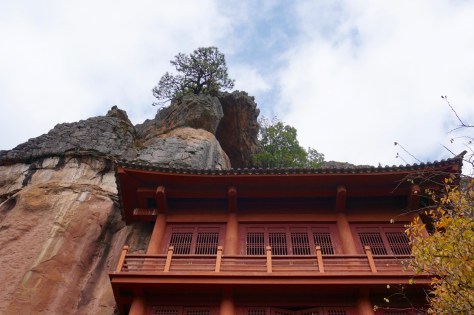
The buildings are beautiful, too, and fit so completely into the red sandstone that was everywhere.

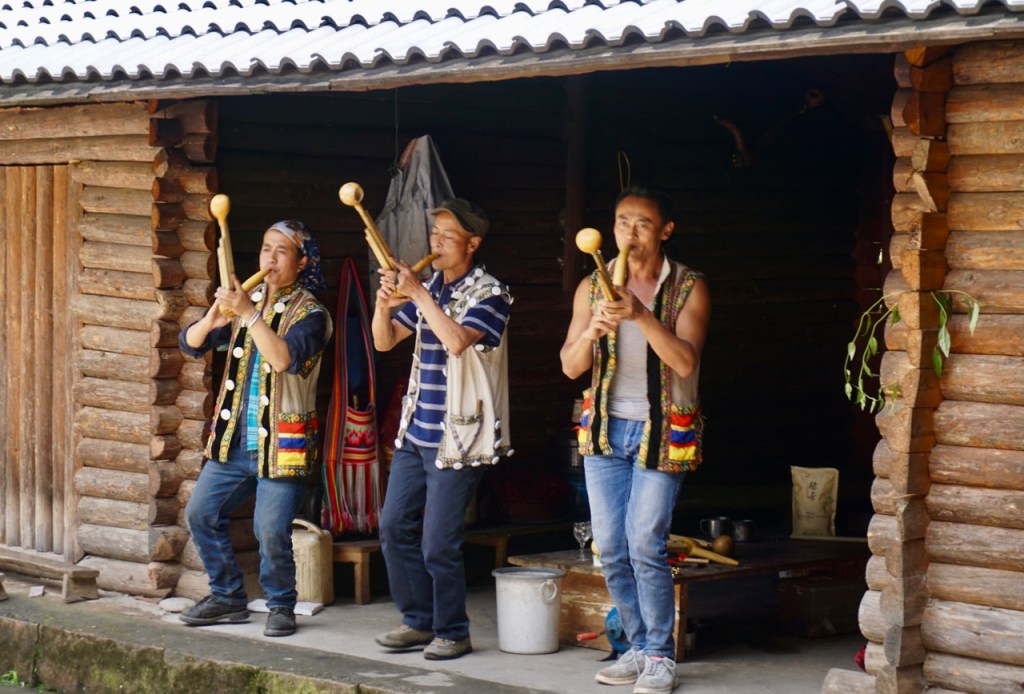
Many people from the Lisu minority community live in the area around Laojunshan and are known for their music and dance. We visited the home of famous Lisu musicians who have performed as far away as France. We spent an afternoon with them to make bamboo flutes and learn traditional Lisu dances. A week later, my flute still tastes and smells like wood and smoke, which I love.
Later that evening we had the opportunity to put our Lisu dance steps into practice, which was great fun. Laojunshan is basically one long street and the nightly entertainment is dancing! We gathered with the community after dark in a large courtyard with lights, tables, and benches and followed along as best we could. The Lisu women had beautiful costumes and many men were involved in the dance, too.

When we left the dancing, I looked up at the stars. It was so dark and there were so many stars. We don’t see that in Singapore.

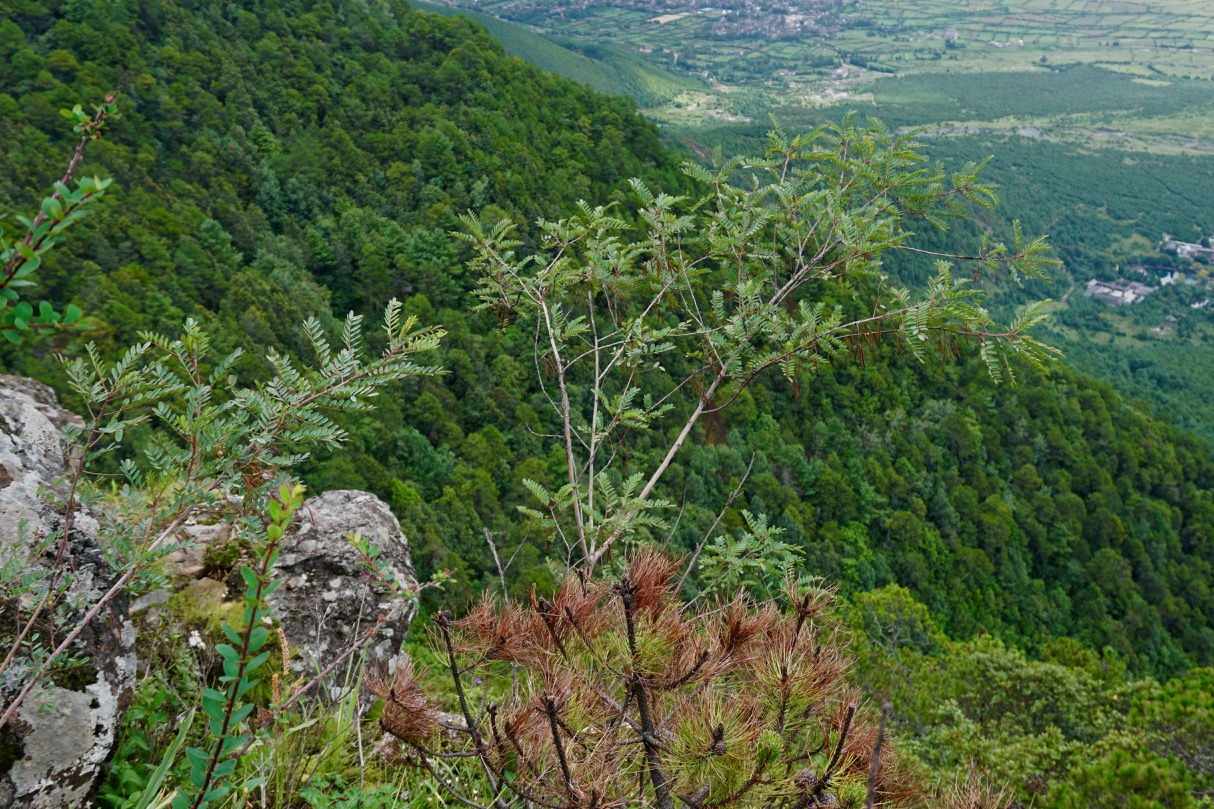
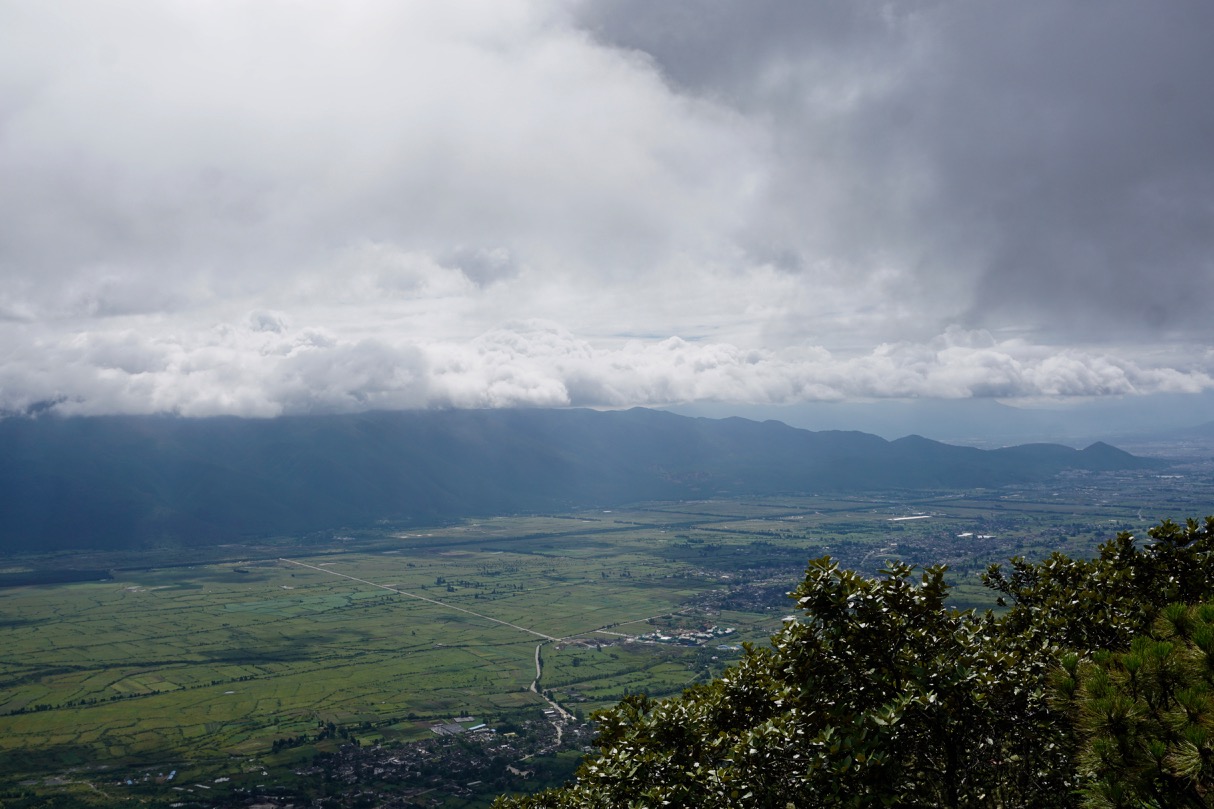
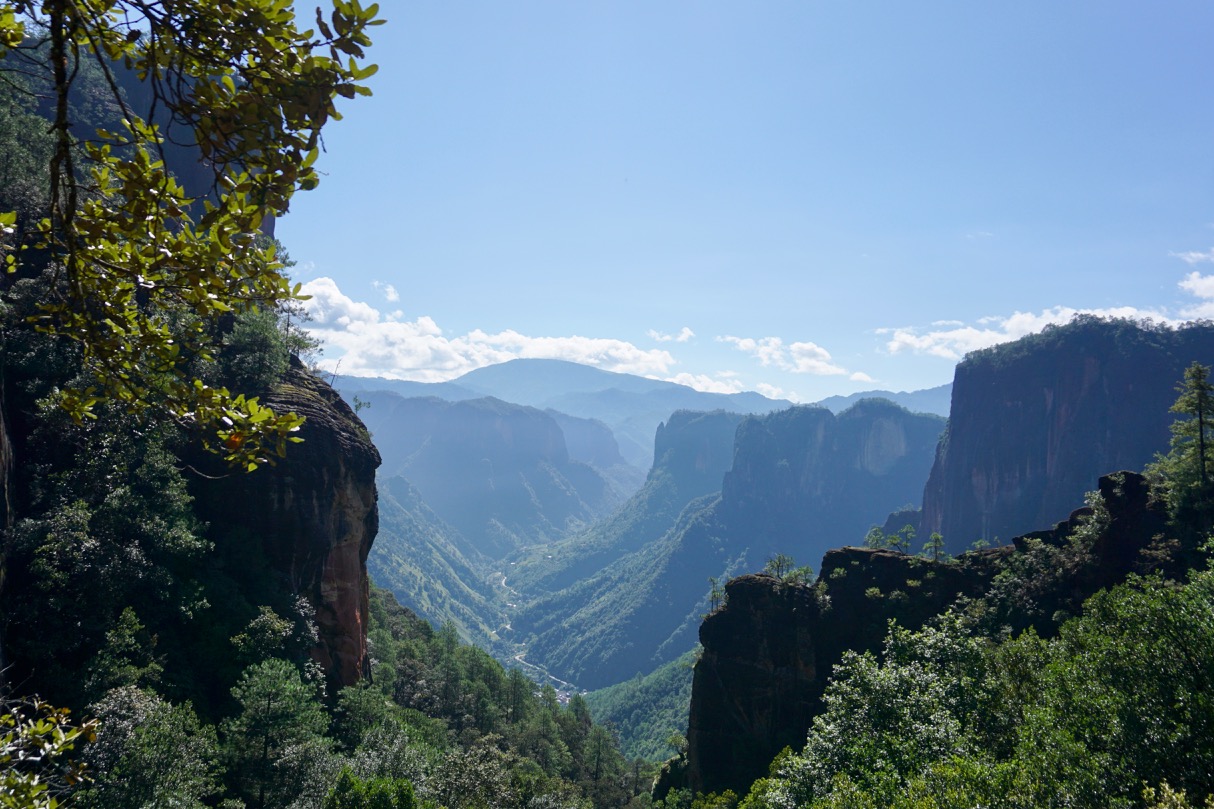
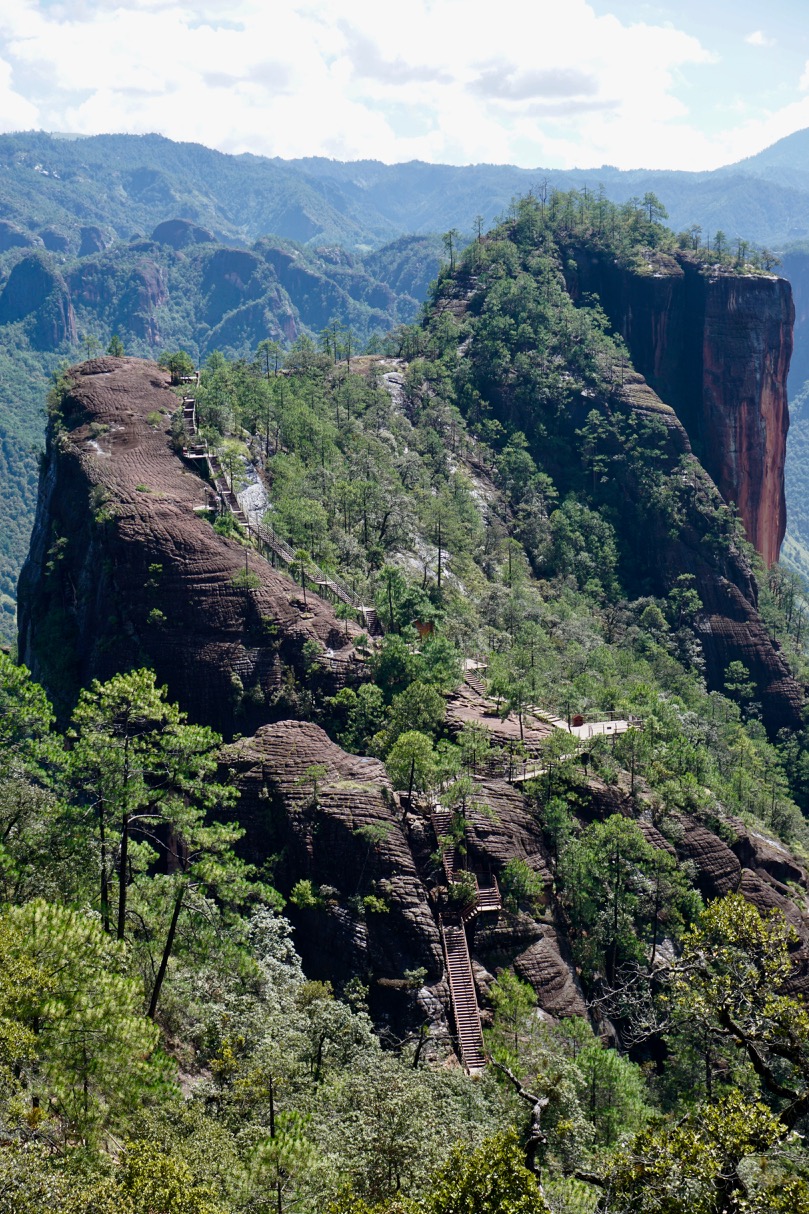
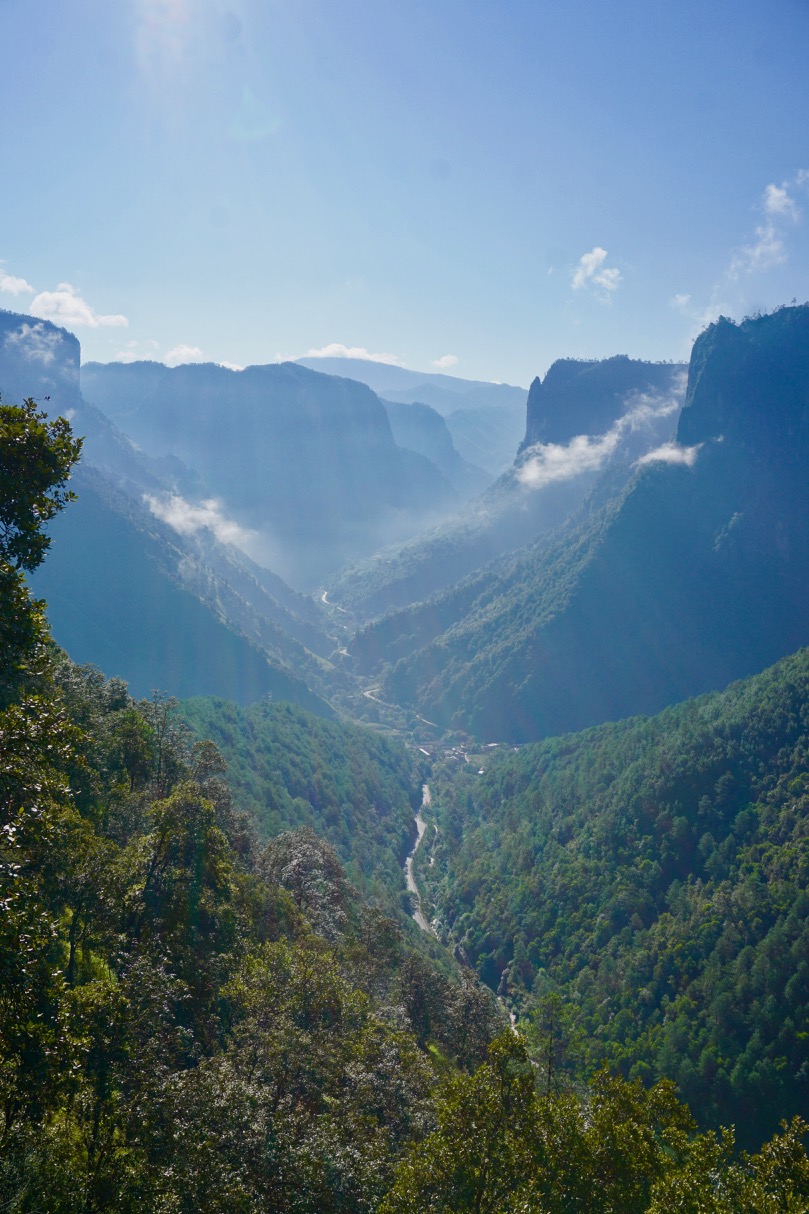
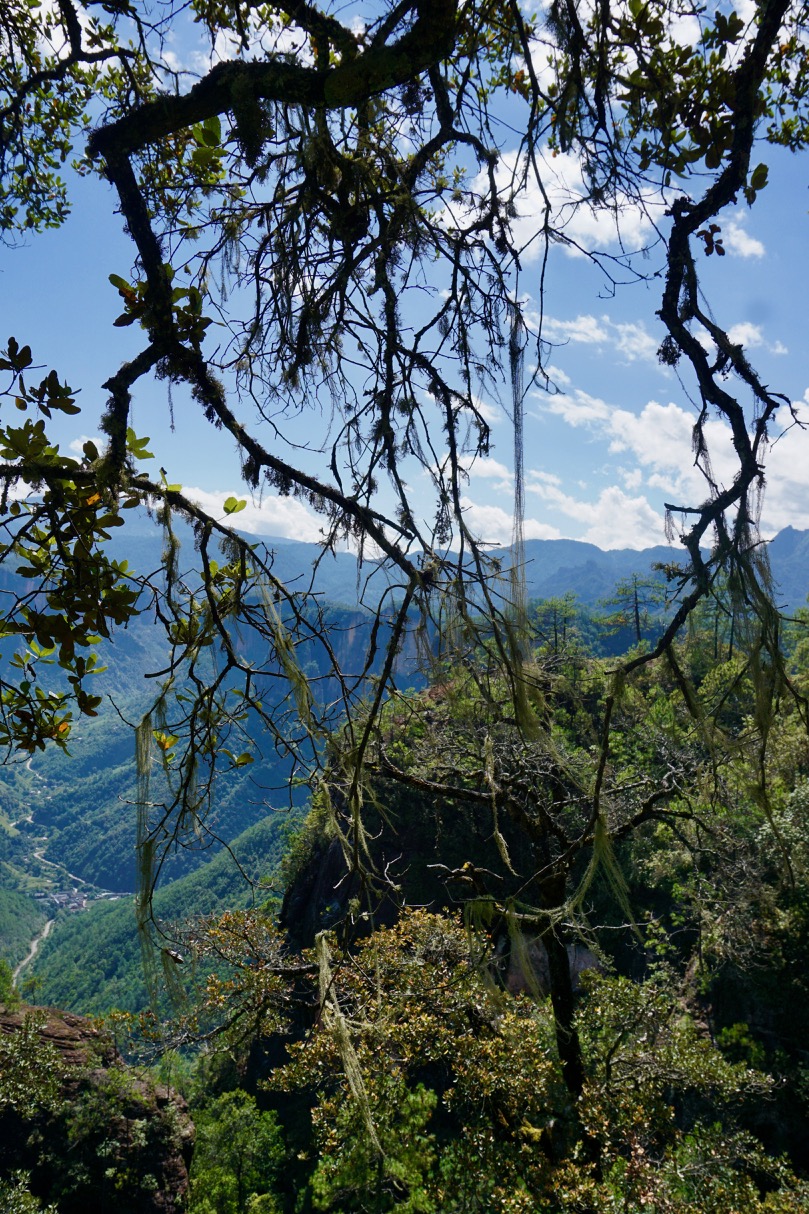
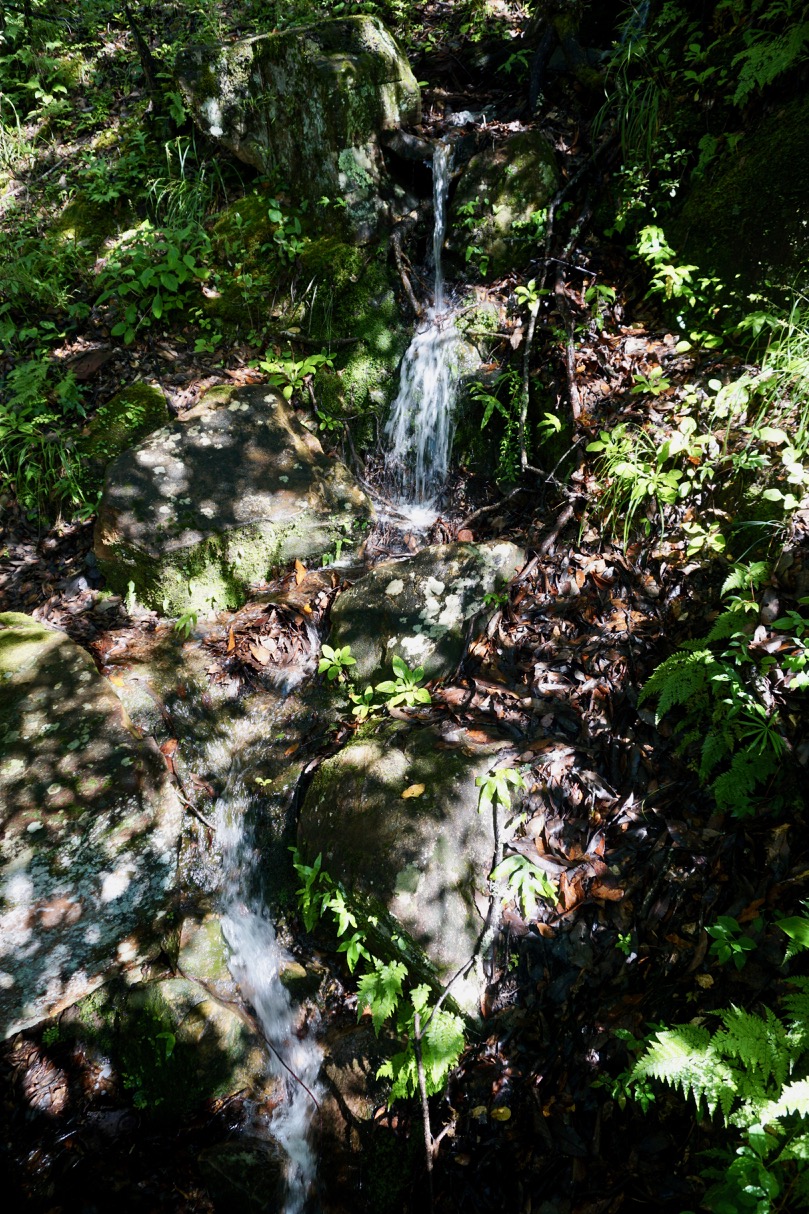
Another thing we don’t see in Singapore is mountains. The following day we climbed Thousand Turtle Mountain, which was astonishingly beautiful. The views are glorious and the day was fresh and new from rain the night before. I loved watching the light and the mountains appear from the mist. I took some time to write and to sit and breathe the air; there aren’t many occasions when the world feels right to me but this was certainly one of those, for which I am grateful.

Thousand Turtle Mountain feels like a different world from anywhere but it was starkly different to Lijiang, our final destination that afternoon. Lijiang is about three hours by bus from Laojunshan and the home of the closest airport to where we were. At just over a million people, one of my Chinese colleagues pronounced it tiny. Considering we’d spent the week in towns so small that you could count the number of streets, Lijiang felt huge.

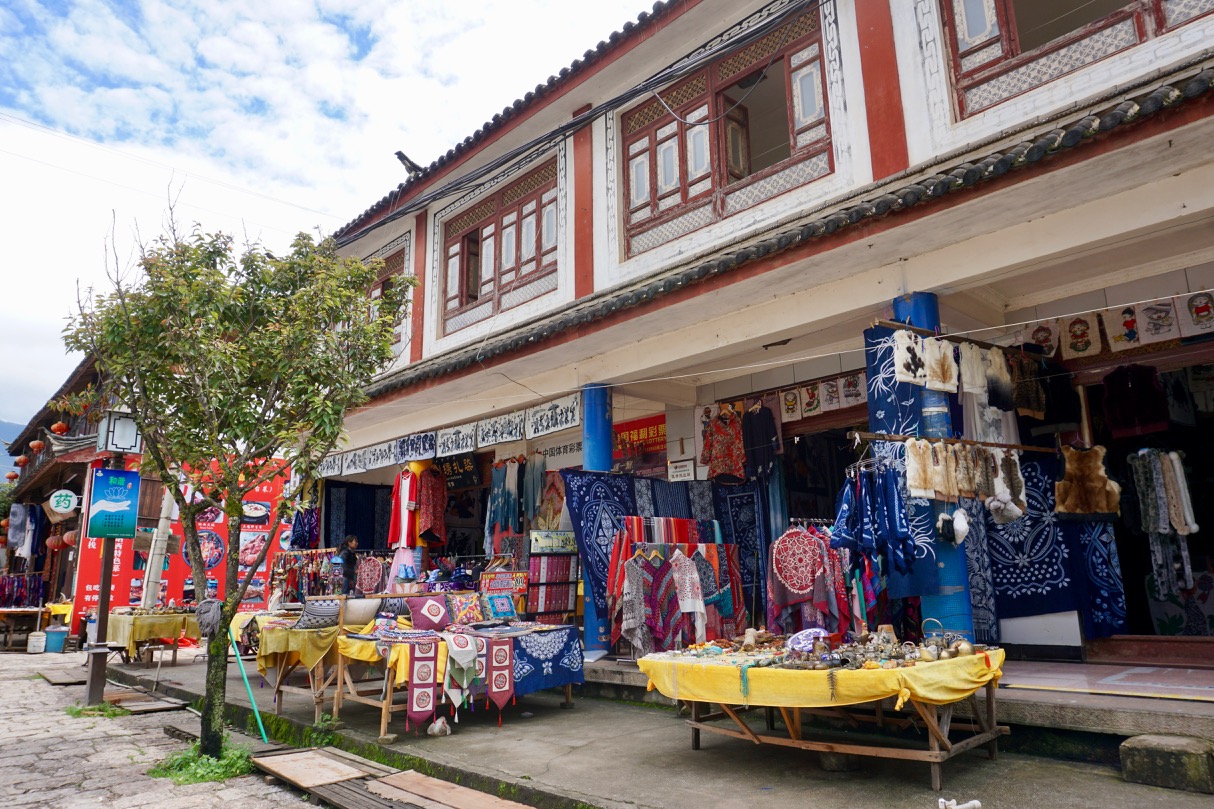
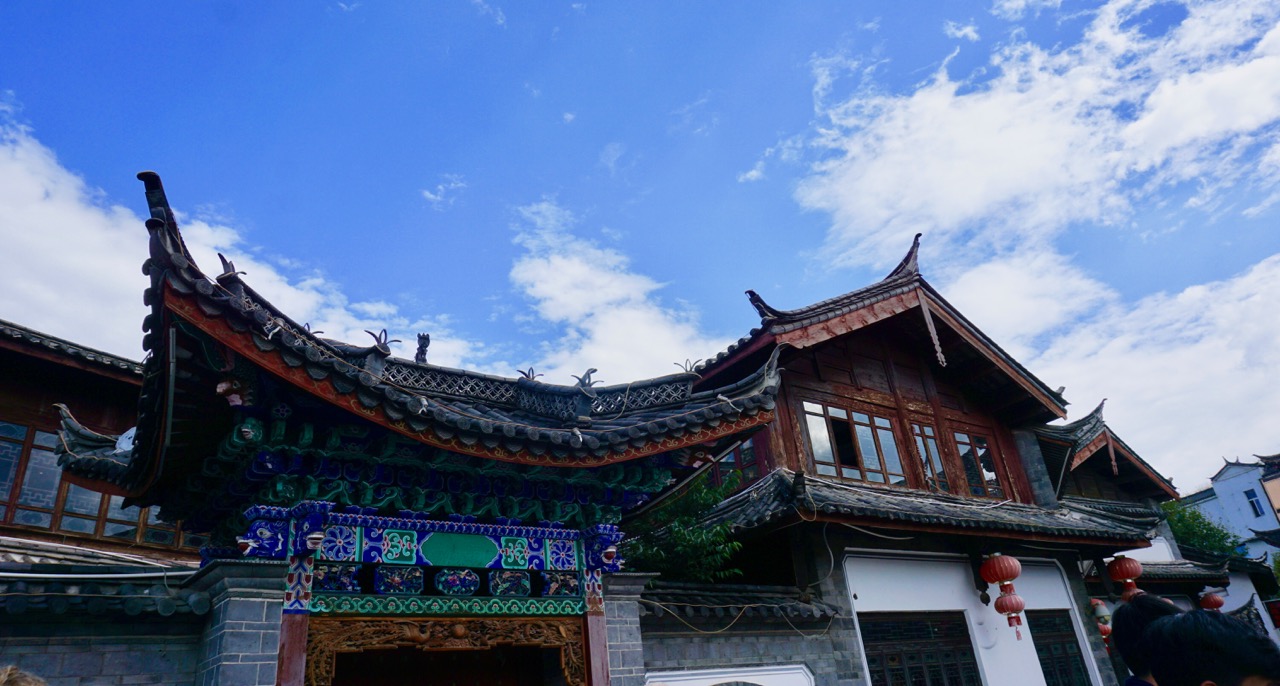
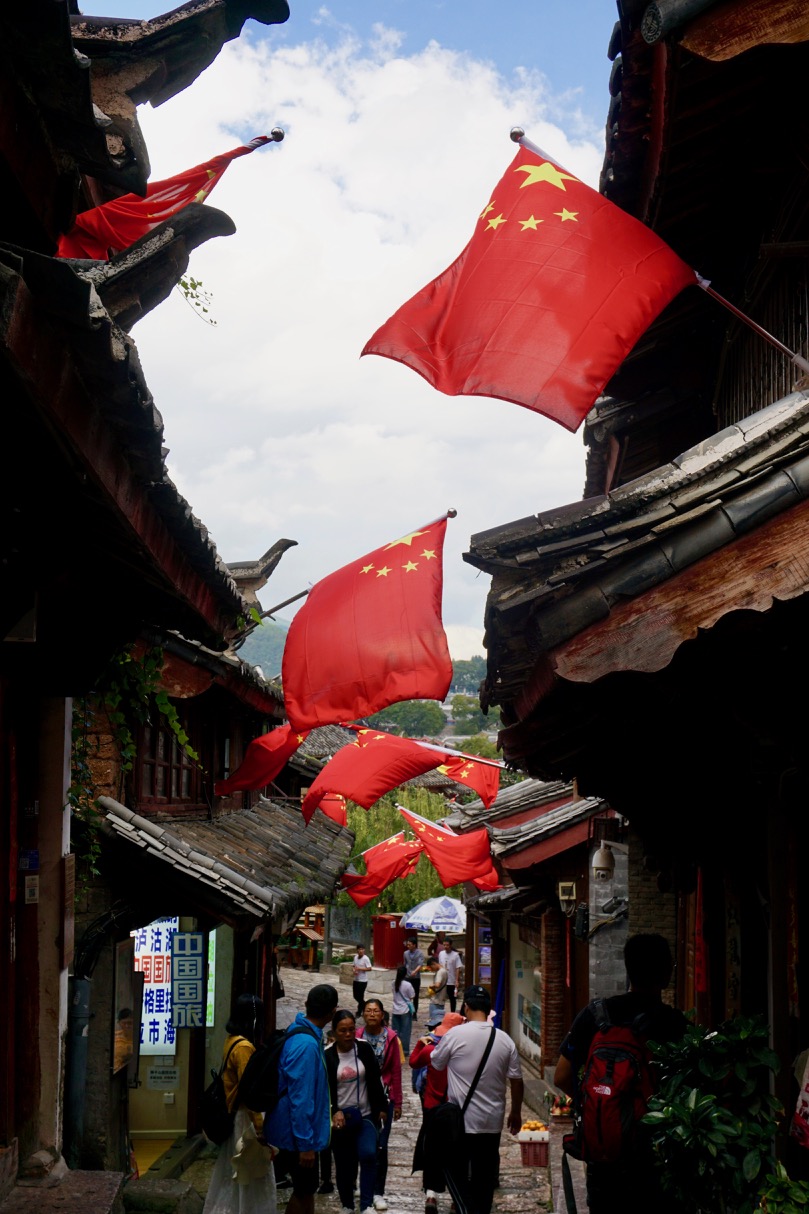
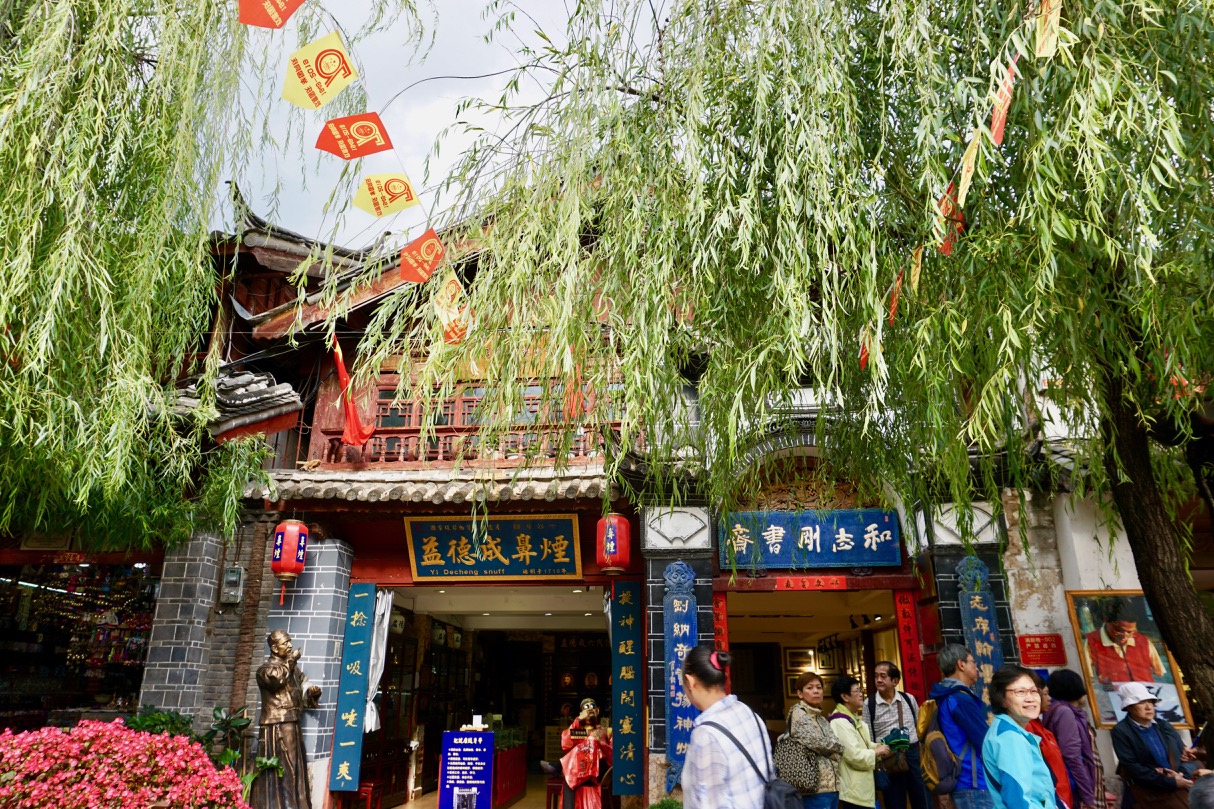
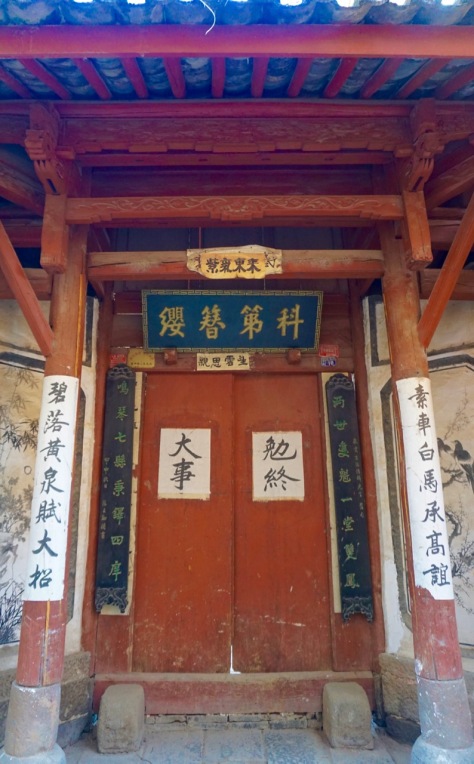
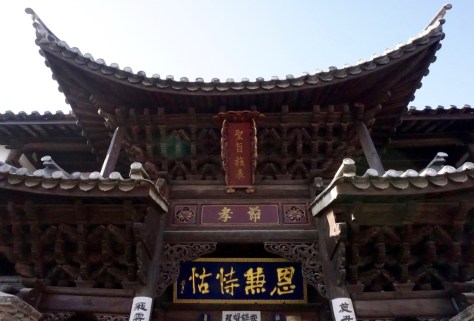
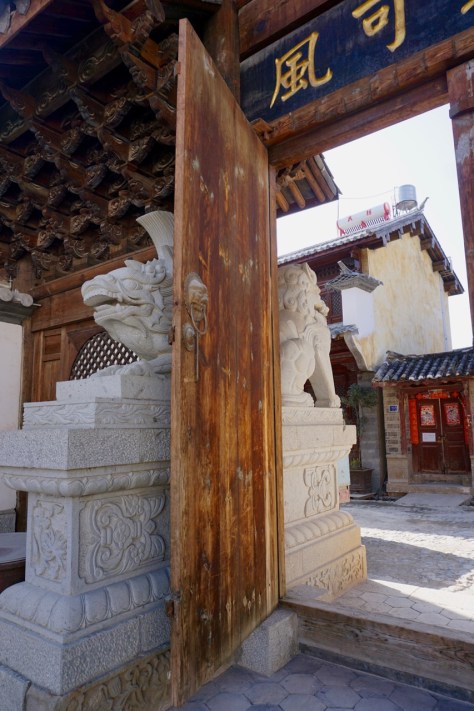
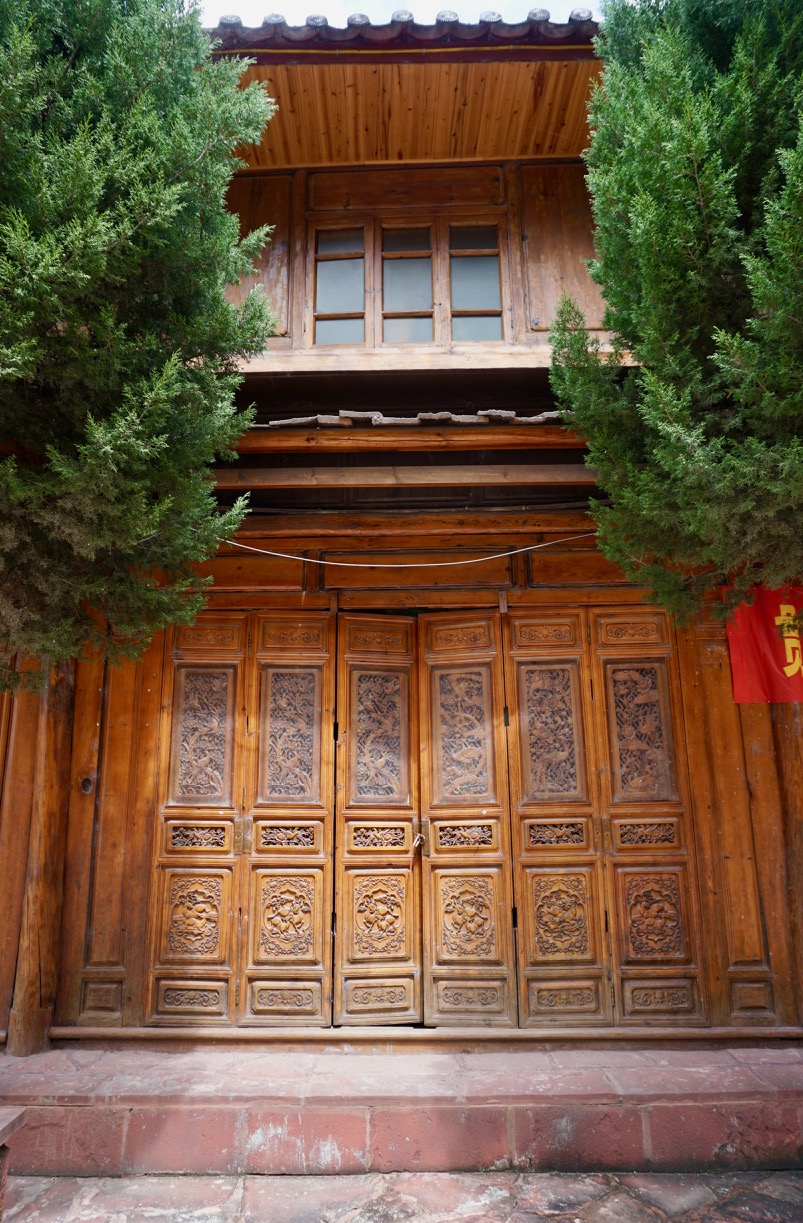
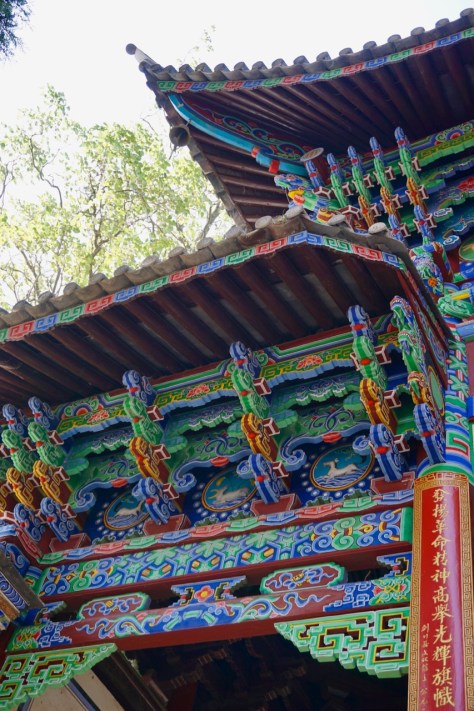
Rather than spend any time in the city, though, we headed straight to Lijiang Old Town, which used to be the market district. It maintains that character and flavour through winding, twisting, narrow streets full of shops but the shops today are for tourists. They sell souvenirs, food, and beverages of every kind. I do enjoy a market in any form and it was fun to wander around and see what there was to see. I really did like the architecture, too. Most buildings in the parts of Yunnan I have visited have exteriors far grander than I would have expected and it always catches me by pleasant surprise.

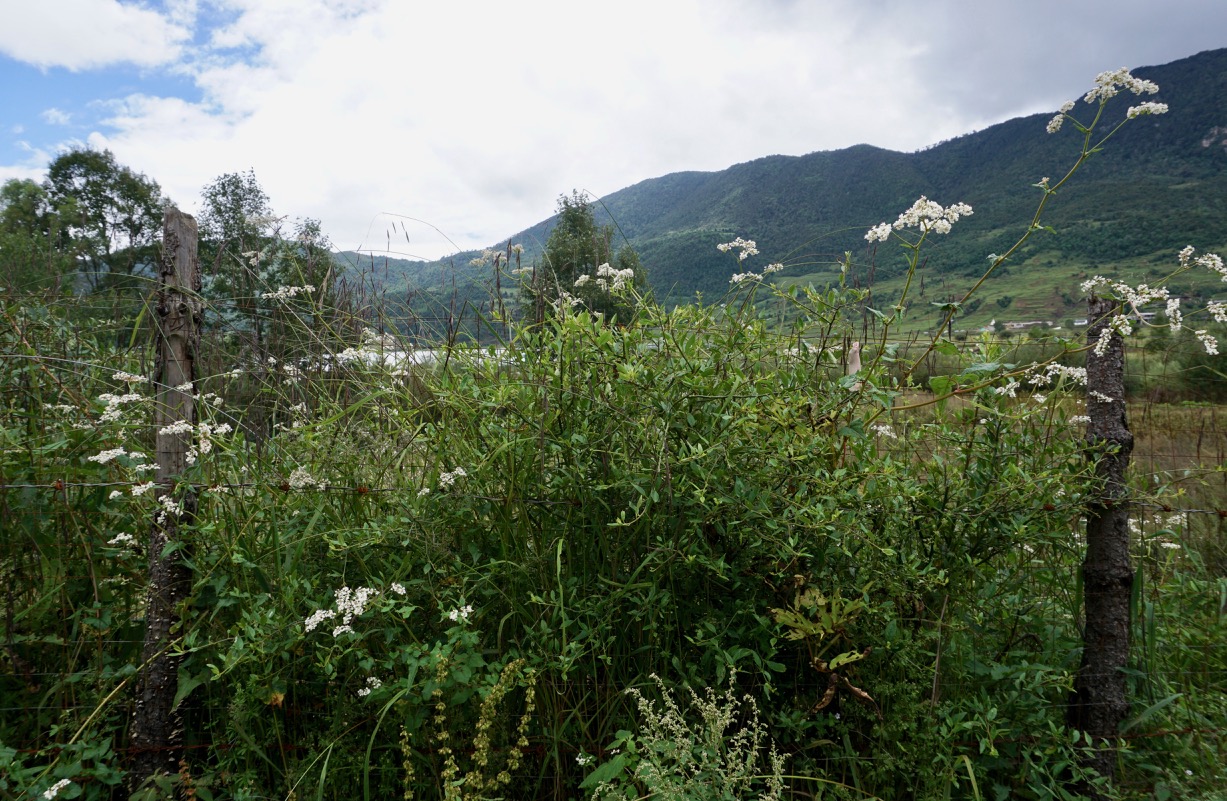
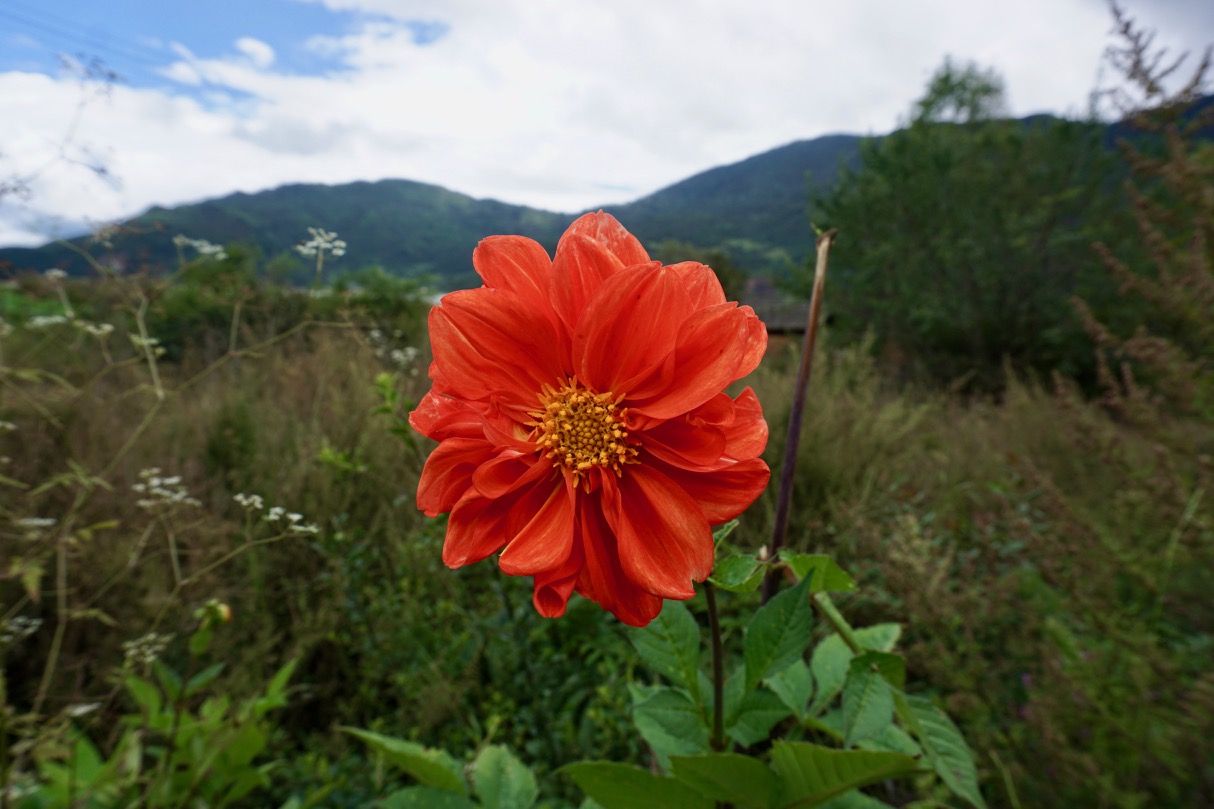
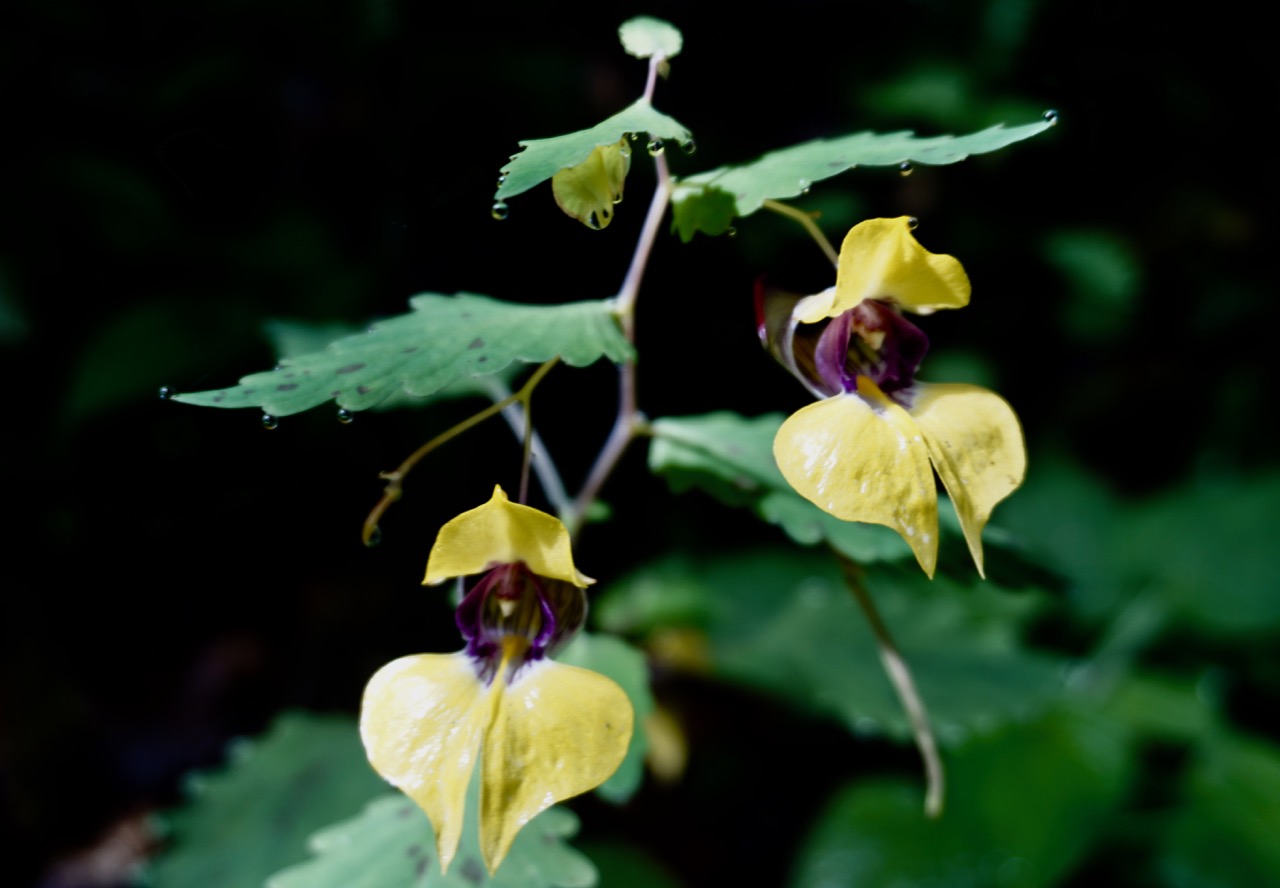
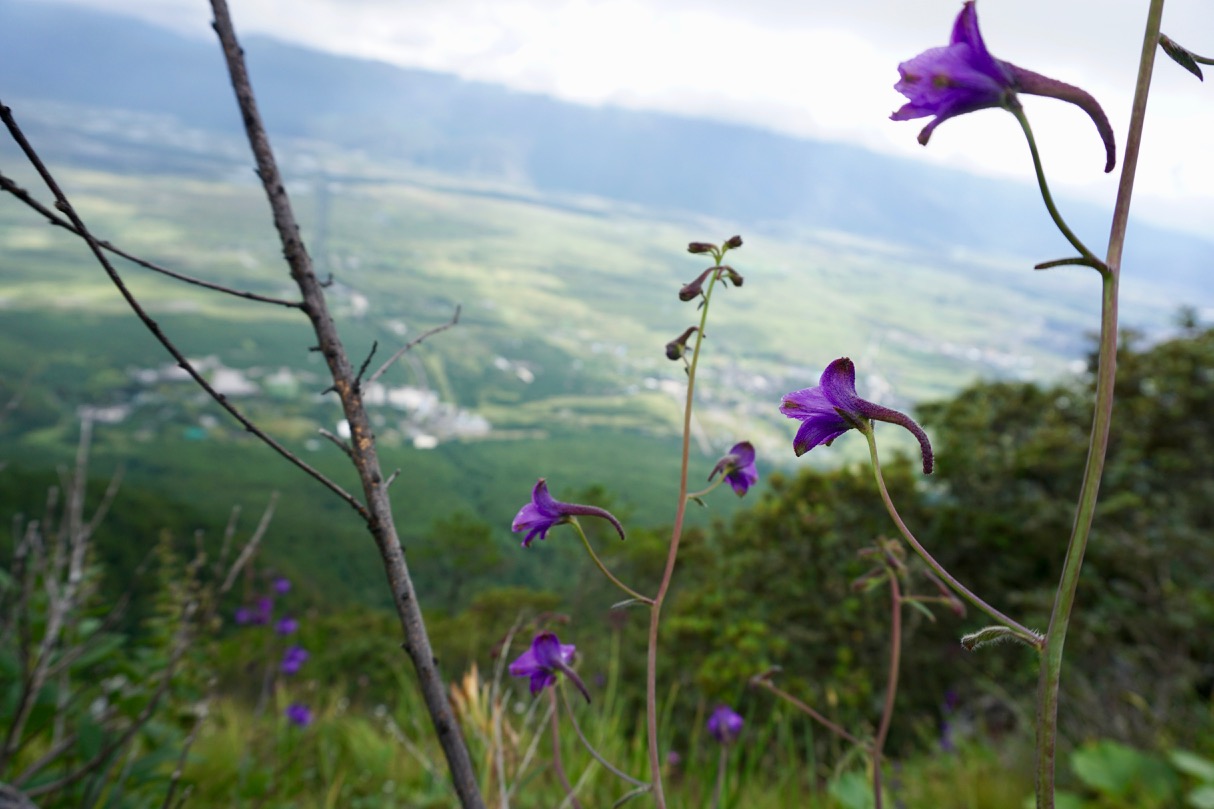
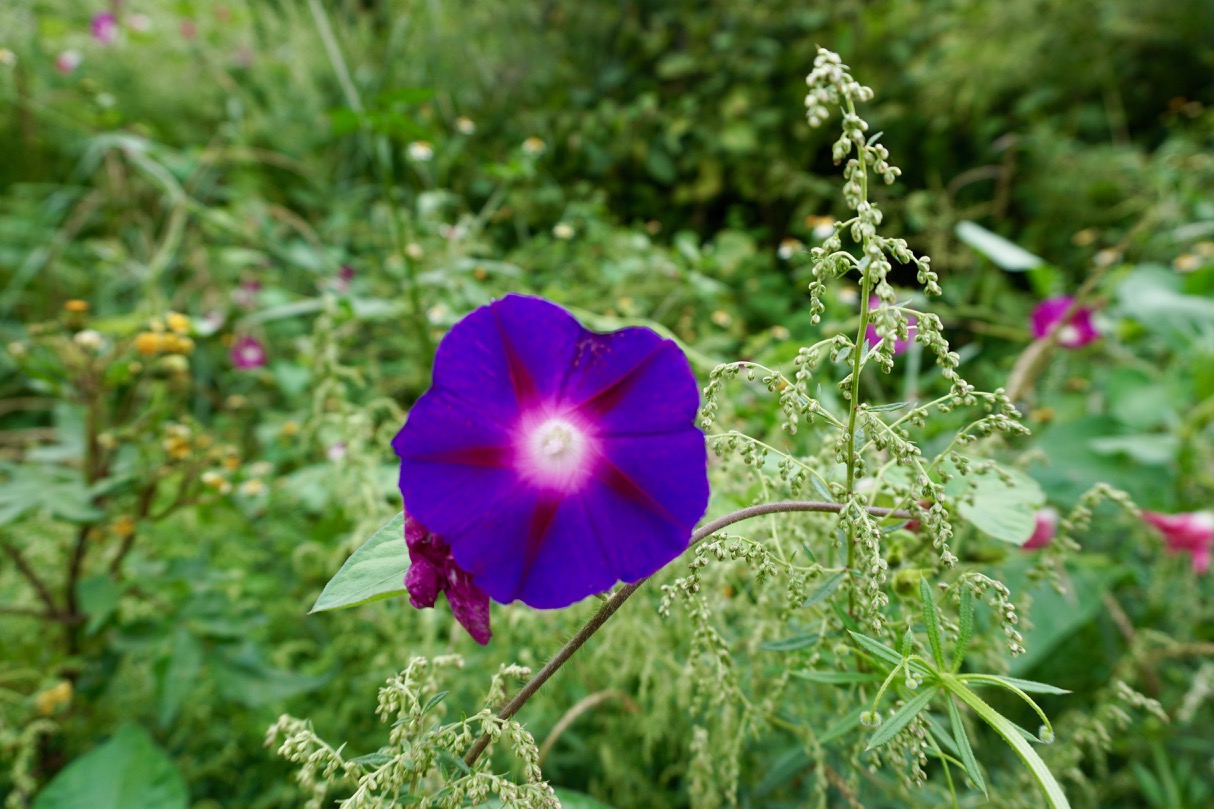
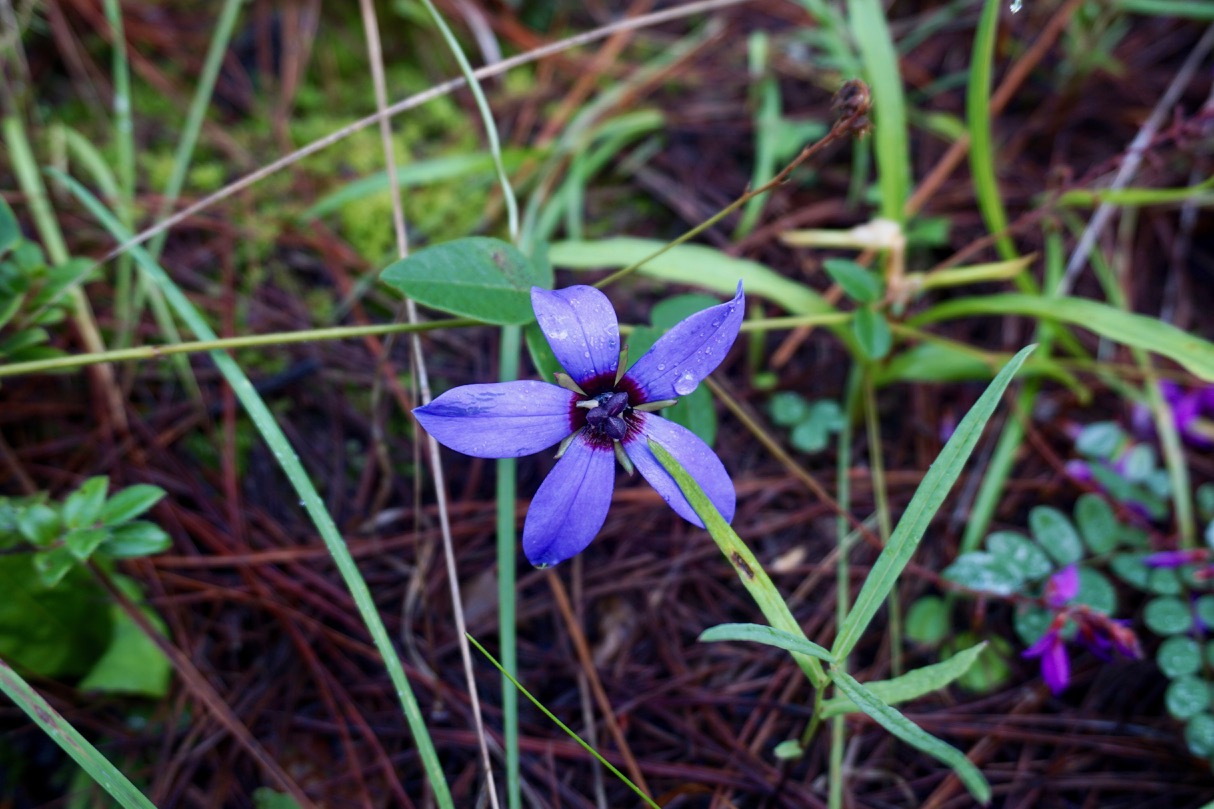
Throughout our time in Yunnan, I photographed flowers. We have lots of flora in Singapore but I love exploring the beauty of the places that I visit. It’s all so different! And there were so many purple ones!
The following day, we were back at the train station for a high speed train to Kunming to catch the flight that would take us to Singapore. We spent six days in a different world and I am grateful for each one of them, and for the people I spent time with along the way. It is experiences like this that make me feel right in the world and this one came at a good time.

Of all the paths you take in life, make sure a few of them are dirt. – John Muir

Travel Guide: Yunnan Province

I recently had the privilege to lead a group of grade 11 students on a week-long journey through Yunnan Province in southwestern China. As on the trip to Battambang, Cambodia that I led for this group as grade 10 students, we worked with the JUMP! Foundation, who continue to be my favorite people. They develop, design, and manage the program along with their partner schools and it’s an honor to work with them each year.

This trip was the first time many of our students experienced what it’s like to be a backpacker. We traveled with packs and on overnight trains, moving to multiple locations throughout the trip. There’s a lot of travel in one week because we spend the first and last days transitioning between planes, trains, and buses but it was a phenomenal experience. 

After a series of opening activities (JUMP! programs involve lots of running around and games, which are really fun, as well as group reflections that are valuable) and another bus ride, we arrived in our first base, Jianchuan.  The town itself is quite small and there was no restaurant in town large enough for all 63 of us so one of the restaurant families opened their courtyard and invited local chefs to cook the three meals we’d be eating there. The food we had all week was truly extraordinary and a major highlight for some of the students and even the staff.

JUMP! had told us about Bai, the minority group that we’d be spending much of our time with on the trip. China doesn’t have the best history in its treatment of minorities, but Bai language, culture, and style of dress remain vibrant and distinct. Learning about and from the Bai people began almost immediately. After some food and our first shower in 36 hours, we headed to a traditional pottery workshop and learned about the ancient art of black pottery that is famous in this region. Interestingly, it’s the use of pine wood in the kiln at the comparatively low temperature of 500°C that makes the pottery black. 

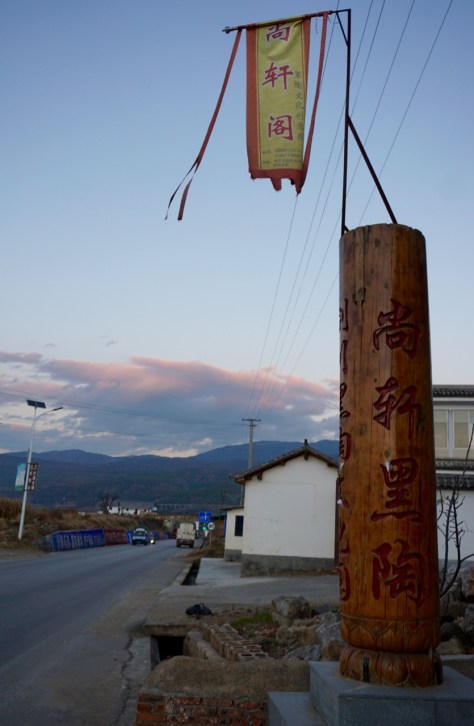
Walking through Jianchuan the next day was like going back in time. The main road of the ancient town was part of Tea Horse Caravan Road that connected to the Silk Road and although no longer a merchant spot, it’s still a functioning street.

Our morning activity was a scavenger hunt following a hand-drawn map through Jianchuan Old Town. We began at the central town square . . .

. . . with the goal of investigating the local economy . . . 

. . . a beautiful shrine . . .

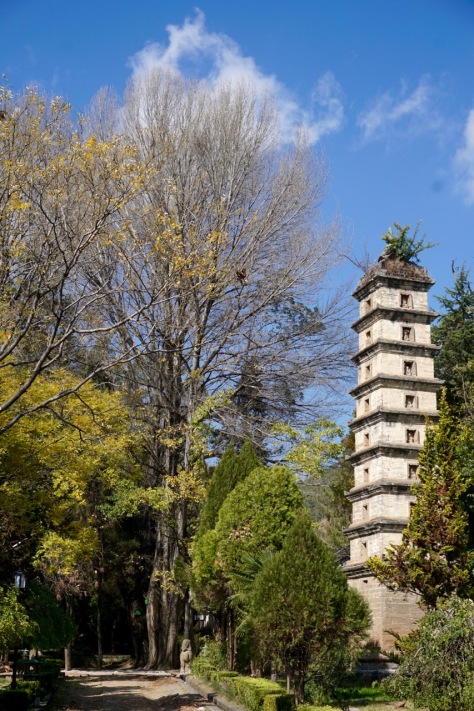
. . . and a local park with pagodas.

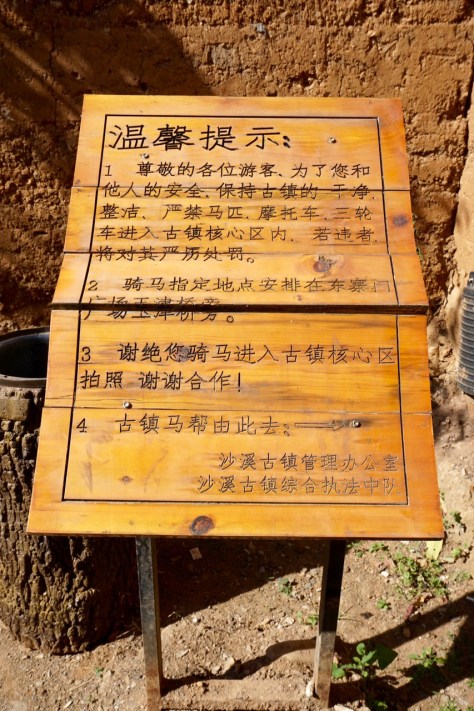
From Jianchuan we headed to Shaxi where we’d spend the next three nights. Shaxi is a very small town and a bit like a fairytale. Like Jianchuan, it’s part of the Tea Horse Caravan Road, which is really cool. I even did some shopping there!

We had time to wander through town during our stay and it was so serene and beautiful. 

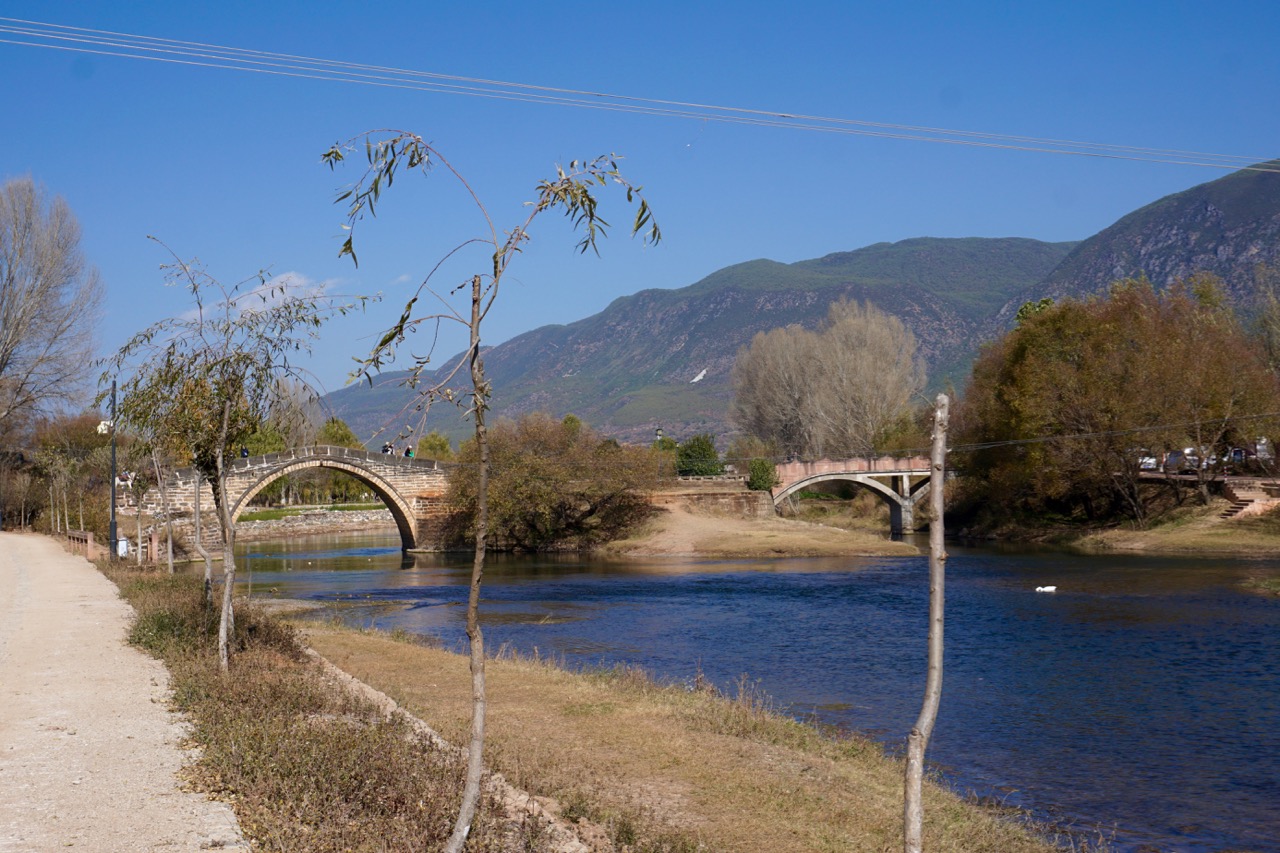
The countryside was equally beautiful and we went on a bike ride through the fields across the river.

In keeping with the connection to nature, we hiked Shi Bao Mountain the following day. It’s a beautiful pine forest with grottos, temples, and views of Shaxi and the fields beyond. My stereotypes of China had been fading since our arrival and I voiced that for the first time with my students up on the mountain. I wasn’t the only one thinking that way. 

At the summit, we had a picnic linch of the rice rolls and rice balls that we’d made that morning, which had been really fun.

Then we spent the rest of the day in a tiny Bai village, Bao Xiang Si-Shi Long. “Bai” means “white” and many of the homes and buildings were painted white and then decorated, which was quite charming.

Much of the afternoon was spent learning a song in the Bai language. Bai bears no similarity to Mandarin, so it was a challenge for everyone. Our hosts also taught us a traditional dance and performed it for us in full traditional dress at a bonfire later that evening. Two singers performed the song that we’d painstakingly learned after transliterating the Mandarin characters and then we tried to show them what we’d learned of their dance. Try is the key word here, but the Bai people have only recently started teaching their language to outsiders so it was an honor to be included.

A major endeavor during our time in Shaxi was a fascinating anthropology research project that had students learning about local concerns as a result of migration, modernization, and the mixing of immigrants to Shaxi and the Bai locals. Students then followed a hand-drawn map around town to conduct interviews, mostly in Mandarin, to ask a series of questions they’d devised to learn more about the problems. Then, they were tasked with coming up with viable solutions, which prompted excellent group discussions about the appropriateness of walking into a culture and trying to be of help. On the last day of the trip, students presented their proposals to each other and the group voted for three of the ten presentations to give to some of the locals they’d interviewed. I certainly learned a lot and I know the students did, too. And as always, food was a highlight.

The end of our interview day was one of my favorite experiences of the trip, probably because it was so simple. We went stargazing! We don’t see stars that often in Singapore because of light pollution and cloud cover, but the sky in Yunnan was clear and bright. It was cold, too, winter cold, but we headed to the rooftop of our hostel after dark to lie there and simply look up. We gazed in silence for a while and then played a game of “I Wonder”. At the end of the day, I wonder how we all happened to be there.

Our final activity the next afternoon was a really nice follow-up to the stargazing, meeting people, and group reflections that we’d done throughout the week. My group’s leader and I also taught a few meditation techniques that our students enjoyed. So when it came time to hike an hour through the rice fields for half an hour of silence and solitude, our students were ready and looking forward to reconnecting with themselves and how they’d changed during the week.

And all too soon, we were back on buses, the overnight train, and the plane home. As a staff, we high-fived at the happy faces and safe return. As an educator, I delighted in seeing my students grow and mature over the week, developing new friendships and connections with others. And as a person, I was happy with the crisp air, bright sunshine, learning, and laughter that made up every day.

In every walk with nature one receives far more than he seeks. -John Muir

Travel Guide: Santorini

One of the perks of being an international educator is the time and opportunity to travel. This October break, we scooted off to Greece! (Literally – Scoot is the name of the budget airline that provided an eleven-and-a-half-hour direct flight with food, water, blankets, or entertainment not provided but available to purchase. But it got us to and from Greece for under SGD550, so I’m not complaining.) Upon landing in Athens, my girlfriends and I switched terminals and then boarded our 45-minute flight to Santorini. (Olympic Air is a budget airline so we got those little cleansing towelettes and two snacks – Greek hospitality is just so lovely.) We were staying in Oia,  the town you probably picture of when you hear “Greece”. It is simply stunning.
Oia is pretty at night, too . . .

. . . and it has a fantastic bookstore, Atlantis Books, which we visited and purchased from twice. The exterior should give you a hint at the wonder of the interior. Books in all languages stacked floor to ceiling, hidden behind the staircase, and available to borrow and trade on the upstairs patio. Small signs and notes with suggestions from the bookstore employees. Just the best.

Watching the sunset is a popular activity in Oia, and considering how crowded the western part of town grew in October, I can’t even imagine how it would be during peak tourist season. It was cloudy every night, though only once during the day, so many of our fellow viewers were disappointed but I thought the clouds made for some really beautiful pictures. And just being there with good friends was easily the best part.

We took a few adventures from our first base in Oia. On our first full day, we spent five hours on a very fancy catamaran with a delightful crew, unlimited beverages, and delicious lunch. The weather was bright and sunny but slightly chilly so they even made us coffee!

We stopped at the hot springs, where I actually got into the very chilly water . . .

. . . the Red Beach . . .

DSC05193

. . . and the White Beach. Snorkeling was an option but it was cold! And I was perfectly happy to bask in the sunshine and chat with the crew. I miss being on boats.

The next day, we walked down the steps of Oia, from the top of the volcano to the water, to check out the seafood restaurants at Ammoudi Bay and go on our next adventure. I’m a vegetarian but one of my friends was really excited about the sun-drying octopus and booked us a seat for dinner at a restaurant that turned out to be delicious.

We waited at Ammoudi Bay for a ferry to take us across to Thirasia, another of Santorini’s islands. My brother recommended that we go and it was really cool to be able to share travel experiences and advice with him. He told us to walk up all the stairs . . .

DSC05344

. . . and eat at the restaurant at the top where an elderly man greeted us, singing and grilling fresh fish. So we did!

And then we wandered around town, which was eerily empty. It felt like a combination of an abandoned film set and a ghost town. In addition to the people running the restaurant, we saw three construction workers, one elderly woman, and another woman running the town’s only other restaurant (it was actually called Different Restaurant because it’s obviously not the one, but the different one). My pictures are a little weird and grainy, which accurately reflects the strangeness of the town but is actually because I mistakenly used the wrong setting.

The part of the town near the water was more like a boardwalk of restaurants and again, this was low tourist season. Empty.

Our last full day in Oia was probably my favorite day of the whole trip and that’s because it was the greatest adventure. It’s pretty common for travelers to hike the path between Fira, Santorini’s largest city on the eat side of the island, to Oia on the west. We’d read that the path is mostly downhill, not terribly strenuous, and difficult to lose. Great!

But not so when you go the other way! Of course, we learned this hiking the other way, from Oia to Fira, and it was challenging in parts, a little scary when we found ourselves on the side of a cliff in gusts of wind, and a little more scary when someone we couldn’t see started hunting birds. But we made it!

We left Oia at 7am, which is before the sun rises and before anything is open. It was so cool seeing the streets dark and empty, lit by streetlights.

There were some signs along the 10.5km route . . .

. . . but also a critical point that was difficult to navigate coming from Oia. Turns out we did have to go behind the desalination plant on the edge of the cliff. Found that out after realizing we were on a road curving the wrong way and had to hike up a hill behind a hotel to reorient ourselves. And then, under a menacing sky and loud gusts of wind, we traversed the beautiful, sometimes desolate wilderness that is the edge of the caldera.

No matter how tiny or empty the landscape, though, Greece has many churches . ..

. . . and their frequency increased as the hike became more urban. . . .

At times, the hike took us through resorts and villas, which was a little strange, but it was also comforting to see people. After a stop for breakfast and about four hours, we were delighted when we finally reached Fira!

Once in Fira, we found a taxi to take us a little further to Santorini Brewing Company, the only brewery in Santorini. They brew five beers and offer free tastings of three, which we enjoyed very much. And because I wanted to be able to say I’d had all of them, we bought bottles of the remaining two and sat outside the brewery (because it doesn’t have a liquor license) to drink them.

Afterwards, hungry from our hike and having made the acquaintance of the adorable kid on staff at the brewery, we asked for recommendations for lunch. He suggested Artemis Karamolegos Winery, a 5-minute walk down the road. The winery is beautiful, staff delightful, and food absolutely excellent. Best meal I’ve had in recent memory and the most full I’ve been in recent memory. And then they turned up with desserts and a digestif, which happened throughout our time in Greece. Truly an amazing country with wonderful people.

Finally, we decided it was time to return to Oia. Hiking the four hours back would have lost me two friends so we took the local bus first into Fira and then onto Oia. Forty minutes and keeping my friendships instead of four hours and losing them seemed worth it.

All in all, we loved our time in Santorini (and in Athens and Delphi). The people were wonderful, the food superb, and the wine plentiful. And it’s just gorgeous.