

Funchal
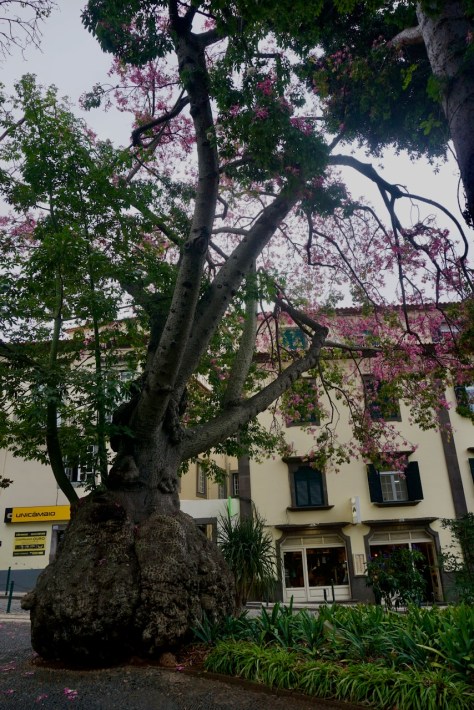
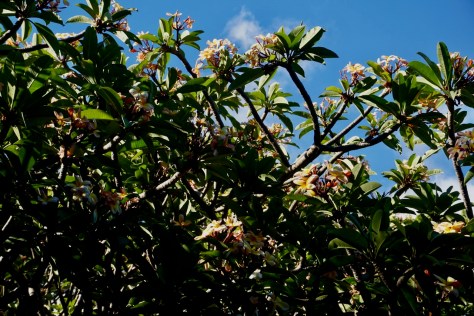
Madeira is a Portuguese island off the coast of Morocco, and I knew little else about it when my partner and I decided to spend a week there. For reasons that immediately became apparent upon our arrival in the capital, Funchal, the island is known as the “Flower Island”.


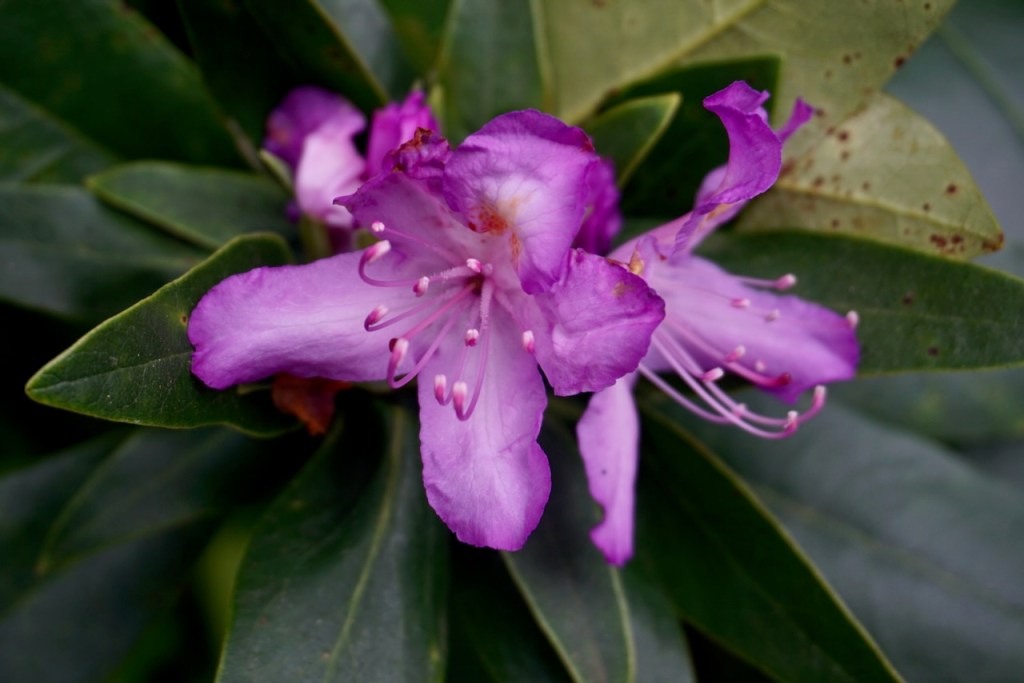
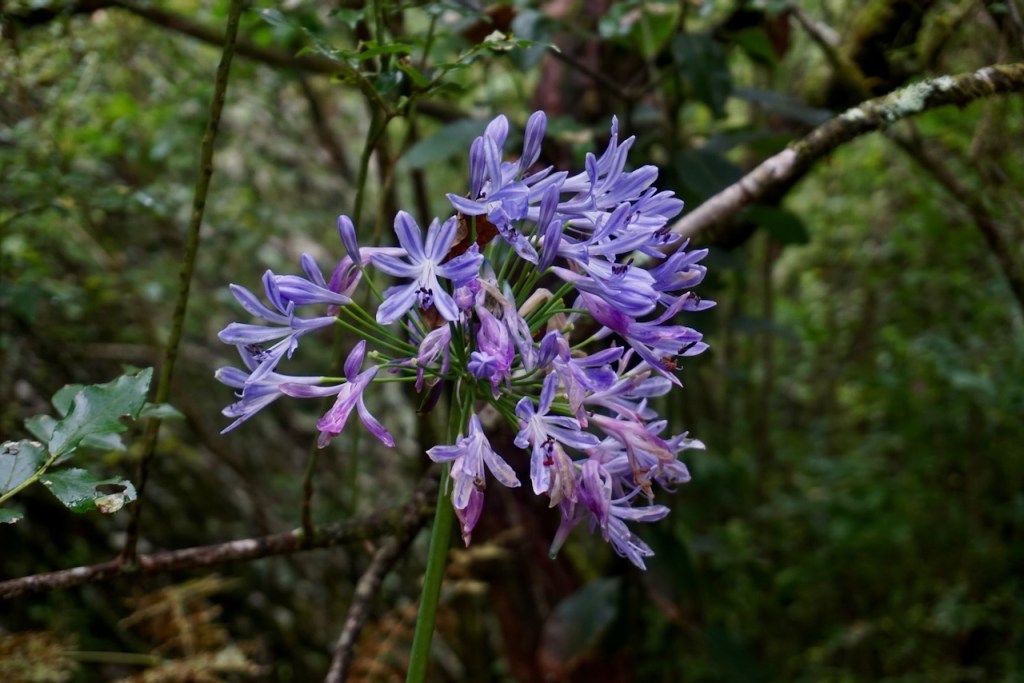


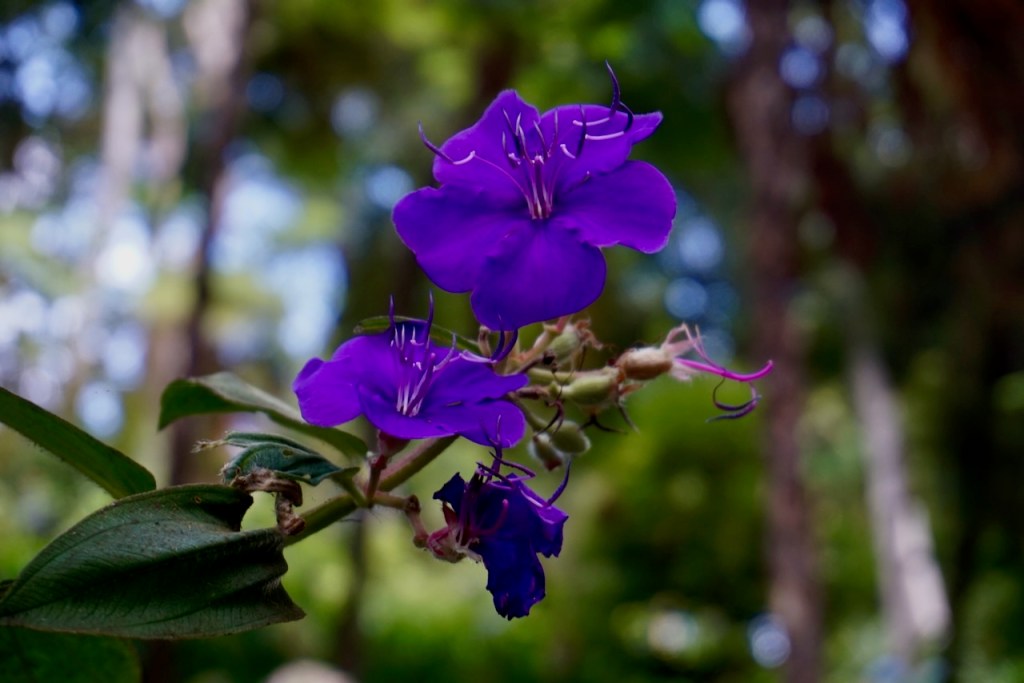
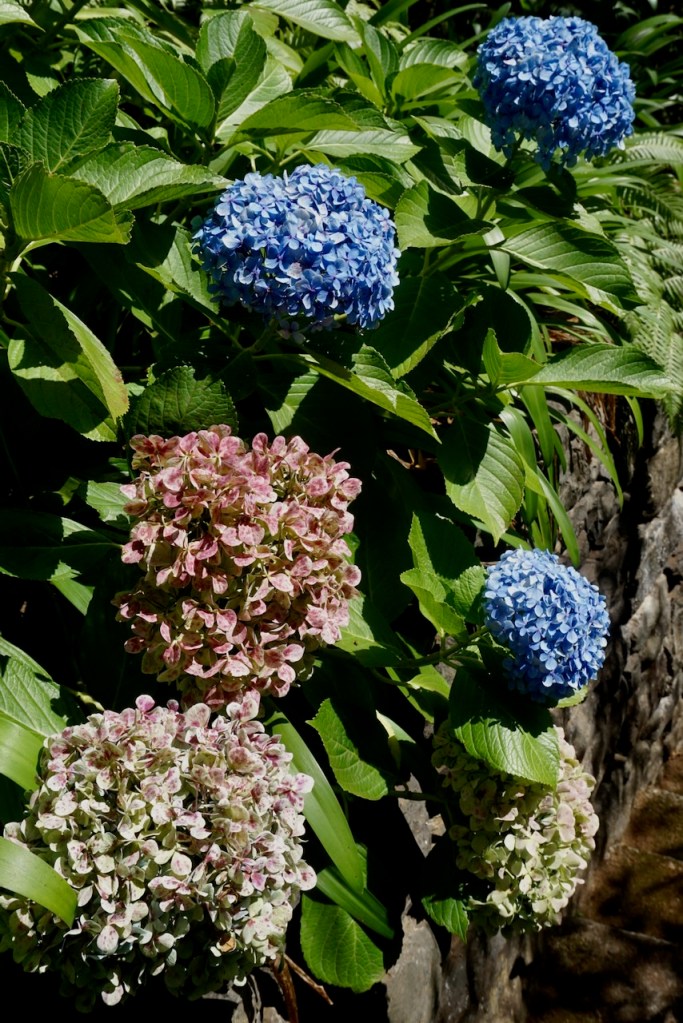
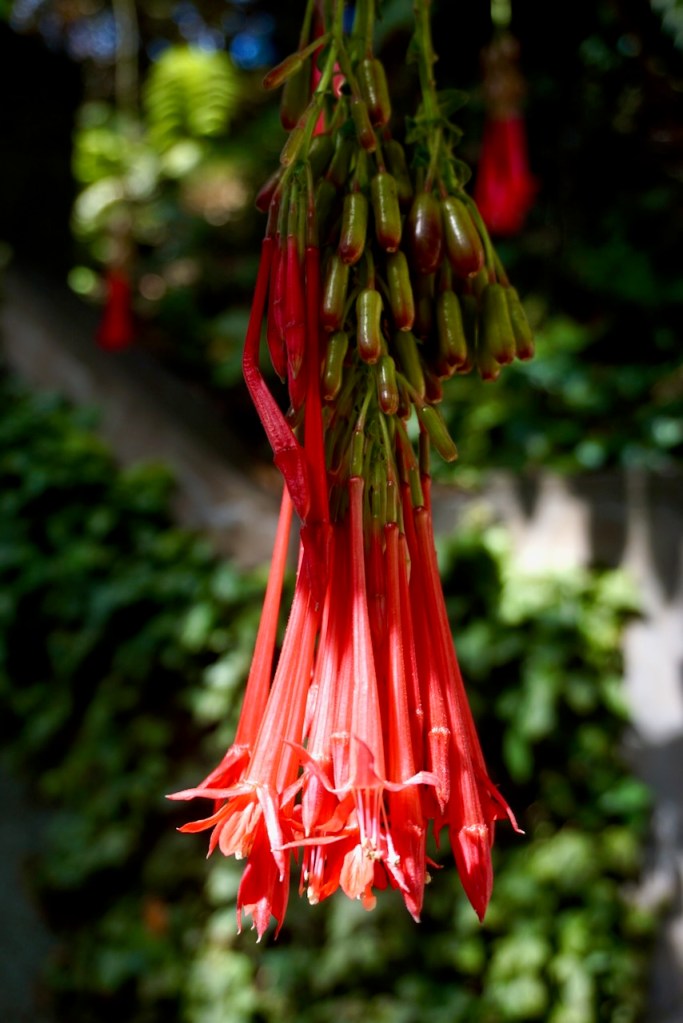

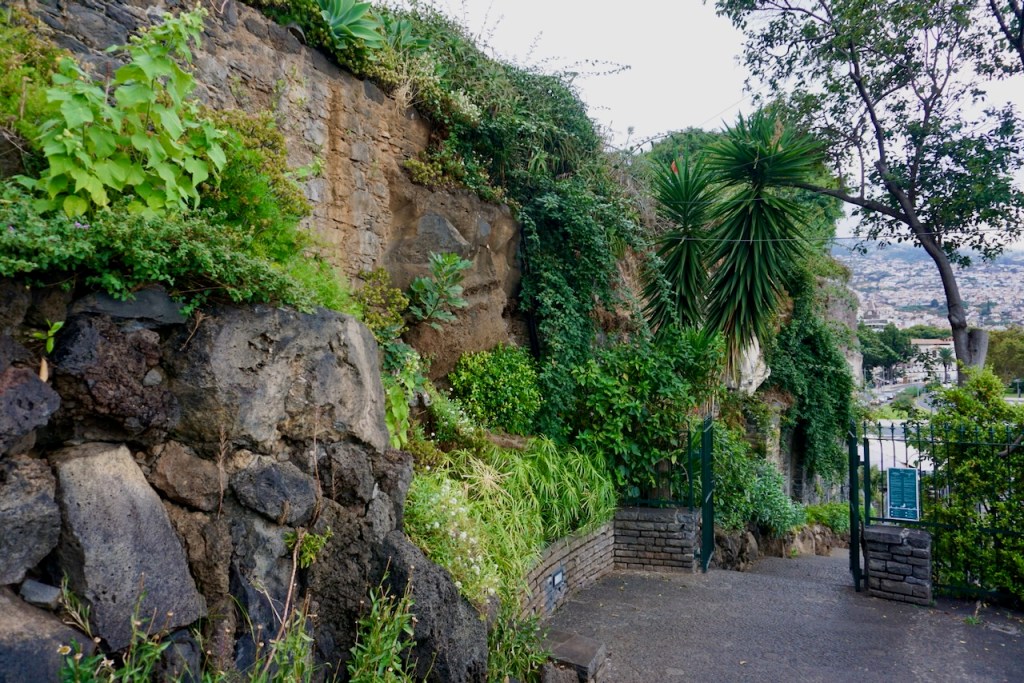

The temperature on Madeira remains constant year-round and the island is full of microclimates, which was the most amazing part of our trip. The vegetation and foliage are more diverse there than anything we’d ever seen in a similarly-sized area, and the landscape was made up of different worlds.
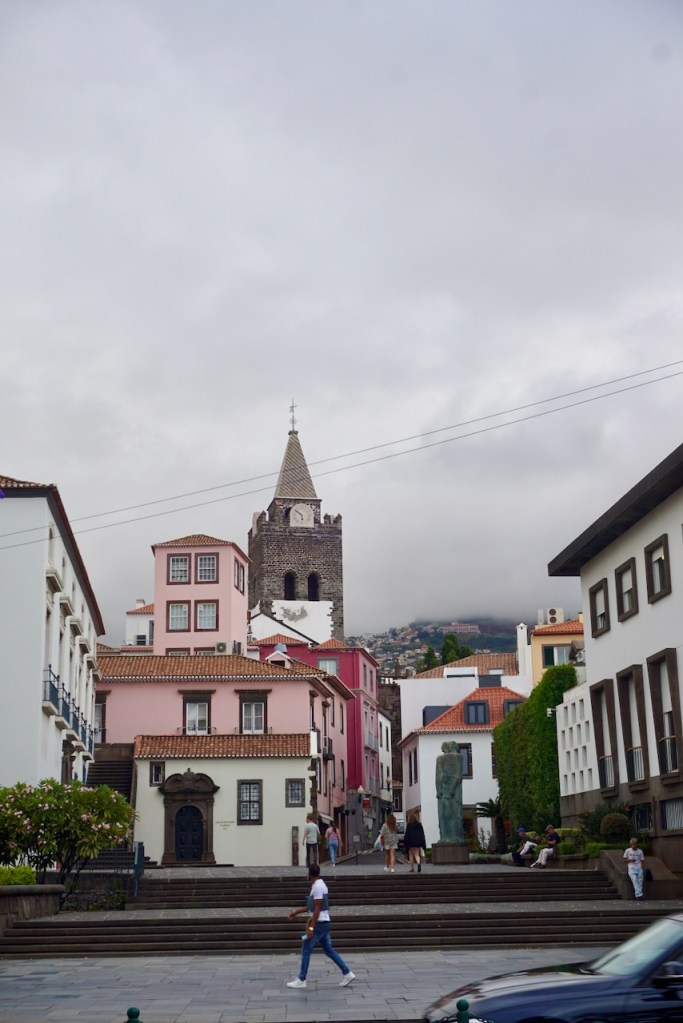
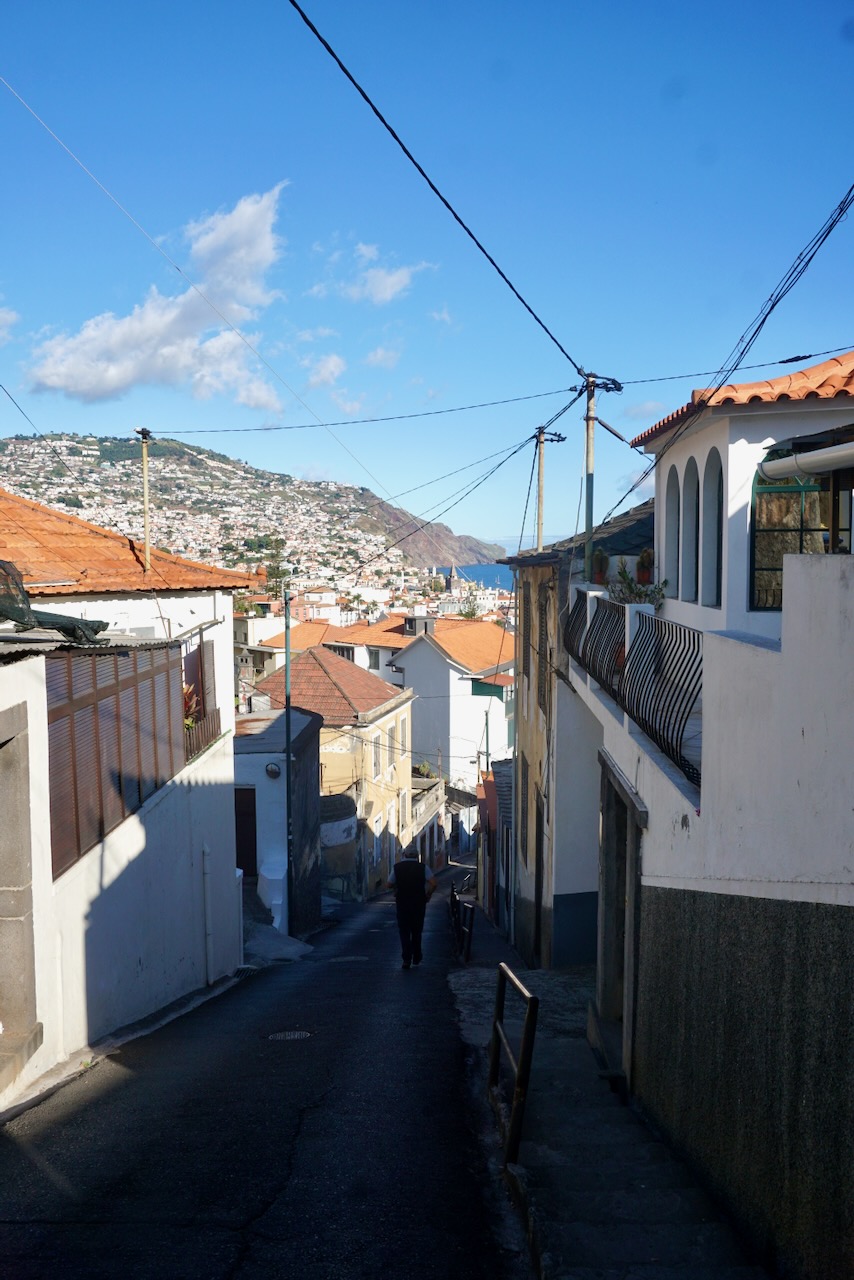
In Funchal, we delighted in old buildings lining winding streets . . .


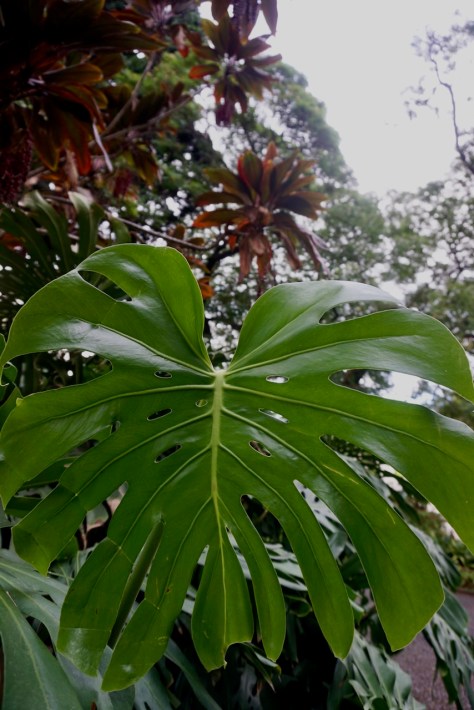
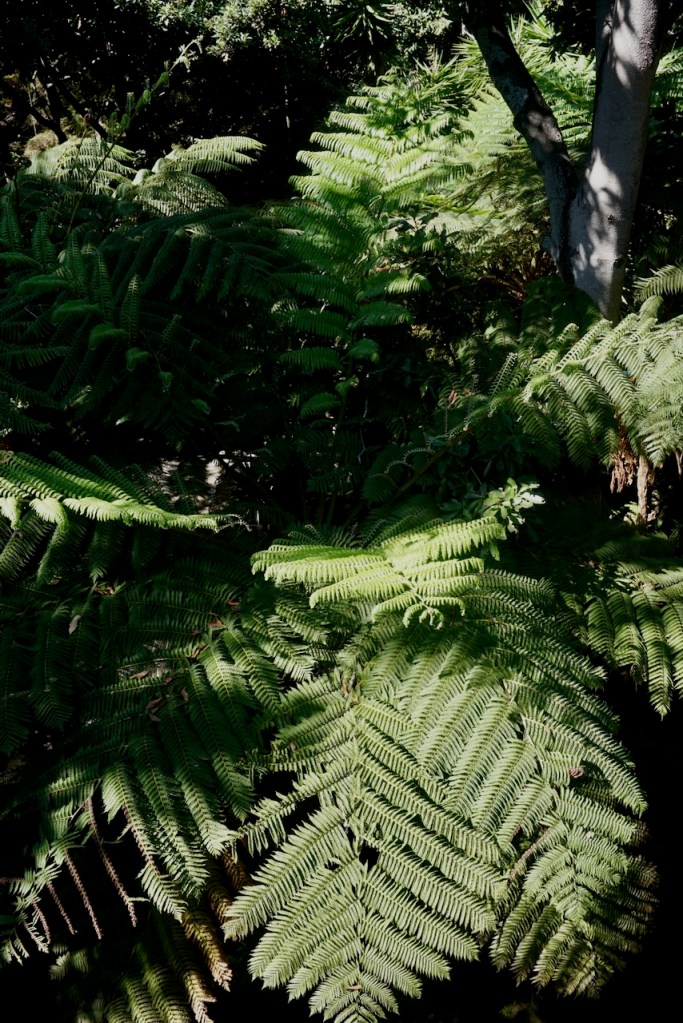
. . . the botanical gardens in the centre of town, which contained tropical species I haven’t seen since living in Singapore . . .




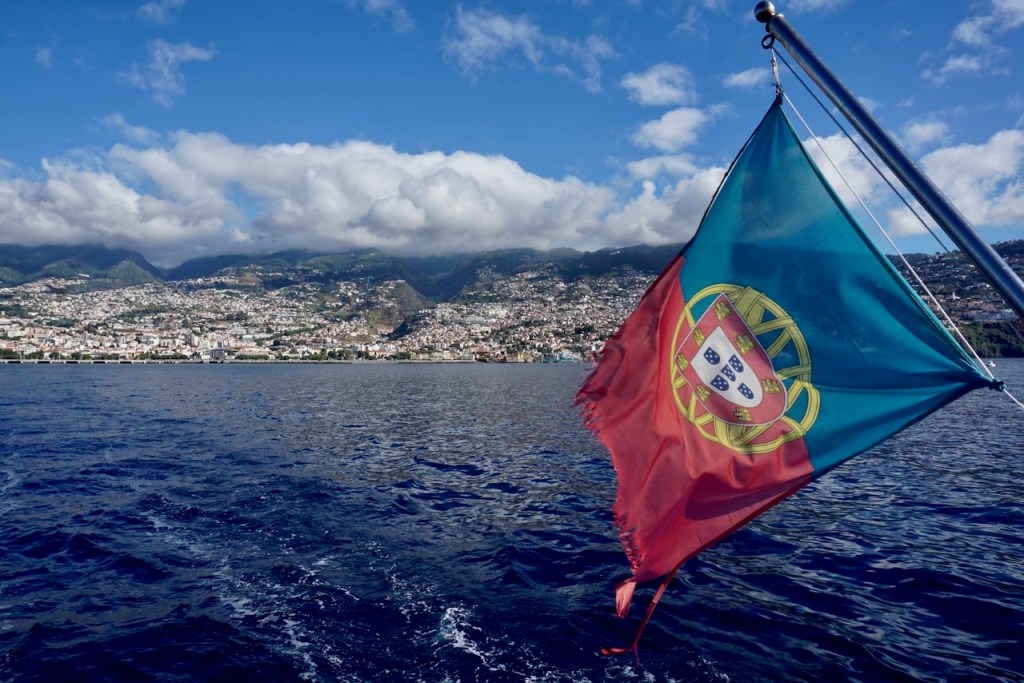
. . . and proximity to the harbour. . . .


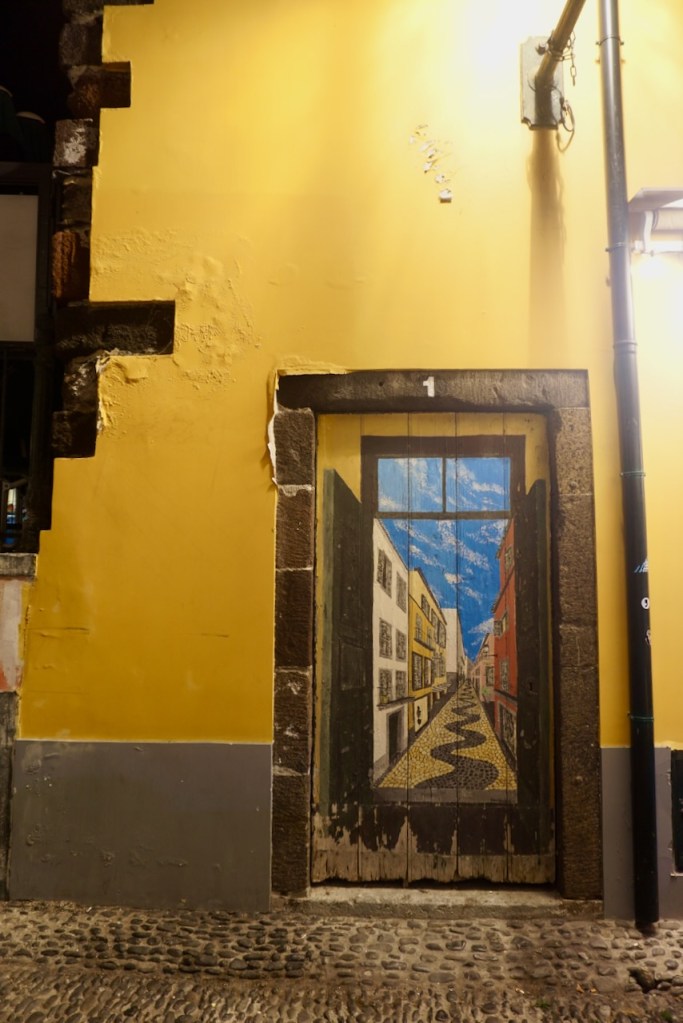
Funchal also has an excellent street art scene in the Zona Velha, the old part of town that used to be comprised of fishermen’s cottages and is now made up of buzzing restaurants and shops.



Unbeknownst to us before our arrival, dolphin and whale watching tours were on offer, and we were happy to participate. Once a pod is spotted, the boat is only allowed to spend 10 minutes there so as not to overwhelm the animals, which we appreciated. We saw several groups of pilot whales, which are common in the area.

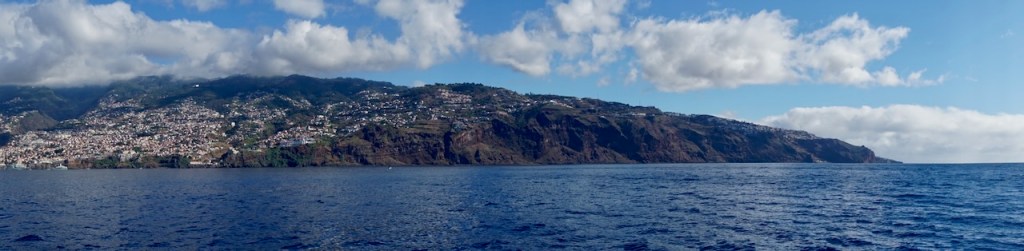
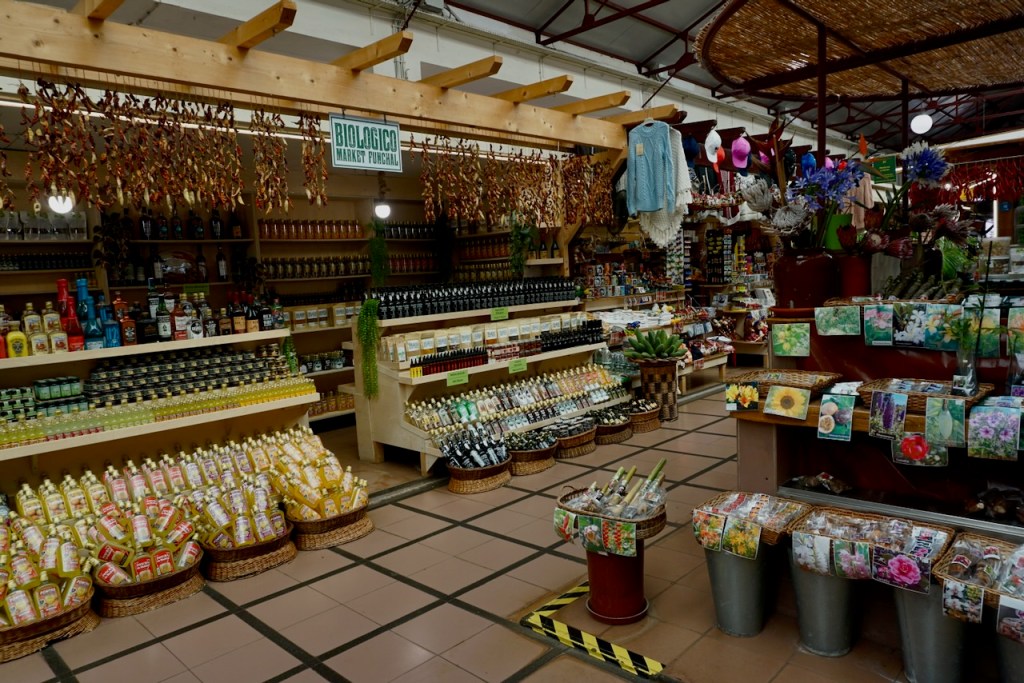
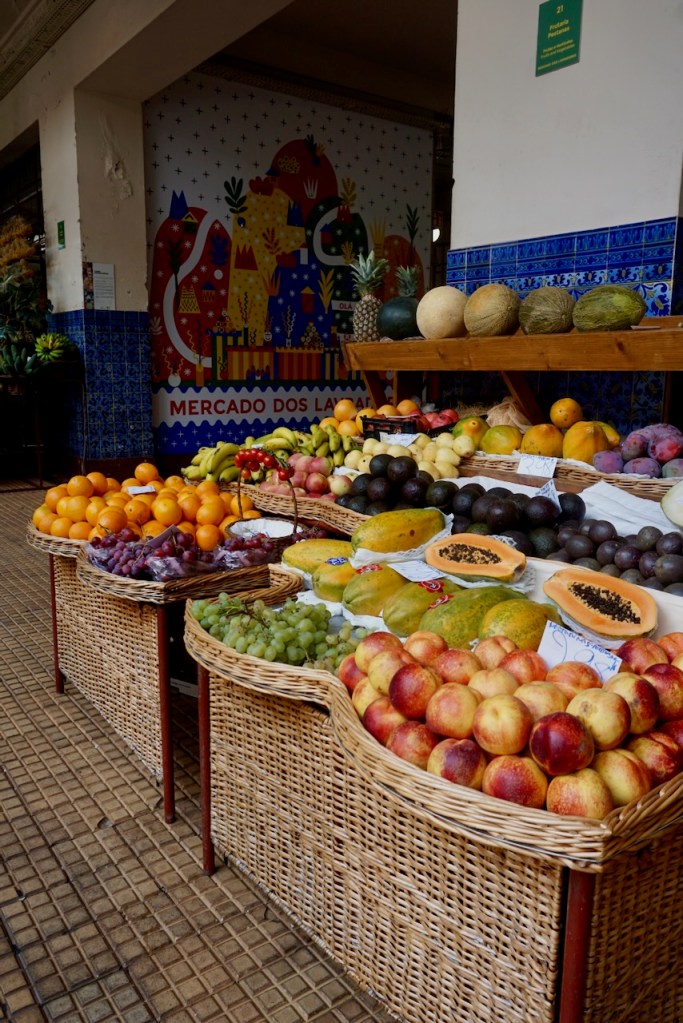
That afternoon, we visited the Mercado dos Lavradores, which seemed more touristy than we would have liked. A salesperson gave us tastes of the seven different species of passion fruits that grow on Madeira and we bought one each. A few items that we hadn’t selected ended up in our bag, as well, and we certainly paid for them. However, everything really did taste as good as it looked.




Interested in the views from lookout points, we walked through Forte de São Tiago later that day, the yellow paint striking against the blue sky.

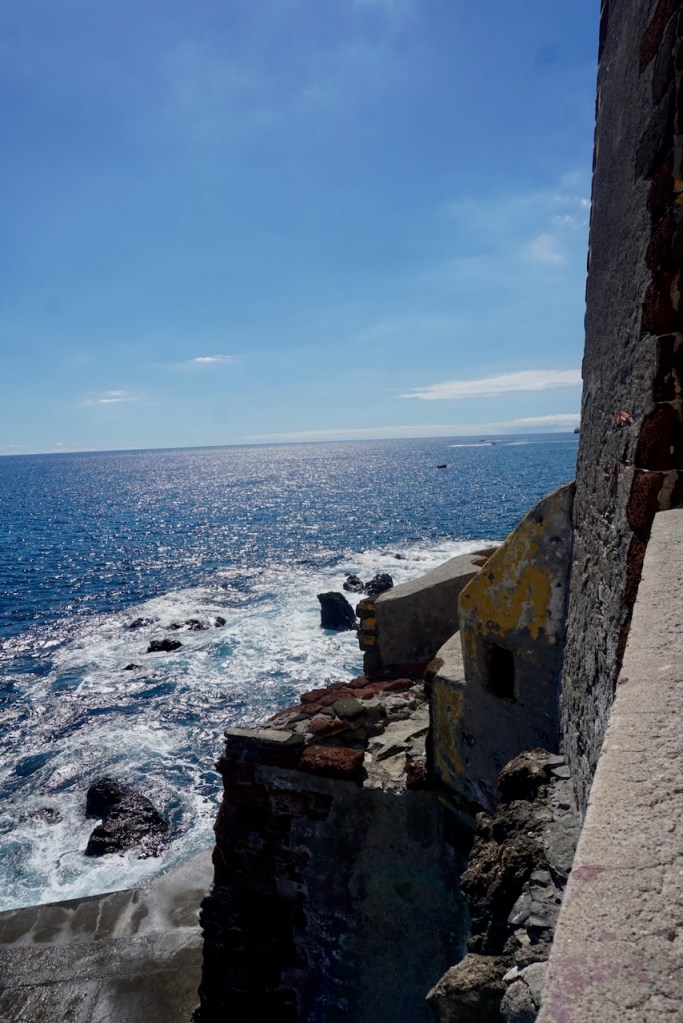


The steepness of the island is hard to understate, and this is something we didn’t fully understand or appreciate until we rented a car later on, but we were beginning to get an idea.
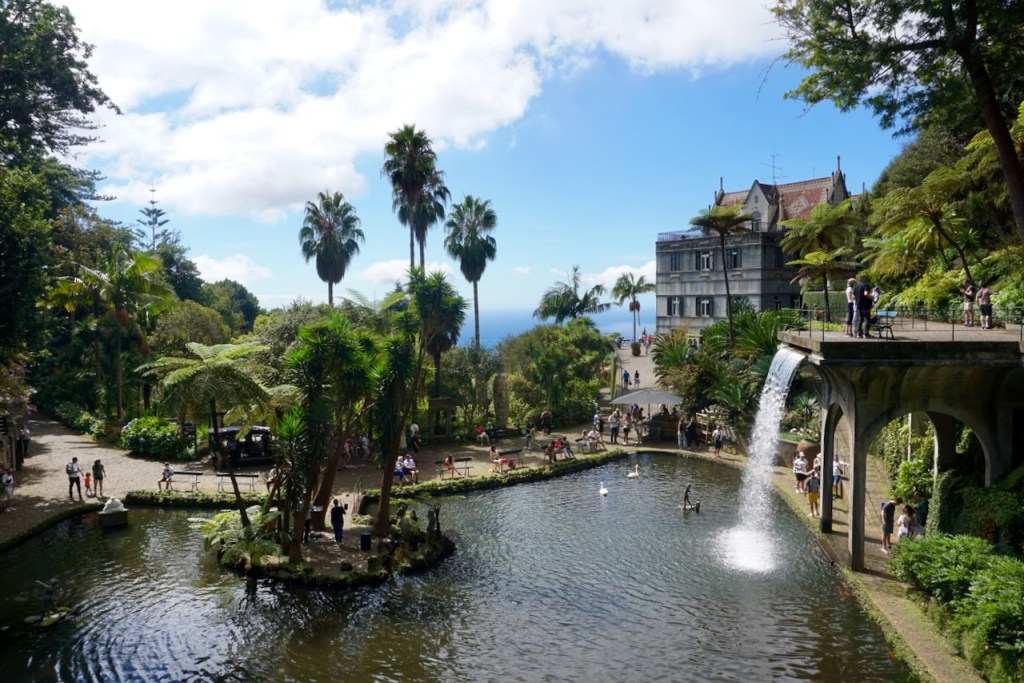
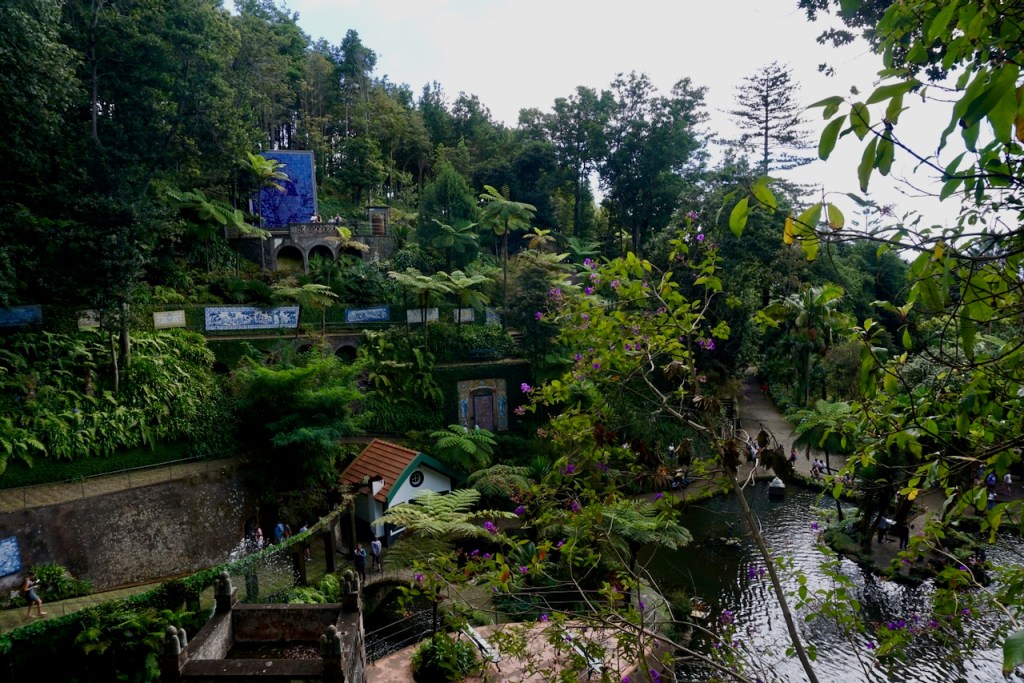
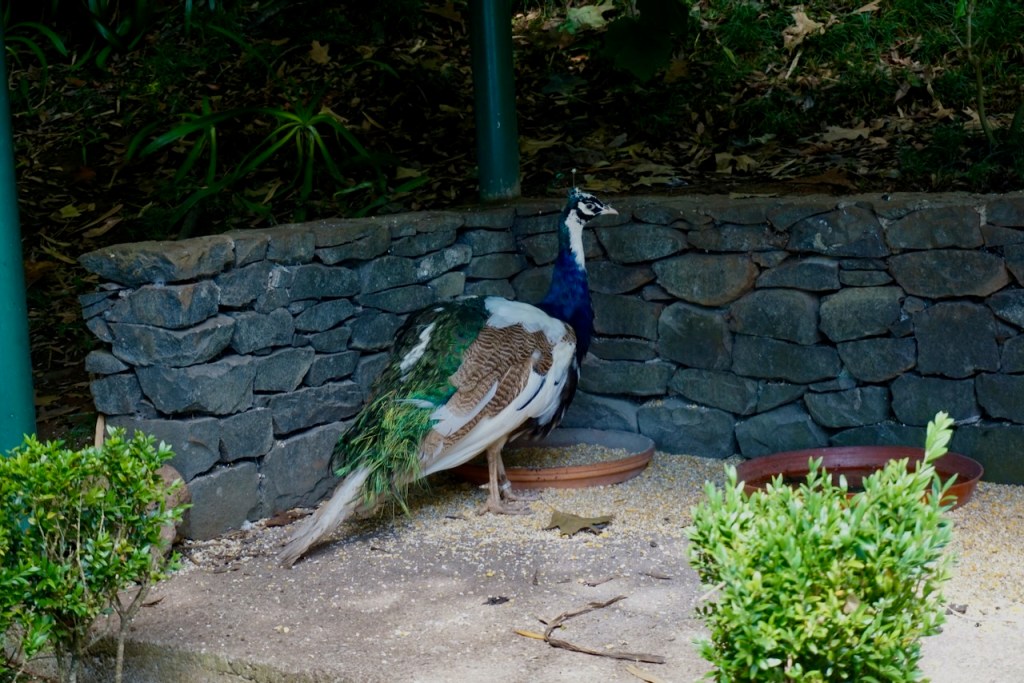
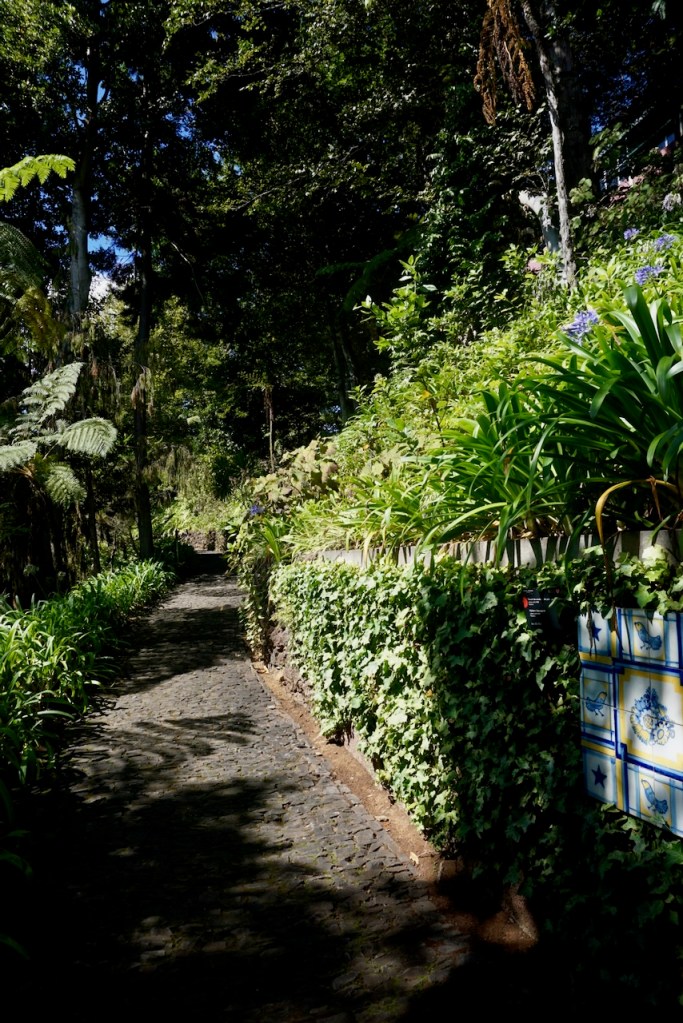
The following day, we took a cable car up to the Monte Palace Tropical Garden, giving us an excellent perspective on the elevation of Funchal. The air was noticeably cooler than at sea level, and we were fascinated by the hundreds of plants from all over the world that looked completely at home. In the centre of the gardens was a lake with a small stage and live music. It was relaxing, idyllic, and a wonderful oasis away from the bustle of city life, even on an island.


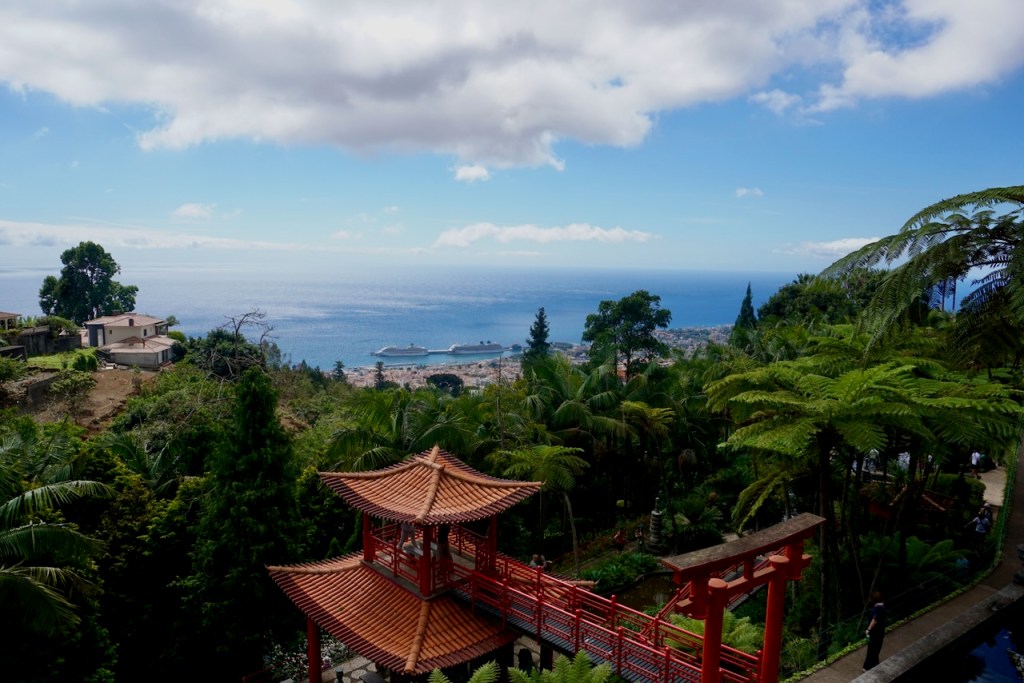




The Monte Church, located just around the corner, stands at 598 meters, and the view down to sea level was impressive.


Traditionally, one descends from the palace into the city by way of the Carreiros do Monte, essentially a wicker basket sled guided from the rear by two porters. Nowadays, the ride is only two kilometers (we walked the rest of the way) and we enjoyed every minute of it.

Machico
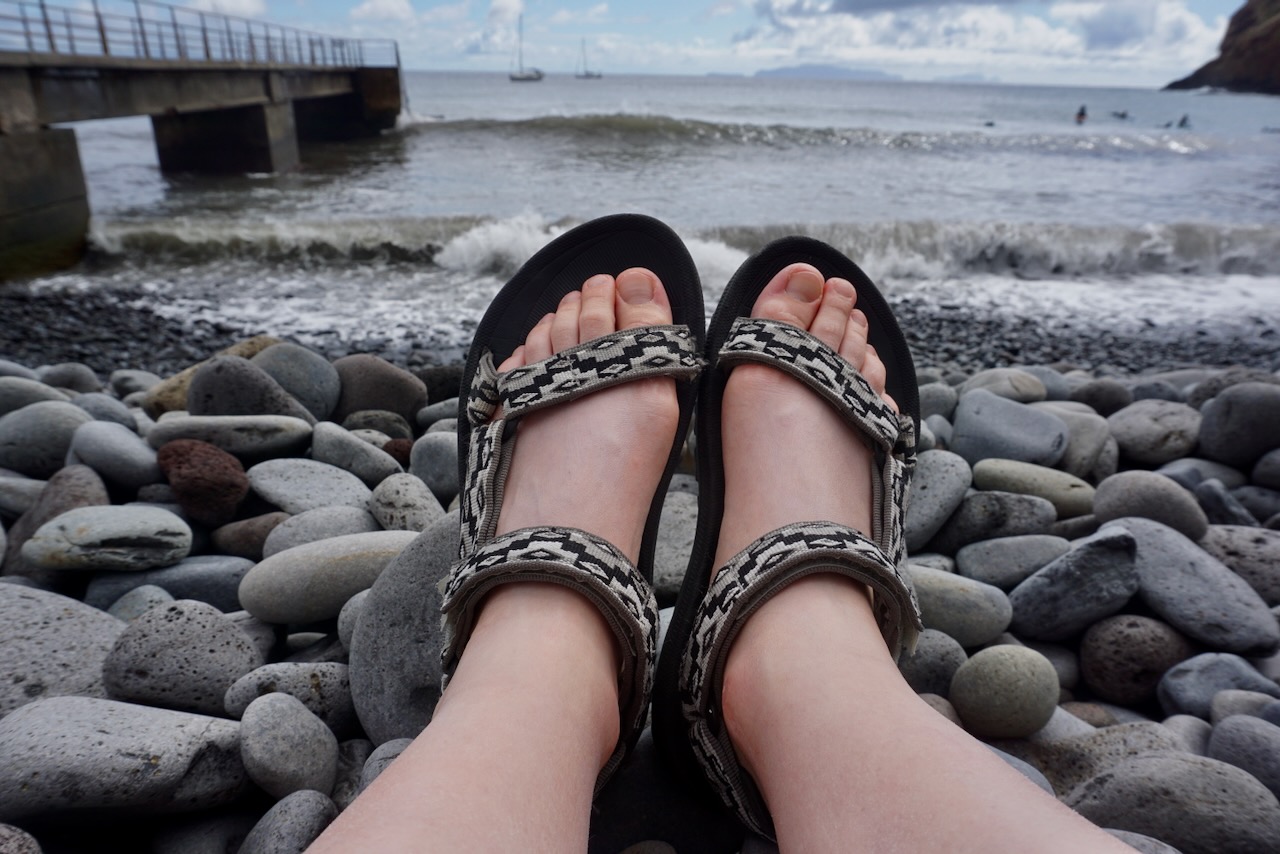
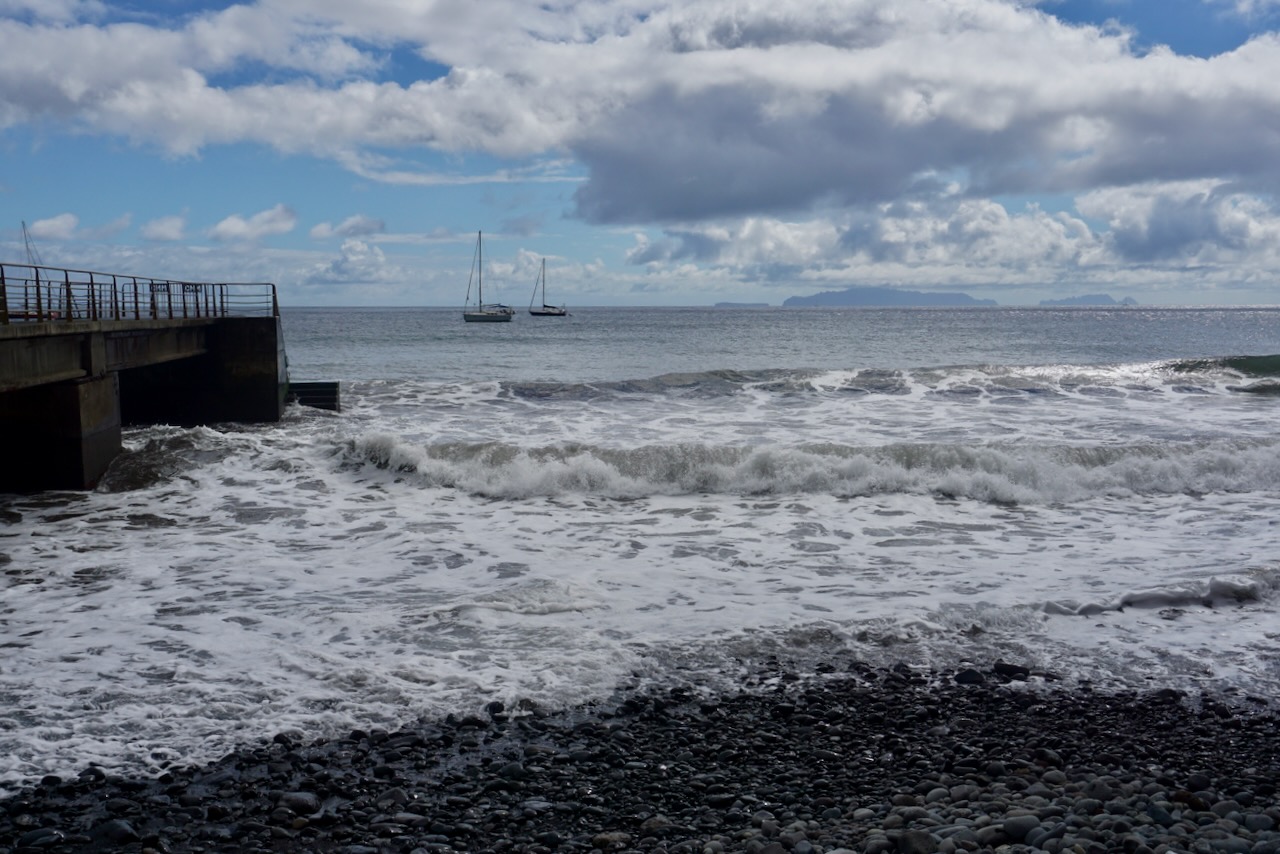
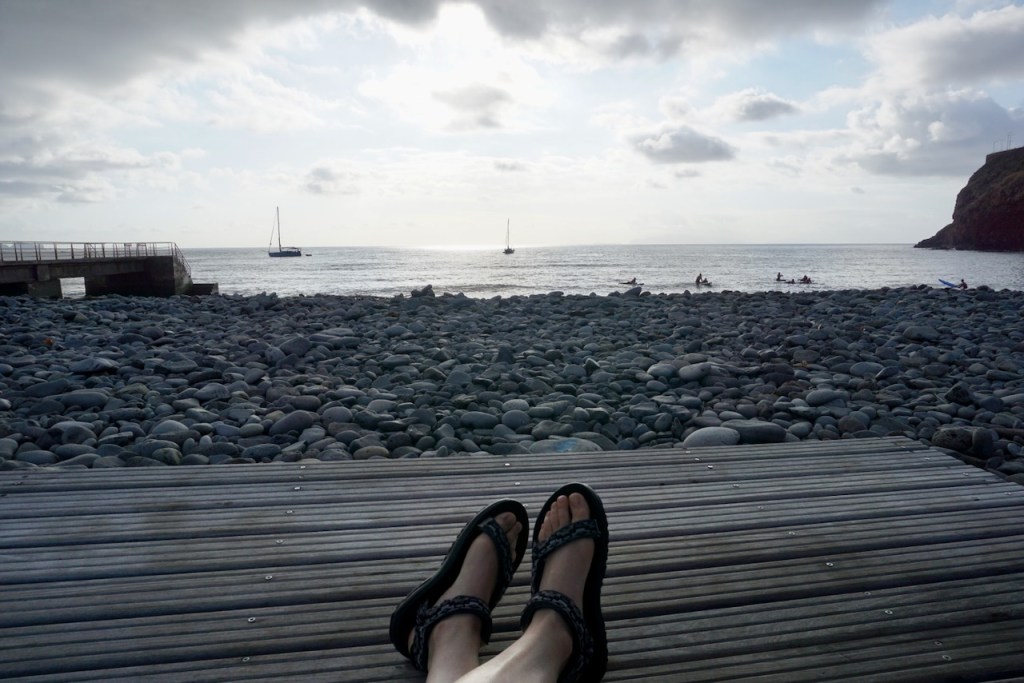
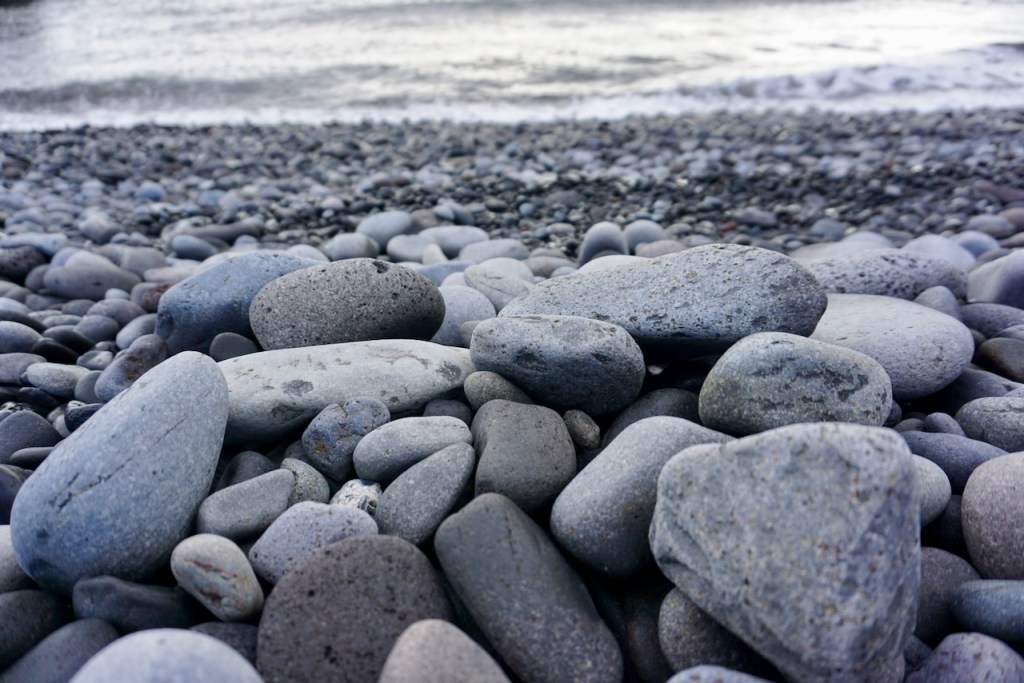
The following morning, we took the bus to the airport to pick up our rental car, and then headed down the road to the beach town of Machico, which we had chosen due to its proximity to the hiking trails for which Madeira is famous. We arrived to weather significantly cooler than what we had experienced in Funchal, though the two locations are only 25 kilometers apart along the coast. In recognition of the slower pace and change of atmosphere, we made ourselves comfortable on the rocky beach and just watched the waves.

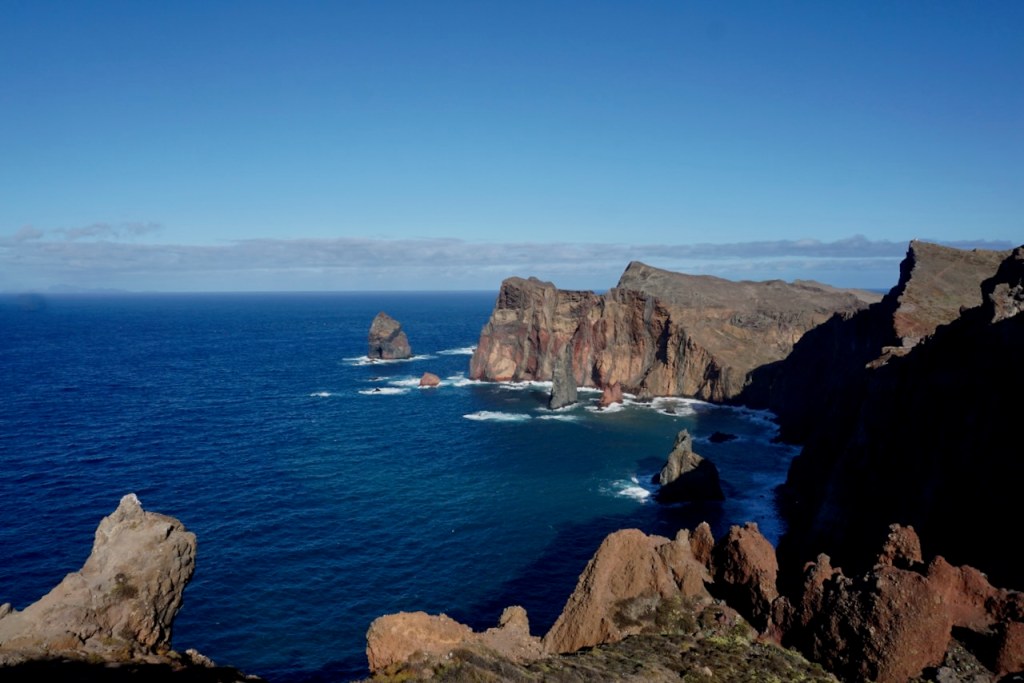
That afternoon, we drove out to a lookout point on the eastern end of the island, gradually gaining elevation on narrow, twisting roads. The landscape changed from tropical trees and flowers, to cacti and beach grasses, to red earth with scrubby brush.


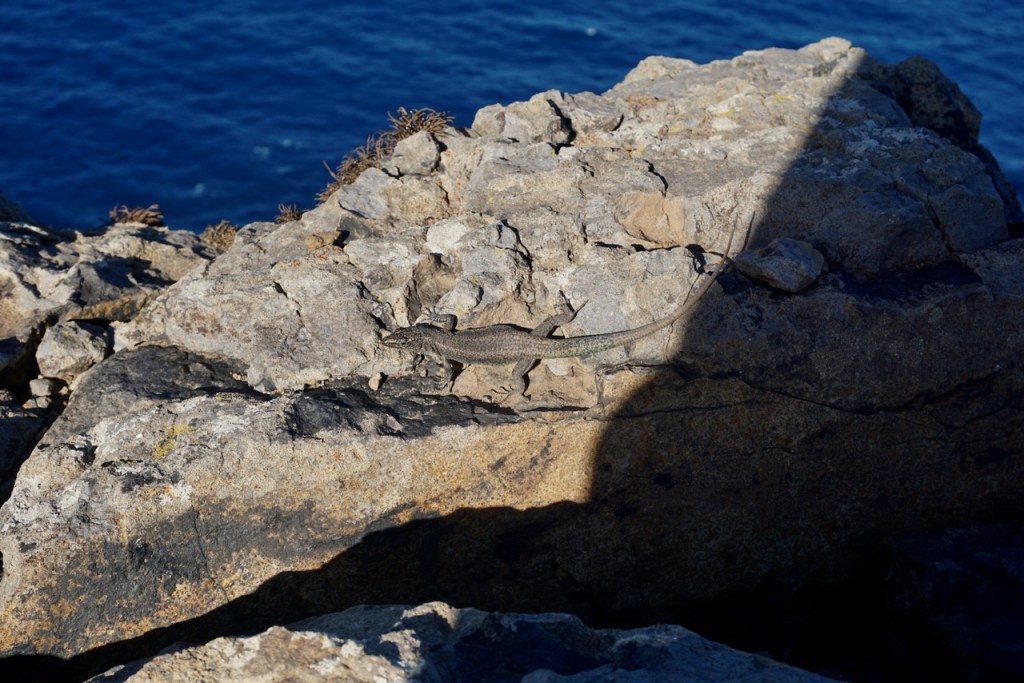
We walked along the edges of cliffs looking out into the sea, clearly in the shape of the caldera left behind from the volcano that created Madeira Island.


The next morning, we took what was probably the wildest drive of the trip, climbing serpentines for about 1300 meters from where we began at sea level. We wanted to hike up to Pico Ruivo, the highest point of Madeira Island at 1862 meters.
At just under three kilometers, the trail is straightforward though steep, and it winds through an incredibly diverse landscape. We started in terrain that was almost sub-alpine, mist in the cold air . . .


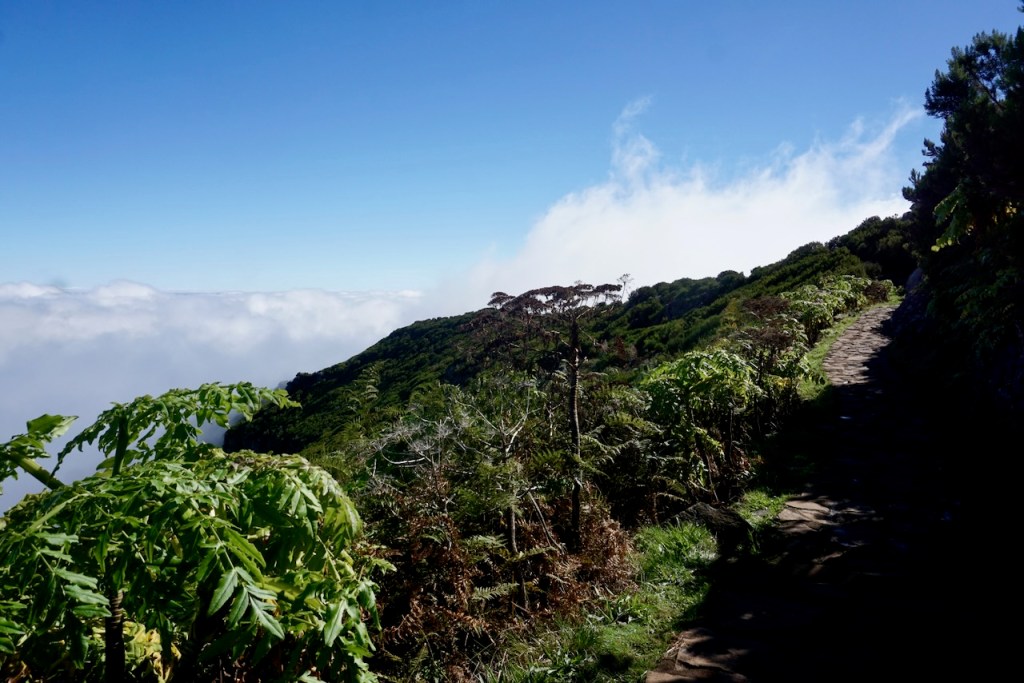
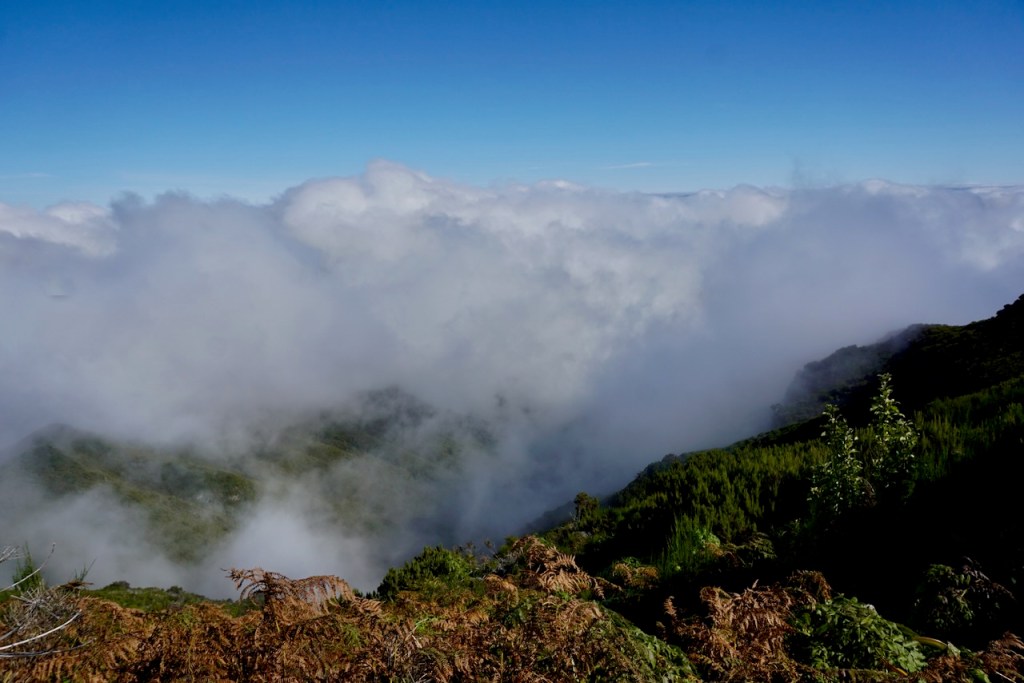
. . . climbed through and above the clouds . . .
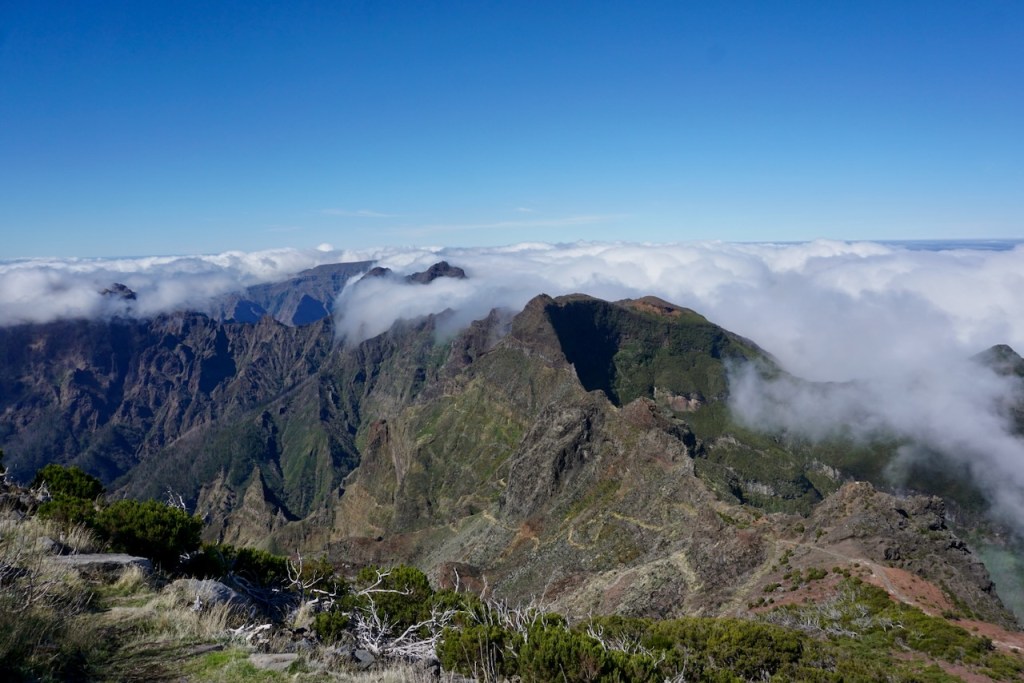
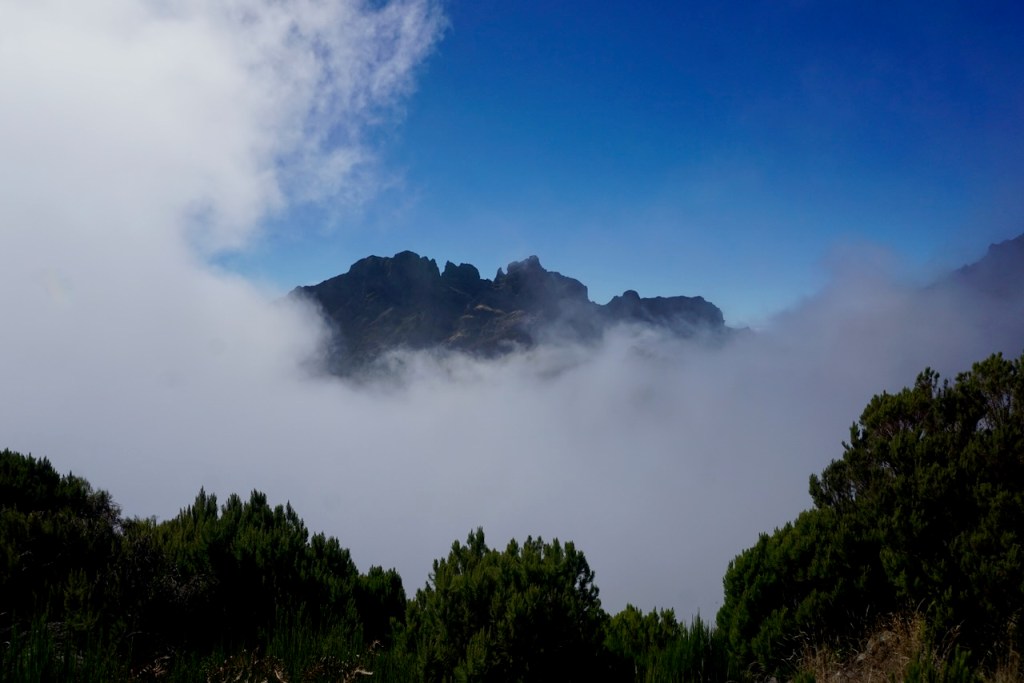
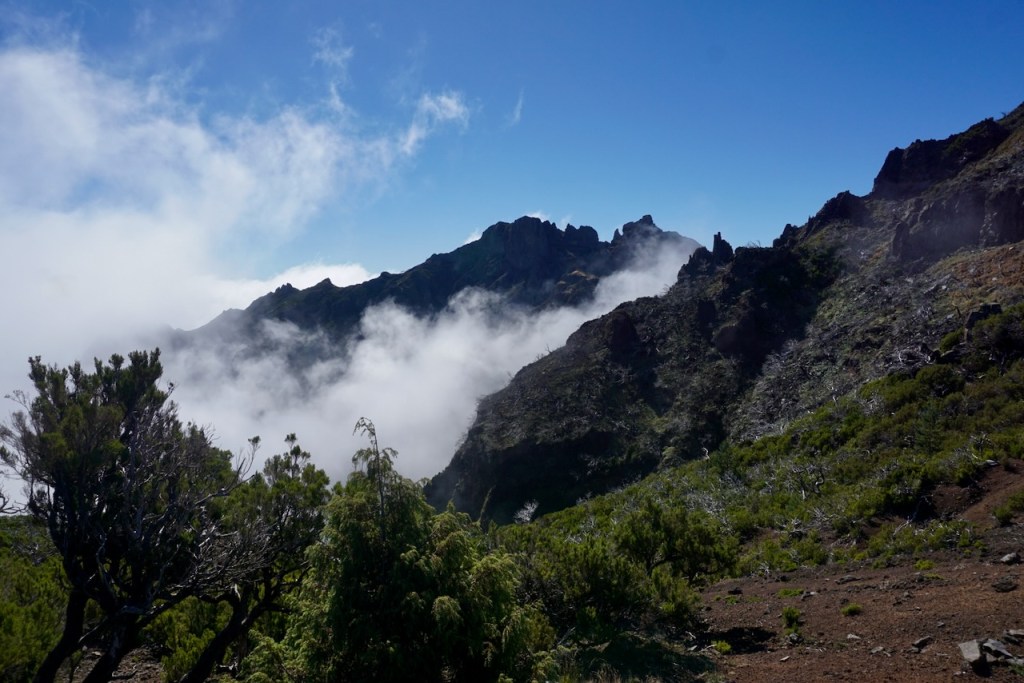
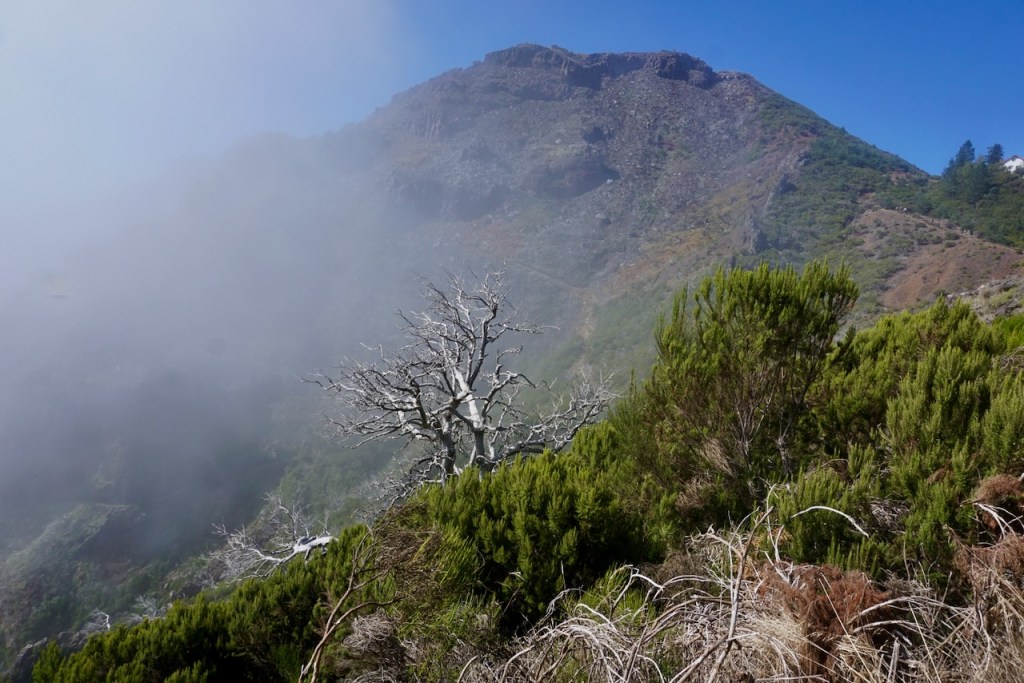
. . . and ended on the south side of the peak in a dry, scrubby landscape with signs of fire damage. . . .
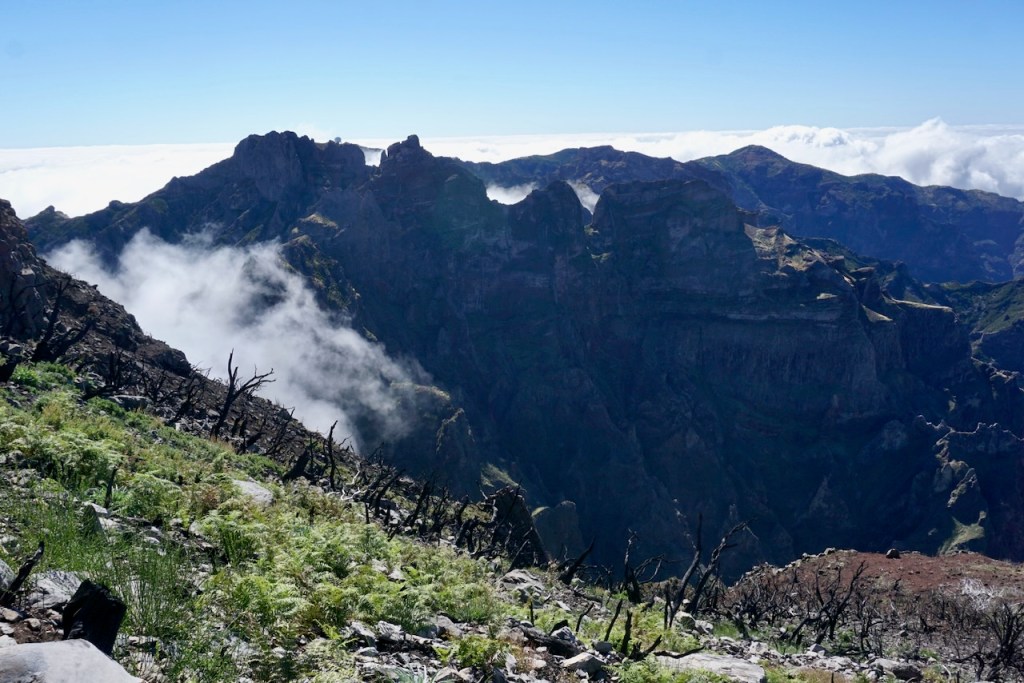

By the time we got to the summit, I was very aware of my pregnant and rapidly changing body. I had needed to go more slowly than usual to regulate my breathing, and I tried to skirt the stairs that caused my stomach muscles to engage, resulting in cramps that are best avoided. But there’s also a feeling of confidence that comes from being pregnant in such terrain (I wasn’t the only one, either!) and I enjoyed that very much.
Upon returning to the car, having thoroughly enjoyed the hike and wanting to explore more of the island, we drove about five minutes back down the road and again into the clouds. Pulling over when we could, we walked the easy, flat trail from Queimadas to Pico das Pedras. In sharp contrast to the morning, this trail took us through a rainforest. It had been cold and sunny on the summit, but we needed a jacket for the rainforest.
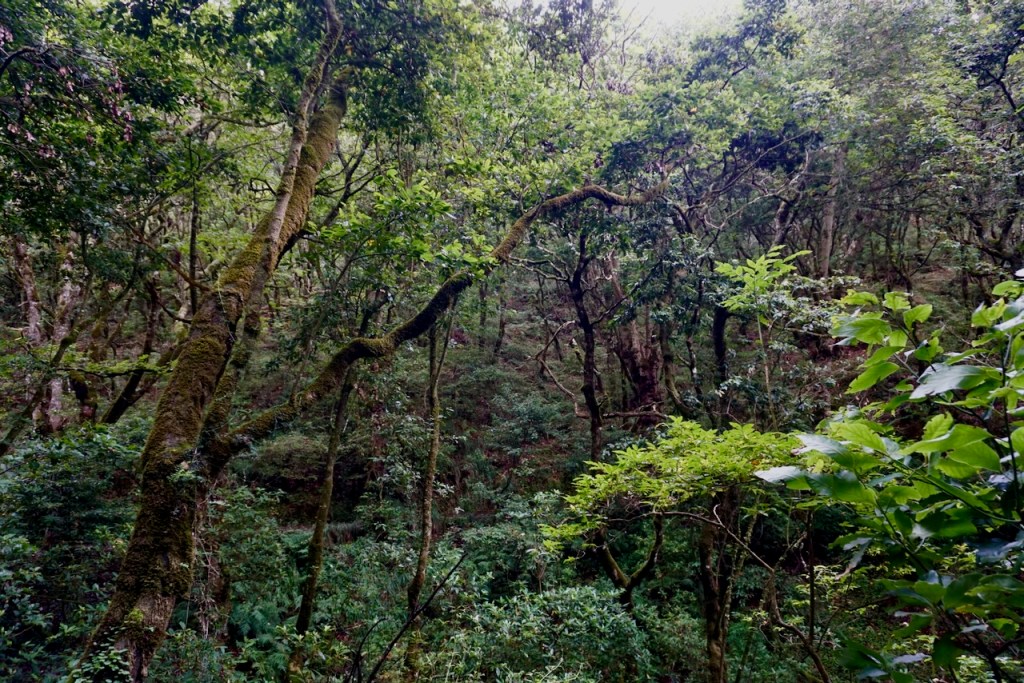
And what a forest. Moss hanging in clumps from old, gnarled trees; water running below us and along the sides of the path; ferns everywhere. We walked mostly in silence, smelling the muddy earth and the effortlessly lush vegetation, marvelling at finding ourselves in yet another climate zone.

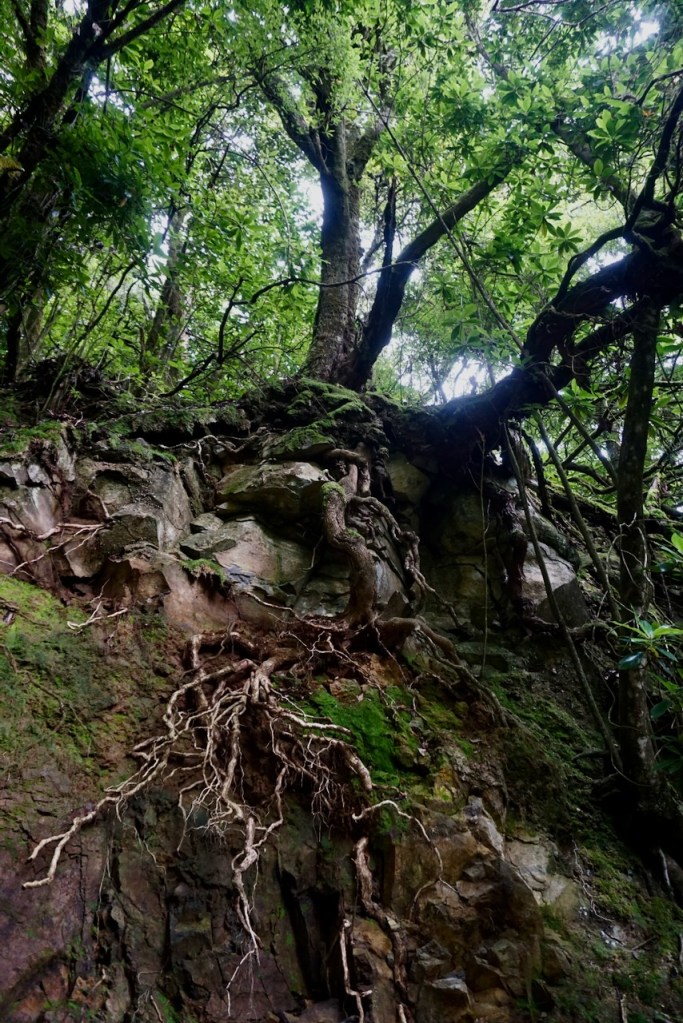


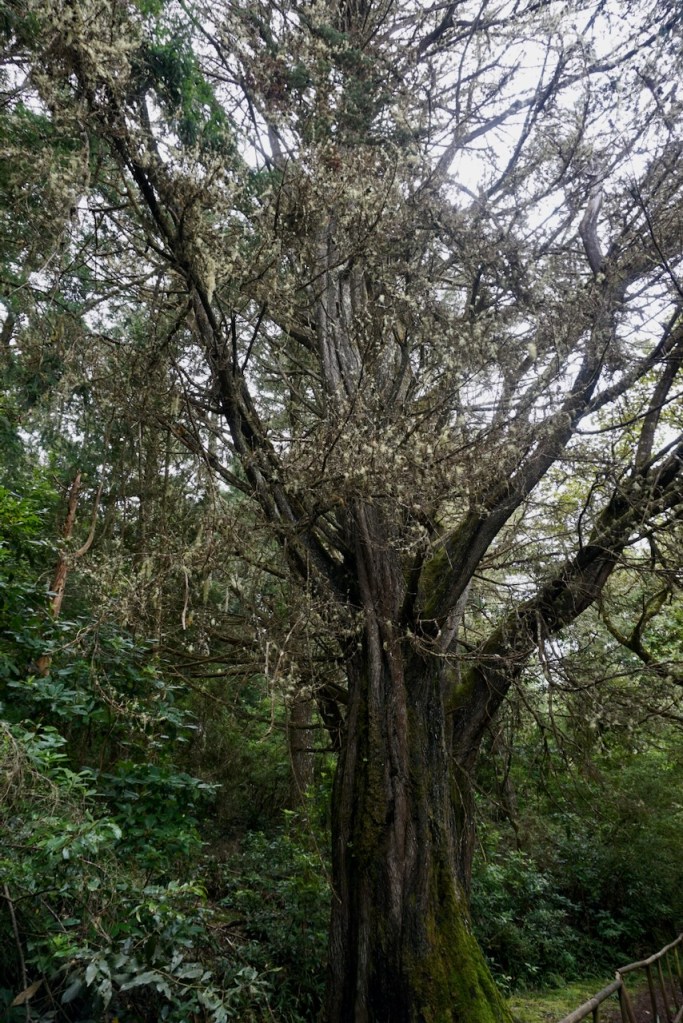


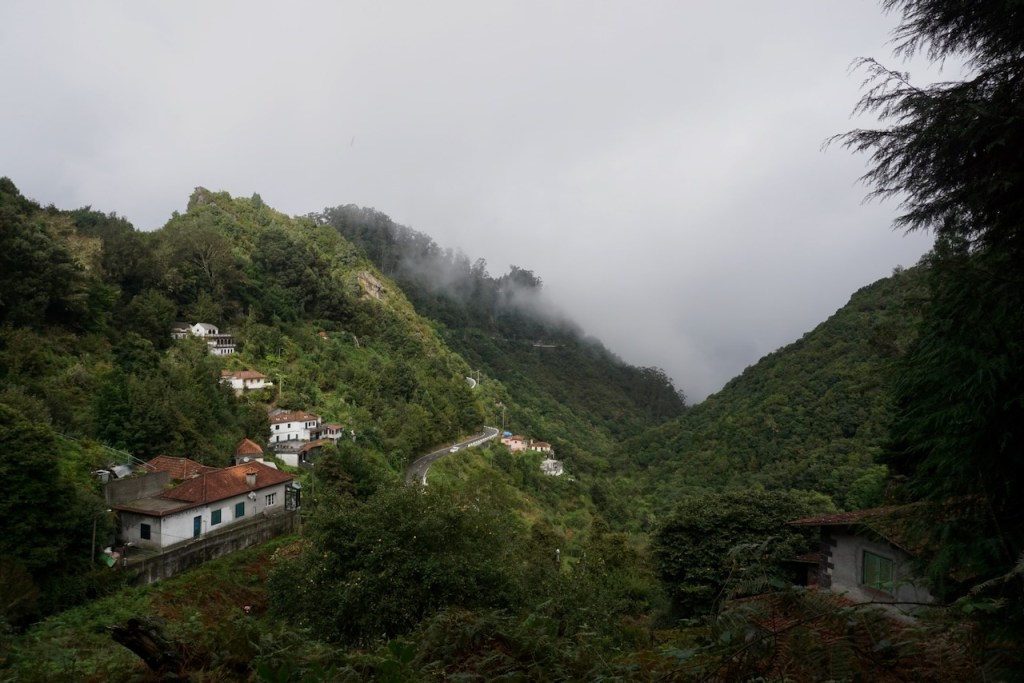
From there, another winding, twisting drive took us yet higher into the cliffs to the short walk named for its outlook point, Vereda dos Balcões. We were in a cloud forest at that point, walking along the side of a cliff that looked down into one of the many villages dotting the landscape.



After our explorations of the east side of the island, we drove out the next day towards the centre to hike the Levada das 25 Fontes, a trail named for its 25 waterfalls. The easy walk led downhill from where we parked, and its status as one of Madeira’s most famous walks was immediately apparent from the number of people following the trail. We had to look for stillness here, which we managed to find.

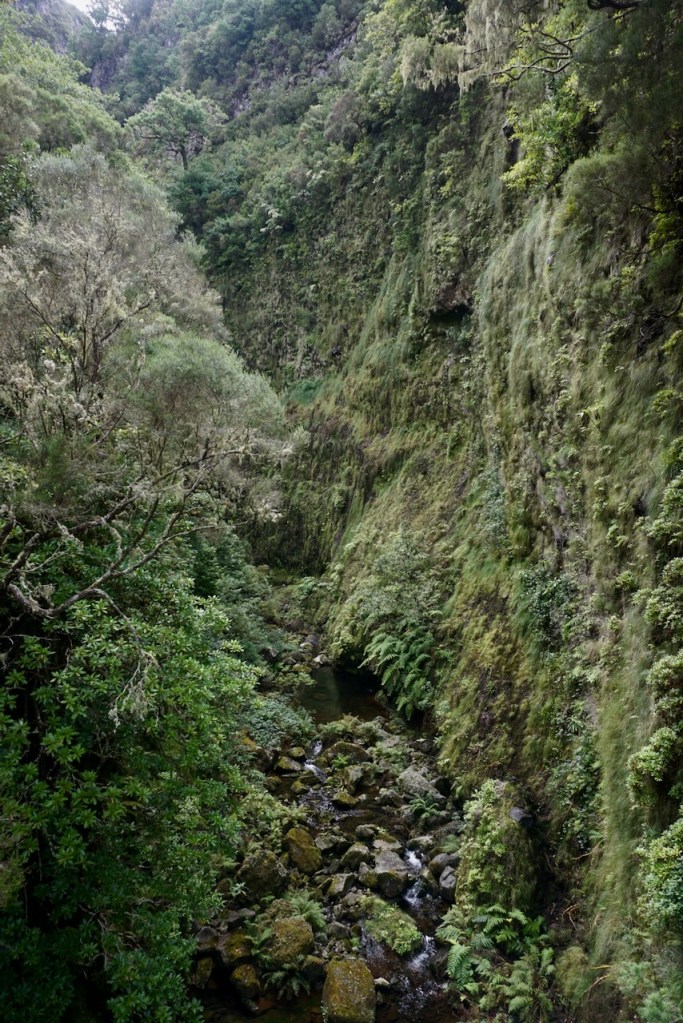

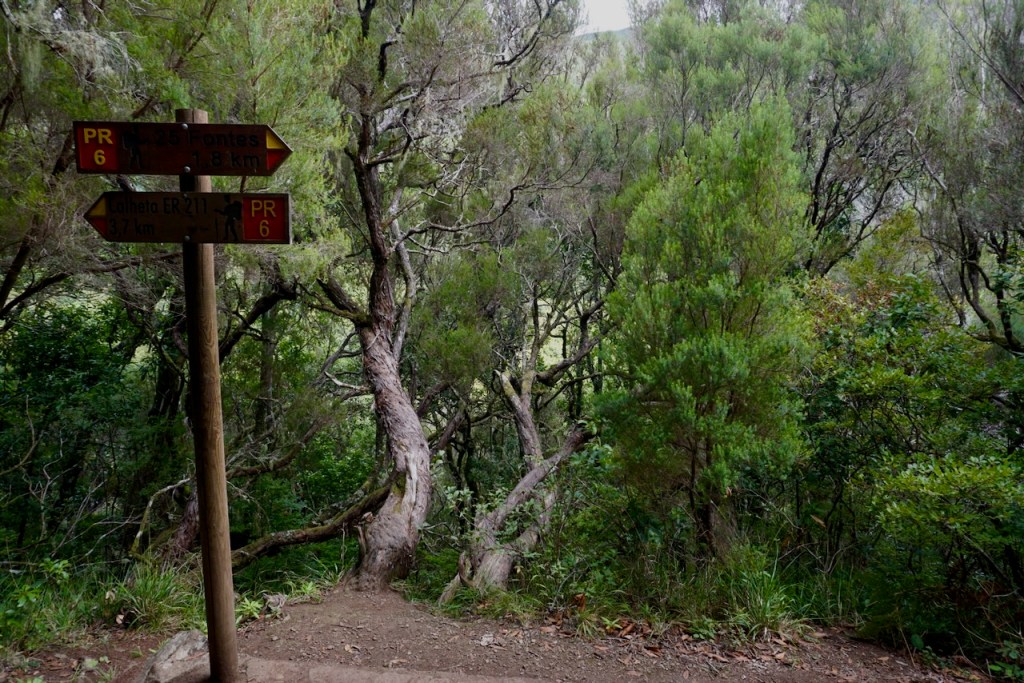

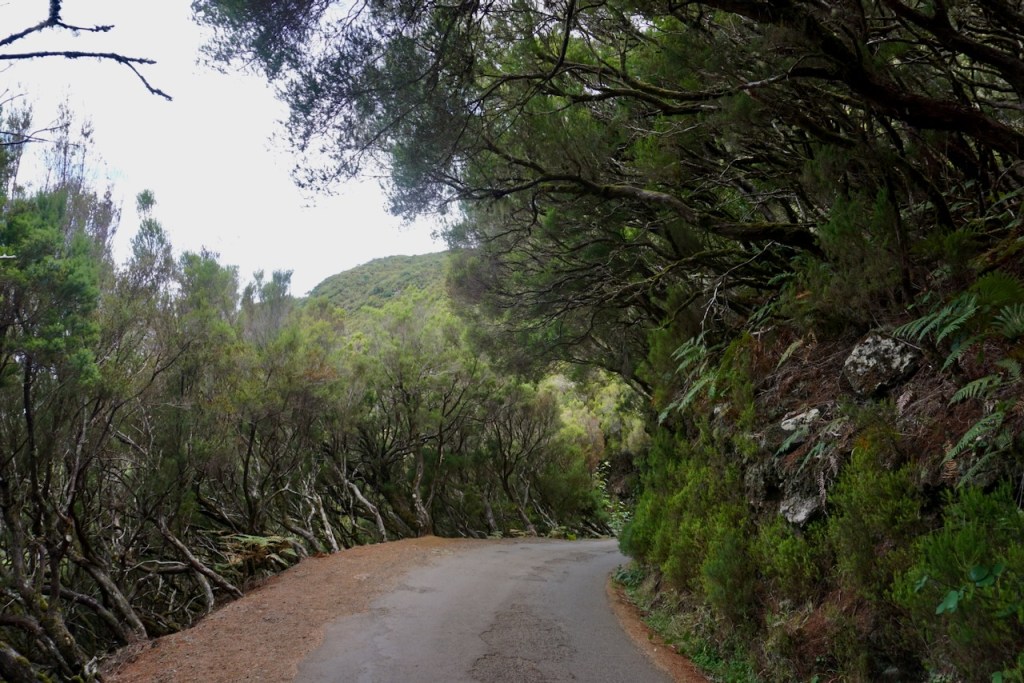

And then, ready for stillness to find us, we followed a trail turnoff that would take us back to the car in a slightly different direction than the out-and-back that we knew most people would follow. Alongside Spanish moss, trees with low-hanging branches, and irrigation canals, we found ourselves exactly where we wanted to be – entirely alone.

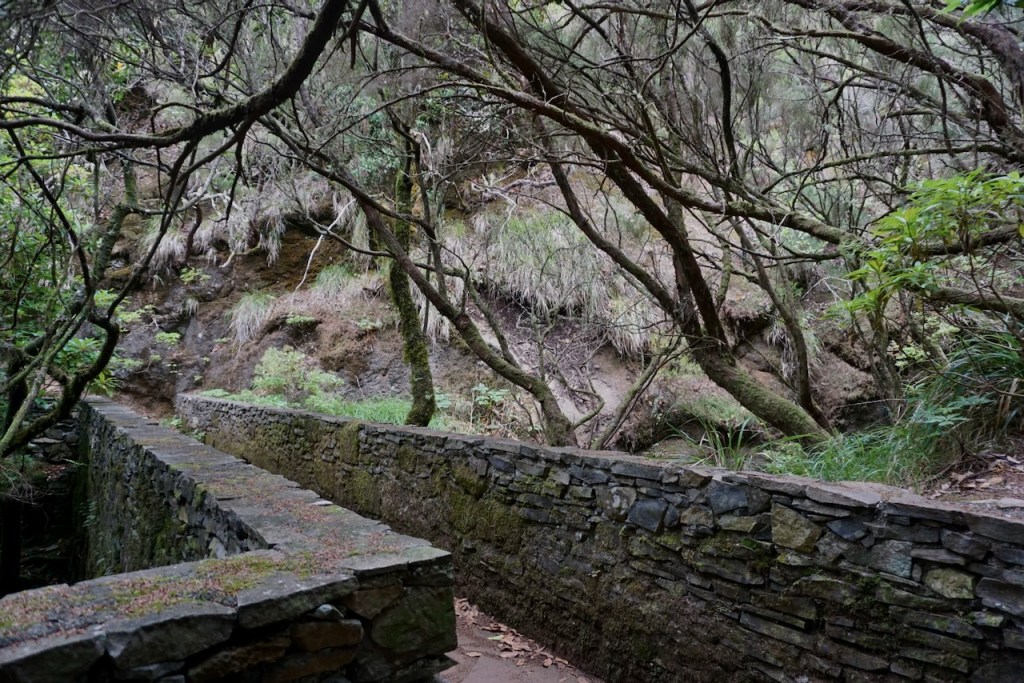
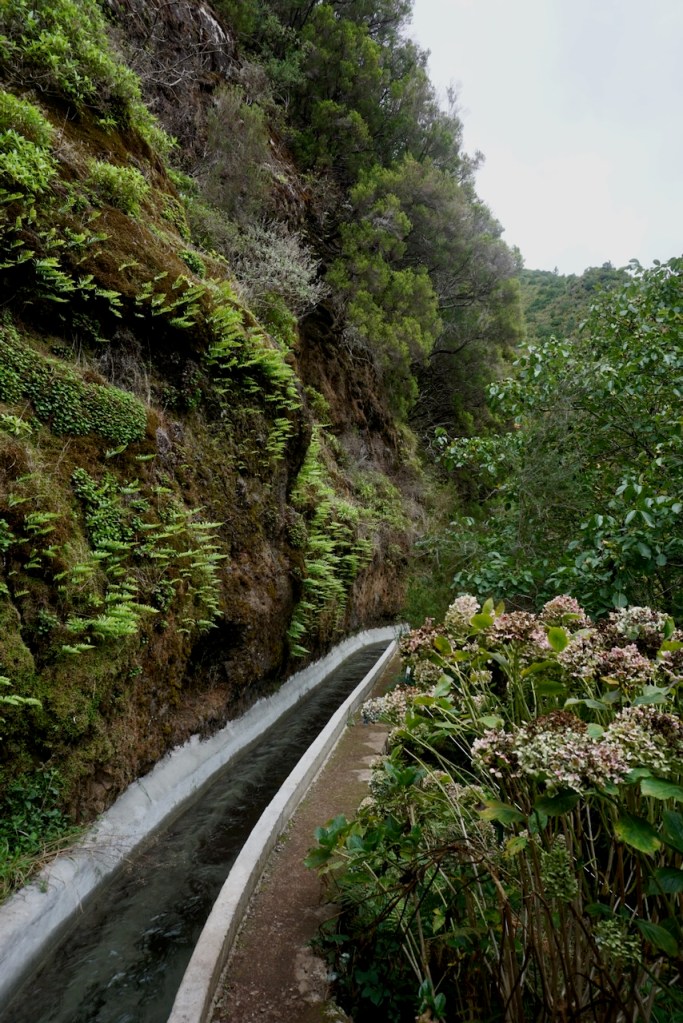

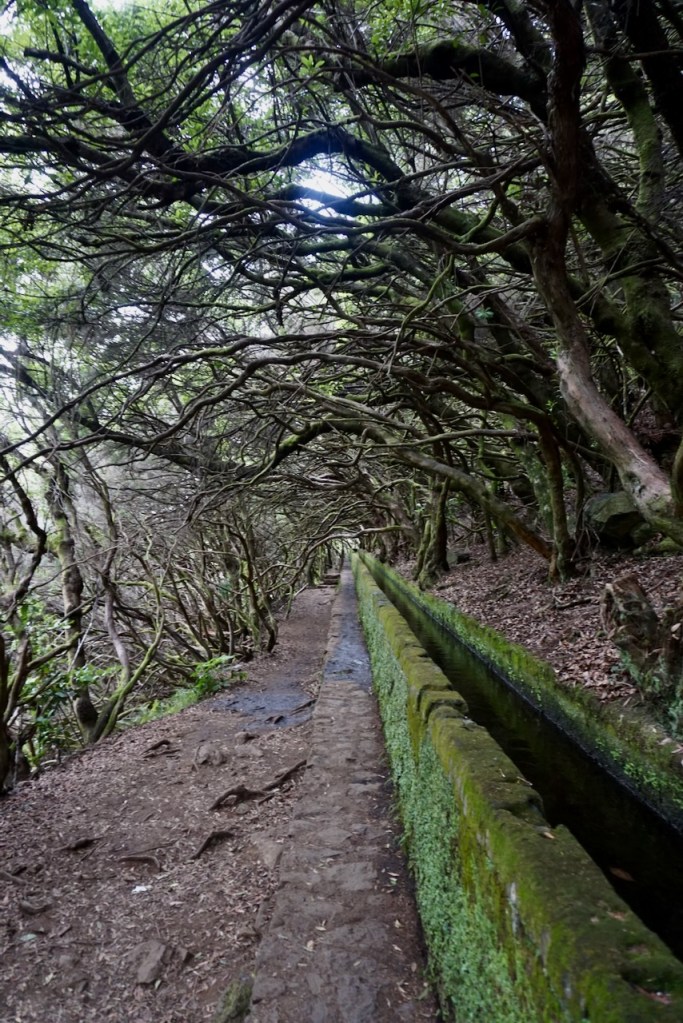


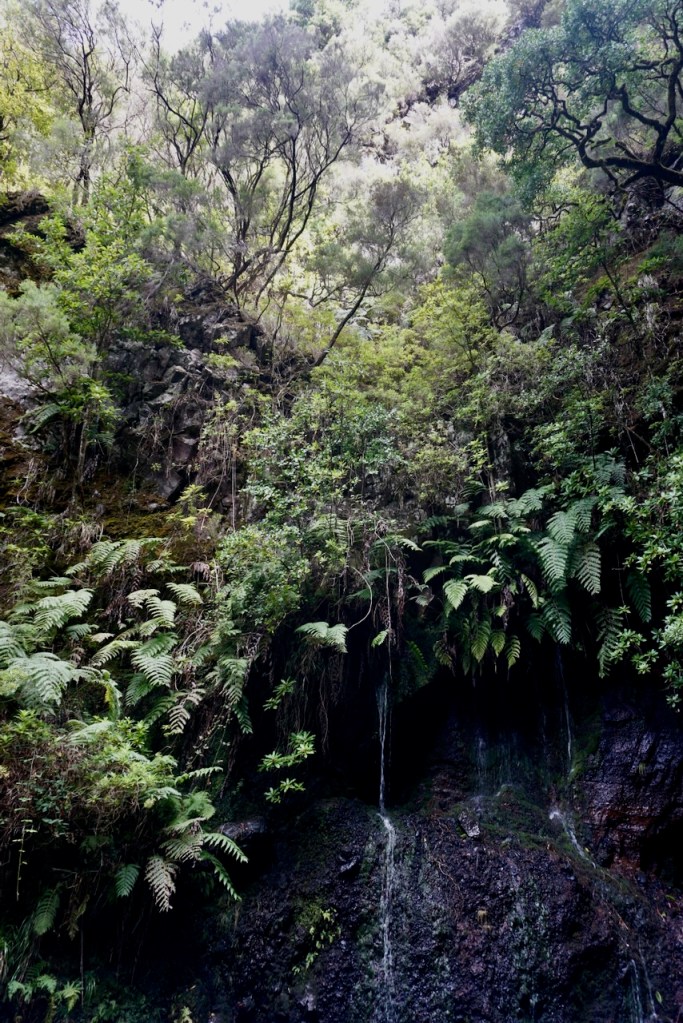
From there, we continued our drive to Porto Moniz, the northwestern most point of the island. We walked along the water and gazed down into the natural pools created by the ocean.

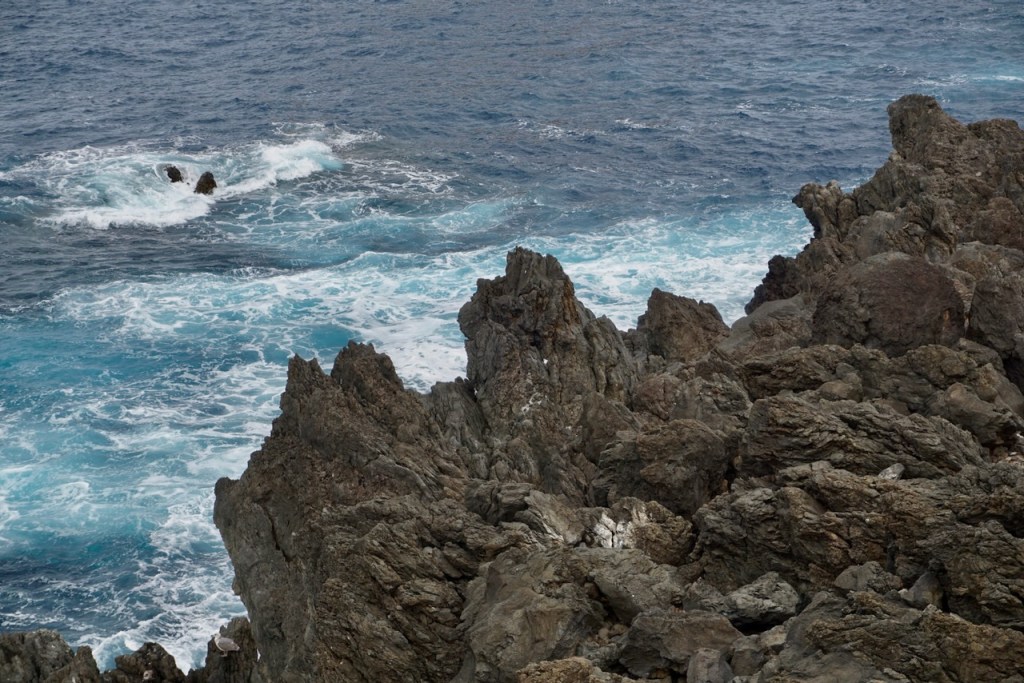


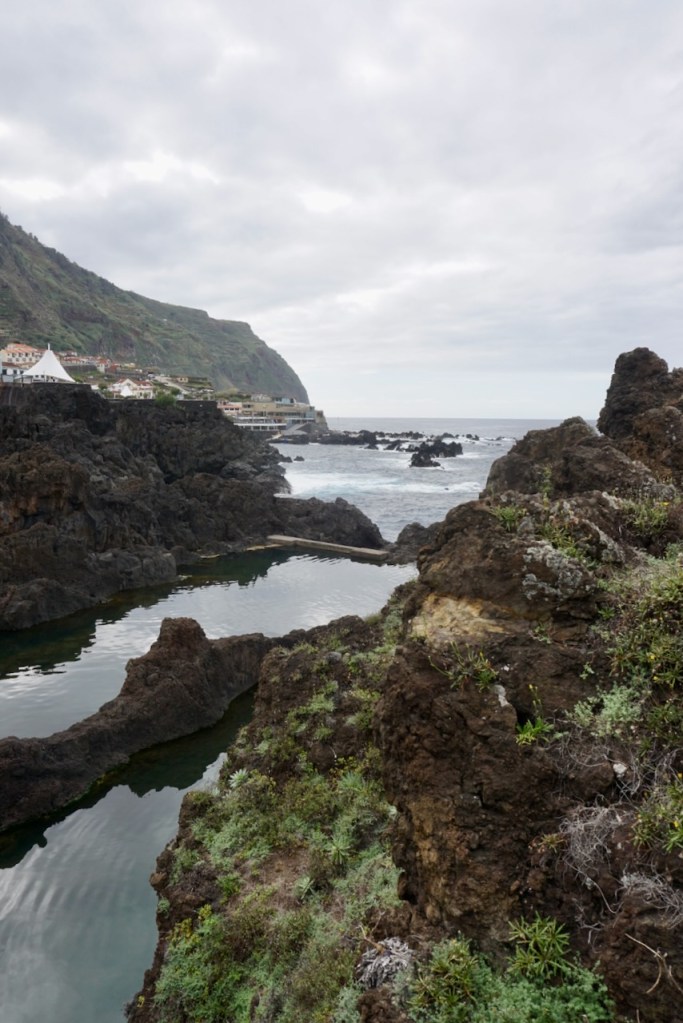
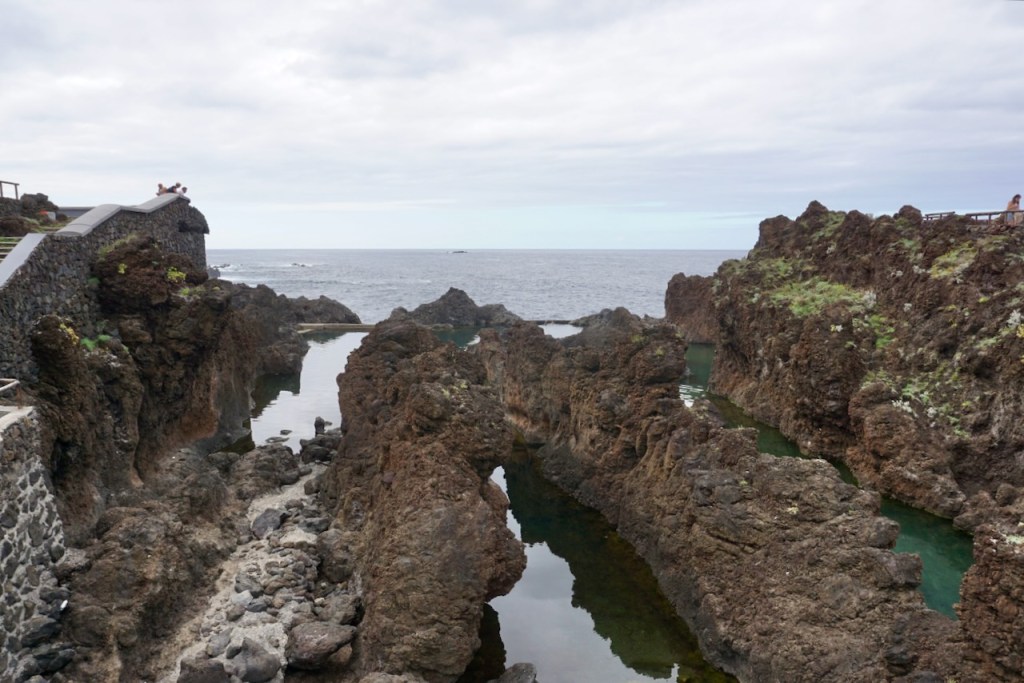
The drive back to Machico completed our circuit of the island, which had left us in awe of the diversity we had experienced. We have both had the fortune to see a few places in the world, and neither of us had been anywhere quite like this.
The next morning, our last full day on Madeira, I settled myself on the rocky beach while my partner took a surf lesson . . .

. . . and we spent the afternoon hiking the Vereda da Ponta de São Lourenço, the trail on the eastern end of the island that reaches the highest peak in that area. This time, we walked through desert and along sea cliffs, and were almost always in sight of the ocean. Every so often, a particularly spectacular rock formation came into view, and we just had to stop and take in the colours.


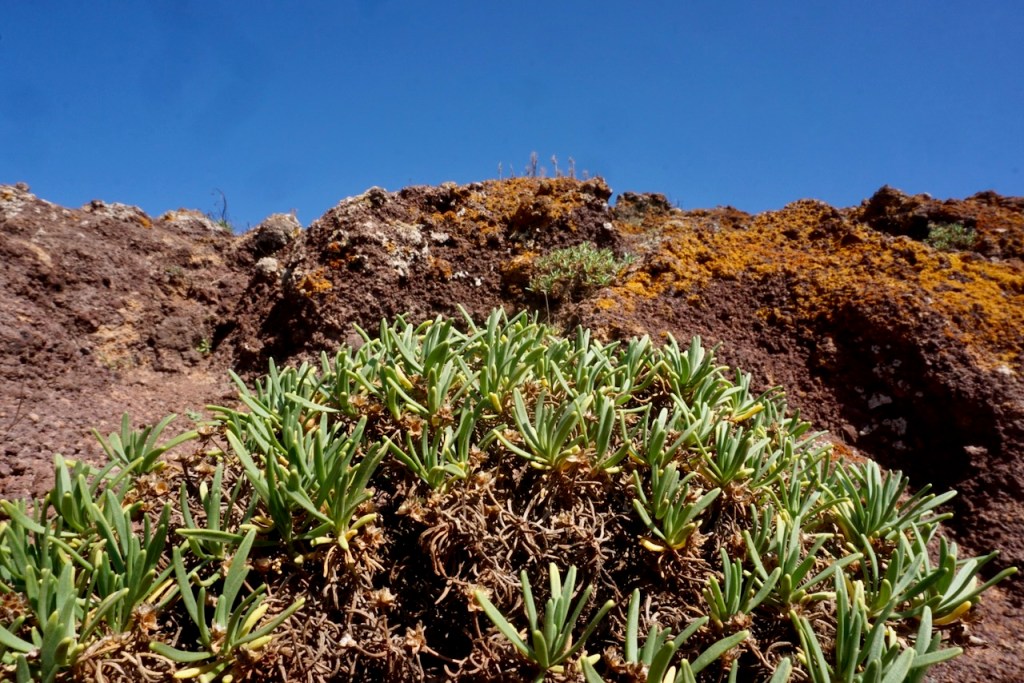
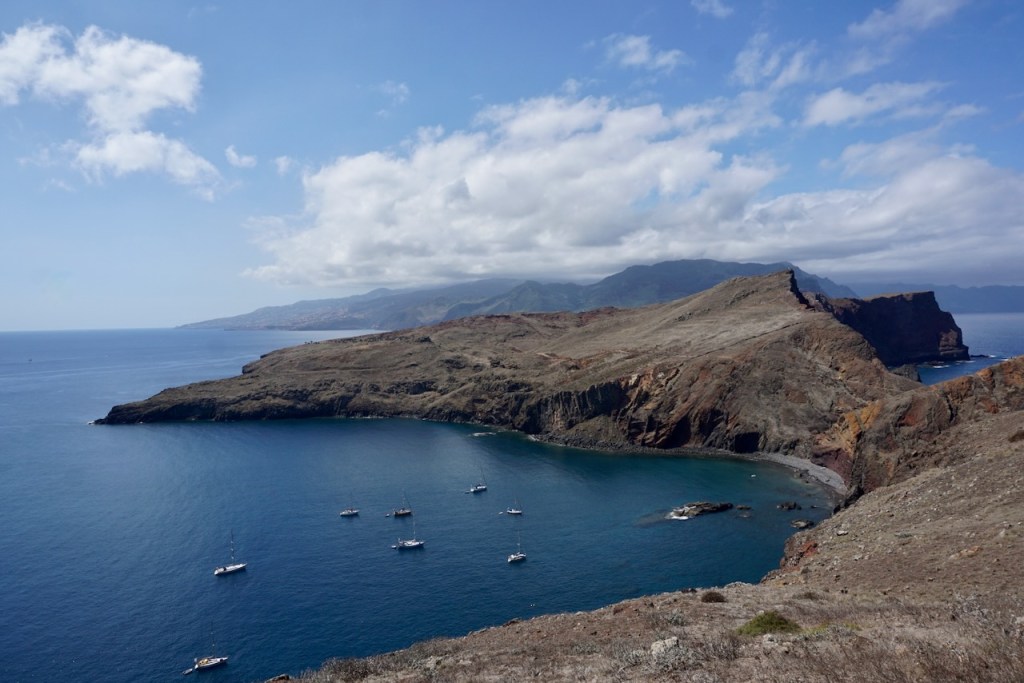


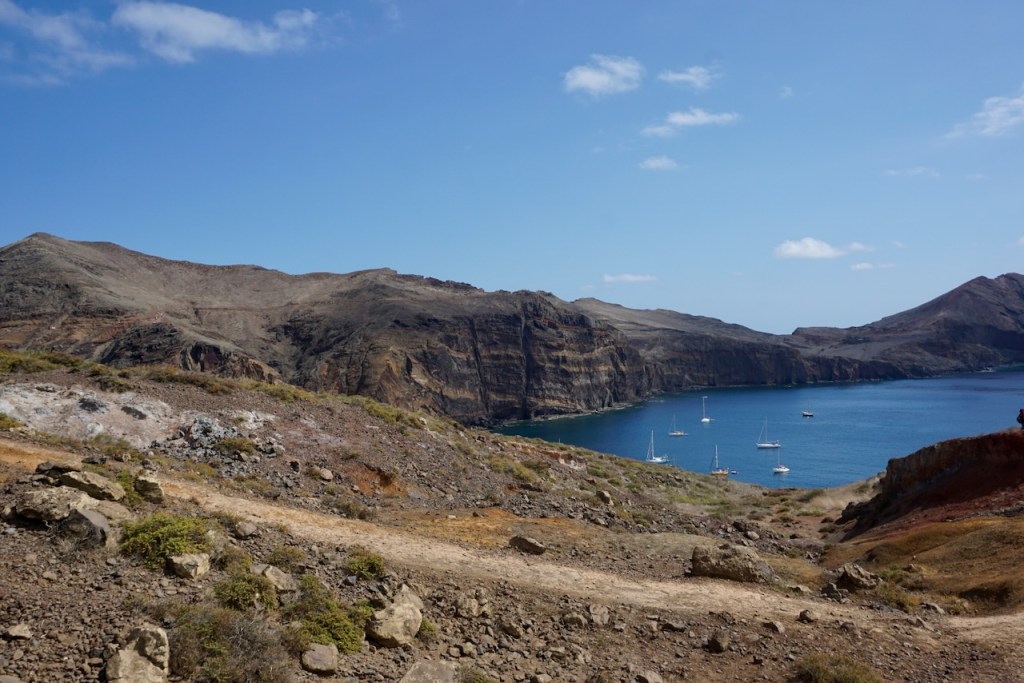
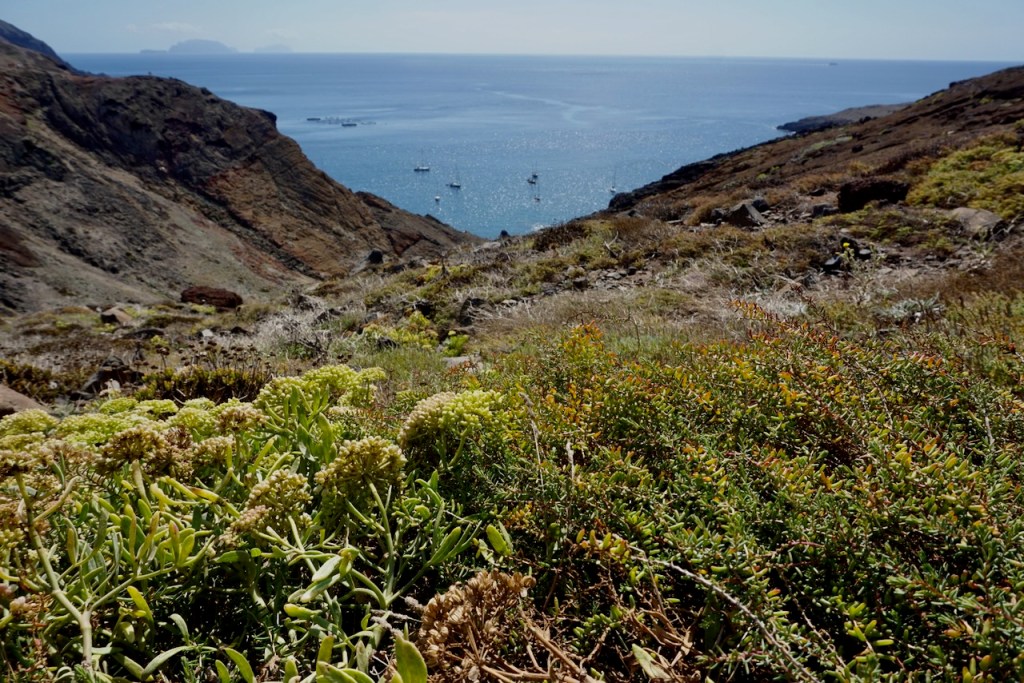

The sun made this walk strenuous because there was absolutely zero shade, but the rocky paths themselves were gentle enough with a relaxed variety of ascents and descents. And like we had seen literally everywhere in Madeira, there were snacks and drinks on offer (upon return, of course!) from multiple food trucks in the parking lot.
Returning to our favourite restaurant for yet another delicious meal of fish (locally caught) and vegetables (locally grown), we toasted a local beer and a local juice to the week we had experienced. We had seen plenty of families underway on Madeira and smiled at the thought of being there with our little one. It is hopefully not our last time on this beautiful island, and we departed early the next morning with beach air in our noses and the sunrise in our eyes. One cannot ask for more than that.


































 By Rebecca Michelle