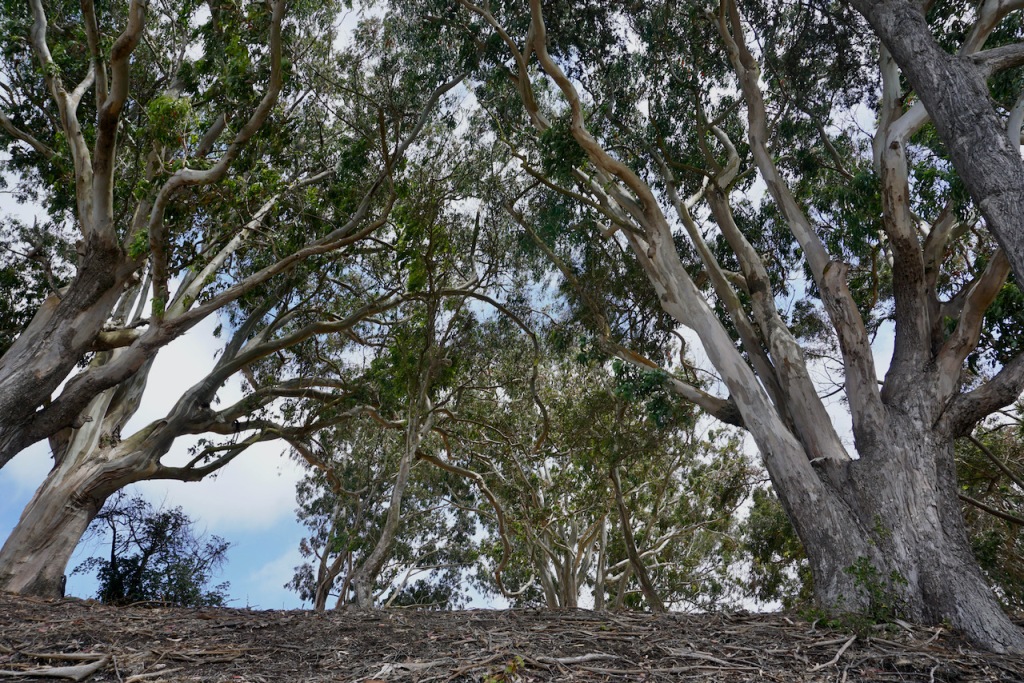
In the midst of, or perhaps to stave off, sudden emotional turmoil, I did what I often do to gather, collect, and find myself: I headed out into nature.
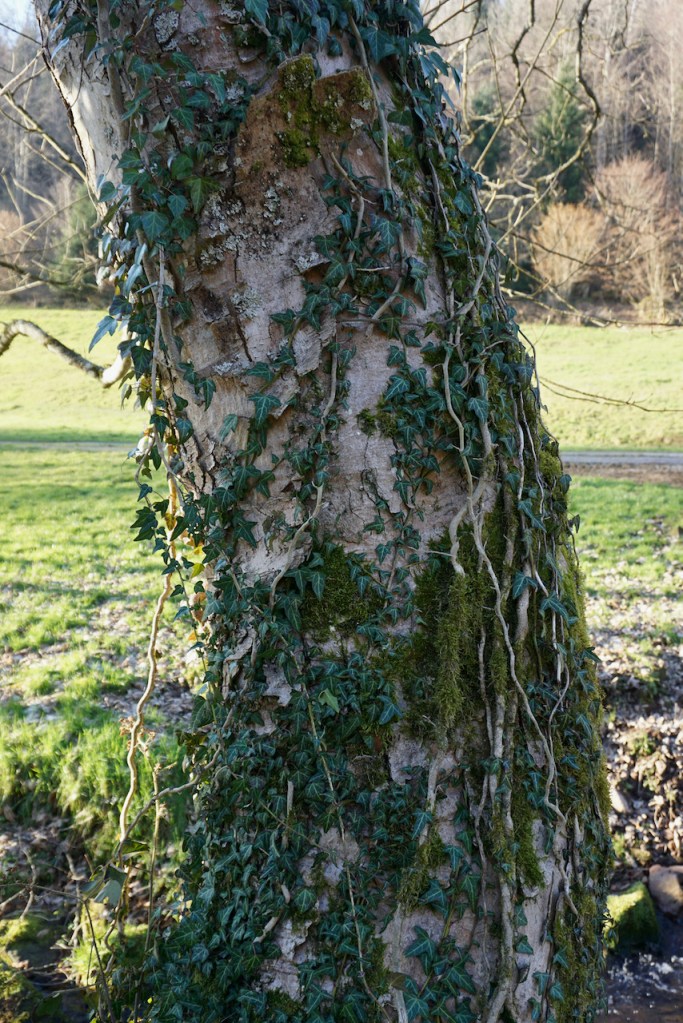
I had just wrapped my arms around a tree when a phone call came, one I had been expecting. I answered, telling the caller which bridge I’d just crossed and added that I was currently hugging a tree.
“He’s sleeping and will probably not hug you back,” came the reply.
“That’s okay,” I said. I love that trees are living creatures with rhythms.
Berkeley, California – June 2018
We set a meeting time and location and the call ended. I gave the tree one more gentle touch and walked away.
The next time out in nature that day, I was calmer, quieter in body though not quite in mind. We walked for hours and, among the sleeping trees, I began to feel better.
It was not lost on me that the fact that I’d been out hugging trees was treated as the most normal thing to do. The recognition warmed my heart and settled my mind, and by the time the walk ended, I was home.
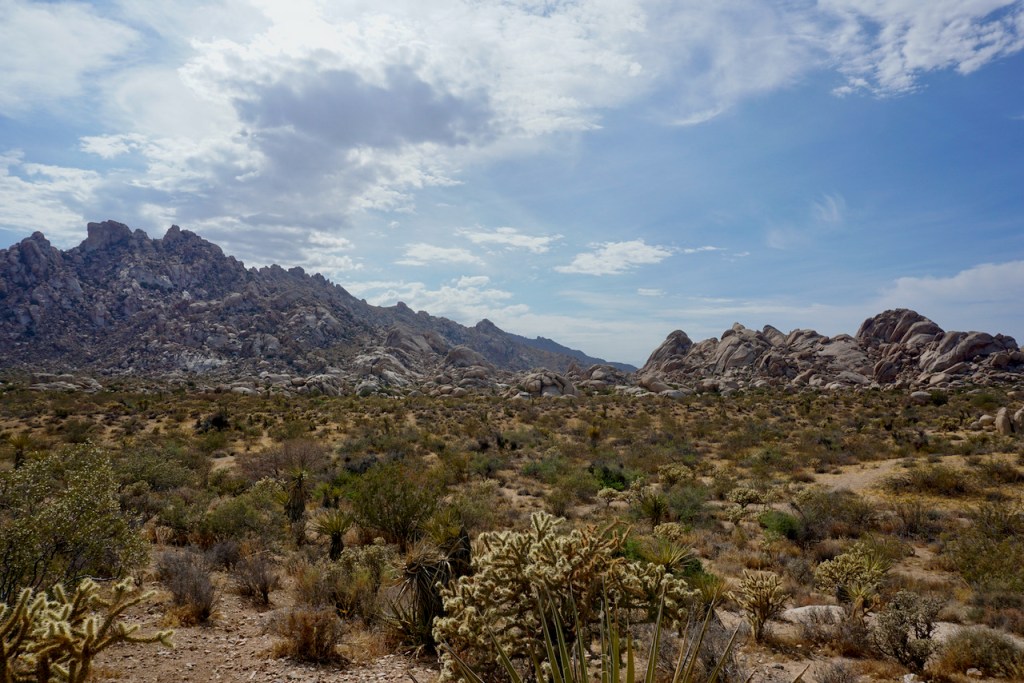
Upon leaving Nevada, we admitted that we were desperate for greenery. The desert is beautiful but we come from green places, and the lack of lush foliage was starting to wear. We would find green in California, but we first turned in the direction of Mojave National Preserve, which was a far rather different desert than we had expected. Rather than flat and endless, the drive was rather bouncy as we passed the many signs announcing: “DIP”. The temperature was cooler, as well, rendering the Mojave surprisingly comfortable for the ten minutes we stepped out of the car to look closer at the plants.
It’s a little strange to write and post this now because the area we drove through is currently on fire. The theme of fire, of which we had seen traces throughout our travels, only grew as we entered California; my concern for the planet, as I now experience a very wet summer with crops rotting in fields, has grown in parallel.
Our drive also included elements of desert travel along Route 66 that we had come to know, elements of the uncanny punctuating the stark landscape.
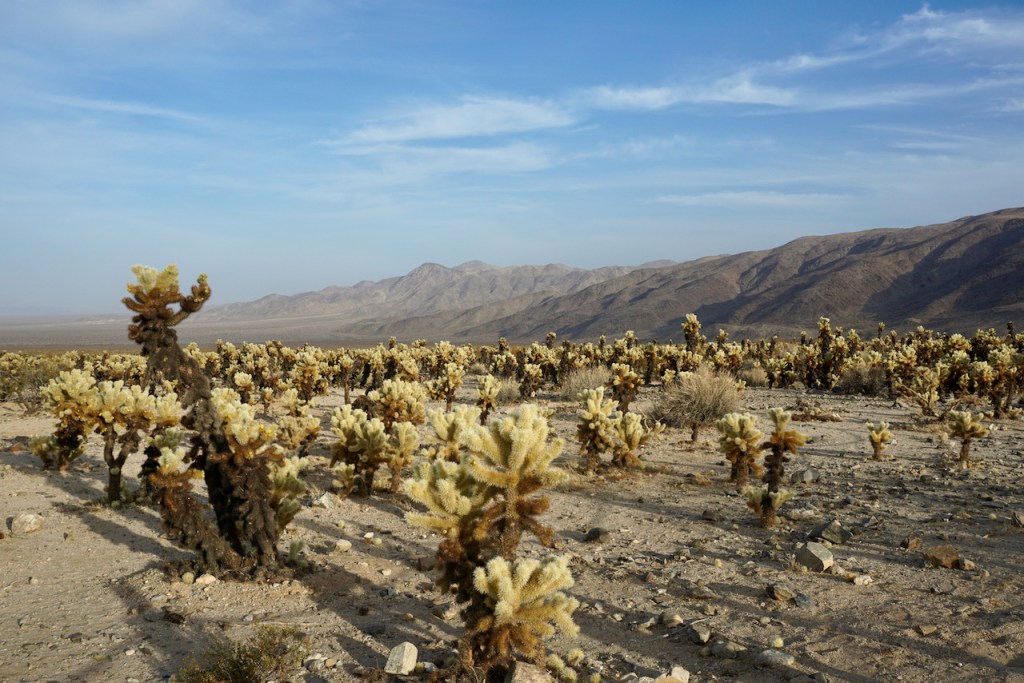
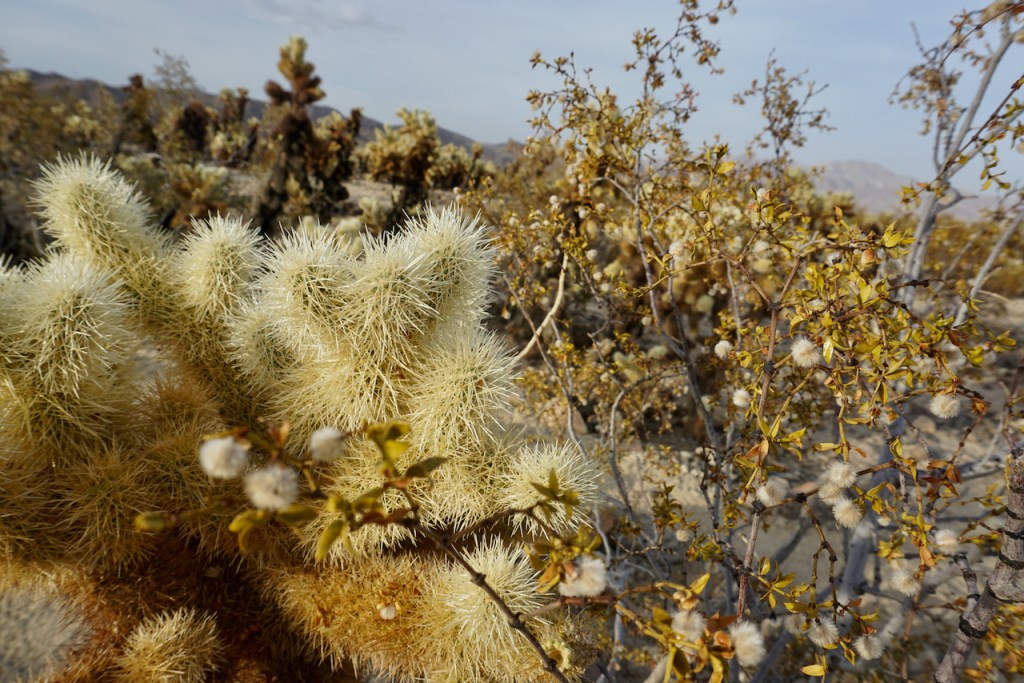
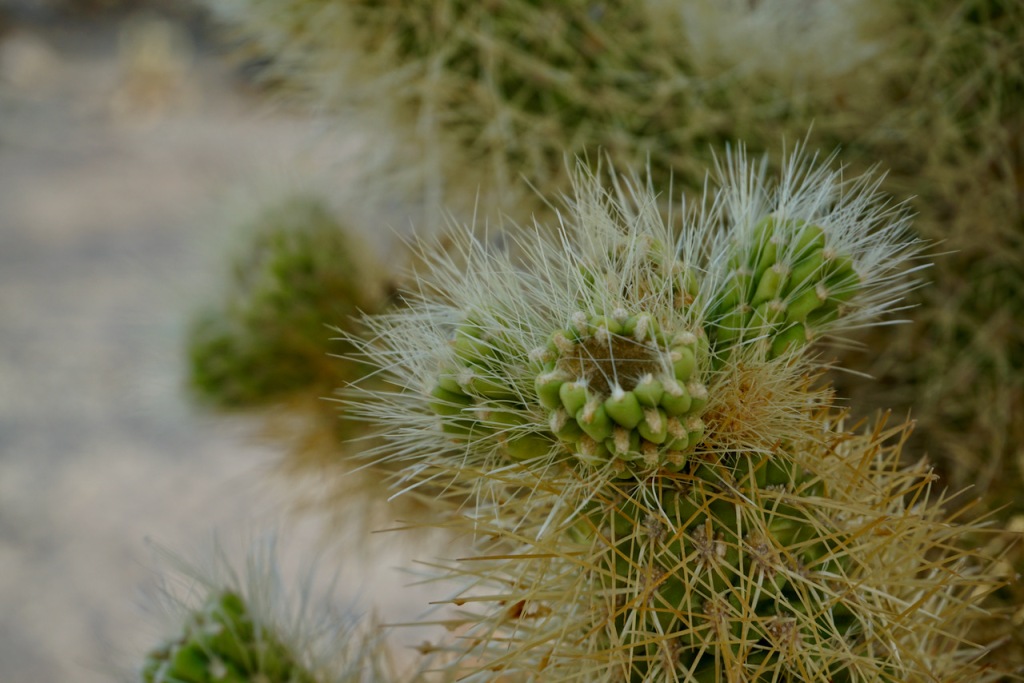
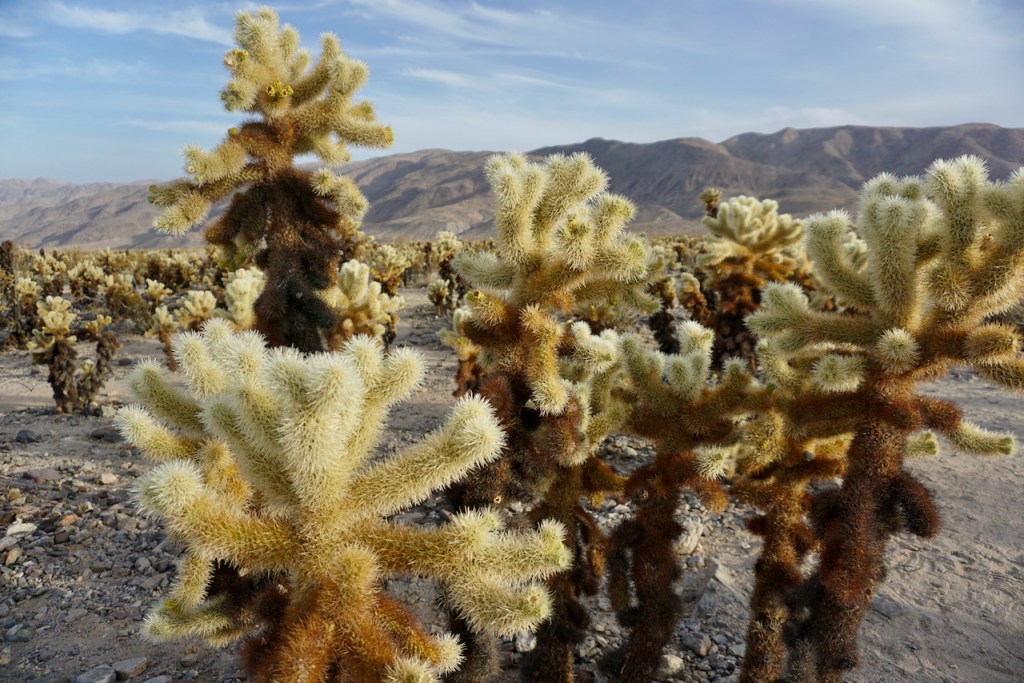
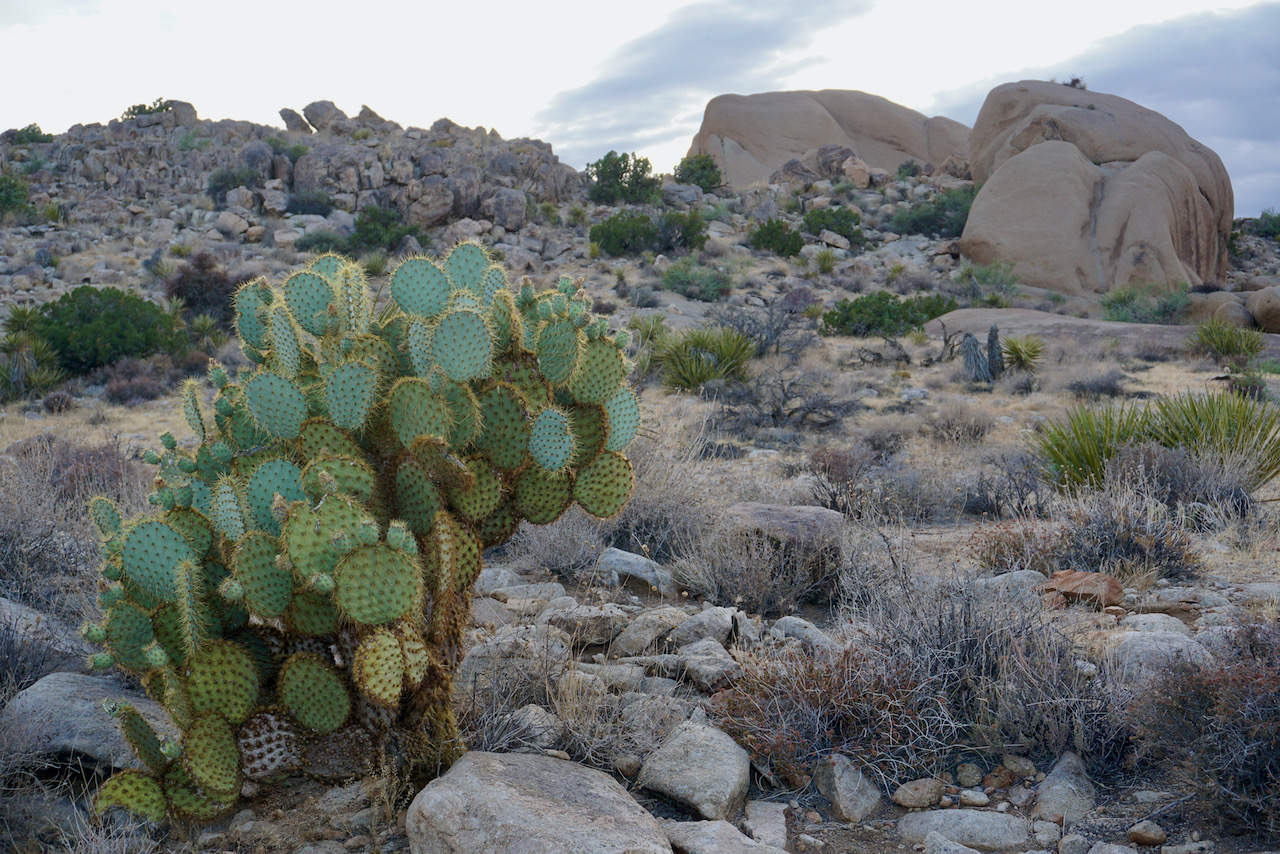
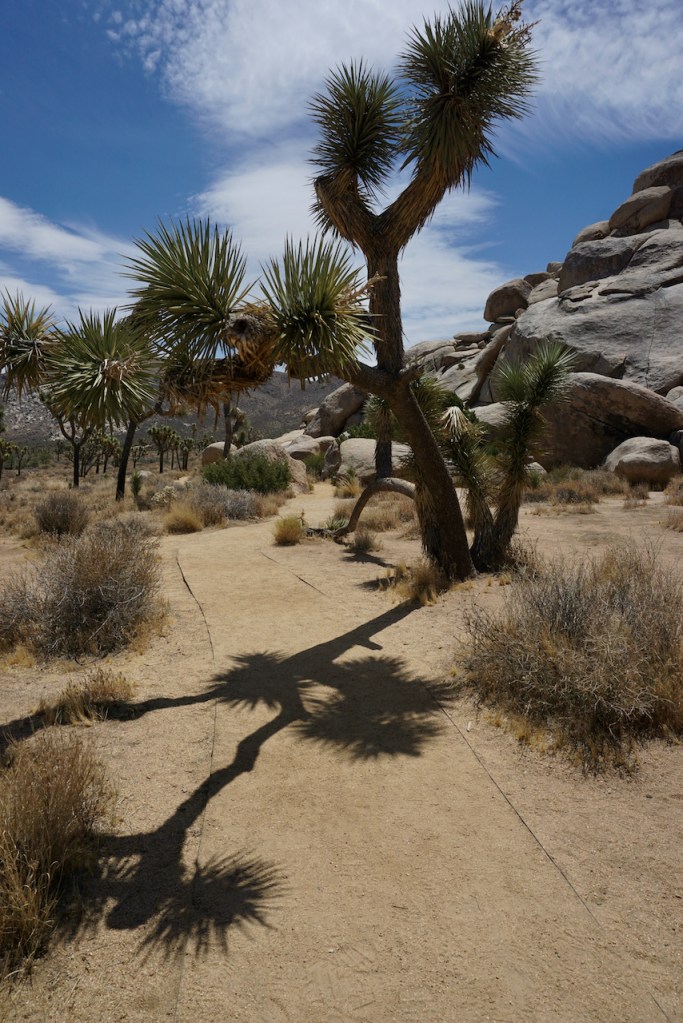
That evening, we arrived in Joshua Tree National Park and went for several walks as the sun began to set. We caught the last of the day’s light on fuzzy-looking cacti that I wanted to touch (but refrained) . . .
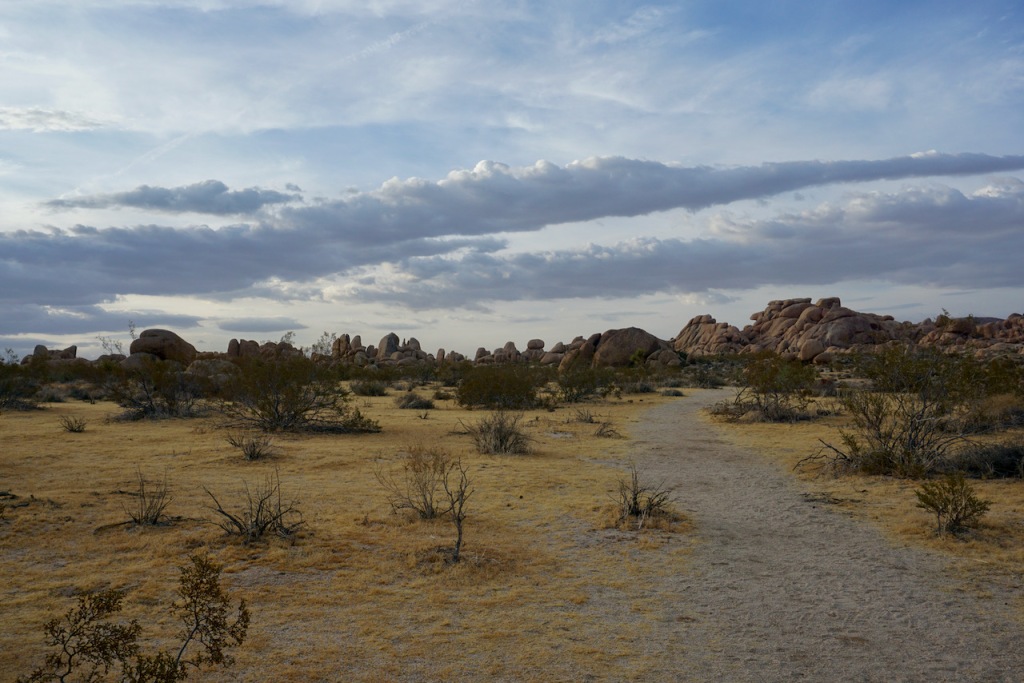
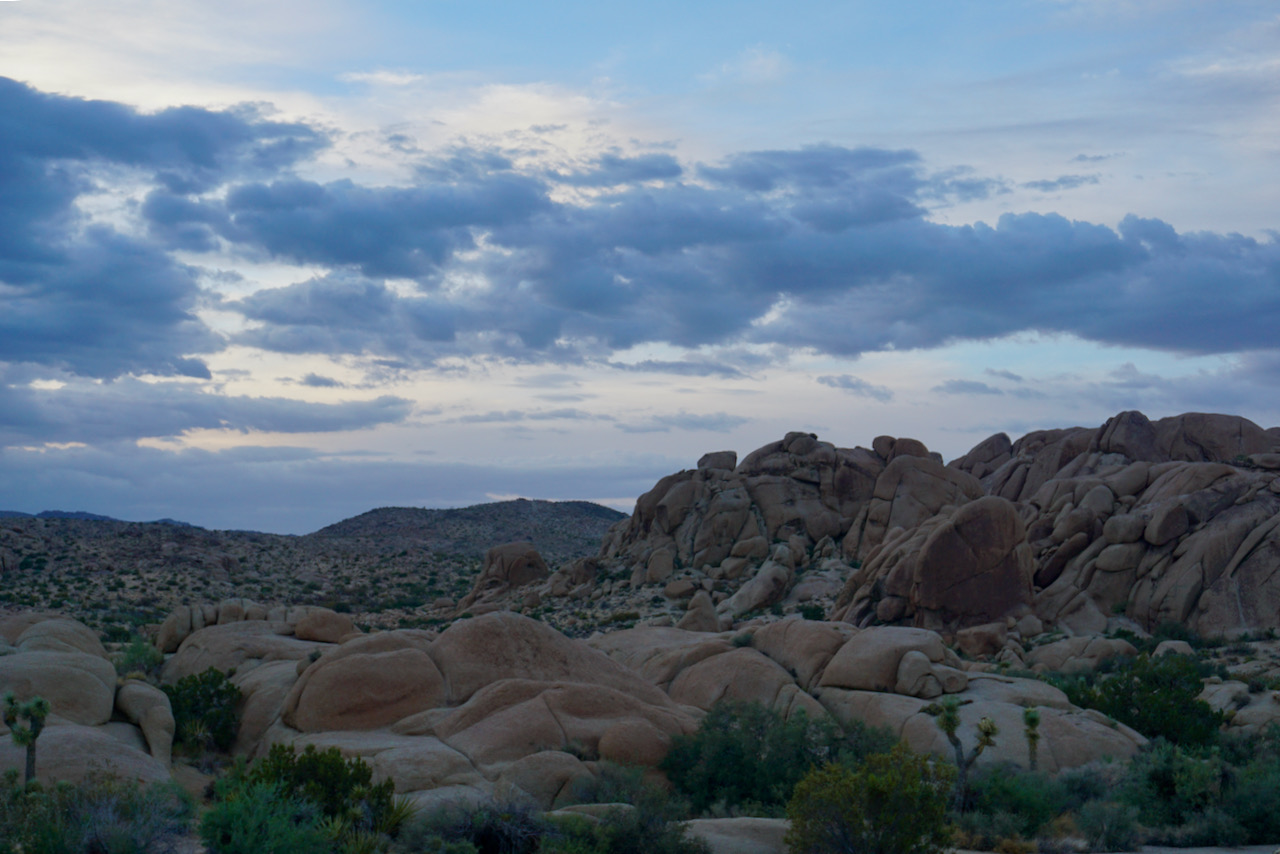
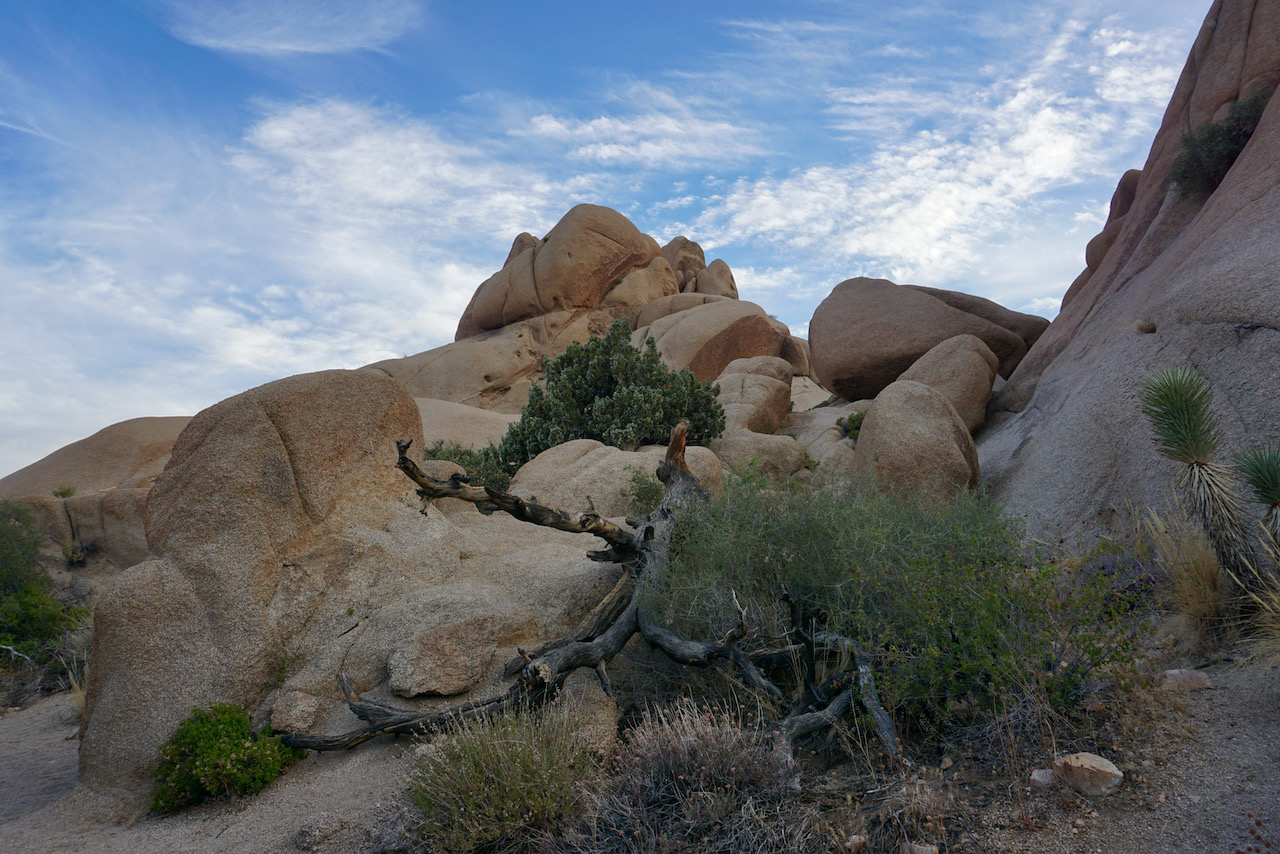
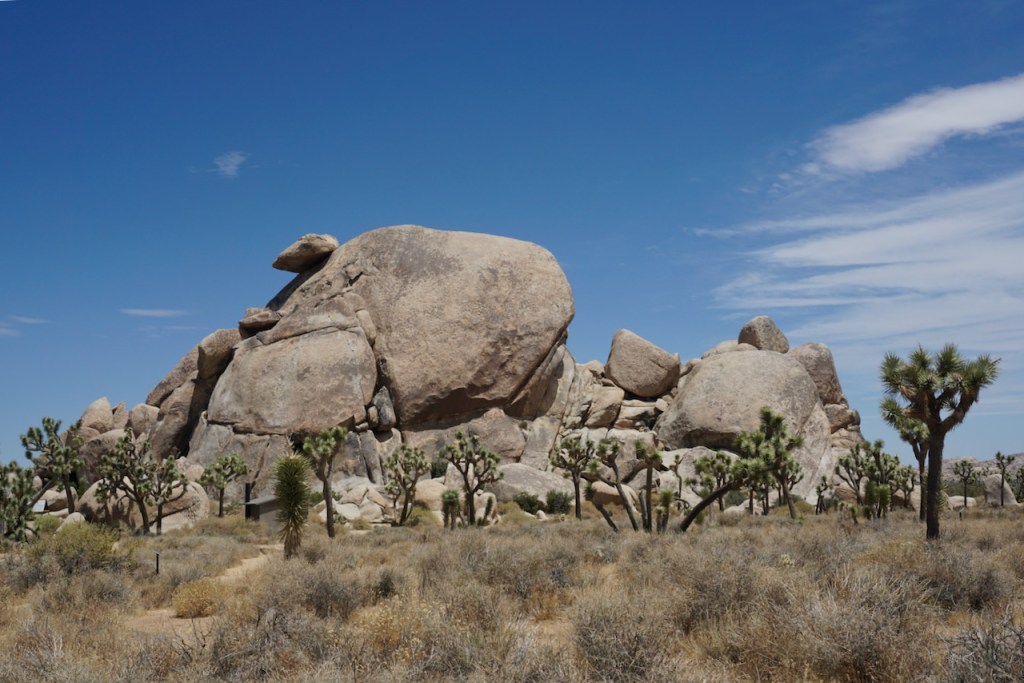
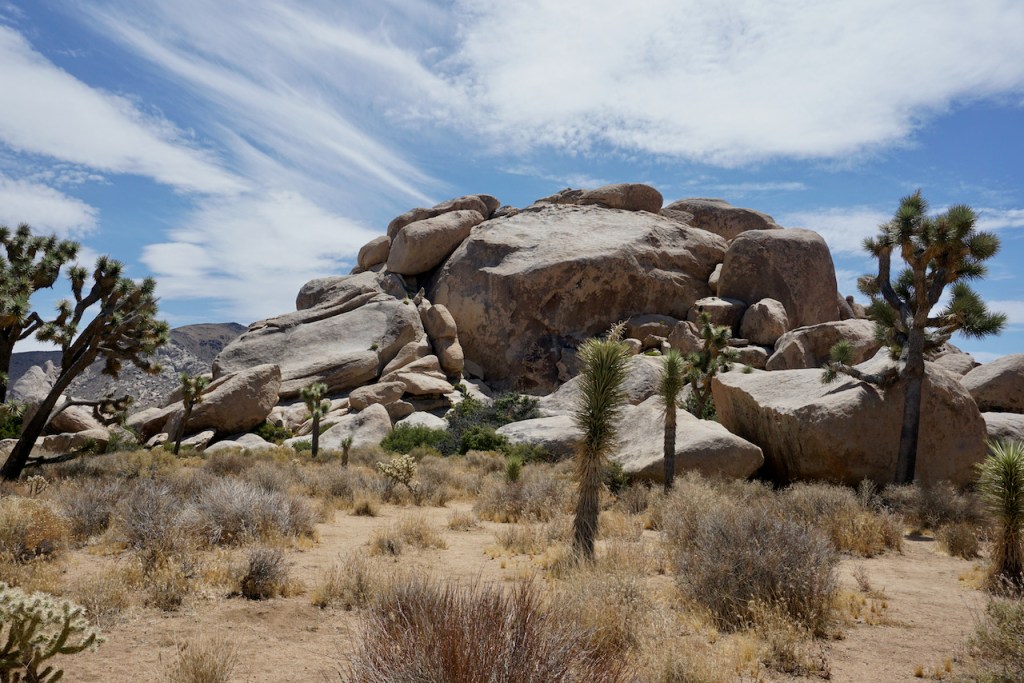
. . . and walked a trail amidst clusters of the pillow-shaped boulders that have far more texture than we originally thought. It’s no wonder there’s so much bouldering and climbing here, and we played around a little in our hiking boots. There were more species of cacti, again making for a different desert than we’d seen previously.
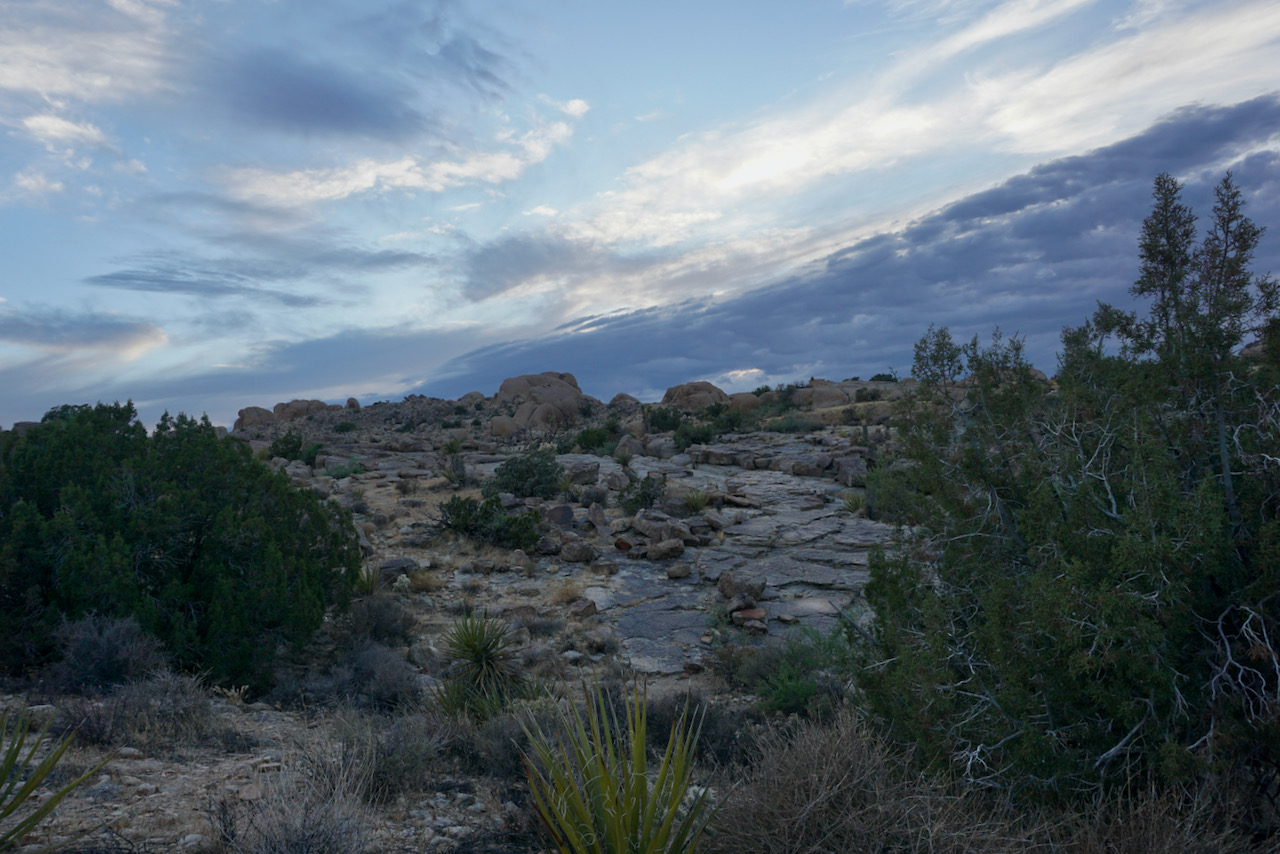
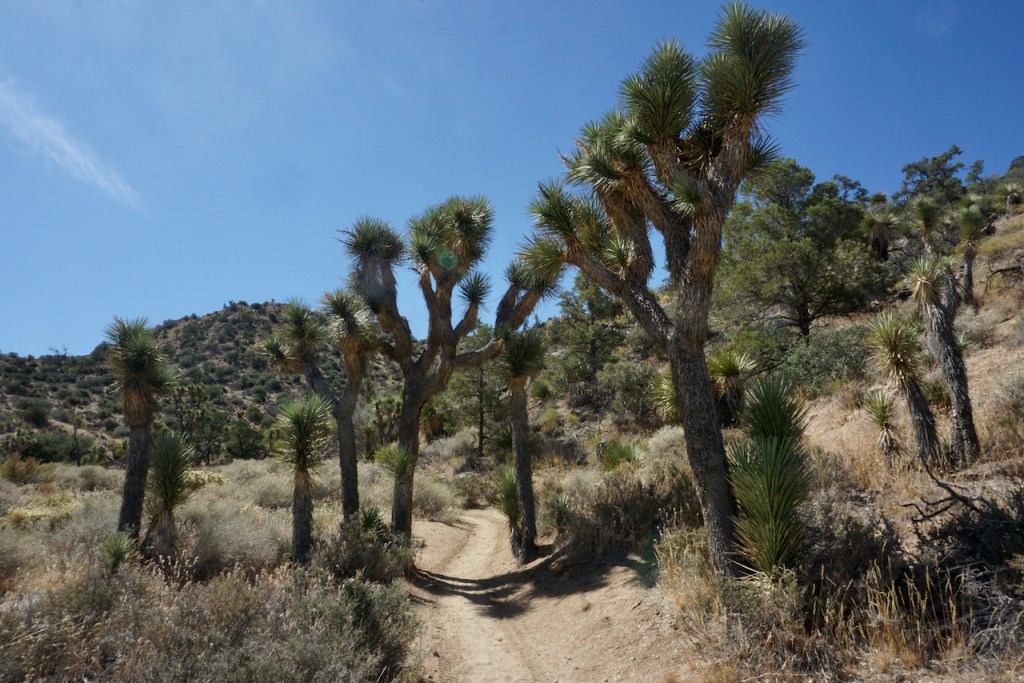
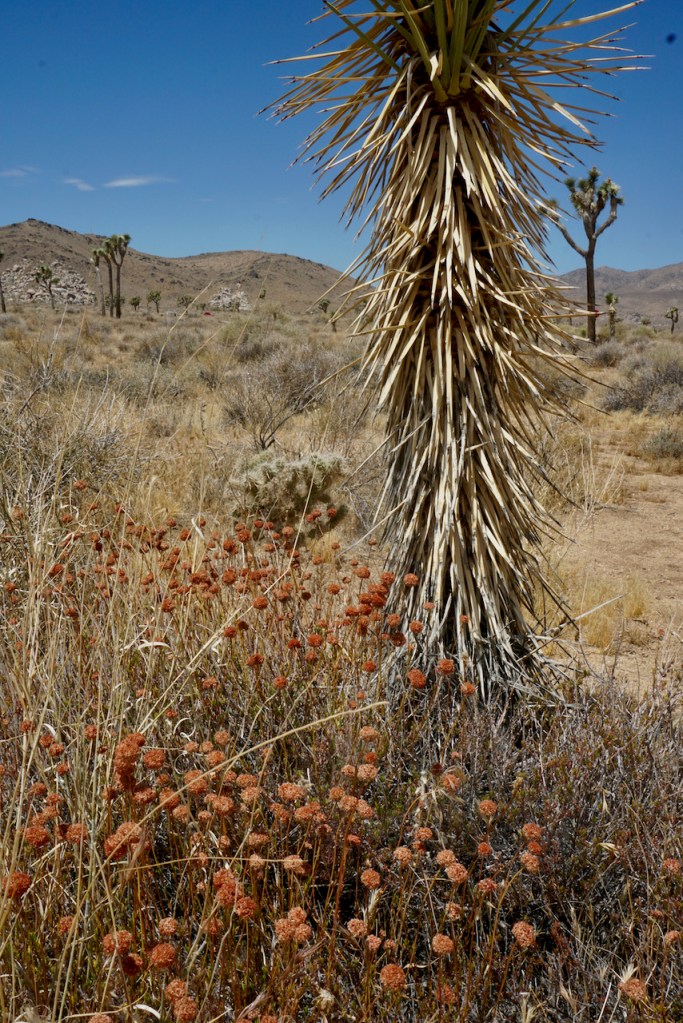
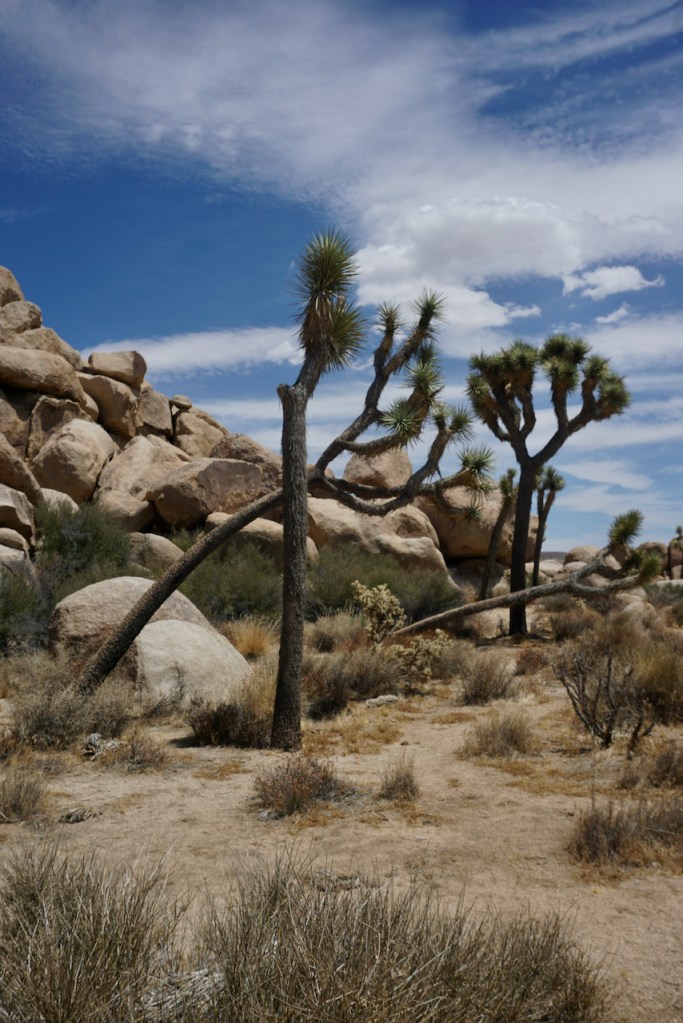
This is also where we finally saw Joshua trees. We had seen them for the first time on the way to the Grand Canyon, but not yet in their eponymous park.
We crossed the road to scramble up the boulders just behind Skull Rock, and then it was truly dusk and time to go.
We returned to the park after staying the night in Twentynine Palms, California. The temperature was relatively comfortable but the sun was intense, dictating short walks rather than longer hikes. We had learned to listen to the desert, and we headed off the in direction of a high viewpoint to look around.
As before, we were really taken by the boulders and found chalk marks mapping out routes. They felt good, those rocks.
The afternoon was spent driving through real desert, yellow and scrubby, becoming hilly and mountainous as we drove further north. By the time we reached Porterville, California to stop for the night, the landscape alternated between yellow rolling hills of nothing and irrigated orchards and farms that were so green by comparison that they almost didn’t seem real.
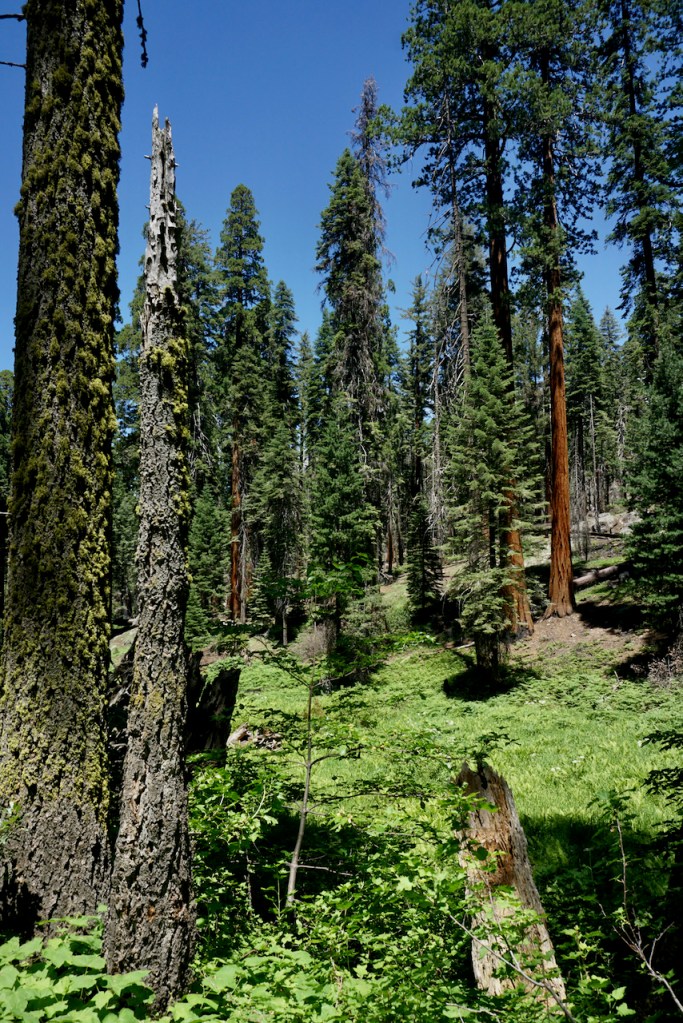
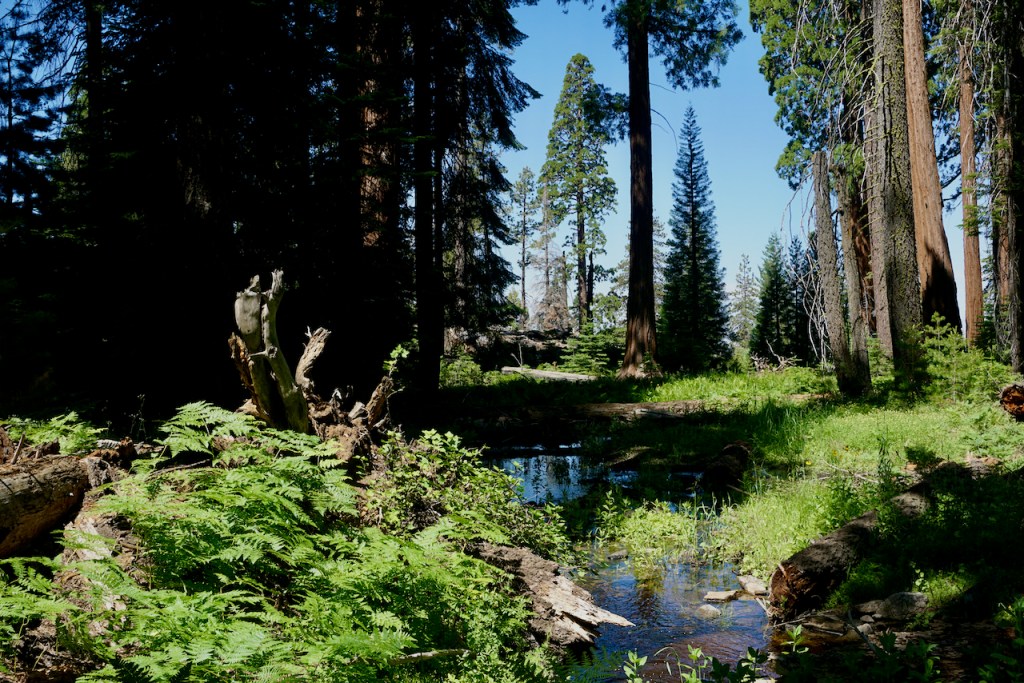
The following morning found us on the way to Sequoia National Park, which definitely made us feel better about missing trees and greenery. We drove serpentines up mountains, ending in lush, cool, aromatic forest.
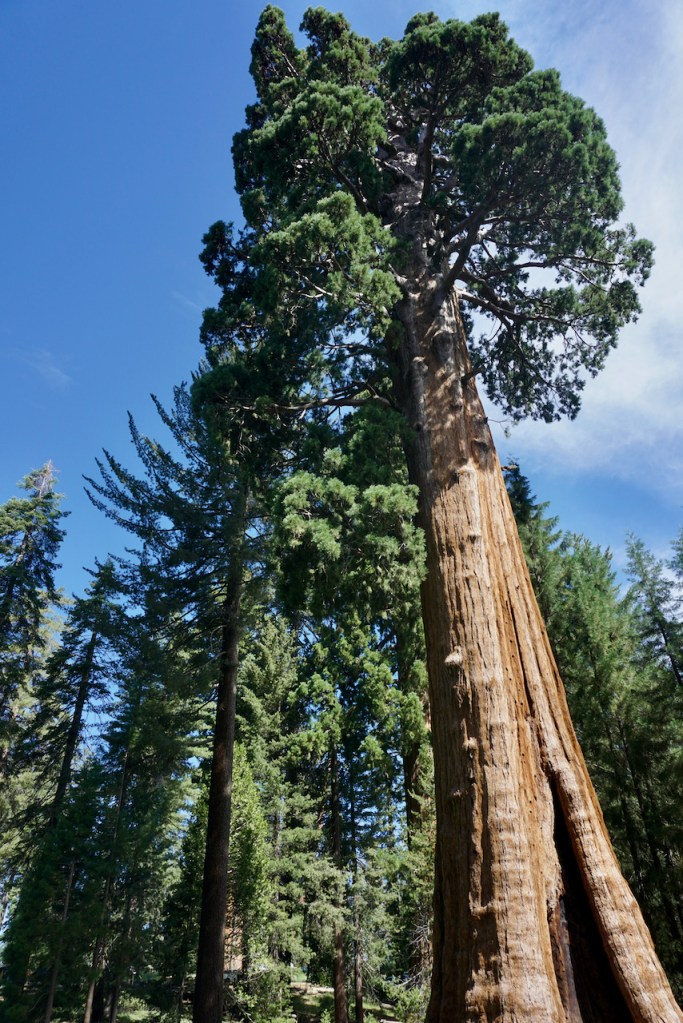
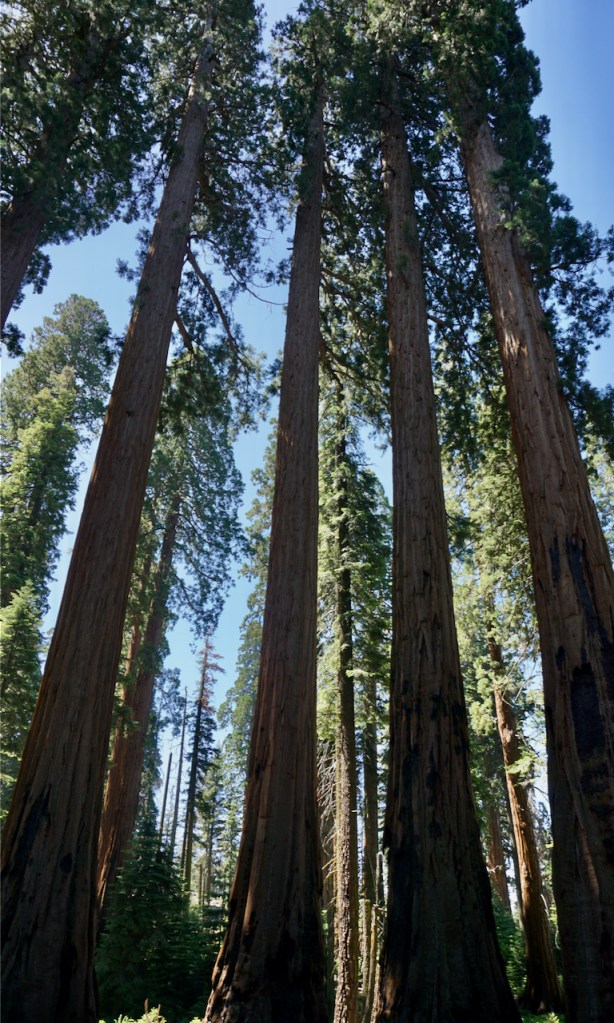
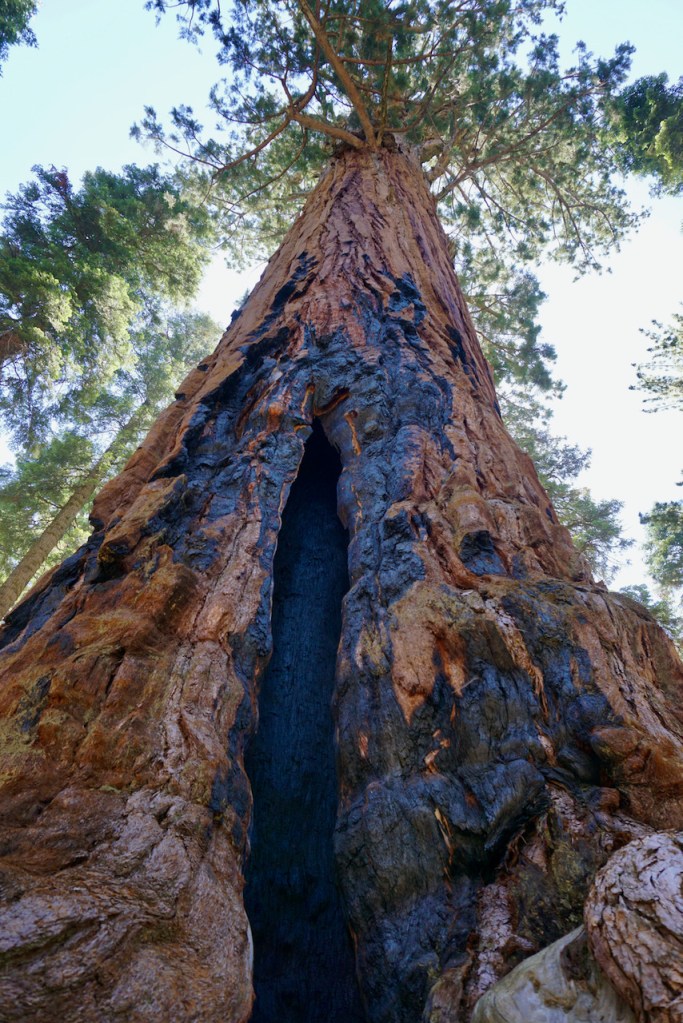
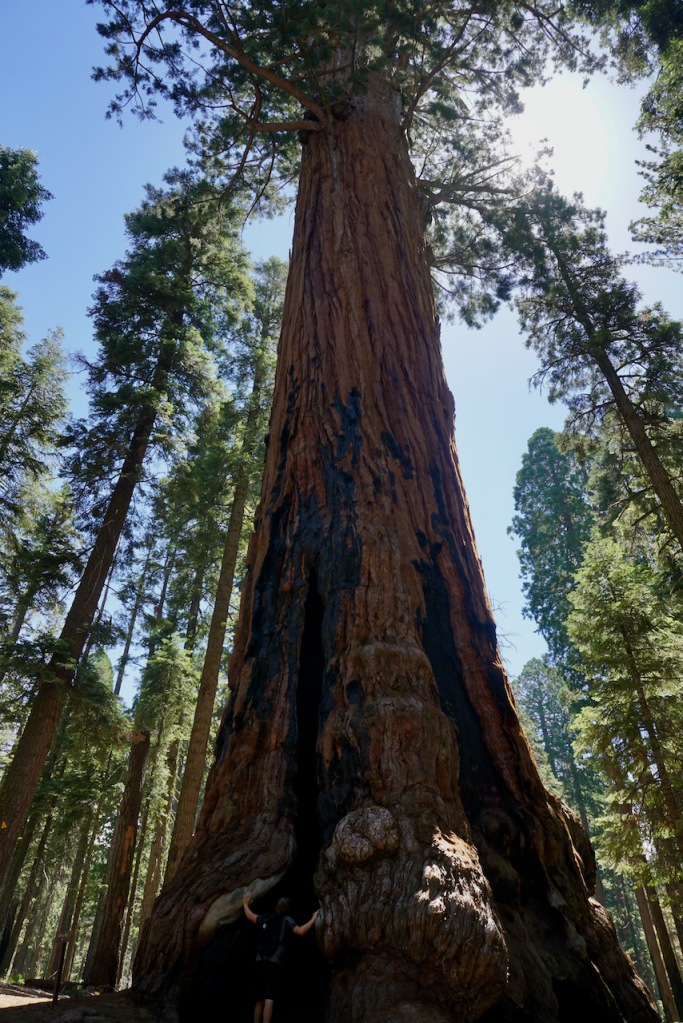
And the sequoias. They are so much larger than what I had imagined, or what I can describe. I could not fit a whole tree into my camera lens, and instead felt myself become nothing beside them. An individual is utterly insignificant in the scale of the world, and the sequoias are a reminder of that. Further amazing, if possible, were the obvious signs of damage and regrowth from fire. A museum exhibit explained the fire protective and regenerative nature of these giants, and it was interesting to see so clearly fire’s role in the life cycle and ecosystem. However, the serpentines leading up to the park were barren in part, entire swaths of forest swallowed, interspersed with tiny, new saplings. Cycle indeed.
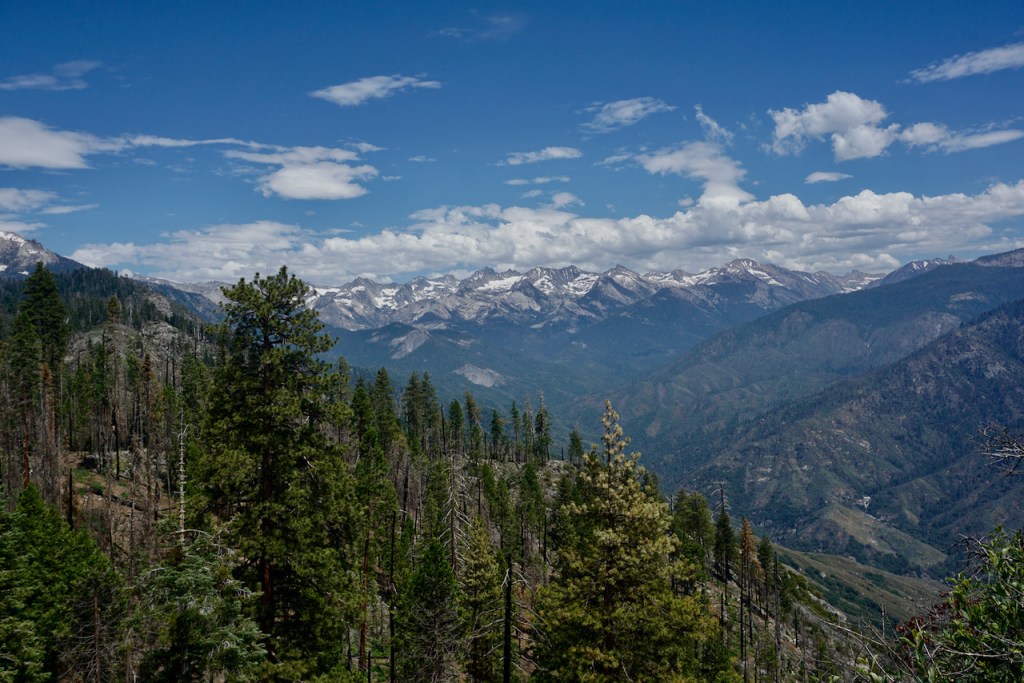
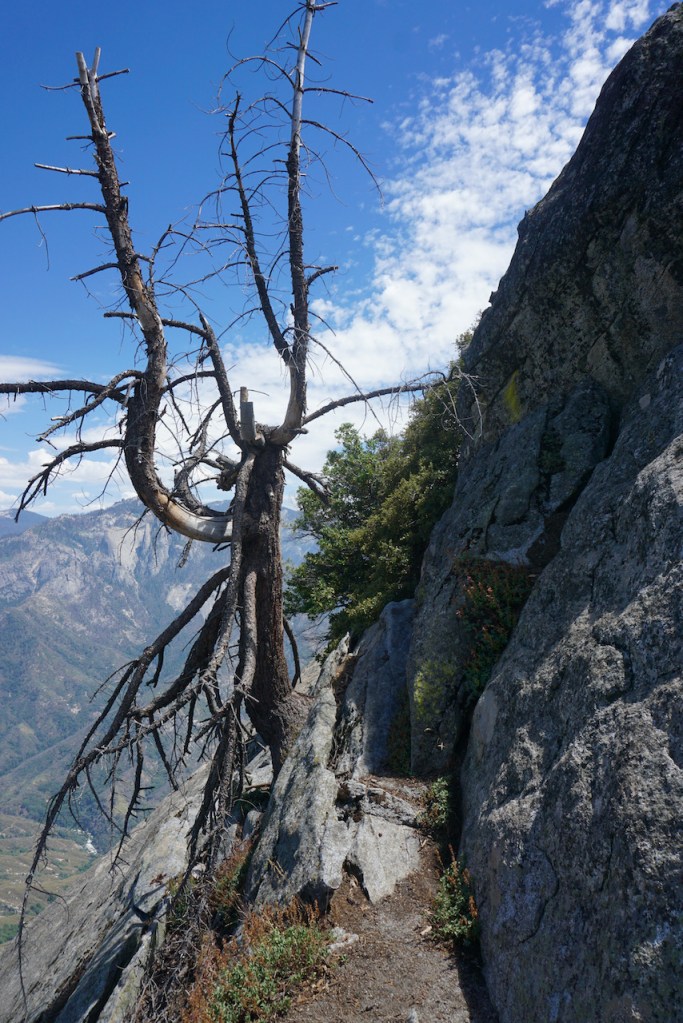
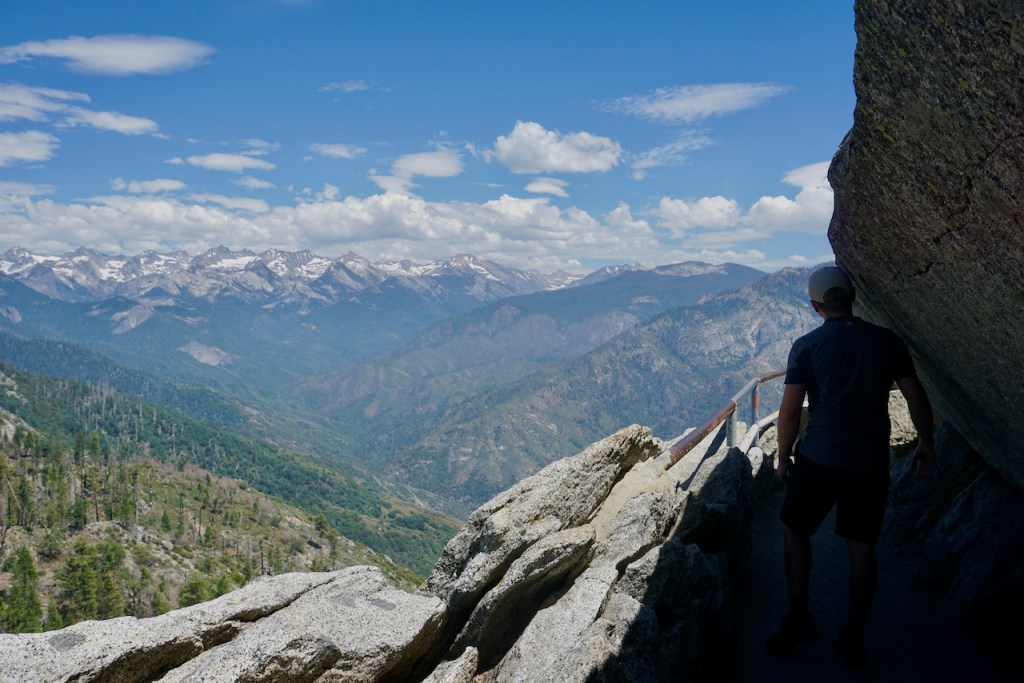
I really love reaching the highest point and looking out, and to that end we climbed up to Moro Rock, respecting the 400-step staircase except in one area where the little climb was too lovely to resist.
From there, we continued driving north to Oakhurst, California to spend the night as close to Yosemite National Park as we were willing to afford, putting us almost two hours away. The landscape continued to change on our drive, with deep green trees gradually appearing along the rolling hills covered in yellow grass. The trees grew in numbers until it was clear that we were finally out of the desert. And as much as we had enjoyed it, we were glad.
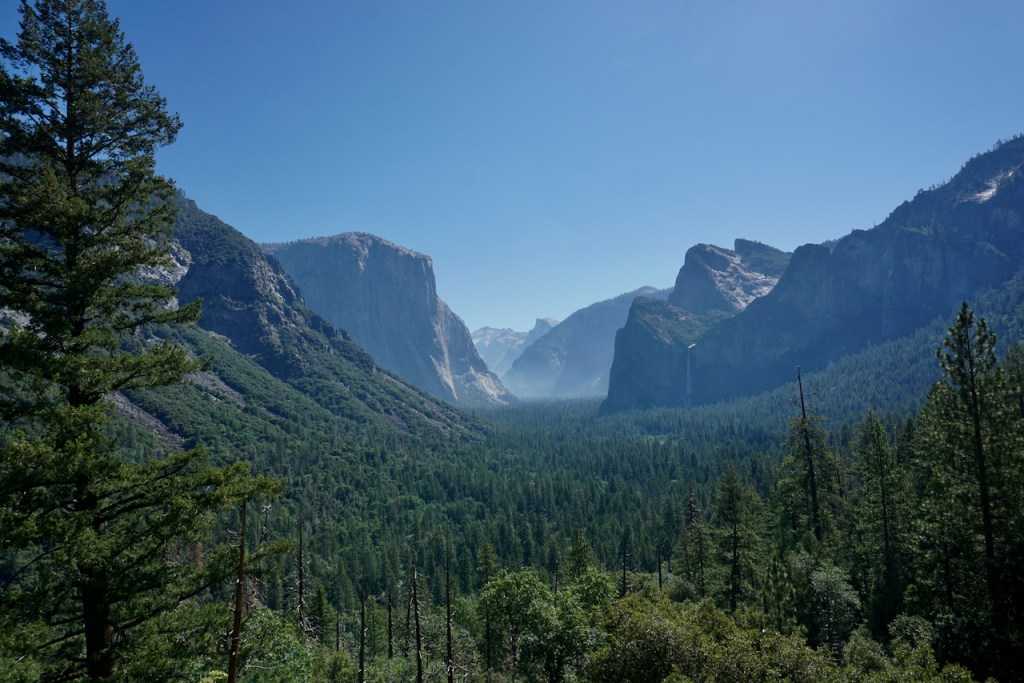
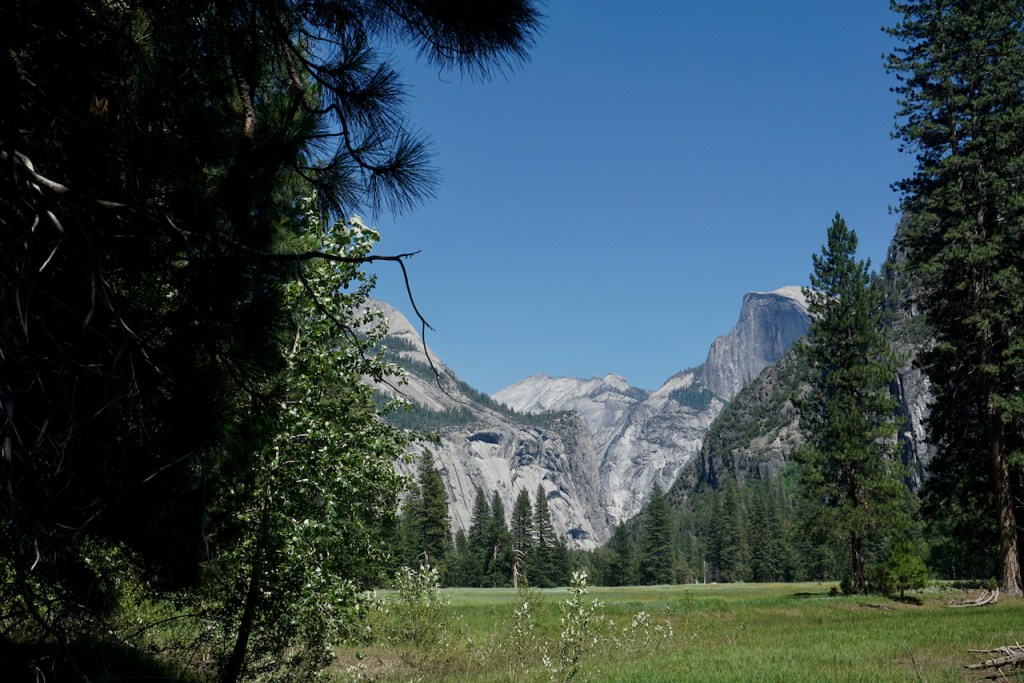
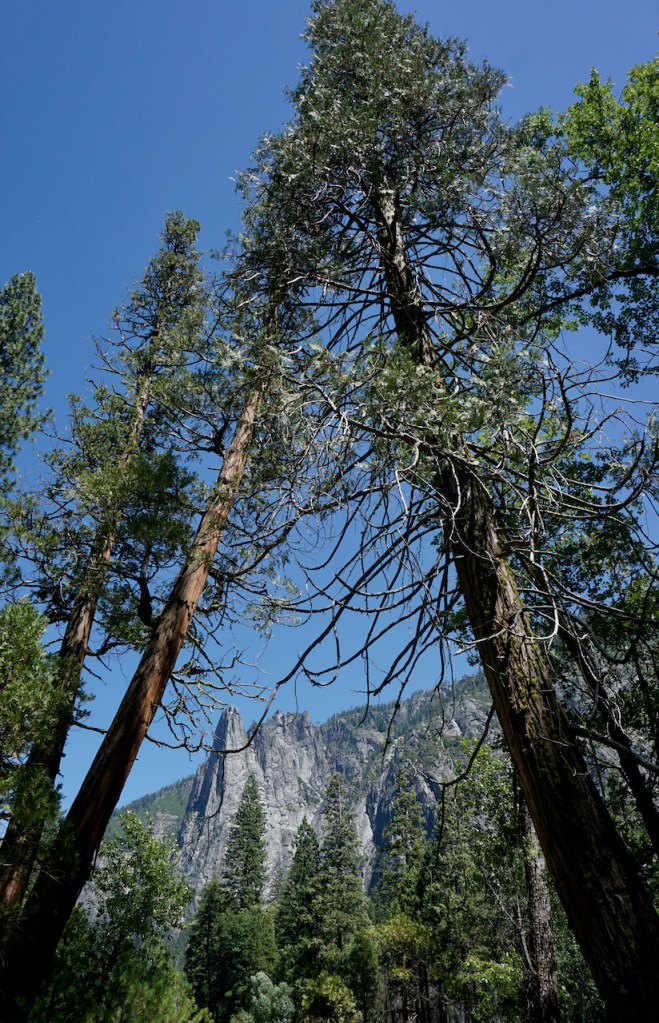
Let me emphasize here, in case it is not yet clear, that we are rock climbers. We met in the climbing hall and had climbed real rocks together before realizing mutual interest. Therefore, the excitement of Yosemite was in seeing Half Dome . . .
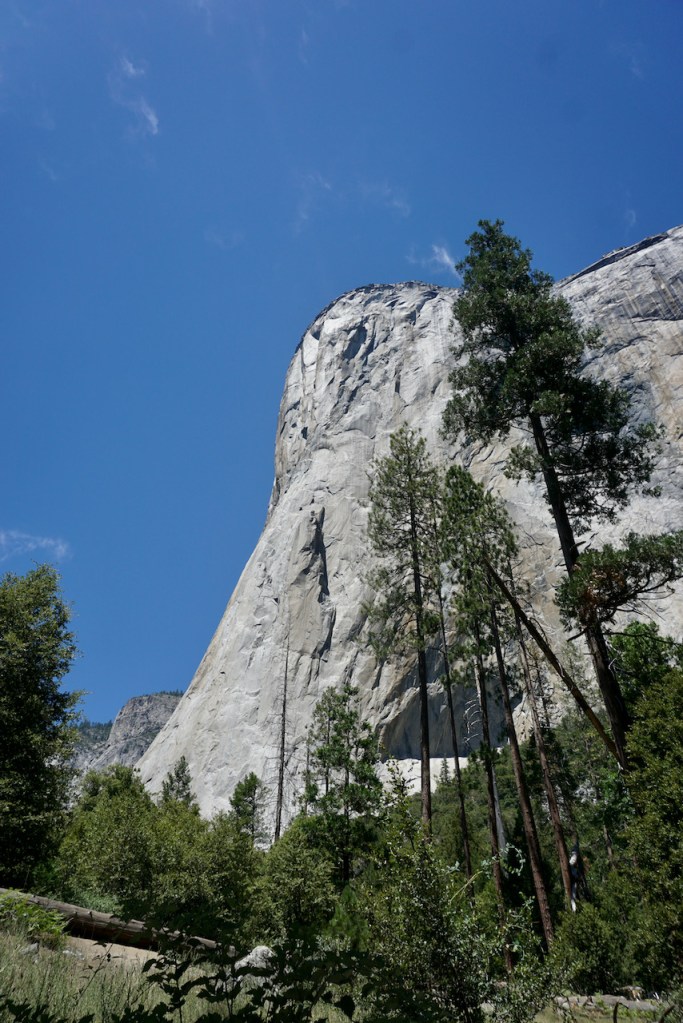
. . . and El Capitan, which did not disappoint. The signs indicating climbing areas where particularly enticing and we followed them to the base of the rock, playing on the first few moves.
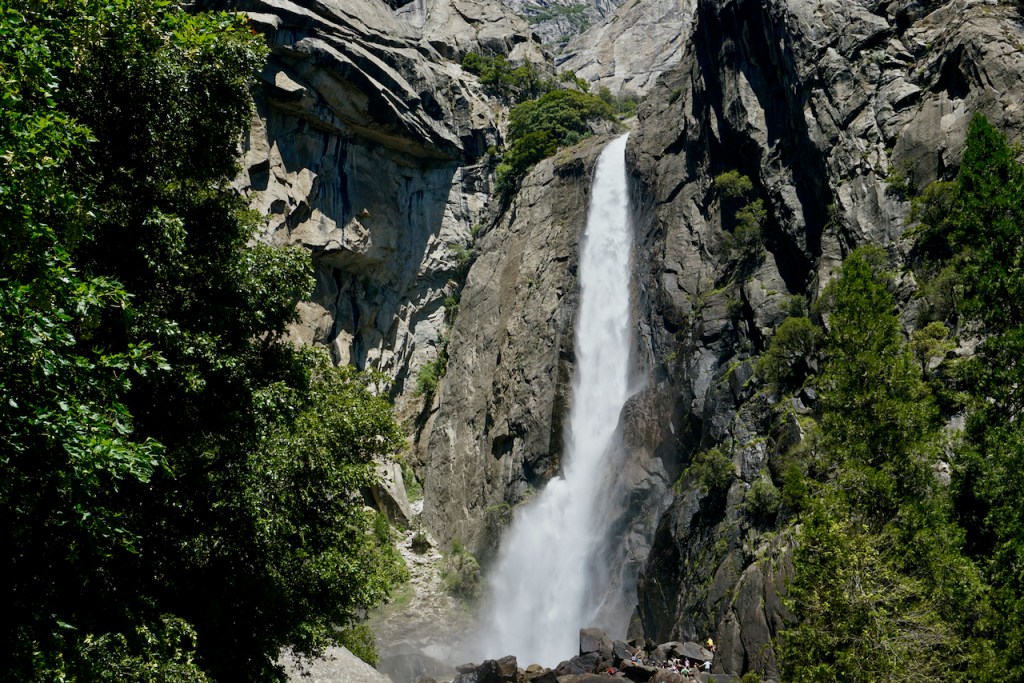
We also followed the largest numbers of tourists that we’d seen at any park to see and hear some of Yosemite’s famed waterfalls.
We had grossly underestimated the number of visitors to Yosemite, thinking of it as a Mecca for climbers and not as a sightseeing destination that, in 2016, received 5 million visitors, most of whom visit during the summer, as we did. With the crowds and the poor layout and transportation of the park, it was almost as though nature faded into the background as people vied for the best spot to take photos. We were glad to escape to the foot of El Cap and to follow a longer walking trail through the valley to get back to our car.
Due to good weather and general difficulties getting around in Yosemite, we were on the road rather late on the way to our final destination. We would spend two nights in Oakland, California before flying home. On the way through the park, we again saw evidence of fire damage everywhere. Entire hillsides were populated only with fire-damaged trees and the grasses that have grown back around them. It was hard to look at, and so much greater in scale than I had imagined, despite being generally aware of California’s fire news.
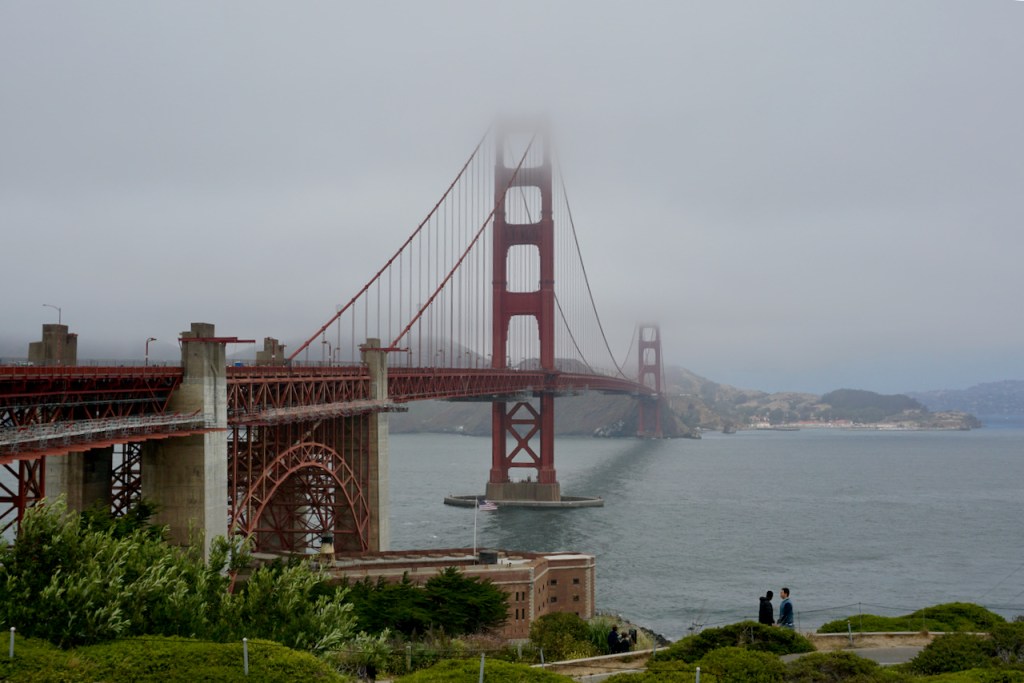
It was summer when we left Yosemite, but we found spring/fall in Oakland and San Francisco. We dug jeans, long sleeves, and windbreakers from the bottoms of our bags and headed out in weather of 14°C (57°F), temperatures we hadn’t experienced in quite a while. This was my second time in San Francisco and I was pleased at how much of the city’s layout I remembered. We did as much as we could in the day that we had, including a windy walk across the Golden Gate Bridge . . .
. . . a stroll along the beach and through a park . . .
. . . a stop at Fisherman’s Wharf to look at the boats, seals, and general activity. . .
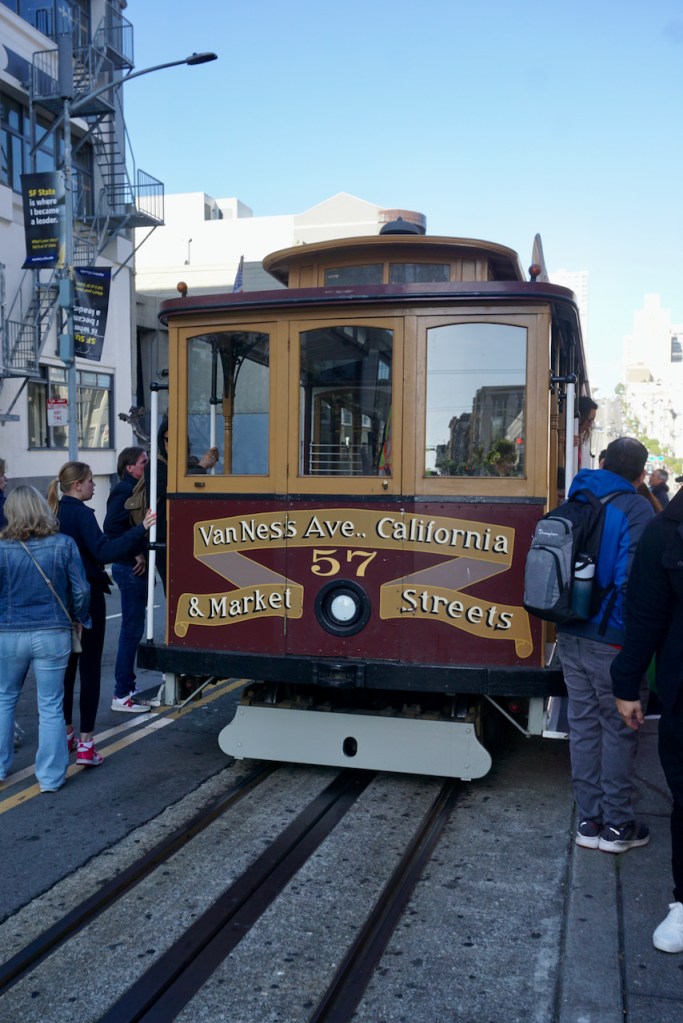
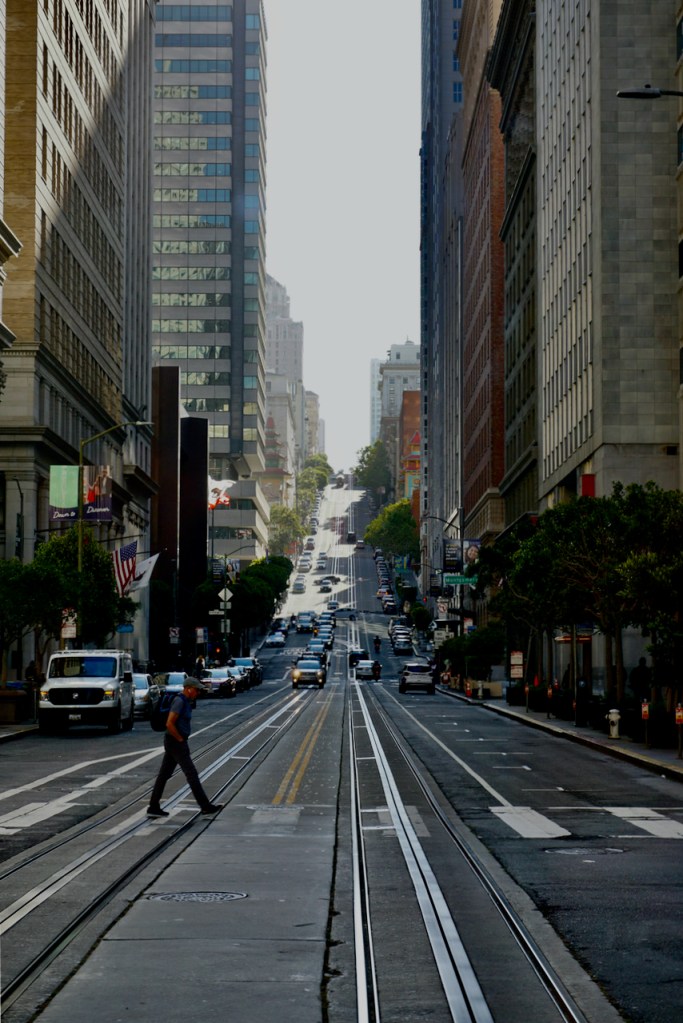
. . . a ride on a cable car up very steep San Francisco hills, complete with all the clanging and banging that is straight out of another century . . .
. . . and a visit to the Painted Ladies, which I now know are the Full House houses.
Within that, we also walked through the Embarcadero and the Mission, got a quick peek at the Chinatown Gate from the cable car and the Tenderloin from a bus, and spent a few minutes in Sausalito after deciding to be adventurous and getting off one stop later than planned without checking the bus route. There is a lot to see and do in San Francisco, and a day doesn’t quite cut it.
That being said, we spent much of the day laughing at the combination of people-watching and the weather. It seemed we weren’t the only ones surprised by needing jackets, but we were luckily not among those who resorted to brand-new souvenir shop sweatshirts. As in any big city, there are all kinds of people in San Francisco, tourists aside, and that was refreshing. What I find difficult about San Francisco, however, is the homelessness. The visibility of the problem seems a mere hint at the scale of the problem, and that makes me sad.
After all that we had seen and experienced on our trip, we were ready to fly home and take the time to process, to think over, to reflect on the opportunities we’d had. It’s a wonderful feeling to go away, and sweet indeed to come home.
When I told the people closest to me that I was going to the Schwarzwald (Black Forest) in search of fairies, no one batted an eyelash, neither at the plan to spend a few days alone hiking, nor upon hearing that I was looking for the creatures of stories.
Perhaps it’s telling that I received an illustrated book of the complete Grimm’s fairytales in the original German as a gift for Weihnachten*, a gift that was both surprising and touching. Perhaps it’s not just me who’s willing to entertain the possibility of fairies. And really, why not?
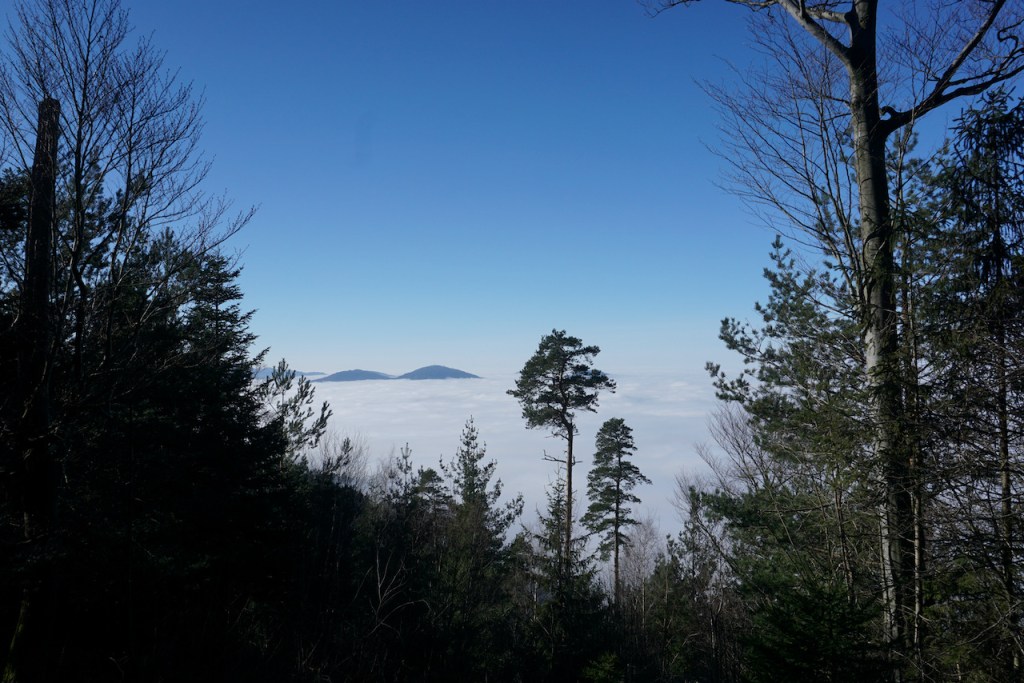
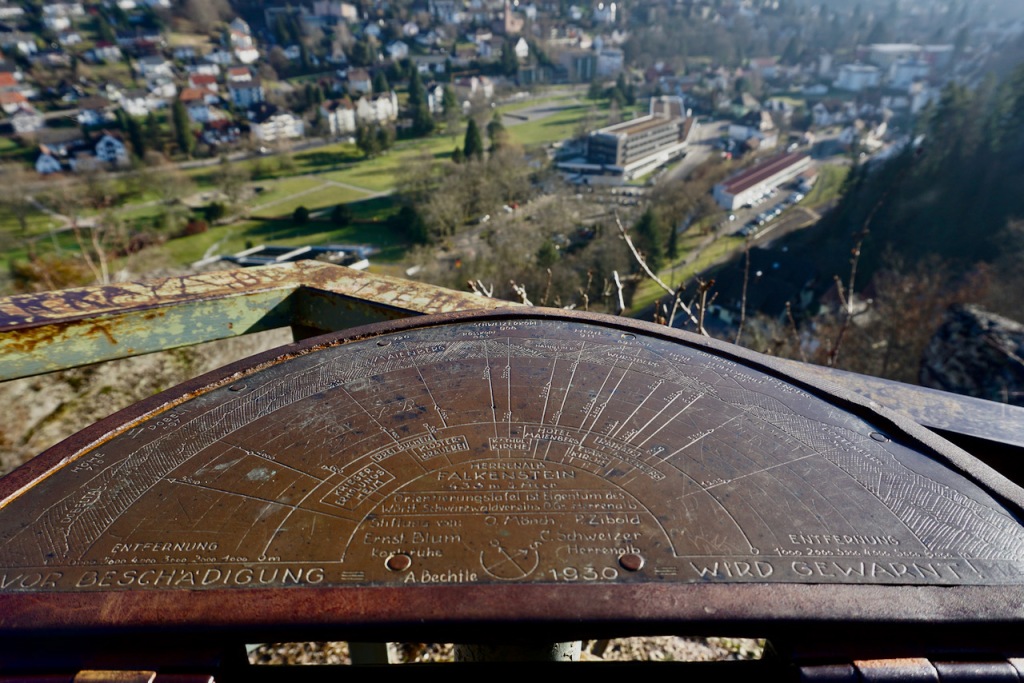
I had relatively few stereotypes of Germany before moving here, but one was certainly the Black Forest, a place devoid of light and full of mystery, a place that held secrets that could not be known from outside. As I would come to learn over three and a half days hiking from my base in Bad Herrenalb, the Schwarzwald is not only full of light, but indeed also full of mystery. And while I found the answers to some questions throughout my walks in the woods, the woods kept quiet in a way that has already called me to listen again.
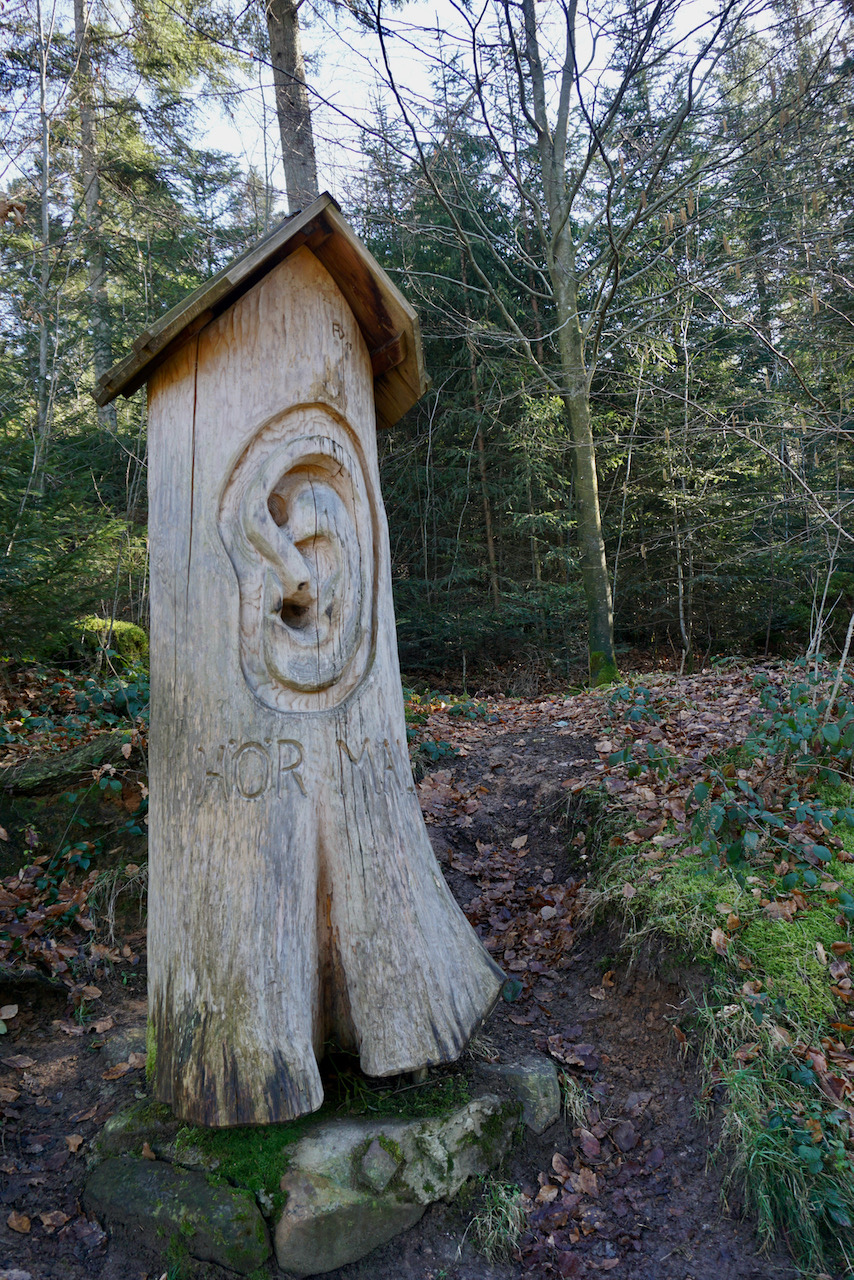
Hör mal – Listen
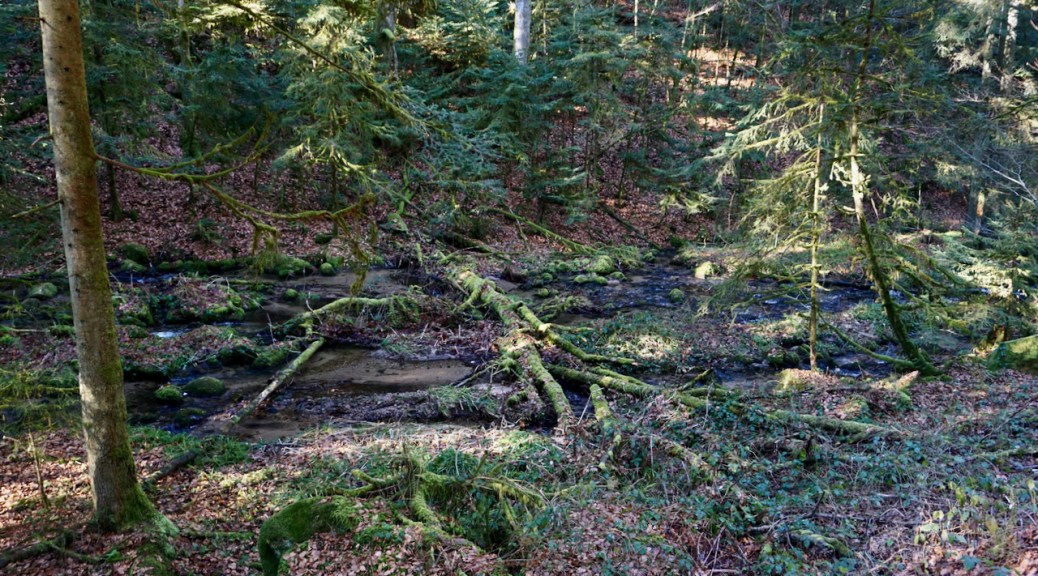
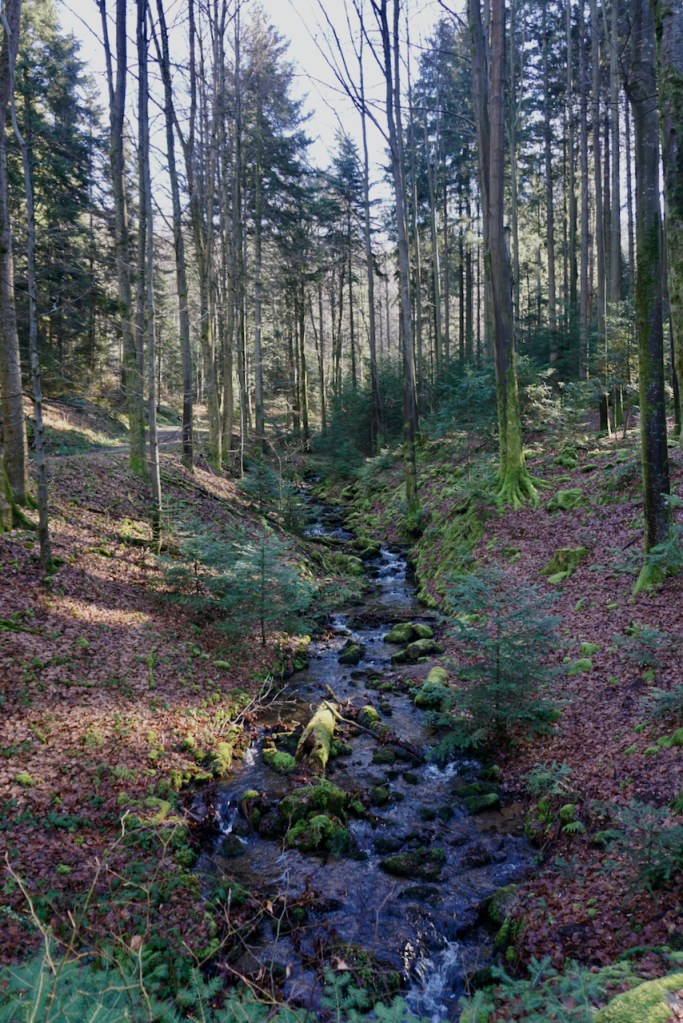
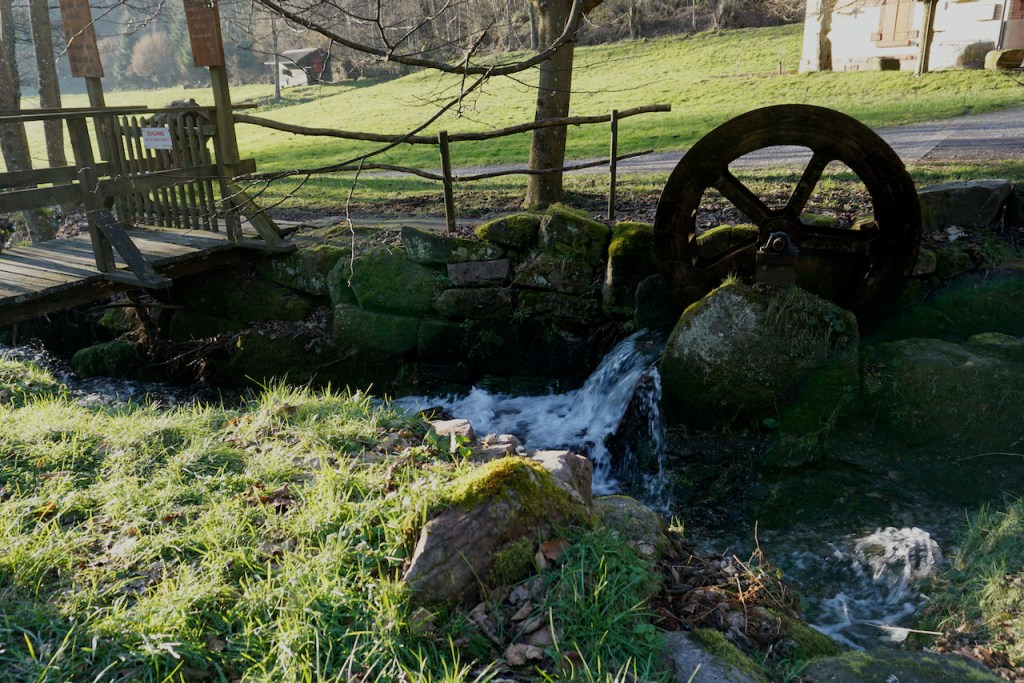
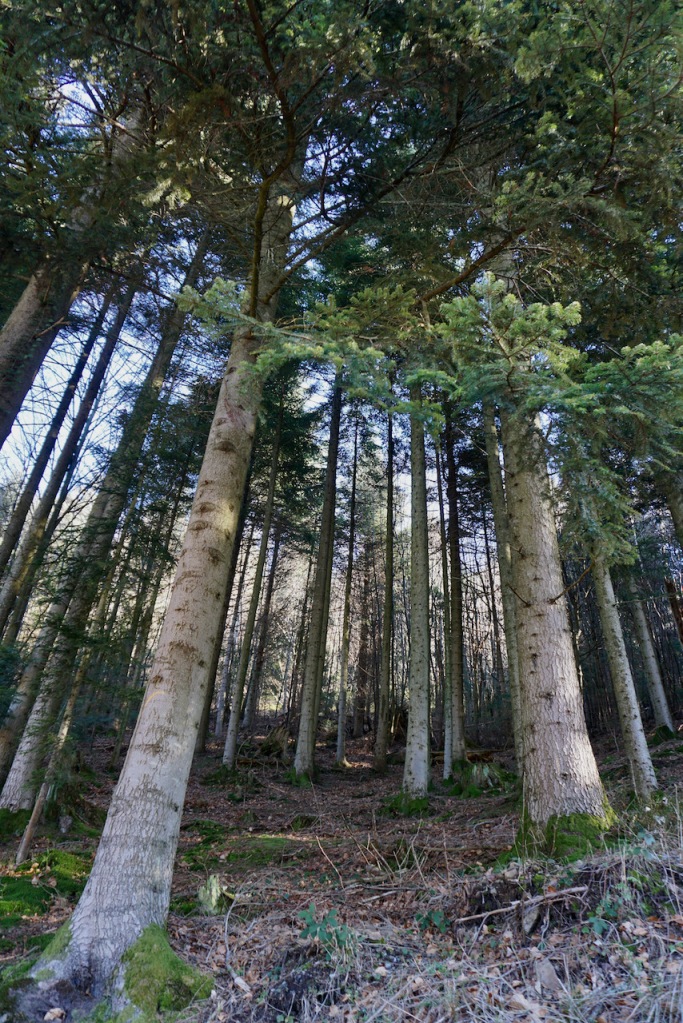
Walking through the trees, I couldn’t stop smiling. There was a peace that came over me, a sense of getting lost in the sounds of leaves and water, so much water, that flowed through the forest.
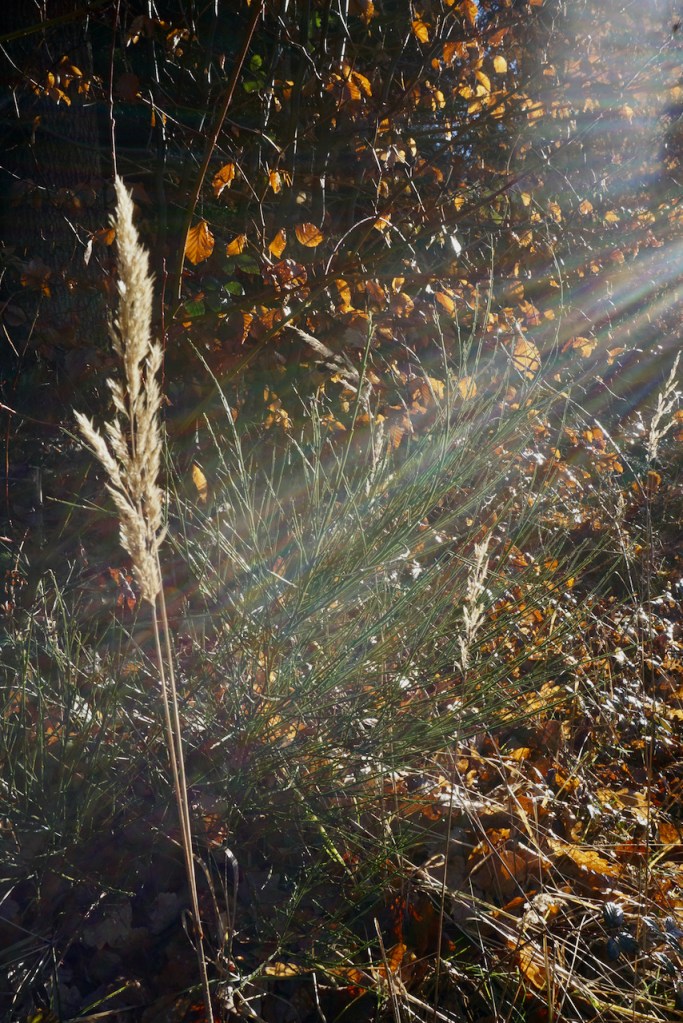
Already struck by the fading light and the mist rising over the hills surrounding the valley, I watched the patterns the sun made on the forest floor and in the surrounding trees. And in the mornings, I watched the sun creep up and wake the very same forest. It is no surprise that these woods are at the centre of so many stories and dreams.
Every day, all day, I could not stop thinking how glad I was to be there, to bear witness to the majesty that is nature. I remember how I felt the first time someone told me they like to imagine how the forest looked 500 years ago. And imagine I did.
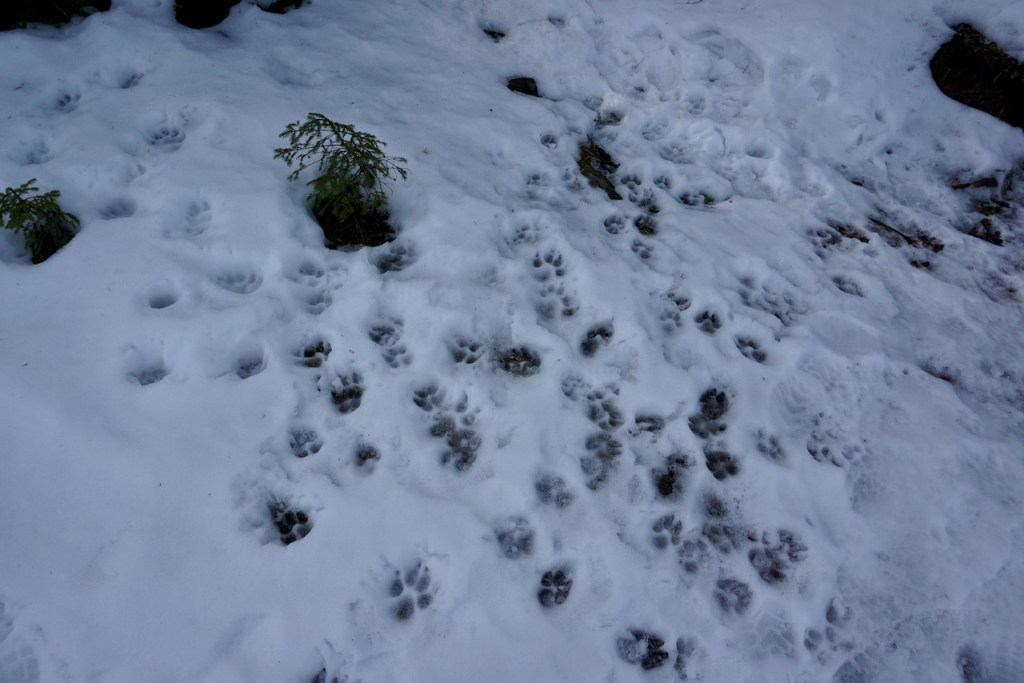
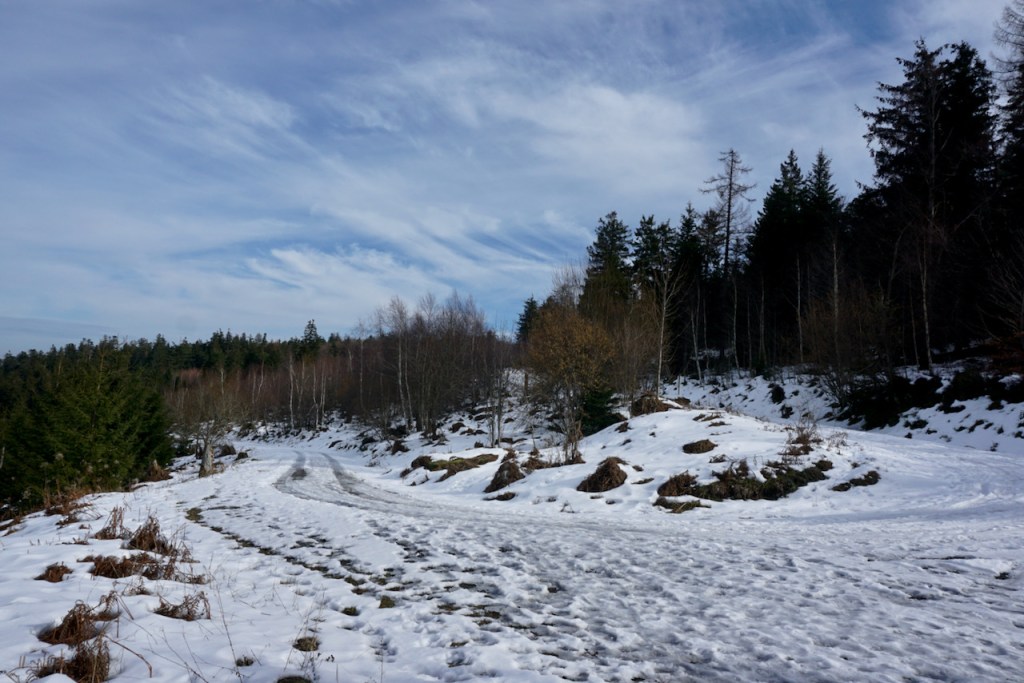
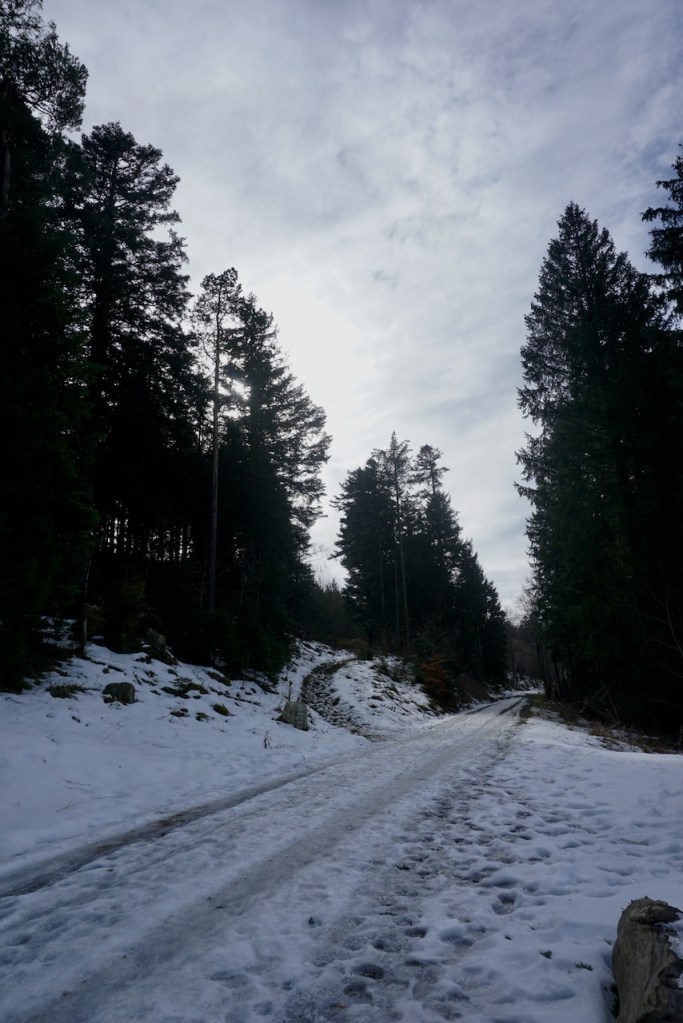
Walking along the west side of the valley, I spent the day almost entirely in the snow. There had been hints of snow throughout, but here I experienced the forest in a whole new way.
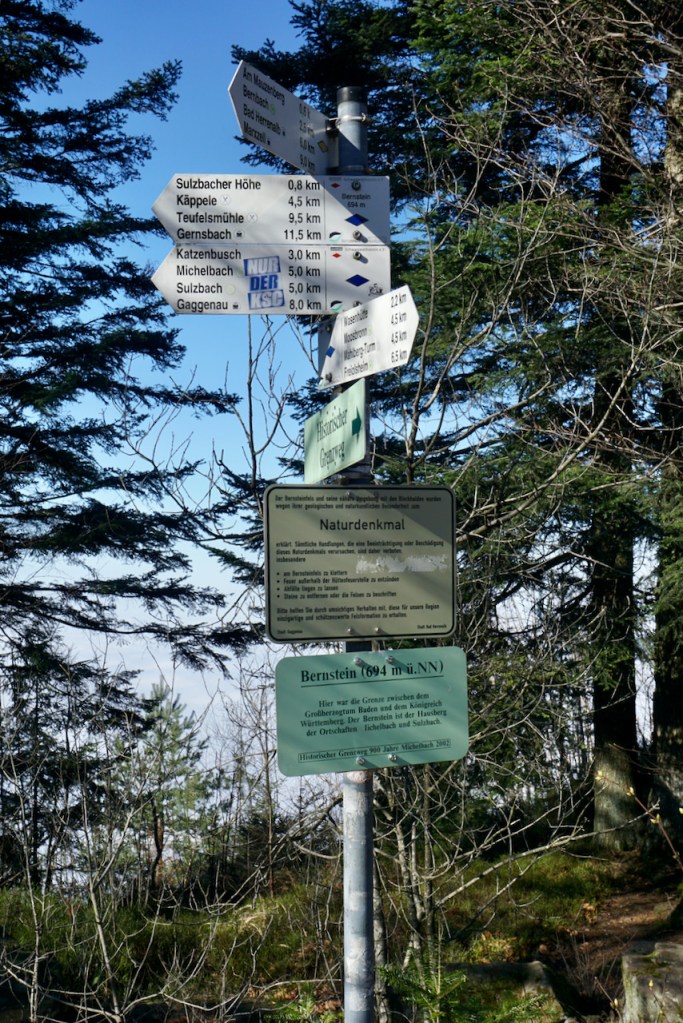
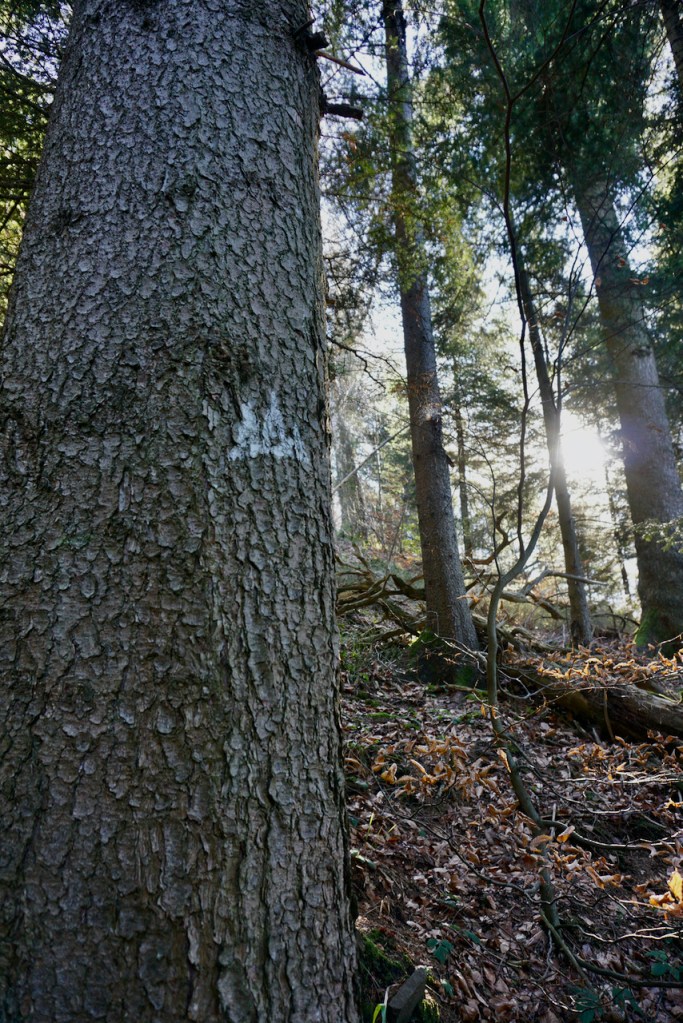
I have a great love for signs when following trails. You can learn so much about places and about how people choose to define a place. The guidebook I received from the owner of my pension explained how to follow the trails in the Schwarzwald, but said nothing about how the markers on trees are occasionally hard to find, and can be somewhat ambiguous. The amount of signage is, after all, no indication of the visitor’s ability to follow the signs. I backtracked once a day, even changing course entirely one afternoon, and a particular decision to stray from the obvious path turned out to be my favourite part of a walk.
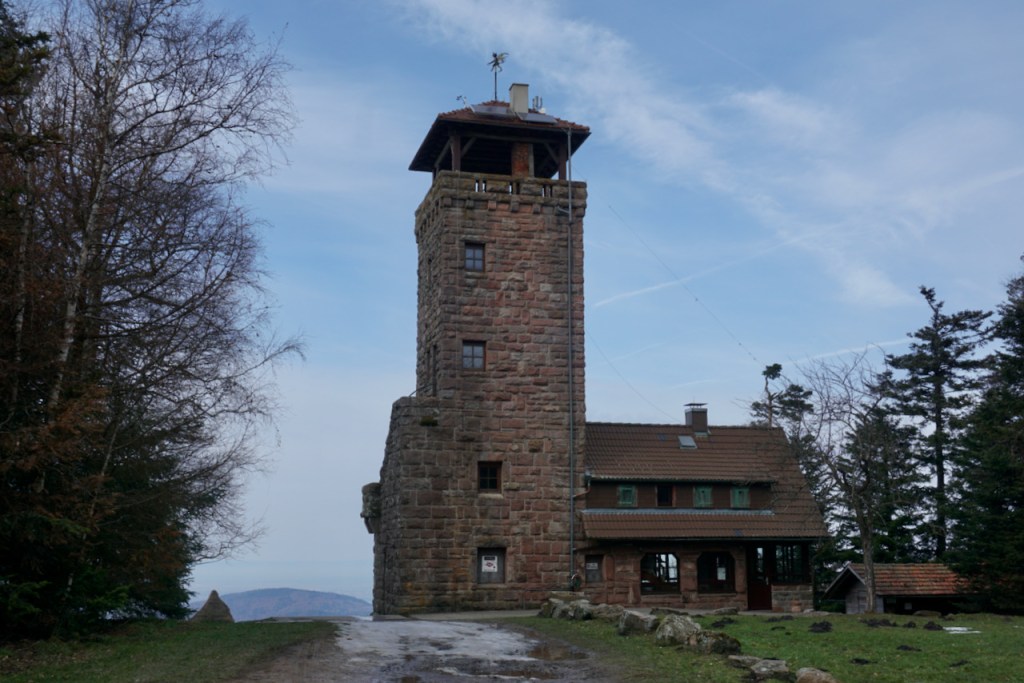
I enjoyed the Schwarzwald because it was designed to be explored. There is clearly a long tradition of resting in the woods, of taking a moment to just be. I photographed relatively few benches, rested on even fewer, but was glad that they were there. They made the forest a place to spend time in rather than a place to revere from afar.
I didn’t encounter many people along the way, but I can only say nice things about those I did meet. Everyone said hello and we shared smiles about the beauty around us. One elderly man called directions to me from across a field, a woman in a bakery struck up a conversation comparing Germany and Canada, the guests at my pension wished one another a good day upon leaving the breakfast room. And most memorable of all, a man I met while waiting for the S-Bahn in front of Karlsruhe train station sent me a postcard at the pension to thank me for the chat and wish me a good trip. I sent him a postcard in return when I got home to Weimar, thanking him for his note and his tips for where to walk. Unbeknownst to me, I had entered a community, and that could be seen in the forest, too. There are huts dotted across the Schwarzwald, closed for the winter but maintained. I passed many, photographed few, and was glad for the feeling of woods explored and alive.
I often go hiking with the goal of reaching the highest point or finding the best view. While there were these moments, I didn’t walk in the Schwarzwald with any sort of goal. I just wanted to be there, and there I was.
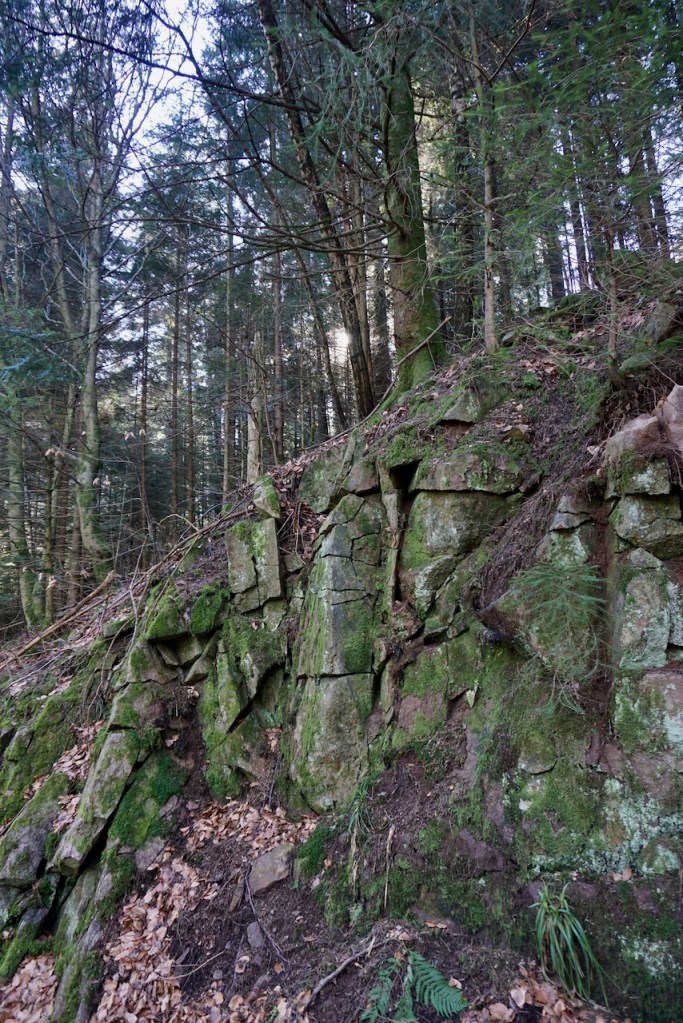
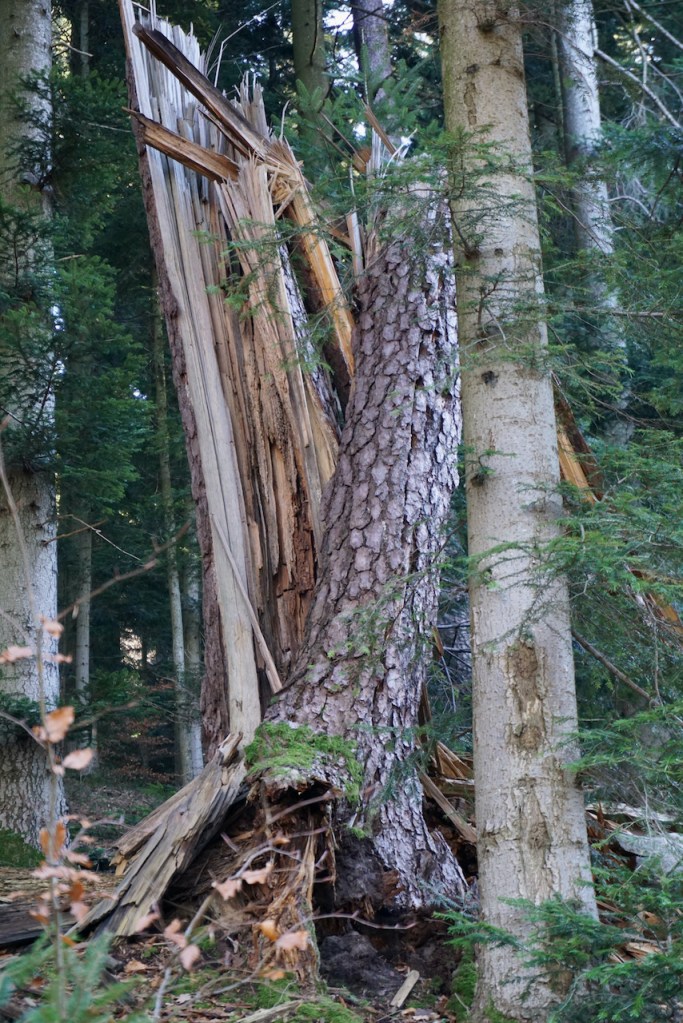
I am always fascinated with wood. With its colour, with its forms, and with how it is all around us all the time. And in the forest, I was ever more aware of not only how much we depend on this resource, but how precious it truly is.
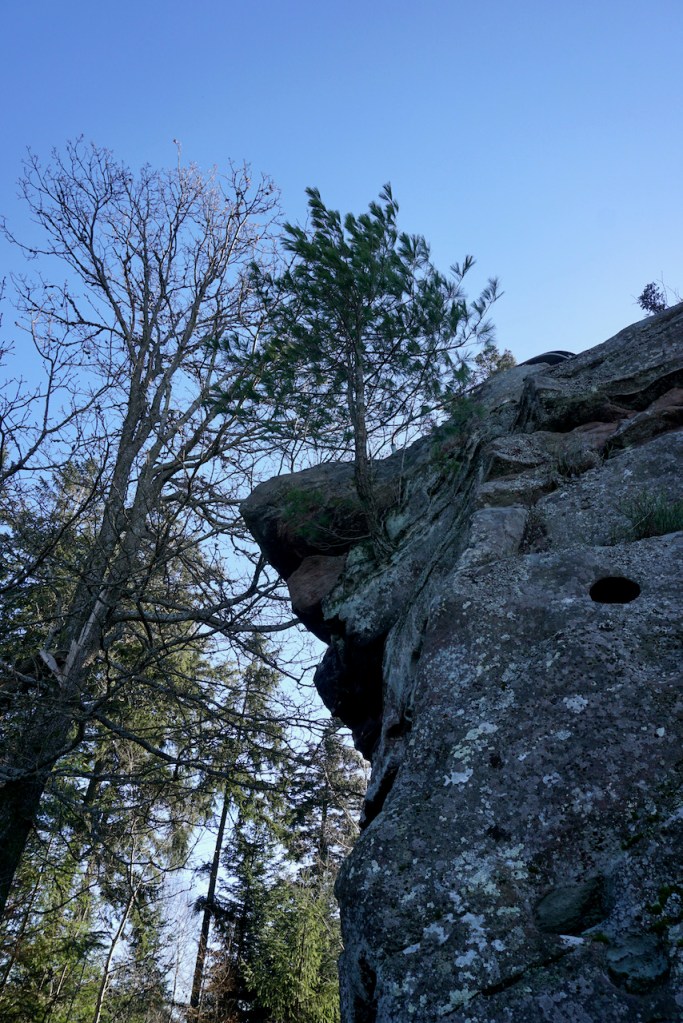
Having chosen to spend a few days alone in the forest to clear my head, to breathe new air, to watch the world with new eyes, it made sense to look carefully. It made sense to look thoughtfully, not just at the big picture, but rather at all the individual parts.
Germans say, “Wie man in den Wald hineinruft, so schallt es heraus.” This literally translates to, “The way you shout into the forest, so it echoes back out.” In English we might say instead, “What goes around, comes around.” A similar concept is, of course, karma. I like the emphasis on the forest, on being part of a greater ecosystem and environment. I like the idea of echoes, of sounds coming back to us, perhaps in ways we had never intended. We walk into the world, we treat others well, and this impact on the world around us arcs back in some way.
I went for a walk in the woods to find fairies, and here I must be fully honest: I was too captivated by how the forest welcomed me, how its lights and colours and sounds drew me in, to go looking for something that was hidden. The forest deserves its secrets; I am privileged enough for being let into its greatness and returning home feeling more connected to the world around me. I don’t need evidence of fairies to know that there’s magic out there.
*Weihnachten is the German name for Christmas. As I’ve learned over the past two years and celebrations, this time of the year has a rather different connotation than the North American event, which is why I prefer the word for this context.
Photos, travels, musings, and ideas on education by someone trying to make the world a better and more peaceful place



































































 By Rebecca Michelle