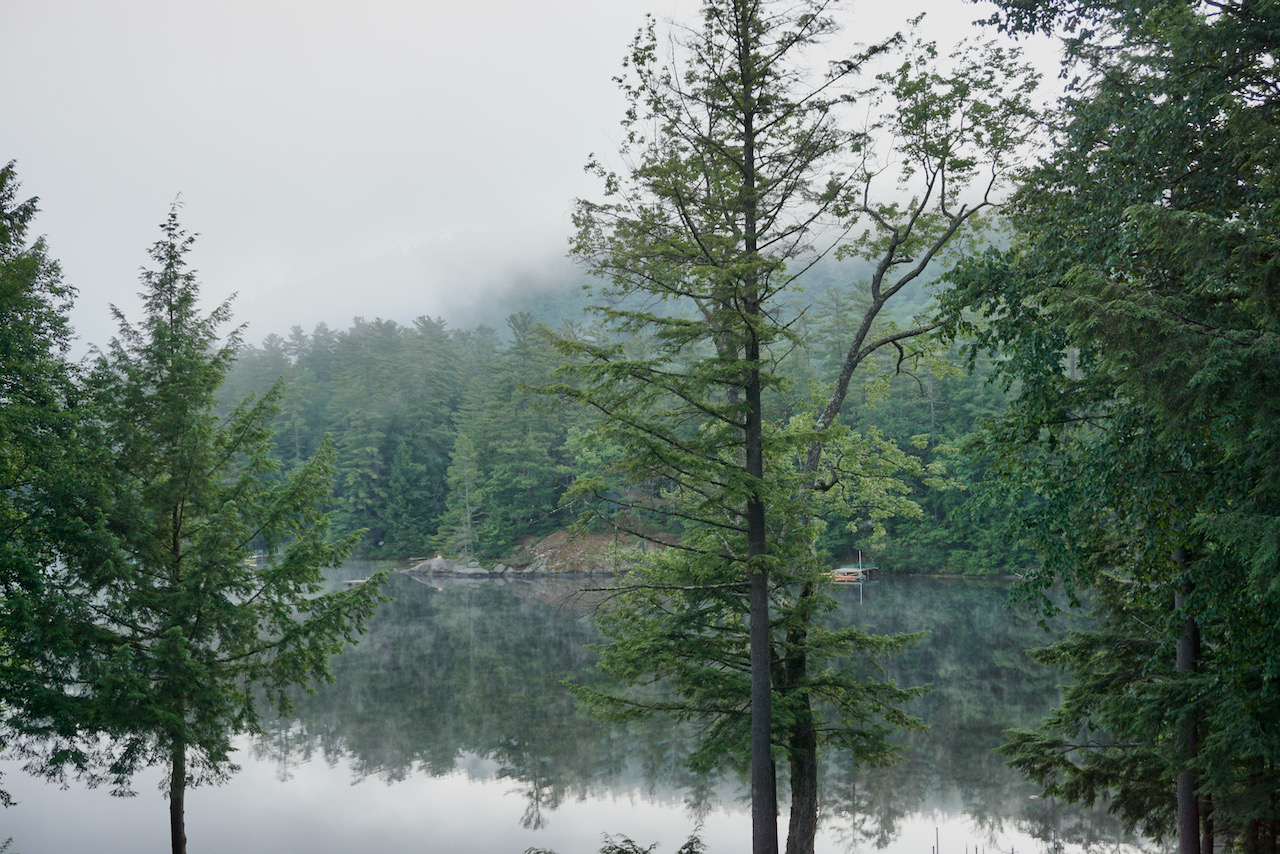
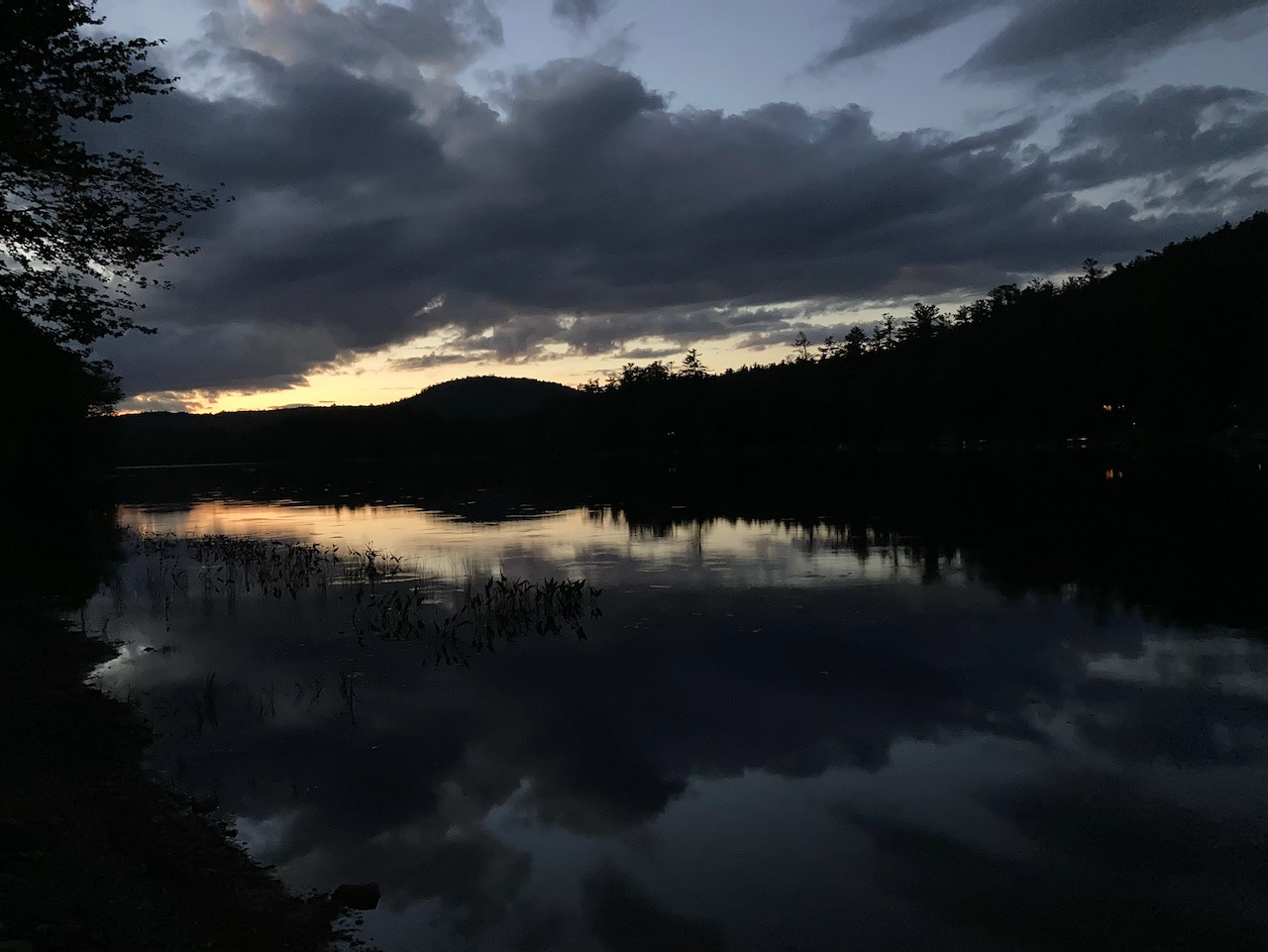
My family recently spent a week at a pond in an area of the Adirondack Mountains that doesn’t get cell phone service. We spent our days reading in the sunshine, paddling canoes and kayaks, and basking in the quiet and solitude.
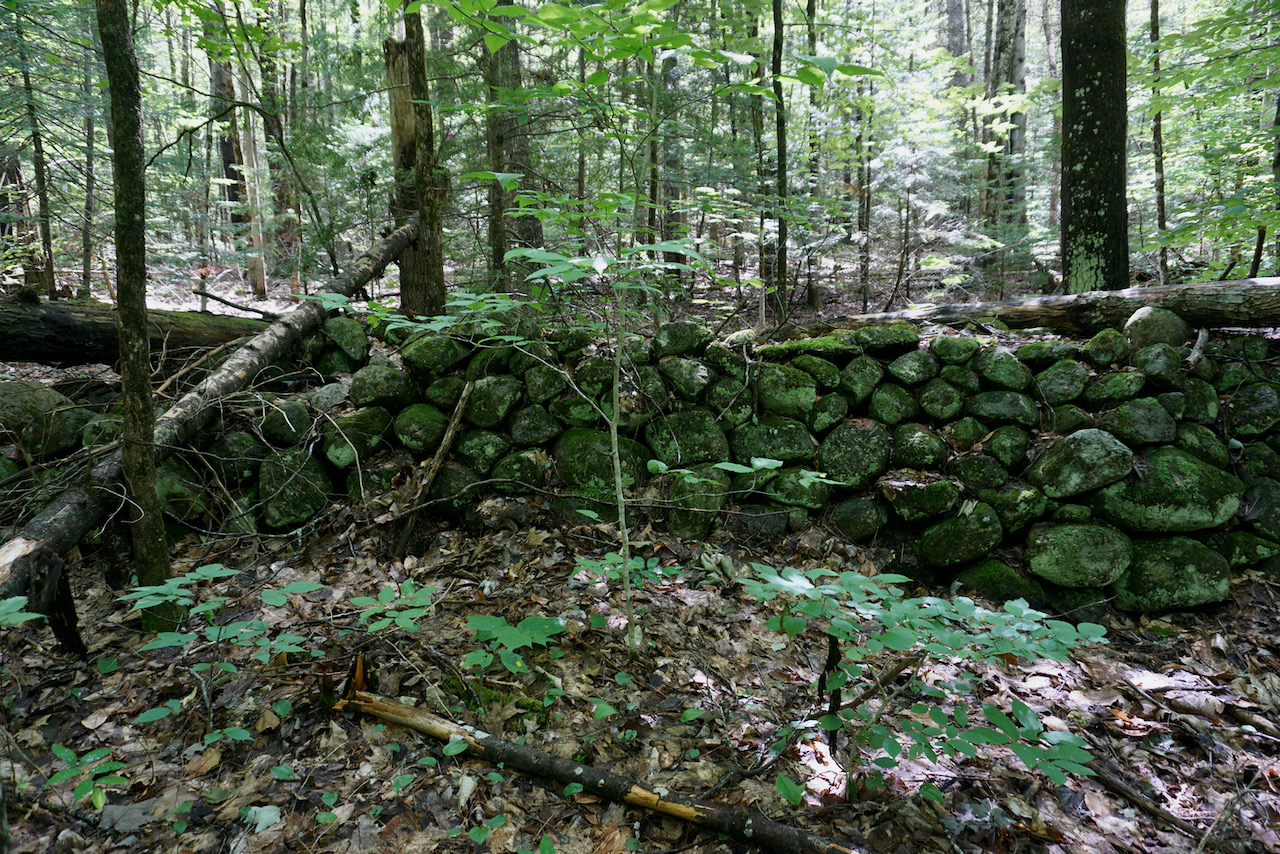
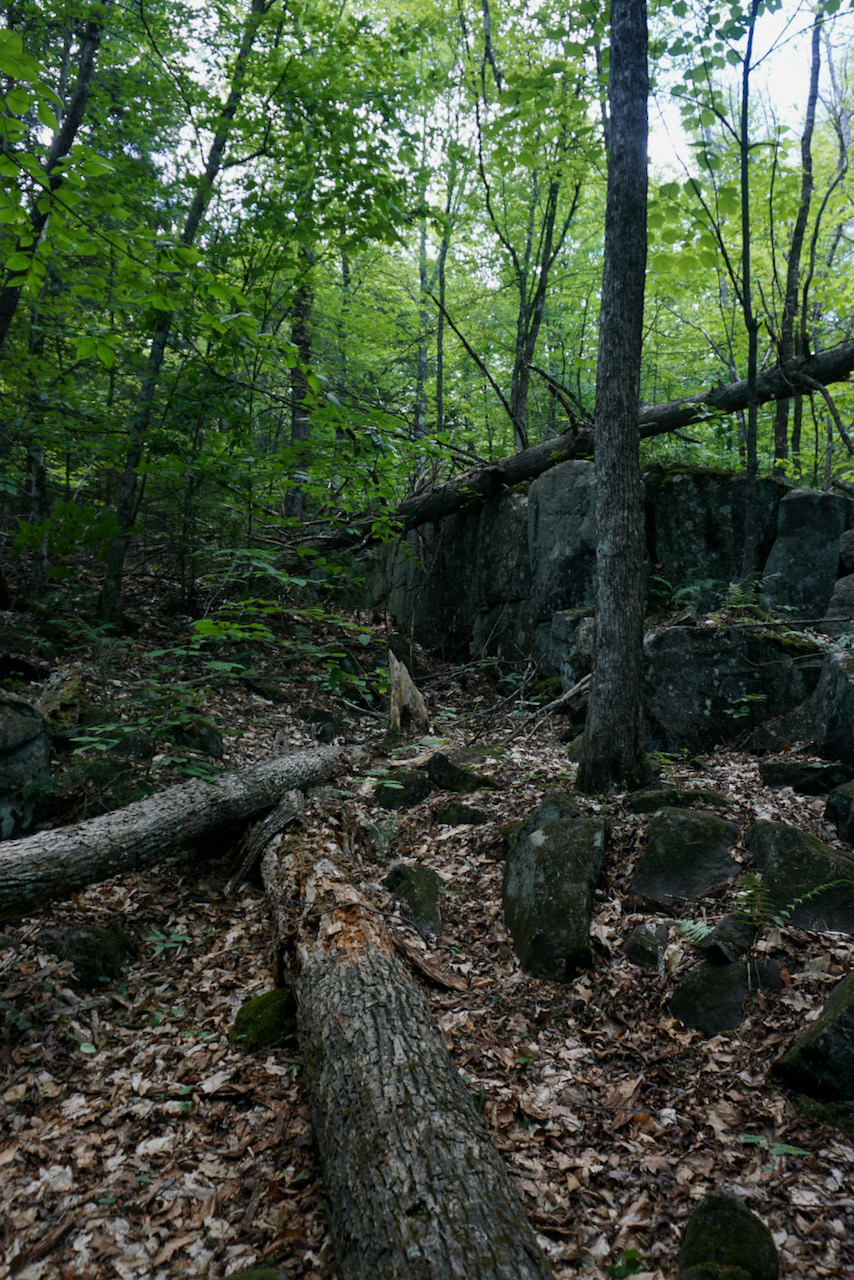
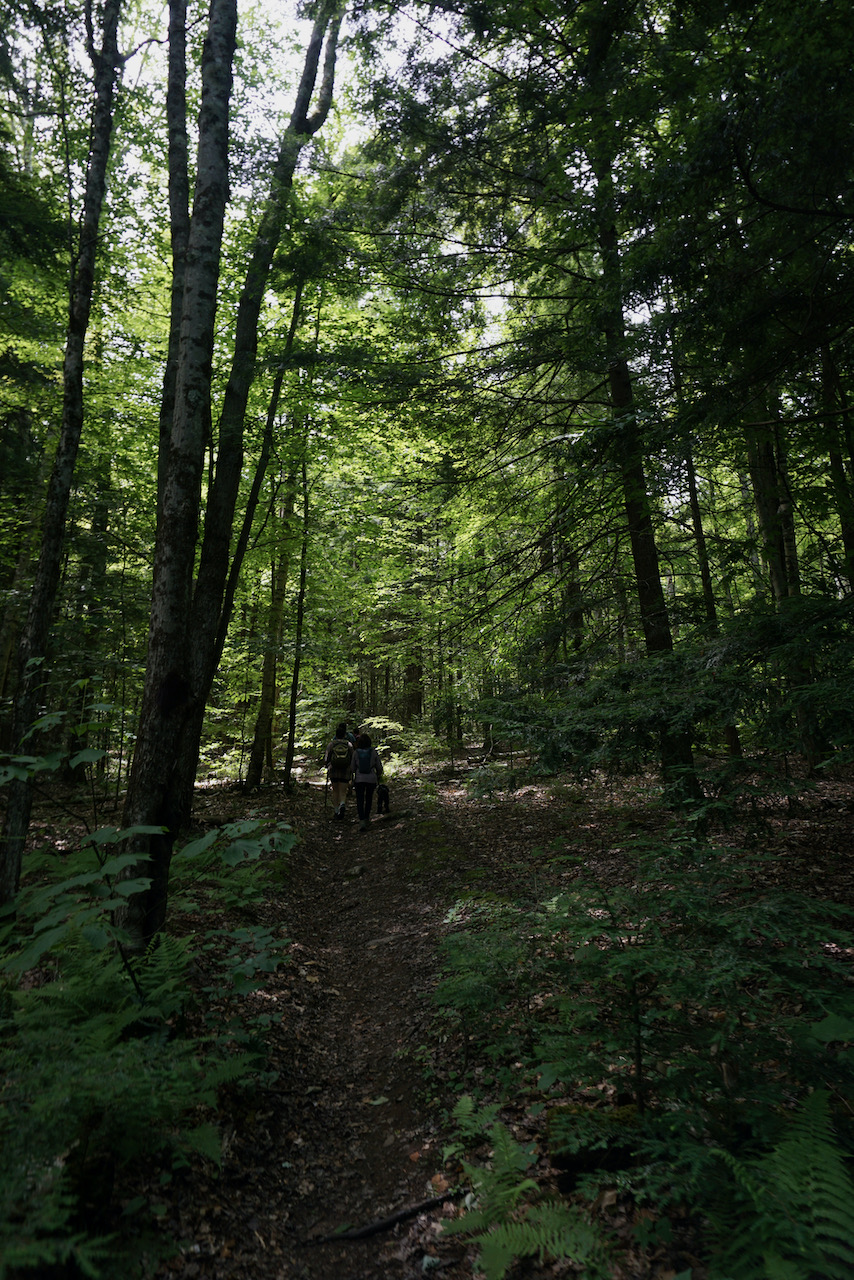
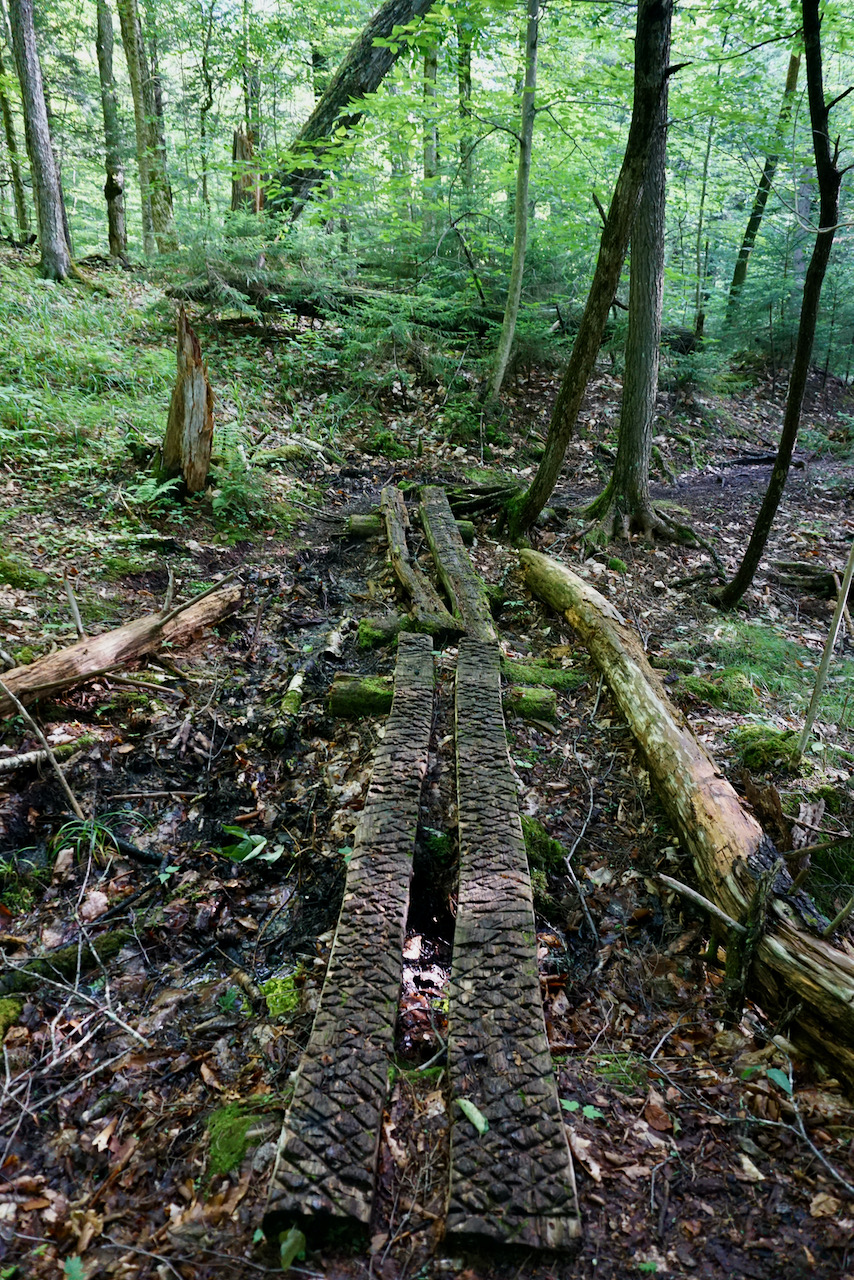
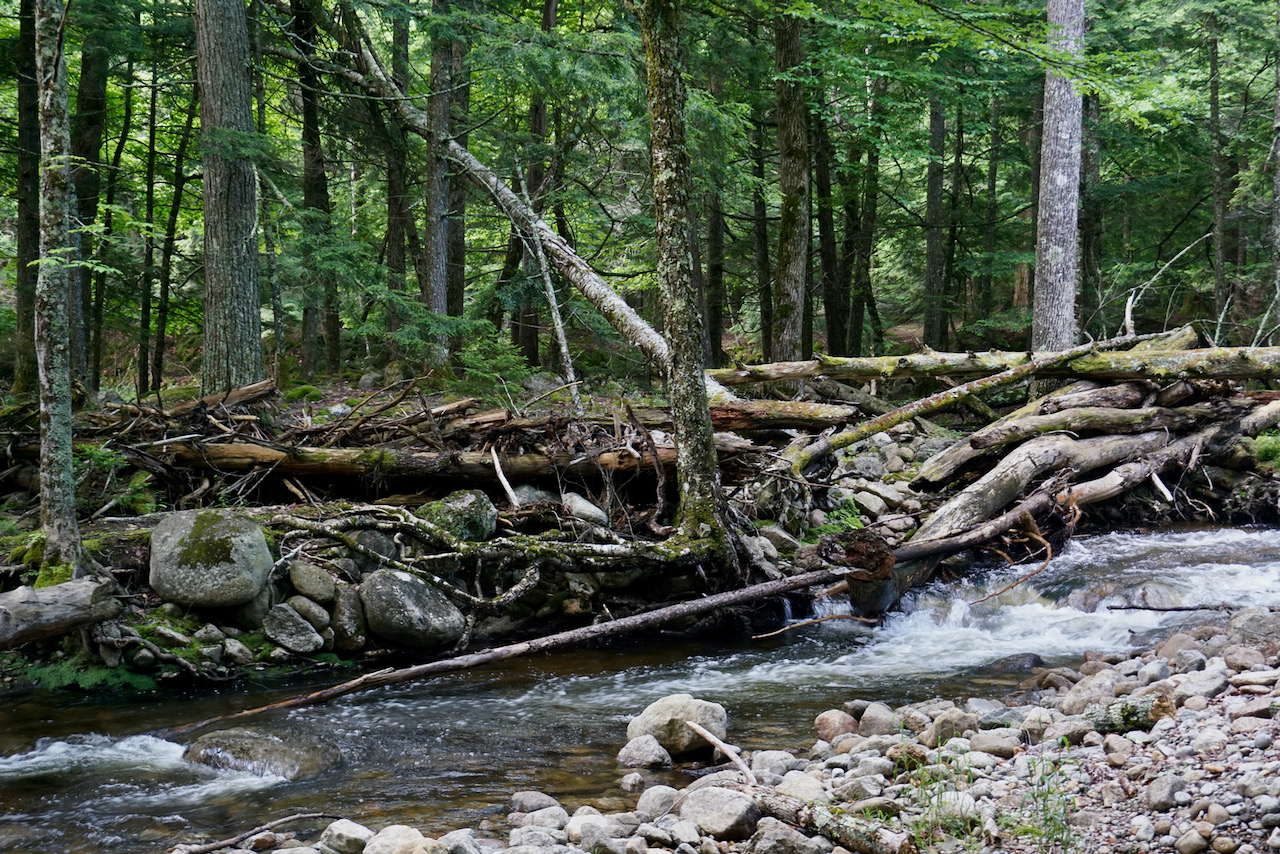
We hiked through forests . . .
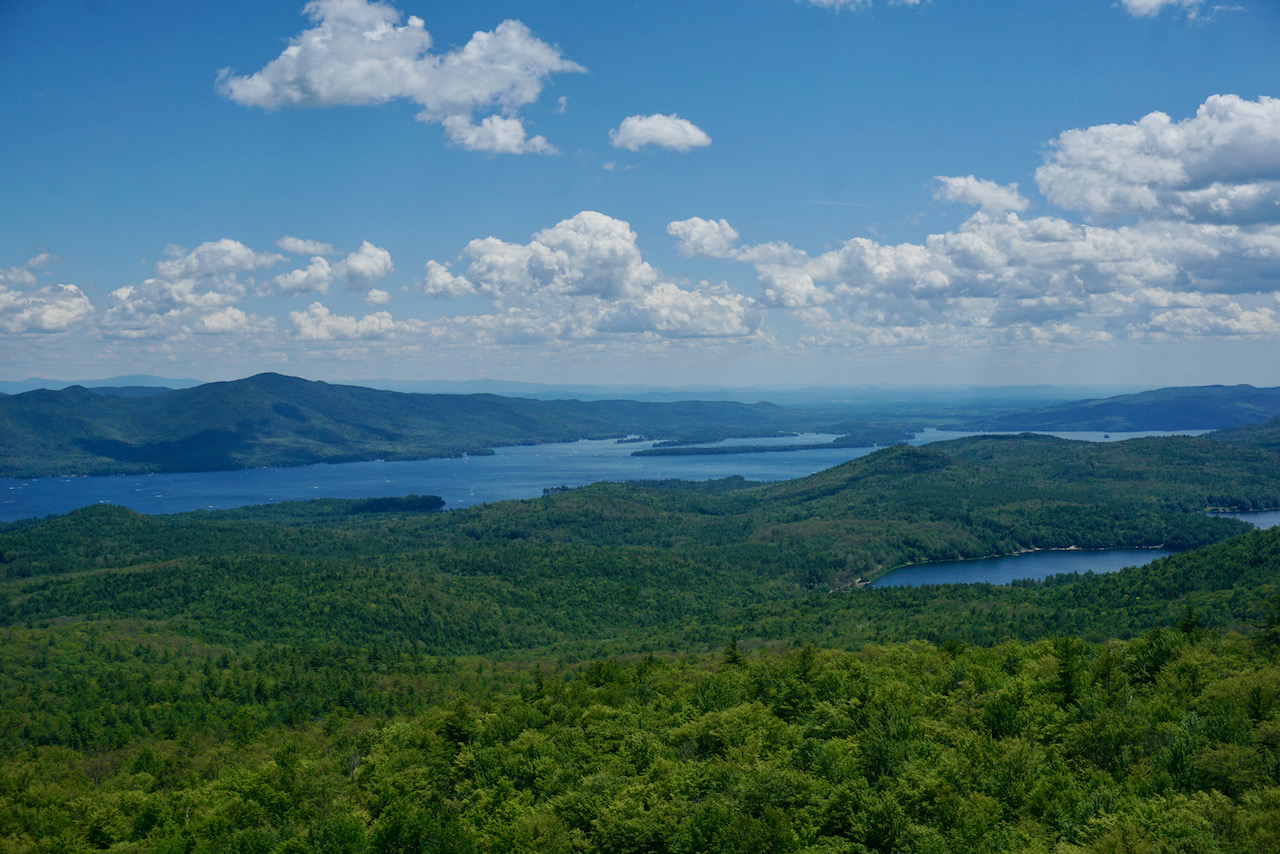
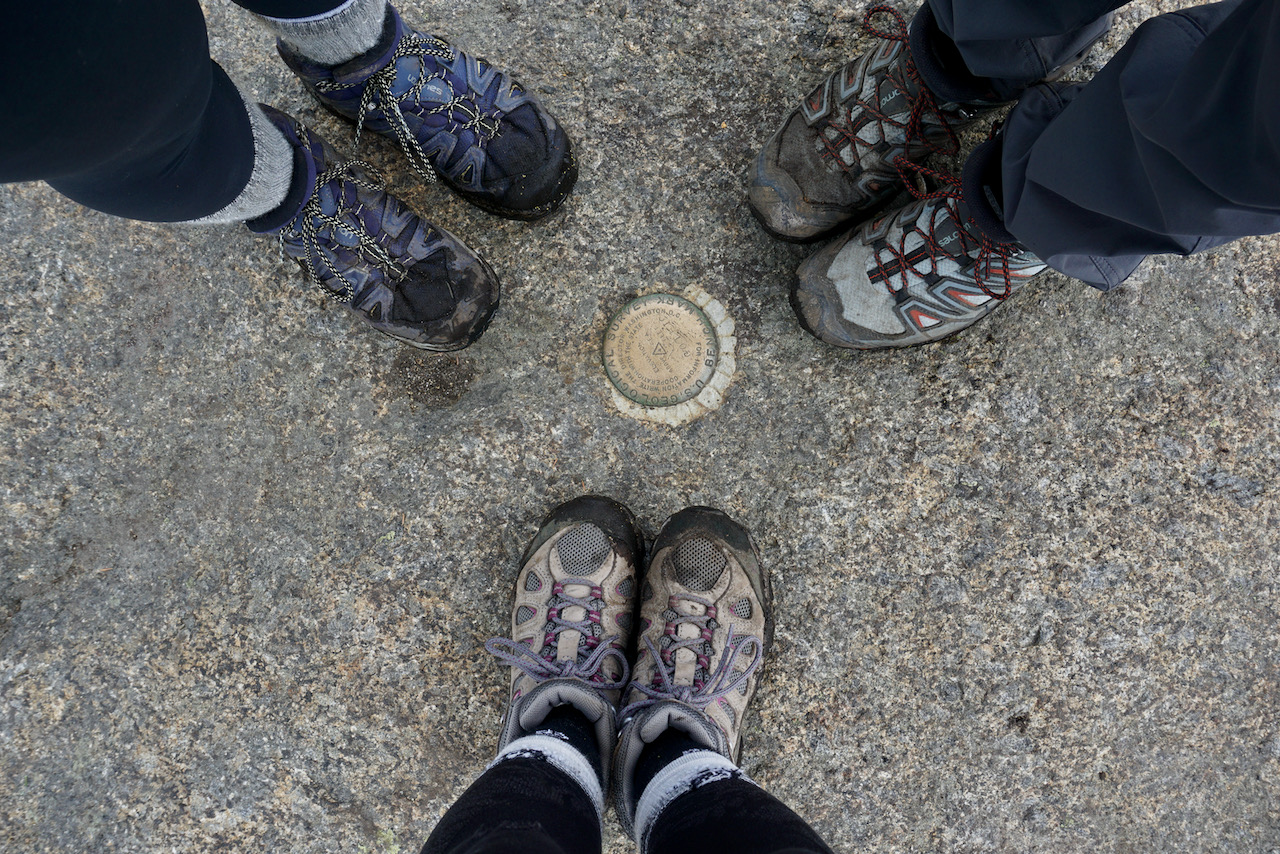
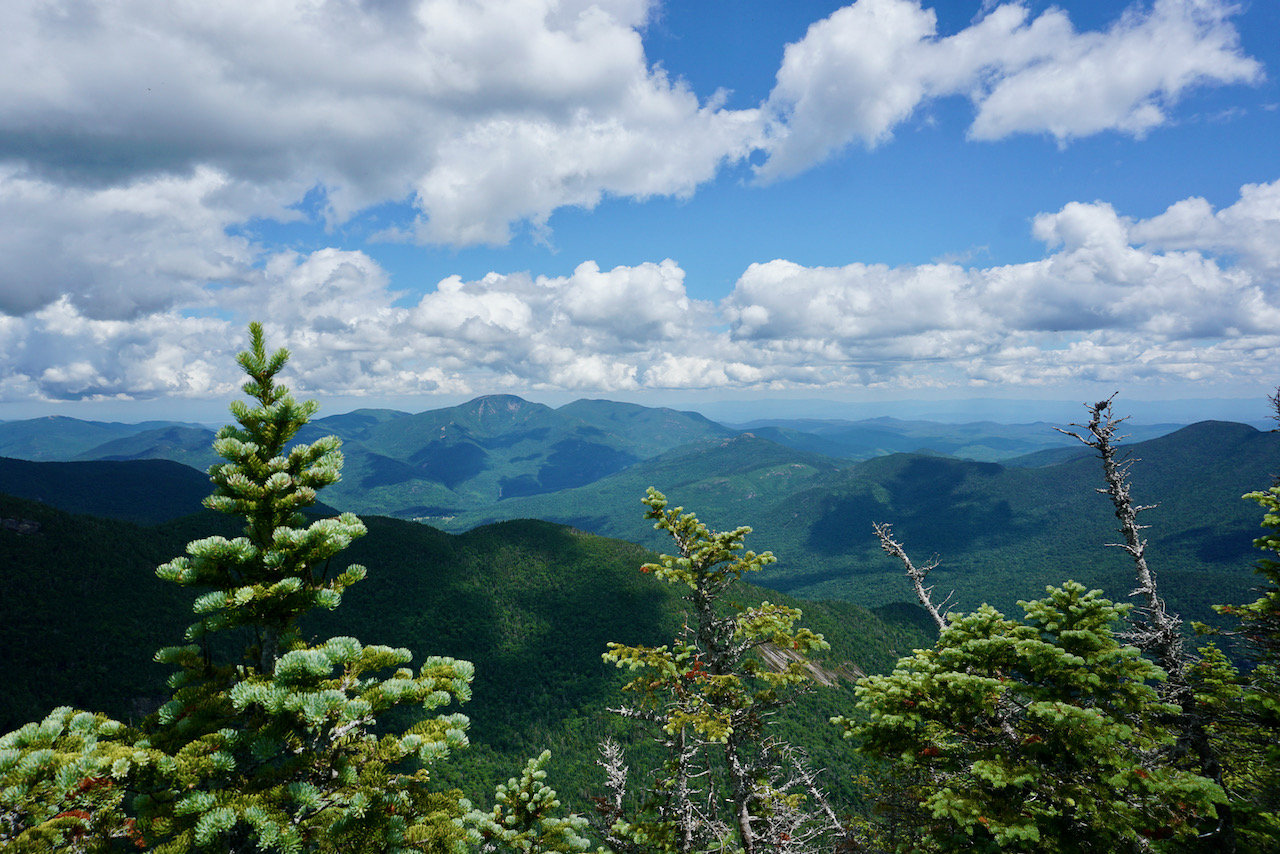
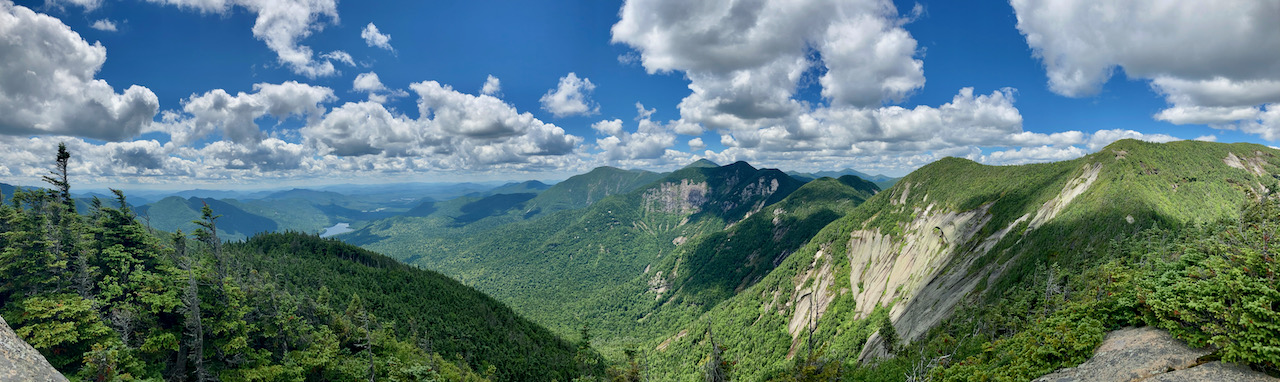
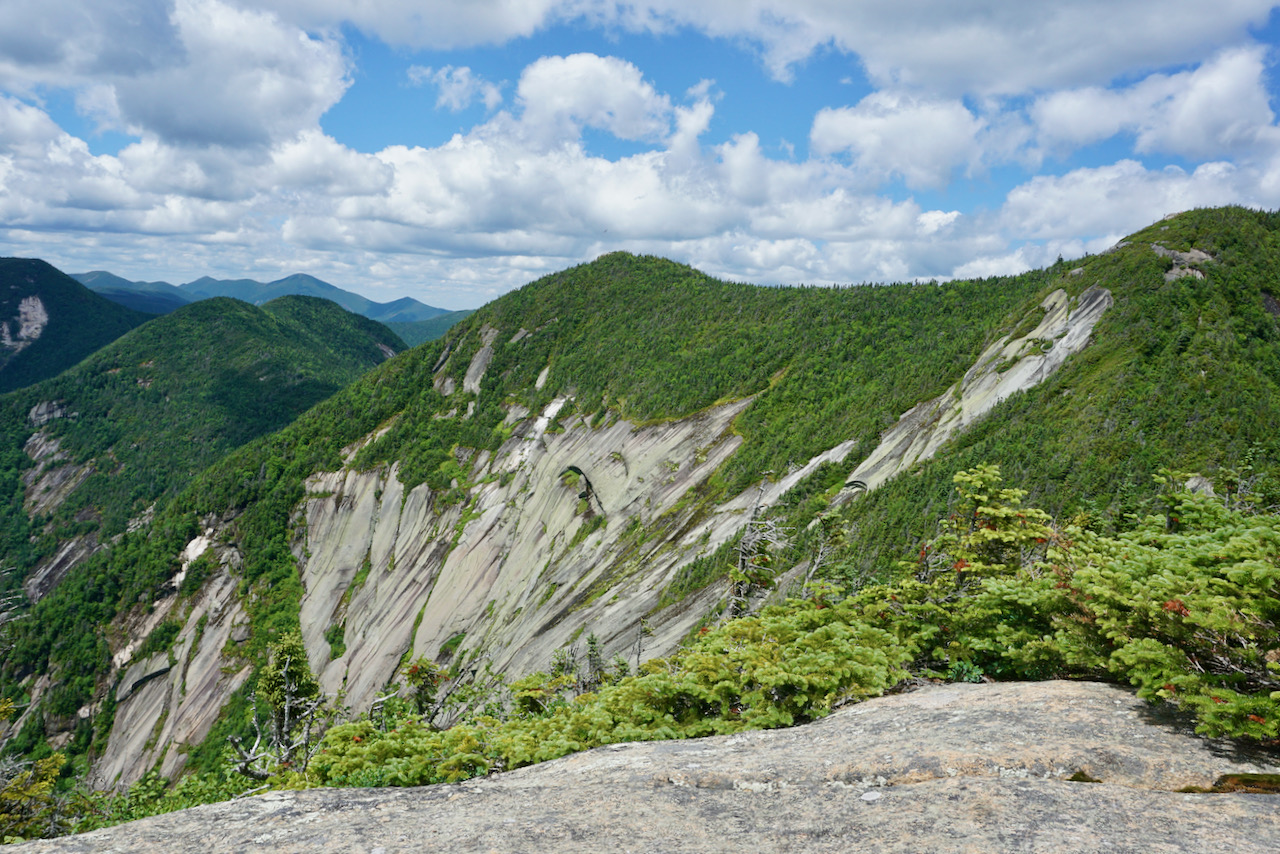
. . . climbed mountains . . .
. . . and waited by the fire for stars to appear.
The Adirondack Mountains are beautiful and also, in my biased opinion, a very special part of the state. The region includes an area called the High Peaks, forty-six mountains ranging from 3,820 feet (1,164 meters) to 5,344 feet (1,628 meters). Technically a High Peak is classified as anything over 4,000 feet (1,219 meters) but original list of 46 stems from the early twentieth century when surveys were less precise. Three of us were keen to climb Gothics, the tenth highest peak at 4,736 feet (1,443 meters), which we planned to reach via Pyramid Peak, a mountain tall enough to fit High Peaks criteria but unfortunately located too close to Gothics to be considered its own mountain.
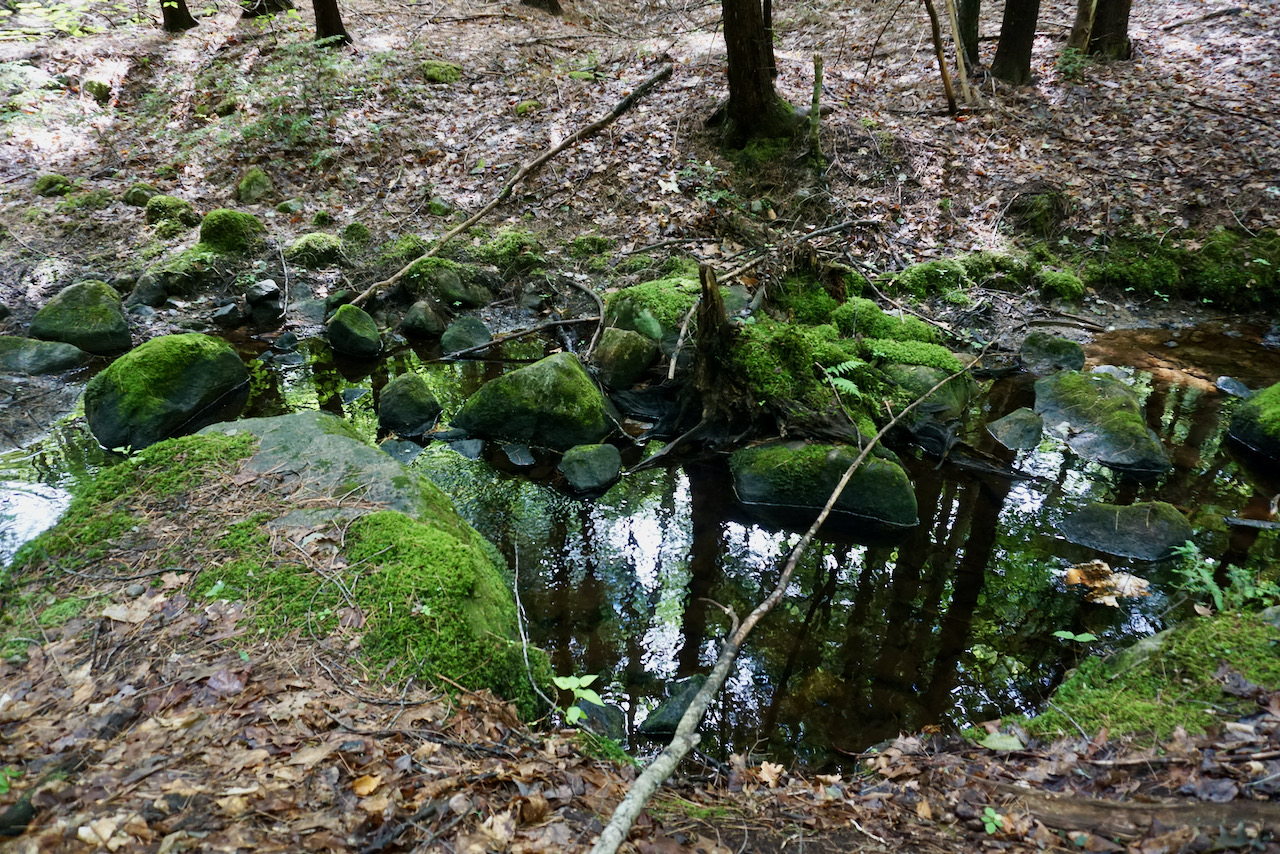
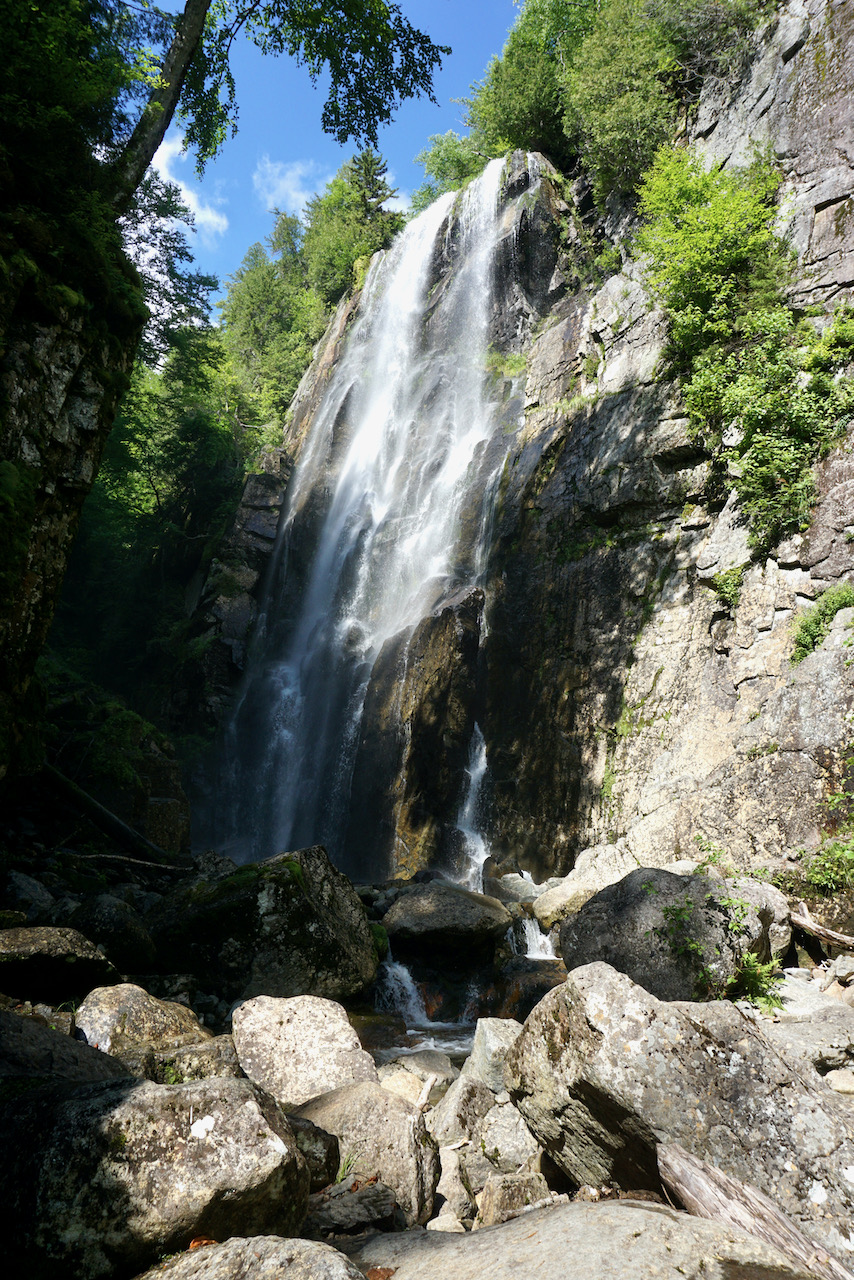
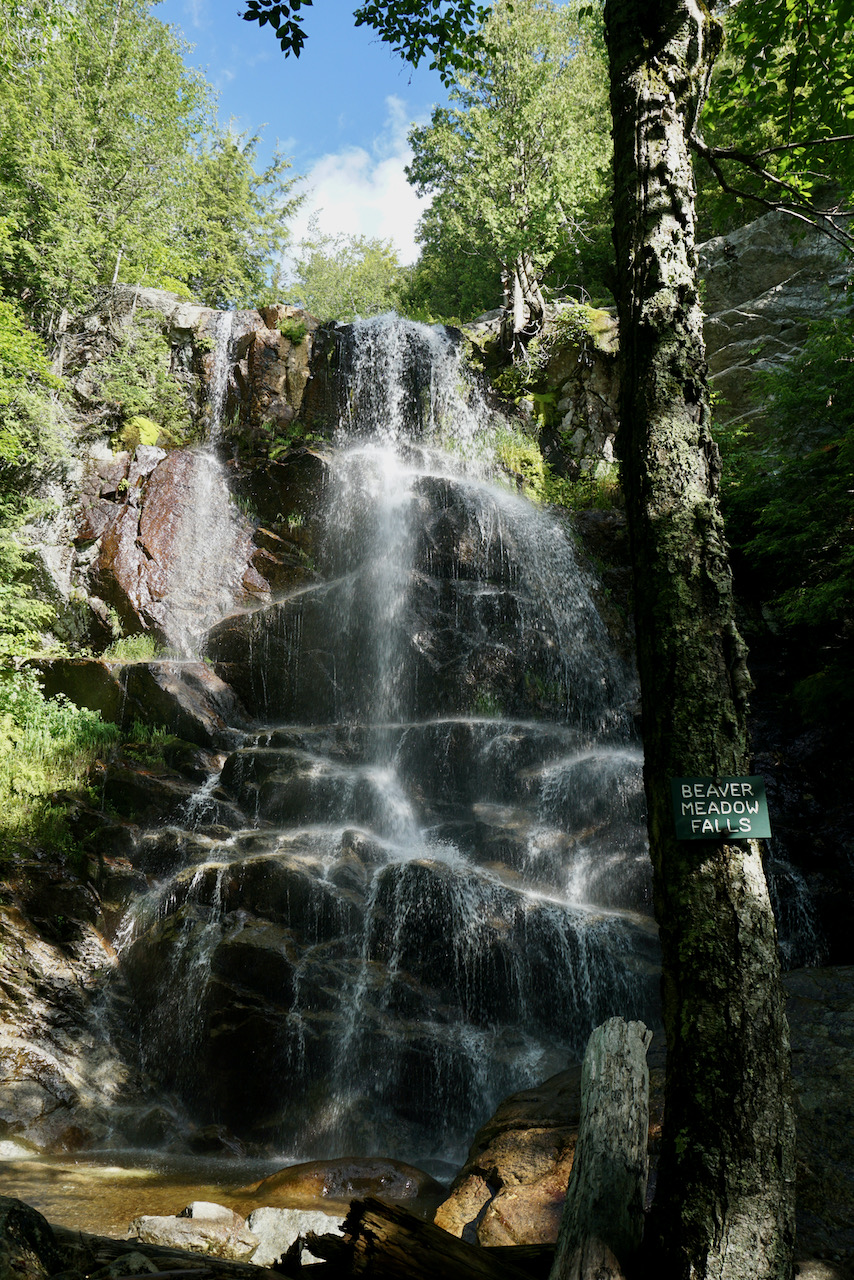
The hike is approximately twelve miles (19 kilometers) of adventure through forest, across rivers and waterfalls, and over boulders. Having prepared coffee the night before, we left before dawn and only returned close to dark. I’m very comfortable rock climbing but free climbing on slabs was a new experience.
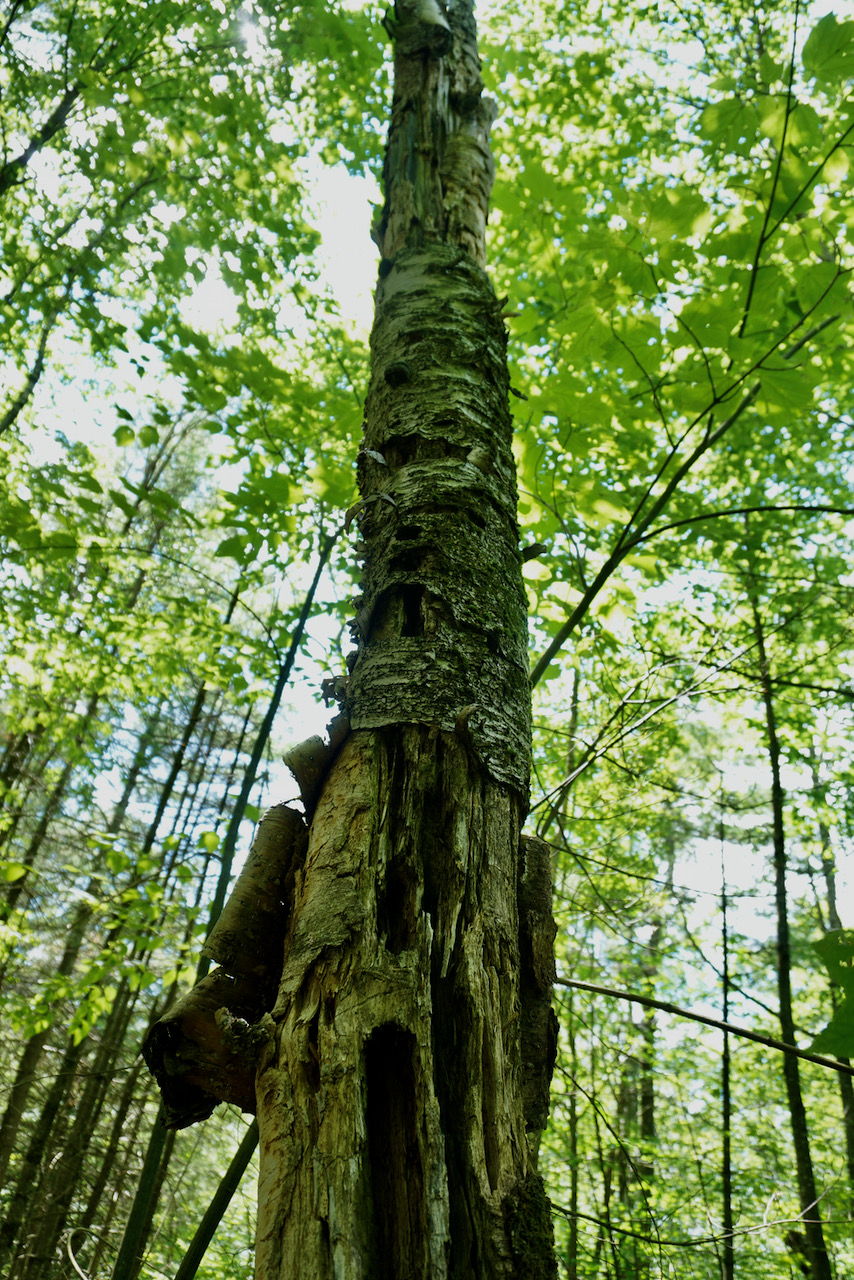
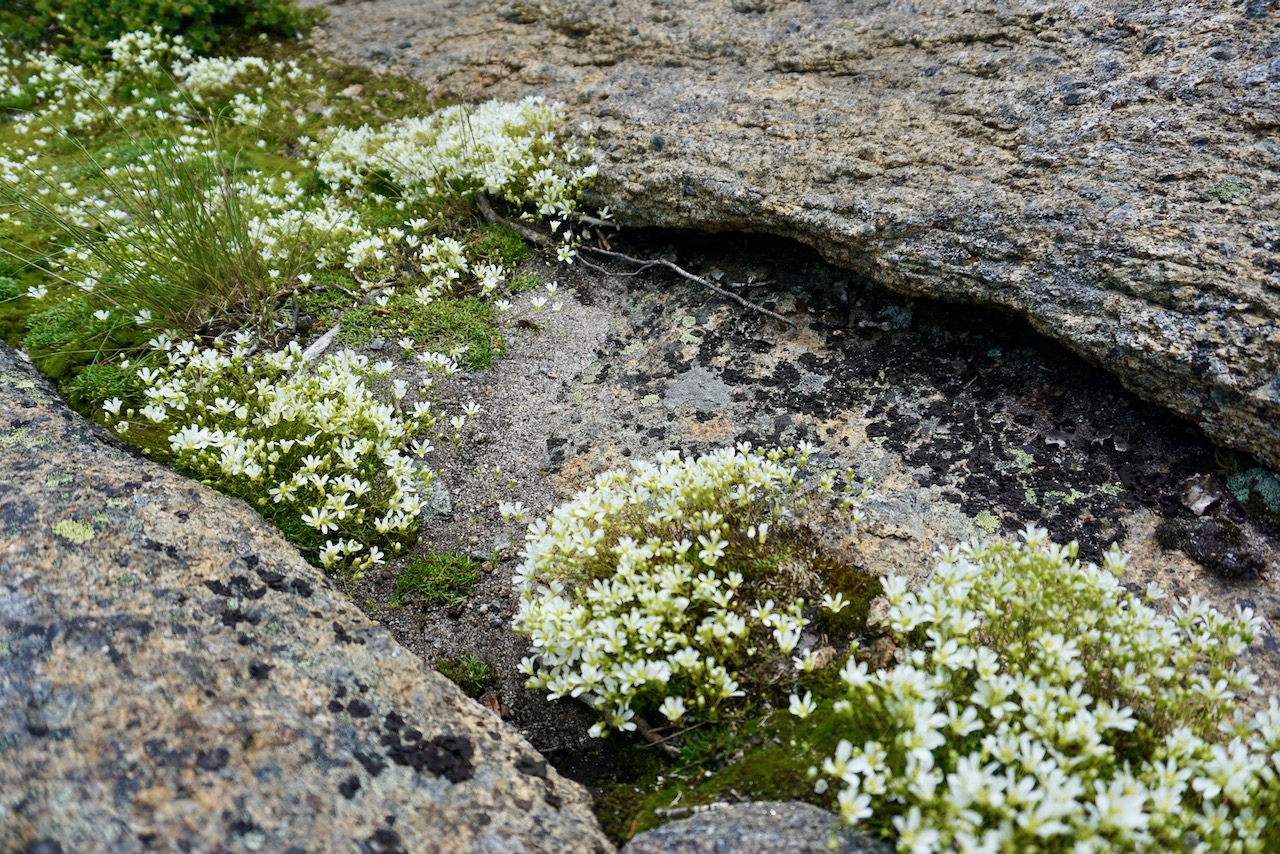
We had lunch on Pyramid Peak overlooking Gothics, marvelling at the trees and plants that are features of alpine terrain.
The hike is divided into three four-mile sections with the middle section containing the difficult climbing. It took us 11 hours and 38 minutes to complete, longer than the nine hours we’d read about and planned on. As we finished the last stretch of trail, we realized that many people likely walked the first and third sections along the road that we had decided to avoid. This was probably why the people we encountered in the woods commented that we were taking the scenic route to Gothics. It certainly was and I highly recommend it, but we were glad we started early and that we’d packed more food than we thought we needed.
After an hour in the car, we were glad to be back at the pond.
What I love about the Adirondacks is how far away it seems from the rest of the world. The air tastes cleaner, the sky is bigger and stars brighter, and the ecosystems around water and forest conjure a tranquility that seeps into my bones. There’s nothing to do but be out there, no time to keep, no opportunity for mindless distraction. Instead, the mind switches off while watching the fish jump early in the morning, and the senses sharpen as the arms, warmed by the sun, dip the kayak paddle into the water. The Adirondacks are a special place for me because they find all of me, scattered as I sometimes am, and bring me right there. Right there where there’s no place else to be.
I’m not sure how my parents chose the beach that ultimately became the beach we visited every summer, and then every other summer, and then one last time. I think it was advertised in a catalogue or maybe as part of a vacation package at a wholesale store. Whatever it was, we loved our family beach holidays, which started as soon as we got into the car and began the sixteen-hour or so adventure of reading, license plate spotting, occasional bickering, and listening to Garrison Keillor’s A Prairie Home Companion after dark. Throughout my childhood, the ocean was my happy place.
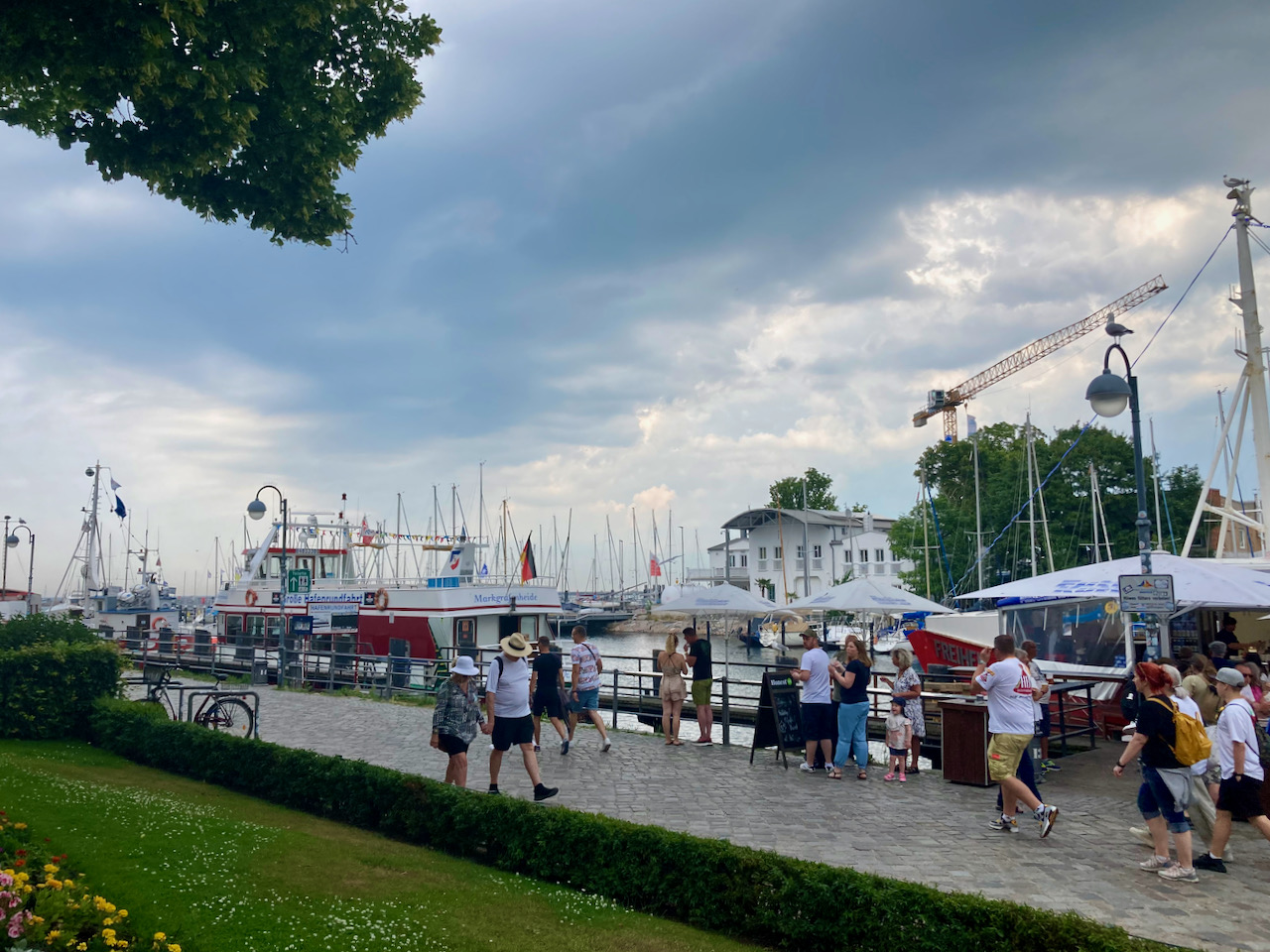
Until last week, it had been a while since I’d spent a holiday at the ocean, several years since the order of events upon arrival followed a familiar pattern: Unload the car, have something to eat, buy groceries, walk on the beach. It was my first trip to Warnemünde on the Ostsee, or Baltic Sea, where I was thrilled to have been invited, and my heart felt almost like I’d been there before.
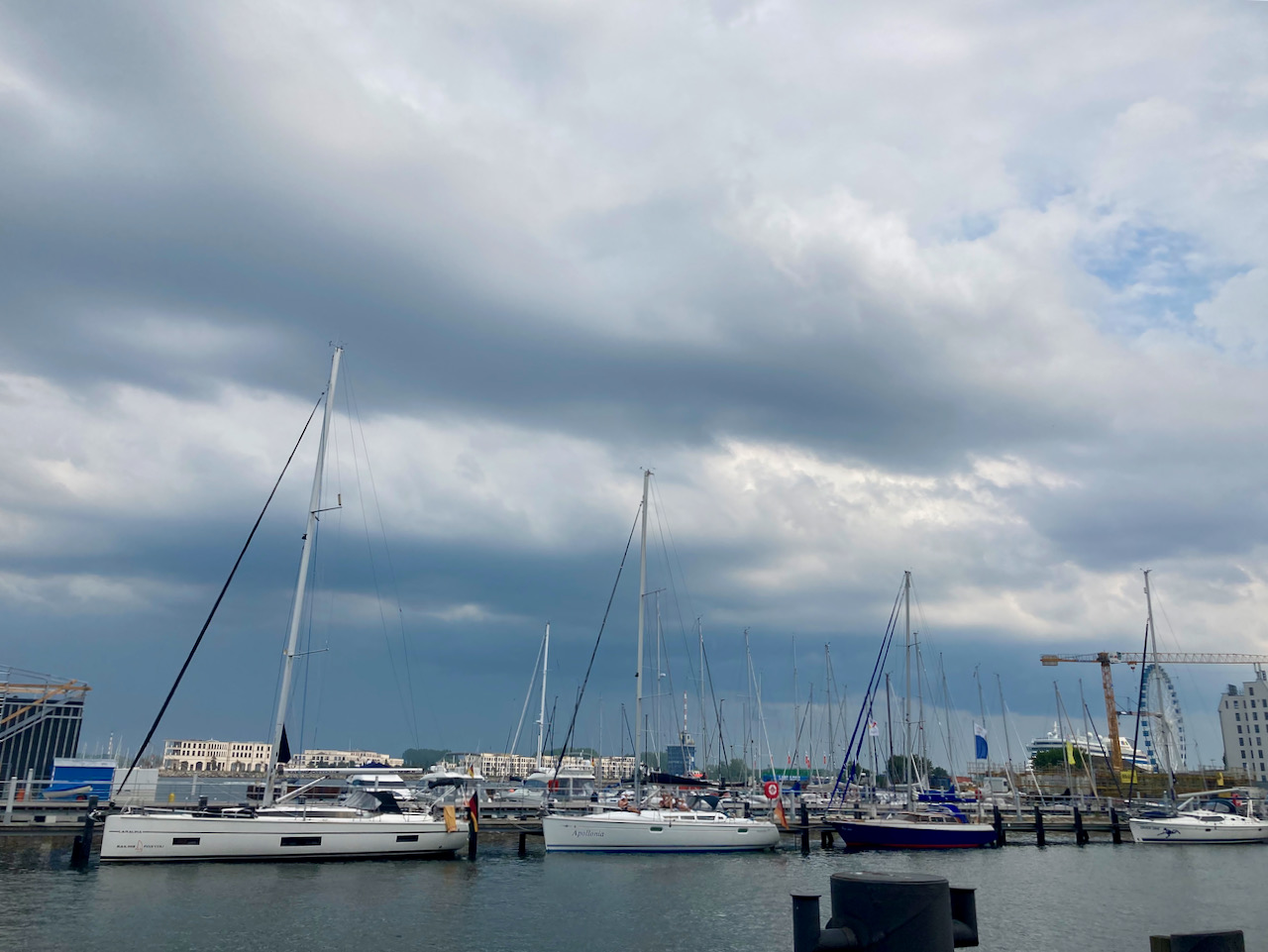
Warnemünde is a fishing town with an active port and a popular destination for tourists and cruise ships. A port means boats and lighthouses, both of which remind me warmly of my years working on boats and never fail to capture my attention.
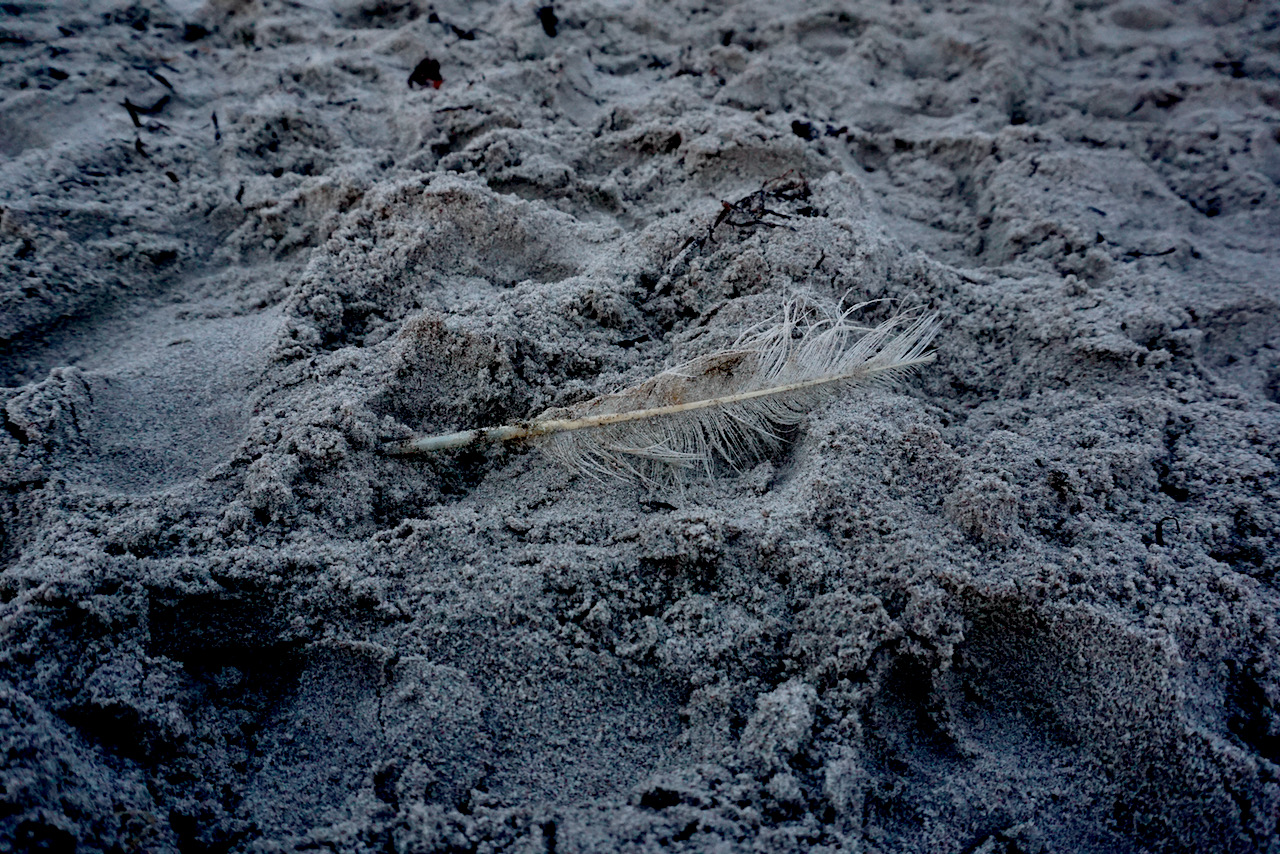
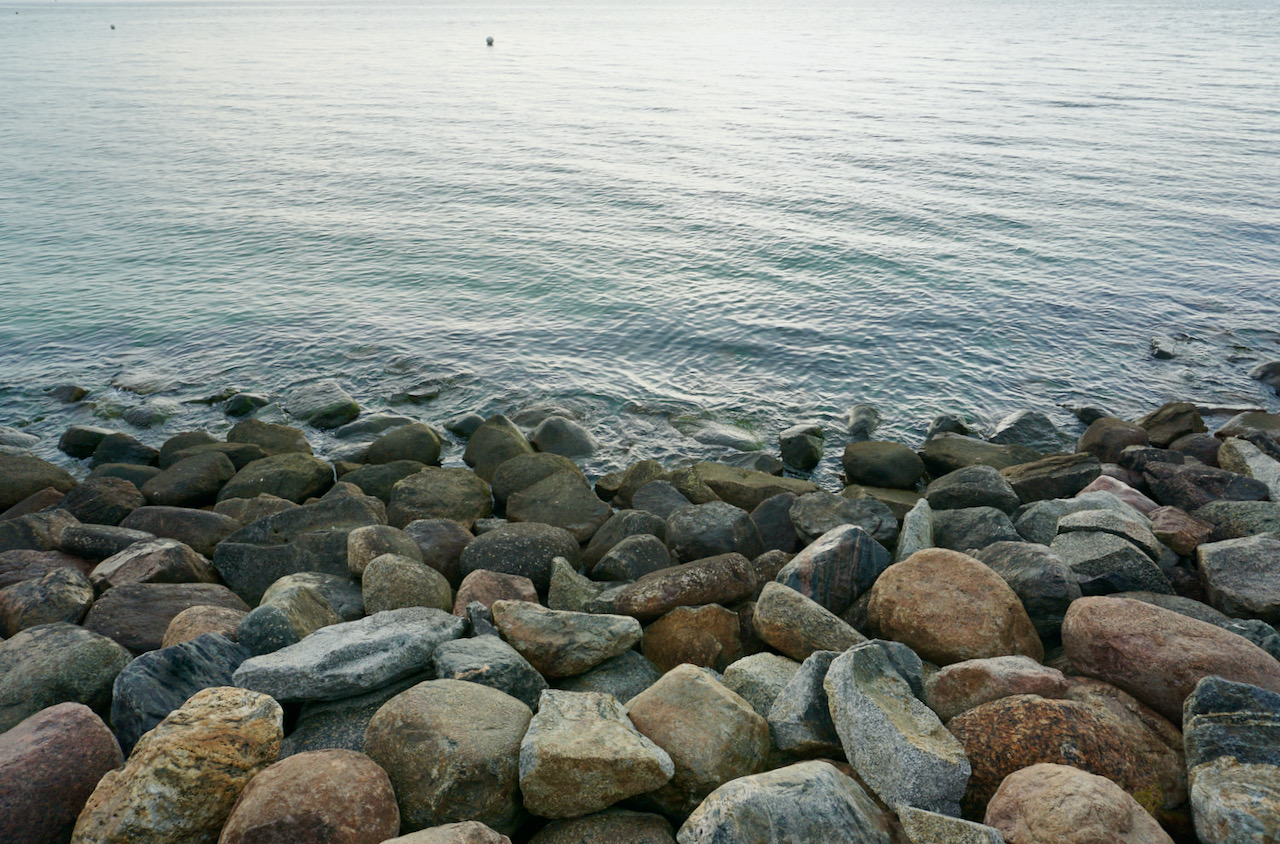
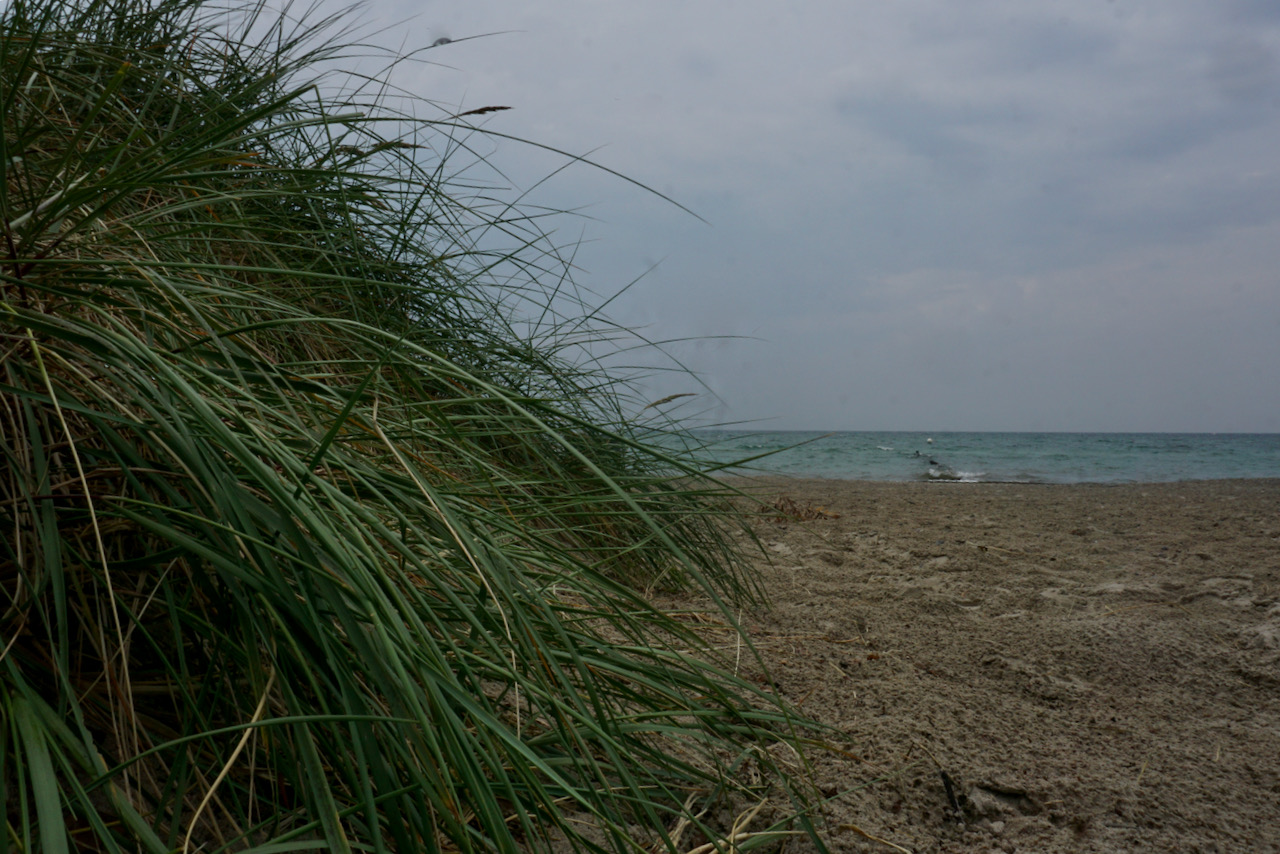
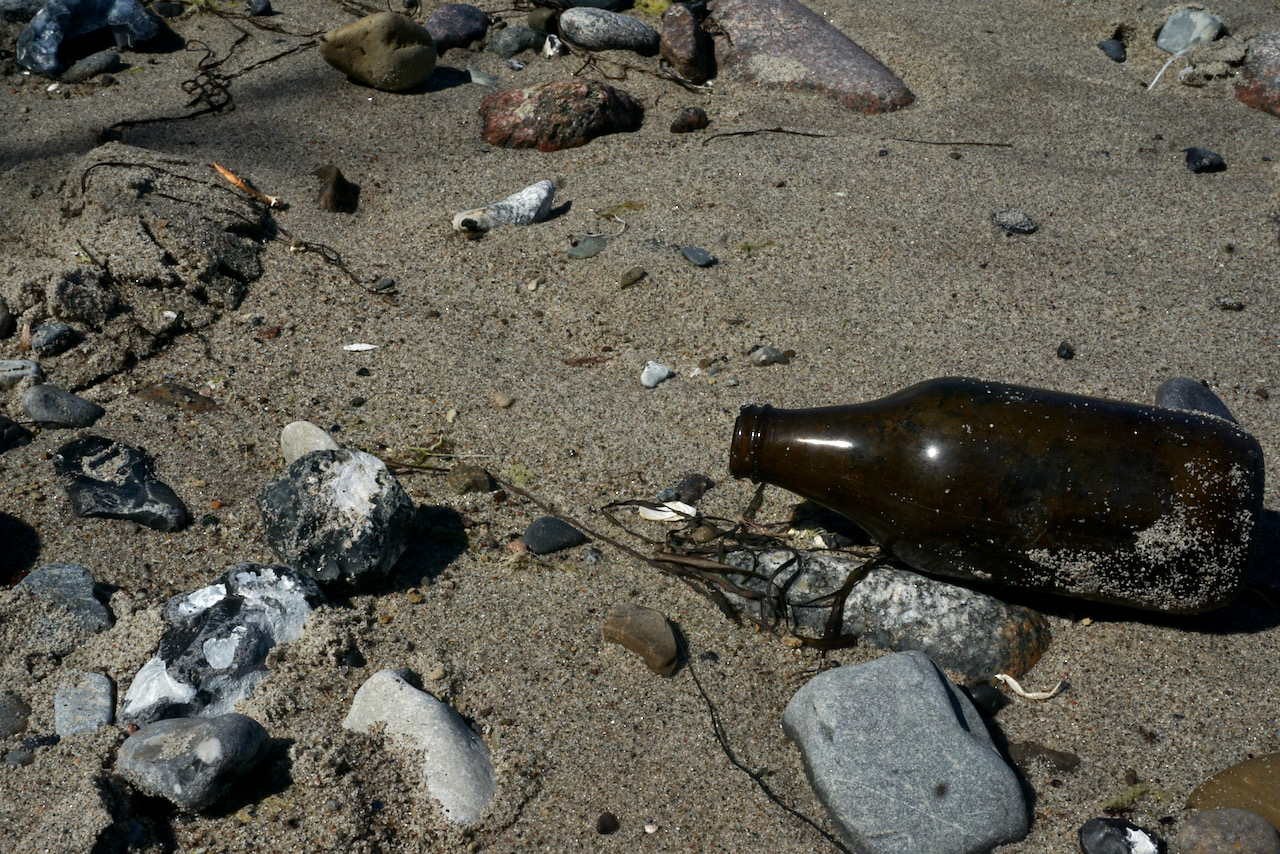
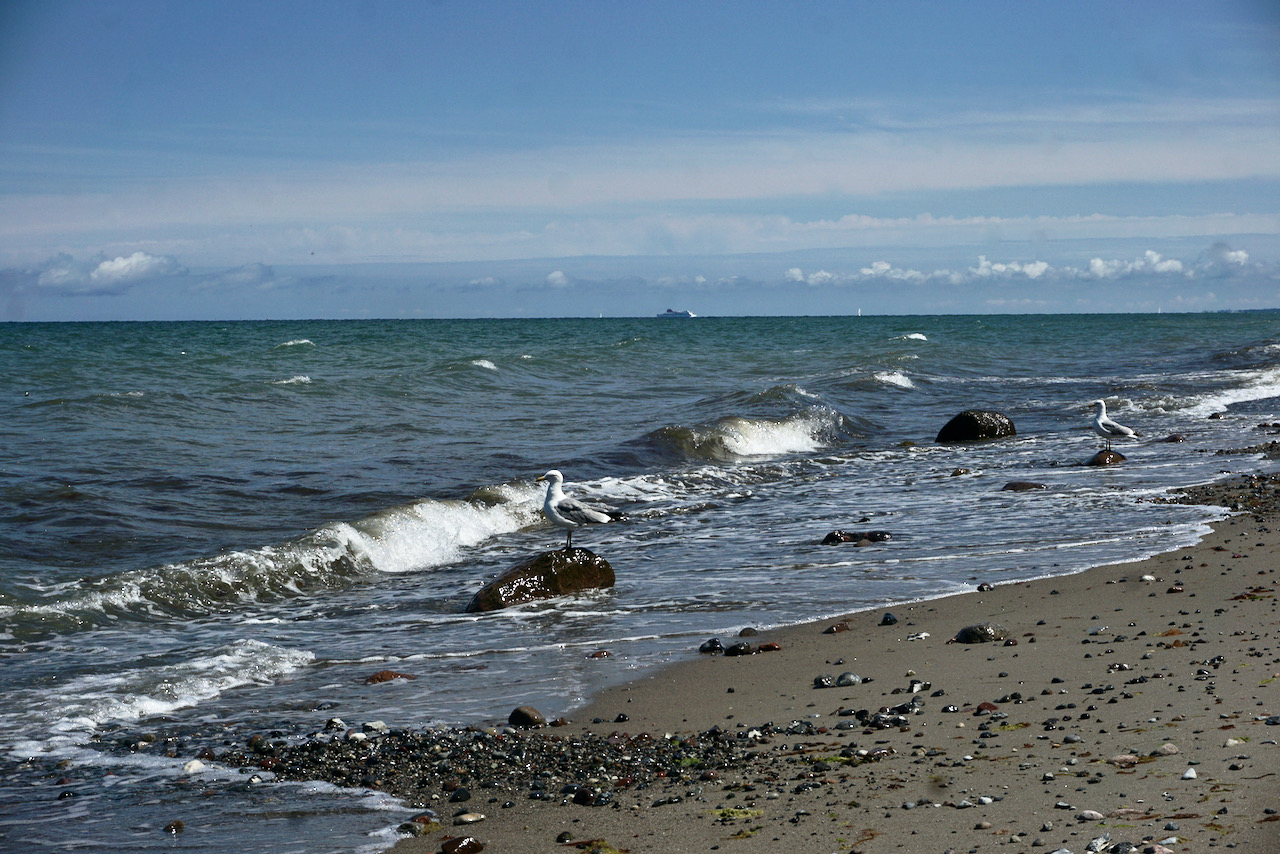
The water was warmer than I’d expected though still a shock each time we waded carefully in, laughing, slipping on rocks, getting tangled in seaweed, playing. The ocean was surprisingly flat even on windy days, and the beach rockier than usual, I was told. We tasted salt on our lips, dried off under the sun and wind, watched the seagulls marching along the sand. And when the sun went down, we walked quietly and in awe.
On the Ostsee, I learned, much of the beach emerges from the forest and this was completely new to me. We found a cozy spot, watched the approaching rainclouds, and walked calmly back in the storm that followed.
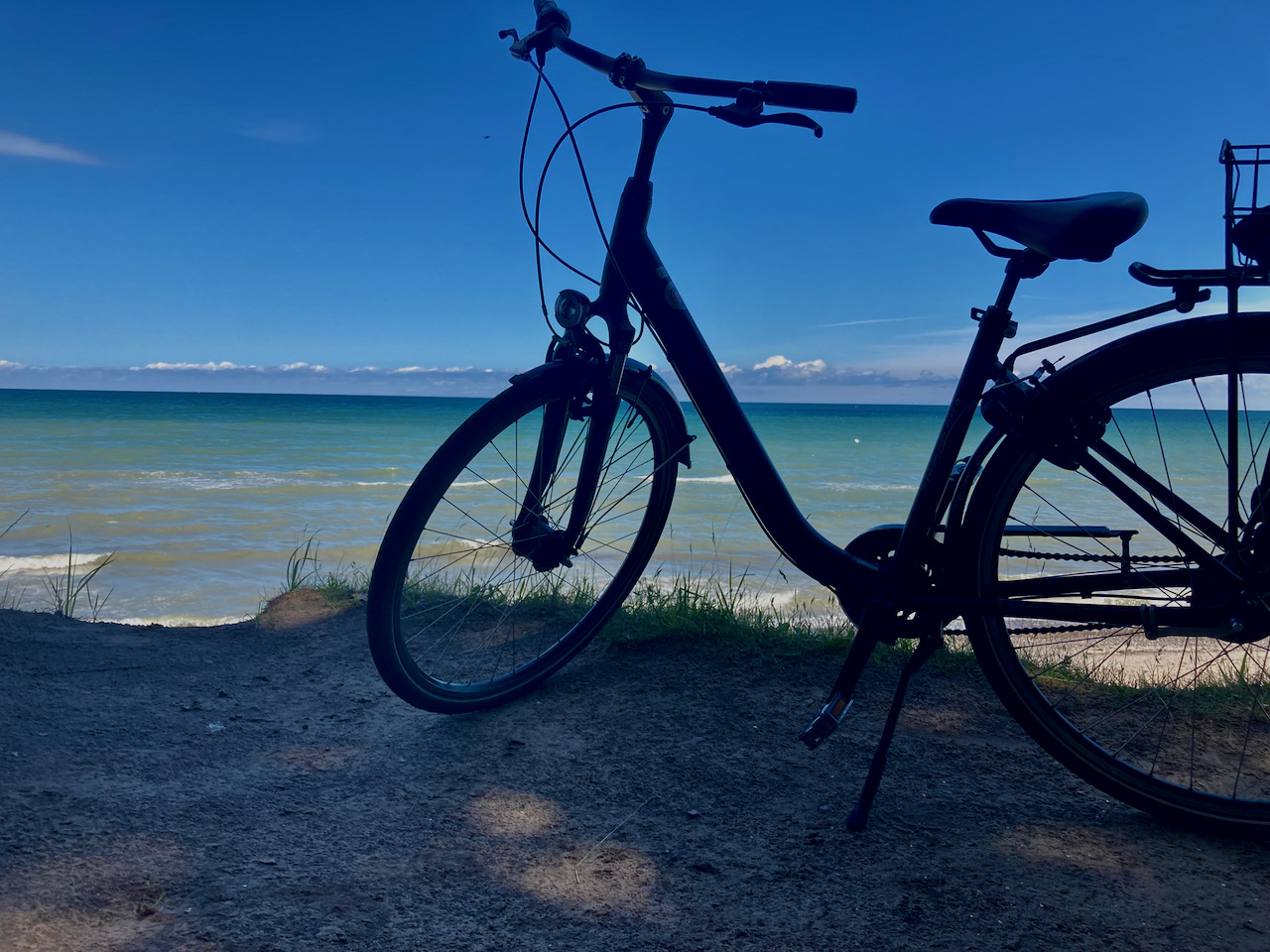
In the bright sunshine of my last day, we rented bikes and followed a path through the forest and along the coastline. We passed farms and little towns, stopped to eat and drink overlooking the ocean, and went swimming in the warmest water yet. We searched unsuccessfully for Hühnergotter, stones with a small hole through them that are supposed to bring good luck. The sound of the ocean was soothing and I nearly fell asleep on the sand.
The world is a beautiful place and I was lucky to be somewhere new to me, lucky to share it with people who have such fond memories of being there. The world is a beautiful place and to be part of it is a gift. I am glad to know this – every day.
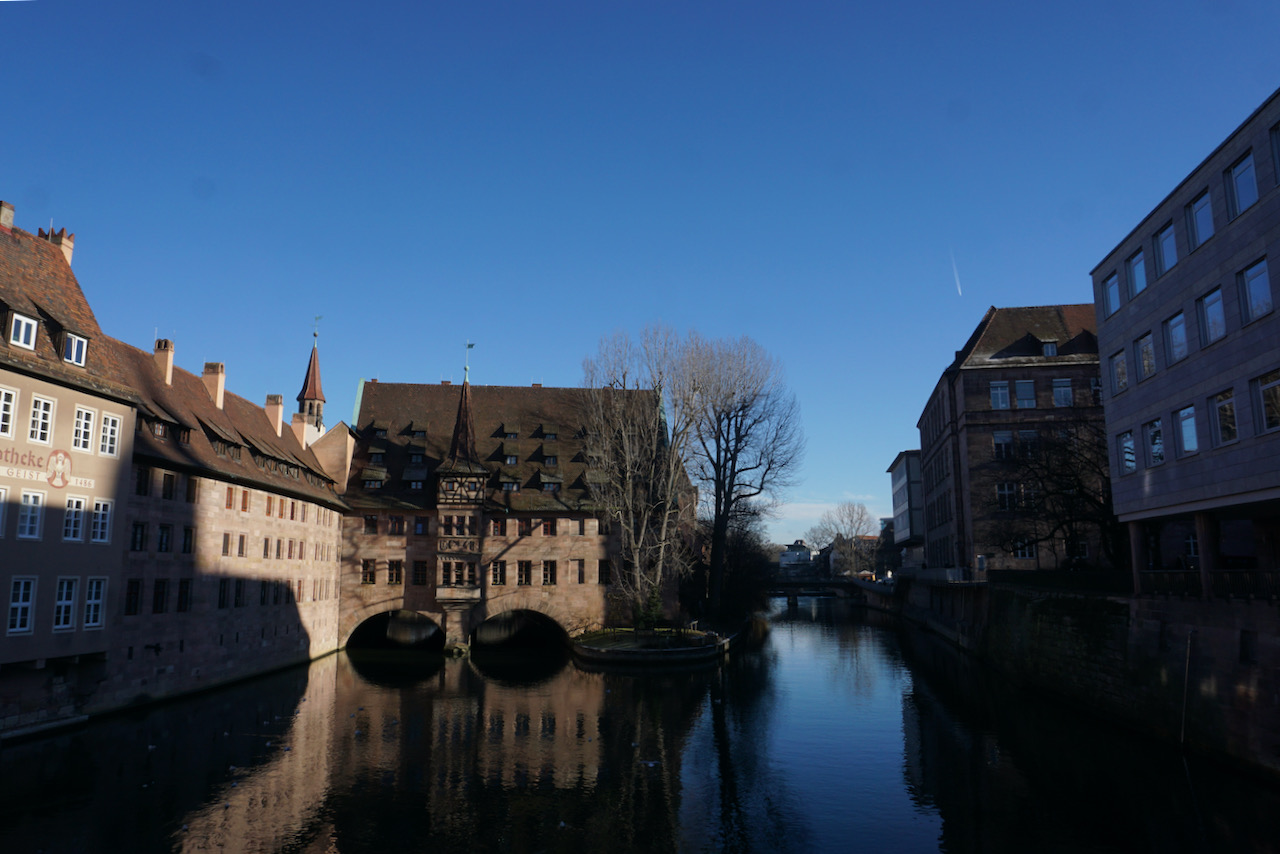
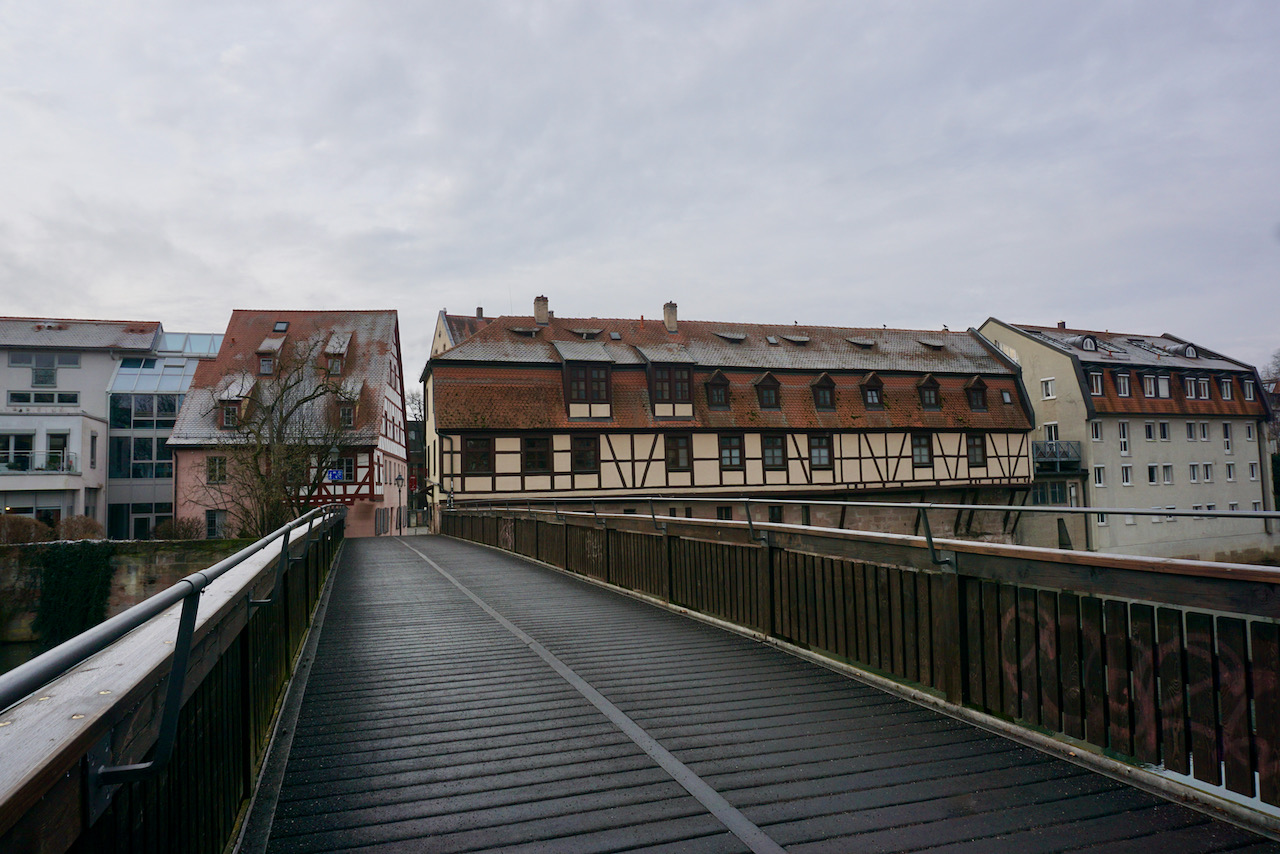
Prior to visiting, most of what I knew of Nuremberg (Nürnberg in German) was that Nazi war criminals had been tried there and justice had been served. However, there is a great deal more to this medieval town and I was glad to spend a few days there.
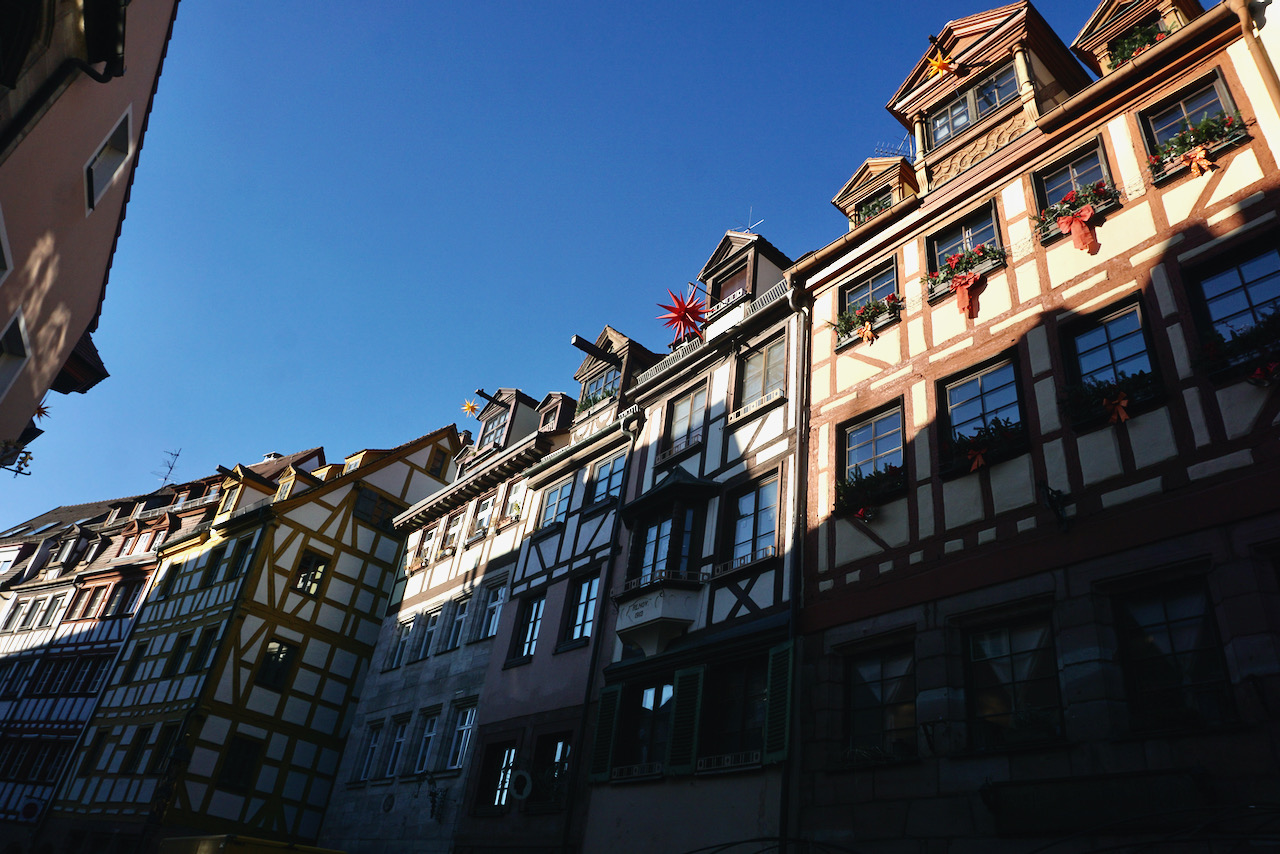
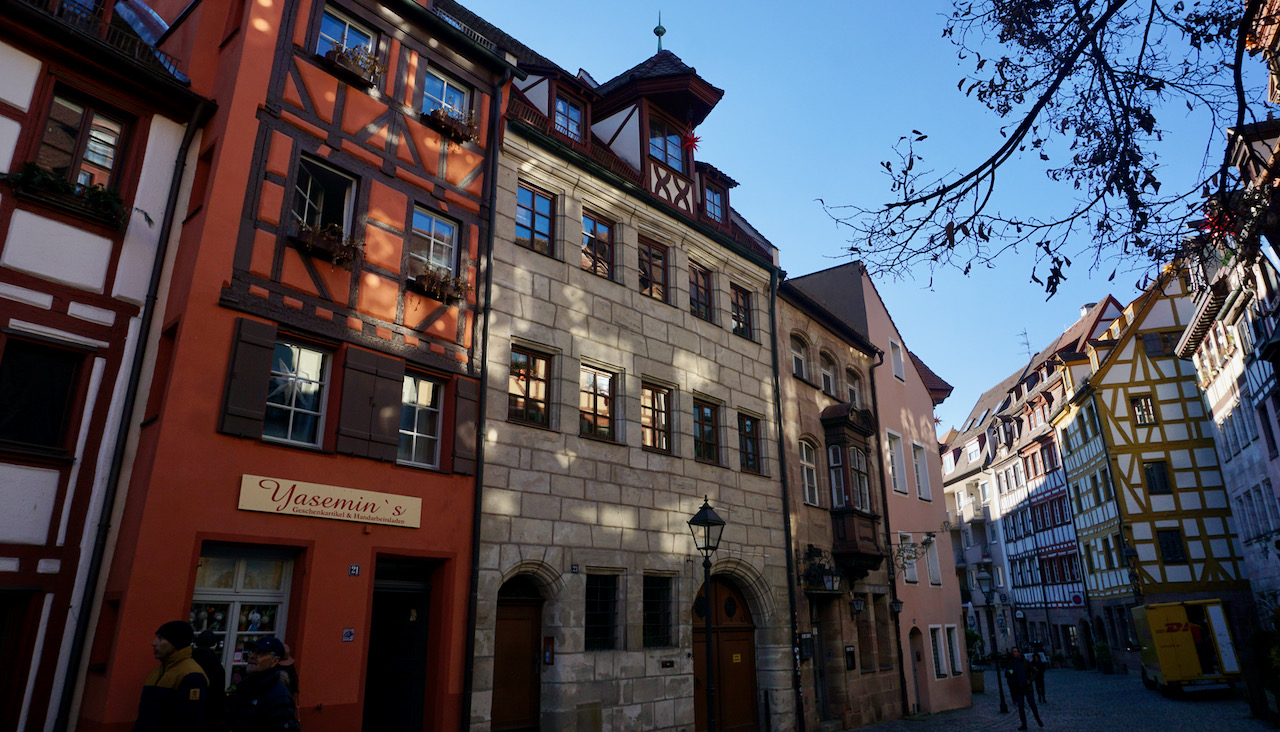
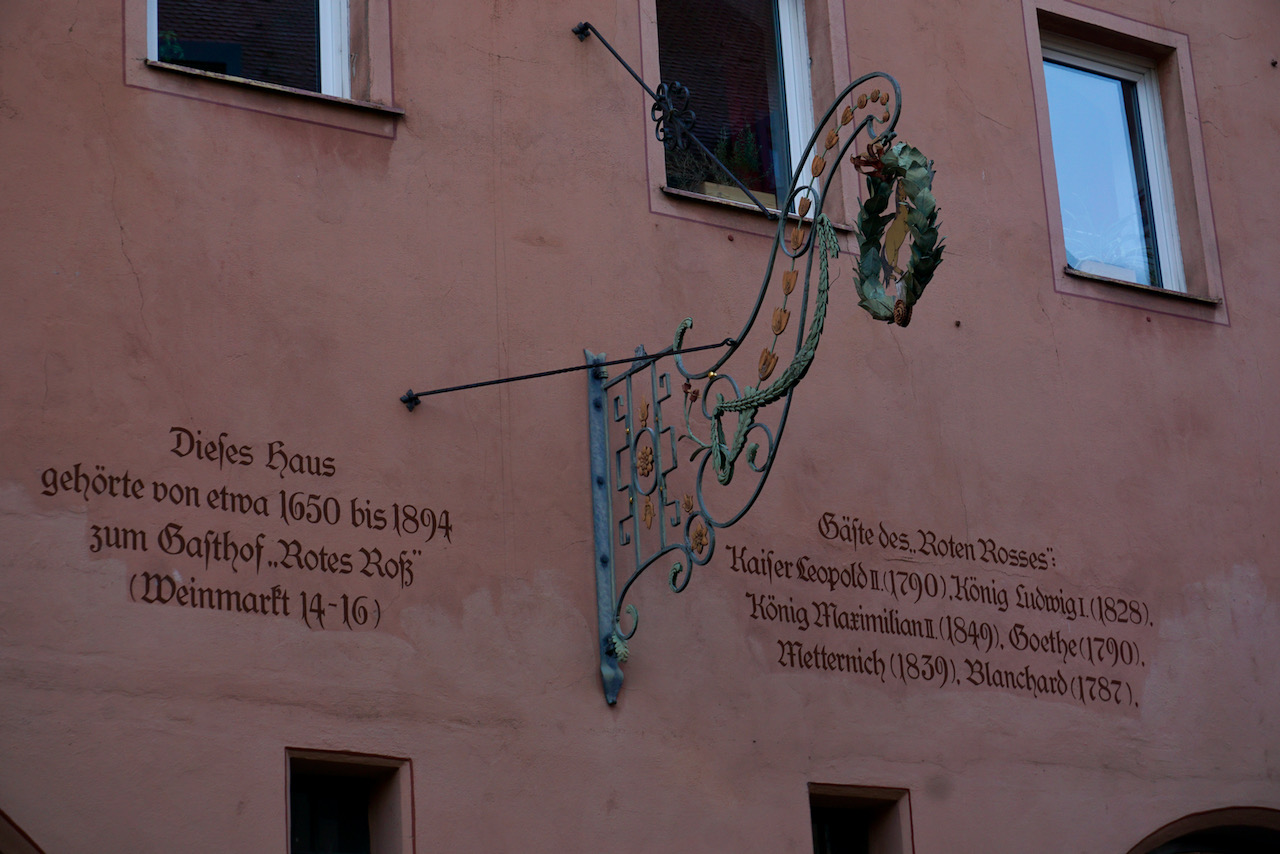
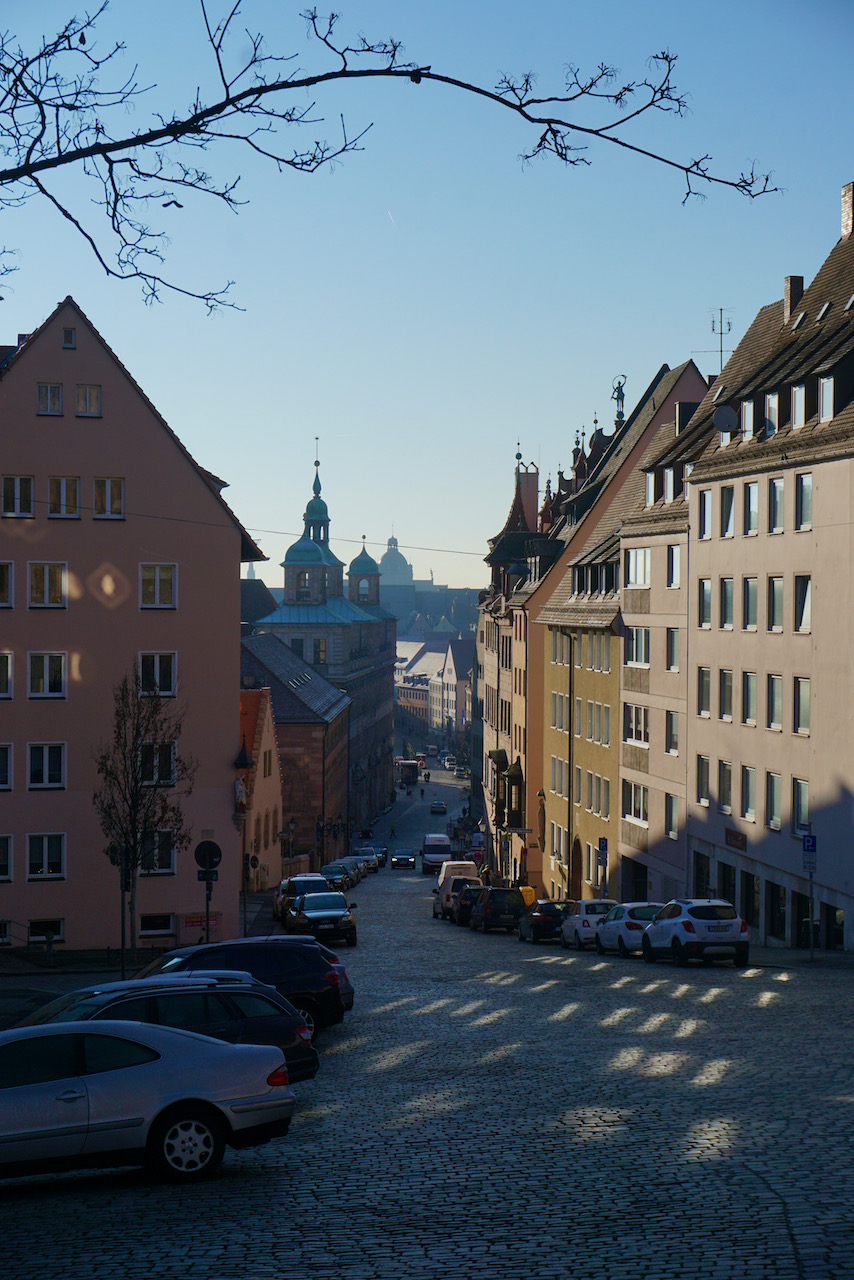
My favourite part of European cities, and the thing that painted my fantasies of the Europe I first read about in historical fiction novels, is the old town. And now that I live somewhere with an old town, I can attest that it remains as charming as on the first visit.
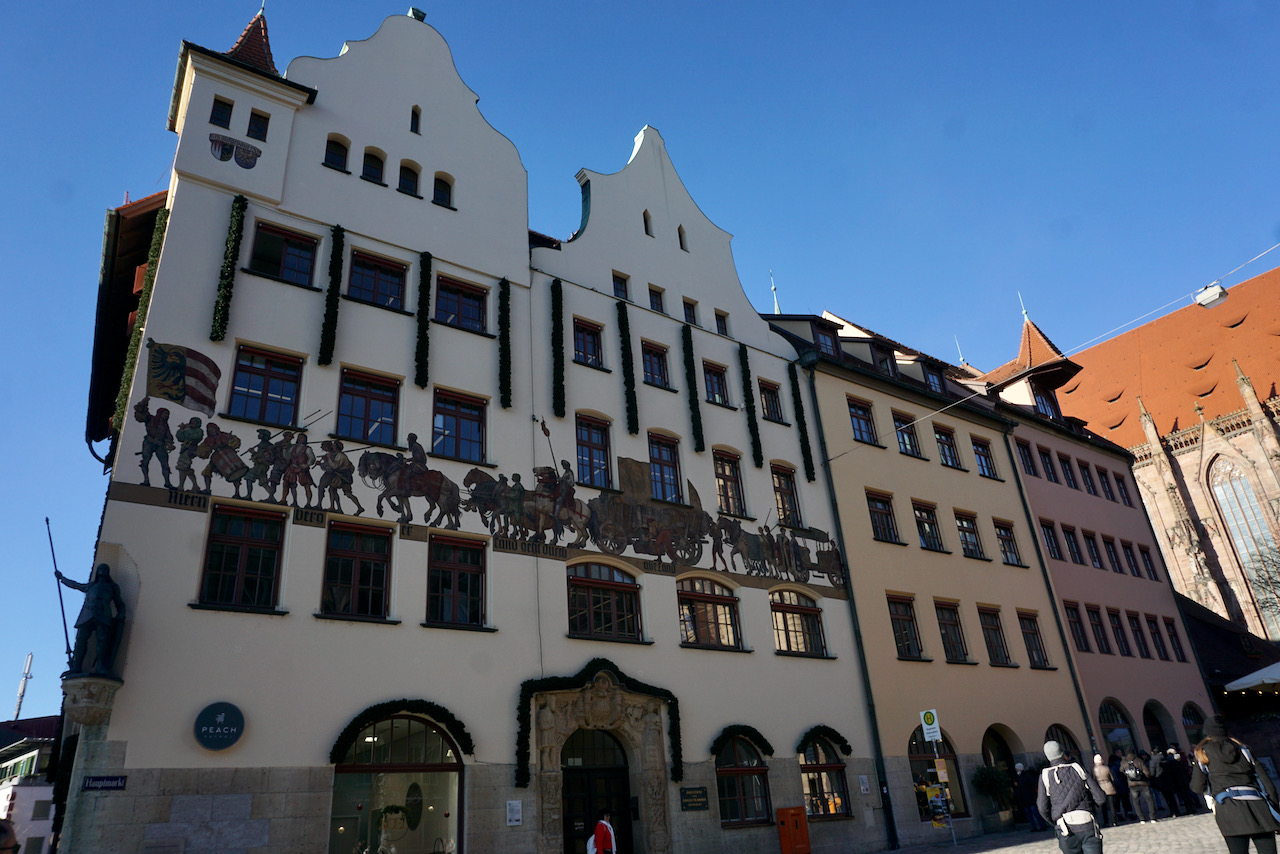
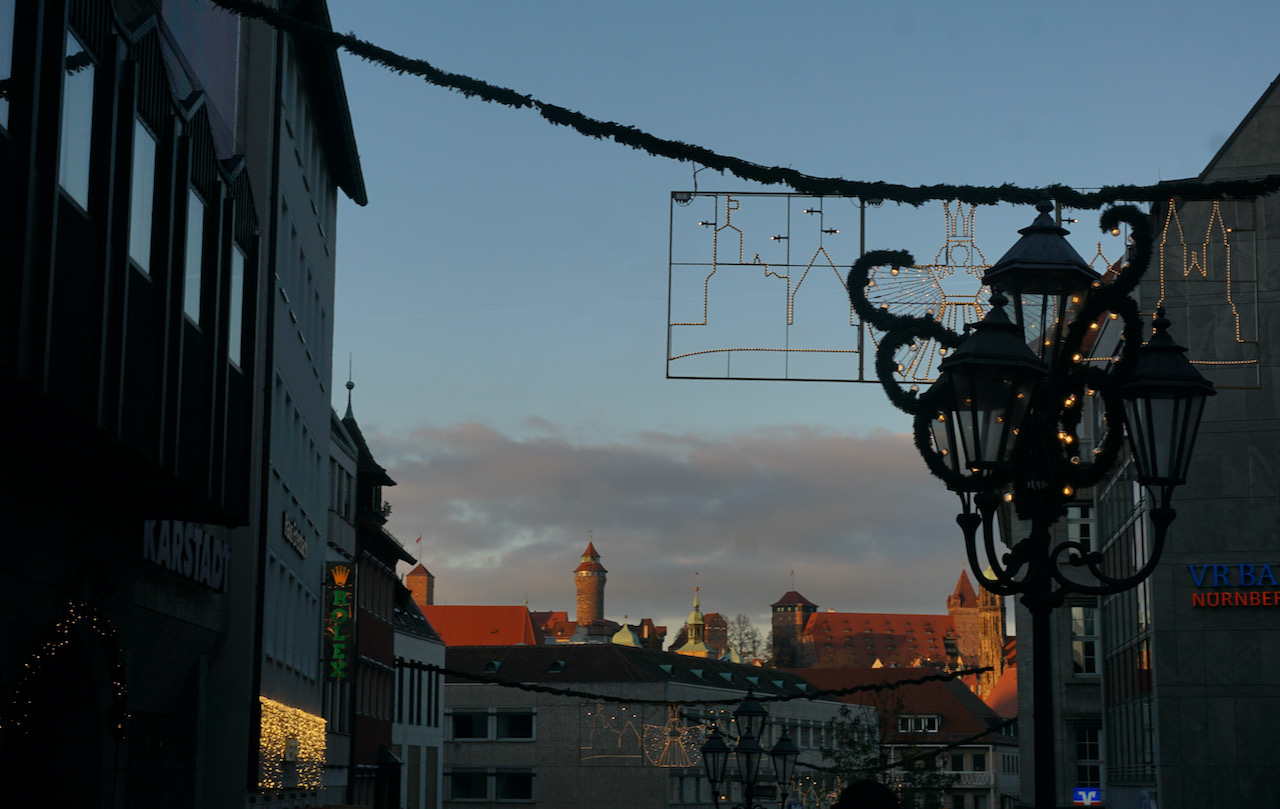
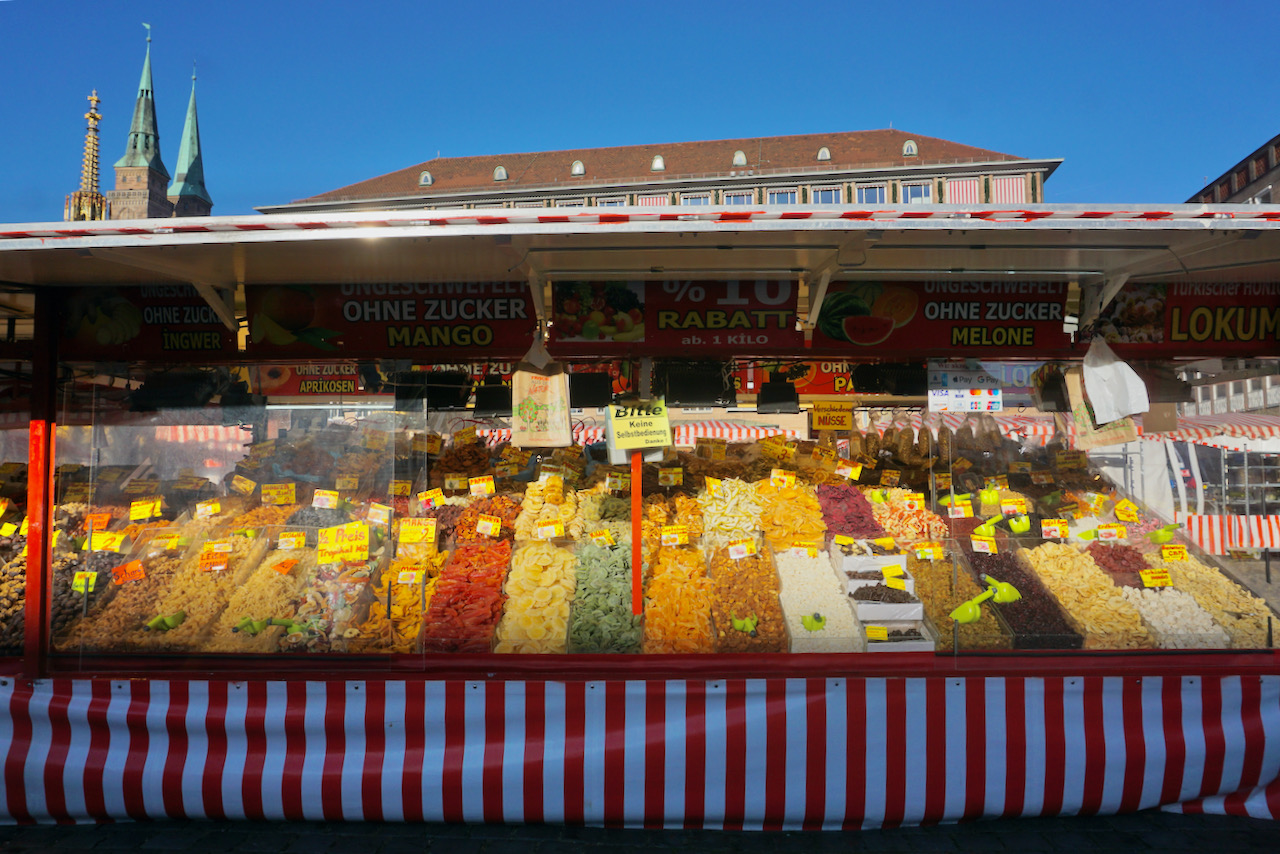
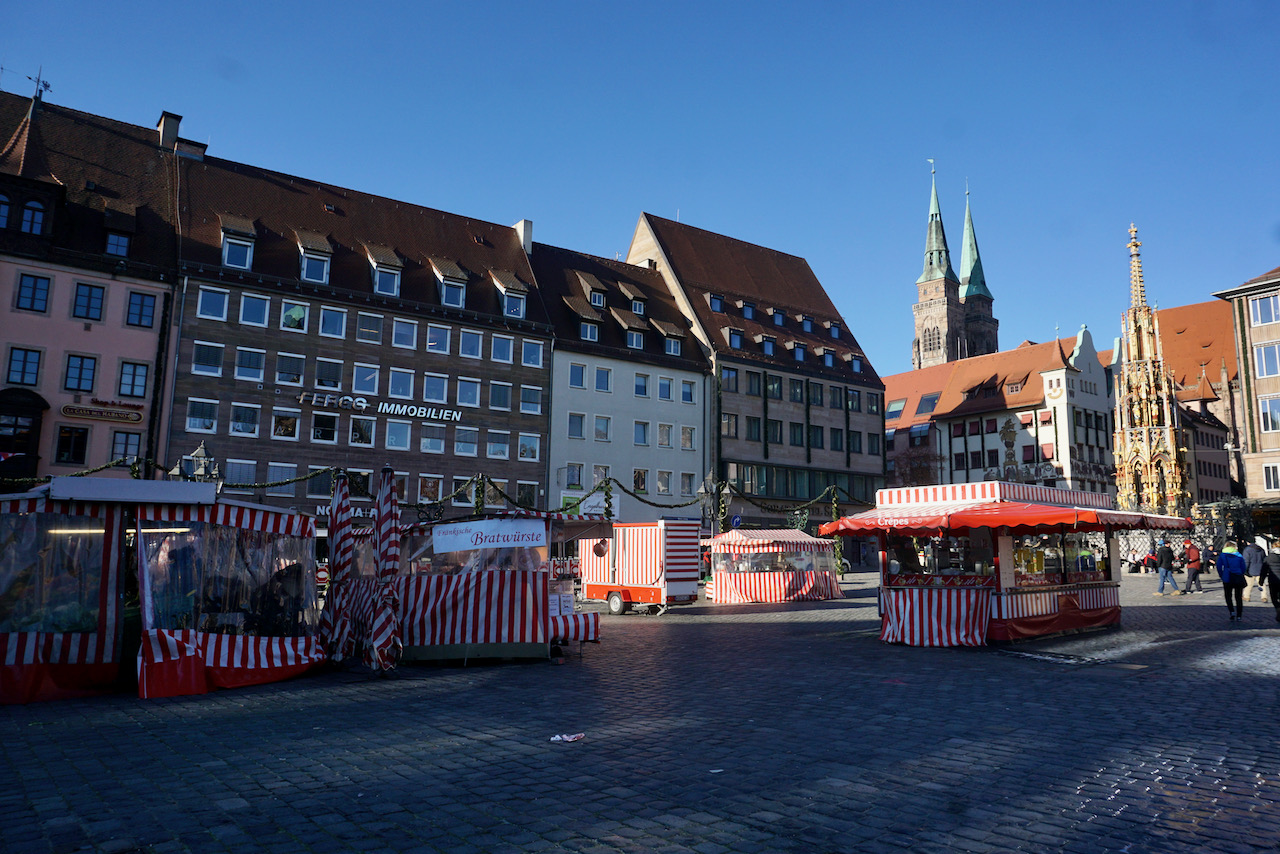
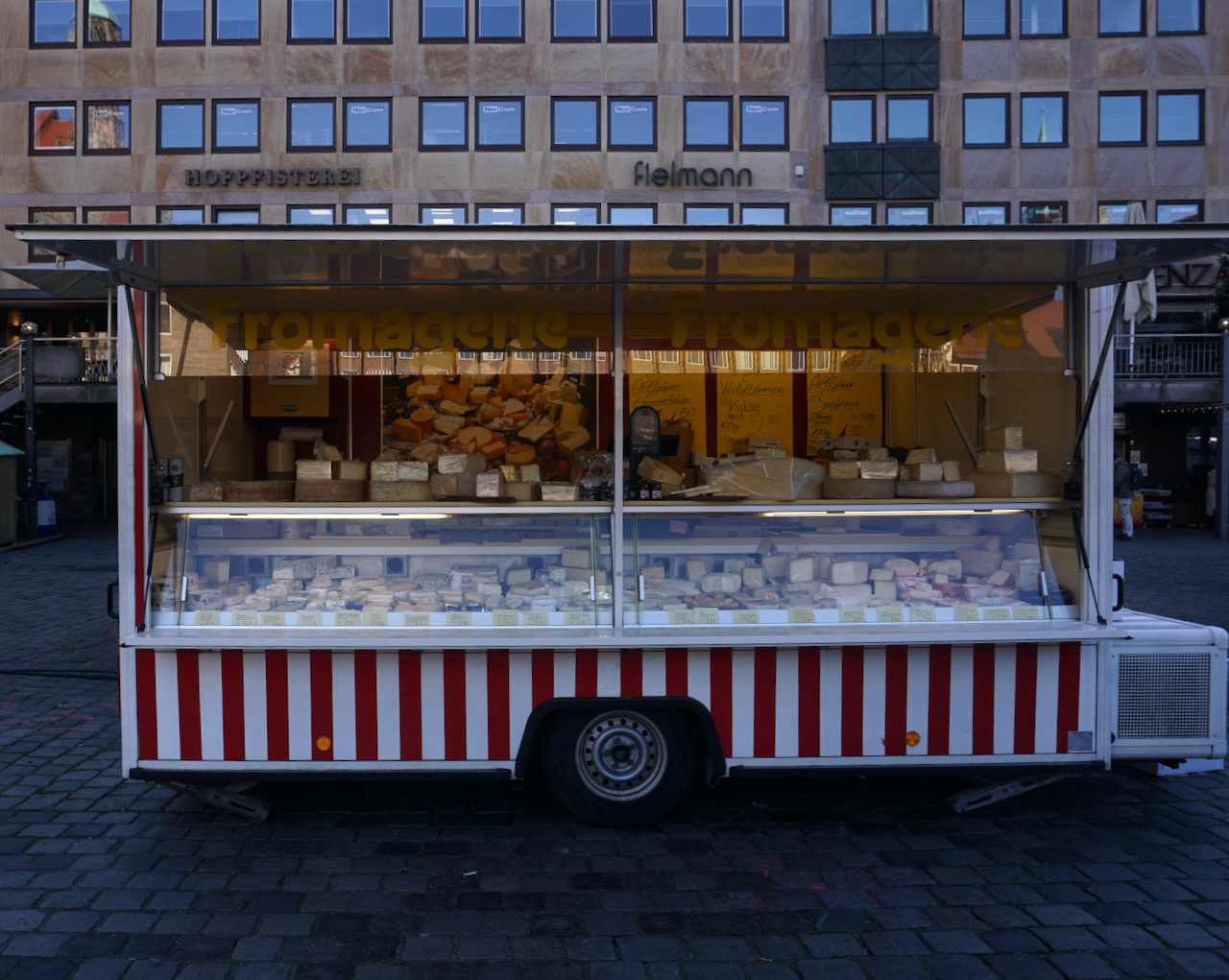
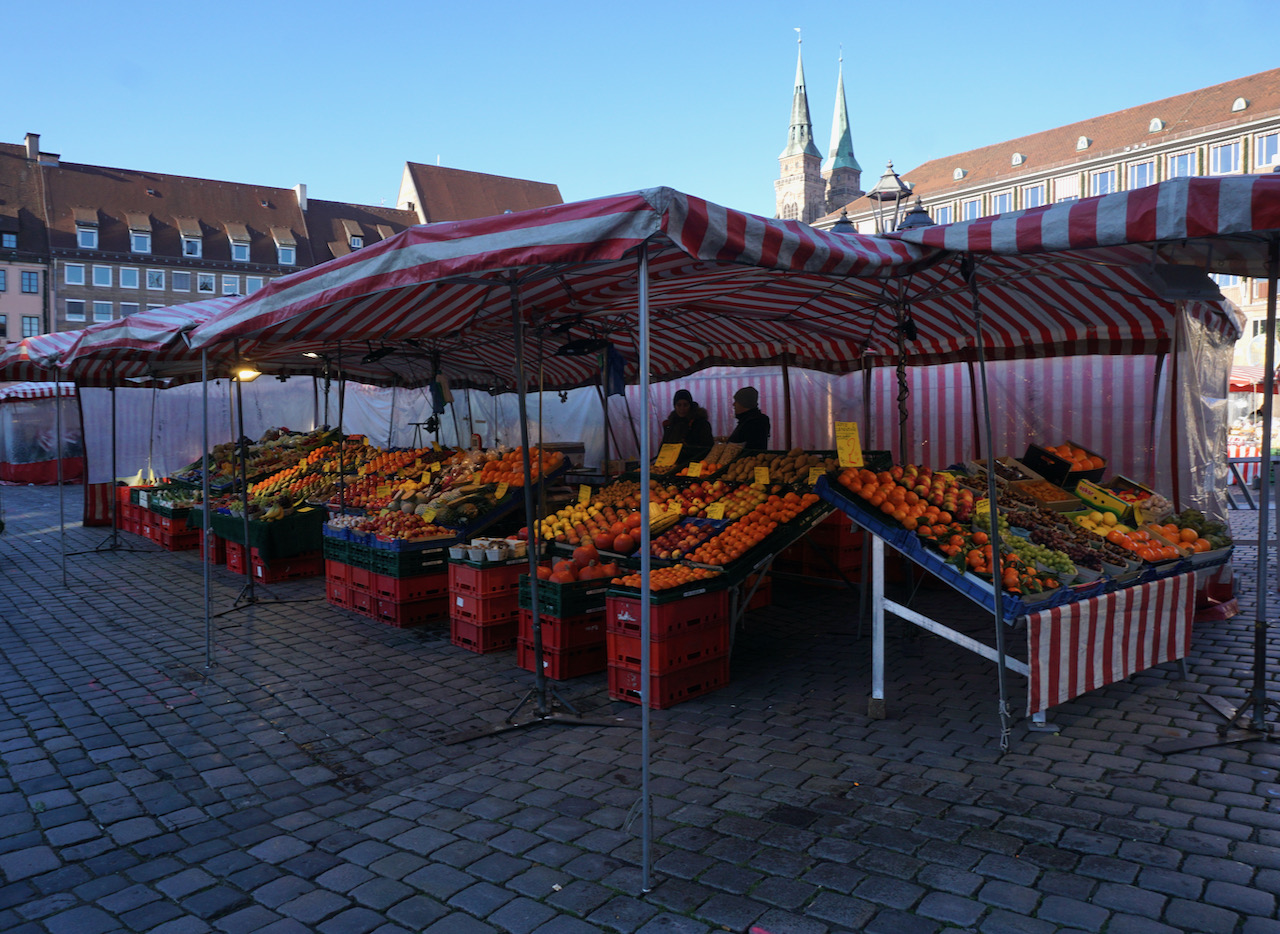
Although Nuremberg’s famed Christmas market was closed due to Covid regulations, the main market remained open and I was pleasantly surprised by its variety. Nuremberg is a city of just over 800,000 people, several universities, and what seemed to be a large immigrant community. I heard more languages than I have heard in a while, which was fun, and there was a greater variety of vegan food here than I had expected, as well as cuisine that I cannot get in my small town.
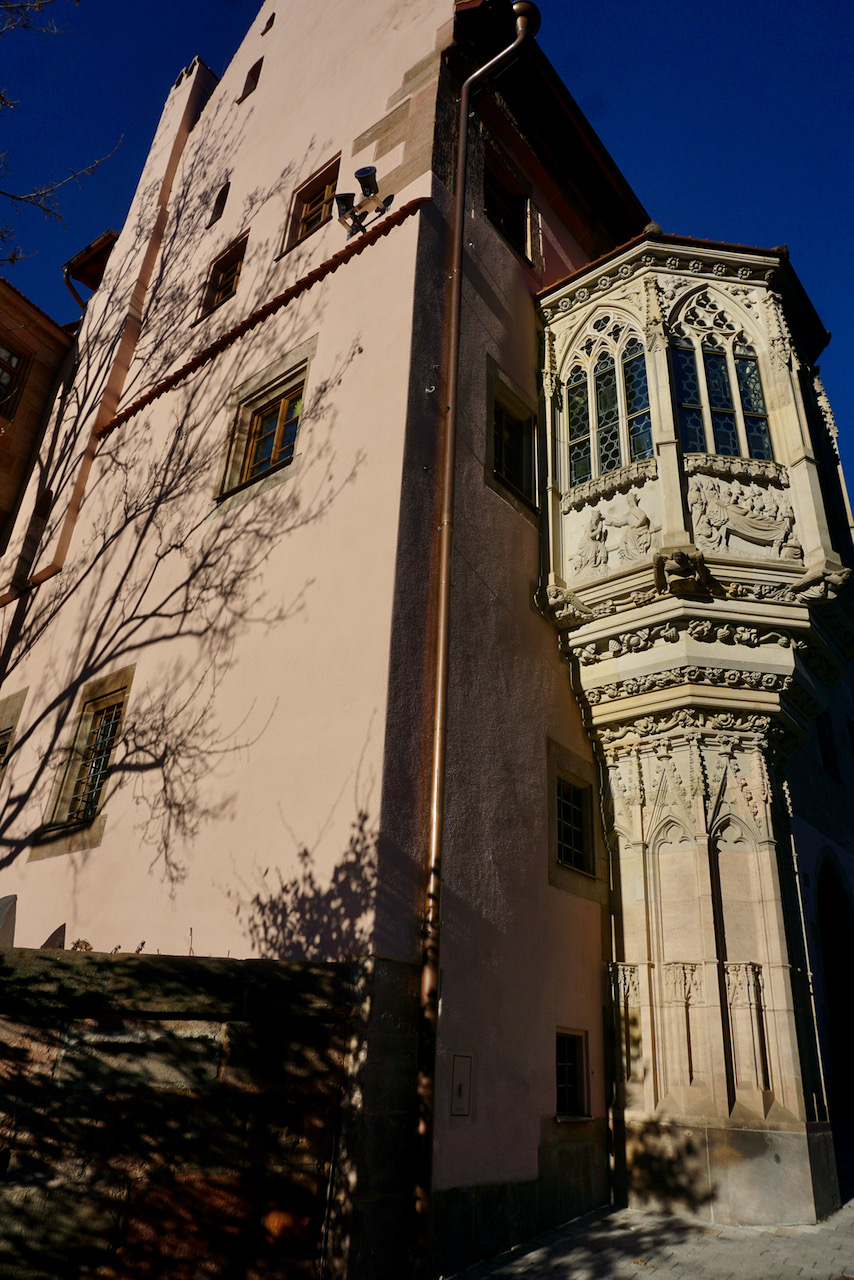
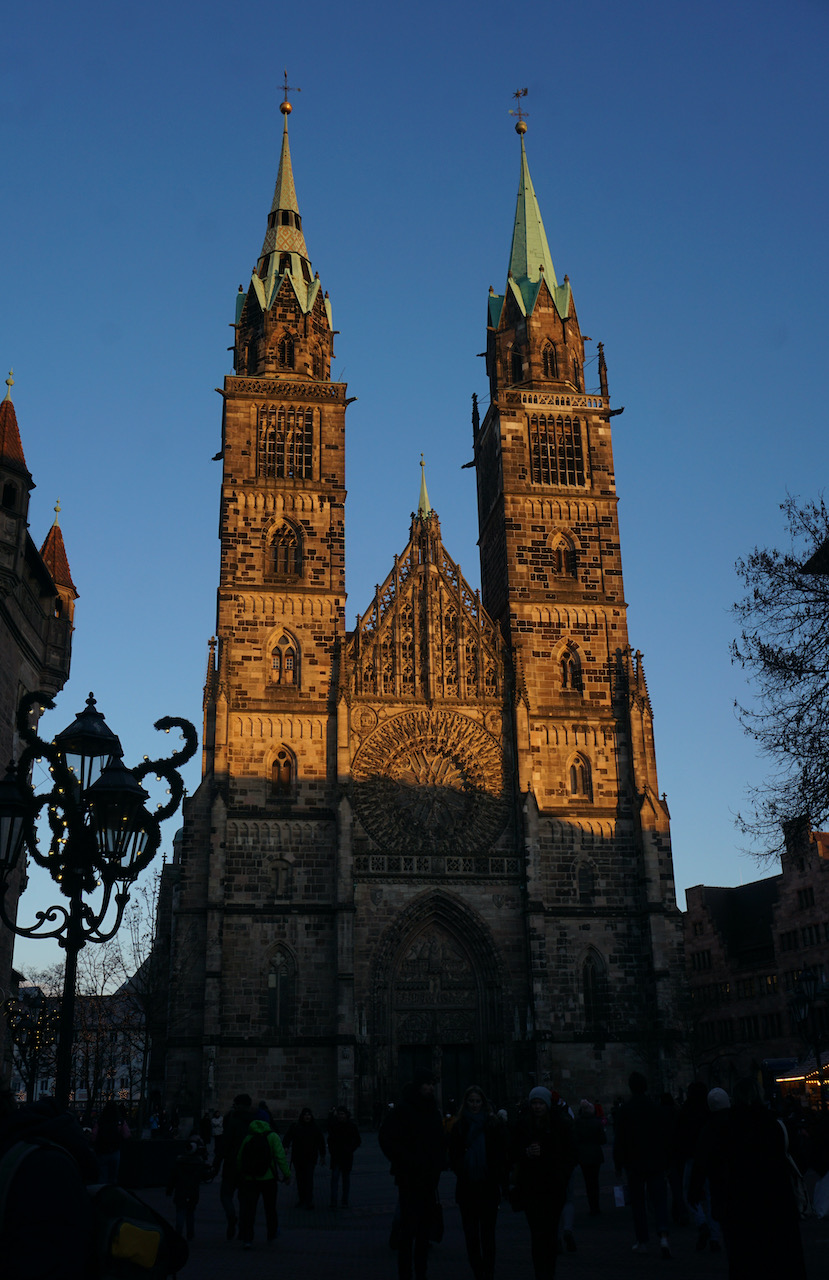
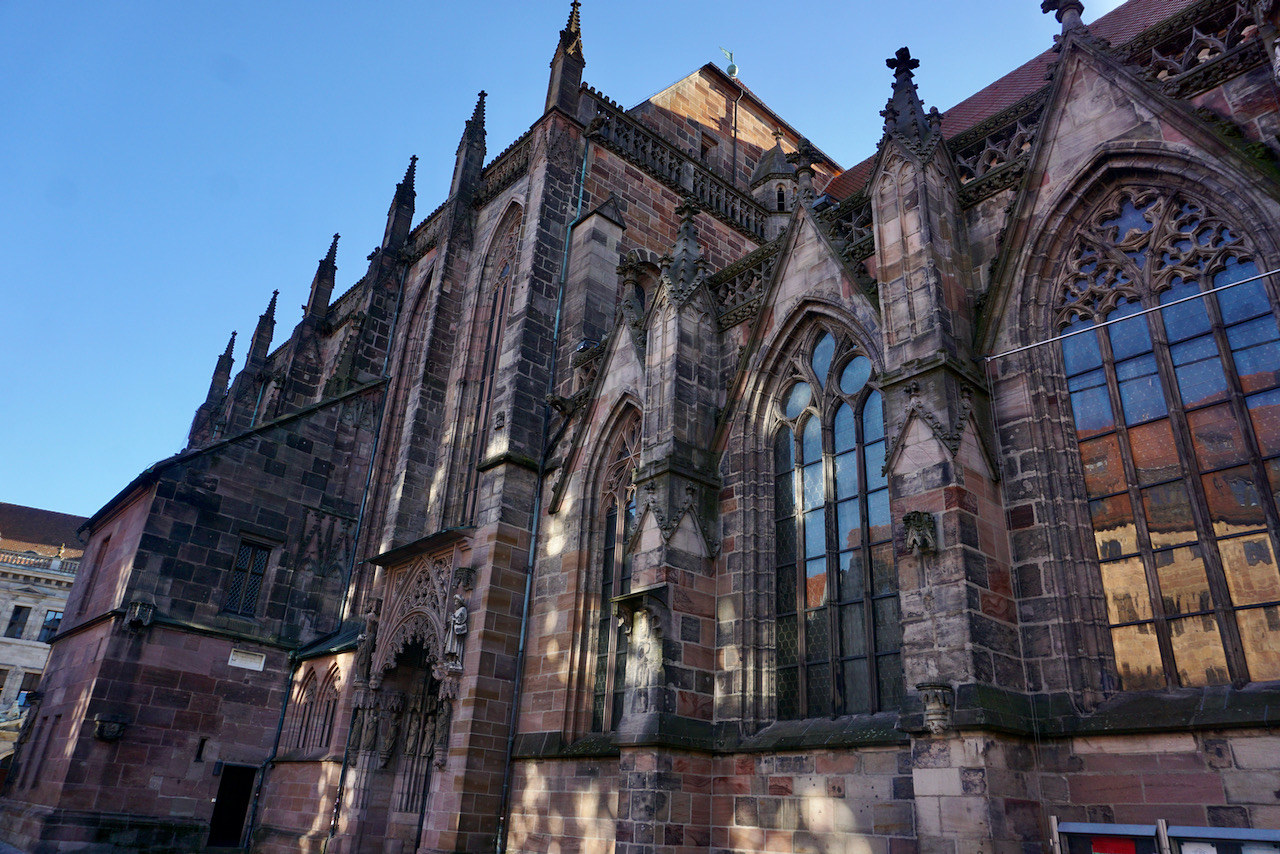
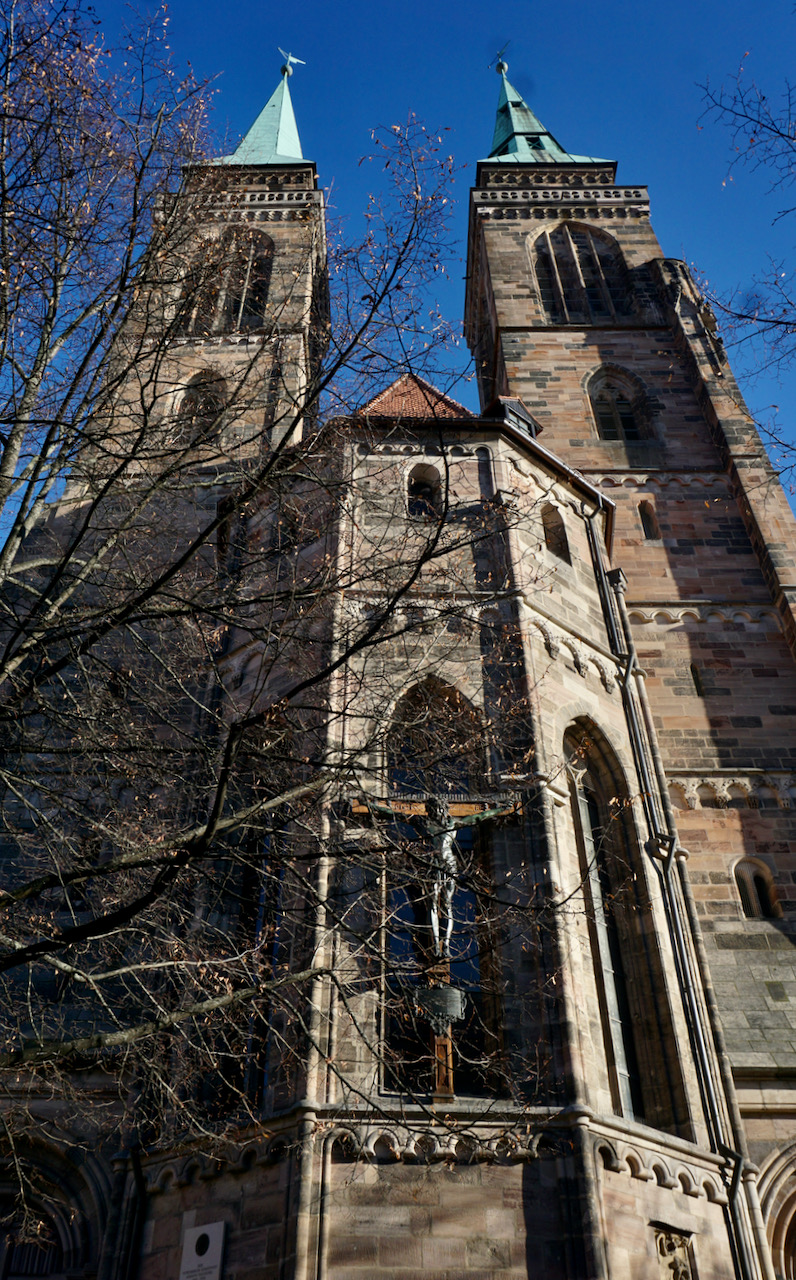
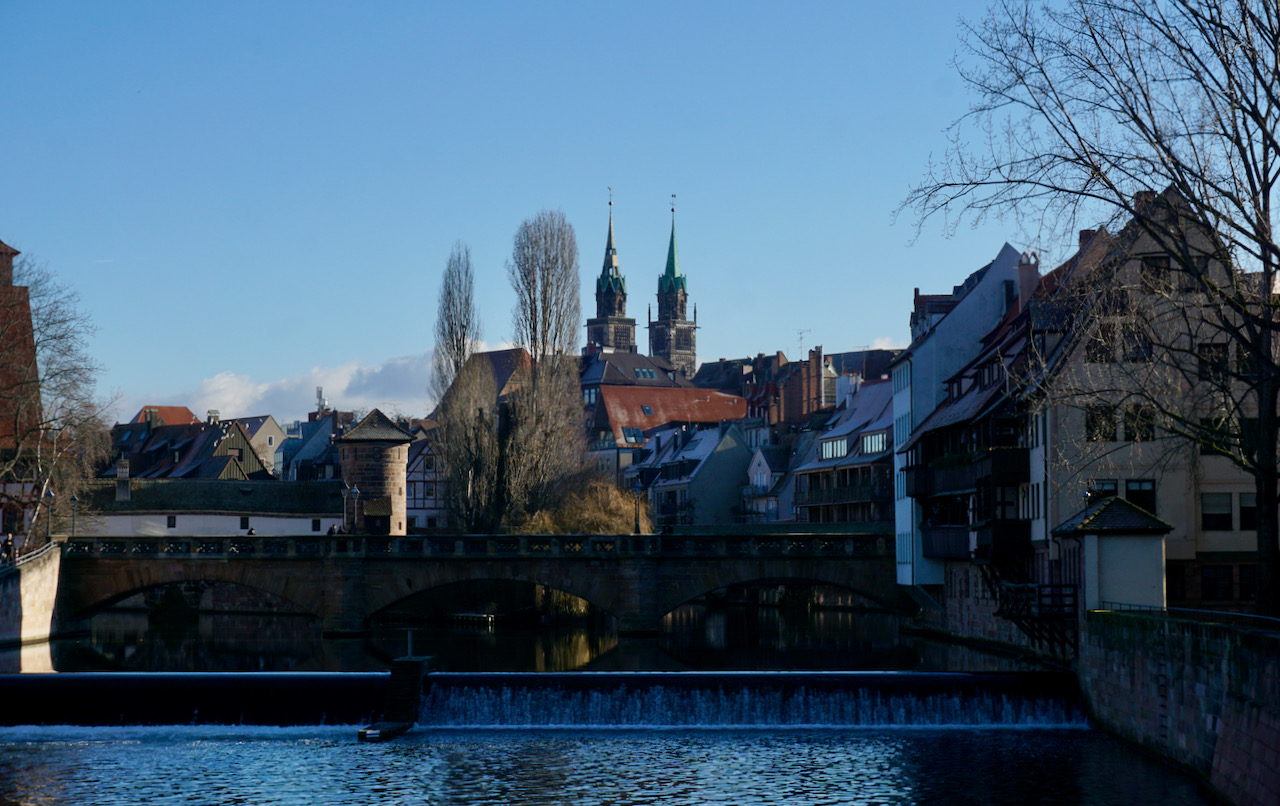
I had been told that Nuremberg has beautiful churches, and this was certainly true. Ken Follett’s Pillars of the Earth came to mind; I know the building of churches and cathedrals was anything but romantic but they certainly provide an atmosphere to a place.
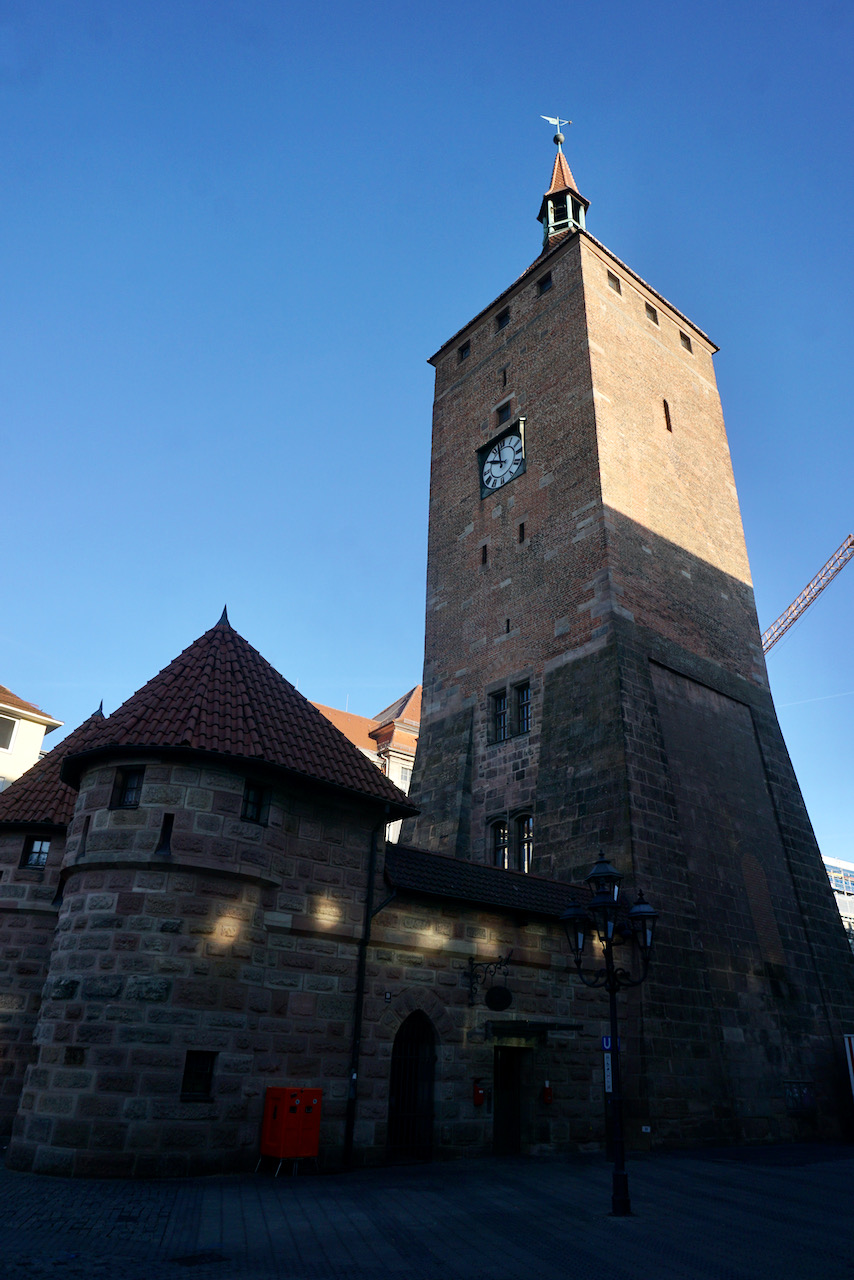
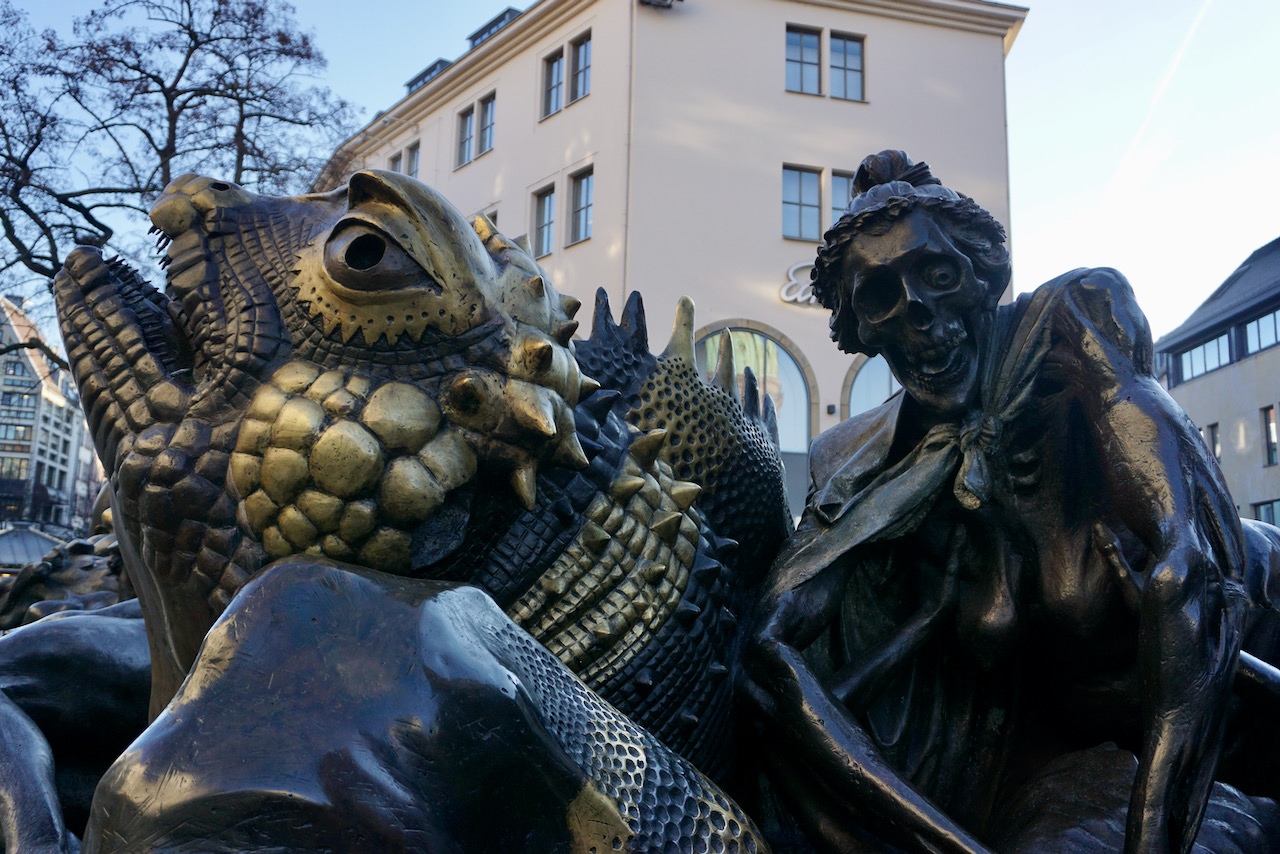
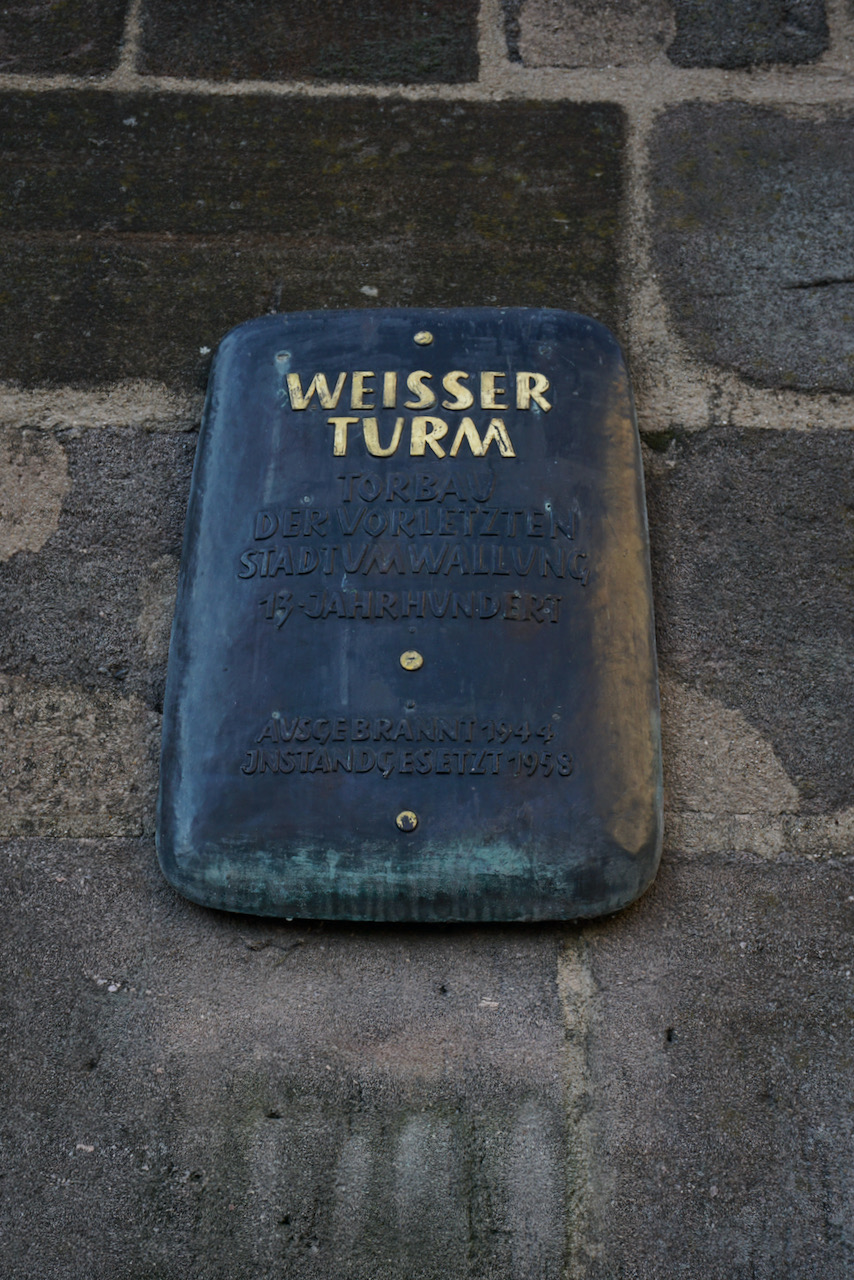
I had also been told to visit the landmarks of the Weisser Turm and Ehekarussell, the latter of which is a rather whimsical look at a marital relationship.
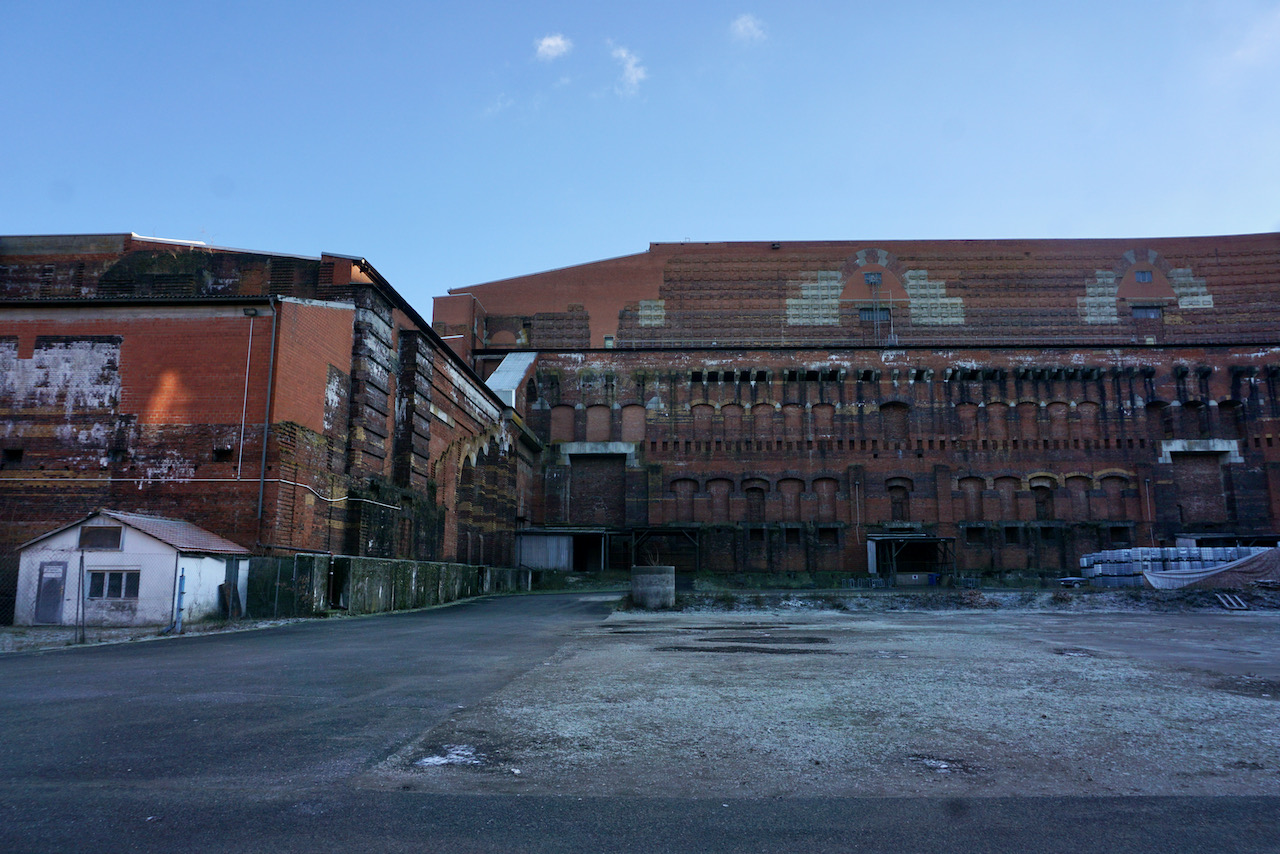
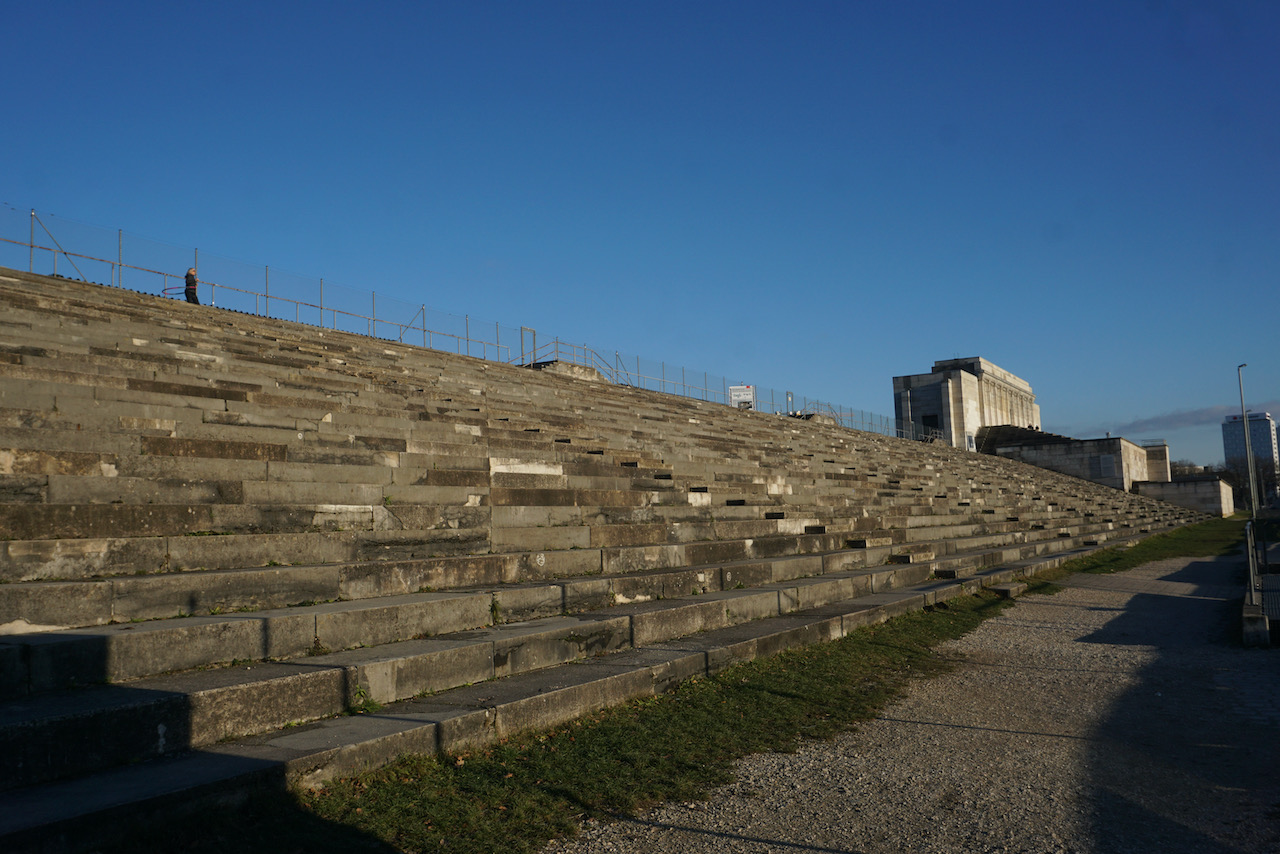
But no city is charming alone. No city is without a history, and sometimes that history is dark. I had two destinations in mind to pay homage to Nurember’s more recent history, which is why I caught a tram to the Documentation Center Nazi Party Rally Grounds on the first afternoon. The air field and still unfinished stadium complete with grandstand was the site of the Nuremberg rallies from 1933 to 1938. It was a cold afternoon with bright sunshine and shocking blue skies, and it was beautiful around the water. I am familiar with the history, but I never think about it with blue sky. Maybe that’s what made it difficult to be there.
And maybe that’s why it was important to be there. The woman with the hula hoop illustrated the juxtaposition of the atmosphere and I paused for a moment for think.
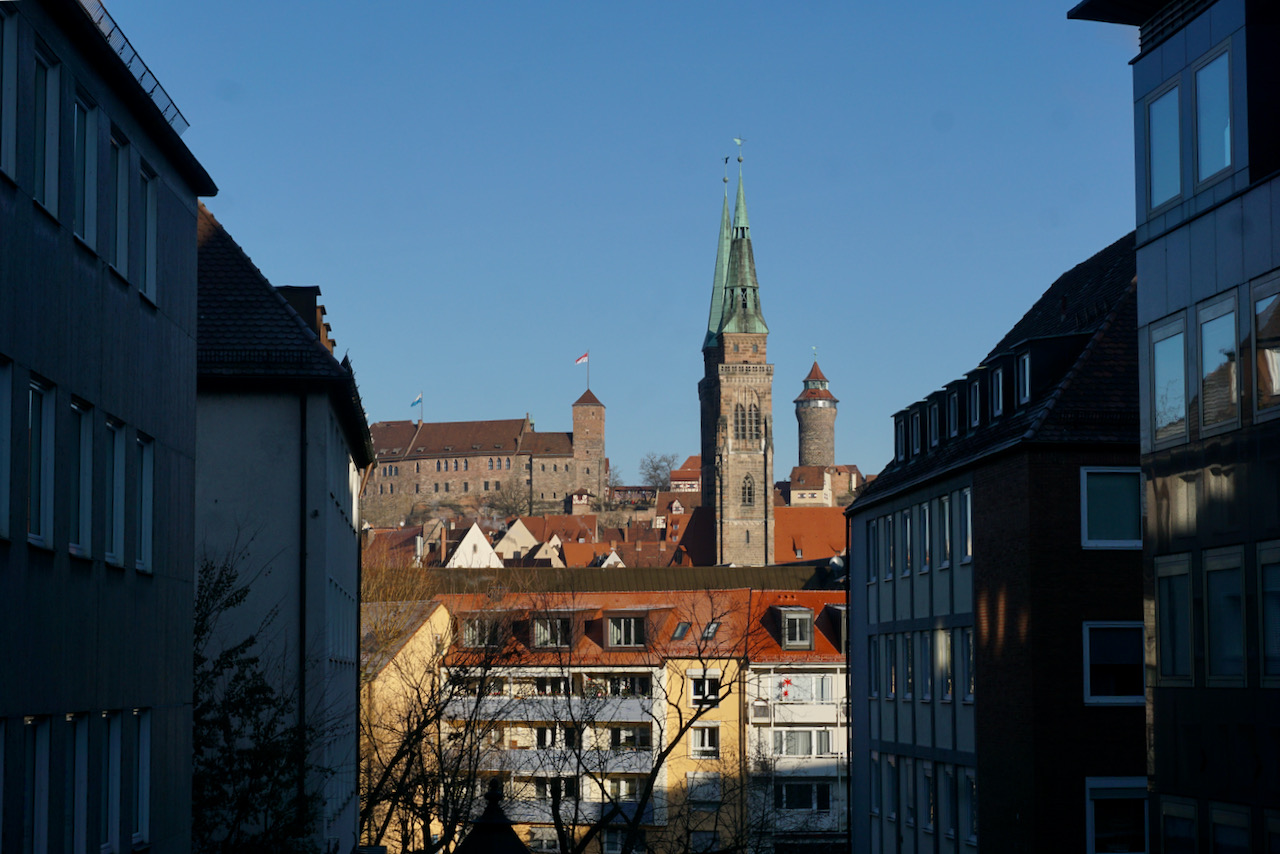
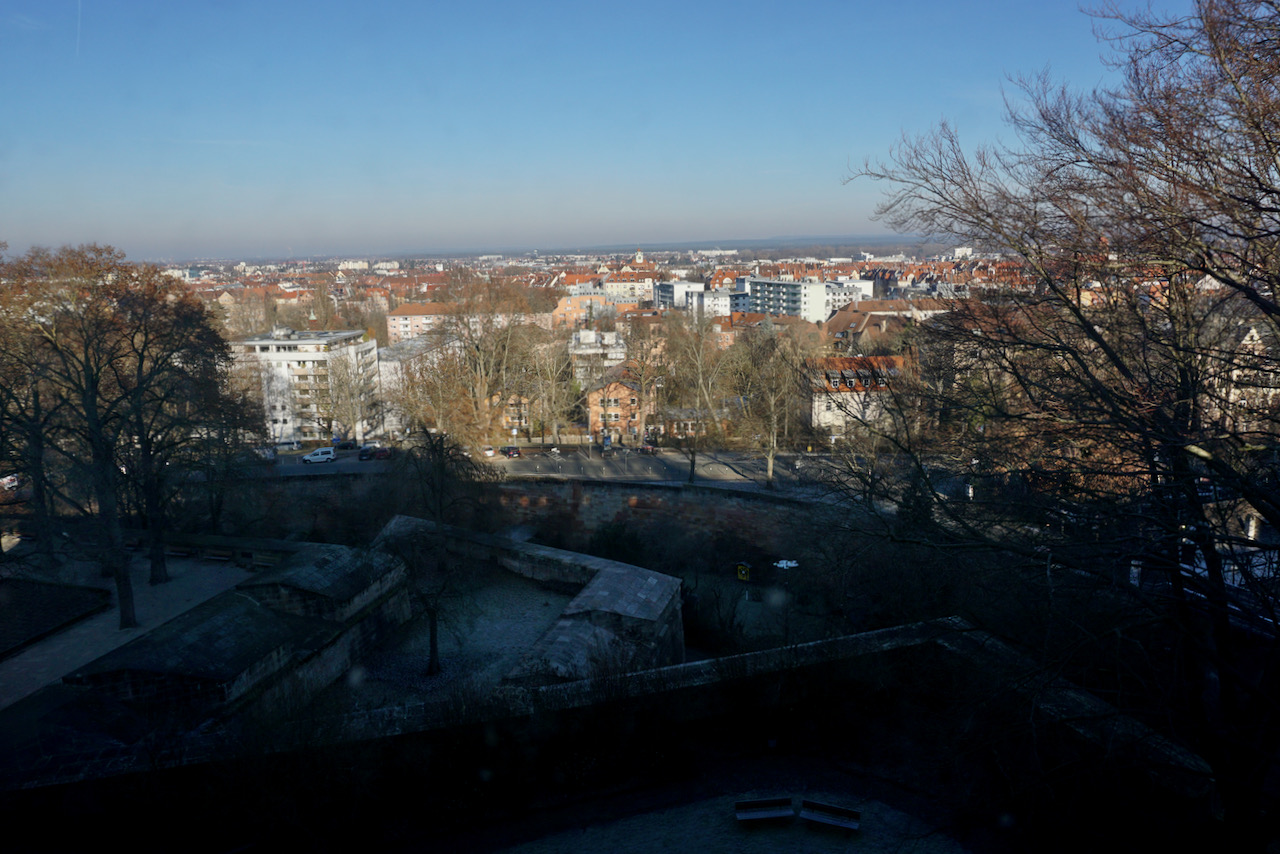
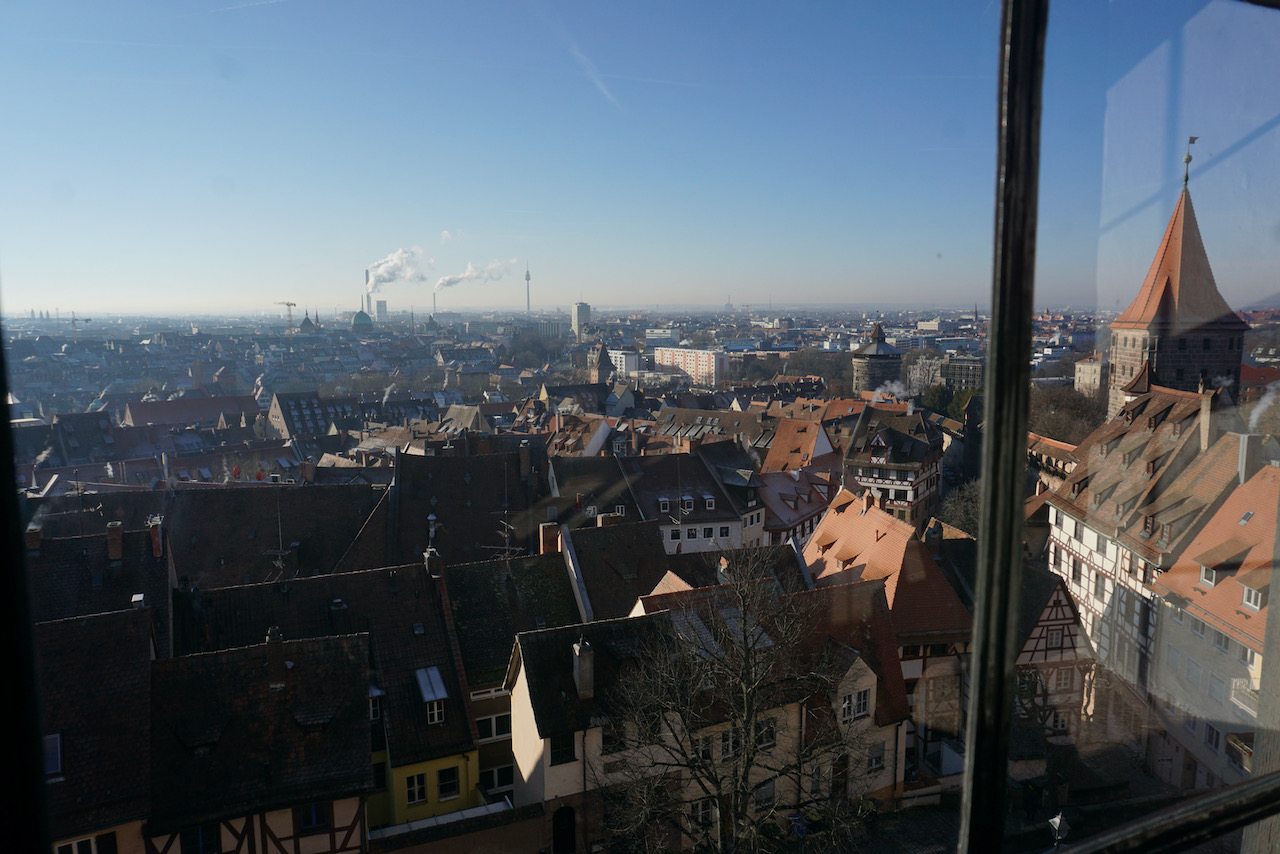
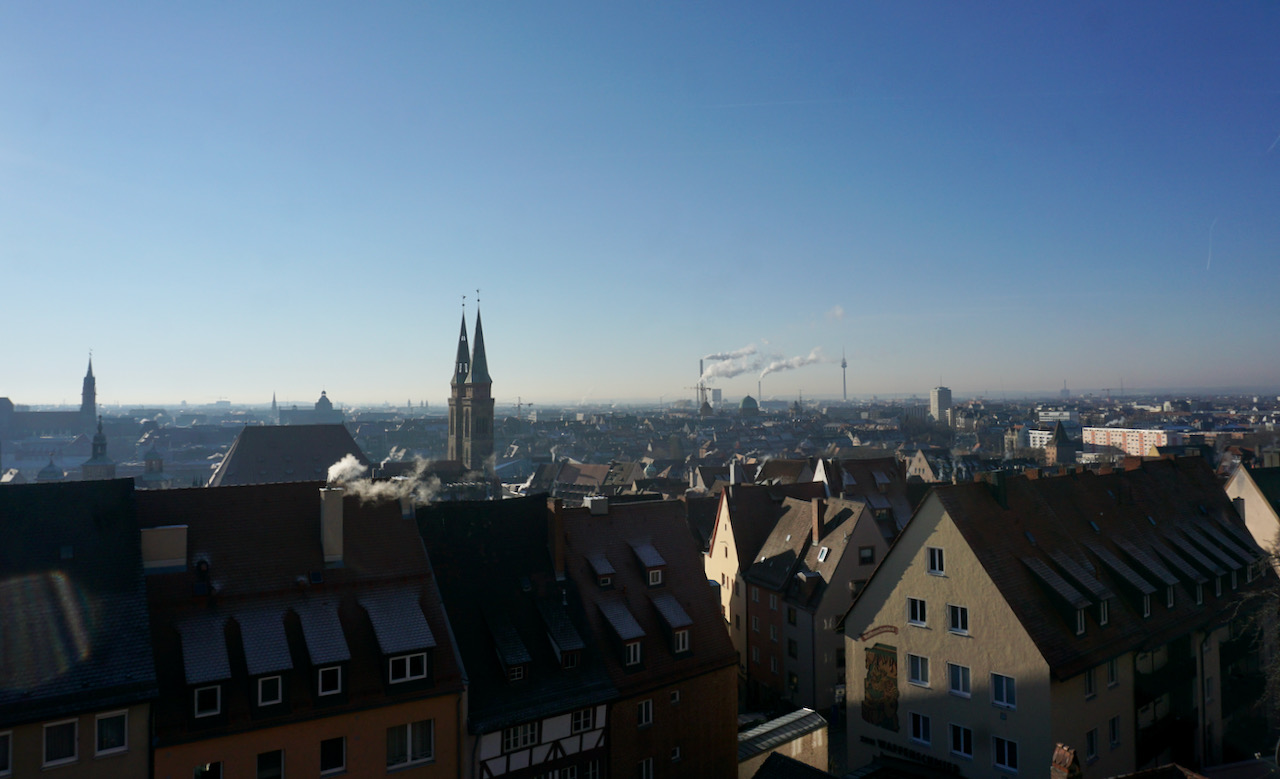
The following very cold morning, I returned to medieval history to visit the Kaiserburg, Nuremberg’s castle dating back to the Holy Roman Empire. It provided wonderful views of the city and the museum, which I visited as a respite from the cold, provided a nice overview of the previous nearly 1,000 years.
As someone who grew up in North America, I am still tickled by the thought of structures that have been, in some form, in the same location for such a long time. And I am saddened by the fact that North America, though it is not often considered in this capacity, has an equally old history, so much of which was destroyed by people who found no value in knowledge of the land and its environs.
As a contrast, though times are changing, I had earlier passed a memorial for LGBT victims of the Holocaust. This was a reminder of how we move beyond atrocity.
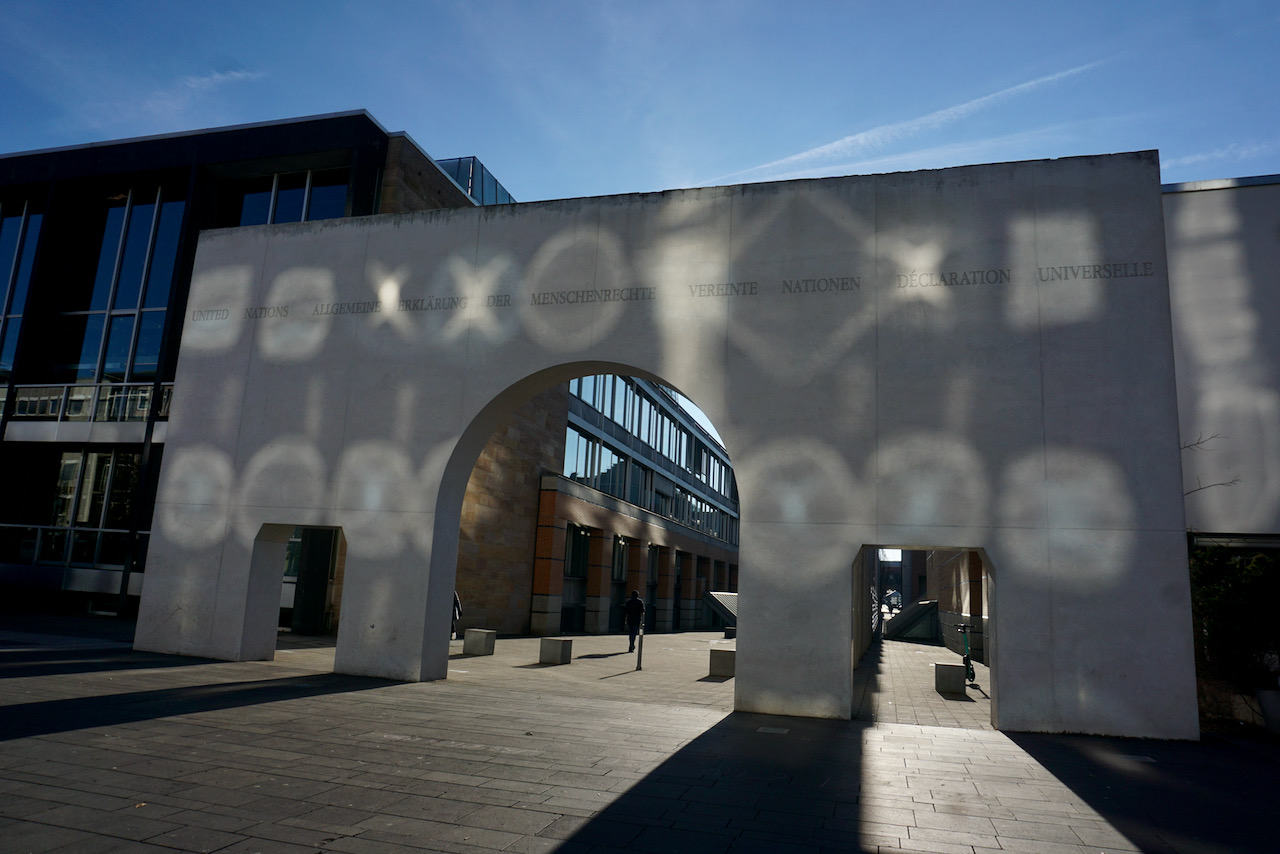
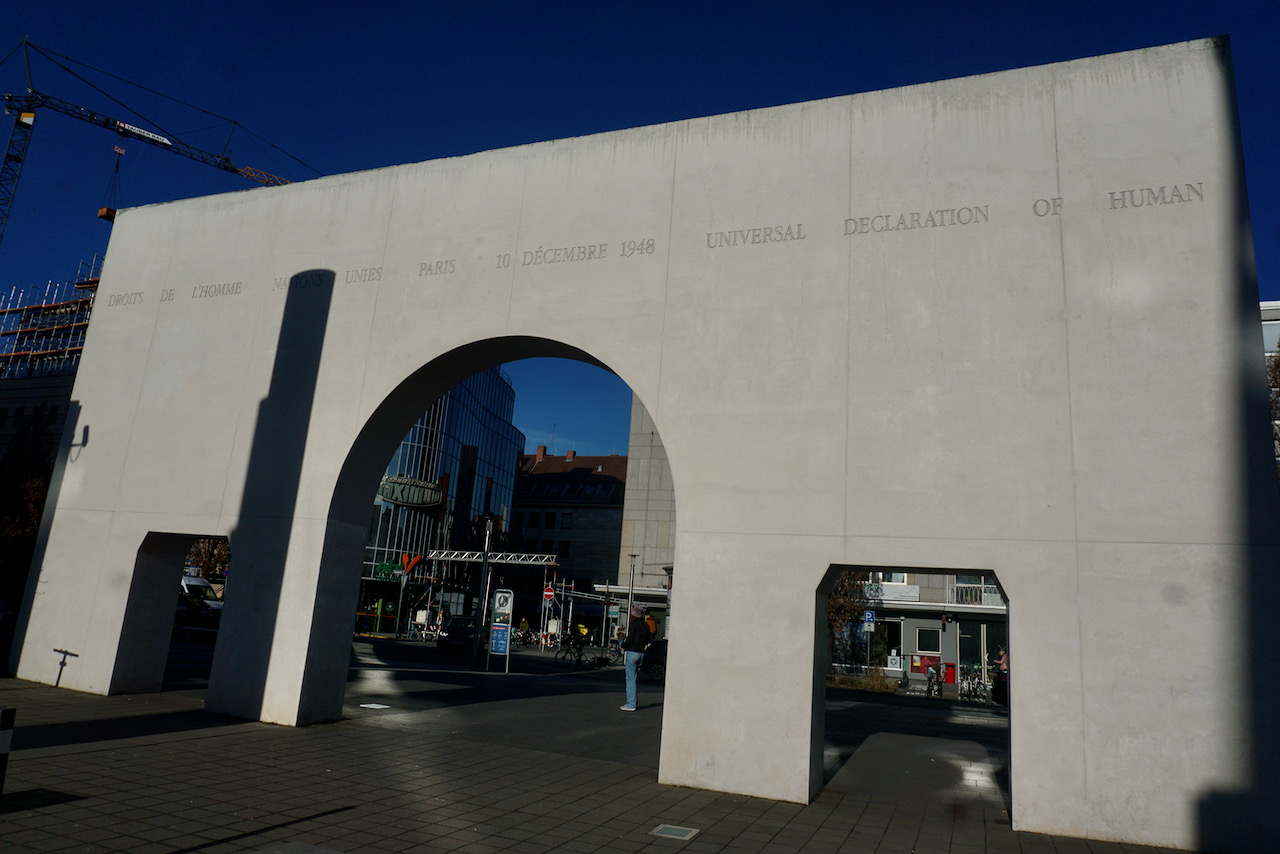
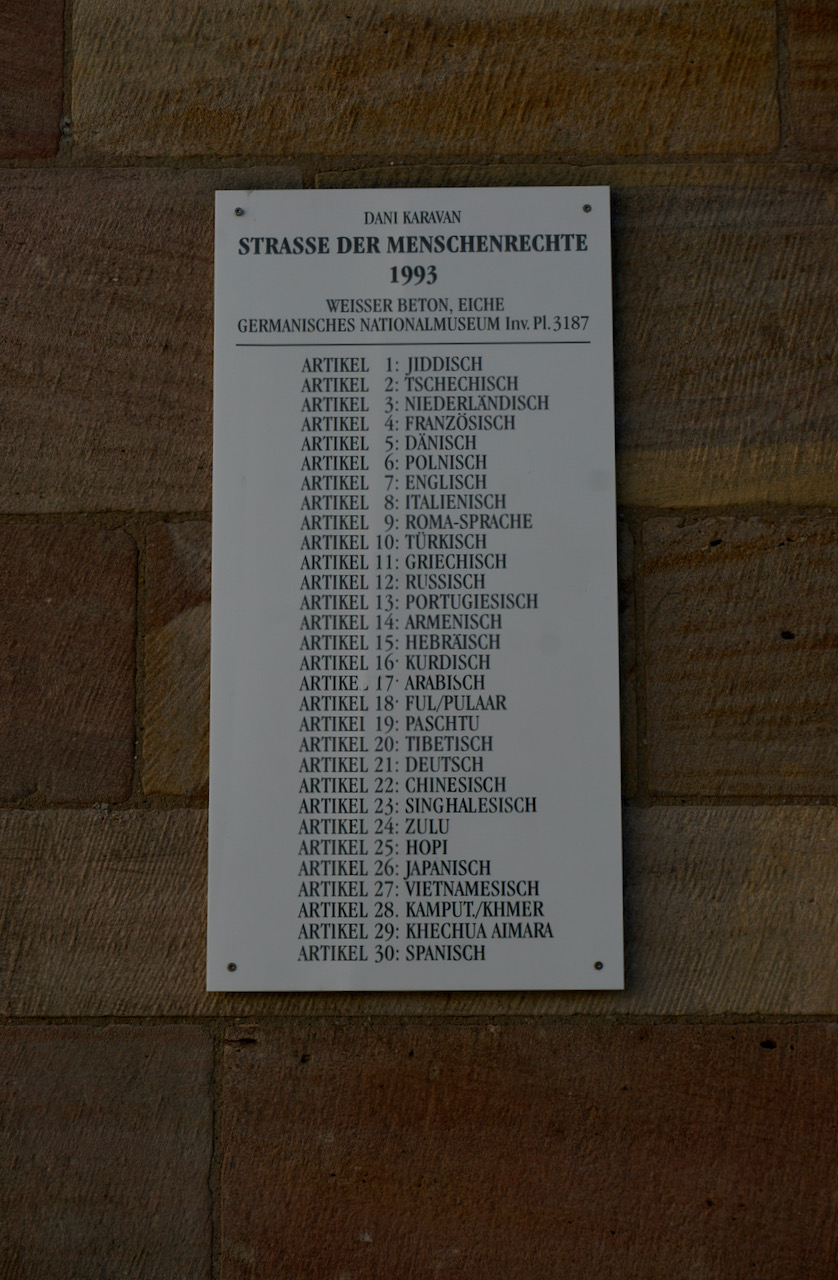
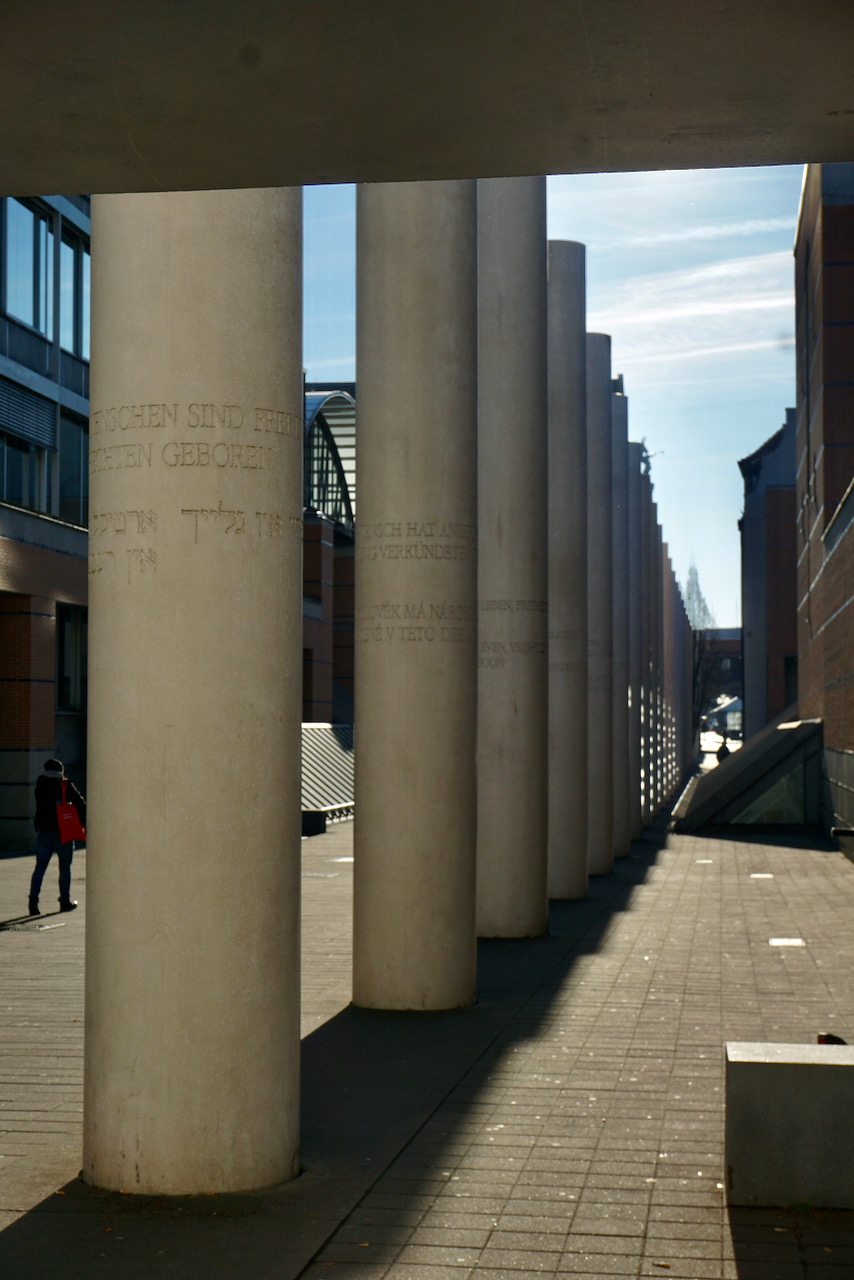
There is a history of hurt the world over and it is only through active awareness of it that we can live up to “Never again”. This attitude is also what made my later destination, the Way of Human Rights so poignant. And perhaps I am looking for signs (I don’t believe in signs but I also don’t not believe in signs) but the sunlight did take on significance that was likely undeserved.
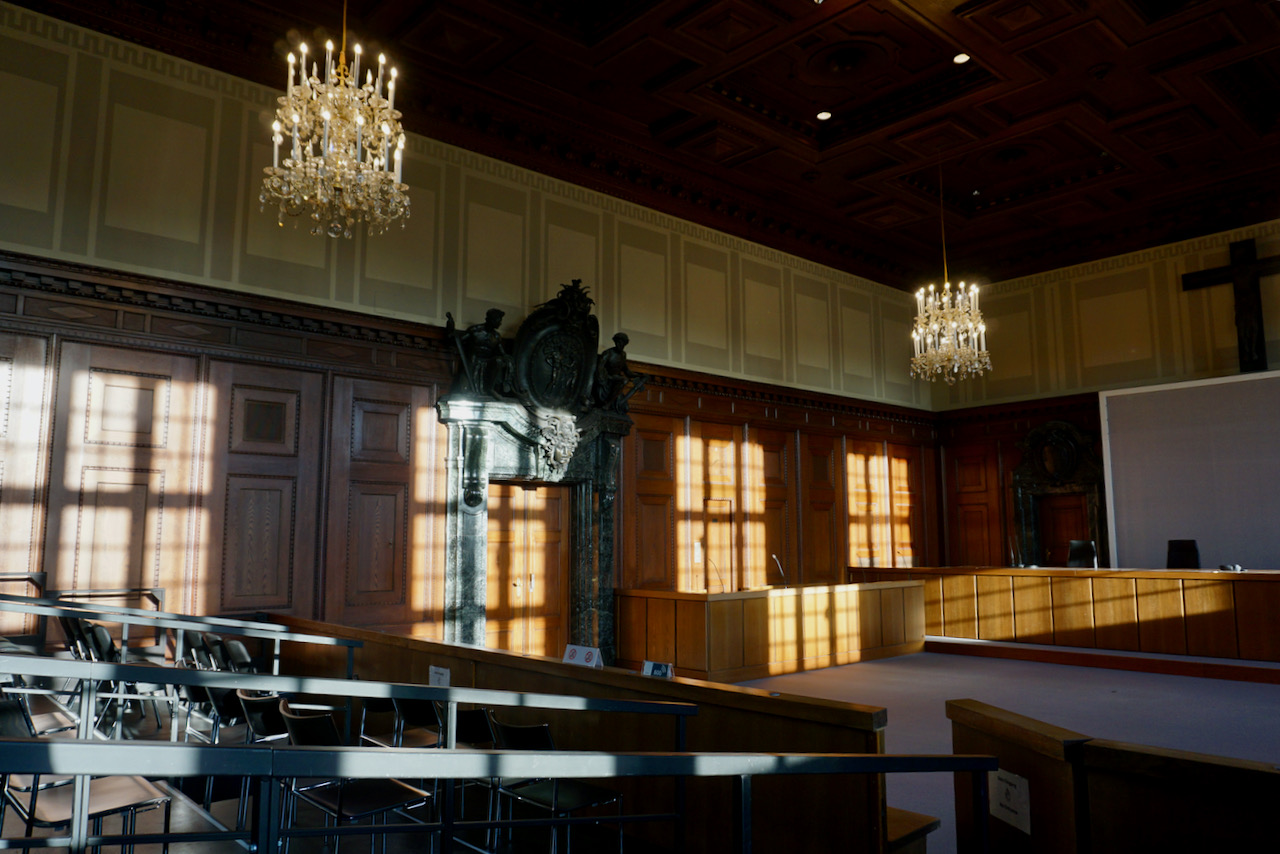
I intentionally stopped at the Way of Human Rights on the way to the Memorium Nuremberg Trials and Courtroom 600, the room where the trials took place. It is still in use today and the audioguide provided a clear description of what the room would have looked like at that time.
It was eerie to be there, strange to see bright sunshine on the walls and to sit quietly and listen to a historical overview that I had often brushed off. I now remember why, after writing my undergraduate thesis on the Hitler Youth movement, I took a long break from Holocaust reading and research. The sense of obligation that I felt to read every single word has not gone away and each word takes a toll.
I was surprised, though, to find myself angry, and it was over Glühwein and my journal later that evening that I was able to place it. I was not angry at the perpetrators or at the bystanders. I was not angry at the deniers or those who continue spreading hate in countless communities. Rather, I was angry because the Nuremberg Trials meted out justice in a way that was reasonable, fair, and largely undisputed. These were actual trials with evidence and sentencing. Individuals were convicted as far as the evidence could provide and sentencing was carried out swiftly and with due process. These trials paved a way forward for how to deal with crimes against peace, crimes against humanity, crimes of war.
And yet, there is so much bias in legal systems today. Trials have outcomes before they happen. Consequences are seemingly inconsequential. I thought about this, I thought about recent global political news, and I was angry. The Nuremberg Trials provided a framework and an opportunity and I wondered at where this legacy has gone.
I learned a few things at the Memorium, too, like the fact that simultaneous translation was used for the first time here and that the translation staff numbered 350. The proceedings followed Anglo-American legal traditions, which differ from continental European legal traditions, and this created some controversy. There were follow-up trials in later years, including of Japanese crimes in the Pacific war, but the later trials in Europe never generated the press or popular support of the first trials.
It was dark by the time I set my journal and book aside and left the café where I had taken refuge hours earlier. Sometimes it’s just good to be around people.
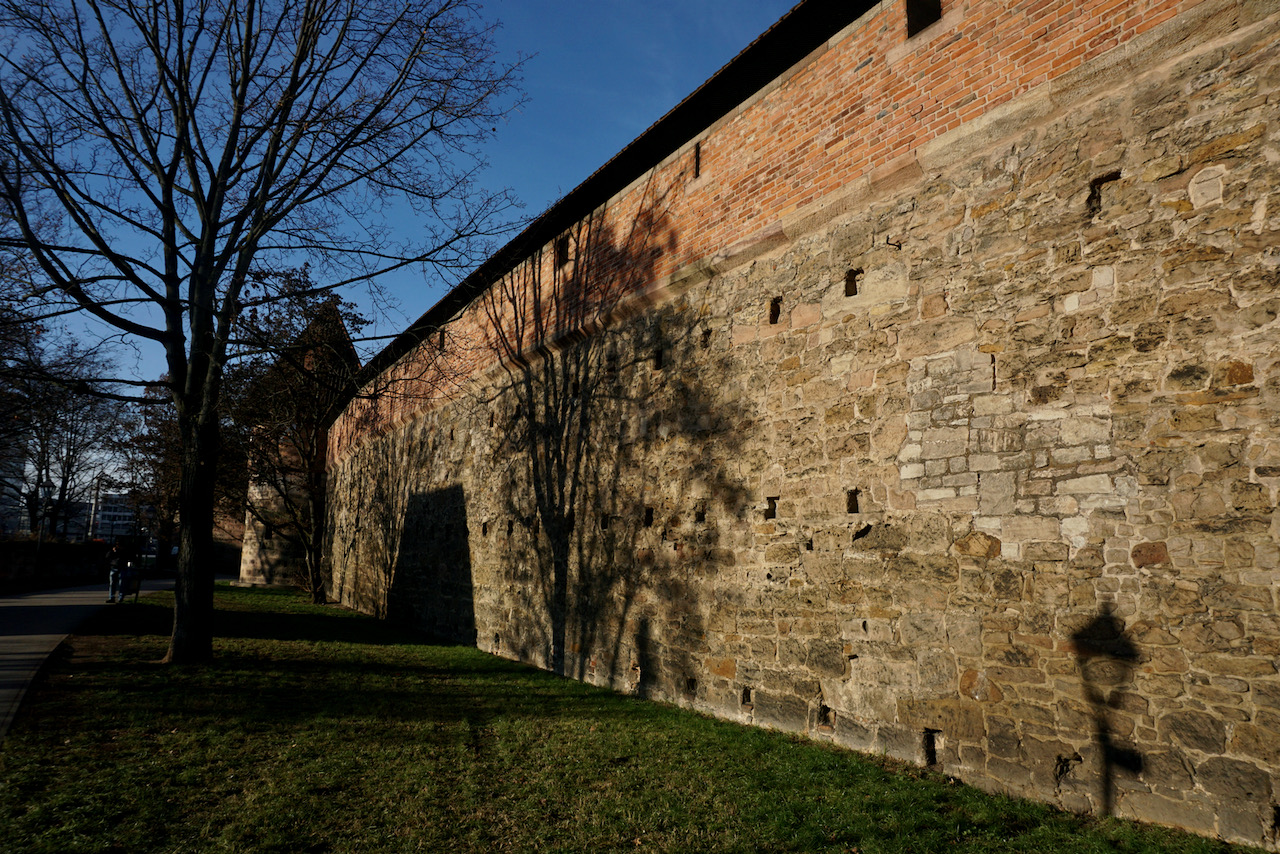
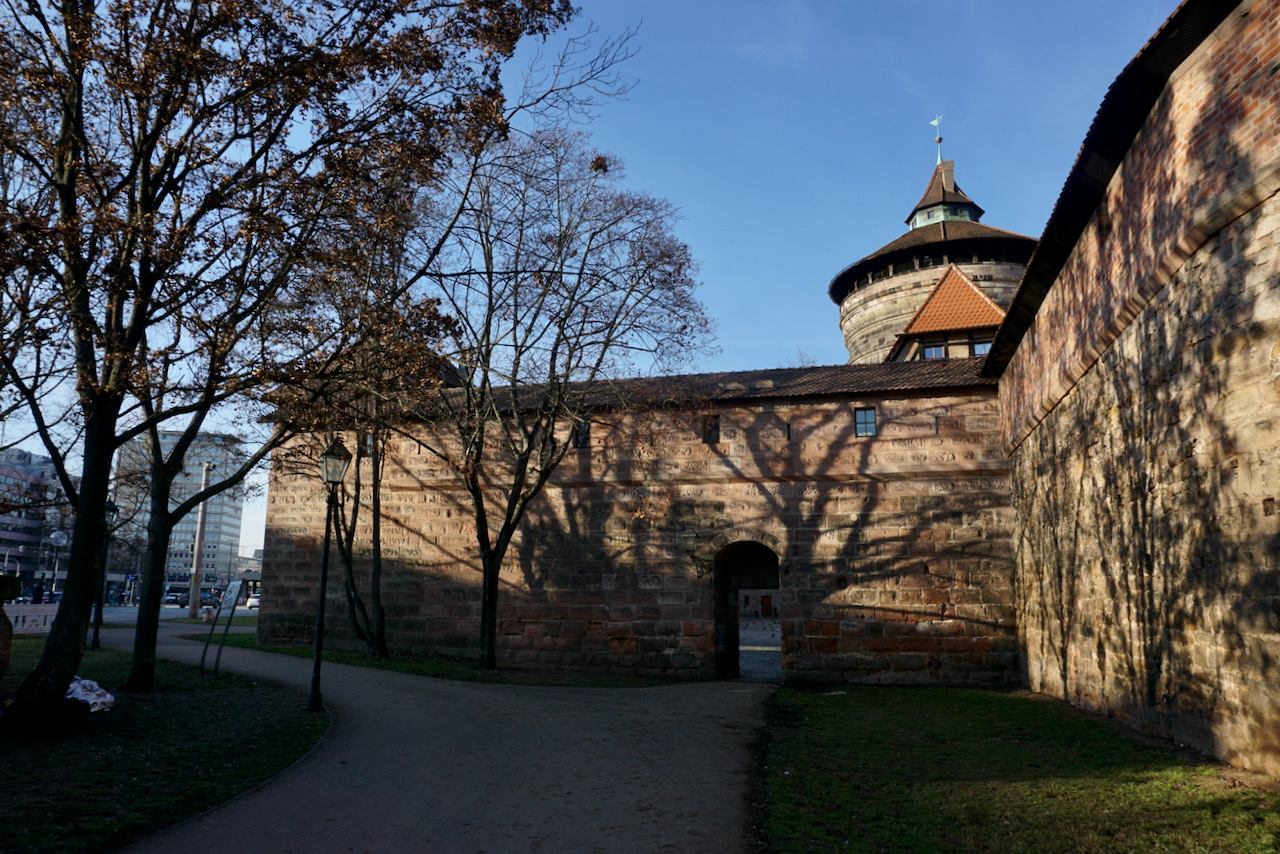
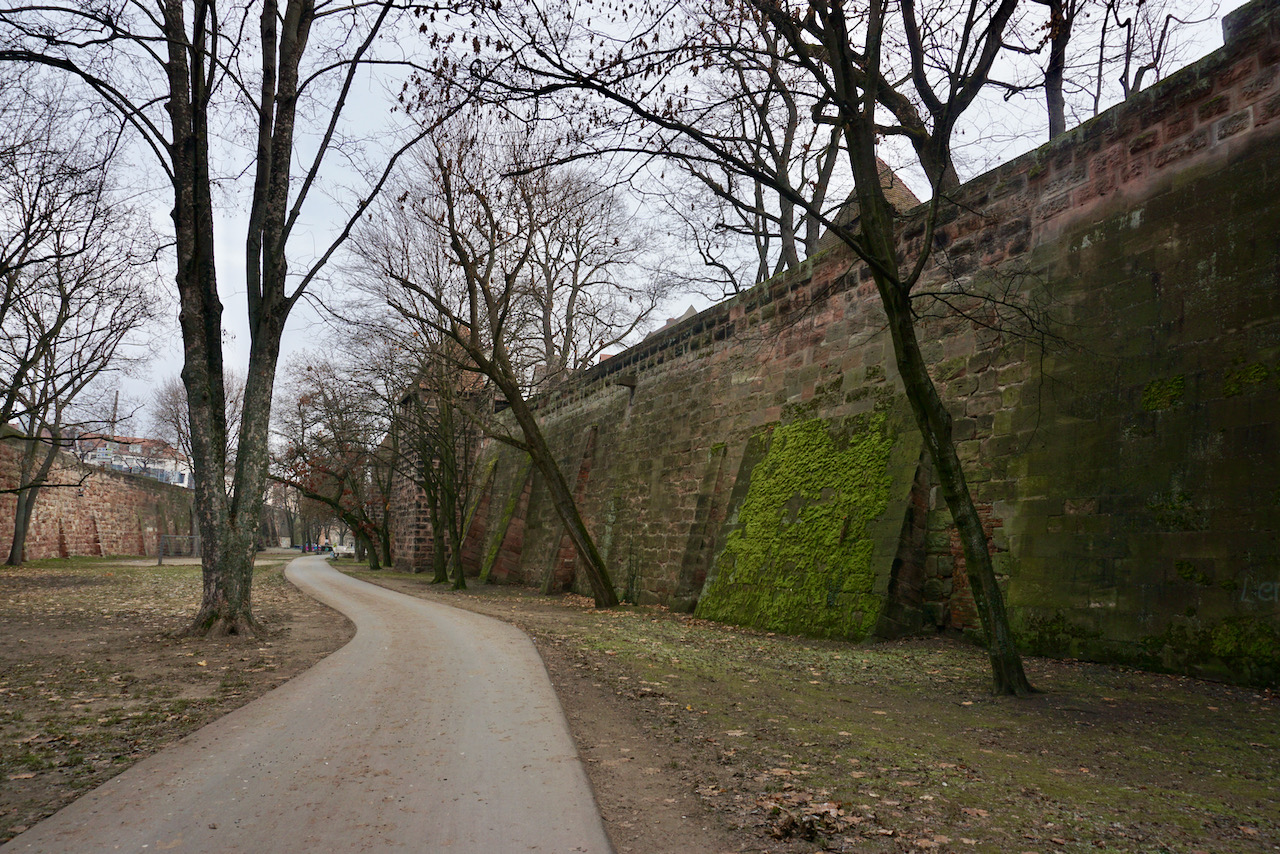
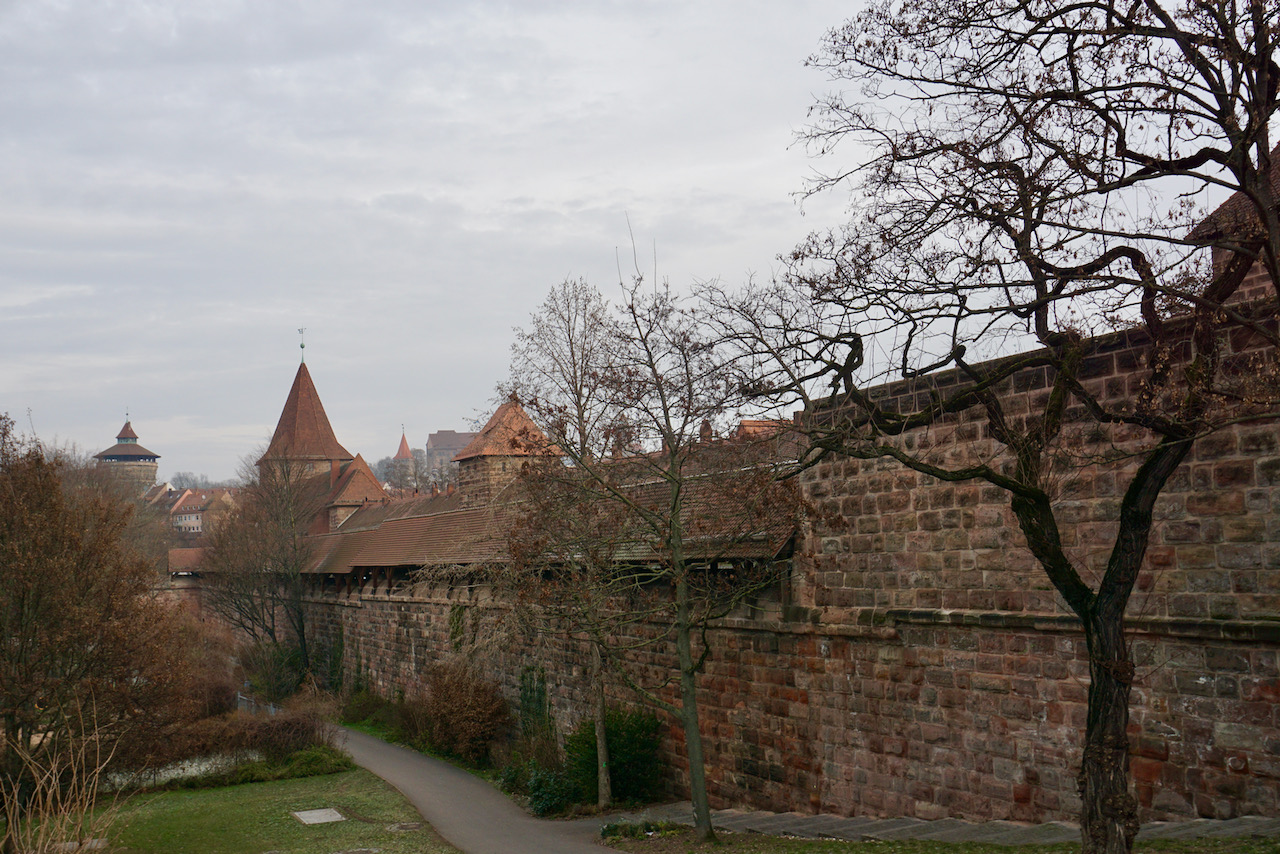
As a medieval city, Nuremberg’s old town is still surrounded by walls and I found myself quite taken by them.
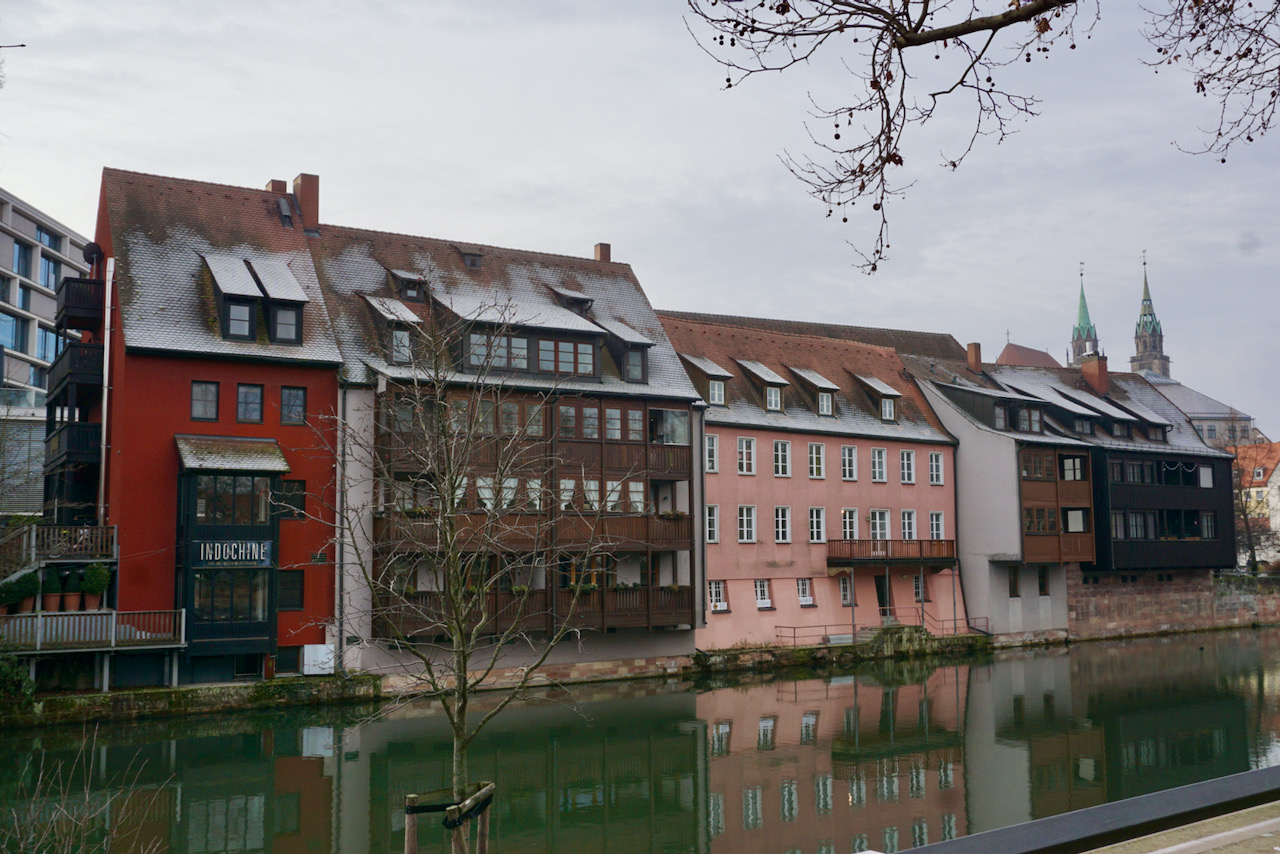
This fascination remained even without sunlight. The morning of my last full day was warmer than the previous days, and I was glad of this. My plan was to walk the 5k trail that is maintained around the walls. The walls are imposing and I can imagine how impenetrable they were when first built; they seem that way now, even with playgrounds for children, a skatepark, and courts for basketball and racquet sports.
Finally, I visited the Germanisches Nationalmuseum, which has an impressive and overwhelming collection of artifacts dating throughout human history. There were also installations from the Global Art Festival scattered throughout the exhibits and I enjoyed those very much. If you’re happy to spend a few hours wandering through a museum that makes its home in a former monastery, I’d recommend a visit.
The city of Nuremberg today prides itself on being a city for human rights, which is a tall order. Perhaps this is why I saw greater diversity there than I had expected, or why different languages were so prevalent. Or perhaps this commitment itself created the environment of the place. I was glad for the opportunity to be there and look forward to a return, perhaps when there are Christmas markets again.
Photos, travels, musings, and ideas on education by someone trying to make the world a better and more peaceful place
































































 By Rebecca Michelle