There’s something really magical about the first real snowfall, despite the slow drivers on roads, icy bike paths, and bus delays. When it started to snow a couple days ago, my grade 11 class stood up as one unit and clustered around the windows, pressing their noses to the glass, taking photos. When my grade 7 class came in a few minutes later, they dropped their bags at their chairs and ran to the windows as well. To say the least, it was heartwarming to see the whole class, comprised of individuals who normally erupt into chaos upon being so physically close to one another, crowded in one line against the windows, looking out at the trees and rooftops.
The first snow is one of those moments where children see the environment in a totally new way, even though it happens every year, and where adults remember what it feels like to be children. Walking home from the climbing hall last night, a route I decided not to take with my bike due to my earlier encounter with unpleasant riding conditions, we sang quietly, “It’s snowing, it’s snowing, it’s snowing.” Our wonderland air was crisp and cold, fresh, winter.
On the way to school, again choosing to leave the bike at home, I walked under the sort of trees that inspire illustrations in children’s books and watched the red glow beginning on the horizon. As my first students came in for the day, we observed the parting of the clouds, the first rays of gold greeting red rooftops and the tallest tree branches. We don’t always see the sun in wintertime here.
Winter is the Earth’s opportunity to sleep, to rest and restore before coming alive again in spring. Rest and restoration is something we all need, and perhaps the short, dark days can be seen as a way of making the time and space for that. This is also a time to huddle close to family and friends, to warm the hearts, souls, and cold feet. We have visitors coming soon, the Christmas Market has opened, and fresh snow keeps us moving slowly, changing the way we structure our days.
It’s a beautiful time, winter, and I’m glad it’s here.
When I told the people closest to me that I was going to the Schwarzwald (Black Forest) in search of fairies, no one batted an eyelash, neither at the plan to spend a few days alone hiking, nor upon hearing that I was looking for the creatures of stories.
Perhaps it’s telling that I received an illustrated book of the complete Grimm’s fairytales in the original German as a gift for Weihnachten*, a gift that was both surprising and touching. Perhaps it’s not just me who’s willing to entertain the possibility of fairies. And really, why not?
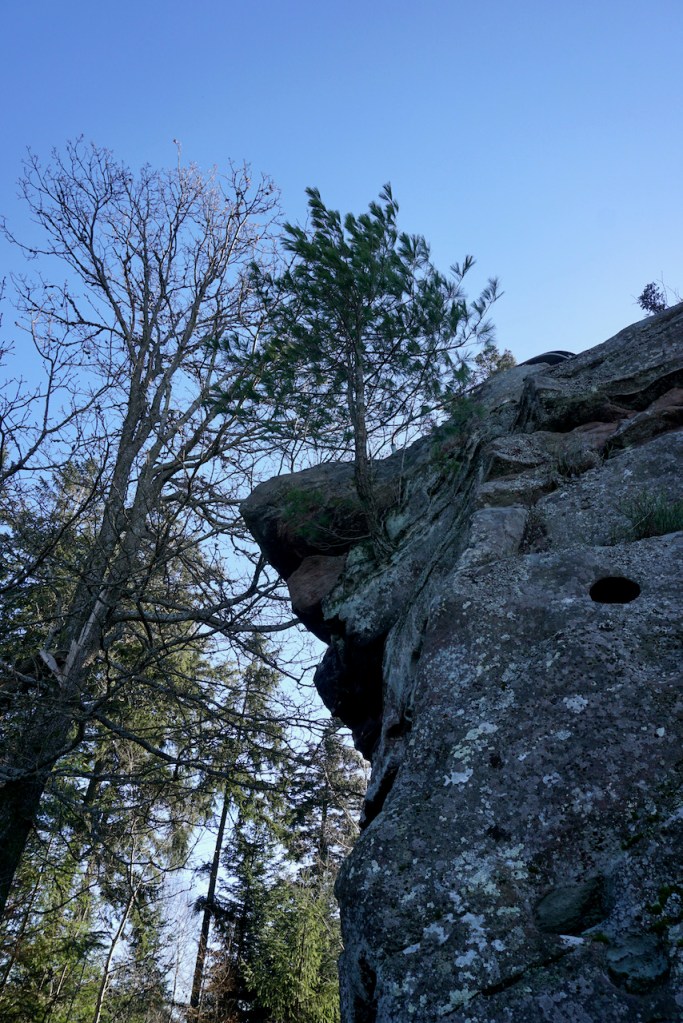
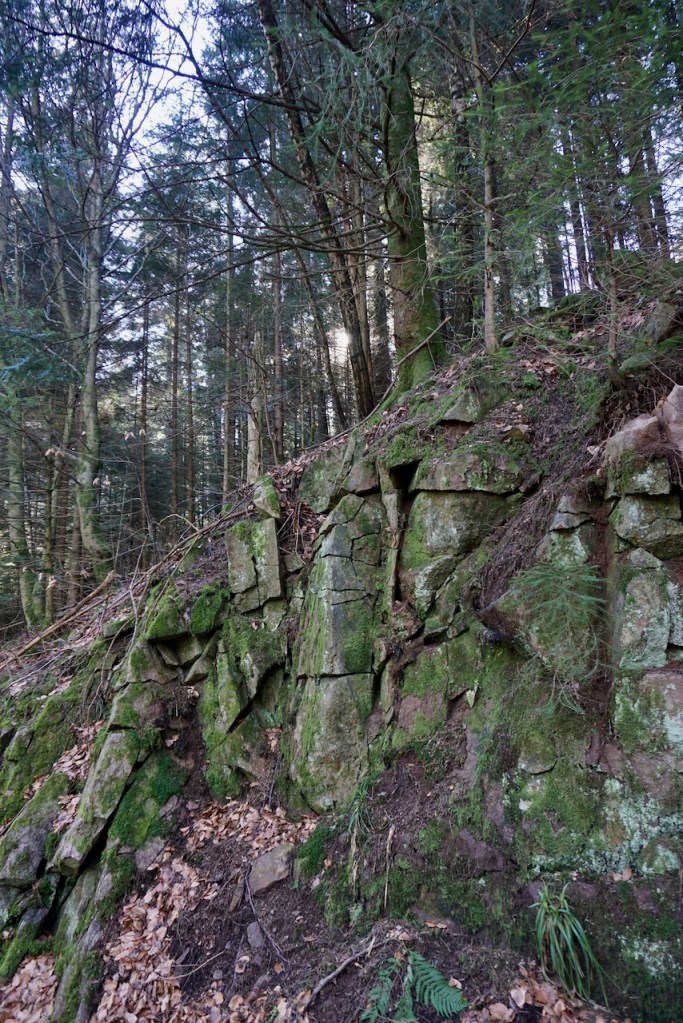
I had relatively few stereotypes of Germany before moving here, but one was certainly the Black Forest, a place devoid of light and full of mystery, a place that held secrets that could not be known from outside. As I would come to learn over three and a half days hiking from my base in Bad Herrenalb, the Schwarzwald is not only full of light, but indeed also full of mystery. And while I found the answers to some questions throughout my walks in the woods, the woods kept quiet in a way that has already called me to listen again.
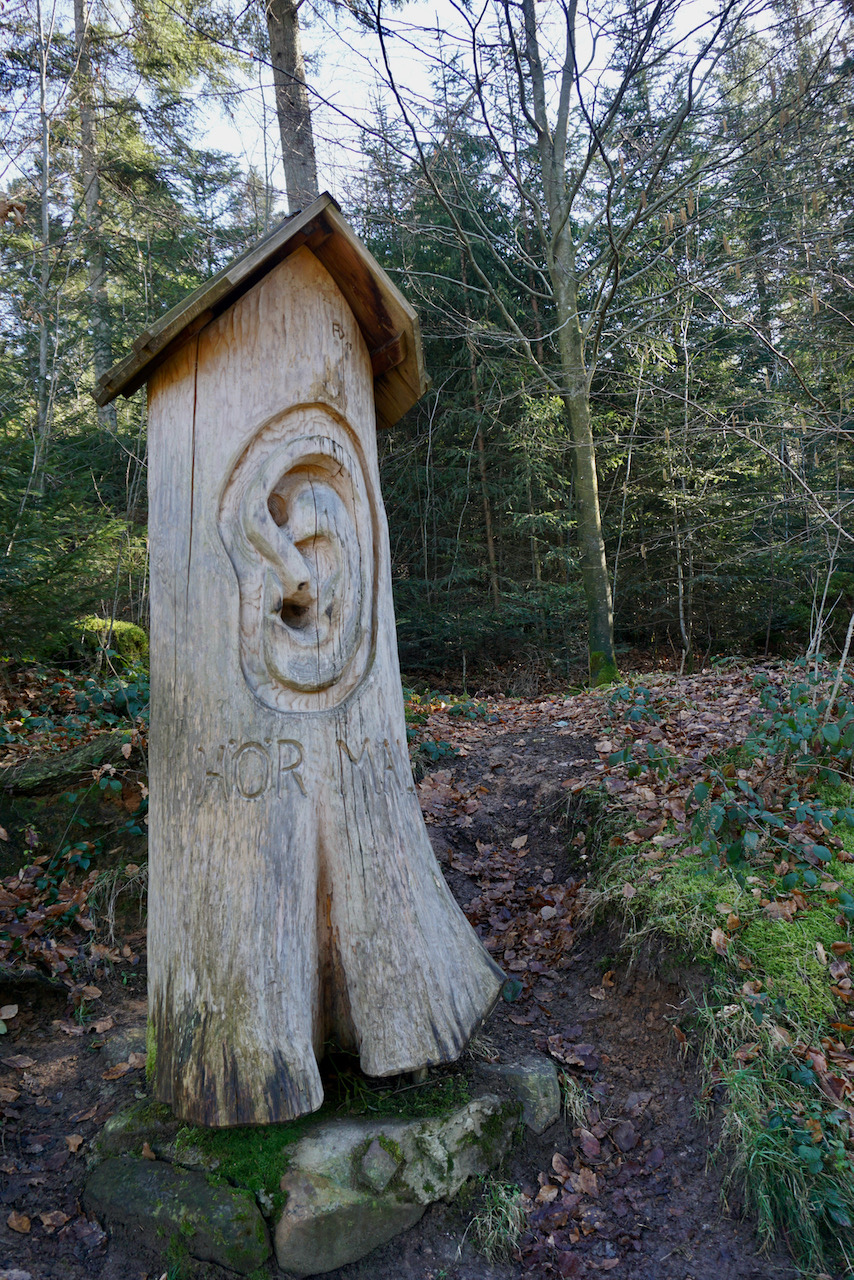
Hör mal – Listen
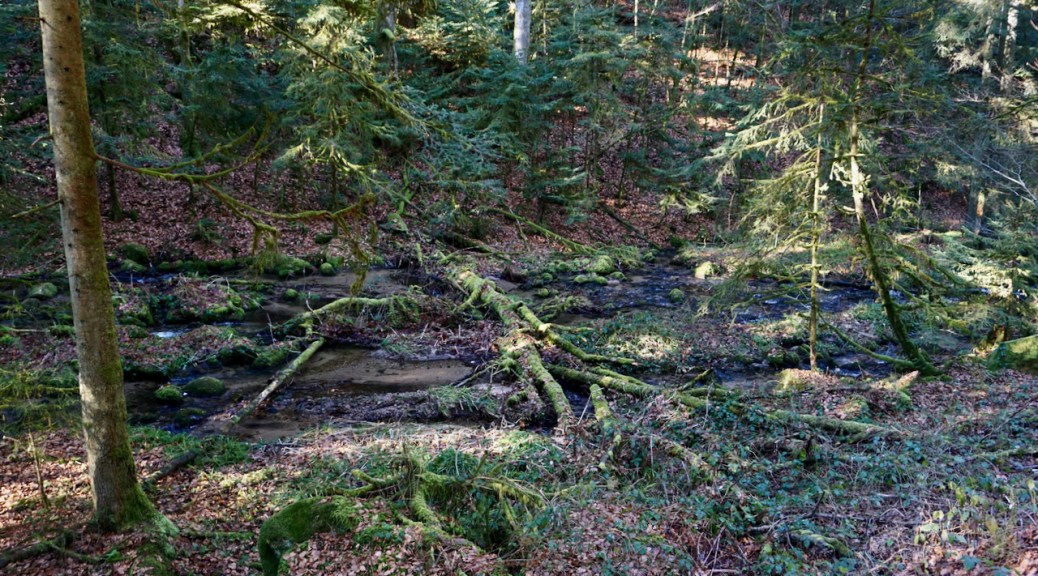
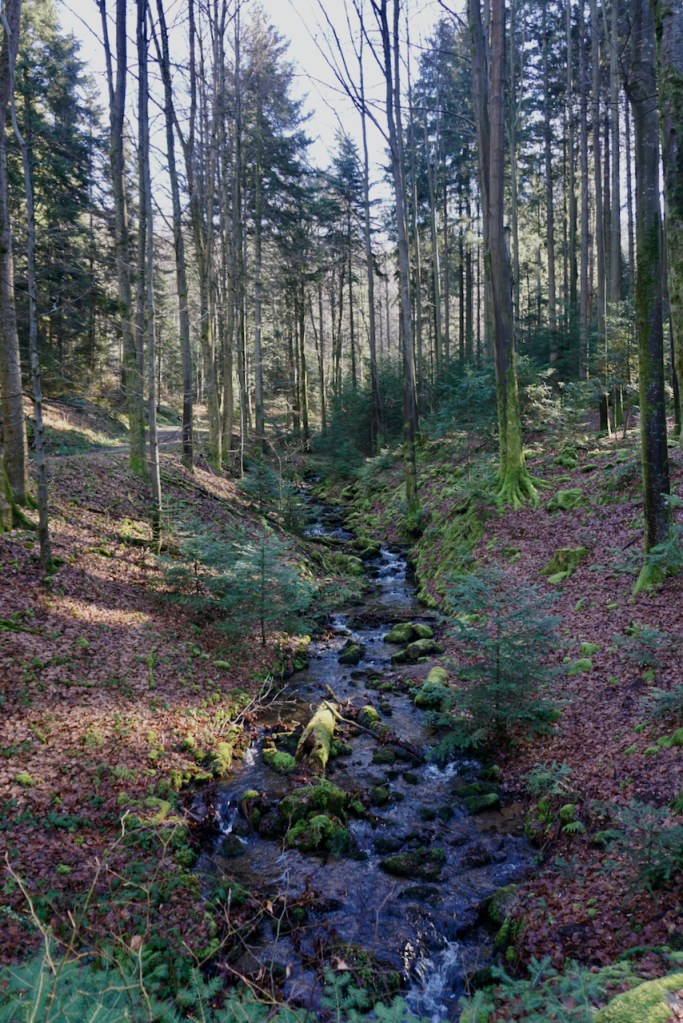
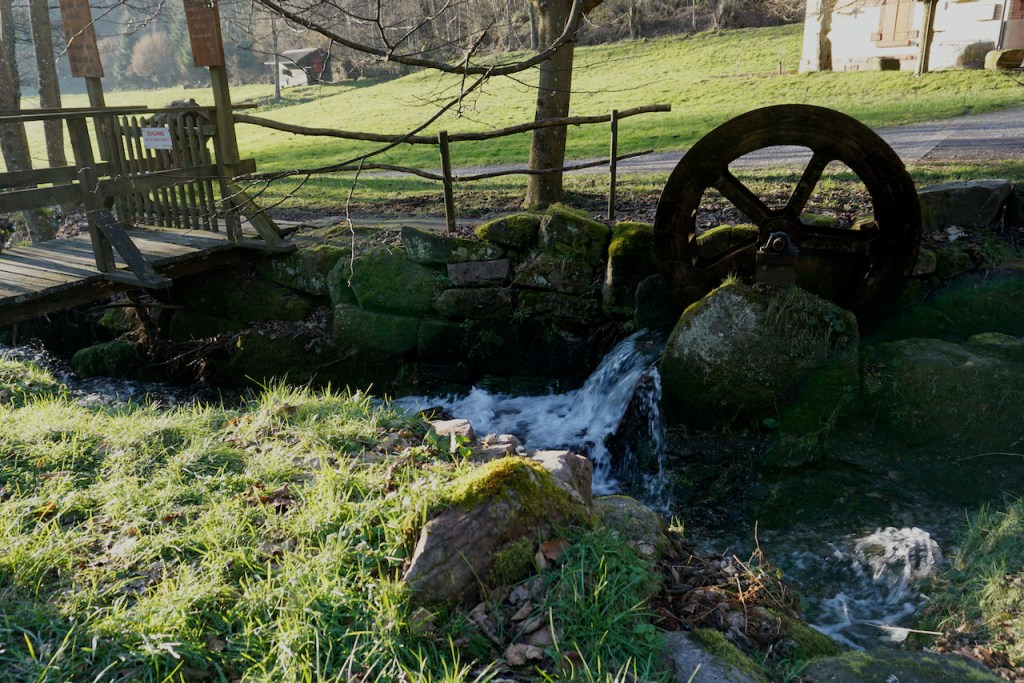
Walking through the trees, I couldn’t stop smiling. There was a peace that came over me, a sense of getting lost in the sounds of leaves and water, so much water, that flowed through the forest.
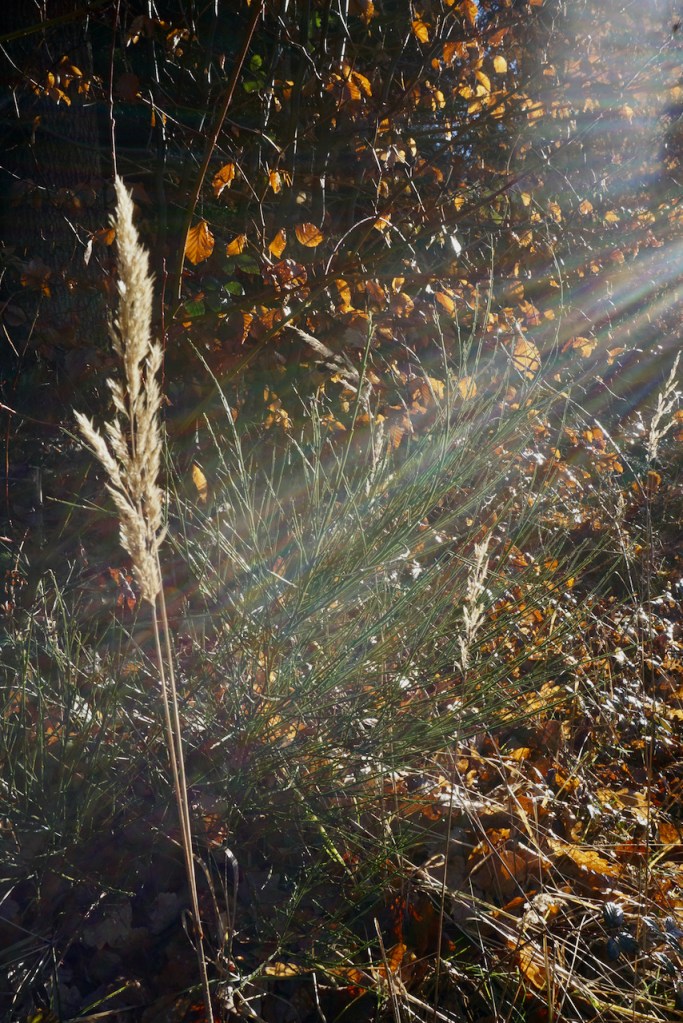
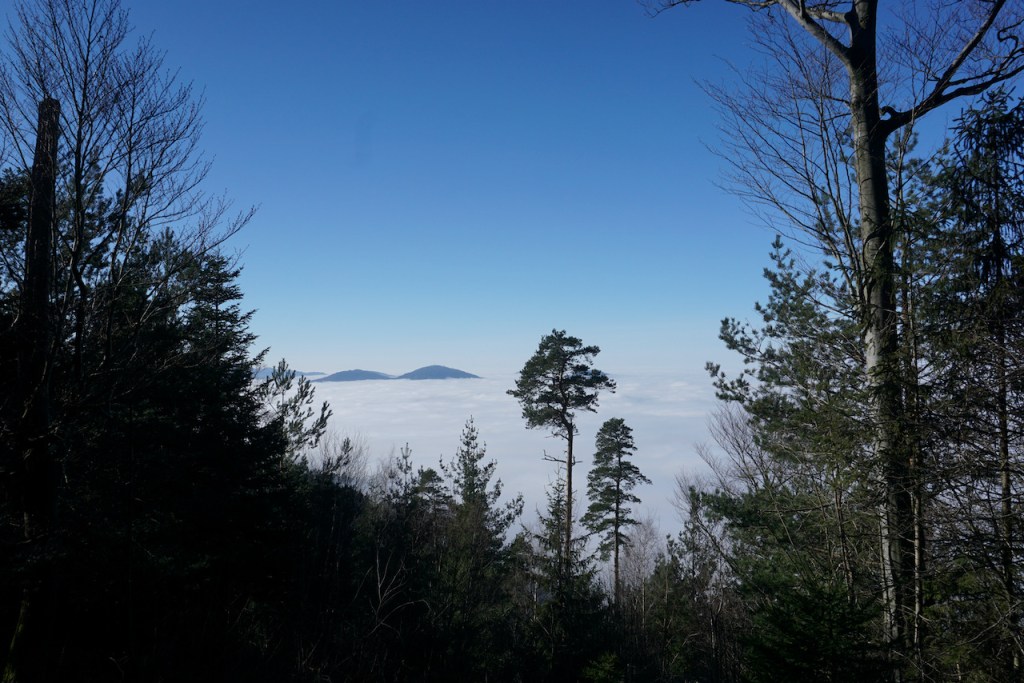
Already struck by the fading light and the mist rising over the hills surrounding the valley, I watched the patterns the sun made on the forest floor and in the surrounding trees. And in the mornings, I watched the sun creep up and wake the very same forest. It is no surprise that these woods are at the centre of so many stories and dreams.
Every day, all day, I could not stop thinking how glad I was to be there, to bear witness to the majesty that is nature. I remember how I felt the first time someone told me they like to imagine how the forest looked 500 years ago. And imagine I did.
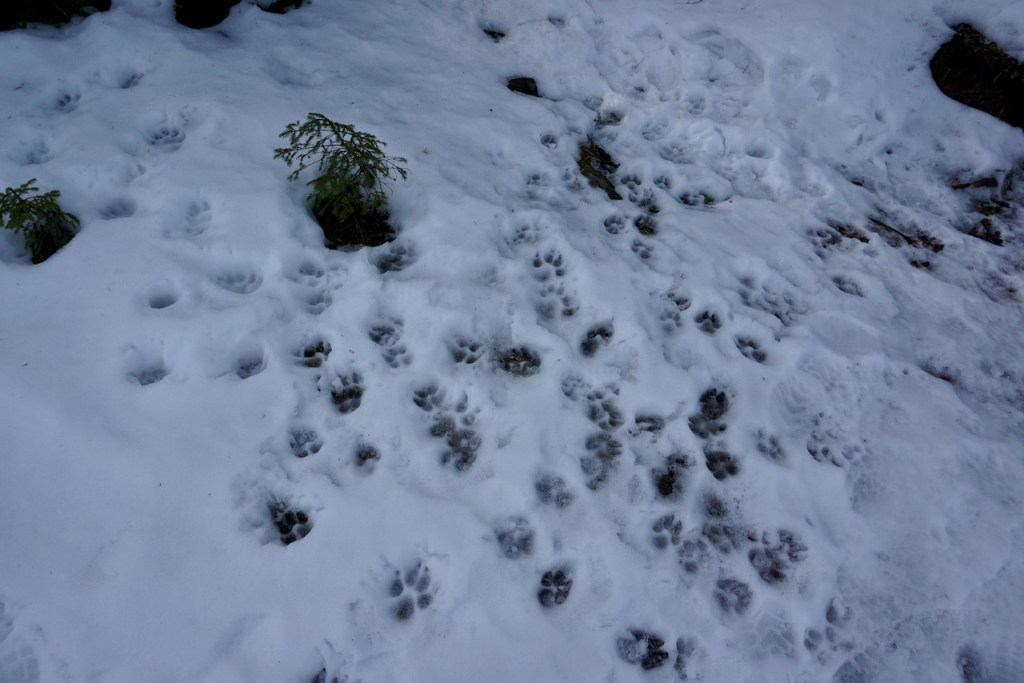
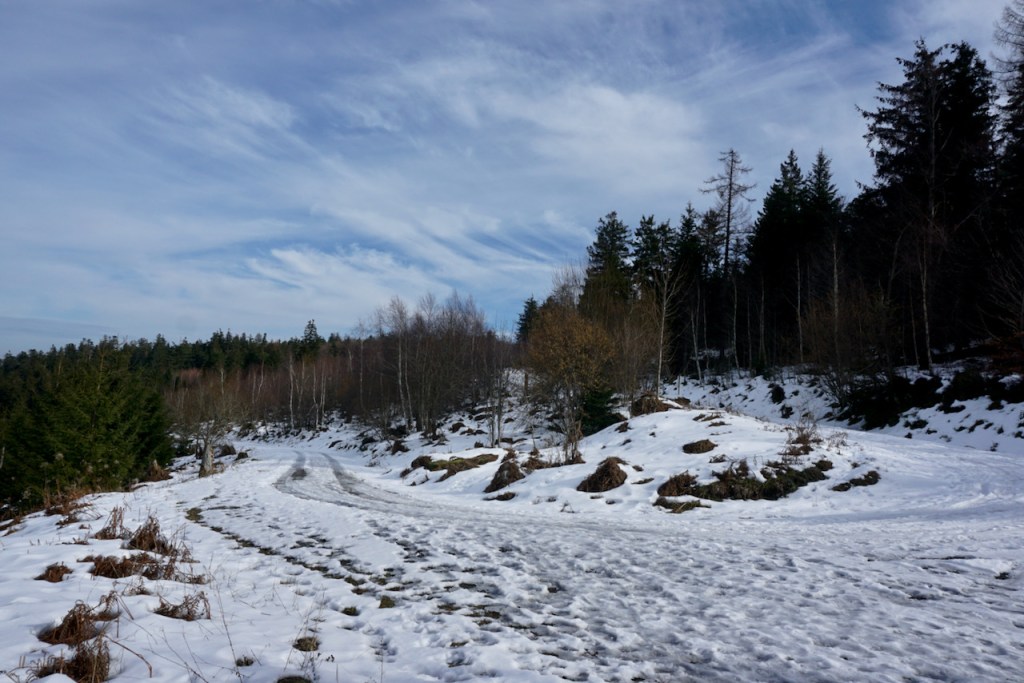
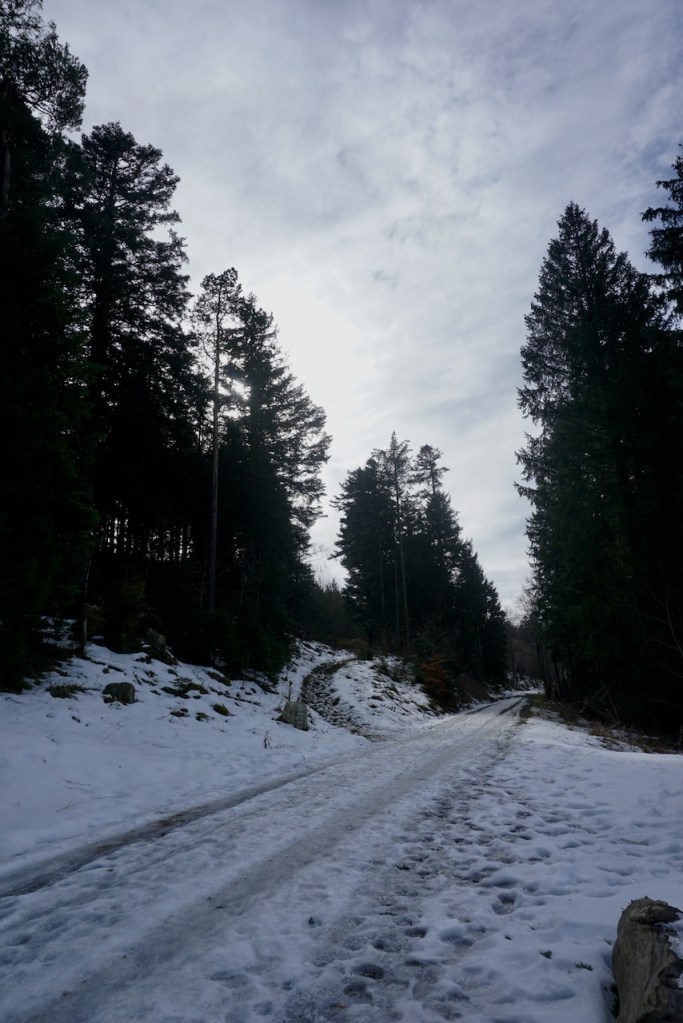
Walking along the west side of the valley, I spent the day almost entirely in the snow. There had been hints of snow throughout, but here I experienced the forest in a whole new way.
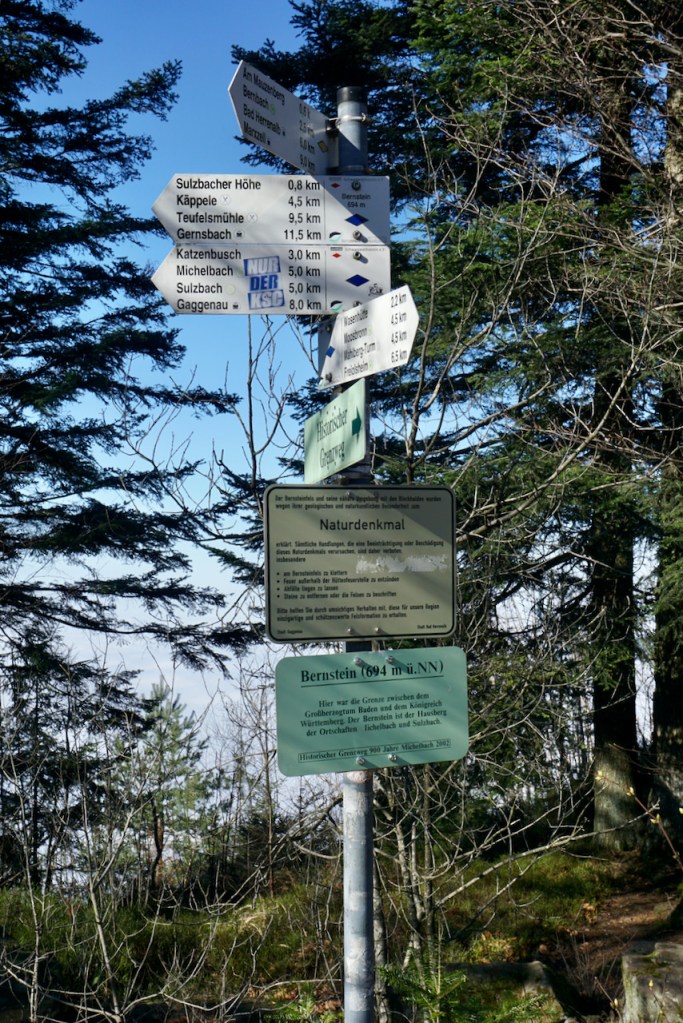
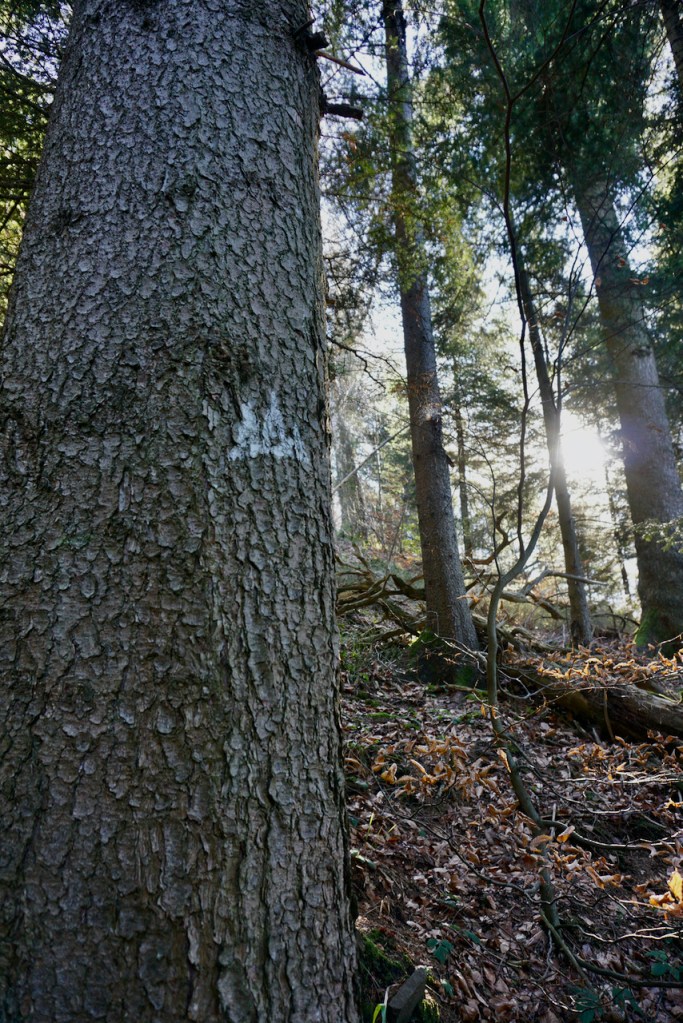
I have a great love for signs when following trails. You can learn so much about places and about how people choose to define a place. The guidebook I received from the owner of my pension explained how to follow the trails in the Schwarzwald, but said nothing about how the markers on trees are occasionally hard to find, and can be somewhat ambiguous. The amount of signage is, after all, no indication of the visitor’s ability to follow the signs. I backtracked once a day, even changing course entirely one afternoon, and a particular decision to stray from the obvious path turned out to be my favourite part of a walk.
I enjoyed the Schwarzwald because it was designed to be explored. There is clearly a long tradition of resting in the woods, of taking a moment to just be. I photographed relatively few benches, rested on even fewer, but was glad that they were there. They made the forest a place to spend time in rather than a place to revere from afar.
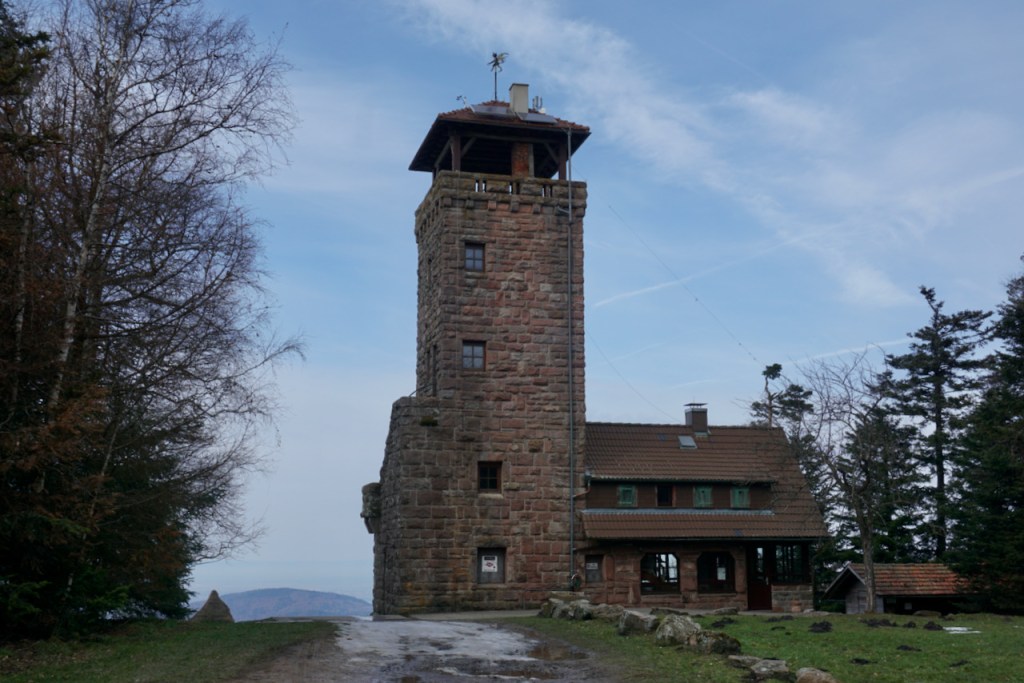
I didn’t encounter many people along the way, but I can only say nice things about those I did meet. Everyone said hello and we shared smiles about the beauty around us. One elderly man called directions to me from across a field, a woman in a bakery struck up a conversation comparing Germany and Canada, the guests at my pension wished one another a good day upon leaving the breakfast room. And most memorable of all, a man I met while waiting for the S-Bahn in front of Karlsruhe train station sent me a postcard at the pension to thank me for the chat and wish me a good trip. I sent him a postcard in return when I got home to Weimar, thanking him for his note and his tips for where to walk. Unbeknownst to me, I had entered a community, and that could be seen in the forest, too. There are huts dotted across the Schwarzwald, closed for the winter but maintained. I passed many, photographed few, and was glad for the feeling of woods explored and alive.
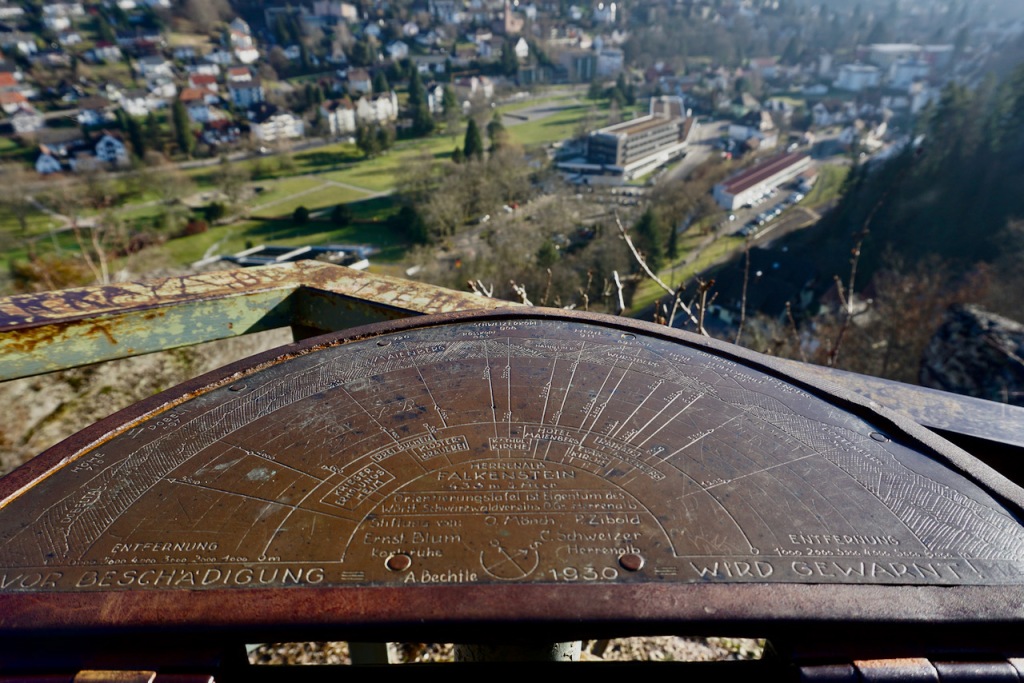
I often go hiking with the goal of reaching the highest point or finding the best view. While there were these moments, I didn’t walk in the Schwarzwald with any sort of goal. I just wanted to be there, and there I was.
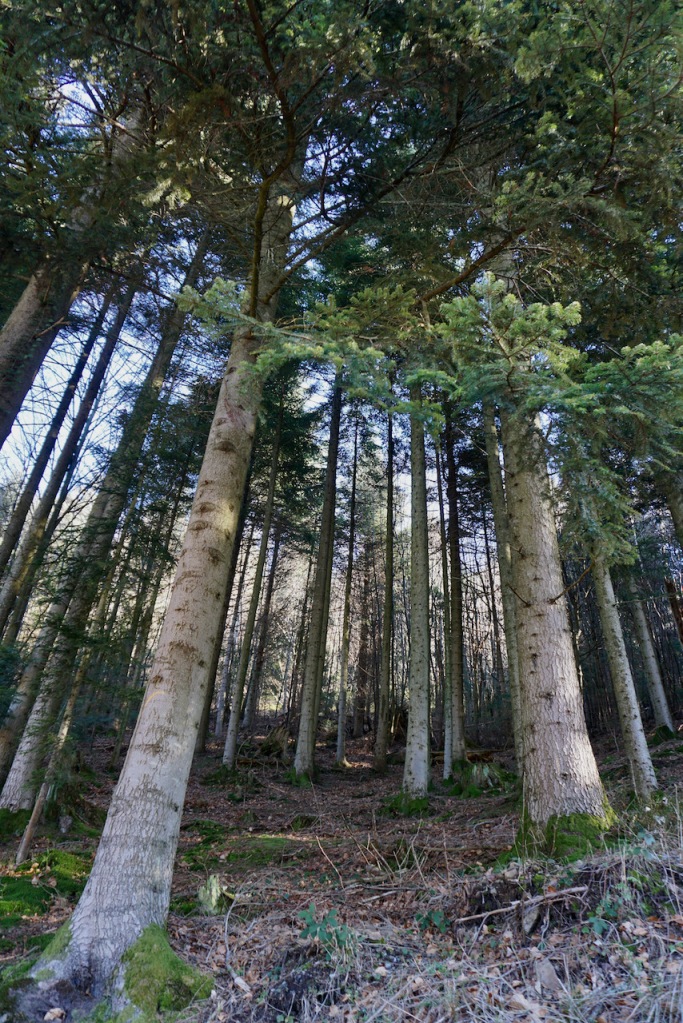
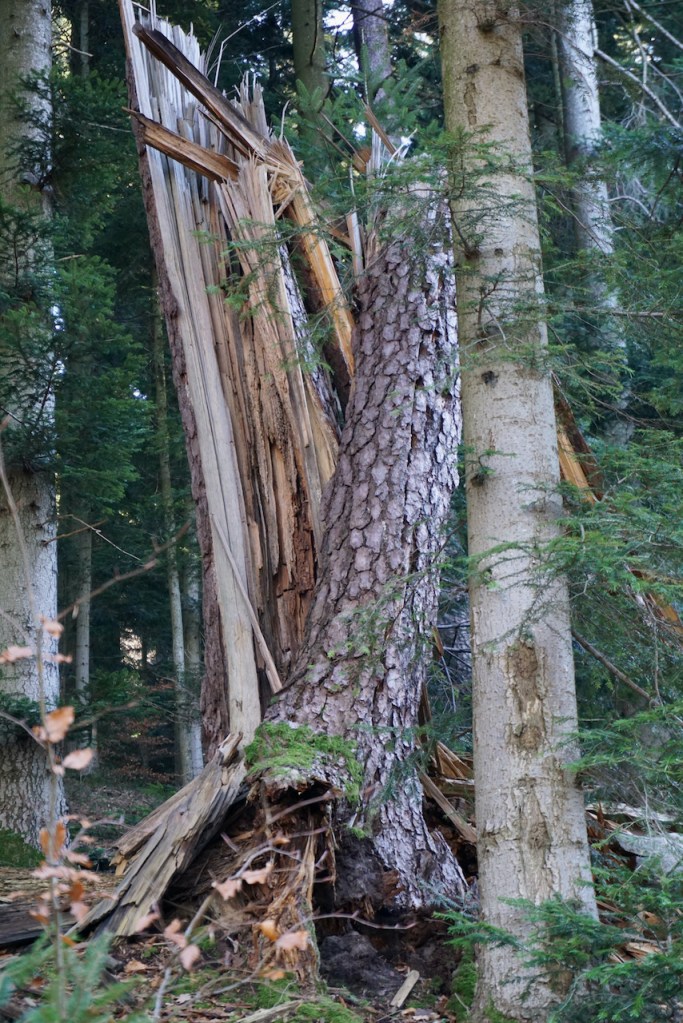
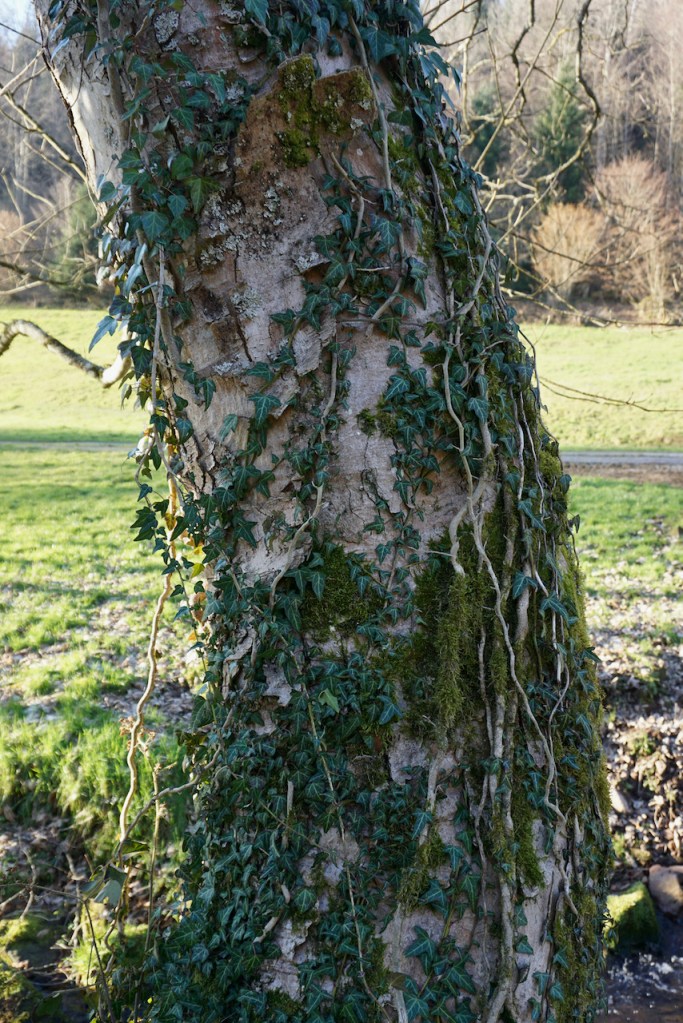
I am always fascinated with wood. With its colour, with its forms, and with how it is all around us all the time. And in the forest, I was ever more aware of not only how much we depend on this resource, but how precious it truly is.
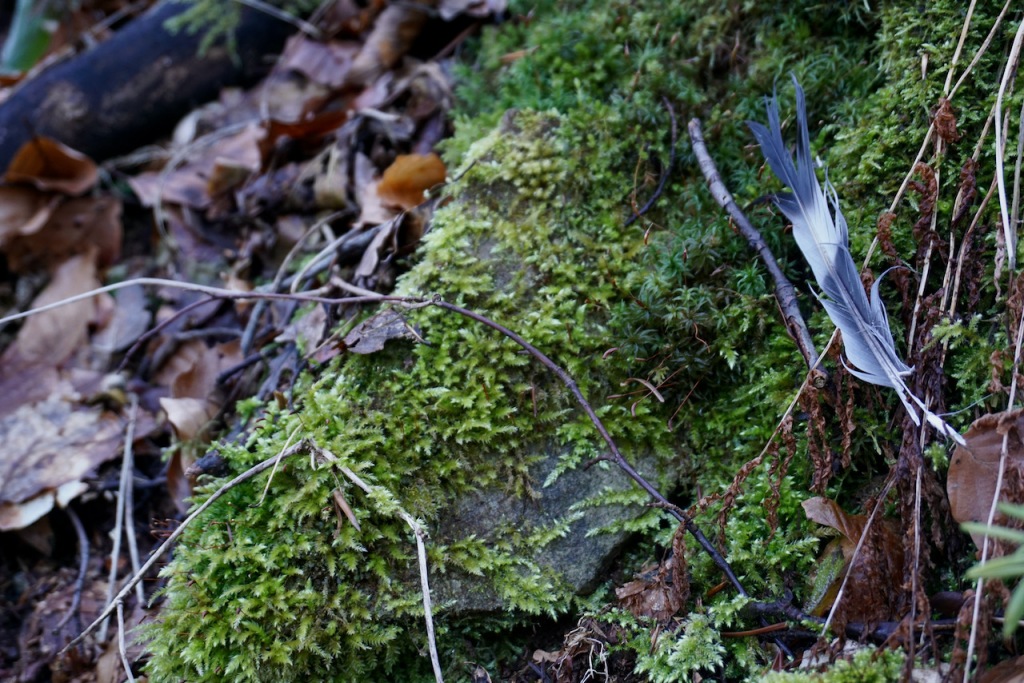
Having chosen to spend a few days alone in the forest to clear my head, to breathe new air, to watch the world with new eyes, it made sense to look carefully. It made sense to look thoughtfully, not just at the big picture, but rather at all the individual parts.
Germans say, “Wie man in den Wald hineinruft, so schallt es heraus.” This literally translates to, “The way you shout into the forest, so it echoes back out.” In English we might say instead, “What goes around, comes around.” A similar concept is, of course, karma. I like the emphasis on the forest, on being part of a greater ecosystem and environment. I like the idea of echoes, of sounds coming back to us, perhaps in ways we had never intended. We walk into the world, we treat others well, and this impact on the world around us arcs back in some way.
I went for a walk in the woods to find fairies, and here I must be fully honest: I was too captivated by how the forest welcomed me, how its lights and colours and sounds drew me in, to go looking for something that was hidden. The forest deserves its secrets; I am privileged enough for being let into its greatness and returning home feeling more connected to the world around me. I don’t need evidence of fairies to know that there’s magic out there.
*Weihnachten is the German name for Christmas. As I’ve learned over the past two years and celebrations, this time of the year has a rather different connotation than the North American event, which is why I prefer the word for this context.
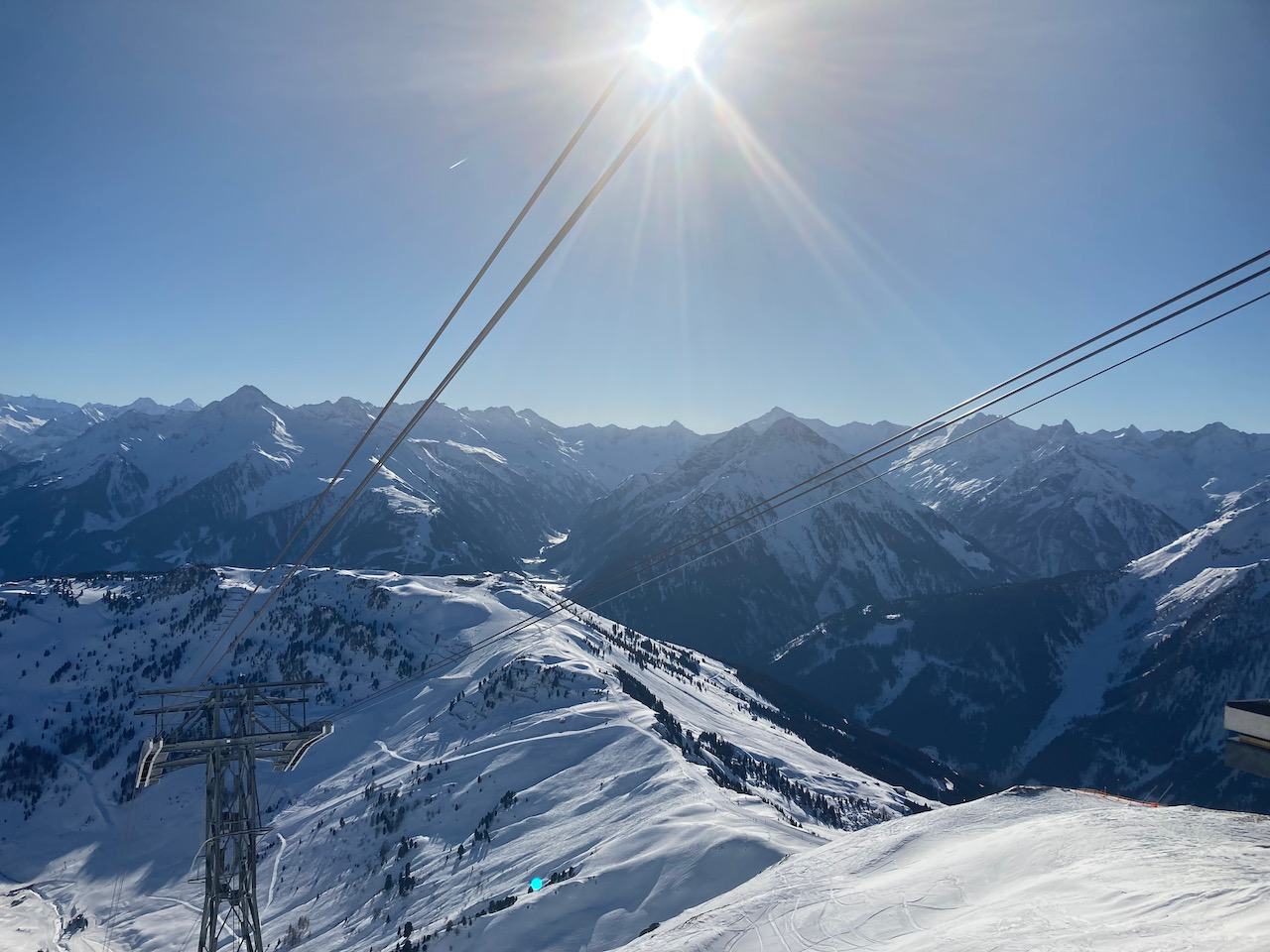
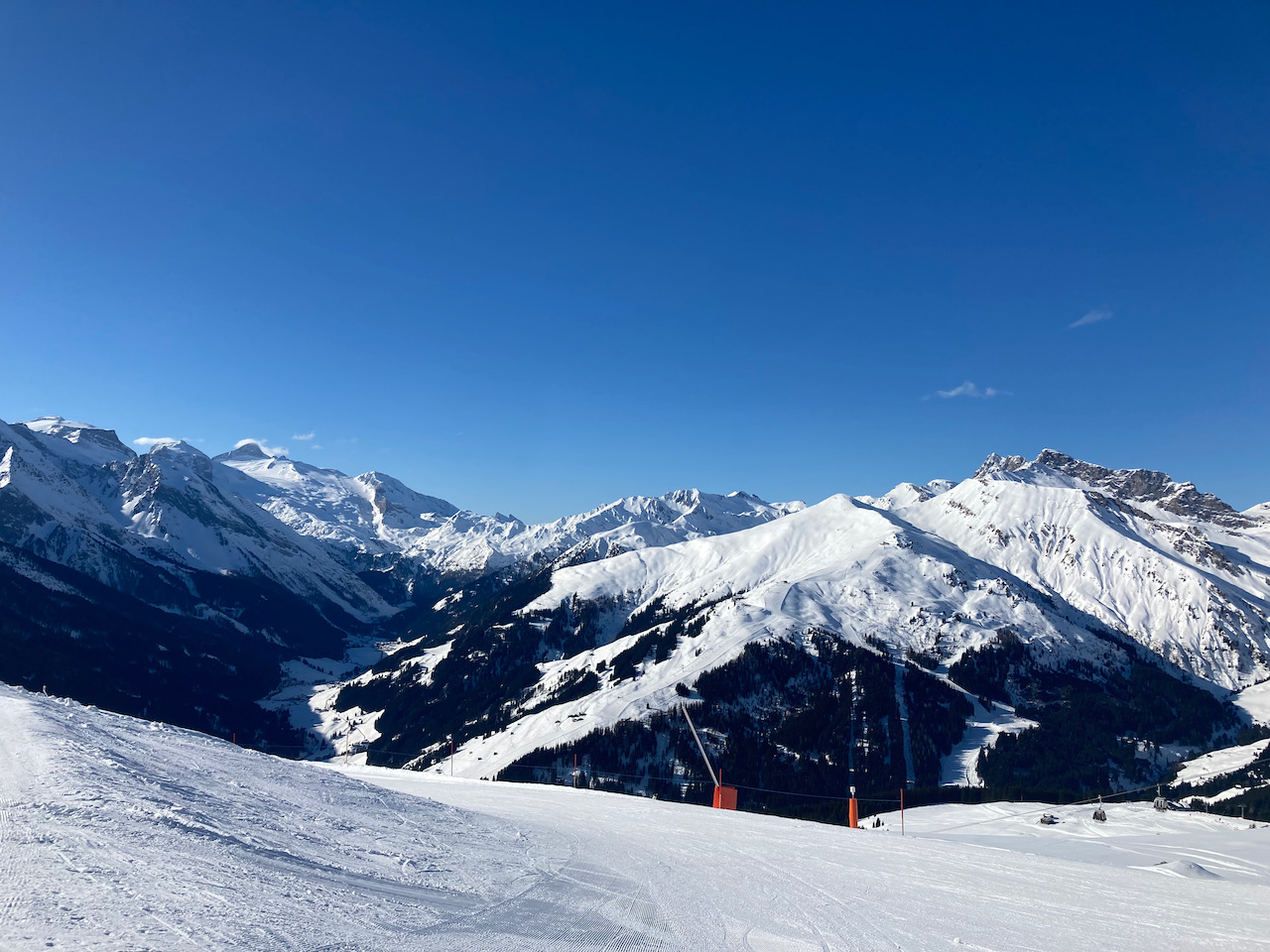
I learned how to ski when I was in kindergarten and skiing remained a significant part of my winters until I moved to Malaysia. That was eight years ago.
A few months ago, a friend broached the subject of a ski trip to Austria. We looked at photos and maps and shared memories of past experiences. I started making lists of what I needed to buy (everything) and began purchasing, trying on, returning. Other friends got involved, logistics were determined, decisions made and finalized. We did squats to get stronger, planned our grocery shopping, packed the car.
“I hope I remember how to ski,” I told everyone who asked. To a person they replied, “You’ll see. It’s just like riding a bike.”
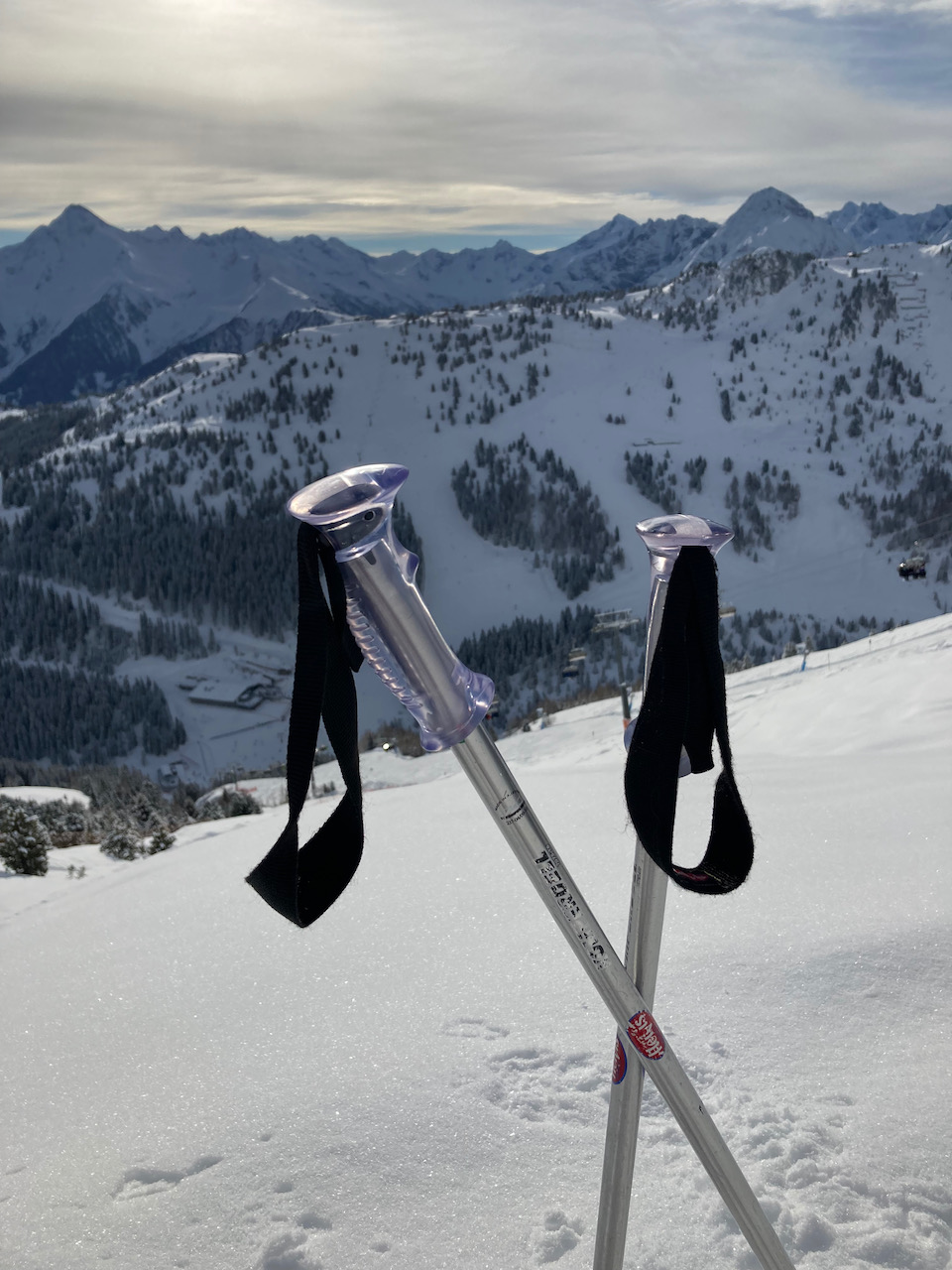
Not just like riding a bike, perhaps, but not too far off. As it turned out, I remembered how to ski. I was certainly not as strong, elegant, or fearless on skis as I once was, at least in my memory of it, but my body knew how to move and my heart knew how to laugh. That’s really all I had hoped for in the mountains.
My experiences skiing took place in equal parts in the icy North American east and in the beloved terrain of the American Rockies. I’ve skied in plenty of powder, played in glades (once with a GoPro that we made the mistake of showing to my non-skier mum), and used to plan my ski days around ungroomed blacks.
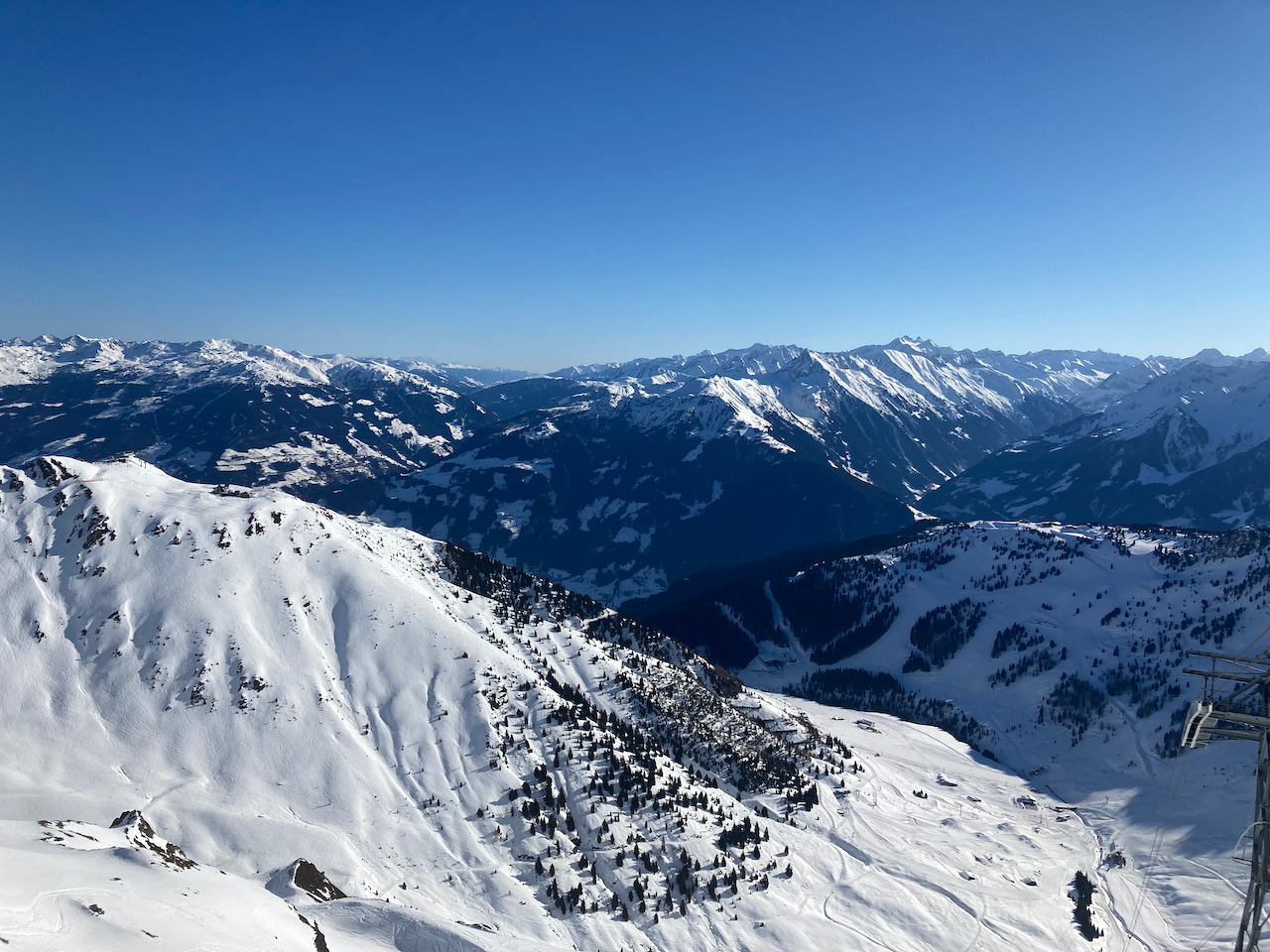
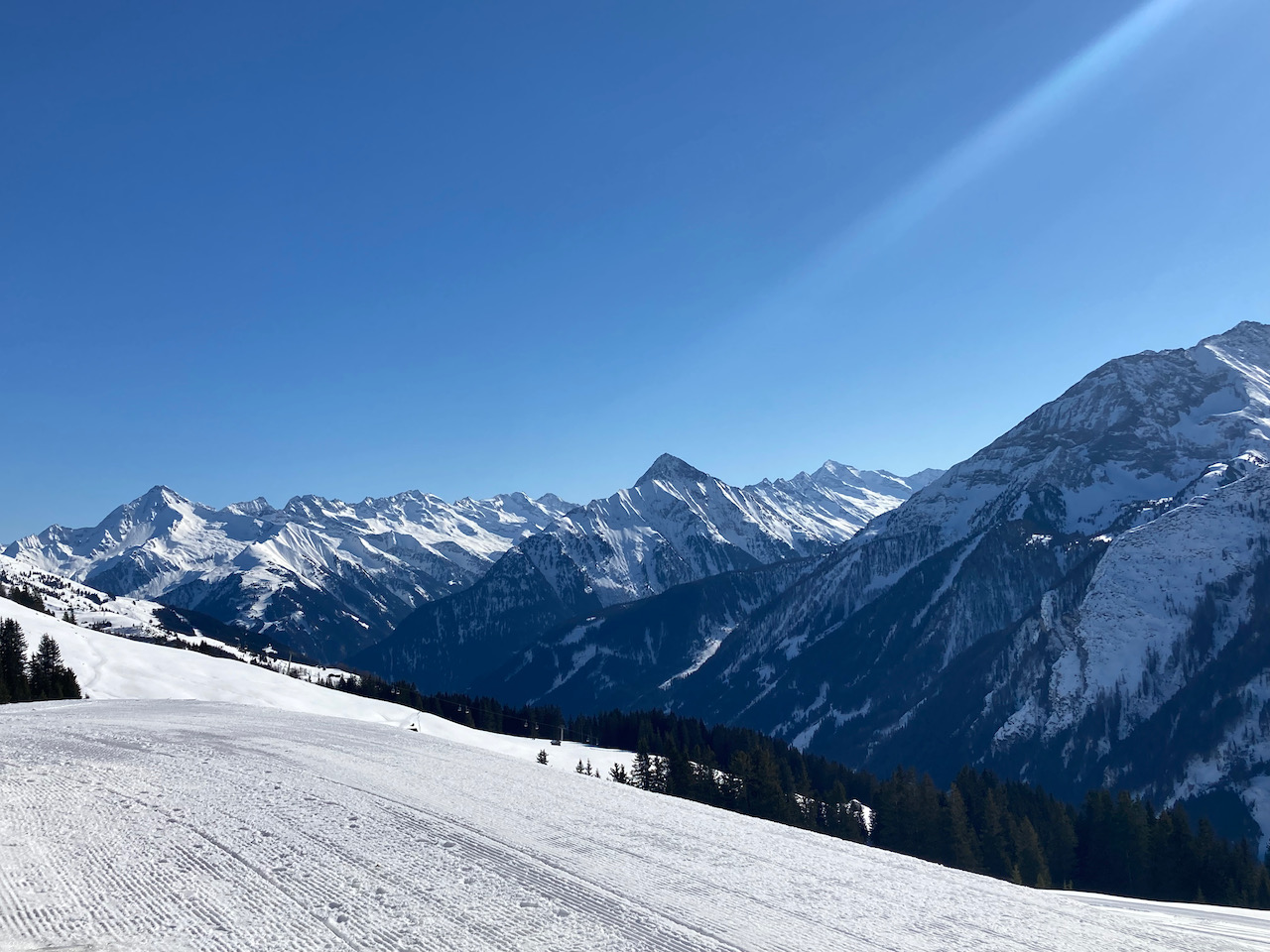
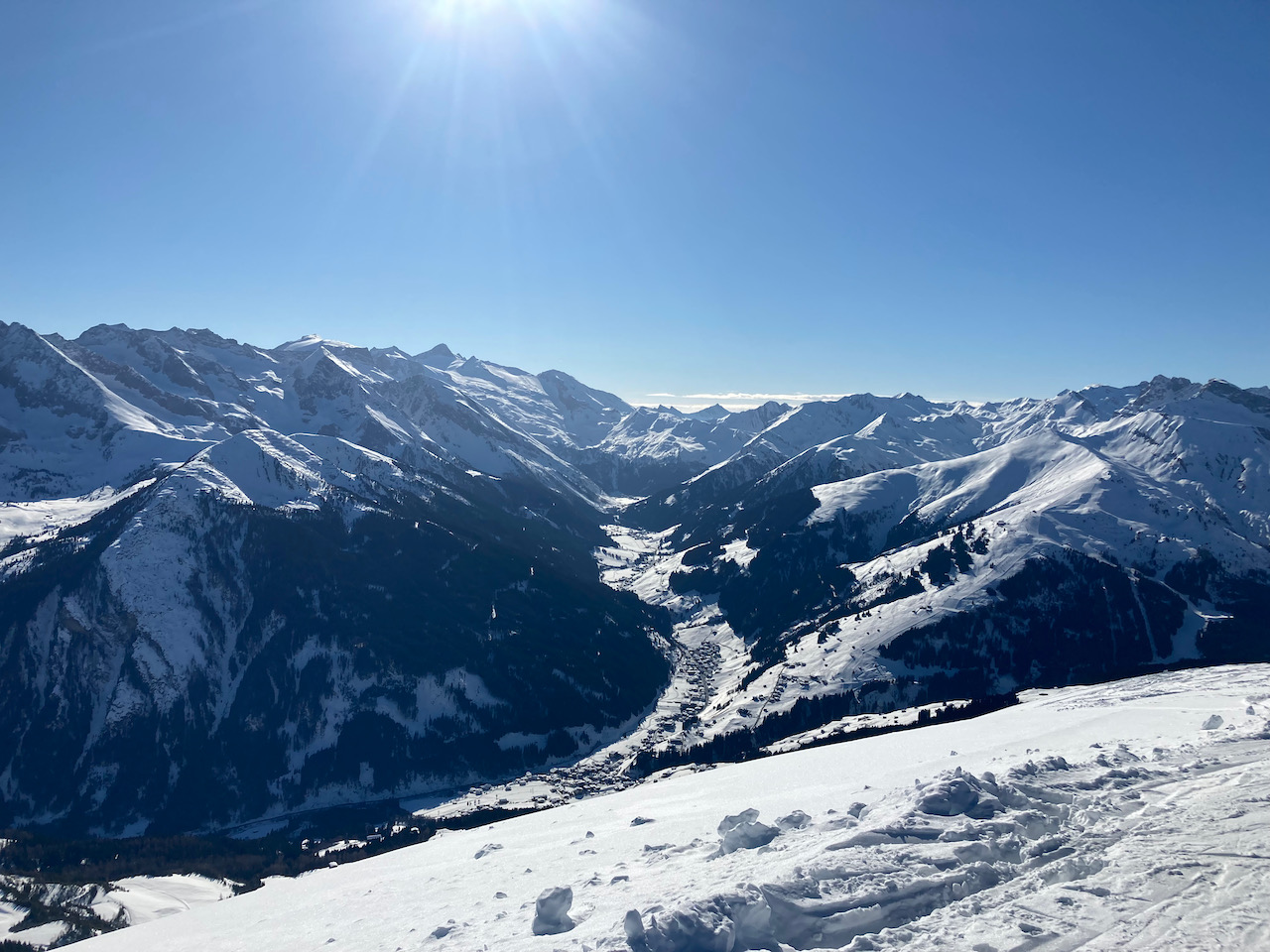
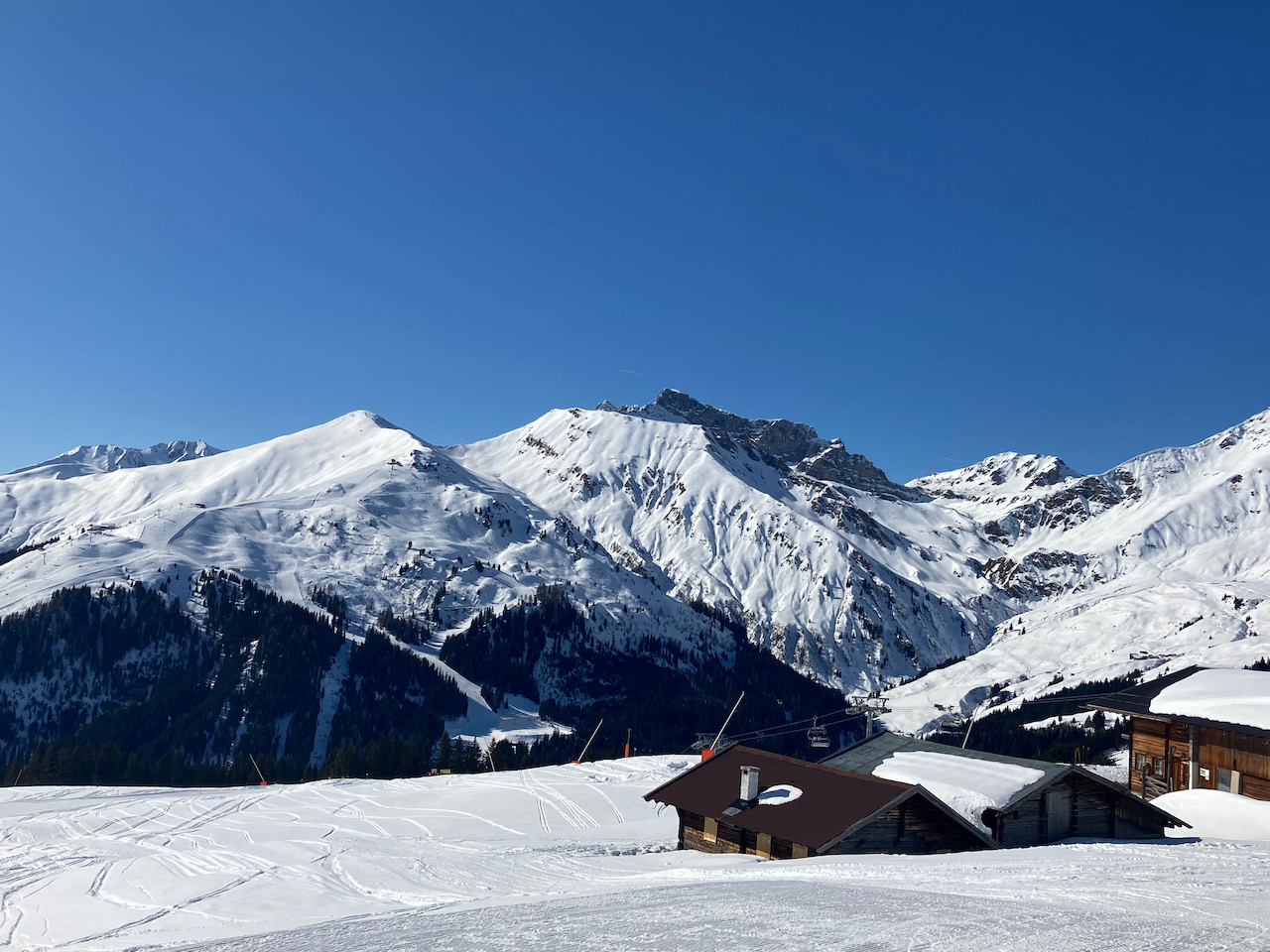
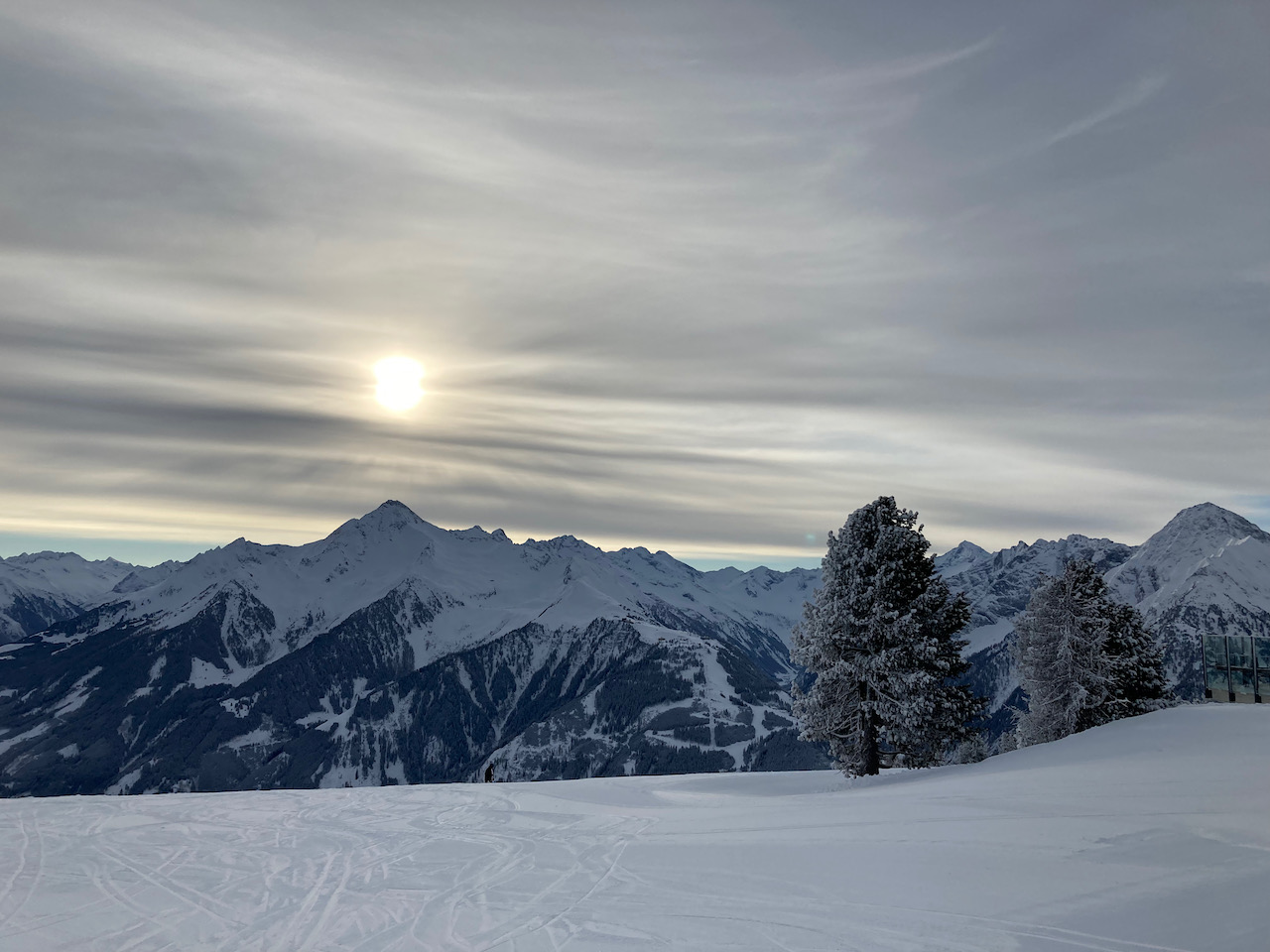
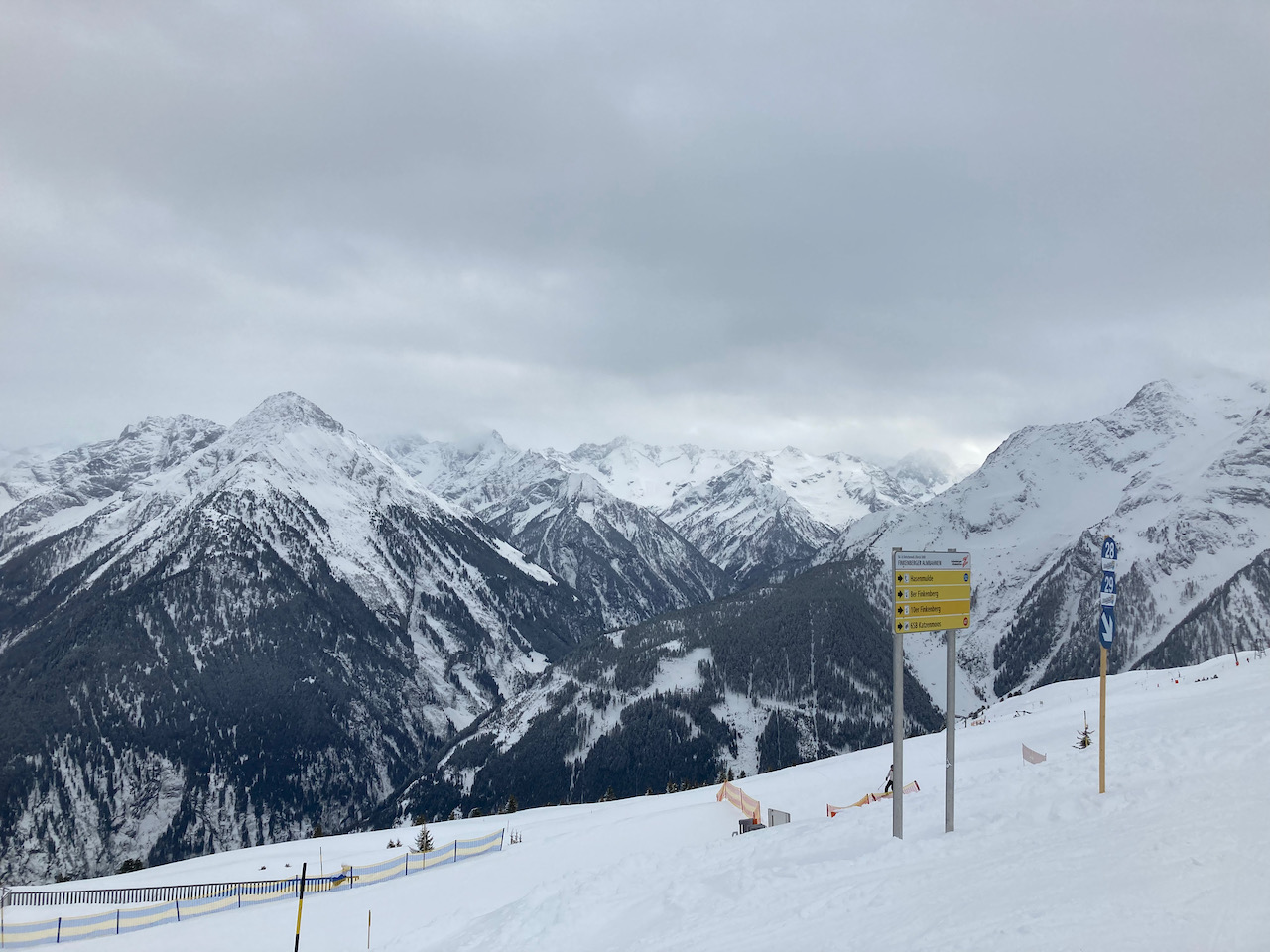
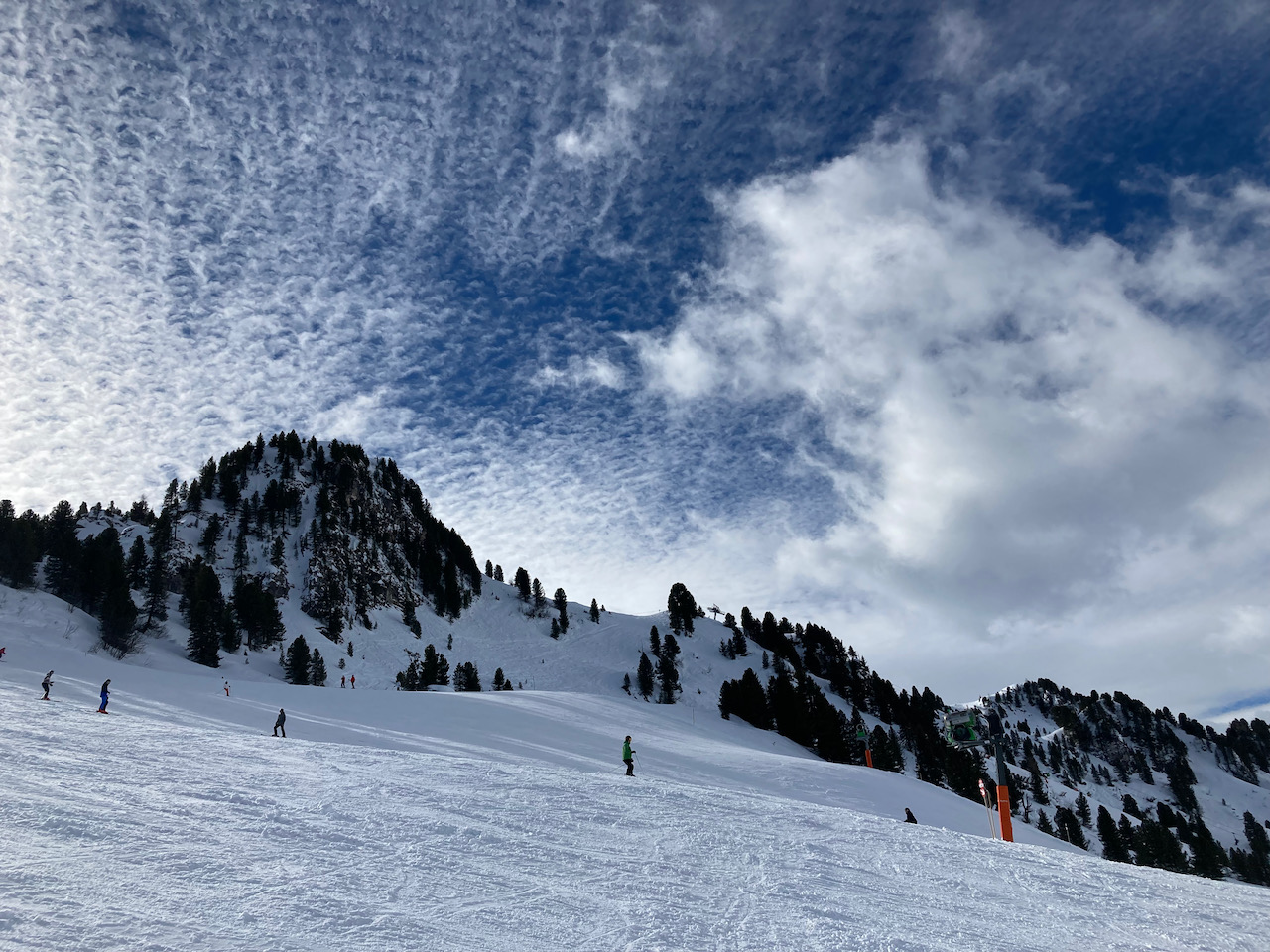
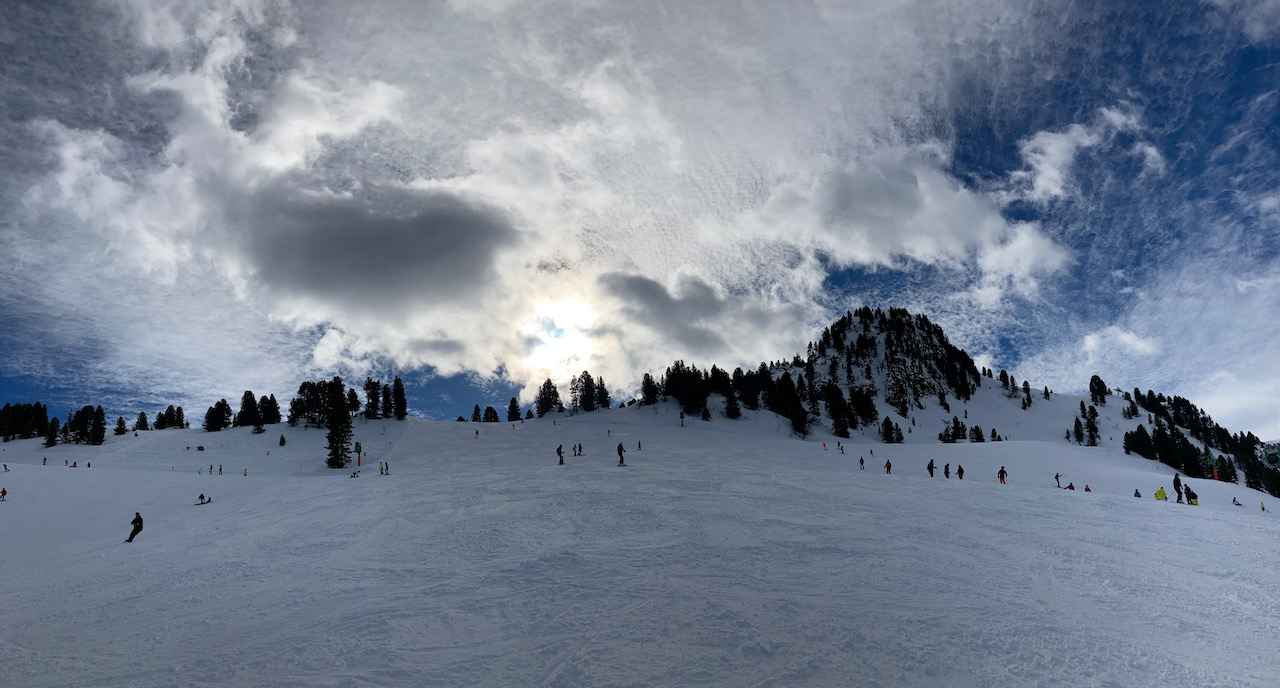
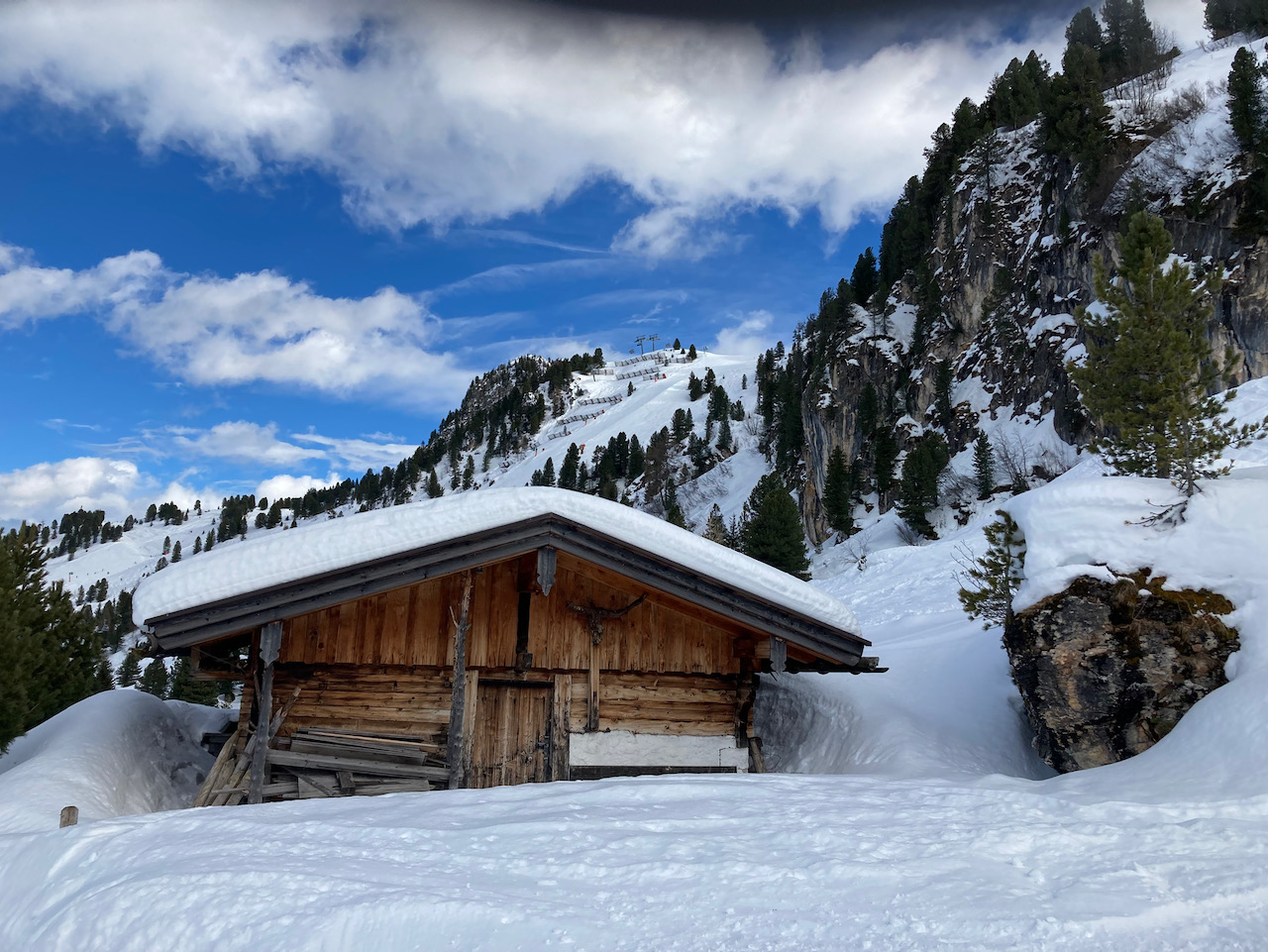
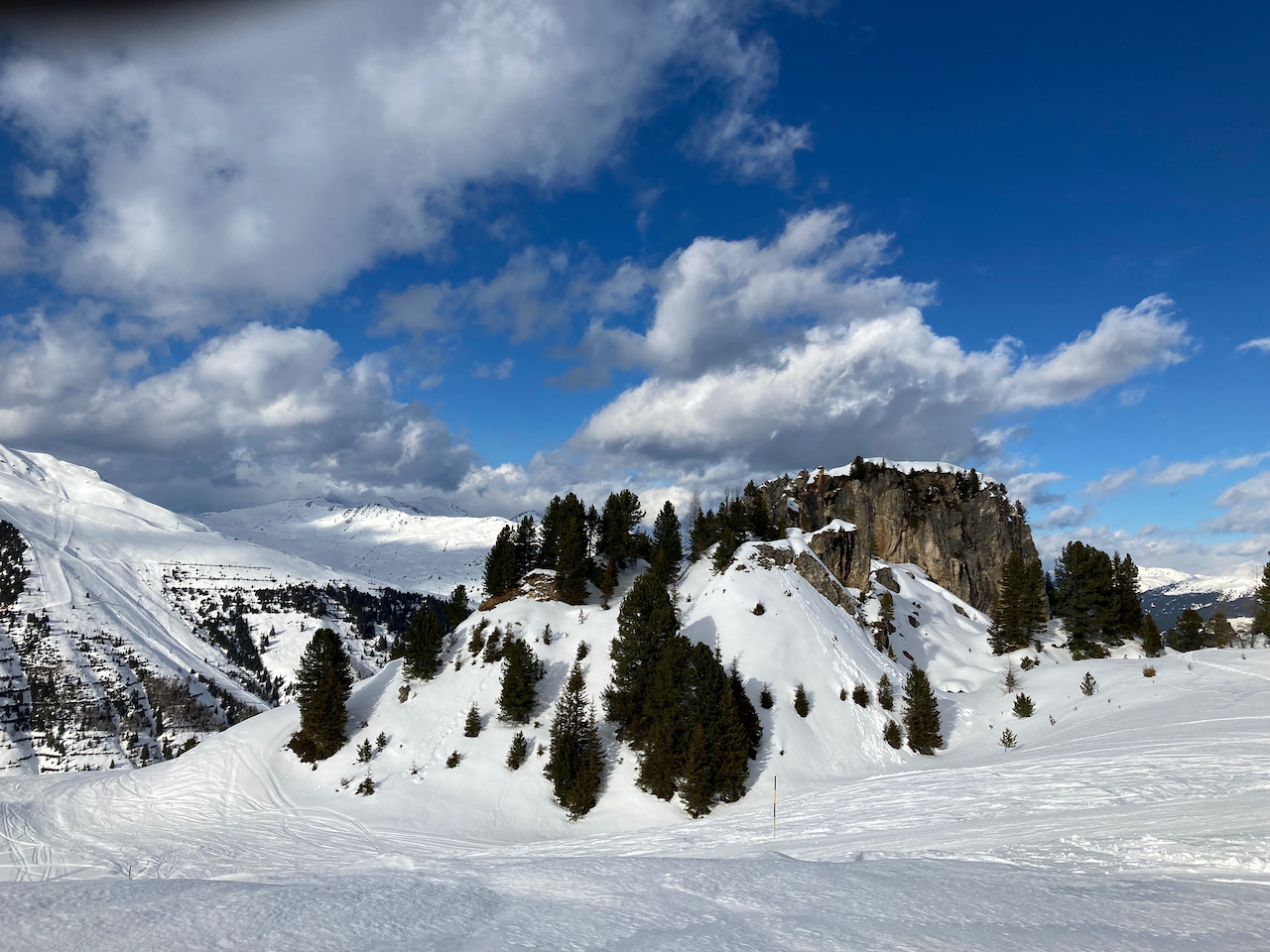
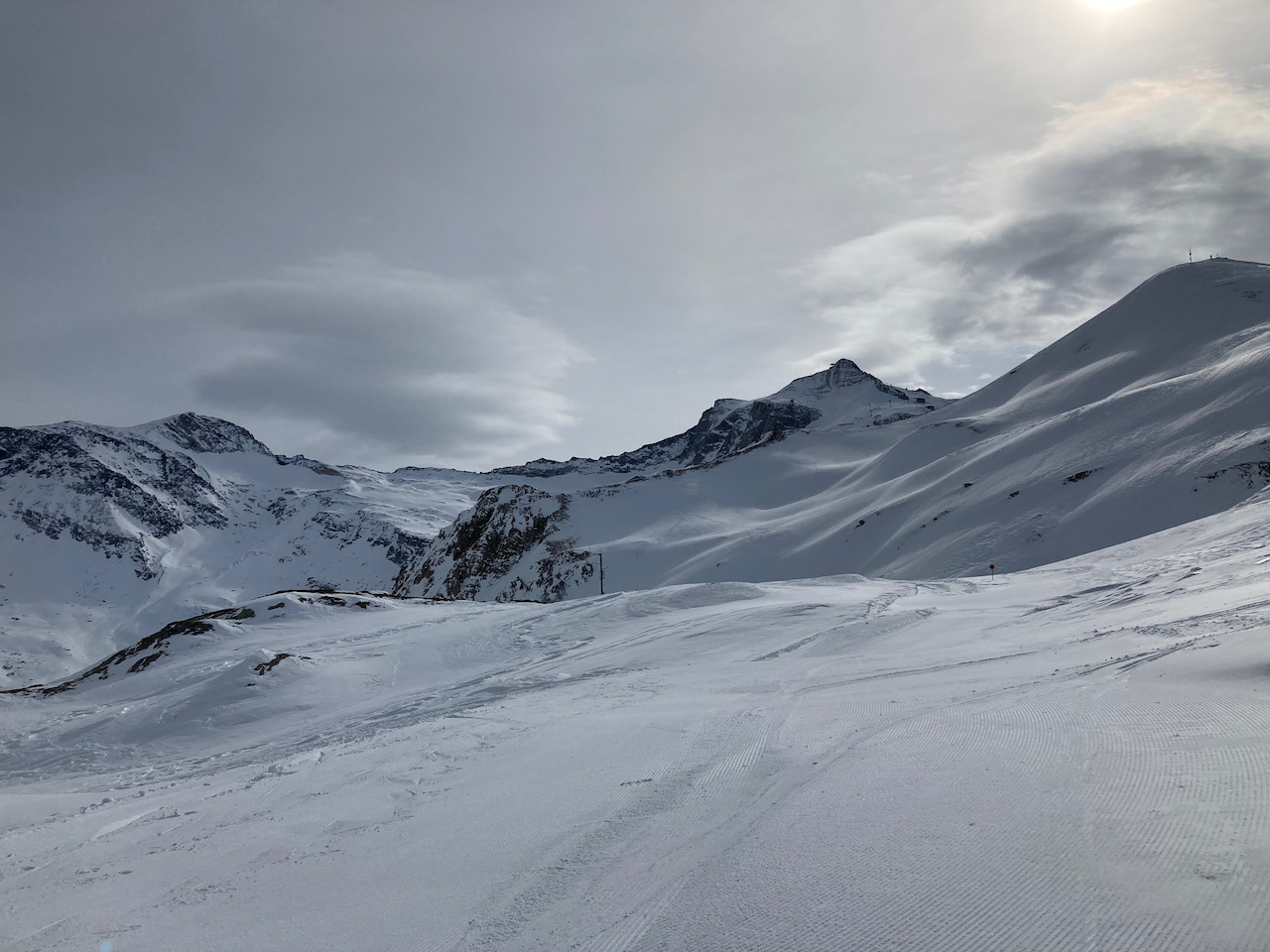
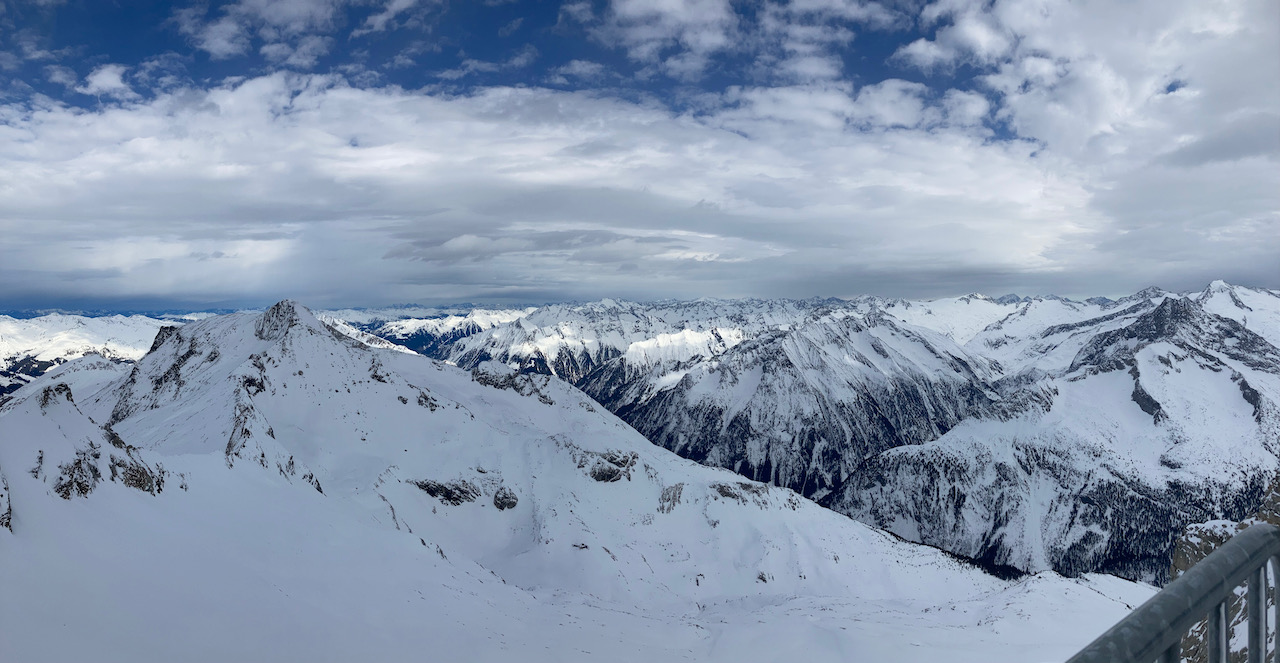
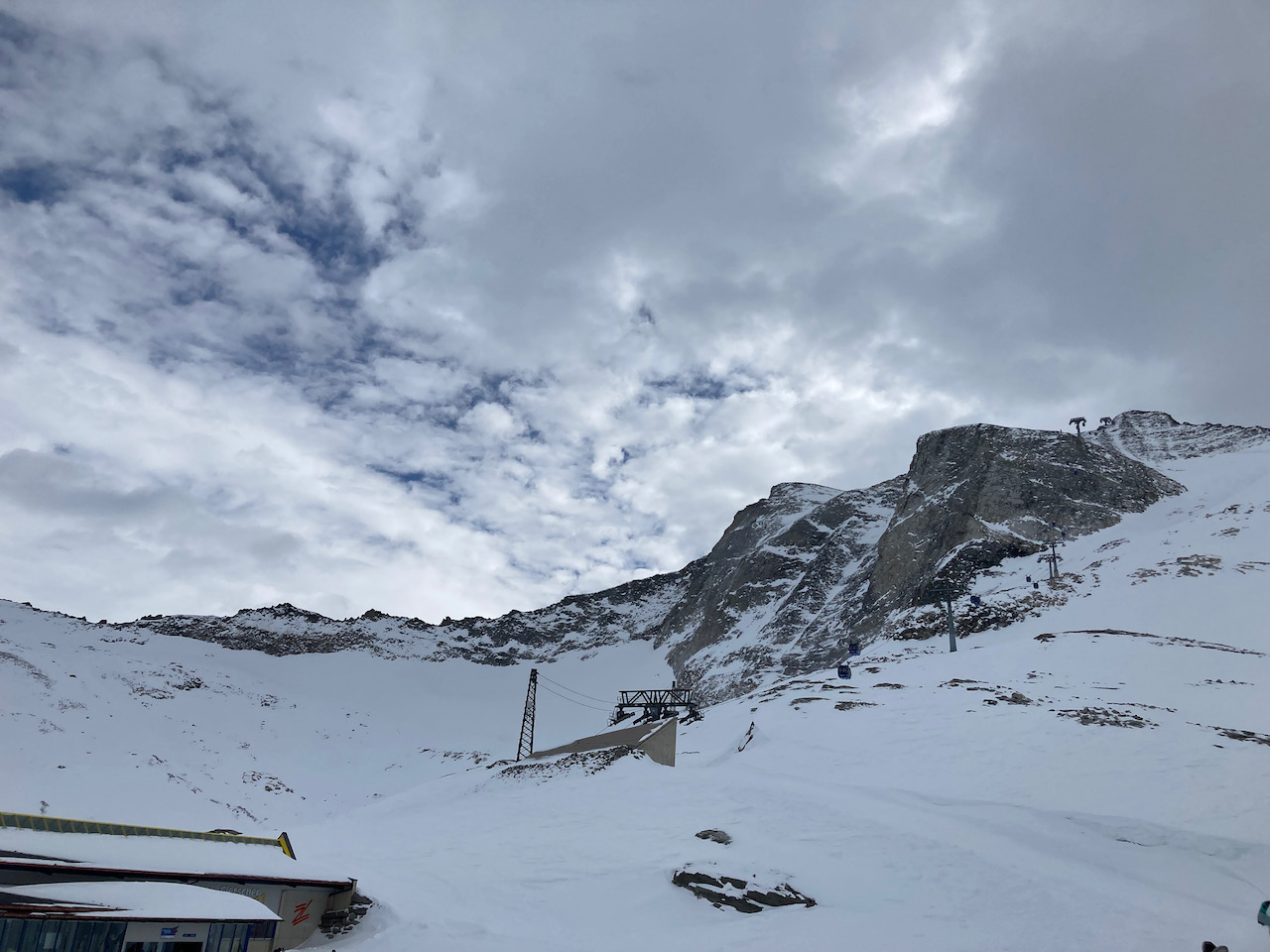
I knew that skiing in the Alps would be different, and it is no exaggeration to say that skiing in the Alps has been a lifetime dream. Perhaps it was the landscape that hit me this time, for I’ve spent a long time away from mountains now, or perhaps it was something else, but I was overcome by a feeling of awe from the moment we arrived.
After half a day, tired of repeating “wow” ad nauseam, I mentioned that I wish I knew other words. A friend supplied a string of words in German, all words I already knew, and it was these words that sang in chorus in my head throughout the week.
And it really was beautiful, in all kinds of weather, the entire time. We skied fast groomers in bright sunshine; found patches of powder in a snowstorm and worked our legs hard in the moguls that remained the next day; felt ourselves tiny and insignificant in the howling wind that rose through the glacier where we spent our last day. My breath caught with nowhere to go and there was nothing to do but fly, nothing to do but trust the skis in the wind even as the snow swirled up from everywhere and rendered visibility impossible. And then there was nowhere to go but back up the glacier in the hopes that our trial by wind had been recognized.
The landscape was desolate and extraordinary.
I recognize how fortunate I am to know how to ski, first of all, and to be able to take a week to do it. I recognize what it means to have learned this sport as a child and engaged with it for my whole life, less an eight-year break. There are some really interesting cultural differences that I noticed between Europe and North America in this way, accessibility and affordability being only a part of that.
If I could bring everyone this experience, I would. There is something about being out in the world, about recognizing the world rather than the self in the world, that gets me every time. The world would be a better place if we recognized that more often than we forgot it.
And as always, I thank the mountains and the sky for that lesson.
Photos, travels, musings, and ideas on education by someone trying to make the world a better and more peaceful place








































 By Rebecca Michelle