All posts by Rebecca Michelle

Educator, traveler, reader, blogger. Loves learning, black coffee, and friendly people.

New York Mountains

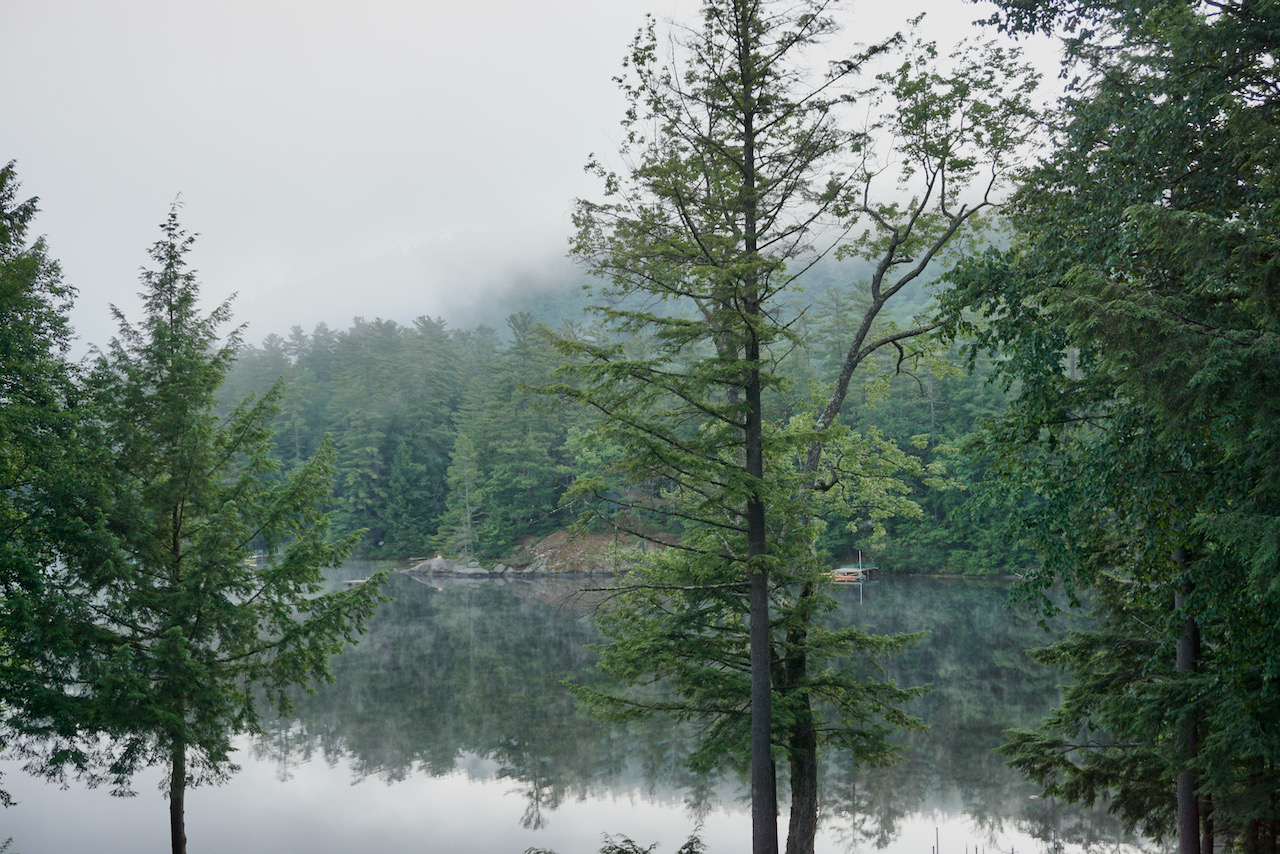
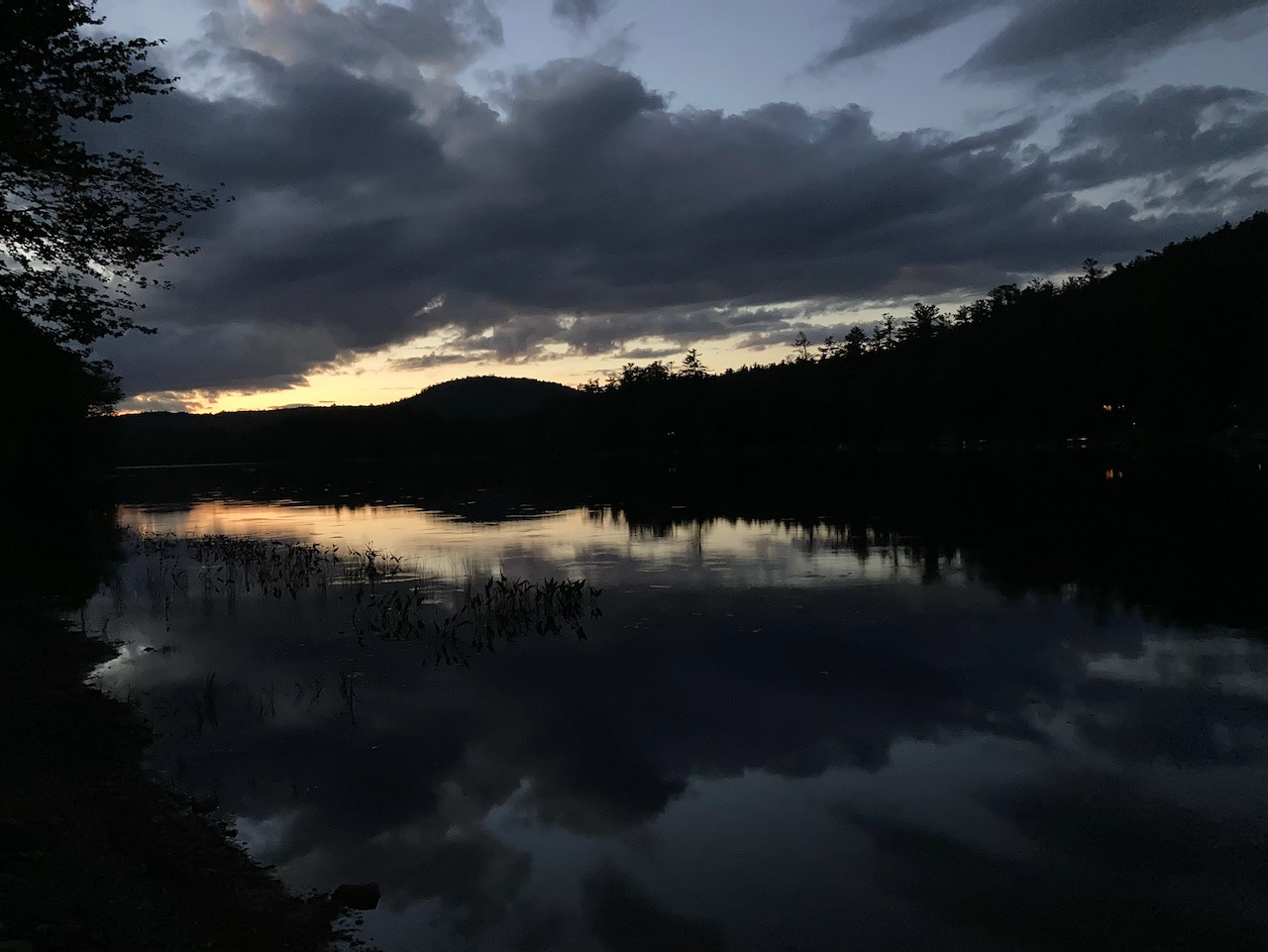
My family recently spent a week at a pond in an area of the Adirondack Mountains that doesn’t get cell phone service. We spent our days reading in the sunshine, paddling canoes and kayaks, and basking in the quiet and solitude.

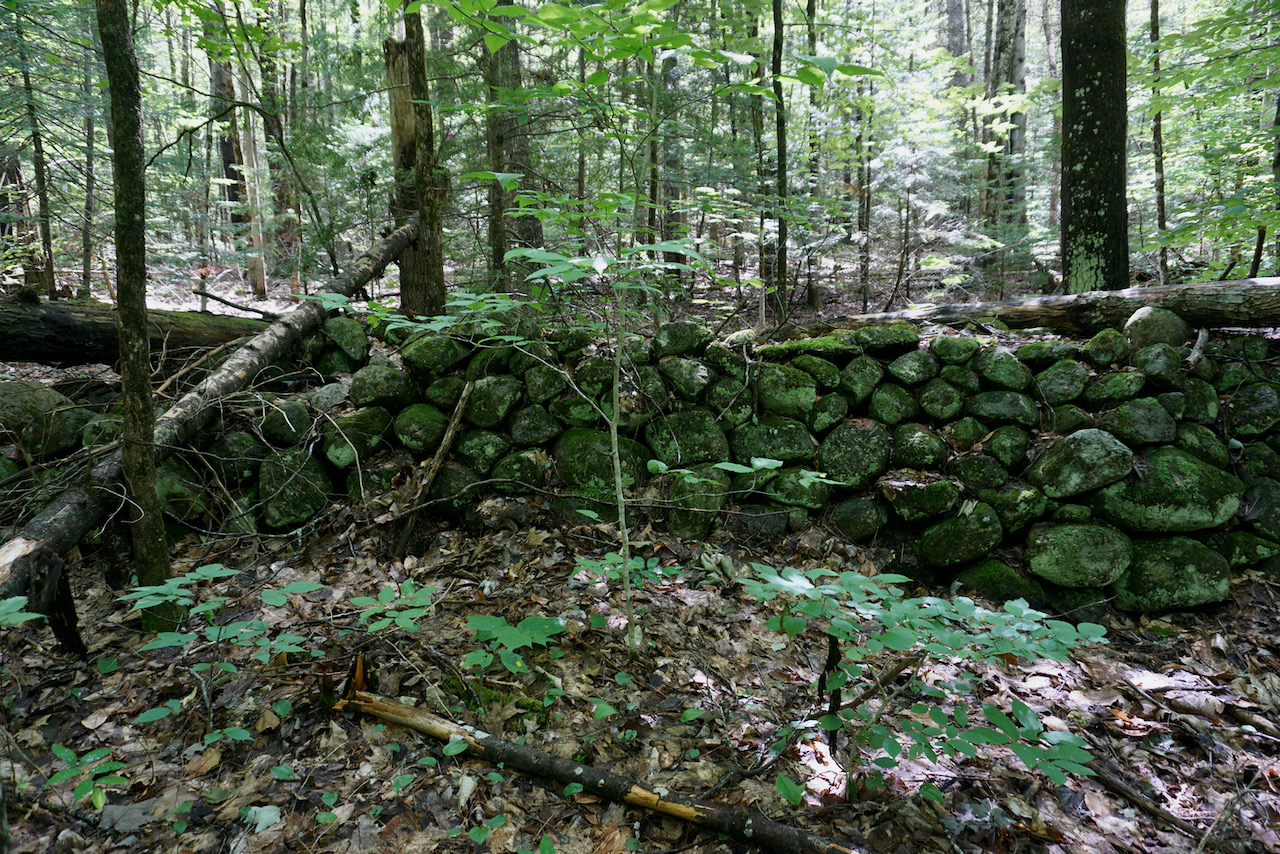
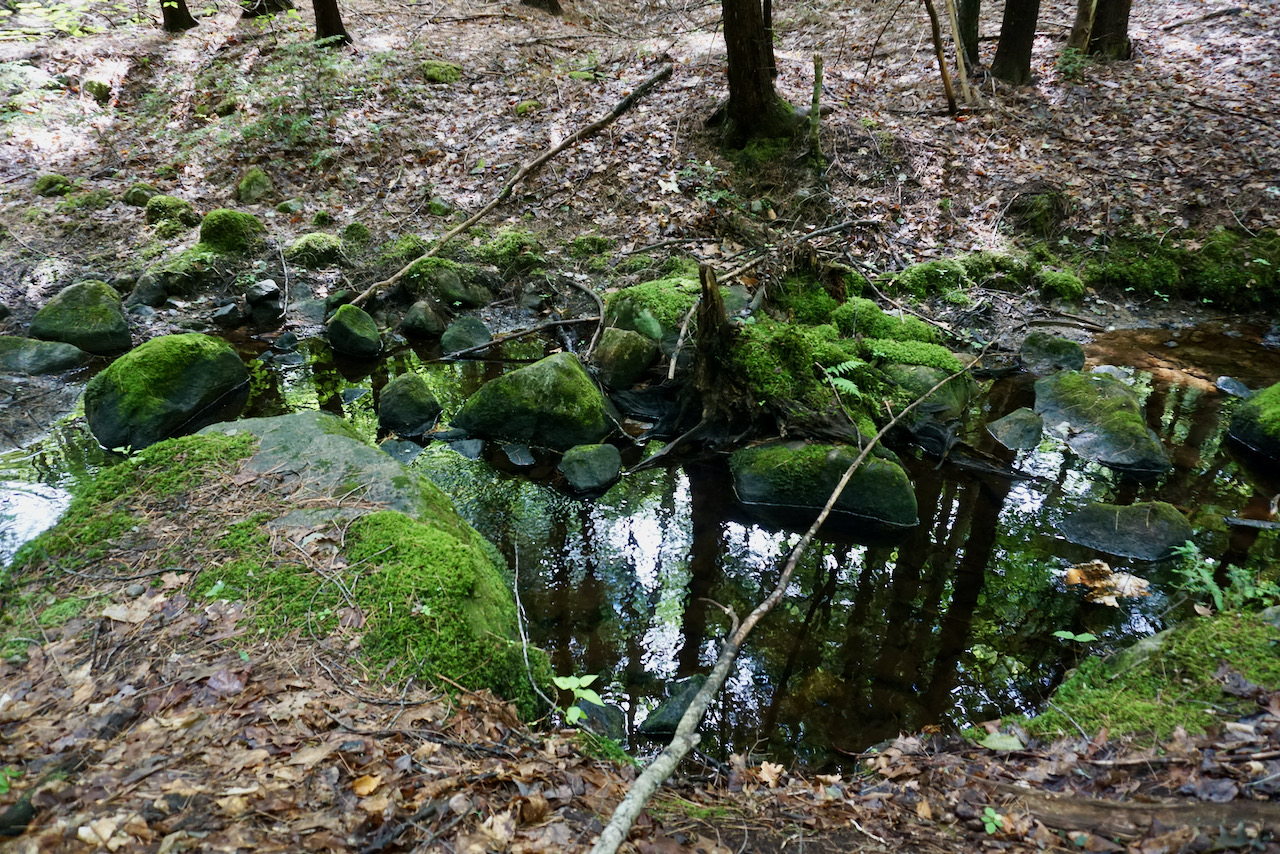
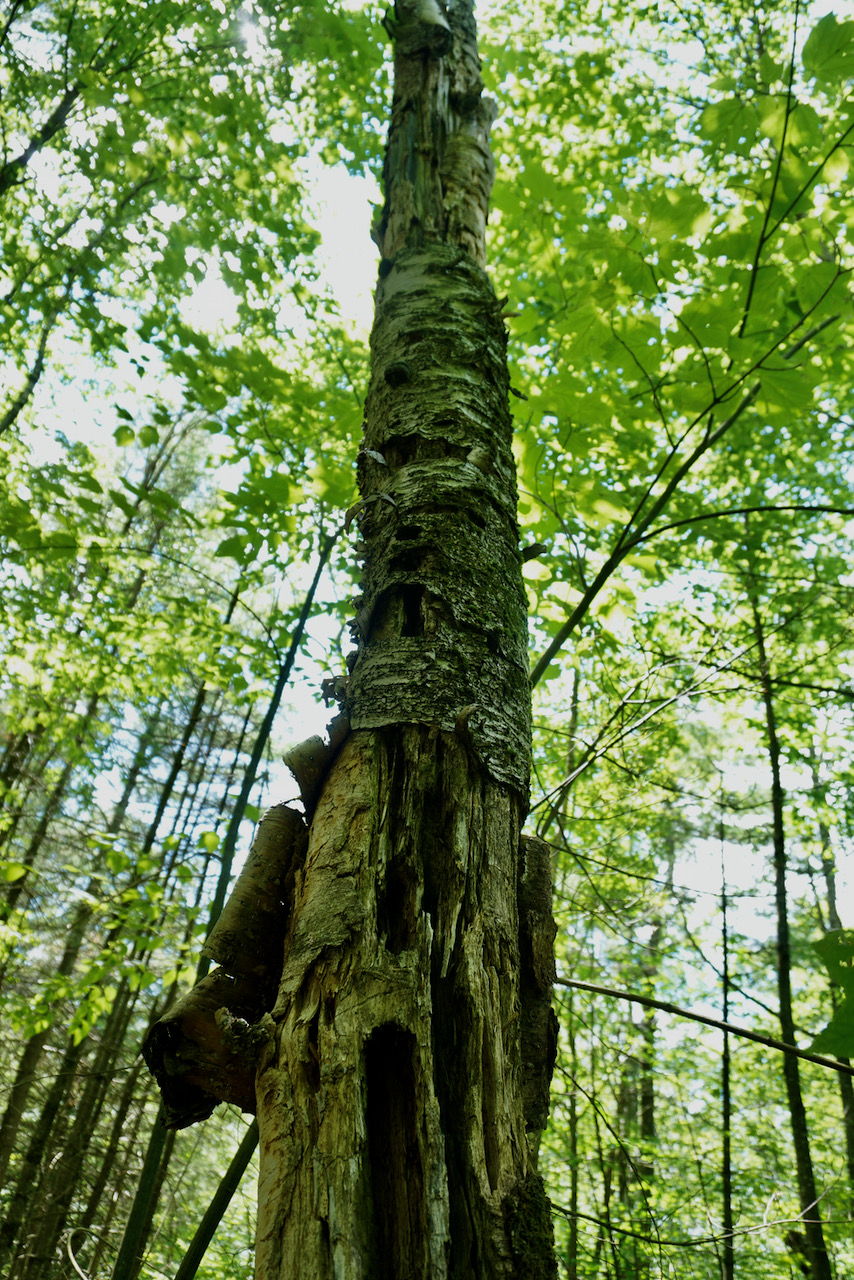
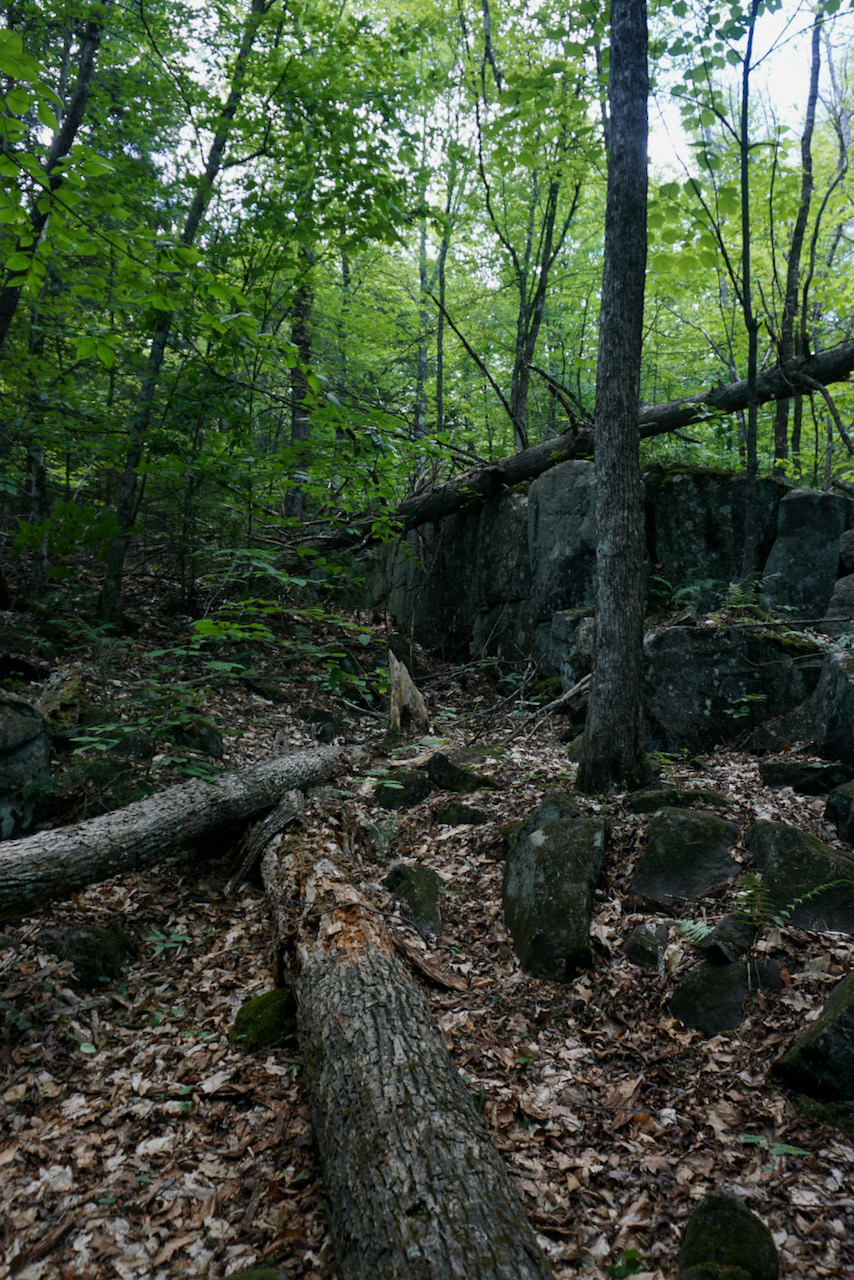
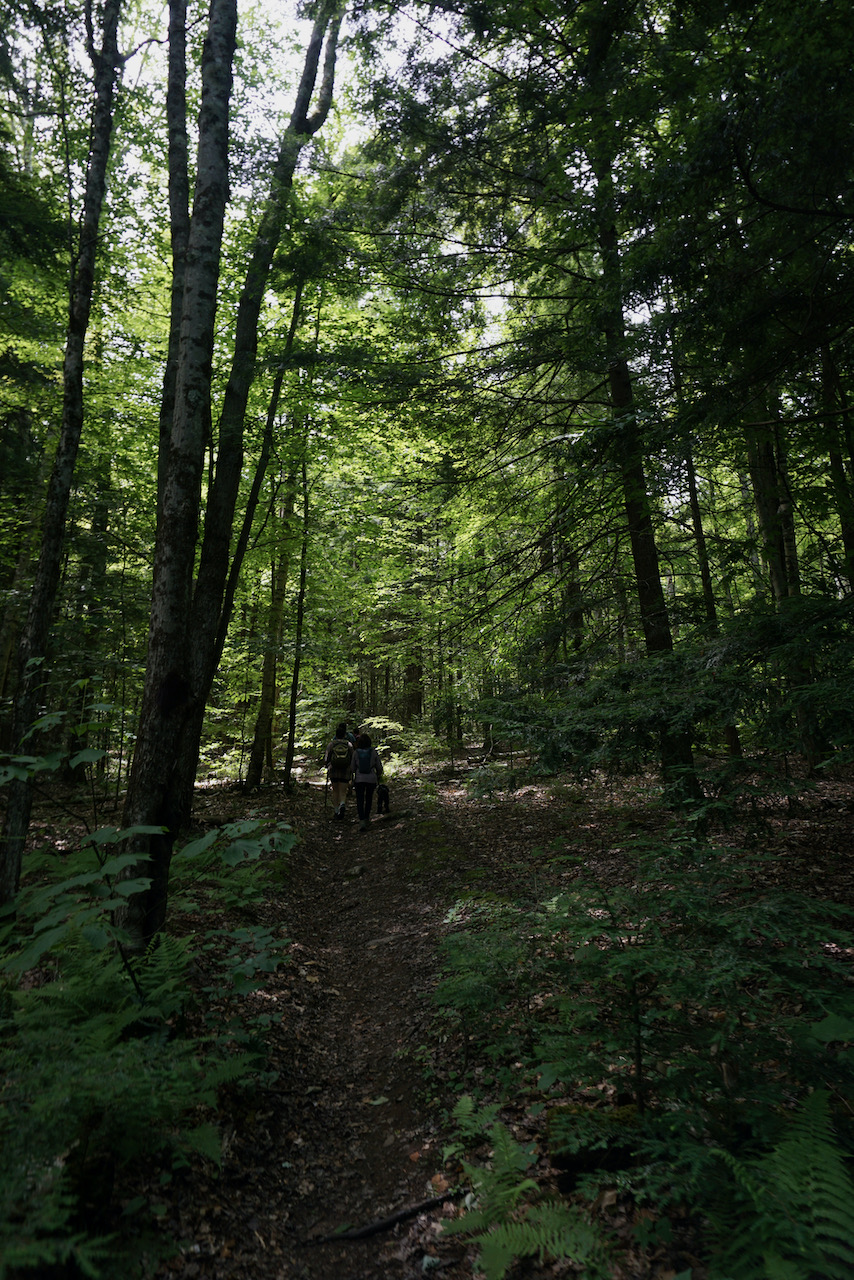
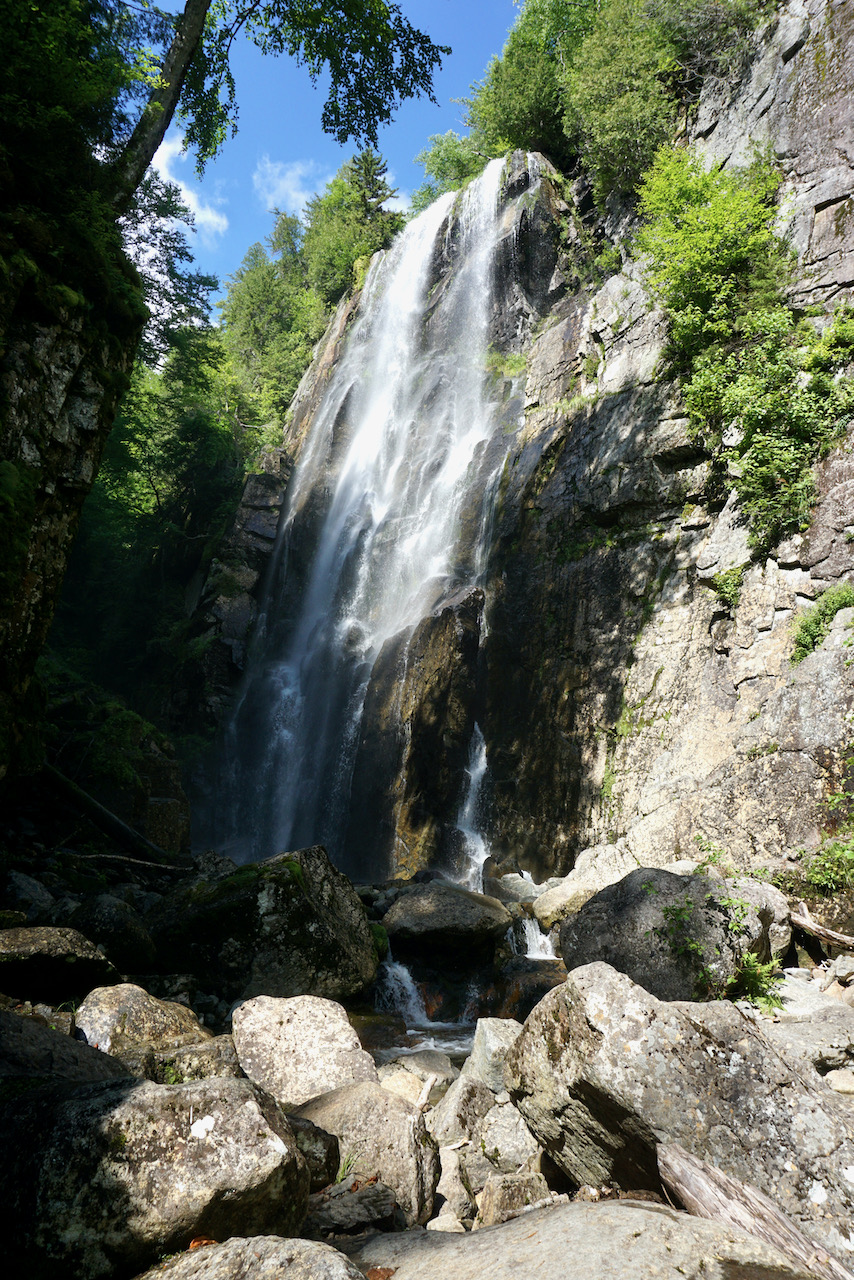
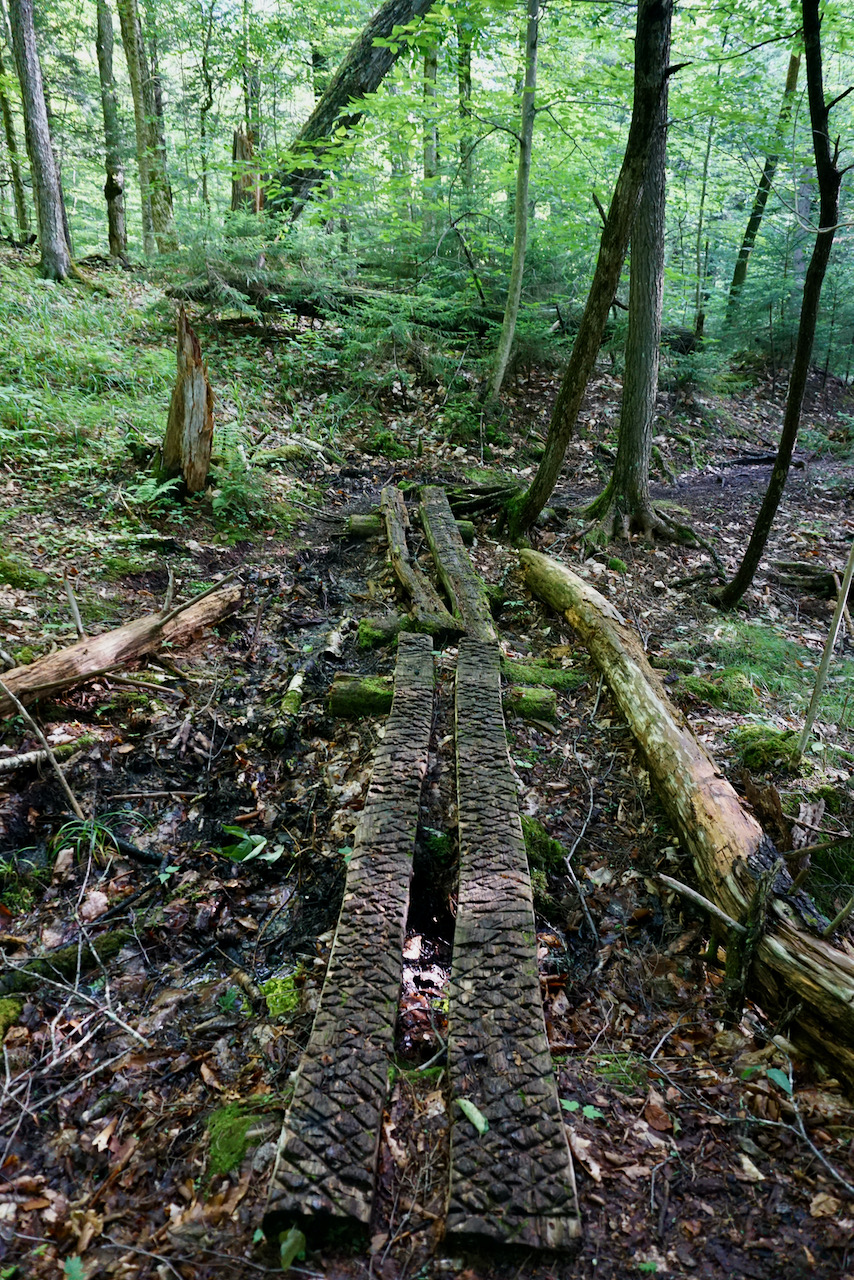
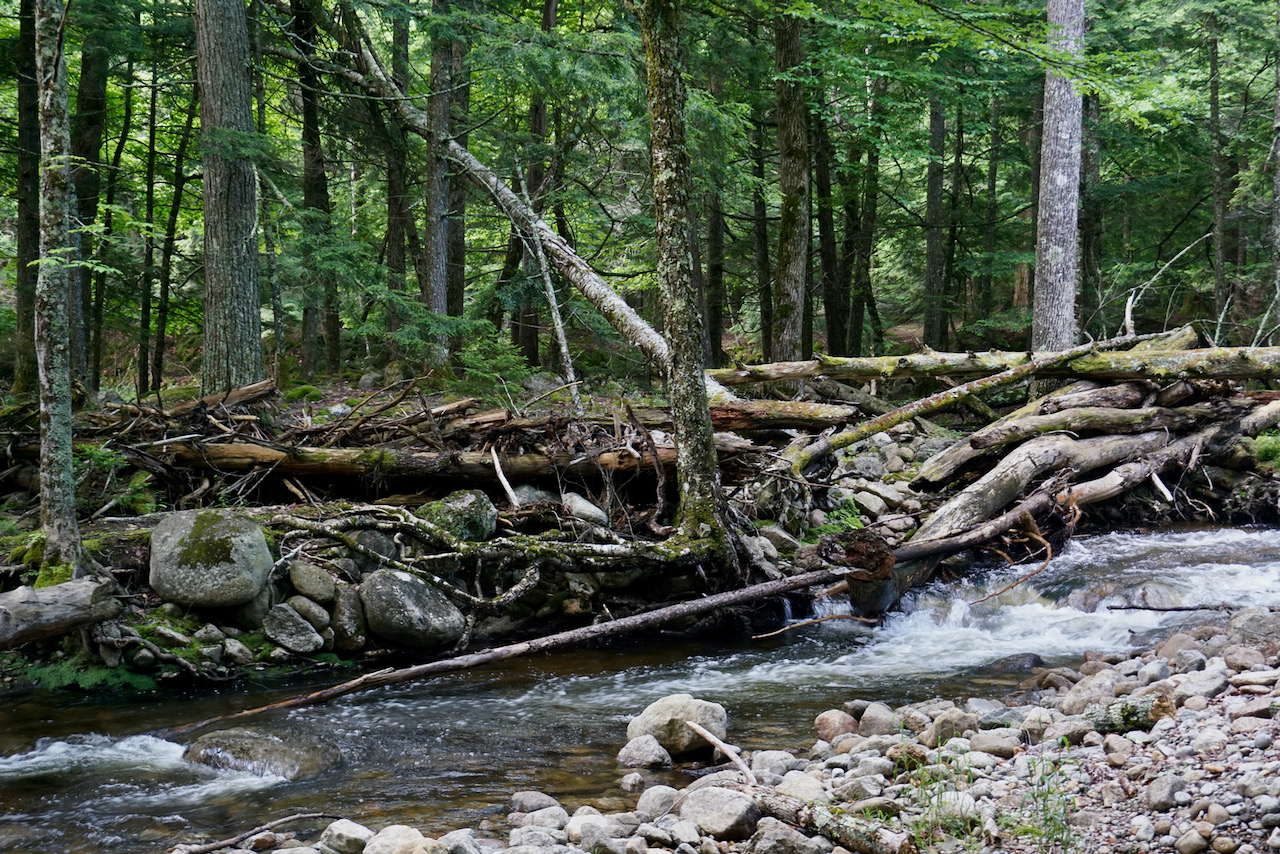
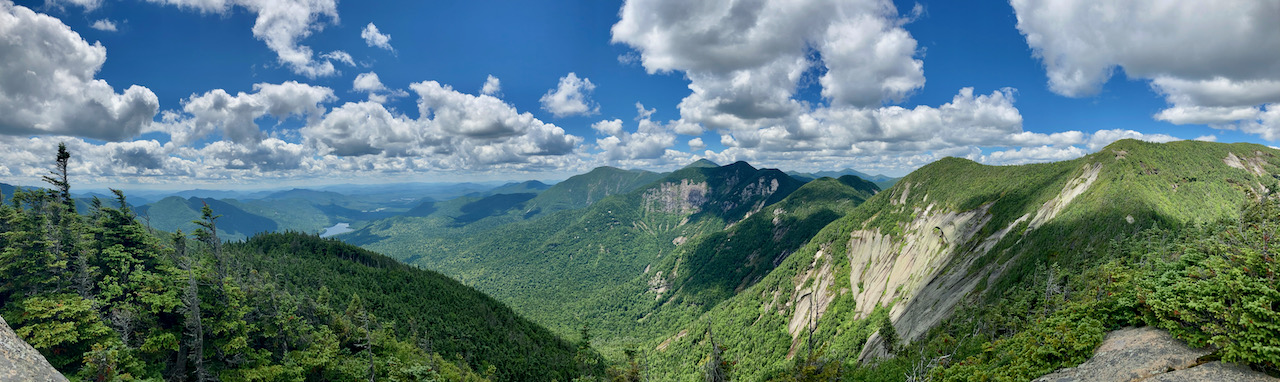
We hiked through forests . . .

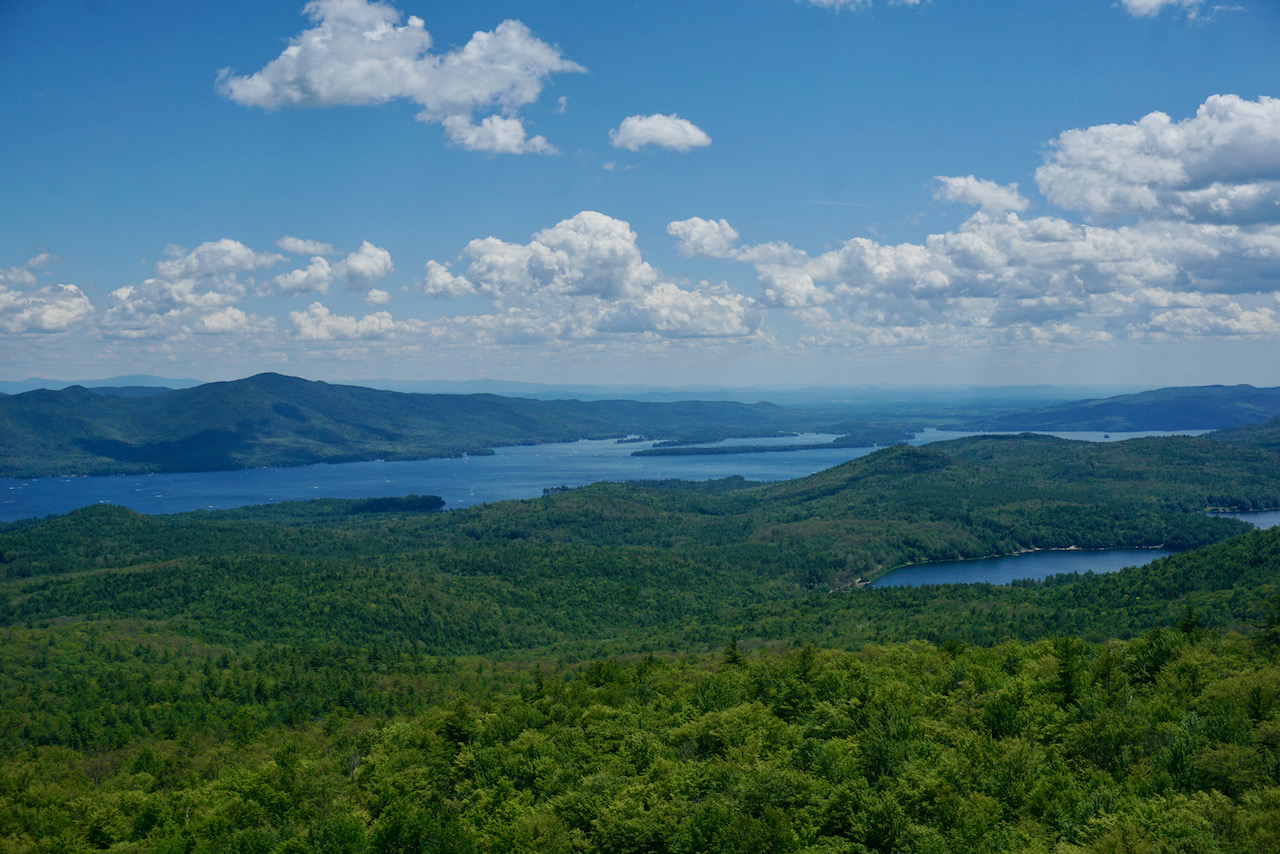
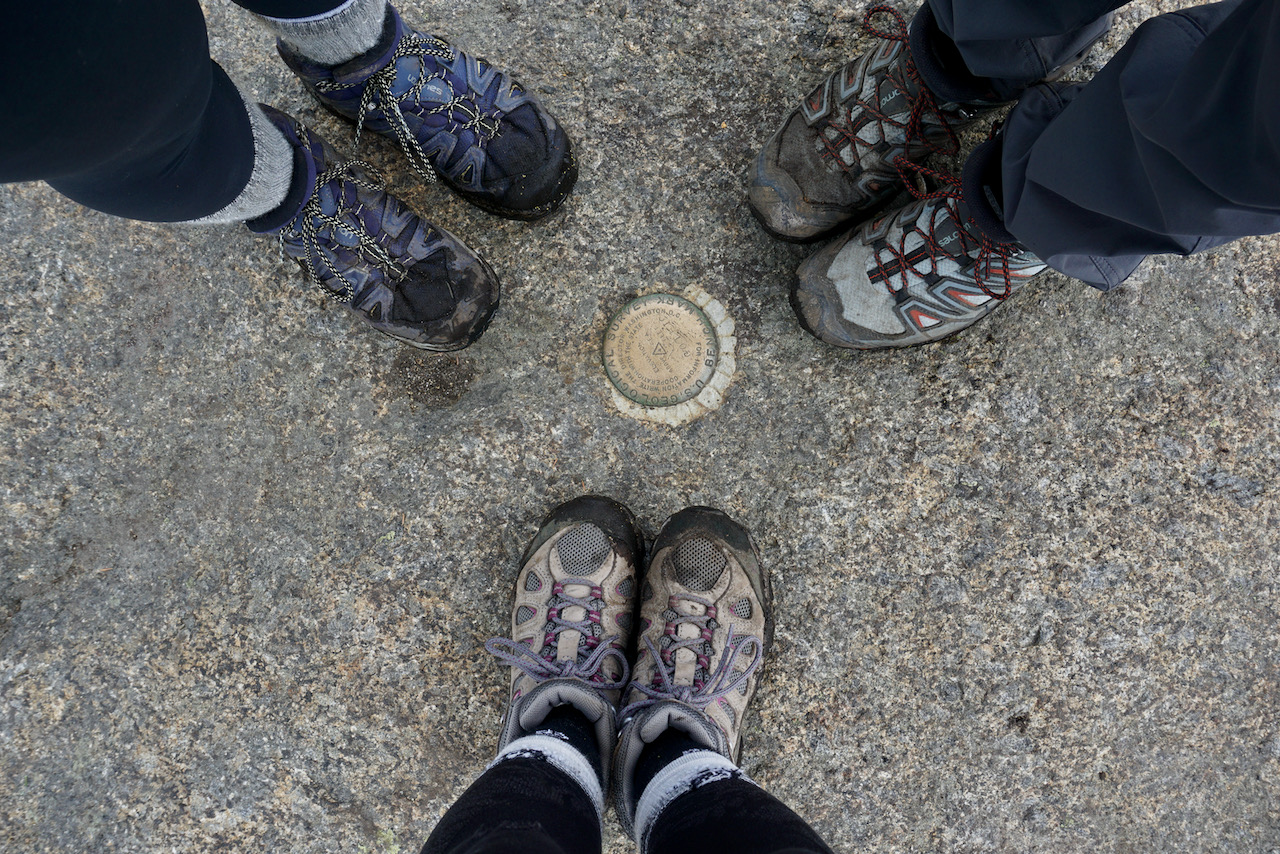
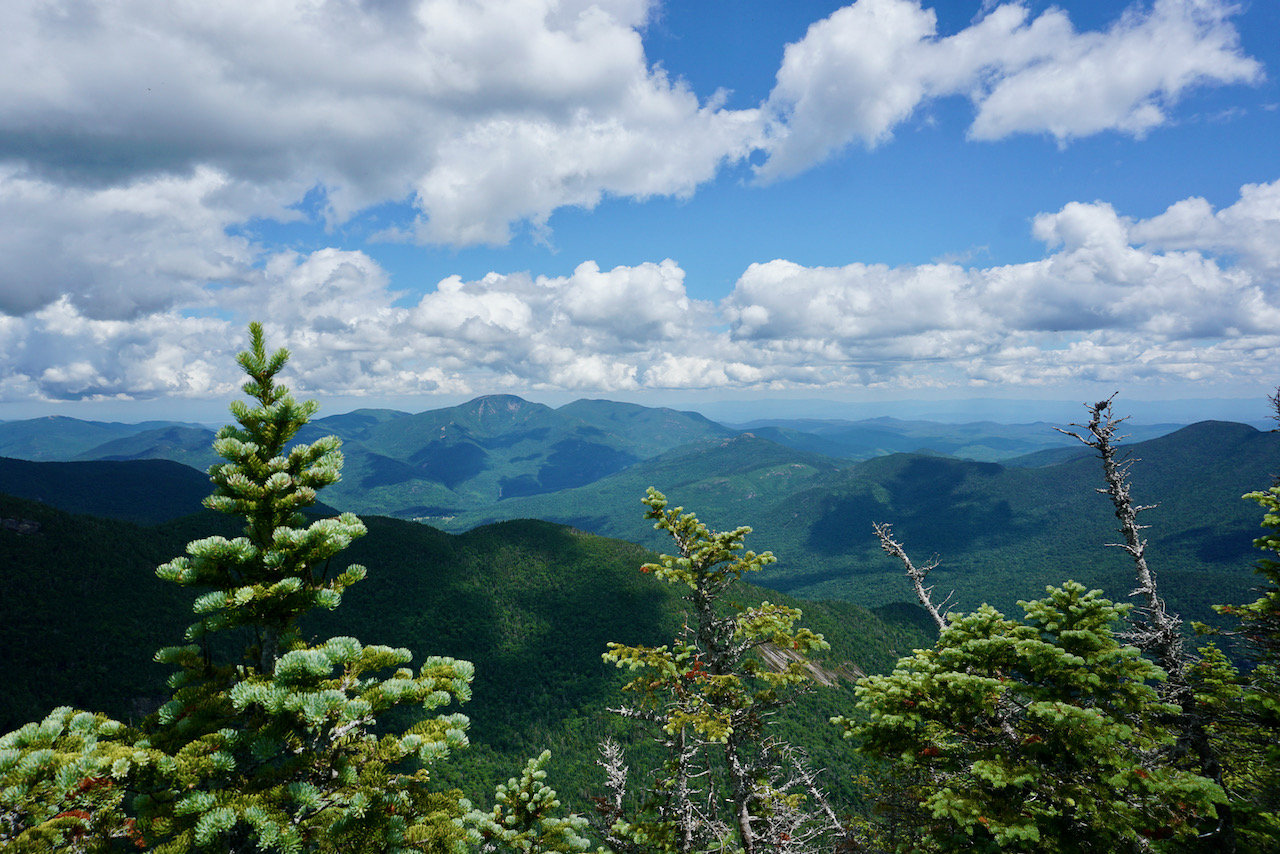
. . . climbed mountains . . .

. . . and waited by the fire for stars to appear.

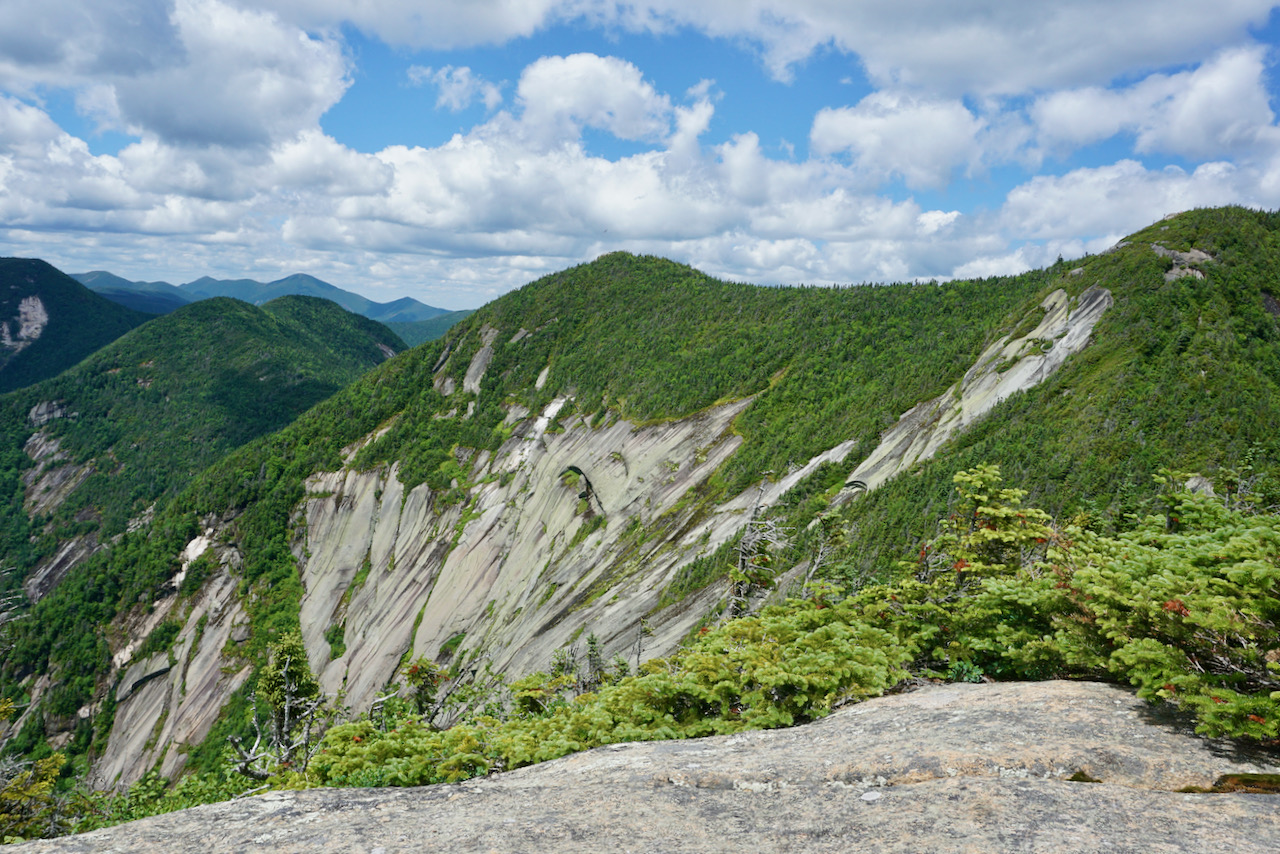
The Adirondack Mountains are beautiful and also, in my biased opinion, a very special part of the state. The region includes an area called the High Peaks, forty-six mountains ranging from 3,820 feet (1,164 meters) to 5,344 feet (1,628 meters). Technically a High Peak is classified as anything over 4,000 feet (1,219 meters) but original list of 46 stems from the early twentieth century when surveys were less precise. Three of us were keen to climb Gothics, the tenth highest peak at 4,736 feet (1,443 meters), which we planned to reach via Pyramid Peak, a mountain tall enough to fit High Peaks criteria but unfortunately located too close to Gothics to be considered its own mountain.

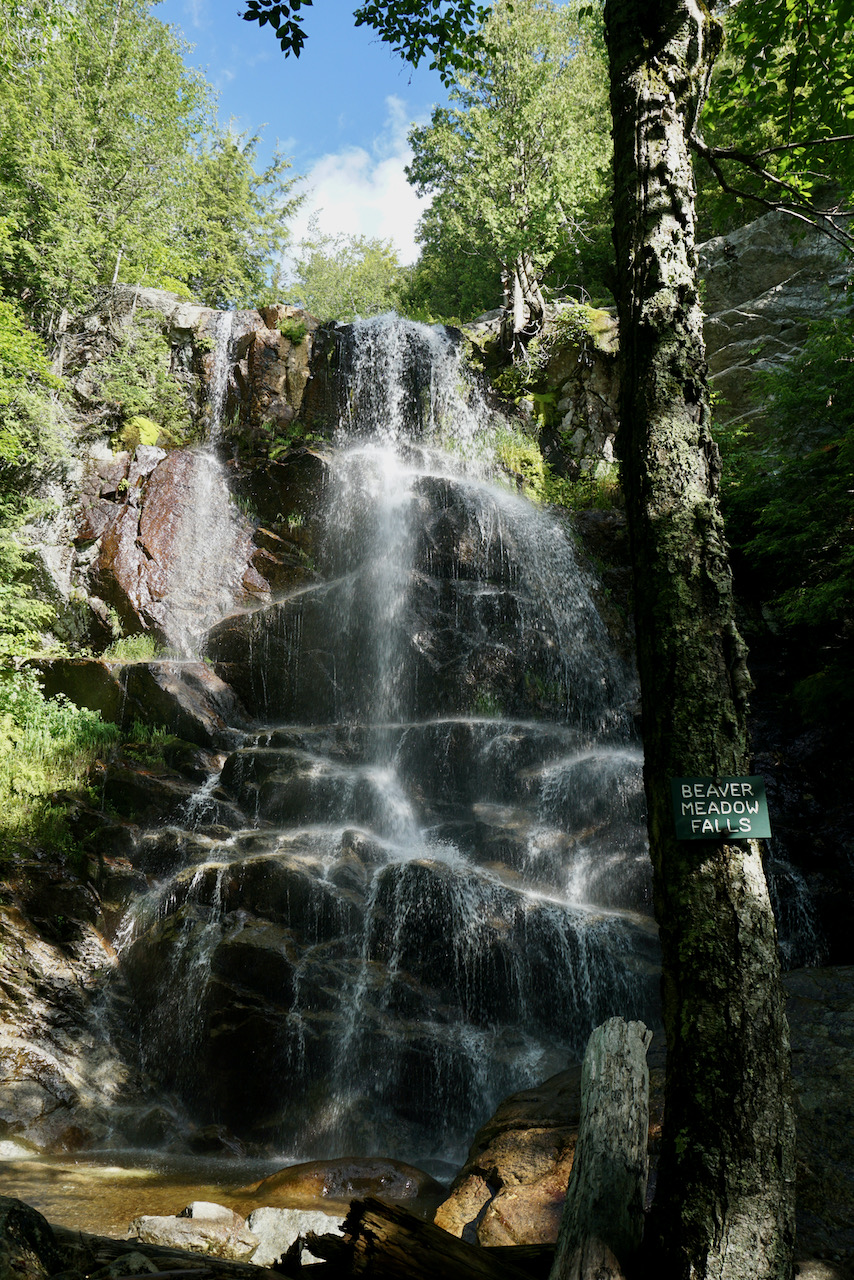
The hike is approximately twelve miles (19 kilometers) of adventure through forest, across rivers and waterfalls, and over boulders. Having prepared coffee the night before, we left before dawn and only returned close to dark. I’m very comfortable rock climbing but free climbing on slabs was a new experience.

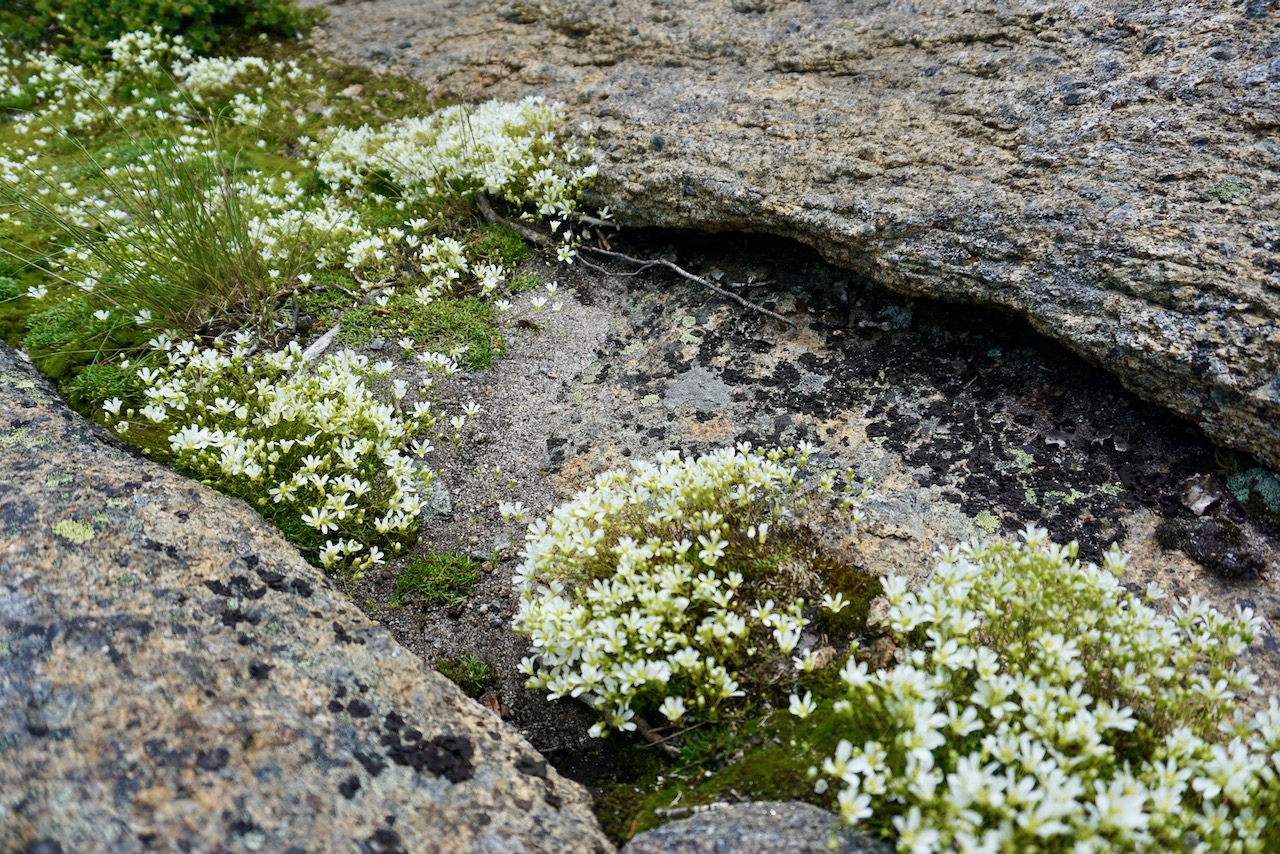
We had lunch on Pyramid Peak overlooking Gothics, marvelling at the trees and plants that are features of alpine terrain.

The hike is divided into three four-mile sections with the middle section containing the difficult climbing. It took us 11 hours and 38 minutes to complete, longer than the nine hours we’d read about and planned on. As we finished the last stretch of trail, we realized that many people likely walked the first and third sections along the road that we had decided to avoid. This was probably why the people we encountered in the woods commented that we were taking the scenic route to Gothics. It certainly was and I highly recommend it, but we were glad we started early and that we’d packed more food than we thought we needed.

After an hour in the car, we were glad to be back at the pond.

What I love about the Adirondacks is how far away it seems from the rest of the world. The air tastes cleaner, the sky is bigger and stars brighter, and the ecosystems around water and forest conjure a tranquility that seeps into my bones. There’s nothing to do but be out there, no time to keep, no opportunity for mindless distraction. Instead, the mind switches off while watching the fish jump early in the morning, and the senses sharpen as the arms, warmed by the sun, dip the kayak paddle into the water. The Adirondacks are a special place for me because they find all of me, scattered as I sometimes am, and bring me right there. Right there where there’s no place else to be.

The Beach

I’m not sure how my parents chose the beach that ultimately became the beach we visited every summer, and then every other summer, and then one last time. I think it was advertised in a catalogue or maybe as part of a vacation package at a wholesale store. Whatever it was, we loved our family beach holidays, which started as soon as we got into the car and began the sixteen-hour or so adventure of reading, license plate spotting, occasional bickering, and listening to Garrison Keillor’s A Prairie Home Companion after dark. Throughout my childhood, the ocean was my happy place.

Until last week, it had been a while since I’d spent a holiday at the ocean, several years since the order of events upon arrival followed a familiar pattern: Unload the car, have something to eat, buy groceries, walk on the beach. It was my first trip to Warnemünde on the Ostsee, or Baltic Sea, where I was thrilled to have been invited, and my heart felt almost like I’d been there before.

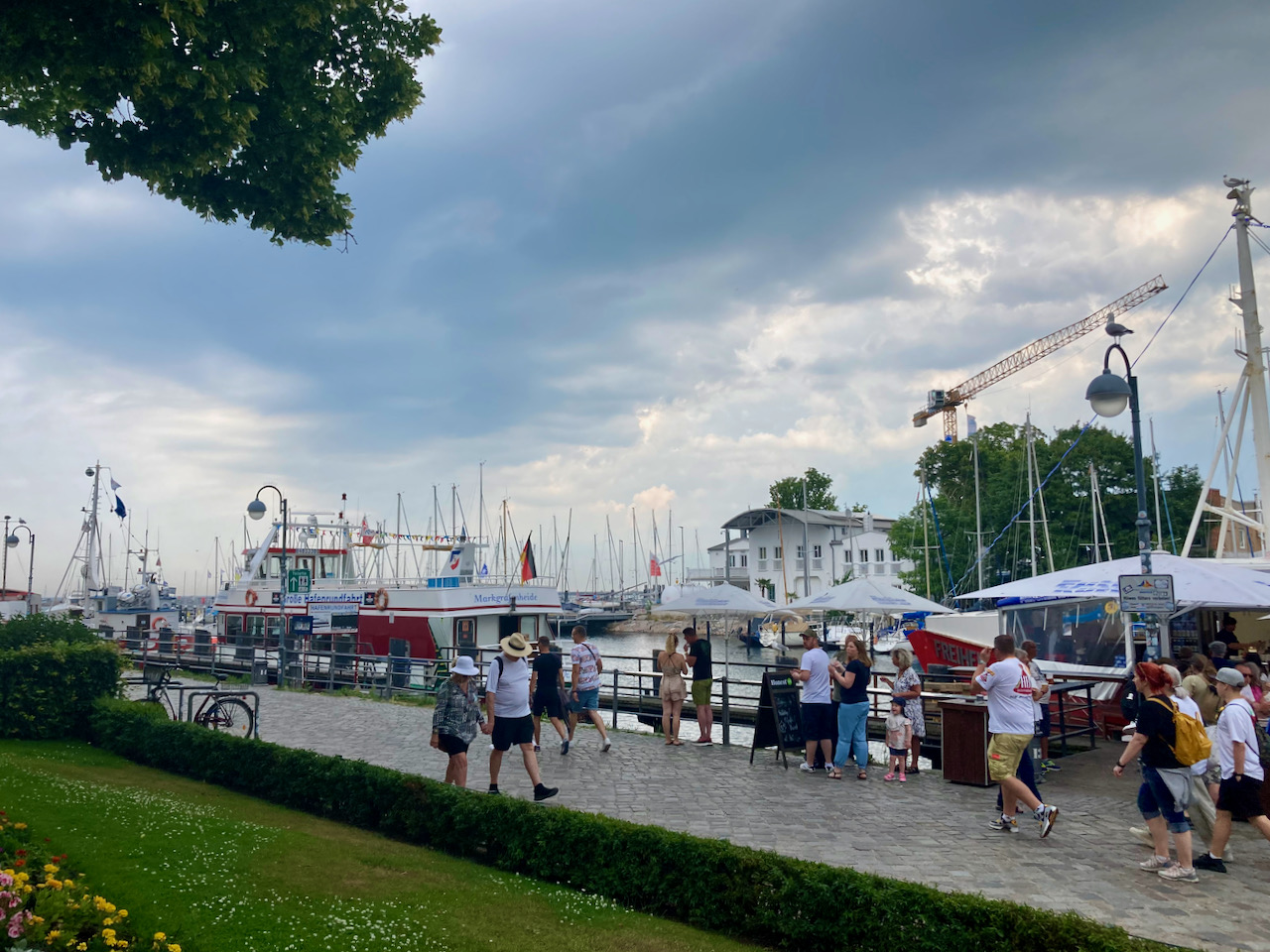
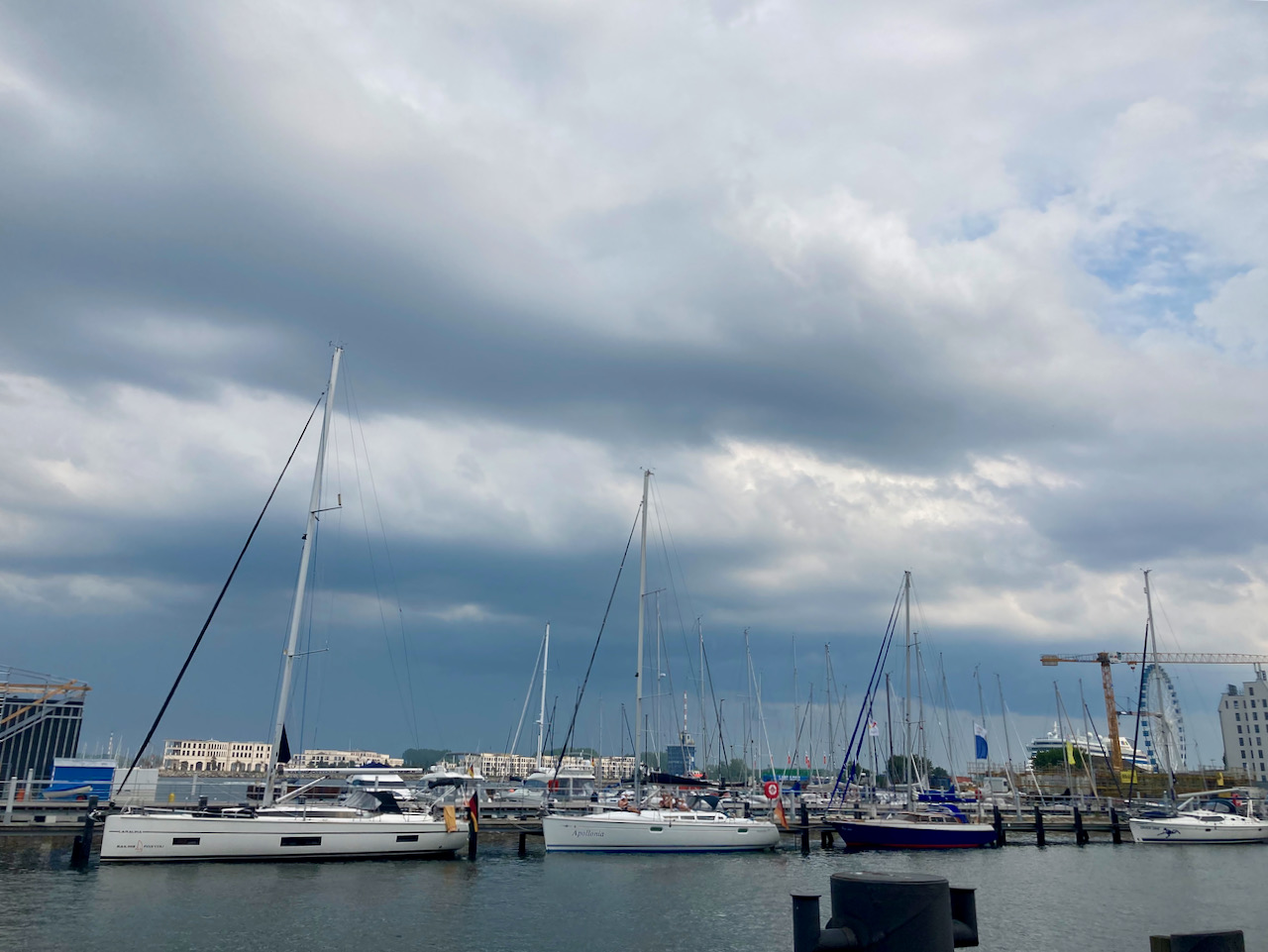
Warnemünde is a fishing town with an active port and a popular destination for tourists and cruise ships. A port means boats and lighthouses, both of which remind me warmly of my years working on boats and never fail to capture my attention.

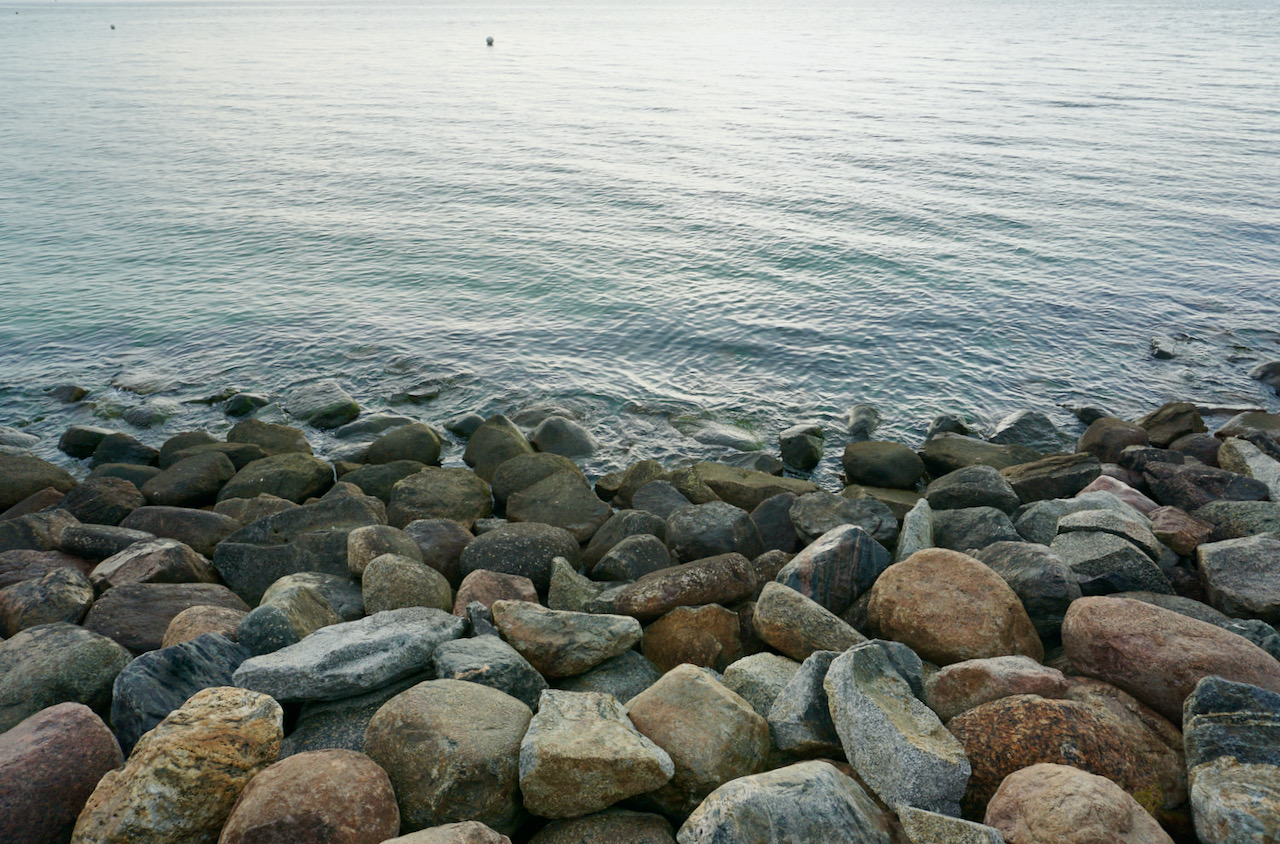
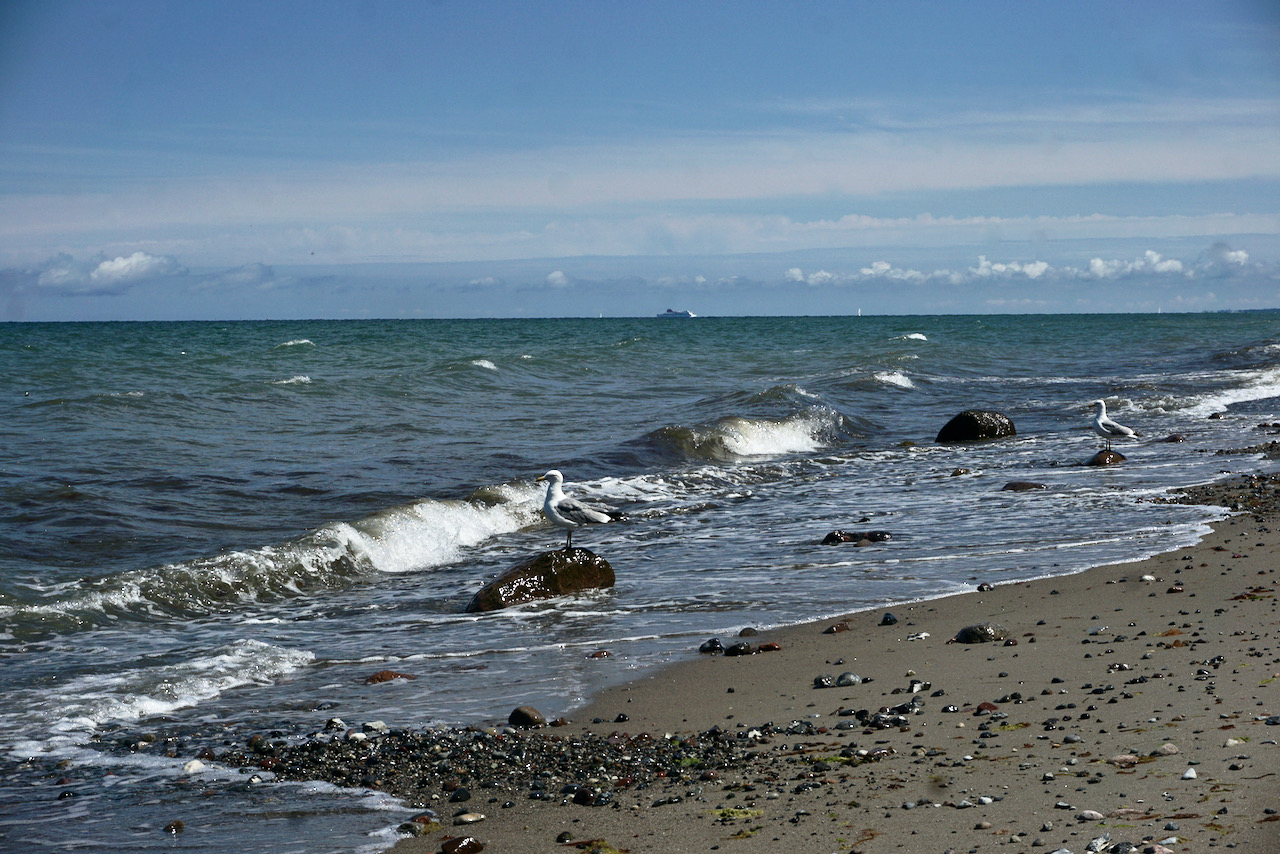
The water was warmer than I’d expected though still a shock each time we waded carefully in, laughing, slipping on rocks, getting tangled in seaweed, playing. The ocean was surprisingly flat even on windy days, and the beach rockier than usual, I was told. We tasted salt on our lips, dried off under the sun and wind, watched the seagulls marching along the sand. And when the sun went down, we walked quietly and in awe.

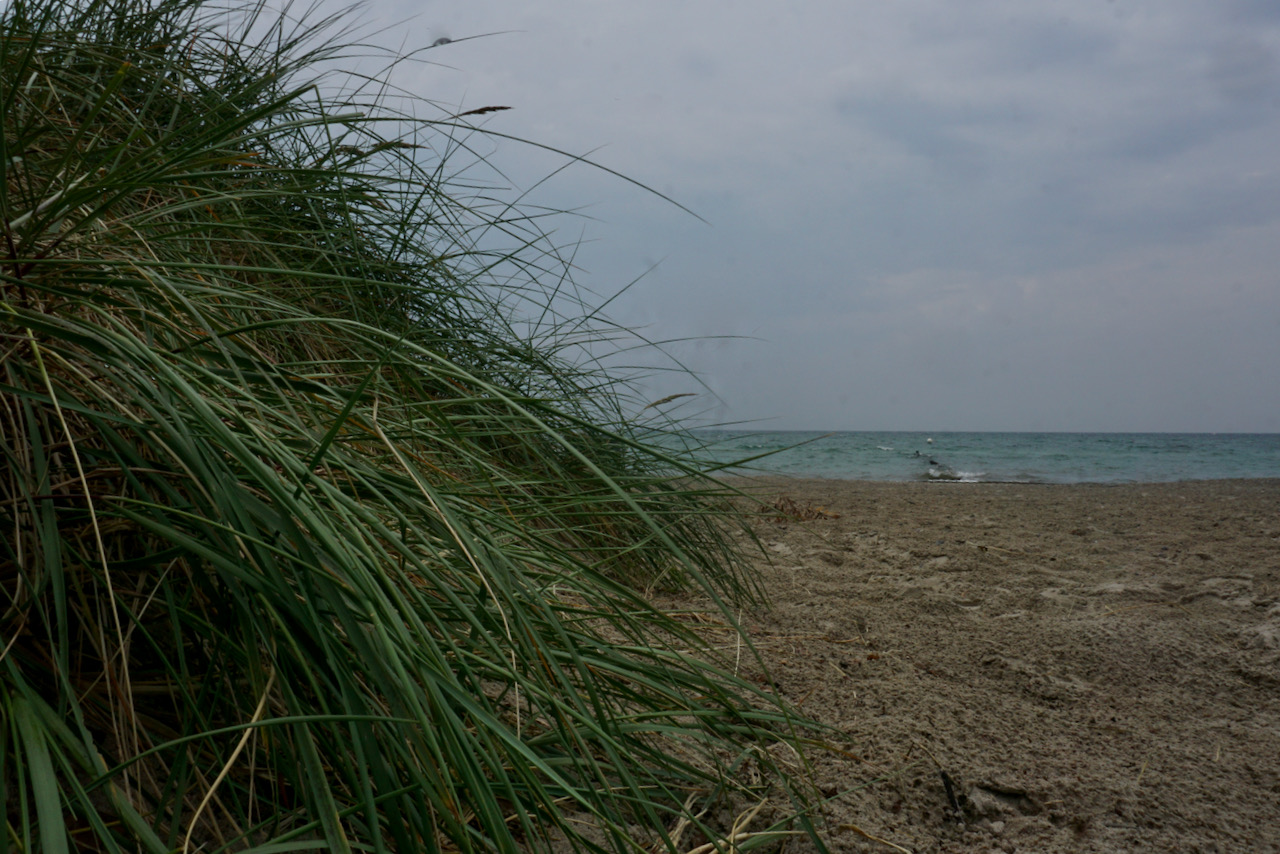
On the Ostsee, I learned, much of the beach emerges from the forest and this was completely new to me. We found a cozy spot, watched the approaching rainclouds, and walked calmly back in the storm that followed.

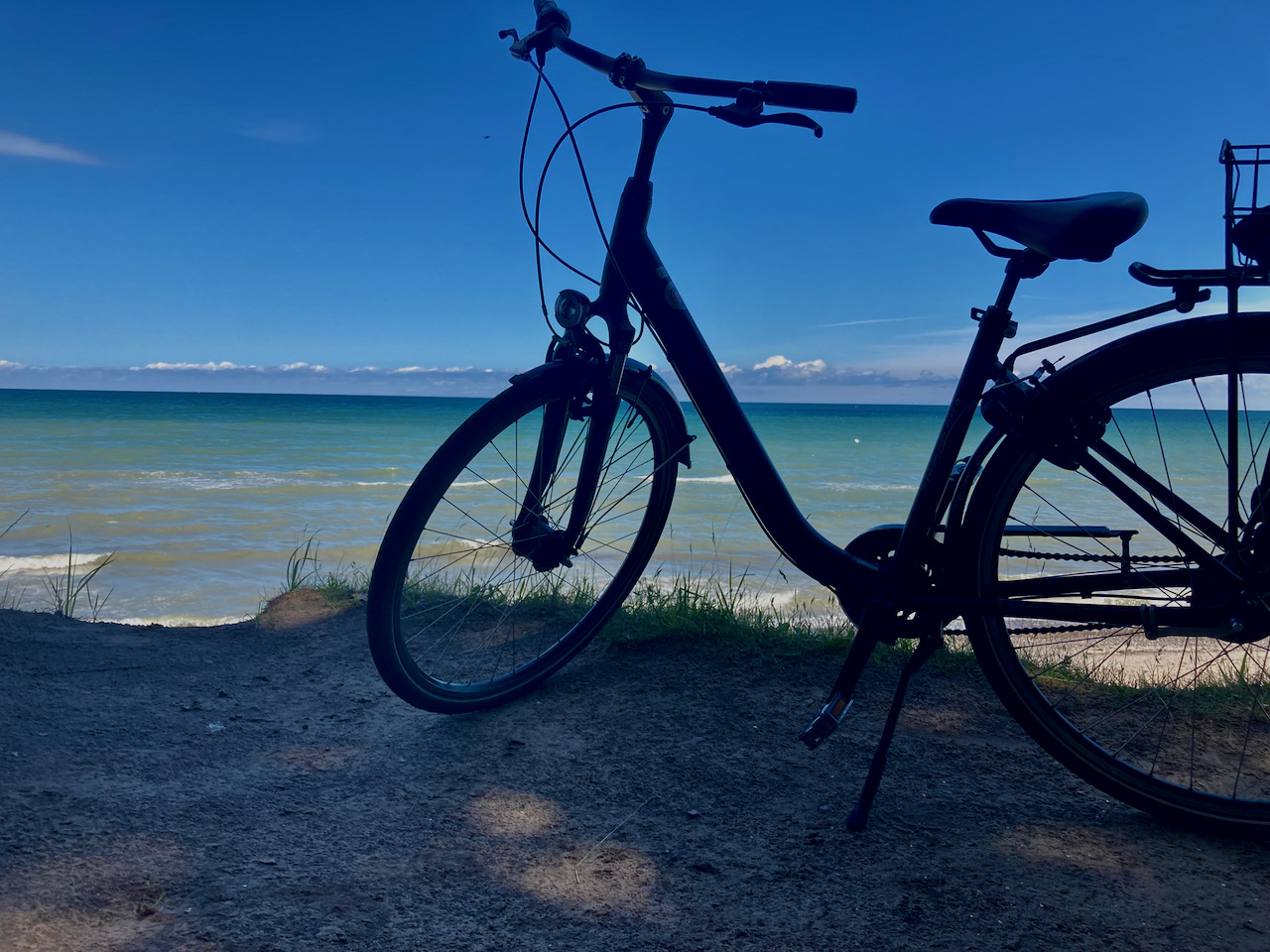
In the bright sunshine of my last day, we rented bikes and followed a path through the forest and along the coastline. We passed farms and little towns, stopped to eat and drink overlooking the ocean, and went swimming in the warmest water yet. We searched unsuccessfully for Hühnergotter, stones with a small hole through them that are supposed to bring good luck. The sound of the ocean was soothing and I nearly fell asleep on the sand.

The world is a beautiful place and I was lucky to be somewhere new to me, lucky to share it with people who have such fond memories of being there. The world is a beautiful place and to be part of it is a gift. I am glad to know this – every day.

On Women and Power

8 November 2016 – There were tears in my eyes when I voted for Hillary Clinton.

9 November 2016 – There were tears in my eyes throughout the silent ride to school. My carpool of strong women could think of nothing to say. Like many of my colleagues, I cried at work that day. I sat in a school-wide meeting called by our director, stunned, as he explained to the students that at our school, we value dignity and respect. We accept everyone, he emphasized, and we do not believe in hate. How to explain this to middle school students who, like the rest of us, had just watched hate win?

10 November 2016 – Our carpool was no longer silent. Shock and despair turned to anger and we realized the most important of lessons: Our voices were all that we had. I had the good fortune to be living in New York City and I was well aware that life would remain largely unchanged, despite the persistent chill in my chest.

22 November 2016 – It took about two weeks to accept that I was afraid.

December 2016 – Plans were formed and we waited.

18 January 2016 – Preparations finalized and we waited.

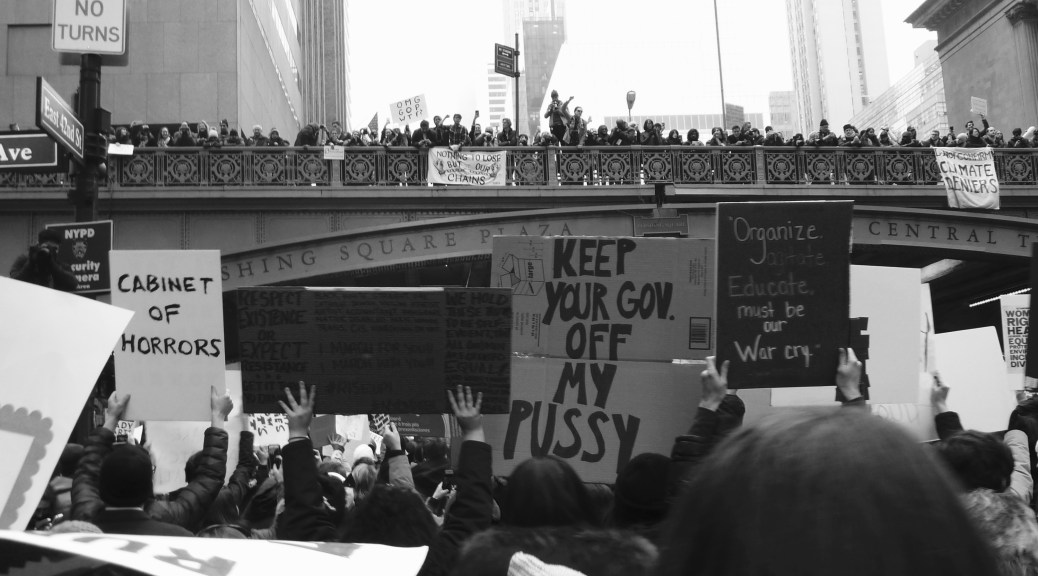
21 January 2017 – Women’s March on New York City. Women’s marches everywhere.

February, March, April, May, June 2017 – The carpool to and from school became an opportunity to call government officials at the local, state, and federal levels. We gave donations, signed and circulated petitions, read the news aloud, listened to the radio, joined online interest groups. We attended marches and protests. We spoke up because we could. We spoke up because we could not stop reading about people living in places that had become openly repressive and dangerous. We spoke up because these people could not speak.

And we realized, our voices were all that we had.


My political awakening came during the Obama years. I voted for the first time my first year in university, there was a financial crisis and promises for changes afoot, and I was studying to be a social studies teacher. Politics took on a relevance it never had before and I was excited to be involved. By the time Hillary Clinton won the Democratic Party nomination for president, I assumed the United States was ready to join the nations that had already elected women to the highest offices. It was 2016, after all.

Like more than half of the country, I was wrong. The people may have been ready but the Electoral College was not, and it is the Electoral College rather than the people who make this decision. So much for demokratia. The people hold power . . . except when they don’t.

This was not an issue of politics. This was an issue of women.


I have watched from afar, in horror, as the United States has increasingly restricted what can be taught in schools and what books are available for young people. I have watched from afar, that sinking feeling again in my stomach, as the nation’s courts deny women the right to their own bodies, again and again and again.

And I ask: What are they so afraid of? What are they running away from? What are they scrambling to hide?

I am a student and teacher of history, and this is the pattern of the world repeated over and over.

So I answer: Power.

After all, we do not silence people who we do not fear. We do not delegate inferior status to those we exclude without repercussion. When we do not feel threatened, we need not respond at all. In fact, we likely don’t even notice.

This leads me to the conclusion that men in power fear women. They fear opposition. They fear ideas that could harm the illusion they have built around themselves. And this illusion? That whatever power they think they have is, in fact, theirs. If it were, if that power were rightfully earned and positively utilized, there would be nothing to fear. Nothing to hide. Nothing to silence.

Clearly, there is a great deal to repress.

And this says a great deal about power.

Criminalizing a woman’s right to her own body suggests that the people making these laws are afraid of everything that makes a woman. And so I ask: If this is the case, who actually has power?


Head held high, I needn’t answer. I need only act. With my very self as the threat, my existence proves stronger than your resistance. Power lies in me and of me and through me. And no amount of you can take that away.

Women’s March on New York City – January 2017