Category Archives: Germany

Buchenwald

I wasn’t expecting to see a sign for the Buchenwald memorial, even though we had decided as a group to ride there. I wasn’t expecting my heart to drop into my stomach and begin to beat slightly faster. I wasn’t expecting the sounds of the world to grow softer, to find myself so fully inside my own body.

In short, I wasn’t expecting to feel what I felt.


Sometime during my first week here in Weimar, I saw a bus with the word “Buchenwald” on its marquee. This is a place, I reminded myself. A real place. Linked by roads, buses, and people. Where life exists and carries on.

But it wasn’t until last week, actually, that I realized that I knew the word “Wald” – forest. Yesterday, looking into the forest, I learned “die Buche” – beech tree. Buchenwald is a beech forest.

Life exists and carries on.


We turned left at the roundabout and I listened to a friend explain where we were, but I already knew. The obelisk had given it away even before the stone marker indicating the beginning of Blutstraße, or Blood Road. We pulled over and I took a moment that I didn’t know I needed. To the unasked question I answered, This is very strange.

Did I want to turn back? I was grateful for the offer, but no. So we rode on.

Blutstraße is so named because it was built by camp inmates from 1938 to 1939. Small stone markers along the road indicate the railroad that was also built by inmates, a railroad designed to bring people here more quickly rather than walking up the road. The markers are painted with a bright blue train, ensuring visibility through the trees. Buchenwald. Beech forest.

We stopped to look at a map of the sight and the surrounding towns and villages. The residents of my town, Weimar, were marched up this road by the Allies who refused to accept that they didn’t know what had happened here.

The vastness of loss is staggering.


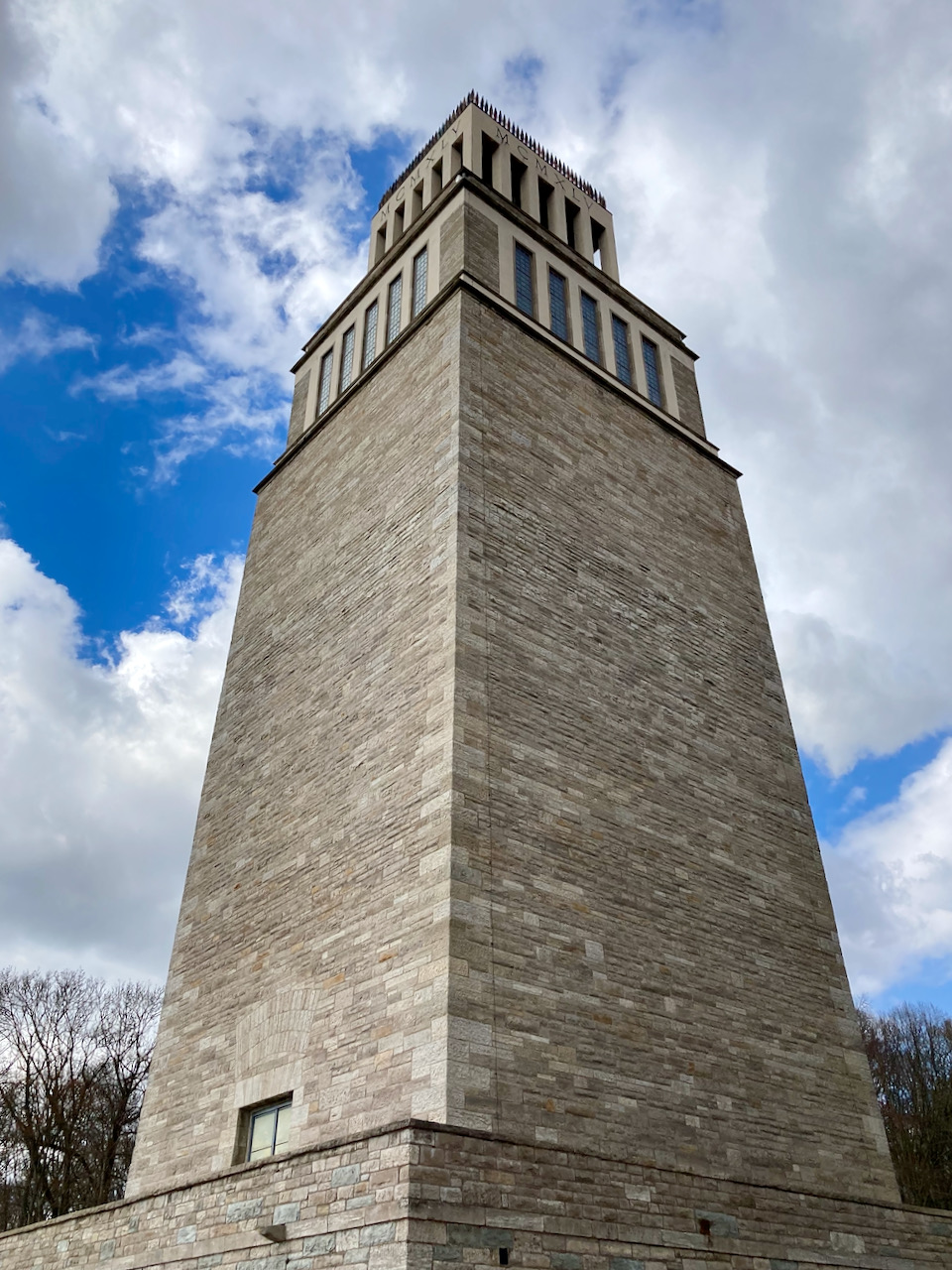
We left our bikes at the entrance to the memorial and walked towards a tower that I have only previously seen from the Autobahn below. That was the idea – to be visible. To be a reminder. So that this will never happen again. The thought of forgetting, the evidence seen around the world of all kinds of forgetting about so much history, is exactly why it was important to be here.
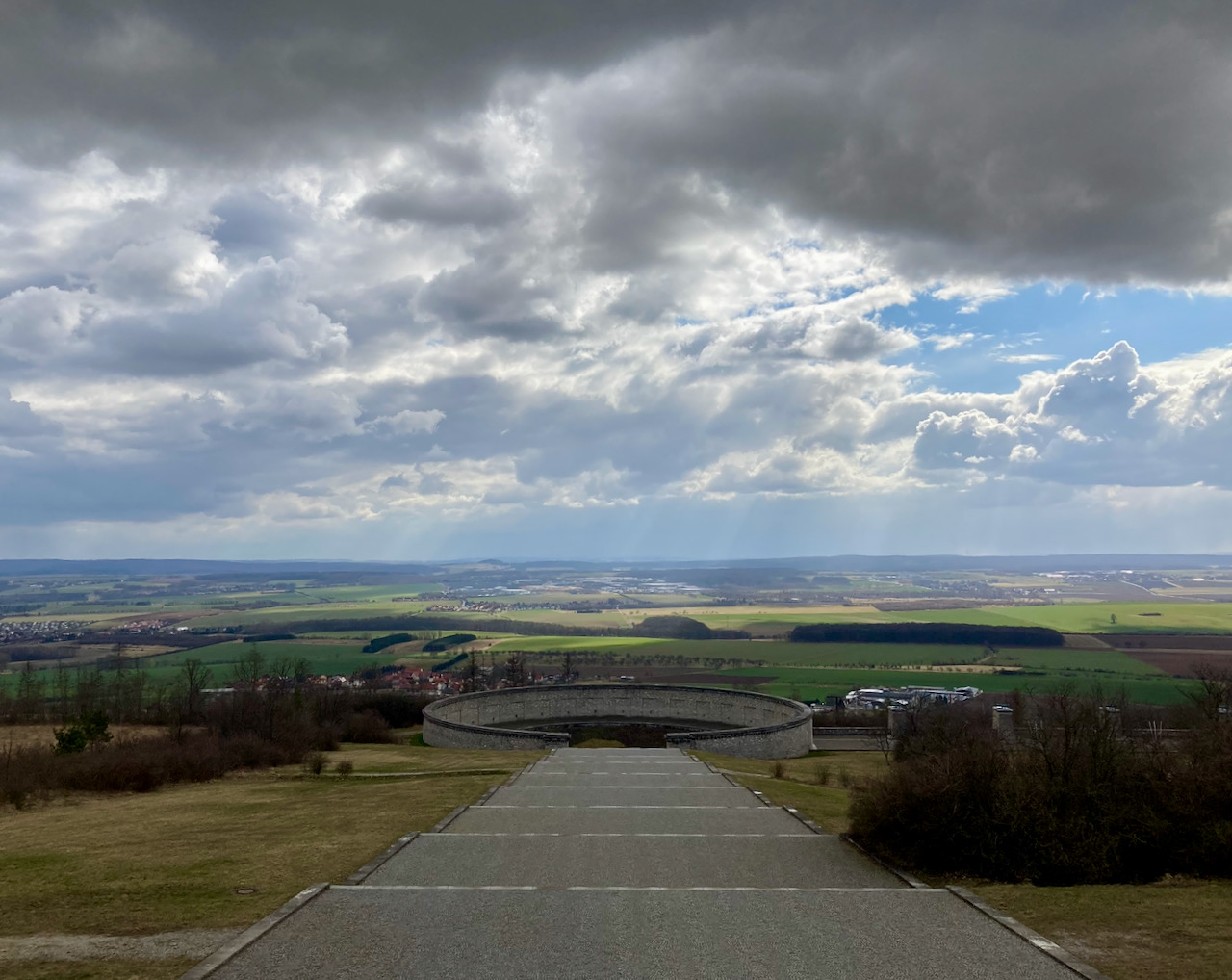
The complex includes three mass graves and as we walked down the steps towards them, the wind picked up. And once there, once protected by the stone that forced us to look down to the grassy knoll at its centre, the noise of the wind faded and we could take stock of where we were.
We followed the path along the ridge with monuments representing each of the eighteen nations that the prisoners came from. We read aloud each name, doing our best to speak the language that the people of that nation would have used to name their home.

The path curved back up the hill and we followed it, pausing at the sculptures illustrating scenes of life in the camp.

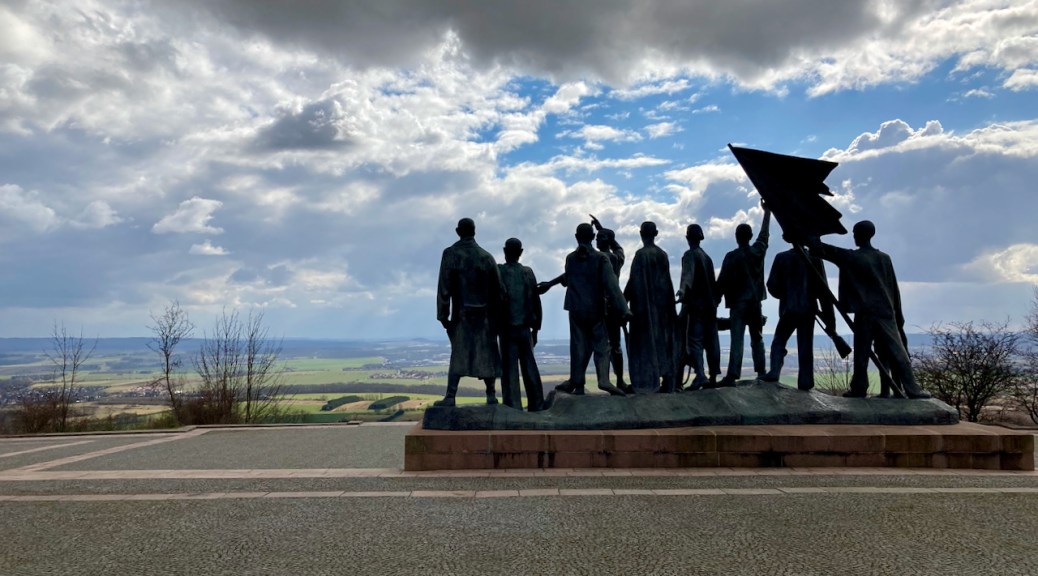
And then we returned to where we’d started, wind urging us along, back to the sculpture that had greeted us upon entrance. I couldn’t bring myself to take a photo of the faces that were far too real.

But the artist left no doubt as to their triumph, and for this, I am grateful.


What I felt in my bones as we walked through the memorial was not the sense of something uncanny that came over me at the roundabout. Rather, I felt the fire of a question that I will never stop asking: How can it be that people looked at other people and did not see them?

And to do justice to this question, I must acknowledge that this is often the case in the world we live in. I must face the reality in which we declare, “Never again”, but are quick to look away precisely when we need to look more closely. And to play my part in the world, I need to say this aloud.

Yet, I do believe the world has come a long way. I believe people have dug profoundly deep into history and rebuilt because of it. And precisely because this is possible, the challenge remains: What will we do, each of us, to make the world a better, more peaceful place?

To start, we must never stop looking.

Back on Skis

I learned how to ski when I was in kindergarten and skiing remained a significant part of my winters until I moved to Malaysia. That was eight years ago.

A few months ago, a friend broached the subject of a ski trip to Austria. We looked at photos and maps and shared memories of past experiences. I started making lists of what I needed to buy (everything) and began purchasing, trying on, returning. Other friends got involved, logistics were determined, decisions made and finalized. We did squats to get stronger, planned our grocery shopping, packed the car.

“I hope I remember how to ski,” I told everyone who asked. To a person they replied, “You’ll see. It’s just like riding a bike.”

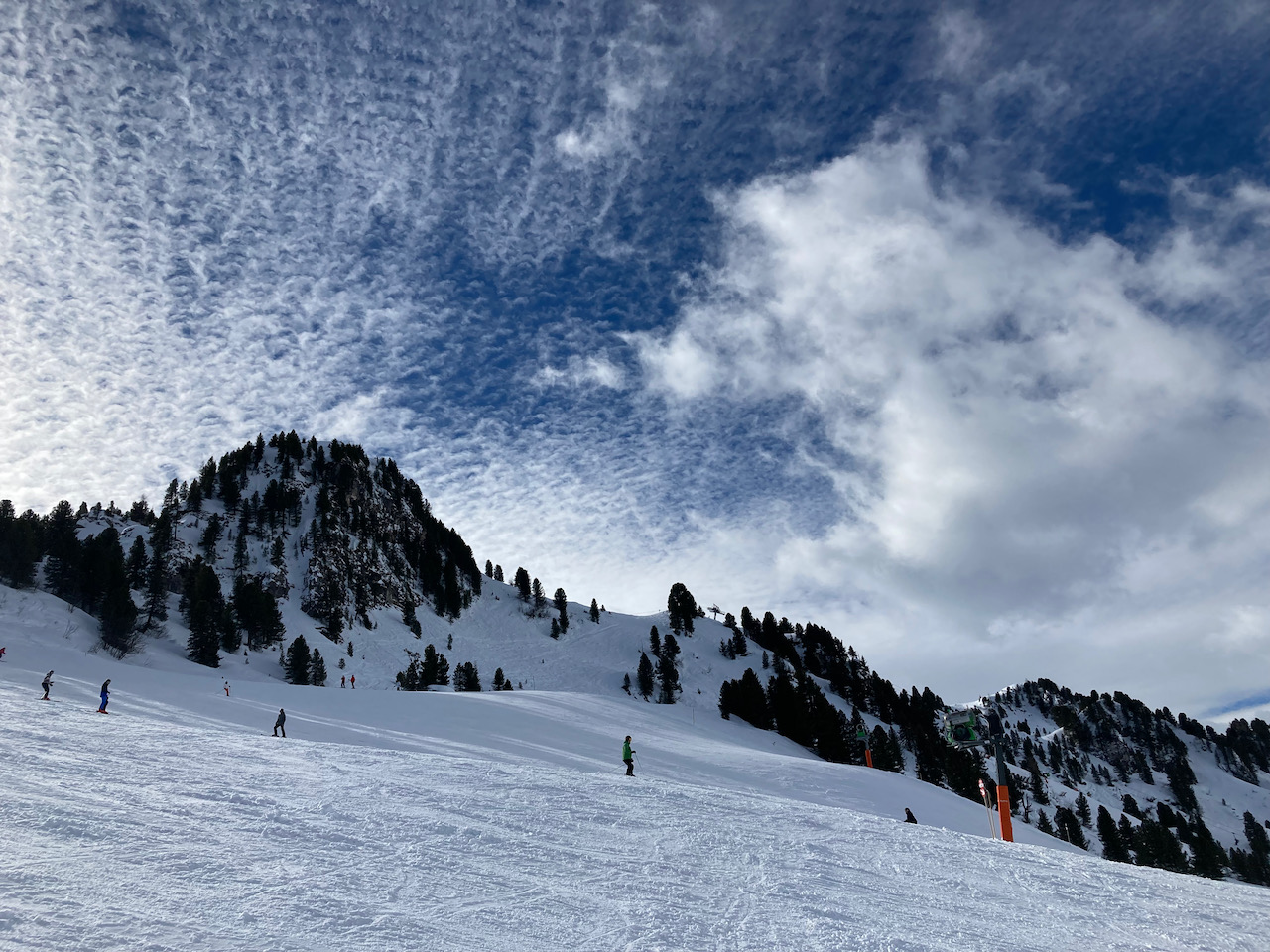
Not just like riding a bike, perhaps, but not too far off. As it turned out, I remembered how to ski. I was certainly not as strong, elegant, or fearless on skis as I once was, at least in my memory of it, but my body knew how to move and my heart knew how to laugh. That’s really all I had hoped for in the mountains.

My experiences skiing took place in equal parts in the icy North American east and in the beloved terrain of the American Rockies. I’ve skied in plenty of powder, played in glades (once with a GoPro that we made the mistake of showing to my non-skier mum), and used to plan my ski days around ungroomed blacks.

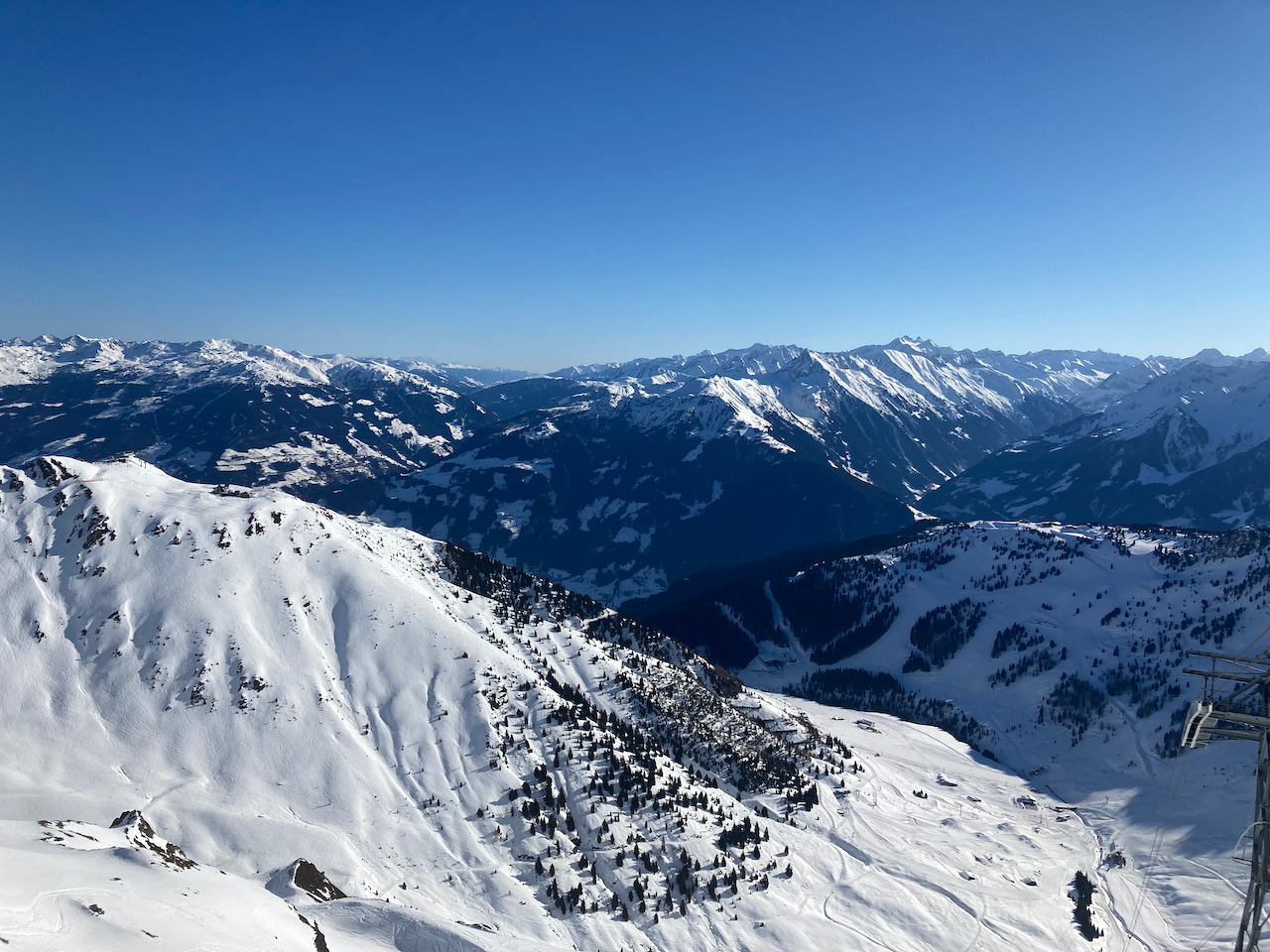
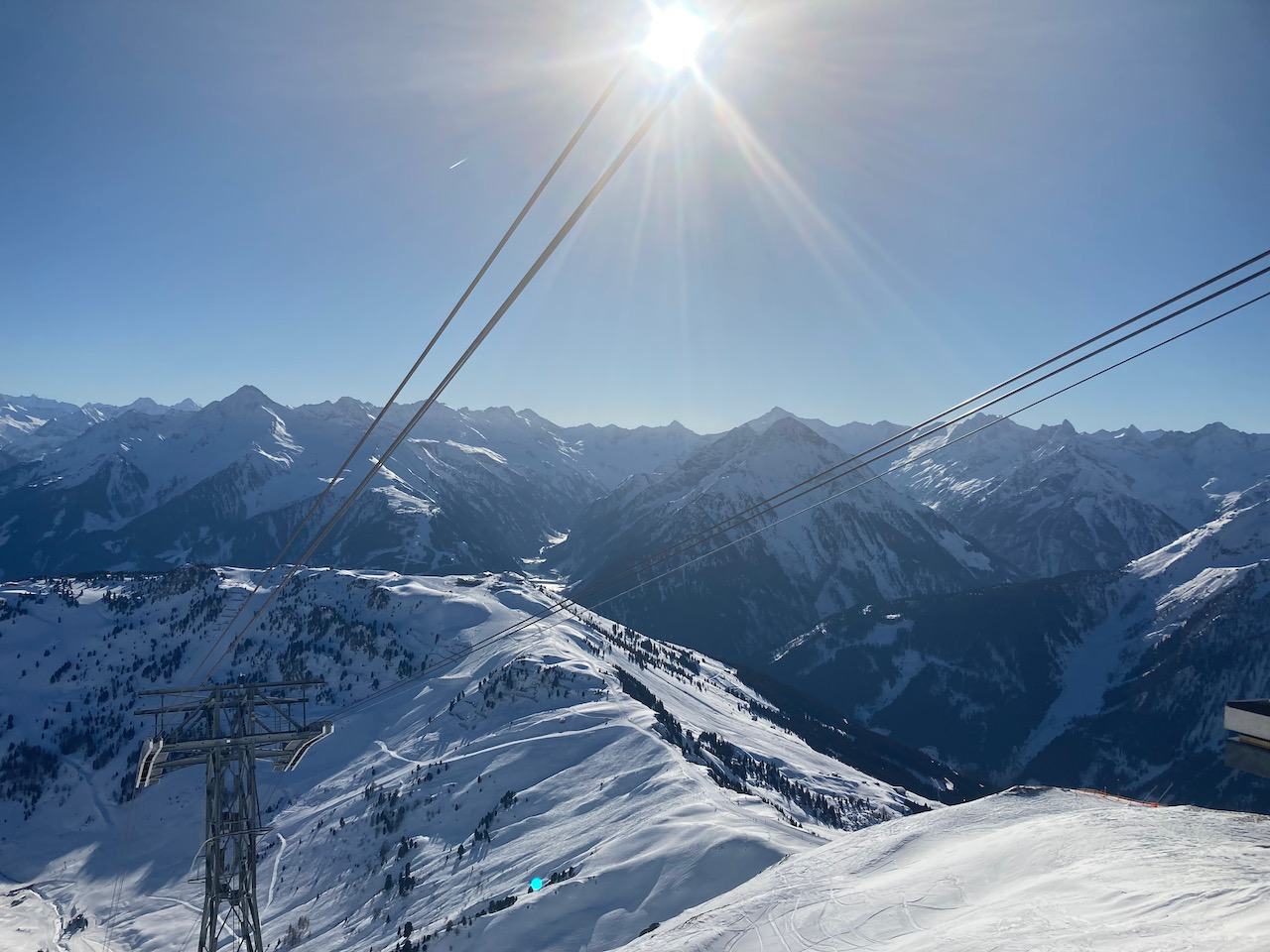
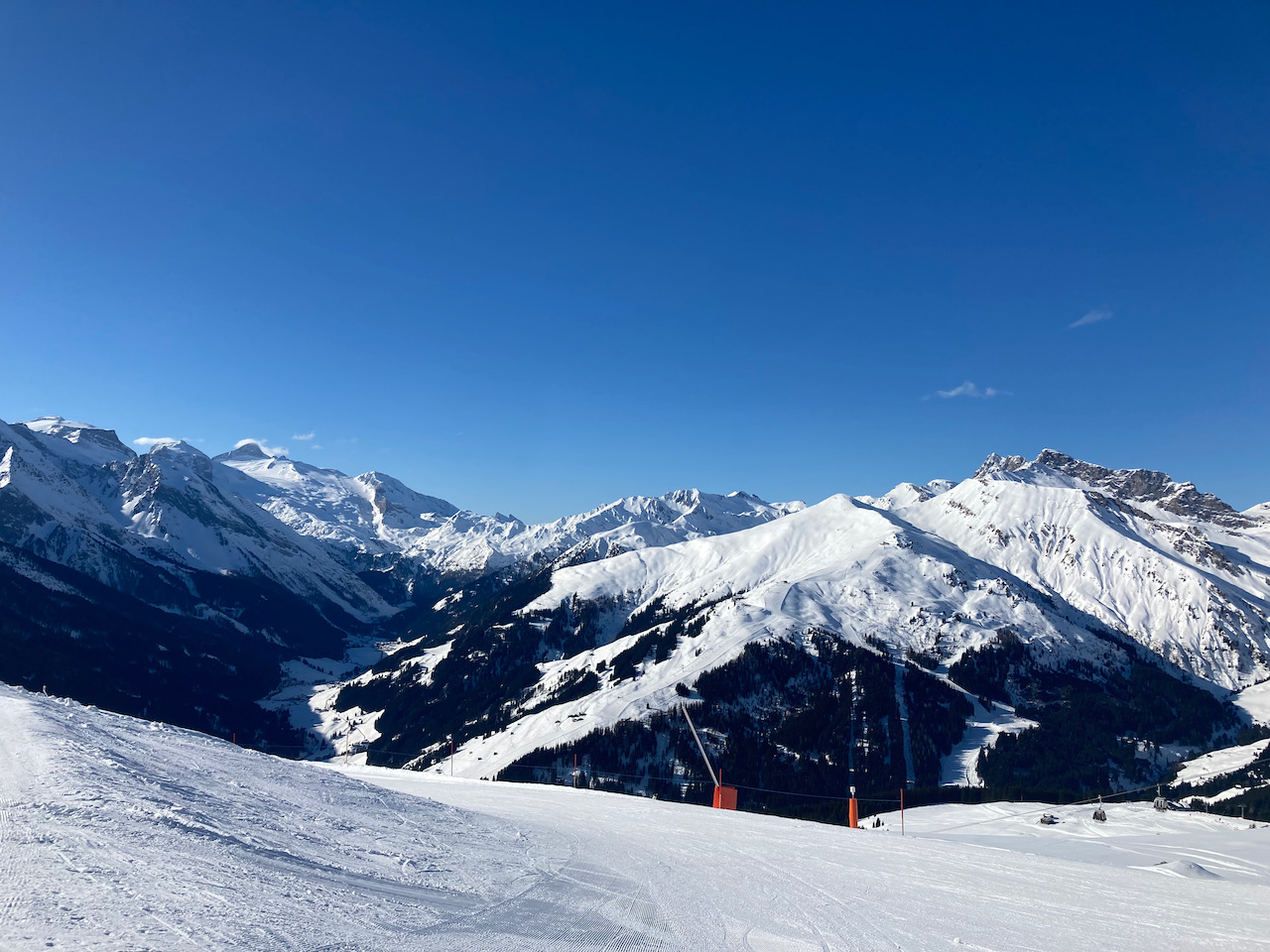
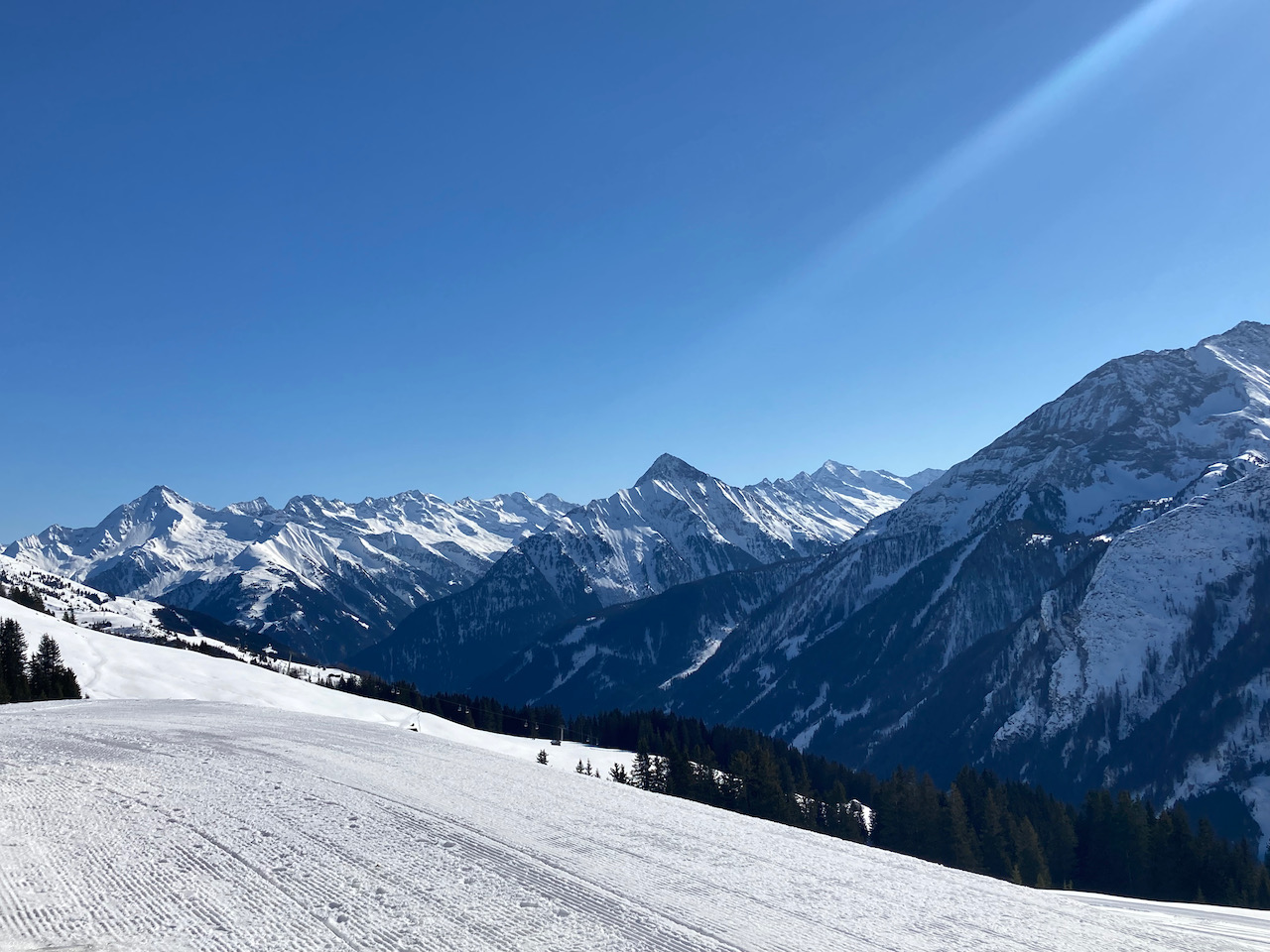
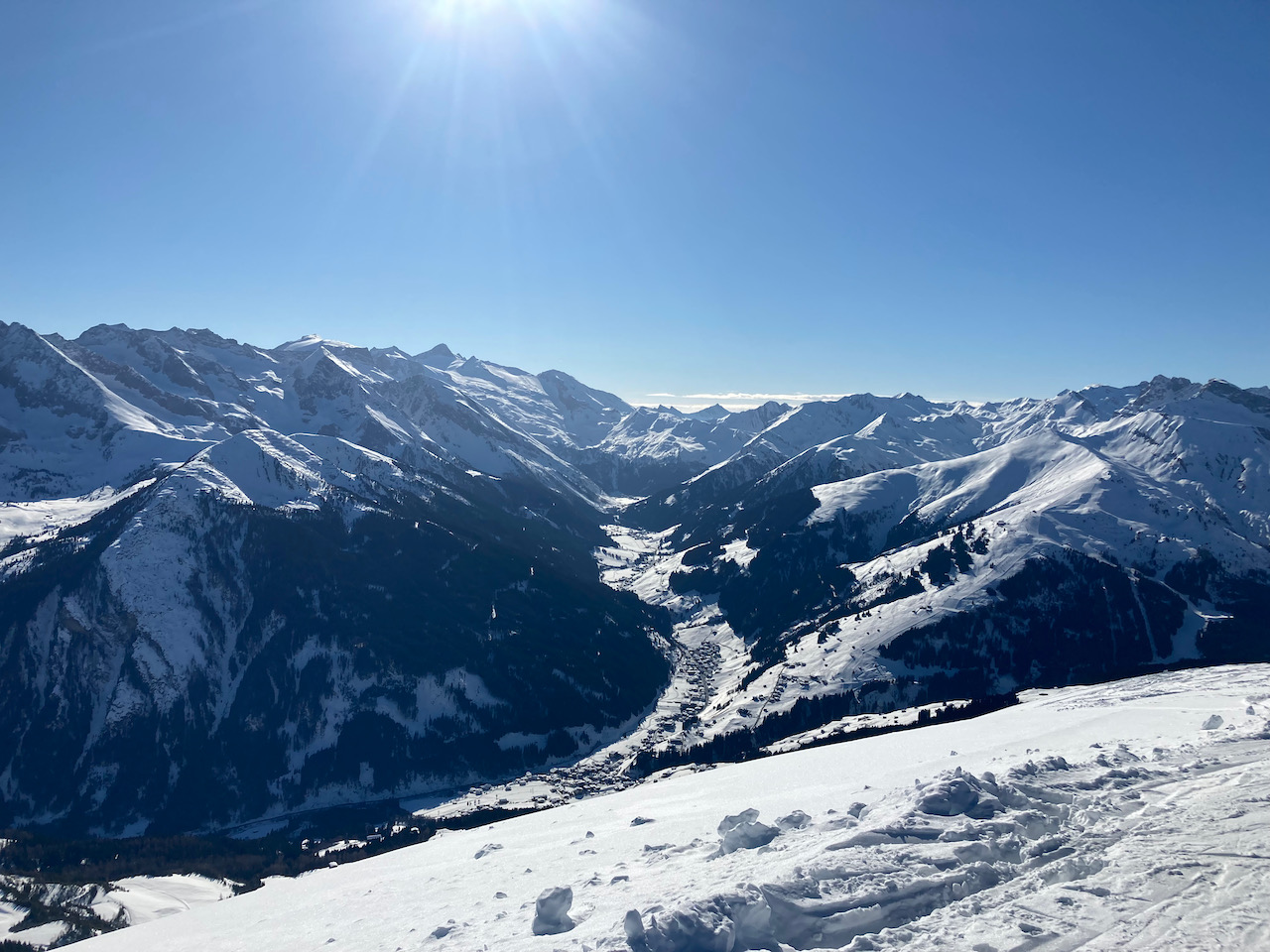
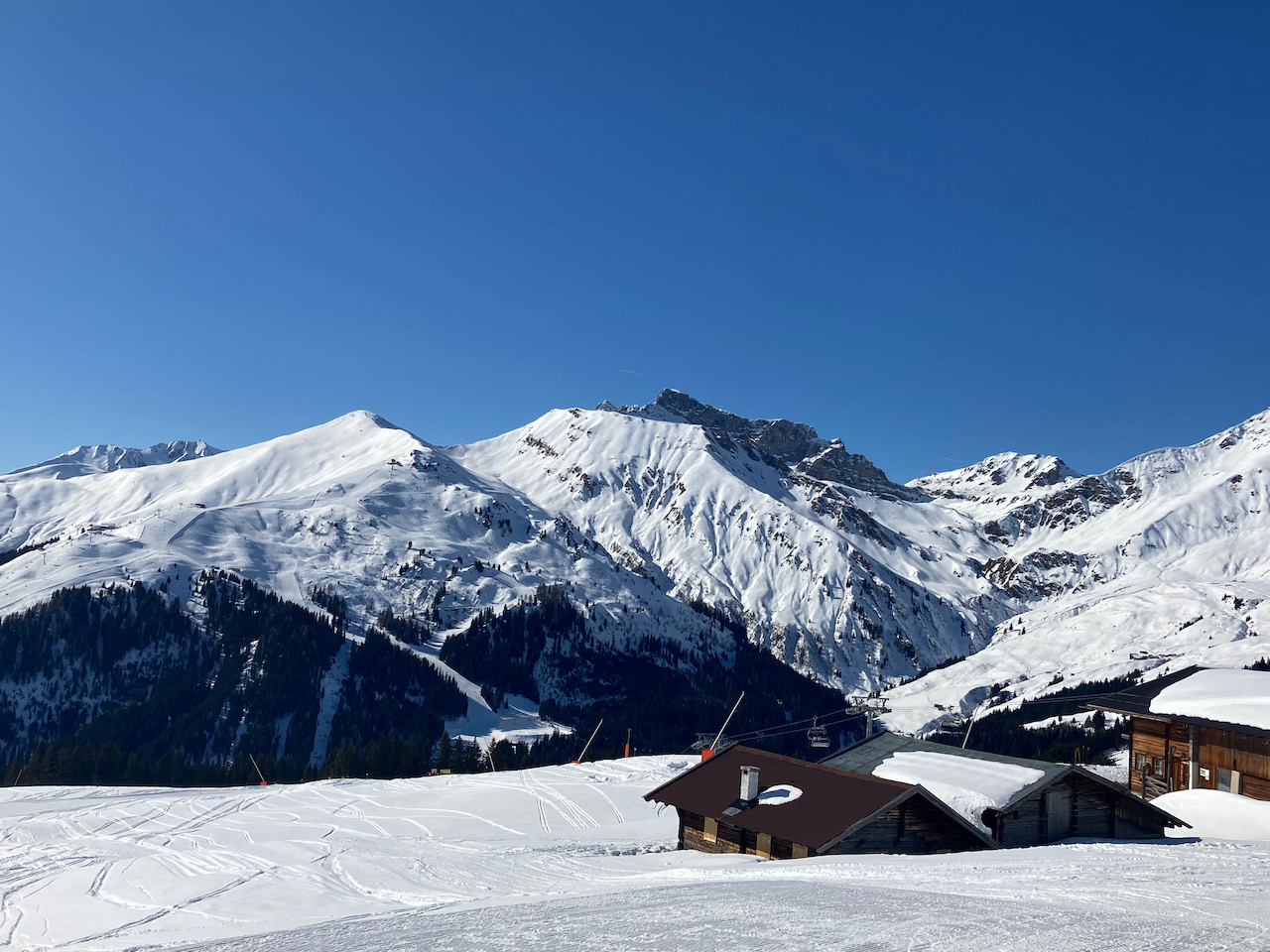
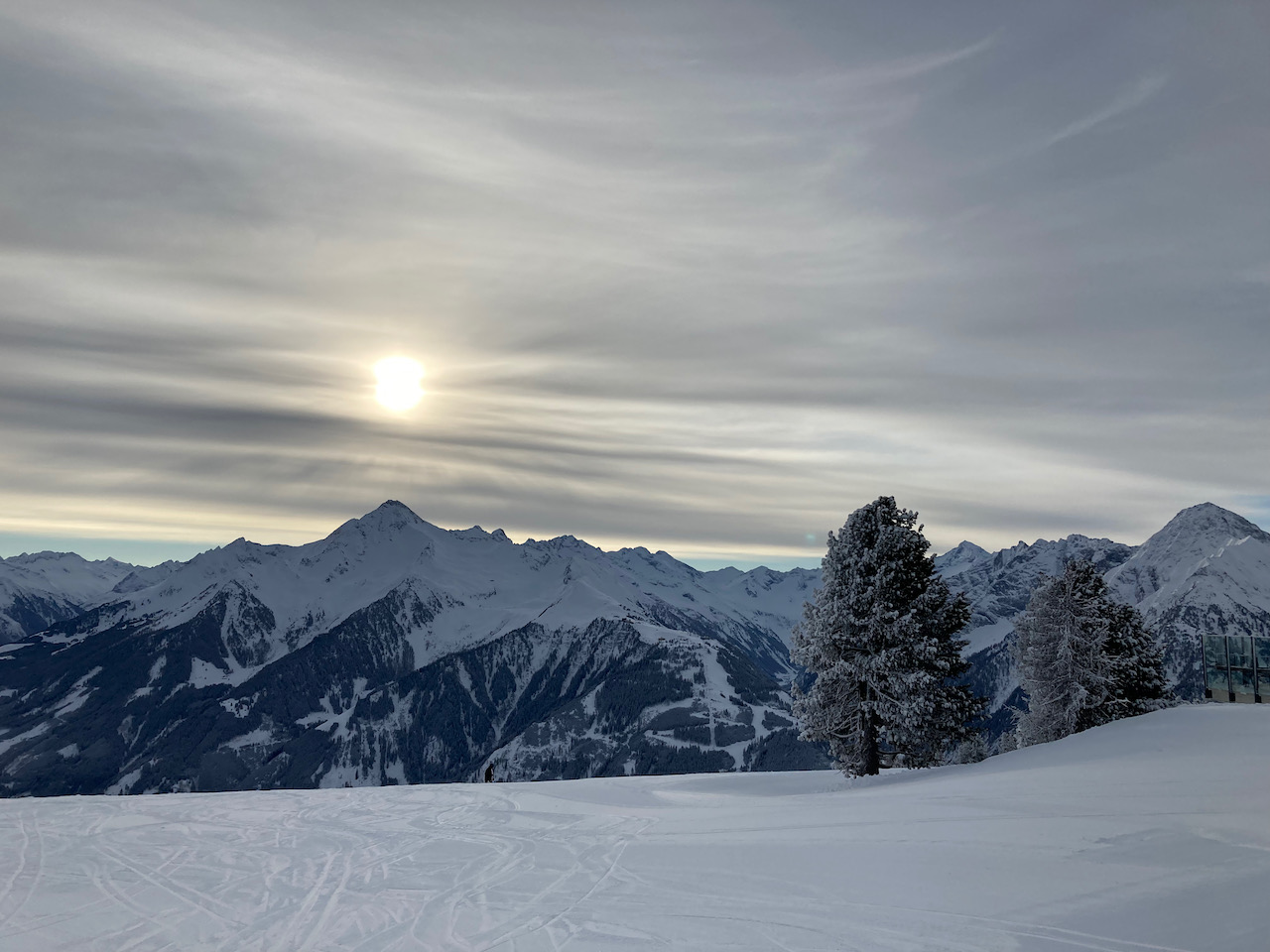
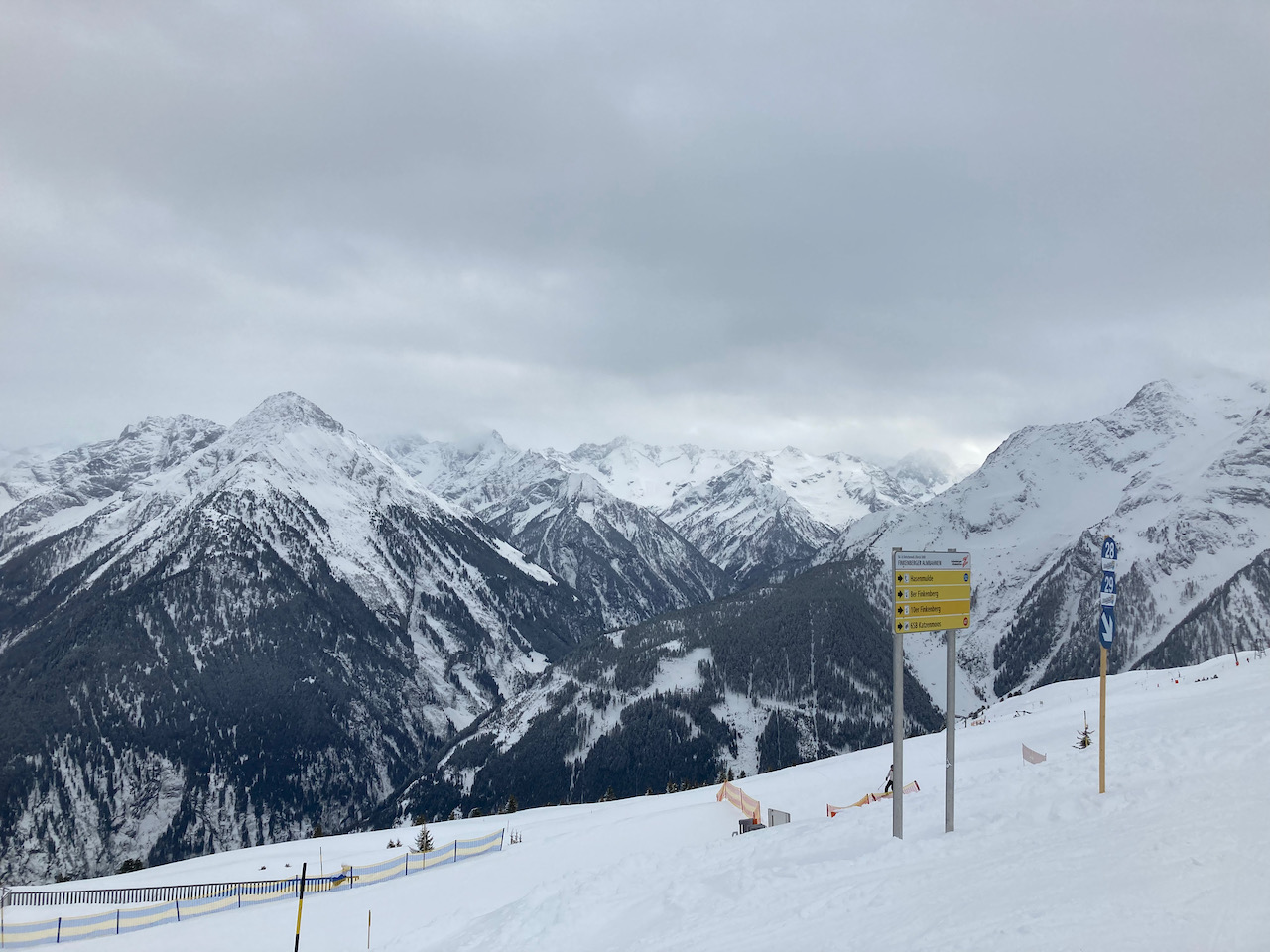
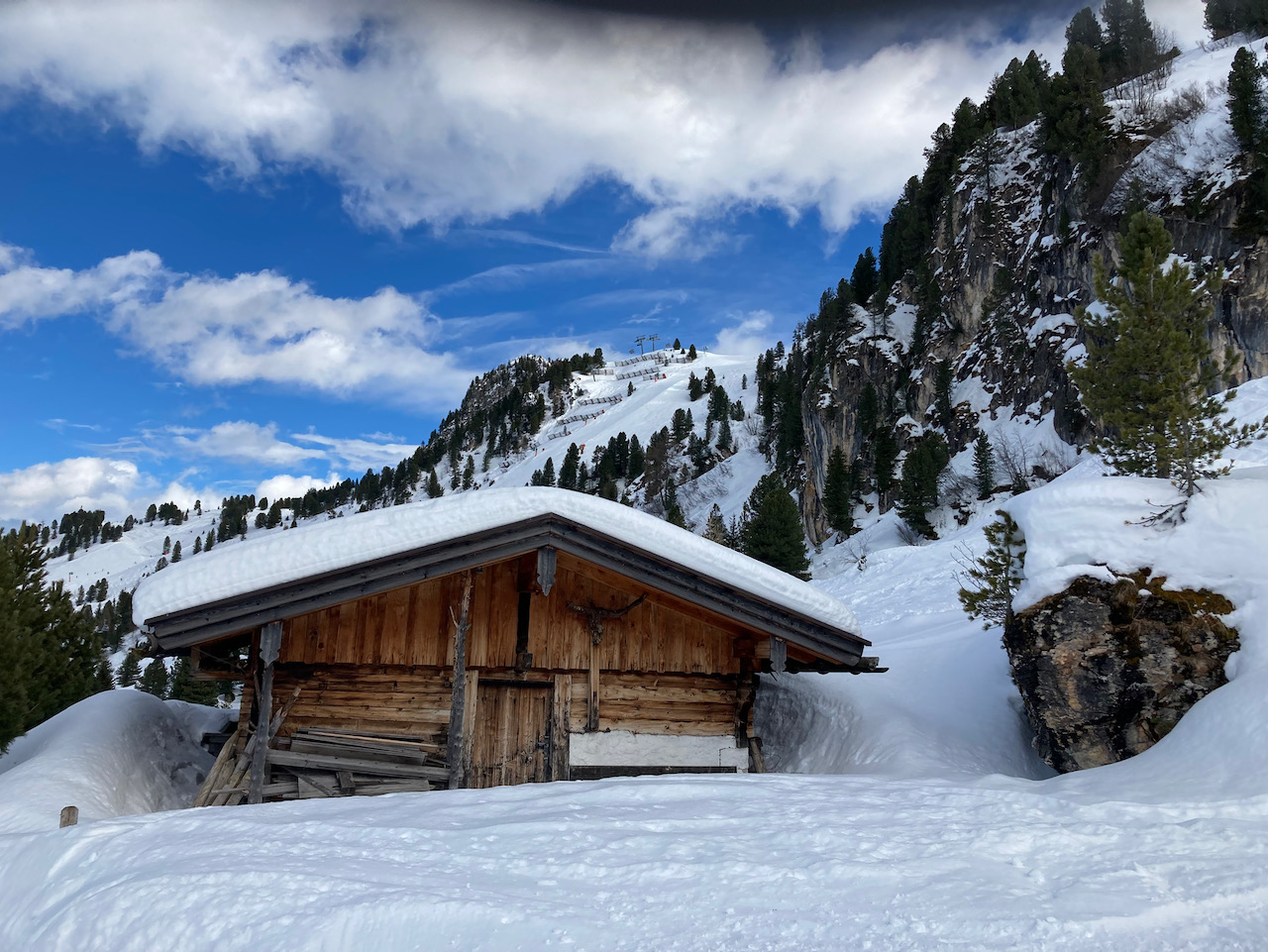
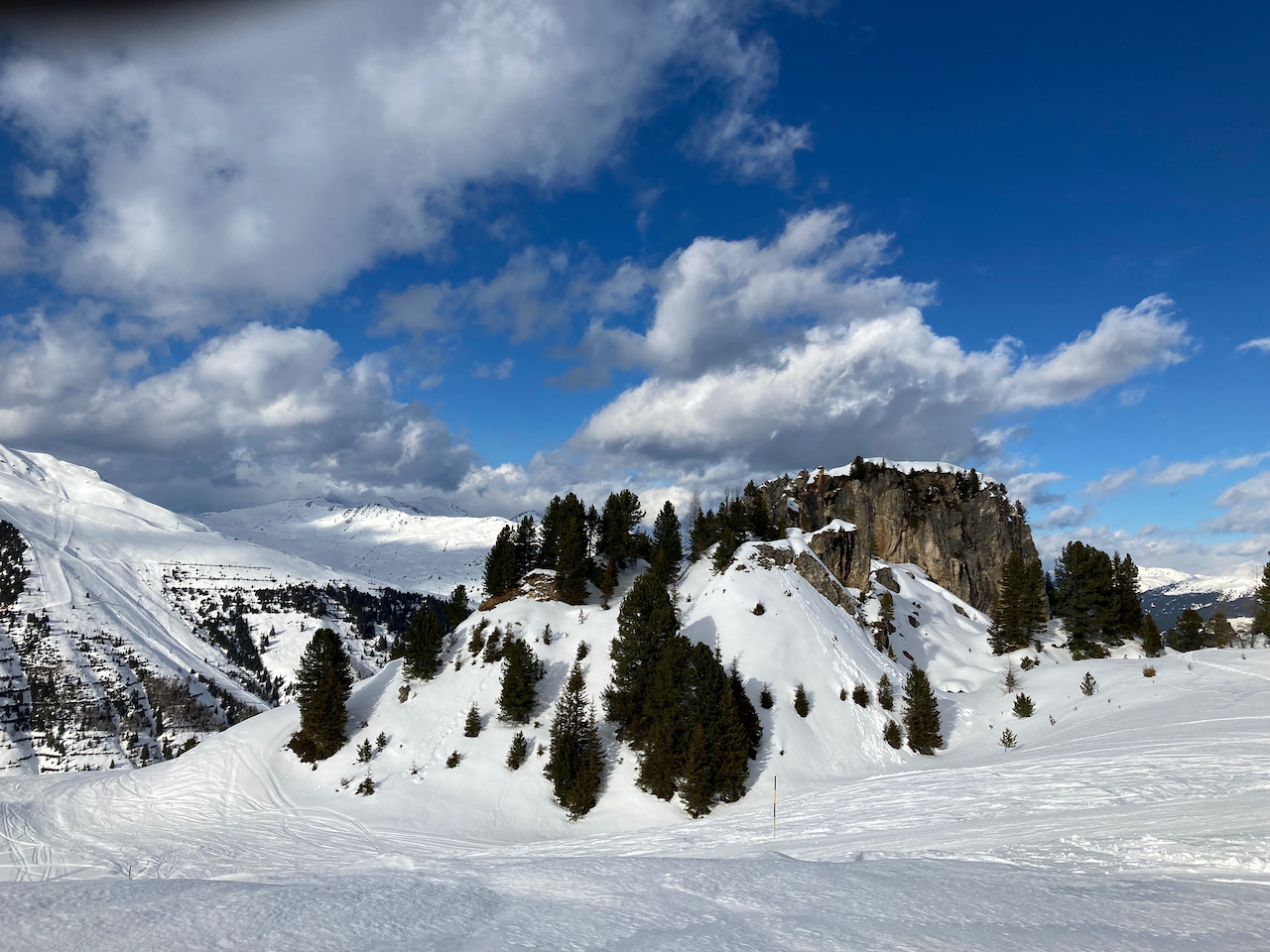
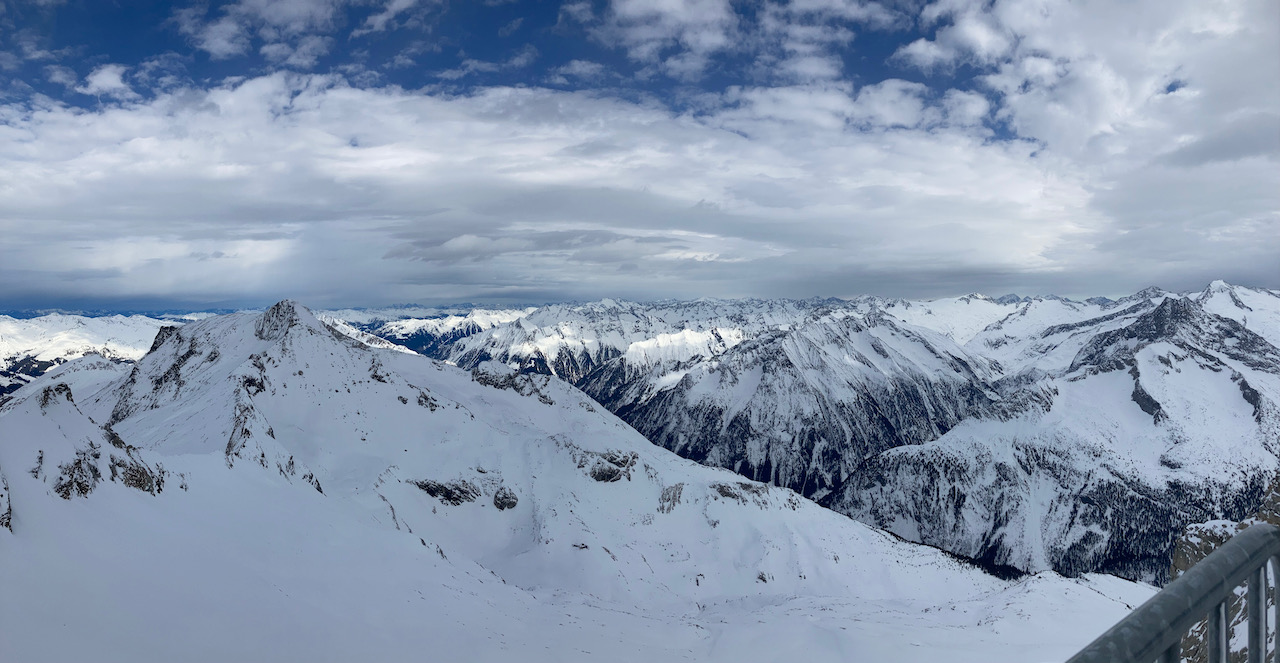
I knew that skiing in the Alps would be different, and it is no exaggeration to say that skiing in the Alps has been a lifetime dream. Perhaps it was the landscape that hit me this time, for I’ve spent a long time away from mountains now, or perhaps it was something else, but I was overcome by a feeling of awe from the moment we arrived.

After half a day, tired of repeating “wow” ad nauseam, I mentioned that I wish I knew other words. A friend supplied a string of words in German, all words I already knew, and it was these words that sang in chorus in my head throughout the week.

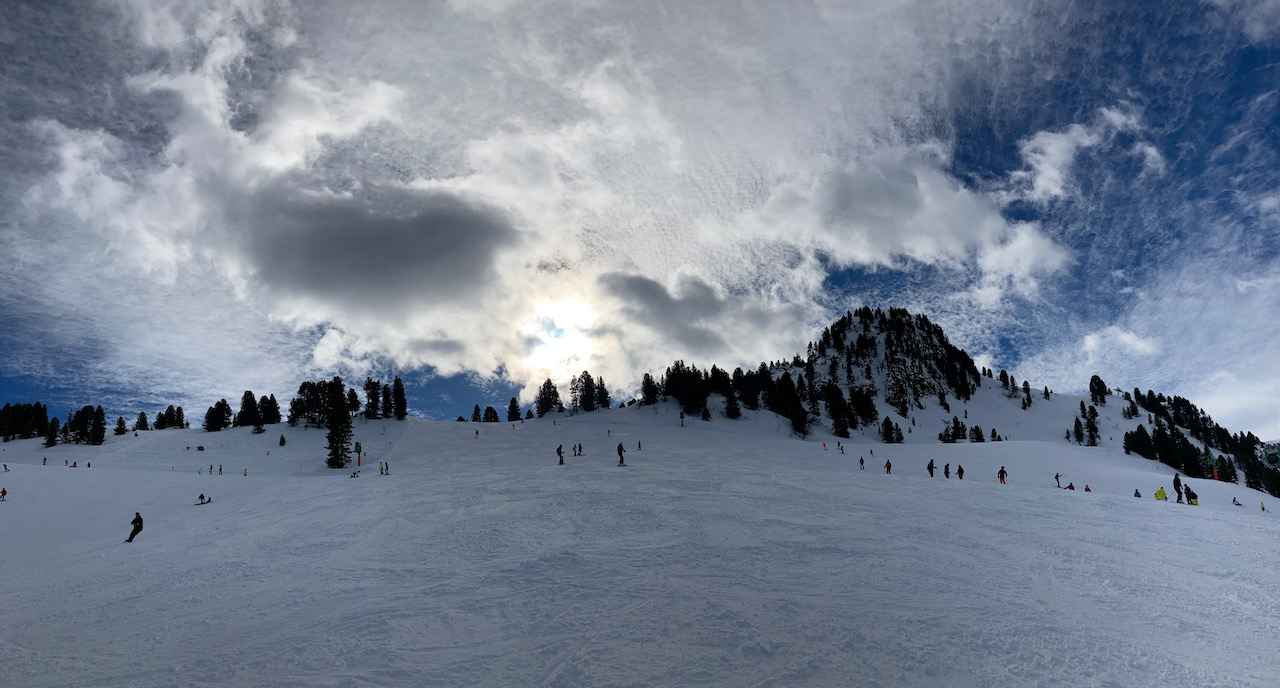
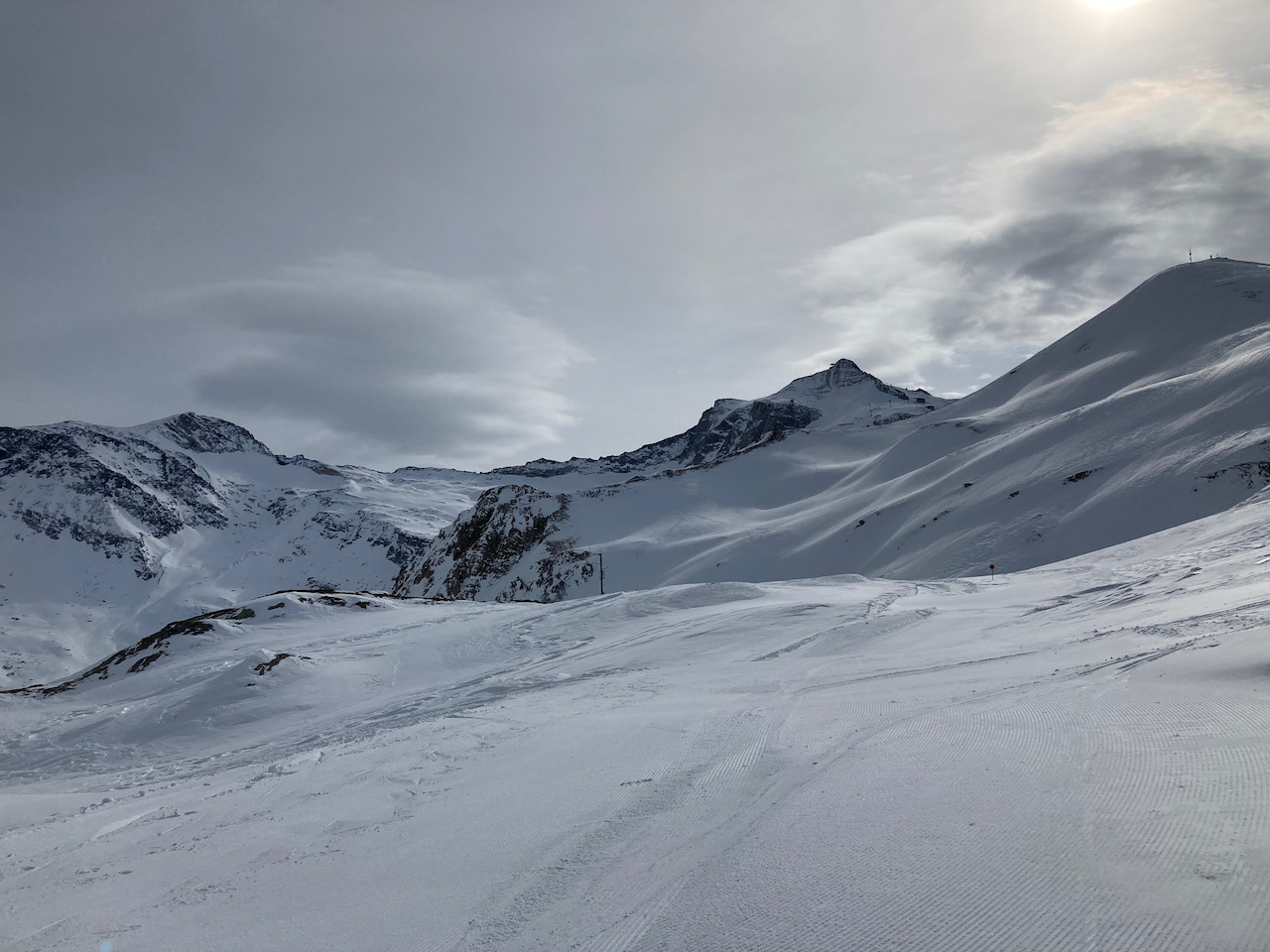
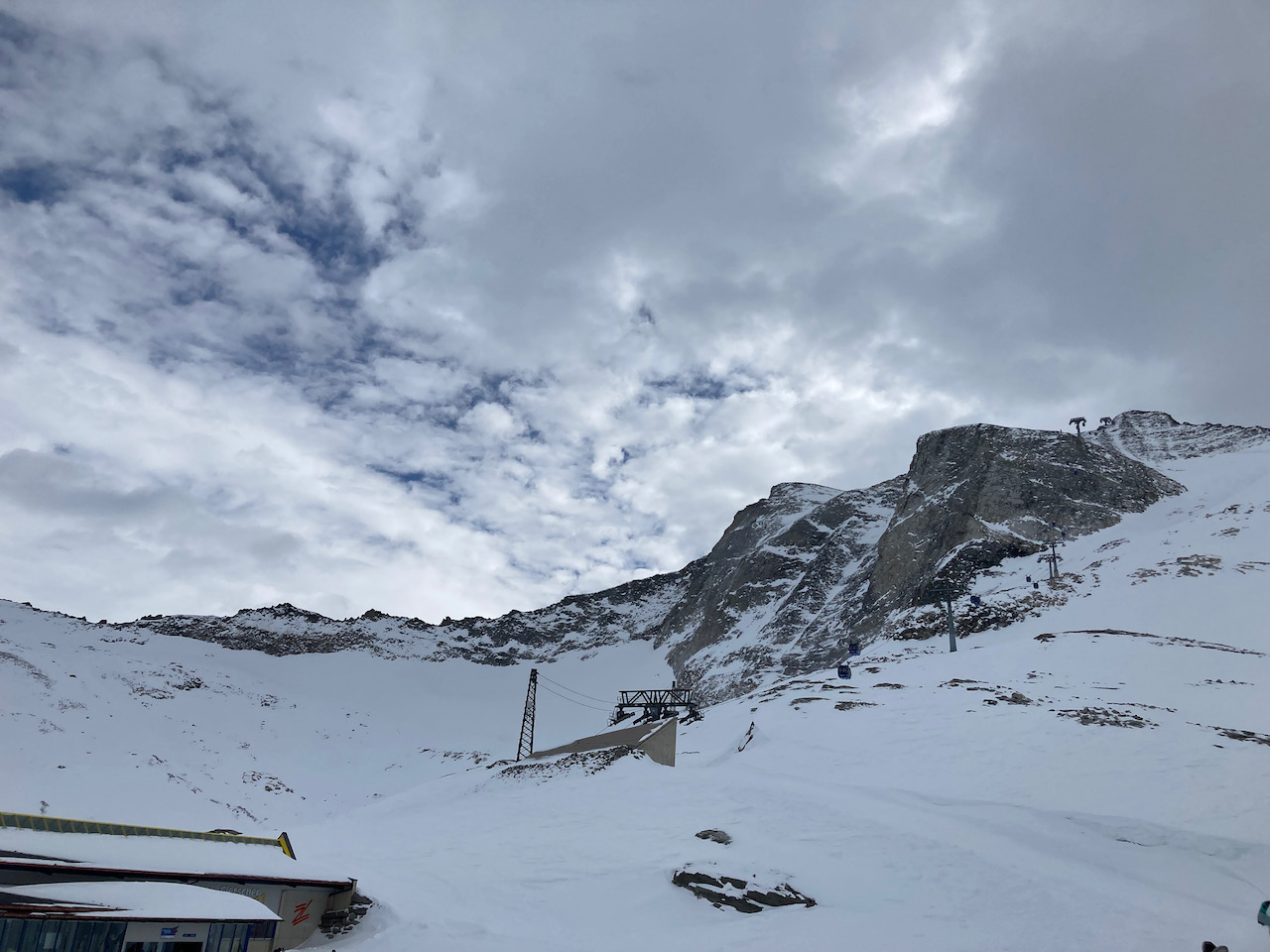
And it really was beautiful, in all kinds of weather, the entire time. We skied fast groomers in bright sunshine; found patches of powder in a snowstorm and worked our legs hard in the moguls that remained the next day; felt ourselves tiny and insignificant in the howling wind that rose through the glacier where we spent our last day. My breath caught with nowhere to go and there was nothing to do but fly, nothing to do but trust the skis in the wind even as the snow swirled up from everywhere and rendered visibility impossible. And then there was nowhere to go but back up the glacier in the hopes that our trial by wind had been recognized.

The landscape was desolate and extraordinary.

I recognize how fortunate I am to know how to ski, first of all, and to be able to take a week to do it. I recognize what it means to have learned this sport as a child and engaged with it for my whole life, less an eight-year break. There are some really interesting cultural differences that I noticed between Europe and North America in this way, accessibility and affordability being only a part of that.

If I could bring everyone this experience, I would. There is something about being out in the world, about recognizing the world rather than the self in the world, that gets me every time. The world would be a better place if we recognized that more often than we forgot it.

And as always, I thank the mountains and the sky for that lesson.

Six Months and One Year

I arrived in Germany six months ago. This is significant because six months is generally my benchmark for how I feel being in a new place. In the past, it has taken me six months to adjust, to feel comfortable, to feel like I know how to live wherever I’ve landed. It was like this in Malaysia, in New York, and during both of my stints in Singapore.

Interestingly, it has not been like this here. I’ve been here six months but I’ve felt right about being here for much longer, right in that the world I am living in makes sense to me. It’s been a while since I’ve known this feeling.

Certainly, it took time. July in particular was a rough month, one of those times I expected but for which there is no way to prepare, and my chest tightens just thinking about it. School started in August, which meant I had a purpose and a schedule, responsibilities and things to do. I met some people, started climbing in earnest again, met some more people. I felt and continue to feel incredibly fortunate.

Time moved. The weather changed. Days and weeks found a rhythm, the weather changed again, life took on a new pace. I learned to let go a little, to walk a little more slowly. I have become more comfortable focusing on walking rather than arriving, being rather than doing. Questions that had once been scary seemed not as scary, and the things that keep me awake at night (I’ve never been good at sleeping) have shifted in form and morphed in time.

The first time a friend said, “Welcome back,” I really was glad to be back. That has been true each time since.

If I’m honest, I am surprised and it’s a lovely feeling.

I had hoped for this, even as I tried not to have expectations. It would be nice to rest for a while.


It has been a year since I knew I was moving to a town in Germany that I needed a map to place. A year since the pressure of finding a job morphed into the anxiety of actually moving. A year since almost everyone, laughing with me, asked, “Are you sure? What are you going to do there?” The comment that reassured me was a simple one: “You’re not really a city girl,” a friend said. “You’re a kopi at the hawker girl. You’ll love it.” (I’m not though I’ve tried; I really am; I think I could.)

One year ago, I couldn’t sleep because of all the silly but critical things that ran through my mind once the big things were decided and then immediately put on hold. I was preoccupied with a concern that, once raised, became a focal point, a representation of simple things that become difficult when life changes. How was I supposed to get a driver’s license?

Where do we go for answers in the modern age? Google. And then down the rabbit hole. Past midnight, of course. (My mum always told us that nothing good happens after midnight, which reverberated in my sore head as I opened tab after tab.) I read this page and then this page.* And then I read them again. I sent a panicked message to a friend and kept reading.

The problem is that my driver’s license is from a US state that does not have reciprocity with Germany. At that time, a year ago, I knew the German words that everyone knows (Guten Tag, Auf Wiedersehen, Danke) and I knew that there was no way, absolutely no way, that I would be able to pass a written driving theory test in German. Now that I’ve been learning German for a year, I’m a lot more optimistic that this would one day be possible. I have also since learned that this test is available in English, though I don’t know whether this is also the case with the practical exam.

Six months is important in the world of foreign driver’s licenses, which brings us to the present. In many countries, including Germany, you are allowed a foreign driving license for six months. (In Malaysia, by contrast, I owned a car and drove on an International Driving Permit for a year.) I haven’t yet driven here, but I did get very, very lucky. In the end, I converted my US license to a Singapore license because I could easily manage a written test (available in Singapore’s four official languages), photocopy, passport photo, and several fees. Singapore has reciprocity with Germany. More copies, official translation, passport photo, more fees. Give up the Singapore license and collect the German license.

Moral of the story: Always look into the process of getting a driver’s license wherever you happen to live, whether or not you plan to drive. You never know when it will come in handy.


Six months and one year later, and my world has taken on a form I haven’t known. An adventure, they say, a journey. It is and it continues to be.

I have often returned to a line from Coldplay’s “The Scientist”: Nobody said it was easy; no one ever said it would be this hard. We played it over and over in high school, and it got old to the point where people would leave the room when a certain friend sat down at the piano.

We didn’t know it at the time, but it was right. To live (and this is a verb) a life is not the same as letting life pass by. It is not the same as passively accepting whatever comes because that is what has come. But it is also not about fighting. In many circumstances, though certainly not all, to live is about the attitude and behaviour with which we walk through the world. It is about open-mindedness, curiosity, flexibility, and being part of what exists around us.

Six months and one year later, I can say that it is not easy and sometimes, it really is hard. But I can also say that I am at peace with the choices I have made. This in itself has a been an adventure and continues to be a journey.


*I include the German Way blog not because I get any kickbacks – I do not – but because it was helpful to me and will hopefully be helpful to others.