Category Archives: On My Mind

Choosing the 4+

The weather has been unfortunately uncooperative for outdoor climbing this spring. Our nearest climbing area is in a forest and it really needs to be dry the day before an outing in order to get on the rocks safely. You can’t grip clammy stone. So we were delighted last weekend to have the opportunity to spend two days climbing outdoors, only our second time out this year.

It was quickly apparent, and completely expected, that we’re unused to the endurance and challenge of outdoor climbing. It was also very hot, which softens the hands, presenting an additional challenge. Outdoor climbing is part sport and part meditation, in that one tries to feel the rock, to understand it, to work with its nuances and quirks. There’s no bright colours telling you where the next move is; rather, you need to be attentive, responsive, creative, and flexible. You need to look for texture in the rock, which is often not there at first glance, and figure out what to do with it. It takes a few days outdoors each year to return to that feeling and to grow comfortable doing outside what we so easily do inside.

In the middle of the afternoon, we set a top rope on a route far too hard for any of us to lead, but one that looked possible when one remained secure the whole time, removing the fear and potential hazard of numerous expected falls. And fall I did, until I decided it wasn’t worth it anymore. My hands hurt, I swung out of the line and had to repeat each sequence to make any progress, and my belay partner was doing at least half the work by pulling me up past tricky areas that I couldn’t manage. And the route wasn’t even fun. After yet one more try, I called down to my belay partner to lower me. There’s no role for heroism in climbing.

Rather, climbing is about being part of nature, not fighting against it. Climbing is about listening to oneself, knowing when to push and when to back off. Climbing is about a healthy respect for fear, knowing the difference between fear that is manageable and fear that will overpower. The joy of of climbing is to reach beyond oneself and follow the rock.

We climbed long and hard that day, and I felt it in my fingers, hands, and throughout my body the following morning. A friend who is a much more skilled climber led a hard route as a warm-up and I fought my way up it, again on top rope, just for the experience.

And then the body had had it. I looked up at a route that was within my capacity but not easy, and then at another that was as close to a stroll as I would get that day. And then I ignored the difficulty grading in the guidebook and took the easy route. There’s no role for heroism in climbing.

As climbers, we celebrate falls. A fall means you’ve tried, you’ve taken a deep breath, you’ve pushed beyond the survival instinct that tells you not to fall. Amateur climbers often fear falling (it’s how the human species has survived) and that’s why we sometimes decide to practice. Falling happens so fast that you often don’t feel it at all. It’s the fear of falling, or the thought of falling, that can be debilitating if you let it. But then there are other circumstances where a climber would rather not fall, situations where the fall line could hurt. Risk-taking is part of climbing, but in a way that is managed. Things can, after all, go devastatingly wrong.

And so I listened to my body and climbed what I knew I could. We were on rocks that were brittle, rocks that were a little bit creakier than we would have liked. Sometimes, climbing can just be a lot of fun. It doesn’t always have to hurt.

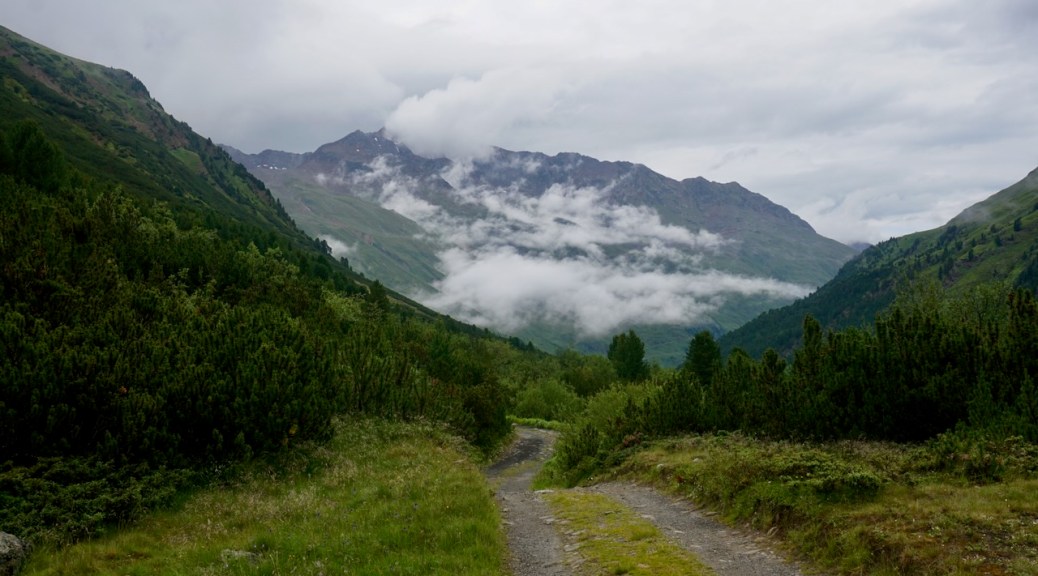
Zugspitze, Germany – July 2024

Partner Check

Climbing is a partner sport. There’s someone at the other end of your rope, someone whose life is in your hands and who is holding yours just as carefully. It requires communication, trust, and honesty – if I truly can’t climb something, I put us both in danger when I claim that I can. Likewise, if you are climbing, I’m watching the rope and it’s on me to tell you when it needs a quick tug to avoid a snag that could be dangerous.

In climbing, a partner check takes place every time one ties into the rope and the other clips in a belay device. We both look at your knot and we both check that my belay device has been set up correctly, that it brakes where it’s supposed to, and that the carabiner holding everything together is locked. Every time.

But sometimes we make mistakes. We take it for granted that this is something we’re used to doing and we forget. Sometimes we catch these mistakes before the climber gets off the ground. A quick, “Hey show me your knot” could be the difference between a fall and something much worse.

But sometimes we make mistakes. My climbing partner decided to follow a route in the climbing hall one day, meaning another climber had set up the rope and it was already hanging when she tied in. She climbed the route and I let her down. I had unscrewed my carabiner and was taking my belay device off my harness when she looked at me, face white, and said, “I didn’t finish my knot.”

I was horrified. She showed me where her half-completed figure eight had pulled tight onto itself as she climbed, how it had held fast even though there was every reason it might not have done that. She hadn’t finished her knot and, in making sure we were situated on the correct side of the rope as she got ready to follow the route, we had somehow skipped our partner check, therefore failing to notice.

We got damn lucky.

We apologized to each other immediately and continued to climb shortly thereafter, making an exaggerated show of doing our partner check. The friends there with us teased, but followed suit. Climbers do a partner check every time – we had just missed it that time.

And all it takes is one time.

Everything was okay, and we’ll never make this careless mistake again. To make ourselves feel better, we reasoned that we had now effectively saved our entire climbing group. But we know it could have had a very different outcome. We slowed down a little, went through the standard procedures as a matter of fixing them into the motion of our bodies, and kept climbing.

Nobody’s perfect, and that’s why I’m writing this post. Please do your partner check. Everything depends on it.

Thuringian Forest – September 2024

Drifting

I can’t seem to move from the floor, even though there are plenty of other places to sit. As a rule, I enjoy sitting on the floor, but this isn’t a particularly comfortable spot. The day is grey and while I had an idea of what to do with it when I woke up, any desire to follow through seems to have vanished. There’s no real reason for it, but there it is.

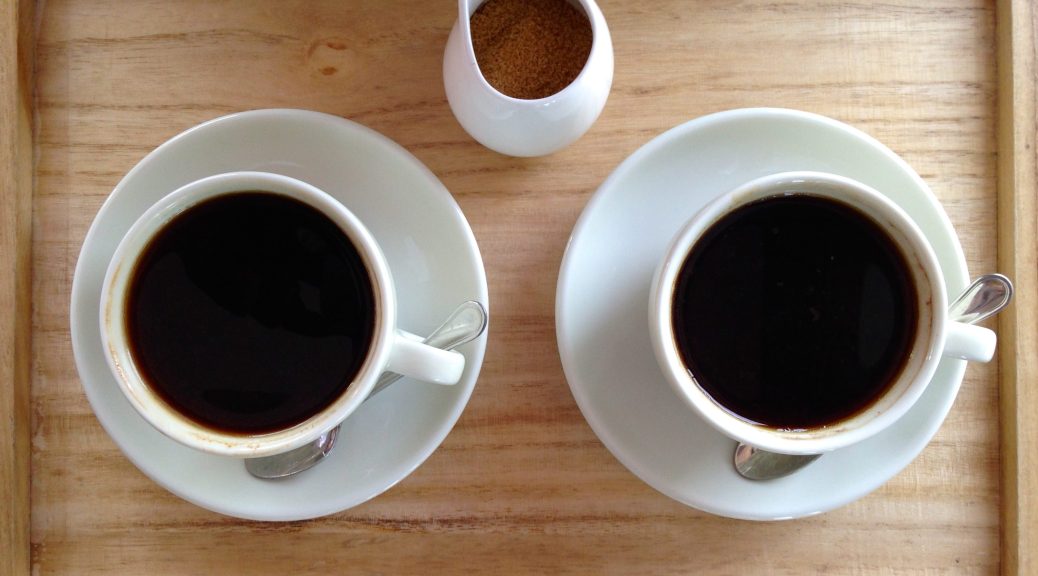
When the French press was empty, I made a cup of tea and stood at the balcony door, watching the trees move in the wind, looking out into a distance that I could reach by foot in just a few kilometres. The idea had been to head out there, not because it’s a nice day but because it’s something to do.

But to be honest, I’m tired of finding things to do just for the sake of something to do. I enjoy my time at home, but I also enjoy purposeful activity, and that was noticeably missing. There’s enough to do for the sake of diversion, but doing itself was not the point. And besides, tomorrow is likely to feel like today and the chores could get done then. Maybe there will be a greater sense of urgency.

But urgency is not the same as purpose, and purpose seems to be in short supply at the moment. Our trip to Peru was a life dream to fulfil before we embarked on other life dreams. And I guess I’m feeling a little dream-shy at the moment. What’s to say that the new dreams aren’t snatched away, too?

One could argue, we’ve lived through a pandemic and come out the other side. Isn’t that evidence enough?

One could argue, it’s too soon, take your time, life will settle back to normal. 

Both true. Neither especially comforting.

So I’m sitting on the floor, writing this instead of going out to – what? Be out. Just to be out. Because being out there is certainly more fulfilling than being in here.