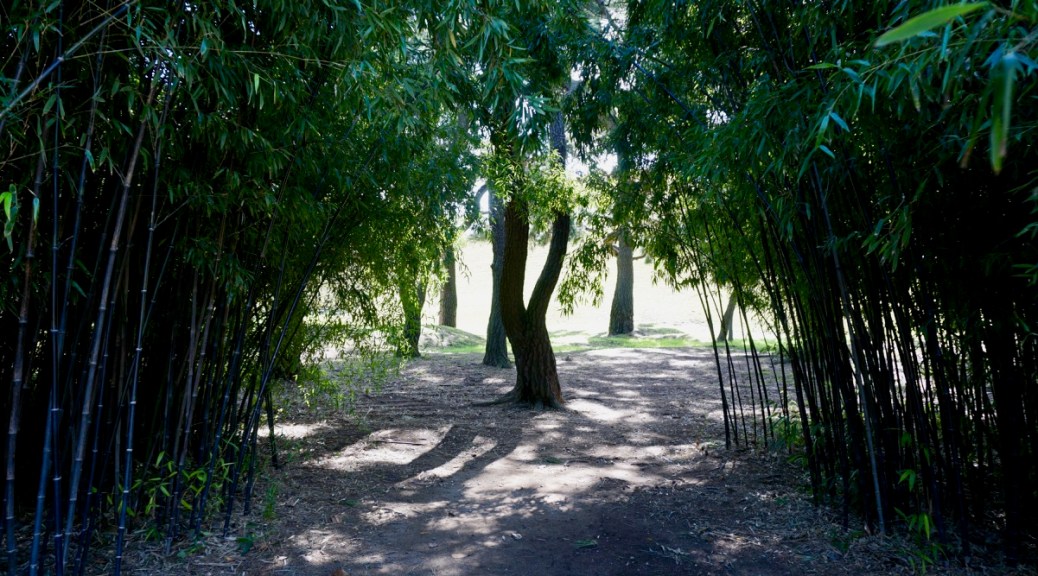
It’s interesting to watch the mind shift and change, ebb and flow. It’s interesting to experience from the inside, noting the sensations and thoughts at hand, while also experiencing from the outside. That is, watching the self have the experience.
This is what I was doing yesterday when trying to come to terms with what I will call “the dark streak”.
Ever since I can remember, I have always had a streak of dark thoughts. These are the not-so-pleasant ideas that I know are there and every now and then under times of self-doubt, uncertainty, or stress, make their presence known. The dark streak, which I have previously also called the “demons“, is common enough that I am not especially bothered by it anymore. Rather, I am curious.
After yesterday’s encounter with the dark streak that annoyed me because I really hadn’t planned on it being there, I sat down to deliberately make observations. This is what I noticed:
The dark streak is likely to rear its head when I experience a sense of isolation. It goes away with a tangible reminder that I am actually not as alone as I might have thought.
The dark streak is imaginative rather than destructive. It likes to ponder a range of possibilities and actually gives me a lot to think about when I follow it.
The physical sensations that I experience at these times are more closely linked to the part of my brain that is observing the experience. The dark streak might be running hot but my body and mind remain calm and cool if I am watching the dark streak rather than running with it.
While the dark streak can paint a vivid image that stays with me, there is a difference between experiencing the image from inside and watching myself experience the image from outside. The latter perspective is that of the observer that I mentioned above.
I don’t ask why this happens – I’ve had help figuring that out. Instead, I can simply ask whether this is normal. But with that question on the tip of my tongue, I can also think of the idiosyncrasies that people have pointed out over time and all I can do in response is shrug. Put all the weird things together and that’s what makes us individuals, right?
There’s a dark streak in me and that’s okay. It’s hardly surprising that we’d become acquainted again.
Society has been experiencing a dramatic transition in the last weeks and months, and this will continue for the weeks and months to come. There will be economic and political effects felt for years, and perhaps a reckoning of social structures that have gone unquestioned for far too long. With transitions come the opportunity to change, reinvent, renew, and restore. Transitions allow us to look around, to ask questions, and to take the time (after all, we are not so busy any more) to do the hard work of figuring out who we are and who we want to be.
I will not romanticise here and claim that I am grateful for this time. (Rest assured, I was crushed when Singapore announced on Friday that we’d be joining the ranks of the rest of the world with school closings and movement restrictions.) But, as I have said for a long time, we need to take much more time to think and much more time to understand ourselves and one another. We have this time. Use it wisely.
It’s always important to get outside. We know this, and it seems to be increasingly part of collective awareness because there are currently so many restrictions on movement. I am so, so grateful that we’re still able to get out and about in Singapore and I am taking advantage of this simple freedom as much as possible.
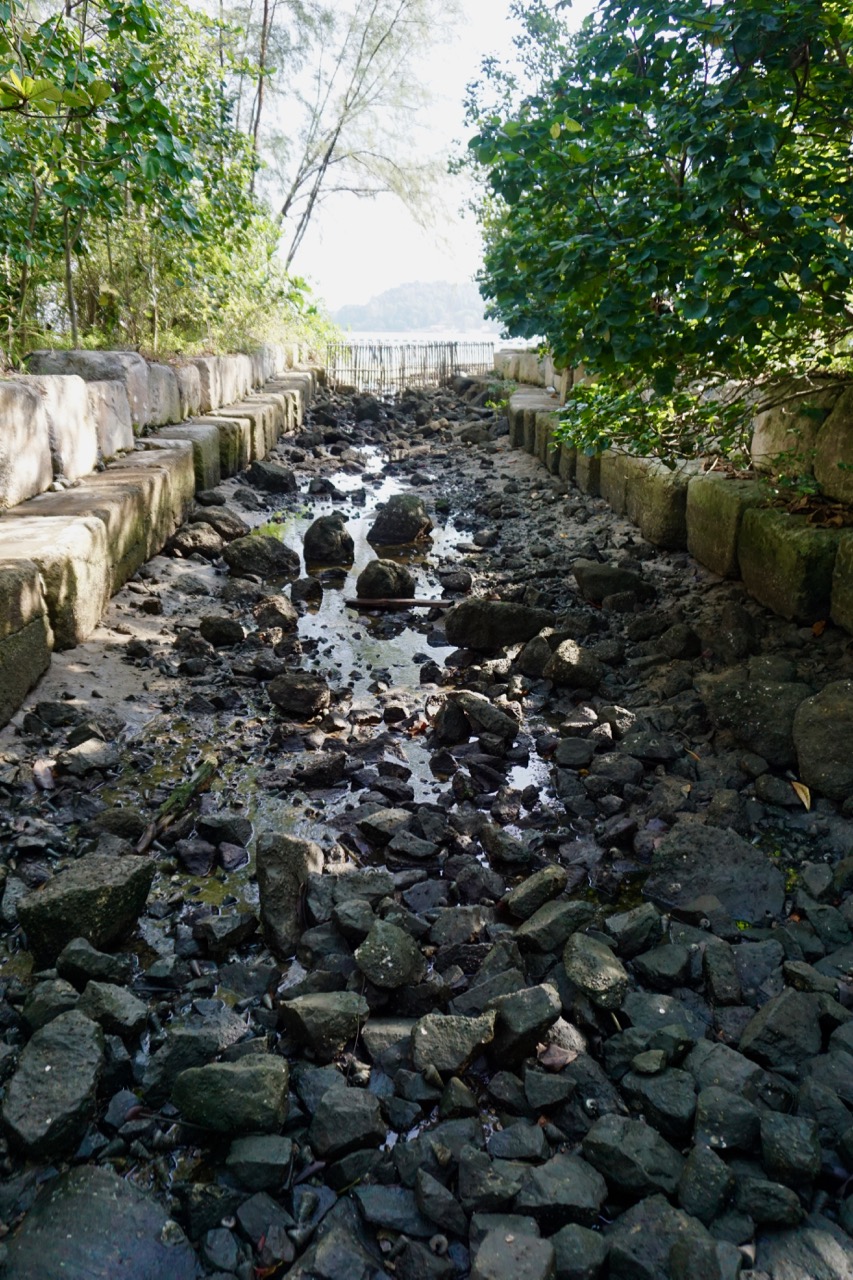
Over the weekend, my social cohort and I met early in the morning to take the MRT all the way to Punggol, the northernmost terminus of the North-East Line. From there, we caught the 84 bus to Punggol Waterway Park, is exactly what it sounds like. We were greeted by a turtle pond!
We walked along the path next to the water until we reached the bridge to Coney Island, also known as Pulau (“island” in Bahasa Melayu) Serangoon. Click here to read about the history of the island, which opened to the public in 2015 after ownership changed hands repeatedly beginning around the 1930s.
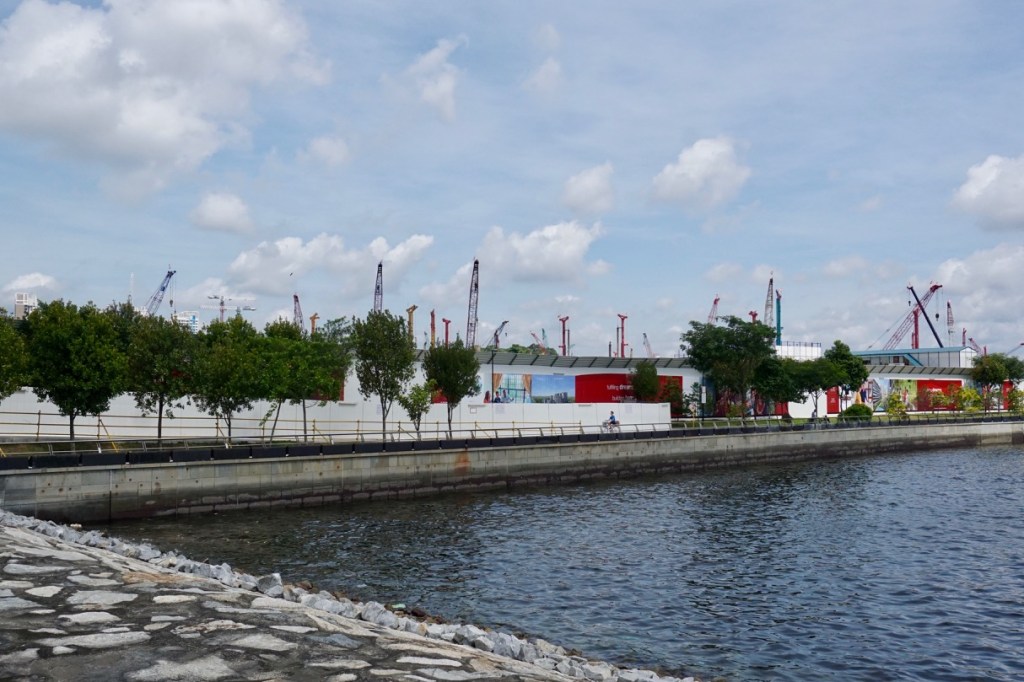
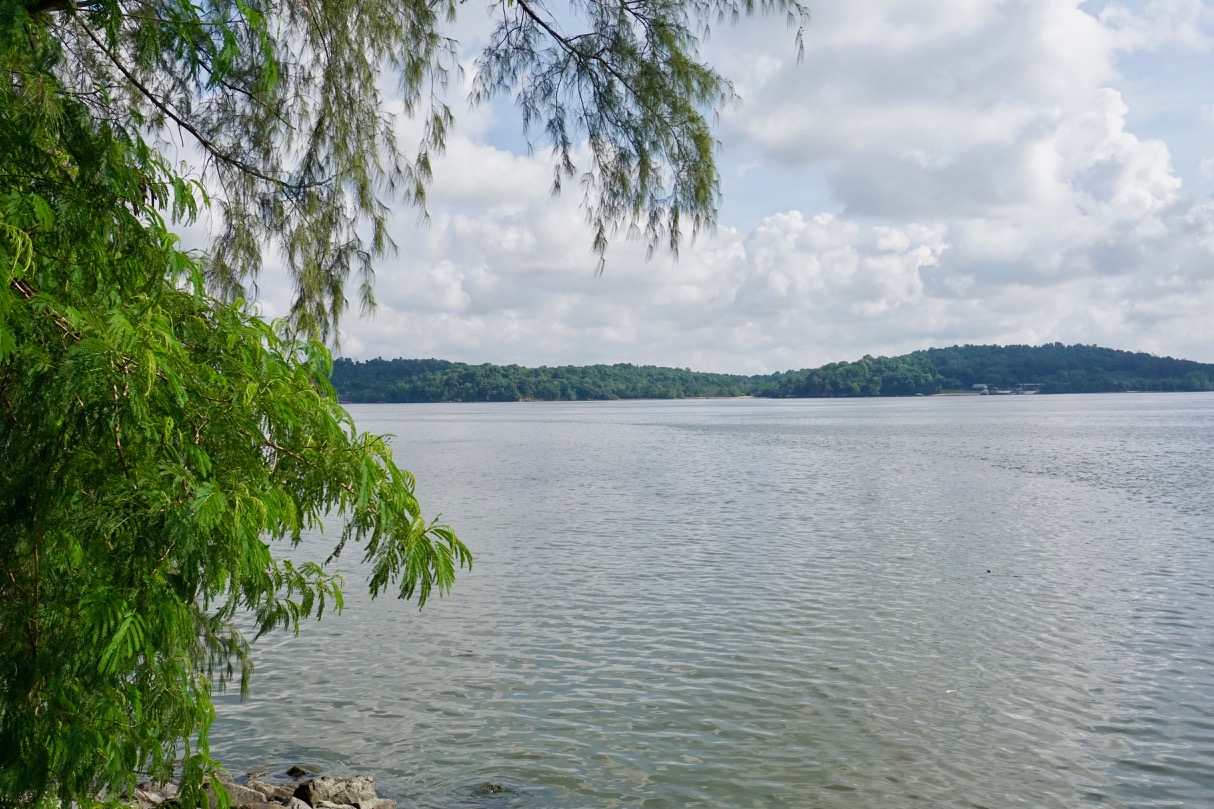
While much of Singapore looks like this . . .
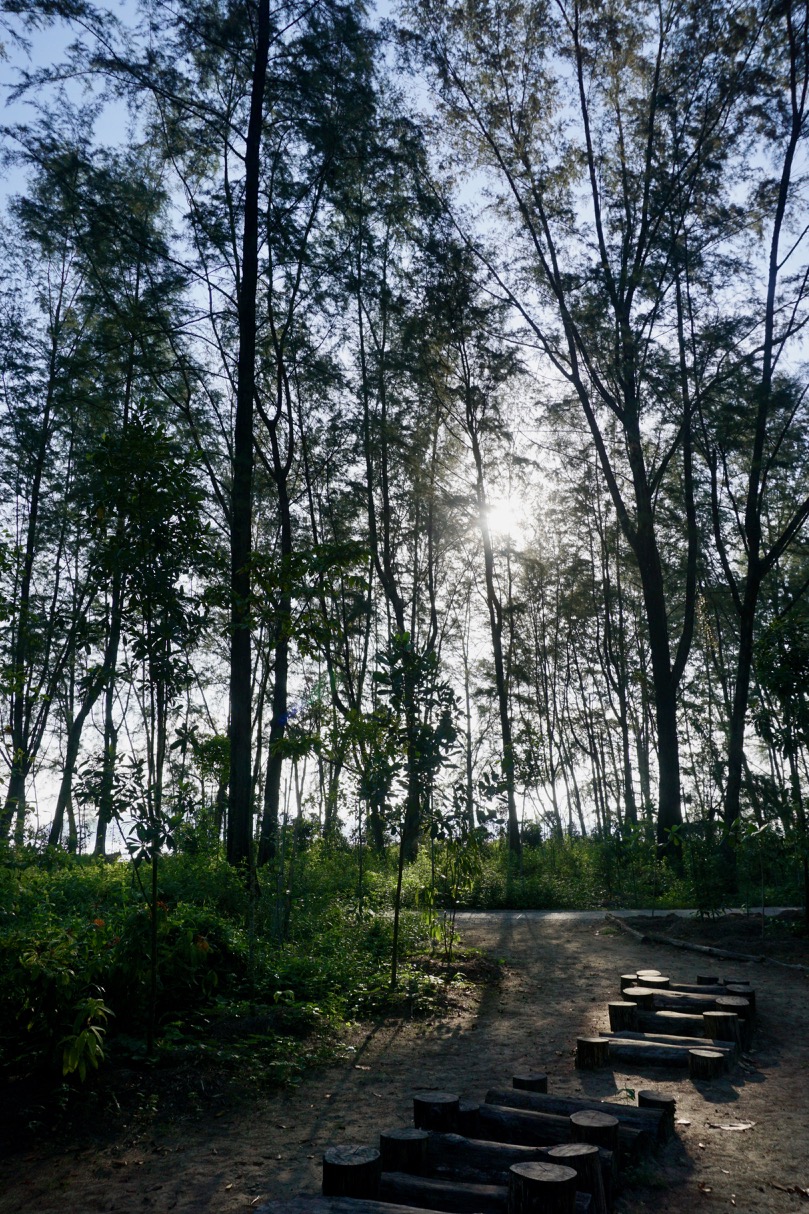
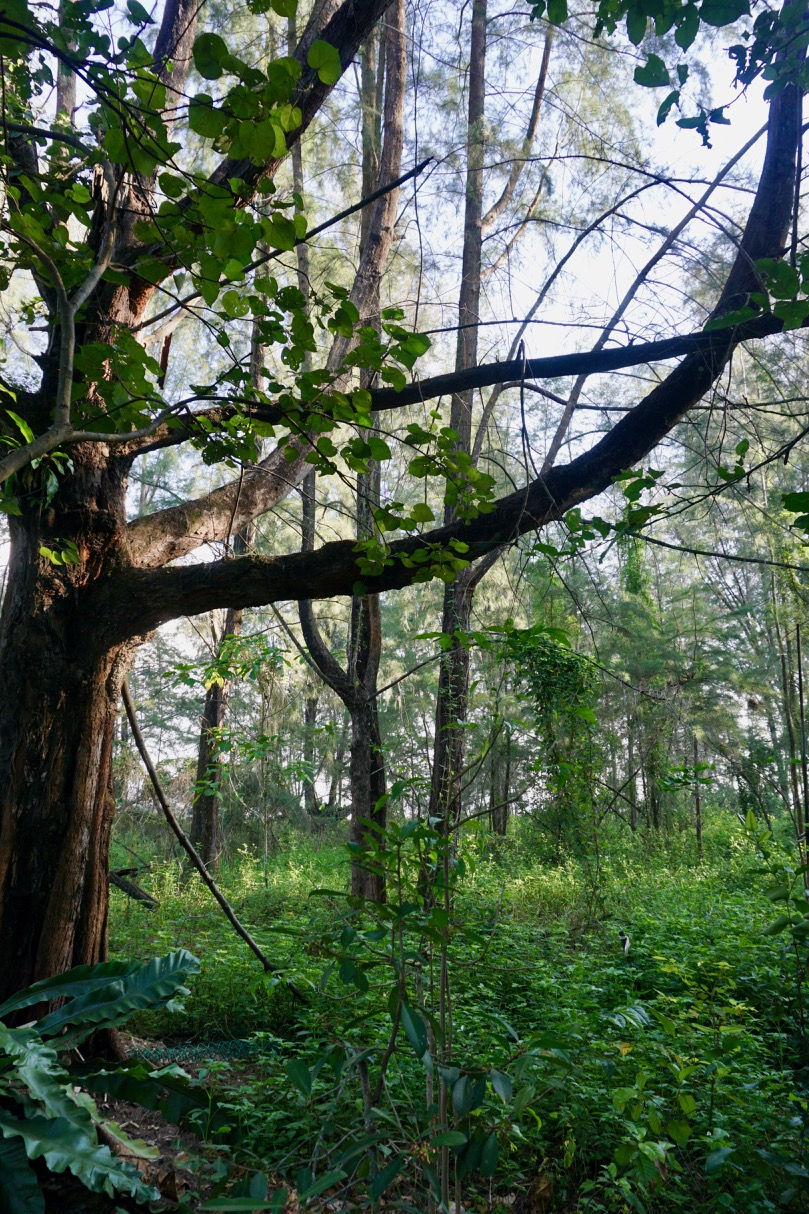
. . . Coney Island felt like a whole world away.
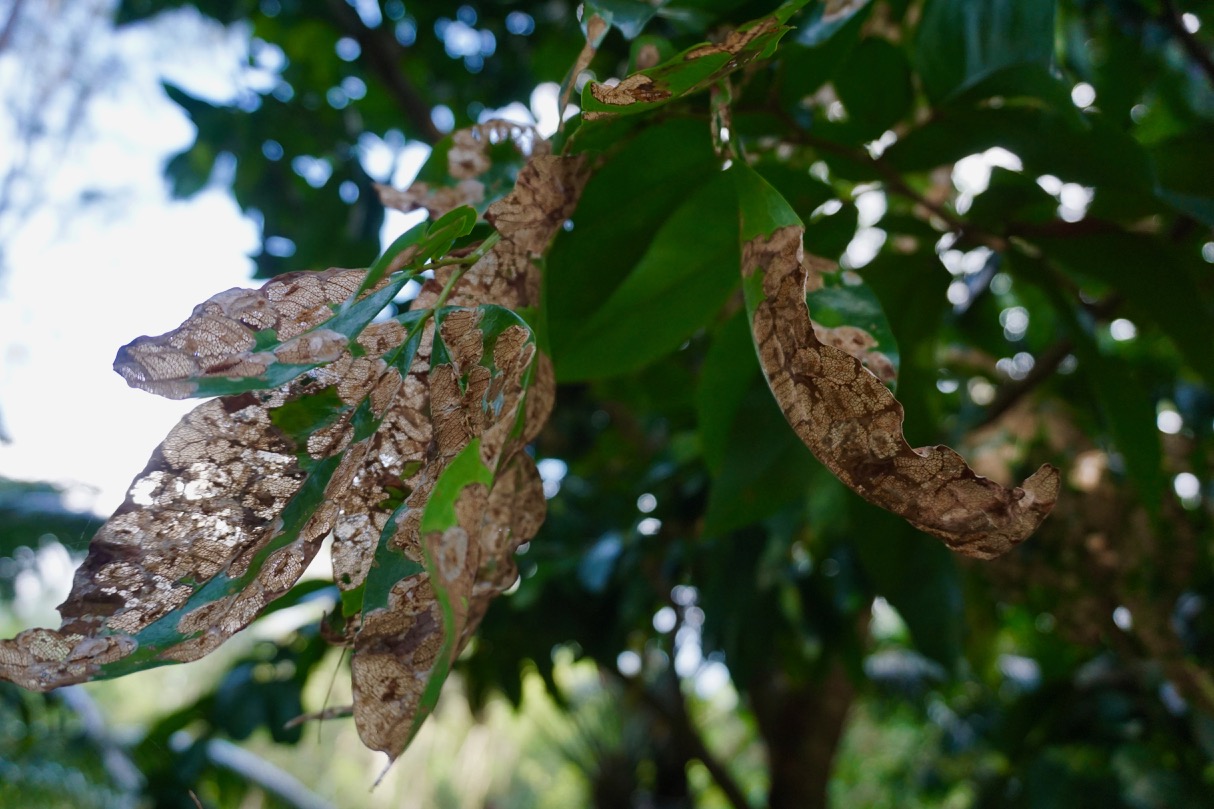
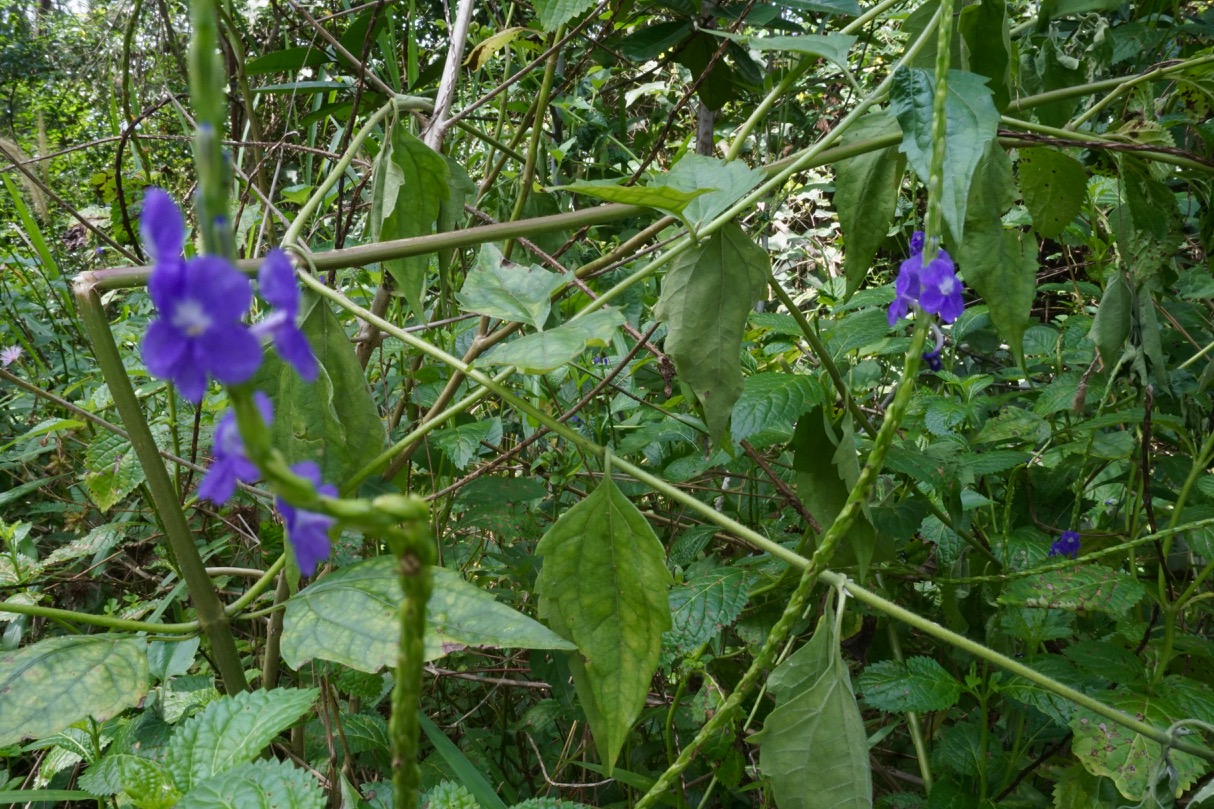
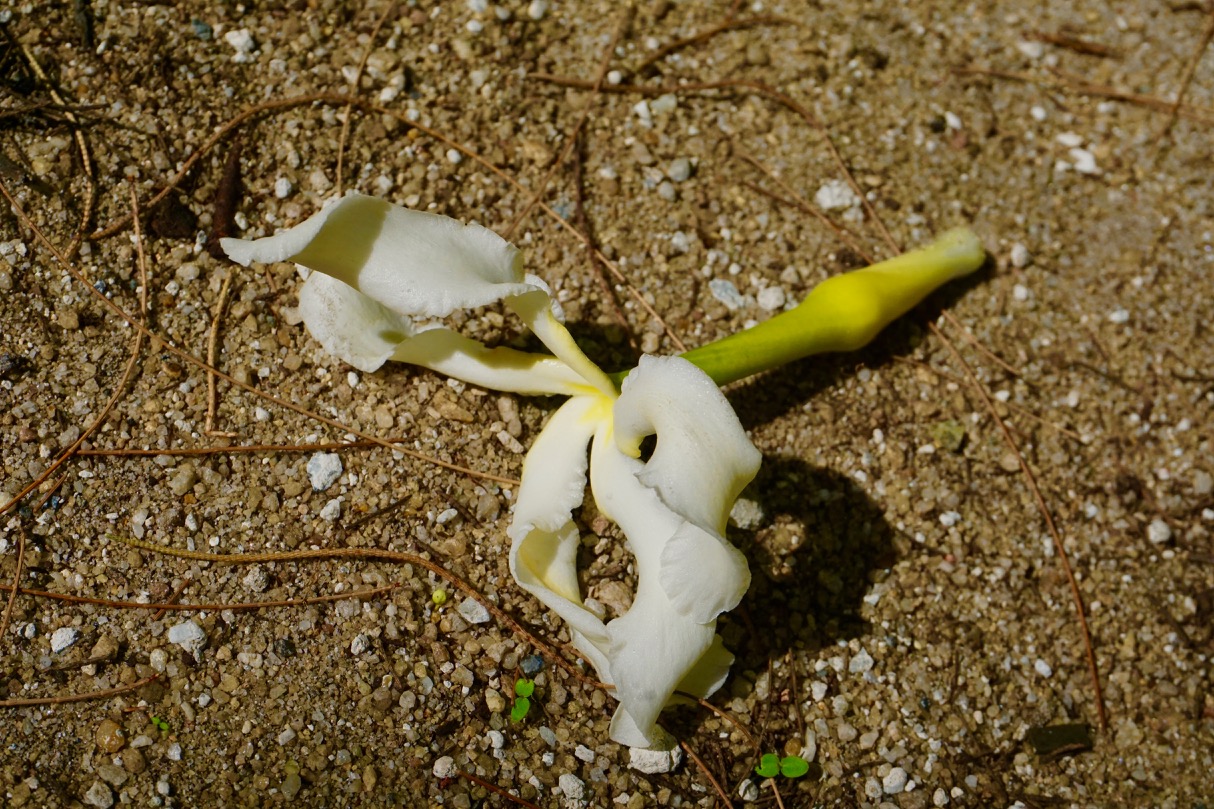
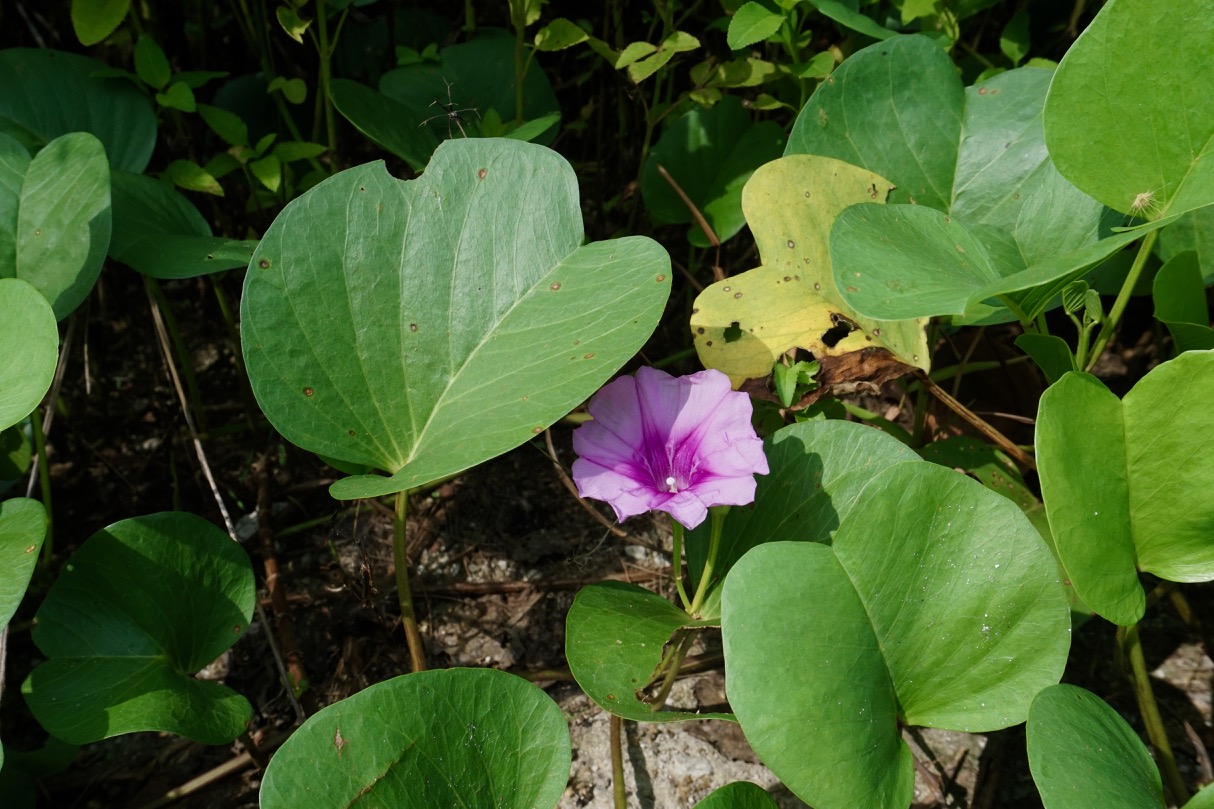
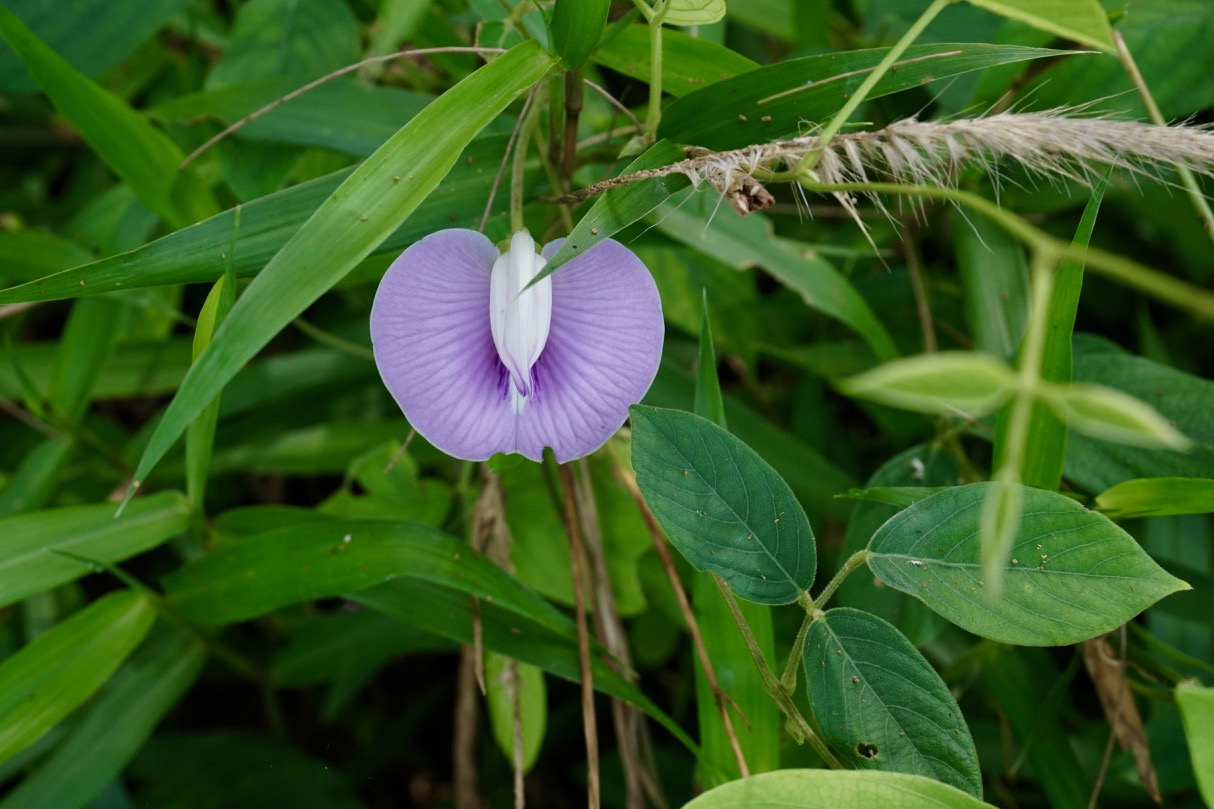
We heard birds that we don’t hear in the city and saw different flowers, which I really enjoyed.
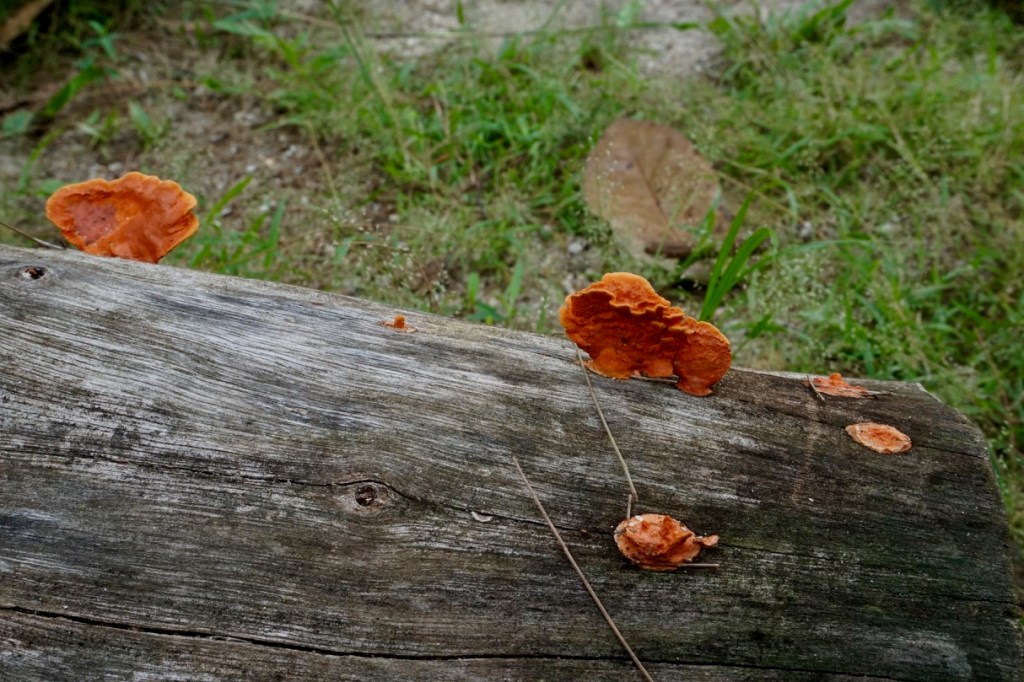
There were neat mushrooms, too!
It was great to smell the sand and the sea and the sand felt different here than it does in other parts of Singapore.
We walked the length of the island and then turned back to head back to Punggol Waterway Park. It was very hot and we were glad we’d ventured out in the morning. Except for a toilet, there are no amenities on Coney Island so if you’re planning to spend some time there, make sure you rent bicycles before crossing the bridge and stock up on snacks! There’s plenty to eat and drink along the promenade leading to the bridge but nothing but trees and beach once you’re on the island. Trees, beach, and groups of old men fishing.
Since we’re surrounded by glittering skyscrapers, it’s easy to lose sight of what Singapore used to be. And it’s the juxtaposition of the two landscapes that I love.
Title inspired by Love in the Time of Cholera, which I’m thinking about reading when I’m done with the two books I’m in the middle of right now.
Where We Are Now
We’re in a different situation in Singapore than in much of the world. People are still going to work and we have not closed school. This is a neat graphic from UNESCO showing the spread of school closures globally and the number of students in different levels who are affected. Interestingly, Singapore is not on this map and I don’t know whether that’s because we’re still in school or because they forgot about us. As informative as it is, it also serves as a reminder that even reputable sources are not flawless.
We have not closed school in Singapore because the government has been down this road before. The requirements for travel declarations and the restrictions on movement, behaviour, and gathering began much earlier here than in Europe and much, much earlier than in North America. The first email from our deputy superintendent referring to “novel coronavirus pneumonia” was sent January 23. That was when the government first required travel declaration forms from everyone involved in an educational institution. On January 28, the day we returned from the Chinese New Year holiday, schools started taking everyone’s temperature on the way into the building. This has since been implemented at the community centre that houses my climbing gym (and I’m sure this isn’t the only one) and is part of the regimen in hospitals, movie theatres, malls, and recently some restaurants. On February 11, the WHO gave coronavirus a name – COVID-19. It wasn’t until March 6 that I finally received a message from a friend in the US asking how we’re doing here in Singapore.
We’re in a bit of a different situation at the moment in that we’ve been living with this for a long time.
And that’s the point – we’ve been going about our lives and living with this thing because Singapore has a disease outbreak response system that makes sense. We’ve been at DORSCON Orange since February 7. When it came out two years ago, I read The End of Epidemics by global health security expert Dr. Jonathan Quick. He cites Singapore’s response to SARS as a shining example of disease response done well and living through another round of that, I understand why.
Considering where we are and how Singapore has responded, it came as a huge blow to our students when the IBO cancelled May examinations on Sunday night. The IB has given itself until Friday to figure out next steps. The College Board AP, which my school also offers, is running 45-minute online exams. What is important to understand here is that AP and IB exams have a different purpose and carry very different weight and meaning for students. Unless our students are going to school in the US, they are accepted into universities on the basis of earning a certain overall IB score. Now that there are no exams, how will this affect graduation and university acceptances? We don’t know the answer to these questions right now.
Conversations with Young People
Understandably, my students were full of confused emotions in class yesterday. We spent some time just talking before getting down to business and I want to summarise our conversation. Hopefully it helps some of you figure out what to say (or not say!) to the young people in your life. They need guidance right now and we are there for them, even if we don’t have answers. The threads of our conversation went like this:
This is an emotional time.
My students told me that they’re feeling confused, upset, disappointed, and relieved. One or two were glad they didn’t have to study but the majority were crushed at losing everything they look forward to at the end of high school: prom, graduation, senior trip, and proving themselves on exams. We agreed that yes, it sucks.
What’s the point now?
Final exams have been the driver for much of what we’ve done for nearly two years and students, appropriately, wanted to know what the point is now. There are no exams . . . so what? What is there? We talked about learning for the sake of learning and about how far they’d come. We talked about showing themselves that they’ve come a long way.
We also talked about going on with life as normal. There will likely be some kind of end-of-course assessment. After all, we have already submitted required coursework to the IB and they will use it for something. We might very well run an assessment here in school, too. Additionally, there will still be grades on transcripts. These grades will come from somewhere, and they will indicate what students know.
Who are we supposed to turn to?
Multiple students expressed not knowing what to do and one put it very succinctly: “We’re confused,” he said, “and the people we’re supposed to ask for help don’t know anything either.” He’s right and it was important to acknowledge that. A student asked me to give my best educated guess about what might happen next and all I could say was that my previous educated guesses had been wrong so my best educated guess was to keep my mouth shut. “But what can you tell us as a friend?” he asked.
I told my students that they couldn’t turn to me for answers because I didn’t have any, but I did know that the world had been through a lot before and would not end with them. We don’t know what is coming next but we do know that these young people will complete high school and go off into the world to do something. We don’t know the path they will take to get there and we don’t know where “there” is, but we do know that life isn’t over. Look at what’s happened in China – students are going back to school!
I’m worried about what might happen next.
I reminded my students that when this all started two months ago, we were worried about schools in Asia closing and being disadvantaged for exams since everything in Europe was fine. We could not have predicted life returning to somewhat normal in China with the rest of the world closing its borders. Likewise, we cannot predict what is ahead.
We also talked a little bit about our families. With flights cancelled and travel restrictions across borders, we are “here” and our families, for many of us living overseas, are “there”. And we cannot get to them. With legal status determined by employment passes, student passes, and dependent passes, we don’t know if or when we’re going to be asked to leave. We don’t know whether our home countries will take us or if we’ll physically be able to get there. We do know that flights aren’t free and all of us have cancelled travel plans or had plans cancelled. What happens if our legal status changes?
I didn’t have answers but we had a conversation.
I gave up a lot for this.
After class, one student stayed back to talk. He said he’d sacrificed a lot to spend two years in the IB Diploma Programme and he would have chosen differently had he known it would come down to nothing. Ah, now this is something I can speak about with some confidence. Knowing the answer, I asked this student whether, knowing the options that existed at the beginning of grade 11, he could have chosen differently. Knowing who he was, could he have done anything differently over the past two years?
No, he told me. That’s true. That’s what made the most sense at the time.
And that, I said, is a way to approach being in the world, no matter the situation.
A Focus on Learning
We had to talk before my students were ready to get down to learning. I understand Maslow’s hierarchy of needs and I know that students who are hungry need to eat before I can expect them to do anything else. This felt similarly. My students needed to be heard and they needed my honesty in order to trust that I had their best interests at heart, and then we went on with our intended tasks for the day.
If necessary, as so many are doing, I could run my classes remotely. A colleague and I have been piloting online learning tools in a shared class and we could make it work. There are a lot of resources out there and many of them are free. The best practices of online learning have been sharpened and honed through the work, effort, and time of many of my colleagues, known and unknown, and I am grateful for them.
One thing that we do know is that human connection is really, really important. Last week, we ran our parent-teacher conferences through Google Hangouts and it was a real gift to be invited into my students’ homes like that. Everyone was calmer and more relaxed than usual. What would it take to have a quick video chat with my students, or set them up with a platform that allowed them to do the same? (I’m told Zoom has “breakout rooms” and this is worth exploring.) It was really important to talk with my students yesterday about what was on their minds before we were able to do what we were meant to do.
There has been a lot of focus in education over the last several weeks about how to put teaching and learning online and I understand this focus. I agree that it is important. But it was also important to acknowledge that my students, for whom life has remained comparatively normal, have questions, too.
In this sense, we all have a wonderful opportunity to learn a little more about who we are as individuals and as a collective group of humans. I spoke with my students about recognising their own responses to stress and anxiety and how to manage unknowns. No matter what happens next, they were heading towards a huge unknown anyway because they were planning to go out in the world and start their lives. They will still do that, just not following a path that someone else had walked before them. We talked about ways to accept what we cannot change or control, and we talked about what it means to live according to who we are and what is important to us.
Additionally, we talked about the resilience of humanity. While we have individually fragile moments, humanity has also overcome great adversity. Some of my students have lived this in their own lives and some are experiencing it now for the first time. It is important for them to know that this is not the first life-altering, world-spinning-out-of-control moment that they will experience, and it is important for them to know that they will get through this one and the next one and the next one. We can make all the plans we want, but we learn a great deal about ourselves when look at how we respond when our plans go awry.
And it is important for students to know that this, too, shall pass and we will all be stronger and wiser when it does.
Conclusions
Learning through COVID-19 does not only mean learning in school. It also means learning about ourselves and about who we are. It means learning to let go and wait patiently when we would much rather be in control, and learning to pause and breathe when we’ve spent too long with our noses buried in the news.
It also means learning to recognise what we are feeling and manage it in a way that allows us to live as fully as we can. We can only live what is now and it does not help to ruminate over what might have been otherwise. Instead, as my students are learning, we live with what is and sometimes all we can do is take it one moment at a time.
Peace. It does not mean to be in a place where there is no noise, trouble or hard work. It means to be in the midst of those things and still be calm in your heart. – Anonymous