Before dawn on New Year’s Day after a week in Switzerland, my parents and I took the train from Zurich to Salzburg. The trip itself was beautiful and everything I had hoped train travel through Europe would be. We journeyed through mountains, hills, trees and through increasing amounts of snow, but there was sunshine and blue skies the whole way.
Salzburg
I really, really enjoyed our afternoon in Salzburg and would have loved more time there to walk up to the Hohensalzburg Fortress, or drive to Schloss Hellbrunn in the countryside. But now I have a reason to go back!
Salzburg was surrounded by water and, surprisingly to me, great stone cliffs that seemed to come up out of nowhere when we were walking through the old town.

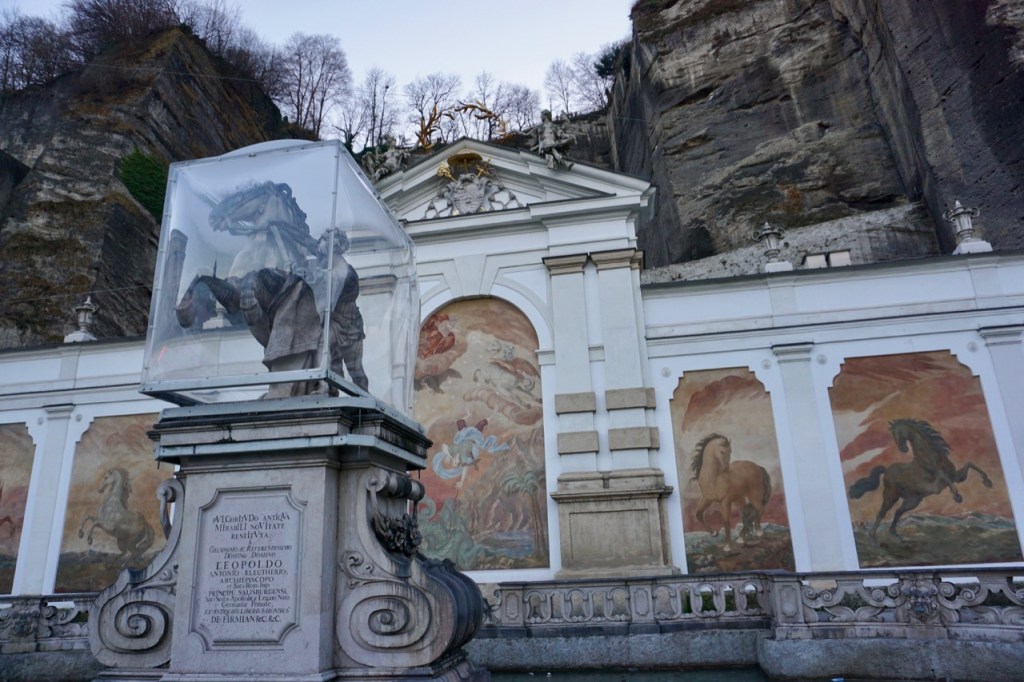
As before, the walk through the old town took us past beautifully painted buildings and intricate architecture that just don’t exist anymore. I know that real people don’t live in these old towns, but they certainly are pretty. The narrow streets leading to large open squares in Salzburg are hilly, which means that church towers and other buildings just sort of peek out at you around corners.
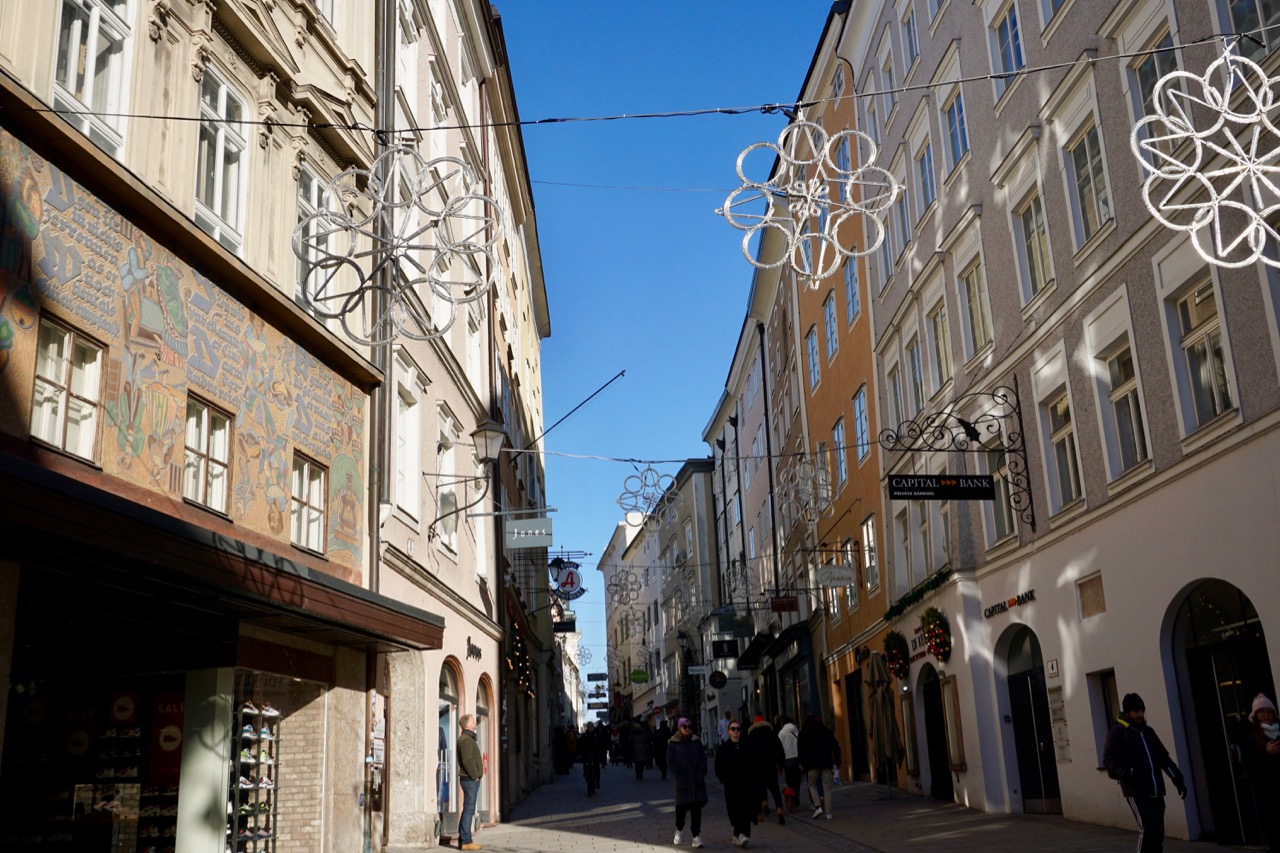
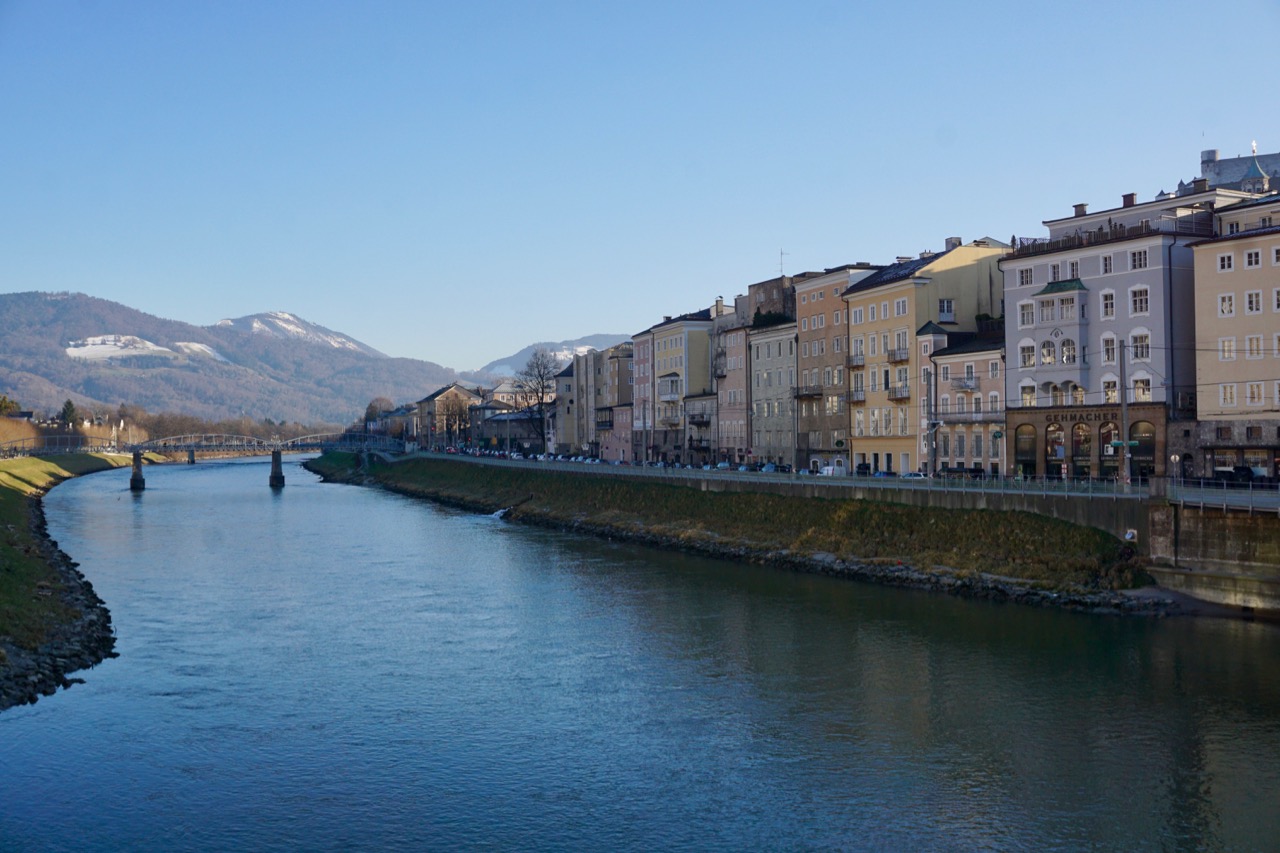


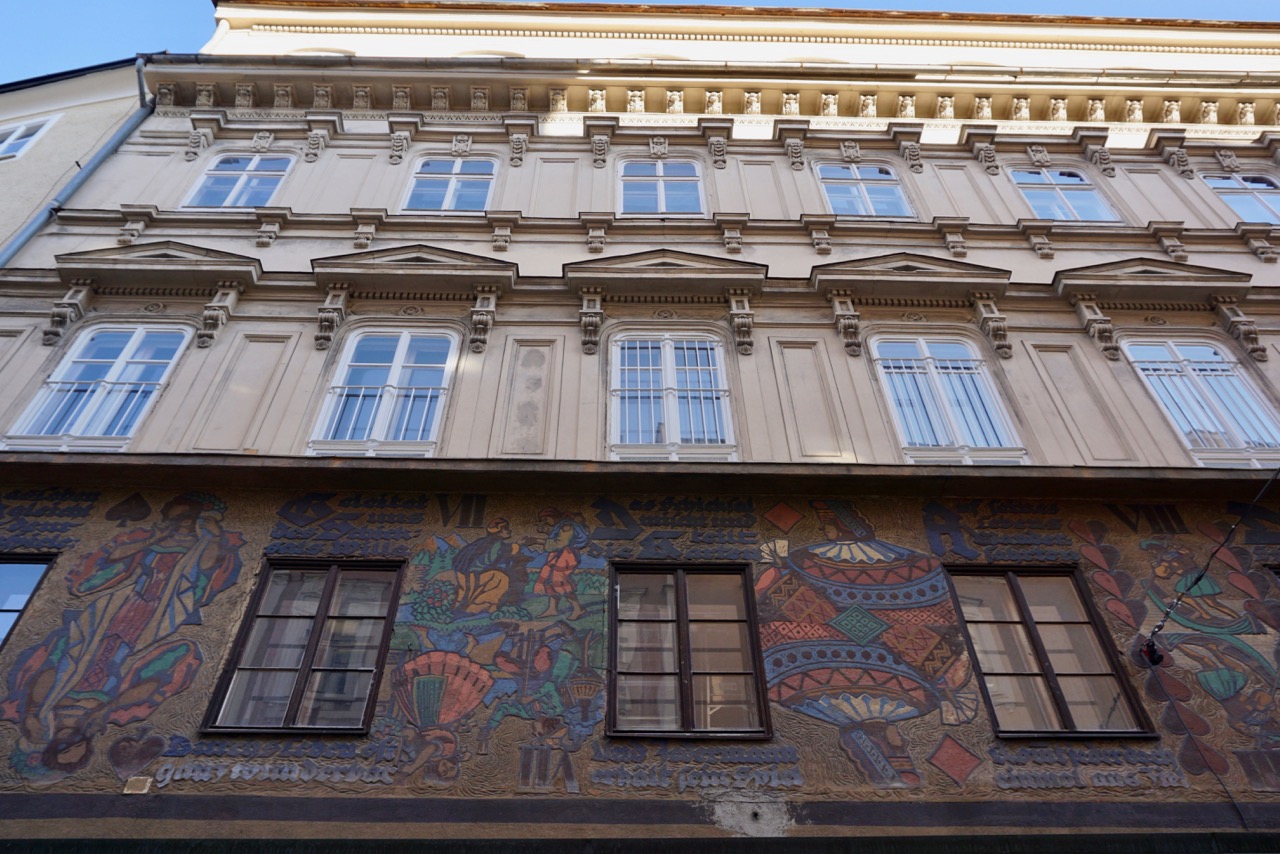
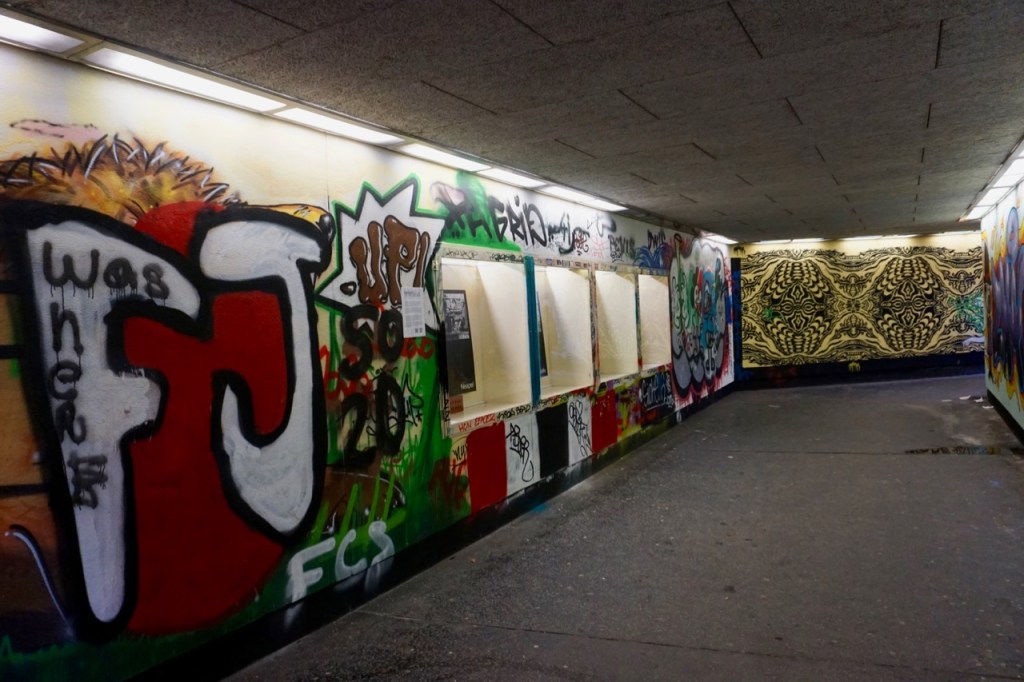
But there are other parts of Salzburg that remind you that this is a real place where people live and I was glad to see that, too.

Mozart made his home in Salzburg and we visited Mozart Geburtshaus, Mozart’s birthplace, which is considered the more informative of the two Mozart houses. We learned a great deal about Wolfgang Amadeus Mozart, his family (including a very talented sister!), and Austrian musical tradition and I was really impressed with the collection of artifacts and family papers. Music is a really important part of heritage here and classical music was playing through speakers throughout the old town in Salzburg, prompting a surprising amount of waltzing in the streets and in the squares. I kept expecting to see a live orchestra around each corner!
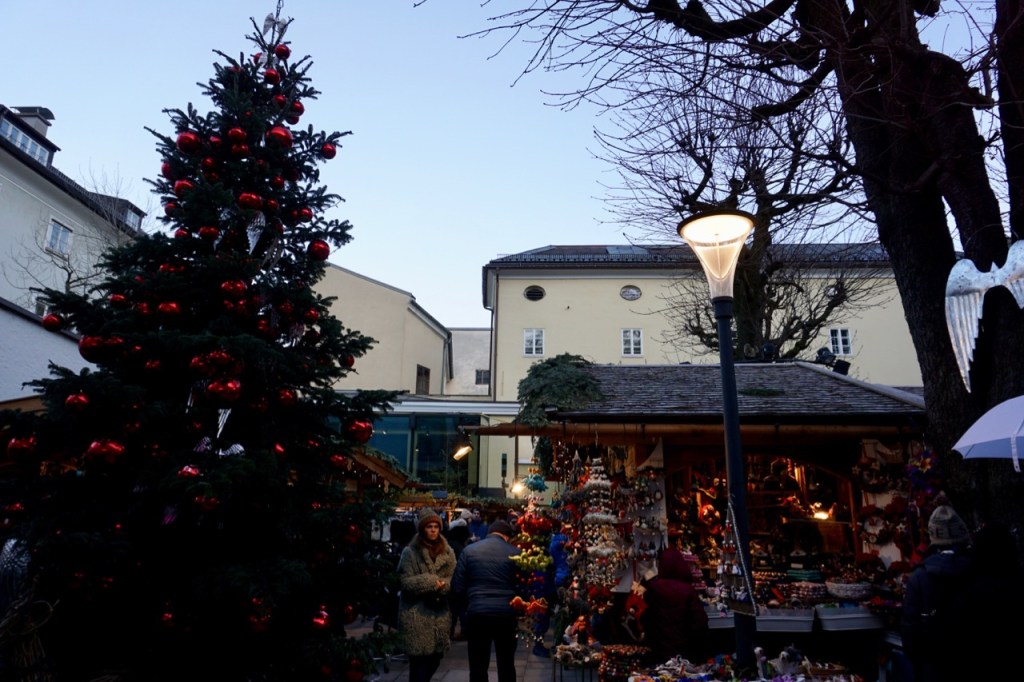
Like we’d seen across Switzerland, there were little Christmas markets and stands set up across the city.
We also stopped by the university church . . .

. . . and the Dom zu Salzburg, where we stopped to visit the church and to drink glühwein.


Vienna
The next morning was equally bright and sunny and we left fairly early for Vienna. We could have easily stayed another day in Salzburg and left for Vienna that night but something told me I’d want the time in Vienna. This turned out to be accurate and again, I really need to go back!
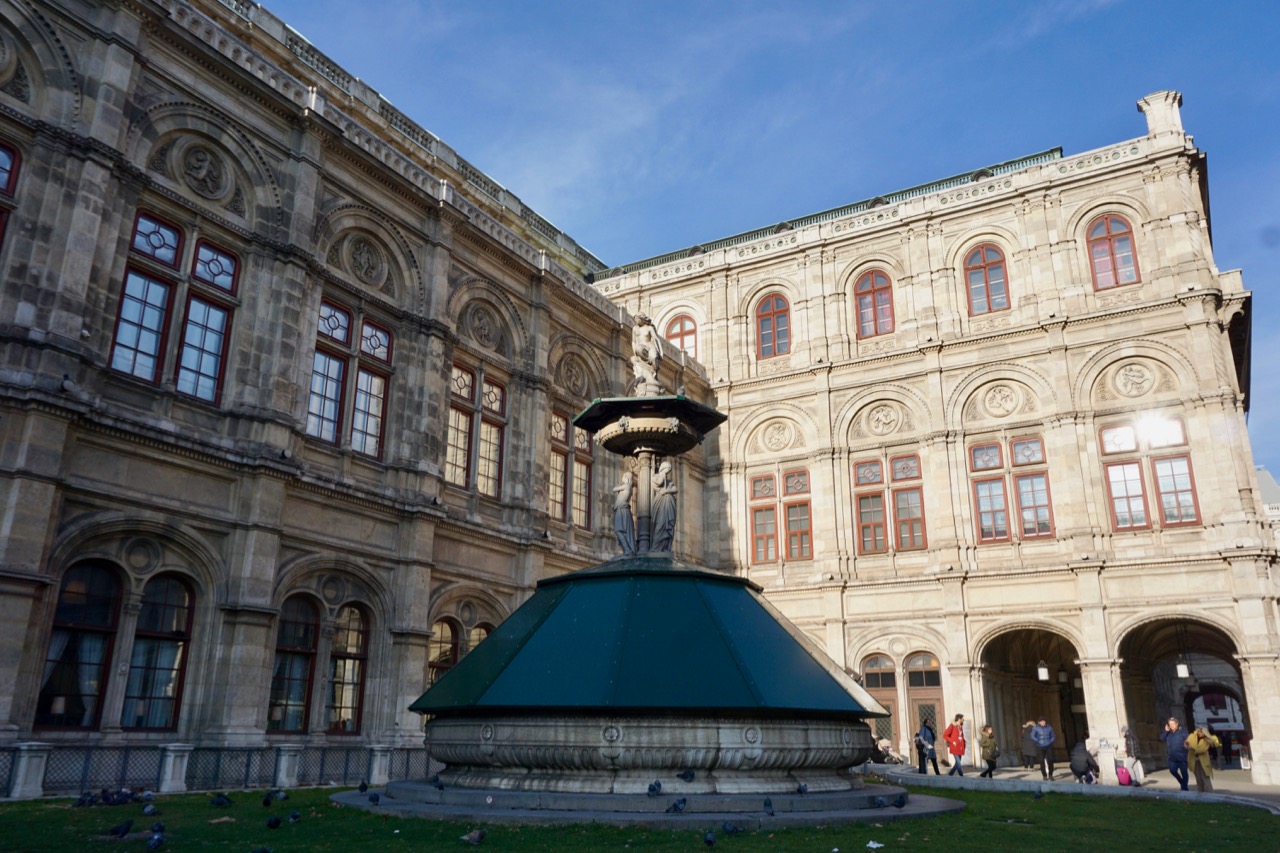
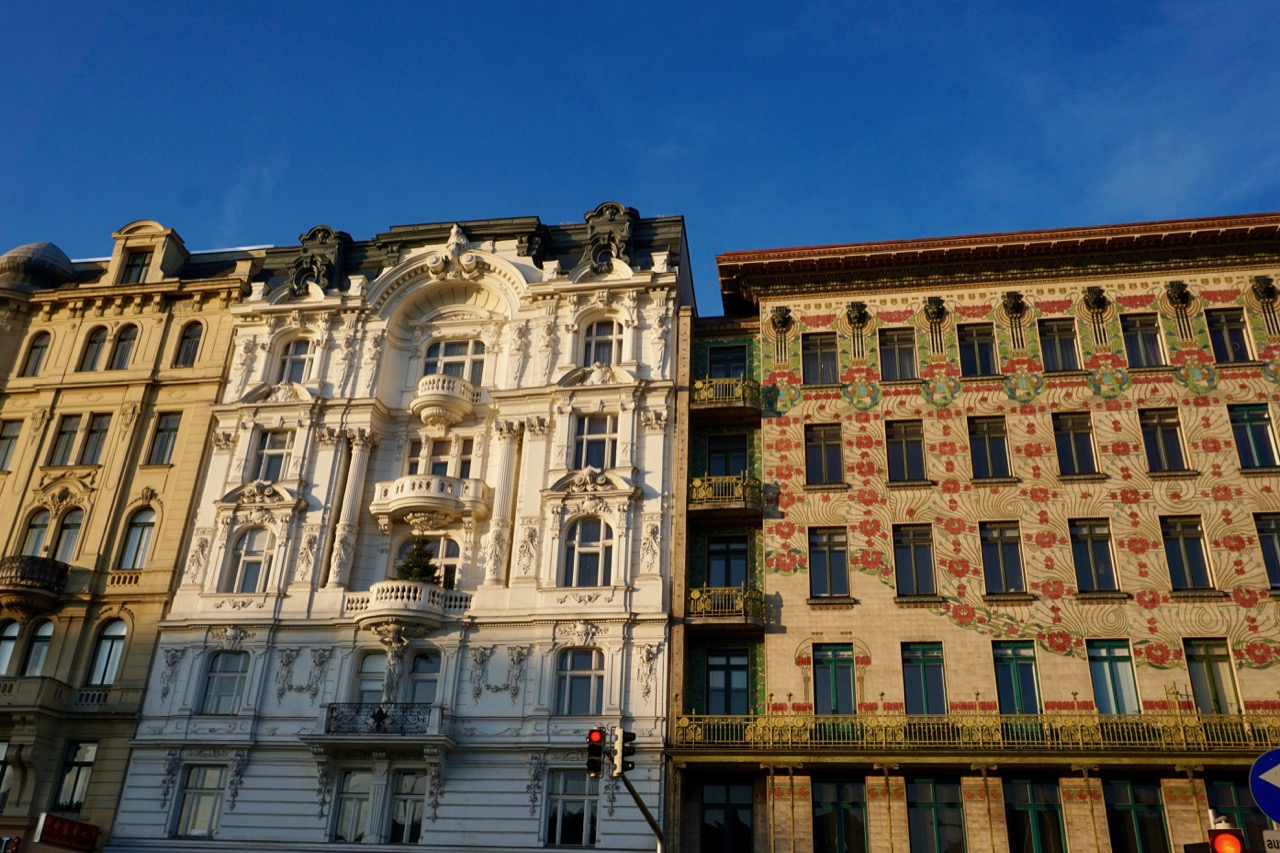
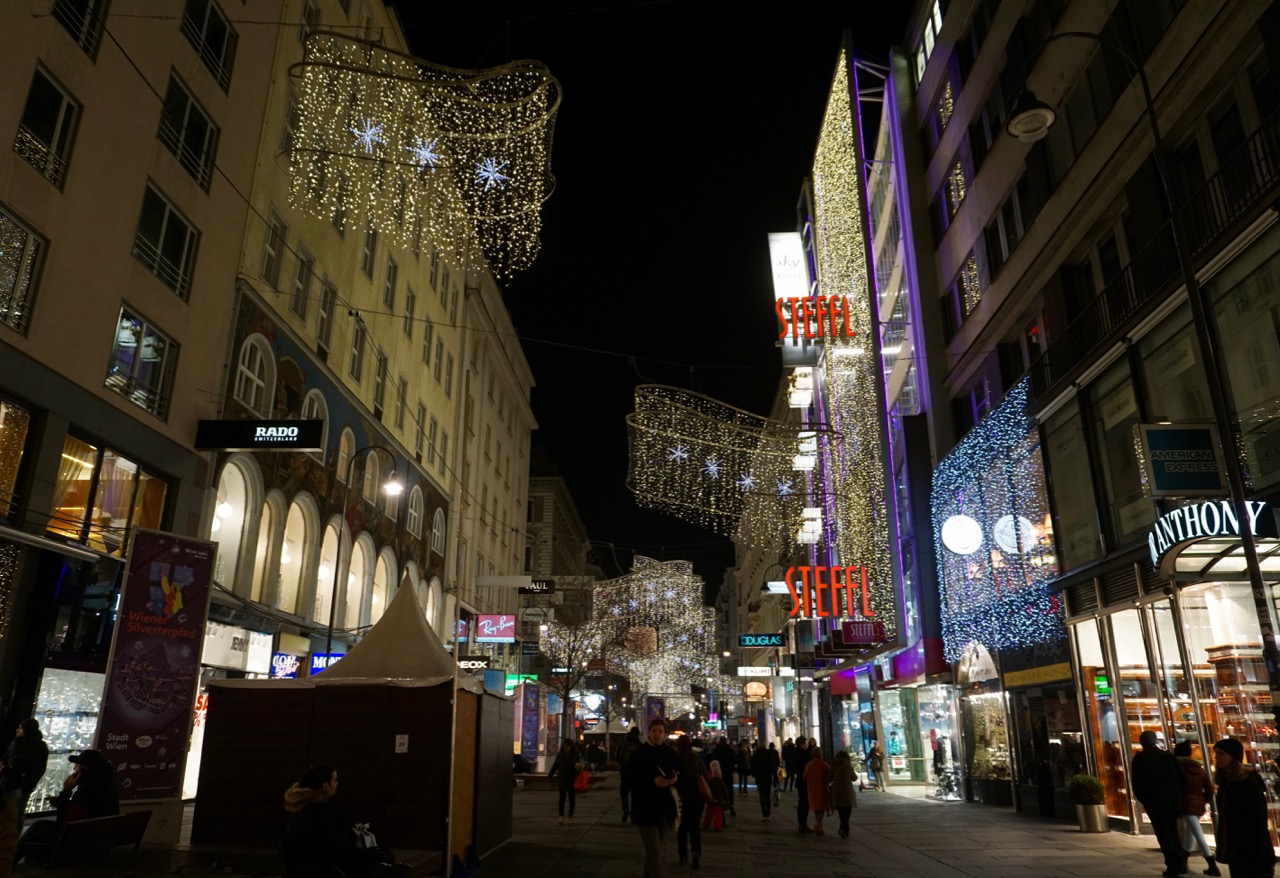
Vienna is beautiful. It’s beautiful and grand and opulent with wide streets and specially painted bike lanes. As soon as we saw the bike lanes next to the opera house, I knew that I would like Vienna very, very much. It was pretty at night, too.




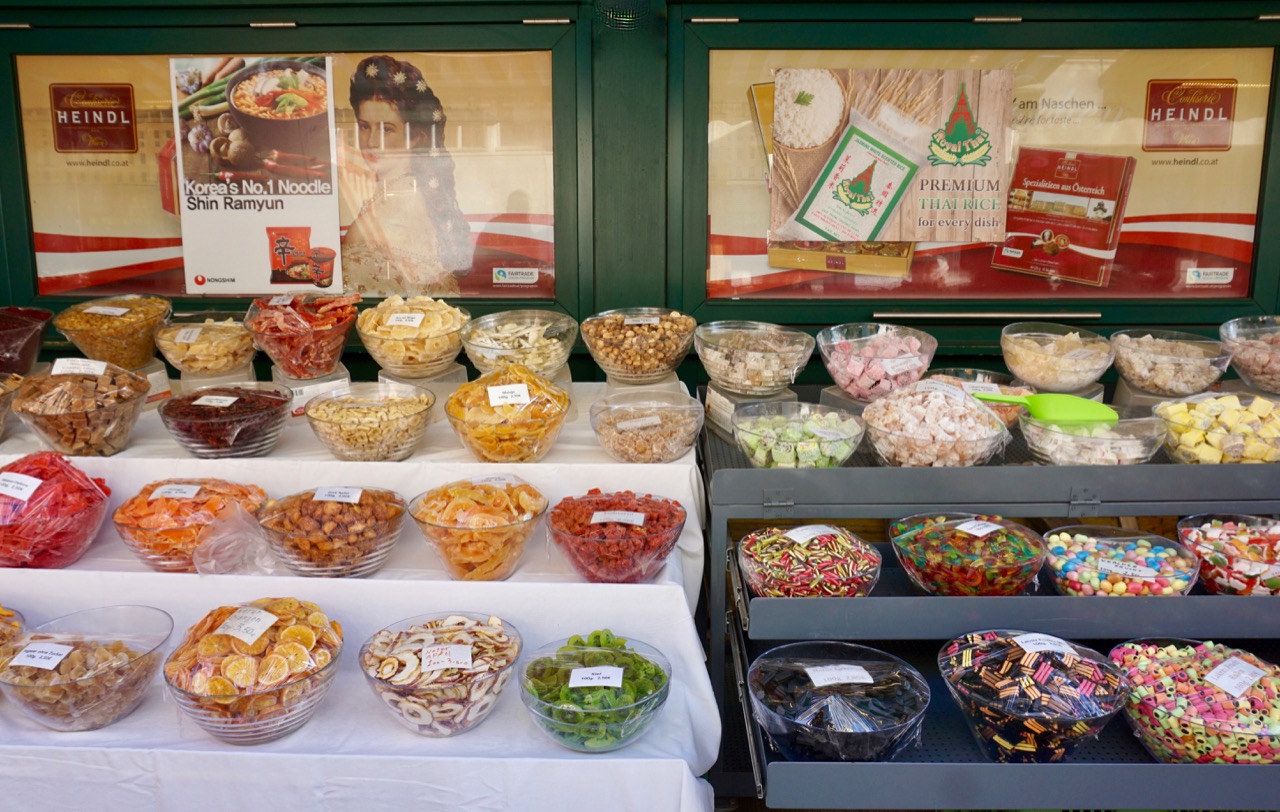
The first thing we did, however, was walk a little ways out of the old town to the Naschmarkt, Vienna’s largest food market. It’s part restaurants . . .

. . . and part food stalls . . .
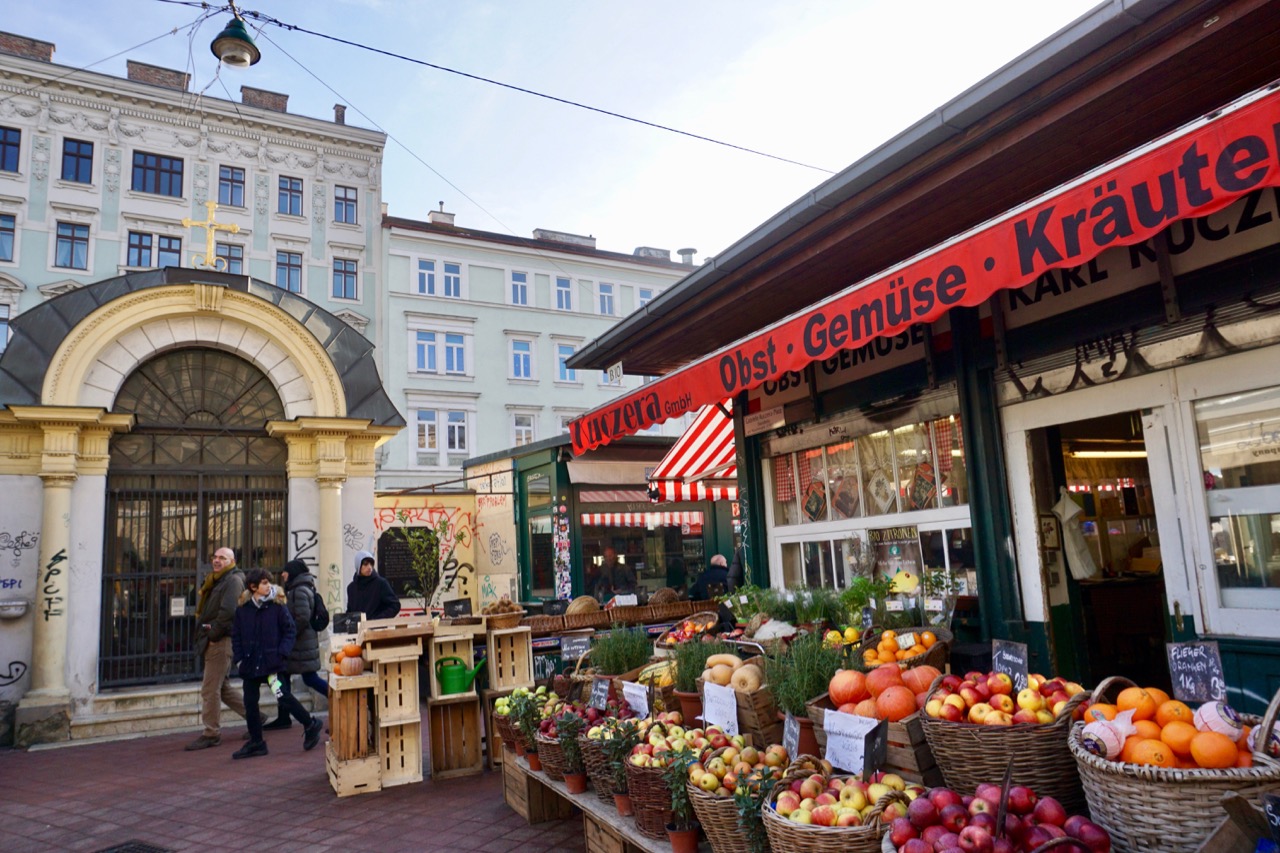


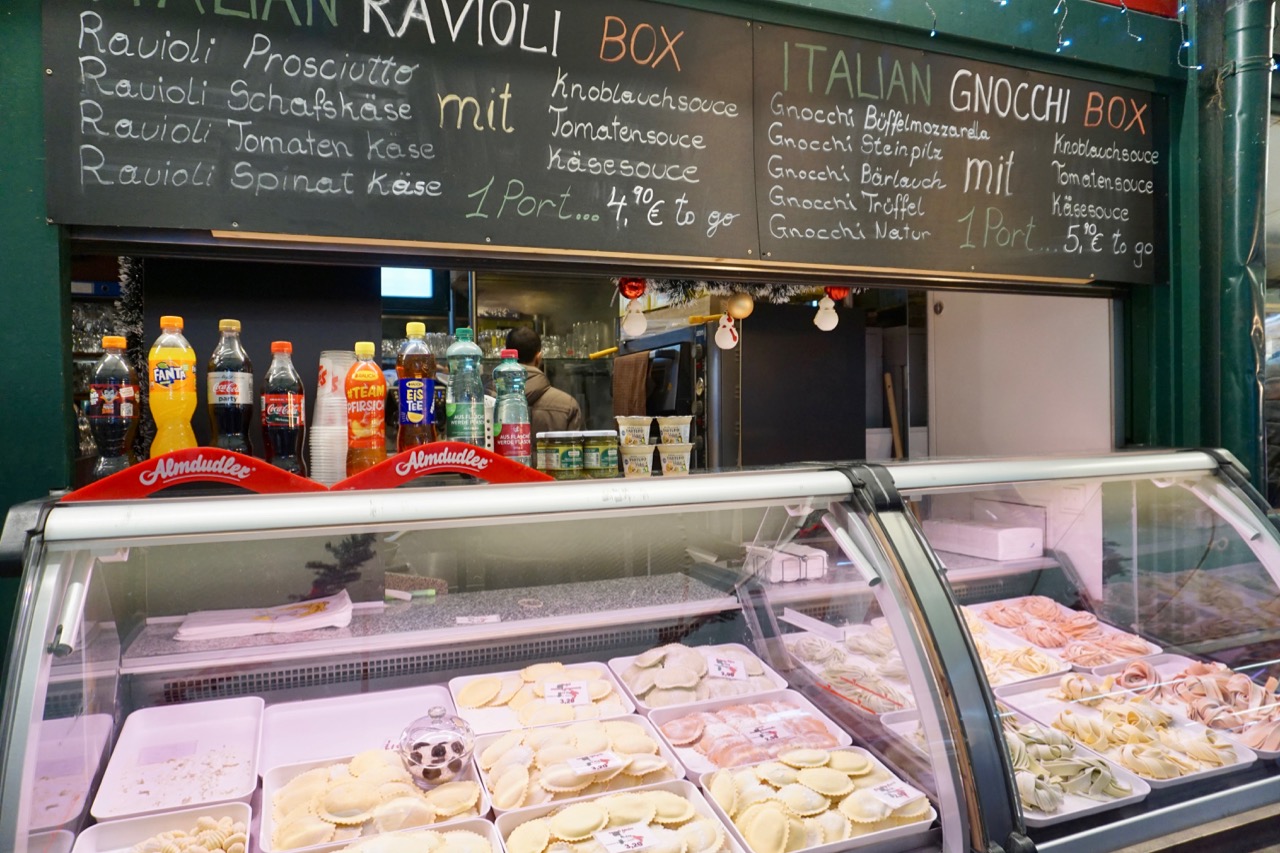
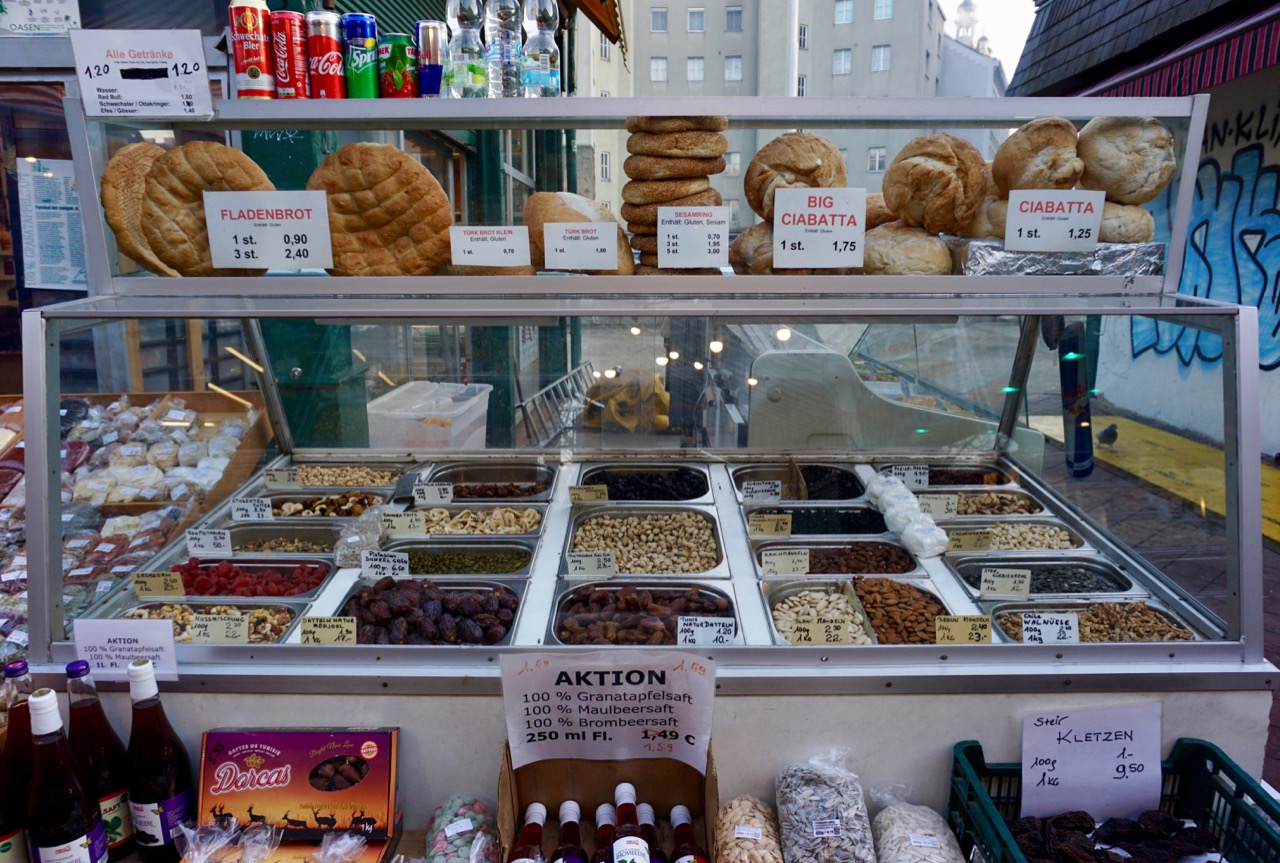
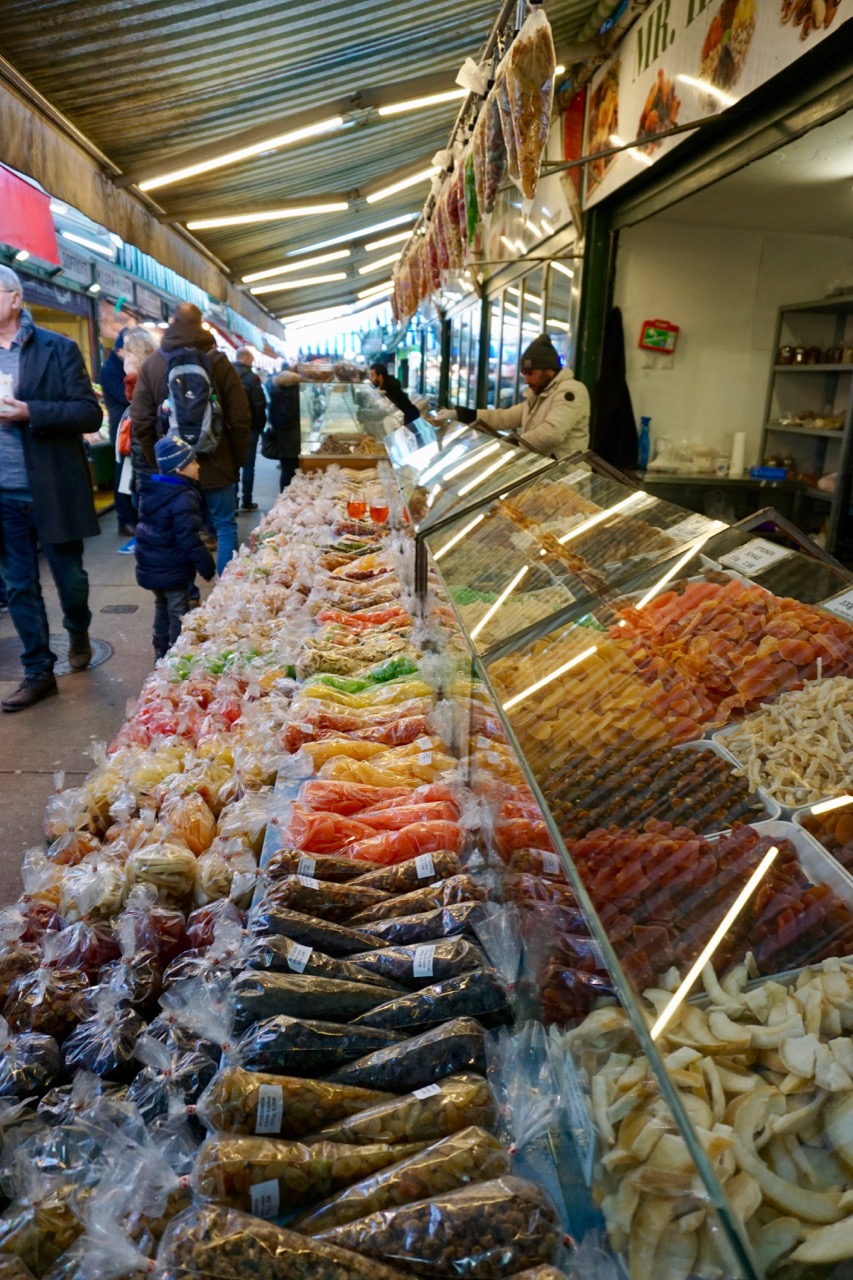


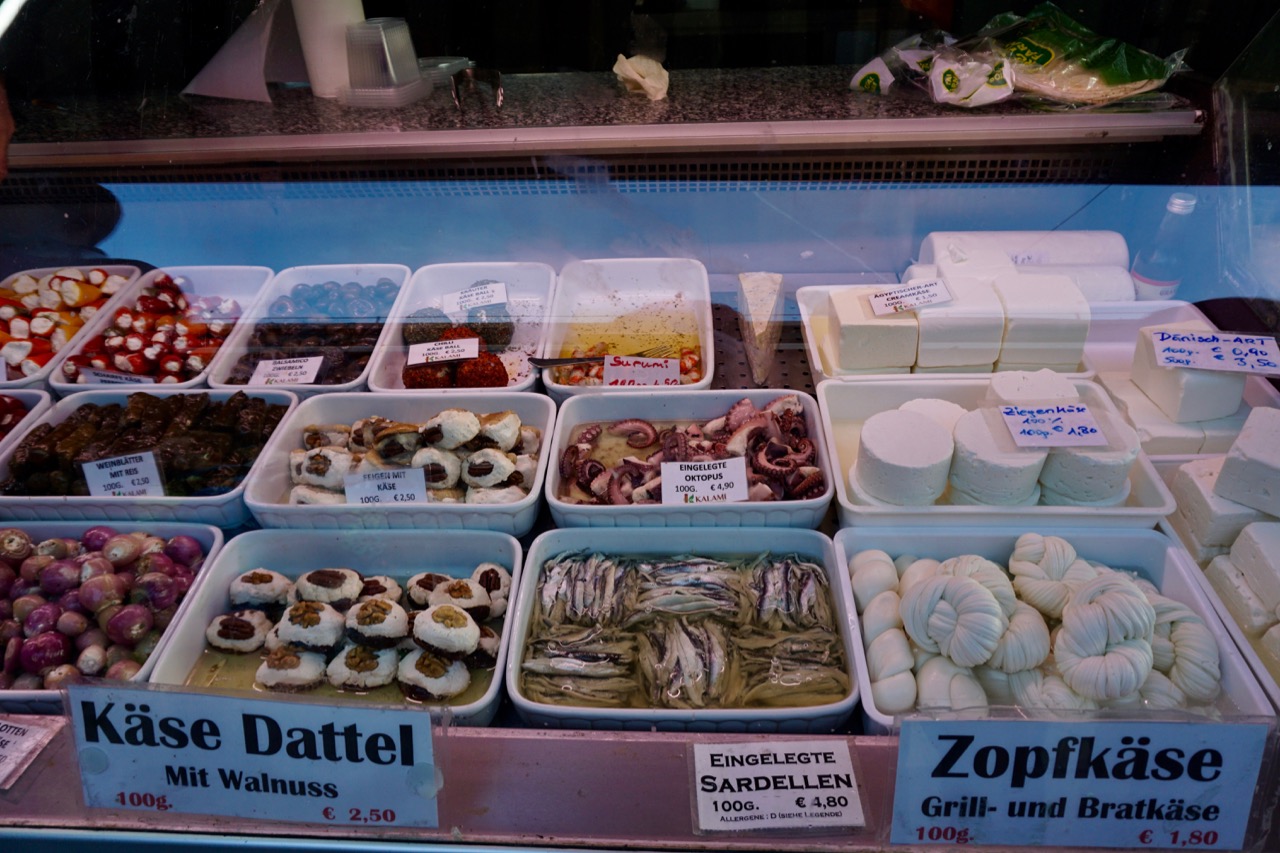
. . . and part other goods.

My family loves markets and food, and we ate and drank and tasted and smelled for a good couple hours. I can only imagine how much busier it would have been on the weekend when the flea market is open, but I was really glad to have the chance to see some of the art painted on the closed stall fronts.
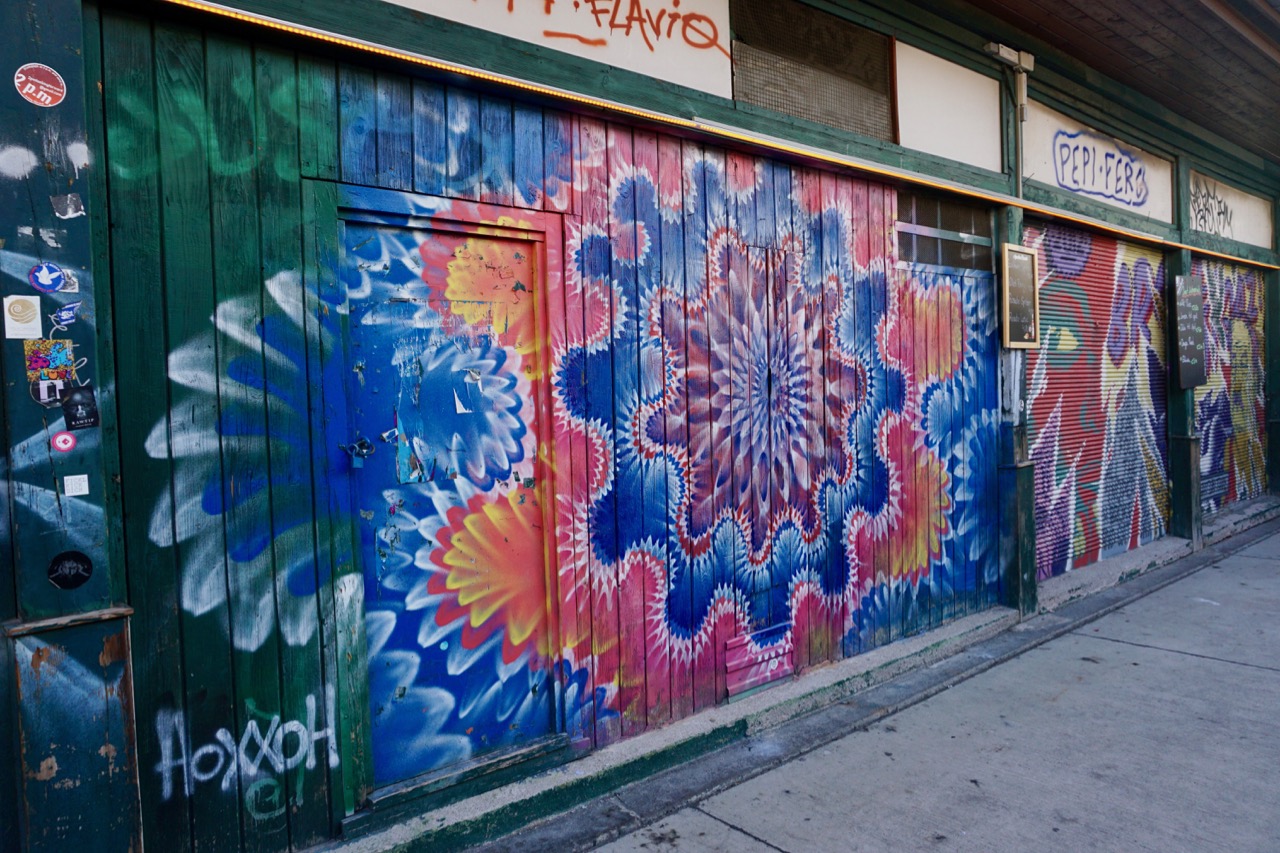
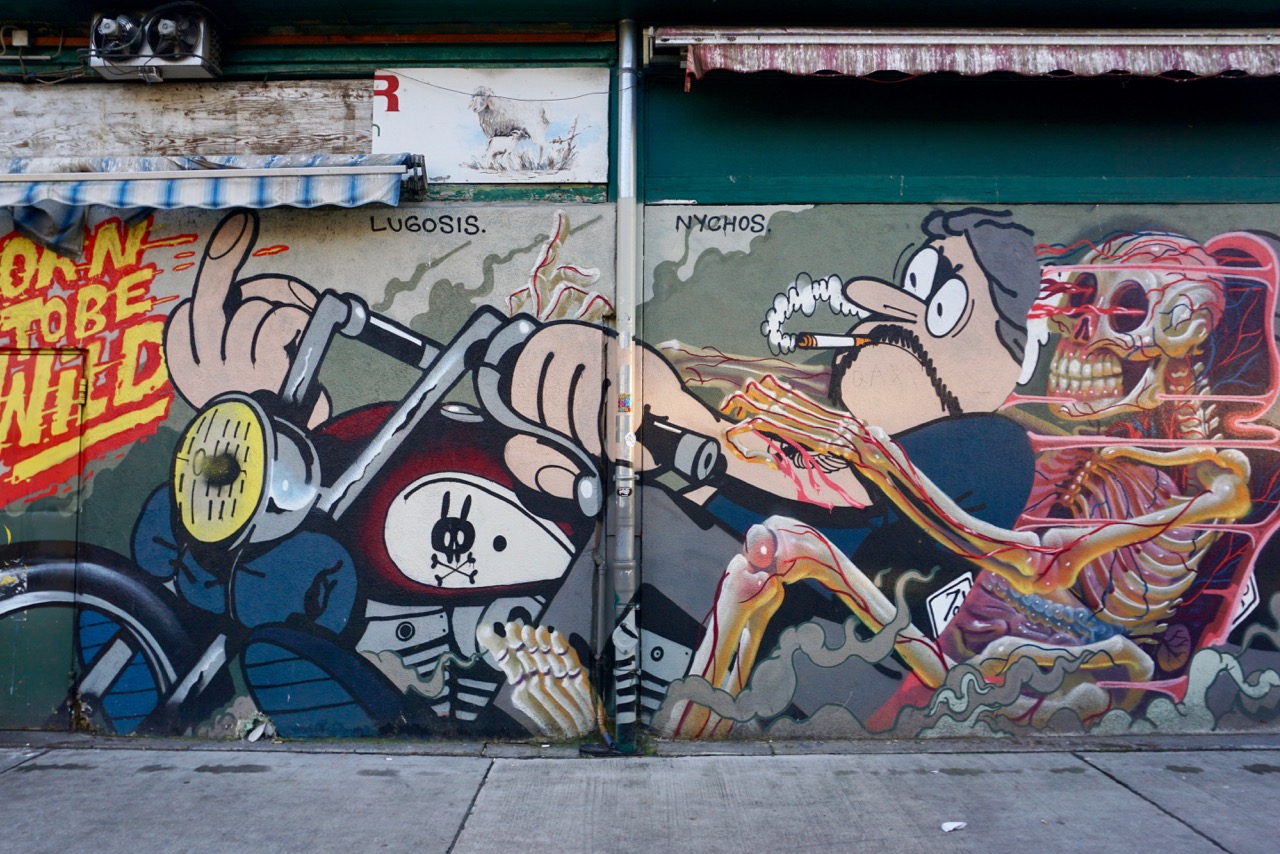


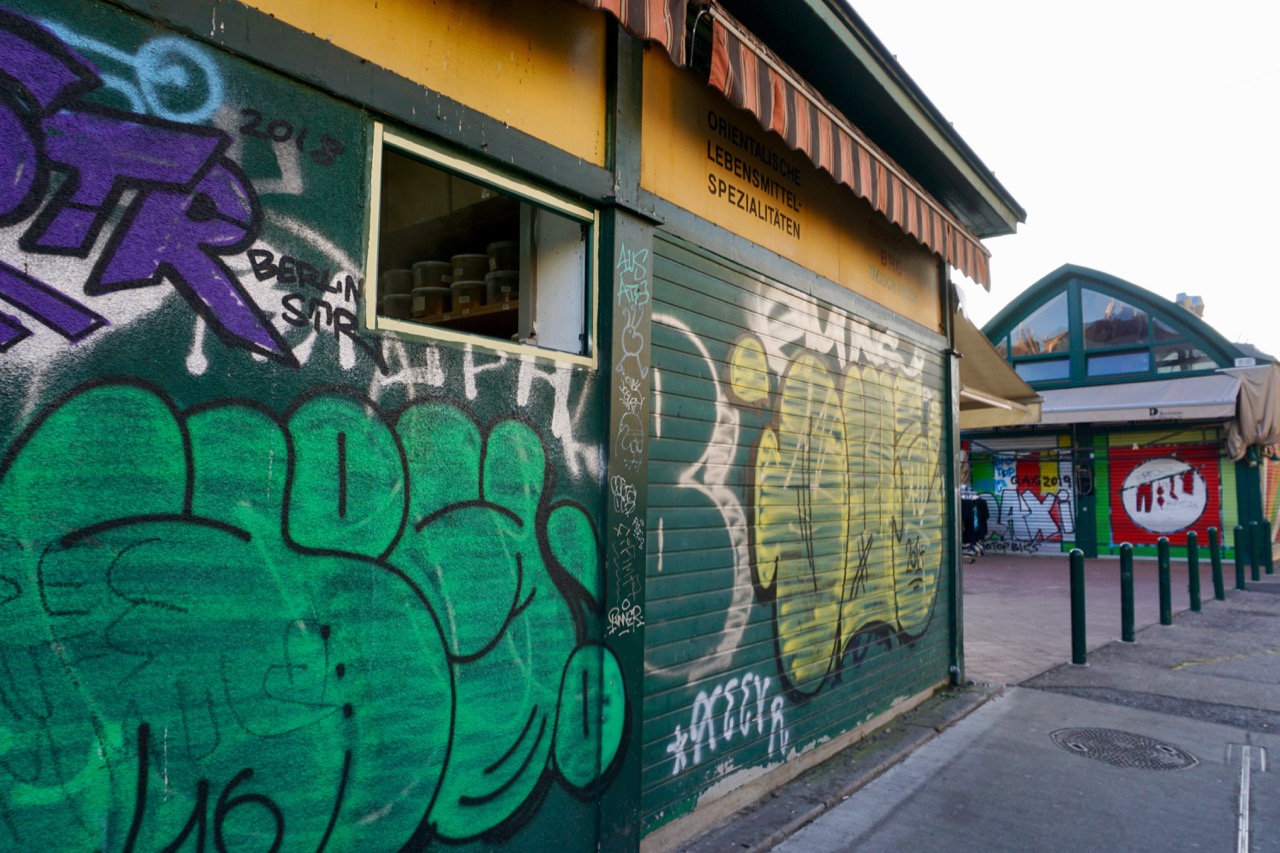
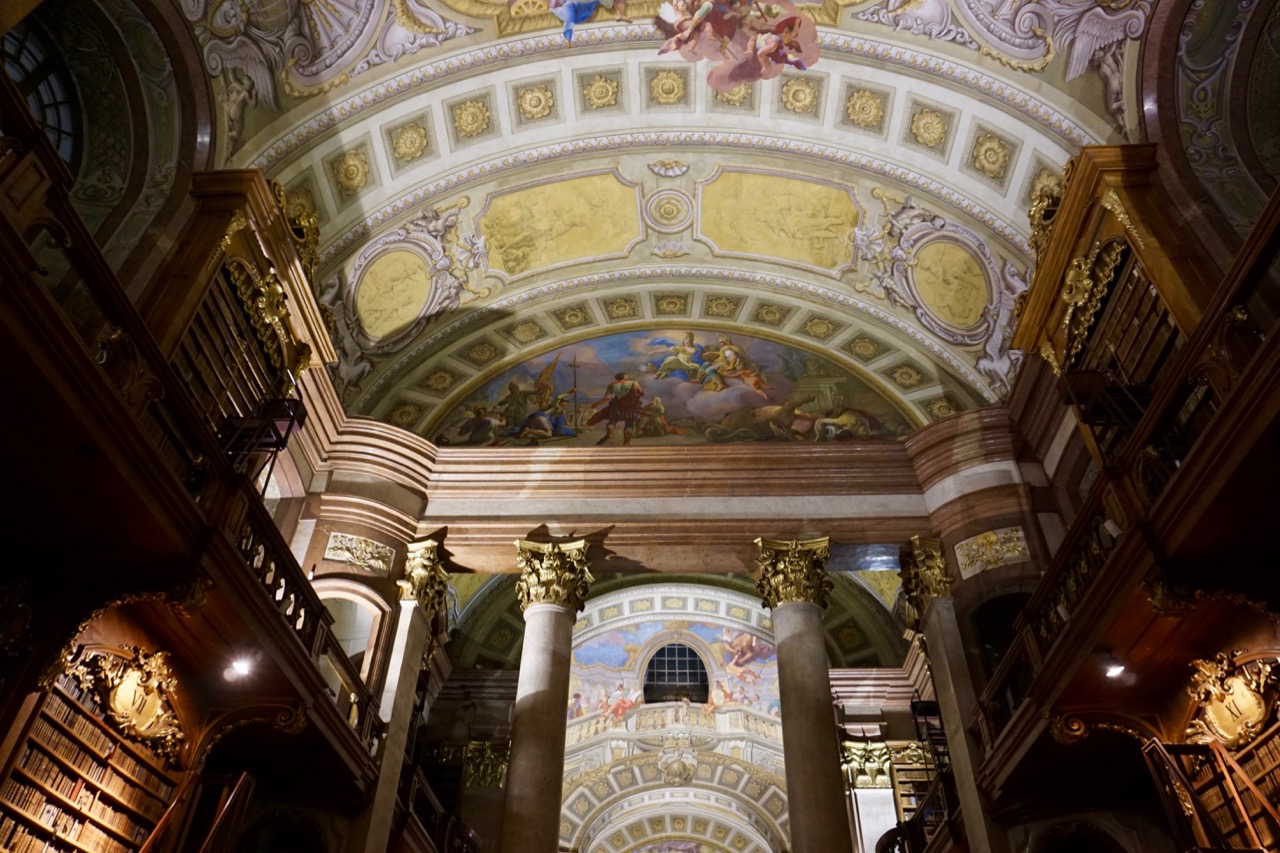
From there, we basically followed the streets brightly lit by Christmas lights. We wandered into a couple of Christmas markets and did some window shopping before stopping at the Austrian National Library. To warm up, we joined the long queue waiting to get inside. We were greeted by everything that creates the idea of a library – wooden bookshelves with the upper levels accessible by ladders, old books, vaulted painted ceilings. It was still cold inside, likely to keep the books in good condition, but so pretty that it didn’t matter.

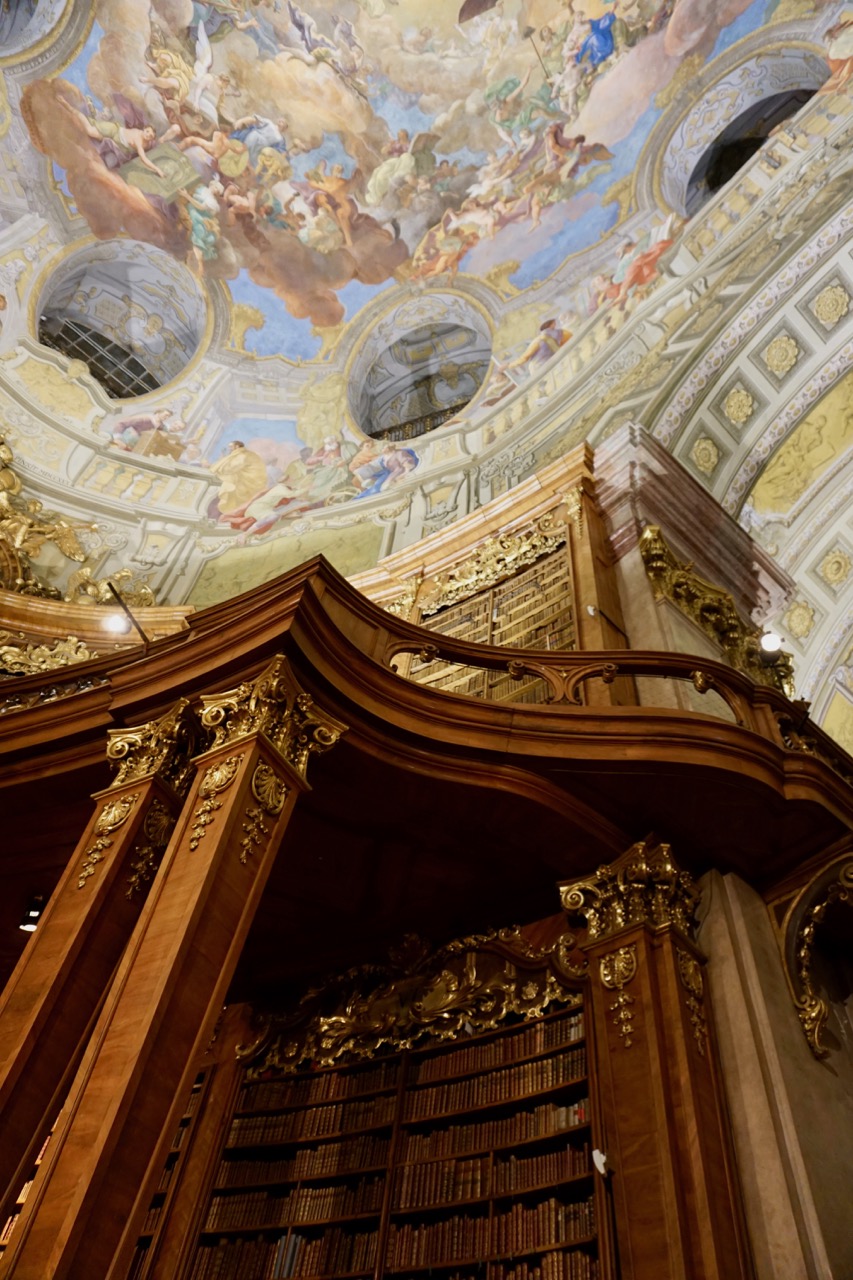
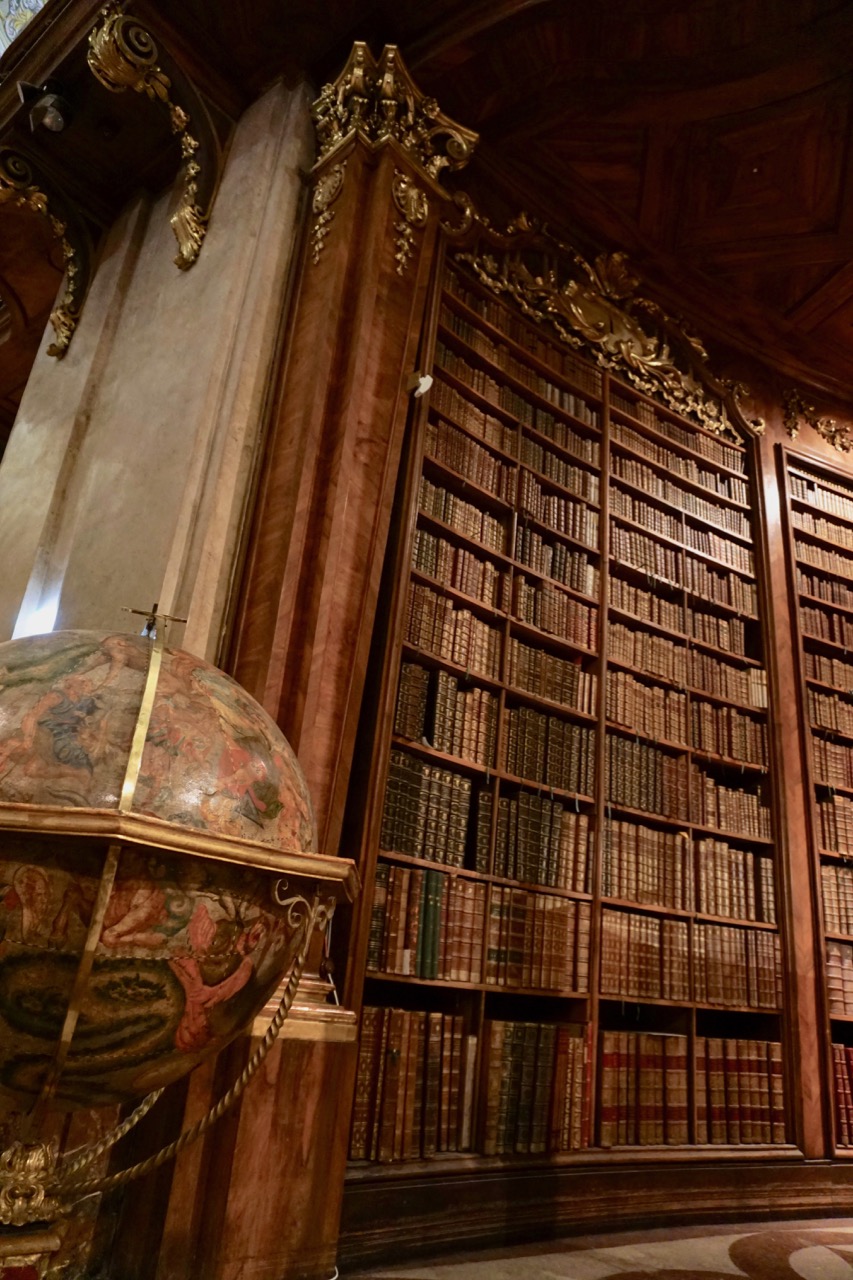
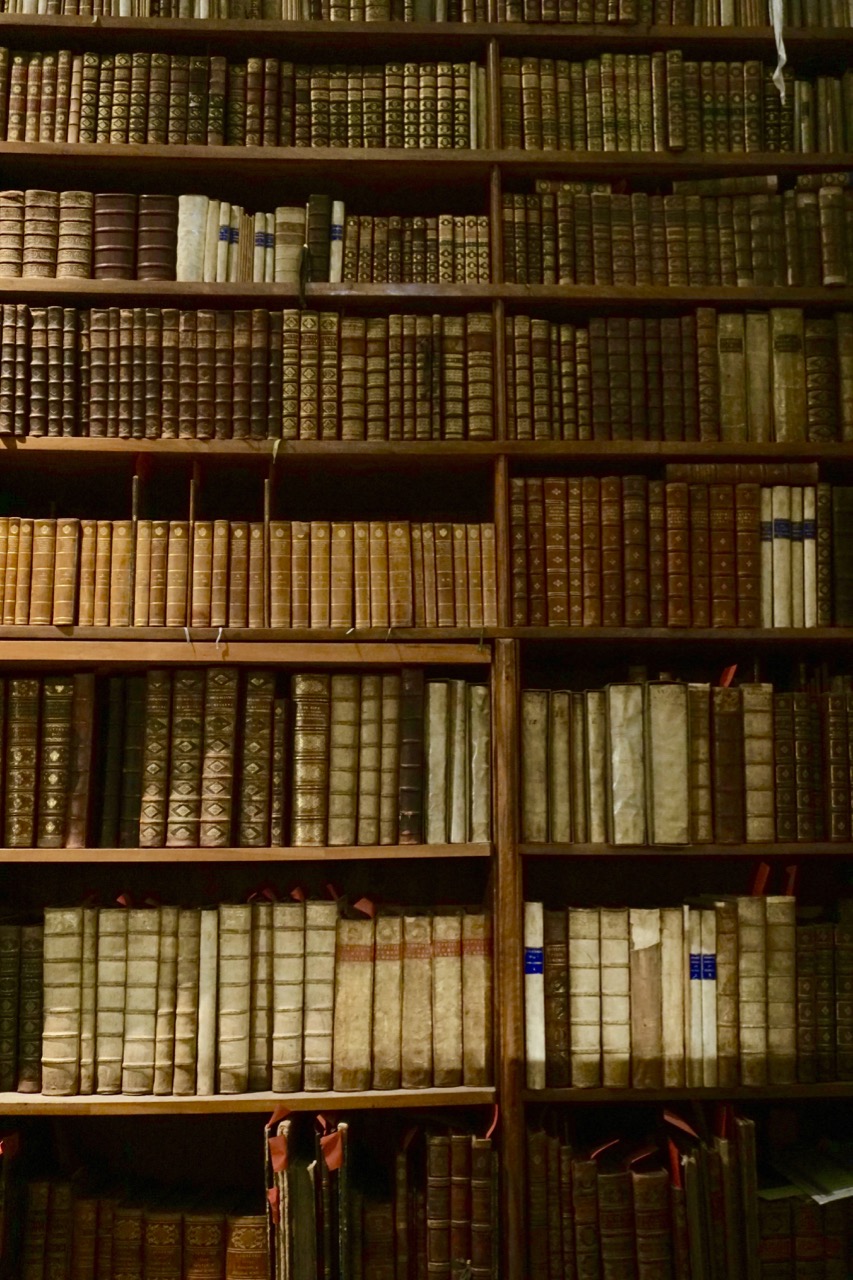
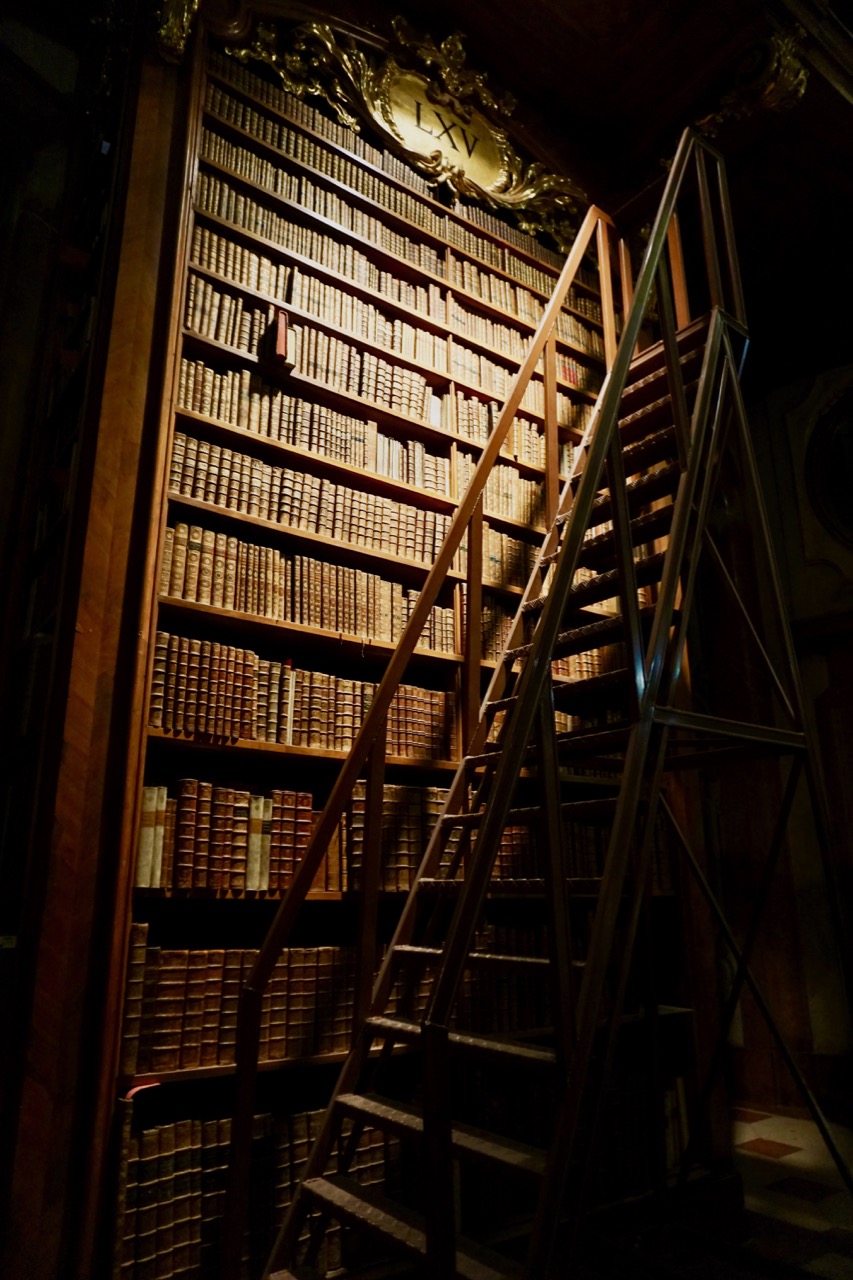
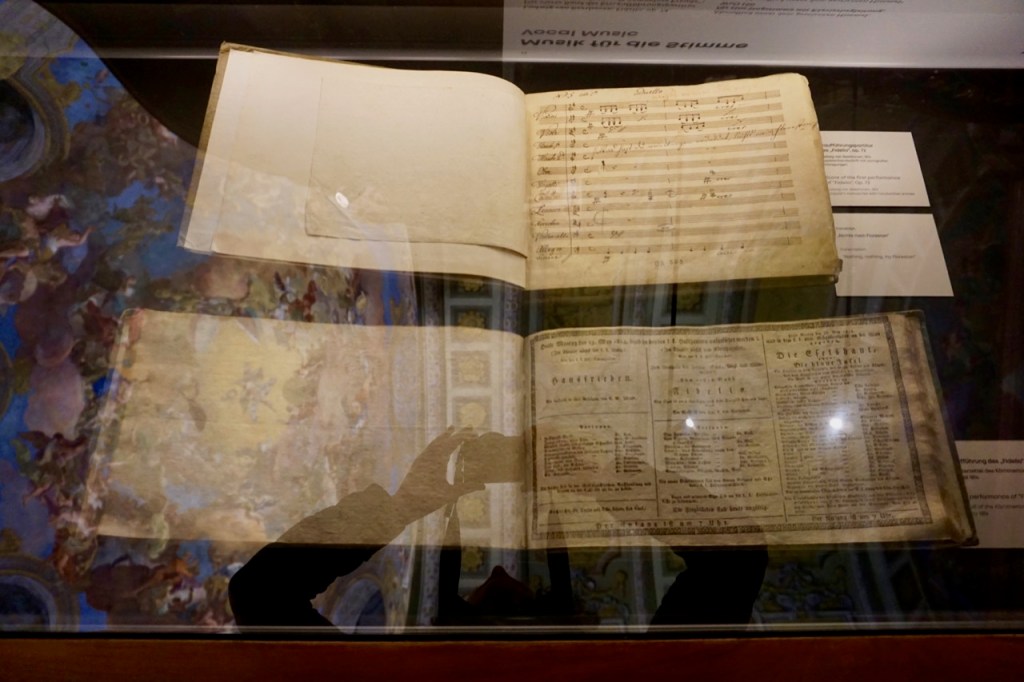
We were also lucky to see an exhibit of Beethoven’s personal papers, including the program and score of Beethoven’s only opera, Fidelio, which I have actually seen!
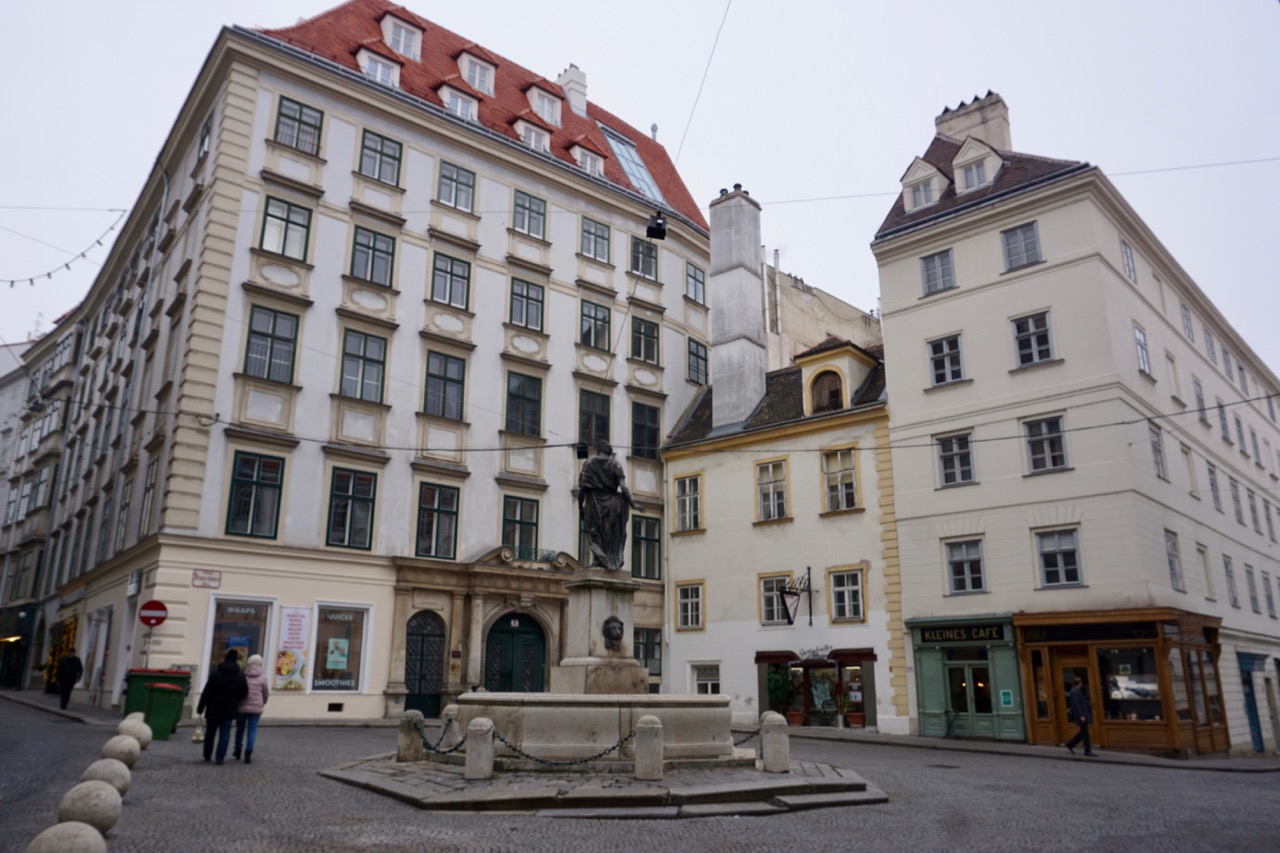
The next morning we followed a guided walk around Old Vienna and it took us down narrow, quiet streets to tiny squares with old, quiet churches.


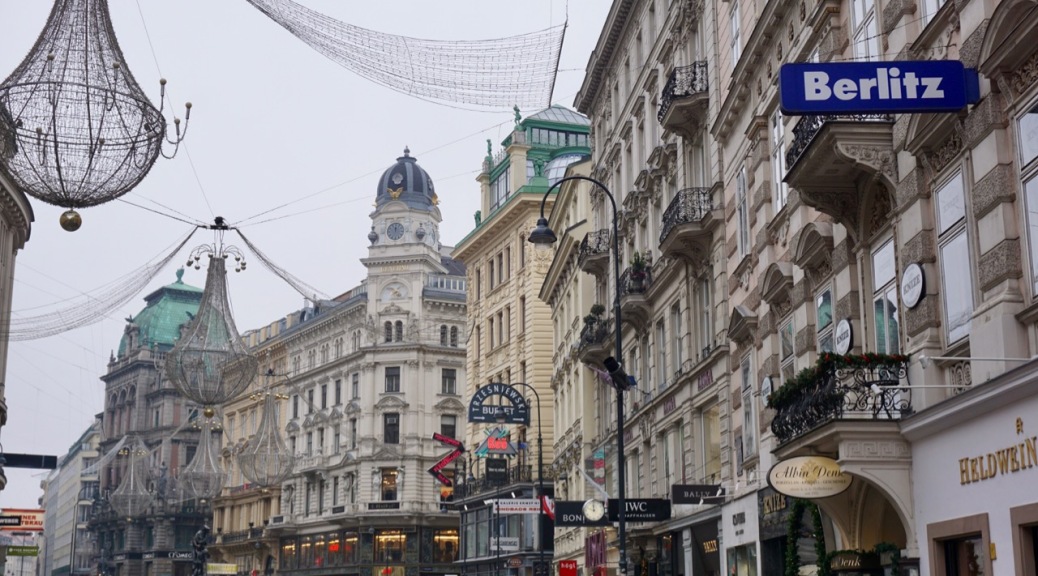
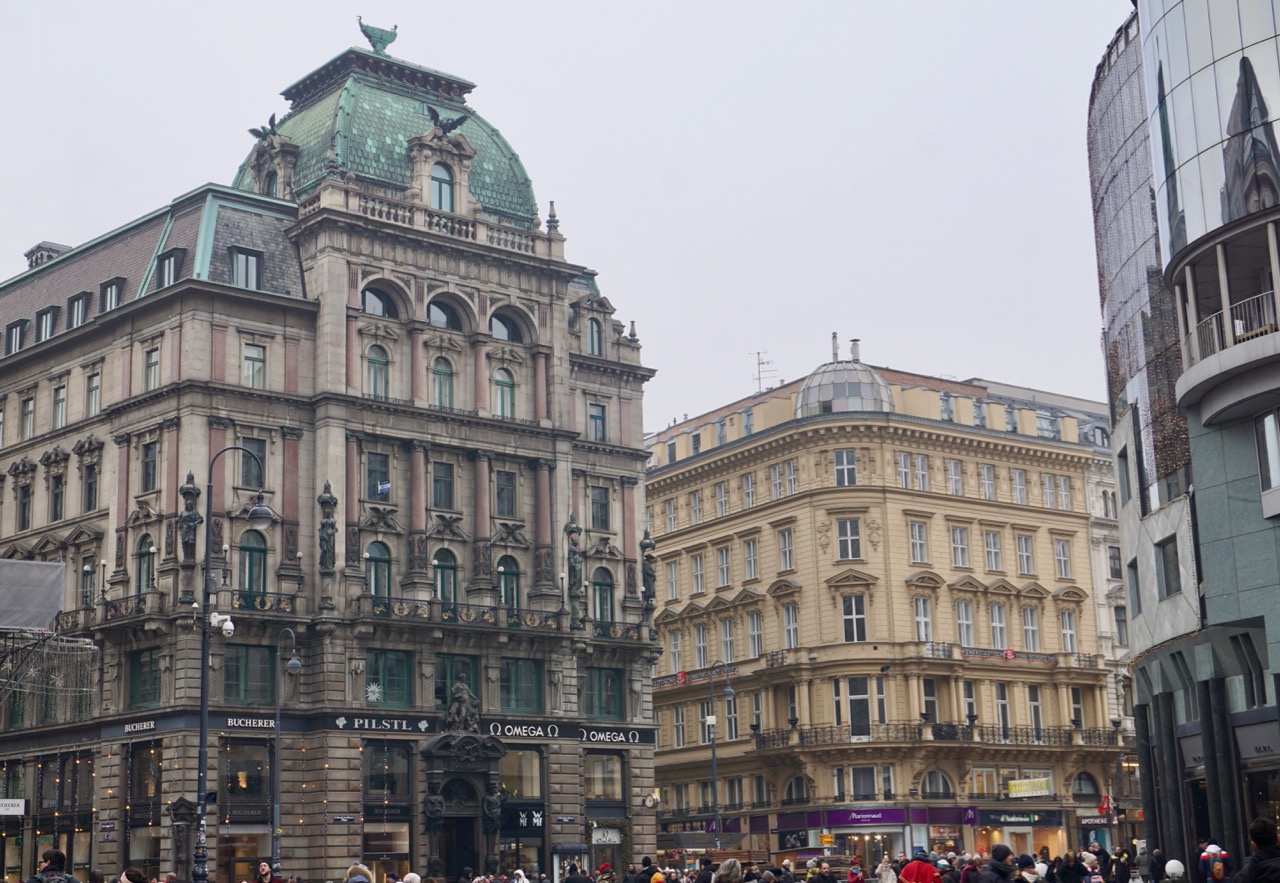
There were also busy shopping streets and grand squares with opulent buildings and statues.


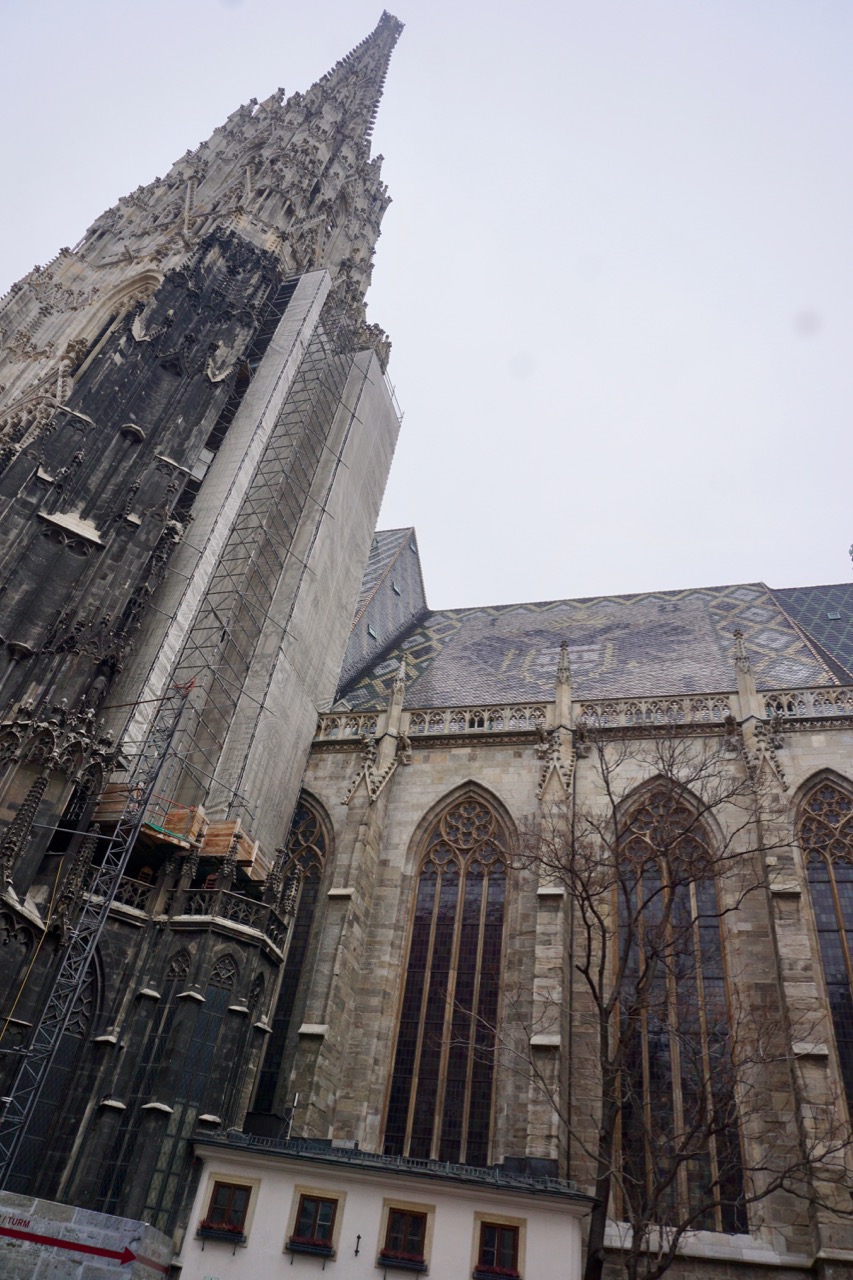
My dad and I climbed one of the towers of St. Stephen’s Cathedral and although it was cloudy, I was glad to see the view of Vienna from above. My spatial skills are mediocre so I appreciate actually being able to see the expanse of a city.


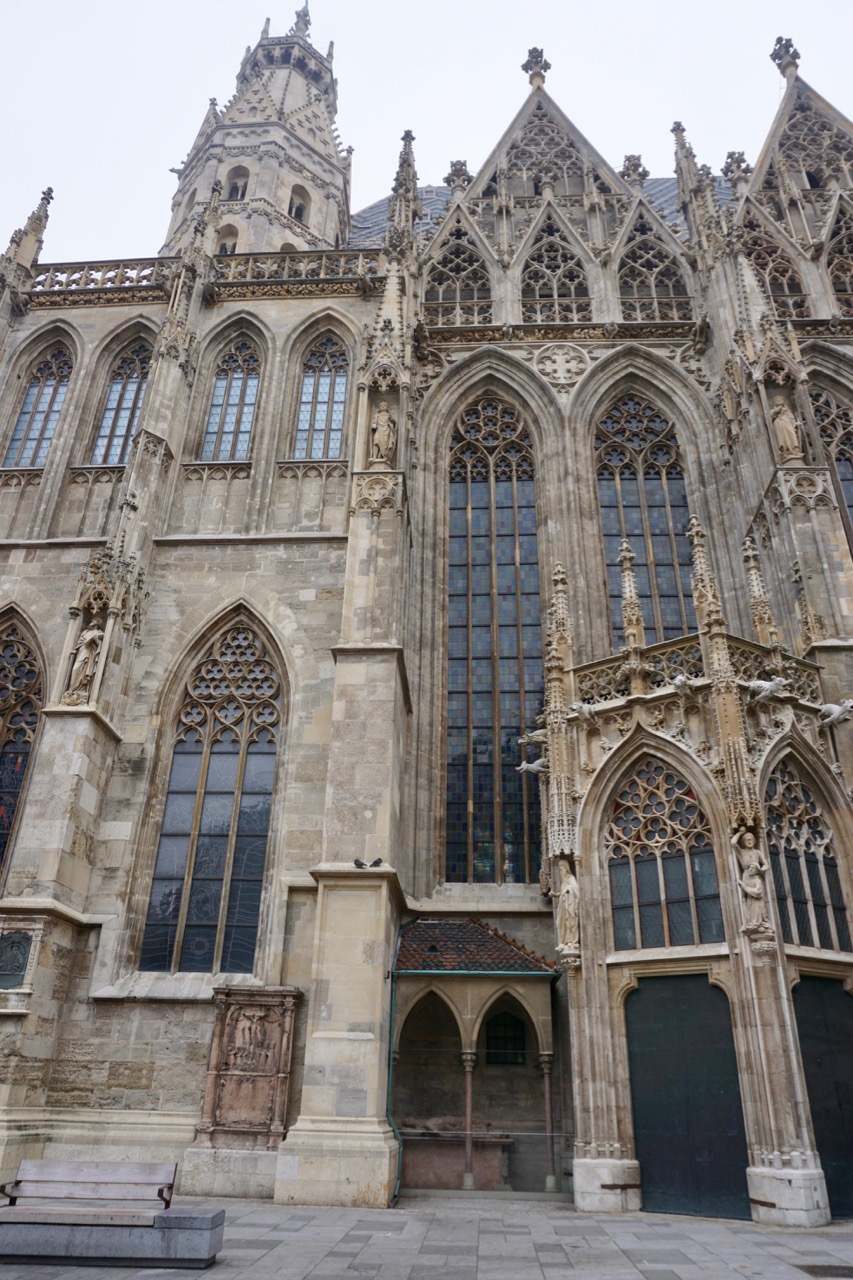
Fun fact: Vienna used to be a walled city! Our walking tour took us past the remnants of the old city walls.


This was the coldest day we’d had (it had actually snowed!) and we decided to spend the afternoon indoors. Along with many other visitors, we took shelter in the Leopold Museum to learn about Viennese art of the 1900s. The exhibition included painting, sculpture, furniture, and jewellery and I enjoyed learning about artists who were completely new to me. I also didn’t know anything about the impact World War I had had on Vienna; I think it’s important to understand the place where you are and I was glad for the opportunity to learn more about it. The importance of art was clear outside of the museum, as well.


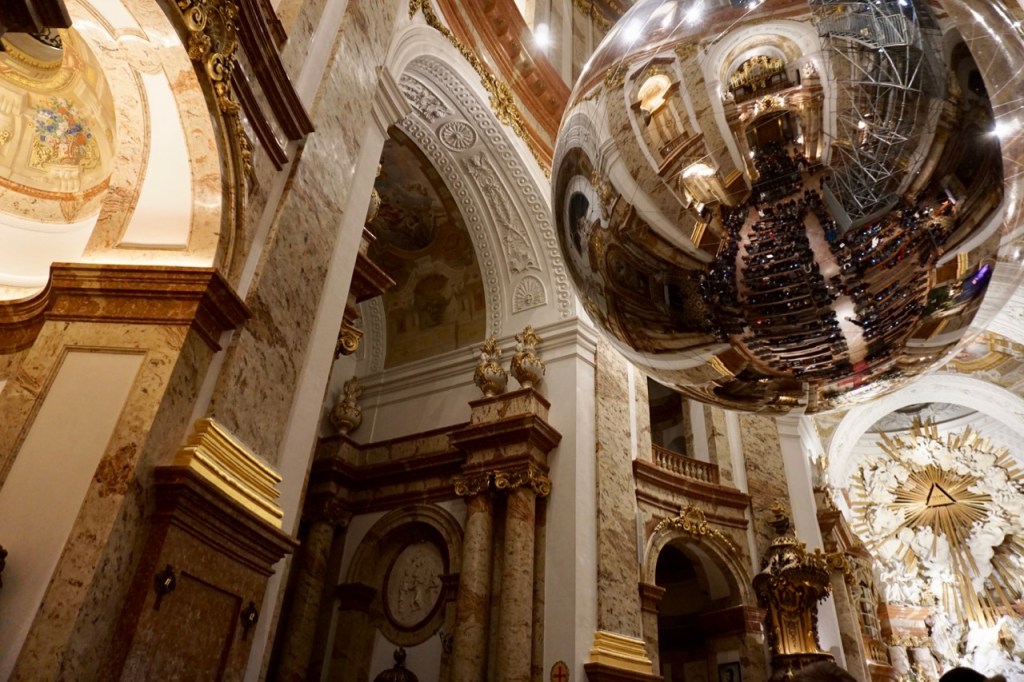
That evening we went to a concert in St. Charles Church in which we were treated to a performance of Vivaldi’s Four Seasons and what I can only assume were other works by Vivaldi because nothing was actually explained. An opera singer featured for certain parts of the performance, too. The church was beautiful but one thing that didn’t occur to me when I bought tickets is that churches are not heated. I learned an important lesson when the ushers passed out blankets at the door!

Leoben
Mum and Dad flew back to Toronto the next day and I left Vienna to pick up the car I’d be driving for the next week. This was the point at which I had no plans. I knew where I’d be staying for the first two nights but the rest of the week was wide open and I was really excited for the adventure.
For example, I thought it might be fun to try cross-country skiing for the first time and planned to stay near a national park. The lack of snow meant I would hike instead, after getting over the initial delightful surprise of finding myself at a bed-and-breakfast up a goat track run by an elderly couple in what I think is their farmhouse. My German was almost as good as their English but everything went just fine.
Going from grand Vienna to the country was a drastic change but I was so glad to experience a small Austrian town.


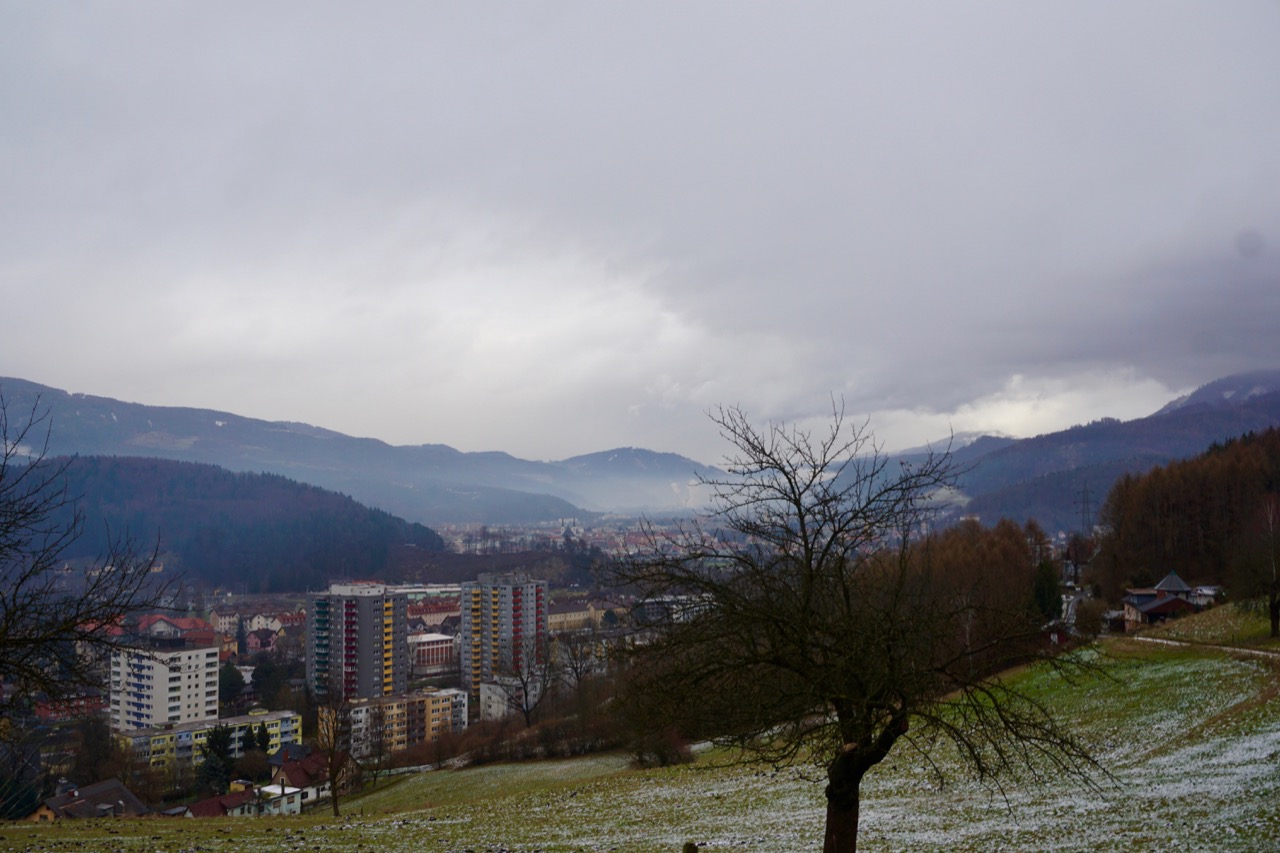

I’ve been in a number of odd towns over time and Leoben certainly fit. It appeared that part of the old town had been torn down and a multiplex had been built instead to comprise the town’s entertainment. It contains a kebab shop, pizzeria that doubles as a bar, sushi restaurant, and movie theatre. Other than that, the town has five different grocery chains, a euro shop, three discount clothing stores, a couple furniture stores, a café/bar that did not sell food, and a sex shop. Gösser beer operations are located in Leoben, too. An adventure indeed!
The drizzle let up by the next morning, perfect weather for a drive to Slovenia!