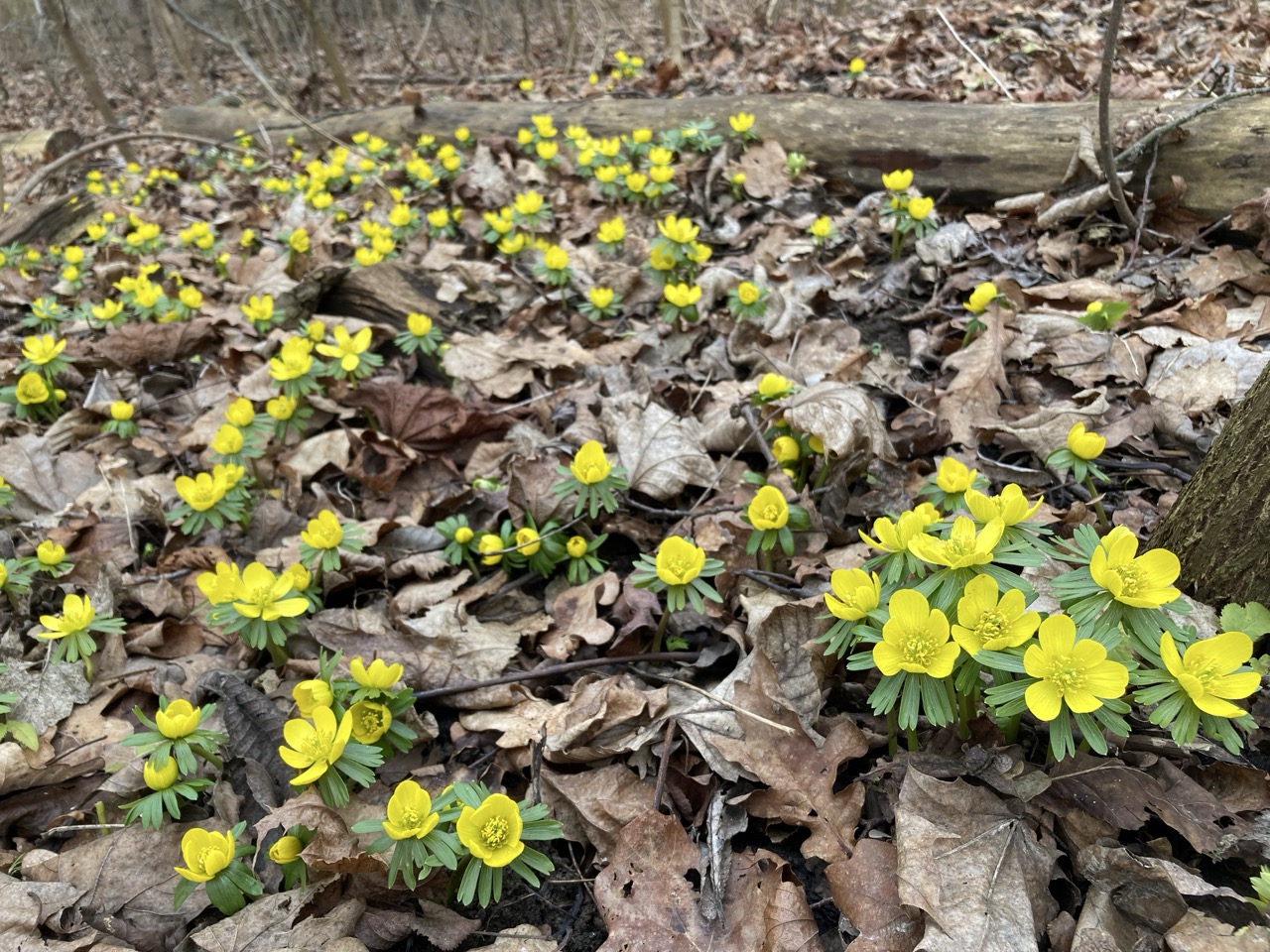
After multiple days this week of riding to work when the weather was a very fresh -10°C, the thermometer reached 13° yesterday and was even slightly warmer today. Suddenly, there’s spring, or at least the beginnings of it. The warmth and slightly overcast sky made for excellent weather to engage in the spring cleaning task that I enjoy more than I would like to admit: cleaning my bike.
Please understand, there are right and wrong ways to clean a bike and I’m fairly certain that I do everything pretty close to the wrong way. There are tools one can buy, of course, and the toothbrush method probably does a bit of harm alongside the good, but it works for me. We have a stand that I could use to save myself the bending and crouching, but that involves taking the other bike off the stand, where it lives during the winter, and securing the heavier bike that is ridden daily. Q-tips are probably not a recommended tool by any bike shop, but they are remarkably effective, even if I’m constantly wishing they could do the job just a little bit better. The chain would be cleaner given the proper tool, but there we are again with the tools.
It’s fair to say I do a mediocre job with my sponges and dish cloth, but the bike rides much more smoothly when I’m done. And my back recovers after a bit of stretching. It’s remarkable how much grime accumulates in the winter. I clean my bike much more regularly in warm weather, which is probably why the first spring cleaning is always such a shock. But it’s also the cleaning that is the most immediately noticeable.
“Things I learned from Covid” was the title of a meme I saw online recently and, making light of the situation, it made me smile. It led me to consider what I learned during Covid, things that are well and truly part of my current life and times. There were a variety of things that I learned, as did we all, and I’ve written about my thoughts on online learning, interpersonal interaction, and how to move countries during a pandemic. I learned big things, we all did, but in keeping with the meme that I saw, I’ll keep this upbeat and practical.
French Braids
Part of the before-school routine when I was young was that my mum would do hair. One of us ate while the other brought my mum a comb, brush, and elastics, and then we switched. I remember asking for pigtails (which, having heard wrong as a little girl, I called “pink tails” until she took pity on me in my teens and corrected me) and braids, and sometimes “two pieces tied back”, which is exactly what it sounds like. A low ponytail I could manage myself, but I needed help with a high pony.
Throughout my childhood, French braids remained elusive. My mum couldn’t do them as swiftly as she could everything else, despite buying a nifty tool that was supposed to help you separate the strands and count them (or something). And of course, I loved French braids. My aunt did them for me when I visited and I’d sleep in them, enjoying the texture against my scalp. When I got older, friends did them at sleepovers or at the pool. Much later, I was always a little envious of people with beautiful braids, envious and impressed. French braids seemed impossible, and yet everyone had them. So they couldn’t be impossible.
During the pandemic, I spent a lot of time biking around Singapore, sometimes alone but also with friends when the regulations permitted it. And it was during this time, frustrated at the ponytail coming apart under my helmet, that I learned how to French braid my own hair. I learned just by trying what I had seen other people do countless times. Trying over and over – after all, I had the time.
For a while, I could only manage one braid, but I’ve since done as many as four. Two is usually my look of choice, though I admit that the ends look a little funny with my most recent short haircut. I’m fully aware that these braids aren’t beautiful – I have neither the hair nor the patience for that – but every time, I’m also fully aware of the circumstances under which I finally cracked this mystery. And it makes me smile, every day.
Bike Tricks
In keeping with the theme of spending a lot of time on my bike during the pandemic, it was then that I finally mastered the art of riding a bike with no hands. Having seen enough people (mostly kids and teenage boys) riding along casually hands free, some even texting while occasionally looking up (which I haven’t tried and won’t try), I decided it couldn’t be as hard as I thought it was. After all, I could French braid!
And like most mechanical things, I really just had to try. And try. And balance my weight properly. And ride a little faster. And keep my spine straight and abs engaged. And just ride. Without hands. And then one day I could do it and that was that. Sometimes, a little perseverance goes a long way.
Now I know that riding without hands is less of a trick and more of a means of stretching out the wrists and fingers on a longer ride, or to give the back a break. It is also much easier now that I have bike bags and never ride with a backpack. However, during my time in Singapore, it used to make the security guards at the gate laugh when they saw me. At a school where not many people rode to school, I cycled in wearing dresses and pencil skirts, enjoying the tiny decline after the tiny incline, hands in the air to wave hello. We needed something to laugh at then, too.
It’s easy to make light of what I learned during the pandemic, as easy now to laugh as it was necessary then. These are little things, and I find that it’s the little things that we can grasp and point to. I can’t tell you when I made my peace with the time I “lost” during the pandemic, but I can tell you that I learned to French braid my hair and ride my bike with no hands during this time. I can’t articulate when I accepted solitude rather than being frightened by it, but I can tell you that I find that centre again when putting my hair in braids or removing my hands from the handlebars to stretch. There was an era, a time, and then there is what remains from it.
I’m not sure how my parents chose the beach that ultimately became the beach we visited every summer, and then every other summer, and then one last time. I think it was advertised in a catalogue or maybe as part of a vacation package at a wholesale store. Whatever it was, we loved our family beach holidays, which started as soon as we got into the car and began the sixteen-hour or so adventure of reading, license plate spotting, occasional bickering, and listening to Garrison Keillor’s A Prairie Home Companion after dark. Throughout my childhood, the ocean was my happy place.
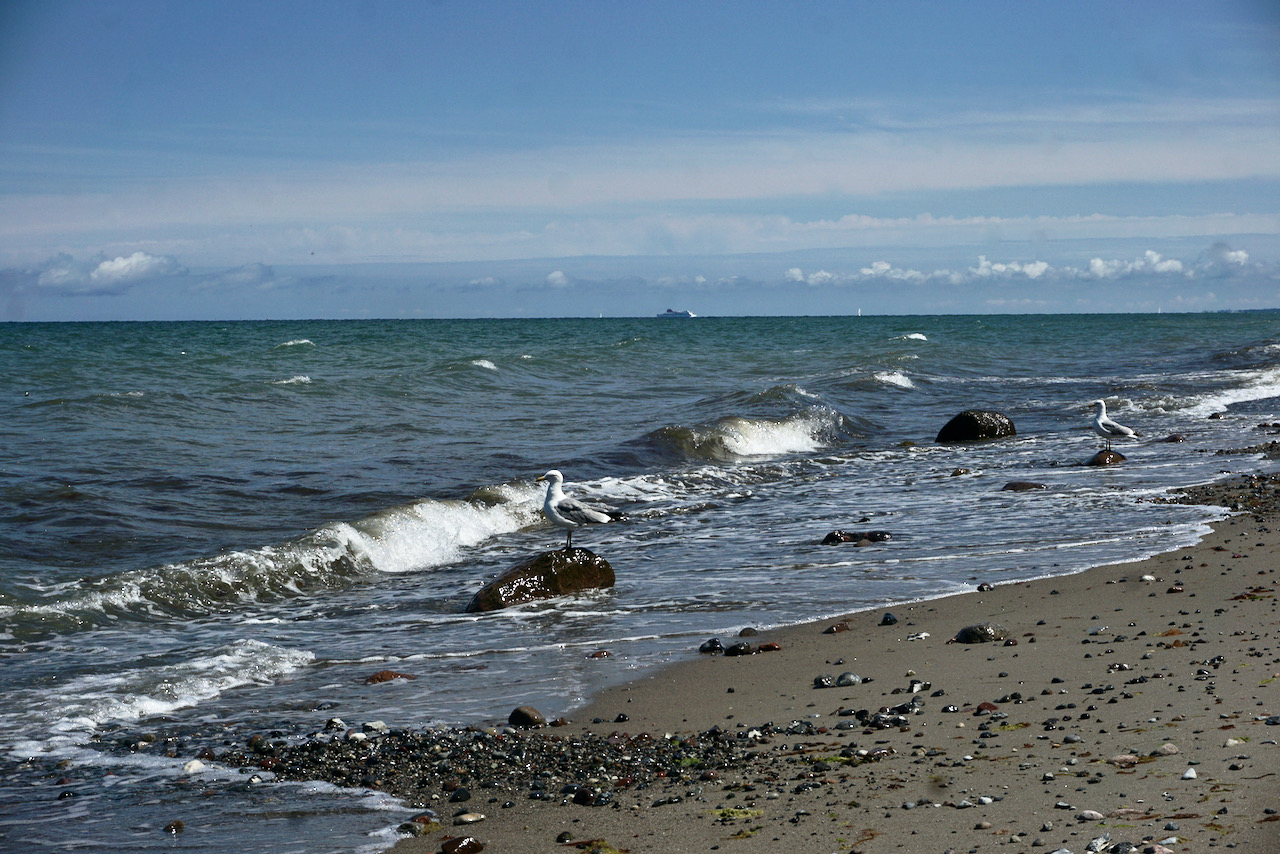
Until last week, it had been a while since I’d spent a holiday at the ocean, several years since the order of events upon arrival followed a familiar pattern: Unload the car, have something to eat, buy groceries, walk on the beach. It was my first trip to Warnemünde on the Ostsee, or Baltic Sea, where I was thrilled to have been invited, and my heart felt almost like I’d been there before.
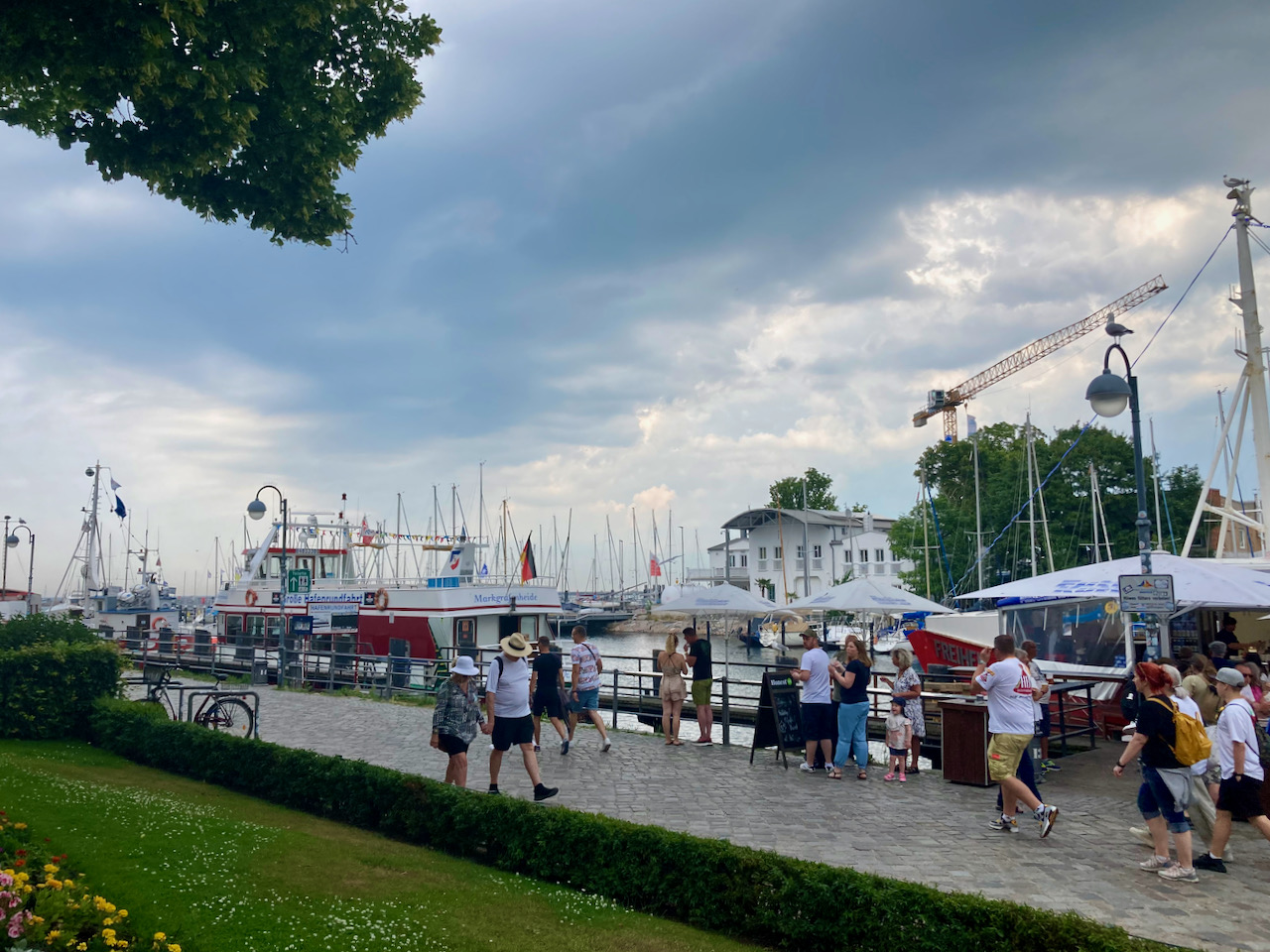
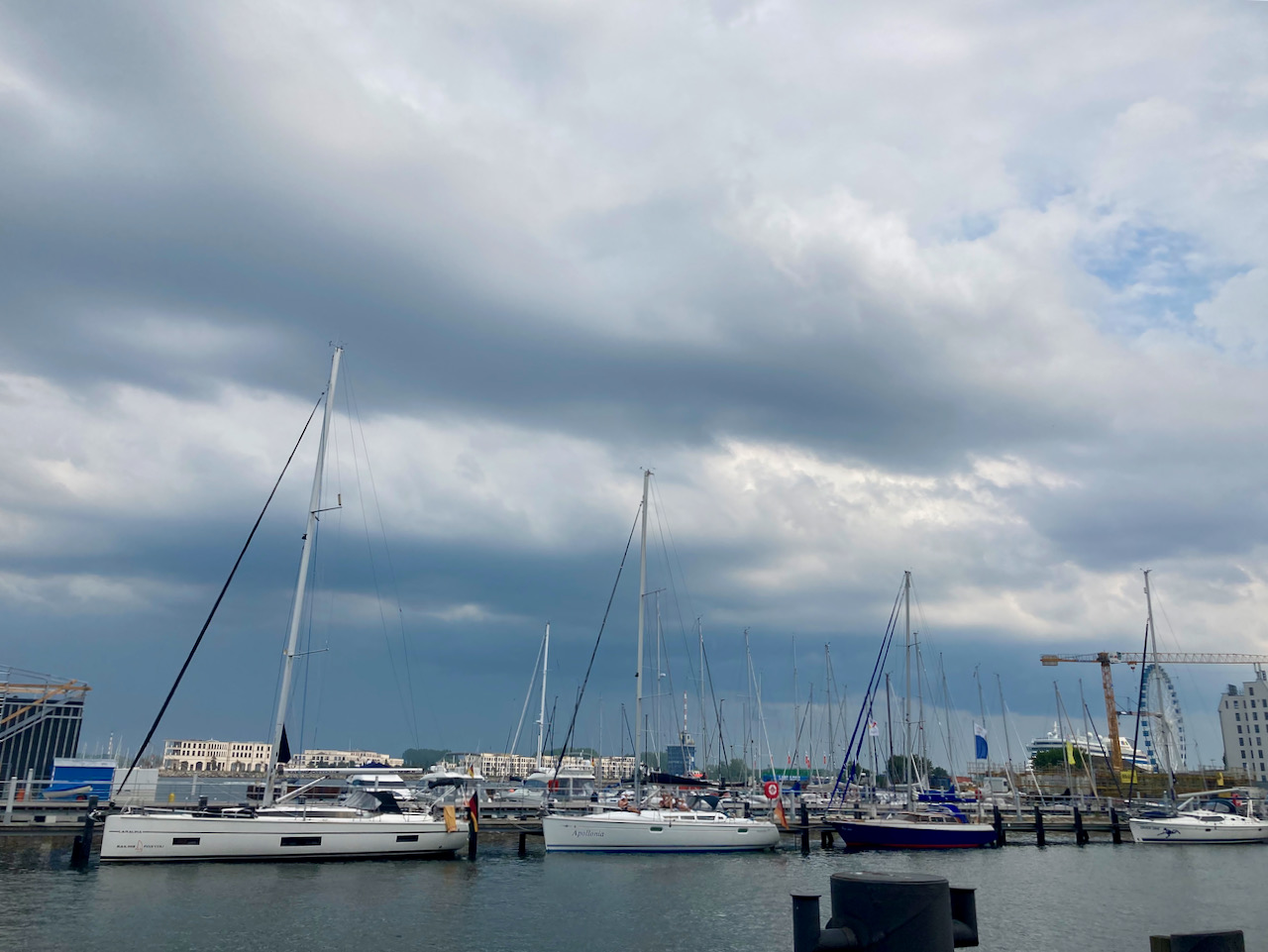
Warnemünde is a fishing town with an active port and a popular destination for tourists and cruise ships. A port means boats and lighthouses, both of which remind me warmly of my years working on boats and never fail to capture my attention.
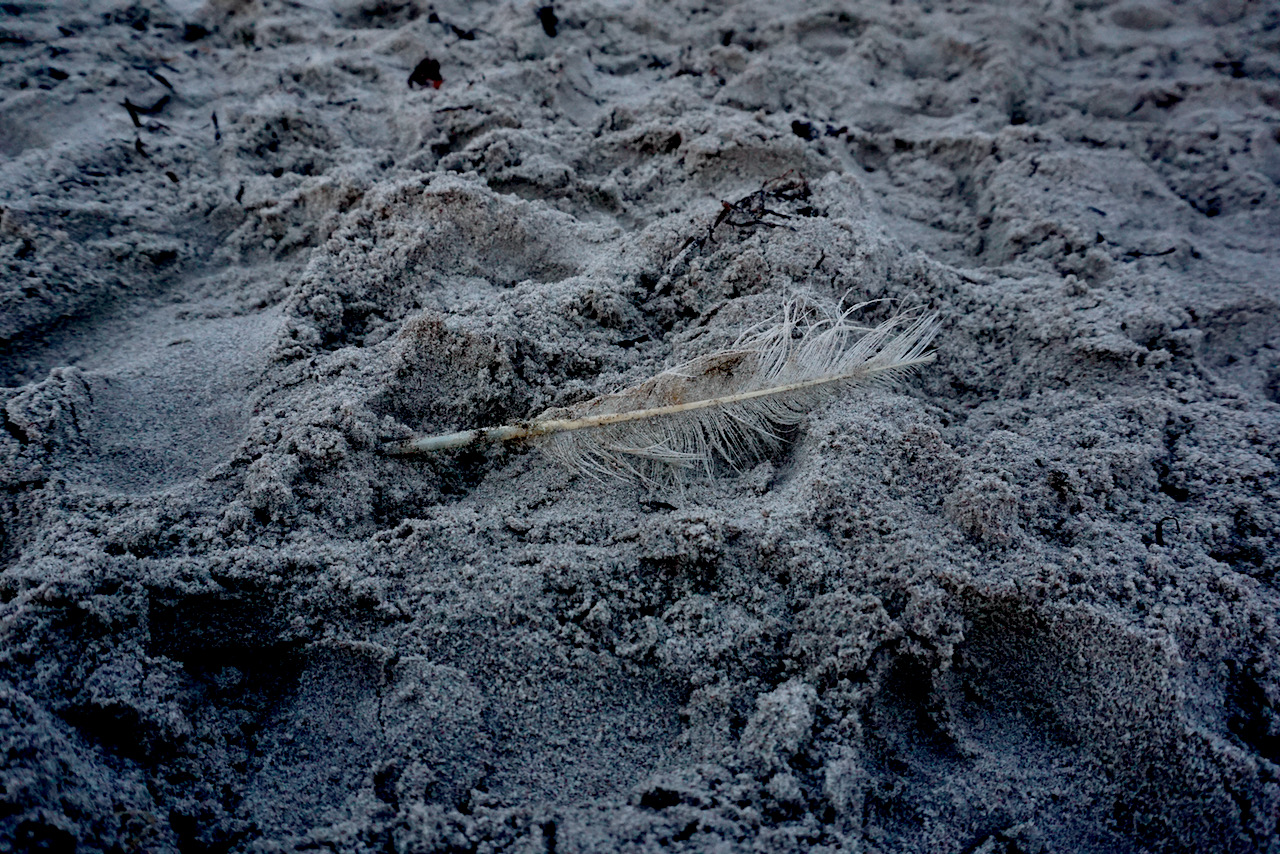
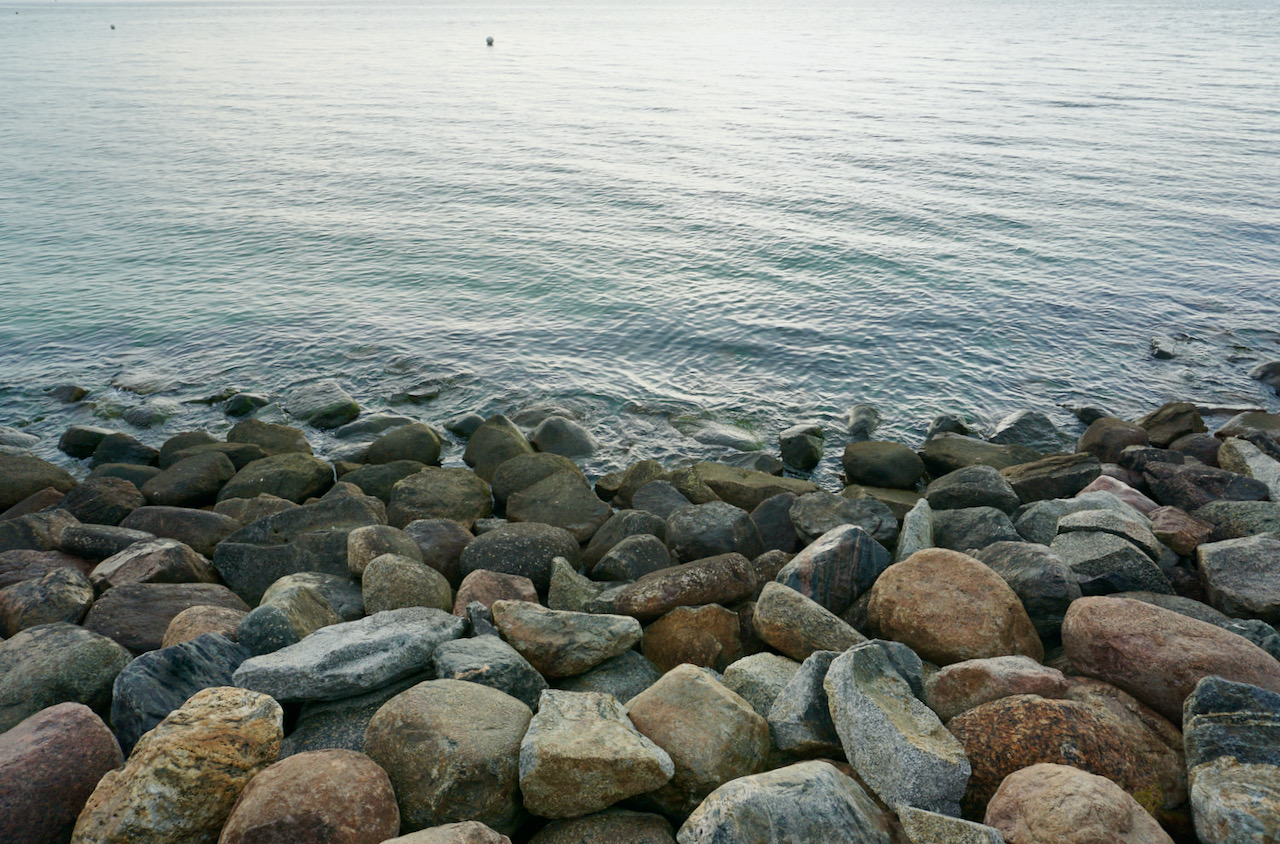
The water was warmer than I’d expected though still a shock each time we waded carefully in, laughing, slipping on rocks, getting tangled in seaweed, playing. The ocean was surprisingly flat even on windy days, and the beach rockier than usual, I was told. We tasted salt on our lips, dried off under the sun and wind, watched the seagulls marching along the sand. And when the sun went down, we walked quietly and in awe.
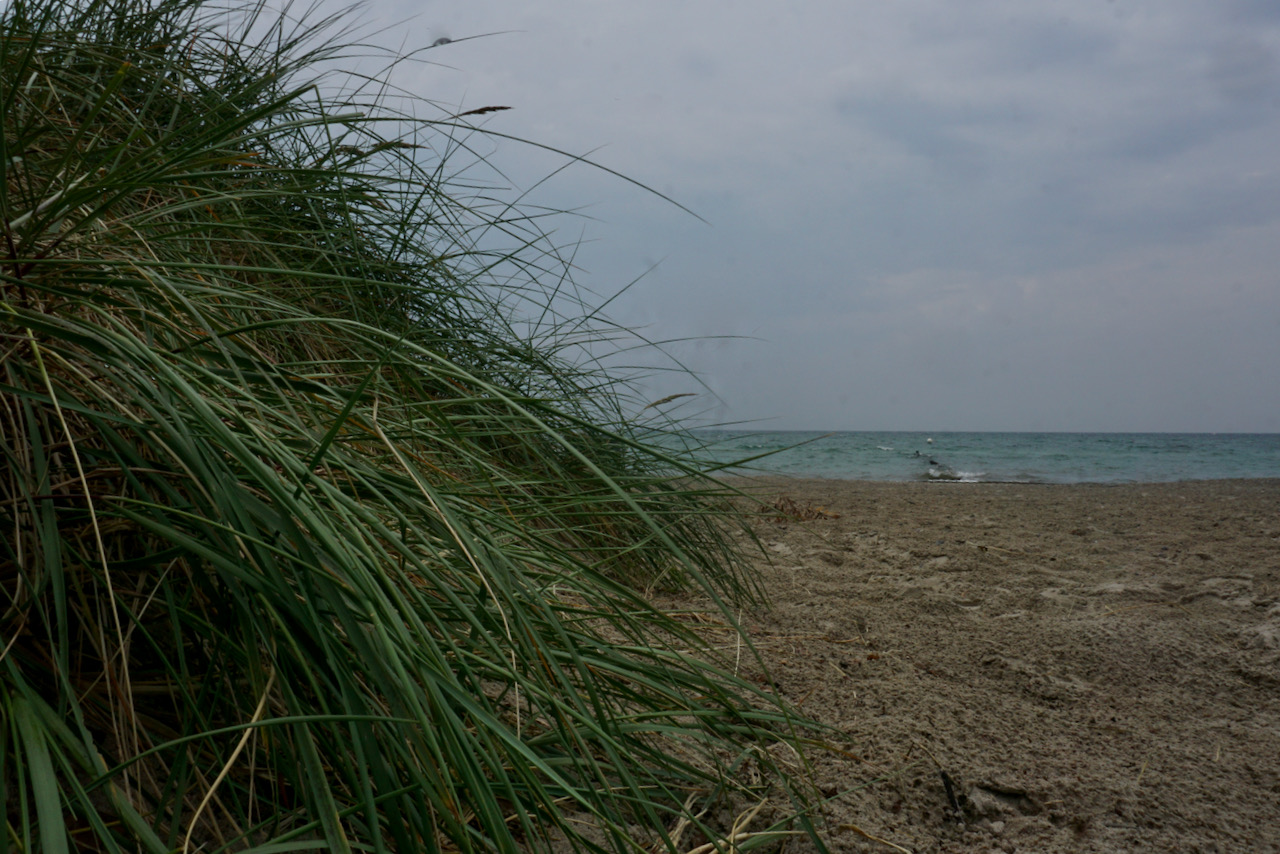
On the Ostsee, I learned, much of the beach emerges from the forest and this was completely new to me. We found a cozy spot, watched the approaching rainclouds, and walked calmly back in the storm that followed.
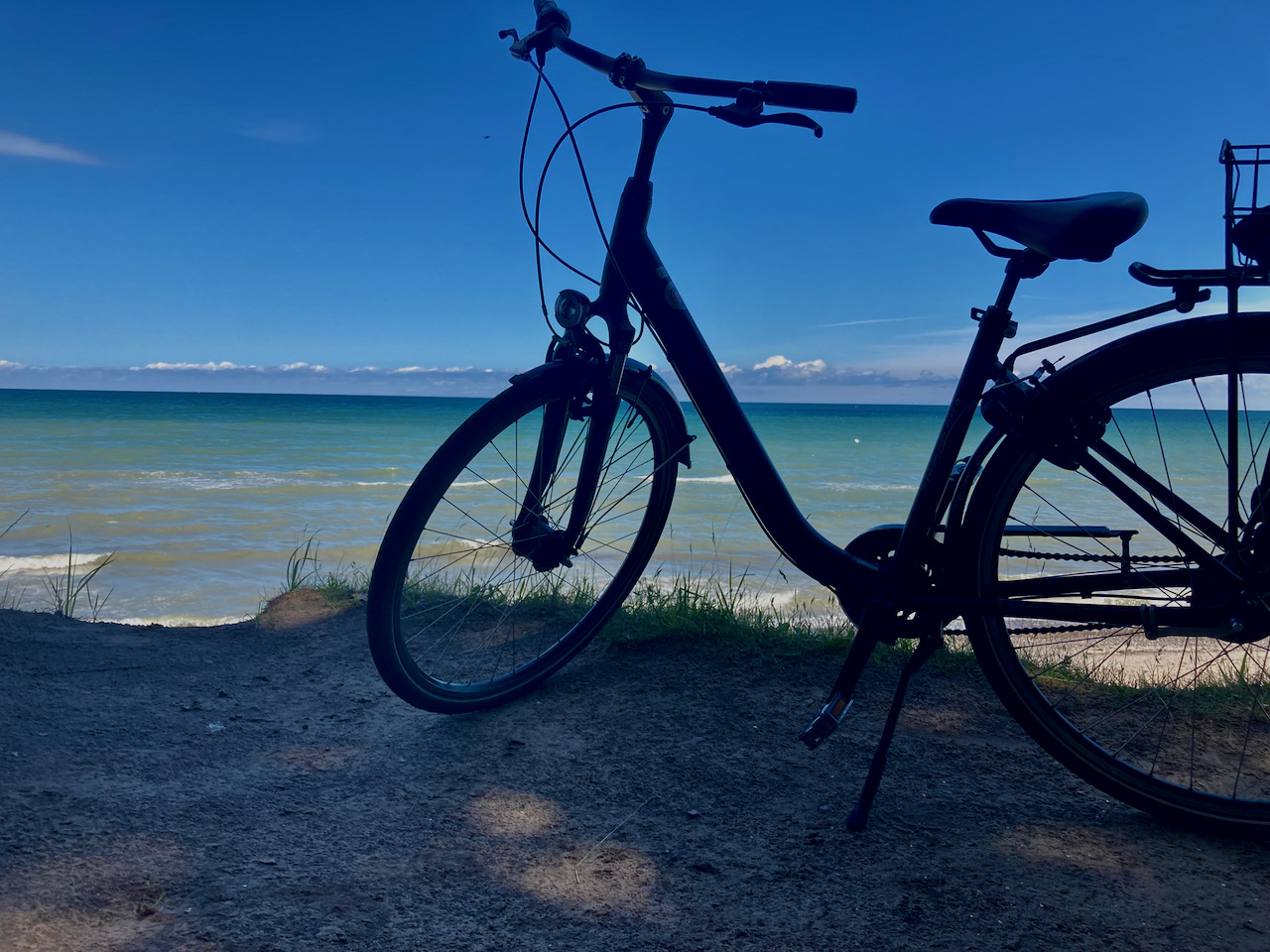
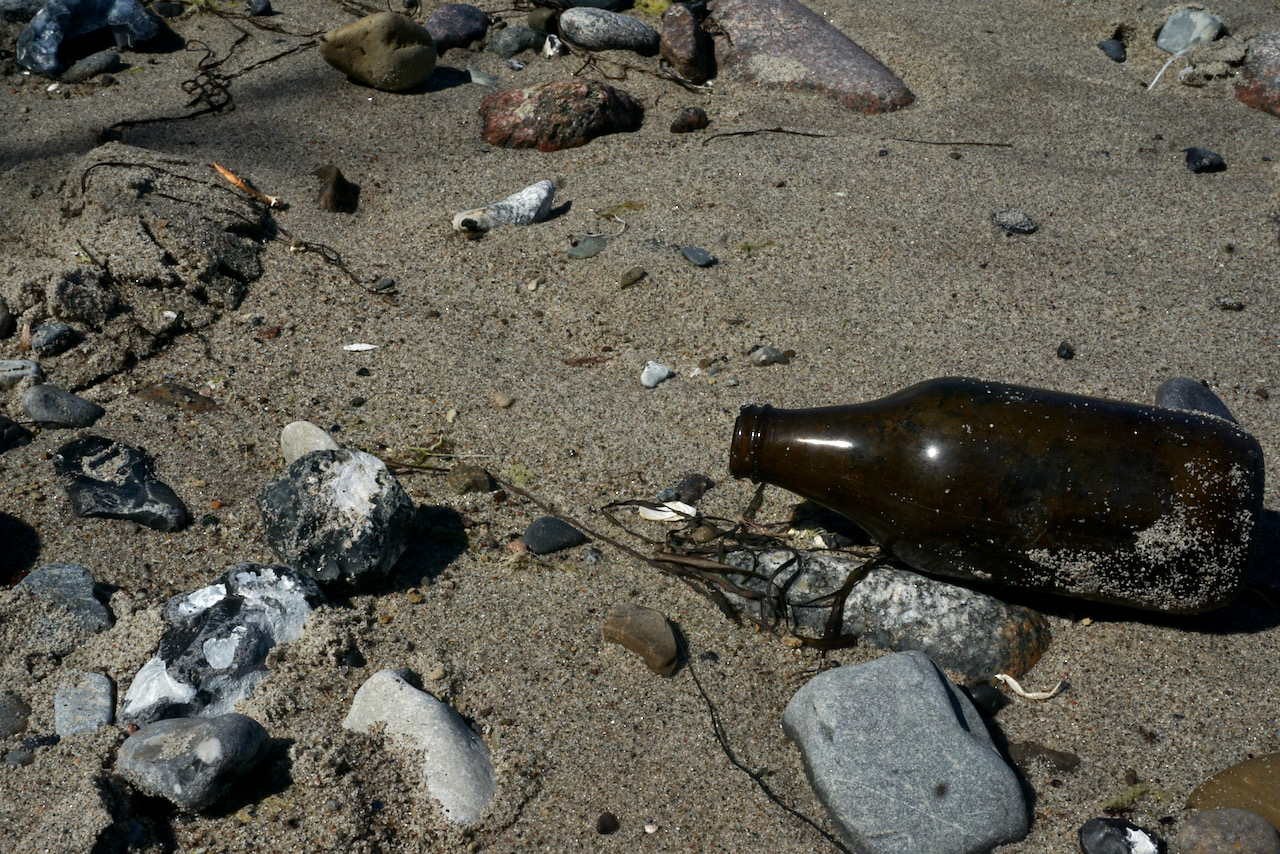
In the bright sunshine of my last day, we rented bikes and followed a path through the forest and along the coastline. We passed farms and little towns, stopped to eat and drink overlooking the ocean, and went swimming in the warmest water yet. We searched unsuccessfully for Hühnergotter, stones with a small hole through them that are supposed to bring good luck. The sound of the ocean was soothing and I nearly fell asleep on the sand.
The world is a beautiful place and I was lucky to be somewhere new to me, lucky to share it with people who have such fond memories of being there. The world is a beautiful place and to be part of it is a gift. I am glad to know this – every day.
Photos, travels, musings, and ideas on education by someone trying to make the world a better and more peaceful place














 By Rebecca Michelle