My dad used to say that the best part of travelling is coming home. But travelling also requires leaving home and that remains, even after years of practice, a hard thing. It helps to know when I’ll see you again and that we have all sorts of technology to keep in touch, but it is still a strange thing to go from home to home.
The world is odd, too, with the pandemic that threw into sharp relief the illusion of certainty in which we so comfortably lived. It means that we continue to plan all we want but with a greater awareness of the plan remaining just that – a plan. This is a manageable feeling, at least right now, but not a pleasant one.
I have never found it easy to leave home and I miss you even before it’s time to go. I used to need hours in the airport to ensure sufficient time to cry, but I’ve since learned that the feeling of missing you is just part of me, like the feeling of loving you is just part of me. Sometimes those feelings catch me by surprise. Oh, I’ve learned to recognize, it’s that kind of day.
But there’s a special thing about missing you because it means you matter, I matter, we matter. I miss you because I like being with you, because I like you, because I like who I am with you. I miss you because I feel at home with you, because we laugh together, because we have fun together. And I miss you because the time we spend together is lovely because we make it that way.
Missing you means travelling from home to home to be with you, and I am already looking forward to the next time. Truth be told, I’ve never stopped. I’ve just left home and I am on my way home, too.
Depending on how you look at it, I am a person with many homes or with no home. Perhaps I am a person looking for a home, or perhaps I call “home” what is more accurately “place”. Is home where you are or is home how you feel?
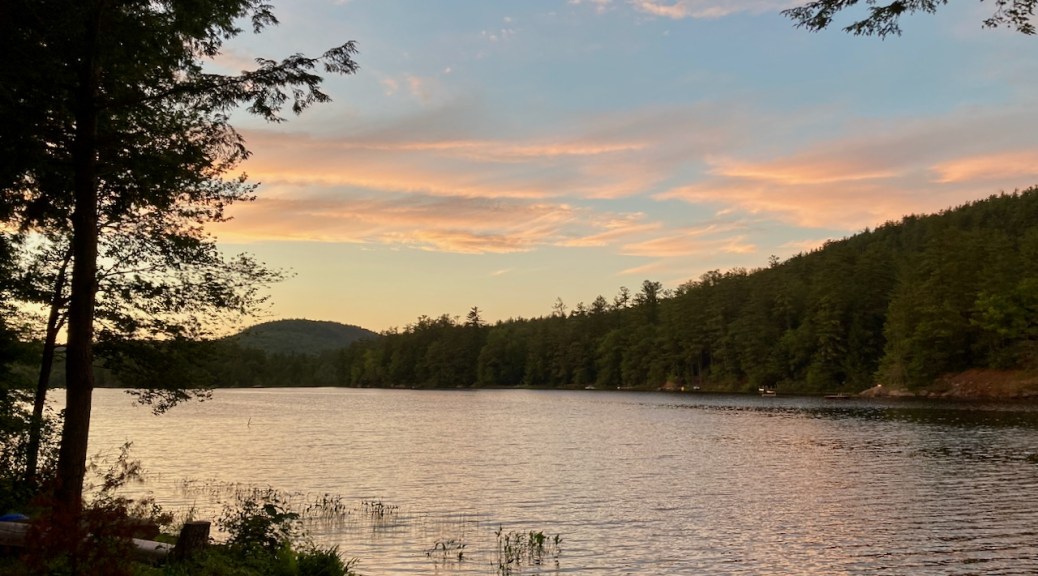
Home is clearly more than house, but there are times when home is indeed also house. And there are times when home has no house. Home can be forest, mountain, water, and here, home is a feeling. Can the feeling also be a place? Can a place be a home?
If I have many homes, it is because home is people, not places. But not every place with people is a home, nor do all homes rely on people. Does bringing people to a place make it a home? Perhaps not, but the community that comes from the people can be a home.
If I have many homes, it is because home is a feeling, not a location. I can feel at home in different literal places when my heart can settle in a figurative place. To say that I feel at home with you means you and not where you happen to be. So I can feel at home with you within, despite, or regardless of the place.
Or do I have no home? I can be homeless without being houseless, a person who has a physical place but no sense of warmth, of love, of affection and affinity. If I have lost my connection to home, that means I have lost connection. And what does that mean for who I am? If connection comes from relating with others and the world around us, does losing home mean losing identity? And without identity, who am I?
Depending on how you look at it, I am a person with many homes or with no home. I am deeply rooted to something I cannot articulate but am never without, a sense of belonging to the trees and sky, mountains and ocean. I do not need to be out in the world to understand that, but I need to be out in the world to feel grounded in my own body. And at the same time, I seek to lose the body to become part of the world.
In this sense, I am at home in the world.
But to be home in the world does not mean being alone in it.
So home is people, not places. I do not need to know a place to feel belonging, but to know people. By this I mean the know that is tied up in care, the know that means I will share my delights and sorrows with you because, if I feel at home with you, I believe you want to know.
But home can also be found in places themselves, because to find a home is to connect with a soul. The soul of a place is a feeling and we feel places. This is how we choose where to wander and where to settle, where to explore and where to retreat. If we are able to see the soul of a place, perhaps we understand it in a way that allows us to call it a home.
In this sense, home merely is. Home exists. Home is there. Sometimes we are there, too, and sometimes home is waiting to be found.
It has been a long time since I’ve been home, and in the interim I’ve occupied many homes. Literal homes, figurative homes, shared homes, solitary homes.
Perhaps my preoccupation with home comes from a constant search for one, or perhaps from always knowing there is inherently more than one. Perhaps it’s less a preoccupation and more a vested interest, one that comes from life circumstances I never could have imagined but that, at the same time, were always lying dormant and waiting. Or maybe it’s a simple awareness of language. I cannot wait to go home, said when I am clearly at home. Welcome home, said when I coming from home.
It took years, I remember her saying, before I stopped referring to this city as home. And then I realized that my life was somewhere else and that that was my home.
This is undoubtedly logical. But if this is the case, how can I say I’m going home? And how can I then be welcomed home to multiple places?
And so I search further. I search from the security of a place that I call home, a place made up of people who hold, care, and love, and who know that it is not the search that is important, but the discoveries that are part of searching.
And I search because I like to ask questions and I like to find answers. I am curious when I am safe, and I am safe when I am home.
I remember the moment when I realized I was no longer a child. But I know a few things about memory and I know that we make mistakes. Recall is often error-filled. It is malleable, fluid, heavily influenced by context and those around us. Yet, I would like to think that this moment existed as I remember it. And even if it did not, even if it’s entirely a figment of my imagination, it frames the beginning of an era that was significant to how I understand myself, others, and the world we share.
I am part of the American generation that finds commonality in where we were on September 11, 2001, the beginning of a time in which the US entered wars that are still ongoing. I remember where I was and what I said, or I think I do. But that is not the moment when I realized I was no longer a child.
I remember my dad watching TV in my parents’ bedroom and I remember asking him to explain to me what was happening. He talked about people doing terrible things and I asked why. I can’t remember what he said, but I walked away understanding, for the first time, that hatred and war don’t only exist in books.
That moment, I knew I was no longer a child.
There is a clear separation in my mind between life before and after grade 6, a separation that I knew existed but one that I did not delve into until a handful of years ago. When my parents split up for just under a year, I learned that adults are people, that love takes work, and that bad things really happen. They don’t only exist in books.
It is hard now to think about the anguish I felt as a not-quite-child at that time. It is hard to think about how awful I was in my actions towards people who were deeply hurting, even as I knew I was screaming only because there was something ripping me apart and I couldn’t make it stop.
The opening line of an essay I wrote when applying to university: “I used to make him cry and I did it on purpose.”
I was 11 and my world had shattered.
I was 11 and my world had shattered, which meant that I knew worlds could shatter. I knew impermanence, disappointment, fear, and a thousand emotions I could not name then and cannot name now.
But I learned, I think we all learned, lessons that I would not have learned any other way. I have always known that relationships are a choice. They take work, they take communication, they take people who care enough about each other to do something to be together. Love is a verb and sometimes the word itself is not enough. I have understood this for a long time.
Suicide bombers flew into Manhattan’s Twin Towers. Two months and two weeks later, my family lived in two houses and I watched adults cry. I cried with them and I was no longer a child.
However, it is one thing to understand and another thing to do. It is one thing to be aware and another thing to act. Lots of walls, lots of work, and so much safer to rebuild the walls than to stand tall without them.
We’re all afraid of being hurt, aren’t we?
And I have never wanted to hurt anyone. I do believe that most people feel this way. And this is what makes it hard to not only know what the right thing is, but to do it.
When I learned that the world and my world could change in seconds, I was no longer a child.
And there was no turning back.
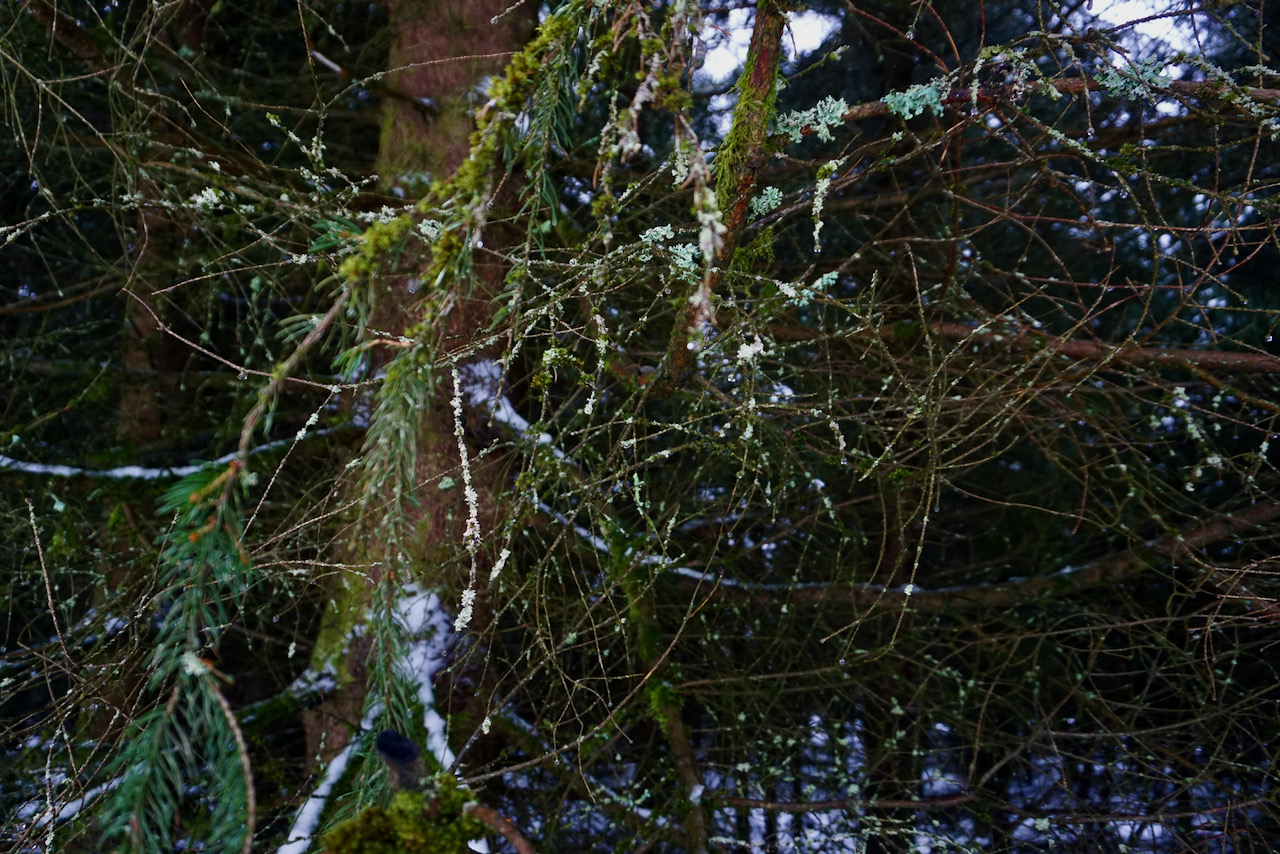
Thüringer Wald – January 2022
Photos, travels, musings, and ideas on education by someone trying to make the world a better and more peaceful place



 By Rebecca Michelle