
Back in 2020, I read a New York Times article about a crowdsourced, online project to digitize records with the Arolsen Archives, the keepers of the world’s largest archive on victims and survivors of National Socialism (Nazism). The goal of the #everynamecounts initiative is to create a digital memorial with records accessible to all.
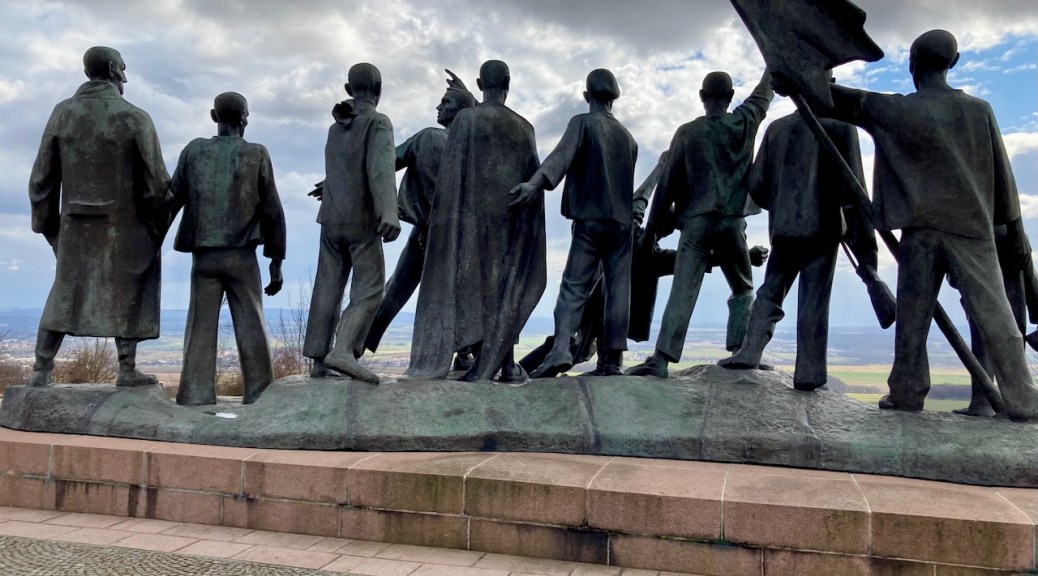
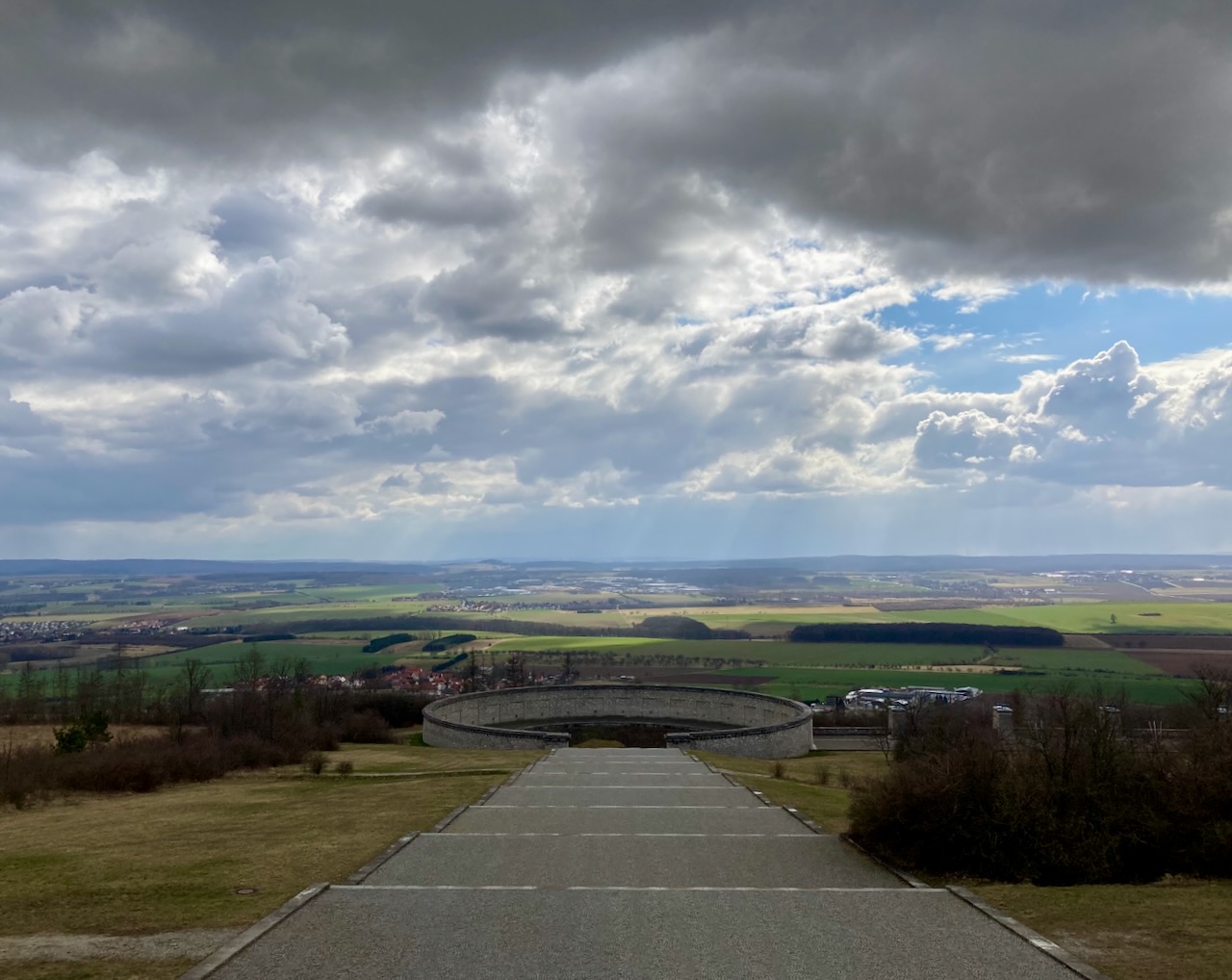
With thousands of volunteers around the world, I type whatever information there is. Sometimes I’m familiar with the names because of the community I grew up in and where I live now. Sometimes I recognize locations. One project involved documenting records of prisoners held in the concentration camp Buchenwald. I live within cycling distance of Buchenwald and have been up there more than a handful of times.
I most enjoy working on records of displaced people. These are the survivors, the young children with huge names, the defiant elders, the unbreakable adults. The documents indicate where they came from, and where they were sent to, and when. People were living in DP facilities until the early 1950s. Sailed to New York. Flight to London.
I wonder about the workers who took down these records, the handwriting of people all over the world, the very human touch of both condemning and saving a life. There is handwriting that loops and weaves, handwriting that took the time, handwriting that scratched and scrawled. Name. Marital status. Birthplace. Last address. Location. There are typed records, too, an indication that all of this happened in a world different from ours, yet not so long ago.
As I record lives lost and lives saved, I think about the internationalism of these records. Europe in ruins, its condemned minorities and those unlucky enough to have a non-conformist opinion collected and shipped off. To somewhere. Europe’s ravaged population surviving wherever they ended up, many so far from home.
And the internationalism of 175,000 volunteers around the world who painstakingly transcribe documents holding the stories of 17.5 million people. To guard against mistakes, each document is read by several volunteers. Any areas that cannot be read according to the usual guidelines are then checked by a member of the Arolsen Archives team. Seventeen and a half million individuals and their stories are too precious for error.
Two weeks ago, quite by accident, we drove past the town where the International Centre on Nazi Persecution, home of the Arolsen Archives, is located. I transcribed a few more documents the next day.
Every name counts.





























 By Rebecca Michelle