Tag Archives: Nature

Travel Guide: Zagreb and Plitvice Lakes National Park

I was really lucky to have my parents come visit for our fall break this year, lucky that they were able to make the trip to Germany and lucky that we were able to travel together. We spent a week in Germany before flying to Croatia to explore a country about which both of my siblings (and everyone else I talked to) have only good things to say. I cannot emphasize enough how friendly, kind, and helpful the Croatian people were, and this made for a wonderful experience.

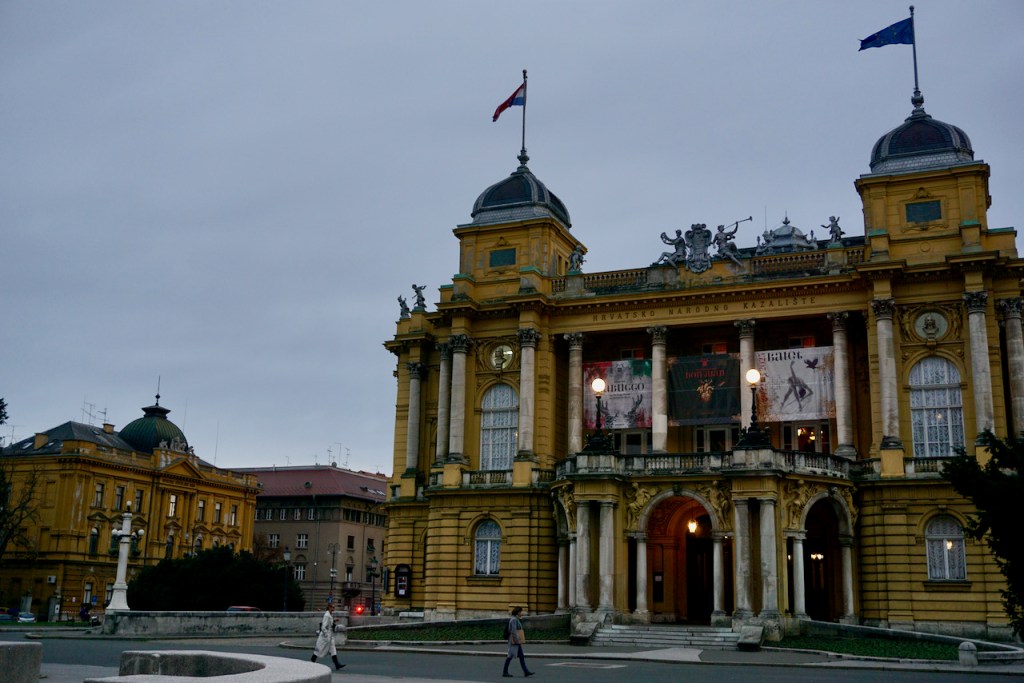
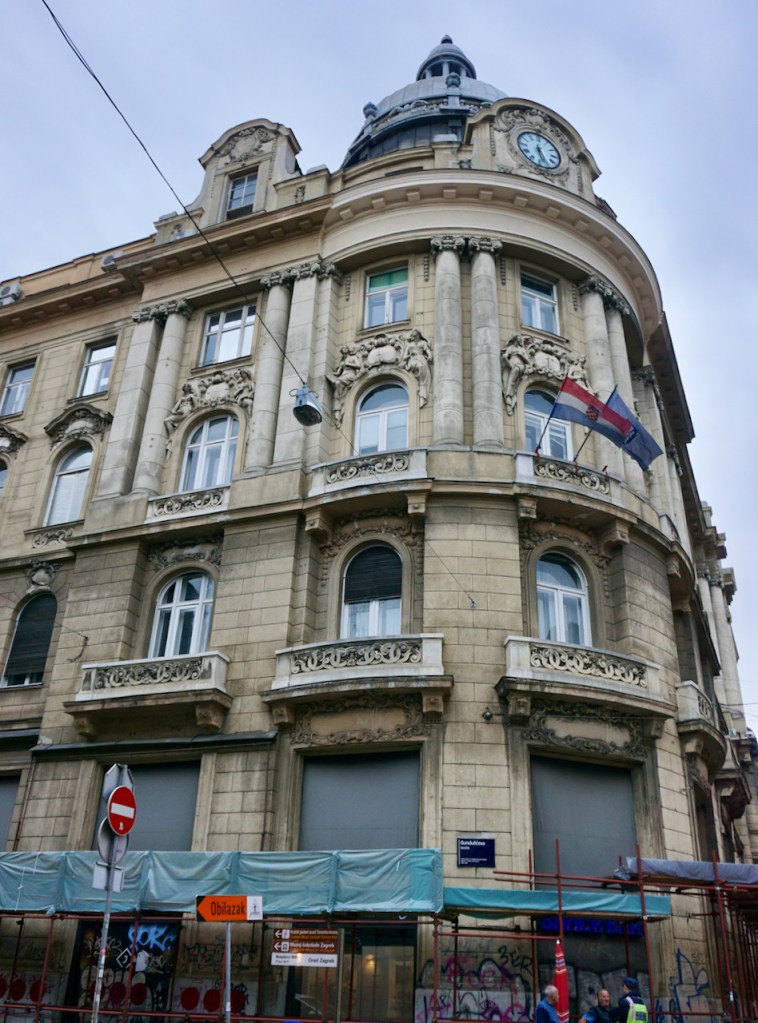
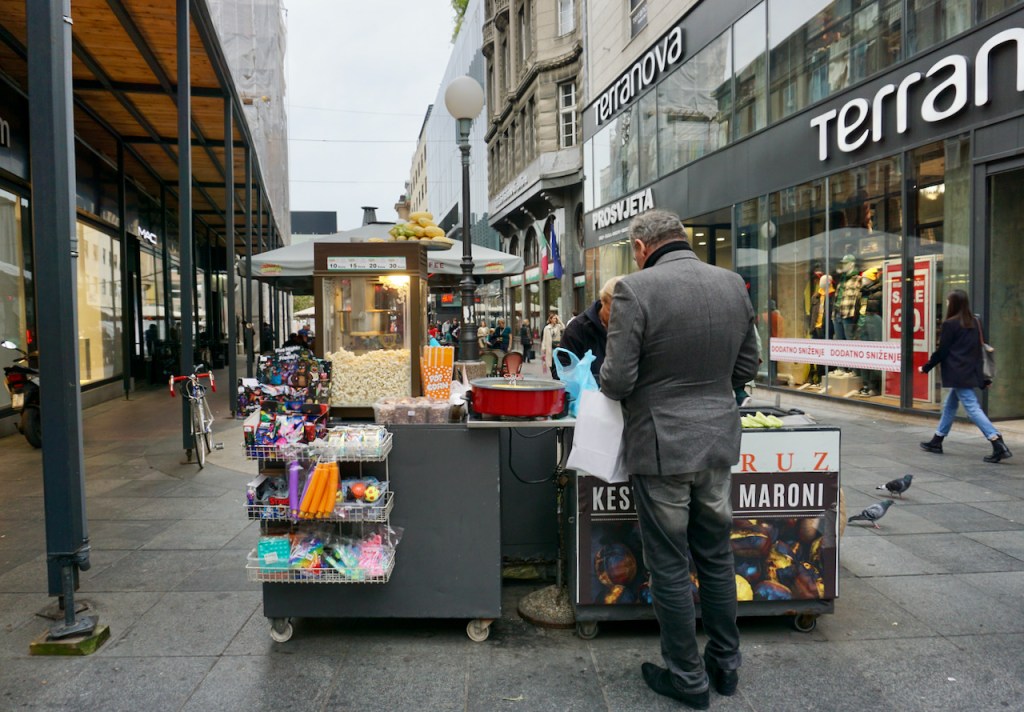
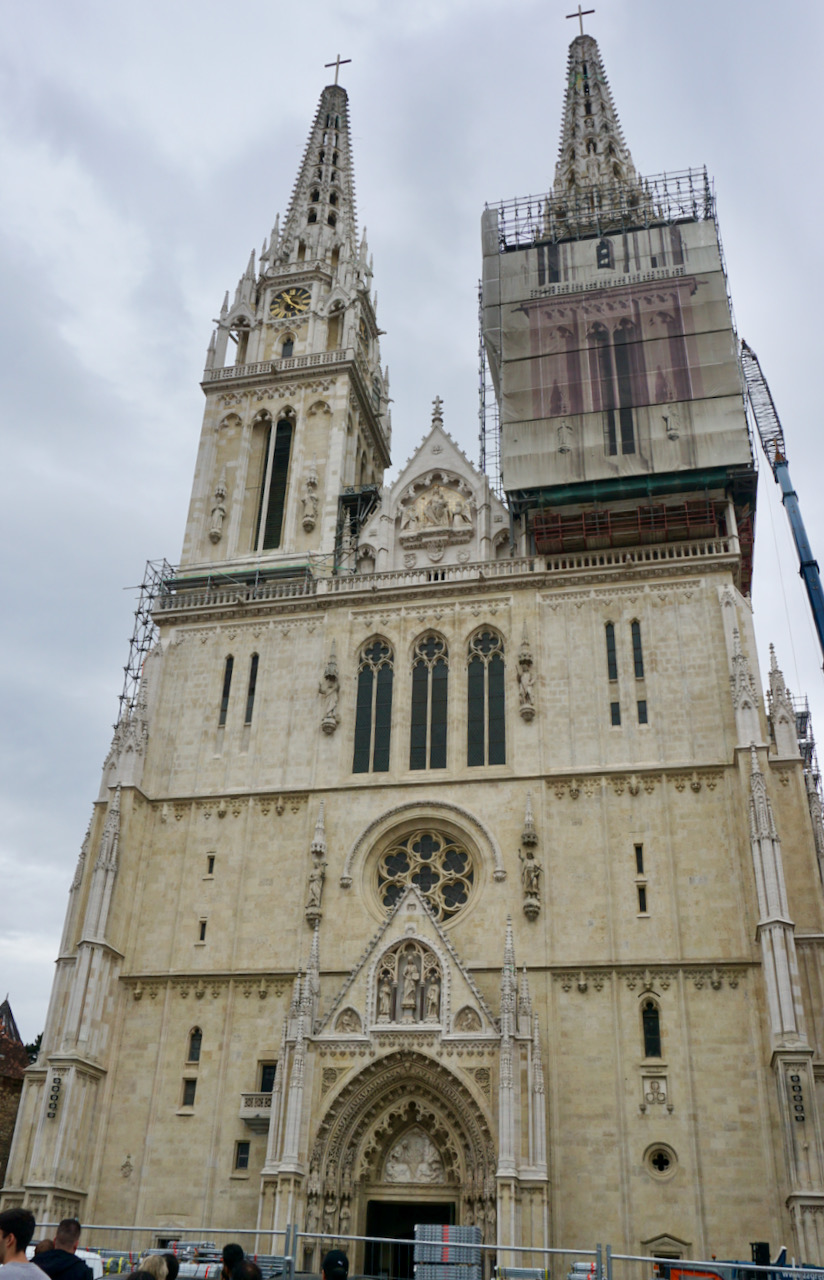
We started our trip in the Croatian capital of Zagreb. We arrived late in the afternoon and managed some walking around before it got dark. The high fashion and style of the locals got my attention, as did the prevalence of street vendors, the ornate architecture, and the general opulence of buildings that show signs of having seen a lot in their time.
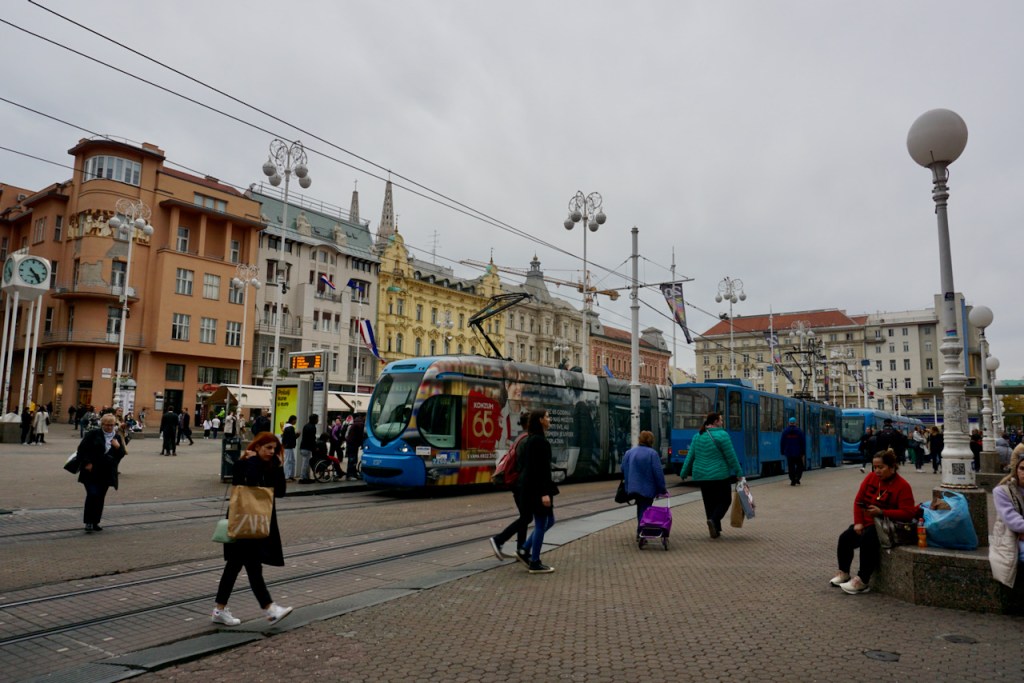
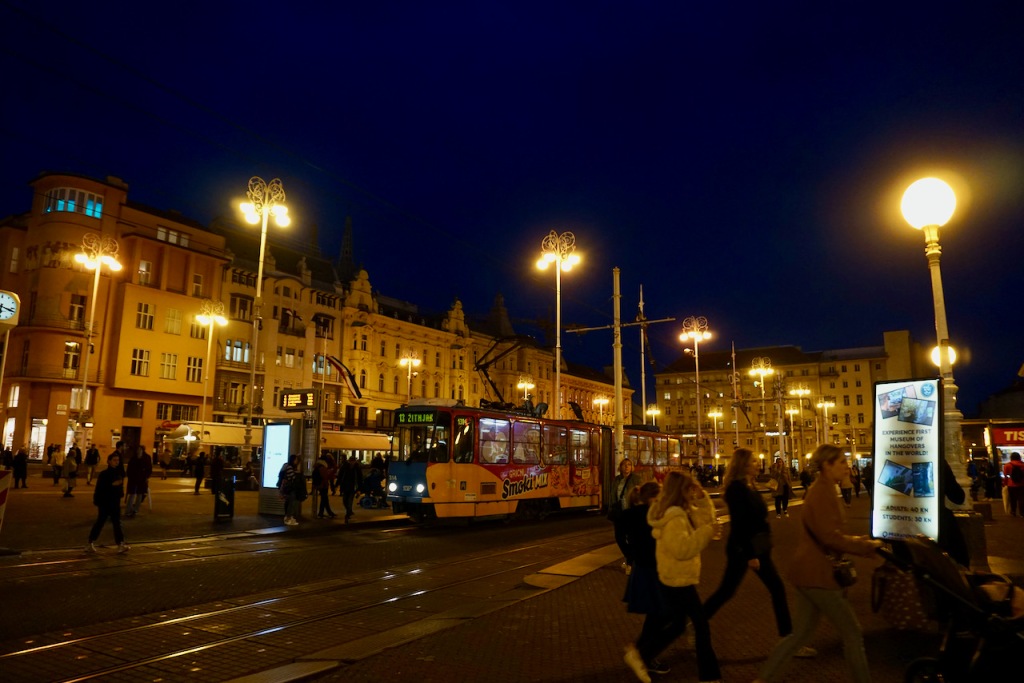
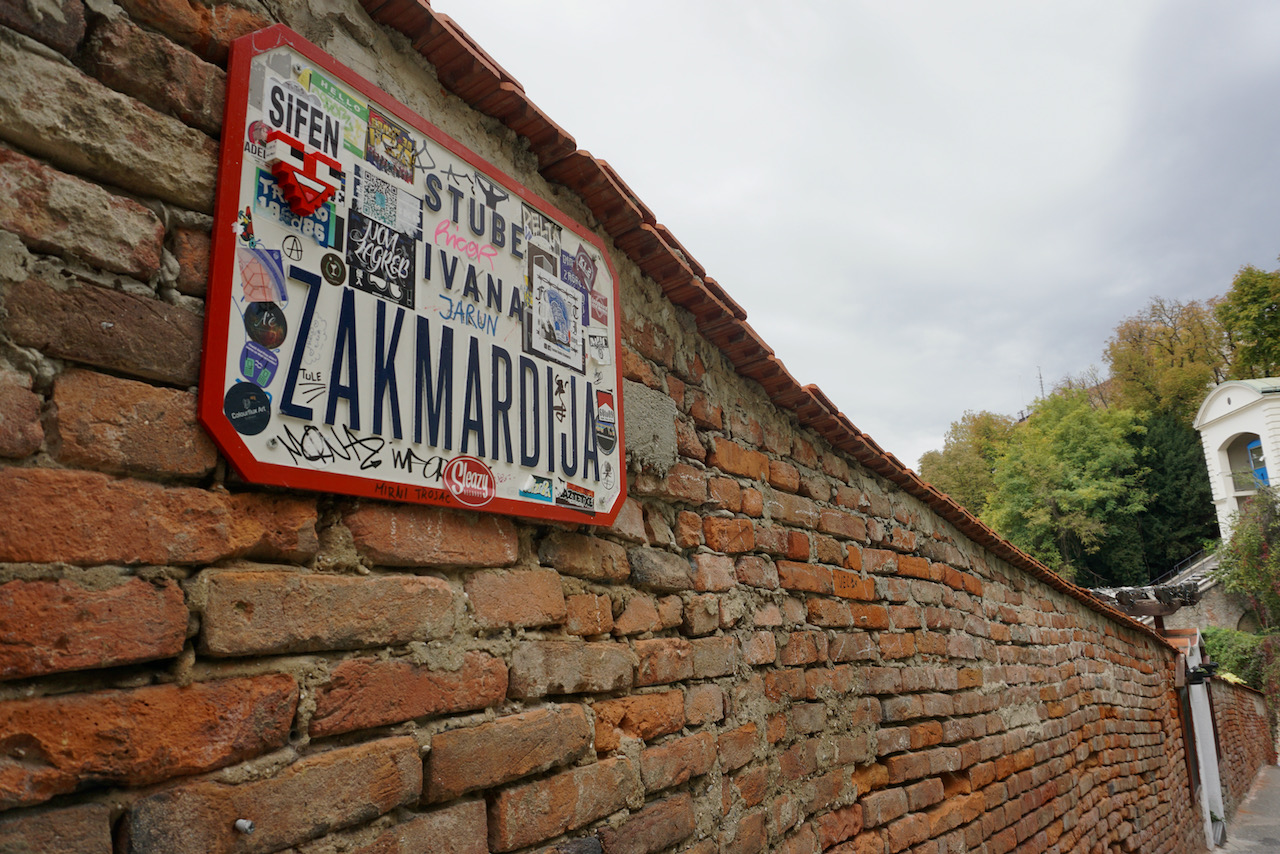
And Croatia has seen a lot, a theme that was central to the walking tour we went on the following day. Centuries of wars, including in recent decades, have shaped a land often caught between warring empires, a land that calls itself by a different name, Republika Hrvatska, than that imposed by conquerors. This is a land proud of its people, its history, and its work to move forward into a different era.

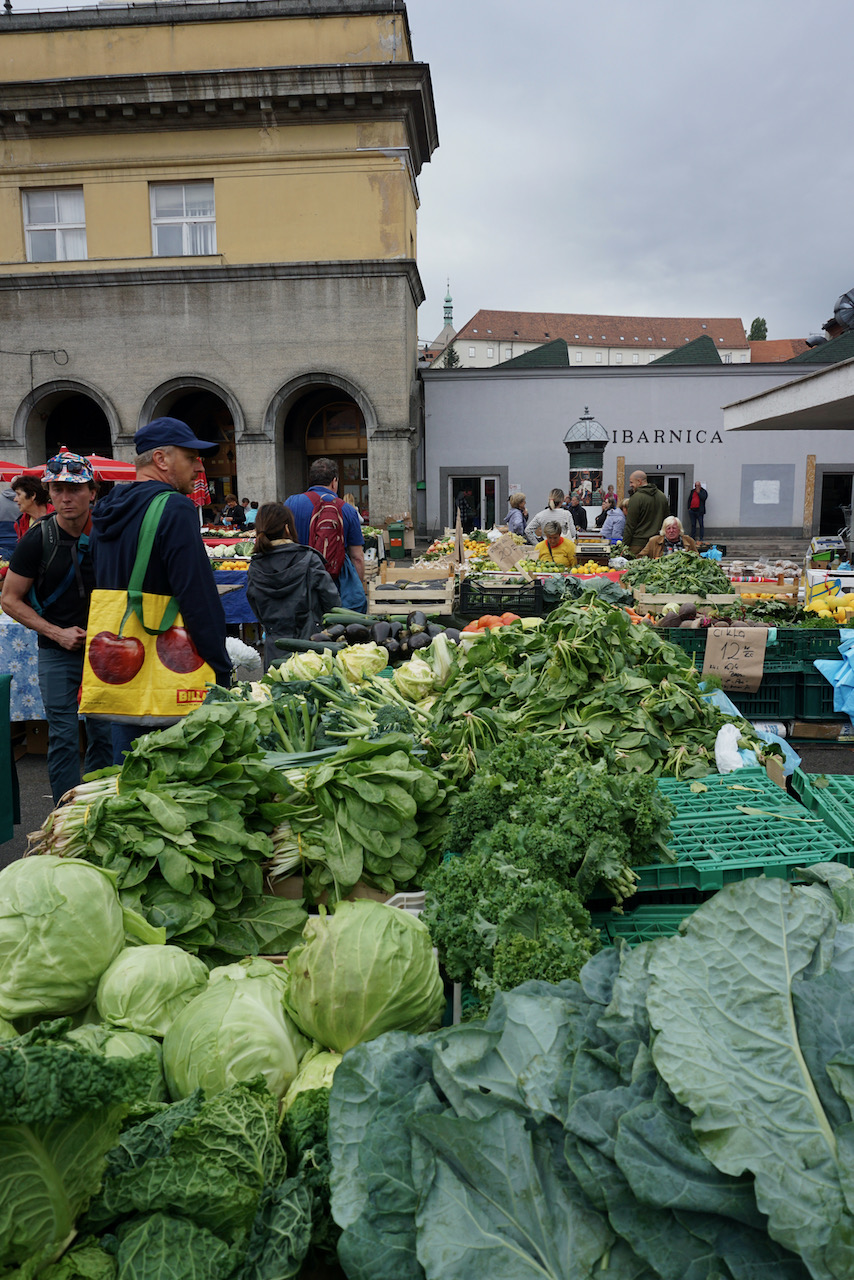
After our tour we headed to my favourite type of urban space – the local market. I have written a lot about markets, which I’ve sought out everywhere I’ve lived and visit whenever possible when travelling. Right in the centre of Zagreb’s old town is Dolac Market, open seven days a week right near Ban Jelačić Square, the main square (of many) in the city. This is where the locals do their shopping, which was evident from the people and activity we observed while strolling through the stalls selling nearly everything one could want. In preparation for a road trip and hike the next day, we bought nuts, fruit, bread, cheese, and burek, all of which we thoroughly enjoyed.

The southern side of Zagreb’s old town is lined with eight parks in a horseshoe and we walked there as long as we could before it started to rain. The amount of green space in the city was really lovely and made for an atmosphere in which, like at markets, people come together. Zagreb and its environs include about a million people, which is nearly a quarter of Croatia’s population. Nevertheless, the city’s squares, markets, and parks made it feel very liveable and like a much smaller town.

After determining that the rain had no intention of stopping, we headed to the Museum of Broken Relationships, which I had read about and about which I remained skeptical until we visited. I will only say that it was charming, thought-provoking, sad, and funny all at once. And highly relatable, for many reasons.

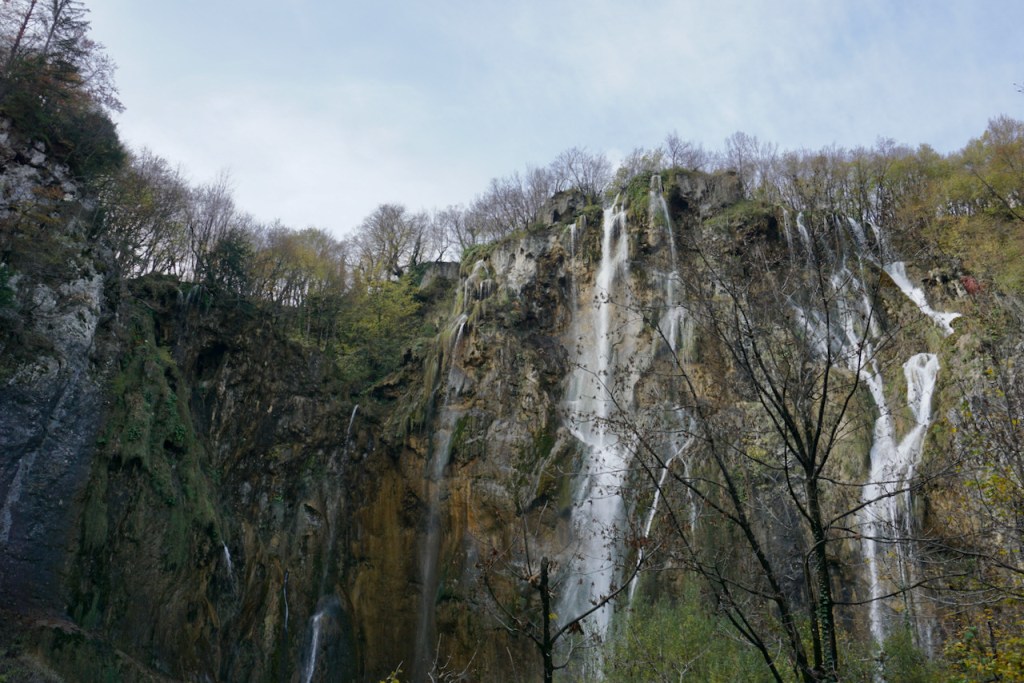
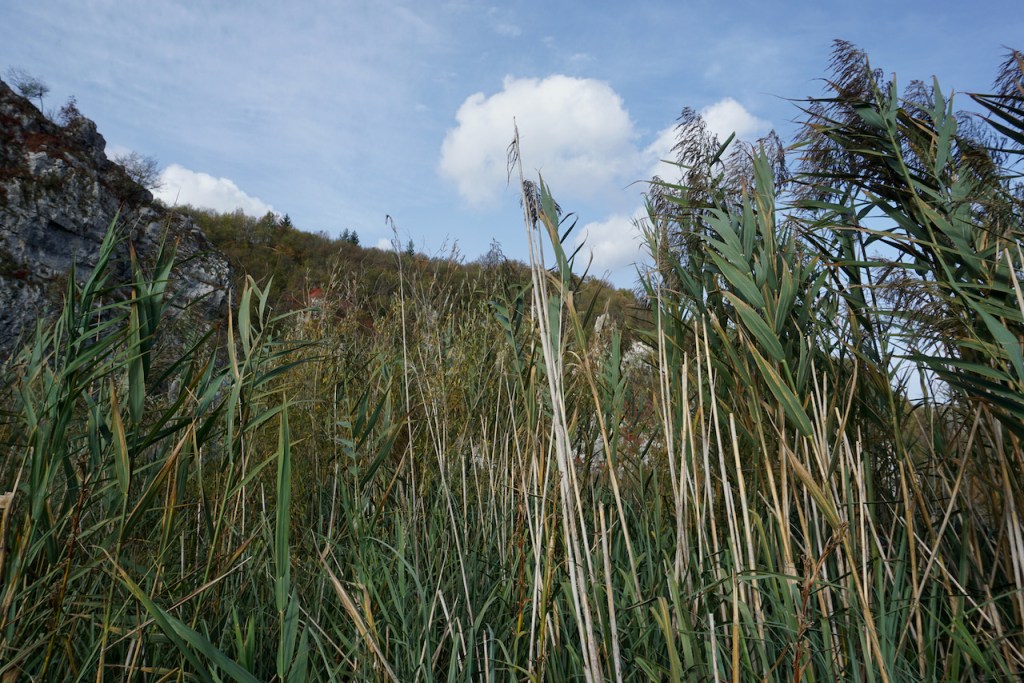
The following morning we picked up our rental car and drove for two hours through scrubby bushes on looming rock to Plitvice Lakes National Park, the oldest and largest of Croatia’s national parks and a UNESCO World Heritage site. (There is a fee to enter the park and during high tourist season, it is recommended to book tickets in advance.) The park is well-signed with trails of different lengths, some of which require a boat ride to continue to the second part of the path. We walked through pine forests, along boardwalks around lakes, up steps, and along winding paths that wrapped around so many waterfalls.

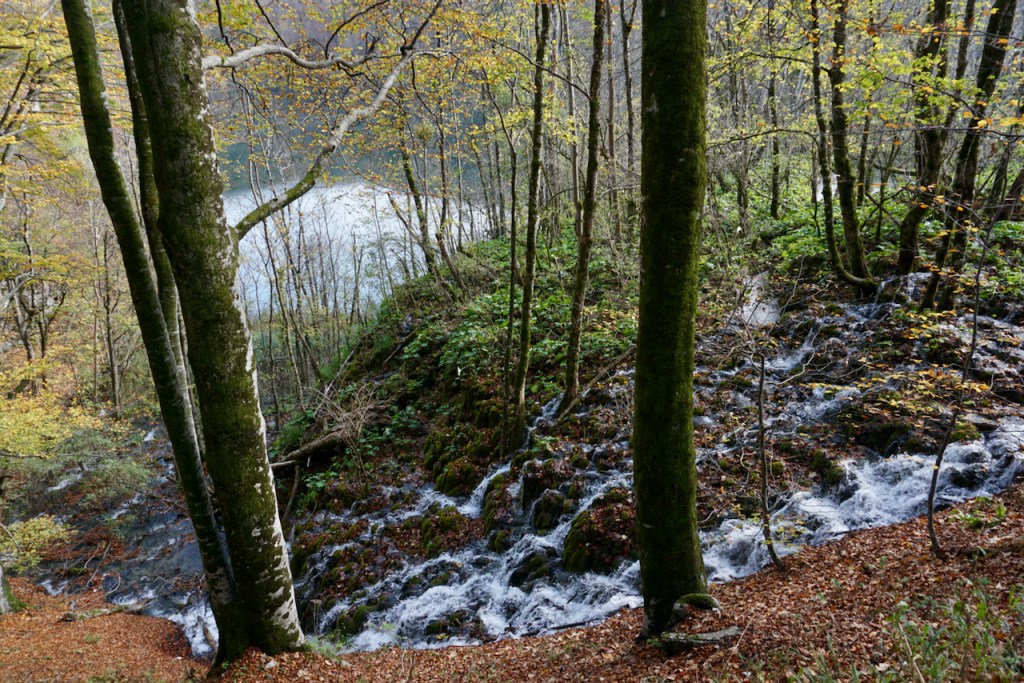
Somehow I wasn’t expecting what Plitvice Lakes National Park had to offer, or perhaps what it felt like to be there. It felt like entering a different world, an oasis separated from other worries and cares. And we were more relaxed getting back into the car after a few hours in nature than we were at the beginning of the day.

The second part of our drive brought us to Split, where we (very excitedly) saw a Dalmatian in Dalmatia and had the opportunity to learn about the history of Croatia in terms of shaping the world’s empires.
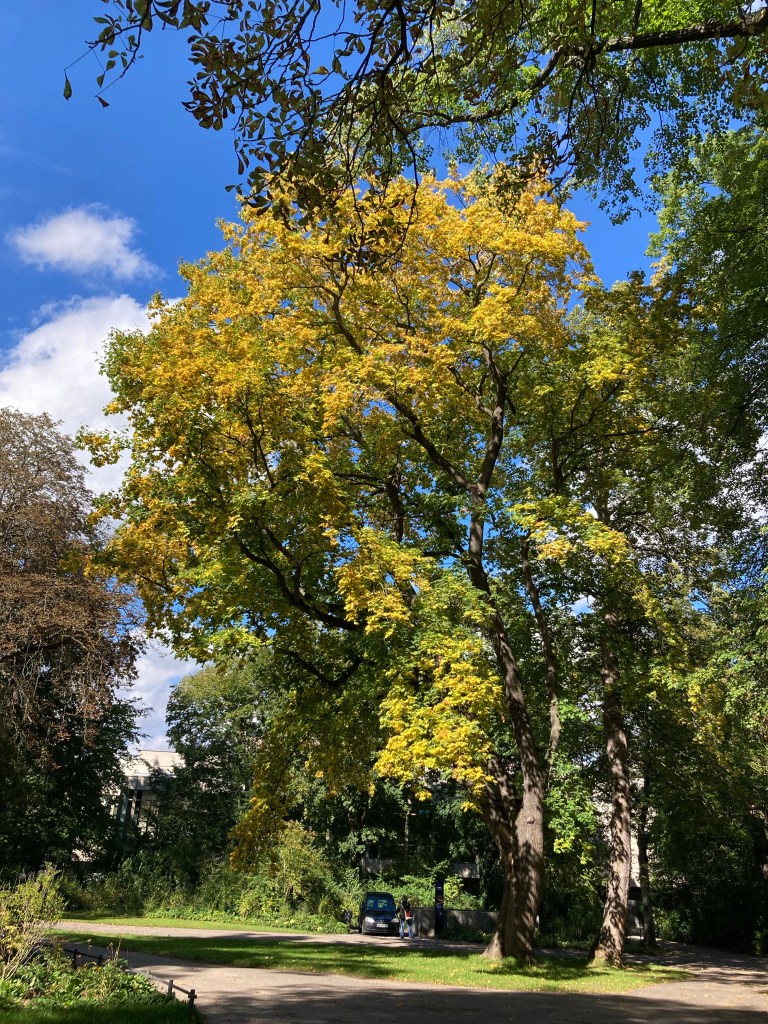
Herbst/Fall/Autumn

There has been more than a little space between blog posts recently, and it’s not for lack of what to say. Rather, it’s due to time spent being in the world where, I am grateful to say, I have found myself in good company and laughing.

Playing, I said.
Living, came the response.

And in this moment, quite so.

Where I pause, however, is when I stop to consider the gulf between my small corner of the sky and the big, wide world around me. That’s when it’s hard to laugh, hard to remain positive, hard to stomach what I read in the news with my students every day. We’ve had beautiful sunshine lately and that affects my mood, too. Fall can be a quiet, contemplative time but lately it hasn’t been. It has been lively and full and it’s easy to get swept away in that. I need to remind myself to take stock, to take a step back. I am so lucky to be here.

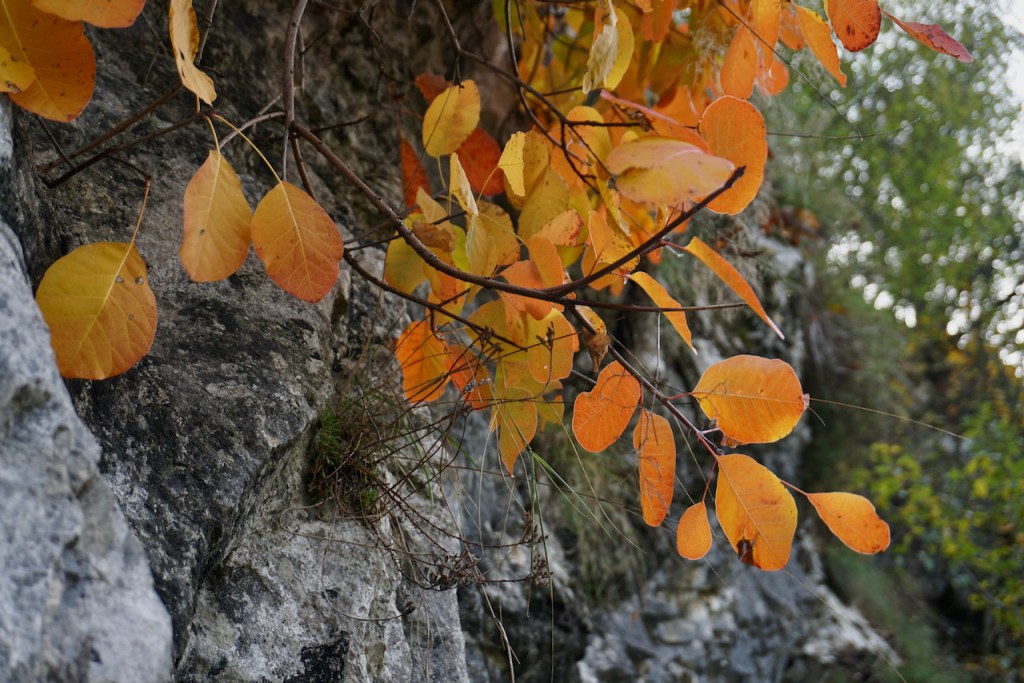
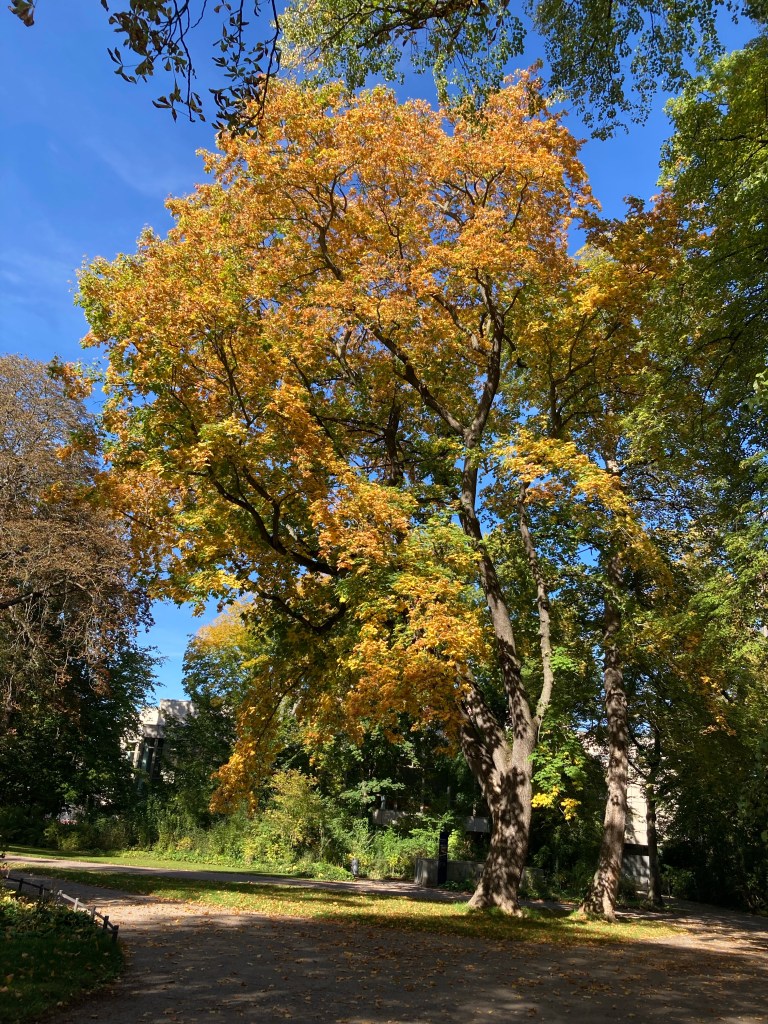
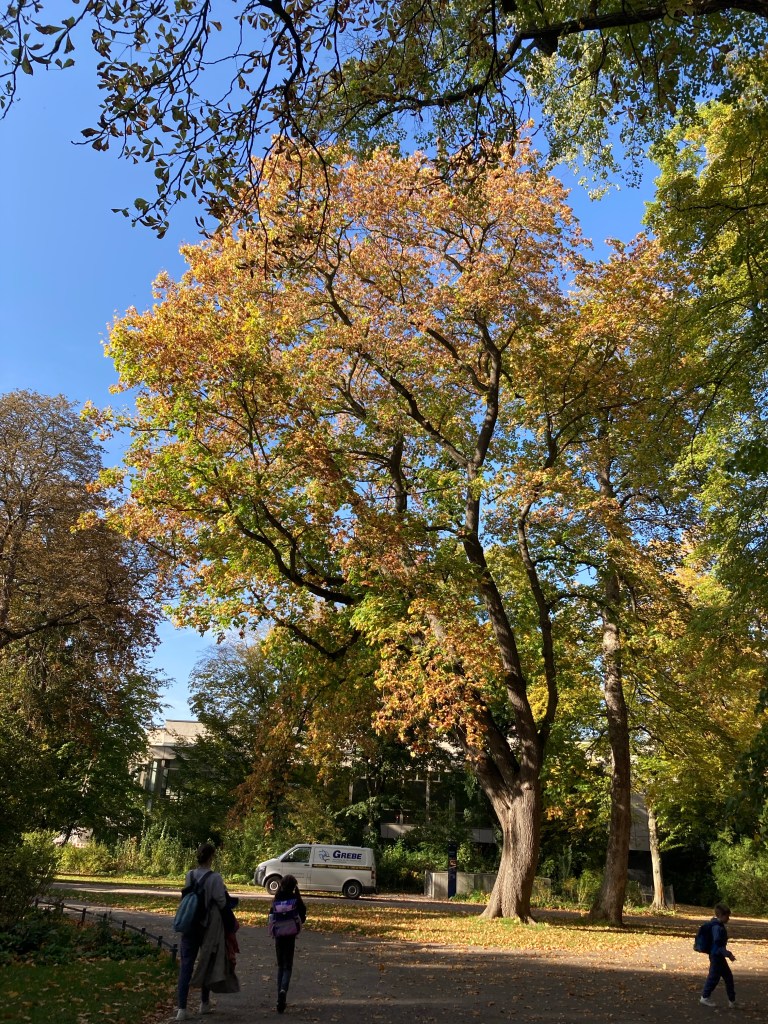
A year ago we started watching this tree as the leaves changed, as the days grew colder and the nights crisper. We watch nature because we are at home in it, because it’s beautiful, because it quite literally soothes the soul. And we spend as much time out in nature as we can because we know that pleasant temperatures don’t last forever.

Lately I’ve been laughing a lot, despite what’s in the news and what we expect for winter in Europe. I cannot change the world’s geopolitics but can put into the world what I believe should be part of it. To this end, I’ve been laughing with someone who reminds me to slow down, to take it easy, to take time away in order to be present with what is there.

Here now in autumn, leaves change. Colours change. The way that we approach one another during times that many of us, to varying degrees, find profoundly unsettling, can also change. We can choose to be a little kinder, a little more open, a little more honest. We can look for reasons to laugh, to play, to live.

And in the world that I believe should be, we stand up together and support one another because that creates “us” and when there’s just “us” rather than “us and them”, that creates peace. We all laugh, after all, and peace means finding commonalities and making them count.

So I’ve been out in nature and laughing. And I hope this post, and my wish for the world, inspire you to get out there, as well.

Travel Guide: Halifax

I’m a bad Canadian. I hold a Canadian passport, speak with enough of a Canadian accent that Americans have asked where I’m from, and spent many a childhood weekend in Canada visiting grandparents and other relatives. But I’m a bad Canadian. Until last week, I had only visited two provinces (visited = seeing family) and, with the exception of a ski trip as a child, had never gone to Canada on holiday. For this reason and more, it was a pleasure to finally take a trip to Halifax and neighbouring Dartmouth to visit my closest friend from Singapore, who grew up there and has since moved back.

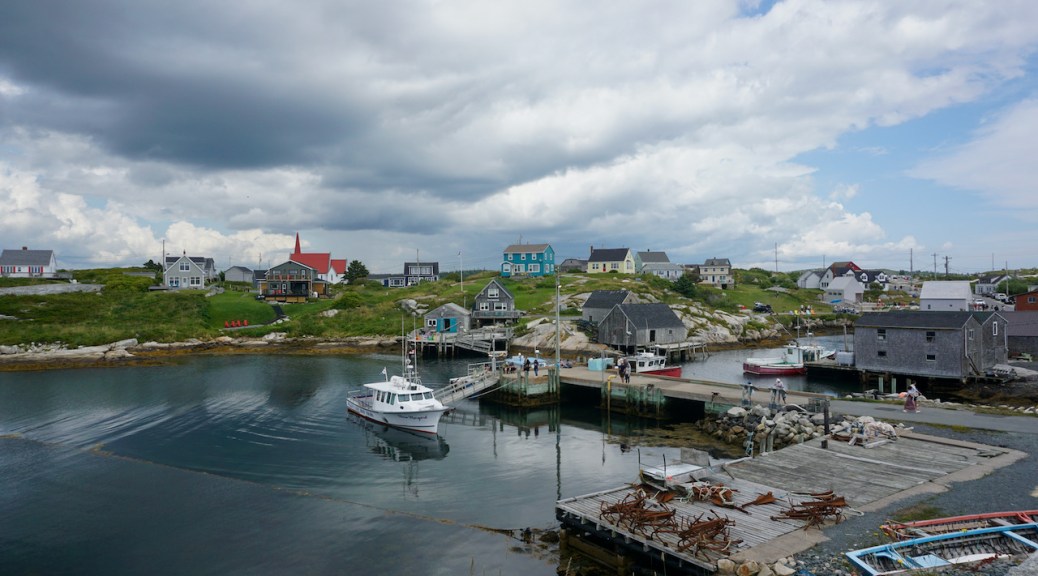
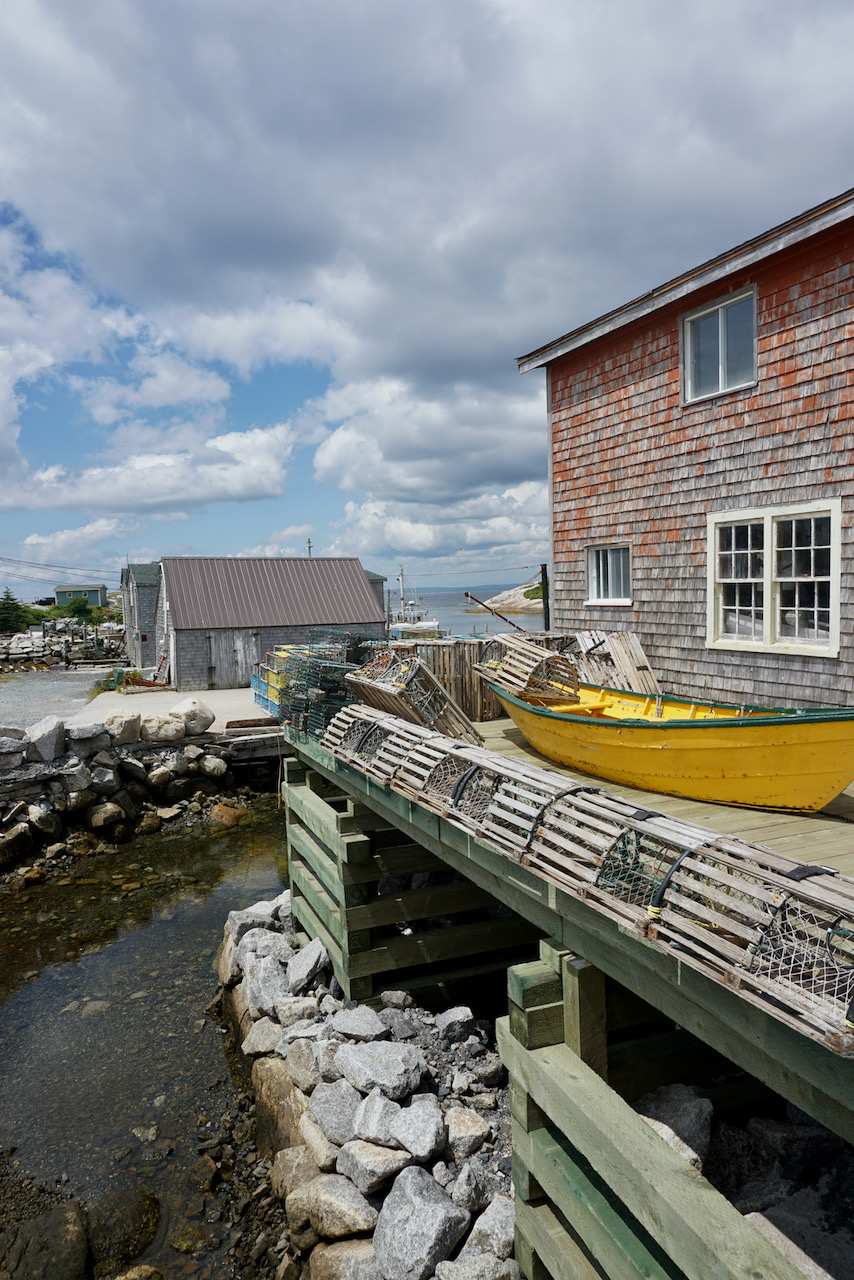
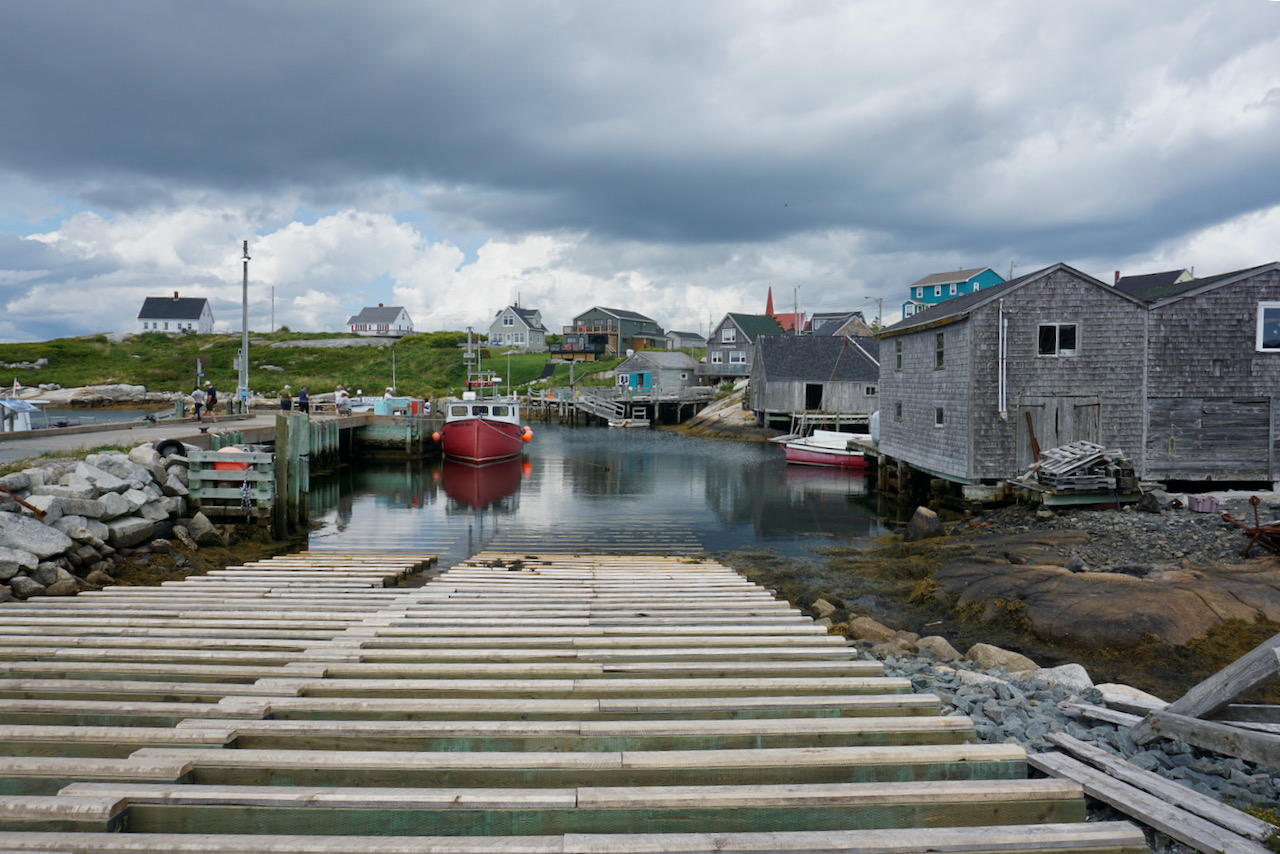
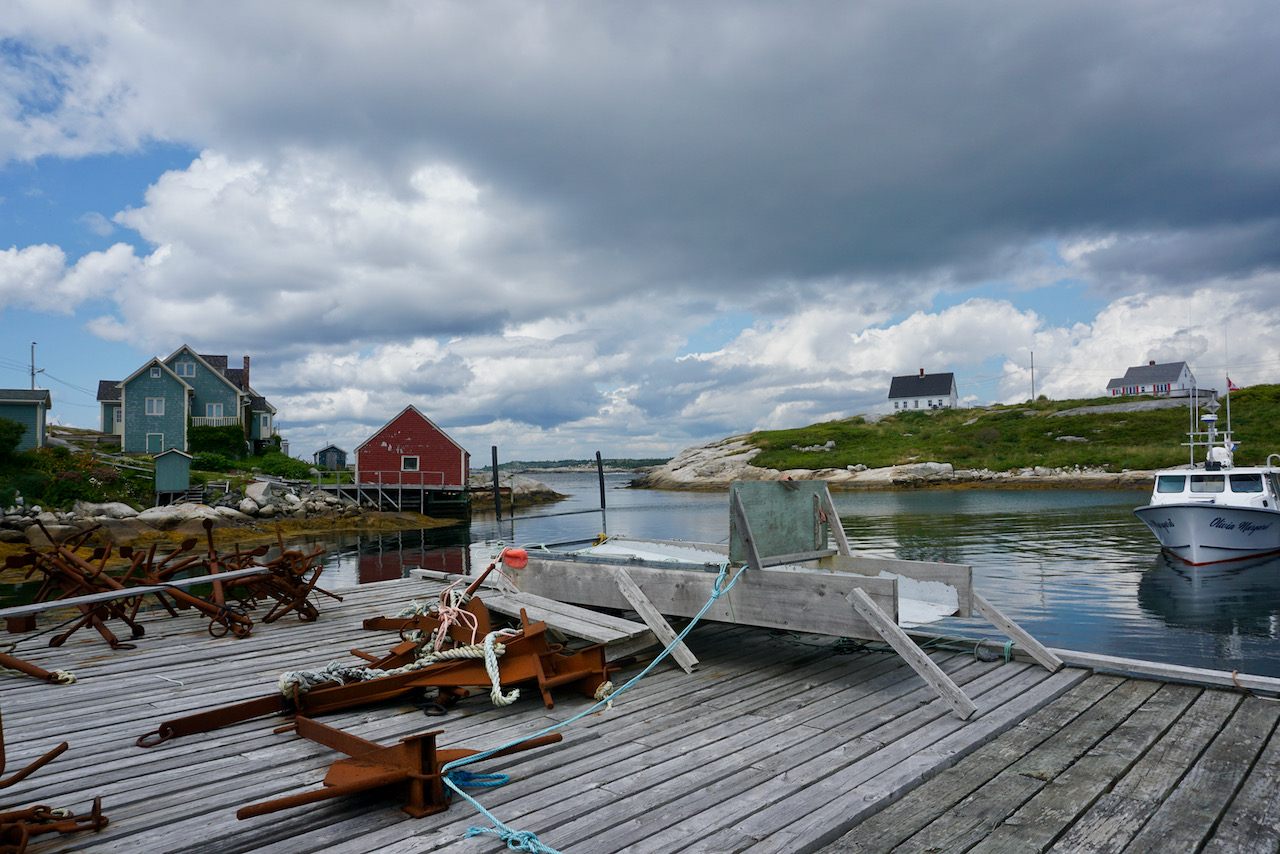
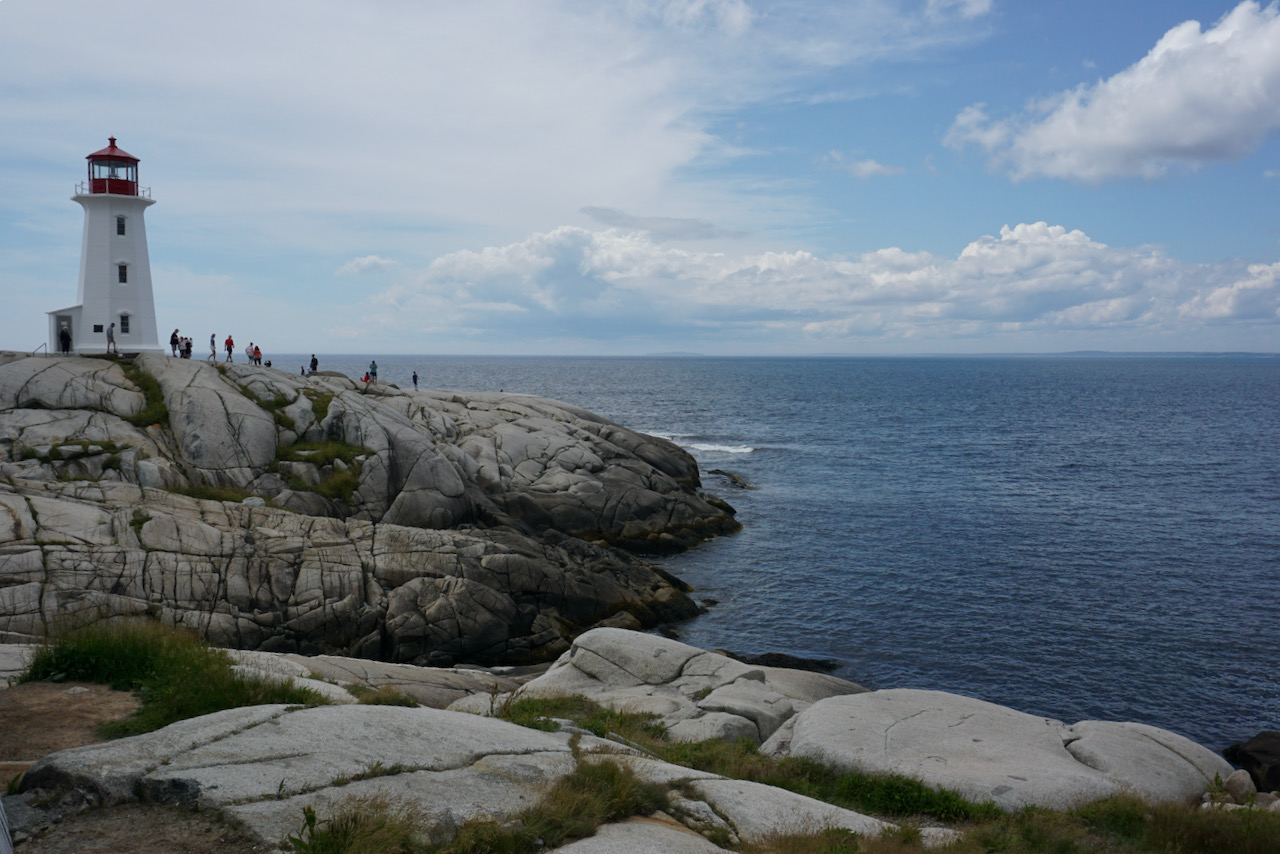
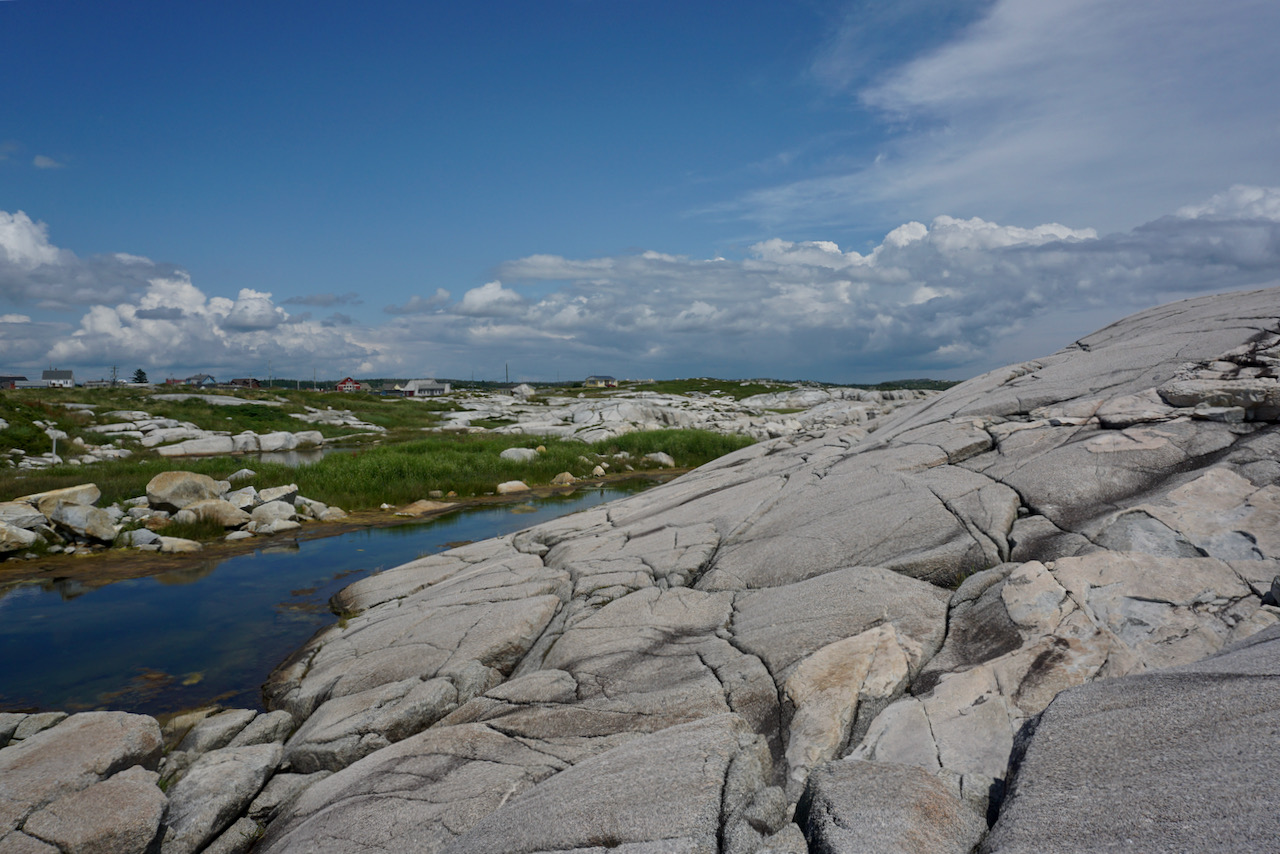
We began the tour of Halifax and its environs with a trip to Peggy’s Cove, a fishing community with a famous lighthouse. It looked like everything that comes to mind upon hearing the word “Maritimes” and, as you can imagine, smelled of the sea.

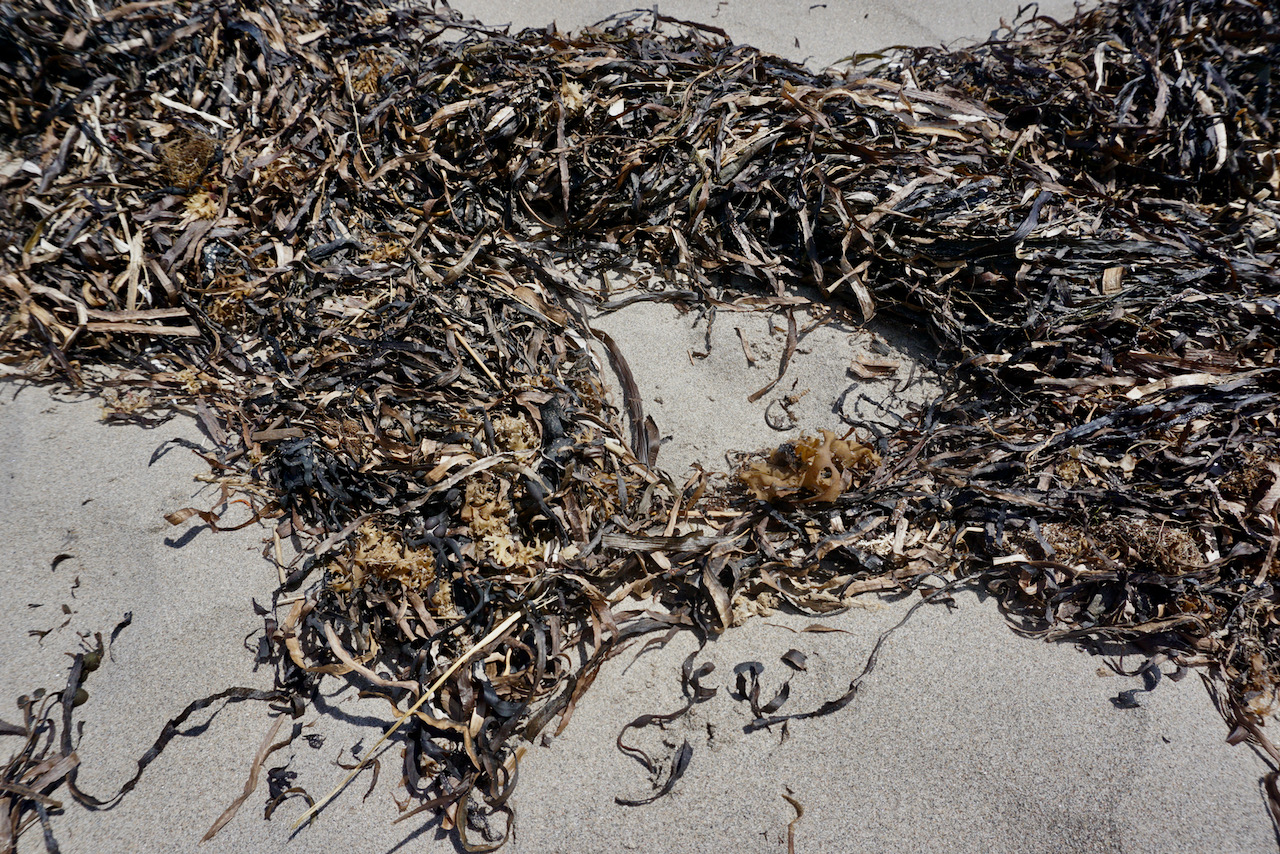
The air tasted like salt and the wind picked up as we walked further along the boulders, heeding the warnings to stay off the black rocks.

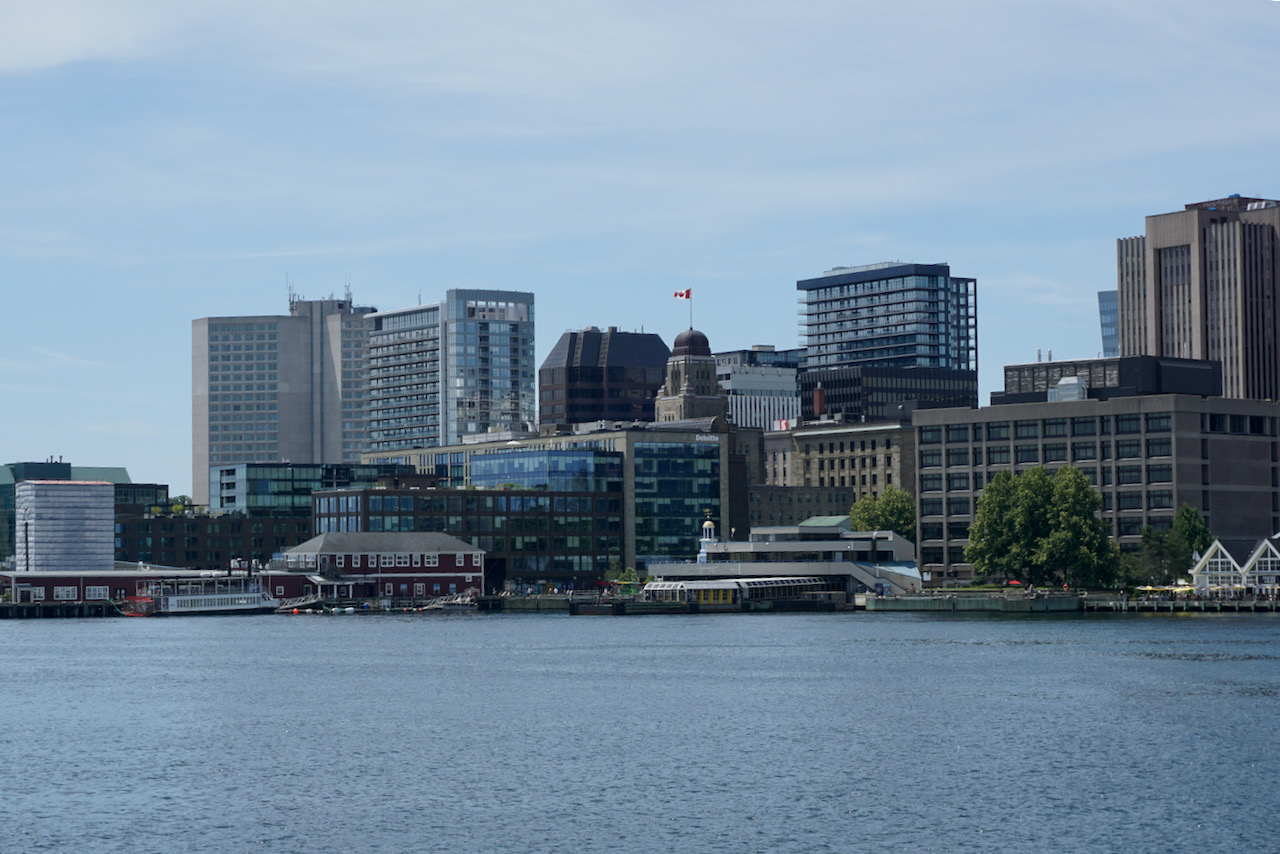
The community of Dartmouth is located across the harbour from Halifax. One can cross the bridge by car or take the ferry, which is conveniently free on the weekends (and, on the weekend of my visit, decorated for Halifax Pride). The best part of Dartmouth is the view of Halifax, I was told, though I beg to differ. Dartmouth has a vibe and charm all on its own.
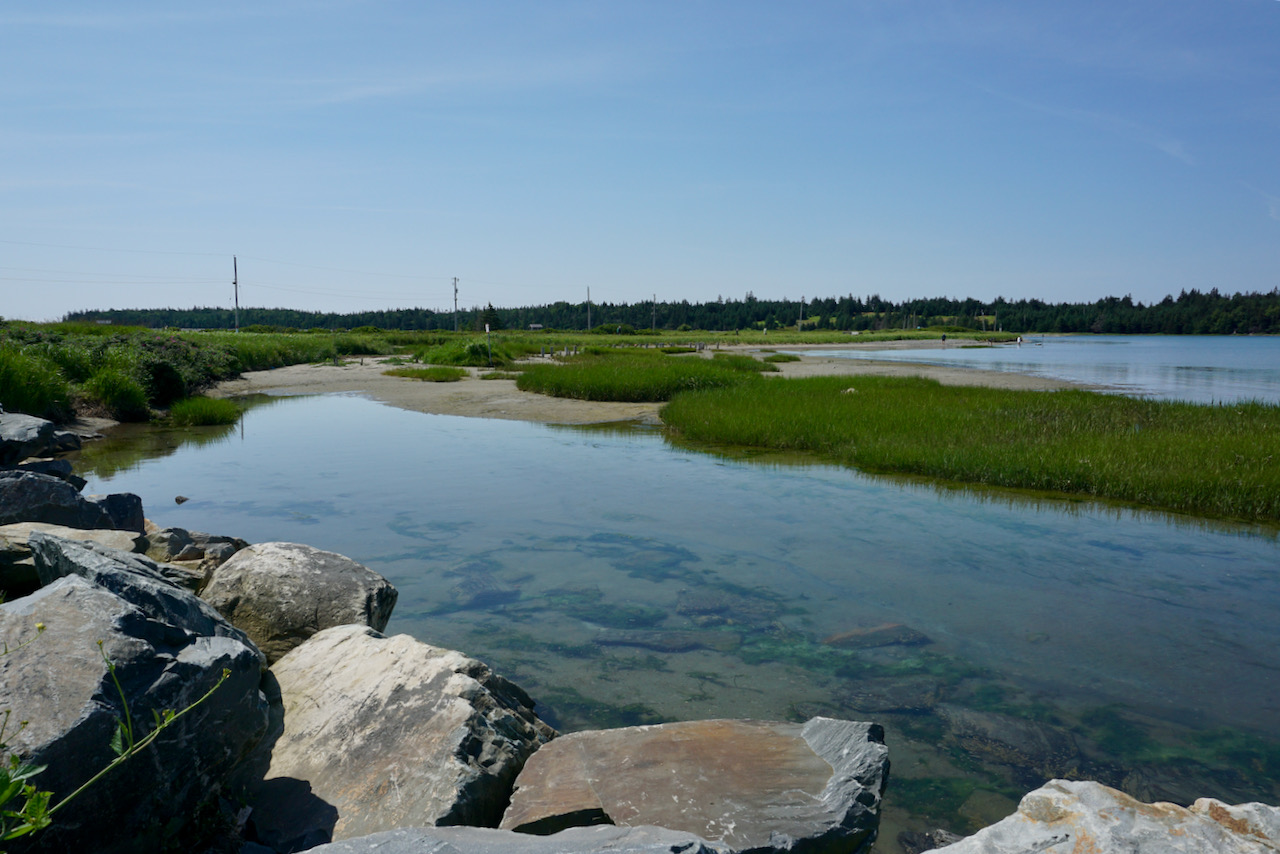
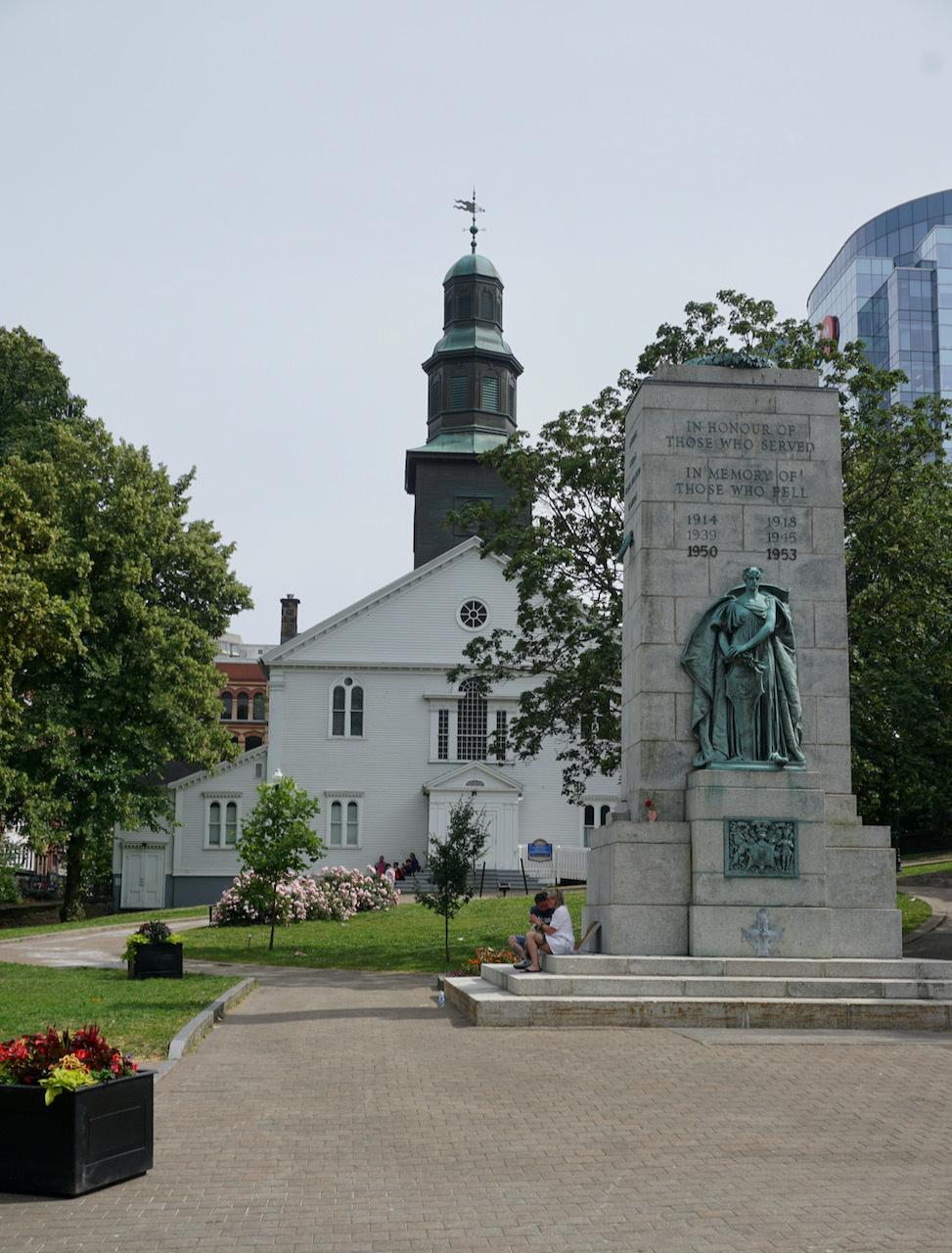
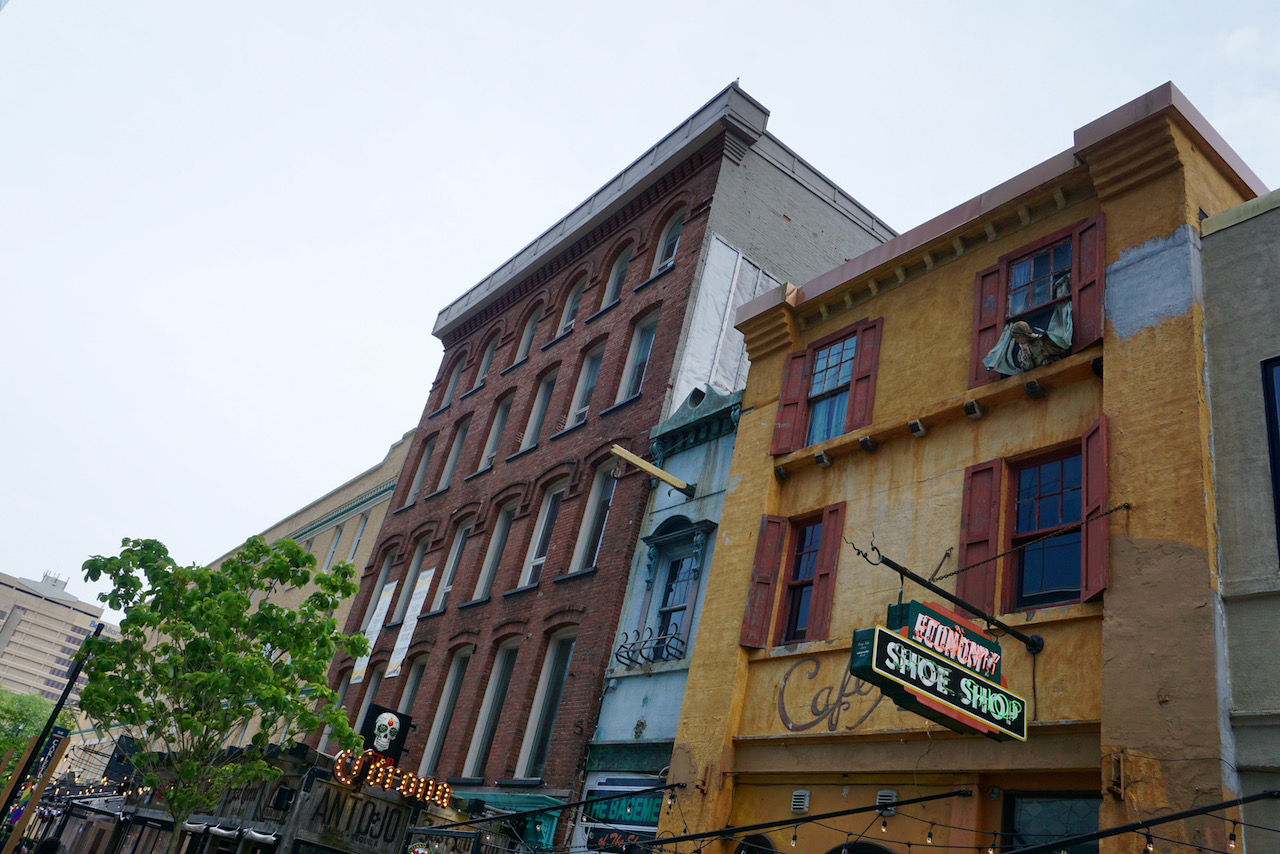
The next day we walked along the boardwalk and through downtown Halifax, admiring ships-turned-museums, murals, and funky buildings.

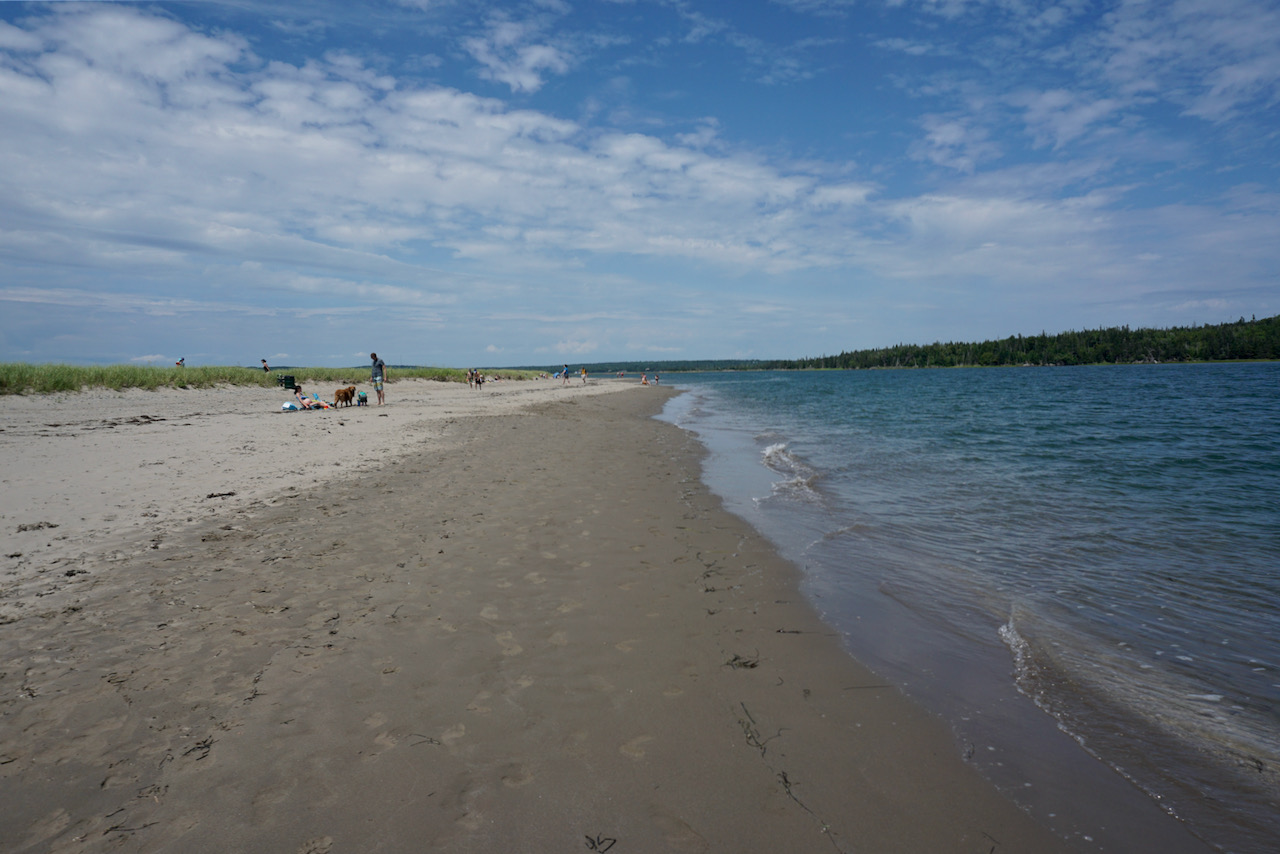
The license plate of Nova Scotia states, “Canada’s Ocean Playground,” so it was only fitting that the last full day of my visit include a tour of the nearby beaches. The water was cold and for the first time in my life, I saw people wearing sweatshirts at the beach. I dipped my toes into the North Atlantic and that was more than enough.

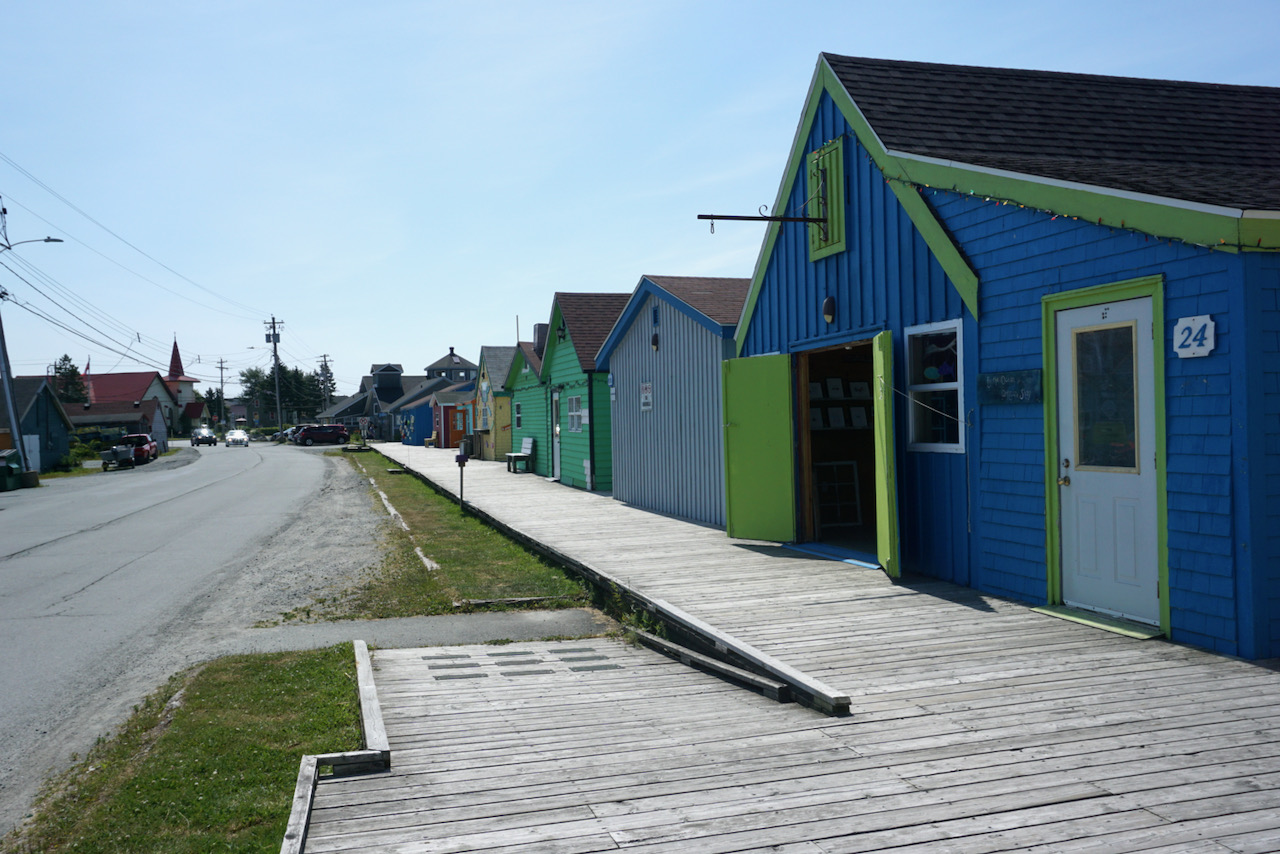
On the final morning of my visit, we went to Fisherman’s Cove to go for a walk and browse the gift shops.

Just like everywhere else we’d been, you could taste the sea on the air. My favourite part of Dartmouth/Halifax was the integration of the ocean with regular life. It was everywhere and the communities had been built in it, around it, and with due regard for how the sea behaves. There are lakes everywhere, too, and life by the water is simply a normal part of life. I felt lucky to finally be there, a visit that was in the planning stage even before the pandemic, and grateful for the locals who took me around. My visit concluded with, “And next time we’ll go to. . . .” I am already looking forward to it.