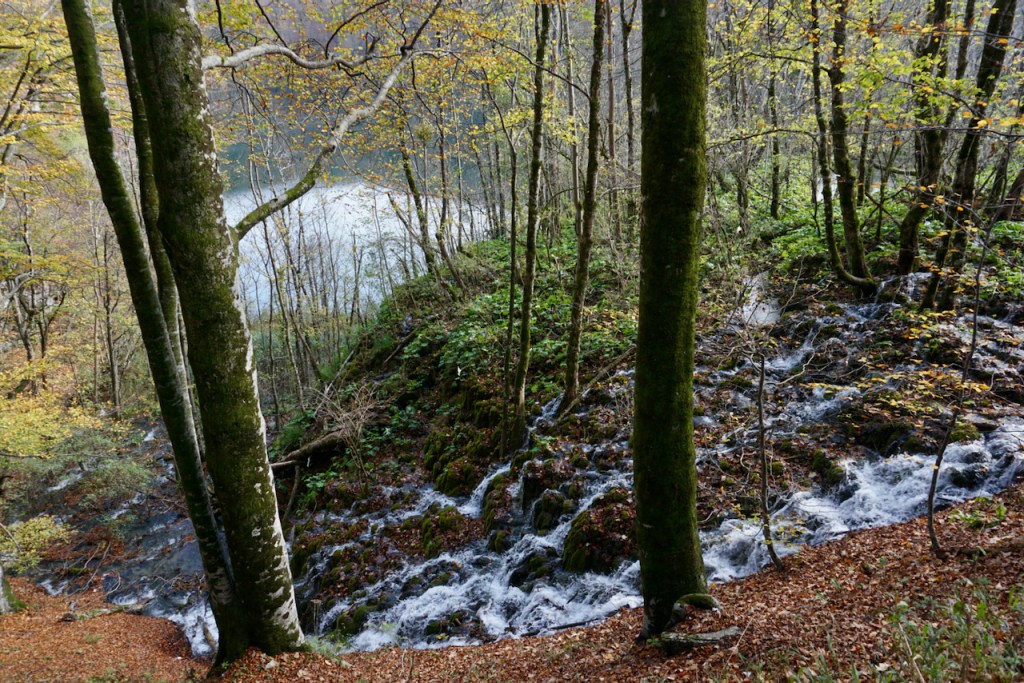
For our first holiday as a family of three, we packed the car to the gills with baby gear and drove a few hours to the middle of the woods. We followed a “forest vehicles only” road to reach the former Prussian hunting lodge where we had booked an apartment for a few days, about seven kilometers from the town of Thale. It was late afternoon on a sunny fall day when we arrived, and we were immediately charmed. From our window, we could see the Brocken, the highest peak in the region with an elevation just over 1,100 meters.
The Harz is a mountainous, heavily wooded area in north-central Germany, and it contains folklore of witches. That forests are mystical and magical is a common belief and understanding in Germany, and it is in the Harz that the witches used to gather. The route to the very famous Hexentanzplatz (Witches’ Dance Floor) was a signposted walk just outside our door, and that was our destination the following day.
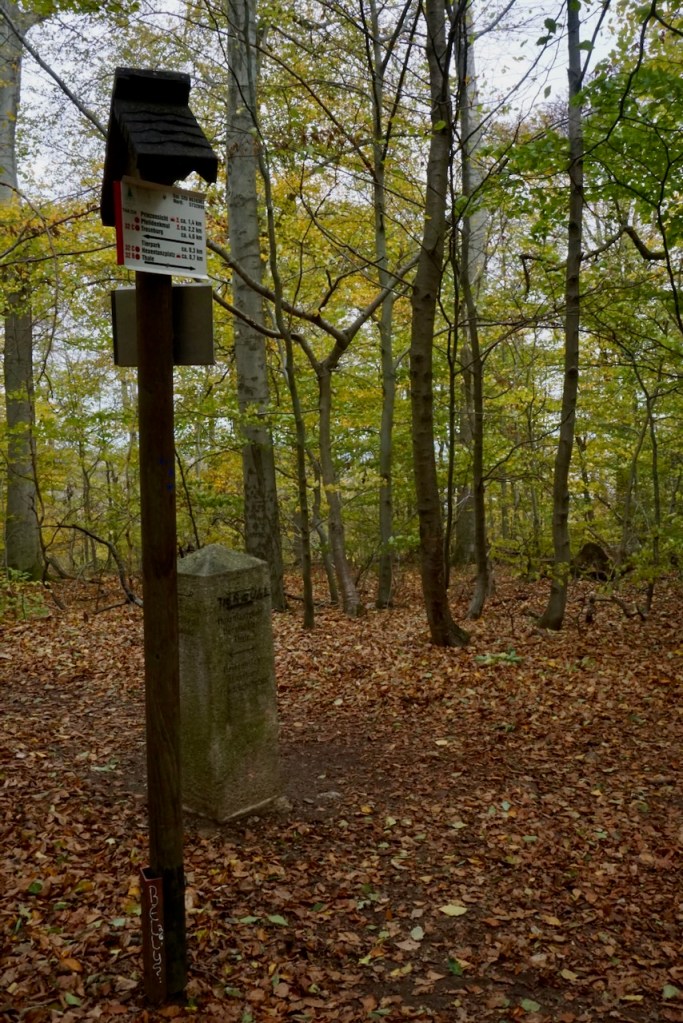
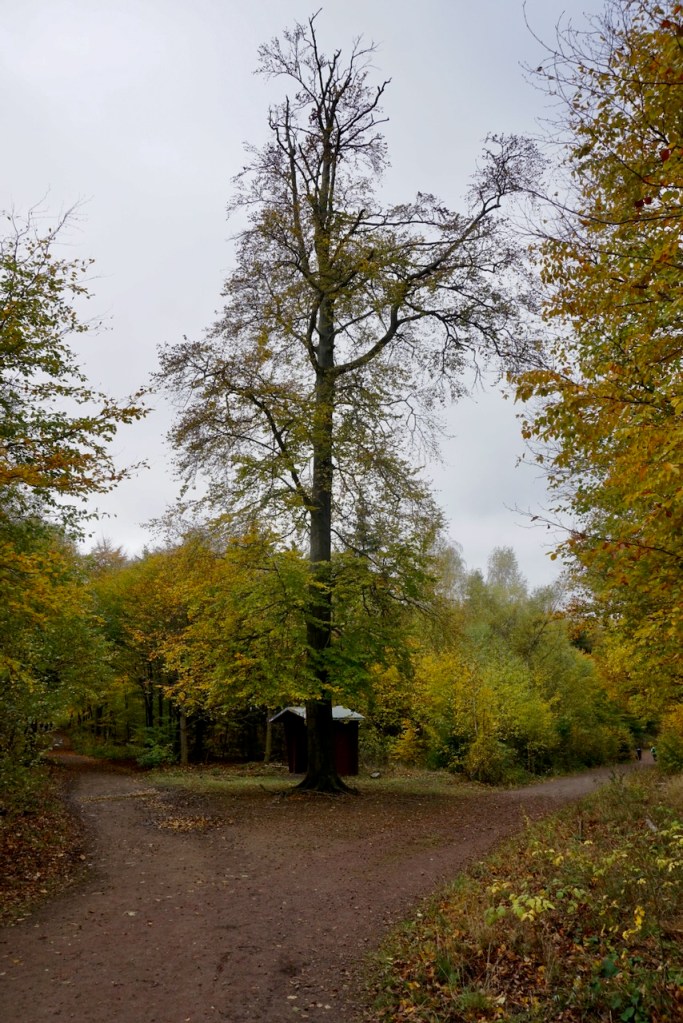
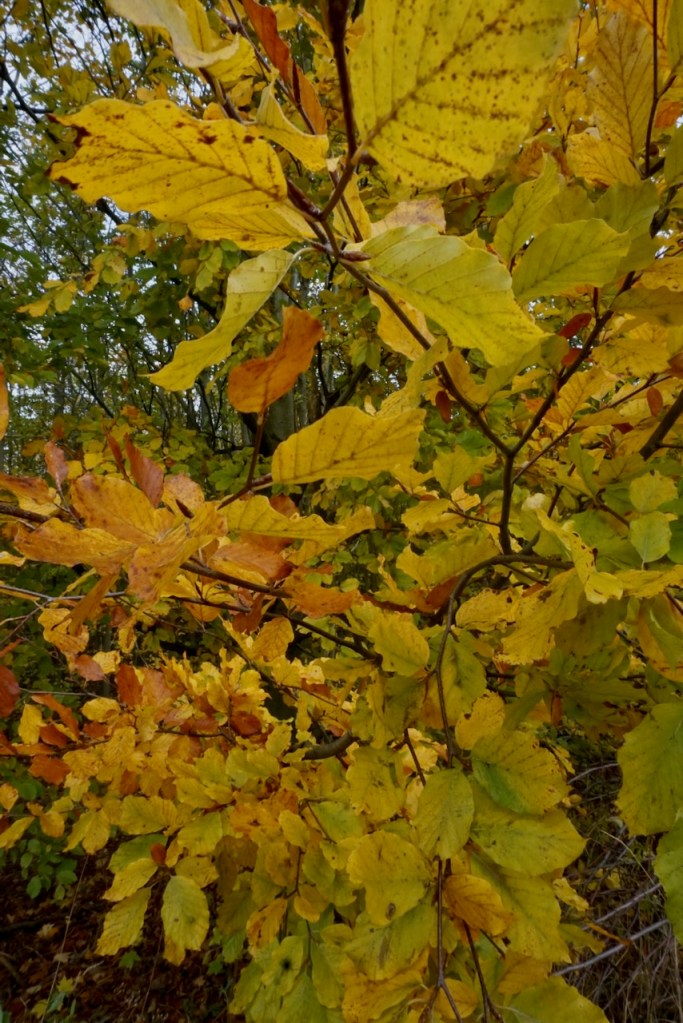
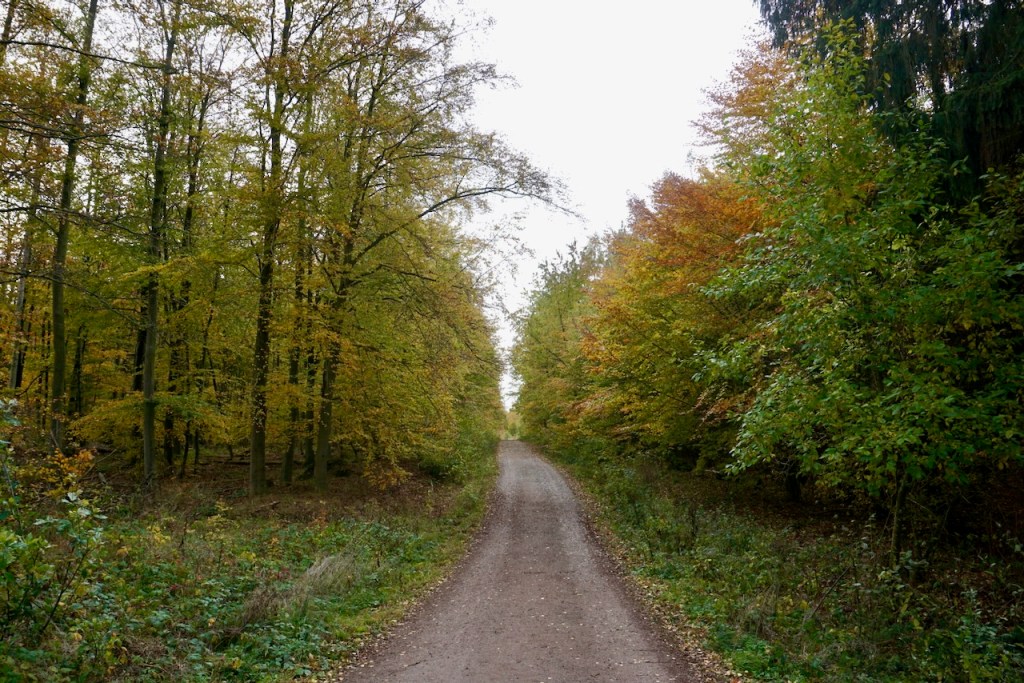
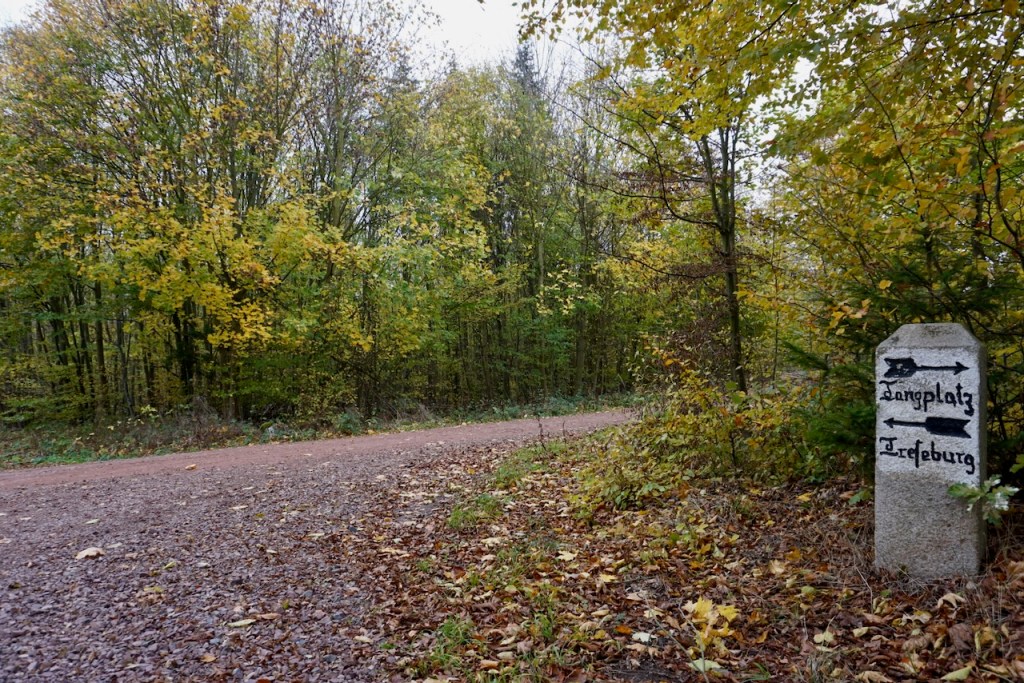
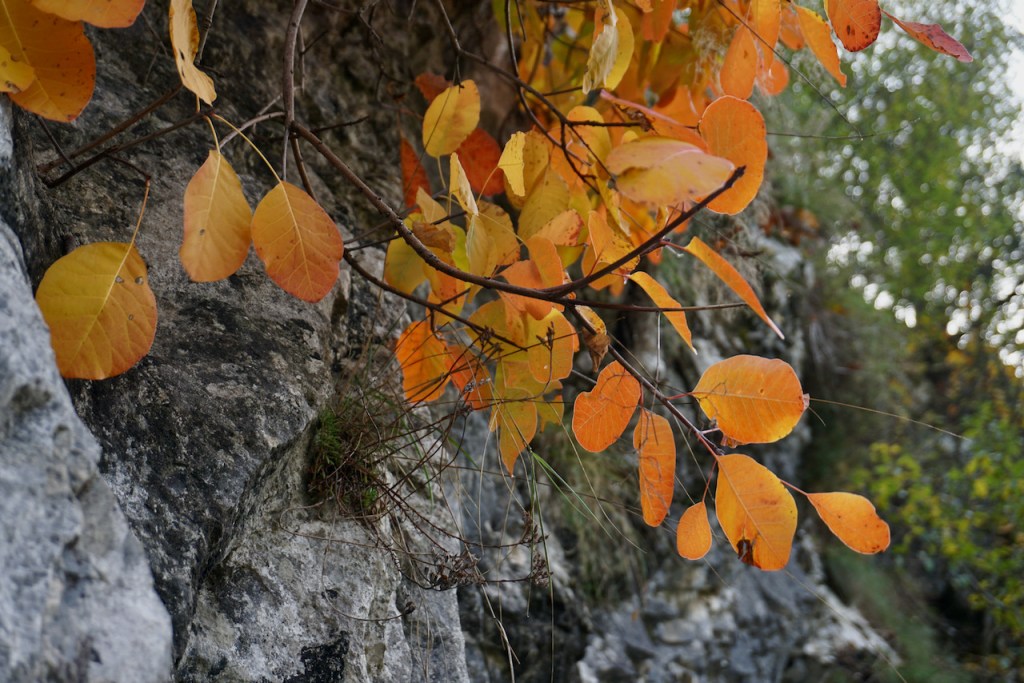
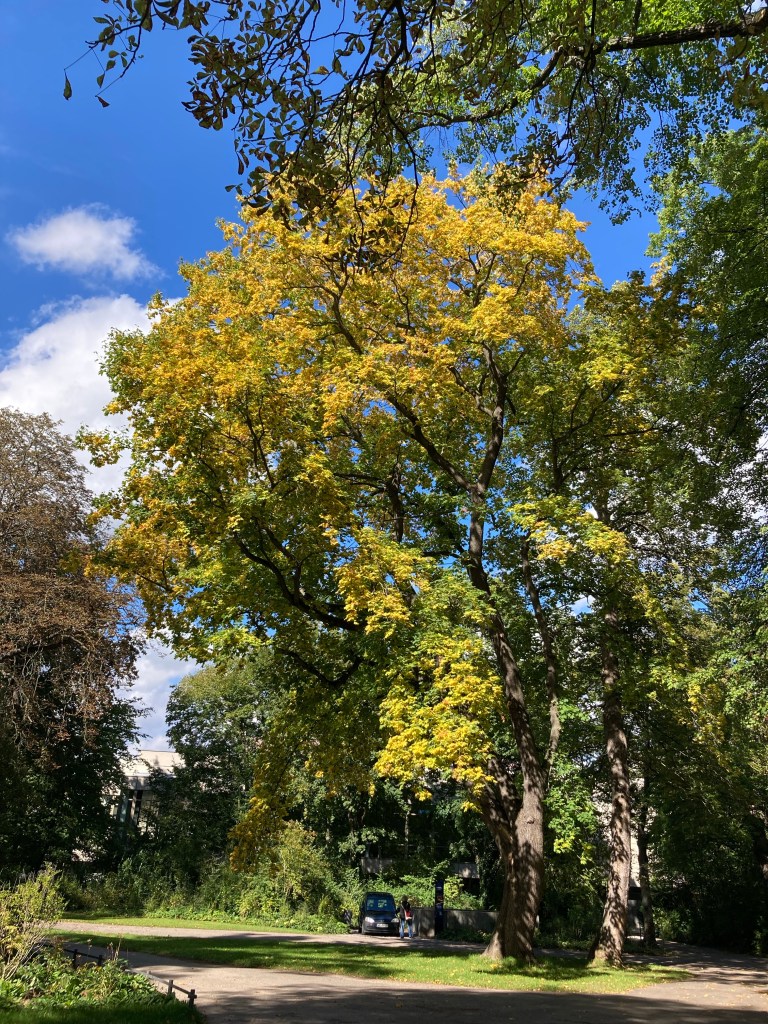
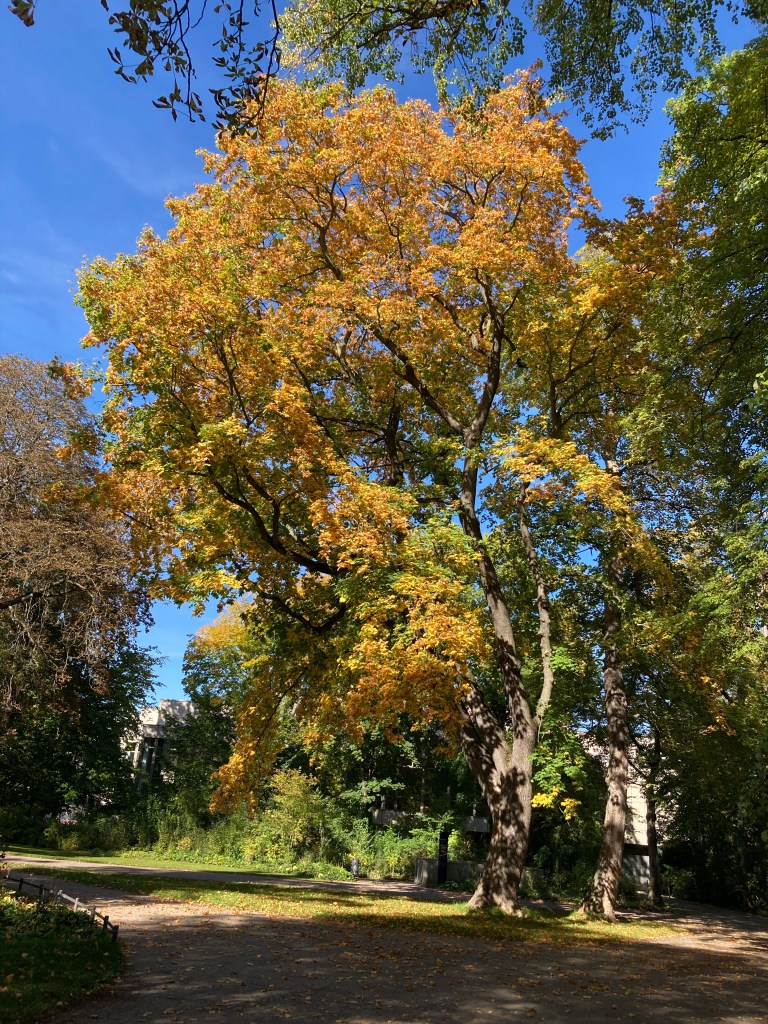
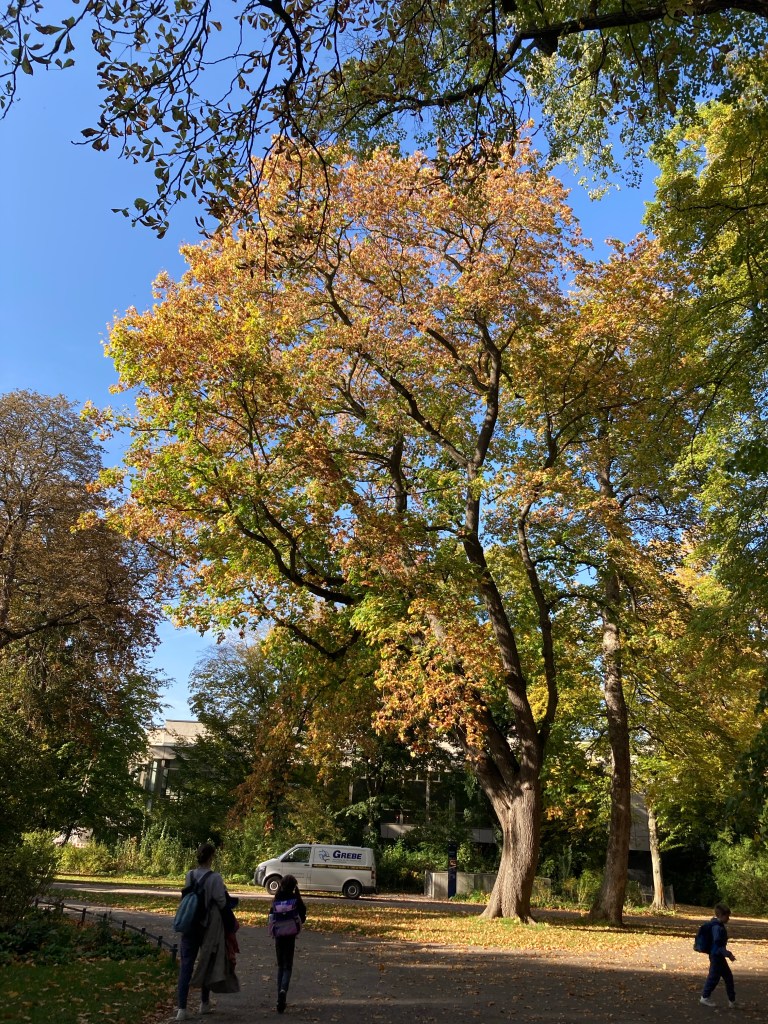
I love the outdoors at all times of year, but fall is particularly wonderful. The leaves take on a life of their own, the ground crunches underfoot, and the air contains a crispness that quickens the heart. An apple eaten under a fall sky tastes more apple-y than one eaten at home.
Hexentanzplatz, unsurprisingly in the modern world, now includes what is effectively a themed amusement park. It is rather cutely done and we will need to return with our daughter when she’s older. (And so we can buy matching “Witch in Training” t-shirts.)
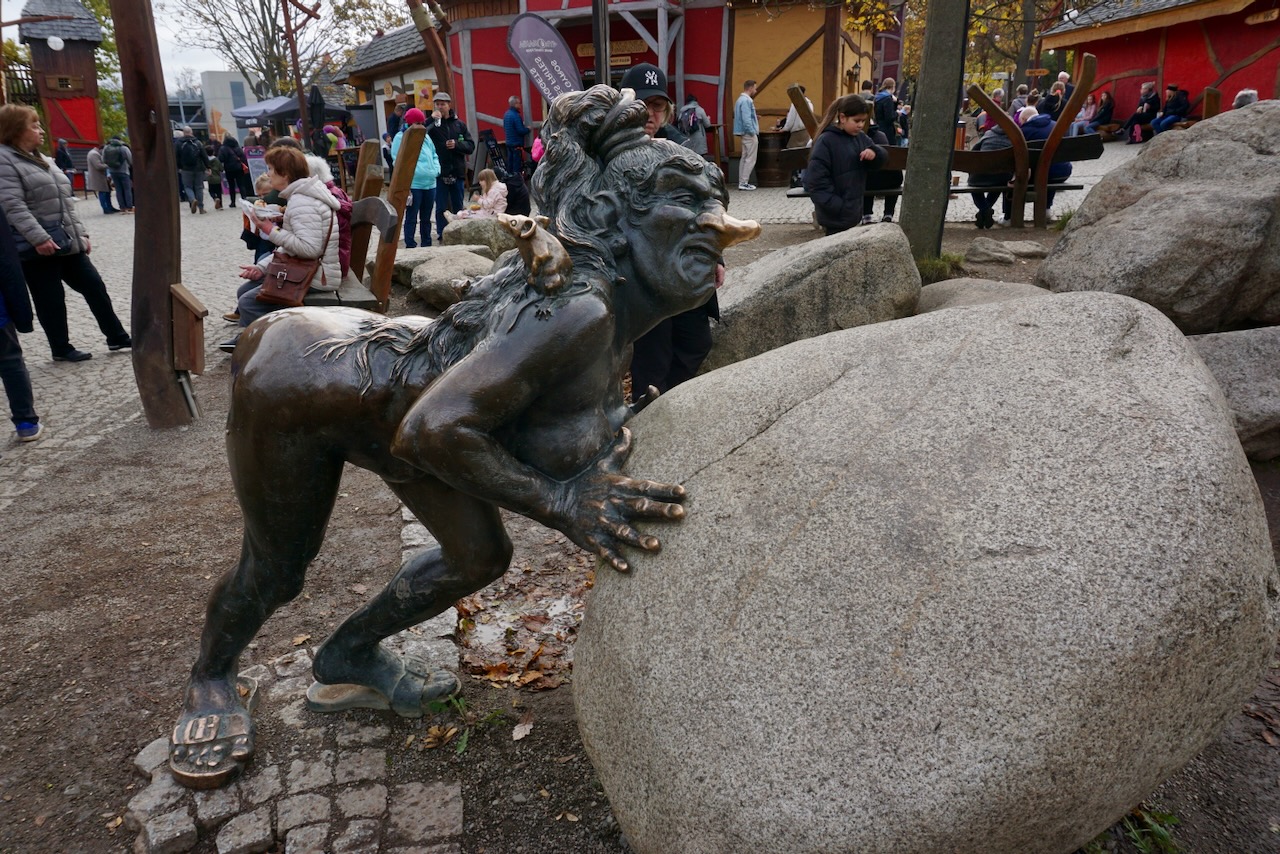
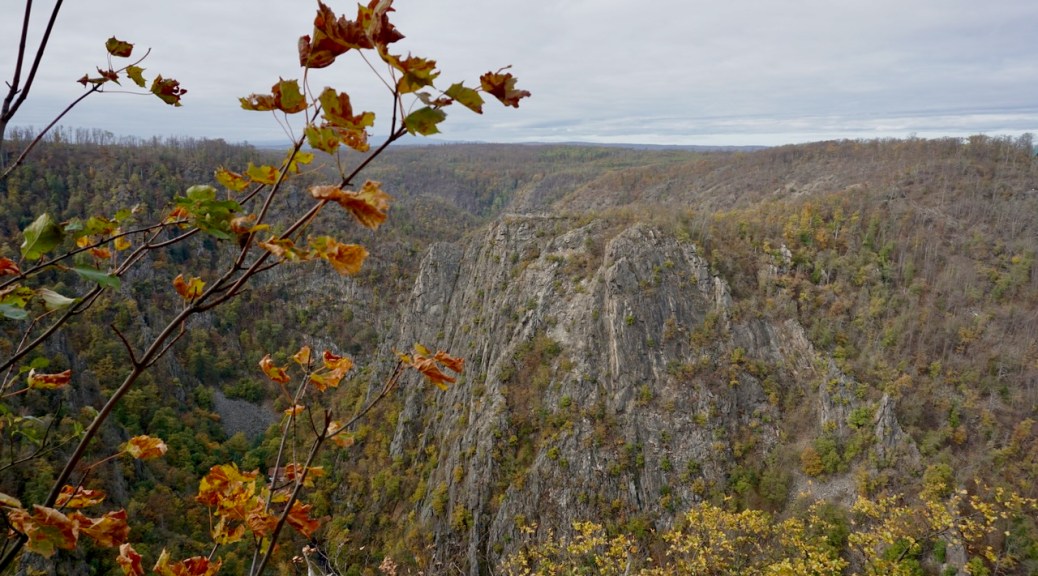
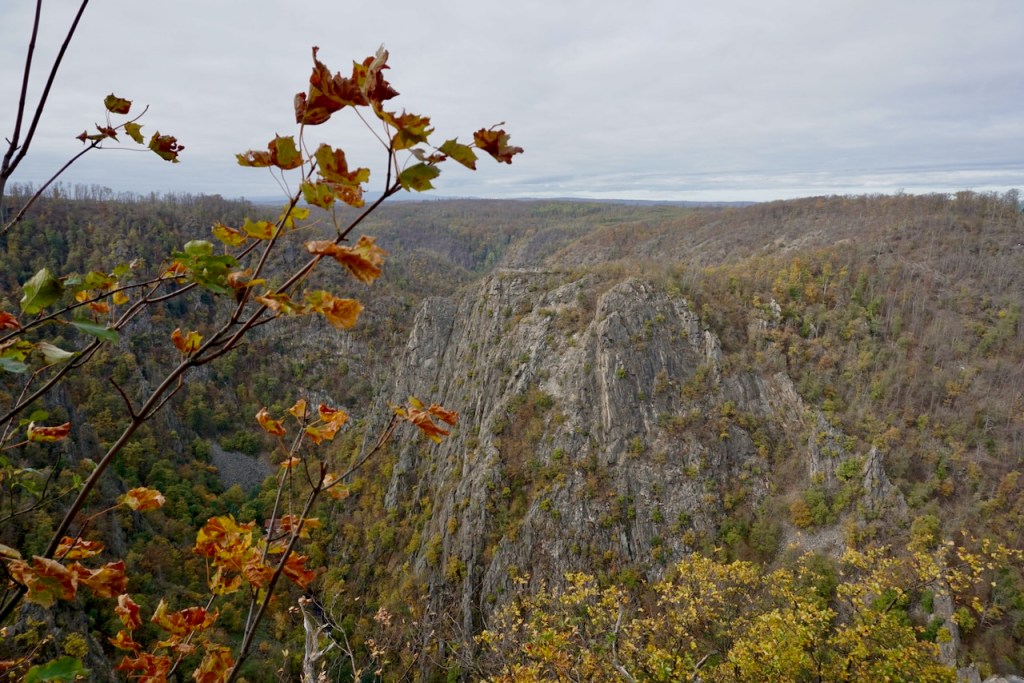
But one only needs to move a few meters away to the lookout point packed with people to see the real attraction, and perhaps the real reason the witches chose to gather here. From the plateau where we stood, where they danced, one can see the forests opening up and hear the cliffs calling.
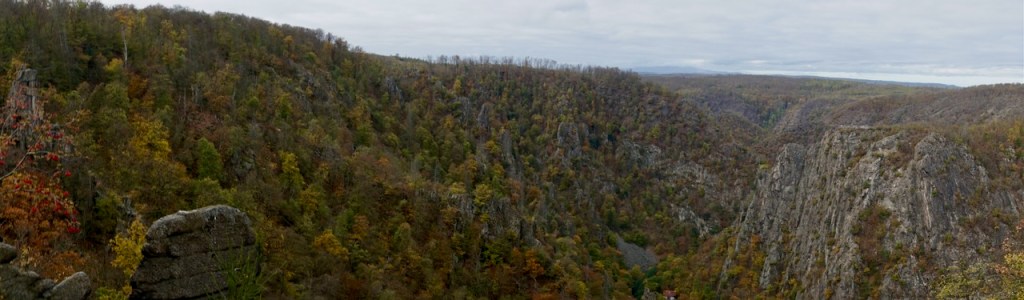
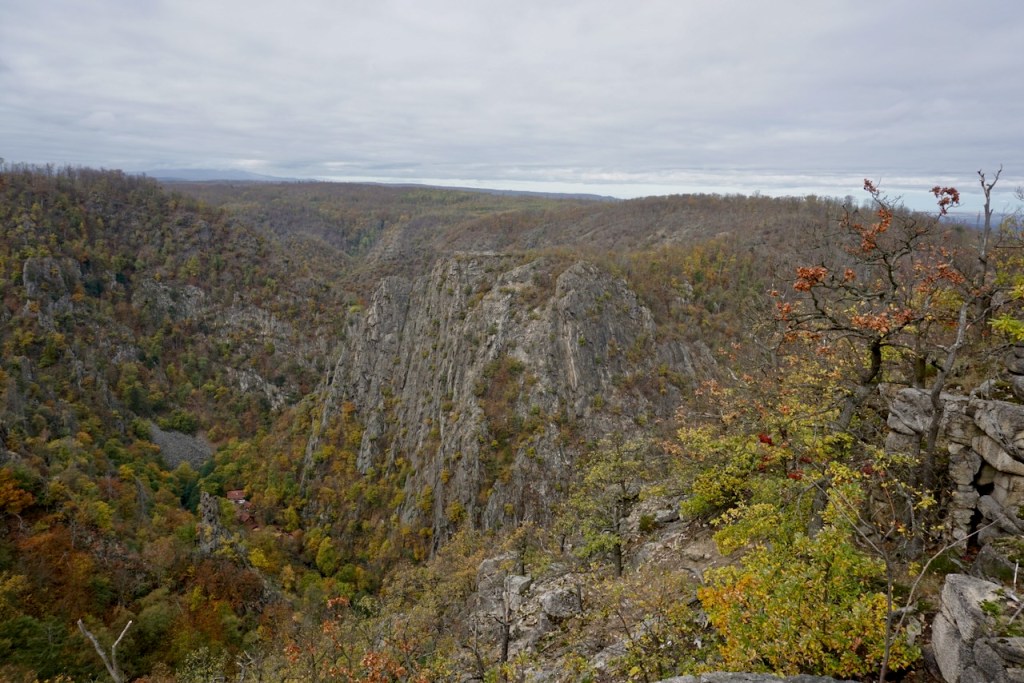
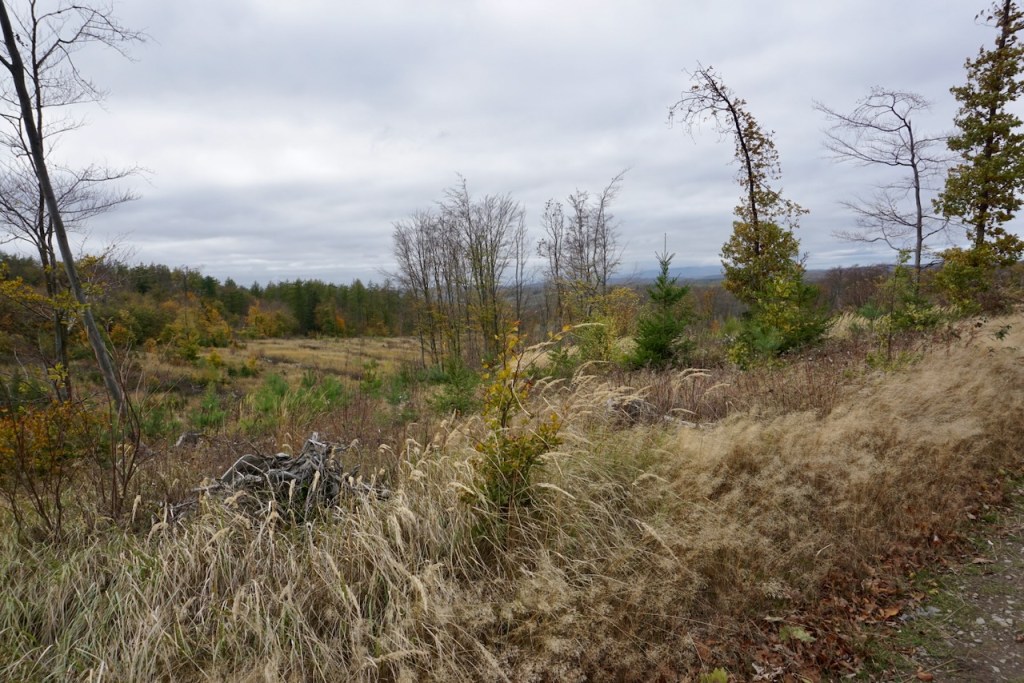
After settling ourselves on a fallen tree stem to feed the baby her lunch, we took a few turns along a path that landed us in a grassland on another plateau. The wind picked up significantly as the shelter of the trees faded away.
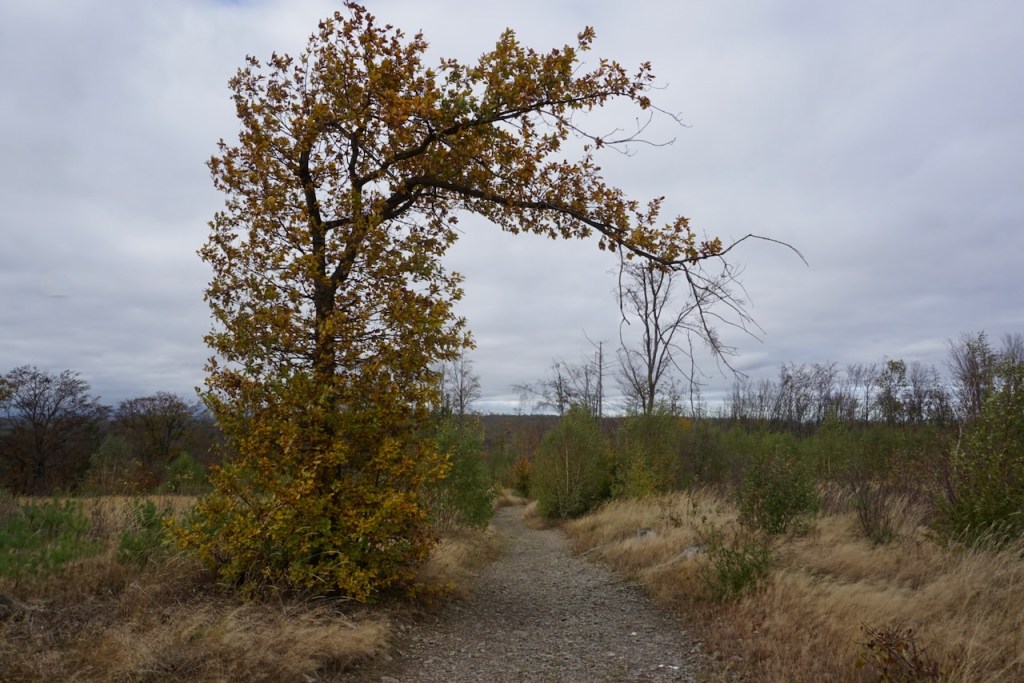
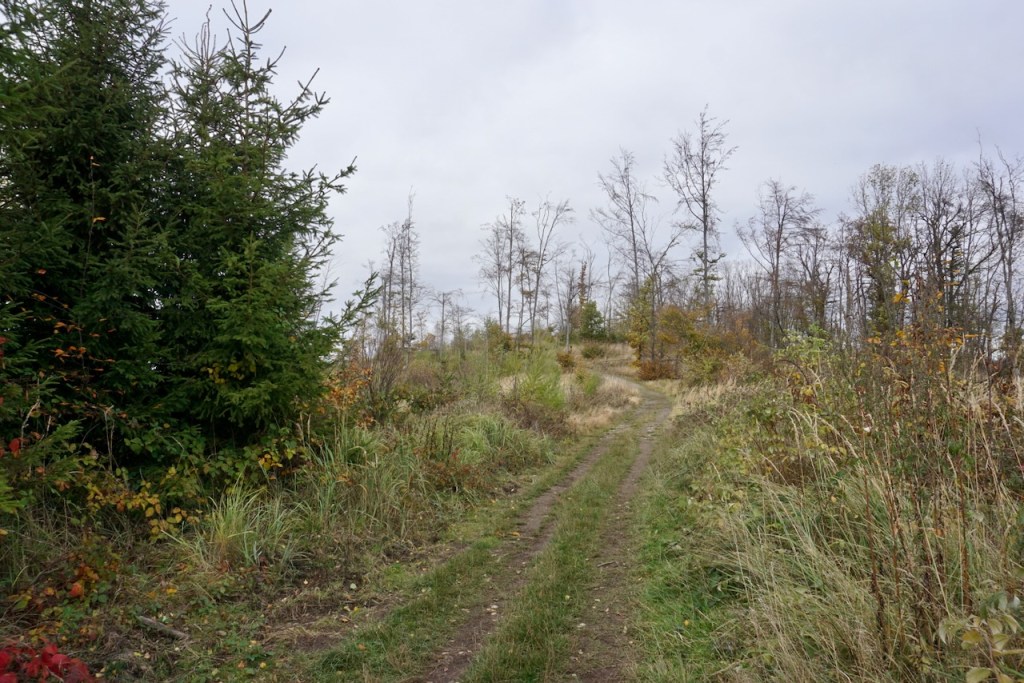
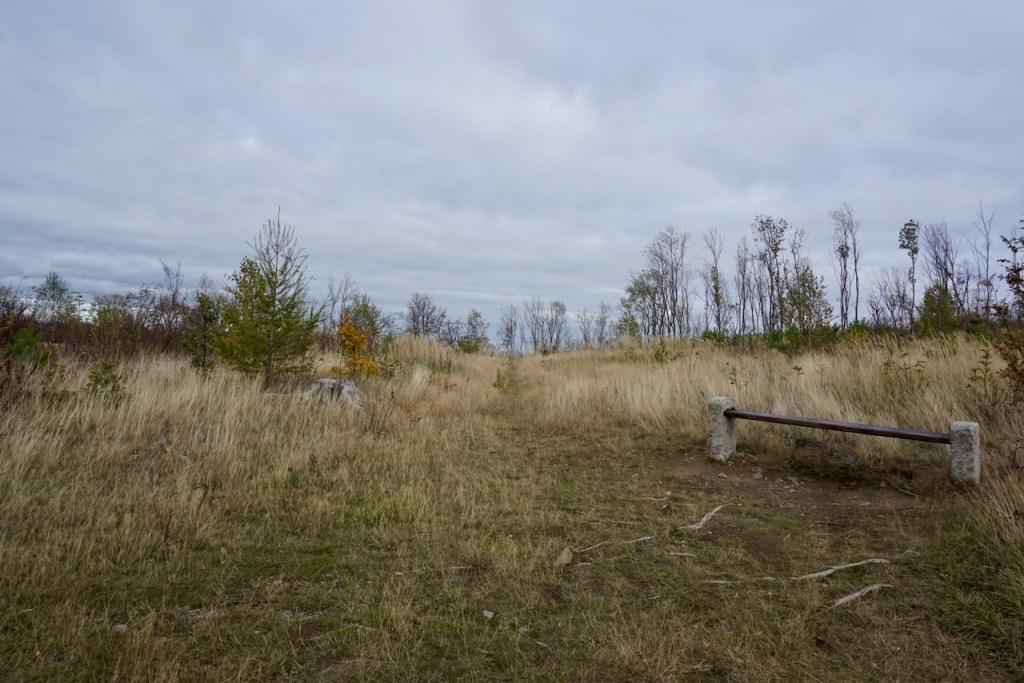
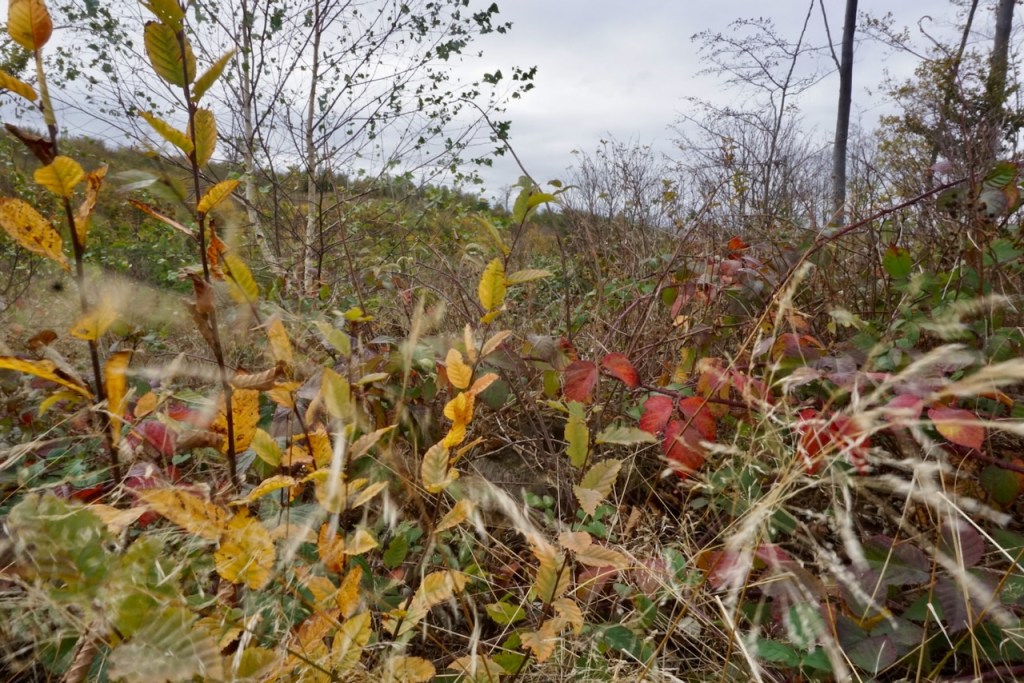
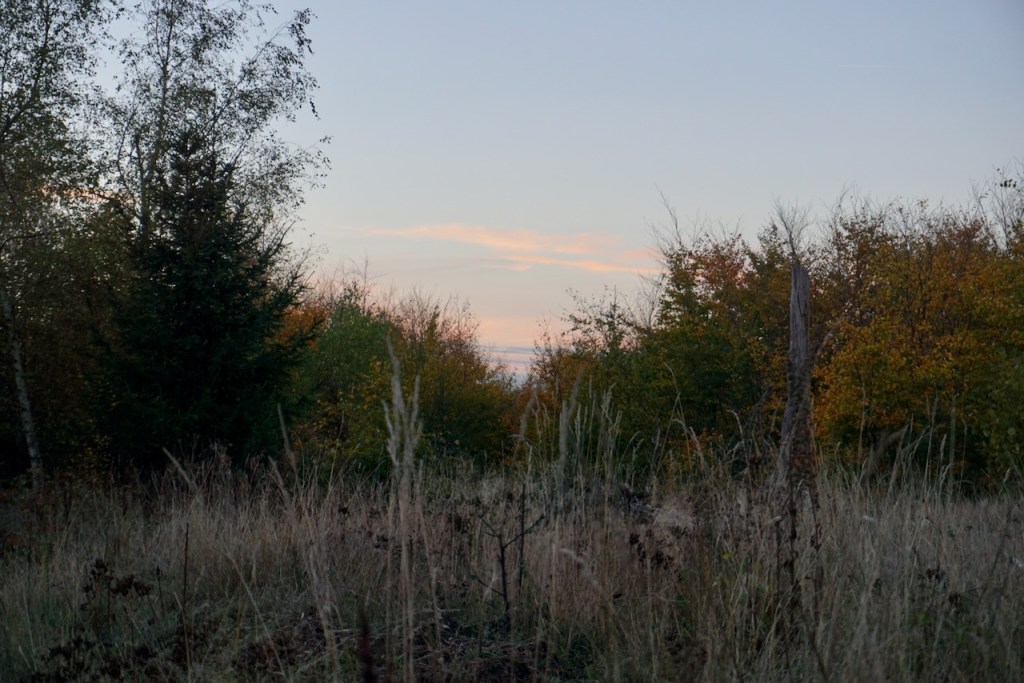
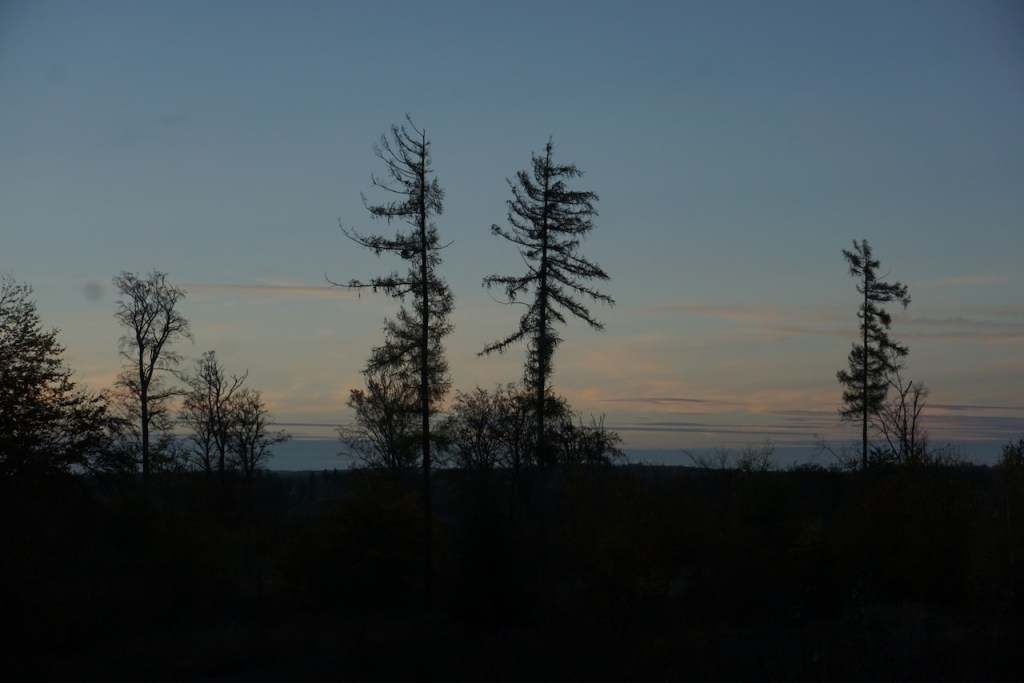
Conscious of how long our daughter had been in her stroller, we headed back to the apartment to let her roll around, stretch her little legs, and attempt to crawl, or at least propel herself forward. When it was time for her last nap of the day, we packed her into the snuggly and went for a stroll in the gathering twilight. There was nothing around us but the woods.
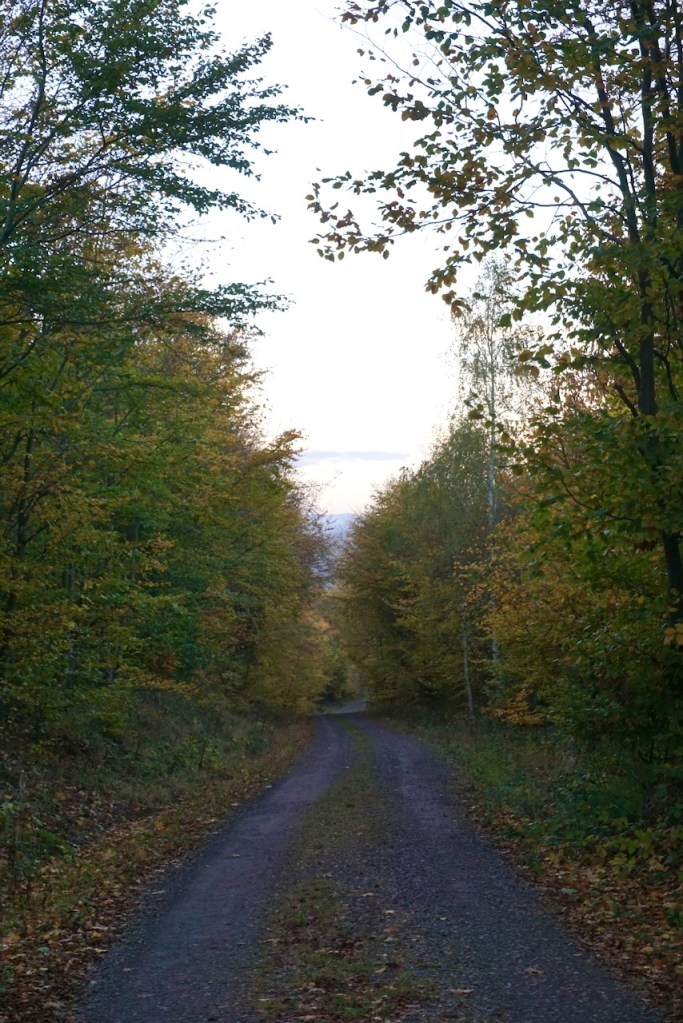
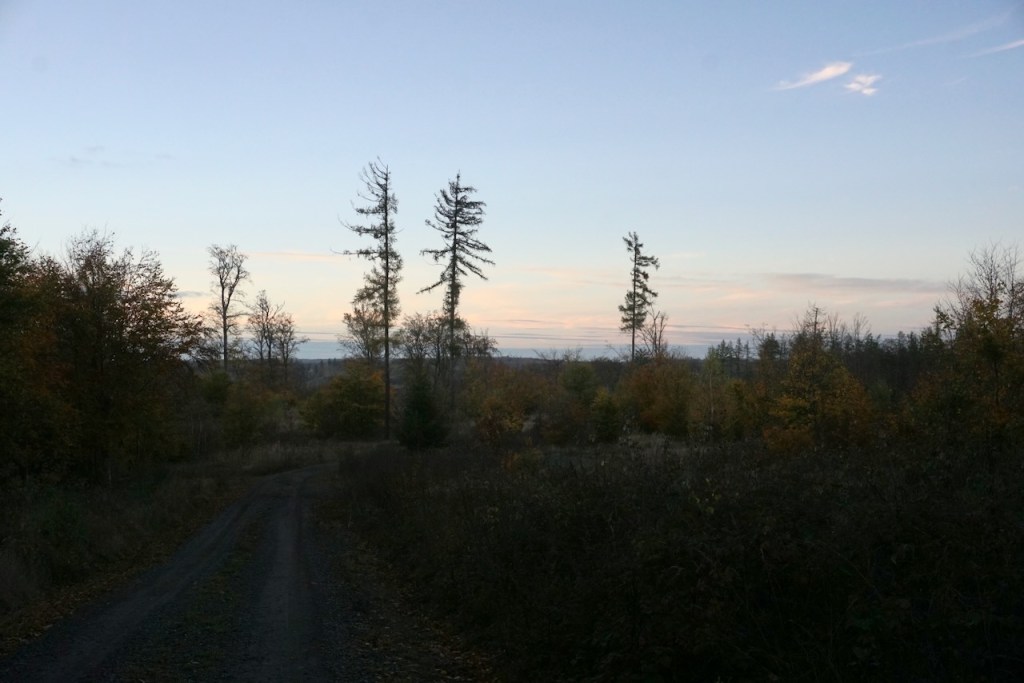
The next morning, we woke to clouds drifting over the forest outside our window.
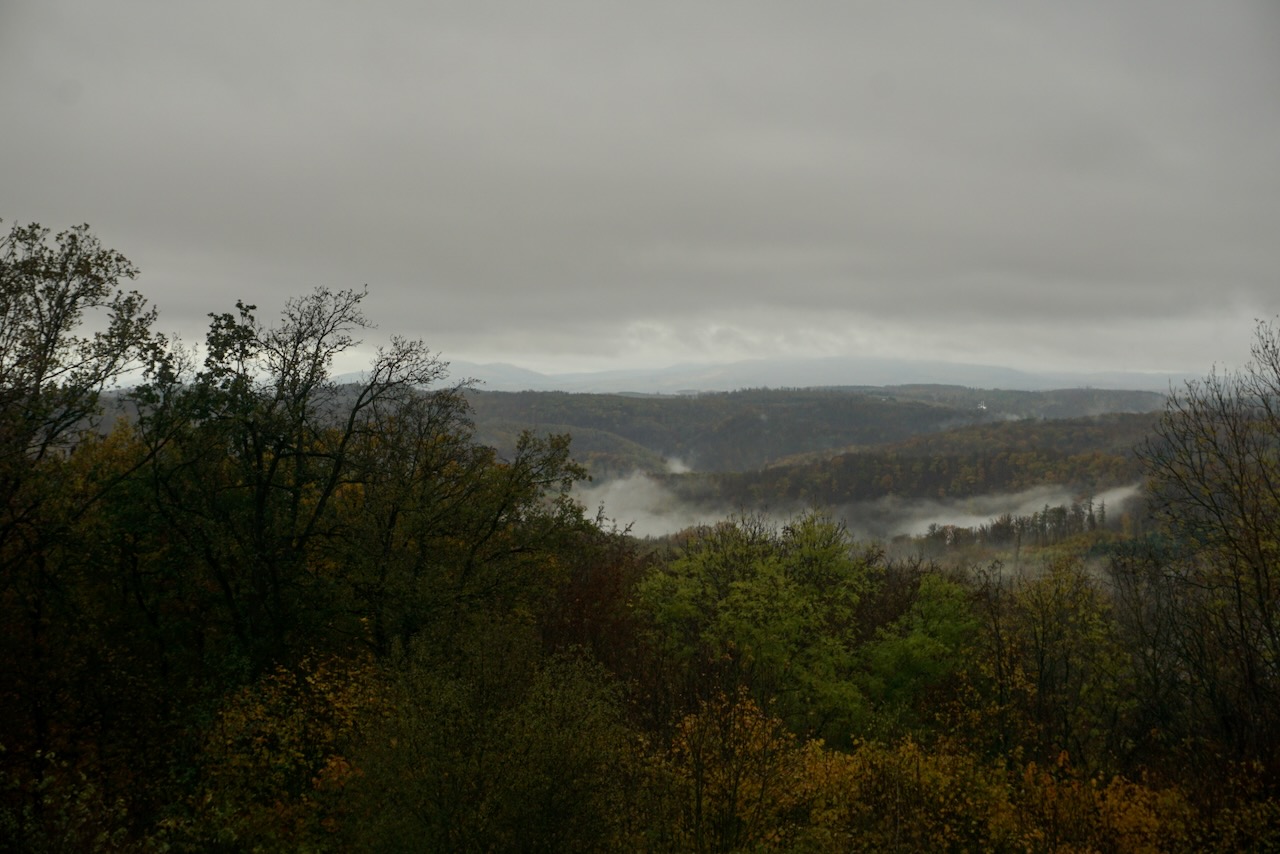
To our pleasant surprise, the sun rose and painted the forest and hills with a fresh palette of colour.
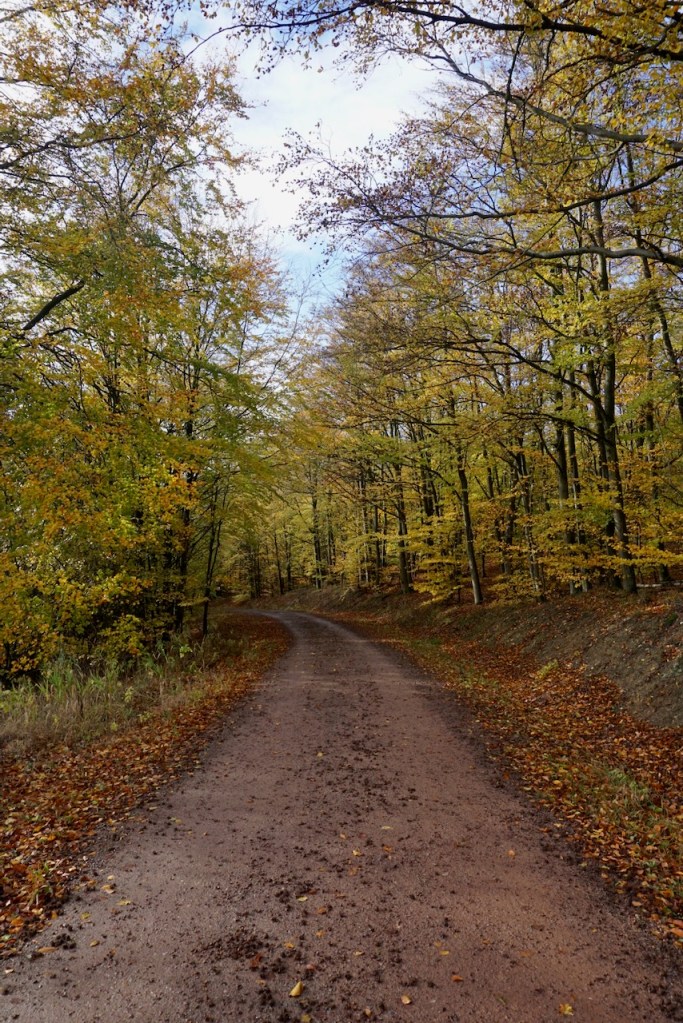
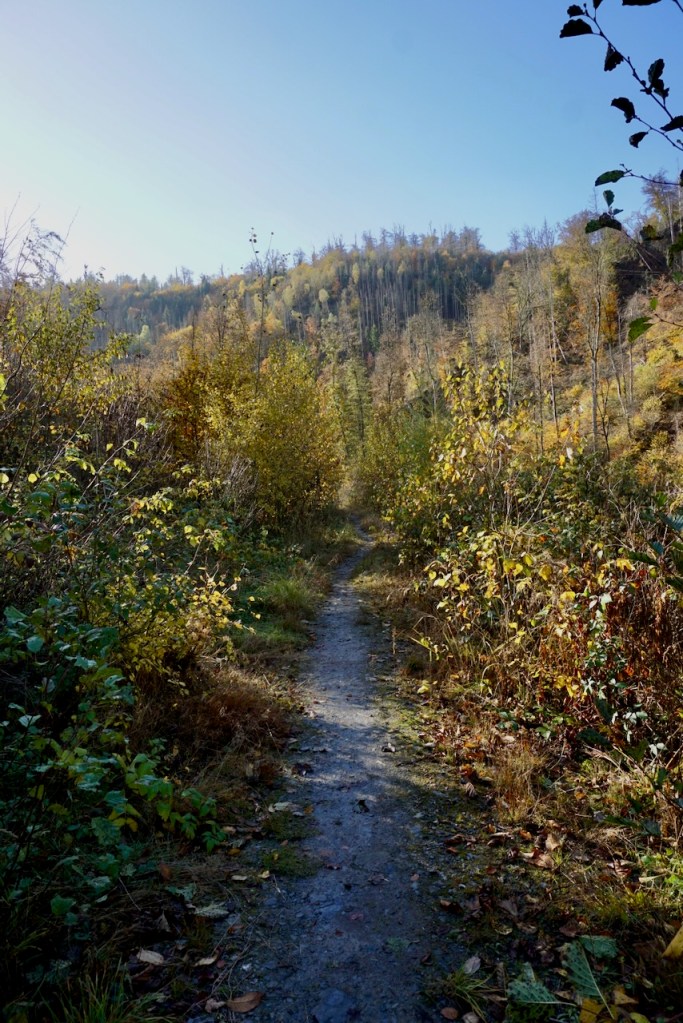
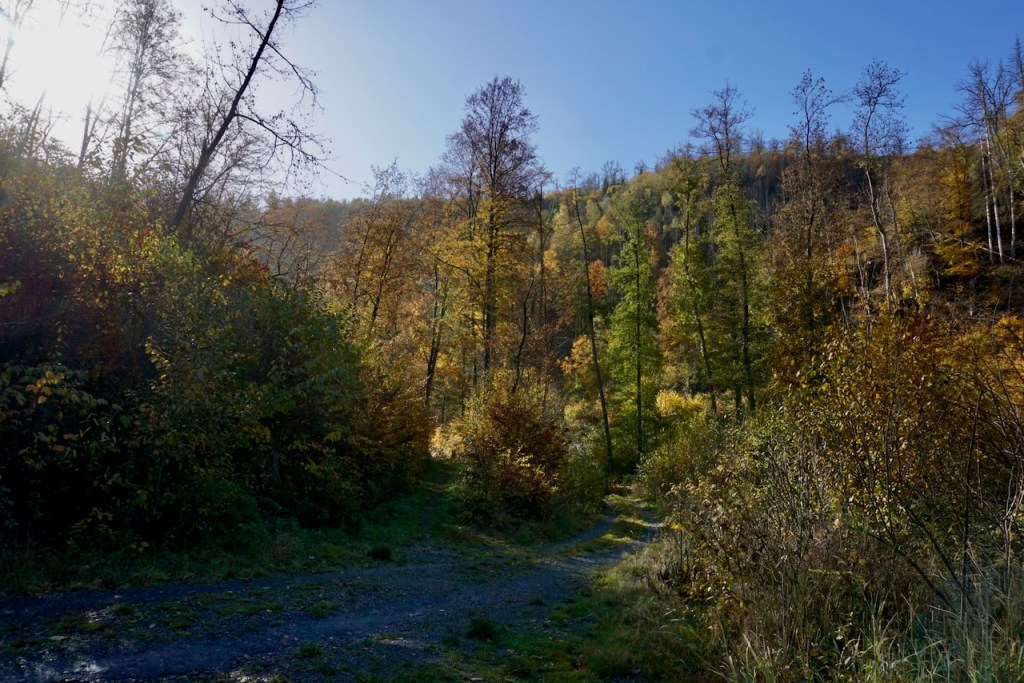
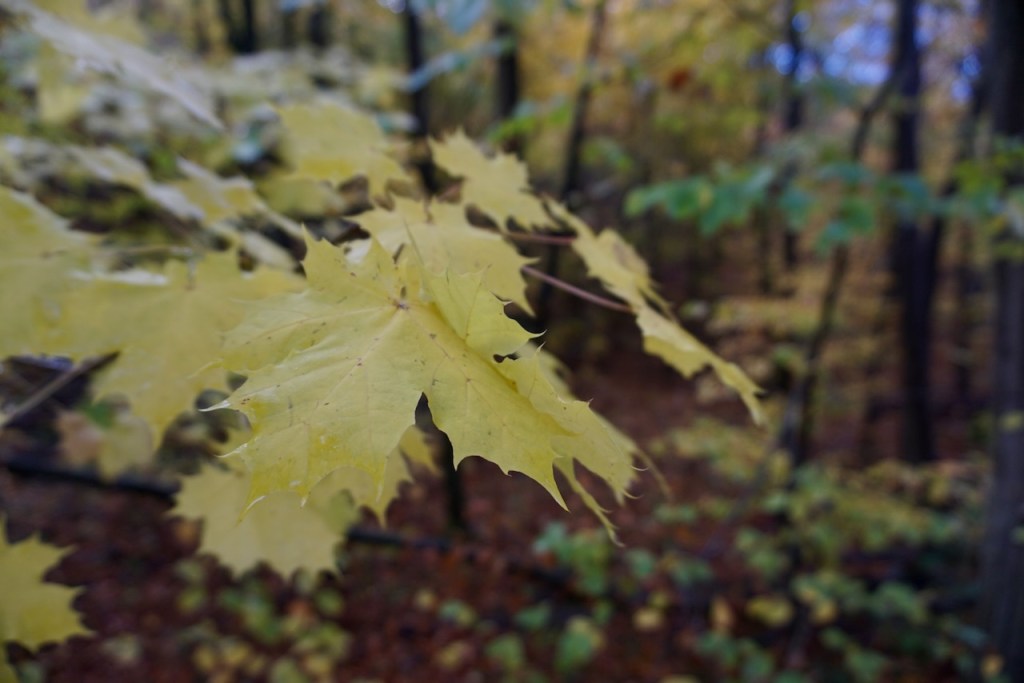
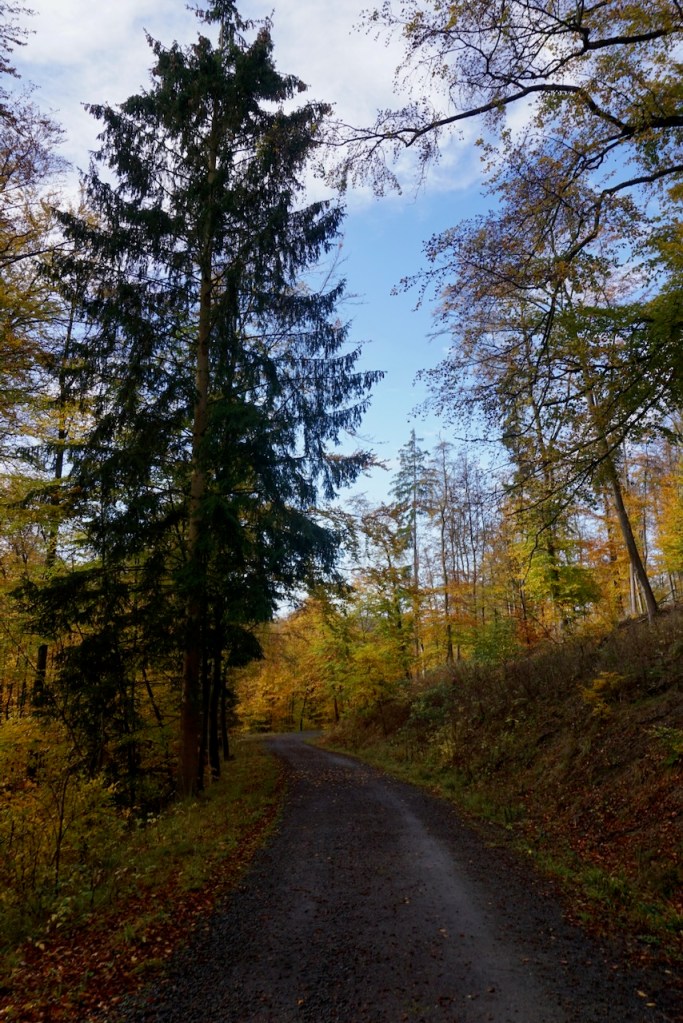
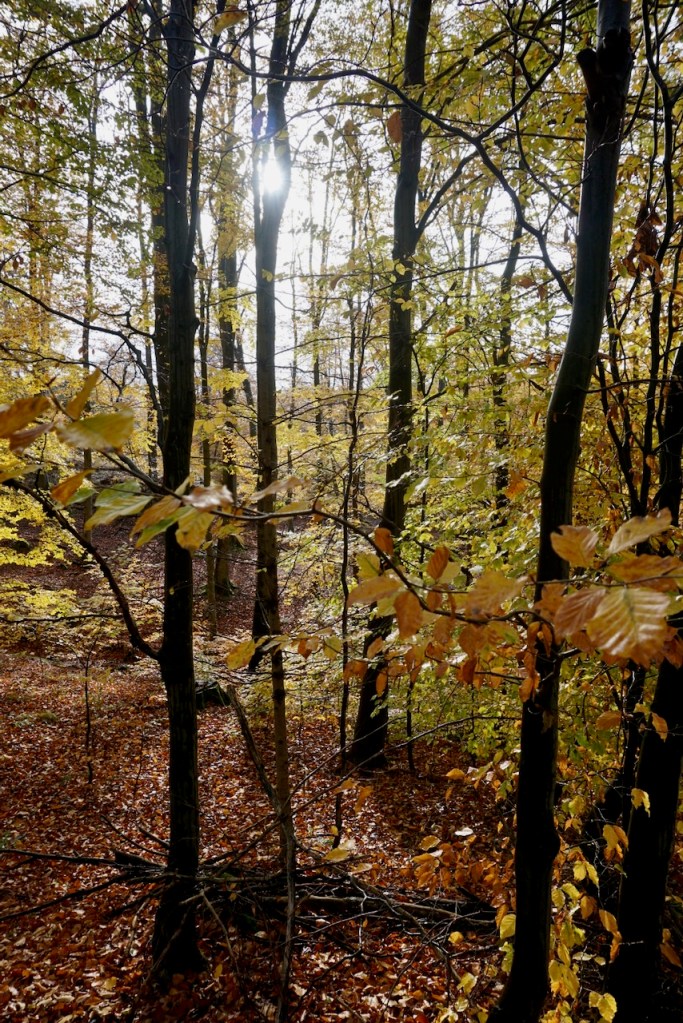
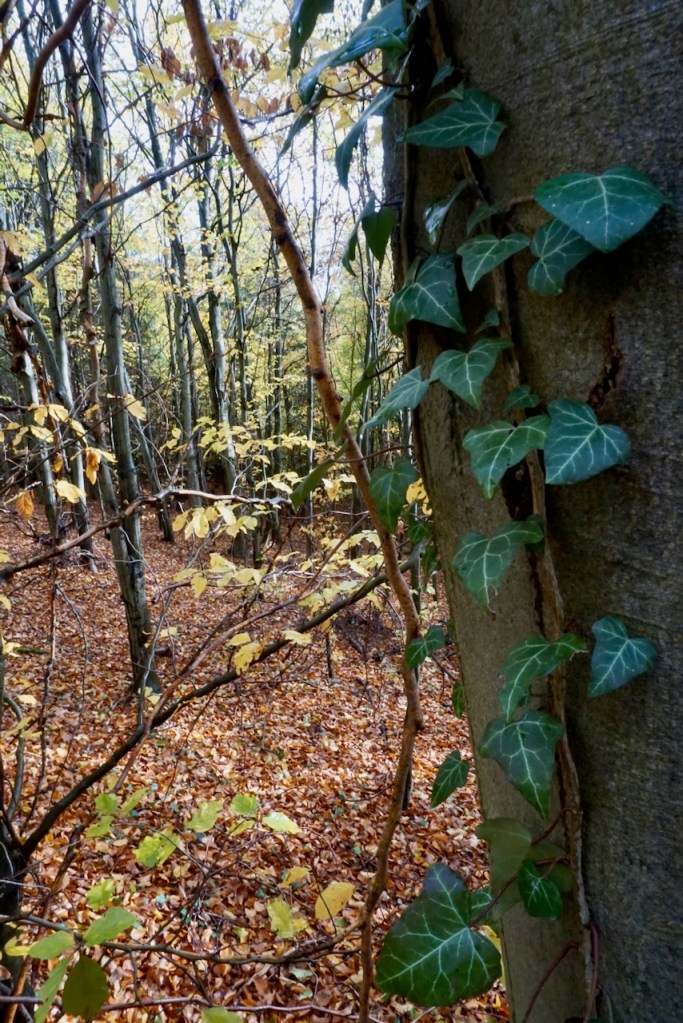
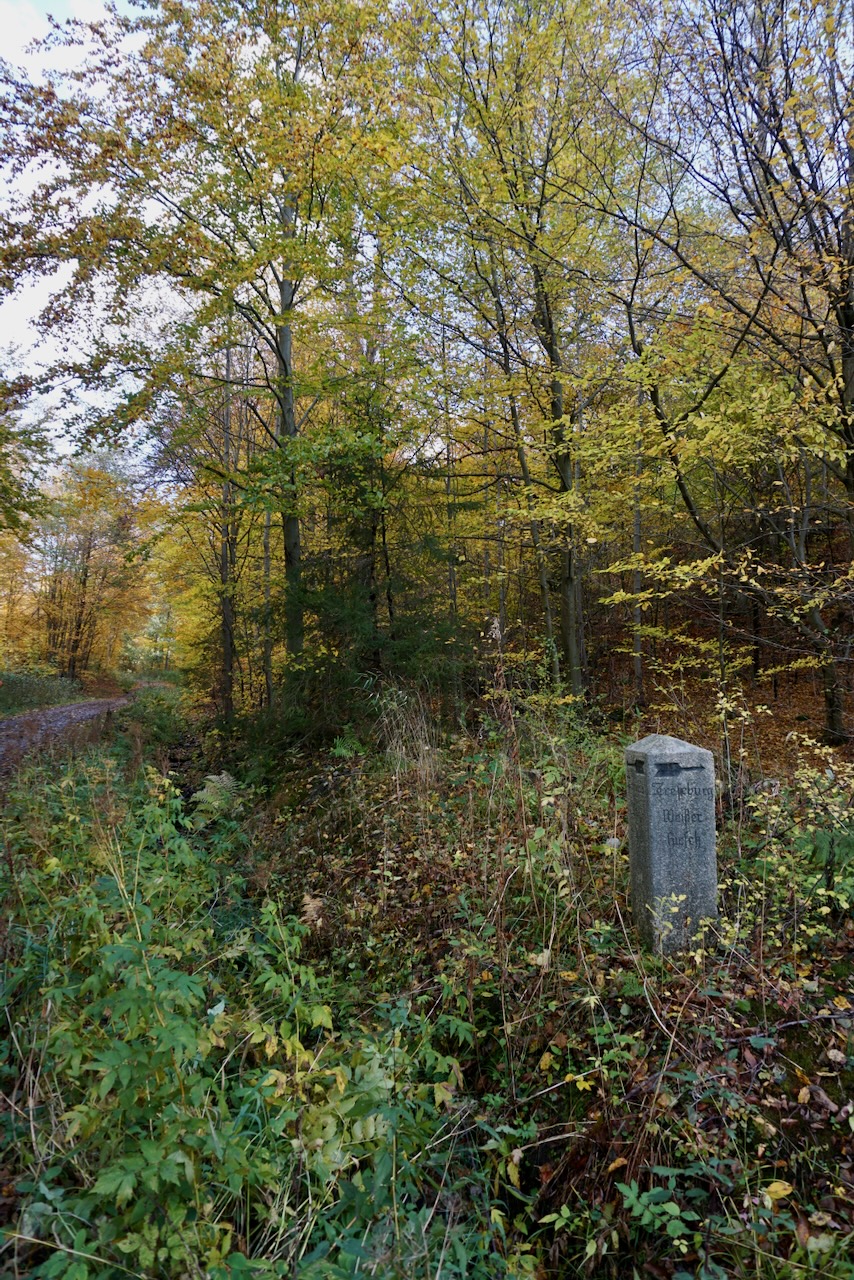
Delighting in the sun, we headed in the other direction toward Treseburg, a path that took us along a steep decline toward the river below. The town itself was shut tight for the season and full of so many hotels, pensions, and holiday apartments that we wondered whether enough visitors still come to the area to fill them. At least at one time, Treseburg must have had quite the reputation as a holiday destination.
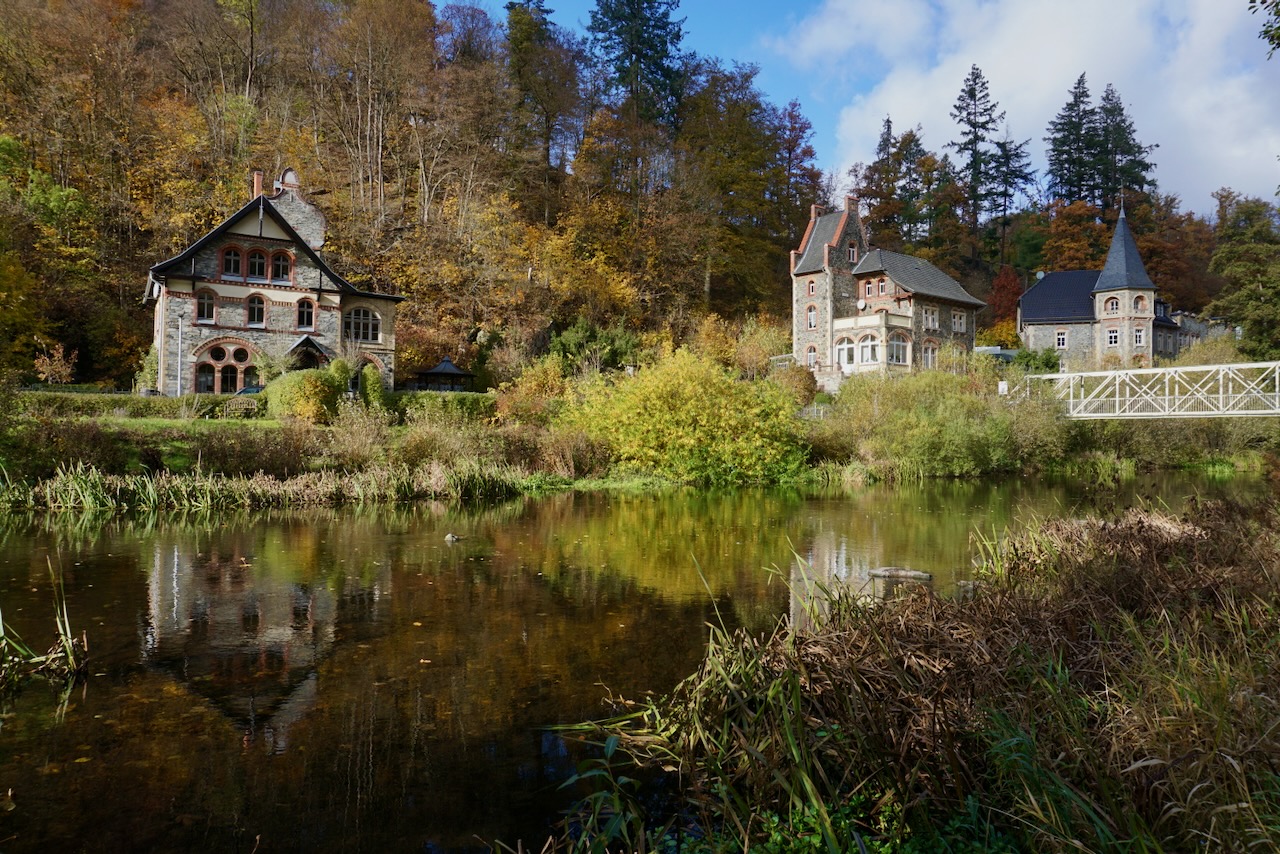
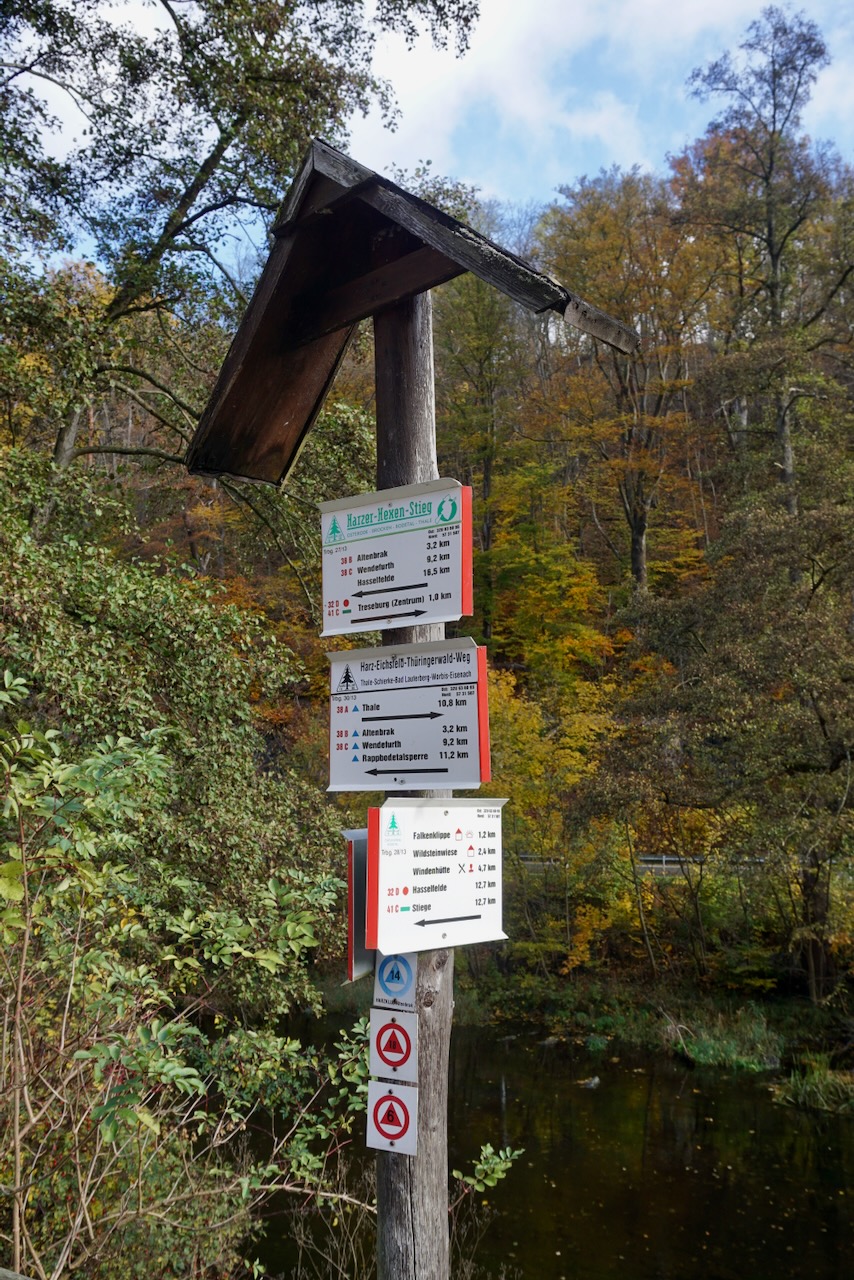
Having walked the length of the one proper street in town, we followed the river back the way we’d come, slowly shedding layers for the climb uphill, which included moving aside the three fallen trees that we encountered on the way down.
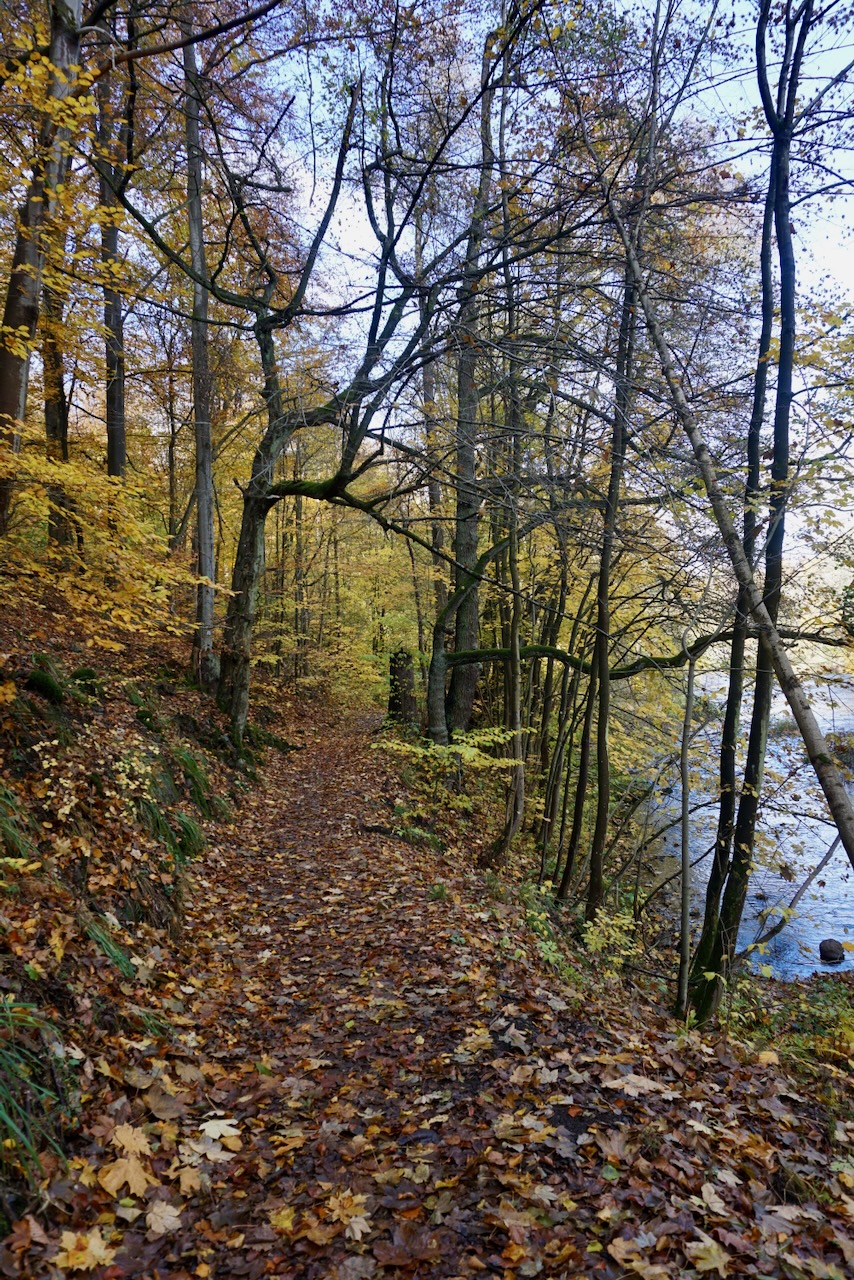
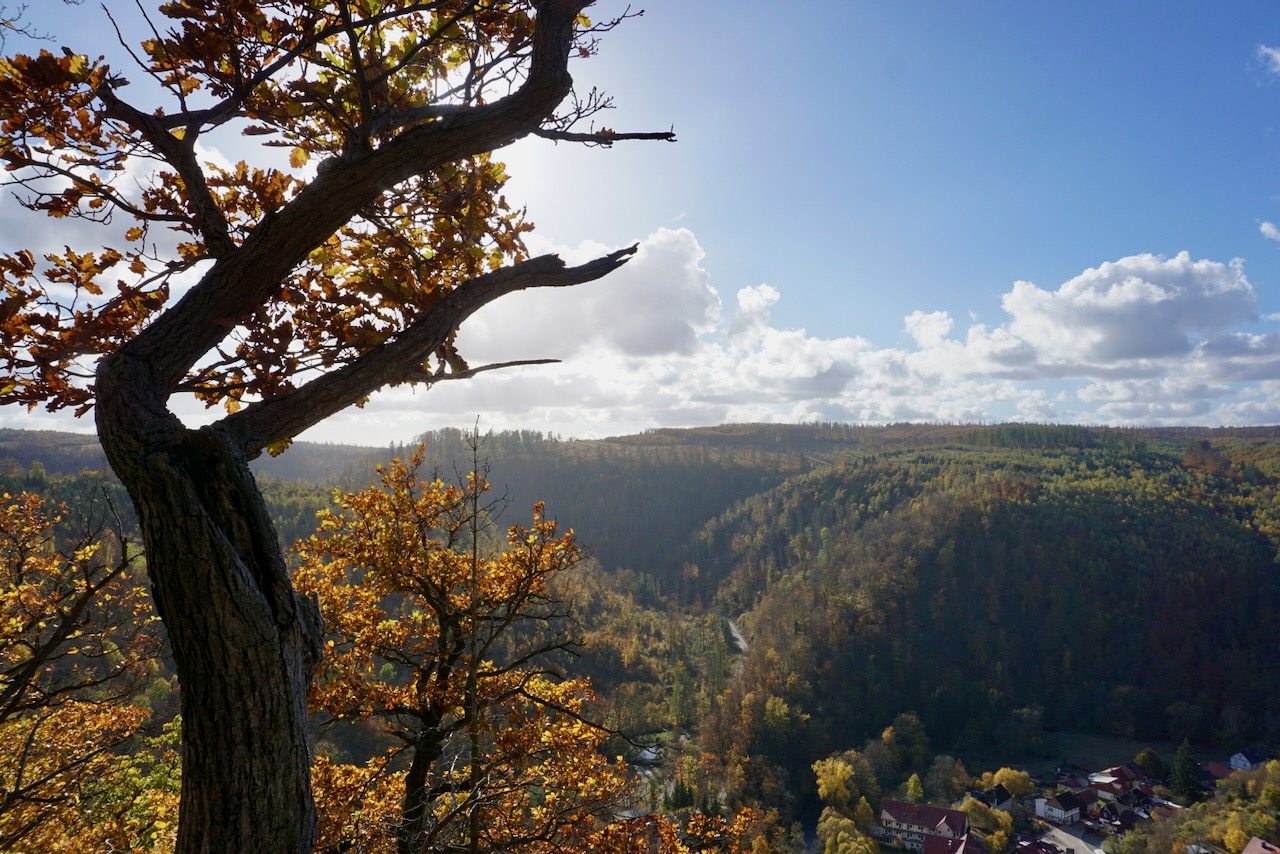
By the time we reached the top of the hill, our sweet girl had had enough and wanted out of her stroller. We stopped for lunch and a stretch at a conveniently placed picnic table before making our way to a nearby lookout point.
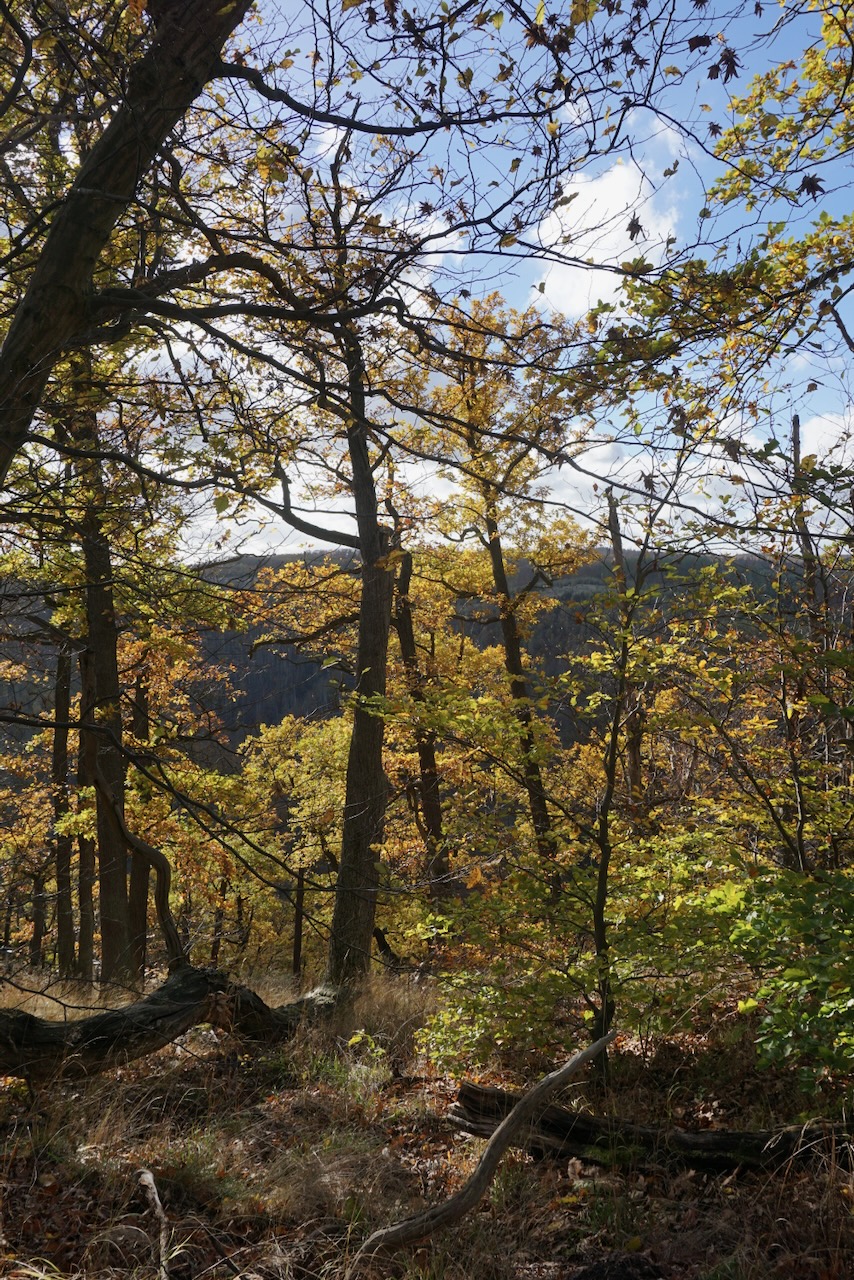
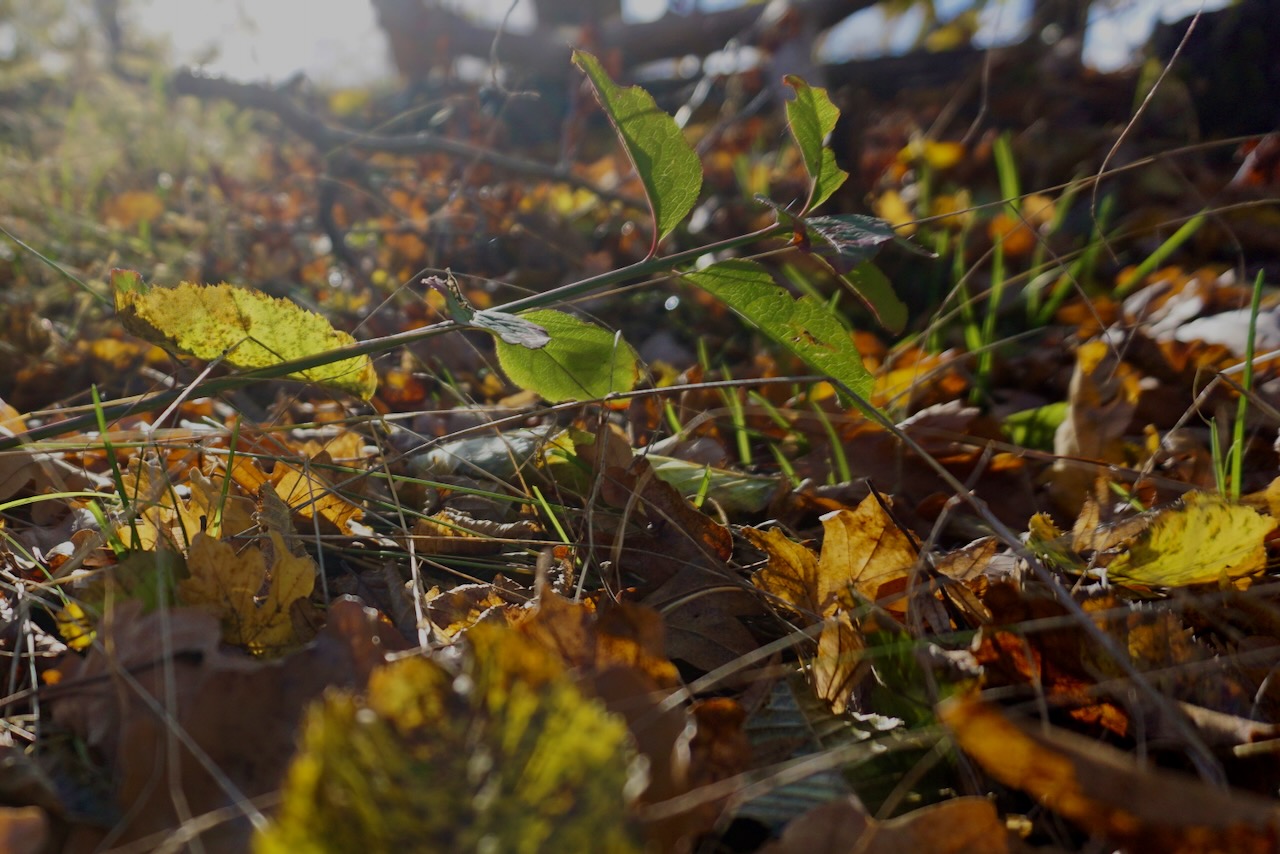
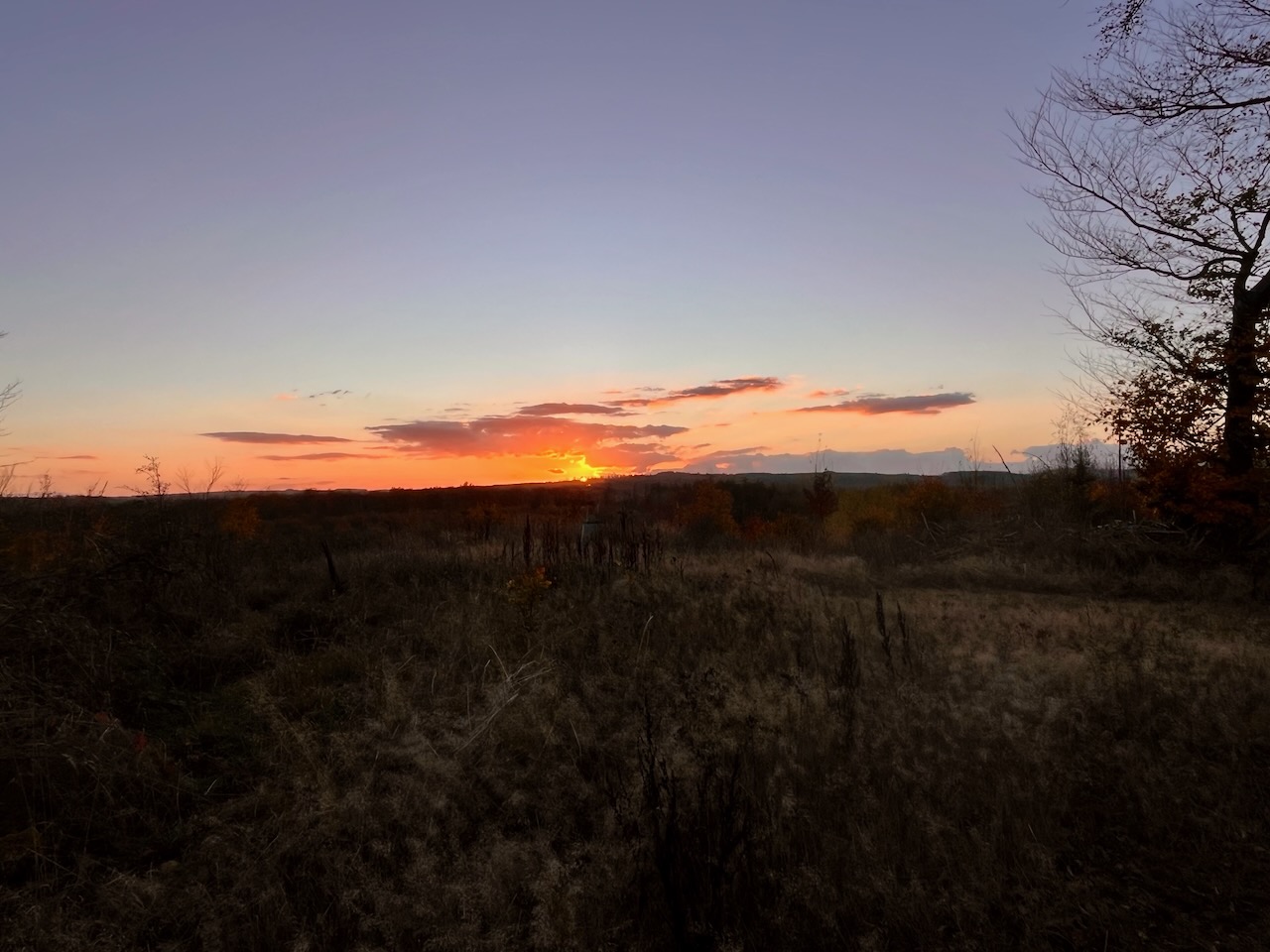
Late that afternoon, we walked in the direction of the setting sun over a grassland on the other side of the forest from where we’d been the previous evening.
And on the way back, we found the witch’s home we’d been expecting.
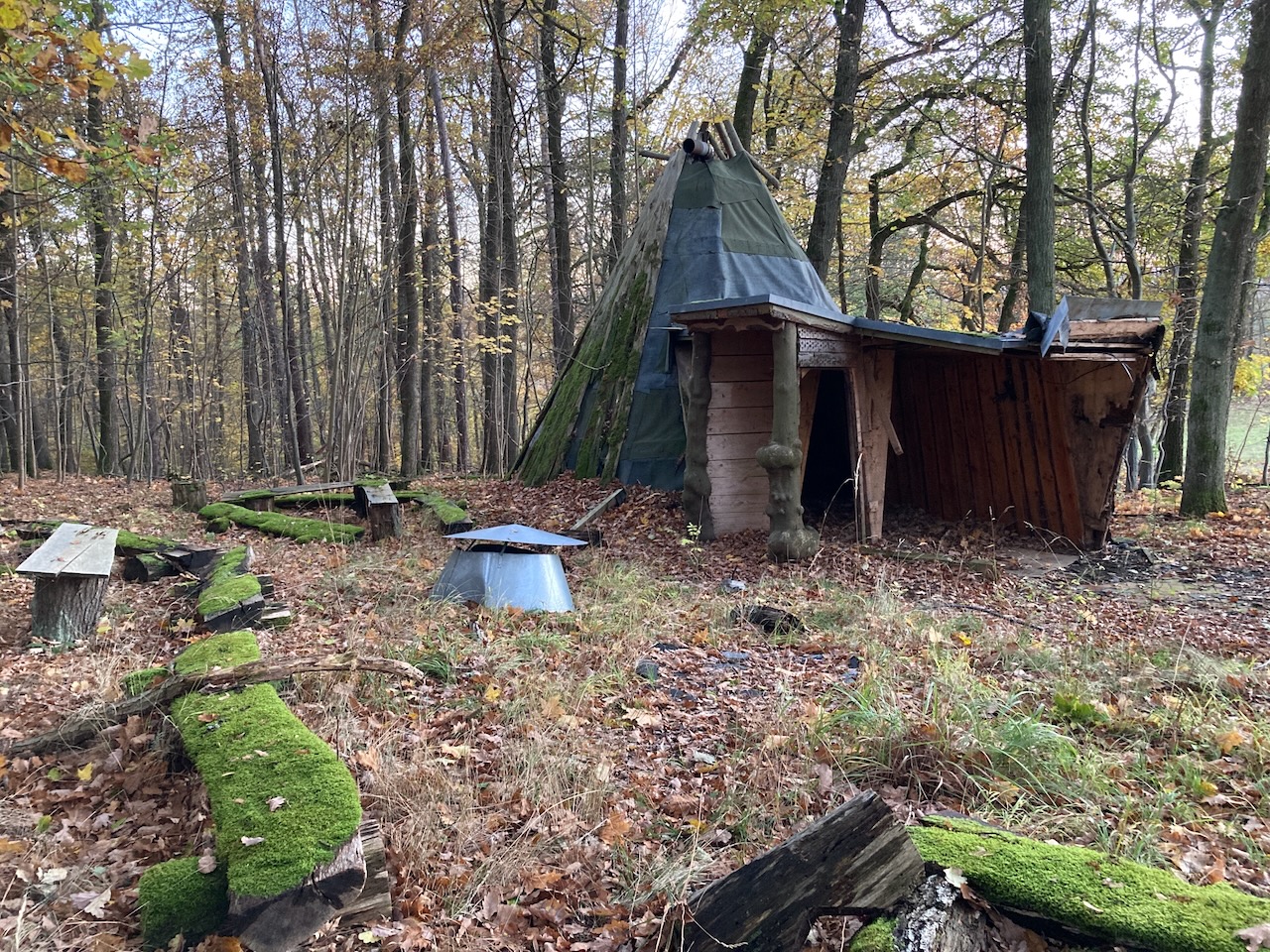
We waved at the blackbird that landed on a high branch just across the way; the witch was clearly watching.
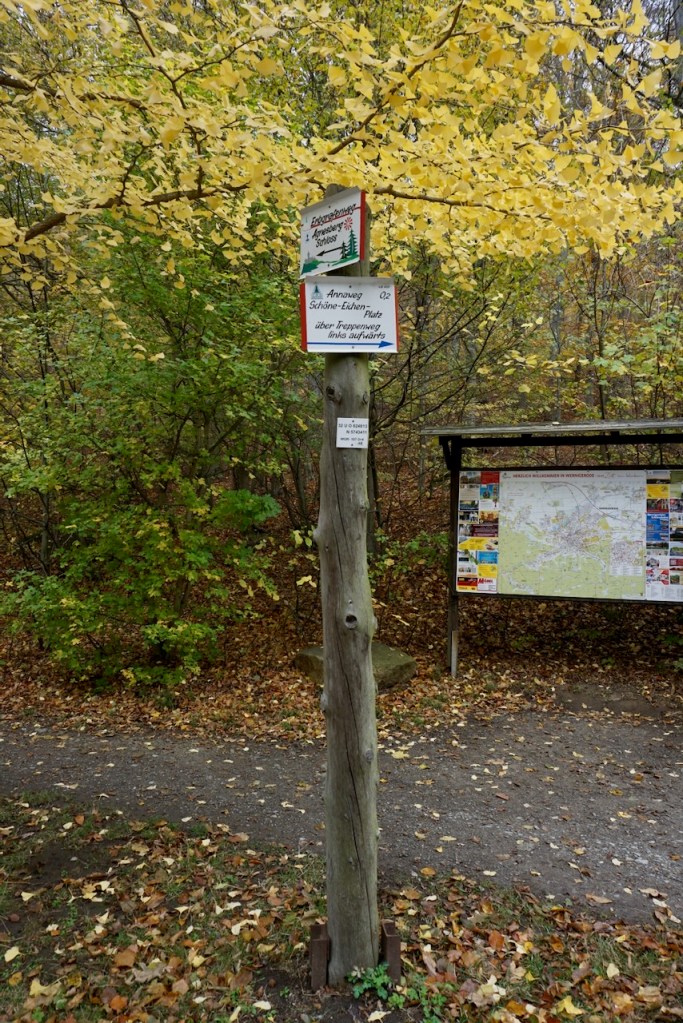
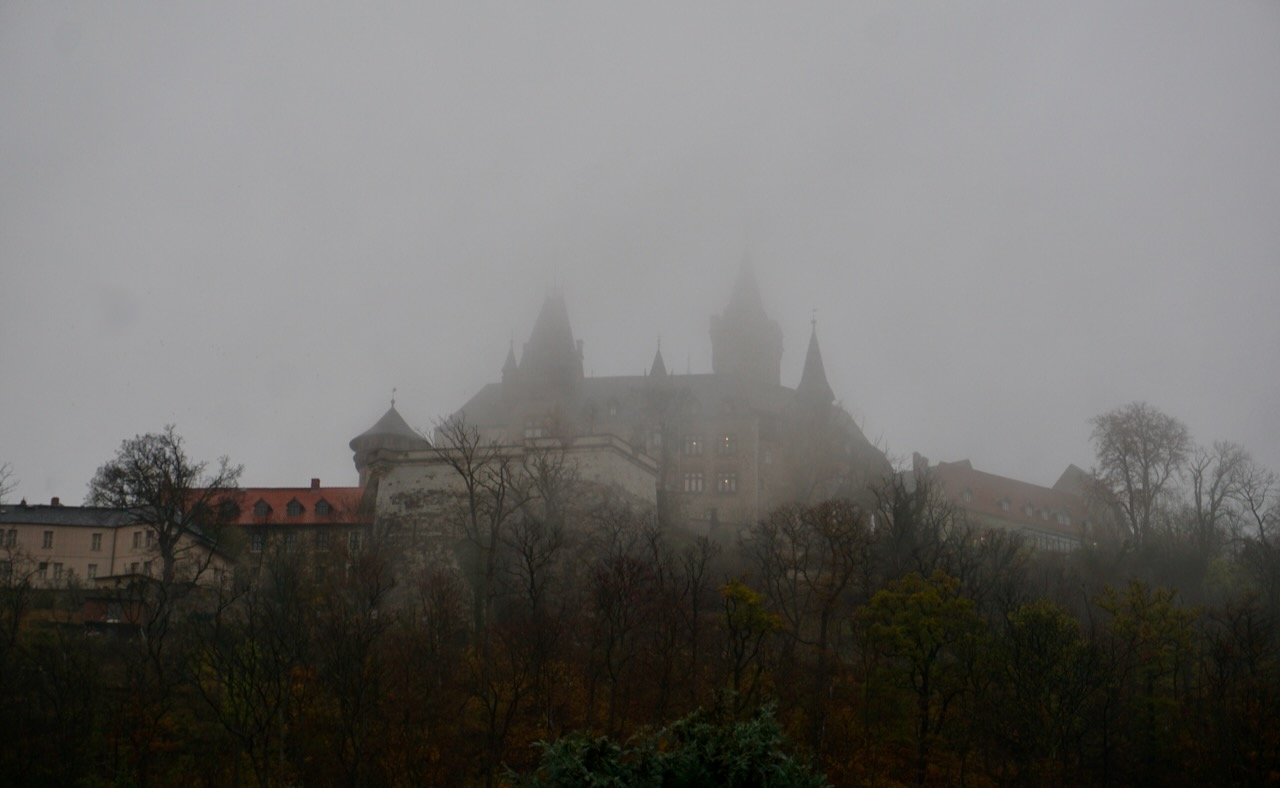
The following day, the last full day of our trip, we drove 40 minutes to Wernigerode, a town whose castle built in the hills overlooking the town was visible long before we reached it. We walked through a wildlife park where we saw lynx, owls, and silver foxes in a natural habitat, and then followed the path through the forest and up the hill to the castle.
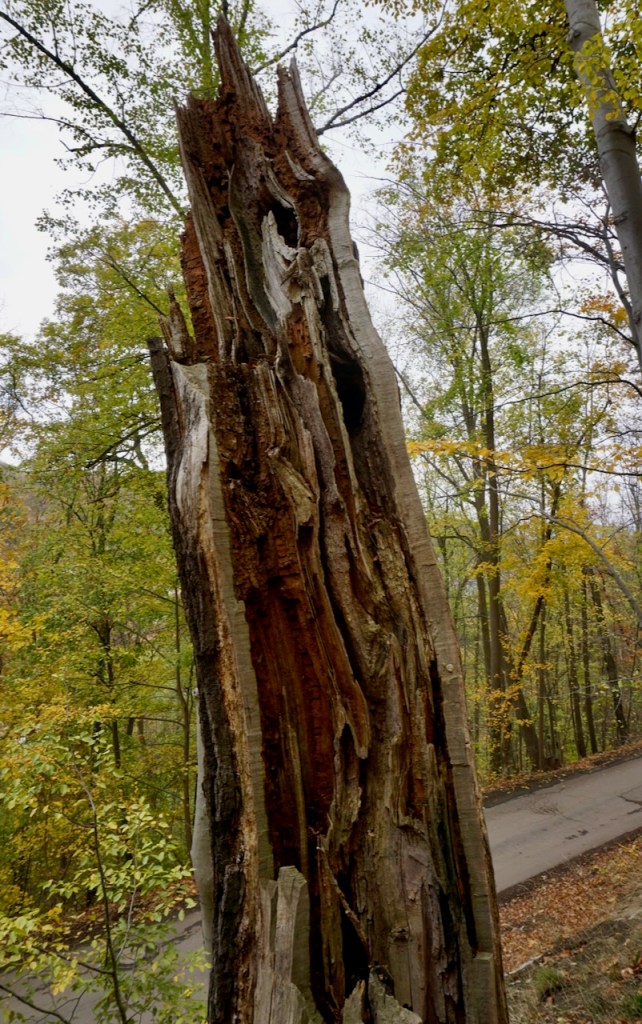
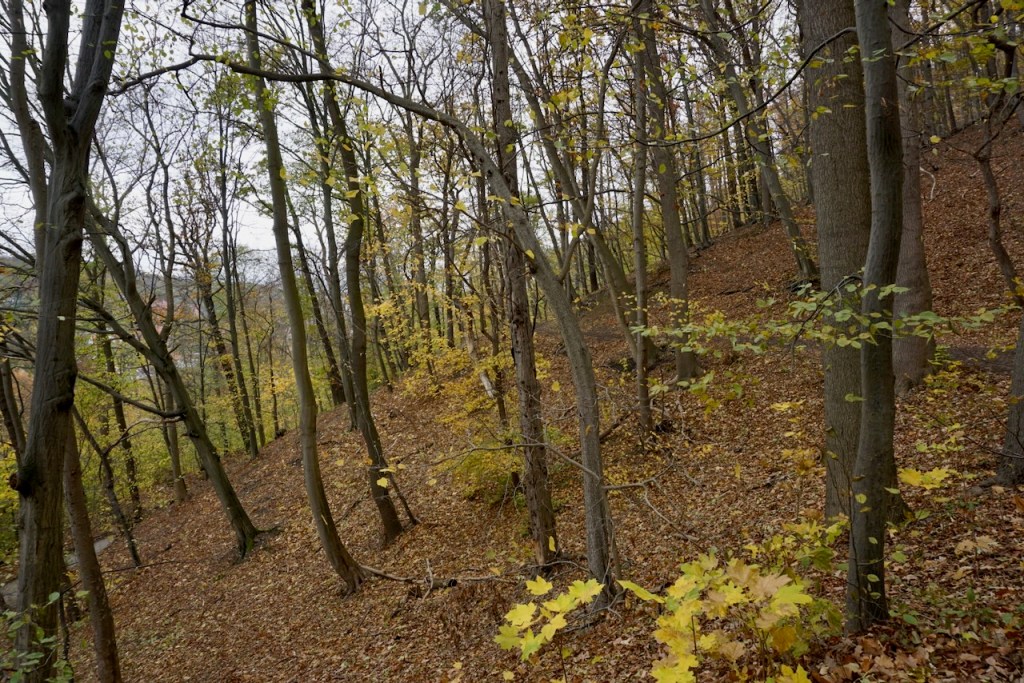
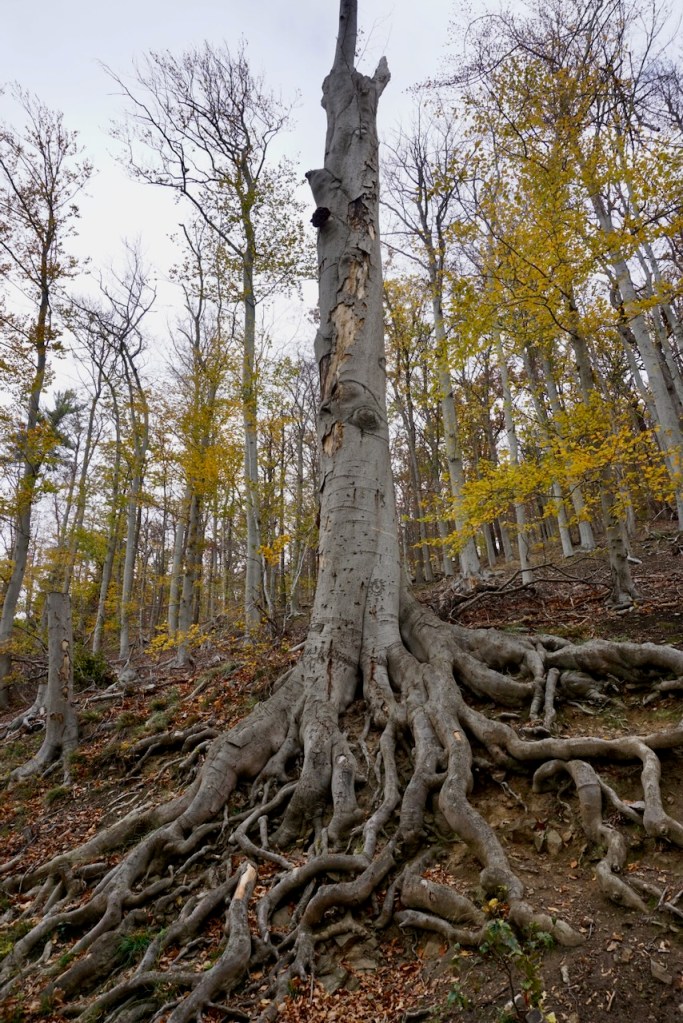
We hadn’t been expecting anything like it, hadn’t known that the local count ultimately became Vice-Chancellor of the German Empire and Deputy Prime Minister of Prussia, leading to visits to the castle from Emperor Wilhelm I. The vastness of the former fortress and sheer splendour of its rooms were not allowed to be photographed , but fit for royalty. And this in a town neither of us had ever heard of.
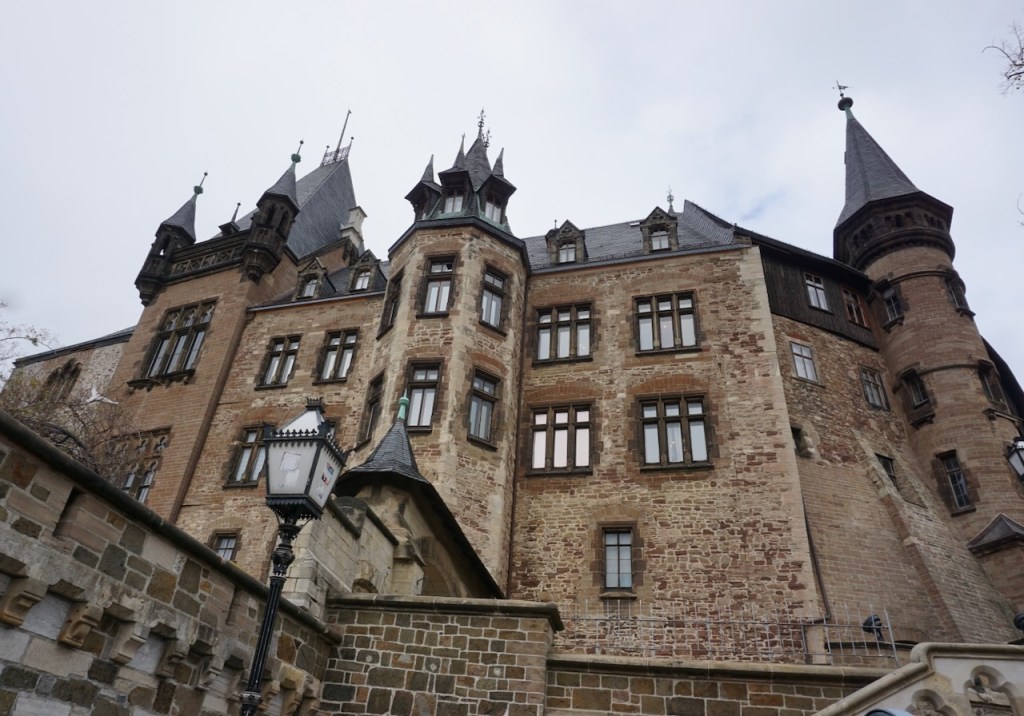
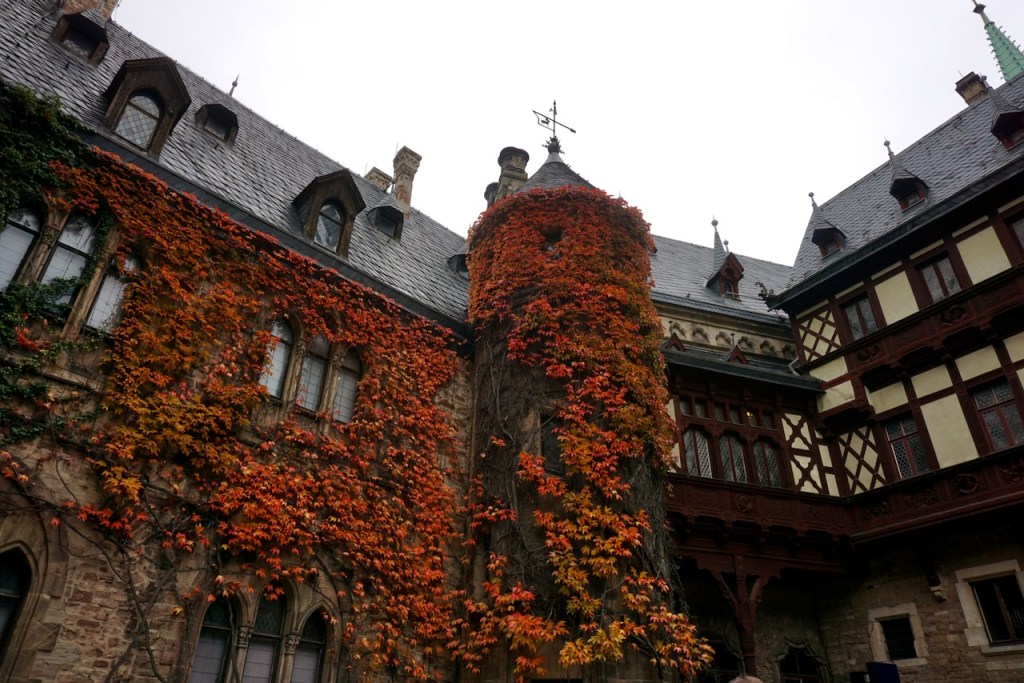
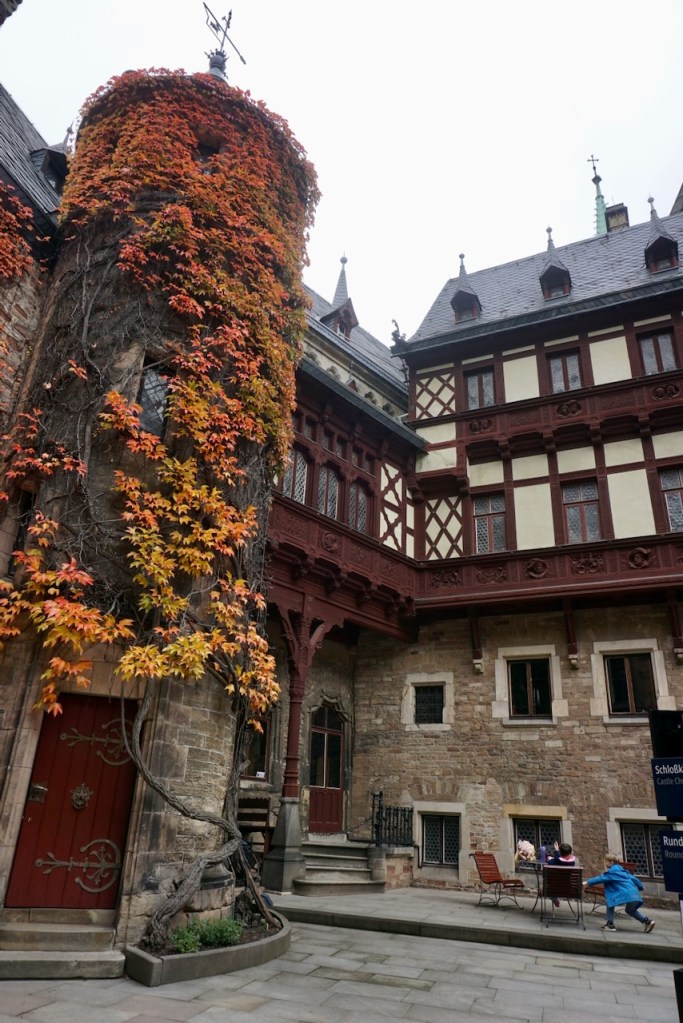
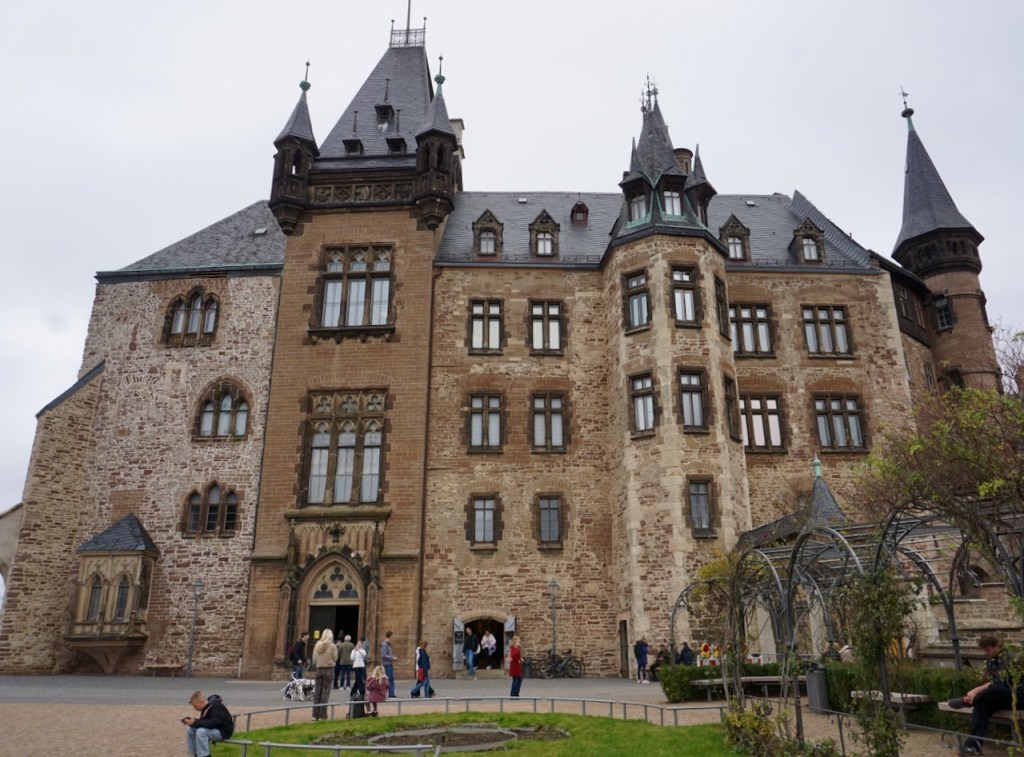
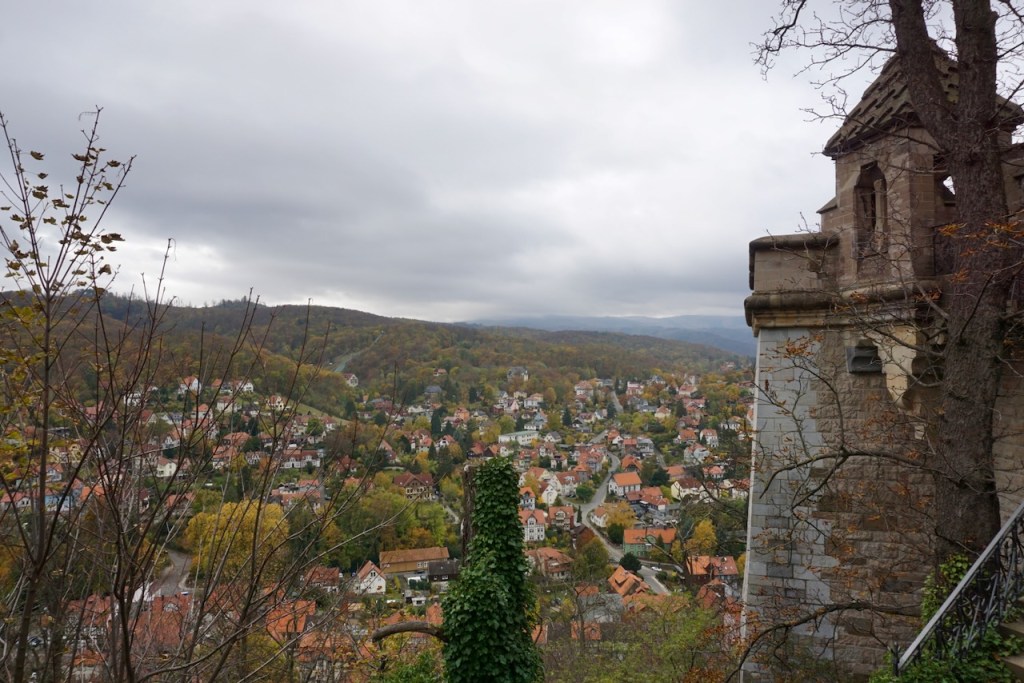
As always, one can quickly understand why castles and fortresses the world over are located where they are. The majesty of a castle does no good if it is kept a secret.
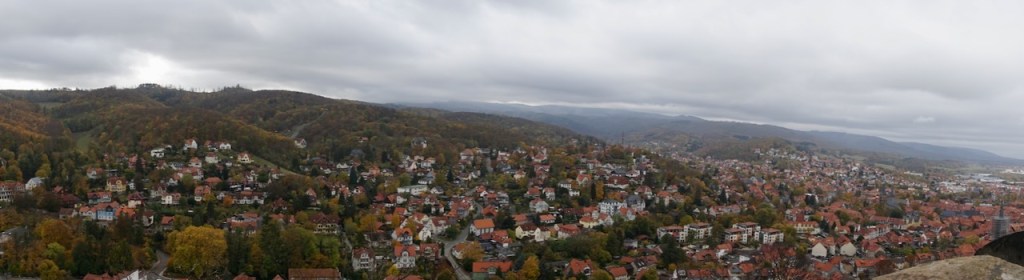
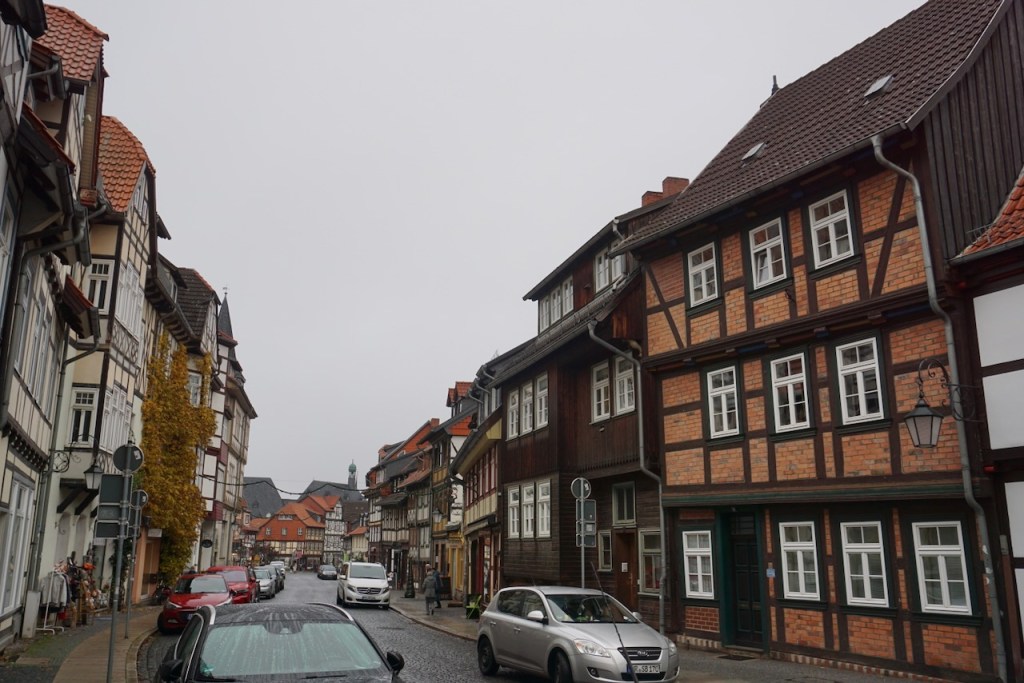
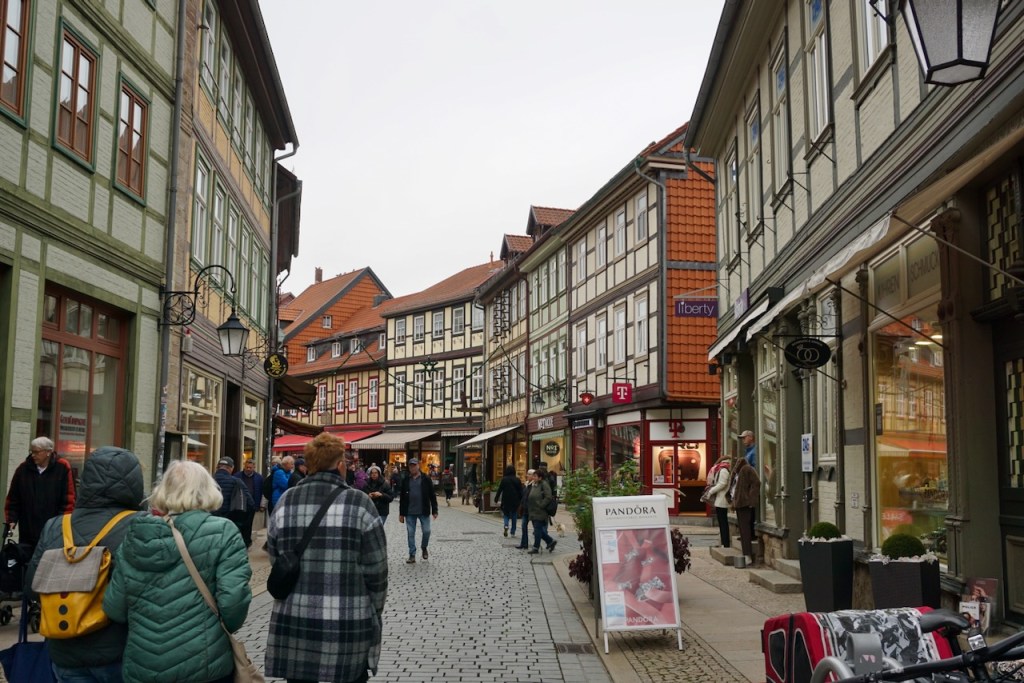
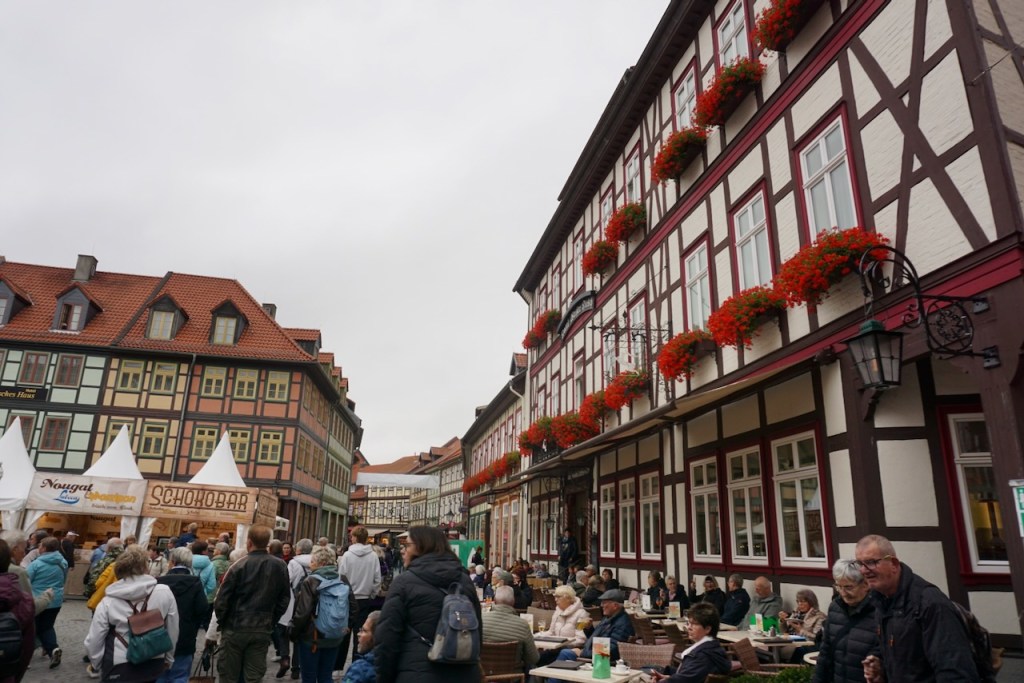
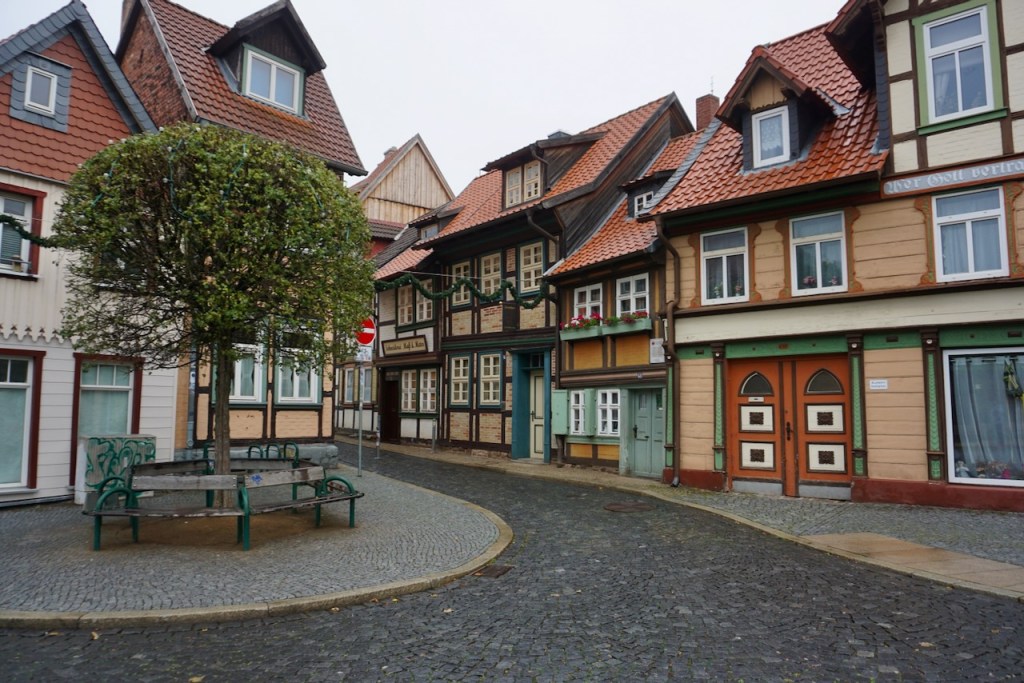
Wernigerode is also known for its beautifully preserved and restored half-timber houses, making the old town a joy to visit. There was a chocolate festival in town when we were there, making photography somewhat challenging, but the accompaniment of a delicious hot chocolate on a rainy afternoon was very welcome.
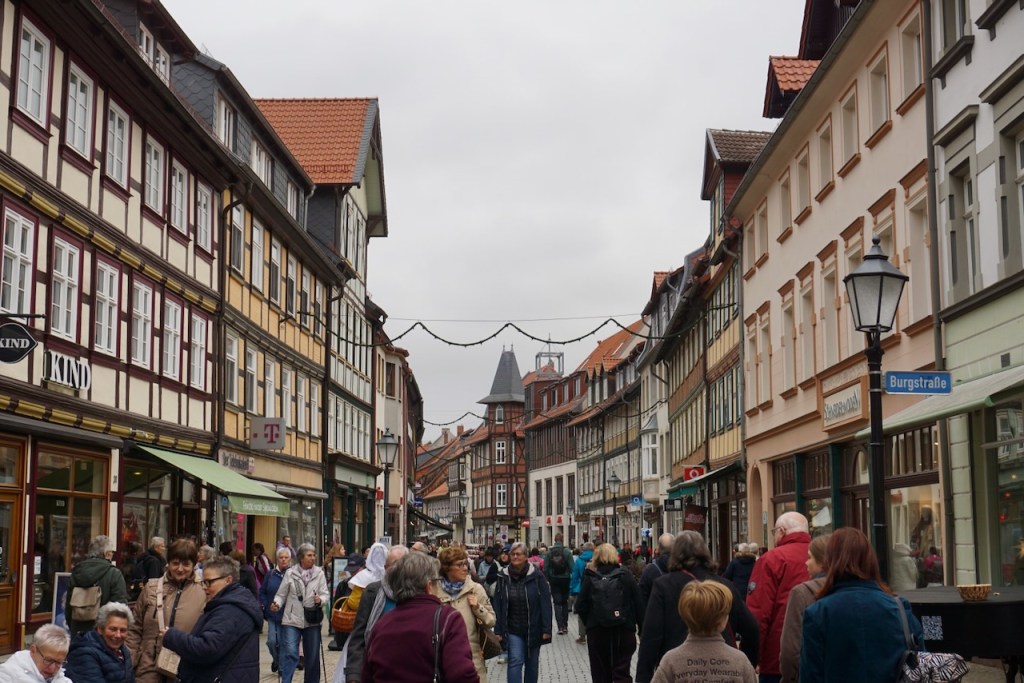
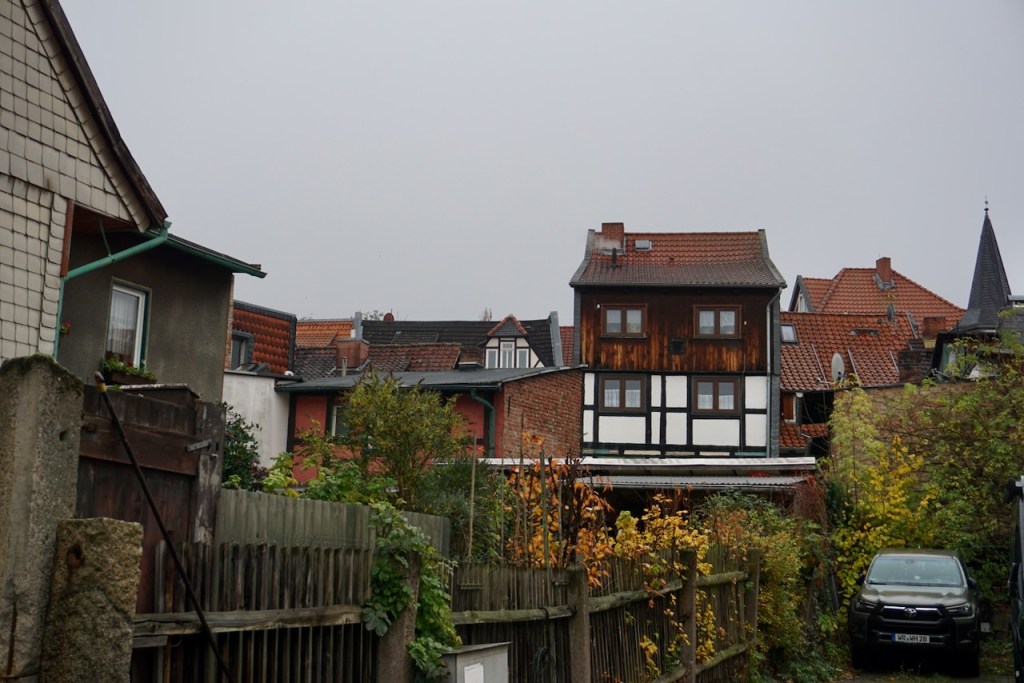
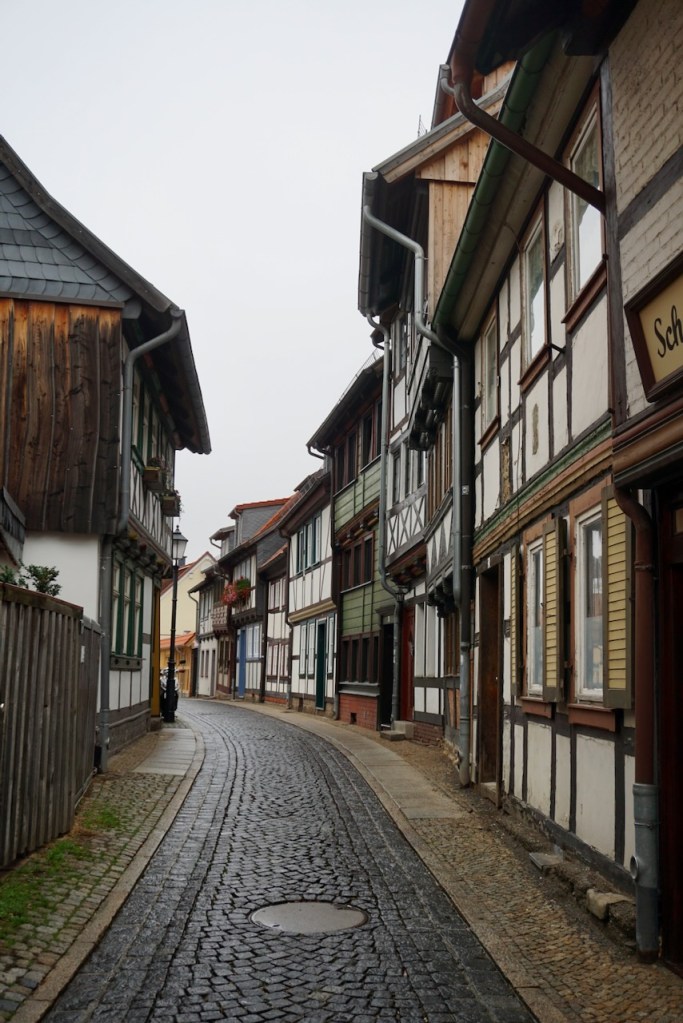
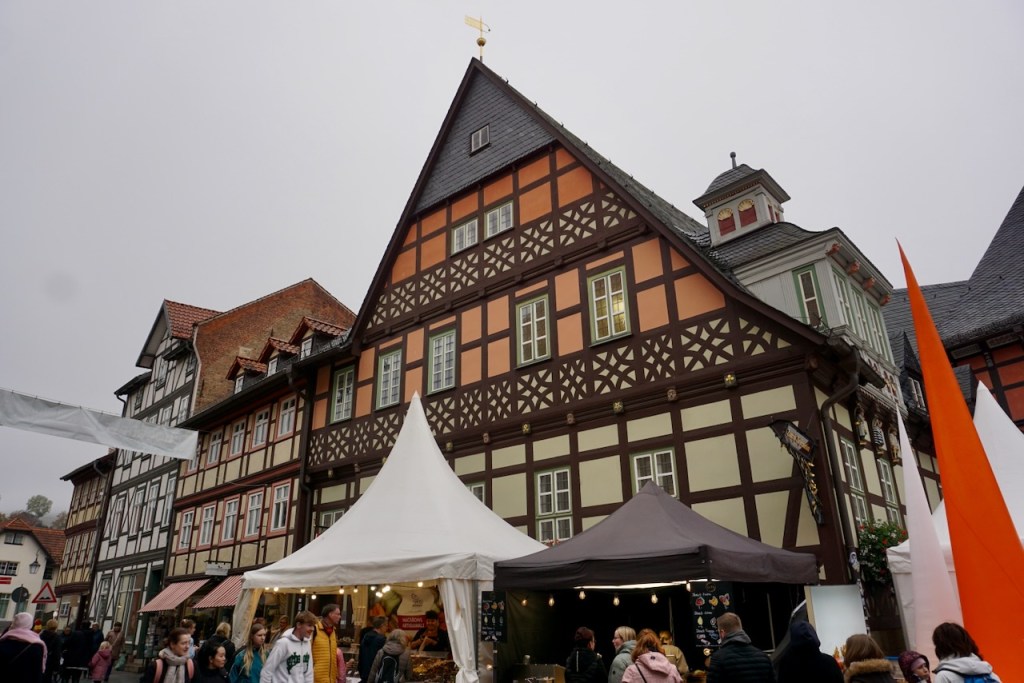
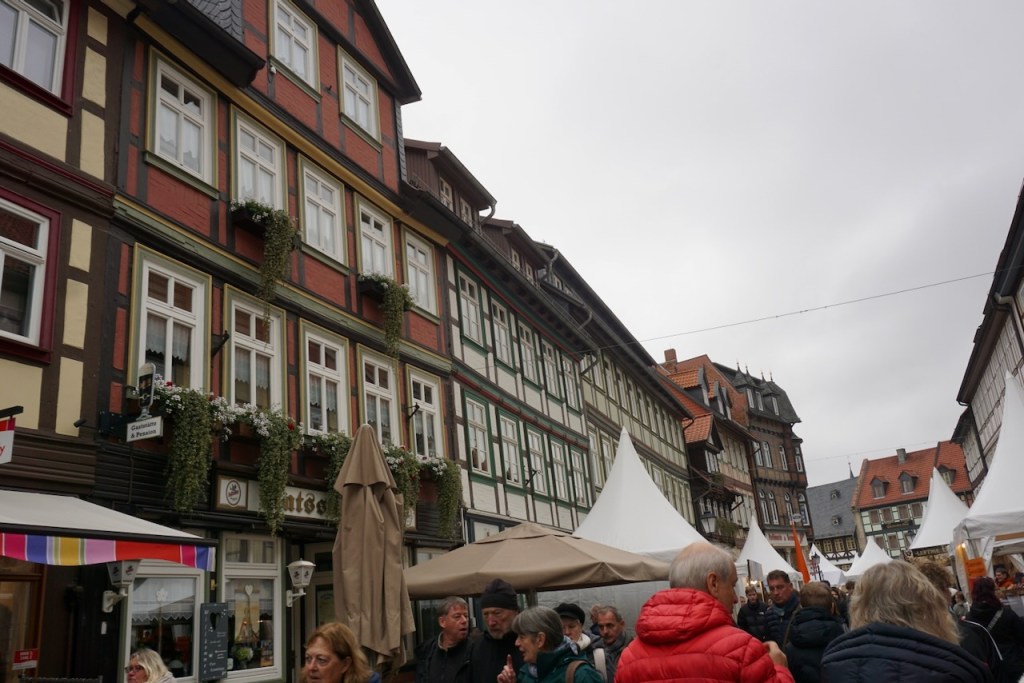
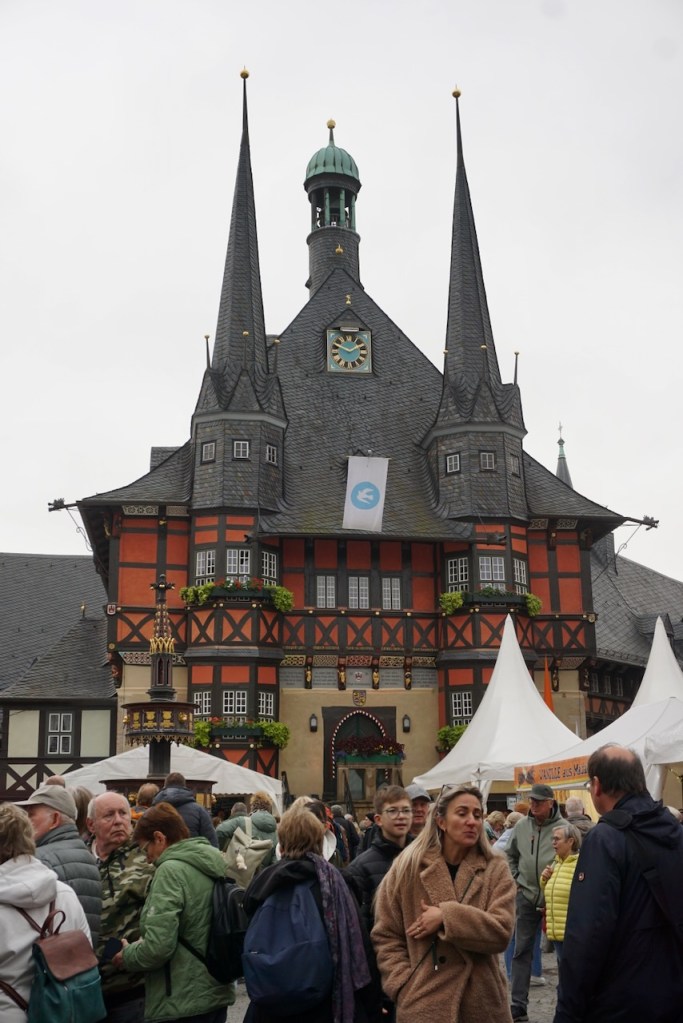
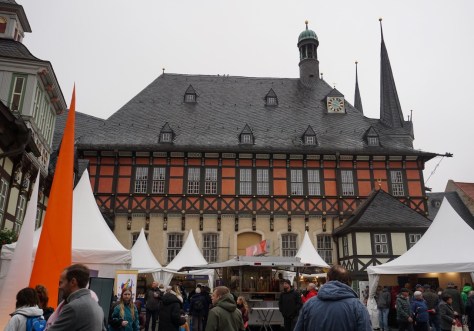
The town hall is a particularly famous and beautiful building . . .
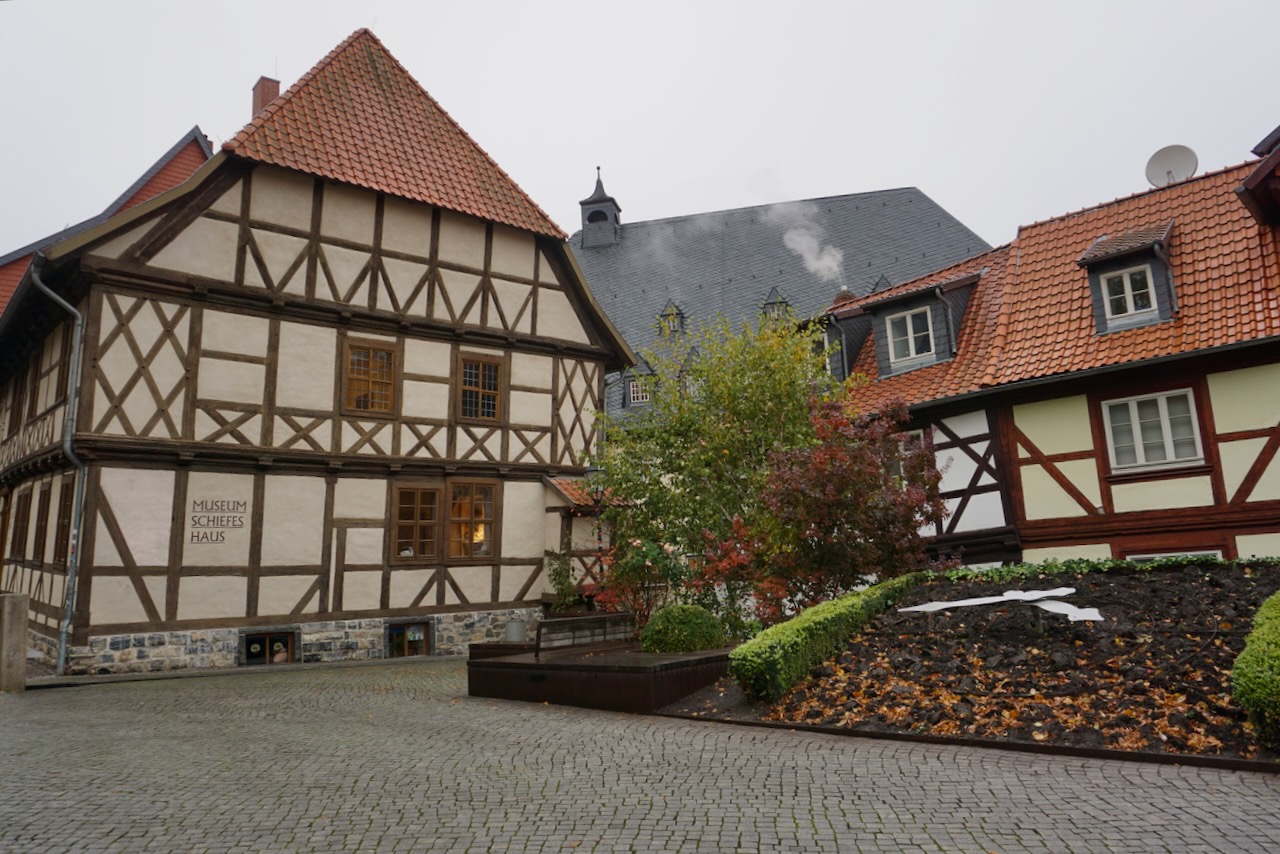
. . . there is a museum dedicated to the most crooked house . . .
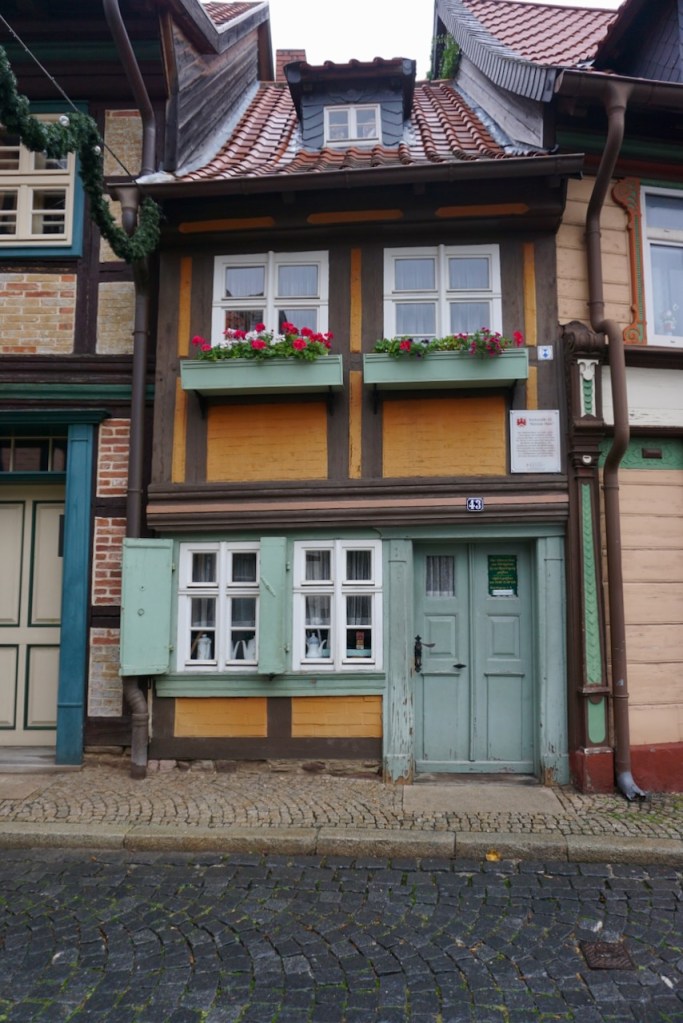
. . . and we sought out the smallest house in town, built in 1792 and lived in until 1976.
Twilight began to gather as we walked back to the car, and our baby, as patient as she had been all day, was more than ready to move around freely. I sang to her for the last 28 minutes of the drive as the cloudy night fell around us.
The following morning, we packed the car in preparation for our drive home. Before getting on the road, however, we set out on one last walk, this time in a forest used for logging, which is a major industry in the area and in much of Germany.
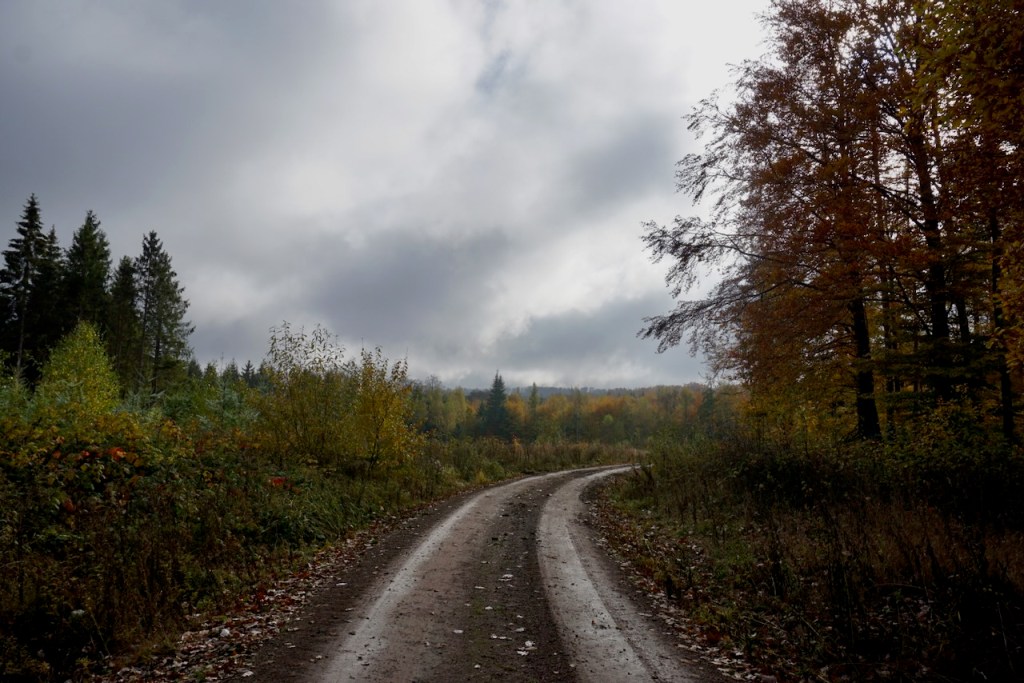
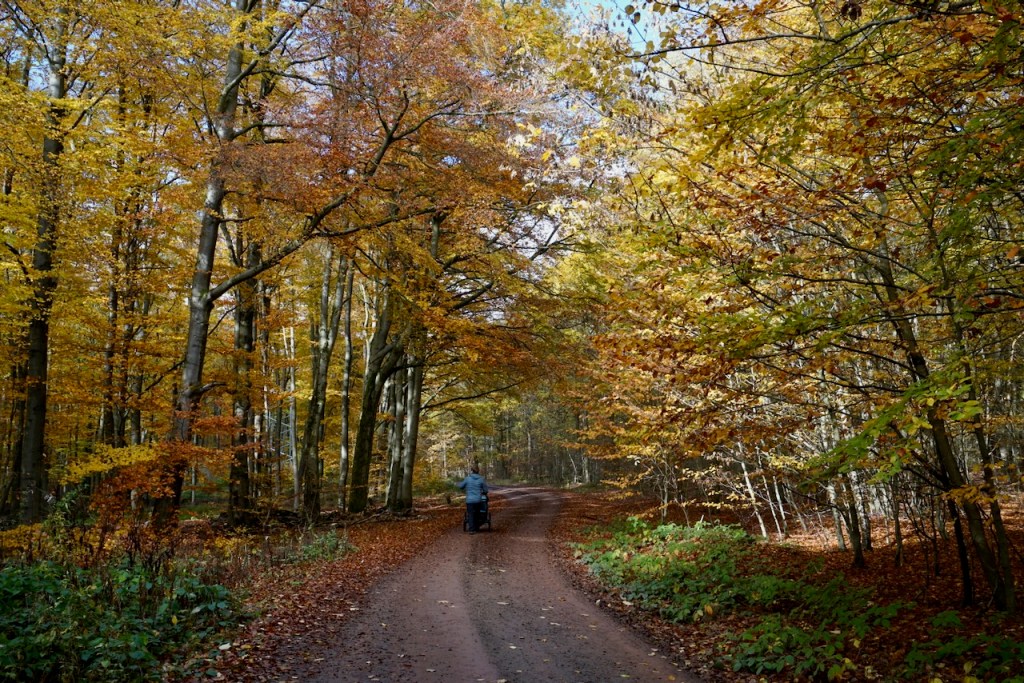
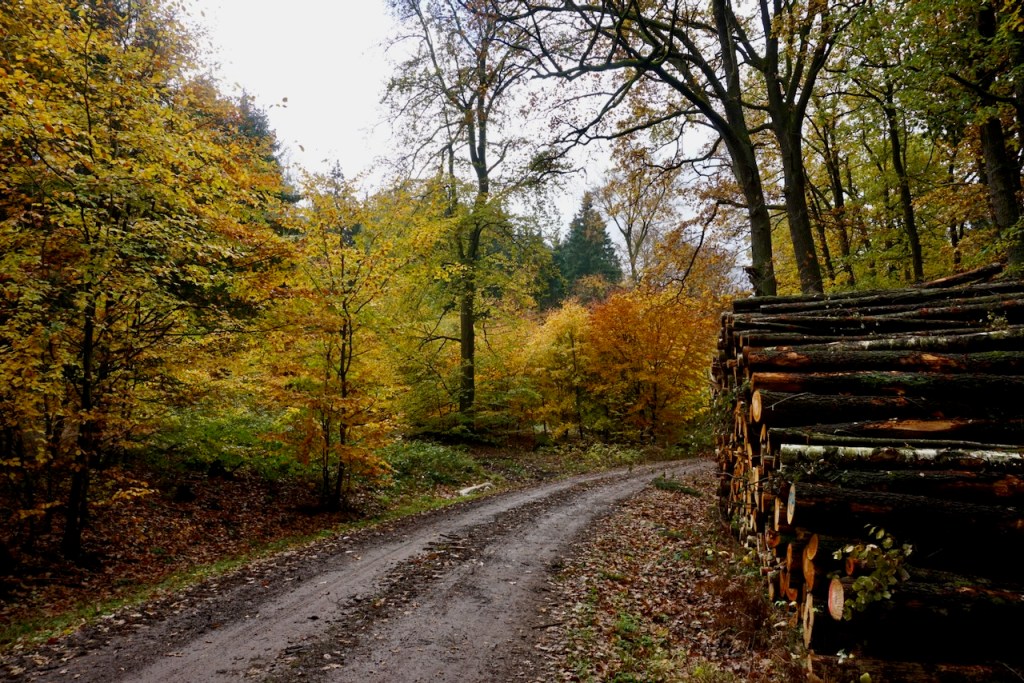
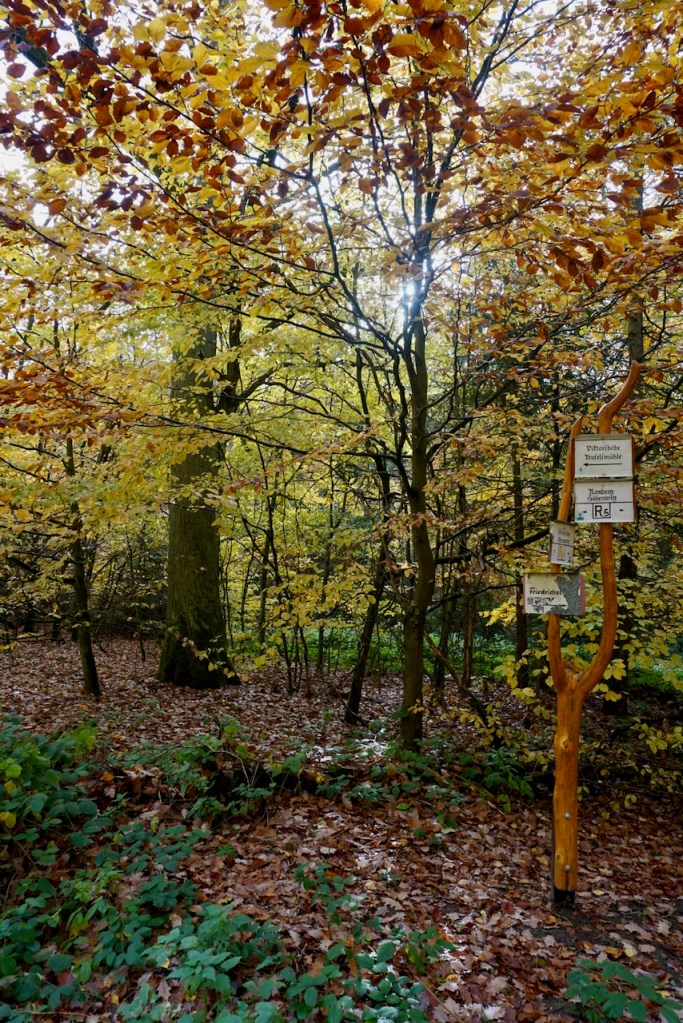
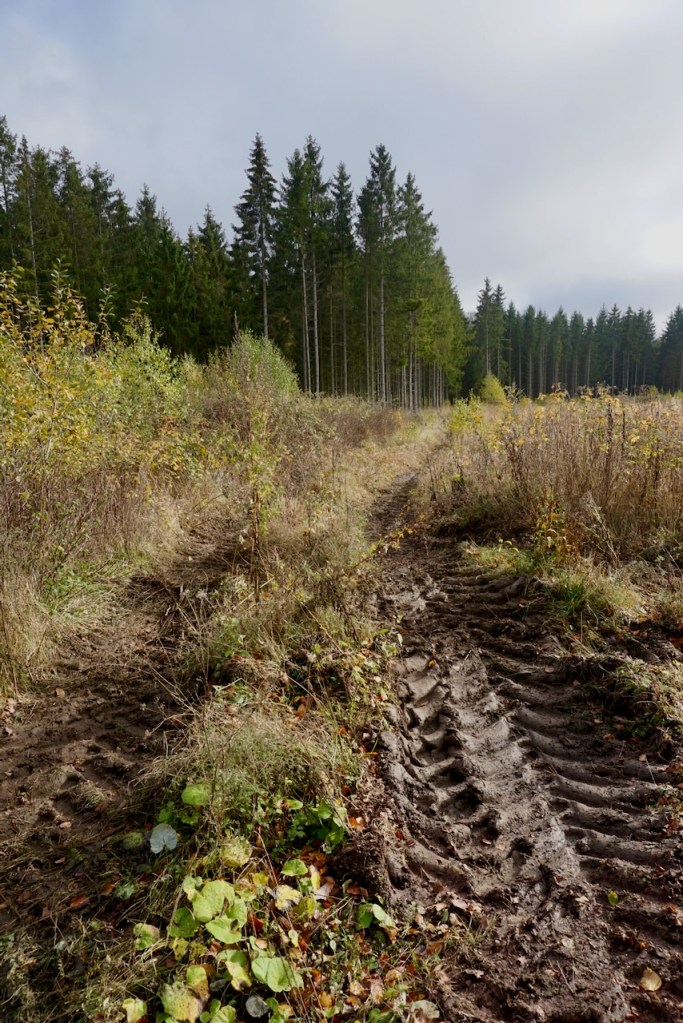
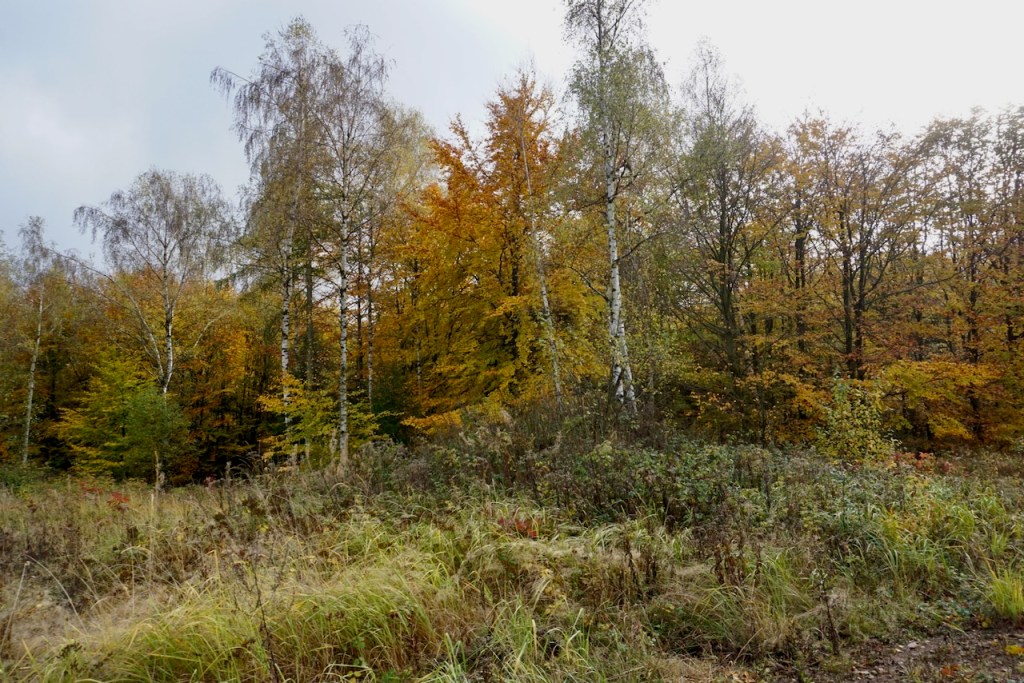
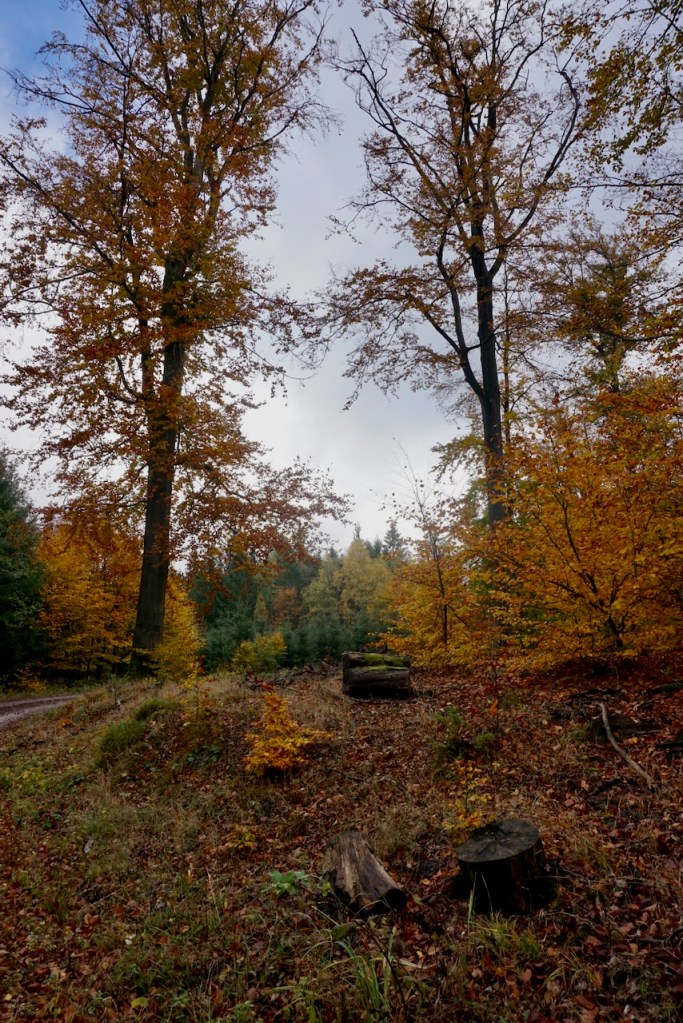
I know this, I understand this, I recognize the reliance on wood in daily life, and I am always sad to see it. There are healthier ways to log a forest than to destroy the ground, as was the case here, but there was also evidence of fresh planting, of some diversity of tree species. It could have been better (and more expensively) done, but it also could have been a lot worse.
Forests are historically worshipped in Germany, with many traditions relating to nature and to trees, but the nature and trees are also taken to support and maintain a society. And then someone sponsors a bench, and I find the contradiction compelling.
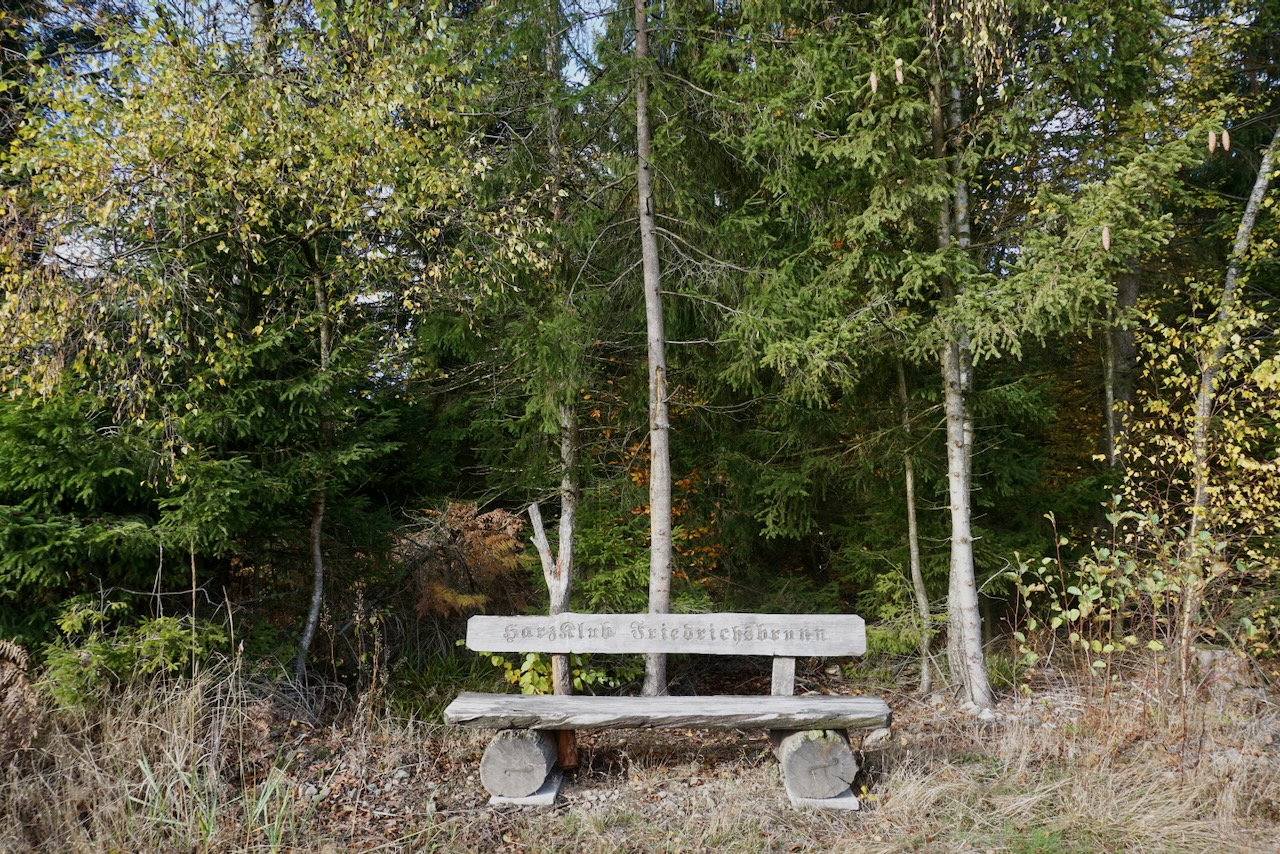
Sit a while. Think a while.
We returned to the car to find a flat tire, drove on the rim five kilometers down the hill to a mechanic, and thanked our lucky stars that it was only five kilometers and that it was Friday afternoon rather than the weekend.
Maybe the forest was magical. Maybe the witches were watching. I don’t see why not.