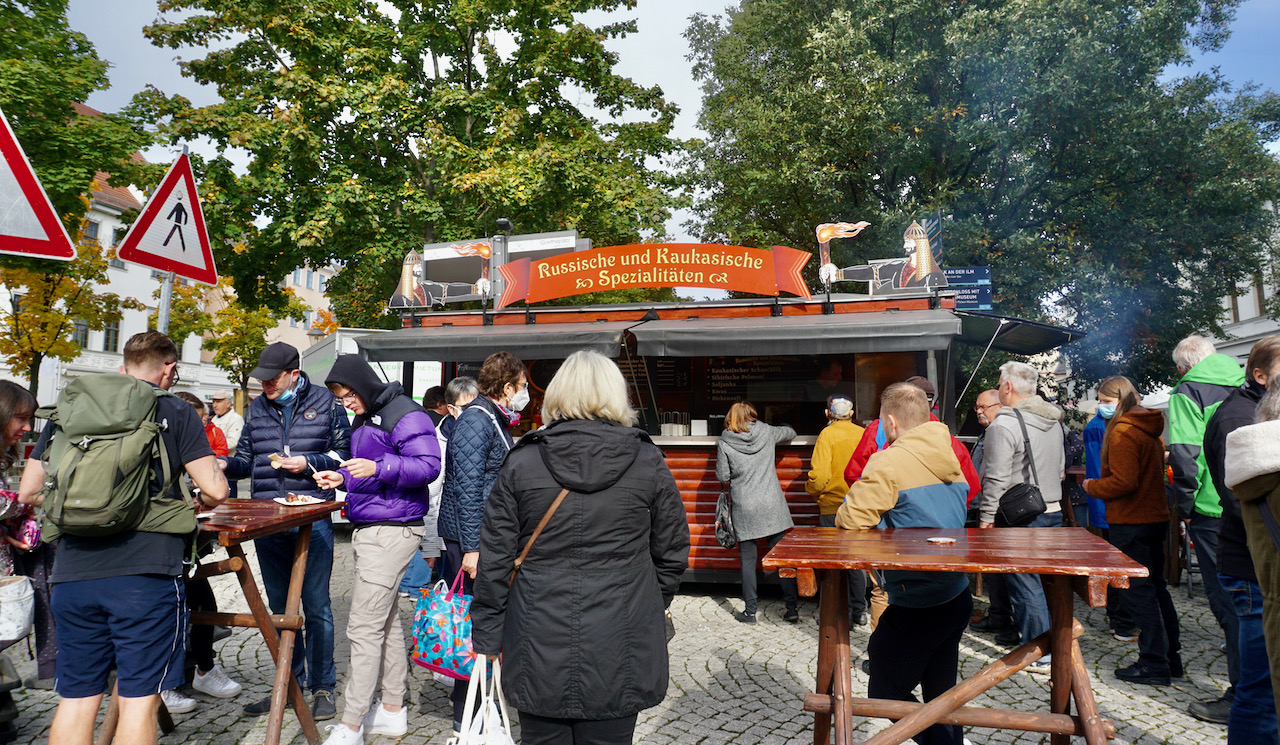
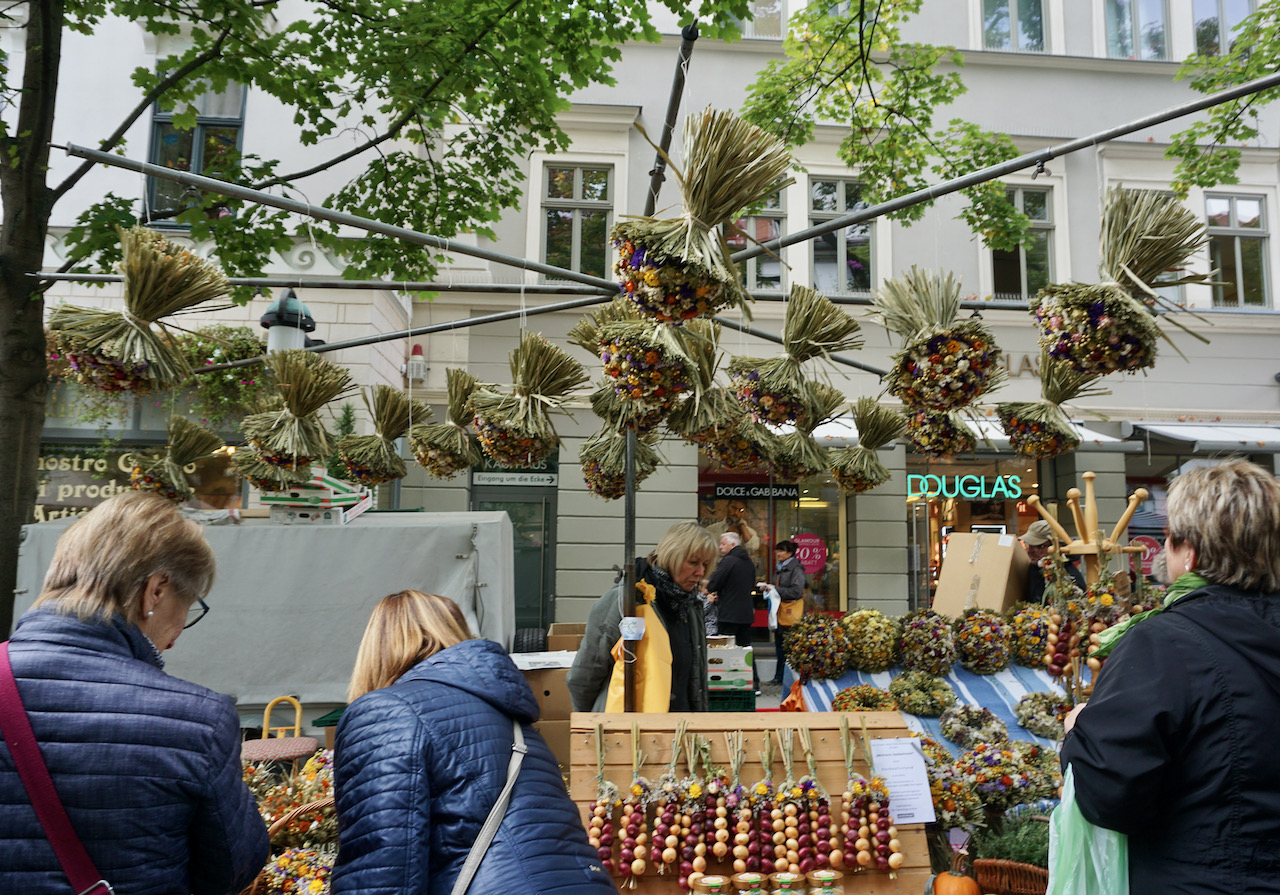
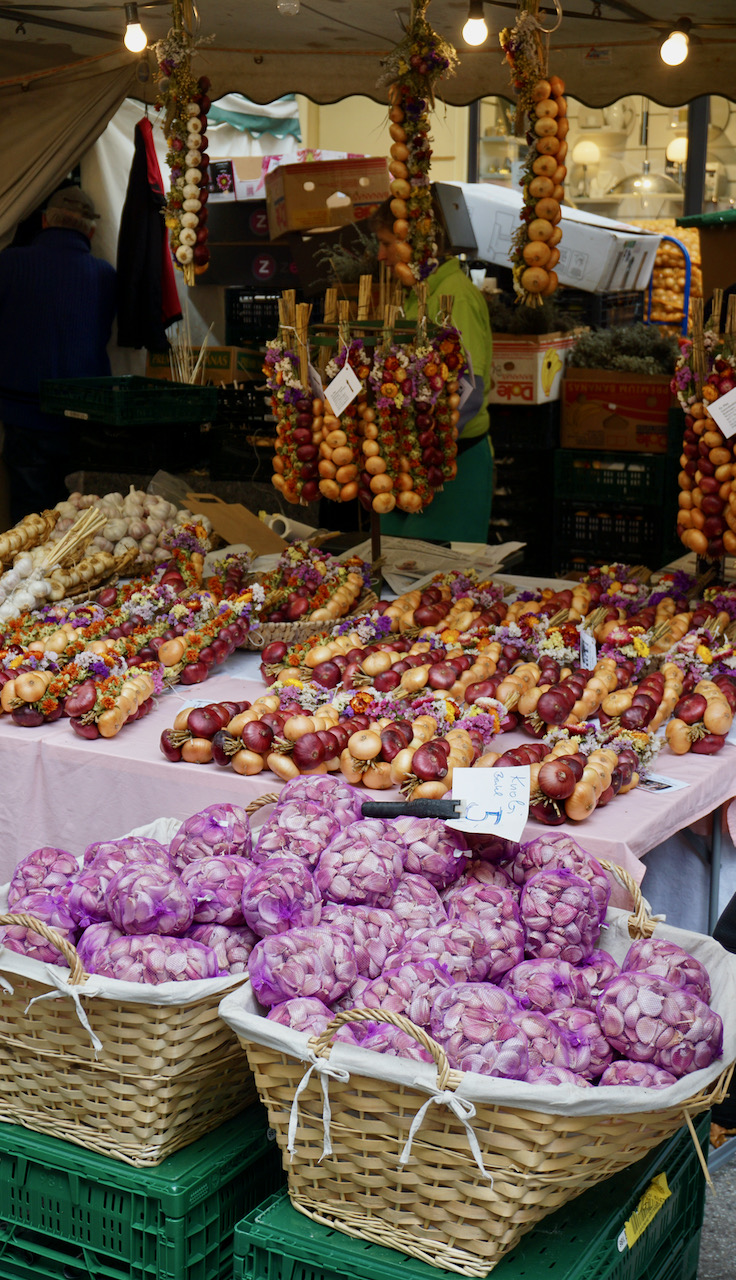
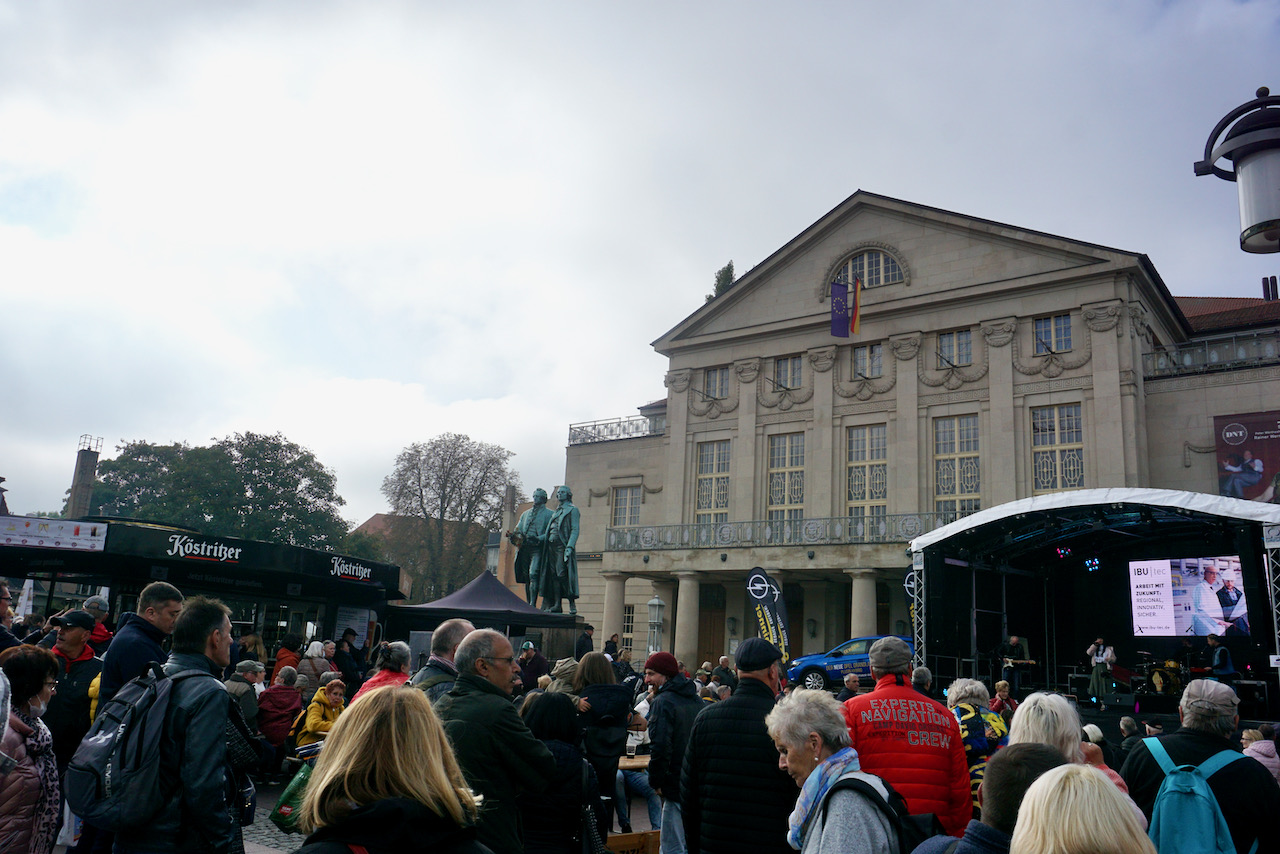
Before accepting a job in Weimar, Germany, I looked it up on Wiki Travel. (I didn’t do this until after moving to Seremban, Malaysia and, well, if the only thing Wiki Travel has to say is that your town is near the airport, I wouldn’t suggest moving there.) I knew the basics of Weimar – home to the Weimar Republic, after all – and there were a variety of other mentions that caught my eye, one of which was the Onion Market. When I arrived, locals and expats alike told me, “Let’s just hope the Onion Market is on this year.”
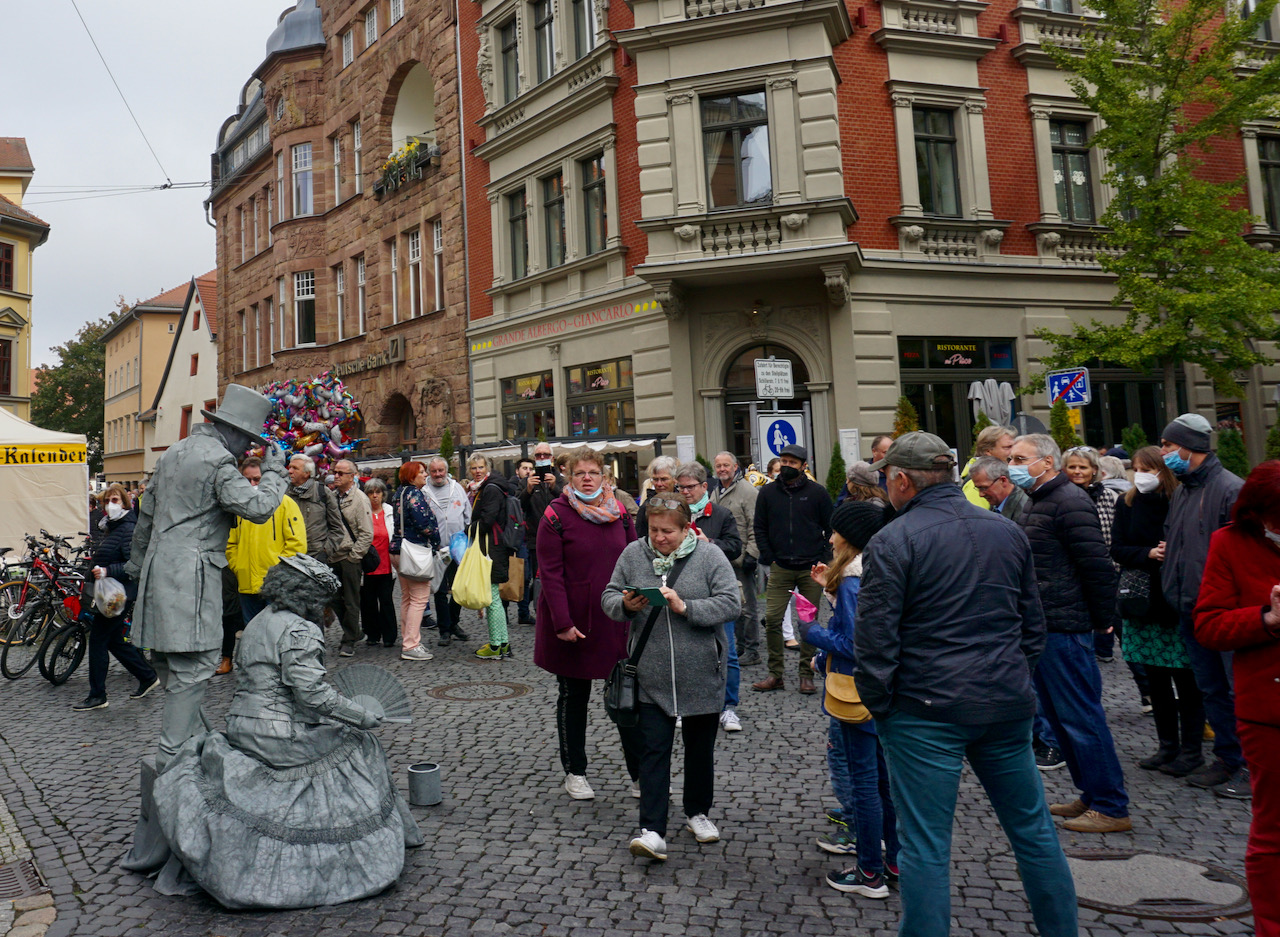
A few changes due to Covid notwithstanding (no Queen of the Onion Festival, no pre-dawn opening, only four stages with live music instead of ten, a manageable number of visitors rather than the 250,000 that usually flock to this town of 65,000) it was!
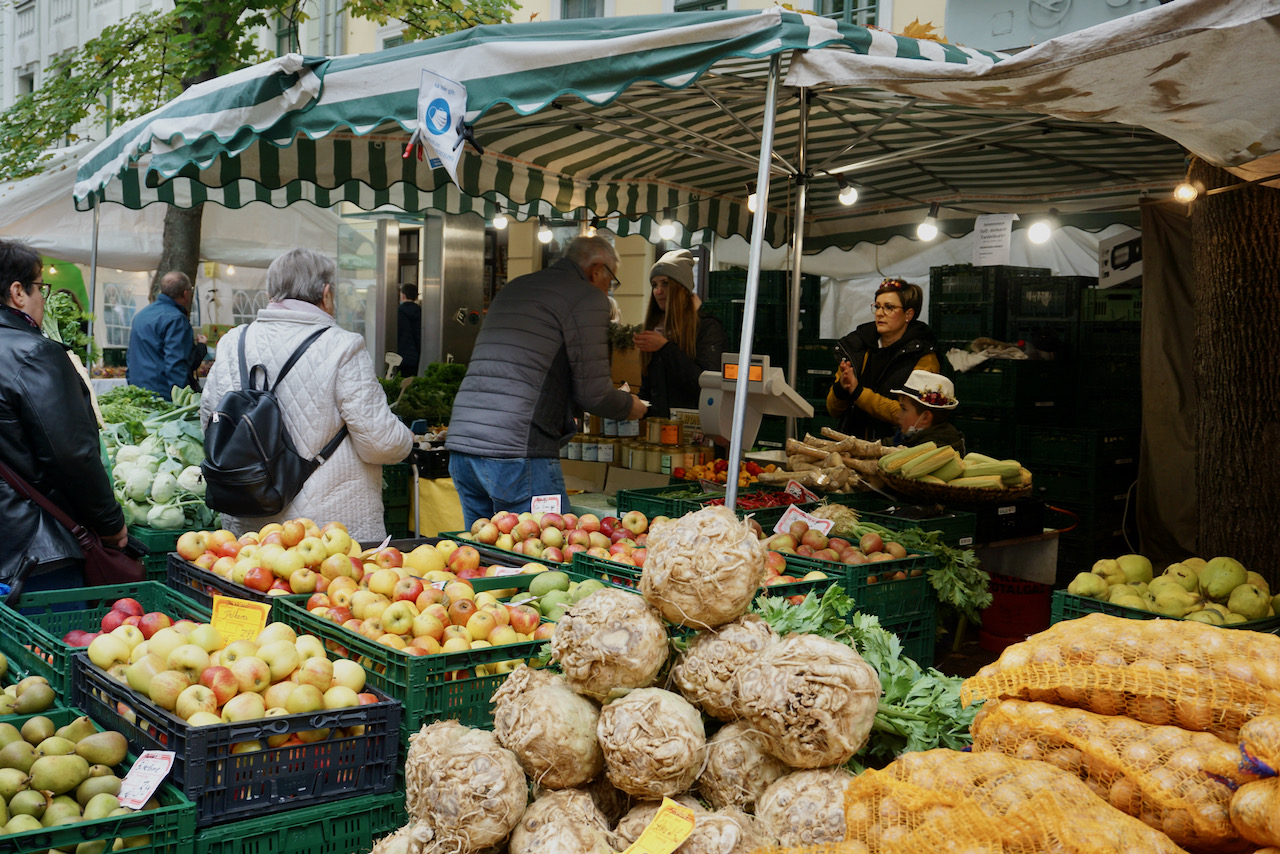
Zwiebelmarkt was part food festival . . .
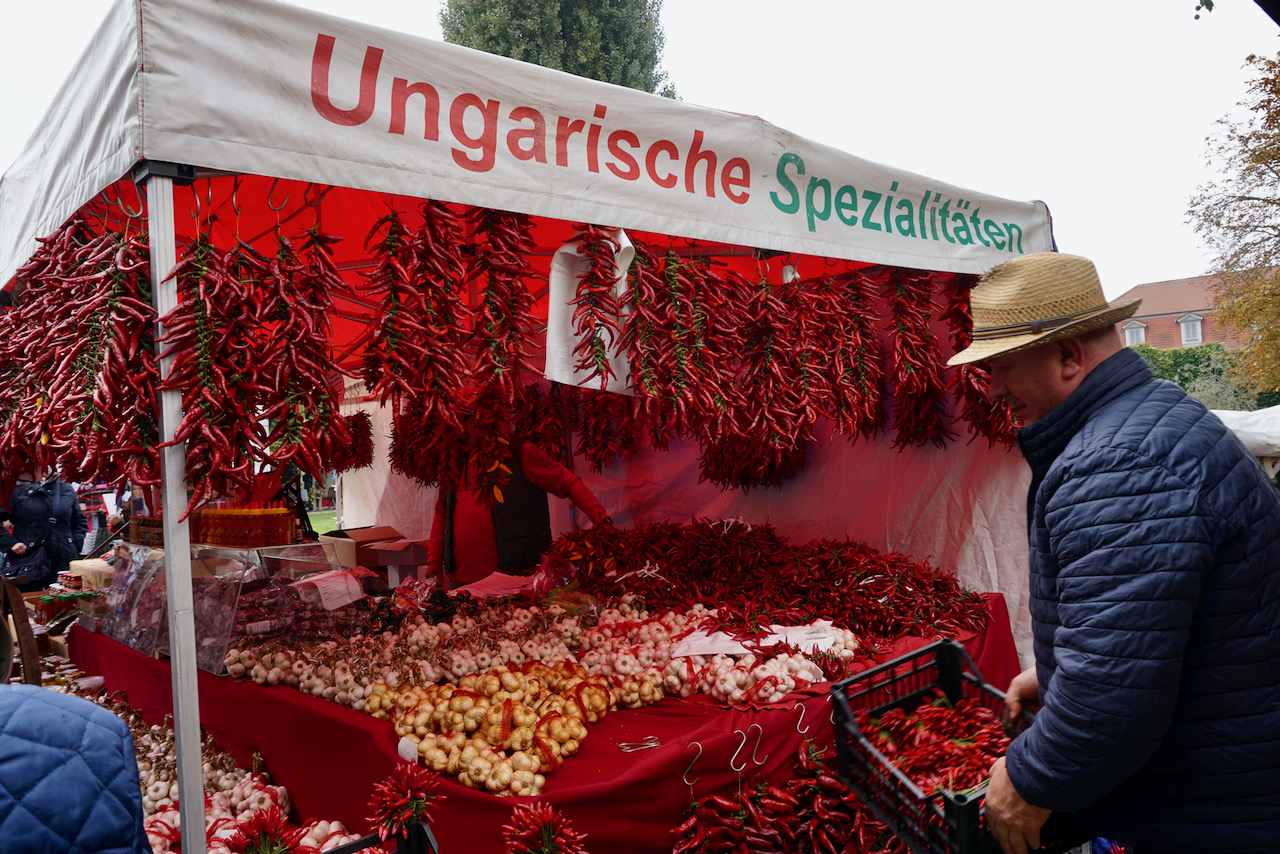
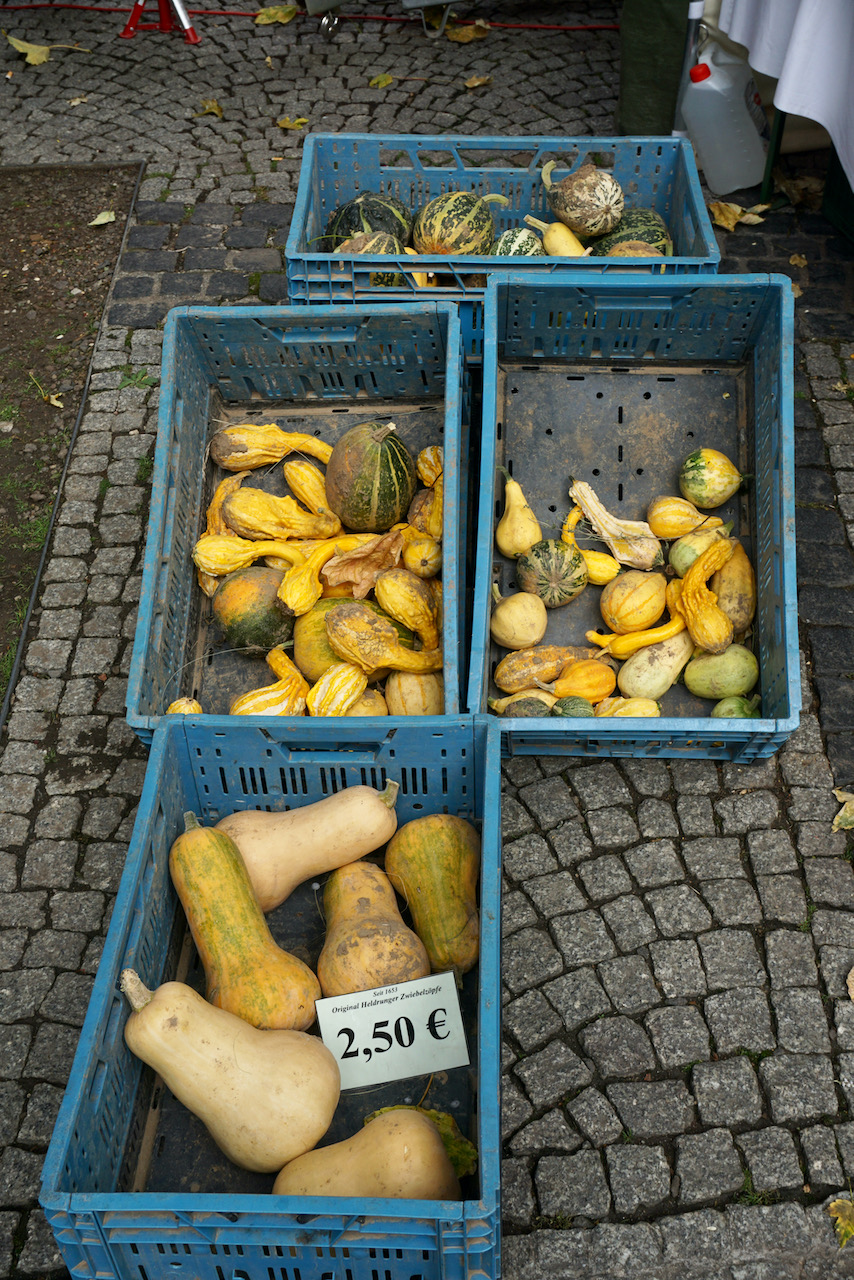
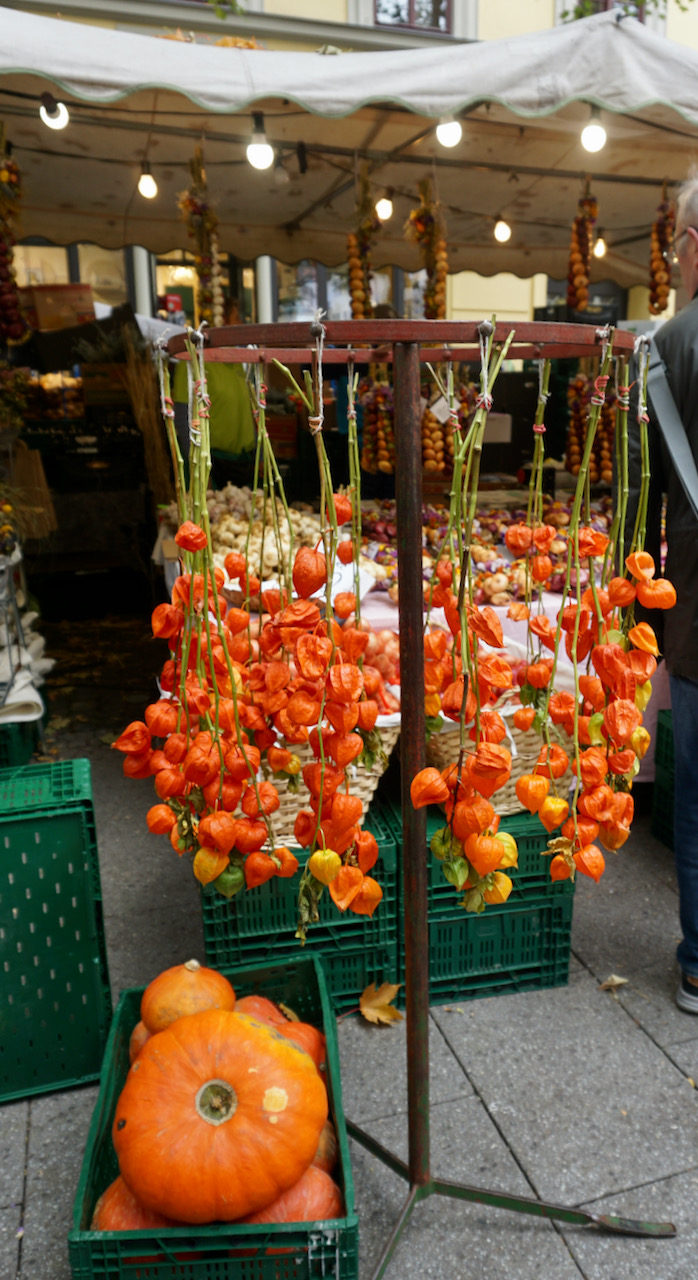
. . . and part harvest festival (I made my way to several farm stalls before it got too busy) with specific attention given to onions, which I will never see the same way again.
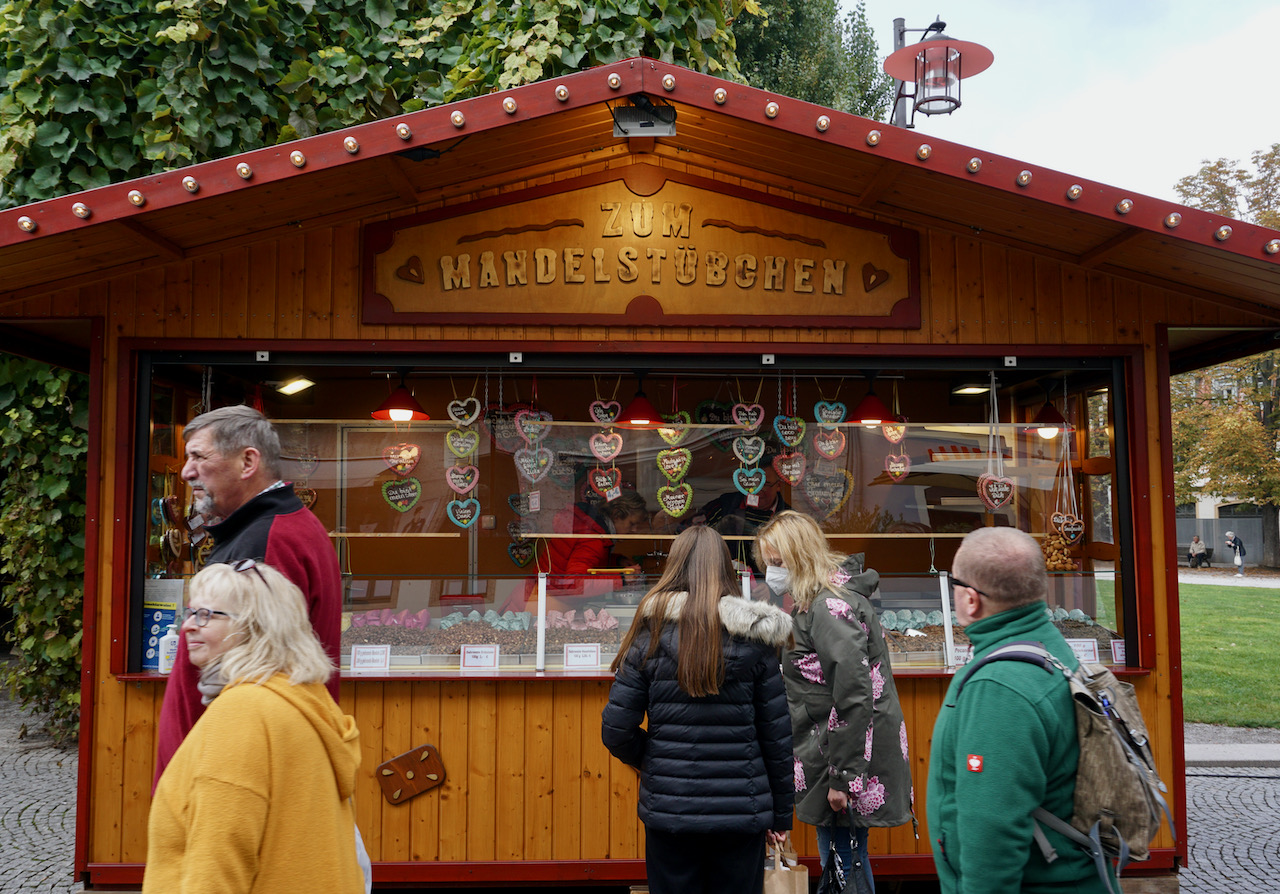
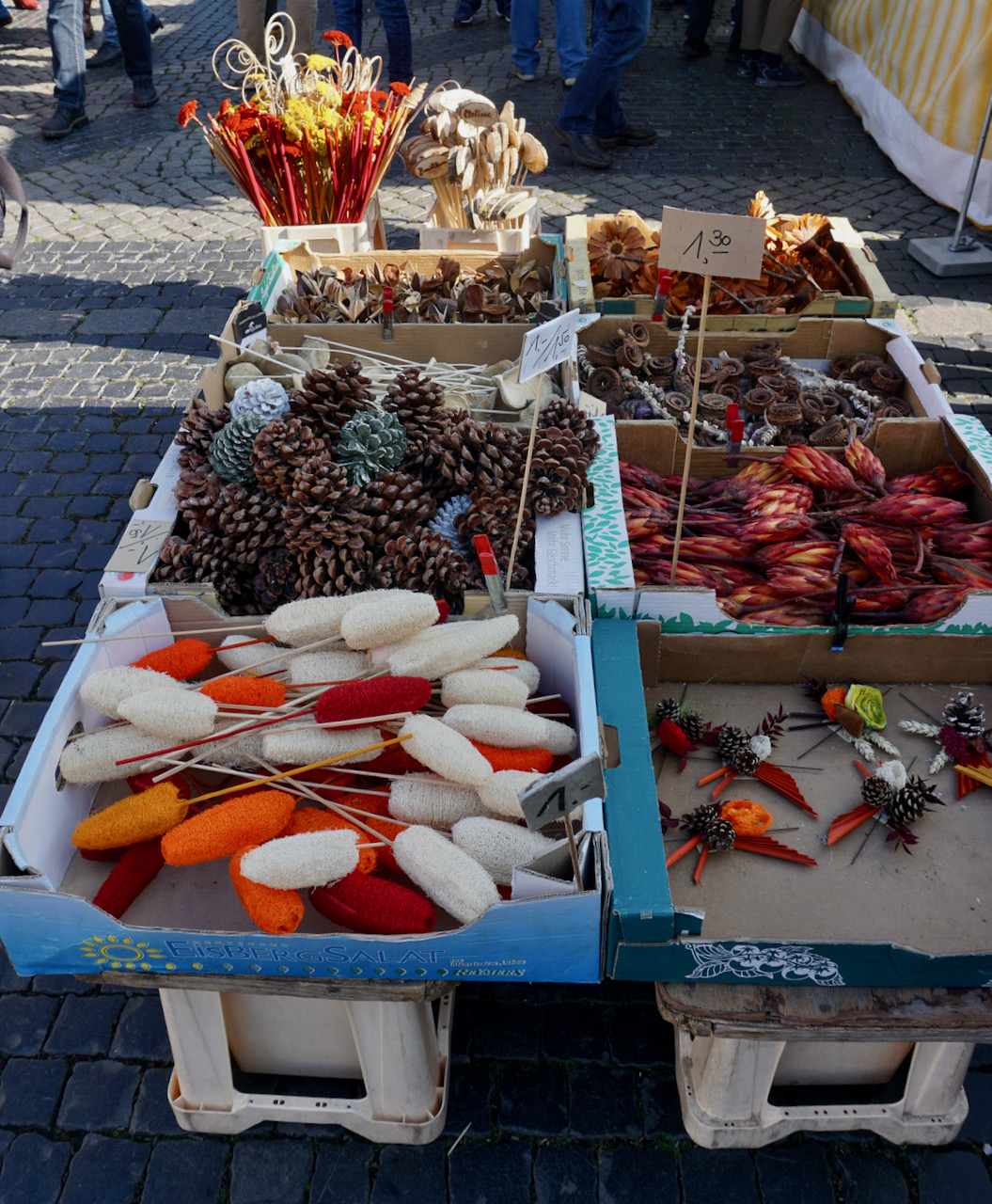
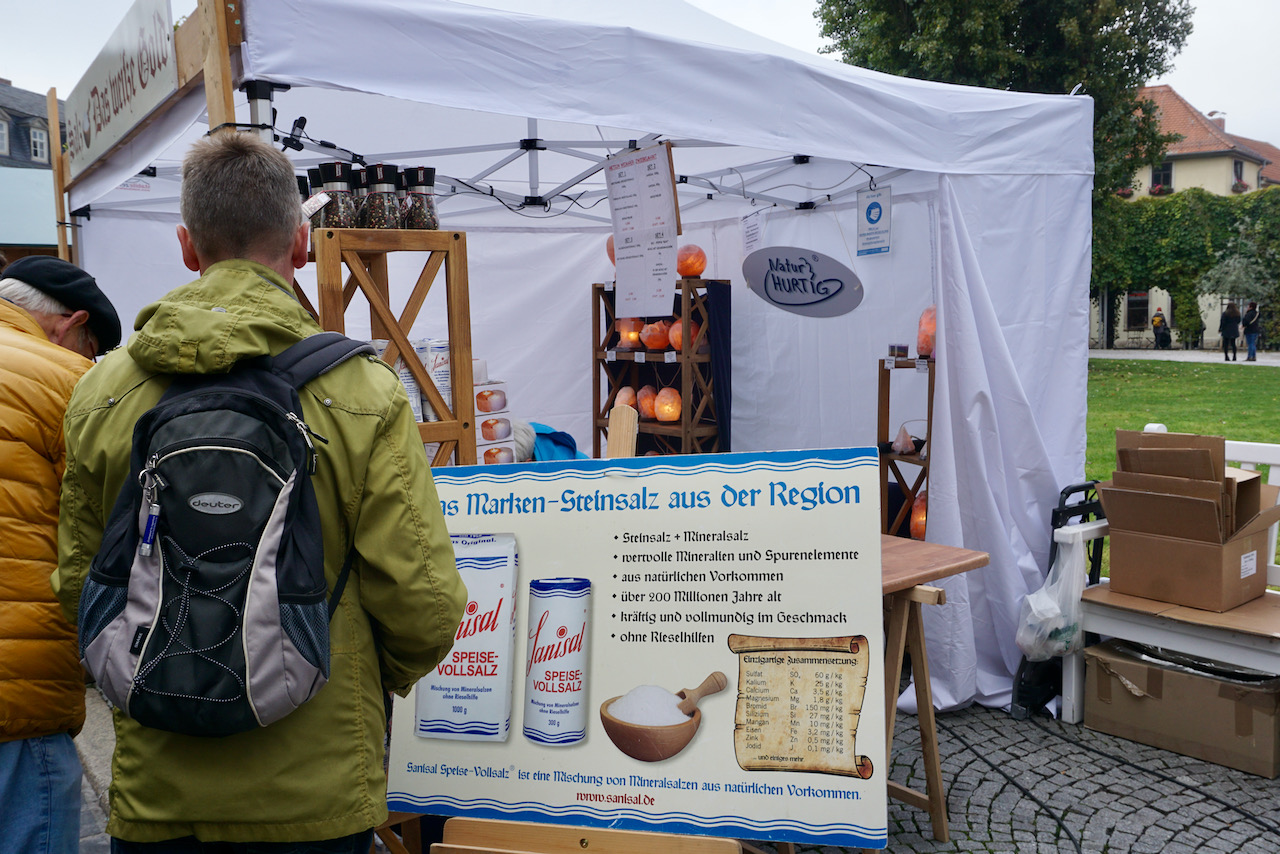
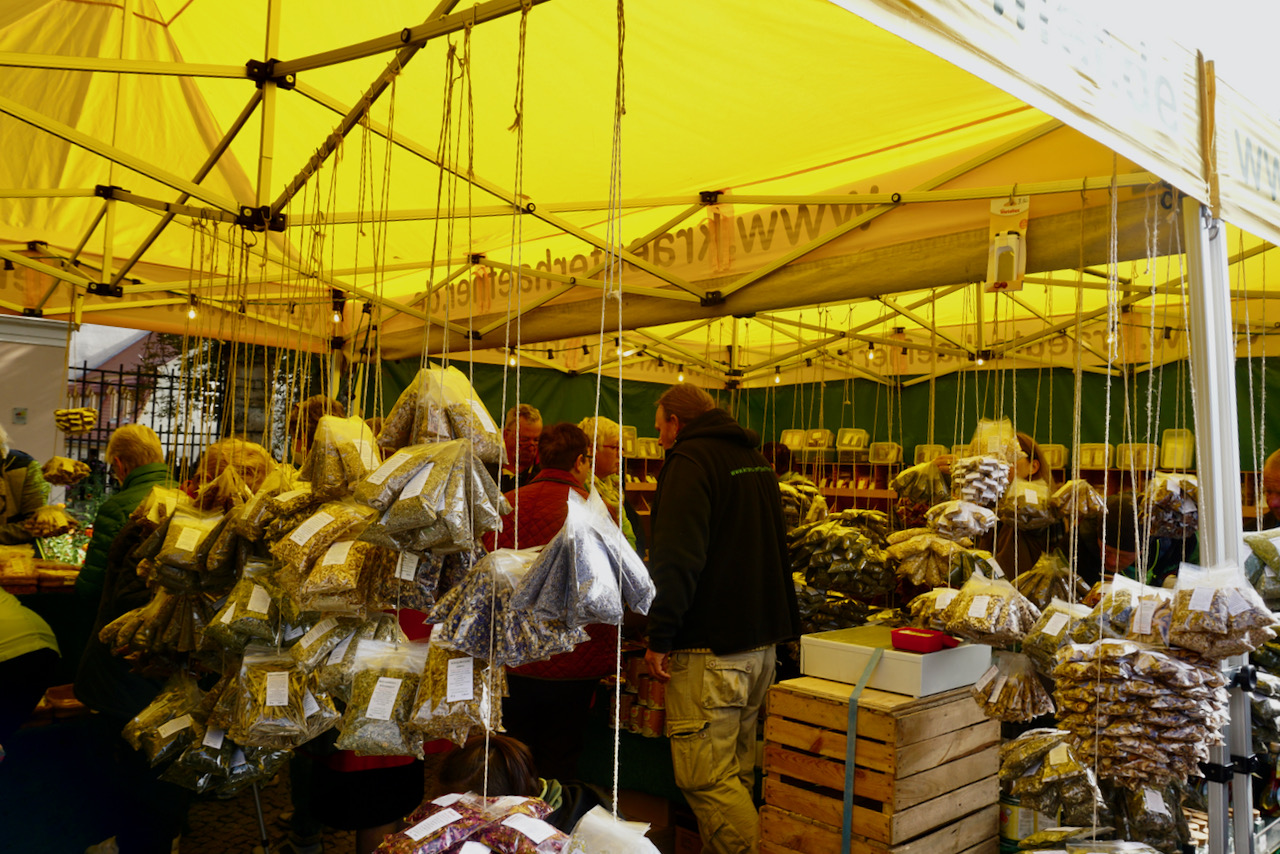
There were opportunities to buy onion-themed gifts and other household items (my contributions to the regional economy include a bouquet of dried flowers and a couple packs of spices) . . .
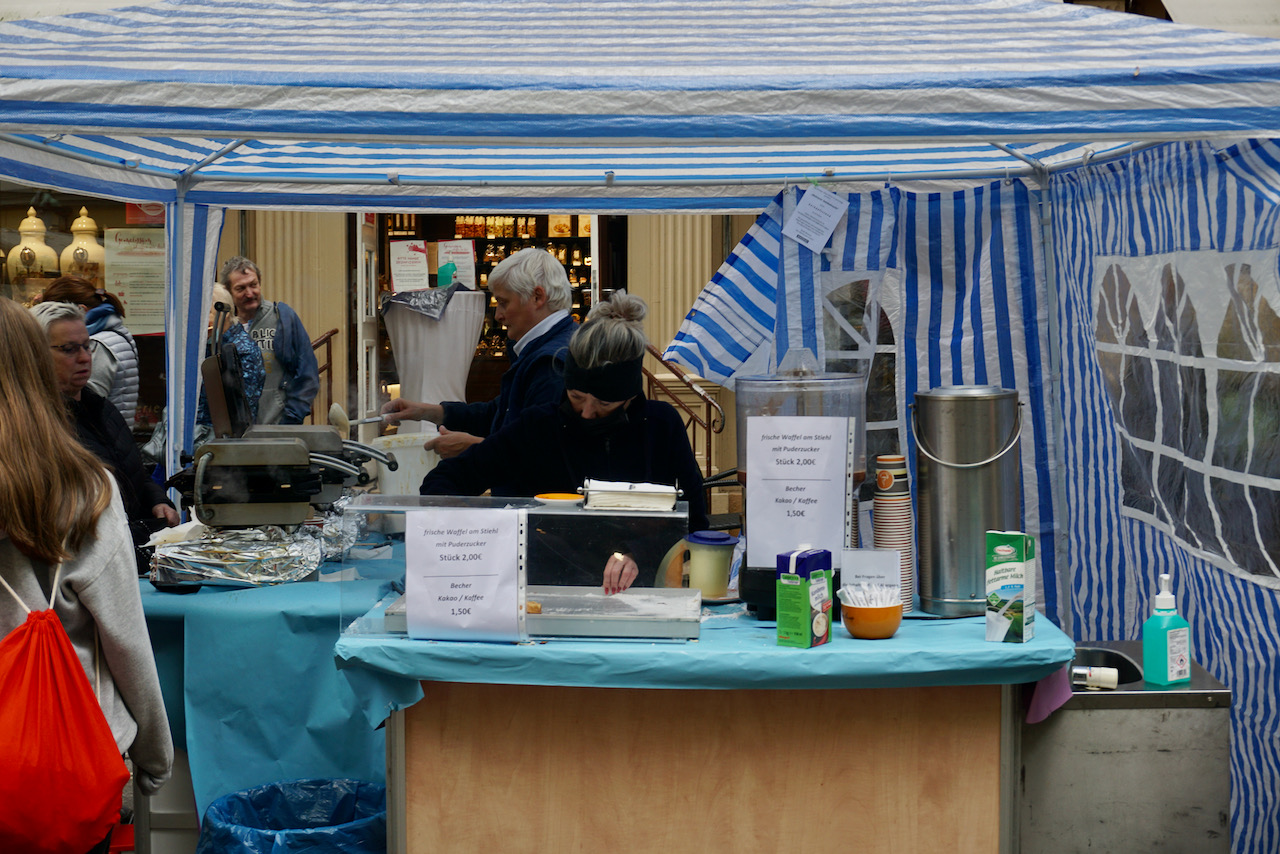
. . . and opportunities to sample onion-based foods. I can vouch for Zwiebelkuchen (onion cake) and Zwiebelsuppe (onion soup).
There were performances, too, of both the musical and circus variety, as well as a special carnival area for children, which was not too far from the medieval fair where some really fun bands played.
“Why did you choose Weimar?” a Weimar native asked as we drank beer and wine, sang along to Incubus and Radiohead covers, and used her sky app to find Jupiter and Saturn.
Many reasons. I can’t honestly say that onions were taken into consideration, but I’m glad they have become part of this experience.
Being in Munich for Oktoberfest was a bit like being in New Orleans for Mardi Gras: It was an accident and I didn’t realize that’s what I was doing until someone else told me.
In all fairness, I hadn’t intended to be in Munich for Oktoberfest. Rather, I had tickets to an Elton John concert that was cancelled (and rescheduled for two years from now!) because of Germany’s Covid regulations. Any reason to travel is a good one, and so, concert or not, I decided to head to Munich.
I arrived after dark on Friday night but I could already tell that being in a city felt rather different to my small town. There was something about the amount of light, the sheer number of buildings (though they were a far cry from what my Singapore and New York lives would consider tall), and the ambient noise that showed me how accustomed I’ve grown to my current environs. Despite this reaction , it was precisely my years of city living that immediately had me feeling comfortable navigating Munich’s excellent public transportation system.
The weather throughout the weekend was gorgeous, 20° and bright blue Bavarian skies. This meant that I was outside the whole time and have saved the indoor recommendations (all suggestions thanks to a friend who had lived in Munich for a time) for a future visit.
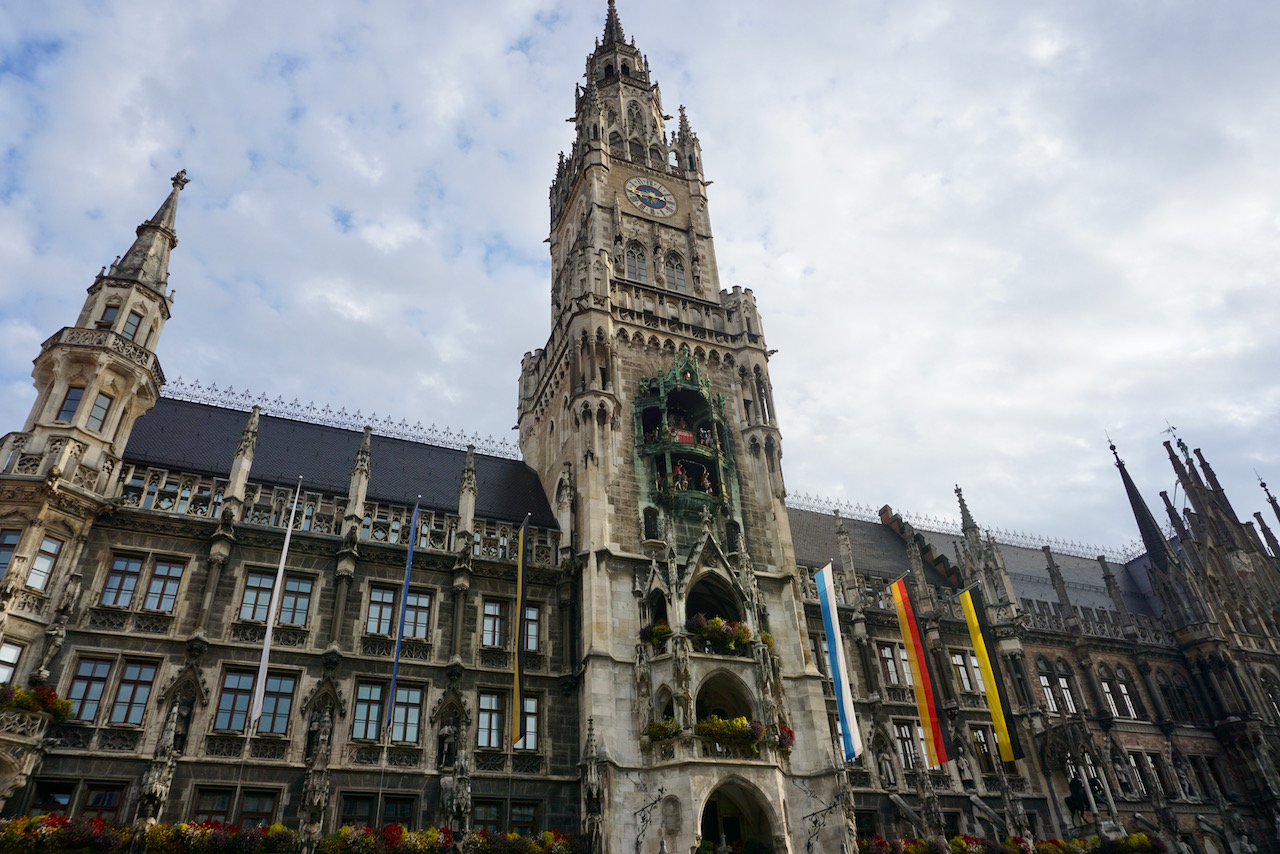
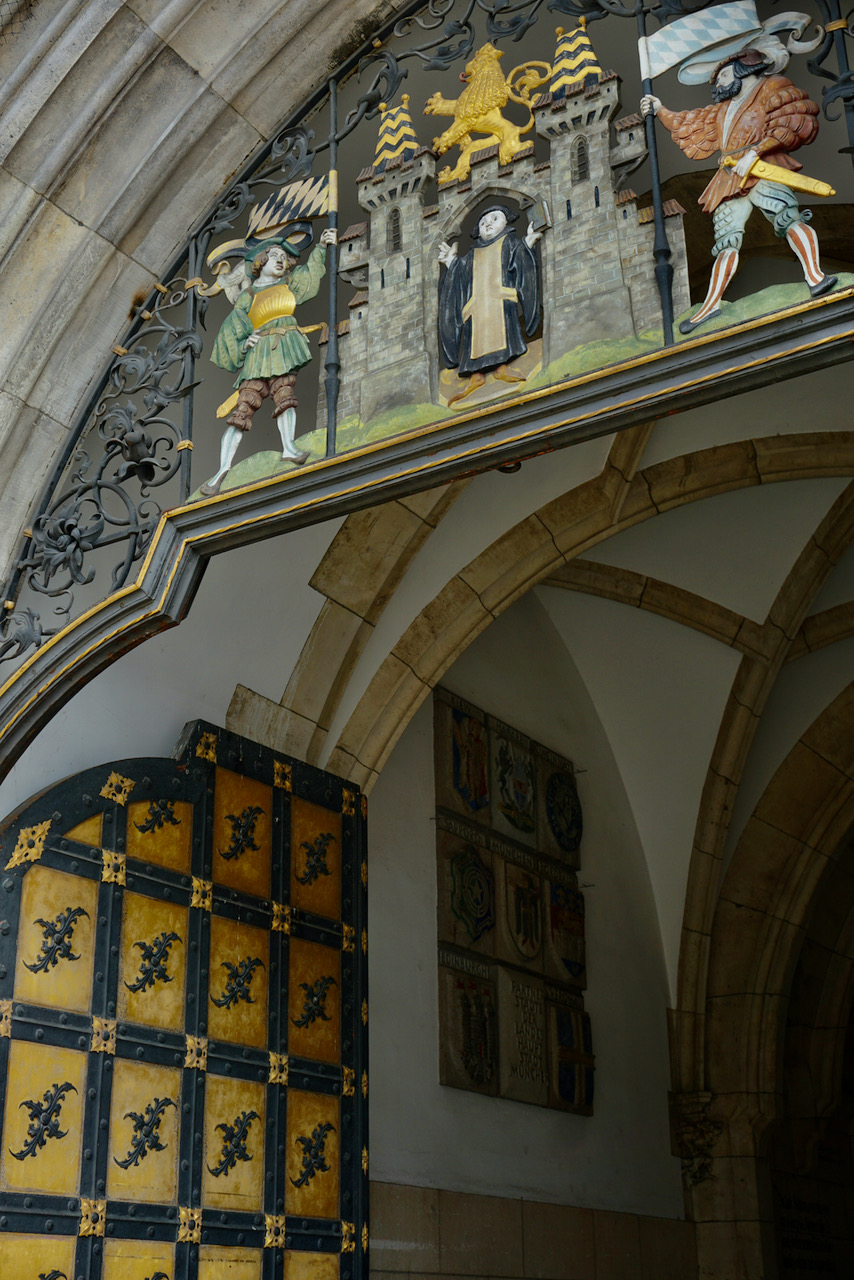
On Saturday morning I got a coffee and sandwich and sat in Marienplatz to watch the world go by. As I am directionally challenged, this became the centre of Munich in my head and I returned to this spot multiple times to reorient myself. The famed Glockenspiel at the Rathaus, or New City Hall, puts on two performances at 11am and 12pm to bring some of Munich’s history to life. It was charming and I had to smile at the excitement that must have caused in the early twentieth century.
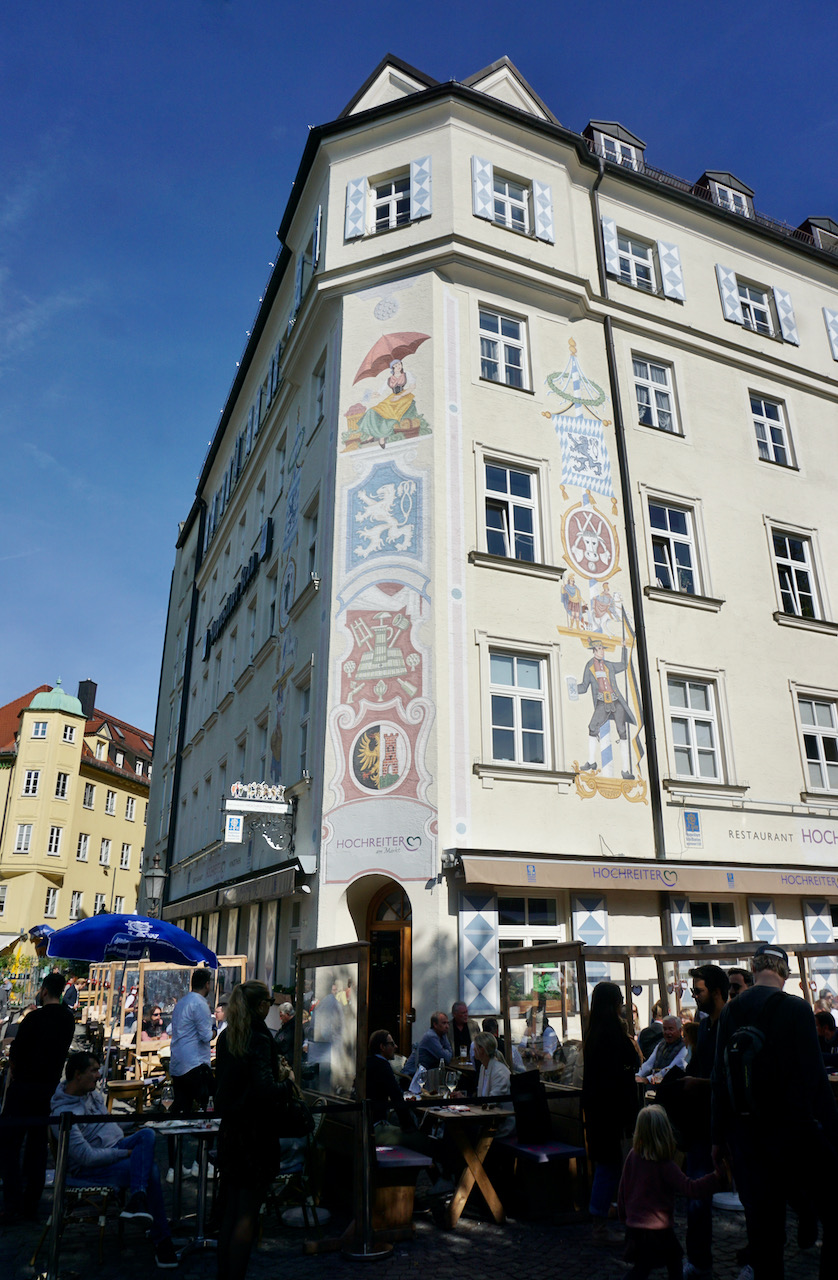
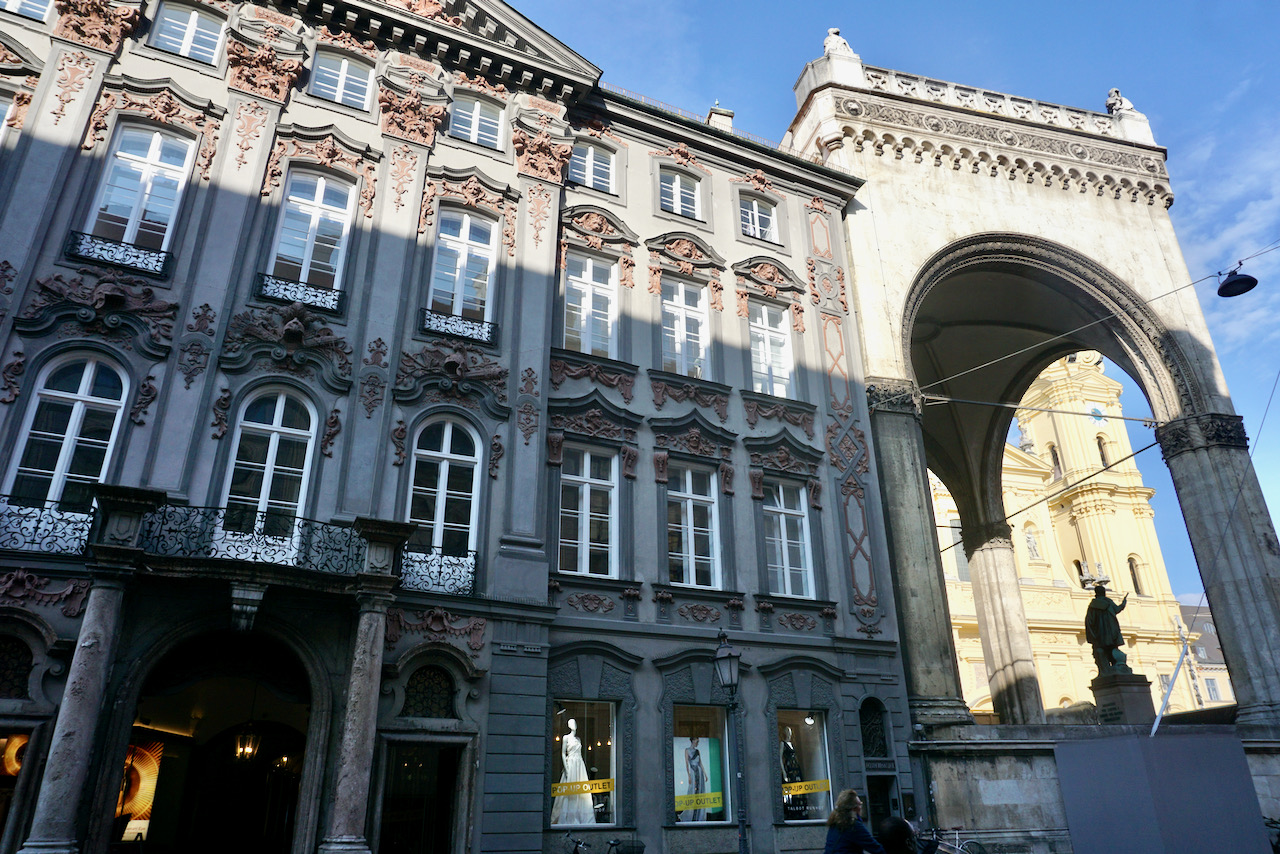
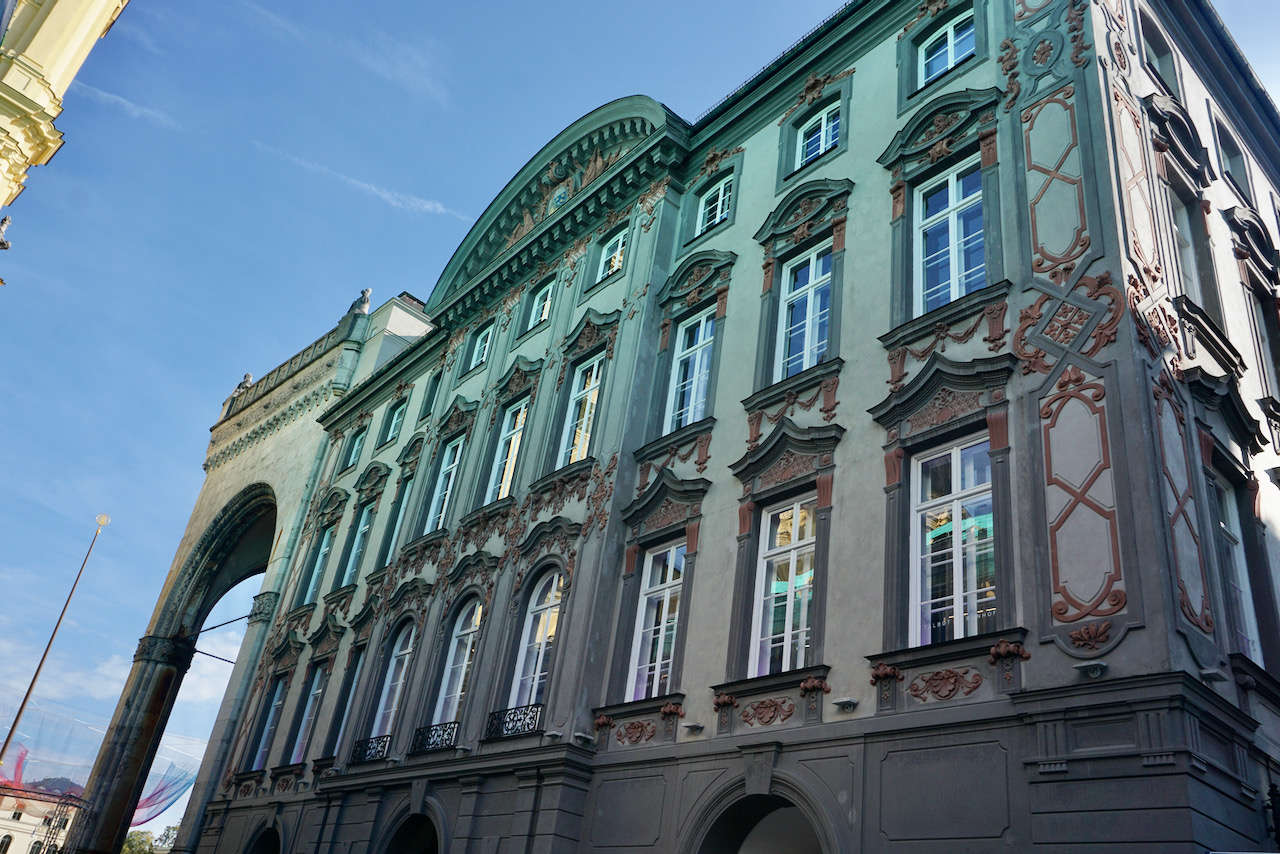
The day began in earnest with a walking tour in which we learned about the history of Munich and Bavaria and talked about beer culture. The tour guide, Jax, explained that the façades of Munich’s buildings were redone after the war, often in very clever ways. The buildings themselves are therefore not old, considering about 50% of the city was damaged during the war, but their careful consideration of the past has lent the old town an old feel.
Our tour also touched on Munich’s role in Hitler’s rise to power. I didn’t realize that the failed 1923 Beer Hall Putsch that landed Hitler in jail, where he subsequently wrote Mein Kampf, had taken place here. It was an interesting juxtaposition to talk about this just before heading into the beautiful Englischer Garten, originally the royal private garden that, once opened to the delighted public in the late 1700s, became the home of Oktoberfest.
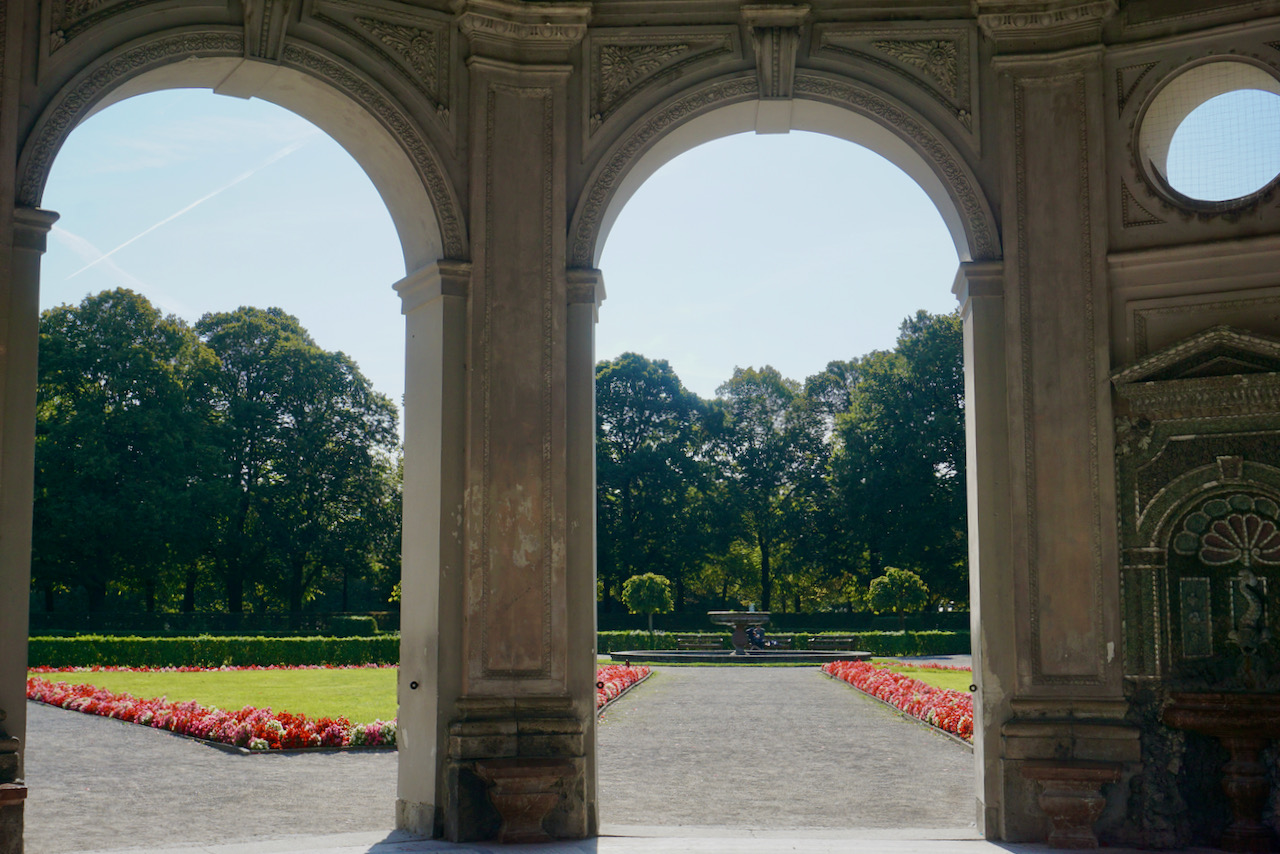
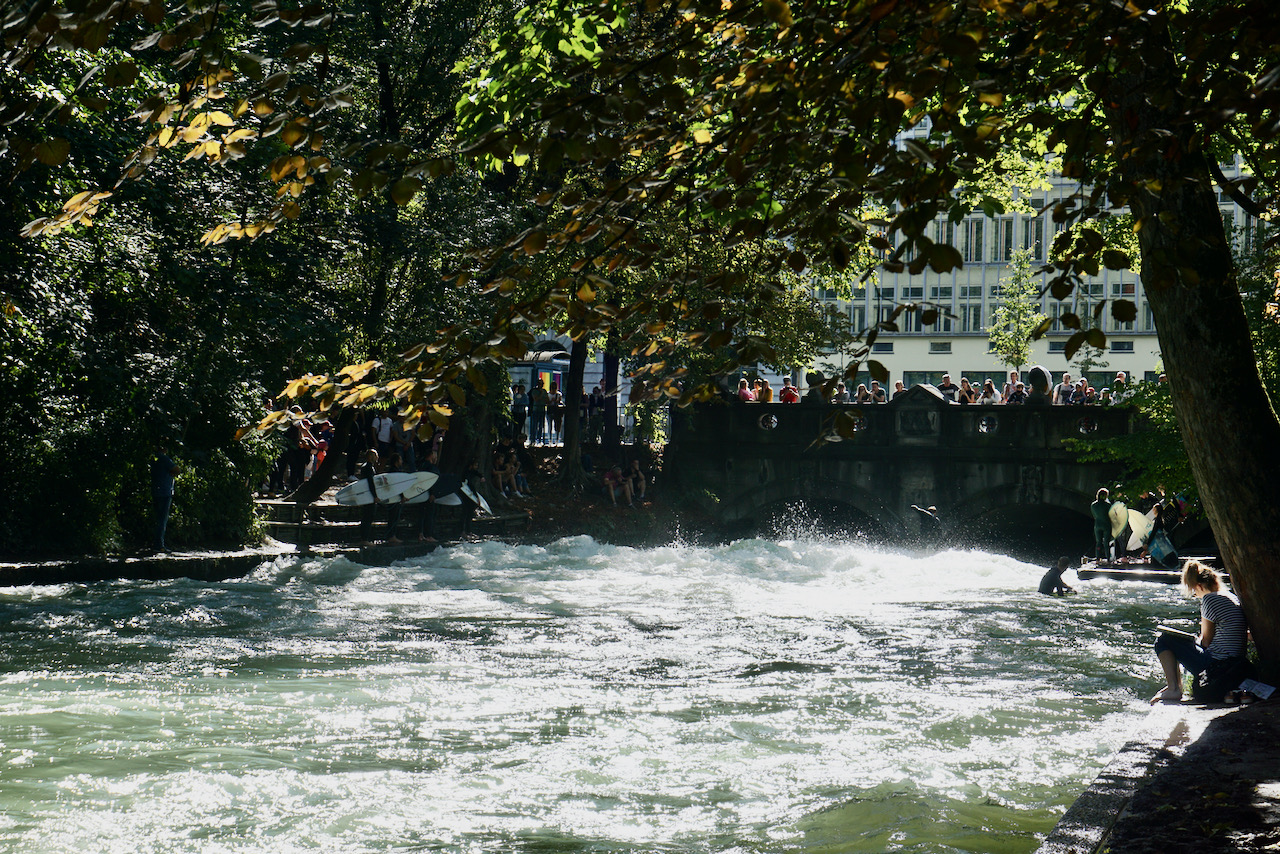
The Englischer Garten is Munich’s largest park and these photos do not do it justice. In addition to being historically interesting, it also held a first for me: Watching people surf in a public park.
But I’m getting ahead of myself. That was the last photo I took on Sunday. Back to the tour on Saturday, which concluded with my favourite part: Viktualienmarkt!
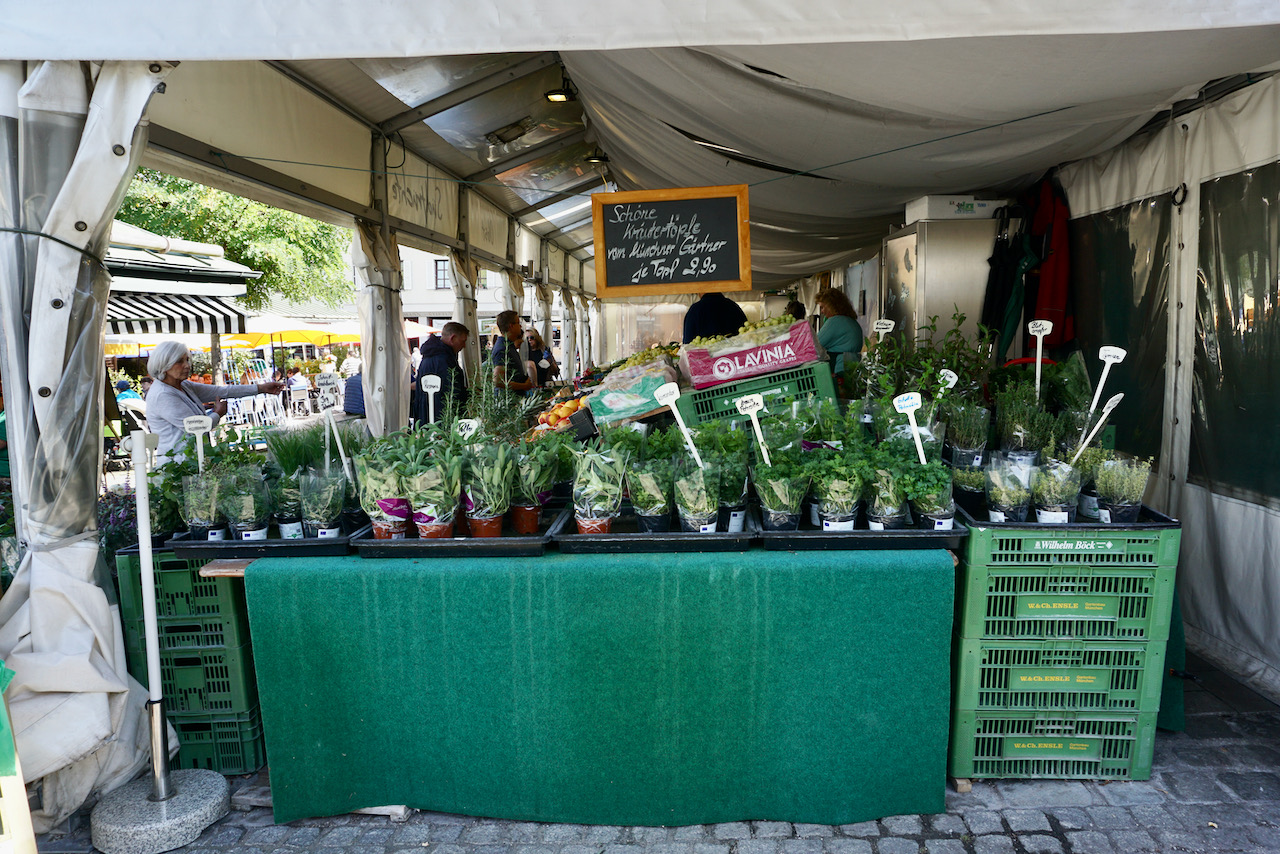
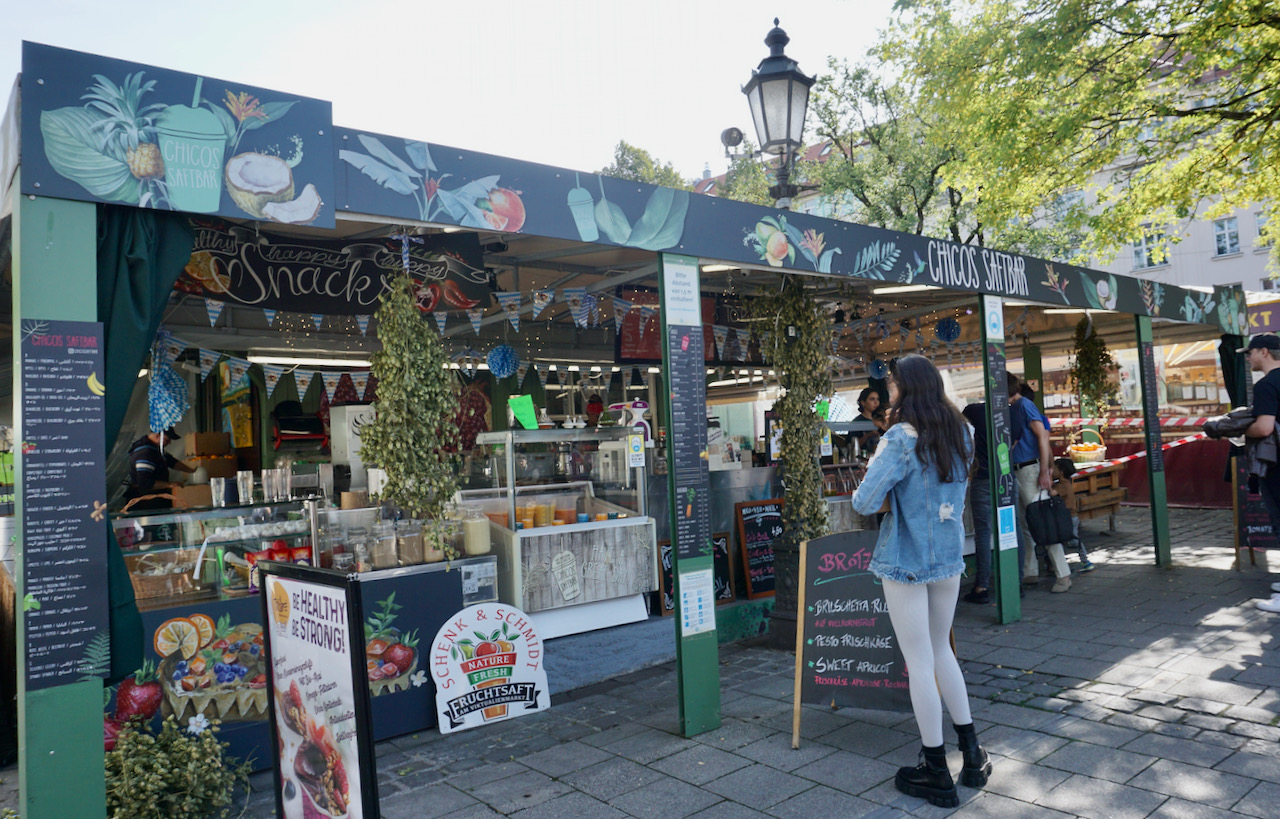
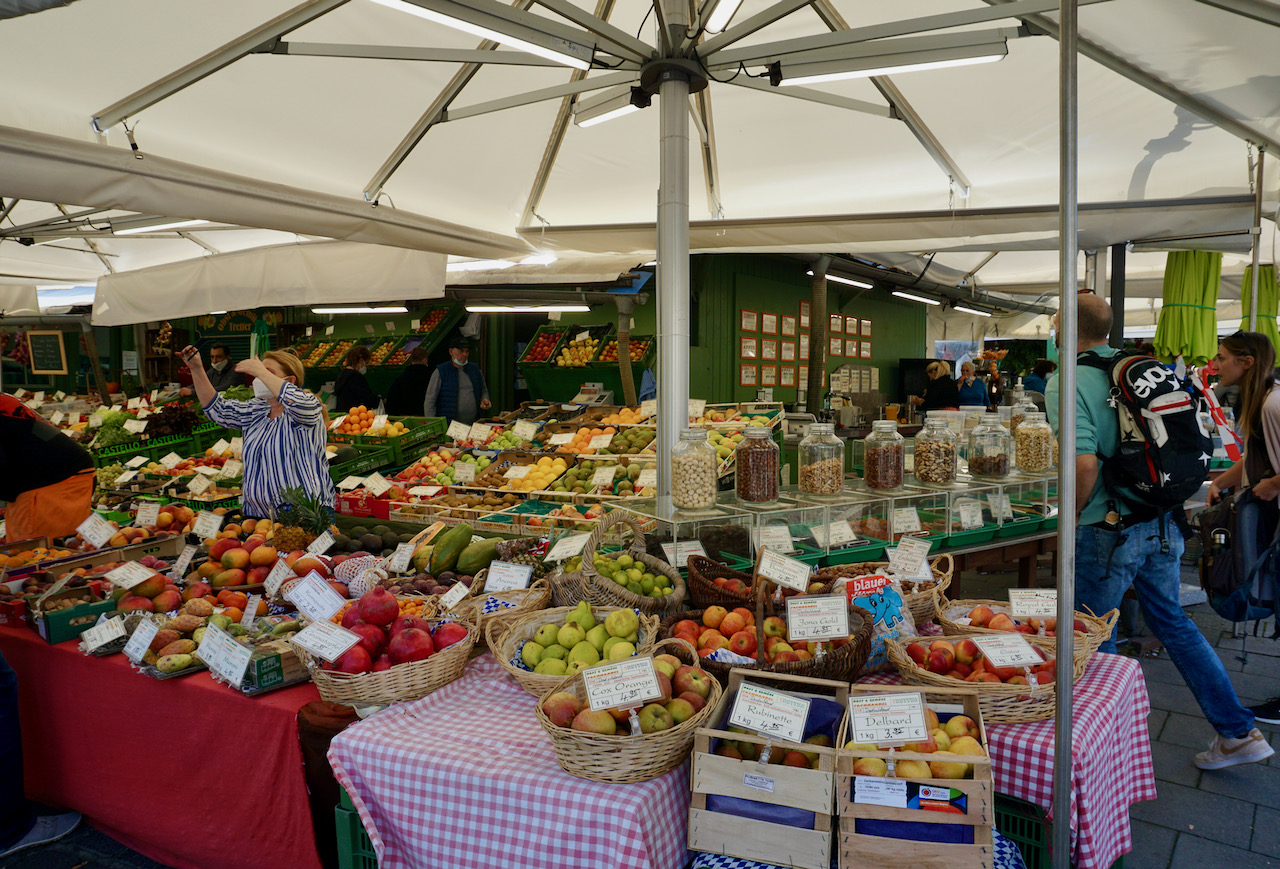
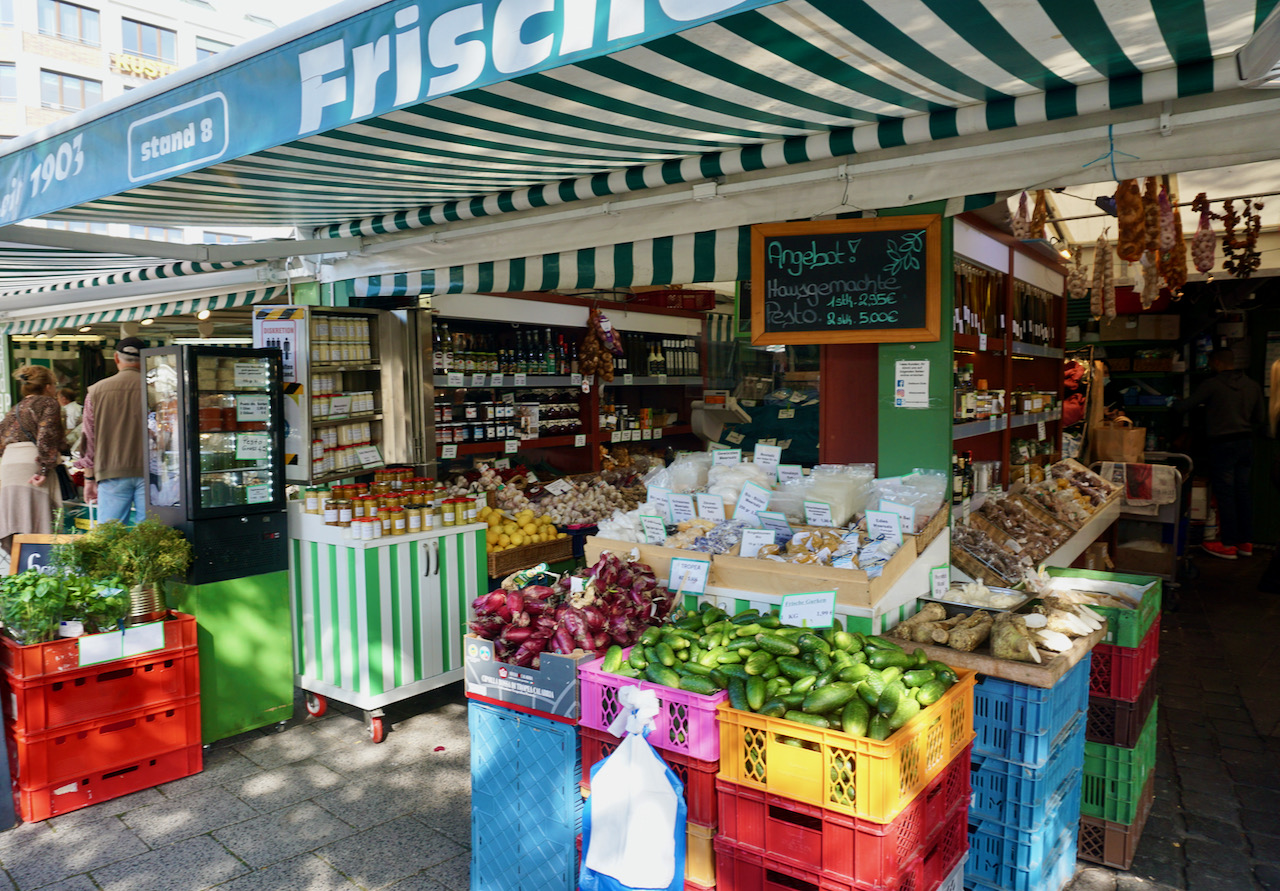
If you’ve followed this blog for any of my travels, you already know how much I enjoy markets. Please feel free to skip to the photos. If you’re new here, welcome! To sum it up, I really enjoy markets. I love the people, the energy, the community built around food. I love the smells and tastes and the fact that everything you purchase comes from a real person who is standing right there in front of you, and who could probably tell some sort of story about what you’re buying. I love the interaction and the camaraderie that comes from watching others and being caught in the act of watching. All kinds of people shop at markets, and markets cater to so many traditions and flavours. One must only glance at the colours, the careful presentation of goods, and the handwritten signs to witness the collective humanity that has created this place. Walking through a market tells us something about the culture of a place and the people who make their home and livelihood there. There is so much to see and so many opportunities to experience something new.
After the tour concluded, I returned to Viktualienmarkt, had something to eat, took some photos, and watched people. Even though the tourist events and big Oktoberfest celebrations were cancelled, it was a treat to watch people going about their business in Drindl and Lederhosen, and then joining their fellow Bavarians at the many beer gardens and beer halls. I did my part by sampling kaiserschmarrn and pretzels with obatzda in my breaks from wandering around.
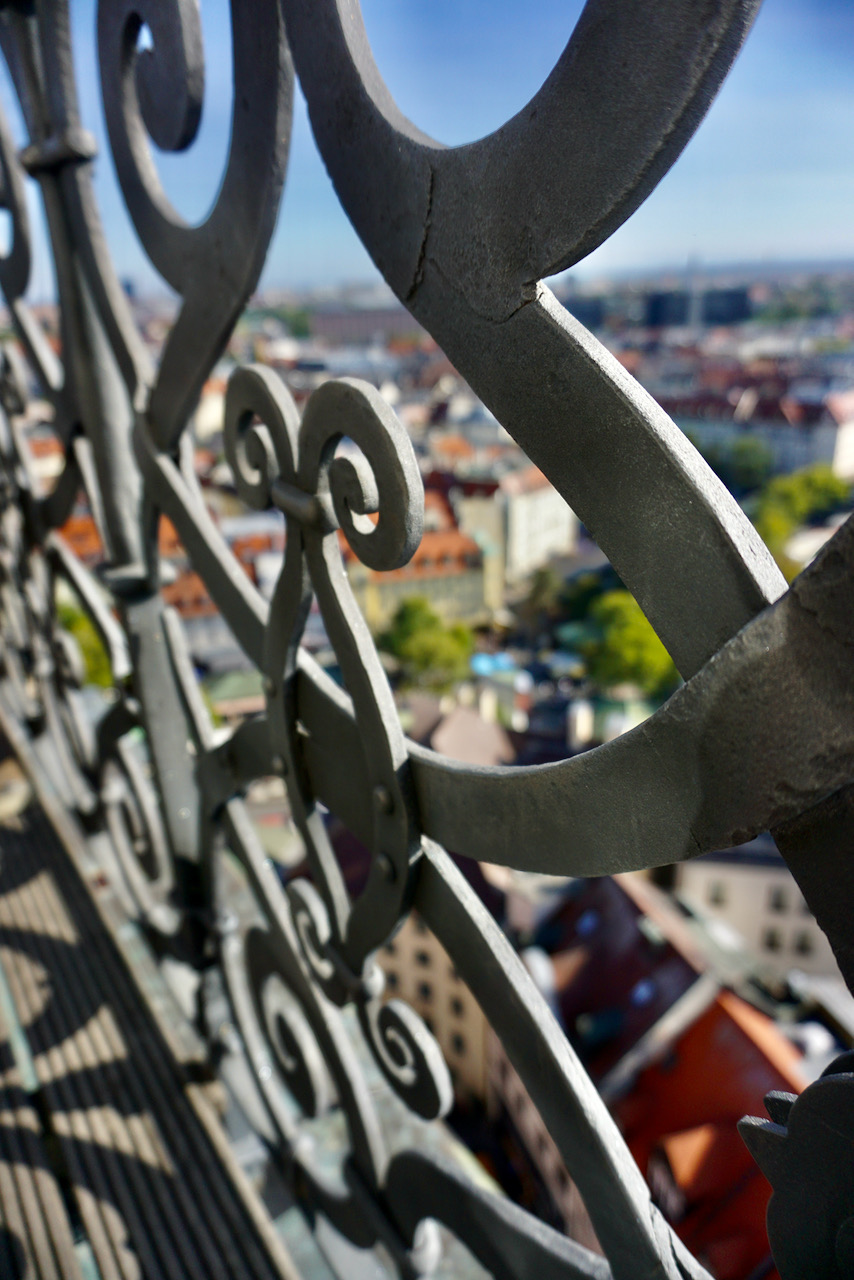
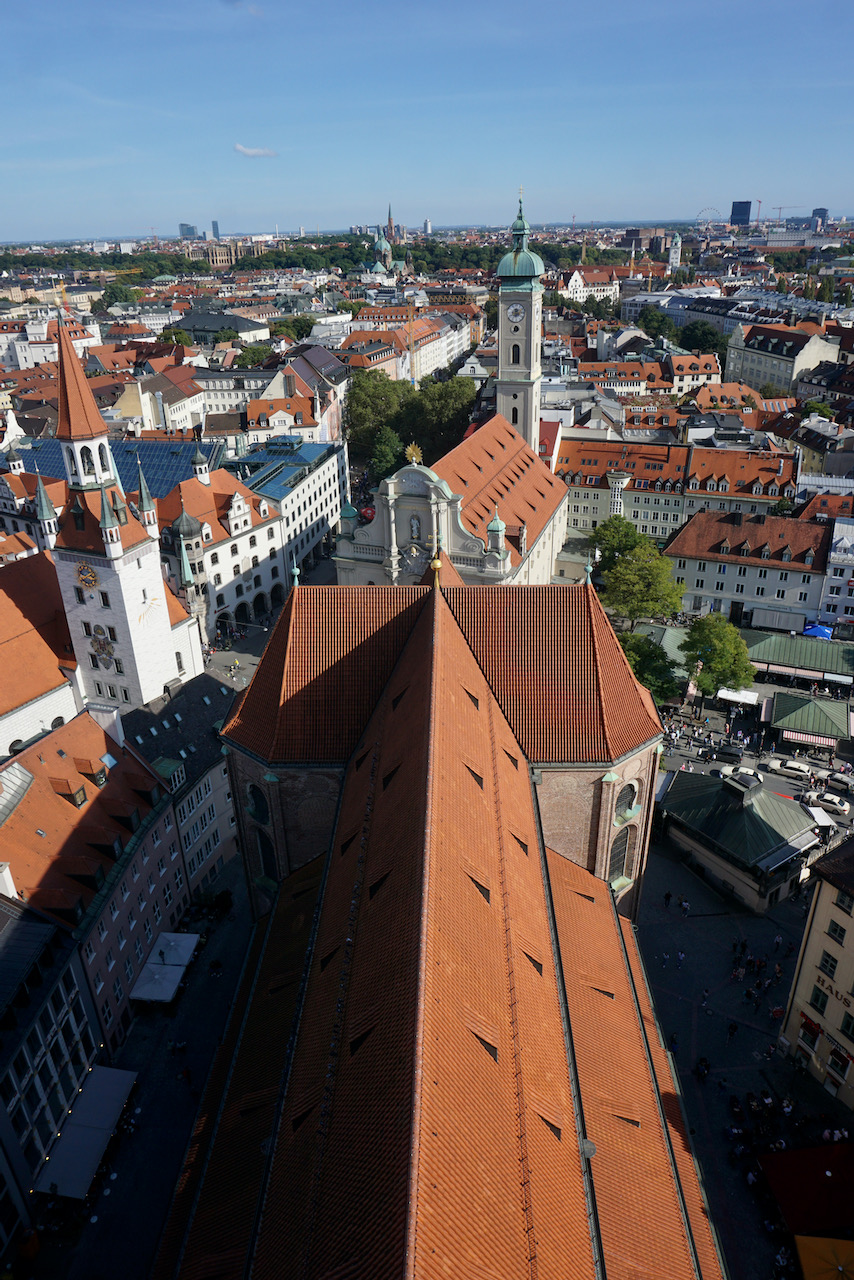
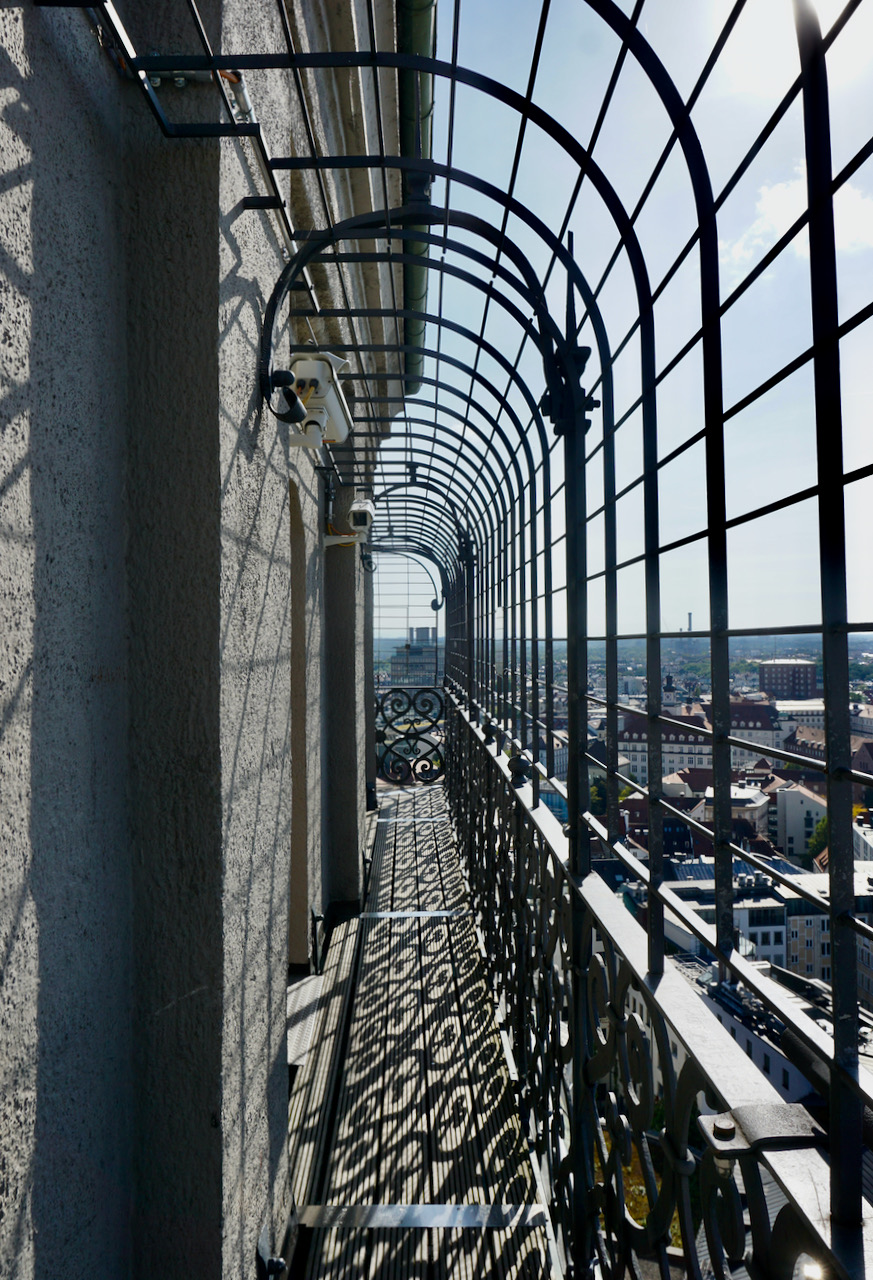
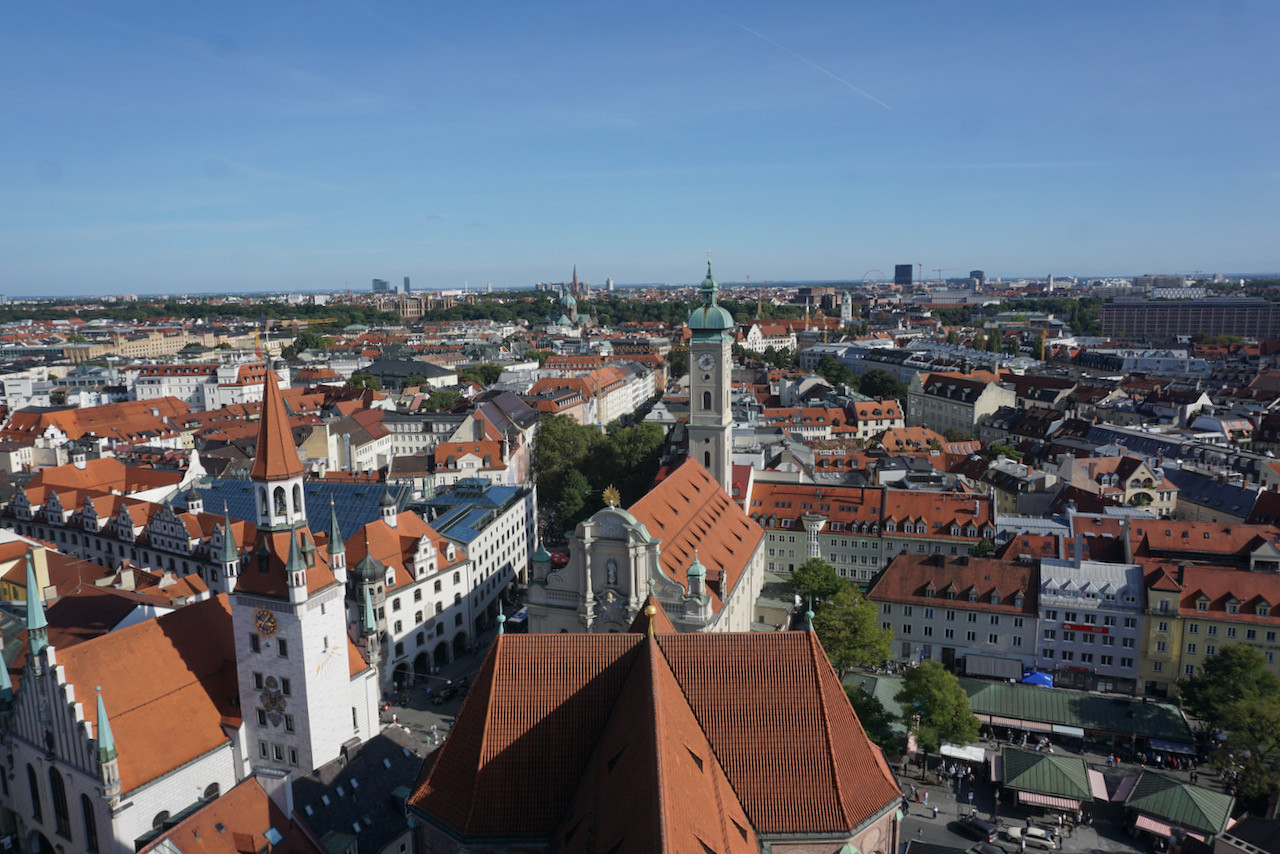
My Oktoberfest experience came later, however. Due to the beautiful weather, I was determined to remain outside as long as I could. This first meant standing in line to climb the tower at Saint Peter’s Church. I do enjoy a good church tower for a view and the passing people, many in traditional clothing and having a good time, provided plenty of diversions. Half an hour in line and about 300 steps later brought a wonderful view. People had said you can see all the way to the Alps and they were absolutely right.
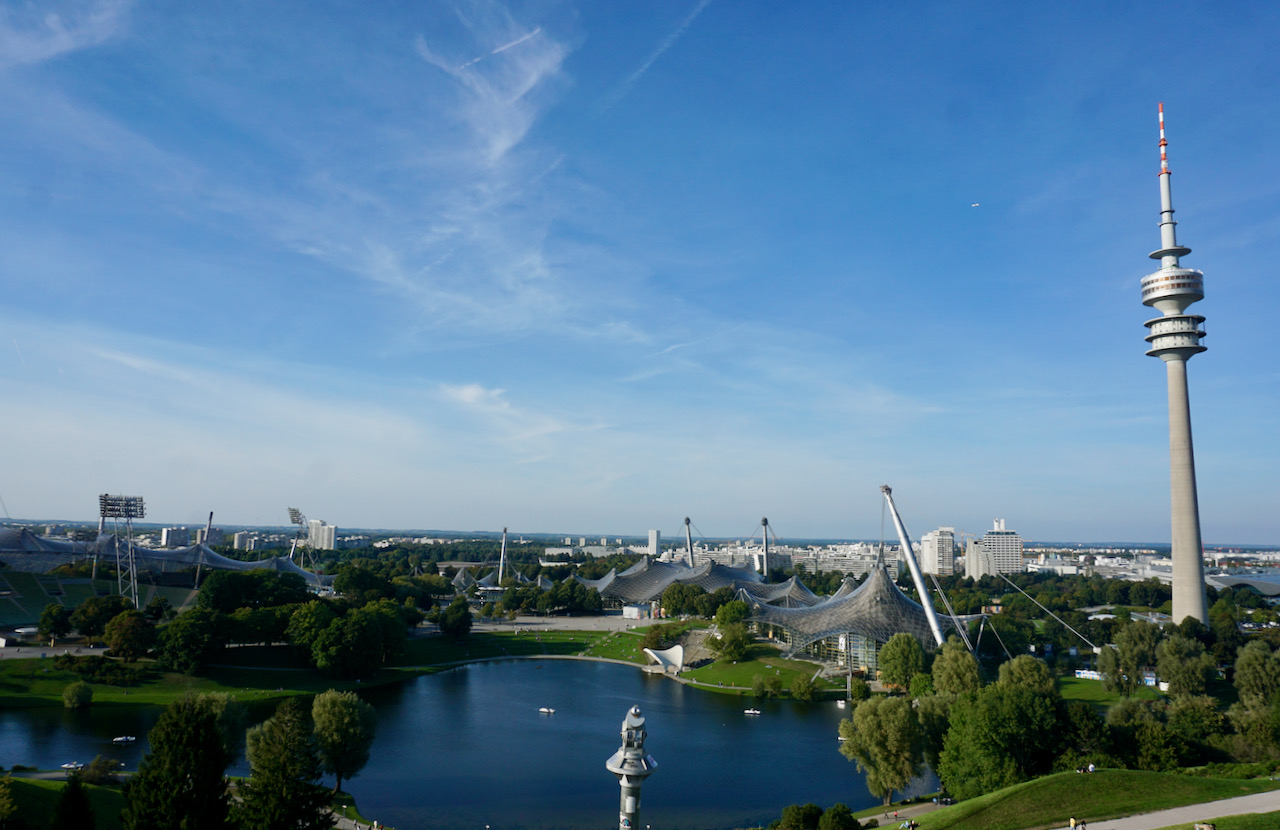
Later that afternoon I went out to Olympiapark, both for the walk and the view. Munich is a city full of parks and I was so glad to see people enjoying the weather and one another. I was also glad for so much greenery in a city! That being said, Munich is far from crowded and congested. With a population of about 1.5 million people, it is affectionately referred to as a “large village”. I cannot imagine this place with the 6-7 million visitors that come for Oktoberfest during a normal year, and I’m honestly not sorry I missed it.
Which brings me to . . . Oktoberfest!
The friend who offered suggestions also provided a list of her favourite beer gardens and I tried, I really did. I’m not one to shy away from being alone in public places, but the essence of beer gardens and beer halls is that you sit down at a communal table, introduce yourself, and enjoy your time there. This was an uncomfortable thing to try alone, even though I found plenty of single seats when I looked around. Since beer in Bavaria brings people together, I was not inclined to take the communal out of it. And I had no intention of attempting small talk in German while everyone else was at a party.
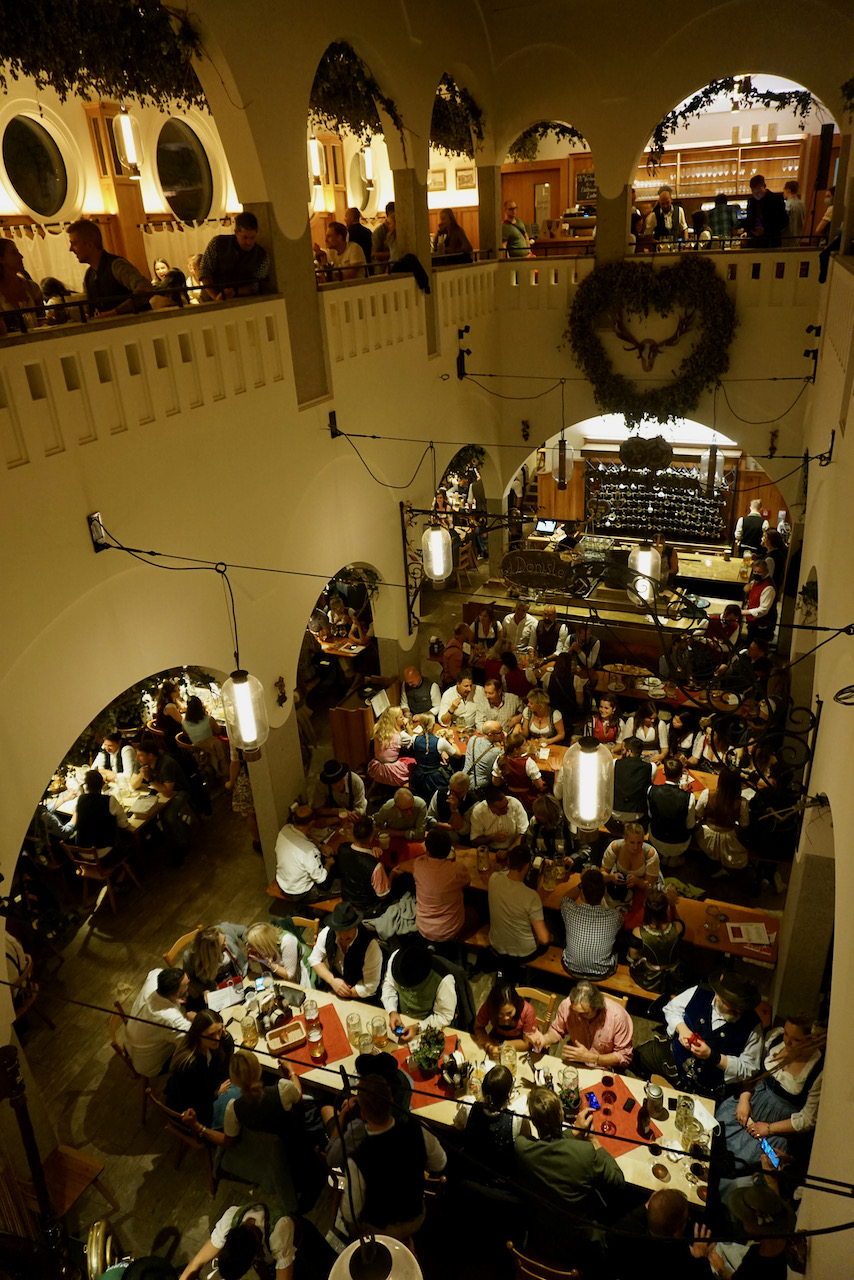
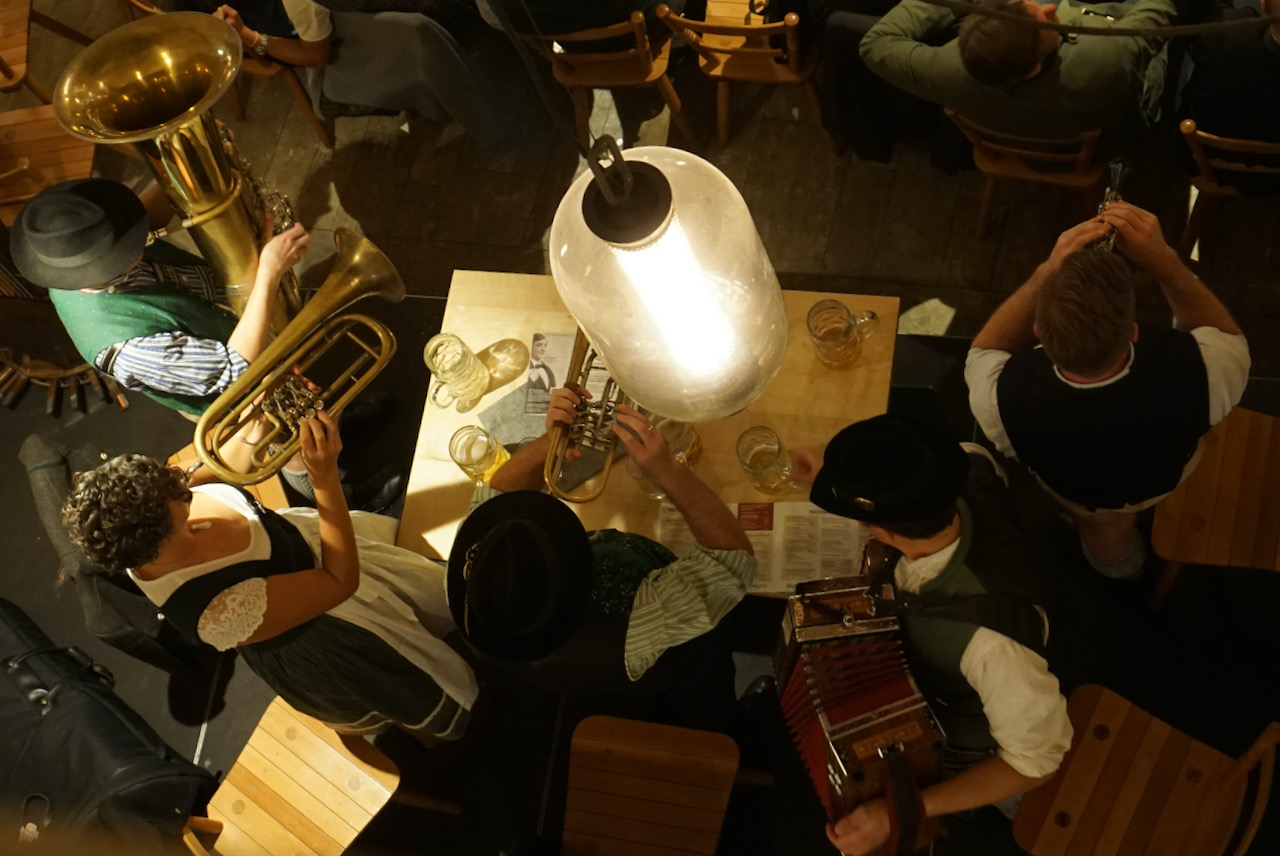
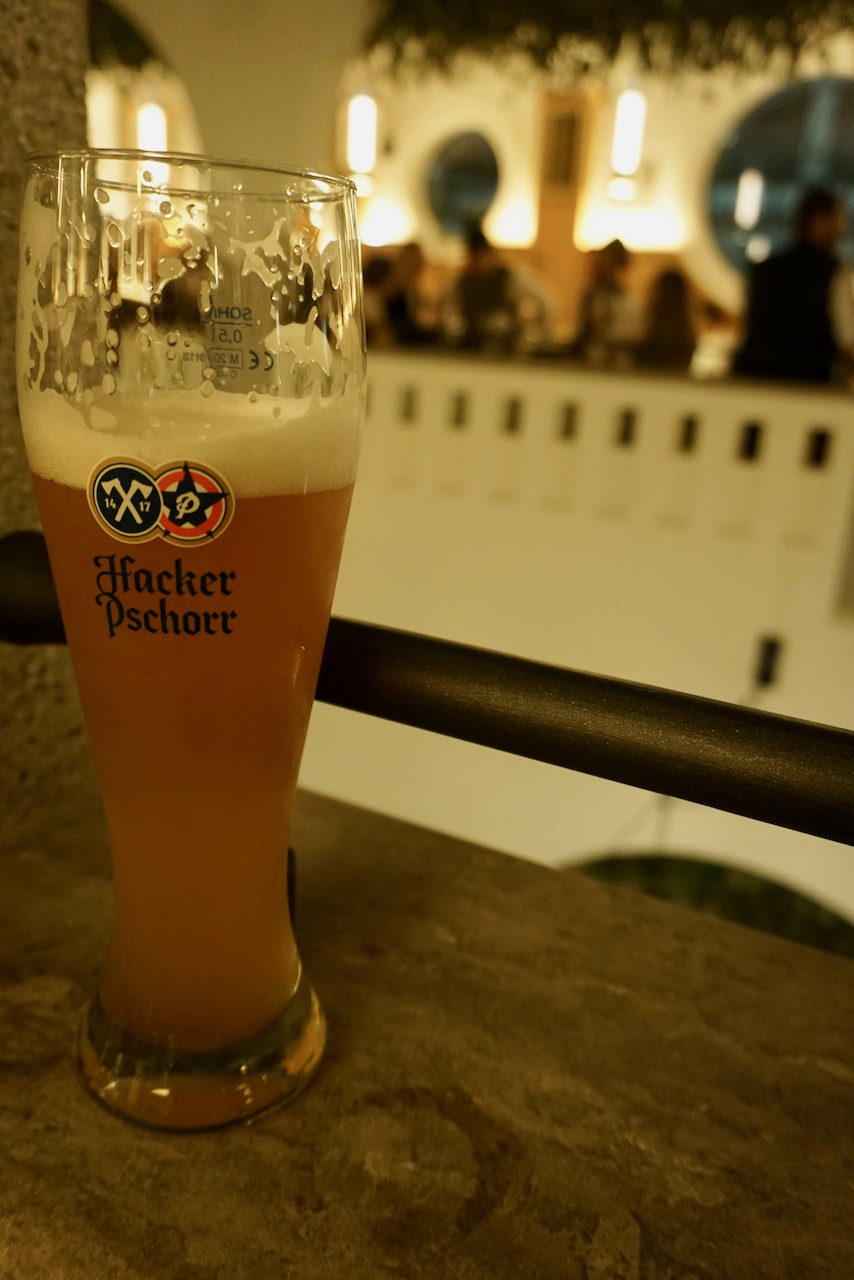
And then I got lucky. I had given up on a beer garden and decided I’d have a drink outside and watch the world go by. But then I heard music and the man at the door directed me up the stairs to the drinks-only open-air balcony above a beer hall. I found a spot by the railing and laughed out loud. The music, costumes, food, huge beer steins, the noise, laughter, drinking songs: It was just like the movies.
I was in Munich for a real Oktoberfest because a concert and the tourist parties were cancelled. The world works in strange ways, and this one treated me very well indeed.
The next morning, I headed to a vegan café for brunch and then continued wandering in the sunshine, visiting some of the same spots I had been to the day before. I redid some photos and wandered through more of the Englischer Garten than I had first seen, and then it was time to go. I still have a list of places to go and foods to try, and it’s only three hours away; I suspect I’ll be back.
Oops. The road was wet and I came off my bike. Split my chin open. Spent about four hours at the hospital getting seen, stitched, CT’ed for the pain in my jaw, and seen again. Not the way I planned to spend my Tuesday night!
But I learned a few things worth noting:
People here are kind in an emergency. Two of my colleagues were very close by, one in a car and another on a bike, and they both stopped immediately to help. One found a pack of emergency tissues in my backpack and brought my bike back to school for safekeeping. The other put me in her car, called the school, and drove me to see our nurse. The nurse took one look at me and shouted to another colleague, who drove me to the hospital.
While we were doing some sidewalk first aid to stop the blood dripping from my chin onto my jacket, dress, and tights, several strangers asked if we needed help. Two were children on bikes and two more were pedestrians who went out of their way to come over to us. This was heartwarming and I thanked those who I could.
Figuring out medical care in another language is difficult. I was at the hospital for around four hours and I spoke broken German almost the whole time. The doctor had taken a Medical English course, she told me, though we communicated mostly in German unless it was obvious that I was lost. It took some gesturing and explaining from the doctor, and guesswork on my part, but I knew what was going to happen before it happened. All in all, the experience was frustrating and tiring for me, but it worked out okay. I was struck by how difficult and scary it must be for immigrants to any country, especially those with no language skills, to communicate in a crisis. I was near tears and I wasn’t even in a crisis! Sitting in the wrong waiting room and staring at the wrong door was a moment of deep understanding, and I will not forget it.
In my frustration, I wrote to a few friends and received encouragement, offers of help, and commiseration in response. “Approach it all like a writer,” one wise woman suggested. And so I have.