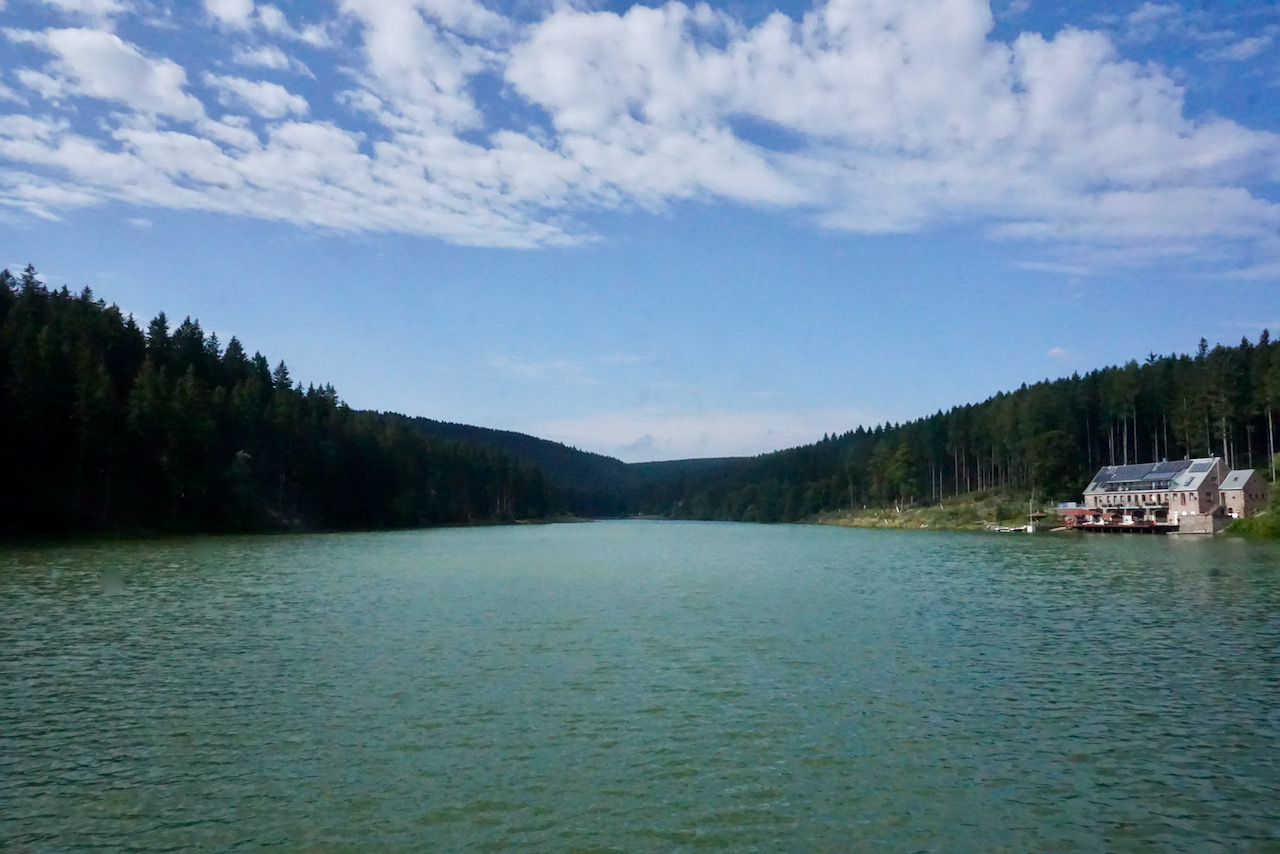
I fell asleep on a plane in the skies above southeast Asia, landed in Frankfurt, took three trains and a taxi, and ended up in the city I now live in. Or, I will officially live here once I have my registration documents. (To that end, look out for the upcoming post that I’ve preliminarily titled “What I Learned When I Moved to Germany During a Pandemic”.)
Everything is different here.
Park an der Ilm
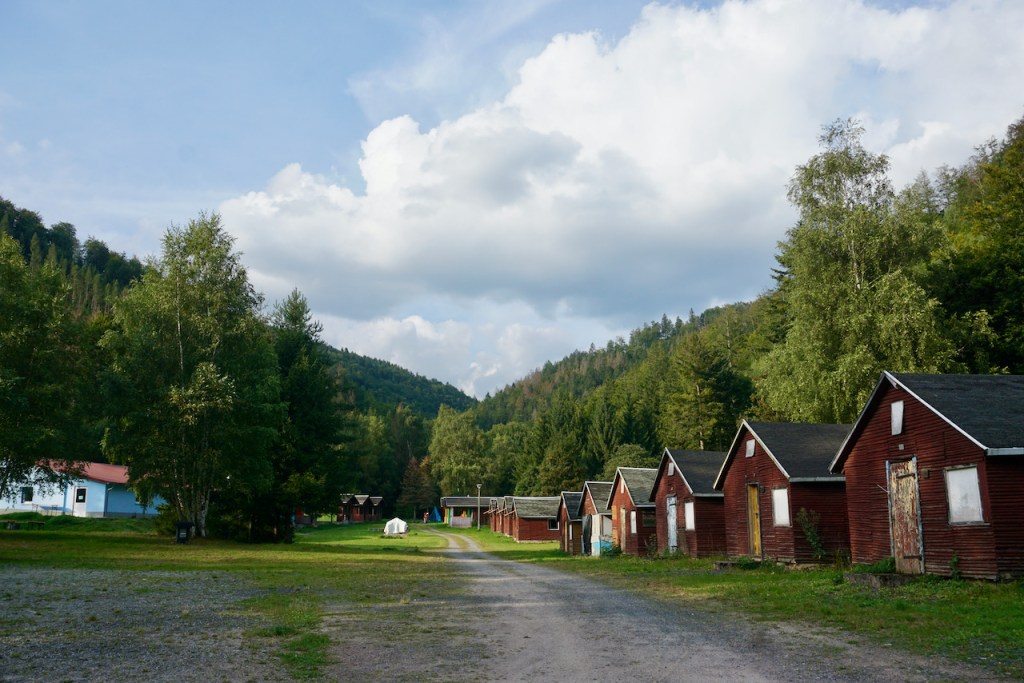
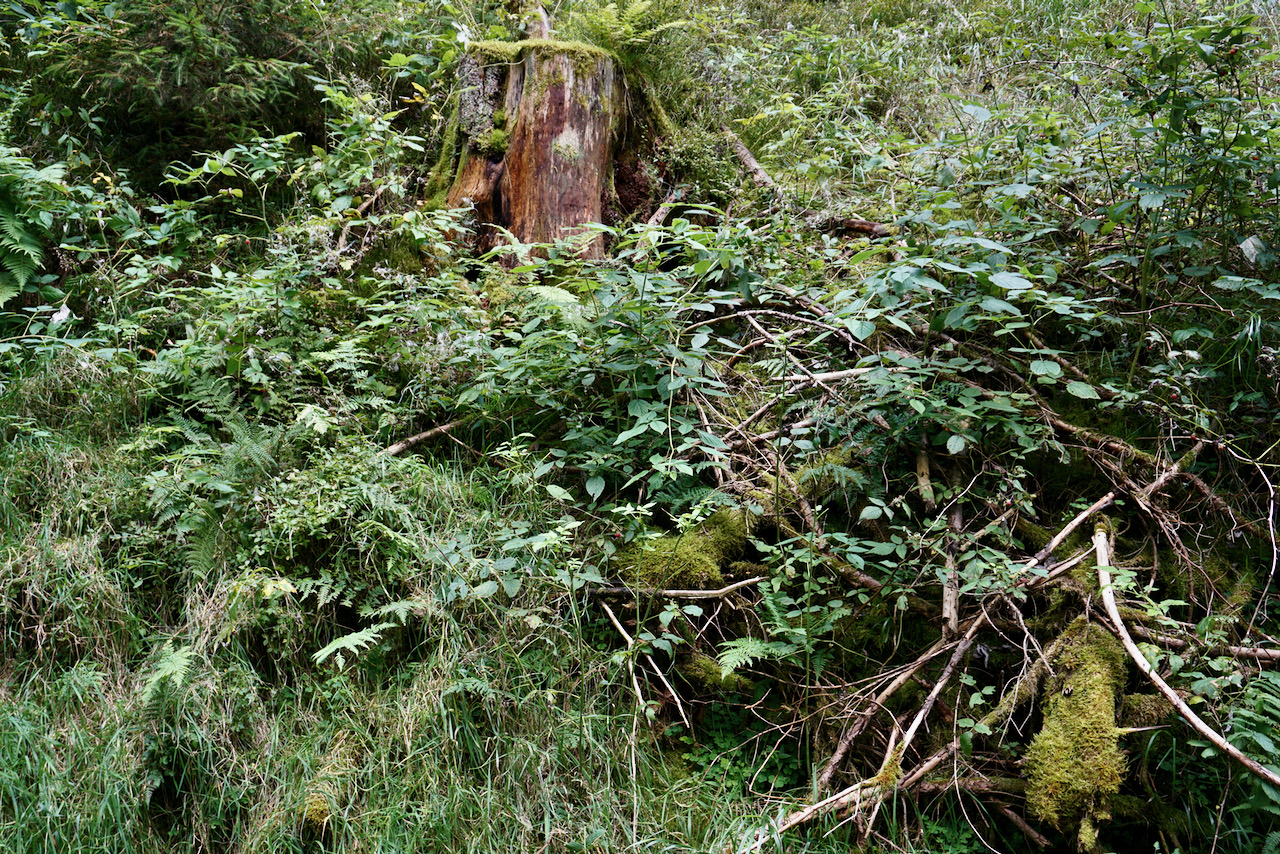
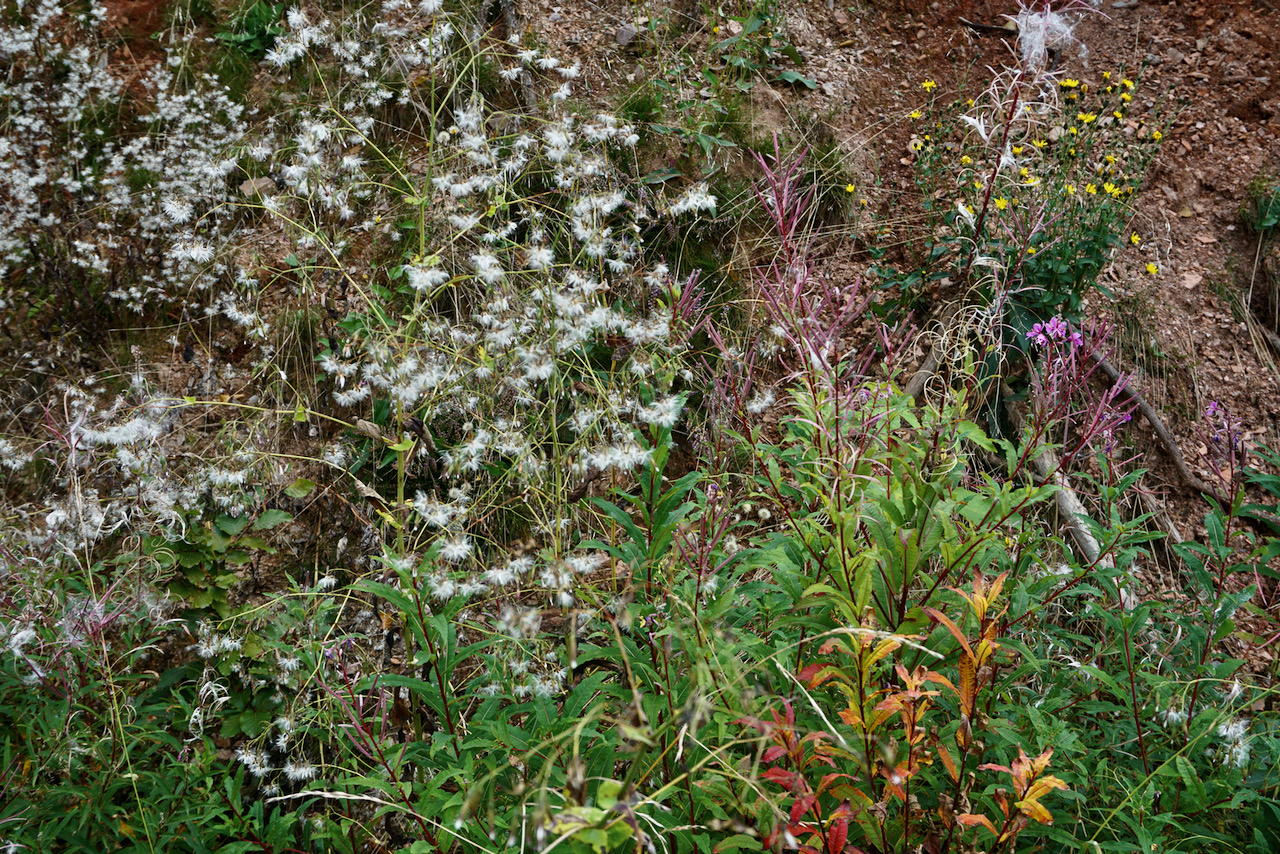
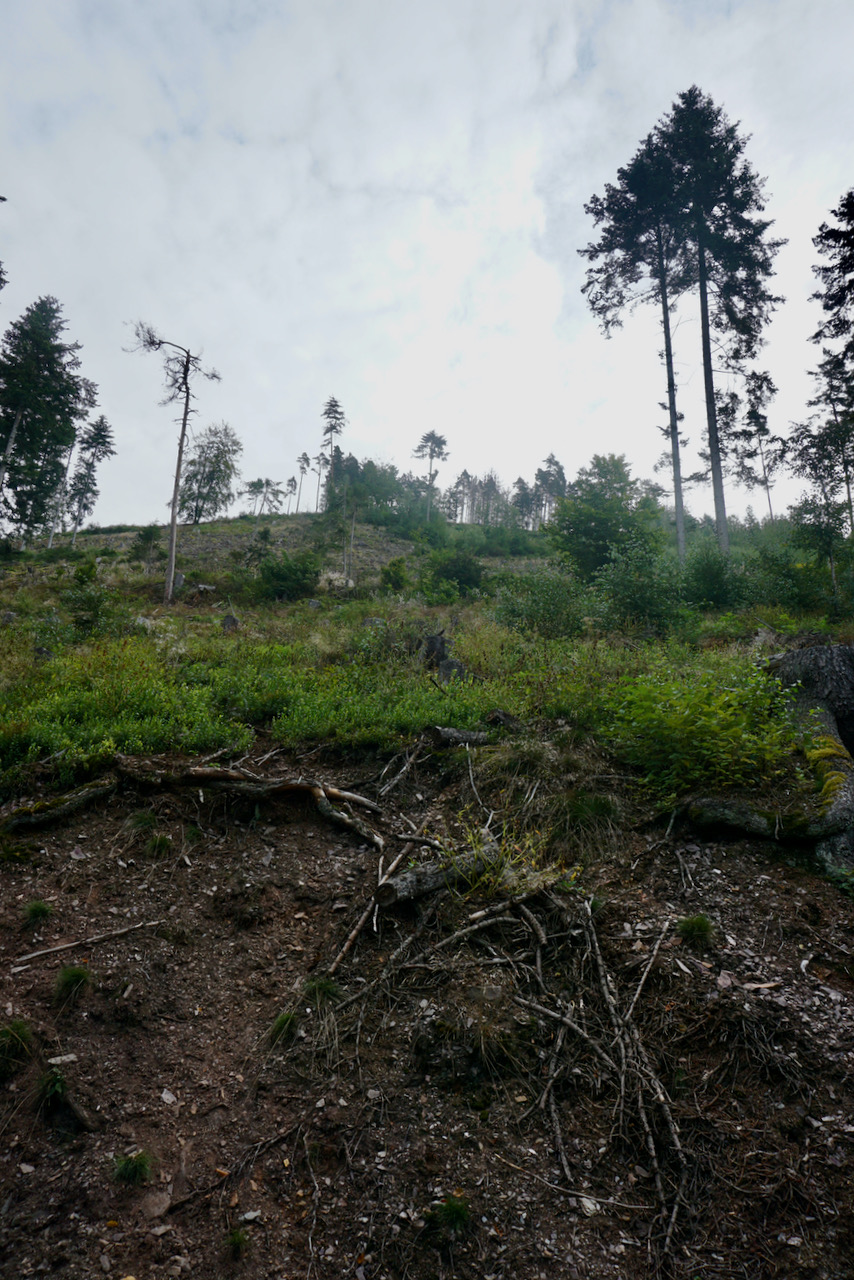
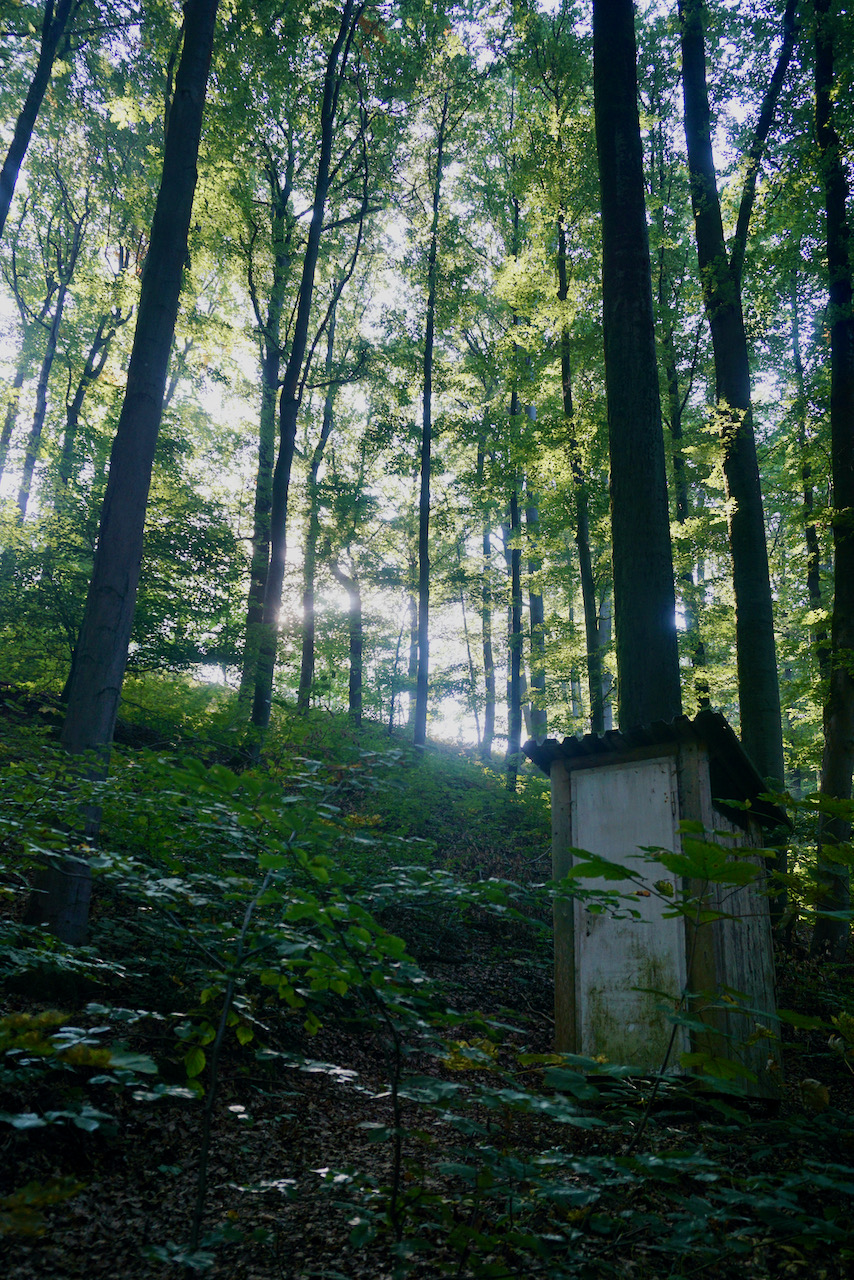
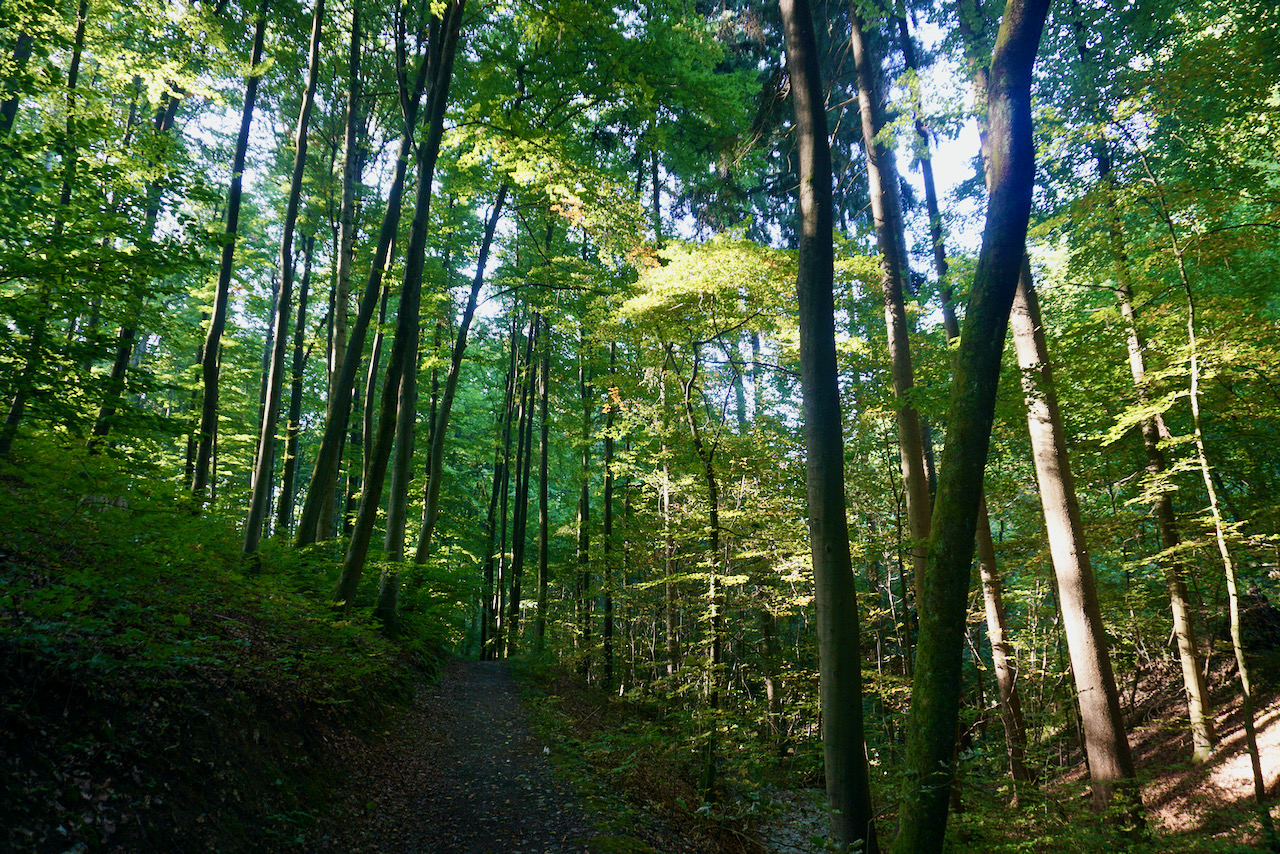
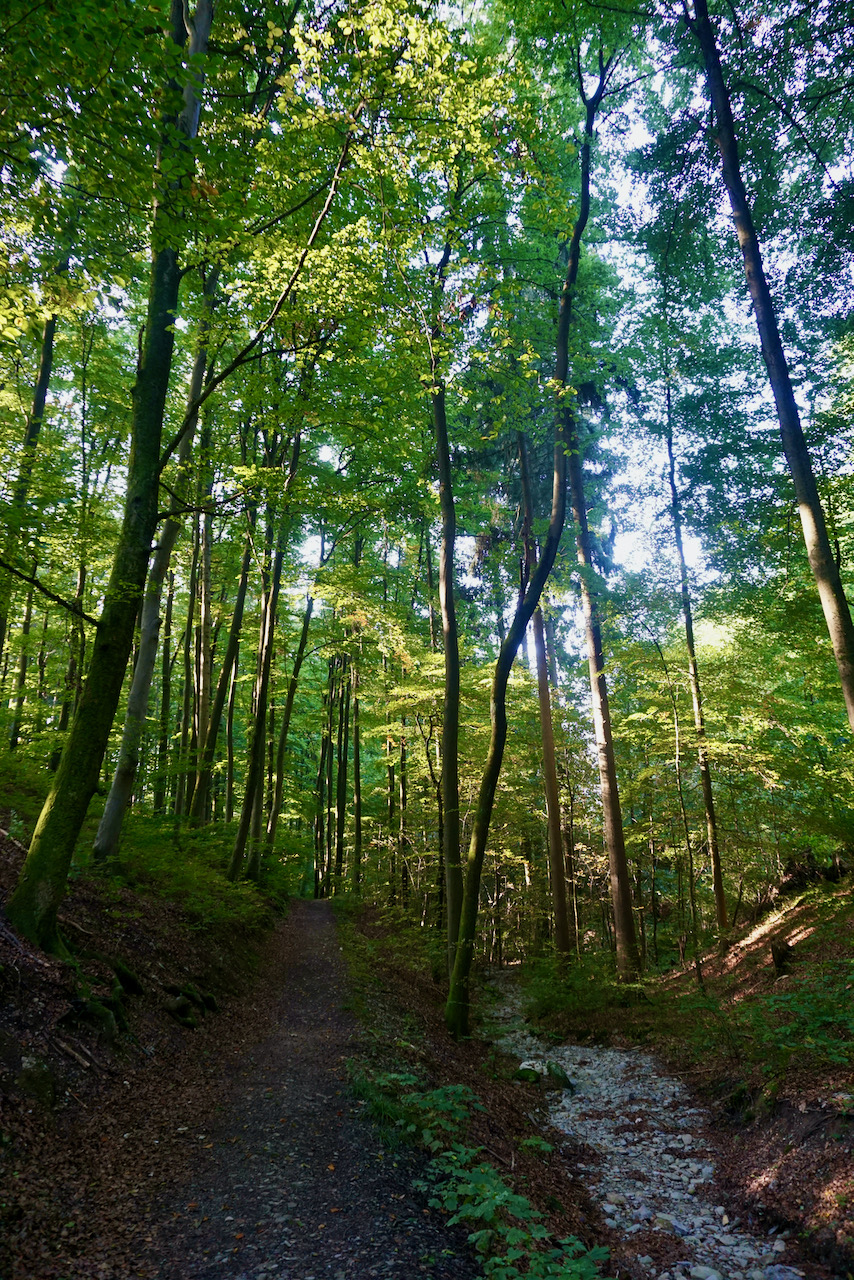
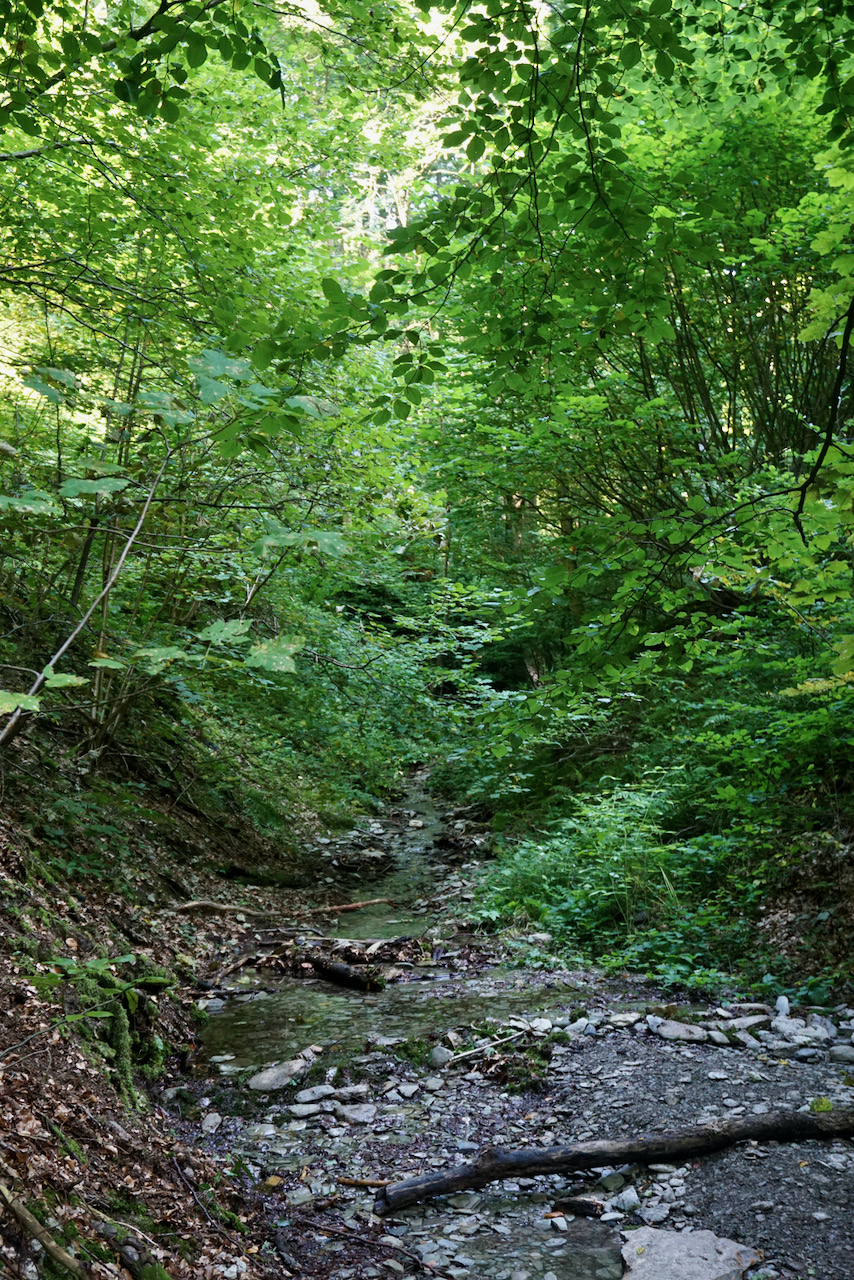
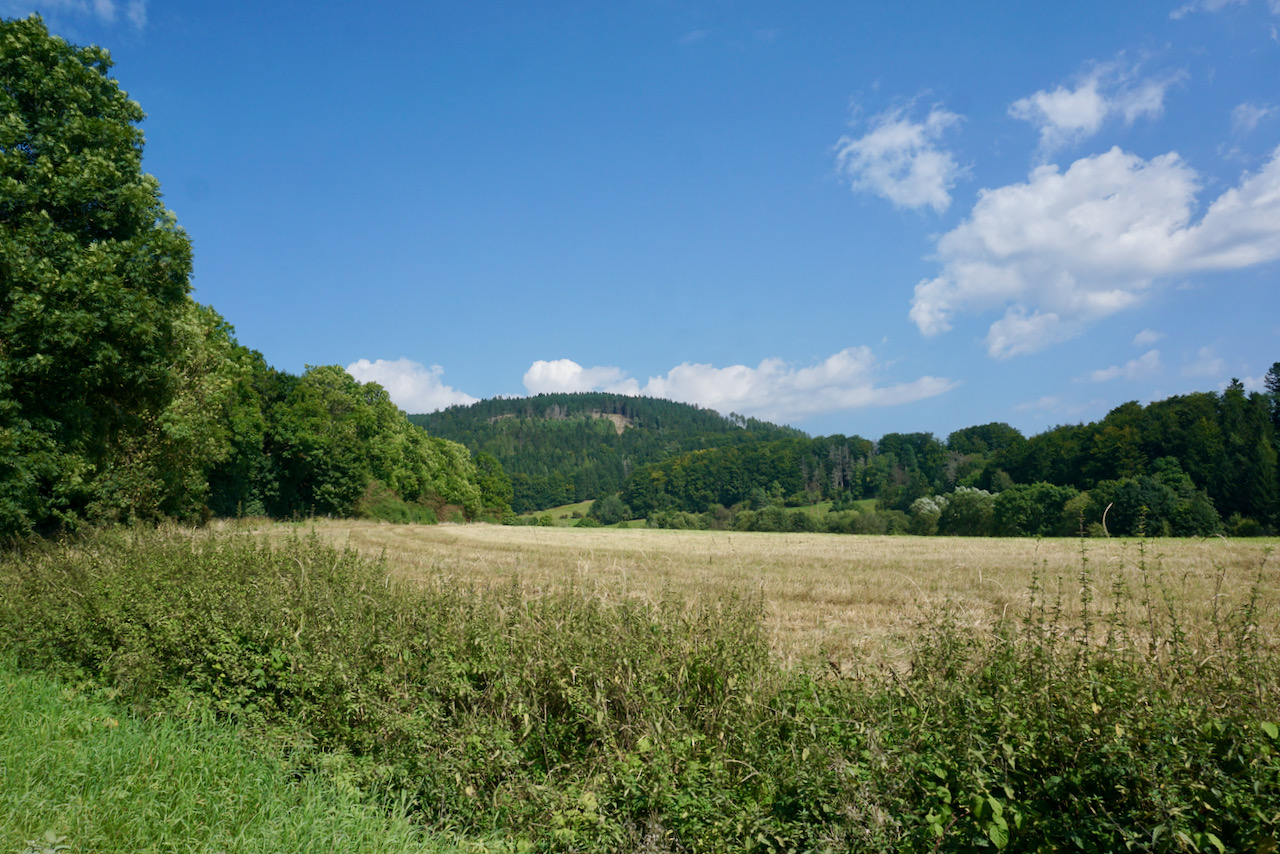
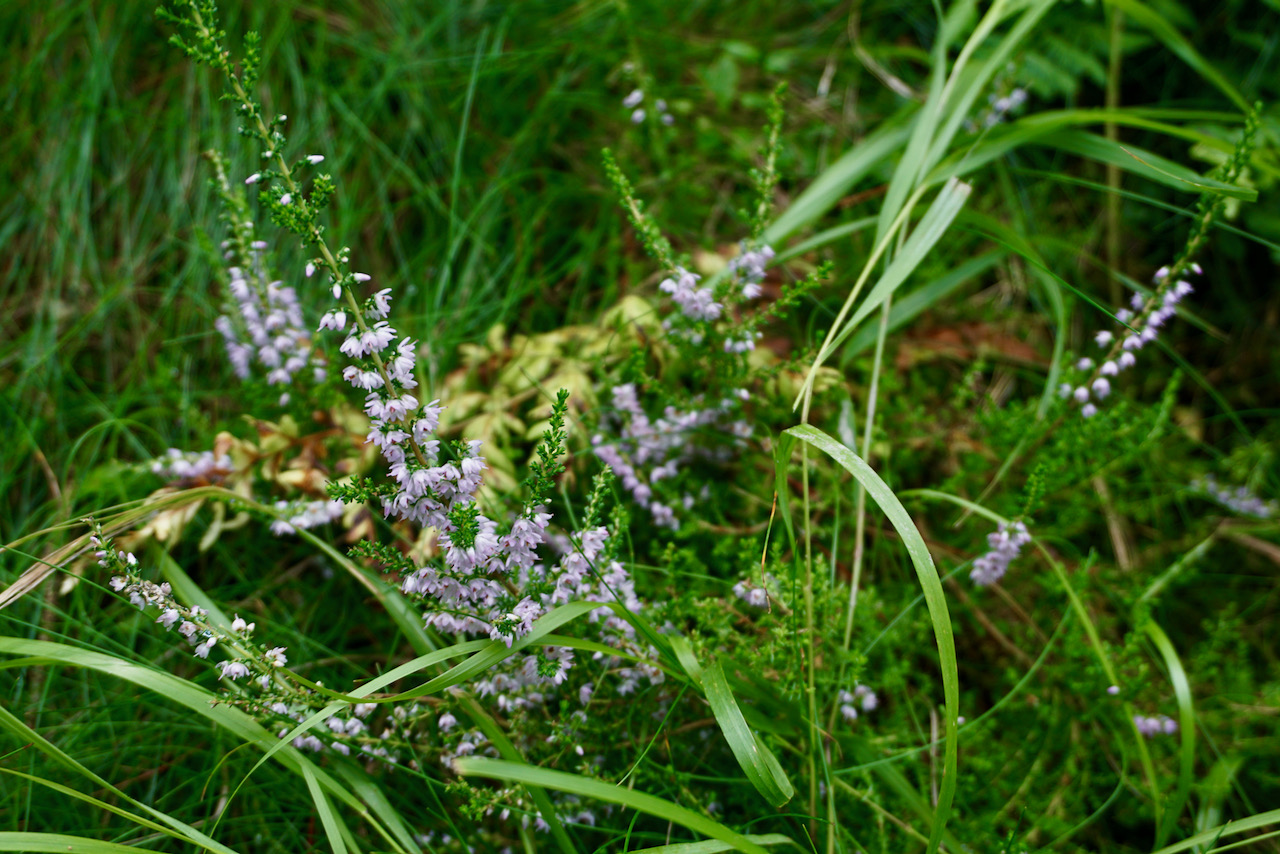
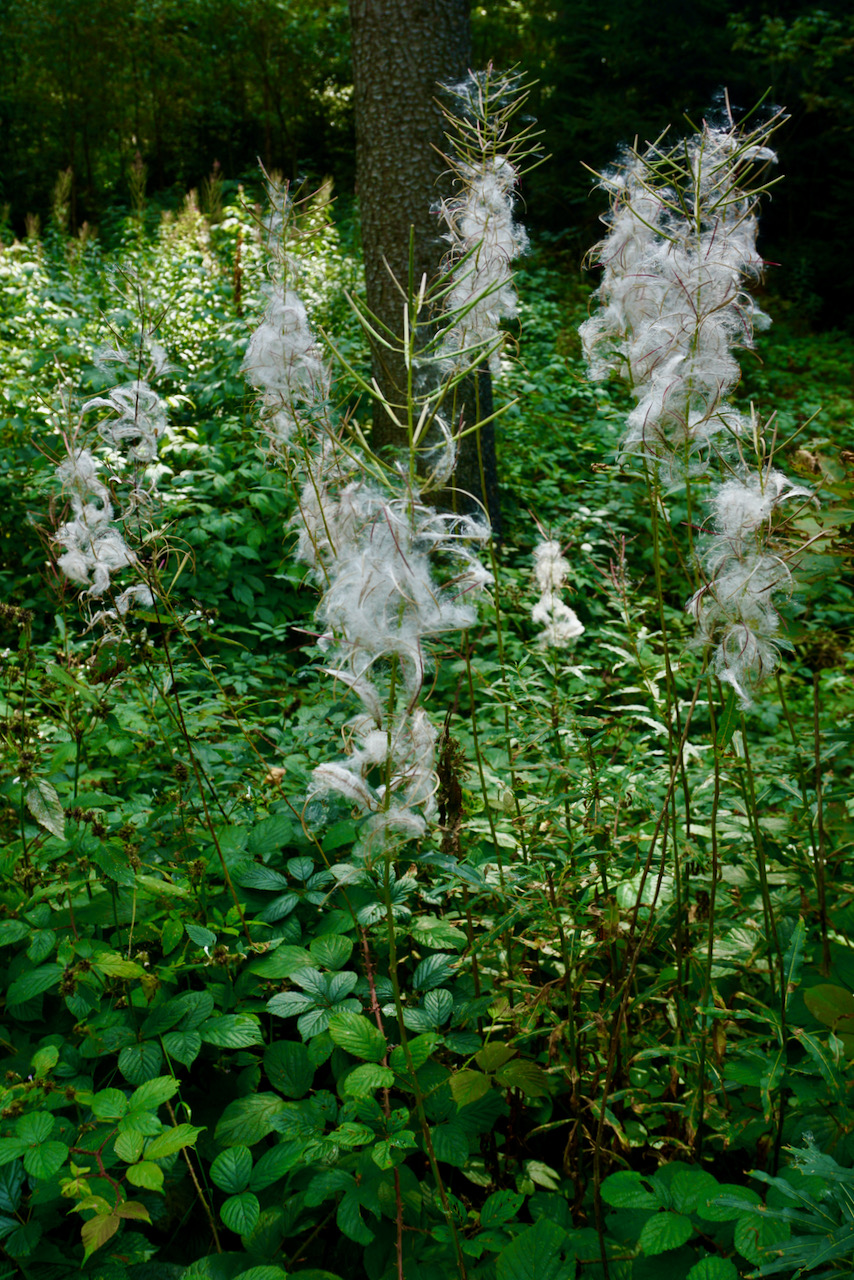
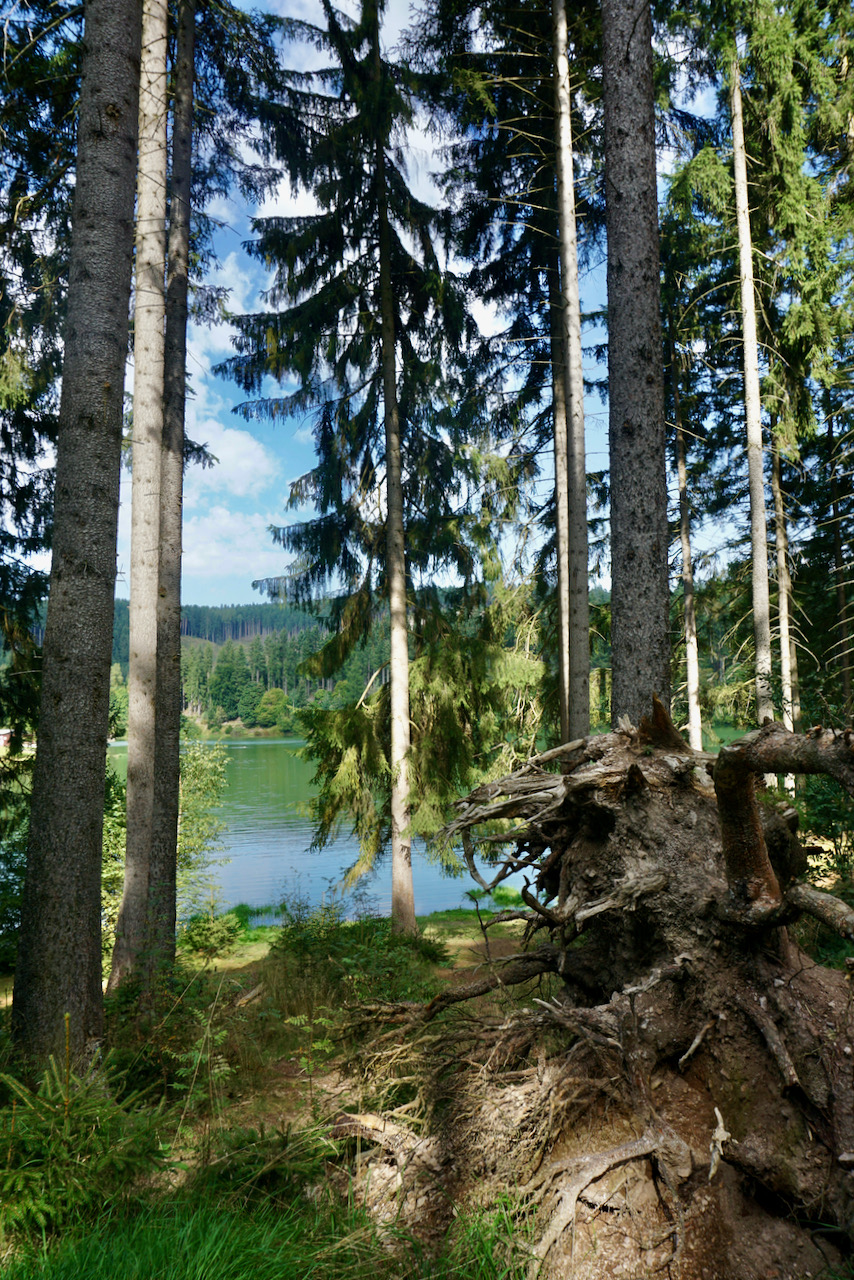
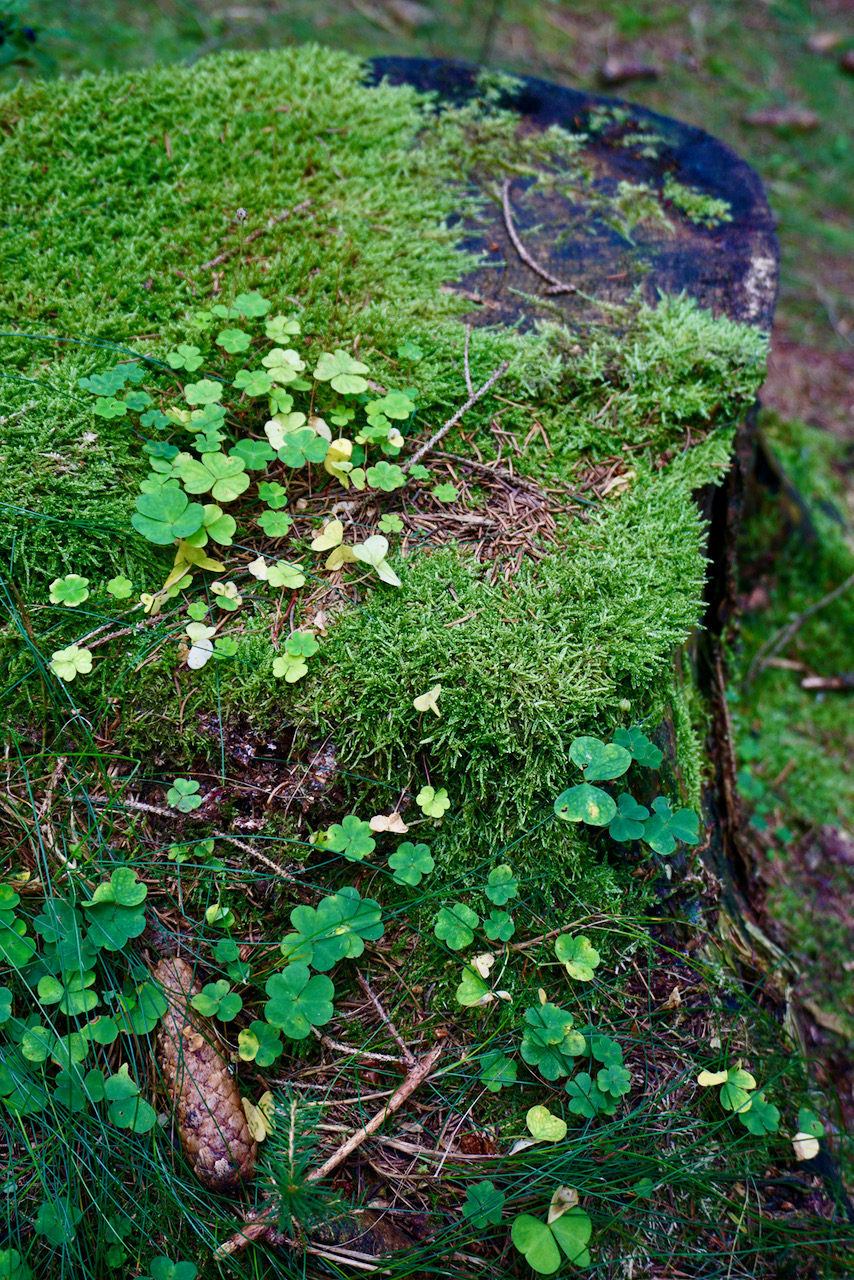
The weeds are the wildflowers of my childhood, names that I didn’t know then and don’t know now. The trees remind me of home.
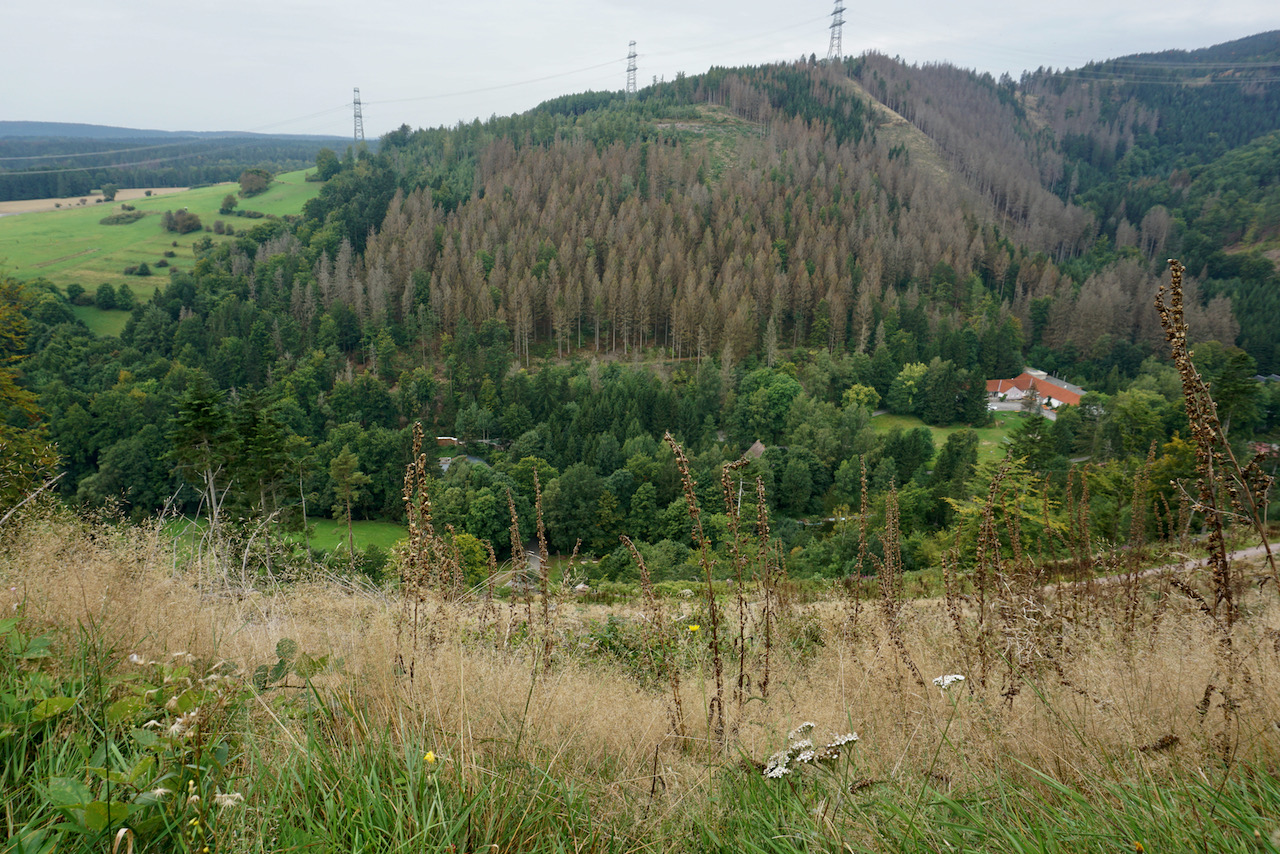
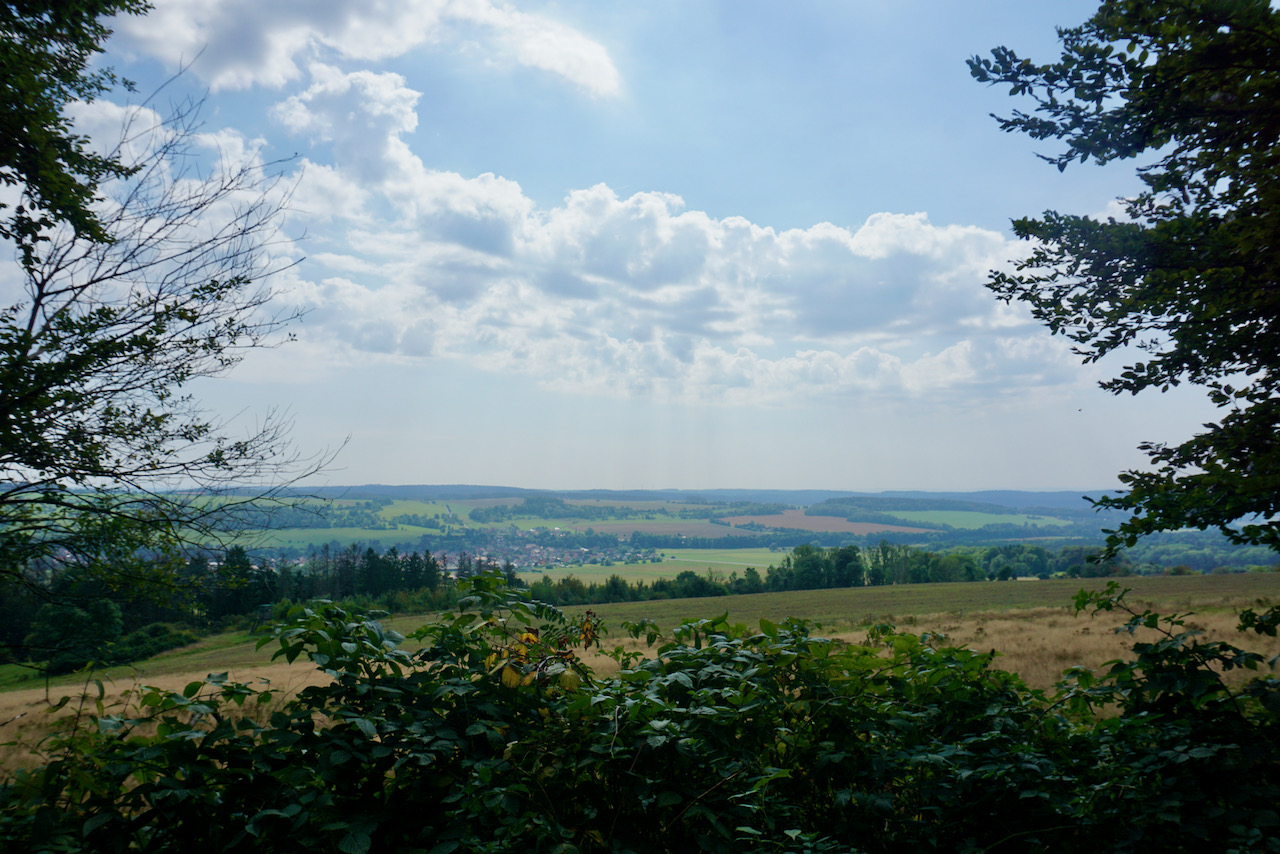
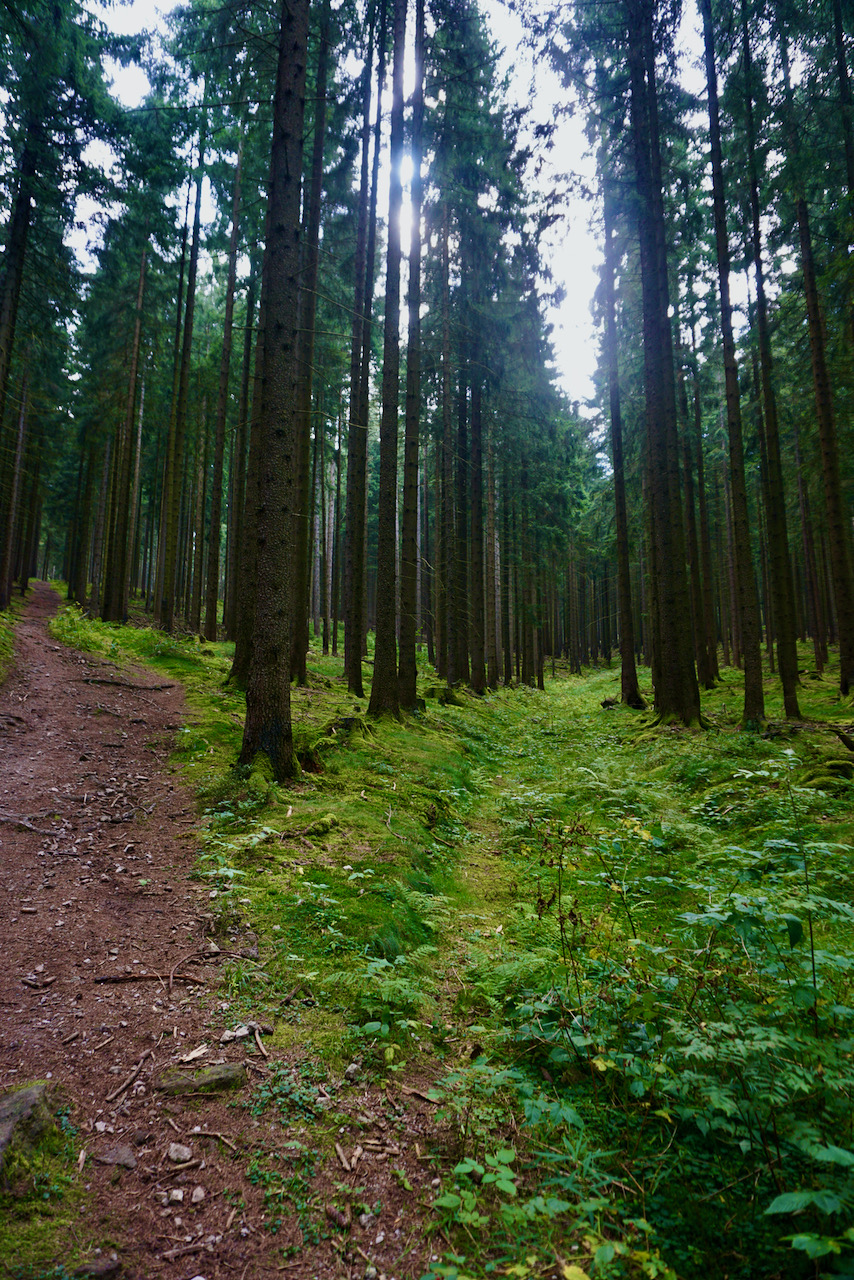
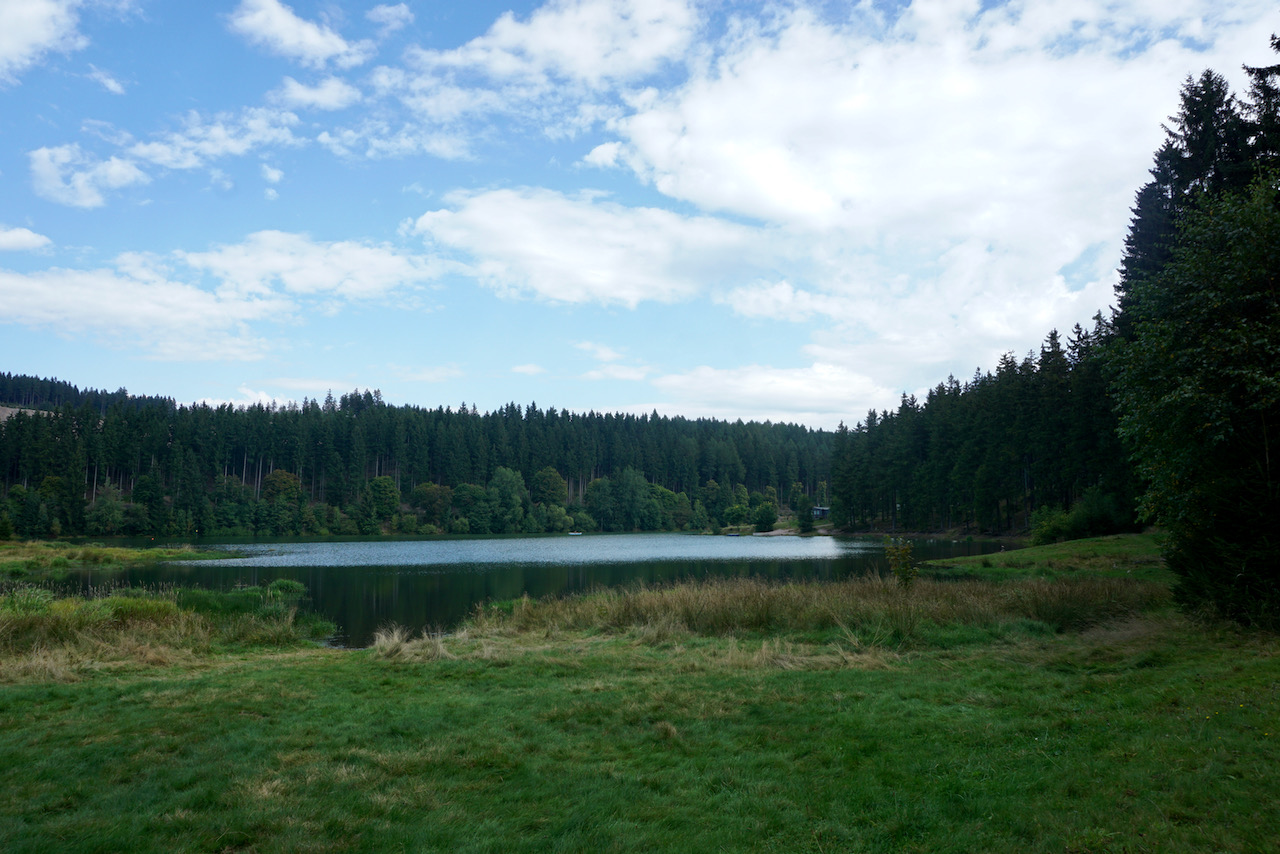
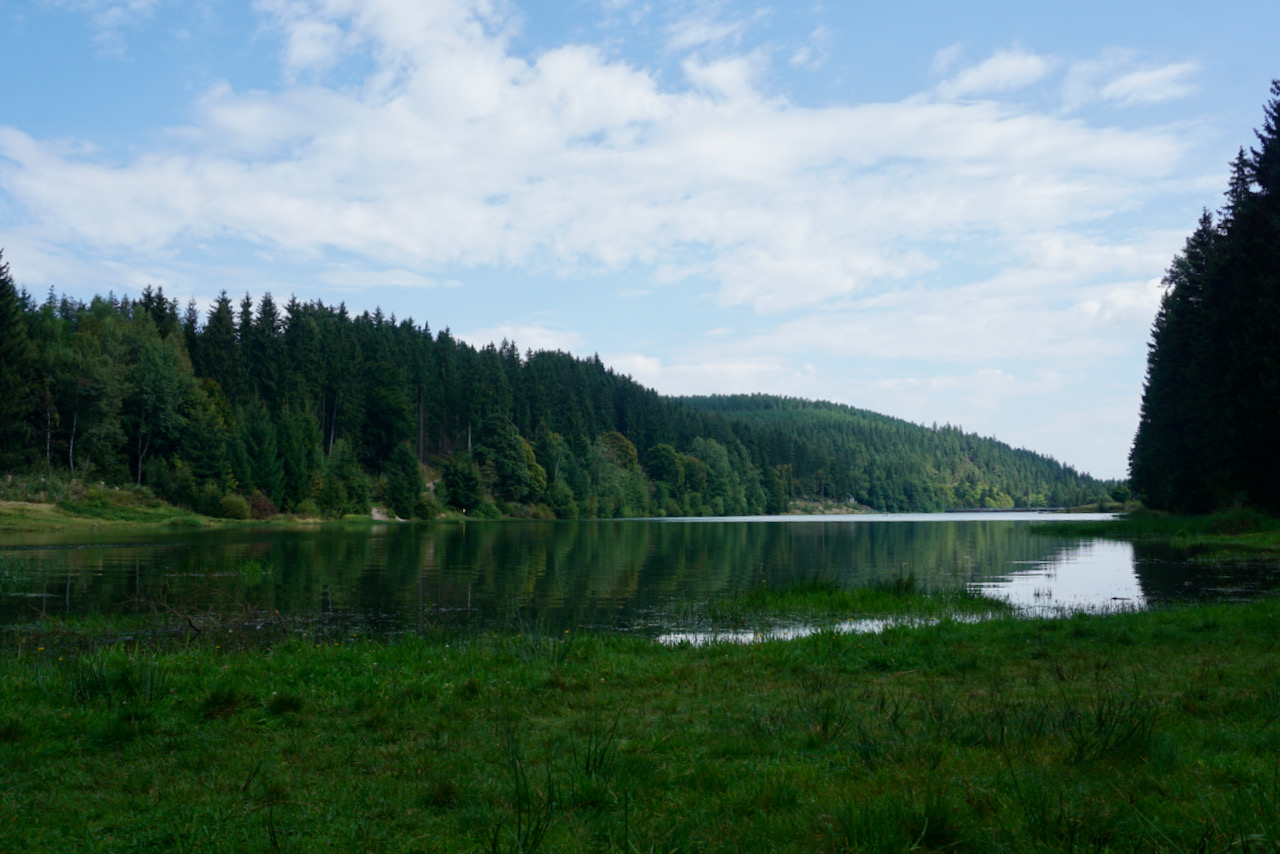
The air feels crisp and smells like flowers and the sky. There are no tall buildings and the only ambient noise is that of chirping birds. I’ve actually had to lower the volume on my phone to stop it from being so jarring. It’s like my senses have woken up all over again.
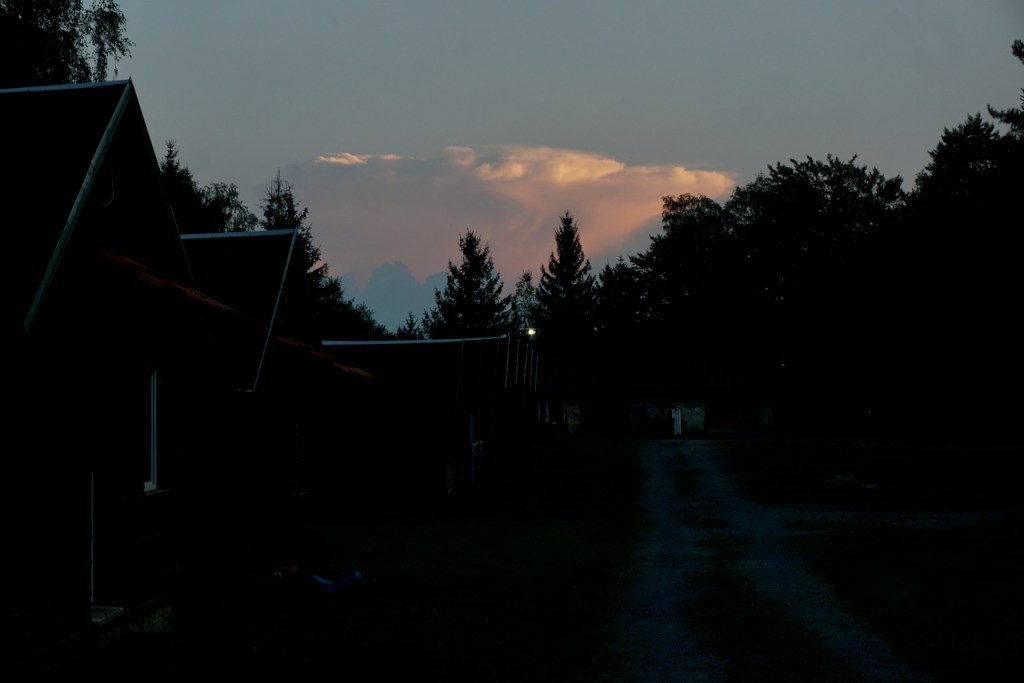
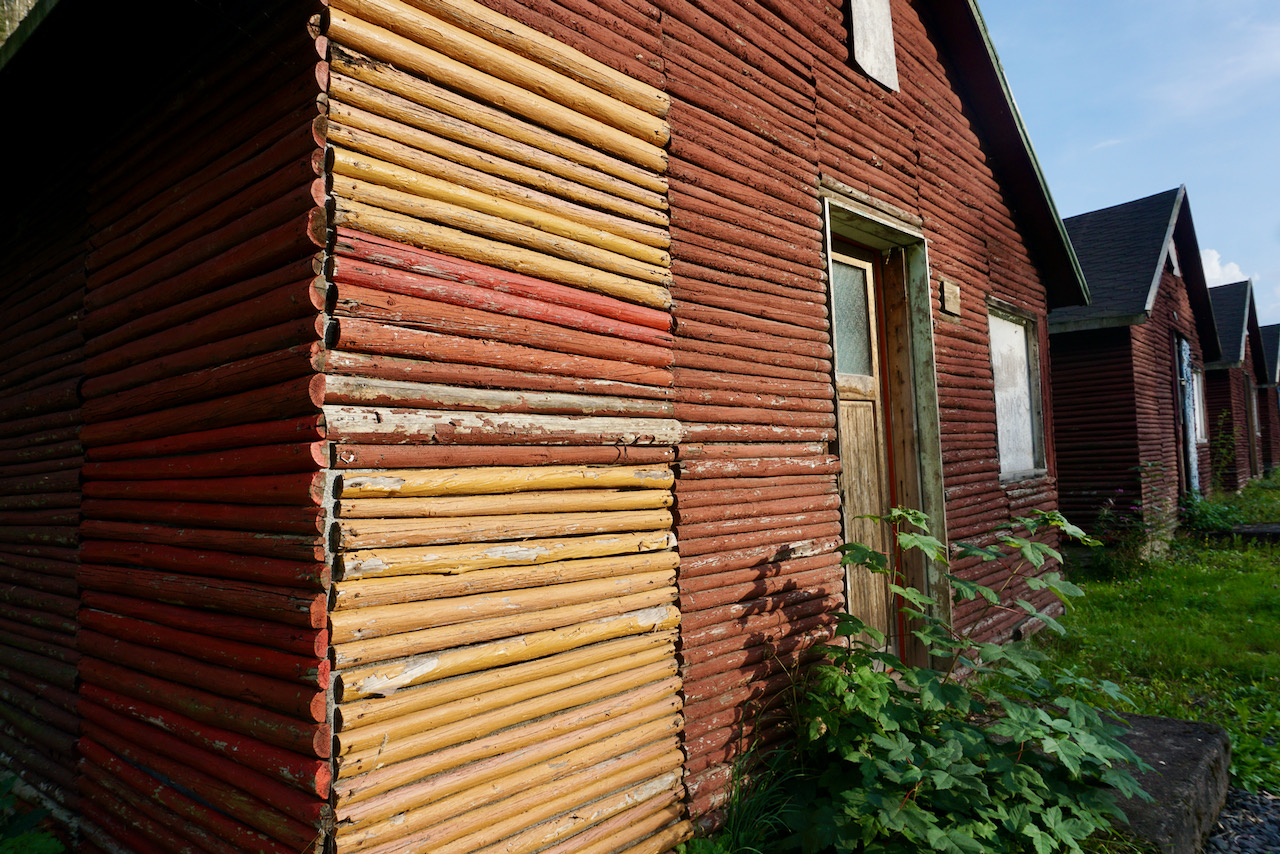
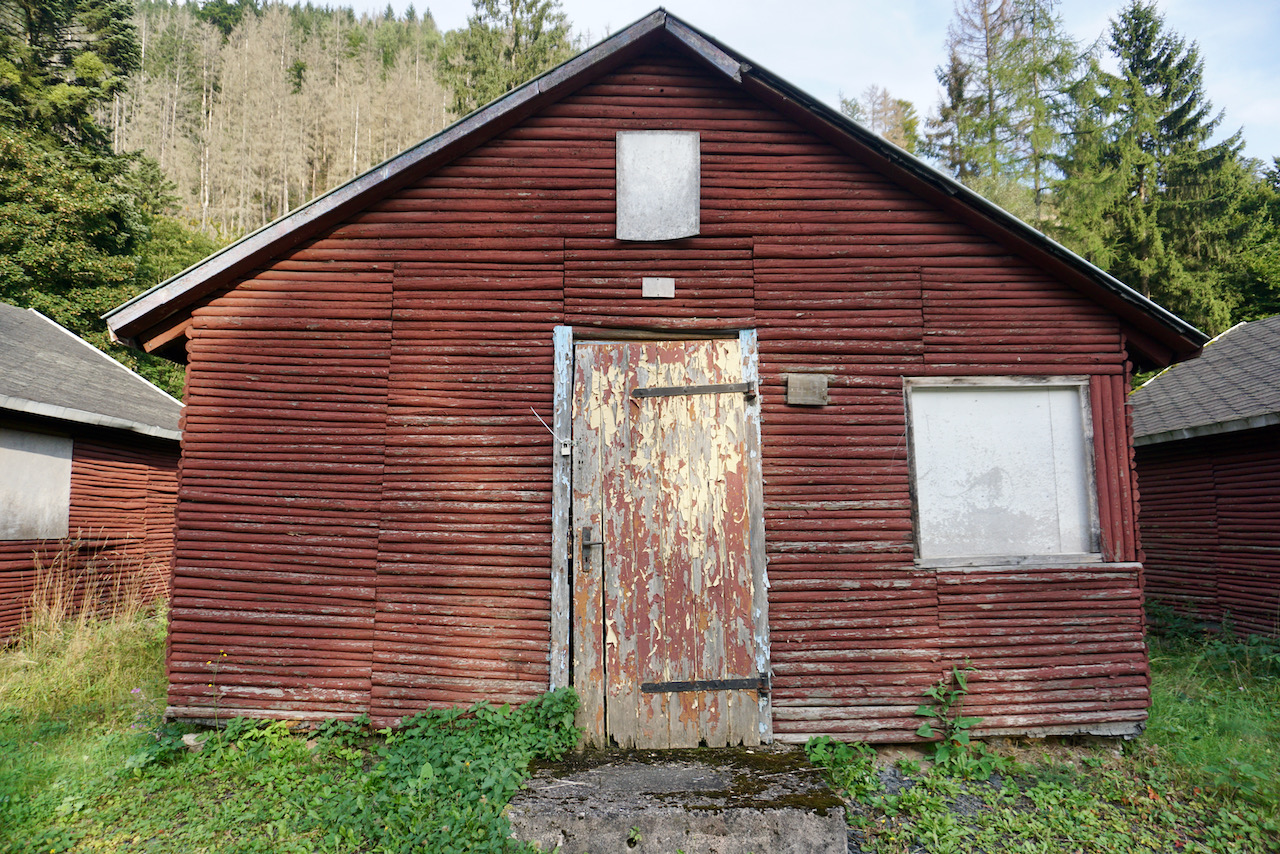
To some degree, I’m romanticizing difference, and this is normal when I travel. But to another degree, I’m paying attention and from what I see, the buildings look like a fairytale.
But let us not forget that real people live here, and people leave signs of who they are. This is also something to respect about the places that we come to know.
I took a walk through a cemetery and smiled at the irony. We learn about the lives of places through their dead.
Weimar is an old, historic town and it has some illustrious names associated with it. I’ve particularly enjoyed the markers on buildings that begin with the words, “Hier wohnte . . .” and include names, dates, and brief descriptions. There are statues and house museums, as well, which I have not yet explored. It seems like there will be time for that, but the lessons of the pandemic loom large.
Coming from densely populated, glittery-modern-meets-old-trading-town Singapore on the tip of mainland Southeast Asia, this is a big change. It’s one that I worked hard for and hopefully it will be what I hope it will be. Stay tuned!
I think that to write is to come to an understanding.
I think that, I think that.
I think that, to know what is in one’s own mind, one must express.
Does a feeling need a name to be known?
Sleeping has been a challenge for a while now, but last night’s experience was particularly interesting. I was part of a conversation that included two people who I know, only one of whom was making any sense. I remained alert for quite some time after awakening and mulled over what had been said, but it trickled away from me as fast as I recognized the nonsense that was happening. And then I remained alert thinking about the strangeness of these people having a conversation, and I noticed a feeling of something lost.
I wonder what people mean when they claim to understand others.
I wonder what people mean when they claim to understand themselves.
Can we understand others without understanding the self?
And can we understand the self separately from understanding others?
I am far calmer lying awake at 3am than 11pm.
At 11pm, my eyes are active. It takes effort to put the book down, effort that my occasionally rational brain insists upon because it’s late. It’s 11pm, after all, and I haven’t been sleeping.
At 3am, my eyes are tired. My brain spins but my eyes are tired and at least I’ve slept until then, which is comforting. I need to stop the thoughts from dancing but at least my eyes are closed and that feels good.
At 3am, I go back to:
How am I feeling about the move?
Aside from feeling defeated by the question, I’m terrified.
I was a different person the last time I moved, and that was in a different lifetime.
How am I supposed to be feeling?
At 11pm, I am alert enough to avoid the subject.
During a very dark period of my life, I used to record my thoughts in the middle of the night when I couldn’t sleep. I used to turn on the songs that made me cry and play them over and over. I’d mouth the words until they became part of me and then I’d cry and be able to rest.
This is not that time.
But I am aware of how the patterns of behaviour that I developed out of necessity at that time have imprinted themselves on how I cope with challenges.
Adaptation is critical to human survival, and I wonder if I have become habituated to the sort of aimlessness I am experiencing now. This is not the right word, and far from an accurate characterization of my time and even my personal reflections of my time, but it is an accurate word to describe this feeling. It is a strange world when the reality and the feeling do not match.
Something is different this time, this move, this change. I cannot blame the pandemic, for blame is cause-effect, right-wrong, black-white. And the world is shades upon shades of gray and purple and green and blue and and and.
But I can acknowledge that coping throughout the pandemic has necessitated adaptation.
I wonder about our claims to significance.
Do we know at the time that a thought, a conversation, a shared glance, an observation will become signficant?
Or is significance developed through, over, across time? And then, is it the act or event itself or our memory and interpretation of it that becomes significant?
And does it matter?
I remember what it means to be excited and intellectually, I am. But my body does not have those feelings. The first inkling I had of what my body had lost was the moment when a friend reminded me, “This is an adventure.” As I write the word, I cannot keep from smiling.
Adventure.
My body knows what it is to have an adventure.
My mind knows what it is to live an adventure.
Does a feeling need a name to be known?
I think that, to know what is in one’s own mind, one must not be afraid of looking.
That it has been two and a half weeks since my last entry and I haven’t noticed should say a thing or two about where my mind has been lately. Everywhere, nowhere, now here.
My friends, colleagues, and I are again spending the summer in Singapore. Our visa status, just like last year, does not guarantee that we will be allowed reentry. It’s hard on everyone, of course, and the best thing to do, the only thing to do, is make the best of where we are and what there is. Lucky for us, there is a great deal of life to be lived if you’re willing to go out and look.
Back in May, on a holiday weekend that otherwise would have found many of us on a plane to somewhere else, two friends and I walked Singapore’s Green Corridor from Hillview south to Tanjong Pagar. This was 13km of the 24km-long trail and I was more interested in the conversation with my friends (and some general antics) than taking photos. Two photos that I did take, however, largely summarize my experience on this part of the trail.
The Green Corridor is an abandoned, overgrown, redeveloped rail corridor that once linked Singapore with the rest of the Malay Peninsula. There were reminders of the railroad everywhere, and reminders that nature, trees, will always be there. Trees are steady, strong, resilient. They bend so that they do not break, reroot to build a new home. They shelter, they provide, they live on. I don’t need to read the research (although I have) on the power of nature to slow down the body. I am reminded every single day.
The tree in the photo below reminded me yet again. It was our first landmark on the Green Corridor. It knew, well before we knew, the role that collective resilience would come to play in all of our lives.
There were points along the walk where the rail line, a marker of what the world was and how it was defined, disappeared. There were times when we were simply walking on an open path between field and road, protected by fences and foliage on either side. Walking south, we watched the distance between ourselves and the shipping cranes in Tanjong Pagar gradually shrink. But every so often, reminders reappeared. Reminders that Singapore, like every place, has not always been what or how it is now. Reminders of how quickly development becomes redevelopment, and the impossible dream becomes the everyday.
Although fenced off and abandoned to prevent people like me and my curious friends from exploring, it was not difficult to imagine the rail depot that this once was. Singapura is the Malay name for Singapore. That’s what this place was, and at its very core, there is so much of Singapura that remains for those who ask, who learn, who look.
Just a few days ago, one of my friends and I finished the walk. We started up north this time, further north than we needed to because the maps are not obvious, and followed the rest of the trail from Woodlands south to Hillview.
Before finding the trail, we lost ourselves on a fortunate detour that took us to the Rainbow Bridge in a part of Singapore we’d never seen before.
And by the time we found the trail, running perpendicular to a current MRT line, we discovered a Singapore that was well and truly Singapura, and before that, a forest.
There were a few times when this northern stretch converged with modern life, but the excitement of seeing different trees, different plants, different flowers, and hearing different birds and animals remained throughout the walk. These are parts of this place that I have never seen but that remind me, somehow, of places I have known. Perhaps in a different story in a different life.
I have a great respect for these places that have taken me from my everyday to a totally different world that was once the world. In discussions of change, I think we forget how rapidly change can occur. And because we forget that, we also lose sight of what exactly is changing, and to what degree, and when. And we forget that nature is stronger than we are.
A very special off-shoot of the Green Corridor is a short walk through Clementi Forest. We heard about it back in May when we saw a few women, covered in mud and exhilarated, rejoin the main train and celebrate. Clementi Forest is exactly what it sounds like. It’s a rainforest. Now. Again. It has grown over the rail line that is still visible through the mud, under fallen trees, and in the gully that was dug long ago to house it. To imagine this island, known for modernity, as the rainforest it used to be is today’s equivalent of the impossible dream of a world powered by technology.
And to take the time to seek out the impossible is to find yourself in a different place, a different world than what you thought you knew. And that’s just it, isn’t it? We only know what we know and there is so much out there to leave us in the child-like embrace of wonder.
Photos, travels, musings, and ideas on education by someone trying to make the world a better and more peaceful place