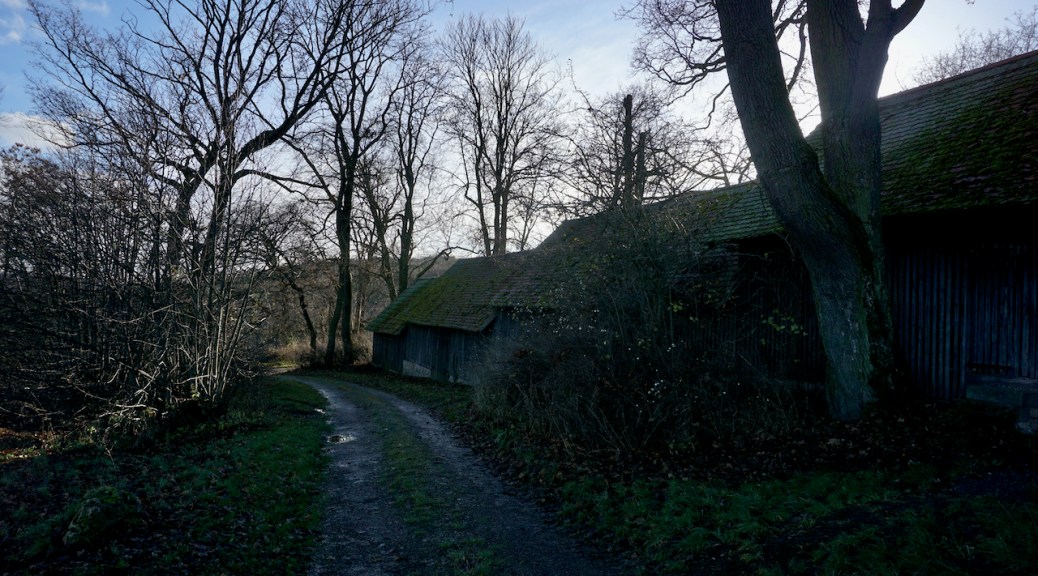
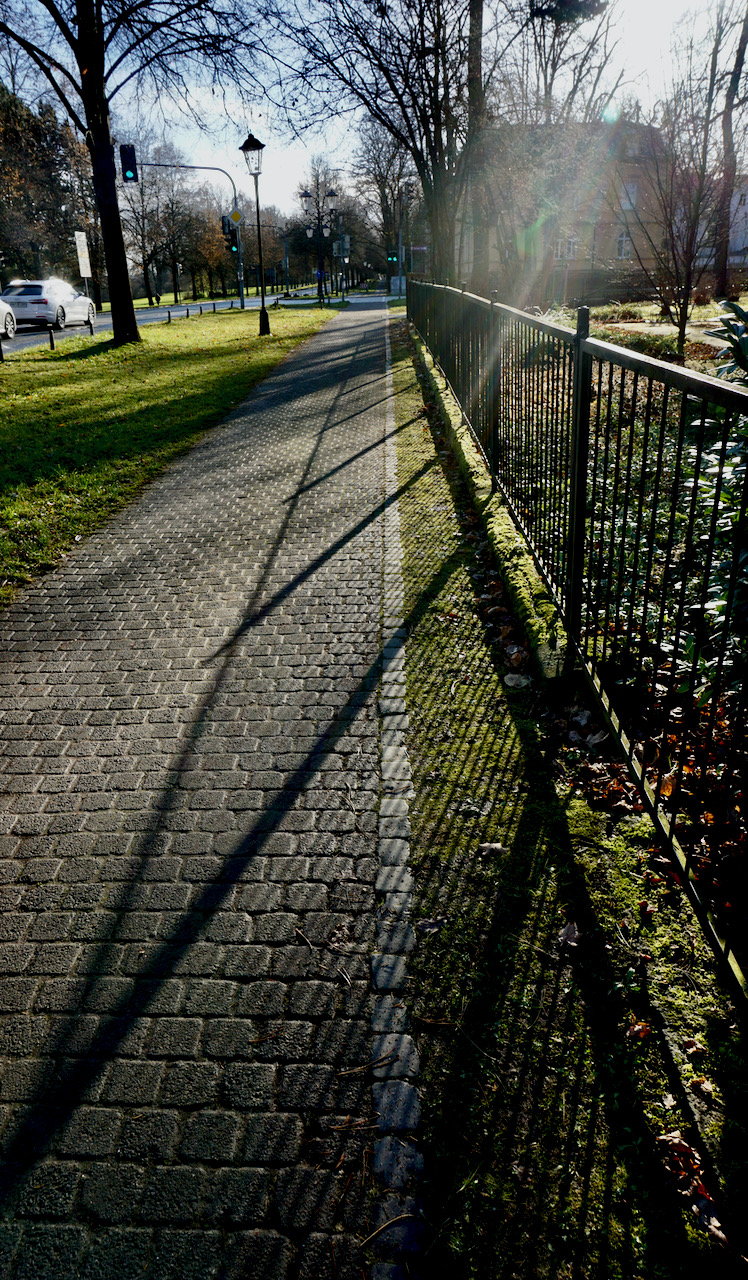
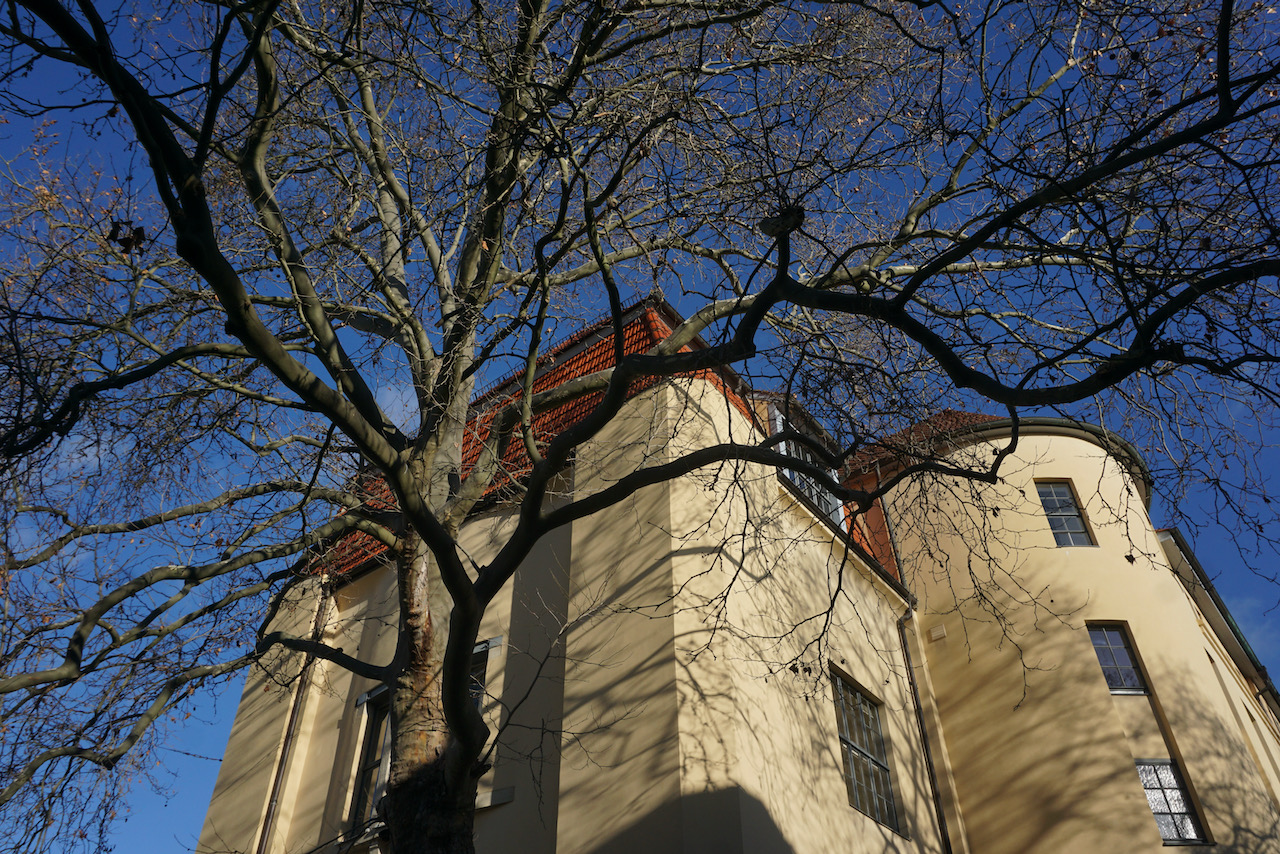
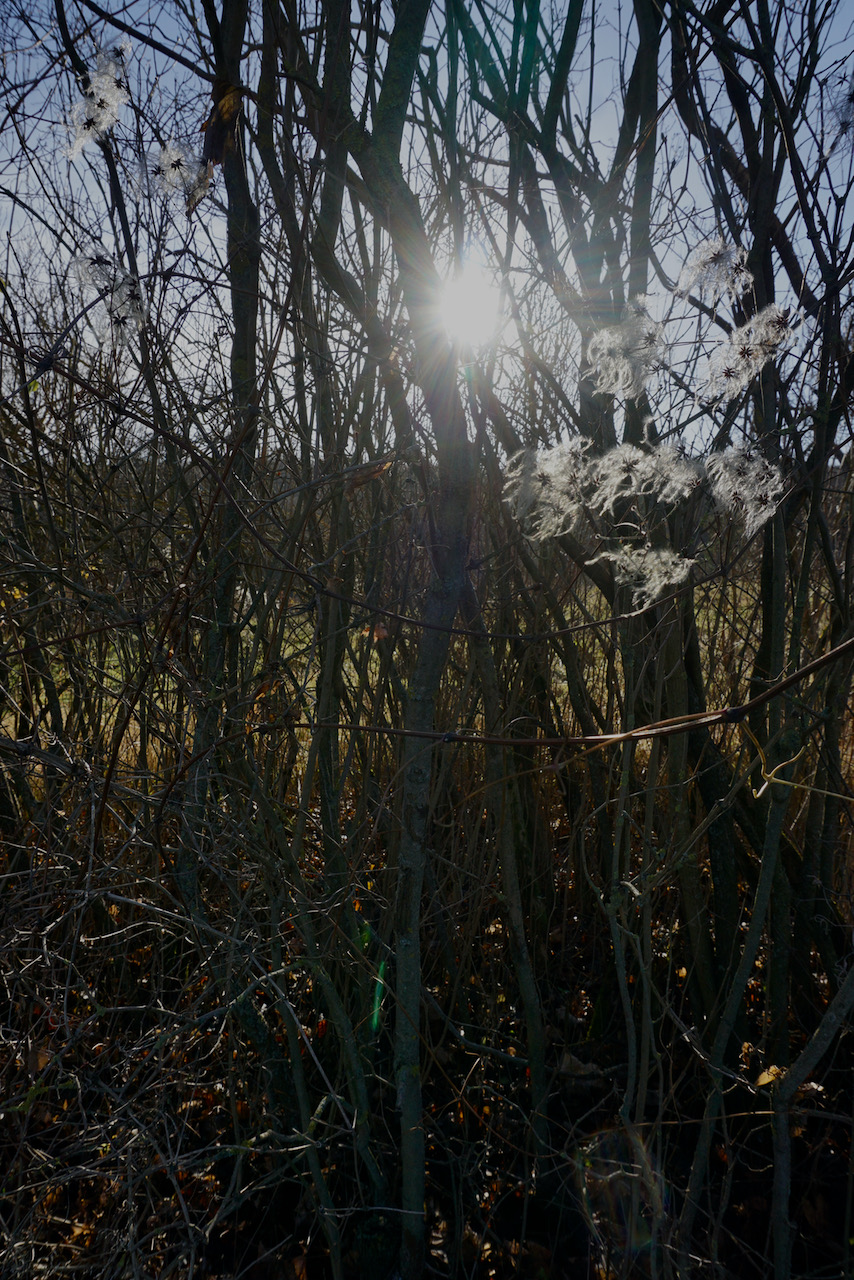
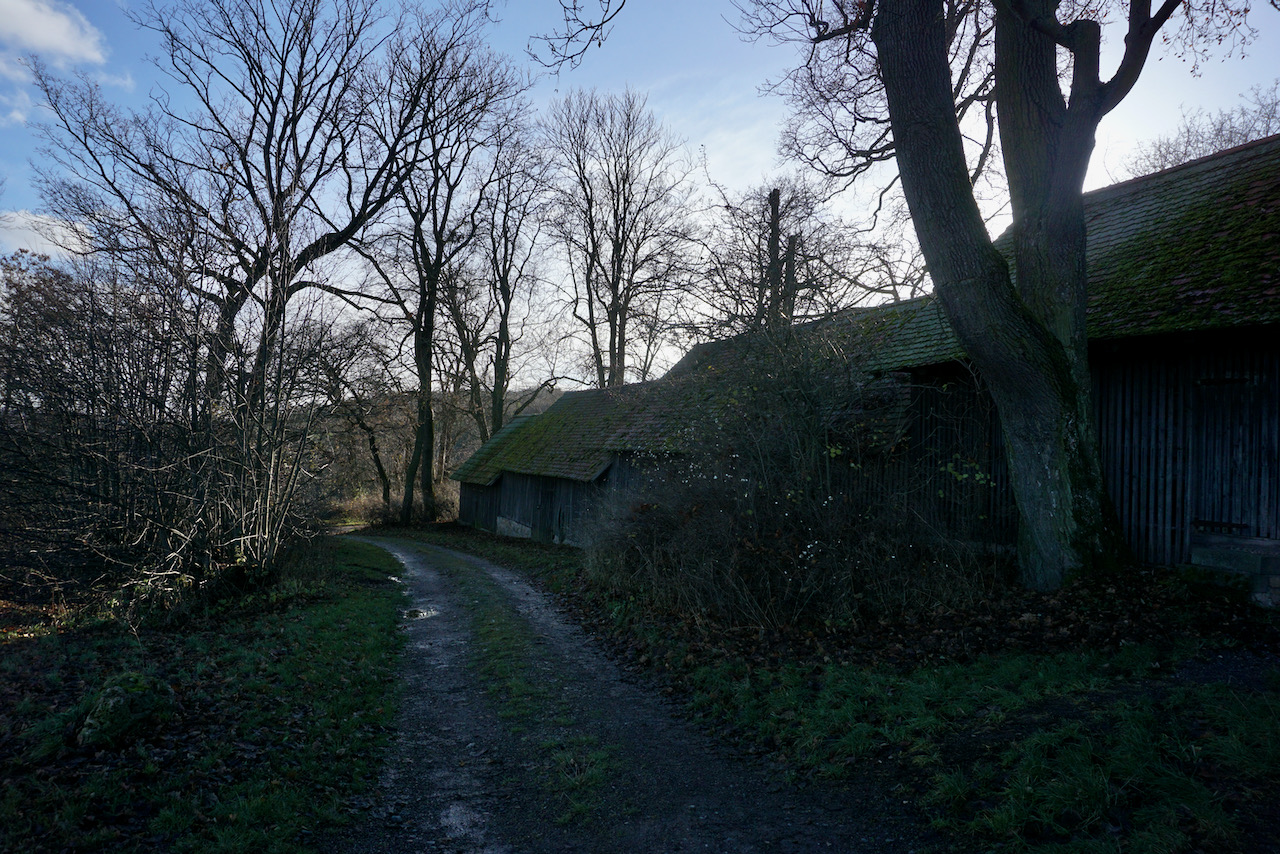
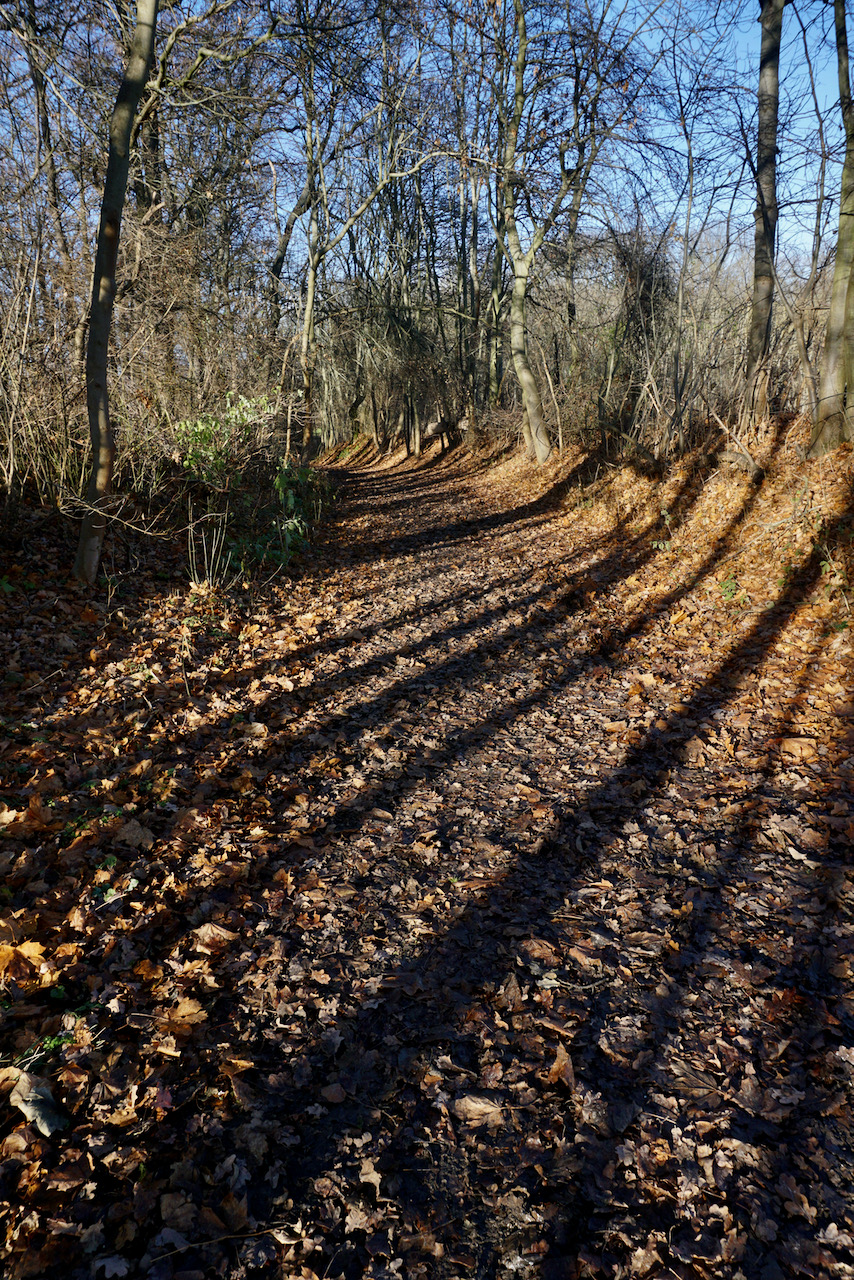
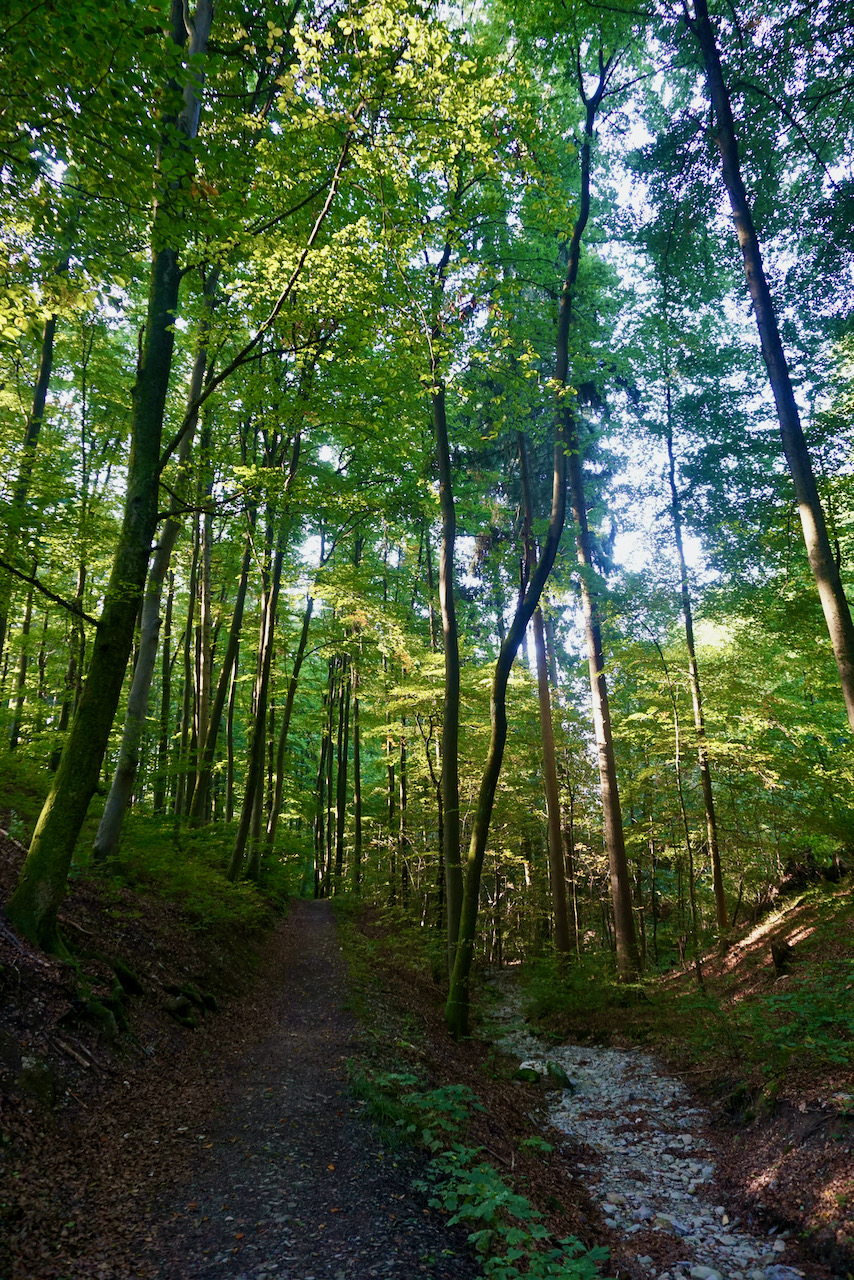
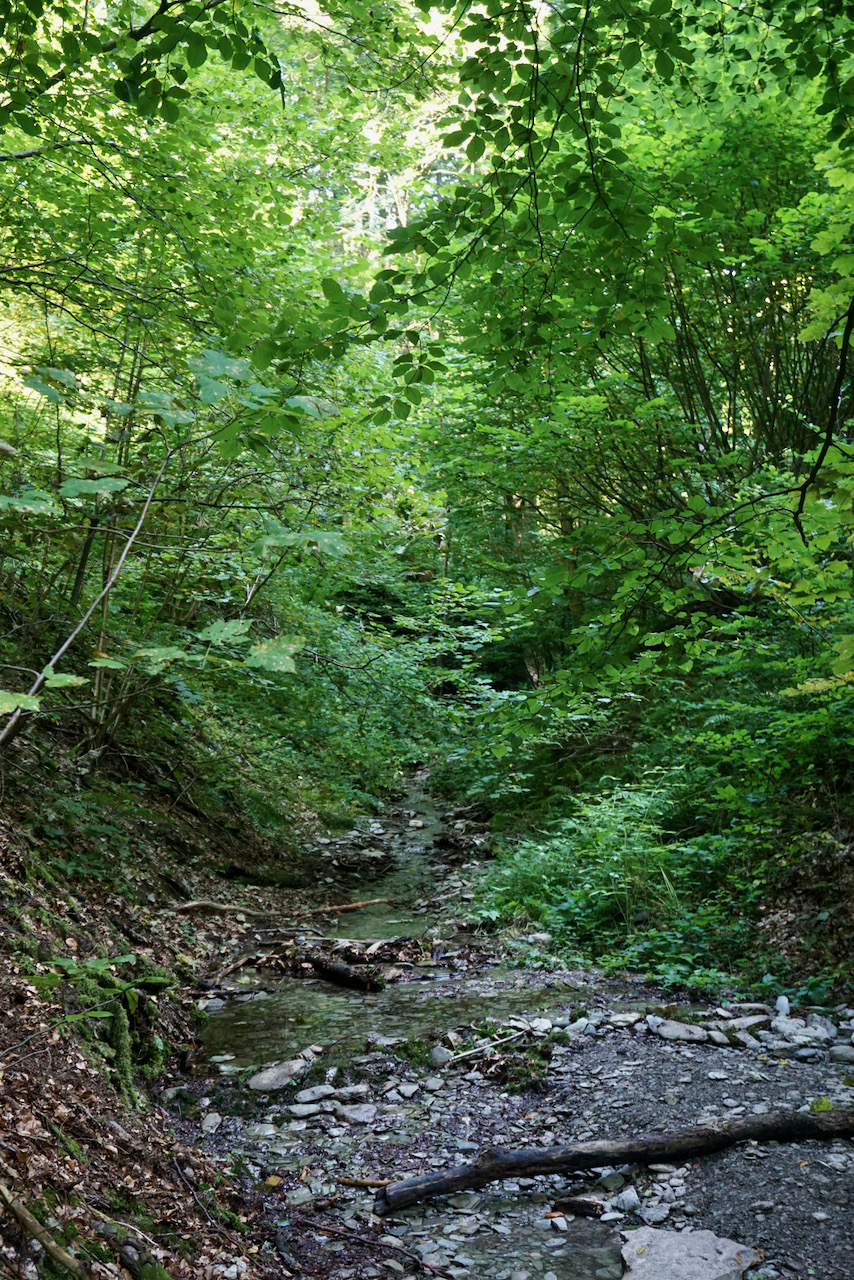
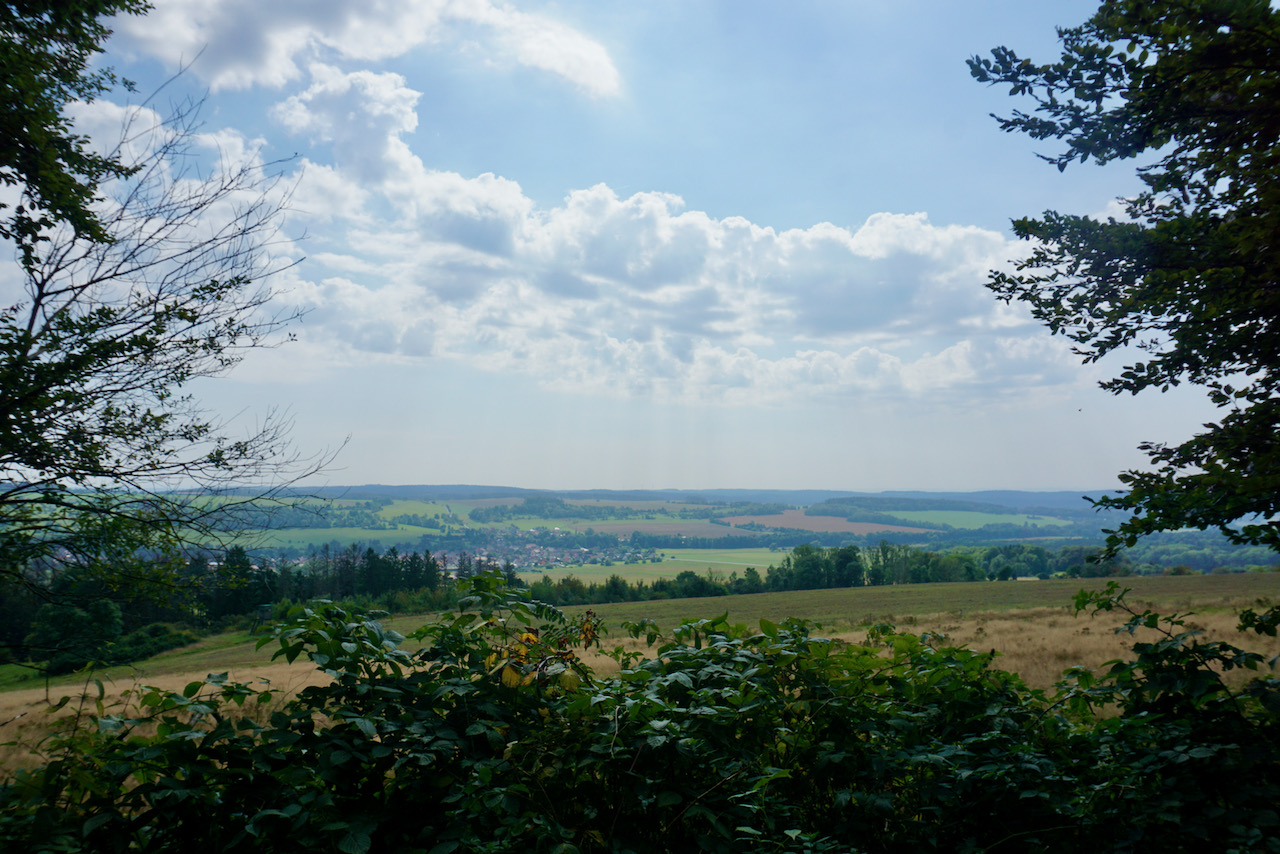
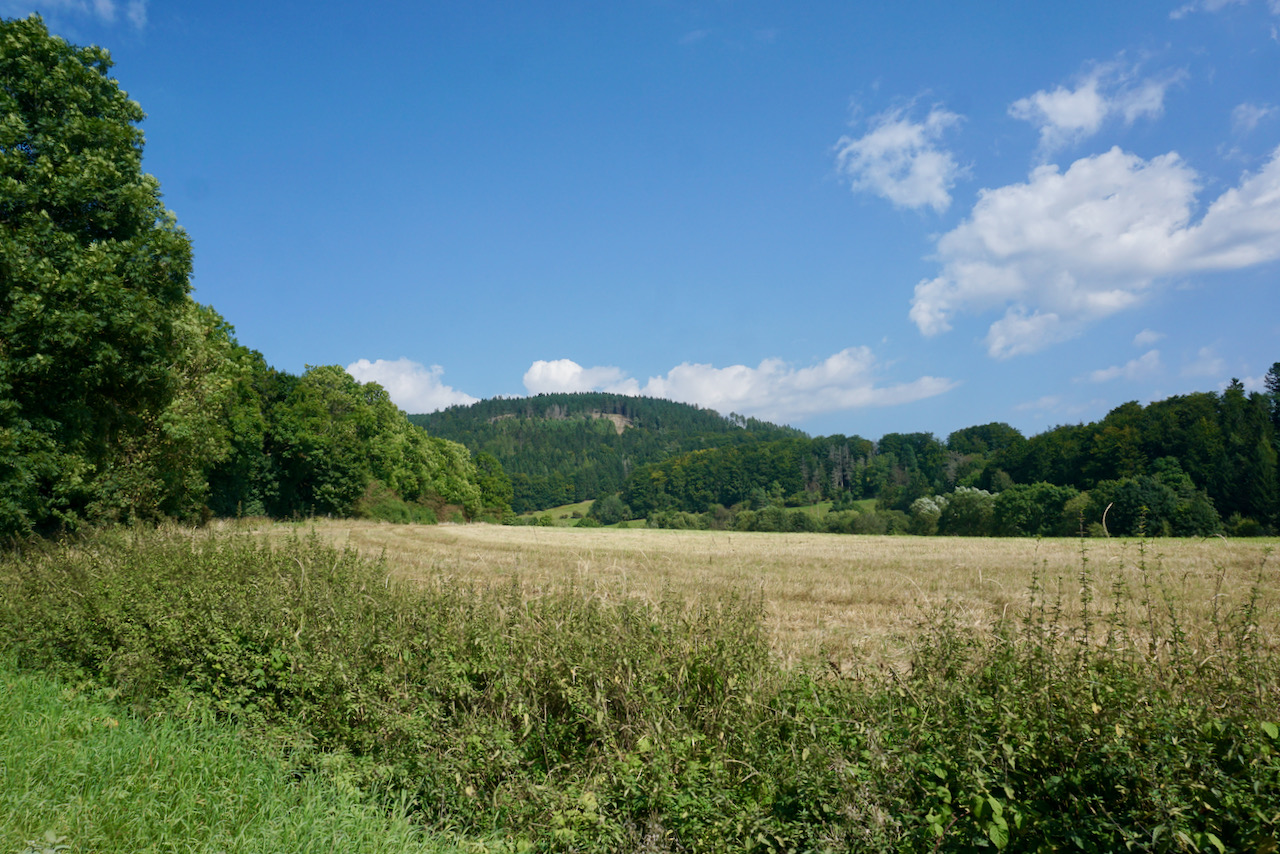
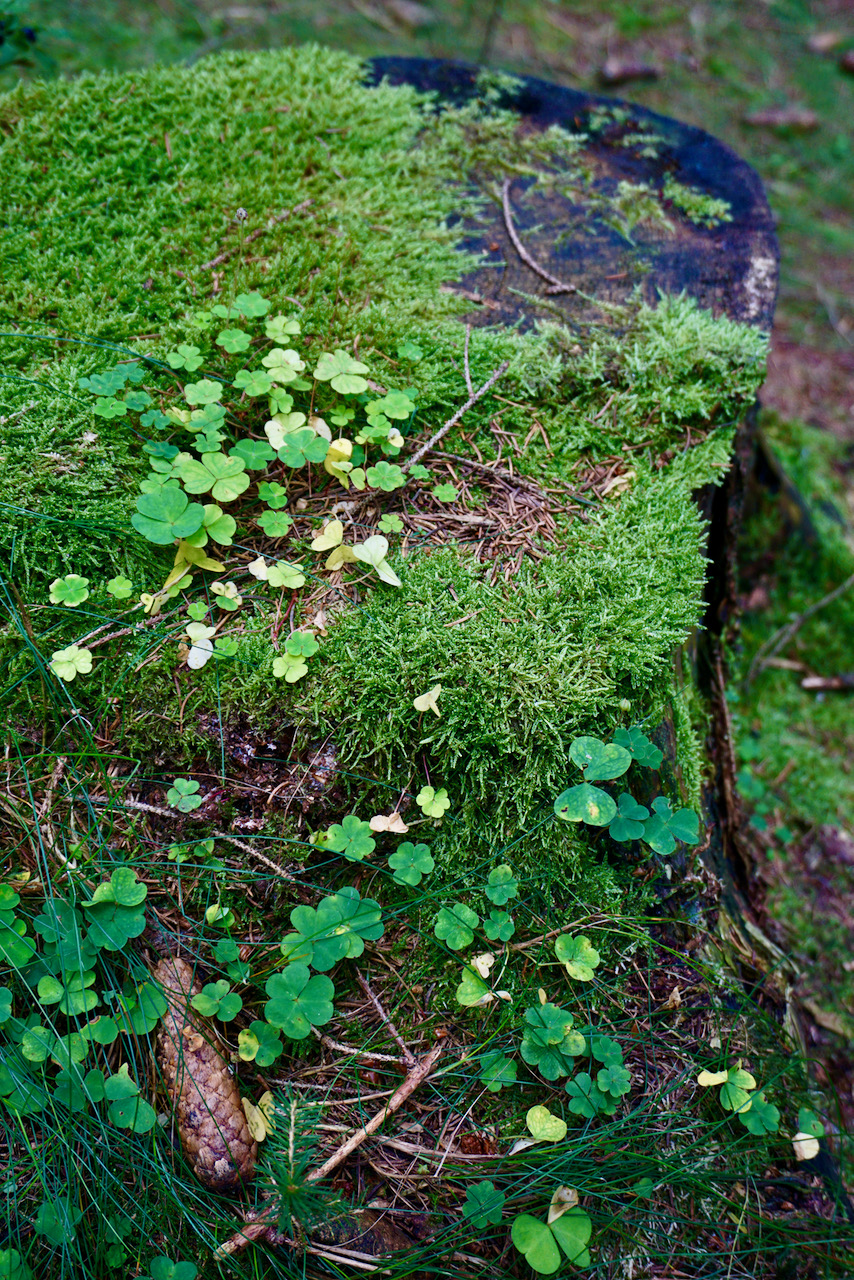
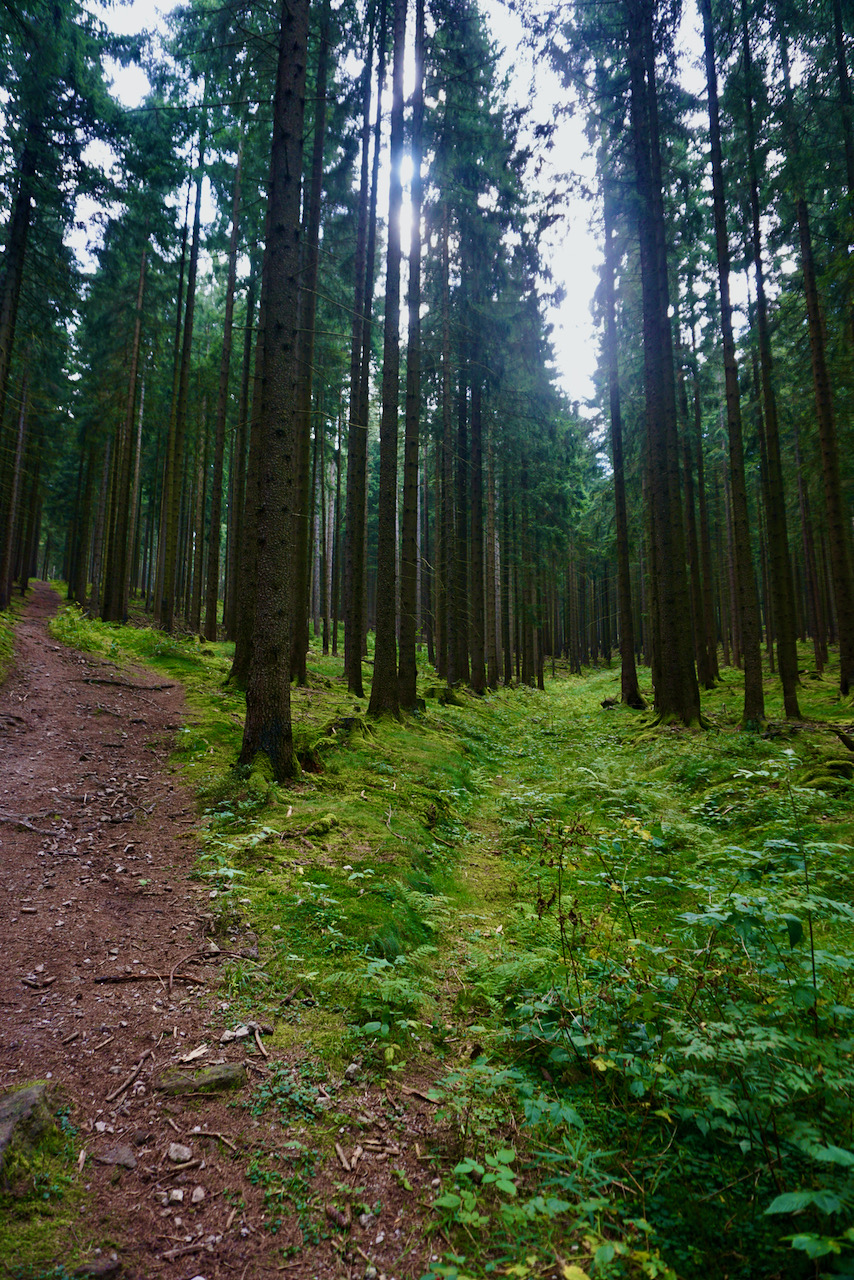
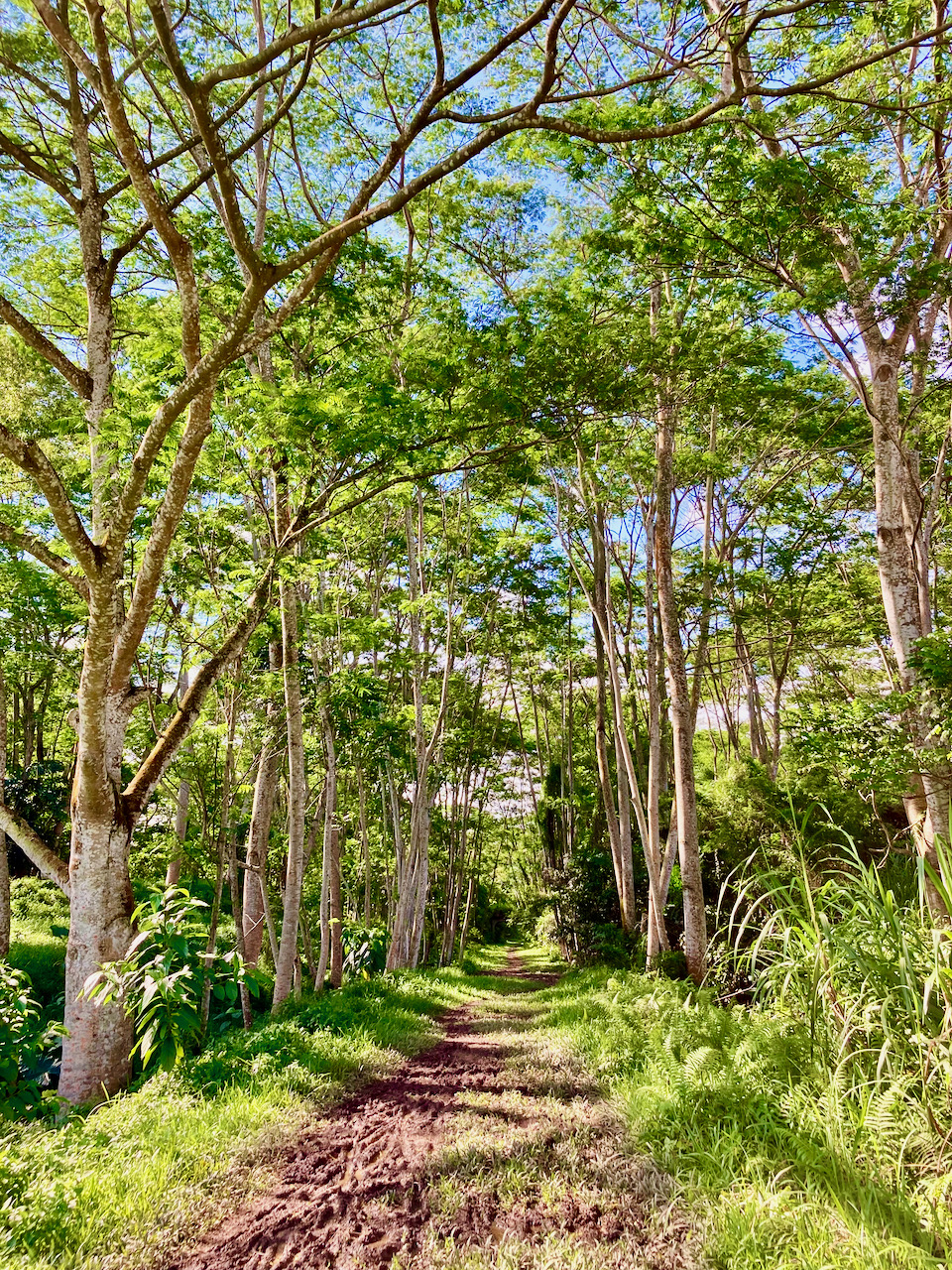
The weather gave us a gift this weekend. We had sun, blue skies, and temperatures perfect for being outside. (Although nothing really seems to stop Germans from being outside, which I like very much.) I was out late Sunday morning revisiting a route I’d taken with a friend some weeks ago. We had looked in vain for sunshine that day and the walk was bound to feel different this time.
One thing I have always noticed about walking with my camera is that my senses are sharper, and not just my eyes. I see the world differently, but am also more aware of how it tastes, how it smells, how it feels, and where I stand within it.
In other words, the more present I am, the calmer and more peaceful I feel. The camera around my neck acts as a reminder. Likewise, the more experienced I become in meditation, the more easily awareness seeps into my everyday life. I pause more frequently, slow down, notice, breathe. This is what it means to be mindful.
Lately there have been several loving-kindness, or metta, meditations in my routine. The warmth that I experience through these practices is not unlike the warmth I experienced last weekend in the sun. The world opens wide and it calls.
What I like most about metta meditation is that it makes obvious our connection with one another. There is a physical sensation, a warm glow, that comes from that realization.
There is a warm glow that comes from wishing loving-kindness to others, similar to the sense of rejuvenation that comes from being in nature. I have learned that these are needs for me, needs rather than wants. I would like to think that I am a better person to those around me for having learned this and sought this out.
It is easy to form connections that are light and fun, to play outside on a sunny day. It is not always so easy to get out in the rain or cold, not always so easy to touch another person. But so often, it is the experience of doing exactly this, of embracing difficult conditions and searching for the light, that plants us firmly on the ground.
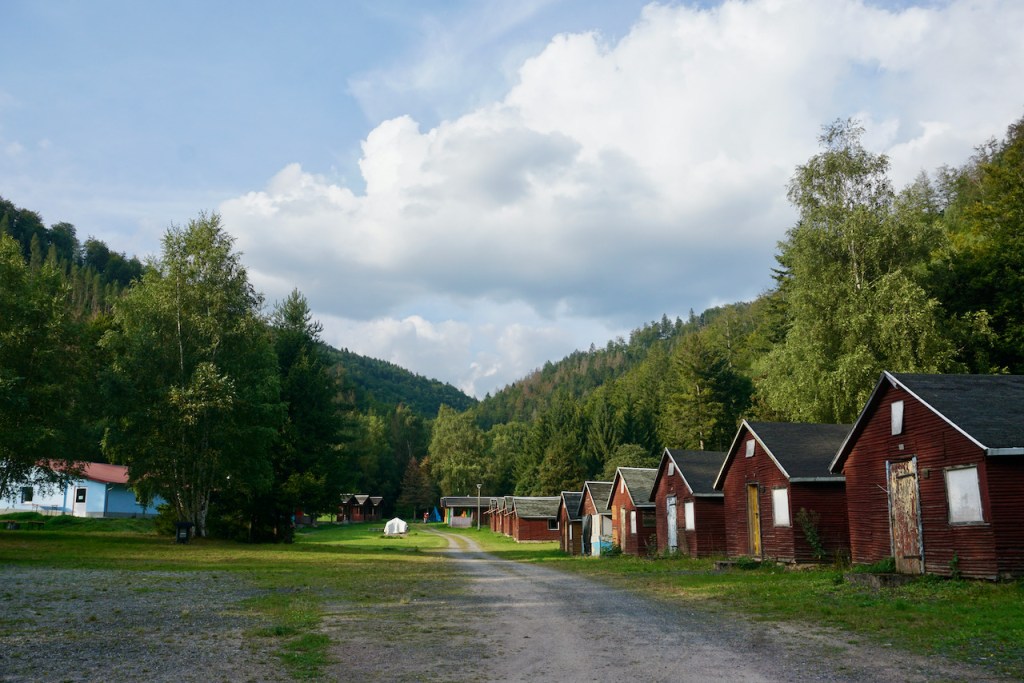
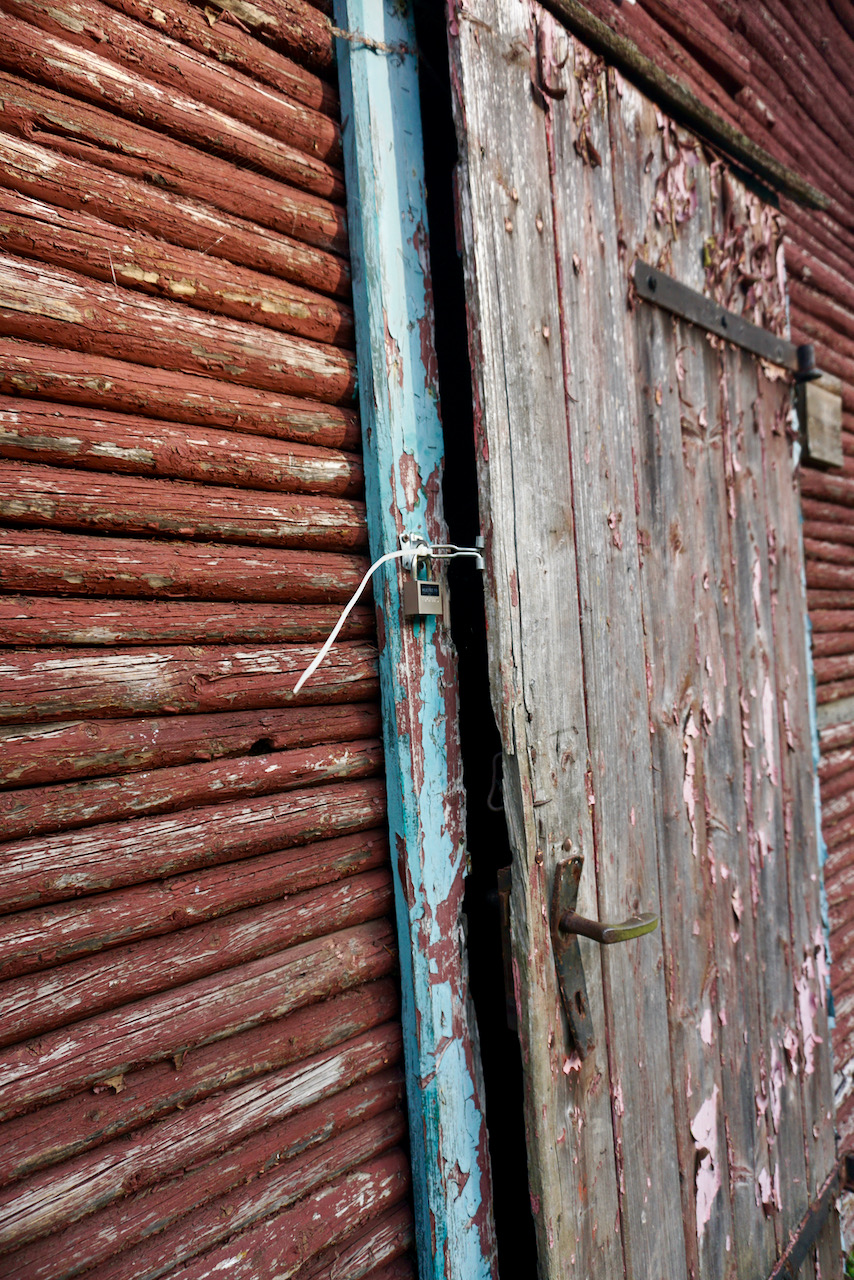
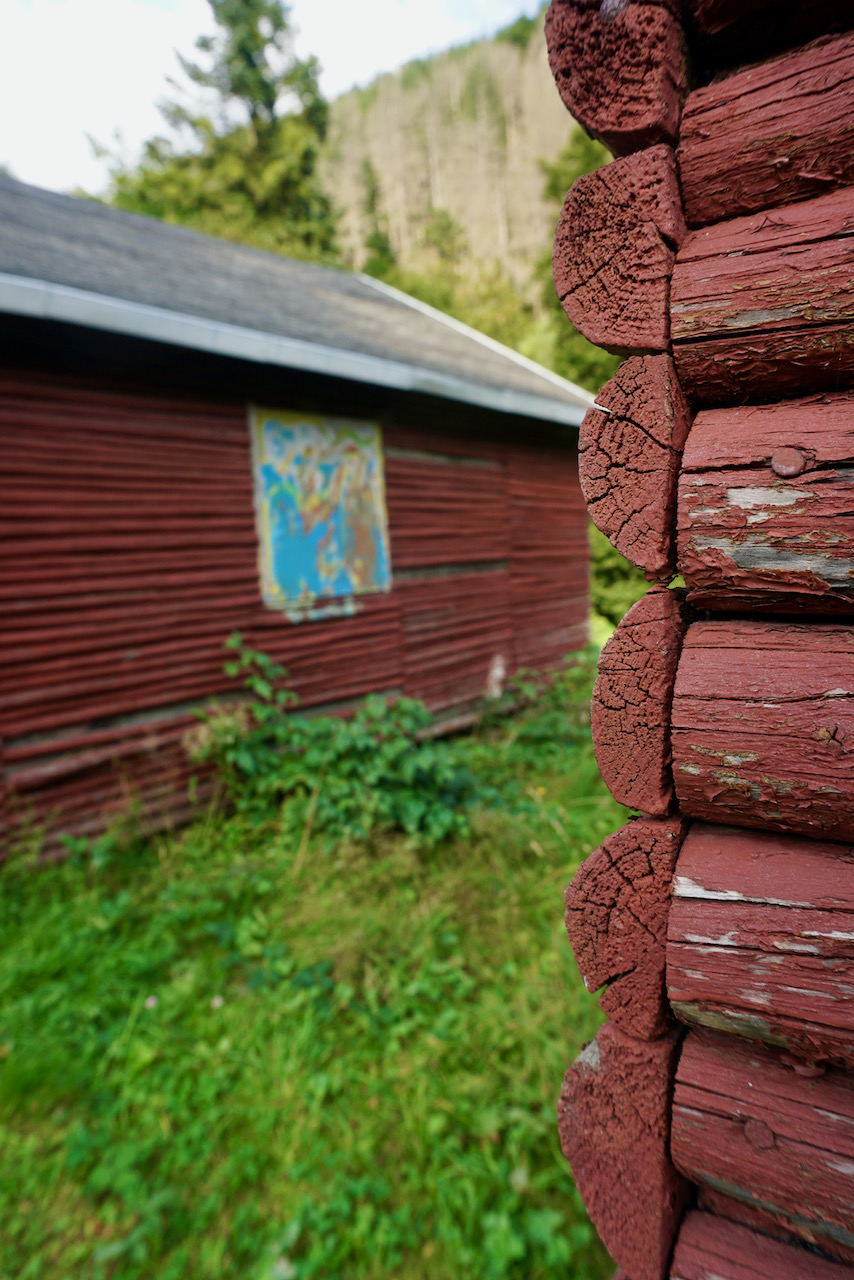
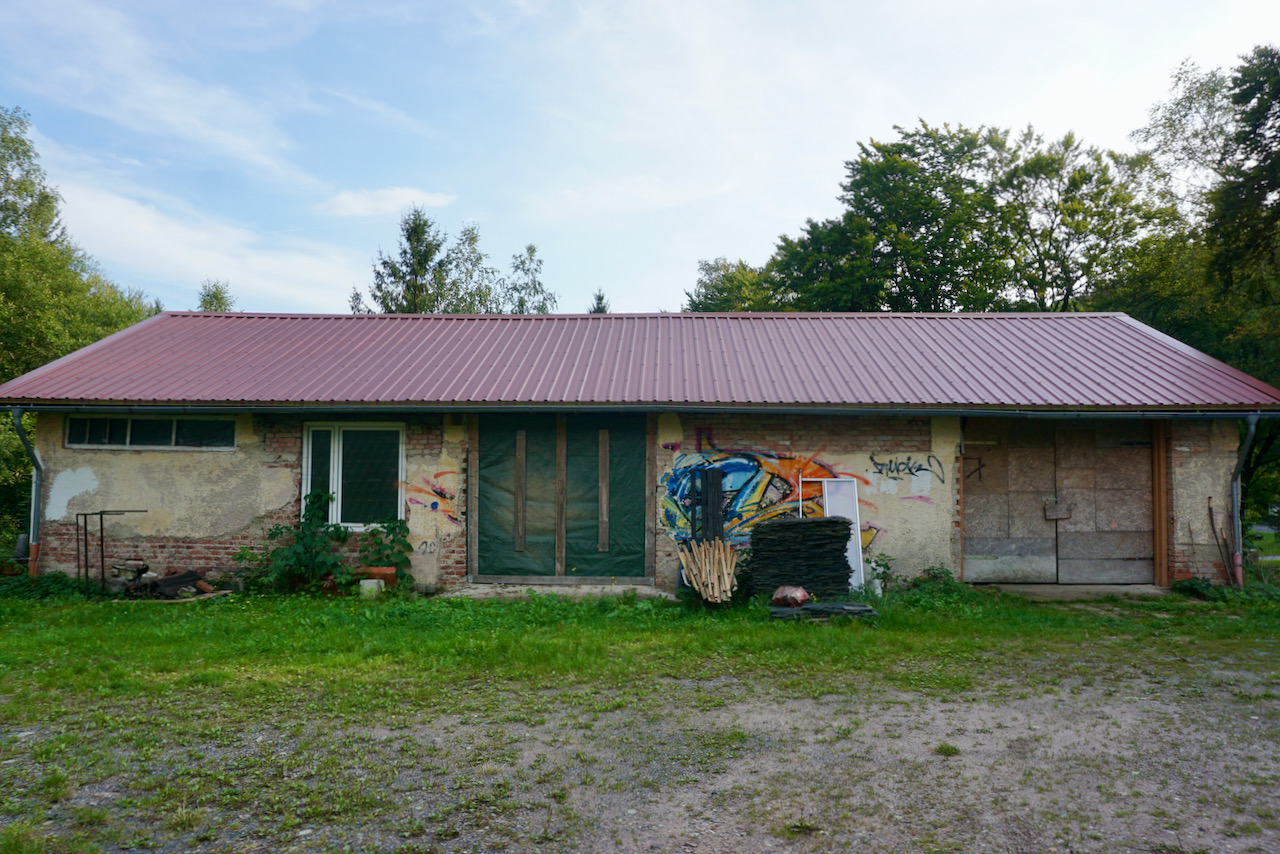
A couple of weeks ago, I joined a group of students for a week in the Thüringer Wald, or Thuringian Forest. Our trip was their first group outing since Covid, and it was a delight to be in a reasonably rustic environment with young people who were both comfortable in that context and genuinely glad to be there.
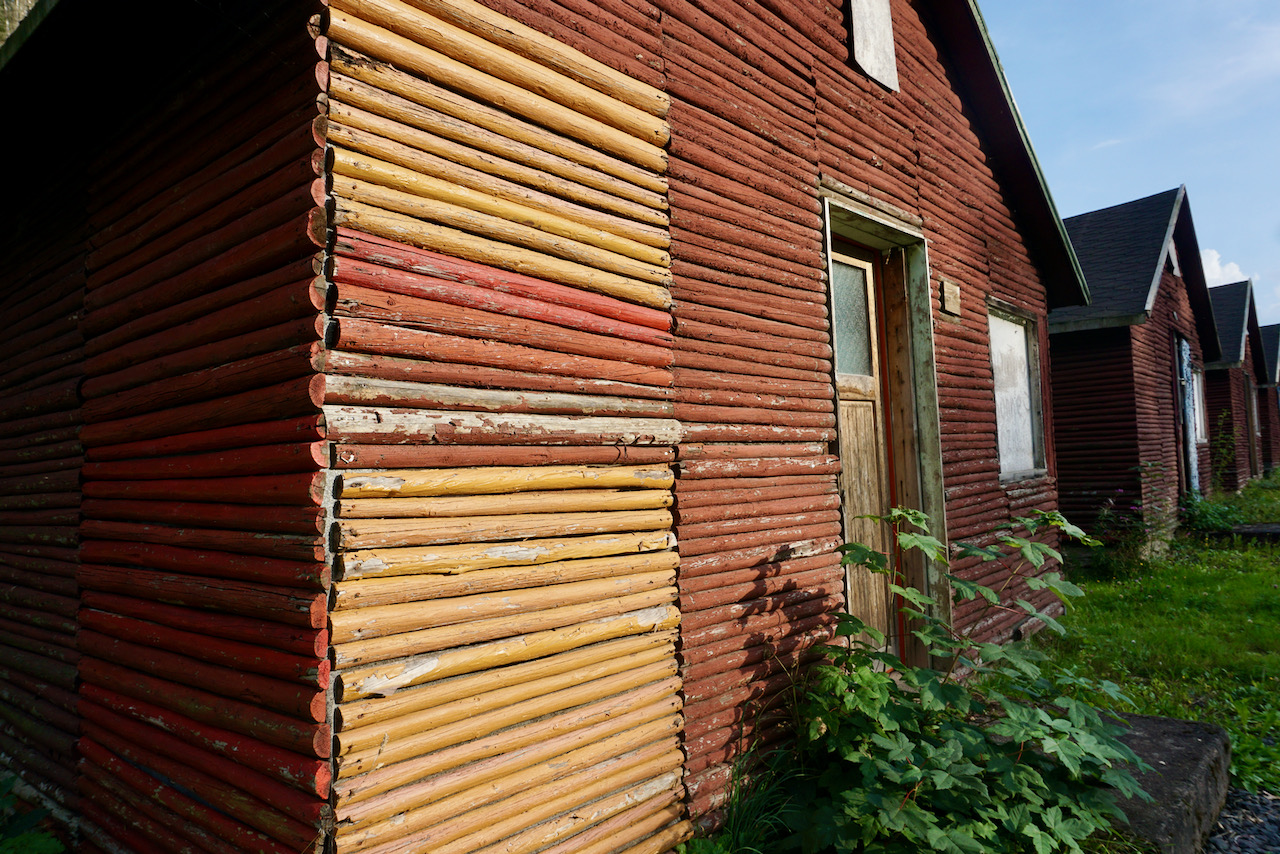
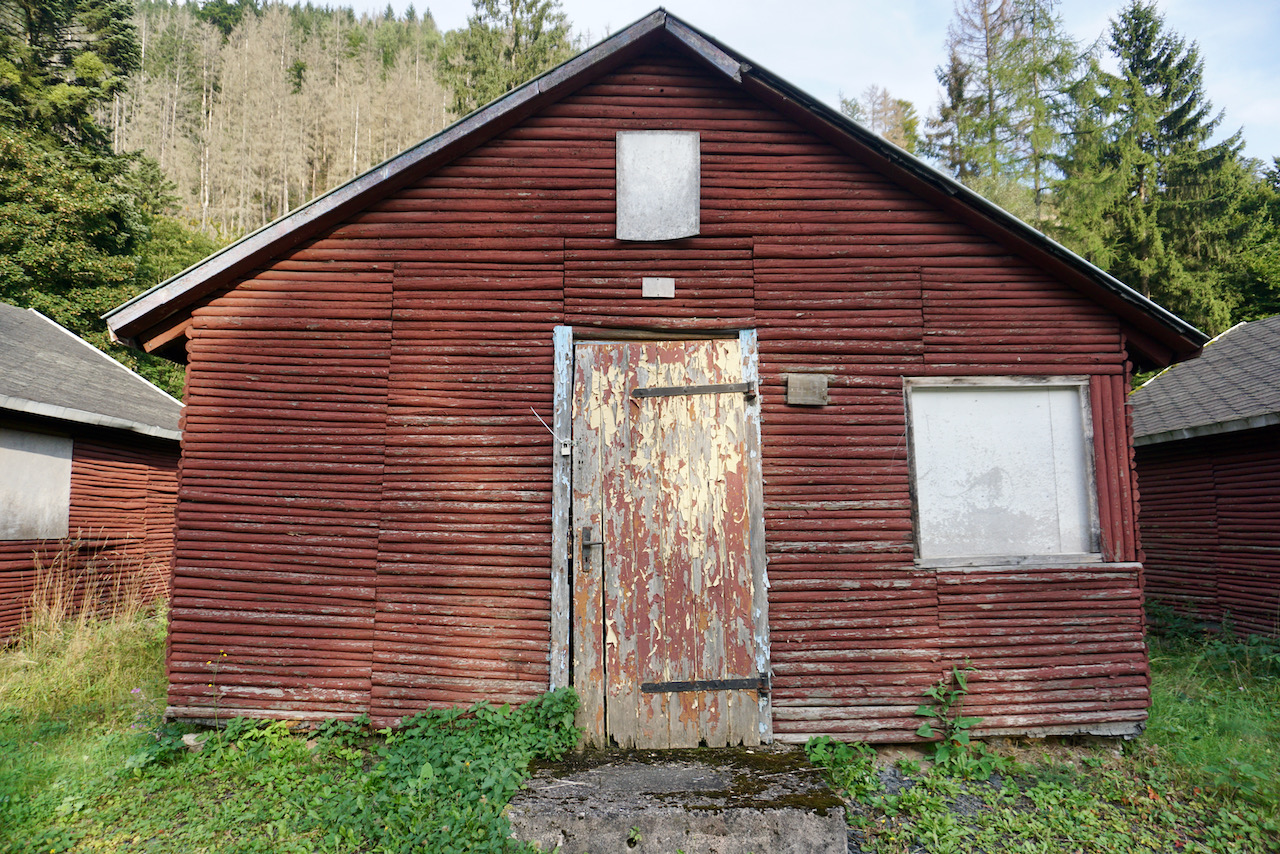
This campground relies significantly on volunteer labour for renovation work and there was a great deal to do. This wasn’t the type of trip where we were doing that, but I think it would have been good fun.
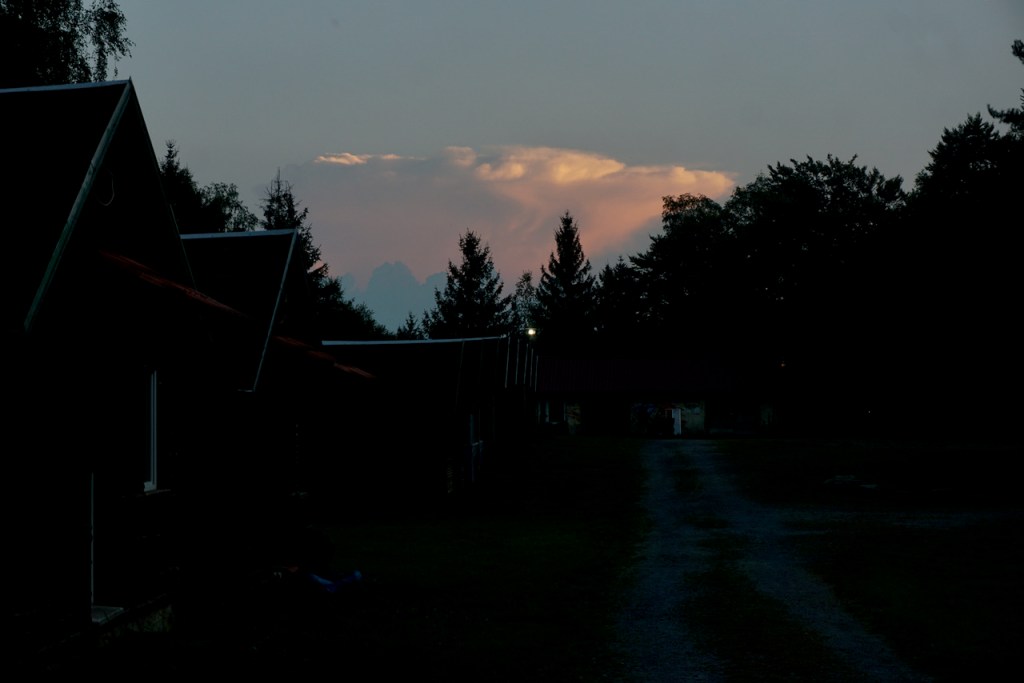
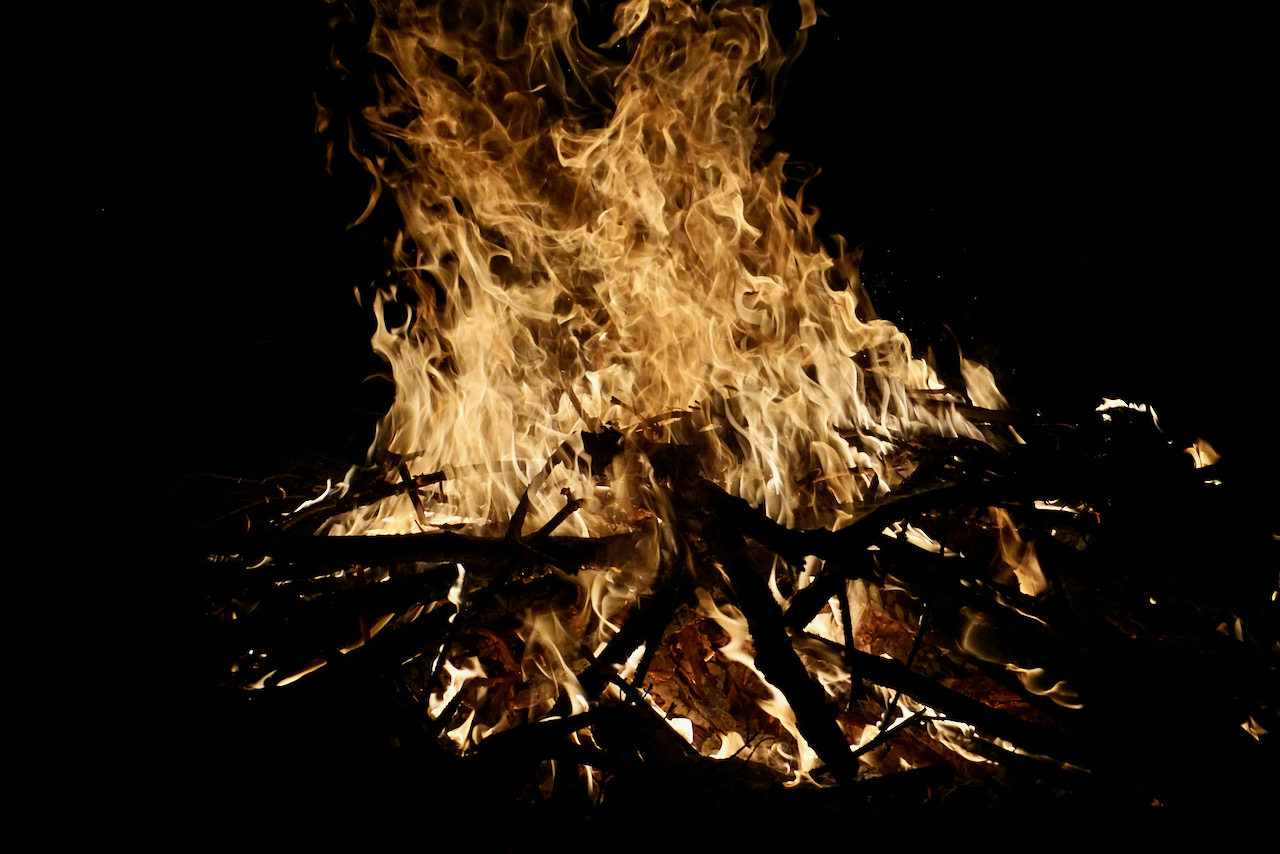
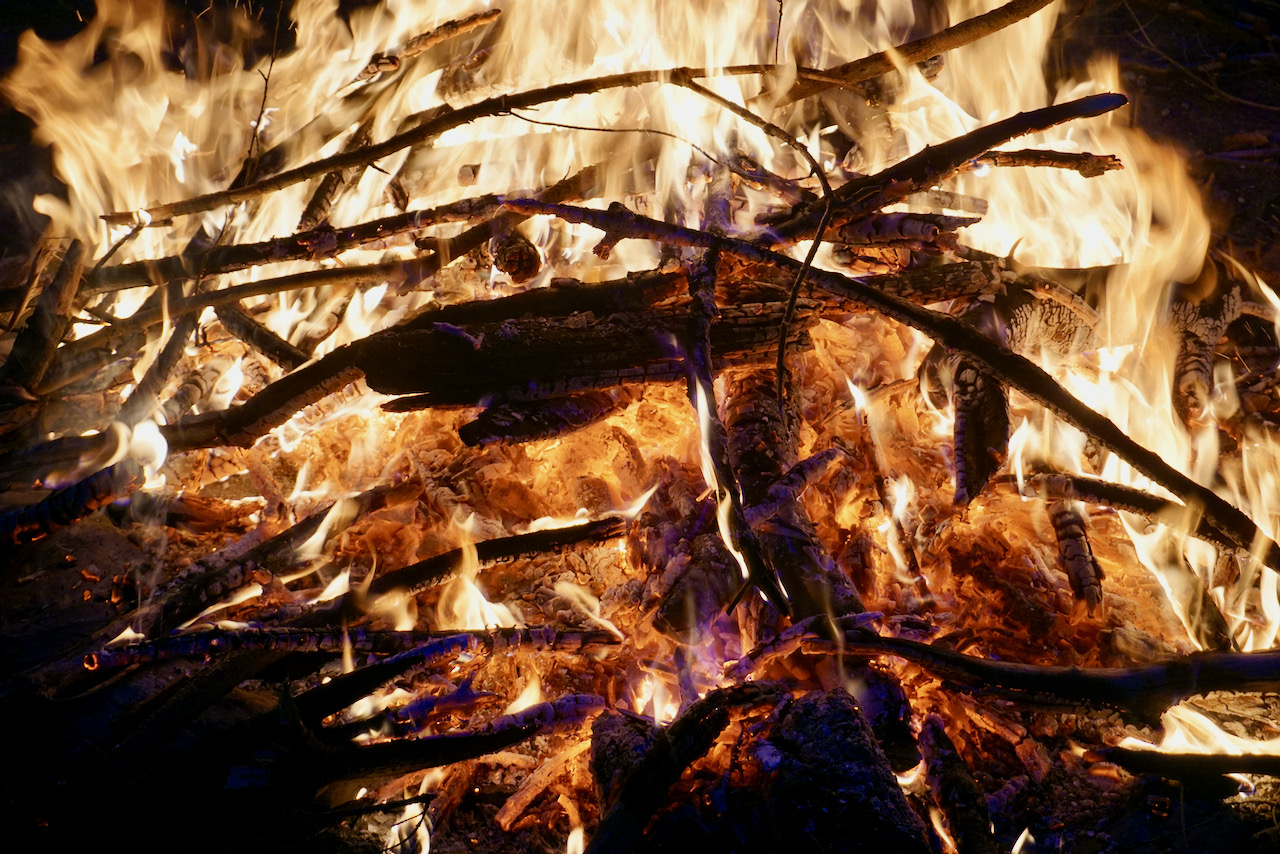
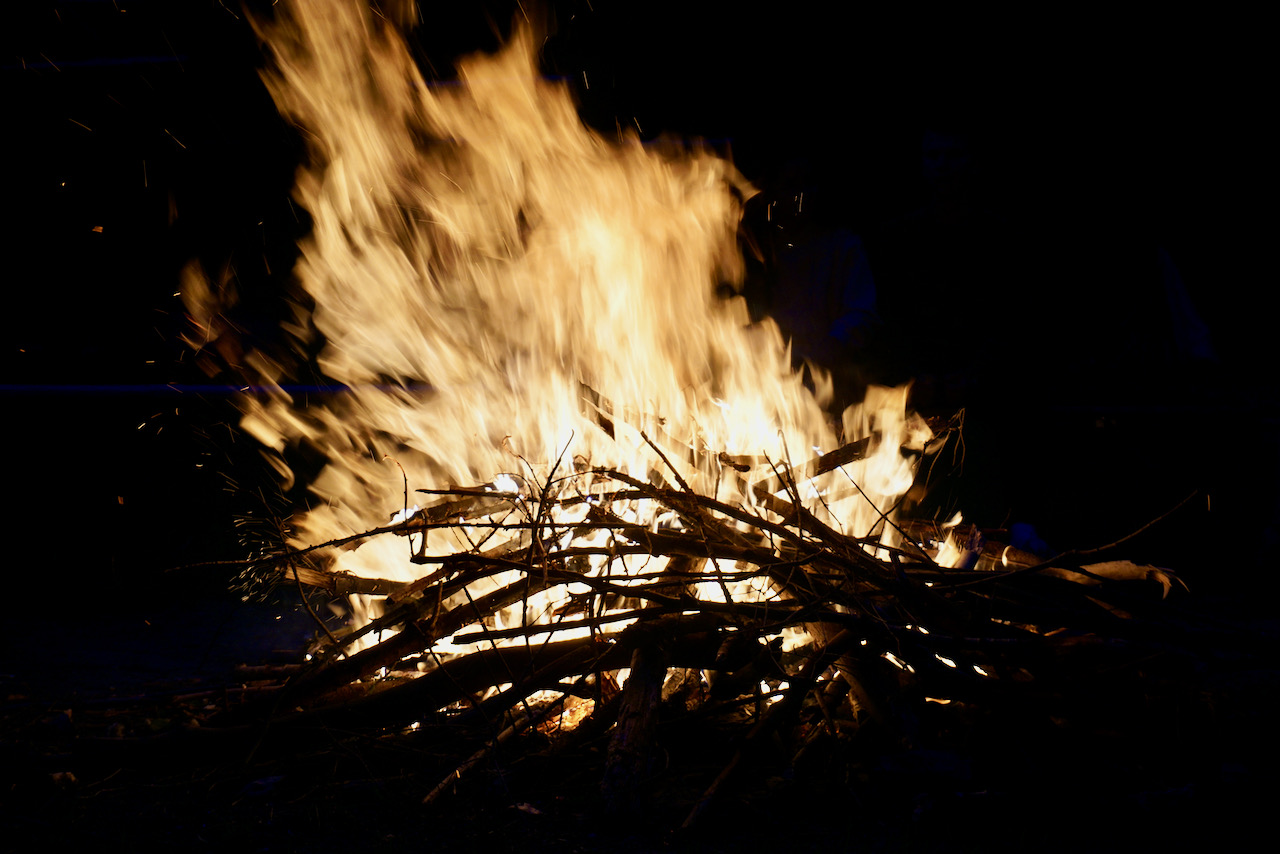
It was dark at night and we were able to see the Milky Way and the Big Dipper, though my photography skills and equipment cannot attest to that. We also made a fire every night, making for a much warmer evening than we would have had otherwise. There’s poetry in sitting under the stars in the cold, but there’s comfort in sitting under the stars with a fire.
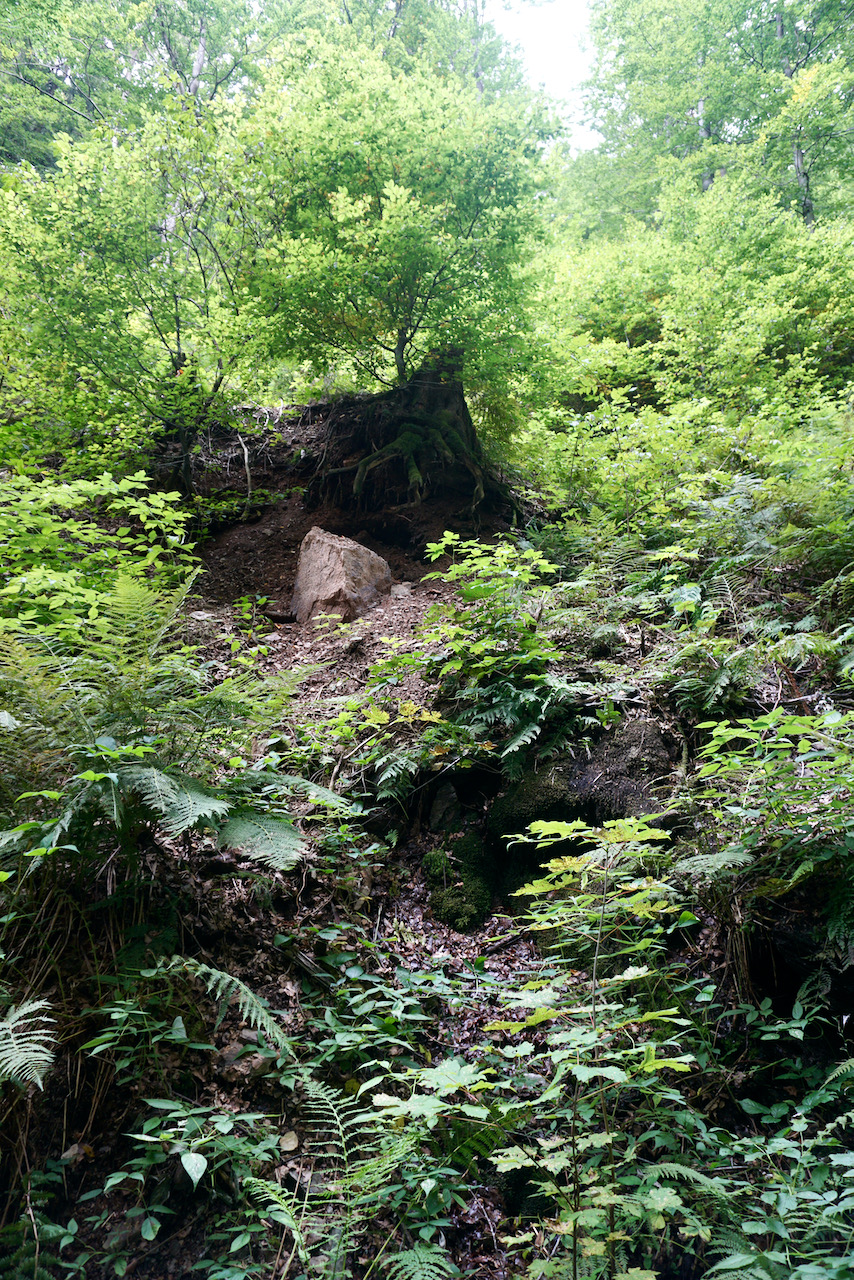
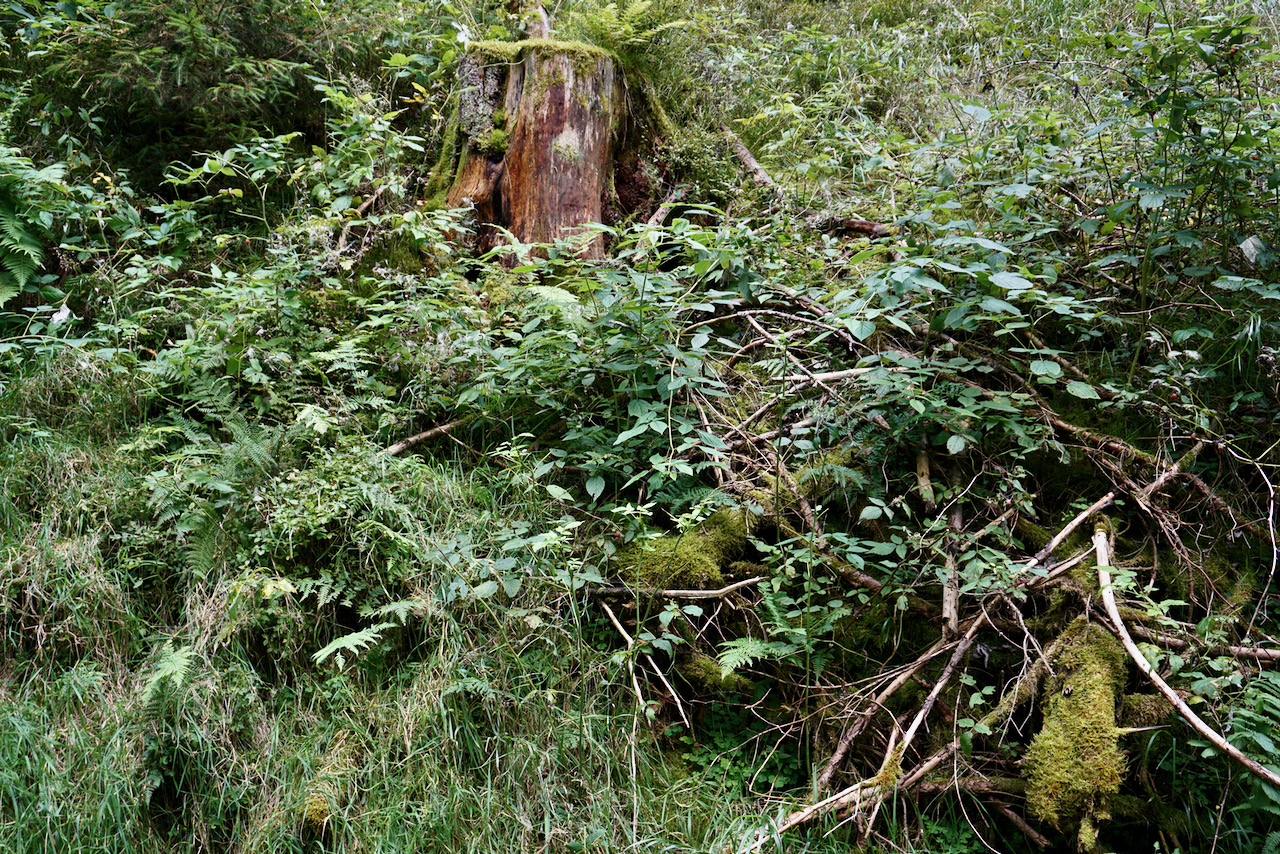
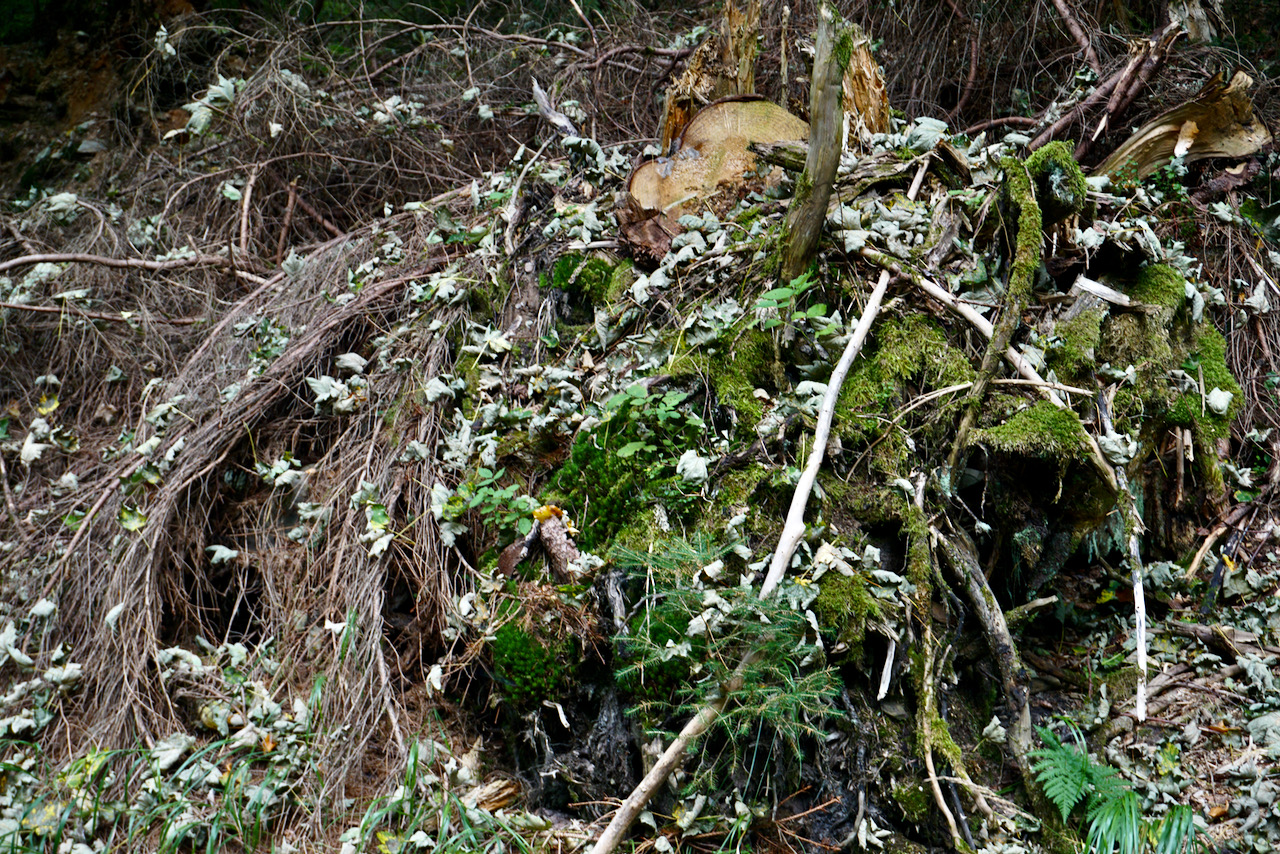
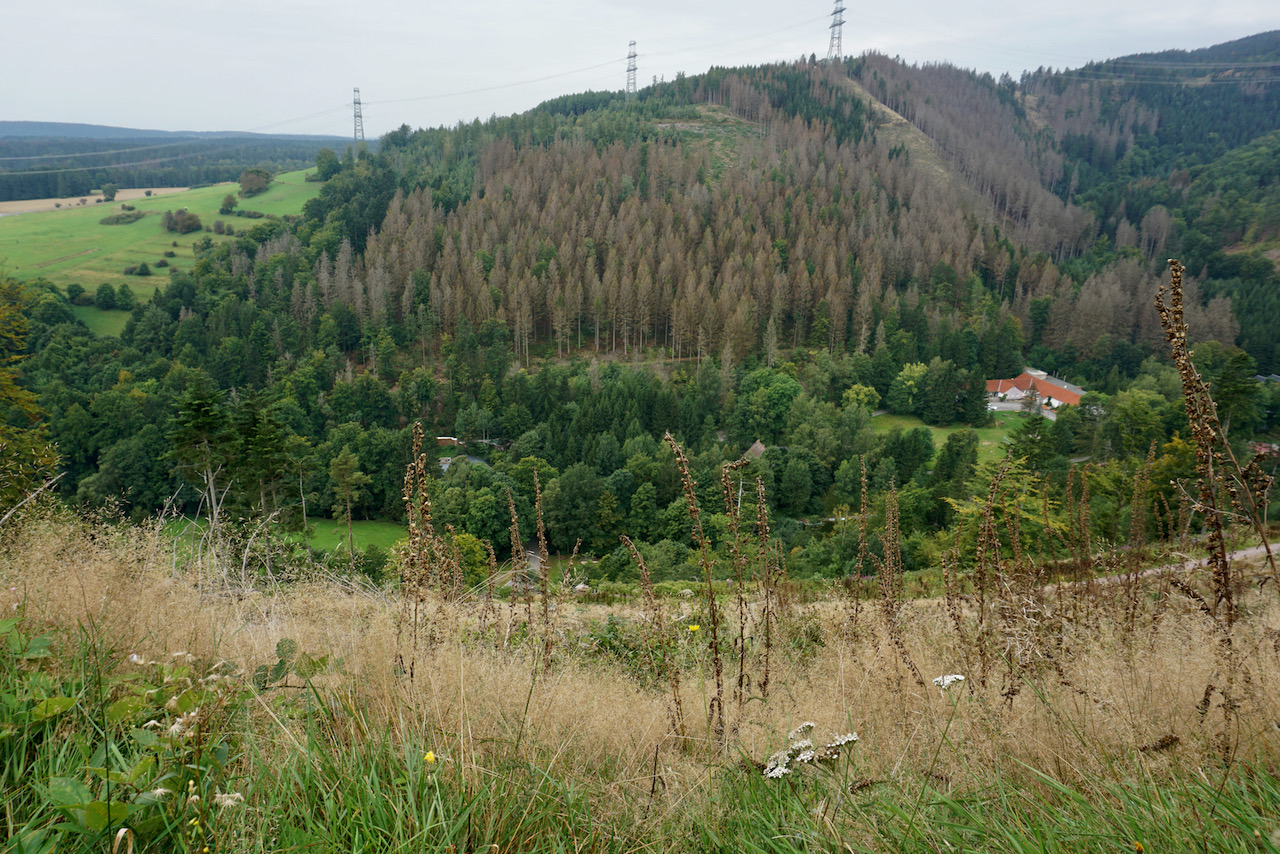
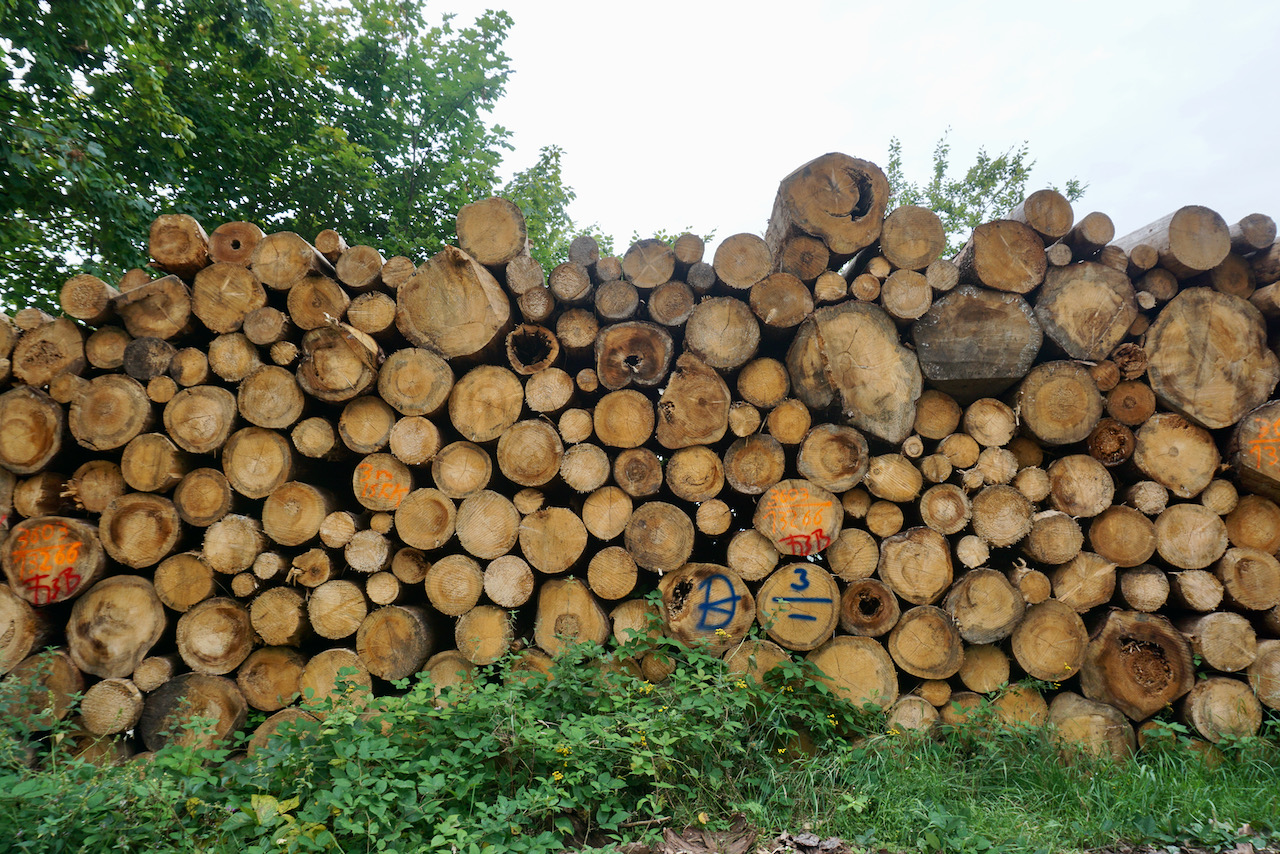
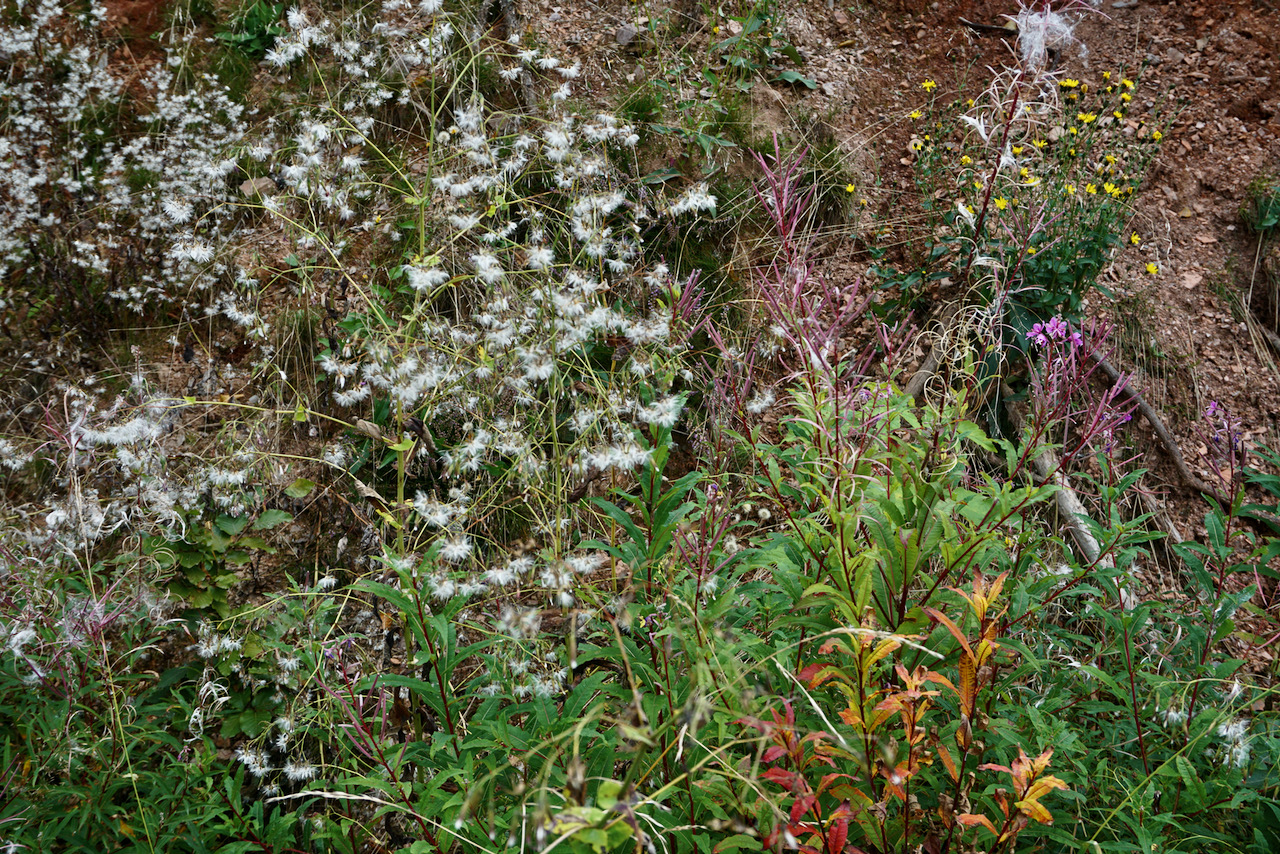
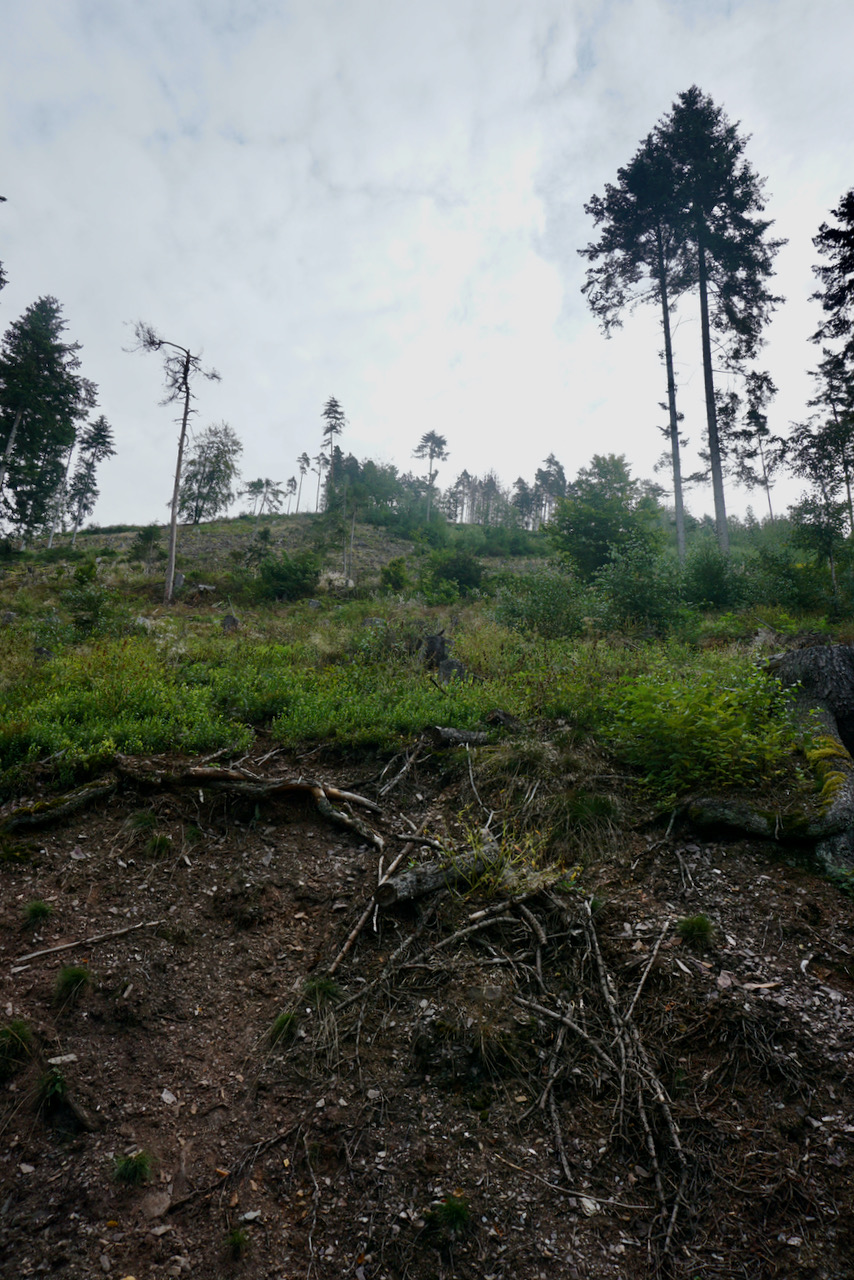
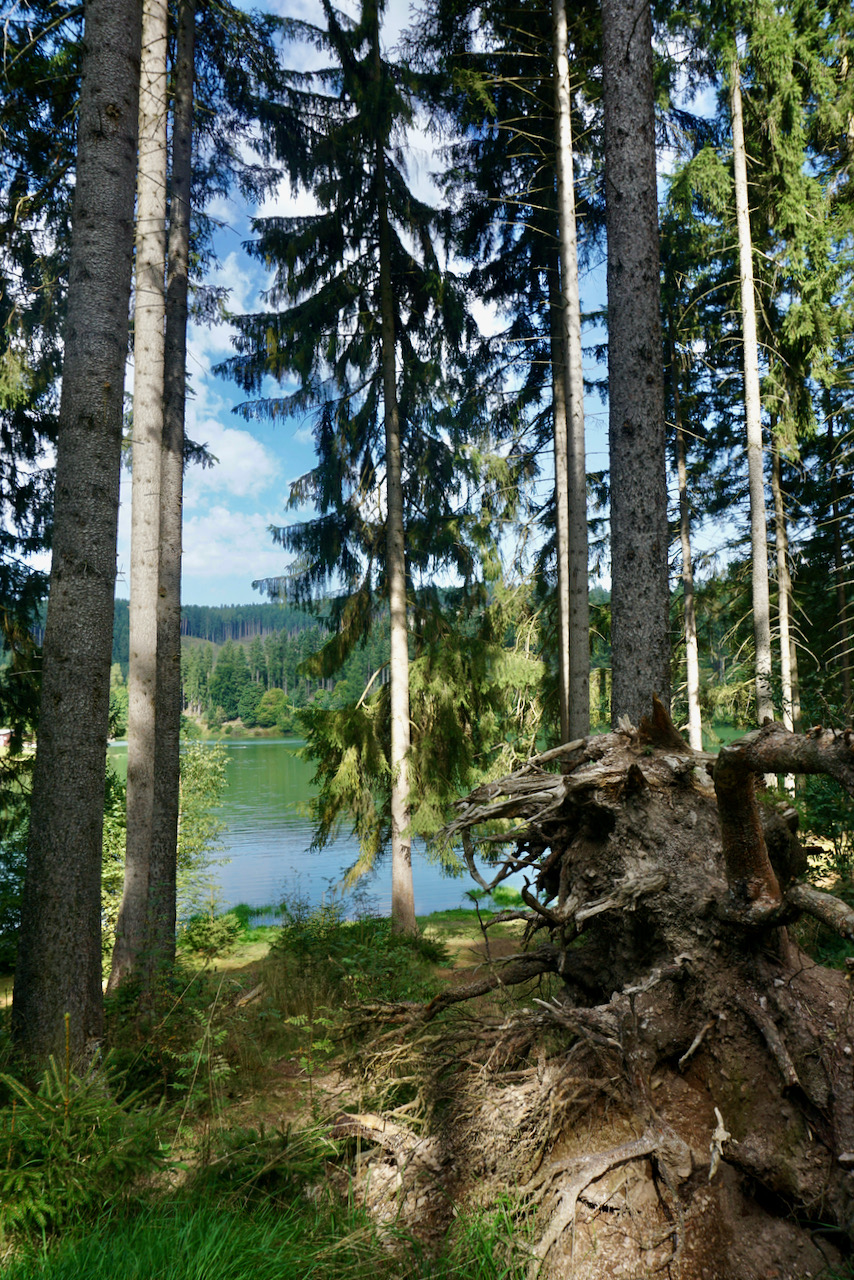
While the afternoons were largely free, we had activities planned each morning. A real highlight was the hike led by the campground director, Dagmar. She taught us about the bark beetles that are killing the young trees here in the beautiful Thüringer Wald. The devastation is occurring rapidly in part because of the monoculture that was once common here for logging. It was really sad to see so much empty hillside and to think about the consequences, such as landslides and flooding, that occur under these conditions, also making it really difficult to grow new trees. And trying to do so when they’re being attacked by bark beetles is, as we learned, no easy task.
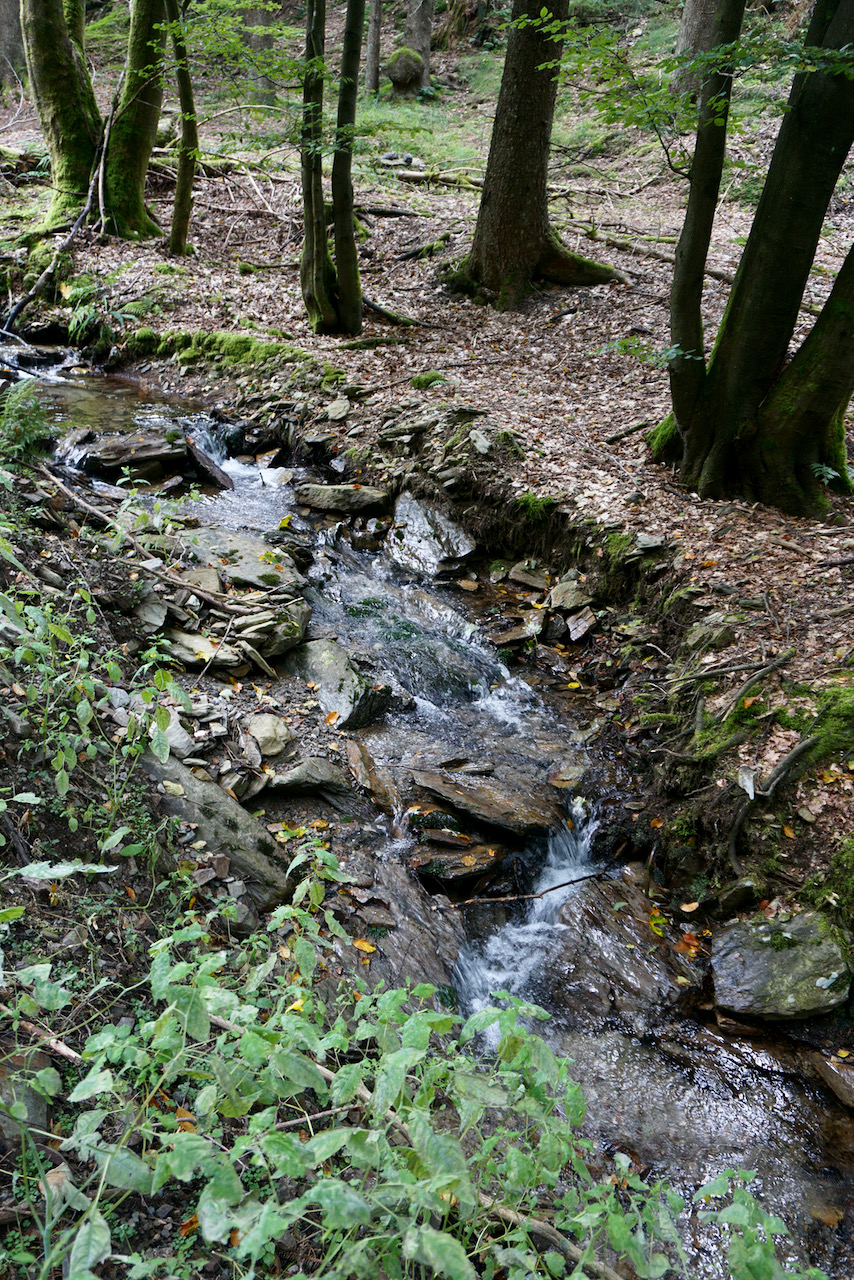
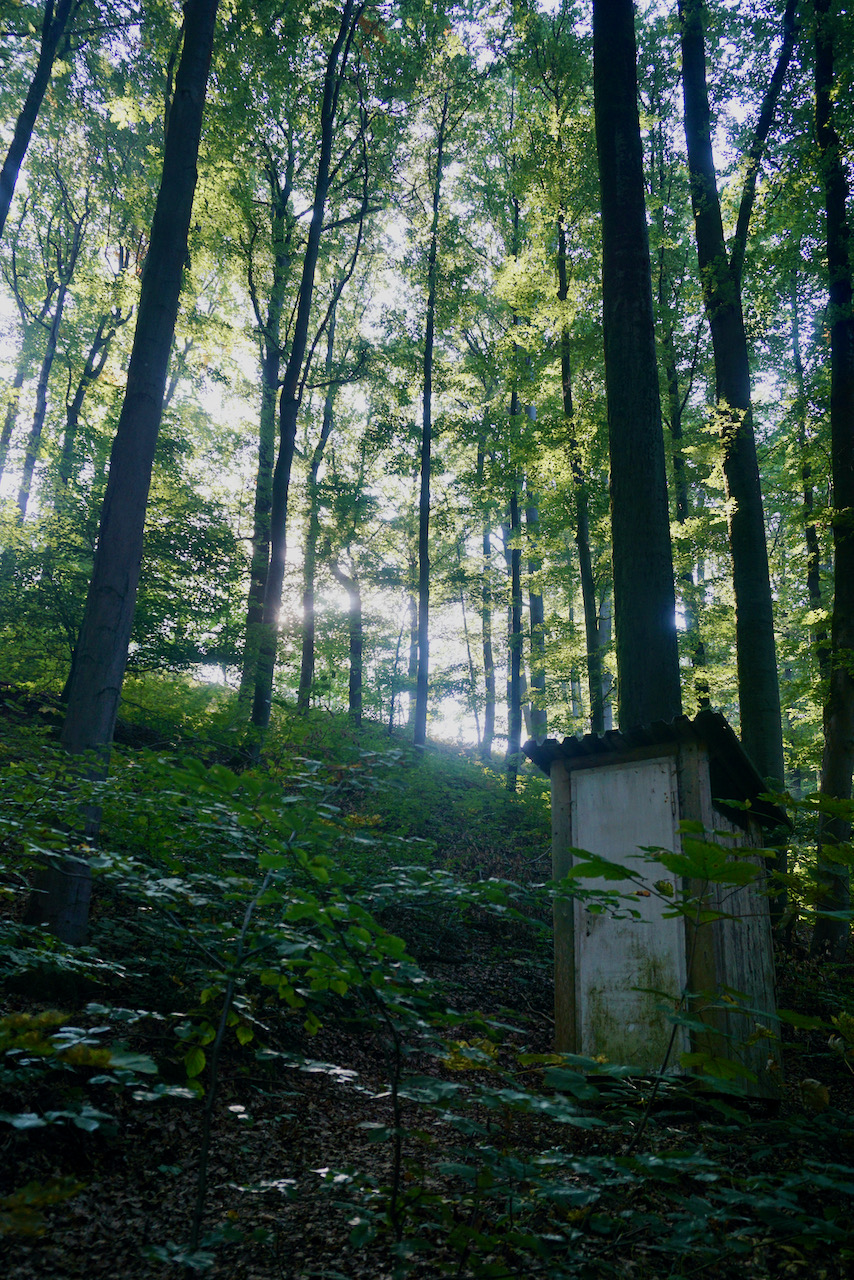
It’s also interesting to contrast the immediate environment of the valley where our camp was situated with the forest conditions around a village just 15 minutes away by car. (And, for that matter, the stunning environs in yet another part of the Thüringer Wald where I’ve been twice to climb.)
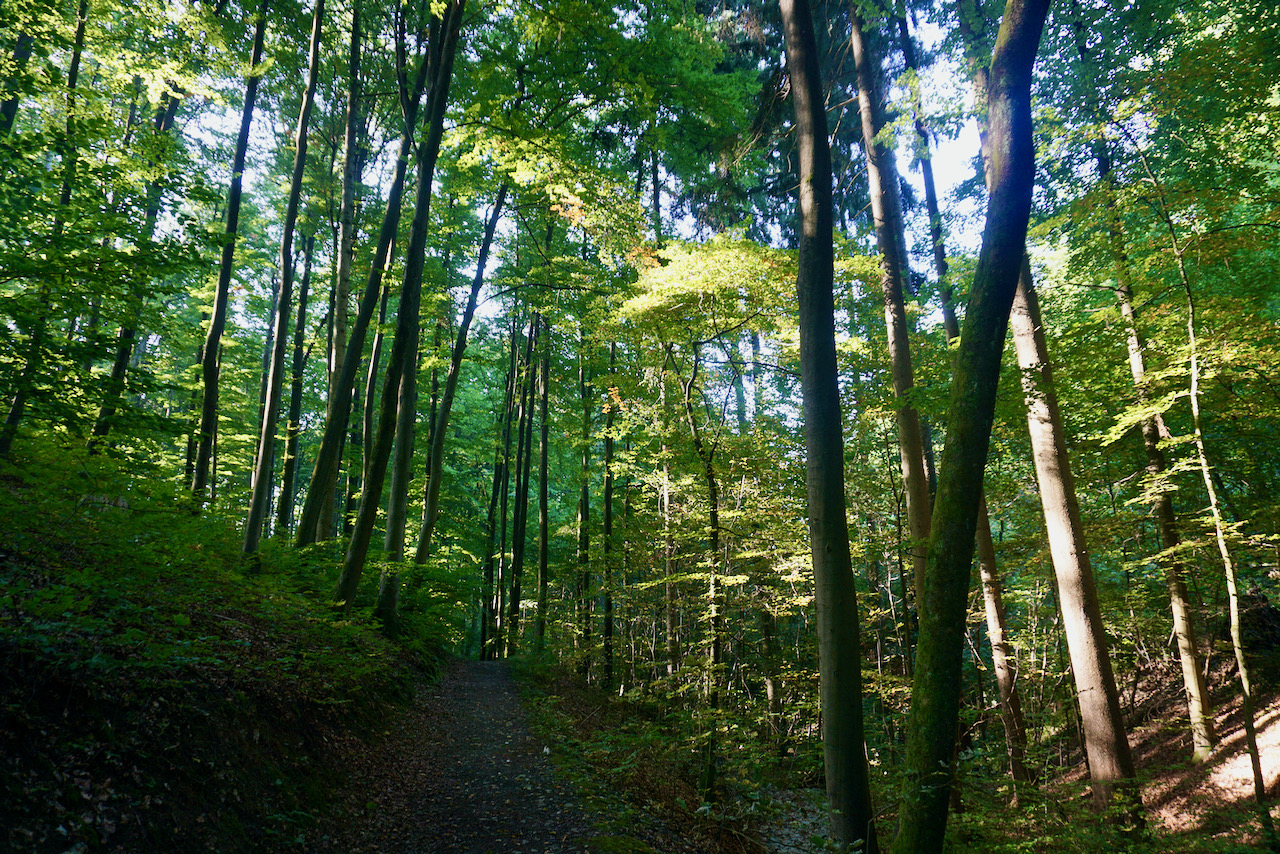
One thing I am really enjoying about Germany is how much it looks just like you might expect from a travel brochure. A walk on our penultimate day from one town to a bus stop in another town was a lot of work on hills but they were really pretty hills.
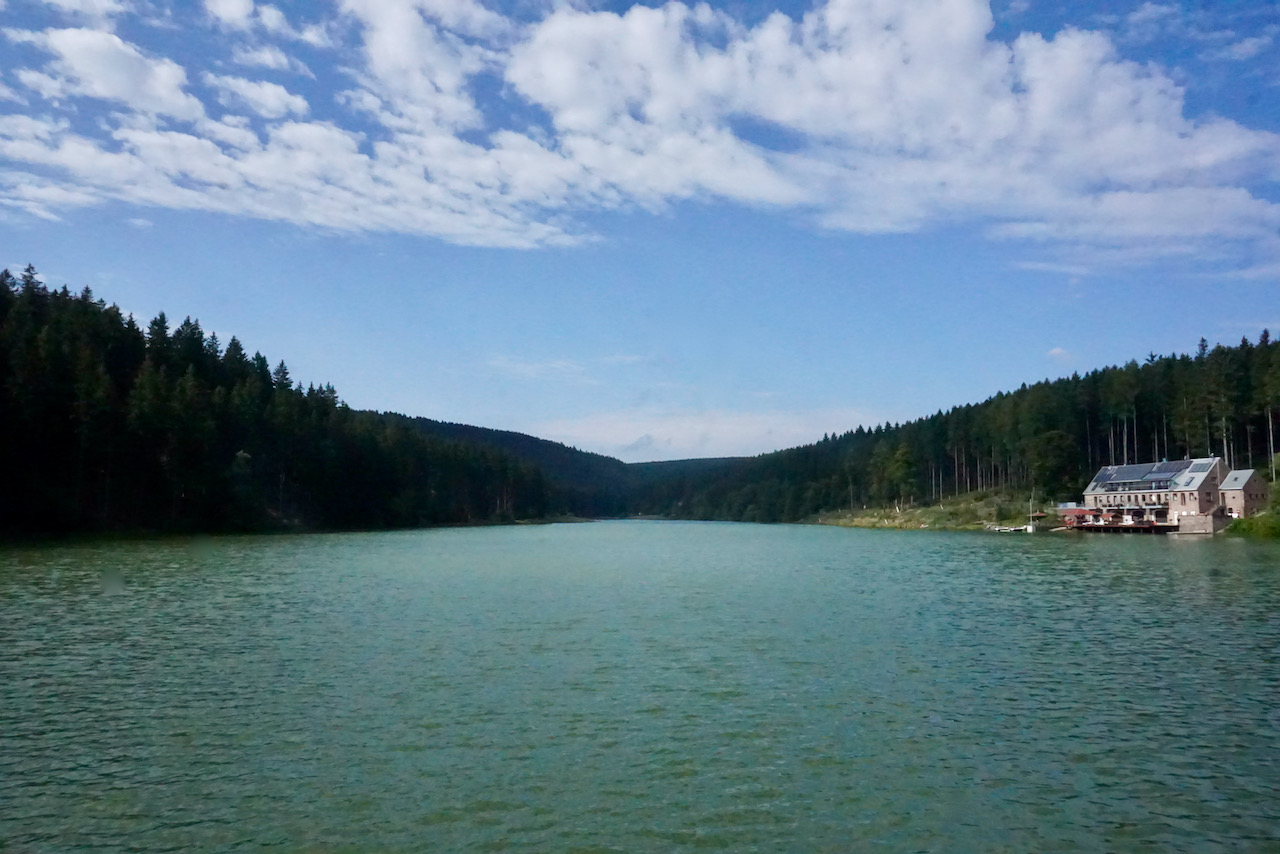
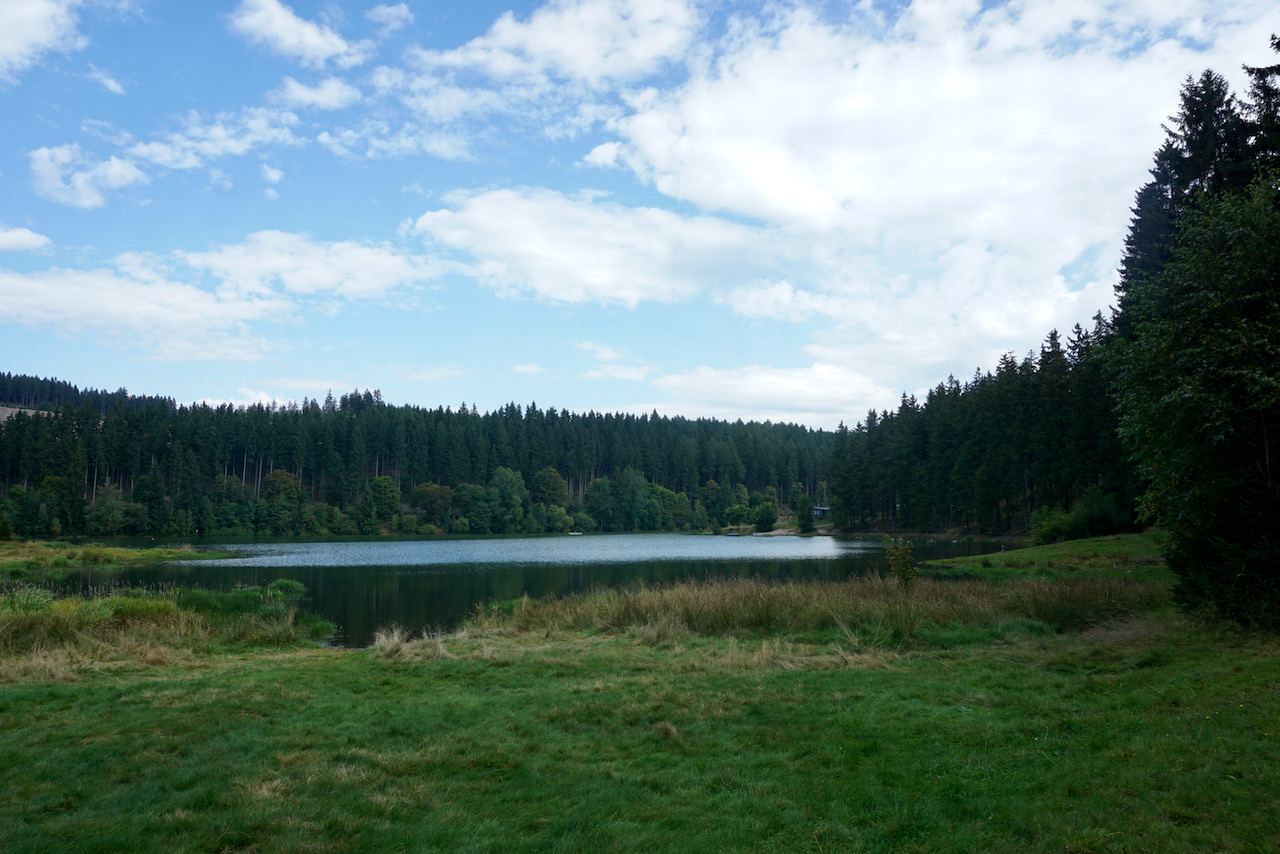
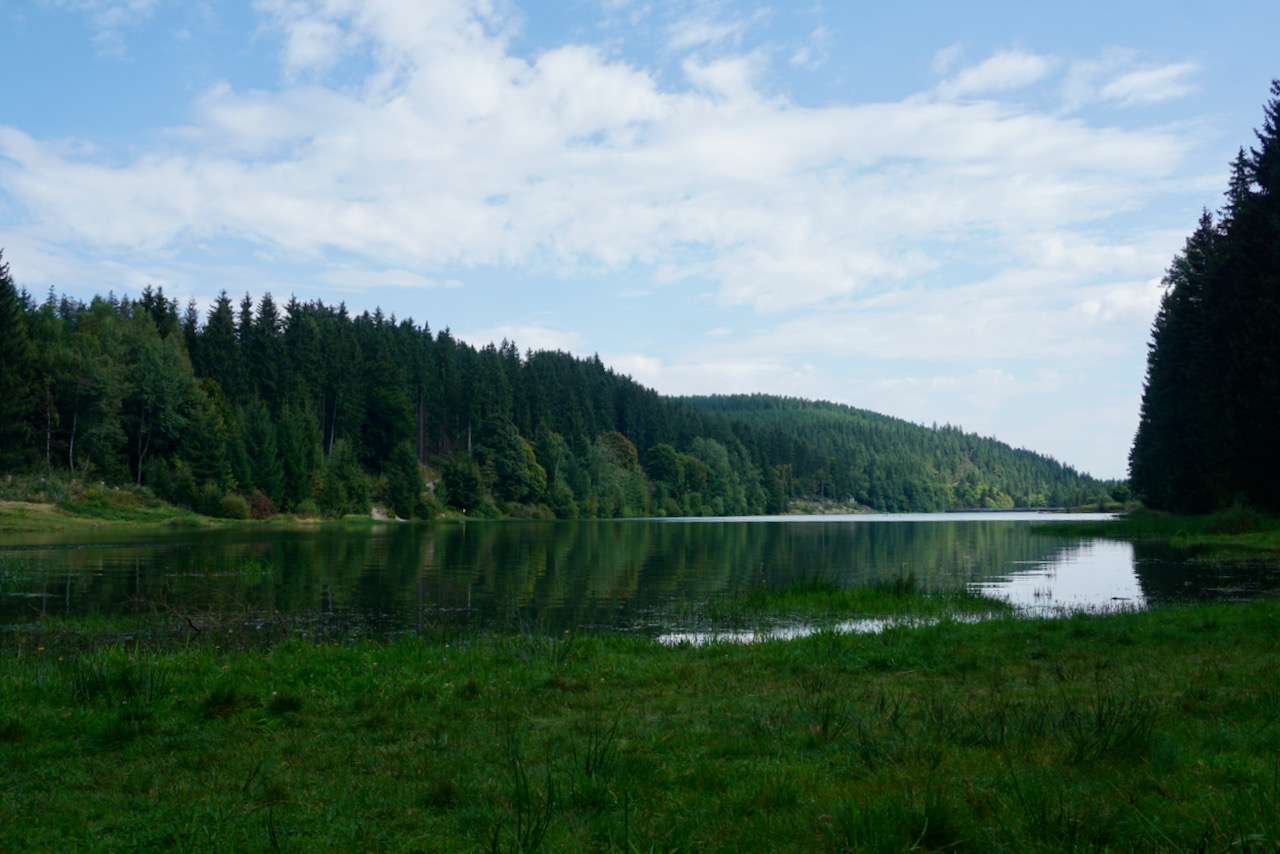
On the last day, only about an hour from school, we spent the afternoon by a lake. There’s so much here that is a fairy tale – berries and mushrooms in forests that people just happily pick, for example – and it has been so lovely experiencing it all.
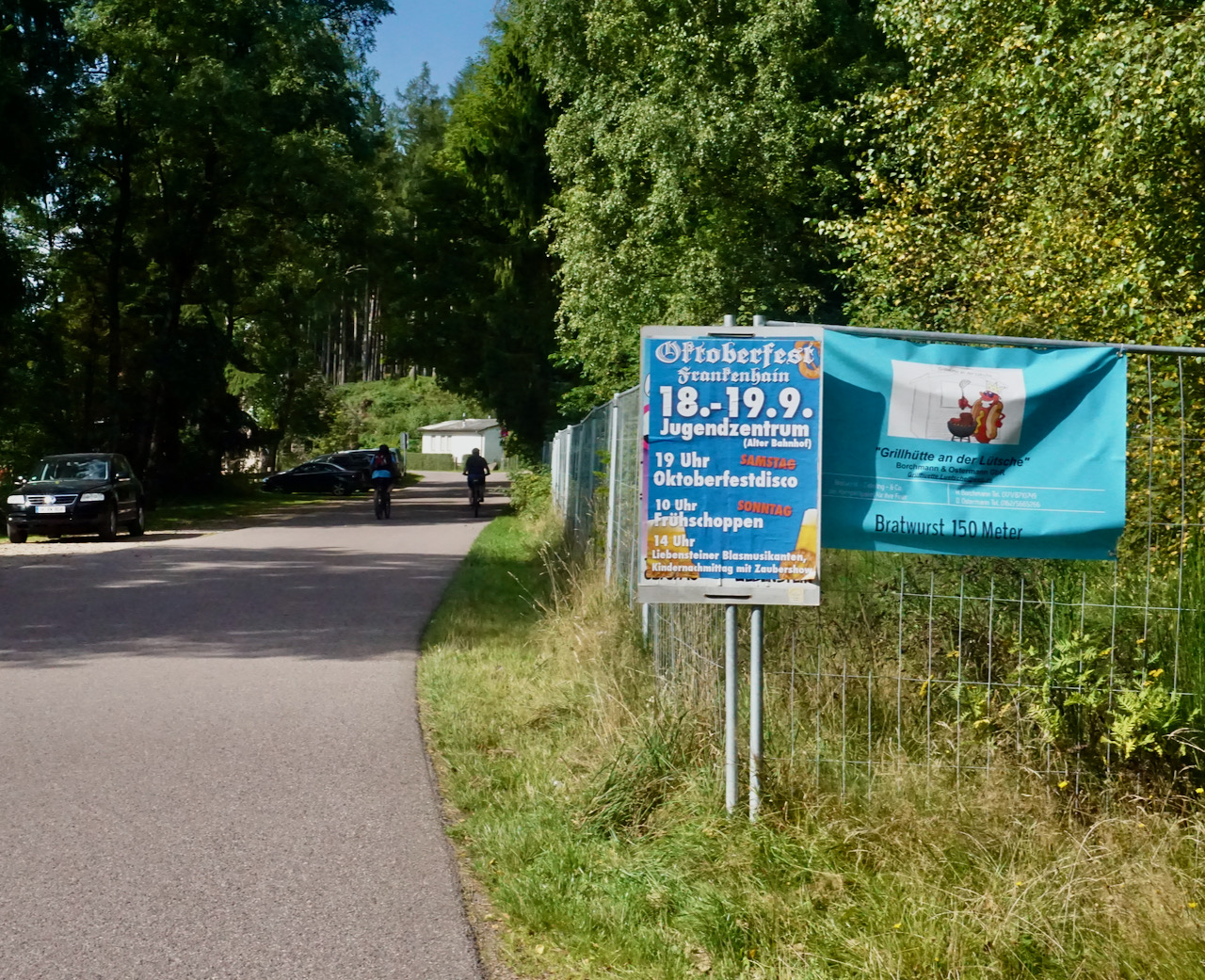
This part of the state of Thüringen (Thuringia) is right on the border with Bayern (Bavaria). You know that place. Home of Oktoberfest. Indeed.
After so much time on the Little Red Dot that is fully part of my heart, it’s a real gift to be somewhere else. I’m looking at the world with different eyes and for that, I am grateful.
That it has been two and a half weeks since my last entry and I haven’t noticed should say a thing or two about where my mind has been lately. Everywhere, nowhere, now here.
My friends, colleagues, and I are again spending the summer in Singapore. Our visa status, just like last year, does not guarantee that we will be allowed reentry. It’s hard on everyone, of course, and the best thing to do, the only thing to do, is make the best of where we are and what there is. Lucky for us, there is a great deal of life to be lived if you’re willing to go out and look.
Back in May, on a holiday weekend that otherwise would have found many of us on a plane to somewhere else, two friends and I walked Singapore’s Green Corridor from Hillview south to Tanjong Pagar. This was 13km of the 24km-long trail and I was more interested in the conversation with my friends (and some general antics) than taking photos. Two photos that I did take, however, largely summarize my experience on this part of the trail.
The Green Corridor is an abandoned, overgrown, redeveloped rail corridor that once linked Singapore with the rest of the Malay Peninsula. There were reminders of the railroad everywhere, and reminders that nature, trees, will always be there. Trees are steady, strong, resilient. They bend so that they do not break, reroot to build a new home. They shelter, they provide, they live on. I don’t need to read the research (although I have) on the power of nature to slow down the body. I am reminded every single day.
The tree in the photo below reminded me yet again. It was our first landmark on the Green Corridor. It knew, well before we knew, the role that collective resilience would come to play in all of our lives.
There were points along the walk where the rail line, a marker of what the world was and how it was defined, disappeared. There were times when we were simply walking on an open path between field and road, protected by fences and foliage on either side. Walking south, we watched the distance between ourselves and the shipping cranes in Tanjong Pagar gradually shrink. But every so often, reminders reappeared. Reminders that Singapore, like every place, has not always been what or how it is now. Reminders of how quickly development becomes redevelopment, and the impossible dream becomes the everyday.
Although fenced off and abandoned to prevent people like me and my curious friends from exploring, it was not difficult to imagine the rail depot that this once was. Singapura is the Malay name for Singapore. That’s what this place was, and at its very core, there is so much of Singapura that remains for those who ask, who learn, who look.
Just a few days ago, one of my friends and I finished the walk. We started up north this time, further north than we needed to because the maps are not obvious, and followed the rest of the trail from Woodlands south to Hillview.
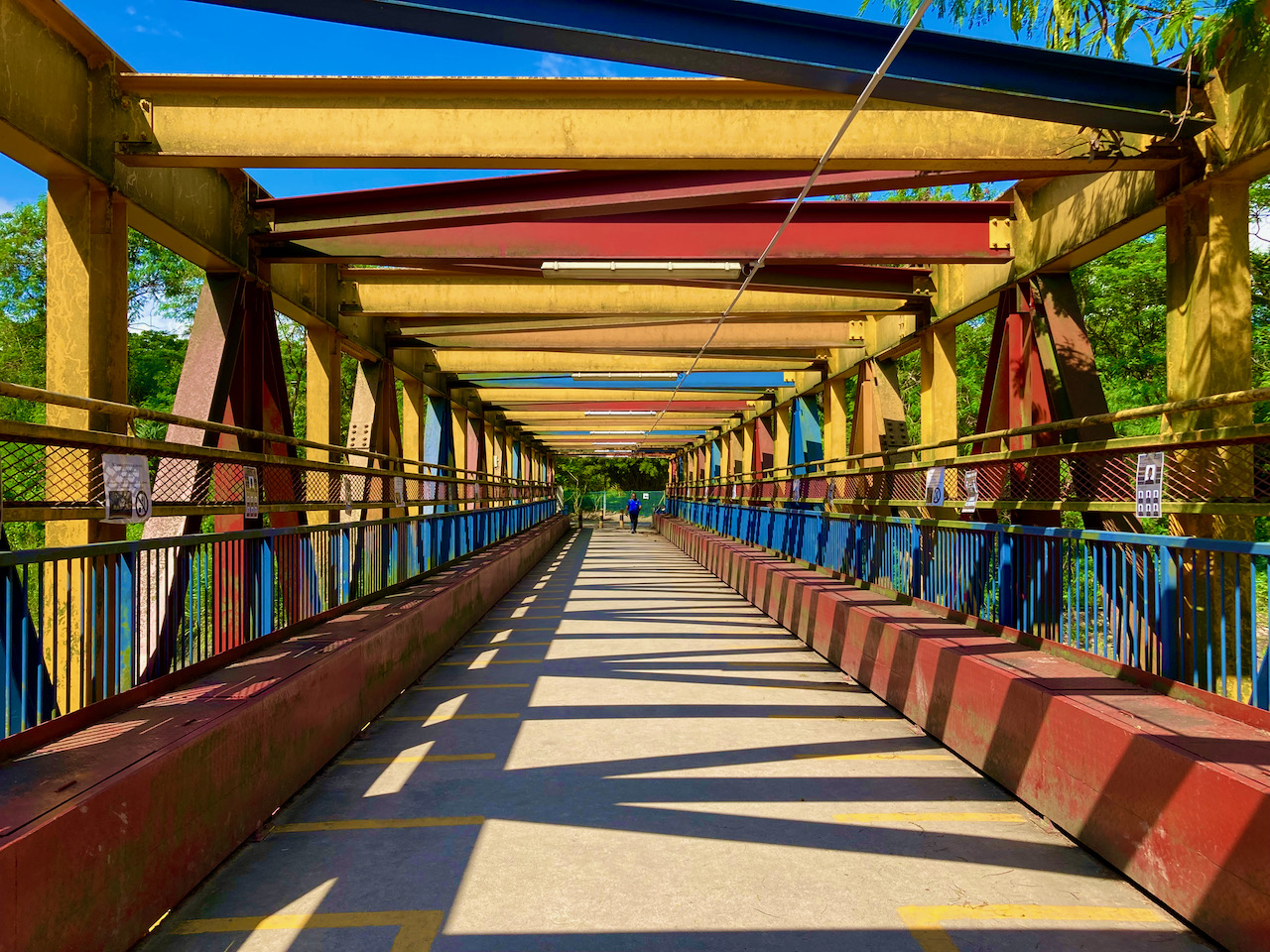
Before finding the trail, we lost ourselves on a fortunate detour that took us to the Rainbow Bridge in a part of Singapore we’d never seen before.
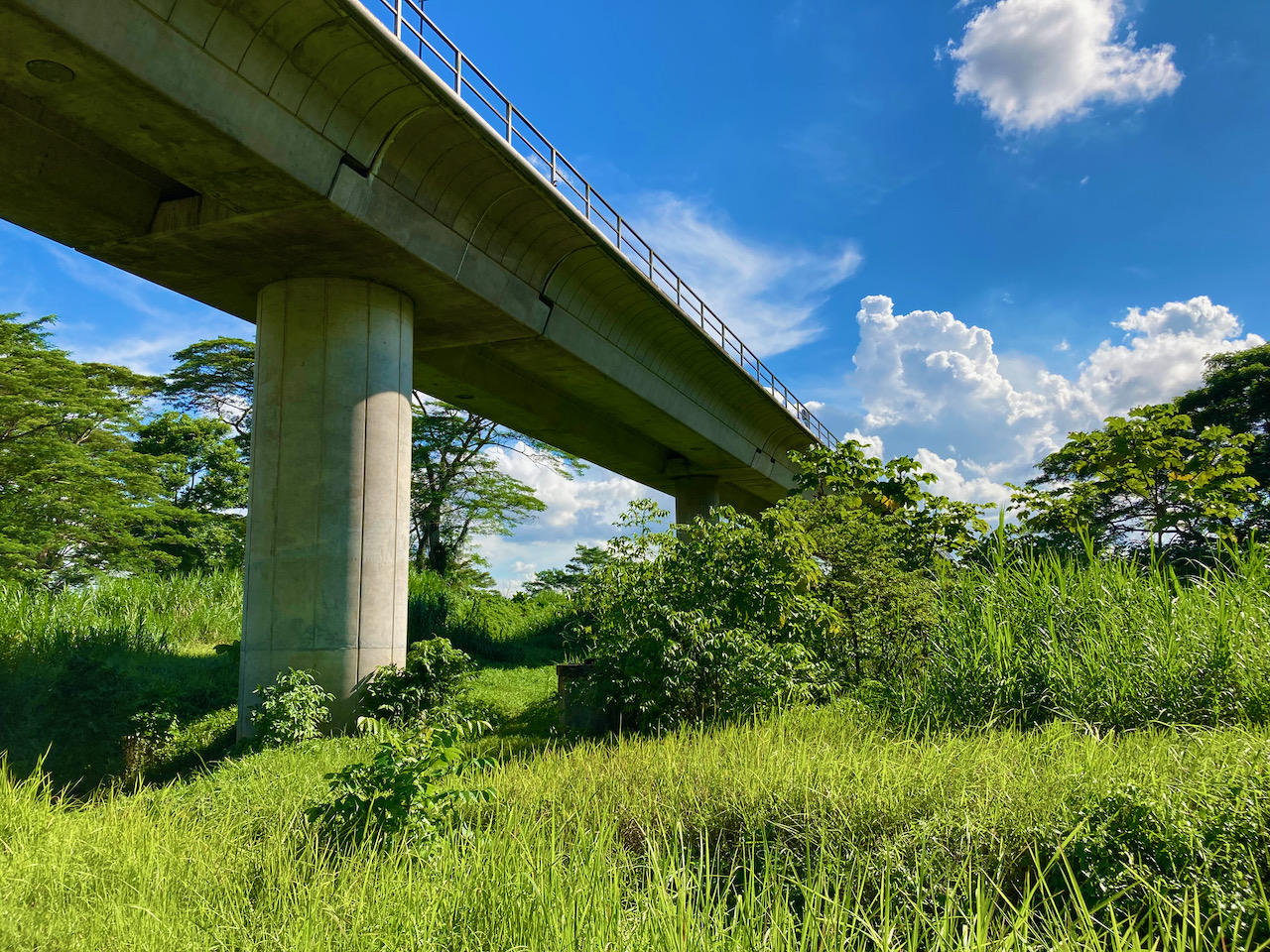
And by the time we found the trail, running perpendicular to a current MRT line, we discovered a Singapore that was well and truly Singapura, and before that, a forest.
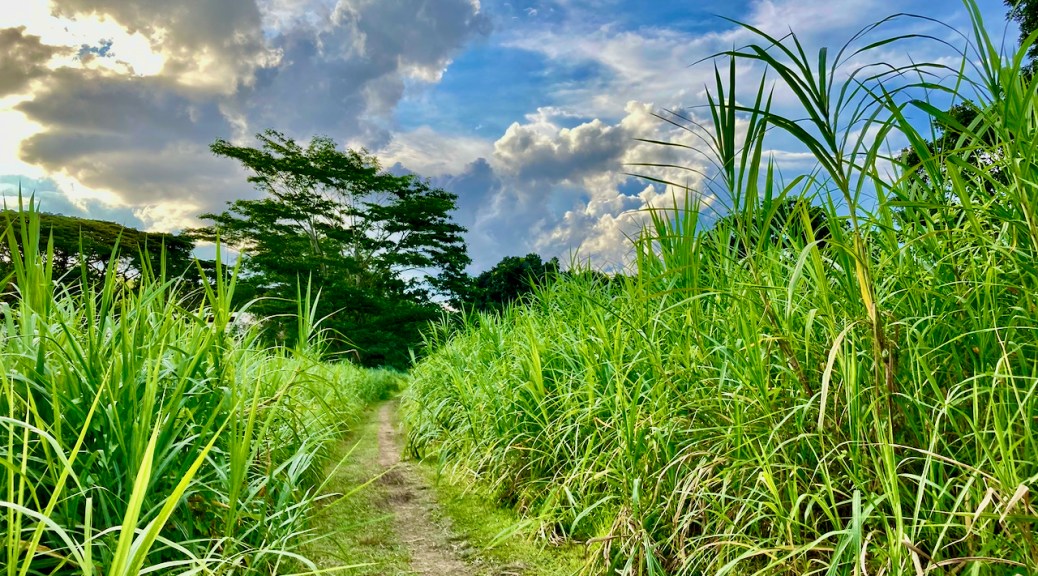
There were a few times when this northern stretch converged with modern life, but the excitement of seeing different trees, different plants, different flowers, and hearing different birds and animals remained throughout the walk. These are parts of this place that I have never seen but that remind me, somehow, of places I have known. Perhaps in a different story in a different life.
I have a great respect for these places that have taken me from my everyday to a totally different world that was once the world. In discussions of change, I think we forget how rapidly change can occur. And because we forget that, we also lose sight of what exactly is changing, and to what degree, and when. And we forget that nature is stronger than we are.
A very special off-shoot of the Green Corridor is a short walk through Clementi Forest. We heard about it back in May when we saw a few women, covered in mud and exhilarated, rejoin the main train and celebrate. Clementi Forest is exactly what it sounds like. It’s a rainforest. Now. Again. It has grown over the rail line that is still visible through the mud, under fallen trees, and in the gully that was dug long ago to house it. To imagine this island, known for modernity, as the rainforest it used to be is today’s equivalent of the impossible dream of a world powered by technology.
And to take the time to seek out the impossible is to find yourself in a different place, a different world than what you thought you knew. And that’s just it, isn’t it? We only know what we know and there is so much out there to leave us in the child-like embrace of wonder.