Tag Archives: Nature

Travel Guide: Ipoh and Cameron Highlands

With the aid of the trusty Lonely Planet guidebook that a friend left me when she fled to Australia and the sheer willpower of our dependable Kancil, known as Daisy, Mitch and I embarked on a road trip north to Ipoh and east to Cameron highlands.

Yes, we took this baby on a road trip up mountains. No, she did not survive the journey unscathed. More on that later.

For the geographically challenged, here’s a map of where we went:

It did not take 4 hours and 37 minutes. That is a lie.
It did not take 4 hours and 37 minutes. That is a lie. It took much, much longer.

If you’ve never travelled overland in Malaysia before, expect loads of traffic all the time for no apparent reason; lane closures that are unmarked until the moment the lane closes, leading to more traffic, speed limits of 110km/h that really mean cars are driving anywhere from 70-130km/h, and lots of trucks. As Mitch and I learned, stopping at a rest area is a bad idea. They are very crowded and there’s not nearly enough parking. I’m not sure if that’s because we were travelling over a holiday week/weekend, but that’s the experience we had. It honestly would have been faster to drive into a town to use the washroom and buy coffee, but we didn’t know that. So that slowed us down a little, too. Finally, if you’re driving in Malaysia, be aware of the demands you will put on your vehicle. Our Kancil has a 660 cc engine, which means it cannot go very fast. 90 is pushing it. 110 is nearly impossible. It also doesn’t accelerate, which is really scary when there are larger vehicles and motorcycles whizzing past in all directions at unthinkable speeds.. All that said, we got there and back in one piece. Well, Mitch and I did. Daisy needed a new battery after we left the lights on overnight. Oops.

Our trip started Saturday late morning and we planned to stop in Ipoh to wander around Old Town and grab some food. It took us a lot longer to get to Ipoh than we’d hoped or anticipated, but we did stop to wander, eat, and stretch our legs. Ipoh’s Old Town is a cluster of streets full of buildings with colonial-style architecture. There’s also a wonderful little hipster plaza where we saw three couples taking wedding pictures!

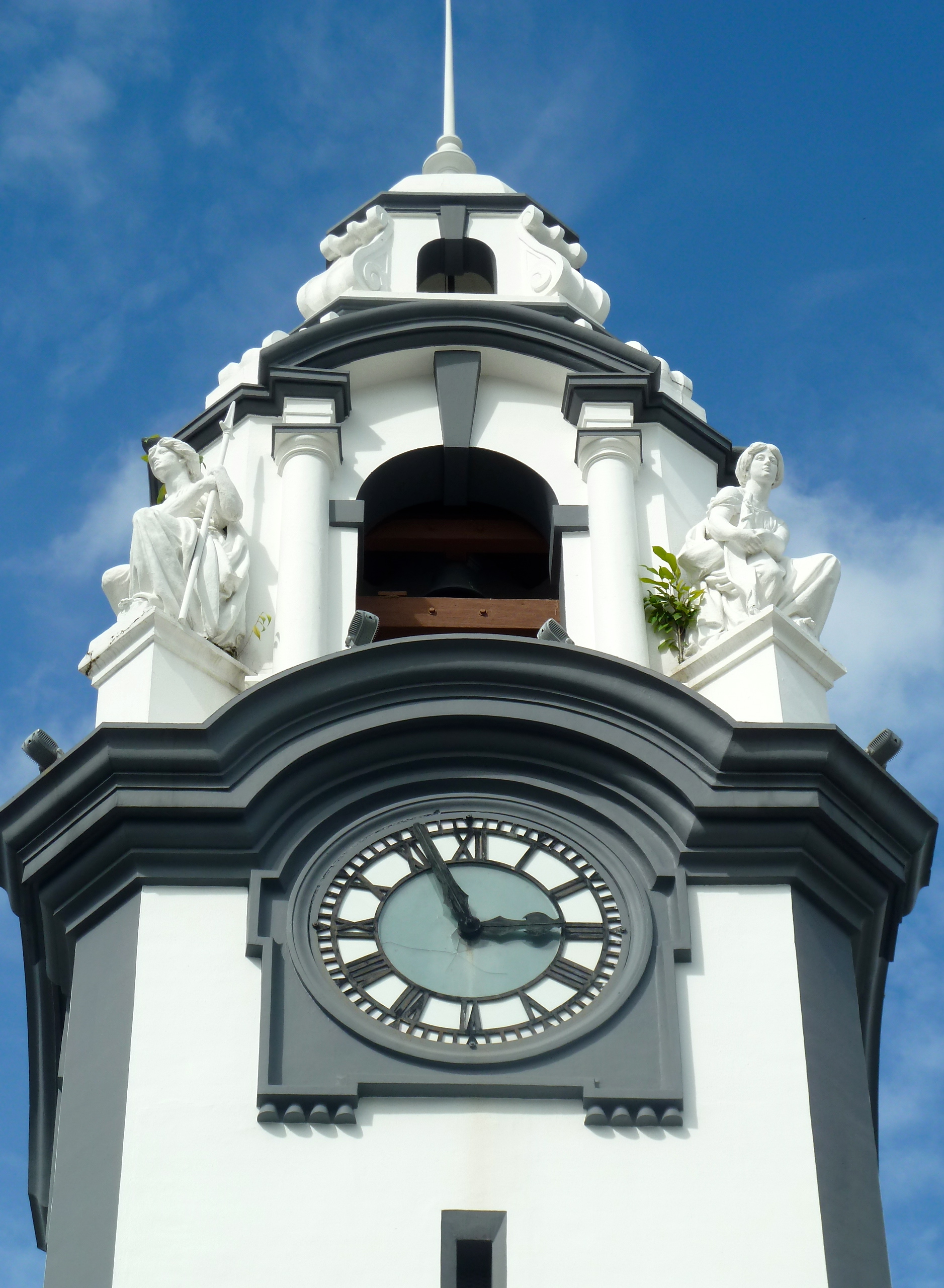
This is Ipoh’s Birch Memorial Clock Tower, dedicated to James WW Birch, its first British resident. There are figures painted on all four sides and we’re quite curious about who was rubbed out:

Missing People P1040552 P1040553

I really enjoyed wandering around the hipster corner, and not only because I got a real salad at a great restaurant! The shops were adorable and a few had Christmas displays and Christmas crafts for sale. The whole place was basically restored buildings built in, around, and incorporating trees. There was a public toilet behind the wall of books, which is a strange place for a toilet. We also got a kick out of the rather ancient Chubb safe.

Ipoh, like Penang, is filled with street art. At least one artist who colored George Town in Penang also had a hand in painting Ipoh. We didn’t see nearly as many murals as we did in Penang because we didn’t spend as much time there, but the ones we saw were charming and the art itself was really impressive.

We left Ipoh in the late afternoon and began the ascent to Cameron Highlands, which is about 5000m above sea level. Everyone told us to avoid the back route and avoid travelling in the dark. So what did we do? We took the back route and we arrived in the dark. It was honestly an accident. We were perhaps too reliant on our GPS and didn’t check the route map before following blindly. I was terrified and not driving; Mitch was very calm and driving, so that worked out. He got loads of practice shifting, too!

As we learned in the morning when we could see, Tanah Rata is an adorable little town full of steamboat restaurants (the local preference) and Indian restaurants (my preference). There were also a number of restaurants catering to Western tourists and even a well-hidden Starbucks which, I am proud to say, we only visited once.

Tanah Rata
Tanah Rata

We were surprised to see a convent on a hill overlooking the town, but it was actually a comforting sight. Three years at OLM has had quite the influence on my feelings towards religious houses!

Convent in Tanah Rata

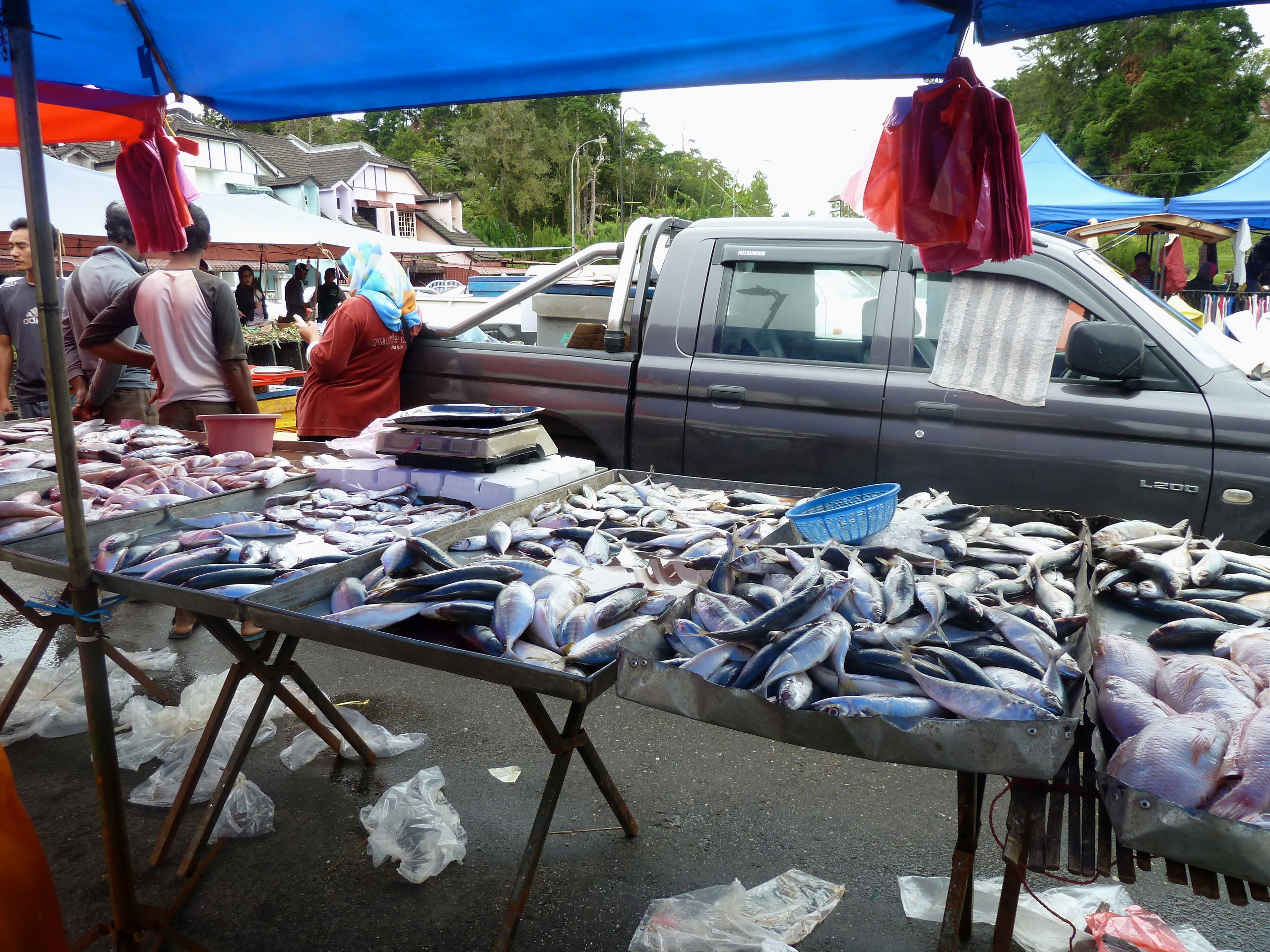
There are dozens of little markets all over the place in the three main Cameron Highlands villages – Brinchang, Tanah Rata, and Ringlet – and along the roads connecting the villages.
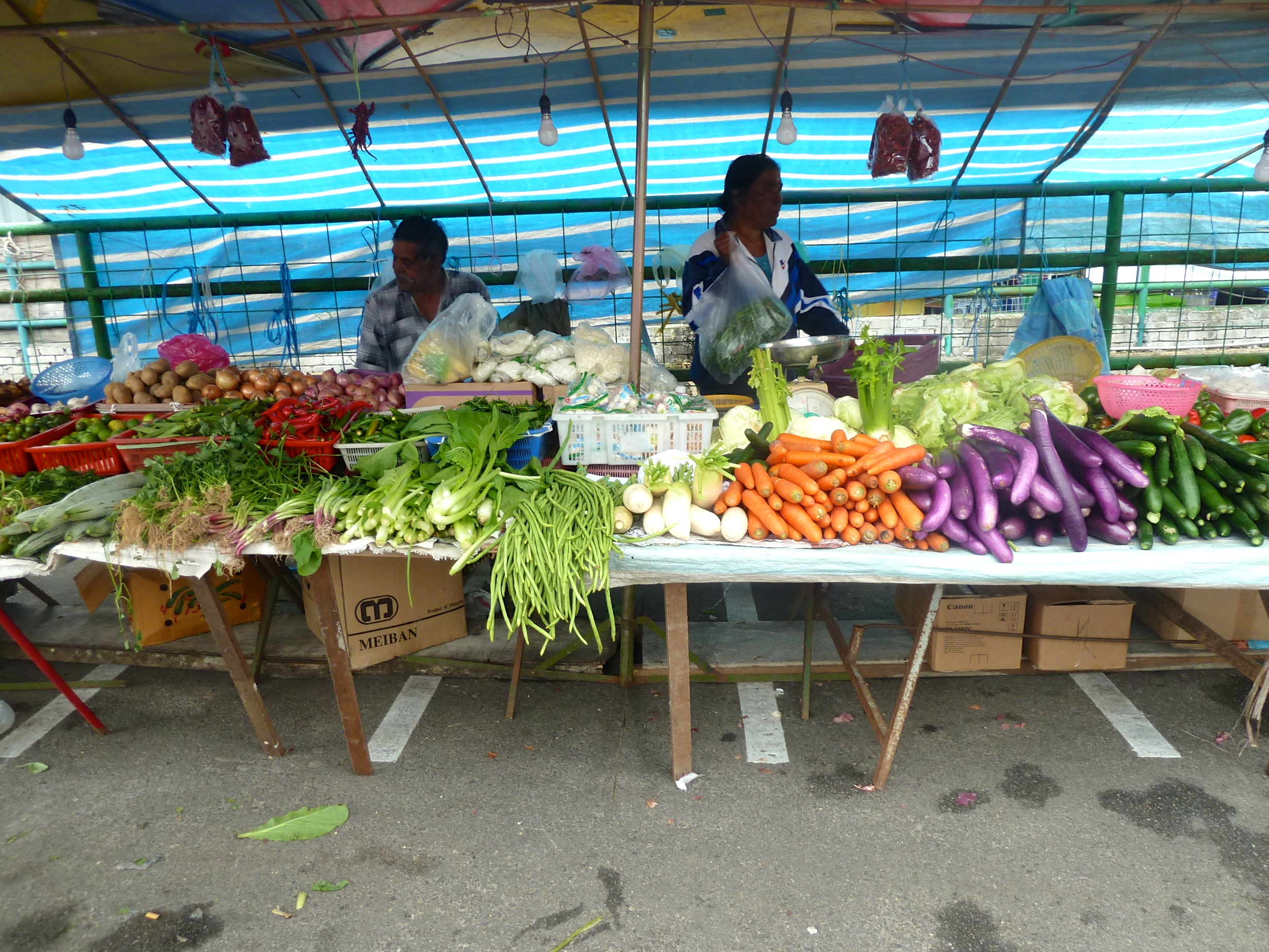
Beautiful vegetables!
Fish
I’m not sure where this fish comes from because there’s no ocean nearby, but it smelled VERY fresh

A note on the food for this trip: Indian food is my favorite food here in Malaysia because Indians understand what it means to be a vegetarian. Most of the tea in Malaysia comes from Cameron Highlands and most tea pickers are Indian, so Indian food was everywhere. We breakfasted each morning (and snacked once or twice) on some of our favorites: Masala tea, egg-cheese-onion roti with curry, and potato-vegetable thosai with dahl and curry. Delicious! I had vegetable curry twice for dinner because it’s just that good and we had amazing tom yam steamboat one night, too. The proprietor of this busy family restaurant clearly understood my dietary restrictions and assured me that there was no shrimp in the tom yam, but I’m still a bit skeptical. There’s shrimp paste in sambal, which is in just about everything spicy, so I’m willing to bet there’s at least a little in the tom yam. But darn was it good.

This sign was in front of the steamboat place where we had amazing food. The vegetables were kind of fresh, I guess . . .

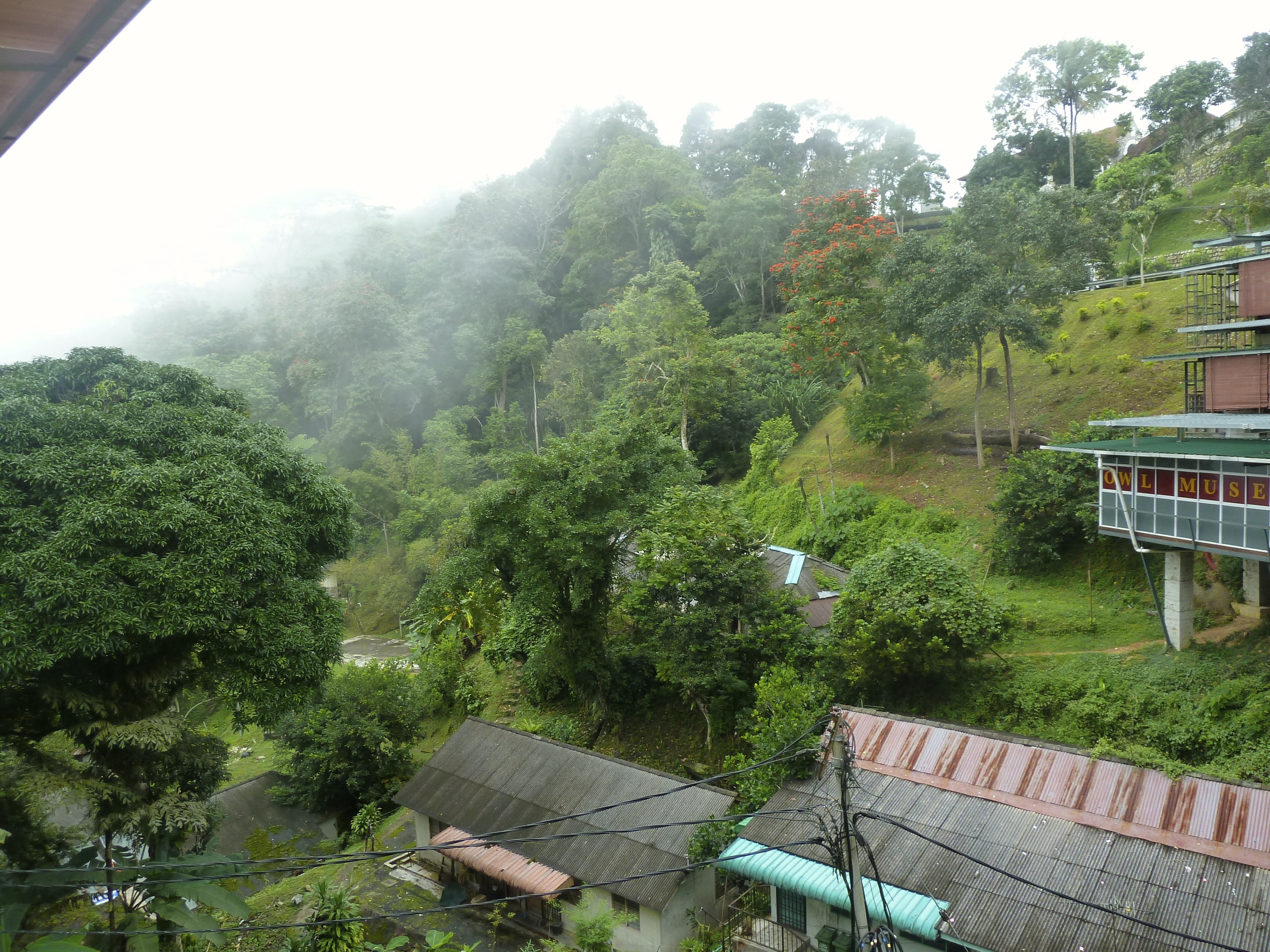
The first morning that we spent walking around Tanah Rata was literally the only time it wasn’t pouring. November and December are the rainiest months in the Cameron Highlands, which also makes them the coldest. We were not at all prepared for temperatures in the 60s Fahrenheit, but we joked that it’s good practice for our upcoming trip to Spain. Nevertheless, we had come all that way to explore and that’s exactly what we did.

Strawberry farm
Strawberry farm
Strawberry
It was weird to see strawberries grown so “unnaturally” – where I come from, they grow on bushes in gardens and are often eats by birds. There’s also much smaller at home and that’s how you know they’re going to be tasty!

I think our best adventure was to the Boh Sungei Palas Tea Centre. Boh tea is really popular here (think: Lipton or Twinings) and Mitch and I learned that we didn’t know anything about tea production. And now we do thanks to a factory tour! For example, all tea comes from the same plant that is picked every three weeks. The type of tea (green, black, white, yellow, etc) produced depends on the fermentation and oxidation time and temperature. (Who even knew tea had to be fermented and oxidized?!)
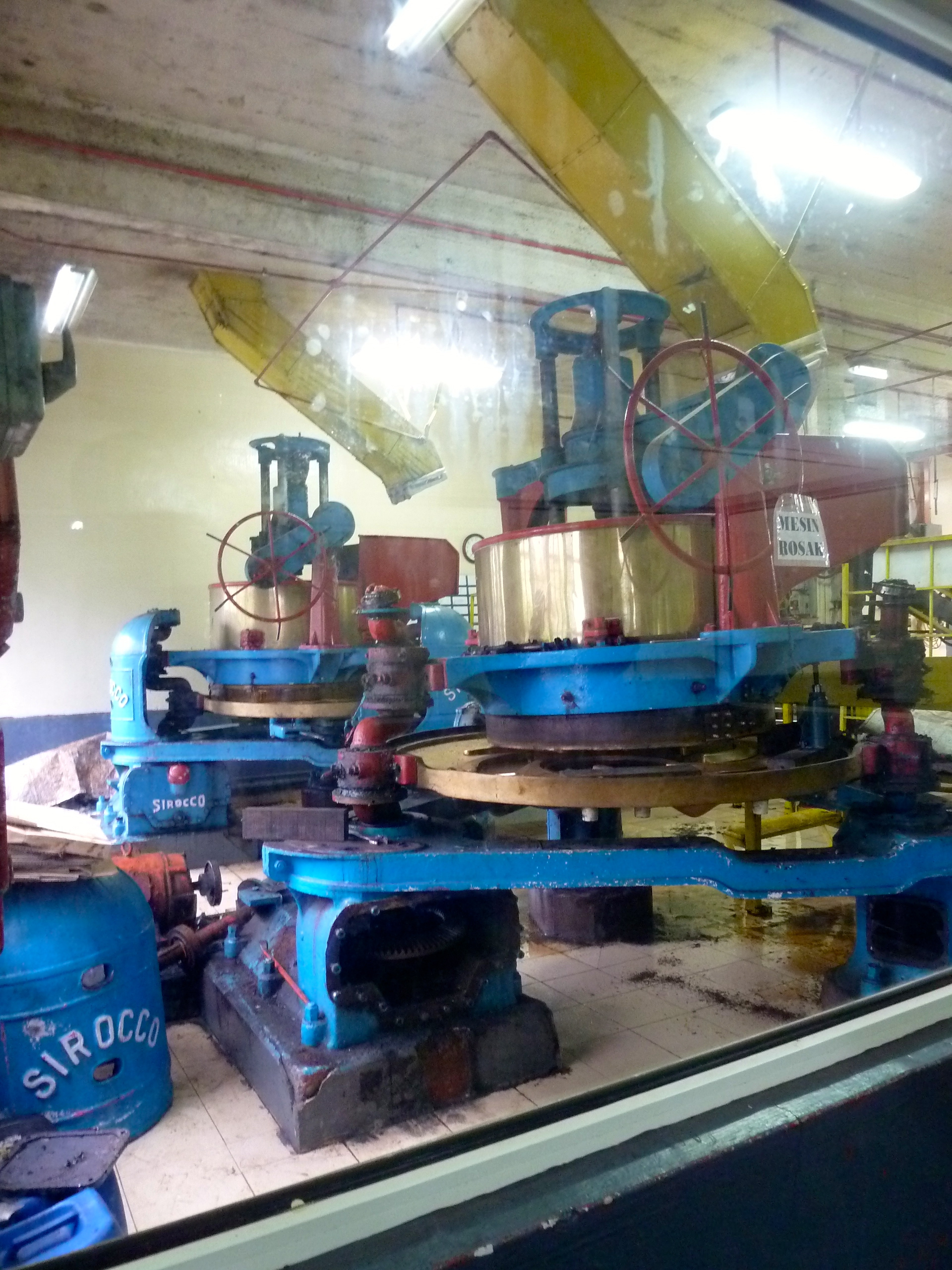
Roller from 1935 used to crush tea leaves that is still in use at the Boh factory

If teas are flavored or herbal, that’s because of added or substituted natural products, like chamomile flowers or ginger.

P1040602

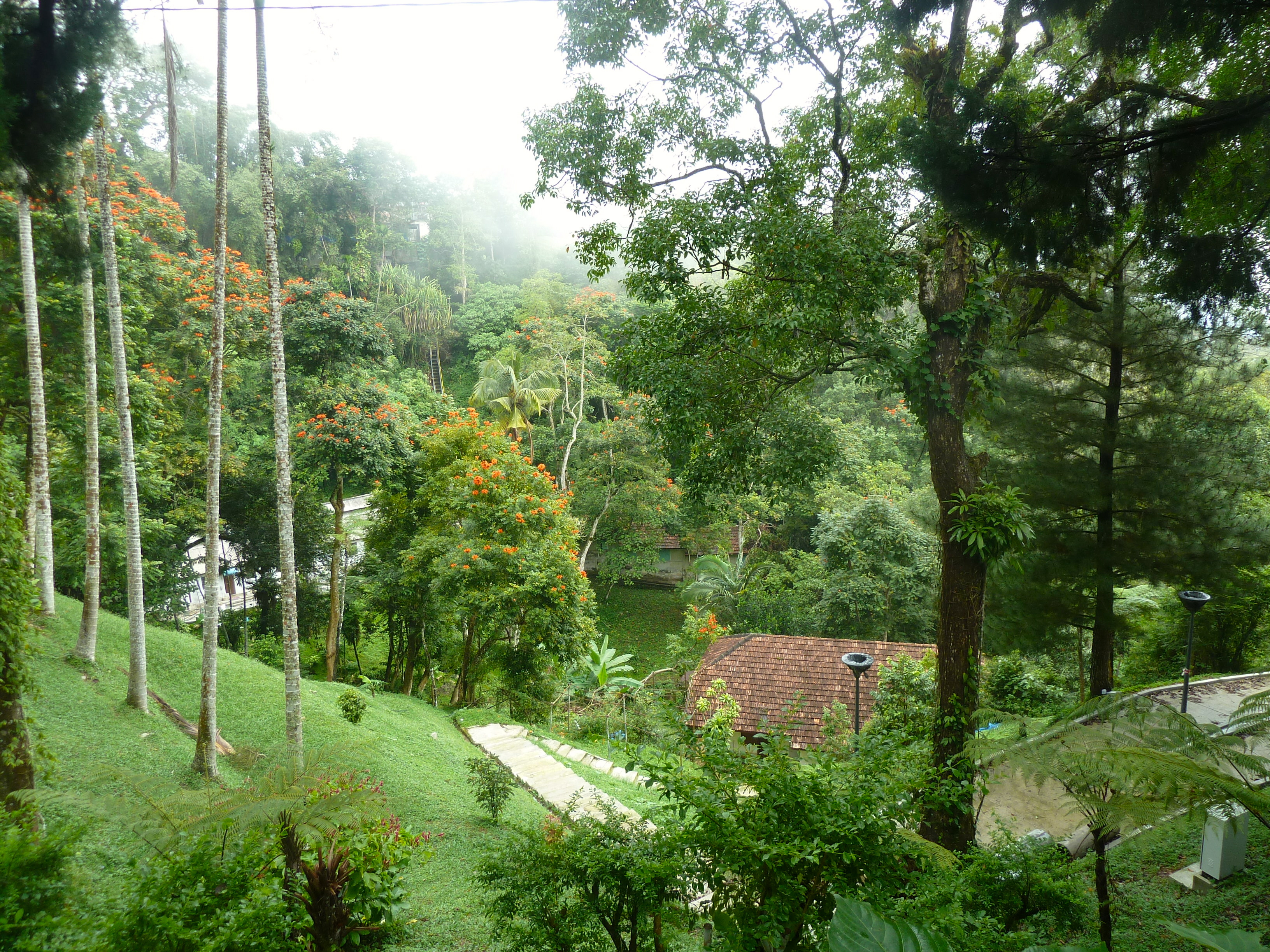
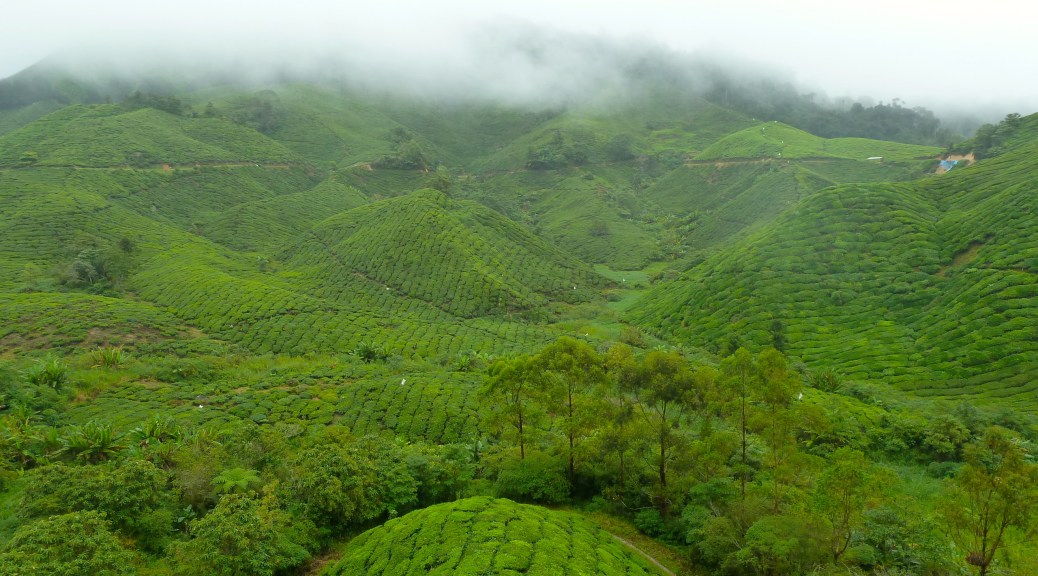
The Boh plantation was astonishingly beautiful. Sadly, the pictures don’t even come close to capturing it.

We also made a very brief stop at a honey bee farm, mostly to sample honey sticks!

P1040613 P1040614

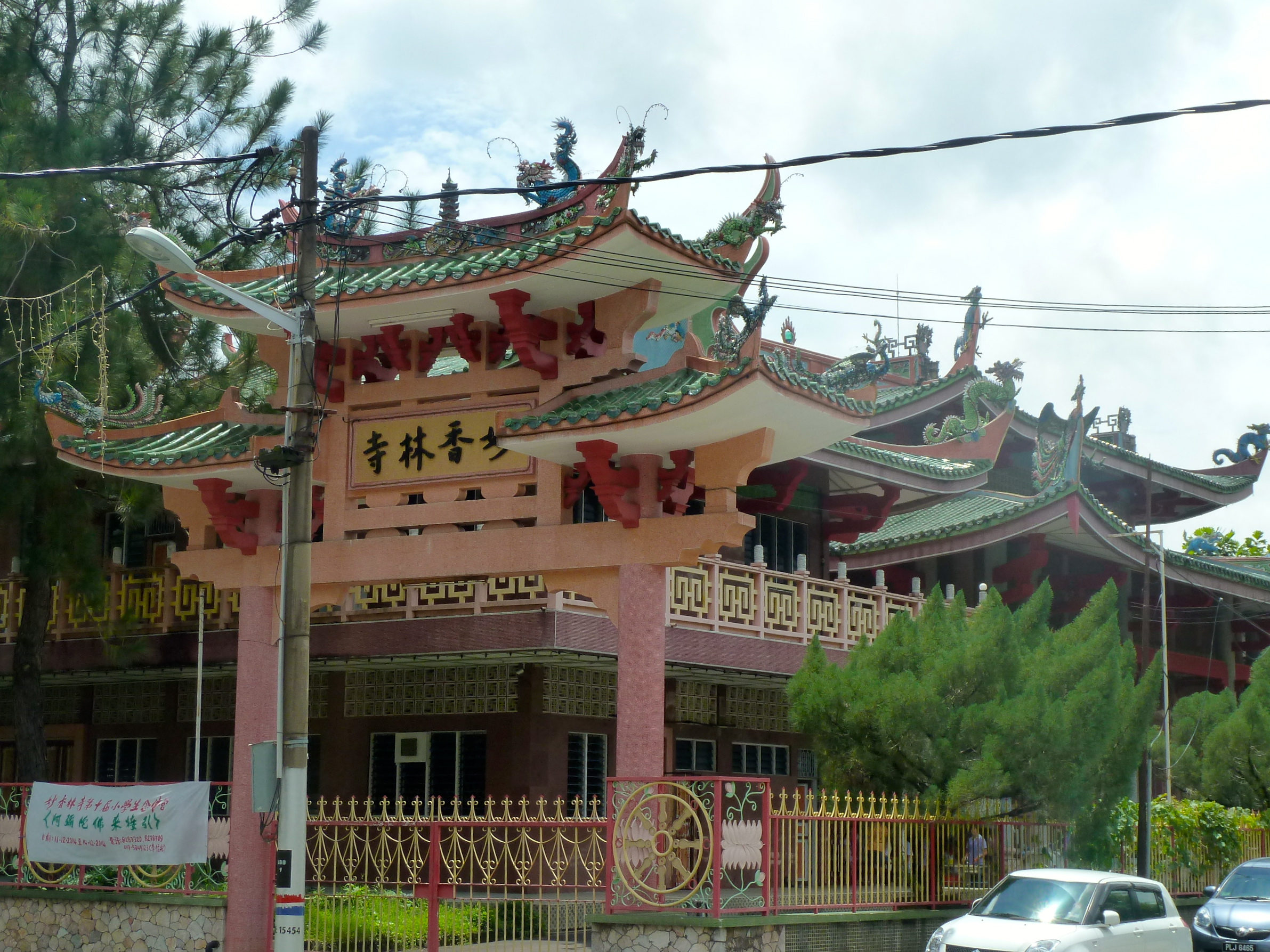
Like everywhere in Malaysia, religion is important. It is telling that we didn’t see a mosque in Tanah Rata. Instead, we visited Hindu and Buddhist temples.

We couldn’t go inside Sri Tehndayuthapany Swamy but we enjoyed the gorgeous outside.

We did venture into Sam Poh Temple, quite a popular and even busy sight.

As if one tea plantation weren’t enough, we had to visit the other one, too. Cameron Valley Tea Estates didn’t seem as large as Boh, but it was equally incredible.

The other popular thing to do in Cameron Highlands is hike, but we had no real rain gear and it didn’t stop raining. I’m willing to bet that a hike in these mountains is a beautiful and unforgettable experience. Personally, I’m really glad we made this trip because this is the most beautiful land I’ve seen in Malaysia and we learned a lot about tea. If you go, go when it’s a little warmer and a little drier!

Travel Guide: Kuching and Sarawak

Reader be warned: As in Penang, I took a lot of pictures.

The third and final weekend of our (currently) planned trips out of Seremban brought us to Kuching, the capital of the East Malaysia state of Sarawak. Sarawak is located on the island of Borneo along with another Malaysian state, Sabah, the country of Brunei, and part of Indonesia.

For clarity and your viewing pleasure, here is a map

Kuching means “cat” and there are statues of cats around the city, a cat museum, and, of course, many feral cats.

Cat statue in the center of Kuching

We arrived on Wednesday because of a school holiday for Deepavali/Divali/Diwali so this was a longer trip than any trip we’ve taken so far. We spent Wednesday getting our bearings and wandering around. Kuching is not a big city and there are sidewalks and a boardwalk along the river. What we found really interesting was that it felt old. Not old in a historic, cultural sense but old as in neglected and rundown. It didn’t bother us, but we noticed. Sarawak and its neighboring state, Sabah, are the primary oil producers in Malaysia but they don’t get the same government aid and funding as the peninsula. Yes, it shows. Regardless, we loved Kuching and the areas that we explored around it. These pictures are from our walk around the city on our first day:

We took a little motorboat to cross the river (finally, this blog lives up to its name) to visit Fort Margherita, a relic of Sarawak’s early history. The British arrived in Sarawak in the 1840s and Charles Brooke, the second of the White Rajahs (the first was his uncle) gets the credit for its construction.

The interior of the motorboat that we took from one side of the river to the other
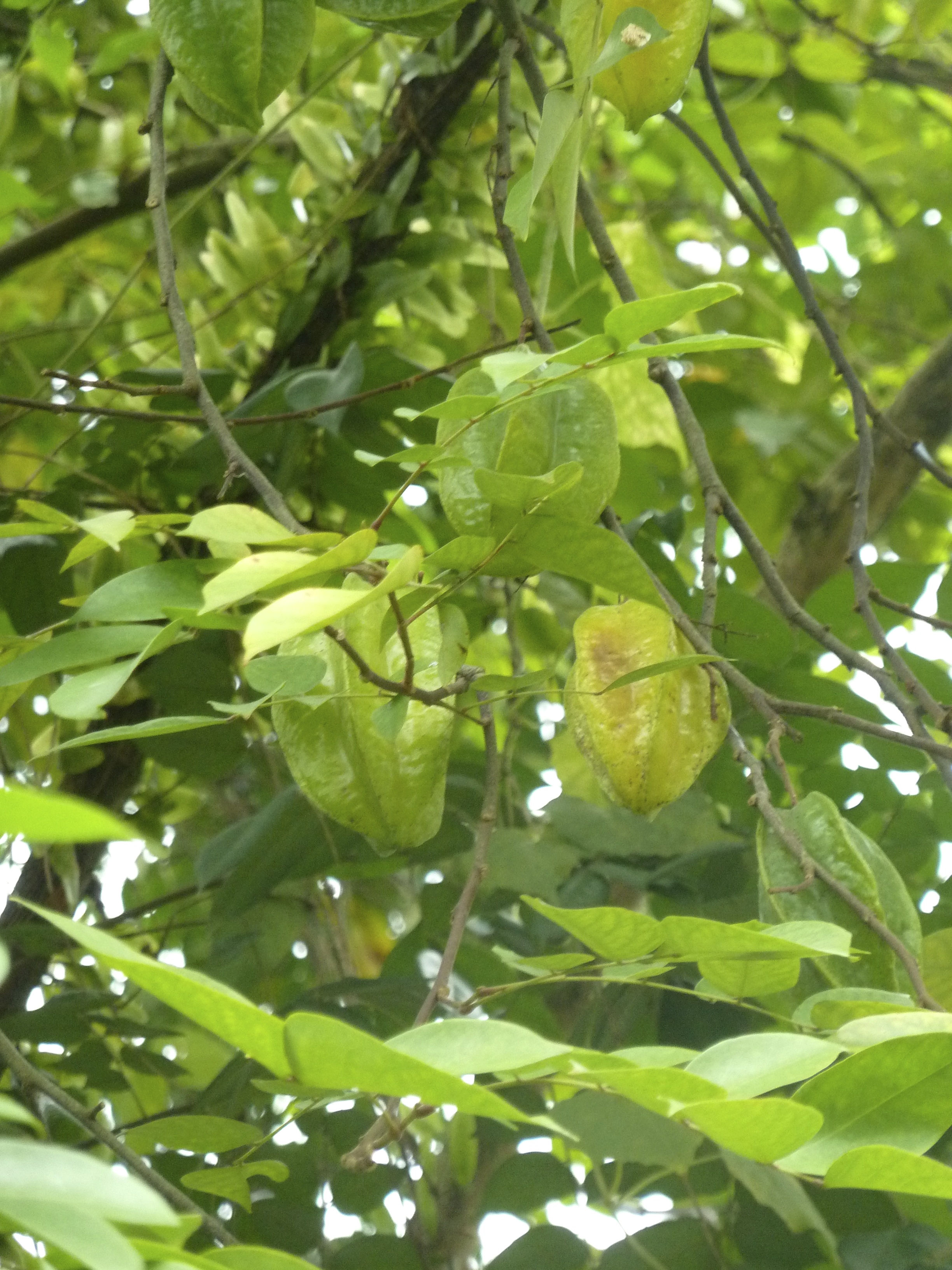
We walked through a neighborhood and found starfruit growing on trees . . .
. . . and finally arrived at the fort and then promptly left because it was closed

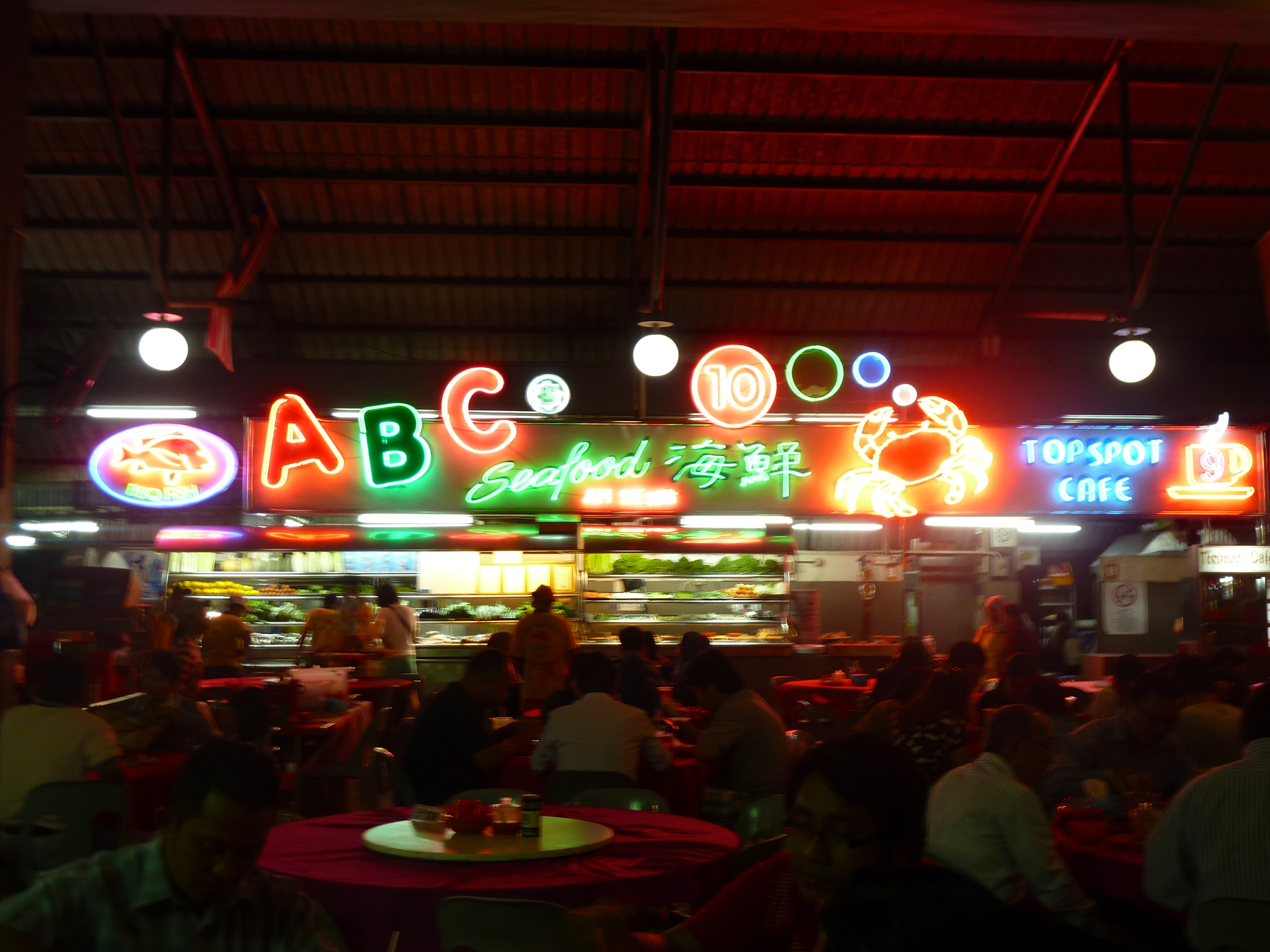
For dinner the first night we took a colleague’s recommendation to go to Top Spot, a food court on top of a multi-story parking garage.

This place is amazing. Go

The picture isn’t the best, but the food was. You literally pick your fish or other seafood from ice, put all the vegetables that you want on a plate, tell the staff how you want it cooked (they have different lists of cooking styles depending on what you’re eating), and enjoy your beautiful food when it arrives. We were in heaven the entire time. Our sea bass was steamed with ginger, pepper, garlic, and some other magical ingredients and it was quite possibly the best fish I’ve ever had.

We woke up early the next morning to catch the first bus to Semenggoh Nature Reserve, located about 45 minutes outside Kuching. Basically everything a tourist is supposed to do while staying in Kuching is 45 minutes out of Kuching. Public transit is cheap and shuttles are readily available, so there’s no need for a car. Semenggoh is a huge land preservation area with different types of botanical gardens, but it is best known for its orangutan project.

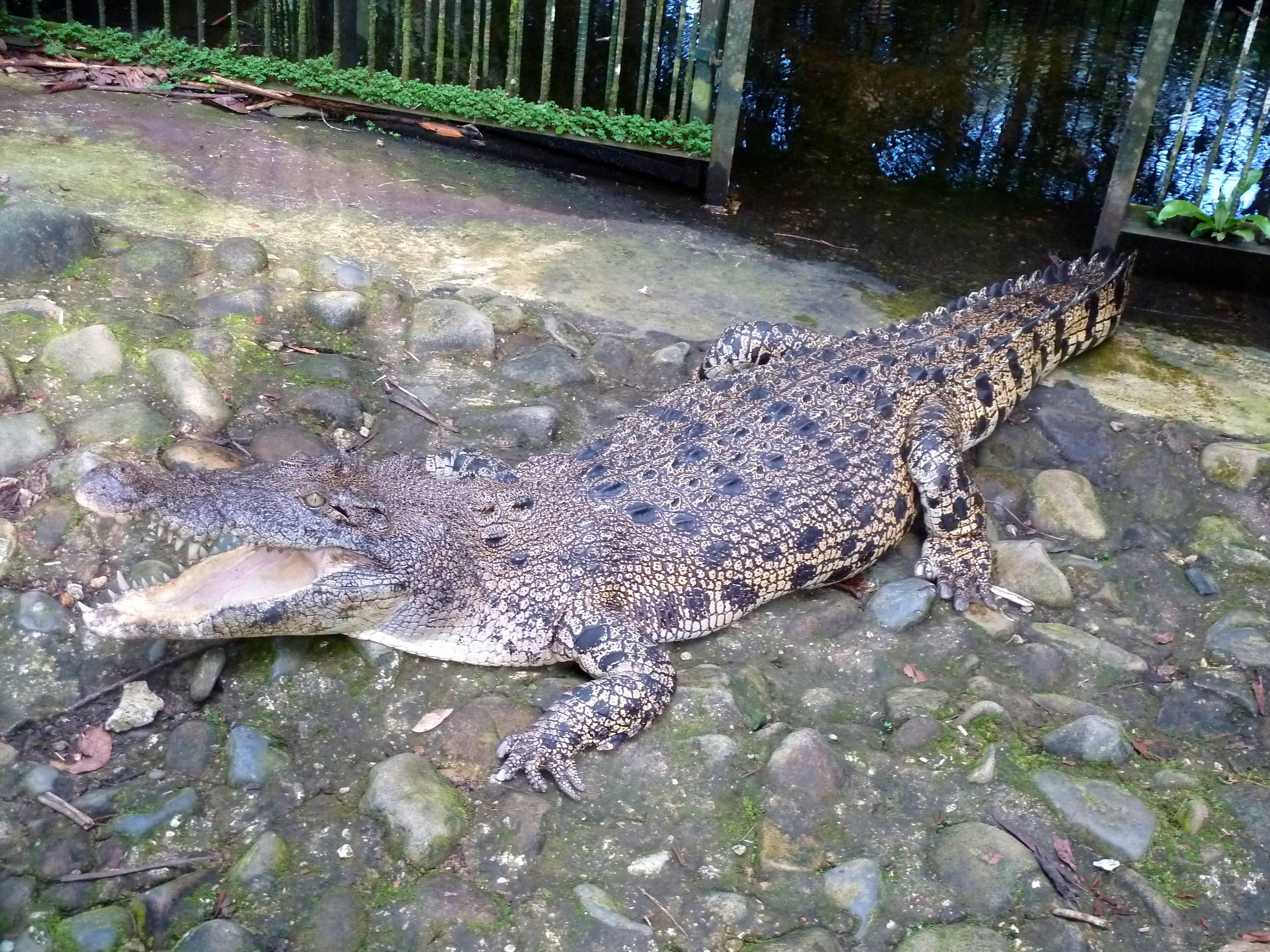
Semenggoh also had a few crocodiles, but no one paid much attention to them

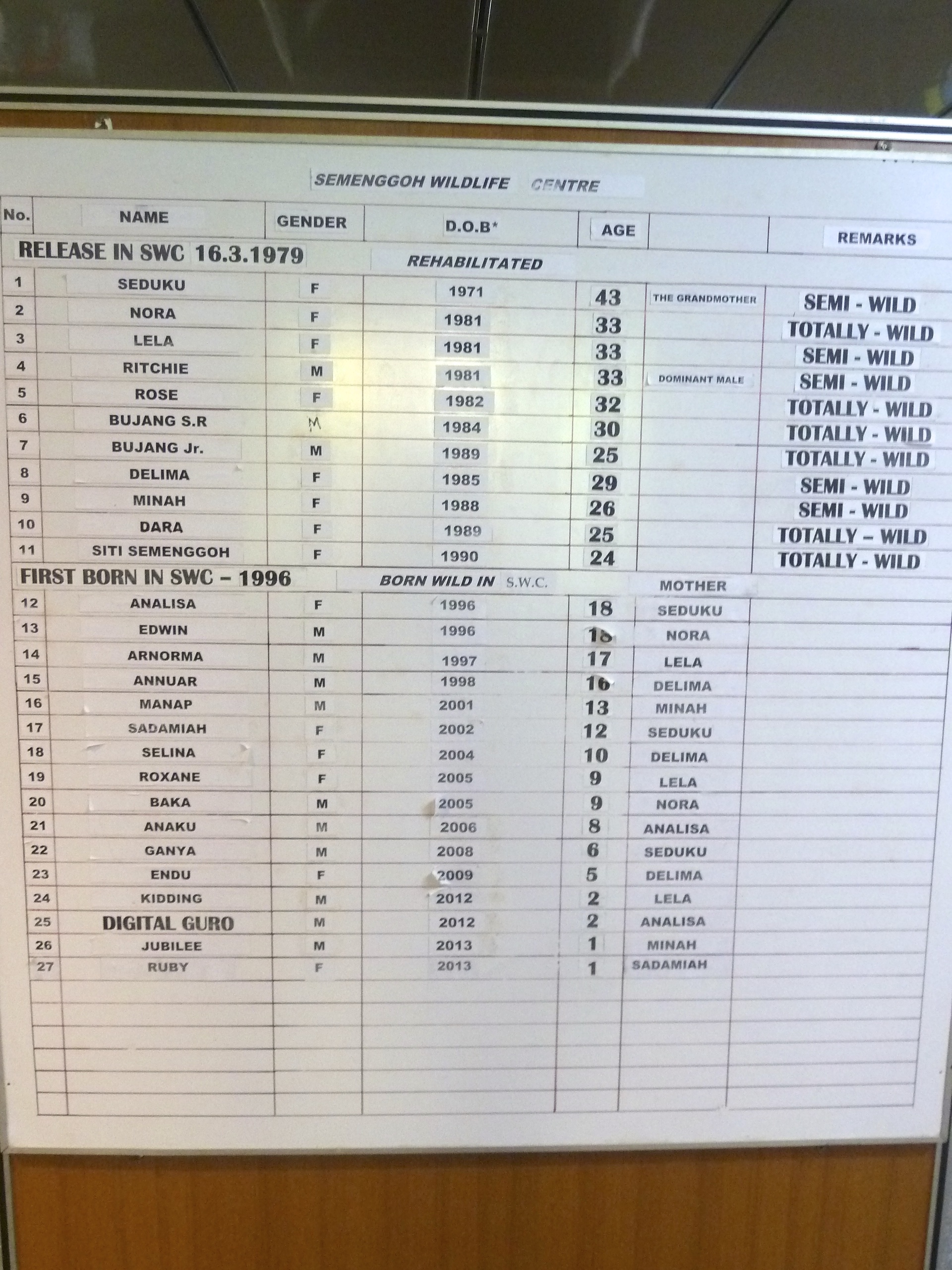
The orangutans are fed twice a day at the center, though the goal is for them to find food in the while on their own. It’s the end of fruit season now, so they were beginning to return to the center at the designated feeding times.

Handy chart helping visitors understand the family structure of these orangutans, when they arrived at the center, and how old they are

We ended up seeing both feedings because of a trip that we took in the middle of the day, so these pictures are a combination of the feedings. The first time, two mothers and their babies came to eat and the second time we met two young males and an older male (though not the alpha, who was reportedly lurking in the forest nearby). One of the mothers returned with her baby, too.

Watching the orangutans was one of the most amazing experiences I’ve ever had. They are so agile and flexible and so human-like. (Or, I suppose, humans are very orangutan-like.) They have distinct personalities, facial expressions, and relationships with each other and it was just a very humbling experience. I felt almost as though I were watching evolution as it happened; it is so easy to see how orangutans and humans are related. If you’re not convinced, consider that “orang utan” in Malaya means “people of the forest.” Wow.

After the first orangutan feeding, we joined an older Belgian couple with whom we had been talking to visit the Annah Rais Longhouse located 45 minutes away. They say that no trip to Sarawak is complete without visiting one of the many indigenous groups of the area and this Bidayuh longhouse is happy to have visitors.

Beautiful scenery we passed along the way. There are churches all over Sarawak and there were crosses on most of the doorways at Annah Rais

I felt a little strange walking through people’s homes and basically dancing on their heads, but if my RM5 entry fee helps alleviate their poverty (or supports their choice to live in traditional longhouses), so be it.

While visiting the Annah Rais Longhouse, Mitch bought a bottle of rice wine sweetened with sugar. We had it as a welcome drink on the way into the longhouse and had tried an unsweetened version the night before. We liked the first and loved the second. We also loved that it was RM5 and came in a Carlsberg bottle – definitely homemade and definitely authentic. After a delicious dinner at a local, cheap restaurant we took our Carlsberg bottle down to the river and shared it while looking out over the water. We really did love Kuching.

Our trip the next day, Friday, to the Sarawak Cultural Village 45 minutes from Kuching helped put the Bidayuh lifestyle into context. The Cultural Village contained examples of dwellings of many of Malaysia’s indigenous peoples and it was really interesting to see the differences and similarities between them, as well as learn about where they’re located on Borneo. Considering I knew next to nothing before going, I’m glad we went. However, the lack of pictures should tell you my overall impression of Sarawak Cultural Village. I found it stale, dry, lacking in detail, and hellbent on an agenda to teach its visitors that the modern Malay people are superior to everyone else. In short, I found it distasteful and insulting. I didn’t think any of the people who worked there (there were no interpreters, which is a crime in itself) took the place seriously and concrete and nails do not give much of a representation of authentic building methods. If nothing else, we started to ask questions that we didn’t know we needed to ask.

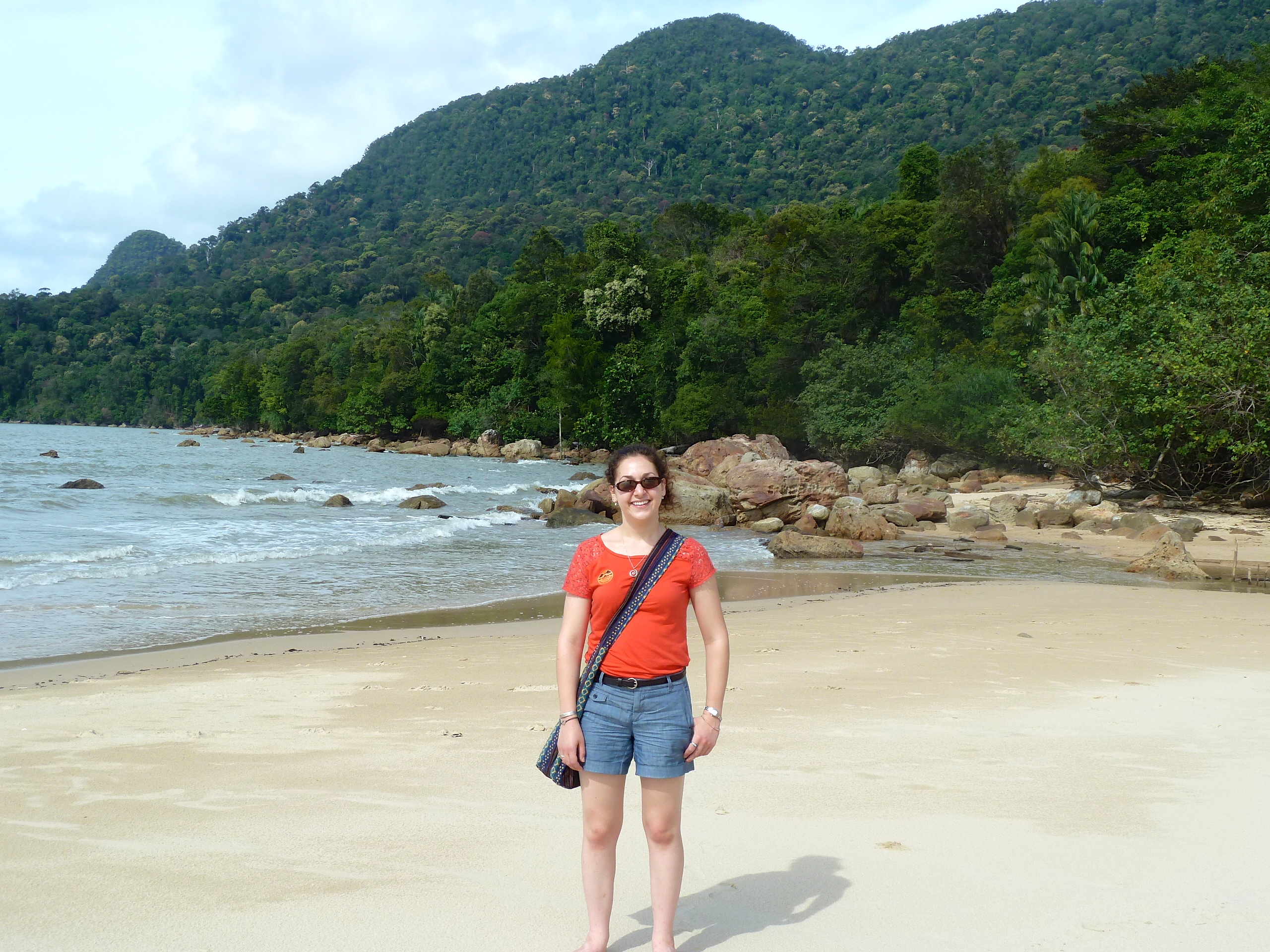
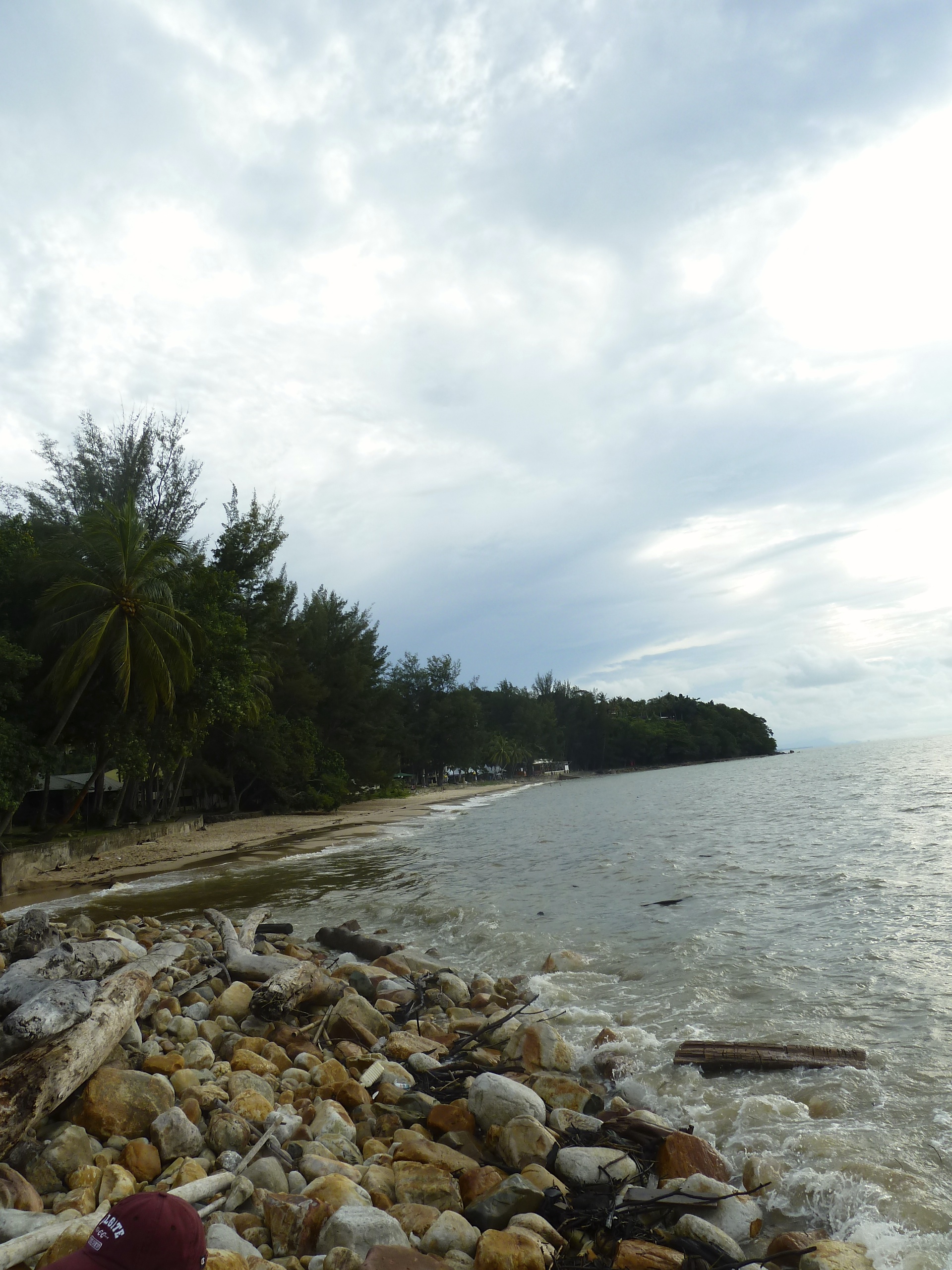
Our walk along the beach later in the afternoon proved less educational, but also more enjoyable. The South China Sea and the rain forests along the coast are really beautiful.

Mitch by the water
Mitch by the water
Look, I'm in a picture!
Look, I’m in a picture!
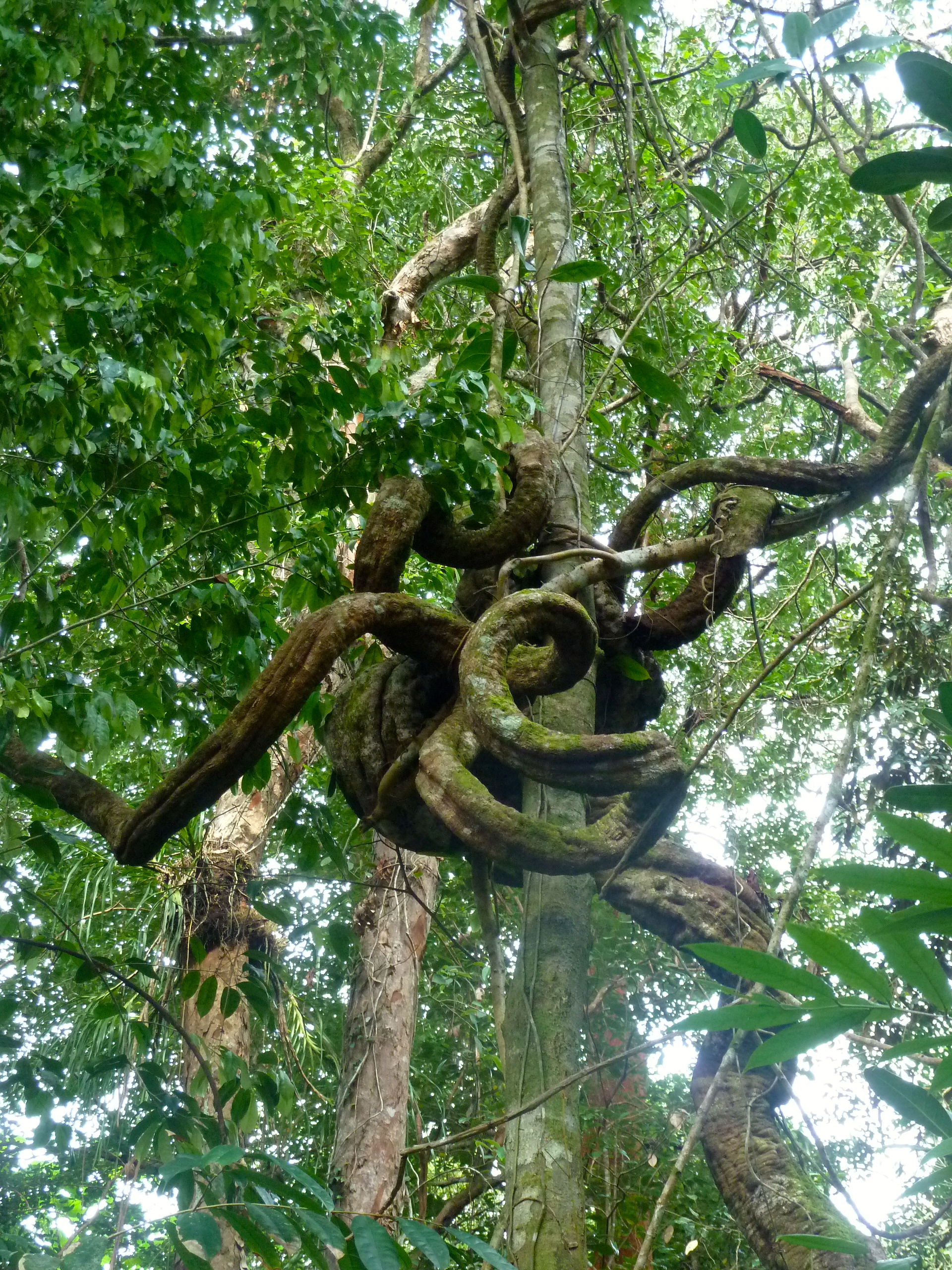
Really cool vine
Really cool vine
Beautiful Borneo
Beautiful Borneo

Dinner Friday night found us at the Drunk Monkey, another place recommended by my coworker. Ray learned that we were going to Kuching and sent me a lengthy email with suggestions of not only where to go, but which sites and trips to combine. We followed his advice almost to the letter. Anyway, the Drunk Monkey is a Western-style bar that had a handful of takeout menus from cafes across the street sitting at the counter. We ordered our food at the bar, a bartender brought the order across the street, and cafe staff brought us our meals. Great system!

Look at all the choices!
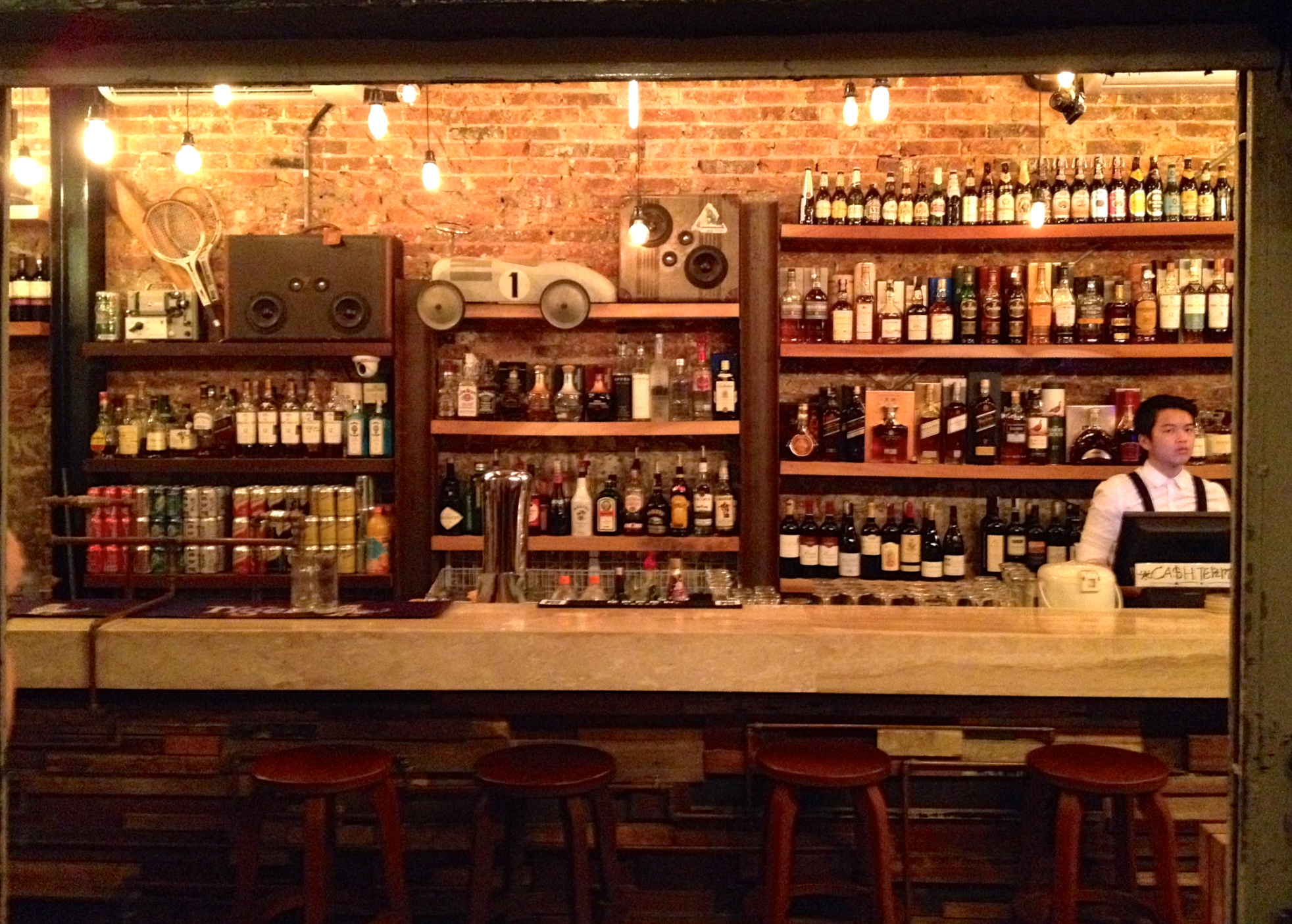
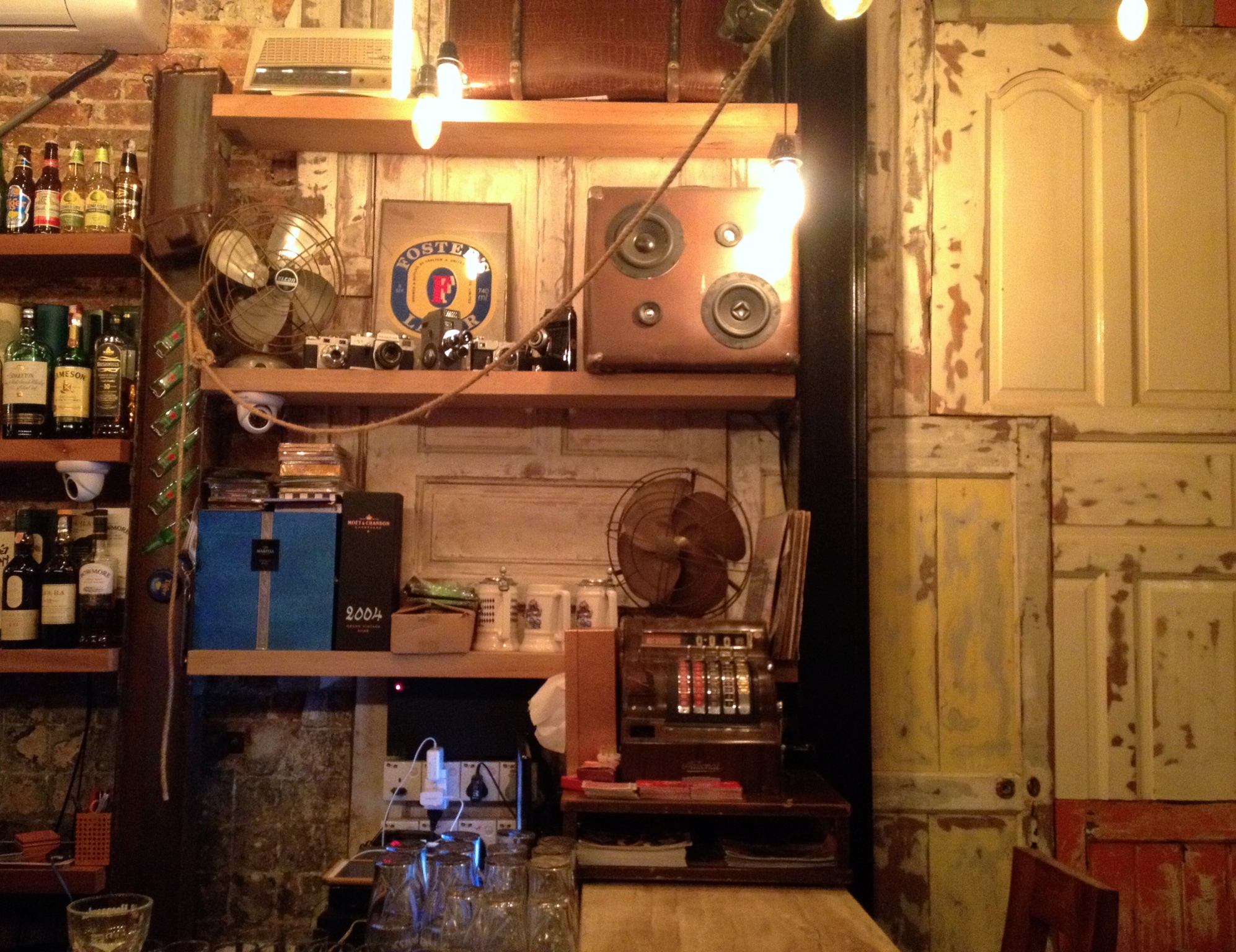
There was a cool atmosphere in the bar with old posters for Coca-Cola and various vintage objects
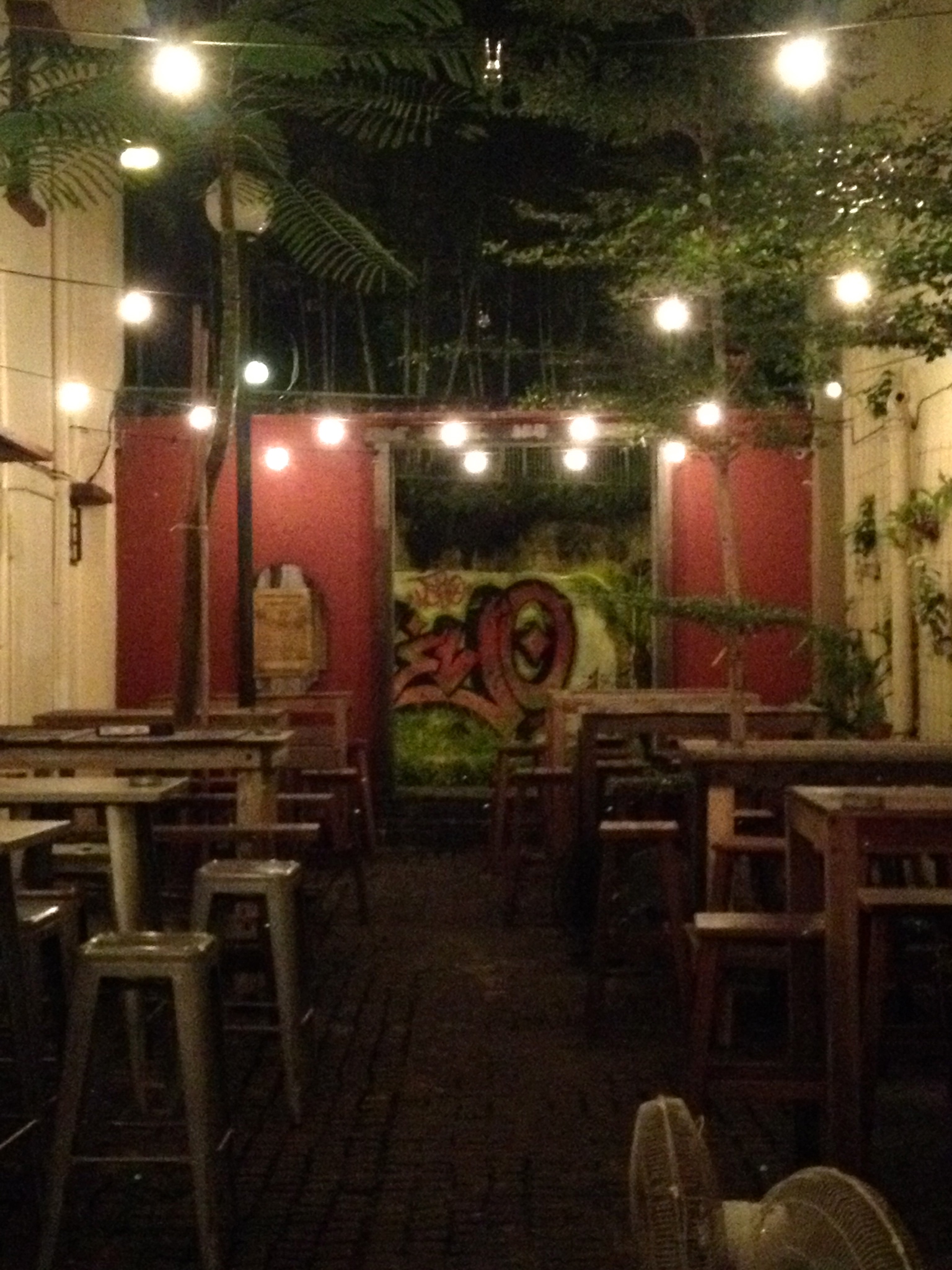
Drunk Monkey's exterior was a alleyway in between the bar and a restaurant next door
Drunk Monkey’s exterior was a alleyway in between the bar and a restaurant next door

(And then we bought a bottle of rice wine at a corner store that came in a Tiger bottle and was missing the sugar from the Annah Rais bottle. We didn’t finish it, unfortunately. As Mitch said, it was like drinking real pirate liquor.)

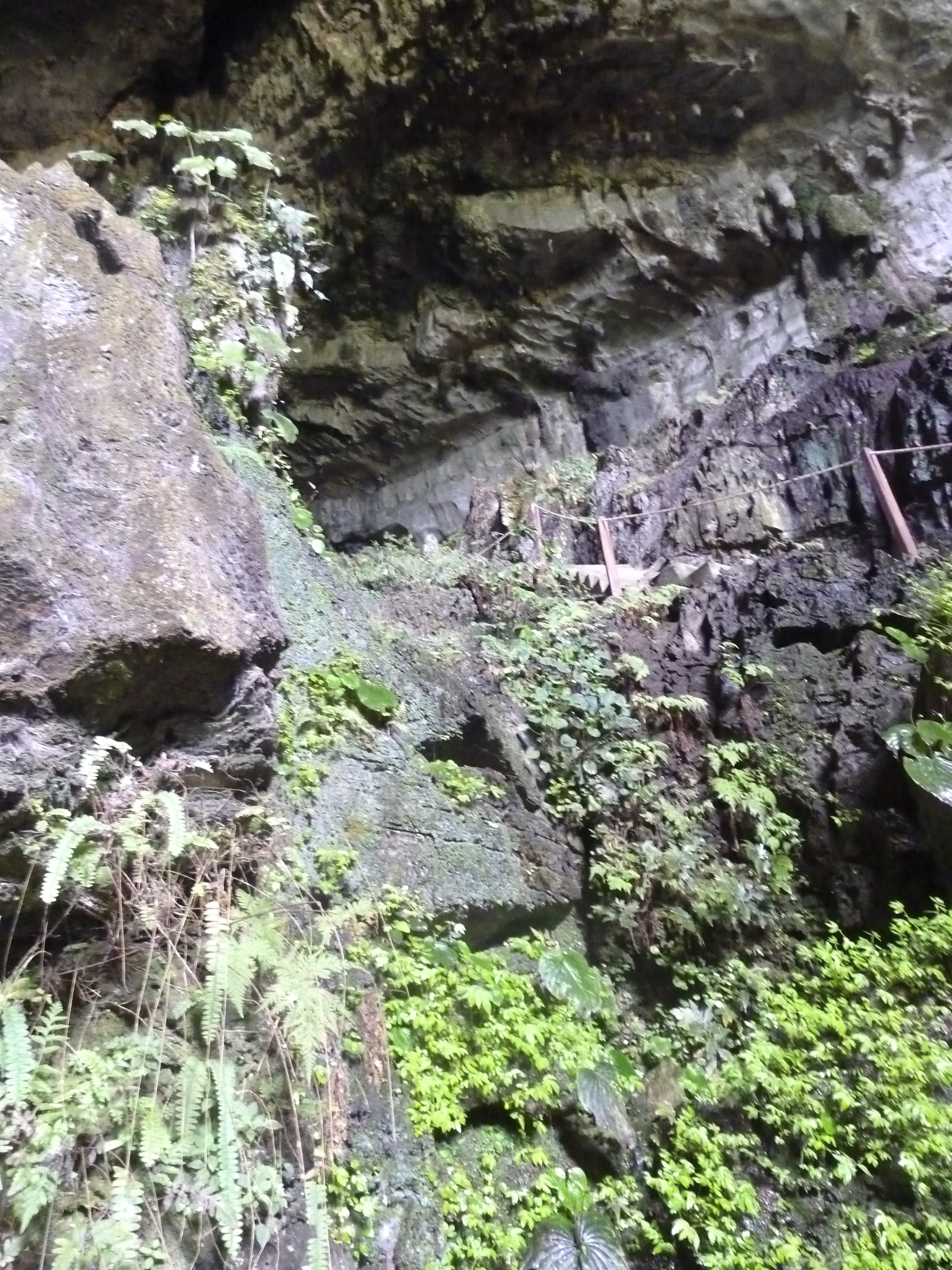
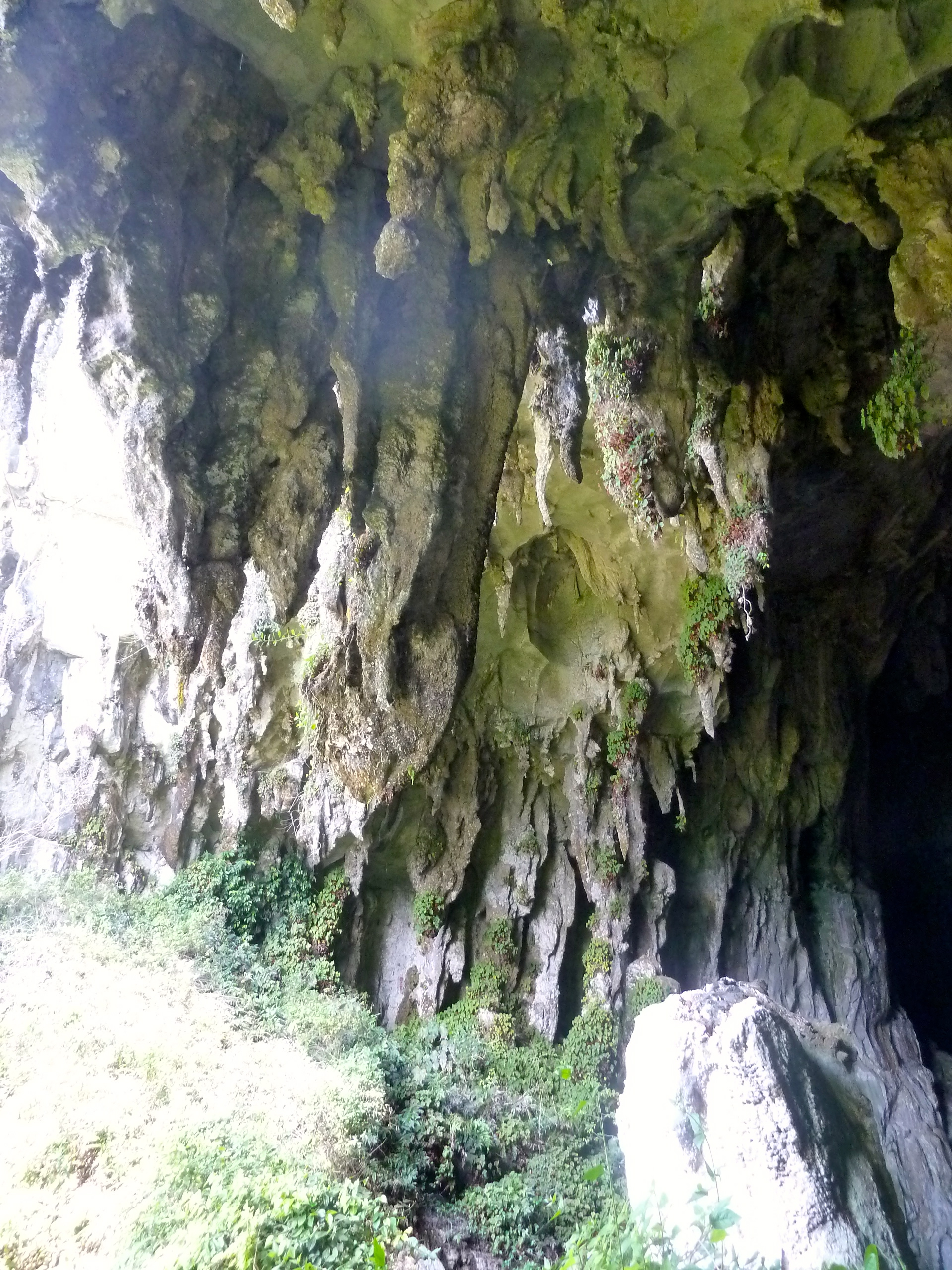
On Saturday we met up with a friend who was also in Kuching for the weekend. We rented a car and drove about – you guessed it! – 45 minutes to Bao to see the Fairy Cave, a cave so named because of the fairy statue inside. It was a dark, scary walk both up into the cave and down the slick flights of stairs back to Earth, but definitely worth it. The pictures don’t do it justice, but imagine grass and foliage growing in a bat cave. Imagine that all you can hear are the bats and that the only light comes from a gaping opening hundreds of feet off the ground.

P1040384
P1040394

P1040389

From there we drove for another 45 minutes or so to the coast to put our feet in a very, very hot bit of the South China Sea. The beach we found was at the edge of a tiny fishing village and completely empty. It was also flat, which provided some fantastic scenery and a real appreciation for the vastness of nature.

We drove around the coastal countryside for a bit longer, found a restaurant with some delicious fish that had definitely been caught that day, and finally made our way to the airport. It was a very nice way to end a wonderful trip.

Long story short: We loved Kuching and want to go back. The more time one has in Sarawak, so I’m told, the farther from Kuching one ought to go. We’d love to spend a few nights in Bako National Park, for example, or stay at a longhouse further out in the jungle. Maybe next time!

Travel Guide: Penang

I wasn’t sure what I was expecting when I accepted a job here in Malaysia, but then Mitch and I spent the weekend in Penang’s largest city, the UNESCO World Heritage Site George Town, and I found what I’d been hoping to find here – neighborhoods to explore, streets to walk, cafes to sit and eat and drink, bars with really good food, places to visit, and a multicultural, historical society. We had a wonderful weekend and I can’t wait to go back! (In fact, I’d rather like to relocate, but I don’t think there are many opportunities for Mitch there. Actually, I don’t know if there are any opportunities for me there. Anyway, we’re not relocating. At least, not to Penang.)

An example of what I thought I'd see in Malaysia
An example of what I thought I’d see in Malaysia

Part of the reason our weekend was so special is because we stayed in a perfectly comfortable, simple bed and breakfast in the heart of George Town. Steven, the proprietor of the Pedal Inn (I highly, highly, highly recommend it), told us what to do, where to go, and, most importantly, what to eat. Penang is famous for its seafood-based street food, most of which I can’t eat, but there are multiple vegetarian places, too! It really is a wonderful place.

We arrived late Friday night and began exploring on Saturday. Street art is both common and famous in Penang, so we spent a good bit of Saturday just wandering around the various historic neighborhoods and looking for it. There are maps to follow, but that would have been too easy. Some of the pieces were funky and fun and others were rather informative about the history of Penang. Still others, my favorites, made excellent use of the space around them.

China Town is a great place to see where real locals buy food. Literally all kids of food. I made it past 3 stalls selling various meats and fish and had to backtrack through a maze of people. The smell. . . . But there were others places to look around!

P1040127 P1040124 P1040130 P1040131

We bumped into a batik-painting museum in China Town that we quite enjoyed. I didn’t know batik is only around 60 years old!

The third floor of the batik-painting museum

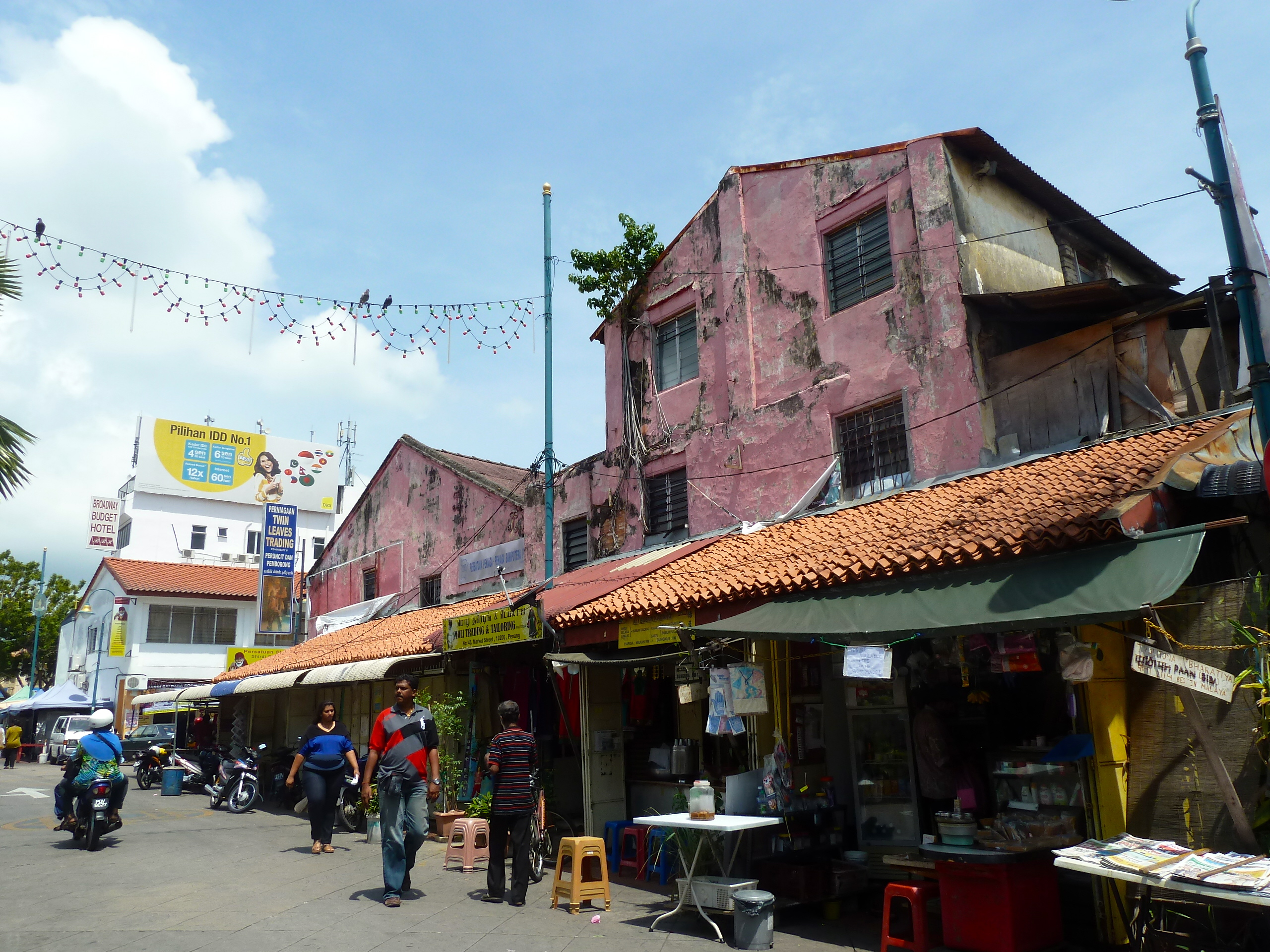
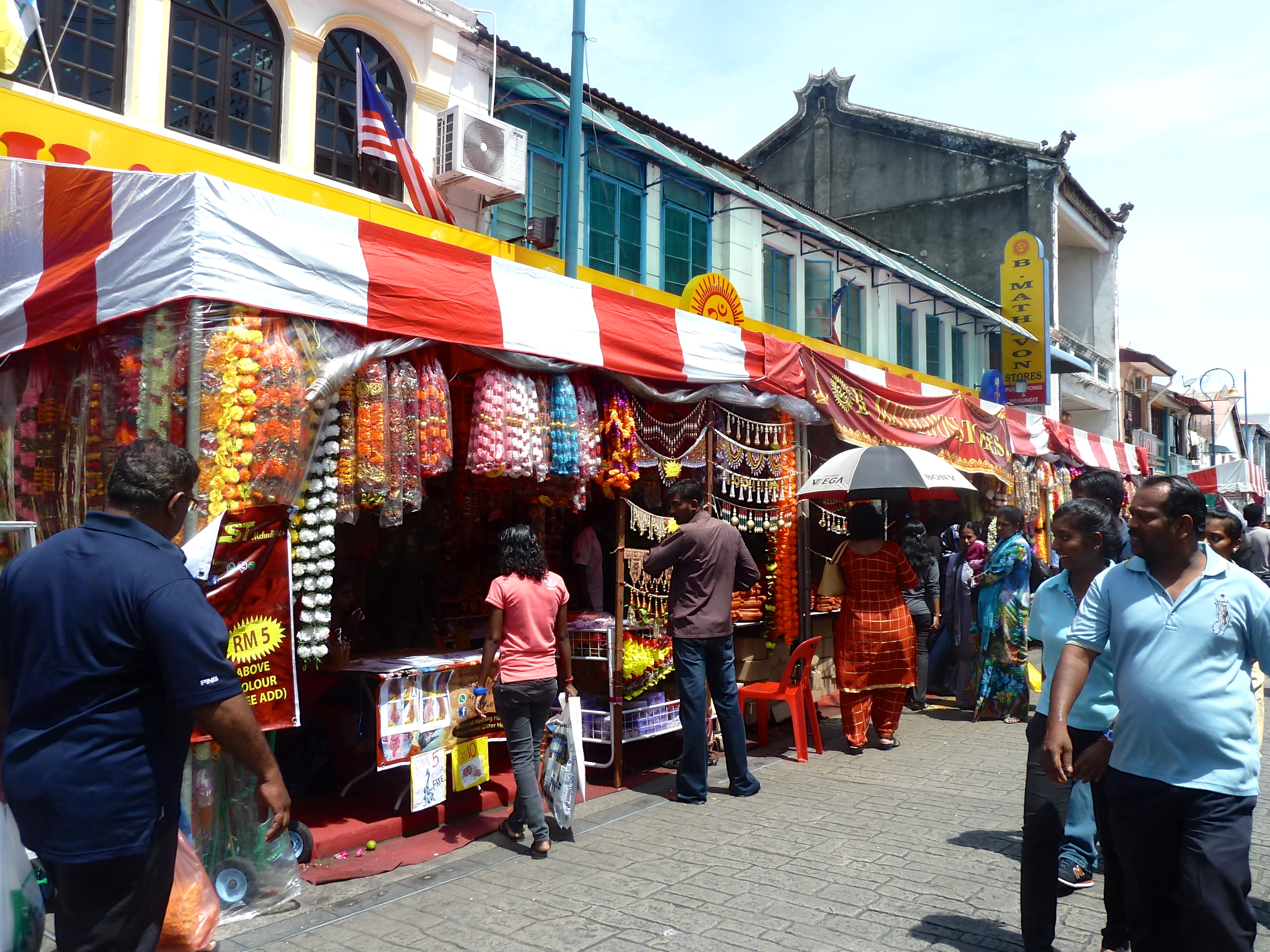
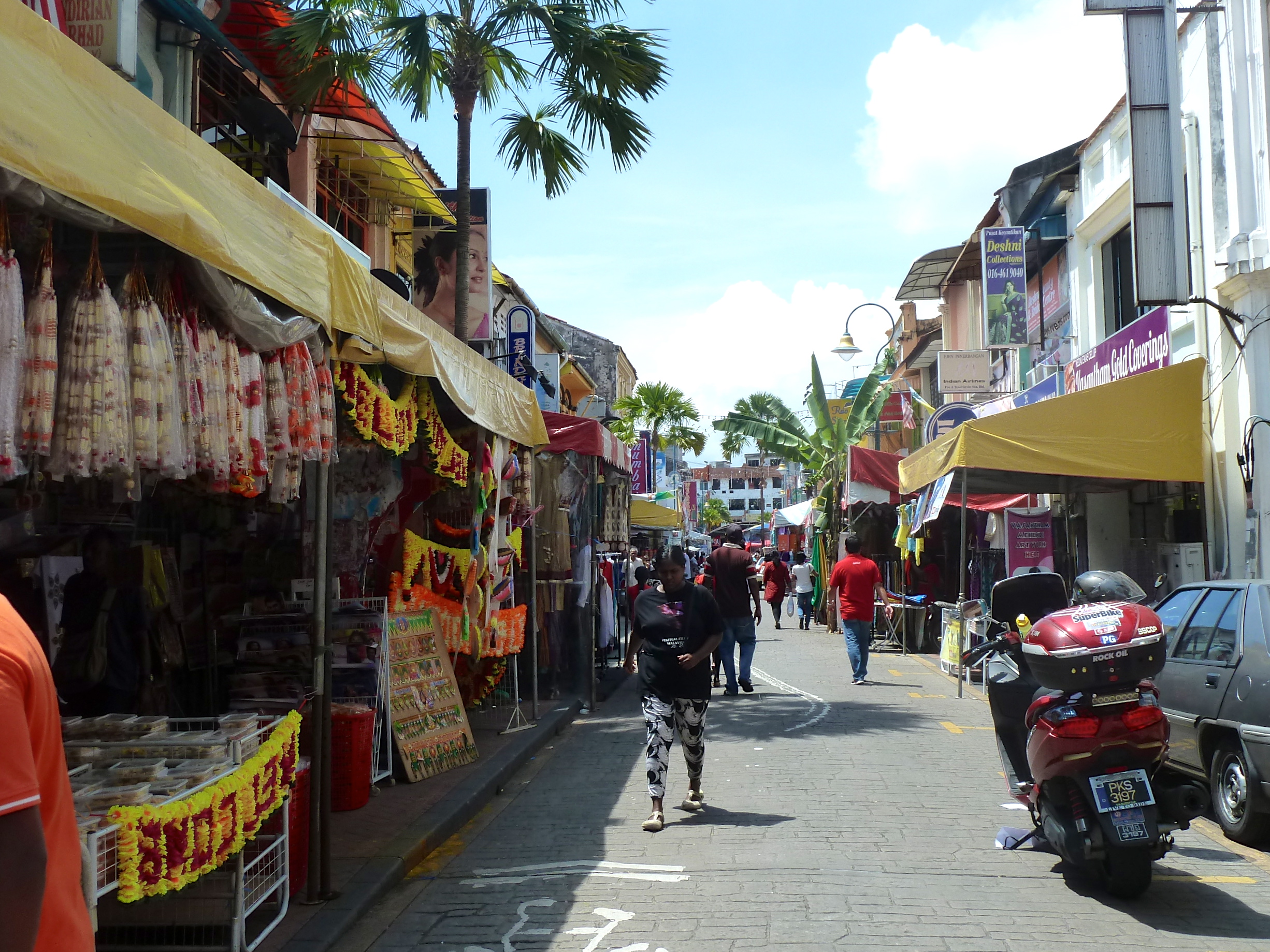
Since Deepavali (also spelled Divali or Diwali) is this coming week, Little India was a hopping place, too. We ended up eating lunch there at a banana leaf place, much like No. 1 Top Curry, my favorite restaurant in Seremban.

P1040134 P1040136 P1040137 P1040138

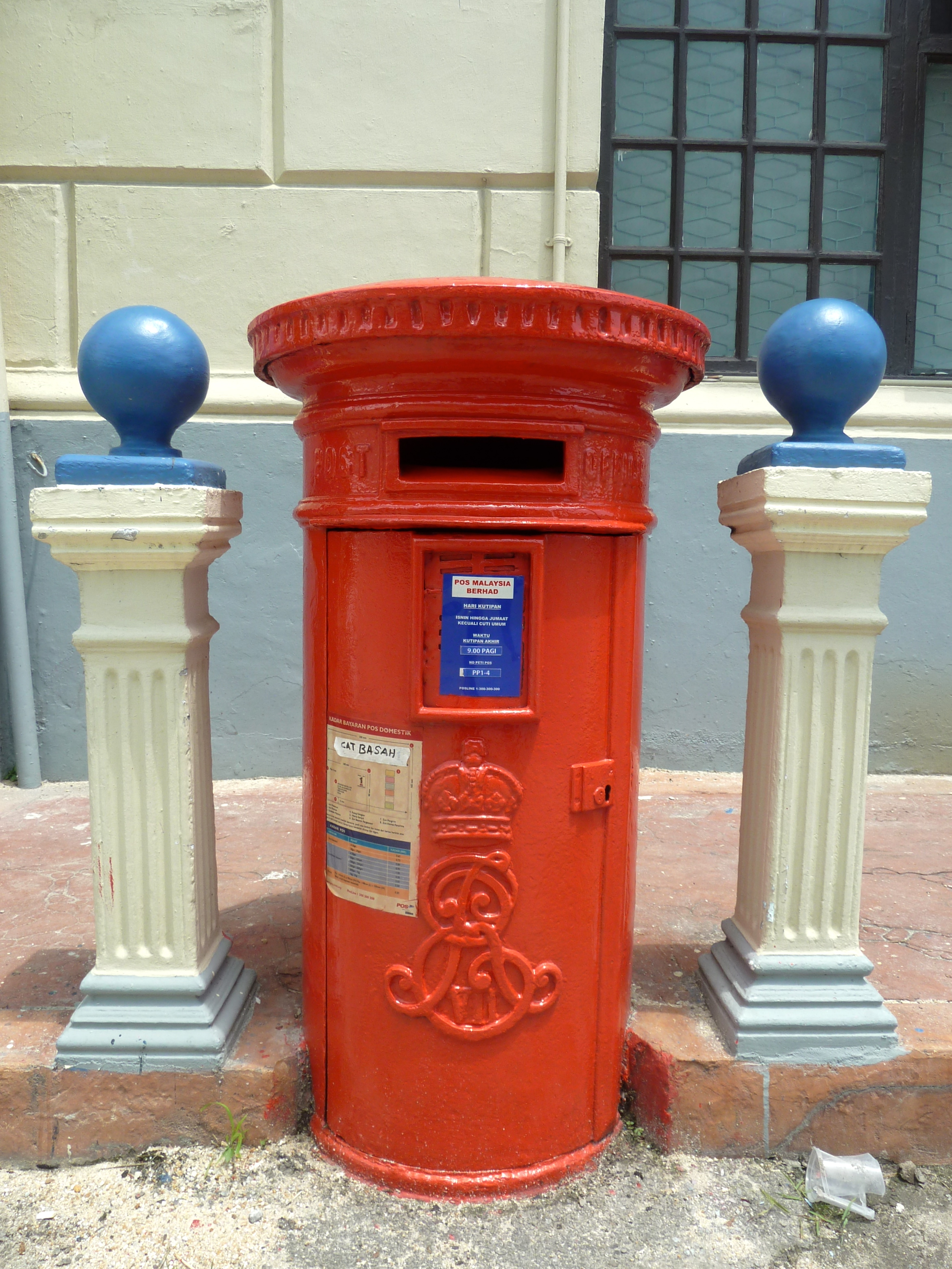
We walked down to the waterfront and passed some British colonial buildings along the way. My favorite feature was this post box:

Why yes, Malaysia is a former British colony

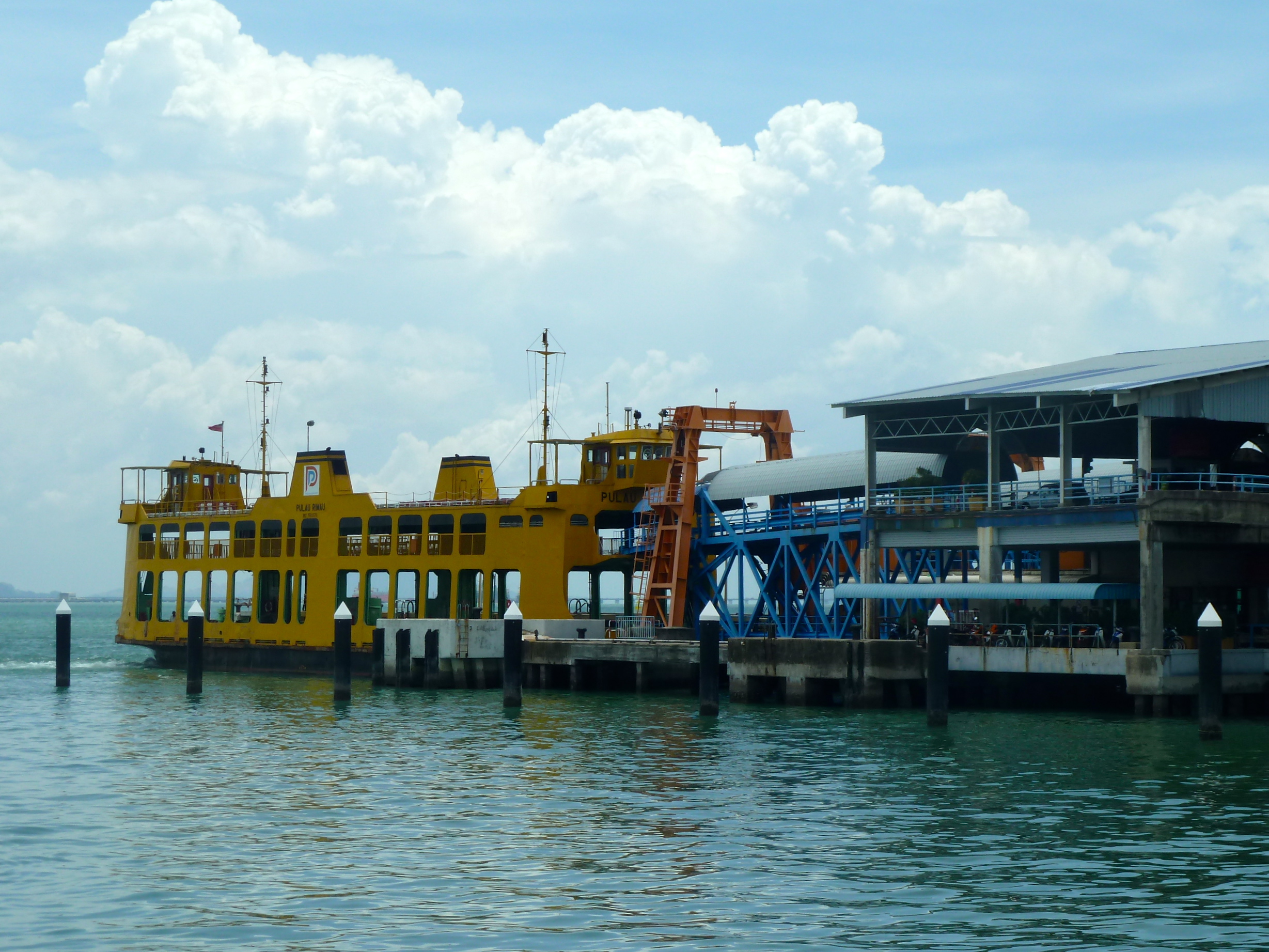
It was also really neat to see people driving their cars off of the ferry. The mainland is rather close by – right across the Straits of Malacca – and you can see it without trying too hard.

P1040142
Dear Rochester, this is what the fast ferry was supposed to do

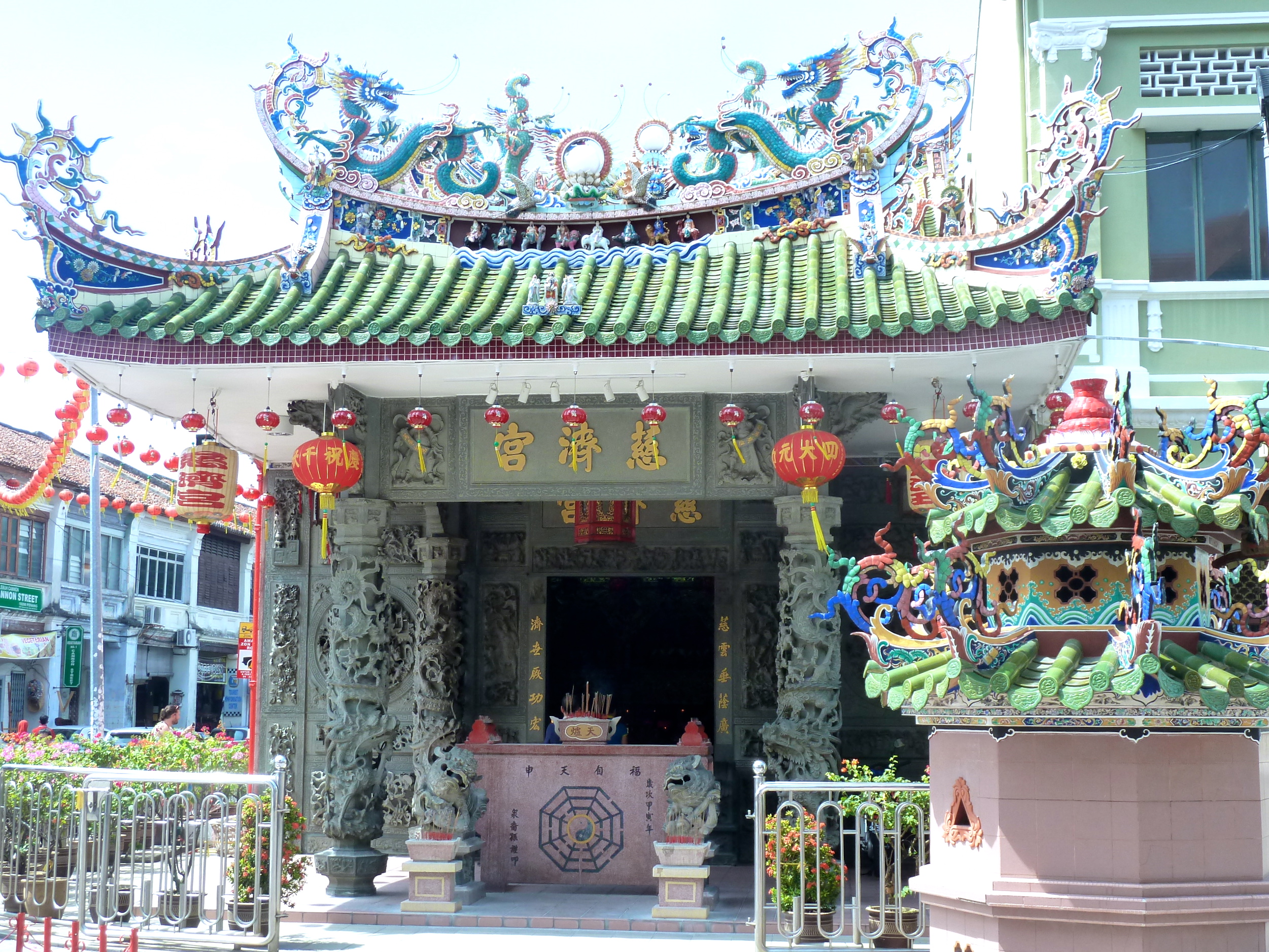
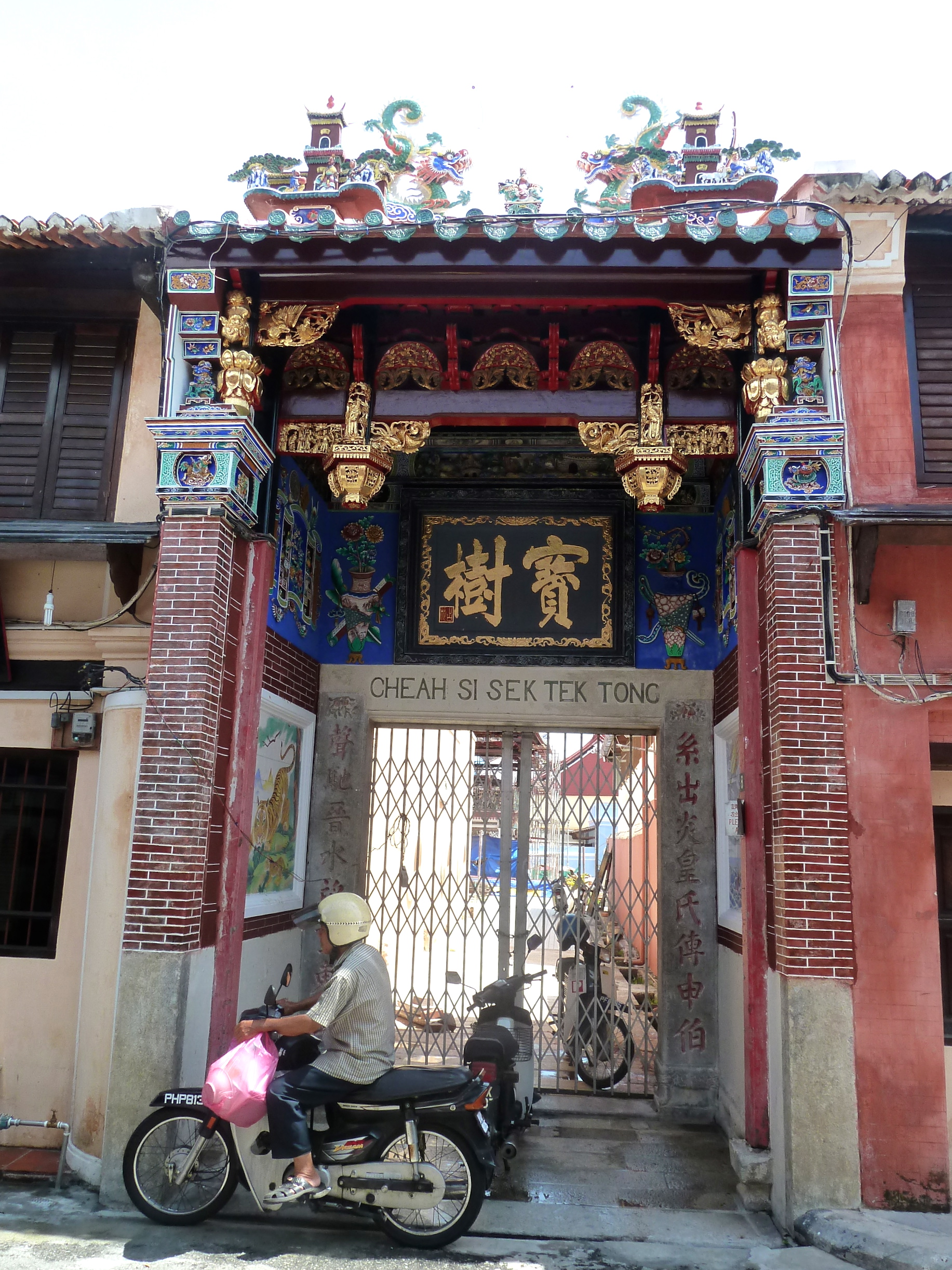
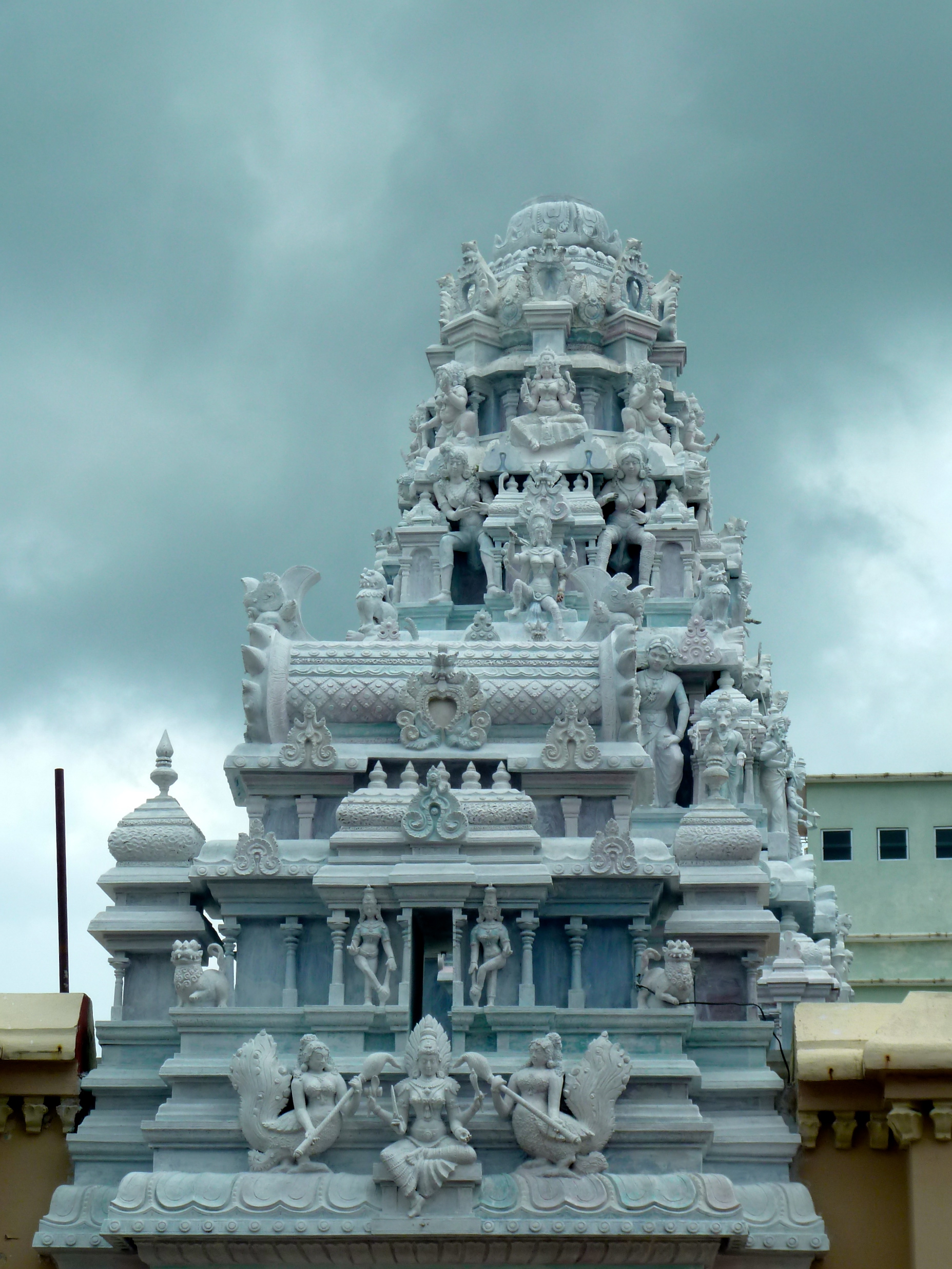
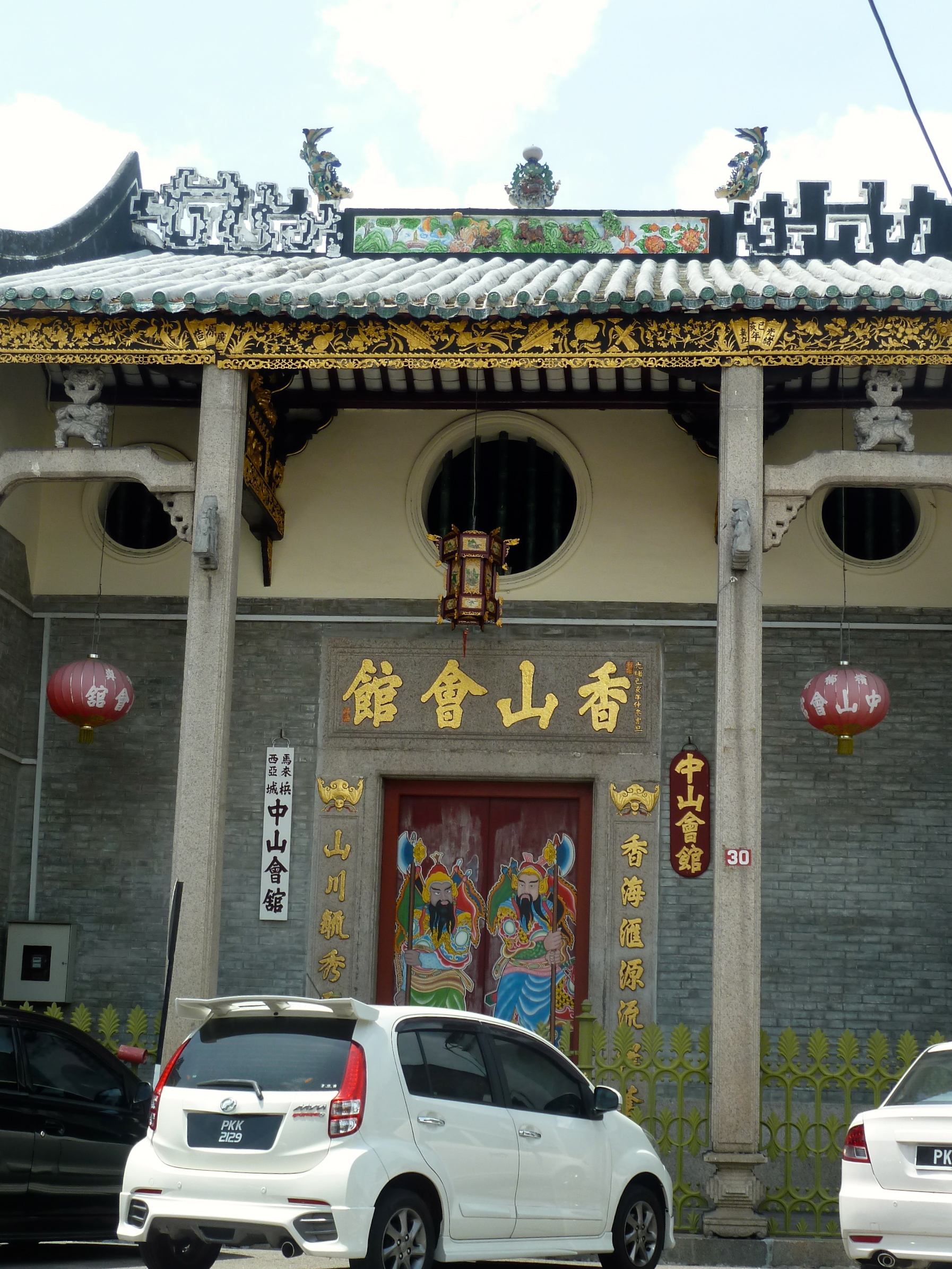
Other wanderings took us past various religious buildings that are everywhere. Penang has more churches than I’ve seen elsewhere in Malaysia, even in Malacca. It also had mosques, Buddhist temples, and Hindu temples.

P1040155 P1040156

P1040165

P1040166

We also wandered around Fort Cornwallis, which is one of the most depressing historical sites I’ve seen. This former British fort has not been particularly well maintained and contains very little historical information. It feels a bit stale and cost RM2 per person for a reason.

Statue of Lord Cornwallis

It started to rain (we’re in the rainy season now so that’s a daily event) so we headed to the Blue Mansion for a tour. The Blue Mansion is iconic in Penang because it’s, well, blue. It was designed, built, and lived in by Cheong Fatt Tze, a Chinese immigrant to Malaysia in the late 1800s. Unfortunately, most of it is a hotel now so we weren’t able to see much. The 45-minute tour is mostly about what the architects found when restoring the house in the 1990s. Not worth RM16 per person.

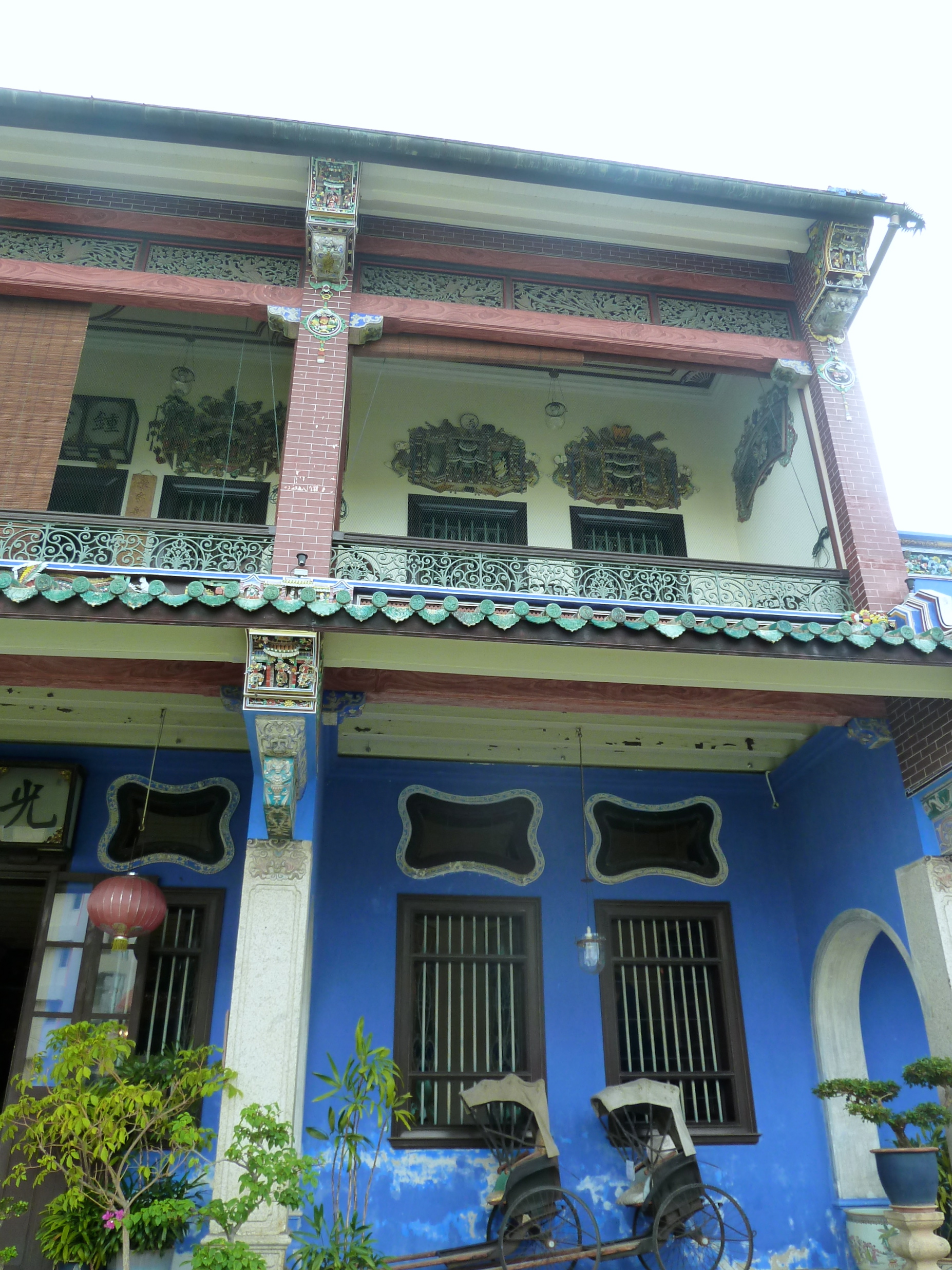
Cool Blue Mansion windows

P1040175P1040180

We went to a British-style pub called SoHo for a while to get out of the rain, wandered in the rain to find dinner, and ended up back at said pub. Great food, not impressed with the drinks, pleased that a cocktail menu existed.

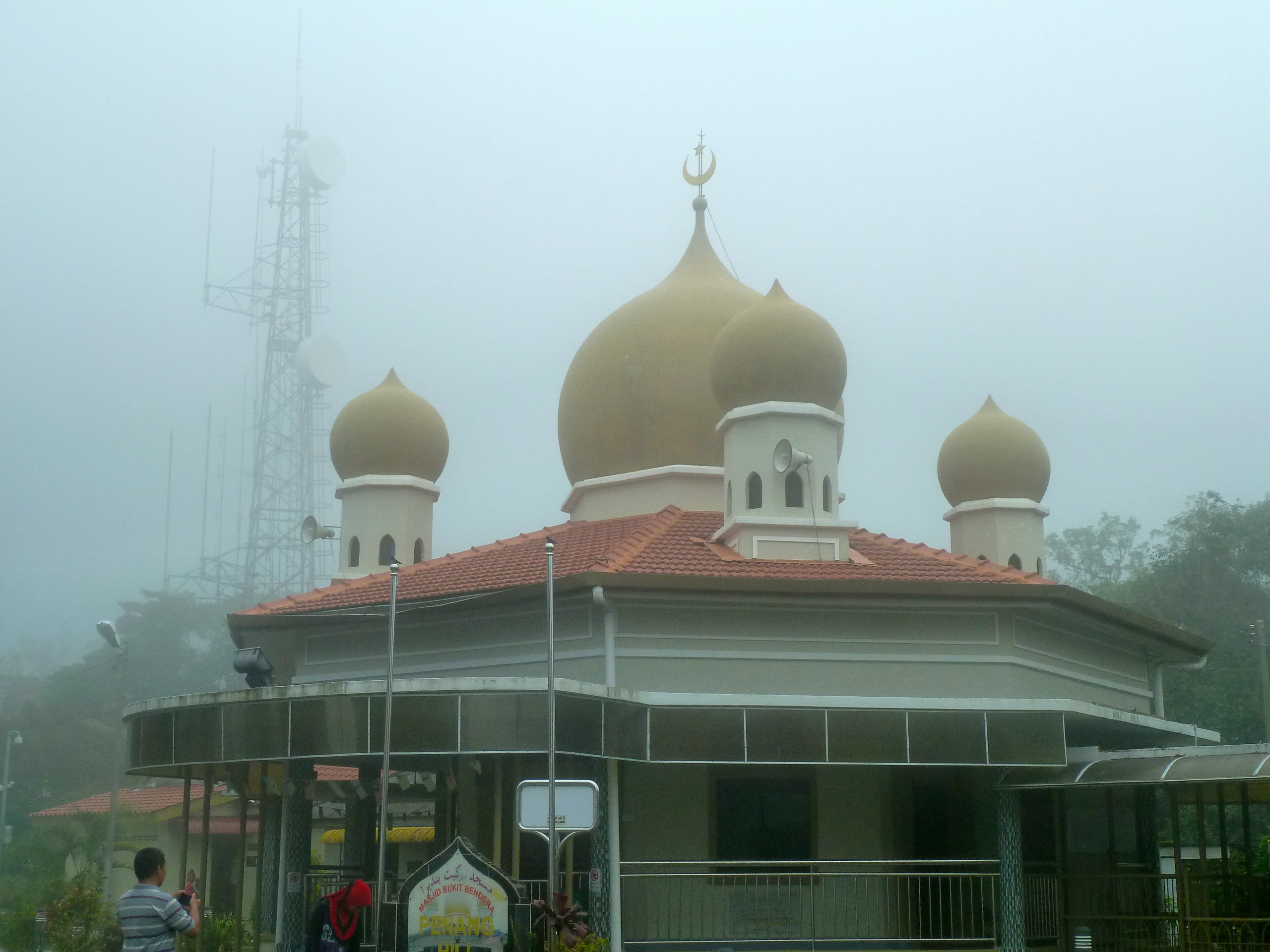
On Sunday we explored Penang Hill and Itam, an open air market neighborhood. It was cloudy (rainy season) when we went up the hill, but it got brighter the longer we were there. We seem to have poor luck with hills. It’s hard to see anything in the fog! When the clouds cleared for a moment, though, it was really beautiful.

P1040198P1040199


P1040219

P1040200
P1040205

Looking down on Georgetown
Looking at another hill in the area
Looking at Penang Hill

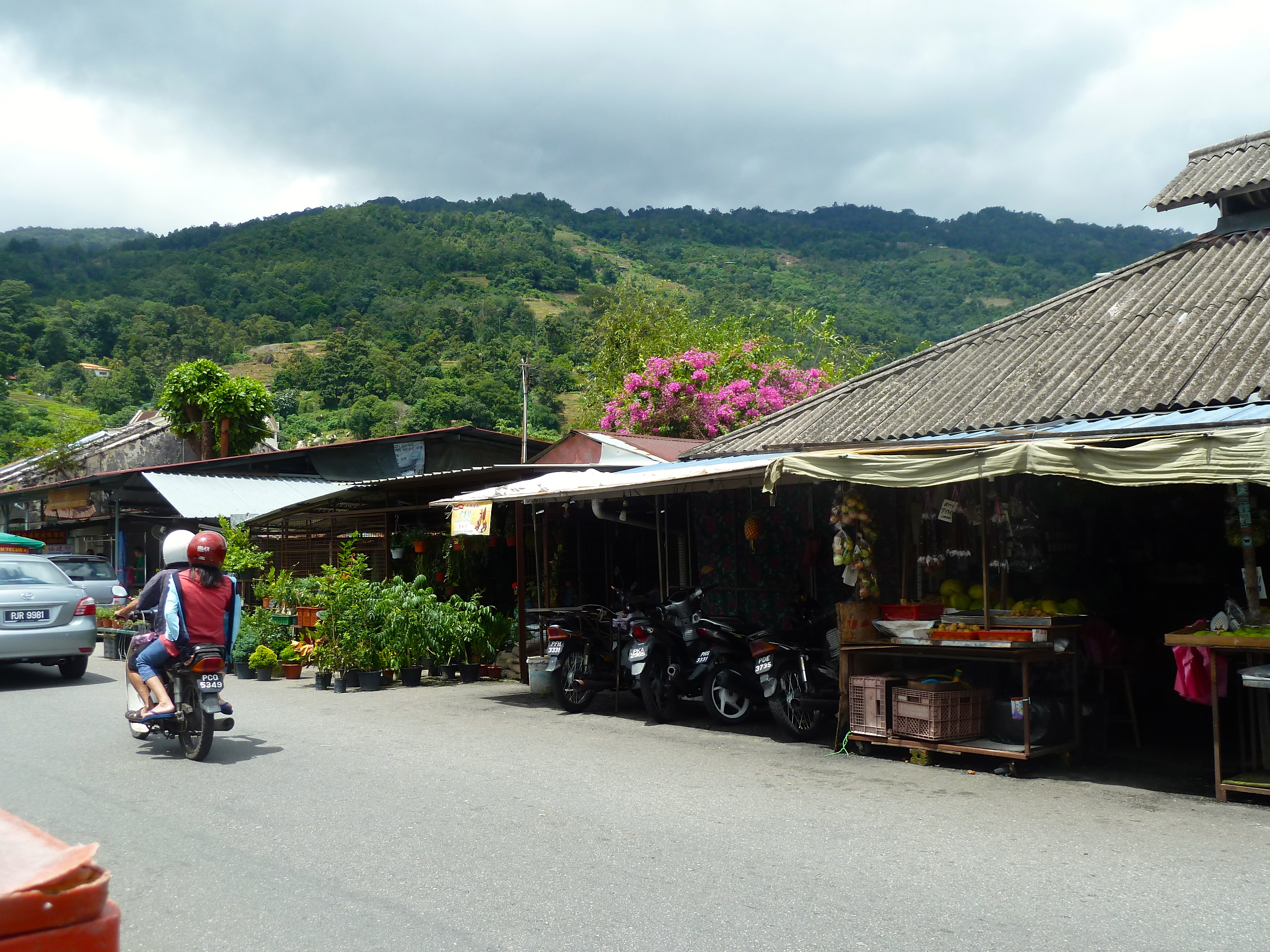
We drove through Itam by bus on the way to Penang Hill and much of it had cleared out by the time we went back there to eat, but that didn’t stop us from sampling various vegetarian foods, durian ice cream, and a coconut tart at various stands! When we drove through originally, Itam was swarming with both people and cars. I’m not exactly sorry that we were there at a quieter time.

P1040224

P1040228

P1040235

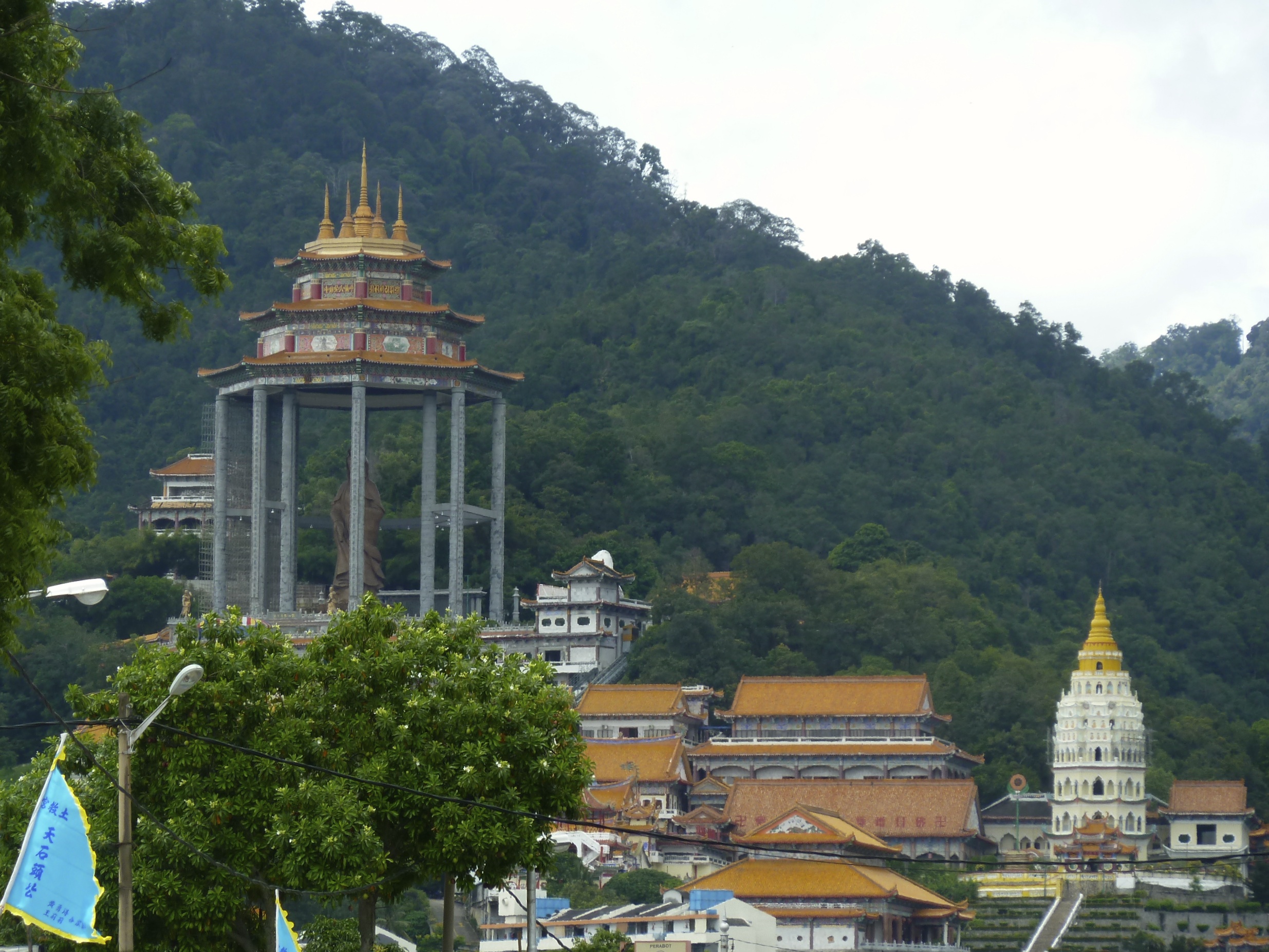
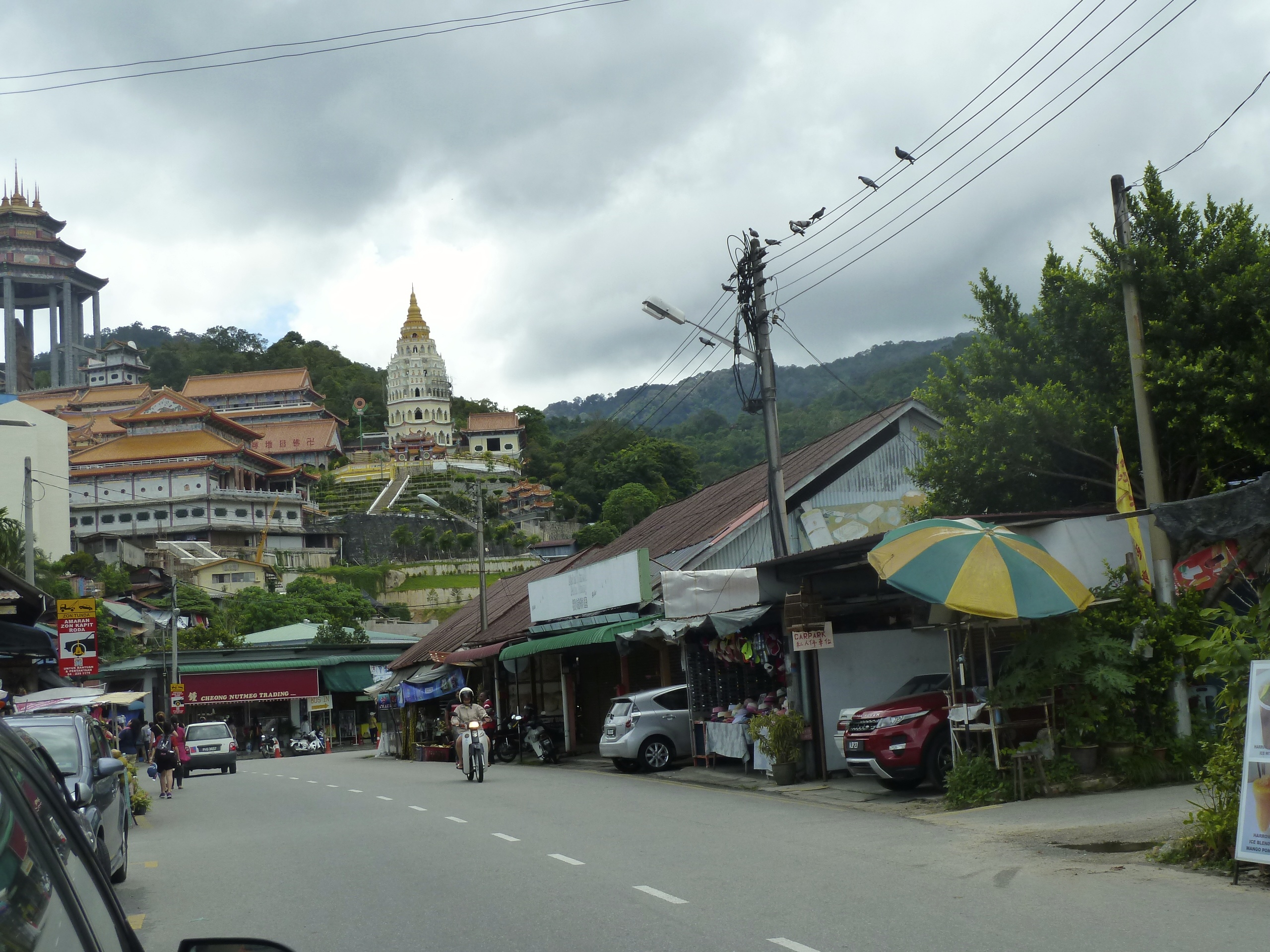
Our visit ended with a trip to the heavily commercialized Kek Lok Si Buddhist Temple, which combines Chinese, Thai, and Burmese architecture. It opened in 1905 and renovations and additions took place in the 1930 and early 2000s. There were hawkers everywhere, which was weird, but the architecture was beautiful.

Take-home message: Visit Penang!