
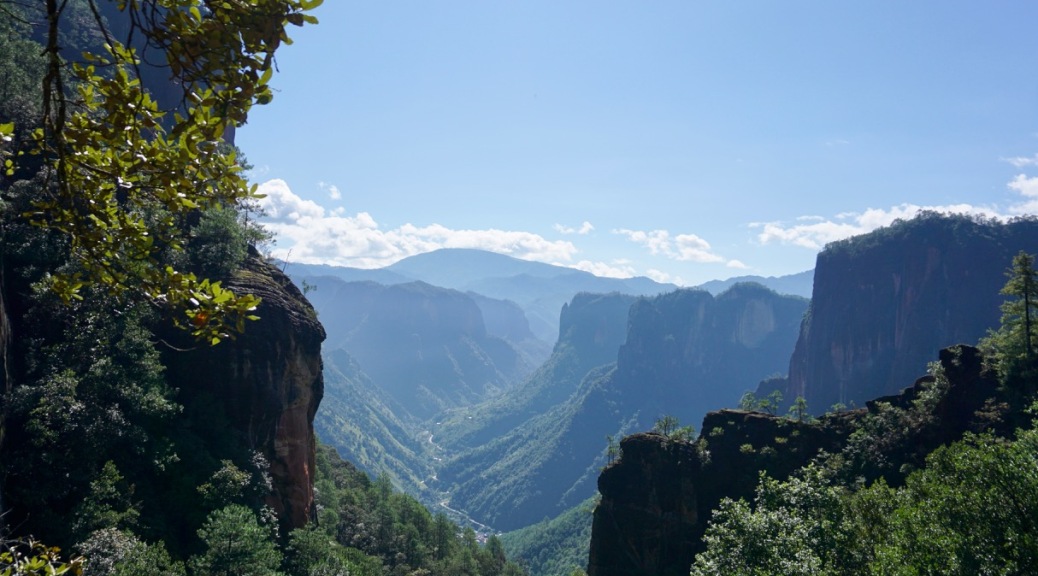
I’ve been very privileged to be able to travel abroad to wonderful places with students. Just like last year in Yunnan and the previous year in Battambang, Cambodia, my school worked with the JUMP! Foundation who develop, design, and manage our programs. As trip lead for the past three years, I have a close relationship with JUMP! – and in all honesty, they make me question my career choices every time. It is an honour to work with them.

For many students, this was their first time playing backpacker. We took an overnight train, three bus rides, and a short train throughout our trip. There’s a lot to see and do in Yunnan and we were all over the place in our six days of travel.
Our first stop was the town of Baisha. We arrived there after flying from Singapore to Kunming and taking a nine-hour night train from Kunming to Lijiang. This was my third experience on a night train and I slept surprisingly soundly. The earplugs probably helped, as perhaps did having the lower bunk. From Lijiang, Baisha is only about thirty minutes away by bus.
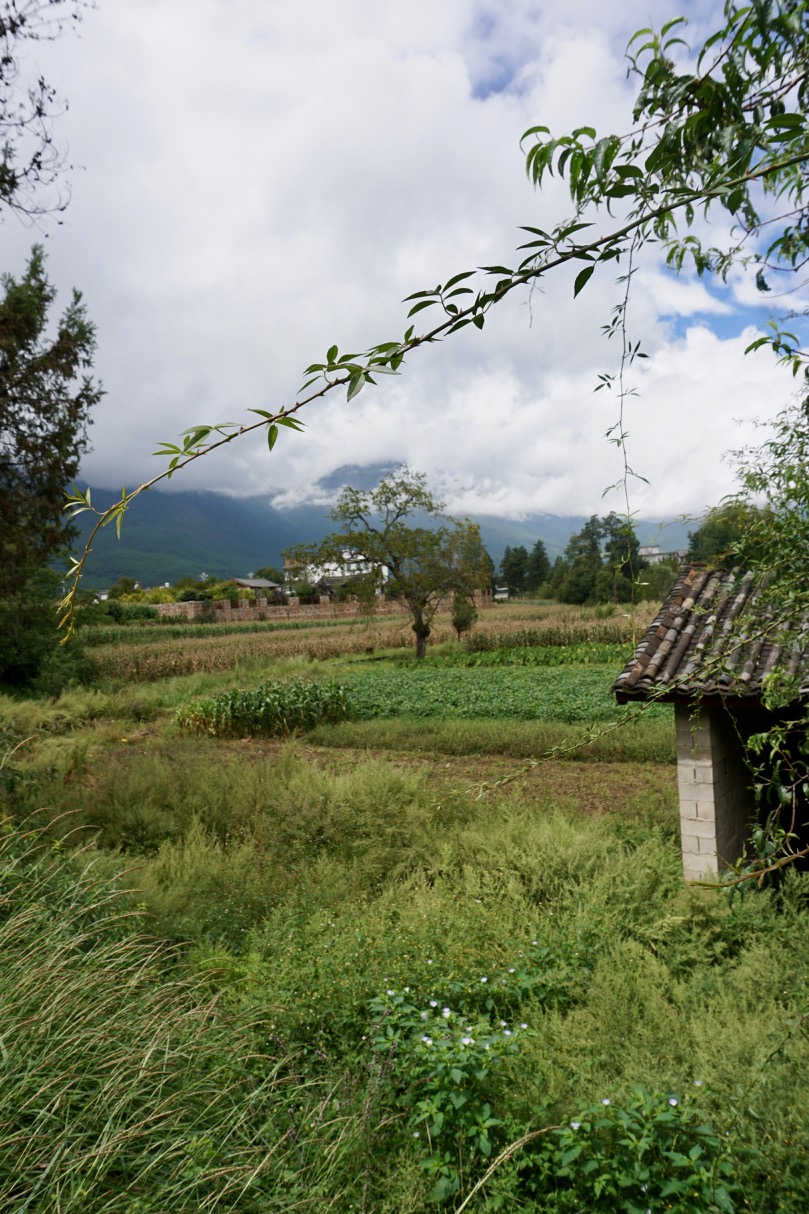
Like most of where we go on these trips, Baisha is a small rural community and it’s beautiful.
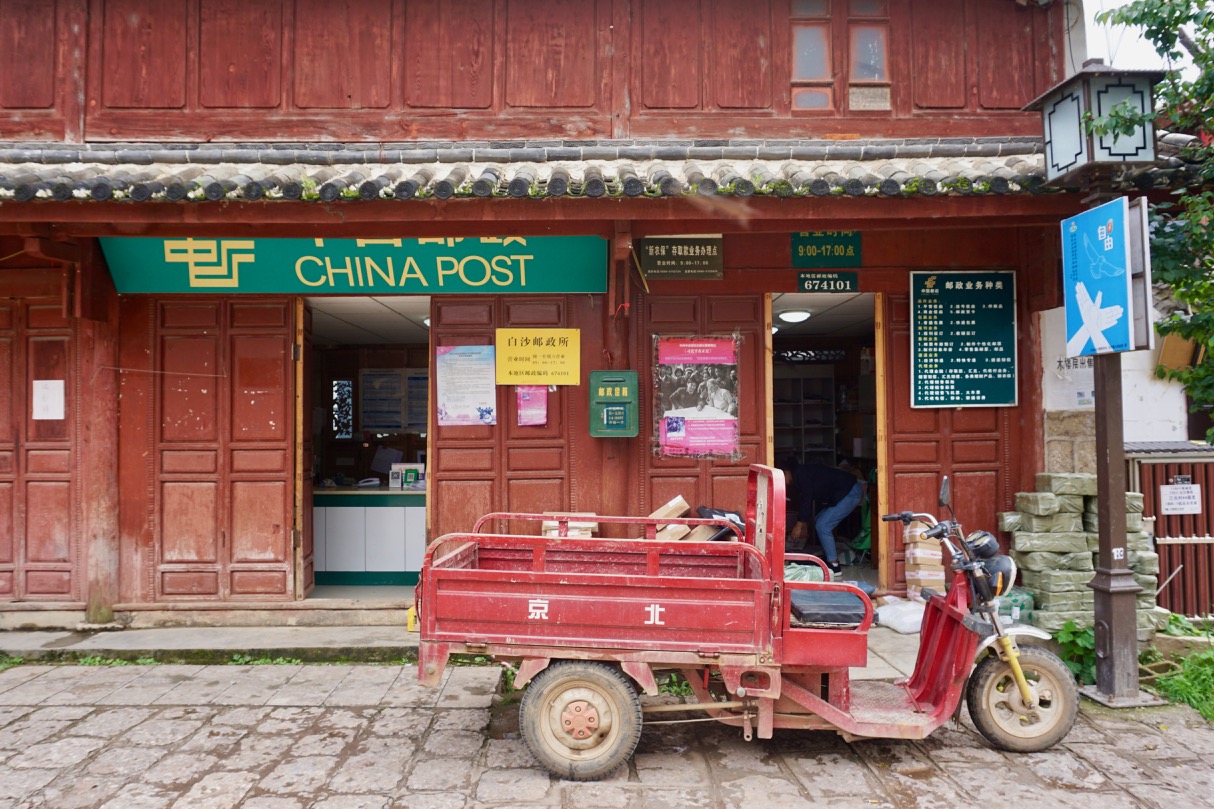
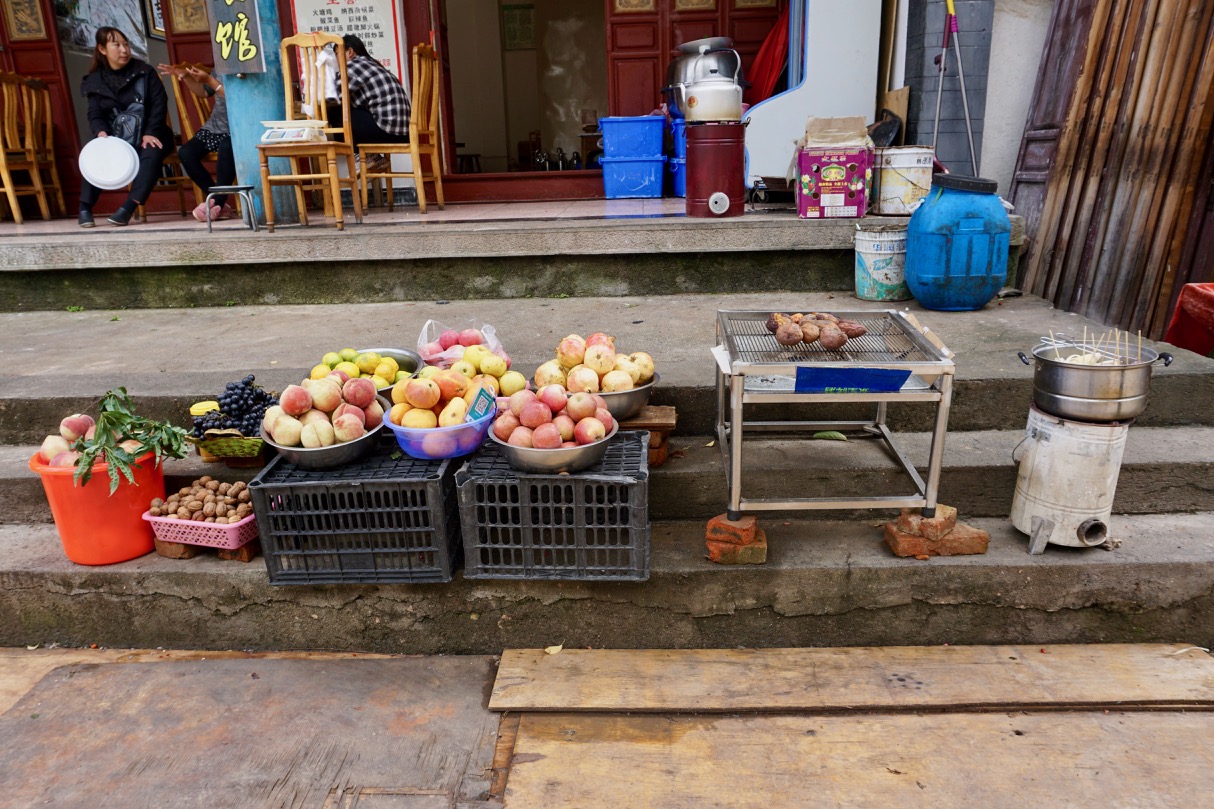
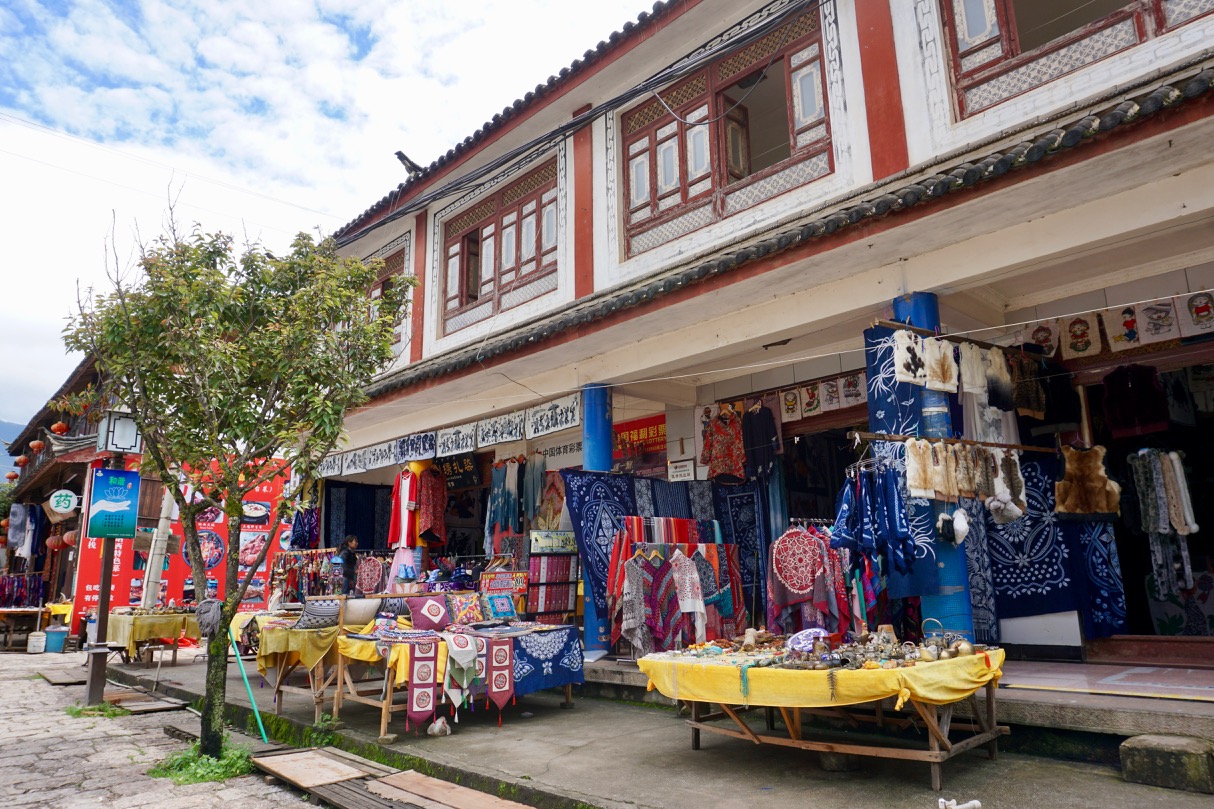


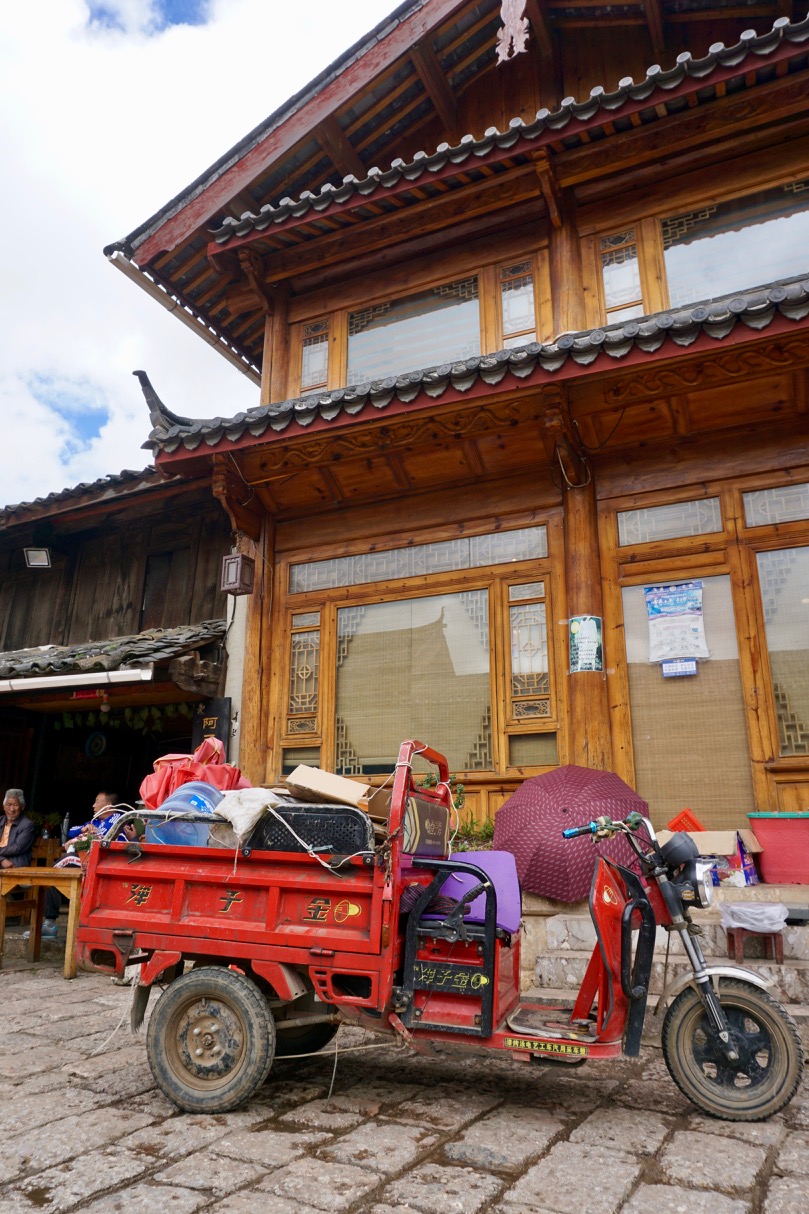

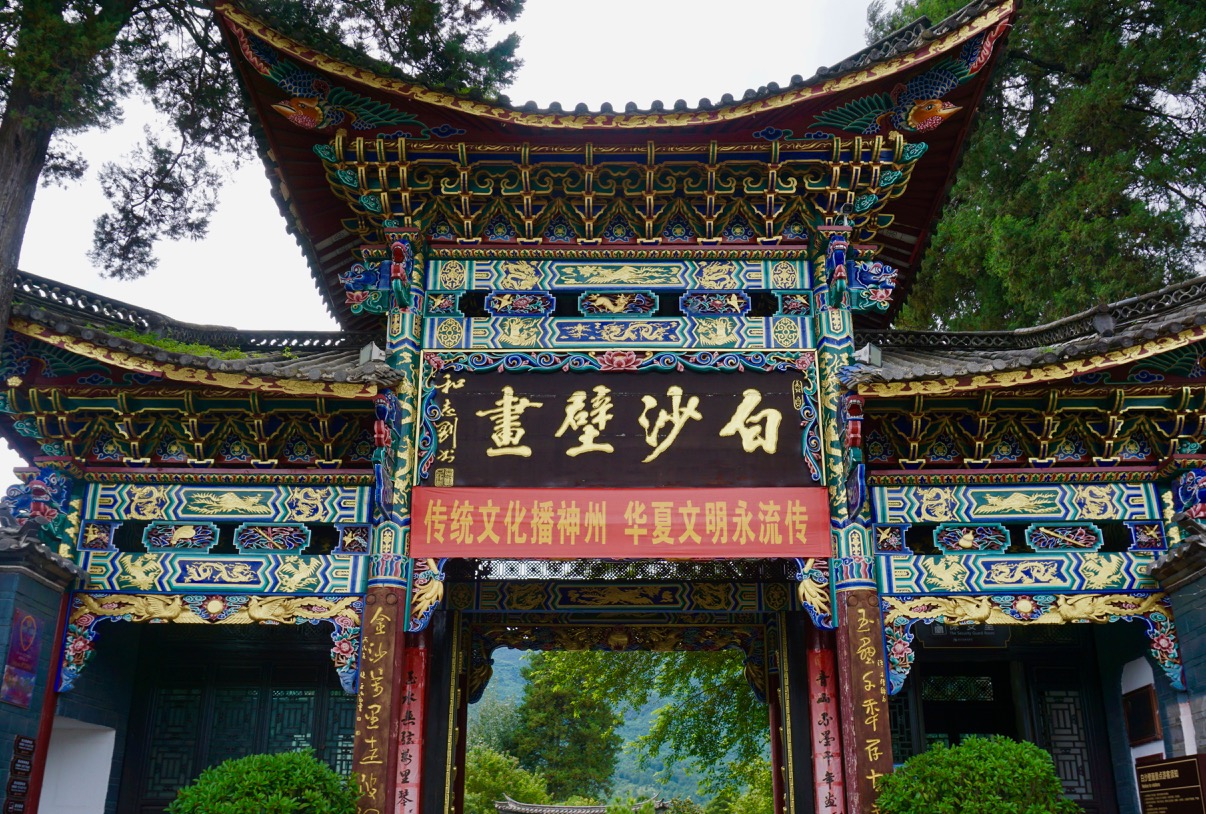
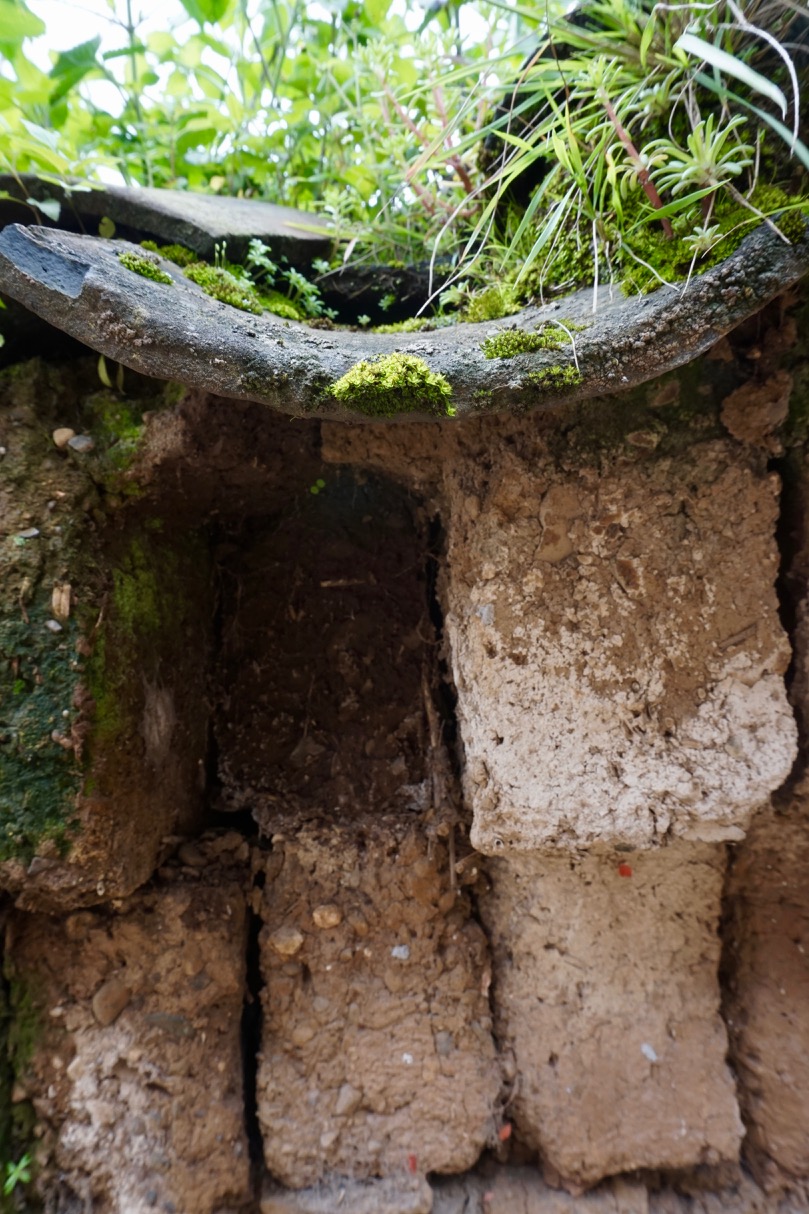
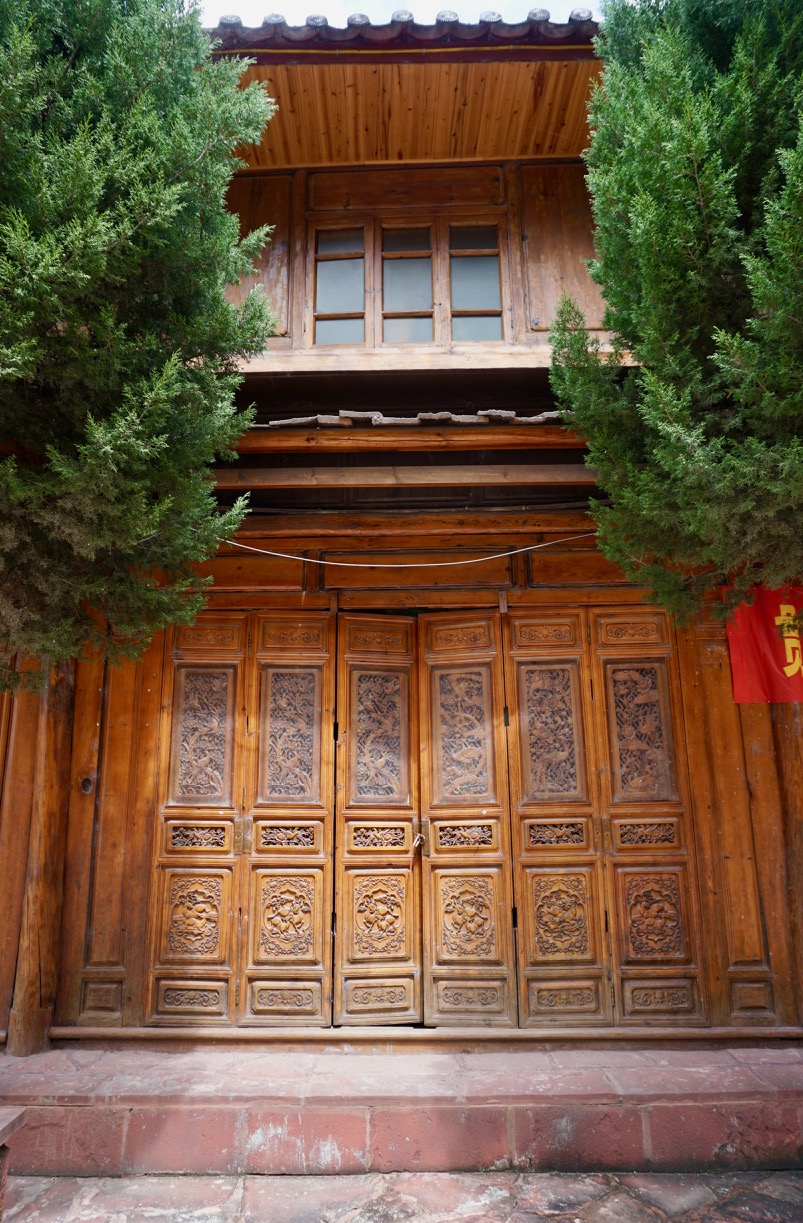
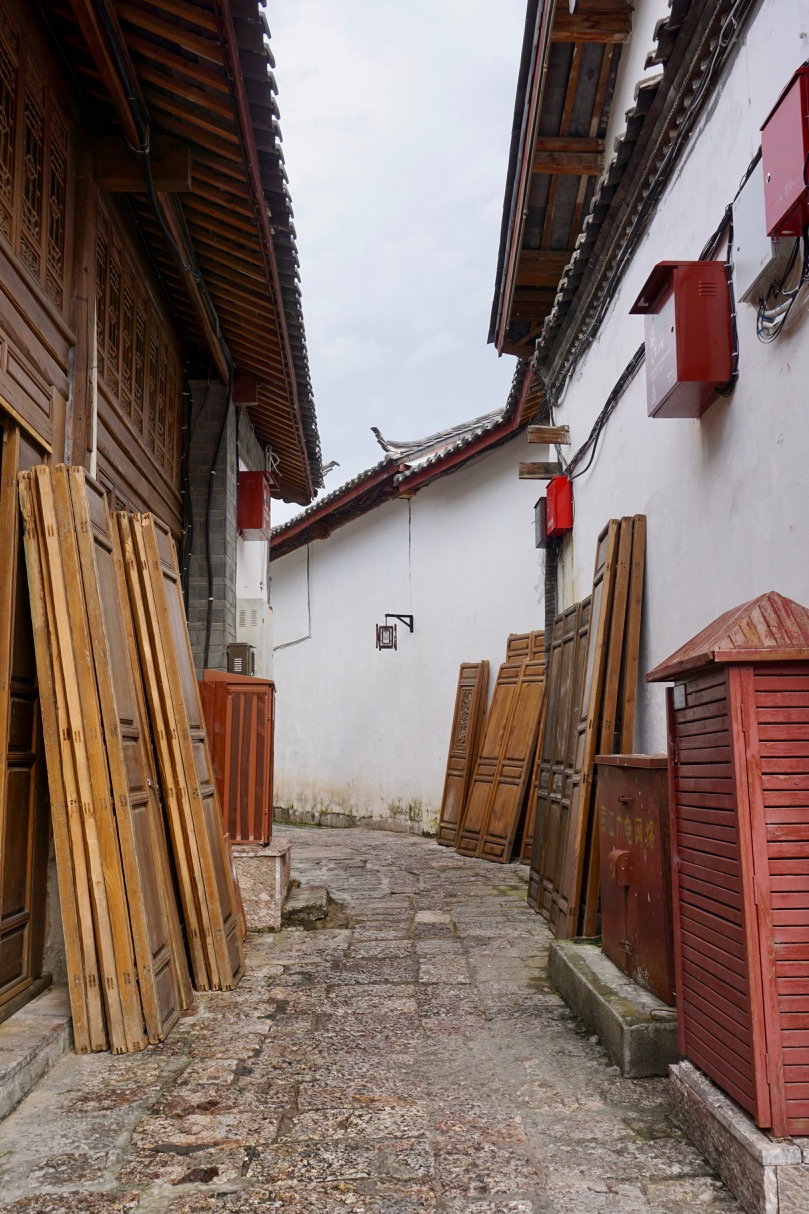
I was particularly fascinated with how buildings are constructed and how space is used.



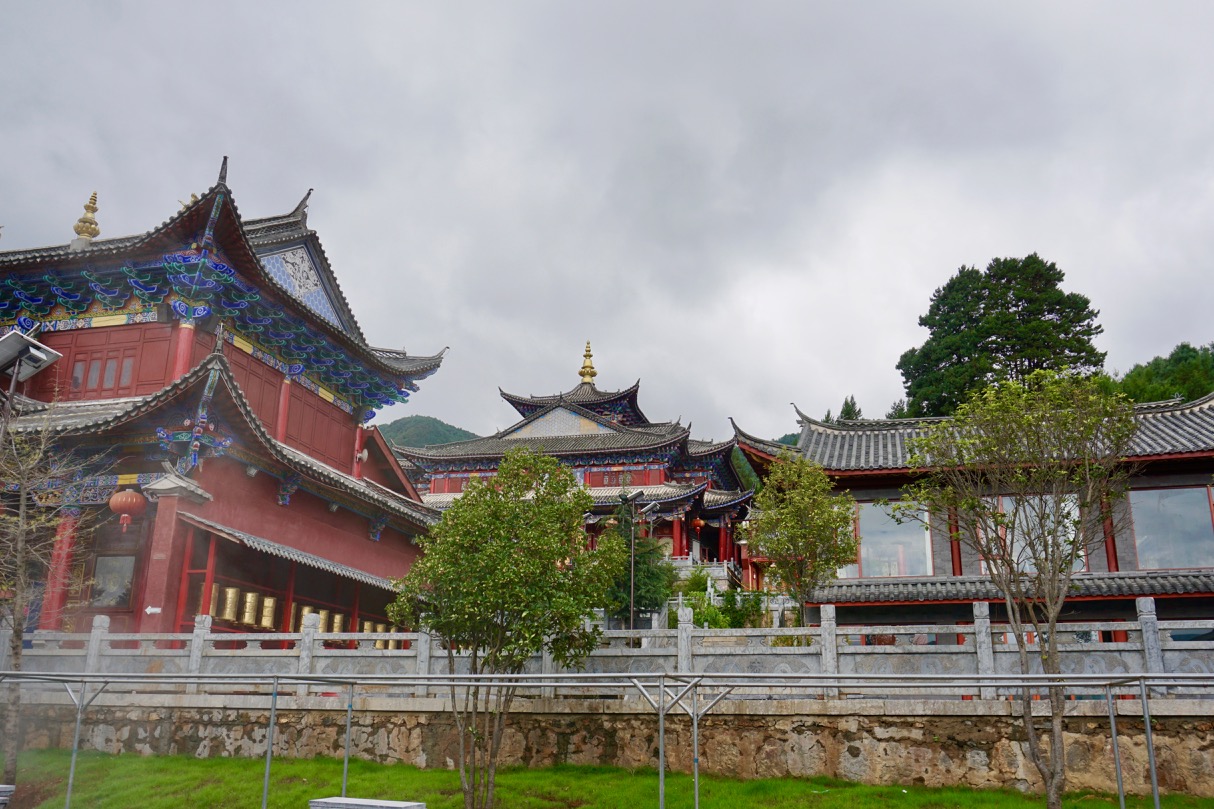
Our primary reason for being in Yunnan was to engage with the environment around us and the minority groups that live there. Our first real activity was a hike up to Fuguo Monastery, a Tibetan Buddhist monastery that has been around since 1601. The hike was beautiful and we really enjoyed the cool air. We don’t get air like that in Singapore.
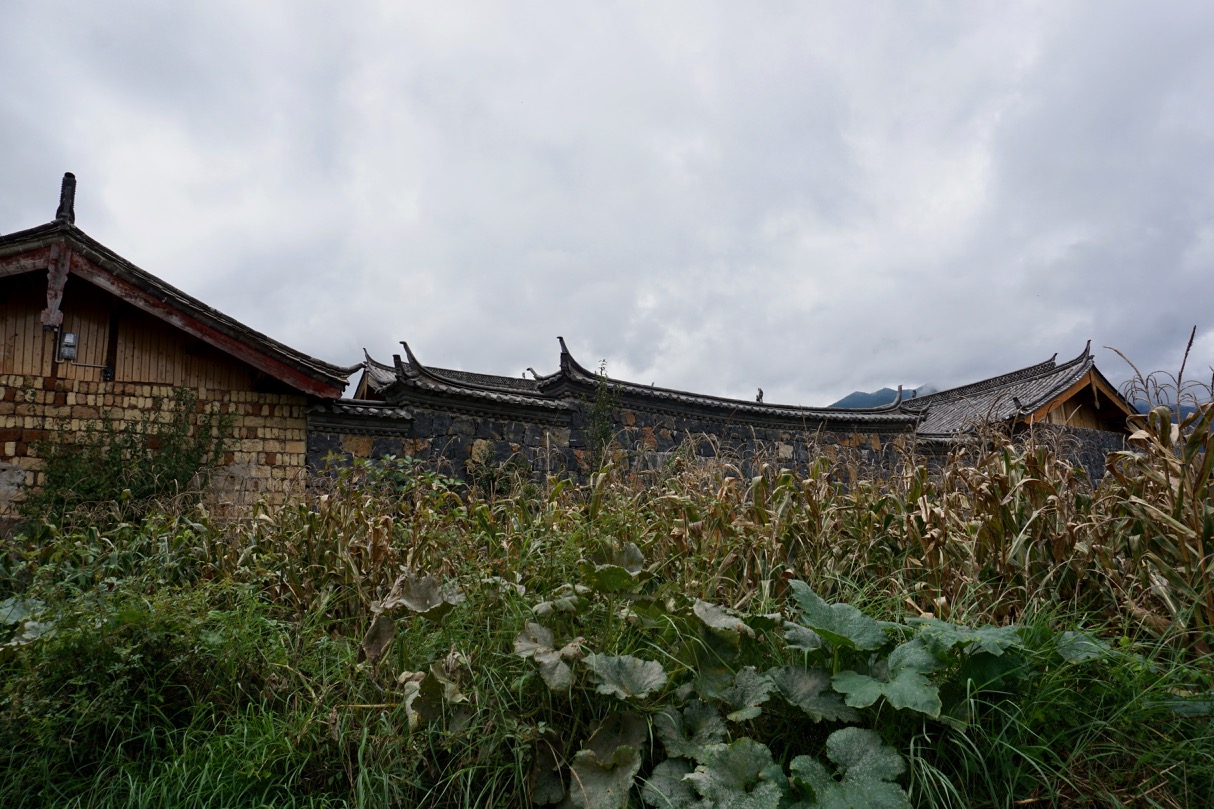

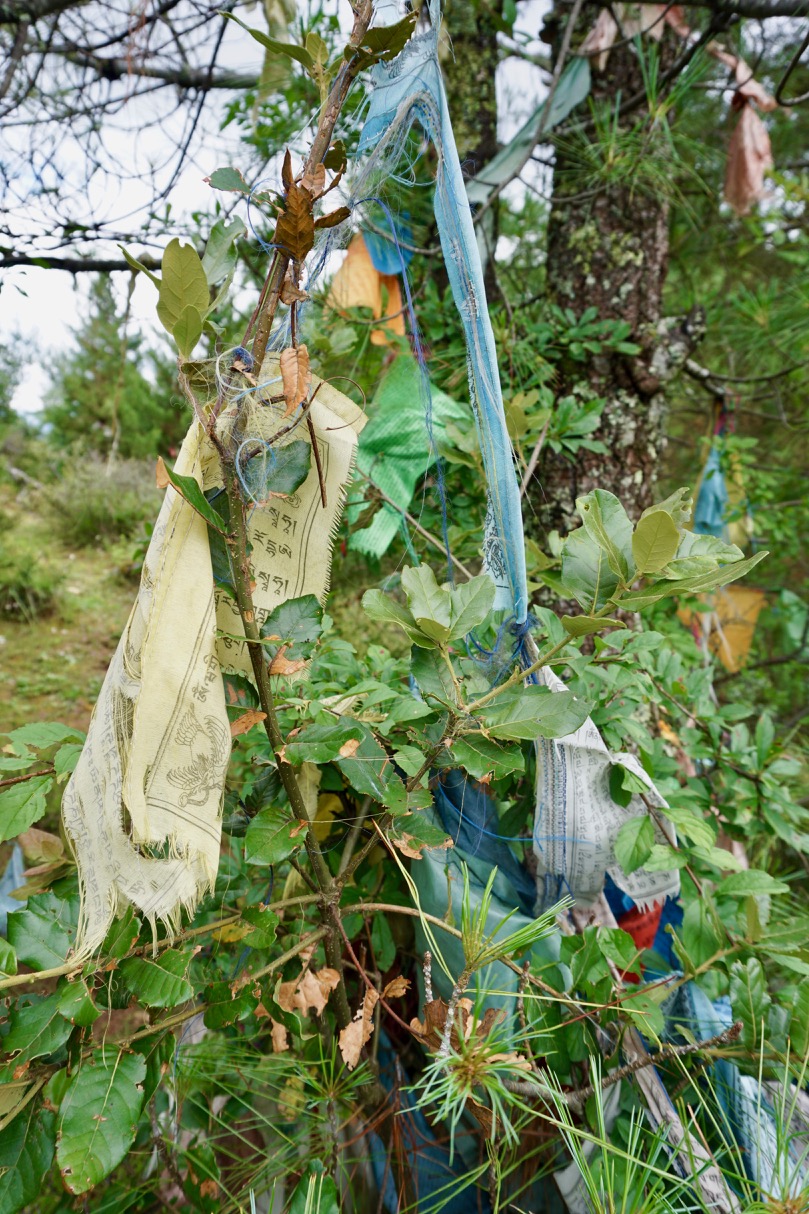
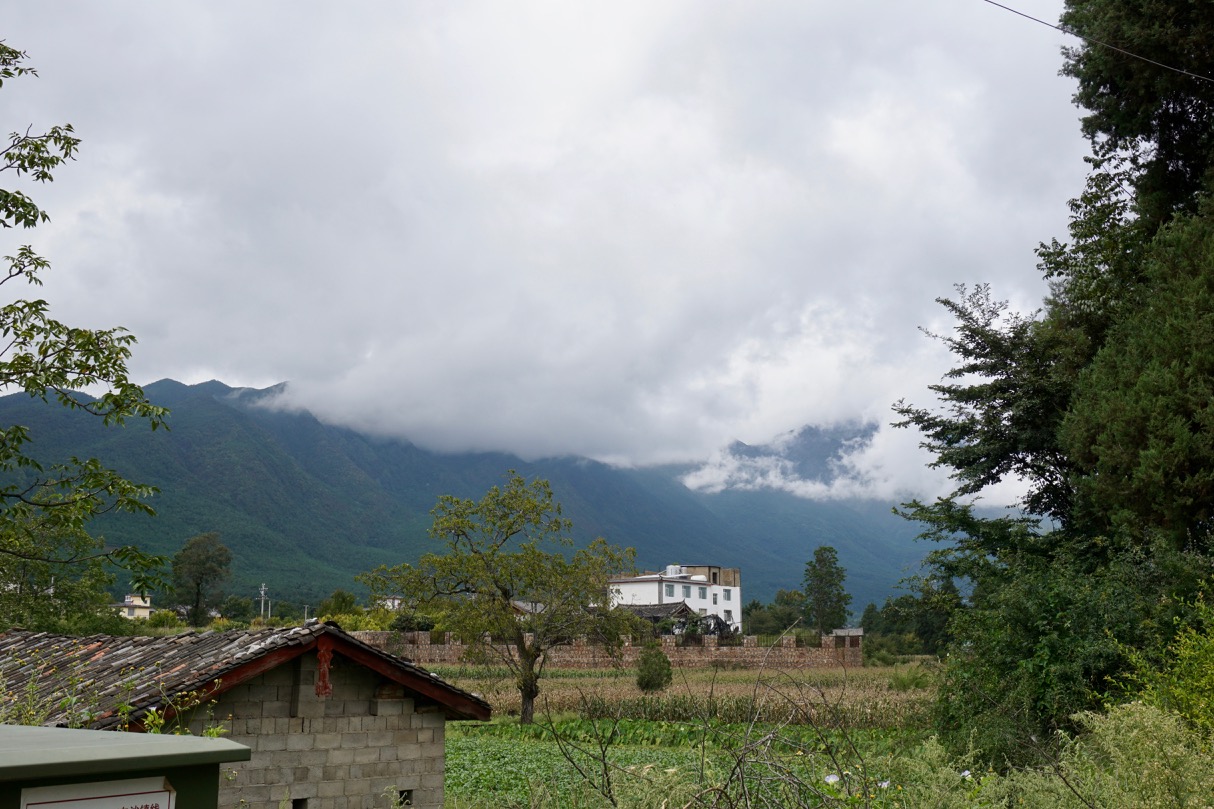
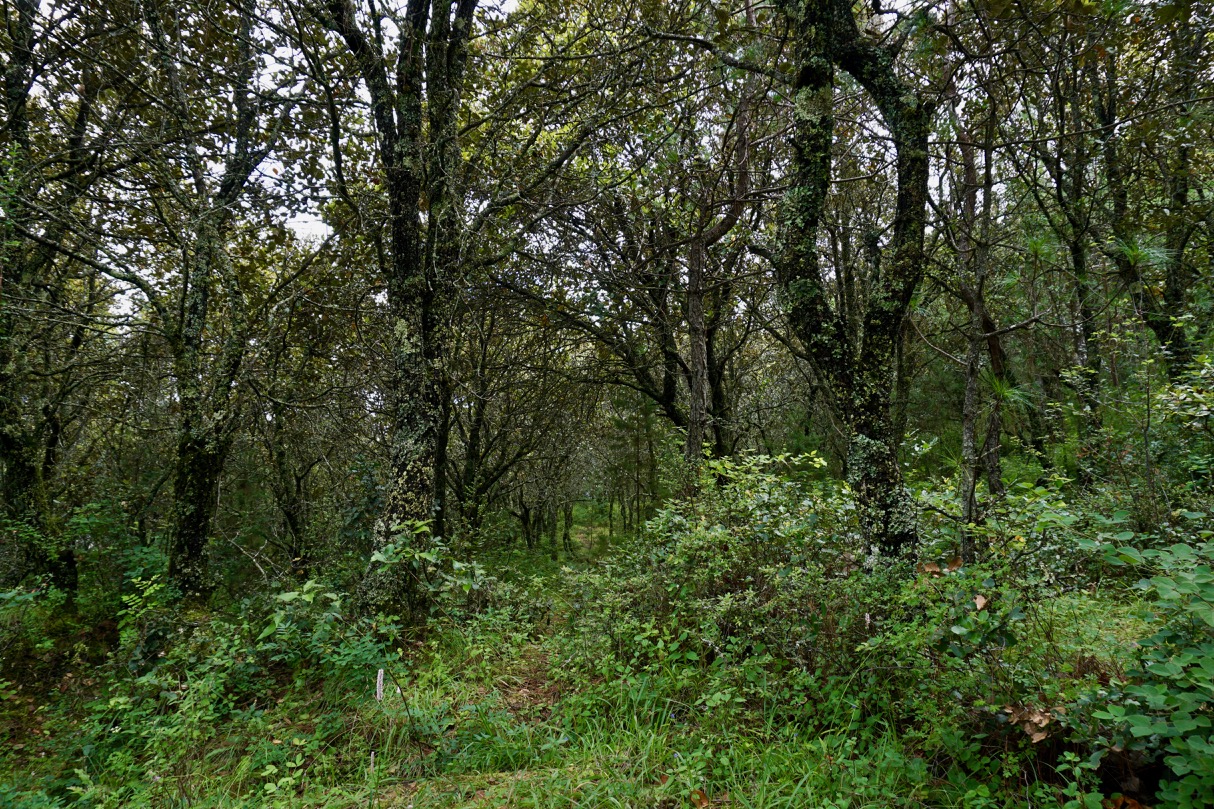
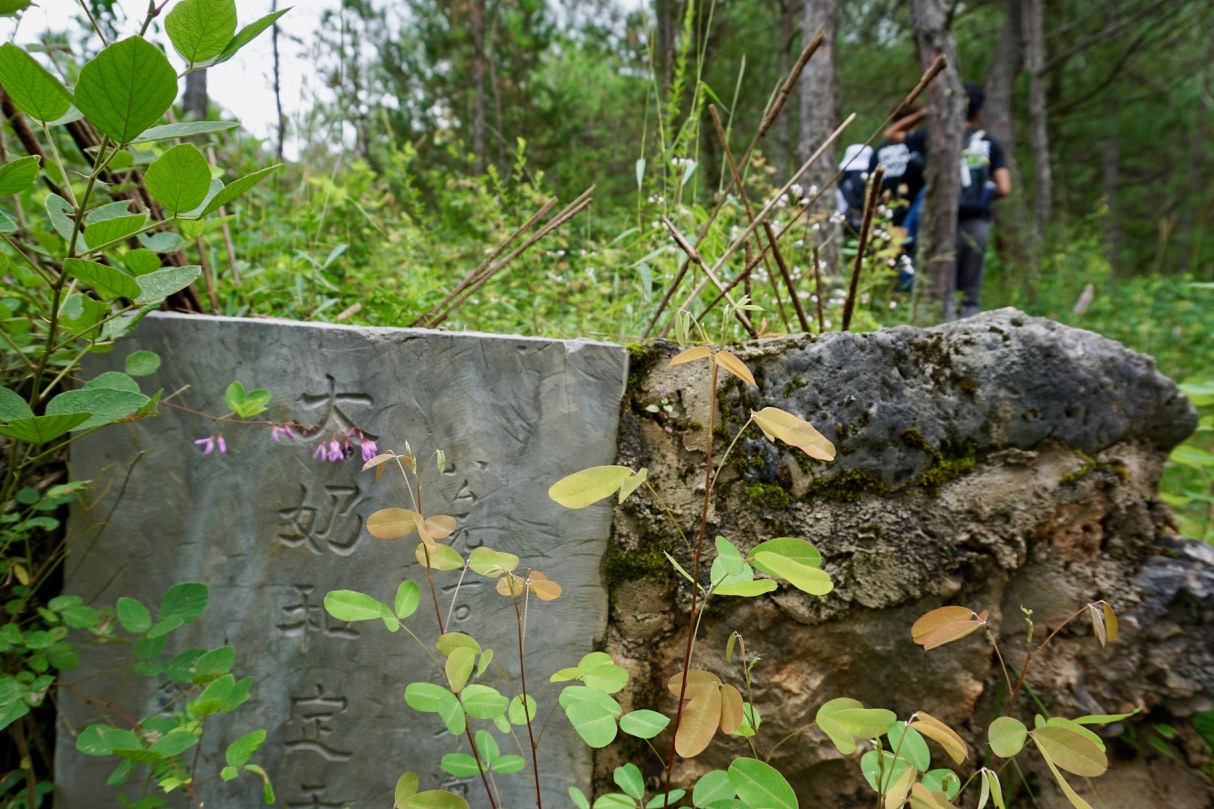

I’ve been to many temples and monasteries and I really enjoy them. I enjoy their beauty, their quiet, and their overwhelming sense of peace. I do sometimes wonder if that comes from shutting out the outside world and its problems, but that did not seem to be the case here, such as when the monks utterly defeated our students in our annual basketball game.


Our exploration of the landscape continued the following day. We hiked up to a reservoir located just outside of town towards the monastery and then down to a village located alongside Wenhai Lake. The terrain was steep and damp from the previous night’s rain and it changed as we walked. Once again, the air tasted different from the air that we have in Singapore and the wind came from a different direction. There were times during our walk when I lost myself in the forest and in the sensations of being somewhere foreign yet completely familiar.


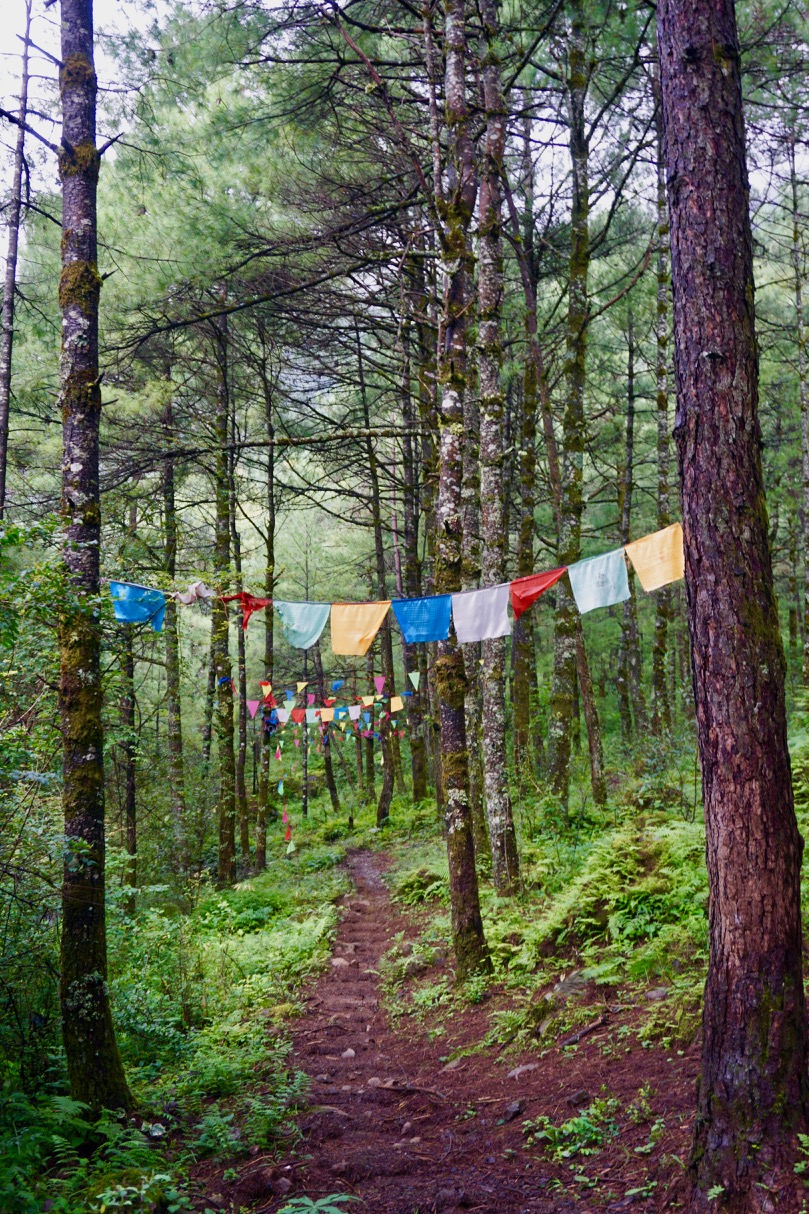
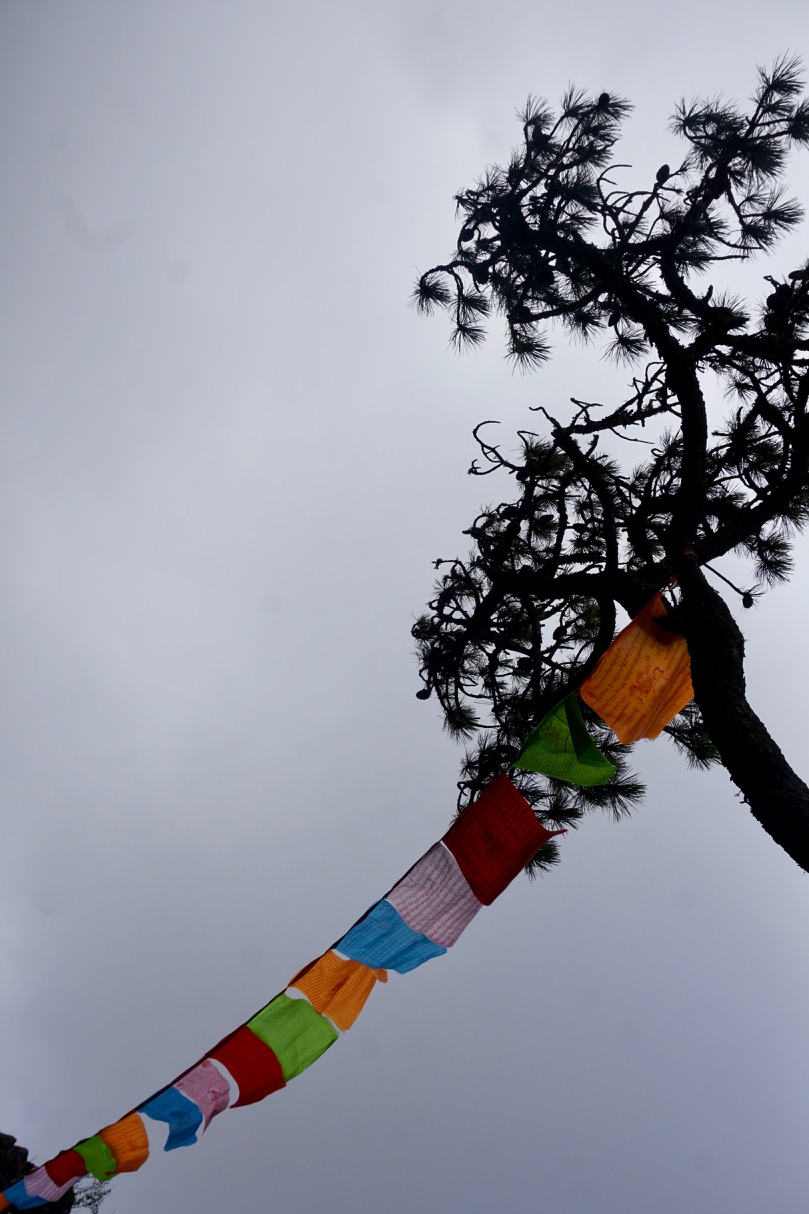
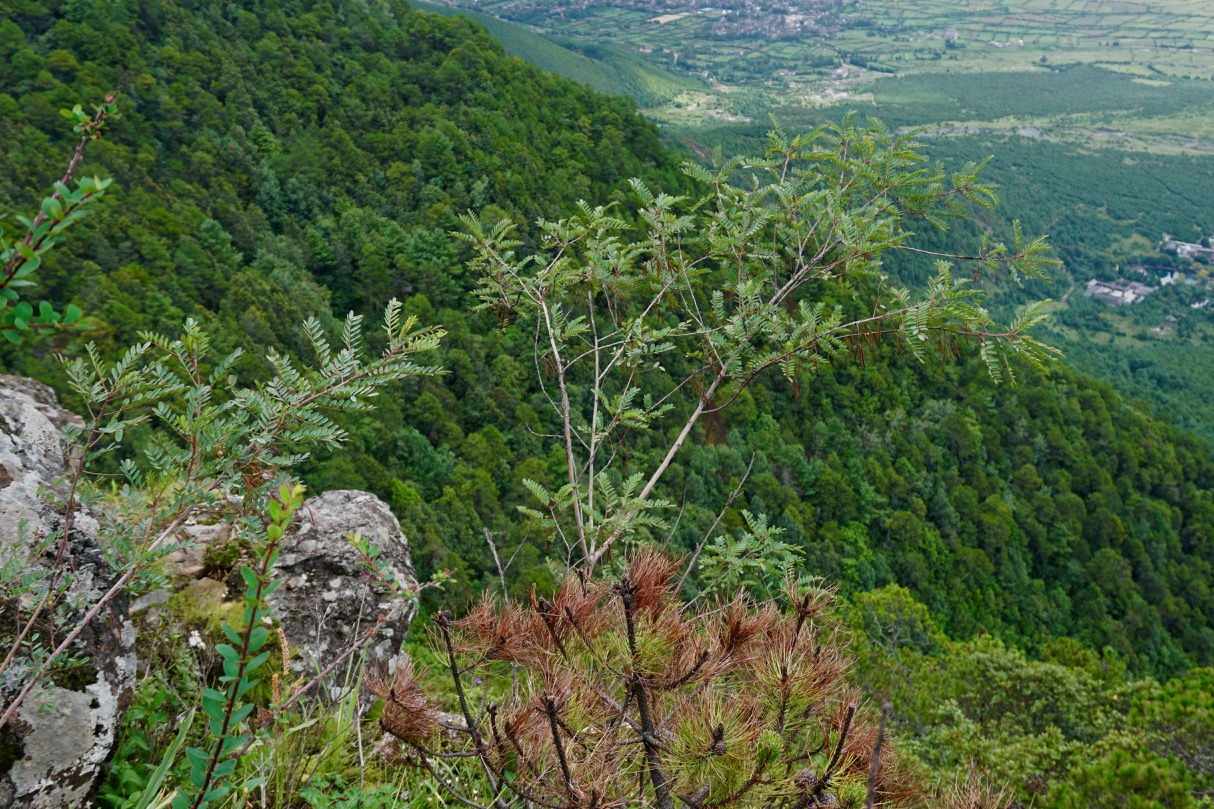
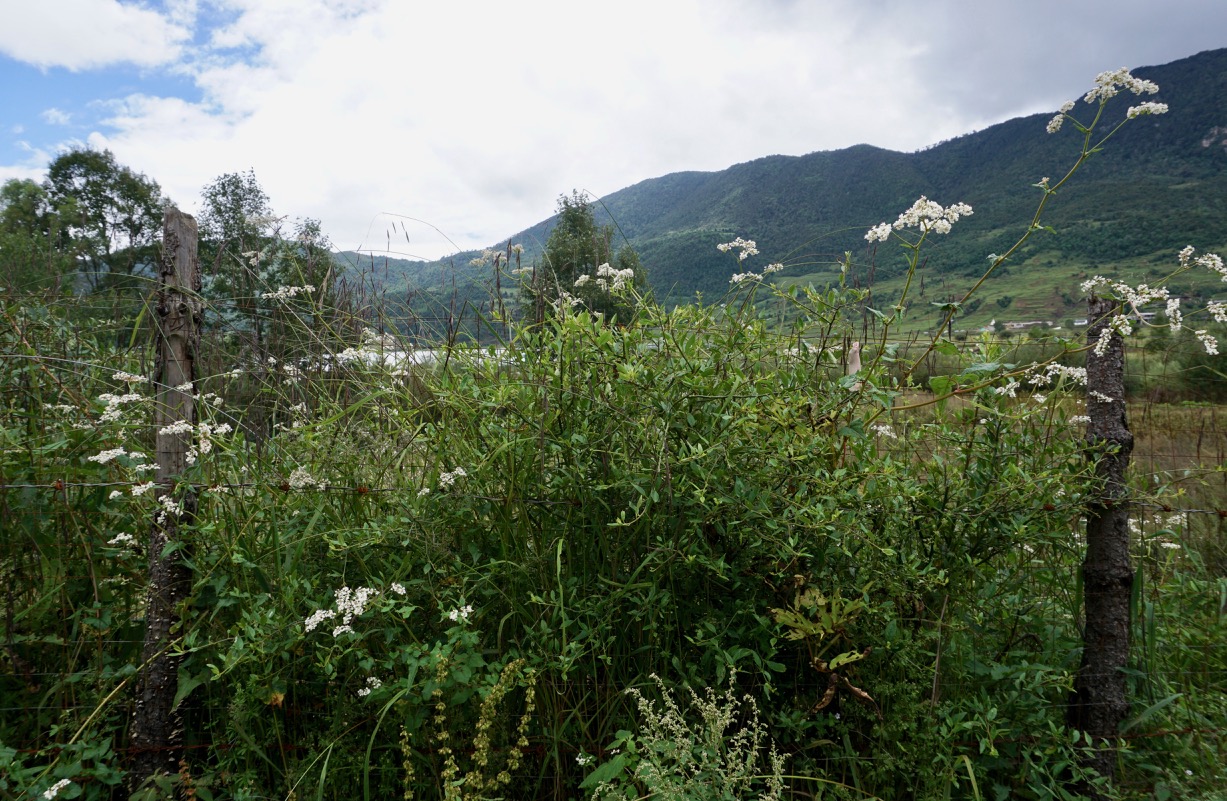

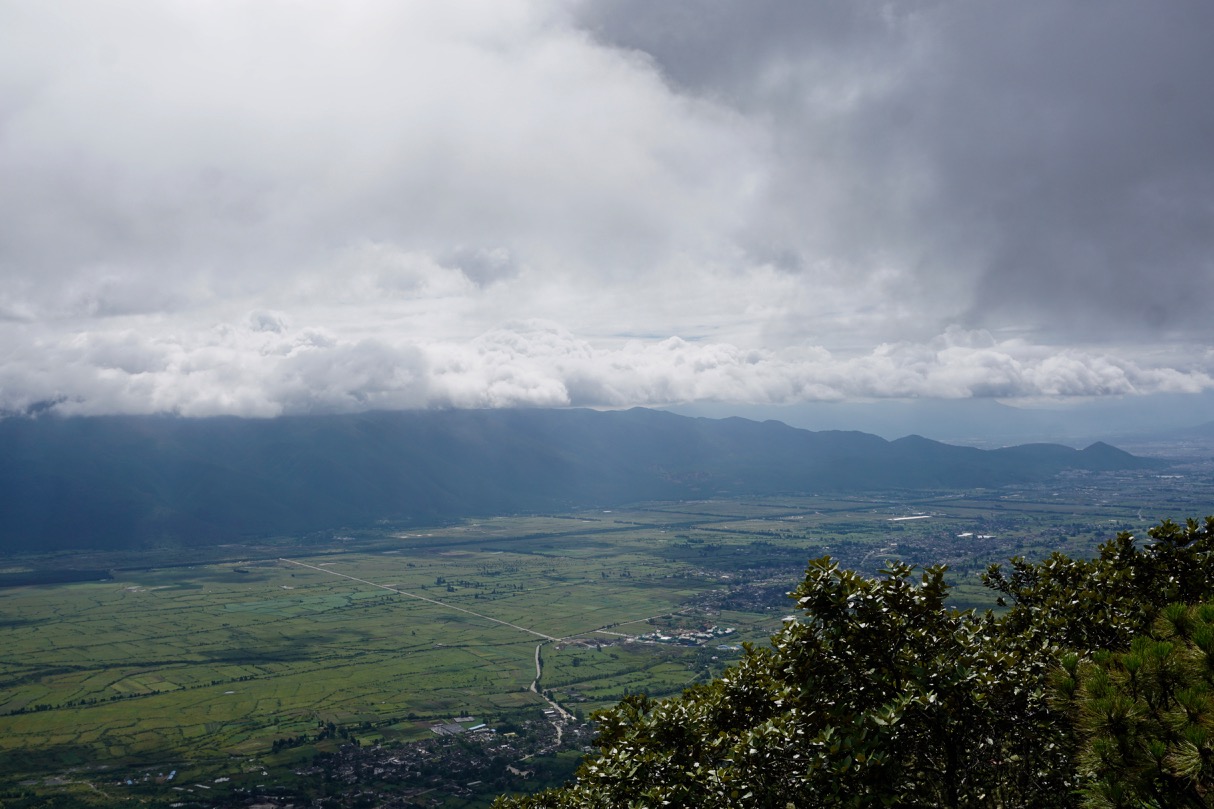

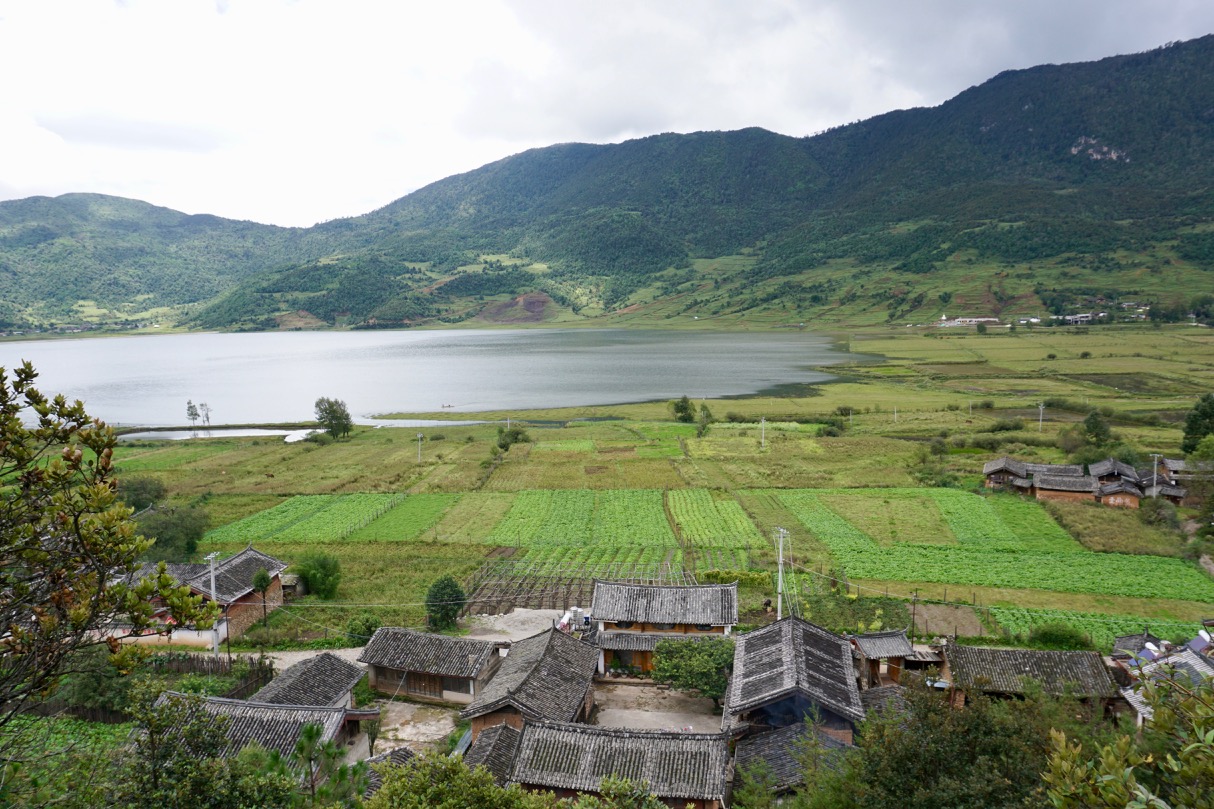

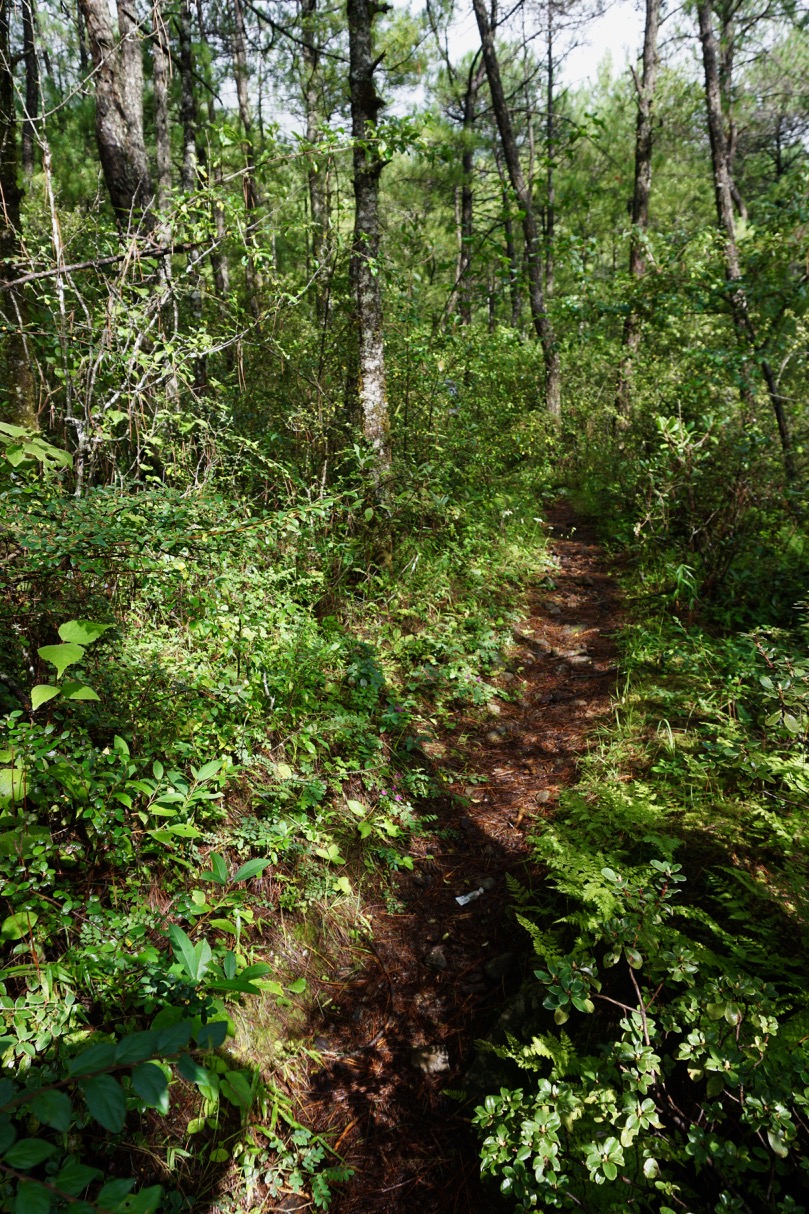

It is a true pleasure to feel like I’m somewhere new and to look around at a completely different sky. Singapore is dense and full of tall buildings; our time in Yunnan gave me some much-needed solace and an escape from a world that I often feel is moving too quickly.
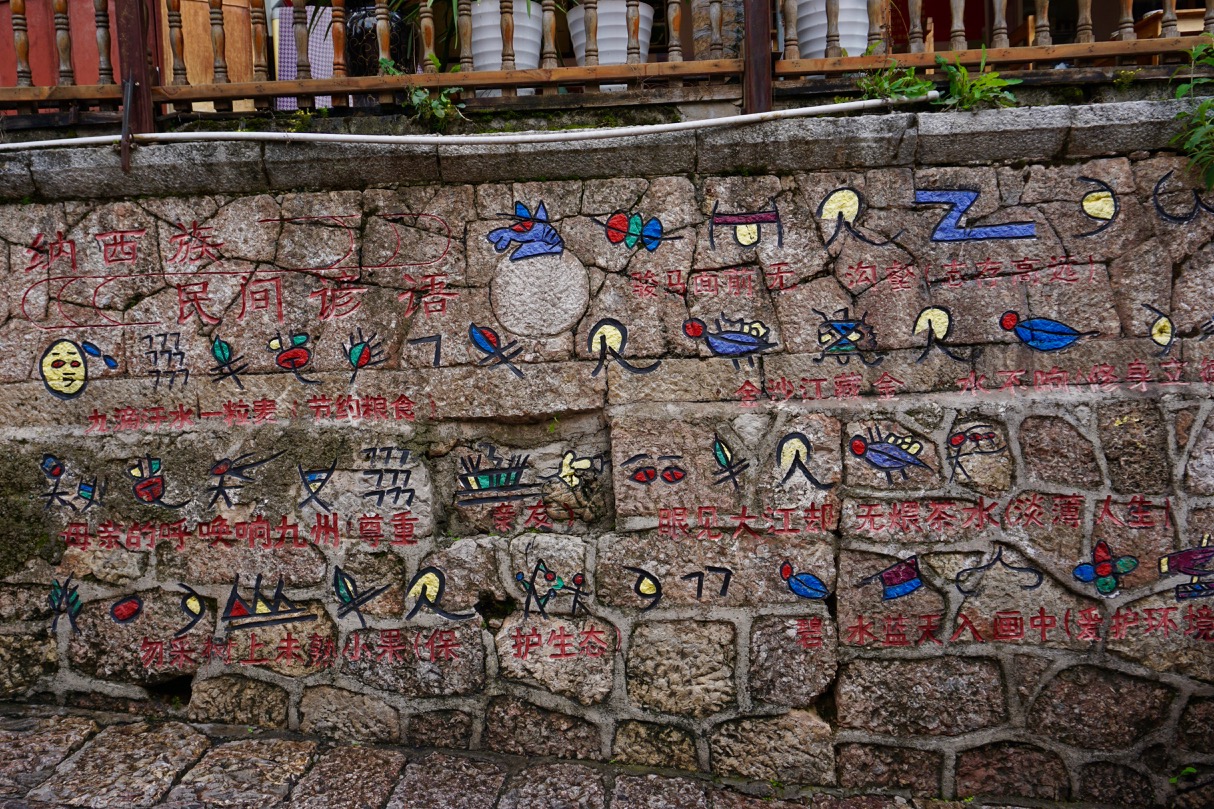
From our forest walk, we visited the Baisha Naxi Embroidery Institute where we learned traditional Naxi Dongba calligraphy. The symbols are pictographs that can be combined in a variety of ways to create many different messages. It was a lot of fun to use the calligraphy brush! We also learned traditional embroidery, which the kids really enjoyed and which reminded me of the sewing I used to do in elementary school.
We did not stay still in Yunnan, however. After two nights in Baisha we took a three-hour bus ride to Laojunshan. If I’m going to return to any part of Yunnan on my own, Laojunshan is it. I didn’t know it before I arrived, but the area is China’s traditional climbing heaven and as soon as we got there, I understood why.
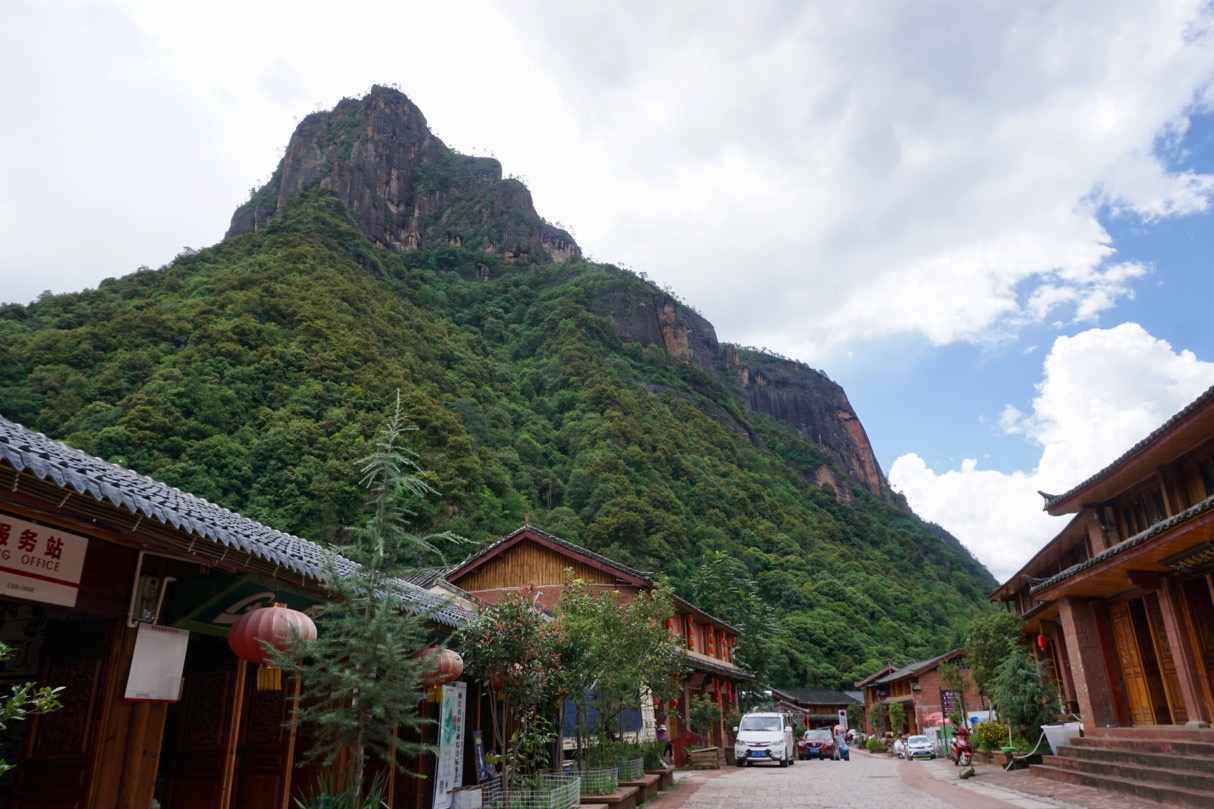


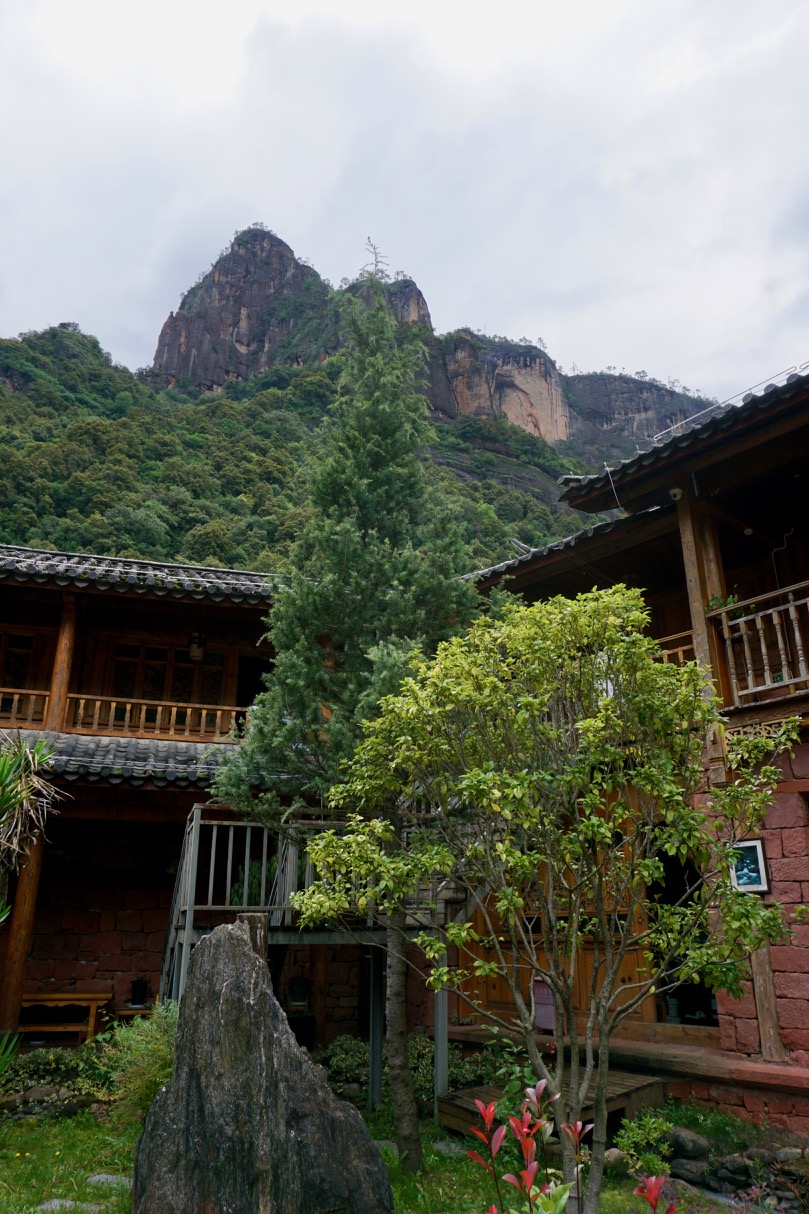
The buildings are beautiful, too, and fit so completely into the red sandstone that was everywhere.


Many people from the Lisu minority community live in the area around Laojunshan and are known for their music and dance. We visited the home of famous Lisu musicians who have performed as far away as France. We spent an afternoon with them to make bamboo flutes and learn traditional Lisu dances. A week later, my flute still tastes and smells like wood and smoke, which I love.
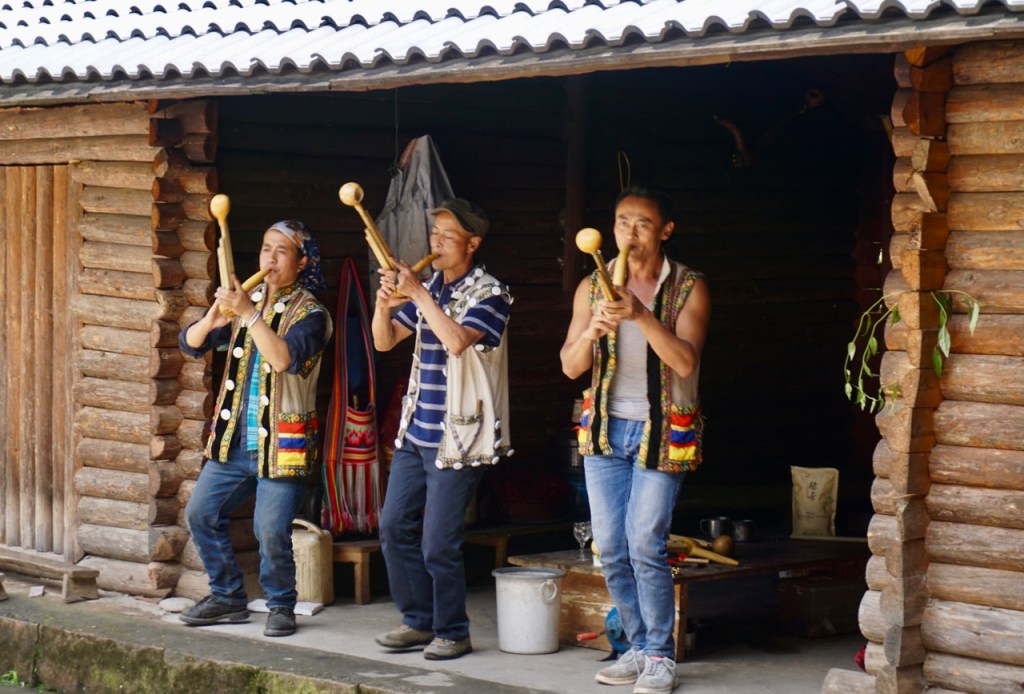
Later that evening we had the opportunity to put our Lisu dance steps into practice, which was great fun. Laojunshan is basically one long street and the nightly entertainment is dancing! We gathered with the community after dark in a large courtyard with lights, tables, and benches and followed along as best we could. The Lisu women had beautiful costumes and many men were involved in the dance, too.


When we left the dancing, I looked up at the stars. It was so dark and there were so many stars. We don’t see that in Singapore.
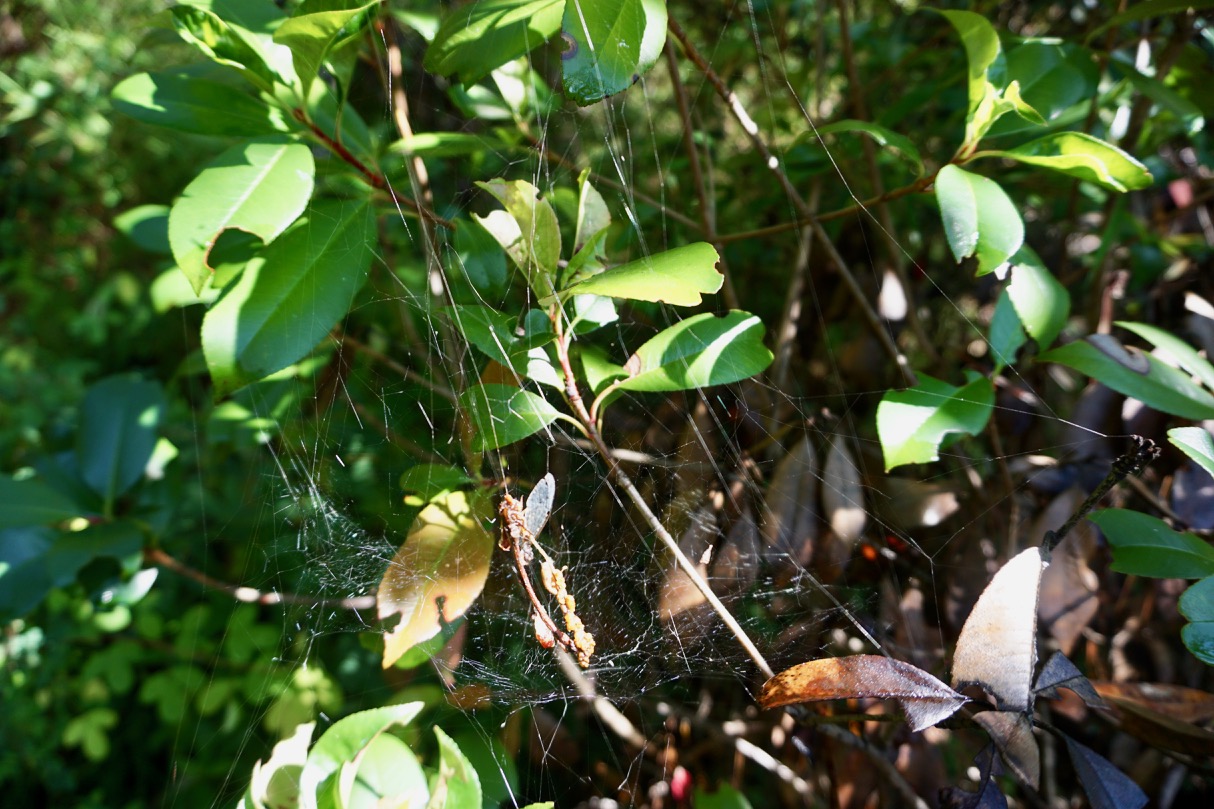
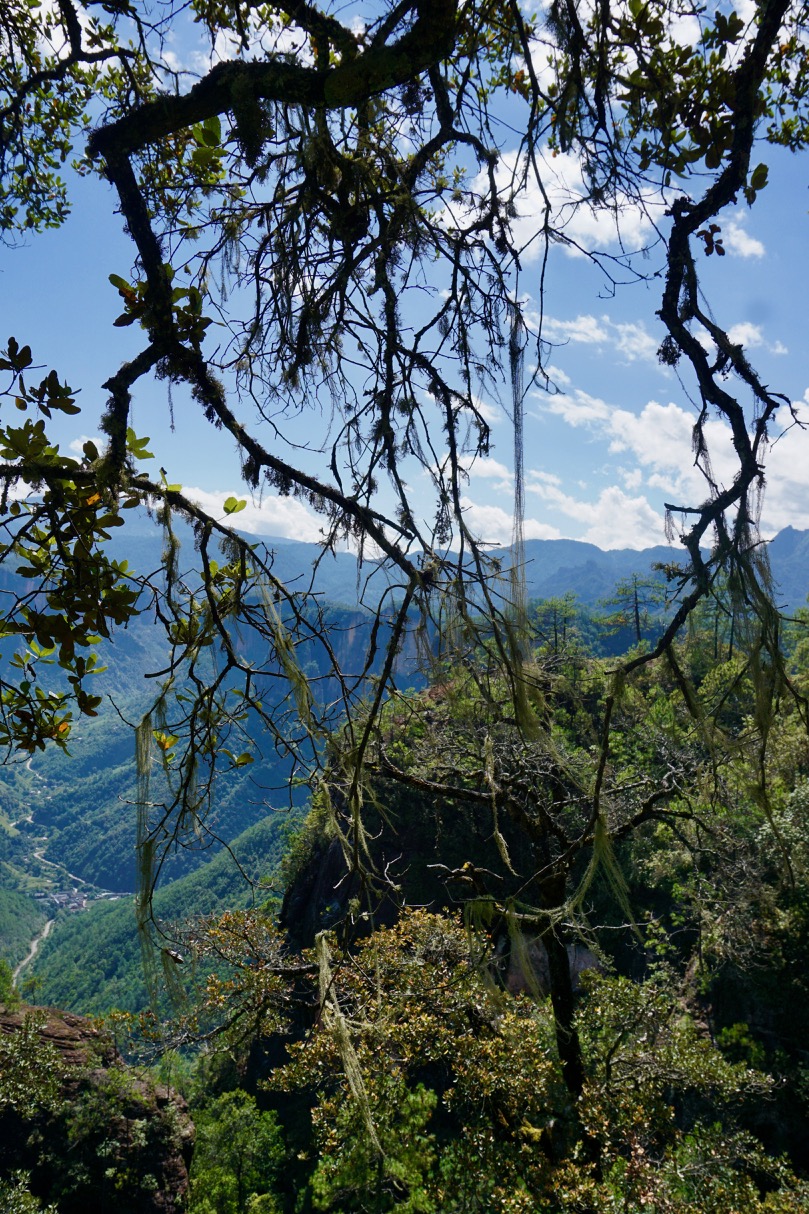
Another thing we don’t see in Singapore is mountains. The following day we climbed Thousand Turtle Mountain, which was astonishingly beautiful. The views are glorious and the day was fresh and new from rain the night before. I loved watching the light and the mountains appear from the mist. I took some time to write and to sit and breathe the air; there aren’t many occasions when the world feels right to me but this was certainly one of those, for which I am grateful.

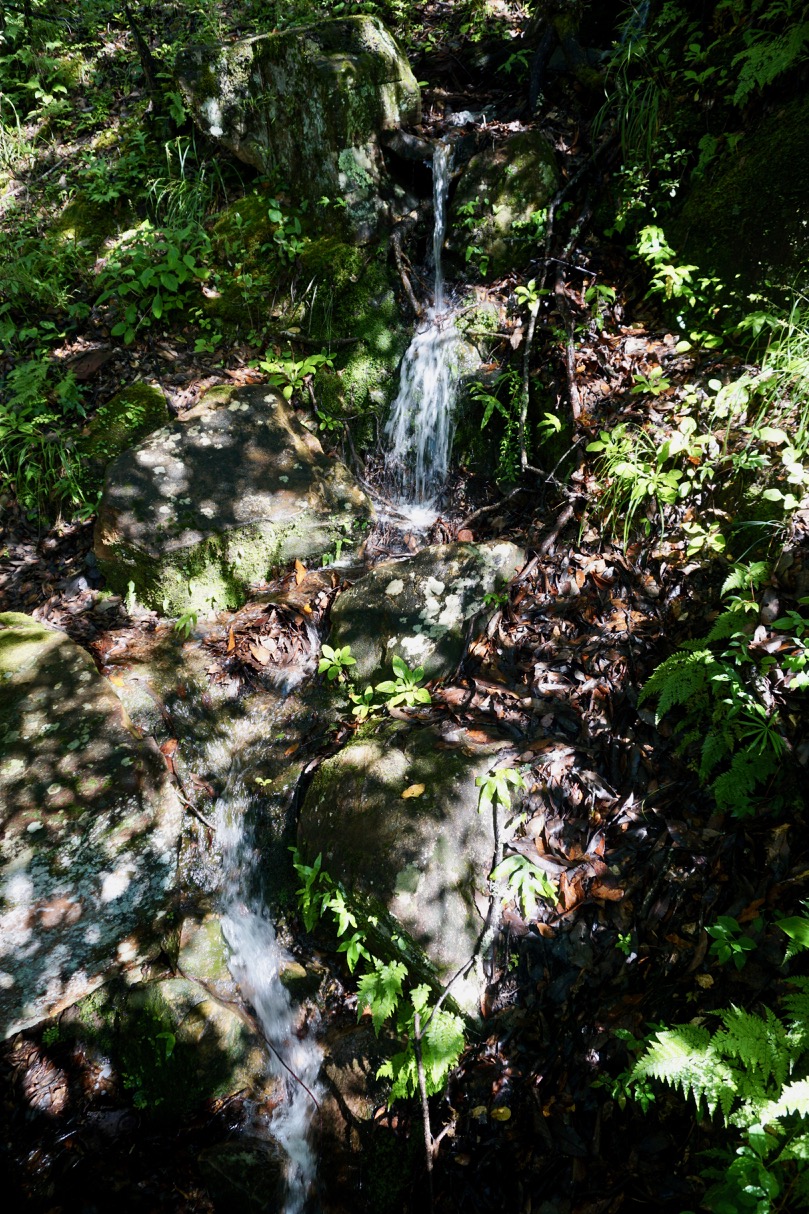


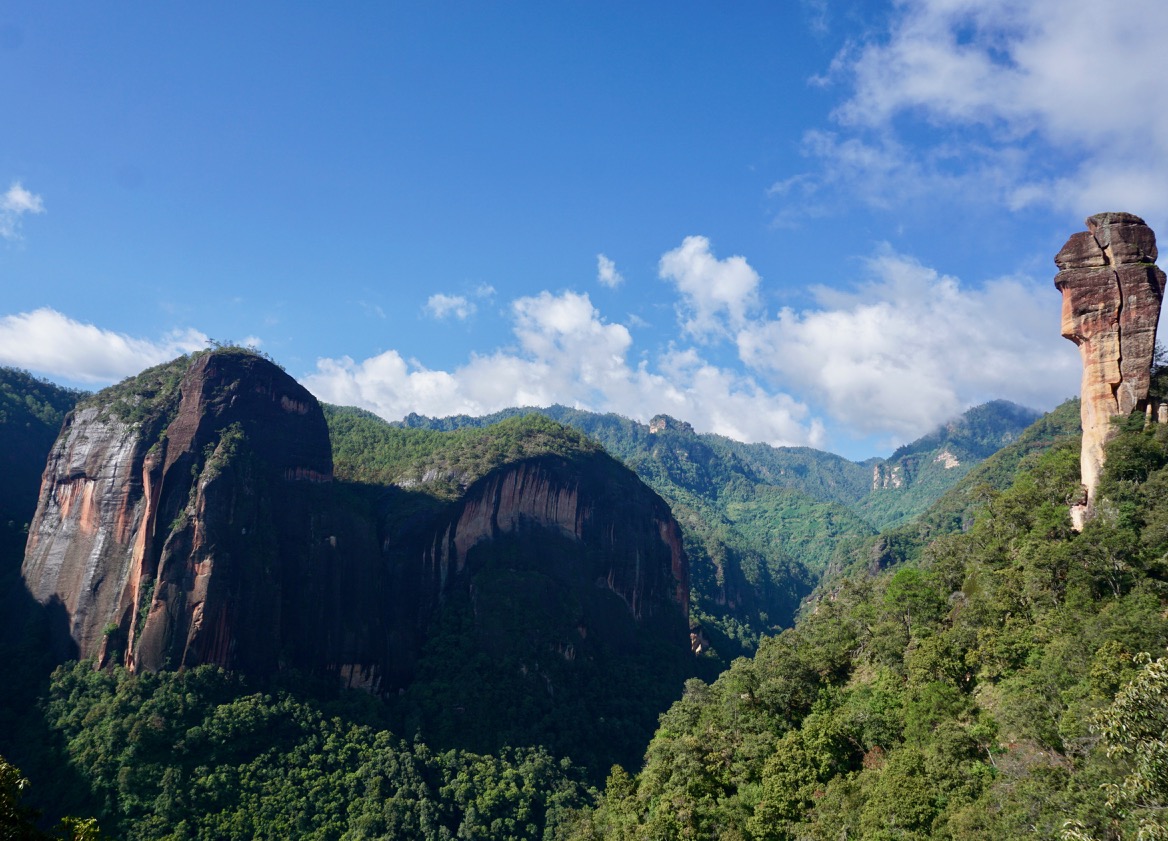
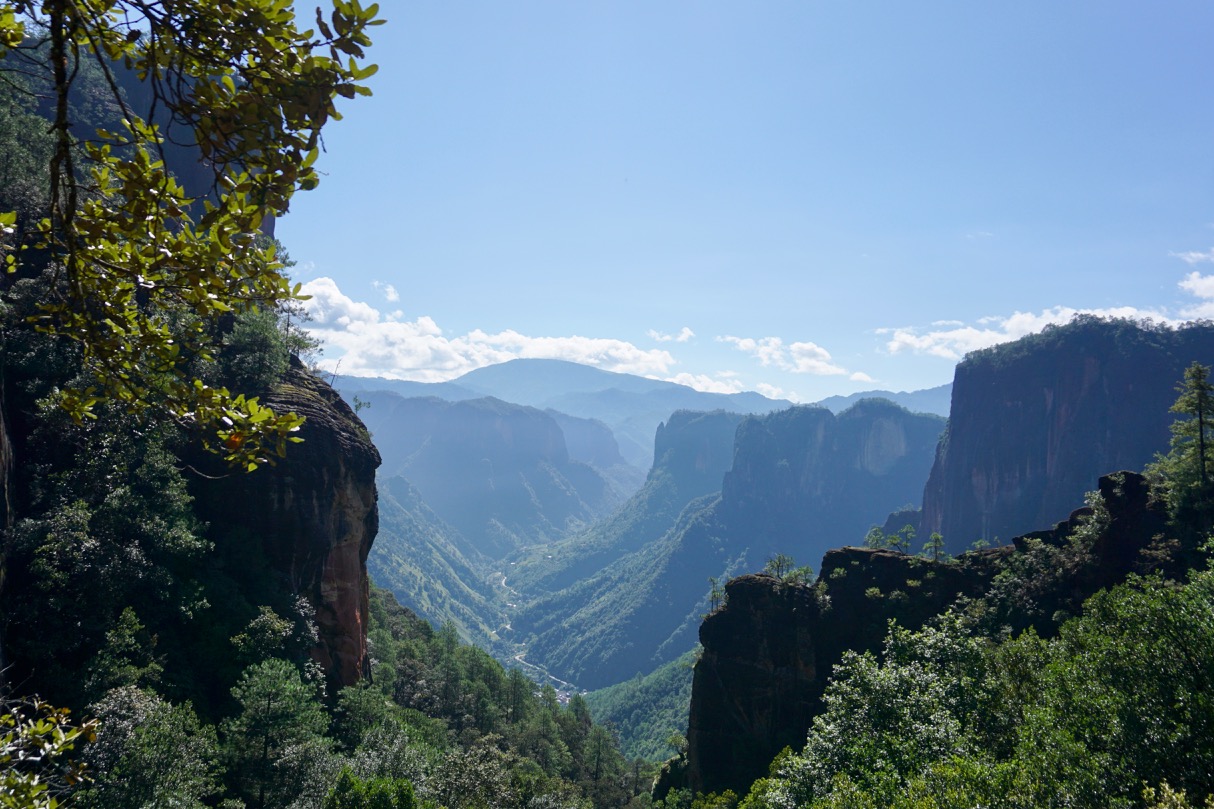
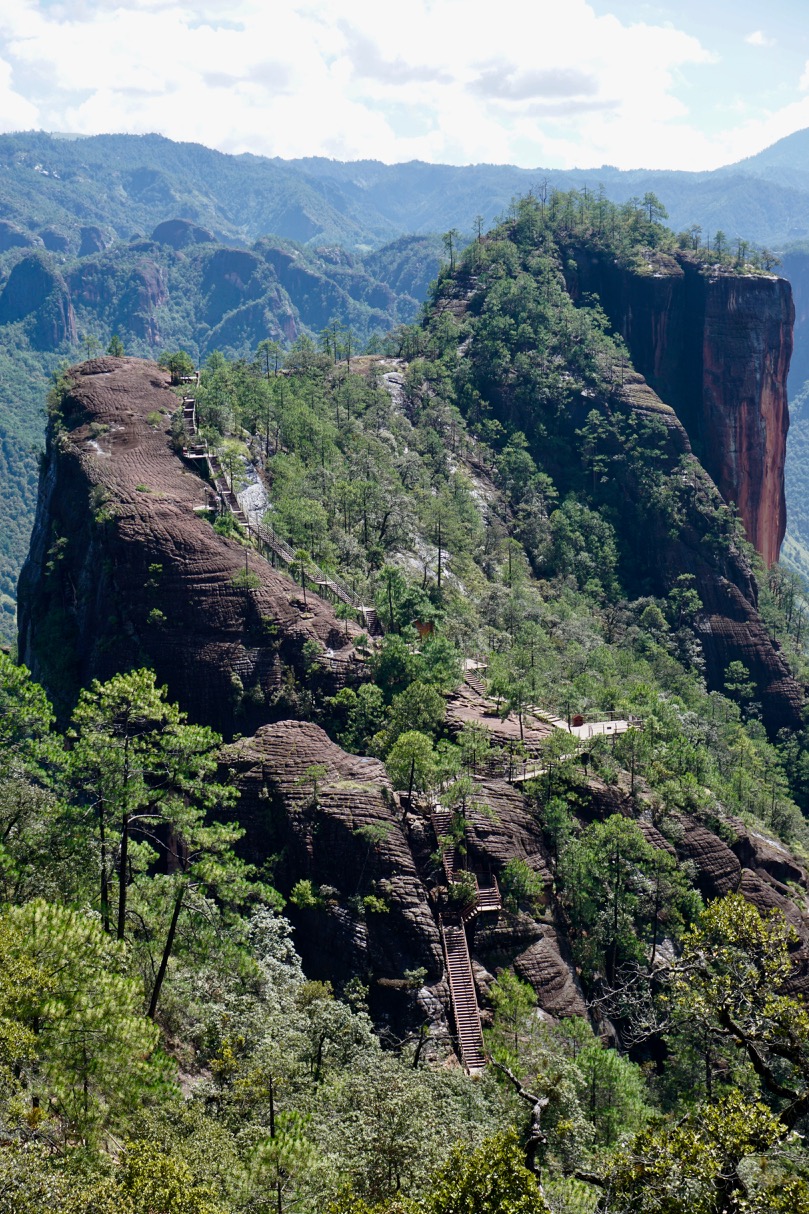

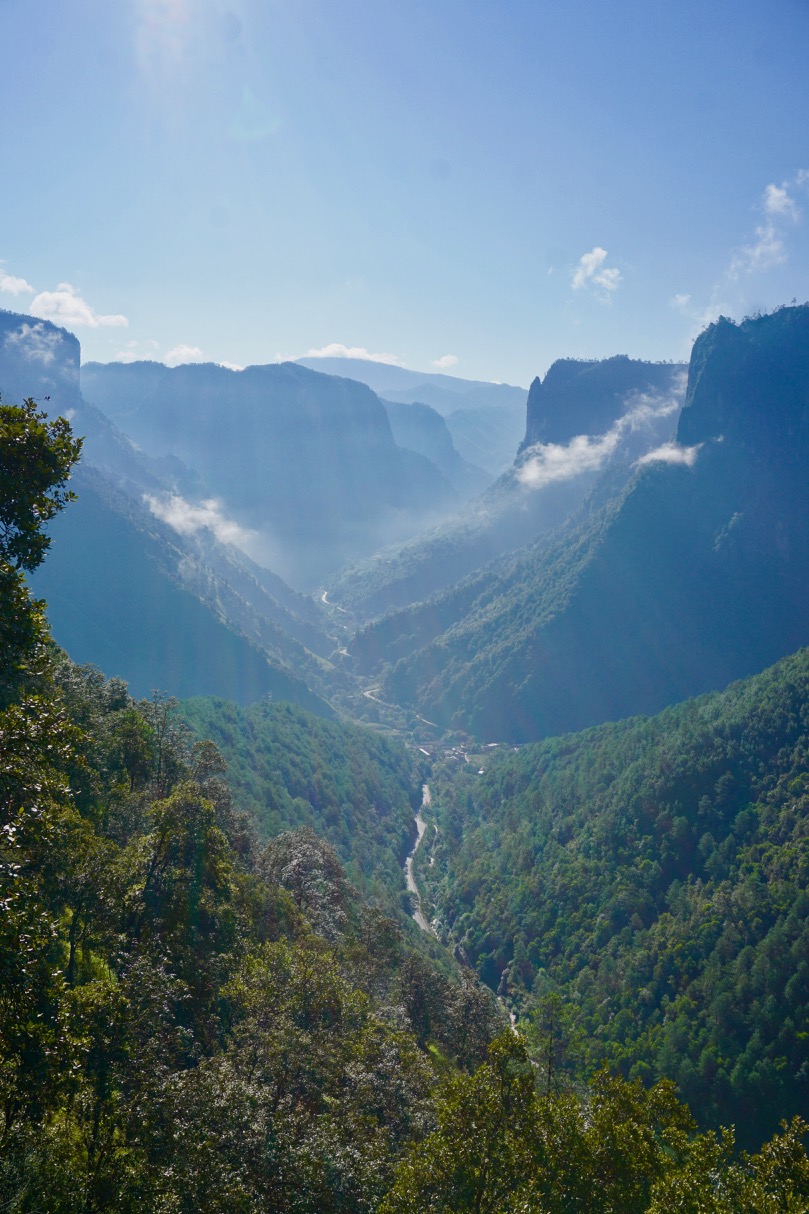


Thousand Turtle Mountain feels like a different world from anywhere but it was starkly different to Lijiang, our final destination that afternoon. Lijiang is about three hours by bus from Laojunshan and the home of the closest airport to where we were. At just over a million people, one of my Chinese colleagues pronounced it tiny. Considering we’d spent the week in towns so small that you could count the number of streets, Lijiang felt huge.
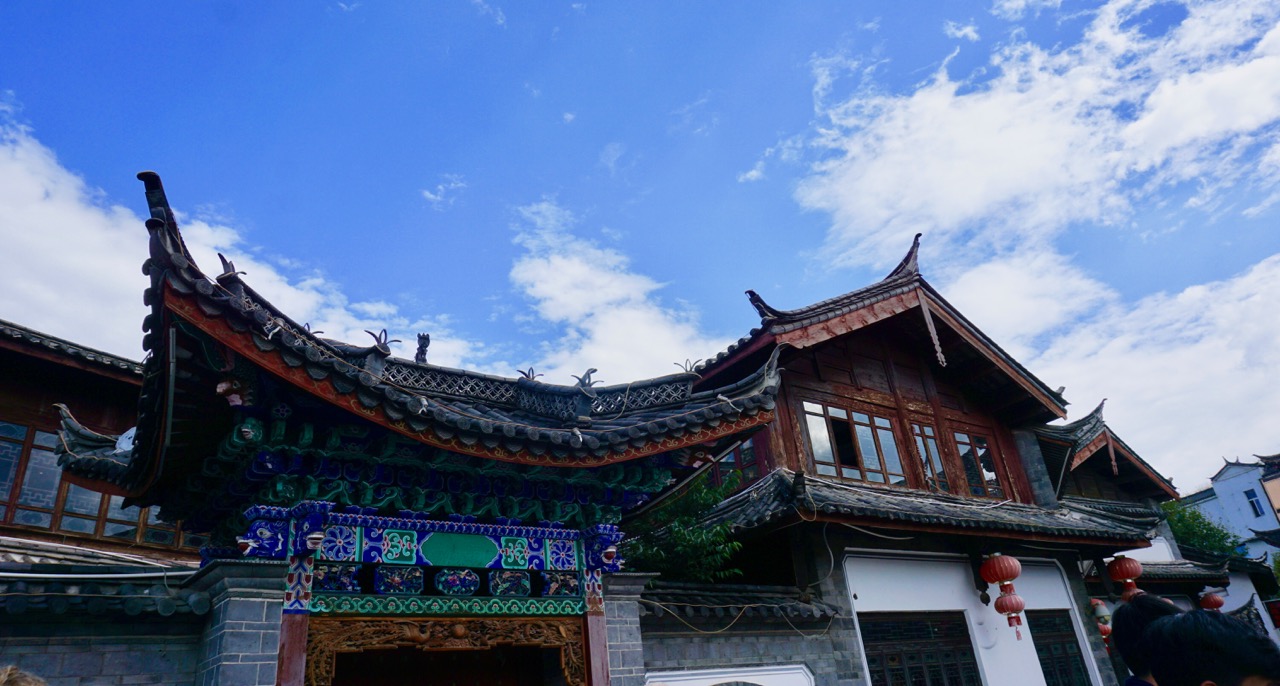
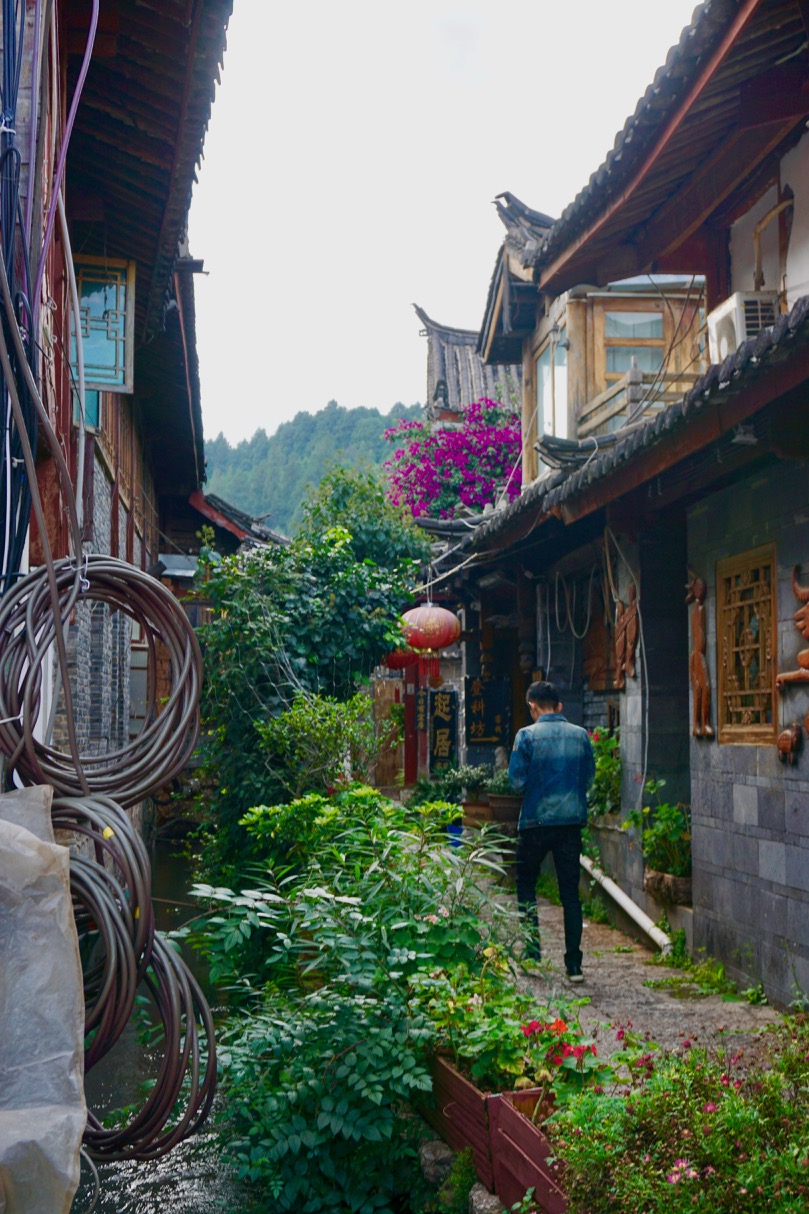
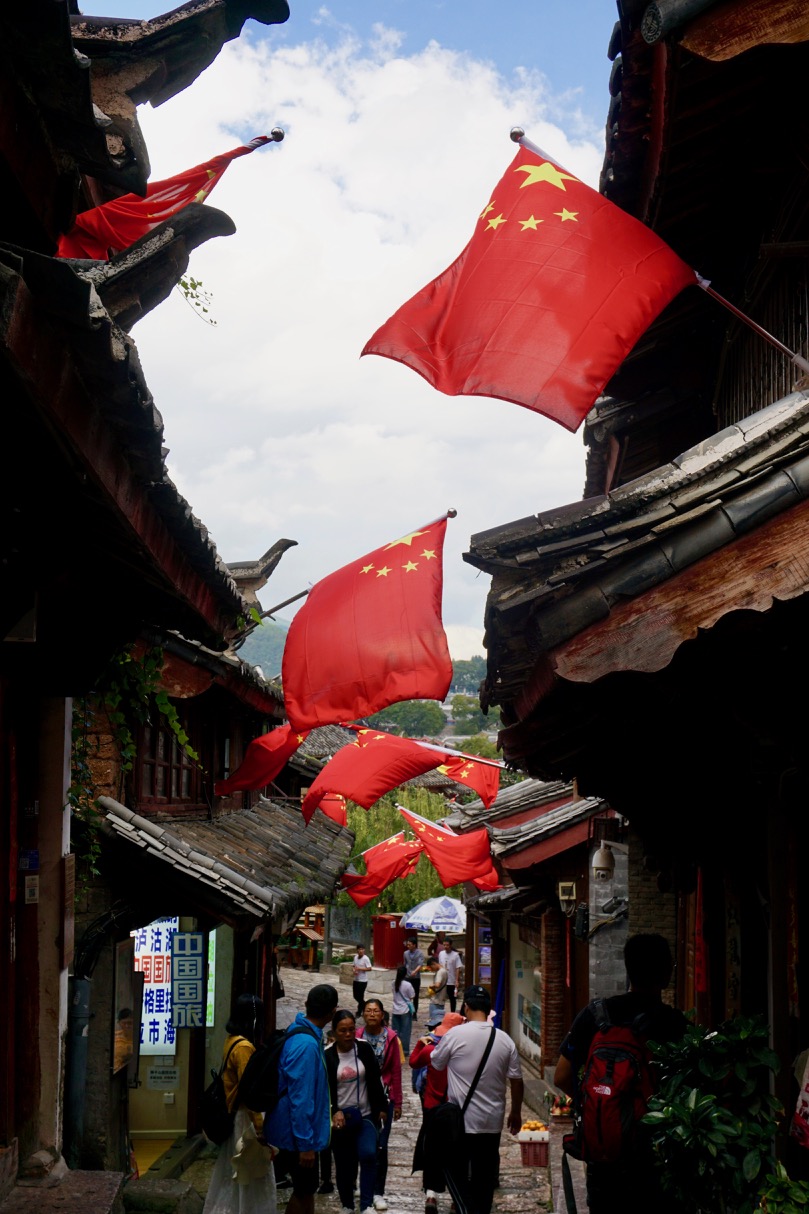
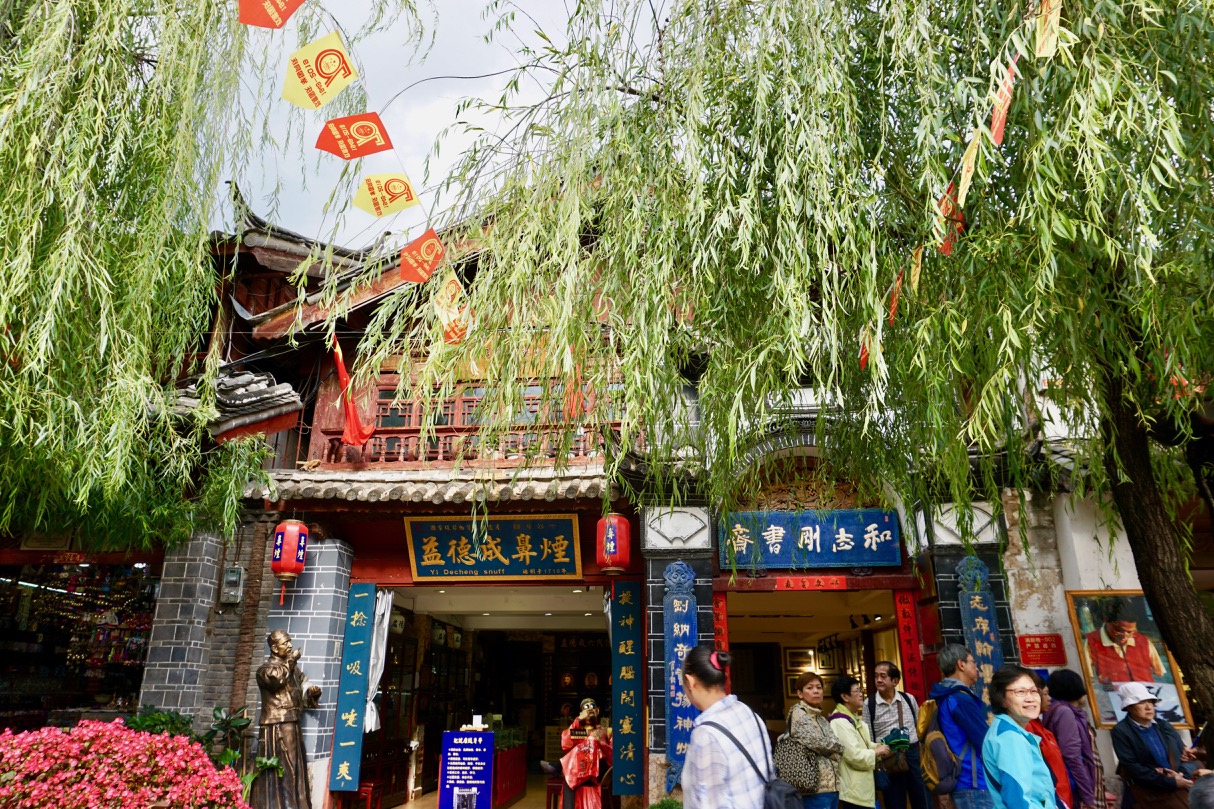
Rather than spend any time in the city, though, we headed straight to Lijiang Old Town, which used to be the market district. It maintains that character and flavour through winding, twisting, narrow streets full of shops but the shops today are for tourists. They sell souvenirs, food, and beverages of every kind. I do enjoy a market in any form and it was fun to wander around and see what there was to see. I really did like the architecture, too. Most buildings in the parts of Yunnan I have visited have exteriors far grander than I would have expected and it always catches me by pleasant surprise.









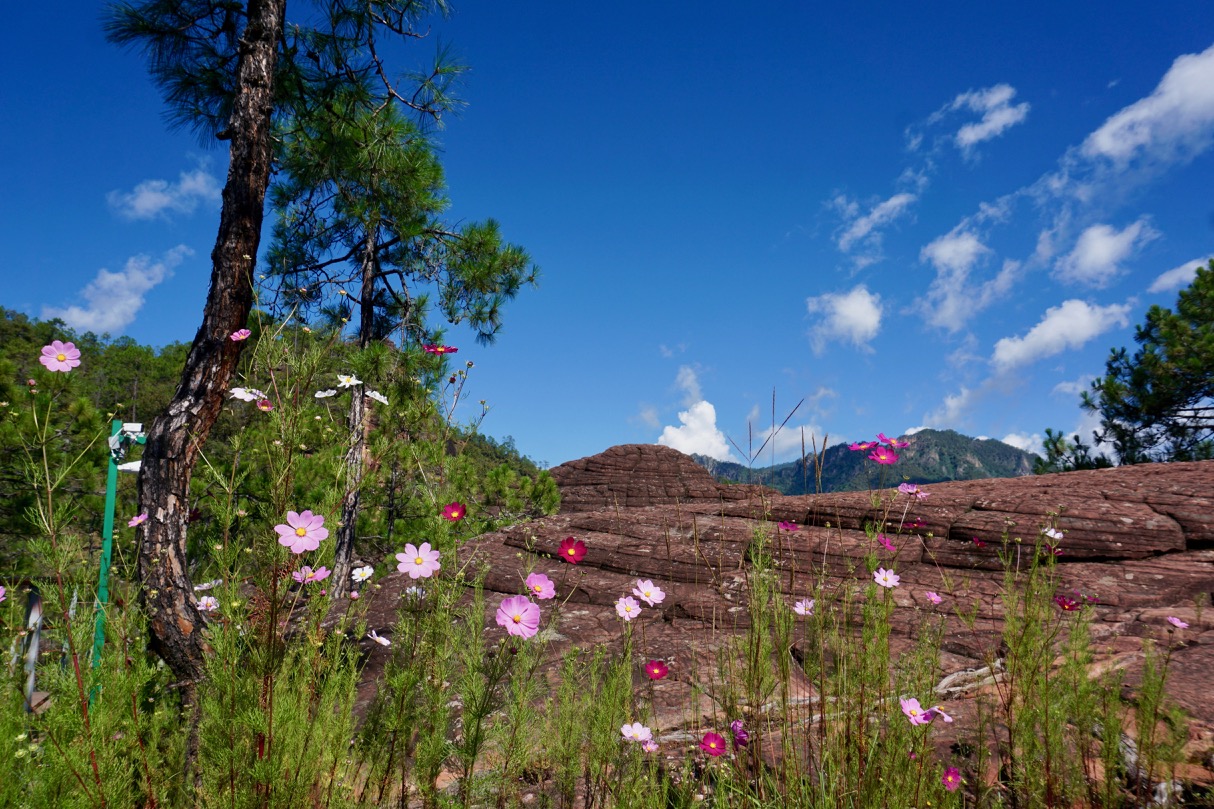
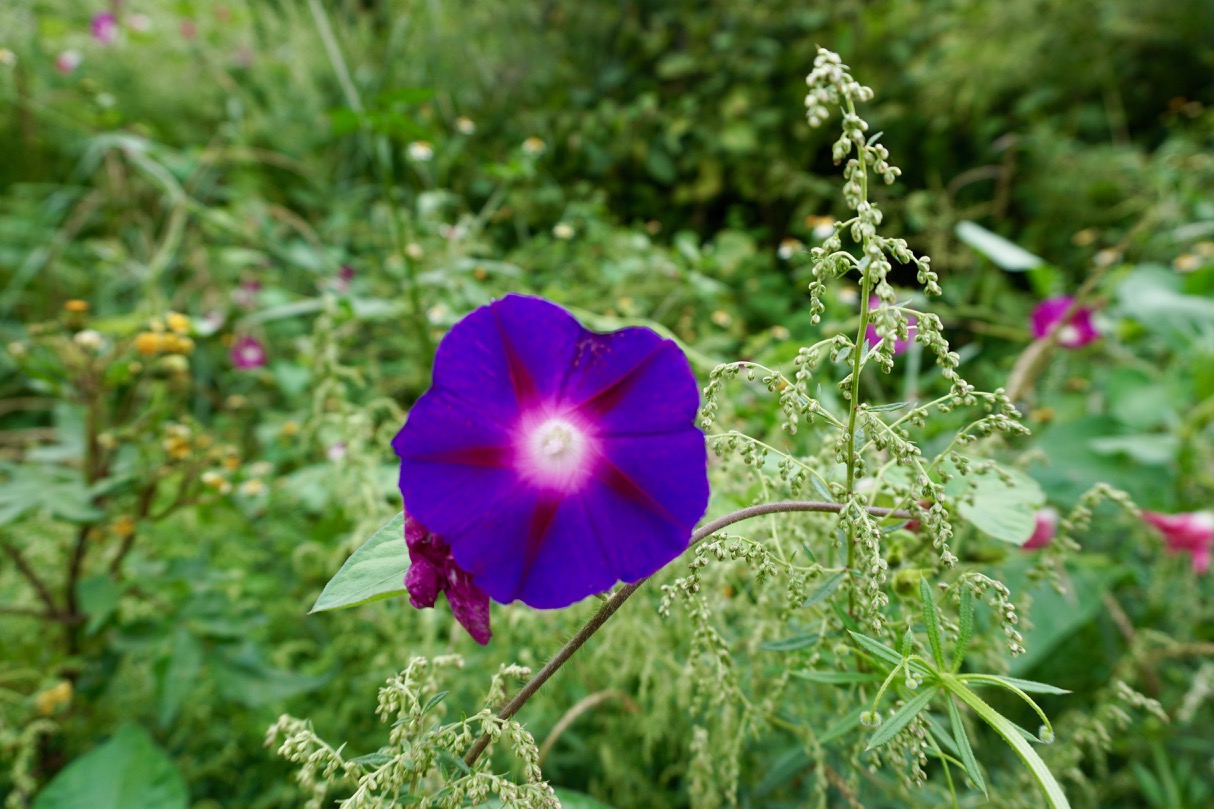
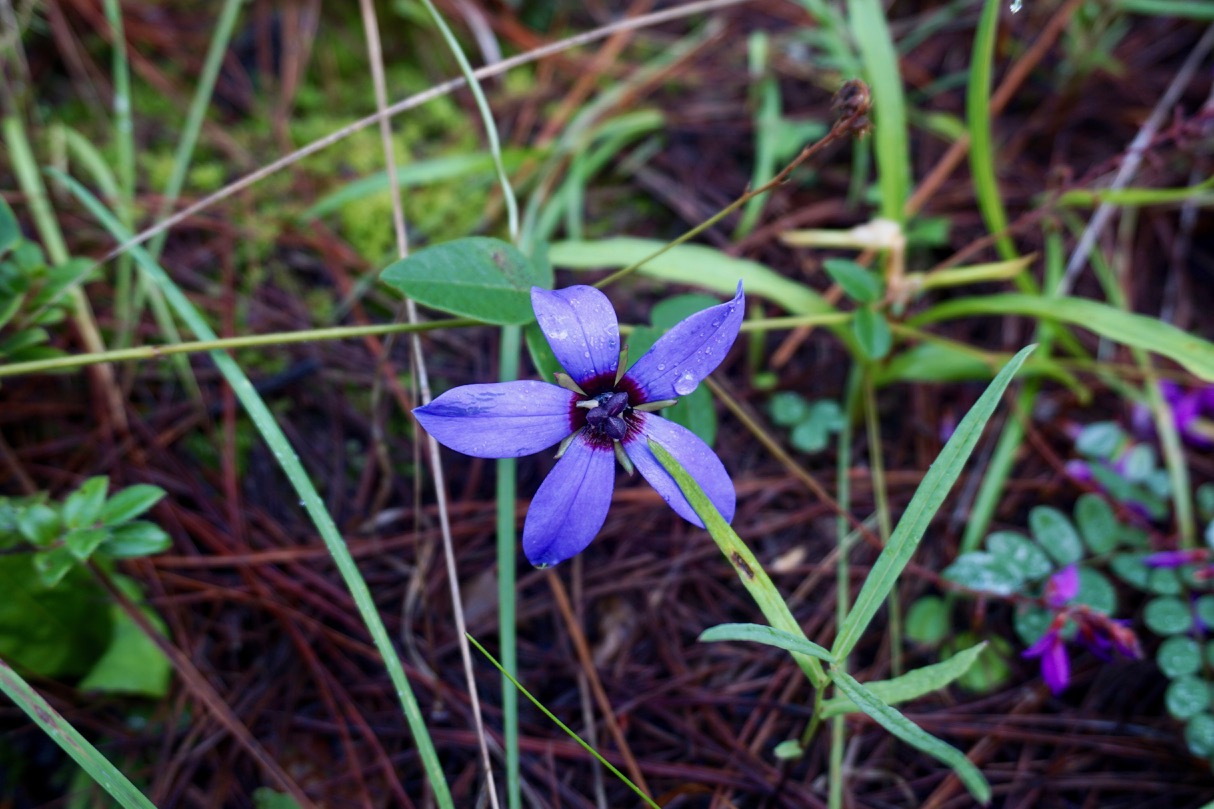
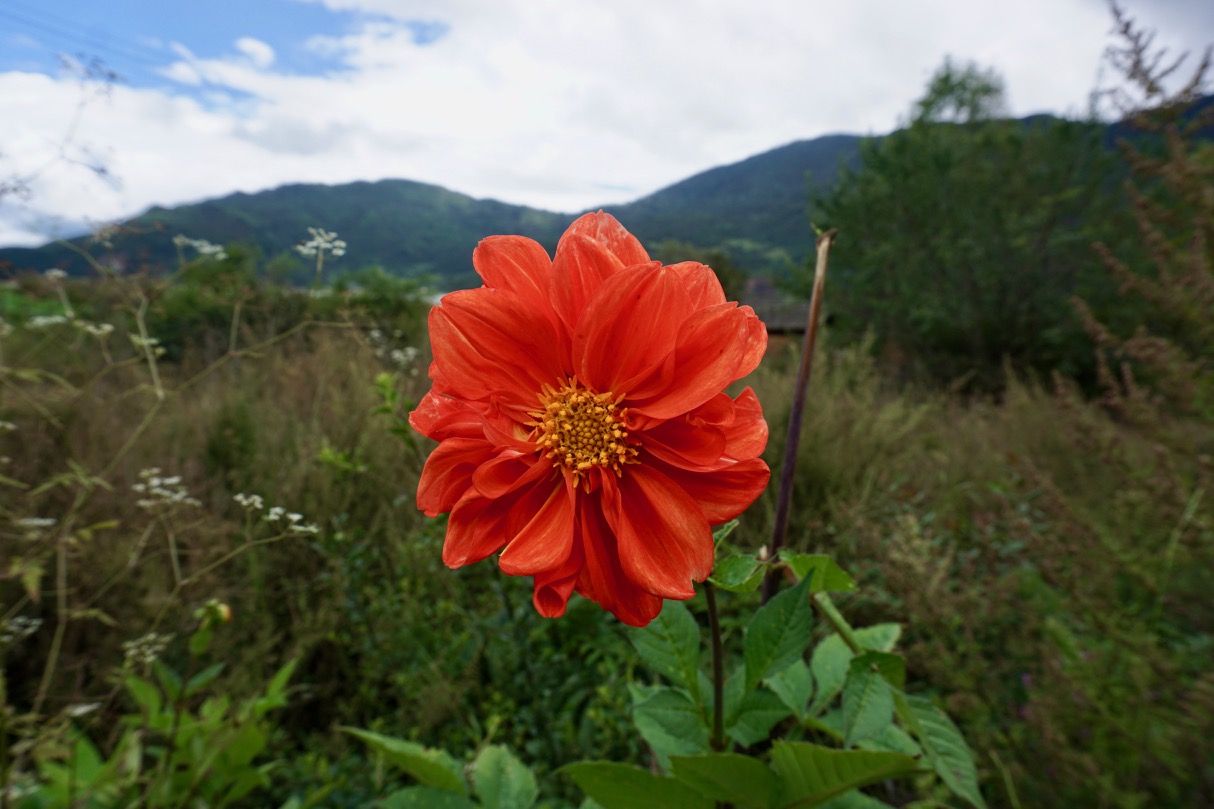
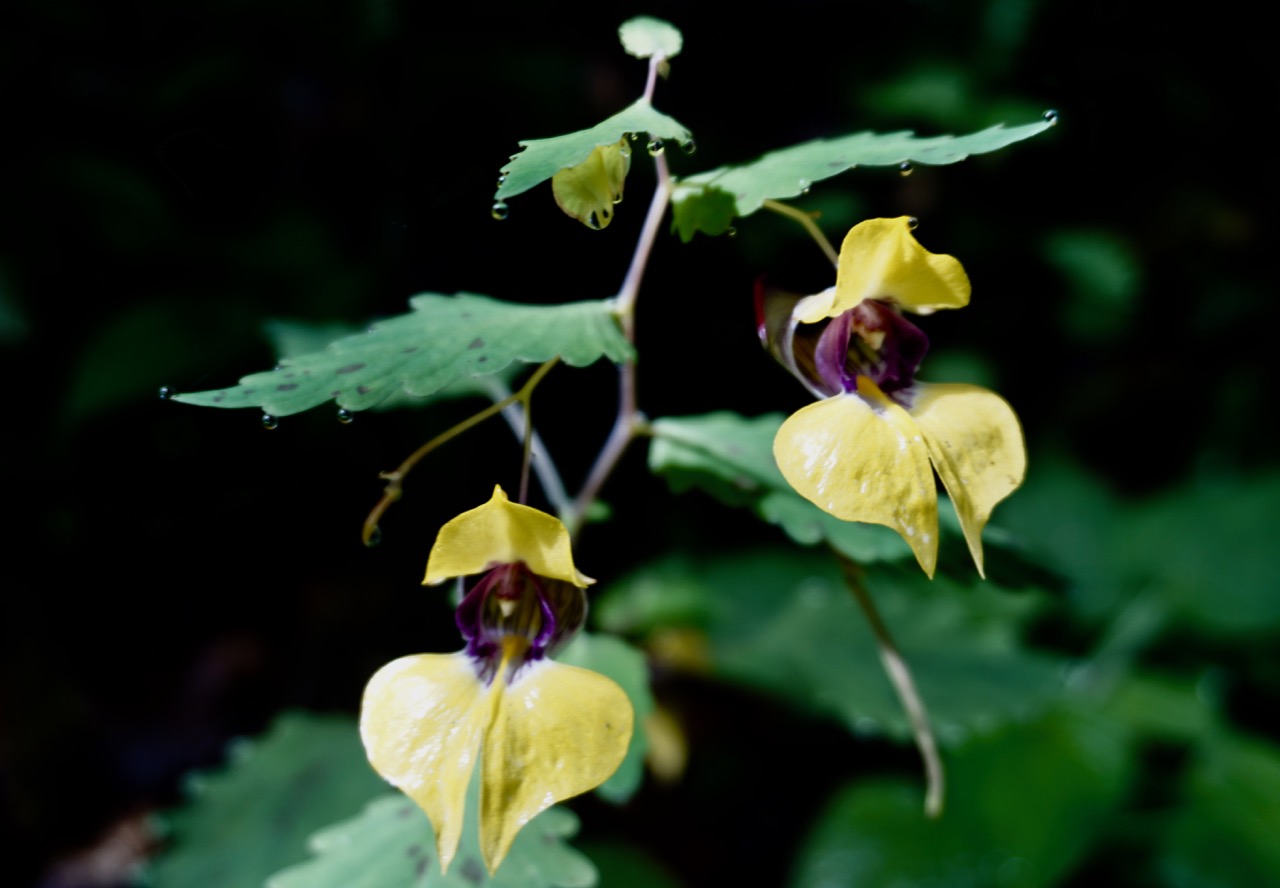
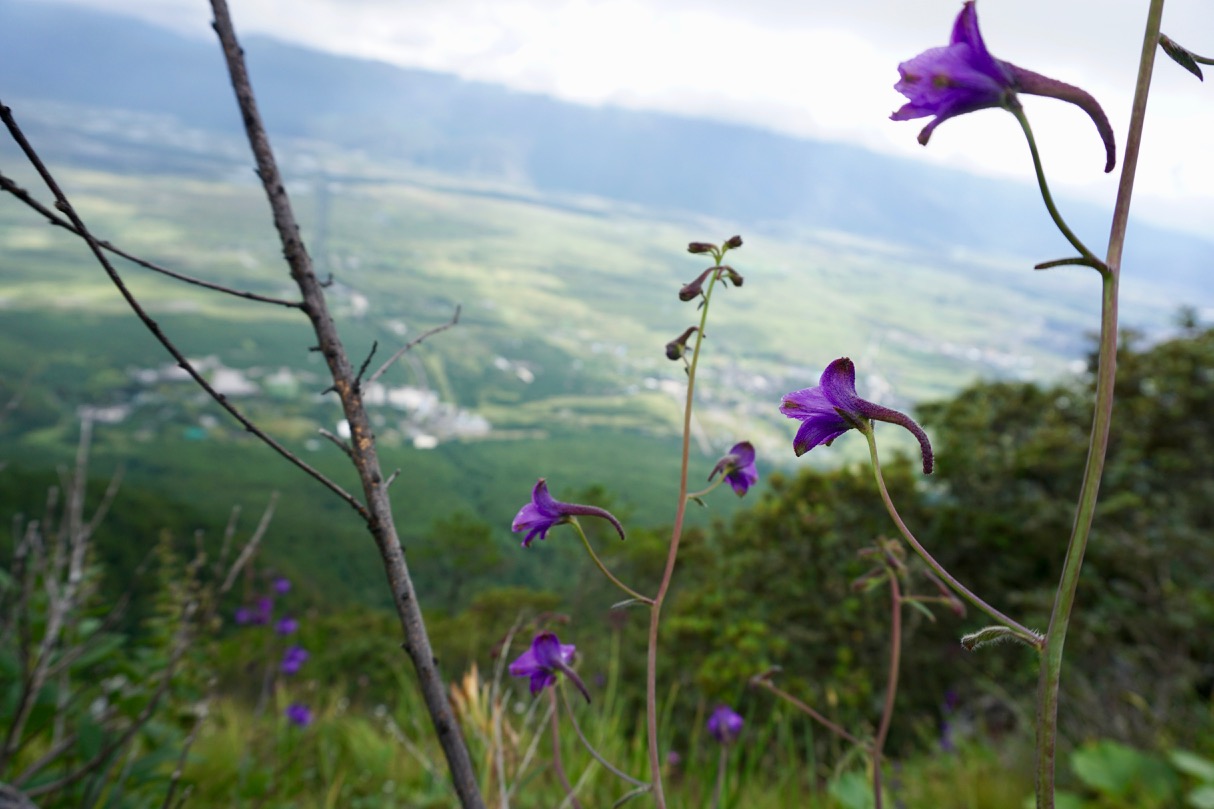
Throughout our time in Yunnan, I photographed flowers. We have lots of flora in Singapore but I love exploring the beauty of the places that I visit. It’s all so different! And there were so many purple ones!


The following day, we were back at the train station for a high speed train to Kunming to catch the flight that would take us to Singapore. We spent six days in a different world and I am grateful for each one of them, and for the people I spent time with along the way. It is experiences like this that make me feel right in the world and this one came at a good time.
Of all the paths you take in life, make sure a few of them are dirt. – John Muir


